This week I review Terje Tvedt’s The Nile, History’s Greatest River, provided to me by NetGalley for review. I also review a book that was recommended to me by a young friend. She was right, I would have passed it over but was tempted by the 99p kindle version.
Terje Tvedt The Nile History’s Greatest River I.B.Taurus Bloomsbury Press 2021
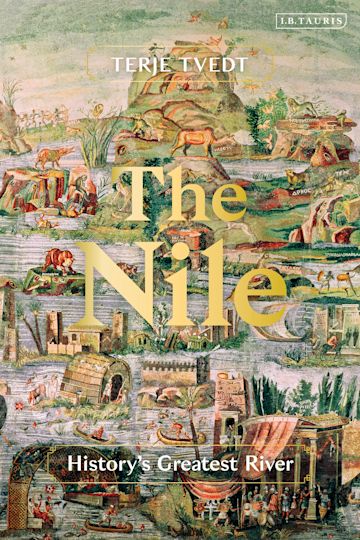
This is an immense book, both in scope and aspiration. Coming to my interest in reading The Nile from a mixture of dim recall from school history; Agatha Christie’s evocative Death Comes as the End, and the less inspiring, Death on the Nile; and a cruise from Luxor to Aswan I have mixed responses. They are those of an academic with a political and historical focus, and the general interest of a person who wants to read an accessible book on an area about which I know little, apart from the mentioned fiction and travel treatments.
Dolly Alderton Ghosts Penguin 2020
I was fortunate that a young friend suggested I read this Dolly Alderton’s Ghosts. Fortunate because I would have moved past what I found to be an engaging read, full of social commentary and wise observations, with characters who at once charm and repel. Some are, of course, more of the latter, and thankfully the personality flaws in the main character and her closest friends are understandable.
Ghosts is most obviously a fun read. However, I found some profound statements that are worth thinking about in a political context, especially in relation to the working class ethos that is an important part of British politics in particular.
See the full reviews at Books: Reviews

DWFTH 5 (2021): CONFERENCE REPORT AND PRESENTATION CONNECTIONS. 13/08/2021
https://womensfilmandtelevisionhistory.wordpress.com/
By Kyna Morgan
DWFTH 5 took place on 10th-11th July 2021 via Zoom. The conference was originally scheduled for May 2020 at Maynooth University, Ireland, but was cancelled due to the Covid-19 pandemic. You can see the full conference programme and paper abstracts here.
One of the great benefits of attending a conference is the ideas sparked within you that inflict a sense of urgency. The theme of this year’s DWFTH conference, ‘Histories of Women in Film and Television: Then and Now’, focused on the urgency with which women’s film and television history must be treated in current and ongoing scholarship, curation, and practice.

Of 28 panels offered, I attended 10 as well as other engaging events (Mary Harrod’s book launch, and more). Each panel began on schedule allowing ample time for brief paper summations and thought-provoking Q&As. The active support team and overall organisation of the event by Sarah Arnold and DWFTHN team were commendable. The launch of RAMA (Research Network on Audiovisual Made by Women in Latin America) was particularly exciting, although the attendance was small; an active group with a clear remit to further research in this field, I hope other such groups will receive more attention in future.
The international participation was energising. Hearing from scholars and practitioners from around the world as we collectively write women (back) into the global film and TV canon and annals of history was stimulating. My primary historical research has been on African American women filmmakers in silent and early sound cinema (published in the Women Film Pioneers Project) [1]. I was gladdened that several presentations featured research on African American and diaspora women filmmakers and performers and hope to see more of those at future conferences. This is a crucial historiographic omission within women’s film and TV history scholarship that deserves more reparative attention. The conference should remind us that marginalised perspectives deserve active inclusion, and that new and alternative ways of thinking about, and theorising, women’s film history can help to ‘unsettle and challenge common assumptions’. (Foss and Ray, 1996, p. 253)

The following is a brief connective review of four presentations I found particularly essential:
Karen Pearlman (‘Distributed authorship: The “et al.” theory of creative practice, distributed cognition, and feminist film histories’ / panel: ‘Challenging the Author’s Cinema’) proposed an ‘et al’ credit and citation for film that eschews the notion of the auteur as it affirms the contributory nature of filmmaking. Theorising filmmaking as a process of ‘distributed cognition’, one in which everyone who contributes is a creator, helps with defining film labour in more holistic and accurate terms.
Isabel Seguí and Lorena Cervera’s presentation, ‘#PrecarityStory (2020): Feminist film researchers making Third Cinema in contemporary UK’ (panel: ‘Film, Television, and Women’s Activism’) discussed the co-creation aspects of their documentary film as well as the positionality of documentary filmmakers. The term ‘extractivist’ was invoked in reference to a type of relationship that higher class status filmmakers can have with working class or subaltern subjects; in their film, this hegemonic model of documentary filmmaking was collapsed.
In ‘Women on the frontline: Collecting visible evidence on domestic abuse in the midst of a pandemic’ (panel: ‘Practice as Research’), Eylem Atakav highlighted the importance of practice as research by ‘doing women’s history in the present moment’, as well as the ‘need to respond [and to] become agents of change’. Her documentary film was her practice that resulted in research which then had a tangible, material impact on policy around the domestic abuse support sector in the UK.
Finally, Jemma Buckley, Selina Robertson, and So Mayer discussed in ‘REVOLT, SHE SCREENED: Curating feminist film history, screening the history of feminist film curation’ (panel: ‘Film Curations, Clubs, and Catalogues’), how their 2018 film tour was fueled by the spirit of 1968. Through their curation, they recovered numerous film works by women which then sparked discussion and debate in venues across the UK, but also demonstrated how film curation can be understood as a feminist practice.
I find that each of these presentations and the ideas, theories, and methodologies they propose and employ, can be a connective tissue that brings together the ‘then and now’ of women’s labour in film and television. An expanded perspective on filmmaking as a contributory process through a ‘distributed cognition’ helps us understand the practice of co-creation and a collapsing of a hierarchy of creation and direction. This ties in directly with a filmmaker-subject co-creation practice in an anti-extractivist framework, eliminating class barriers and hegemonic structures. These conditions of equity- and equality-oriented production models demonstrate how filmmaking labour can help create research, respond to the current moment through practice, and show how filmmaker-academics can serve as ‘agents of change’. The final piece of this four-part mosaic is a curatorial model of activist feminist scholarship which writes women back into history through the curation of women’s work and its recovery from the archives (although this process includes hidden labour that deserves recognition). With ‘film history [being] created and remembered’ (Selina Robertson 2021), it is clear that curation is both contributory and practice-based, a ‘feminist practice’ of resistance and revolt.
Footnotes
1 See ‘African-American Women in the Silent Film Industry’ https://wfpp.columbia.edu/essay/african-american-women-in-the-silent-film-industry/, and entries on Eloyce King Patrick Gist, Eslanda Robeson, Alice B. Russell, Tressie Souders, and Maria P. Williams which are also found on the Women Film Pioneers Project website.
Kyna Morgan will enter the Research PhD in Film & TV Studies programme at the University of Glasgow in Autumn 2021. Her research will focus on film festivals as sites of discursive cultural intervention around issues of inclusive representation and cultural identity. She holds an MA in Global Film and Television from the University of Hertfordshire, and her published research is found in the Women Film Pioneers Project.
Covid in Canberra
Day 1 Lockdown
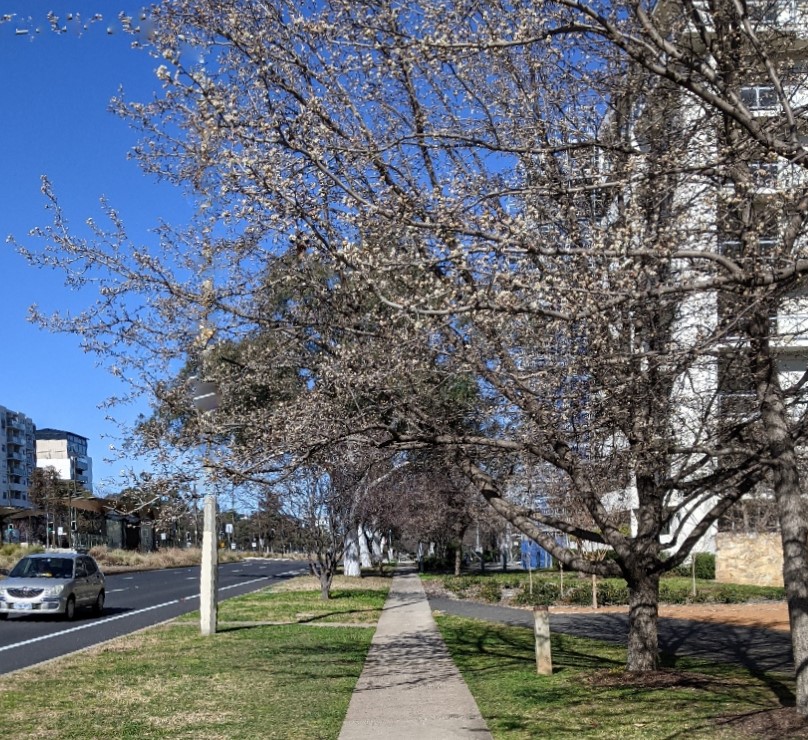
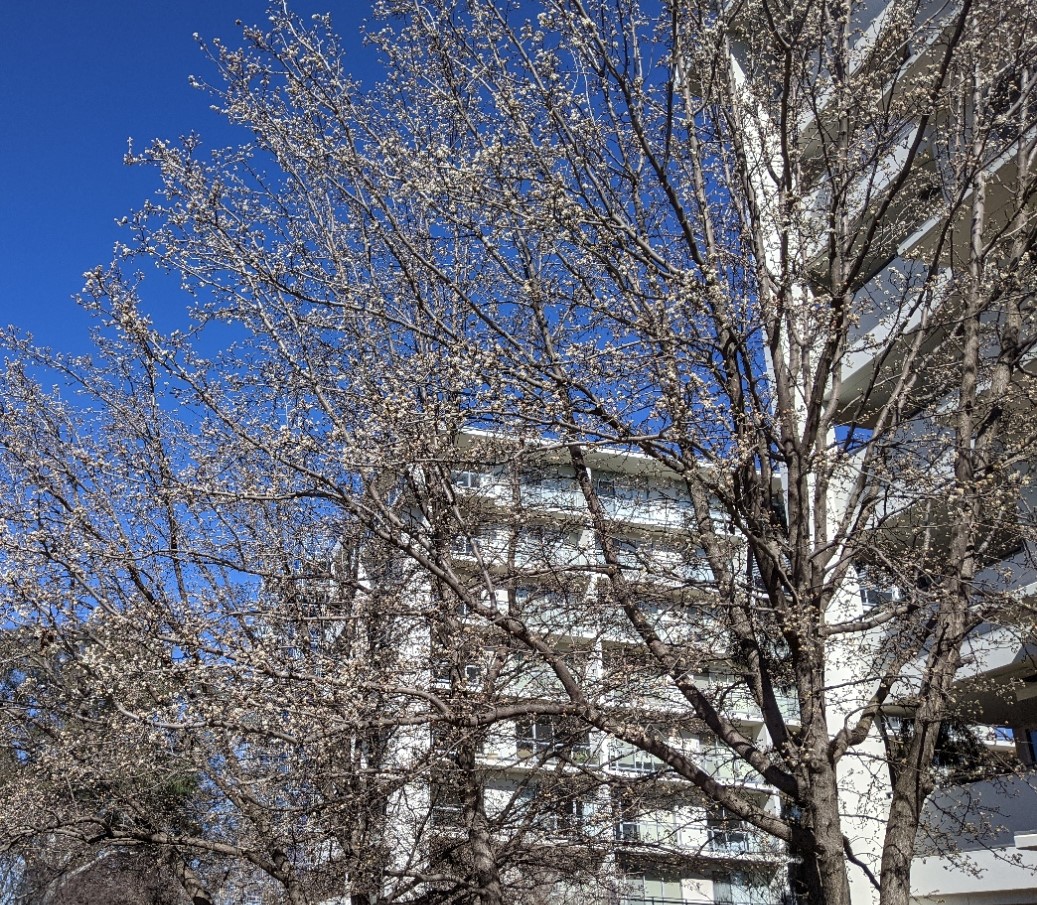
The discovery of one case in Canberra led to a lockdown from 5.00 o’clock that evening. We may exercise for an hour each day. Our exercise is walking Leah, not an onerous task with blue skies, lovely early spring foliage, and a determined dog. She is going to get her half hour morning and afternoon without fail!
Day 1 lockdown walk

Day 2 Lockdown
There were 6 detected cases in Canberra and now another has been added after 4500 tests have been conducted.
One additional local case of COVID-19 detected in ACT

The ACT has recorded one new case of COVID-19 overnight, bringing the total number of infections in the state to seven.
There were more than 4500 tests conducted.
The new case is linked, and has been confirmed a close contact of a previous infection.
ACT Chief Minister Andrew Barr said that so far across the region no coronavirus cases have been hospitalised.https://www.msn.com/en-au/news/australia/one-additional-local-case-of-covid-19-detected-in-act/ar-AANiQvr?ocid=msedgdhp&pc=U531
He said that the territory had received a record amount of test results.
“Yesterday, more than 4500 tests were collected across ACT government testing sites and private providers,” Mr Gunner said.
“Nearly 3200 of those tests were at the ACT government site, this was a record day of testing in the ACT.
“We appreciate that there is significant demand for testing. Yesterday at Exhibition Park a test was conducted every 45 seconds. We have increased capacity at Exhibition Park today and we anticipate the tests being able to be conducted every 30 seconds.”
ACT Minister for Health Rachel Steven-Smith apologised to residents who had queued up for hours to be tested last night, only to be turned away before it was their turn.
“It was very disappointing last night to learn that some additional cars had to be sent away quite late despite waiting for some very long hours,” she said.
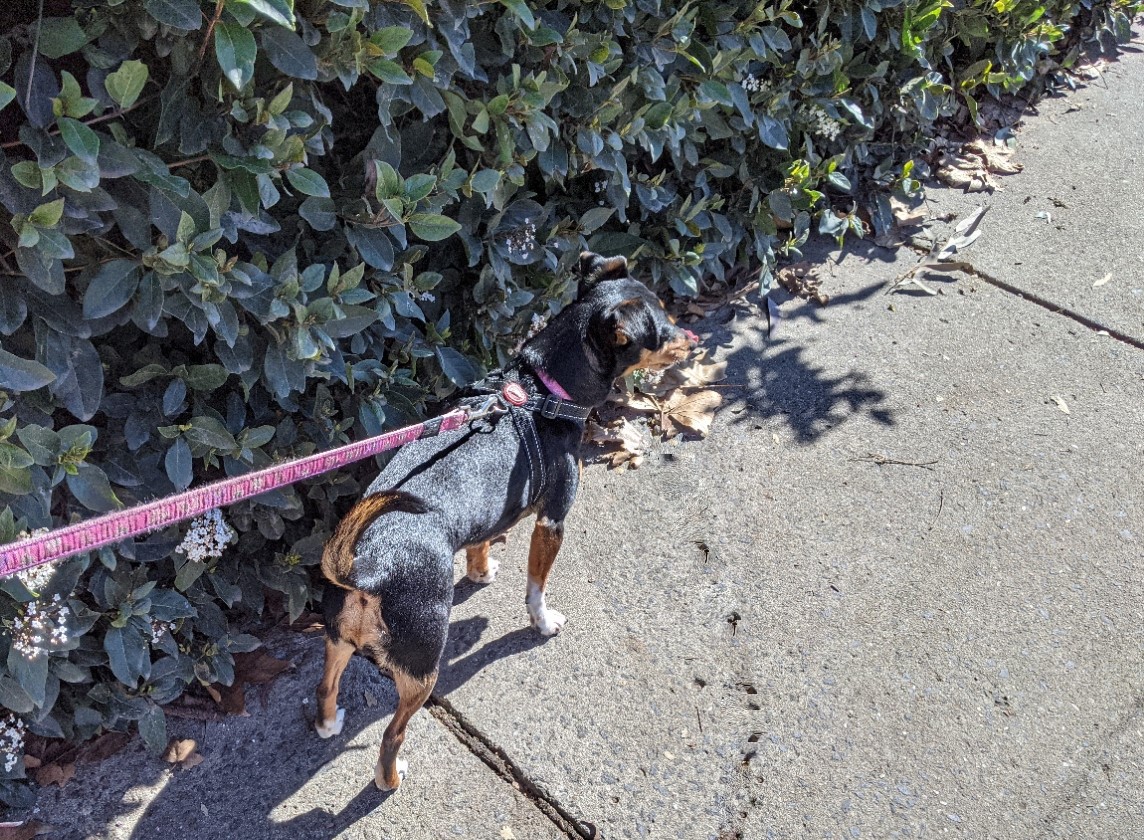
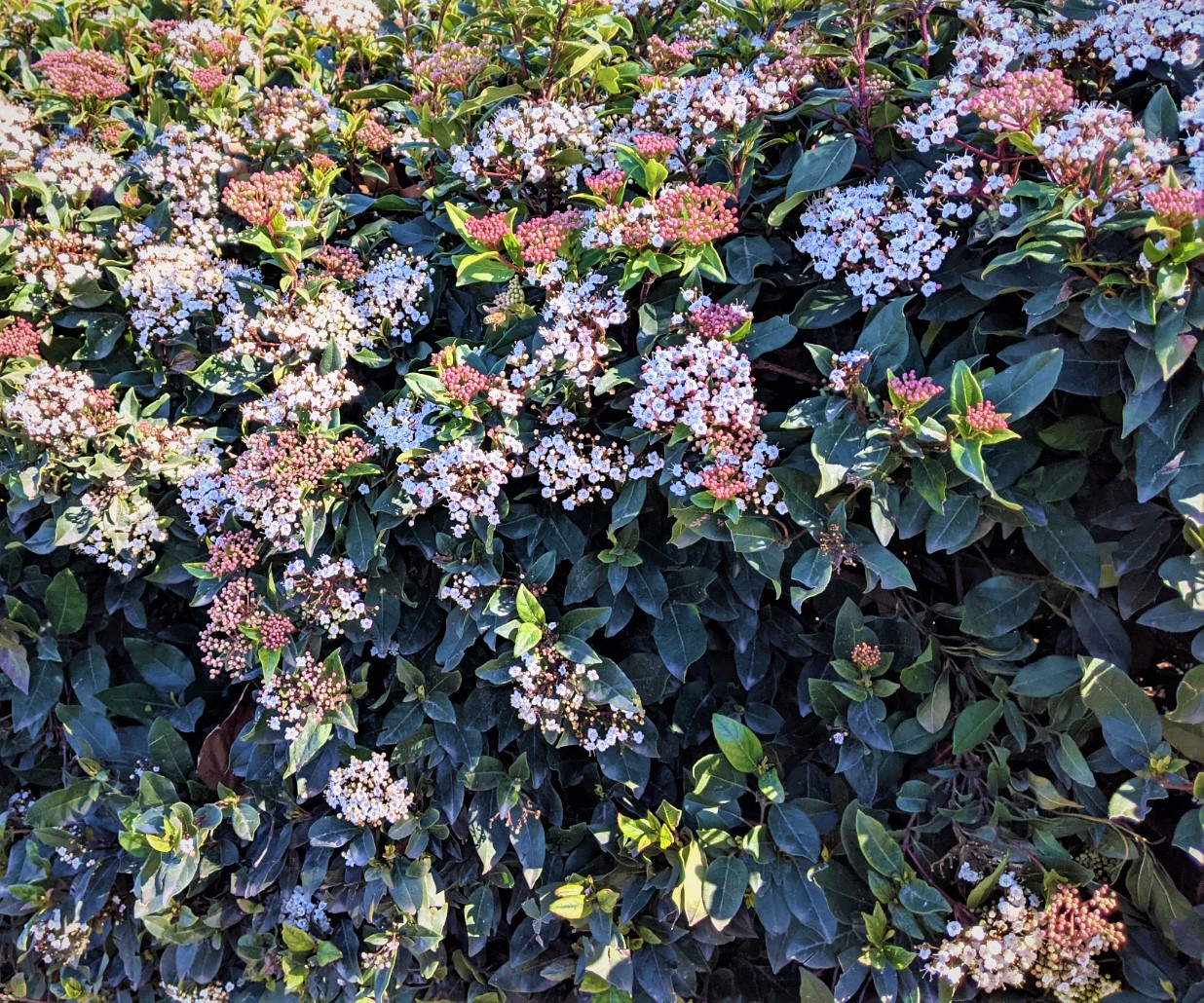
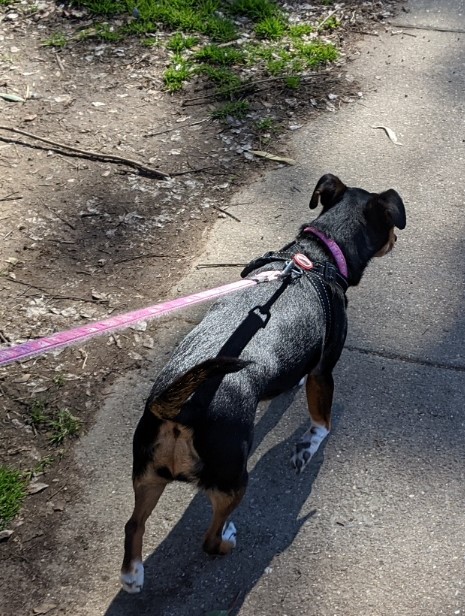
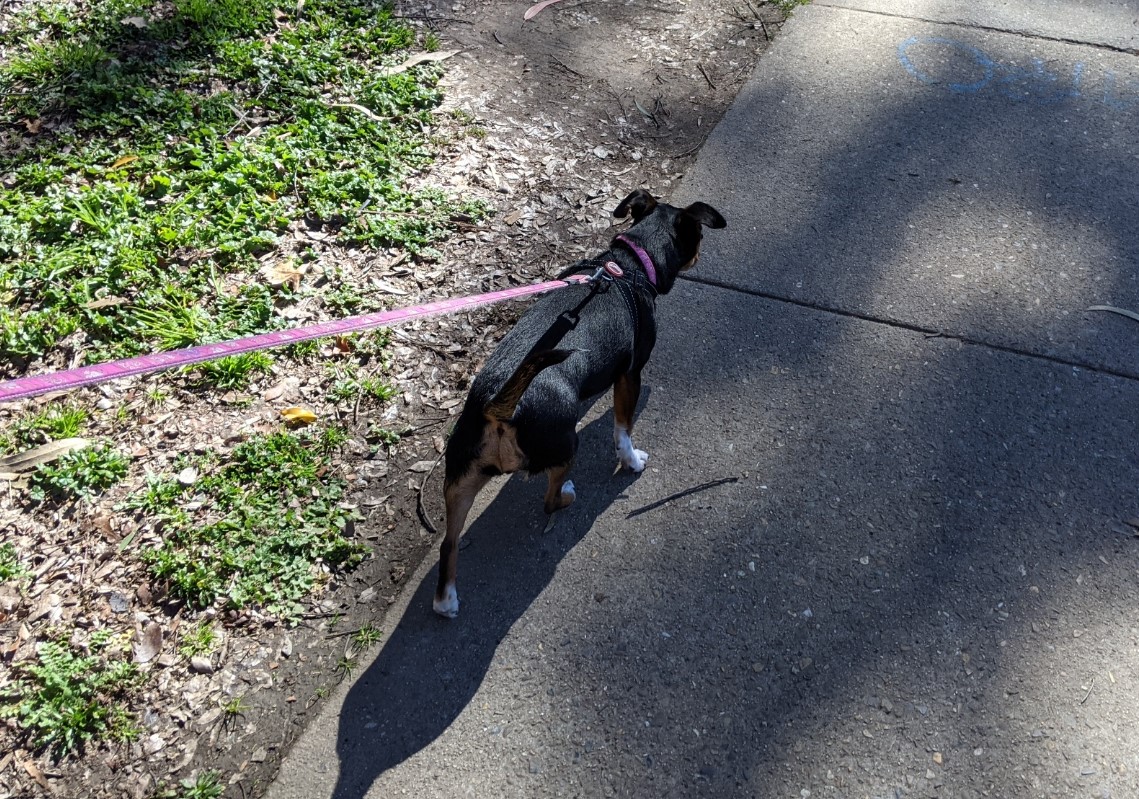
Our Day 2 lockdown walk showed our regular coffee shop open but dispensing take away coffees to people who were avidly social distancing and wearing masks. Leah stopped briefly to admire the foliage but strode out quickly – no wasting her precious time on such nonsense.


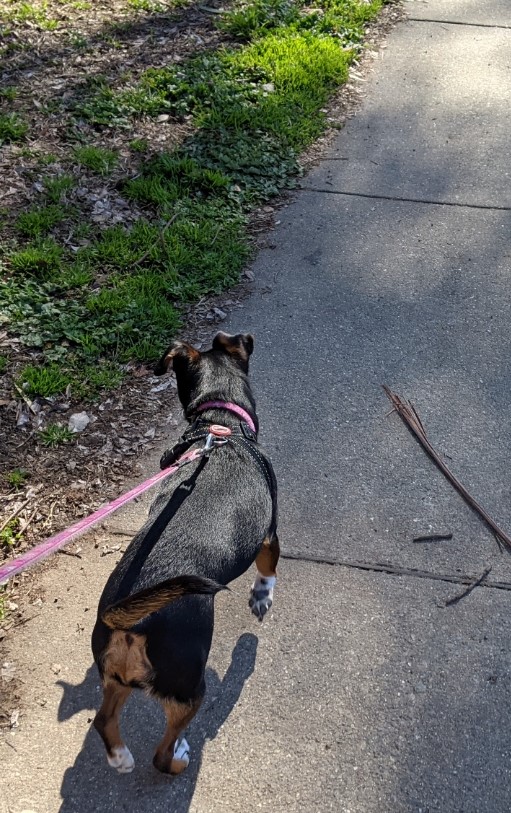

Day 3 Lockdown
Two more cases have been recorded in Canberra.
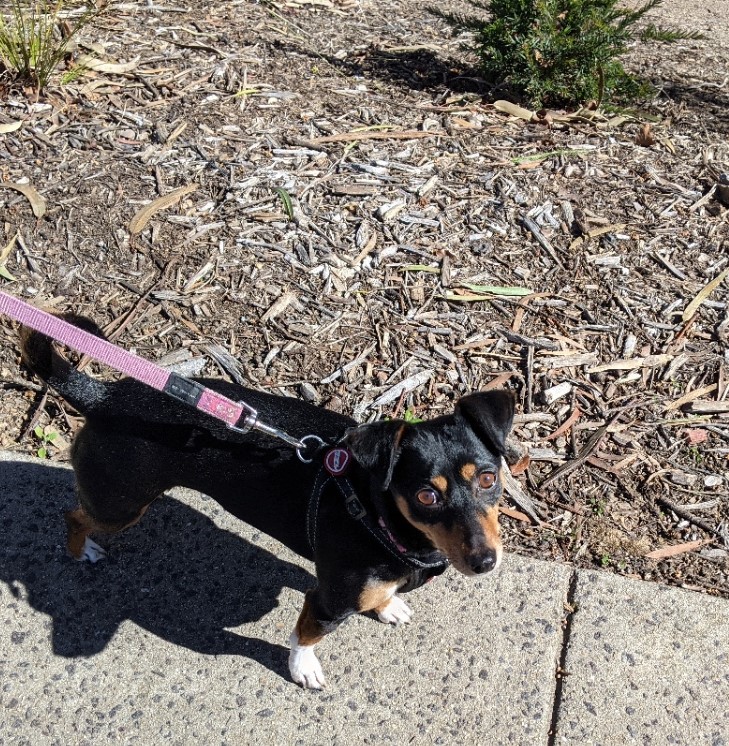
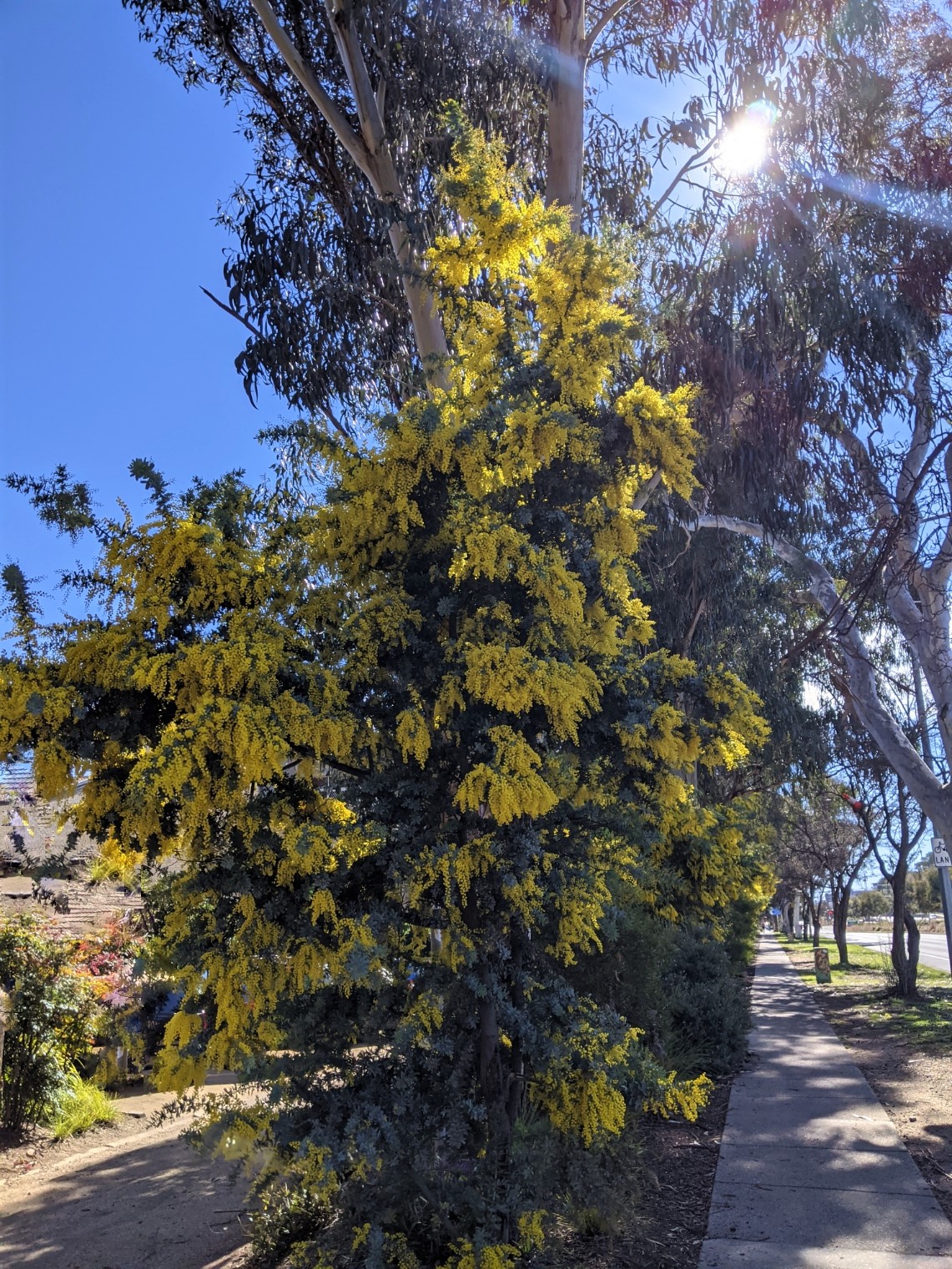
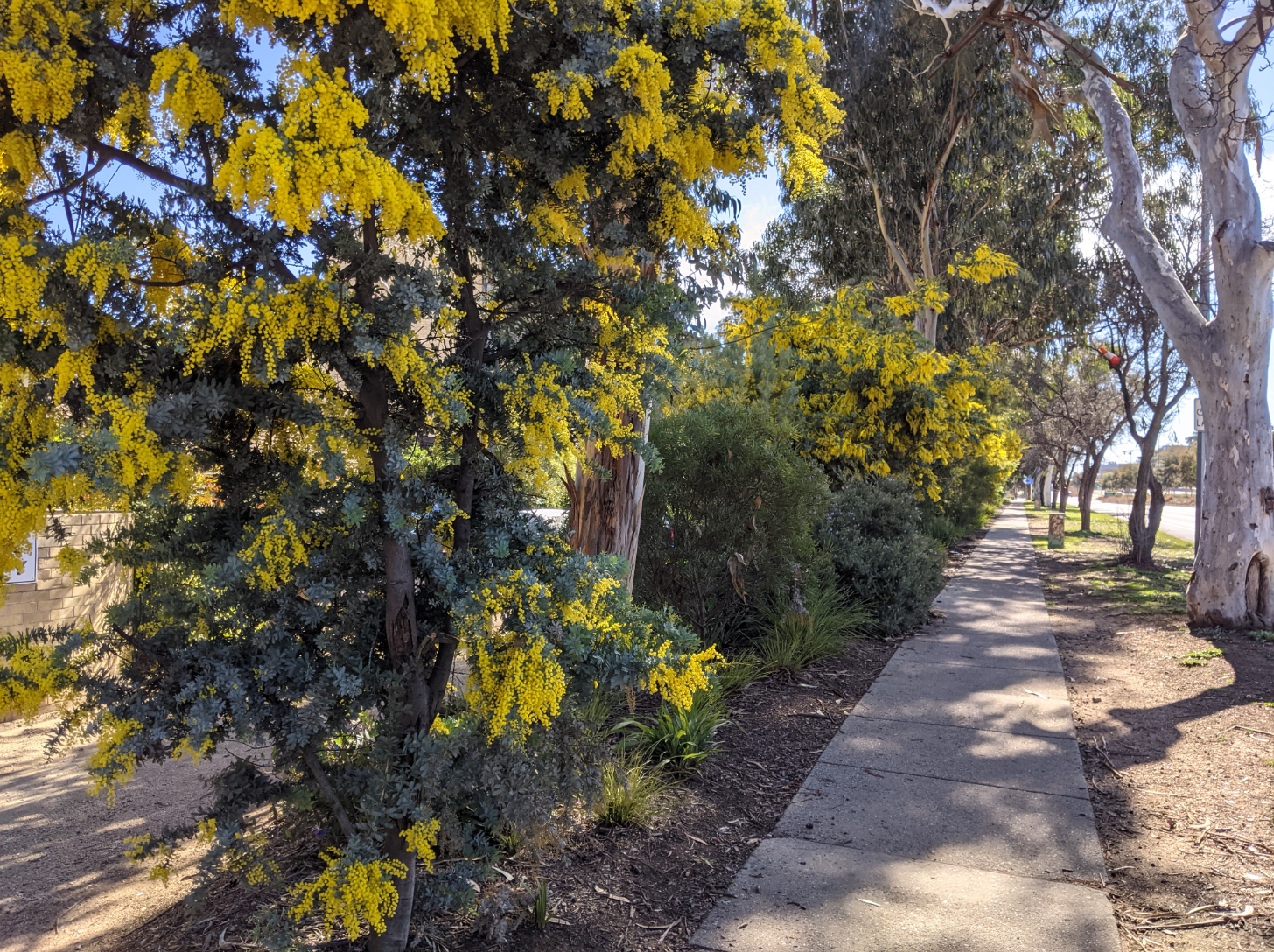
Day 3 lockdown walk and coffee on our balcony.
The coffee was certainly not to the usual standard at Clay and Kopiku, but good enough on this occasion.


Good news, friends who were in quarantine have tested negative. Also, with the reassessment of contact sources, they have now been given the all clear to move out of quarantine. So, they too can walk their dog for an hour a day, and shop for essentials.
Day 4 Lockdown
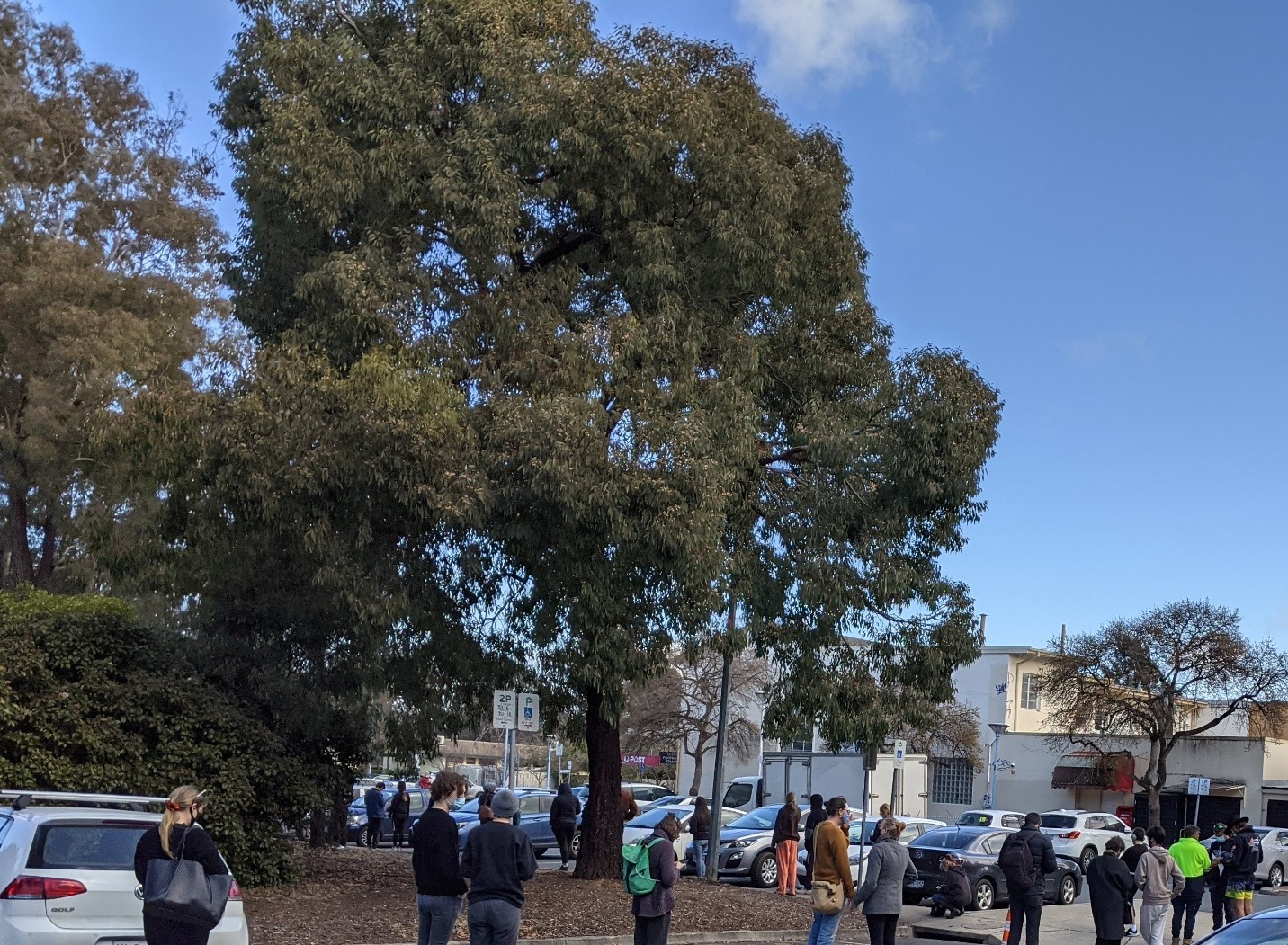
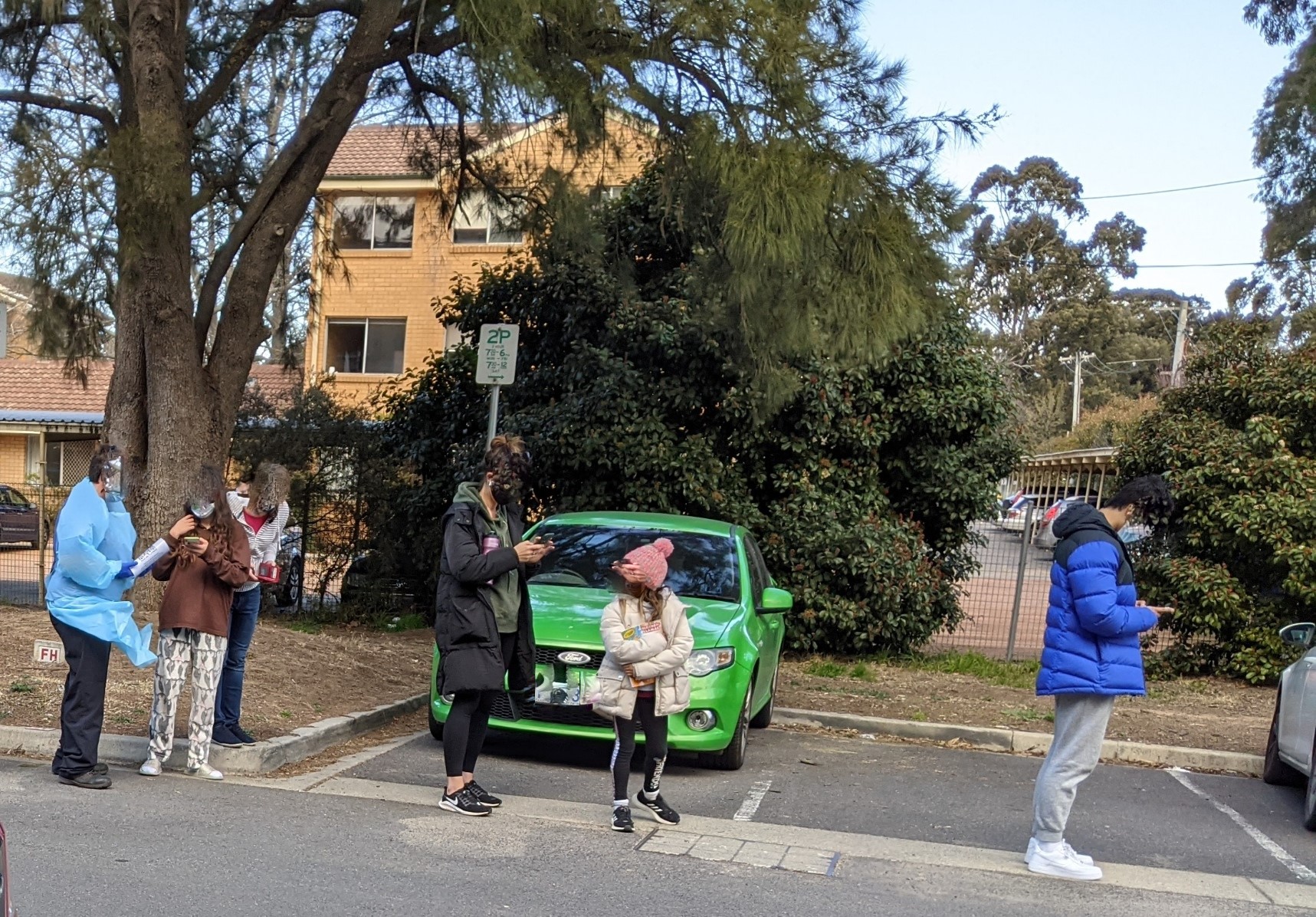
There are now 19 cases of Covid 19 recorded in the Australian Capital Territory. As a result, the lockdown has been extended for two weeks. Currently the same rules apply. Today I had to visit the chemist for a prescription and the arrangements worked safely.
We observed long queues for testing. However, people were being assisted so that those who needed could advance more quickly.
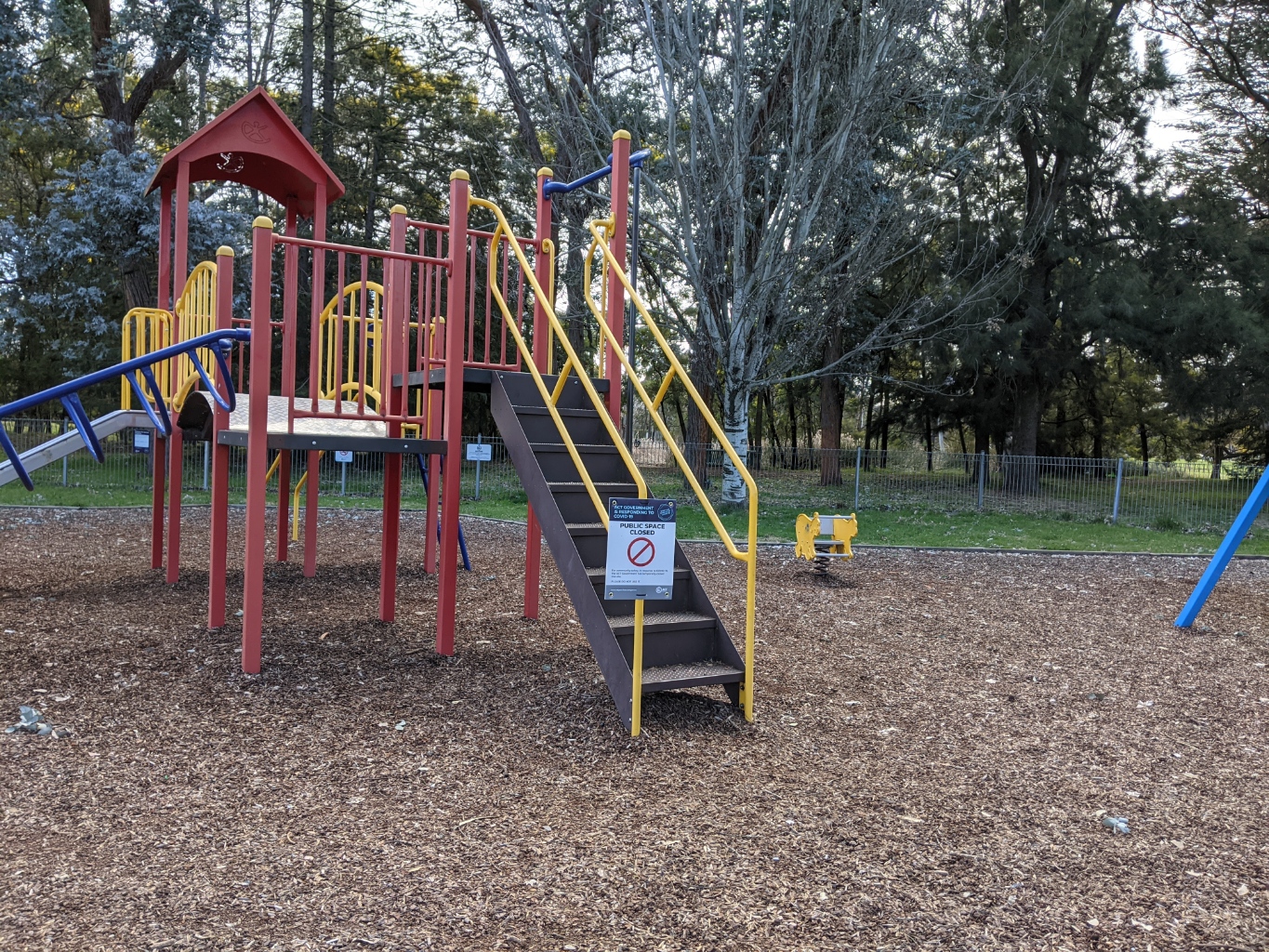
Once again the children’s playground was closed with signs advising that it was not open to the public.
Day 4 lockdown walk





Day 5 Lockdown
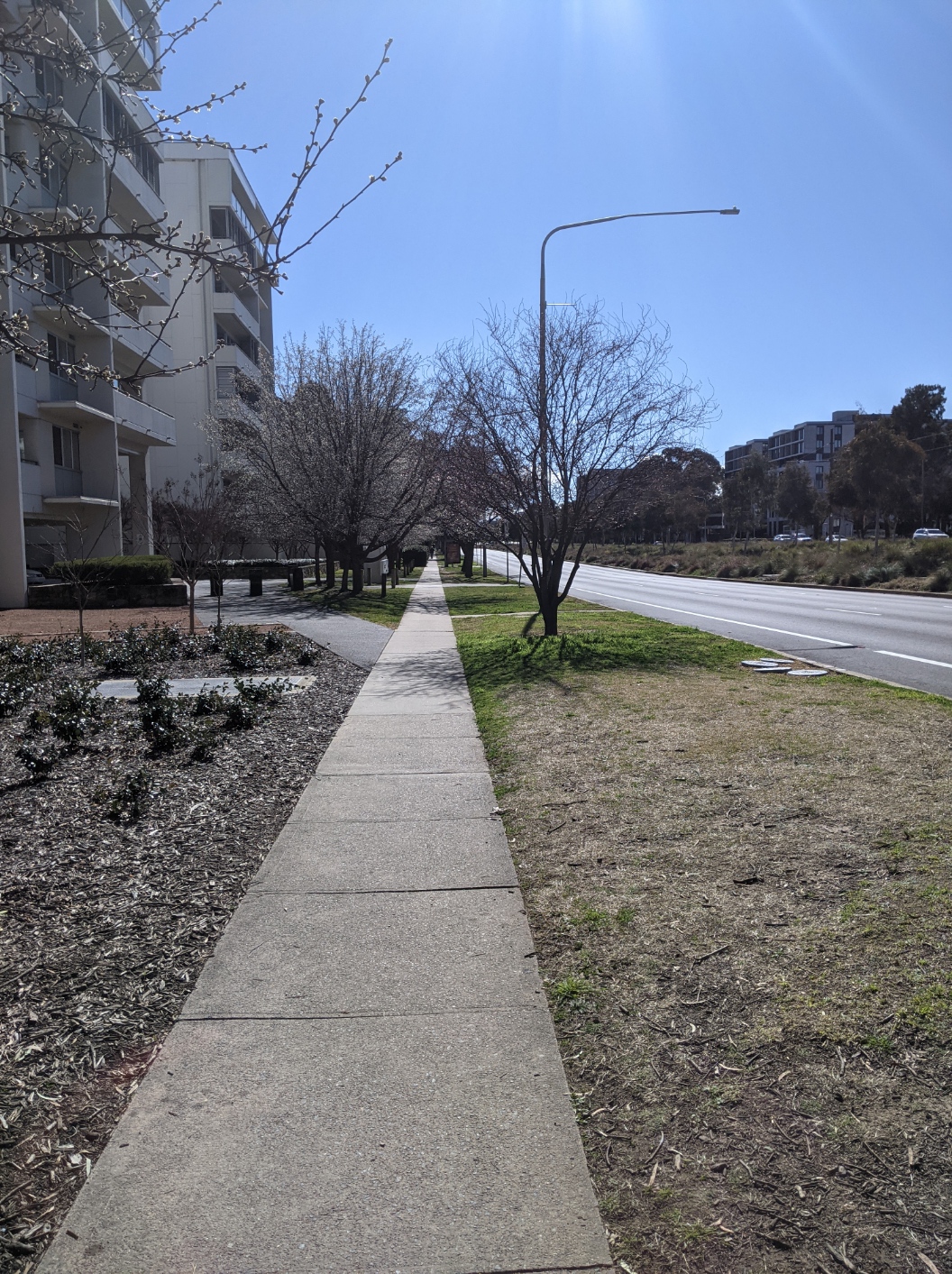
Fifteen new cases in the ACT, and there are now adjustments to the lockdown rules. They now encourage people to move quickly to make their purchases rather than browse. Proprietors are now asked to ensure that this happens. My observation is that people where I shopped also did so quickly, without any of the browsing I encountered in the previous lockdown. It is reported that a large snake has appeared in a Sydney supermarket. It certainly would deter people from browsing. However, I don’t think that we at that level of crisis in the ACT as yet.
Day 5 lockdown walk




Day 6 Lockdown
There were twenty two more cases of Covid reported in today’s press briefing. All are a linked to existing cases. A very sad reminder of how close the cases can come to even those who take the utmost care is that of former ACT Chief Minister’s, now Senator for the ACT, fourteen year old daughter. Katy Gallagher reported this on Facebook, appearing in PPE.
Katy also noted her concerns that the vaccination program has not been rolled out as fast as it should have been. For the first time Andrew Barr, ACT Chief Minister, has been critical of the New South Wales Government for not having locked down sooner. This commentary is extremely muted in contrast with the virulent commentary by conservatives on the wise precautions taken by Victorian Premier, Labor Leader Dan Andrews.
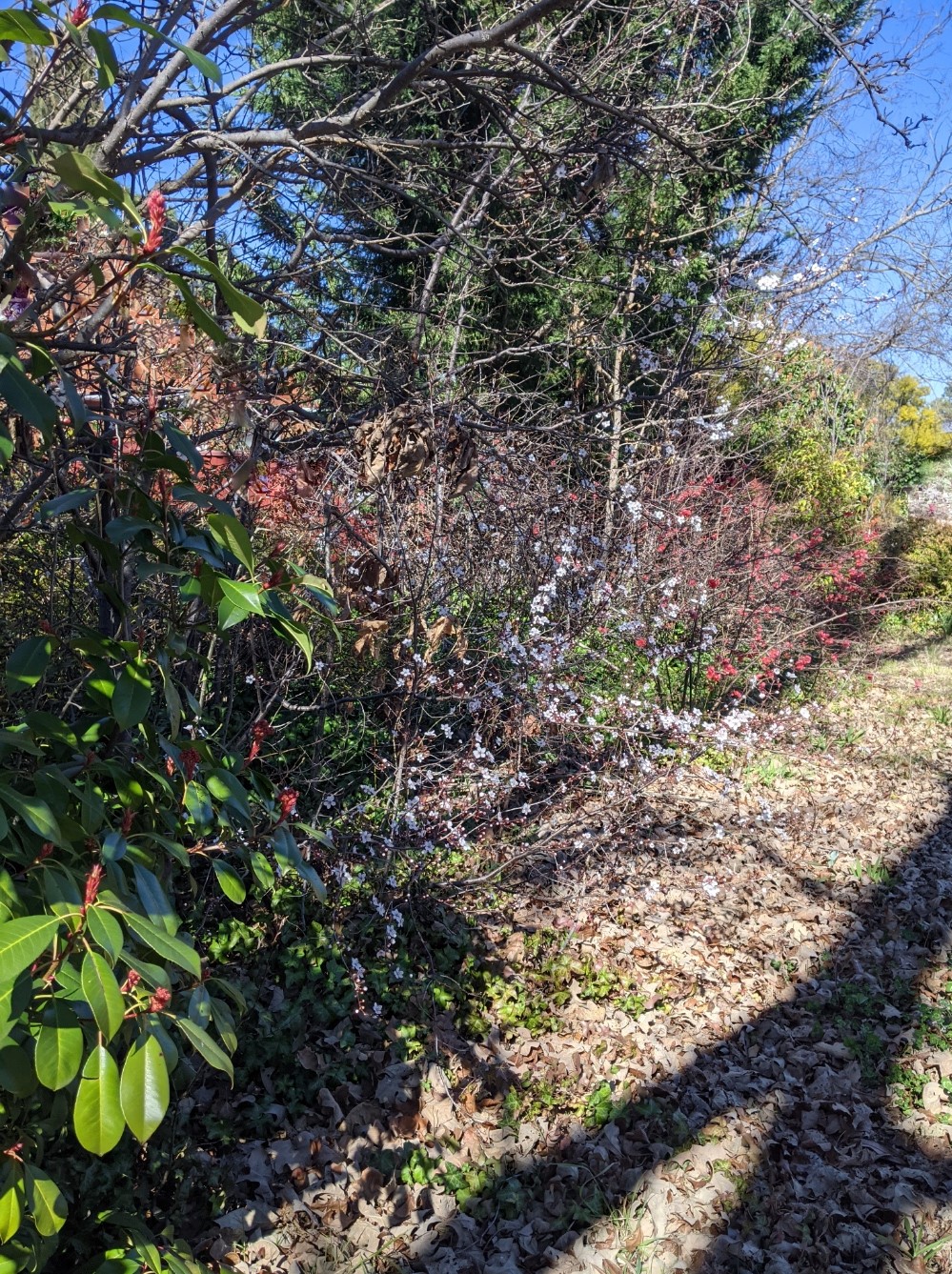
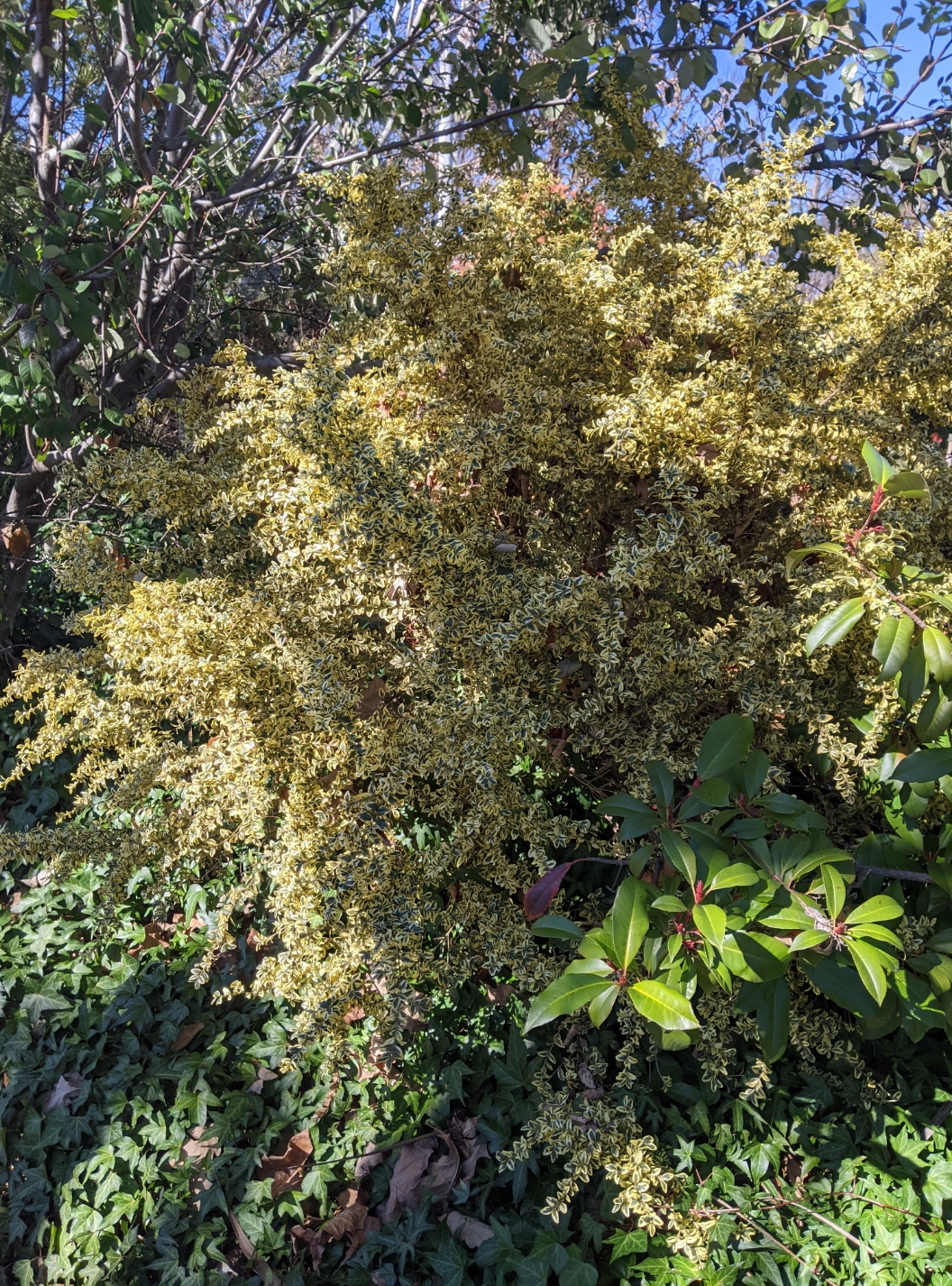
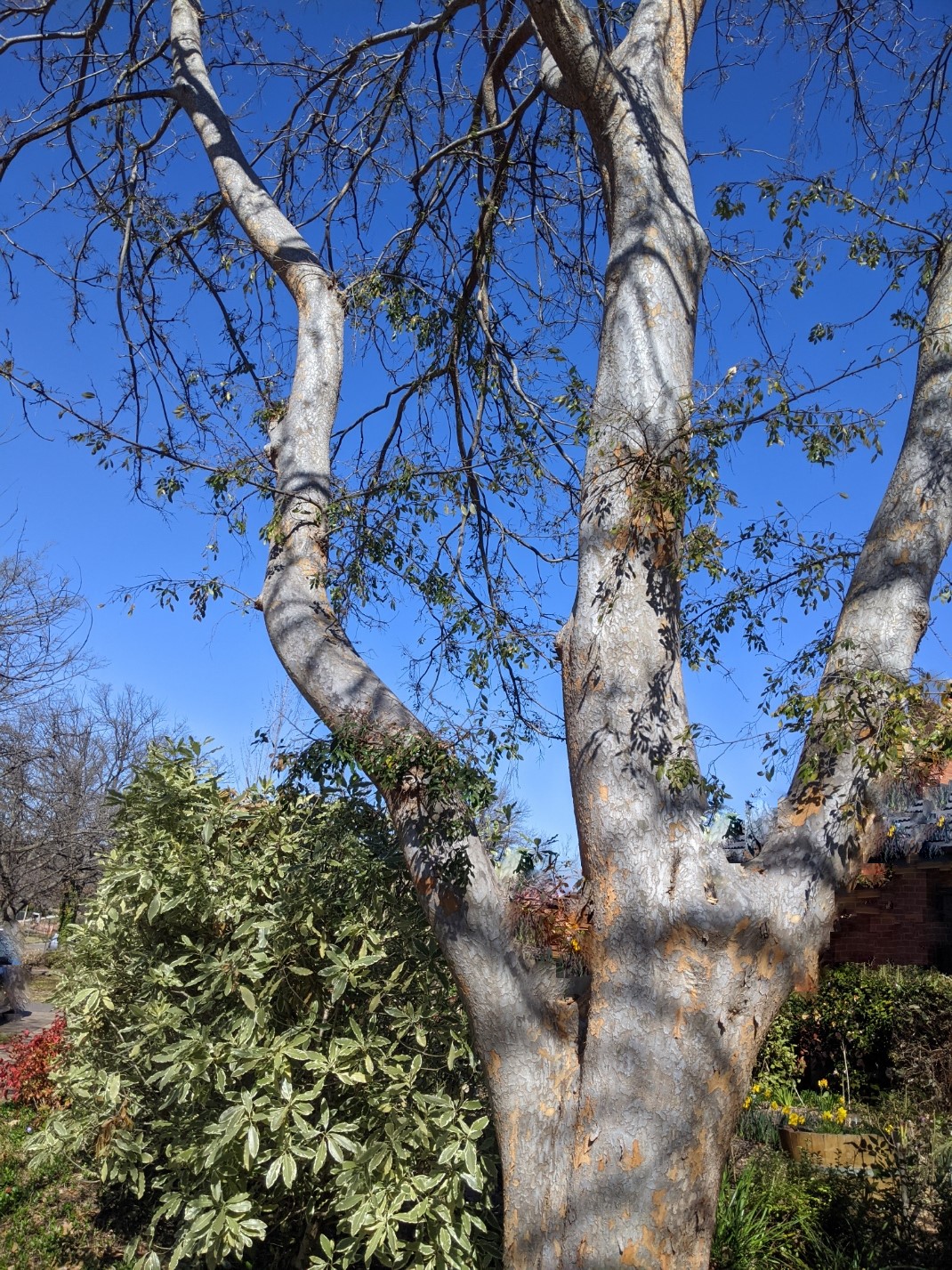
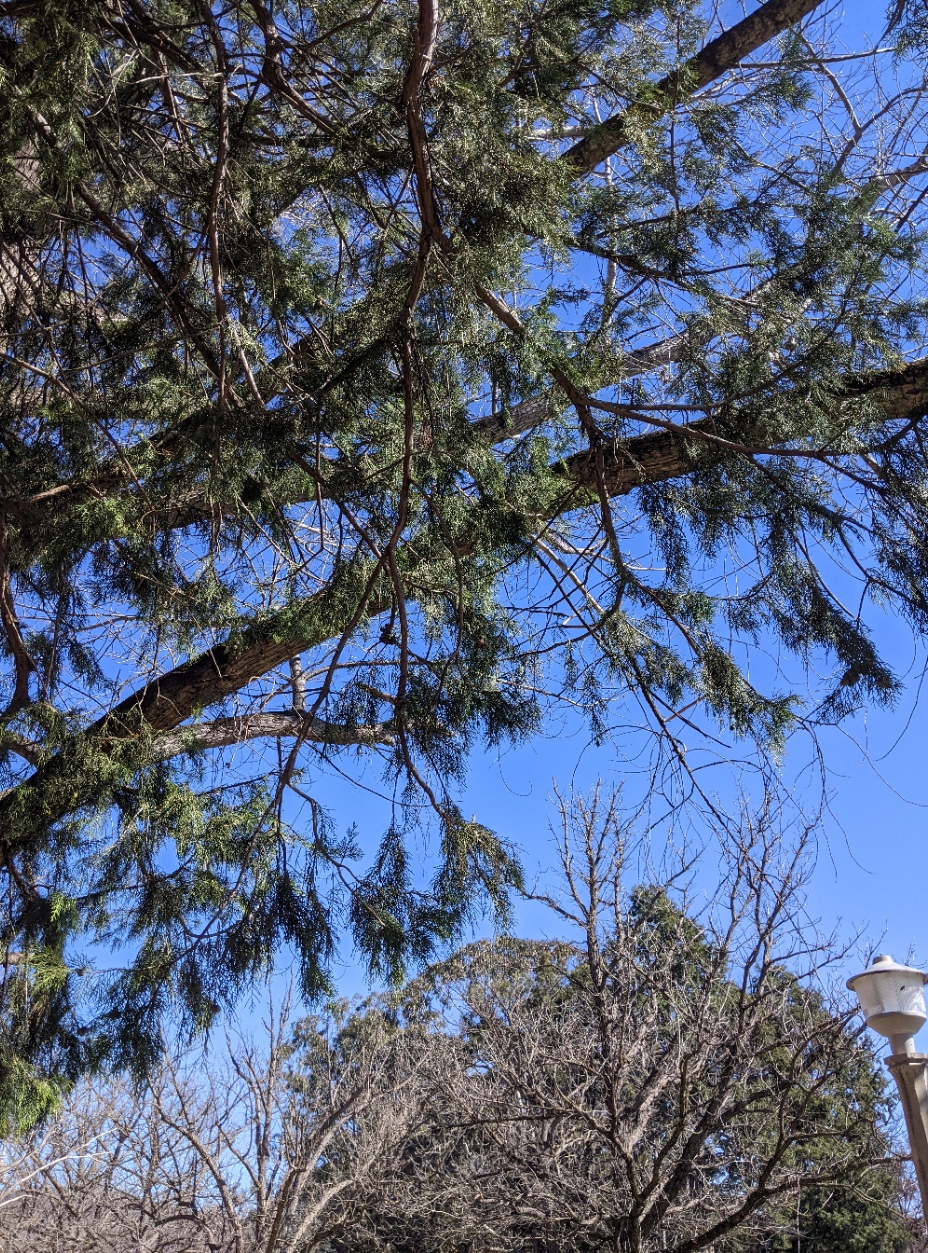
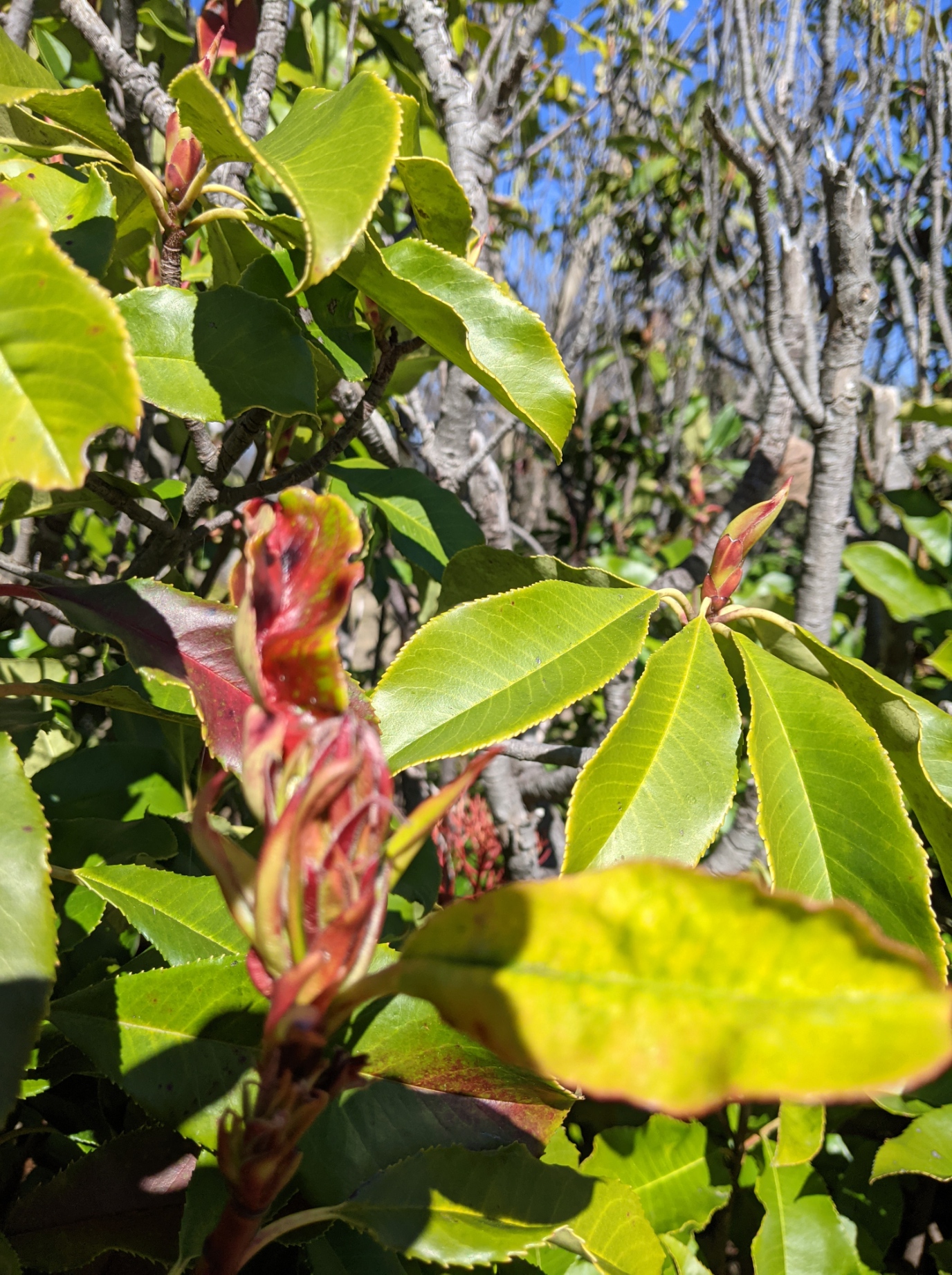
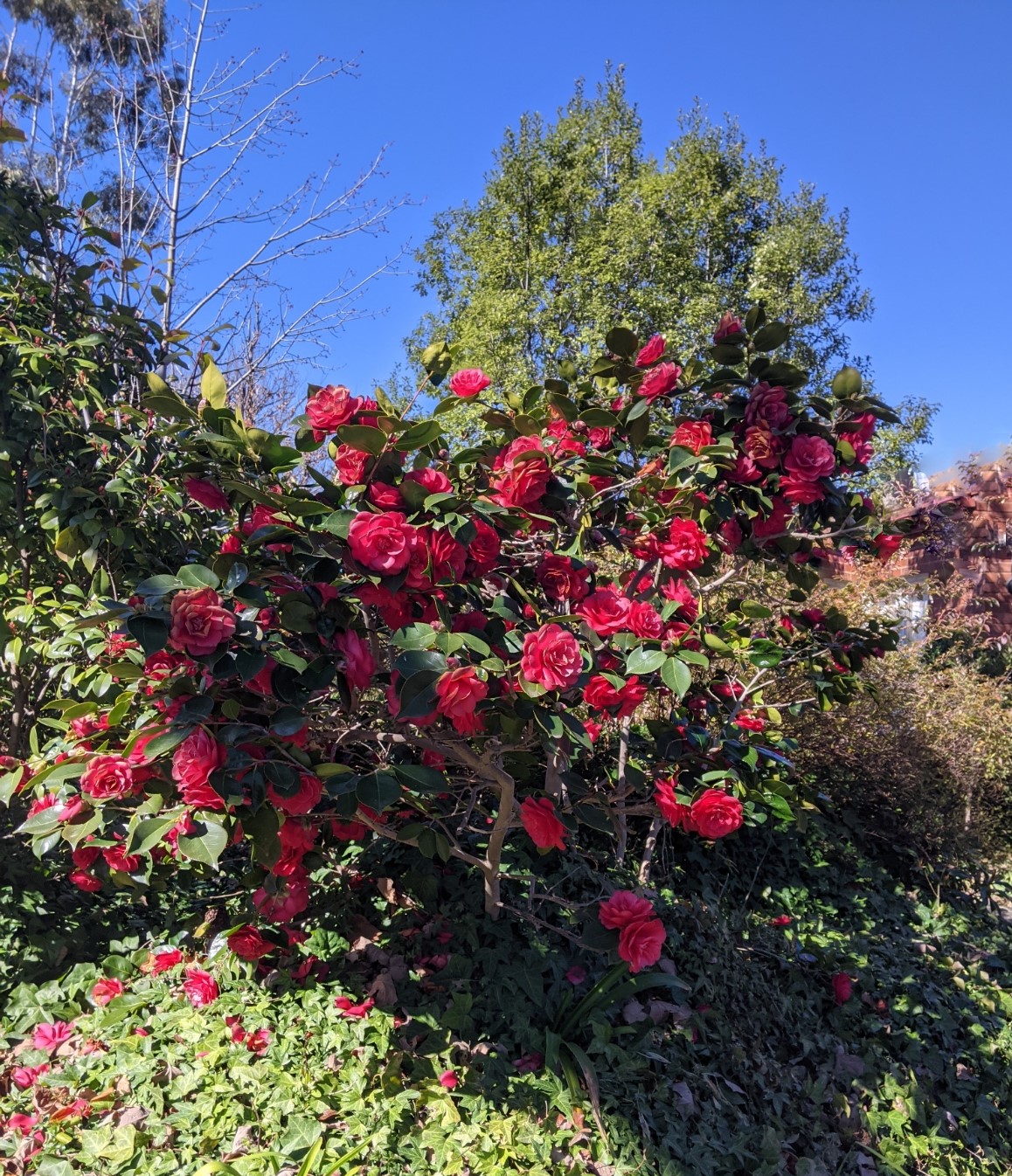
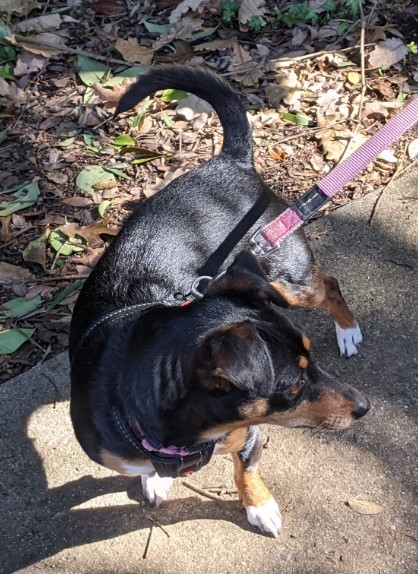
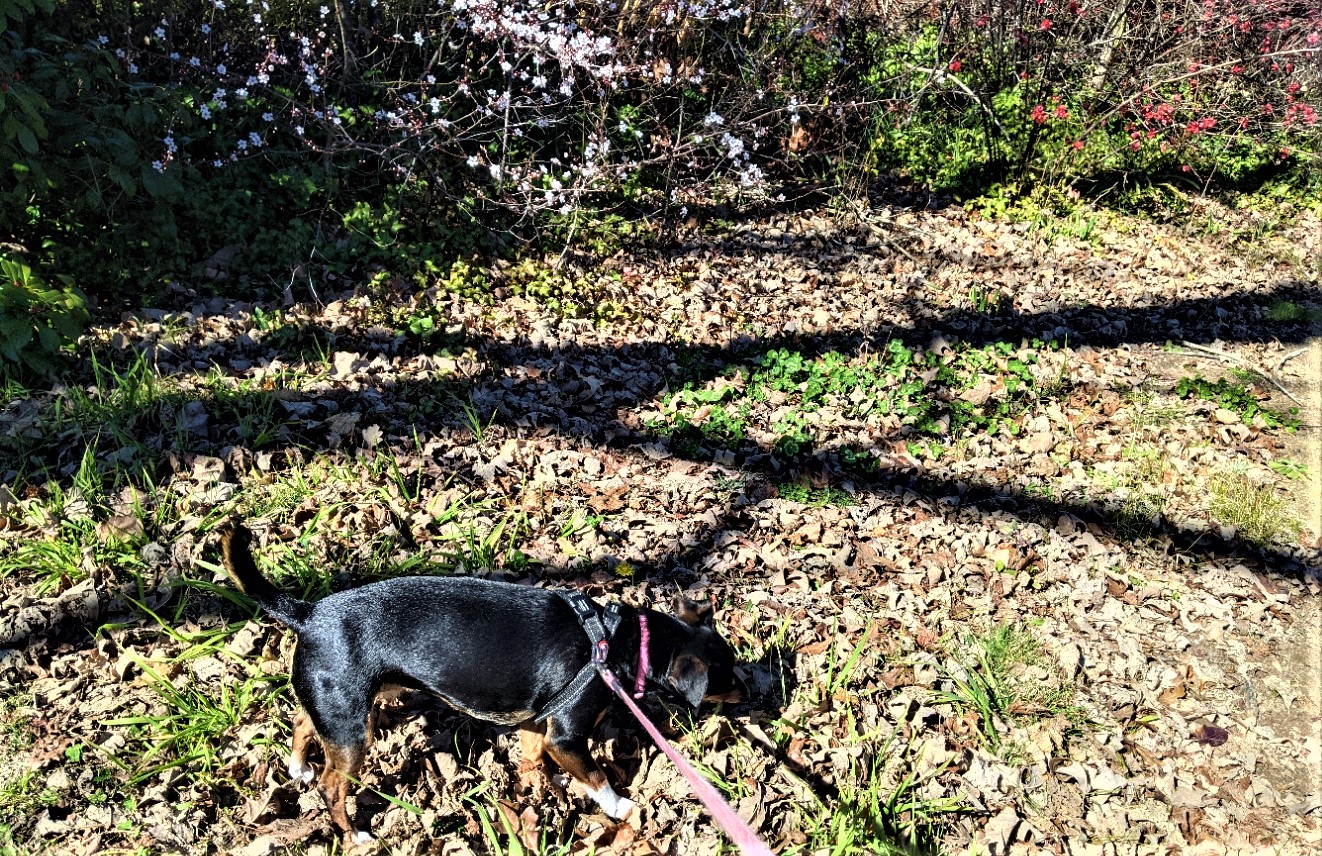
Day 6 lockdown walk









News update
There were another 22 cases in the ACT
All of the cases have been linked to the existing outbreak.
ACT Chief Minister Andrew Barr said 8,417 tests were conducted yesterday — a new record for the territory.
Mr Barr has called on Canberrans to look out for one another.
“Thank you Canberra for all that you are doing. We will keep on supporting you as we go through this lockdown,” he said.
American Politics
Heather Cox Richardson has written some excellent articles on the situation in Afghanistan, the role of President Joe Biden, security intelligence, and Afghan forces. They can be found at :
https://www.facebook.com/heathercoxrichardson
I shall be publishing some of the articles on next week’s blog.
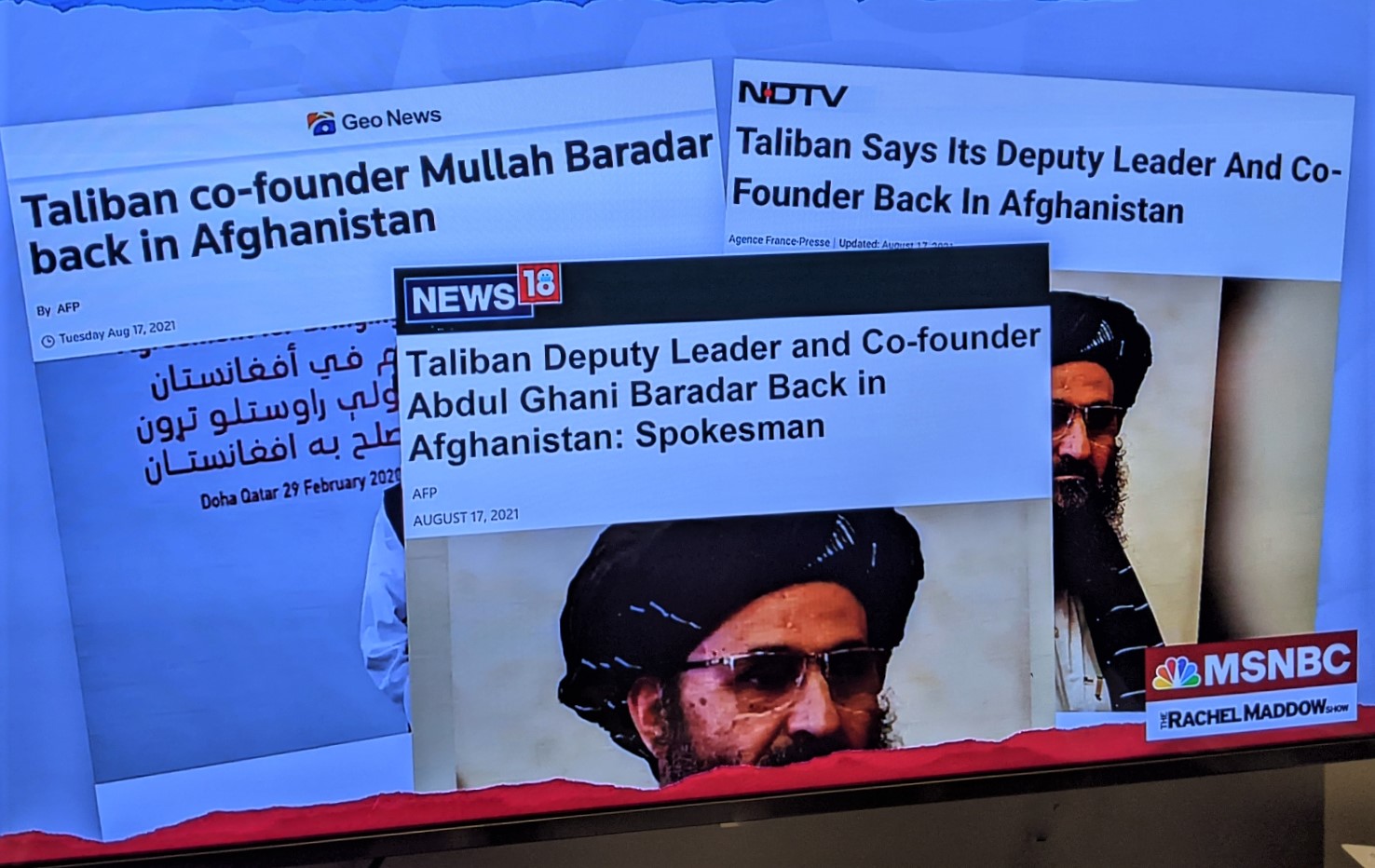
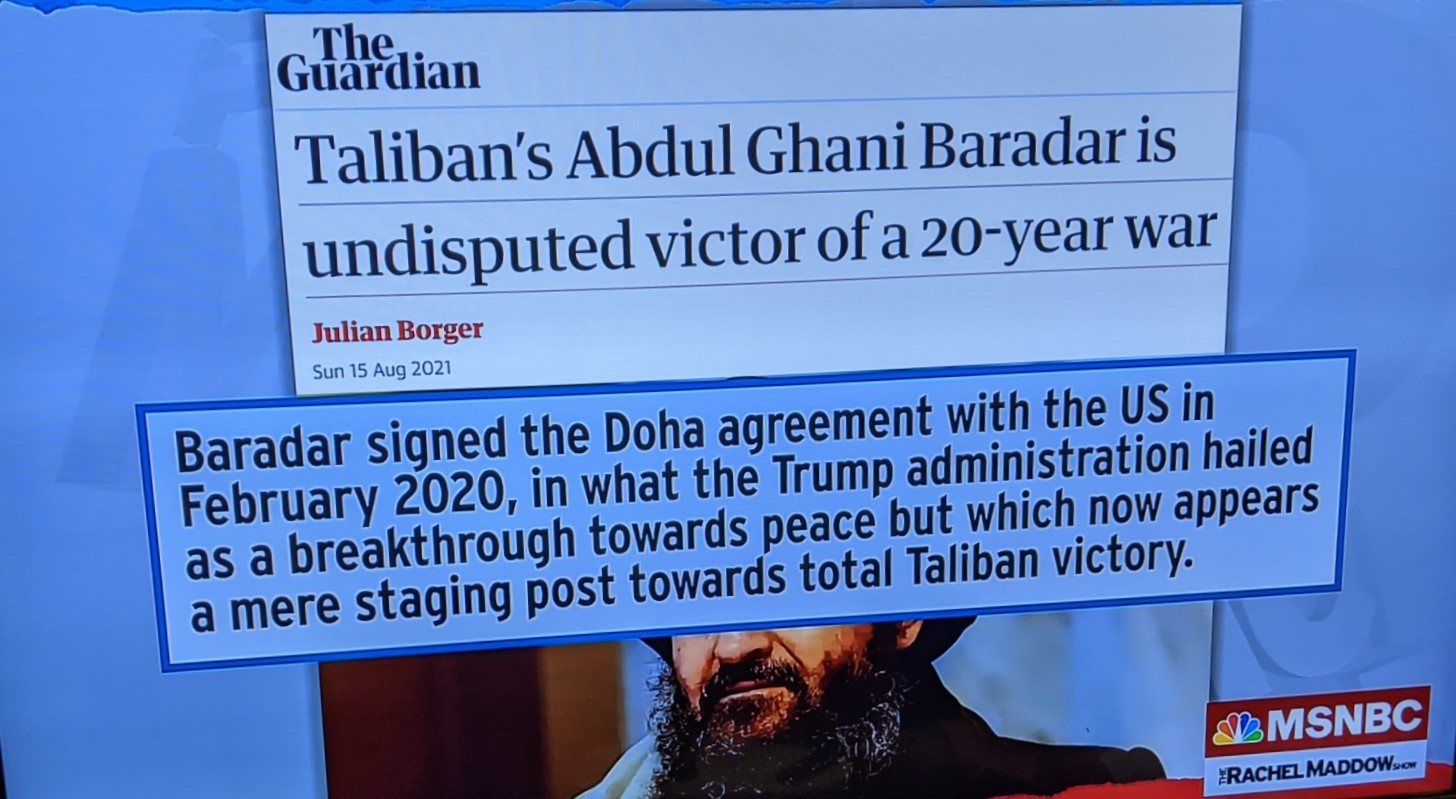
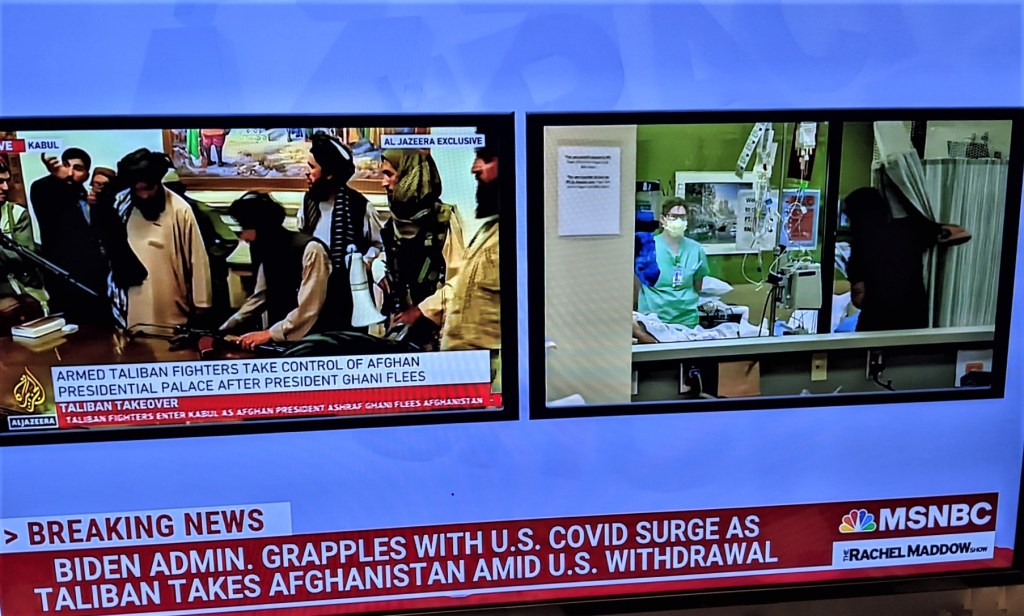
Rachel Maddow has been providing some intelligent commentary, along with commentators, on MSNBC The Rachel Maddow Show.



 Robin's Room