Both books reviewed this week were provided to me by NetGalley in exchange for an honest review.
Daniel Talbot In Love With Movies Columbia University Press 2022
Daniel Talbot’s In Love With Movies is a delight, from the first chapters about the early years in independent theatres; though Those Who Made Me Laugh in Part 2; Part 3 which, in Unsung Film Pioneers, covers collectors, early distributors and exhibitors; part 4, Acquisitions is an engrossing wander through some of the films shown in Talbot’s theatres; Directors In My Life, enumerates those such as Yasujiro Ozu, Nagisa Oshima, Ousmane Sembene, Roberto Rossellini, Jean-Luc Gordar, Rainer Werner Fassbinder, Wim Wenders, and Werner Herzog; Parts 6, 7, 8 and 9 with ‘a memory project’, includes more directors, Criteria and Reflections; Portraits, including friends and legendary a film critic, in Part 10; followed by more on independent theatres in Upper West Side Cinemas; and an epilogue written by Toby Talbot who edited the book. There are excerpts from Dan Talbot’s Festival Notes, an interview between Talbot and Stanley Kauffmann, and an intriguingly titled, Dreams on My Screen. Books: Reviews
George Thomas Clark They Make Movies BooksGoSocial 2021
They Make Movies is a combination of fiction, real events, and interpretations of the protagonists’ attitude towards the films in which they appeared or directed. Some of the events are seemingly told by the subject of the chapter, others appear to be based on reality or the author’s interpretation, described as if they are addressed directly by the subject. The stories are told with humour and, at times, sharp impact. The process is clever, providing researched topics and events, with the aid of fictional devices. Authenticity is supported by the list of film sources, although there are no footnotes to disturb the flow of the account – or to clarify what material is accurate and what might be fictional. As exciting as this presentation could be, I found that I could not warm to the execution of this style in They Make Movies, although some of the observations are well made. Books: Reviews
The information which appears after the Canberra Covid report: masks for Covid 19; UK Tory leadership, Tom Watson; Trump and presidency – a startling admission; Bob McMullan – a thoughtful article on the US Senate mid term elections, first of a series; Democrats and fundraising; Cindy Lou has coffee in a paper cup.
Covid in Canberra since the end of lockdown
Parrots in a tree, seen from my balcony, on a Canberra winter’s day.
Vaccinations – 80.6% : 1 dose, ages 5 – 11; 69.4 % 2 doses, ages 5 – 11; 97.4 % 2 doses , aged 5+; 77.5% boosters, making 3 doses , aged 16+. The rules for boosters have recently changed, and pharmacy waiting times have increased as people take advantage of the availability of additional doses of vaccine for the expanded age groups. Fourth dose take up is not as yet being recorded.
14 July – New cases reported, 1,367; people in hospital, 137; people in ICU 5; people ventilated, 3.
15 July – New cases reported, 1,208; people in hospital, 135; people in ICU, 4; and 3 ventilated.
16 July – 1,104 new cases; 4 people in ICU; and 3 people ventilated. 17 July – 956 new cases; 167 people in hospital; 6 people in ICU; and 3 people ventilated. 18 July – 887 new cases; 171 people in hospital; 5 people in ICU; and 3 people ventilated. 19 July – 1,221 new cases; 170 people in hospital; 6 in ICU; and 3 ventilated. 20 July – 961 new cases; 160 people in hospital; 4 in ICU; and 2 ventilated.
I noticed that more people are wearing masks in shopping centres today. The photobelow looks even better.
I disappoint myself being glued to Twitter. Two and a half years after leaving Parliament, a Tory leadership race has reduced me to scrolling an iPhone for news a thousand times a day.
It looks like Penny Mordaunt is doing so well that her ministerial colleagues can’t afford to let her get on the ballot paper. As the current rules only allow Conservative party members a choice between two candidates, backroom deals will trade votes to squeeze her out. If I were Rishi Sunak, that’s what I’d be doing.
For election strategists, Penny Mordaunt is to Boris Johnson what Cillit Bang was to Mr Muscle. He sacked her from the Cabinet. She owes him little loyalty. Vote Penny? Bang, and the dirt is gone.
To voters, she’s a blank canvass. She can paint a fresh and new picture of conservative Britain. As she doesn’t have much of a record, she offers an unprecedented opportunity for the Conservatives to renew in office that it looks like they’re about to squander.
My former parliamentary colleagues in Labour will be praying for a Rishi Sunak/Liz Truss run-off this week.
* why the asterisk in the subject line?
The fresh new start argument also applies to Tom Tugendhat but looking at his numbers, he is doubtful to make the cut. It’s a pity because he is a brave and honourable man. **
**Tom Tugendhat (along with Kemi Badenoch) has now been eliminated, and the race has been reduced to three candidates, Penny Mordaunt, Rishi Sunak and Liz Truss.
What ?
And now for a thoughtful article about American politics! This is the first of a series about the mid-term elections.
Trump may save the Democrat’s Senate bacon in November.
Bob McMullan
Bob McMullan
All the signs point to a disastrous result for the Democrats in the House of Representatives in the mid-terms in November.
Inflation, the unpopularity of the president and the usual mid-term set-back for the incumbent President’s party should combine to deliver a comfortable majority for the Republicans in the House. After all, the Democrats have only the slimmest of majorities to begin with.
The extent to which the reaction to the Supreme Court decision in overturning Roe vs Wade will change the electoral equation in the House is unknowable at this stage but may prove to be a mitigating factor in November. This may reduce the losses but it is very hard to see the Democrats holding on in the House.
However, the Senate may paint a different picture. In the state-wide races like Senate seats (and Governor’s races) candidates are more exposed and their merits count for more. And Trump has delivered some candidates of very doubtful quality which should give the Democrats a chance to hang on and perhaps even to make gains.
By way of background, the 100 member Senate is currently split 50/50 with the Vice president having a casting vote. In 2022 35 Senate seats are up for election. It would normally be only 34 but a Senator from Oklahoma is retiring early even though he is only 86!
Of the 35 seats in contest the Republicans hold 21 and the Democrats 14. This means that the continuing Senators are 36 Democrats and 29 Republicans. However, many of the Republican held seats up for election this year are rock solid Republican strongholds, including the special election in Oklahoma.
The influential Cook Report suggests as many as 16 of the 21 Republican seats can be considered safe. This is substantially correct, but there may be interesting issues to watch in four of the “safe” seats.
This would mean 12 certain extra seats, taking the Republicans to 41.
The other four usually safe seats are Iowa, Missouri, Utah and Alaska. In Iowa, the Senator seeking re-election for a six year term, Senator Grassley, will be 89 on election day and 95 at the end of the term he is seeking! Early polling was very strong for Grassley but since the Democrat primary in which they chose Michael Franken the most recent polling has seen the gap narrowing. It is difficult to see Grassley losing but it will be worth watching on the night.
In Missouri the problem the Republicans have is a potentially very controversial candidate. Eric Greitjens is a previous Governor who lost office as a result of a series of scandals. At the moment he is leading in the polls for the August 2 primary, although only narrowly. His potential candidature has mobilized senior Republicans in the state to support an Independent Republican. It would not be unprecedented for the Republicans to lose the Senate seat in Missouri due to the selection of an unacceptable candidate. Should Greitjens win the primary it will be another worth watching on the night.
In Utah the interest is generated by a strong Independent candidate, Evan McMullin. He has managed to persuade the Democrats not to run for the seat and as a consequence has an outside chance of beating the incumbent Republican, Mike Lee. Lee was an early critic of Trump but signed on to the “Big Lie” about the stolen election.
The Alaska Senate election is interesting because it is a contest between Lisa Murkowski, a Republican who voted to impeach Trump, and a Trump loyalist Kelly Tshibaka. The interesting question is, should Murkowski lose the primary will she still contest the election as an Independent or take advantage of new voting system in Alaska which will allow the top four candidates in the primary ballot to compete in a ranked choice election in November. I think Murkowski is most likely to win in November.
Should any of these potential Independents win they would not necessarily deprive the Republicans of a majority but they would create more opportunities for negotiation about legislation and appointments. Nevertheless, the wise thing to do is assume that the Republicans will win all four seats in one way or the other. This would take them to 45 seats.
The Democrats have 42 “safe seats” and four others they are likely to win: Illinois; Colorado; Connecticut and Washington state. If we assume that the Republicans are likely to win 45 seats and the Democrats 46, that leaves 9 to be fought over:
Arizona (D) Georgia (D) New Hampshire (D) Nevada (D) Pennsylvania(R) Wisconsin (R) North Carolina(R) Ohio (R) and Florida (R).
I intend to assess the prospects in each of these states and follow-up on them and any other developments of interest in the Senate race on a regular basis.
Arizona Trump’s support for Blake Masters as Republican candidate for the Arizona Senate seat appears to be a blessing for the Democrat incumbent Mark Kelly. The primary will be held on 2 August but polling suggests Masters is leading the internal Republican race by about 7%. However, he does not appear to be the strongest candidate for the general election. At this stage the polling suggests that Kelly is leading Masters by 9-10%. This would be a very difficult gap to close by November.
Georgia The situation here is similar. Herschel Walker, the Trump endorsed Senate candidate, staggers from one crisis to another. This does not mean he cannot win in what is still a slightly Republican state but it makes it harder for the Republicans than it otherwise would be. A recent poll had the Democrat incumbent Senator Raphael Warnock, ahead by 10%. This is an outlier and probably wrong. The RCP average of polls has Warnock ahead by 1-2%. Given the numerous vulnerabilities of Walker I think Warnock has a better than even chance of pulling off another unlikely victory.
New Hampshire The situation in New Hampshire is not clear. The Republican primary is not until September and there is no current sign that I have seen of a Trump-endorsed candidate in the field, The incumbent Democrat Senator, Maggie Hassan, is a former Governor and seems a strong candidate. She won very narrowly last time but should win this time unless national trends count too strongly against her. The lack of a Republican candidate means there in no useful polling data to serve as a guide to the likely outcome. Such current data as there is suggests Hassan is ahead of any of the Republican contenders by more than 4%, but this is likely to change once the candidate becomes clear.
Nevada The Republicans seem to have selected a reasonably good candidate in Nevada in Adam Laxalt to run against the incumbent Democrat Senator Catherine Cortez Masto. Recent polling suggests Cortez Masto has her nose in front but it is likely to be a close contest in November.
Pennsylvania Pennsylvania is another state where Trump’s influence in the Republican primary has opened the door for the Democrats to have a chance of making a gain in the Senate. Trump supported Dr Oz, because he always said nice things about him in his (Oz’s) TV programs! Oz is handicapped by the impression, probably true, that he actually comes from New Jersey, and the extreme positions he had to take up to win the Trump endorsement and then to win the primary. Early polling has the Democrat candidate, John Fetterman, ahead by between 4 and 9%. This would be a gain for the Democrats because the retiring Senator is a Republican. The key question is whether the national trends will be sufficient to enable Oz to close the gap.
Wisconsin The opportunity for the Democrats in Wisconsin is generated by the apparent weakness of the incumbent Republican Senator, Ron Johnson. His approval numbers are very low (37%) and he does not poll well against any of the Democrat alternative candidates. The Democrats will choose their candidate on August 9 and there does not appear to be a clear favorite. They all poll well enough against Johnson to suggest a close race in November. It is hard to believe that an incumbent Republican Senator could lose in the electoral climate in the USA in 2022, but if anyone can do it Ron Johnson can.
North Carolina The Senate contest in North Carolina is close at the moment between the Republican candidate Ted Budd and the Democrat Cheri Beasley. However, Budd has been consistently ahead by between 3 and 4%. Despite the narrow margin and some signs of improved prospects for the Democrats in recent national polls it is not clear what path to victory Ms. Beasley has. The incumbent Republican Senator is retiring.
Ohio Ohio is a state which is going steadily more Republican but in which the Democrats have an opportunity to make a Senate gain in 2022. With the retirement of popular Republican Senator Portman and the subsequent decision to choose a Trump backed candidate, JD Vance, the Democrat Tim Ryan is currently leading in some polls and is competitive in all of them. It would be a surprise if Ryan were to win in 2022 but it appears to be a realistic possibility.
Florida It is hard to see incumbent Republican senator, Marco Rubio, being beaten, Trump won Florida easily and Ron de Santis is running for re-election as Governor which should help the Republican turnout. However, intelligent observers suggest that it is a seat to watch and the Democrats have put up a strong candidate in Val Deemings. Current polling has Rubio ahead by at least 5% and up to 9%.
The Democrats have to win four of these nine states to maintain their 50/50 status which would enable them to continue to use the Vice-President’s casting vote. As they are currently leading in five of the states the evidence suggests that Donald Trump’s control of the Republican party has given the Democrats a realistic chance of maintaining Senate control from 2022-2024.
Some good news for Democrats
Cindy Lou comments on a casual coffee and delicious bread
While I waited for my Indian take away (by the way, the advertised 10% deduction for pick up is not operating although advertised on the menu) I had a coffee and delicious savoury sweet bread close by.
Simple seating, trays and tongs for collecting your bread, pleasant coffee in a takeaway cup – a nice place to wait for your takeaway.
And certainly a great place to collect all sorts of delightful treats…
Kristy Cambron The Making of a Mad Woman Thomas Nelson Fiction, February 2027.
Thank you, NetGalley, for providing me with this uncorrected proof for review.
Kristy Cambron introduces Jo Carmichael as she enters the board room to take over her late father’s position as CEO of an advertising firm, struggling to exist in the male dominated, sexist world of advertising. One of her brothers supports her; the other is about to be ousted from the firm. In a familiar sexist encounter, Jo is thwarted by his secretary, leading to her instant dismissal when Jo takes over. To counter the negative impression she makes, Jo announces the likelihood of winning the prestigious and lucrative Pan Am account.
In a modern timeline, Jo Carmichael is a grandmother, failing in health but flourishing in mental strength and a sense of humour, with a predilection for matchmaking thrown in. The object of this matchmaking, Jo’s granddaughter cares for Jo on a nostalgic trip to New York. has survived personal and physical hardship and is determined to protect herself from romance. As the story progresses, the timeline in which Jo faces the possibility of a romance that can endure and impact her career is also developed.
Cambron makes an excellent contribution to feminist writing in her portrayal of a strong, ambitious, and capable woman in a challenging profession. She also deftly introduces social commentary reflecting the mores of the 1960s and combats the sexist and racist behaviour and perspectives that impact the advertising world in which Jo Carmichael moves. In addition, she develops the notion that women can be a successful CEO, leave that profession and adopt another on a smaller stage, have a romantic life, and flourish in and outside the boardroom. Importantly, in depicting Jo’s treatment of other women she gives a stout fictional voice to the late Gloria Steinhem’s vision as reflected upon by Oprah Winfrey: ‘…She understood that real change happens when one woman finds her voice and then uses it to help another woman find hers.’
I admire the way in which Kristy Cambron achieved the combination of fiction and fact in The Making of a Mad Woman, A Novel. However, I also feel that she fell short of weaving a compelling narrative around the sections which are outside the advertising world and her life as a CEO. Perhaps this is my prejudice. However, I would have liked more of the former and less of the romantic and alternative professional experiences of Jo and Alex’s lives.
Another novel about women in advertising, now out of print is Women’s Work by Anne Tolstoi Wallach. I had thought about this novel published in 1988 by Hodder and Stoughton, well before reading Kristy Cambron’s work. However, could not help but compare it with The Making of a Mad Woman when I received it for review. Women’s Work concentrated on the main character’s role in the advertising industry, although it also included romance. The narrative was fast paced and catered to the popular market, while reflecting on racism and sexism in the industry and wider society, similarly to Cambron’s work.
Visions of Venice
Live online course with Miles Leeson
Just a few places left in Miles Leeson’s new course on Venice in Literature, from the 18thC grand tour to post-war gothic. Sundays, fortnightly, 20 September to 15 November 2026, 6.00-8.00 pm British Time We will study:• Byron, Child Harold IV (lines 1-250); Dickens, ‘An Italian Dream’; Wordsworth, ‘On the Extinction of the Venetian Republic’. Reference will also be made to John Ruskin’s Stones of Venice (1851) • Henry James, The Aspern Papers (1888) • Thomas Mann, Death in Venice (1912) • Patricia Highsmith, Those Who Walk Away (1967) • Daphne du Maurier, Don’t Look Now (1971)
Join us for a lecture by Dr Mariah Whelan on Poetry of the Irish Peace Process. Mariah will explore how the poets of Ireland contributed to the remarkable peace process which, after decades of hard work, brought peace to Ireland through the Good Friday Agreement of 1998. Sunday 11 October 2026, 2.00-4.00 pm British Summer Time, live online.All income from these lectures goes to three charities who are working for peace, equality, and to support refugees: Oxfam Gaza CampaignStanding Together (Palestinian and Jewish peace campaign) Gatwick Detainees Welfare Group (supporting refugees in the UK)Since 2024 we have raised more than £3,500, shared between these three important charities. They need us more than ever. Thank you for your support. Please pay the charities directly. Details are on our website. The photo is of the great Irish poet Michael Longley.
Anton Chekhov: Plays and Stories
Join us for an introductory course, live online, on the stories and plays of Anton Chekhov (1860-1904), with Claire Davison and Trudi Tate.Chekhov was one of the greatest writers in late 19thC Russia. His short stories and plays were also hugely important to English-language writers, including James Joyce, Katherine Mansfield, Leonard Woolf, Virginia Woolf, and many others. Live online, Thursdays, weekly, 7-28 January 2027, 6.00-8.00 pm British Time.
. The Brontës Season
Thanks to Kate Eliot for a marvellous lecture on the Brontës’ Juvenilila; a great start to our Brontës Season. Coming up:
• 3 October 2026. Trudi Tate, Emily Brontë, Wuthering Heights (1847) (nearly sold out) • 7 November 2026. Greta Colombani, The Poetry of Emily Brontë • 9 January 2027. Clare Walker Gore, Charlotte Brontë, Jane Eyre (1847) • 13 February 2027. Corinna Russell, Charlotte Brontë, Villette (1853) • 13 March 2027. Alison Hennegan, Anne Brontë, The Tenant of Wildfell Hall (1848). Further information is on our website.
Close Reading the Poetry of Emily Dickinson with Dr Mariah Whelan
Emily Dickinson was born in 1830 in Amherst, Massachusetts and died in 1886. She is regarded as one of the greatest American poets of the nineteenth century, though very little of her work was published in her lifetime. Dickinson’s formal experimentation and her inventive use of the first person are just two of the ideas that we will discuss as we observe, analyse and talk about how the poems use language, sound, form and imagery to marvellous effect. Two sessions, 8 November and 15 November 2026, 2.00-4.00 pm British Time (GMT)
Lecturers Dr Fred Parker and Dr Jan Parker return in 2027 with a new course on Homer and Shakespeare: Stories of the Heroic World and its Survival. Lecture list• 23 February 2027. Jan Parker on Homer, the Iliad • 2 March 2027. Jan Parker on Homer, the Odyssey • 9 March 2027. Fred Parker on Shakespeare, Antony and Cleopatra • 16 March 2027. Fred Parker on Shakespeare, Othello; Troilus and CressidaFurther information is on our website.
The information above is from the regular email sent to me by at Literature Cambridge; Dr Trudi Tate, Director, Literature Cambridge Ltd, Find us on Substack.
The US Supreme Court has rejected President Trump’s attempt to use the mail service to manipulate the Mid-term elections. However, Heather Cox Richard’s email below makes chilling reading.
On Thursday, in The New Republic, conservative Judge J. Michael Luttig published a dire warning to the Republican Party…and to all Americans. In the piece, Luttig outlined how Republicans could refuse to seat elected Democrats in January after a Democratic victory in the 2026 midterm elections of November. “The coming crisis,” the piece says, would be “The Final Battle for America’s Democracy.”
Luttig spelled out that Trump is fighting a war against America’s democracy. While the refusal of Vice President Mike Pence to assist his power grab made it fail in January 2021, Luttig notes, today Trump and his Republican congressional allies are more determined than ever to take over the country.
Luttig focuses on the ability of House speaker Mike Johnson (R-LA) to prevent the recognition of duly-elected Democratic representatives on January 3. Johnson has the power, Luttig says, to remove the current House clerk, Kevin McCumber, and replace him temporarily with a MAGA loyalist who will refuse to list Democrats on the roll of those elected to the 120th Congress.In this scenario, once Democrats are eliminated, they will have to get a federal court to order the temporary clerk to list their names. If a court does so, another crisis point will arrive if the clerk simply refuses to obey the order. Then it’s possible the courts will stay out of the fight until the 120th Congress formally convenes and the Republicans vote not to seat the Democrats. That vote would be reviewable by the courts, including the Supreme Court.But that review would take weeks, if not months, paralyzing the United States and leaving the country “helplessly vulnerable to all the world’s evil, as it would have been in January 2021 had Mike Pence not thwarted Donald Trump’s plan to overturn the 2020 presidential election.” And at that point, how would the current Supreme Court answer the question: “Is the United States of America a democracy, in which ‘We the People’ elect our representatives to the Congress and to the presidency, or is it not?”
As if to illustrate Luttig’s warning, House speaker Johnson told attendees at Trump’s convention in Dallas on Thursday: “We cannot and will not allow them to take the majority in the Congress. We’re not gonna do it.”
Trump’s attempt to use the United States Postal Service to screen mail-in voting has recently had a test run. Yesterday, Jim Saksa of Democracy Docket picked up a story from Jeff Berlew of the Tallahassee Democrat to report that the USPS rejected mailed ballots from Leon County, in Florida, because the words “return service requested” were only 0.236 inches from the election office’s return address. They were supposed to be a full quarter-inch apart. So, the delivery of those mail in ballots came down to a federal complaint about a spacing issue of 0.014 of an inch.“It’s ridiculous,” Supervisor of Elections Mark Earley told Berlew. But, as Saksa notes, the rejection of ballots for such a petty flaw shows what will likely happen if the Supreme Court lifts the injunction blocking the postal service from implementing the new rules it has put in place since Trump ordered such interference in a March executive order.On Thursday, September 10, Nick Corasaniti of the New York Times reported that the Department of Justice (DOJ) under Trump has sent threatening letters to at least thirty top election officials in the states, warning that those officials “are currently under investigation” and are subject to “ongoing litigation,” and so must not destroy any records relating to the 2024 election. As Corasaniti notes, the administration has sued 30 states for their voter lists and has lost 23 of the cases and won none. Trump has claimed to be the victim of voter fraud since the 2016 primaries but has never produced any proof of his claims.In July, Harmeet Dhillon, who heads the civil rights division in the DOJ, threatened state election officials with criminal prosecution if any noncitizens cast a ballot in their state (although it is already illegal for noncitizens to vote), and Secretary of Homeland Security Markwayne Mullin threatened election officials with criminal prosecution if they did not put Trump’s election changes into effect.
Election officials already follow the laws about retaining documents, so the letters seem to be about threatening them. Nevada secretary of state Francisco Aguilar, a Democrat, told Corasaniti: “It’s the constant ‘flood the zone’ of harassment and intimidation and threats of legal action hoping we’d fold at some point.” But, he added, “We’re going to continue to follow the law and do what’s in the best interest of our voters.”
And what of the MAGA Republicans Trump would like to see in Congress?Liz Goodwin of the Washington Post reported yesterday that 25-year-old Stephen Woytek, a top campaign staffer for Senator Jon Husted (R-OH), has recently cultivated a public playlist of songs celebrating the former country of Rhodesia, in which a white minority ruled over a Black majority, captioning it “homesick for a place that no longer exists.” Rhodesia is a rallying cry for white supremacists who deplore the change that created Zimbabwe. Woytek also appears to be a historical reenactor who appears to have both worn Nazi uniforms and used a photo of Nazi soldiers as his Facebook profile picture.Ohio governor Mike DeWine appointed Husted to the Senate to replace J.D. Vance after Vance was elected to the vice presidency, and Husted is now locked in a battle for that seat with former senator Sherrod Brown, a Democrat known for his defense of labor. A statement for Husted said that while Woytek “denies negative intent,” the campaign was parting ways with him.
As Goodwin notes, growing numbers of younger Republicans have been expressing support for white nationalism and the Nazis.Indeed, in his warning, Luttig did not single out Democrats to protect democracy; as he noted in a piece on his Substack in August, plenty of people are already fighting. He called out Republicans.
“There was a time not long ago when virtually every member of Congress could be expected to commit to the peaceful transfer of congressional power in advance of an election,” Luttig wrote. But now, “[i]n a damning indictment of the president and today’s congressional Republicans, it would be hard to find even one congressional Republican with the integrity, sense of duty to country, honor, and courage to put America above the Republican Party, let alone above Donald Trump.”He urged Republicans “to decide that they are not going to betray their oaths and their country one last time for Donald Trump,” and to make it clear to Trump and Johnson that they will not participate in any unconstitutional plan to deny Democrats seats in the new Congress.
He warned them that should Republicans go along with such machinations and the Supreme Court overrule them, the Republican Party “would finally meet the fate to which it has been destined since January 6, 2021, and cement its place in history as the most corrupt political party ever to emerge in the United States of America for its second attempt in six years to defy the will of the American people on Election Day.”
“The writing is already on the wall, Republicans,” the conservative jurist wrote. “The Republican Party in particular must finally loose the chains of its political and moral enslavement to Donald Trump and separate itself from the MAGA political party cult.”Today, in Ireland, where he traveled for the Irish Open at his golf club in Doonbeg, Trump told reporters: “We had a rigged election. As you know, it was totally rigged. Because I won three times. I didn’t win twice. I won three times.”—
Over the past three weeks, in the lead-up to Labor Day and afterward the two-month run-up to the mid-term elections, my friends David French, Tim Snyder, Joyce Vance, Heather Cox Richardson, and others, have all issued powerful and eloquent warnings about the evident intentions of Donald Trump and the United States Government to interfere in what otherw…Read more a month ago · Judge J. Michael Luttig’Bluesky: atrupar.com/post/3mv7434npcn2fatrupar.com/post/3mvdbjeomc62h
At the suggestion of several readers I picked up Elizabeth Strout’s “The Things We Never Say,” and I’ve been thinking about the book ever since. Food is used strategically throughout the novel, most often to illustrate the family strife of the middle-aged protagonist, Artie Dam.
Dull-sounding meals are microwaved and eaten with a heavy heart: chicken, broccoli, mashed potatoes, a sign of domestic life gone awry. In one particularly telling moment, Artie doesn’t even bother heating up his dinner; he makes do with a plate of cold fish. And then there’s Artie’s recurring memories of his sister Maria, furtively eating confectioners’ sugar straight from the package in the cellar. In their unstable childhood home, she was just looking for a little sweetness, Artie thinks.
Like Melissa Clark, I find Elizabeth Strout’s novels compelling reading which make an impression that lasts. I have reviewed two for this blog.
Elizabeth Strout Oh William! Viking (Penguin Random House)2021, reviewed in my blog January 26, 2022, beginning:
My first, but certainly not last, novel from this talented writer. I am glad to see that Lucy Barton’s story has been partially written, as here in Oh William! she appears as William’s former wife (he was her first husband) and I would like to know more of the woman who took his last name but relinquished it gladly after eleven years. Who is this woman who became William’s wife, took his name despite her friend’s interrogation, said she did not care about being a feminist, wanting so much to be free of herself, and yet, after William’s mother dies becomes Lucy Barton again? Lucy Barton for the remaining nine years of their marriage? Effected the change almost by chance when she had her driver’s license renewed? Then, took it so seriously she bothered with court documents to do so? Left William, after twenty years of marriage but grieved over their separation? Is concerned about the pain for herself and their two daughters, but remains resolutely apart?…
*I am surrounded by boxes, opened and unopened and clouds of packing paper as I moved a few days ago. A short blog is only one of my activities that is suffering, but one I regret. More next week as the boxes and clouds diminish.
Weekly DigestLetter from an Editor | September 5, 2026 Dear Robin,
Gloria.
She was a journalist, an organizer, a movement-builder. A woman with a powerful voice—and a woman with a profound capacity for listening. When she cofounded Ms. in 1972, she gave millions of women language for experiences they had been told were private, shameful or insignificant. Ms. put abortion, sexual harassment, domestic violence, reproductive freedom and LGBT rights on the public agenda.
As many of you can attest, its impact has been incalculable. As the tributes to her have poured out over the past several days, it’s more clear than ever just how many lives she touched, from the posts and comments on social media to the personal messages that many of you have sent us. It seems like everyone has an anecdote—from women who saw their lives and experiences reflected for the first time in the pages of Ms. in the 1970s, to fellow women in journalism who have fought to keep women’s stories above the fold, to teenagers and young adults today who are taking to the streets to protest the war on women and demand equality for all.
I’ll particularly remember her commitment to women in the labor force, as we celebrate Labor Day this weekend. From groundbreaking coverage of workplace harassment and sexism to investigative reporting about the plight of women working in sweatshops to the (sadly still relevant) wage gap, Ms.’s pages shed light on the real issues working women faced—often years or decades before other magazines dared to investigate.
As I wrote in a piece for Ms. this week, when Steinem and the other owners of Ms. brought the magazine to the Feminist Majority Foundation in 2001, we understood that we were being entrusted with far more than a publication. We were being asked to preserve an independent feminist institution, and to keep it alive, questioning and relevant for generations. We would face battles we could not yet foresee. That responsibility is more urgent today than at any time in recent memory. We’re living amidst a backlash against women’s rights, a backlash against the significant and tangible gains that Gloria and her fellow feminist organizers worked towards for decades. Our bodily autonomy is under attack at every level. Rising authoritarian movements in the U.S. and around the globe are targeting women’s rights and freedoms, because they understand that women’s rights are central to democracy. That understanding has always been at the core of Ms.’s work, since day one. Midterms are just around the corner, and as usual, women’s rights are on the ballot, from House races that will shape legislation for the next several years, to state supreme court races that will shape abortion access and voting rights.
Here at Ms., we’re taking a moment to remember—but we know that now is not the time to rest. We’ll be reporting from the front lines on the races you need to know about in the coming weeks and months. It’s what Gloria would have wanted: for us to channel that grief into action, and to keep her legacy alive by fighting like hell. As I wrote earlier this week, the most important monument to Gloria will not be a statue, an award or even a shelf of remarkable books. It will be the work we—working together—do next. Thank you for joining us in doing this work, and honoring her memory. Onward,Kathy Spillar Executive Editor
P.S. — Gloria changed the story women were permitted to tell about themselves. Now it’s our responsibility to keep telling the truth—and to make certain that no billionaire, advertiser, government or algorithm can silence it. I would urge you to support Ms.’s reporting, rebelling and truth-telling by becoming a subscriber or making a contribution.
Hillary Clinton leads tributes to Gloria Steinem: ‘Her activism was rooted in optimism’
Ex-secretary of state joins Nancy Pelosi, Jill Biden, Roxane Gay and others in heralding groundbreaking feminist
Leading figures from politics, entertainment and wider society led glowing tributes to Gloria Steinem on Thursday, with Hillary Clinton hailing the American feminist icon who died at 92 at home in New York City as “one of the architects of the entire structure of women’s equality”.
Clinton, a former US secretary of state, presidential candidate and first lady, was among the first to jump in with praise early on Thursday when she appeared on the CBS Mornings TV show to share her respect and gratitude for Steinem.
Clinton urged younger generations to use Steinem as a role model in supporting each other in promoting the causes she championed.
“I’m hoping that young women realize that the fight is worth it,” she said. “It is exhilarating.”
Kamala Harris, the former US vice-president, hailed Steinem as a “trailblazing activist, organizer, and journalist – an icon in so many ways”, in a post on X.
“To know her as a person is to know someone who was kind, sharp, and witty. She was invested in young women and keeping the door open for the next generation of leaders,” Harris wrote.
“I will always be grateful for her encouragement and support in my campaign for the presidency. A campaign that was made possible, in no small part, because of her activism and so many other giants upon whose shoulders we stand.”
Others who eulogized Steinem included Nancy Pelosi, the Democratic former House speaker, who called her “a fearless trailblazer who transformed the fight for equality in America”. Meghan Markle, the Duchess of Sussex, added her voice to call Steinem her “friend and mentor”, while the music icon Patti Smith referred to her as “the greatest”.
Broadcaster Oprah Winfrey called Steinem a “formidable reformer who shaped American thought and culture”. And Billie Jean King, the athlete who led the fight for equality for female tennis players, said in a Facebook post that “the world has lost a true giant and a dynamic voice”.
“She lit a torch many years ago. It is now our responsibility to keep it lifted into the future. May she rest in power,” King wrote.
Jill Biden, another former first lady, released a statement in which she said she and former US president Joe Biden “are holding Gloria’s loved ones in our hearts”.
Biden wrote: “Gloria Steinem understood that women’s equality begins with the freedom to make decisions about our own bodies, health, and futures. For decades, she fought to make that freedom real for generations of women and girls.
“She spoke up when it was difficult, listened to those whose voices too often went unheard, and never stopped pushing our country forward. Her voice changed our country, and her courage will continue to inspire us to keep fighting for the freedoms she spent her life defending.”
Steinem had supported Hillary Clinton’s 2016 presidential campaign as the Democratic nominee running against Republican Donald Trump, which was ultimately unsuccessful as Trump prevailed in an election that would have given the United States its first female president. Clinton said on Thursday she was “heartsick” at news of the death of her feminist friend and ally.
“Everyone who not only knew her but followed her, was inspired and challenged by her,” she said.
“I think back to my first awareness of Gloria way back in the 1960s into the 70s, when all of a sudden this incredibly smart, beautiful, talented woman began talking about how women should have equal opportunity, how we should aim for the stars, be able to pursue our own dreams.
“I knew there were, back when I was a young woman, schools that wouldn’t take women, jobs that wouldn’t take women, scholarships that weren’t open to women. I lived it.
“But the lived experience became much more real and applicable to our entire society when Gloria began to point it out.”
Clinton noted Steinem’s distaste at what politics had become in recent years, and said she had “the most incredible conversation” with her during a visit to Steinem’s home last year.
“Even though we’re facing some challenges and pushback here in this country and around the world to women’s full participation and equality, Gloria was at heart an optimist,” she said. “Her activism was rooted in optimism, and that’s a moral choice, and she made it every day.”
Pelosi paid tribute in a post on X that said: “Gloria Steinem was a fearless trailblazer who transformed the fight for equality in America and inspired generations of women to know their power.
“Her voice, courage and relentless advocacy helped break down barriers and open doors once firmly closed to women. May it be a comfort to all of us who loved Gloria that her extraordinary legacy will live on in every generation that carries her fight forward.”
Markle posted her memories on Instagram. “Celebrating the life and legacy of my friend and mentor, and also grateful to know that in these last few weeks and days she knew exactly how loved and admired she was,” she wrote.
“My very favorite story about GLO is when she was out one day in NY, and a woman approached her in absolute awe and said she wanted to introduce her young daughter to her (though she was embarrassed to say the young girl may not know who she was).”
The post continued: “Gloria replied: ‘It doesn’t matter if she knows who I am. What matters is that she knows who SHE is’. Rest in peace, and rest in pride.”
Smith, who shared a similar path to Steinem as a cultural revolutionary icon emerging from New York in the 1960s and 70s, posted a brief tribute on Instagram. “This is the greatest Gloria. All are grateful for her revolutionary spirit; a lifetime of service,” she wrote.
The Oscar-winning actor Julianne Moore played Steinem in the 2020 biopic The Glorias. She said on Instagram: “The time I spent studying Gloria in order to play her was one of the most edifying of my life.
“Everything I watched, everything I read, everything I observed about her gave me a template for how I wanted to behave. Her honesty, her tolerance, her patience, and her insistence on humanism and inclusion as she moved through the world offers us all a moral roadmap.”
Others who paid tribute on Thursday also recalled Steinem’s trailblazing.
“Gloria was one of a kind. Genuine, generous, curious, thoughtful. She lived a staggering life and her passing is a staggering loss tempered only by the ferocity of her legacy,” Roxane Gay, the prominent social commentator andauthor of Bad Feminist, commented on the Instagram post announcing Steinem’s death.
Winfrey, on her own Oprah Daily website, said Steinem “challenged a culture that often told us who we could be, what we could do, and how much space we were allowed to take up, and then spent her life making that space wider for all of us”.
Alongside a picture of Winfrey and Steinem together, the TV host added: “She never wanted the movement to be about her. She understood that real change happens when one woman finds her voice and then uses it to help another woman find hers.”
“The New York Times refused to use ‘Ms.’ as a form of address for a dozen years; thus I remained ‘Miss Steinem of Ms. magazine.” Gloria Steinem
NEW YORK — Robin Morgan, a wholesome child star of the 1940s and ‘50s who grew up to become an all-American radical as a poet, essayist, editor and second-wave feminist, has died. She was 85.
Morgan, who was still working on new books and poems, died Saturday in New York after suffering a series of health problems in recent weeks, said her son, Blake Morgan. Her death came just days after that of her close friend and fellow activist Gloria Steinem.
During the 1960s and ’70s, Morgan embodied and inspired historic changes in how women lived and thought. As she was happy to point out, the onetime “Ideal American Girl” and adored “Little Robin Morgan” was a rule breaker and justice seeker with a notable list of achievements, along with a prison record and an FBI file.
Morgan was at the center of some of the defining moments of what came to be called second-wave feminism, expanding upon the achievements of the suffragists a half-century earlier. In 1968, she was among the organizers of the first protest against the Miss America pageant, joining fellow activists in tossing their bras (soon mythologized as burning) into a “Freedom Trash Can.” The 1970 essay anthology she edited, “Sisterhood is Powerful,” is considered one of the essential texts of the modern women’s movement.
Yet she considered herself primarily a poet and artist, and that work fed into her activism, her son said.
Dolly Parton’s Imagination Library: What its success means for children’s reading
One of the late Dolly Parton’s greatest legacies for children around the world is how the much-loved country singer used her wealth and influence to promote reading.
Parton’s Imagination Library has provided hundreds of millions of books to pre-school children around the world since 1995.
While books are of course important, my work as a reading and language academic makes clear this must be complemented with robust reading instruction and support that is sustained through childhood and adolescence for those who need it.
Parton was well aware that she was judged by her appearance, and used this to her advantage.
Behind her almost cartoonish “cover” was an incredibly smart woman who used her profile to address the things she cared about: Community, poverty, education and reading.
For her Tennessee community, she built the Dollywood theme park in 1986 to bring employment, the Dollywood Foundation in 1988 to promote education, and the Imagination Library in 1995 to give children access to books.
The Imagination Library gifts a book a month to children from birth to five years.
What started in Dolly’s home state in the US has extended to Australia, Canada, the UK and Ireland. In any area where there is an active program partner, parents and carers simply sign up and the rest is taken care of.
In 2025, the program celebrated its 30th anniversary and hit a milestone of distributing more than 300 million books to children.
In her research, Caroline Zwierzchowska-Dod at Swansea University revealed the impact of the program, including increased shared reading, improved early childhood literacy and boosting school readiness.
Motivation and engagement
Parton created the Imagination Library in tribute to her father, who was held back in life by illiteracy.
The singer’s response was to provide access to books, resonating with other initiatives around the world, like Britain’s BookTrust Bookstart program and Australia’s state-based initiatives.
But motivation and engagement is about more than just access to books.
In the Nuffield Foundation’s Love to Read project, access was just one of six identified research-informed principles to promote reading motivation and engagement.
Also important are – choice of reading materials; having the time to read, connection and personal resonance, social interaction around books; and the success needed to identify as a reader.
Alongside reading materials, we must ensure that children can access printed formats, whether they are reading to one another, or for themselves.
In terms of human evolution reading is a recent invention, employing parts of the brain that have evolved to support spoken language and vision. But unlike spoken language, reading must be actively taught, and effective early instruction is crucial.
The British national curriculum, and many Australian states, mandate systematic synthetic phonics, where children are taught the sounds that link to letters, alongside a rich language and reading environment.
Despite high-quality reading instruction, a substantial minority of young children have reading needs.
The research I undertook with colleagues Laura Shapiro, Sanne van der Kleij and Adrian Burgess demonstrates reading needs are also prevalent in the teenage years, especially for youngsters from more disadvantaged backgrounds.
Both will and skill are important. If both are in place, then young readers can enter a virtuous circle of reading more, getting better at reading, reading more, and so on.
Importantly though, our research shows that skill must come first if we want our young people to enter this virtuous circle.
Early experiences, sustained practice
Dolly’s Imagination Library gifts books to all children from babies up to the age of five. Providing access to books from birth helps to establish early shared reading habits.
Research indicates that shared reading of “first word” books is directly linked to infant word learning, and that regular reading routines promote infant interest and parent confidence.
The goals of the Imagination Library and our findings resonate with the importance of early efforts to promote reading. However, early intervention can never be enough.
Academics and teachers must sustain the efforts to identify, support and monitor reading progress throughout childhood and adolescence, for at least two reasons.
First, the demands of reading change as children develop. Initially, language comprehension is crucial as children listen to stories.
Then, as children learn to read, knowledge of the sounds of their language (phonology) and how they map them onto letters (orthography) comes into play.
As children build their word-reading skills, reading fluency and reading comprehension, a complex array of knowledge and skills becomes important – including vocabulary, comprehension skills and background knowledge of the text. Thus, the barriers to successful reading change.
This means we can’t assume a child who can successfully engage in shared reading experiences will be successful when they learn to read. Reading difficulties or needs can emerge at any point, as the challenge of reading shifts.
So, identification and monitoring is an ongoing process.
Second, even if we have robust approaches for identifying reading needs in the early stages of reading, these needs may well be pervasive over time.
While early intervention is crucial, we must monitor progress carefully and intervention must be sustained where it is needed.
Dolly Parton may no longer be with us, but her generous Imagination Library has put millions of books into the hands of children all over the world.
It has helped foster not just a love of reading, but good reading habits that can set children up for life.
Jessie Ricketts is Professor of Psychology at Royal Holloway, the University of London
American Politics
Bob McMullan
Two months to go in the race for the US Senate
With two months to go until polling day, although some early ballots have already issued, a superficial examination of the polling gives the Democrats the advantage in the contest for control of the Senate. However, there is more to the story than meets the eye.
The predictive websites, such as the Silver Bulletin, suggest that the Democrats have a more than 50% chance of winning control of the Senate. (They also suggest approximately 85% chance of a Democrat control of the House) Polling aggregators, such as Real Clear Politics (RCP), currently have the Democrat candidate leading in eight of the nine key seats. If this were to be the result the Democrats would end up with 52 seats in the 100 seat Senate.
So why do I have continuing doubts?
In my view too many of the seats are too close to call and it requires optimism to assume anyone will win almost all of them.
This caution, taken together with the extraordinary results which will be required in states like Texas for the Democrats to win suggest that the next two months campaigning will be crucial.
State by State
Two almost certain wins
Georgia and North Carolina
Jon Ossoff in Georgia and Roy Cooper in North Carolina continue to lead their Republican opponents by seven points or more in all polls. It is difficult to imagine circumstances by which they do not both win decisively.
These two would take Democrats to 46 seats.
More difficult States
Michigan, Maine and New Hampshire
These are states that the Democrats should win in the prevailing political climate. However, they all look close.
In Michigan, the Democrat candidate is the controversial Abdul El-Sayed. He is polling ahead of the Republican, Mike Rogers, but only by a little more than 2% on average. He is the favorite to win but he seems a little vulnerable with a history of social media activity which may come back to haunt him.
Maine is a State the Democrats won in the last presidential election and which therefore should be relatively easy to win in this mid-term electoral cycle. However, the Democrats have made it difficult for themselves by initially choosing a candidate they subsequently had to force to withdraw. His replacement, Troy Jackson is leading the incumbent Republican, Susan Collins by about 2.5% but she will be hard to beat and Jackson has only a short time to establish himself.
New Hampshire will finalise their candidate choice this week, but it seems clear that the Senate contest will be between Chris Pappas for the Democrats and John Sununu for the Republicans. Pappas is leading by about 2% but Sununu is a well known name in New Hampshire and it is likely to be a close contest.
These three will all need to fall the Democrats way for them to gain a majority. If all three Democrat candidates are successful, which they should be, it will take the Democrats to 49 seats.
Strong Republican states in play in 2026
Texas, Ohio and Alaska have been Republican strongholds in recent times. However, the current electoral climate and candidate issues have put them into contention in 2026.
Texas
James Talarico leads Ken Paxton by more than 2%. Paxton is almost the worst imaginable candidate and Talarico seems to be doing well.
An additional factor is Trump’s alienation of the Hispanic vote which he won decisively in 2024 but whose support for Republicans has collapsed.
The necessary qualification of the emerging Democrat enthusiasm about Texas is the fact that Trump’s PAC has just committed $10 million to support Paxton.
Ohio
The key factors in Ohio seem to be the popularity of Sherrod Brown, the Democrat candidate and the economic impact of Trump’s tariffs in Ohio. It is close but Brown continues to lead.
As a former Senator he is a known quantity and may well be able to withstand any last minute Republican attacks.
Alaska
Mary Peltola, the Democrat candidate appears to be the favorite against incumbent republican, Dan Sullivan. She is also a well known figure as a former House member for the state.
Two of these three would be enough if all those above are won, but if Democrats need all three it will be a very difficult task.
Iowa
Iowa is generally considered in this category but at the moment it seems less likely to fall the Democrats way. Josh Turek, the Democrat, trails in polls in which the Democrat candidate for Governor of Iowa is leading quite clearly. This is a worrying sign. Definitely one to watch but I am less optimistic about this one at the moment.
Outside chances
Some commentators are talking up the Democrats’ chances in Kansas and continue to speculate about the possibility of an Independent winning in Nebraska.
At this stage I think either of these will only fall in a landslide, which may happen, but they are very unlikely to be decisive in winning a majority for the Democrats.
Cindy Lou celebrates at Black Fire
Thank you to the guest photographer who took most of the photos.
Alas, the desserts looked so scrumptious we were too busy eating and forgot photos! There were also some delicious greens and a tomato salad that have gone unrecorded …they were passed up and down the table to ensure that everyone had a serve, including the two photographers who then ate rather than photographed.
The food was delicious, the company fantastic, and the service pleasant.
Book review from 1000 Libraries: Soyangri Book Kitchen
A heartwarming bestselling Korean novel about the power of books to heal, as a woman leaves her busy life in Seoul to open a bookshop café in the countryside where guests can stay overnight.
Welcome to Soyangri Book Kitchen.
In a quaint village, nestled outside the bustling heart of Seoul, lies a book lovers’ paradise. With its wafts of delicious food and book-filled shelves, Soyangri Book Kitchen is dotingly managed by its plucky proprietor Yoojin. Her aim? To create a sanctuary for weary souls like herself.
But the book kitchen is more than just a place to eat or read – it’s a place which offers its guests a true escape, not just inside the pages of its many books, but in the warm embrace of an overnight ‘bookstay.’
Over the course of a year, seven individuals, all at a crossroads in their lives, find their way to Yoojin’s book kitchen. Among them are Da-in, an idol singer grappling with an identity crisis, Sohee, a promising lawyer confronted with a daunting medical diagnosis, and Soohyuk, a young musical director whose dreams have been stifled by failure.
As they arrive in Soyangri, each of them will find their life subtly transformed by the magic of its books and the kindness of its people.
“Profound and quietly radical.”
— KLWAVE
Most of us carry an invisible blueprint for life, one that is drawn up long before we ever really understood what we want. Not only are we taught that true success is a relentless vertical climb, but we also end up measuring our worth based on our elevation in a hierarchy that rarely cares enough to ask if we are tired or bothers enough to let us rest. In Soyangri Book Kitchen, Kim Jee Hye gently exposes the emotional toll of this perpetual scramble.
“Society never stops reminding us that a successful life is to stand at the top of the pyramid. We aren’t allowed to fall, even if we’re still learning how to walk… We grow up with a deep-set fear that the moment we deviate from the path, we’re going to fall off the cliff.”
Set in a quiet, idyllic book stay nestled in the countryside, the novel serves as a sanctuary for those who feel battered by the demands of modern life. Through a cast of characters who are each grappling with burnout, expectation, and the quiet grief of unrealised ideals, the story explores what happens when we finally grant ourselves permission to step off the treadmill.
Rather than leaning on grand, dramatic plot twists, the book relies on the radical power of stillness. It reminds us that stepping away from the pyramid isn’t a failure, but rather an act of self-preservation. If you have ever felt exhausted by the pressure to constantly achieve, or if you find yourself terrified of what might happen if you simply pause, Soyangri Book Kitchen offers a deeply comforting antidote. It doesn’t ask you to solve your life overnight; it simply invites you to pull up a chair, open a page, and breathe.
Thank you NetGalley and Simon & Schuster for providing me with this uncorrected proof for review.
I was interested in The Witches of Cambridge as an example of historical fiction that would complement the non-fiction texts I have read about the treatment of women designated as witches. Like these texts, Alice Hoffman adopts a feminist perspective which is woven adroitly throughout the novel. I describe this work as a novel, because, contrary to my expectations and preference, The Witches of Cambridge is essentially a work of fiction, which includes some historical information. For lovers of Hoffman’s previous novels on this topic, The Witches of Cambridge will be another success. I am less interested in the fictionalisation of weavers of witchcraft than the political, social and economic environment that made women vulnerable to being determined to be witches. However, this novel drew me in, with its gentle pace, introduction of sharp observations which draw parallels between acceptable male behaviour and female behaviour that merits censure and frequently death, and its setting in Radcliffe in the 1950s.
Ava and Laura meet at Radcliffe but their typical start – in a dormitory with curfew at 10.00 and other rules that impede their freedom and individuality – is overturned when they are admitted to Lilith House. Traditional relationships between men and women students are followed in conjunction with references to supernatural powers, the fascination they hold, the challenges they exercise and the desires they foster. These are in conflict, with some characters embracing them and others denying their presence. The Mather family and its connections to Harvard feature, bringing this facet of historical reality into the narrative.
Hoffman has deftly combined historical information through known figures; attitudes to women accused of witchcraft and additional discrimination through real and fictionalised procedures at Harvard and Radcliffe; and fiction through characters who, while not always appealing, have engaging stories to tell. Although I am not an enthusiast of Hoffman’s concentration on witchcraft and magic and chose this work for its possible historical contribution to non-fiction texts on the subject, I found this an interesting read and can appreciate its appeal to her usual followers. *
*My earlier reviews on this topic are on my blog, NetGalley and Good Reads, and include: Lona Bailey Wicked Witch of the West The Enduring Legacy of a Feminist Icon review appears in blog October 29, 2025) and John Callow The Last Witches of England A Tragedy of Sorcery and Superstition (review appears on December 15, 2021).
I receive regular emails from Dervla McTeirnan, one of my favourite authors. Below is part of her most recent email, and a useful discussion of AI. I have used, and corrected, AI information. For example, AI information about visiting Fowey in Cornwall now refers more clearly to the many inclines. It includes information about the small bus that is located in the centre of the town, which will take people to the top of the steep incline to the regular bus service at a reasonable cost.
My reviews for Dervla McTiernan’s Three Reasons for Revenge HarperCollins Publishers Australia | HarperCollins AU, April 2026; The Fireground, BookFunnel, 2025; The Unquiet Grave Book 4 of The Cormac Reilly Series HarperCollins Publishers Australia | HarperCollins AU, April 2025; and What Happened to Nina? HarperCollins Publishers Australia, February 2024 are in previous blogs, NetGalley and Goodreads.
…I’ve been frustrated for years by some of the constraints that I’ve felt in my work (access to information, the ability to use certain systems really well, like Canva design or Meta ads or the intricacies of the Mailchimp back end) and now that those constraints have been largely removed, it’s incredibly tempting to spend all of my time working.
Are you feeling the same way? I feel like people have such a love/hate relationship with AI. Many of my writer friends won’t touch it at all, for ethical reasons, either because AI is built on stolen work or because of environmental concerns or larger concerns about the impact of AI on our economies and societies. I absolutely respect their points of view (how could you not?) and there are times when I wonder if I am on the wrong side of this by using AI in any way.
I wrote an AI policy for myself to keep my use strictly within guidelines that I feel are necessary, because there are some ethical boundaries that feel particularly important to me. I mostly use AI for a bunch of tasks that would fall under the banner of ‘business processes.’ This morning, for example, I used Chat GPT to update my Notion with the progress I made on various projects over the weekend, and I had it build a schedule (again in Notion) for the next couple of months for a video series I’m planning for my social media. I used it for some Meta ad analysis — I uploaded an export from Meta and one from Mailchimp and had it produce a report for me that amalgamated numbers from both. And the other day I had it walk me through how to connect my DJI mic properly with my new phone. All of this saved me probably three or four hours of work.
There are downsides, of course, and they are both personal and much larger than me. Firstly, it’s so incredibly seductive to have the ability to do and learn so much so quickly and because of that I’m working much more intensely, at a time when I should probably be working less. And secondly … well, there are all the big issues to consider. I hate everything about the way AI companies went about building their tools, I worry sometimes about the impact on jobs (though some smart people — Cory Doctorow for one — think the risk to jobs is less that AI can actually replace us, and more that slick AI sales people might convince CEOs that it can, resulting in a temporary but painful period of layoffs) and I’m not that confident in our governments’ ability to impose necessary regulations or tax these companies appropriately.
But I’m still using it. Why? I suppose I feel like I can’t change the world, I can only adapt to it, and like most people, I have a mortgage to pay and children to raise and the practicalities of the every day always seem to be more immediate than the bigger, existential questions. The whole world seems to be using these systems and I don’t want to get left behind.
Where do you stand on it all? AI positive? AI curious? Or the opposite? I think that I’m both positive and curious with a fair amount of worry and guilt thrown into the mix.
Then again, I’m Irish. A certain amount of baseline guilt comes with the territory.
Canberra Writers Festival: 15–18 October 2026
I have seen some of the information from the Canberra Writers’ Festival and so wish that Ayeesha Inoon, who wrote Untethered published by Harlequin Australia, HQ (Fiction, Non Fiction, YA) & MIRA, 2023 could be one of the speakers. I reviewed her book, and found it compelling.
However, that aside, the parts of the program I managed to see look all that one could hope from a festival of this nature – challenging, engaging and covering a broad spectrum of interests, writers and works.
Explore events, artists and dates with the printed program mailed directly to your home.
August 28, 2026 AU Edition
On my neighbourhood beach walks, I see pelicans gliding over the sea, or fishing under the jetty. Being South Australian, I always think of Mr Percival, from Colin Thiele’s classic book of wild childhood, Storm Boy – and of its setting, the Coorong, a significant pelican breeding ground, now threatened by bird flu.
The beloved books we read as children shape us like this, their images and associations lingering for a lifetime. When I first visited Sydney, I was drawn to The Rocks by my passion for Ruth Park’s 1980 novel Playing Beatie Bow, which transports a teenage girl back in time through a fragment of vintage crochet.In honour of Children’s Book Week, we asked some experts, including Park’s biographer Monique Rooney, to pay tribute to Australian children’s classics. Shaun Tan’s groundbreaking graphic novel The Arrival, which turns 20 this year, was one of them. And so was Seven Little Australians, our own, “naughty” version of Little Women – which has never been out of print.
A few favourite books I was sad not to include were Robin Klein’s Hating Alison Ashley (or her People Might Hear You, about a girl trapped in a cult), Nadia Wheatley’s superb time-slip novel about eviction riots in 1930s Sydney, The House that was Eureka, and Gillian Rubinstein’s 1986 video-game fantasy, Space Demons.
What’s your favourite Australian children’s book? Email me – and I’ll share some of your picks next time.
In the history of the National Gallery of Victoria, their most successful ticketed exhibition did not feature the work of Vincent van Gogh, Claude Monet or Pablo Picasso. It was of the veteran Japanese artist, Yayoi Kusama, who has died aged 97.
Held over the summer months in 2024–25, the Melbourne exhibition attracted 570,537 ticketed visitors.
Kusama’s exhibitions throughout the world have attracted huge crowds. Her infinity mirror rooms, sprawling seas of polka dots, dancing pumpkins and huge expanses of reflective surfaces have become some of the most photographed art objects in human history.
Her art has had a huge impact on many art movements of the 20th and 21st centuries, including pop art, performance art, minimalism, environmental art, video art, fashion, filmmaking and feminism.
Kusama was born on March 22 1929 in Matsumoto, Nagano Prefecture, Japan, to parents who were merchants and operated a plant nursery and seed farm.
She suffered from hallucinations from childhood and by the age of ten had created paintings in watercolours, pastels and oils using polka dot and net motifs that she encountered in her visions.
She described her childhood as traumatic, with a physically abusive mother and a womanising father, and a time when her artistic endeavours were discouraged. She found refuge in her art.
Aggregation: One Thousand Boats Show, 1963, on display at the Stedelijk Museum Amsterdam in 2023. Todamo/Shutterstock
Her childhood was overshadowed by World War II. By the time she was 13, she was sewing parachutes for Japanese soldiers and was aware of American bombers flying overhead and of constant air-raid sirens. She attended Arigasaki High School and, in 1948, studied Nihonga painting at the Kyoto Municipal School of Arts and Crafts.
By 1950, Kusama was exhibiting in Japan, to some acclaim, her sprawling paintings, mainly on paper, of abstracted natural forms and would cover all surfaces – floors, walls, ceilings and naked assistants with polka dots that she would term “infinity nets”.
Concerning her painting, Flower (D.S.P.S), 1954, she wrote:
One day I was looking at the red flower patterns of the tablecloth on a table, and when I looked up I saw the same pattern covering the ceiling, the windows, and the walls, and finally all over the room, my body and the universe. I felt as if I had begun to self-obliterate, to revolve in the infinity of endless time and the absoluteness of space and be reduced to nothingness.
The Heart of the Art Scene
In 1957, Yayoi Kusama travelled to the United States and settled in New York. She was at the heart of the American post-war art movement where she exhibited to considerable applause large paintings, soft sculptures and environmental sculptures using mirrors and electric lights.
In the 1960s, she staged many happenings, such as body painting festivals, fashion shows and anti-war demonstrations.
It has been argued that her work had a profound impact on artists, including Claes Oldenburg and Andy Warhol.
She was also involved in film productions and newspaper publication.
In 1968, the film Kusama’s Self-Obliteration, that Kusama produced and in which she played the leading role, won a prize at the Fourth International Experimental Film Competition in Belgium and the Second Maryland Film Festival and the second prize at the Ann Arbor Film Festival.
She held exhibitions and staged happenings in various countries in Europe and participated in the Venice Biennale in 1966, where she exhibited her Narcissus Garden comprising of hundreds of mirrored spheres.
(Narcissus Garden entered the collection of the National Gallery of Victoria in 2024, in its new iteration of 1,400 stainless steel balls, each 30cm in diameter.)
Narcissus Garden was acquired by the National Gallery of Victoria in 2024. AAP Image/Con Chronis
The artist’s physical and mental health deteriorated while she was in America and she attempted suicide.
For her, her art was the path to salvation.
A return to Japan
Kusama returned to Japan to live there permanently in 1973.
After experiencing a further suicide attempt, in 1977 she admitted herself into the Tokyo psychiatric institute, the Seiwa Hospital for the Mentally Ill, from which she was never discharged.
She lived in the hospital and made daily excursions to her studio where she maintained a frenetic pace of work.
Yayoi Kusama was one of the most acclaimed artists of her time. A major retrospective exhibition of her work held in 1998 at the Los Angeles County Museum of Art travelled to the Museum of Modern Art in New York, the Walker Art Center in Minneapolis and the Museum of Contemporary Art in Tokyo.
Infinity Mirrored Room – Dancing Lights That Flew Up to the Universe, 2019 at the David Zwirner Gallery in New York. EPA/Justin Lane
There were also major retrospective exhibitions at the Whitney Museum, New York, and Tate Modern, London, in 2012, and at the Hirshhorn Museum in Washington, DC in 2017. In 2017, the Yayoi Kusama Museum opened in Tokyo.
Commercially, her work achieved record prices and she has received various awards for her novels, poetry and films.
In an interview with Infinity Net in 2012, Yayoi Kusama said:
I fight pain, anxiety, and fear every day, and the only method I have found that relieved my illness is to keep creating art. I followed the thread of art and somehow discovered a path that would allow me to live.
This was the work that impressed at the exhibition at the National Gallay of Australia.
Barely contained, a bright yellow room is overrun with black dots and a ‘peep-show’ mirror box is camouflaged by the reflections of its surrounding environment. With this installation, artist Yayoi Kusama invites viewers to immerse themselves in her world, to participate in an experience of both claustrophobic and infinite space, and a round trip from the microscopic into the cosmic.
A distinctive set of recurring motifs – dots, nets and eyes – have afforded Kusama a career-long investigation into the aesthetics of accumulation and obsession. With their disarming anthropomorphic forms, pumpkins are the most mystical of Kusama’s motifs and have attained the status of fetishized object within her oeuvre. Here, as if implanted on our optical nerve, the dots of the wider room and the pumpkins within the ‘peep-space’, seem to reproduce at an alarming rate, overgrowing their environment and threatening to obliterate the viewer’s body.
Yayoi Kusama is among the world’s most influential artists. She has played a major role in the development of art in the late 20th century and maintains critical importance in our contemporary era. The artist is best known for her pioneering and multi-reflective installations. Reminiscent of the early biomorphic imagery of Phalli’s field 1965, and Mirror Room (Pumpkin) 1991, Kusama’s recent infinity experience, THE SPIRITS OF THE PUMPKINS DESCENDED INTO THE HEAVENS, joins an iconic lineage.
The inclusion of Kusama in the national collection has been made possible through the generous and committed support of Andrew and Hiroko Gwinnett.
Spring in Canberra
Cindy Lou has coffee at Neat Street
Neat Street, Gundaroo, is a lovely sunny spot for coffee when we are leaving Leah with one of her favourite people for a few days’ play in a large garden with large dogs…and plenty of spoiling.
The coffee is great, and there is a long menu of breakfast and lunch items. And a bonus – a person was giving lemons away.
And pasta, haloumi burger and pizza at 3rd Space
3rd Space is a new eating place in Canberra, and having seen the ads on Facebook, and heard the first-hand experience of the pizzas relayed by friends, those friends, and others joined Cindy Lou to try the new venue. Despite the title, I had only a prawn, chili and garlic linguine. It was delicious – the best I have tasted since having a similar meal at Jamies in Cheltenham, many years ago. A mouthful of the huge garlic and mozzarella cheese pizza made me want more – next time. Envy of the haloumi burger made me make one for lunch the next day. An inferior model, no doubt, but very nice indeed. The other pastas, prawn and prosciutto, meatballs, and Alfredo were also deemed worth another visit.
The inferior model cooked to allay the continuing meal envy from the night at 3rd Space.
Correction
Jeanne Sarson and Linda McDonald’s most recent book, is published by Friesenpress for Women Unsilenced. In my blog 19 August 2026 my reference to the publisher was incorrect.
Jeanne Sarson & Linda MacDonald — Co‑founders of PA NST (Persons Against Non‑State Torture) a Canadian feminist human‑rights organisation dedicated to naming, documenting, and challenging non‑state torture — especially torture perpetrated against women and girls in domestic, familial, trafficking, and ritualised context.
Their work is survivor‑centred, long‑term, and internationally respected.
See: Women Unsilenced: Our Refusal to Let Torture‑Traffickers Win, 2021, University of Toronto Press and their most recent work: Healing, 2026, Friesenpress for Women Unsilenced.
Quotes from Jeanne and Linda about their work:
We are revealing that non-State torture (NST) is a distinct human rights crime that millions of women and girls suffer globally.
Our books break this discriminatory patriarchal silence and share that healing from NST is possible.
Jeanne and Linda often appear on Jocelynne Scutt’s monthly zoom meeting, Brilliant and Bold.
Australian Politics
The seat One Nation won in Perth exists a dozen times over in Victoria
Kos Samaras from RedBridge’s latest Insights & Intel <redbridgeintel@substack.com> Forwarded this email? Subscribe here for more
A popular third-term government with no Victorian-style baggage has just lost a heartland seat to One Nation on a 17.5 per cent swing.
Objectively, the Cook government is travelling well. Into its third term, WA Labor has faced nothing like the headwinds confronting its Victorian counterpart. Yet it still lost Secret Harbour to One Nation on yesterday. Presently, One Nation has finished on 35.8 per cent of the primary vote, well ahead of Labor on 25 and the Liberals on 17.4, and led 53.9 to 46.1 after preferences. That is a swing of around 17.5 per cent against the government in a seat Labor had held in one form or another since 1989, most recently on an 11.5 per cent margin. The result also illustrates what One Nation needs to secure, to remove a Labor MP, generally speaking, across the country. A primary vote approximately in the mid 30s, whilst Labor dropping into the 20s and the Liberal Party finishing third.The result should worry Labor in Perth’s outer suburbs. It should worry Victorian Labor more. Unless something changes, a swag of Melbourne seats with the same profile as Secret Harbour will go the same way.
The profile matters. Secret Harbour is outer urban, but it is not diverse. It ranks fourth of WA’s 59 electorates for residents nominating British or Australian ancestry. Just under 30 per cent of residents were born overseas, below the state figure of 32 per cent, and the overseas-born are overwhelmingly from England, New Zealand and South Africa. English ancestry sits at 49.5 per cent against 37.6 per cent statewide, while Chinese and Indian ancestry are under one per cent each. It is a seat of young working families, far more vocational qualifications than degrees, and average incomes despite high workforce participation. Mortgage belt, trades, coastal, Anglo. That is the seat One Nation just took off a popular third-term government.In Melbourne this splits the outer ring into two very different contests.
The diverse growth corridors of the west and north, and the south east around Dandenong and Narre Warren, are a different fight. Our data has been consistent on this for over a year. Among households that speak a language other than English at home, Labor’s two-party vote rises from 59 per cent against the Coalition to 70 per cent against One Nation. Voters who are lukewarm on Labor and would happily park their vote with the Liberals will not cross to Hanson. One Nation’s own pitch builds the wall. That does not make Tarneit or Dandenong safe for Labor, but it means the threat there comes from a vulnerable primary vote, creating uncertainty but not from an orange wave.In the outer and peri-urban seats where that diversity is thin, the picture is different. Given the current mood towards Labor in Victoria, we can almost safely call them lost.Those seats are recognisable. Along the bay and the Peninsula: Frankston and Carrum. At the Anglo end of the south east corridor rather than the Dandenong end: Pakenham and Bass. Furthermore, beyond the metropolitan boundary in seats that share Secret Harbour’s mix of tradies, young families and long commutes: Lara and Bellarine around Geelong, Eureka and Wendouree in Ballarat, Bendigo East and Bendigo West, and Macedon.
Cranbourne is the seat to watch, because it sits across both categories. Its northern end is diverse and behaves like Narre Warren. Its southern estates towards Clyde and Cranbourne East look like Secret Harbour. On the numbers it reads as more insulated than Pakenham or Bass. On the ground, that insulation is concentrated in one half of the seat, and the other half is exactly the territory One Nation just won in Perth.
These are seats Labor has treated as heartland for a generation. Secret Harbour was heartland too.For more on what is driving this shift, and what we are hearing in the groups from voters walking away from the major parties, listen to the latest episode of Democracy Sausage with our very own Alex Fein: Link can be found here.
Italian Politics
Giorgia Meloni is fusing populism and moderation
On September 4th she will become Italy’s longest continuously serving prime minister since Benito Mussolini
Photograph: Getty Images
Aug 27th 2026|Rome|5 min read
On September 4th Giorgia Meloni will become Italy’s longest continuously serving prime minister since Benito Mussolini. Her tenure is remarkable in a country where leaders tend to be as durable as gelato on a hot Rome day. Since taking office in October 2022 she has watched prime ministers in once-stable Britain, France and the Netherlands come and go. Having risen to power as a hard-right populist, she has reshaped Italian politics and put herself at its centre. For other populist-right leaders in Europe, her lesson seems clear: tacking to the middle pays off.
To be sure, the position of Ms Meloni and her Brothers of Italy (FdI) party is hardly ironclad. In March voters rejected a referendum on justice reforms that she had made a personal priority. Economic growth is minimal: in the second quarter GDP rose at an annual rate of 1%, and the last of the European Union’s billions in post-covid recovery aid will soon run out. By year’s end, Italy is expected to replace Greece as the euro-zone state with the highest rate of public debt.
Meanwhile a new party has emerged on the far right, led by an ex-general, Roberto Vannacci. It has attracted defectors from the FdI’s right-wing coalition partner, the League. That has forced the prime minister to become more radical on issues ranging from migration to hunting.
Yet Ms Meloni looks less like a leader in decline than one laying the foundations for a dominant second term. She remains Italy’s most popular party leader (or “less unpopular than the others”, says Lorenzo Pregliasco, a pollster for Youtrend). Polls give the Brothers a higher share of the vote than at the 2022 election. Ms Meloni has become “the person around whom the entire political system is revolving”, says Giovanni Orsina of the LUISS University in Rome. Italo Bocchino, a former MP who belonged to the same neo-fascist youth movement as Ms Meloni, thinks she could remain on the political scene for decades.
Three things explain Ms Meloni’s political success. First, she is lucky in her opponents. The opposition is split between the progressive Democratic party (PD) and the Five Star Movement, a once ideologically heterogeneous populist movement that now strives to outflank the PD on the left. The Five Star leader, Giuseppe Conte, and the secretary of the PD, Elly Schlein, found some common ground earlier this year. But on August 2nd Mr Conte ripped the breach open, declaring his party would not support the arming of Ukraine. “The opposition is in a bloody mess,” says Mr Orsina.
The second ingredient is limited activity. Antonio Misiani, the PD’s economic spokesman, says the government’s ministers are “navigating by sight” rather than shaping a strategy. The government has invested too little political capital in reforms to raise long-term growth, argues Carlo Cottarelli, a former director of the International Monetary Fund. But reluctance to challenge vested interests is good politics in an ageing, conservative society.
That helps explain the third element in the Meloni mix: moderation. Ms Meloni’s actions in office have belied her radical rhetoric. Despite her earlier Euroscepticism, her finance minister, Giancarlo Giorgetti, has scrupulously respected the EU’s fiscal rules. The budget deficit has dropped from over 8% of GDP during the pandemic to around 3%. Ms Meloni has crafted an effective relationship with Ursula von der Leyen, the European Commission president. She has unwaveringly supported Ukraine, defying those on the Italian right with a soft spot for Russia. And she has stood up to Donald Trump over the war in Iran and his attacks on the pope.
On migration too, her bark has been worse than her bite. The government’s immigration restrictions have sensibly left room to accommodate Italy’s need for additional labour. With little publicity, it has authorised 450,000 visas for migrants from outside the EU. It has also launched an investment plan for Africa, nominally intended to tackle the poverty that drives migrants to leave. To satisfy hard-right voters, Ms Meloni has built an expensive camp in Albania to process asylum claims outside Italy. That scheme has so far been obstructed by the courts, and the camp holds no more than 80 people. But it may now go ahead: in June the EU approved such hubs for asylum-seekers from safe countries.
Ms Meloni’s example suggests that for Europe’s populists, moderation is the key to staying in office and wielding power. But not all of them see it that way. The Alternative for Germany (AfD), Germany’s hard rightists, have radicalised ever further while rising to first place in national polls. Tino Chrupalla, the AfD’s co-leader, has vowed never to accept “Melonisation” (ie, compromise on Ukraine or migration).
Moreover, Ms Meloni herself might not govern as moderately in future. If France’s populist right wins next year’s presidential election, the EU might cease to be as much of a restraining factor. With the post-covid fund having run its course, there will be no worries about losing access to it. And the Italian prime minister has proposed an electoral reform that would give the winning alliance extra seats in parliament, cementing its majority. Should her side win the next election, due by December 2027, it could then influence who becomes Italy’s next president; the current one, the left-leaning Sergio Mattarella, has been a brake on her power. Ms Meloni also wants to introduce direct elections for prime minister. That could give her a personal authority no Italian prime minister has possessed. Not since Mussolini, anyway. ■
Help decide Australia’s most loved books Australian books have entertained, inspired and challenged generations of readers. From cherished classics to modern favourites, we’re celebrating the stories and ideas that Australians keep returning to. Vote now for your top Australian books and help shape ABC Radio National’s Top 100 Australian Books Countdown. Whether it’s a classic you’ve returned to time and again, a biography that changed your perspective, a childhood favourite, or a cookbook that’s never left your kitchen bench, we want to know which Australian books have earned a place on your list. Voting is open until 1 October. Then, on 17 and 18 October, join ABC Radio National as we count down the Top 100 Australian Books, as voted by readers across the country. Vote now
Louise Willder The Book Was Better The Triumphs and Travesties of Book to Film AdaptationOneworld Publications, October 2026.
Thank you, NetGalley, for providing me with this uncorrected proof for review.
So often heard, so often demonstrating a misunderstanding of the role and mode of the two different performances…and sometimes so right! Louise Wilder covers these attitudes towards books and their film versions in this thoroughly engaging book. She expresses her opinions forthrightly, sometimes bolstering them with analysis; at others leaving the reader to disagree, or sigh with relief that someone sees it their way without holding forth about how making a film is different from writing a book, both are valid, etc. As I am so often in the holding forth camp it was rather refreshing to read an opinion so strongly held that such arguments are totally pointless. But there is more. Sometimes Louise Wilder has determined that the film is better than the book! And at others, that both are awful. What an exhilarating read this makes The Book Was Better The Triumphs and Travesties of Book to Film Adaptation.
The introduction raises the question of ownership Does the book belong to …the author? the readers? the scriptwriters? the director? the actors? With the controversy over costuming, exemplified by the recent iteration of Wuthering Heights the question could even be asked as to whether a book belongs to the costume designer. Chapter headings provide some clues to the dimensions covered in the book: They Made Jane Austen for Dummies; They Destroyed My Childhood…; They Sexed It Up!..; Did They Actually Read the Book?…; They Sanitised it…; They Ruined the Ending…; Faithless and Fabulous…; From Short to Mighty…; The Book Was Not Better…; Dreams on Screen…; Happy Like Murderers…; Stories About Stories…; Misery: Writers Go to Hollywood; Perfect Book, Perfect Film…; Silly Book, Silly Film…;The Unfilmables…: The Unwatchables…; A Bonus Christmas Special. I have omitted the film titles that appear after the statement in the title – readers of this review might want to add their own. Some are surprises; others are not. Many will capture a reader’s attention and foster a rethink of even strongly held opinions.
I thoroughly enjoyed fulminating against opinions I considered mistaken, agreeing unrestrainedly with those that supported my views, and pondering on others, some books and films of which I had neither read nor seen. The Book Was Better The Triumphs and Travesties of Book to Film Adaptation is a great deal of fun to read. However, it also provides a thoughtful analysis of a phenomenon that creates so much debate.
The following article includes a quote from the writer of Bliss, Peter Carey. It provides a perspective on another adaption of his novel – he seems to be looking forward to it.
BBC Studios Australia, Tony Ayres to adapt Peter Carey’s ‘Bliss’ for television
BBC Studios Australia Productions is developing a TV adaptation of Peter Carey’s Miles Franklin Literary Award-winning novel Bliss, working with writer and creator Tony Ayres.
First published in 1981, Bliss follows advertising executive Harry Joy, who, after a heart attack, comes to believe he is living in hell and struggles toward redemption as he rejects the corruption of his former life.
Carey’s debut novel was adapted into a feature film directed by Ray Lawrence in 1985, which was nominated for the Palme d’Or at Cannes that same year. The new series will reimagine the novel in a contemporary setting, told from multiple perspectives and exploring the complexities of family, marriage, faith and identity.
Ayres said revisiting the novel had struck him differently the second time around.
“Reading Peter Carey’s Bliss in my mid-twenties was a profound, seismic literary experience,” he said.
“Revisiting this book in 2026 has rocked me in an entirely different way. Peter’s central concept, that you could wake up one day convinced that you are living in hell, is more relevant now than in any time in living history. A contemporary version of Bliss will explore the highs and lows of the human condition, and the full range of acts between nobility and venality which we are capable of.”
BBC Studios Australia Productions executive vice president and creative director Kylie Washington said the adaptation reflected the company’s commitment to premium Australian drama.
“Peter Carey’s work has resonated with audiences around the world for decades, and we are proud to be collaborating with Tony Ayres to bring a fresh perspective to Bliss,” she said.
“This is a bold and distinctive story, rich in its exploration of identity, morality and transformation, and one that feels just as relevant today as ever. Through this adaptation, we aim to honour its legacy while reimagining it for contemporary audiences, connecting both long-time fans and new viewers. Bliss reflects BBC Studios’ ongoing commitment to investing in premium Australian storytelling and expanding our scripted slate with high-quality drama that travels locally and internationally.”
Carey said he was pleased to see the novel reach a new audience.
“I’m delighted that Tony Ayres and BBC Studios are adapting Bliss,” he said. “I look forward to seeing how the story evolves for contemporary audiences while retaining its original spirit.”
Secret London
This stunning hidden nature walk in North London follows an abandoned railway line – the 2.5-mile green trail connects Finsbury Park to Alexandra Palace
Following the route of an old railway line, the Parkland Walk is inarguably one of London’s most picturesque paths.
London is an ever-changing city. Restaurants open and sadly close down. Its occupants flock in and out of the city; some live here forever, some for little more than a year. And buildings, venues, and even railways all transform over time. One gorgeous example of a space that has completely changed its identity over its life is the Parkland Walk. What was once an old railway line is now a tranquil escape in North London.
The 4-kilometre (aka 2.5 miles-ish) stretch of parkland is London’s longest linear nature reserve. Inside, curious visitors and nature-lovers can explore a myriad of environments. If you walk the full length, you’ll encounter everything from sun-dappled woodland to railway relics that hint at its previous life. You might even come across a mischievous elvish figure.
The Parkland Walk is also home to rare flora and fauna, making it an important part of London’s natural ecosystem. But ultimately (and perhaps most importantly), it’s a downright stunning place for a wander – or a full-on hike in the middle of the city.
The old train line in Parkland Walk
The Parkland Walk was originally a train line that was part of the Great Northern Railway. This ran trains between Finsbury Park and Alexandra Palace. It was supposed to become part of the Northern Line, but these plans were abandoned when WWII broke out, and the line fell out of service in the ensuing years.
Passenger services ceased in the 50s, and the last trains passed through in 1970. Then the track came up, and the station buildings were demolished. Over the following years, nature took over the expansive open space. And then, in 1984, it became the Parkland Walk.
While the tracks and the station buildings may be gone, walkers can still wander past and throughthe old platforms and tunnels. These have rather charmingly been overtaken by Mother Nature.
And, of course, there’s plenty of nature along the way. The nature reserve is home to butterflies, hedgehogs, foxes, and more. Some two hundred varieties of wildlife bloom in the area, and it’s home to rare plants and insects that you won’t find elsewhere.
The Parkland Walk is also home to a mysterious figure that surprises many a passerby. Along the Crouch End stretch of the walk, a mischievous elf can be spotted emerging from the brickwork. It’s actually a sculpture of a Cornish sprite, known as a Spriggan. It’s the only statue that was successfully commissioned when Parkland Walk was going to be transformed into a sculpture trail.
In full sunlight, it looks pretty mischievous climbing out of the graffiti. But in the fading winter twilight, it does tend to loom slightly forebodingly above those going for a winter wander.
There are a number of access points to the Parkland Walk, but if you fancy seeing the whole thing, you’ll want to start at one of the endpoints. You’ll find these on Muswell Hill near Ally Pally and Oxford Road in Finsbury Park. The nearest stations for the endpoints are Highgate and Finsbury Park.
Alternatively, if you just fancy seeing a stretch of the nature reserve, Crouch Hill station is situated about a third of the way along. Follow Crouch Hill north out of the station, and you’ll find the Crouch End Hill Bridge, which goes over the Parkland Walk. The Highgate tube station is also very conveniently situated for those looking to wander a portion of the Parkland Walk.
The Parkland Walk is a delightful way to experience nature in the city. It also lets you go on a nature hike without even leaving London!
Imagine the gumption it’d take to pass on the King of Rock ’n’ Roll.
Elvis Presley wanted to record Dolly Parton’s “I Will Always Love You,” and Dolly was thrilled by the possibility.
Then, on the eve of the recording session, his manager, Colonel Tom Parker, delivered the condition: Elvis would need at least half of the song’s publishing. Dolly declined.
The choice broke her heart. She later recalled crying all night while friends insisted she was crazy to let an Elvis recording slip away.
Yet Dolly had already built her own publishing company, and the song had reached No. 1.
She understood that a glamorous opportunity could still come with a rotten deal — and rhinestones have never blocked a woman’s view of the fine print.
Years later, Whitney Houston transformed the song into a global phenomenon.
Because Dolly had protected her ownership, she received the financial rewards generated by one of the bestselling singles in music history.
With her signature humor, she joked that Whitney’s version made her enough money to buy Graceland.
That story captures so much of Dolly: tenderhearted, ambitious, generous, shrewd and entirely capable of making the difficult call while everyone around her questioned it.
She could adore Elvis, dream of hearing him sing her work and still safeguard what she had created.
Women are regularly encouraged to accept prestige in place of fair compensation.
We’re told exposure is priceless, proximity is payment and gratitude should soften our negotiating position.
Dolly read the contract, trusted herself and kept control of the asset. May every woman approach her next negotiation with Dolly’s instincts, Dolly’s backbone and enough hairspray to reach heaven.
Dolly was a strong supporter of LGBTQ+ people, including transgender people. When asked about anti-trans legislation in her home state of Tennessee, she simply said she wanted “everybody to be treated good” and spoke about having transgender, gay and lesbian people within her own family and circle.
“I know and love them all, and I do not judge.”
She’ll be missed
Dolly Parton R.I.P.
Robert Reich <robertreich@substack.com> Unsubscribe
I’m very sad to report the death of one of the people I’ve idolized since I was old enough to idolize anyone — Dolly Parton.To me, Dolly Parton represented the very best in America. Her kindness, compassion, laughter, love of life, hardscrabble beginnings, humanity, ambition, and extraordinary talent were what this country is — or should be.
She connected Americans to one another, even during these dark times of Trumpian divisiveness. She sang everything from country to mountain bluegrass to disco-era pop — and always with an ebullience that radiated hope and courage.
But I think what I admired most was her empathy (the sentiment disparaged by Elon Musk. In fact, to my mind she was the human that embodied the exact opposite of Musk.) She felt the pain of those in poverty. She felt for women subordinated to patriarchy (“Down From Dover” and “Daddy Come Get Me”). She felt for working women (“Nine to Five”).
She was also a great philanthropist. Her Imagination Library has distributed more than 200 million books to babies and young children.I could go on, but you know it all. You’ve been touched by her as well as I have. I’m so very sorry that she’s gone from us.
Dolly Parton made our world a better place in so many ways, it’s hard to imagine the world without her. A singer and songwriter of rare power and talent, she also shone brightly as an actor, author and philanthropist.
And the big, radiant heart of the Dolly universe was a personality as strong as it was compassionate, a vivacious woman of great humour and a sense of humanity sustained in no small part by the humble strength of her roots.
One of the joys of my time in Government was when I was able to help Dolly overcome a bit of red tape and get her tour bus on to Australian roads in 2011. It was a magical experience meeting her, but what was even better was seeing her among her legions of local fans.
There are a lot of broken hearts in Australia and across the world today. Wherever you are, turn your stereo or your phone to Dolly then turn the volume up.
And may the great Dolly Parton rest in peace.
American Politics
Further analysis of US mid-term election prospects
Bob McMullan
There have been some interesting developments over the last two weeks in the race for control of the US Senate in November. However, the main trend has been consolidation of the strong Democrat positions in key states.
New state prospect
Arkansas
A recent apparently credible poll suggested Democrat Senate candidate, Hallie Shoffner, was leading incumbent Republican, Tom Cotton by more than 3 percentage points in the strongly republican state of Arkansas.
This result seems too good to be true and I would want to see a lot more supporting data before I accept that the Arkansas Senate seat is seriously in play.
Nevertheless, it is a fascinating prospect.
Consolidation in key states
Georgia
In Georgia, Jon Ossoff continues to lead his Republican opponent by a substantial margin and appears to be increasing his lead week by week. One of the prediction sites rates Ossoff a 92.3% chance of winning.
North Carolina
Democrat candidate, Roy Cooper continues to lead by an average of 6-7% with a variety of pollsters giving him a lead of between 3 and 9%.
On present indications both these states look strong for the Democrats.
New Hampshire
With the retirement of the popular Democrat incumbent this state must be seen as “at risk” for Democrats in 2026 despite the state’s record of providing modest margins in favour of Democrats in most recent state-wide contests.
The likely Democrat candidate, Chris Pappas, maintains a modest lead over his most likely Republican opponent, but the margins tend to be slight. On balance, Pappas seems likely to win but it is far from certain.
Michigan
After some early shocks the most recent polling suggests that the Democrat candidate, Dr Abdul El-Sayed has a slight lead over the Republican candidate, Mike Rogers.
Maine
Polling averages suggest the new Democrat candidate, Troy Jackson leads by 2-2.5% over longtime incumbent, Susan Collins.
I would put these two states, Michigan and Maine in the possible category rather than probable at this stage.
Should the Democrats win the five states above that would take them to 49 seats in the 100 seat Senate.
Therefore, they need to win all of them and find two more states from the more difficult contests elsewhere.
The difficult but possible states
Ohio
The Democrat former Senator, Sherrod Brown, has been leading his Republican opponent in every poll but one since April. The margins have been as strong as 8%. It is hard to believe he could win Ohio by that sort of margin, but he obviously has a good chance to win.
Iowa
Trump seems to be deeply unpopular in some of his previously strong constituencies in Iowa. Tariff policies have certainly been unpopular with the farming community. The resulting polling estimates have Josh Turek virtually tied with his Republican opponent, Ashley Hinson.
Texas
The crazy Republican decision, led by Donald Trump, to choose Ken Paxton as their Senate candidate in Texas has given the Democrats their best chance to win in decades. At this point James Talarico is leading in the polling averages by a margin of 2-3%. There is still a long way to go but Trump may have achieved what successive Democrat leaders have failed to do and delivered the Texas Senate seat to the Democrats.
Alaska
The Democrat candidate, Mary Peltola, is leading the incumbent Republican, Dan Sullivan in most polls, but the margin is very tight. Definitely one to watch.
The outside chances
Should the democrats not pick up two of the “difficult but possible” states they will have to look to the outside chances, which appear to be: Nebraska and Arkansas.
Nothing much has changed in Nebraska where the Republican incumbent leads the Democrat aligned Independent by approximately 4-5%, and Arkansas is as outlined previously, interesting but unlikely.
Footnote
An interesting aspect of current polling is the dramatic differences between state-wide candidates in several states.
In Georgia Jon Dssoff leads significantly but the Democrat candidate for Governor is currently tied with her Republican opponent. By way of contrast the Democrat candidate for governor of Michigan leads by much more than the Senate candidate, El Sayed.
Ellen Carol DuBois Elizabeth Cady Stanton A Revolutionary Life Basic Books, March 2026.
Thank you, NetGalley, for providing me with this uncorrected proof for review.
Ellen Carol DuBois has written a biography that rings with authenticity about a woman whose values raise questions alongside the respect she merits. The latter outweighs the questions, and the well-deserved adulation Elizabeth Cady Stanton receives is strengthened by DuBois’ early discussion of the flaws in some of Stanton’s approaches. DuBois’ introduction is an excellent read, providing a thoughtful approach to the way in which she addresses Cady Stanton’s life, and the way in which she lived her life: not faultless, but courageous and vital in the fight for women’s equality.
In the early chapters the family background and the American political, economic and social environment are merged. They provide a critical and detailed account of the period over the American Revolution, with which I have only recently familiarised myself through the Ken Burns documentary on that topic. In DuBois’ account the written word also develops into an engaging narrative. Elizabeth’s place in the family, and the death of her remaining brother also make interesting reading. Rather than proselytise, DuBois reflects upon Elizbeth’s reaction to the environment created by his death and her father’s reaction, her relationship with her spirited sister, and the future direction of Elizabeth’s activism. The pattern thus established, creates a fusion of elements that provide a pattern throughout the book, with a history of the abolition of slavery, women’s education and property rights and feminist ideas and action becoming as engrossing as their application in Elizabeth Cady Stanton’s in everyday life.
Ellen DuBois acknowledges that her dependence on Elizabeth Cady Stanton’s diaries may lead to some errors about interpretation of events or even when they occurred. However, she makes a good argument for her sources. She also refers to those that suggest an alternative date for events, or even an interpretation of these. I found this an enlightening approach and enjoyed considering why the differences in recall might have occurred. For example, Cady Stanton placed her change in attitude to religion far earlier than a friend’s recall of their discussion of religious questions many years later. How human this makes both women! And so does acknowledgement of the different strains of thought and action that pursued the radical movements Cady Stanton endorsed, influenced and took in the directions she found satisfactory. These disruptions to any radical movement make familiar reading, and have been experienced by most people involved, whether it be the 1880s or the 2000s. The honesty around such disagreements gives the narrative a flavour of authenticity – so many similarly involved readers will have been there.
The epilogue takes up the immediate reaction to her death, and her legacy. It maintains the narrative of a woman whose beliefs were radical, valuable and created a following, together with the reaction to her stances and reserve from some who might be expected to be allies. For example, she was barely mentioned in the fifth volume of the History of Woman Suffrage, contrasting with the accolades poured upon her by socialist papers. Du Bois does an excellent job of describing the years following her death, and the divergence of ideas about the reputation which should follow her, as exemplified by the fight over her memory by suffragists and her family.
The acknowledgements are a pleasure to read, recognising as they do DuBois students’ contribution to her persistence with this biography and detailing much of the material she used. There are notes for each chapter, an additional bibliography, and a short account of the author.
Cindy Lou at Amara Canberra
Cindy Lou had one of the best Indian meals ever at Amara. The service was friendly and efficient. Each dish, well presented, arrived in time for us to enjoy the complexity of flavours as we chose. There was no lengthy waiting, but also, we were able to relax and talk over the remnants. These were very difficult to resist, so another visit in the near future is a must. The butter chicken was mild and delicious; my mouthful of the Goan fish curry certainly met my expectations based on my companions’ enthusiasm for the dish (it was too hot for me to have more); the eggplant dish was a splendid accompaniment, as was the beautifully presented spinach chaat; the rice was fluffy and plentiful; and the naan excellent. The stars of the meal were the dosai – mini, as the large would have been a meal in itself. My Masala dosai had just enough heat to enhance the filling. The crepe was the best I have seen in this dish – thin and crisp.
Australian and American Politics
Opinion
The PM’s transactional strategy trumps the president
Bruce Wolpe Senior fellow at the US Studies Centre and former political staffer
August 19, 2026 — 5:00am
Prime Minister Anthony Albanese has had a tough five weeks in trying to manage “melongate”. He may well heed the advice of James Massola, chief political commentator of this masthead, to forge a “strategic retreat” when a nasty issue undercuts the PM’s standing and authority. But that is not the case when it comes to how the PM deals with President Donald Trump. Albanese has deliberately decided that it is in Australia’s interests to pursue and lock in granular transactional engagements that will not only continue 100 years of mateship (coined by Joe Hockey, a former ambassador to the US) and the 74-year-old ANZUS alliance, but will also keep Australia out of harm’s way on Trump’s chessboard.
Albanese and Trump speak in the Cabinet Room at the White House.AFP
Trump has inflicted significant pain on Australia with his vicious wielding of punitive tariffs with virtually every nation the United States does business with. Trump has shredded the US-Australia Free Trade Agreement – a pact that spurred economic growth in both countries. Trump’s Iran war compounds the damage to Australia’s economy.
As Trump has exercised his America First agenda across the globe, he has alienated the leaders of America’s strongest allies. They have hit back directly at Trump, both rhetorically and with aggressive policies designed to blunt the Trump tariffs and remain economically competitive.
Canada’s Mark Carney (US trade talks are “nasty”), France’s Emmanuel Macron (Trump does not have a “serious” approach on Iran), Italy’s Giorgia Meloni (Trump’s “constant, unprovoked attacks”), Japan’s Sanae Takaichi (“rolled her eyes” at Trump’s remarks on Pearl Harbour), Denmark’s Mette Frederiksen (stop “threatening” Greenland), Germany’s Friedrich Merz (Iran had “humiliated” the US), and many other leaders have bridled at Trump’s mean language towards them.
Hostility flares on all fronts. This is not Australia’s posture.
When Trump starts trade wars, the PM firmly declares Australia is innocent and floods the policy and political channels in Washington, from the White House to the Congress, with rock solid evidence that the tariffs are unjustified and must be wound back. There is no threat of retaliation. Instead, Australia keeps grinding away.
In the war with Iran, when Trump asked if Australia would join a European armada to clear the Strait of Hormuz, the answer was a low-decibel decline, with no judgments publicly expressed about how Trump is prosecuting the war. Trump has twice said he is “not happy” that Australia would not participate. But Trump did not make it a defining moment in the alliance.
With continuing speculation that AUKUS could sink of its own weight, according to Albanese, Trump has expressed “full steam ahead” on the partnership. If there are make-or-break issues such as the production schedule, they are not at the Oval Office level.
The secret of the PM’s success is in how the relationship is conducted. It is not a relationship dependent on meetings in the White House, but on calls embroidered with friendship. Last week’s call was a classic. There was no advance word it was scheduled. It was reportedly a long conversation. They exchanged views on the key issues of the moment, from Iran to tariffs. The PM supports Trump’s insistence that Iran not possess a nuclear weapon. Albanese flagged China’s aggressive posture towards Australia. They discussed critical minerals and new Australian boom towns to supply them.
The PM said they even discussed a few personal issues. This offers a new level of insight into the relationship.
The call reflected solid work by ambassador Greg Moriarty, and a warm reception for incoming US ambassador David Brat.
Albanese’s transactional posture trumps the dynamics that European and Asian allies are pursuing with this president.
There will be further tension points. The Big Tech bros are coming down hard on the News Bargaining Incentive. They have more power and reach into the Oval Office than Australia has. But even if the outcome is adverse to Australia, it will not, under this government, be a make-or-break issue for the alliance.
After November’s US midterm elections, the countdown on Trump’s limited tenure as president accelerates. On the PM’s watch, the landscape will tilt more towards Australia’s favour.
The PM’s frame for engagement with Trump is transactional, not existential. That is the ballgame of his choosing with the US. Relative to the rest of the Western democracies, Australia is winning.
Bruce Wolpe is a senior fellow at the University of Sydney’s United States Studies Centre. He has served on the Democratic staff in the US Congress and as chief of staff to former prime minister Julia Gillard.
The Opinion newsletter is a weekly wrap of views that will challenge, champion and inform your own. Sign up here.
The Latest Writing Opportunities
IMslexia <postbag@mslexia.co.uk> Unsubscribenbox
Welcome to August’s wave of hot competitions and submission opportunities! *
It’s hard to believe, but there will be a time when you won’t be sweltering in your shorts and unable to think. When that time comes, if you’re a poet looking to learn craft skills, we’ve got just the thing… Introducing Women’s Writing Days: Poetry If you want to spend the autumn shaping your ideas into poetry, or learning how to revise the poetry you’ve already written, this is the Writing Day for you. Award-winning poet and tutor Hannah Lowe will guide you through the complete evolution of a new poem: from first spark to finished draft. You’ll leave the day with :First drafts of three completely new poems
A set of craft techniques you can apply to your future poetry.
A revised and polished draft of one of your new poems.
Spend the morning discovering new work, and devote your afternoon to deepening and refining it. One day, £100, are you interested? I WANT A DAY OF POETRY
*NB -Mslexia is UK based. Here in Australia, we are enjoying winter moving into spring. The following projects can be undertaken here, unlike the UK based poetry session in person above.
BLUE PENCIL The BPA Short Story Award is a competition created to discover emerging voices. It’s open to unrepresented writers anywhere in the world. All you need is a complete short story of up to 2,500 words. Previously published or prize-winning short stories are accepted, provided the author retains publication rights. This year’s judges are literary agent Corissa Hollenbeck, and Sussie Anie, author of the award-winning novel To Fill a Yellow House. Top prize is £1,000 and agent introduction. Deadline: 13 Sep Entry fee: £22* Enter here
MOTH NATURE WRITING PRIZE The Moth Nature Writing Prize aims to encourage and celebrate the art of nature writing. It is awarded annually to unpublished pieces of prose or poetry which best combine exceptional literary merit with an exploration of the writer’s relationship with the natural world. Open to unpublished work of less than 4,000 words, you could win €1,000 and a week at The Moth Retreat in Ireland! Deadline: 30 Sep Entry fee: €16 *Enter here
SEARCHLIGHT NOVEL PRIZE Are you an unagented YA or children’s author with a standout novel for readers aged under 18? Then this one’s for you. Send the first 3,000 words, an intriguing pitch, and a one‑page synopsis that explains what the novel is about. If you make the shortlist, you’ll be invited to submit the full manuscript or at least 30,000 words if the novel is still a work in progress. For chapter books aimed at readers of seven or older, simply submit the complete story! First prize is £1,000, a one-to-one with an agent and your pitch is sent to a wide network of literary agents actively seeking new talent. Deadline: 30 Sep Entry fee: £24 Enter here
FREEDOM FROM TORTURE This worthwhile org is hosting their biennial poetry competition, which will be judged by the eminent novelist, poet and Booker Prize winner Alan Hollinghurst and Poet Rachael Allen. This year’s theme is Worlds into Words, ‘inspired by the journeys people carry within them’. Poems can be submitted from anywhere in the world, in any style, with a length limit of 40 lines, and must be original, unpublished work. Deadline: 9 Oct Entry fee: £5 Enter here *
MSLEXIA NOVEL COMPETITION Open to women who are not yet published as novelists, to novels of at least 50,000 words in any genre for adult or young adult readers. Just submit your first 5,000 words on entry to be in with a chance of winning £5,000, plus manuscript feedback, pitch training and an exclusive invitation to a private party in London, where you can rub shoulders with agents and editors who are hungry to publish new voices. Deadline: 21 SepEntry fee: £28 Enter here
SKRIB Your novel deserves more than a messy doc. Somewhere between the notebook, the sticky notes and the twelve open tabs, your story is waiting to be finished. Skrib is a writing studio built for novelists, poets and screenwriters: one place to plan, draft and finish your book. Map every chapter, character and plot thread on an open canvas, write beside it in a clean, distraction-free editor, and keep research, notes and every past draft in one searchable library. And when you are stuck, a Companion that already knows your work helps you find the next move: it suggests, you decide. Prefer no AI at all? Choose Purist and keep the whole studio. Every word stays yours, and your manuscript exports cleanly to .docx, EPUB or screenplay formats. Mslexia readers write free for a month: start at skrib.com/mslexia with promo code MSLEXIA26.
*SKRIB – From your first idea to your final draft
MSLEXIA FLASH FICTION
For the sharp and swift, we’ve got our smallest word count but big prizes can still be won. Our flash fiction category is judged by Sherrie Flick, with the winner landing £1,000 plus publication in Mslexia Issue 112alongside all the other finalists! Eight additional shortlistees will receive £50, plus publication in Mslexia’s ebook anthology Best Women’s Short Fiction 2026 alongside our winner and finalists. Just send us your micro fiction of up to 300 words on any subject to enter.
Uncertain Stories exists to promote short stories, and they welcome submissions from both new and established authors. They are currently looking for unpublished submissions of between 1,000-15,000 words for their Anthology series. And they pay! Just make sure to give yourself plenty of time to submit, as there’s a lengthy submission form to fill in.
Rain Taxi is a magazine and literary organization that fosters engagement with innovative writing through programs and publications. Their quarterly print journal Rain Taxi Review of Books (and its accompanying online edition) is an award-winning advocate for literature, and is open to submissions of new/forthcoming books for review consideration. You need to send them a physical copy of your book – but if selected this is a major boost for your writing.
Our annual short story comp is super flexible – we want your unpublished short fiction of up to 3,000 words on any theme. Judged by Ingrid Persaud, the top prize is £3,000, three additional finalists will each receive £150, and all four winning entries are published in Issue 112 of Mslexia. Plus, the top twelve entries receive £75 and will be published in our anthology Best Women’s Short Fiction 2026. So many chances for publication – this is a must-enter for all short story writers.
This magazine is dedicated to the best new writing in, from and connected to Wales. If that sounds like you, send your best short fiction or creative nonfiction of between 2,000 and 4,000 words. They offer a generous £360 fee for each piece selected for publication!
* These listings were sponsored by friends of Mslexia who particularly want to hear from you.
Copyright (C) 2026 Mslexia. All rights reserved. You are receiving this email because you have signed up to receive information about Writing Opportunities with Mslexia. We will never pass your details on to anybody else. You can unsubscribe from Mslexia emails at any time using the links at the foot of this email.
Our mailing address is: Mslexia P O BOX 656 Newcastle Upon Tyne, Tyne And Wear NE99 1PZ United Kingdom
*It is worth mentioning Jeanne Sarson & Linda MacDonald in this context they are — Co‑founders of PA NST (Persons Against Non‑State Torture) a Canadian feminist human‑rights organisation dedicated to naming, documenting, and challenging non‑state torture — especially torture perpetrated against women and girls in domestic, familial, trafficking, and ritualised contexts.
Their work is survivor‑centred, long‑term, and internationally respected.
See: Women Unsilenced: Our Refusal to Let Torture‑Traffickers Win, 2021, University of Toronto Press and their most recent work: Healing, 2026, Freisenpress for Women Unsilenced.
Jeanne and Linda often appear on Jocelynne Scutt’s monthly zoom meeting, Brilliant and Bold.
Secret London
London’s oldest surviving house is the only residential home in the city to have survived the Great Fire of London – and Winston Churchill’s signature is etched into one of the window panes
Having survived blazes, blitzes, and bulldozing, this historic house in Farringdon is thought to be the oldest in the city.
The streets and structures of London are filled to the brim with almost 2000 years of history. And with something outrageously old to ogle at every turn, it’s tricky to know which of the city’s spots boast the lengthiest backstories of all. Especially as – well… as far as I’m aware, none of us were actually there when the foundations of the capital were being laid. But a house that puts forward a pretty convincing case for being the oldest in London can be found over in Farringdon in the form of 41-42 Cloth Fair. So, grab yourself a cuppa, folks – because it’s time for another highly not particularly anticipated Secret London history lesson.
41-42 Cloth Fair
Tucked away down a rather surreptitious side street near Smithfield is 41-42 Cloth Fair. This pair of houses is thought by many to be the oldest residential dwelling in the City of London, having survived the likes of blazes, blitzes, and bulldozing.
The house in question is located right by St Bartholomew the Great church (which just so happens to be the oldest church in London – but perhaps a bit more on that another day, hey?). A block of 11 buildings were constructed along Cloth Fair between 1597 and 1614 and 41-42 is the only building that has survived to tell the tale.
Thank you, NetGalley and Bloomsbury Academic, for this uncorrected proof for review.
As a lover of legal dramas such as Picket Fences, Boston Legal, Ally McBeal and The Practice, I was immediately drawn to this history of a legal drama that, on my limited viewing, I saw as different. I had picked up on Rachel’s aspirations and her work to achieve status in the firm and liked this theme. I had also noted the relationship between mentor and mentee, Harvey and Mike. A theme that raised ethical issues but also provided a quirky element to the drama. I was aware that the legal cases conducted by this firm portrayed less commitment to social justice than the legal dramas with which I was familiar. Richard L. Schur led me into appreciation of a different genre of legal drama, and for that I am grateful. Expansion of my cultural landscape through his close examination of Suits was a thoroughly energising experience.
Important in this examination was the broad approach that included information about a wide range of legal dramas. Schur’s examination of Law and Order, with its myriad of offshoots, attention to current issues and stories and consideration of many aspects of the legal process was an excellent introduction to understanding the American legal landscape as depicted in television programming. The programs with which I was familiar also had their place in drawing the cultural and legal landscape in which the examination of Suits took precedence. See Book Reviews 2026 for the complete review.
Australian Politics
Kos Samaras from RedBridge’s latest Insights & Intel <redbridgeintel@substack.com> Unsubscribe
A poll is a photograph. It captures a moment. It tells you nothing about what created that picture and what may change in the weeks and months.
Yet much of the reporting on Australian polling treats the photograph as the film. A party sits on 30 per cent, so 30 per cent becomes its destiny. Headlines are written and seat counts are extrapolated.
One Nation’s current position is the best example of why this is false economy.
Averaged across published polls, One Nation sits at roughly 30 per cent of the national primary vote. Reported on its own, that number reads as super strength. A party that spent two decades on the fringe now polling ahead of the Coalition. A historic realignment, locked in.
Some of it is real. But a large share of that 30 per cent is not a rock solid vote or conviction. It is a mood.This is the part polling cannot measure well. Survey instruments are good at recording a choice. They are poor at recording why the choice was made, and how firmly it is held. And what our qualitative work keeps telling us is that a significant portion of One Nation’s vote is not a vote for One Nation at all. It is a vote against the entire political system. Frustration, parked somewhere, against the established order.
However, frustration is not loyalty, and it is certainly prone to shifts. Hence, the critical question for anyone reading these numbers is a simple one: does that support hold as an election gets closer, when the choice stops being an expression and starts being a decision?
Victoria is about to give us an answer.The state goes to the polls in November. In our latest poll for the Australian Financial Review, One Nation’s Victorian support has fallen five points, down to 22 per cent. Most of that movement has gone to the Coalition.
The change agent opportunity
Here sits a hypothesis worth testing. As election day approaches, the frustrated voters who abandoned the Coalition begin to drift back, because they conclude the Coalition is the real change agent.
Understand the psychology of these voters and the logic becomes obvious. They did not park their vote with One Nation because they read its policy platform. Most could not name three of its policies. They parked it there because it was the loudest available signal of rejection. The protest was the message they wanted everyone to hear. It was aimed at both major parties, but in Victoria it carries a specific target: a government they believe has stopped listening to people like them, one that has been riddled with some many scandals that you could be forgiven for mistaking it for the Jefferey Archer and Jonathan Aitken show.
That is the crucial detail the topline hides. For a large share of these voters, the underlying objective was never to elect One Nation. It was to remove a government. One Nation was simply the sharpest instrument lying around at the time.
Which means the Coalition does not need to win an argument with One Nation. It needs to win an argument about arithmetic. In a lower house contest, a protest vote that cannot form government is a protest that changes nothing. The government survives it. As election day approaches and the contest turns from expression to decision, this logic starts doing the Coalition’s work for it. If you want them gone, you vote for the party that can actually replace them.
Our Victorian polling suggests the conditions for this are already forming. The Coalition leads the primary vote. Brad Battin’s predecessor problem does not exist for Jess Wilson, who enters the contest with a net favourability of plus 13, unusually strong for an opposition leader, and majority hard name recognition. Meanwhile Pauline Hanson sits at net minus 17 with Victorians, with four in ten holding a very unfavourable view. A protest vehicle whose national figurehead is deeply unpopular in the state is a vehicle voters will exit without much grief. This revelation also suggests that we may see more decline as we get closer to the election.
But the Coalition’s opportunity comes with a trap, and it is one they keep walking into at a national level. The temptation is to chase these voters on One Nation’s terms. To mimic the anger, borrow the rhetoric, fight on the terrain of grievance. That approach fails, because on the terrain of grievance One Nation is the authentic product and the Coalition is the imitation. Voters can tell.The change agent play is different. It does not ask these voters to stop being angry. It validates the anger and then redirects it toward something usable: a government that can be removed, services that can be fixed, a state that can be run properly. It says, in effect, your frustration is legitimate, and here is the one lever that actually pulls. The Coalition wins these voters back not by out-shouting One Nation but by being the credible instrument of the change One Nation can only gesture at.
That word, credible, is doing all the work. The change agent position is not claimed through advertising. It is conceded by voters, and only when the alternative government looks like a government. Discipline, a small number of concrete commitments, a leader who reads as competent rather than furious. If the Coalition holds that shape through to November, the drift back becomes a flow.
Labor’s harder road
Labor faces the same task from the other direction, and a much harder version of it.
A sizeable chunk of Labor’s former vote is also sitting on One Nation. These are outer suburban and regional voters, many of them from families that voted Labor for generations. They did not leave over ideology. They left over cost of living, over services, over the accumulating sense that the party stopped seeing them. Labor needs a large share of them back to survive.But look at the asymmetry. The Coalition can offer its defectors hope. Come back and you get the change you wanted. Labor cannot make that offer. It is the government. Change is the thing being demanded of it, not the thing it can promise. So the motivation Labor must build is not hope. It is fear.
Fear of what a vote parked on One Nation actually produces. Fear that a protest in the wrong seat elects the other side. Fear of what happens to wages, to services, to the things these voters still associate with Labor, under a government they did not intend to install. Fear campaigns have worked for Labor before. Medicare has won it elections.
The problem is that fear only works when the messenger is trusted, and these voters left precisely because the trust broke. A warning from a party you feel abandoned by does not land as protection. It lands as another demand. There is a version of this campaign where every Labor ad about the dangers of a protest vote simply confirms what the defector already believes: that the party talks at them, not to them.
Fear also asks for discipline that governments under pressure rarely have. It requires a single, sustained, concrete story about consequence. A government fighting internal fires, carrying an unpopular record and a new leader still introducing himself to the electorate will struggle to hold that story for twelve weeks. Hope forgives a messy campaign. Fear does not.
So Labor’s task is not impossible, but it is second order. The Coalition is pulling on an open door, whilst Labor is pushing on a closed one.
What 15 per cent looks like
Now consider what happens if both parties succeed, even partially.One Nation could easily finish on 15 per cent. And at 15 per cent, spread thinly across the state, it wins hardly anything in the lower house. The party that spent a year dominating the published polls ends election night with a pile of votes and almost no seats to show for it.
That outcome is entirely possible because of something the topline number hides. A large chunk of One Nation’s vote is rented, not owned. A point we at redBridge have made many times. The true base, the voters who are with the party out of belief rather than grievance, sits at around 15 per cent. Everything above that line is on loan from the major parties, and loans get called in when the contest gets real.
None of this means One Nation is finished, or that the anger driving its rise has gone anywhere. The conditions that produced this vote are structural and they are not improving. If the major parties win these voters back in November and then fail them again, the loan gets extended, and next time on worse terms.
But it does mean the 30 per cent should never have been reported as a fixed asset in the first place.This is the risk in reporting polling on its own. The number is accurate. The story attached to it is often wrong. Without the human context, without understanding who these voters are and what their vote is actually doing for them, a soft protest reads as a hard realignment, and a photograph gets mistaken for the future.
American Politics
Bob McMullan
US mid-terms: report number 3
SUS mid-terms: report number 3
Some interesting and some concerning developments over the last fortnight in the Democratic Party’s uphill struggle to win control of the Senate at the US mid-term elections in November.
Some states continue to look strong
Polling in Georgia and North Carolina continues to look very strong.
Jon Ossoff, the candidate with an Australian connection, leads his Republican opponent, Mike Collins, by more than 7% on average in Georgia.
Similarly, Roy Cooper continues to lead Michael Whatley by a large margin in every poll in North Carolina.
It is too early to declare victory, of course, but these two states look very strong for Democrats in 2026.
These two states if successful would take the Democrats to 46 seats.
Best of the rest
The Democrats need 5 more states to gain 51 seats and therefore a Senate majority.
New Hampshire continues to look the best of the rest. Chris Pappas leads John Sununu by about 3%. The primaries are not decided yet but these two look the most likely candidates. A probable Democrat win but far from certain.
In Maine, the Democrats have chosen a replacement candidate after their initial disastrous choice eventually withdrew. In the only poll I have seen Troy Jackson, the new candidate, leads Susan Collins by 3%, but it is very early days against a tough opponent.
Democrat candidates are leading narrowly in two very difficult states, Texas and Ohio in recent polling. These will both be very hard to win.
The Texas Republicans have chosen a very unattractive candidate in Ken Paxton and so far, he has continued to fall further behind. However, the margin so far is very tight and Texas is very strongly Republican.
In Ohio, it is a case of a strong Democrat candidate, Sherrod Brown, rather than a particularly weak Republican incumbent. The polling averages show Brown leading Jon Husted by less than 1%.
If both these Democrats were to win, and that remains a very big task, the Democrats would reach 50 seats.
Michigan!
That raises the question of Michigan. This is a state in which an incumbent Democrat Senator is retiring and the Democrat Governor has high levels of support, so in this electoral climate it should be a strong possibility for the Democrats to win.
The Democrats have chosen a controversial candidate, Abdul El-Sayad to compete with Republican Mike Rogers. Before the primary it looked likely that either El Sayad or his primary opponent would win this state and with the victory have a real chance of the necessary 51 seats in the Senate.
Recent polling has taken a very negative turn for El-Sayad. On current polling he would lose, but he seems to be a strong campaigner and he has raised a lot of money so there is still a strong chance for him.
It would be a tragedy if an unwise choice costs the Democrats a majority, but it is early days.
Should any of these states fail to fall to the Democrats they would need to win one of a couple of long shots or pick up one or more Independents in strong Republican states where the Democrat candidate has withdrawn.
Long shots
The other states which the Democrat Senate candidate has a chance of winning are Iowa and Alaska.
On present indications it is likely the Republicans will hold on to both these strong Republican states, but the Democrats have an outside chance.
In Iowa, the Republican candidate, Ashley Hinson, has a narrow lead over the strong Democrat candidate, Josh Turek. This is close enough to be of continuing interest.
In Alaska, the incumbent Senator, Dan Sullivan, has a narrow lead oner Mary Peltola, the Democrat who previously held the contiguous House seat. Once again, one to watch but not one to count on.
An even longer shot is Kansas. The Democrats have chosen Adam Hamilton who they believe will be a strong candidate against incumbent Senator, Roger Marshall. It is true that Democrats have won occasional state-wide races in Kansas but it is difficult to see it happening here.
Independent hopefuls
It appears the Democrats have adopted a new strategy of withdrawing their candidates and giving a strong independent candidate a chance to win a seat which would not be winnable for any Democrat candidate.
The two-party system is fraying at the edges in the USA, but nothing like the drastic changes now occurring in the UK and Australia and which happened previously in many European democracies.
History does not suggest that this Democrat tactic is likely to succeed this time, but it will be worth watching both for its potential consequences this election and as a possible harbinger of future possible developments.
The states in question, in what appears to be descending order of probability are: Nebraska, Montana, Idaho and South Dakota. (The Democrat candidate in Montana has just refused to withdraw, so a Republican win is likely).
Heather Cox Richardson
August 6, 2026
Heather Cox Richardson from Letters from an American <heathercoxrichardson@substack.com>
Sixty-one years ago, on August 6, 1965, President Lyndon B. Johnson signed the Voting Rights Act. The need for the law was explained in its full title: “An Act to enforce the fifteenth amendment to the Constitution, and for other purposes.”
In the wake of the Civil War, Americans tried to create a new nation in which the law treated Black men and white men as equals. In 1865 they ratified the Thirteenth Amendment to the Constitution, outlawing enslavement except as punishment for crimes. In 1868 they adjusted the Constitution again, guaranteeing that anyone born or naturalized in the United States—except certain Indigenous Americans—was a citizen, opening up suffrage to Black men. In 1870, after Georgia legislators expelled their newly seated Black colleagues, Americans defended the right of Black men to vote by adding that right to the Constitution.
All three of those amendments—the Thirteenth, Fourteenth, and Fifteenth—gave Congress the power to enforce them. In 1870, Congress established the Department of Justice to do just that. Reactionary white southerners had been using state laws, and the unwillingness of state judges and juries to protect Black Americans from white gangs and cheating employers, to keep Black people subservient. White men organized as the Ku Klux Klan to terrorize Black men and to keep them and their white allies from voting to change that system. In 1870 the federal government stepped in to protect Black rights and prosecute members of the Ku Klux Klan.
With federal power now behind the Constitutional protection of equality, threatening jail for those who violated the law, white opponents of Black voting changed their argument against it.In 1871 they began to say that they had no problem with Black men voting on racial grounds; their objection to Black voting was that Black men, just out of enslavement, were poor and uneducated. They were voting for lawmakers who promised them public services, like roads and schools, that could only be paid for with tax levies.The idea that Black voters were socialists—they actually used that term in 1871—meant that white northerners who had fought to replace the hierarchical society of the Old South with a society based on equality began to change their tune. They looked the other way as white men kept Black men from voting, first with terrorism and then with grandfather clauses that cut out Black men without mentioning race by permitting a man to vote if his grandfather had voted, literacy tests in which white registrars got to decide who passed, poll taxes, and so on. States also cut up districts unevenly to favor the Democrats, who ran an all-white, segregationist party. By 1880 the South was solidly Democratic, and it would remain so until 1964.
Southern states always held elections. It was just foreordained that Democrats would win them.Black Americans never accepted this state of affairs, but their opposition did not gain powerful national traction until after World War II. During that war, Americans from all walks of life had turned out to defeat fascism, a government system based on the idea that some people are better than others. Americans defended democracy and, for all that Black Americans fought in segregated units, and that race riots broke out in cities across the country during the war years, and that the government interned Japanese Americans, lawmakers began to recognize that the nation could not effectively define itself as a democracy if Black and Brown people lived in substandard housing, received substandard educations, could not advance from menial jobs, and could not vote to change any of those circumstances.
Meanwhile, Black Americans and people of color who had fought for the nation overseas brought home their determination to be treated equally, especially as the financial collapse of European nations loosened their grip on their former African and Asian colonies and launched new nations.Those interested in advancing Black rights turned, once again, to the federal government to overrule discriminatory state laws. Spurred by lawyers Thurgood Marshall and Constance Baker Motley, judges used the due process clause and the equal protection clause of the Fourteenth Amendment to argue that the protections in the Bill of Rights applied to the states, that is, the states could not deprive any American of equality. In 1954 the Supreme Court under Chief Justice Earl Warren, the Republican former governor of California, used this doctrine when it handed down the Brown v. Board of Education decision declaring segregated schools unconstitutional.White reactionaries responded with violence, but Black Americans continued to stand up for their rights. In 1957 and 1960, under pressure from Republican president Dwight Eisenhower, Congress passed civil rights acts designed to empower the federal government to enforce the laws protecting Black voting.
In 1961 the Student Nonviolent Coordinating Committee (SNCC) and the Council of Federated Organizations (COFO) began intensive efforts to register voters and to organize communities to support political change. Because only 6.7% of Black Mississippians were registered, Mississippi became a focal point, and in the “Freedom Summer” of 1964, organized under Bob Moses, volunteers set out to register voters. On June 21, Ku Klux Klan members, at least one of whom was a law enforcement officer, murdered organizers James Chaney, Andrew Goodman, and Michael Schwerner near Philadelphia, Mississippi, and, when discovered, laughed at the idea they would be punished for the murders.
That year, Congress passed the Civil Rights Act of 1964, which strengthened voting rights. When Black Americans still couldn’t register to vote, on March 7, 1965, in Selma, Alabama, marchers set out for Montgomery to demonstrate that they were being kept from registering. Law enforcement officers on horseback met them with clubs on the Edmund Pettus Bridge. The officers beat the marchers, fracturing the skull of young John Lewis (who would go on to serve 17 terms in Congress).
On March 15, President Johnson called for Congress to pass legislation defending Americans’ right to vote. It did. And on this day in 1965, the Voting Rights Act became law. It became such a fundamental part of our legal system that Congress repeatedly reauthorized it, by large margins, as recently as 2006.But in the 2013 Shelby County v. Holder decision, the Supreme Court under Chief Justice John Roberts struck down the provision of the law requiring that states with histories of voter discrimination get approval from the Department of Justice before they changed their voting laws. Immediately, the legislatures of those states, now dominated by Republicans, began to pass measures to suppress voting by Democrats and, by extension, people of color. In the wake of the 2020 election, Republican-dominated states increased the rate of voter suppression, and on July 1, 2021, the Supreme Court permitted such suppression with the Brnovich v. Democratic National Committee decision.
On April 29 of this year, the Supreme Court continued the assault on the Voting Rights Act. In Louisiana v. Callais it rejected the longstanding interpretation that sometimes, in order to guarantee Black representation in government, states have had to create districts that are made up primarily of Black Americans. By a vote of 6–3, with the right-wing justices in the majority, the Supreme Court in April declared Louisiana’s construction of a majority-minority district unconstitutional under the Fifteenth Amendment. It was, they said, an unconstitutional racial gerrymander.
A 2024 study by the Brennan Center of nearly a billion vote records over 14 years showed that the racial voting gap is growing almost twice as fast in places that used to be covered by the preclearance requirement. Another recent study showed that in Alabama, the gap between white and Black voter turnout in the 2024 election was the highest since at least 2008. If nonwhite voters in Alabama had voted at the same rate as white voters, more than 200,000 additional ballots would have been cast.In 1957, when he was Senate majority leader, Lyndon Johnson called for the protection of Black voting, saying: “This right to vote is the basic right without which all others are meaningless. It gives people, people as individuals, control over their own destinies.”Upon signing the Voting Rights Act in 1965, he said to the American people: “I pledge you that we will not delay, or we will not hesitate, or we will not turn aside until Americans of every race and color and origin in this country have the same right as all others to share in the process of democracy.”—
Friends, TheNew York Times says the “Justice Department struggles” with Trump’s demands that it prosecute his enemies.
But who exactly is struggling? Career lawyers whose professional ethics are being compromised? Trump-loyalist appointees who presumably knew what they were getting into before they joined the regime? Todd Blanche, the acting attorney general who desperately wants to be the real thing?The same ambiguity crops up when the media reports that the “White House” wants this or that, that the “Department of Homeland Security” is taking some action, that the “Department of the Interior” is undertaking or undoing something, and so on through the squalid chaos atop this regime.These are buildings and departments, not people. We need to know who.
In normal times, the White House and federal departments are also institutions containing professionals with expertise hewed over decades of experience, guided by institutional norms for making decisions and the insights and perspectives that come with their unique roles in the federal government. (I should know. I headed one.)
But we’re no longer in normal times. Trump and his sycophants are actively destroying the professional integrity, expertise, norms, and unique insights and perspectives of all these institutions.
That’s why the public needs to know who is doing what when important decisions are made inside these buildings and departments. It’s the only way anyone can ever be held accountable.
For example, news reports continue to characterize the $1.8 billion anti-weaponization fund at the center of the storm over whether to confirm Todd Blanche as attorney general as “the Justice Department’s” fund.This characterization hides a crucial reality: The fund doesn’t belong to the Justice Department. It wasn’t even an official offspring of the Justice Department. Instead, it emerged from meetings between Trump’s personal lawyers and acting attorney general Todd Blanche (who was once also a personal lawyer for Trump) over how to dispose of Trump’s $10 billion lawsuit against the Internal Revenue Service.
It was never the “Justice Department’s” fund. It was Trump’s fund, right from the start. The same with his deal to immunize himself from IRS audits.
Similarly, when the media reports that the “Justice Department” is “formally rescinding the order that created the fund,” it obscures the most important fact: The order wasn’t rescinded by the Justice Department. It was rescinded by Blanche himself. In fact, Trump now says he “wasn’t involved” in the revised plan.
So why should we suppose that any future Trump attorney general will be bound by Blanche’s order?
Similarly, when we hear that “the White House claims” that vandals caused damage to the bottom of the reflecting pool, we don’t know who in the White House made that deceitful claim. Did it originate with the vicious nativist, Stephen Miller; the fanatical Russell Vought; Trump’s zombie chief of staff Susie Wiles; or with Trump himself?
And when it’s reported that District of Columbia U.S. Attorney Jeanine Pirro “blamed the Department of Interior” for her failed criminal case against David Hearn, a former Olympian whom she accused of damaging the Reflecting Pool, we don’t learn the most important thing: Who’s responsible for this fiasco?
Did Doug Burgum, the interior secretary, mislead Pirro about Hearn’s alleged behavior? Or did Trump instruct Burgum to blame the former Olympian for damaging the pool, rather than own up to the botched job?
Trump had insisted for months that vandals were responsible for the damage, which gained national attention when the pool bottom began to peel and algae blooms turned the pool from blue to green.
Pirro’s office charged Hearn with “a violent effort to rip up the sealant from the bottom of the pool” and secured an indictment against him for felony destruction of government property — carrying a maximum sentence of 10 years in prison.
But in Friday’s court filing, Pirro conceded that problems plaguing the newly renovated pool were caused by a “botched installation not vandalism” and that, had the Department of the Interior “been forthcoming with the information clearly in its possession, the government would not have sought a grand jury indictment.”
This is a serious matter. A U.S. attorney charged an American citizen with a crime that could have resulted in his serving 10 years in prison but then dropped the charges when it turned out that Trump — or was it Burgum? or someone else? — was just trying to save face. But we still don’t know who’s responsible.In the midst of the authoritarian chaos of the Trump regime, the public needs to know who’s doing what. When is Trump giving orders to his lackeys? When are they making decisions on their own? What’s legally binding, and on whom? Who’s responsible for what?My friends, there will be a reckoning.
And when that reckoning occurs, the individuals who have enabled this dictator, or who have conspired and collaborated with him, will be identified and held to account for what they did or failed to do.That’s why the current record of responsibility is so important. Rather than report that “the White House” or the “Justice Department” or the “Interior Department” or some other building or agency did something, we need to know exactly who did what.Buildings and departments are not destroying the rule of law and undermining American democracy. Individuals are.
The media must tell us whom to hold responsible.
Cindy Lou at Trev’s
The meals were of a mixed quality, and service was friendly, but more training is needed. The lamb shoulder was as usual, a pleasant meal. The chips were very good, and the fettuccini and fungi pizza were reasonable. However, the chicken was a poor replacement for the barramundi I had ordered. I regretted accepting the mistake! The company made up for the restaurant’s short comings. We had a lovely time, and I also appreciated the guest photographer’s work – his photos appear below. Unfortunately, his own meal, a nice pizza, was not photographed.
The New Feminist
Violence against women dominates best seller lists, but why?
The most popular novels predominantly focus on violence against women, why is this so popular and what does it say about us?
Violence against women has become one of crime fiction’s most familiar storylines. Through conversations with authors, readers and a psychologist, this investigation explores why these narratives remain so popular – and where the line between representation and exploitation lies.
Browse the crime and thriller shelves of almost any bookshop and a familiar pattern emerges missing women, murdered wives, stalked girlfriends, and female victims whose suffering drives the story forward. Despite growing conversations about misogyny, representation, and gender-based violence, stories centred on violence against women are still one of contemporary fiction’s most reliable formulas.
Recent UK bestseller lists continue to feature psychological thrillers and crime novels centred on missing or murdered women, prompting renewed debate about why this narrative is still so commercially successful. The question is why.
Are readers drawn to these novels because they reflect fears women already live with? Do publishers continue to commission them because they sell? Or has violence against women become such a familiar literary trope that the genre continues to rely on it?
As someone who enjoys crime fiction, I found myself asking these same questions. Repeatedly, I noticed stories about missing women, murdered wives and female victims dominating the shelves. It made me wonder why violence against women had become such a familiar fixture of a genre read by millions, and whether readers were searching for stories about violence itself or for something else entirely. Those questions became the starting point for this investigation.
The answers are far more complicated than a simple appetite for violence.
Why these stories continue to resonate
Crime novelist Charlotte Dolman believes the prevalence of these narratives reflects a reality many women still face.
“Violence against women is sadly still a reality for many women,” she says. “Crime fiction often explores our deepest fears, and for many readers those fears feel very real.”
Dolman’s perspective suggests that crime fiction is not creating women’s fears but responding to them. Rather than inventing dangers, many novels mirror experiences that women already recognise in everyday life and in the news.
Mary Picken, a member of the UK Crime Book Club, expressed an interest in books that investigated violence against women without abusing it.
“They dominate crime fiction because violence against women is very real and all too prevalent,” she said. “I’m not a fan of fiction that exploits this for misogynistic or voyeuristic reasons, but I am interested in why this kind of violence takes place and the terrible consequences of it.”
For Picken, the appeal lies not in violence itself but in understanding its causes and consequences. Her comments highlight an important distinction between stories that encourage reflection and those that use women’s suffering to create suspense.
Reading fear
According to Chartered Psychologist Kerry Daynes, many readers approach these novels as more than entertainment. Instead, they can become a way of understanding danger and imagining how they might respond to threatening situations.
“The stories are seen as educational,” she says. “Women feel they are training themselves to ‘spot the signs,’ which is reassuring.”
Daynes’ comments suggest that crime fiction can offer a sense of preparation. While readers cannot eliminate risk, these stories may provide a feeling of control in situations where women often feel vulnerable.
“There tends to be a clean resolution in the end – the bad guy gets caught, or revenge is taken,” says Daynes. “That allows for a closure that women certainly don’t get in real life, so it can feel cathartic for some.”
For some readers, then, crime fiction may offer something reality often cannot: accountability.
Is it always about gender?
Not all readers see gender as the defining feature of crime fiction.
Crime reader and author Sam Dounis says the identity of the victim is rarely what attracts him to a novel.
“I read books that sound as though they’ll have a good story and characters; I don’t think about the sex of the victims. It’s more about who the victim is, rather than what sex they are.”
His perspective reflects another side of the debate. While some readers interpret these stories through the lens of gender, others approach them primarily as mysteries, focusing on plot and character rather than the victim’s identity.
When does representation become exploitation?
Crime writer David Mark argues that violence against women carries a particular emotional weight because society continues to view it differently from violence between men.
“Violence between men is routinely accepted as a tragic norm of the background landscape,” he says. “Consequently, the narrative choice to depict a female is frequently employed because it instantly taps into a far more potent, raw sense of collective injustice and moral outrage.”
For Mark, the issue is not whether violence against women appears in fiction, but how writers choose to portray it.
“The critical distinction lies between exploiting a trauma and exploring it with narrative integrity. Using violence as a mere plot device treats a female life as a transactional prop.”
His comments echo wider feminist debates about representation. Stories can raise awareness of gendered violence, but they can also risk reducing women to victims whose suffering exists only to move a plot forward.
Mark believes readers are increasingly aware of that distinction.
“Contemporary audiences increasingly call out exploitative tropes, demanding that stories confront real-world vulnerabilities with genuine empathy rather than cheap shock value,” he says.
Daynes believes some narratives cross that line.
“Where it gets darker and more concerning is the titillation that sometimes comes with these narratives,” she says. “The sexualisation of violence against women and girls has been escalating for decades in mainstream material.”
“These stories may then act as a ‘safe’ way to enjoy the turn on of violence, without having to truly empathise or consider what it means.”
A complicated relationship
Speaking with readers, authors, and a psychologist, one thing became clear: there is no one explanation for why violence against women continues to dominate crime fiction.
Some readers see these stories as a way of understanding fear, processing real-world anxieties and finding justice where reality often does not provide it. Others are simply looking for compelling characters and engaging mysteries. Writers argue these narratives can shine a light on social issues, while critics warn they can become exploitative if women’s suffering is used.
The genre’s success implies that readers are not necessarily looking for violence. Instead, many people are looking for justice, understanding, and emotional closure. However, the ongoing dependence on female victims presents a troubling point.
If violence against women is still one of fiction’s most reliable plots, are these works helping readers in confront misogyny – or has women’s suffering become one of publishing’s most durable narrative tools?
Dale DeBakcsy A History of Women in Music From Antiquity to Present DayPen & Sword | Pen & Sword History, January 2026.
Thank you, NetGalley and Pen & Sword for providing me with this uncorrected proof for review.
This is a dense work with an almost overwhelming level of detail. Rather than adopting the usual Pen & Sword highly accessible style, Dale DeBakcsy has unashamedly demonstrated her enthusiasm for her research findings and produced a text that requires similar dedication from the reader. The wealth of information, as engaging as it is, makes A History of Women in Music From Antiquity to Present Day a text which I appreciated more when reading in short bursts. This could equally apply to readers who value the remarkable ability of Pen & Sword publishing to combine academic rigour adeptly with accessibility on most occasions. It would be disappointing to miss out on the substantial information that flourishes under DeBakcsy’s hand in this book, so I adopted this process as a way forward.
In Part One I was rewarded with the early history of women’s contribution to music, often unacknowledged, or in one example, thwarted on behalf of a male sibling. The chapter on Chinese Opera, and the lengthy but enthralling story of the role of Black American contributions to well known and loved music was another gem. This section also dealt sensitively but strongly with the way in which such compositions and their expression were often taken over by white musicians and singers.
The popularity of drawing room recitals and its economic influence through piano manufacturing and increased publication of sheet music makes an interesting story, and attributes to the breadth of the information to be found in a text nominally about women and music.
A less happy story, at least in the early iteration of transformation, is that of women and their important role in African music, with the challenges of Christianity and Islam and later increasing technological advancement. Read on, and the way in which these challenges were met is enlightening. Hard work, but a strong commitment to an evolving style and maintaining its true spirit gives DeBakcsy the opportunity to bring the reader up to date with a wealth of information about recent and current African women’s contributions to music.
Chapter Six, Going Pro The Nineteenth Century in Classical Music, raises the issue that has challenged women’s role, the change in their access to education that, in turn produced fine female composers. A fine chapter of hope and achievement. And, alas, some egregious setbacks.
Part Two, The Age of Recording, begins with a similar story of success and prejudice, but swings happily into the story of country and folk music in which women in groups and as individuals made their mark. It also becomes the story of radio expansion and its role in publishing singers and music. Here familiar names appear to those readers who listened to the Top Twenty in the 1950s and 60s – Patsy Cline, Brenda Lee, Peggy Seeger, Joan Baez, Marianne Faithfull, Joni Mitchell, Tammy Wynette and Dolly Parton, together with equally familiar titles. The 1990s is similarly recognised for its successes and failures, familiar names and titles. Brief biographies enhance this section, well established though some of the stories will be to contemporary readers.
This section is also packed with political observations that complete the historical nature of this work. A History of Women in Music From Antiquity to Present Day works so engagingly with the women’s personal stories that the sound social history at its core could be overlooked. Culture wars, the Iraq war and consolidation of county radio stations and the impact on women artists is canvassed, along with those who will be well known to younger readers familiar with the output of the 2000s. Of course, everyone has heard of Taylor Swift, and her impact on young audiences and their aspirations is canvassed.
Part Two also includes a list of Essential Albums; an effective recognition of Turkish women and their musical tradition and improved access to their work; a lengthy section on Blues and jazz; and a selected playlist. Chapter Nine covers women in Rock – a lot about Madonna – feminism; new insights about the contemporary music scene for older readers; and suggestions for listening to music from this era, again providing agents for comprehension of current musical interests. Musicals feature in Chapter Ten, again with a comprehensive list of examples, and the good news of the current situation in this field for women. Gospel, The Divas, Soul, Disco, Rap/Hip-Hop; and The Social Media Generation are short sections which round off Part Two.
There is a bibliography, including biographies and memoirs, books, films and operas and an index. An explanation about dated language is a useful addition. Photographs, complete with information make a light-hearted ending to this remarkably detailed volume.
Secret London
The news about the Cinnamon Club is of particular interest to me. I enjoyed so many meals there while we were in London, with our daughter and with friends to celebrate an academic milestone (or millstone), as well as on less special occasions. The food and atmosphere are wonderful. I see from the photo that the library is part of the main dining room now. On one occasion it was a lovely quiet place the staff made available to four of us to enjoy dessert and coffee.
Cinnamon Club
This renowned Indian restaurant in London is throwing it back to 2001 and bringing back its original menu prices – with dishes and drinks starting at just £5
Following the success of the retro menu back in January, Cinnamon Club is back again with the cut-price fine-dining offering.
Remember the good old days? Just a few decades ago, when you could get a meal in London without exceeding £10? As we dash around London, hunting for the best affordable meals in London, we often think back to those glorious days. And one acclaimed Indian fine dining restaurant is bringing those days (and those prices) back. The Cinnamon Club is back this August with its retro menu, serving up throwback dishes and price tags to match.
From August 10-22, across lunch and dinner services, diners can enjoy a taste of the restaurant’s renowned fare at far lower prices. We’re talking dishes that start at just £5!
If this sounds familiar, that’s because The Cinnamon Club first launched the retro menu for a limited time back in January. The special menu marked the kick-off of their 25th birthday celebrations. Following its success, they brought the offer to other Cinnamon Collection venues. And now it’s back, where it all started, for one last birthday hurrah.
Bringing back prices from 2001
Now, 2001 doesn’t seem that long ago to some of us. But it’s already been a quarter of a century since the year came and went. (Boy, does that make me feel old.) But how much have prices really changed since then? Well, you’d be surprised!
Nowadays, a cup of coffee tends to cost between £4-5, or perhaps even up to £6, from a specialty coffee shop or a chain cafe. But back in 2001, according to the Bank of England Inflation Calculator, that would have cost you hardly £2. And those £7 (or more!) beers you have after work? Back in 2001, you were sipping happily at sub-£4 pints.
Those were the days, eh?
The Cinnamon Club retro menu
The Cinnamon Club isn’t just bringing back the same retro menu from January. Instead, they’re expanding the offering with even more dishes at throwback prices. Among the dishes are the likes of
Sweet potato cake with crisp okra and spiced yoghurt
Home smoked lamb kebabs
Seared calf’s liver with masala mash and spiced onion chutney
Sandalwood‑flavoured tandoori chicken
Baby aubergines in pickling spices with curry leaf semolina
Vindaloo of pork chop with pilau rice
Pan seared breast of Gressingham duck with sesame tamarind sauce
Steamed mango rice cakes with wild berry sorbet
And there are even more dishes to be announced and added to the menu closer to the date.
It doesn’t just stop at food, either. You’ll also be able to get special Cinnamon Club drinks, such as the Cinnamon Bellini and Lassi Caipirinha for just £5.
After a handful of times offering the special menu, this is your last chance to try out the restaurant’s acclaimed food at a fraction of the price. Join them as they “bring 2001 back to Westminster, one last time.”
Little Venice is also familiar from our many walks along Regents Canal. Photos from our most recent London stay.
London’s Little Venice is a hidden haven in the heart of the capital city – and it’s filled with colourful canal boats, waterside walking routes, and one of London’s most unique theatres
One of the cutest corners of the capital city comes in the form of Little Venice – a hidden hotspot that’ll make you feel like you’ve been transported straight to Italy.
As we continue to plunge deeper into the season for summer holidaying, I’m beginning to regret almost entirely depleting my annual leave allowance within the first few months of the year. But it’s fine (she says with the half-hearted conviction of a girl whose happiness levels heavily depend on the amount of holidays she has booked). I truly believe that there are very few better places to spend the summer than in our big, bright, brilliant capital city. So you can bet your bottom dollar that I’ll be making the most of it. And one of the dreamiest destinations to spend a day in London? Little Venice, of course.
Little Venice
Now, if you’ve somehow never heard of London’s Little Venice, please allow me to introduce you. Serenely situated between Paddington and Maida Vale; the exact boundaries of what constitutes Little Venice are a tad blurry. But it’s basically the scenic streets that surround the spot in which the Grand Union Canal and Regent’s Canal meet.
The neighbourhood is unsurprisingly reminiscent of its Italian namesake; lined with lush-and-leafy trees, Regency-style architecture, and a whole host of cute, colourful canal boats. Its name is often credited to the local poet, Robert Browning. But others believe that the area’s title came courtesy of Lord Byron who was supposedly the first to compare the lovely locale to Venice. Either way, it’s peaceful, picturesque, and packed full of things to see and do. What more could you want from a day out in London, hey?
Things to do in Little Venice
Little Venice is the perfect place for a summertime stroll. Whether you opt for a walk along the waterways or a meander around Rembrandt Gardens, there’s no shortage of gorgeous things to gawp at in the area. If you’d rather sit back and relax rather than racking up your step count, you can of course, opt for a ride on one of the many canal-boats. Or you can work your way through the plethora of pubs, cafes, and restaurants in the vicinity.
Credit: Puppet Theatre Barge
Something that makes the area particularly unique is its impressive theatrical offering. Little Venice is home to two of the quirkiest independent theatre venues in the city. There’s the Canal Cafe Theatre that specialises in comedy, and then there’s the Puppet Theatre Barge which does what it says on the tin, really. You can hop aboard this floating theatre and watch traditional tales brought to life with string marionettes.
I didn’t realise that this was a controversial building. I was too busy enjoying the plays I saw there.
One of London’s most iconic brutalist buildings once dubbed controversial is turning 50 – and everyone can explore its history for free
When it first opened, the Grade II listed building divided opinion, but it is now widely regarded as one of the capital’s defining examples of brutalist architecture.
The National Theatre is set to celebrate 50 years at its South Bank home with a free outdoor installation sharing 50 stories from across its history.
National Theatre to mark 50 years on the South Bank
Stories Start Here: 50 Stories for 50 Years will open on the Queen’s Walk in October 2026, with a wooden structure inspired by the amphitheatre seating of the Olivier Theatre and positioned to face the building itself.
Visitors will be able to sit, listen and explore memories, anecdotes and reflections from actors, writers, directors, designers, past and present staff, and audiences.
A story station inside the theatre will print the stories on eco-friendly paper for visitors to take away, while recordings will also be available worldwide through the Bloomberg Connects app.
The project comes as the South Bank landmark reflects on five decades in its purpose-built home, after the company spent 13 years based at the Old Vic before moving into the new theatre, which was constructed between 1969 and 1976.
The National Theatre is one of London’s most recognisable cultural buildings
When it first opened, the Grade II listed building divided opinion, but it is now widely regarded as one of the capital’s defining examples of brutalist architecture. Its textured concrete, riverside terraces and three auditoriums have helped make it one of London’s most recognisable cultural buildings.
Indhu Rubasingham, director and co-chief executive, said the theatre had been “a place where artists, audiences and communities have come together to share stories”.
Alongside the installation, the National Theatre is also launching an apprenticeship named after its architect, Sir Denys Lasdun. The scheme will offer training in the mechanical and electrical engineering skills needed to maintain the building.
The programme will run through the NT Skills Centre, which the theatre says trains thousands of people across the UK each year in partnership with Bank of America.
Executive director and co-chief executive Kate Varah said the theatre, like many major cultural buildings across the UK, faces significant capital and modernisation needs.
The anniversary project has been created by the design collective la cuarta piel and co-curated by the Financial Times theatre critic Sarah Hemming.
It is supported by Arup and Sir Robert McAlpine, both of which worked on the National Theatre’s original construction.
Tucked away in South Kensington, this particular street feels like a pocket of Paris dropped into west London. Known by some as “Little Paris,” this charming stretch is lined with French bakeries, bookshops, cafés and cultural institutions that give it a distinctly continental feel.
Everything about this corner feels less like London and more like the 5th arrondissement: independent bakeries with baguettes stacked behind the glass, cafés culture where regulars greet each other with bonjour instead of ‘you alright’ (bit of a reach but you get the gist), and cultural sanctuaries devoted to French literature and film.
London’s Little Paris in South Kensington
Tucked away in the heart of South Kensington, Bute Street has become known for its French character and cultural appeal.
It is home to a cluster of businesses and institutions that give it a strong Parisian identity, from French bakeries and specialist bookshops to the Institut Français and Ciné Lumière.
Credit: La Page
One of the street’s biggest draws is its bookshops. Independent stores such as French Bookshop UK cater to Francophiles and language learners, with shelves filled with French classics, contemporary paperbacks and children’s books.
Nearby, La Page adds to the literary appeal with its diverse francophone collection and bilingual team.
The food scene is equally compelling. Comptoir Bakery serves handmade pastries and cakes, while Chanteroy offers an authentic French épicerie experience with cheeses, charcuterie and seasonal treats.
For visitors, that means Bute Street is as much a place to snack and browse as it is to walk through.
Bute Street is home to one of London’s beloved arthouse cinemas
Credit: Ciné Lumière
At the centre of this enclave sits the Institut Français and Ciné Lumière, one of London’s beloved arthouse cinemas.
That gives the area a cultural depth that goes beyond food and shopping, making it especially appealing for film lovers and students of French culture.
British Politics
A, dare I say it, surprisingly thoughtful article. I hope that Labour members give Andy Burnam all the support he deserves.
Tuesday 4th August 2026
Burnham’s first balancing act
Labour has basked in the warm glow of a ‘Burnham bounce’. But as the new Prime Minister makes the first of what is likely to be many difficult decisions, can he maintain that goodwill?
Just over two weeks into government, Andy Burnham has faced his first major test as Prime Minister – one where he finds himself forced to make trade-offs and unable to please all sides.
The inheritance Labour received from the Tories was abysmal – with the prisons crisis perhaps being the worst area of neglect. Burnham has found himself with a similar challenge to Keir Starmer – the difficult balancing act between protecting the public and freeing up space in prisons. While the decision to pause early release was universally welcomed, the final call has sparked backlash – with those guilty of rape and serious child sexual and grooming offences to remain behind bars, but domestic abusers able to leave prison early.
Unsurprisingly, there has been disappointment from survivors’ organisations, who will no doubt feel let down by this move.
Such is the reality of government that you cannot always keep everybody on side. New prisons and the extra capacity they bring can’t appear overnight, and so difficult decisions often have to be made. That frustration is evident from Burnham himself, who said in The Telegraph: “I have pushed to the very limits of what is possible to do without risking the prison system reaching capacity and collapsing.”
While Labour’s fortunes in the polls have reversed since Burnham took power, the fundamentals of the country are unchanged. Britain is still beset by many challenges that have no easy answers – and Burnham will find himself having to make more compromises and potentially leave some groups disaffected. However, perhaps Burnham will receive some credit for being seen to be pulling out all the stops to try and make things better, even if the ideal solution is out of reach. For a Prime Minister who promised a different style of politics, this is an early reminder that voters will ultimately judge him less on whether every decision is popular than on whether he can convince them the country is moving in the right direction.
Elizabeth Imlay Charlotte Brontë’s Psyche A Close Reading of ‘Jane Eyre’ Aurora Metro Books|River Light Press, May 2026.
Thank you, NetGalley, for providing me with this uncorrected proof for review.
Elizabeth Imlay has adapted her earlier publication to consider the decrease in classical education. The result remains an exciting analysis of Jane Eyre, where Imlay’s classical interpretation is approached with rigour but made easier for strangers to this field. Her use of mythological references is more familiar territory, and I found what could have been a difficult read, one that I enjoyed immensely while learning a new approach to Charlotte Brontë’s work. Coming to Jane Eyre anew was an educative process, as I have been so committed to the feminist analysis with which I feel comfortable, and finding the novel wanting. Imlay also has a feminist approach but seen through classical and mythological interpretation of the text it opens up the potential to a new feminist spirit with which to understand the novel.
Imlay suggests rereading Jane Eyre before approaching her work and this is good advice. Having read the early chapters of Charlotte Brontë’s Psyche A Close Reading of ‘Jane Eyre’ I was pleased to consider the novel from Imlay’s perspective as I read. This was an enlightening process, as can be the case when approaching literature with new perceptions. This process was rather like the rereading of texts from a wholly feminist outlook which has been a significant endeavour since the 1970s. How immensely literature classes studying Jane Eyre, or indeed any of the Brontë sisters’ works, would benefit from adopting Elizabeth Imlay’s Charlotte Brontë’s Psyche A Close Reading of ‘Jane Eyre’ as a starting point for analysis.
While Part 1 concentrates on Jane and the novel, Part 2 focusses on Charlotte Brontë. This text provides engaging analysis of Charlotte’s relationship to Jane and significantly, Bertha. Each of the other characters in the novel are shown to have some relationship with Charlotte, while Imlay avoids depicting Jane Eyre as a biographical work. At the same time, the discussion of Charlotte’s creative instinct, the repression of this creativity she suffered because of her economic situation, support of her siblings and advice from a friend and religious aunt is instructive about the lives the writing sisters and Branwell lived. The bibliography includes books owned or believed owned by the family contributing further to an understanding of the family and the scholarly environment in which they wrote.
I found Charlotte Brontë’s Psyche A Close Reading of ‘Jane Eyre’ an exceptionally enjoyable while educative read. I have been encouraged to not only to take Imlay’s advice and reread Jane Eyre, but the other Brontë novels and non-fiction works about them.*
Visit to Leeds and surrounds, including the Brontë Parsonage Museum at Haworth, Sylvia Plath’s grave in Hepstonfall, and JB Priestley’s statue in Bradford.
Unfortunately, the first sentence referring to window 1 is cut off. It refers to Mary and Jesus at the beginning of his life.
The schoolhouse that the Brontës established, a Harworth street, and post office.
The Brontë Parsonage Museum demonstrates a keen interest in the various film versions of Wuthering Heights with an exhibition dedicated to the film versions. One worker on reception when I was there was happy to engage in a positive discussion about the Margo Robbie and Jocob Elordi version directed by Emerald Fennell, partly perhaps because she is familiar with the book, the environment in which it was written and the multiple film versions and steeped in Brontë material. A group of workers from the museum had attended the Premiere of the film.
The Brontë Parsonage Museum, is the original parsonage where the sisters wrote Jane Eyre, Wuthering Heights, and The Tenant of Wildfell Hall. As well as the film posters above, it displays manuscripts, personal items, and period rooms. Some of these are below.
Introduction to the Bronte lives through costume
Another source of great interest are the posters with information about the family.
Reviewed in my blog, March 30th, 2022.
Anne Brontë, whose The Tenant of Wildfell Hall, in my opinion deserves the accolades received by Jane Eyre and Wuthering Heights, also produced the following drawings.
And a return to “Wuthering Heights”
I found some interesting information about Charlotte Brontë and the writing of Jane Eyre when I misspelled Haworth – I found Harwoth which is a short distance from Hathersage (Peak District), which was used as one inspiration for Jane Eyre (Thornfield, Mr Rochester, and the Rivers family).
*The other inspirations are referred to in the review of Charlotte Brontë’s Psyche A Close Reading of ‘Jane Eyre’ above.
We visited Sylvia Plath’s grave, and like the feminists who I understand tried to remove ‘Hughes’, wondered why his name was there.
J.B. Priestley brought very fond memories of going to An Inspector Calls many years ago in London. Despite jet lag we were transfixed.
The Brontë Country Pilgrimage Every Reader Should Make Once
Every reader knows the Brontë sisters. Renowned for writing some of the greatest novels ever published, they gave the world literary classics like Wuthering Heightsand Jane Eyre. These incredible works continue to earn a place on our bookshelves and will for generations to come.
Given that these ladies grew up in Haworth, West Yorkshire, the area has become a major literary tourism destination. Many venture here to retrace the sisters’ footsteps and discover the landscapes and landmarks that shaped their stories.
If you have the Brontë Country pilgrimage on your book-cation list, this article is for you! We’ve created an itinerary that you can follow, with all of the most important locations connected to the Brontë sisters.
Haworth
Haworth was the home of the Brontë sisters in the early 1800s. Back then, it was a very different place when the sisters were growing up. Disease was rampant, and the village was severely overcrowded as people flocked there to work in the local mills.
Today, Haworth attracts thousands of tourists every year on literary road trips around the UK, drawn by its Victorian character, quaint brick buildings, cobbled streets, and abundance of bookshops. It also serves as the ideal starting point for your Brontë journey, as many of the key locations on this list are best accessed from here…
I have omitted the Parsonage and church as the photographs above cover these.
…If you’re going to swing by the place where it all started for the Brontë sisters on your readaway, you might as well visit where their story ended as well.
Photo Credit: Visit Haworth
At Haworth Parish Church, you’ll find the resting place of many members of the family, including Charlotte, Emily, Branwell, and Patrick Brontë. It was also once the church where their father, Patrick, served as the parish minister and was highly respected during his reign. (See photos above).
Throughout the church complex, you can admire the chapel dedicated to the family, a display featuring Charlotte Brontë and Arthur Bell Nicholls’s marriage certificate, and much more. You don’t want to miss it!
The Village of Cowan Bridge
Photo Credit: The Yorkshire Dales
Those who have read Jane Eyre will be familiar with the village of Cowan Bridge. This is where the school attended by several of the Brontë sisters, including Elizabeth, Charlotte, Maria, and Emily, once stood and is thought to have inspired Lowood School in Jane Eyre.
Although the school is long gone, the building that housed the Clergy Daughters’ School is still standing strong. Life here was far from pleasant during the sisters’ time. Between widespread disease that contributed to the deaths of some of the sisters and the harsh treatment they experienced, the site offers an important insight into what the situation was like during that period.
Ponden Hall
Photo Credit: Leanne Wiggers
Long associated with Thrushcross Grange in Wuthering Heights, Ponden Hall holds a special place in the hearts of Brontë fans. It was reported that, at the beginning of the 19th century, this place had the largest private library in all of Yorkshire. Emily, in particular, had a strong interest in the hall, having visited it on numerous occasions. Considering the role the hall played in Emily’s life, it’s unsurprising that it’s closely linked with her famed work.
Wycoller Hall
Photo Credit: Kevin Eaves / Alamy
As you continue your literary travel getaway, your next stop should be the 16th-century Wycoller Hall, which many believe was where Charlotte Brontë got the idea for Ferndean Manor in the novel Jane Eyre. There have been reports that Charlotte liked to walk around this area, especially when she traveled to Gawthorpe Hall, so she would have encountered Wycoller Hall on numerous occasions.
Wycoller Hall itself was constructed by the Hartley family, but Squire Henry Owen Cunliffe, who was seeking a financially secure partner at the time, later developed it. All that remains of the site now are the ruins of the structure, which sit beside the peaceful Wycoller Beck.
Haworth Moor
Photo Credit: H. & D. Zielske / Alamy
Tucked away on the outskirts of Haworth, there’s a stunning outdoor area called Haworth Moor, which is a popular walking trail covering around 7.7 km. But it’s not just any place; it’s often cited as the spot where Cathy and Heathcliff used to meet amid the dreamy Brontë country landscapes in Emily’s Wuthering Heights.
The Haworth Moor walk is by no means an easy one. It can be a strenuous trek if you’re not used to hiking; however, you’ll be treated to magnificent scenery right the way through. Just make sure you pack for all types of weather, as conditions can change at little notice.
Bonus Stop: St Mary’s Church, Scarborough
Photo Credit: National Churches Trust
No Brontë trip would be complete without considering a detour to St Mary’s Church in Scarborough. What makes this place particularly interesting is that it is where Anne Brontë is buried, the only one of the sisters not laid to rest in Haworth.
This piece is from: 1000 Libraries <hello@1000libraries.com>. It has been edited, so that repetition of the material I garnered on my trip is not replicated. In addition, addresses and opening times have been omitted. These can change, and space is a factor too.
American Politics
Bob McMullan
More thoughts on US mid-term elections
This is the second in a series of articles about November’s mid-term elections in general, and the prospects for the Democrats winning control of the Senate in particular.
Last time I outlined the 44/44 split in uncontested or safe Senate seats before the outcome of 12 more closely contested seats is known.
There have been some interesting developments in the last two weeks since I wrote the previous article.
Florida and Montana
It seems these two will be out of reach for Democrats this year unless something changes dramatically.
In Florida the polling for the Senate continues to show the Republican incumbent 8-10% points ahead of any possible Democrat candidate. The governor’s race looks closer but the Senate seat is probably out of reach.
In Montana, the prospects of the strong independent candidate, Seth Bodnar, depend upon the Democrat candidate pulling out, which she shows no sign of doing. Unless that happens, the Republican candidate will definitely win.
States the democrats look likely to win
Georgia
Jon Ossoff continues to hold a solid lead over his Republican opponent.
Nothing can be certain in such a contested state, but unless something drastic happens Ossoff should retain his seat.
North Carolina
This is more surprising because it is a long time since a Democrat won a Senate seat in North Carolina, but a combination of Trump forcing the incumbent Republican out and the Democrats choosing the popular ex-governor, Roy Cooper, has resulted in a consistent and large (7.35% on latest averages) for Cooper such that he is the hot favorite to win in November.
These two would take the Democrats to 46 seats. They will need to win five of the remaining eight states to gain a majority.
States the Democrats should win
New Hampshire
Although this is often a very close contest, it is a state Karmala Harris won and in this climate should be a win for the Democrat candidate. It is likely to be a contest between Chris Pappas for the Democrats and John Sununu for the Republicans. Although Sununu seems a strong candidate early indications suggest a Pappas victory.
Michigan
The primary contest for the Democrats is closely contested. Although the polling looks tight, I expect the successful candidate to win the seat.
These two states would leave the Democrats on 48 seats.
Other possibilities
The three extra states the Democrats need to win to gain the necessary 51 seats and therefore a majority will have to come from: Maine; Ohio; Alaska; Iowa and Texas, with an outside chance of an independent victory in Nebraska. Democrat candidates currently lead in polling in Maine and Ohio, Josh Turek is tied in Iowa and the candidates trail slightly in Texas and Alaska but they are all too close to call at this early stage.
This data and analysis leads to a conclusion that the Democrats have a realistic chance of winning a Senate majority but at this stage a lot will have to go right for them to do so.
Wildcard factors
There are two other factors which I cannot measure but either of which could have a dramatic effect.
There are credible reports from Republican aligned pollsters of a significant decline in enthusiasm amongst traditionally strong Republican voters in many of the key states.
If this is accurate and the trend is maintained until November the Democrats could win all the seats under discussion.
The other wildcard is the possibility of election interference from Trump, as highlighted by Steve Bannon suggesting that Trump will declare a state of emergency before November. This is unknowable and its consequences are unpredictable. The remarkable thing is that it is possible!
Heather Cox Richardson from Letters from an American <heathercoxrichardson@substack.com>
It turns out Trump has not abandoned his plan to paint the massive grey granite Eisenhower Executive Office Building white. As Philip Kennicott reported in the Washington Post yesterday, more than two dozen experts have sued to stop the plan, saying paint could irreversibly damage the stone and would be a “taxpayers’ nightmare” as the building would have to be repaired and repainted regularly.
But on Monday, deputy assistant to the president Heather Martin filed a declaration saying the White House Office of Administration was beginning preparations for the paint job. As Kennicott points out, the administration is using the case to give the president the ability to “erase the nation’s physical culture, its man-made, natural and cultural wonders.”
The administration is arguing that the General Services Administration (GSA), the agency that normally handles maintenance of federal buildings, has ceded control of the building to the White House Office of Administration. The GSA follows the requirements of the National Historic Preservation Act and the National Environmental Policy Act, laws that require extensive reviews and input from experts and the public. Those laws do not apply to the White House Office of Administration. Greg Werkheiser of Cultural Heritage Partners, one of the organizations that sued to stop Trump from painting the Eisenhower Executive Office Building, told Kennicott: “The precedent is potentially devastating. Anytime the president takes a personal interest in a project, he can simply pluck it out of an agency that is subject to review and put it in his own shop.” That change would not be limited to buildings, Kennicott explains. It could be used, for example, to rush a pipeline through pristine wilderness.
A White House official told Kennicott that the White House conducts necessary reviews and that taking over for the GSA allows the White House “to more efficiently and economically manage the project.”
The Lincoln Memorial Reflecting Pool would like a word.
Kennicott also calls out the administration’s proposed major rule change in the National Historical Preservation Act (NHPA). Trump installed a loyalist as vice chair of the Advisory Council on Historic Preservation. On Friday, July 17, the chair proposed dramatic revisions to Section 106 of the NHPA. This is the section of the 60-year-old law that requires federal agencies to “take into account” what their actions will do to historic properties and places. This is the requirement that gives the public, as well as local, state, and tribal governments, a voice in the changes to historic and cultural sites.
Brent Leggs is the chief executive officer of the National Trust for Historic Preservation, a privately funded, nonprofit organization founded by Congress in 1949 to support historic preservation. He warned that “[t]he ACHP’s proposed changes to Section 106 will eviscerate the preservation of our shared civic and cultural heritage in the United States. If [they are] implemented, federal agencies will no longer be required to avoid or minimize damage to our nation’s historic sites and landscapes, or seek public input on federal projects that would impact historic places.”
Yesterday the Advisory Council on Historic Preservation, packed with 21 Trump appointees on a 24-member board, voted to move the revisions to Section 106 forward. Rachel Treisman of NPR noted that the National Register of Historic Places lists more than 100,000 properties with more than 1.8 million sites, structures, objects, and districts, all of which will lose protections if the new rule takes effect. Werkheiser told Treisman: “What it means is that the federal government, in its own discretion, can decide whether—if ever—to tell an American community that it’s about to do a major project that could harm or destroy a historic resource. The public will be completely cut out of any conversation around the future of places that matter to them in this country.”According to Sara Bronin, who served as the Senate-confirmed chair of the advisory council under President Joe Biden—the current chair is an “acting” official—the rule changes would also remove from historical protection “significant cultural landscape features” like the Grand Canyon. Supporters of the change say it would help “agencies strike a more appropriate balance between evaluating effects on historic properties and advancing critical federal projects.” Highways, for example, which in the past have leveled entire neighborhoods as well as burial sites, would no longer require review.
Revising Section 106 would smooth two projects important to the administration.
The administration wants to open a ten-mile buffer zone barring mineral, oil, and gas extraction around Chaco Canyon, New Mexico, to development. The area “is a vibrant place of prayer, pilgrimage and core to the identity of many Southwest tribes, whose connection to this land stretches back thousands of years,” Representative Gabe Vasquez, a Democrat from New Mexico, told reporters on Wednesday. Deb Haaland, who served as Biden’s secretary of the interior and is a member of New Mexico’s Laguna Pueblo, notes that Chaco Canyon has been recognized by the UNESCO World Heritage Center as a site of universal importance and that the buffer land holds more than 4,700 known archeological sites.
Cochiti Pueblo governor Phillip Quintana called the area “one of the most important Indigenous cultural landscapes in North America, a place whose meaning reaches far beyond any single administration.”
Last November, Senators Martin Heinrich (D-NM), the top-ranking Democrat on the Senate Energy and Natural Resources Committee, and Ben Ray Luján (D-NM) and Representatives Vasquez, Teresa Leger Fernández (D-NM), and Melanie Stansbury (D-NM), a member of the House Natural Resources Committee, wrote to Interior Secretary Doug Burgum asking him to protect the cultural landscape around Chaco Canyon.They noted that “under Section 106 of the National Historic Preservation Act (NHPA), you are legally required to ensure that you consider how your actions will affect historic properties, which also requires consulting with each relevant Tribal government. These steps must be taken before pursuing your proposed action.”
The revisions to Section 106 would remove that requirement.Bronin noted that the changes to Section 106 would also fast-track the triumphal arch Trump wants to build at Memorial Circle near Arlington National Cemetery.
On June 15, Senator Angus King (I-ME), the ranking member of the Subcommittee on National Parks; Representative Jared Huffman (D-CA), the top-ranking Democrat on the Committee on Natural Resources; Senator Martin Heinrich (D-NM), the top-ranking member of the Committee on Energy and Natural Resources; and Senator Jeff Merkley (D-OR), the top-ranking Democrat on the Subcommittee on Interior, Environment, and Related Agencies and Representatives Maxine Dexter (D-OR) and Yassamin Ansari (D-AZ) responded to a Section 106 assessment with a letter to Secretary Burgum.
The lawmakers noted that they were the ranking members in the House and Senate committees with jurisdiction over the construction of monuments in Washington, D.C. “We oppose this project in the strongest terms,” they wrote. They called out the Section 106 process as “fall[ing] short of the law.” Among other things, they noted that the comment process for the new project had been only ten days and that the proposed arch would “deface one of the most deliberate and historic sightlines in America.”
They wrote that proceeding with the project would break at least three laws, and warned that officials moving forward with it “would be answerable as individuals” and face penalties up to and including criminal fines and imprisonment.“
Every official who directs this work, and every firm that performs it,” they wrote, “proceeds at their own peril.” “This project is stone-cold illegal,” King told Luke Broadwater of the New York Times. “It is one of the clearest legal cases I’ve seen in more than 50 years of being a lawyer.”
But now, at least some of those legal concerns might go away. Treisman said the revision of Section 106 would mean that the near-constant noise from the arch’s construction would not be weighed as a consideration in its construction, and the arch’s destruction of the historic views built into the capital from its inception would not be considered either.
What is at stake is more than just buildings. It is the whitewashing and bulldozing of our history and culture, created over centuries by the many people who have built the United States, in service to the small vision of Trump and his enablers.—
This collection examines failures in modern academia, and especially the intersections between gender and academic failure. It argues that academic failure is political. On the one hand, failure to achieve a “standard” or expected academic career (tenure, funding, publications, etc.) undermines the status quo of academic systems, at the same time that these seemingly personal failures unveil systemic failures. On the other hand, those of us who are able to stop and celebrate such subversive potentials of failure often enjoy a certain degree of privilege. The collection is interdisciplinary, intersectional and international. It includes topics such as Covid-19, precarity and job hunting, ethnic diversity, accounts of incomplete research and disability within the academy. Conceived as scholarly activism, Women, “Failure” and Academia aims to interrogate the future of universities and challenge perceptions of failure, especially with regard to women and women-identifying academics. Use the code GLR AT8 for a 35% discount Or read the e-book Open Access here
Margaret Waller Napoleon’s Closet The Emperor, the Priest, and the Men Who Invented Modern Fashion Columbia University Press, August 2026.
Thank you, NetGalley, for providing me with this uncorrected proof for review.
I began this book several times, finding it dense and the somewhat specialist language difficult to navigate. However, Napoleon’s Closet The Emperor, the Priest, and the Men Who Invented Modern Fashion does deserve pursuing, as I found when I finished reading. So, a difficult read, but worth it as the concepts are valuable in themselves, as well as being relevant to feminist thought in general. Fashion is a good starting point in unravelling the narrative, and familiarity with Napoleon is helpful. The priest is a less well-known character, but his profession is not, and this again assists in coming to the complex material with some understanding. The preface provides a winning start, with some of the ideas that underpin the text. It ends on a strong note that suggests that the narrative will demonstrate the unique ways in which oppression can be challenged. See Book Reviews 2026 for the complete review.
Linda Green If I Had My Time Again Boldwood, 2026.
That this novel was an antidote to the serious work reviewed above, might seem unusual when considering the title and the warning in the Author’s Note that experiences such as death, suicide and still birth are covered. However, both the explanation and the narrative, which includes comic moments, reflective discussion of serious topics and redemption make this a thoughtful and witty read. The immediate setting is a motel where Jules, Emily, and Carl meet in the basement with the organisers of their post death experiences, Suzi and Faz. They will be driven to their out of motel experiences, their homes and funerals in Halifax and Bristol, by sympathetic taxi driver, Majud, and filmed by End Credits. See Book Reviews 2026 for the complete review.
President Donald Trump has paid writer E. Jean Carroll $5.6 million after exhausting his appeals in the civil case in which a federal jury found him liable for sexually abusing and defaming her. The payment, which includes interest and had been held in escrow during the appeals process, was released after the Supreme Court declined to hear Trump’s final appeal and a federal judge ordered the funds disbursed. A separate $83.3 million defamation judgment against Trump in a different Carroll case remains under appeal.
Cindy Lou Celebrates at Azima Restaurant
The vegetable plate, served with two types of pita bread makes an excellent lunch. We added the eggplant with tahini – and then had to ask for a container for a takeaway. The food is delicious, the service prompt and friendly, and the atmosphere pleasant. We asked about the banquets for tables with more than 6 people, and were told that, although the banquets were the only choice at night for larger numbers, they can be adjusted to meet individual requirements. The mocktails are fun.
Tapestries at the Australian National Gallery
It was gratifying to see a workshop for young viewers outside the exhibition. The ANG response to children’s exhibitions and activities based on exhibitions has been poor for a long while. Hopefully this activity is an example of an effort to begin rectifying this failure. On visits to other galleries, I have found special activities to encourage young people to see art part as part of their world.
British Politics
17th July, 2026, 1:35 pm
Read Andy Burnham’s first speech as Labour leader in full
Andy Burnham MP
Thank you so much friends. What a moment.
And what backing you’ve given me.
All our affiliated trade unions.
All our socialist societies.
379 of our MPs.
And I don’t need to say commiserations to Catherine West because she backed me too. Thanks Catherine!
All of them heard the call from the people of Makerfield, on behalf of forgotten places everywhere up and down this country, for a return of the Labour they once knew.
And now we answer that call.
We will be that version of Labour again.
We are united today, as Hollie said, as Lucy said, as Shabana said, and thank you so much for your words.
We are united and we put the power that comes from that unity at the service of people and places who have been waiting too long for politics to let them hope again.
That’s what we are going to do everybody. We are going to give them hope back.
This is a proud moment you have given me and my family today – and an emotional one.
But it is one for which I am ready. I am ready.
Ready to lead and to build on the foundation laid by one person more than any other.
Under Keir Starmer’s leadership, we went from our worst defeat to one of the best victories in our history.
Keir put Labour back in a position to change people’s lives and that is what we have been doing these last two years.
New rights for workers and for renters.
NHS waiting lists falling for the first time in years – in fact since I was Health Secretary I think, so well done Wes.
Rail back under public control.
Britain’s reputation rebuilt on the world stage.
And as Lucy said, just this week, the biggest rebalancing of the scales of justice this country has ever seen.
Today, we thank Keir for his service to our Party and to our country.
10 years ago, he and I worked together, drawing up the original Hillsborough Law in my office in the aftermath of the second Hillsborough inquest. And I drew on all of his legal expertise when I presented that Bill to Parliament.
To be in Parliament on Tuesday when Keir delivered on his promise to the Hillsborough families and all of the other campaigners who were part of the Hillsborough Law Now campaign, a promise to end the cover-up culture in this country, to pass power from the authorities to ordinary people and to prevent anyone in future going through what the Hillsborough families did – it felt to me like life coming full circle.
My journey to this stage today began in earnest at Anfield in April 2009.
The Kop made me confront the fact that this country does not work for working class communities like the city of my birth.
In fact, it’s worse. It turned its back on them.
Political power was used viciously against them to protect vested interests.
Economic power cruelly stripped with the deindustrialisation of the 1980s, as it was against so many places up and down the land.
And let us never forget: these are the very same places that built this Labour movement, this Trade Union movement where we are today. Those are the places but they were the places that were done down.
This Labour movement, the Trade Union movement, was forged in the steel works and iron works of Sheffield, Scunthorpe, Port Talbot and Teesside.
In the coalfields of South Wales, Central Scotland, Nottinghamshire, Derbyshire, Yorkshire and Lancashire.
In the mills across the Pennines, west and east.
In the shipyards on the Clyde and the Tyne.
And in the dockyards of Liverpool and here in London.
The people of these proud places made Labour.
But we have to ask ourselves, just as I had to ask myself at Anfield that day: have we been good enough for them?
Change starts with honesty.
We must recognise that this generation of politicians – myself included – have failed to challenge a political culture and an economic model that simply doesn’t work well enough for ordinary people.
Four decades of the neoliberalism that began in the 1980s have not been kind to the places that built our Party, nor to the communities across the UK in rural and coastal areas.
So we pledge today to them to be better.
And as I accept the honour of leading this Party forward, I will tell you about five things I will do to make us so. To make us better.
First, I will work relentlessly to build a culture of one Labour team because change starts with us.
We won’t beat Britain’s new Right if we are consumed by infighting and pulling in different directions.
That is, and always has been, an indulgence that falls heaviest on the people who need Labour most.
Fighting to eradicate it, and the insidious briefing culture that goes along with it, will characterise my leadership.
In future, when a Burnhamite walks into a bar, as many Burnhamites are known do… in future when a Burnhamite walks into a bar, I want the barman to say: “Great to see you – we don’t like factional politics in here.”
Now you might know, and your reaction suggests so, there’s a different version of that joke, told by people who put internal politics before anything else.
But here’s the truth: their factionalism has bedevilled us.
Today we move beyond it.
I have supported all our Labour leaders in my lifetime because I believe a united Labour Party and Labour movement is the best hope for our country – and I know you believe that too, as do our members up and down the land.
And I will lead this Party in that spirit.
Not seeking to suspend or punish members who have principled views that may be different from mine.
But building unity by respecting all shades of opinion.
And contrary to what you may keep on reading, I haven’t made any decisions yet about who will be in that top team.
But I will soon, and when I have, you will see it reflects all parts of our party, all communities. And it will reflect your own place within this great party of ours.
A stronger, more united Labour Party lifting up a stronger and more united Britain.
And this brings me to my second change.
I will work to build a new politics.
The country is crying out for it.
We might enjoy the point scoring against others. The public don’t.
How can politicians point fingers when living standards are falling and politics as a whole isn’t working for them?
It infuriates them and makes them switch off.
In Makerfield, I decided to make a break with this.
I said we hadn’t been good enough. I told people what I would do to fix it.
You know what?
People started to listen again. They gave us a fair hearing as the Great British public always do and then another chance.
But let’s be honest everybody. This is a last chance to change and we must take it together, united together.
Tell people what we will do, rather than always going on about others.
As we do more of that, let’s see if we can get the ear of the country as well, not just Makerfield.
Let’s take a problem-solving rather than point-scoring approach.
Let’s have the courage to fix the big things that politics has neglected – like social care – and have the conviction to go out there together and argue for our plans.
And let’s have the self-confidence to find common ground with other parties where we can.
By seeking more consensus, we may just find the change we make is more lasting.
We may find our political discourse in this country becomes that little bit less toxic. And we should be working to achieve that too.
And the turbulence of the last decade may not quite feel as so inevitable as it does today.
My third change is our political direction.
Yes, we will work with other parties where we can – but doing so from the clarity of knowing exactly where we stand.
As your leader, I will set a direction that is distinctively Labour.
We won’t try to out-Green the Greens or out-Reform Reform.
Or doing what we’ve done in the past of wearing too many Tory clothes.
Let me tell you – I’m quite happy that Kemi doesn’t approve of my wardrobe choices – because I’m not keen on theirs either!
From here, we do it differently.
We win by being us.
Boldly, confidently, authentically us – Labour. That’s how we win.
I want people to understand the thinking behind the political direction I set so people can see the decisions we take and the reasons why.
I am clear: Britain took a series of wrong-turns in the 1980s.
Political power was centralised and economic power was privatised.
The country surrendered control of the essentials – housing, water, energy, transport – and left people exposed to higher costs.
That, in turn, led to the concentration of more wealth and power in the hands of fewer people and fewer places.
Large parts of Britain were deindustrialised without the power to set new ambitions for themselves.
Proud British towns now a shadow of what they once were and high streets in decline, so common up and down the country.
Slowly… at times imperceptibly… over four decades… political and economic power draining their way out of our communities in every region and nation of the UK.
If local places don’t control something as basic as a bus service, how can they connect people to opportunity and turn things around?
If the sell-off of council homes leaves the country chasing rents in the private-rented sector through the benefits system and paying for temporary accommodation for thousands of families as they have to do here in London and elsewhere across the country, how then we will find the money to invest in prevention and improve people’s lives?
The truth is we can’t.
And if we have don’t have sufficient public control over the cost of the essentials, how can we have control over inflation, public spending and the rest of the economy?
The Right used the phrase “take back control” – but they are the ones who gave it away in the first place.
If we want an economy and a country that works for all people and places – which to me should always be at the very core of Labourism – then it requires a new path to the one we’ve been on for the last 40 years.
The Government I lead will confidently lay that path out starting next week – and that is why this change today is the most significant change moment in our politics for 40 years.
It will take us to a country where life is more affordable and all people and places are lifted from where they are now.
And Conference, this is my fourth commitment to you.
I mean it when I say all places.
I will be a Leader for the North, the South, the East and the West.
For Scotland, Wales and for Northern Ireland.
Yes the North of England has given me so much – everything, in fact. And in return I have sought to give it the strongest voice I could. That was my job.
But now I do the same for everywhere.
Because I see the same challenges everywhere I look – the same challenges can be found in the South West as the North West, or in East Anglia as the North East.
And this is the moment to speak for all parts of the country and unite people in a common cause.
I love every part of this country. I love all the different accents, all of the different traditions, some of the football clubs.
But no, I love every part of it. But I also know they can be more than they are. And that’s what drives me in politics, the feeling that they should be more than they are.
The feeling that kids shouldn’t have to leave those places, those proud places, to get on in life.
We should make them more than they are, help them take power to be more than they are.
And this brings me to my fifth and final promise.
We will take power back from Westminster and Whitehall and give it to the place where you live.
More power over life’s essentials so you can make them work better and more affordable for people – just as my good friend Steve Rotheram is doing today.
As we are here meeting at the TUC in London, he is chairing a meeting of the Liverpool City Region Combined Authority and he is presenting to that meeting a plan to put the entire Merseyrail network back in public ownership by 2028.
A plan to cut fares, make trains run on time, and a railway run in the interests of passengers not shareholders.
We want to give your area more power to build the council and social homes that you desperately need for those families I was talking about a moment ago.
More power to improve your high street, backing local businesses, such as the pubs and the shops that bring them to life.
And make no mistake everybody, I will be a pro business leader of the Labour Party as I was a pro business Mayor of Greater Manchester. We turned places round together. And that is the way we ran in Manchester and will take to the whole country.
And as part of that, more power to reindustrialise and to build an education system based on parity between academic and technical education to give every young person growing up in different parts of the country a path in life to university or to a work placement, to an apprenticeship, and into a good job.
Hope for every young person is what we are going to be about.
And this is it. Add all of that together.
A plan to give people more power to bring back the hope we have all been missing too much – and people are looking for us to deliver and we will.
So everybody, you are here and you are sharing this moment with me. Thank you so much for being with me.
I’ve had a long journey through politics to get to this moment as you all know, because so many of you in here and so many others watching this on television know what they did to help me along my way and knock me into shape as they needed to do.
I want to, if I may, just single out three. I was his Parliamentary Private Secretary in my first experience of the frontbench but he has been the truest mentor to me in the decades since, and it is just wonderful to be with you Lord Blunkett on this special day.
I would say he taught me everything I know but no, he didn’t. Certainly not about football! But it is wonderful to have you with me in this moment, David.
Can I also say to Dame Margaret Beckett, you were a wonderful friend to me throughout my time in Cabinet. You were always there for me to give me that nudge that I needed. And similarly, as with David, I am so proud and honoured that you are with us today.
And sitting next to Margaret for those of you who want somebody to blame, he is the man you can hold to account. He is the man that fired up a young Andy Burnham in the North West of England in the mid-1980s with rhetoric of the kind that remains unmatched I would say in modern politics.
It has always been something that I treasure to get a message from him with his advice and the care and the thought that he puts into those messages. They mean everything to me.
I would not be standing here, I would not have joined this great party of ours in 1985 had it not been for the legend that is Neil Kinnock. It is absolutely brilliant to have you with us today.
So many of you here who I can’t name. So many watching have helped me get here. I haven’t done it alone.
I haven’t got everything right and I’m sorry where I’ve fallen short.
But I have always given it my all and I always will.
Truly, I have given this party everything I’ve had – but now it has done the same for me.
I have listened and learned as I have gone along, you’ll be pleased to know – and hopefully got better as a result.
You can be sure of this: I know what I believe after 25 years as an elected Labour representative. And I know what I want to do, working with you all.
I have a plan.
And what I also want you to know is that I won’t change. I have a style, it’s my style.
I will always stay close to the ground, close to the people, hopefully still with my season ticket when the new season starts.
In Cardiff, on Tuesday, it was brilliant to just meet and chat to people as they came up to speak. I will always stay the same.
Because I draw my strength from people. I hear things, pick up straws in the wind.
As I was going about Manchester in my job as Mayor and I say to Kevin Lee, who is here today – and I want to thank Kevin who has been such a staunch supporter and friend for me on this journey – I would bring a little idea from Greggs or the pub or wherever and he would say, ‘well this is hardly from a think tank – what am I meant to do with this?’.
But that is how we did it. Just to be close and listen.
And that’s why I will do. I will be out and about in August in all parts of the UK, definitely in the South – and I am off to Gravesend later to show I am for the South too.
That’s the way that I have always done it and it made me really proud recently – you might call it faint praise but I took it as very serious praise – someone said recently: “Andy’s alright, he’s FOR US.”
I was so proud of that that I made it my slogan in Makerfield.
I am FOR US. For all of us.
And I want people to say once again that Labour are FOR US. I want that just to fall off people’s tongues.
And we can do it. We can be that Party.
The Party that puts more power in people’s hands, drives good growth in every postcode and puts hope in every heart.
That gets the country pulling together again and moves beyond the divisions of recent years. All people and all places, public and private sectors, in a new sense of unity and common cause.
That’s my mission as your new Leader.
To bring back hope.
I believe in all of you and I am confident we can do it.
Jerry Jamison Behind the Beehive The Triumphs and Trials of Dusty Springfield Bloomsbury Academic, October 2026.Thank you, NetGalley, for providing me with this uncorrected proof for review.
Jerry Jamison acknowledges the difficulties of researching this biography and in a Note from the Author at the beginning, and in an afterword, has described these, and detailed the research undertaken and sources used. As there are no citations throughout the narrative, this material is reassuring. The extensive bibliography provides more support for the accuracy of the work. Peter Noone of Herman’s Hermits Forword provides another layer of authenticity to the depiction of Dusty Springfield’s life. Jamison states that he wants the book to be accessible, while maintaining the integrity of the researched material. See Book Reviews 2026 for the complete review.
Dervla McTiernan Three Reasons for Revenge HarperCollins Publishers Australia | HarperCollins AU, April 2026.
Thank you, NetGalley, for providing me with this uncorrected proof for review.
Dervla McTiernan is a writer I follow, and on this occasion my interest was piqued by her early engagement with readers about the novel which was to become Three Reasons for Revenge. In an email she described three possible novel scenarios from which prospective readers could choose one. Further emails discussed some of her approaches to the chosen novel. However, true to her ability to adroitly manoeuvre plot, characterisation and locations none of this early material provided the slightest of clues to the outcome. Once again Dervla McTiernan has produced a novel that, while providing plenty of twists and turns, is also a successful work of logical advancement of plot and characterisation.*
A gentle prologue, children on the beach playing and feeding mussels to fish and crabs, introduces Renee and Margaux. And yet, is this image truly benign? As the sun sinks over the ocean, they hesitatingly return home. In contrast to the initial scenes, early chapters introduce an unrelentingly gritty environment as Detective Sergeant Judith Lee interviews sexual assault victim Alexis Turner. Linking Judith with her interviewee, is her boss’ comment upon her bruised face. Following this, he makes a personal comment when he refers to Judith’s neglect of her mother’s phone calls. Consequently, early in the novel the possible links between police, families and victims through public experience and private relationships are uncovered. See Book Reviews 2026 for the complete review.
*See Blog, 27 August 2025.
Further comment from Dervla McTiernan: ‘Some lovely things happened in the last month or so for Three Reasons for Revenge. It made a few ‘Best of the Year so far’ lists in Australia, which was very nice to see, and there’s been lots of interest in TV adaptations and the like. It’s all early days for that kind of thing, but it’s always nice when other people are interested in your book in that way.’
Fellow actors, directors and admirers have all paid tribute to Sam Neill, pictured here during the Peaky Blinders festival in Birmingham in 2019. Neill died on Monday aged 78, his family said in a statement. Photograph: Jacob King/PA
‘A true gentleman’: actors, directors and leaders pay tribute to Sam Neill
The star of more than 100 films is remembered as a champion of New Zealand’s arts, culture and environment, and a generous collaborator and friend
Sam Neill’s friends, peers and admirers have rushed to pay tribute to the actor, after his sudden death on Monday at the age of 78.
Neill’s co-star in A Long Way Down and Aussie crime caper Dirty Deeds, Toni Collette, called him a “hero,” “legend” and a “sweetheart”. She wrote: “Our great friend. You are already missed so very much. Continue in peace wherever you are.”
Australian director Phillip Noyce, who directed Neill in the 1989 thriller Dead Calm alongside Nicole Kidman, told the Guardian: “Sam was perhaps the most gentlemanly actor I ever encountered. Level-headed and sincere in a show business world of crazy egos. His word was his contract.”
“In a strange way Sam was responsible for my long career in Hollywood. When there were rumours that George Miller might have secretly directed Dead Calm, Sam assured the American producer, Mace Neufeld, that I was indeed the director – and Mace then signed me to direct Harrison Ford in Patriot Games,” Noyce added.
Richard E Grant, a friend of Neill’s for over three decades who starred alongside him in 2018’s Palm Beach, called him “an officer and a gentleman in the truest sense. Guided and helped me through a very difficult time in my life”.
Alan Cumming called him “a glorious beautiful man”, while Kylie Minogue wrote: “Vale Sam 💔,” a Latin term for farewell or goodbye used in Australia.
Universal Pictures wrote: “Rest in peace to our Jurassic legend, Sam Neill,” on X.[new]
Actor Magda Szubanski, a friend who Neill once named one of his ducks after, said she was “absolutely shocked” by his death.
“When I spoke to him not long ago, he was cancer-free and really happy and excited about life, so this is just devastating,” she said. “He was just a one-off. Just such a talented, classy, beautiful, wry, warm human being.”
Actor David Wenham said that “aside from being an international all-round legend”, Neill was “the kindest, cheekiest, most generous and supportive friend going around”.
The Australian journalist Laura Tingle, with whom Neill had a relationship, posted pictures of them together on Instagram and wrote: “Sweet Dreams darling Sam.”
This article includes content provided by Instagram. We ask for your permission before anything is loaded, as they may be using cookies and other technologies. To view this content, click ‘Allow and continue’.Allow and continue
The New Zealand prime minister, Christopher Luxon, said Neill was one of the greats.
“He started out when there was barely a film industry in this country to speak of,” Luxon said in a social media post. “For more than 50 years he took New Zealand stories to the world and his talents helped make our film industry into what it is today – one of our greatest cultural exports. His work will be watched and loved long after all of us.”
Australian prime minister Anthony Albanese paid tribute to the actor, writing on X: “Sam Neill starred in so many beloved Australian stories and he earned a special place in Australian hearts. Wry and dry, thoughtful and laconic, Sam fought illness with the same dignity, humour and conviction that gave strength to his every performance. He will be much mourned and long remembered. May he rest in peace.”
Sam Neill with Nicole Kidman in Phillip Noyce’s 1989 thriller Dead Calm. Photograph: Sportsphoto/Allstar
Novelist Kathy Lette said Neill’s unexpected death was heartbreaking: “Sam was not just a wonderful actor but also the most charming, kind, intelligent and deliciously self-deprecating friend. His wry, dry humour and mischievous twinkle lit up our lives.”
Fijian New Zealand director Toa Fraser, whose film Dean Spanley starred Neill as the titular character, said: “Sam championed me and so many of us right from the start. He changed my life, by his example and his actions … it’s one of my big regrets that when he came to me on the set of Dean Spanley (more than once) and said, ‘Do you want to come for dinner,’ I declined. I had homework to do.
“Well I will be raising a glass of Hungarian Tokay this evening to him, and probably a glass of Pinot in the Burgundian tradition to him and his mentor James Mason too.”
New Zealand film producer, Chelsea Winstanley remembered Neill as “a wonderful human, fighting to the end, for the whenua [land], for the screen”.
“Ngā mihi [thank you] Sam for all you gave to the screen industry, you will be missed. Your fight to save the whenua [land] from extraction and exploitation will carry on … What a time you all had shaping the industry we love, thank you.”
New Zealand actor Joel Tobeck, who starred alongside Neill in the 2003 film Perfect Strangers, wrote on Instagram: “This man made me feel like I could fly. Even when I was all over the place in his presence he made it OK. We loved to talk rugby. RIP my old mate. Sam Neill, a true gentleman.”
Rhys Darby, fellow Kiwi and star of HBO’s Flight of the Conchords, wrote: “A truly great human, a legend and an inspiration to all even beyond the art world. We will always love you Sam.”
[new] New Zealand actor Karl Urban paid tribute, calling Neill an inspiration for many who followed in his trailblazing footsteps. “A beautiful man, a national treasure who gave so much to New Zealand and the to world. God speed, Sam.” [new]
Outside his acting work, Neill was a passionate environmentalist who campaigned for various causes including marine conservation and against mining proposals in New Zealand. After his death, New Zealand’s department of conservation called Neill “a legendary Kiwi” and “a fierce and passionate champion for our environment”.
“Whether it was advocating for our native species, supporting local conservation projects, or simply sharing his deep love for our unique landscapes, Sam walked the talk. He understood that our nature isn’t just something to look at, it’s something we must cherish and protect. His warmth, wit, and unwavering voice for the wild will be deeply missed.”
Australian Politics
Labor aims to shape AI revolution with new data centre and AI copyright rules
Anthony Albanese says AI companies will not be able to use Australian books, music, art or news to train AI “without the artist’s control”. (AAP: Dan Himbrechts)
In short:
A new set of standards for artificial intelligence will provide clear rules for data centres, forcing them to minimise water usage and underwrite or supply their own power.
Anthony Albanese vows that AI companies will not be able to use Australian books, music, art or news to train AI “without the artist’s control”.
What’s next?
The prime minister will seek agreement from state premiers and territory chief ministers over the new set of standards at a national cabinet meeting next month.
Australia will force data centres to minimise water use and fund their own power supply under mandatory national rules, as Anthony Albanese moves to centralise oversight of artificial intelligence.
The prime minister warned Australia had a narrow window to set AI’s “social licence” as he acknowledged gaps and risks in the currently fragmented approach to the technology in a major address at the University of Sydney on Wednesday.
Mr Albanese also used the speech to give Australian musicians, writers and artists strong assurances they would maintain control over their work and get to name the price in any copyright deals with AI companies.
“Anything less is theft,” he said.
Tens of billions of dollars in investment, and Australia’s ambition to become a global AI power, could hinge on a law written in 1968 for an era of black-and-white television, film and radio.
Speaking to 7.30, Mr Albanese doubled down on his support for artists and said he was not worried Australia’s copyright settings would prevent AI giants like Anthropic from investing in Australia.
“We’re confident the advantages that Australia provides will see significant investment here,” he said.
“I’ve met with a range of the companies. We’ve made clear to them our position and today we’ve made that very publicly clear as well.”
His speech earlier did not include concrete announcements related to AI-specific legislation, funding, tax incentives, copyright, consumer rules or workplace rights, with specific measures expected to come following consultation.
But Mr Albanese confirmed he would seek state and territory agreement for “clear, consistent and mandatory” data centre Australian standards at a meeting of the national cabinet next month.
Legislation for these standards would then be brought to parliament early next year.
PM says workers should not be shut out of AI debate
On the union-led push for workers to have a say on how and what types of AI were introduced to their workplace, Mr Albanese told 7.30 he hoped people would understand the changing landscape.
“I’m encouraging workers to recognise that artificial intelligence is happening,” he said.
“Change is happening and they have an interest in shaping that change because if not, then they don’t get a say.”
Mr Albanese said businesses could have “massive productivity benefits” from using AI.
“We need to make sure that workers though aren’t shut out of those discussions. They have an interest in businesses being successful because the more successful businesses means better workplaces and better conditions,” he said.
ACTU Secretary Sally McManus is happy to see the government moving on a coordinated approach to ensure Australians can “get the benefits and not the harms” of AI.
Asked whether workers’ rights should be included in the guardrails, she said it was already on employers to consult and mitigate against the effects on people.
“Behave as you should behave, and they’ve got nothing to worry about,” she told the ABC.
“But if they want to use it to increase their profits and not share it with working people, then people of Australia won’t put up with that.”
Electricity, water rules mandatory for data centres
The prime minister said Australia had an opportunity to establish AI’s “social licence” before major investments became entrenched, acknowledging the government could not wait until companies had already built data centres before negotiating conditions.
He positioned AI as both an economic opportunity and a strategic national security issue, repeatedly arguing Australia should develop sovereign capability rather than simply hosting foreign-built infrastructure.
“Our great country can be much more than a data warehouse for AI products made overseas,” he said.
“We can do much more than manage investment in ideas from elsewhere.”
As part of the proposed standards, future large-scale AI data centres would face mandatory obligations around electricity, water and infrastructure.
Mr Albanese said new facilities would be required to underwrite new electricity generation and pay the full cost of connecting to the grid so households were not left footing the bill.
He said the data centre companies would have to contribute at least as much energy to the grid as they consumed, including both renewables and firming power.
The government would also require the centres to minimise water use and pay for any additional water infrastructure where necessary.
Mr Albanese said the national standards would replace the existing piecemeal approach involving different levels of government and provide greater certainty for investors, while ensuring communities retained confidence in major developments.
South Australia is the only state with a dedicated data centre framework, while the Queensland government last month warned further work would be needed before it would adopt any “underdeveloped national proposals” around renewable energy requirements.
Albanese confronts copyright fears
The prime minister addressed the concerns of copyright holders directly in his speech, warning tech companies that, while the government would cooperate with sharing factual information, “not everything produced in Australia is up for grabs”.
“Australian writers, musicians, artists and journalists must retain ownership and control of their work,” he said.
“Our laws will spell that out plain as day.”
Artists have previously urged the government to leave existing copyright laws in place, while AI giants like Anthropic have pushed for alternate proposals like a shared creative fund to compensate artists.Labor conference debate
A draft document, seen by ABC, reveals AI, gambling and the Middle East are expected to feature heavily in Labor’s upcoming national conference debate.
Mr Albanese’s comment suggested the potential for a change in laws, but he was clear in stating the price of copyright material would be set by the artists.
“No company should use Australian books, music, art or news to build or train AI without the artist’s control, and that includes the artist’s control of the price and value of their work,” he said.
Mr Albanese said “no country” had got AI and copyright “right yet”.
“Nowhere do artists or rights holders have sufficient control of their work when it comes to AI training,” he said.
“And that is why the best way to secure the strongest copyright protections for Australian artists is for Australia to be active and involved.”
Australia’s only option is to ‘shape’ AI revolution
Mr Albanese confirmed the opening of a new Office of AI to sit within the Department of Prime Minister and Cabinet to coordinate work already underway across education, employment, climate and energy, copyright and defence portfolios.
The prime minister said AI would become central to Australia’s productivity, economic resilience and sovereign capability.
“We should not treat AI as a threat to good jobs; we must use it as an instrument to help create them,” he said.AI job upheaval
AI is not yet causing a broad disruption to Australia’s labour market, according to a government report.
Mr Albanese said Australia was “past” the point of being able to decide “if or when” AI would transform the economy.
“This is about Australia shaping the future rather than letting the future shape us,” he said.
“You do not need to be an expert in AI to have a say or a stake in it. We are all involved.”
Mr Albanese said AI would be a test of Australia’s resolve, cooperation and ambition.
“If we mobilise our resources and coordinate our efforts, if we move with the urgency that the speed of this change demands, if we build to match the scale of the opportunity that this moment presents, and if we do it the Australian way, true to our values and our standards, we can make AI work in Australia’s national interests,” he said.
In response to Mr Albanese’s speech, Anthropic’s general counsel Jeff Bleich said the company had been clear for “some time” that societal-level solutions were needed for AI.
He said it would bring “significant benefits and unprecedented challenges” to democracies, economies and national security.
“We respect the process articulated by the prime minister today for establishing Australia’s AI framework and take seriously Anthropic’s responsibility to meet the terms set out by the Australian government for AI developers,” he said.
Social media ban proves Australia’s potential
Mr Albanese also outlined Australian initiatives that have gone on to gain traction around the world, from the minimum wage and eight-hour workday, to superannuation, the social media age ban and granting women the right to stand for parliament and vote.
He said there was also a lesson in the social media regulation in that the outcomes for many people could have been different if governments had “acted” to tackle harms a decade ago.
“Imagine the difference it would have made if these limits had been put in place when the world first grasped the risks of these platforms, when we first understood their reach, and indeed, their power,” he said.
“That is the opportunity and the choice that we have now with artificial intelligence.”
After the speech, Greens senator David Shoebridge said Mr Albanese had “totally missed the moment” to provide a “clear statement” on how the government would regulate AI and protect Australians.
“What we need from this government, what we need from the parliament, are clear legislated protections, yes, for the environment, but also for our own control, for our industry, for control over our own data,” he said.
Independent Curtin MP Kate Chaney said it was “about time” the prime minister took AI “seriously” and described the decision to make data centre expectations mandatory as “promising”.
Research suggests many under-16s are still active on social media platforms. BTN High explores why and tests the accuracy of popular technology used to estimate age.
“Addressing the data centre challenge is of great importance to Australians, and I urge the government to move as fast as possible to progress this.”
Climate Council chief executive Amanda McKenzie said the AI-driven surge in data centres would have a “profound” impact on Australia’s energy system and environment, arguing the government must “adequately regulate” the infrastructure.
“Australia is a very attractive location for data centre proponents, but it means that we need strong guardrails to protect our standard of living; we need these things to work for us,” she said.
Australian Chamber of Commerce and Industry (ACCI) chief executive officer Andrew McKellar said he awaited the details but hoped that regulation in the AI space would not deter investment.
“The success of any framework will depend on whether it provides certainty for investors, encourages innovation and helps Australia attract the investment needed to realise the opportunities AI presents,” he said.
‘Clear message’ to AI companies welcomed
Australian Recording Industry Association (ARIA) chief executive Annabelle Herd has welcomed Mr Albanese’s commitment to creatives and said it was a “clear message” to AI companies that they must “get on with licensing” deals.
“The prime minister could not have been clearer. Australian writers and musicians keep ownership and control of their work,” she said.
“Artists control what that work is worth, not the government and not a technology company.”
Ms Herd said control of price, value and terms of use underpinned commercial licensing markets.
“That is how licensing works everywhere else in the world, and it is how it should work here,” she said.
American Politics
Bob McMullan
First thoughts on this year’s US elections
Who wins control of the US Congress matters to Australia and the rest of the world.
It is not as important as who wins the presidential election but it matters.
The key battles this year appear to be in the Senate. It is hard to believe the Democrats won’t win control of the House. The margin is small, the President is very unpopular and the mid-term effect should combine to give the Democrats a comfortable majority.
It is also possible that some of the Republican gerrymanders might come back to bite them.
So, I intend to focus my assessment on the Senate battles, which will be much more difficult for the Democrats to win.
If they can win control of the Senate that will give them the ability to deny Donald Trump any further Supreme Court appointments, and will be a check on his more outrageous other appointments.
One third of the US Senate is elected each two years, giving Senators a six-year term.
This year, instead of the usual 33 Senators to be elected there will be two more, to fill the vacancies left by JD Vance and Marco Rubio in Ohio and Florida respectively.
The starting point is that the Democrats have 34 continuing Senators not up for election this year while the Republicans have 31.
Of the seats to be contested this year the Republicans currently hold 22 seats and the Democrats 13.
Of the Republican 22 seats it is almost certain that at least 13 will be rock-solid Republican victories again.
These states are: Idaho, Wyoming, South Dakota, Kansas, Oklahoma, Arkansas, Louisiana, Mississippi, Alabama, Tennessee, Kentucky, West Virginia and South Carolina. This gives the Republicans a virtual guarantee of at least 44 seats before considering those which may be in some doubt.
For the Democrats, there are only 10 similarly strong States up this year: Oregon, Colorado, New Mexico, Illinois, Minnesota, Virginia, Delaware, New jersey, Rhode Island and Massachusetts.
This suggests a 44/44 split before the various more closely contested seats are considered.
However, the overwhelming majority of the other seats are stronger chances for the Republicans than the Democrats. There are however enough realistic opportunities for the Democrats to have at least an outside chance of winning the majority, but it is a difficult hill to climb.
Georgia
This seems the best opportunity for the Democrats. Their incumbent Senator, Jon Ossoff, has a polling lead of 6% according to Real Clear Politics (RCP) polling averages, he also has a big financial war chest in a state that is improving steadily for the Democrats.
New Hampshire
The incumbent Democrat, Jean Shaheen, is retiring and the loss of her personal vote makes the contest interesting. The likely Democrat candidate Chris Pappas will almost certainly face John Sununu, a name with a history of state-wide success in the state. The most recent polling average has Pappas leading Sununu by 3.3%, which is better than being behind, but too close to be confident.
Michigan
This should be a strong chance for the Democrats in this election but a tightly fought primary is underway and polling suggests either candidate will be within 1 % of the Republican candidate. Too close to make any early prediction, but a definite chance. This is a seat the Democrats already hold with the incumbent retiring. It seems a must win if they are to gain a majority.
North Carolina
This appears to be the Democrats best chance of picking up a seat. Trump forced out the incumbent Republican and the Democrats have selected the popular former governor, Roy Cooper. The polling averages suggest Cooper is ahead by 6-7% and at this stage seems very likely to win.
Ohio
This state has become reliably Republican in recent years, except when Sherrod Brown is the Democrat candidate. He is back as the candidate for the Senate again and is leading in the polls. It will be very difficult but Brown has a realistic chance of winning.
Alaska
This is another Republican stronghold which may fall in November’s Senate election. The popular former member of Congress, Mary Peltola, is running for the Senate and the polls suggest it will be a close contest. Very difficult but possible.
Maine
`Susan Collins, the Republican incumbent should be extremely vulnerable. She holds a seat in a state that Kamala Harris won by 7 points in 2024.
However, the Democrat candidate has imploded in the face of serious sexual assault allegations. The candidate has now withdrawn and a new one will be chosen, but it will be difficult to establish a new candidate sufficiently by November.
Maine must be considered “too close to call” at best for the Democrats at this stage.
Iowa
Recent history suggests Iowa will be a comfortable win for the Republicans despite the retirement of the incumbent Senator.
However, Trump’s overall unpopularity and particular problem with farmers should give the Democrats hope.
RCP’s poll aggregator has the Democrat candidate, Josh Turek, tied with the Republican candidate, Ashley Hinson.
Unless something drastic changes this should go down to the wire.
Texas
Even more than Iowa, Texas has been a continuing source of disappointment for Democrats for at least the last decade.
However, Trump’s intervention on behalf of a truly dreadful candidate, Ken Paxton, has given the Democrat, James Talarico a real chance of pulling off an upset.
The most recent polling average report suggests a margin for Paxton of less than 1%. ‘Texas must be regarded as an outside chance, but thanks to Trump there is at least a chance.
Nebraska
There is no way a Democrat candidate is going to win a state-wide vote in Nebraska this November. However, a Democrat supported Independent, Dan Osborn, has a chance. The Successful Democrat in the primary ran on a promise to withdraw in favour of Osborn. The latest polling averages suggest Osborn has a good chance of beating Pete Ricketts, the Republican incumbent. It is hard to believe, but he just might do it.
Montana
This is a long-shot as well. Montana is a reliably Republican state. However, Jon tester won the Senate seat for the Democrats for three terms. Tester is now supporting an Independent but the Democrat is staying in the field at this stage so it is likely they will split the vote and hand the seat to the Republicans. Polling suggests the Independent, Seth Bodnar, may have a chance if there was no Democrat candidate but that is a difficult trick to pull-off.
Florida
This is the hardy perennial of Democratic optimistic dreams. But it is a long time since the Democrats actually won anything. They appear likely to have a good candidate and some momentum but early polling suggests a 7-8% lead for the Republican nominated to succeed Marco Rubio.
Summary
There are enough interesting prospects for the Democrats to have a reasonable chance of significantly improving their position in the US Senate, but they will have to win some very difficult contests to get to a majority.
Heather Cox Richardson Letters from an American <heathercoxrichardson@substack.com>
Presumably afraid of investigations into his actions, President Donald J. Trump appears to have abandoned all pretense of governing for the good of the country and is focusing on rigging the 2026 election to keep Republicans in power.This morning, as the National Association of Realtors reported that U.S. home prices have hit an all-time high, he announced that he will not sign the housing bill, which was designed to address the unaffordability of housing and which passed Congress with strong bipartisan majorities, “in PROTEST over the fact that the United States Senate is not capable of passing THE SAVE AMERICA ACT.”
As the Lincoln Project summed it up, the Republican Party’s message four months before the midterms appears to be, “You’re not getting affordable housing unless you give up your voting rights.” His demand for the passage of a bill that most observers agree will suppress voting is only one of the ways that Trump is trying to rig the 2026 election. After federal judges have repeatedly prohibited the administration from seizing state voter lists, apparently to run them through a program designed to identify noncitizens who are not eligible for certain federal programs (something federal judges have also prohibited), Trump’s appointees at the Department of Justice appear to have turned to trying to intimidate election officials. On Tuesday the Department of Justice confirmed that it has sent letters to election officials in all fifty states and Washington, D.C., warning them that they could be criminally prosecuted if noncitizens vote. The letters came from Assistant Attorney General Harmeet Dhillon, a Trump loyalist, and gave them five days to detail how they will maintain “clean voter lists.”
Utah lieutenant governor Deidre Henderson, a Republican, posted on social media: “Got another love letter this morning from the DOJ sprinkled throughout with threats of criminal prosecution. I’m sure I’m not the only chief election officer of a state who is being targeted for following state and federal laws by resisting DOJ’s demands for private voter data that have thus far been ruled illegal by at least a dozen courts. This is truly bizarre behavior by the federal agency that is supposed to be protecting civil rights.”
Last night, Trump fired the last two Democratic members of the Election Assistance Commission (EAC), an independent federal commission that helps state and local officials make sure elections are smooth and secure. Among other things, it certifies voting machines and maintains the national mail-voter registration forms. The only other current member of the EAC, a Republican, resigned. The fourth member of the EAC, a Republican, resigned earlier this year.A White House official told Justin Papp of CNBC that the Supreme Court recognized Trump’s authority to fire the agency officials in its June 29 Trump v. Slaughter decision, which overturned more than 90 years of precedent to rubber stamp the president’s right to fire agency officials who are not aligned with his political agenda.
“The President, and head of the Executive Branch, reserves the right to remove individuals that may not be totally aligned with the important task of securing America’s elections and ensuring every legal vote is counted,” the official told Papp. “The Slaughter decision gives the President precedence to do so.”
Legal analyst Harry Litman says this interpretation of the Slaughter decision is a stretch. He noted that “[n]othing in the agency cases held that Trump could simply shut down an agency of Congress’s creation. That’s what he has done with the [E]lection Assistance [C]ommission which now lacks commissioners to act. It’s taking the court’s cases to the ultimate conclusion and just disabling an important agency.”
The nonpartisan, nonprofit League of Women Voters, which works to protect the right to vote, called the removal of the Election Assistance Commission officials “a direct attack on the independence of our nation’s election infrastructure…. The American people deserve elections administered by trusted professionals, not shaped by political interference. This is not a routine personnel decision—it is a dangerous escalation in the effort to weaken the safeguards that protect free and fair elections in the November midterms.”
This is the backdrop for the news from Betsy Klein and Kaitlan Collins of CNN today that the White House is fortifying the White House entrance at the North Portico during Trump’s renovation of the Ionic columns there.
In March, Trump’s appointee to the Commission on Fine Arts, which advises Trump on design matters, urged replacing the historic Ionic columns with more ornate Corinthian columns that would match the ones Trump picked out for his ballroom. The White House says the work on the North Portico is “standard restoration work,” but did not answer CNN’s question about whether there would be more substantial changes to the North Portico. Trump recently posted pictures of the Corinthian columns at his proposed ballroom, boasting that “When completed, there will be nothing like it anywhere in the World!”While the focus has been on the historic columns and their possible replacement, it is not until now we have learned about the strengthening of the White House door. The portico is now covered with scaffolding that is covered with a drape, and a White House official told Klein and Collins that the renovations will include security enhancements at the request of the U.S. Secret Service.
Dan Diamond of the Washington Post also reported today that under the Trump administration, the Secret Service, the White House, and the Interior Department are seeking to place permanent eight- to nine-foot-tall fencing around Lafayette Square, where tourists and protesters congregate, in front of the White House. They are also considering fencing off the parts of Pennsylvania Avenue near the White House. In the past, when officials believed it was necessary to shut off access to Lafayette Square, they used temporary barriers to avoid the perception that they were restricting public access to what is known as the People’s House.
Eleanor Holmes Norton, the nonvoting congressional representative from the District of Columbia., objected. “More fencing around the President’s Park would send the wrong message to the nation and the world by continuing to transform our democracy from one that is accessible and of the people to one that is exclusive and fearful of its own citizens,” she said.
Tonight, at 11:59 PM, the housing bill became law without the president’s signature.—
It took decades too long, but there is finally justice for Hillsborough campaigners
Emma Burnell From the Editor’s Desk
There are few causes that evoke such strong emotions in the Labour Party as the Hillsborough tragedy and the decades-long fight for justice that followed.
On 15 April 1989 97 Liverpool fans went to watch their team play an FA Cup semi-final. 95 never came home. Two further victims had their lives changed forever and later died and were counted by the coroner as among the victims of the tragedy.
If their tragic deaths hadn’t been bad enough, everything that followed compounded the pain of their families. The police, the government, the Sun – all closed ranks to not just protect their own, but to do so in ways that were as cruel and inhumane as they were mendacious.
Yesterday the third reading of the Public Office (Accountability) Bill – widely known as the Hillsborough Law – passed the Commons. This law doesn’t actually deliver recompense for the victims of the disaster. It does something the families cherished much more. It makes it so much harder for anyone to ever treat future victims in the same way again. Justice for the 97 has become justice for all of us. Justice for the Post Office workers, justice for the Manchester Arena victims. Justice for any of us who could find ourselves struggling with an imbalance of power as we fight for what is right. There was something rather poetic and very fitting about this being both one of the last parliamentary acts of Keir Starmer’s premiership and also the scene of Andy Burnham’s maiden speech.
Starmer is a passionate lifelong football fan. He also spent much of his legal career fighting (often pro bono) for causes of injustice including representing the NUM and the defendants in the McLibel case. This legislation marks a fitting legacy for the PM and one we should all be pleased he has the opportunity to be proud of.
Anyone who has read Head North (and that will soon include LabourList reader Peter Taylor who has won a signed copy in our Fantasy Cabinet draw) knows how foundational the Hillsborough tragedy was to Burnham’s political life. The book opens on that day and both Burnham and co-author Steve Rotherham talk about their memories of it. He also talks about how the anger he faced as Culture Minister at the 20th anniversary memorial at Anfield was a seminal moment for him. It is quite clear that this was the start of his journey from loyal minister to someone more willing to ask the right and difficult questions and less willing to play the game. You can practically watch in real time the seeds being sown for the politician he has now grown into. The journey to get here has never been easy. Too many times progress has been slow, halted, faltering and held back. Too often the forces gathered against success felt too strong, too powerful to be overcome.
It is – sadly – not always true that the arc of history bends towards justice. We did not always think we would get here. Labour did not always take the fastest or best route ourselves. And Burnham talks about this in his book. But we got here. And we should all be very proud that we did.
The Hillsborough families have been tireless in their efforts to change the balance of power between those who represent us and those whom they are meant to serve but have sometimes let down in protecting their own status.
Tonight, the English part of our nation will be united in first hope and then either despair or joy around a football game. Yesterday, what started with a horrific tragedy at a football match which has caused so much despair over the years now brings a new sense of hope.
Despite all that’s going on the Labour Party came together and did something great yesterday.
Marilyn Monroe – Exhibition at the London Portrait Gallery
This exhibition was Norma Jean/Marilyn through the photographers’ eyes, as it was organised by each photographer’s portrayal. Arranged biographically, through Norma Jean’s and Marilyn Monroe’s experiences, the narrative might have been different. I reviewed Tony Castro’s The Girl Who Would Be Marilyn Monroe, An Intimate Portrait of the Young Norma Jeane, Bloomsbury Press, September 2026 in my blog, June 3, 2026. This book provides an alternative narrative.














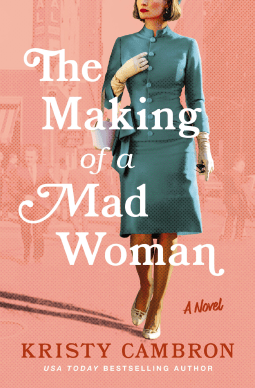




 Weekly DigestLetter from an Editor | September 5, 2026
 Kathy Spillar Executive Editor




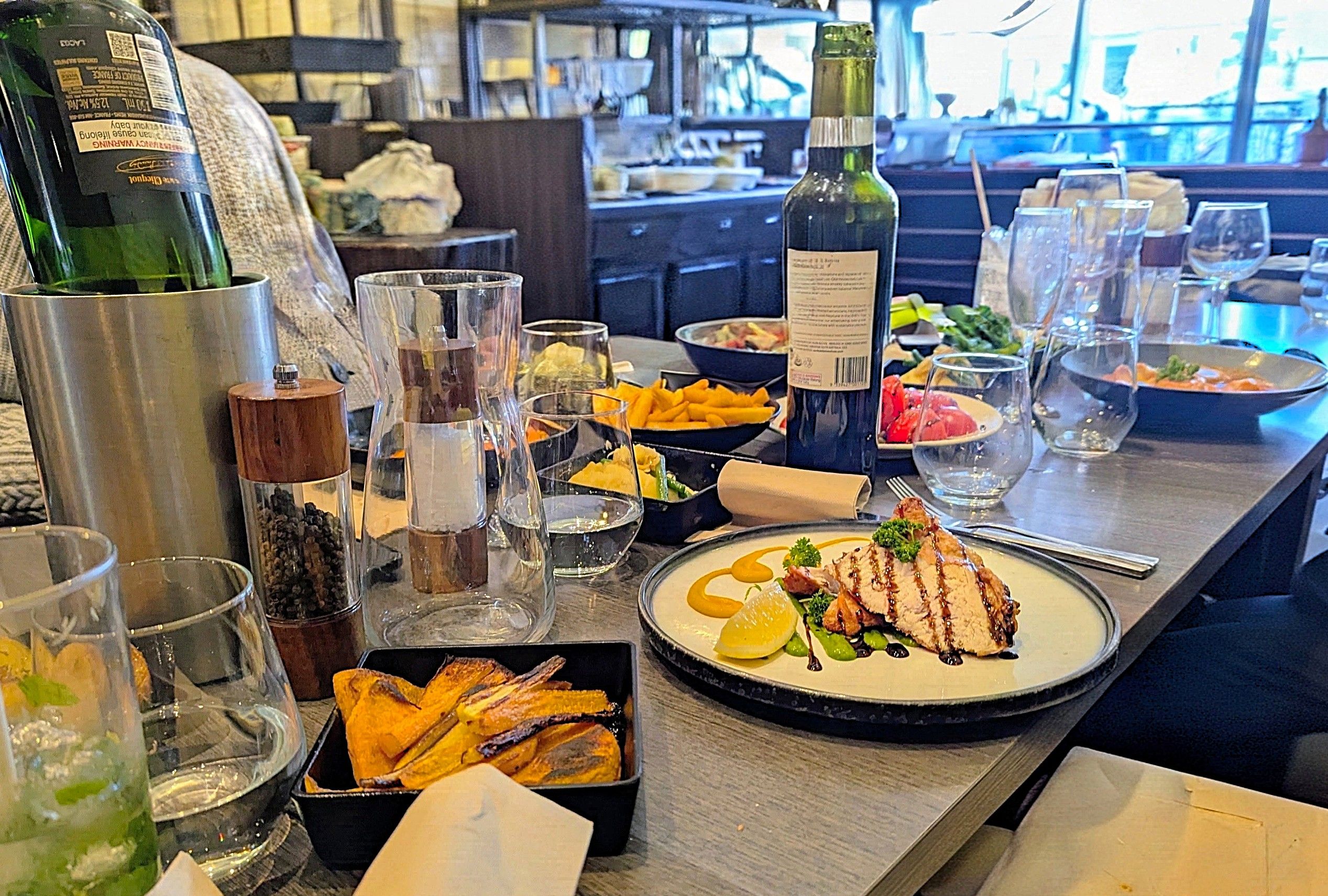










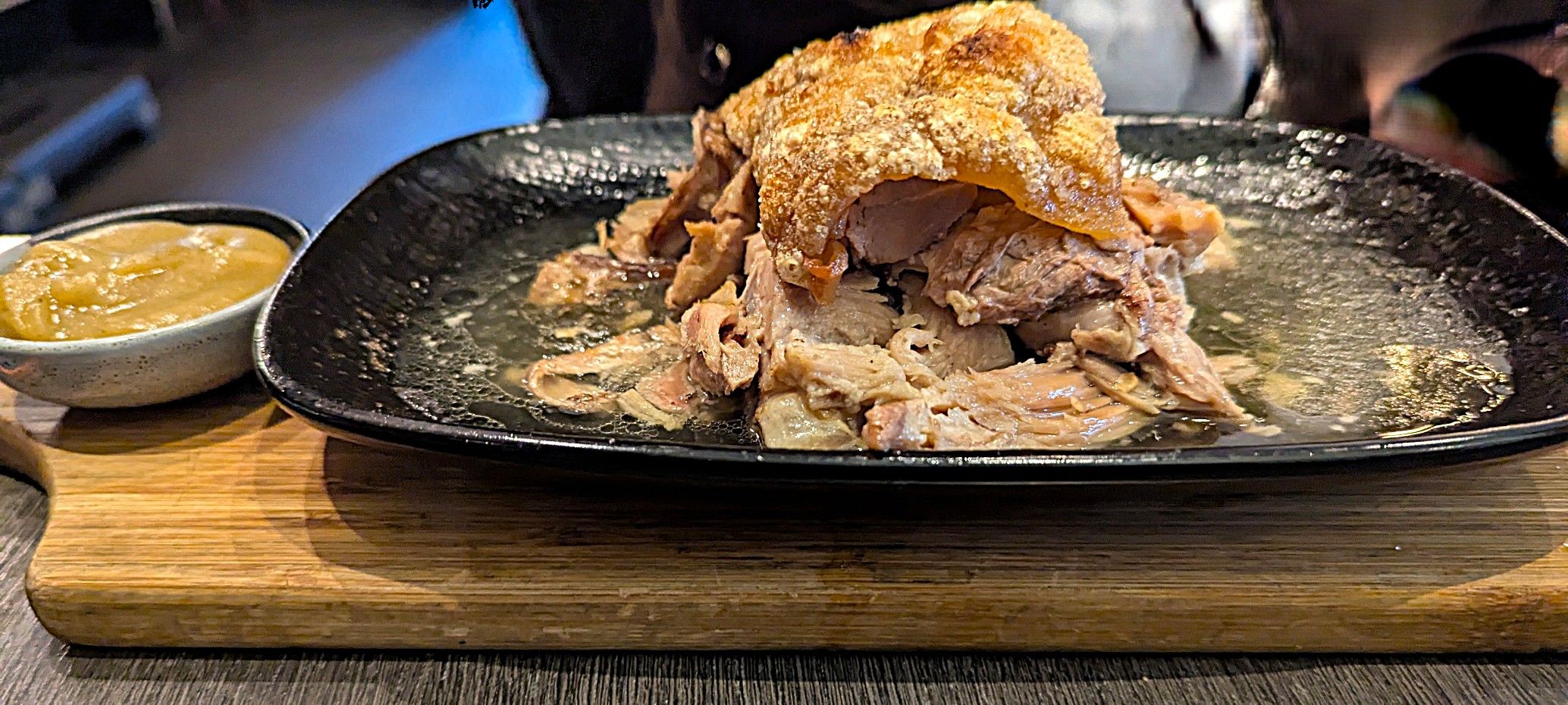









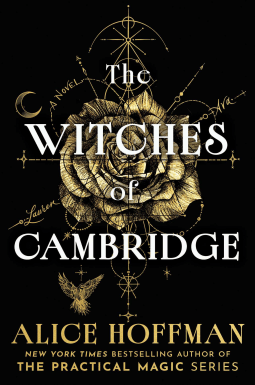
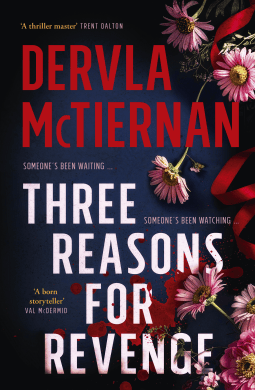



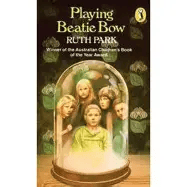







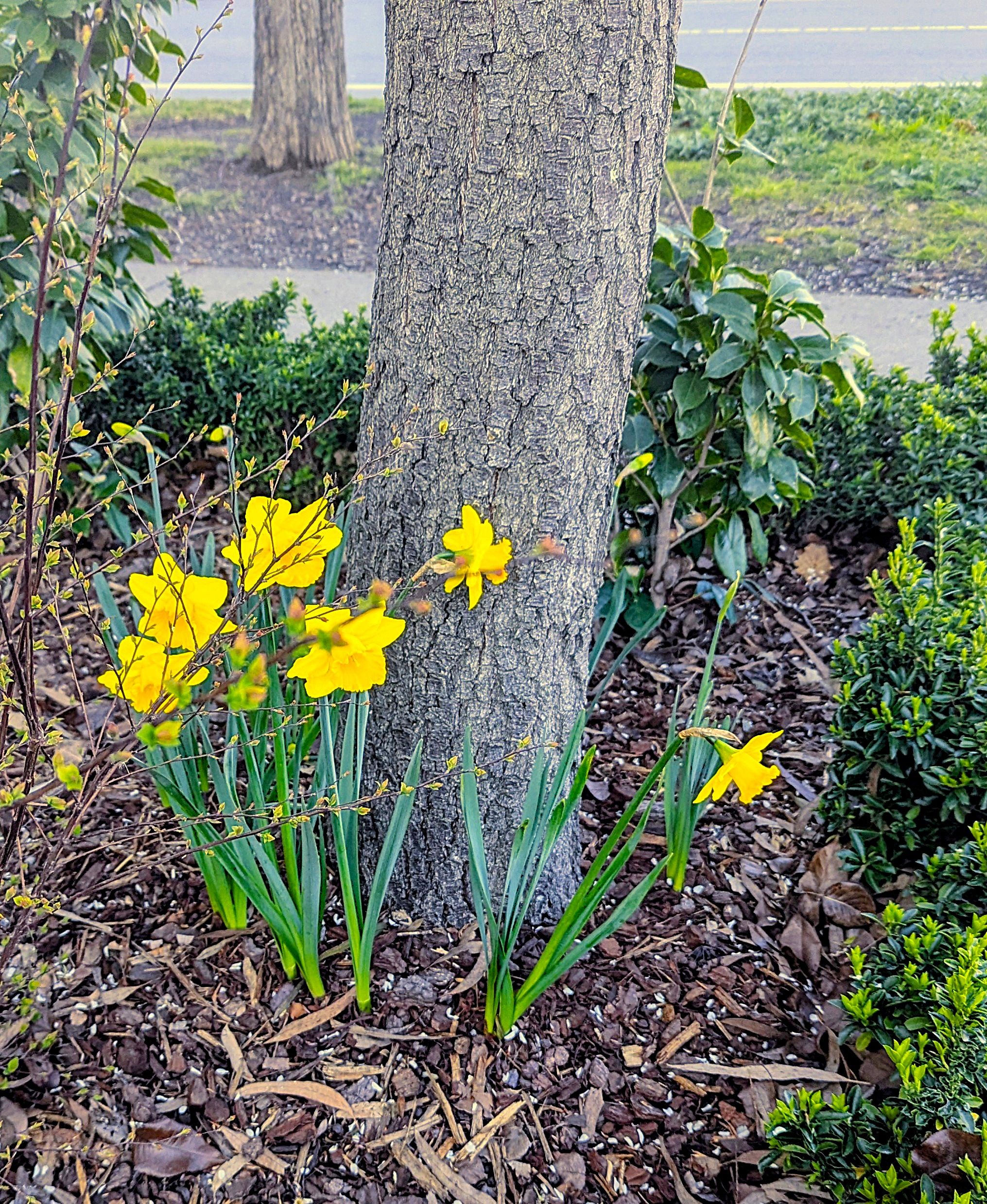

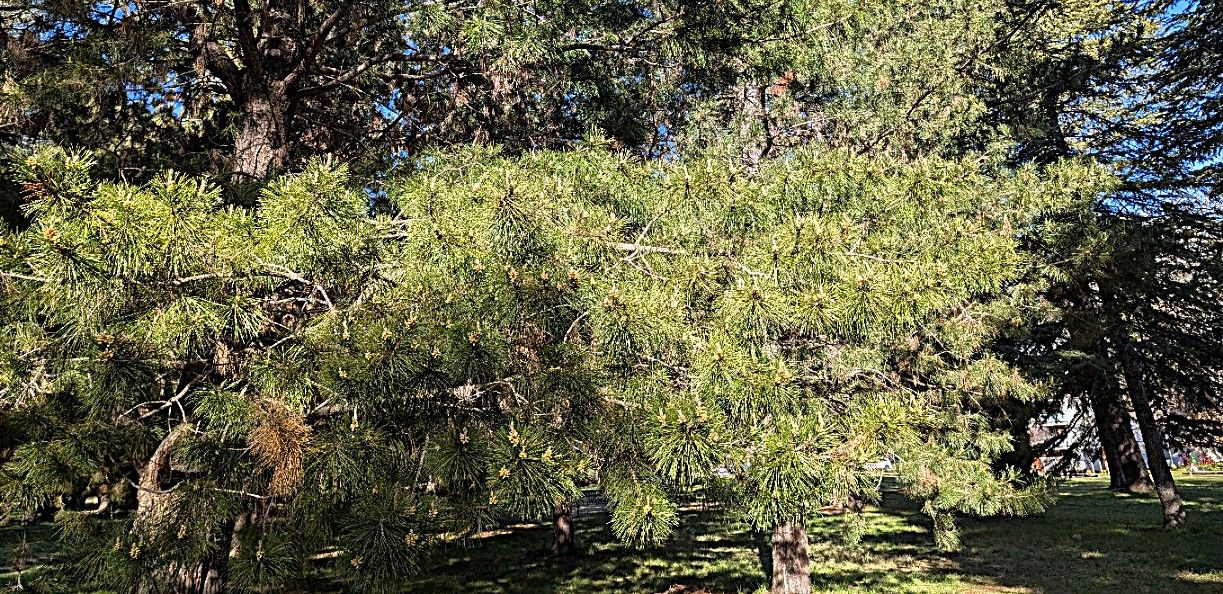

















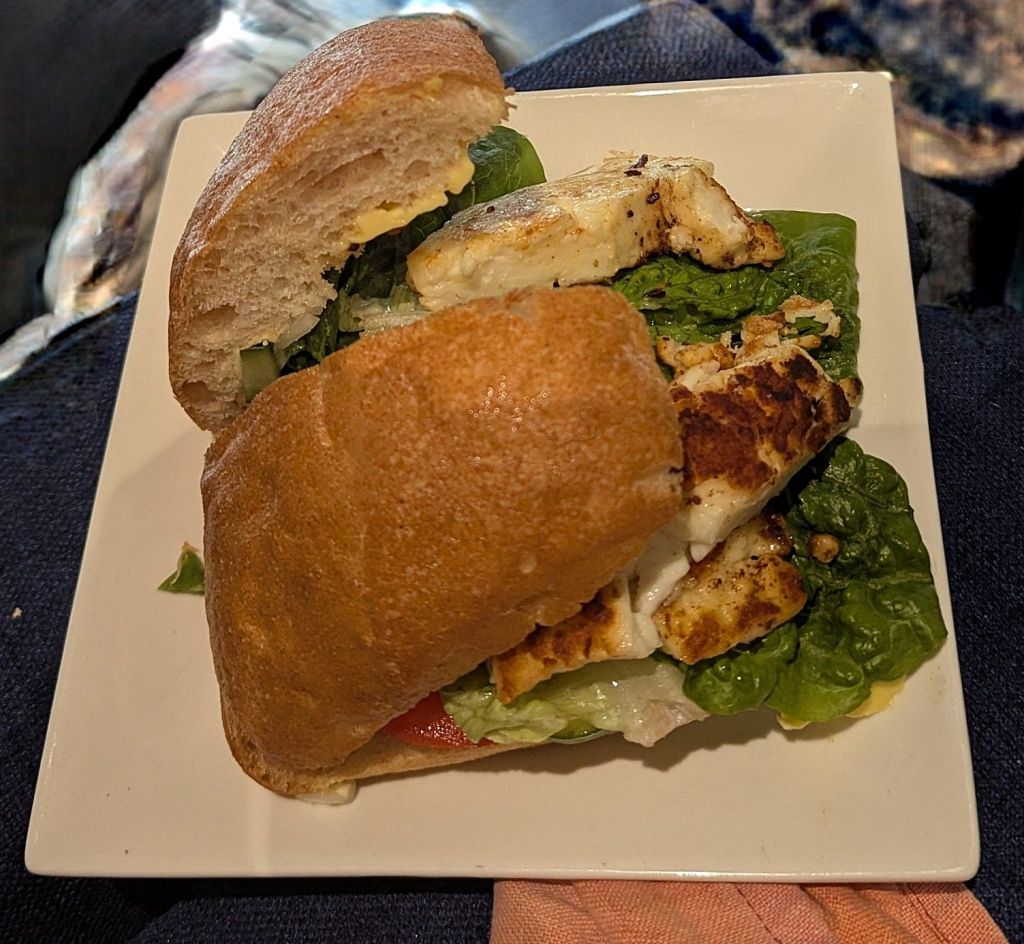




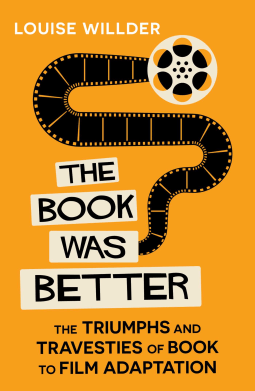

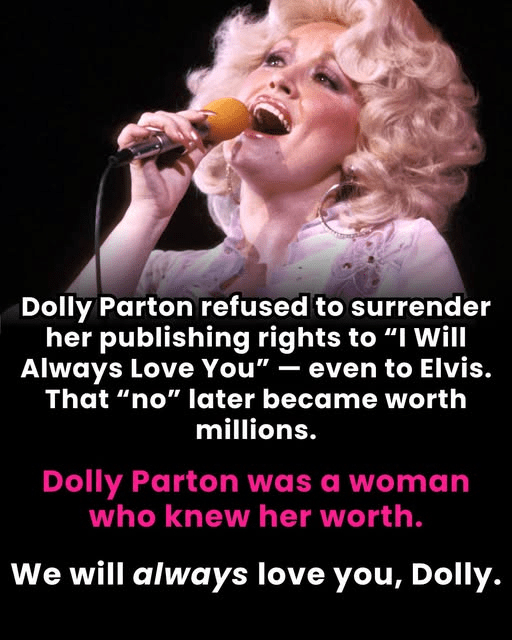





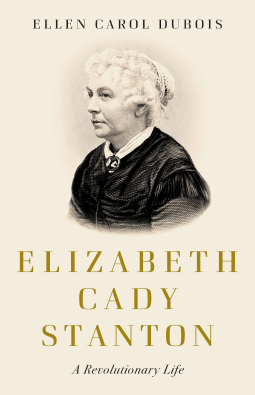







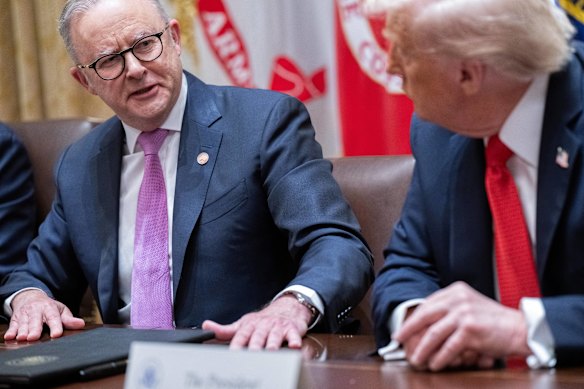


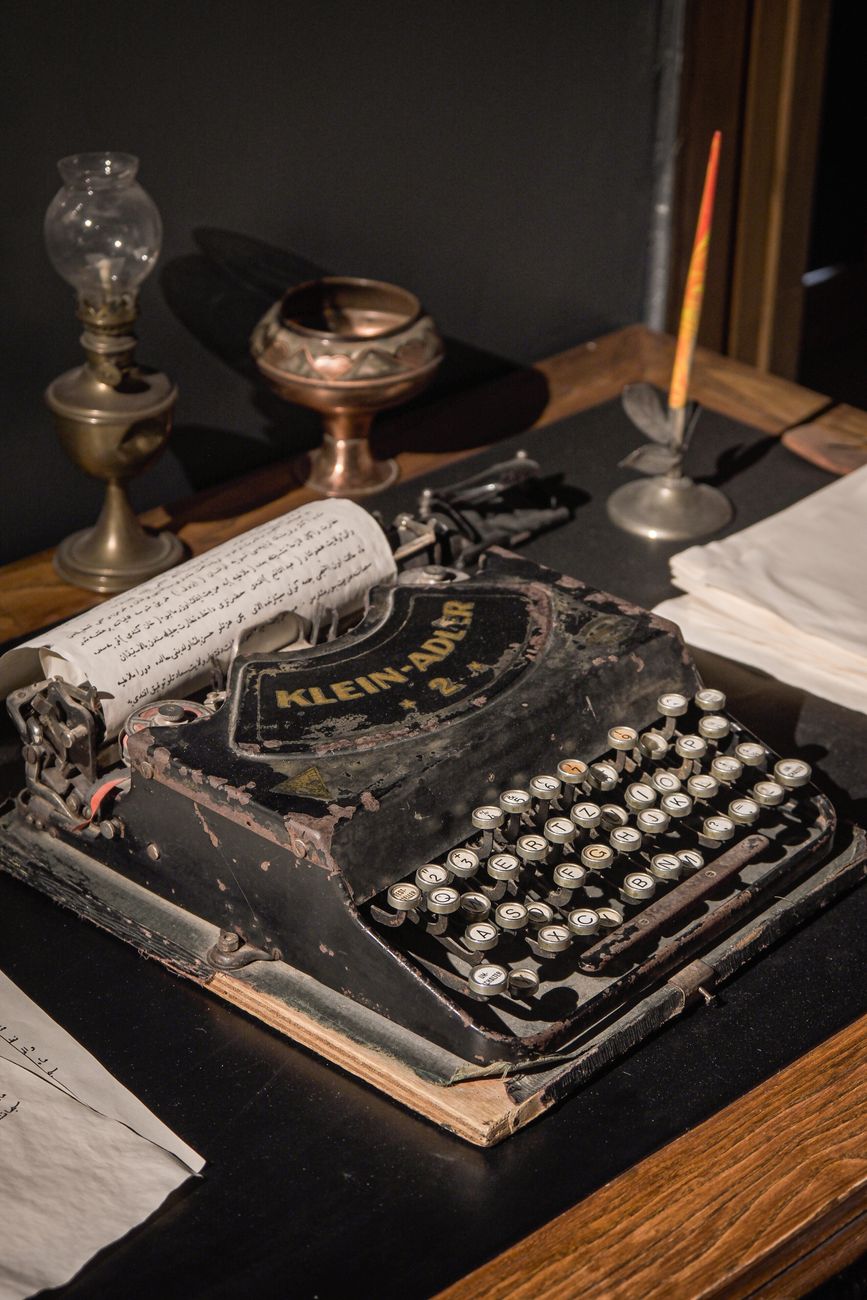



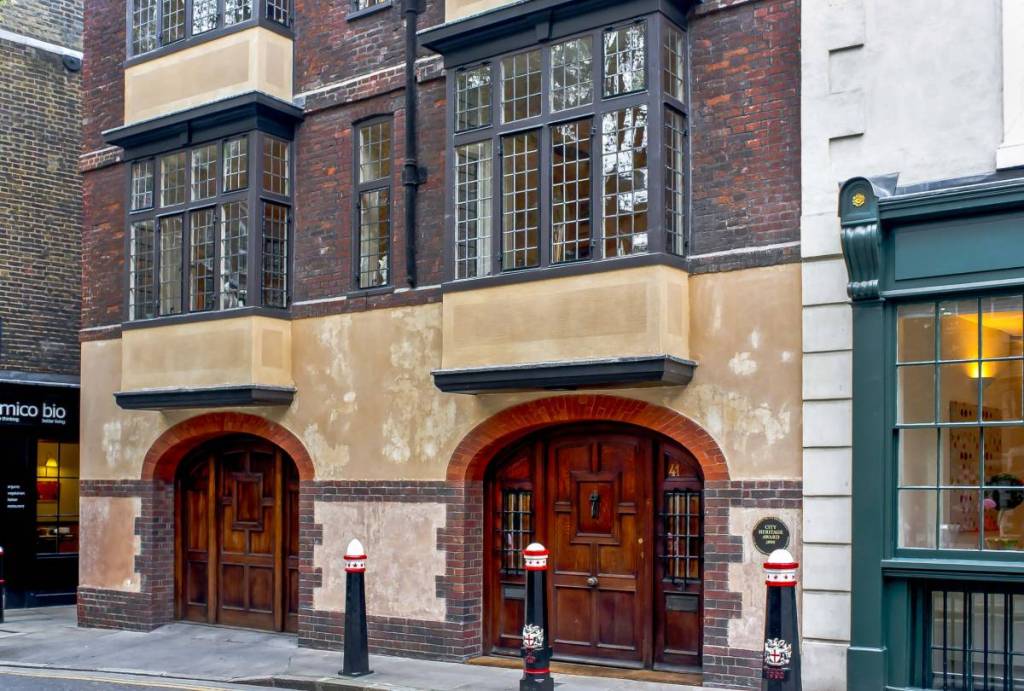
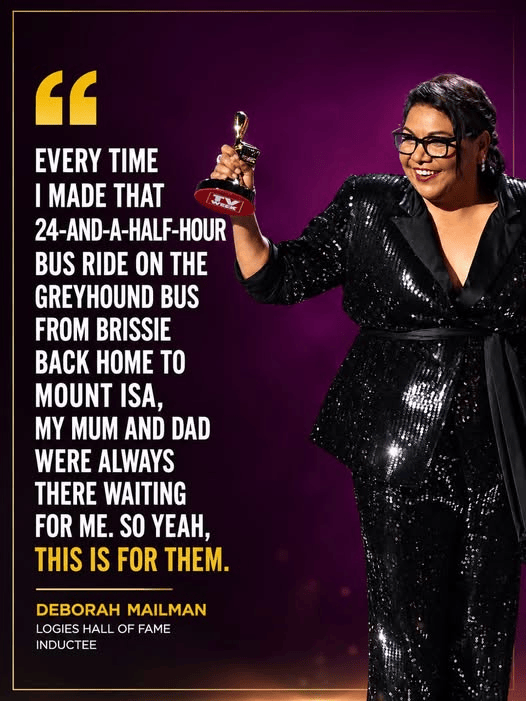











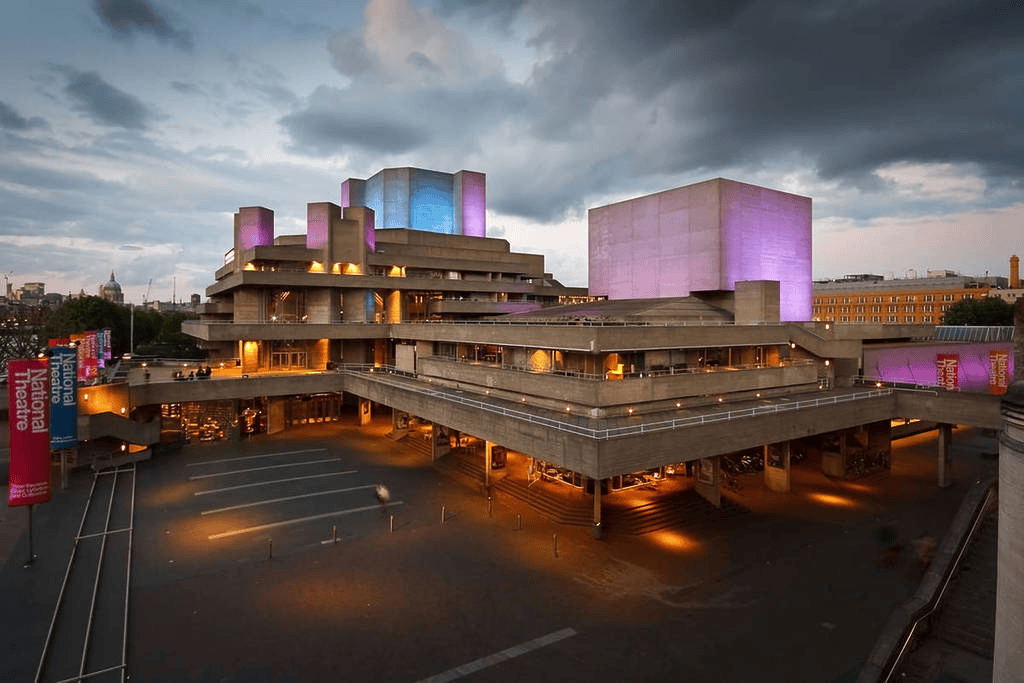
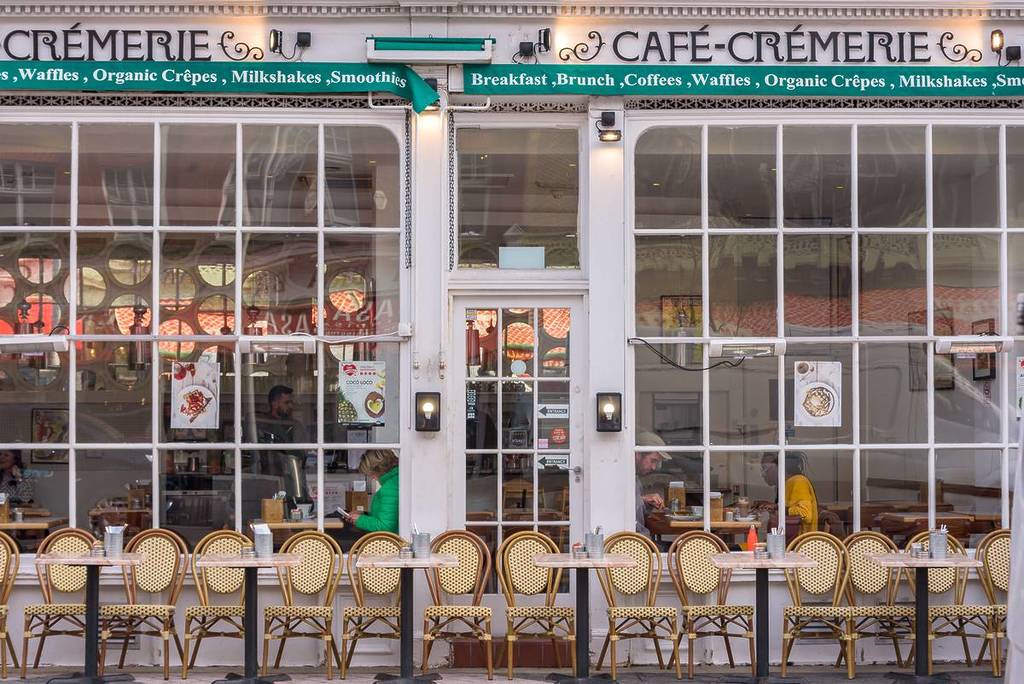




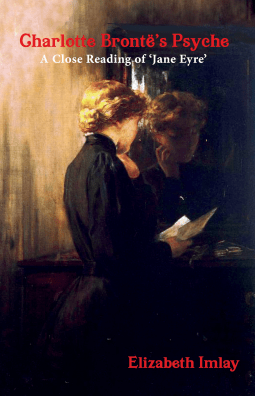
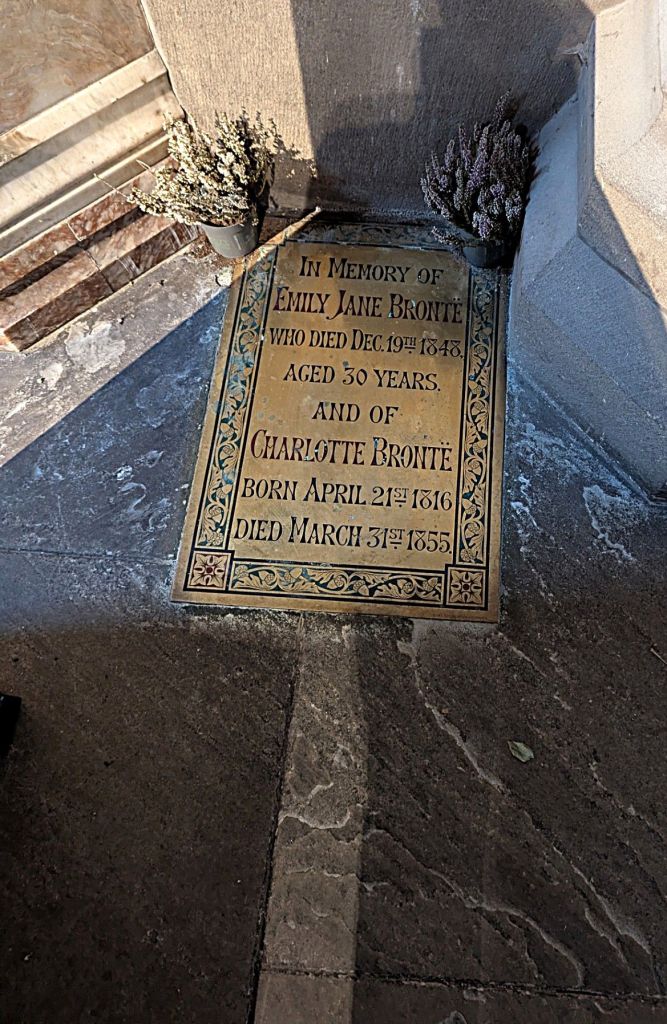
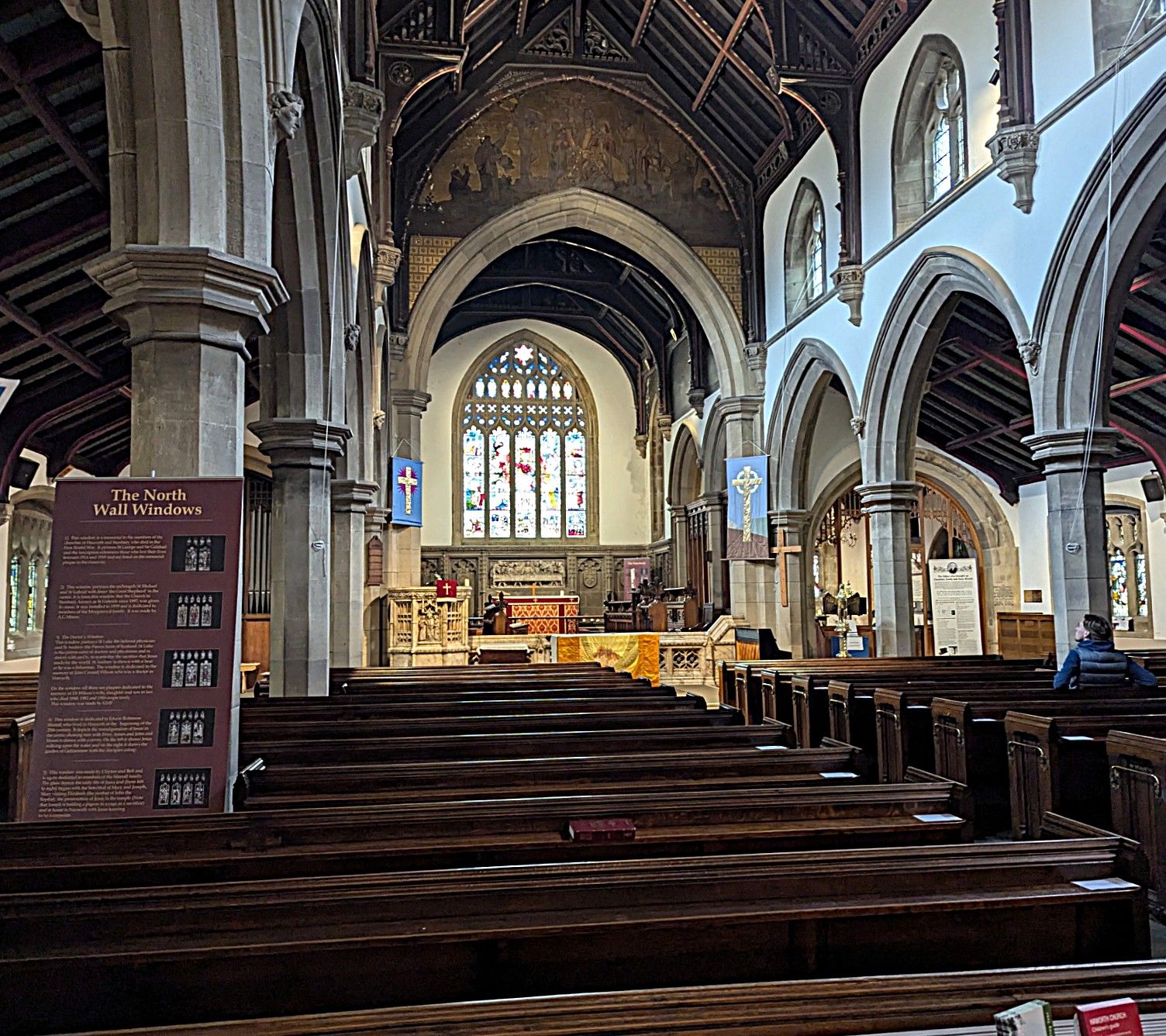




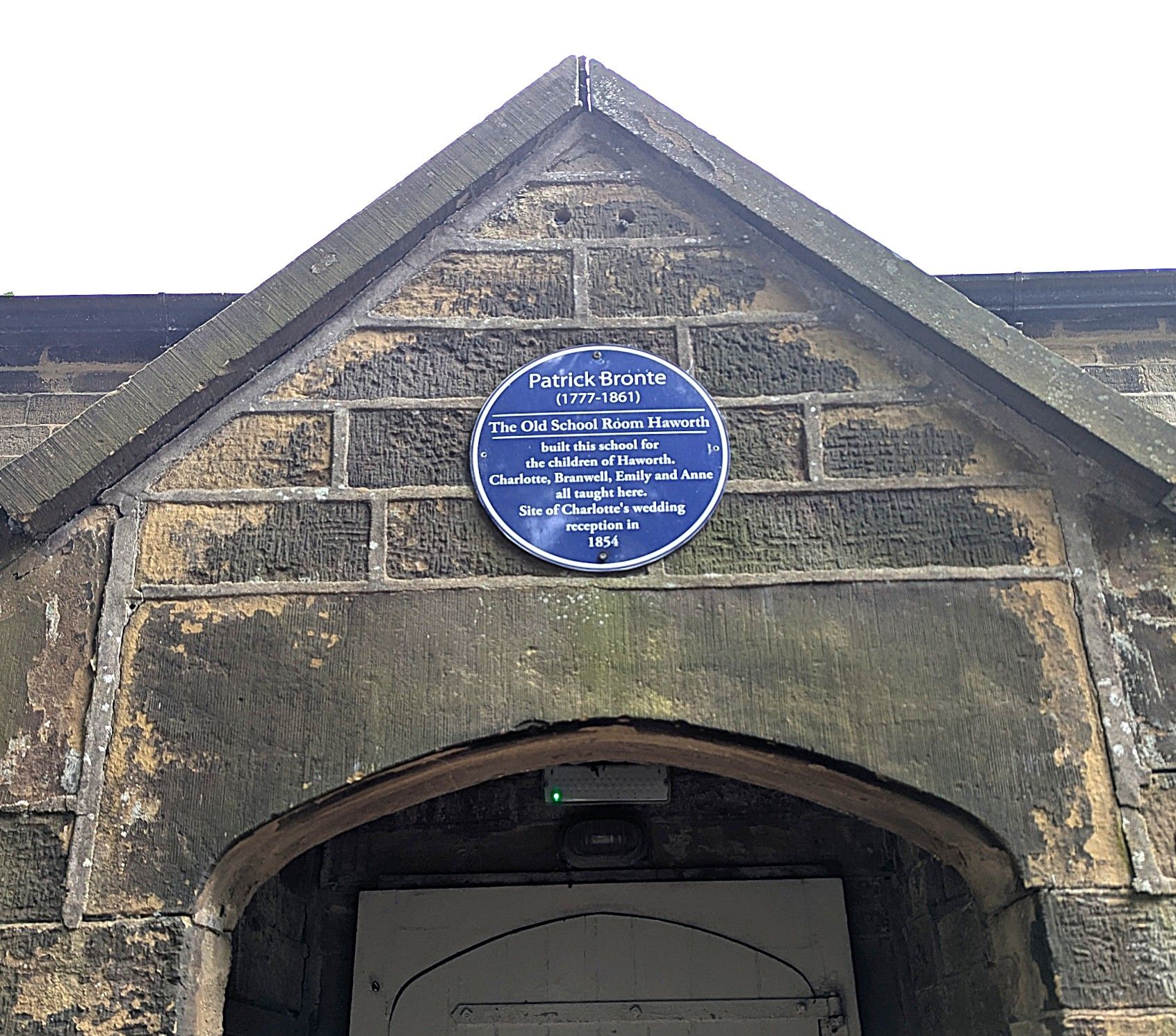

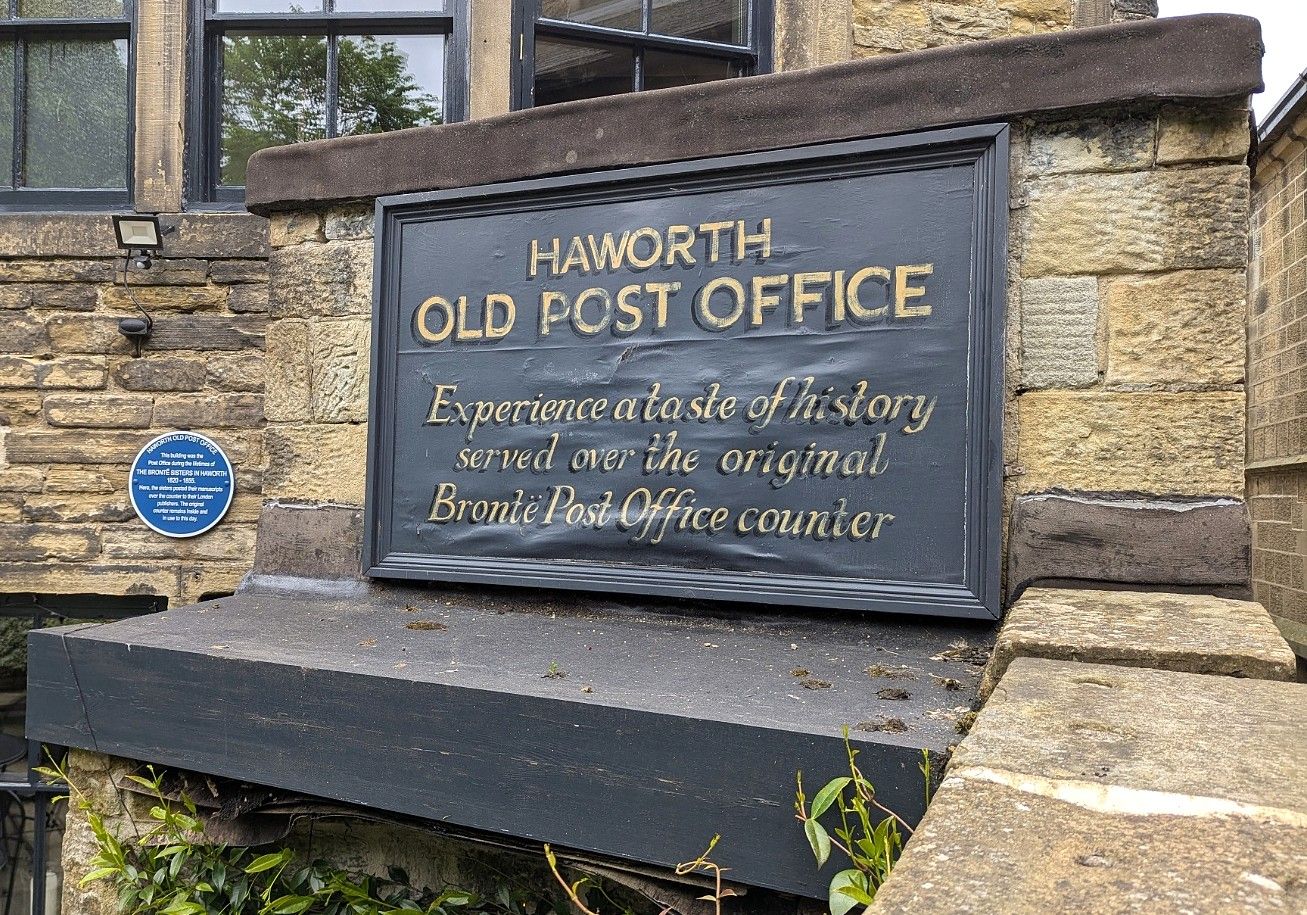

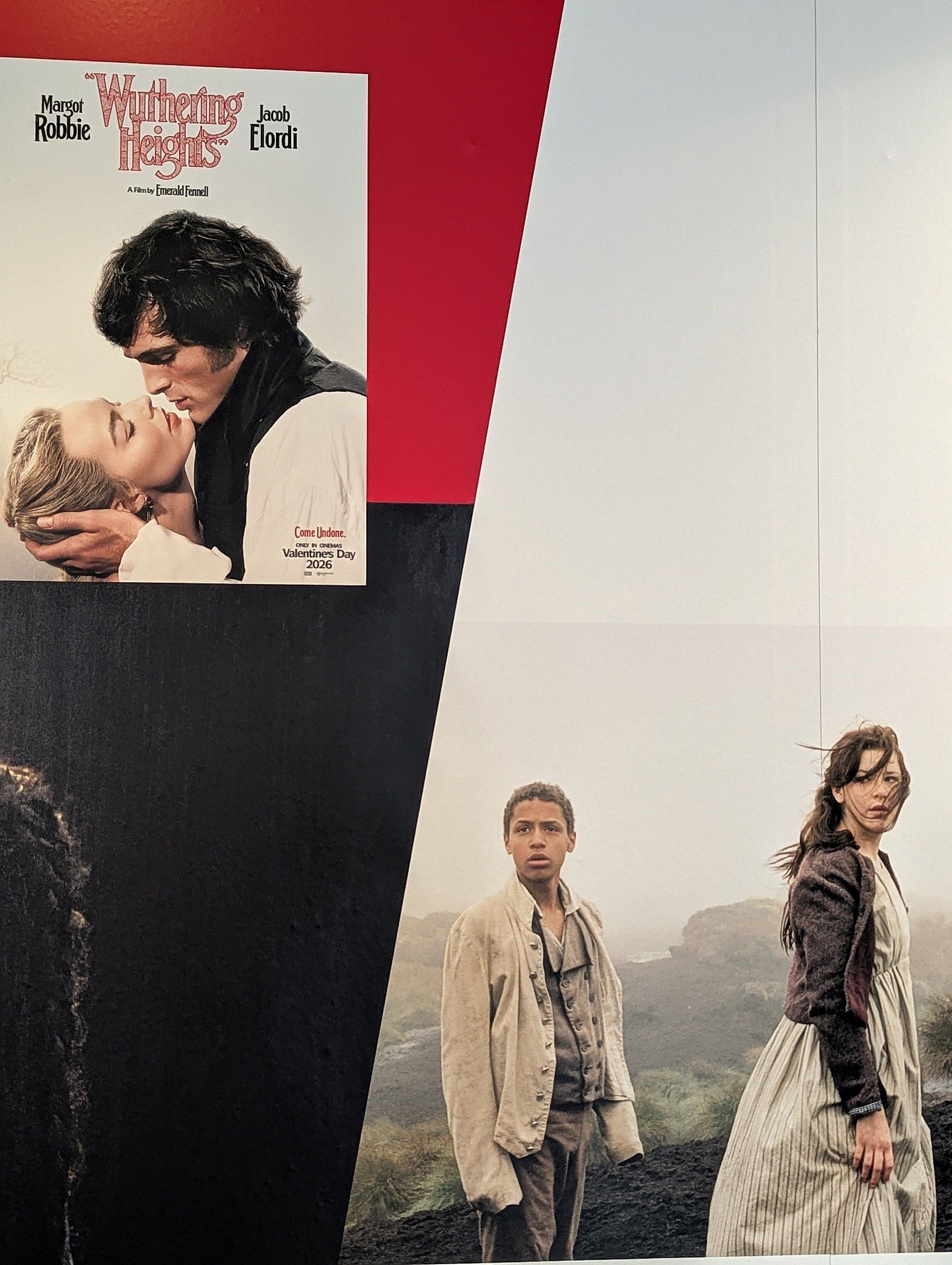
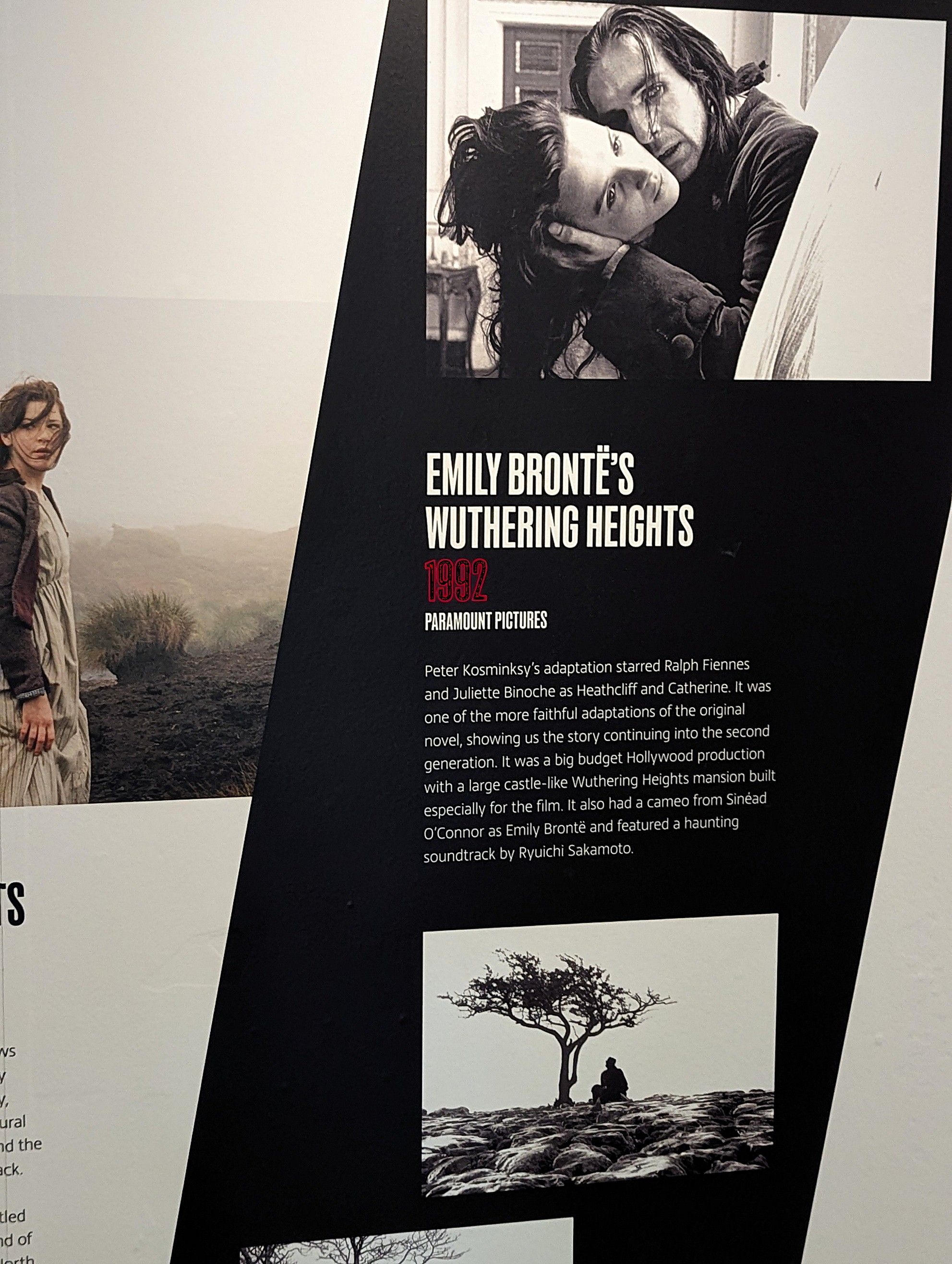
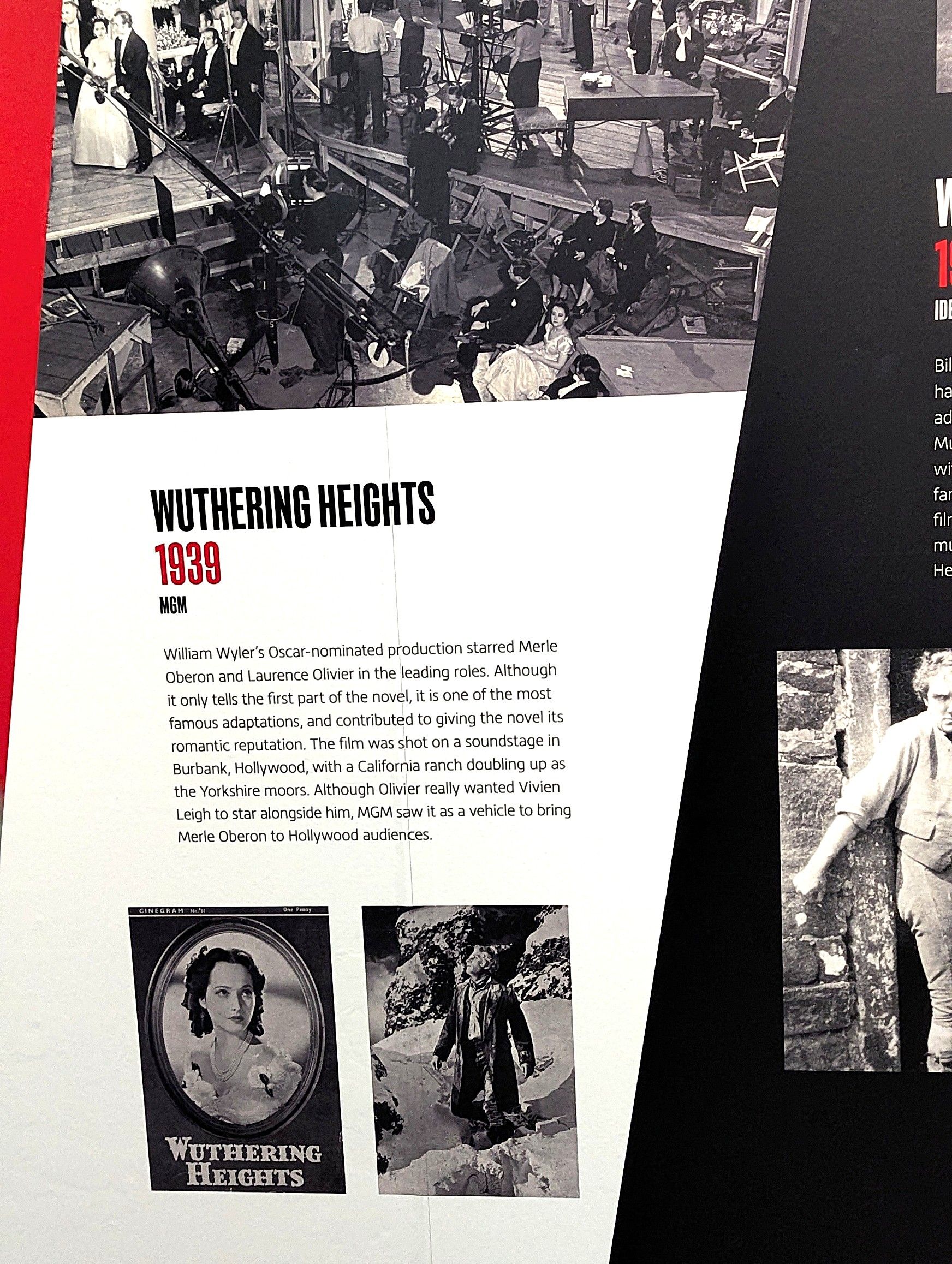
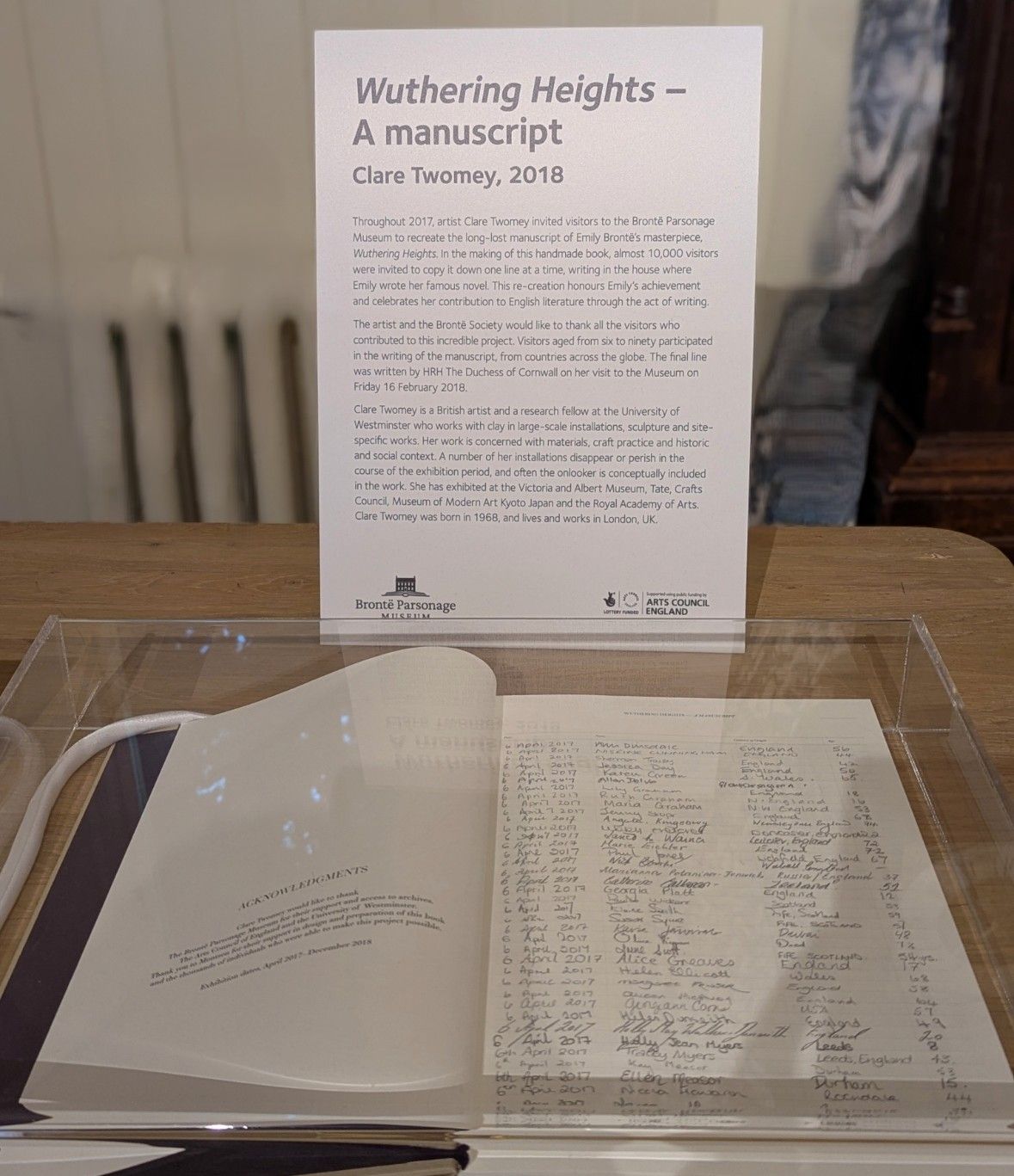

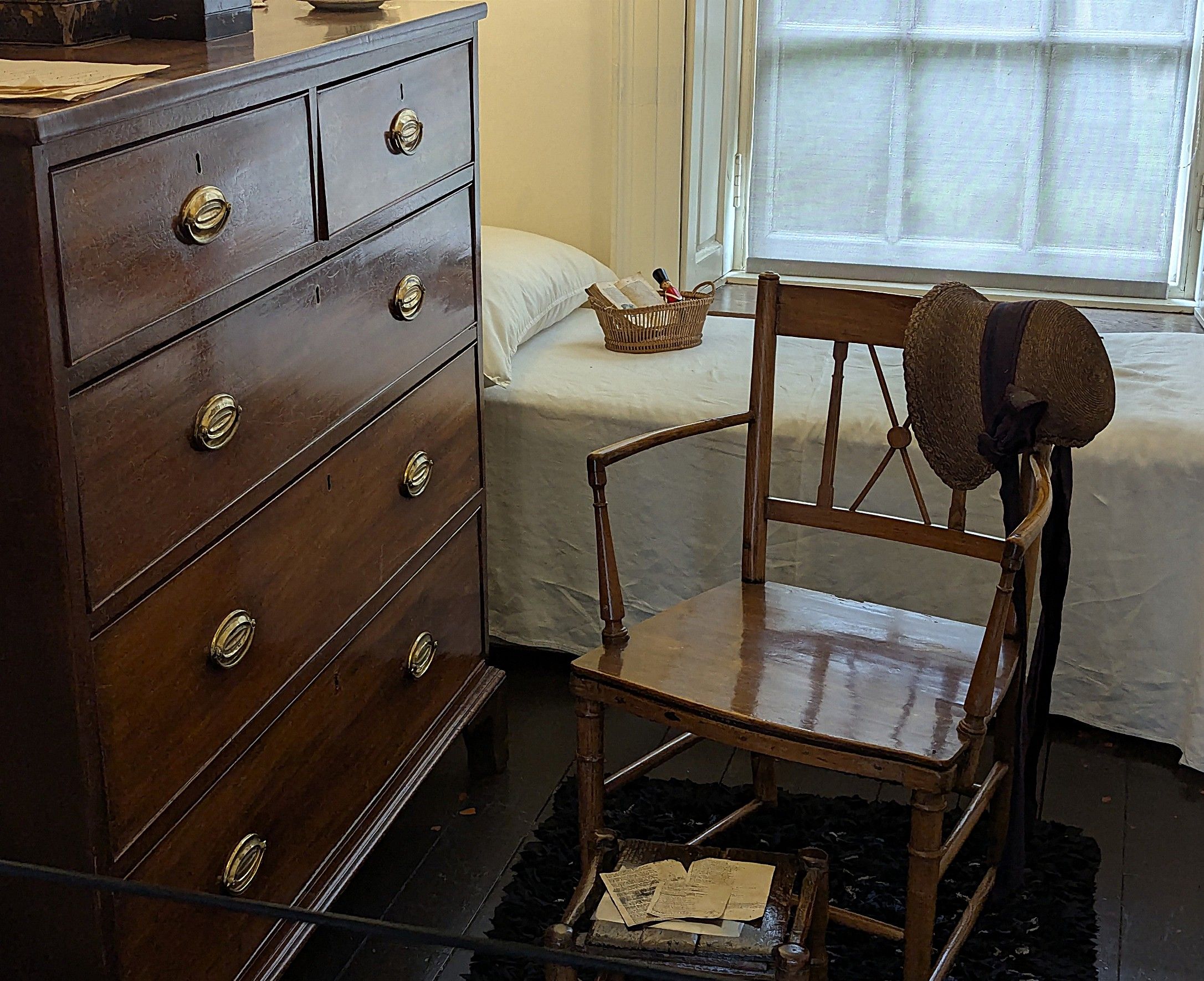
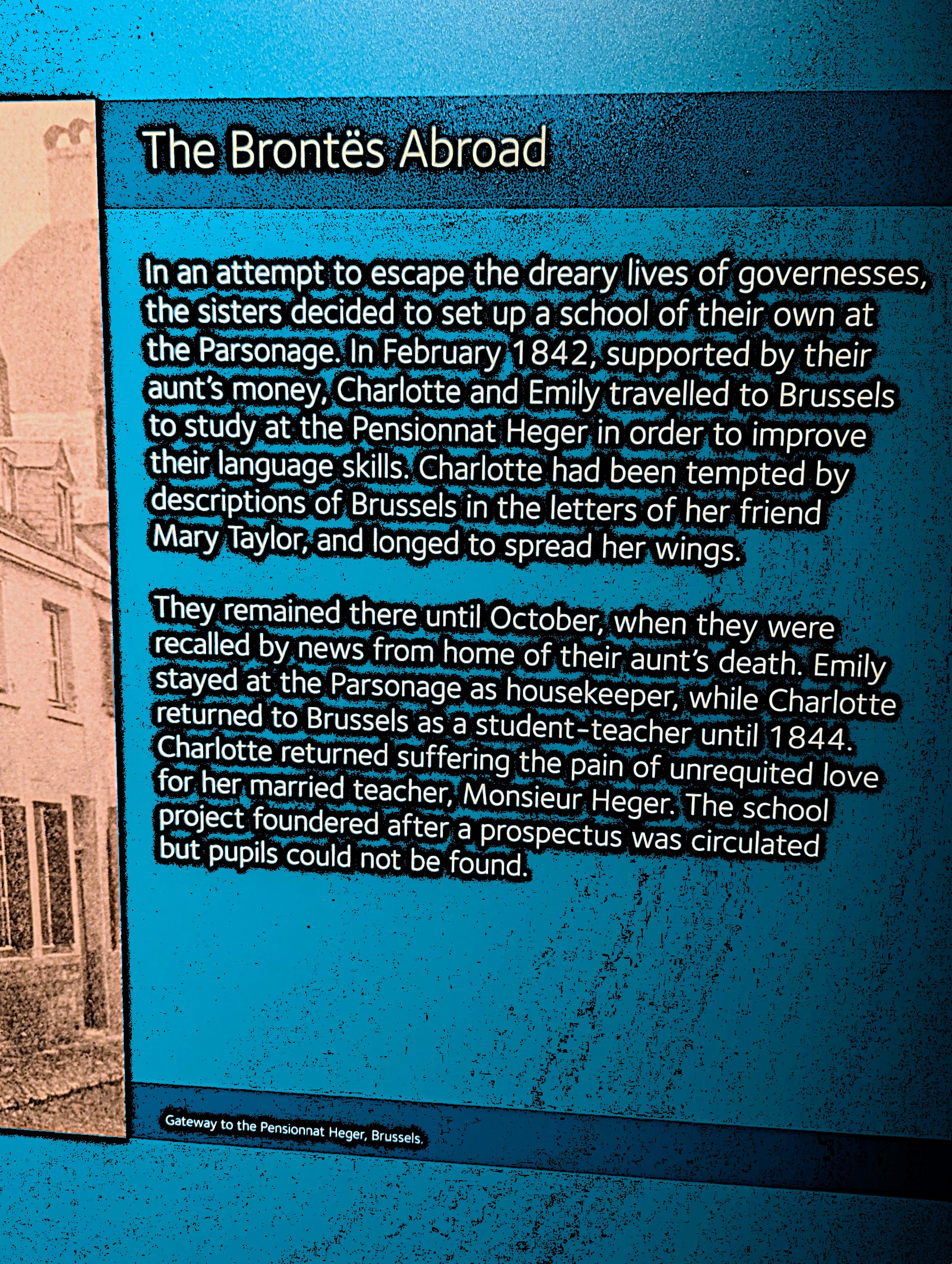
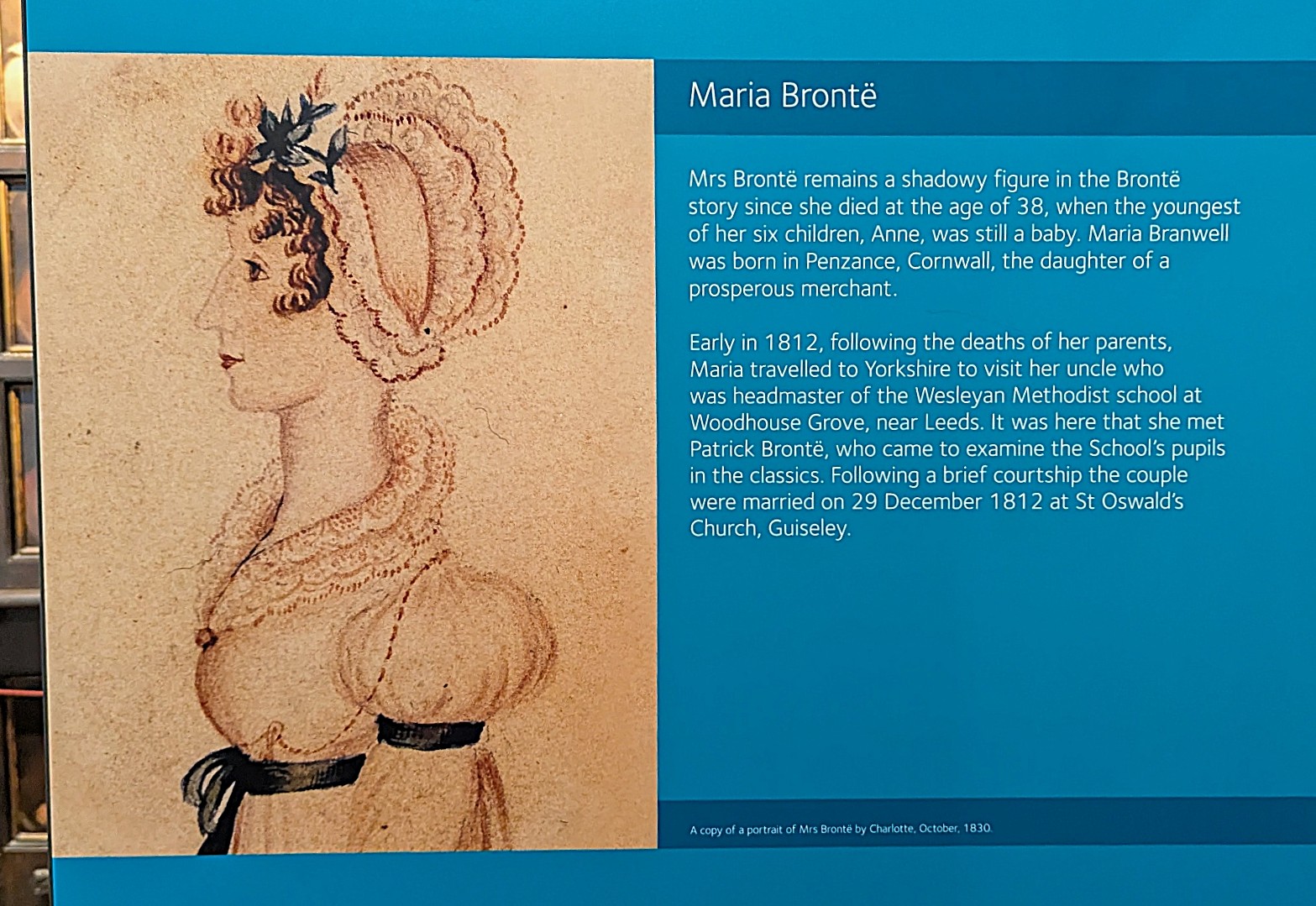

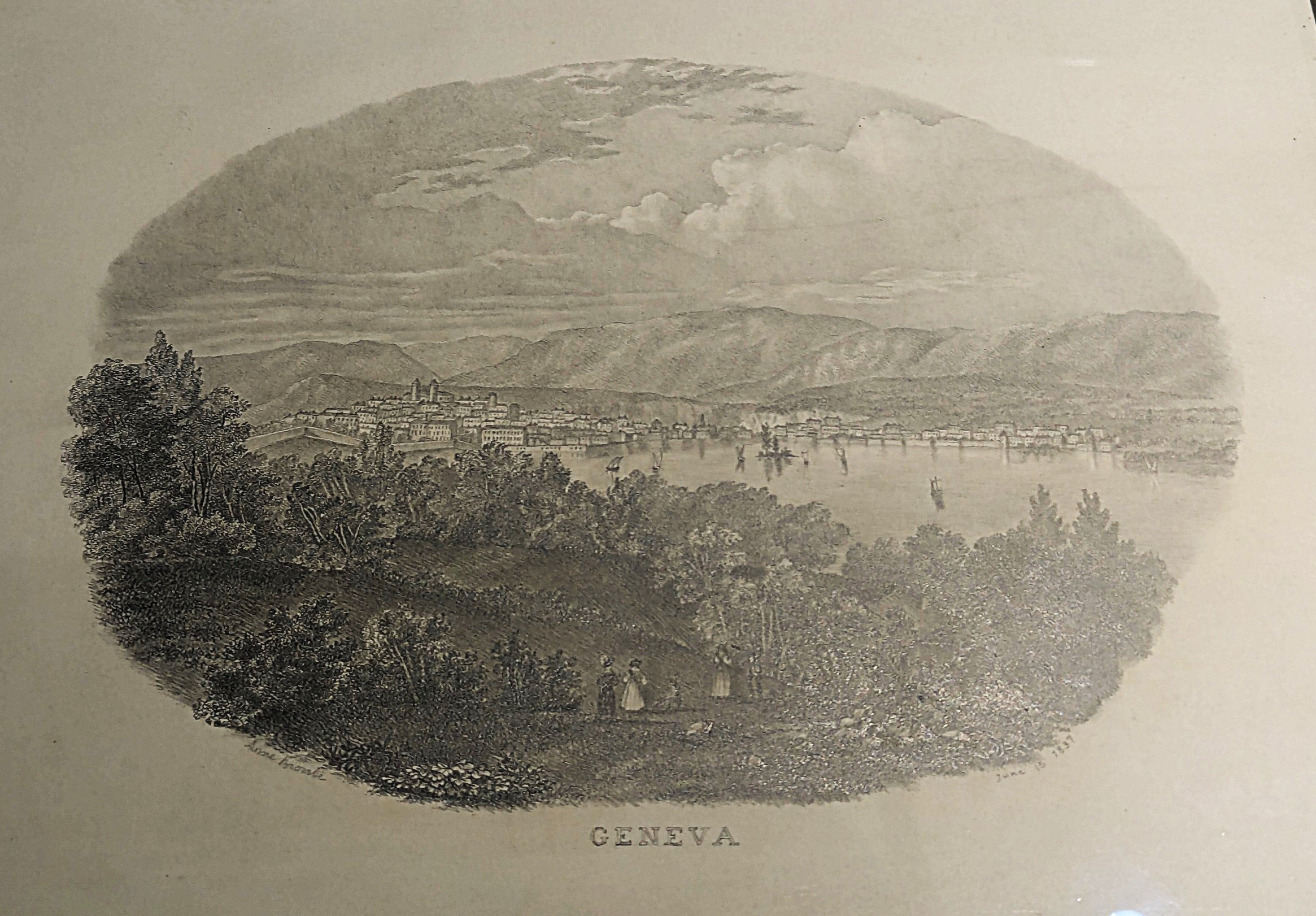
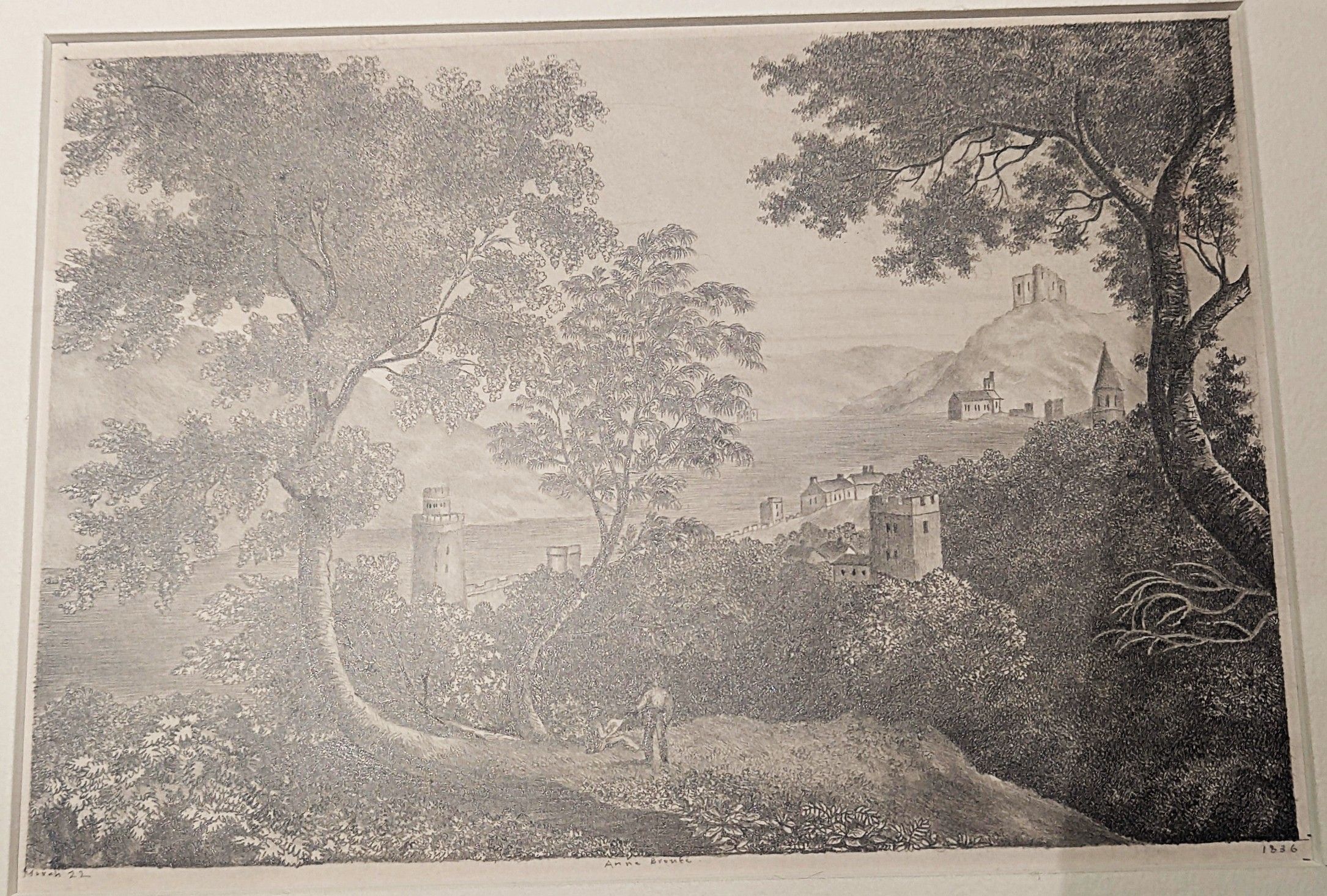
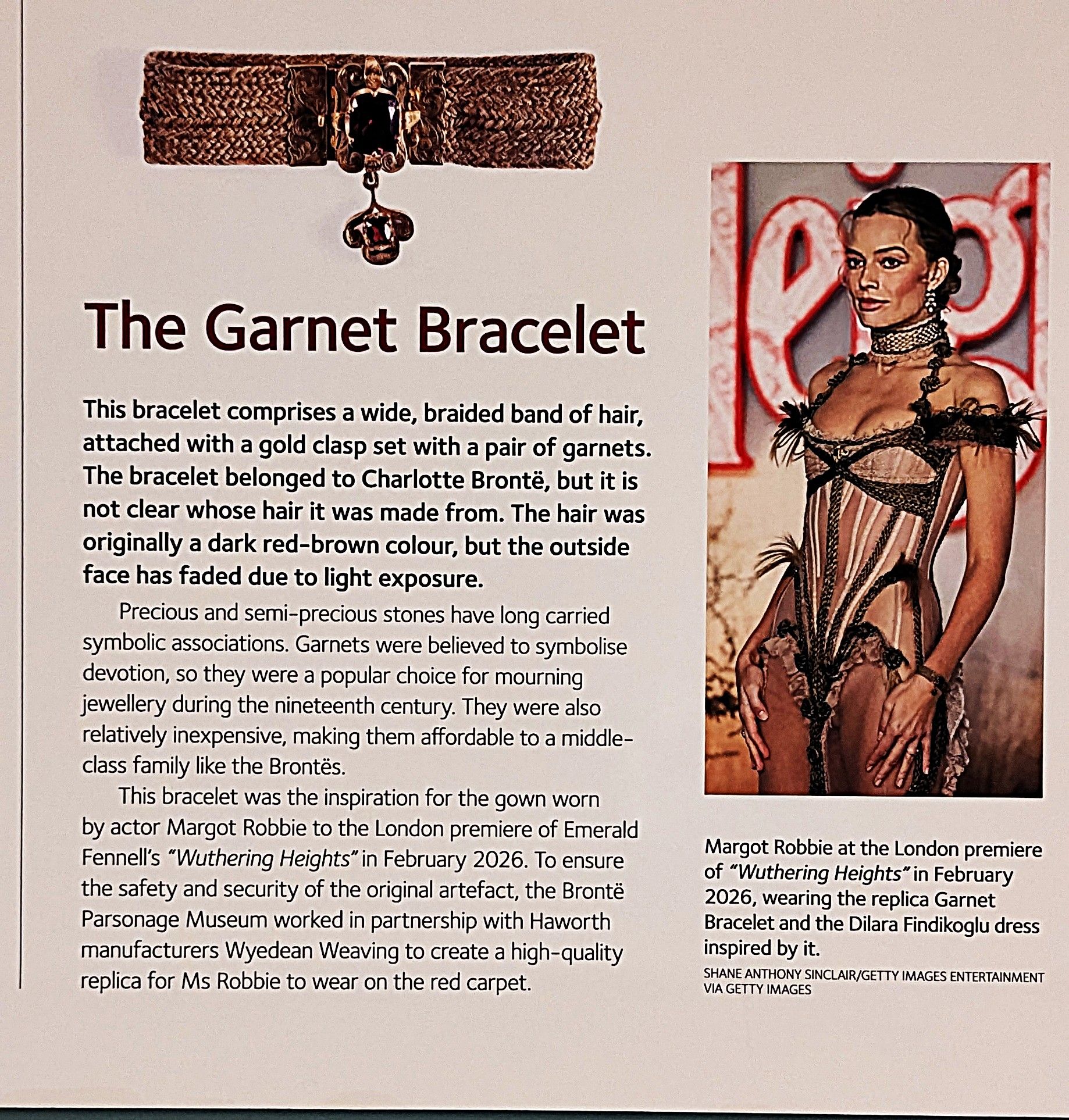
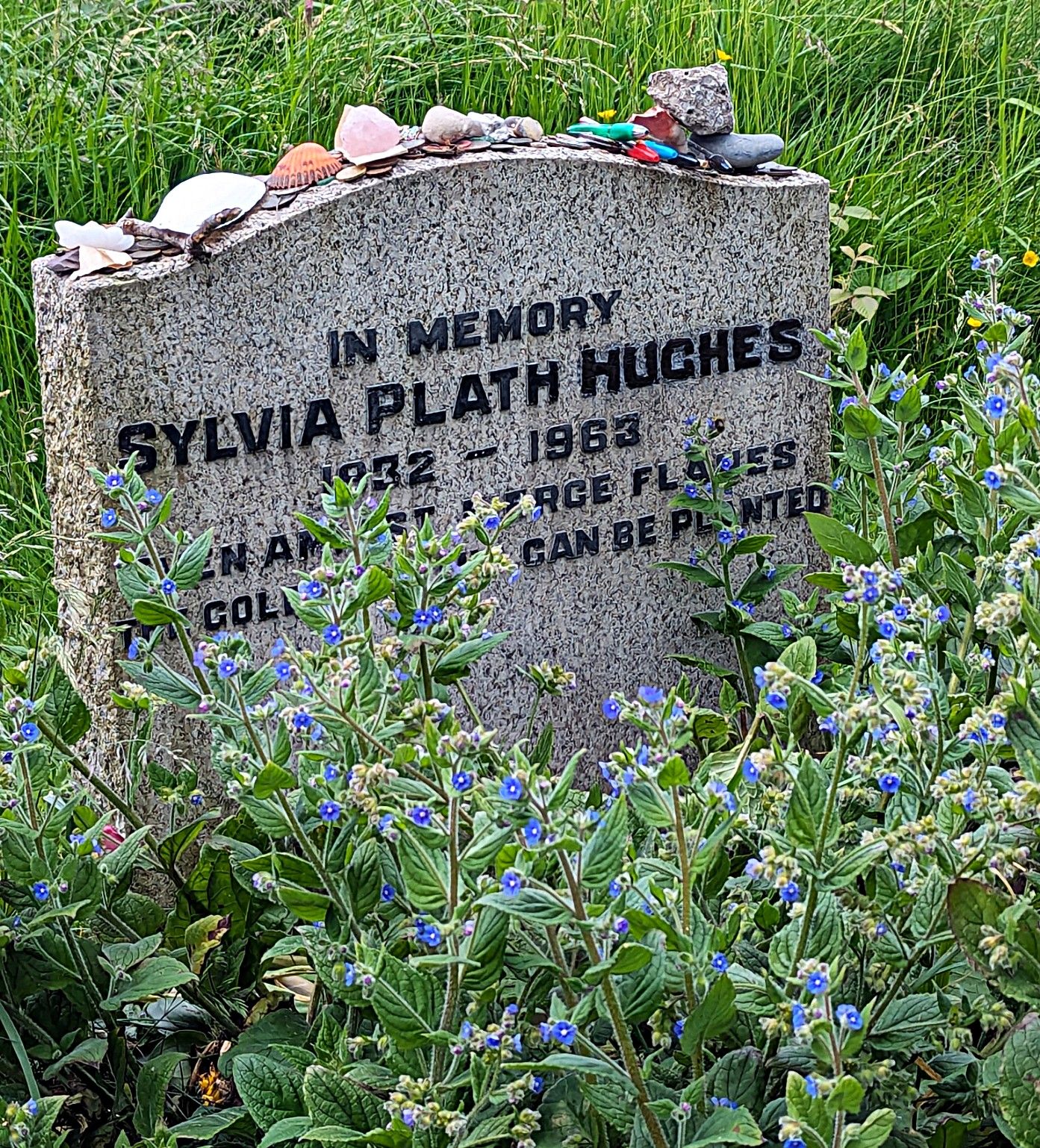
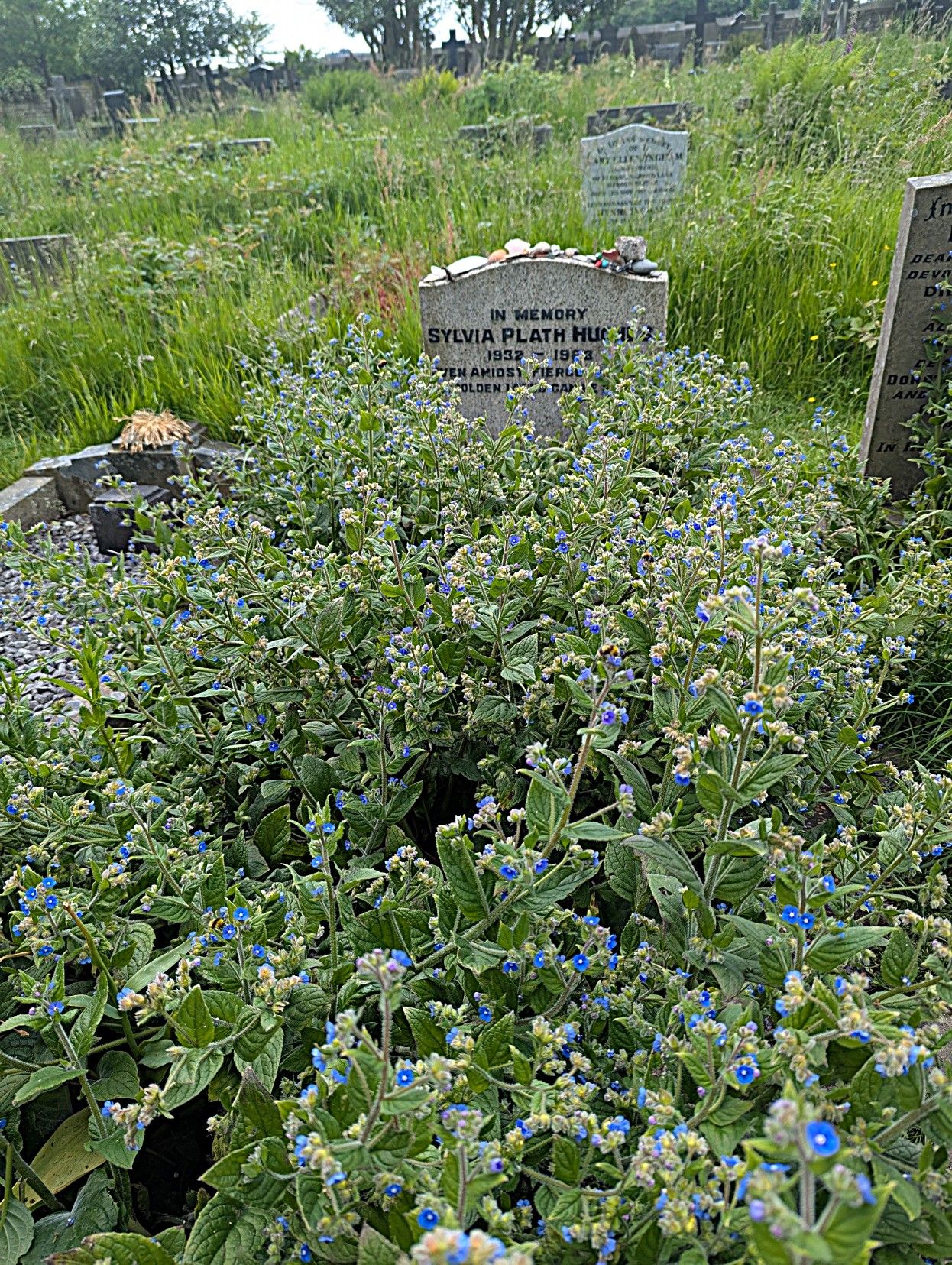
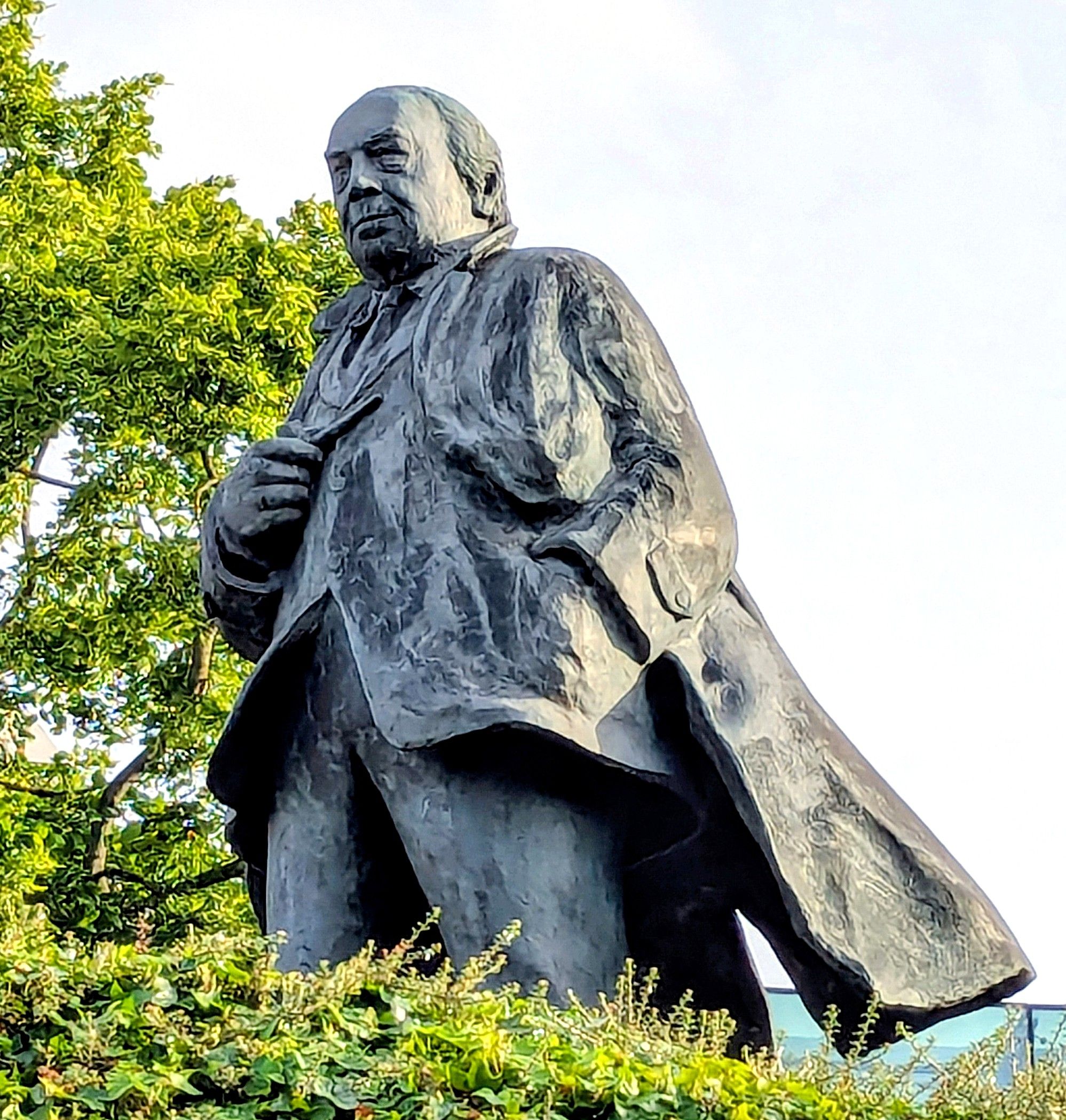
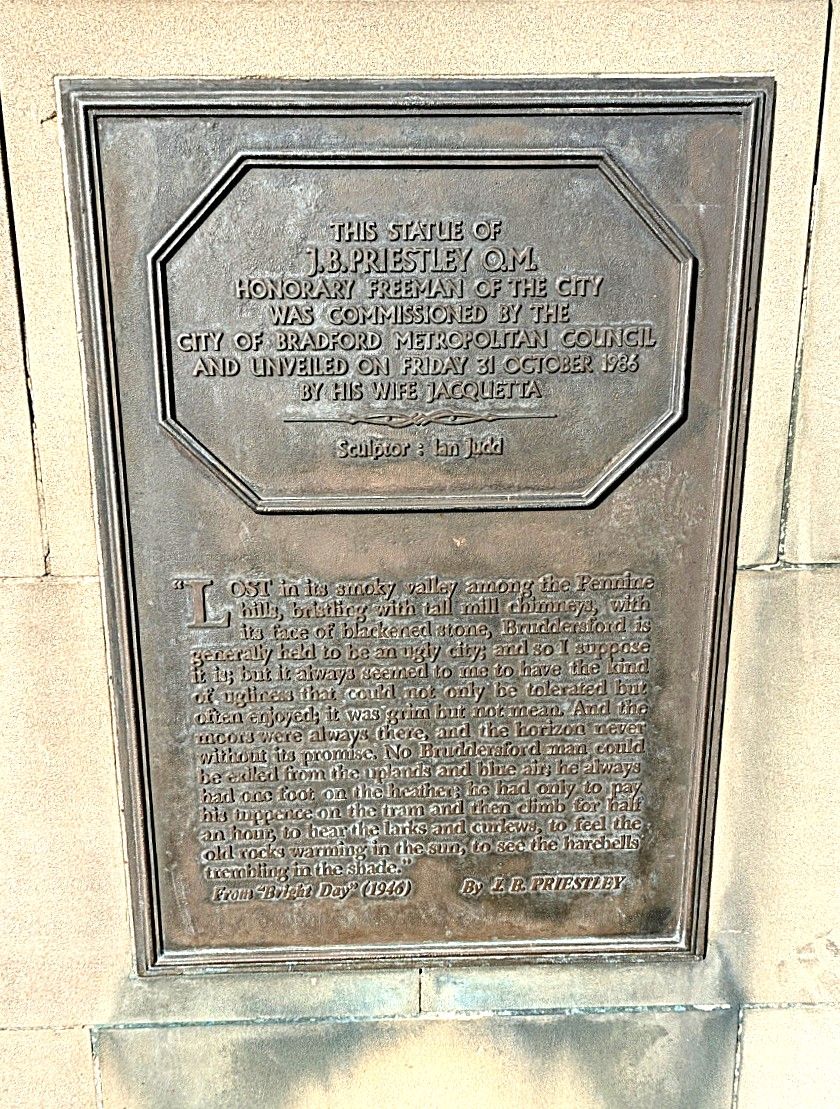
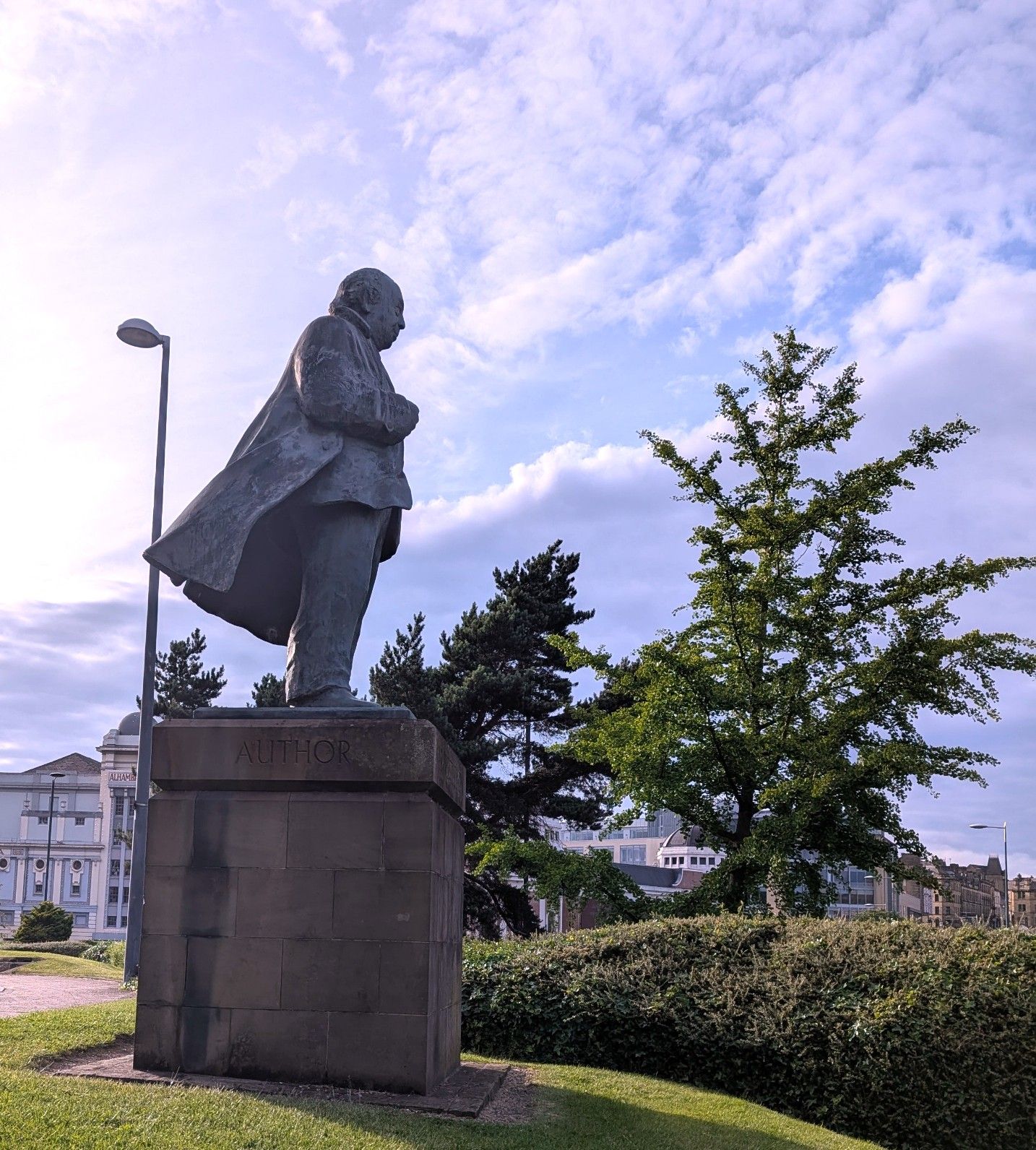

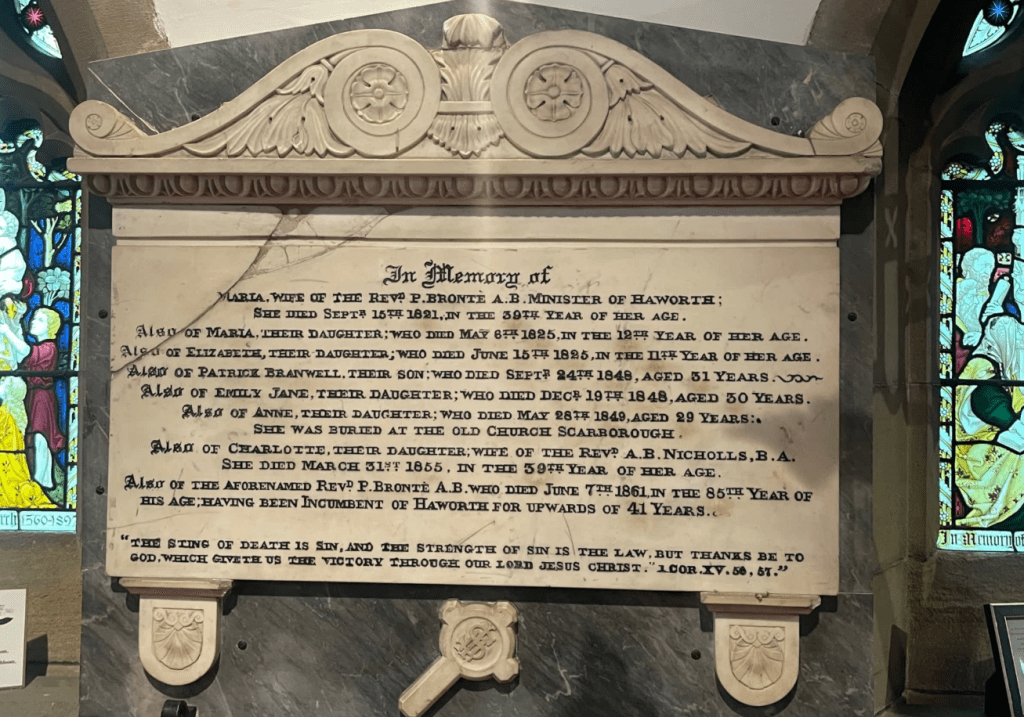



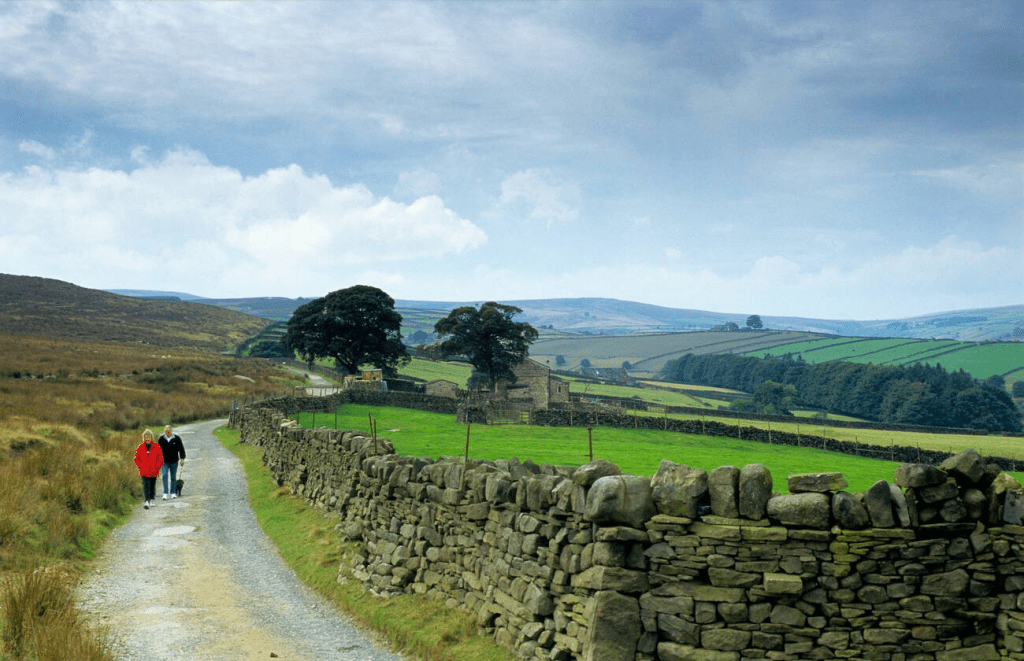



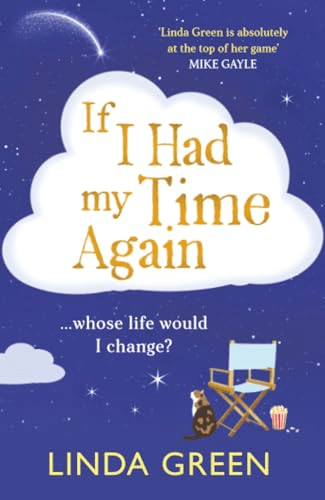


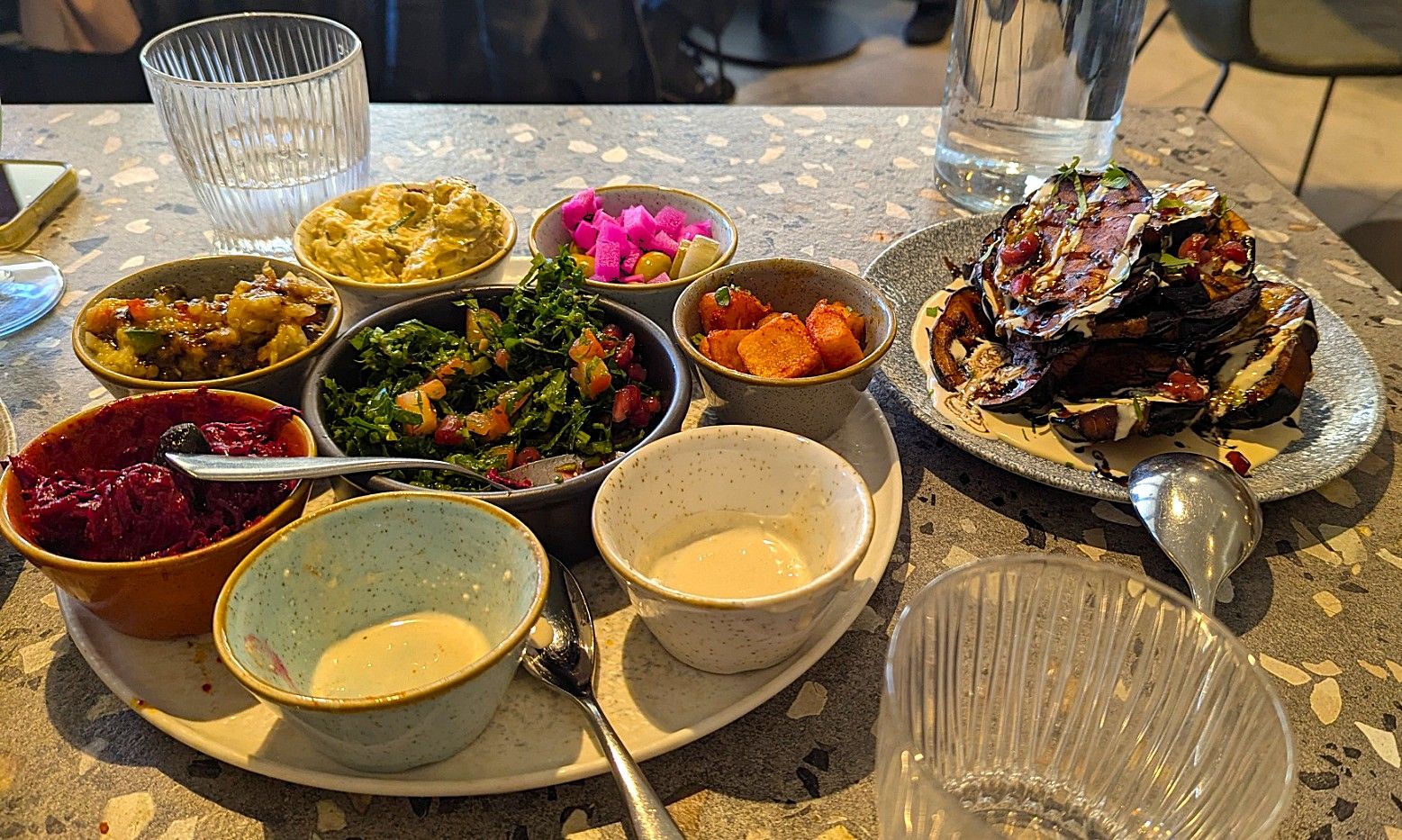




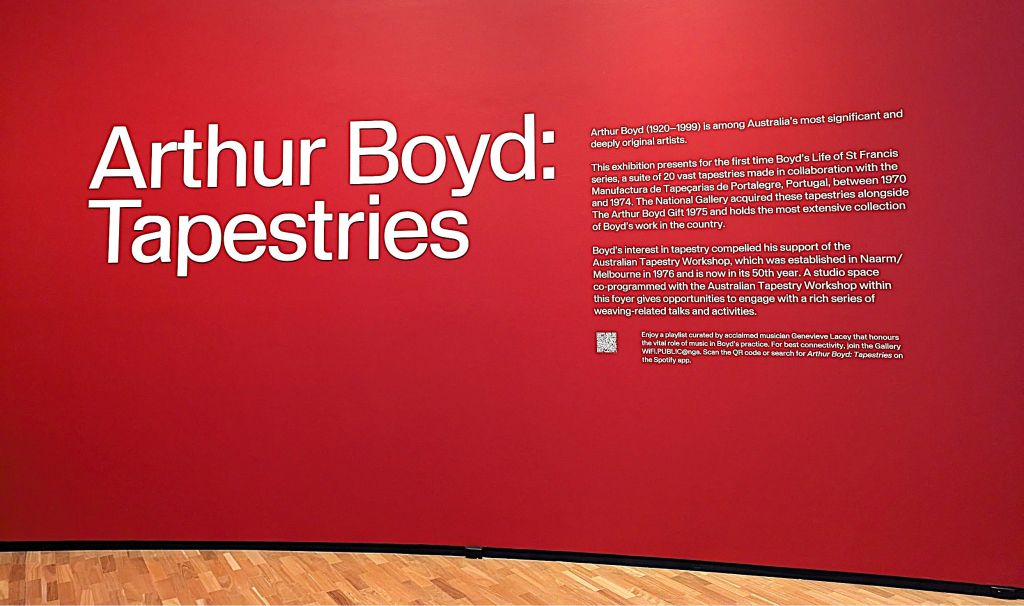
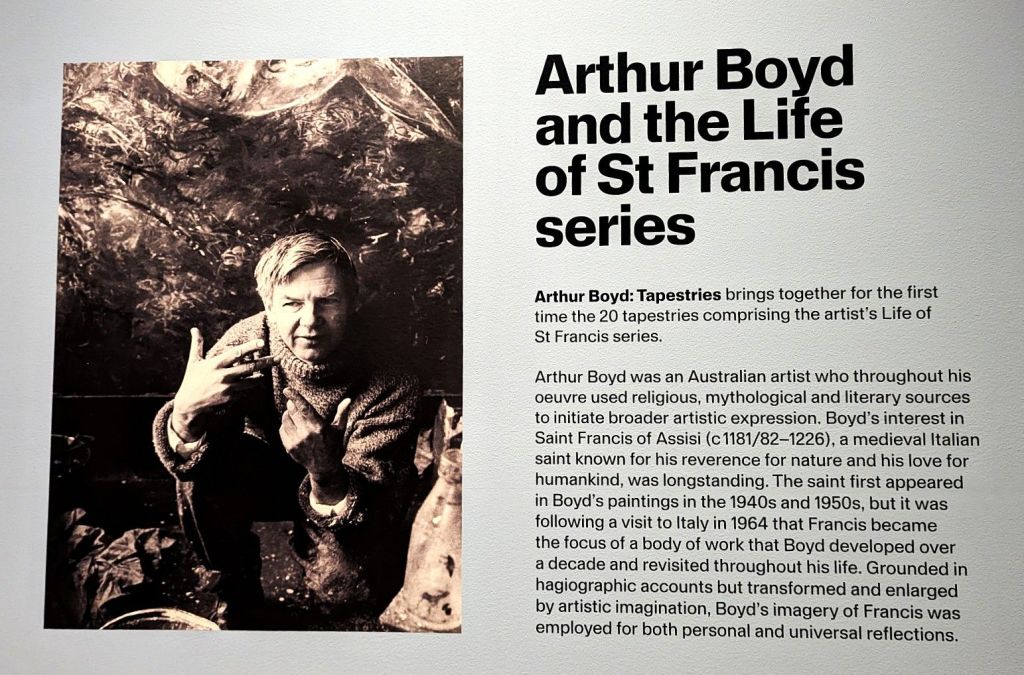









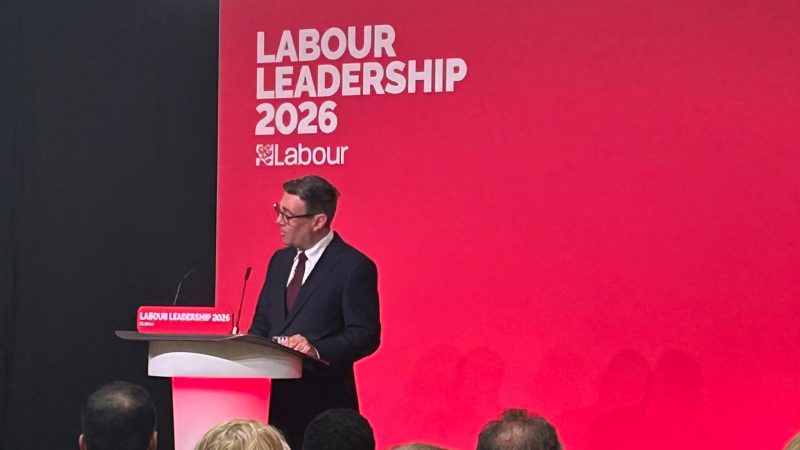

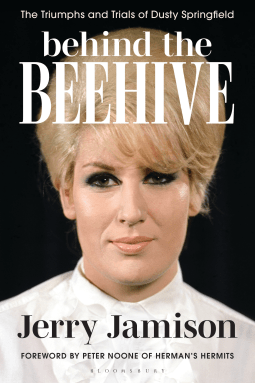
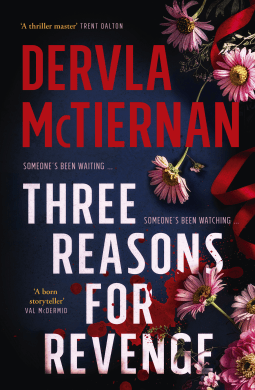
.png)


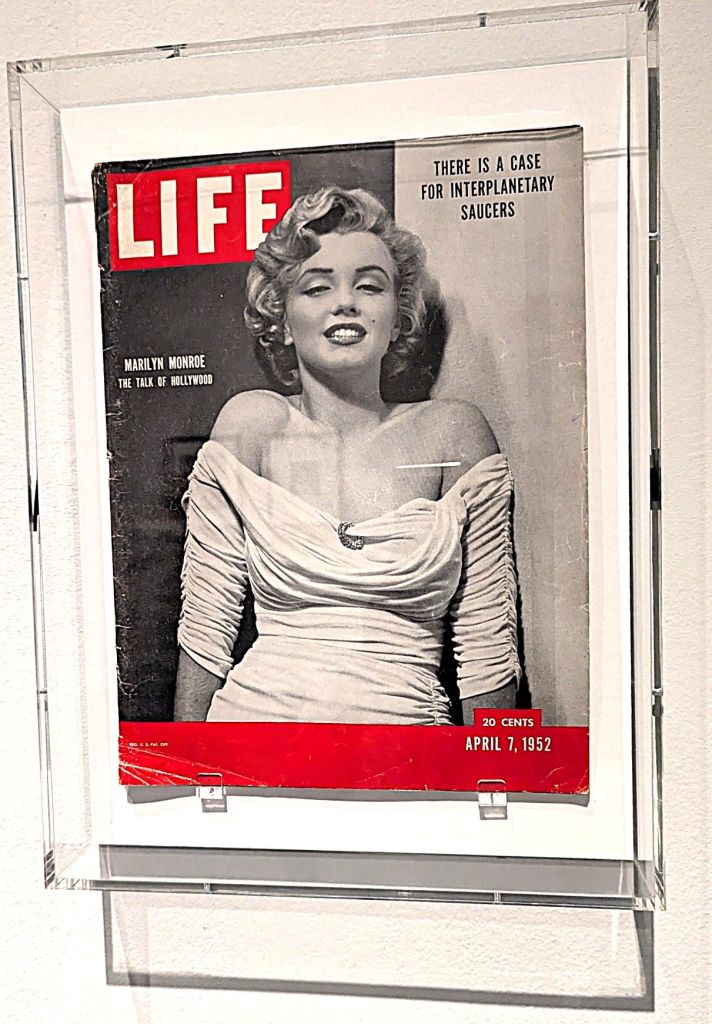
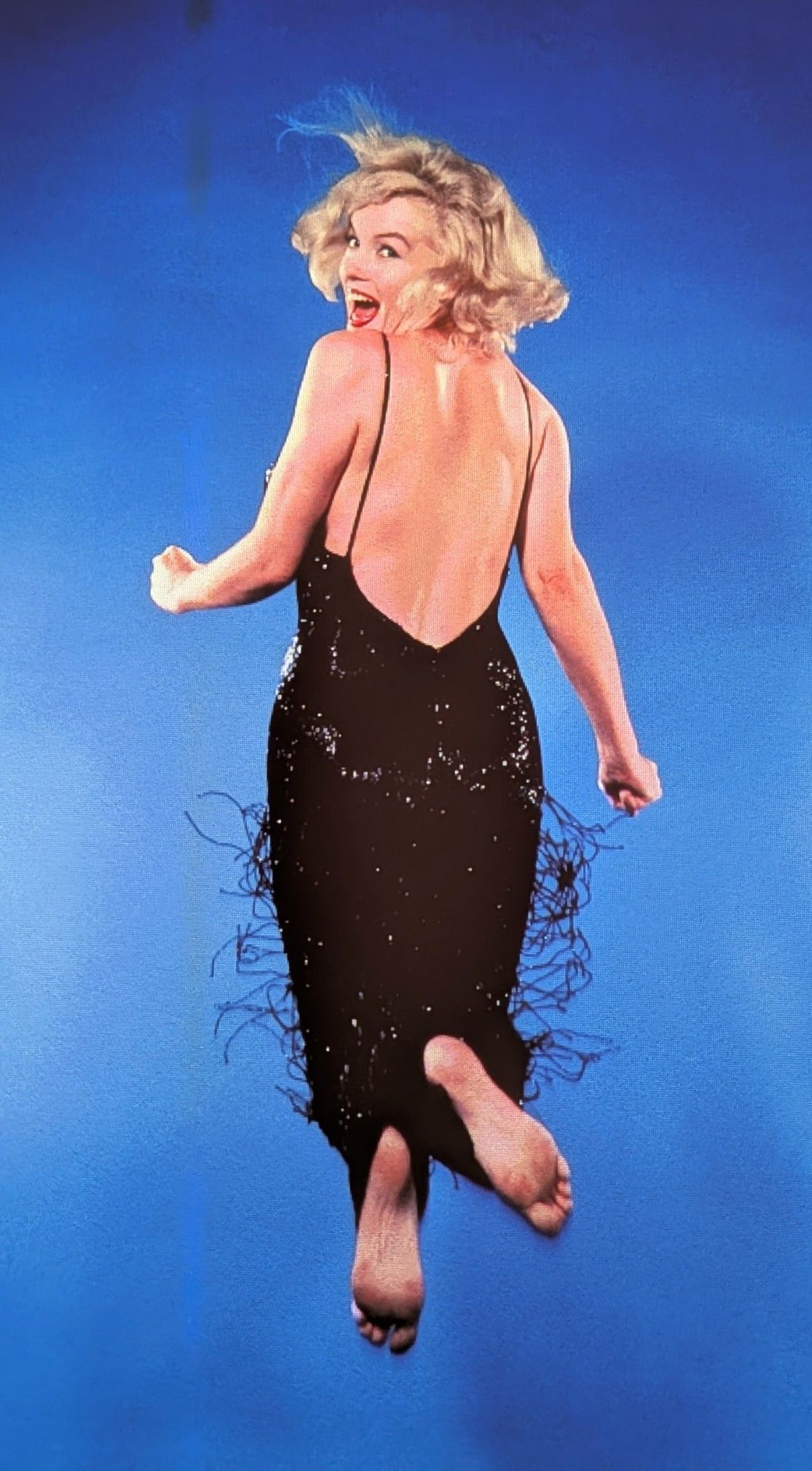

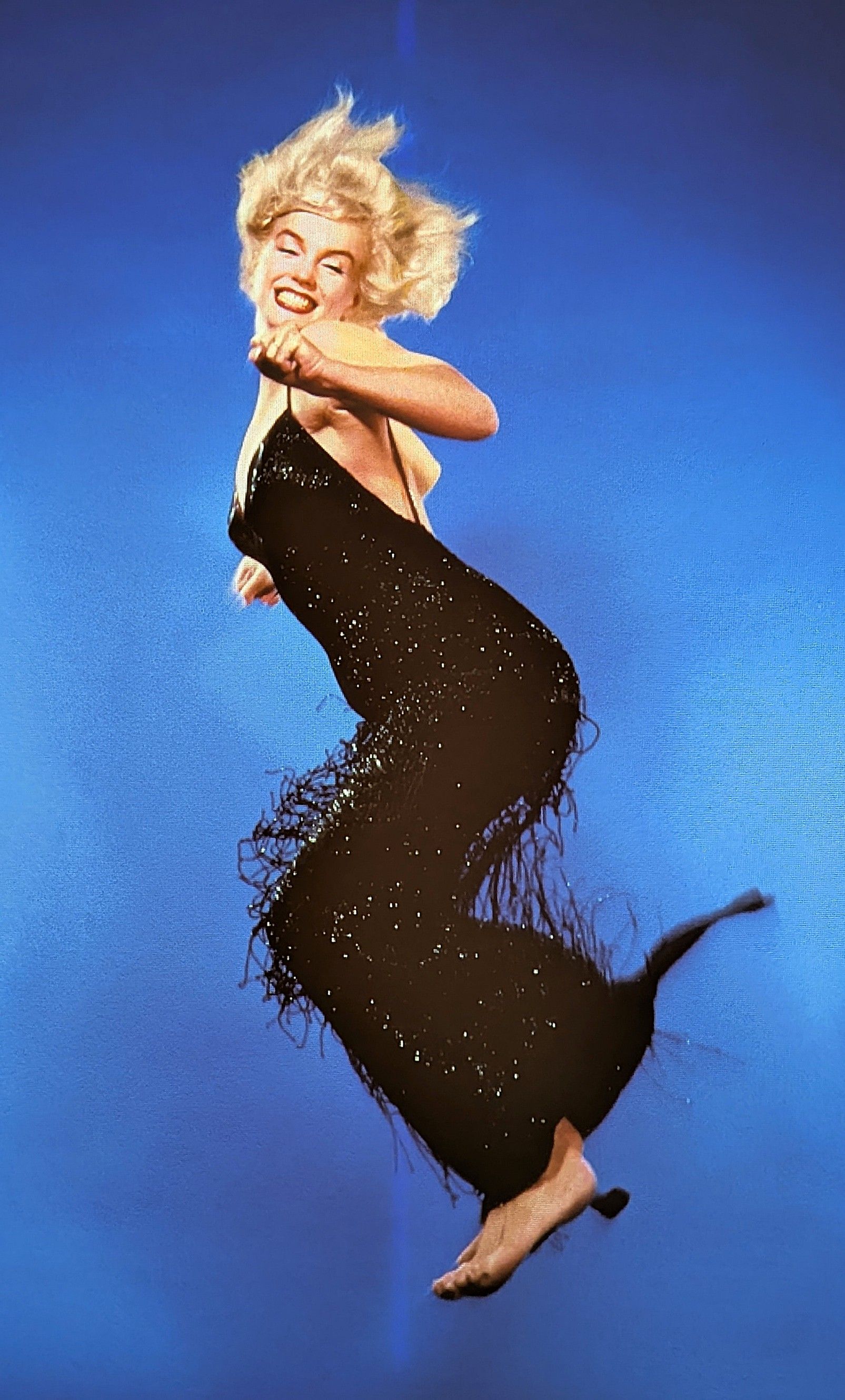





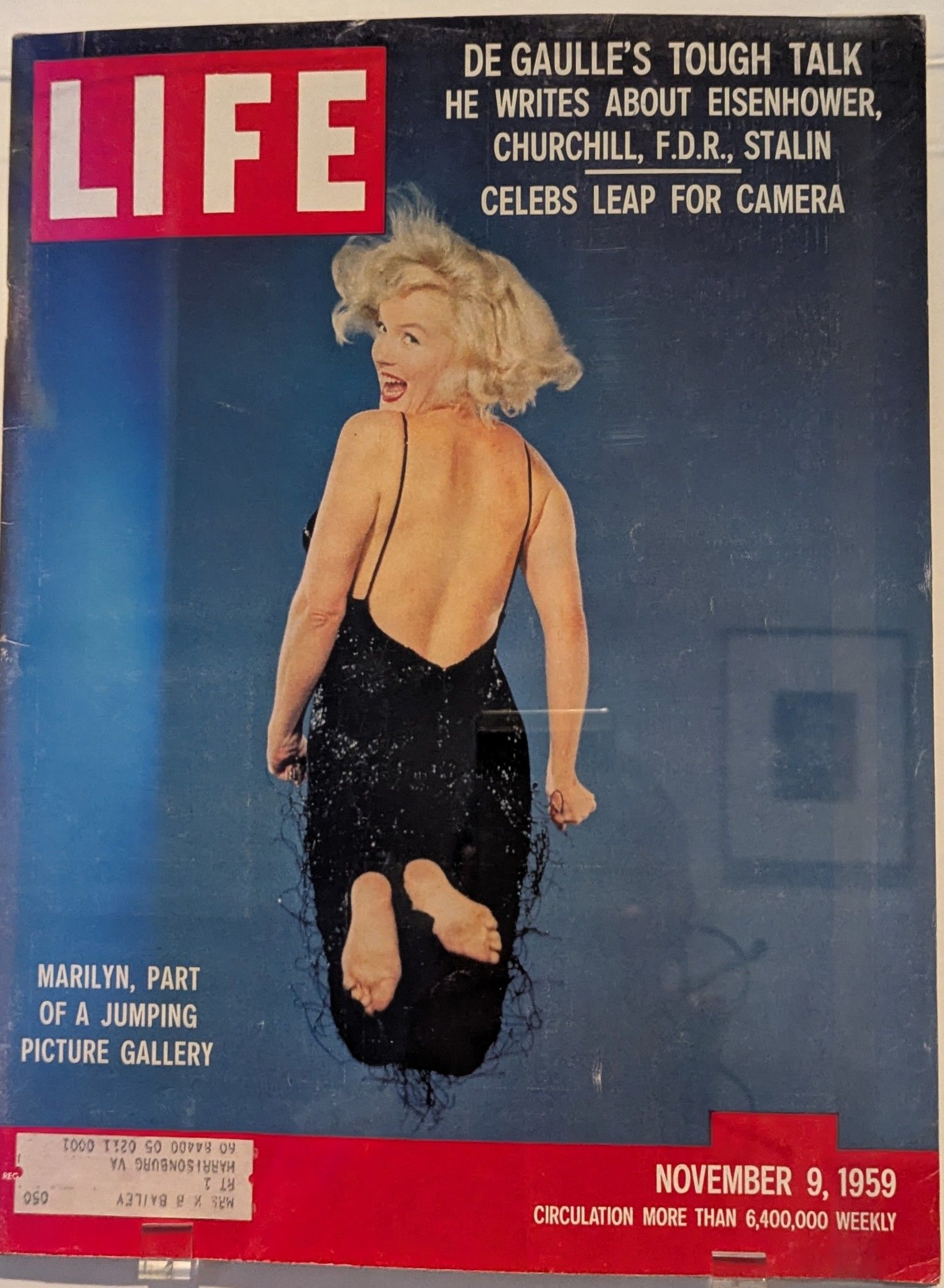





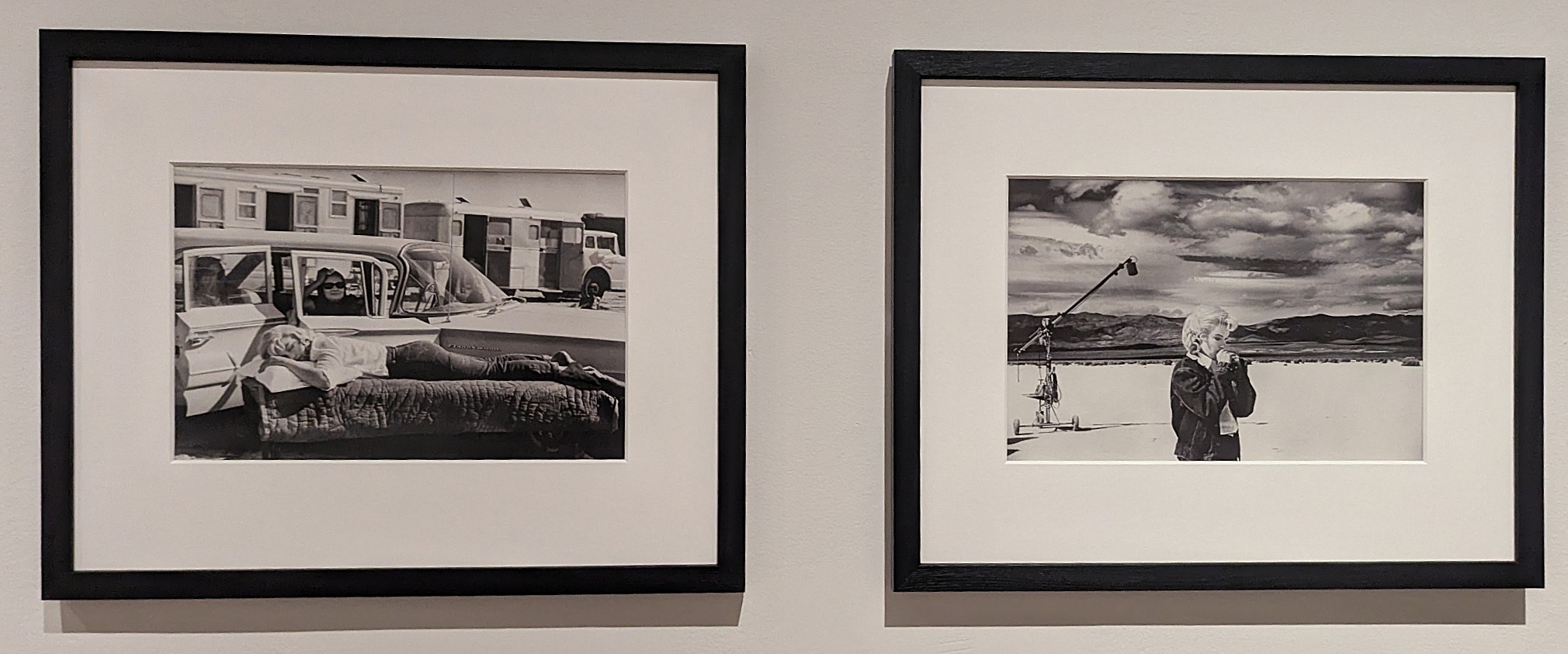
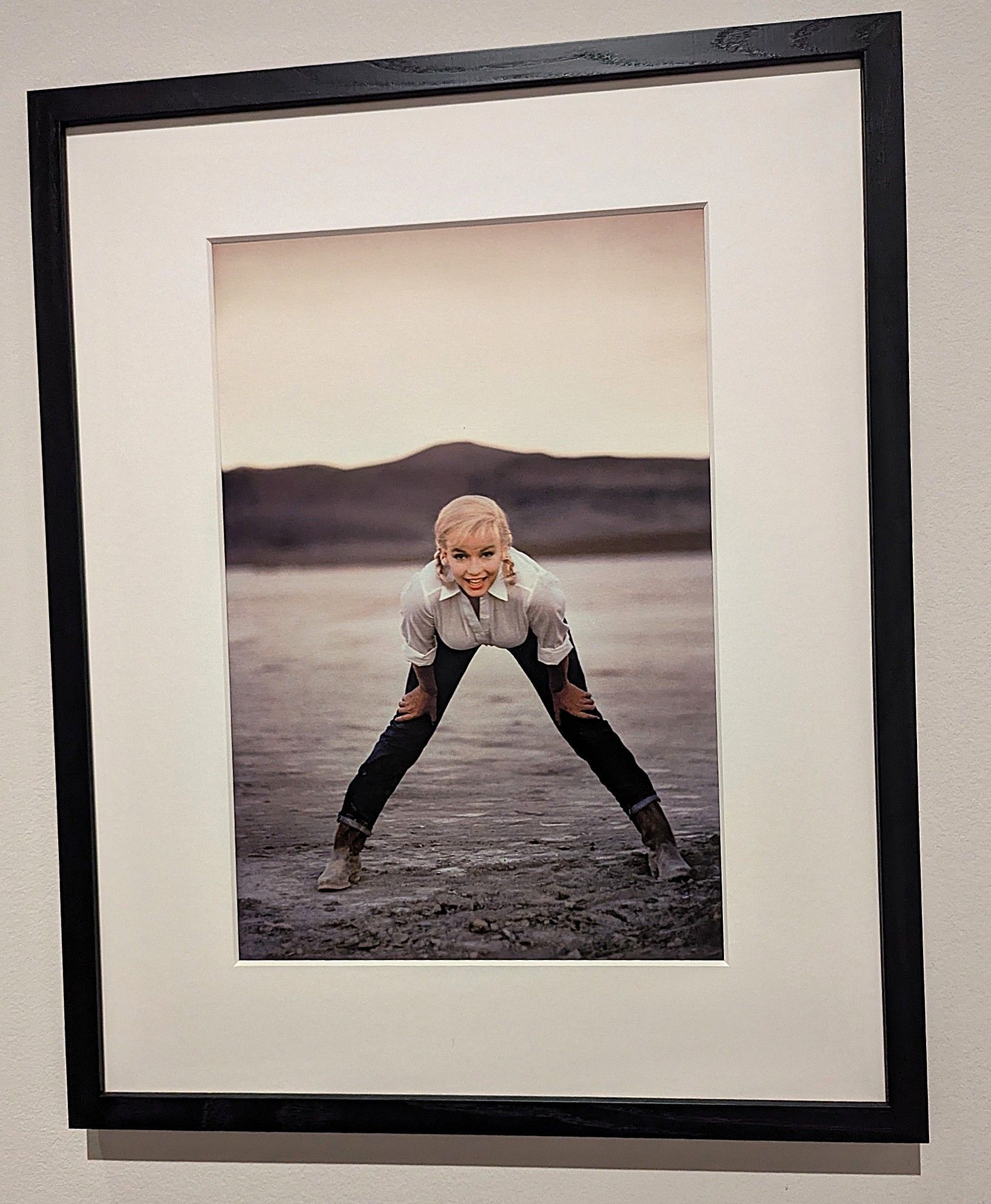



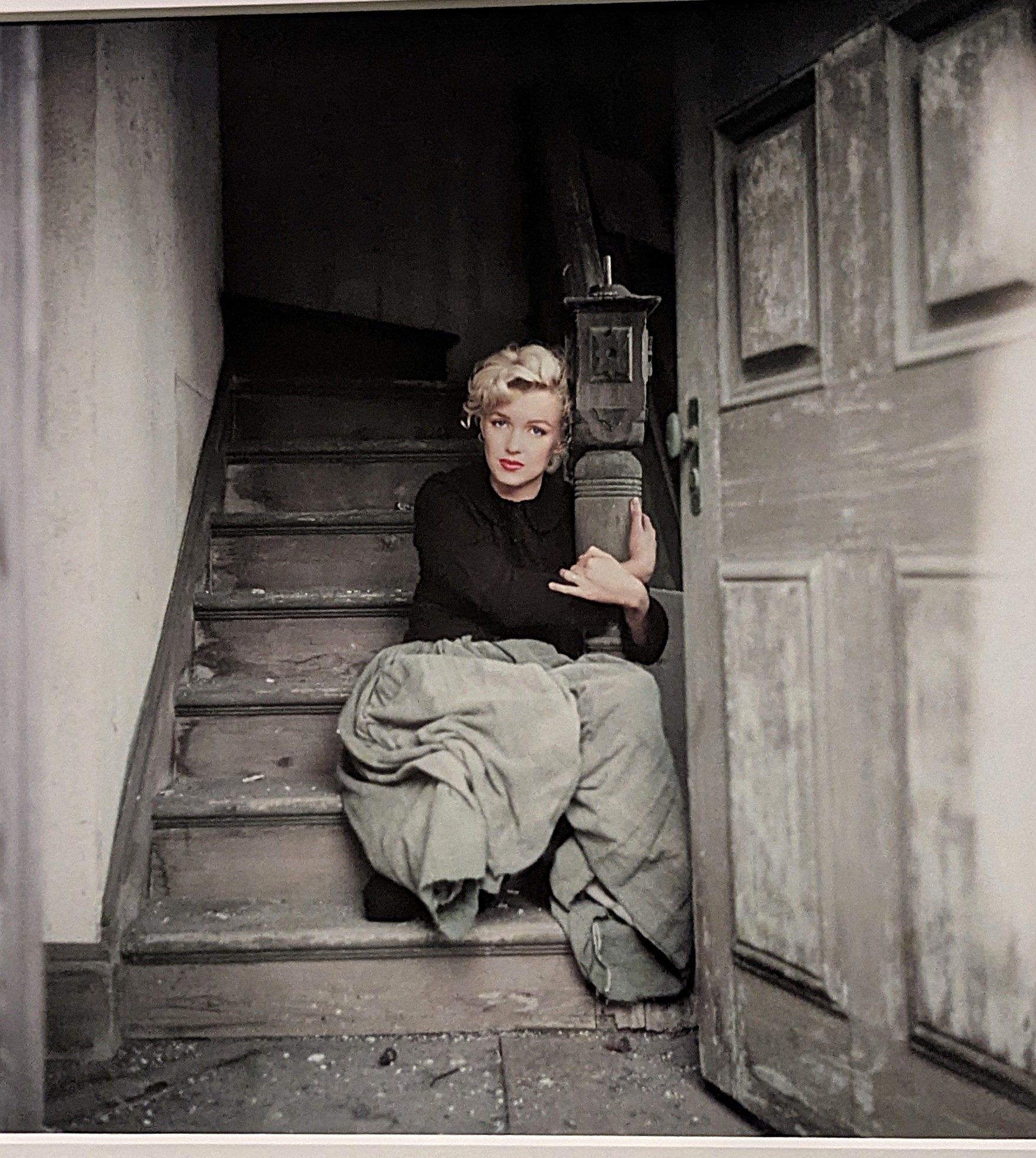



 Robin's Room