Mai Black The Women Who Saved Shakespeare The Book Guild, May 2026.
Thank you, NetGalley for providing me with this uncorrected proof for review.
Mai Black describes her debut work, The Women Who Saved Shakespeare, as a novel. It has all the markings of a good novel – engaging characters; conflict, including family relationships; a central challenge with obstacles to be overcome by the protagonists; and interrogation of class and gender inequality. At the same time, it benefits from being based on an intriguing historical reality, which Black describes in an Author’s Note. The Shakespeare Ladies Club formed in 1736 to re-establish Shakespeare’s reputation as a playwright of merit. The Club met until 1741, only one of the women led literary societies in London at the time. Four years later, Eliza Haywood noted in The Female Spectator, that ‘some ladies’ had rescued Shakespeare, demonstrating that although short lived, the club served its purpose.
Elizabeth Boyd, around whose family the narrative revolves, is an ideal focus for the class and gender inequalities that permeated and controlled the society in which she wished to read and enjoy Shakespeare, meet with friends and make her living from writing untrammelled by the expectation that she marry, and be quiet until she did so. Elizabeth’s life is juxtaposed with that of her male twin, a clever device which subtly demonstrates the vast difference in male and female children’s and later, adult, expectations. Charles also has a more egregious role to play, and his behaviour influences Elizabeth’s adult private and public lives. He personifies male control of women at the time, unmitigated by any ostensibly positive qualities. Elizabeth cannot do as she pleases. Her twin is free to behave badly. That class does not rule out gender discrimination is shown when Eizabeth meets with aristocratic women friends. The importance of sisterhood is neatly made in this context. When such encounters take place with husbands present, relationships between the women are damaged, requiring understanding and forgiveness. See the complete review in Books Reviews 2026.
The Inaugural Jim Snow Dinner was held in Queanbeyan on Thursday 2nd July – Thursday because the Rabbitohs were to play on Friday night, and the organisers of the dinner wanted the Special guest, The Hon Anthony Albanese MP, Prime Minister of Australia, to be able to follow his favourite team. This camaraderie was typical of that which surrounds anything to do with the late Jim Snow, the former Member for Eden- Monaro. It continued throughout the night with the Member for Eden-Monaro, Kristy McBain’s speech, and that of the Member for Hunter, Daniel Repacholi. Anthony Albanese had fond memories of Amanda Snow, Jim’s daughter, who had voted for him in an election for President of Young Labor. His speech was in keeping with the occasion, a mixture of appreciation for the work volunteers do, admiration for Jim Snow and his successor, Kristy McBain and so importantly, the information that is so seriously lacking from the media about the recent Budget.
Fairness is the key word that the media seems unable to understand. In an interview on the Today Show Friday 26 June 2026 that transcript reflects some of the information we heard in his short speech suitable for an ALP fundraising function:
PRIME MINISTER: Well, what we’ve done is to identify a problem and then do something about it. And I was elected as Prime Minister not to just occupy the space, but to make a difference to people’s lives. And tomorrow at auctions around Australia, there’ll be young people who will for the first time in a long time, since 1999, if it’s an existing property, they won’t be competing with an investor who knows that they can go an extra $20,000 more or $50,000 more bidding for a home, knowing that any additional outlay will in part be offset by every taxpayer providing them support through negative gearing. And what that will mean and is meaning is that young people are able to get access to the housing market. I don’t want to live in a society where my generation have had access to housing. But the younger generation and generations to come, if you just leave a broken system in place, increasingly they just give up on the opportunity of ever owning their own home. And owning your own home is a key to better health, better education for your kids. All of those things that come from the security of owning the roof over your head. We’re doing something about it, it is difficult…
Less typical of ALP functions was the food. Although the conversation is always excellent, sometimes the food doesn’t match. On this occasion, both were excellent. The choice of starters such as mushroom arancini with rocket on a parsnip cream, or a roasted tomato on ricotta with crostini, and steak or chicken mains was a good start. Where these dishes stood out was the presentation, and more importantly flavour, juiciness of the steak and tenderness of the chicken, and the nicely cooked vegetables and other accompaniments. Cindy Lou would have enjoyed them, and in her capacity as a less fancifully named Labor member did also.
I do hope that Audrey fforbes-Hamilton does not object to being so close to my Labor story…
Peneope Kieth died last week, and The Guardian’s published tributes from people who worked with her stood out amongst all the accolades. All are worth reading, and one appears below.
‘Giggly, mischievous and extremely generous’: tributes to Penelope Keith
After her death this week aged 86, colleagues of The Good Life actor remember a star who remained kind, funny and grounded despite her formidable stage presence
Michelle Terry: ‘A formidable smile and disarming twinkle’
Actor and artistic director at Shakespeare’s Globe
‘My first professional job was with Penelope Keith in Theatre Royal Bath’s 2004 production of Blithe Spirit. Her reputation preceded her, and I was nervous, but I was immediately greeted by her formidable smile and that disarming twinkle in her eyes that never stopped twinkling.
We did that production together for a year, going from Bath on to a national tour, then into the Savoy in London. Despite her various attempts to thwart it, there wasn’t a show that went by when the audience didn’t applaud the moment she walked on stage. They needed her to know how much they loved her. And there wasn’t a show that went by that she didn’t give them a performance worthy of their love.
About halfway through the run, I kept killing a moment that had always previously got a laugh. I knocked on her dressing room door to ask her what I was doing wrong, and I retell to this day a story she told me about the acting couple the Lunts and a breakfast scene they performed together and the passing of some jam. The story goes that he used to get a laugh when he asked for the jam, and then, for some reason at some point during the run, the laughter stopped. He asked his wife why that was happening and she replied: “Because darling, you’re asking for the laugh, not the jam.”
It was Penny’s kind, wise but clear note to me that only the truth is funny. She was so true. And so funny. And to be that funny you not only need craft, wit, wisdom and exceptional talent, you also need an umbilical connection to the audience to know where to take them at every given moment. She was truly brilliant, and I will be for ever grateful.
May you twinkle in peace, Dame Penelope Keith.’
I particularly enjoyed To the Manor Born and Executive Stress. However, most tributes concentrate on The Good Life. The BBC’s tribute to Keith includes her talking about her work, and an episode of To the Manor Born. Hopefully Dame Penelope Keith’s programs will be shown again in Australia.
Open Studios in Cambridge
I have been to Open Gardens in Wallingford and recently went to a private viewing at Ann Mitchell’s studio in Cambridge. Unfortunately, I shall not be there for the full program of Open Studios in Cambridge North and Milton during early July. This annual event is well patronised. If Ann’s studio is a typical example, it certainly will be exciting. Ann’s exhibition introduced the idea of writing as art, something that I was interested in after attending the Women and Writing Conference in Falmouth just before staying in Cambridge.
The article below was of interest to me because of the paper I gave recently at the Women and Writing Conference held at Falmouth University. My paper, The Adventurous Four: Popular Fiction and Women Behaving Badly, discussed women’s popular literature and its feminist intent. Although at times the feminist ideas were almost hidden in comfortable and comforting ideas, early women writers were powerful purveyors of feminist ideas to a wide range of women readers. Part of my paper was a reaction to rereading The Women’s Room and, in particular, the Afterword. I said:
Since rereading Susan Faludi’s Afterword, to Marilyn French’s The Women’s Room, I have felt even more dedicated to the women in the fiction I am about to talk about, and of course the writers who created them. Faludi was concerned that women’s fiction had not kept pace with the surge in non-fiction that was giving women a place that was no longer that of the fraught and hopeless housewife, dependent on vacuuming and Valium. She cites Johanna Davis’s Camilla, Anna Wulf’s breakdown in The Golden Notebook, Sue Kaufman’s Diary of a Mad Housewife central character, Tina Baulser, and Charlotte Perkins Gilman’s wife-patient in The Yellow Wallpaper. Like the acceptance won by the depiction of girls spoken about by Bronwen Welch, these stories were acceptable – they were poignant not threatening.
However, I think that Faludi ignored a raft of writers and the characters they created. What I think had not begun was academic acceptance of populist women writers whose characters were pushing the boundaries. In my words, adventuring into different realms from the vacuum cleaner and Valium. Or, if they did, as in one example, they certainly did not end there. See Further Commentary and Articles arising from Books* and continued longer articles as noted in the blog for the complete paper, The Adventurous Four: Popular Fiction and Women Behaving Badly.
The concept, popularity, and dismissal of the ‘beach read’
Penn Today talked about beach reads with comparative literature Ph.D. candidate Angelina Eimannsberger, whose dissertation focuses on women readers, social media, the romance genre, and bookstores.
Cheryl Krementz of Penn Business Services—which oversees the Penn Bookstore—says that a beach read “leans toward the ‘lighter’ genre: romantasy, light science fiction, memoir and cozy mysteries, true crime.” She describes the bookstore’s selection as “very Penn beach reads,” as they are “fun and breezy with a little bit of intellect in it.”
Like other booksellers this time of year, the Penn Bookstore has put together a “beach reads” table featuring titles such as Emily Henry’s “Beach Read,” Gabrielle Zevin’s “Tomorrow and Tomorrow and Tomorrow,” and Emma Cline’s “The Guest.”
Cheryl Krementz, director of communications and special projects for Penn Business Services, describes the concept of a “beach read” as escapism. “It’s the grown-up version of summer reading in school,” she says. “We’re not assigned this, so I’m going to read whatever I want.”
As someone finishing a dissertation cheekily titled “Trivial Pursuits: Women Readers, Materialist Feminism, and a New Life of Bookishness in the Twenty-First Century,” comparative literature and literary theory Ph.D. candidate Angelina Eimannsberger in the School of Arts & Sciences has some thoughts about this topic.
“When I came to my dissertation, I really wanted to study what it means for literature to be about women’s everyday life,” Eimannsberger says, adding that she was particularly interested in the question of whether—and in what ways—women reading together is feminist.
She had initially planned to research Reese’s Book Club and Bookstagram (Instagram accounts dedicated to reading), but taking professor James English’s literary studies and sociology course inspired her to expand her dissertation to include the romance genre.
While there’s no consensus on which books fall under the umbrella of a beach read, Eimannsberger cites romance novels first and foremost, and then mysteries, books about travel, and books about summer camp, such as Liz Moore’s “God of the Woods.”
The term “beach read” emerged in the 1990s in book trade publications such as Booklist and Publisher’s Weekly, according to The Guardian. Eimannsberger says that many genre terms in popular culture—such as chick lit and romantasy—come about either through campaigns driven by publishers or from readers themselves.
The origin of the term, she says, seems to have more to do with the books people read at the beach than with books about the beach. For Eimannsberger, beach reads are books she’s reading in “big gulps” rather than a few pages here and there and for no other purpose than pleasure.
“Because ‘beach read’ is such a permission to read something for fun, it gets feminized and criticized in the same way that romance and romantasy do,” she says. “You’re not reading it because TheNew York Times had a good review of it or even because your book club is reading it for a discussion. There’s this element of self-indulgence to it that’s not necessarily gendered, but I think (it’s) gendered if it’s about love and it’s about domestic topics.”
But “a beach read can be good and can be important,” Eimannsberger says. Pointing to Talia Hibbert’s books as an example, she notes that romance novels often provide real, intersectional representations of mental health, chronic pain, racial diversity, and different kinds of sexuality, adding that beach reads are often written by women for women.
Romance novels are also worthwhile to study because the genre is very popular, says Eimannsberger. For example, she interviewed 10 romance bookstore owners for her dissertation, and one said she had to hire a bouncer for Saturdays at her Cambridge, Massachusetts bookshop—which has a wine bar—because the capacity was too much for booksellers to manage.
She notes that while Reese Witherspoon is known for romantic comedies, her book club has very few romance novels but many other genres of nonfiction and fiction—including ones that are often counted among beach reads, such as mysteries and historical fiction. The book club’s tagline is “where women’s stories shine,” and Eimannsberger says “there’s a really big impetus toward work-life balance and women having it all.”
For one chapter of her dissertation, she interviewed social media content creators and found that many of them viewed their use of Instagram as a creative outlet, or what Eimannsberger calls escapist labor. “One thing that really unifies this experience is you can talk about what’s important to you, and probably someone else has read the book and wants to talk back to you,” she says.
When Eimannsberger thinks of a “beach read,” she thinks of people taking photos of their books at the beach for social media. Someone might read a book set at the beach while visiting a beach “so the photo can be as much of a Kodak moment as possible,” she says. And then there’s the music, where a creator is posting the book pic with the appropriate Taylor Swift song, such as “August” or “Cruel Summer,” for a beach read.
Now when Eimannsberger is out and about, “I’m always trying to see the covers of what people are reading,” she says. “I figure if I see people commuting or in the park or at the beach reading the books I wrote about, I must have found the books that are meaningful to people.”
American Politics
Joyce Vance from Civil Discourse <joycevance@substack.com> Sat 4 Jul, 23:03
I saw a great post on social media last week. It said something like, “Republicans don’t own July 4. They own January 6.” Ouch, but it’s true.
Democrats are the party of patriotism and country, the party of democracy and No Kings, and it’s time to claim that space and be proud of who we are and what we’ve accomplished—we don’t do that often enough. It’s a big tent full of people who, even though they may not see eye to eye on everything, believe in putting country over party and saving democracy now, while we still can. It’s not always easy, but today we celebrate that we are still here with no thought of bending the knee. I hope that wherever you are, you can be a part of that too!
Heavy turnout among well informed voters can counter gerrymanders. We need early registration to get people who aren’t committed voters to start thinking about it. Commit to hosting a party and mention the idea today at your Fourth of July get together, or throughout the coming weeks as you see folks. Make your plans now. Send out a “save the date” with information on how to register to voter for people who haven’t already.
Make this your personal commitment, as America turns 250, to keep Republic. And let me know what you come up with!
Eileen Cope Hollywood Whispers The Untold Story of the Original Gossip Queens, Louella Parsons and Hedda Hopper Globe Pequot | Lyons Press, November 2026.
Thank you, NetGalley, for this uncorrected proof for review.
Eileen Cope reveals more than Hedda Hopper’s and Louella Parsons’ stories, and the scandals they placed before audiences of their era. The narratives of the past resonate with contemporary Hollywood audiences’ seeking the ‘truth’ about the actors they revere and distain; the behaviour on and off set of their heroes and heroines; the reasons for romances, break ups, and divorces; financial successes and failures; sexual harassment claims, legal cases and outcomes; and anything else that creates the illusion that the personal lives of public figures can become even more public, that we, the audience can really know what is in their minds, and certainly anything that just falls short of doing so. This is the story of audiences’ demands, private and public, of the Hollywood scene as well as the scene itself. Hedda Hopper’s and Louella Parson’s work is the precursor to the role of social media today. So, as well as illuminating the past, Cope has established a vivid background to current responses to Hollywood.
Cope has unashamedly made her work more than the biographies of Hopper and Parsons. Perhaps she can be seen to fall short in delving into the women’s backgrounds, unsuspected or psychological motivations, or the whispers about them that would accompany a fully-fledged biography. However, what is accomplished is something broader. The book provides enough about the ‘Original Gossip Queens’’ motivations, their desires and their successes and failures to provide some understanding the women. More than enough, possibly – neither is depicted as a pleasant character. Nor do they appear to have any moral motivation for their judgment upon various stars, and their seeking public coverage for such judgements. People were damaged by the ‘Queens’’ writing; just as today social media can be destructive. Successful, wealthy, powerful, Hedda Hopper and Louella Parsons competed into old age, and eventual decline of their role.
At the same time as these biographies, limited though they may be, Cope provides a picture of Hollywood, the studios and their power. Importantly, the moral landscape including the control that forced public figures to hide the truth about themselves, enter relationships and marriages not of their making, and their reception of such control is revealed. As important is the exposure of the role of audiences and their responses to the moral judgements made by Hopper and Parsons. Here, Cope also provides a social landscape outside Hollywood, but impacted by Hollywood films, actors’ lives, and the depiction of such lives.
Gossip as information, controller of behaviour inside and outside Hollywood, destroyer and cause of success is given a honest airing in this book. That Cope has provided such a wealth of information and insight though two dreadful, but fascinating characters is a bonus.
Australian Politics
British Politics
Tom Watson <tomwatsonofficial@substack.com> Unsubscribe Tuesday 30 July 2026.
No 10 North is not enough
Andy Burnham is reaching for a Labour tradition older and deeper than devolution. Harold Wilson called it the New Britain. His failure shows where the real test lies.
How do we get all parts of the country firing?”“I am going to give Britain the circuit-breaker it needs.”“No 10 North.”
Andy Burnham’s speech deserves to be taken seriously because it contained something rare in British politics: an argument about power.The Westminster Lobby, bruised by the absence of a questions slot, briefly mistook its own inconvenience for the story. It was not. The story was that Burnham had made a speech about the structure of the British state.
His case is that Britain is too centralised, too departmental, too slow, too remote from the places where growth must be created. He is not making the familiar argument that Whitehall should listen more politely to local leaders. He is saying something harder: that the centralised state is now one of the causes of Britain’s economic weakness.Burnham was blunt about the condition of local power: “The stark imbalance in resources between national government and local government is holding back growth.” Then came the line that will have landed in every town hall in the country: “If councils can’t fix potholes, what chance do they have of bringing forward major regeneration schemes to get growth going?”Local power without fiscal power is permission, not devolution.That is why the speech should not be filed under local government, mayoral ambition, or northern mood music. It belongs in a larger Labour tradition.
The comparison is Harold Wilson.
On my desk is the Penguin volume Wilson: Selected Speeches 1964 – Labour’s Plan: The New Britain. It includes two speeches delivered a week apart: The New Britain, made at Birmingham Town Hall on Sunday 19 January 1964, and Labour’s Economic Policy, delivered at Brangwyn Hall, Swansea, on Saturday 25 January 1964.
They are an attempt to describe why Britain was failing and how a Labour government might renew it. Wilson’s argument was that Britain possessed energy, talent and technical ability, but its institutions were not fit to mobilise them. The old Britain was too deferential, too amateur, too class-bound, too centralised and too dominated by short-term financial control.Wilson wanted what he called “the New Britain”. Burnham’s language is different, but the family resemblance is clear. Both start from the same proposition: the country has more strength than the state knows how to use.In Birmingham, Wilson argued that the failure lay not in the British people but in the way the country was governed. He attacked a closed society in which birth, wealth, accent and inherited advantage counted for too much. The Tories, he said, had “frozen initiative” and “petrified imagination”. The New Britain would be more open, more technical, more educated and more purposeful.He also said something that now reads like a direct challenge to modern Whitehall: “Not all wisdom abides in London.” For a Labour leader in 1964, that was not a casual aside. It was a challenge to the geography of power.The link with Burnham is direct. Burnham’s case is also that talent is everywhere but power is not. He is not asking for Manchester to replace London as the only place that counts. The point is to build a state in which the North, the Midlands, the South East, the South West and every other part of England have the institutions, fiscal powers and civic confidence to shape their own economic future. Devolution is not regional favouritism. It is national modernisation. A country becomes stronger when its places stop waiting for permission and start taking responsibility for growth.
Wilson’s New Britain had three purposes: “economic purpose, social purpose and world purpose”. Economic purpose meant production, investment, exports, skills, technology and the end of the old stop-go cycle. Social purpose meant security by need, not wealth; decent housing; better schools; stronger public services; and wider ladders of opportunity. World purpose meant a country no longer trapped by imperial nostalgia, but still confident enough to act with independence and moral force.Wilson did not treat growth and fairness as rival claims. He thought each required the other. Without production, there would be no social advance. Without social advance, production had no moral claim on the country.
Burnham’s argument is strongest when he makes growth concrete. Growth means buses, houses, colleges, high streets, wages, skills, energy, local pride and routes to status for people who do not want, or cannot get, the university path.But Wilson’s most useful lesson for Burnham lies elsewhere. It lies in his fight with the Treasury.
Wilson thought the Treasury had come to stand for a larger failure of British government: short-term financial control over long-term national renewal. He did not oppose financial discipline. He opposed the elevation of financial control into the ruling philosophy of the state.
In Swansea, Wilson put the point plainly:“Finance must be the index, not the determinant, of economic strength.”It is one of the best sentences in post-war Labour politics. It accepts the reality of finance while denying its supremacy. Money and Budgets count. Sterling counted then; debt interest counts now. But finance should measure and support the real economy, not decide the outer limit of national ambition.
Wilson wanted a growth department to challenge a control department. That was the logic of the Department of Economic Affairs, created under George Brown after Labour won office in 1964. The Treasury kept tax, spending, monetary policy, sterling and the Budget. The DEA was given planning, industrial strategy, prices and incomes, regional economic policy and consultation with industry.
It was a bold arrangement, or at least a bold-looking one. The Treasury would guard discipline. The DEA would press for expansion. The phrase used at the time was “creative tension”. In modern government, tension is usually easier to make than creativity.The flaw soon became clear. The DEA had the plan. The Treasury had the purse. The DEA could argue; the Treasury could refuse. The DEA could talk about production, regions and long-term renewal; the Treasury controlled the Budget, sterling and the spending machine.There is the warning for Burnham.You do not build a growth state by putting a northern sign above the door while leaving the Treasury in charge of the keys. Do not put the language of growth in Manchester and leave the machinery of control in Whitehall.
If you devolve Number 10 to the North of England, you have to devolve Number 11 as well. Otherwise No 10 North is not a circuit-breaker. It is a branch office.This is not an argument for fiscal fantasy. Britain cannot spend without limit. The bond markets exist. Debt interest exists. The public finances are real. A government that forgets that soon receives a reminder, usually from people with a Bloomberg data feeds and trading terminals.But fiscal discipline is not the same as Treasury rule. A state can manage money without allowing one department’s instincts to define the country’s future. Britain needs a government machine that can distinguish between waste and investment, between cost and capacity, between short-term pressure and long-term strength.Wilson saw the danger of stop-go government. In Swansea, he rejected “stop-go-stop policies”. He argued that deflation did not strengthen the economy. It weakened investment, hardened restrictive attitudes and left the country less able to compete. His answer lay in production, exports, technology, skilled labour, import substitution and regional development.His regional argument could have been written for the age of metro mayors. Regional development, Wilson said, was not just a question of “the location of industry”. It required “social development”, “urban renewal”, land use, housing and regeneration. It required planning machinery across departments. Above all, it required “a real willingness on the part of Whitehall to delegate authority”.
That is the phrase Burnham has to make real. No 10 North will be judged not by where it is based, or what it is called, but by whether Whitehall actually gives up authority.Burnham is not trying to revive the 1960s National Plan, and he would be unwise to try. The world is different. Capital is more mobile. Industry is more complex. Technology has altered the scale and speed of economic change. Climate, AI, ageing and migration all impose pressures Wilson did not face in the same form.But the institutional question remains. A modern growth state needs someone inside government with the authority to argue for place: to pull transport, housing, skills, energy, health and industry into one account of national renewal; to say to the Treasury that a proposal is not local pleading but a contribution to national strength.That is the test for No 10 North. Will it shape the Spending Review? Will it influence capital priorities? Will it change the Green Book, procurement, housing finance and transport appraisal? Will it give mayors durable fiscal power rather than another set of permission slips?
If not, Whitehall will absorb it in the usual way: welcome the language, praise the intention, establish the board, agree the minutes, commission further work, and return power to its usual owners.That is how British government often defeats reform. Not by opposing it. By processing it.Burnham’s opportunity is that the country’s anger is real. People are tired of being told that change is coming while their town centres decline, buses disappear, councils shrink to statutory survival and their children face narrower routes to success. The right has turned that anger into grievance. Burnham wants to turn it into agency.
Where Farage offers victimhood, Burnham can offer power.Where Farage offers scapegoats, Burnham can offer common purpose.Where Farage offers nostalgia, Burnham can offer a country that works again.But to do that he must solve a larger problem of language and identity. He knows how to speak for Manchester. He must now speak for Britain with the same force. Devolution cannot sound like the dispersal of national purpose. It has to sound like its recovery.The task is to connect pride in town, city, county and region to pride in the country. A Britain that trusts its places. A Britain that makes and builds. A Britain that leads in Europe, stands up for its values, backs human ingenuity and gives young people real ladders of opportunity.Wilson called for “the New Britain” because he thought the country had more talent than its institutions could use. Burnham now makes the same argument in the language of devolution.The question is whether he can avoid Wilson’s fate.Wilson saw the Treasury problem but did not solve the power problem. He built a department for expansion while leaving too much authority with the department of control.Burnham has now entered the same argument.No 10 North is the start.
No 11 North is the test.
Cindy Lou enjoys a quiet meal in three university areas – Oxford, Cambridge and Falmouth
Wallingford is a bus ride from Oxford, and like Oxford with its literary connection to Barbara Pym and more sinister ones to Inspector Morse, is the site of many fictional murders in Midsomer Murders which does some of its filming there. Wallingford Castle (featured in a blog two years ago on a September visit) is an archeological site. In keeping with the mystery theme, there are Agatha Christie monuments who lived in nearby in Winterbrook. it is also the site of many pleasant meals with friends, and in cafes and restaurants. On this occasion dinner at a community owned restaurant, five little pigs, was pleasant reminder of the community that burgeons in Wallingford.
Cambridge also has its literary connections which were explored at length in the Fitzwilliam Museum in 2024. Some of the material on show was recorded in my blog.
On this occasion we went to two very different restaurants – The Mill, which included a walk past the pathway leading to Grantchester – another murder series! And Namaste which we visited two years ago and enjoyed.
The Mill
The food at The Mill was delicious, from the generous entrees – salad nicoise (there of us) and soup for one; and mains of steak (no frites), sausages and mash (two hearty meat meals for the men, with Dame Agatha and Barbara Pym would approve) and a wonderful vegetarian roll with chickpeas (not the boring vegetarian often served – something very special).
Namaste Village was again a success. The street food is particularly attractive – in presentation and taste. Masala Puri is hollowed crispy puris topped with spiced mashed potatoes, chickpeas, tomatoes, chutneys and magic masala; Special Chaat are crisp Indian wafers, chickpeas, potatoes topped with flavoured yoghurt, chutneys, magic masala & fine noodles; and House Special Namaste Special Dosa is a traditional masala dosa with grated paneer (Indian cottage cheese), desiccated coconut, roasted cashew nuts & raisins. All these were excellent, as were the more traditional vegetable curries, the naan, papadums and chutneys, and sauces. We finished with Malai Kulfi Ice Cream with Nuts, another mango lassi and ginger and lime tea.
Stir
After that, a plain breakfast at Stir was a good decision. Stir also sells excellent bread, which we enjoyed at home before we left our friends’ for the trip to the airport and then back to Australia.
Although the Falmouth Hotel served mouthwatering scones and Cornish cream, we gave them up for another choice. Even the excellent conference lunch served at Falmouth University (vegan pastries and a huge variety of salads, humus and pitta bread, biscuits and range of cheese) did not deter me. We went to a tapas restaurant nearby.
Casa Tapa
If only Casa Tapa was not in Falmouth – it is so far away. The service is fast friendly and truly delightful. The food is excellent.
Women’s History Network
Born by Lucy Inglis New paperback out now
Women have been fighting for control over their bodies for thousands of years. From Neolithic hunter-gatherers to the reversal of Roe v. Wade, this is their story.Acclaimed cultural historian Lucy Inglis takes us on an epic journey, one spanning hundreds of thousands of years – through the unheard stories of women to discover a history that has been overlooked and unrecorded. From ancient Mesopotamian birthing practices to lost contraceptives of Ancient Rome, and the strange story of the feminists who fought for the right to forget childbirth, she explores the competing ideologies that have shaped so many lives and charts the battle for control over reproduction, birth and women’s bodies. Bold and timely, this history raises vital questions about how we think about motherhood and pregnancy today, and is a must-read for anyone who wishes to understand how we all came to be.
Bloomsbury Continuum are offering an exclusive 20% discount on Born for members of the Women’s History Network. To claim the discount, use the code WOMENSHISTORY20 at the checkout of bloomsbury.com. This offer is valid until 31st October 2025 on UK orders only. P&P charges will still apply.
This collection examines failures in modern academia, and especially the intersections between gender and academic failure. It argues that academic failure is political. On the one hand, failure to achieve a “standard” or expected academic career (tenure, funding, publications, etc.) undermines the status quo of academic systems, at the same time that these seemingly personal failures unveil systemic failures. On the other hand, those of us who are able to stop and celebrate such subversive potentials of failure often enjoy a certain degree of privilege. The collection is interdisciplinary, intersectional and international. It includes topics such as Covid-19, precarity and job hunting, ethnic diversity, accounts of incomplete research and disability within the academy. Conceived as scholarly activism, Women, “Failure” and Academia aims to interrogate the future of universities and challenge perceptions of failure, especially with regard to women and women-identifying academics.
Use the code GLR AT8 for a 35% discount Or read the e-book Open Access here
Infinite WomenUncredited: Women’s Overlooked, Misattributed, and Stolen Work
Infinite Women creator Allison Tyra’s debut book is an exploration of the ways in which women go uncredited for their work and achievements, both historically and today. The book encompasses research studies, statistics and more than 600 stories from throughout history and around the world, in fields ranging from the sciences to the arts to business to sports. The View from the Hill: Women Who Made Their Mark After 40 What if being “over the hill” isn’t an ending, but a beginning? This book shares the stories of more than 300 women who made their mark on the world in their 40s or later. They come from around the world, across centuries and from all different fields: arts, sciences, business, military and more. Taken together, they challenge the myth that a person’s value – particularly a woman’s – diminishes as they grow older. Instead, these women prove that many of us only get better with age. About Infinite Women Launched in 2020, the Infinite Women project has grown to encompass a biographical database with more than 10,000 entries from around the world and across history, as well as a weekly podcast, short-form videos and multiple books.
Thank you, NetGalley, for providing me with this uncorrected proof for review.
Liz Nugent creates moral dilemmas for the reader from the beginning of this intriguing and difficult novel. Ruby, who has awoken with a man other than her husband, has always been envious of her sister. Whatever mistakes she makes, past and present, she considers Erin’s fault. Erin is indifferent to her younger sister’s envy and insecurity. Later, Ruby’s desperate need for Erin’s support when told that her boyfriend, Milo has raped Ruby, is rejected. Their father quietly bolsters Ruby’s lack of belief in herself in his negativity about Ruby’s accomplishments in contrast with Erin’s academic achievements. Maureen, their mother, longs to return to Ireland, and Ruby suspects that she prefers life when her husband is absent. To add to the underlying sense of dissonance, some of these absences are associated with Pastor Cooper’s work as head of the Holy Divine Church of the Fourth Way; others with his business as an investment broker.
The narrative is Ruby’s, with contributions from Erin and later, Maureen, Milo, Lucy and Erin. However, it is always Ruby who holds the centre stage – as a sixteen-year-old, a victim giving evidence to the police and later, in court, as a married woman and mother, and as an adulterer. Ruby’s talents, unrealised in her early years, are in performing, and she eventually succeeds. When the family disintegrates around Ruby’s rape and her father’s and Erin’s disbelief, Ruby, supported by Maureen goes to Ireland. Erin stays with her father.
Liz Nugent has written a foreword that is not only explanatory but engaging in its honesty and recognition of the moral dilemmas she poses for her readers. She is successful in foreshadowing the need to connect fully with the narrative, characters, and her reasons for writing the story as she does. In giving Ruby the freedom to talk, explain, and create the engaging and less engaging images of herself, Nugent has devised a girl, and then woman, who alternately demands compassion, at the same time as disquiet, sympathy and admiration as well as dismay. Nugent cogently highlights the moral dilemmas that imbue the Coopers’ lives.
This is not an easy book to deal with, the lives lived by the Coopers and those that are impacted by them, create a troubled landscape that is not easily navigated. Nugent’s foreword will not answer all the moral dilemmas arise from reading, thinking about and discussing The Truth About Ruby Cooper. I remain with a sense of unease. However, it is an unease that I willingly accept. The Truth About Ruby Cooper is a novel that is well worth that unease.
Inaugural International Women’s Writing Association Conference Falmouth University June 17th – June 19th 2026
This conference, held over three packed days at Falmouth University, had its highs and lows – somewhat like the terrain that had to be traversed to get to the University, and within, and walking to and from accommodation. Amongst the highs were the enterprising ideas, programme and organisation. Some presentations were notable for their content and the professionalism of the speakers; others were a little self-indulgent in my view, concentrating too much on the speakers’ personal experiences without placing them in a wider context.
The session on Jane Austen was notable for the differing views on Austen expressed by the three members of the panel. It was pleasing to see the robust assertion (and evidence) that shows the importance of marriage in Austen’s works. However, most joyful to me to hear, was the discussion on Lady Susan (my favourite Austen)*, The Watsons and Sanditon (both incomplete works).
A keynote speech that was engrossing – the presentation could be heard and the content was interesting – was The Dress Diary: Speculative Life Writing Through the World of Anne Sykes.
The discussion on writing speculative history reminded me of The Mystery of Isabella and the String of Beads: A Woman Doctor in WW1 by Katrina Kirkwood. The string of beads is the catalyst for the granddaughter of Dr Isabella Stenhouse uncovering her hidden family history. The book reconstructs Isabella’s life as one of the earliest women doctors to serve in France, Malta, and Egypt during WW1. I reviewed the book on the Women’s History Network site and on my blog 2 July 2025.
Ann Sykes’ book of fabric pieces, with information written by herself as she assembled what was to become the basis of a book, was a gift to the writer.
Another panel presentation was: Narrative Sovereignty and Emancipation
I had the fun of talking about women’s popular literature in Pathways to Print and Critical Receptions, chaired by Dorothy Chansky,Texas Tech University.
It was a pleasure to be part of this panel which engendered enthusiastic discussion, including reference to The Duchess of Malfi with Jodi Whittaker, which I attended last time I was in London, and write about it in this blog.
CONFIRMED: We are delighted to announce that Cate Blanchett has been appointed as the next Cameron Mackintosh Visiting Professor of Contemporary Theatre at St Catherine’s College, Oxford, for the 2026/27 academic year.
For more than thirty years, the Cameron Mackintosh Visiting Professorship has brought internationally significant figures from theatre, film and performance into direct dialogue with students and the wider University community, including Sir Ian McKellen, Adjoa Andoh and Sir Stephen Fry.
Commenting on her appointment, Cate Blanchett, said: ‘Art breaks down the borders and boundaries of our imagination; it poses questions, and playing with and dissecting it expands and challenges our present reality. My years of creative practice have granted me the opportunity of sharpening feelings into ideas and offered pathways to insight. The visiting professorship is an electrifying opportunity for me to be in direct, robust creative dialogue with the next generation of thinkers and creative Doers. I look forward to beginning this creative rumpus.’
Jude Kelly CBE, Master of St Catherine’s College, said: ‘Cate Blanchett is one of the most important and influential artistic voices working today, not only through the extraordinary breadth of her work across theatre and screen, but through her longstanding commitment to cultural dialogue, collaboration and public engagement. The Cameron Mackintosh Visiting Professorship exists to bring world-leading practitioners into meaningful conversation with students, academics and audiences, and Cate’s appointment represents a hugely exciting next chapter in that story.’
Sir Cameron Mackintosh added: ‘I am really thrilled that Cate Blanchett has agreed to be our next visiting professor. I know that her incredible career, both as an actor and producer across stage, screen and television, will be a major inspiration to Oxford’s students.’
PM resigns as Burnham waits in the wingsIn an historic day, Keir Starmer called time on his leadership, while Andy Burnham returned to Parliament and his main challenger cleared a path for him to enter Downing Street.
By Daniel Green
After months of lost political capital, MPs calling for him to stand aside and his authority draining away, Keir Starmer took to the all too familiar podium outside Number 10 and announced his resignation as Prime Minister.
Regardless of whether you wanted Starmer to leave Downing Street or not, it was a hugely emotional moment. It is hard not to feel personal sorrow for someone who has concluded he is no longer the right person to have the honour of leading the nation. The breaking of his voice as he talked about his wife and his children spoke of the man and his values.
However, I was also left with a feeling of disappointment at how we have ended up in this position less than two years into the parliament. The optimism of July 4, 2024 seems far away now as the party takes a gamble on changing leader – a move we condemned the Conservatives for over and over again. And yet, over the last few months, this moment felt all but inevitable. No Prime Minister could have realistically survived the Mandelson saga, electoral wipeout across the country, the worst personal approval ratings in history, and their biggest rival returning to Parliament to challenge them.
Australian Politics
IS Extra: Frank Bongiorno on Pauline Hanson’s Press Club speech, June 20, 2026.
Inside Story <subscriptions@insidestory.org.au> Unsubscribe
Once a Liberal
Pauline Hanson’s Press Club speech provided plenty of ammunition for at least some of her opponents
Still her show: One Nation leader Pauline Hanson at the National Press Club last Wednesday. Rohan Thomson/ Bloomberg via Getty Images
Pauline Hanson’s address to the National Press Club was the talk of the town — well, of the town in which I live, Canberra, anyway — for a few days last week. But GetUp!’s banner stunt and Hanson’s intemperate abuse of Guardian journalist Sarah Martin have distracted analysts from the best evidence we have so far of what One Nation, in the guise of a putative mainstream party of the right, now stands for. If it is no longer a minor party of protest rooted in rural and regional grievance and reaction, what exactly is it?
For full disclosure, I should say that I am among those who doubt One Nation will be able to sustain its momentum. It is therefore possible I found what I was expecting or even hoping to find in her address. Still, it is striking that once she no longer had a script written by someone else in front of her — once question time began at the Press Club — her discipline slipped and we got to see the old One Nation, and the old Pauline Hanson. In substance she sounded much like the right-wing Liberal she was before she lost preselection in February 1996 — even while her message was delivered in the familiar populist style that, through word, tone, facial expression and body language, constantly announces Hanson has “had a gutful.”
1In her seemingly interminable speech — at one stage, the chair Tom Connell asked her to begin winding up — she was making a pitch to keep a hold on that 30 per cent of voters who are already saying they will vote One Nation and to add perhaps 5 per cent more. After refusing to give a “divisive Welcome to Country” (she presumably meant “Acknowledgement,” but never mind), Hanson spent most of the next three-quarters of an hour continuing to tell us who and what she hates.
Hanson remains, in that sense, what she has always been: a bundle of resentments and a harvester of grievance. But her present efforts meet with the most favourable of seasons for such a politician and movement: an energy crisis, a cost-of-living crisis, a housing crisis, high immigration coming out of Covid, and the Bondi terrorist attack. On the political front, the Coalition is a mess, its leadership ineffectual. Labor stumbles on — paradoxically, given its enormous majority would normally be considered unassailable in a single election.
Predictably, Hanson treated immigration as the cause of the housing crisis. She then went on to link the problem to “the utterly flawed policy of multiculturalism.” Australia is “multiracial,” she said, but should be “monocultural.” Future Liberal leader Billy Snedden said much the same thing in 1969: “I am quite determined we should have a monoculture, with everyone living in the same way, understanding each other, and sharing the same aspirations. We don’t want pluralism.” But back then, to call for “monoculture” still meant something: Australia had barely passed out of the era of Britishness, and the White Australia Policy, while on the way out, was still in place. Even the politicians contributing to the dismantling of that old order still assumed the place would remain a white nation even when they politely refrained from saying so. But what could “monocultural” mean today, unless it is a nostalgic appeal to an Australia outside the living memory even of ageing Gen Xers like me?
As a populist, Hanson naturally claims the privilege of defining what that culture is: she represents real Australians, not the kinds of people who read Inside Story. More than half the population was either born overseas or had a parent born overseas: “Is that what Australia wants?,” she complains. It is a startling pitch, vaguely reminiscent of the old-time bragging that Australia was 98 per cent British and that it needed to stay that way notwithstanding the covetous Asian hordes to our north.
Populist politics is obsessed with drawing boundaries between those who truly belong and those who do not. But it is surely risky in an immigrant nation that has had an official policy of multiculturalism for about half a century to draw the line where she and her advisers seem to have decided to draw it. Who does Hanson think is living in all those suburbs she wants to win back from the Labor Party if not migrants and their children?
All the same, Hanson more or less held it together during her haltingly read text. Australia is “predominantly a Judeo-Christian society” and “Western civilisation and its values are under siege.” “Radical Islam” and the “transgender insurgency” menace the country. Net zero is a “hoax.” Anthony Albanese is a “liar.”
And a few specific policies. Nuclear energy for Australia. More control of artificial intelligence. Abolish SBS. Turn the ABC into a subscription service for city people. End government financial subsidies to renewable energy: after all, “the bloke in the corner store” doesn’t get this kind of help. (To which the obvious retort is that “the bloke in the corner store” no longer exists. There’s that nostalgia again.)
I don’t doubt the popular resonance of this kind of appeal in our present moment, even while I am sceptical whether most Australians support having broadcasts of the World Cup football taken from them because Hanson objects to the existence of a multicultural broadcaster. That said, it is in keeping with the basic joylessness of her politics. Hanson began her political career, in local government, with a campaign to prevent the building of a library in Ipswich because she thought it was a waste of ratepayers’ money. It is hard to discern much change in her outlook thirty years later. She is one of life’s straiteners.
Alongside her selective nostalgia, Hanson combines a vision of homeliness, an articulation of resentment, and a performance of authenticity, however contrived. Even while One Nation takes Rinehart’s money and Hanson drops in on Donald Trump at Florida’s Versailles, Mar-a-Lago, she continues to play the outsider challenging the political establishment, the real taking on the fake. All of this is well calculated to appeal to people who believe the world is hurtling outside their control, nothing is what it seems, and that politicians — insiders all — won’t listen to them.
And to be fair, it is hard to have much sympathy with the mainstream politicians who looked on complacently for decades while house prices went through the roof and now find themselves berated for it by a gifted, tested political opportunist. Hanson spent a lot of time in her address talking about poverty, hunger and homelessness, too — perhaps part of an effort to give her cause some moral ballast and confound the accusation she is the puppet of filthy rich “Mrs Rinehart,” as she likes to call Australia’s wealthiest woman and One Nation’s most generous financial sponsor. Still, Hanson had no policy to offer the poor and the battler apart from suggesting less government spending and more coal would reduce their cost of living.
In this connection, One Nation has a problem — and that materialised once the question and answer session started. It was then that we got our reminder that Hanson, for all her longevity, is not a particularly creative politician. Successful populisms elsewhere have mixed and matched, assembling bits and pieces from the left and right to create a broad constituency and thereby take the wind out of more centrist opponents’ sails.
If she were one of these types, Hanson would have said that she intends doubling the parental leave allowance and spending even more on childcare by taking funding away from Indigenous people or universities or the ABC — or from other of the many “rorts” she believes are being perpetrated under our collective noses. Instead, she said businesses should not be expected to pay women who were not at work and that government funding of childcare is “out of control” and requires “investigation.” Come election time, all of this is likely to go down in Australia’s suburbs about as well as Peter Dutton’s working from home policy.
In short, as she entered full, unscripted flight, all of the familiar instincts came into play. She sounded like a reactionary who, even now, could find a home on the right of the Liberal Party — the place where she began three decades ago. When asked by Mark Riley from Seven about her consistent parliamentary record of doing over workers, she sturdily defended business in its efforts to deal with lazy employees. They should be easier to sack. She complained about abortions. She harped on about government spending like a hardened 1980s economic rationalist. But some areas of expenditure were especially unwarranted: money would be taken out of Aboriginal affairs and placed in “consolidated revenue.”
On One Nation itself, she said some remarkable things that have barely featured in media coverage. She recounted how she had refrained from creating branches when One Nation Mark II emerged in 2015 because there were 350 the first time round and “I had nothing but trouble.” That’s a pretty remarkable confession even by the standards of Australia’s somewhat reduced political parties: the rank and file can’t be trusted, so let’s not have one. But One Nation does now have branches, although they seem to operate under bizarre controls and restrictions. Hanson’s support for constitutionally enshrined freedom of speech doesn’t apparent extend to them. Why? Because “I have to be in total control of it.”
There is also the not inconsiderable issue of how a party whose current lower-house presence amounts to two seats — one of them the result of Barnaby Joyce’s defection from the Nationals — will be translated into a credible competition for executive power. Interestingly, much of the media has been so entranced by Hanson’s verbal abuse of Sarah Martin that nobody picked up that while she was in full flight she indicated she intends to run for the Senate again.
No journalist asked the obvious question of whether she — or her new colleague Joyce, for that matter — would be standing for the House of Representatives now One Nation is supposedly vying for government. Indeed, there is a surprising indifference in the commentariat about this hardly trivial matter: it is as if it is imagined the sheer force of populist passion will sweep away all institutional barriers in the name of the people’s will. Those who recall the Joh for PM fiasco of 1987 will understand how magical that kind of thinking is in a parliamentary democracy.
It is often being said that One Nation is a more professional outfit than it used to be. Probably so. It certainly has plenty of money and is working social media with apparent success. Nonetheless, it is also still Hanson’s show. Her deepest instincts appear to remain those of an ageing minor-party leader more interested in saying what the 5 or 10 per cent of voters who form her traditional base still want to hear. The parallel with Peter Dutton’s retreat into culture wars and Sky appearances during the last election campaign is striking.
Coalition strategists seem as likely to remain as at a loss about how to respond to the One Nation threat following Hanson’s Press Club address as they were before it. Labor strategists, on the other hand, have been given a generous allocation of material to work with.
American Politics
June 23, 2026
Heather Cox Richardson from Letters from an American <heathercoxrichardson@substack.com> Unsubscribe
Trump continues frantically to insist that the problems with the Reflecting Pool are the acts of vandals. As Rachel Kahn of The New Republic reported, Trump insisted on Saturday that the pool had “worked perfectly” before vandals attacked, putting “a 250 foot long gash into the beautiful facade of what took so much work.” By Monday, the “gash” was 300 feet. By Tuesday it was 350 feet, according to Trump. There is, of course, no evidence of any such sabotage, and there are cameras on the Reflecting Pool.
Trump’s stories have gotten more and more elaborate, about how vandals used “a very sharp knife or razors,” “probably in the dark of night,” then added “chemicals.” He warned there could be a “10-year prison sentence for the destruction, or even the attempted destruction, of such things.” Asked for evidence, he claimed “we have pictures.” He told reporter Ed O’Keefe of CBS News: “[A]t the right time you’ll see it. You’ll see it in court. You’ll see it in court, but all you have to do is call the Parks Department, call the Department of Interior.” Tonight the Interior Department began to place fencing around the Reflecting Pool.
The Reflecting Pool is not the only thing that’s falling apart.
This morning, Trump announced that “Iran has fully and completely agreed to highest level Nuclear inspections long in the future (Infinity!!!)…. If they did not agree to this, there would be no further negotiations!” Iran disagreed, saying it had made “no new commitments” on nuclear inspections although it would continue to work with the IAEA, the United Nations’ nuclear watchdog agency, as it has for years under a system less stringent than the one that operated under the JCPOA.Today, after a Reuters/Ipsos poll showed that only 23% of Americans thought the Iran war had made the U.S. stronger, the Senate passed a war powers resolution requiring Trump to get congressional approval to continue military actions against Iran. Four Republicans joined all Democrats but one to pass the measure. The House passed the measure earlier this month. It is unclear if Trump will honor the resolution, but its passage shows growing discontent with the president.“Trump’s historic blunder in Iran will go down in the history books as one of the worst foreign policy forays America has ever made, or any country has ever made,” Senate minority leader Chuck Schumer (D-NY) said today. “The American people have seen skyrocketing gas prices, soaring costs, and, tragically, the loss of 13 service members, and the wounding of hundreds more, and meanwhile, Iran took Trump to the cleaners.”
Holly Baxter of The Independent noted that when Trump is stressed out, he throws a campaign-style rally in front of a friendly crowd. Today, after a poll from the American Research Group showed that 66% of Americans disapprove of his job performance while only 30% approve, he went to a factory in Pennsylvania to bolster his confidence. He did his usual greatest hits, claiming he won by a landslide in 2024 and calling Democrats communists. He even made it clearer than ever that he thought people applying for political asylum in the United States had been released from “mental institutions.” He flitted from subject to subject and after an hour and a half, audience enthusiasm seemed under control.William Kristol of The Bulwark noted today that a “sense of impending mortality seems to be making our president even more unhinged than ever.” But, Kristol noted, there are “young men with a lean and hungry look in positions of authority and power in the executive branch who are committed to making his dream of power without limits a reality.”
Those lean and hungry men include Bill Pulte, now acting director of national intelligence, Secretary of Defense Pete Hegseth, White House deputy chief of staff Stephen Miller, Secretary of Homeland Security Markwayne Mullin, FBI director Kash Patel, Office of Management and Budget director Russell Vought, and acting attorney general Todd Blanche.
And, of course, Vice President J.D. Vance, who is next in line should Trump become unable to perform the duties of the office of the presidency.As Trump crumbles, it appears there is in the administration a drive to create unlimited power in the executive branch that will survive no matter who is in charge. That drive includes silencing political opponents while rewarding loyalists.Last September, Trump announced he would designate “antifa”—a word that is short for “antifascists”—as a “MAJOR TERRORIST ORGANIZATION,” calling it a “SICK, DANGEROUS, RADICAL LEFT DISASTER.” On September 22 he did so, claiming that protesters standing against administration policies are trying to “overthrow…the United States Government, law enforcement authorities, and our system of law.” They are, the executive order said, working in coordination to riot, assault ICE agents and other law enforcement officers, and to dox “political figures and activists.”
Faiza Patel of the Brennan Center notes that even if antifa were a real group—which both Trump-appointed FBI director Chris Wray and the Congressional Research Office have denied—Trump has authority only to designate foreign terrorist organizations. Patel writes that he “has no authority to designate groups as domestic terrorist organizations, as is obvious from the failure to cite any statute or constitutional provision in support of the president’s action. There is none, and the purported designation has no legal effect.” Patel notes that the ability to formally assign the label of terrorists to political opponents would enable it to crush political opposition.
Nonetheless, three days later, Trump issued a National Security Presidential Memorandum (NSPM-7), titled “Countering Domestic Terrorism and Organized Political Violence,” that called for a National Joint Terrorism Task Force to investigate Americans engaging in protest and ordered the attorney general to prosecute protest as a federal crime to the maximum extent permissible by law.After a protest against ICE at the Prairieland Detention Center in Alvarado, Texas, last July 4 led to a protester shooting a police officer in the shoulder, the government prosecuted nine of the protesters, some of whom did not know each other and one of whom was not at the protest, as part of an antifa cell engaging in terrorism. In March all nine were found guilty in what observers saw as a test of the administration’s power to use broad antiterrorism laws to prosecute protesters.
Today, U.S. District Judge Reed O’Connor sentenced eight of the Prairieland protesters to between thirty and one hundred years in prison.
In contrast, Proud Boys leader Enrique Tarrio and Oath Keepers leader Stewart Rhodes were sentenced to 22 years and 18 years in prison, respectively, for their roles in the January 6, 2021, attack on the U.S. Capitol that was intended to overturn the results of the 2020 presidential election and make Donald Trump president. When he took office in 2025, Trump pardoned Tarrio and commuted Rhodes’s sentence to time served, releasing both men from prison.
The tarps on the Kennedy Center, erected to hide the shame of a building that no longer bears Donald Trump’s name, are still in place, but we now know two things about them. One, as pictures taken from behind the tarp show, Trump’s name is now definitely, 100 percent gone. Two, Trump’s guys at the Kennedy Center are hilariously claiming that the tarps …Read more1
Found on Facebook – How Heather Cox Richardson began her posts that mean so much to her readers.
Incredible and Strange Everything’s post, 22 June 2026.
“She never set out to become a lifeline.
She was just a historian who couldn’t sleep.
It was the autumn of 2019. America felt like it was unraveling thread by thread — impeachment hearings, fractured friendships, headlines that left people more confused than informed. Millions of people were scrolling through the noise each day, searching for something they couldn’t quite name.
Not more outrage. Not louder voices.
Something older. Something steadier.
That September, Heather Cox Richardson — a professor of American history at Boston College, born in Chicago and raised along the rocky coast of Maine — opened her laptop and began to write.
No drama. No partisan fury. No performative rage.
Just a historian doing the one thing she had trained her entire life to do: look at the present, reach into the past, and say — we have been here before. Let me show you where.
She posted it on Facebook late that night, not knowing if anyone would read it. By morning, strangers were sharing it. By the following week, they were asking for more.
So she wrote again.
And again.
And again.
What began as a quiet act of personal sense-making quickly became something she hadn’t anticipated: a community.
Her newsletter, Letters from an American, now reaches more than three million people across the globe. Teachers in Texas. Veterans in Ohio. Parents in Germany and Australia and Japan, following the arc of American democracy because they understand — perhaps better than some Americans do — that what happens in Washington does not stay in Washington.
But none of that is the most remarkable part.
The most remarkable part is how she did it.
Not through screaming.
Through showing up.
Every night — often well past midnight — she sits at her desk in coastal Maine. The ocean moves in the darkness outside her window. She reads the day’s events, searches for the historical thread running beneath them, and then writes in plain language that anyone can follow. No jargon. No insider language. No assumption that you already know the backstory, because she gives it to you every single time.
She has authored seven books. She has spent decades inside the academic world. But it was a Facebook post — written alone, late at night, out of a simple need to make sense of the world — that reached the people the textbooks never could.
She often returns to the years before the American Civil War. On the surface, life looked normal. Families went about their days. Merchants opened their shops. Children went to school. But beneath the surface, forces were gathering that most people either couldn’t see or chose not to see. Many assumed the trouble would pass. That things would stabilize on their own.
They didn’t.
And yet — history also records what came next.
Ordinary people stood up.
Not generals. Not presidents. Not the names that fill the chapter headings of history books. Farmers. Schoolteachers. Shopkeepers. People who had no particular power except the choice they made on a particular morning in a particular season of national uncertainty.
Their choices changed the story.
That is the lesson Heather Cox Richardson has carried through thirty years of studying history, seven books, and now millions of nightly letters: the future has no author yet.
The past is sealed. Its chapters cannot be rewritten.
But every person reading these words — tired, maybe a little afraid, trying to hold onto something solid in a world that keeps shifting — still has a pen in their hand.
History doesn’t just happen to people.
History, at its turning points, has always been made by them.
People very much like you.
People who simply decided that understanding the moment they were living in was worth showing up for, night after night, one letter at a time.
That is how civilizations hold together.
Not through grand gestures alone — but through millions of quiet, deliberate, daily choices to stay informed, stay engaged, and refuse to look away.
As I am in Daphne Du Maurier country I thought it worth including two past reviews of associated books.
Patricia White Rebecca BFI Bloomsbury Publishing Plc London and New York, 2021.
Thank you to NetGalley for providing me with this uncorrected proof in exchange for an honest review.
I was thrilled to receive this thorough interpretation of Rebecca, a film with which I have grappled, and the novel with which I became reacquainted during a tour of Cornwall visiting locations with which Daphne Du Maurier was associated. A visit the Daphne Du Maurier Literary Centre in Fowey dedicated to her and her writing provided me with a wealth of information to which I shall gladly add this book. I have also read Sally Beauman’s afterword to the Virago Modern Classics with great interest. Rebecca, the novel, and Rebecca, the film, have been interpreted in Patricia White’s book. However, I must be honest and acknowledge that I feel more sympathetic to Sally Beauman’s commentary on the novel than I do with the glimpses White provides of her interpretation of the Du Maurier original. At the same time, I feel that it is possible to consider the film and the novel separately, and in doing so, find White’s understanding of Alfred Hitchcock’s portrayal of Du Maurier’s work, persuasive. See Books Reviews 2026 for the complete review.
Further comments on Daphne Du Maurier’s work.
I have had the good fortune to read The Daphne Du Maurier Companion edited by Helen Taylor (Virago 2012) since reading My Cousin Rachel many years ago. I recall feeling uncomfortable at the self satisfied men in the novel, Ambrose Ashley and, after his death, his nephew, Phillip. Rachel, is an enigmatic figure, perhaps her character intensified by ones own limited imagination and world knowledge. At least that is the excuse I use for my 16 year old self on my first reading of this novel. Rachel’s adviser, Rianaldi can be read as sinister in comparison with the two English men. But is this du Maurier’s intention? Is he, as Sally Beaumont in the Companion, suggests part of a male conspiracy that women have to endure, as Rachel has to endure/manipulate/ murder – which is it? her husband and then her cousin by marriage? See Books Reviews 2026
St Austell – where the bus to Fowey meets the train
St Austell probably deserves a visit, but upon seeing the familiar Cornwall steep inclines we immediately boarded the bus to Fowey. The station and surrounds were attractive enough for photos, and these are included with our first glimpses of Fowey. These include the oldest pub in Fowey, at which I lunched on a previous occasion on a tour organised around the writers in Cornwall and Devon.
Daphne Du Maurier recognised at a Fowey bus stop…
…and on a boat trip where her house, Ferryside, was pointed out.
Fowey land and waterscapes, and a delicious meal before catching the town bus up the steep incline for our bus to return to Truro
Another reminder of a book previously reviewed, was the D-day Plaque.
That was MB Henry’s All the Lights Above Us Alcove Press 2021.
My first reaction to All the Lights Above Us was admiration for the cleverness with which M B Henry relates the political, personal, and military drama of June 5 to June 7, 1944. The narrative follows the events of the day before and following D Day in their horrors, passion, courage, foolishness, treachery, and self-deception through the experiences of five women. Flora, Adelaide, and Emilia are in Caen, France; Mildred in Berlin, Germany; and Theda in Portsmouth, England. Their stories are largely independent of each other, although Flora’s and Emilia’s stories converge in the last hours of the invasion of France by the Allies. This coming together is another intelligent device, not only providing a conclusion to Flora’s story, but adding to the characterisation of Emilia. Each woman’s story is told in short, but strong chapters, evoking their past, developing characterisation, and moving the story forward. This story is full of event, emotion, and social commentary, its impact makes it seem as though we have been with the women for far longer. As I stated at the beginning – so clever. See Books Reviews 2026,
Mousehole in the rain
Mousehole, which we visited in the rain was wonderful, despite no reminders of novels, the rain, and the steep inclines. Breakfast made a good start! A savoury scone, with butter and chutney, and a generous serving of avocado toast , served with coffee made with oat milk gave us the energy for all those steep inclines. It is interesting to note, that although Mousehole is not pronounced as it reads, there are various shops that cater to the play on words it provides.
A walk on Old Carnon Hill to the Garden Centre for Lunch
Lunch was a turkey roast with rosemary potatoes and vegetables (alas no parsnip or pumpkin) and sausages and a huge mound of mash and garden peas. The food was so good we retuned for breakfast a day later where the cheese scone was enhanced by three serves of Butter, and the scrambled eggs on grainy toast was very generous. There are steep inclines here, too, so that is our excuse.
There is a dog friendly eating area, and several dogs were enjoying the warmth inside. As indeed, were their owners. I shall think about this when I return to Canberra and sit outside with Leah. The compensation will be that at least in Australia a decent sized flat white is served.
Day in Plymouth
More food, this time at 108 Coffee House on the lengthy walk between the bus and train stations. It was as described on Trip Advisor, serving a breakfast that could be made at home, except the vegemite was replaced with marmite. People were beavering away on their laptops, a familiar sight.
The train trip to Plymouth was pleasant, although, not having booked seats, we had to hop between seats on the trip – no problem without luggage!
Travel to Plymouth and walk to the Mayflower steps
Mayflower Steps
Other departures from Plymouth Mayflower Steps were the Tolpuddle Martyrsand settlers for the Roanoke colony
Returning to Truro after late lunch on the harbour
British Politics
Tuesday 16th June 2026
Remembering Jo
Emma Burnell From the Editor’s Desk
It’s been a decade since the murder of Jo Cox MP. I reflect a little on the Jo I knew.
Ten years ago, a friend of mine was brutally murdered by a fascist. She was murdered for what she believed in – what I believe in. She was murdered as she went to a constituency surgery where she had anticipated spending the next few hours helping local people as their MP. She was murdered because she was an MP. She was Jo Cox and today we are honoured to run a candid, honest, loving interview with her sister Kim Leadbeater about Jo’s life and legacy.
I don’t want to overclaim on my relationship with Jo. I suspect from everything I have heard since her death that everyone she met considered her a friend. But I did know her and care for her and was deeply disturbed and upset by her death.
Jo and I first met in 2013. I had put my name forward to be on the Executive Committee of Labour Women’s Network which she was chairing at the time. She invited me for a coffee – I think she was trying to decide if I was ‘sound’ as I had a decent chance of being elected (I was). Not – I should stress – whether I was in the right or wrong faction of the Party, but whether I would bring a factional lens to LWN which they have always striven to avoid.
Halfway through that ‘getting to know you’ coffee where we talked about the challenges women face in politics and in Labour politics in particular my phone buzzed with a new email. Even then, I was terrible at ignoring my phone (and was going through a job search at the time which would have made it even more impossible to do). The email was from a national newspaper offering me an interview. I told Jo this and the atmosphere of our meeting completely changed. She immediately sprang into action thinking about what I would need to do to get the job and how she might be able to help.
The energy she exhibited was breathtaking and impressive. Her ability to turn from ‘I need to check if this person is going to disrupt my organisation’ to ‘this is a woman with an opportunity to make a difference, how can I help?’ in that instant was what set her apart for me. Her ability to immediately assess a situation and respond to it was palpable and masterful.
Once I was elected, I invested my time over the next few years to work with Jo and others in LWN, to affiliate us as a fully constituted Socialist Society. Jo lived on a canal boat with her young family. We would frequently have our meetings in the cabin where they were docked. It was a fantastic combination of quirky and practical that suited Jo perfectly.
I think if you were going to ascribe three words when talking about Jo, you could do worse than “Labour”, “Women” and “Network”. Jo was passionate about Labour politics but not blind to the faults of the party – especially in the way it treated women. Jo was passionate about her feminism and pushing women’s rights in very practical ways through internal party campaigning as well as working to change women’s lives for the better around the world with her international development work.
And Jo was a great networker. She would put people together who might find each other useful and interesting in such a skilled way – the mother spider (think Charlotte – not arachnophobia here) spinning a delicate and beautiful silken web that connected more people than even she knew.
It has been a long ten years since the terrible day we lost Jo. So much has changed and far too little has changed. The Labour Party has been through a series of divisions and challenges and periods of great uncertainty – from the Brexit referendum a week after Jo’s death to the fallout from the recent disastrous local elections. Whatever happens next – and however we each feel about it as individuals – I hope Labour members will realise that – in the words of Jo Cox: “We are far more united and have far more in common with each other than things that divide us.”
LabourList will continue to platform robust debates and discuss our differences of opinion. That’s a big part of our job. But equally we are always conscious that we need to reflect on the things that we can unite around. That’s why our weekly ‘Delivering in Government’ column is so important as it reminds us all of the difference we are making. That’s why I am delighted we have the second instalment today of our weekly ‘Delivering in Local Government’ column which highlights the difference Labour makes in communities around the country. There’s plenty more to come – and if you’re a Labour councillor and want to highlight your achievements please email us!
In the meantime, let’s all remember Jo today and try to do something, however big or small, to honour her legacy.
Zoe Fairbairns Bloodless Coup, Poems by Zoe Fairbairns Lost Souls Events, UK, 2026.
Bloodless Coup is Zoe Fairbairns’ new literary accomplishment. I read her novels, which she began publishing in the late 1970s with admiration and mixed pleasure and anguish. In these, Benefits, Stand We At Last, Daddy’s Girls, Here Today, Closing and Other Names Zoe’s passion for overthrowing the patriarchy led me into a literary landscape that made overwhelmingly clear the agonies to be suffered, and the strength needed, to accomplish her aim. What inspiring and engaging reads they made. Then her short stories in How Do You Pronounce Nulliparous? was a step, that although I prefer novels, was eminently successful. I read them with enthusiasm. Living in Australia, I had little knowledge of Zoe’s work for BBC Radio 4, and I have not seen her drama for the stage. Write Short Stories and Get them published, was yet another venture – non-fiction this time. However, lunching with Zoe recently she added to my pleasure in that by giving me Bloodless Coup.
This is a slim volume, published by the poetry group that Zoe Fairbairns has now joined. From her description, the Lost Souls Events is a thoroughly satisfying writers’ group, that not only publishes selected authors’ works, but provides sustenance to a broad range of writers in their production of such writing. Hopefully my scouring the menu while talking about the group has not led me into describing it wrongly. But, if so, our lunches are full of discussion, agreement and disagreement, about writing, politics, family, travel …and some detail could have been lost in the well-constructed seeming chaos.
Bloodless Coup embodies such debate in an eminently accessible form. Disturbing, enlightening, and fun at times, this is an anthology not to be missed. There are twenty-six poems, some long and others short, but all making me think – sometimes, as for our lunch discussions in agreement, at others in disagreement, but all the ideas are enlightening.
Zoe has been particularly kind to her friends and acquaintances in her poem, “My Disability”. Here she reflects upon the meaning of disability, and her belief that it does not apply to her. However, she has a ‘complication/Which causes consternation/Parts of my body keep quivering/And quaking and shivering’. And the comforting comment from her doctor, comforting not only to her but her friends – ‘It’s not a sign/That you’re about to drop down dead ‘…thank you Zoe, many more lunches together. Her references to other shakers and bobbers – Elvis, The Beatles, Taylor Swift, and children ‘shaking their sillies out’ are a joy to read and contemplate. Zoe’s last reference to Jesus calming the waves, as being unlikely to occur for her, is probably right. But what a remarkable calming impact this poem must have on her friends, and others in her position. Like Elvis? The Beatles? And Taylor Swift! How marvellous. Perhaps children not so much…
The other poems are political and personal too, but connected with Zoe Fairbairns’ beliefs rather than her being. They too, draw one into a world of thought, but one where action can redress the situation. And Fairbairns leaves us under no illusion that her demands require answers and action. In “Power”, she would give the royals ‘proper jobs’ overseen by Republicans; “Assisted Living” is a contemplation of the attempt to introduce Assisted Dying in the Parliament – the loss has consequences that she outlines with sensitivity – and a few rapiers; “Do or Diet” must be read, both for its humour and its horror: rewards and punishments, the understanding that ‘I’m detestable and gross’, and the solution – ‘have lettuce leaves plain yoghurt and black unsweetened tea.
We had a lunch of joyous plentitude, and not a blink of an eye or thought about being gross, thank goodness. I opened the book at intervals, just getting a feel for what I might find. It was worth the few seconds away from face-to-face debate. I was intrigued, and as soon as I got onto the tube back to the hotel, began reading in earnest. I remain intrigued, engaged, and thrilled that there will be more of Zoe Fairbairns’ writing available. Of course, this will not dissuade me from rereading the blemished copies of her novels on my shelf that are not available on kindle, or ignoring the signs on that useful object that tell me ‘Read’.
Bloodless Coup is a thoughtful volume, and I have read it with pleasure…and pain. It is a valuable read from a writer of note. Lost Souls Events is a publisher that deserves to be supported if this is an example of the fine work that is available thought their imprint.
Barbara Pym on stage at the Arcola
This was a wonderful event to be staged while I happened to be in London. I could hardly believe my luck.
Quartet in Autumn was ‘Adapted for the stage by Booker Prize-winning author Samantha Harvey (Orbital) from the beloved novel by Barbara Pym, this is a wryly humorous and poignant ode to ageing, friendship and the strange poetry of everyday life’ – so read the program leaflet.
Quartet in Autumn was short listed for the Booker Prize and marked the return to publication of Barbara Pym’s work after the hiatus attendant on the rejection of An Unsuitable Attachment (posthumous 1982).
In The Reality Behind Barbara Pym’s Excellent Women: The Troublesome Woman Revealed I wrote the following about Quartet in Autumn:
Later, in writing Quarter in Autumn, Pym renounced her love of quotation, moving into a more modern and grimmer world in which quotations were replaced by arguments more appropriate to the topic and times. Ironically, one reviewer, amongst his criticism, found this a feature to celebrate with the comment, ‘One of the good things about Quartet in Autumn is that for once Barbara Pym’s characters don’t spend too much time casting about for appropriate literary quotations.‘ (New Statesman 23 September 1977).
Of note, considering my questioning the stage interpretation approach that associated Marcia’s decline with a religious fervour, I wrote: ‘In the later novels, social workers and the welfare system partially replaced the clergy and church charitable activities. This change is fully realised in Quartet in Autumn with the creation of Janice Brabner, a social worker utterly unconscious of her own fallibility. The rise of the ostensibly heroic surgeon, exemplified by Mr Strong in the same novel, is another replacement for clerical intercession. In Quartet in Autumn the clergy are demoted to a role with one of the bachelors who, in a further ironic gesture by Pym, is described as going on a ‘church crawl’ ‘(QA, 34). So, yes, I would have liked a stronger emphasis on Janice Brabner’s possibly kindly meant interference in Marcia’s life and her obsession with Mr Strong as the reasons for her decline, in the stage production.
The sets were delightfully simple, as shown below: the office in which the four work, at indeterminate tasks, and the table at which they have a meal together after Letty and Marcia’s retirement. Note the blue garbage bag behind Marcia’s chair, into which she deftly disposes of her lettuce meal while the four talk. What I am unable to show is the comedy when the tins in Marcia’s cupboard are exposed. Of course, this is beautifully measured by the poignancy of her thrift, the actors moving beautifully between the two in their admiration, sorrow…and eventual clutching of tinned food for their own larders. I never cook with butter beans without remembering Marcia, Letty, Edwin and Norman, and wonderful Barbara Pym.
Why Pauline Hanson’s biggest weakness is her newest voters
June 12, 2026
One Nation’s surge is easiest to read as anger. It is better read through a different lens – gathering the Australians who formed their sense of who they are in an offline world, where belonging was anchored where they grew up.
For the first time, a RedBridge and Accent Research poll for the Financial Review has One Nation leading the primary vote: 31 per cent to Labor’s 28, with the Coalition a distant third on 20. A year earlier the party polled 6.4 per cent at a federal election. The numbers are now familiar enough that the more useful question is no longer how big the surge is, but who is inside it, and why the door they walked through was already wide open.
The standard answer is cost of living and migration. Both are real. Neither explains the shape of the movement, because the people moving are not, for the most part, the people the grievance playbook entirely predicts.
And the answer matters, because the surge is not one movement but two, bolted together. There is an old cohort that came to Hanson on identity and a new one that came on grievance, and they do not want the same things. The seam between them, between the voters who are hers for a generation and the voters who are merely renting, is the whole story. It is what makes the surge look unstoppable today, and it is where the thing can be pulled apart tomorrow.
That is what this essay sets out to do. To split a bloc this size you first have to understand it: who the two cohorts are, what each one actually wants, and which of them is holding on by a thread rather than by conviction. So it works in that order. It diagnoses the old cohort and the new, shows why only one of them is truly Hanson’s, and then traces the seam between them to the point where the newest, softest layer of her vote can be prised away.
The voter surge began with
Start with the voter the surge began with, because the order has been misread. The founding One Nation voter of this cycle was not young and broke. He, and increasingly she, was older: a Baby Boomer or the senior edge of Gen X, Australian-born, who owned the home outright or was within sight of it. In the narrow, cash-flow sense this voter was not poor. The mortgage was gone. What had gone with it was a sense that the world they grew up in, and raised families in, had gone too: not replaced, but declined.
The paid-off home sits in a part of Australia that has been quietly stripped of institutions, industry and services. Since 2017 around 37 per cent of the country’s bank branches have closed, and in the space of three years more than 600 towns were left with no banking service at all. In the Riverina alone, 22 towns have lost their last bank, and Grenfell lost all four of the majors.
The hospital tells the same story. More than 130 rural birthing units have shut their doors, so an expectant mother now drives hours to deliver. There are about 437 full-time-equivalent doctors per 100,000 people in the big cities and roughly 264 in the very remote. Close to one in five remote Australians cannot see a local GP, around 60 per cent have no specialist within reach, and life expectancy runs up to seven years shorter than in the capitals.
And the people are leaving. The young go first, to the capitals for work and study, which has pushed the median age in the regions to 42 against 36 in the cities, with only about 30 per cent of residents outside the capitals now in the prime 20-to-44 band. Whole districts are contracting: wheatbelt towns like Northampton and Morawa shedding three and four per cent in a single year, the old mining centres of Broken Hill, Mount Isa and Port Augusta bleeding numbers, and in a growing list of places the deaths now outnumber the births.
This is the lived backdrop to the founding vote. The housing asset is real, but it is stranded in a town with no bank, no birthing suite, a temporary GP if one can be found, and a school enrolment list that reads like a mirror held up to a community losing its young. The grievance is not how much it costs to live in these towns. It is the sense that the country has been governed, for a long time, by politicians who only care about the big cities, whatever they claim otherwise. So it is no surprise that across the One Nation column the wrong-direction reading sits near 88 per cent, and about a third say, in effect, that they want the system pulled down and rebuilt. Some say, burn it all down.
After the initial surge came a younger cohort, and the most recent movement, especially after Bondi, was led by younger Gen X. These are not asset-secure retirees in a dying town. They are still paying the mortgage, still raising children, and over the past few years they have watched their disposable income fall. They are the sandwich generation, caught between dependent kids and ageing parents, and those parents are disproportionately poor, many of them wholly reliant on the pension. So the hollowing-out of services lands on this cohort from both sides at once. The GP with no appointments are a problem for such a family; the thinning of bulk-billing, aged care and specialist access is a problem for the parents they are trying to keep well. Picture a 49-year-old in an outer-suburban or regional seat: a decade still owing on the house, two teenagers at home, and an 80-year-old mother on the age pension in a town whose last bulk-billing GP retired and was never replaced. For this person, the cost-of-living squeeze and the care squeeze arrived at the same time. That is who moved late, and why.
The diagnosis: identity formed offline
One Nation appeals, in the main though not exclusively, to Australians who formed their identity in an offline world. People who came of age before the online network lived a life anchored in physical place. The reference group was the people within their street or court. Status was local. Information arrived through institutions that sat in the suburb or town, via the lounge room TV, the radio and a newspaper you could buy at the local Milk Bar. To speak to someone your own age on the other side of the world required a pen, paper, a stamp, and the patience to wait a fortnight for a reply. Distance was real, so place in part shaped identity more than today. You knew who you were partly by knowing where you were.
The cohort that came after did not build a self that way. The digital natives formed themselves in networked, portable space, where the reference group is global and chosen rather than local. Belonging travels with them. It is not soil-bound, so a politics that says defend our way of life, place, country, does not resonate as much. This is why One Nation skews older. But age is the proxy, not the mechanism. The real line runs along the boundary between an offline and an online childhood, and that boundary does not fall where you would expect.
That generational split is key, and it is the strongest evidence for the thesis. One Nation’s strongest generation is not the oldest. It is the last one to have had a childhood that was even partly offline. The oldest Millennials and Gen X remember landlines, street directories, and a sense of self, bound to a suburb. The youngest of Gen Z never knew it. The fault line between them is the fault line in the vote. It is also why I would resist collapsing this into a story about old people being angry.
Where they live
Geography follows the same logic, because a place-anchored identity is reinforced by staying in that place for a long time. The vote concentrates in outer metropolitan Australia, the peri-urban fringe, and the regions, among voters with long tenure and low mobility. Queensland is the deepest exposure, where the LNP’s collapse across the regions and outer Brisbane has left One Nation dominating in the polls, in places, as the de facto opposition: Logan, Ipswich, parts of Townsville and Mackay. Western Australia is the next front, through outer Perth and the Mandurah corridor. And the pattern shows up in microcosm wherever you zoom in. In the Nepean by-election the affluent coastal tip held firm for the Liberals, while the stressed bayside strip, Rosebud, Capel Sound, Tootgarook, Rye, recorded a heavy One Nation vote.
How the blocs moved and when
The surge was not one event. It was a sequence, and the order matters, because different voters left traditional politics for different reasons.
The climb began long before many even noticed. One Nation was already in double digits by the end of September 2025, the traditional base consolidating on cost of living and migration while the Coalition was obsessed about leadership challenges.
Hanson’s appearance at Mar-a-Lago for a CPAC address in early November sat on top of that climb rather than causing it. The honest reading is that it was a legitimacy event. It reframed a domestic protest vote as the local chapter of a global realignment and gave nativist conservatives a permission structure to move. It also carried a cost the polling hints at: in the more affluent, traditionally conservative pockets, the Trump association repels as much as it recruits. There is a Mar-a-Lago scent that puts a ceiling on the vote in precisely the professional-class areas the right needs to hold.
Figure 1 – One Nation primary vote, May 2025 to May 2026 A structural climb, ratified at Mar-a-Lago, then broken open after Bondi. The phase strip marks which bloc moved in each window.
The catalyst that turned a significant vote into a leading one came on 14 December, at Bondi. The terrorist attack on a Hanukkah gathering, and the official response that followed, did the work no campaign could. The government’s language was judged, well beyond the One Nation base, as failing to meet the moment. Then the Coalition came across as playing politics with the tragedy, and in doing so vacated the ground it had been holding. That is the moment the first large wave moved: conservative Coalition voters, the blue One Nation cohort, walking out of a Liberal Party they no longer recognised as theirs. Barnaby Joyce also joining One Nation on 8 December gave the defection a face.
The most recent and still limited phase is different again. Through 2026, the cost-of-living grind now seems like a long term trend, triggering some soft Labor voters in the regions to drift. This is the red One Nation cohort, working people whose grandparents would not have given the One Nation a hearing. The movement out of Labor is smaller than the movement out of the Coalition, and it is concentrated in regional seats rather than the cities.
What the diagnosis implies
If the vote is anchored in a place-formed identity rather than in the world the iPhone made, two things follow.
The first is that it will not be bought off. A budget measure can ease a mortgage. It cannot return a voter to a country that feels like the one they grew up in, because that country was partly a function of being younger in a smaller, more legible world. The grievance is real, but at root it is not fiscal, which is why fiscal answers keep sailing past it.
The second is that the ceiling is generational, and hence it is now rising a lot more slowly than it did in the initial growth period. One Nation owns the offline-formed cohorts and is weak among the digital natives now joining the roll. The party’s task is to hold the offline-formed cohorts it has gathered, the Boomers and Gen X above all. The majors face the harder job: to speak to a voter whose sense of loss is about belonging, in a language that does not sound like the official language that voter has already decided cannot be trusted.
For now the contest, on current numbers, runs between Labor and One Nation, and the Coalition watches from the stands. The voter who put it there is not the angry regional man of the caricature. She is more likely to be older, secure on paper, and grieving a place that emptied out around her.
Where the One Nation bloc could come apart
If the bond is identity rather than policy, that is also where One Nation is most exposed. Its vote is not held together by an agreed policy platform – far from it. It is held together by a feeling that Hanson is one of us, and the blocs beneath that support are diverse and do not actually agree with one another. The founding base is culturally conservative and nativist. The newest arrivals, the younger Gen X and the ex-Labor movers who turned a strong vote into a leading one, are something else again: economic populists. They want wages to rise, services restored, and the powerful made to pay, and on social questions they are far more moderate than the label suggests.
On our reading, more than half of this cohort support access to abortion. They did not come to Hanson for some social-conservative revolution. They came because she was the only figure who seemed to be standing up for them, or who simply offered to turn a system they loathe on its head.
You do not break a coalition like this by attacking it head-on. You break it by making its two halves see each other clearly, and by forcing the figure who holds them together to choose between them. Industrial relations is the lever, because it is the issue on which the old cohort and the new are furthest apart and on which Hanson is most exposed. One Nation has a long record of siding with employers and the big end of town, voting against the wage floors, the bargaining rights and the penalty-rate protections the new economic-populist bloc relies on. For the founding base this barely registers; their bond with Hanson was never about a payslip. For the late movers it is close to the whole point.
Put that record under a light, attach a number to it, the rise they did not get, the cut they did wear, and the two cohorts are suddenly looking at different parties wearing the same name. Hanson cannot satisfy both. Hold the base and the donor class and she confirms to the new bloc that she stands with the bosses; lunge left to keep the new bloc and she dissolves the anti-politician authenticity that holds the old one, and starts to look like exactly the thing they fled.
The same fault runs through the rest of her positioning. Her embrace of Trump, gold to the nativist core as a badge of belonging to a global movement, reads to the economic populist as proof she has joined the billionaire politics she claims to fight. On abortion and the wider social agenda she sits well to the right of a new cohort that is, on these questions, relaxed or actively liberal. Each is a point where the thing that thrills the old bloc quietly unsettles the new.
None of this moves the founding base. Identity that deep does not turn on a policy platform, and it should not be the target. But it does not have to be. Any attempt to pull apart One Nation has to lead with a focus on the newest and softest layer, the late movers who arrived on grievance, security and cost of living rather than on tribe. The campaign that beats One Nation will not argue with the grievance, which is real and which these voters have already had validated by the result. It will do something narrower: it will make Hanson legible as a politician with positions, and show that on the things this cohort actually cares about – their wages, their parents’ care, their own freedoms – she is not on their side.
The day she stops being one of us and becomes one of them, the grievance detaches from her, and these voters are available again, most obviously to whichever major party is willing to hold the economic-populist, pro-services, socially moderate ground she only appeared to occupy.
That is the fault line and true weakness in the surge.
The views expressed in this article may or may not reflect those of Pearls and Irritations.
Kos Samaras
Kos Samaras is a director at RedBridge Group, a research and strategy firm specialising in public opinion, social trends, and behavioural insights. He works across industry, government, and media to help organisations understand community attitudes and navigate complex social and political environments.
American Politics
Thom Hartmann – Raw America <rawstory+fridays-with-thom@substack.com>
We must all become truth-tellers, whether our platform is radio, TV, Substack, social media, a local newspaper, or a protest sign raised in the town square…Thom Hartmann and Raw AmericaJun 5
I started in radio news as a teenage reporter at WITL-AM/FM in Lansing, Michigan, then the number one station in the capitol city. I began reporting from the Capitol and City Hall, and was writing and reading the morning newscasts within a year.
The station owner was a hardcore Goldwater Republican, our news director was a liberal but Libertarian-curious Democrat, and I was a long-haired anti-war hippie member of MSU SDS.
I did the news there for years, and nobody ever told me how to spin it or what to insert or delete. I knew that I couldn’t bias it to reflect my own opinions: the news — accurate, factual, honest information — was sacred.
It was also the cost of our broadcast license, and we all knew it. The widely misunderstood Fairness Doctrine’s main demand was that radio and TV stations “program in the public interest” and that was widely understood to mean straightforward, reliable, faithful-to-reality news at the top and bottom of every hour on radio and an hourlong news block in prime time on TV.
We did this — and embraced the Fairness Doctrine — because we knew it was part of the price of freedom, of democracy in our republic. When Thomas Jefferson said he’d rather live in a country with newspapers and no government than in one with a government but no newspapers, he wasn’t knocking government; he’d help create ours and was its president for 8 years. He was talking about the vital importance of an honest and free press.
Part of that honesty came from the competition; there were multiple stations in Lansing and most had an in-house news operation like ours, and the ones that didn’t ran the CBS or AP radio newscast twice an hour. Honesty and clarity were essential to get and maintain an audience, as well as hanging onto our license.
Reagan ended the Fairness Doctrine in 1987 and now Trump and his oligarch enablers are trying to bury the entire concept of honest, straightforward news.
Over the past year-and-a-half we’ve watched Brendan Carr, Trump’s hitman at the FCC, go to CPAC conferences and brag about how he’s going to assault stations that say things he and Trump dislike. He’s trying to intimidate ABC affiliates into muzzling Jimmy Kimmel — again. And he succeeded in taking down Stephen Colbert.
And a Trump-adjacent billionaire nepo-baby has acquired CBS and is systematically stripping it of its journalistic integrity, starting with the evening news and now gutting the nation’s number-one news magazine show, 60 Minutes.
Storied journalist and 60 Minutes reporter Scott Pelley isn’t taking it lying down, even though it’s a virtual certainty that he has the standard non-disparagement clause that most media operations now require for talent which forbid them to ever speak ill of their former employer should they leave for any reason. He’ll probably get sued for it, but he’s a man committed to the truth.
Trump, Ellison, Weiss, the billionaire owners of Sinclair, the billionaire Murdoch family’s Fox “News,” the 1,000+ billionaire-owned radio stations across the country, the billionaire-subsidized podcasters, and billionaire-owned social media sites like Facebook and X that have apparently been algorithmically slanted toward Trump’s neofascist movement are all following an ancient script.
Enjoying this column? Become a paying subscriber of Raw America. You’ll get members-only newsletters and live interviews, plus membership in a thriving liberal community. Join our people-powered movement!
British Politics
The Steely-eyed Messenger of Death Goes to the MoD
Tom Watson <tomwatsonofficial@substack.com> Unsubscribe
Dan Jarvis has spent his career being cool under fire. He’ll need every bit of it to win a budget battle his predecessor just lost. Jun 12
The Parachute Regiment does not hand out sentimental nicknames. The one they gave Dan Jarvis was SEMOD: Steely-eyed Messenger of Death. Soldiers reserve that sort of dark tribute for officers who stay calm when everything around them is not. Yesterday evening, with his government reeling and his predecessor’s resignation letter still warm, Keir Starmer made SEMOD the Secretary of State for Defence.
Dan JarvisI first met Dan in 2011, when I was sent to Barnsley to talk to the team about the shape of his by-election. Making conversation, I asked him whether he had any hobbies. “I like the odd run,” he said. On prompting, it emerged that the odd run meant seven marathons in seven days, in a desert. The canvass teams soon learned what that understatement concealed. They would come back from doorknocking sessions complaining that they couldn’t keep up with him.
That is Jarvis in miniature. The flat Nottingham vowels, the mild manner, the instinct to undersell, and underneath it a capacity for endurance that borders on the supernatural.The biography is by now well known, though it bears repeating because so few politicians have one like it. A comprehensive school in Nottingham. International politics at Aberystwyth. Sandhurst at twenty-three. Fifteen years in the Parachute Regiment, with tours in Northern Ireland, Kosovo, Sierra Leone, Iraq and Afghanistan, and an MBE along the way. As a young captain in Kosovo he stood yards from General Sir Mike Jackson during the standoff at Pristina airport, listening as Jackson told the American General Wesley Clark he was “not going to start World War Three for you”.
Jarvis later called it “a very surreal moment in my life”. Jackson liked what he saw and made him his personal staff officer. By Helmand, Jarvis was commanding a company against the Taliban in night fighting of the kind most of his parliamentary colleagues have only read about.The harder story ran alongside the military one. His first wife Caroline was diagnosed with cancer while he was still serving. She died in 2010, at 43, leaving him with two young children. Months later, with a by-election Barnsley looming, Jarvis became the first soldier since the Second World War to resign his commission to fight it. He won and has held the seat and its successor ever since. His memoir of those years, Long Way Home, took him five years to write and won Best Memoir at the 2020 Parliamentary Book Awards. It is a book about grief written in the register of a soldier’s report: here are the facts, draw your own conclusions. It is all the more devastating for it.
Then came the long wait. From 2015 onwards, Jarvis was the leader Labour’s moderates kept almost drafting. He declined to stand against the post-Miliband field (Burnham, Cooper, Corbyn), saying his young family came first, and later admitted he regretted not thinking harder about it. His 2016 speech at Demos was the boldest thing he has said in public: “New Labour’s approach wasn’t enough. It didn’t get at the root causes.” He understood before most of his colleagues that globalisation had delivered cheap consumer goods and cheap labour in the same container. He flirted again in 2019 and again stood back. Instead he became the first Mayor of South Yorkshire, steering the region through Covid and the floods, then returned to the front line as security minister after the 2024 election. He has spent two years immersed in the threat picture: Iranian plots, Russian sabotage, the hard wiring of the national security state. Nobody arrives at the Ministry of Defence better prepared.
He arrives, though, over the body of a good man.John Healey deserves an honourable political obituary. The son of a Wakefield family who finished his pre-university education at one of the most prestigious private schools in the country before Cambridge, he came up through the disability rights movement and the TUC, where he was campaigns director. He has sat in the Commons since 1997, served Tony and Gordon as a well respected minister, shadowed defence for four years and then did the job itself with distinction: leading Europe’s support for Ukraine, delivering the Strategic Defence Review, securing the biggest forces pay rise in nearly twenty years. He was among the most capable ministers in this government. His resignation letter pulled no punches: “You have been unable, and the Treasury has been unwilling, to commit the resources that the nation needs to defend the country at this time of rising threats.” Fairness requires one caveat. The Defence Investment Plan had been delayed for the best part of a year on his watch, to the fury of industry and the dismay of allies, and there is a respectable argument that he should have forced the issue sooner. But a cabinet minister resigning over a point of principle is rare enough to command respect. He goes with his reputation enhanced.Which makes Jarvis’s task brutally clear. He inherits a settlement his predecessor judged a danger to the country: spending creeping from 2.6 per cent of GDP next year to 2.68 per cent by 2030, an extra £13.5 billion against the £28 billion the service chiefs say they need. The armed forces minister Al Carns, another decorated soldier, walked out alongside Healey. In resigning after John, Carns showed that however stellar military his career, his political judgement was poor. The causes he proclaimed in his resignation letter required him to be on the inside, not on a tour of the resignation interview circuit.
The defence community, from the chiefs to the supply chain, is distinctly irritated, and worse: it agrees with the Secretary of State who just resigned. Jarvis’s biggest challenge is convincing that community he can hustle up the defence budget across Whitehall, against a Treasury that has just faced down a defence secretary and won.My guess is that he can. Here is why. The single biggest question being put to the various candidates for the Labour leadership, despite there being no vacancy, is where do you stand on defence and the defence budget. Wes Streeting has gone to the backbenchers to build his platform. Andy Burnham circles with his. Every contender knows that credibility on national security is now the entry ticket to the contest, just as Jarvis himself argued back in 2019 when he said a Labour leader “had to be credible when it comes to the economy and when it comes to national security”. A prime minister fighting for his political life cannot afford to lose two defence secretaries over money in one parliament. Jarvis knows it. The Treasury knows it. That is leverage, and leverage is what Healey, for all his virtues, never quite had.There is a deeper shift underneath. For a decade the party’s centre of gravity ran through health, housing and the cost of living. It now runs through the defence of the realm. Politics has moved, at last, onto Dan Jarvis’s ground: the man with the medals, the comprehensive education and the marathon habit, who has waited fifteen years while lesser CVs overtook him in the queue.
The defence establishment is angry, the budget is short and the government is wounded. Cool under fire is no longer a line in his memoir. It is the job description. This is the coming of the Dan, and the question that has trailed him since Barnsley, whether there is more to him than the back story, is finally about to get its answer.
Several readers have asked that I continue to write pen portraits of my colleagues. I hope you like the latest and if you think others may like it, please share this newsletter with them.
Tony Castro The Girl Who Would Be Marilyn Monroe, An Intimate Portrait of the Young Norma Jeane, Bloomsbury Press, September 2026.
Tony Castro’s concentration on Norma Jeane, rather than Marilyn Monroe, is a haunting reminder of a girl whose aspiration was never dimmed by her childhood, or young womanhood. It was written for the 100th anniversary of Marilyn Monroe’s birth. A birth and childhood that was at times the making of Marilyn Monroe, and at others the undermining of the luminescent woman she presented the world. Castro has taken his research and material from interviews with those who knew her, to work together the threads of the myth that was Marilyn, the upbringing she received at the hands of a loving but fragile mother and foster parents, and the girl she was, and perhaps in many ways remained. Marilyn Monroe arrives through the book, as a child and woman of indominable spirit, vulnerable, but strong, and fighting, fighting for herself and her life as she would have liked to live it.
Castro’s lyrical writing, combined with the sometimes sharp observations in the memories and commentary of others, enhances the theme of the book: Norma Jeane and Marilyn Monroe were no ordinary child or woman, both are given their due as a person who gathered herself together, rolling fears, loneliness and bereavement into a workable emotion on which to make her entry to the Hollywood world feasible.
Conversations with the entertainment writer James Bacon; actors, Frank Sinatra, Susan Strasberg, Mamie Van Doren and Eli Wallach, and ex-husband Joe DiMaggio, and raconteur Skip E. Lowe provide Castro with understandings about Monroe’s past. These recalls are through their eyes and need to be treated as such. However, they resonate.
Castro has written in a genuine and thoughtful way about Norma Jeane, quite often leading to repetition. However, rather than hindering his narrative, this identifies the events and ideas that were important to Norma Jeane and that impacted on her adult persona that he seeks to explain. One thought or event is often referred to through various perspectives, augmenting the importance of the idea or event to Marilyn, her friends, and though his understanding of her, Castro.
This is a book that begins with a reference to several figures of myth and memory, Cleopatra, Greta Garbo, and Princess Diana, seeing them, together with Marilyn Monroe as part of the way in which longing, desire and grief are understood. Castro’s insight into Norma Jeane, and the way in which he has made that accessible through this book is a major accomplishment.
I am writing and posting this from overseas, so sometimes it will be late, and always it will be full of photos. After a week in the UK we decided upon a few days in Belgium. The Eurostar was late, the station crowded, the walk to our hotels less simple than we expected (or found the next day when luggage was not impeding our progress), but Brussels, Bruge and Ghent are worth it. Two days in Brussels will be covered next week, along with the four days we have spent in Ghent.
Day in Bruges
Bruges Streets Walk
Bruges Boat Trip
Belgian Stew and More Mussels
Even the small portions were so generous that there were plenty of chips remaining, and even some mussels. This was a lovely meal, in a pleasant environment, with good service. Probably a ‘tourist trap’ but I’ve found some great food and prices in them. The octopus in Greece stands out, and Cafe Francais similarly.
Church of Our Lady
The Church of our Lady is part of the Musea Brugge, and is the site of Michelangelo’s Madonna of Bruges. The church and the painted graves are exhibited free.
Michelangelo’s depiction of the Madonna and Child differs significantly from earlier representations of the same subject, which tended to feature a pious Virgin smiling down on an infant held in her arms. Instead, Jesus stands upright, almost unsupported, only loosely restrained by Mary’s left hand, and appears to be about to step away from his mother. Meanwhile, Mary does not cling to her son or even look at him, but gazes down and away. It is believed the work was originally intended for an altar piece. If this is so, then it would have been displayed facing slightly to the right and looking down. The early 16th-century sculpture also displays the High Renaissance Pyramid style frequently seen in the works of Leonardo da Vinci during the late 1400s.
Madonna and Child shares certain similarities with Michelangelo’s Pietà, which was completed shortly before – mainly, Mary’s flowing robe, and the movement of the drapery. The long, oval face of Mary is also reminiscent of the Pietà.
The work is also notable in that it was the first sculpture by Michelangelo to leave Italy during his lifetime. In 1504, it was bought by Giovanni and Alessandro Moscheroni (Mouscron) for 100 ducats. The Mouscron brothers were wealthy cloth merchants in Bruges,[1] then one of the leading commercial cities in Europe.
The sculpture was removed twice from Belgium after its initial arrival. The first was in 1794 after French Revolutionaries had conquered the Austrian Netherlands during the French Revolutionary Wars; the citizens of Bruges were ordered to ship it and several other valuable works of art to Paris. It was returned after Napoleon‘s final defeat at Waterloo in 1815.
The second removal was in 1944, during World War II, with the retreat of German soldiers, who smuggled the sculpture to Germany enveloped in mattresses in a Red Cross truck.[2] It was discovered a year later in Altaussee, Austria within a salt mine and again returned. It now sits in the Church of Our Lady in Bruges, Belgium. This is represented in the 2014 film The Monuments Men.
American Politics
June 1, 2026
Heather Cox Richardson from Letters from an American <heathercoxrichardson@substack.com> Unsubscribe
As we enter the summer months, we’re hitting the ground running. There is so much news today, I’m going to have to let some of it splash over into tomorrow to do it justice. For today, Iran and its role in the president’s deteriorating mental condition are going to take center stage.
Over the weekend, there were what I’m going to have to call the usual reports of an imminent agreement between the U.S. and Iran to end hostilities, with the usual outcome.
Last week the U.S. and Iran appeared to be making headway on a 60-day memorandum of understanding to continue the ceasefire and to establish a framework for further talks about Iran’s nuclear program. But President Donald J. Trump is caught between a rock and a hard place in these negotiations.His base demands that he look strong and accomplish what, after the initial strikes failed, he claimed to have started the war for: to make sure Iran doesn’t have the capacity to produce a nuclear weapon. He also needs to reopen the Strait of Hormuz—which was open before he began the strikes—and get oil flowing again from that region of the Middle East. Prices in the U.S. are rising, and the looming threat of oil reserves running out adds even more pressure to consumer prices.
And Congress returns to work tomorrow, raising the possibility that lawmakers will pass a war powers resolution requiring Trump to withdraw American forces from the region. House speaker Mike Johnson (R-LA) sent House members home a day early before the Memorial Day holiday out of concern such a measure would pass.
But Iran is in no hurry to throw Trump a lifeline. Their negotiators now maintain they have a right to control the Strait of Hormuz. They are demanding reparations for the damage inflicted in the country during the war, and they say they won’t negotiate over the nuclear program until there is a ceasefire.But these conditions are all problematic for Trump’s negotiators. Permitting Iran to control the strait is not just about oil; it’s about the principle of freedom of the seas set out after World War II. Global trade depends on that concept. The exchange of money is also a problem for Trump. He has spent much of his political life attacking the Joint Comprehensive Plan of Action that China, France, Germany, Russia, the U.K., the U.S., and the European Union negotiated with Iran during the Obama administration, claiming that former president Obama “gave” Iran $1.7 billion. In fact, the JCPOA simply permitted the release of Iranian assets frozen overseas by sanctions, but much of Trump’s base believes that Obama showed weakness by buying an agreement.
And then there is the nuclear issue.So what has tended to happen in negotiations is that the teams come up with a framework, details leak to the media, and Trump’s base hears that Trump has weakened on some of his maximalist demands. They complain, Trump then posts something false about the talks or incendiary about Iran, and the negotiations fall apart.And the cost of the war, in both lives and treasure, and the pressure on U.S. consumers and the economy continue to mount.
Last Friday, Trump and his advisors spent two hours discussing the latest round of negotiations in the Situation Room. According to Erika Solomon and Farnaz Fassihi of the New York Times, that agreement included the release of about $24 billion in frozen Iranian assets and a postwar “investment fund” to rebuild Iran, with one diplomat telling the journalists the number on the table was $300 billion. Talks about Iran’s nuclear program would be deferred.On Friday morning, Trump posted, once again, that the strait would be opened and that Iran must never have a nuclear weapon. But then he emerged from the Situation Room without the “final determination” on the agreement he had promised. On Saturday, Mohsen Rezaie, one of the advisors to Iran’s supreme leader, posted: “As predicted, the President of the United States is betraying diplomacy for the third time.”
Over the weekend, Trump’s social media account posted repeated attacks on Democrats and on the judges who have been deciding against him in legal cases. He posted long defenses of his alterations to monuments in Washington, D.C., and AI images of capital landmarks covered in trash and graffiti juxtaposed with ones gleaming and fresh, with captions that blame Democrats for the former and praise Trump for the latter.
His posts seemed designed primarily to reassure himself. By Saturday, so many of the musical acts his team had lined up to play at his Freedom 250 “Great American State Fair” from late June through the beginning of July had bailed that Trump posted that he was “thinking about bringing the Number One Attraction anywhere in the World, the man who gets much larger audiences than Elvis in his prime, and he does so without a guitar, the man who loves our Country more than anyone else, and the man who some say is the Greatest President in History (THE GOAT!), DONALD J. TRUMP, to take the place of these highly paid, Third Rate “Artists,” and give a major speech, rallying the Country forward like I have done ever since being President!” He continued: “Two years ago, the United States was DEAD. Now we have the “HOTTEST” Country anywhere in the World. I don’t want so-called “Artists” that get paid far too much money, who aren’t happy. I only want to be surrounded by Happy People, Smart People, Successful People, and People that know how to WIN. So, by copy of this TRUTH, I am ordering my Representatives to look at the feasibility of doing an AMERICA IS BACK Rally on Wednesday, Washington, D.C., same time, same location. Only Great Patriots invited—It will be a Wild and Beautiful Celebration of America! President DONALD J. TRUMP”
It was an odd echo of his December 19, 2020, tweet calling his base to Washington, D.C., in which he wrote: “Big protest in D.C. on January 6th. Be there, will be wild!”Odder still was what followed: image after image of Trump as a great leader. There were images of Trump alongside first president George Washington, one of them showing the two presidents riding horses together in colonial garb beside a racecar with TRUMP across the hood, the White House in the background, and the Space Shuttle overhead. In an AI image, Trump is dunking a basketball over an exhausted New York governor Kathy Hochul, a Democrat; in another image, he and Patriots football player Tom Brady stand talking, backlit, under a caption that reads “GOAT.”
There were pictures of Trump kissing the American flag; Mount Rushmore with Trump’s sculpture in line with those of George Washington, Thomas Jefferson, Theodore Roosevelt, and Abraham Lincoln (who looks somewhat alarmed); Trump apparently as a superhero admiral with armor on his chest that bears an American eagle; Trump standing near King Charles; Trump with China’s president Xi Jinping.
A series of AI images in the style of the 1950s Dick and Jane readers show a town parade festooned with flags and patriotic bunting, little girls laughing together at an old-fashioned town fair, and little boys in a suburb playing ball. All of the images read: “AMERICA IS BACK!” And in them, all of the people are white.He posted an image of a white family from that era standing beside a Cadillac Coupe DeVille parked on a suburban street, with the caption: “BILLIONS WERE SPENT TO CONVINCE YOU THIS IS EVIL.”
Then Trump’s account posted a series of images contrasting his vision of Biden’s America versus his own. In his images, Biden’s world was one of theft, illegal squatting, violence, and illegal immigration. The images of Trump’s “solutions” to these problems showed people imprisoned, arrested, and deported.
At 1:02 this morning, Trump posted: “Iran really wants to make a deal, and it will be a good one for the U.S.A. and those that are with us. But don’t the Dumocrats, and various seemingly unpatriotic Republicans, understand that it is MUCH tougher for me to properly do my job and negotiate, when political hacks keep negatively ‘chirping,’ at levels never seen before, over and over again, that I should move faster, or move slower, or go to war, or not go to war, or whatever. Just sit back and relax, it will all work out well in the end—It always does! President DJT”
A minute later, his account posted: “Has anyone ever seen a happy Dumocrat???”Then, later this morning, Iranian officials said they were suspending negotiations with the U.S. until Israel, which entered the war alongside the U.S., stops its strikes on Lebanon, strikes they say violate the ceasefire agreement. They warned they would close the Strait of Hormuz entirely—a few ships have been making the transit—and move against the Bab al-Mandab strait at the outlet of the Red Sea, as well. On CNBC, Trump told Eamon Javers that he doesn’t care if peace negotiations with Iran end. “I couldn’t care less,” he said. Negotiations were starting “to get very boring.”But oil prices jumped sharply with the announcement of the suspension and the threat to the Bab al-Mandab, and at 1:43 in the afternoon, Trump posted: “Talks are continuing, at a rapid pace, with the Islamic Republic of Iran.” At 5:47, he posted on social media that he had spoken with Prime Minister Benjamin Netanyahu of Israel and indirectly with Hezbollah, and that they both agreed to stop striking each other.
The Pentagon has been trying to control information coming out about its actions for months now, but that effort is now ramping up. This afternoon, Scott Nover of the Washington Post reported that the Pentagon has designated its press office as a classified space—a Sensitive Compartmented Information Facility, or SCIF—and even those journalists who have not had their press badges rescinded will require an appointment to talk to the press secretary.—
In a government short of calm authority, Jones is proving the value of a minister who can see the mission and the machinery.
Darren Jones is becoming one of the Government’s most useful ministers. This is not quite the same as becoming one of its best-known ministers. But it is surely better. In Westminster fame is often the consolation prize for people who are out of proper work.Jones is good on the media. He is good at the despatch box. He is also good at something rarer: remembering that policy consists not only of a soundbite on Radio 4 but of decisions, money, people, timetables, milestones and consequences.
He always sounds as though he has read the file, not skimmed it. His manner is calm and forensic. He does not arrive at the despatch box looking for his Martin Luther King moment. He takes the issue apart, identifies the working parts and tells the House which bit has failed.
This was useful today this week because the issue was Peter Mandelson.There are names in politics which do not just describe a person but summon a whole fantastical world. Peter Mandelson is one of them. To my generation he was not just a colleague, strategist, fixer, enemy or saviour. He was the one of the biggest planets in the solar system.Tony and Gordon may put it differently now, but New Labour had three red giants: Tony, Gordon and Peter.To mix metaphors wildly, Tony had the sunlit uplands; Gordon had the engine room; Peter had the wiring and the fuse box and secret buttons only he could press to illuminate or darken the stage.Darren Jones has the advantage of temporal distance. He was born in 1986, a year after I first met Peter. When Labour won in 1997 Darren was ten. While some of us were living through the New Labour psychodramas, he was engaged in matters such as maths homework, football stickers and what his mum was making for tea.
For Jones, Mandelson is history rather than intoxicated memory and scar tissue. No fascination. No buried grudge. These conditions made him the right minister for the big day.
In a previous media round Jones had already said the crucial point out loud: Peter Mandelson should never have been appointed. Yesterday he was dealing with the consequences of this flawed decision.There was a cold clarity in that. He did not try to make the appointment look less indefensible by placing it under the dim yellow light of process. Nor did he turn it into one of those solemn Westminster sermons in which everyone agrees that lessons must be learned. He jettisoned Peter with the brutal calm of a man cutting loose spoiled cargo before the ship hits the rocks.
He did not try to dazzle the House with indignation. Nor did he sink into the blancmange of officialese. He plainly explained the documents, the redactions, the police requests, the missing messages and the process still to come.
There is another clip I will put below because it shows the same quality under more enjoyable conditions. *Jones was answering an urgent question with the Prime Minister behind the eight ball and Kemi Badenoch leading the charge. The Opposition sensed danger to the Government and became overexcited. Jones began in a difficult chamber. The Labour benches wanted reassurance. The Conservatives wanted a scalp. The Prime Minister wanted it all to end. Then Jones changed the weather.
He did not do it by bellowing, Prescott style. He did it by finding the weak point in the Opposition’s case and pressing on it. He exposed the overreach. He made the attack look less like scrutiny and more like shallow opportunism. The Labour benches came alive behind him. It was a bravura performance precisely because it did not advertise itself as one. The best Commons performers are not always those who produce the finest phrases. They are those who understand the mood of the House and move it half a yard in the right direction. Jones did that.
His biography helps explain the steadiness. He was born at Southmead Hospital and grew up in Lawrence Weston, in the Bristol North West seat he now represents. His mum was a hospital administrator. His dad was a security guard. Money was tight. New Labour investment reached his community, including a ‘gifted and talented’ scheme that helped point him towards university. He became the first in his family to go. For the flat in the area he lives in, this was unusual.
Jones read human bioscience at Plymouth, worked for the NHS, trained as a solicitor and specialised in technology law, including energy and telecoms. He chaired the Business, Energy and Industrial Select Committee. He became Shadow Chief Secretary to the Treasury, then Chief Secretary to the Treasury, then Chief Secretary to the Prime Minister and Chancellor of the Duchy of Lancaster. This is a steep and fast climb. It does not feel accidental.
Like Andy Burnham and Wes Streeting, he comes from humble origins and talks about them without turning the violin up to eleven. He does not ask to be admired for where he started but to me, where you start matters in politics because it gives an indication of your tenacity.As Chief Secretary to the Treasury, he entered the department where Cabinet ministers’ dreams go to die and his first job was to administer the poison. Yet this Guardian interview on the spending review shows the wider Jones project. He was not just counting out the money or trapping ministers fingers in the till as he slammed it shut. He was trying to connect fiscal discipline to Labour purpose, with child poverty close to the centre of the argument.
This is the right sort of Labour politics. Not sentiment but method. The child who needs a better start in life is the moral end. The route is less stirring: spending envelopes, negotiations, reviews, departmental settlements, performance measures and the small dull gears by which government either works or does not. Jones sees the mission and uses the machinery.He’s quietly achieved something that several ministers over the decades have completely failed on: civil service pay reform, pushing through one of the biggest changes to senior civil service pay in decades, introducing performance-related pay for top officials. The easy version would have been a large speech attacking Whitehall and a private retreat before the unions arrived. Jones chose the harder route. He worked with the unions and the system to get the reform done.
This is his method. Reform without media drama. The Mandelson statement was not the of day any ambitious politician dreams of. No one enters public life hoping to explain redactions, missing messages and a former ambassador’s relationship with Jeffrey Epstein. But politics has a way of testing ministers not on centre stage but at the mop cupboard.
Jones did not make the Mandelson story disappear. No minister could. The documents are too awkward and the history too heavy. But he stopped the Government from digging a deeper hole than the one they have already dug.There is a brutal symmetry here too. A child whose life chances were widened by the social ambition of the New Labour years stood in the Commons and helped draw a line under one of New Labour’s great architects.
One generation built the ship. Another is trying to keep it off the reef.Westminster produces too many people who become famous before they become useful. Jones appears to be attempting the rarer route. He is becoming useful first.
I like the cut of his jib. **I’m going to write a few more pen portraits of MPs that catch my eye in the months ahead. If there are any politicians in particular you want me to take a look at, let me know in the comments and please share this with anyone you think will like it.
*Not included here.
**I like the cut of Tom’s jib. This thoughtful article, typical of Tom Watson’s newsletters.
Australian Politics
MARK RILEY: This Federal Budget isn’t as bad as the memes would have you believe
MARK RILEY: Budgets usually disappear from the public consciousness and the news cycle after a few days. Not this one.
In the modern era of Australian politics, Federal Budgets usually sink like a stone.
When they don’t, it is almost always because people are throwing stones.
Budgets are unveiled on a Tuesday night and by the following weekend the national conversation routinely moves on to other weighty matters, such as how a bunch of bouncy Bulgarian balladeers could possibly beat our Delta for the crystal microphone at Eurovision.
But that hasn’t happened with this one.
People are still talking about it.
And that isn’t good.
To misquote Oscar Wilde, the only thing worse for a Budget than not being talked about is being talked about.
Jim Chalmers and Anthony Albanese knew they would be spending a fair amount of political capital with what they believed was a necessary realignment of the tax system to address creeping imbalances against younger generations.
But they didn’t expect to be buying a multi-generational backlash over measures now widely perceived to be unfair and unnecessary.
Much of that backlash is based on inaccurate and unfair analysis of the real impact of the Budget measures.
And yet the Government is having immense difficulty convincing the electorate of that.
Why? Partly because voters don’t believe much of what governments say.
That used to be less true of this Government after it rose to power with an absolute commitment to keeping its word, even if doing so appeared like an act of self-harm.
Not any longer.
In breaking its promises on negative gearing and capital gains tax, it gambled that the electorate would accept that it was all for the greater good.
It hasn’t. At least, not so far.
The measures are being equally rejected and ridiculed.
Albanese is trying to laugh off the viral social media campaign mocking him as the effective partner of small businesses around the country.
But that voters actually believe the Government is muscling its way in on half the profits of hairdressers, bakers, plumbers and pilates teachers is far from funny.
The narrative that sticks with average Australians is one of a government that responds to aspiration and dedication with salivation and taxation.
That is not good.
And much of it is not true.
The blanket memes would have us believe that the tax rate for small businesses is going to rise from 30 per cent to 47 per cent.
It isn’t.
They also suggest the CGT changes mean they will lose 50 per cent of their capital gains to taxation when they eventually sell their businesses.
But that also is untrue.
Significant concessions will still apply to all small businesses, defined as those with aggregated annual turnovers below $2 million or with net assets below $6m.
Any small business that has been owned for 15 years or more will retain the most generous of concessions — a 100 per cent CGT exemption.
For those sold within 15 years, the capital gain is automatically reduced by 50 per cent or indexation — whichever is greater — through what’s called the Small Business Active Asset Reduction measure.
The remaining capital gain can be reduced by a further 50 per cent if it qualifies for what’s known as the “active asset reduction”, which applies to assets that were actively used in the conduct of the business.
In addition, the first $500,000 of capital gain is tax free if the individual is aged over 55 and for someone aged below 55 if they direct it into a superannuation fund.
And on top of all that, the entire capital gain can be deferred for up to two years before being taxed at all. That allows it to be reinvested in a new business venture in the meantime if so desired.
These are what we call facts.
They don’t fit in the limited space of an internet meme.
But they are important.
At present, the Government is exhibiting a very particular inability to make most people aware of them and to convince people that they are true.
And this Budget simply will not sink from the national conversation until the Government finds a way to make these facts sink in.
Mark Riley is the Seven Network’s political editor
Nicholas Fogg The Tudor Theatre 1576-1642 Pen & Sword, January 2026.
Thank you, Net Galley, for providing me with this uncorrected proof for review.
Nicholas Fogg has brought so much to the history of the Tudor theatre in its golden age. Visiting The Globe on the South Bank, or Stratford-Upon-Avon and attending the Royal Shakespeare Theatre are pleasures not to be missed. But how much more alluring they are after having read The Tudor Theatre. For this book, as much as it gives the Lord Chamberlain’s Men and Shakespeare their due, is far more. So many playwrights, forms of theatre, types of building or space, locations, audiences, patrons, and acting groups come alive. So too, do the entrepreneurs who saw the theatre as a business proposition – some excelling at making it pay, others failing miserably. One story is that of a businessperson with brewing interests combining this with the needs of theatre goers by providing sustenance for thirsty audiences. It is stories such as these that demonstrate Fogg’s attention to detail, enthusiasm for his subject, and his determination that readers of this book will become likewise involved.
The book cleverly meshes speculation, for example drawing the possibility that Shakespeare observed or was involved in theatrical scenarios described by Fogg, and vigorously researched material. The connections between the familiar and largely unknown information are not only enlightening but makes the reader an audience, part of the world of the Tudor theatre. Chapters invoking the sumptuous nature of the Tudor theatre jostle with those such as the ominous ‘Where the Infectious Pestilence did Reign’ and a familiar understanding of theatre in this period, ‘Inconveniences and Misrule’. Ending with a chapter that discusses the authorship of plays of the period, goes into detail about some of the works, reflecting the ideas on the stage and the social environment.
The Tudor Theatre 1576-1642 is a delight. Combining the familiar with the less well known, speculation based in research that brings the Tudor theatre and Shakespeare’s world to life, and a remarkable array of sources Nicholas Fogg has produced a significant work. There are detailed notes, a bibliography, an index, and a host of illustrations.
A Midsummer’s Night Dream at The Globe
This experience fulfilled all the expectations raised by Nicholas Fogg in his book, The Tudor Theatre 1576-1642. The audience participation was incredible. Several members of the audience were invited to join the actors and did so with aplomb. The general audience joined in every exhortation by the actors with gusto. This was a lively and enthusiastic production, with its combination of modern and traditional costumes and the introduction of some contemporary songs, at the same time maintaining Shakespeare’s words. The Globe was filled to capacity, with huge numbers standing, and in doing so, becoming closely involved with the actors.
Afterwards, large numbers of people steamed across the Millennial Bridge as the sun set at 9.00. A fantastic night in London.
Cindy Lou eats in London
First coffees, after arriving at Heathrow at 5.00am, at familiar haunt (although not usually at this time of the morning).
Next breakfast, not so early, at Granier, also close by. This place won accolades in reviews, and we found it very pleasant with lovely staff. However, I think that it is the splendid pastries that have won people’s hearts – the savoury items (smoked salmon bagel and sausage roll) we had were quite good, but not overwhelmingly flavoursome. The coffee was good, and made to order. Seating is limited.
We needed an early coffee nearby so tried again. The coffee was perfect, and the spinach and potato roll was very good. The photos below show what the main attraction is as regards food. Otherwise, the pleasant and efficient staff is a big drawcard.
Wonderful Wahaca
The elegant Mexican food served here makes Wahaca a must on our visits to London. I think that the mocktails we ordered this time were the same as those we had two years ago, and probably some of the other items we chose reflect our pleasure the first time we visited Wahaca. The Butter Bean & Confit Garlic Dip – Bold Bean butter beans, crispy chickpeas and confit garlic, topped with jalapeño oil. Served with tortilla chips, makes a wonderful start to the meal. The buttermilk chicken tacos with habanero mayo were excellent, not too spicy, just enough warmth for a person who prefers meals without chili. Crispy cauliflower bites, a sweet potato and feta taquito, crispy Jersy Royal potatoes (a new dish) and Chipotle glazed roasted aubergine completed the meal.
The drinks were Passionfruit and Hibiscus Fizz and Blackberry Sour.
Early Morning Walk along Regents Canal
Wigmore Hall Visit
The Modigliani Quartet filled Wigmore Hall – the largest audience we have seen here on our regular Sunday morning jaunts when we are in London. Beethoven’s String Quartet No. 13 in B flat Op. with Grosse Fuge Op. 133 (1825-26) was not my favourite piece. However, it was a wonderful memorial to my late brother-in-law, reminding us of his love of classical music and his extensive knowledge in that field. We were reminded that he said that Beethoven was considered ahead of his time, with pieces that did not always find popular acclaim. Alas, I am in the conservative category!
British Politics
Politics is complicated and that’s OK.
Emma BurnellFrom the Editor’s Desk
Labour members are right to feel conflicted about what is happening in the Party. Because there are no easy answers.
There’s a mean-spirited joke about Burnham that does the rounds in SW1 about a Blairite, Brownite and Corbynite going into a bar and the person serving saying “what’ll it be Andy?”
Ironically, like Burnham himself, it is not a joke that has ever truly belonged to one faction of the Labour Party. I first heard it under Corbyn from a supporter of the then leader. I’ve heard it since from supporters and opponents of Keir Starmer alike – from the hard left to those on the Labour right.
I hate that joke. Not because it is rude about Andy – who is a big boy who can look after himself – but for what it says about the culture that finds it funny. A culture that insists you define yourself by a rigid factionalism at the start of your career and insists that to grow or change – or simply be loyal to the elected leader of the Party – is to be inauthentic, to be laughable. The truth is that every Labour politician is more complicated than this. Because – as I have said many times – politicians are human and humans are complex and often contradictory beings.
For example, I was first introduced to Wes Streeting when he was still a councillor by a pretty left wing member of his local Labour Party who rated his talent and thoughtfulness. A long way away from the hyper-factional Labour right robot that Wes is painted as. In fact, it was Wes himself that was making an argument for listening to – and working with – all wings of the Party – back in January.
Being a part of a faction is a very human part of politics. Finding your people and sticking with them is not a poor quality in politics either. If you find a group who best represent your views then it is absolutely understandable that you would want to work internally to increase the likelihood that the people and policies you support prevail. The problem comes when in doing so, you prioritise beating your internal opponents (with whom – as Streeting said – you might not always agree but with whom you “do have lots of ideological roots in common”) over winning and delivering nationally.
We like simple labels because they help us make sense of complex situations – breaking them down into simple and digestible chunks. But all too often the truth just is more complicated than this. This is one of the reasons I like our Labour Tribes tool so much. Because it does help us sort MPs into different and easy to understand groups. But equally it makes it visibly clear that each MP has their own different profile and network of connections. Both simple and complicated – a perfect encapsulation of Labour politics.
I had a number of conversations about the current state of Labour over the weekend with thoughtful people whose responses to the current situation were all different – but not that different. They all expressed concern about the disruption of a potential leadership – even those who saw such a change as essential. Their views were complicated – not black and white.
The people I spoke to included someone who had previously volunteered on Andy Burnham’s 2015 leadership campaign, a Labour peer and a party full of people who had all voted for different options in Chingford earlier this month. All of them expressed their desire for Labour to be doing better than they are currently and the need for something to change. All of them expressed their nervousness at Labour descending into chaos and becoming like the Tories chopping and changing leaders. Some thought Andy was the answer to what ails Labour, some Wes, some thought it was madness to get rid of Keir. All (including the non-Labour voters at the party) wanted Labour not just to do better but to succeed – for the good of the country for the non-Labour voters, for the electoral success of the Party (and the good of the country) for the Labour loyalists.
The decisions ahead of Labour members are not easy and we cannot pretend that they don’t – or won’t – exist.
But at the moment we have a simple mission ahead of us which is to support Andy defeating Reform in the Makerfield by-election. There should be no doubt that this is the goal however conflicted anyone feels about a potential leadership contest. Sometimes politics – however complex – is about taking one step at a time. And this step is vital for all of us.
Anthony Albanese’s burst of courage, changing his election campaign position of doing nothing on significant tax reform, has triggered more than the expected sound and fury. It is also proving a net positive for his government.
The prime minister has taken a personal hit in the published polls, with the Resolve poll in The Age putting Liberal leader Angus Taylor ahead of Albanese as preferred prime minister, 33-30, with 37 per cent of people undecided – a result not replicated elsewhere.
Labor, however, remains in an election-winning position in all the polls, despite it being the worst received budget since Paul Keating’s treasurer, John Dawkins, broke the “L-A-W” tax cuts promise in 1993.
Still, it was a minority of voters in Newspoll (47 per cent) who described the budget as bad, with 31 per cent saying it was neither good nor bad and 22 per cent finding it was good.
Privately, the prime minister has been rocked by the vehemence of the campaign against the budget, not so much from the “three right-wing parties” but from what he calls “their allies”. By that he means the legacy media, particularly News Corp and its flagship, The Australian.
Despite daily negative stories, canvassing every worst-case scenario, Newspoll found Labor’s primary vote static at 31 per cent, with the Coalition dropping a point to 20 per cent and One Nation jumping 3 points to 27 per cent.
Rival pollster Kos Samaras says this poll shows the budget response was “a lot of noise for what?” He says the polling over the past six months shows “all the moving is on the right and it’s profound”.
It makes Nationals leader Matt Canavan’s call for a snap election over the proposed reforms crazy brave.
Samaras expects his own RedBridge polling to mirror Newspoll, as the other published surveys did this week.
Polling analyst Kevin Bonham’s aggregate of all the polls is 52.4 per cent to 47.6 per cent Labor’s way against the Coalition. His One Nation shadow-2PP has it 52.9 per cent Labor’s way, against 47.1 for Pauline Hanson’s party.
Those numbers come after Angus Taylor threw caution to the wind and attempted to outflank One Nation on anti-immigration sentiment and policy. He promised to end bracket creep, creating a permanent rolling income tax cut. He would also repeal Labor’s changes to capital gains tax and negative gearing, as well as its targeting of tax minimisation in trusts.
But Newspoll found the prevailing view among voters was that the Coalition would not have delivered a better budget. Of respondents, 47 per cent believed that, against 39 per cent who disagreed and 14 per cent who were undecided.
The Resolve poll found broad support for the budget’s big-ticket items on tax reform. More people supported these changes than opposed them, with a significant number either undecided or neutral in their response.
The glaring weakness in the Coalition and One Nation’s rejection of Labor’s reforms is that they have come up with nothing credible of their own to address the housing crisis. Pauline Hanson says what the government is proposing is ‘communism’.
This is in line with Labor’s own focus group research in the immediate budget aftermath. The government has lost skin but not as much as its opponents had hoped. Resolve found 45 per cent thought no less of Labor, against 36 per cent who had changed their view in the negative. A cohort of 15 per cent said the budget had improved their view of the government.
A key Labor strategist says the overall mood of the electorate is grim, with the war in the Middle East turbocharging inflation and fears rising over the security of transport fuels and vital fertiliser needed for primary production. In light of all of this, the strategist said he was not surprised that changes to the way Australians are taxed has made them apprehensive – even if the changes are fairer overall. According to Newspoll, a majority (52 per cent) thought the budget would leave them worse off.
Treasurer Jim Chalmers says his handiwork has involved “a whole bunch of difficult political decisions”, and he is prepared “to wear some political heat for that”. He says he’s very proud of the reforms that are in the budget “because they will make a meaningful difference to the lives of a number of Australians, even if they cause us a bit of political difficulty in the near term”.
Albanese is very keen to have the major tax changes pass the parliament before the winter break in July. His critics say he is doing this to ram them through before there is an even louder crescendo of dissent.
The prime minister says the absence of the legislation is allowing campaigns to be run that “aren’t based on the facts”. He says that when people see the legislation they will be able to assess it for themselves.
Maybe, but it won’t stop the desperate misrepresentations. The Coalition, once again under the influence of Tony Abbott, that archetypal political pugilist, is determined to “fight … fight … fight” the changes all the way. They are calling for an extended Senate inquiry, taking evidence all around Australia. It sounds like the sort of roadshow shadow treasurer Tim Wilson successfully ran against Labor’s proposed franking credit reforms ahead of the 2019 election.
Now in opposition, the Liberals would need the Greens to support a similar roadshow if it were to go ahead. Senator Nick McKim has already chaired a Senate select committee inquiring into the capital gains tax discount, but says the balance of power party is “considering our approach”.
As the week progressed, Albanese showed no inclination to buckle under the relentless pressure his opponents and their “allies” were mounting. There is confidence in the higher echelons of the government that the message is resonating and people understand the reforms are directed at intergenerational fairness in home ownership.
A key minister says, “Everyone knows we are fighting for young people to have a chance to own a home.” He believes the fight just means “people value the commitment”.
Analysis by independent economist Saul Eslake suggests Treasury may have been too pessimistic in saying the tax changes would reduce housing supply by 35,000 homes. That’s a figure seized on by the opposition to reject the reform.
Writing in Guardian Australia, Eslake said “it’s possible that the combination of retaining tax breaks for investors in new builds while removing them for prospective investors in established dwellings will prompt a shift in investor demands towards new builds”.
Eslake says the net effect of the tax changes would be to boost the supply of housing rather than reduce it, contrary to what Treasury modelling suggests.
The glaring weakness in the Coalition and One Nation’s rejection of Labor’s reforms is that they have come up with nothing credible of their own to address the housing crisis.
Pauline Hanson says what the government is proposing is “communism” – the wealth transfer she would prefer to perpetuate is from wage-earners to investors. Don’t tell her low-income supporters in regional Australia, but she is not as much on their side as they would like to believe.
Angus Taylor shocked some in the party room when he used his budget reply speech to join Hanson in demonising “mass migration” and promising to discriminate against permanent residents and migrants in favour of “Australian citizens”. There is a belief in the parliamentary Liberal Party that the tough stand taken with little notice by Taylor was heavily influenced by Abbott and his former chief of staff, Peta Credlin. According to one fellow Liberal, Taylor has been “intellectually captured” by the pair.
Moderates are shaking their heads that Taylor shares Abbott’s belief that Peter Dutton failed because he was too weak on culture war issues and immigration policy.
This week, Taylor jumped back into the culture wars, pledging to rewrite the Sex Discrimination Act to enshrine a definition of biological sex, after the Federal Court doubled damages to a transgender woman blocked from a women-only app.
The Opposition Leader’s language on immigration drew a public rebuke from South Australian Liberal senator Andrew McLachlan. He told RN Breakfast that migrants should not be blamed for economic problems, including the housing crisis, and warned that Taylor’s rhetoric was alienating diasporic communities.
McLachlan believes withholding social security payments from permanent residents and migrants creates a two-class society and “it’s not the Australian way”.
Labor’s member for the multicultural seat of Bennelong in Sydney, Jerome Laxale, agrees with McLachlan and says Taylor’s language and policy have entrenched antipathy towards the Liberals among the diasporic communities in the seat.
The discrimination is not only against Indians and Chinese but also against British migrants.
If the opinion polls are any guide, the Coalition is losing support badly to One Nation in regional Australia and has done nothing to win back urban voters.
Reports midweek that Pauline Hanson wants to move her senatorial office from Brisbane to Rockhampton are seen as an indication she is seriously considering running for the lower house seat of Capricornia.
Should she be successful, she would be taking the seat from the Nationals’ Michelle Landry and would do nothing to dent Labor’s majority.
Angus Taylor may need to rethink who he wants to fight more: One Nation, Labor or his erstwhile urban voters.
Paul Bongiorno is a columnist for The Saturday Paper and a 35-year veteran of the Canberra Press Gallery.Save article
American Politics
From Pardons to Payoffs
Joyce Vance from Civil Discourse <joycevance@substack.com> Unsubscribe
Observing our rapid decline into kleptocracy is not the way to honor people who served in the military, as we do in this country on Memorial Day. But for those of us who didn’t choose this president, paying attention to that decline, refusing to stick our heads in the sand and ignore what’s happening, is perhaps the most important observance we can engage in.
The 1776 Slush Fund—that’s the most fitting name, since Trump chose to designate $1.776 billion in taxpayer funds for his personal discretionary use to reward those who “suffered” from “weaponization”—marks an appalling moment in American history. It is our duty to notice, to comment, to object, and to ensure he is not permitted to move forward with this travesty of justice.Why does 1776 matter so much in this context? It’s because of the way January 6 protestors invoked it to justify their efforts to interfere with the certification of the 2020 presidential election and overrunning the Capitol. Rioters and key speakers that day frequently framed their actions as akin to the Revolutionary War. They were the patriots seeking to overthrow tyranny—because Trump losing the election, in their view, wasn’t the democratic process at work, it was interference with the divine right of kings, their king, Trump.
A piece in the LA Times, just weeks after the insurrection, put it like this: “By wrapping his lies in the cloak of patriotism, Trump fueled the view that a violent assault on the Capitol, which resulted in five people dead, was a legitimate action — similar to the actions of the American founders in 1776. In fact, the mob seemed to believe the insurrection was their ‘1776 moment.’ Many returned home after the attack expecting celebration of their actions rather than condemnation.”For Trump’s supporters, including some in Congress, it seems to be regrettably easy to erase the past, as we discussed last night. That makes it important to continue sharing images from January 6, even as they are indelibly etched in so many of our minds, with others for whom time may have lessened the intensity of the moment.
Equally so, as Trump attempts to pay off his supporters (without using his own money), perhaps for the past, perhaps toward the future, it’s important to ignite the sense of outrage these events deserve. The reality is, Joe Biden’s White House didn’t weaponize justice—the people Trump wants to compensate may have been investigated and charged by the Justice Department, but they were convicted by juries of their peers, and in many cases, pled guilty with constitutional guarantees of due process in place. The comparison to the weak cases we’ve seen this administration attempt, cases that have been dismissedearly in the process or refused indictment by grand juries, is apparent. The prosecutions Trump now protests were the epitome of a functioning, politically neutral, criminal justice system in every way that his revenge docket of cases that his attorneys general have pushed at his direction are not.
The proposal to pay off his “patriots” is only Trump’s most recent step towards carving out a place in history for himself that he does not deserve. Because you can be certain that what he is doing is not about others, it’s about him. Some leopards never change their spots. Before there were payoffs, there were pardons, which at the time seemed like a tremendous indignity to justice. And yet, it’s because they were normalized over time that Trump now has the opportunity to attempt this further walk away from democratic values.Legally, Trump’s ability to challenge could not be questioned because of the broad power the Constitution assigns to the president in this regard. It was up to the court of public opinion to condemn them. And that did happen. Members of Congress and pundits alike, but only those aligned with Democrats, did so vociferously. As Trump’s second inauguration day gave way to DOGE and its parade of horribles, their voices were drowned out by the clamor of MAGA excitement at Trump’s steady rollout of Project 2025.
In advance of his inauguration, I wrote that pardoning January 6 defendants would be an endorsement of the insurrection, which is precisely what it turned out to be—a renewed attack by Trump on democracy. As I reviewed that piece from January 21, 2025, it occurred to me that the details surrounding the pardons are worth revisiting, both because they remind us of the importance of doing our best to block or at least expose Trump at every turn to keep him from taking the next steps, and also because they make clear how purely anti-democratic Trump’s plans are. It is not about country. It’s not even about party. It’s about Trump.
I wrote: “On the campaign trail, Trump described the January 6 rioters as ‘political prisoners,’ conveniently forgetting the fact that those progressing through the criminal justice system were charged by grand juries and convicted by either juries or federal judges. He calls them ‘great patriots,’ even opening his first campaign rally in Waco, Texas, with ‘Justice for All,’ a song recorded over the phone by imprisoned insurrectionists, set to the tune of the ‘Star Spangled Banner.’”I had forgotten about that detail—music provided on the campaign trail by a recording of imprisoned insurrectionists.
Trump also discussed and ultimately granted clemency to and is now trying to erase the seditious conspiracy convictions of members of the Oath Keepers and Proud Boys. During a sentencing in one of those cases, Judge Amit Mehta, who sentenced the Oath Keepers’ leader, Yale Law School graduate Stewart Rhodes, to 18-years in prison for seditious conspiracy, said, ‘The notion that Stewart Rhodes could be absolved is frightening — and ought to be frightening to anyone who cares about democracy.” Unusually strong language for a federal judge.The failure to successfully condemn Trump for abusing the pardon power has had tremendous consequences. Here is more of what I wrote that January before Trump issued the pardons:“The key to Trump’s pardons is that they are not about people and their communities. They are about personal loyalty to him. Trump summoned these individuals to the Capitol to support him and now he will pardon them to complete that transaction. Trump will use the pardon power to make it clear that violence and violation of the law can be forgiven in service to himself.”
Subsequent events have fully borne that out.Few of the defendants showed remorse and some displayed outright defiance, like Ryan Grillo, who said, “Trump’s gonna pardon me anyways,” after Judge Royce Lamberth sentenced him. Trump’s pardons were a morale boost for the white supremacist domestic terror groups that participated in January 6. The pardons undercut the deterrent effect of the laws that criminalized their conduct, making it easier to envision a recurrence if Trump were thwarted in the future. And isn’t that the concern here, with the 1776 fund, that it could be preparation for the future?
I concluded back in January of 2025 that “Pardoning the rioters is a grotesque misuse of the pardon power because, cloaked in the appearance of lawful authority, it would put the presidential seal on crimes that go to the heart of an attack on our democracy, an effort to undo the will of the voters and seat a man who lost an election as the country’s leader.” Now, Trump is trying to rewrite history and do just that, transforming criminals into patriots. But there could be worse still to come. “By advertising his willingness to pardon the people who supported him rather than the Constitution, Trump is sending a message to the people he is counting on to support him this go-round: If they protect him, he will take care of them. It’s a message fit for a would-be authoritarian.”
Democracies are not lost all at once. They erode piece by piece while people convince themselves that what they are seeing cannot really be happening. Careful reporting, clear legal analysis, and a commitment to preserving the factual record matter more than ever when a president is trying to rewrite history in real time. If you value that kind of work, you can support it here at Civil Discourse by becoming a paid subscriber if you aren’t one already.
Dr Christopher Herbert Jane Austen’s Favourite Brother, HenryPen & Sword | Pen & Sword History, May 2025.
Thank you, NetGalley, for providing me with this uncorrected proof for review.
Christoher Herbert’s history employs one of the most useful strategies when dealing with a subject for whom the material is sparse. In this case, there is an abundance of material about Jane Austen who has been the subject of so many biographies. However, Herbert does not rely solely on this, adroitly using his independent research and bolstering it with material that sets the context for events that are not recorded. He also uses the more conventional way of contributing to research when dealing with a writer – studying the author’s work for clues. In this case, both Jane and Henry Austen’s writing. This is a work of substance, accessible writing, a broad history of the time and social mores, and an intriguing insight into Henry and his family, including Jane for whom it becomes clear, Henry was indeed her favourite brother.
There are wonderfully comic passages – the discussion of studying at Oxford and Cambridge in the period was delightful. Less attractive is the recognition of the family’s slavery connections. However, these topics and a multitude of others, including reference to Austen’s novels, provide a picture of the father of these two affectionate siblings. Valuable information about the way in which the siblings were raised and educated and the ideas that permeated their lives, is also afforded though reference to Cassandra Leigh’s background. see Books Reviews 2026 for the complete review.
Dandy Smith The Wrong Daughter embla books, Bonnier Books UK, 2024.
The Wrong Daughter began well – a typical domestic thriller, with potential. The prologue introduces two sisters, ten and thirteen, who are home alone with money to order pizza for dinner. They live in a safe suburb, with the shops nearby and an enticing forest behind the house. Together they shop for their evening meal and eat it in a sun-drenched field on their way home from purchasing bread, ham, and cheese – the excursion far from the home delivered pizza their parents thought they should have. When they return home, the pyjama clad girls eat popcorn and watch television. A stranger watches from the forest.
Caitlin sees Olivia kidnapped, obeying her sign to remain silent. Fearful, she does not call the prominently displayed emergency numbers. As an adult Caitlin’s every action is to redeem this failing – to placate her parents she becomes a teacher rather than study art and travel. She even contemplates marriage. Despite her reluctance to commit to a date, and her prospective in laws dislike, she uses his name. This ploy is to hide her identity as the sister of a kidnapped teenager although it is years in the past. Alongside Caitlin’s story is that of Eleanor and her brother Heath, caught in a damaging relationship with each other and their uncle. See Books Reviews 2026 for the complete review.
Cindy Lou eats in Canberra and Goulburn before going overseas
Lunching with friends at Edgars is always a pleasant experience. The outdoors section is beautifully warmed in winter, or open to the sun on those bright sunny blue skied days with which Canberrans are familiar. On this occasion we had the chicken tacos and mushroom pizza. The chicken tacos are a delightful light lunch, although sometimes, as can be seen below, the generosity of the sauce is a bit much. The pizza was delicious.
These meals are at the outdoor area at the Blue Bird Cafe in Goulburn. Although we thought that the dumplings might be the delightful pierogies we enjoyed in Poland, they featured a curry flavour so really quite different. Again, there was delightful pizza, and the rest of the meal was a pumpkin soup served with sour dough, dumplings with a tomato chutney accompaniment, and a combination of these with sweet potato chips. The meals were very generous, and we felt that the cafe was a good find.
British Politics
The first hit was Thatcher
Tom Watson <tomwatsonofficial@substack.com> Unsubscribe
Prime ministerial removals, the media beast and parliament.
The first full-scale removal of a Prime Minister as a national media spectacle was Margaret Thatcher in 1990. I remember it well. The members of Hull University Labour Club drank a heroic amount of lager in the John McCarthy Bar that day, watching history unfold. I remember one Tory student crying. It left me feeling slightly guilty for being euphoric.
It was cruel, obviously. But it was also mesmeric television. This was before I’m a Celebrity, before Who Wants to Be a Millionaire, before the nation learned to process emotional collapse by voting for someone to eat a kangaroo’s private parts.
I once asked a seasoned lobby journalist why they became so obsessed with prime ministerial scalpings. He replied, with the calm authority of a man describing a wine list in a Soho restaurant “We all got a taste of it in 1990 and we’ve been chasing the high ever since.”
This was before Twitter and TikTok, before the narcotic little reward system of social media made television look like a Church of England jumble sale, before every political rumour came with its own mini film crew, graphics package and man from a polling company pretending not to enjoy himself.
These days it’s much worse.Lobby journalists like to post social media clips of themselves outside Number 10, standing there in the rain as though democracy is a hostage situation and only their boom mic can catch the sound of machine gun fire inside Number 10.
Five hundred years ago, political journalists would have been the ones nearest the gallows at a Whitehall hanging, not out of cruelty, you understand, but they needed to make sure there was no pulse.
Churchill, Attlee and even Wilson would not have lasted ten minutes in the digital age. Churchill would have survived Hitler only to be destroyed by a breakfast clip involving Pol Roger and a dressing gown. Attlee would have been written off after a podcast appearance on ‘The Westminster Meat Grinder” in which he answered every question in five words and refused to describe his “leadership journey”. Wilson would have been finished by a TikTok explaining the pound in your pocket, while a producer shouted, “Great, but can we make devaluation more relatable to a younger demographic?”
You can hear the tremor in journalists’ voices whenever a Prime Minister starts to wobble. Nick Robinson’s voice climbed two semitones this week, and accelerated into that special Today programme register reserved for wars, resignations and arrests.
The House of Commons isn’t much better. In a crisis, Parliament moves onto MP time. MP time is not like normal time. Normal time has hours, lunch and perhaps a walk after tea. MP time is lived in minutes. Each minute contains a factoid, a WhatsApp, three rumours, a lobby journalist asking whether you are “hearing anything” and someone you barely know texting, “Where’s so and so?” as though the Labour Party is missing a child in a supermarket.Everyone gets involved because not being involved is the same as political death. If you are not in a WhatsApp group, you may as well be in a crypt. If you have not been asked to sign a letter, you are the undead. If you have not been quoted anonymously, even inaccurately, you begin to wonder whether you still exist.
When there is no new development, the lobby, fuelled by adrenaline, sleep deprivation and Pret coffee, starts to go a bit mad. Speculation hardens into analysis. Analysis curdles into “mood”. Mood becomes another graphic. The graphic foretells a constitutional crisis. MPs then feed this machine because they, too, need the little dopamine pellet of seeing their own unattributed thought appear on the Twitter account of someone from Sky News.
I know this because I have been there. I have fed the beast. I have been the beast’s sous-chef. I have diced the onions of intrigue and plated up the garnish of doom. Watching it now is anxiety-inducing.This week I have developed a quiet respect for the roughly 150 Labour MPs who have spent the last 72 hours doing precisely nothing. They have not resigned. They have not been promoted. They have not signed a letter demanding something, opposing something or urging a “process” towards something. They have put their heads down and done their jobs, an act so eccentric in modern politics it may soon require its own sub-genre in undergraduate political science classes.
Naturally, this will irritate everyone who has done something. The activists of the coup, counter-coup, pre-coup, soft-coup, non-coup and vibes-based-coup cannot understand why their colleagues refuse to perform. “Why won’t they move?” they ask, like disappointed generals watching a battalion of squares remain seated.And to every MP who has stayed off broadcast media, well done. If there were an award for remaining calm under fire, I would give it to you. Not at a ceremony, obviously. That would attract cameras and then you would have to go on Politics Live to explain why you accepted it.I have taken more interest than I should in the minute-by-minute tribulations of the poor Prime Minister this week. Most of it has been wall-to-wall hyperbole, of course. But one comment deserves to be placed in a glass case, lit from beneath and studied by future historians of political self-harm.
One Labour MP said on Times Radio that bond markets “will have to fall into line” with Andy Burnham’s policy agenda.
Hahahaha. No, really. Hahahaha. The bond markets, those notoriously obedient institutions, just waiting for a Labour MP to tell them to stop mucking about and behave. Somewhere in the City, a bond trader heard this, cancelled his Bloomberg terminal subscription and said, “Fair enough, a Labour MP has spoken. Pack it up, lads. Democratic socialism has priced the gilt curve.”
To all those campaign managers out there, if there is a campaign, and I am not saying there is, do not let anyone offering this argument within fifty feet of it. Not near the manifesto. Not near the launch. Not near the biscuits. Certainly not near a microphone. Put them in charge of something harmless, like the commemorative tote bags, and even then check the exchange rate.
And if a Treasury spad is reading this, I know there are not as many as there once were, please send everyone Paul Mason’s article on bond markets. Or, at the very least, a YouTube explainer called Why Money Sometimes Leaves The Country When Politicians Frighten It.
It’s only Wednesday and I’m exhausted. The beast is still being fed. And somewhere, deep inside the lobby psyche, 1990 is still playing. Thatcher walking out. Cameras flashing. Reporters’ hearts kicking against their ribs. Lager being spilled in Hull. The first hit. The original rush. They have been chasing it ever since.
If you are as concerned as I am about a small number of MPs saying dumb things in the next week, why not send them my newsletter for free. Or even better, share it with your friends and family.
Labour’s longest week ends with more uncertainty about the Party’s future than it began with.Where do we go from here?
There is always the temptation in this job to believe that every week contains a year’s worth of drama. But even by Westminster’s standards, the last seven days have felt extraordinary for Labour. I have never known another time like it. And there may yet be more twists and turns before the weekend is over.Where are we, exactly?The details surrounding the potential Makerfield by-election are still being worked through following Josh Simons’ decision to stand down in order to facilitate Andy Burnham’s return to Westminster.
Burnham wants to stand. It is believed Keir Starmer is likely to let him. After days of speculation, the political reality appears to be shifting from “can he run?” to “does he win?”.
Wes Streeting kicked off yesterday with his resignation as Secretary of State for Health and Social Care. Yet his intervention was notable as much for what it was not as what it was.Streeting chose not to fire the starting gun on a direct leadership challenge himself, instead advocating a deeper, longer argument about Labour’s future, including a not-so-cryptic nod toward Burnham as a figure deserving to be in the discussion. Rather than pushing for Starmer’s quick departure, which was thought as we started this week would be his preference, Streeting’s resignation letter aligned himself with those arguing that Starmer now needs to set out a timetable for departure.
This matters because Labour members appear exhausted by uncertainty and unsure what comes next.
LabourList’s polling, conducted by Survation, suggests Streeting would lose in a straight head-to-head contest with Starmer. The same polling paints a very different picture if Burnham enters the frame: the Mayor of Greater Manchester would decisively outperform the Prime Minister among Labour members.
That alone explains much of the mood now settling over parts of the Party. After successive disappointments, from the shock loss in Runcorn to Reform, to the bruising contest in Gorton and Denton, compounded by difficult local and devolved election results last week, many Labour members have watched the political weather darken with increasing frustration. Add consistently poor national polling and Starmer’s low popularity ratings, and it is not difficult to understand why morale has dropped.
Hope is a hell of a drug. Many Labour members have been itching for a hit. Perhaps to the point it becomes difficult to think things through. Labour is and always will be bigger than any one individual. A change in leadership may or may not be the right thing to do. But, if Labour does not do the deeper work needed to turn things around, the existential crisis would be considerably darker than the situation we are currently in. That will need to be done by all of us – not simply one person – however talented and popular a politician. If Burnham does stand in Makerfield, he enters a particularly risky situation. His popularity is real, but no by-election can be treated as a formality, least of all in today’s volatile political environment. You certainly cannot take any voter or seat for granted in an age of five-party-politics. The election results last week showed that is where we seem to be.
Reform UK will certainly throw enormous energy into the contest. The symbolism alone would make it irresistible: a chance to confront Labour’s most talked-about potential successor to Starmer in a direct electoral test, with the advantage of the seat being in a strong Reform area. Yet Labour would not enter such a contest unmotivated either. If current membership sentiment is any guide, activists are likely to flood into Makerfield in huge numbers. Throughout last night several members made it clear to me they would travel to the North West to hit the doors and campaign for Burnham. The sense among many in the Party is increasingly clear: they are putting all their hopes in the Burnham basket.
Whether that proves wise remains as yet unknown. We should also remember that, however fascinating the drama may be for those of us watching Westminster’s theatre unfold, prolonged instability inside the government is not good for the country.
How can a governing party consumed by leadership speculation be expected to govern comfortably? Still, politics moves more according to momentum than logic. If Burnham wins Makerfield, perhaps the most significant “if”, it becomes increasingly difficult to imagine Starmer surviving as PM for very long afterward. But we are not there yet.
For now, Labour waits. Again. I’ll let you into a secret. If you’re (quite reasonably) wondering ‘How does this actually play out?’ I can assure you today, no one – not even the players themselves – knows the answer. What I am sure of, is as we find more information along the way, LabourList will be there to let you know. Stick with us. We’re at the start of a very long road.
American Politics
May 16, 2026
Heather Cox Richardson from Letters from an American <heathercoxrichardson@substack.com> Unsubscribe
Seventy-two years ago tomorrow, on May 17, 1954, the Supreme Court unanimously decided Brown v. Board of Education of Topeka, Kansas. That landmark decision declared racial segregation in public schools unconstitutional because segregated schools denied Black children “the equal protection of the laws guaranteed by the Fourteenth Amendment.”
Three years after the Brown v. Board decision, in the face of massive resistance to desegregation in the South, President Dwight D. Eisenhower proposed the Civil Rights Act of 1957 to protect the right of Black Americans to vote, using the federal government to overrule the state laws that limited voter registration and kept Black voters from the polls. To prevent the passage of the first federal civil rights legislation since 1875, South Carolina senator Strom Thurmond launched the longest filibuster in U.S. history, speaking for 24 hours and 18 minutes.(Senator Cory Booker (D-NJ) broke Thurmond’s record on March 31 through April 1, 2025, speaking for 25 hours, 5 minutes, and 59 seconds, but his speech was not a filibuster.)Southern Democrats known as “Dixiecrats” managed to weaken the measure, but Senate majority leader Lyndon B. Johnson (D-TX) managed to wrestle the Civil Rights Act of 1957 through Congress, and Black Americans and their white allies began trying to register Black Americans to vote.
But the law proved too weak to force white registrars to allow Black voters onto the rolls, and by 1961, activists with the Student Nonviolent Coordinating Committee (SNCC, pronounced “snick”) were at work in Mississippi to promote voter registration. In 1964 they launched the “Freedom Summer,” bringing college students from northern schools to work together with Black people from Mississippi to educate and register Black voters.
Just as the project was getting underway, three organizers—James Chaney, from Mississippi, and Andrew Goodman and Michael Schwerner from New York—disappeared outside Philadelphia, Mississippi. Lyndon Johnson, president by then, used the popular rage over the three missing voting rights workers to pressure Congress into passing the Civil Rights Act of 1964, designed to try to hold back the white supremacists and to make it possible for Black Americans to register to vote. The measure passed, and on July 2, Johnson signed it into law.On August 4, investigators found the bodies of the three missing men. Ku Klux Klan members working with local law enforcement officers had murdered them and then buried the bodies in an earthen dam that was under construction.And still, white officials refused to accept the idea of Black voting. In Selma, Alabama, where the city’s voting rolls were 99% white even though Black Americans outnumbered white Americans among the 29,500 people who lived there, local Black organizers had launched a voter registration drive in 1963, but a judge stopped voter registration meetings by prohibiting public gatherings of more than two people.Selma voting rights activist Amelia Boynton invited the Reverend Dr. Martin Luther King Jr. to the city to draw national attention to its struggle, and he and other prominent Black leaders arrived in January 1965. For seven weeks, Black residents made a new push to register to vote. County sheriff James Clark arrested almost 2,000 of them on a variety of charges, including contempt of court and parading without a permit. A federal court ordered Clark not to interfere with orderly registration, so he forced Black applicants to stand in line for hours before taking a “literacy” test. Not a single person passed.
Then, on February 18, white police officers, including local police, sheriff’s deputies, and Alabama state troopers, beat and shot an unarmed man, 26-year-old Jimmie Lee Jackson, who was marching for voting rights at a demonstration in his hometown of Marion, Alabama, about 25 miles northwest of Selma. Jackson died eight days later, on February 26. Black leaders in Selma decided to defuse the community’s anger by planning a long march—54 miles—from Selma to the state capitol at Montgomery to draw attention to the murder and voter suppression.
On March 7, 1965, the marchers set out. As they crossed the Edmund Pettus Bridge, state troopers and other law enforcement officers met the unarmed marchers with billy clubs, bullwhips, and tear gas. They fractured the skull of young activist John Lewis and beat Amelia Boynton unconscious. A newspaper photograph of the 54-year-old Boynton, seemingly dead in the arms of another marcher, illustrated the depravity of those determined to stop Black voting.
On March 15, President Johnson addressed a nationally televised joint session of Congress to ask for the passage of a national voting rights act. “Their cause must be our cause too,” he said. “[A]ll of us…must overcome the crippling legacy of bigotry and injustice. And we shall overcome.” Two days later, he submitted to Congress proposed voting rights legislation.Under the protection of federal troops, the Selma marchers completed their trip to Montgomery on March 25. Their ranks had grown as they walked until they numbered about 25,000 people. That night, Viola Liuzzo, a 39-year-old mother of five who had arrived from Michigan to help after Bloody Sunday, was murdered by four Ku Klux Klan members who tailed her as she ferried demonstrators out of the city.
A bipartisan majority of Congress passed the Voting Rights Act by a vote of 77–19 in the Senate and 333–85 in the House. Dr. King and Mrs. Boynton were guests of honor as President Johnson signed the Voting Rights Act of 1965 on August 6. Recalling “the outrage of Selma,” Johnson said: “This right to vote is the basic right without which all others are meaningless. It gives people, people as individuals, control over their own destinies.”
And yet, on April 29, 2026, the Supreme Court gutted the protections for the Black-majority districts Congress provided for in the Voting Rights Act after years of weakening the law in other ways. In its wake, Republican-dominated southern state legislatures are rushing to redraw their district lines to dilute the votes of Black Democrats.
Today, thousands of Americans, including eighteen members of Congress, traveled to Selma and Mongomery to call Americans to action to protect voting rights. Pastor Kenneth Sharpton Glasgow told Joseph D. Bryant of Alabama news site AL, “This moment is bigger than Democrats or Republicans. This is about democracy itself. This is about whether Black communities, poor communities, rural communities, formerly incarcerated people, and marginalized voices will continue to have representation and political power in America.”
Speakers united around the theme that those trying to gerrymander their way into control of Congress in defiance of voters had reawakened a movement. “They think they can draw us out of power,” Representative Alexandria Ocasio-Cortez (D-NY) told an audience in Montgomery.“They do not know the sleeping giant that they just awakened. Because it is not a coincidence, and our whole country must understand, that it was not until voting rights were ratified in this country that we got the Great Society. Because when Black Americans have the right to vote and that vote is protected, our schools get funded. When voted rights are protected, healthcare gets expanded. When voted rights are protected, our country moves forward. And Montgomery, that’s what they’re actually afraid of. They’re afraid of us coming together. They’re afraid of us protecting one another.”—
Last Christmas Eve, I received the best present ever. It was news that Australia had submitted a dossier to the World Health Organisation seeking confirmation of the elimination of trachoma – a bacterial eye infection that is the world’s leading infectious cause of preventable blindness – in the nation.
On April 29, WHO declared Australia had become the 30th country to eliminate trachoma as a public health problem. Until now, Australia had been the only developed nation that still had endemic rates of trachoma. And all those affected are Aboriginal or Torres Strait Islanders, largely as a result of repeated episodes of trachoma bacterial infection due to poor sanitation.
This milestone was reached almost 50 years to the day that I started work on trachoma. On a bit of a whim, I had asked Professor Fred Hollows if I could join him on his next trip to Bourke, in the NSW outback. Fred would travel there for a long weekend two or three times a year to provide free eye care and eye surgery for Aboriginal people.
It was 1976, and Fred was profoundly concerned about equity and the injustice of the desperate state of so many Aboriginal people and their communities.
I was surprised when a little later I received a call from Fred as he barked down the phone: “Taylor, I want you to be in Port Augusta, 19 May.
“I want you to spend two weeks working with me as we start up this new national program on Indigenous eye health.”
I didn’t know at the time that he and the College of Ophthalmologists were in talks with the Commonwealth government to set up the National Trachoma and Eye Health Program.
I’ve often said I was led astray by Fred Hollows at a tender age, and have been “a stray” ever since.
When I heard the news about WHO confirming trachoma’s elimination, I had a nip of scotch in memory of Fred and all the work we had done together with our teams.
Fred was always very supportive to me, a true mentor and teacher. He opened my eyes to the appalling state of Aboriginal health. He showed me how much more one could do by looking and thinking about what was happening in the community. There was no way I could influence the eye health of communities just by doing examinations one at a time.
He changed my life.
From 1976 to 1978, the trachoma program teams visited every Indigenous community in Australia. The work would start with Trevor (Buzza) Buzzacott, an Arabunna man. As the liaison officer, he would let communities know what the program was about. We would arrive and set up the examination area, sometimes in a clinic building, or under a shelter, or in an old army tent that we carried.
People would be registered, and checked. If they had a late stage of trachoma, we would arrange surgery, which gave us a chance to save their sight. If their vision was otherwise poor, they would be measured up for glasses. We would prescribe lenses and OPSM would deliver the glasses a few weeks later to the local clinic, at no cost.
After returning to the Eye and Ear Hospital in Melbourne for a few weeks later in August 1976, Fred called me up again, this time to lead a second team on a full-time basis to speed up the work of the program.
People who are blind are twice as likely to die as those who have good vision. They are eight times more likely to fall. So, blindness has a devastating impact. And Aboriginal people still have three times more blindness than Australia’s non-Indigenous population.
The first post-operative dressing and the removal of the eye pads was a time of excitement and joy – every single time we performed that surgery. Having blind people who can see again, you actually transform their lives. The astonishing lesson that one could assemble resources in such a remote area so that world-class eye surgery services could be provided still amazes me.
I stayed on as the assistant director of the program for a year or so. In the end, we examined more than 60,000 Aboriginal people across about 400 communities and nearly 40,000 others in rural and remote areas.
Despite this work, rates of trachoma changed little over the following years. In 2008, I set up the Indigenous Eye Health Unit so I could focus on mobilising resources to finally eliminate trachoma. Finally, the government committed to supporting and funding the WHO “SAFE” strategy: Surgery for the in-turned eyelashes caused by scarring; antibiotics for the infected communities; facial cleanliness, especially for young children; and environmental improvements. Most important of all was a community-driven change in habits. Trachoma requires 150 to 200 instances of reinfection to cause blindness, so cases can be minimised by keeping kids’ faces clean and stopping the spread of infection.
Hugh Taylor (left) and Fred Hollows set off in 1977.
Trachoma prevalence in Indigenous children aged five to nine in at-risk communities dropped from 14.9 per cent in 2009 to 1.5 per cent in 2024, closing a major health equity gap.
It was achieved after decades of community-led action, advocacy and philanthropy. Success was driven by Aboriginal Community Controlled Health Organisations, which provided culturally safe care and built trust, crucial for sustainable health improvements.
The elimination of trachoma in Australia underscores a powerful public health lesson: preventable diseases can be defeated through persistence and people-centric interventions.
As WHO director-general Dr Tedros Adhanom Ghebreyesus said on declaring this proud moment for eye health in Australia: “This success reflects sustained commitment, strong partnerships, and a focus on reaching populations most affected by health inequities.”
Thirty years ago, I founded the Centre for Eye Research Australia to translate research that can be applied in low- and middle-income communities around Australia and the world, where more eye care services are needed.
Like Fred showed me 50 years ago, bringing people together builds collective strength from individual expertise. And funding research is critical to continue driving that research with the right tools, to take those ideas from the lab out to the community to transform lives.
Just as we’ve done with trachoma.
It’s what well-funded eye research looks like, and what’s possible when people – governments, business, institutions and generous philanthropic supporters – choose to support it.
Hugh Taylor is a Melbourne laureate professor emeritus and founder of the Indigenous Eye Health Unit at Melbourne University and the founder of the Centre for Eye Research in Australia, which celebrates its 30th anniversary this year.
Below are some excerpts from Ms. Magazine which I receive regularly.
At 250: Whose America gets remembered? Whose gets erased?
As the U.S. prepares to mark its 250th birthday on July 4, 2026, questions loom over the celebration: Whose America gets remembered, whose gets erased—and how do we imagine and build a democracy that includes all of us? In the Summer issue of Ms., we revisit the nation’s founding through a feminist lens, reclaiming the stories too often left out of the official narrative: women who challenged the authors of the Declaration of Independence and later the U.S. Constitution for deliberately writing women out of America’s founding documents, Black women who resisted oppression from the start, Indigenous societies built around women-led governance, queer lives in revolutionary America, Asian women’s struggles for belonging and the long fight to make disability visible in our history. We also look back at 54 years of feminist reporting from the pages of Ms.—proof that the battles for bodily autonomy, equality and democracy did not begin yesterday—and forward to the bold new ideas that could shape a freer, fairer future for the next 250 years. Get a year of Ms. for just $20—a 43% discount off our usual price—when you join today!
In this landmark issue, Ms. traces America’s feminist revolution in three parts: America’s Founding Feminists: a sweeping collection of essays curated by Ms. contributing editor and scholar Janell Hobson reclaims America’s origin story by centering the women whose ideas, labor and resistance helped build—and continually rebuild—the nation.
Feminist Lessons from the Last 54 Years: Through selections from the Ms. archives, we revisit the reporting that has documented and driven the reconstruction of women’s history and the feminist movement for half a century.
Democracy’s Feminist Future: Visionaries including political strategist LaTosha Brown, workplace-justice advocate Inimai Chettiar, democracy defender Skye Perryman and Ms. contributing editor and scholar Carrie Baker offer bold proposals to secure political and social equality, economic justice—and a “more perfect union” that includes each one of us…
Author: Sarah Austin Senior Lecturer in Theatre, The University of Melbourne
Disclosure statement
Sarah Austin does not work for, consult, own shares in or receive funding from any company or organisation that would benefit from this article, and has disclosed no relevant affiliations beyond their academic appointment.
Young children are spending less and less time outdoors. Most Australian preschool children don’t play outside every day. This is despite research that suggests time spent in non-urban outdoor environments is linked to better physical and mental health, social competence, resilience and stronger learning outcomes.
Polyglot Theatre’s new work, Forest, is a direct response to these alarming statistics. Director Cat Sewell powerfully demonstrates the power of theatre to model new possibilities, transform thinking and to centre the rights and needs of children.
Amid the mossy floors and rustling, critter-filled trees of the Royal Botanic Gardens Cranbourne, the performance begins by carefully positioning children aged 4–10 and their families as “visitors” to this beautiful landscape.
They are invited to tread lightly in this special place, and to explore with all of their senses, which, they are reminded, they take with them everywhere they go.
In the middle of the forest, the audience is led through a constructed blue archway (described by a child at the performance I attended as the “magic waterfall archway”) to mark the beginning of the show.
Our mission is to share knowledge and inform decisions.
Finding and creating possibilities
Three skilled performers create pathways and opportunities for play-based exploration. Some children need little encouragement, picking up sticks and finding shapes and worlds and possibilities right away.
Others are more tentative, and gently mirror the performers as they make shapes of the trees with their bodies; examine the texture and colour of the ground up close; copy the performer’s raucous calls to test how far their voices will travel.
Children explore, play and follow their curiosity. Laura May Grogan/Polyglot
Delight unfolds. The children embrace the opportunity to explore, play and follow their curiosity. Simple theatrical objects are introduced to support their play and investigation, and to encourage parents to participate, too.
Children explore framing parts of the forest they find beautiful or compelling with simple wooden circles placed on trees or around wombat poo or tiny saplings on the ground. Mirrors are handed out and sunlight is bounced around the trees.
A rave party emerges as the audience create disco strobe lights with mirrors and the performers dance to electronic music from a Bluetooth speaker.
Suddenly everything goes quiet. Stillness descends and we are invited to listen. Wind whistles; birds sing. The performers slowly move toward tree trunks and beckon the children to join them. They press their ears to the trees to listen to the sounds the trees make. They lie on the forest floor to see what tiny worlds they can see up close. They run their hands along soft and spiky shrubs and rub sticks and leaves between their fingers.
The Forest is a tactile, sensory, immersive story wonderland. And unlike the moment when a show ends in a theatre and the world of the story disappears as you enter the foyer, the forest is still there, inviting you to connect and to return to its stories and possibilities at any time.
Supporting imagination
Building the muscle of imagination and creativity in young people is more important than ever before.
Theatre and performance for children and young people should be part of a holistic approach to some of the most pressing issues our society faces. Arts participation for children and young people leads to a range of positive impacts. It builds civic capacity, a strong sense of belonging and wellbeing, it supports social and emotional development, and can promote creative resilience.
It also engenders a sense of beauty and wonder and can critically challenge and provoke children in powerful ways.
Theatre for young people can critically challenge and provoke children in powerful ways. Sarah Walker/Polyglot
And yet, our arts ecosystem for young people in this country is broken. We have seen a decline of arts education in the early years and in schools and tertiary settings. Since 2007, we have seen a steady reduction in federal funding to organisations who are dedicated to working with children and young people.
But the value of arts is beyond its health and education benefits. It’s value can’t always be measured – and instead happens in the small changes it can bring about in its audience, and the way it offers young people creative and cultural agency.
Forest is full of risk, ambition, creativity and challenge for both the artists, and for the audience. It resists any need to “educate” its audience. (We weren’t given lists of tree species or forest animals to find – although the garden has fantastic educational pamphlets for children to this end!) It knows its audience already had everything it needed to connect with this world it would enter and make sense of it.
Forest is a fantastic reminder of the power of theatre to re-frame and reposition the environments around us, to create new ways of seeing and thinking and doing, to encourage us to think differently.
All children around Australia should have access to these kind of experiences. To do so, we need to see radical change in how we value and invest in the arts and a new approach to seeing children as cultural agents and artists in their own right.
Forest, from Polyglot, is at the Royal Botanic Gardens Cranbourne, Victoria, until May 17.
Jane Davis The Bookseller’s Wife The Chiswell Street Chronicles Volume 1, Rossdale Print Productions, March 2024.*
Thank you, NetGalley, for providing me with this uncorrected proof for review.
Dorcas Turton is an engaging character whose story takes place in the 1770s. She is the daughter of Samuel Turton, whom her mother married so as to keep the family name. She is the granddaughter of Sir John Turton. However, current family links are mainly through Samuel seeking financial assistance or using the relationship to obtain credit. Turton’s generous expenditure, largely on himself, for fine clothing and gambling has depleted not only his own fortune but that of his recently deceased wife. This is the family, father and situation Dorcas must navigate in a society where a woman is deprived of the skills to do so, as well as the environment in which, even if they are uniquely able, it is unacceptable. The Lackingtons arrive to rent the room Dorcas has been forced to advertise. They are to change her life…and she is to change theirs. See Books Reviews 2026 for the complete review.* Somehow this one was left behind in 2024!
Thank you, NetGalley, for this uncorrected proof for review.
Clare Mackintosh combines tension, twists, subtle characterisation, and social commentary in a thrilling, heartbreaking, and frightening read. Frightening because of its immediacy with its domestic and public threads woven throughout a strong narrative that resonates with current political tensions; heartbreaking because of its spotlight on relationships which may be ideal, maybe not; and thrilling because even when the clues seem to point to one outcome, another becomes readily apparent. The characterisation, adults, and children, sympathetic and unsympathetic, is well drawn. The narrative leaves the question, could that really happen? Under Mackintosh’s adept plotting the unbelievable becomes all too possible.
Nadeeka and her daughters Maya and Nish have welcomed Jamie into their home after Nadeeka’s marriage to Scott has failed. His serially faithlessness colours Nadeeka’s predominantly loving and contented relationship with Jamie. When she receives a phone call from Jamie in which she overhears a woman’s voice, Nadeeka drives home, being apprehended for speeding on the way. On her arrival, a police car and police officers are at her home – she eludes them and sees Jamie, bleeding on the floor. He is dead and the family liaison officer cares for her in the coming days. See Books Reviews 2026 for the complete review.
Kelly Oliver The Case of the Christie Curse Boldwood Books, February 2026.
Thank you, NetGalley and Boldwood Books, for this uncorrected proof for review.
I find Kelly Oliver’s Agatha Christie inspired mysteries attractive largely because of their clever use of Christie material. Together with the intrepid investigator, Eliza Baker and her friend, Theo Sharp, the novels offer enjoyable mysteries with a romantic touch. In this mystery, Agatha Christie’s visit to Ur and her work that was to become an enduring interest, collaborating with Max Mallowan on archaeological sites, makes an intriguing background to a straightforward mystery. The well-known archaeological couple, Leonard and Katherine Woolley are the leaders on the dig, and their characters are deftly drawn, providing interesting aspects of their personalities and work in the field.
Christie invites Dorothy L. Sayers, Eliza, and Theo of the Detection Club to help her deal with the curse that has impacted the dig, with illnesses, possible thefts and forgeries creating fear and tension amongst the workers. When a death occurs soon after their arrival, the detectives are also worried, disagreeing the archaeologists’ assessment of the incident. Is it an accident, or a precursor to something even more dangerous? How will the death impact the work at the dig? Will financial support, always hard to find, disappear if there has been a murder on the dig? The archologist and detectives are not as one in answering these questions and deciding upon solutions, adding to the tension. Also creating dissention is an elderly journalist and his grandson who has joined the group. At the same time as his presence adds to the tension, Theo finds an accomplished chess player in his grandson, forging an alliance between the newcomers to the dig. See Books Reviews 2026 for the complete review.
BBC ‘should stop straying from Agatha Christie’s storylines or come up with their own ideas’
Story by Frankie Elliott From: The Daily Mail, Australia
Broadcaster has changed the identity of the murderer in Ordeal by Innocence.
Also turned the protagonist into the killer in The Pale Horse
The BBC ‘should stop straying from Agatha Christie’s storylines or come up with their own ideas’, an award-winning author has said.
The broadcaster has gone as far as to change the identity of the murderer in Ordeal by Innocence and turn the protagonist into the killer in The Pale Horse, despite taking no ones life in the book.
In the most recent adaptation, Murder is Easy, the investigator was switched from a retired British policeman returning to London from the Far East to a young Nigerian man coming to take a job at Whitehall.
Wilson says Christie was ‘precious’ about her work and had objected to TV adaptations which departed from her storylines whilst she was alive.
He argues that the BBC should ‘write their own novels’ because their recent adaptations ‘haven’t been as good as they could be’ because they didn’t stick to Christie’s original plot.
The recent adaptation of Agatha Christie’s Murder Is Easy has seen David Johnson play a young Nigerian man who has come to England to take a job as an investigator.
Wilson told the Telegraph: ‘The last seven years on the BBC – some of them have been faithful, And Then There Were None was a brilliant production – but some of them are less faithful. I’m thinking of Ordeal by Innocence, in which the murderer was changed and the way they killed was changed.
‘And I just think if you want to do that, don’t adapt an Agatha Christie. Write your own novel. Because one thing about Agatha Christie that makes her so brilliant, and what makes her so enduring, is that she’s such an extraordinarily good plotter.
‘Screenplays, really, are all plot. It’s all about story, how character and story interact, and I think some of the adaptations, particularly the BBC ones, haven’t been as good as they could be.’
Wilson, who has written four books featuring Christie as a character, also recalled how she was ‘appalled’ by the 1960s films starring Margaret Rutherford as Miss Marple because they had strayed too far from the original stories.
He said: ‘She was ashamed that she’d done that for money, and it took her and her relatives such a long time before they trusted anyone.
‘That’s why there is quite a big gap before the big films like Death on the Nile and Murder on the Orient Express in the 1970s.’
The Ordeal by Innocence and The Pale Horse adaptations were both written by Sara Phelps, who also gave Hercule Poirot a backstory as a Catholic priest in her version of The ABC murders.
Murder is Easy was adapted by writer Siân Ejiwunmi-Le Berre, who said the change to the investigator’s identity was in homage to her family.
She added: ‘But I always go for the beating heart of what she’s [Christie] getting at and she always throws you little clues, little quantum details.’
Christie’s great-grandson James Prichard, who also runs the novelist’s estate, said allowing Phelps to change the ending of Ordeal by Innocence was one of the hardest decisions of his working life.
Mythology in Christie | New Editions | Poirot Abroad
The Agatha Christie Newsletter <generalenquiries@agathachristie.com> Unsubscribe
Not local to Devon? Enjoy a historical audio trail from anywhere in the world with the new HistoryScapes app. Or, tune in to Hidden Treasures of the National Trust next Friday 15th May, to go behind the scenes to see crucial conservation work at the house.
Hercule Poirot’s forename derives from the Greek god of strength! This inspired his twelve cases in The Labours of Hercules, but other ancient references can be found throughout Christie’s writing too. Read the articleThe Murder of Roger Ackroyd gets a new look
The Folio Society’s special slipcase edition is out now, marking 100 years of The Murder of Roger Ackroyd. This stunning new hardback comes complete with cover and full-colour page illustrations by Owen Gent. Order your copy“
I do not recognize the word impossible, Monsieur! I ask myself only—is this affair sufficiently interesting for me to undertake?” Agatha Christie, ‘The Apples of the Hesperides’
Have you played June’s Journey yet? Hercule Poirot and June Parker are setting off on a new adventure… to the river Nile! Warm up your little grey cells with our new sun-soaked digital jigsaw puzzle featuring the detective duo.
Book now for Agatha Christie’s The Hollow Hot off the heels of the much-loved Death on the Nile stage tour, The Hollow is now booking in Canterbury, London, Cardiff and Guildford. More dates are on sale soon, plus further venues to be announced! See dates and venuesMarple: Expert on Wickedness in paperback This accessible and entertaining guide to Agatha Christie’s Miss Marple from ‘Agathologist’ Dr Mark Aldridge is now out in paperback in the UK. Investigate the world’s favourite female detective on page, stage, screen and beyond. Shop now Christie’s best short story collectionsLocals gather at The Tuesday Night Club to challenge Miss Marple to solve past crimes. Read moreMr Satterthwaite’s new friend Mr Quin is an enigma, who appears at the sight of mystery…Read more
The unique Parker Pyne is an unconventional investigator, on a quest to solve unhappiness. Read more
In his biography of Mary Wollstonecraft, written after her death, her husband William Godwin remarked of her travel writing: “If ever there was a book calculated to make a man fall in love with its author, this appears to me to be the book.”
Today, however, Wollstonecraft is best known for a different work: A Vindication of the Rights of Woman (1792). While this landmark text helped lay the foundations of western feminist thought, focusing solely on it risks narrowing our view of a writer who was far more radical and prolific than this single book suggests.
Treasurer Jim Chalmers insists his fifth budget will deliver for younger voters, saying Labor could not dismiss the strain of generational inequity.By Karen Barlow.
Labor takes on ‘political risks’ with reforming budget
Treasurer Jim Chalmers delivers the 2026-27 Federal Budget in the House of Representatives.Credit: AAP Image/Mick Tsikas
Treasurer Jim Chalmers admits the Albanese government is taking “political risks” in breaking a key election promise – and revisiting policies rejected by voters at two elections – to usher in reforms of a tax system that has favoured wealthier Australians.
With an eye to the rising support for One Nation, as well as rising inflation, war in the Middle East, and the now-powerful bloc of younger voters, Chalmers’ fifth budget is dismantling certain investor perks. It brings reforms to negative gearing and the 50 per cent capital gains discount, while reining in tax vehicles for the wealthy.
The biggest cost-of-living measure, worth $6.4 billion, is a recurring $250 tax cut – the Working Australians Tax Offset (WATO) – for 13.3 million workers starting next year. At tax time, workers will also get a $1000 instant deduction.
On the revenue side, there is no plan to increase taxation of gas export profits – a proposal that’s drawn considerable support from both progressives and the far right. The government aims instead for $63.8 billion in overall savings, including long-term structural adjustments such as the previously announced scaling back of the National Disability Insurance Scheme (NDIS), to save $199 billion over 10 years.
“There are political risks in there. There are a whole bunch in there on savings and restraints that you would not associate with a very political budget and economic strategy,” Chalmers tells The Saturday Paper from the budget lock-up.
“Putting together this economic strategy we are recognising and responding to the very real pressure people feel.”
Chalmers is moving on investor tax breaks – blamed for pushing home ownership out of the reach of younger generations – that were championed in 2016 and 2019 by then Labor opposition leader Bill Shorten. Negative gearing, which allows for losses on investment properties to be claimed as a tax deduction, will be limited from July 1, 2027, to newly built properties. The capital gains discount will return next year to the Keating-era system, indexed to inflation.
A 30 per cent minimum tax rate will apply to capital gains, and to family discretionary trusts from July 1, 2028, as the government curtails the use of tax vehicles for the wealthy to substantially reduce their payments.
The tax reform package is expected to raise $77.2 billion over 10 years and, according to government modelling, help 75,000 Australians to buy their first home.
We don’t dismiss or deny that there is a feeling out there that the economy is not working as well it can for ordinary people who work for a living, trying to save for a deposit, get a toehold in the market.
Treasury insists it will “not add to the outlook for inflation”.
Before the budget landed, Shadow Treasurer Tim Wilson accused Albanese of “deceit and betrayal” of voters, while the opposition’s Finance spokeswoman Claire Chandler said more houses needed to be built. The Coalition also points to younger generations now being locked out of the investor benefits.
The Greens will be pushing the government to go further, having long campaigned to abolish the two concessions.
“We don’t dismiss or deny that there is a feeling out there that the economy is not working as well it can for ordinary people who work for a living, trying to save for a deposit, get a toehold in the market. The budget is, in lots of ways, for them,” Chalmers says.
This budget was a significant challenge, however, landing in the midst of a historic supply shock due to the conflict in the Middle East and the closure of the Strait of Hormuz.
Treasury forecasts that the war will slow Australia’s economic growth to 1.75 per cent next financial year, from 2.25 per cent in 2025-26, with the scale of the impact subject to the conflict’s duration and the severity. Due to infrastructure damage and restart requirements for the region’s refineries, the economic impacts will “likely beyond the resolution of the conflict”.
The budget papers show the expectation that growth will return to 2.25 per cent in 2027-28, with the assumption that global oil prices “largely stabilise” from the middle of next year.
Headline inflation is forecast to rise from 4.6 per cent in March to be 5 per cent in the June quarter 2026, “largely due to the sharp rise in fuel prices”. Treasury forecasts it will ease to 2.5 per cent by the June quarter of 2027, but could remain “persistently high” if the conflict is more severe than expected.
Chalmers highlights a worst-case scenario where oil peaks at $US200 a barrel and takes three years to subside.
“We would still avoid a recession, but unemployment would rise to pre-pandemic levels and inflation would peak above 7 per cent,” the treasurer says.
Unemployment is expected to stay broadly stable, rising only a quarter of a percentage point by June next year.
Due to fuel crisis rush on electric cars, the EV fringe benefits tax discount will remain in place for another year, and then apply only to cars costing less than $75,000 until the start of April 2029.
The budget also confirms a $10 billion fuel and fertiliser security package to increase the national critical fuel reserves to at least 50 days, and investigate the feasibility of further storage.
There is a $31.5 billion deficit forecast for the coming financial year, easing to $31 billion in 2027-2028, while the long range projection has the budget in balance in the mid 2030s and a modest surplus in the year 2036-37.
Gross debt is expected to hit $1.051 trillion later this year.
Chalmers is talking up a $45 billion improvement to the bottom line since the mid-year update in December, due $64 billion in savings.
Much of that is due to the deep cuts to the National Disability Insurance Scheme to reduce the growth from the current rate of more than 10 per cent to around 2 per cent.
Against the backdrop of war in the Middle East, the invasion of Ukraine, ongoing regional tensions, and pressure from the Trump administration, there is extra significant peace time spend on defence – $53 billion over the next decade, including an extra $14 billion over the next four years.
In a smaller but significant move, the government is also spending $183 million to prevent the child support system being weaponised by family and domestic violence abusers.
The Finance Minister and Minister for Women Katy Gallagher tells The Saturday Paper it is a “huge piece of work” with Social Services Minister Tanya Plibersek, and there is more to come as it spreads to other government systems.
There is considerable spending that is not being explained right now. One of the key government figures is the always mystery column for “decisions taken but not yet announced and not for publication”.
Despite having called for policies to help younger voters, Tim Wilson told the ABC’s 7:30 program following the budget that the Coalition won’t be supporting the proposed changes to negative gearing and the capital gains tax discount. He said his party will support the $250 tax offset – declining to repeat the mistake of last year’s election in which then-treasurer Angus Taylor rejected Labor’s top-up tax cuts.
“We do support this measure because ultimately Australians need to be able to be protected from the consequences of Jim Chalmers’ inflation agenda,” Wilson said.
The opposition, resoundingly defeated by One Nation’s David Farley in the weekend Farrer byelection, has teased out that it is offering something “genuinely different” on Thursday in leader Angus Taylor’s budget reply speech.
Below is one perspective that links to Australian and British commentary on the failure of the two-party system. However, it concentrates on the failure, as Reich sees it, of the Democratic Party to adopt candidates who will restore faith in the party. The British commentary on the disastrous local government elections which took place on May 9th is focussed on the rise of new parties in a reaction to disappointment with the two-party system.
Jim Chalmers’ budget doesn’t fix everything – but it’s an overdue first payment to future generations
Ken Henry
The treasurer has shown economic reforms should not be left to the too-hard basket, and instead be pursued with a sense of urgency.
Finally, a budget of economic reform. It has been too long coming. At this stage of the economic cycle, the budget should be in surplus. It should not be adding tens of billions of dollars every year to the mountain of public debt. Sixteen years after the release of the tax review commissioned by the Rudd government, our tax system should be supporting much better budget outcomes. It should be underwriting much stronger productivity growth. It should be delivering a much better deal for young Australian workers. And it should be delivering to Australians a much bigger share of the resource rents being extracted by the foreign multinationals exploiting our finite natural resources.
So, this budget doesn’t fix everything.
But make no mistake. Jim Chalmers’ budget takes a very big step. And it is a step in the right direction. This feels like a budget crafted with the same policy disciplines that drove the reforms of the 1980s and 1990s, reforms that set Australia up for an extended period of prosperity that was the envy of the world. On this, the treasurer should be congratulated.
The most important thing about this budget is its confirmation that economic reforms must not be left in the too-hard basket but must be pursued with a sense of urgency in the interests of future generations.
Delivering better outcomes for future generations is not all about budget bottom lines and tax settings. Buried beneath the headline numbers and the political commentary of the last few days is a set of reforms that deserve far more attention than they have received.
n December, the government, with the support of Sarah Hanson-Young and colleagues in the Senate, passed sweeping, consequential reforms to the Environment Protection and Biodiversity Conservation Act. As with many legislative achievements, there is often a gap between what parliament intends and what happens. Last night, the Treasurer allocated the resources necessary to close that gap.
Buried beneath the headline numbers and the political commentary of the last few days is a set of reforms that deserve far more attention than they have received
The proposed investment in bioregional planning is a big deal. Australian governments have spent decades assessing environmental impacts one project at a time, in isolation, as if each were the first and the last. It is the most expensive and least effective way to make decisions about a landscape. And not surprisingly, the environment almost always pays the price. Bioregional plans can do the hard work up front, mapping where development can proceed, where it cannot, and where restoration investment will deliver the greatest return. They give industry the certainty it needs to invest. They give threatened species the connected habitat they need to recover. And they give communities a transparent basis for ensuring large-scale economic transformation, whether for renewables, mining or even carbon farming, will place the environment at the centre of decision-making, instead of an inconvenient afterthought.
Funding for Environment Information Australia matters just as much. Plans are only as good as the information underpinning them, and Australia’s biodiversity data has been chronically underfunded for decades. We have been making consequential decisions about irreplaceable landscapes using maps that are, in most cases, simply not good enough. Sign up for the Breaking News Australia email
And by standing up a properly resourced national Environment Protection Agency, with genuine independence and enforcement capability, we will have an institution capable of holding governments and proponents to account.
These reforms are the building blocks that can transform how we protect and restore the environment in the midst of massive economic change, driven by the best information, conservation planning at the level that makes the most sense – regionally – and enforced by a powerful and independent regulator. It is just what our country needs.
The next step on this path, and one the government should now commit to, is the delivery of a fully functioning market for nature restoration. Until now, the EPBC offsets system has been about development compliance rather than the delivery of flourishing landscapes and wildlife. But it is now possible to see serious private capital flowing towards the recovery of soil, water, habitat and species. This would give our kids and grandkids a chance to see a bandicoot or potoroo in the wild. But it would also mean the continent they inherit has the ecological foundations to sustain lives and livelihoods for all Australians. This moves us away from years of useless piecemeal and desultory funding packages focused on PR and simply triaging the loss of nature, and towards investing in real restoration through shifting the responsibility for nature repair to precisely those industries that have caused the damage.
Australia has spent many decades writing cheques against accounts it does not own, taking from the “natural capital” of future generations and the fiscal resources of people not yet born. This budget does not clear the debt. But it makes a long overdue and highly credible first payment.
Dr Ken Henry AC is a former Treasury secretary and chair of the Australian Climate and Biodiversity Foundation.
American politics
Meet the Future of the Democratic Party
Robert Reich <robertreich@substack.com> Unsubscribe
Last Thursday, populist Democratic candidate Graham Platner shook up the Democratic establishment when his primary competitor, Maine Governor Janet Mills, suspended her Senate campaign amid polls showing her badly trailing Platner, an oyster farmer who had come out of nowhere to win a national following.
Platner is the latest example of the rise of anti-establishment outsiders in the Democratic Party — a trend that also includes self-proclaimed democratic socialist Zohran Mamdani, who last year defeated former Gov. Andrew Cuomo for New York City mayor.
Yet the Democratic establishment — corporate Democrats, wealthy Democratic donors, entrenched Washington “centrists,” the Democratic Senatorial Campaign Committee, the Democratic Congressional Campaign Committee, the Democratic National Committee, and Hakeem Jeffries and Chuck Schumer — still don’t get it.
Hell, the Democratic establishment didn’t get it a decade ago when Hillary Clinton was the presumptive Democratic nominee (and, not incidentally, Jeb Bush was considered a shoe-in for the Republican nomination).I remember interviewing voters about their political preferences in the late spring of 2015, in the Rust Belt, Midwest, and South, for a book I was then writing. When I asked them whom they wanted for president, they kept telling me Bernie Sanders or Donald Trump. Often the same individuals offered both names. They explained they wanted an “outsider,” someone who would “shake up” the system, ideally a person who wasn’t even a Democrat or a Republican.The people I met were furious with their employers, with the federal government, and with Wall Street. They were irate that they hadn’t been able to save for their retirements, indignant that their children weren’t doing any better than they had at their children’s age, and enraged at those at the top. Several had lost jobs, savings, or homes in the financial crisis or the Great Recession that followed it.They kept reiterating that the system was “rigged” in favor of the powerful and against themselves. They didn’t oppose government per se; most favored additional spending on Social Security, Medicare, education, and roads and bridges. But they hated “crony capitalism” — large corporations using their political clout to gain special favors and changes in laws that often hurt average people.
The following year, Sanders — then a 74-year-old Jew from Vermont who described himself as a democratic socialist and wasn’t even a Democrat until the 2016 presidential primaries — came within a whisker of beating Clinton in the Iowa caucus and ended up with 46 percent of the pledged delegates to the Democratic National Convention from primaries and caucuses. Had the DNC not tipped the scales against him by deriding his campaign and rigging its financing in favor of Clinton, Sanders would probably have been the Democratic nominee in 2016.
Trump, then a 69-year-old egomaniacal billionaire reality TV star who had never held elected office or had anything to do with the Republican Party and who lied compulsively about almost everything, of course won the Republican primaries and went on to beat Clinton, one of the most experienced and well-connected politicians in modern America. Granted, he didn’t win the popular vote, and he had some help from Vladimir Putin, but he won.
Something very big was happening in America: a full-scale rebellion against the political establishment.That rebellion continues to this day. Yet much of Washington’s Democratic elite is still in denial. They prefer to attribute the rise of Trump and, more broadly, Trumpism — its political paranoia, xenophobia, white Christian nationalism, misogyny, homophobia, and cultural populism — solely to racism. Well, racism is certainly a part of it. But hardly all.In 2024, Democrats didn’t even get to choose their nominee from the primary process, since Biden dropped out after a dreadful debate performance and was replaced by Kamala Harris — leaving some Democrats feeling like higher powers were picking their nominee.
The anti-establishment groundswell has by now spread to independent voters — who are now a whopping 45 percent of the electorate and have moved sharply against Trump. It’s one of the most dramatic shifts in recent political history.
Trump’s approval rating among independents now stands at 25 percent, while 68 percent of independents disapprove of him. In 2024, independents were evenly divided, with 48 percent voting for Harris and 48 percent for Trump. In 2020, independents favored Biden by 9 percentage points.The Democratic establishment still doesn’t see the groundswell — or is actively fighting it. In Iowa, whose primary is June 2, the Democratic Senatorial Campaign Committee is quietly backing state Rep. Josh Turek against state Sen. Zach Wahls. That’s probably a mistake. Turek is a good candidate, but Wahls is a young, dynamic progressive — similar to Platner in his ability to inspire and rally. (In Iowa, independents who want to vote in the Democratic primary need only declare themselves Democrats by June 2.)
In California, whose primary is also June 2, the Democratic Congressional Campaign Committee just rejected Randy Villegas as its preferred nominee for the 22nd Congressional District and instead endorsed doctor and assemblywoman Jasmeet Bains. Villegas, known as a strong progressive, has been endorsed by the congressional progressive caucus and the congressional Hispanic caucus’s campaign arm. “This is about party leadership and D.C. elites putting their thumb on the scale for who they know will bend the knee to party leadership and corporate interests,” Villegas says.
In Arizona, whose primary is July 21, the DCCC has endorsed Marlene Galán-Woods in a Democratic primary to replace Representative David Schweikert, the Republican who is leaving Congress to run for governor. The DCCC rejected Amish Shah, a doctor and former state legislator who won the primary in 2024 and came within a few points of defeating Schweikert. (That year, Ms. Galán-Woods finished third in the primary.) Shah has been leading Galán-Woods by a 3-to-1 margin in the only public poll of the race. Shah says Democrats should stop backing the party apparatus if they want to win the House majority.
In Michigan, whose primary is August 4, the DSCC is backing Rep. Haley Stevens, who’s in a tight race against rival Abdul El-Sayed. Also probably a mistake. El-Sayed is another young progressive who’s showing a remarkable ability to galvanize Democrats and independents. (Michigan has open primaries in which any voter can participate.)I could go on, but you get the point.
If Democrats fail to connect with the frustrations of average hardworking Americans and decide instead to side with big corporations and Wall Street, they’ll have given up the most crucial opportunity in a generation both to take back control of Congress and to lead the way on a new progressive agenda.
What does this anti-establishment surge — including the remarkable growth of independents and their sharp rejection of Trump — mean for the presidential race in 2028?
For one thing, it suggests that the current presumed Democratic frontrunners — Kamala Harris and Gavin Newsom — are frontrunners only because of their name recognition. As voters find out more about the alternatives, it’s unlikely that either of them will make the cut.
For another, it suggests that anti-establishment candidates are the ones to watch.
Obama chief of staff and former Chicago mayor Rahm Emanuel told a packed crowd at the Milken Institute Global Conference this week that the biggest challenge both parties have faced over the last quarter-century has been the battle between establishment forces and anti-establishment forces.
Emanuel was correct. But he then went on to suggest, absurdly, that he’s anti-establishment. Emanuel’s cozy ties to corporate America, his closeness to Citadel founder Ken Griffin (who praised Emanuel from Milken’s main stage), and even Emanuel’s presence at the Milken conference, belie his claim.
But the mere fact that Emanuel thinks it important to claim anti-establishment creds underscores that the biggest force in American politics today — and in the Democratic Party — is anti-establishment rage at political insiders.
Despite the Democratic establishment, a younger and more charismatic generation of populist and progressive Democrats is on the way to winning primaries and general election races across America. If Graham Platner beats Republican Senator Susan Collins in Maine, which seems likely, he’s the kind of candidate who (in my humble opinion) will be the future of the Democratic Party.
British Politics
Peter Kellner from Peter’s Substack <kellnerp@substack.com> Date: Sun, 10 May 2026 at 16:02
Subject: Mapping the future of multiparty politics
Reform and the Greens now know where they can break through. Is Starmer the right leader to fend them off?
Thursday’s elections showed how multiparty competition is transforming British politics. Two of Thursday’s results illustrate its character. In Hackney Zoe Garbutt, the Green candidate was elected Mayor on a 19 per cent swing from Labour. A few miles to the East, Reform captured Havering Council, gaining 39 seats, most of them from the Conservatives. Two boroughs, two two-party contests, but completely different.
If they have one thing in common, it is that many voters from left and right have been deserting the traditional main parties for the insurgents towards the edge of the political spectrum. The last time Thursday’s seats were contested, almost 80 per cent of them elected Labour or Conservative councillor. This week, their combined tally is below 40 per cent. They are outnumbered by Green and Reform councillors, with Reform enjoying the largest share.
All that said, when we compare this year’s results with last year’s, we find that left and right have diverged. Reform’s shares of seats and votes are down, while the Tories have recovered some ground. To the left of centre, Labour is down, Green up. These are the projections of the Britain-wide share of the vote from Michael Thrasher for Sky News, compared with last year’s equivalent projection.
The fact remains that Reform is still out in front. If our only comparison was with the general election result two years ago, Nigel Farage could justly claim that Thursday’s results represent a revolution in British electoral history. But we do have figures from polls and last year’s local elections. They agree that Reform has slipped back from its peak. (Last year Reform won 41 per cent of all seats up for election. Last week their tally was down to 29 per cent.)
There is another feature of multiparty politics that the results have shown, and which Hackney and Havering also illustrate. We have five party politics across England (and six in Wales and Scotland) but in the great majority of localities the battle is essentially between two parties. This explains the huge variety of results. Normally, the movements in votes in one locality are broadly similar to those next door. No longer. In London’s 32 boroughs, they were all over the place. Kingston-on-Thames is a one-party borough: 44 of its 48 councillors are Liberal Democrats. Next door, Labour consolidated its control of Merton, with the Tories leading the opposition. Cross into Lambeth, and the Greens have thrashed Labour. In the great majority of London boroughs, either one party or two supplies at least 80 per cent of local councillors; it’s just that the identity of the two varies from place to place.
What we are witnessing is a local government version of tactical voting: enough people know which parties are locally strong, and which aren’t, to shape the outcome of each contest. This has potentially huge implications for the next general election. In the 1990s, the Lib Dems established local bridgeheads by winning council seats in different parts of Britain. These bridgeheads gave them credibility when the next general election came along. They helped the party make its big breakthrough in 1997, when their tally of MPs at Westminster jumped from 20 to 46, despite the fact that their national vote share actually dropped.
Something similar could boost Reform and the Greens at the next general election. Two years ago, they won only nine seats between them, despite winning a combined total of 22 per cent of the Britain-wide vote. The next general election is likely to see both a big rise in their total vote, and a greater concentration of that increased vote in their target seats. Thursday’s results have gone a long way to showing voters, and not just party strategists, where they are. The current parliament, in which Labour and the Tories won 532 out of 632 mainland seats, remains a bastion of two-party politics. It is at danger of crumbling as never before.Given the size of Labour’s landslide two years ago, Starmer has a double reason to worry. It’s not just the party’s terrible national support: 15 per cent on the basis of Thursday’s results, 18 per cent in the polls. It’s also that it is threatened by different parties in different constituencies. In the past, the Tories were the challengers in the vast majority of its vulnerable seats. Next time, Labour will need to fend off significant numbers of Green, Reform, SNP and Plaid Cymru candidates, not just Tories.Labour, then, is in deep trouble. No wonder its MPs are discussing whether to find a new leader. Starmer’s future was not any ballot paper on Thursday; but in a way it was on every ballot paper. The coming weeks might tell us if he will face a challenge. Catherine West, a former minister, has brought the issue into the open by threatening to stand against Starmer herself.While the uncertainty persists, we can at least address the question objectively: does changing prime minister in mid-term help or hinder a government’s prospects of recovery?
The two examples most commonly cited are 1976, when James Callaghan succeeded Harold Wilson, and 2007, when Gordon Brown succeeded Tony Blair. Labour went on to lose the subsequent election after both handovers. Starmer’s allies point to this history to warn MPs not to repeat the same mistake. However, as any competent social scientist will tell us, two data points are insufficient to give us a general rule. We can do better than that. There have been eight parliaments in the past seventy years when the prime minister at the end of the parliament was different from the one at the beginning. Here is the record of what happened at the subsequent general election.
In crude terms, four of those end-of-parliament prime ministers stayed in office, while the other four had were voted out. (Theresa May lost her overall majority in 2017, but stayed in office thanks to the Democratic Unionists. But the Conservatives, with 318 seats, remained well ahead of Labour, 262.)
On those figures, the case for or against a change of PM can be argued either way. However, we should note that both Callaghan and Brown had opportunities to remain in office by calling earlier elections: Callaghan in 1978, before the winter of discontent, and Brown soon after he entered Downing Street in 2007. We can’t be sure that either would have kept their jobs, but it is far from certain that they would have been defeated. Brown enjoyed a three-month honeymoon, when he was ahead in the polls. He considered calling an early election but backed out. In retrospect it was a clear mistake.
In only two of the eight parliaments was the incoming prime minister facing the near certainty of defeat: Alec Douglas-Home in 1964 and Rishi Sunak in 2024. Both of them took over when their party had been in office for 12 years and, unlike John Major in 1992, could not dispel the public mood that it was time for a change. Mind you, in Home’s case, the surprising thing was how close he came to keeping Wilson out. So there is no clear rule for deciding whether to change prime minister. It’s a risk either way. However, the record suggests some advice for Labour MPs pondering whether to move against Starmer.1. A new leader must be the champion of change, not the status quo. Major scrapped Thatcher’s poll tax; Johnson sorted out Brexit. (The price we have all paid for his “achievement” came later.) What change could a new leader offer? An ambition to rejoin the European Union? Replacing first-past-the-post with a fairer voting system?2.
A new leader must avoid carrying the lingering odour of their predecessor. Eden had been broken by the 1956 Suez crisis. Although Macmillan had initially backed the doomed venture, he ended up insisting on withdrawing British troops. He escaped blame for launching a doomed war. Major did not just scrap the poll tax, he presented a more emollient and consensual style than Thatcher. If Labour’s new leader is a current member of the cabinet, they will need to work harder on this than Andy Burnham, who is not even an MP let alone a minister or, say, Al Carns who, though a minister, is a fresh face and voice outside the cabinet. The more involved the new leader has been in running Britain for the past two years, the more vital it will be to admit the mistakes made since 2024.
A new leader must choose the right date for the next general election. Johnson got this right. Brown got it wrong; so, probably, did Callaghan. May would have got it right had her 2017 campaign not blown up over an unforced error on the politics of welfare reform. The Tories were stunningly successful in the local elections held shortly after the general election was announced; and they remained well ahead in the polls until the last fortnight of the campaign.
I know that this falls short of providing a simple answer to today’s exam question: should Starmer go? Either way, the crystal ball is murky. That’s politics for you. The one thing that is beyond doubt is that settling the leadership issue is just the start of the challenges that Labour MPs face.
Reform has crossed a threshold, but Labour’s answer is not panic or a leadership psychodrama. It is growth through Europe, straight talk on tax and a credible plan for managed migration.
I’m not sure whether it was intentional that one of the first symbolic acts of “change” in Number 10 was appointing Harriet Harman to, as Pippa Crerar of the Guardian put it, “accelerate plans to tackle structural misogyny”.
Don’t get me wrong. I’m in favour of tackling structural misogyny. But I have a hunch that the message sent from Wakefield, Birmingham, the South Wales Valleys, North Wales, Grimsby, Kirklees, Sandwell, Wigan, Sheffield, Sunderland, Barnsley, Gateshead, South Tyneside, Hartlepool, Halton and much of Scotland was not: “Please accelerate plans to tackle structural misogyny.”
The voters Labour is losing are not crying out for another cross departmental co-ordination of something. They are asking whether anybody in power understands the cost of living, fraying public services, anti social behaviour, insecure work, immigration pressures and the sense that their towns have stopped moving forward.
Politics is partly about priorities and partly about signals. Too often Labour still signals upwards into professional metropolitan culture rather than outwards into the country it exists to represent.That does not mean abandoning progressive values. It means speaking the language of everyday life again.I think the recent elections show that the Reform party has crossed an important psychological threshold. Voters now see Reform as a potential party of government. Almost as importantly, Reform itself has started to behave as though it believes that too. Nigel Farage is no longer merely treated as a protest politician. Millions of voters can now imagine him entering Downing Street, though I suspect they want to know about the five million too.I may be wrong, but I do not think the same is true on the progressive side of politics. I do not think most voters see the Greens as a potential governing party, though some plainly do. And after a bruising few months, I suspect even many Green voters do not seriously imagine Zac Polanski walking into Number 10 as Prime Minister.
That asymmetry matters. The old two party system is broken, perhaps gone. Britain is increasingly organised around two broad blocs, one progressive and one right wing. Reform’s danger is that it can consolidate the right, hollow out the Conservatives and still raid Labour’s edges. That is why it can win in Labour areas: Labour leaks voters in several directions, while much of the anti Labour vote gathers behind Farage.So the blocs remain real, but they are not sealed containers. The party that best consolidates its own bloc while raiding the soft edge of the other one has the advantage. Right now, that party is Reform.
That is also why the next election is still there to be won by Labour. But Labour will not win it by pretending the old politics still exists. Before Labour MPs plunge themselves into a battle for the leadership of the party, they should take a breath and acknowledge the structural problems that any Labour Prime Minister would have to confront. Changing leader will not magic away low growth, the cost of Brexit, higher defence spending, rising welfare costs, broken public services, the politics of migration, the cost of net zero or the tax choices now closing in on the government.
That is why Labour also has to level with the country about the arithmetic.The manifesto tax pledge increasingly looks unsustainable. Labour inherited broken public services, soaring welfare costs, stagnant growth, demands for rearmament and a commitment to major capital investment, all while ruling out increases in the main rates of income tax.In retrospect, that was politically understandable but economically close to impossible.
Once you rule out the main rates of income tax, the pressure does not vanish. It moves. It turns up in higher employer National Insurance contributions, punishing business rates and net zero costs loaded onto bills rather than dealt with transparently through taxation.These are distortionary taxes because they change economic behaviour in damaging ways. Employer National Insurance discourages hiring. Business rates punish physical investment and productive high streets. Net zero levies hidden in energy bills raise industrial and household energy costs without an open fiscal debate about the trade offs involved.
A more transparent approach to taxation could also ease some of the cost pressures flowing through the economy, particularly in energy intensive industries and consumer prices. At the very least, it would allow the country to debate inflationary trade offs straight rather than hiding them in bills and payroll costs.That is bad economics and bad politics.So what should Labour do?First, it should stop treating Europe as an embarrassment.
Brexit still drags on growth. Estimates of the long term cost now run to around £100 billion a year in lost output. You do not have to relitigate the referendum to recognise economic reality.A closer relationship with Europe is part of a serious growth strategy. Labour should pursue practical alignment where it serves British jobs, investment and security: trade, standards, energy, science, mobility, defence and youth opportunity. If closer alignment makes Britain more prosperous, Labour should say so.Second, Labour should be straight about tax and growth.
There is a serious pro growth argument for reducing business rates and other business taxes. High streets, factories, warehouses and small firms are the visible economy of many towns. Tax them in ways that discourage investment and places will feel poorer.But if Labour cuts business taxes, it must say how they will be paid for. If the answer is higher income tax or National Insurance, say so. That is better than hiding hard choices in employer costs, property taxes and household bills.The same straightness is needed on net zero. If government is investing in the energy transition, why hide so much of the cost in energy bills? Direct taxation would make the trade offs visible. Energy subsidies and transition costs would sit alongside health, defence, education, welfare and transport. This is not an argument against net zero but it is an argument for paying for it plainly.
A sensible wealth tax may also have a place, if carefully designed and not used as a performative raid on aspiration. But the larger point is truthfulness. Modern states cost money. Ageing populations, insecure borders, rearmament, broken infrastructure and rising welfare bills will not be wished away.
Third, Labour has to build credibility on migration, citizenship and belonging.Given the scale and geography of Reform’s victory, it is striking how little plain discussion there has been about migration in the election aftermath. Voters can see that the post Brexit immigration system has not delivered what many Leave campaigners promised. Labour should not talk about that luridly but it should talk about it clearly. Small boats exist because of Brexit. We should say it more often.
The work on earned citizenship and managed migration is important and overdue. It speaks to people who feel the state lost control and the old rules stopped making sense.Labour also has to speak plainly about the post Brexit migration wave. Some call it the Boris wave. It could just as easily be called the Farage wave, because Brexit campaigners promised to end free movement from Europe and replace it with a global points based system. That is broadly what happened. EU migration fell sharply. Non EU migration rose sharply. Net migration then reached a record peak in the year to March 2023.
Most temporary migrants have no recourse to public funds. But many people on work and family routes can apply for Indefinite Leave to Remain after five years. Once granted ILR, they may become eligible for public funds if they meet the usual rules. Labour needs a policy that is firm, fair and intelligible before Farage turns the whole issue into a fiscal panic.
This means holding the progressive bloc together while sounding credible on crime, immigration, welfare, borders, streets and public spending. It means speaking to voters who want fairness and better public services, while also speaking to those who think the state has lost control.That is not easy. But it is the job.
Liam Byrne has argued for some time that Reform voters are reachable. I think he is right. Most are not extremists. They are often pessimistic, anxious, economically insecure and unconvinced that anybody in authority has a plan for the country. Sneering at them is morally lazy and politically disastrous.
Voters do not have to like a Prime Minister. They have to believe the Prime Minister understands the scale of the country’s problems and is prepared to make hard choices. That is the test now.Before Labour MPs plunge themselves into a leadership battle, they should ask whether any alternative Prime Minister would face different structural problems. They would not. The tax choices would remain. Brexit would remain. Defence spending would remain. Welfare reform would remain. Migration would remain. Net zero costs would remain. Business rates would remain. The need for growth would remain.
The question is not simply whether Labour changes leader. The question is whether Labour has the courage to tell the country the truth.
I still think this is heading towards a Stop Farage election. But Labour cannot assume anti Farage sentiment will carry it over the line. It will not. The lesson of Thursday is also that you can no longer just say ‘Stop Farage by voting Labour’.
The public mood is anxious, fragmented and impatient. People want competence, seriousness and candour. The election is still there to be won. But only if Labour understands the new blocs, faces the fragmentation inside them and remembers that the country is listening with its nerves, not just its intellect.I’d be genuinely interested in your views on this one.
Your thoughts are welcome in the comments and as ever, please share this newsletter with your friends and family.Upgrade to paid
Thank you, NetGalley, for providing me with this uncorrected proof for review.
I regret having come late to Victoria Purman’s historical fiction, and of the many books she has published I have read only two: The Radio Hour and The Marriage Trap. They both feature a limited number of characters, none of whom is a public figure. However, each is recognisable as representing someone whose story might dovetail easily into the reader’s experience or a group whose story demands to be told. While never neglecting her characters’ individual experiences, Purman weaves around them an absorbing social, economic, and political commentary which reflects Australia’s past. In reading The Marriage Trap this has been an immediate past, with enticing reminders of events with which I am relatively familiar. For younger readers, the narrative is likely to be astonishing at times, with glimmerings of recognition that provide them with the tools to understand their older relatives and the social environment with which they grappled. The Marriage Trap is followed by an insightful acknowledgment of the political changes which have taken place since the setting of this book, which takes place from 1960 to the early 1970s.
Olive, Cathy, and Evelyn are the main protagonists; the introduction of effective birth control, ‘the pill’, is the theme. Olive is a committed Catholic, whose marriage to Len includes dealing with his mother, widow of a Methodist Minister. The weekly Sunday roast is accompanied by her unappreciated lectures on how young women should behave. Cathy is unrepentantly resistant to them; Evelyn is rather in awe. But then, Evelyn at ten is rather in awe of many things – Cathy’s boyfriend, Ringo Starr, and words. The dictionary is Evelyn’s constant companion and adds information as well as gentle humour to the narrative.
Pregnancy, in and out of marriage, for Olive and Cathy is unexpected and the limits it imposes on them are subtly observed. Cathy’s marriage, two children and the end to her career foster her determination that Evelyn will not go into adulthood with as little knowledge as she had – and it becomes clear, as little as Olive knew about her body and ‘the change.’ For Evelyn, many years younger than her siblings, was an unwanted pregnancy resulting from Olive’s lack of knowledge, and her doctor’s incapacity to give her the information she needed. The same doctor, the agreeable old family doctor of Cathy’s childhood, becomes a sinister figure in her search for birth control as offered by the miraculous pill straightforwardly available to her non-Catholic friends. See Books Reviews 2026 for the complete review.
Thomas Doherty How Film Became History The Rise of the Archival Documentary in 1930s America Columbia University Press, April 2026.
Thank you, NetGalley, for providing me with this uncorrected proof for review.
This is a beautifully written narrative of an achievement that has made historical events accessible. This accessibility is reflected in Doherty’s writing, from the story about the early Russian influence on the form arising from the lack of current material to the vast amount that was available by the 1930s. By then a variety of sources were universally recognised for their value, and Doherty’s story draws us into the almost magical way in which raw material became documentaries – some propaganda, some authentic, some accepted into ‘picture houses’ and some denied to the public because of censorship. Although Thomas Doherty refers to well-known films, he also introduces largely unknown material, and in doing so makes another contribution to the knowledge about archival documentaries.
The story of documentaries becoming vehicles for exploring and reporting major political issues is not only exciting, but instructive. Doherty is a master at identifying the complications of censorship and detecting political propaganda plus contrasting it with politically astute and useful material. He also introduces vital discussion of the value of less obviously politically motivated information and its role in treating an audience to easily digested historical research. He is disarmingly honest about the way in which manipulated archival material could be manipulated to take in even the wariest researcher such as himself in a first encounter with one reenactment. The lengthy and detailed story is fascinating. It not only raises historical nature of alarm about reenactments, a well-worn debate about historical ‘truth,’ but the way in which historians work. See Books Reviews 2026 for the complete review.
National Gallery of Australia Exhibition
My photograph of the sign for Women from the Lands, which is at the entry to an exhibition of indigenous women’s art, was out of focus. However, these artists are central to the NGA’s contemporary Indigenous collection.
American Politics
RIP Voting Rights (1965–2026)
The Nation <emails@emails.thenation.com> Unsubscribe
“The Voting Rights Act changed the face and the structure of American politics—and government,” justice correspondent Elie Mystalwrites.
And “on Wednesday, Roberts and his cabal of ruling Republicans finally completed their quest to suppress the strength of the emerging non-white majority in this country.” Louisiana v. Callais “effectively ends any protection against racial gerrymandering and vote dilution, and opens the doors to redistricting across the South that will likely decimate Black and Latino representation in Congress, as well as state legislatures and municipal governments,” David Daleyfurther explains.
And while this case is very much about Black people, “women should be concerned too,” arguesMichelle Goodwin, “especially given state and federal efforts to disenfranchise women’s voting power.”
But it’s not time to give up. New York Attorney General Letitia James leaves us with a stirring call to action: “This institutional injustice will not deter our efforts to ensure that every American has the representation and resources they deserve. Despite the hardships the heroes of the civil rights movement encountered, they marched on. So must we. We cannot afford not to.” –
The Voting Rights Act, among the most consequential pieces of U.S. civil rights legislation, was signed into law in August 1965. It came nearly a century after the 15th Amendment outlawed racial discrimination in voting in 1870.
Despite the amendment, Black Americans had continued to face barriers to one of the nation’s most fundamental rights even after ratification, including violence and intimidation, poll taxes and literacy tests. For many decades before the federal law was passed, activists marched, protested and organized voter registration campaigns. Some were brutally beaten or murdered.
The act required some state and local governments, mostly in the South, to get federal approval before changing their voting laws. It also prohibited election or voting practices that discriminate based on race, which eventually led some states to draw new congressional maps with districts that have a majority of Black voters.
In recent years, the Supreme Court has chipped away at the federal law and its enforcement tools. On Wednesday, the court, which has had a conservative majority, dealt another blow to the historic legislation by throwing out Louisiana’s latest congressional map as an illegal racial gerrymander.
Here’s a look at some events that led to and followed the Voting Rights Act of 1965.
MAY TO DECEMBER 1961
The Freedom Rides challenge segregation in public transportation across the South.
The Freedom Rides of 1961 nonviolent strategy aimed to test whether state and local governments were complying with two Supreme Court rulings. One declared that enforcing segregated seating on interstate buses was unconstitutional. The other found that segregated lunch counters, bathrooms and waiting rooms in bus terminals were unconstitutional.
The first Freedom Riders included 13 men and women, both Black and white, who traveled and sat together on interstate buses. The group included 21-year-old John Lewis, who would go on to serve in the U.S. House of Representatives for more than 30 years.
The group planned to ride from Washington to New Orleans on two buses in May 1961. But during multiple stops, they were attacked and beaten and one of the buses was firebombed. The violence forced the Freedom Riders to finish their trip to New Orleans by plane.
Circa 1961. Credit…Pictorial Parade Archives, via Getty Images
More than 400 volunteers participated in the rides, including Doratha Smith-Simmons, known as Dodie, now 82. As an 18-year-old, she rode a bus to a Greyhound station in McComb, Miss., where her group was attacked by a white mob. Ms. Smith-Simmons said recently that while the episode had been terrifying, she “was willing to die for the cause.”
Collectively, the rides — and the violent pushback from their opposition — helped expose the oppression of Jim Crow laws. They gained national attention and pushed the federal government to enforce desegregation laws.
June to August 1964
Freedom Summer helps register voters in Mississippi.
A leaflet from the Council of Federated Organizations, a coalition of civil rights groups, for its 1964 campaign to register Black voters in Mississippi. Credit…Heritage Art/Heritage Images via Getty Images
Freedom Summer was a 1964 campaign led by the Council of Federated Organizations, a coalition of civil rights groups, to register Black voters in Mississippi. More than 700 college students, mostly white and from Northern states, worked with local Black community members over 10 weeks to register voters.
The volunteers distributed registration information, assisted in filling out forms and escorted residents to the courthouses. It was not without risk: Some were beaten and arrested, and their cars were firebombed. Three voting rights activists — Andrew Goodman, Michael Schwerner and James Chaney — were abducted and murdered outside Philadelphia, Miss.
Of the estimated 17,000 African Americans who tried to register to vote that summer, according to the Lawyers’ Committee for Civil Rights Under Law, only 1,600 applications were accepted. That low number served as evidence of the state’s exclusion of Black voters.
FEBRUARY 1965
A Voting Rights Activist was killed in Alabama.
Jimmie Lee Jackson, a 26-year-old Black farmer, was shot by a white Alabama state trooper while participating in a voting rights march in Marion, Ala. His death spurred, in part, the major civil rights march from Selma to Montgomery. At the time, the Rev. Dr. Martin Luther King Jr. was leading a campaign in Alabama to fight for voter rights.
The Bloody Sunday march in Selma becomes a catalyst for voting rights.
What would become known as Bloody Sunday began as a march of about 600 activists in Selma, Ala., protesting the denial of voting rights and the killing of Mr. Jackson. The march was led by Mr. Lewis, who by then was chairman of the Student Nonviolent Coordinating Committee, and the Rev. Hosea Williams of the Southern Christian Leadership Conference.
As the group crossed the Edmund Pettus Bridge, they were met by Alabama state troopers and sheriff’s deputies wielding billy clubs, bullwhips and tear gas.
Mr. Lewis was beaten and his skull was fractured.
“My legs went out from under me,” he recounted in a 2012 Democracy NOW! interview. “I felt like I was going to die.”
In March 1965. Credit…Charles Moore/Getty Images
The viciousness of the assault, captured in photos and footage, shocked the national consciousness and built support for the Voting Rights Act.
March 15, 1965
President Lyndon B. Johnson delivered a historic speech, asking Congress to act.
Just after Bloody Sunday, President Lyndon B. Johnson made his powerful “We Shall Overcome” speech to Congress. The televised address was watched by 70 million Americans, according to the White House Historical Association. Mr. Johnson argued that ensuring the right to vote was a fundamental principle of the American promise. He urged Congress to act immediately.
“Today is a triumph for freedom as huge as any victory that has ever been won on any battlefield,” he said at a signing ceremony on Capitol Hill.
The Justice Department quickly started enforcing the legislation, suing over poll taxes in Mississippi, Alabama, Texas and Virginia.
The first Black lawmakers are elected to Congress from the South since Reconstruction.
The first Black lawmaker was elected to the U.S. House of Representatives in 1870. But most Black Americans who have served in Congress were elected after the Voting Rights Act, though not all of those representatives were from states directly affected by the act.
The first two Black Southerners to win House seats after the law passed — in fact, since the late 1800s — both won after their districts were redrawn to follow the law.
Barbara Jordan, a former state senator, was elected to a Houston-area seat. Andrew Young, an aide to the Rev. Dr. King, was elected to a Georgia seat that included metro Atlanta. Both ran as Democrats.
The Voting Rights Act was signed into law on August 6, 1965, by President Lyndon B. Johnson.
1993-2013
Several civil rights leaders take office after winning in majority-minority House districts.
Representative Jim Clyburn of South Carolina, served as the No. 3 Democrat between 2007 and 2023, and Representative Bobby Scott of Virginia, who remains the top Democrat on the House Education Committee, both took office in January 1993.
Legal challenges under the Voting Rights Act were reshaping congressional maps across the South. New maps helped several civil rights leaders successfully run for office.
Bennie Thompson, center, won a special election in 1993 to represent a Mississippi district. Credit…Maureen Keating/Associated Press
That year, Bennie Thompson, now the top Democrat on the Homeland Security Committee, won a special election to represent a Mississippi district that includes the state capital and much of the Mississippi Delta.
June 25, 2013
The Supreme Court strikes down the core of the act with the Shelby v. Holder decision.
In 2013, the Supreme Court ruled that nine states, as well as some counties and municipalities elsewhere in the country, no longer had to receive federal approval to change their election laws.
The ruling effectively struck down the heart of the Voting Rights Act. The court split along ideological lines, with the conservative majority essentially finding that federal oversight was no longer needed.
“Our country has changed,” Chief Justice John G. Roberts Jr. wrote for the majority. “While any racial discrimination in voting is too much, Congress must ensure that the legislation it passes to remedy that problem speaks to current conditions.”
2023-2024
Alabama and Louisiana redraw their congressional maps, as court fights continue over redistricting.
Without federal enforcement, states could redraw their congressional maps in ways that diluted the voting power of Black and other minority residents. When a case challenging a new map in Alabama reached the Supreme Court in 2022, some legal experts expected the conservative majority to strike down what remained of the Voting Rights Act.
But the court rejected Alabama’s map, which included only one majority Black congressional district in a state where Black residents made up about 26 percent of the voting-age population.
That ruling led to a new map not just in Alabama, but in Louisiana, where a similar challenge was unfolding. Under the new maps, each state had two districts where a majority of voters were Black.
And in 2024, Alabama and Louisiana each sent two Black representatives to Congress.
2024
Unlike Alabama, where a federal court oversaw the drawing of the new map, Louisiana lawmakers sought to draw their own.
A new map prompted a challenge from a small group of white voters in Louisiana, who argued that the state legislators had discriminated against them by impermissibly taking race into account when they drafted the new map. The Supreme Court heard arguments that fall in the case, Louisiana v. Callais.
Oct. 15, 2025
The Supreme Court again hears Louisiana v. Callais, focusing on the question of using race in redistricting.
Having delayed a clear ruling in Louisiana v. Callais earlier in 2025, the Supreme Court again heard arguments over the state’s new congressional map.
This time, the court focused on whether Section 2 of the Voting Rights Act was unconstitutional because it used race as a factor in redistricting.
Trump wants us discombobulated and weak. We have to step up the fight.
Hey, Raw America family. Welcome to the Sunday Wrapup. I’m here with my cup of coffee after one of the harder news weeks I can remember. On Wednesday, the Supreme Court rolled back the Voting Rights Act. I’ve spent the morning thinking about what’s worth your panic. The answer is: less than the headlines suggest.
Big thanks to our newest paid subscribers. Your support made this week’s interviews with Congressman Ro Khanna and legal expert Anne Mitchell possible. We don’t have a billionaire owner. We have you.
If you’ve been reading for free, this is the Sunday to take the leap. We’ve got a small, fierce team going up against a media ecosystem MAGA billionaires control. The only way independent press survives this moment is if readers fund it.
The Voting Rights Act Isn’t Dead. A Lawyer Walked Us Through Why.
Wednesday’s Louisiana v. Callais ruling was bad. The Supreme Court voted 6-3 to strike down a Louisiana congressional map that included a second majority-Black district, and Justice Kagan’s dissent called the majority’s reading of Section 2 “all but a dead letter.” Most of the press ran with “gutted.” Civil rights groups called it devastating.
Raw America Editor Carl Gibson sat down with attorney Anne Mitchell this week to ask whether all of that’s actually true. Her answer surprised me. It doesn’t match what the rest of progressive media is telling you.“
I have to take issue with the word ‘gutted,’” Mitchell told Carl right out of the gate. The ruling didn’t strike down Section 2. What it did was shift the legal burden. Before Wednesday, plaintiffs could prove redistricting violated the Voting Rights Act by showing the effect was to disenfranchise voters of a particular race. Now they have to prove intent: that the legislators drawing the map meant to do it.That sounds impossible at first. But Mitchell pointed out something I hadn’t thought about. Lawyers prove intent in criminal court every single day. Defendants don’t typically announce their intentions out loud. Prosecutors prove intent through pretext analysis, through circumstantial evidence, through patterns. Civil rights litigators are now going to have to do the same in redistricting cases.“It’s a setback,” Mitchell said, “but it’s not a death knell.”
She also did something I haven’t seen anyone in the legal commentariat do this week, which is locate Wednesday’s ruling inside the broader strategy of the moment. The Trump administration, she told Carl, “wants you completely discombobulated” — chasing every outrage, screaming about every ruling, exhausted into paralysis by the time the midterms arrive.“
A confused, disturbed populace is a weak populace,” she said. The job of independent press right now is to push back on that exhaustion, not feed it.
She reminded Carl of something the administration would very much prefer you forget. More than 1,500 lawsuits have been filed against this administration since January 2025, and “they’re losing in the courts.”Losing them overwhelmingly. Mostly complying with orders, too — the lawless-administration narrative is, by Mitchell’s count, mostly wrong. The legal architecture of the country is bent. It isn’t broken.Liberal lawyers are going to have to roll up their sleeves and do harder work now. That’s a much closer description of what happened Wednesday than “the Voting Rights Act is dead.”…
A Few Things to Hold On To
The political ground keeps shifting in directions worth noting. Maine Governor Janet Mills dropped out Thursday, clearing the path for Graham Platner against Susan Collins. Progressive Analilia Mejía won New Jersey’s 11th seat by 20 points last month. Democrats have flipped 30 state legislative seats since Trump returned to office; Republicans have flipped zero. The Progressive Caucus rolled out a New Affordability Agenda this week: ten bills, every one polling above 60%. Don’t let one ugly Wednesday convince you the fight is over.
Did you know? The floor of the Chamber was only accessible to elected members of Parliament, however in 2016, standing order 257 (Admission of visitors) was amended to allow infants in a member’s care in the Chamber!
In 2008, the House resolved to permit voting by proxy if a member is nursing an infant at the time of a division. The proxy is given to the Chief Government Whip or the Chief Opposition Whip. This provision is not extended to members unable to attend divisions for other reasons, and does not apply to the third reading of a bill that proposes an alteration to the Constitution.
This Facebook post was followed by a video featuring babies, parents, and those holding others’ babies in parliament.
Although the following article was written over a year ago, it is worth sharing here as it relates to the phenomenon discussed below by Tom Watson in relation to British political behaviour. It has had to be edited because the graphics were unable to be shared. The article following is an up-to-date discussion of this trend.
Australia’s two-party system is in long-term decline: what does it mean for how we view elections?
Independents and minor parties now account for almost one in three primary votes. See how the major party share has changed in your electorate
Australia is known for its duopolies – Coles and Woolworths, Qantas and Virgin, Labor and the Coalition. However, at least one of these may be coming to an end.
In the 1980s, Labor and the Coalition shared more than 90% of the primary vote between them and independent politicians were rare.
In 2007 there were only three seats where the final two candidates weren’t in one of the major parties.
By 2022, there were a whopping 27 seats involving an independent or minor party candidate in the final two.
Not all of these seats are inner-city ‘teal’ challengers, either. The black lines here show the boundaries of what the AEC classifies as “inner metropolitan”. At least ten are outside these boundaries, either outer metropolitan like Ryan and Groom in Queensland, or rural, like Cowper in NSW or Wannon in Victoria.
This rise in the non-major party politicians is part of a long-running trend. Here’s how it looks over time:
This trend is also readily apparent when looking at the decline in the major party vote over time at the national level. The decline is not equal in all areas, with some seats dropping more than others, while other electorates show an increasing vote for the Coalition or Labor.
There has been a decline in the major party vote over time for every electorate since the 2004 election. The vote counts have been recalculated to the most recent electorate boundaries to make the data comparable over time for the same area:
In some seats, such as Kennedy and Clark, the election of a popular independent candidate resulted in the major party vote declining dramatically or staying low. In others, the major vote drops but then increases again, following the appearance and disappearance of minor parties at various elections, such as in some South Australian seats with Nick Xenophon’s party and in some Queensland electorates with the Palmer United party.
The other seats that stand out are Calare and New England – both regional seats where the major party vote has increased against the national trend. In both seats, independent politicians retired and were replaced by members of the Nationals.
So what are the consequences of this shift from a system dominated by two parties to one where voters are increasingly looking for a third option?
Australia may see minority governments more frequently. The move away from major parties has also occurred in other countries with similar systems of government. In the 2024 election in the UK, minor parties had their highest share of the vote since 1920; in Canada, minority governments were historically rare, but the country has now had four since 2004.
And although the major party leaders rail against minority government and characterise it as “chaotic” and “unstable”, Australia’s most recent minority government, led by Julia Gillard after the 2010 election, was efficient in passing legislation and was able to pass landmark bills such as the one establishing the NDIS.
The most immediate consequence of the declining major party vote may be in how we view politics, because our interpretation is based so firmly in the two-party paradigm. The Mackerras pendulum, our classic view of electorates and how many seats might switch given a national swing, shows movement only along the Coalition-Labor axis. Polling companies and the media emphasise the two-party-preferred vote above measures like primary vote or estimated seat share.
Antony Green, the ABC’s chief election analyst, says the increasing number of independent and minor party candidates makes election projections “more complex”. Nevertheless, he expects the 2025 vote to be slightly easier to project than in 2022.
“In a fair number of the seats where there are independents or Greens in the final pairing, this time we have historical figures for them,” he says.
“So last time, we had a Liberal versus an independent in seats like Mackellar, North Sydney, Kooyong, Goldstein, where we had no history of an independent being there before. So we couldn’t take the preference count coming in and compare it with a preference count from last time because it was a different pairing.”
A new candidate in the final two for a seat also complicates election models which rely on swing from the previous year, Green says.
And the pendulum? Green says that again, it’s now more complicated, with so many more seat competitions between Labor and the Greens, Liberals and independents, and other pairings.
“Since 2007 we’ve always had this election calculator we published, where you could put in a swing and we predict how many seats will fall.
“We haven’t bothered this time because you had to put in so many exceptions to two-party [contests].”
Simon Jackman, honorary professor of political science at the University of Sydney, says the two-party-preferred figure – both the one estimated from polling and the one on election night – is still relevant for a lot of seats.
“But the set of possible election outcomes turns on what’s happening in a lot of non-classic contests,” he says.
Jackman agrees the utility of the pendulum has diminished.
“We’re in a mixed setup now. Of the seats I think will or might change hands this election, we’re generally talking about classic ALP v Coalition contests, for which constructs like the pendulum and uniform swing have some utility.
“I also think a lot of state and candidate-specific factors limit the utility of the pendulum/uniform-swing model. One of the big stories of this election could well be the state-specific swings or moderation/amplification thereof by the campaigns.
“On election night there might be as many non-classic contests in the ‘changing hands’ column as classic contests – the pendulum has nothing to tell us about the former.”
It remains to be seen whether the major party vote will decline again on election night – and if it does, by how much.
The Guardian’s polling tracker, which aggregates most published opinion polls, currently has the primary vote for other parties and independents up by 3.1 percentage points compared with the 2022 election, and the Greens up by 1, while Labor and the Coalition are down by 2.5 and 2.1 respectively. (These are estimated for each group individually, so they do not sum together neatly.)
How the parties are doing relative to the last election
Showing the ‘swing’ to and away from each party, being the change in estimated median primary vote compared to their result at the last election. Last updated 3 May 2025-10%-5%2022 election+5%+10%-2.7Coalition-2.8Labor+4.2Other/independent+0.9Greens
Guardian Graphic | Poll averaging model by Dr Luke Mansillo and based on work by Professor Simon Jackman; poll data sourced from pollster websites and media reports. *The margin of error is a ‘credibility interval’, which is a range that we are 95% certain contains the estimated population support for each party
If this bears out on election night, we may see the non-major party vote go above one-third of the total vote for the first time.
In a single week, three separate polls, Resolve, Newspoll, and YouGov, told three separate stories about the state of Australian politics.
And yet, reading some of the commentary that followed, you would be forgiven for thinking Pauline Hanson’s movement had suddenly stalled, collapsed, or surging to new heights, depending on which headline you clicked on first. The dominant framing, as ever, was that something had shifted. Something was moving. Labor had “surged back.” The Coalition was in “stable.” The insurgency was fading, or perhaps accelerating, or perhaps both, simultaneously, in different households, reading different mastheads.
Most of this is the reflexive reporting of survey-to-survey movement as if each wave were a referendum in miniature and it reflects a profound misunderstanding of what is actually happening to the Australian electorate.
We are not in a normal political period. We are in the middle of a structural realignment, and the tools built for normal periods, including the habit of reading each poll as a discrete verdict on the state of political play, are not fit for purpose. If you want to understand what One Nation’s vote is doing, you have to stop staring at the weekly numbers and start looking at the shape of the thing beneath them.
What the surveys are actually measuring
Start with a simple observation that very few columnists seem willing to make: when the electorate is in flux, different sampling methodologies, different weighting schemes, and different question orders produce larger gaps than they do in stable periods. This is not a flaw in the polls. It is a feature of the moment. The country is in transition.
In a settled two-party system, where the overwhelming majority of voters are either rusted-on or weakly attached to one of two brands, polling is a relatively straightforward exercise. You sample, you weight against known preference flows and demographic benchmarks, and you produce a number that will be close to what every other reputable pollster produces, give or take a couple of points. That was Australia from the 1950s through to 2022. That was the environment in which most of our political journalism was professionally formed.
That Australia no longer exists.
In the current environment, a single respondent’s answer depends on a cascade of variables that have only become decisive in the last five or six years. Whether they are prompted with One Nation as a named option. Whether they are asked about the leader or the party. Whether the survey is conducted online or by phone. Whether the sample is drawn from a panel that over-represents politically engaged Australians or one that catches the soft, transactional voters who now decide elections. Whether the fieldwork was done during a news cycle dominated by fuel prices, or migration, or a terror attack, or another Trump post on social media.
In a settled period, all of these methodological choices produce small divergences. In a realignment period, they produce the two-to-five point gaps you are seeing between polls. The polls are not contradicting each other in any meaningful sense. They are each capturing a different cross-section of an electorate that is genuinely, ideologically, psychologically in motion, in a transition from a two party to multi party system.
This is not a novel observation. It is one of the most robust findings in comparative political science.
What the academics have been saying for forty years
Peter Mair, in ‘Ruling the Void’, documented the long decline of party attachment across Western democracies and warned that the erosion of stable partisan identities would produce electorates that were harder to read, harder to poll, and harder to govern. He was right. The Dassonneville and Hooghe work in the European Journal of Political Research, on electoral volatility and dealignment shows that as voter-party linkages weaken, electoral behaviour becomes more volatile and more unpredictable, not as a temporary aberration, but as the new equilibrium. Dalton and Wattenberg’s ‘Parties Without Partisans’, made the same argument for the advanced industrial democracies as a whole.
The measurement literature tells the same story. The Pedersen index, developed in the late 1970s, was the first rigorous attempt to quantify net electoral volatility between elections, the share of the vote that moves from one party to another. In stable Western European democracies, the Pedersen index historically ran somewhere between five and ten. In the period since the Global Financial Crisis, it has exceeded twenty in a number of cases and in the countries that have experienced the most dramatic realignments, it has pushed higher still. Recent European work has disaggregated this further: volatility is concentrated in the “left-behind” regions, in outer-metropolitan and regional electorates where the gap between lived experience and elite discourse is widest. Rodríguez-Pose’s work on the “places that don’t matter” is the best single summary of what is happening across the developed world. It is also a near-perfect description of the electoral geography fuelling One Nation.
When scholars of Western European democracy talk about dealignment and realignment, they are describing two overlapping processes that look, in the short-term, like one phenomenon. Dealignment is the loosening of traditional party attachments, voters becoming harder to pin to a brand, more willing to switch, more responsive to short-term cues. Realignment is the slower process by which new cleavages emerge and new party coalitions form around them. In a realignment period, you see both at once: dealigned voters bouncing around in the short term, while deeper structural shifts are quietly reshaping who ends up where when the music stops.
This is why polls diverge. This is why weekly movements can look dramatic but mean relatively little. This is also why the long-run trend is the only thing worth watching.
What the long run says about One Nation
The long-run trend is now unmistakable, and it is worth stating clearly, because it has been buried under months of spot-coverage.
Roughly 80% of One Nation’s growth since the 2025 federal election has come from the Coalition. The remainder has come, in smaller amounts, from Labor and from the other minor parties of the right. That is the structural story. Everything else is statistical noise around that central fact.
This is the same pattern we have watched unfold in every comparable democracy in the last decade.
In the United Kingdom, Reform UK has drawn a large chunk of its vote directly from the Conservatives, as nearly 80% of 2024 Reform voters had previously voted Conservative in 2019. The combined Labour-Conservative vote share in Britain has collapsed from over 80% in 2017 to the mid-thirties today. The Electoral Reform Society now describes Britain as a genuine multi-party system, with five parties clustered within fifteen points of each other. The party system that produced Thatcher and Blair is no longer the party system that governs Britain.
In Sweden, the 2022 election saw the Sweden Democrats become the second-largest party in parliament, drawing predominantly from the Moderates. In Italy, the old Christian Democratic/Communist duopoly has been replaced entirely. In France, the post-war structure has been shattered. In each of these cases, political scientists have documented the same sequence: a long period of dealignment, a triggering event (or series of events), a sudden acceleration in vote volatility, and then, eventually, the settling of a new structure.
In each of these cases, too, the polling through the transition was noisy. Individual surveys moved dramatically. Commentators regularly pronounced the insurgent party had “peaked.” Each time, the noise was misread as signal. And each time, the structural shift continued regardless.
The Australian specifics
Australia has two features that make its realignment both more predictable and more consequential than the European examples.
The first is preferential voting, which means that the bloc behaviour emerging in primary vote numbers is mechanically translated into two-party-preferred outcomes with minimal leakage. The second is compulsory voting, which means that the disengaged and economically stressed voters who would simply not turn out in the United States or the United Kingdom are obliged to participate and, critically, obliged to express their dissatisfaction through a vote rather than through abstention. One Nation is not just absorbing angry right-wing voters. It is absorbing voters who, in a voluntary system, would not be voting at all.
This is one of the reasons our realignment is expressing itself more sharply and more quickly than the equivalent processes in the US or the UK. It is also one of the reasons the polling is so volatile. The voters now driving the One Nation surge, outer-suburban, culturally conservative, economically stressed, low-information, are the voters pollsters have historically had the most trouble reaching, weighting, and capturing accurately. Their opinions are less fixed. Their turn out behaviour is not in question, but their partisan behaviour is genuinely in flux. When you sample them at different times, with different wording, through different local and global events, you will get different answers.
One Nation will continue to move between the low 20s and mid to high 20s, in successive polls over the coming months. Sometimes it will look like a surge. Sometimes it will look like a retreat. The honest answer is that neither is happening in any meaningful sense. What is happening is that the Coalition’s historic base is being reshaped, the two-party system that dominated Australian politics for the better part of a century is being slowly pulled apart, and a new structure is emerging underneath.
If you want to understand it, put down the weekly polls. Look at the arc.
British Politics
The bins, the bombs and the ballot box
Tom Watson <tomwatsonofficial@substack.com> Unsubscribe
Local elections collide with national anger as voters walk away from the two-party system. Thursday’s elections will no doubt be reported as a referendum on Keir Starmer. That is partly true, as far as it goes. Governments always get the blame. Prime ministers always carry the can. That is one of the less attractive privileges of the office.
But it would be a mistake to stop there. The polls and projections suggest something larger is happening. This is not simply a judgement on Starmer, or even on Labour. It is beginning to look like a judgement on the two-party system, and on the Whitehall way of governing that has sustained it.
The figures are stark enough. Recent polling has Reform in the mid-twenties, Labour and the Conservatives in the high teens, the Greens in the mid-teens and the Liberal Democrats still very much in the field. Psephologists have pointed to heavy losses for both main parties. Some projections have Labour losing nearly 2,000 council seats, the Conservatives also going backwards, and Reform, the Greens and the Liberal Democrats making the gains.If it happens, it will represent a fissure in our two-party system.
The sad truth is that many people will not be voting on Thursday for the party they think will run local services best. They will be voting against. Against Labour. Against the Conservatives. Against Westminster. Against a system that feels remote, slow and incapable of doing the things it promises.
Local elections have always carried national messages. That is not new. What feels different this time is the extent to which the local has been crowded out altogether. Nigel Farage and Zack Polanski have helped turn the campaign into a vote about race, migration, Israel, Iran and a whole range of questions which have little to do with who collects the bins most efficiently, fixes the roads or keeps the libraries open.
That does not mean those issues are unimportant. It does mean that the poor councillor defending a record on social care, housing, libraries or potholes may find himself judged on matters over which he has no control at all. Local democracy is often unfair. This year it may be positively brutal.
I can remember two years of terrible results for Labour during the Gordon Brown years. They were a blow. They chipped away at his authority. They added to the sense of a government losing altitude. But they did not stop the daily flow of crises being dealt with in Number 10. The phones still rang. The papers still came in. The decisions still had to be made. Government carried on.
What feels different now is the shape of the punishment. In the Brown years, the system still made a kind of sense. Labour lost. The Conservatives gained. The pendulum moved. The shock was painful, but the mechanism was familiar.
This time, the vote is scattering. Reform gains here. Greens there. Liberal Democrats somewhere else. Independents in places where local anger has found its own candidate. The two-party system is not simply under pressure. It is nose down, hurtling towards the runway, while everyone in the cockpit insists the instruments are being reviewed.
In Wales, the polling tells the same story in a sharper form. YouGov’s MRP has Reform and Plaid Cymru effectively neck and neck, with Labour a distant third. Other polls point in the same direction.The striking point is not simply Labour’s weakness. It is the wider displacement of the old parties. Labour and the Tories are losing their place in the system. The Conservatives, already weak in much of Wales, risk becoming almost peripheral, while the main contest shifts towards Plaid and Reform.
That is the pattern across Britain. The governing party is being punished, but the official opposition is not the automatic beneficiary. In Wales, as in England, the protest is scattering. Reform takes one kind of discontent. Plaid takes another. Labour falls back. The Conservatives struggle to remain relevant.
That is why Thursday should not be read only as an anti-Starmer election. It is also an anti-Tory election, and a warning about the failure of the old alternation: Labour in, Conservatives out; Conservatives in, Labour out. Voters are not simply changing government. They are changing the terms of two-party politics.That raises a harder question than whether Starmer has had a bad week. It asks whether the old bargain still holds. Britain’s governing model rests on the idea that a party wins power, commands the Commons, controls Whitehall, sets the direction for local authorities and delivers change. But voters increasingly look at housing, the NHS, social care, migration, energy bills, transport, planning and policing, and conclude that the machine does not work as advertised.Whitehall still thinks in departments, consultations, reviews and efficiencies. The public thinks in broken appointments, rising bills, unanswered calls and things that never seem to get fixed. The gap between those two worlds is now a political fact.
Kemi Badenoch’s position is not easy either. I may be the only person who thought she was actually doing well as leader. She had begun to sound sharper and more settled. Then she disastrously called it wrong on the Iran conflict and overplayed her hand by calling Keir Starmer a liar. There are moments when an opposition leader must wound the Prime Minister, but the danger is that in doing so, they look less prime ministerial. I cannot help thinking Kemi is too addicted to social media moments rather than long-term strategic clarity.
Ed Davey, whom I like very much, appears to have been forced into chasing the daily media cycle, from Trump to Mandelson and whatever else happens to be passing across the screen. One assumes his team worry that the one-man media machine of Zack Polanski will steal the oxygen. They may be right. But it is not always wise to chase a populist, particularly for liberals.
And what of the potential winners, Polanski and Farage? Their success would tell us as much about the weakness of the old parties as about the strength of the new ones. Both have understood that attention now moves faster than organisation. The danger is that attention is not the same as trust, and noise is not the same as government.
Polanski is certainly a media sensation. No one can deny that. But short-term sensation is not the same as long-term strength. He has allowed his party to be drawn into the hands of people whose political style will be familiar to anyone who watched the autocratic grip placed on Labour under Corbyn. That may work well on TikTok, but he has already turned himself into the riskiest choice for PM in a generation.
And then there is Nigel Farage. He will claim victory on Thursday whatever the numbers say. It is hard to lose from a standing start, especially when you have spent years explaining that every setback proves the establishment is terrified of you. Whether this projects him towards office is another question. A reported £5 million personal gift from Christopher Harborne, now under scrutiny by the Electoral Commission and the parliamentary standards commissioner, ought to matter in the arguments ahead. These are unusual times, though. Perhaps in the new politics, £5 million is just a rounding error. Who knows, in the present climate?
Meanwhile, the people who deserve most sympathy are barely in the national story at all. There are some very fine civic leaders facing serious challenges this week. They will not all deserve the verdict they receive. Many will have worked hard, served decently and tried to hold together public services under impossible pressure.They are in my thoughts. I have always believed local parties are nothing without their councillors. They are the lifeblood. They are the glue. They keep the organisation alive when the national leadership is popular, and they keep it breathing when it is not.As commentators say this is going to be the worst night in human history for an incumbent government, one thing can safely be said: Labour has at least got its expectations management right!
Somewhere in Tory and Labour HQ, clever young men with lanyards are drafting lines saying they always knew the asteroid was coming and are pleased it has landed broadly within the expected blast radius.
But the more serious point is not the size of the defeat. It is the meaning of the fragmentation. Voters are no longer merely changing sides. They are losing faith in not just the main parties, but the whole system.







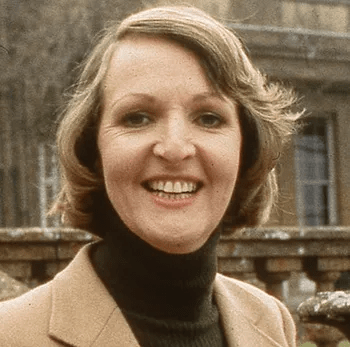


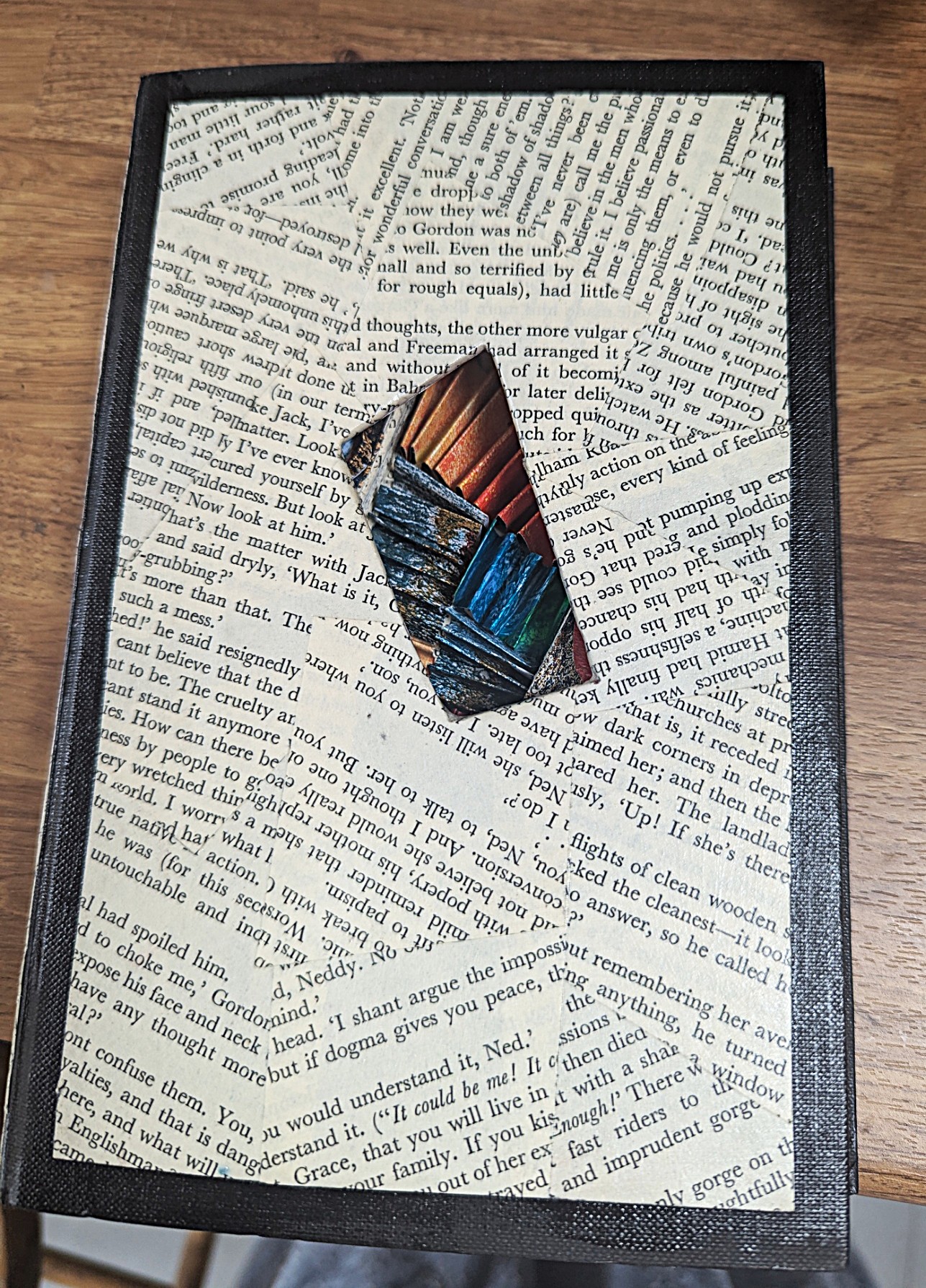


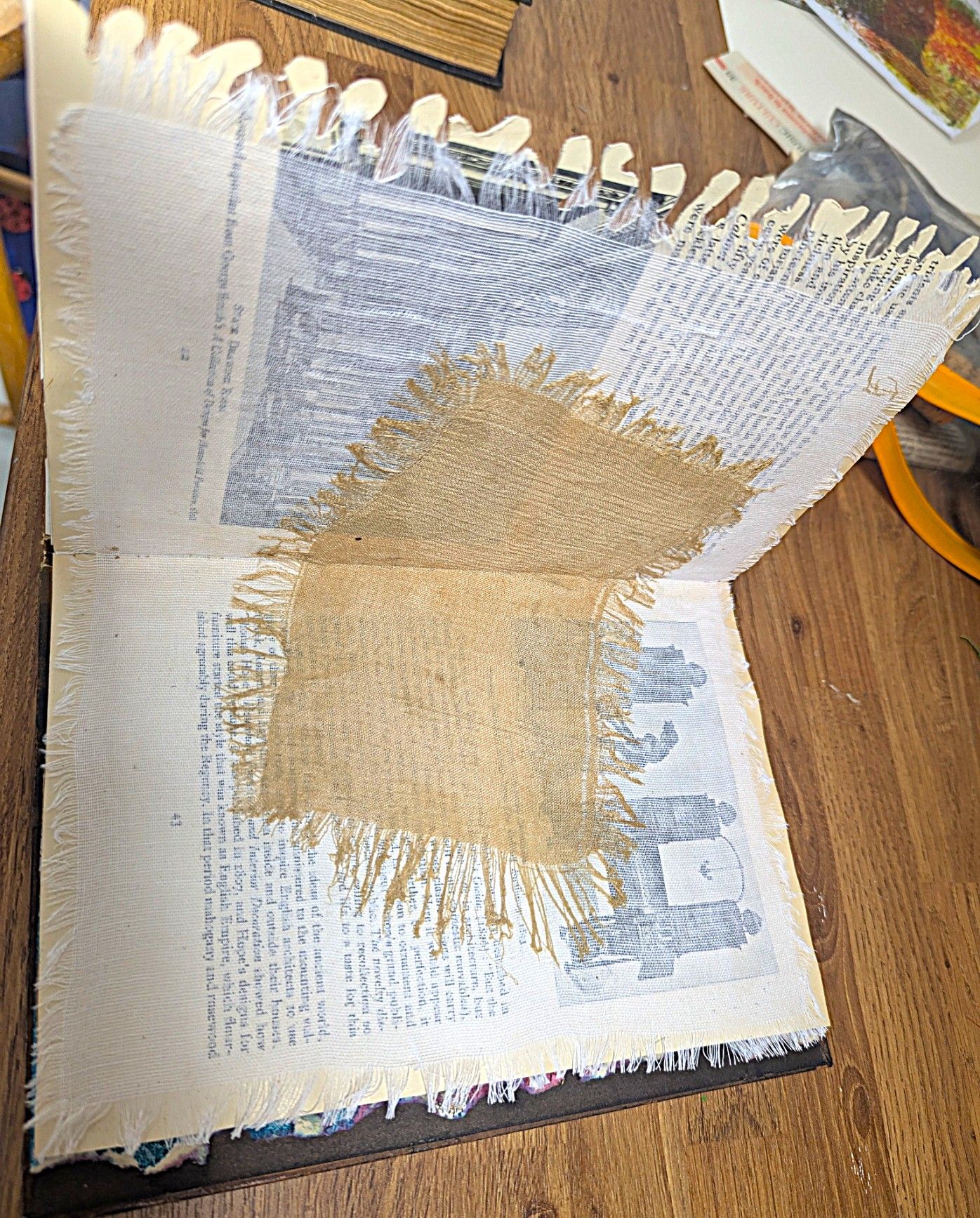

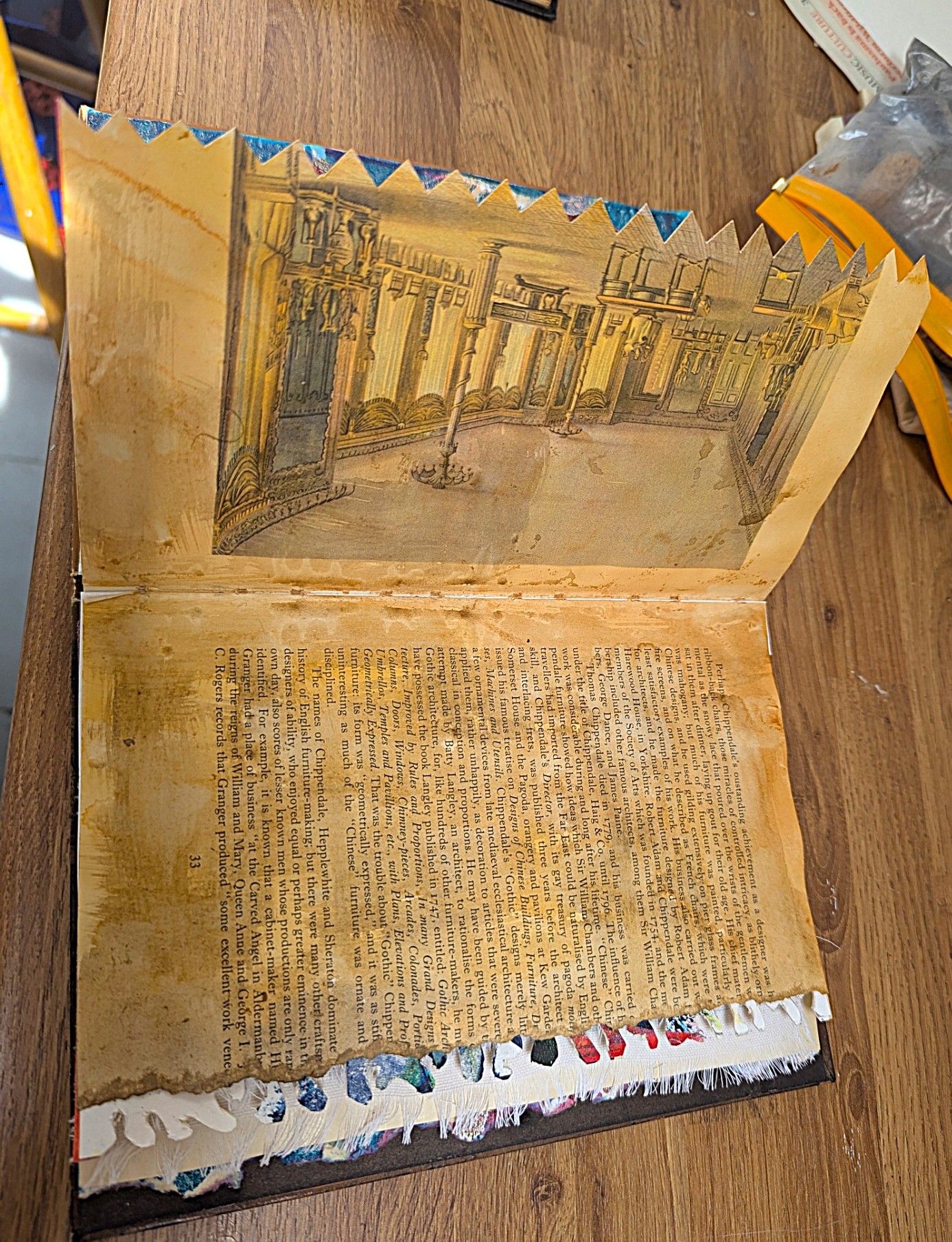





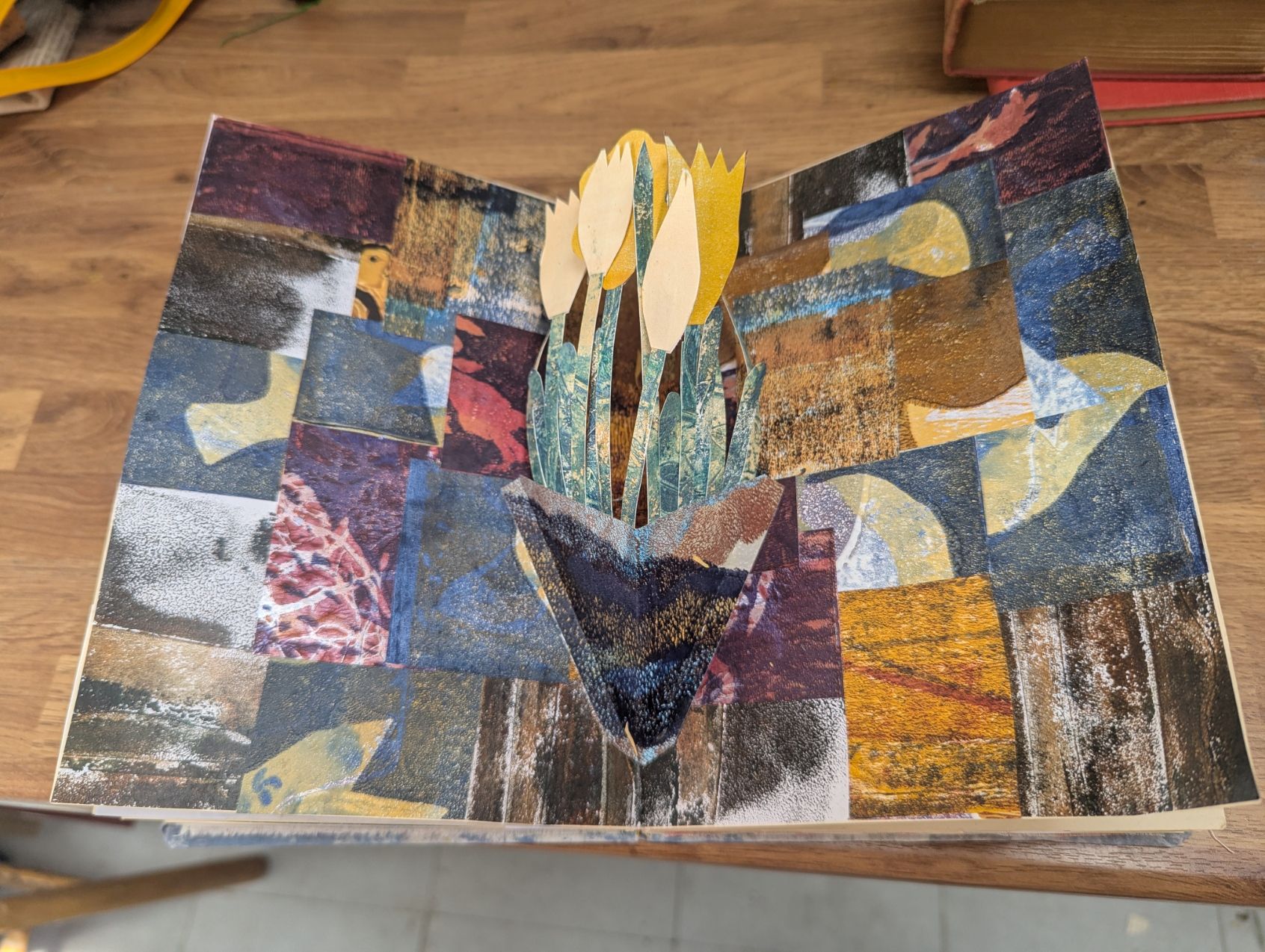





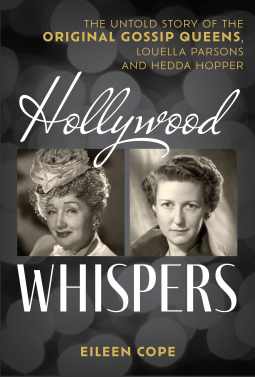
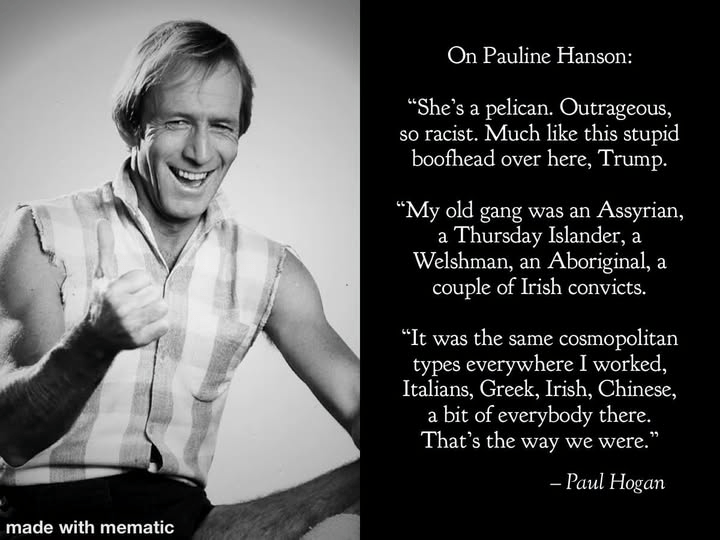







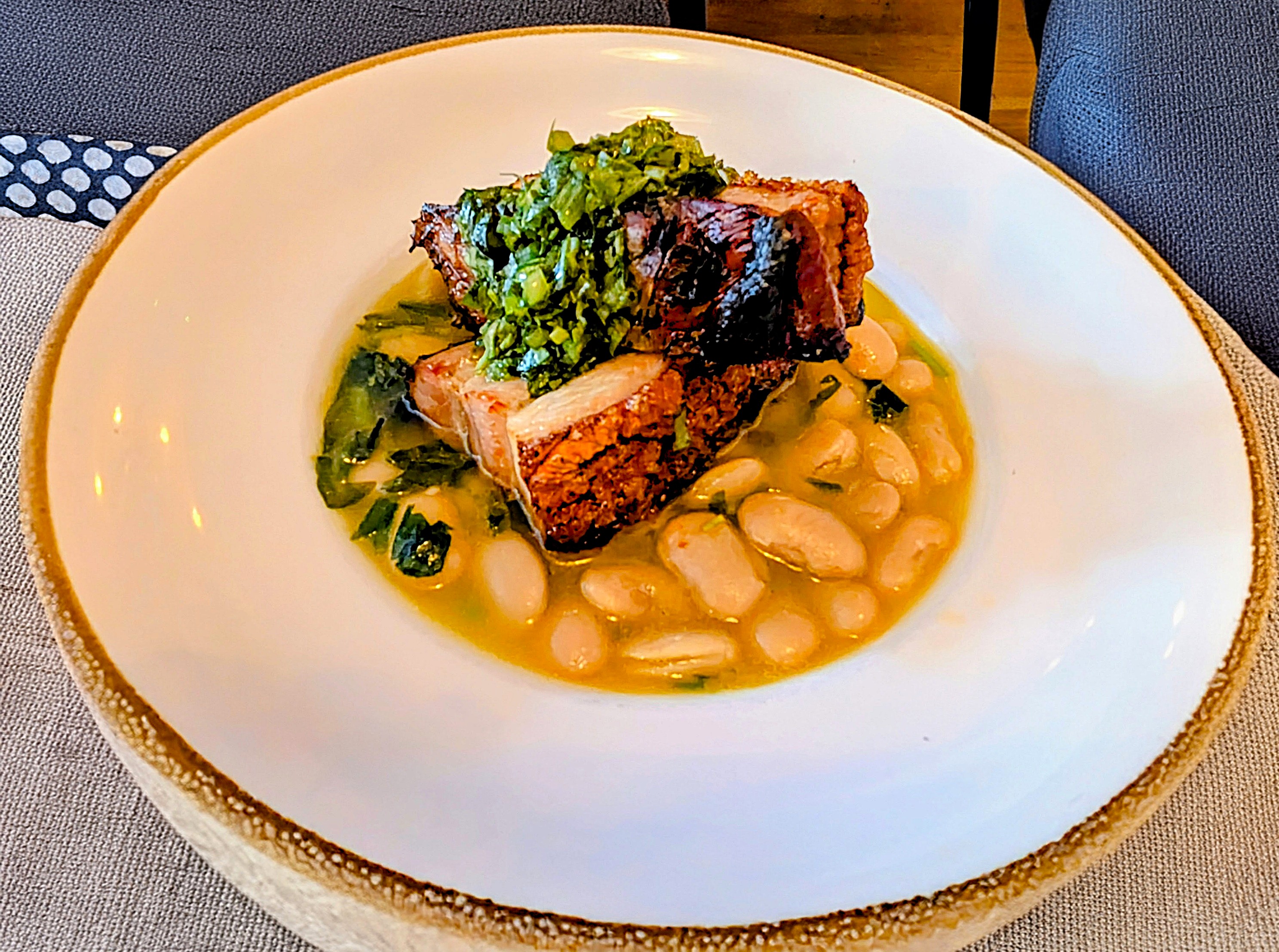

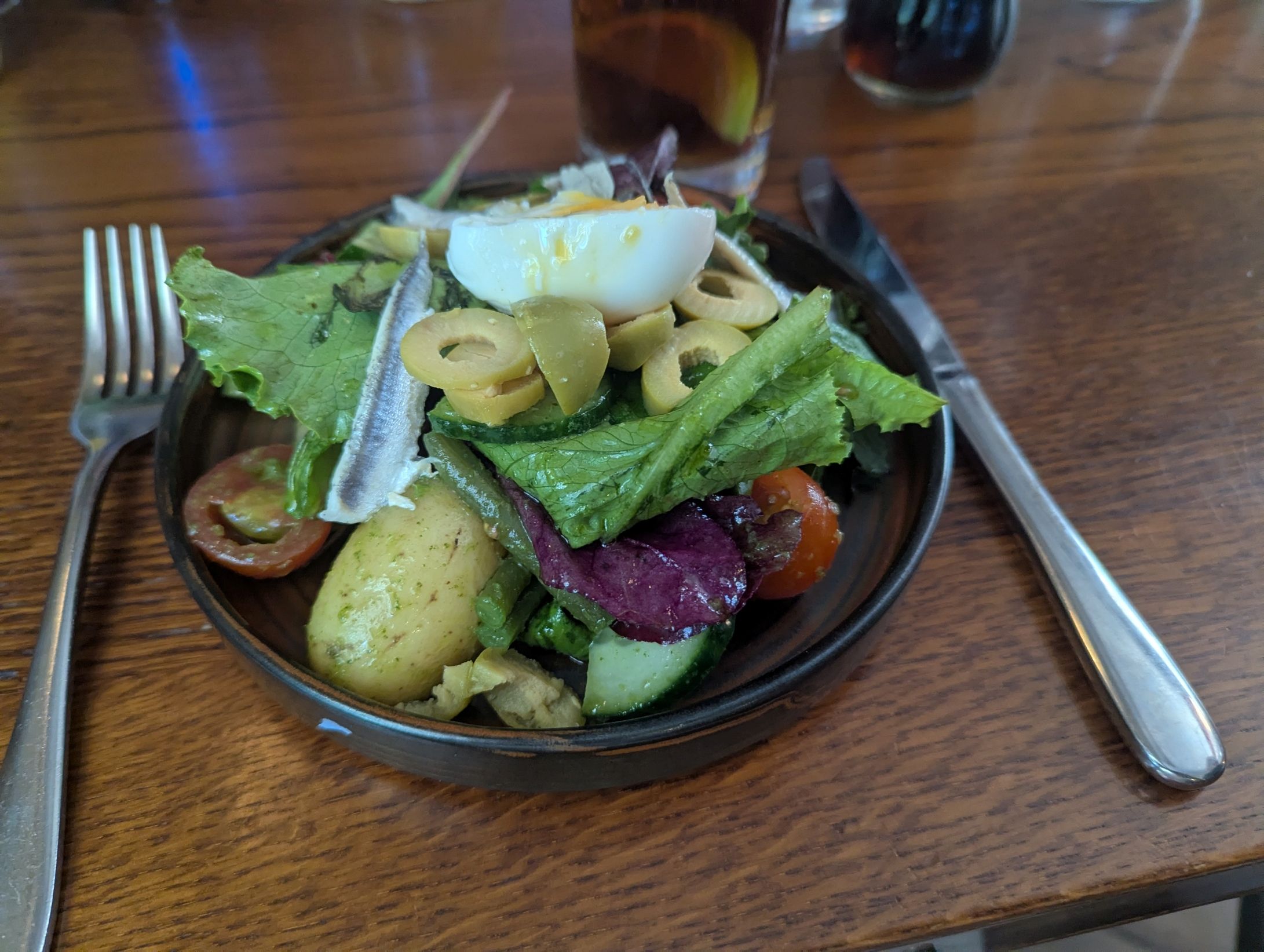





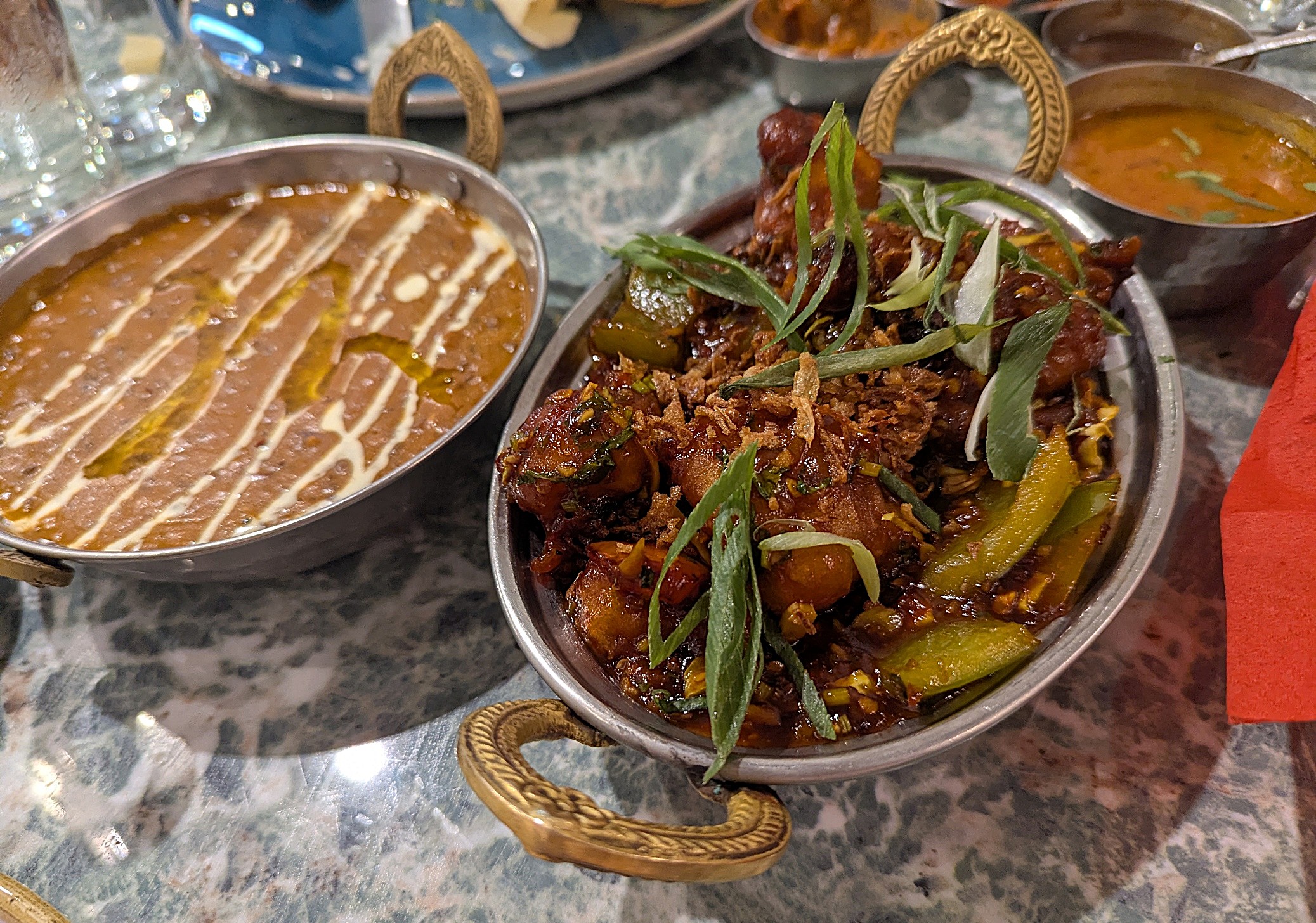



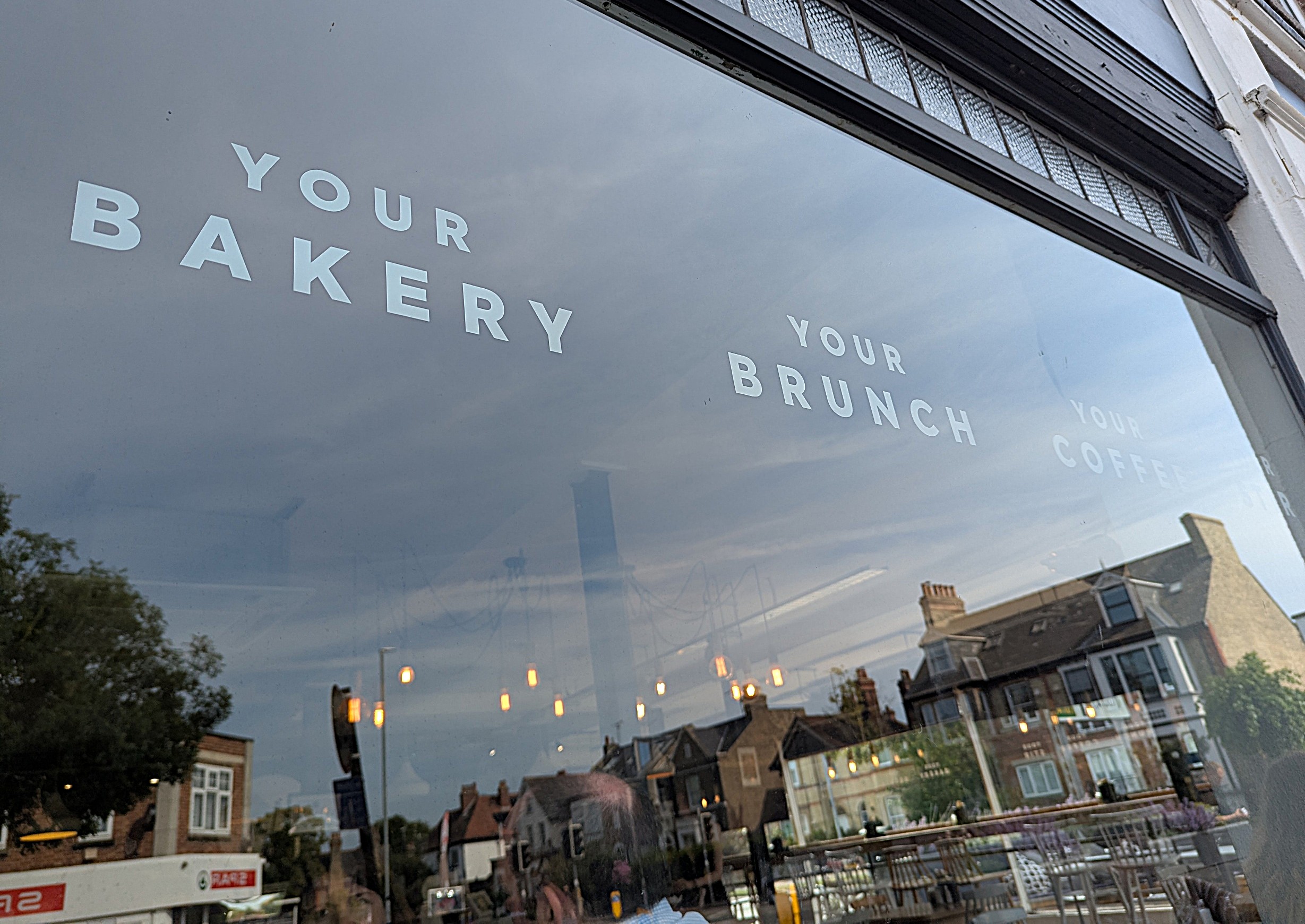


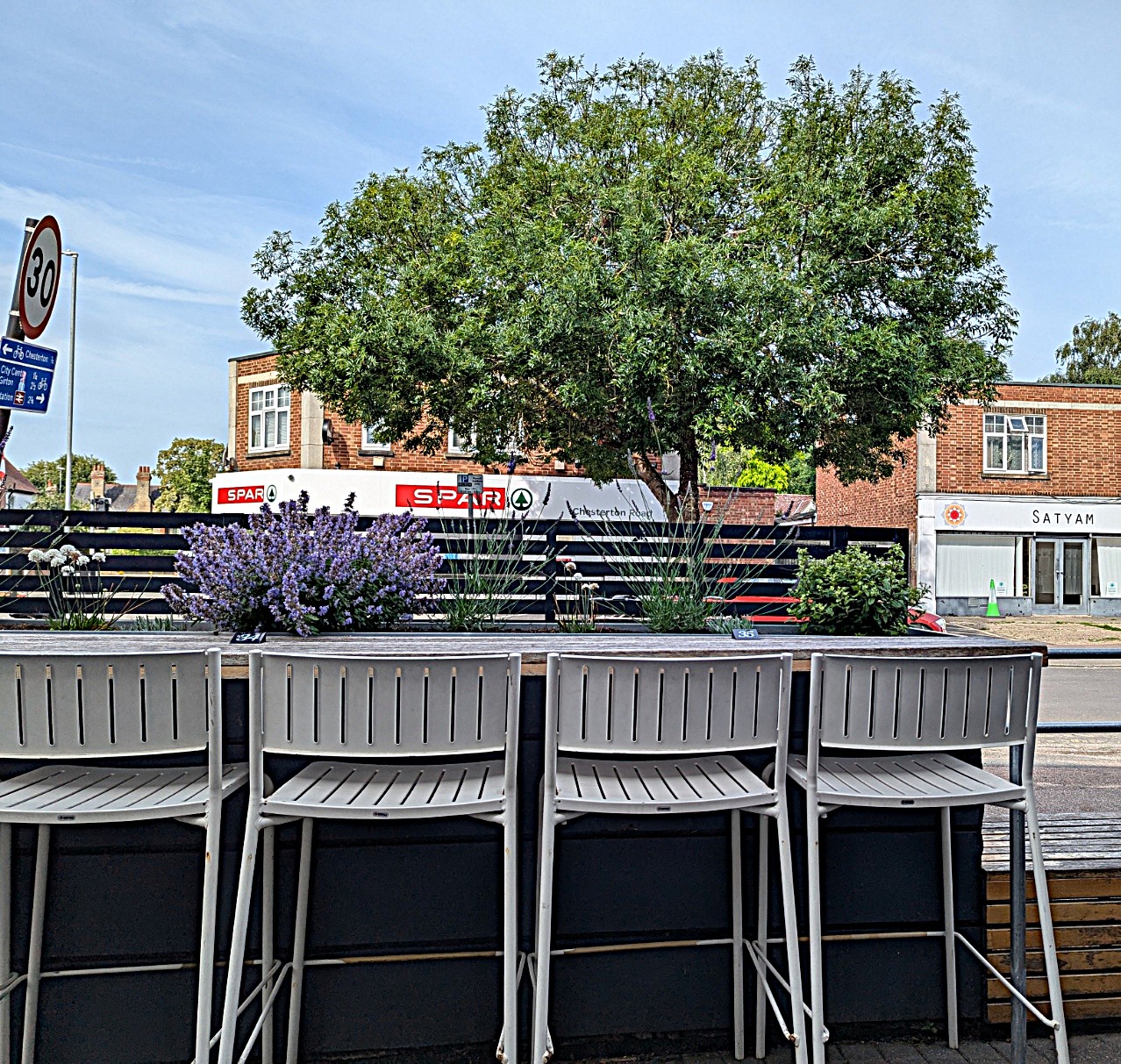

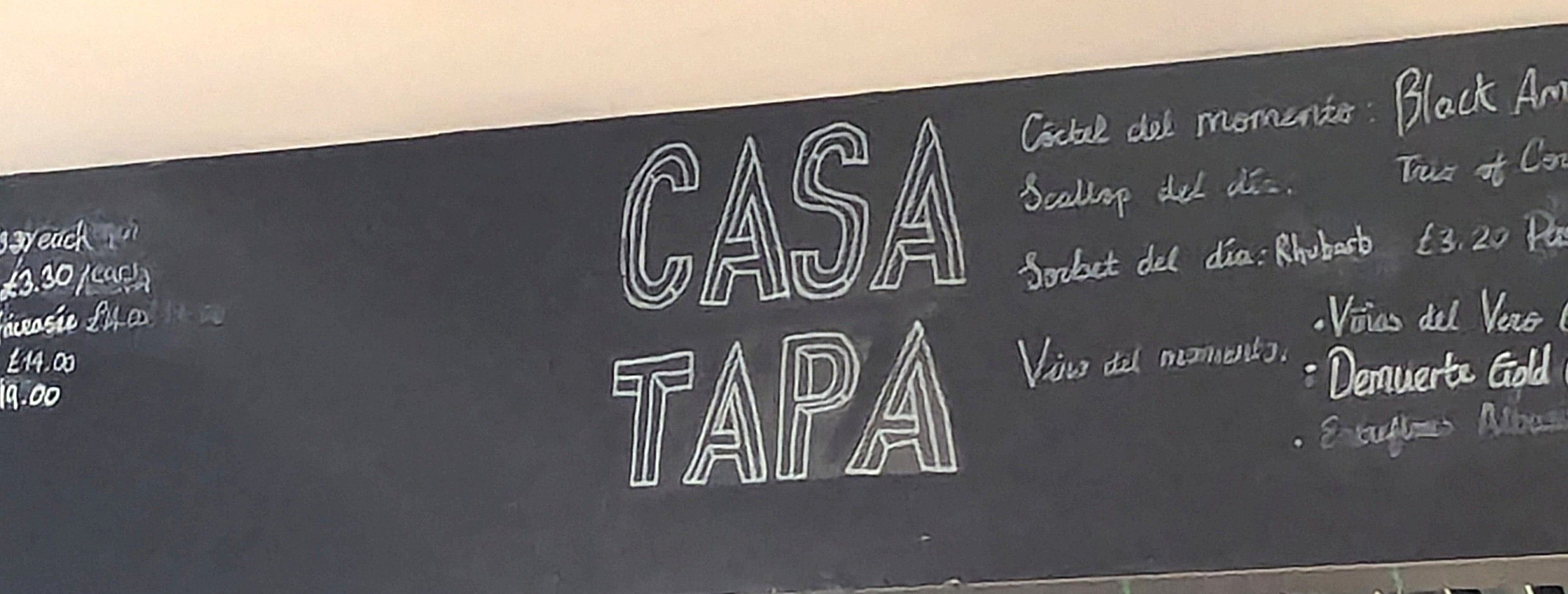
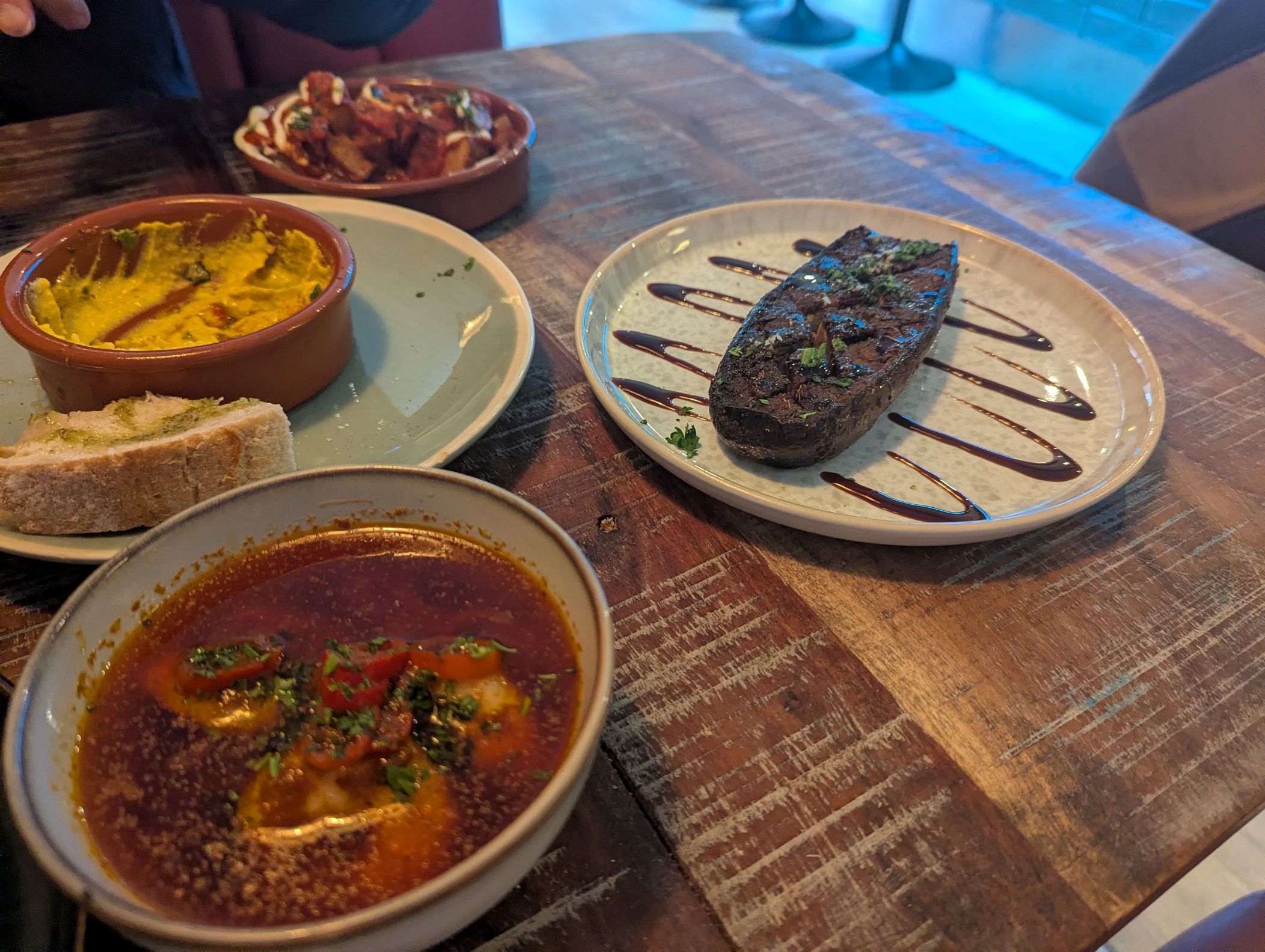
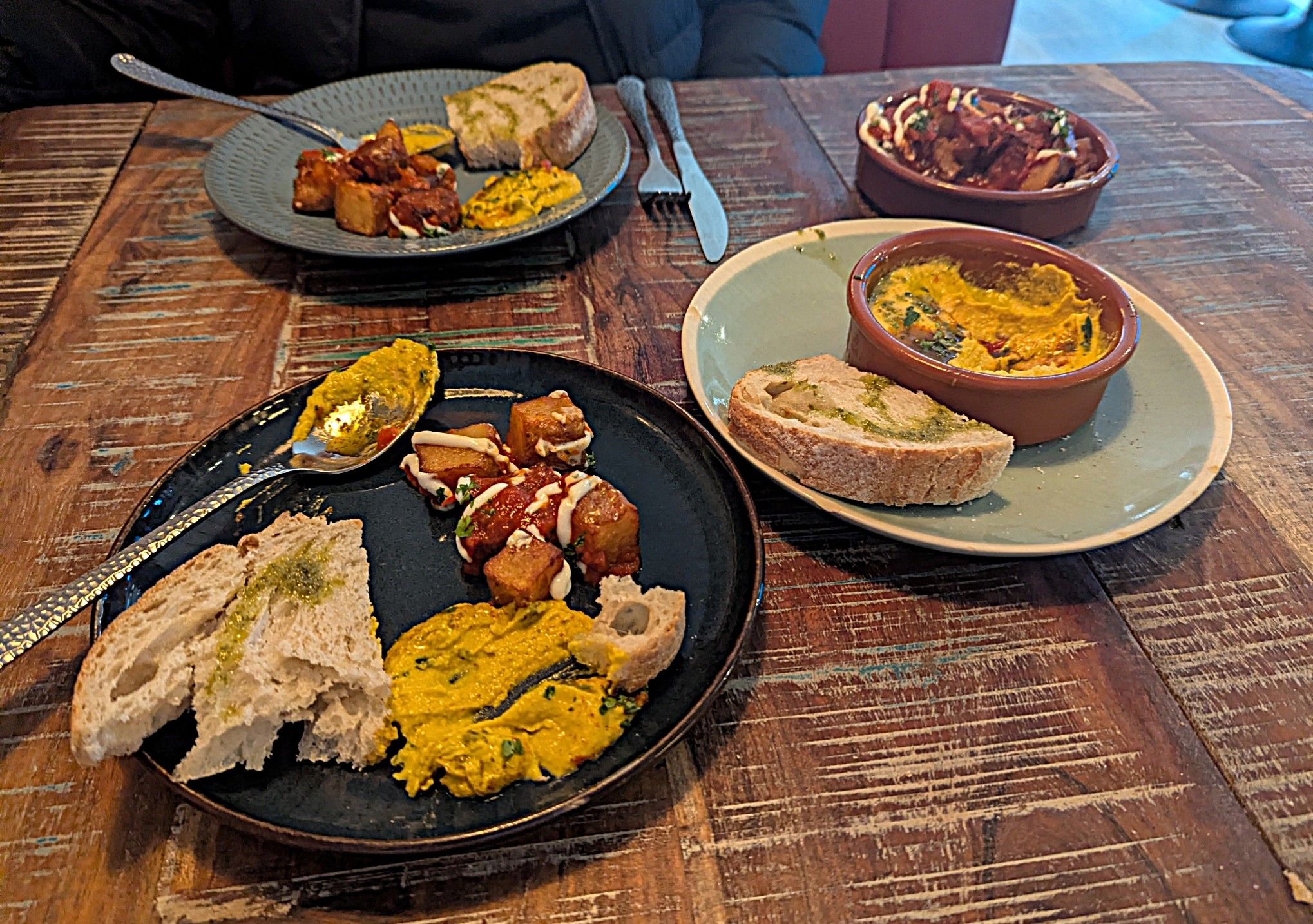
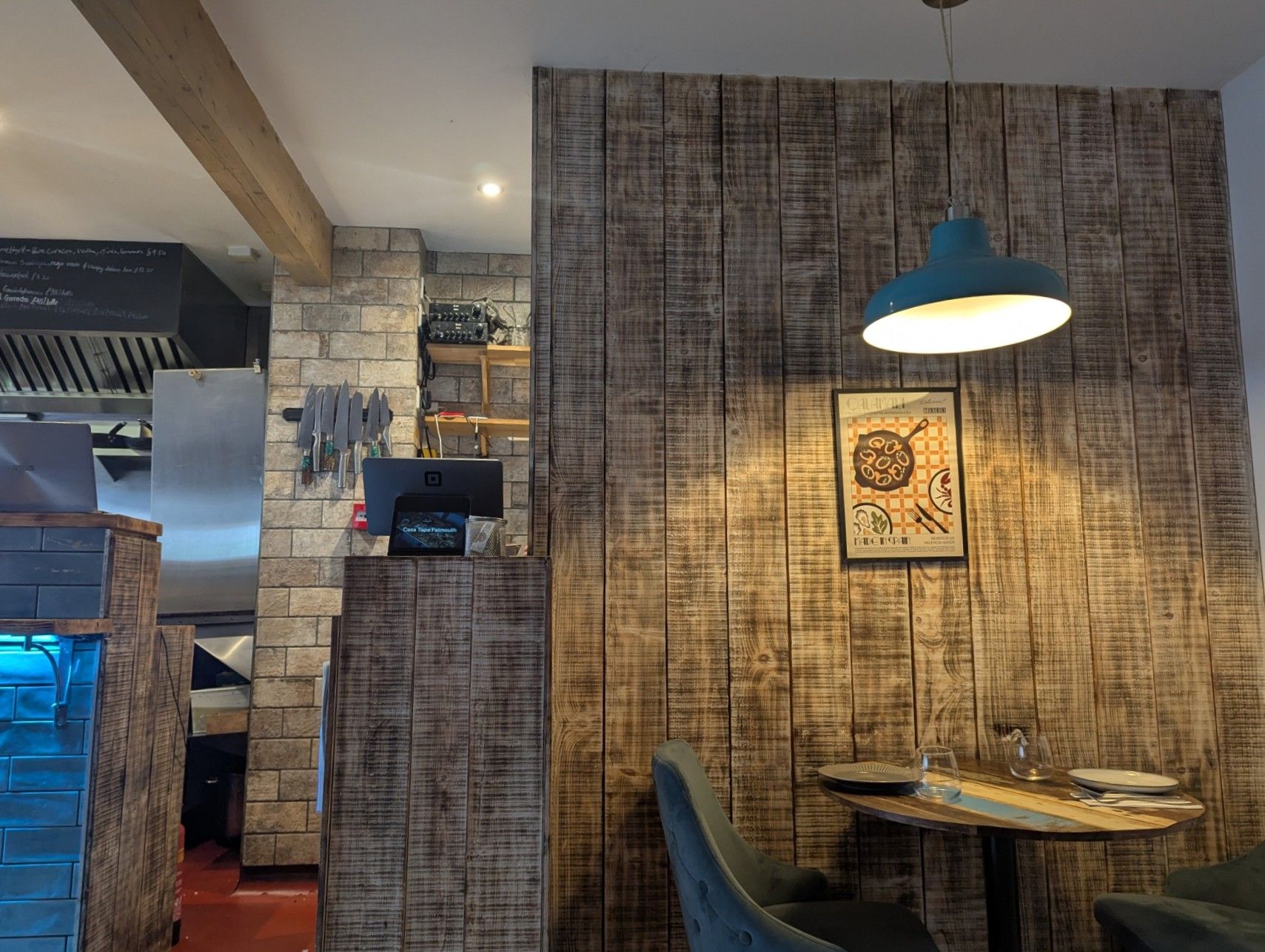



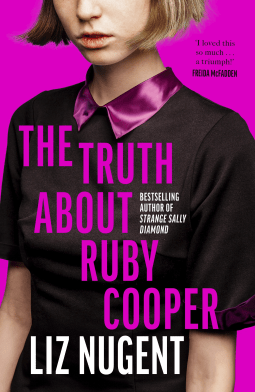

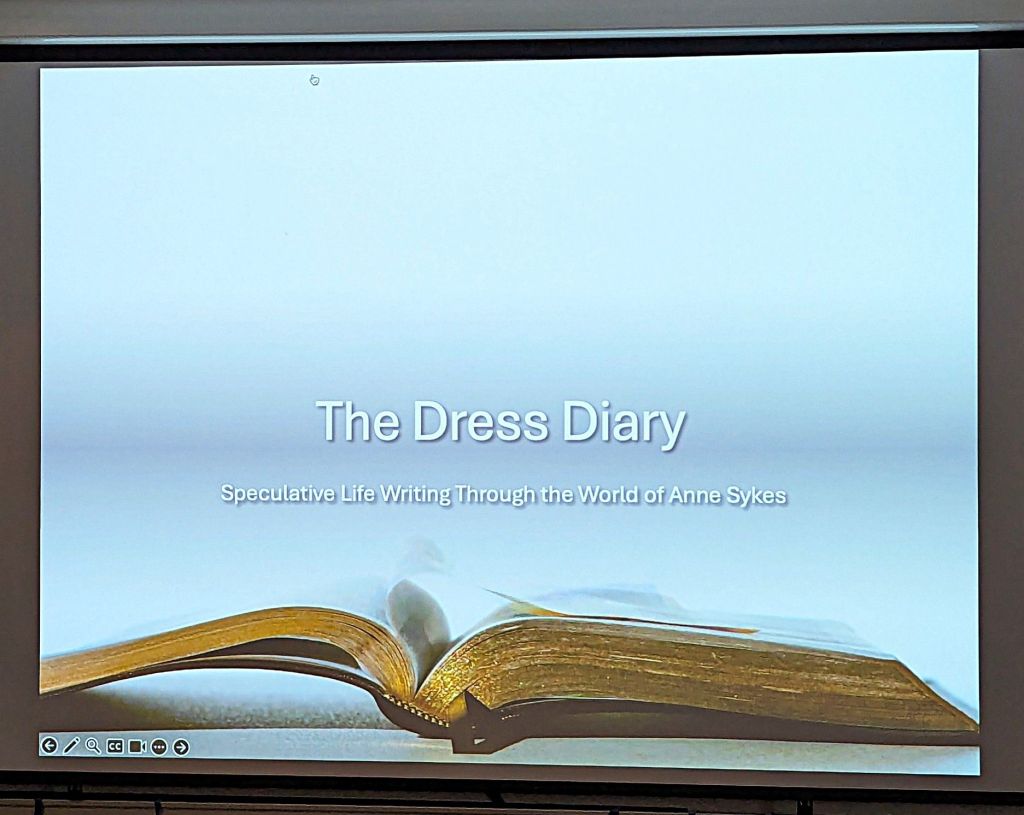
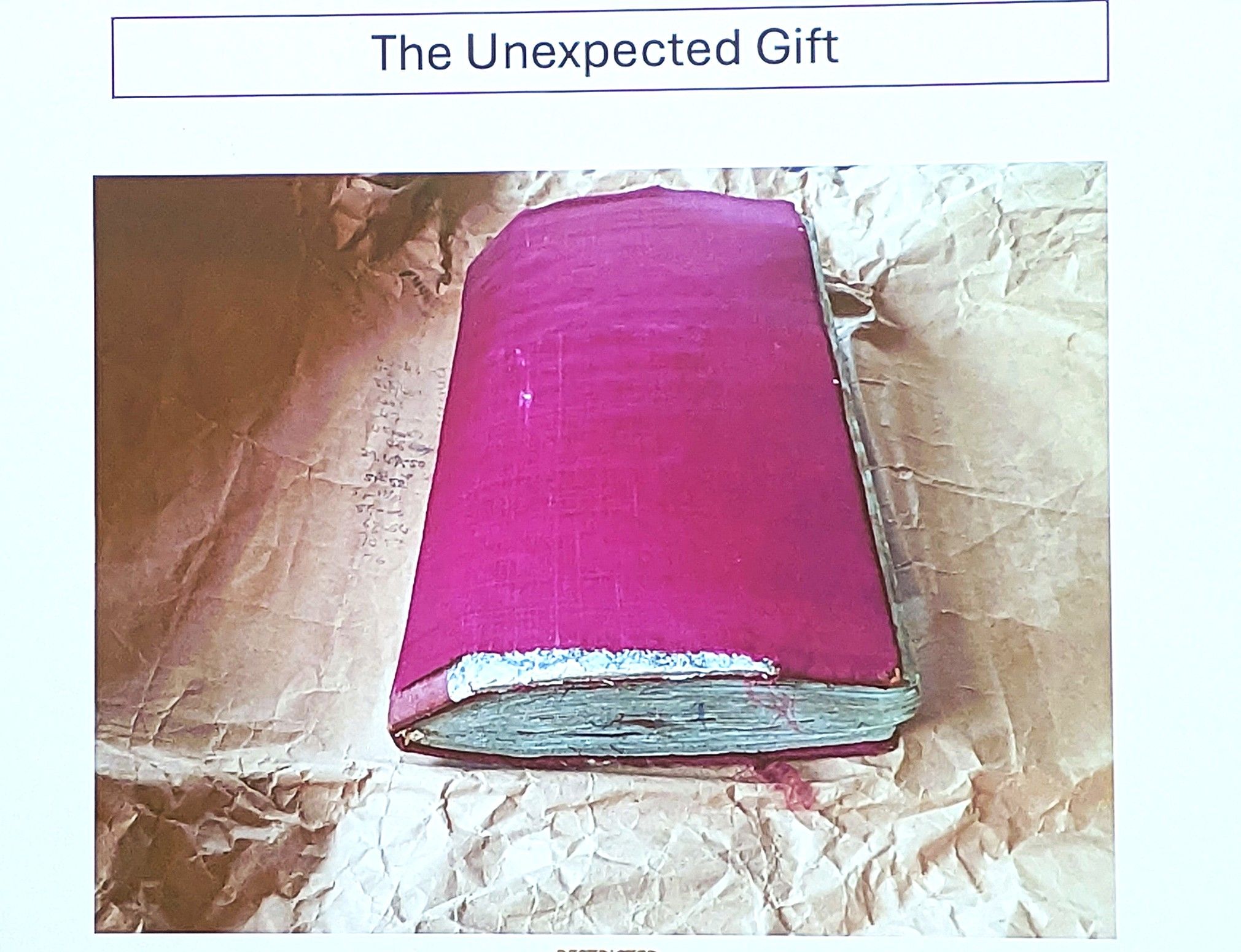
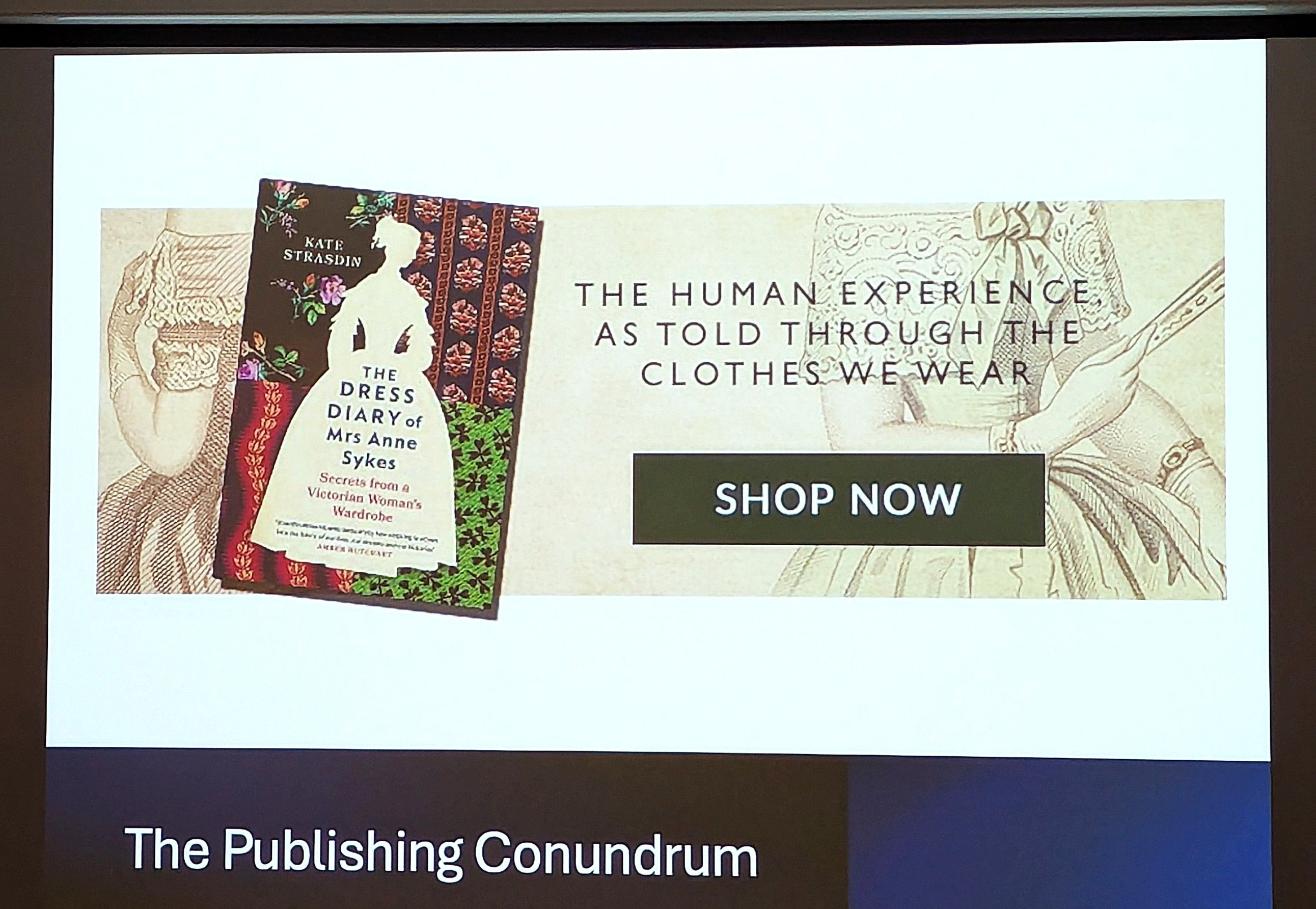
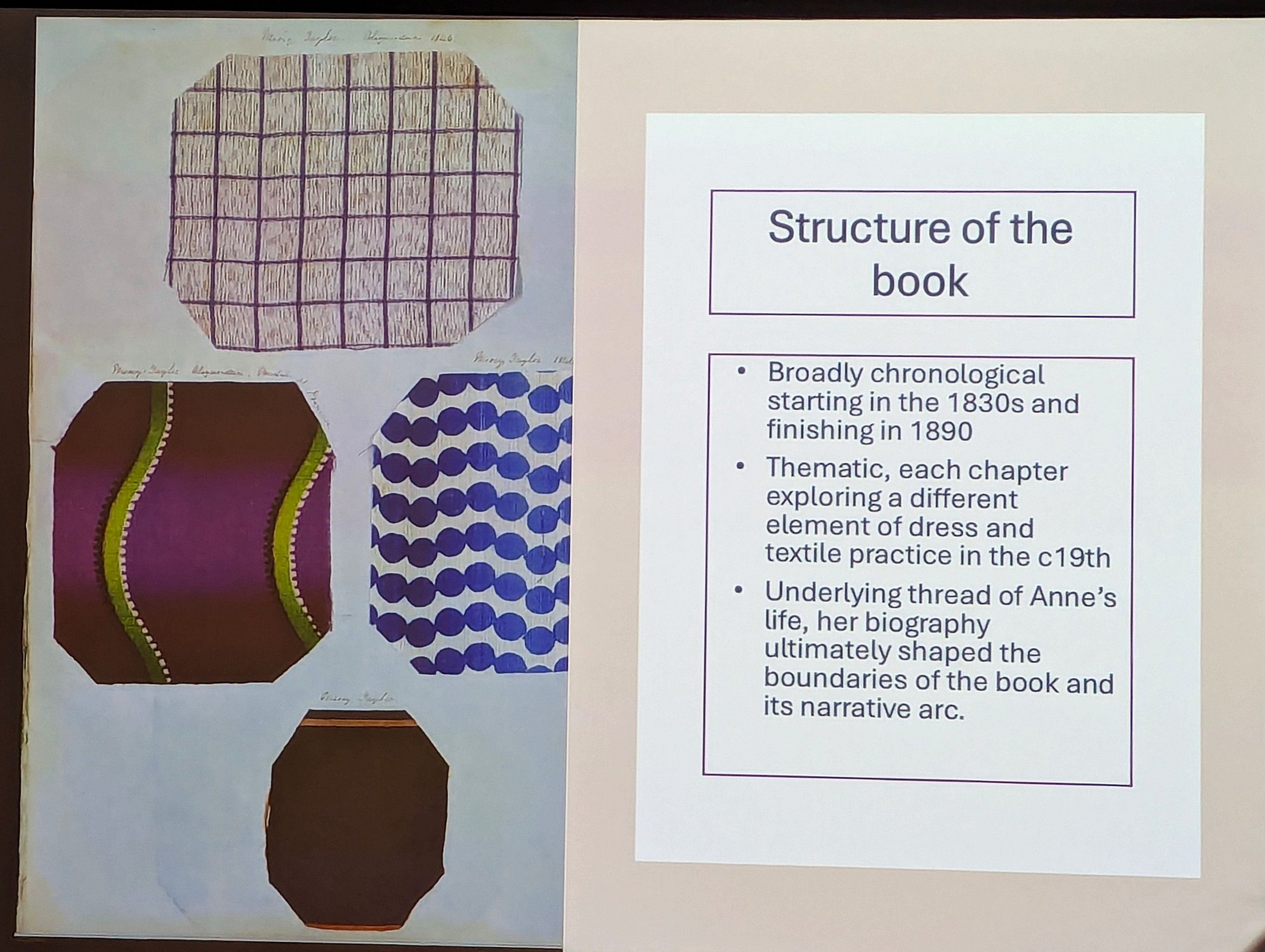
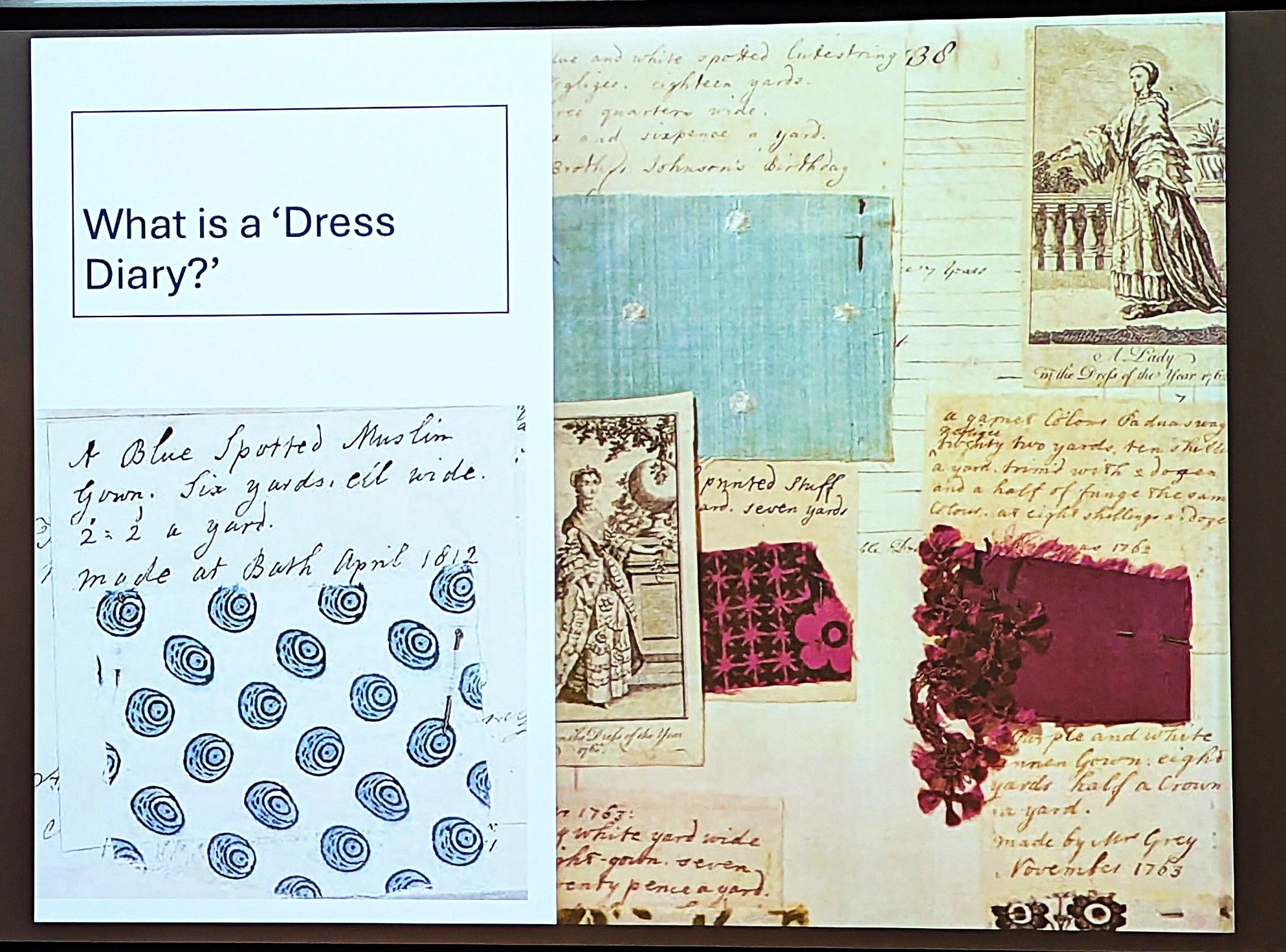
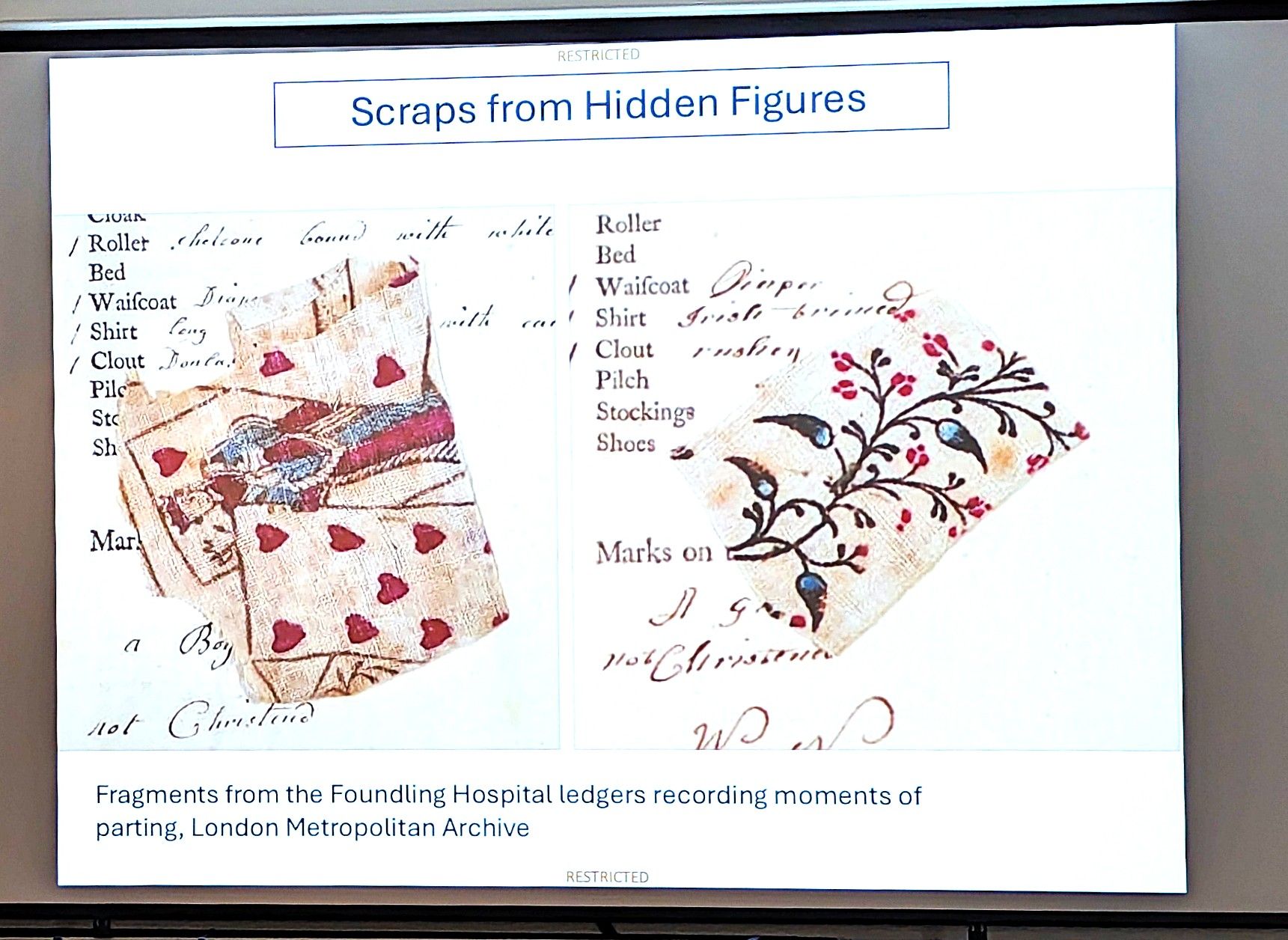
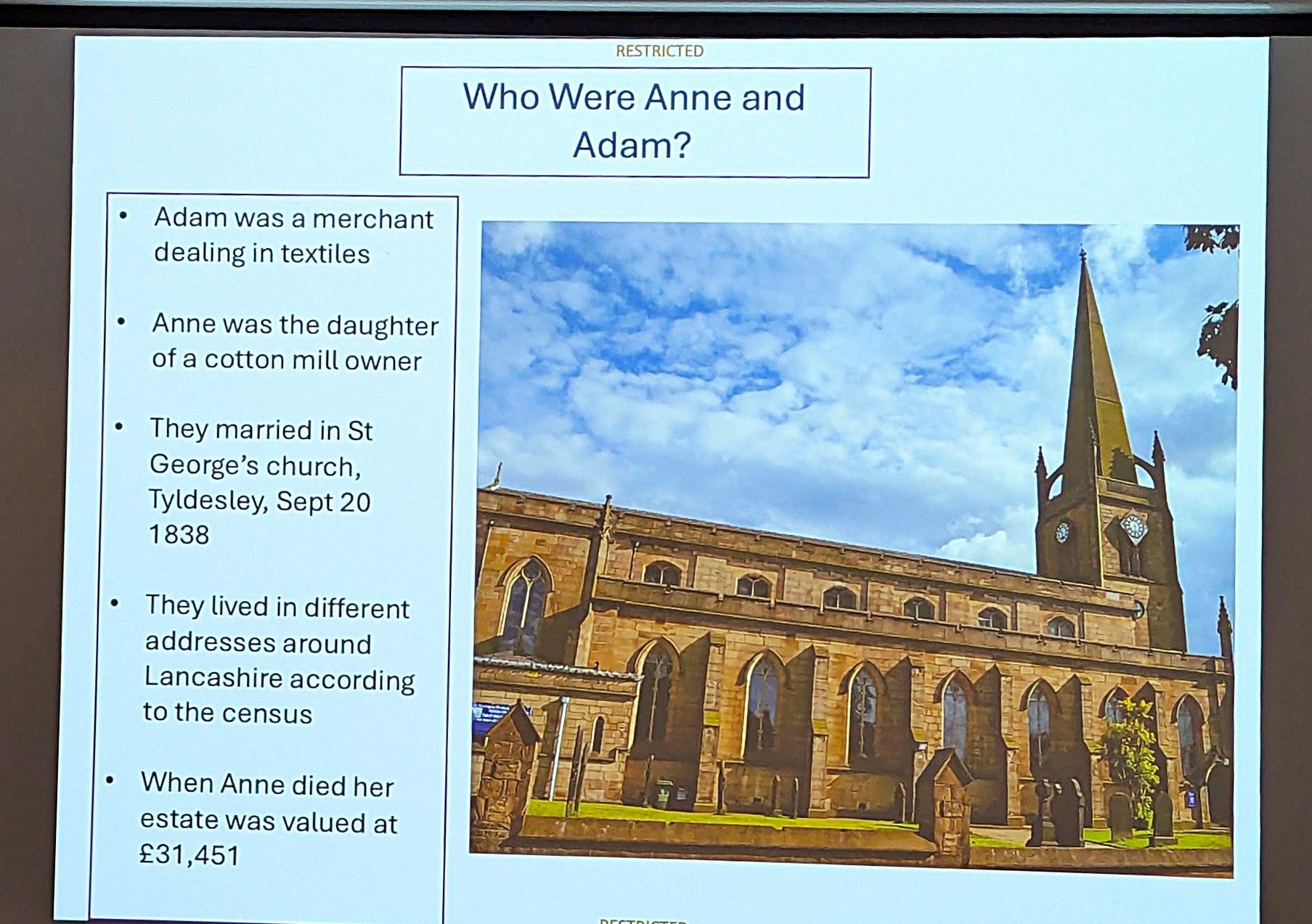
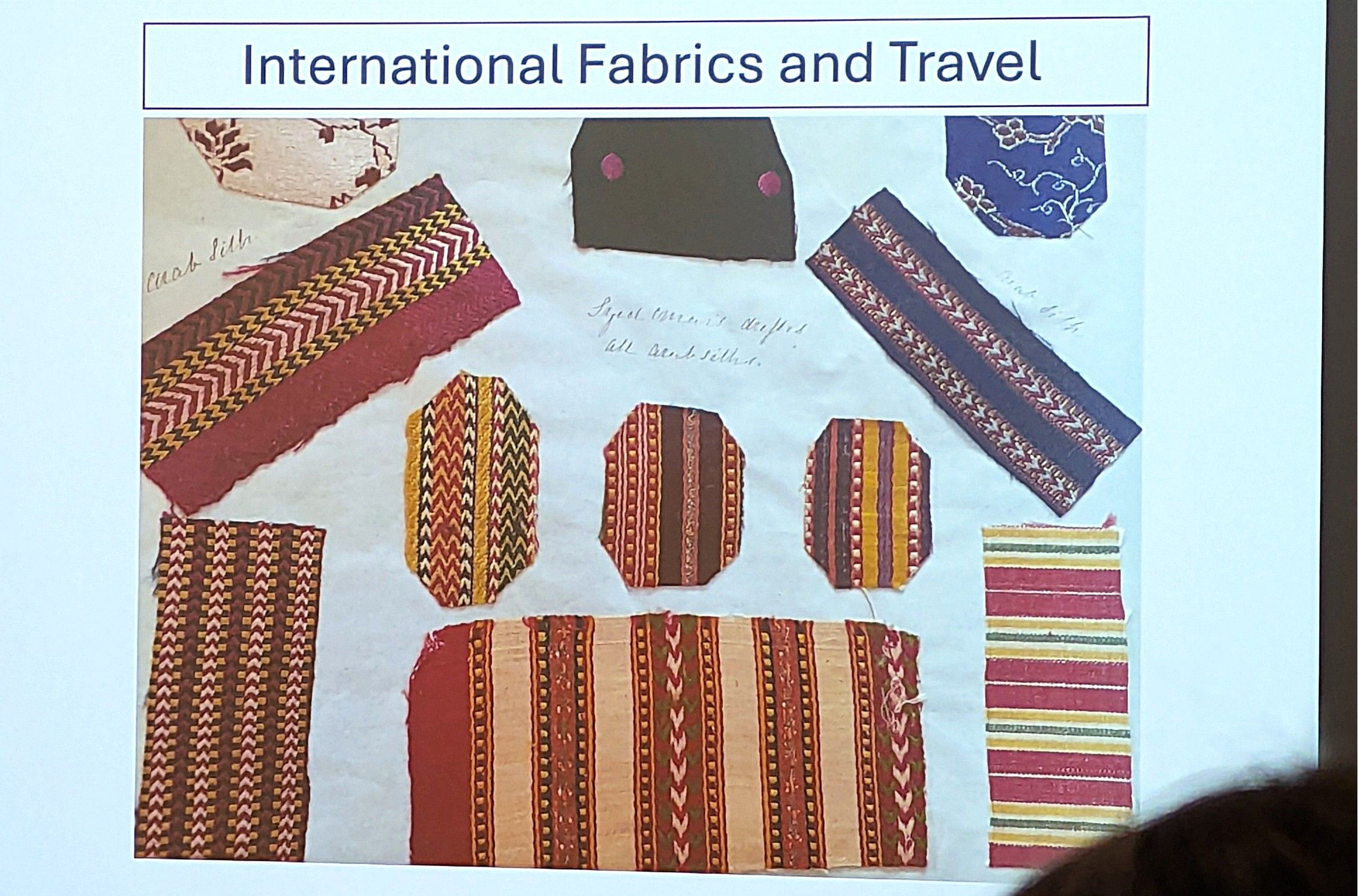
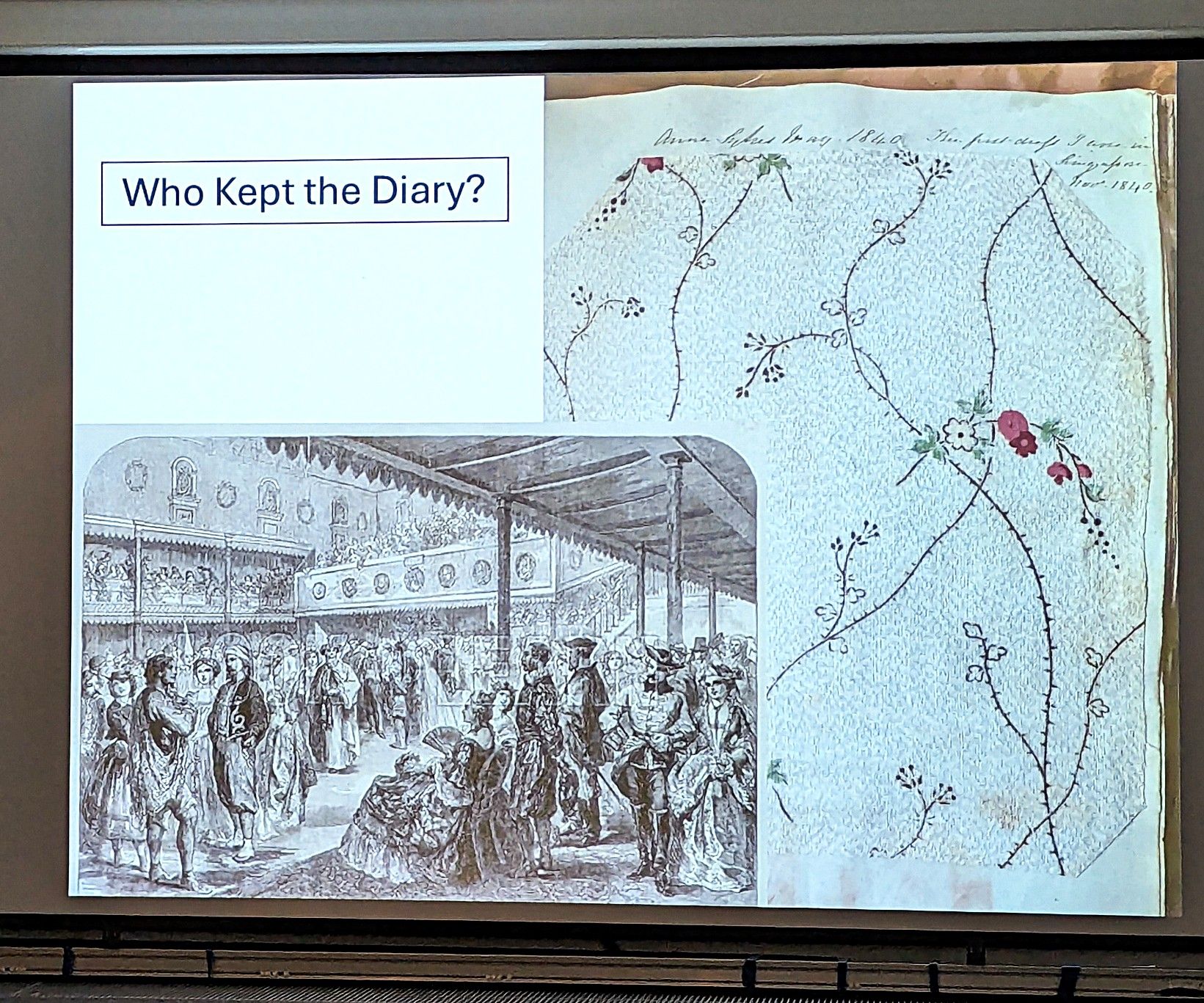
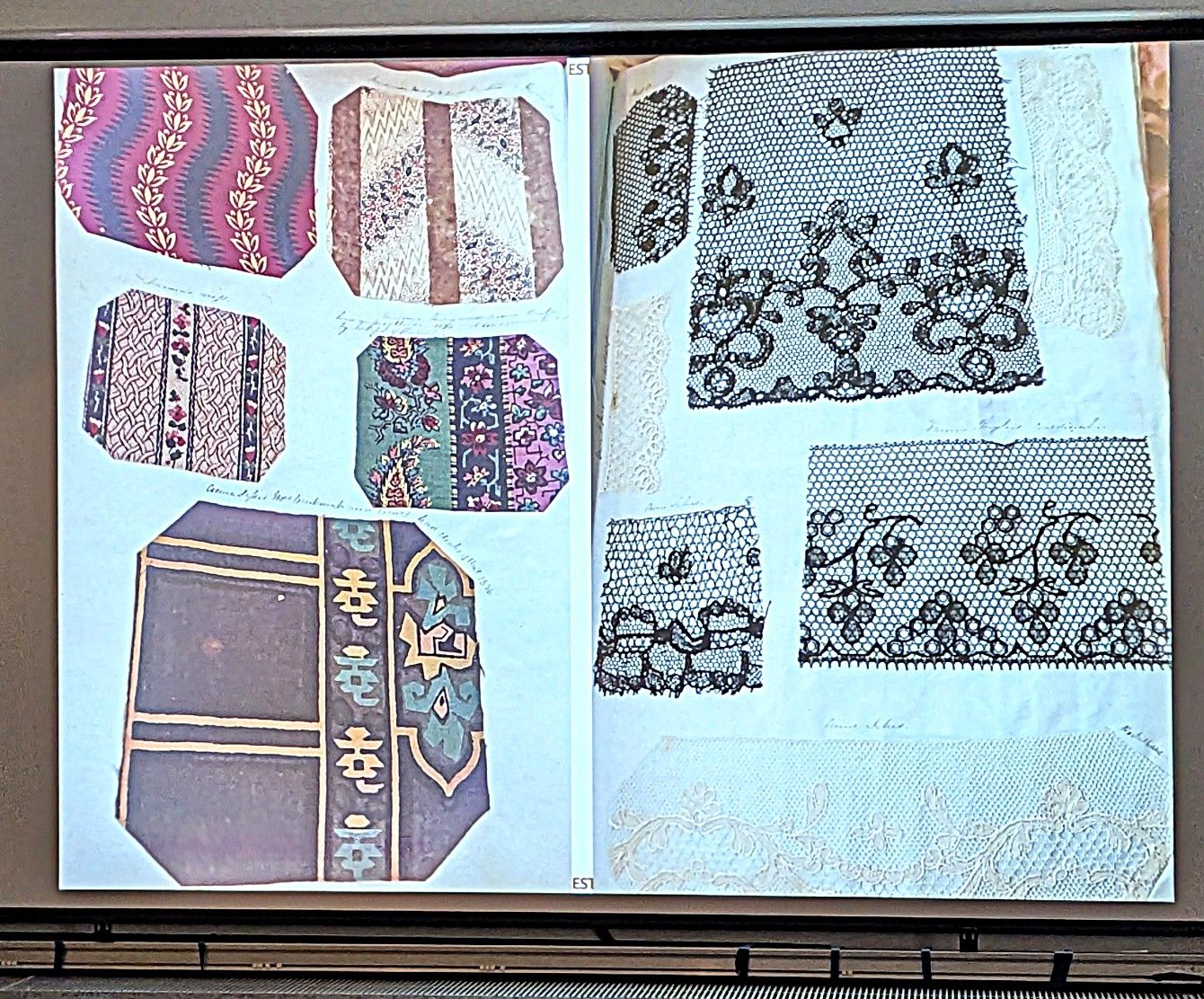
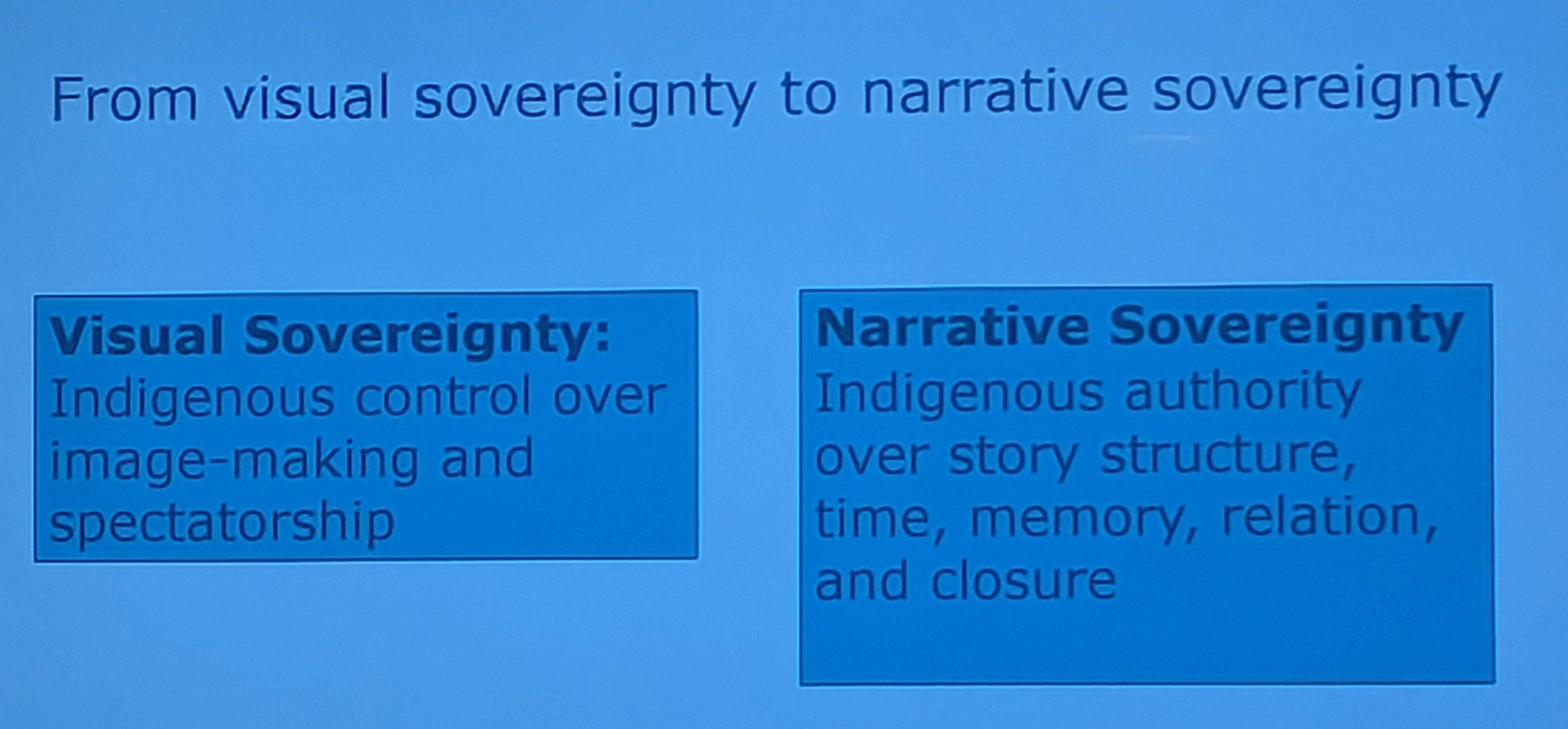
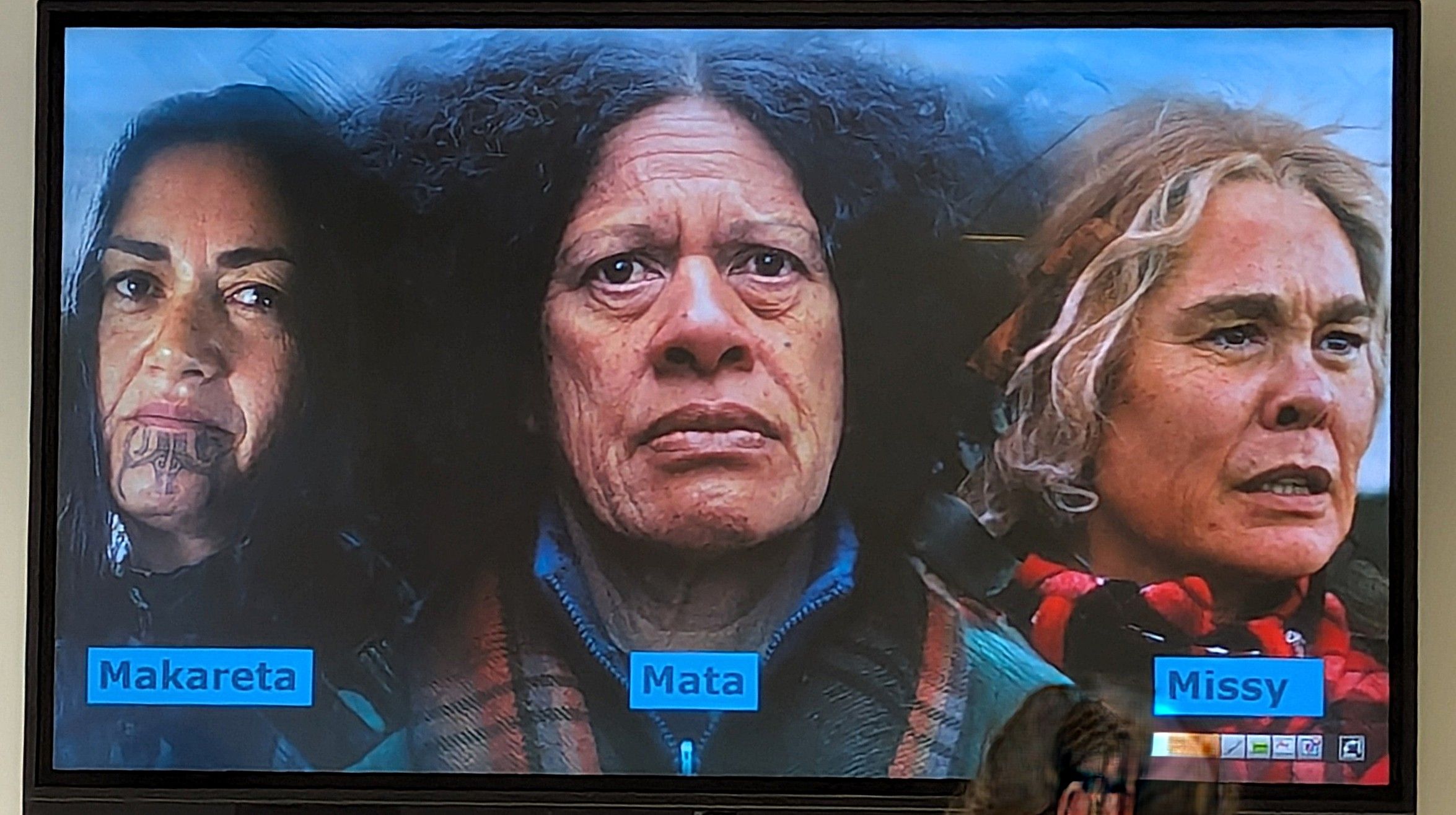
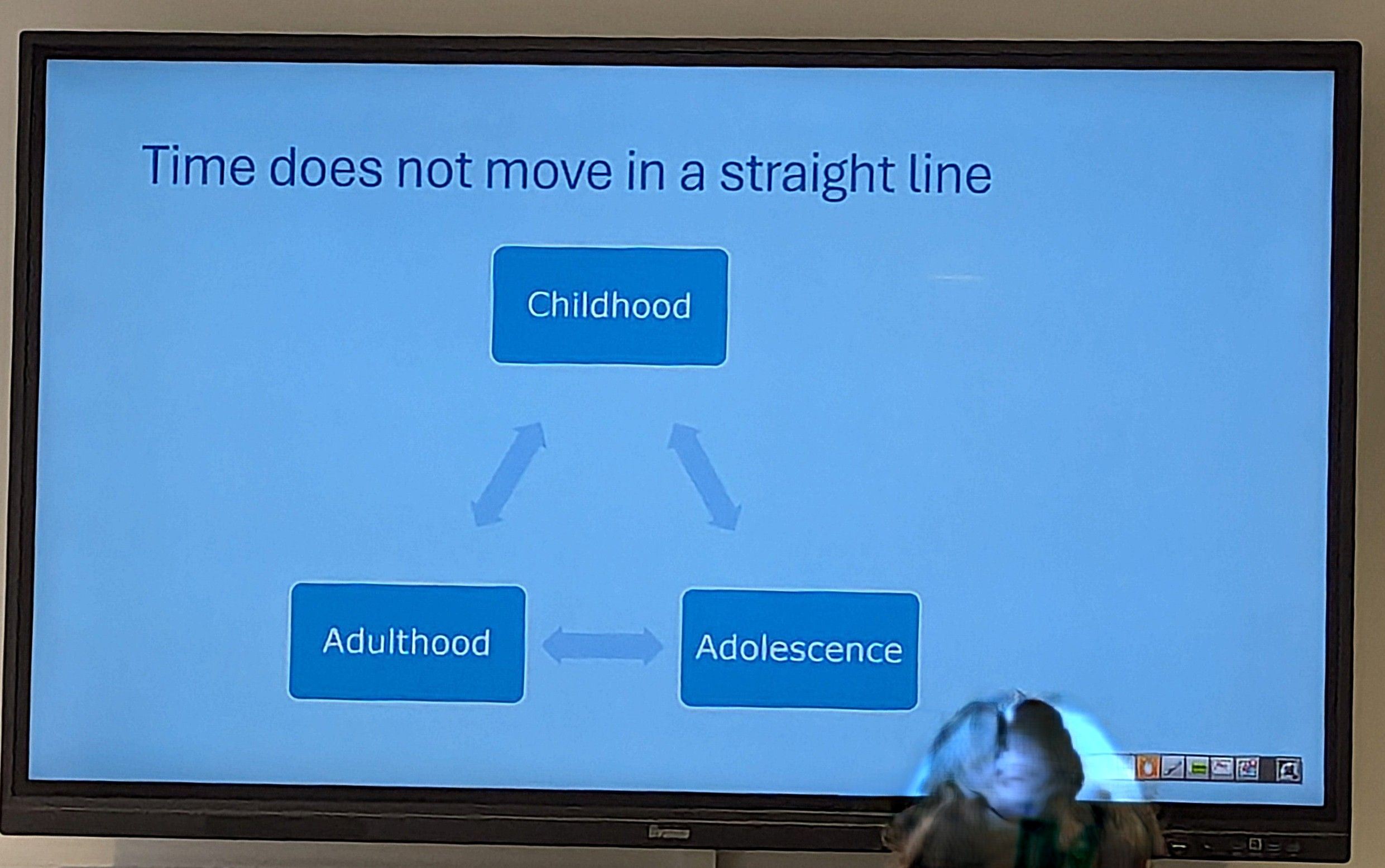
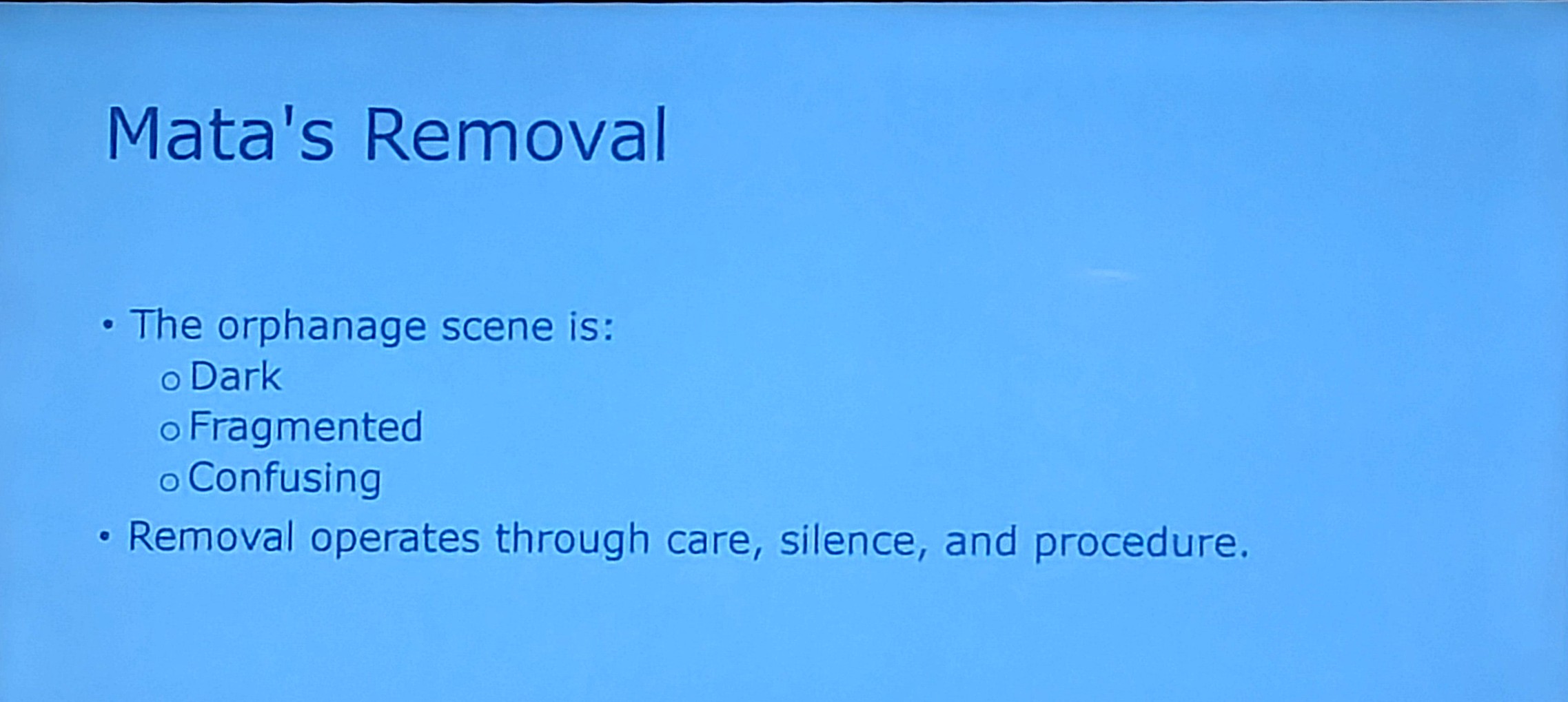
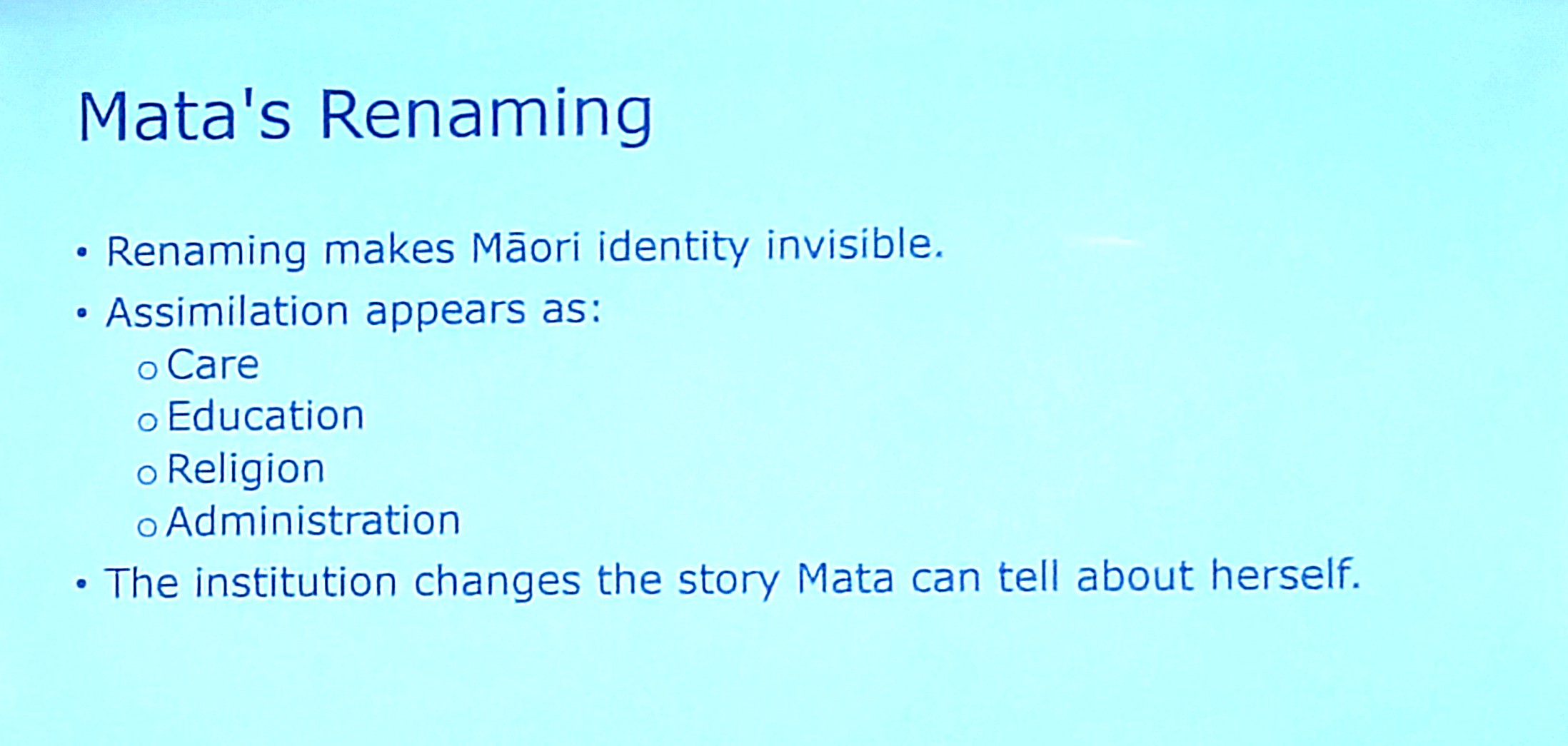
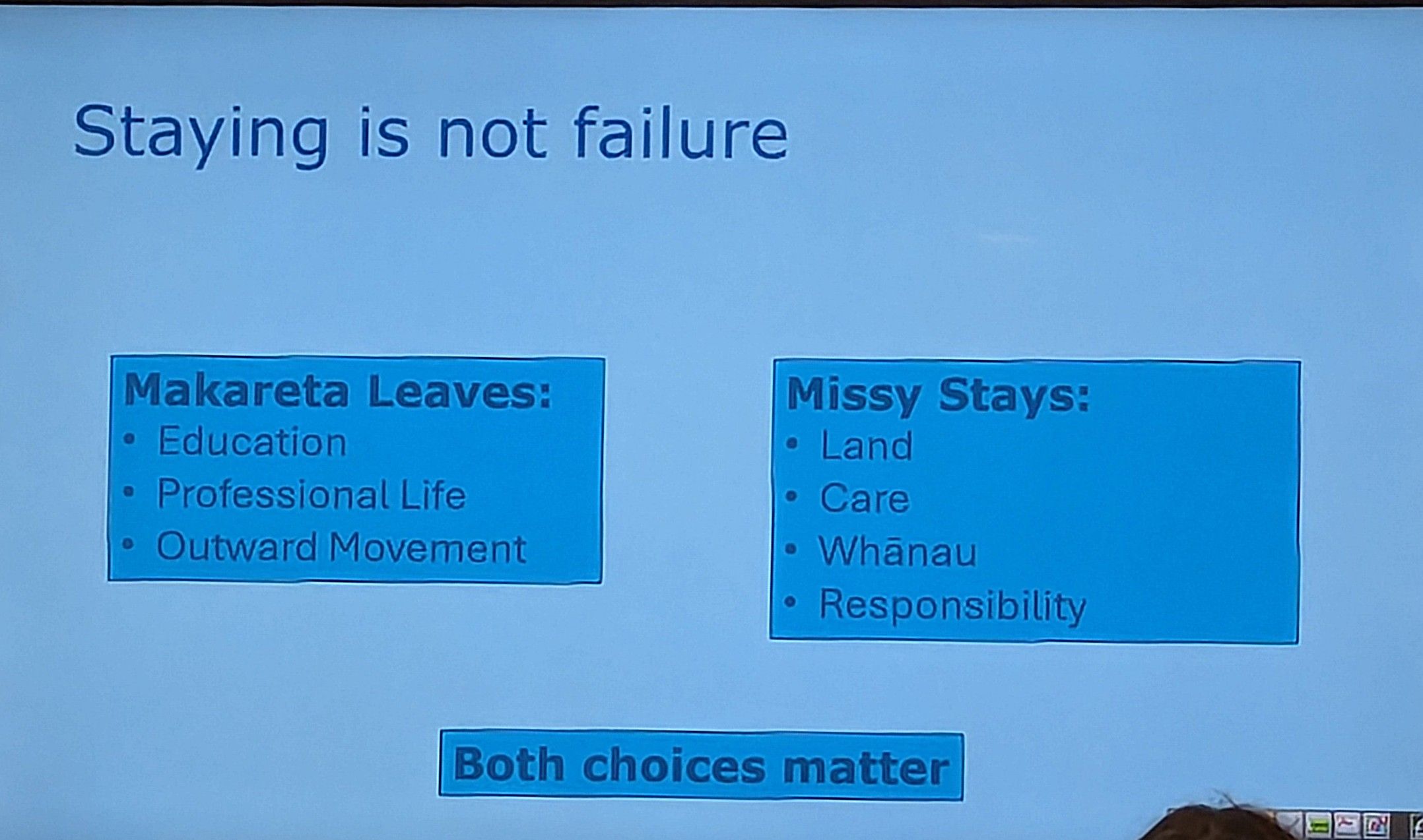
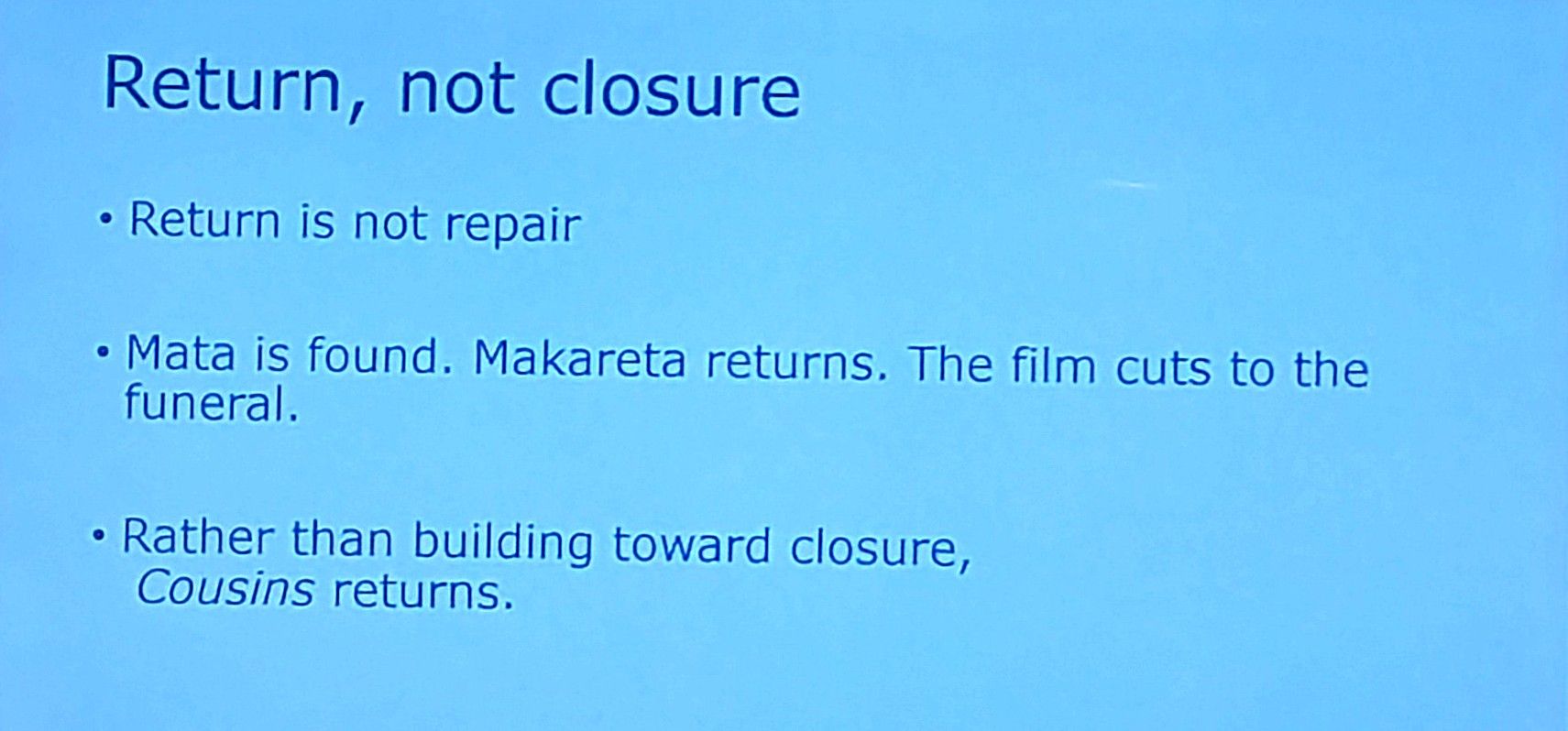
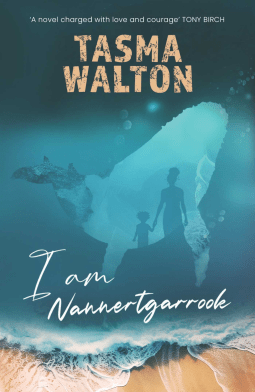

 PM resigns as Burnham waits in the wingsIn an historic day, Keir Starmer called time on his leadership, while Andy Burnham returned to Parliament and his main challenger cleared a path for him to enter Downing Street.
.png) By Daniel Green
By Daniel Green
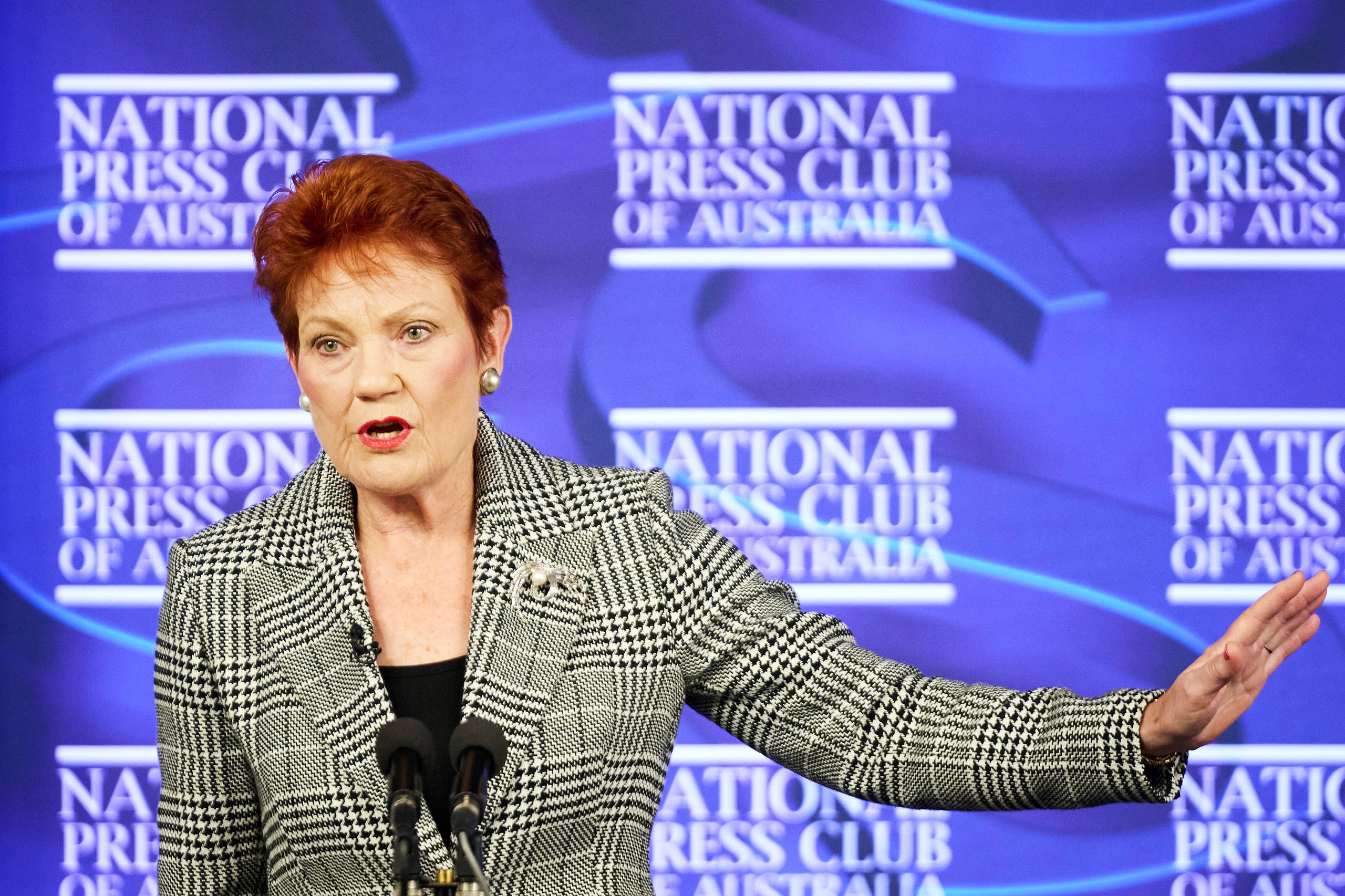
 The Bulwark
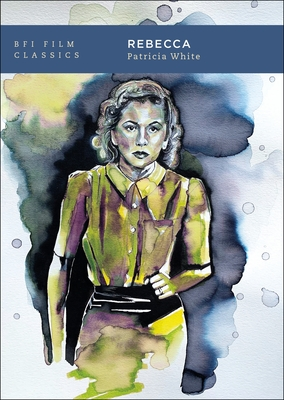


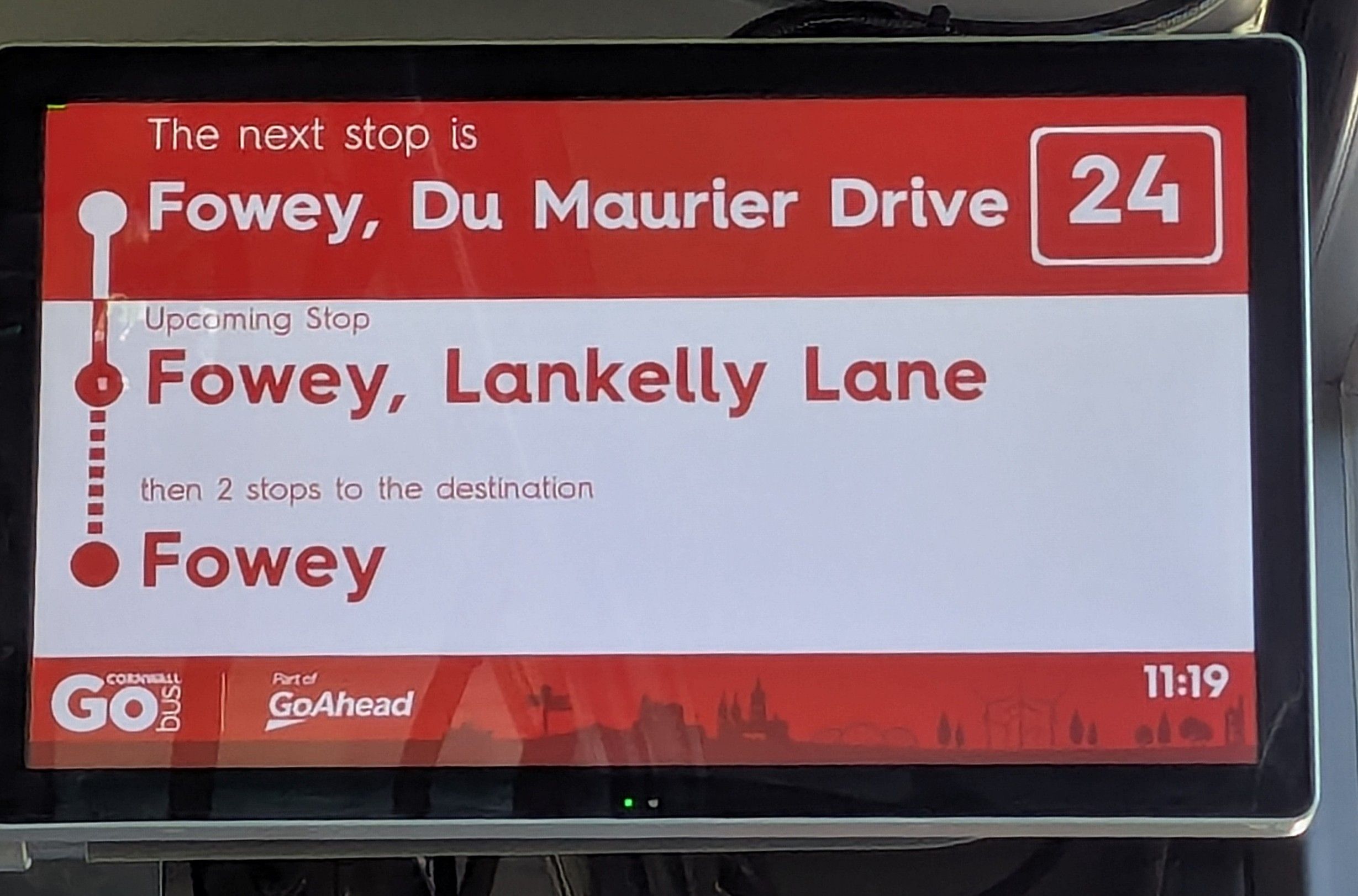
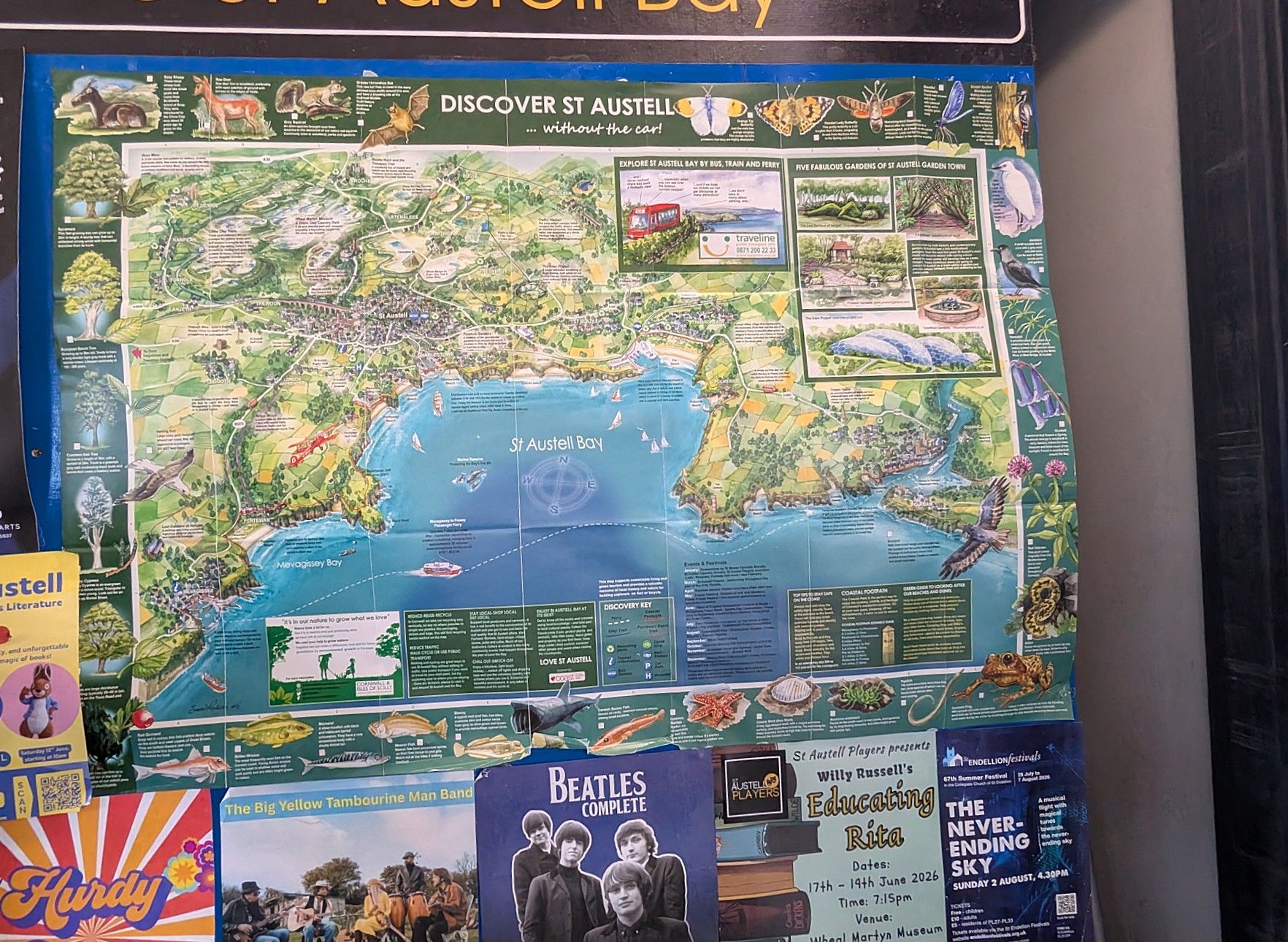
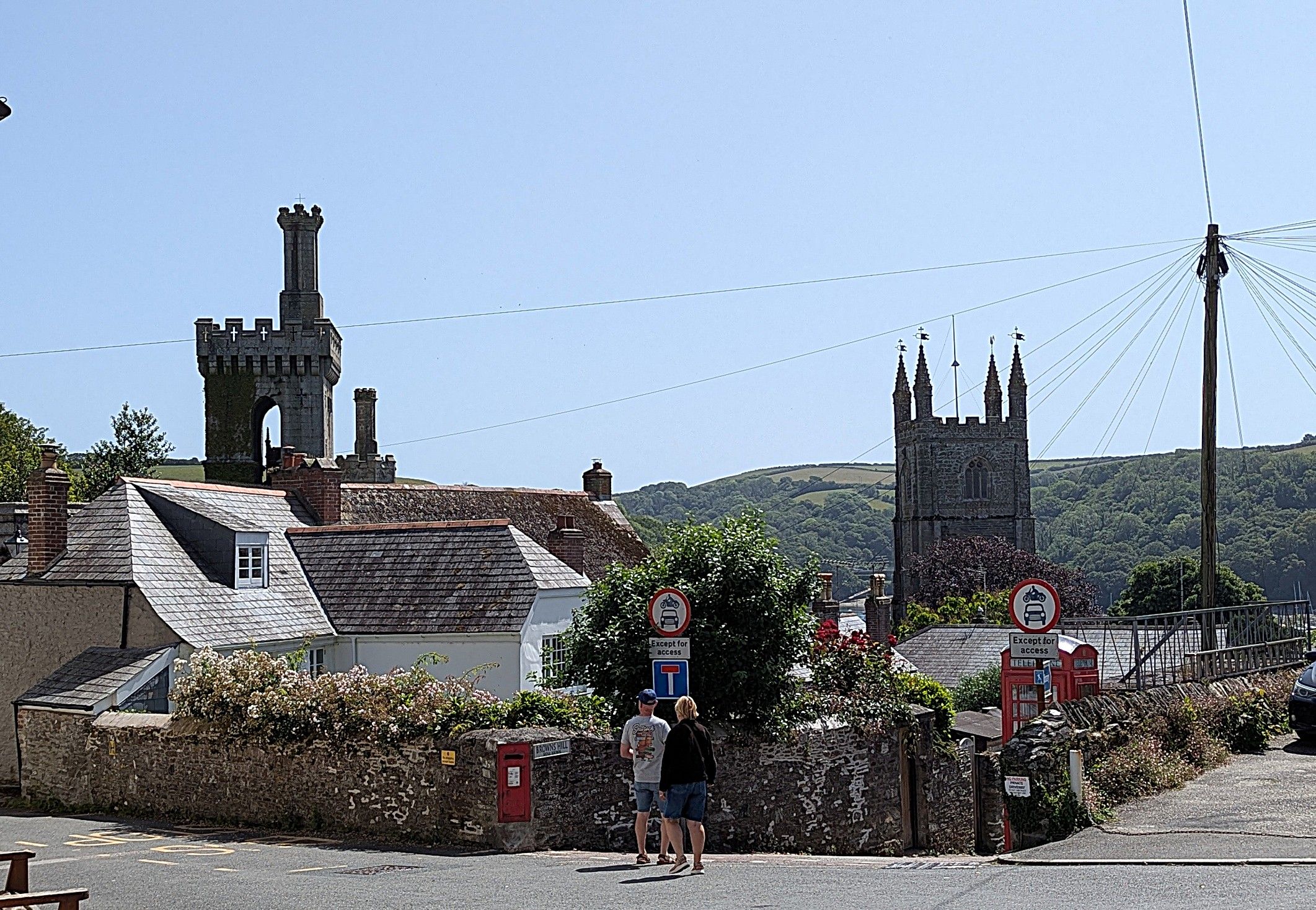
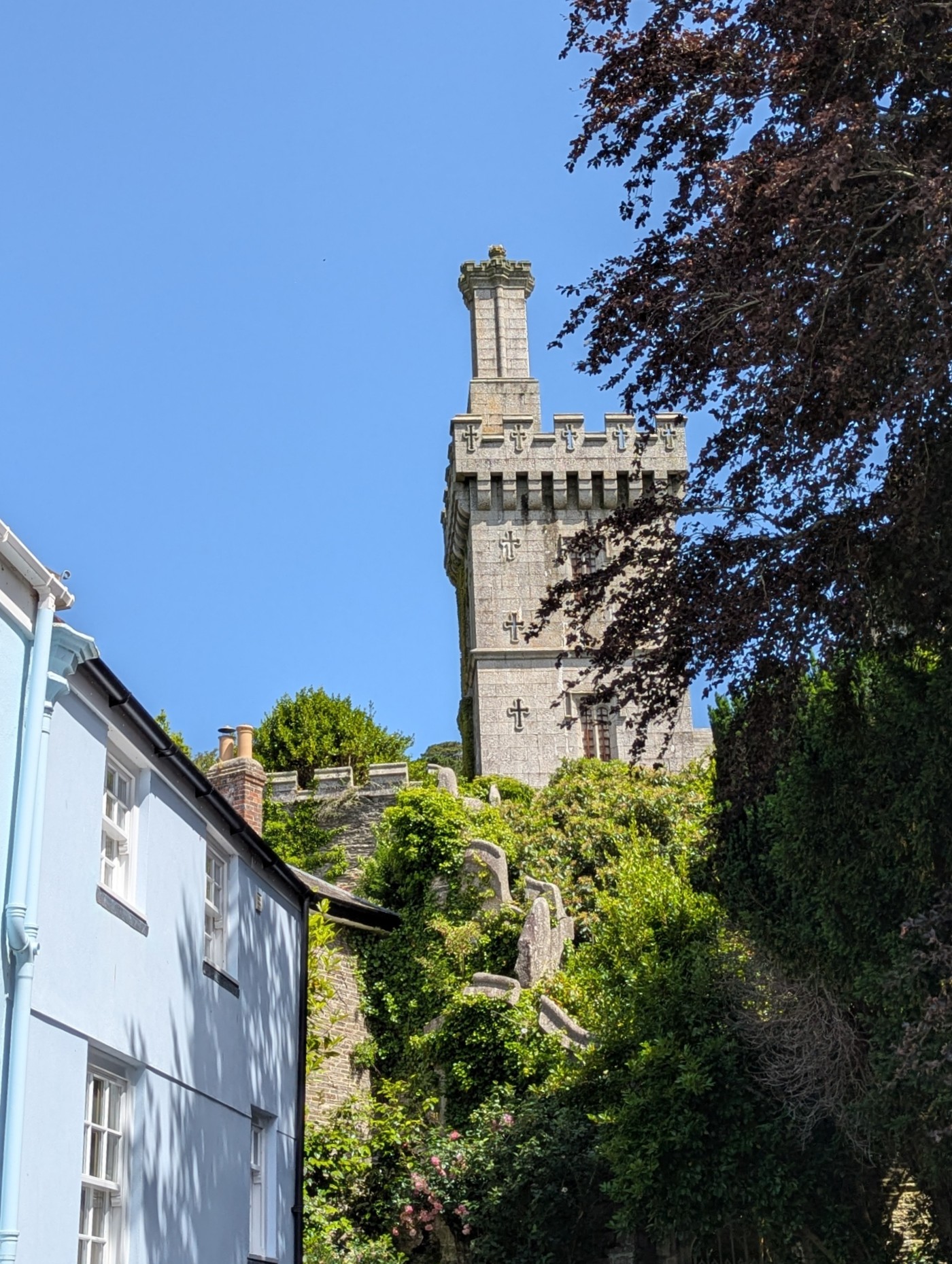
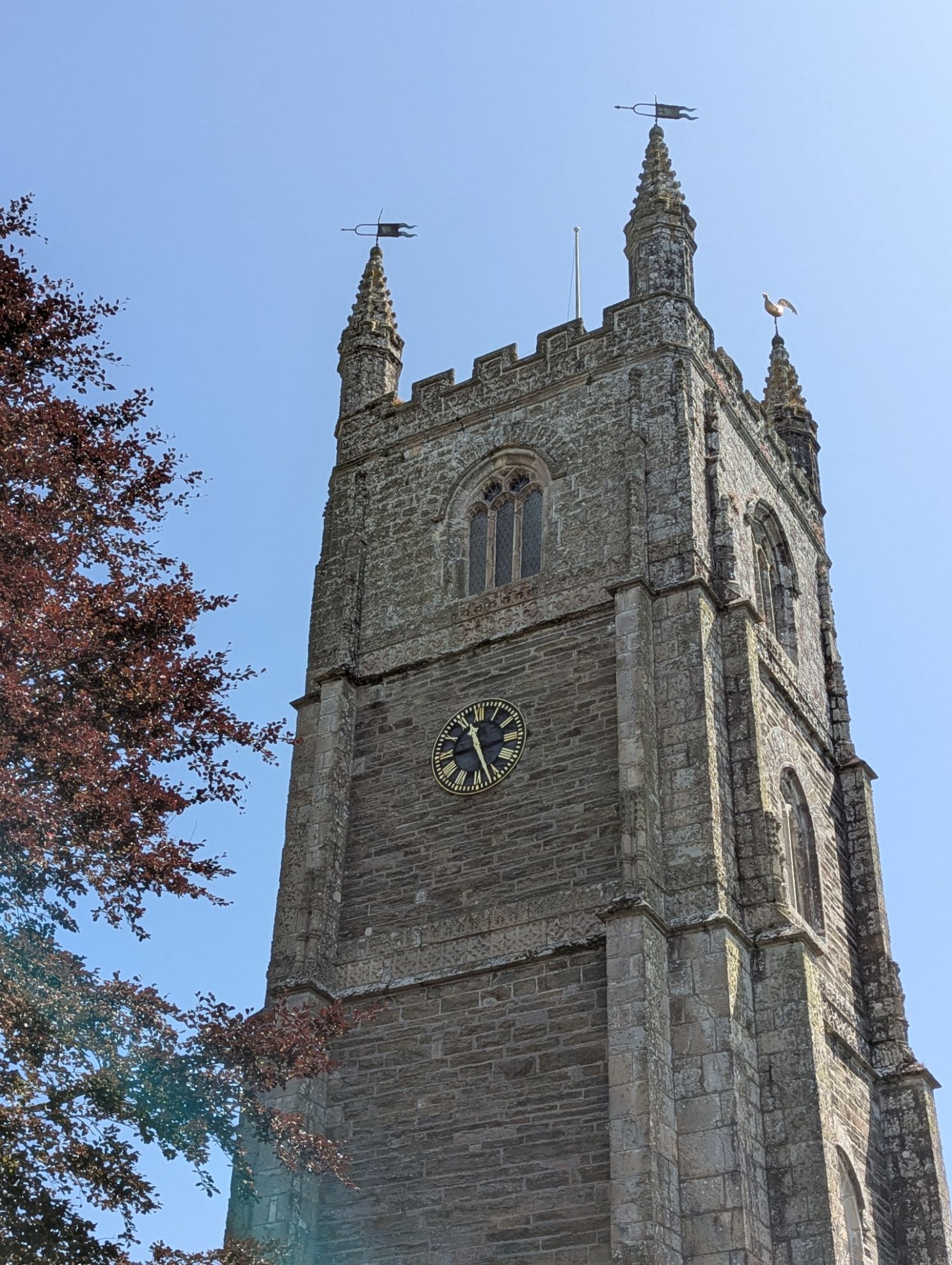

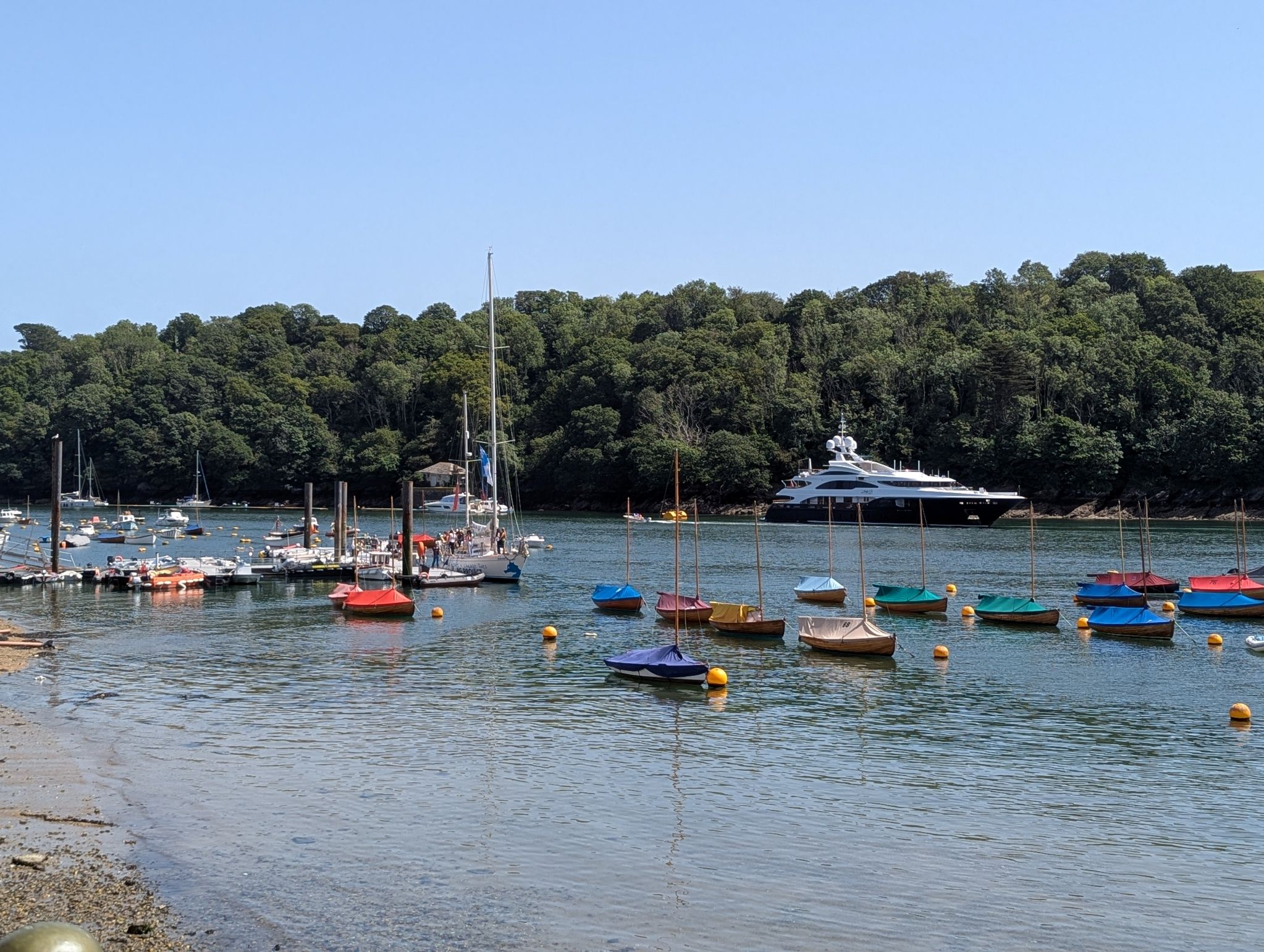
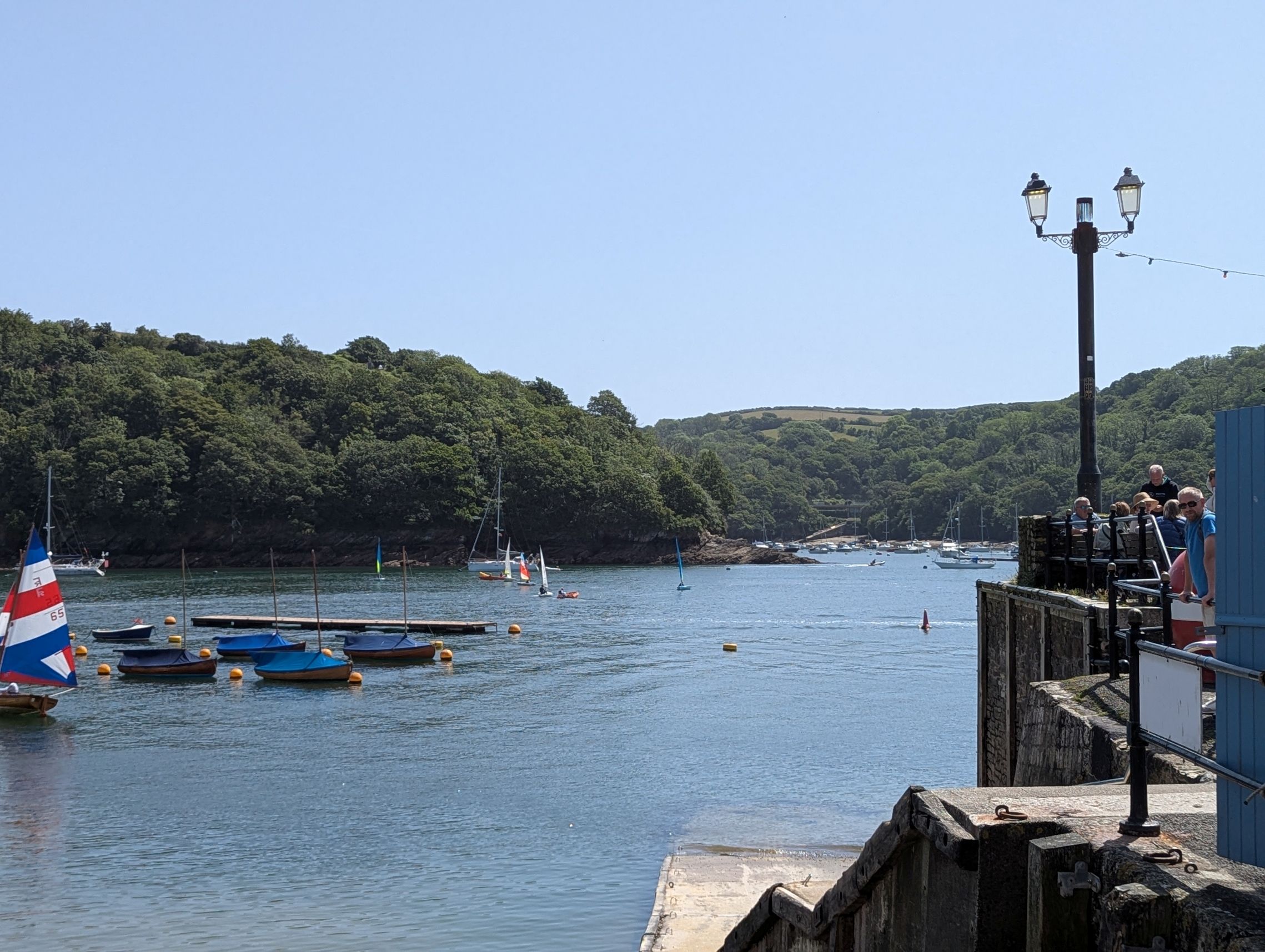
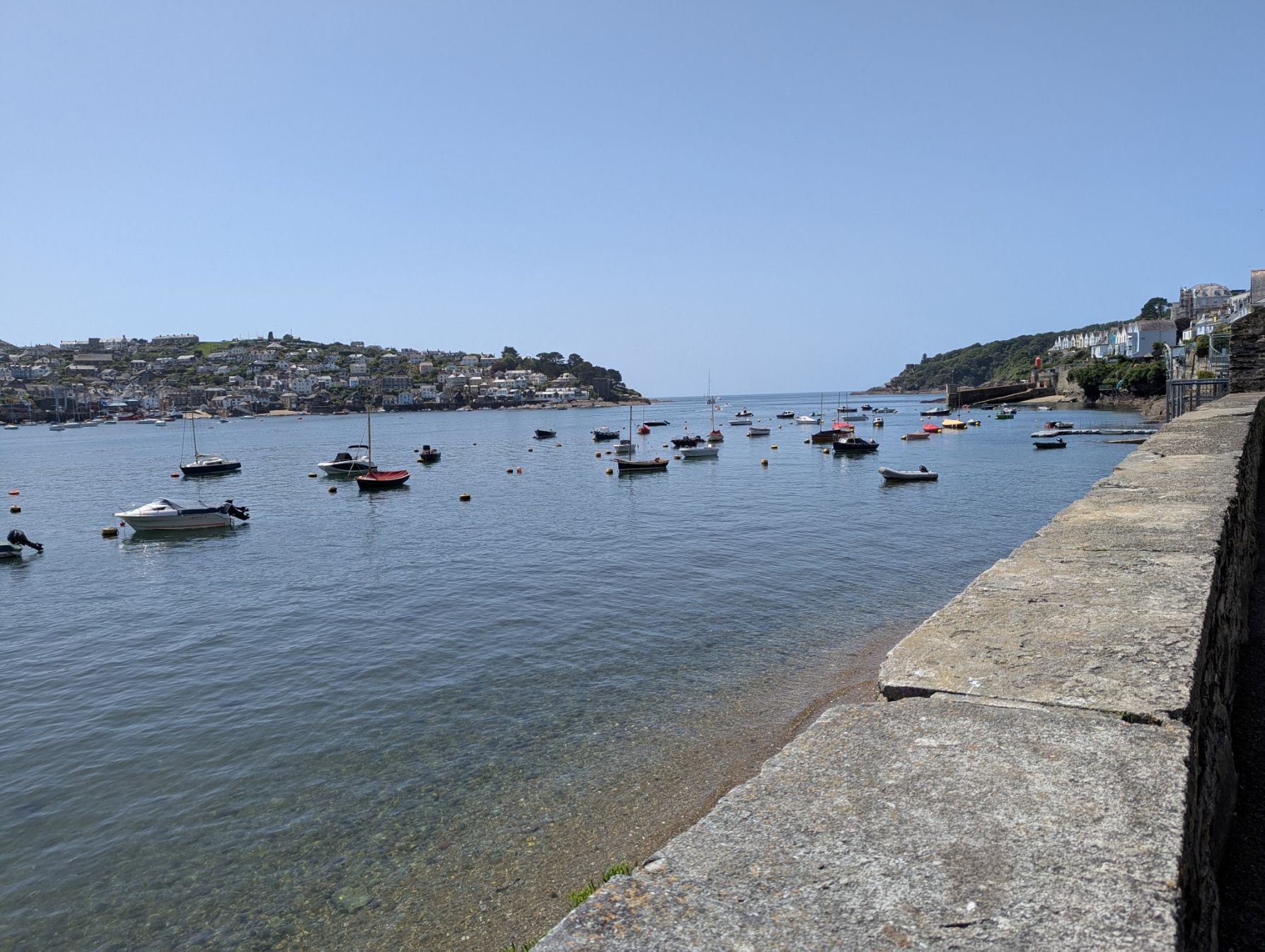
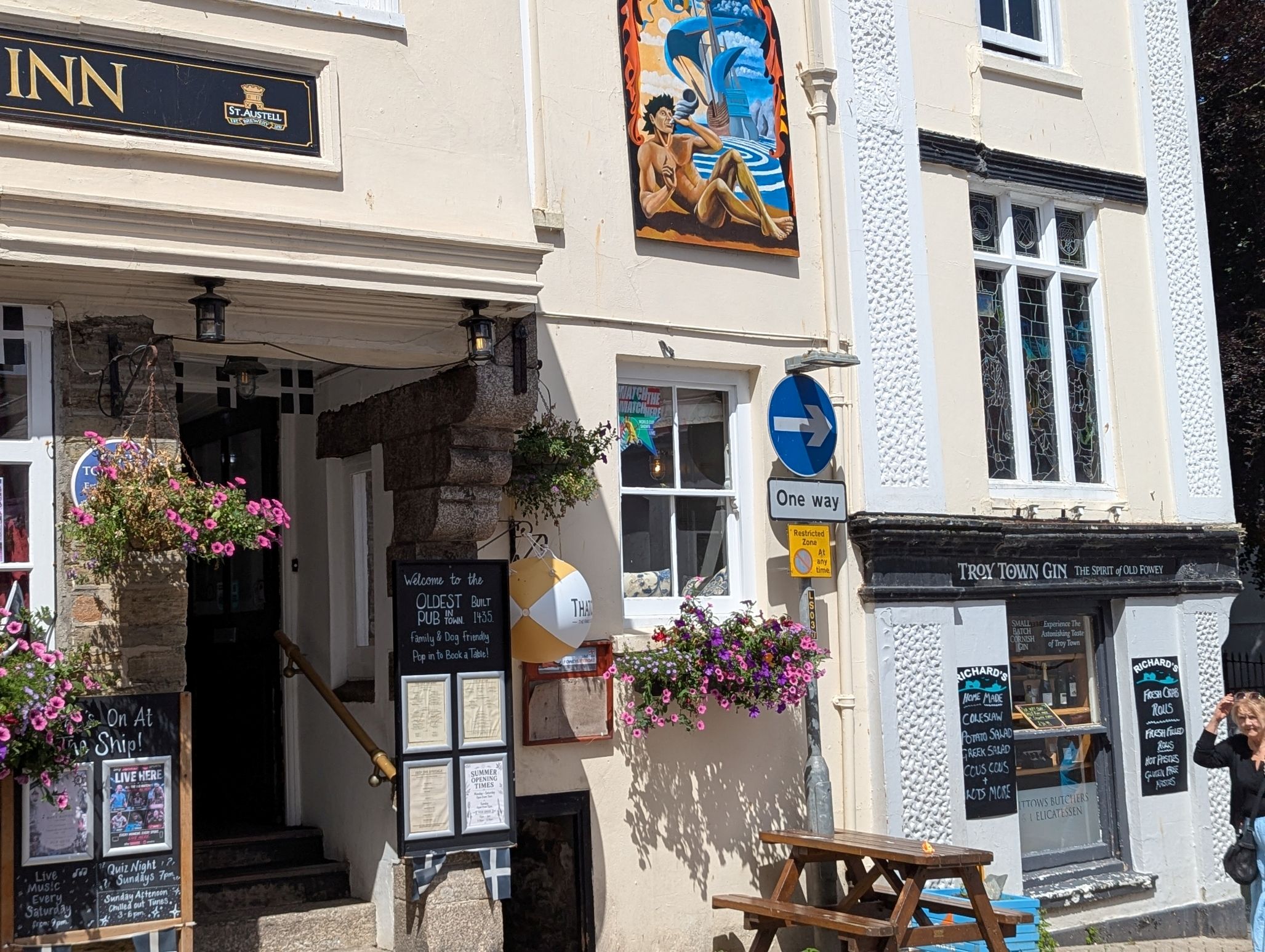
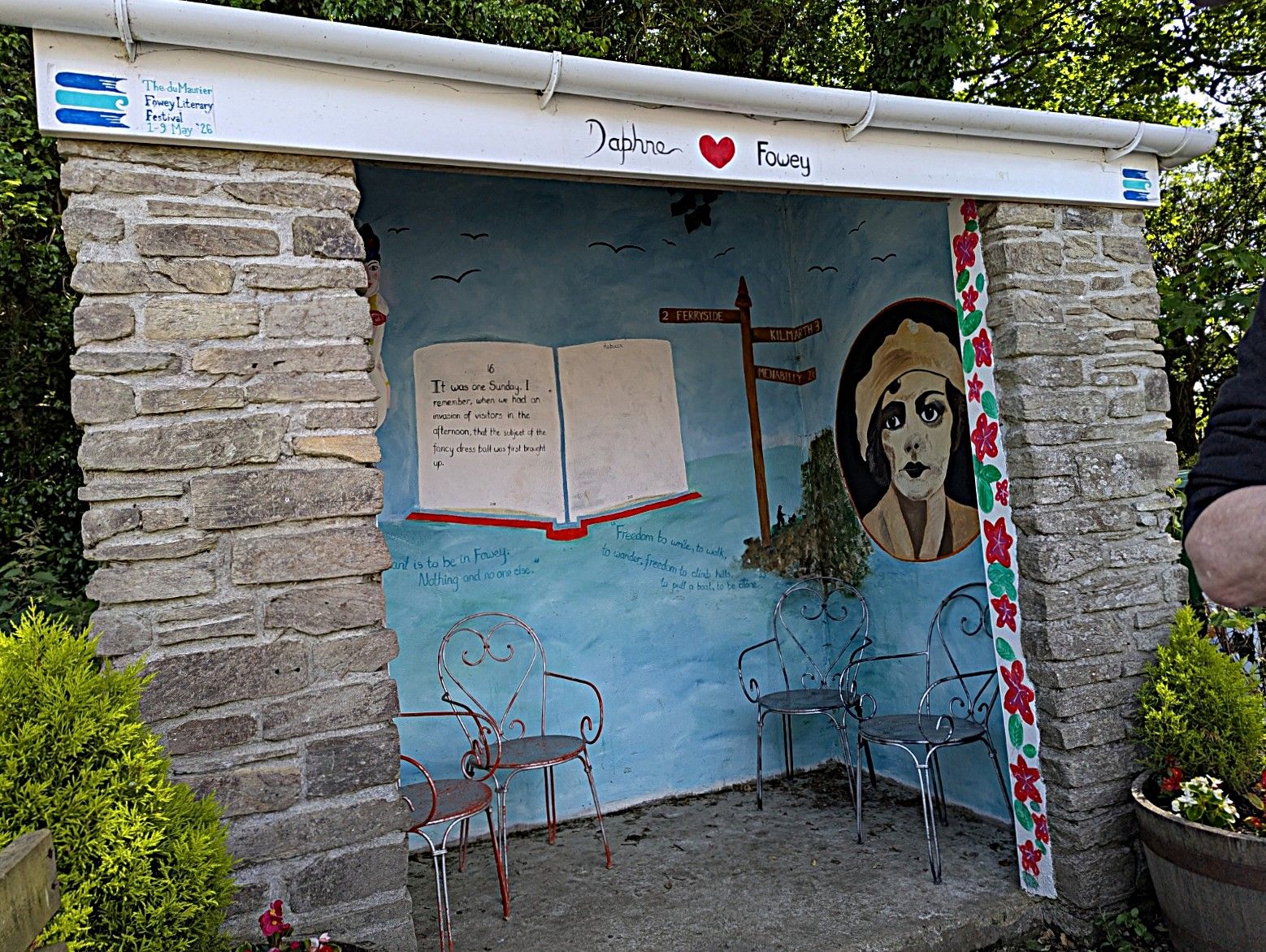
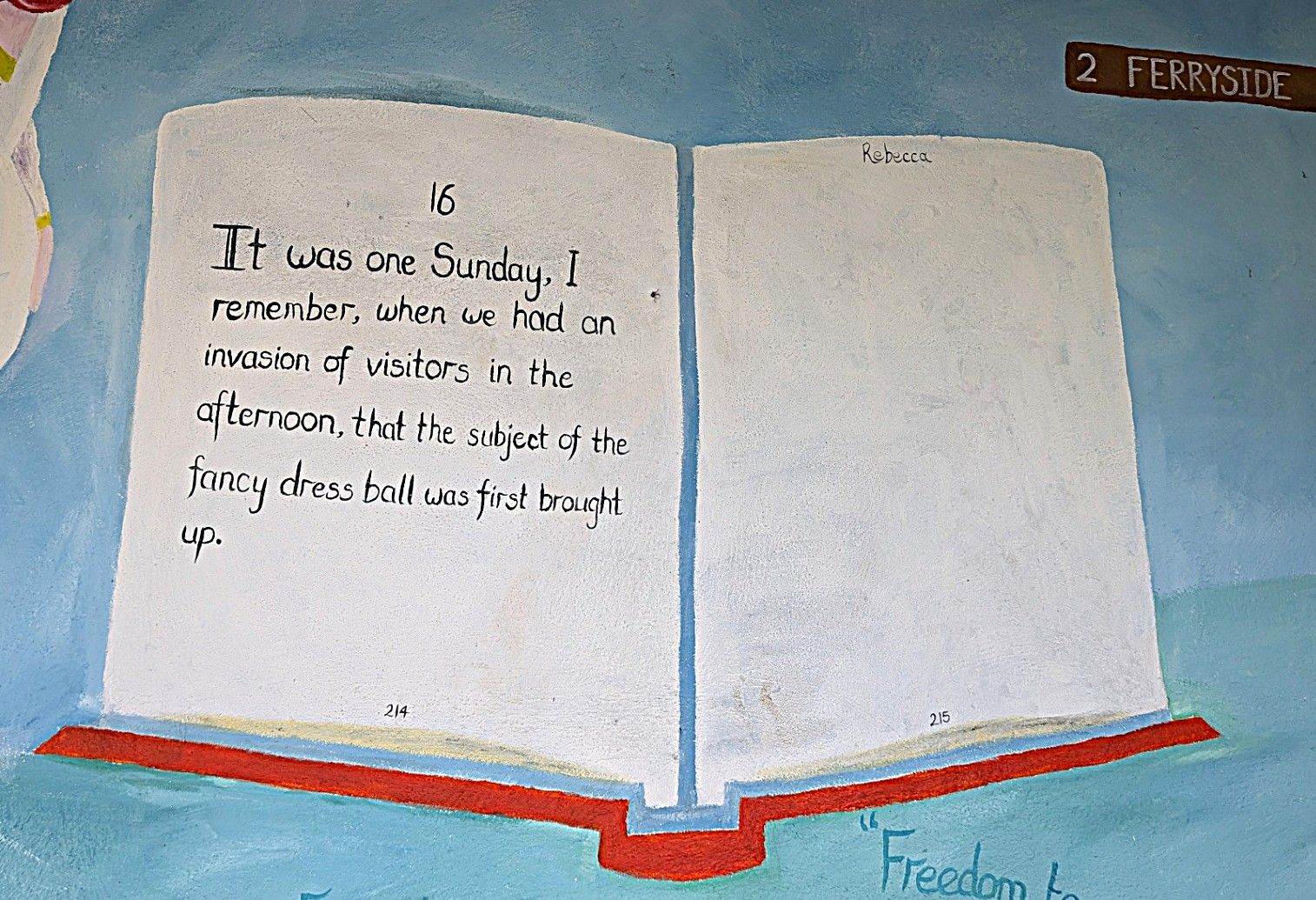
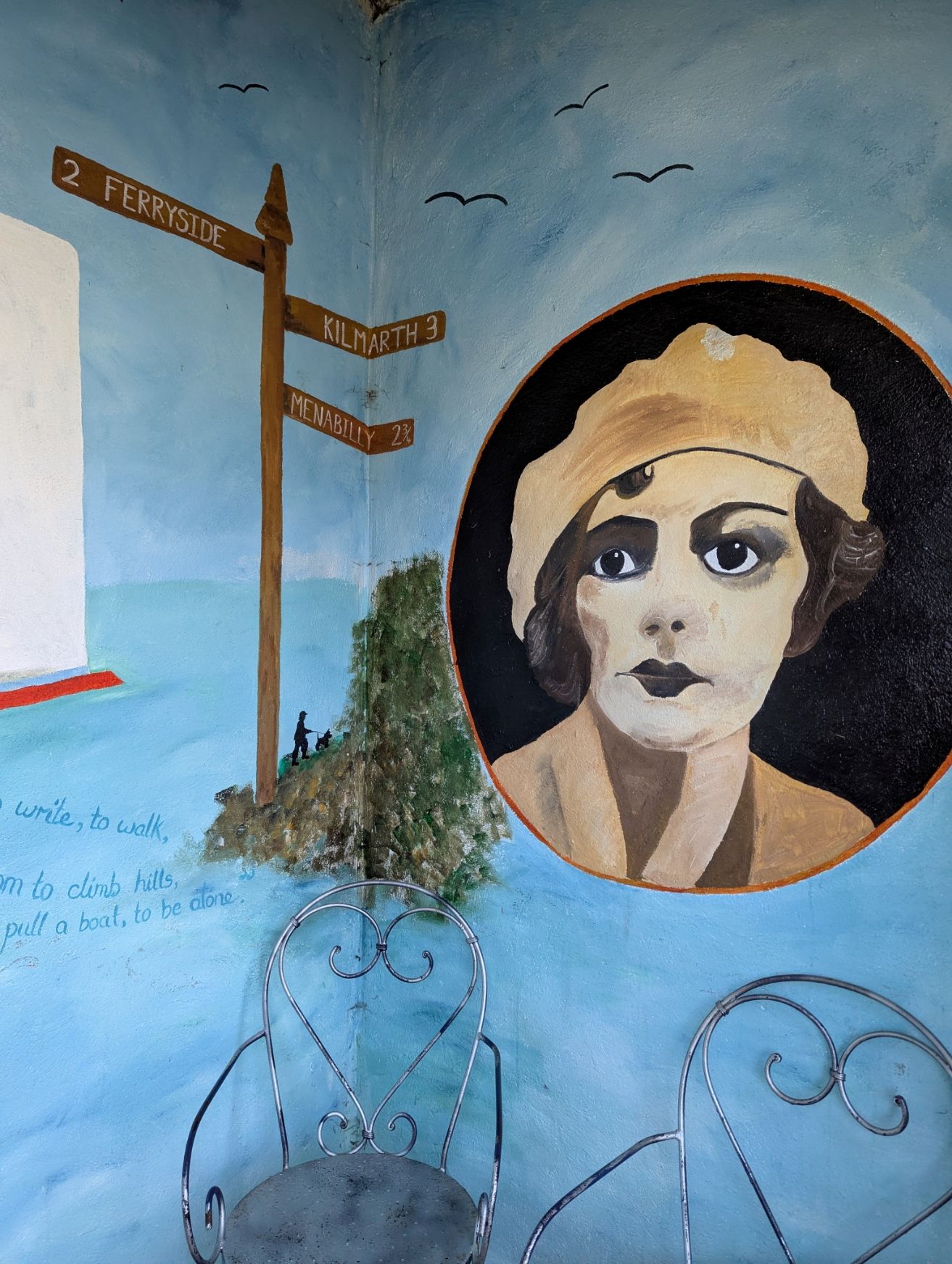
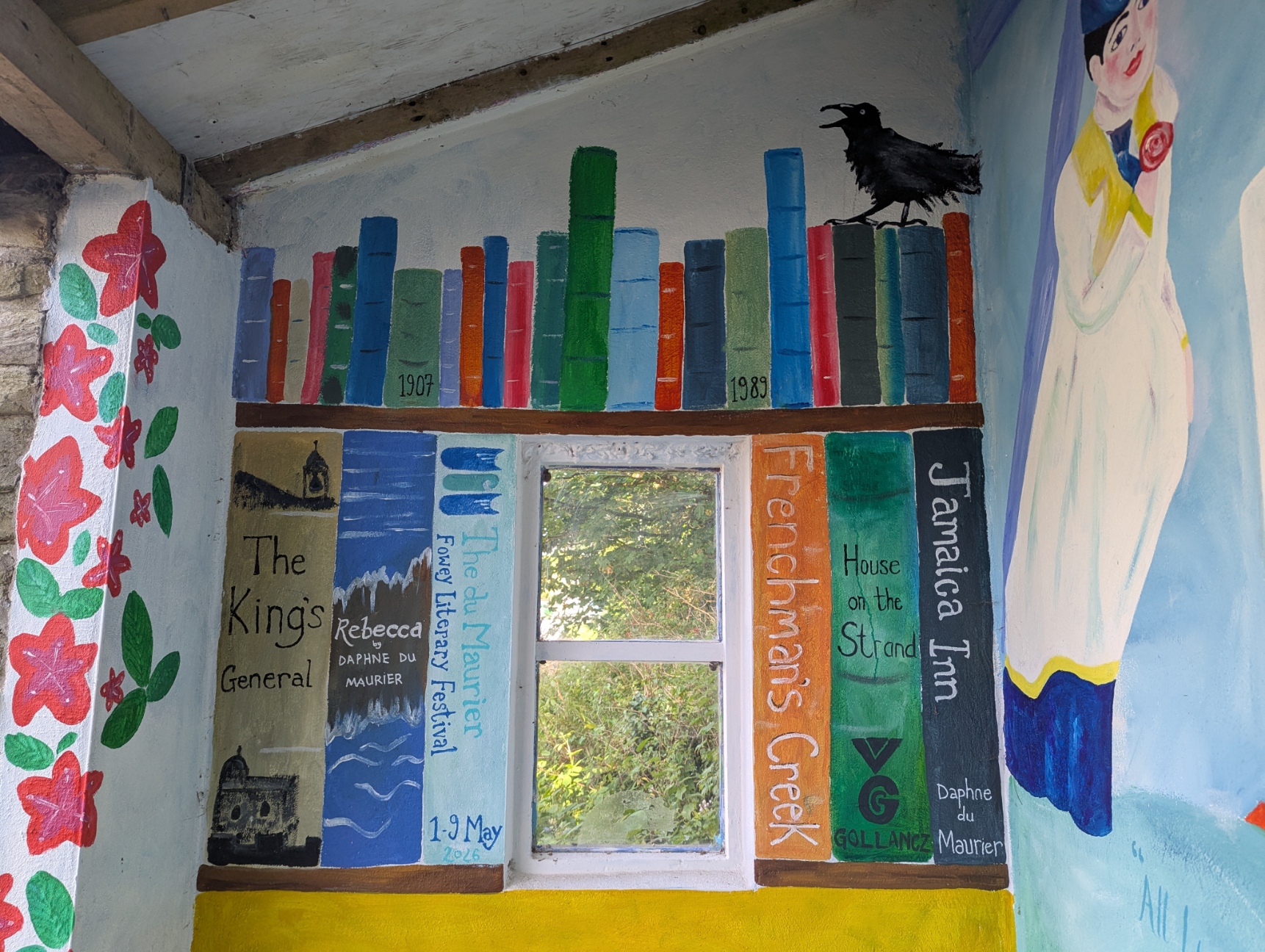

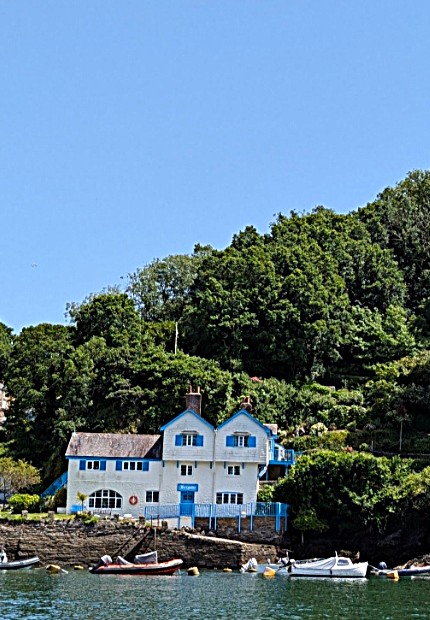

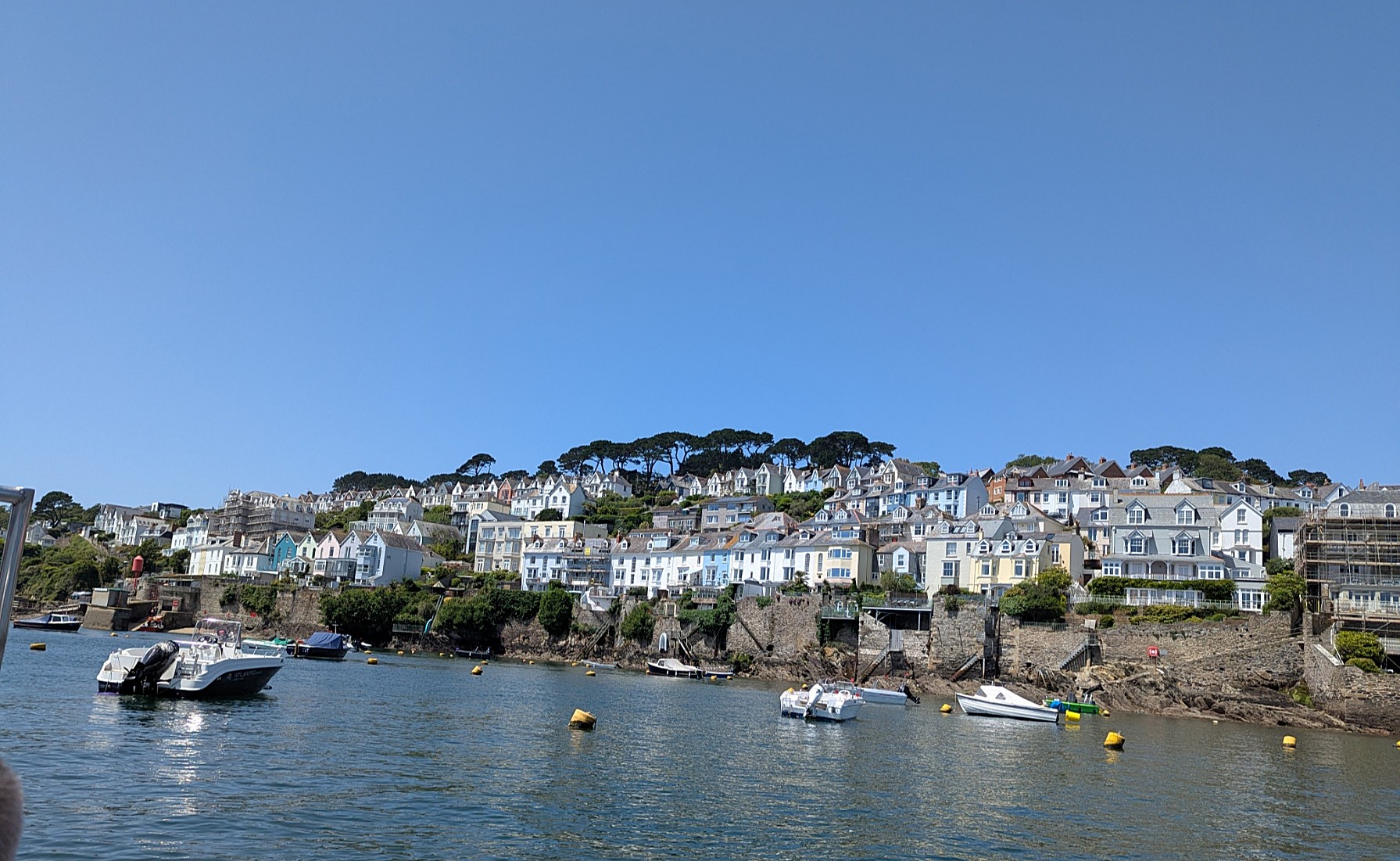
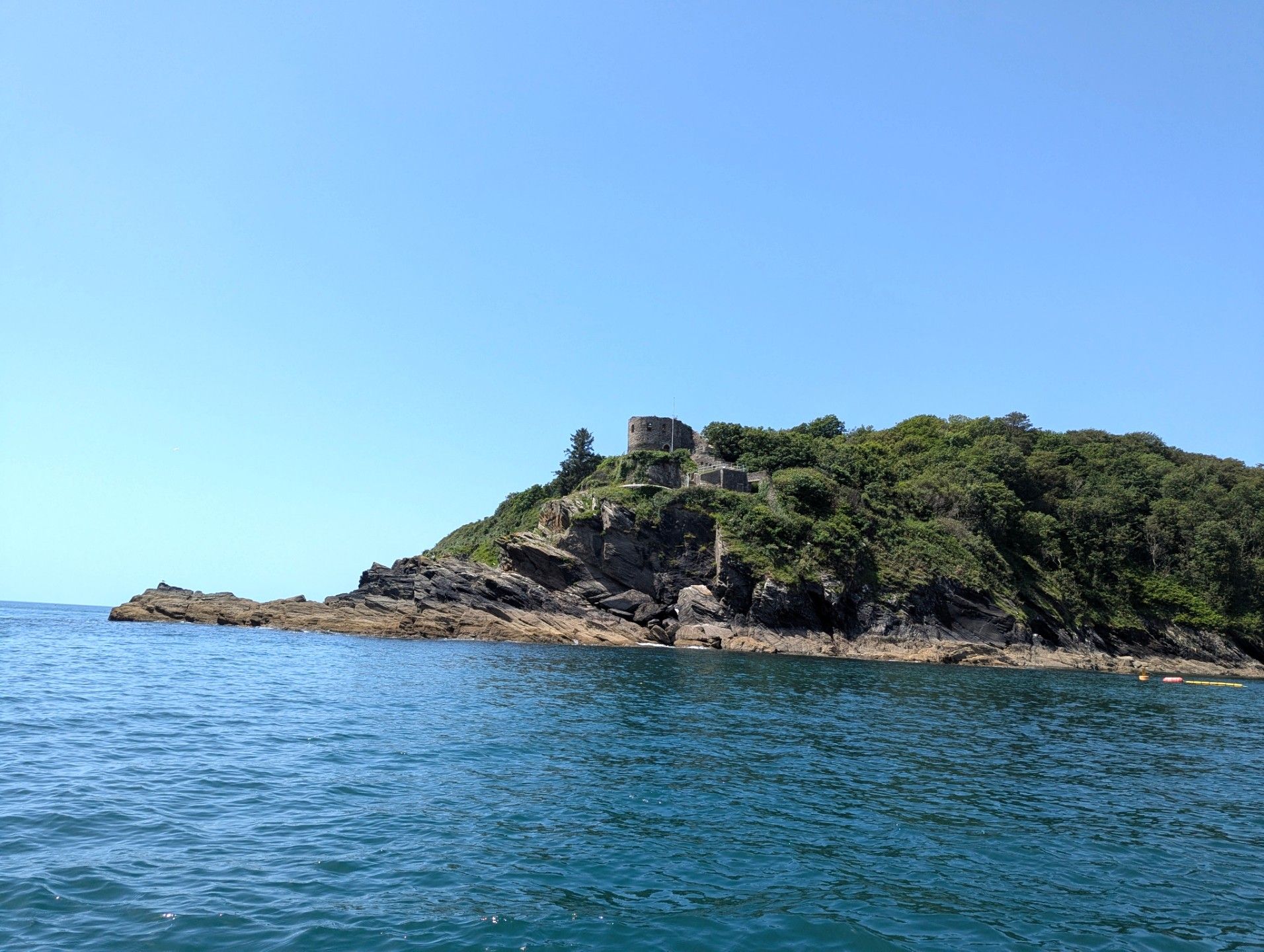

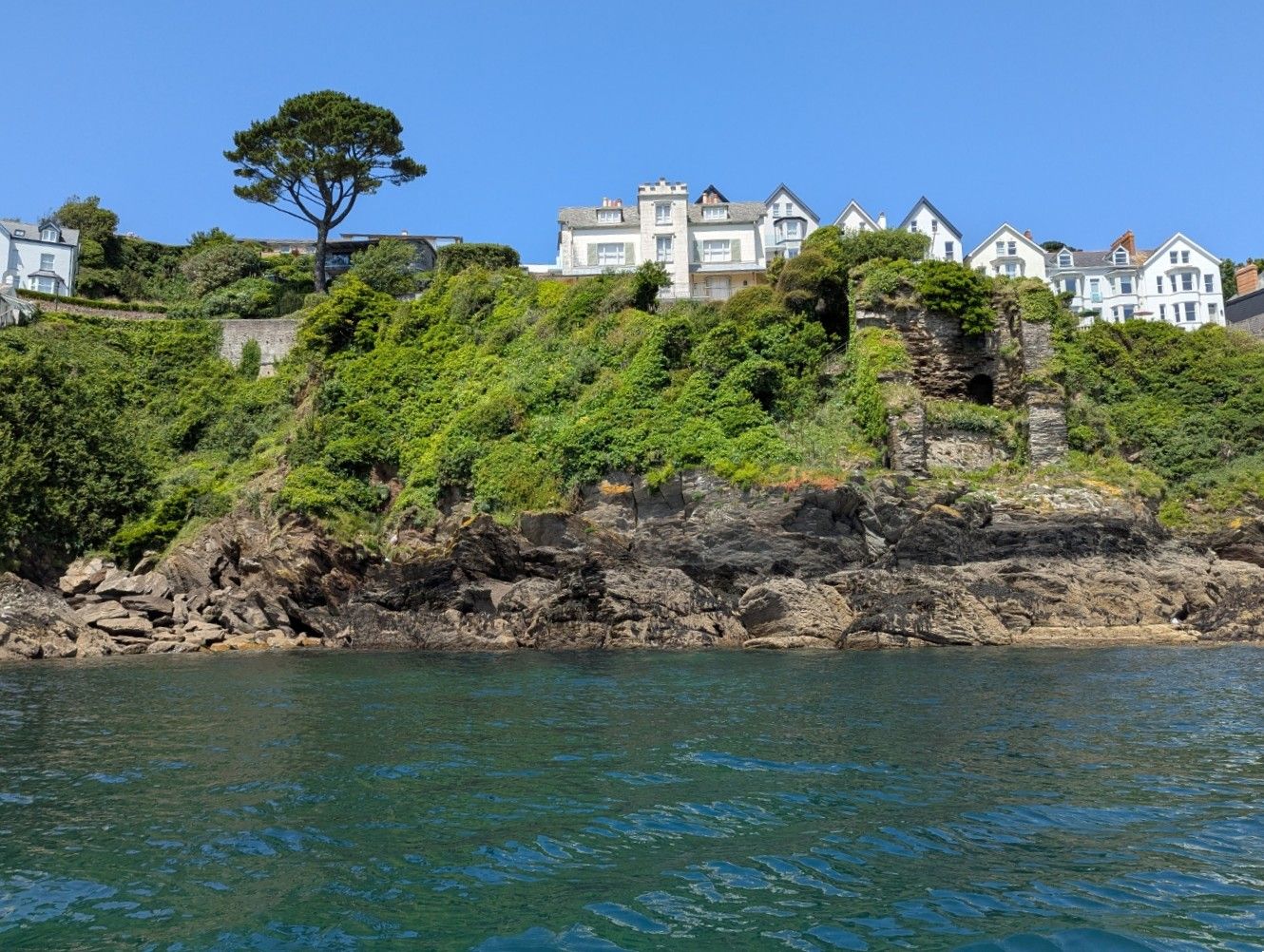

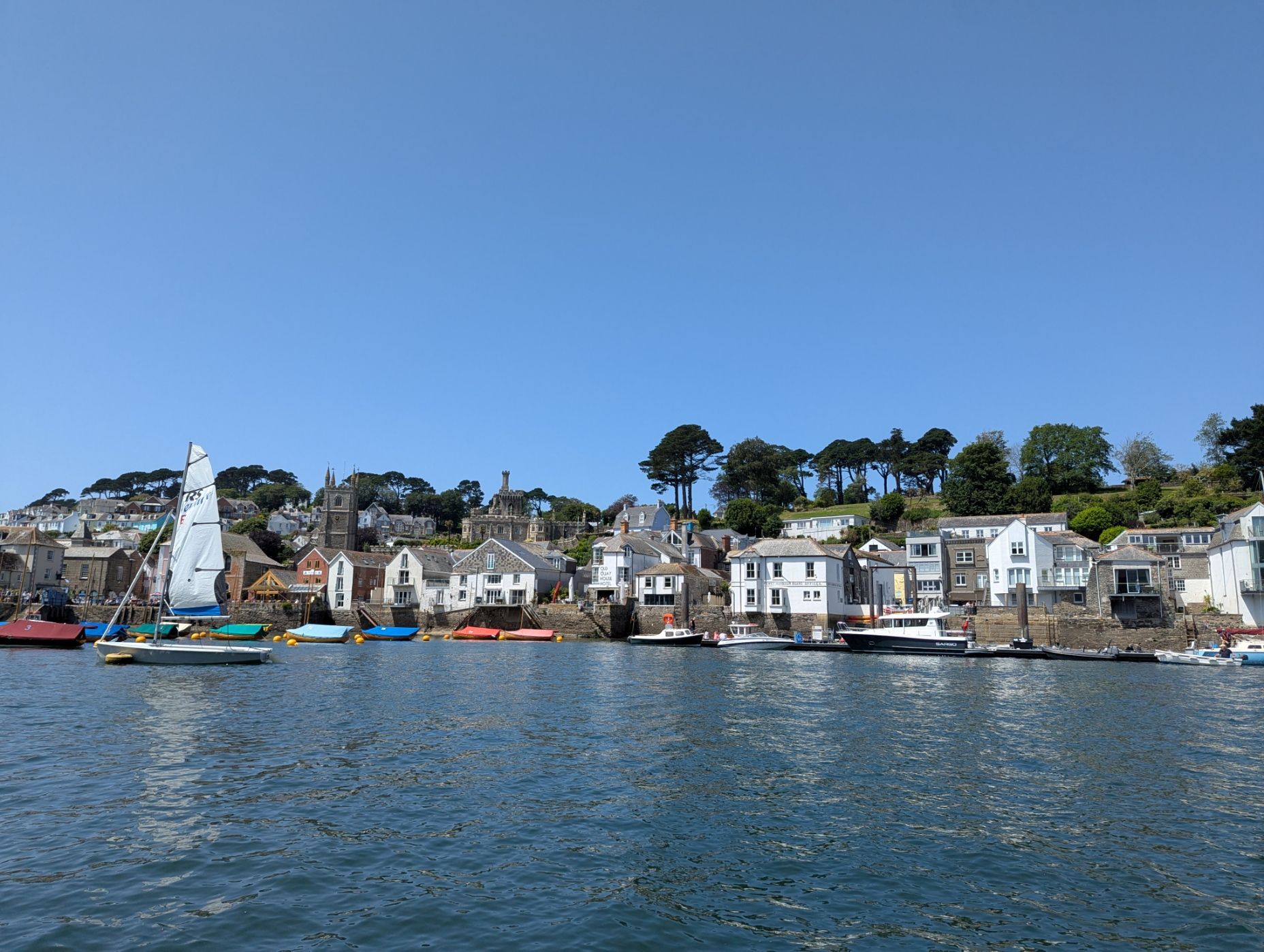





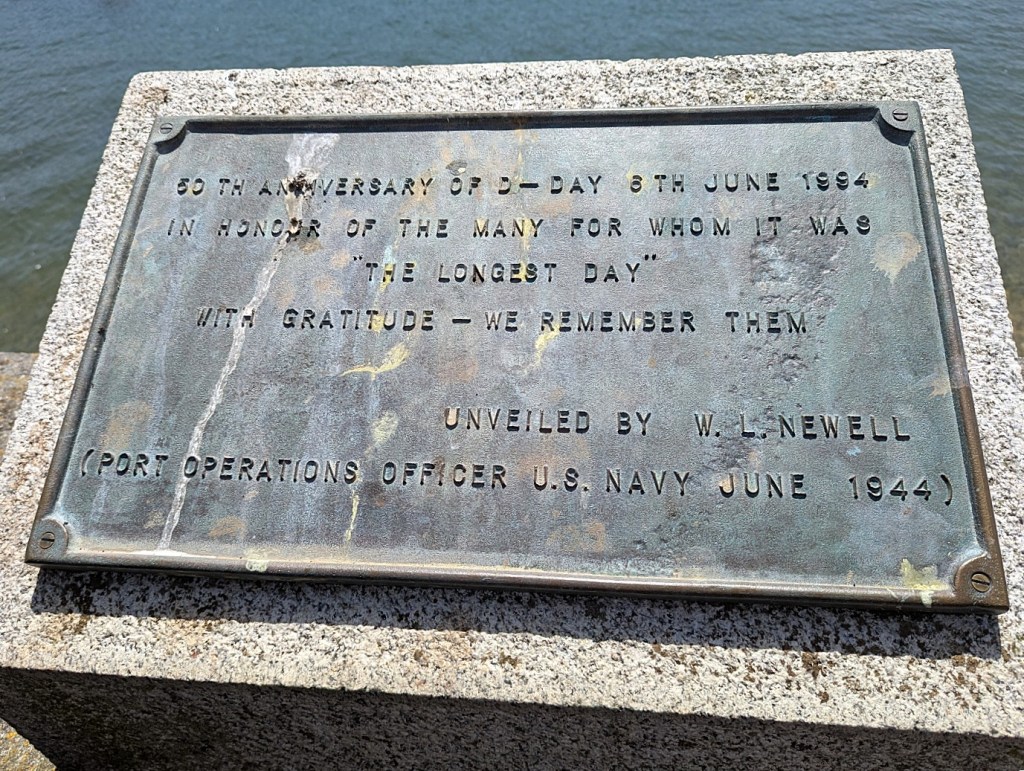
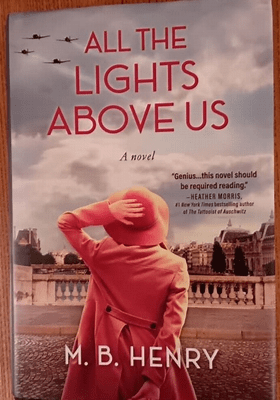

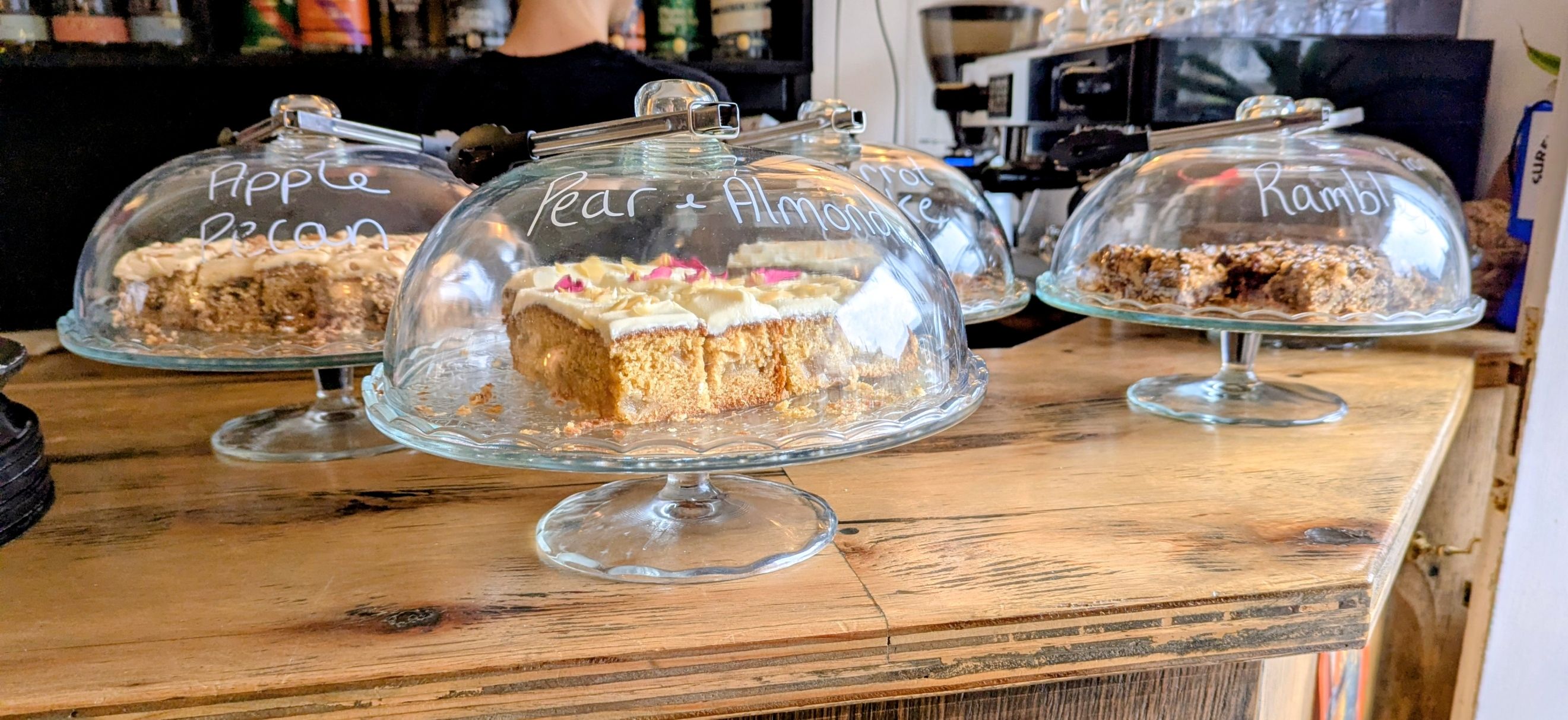

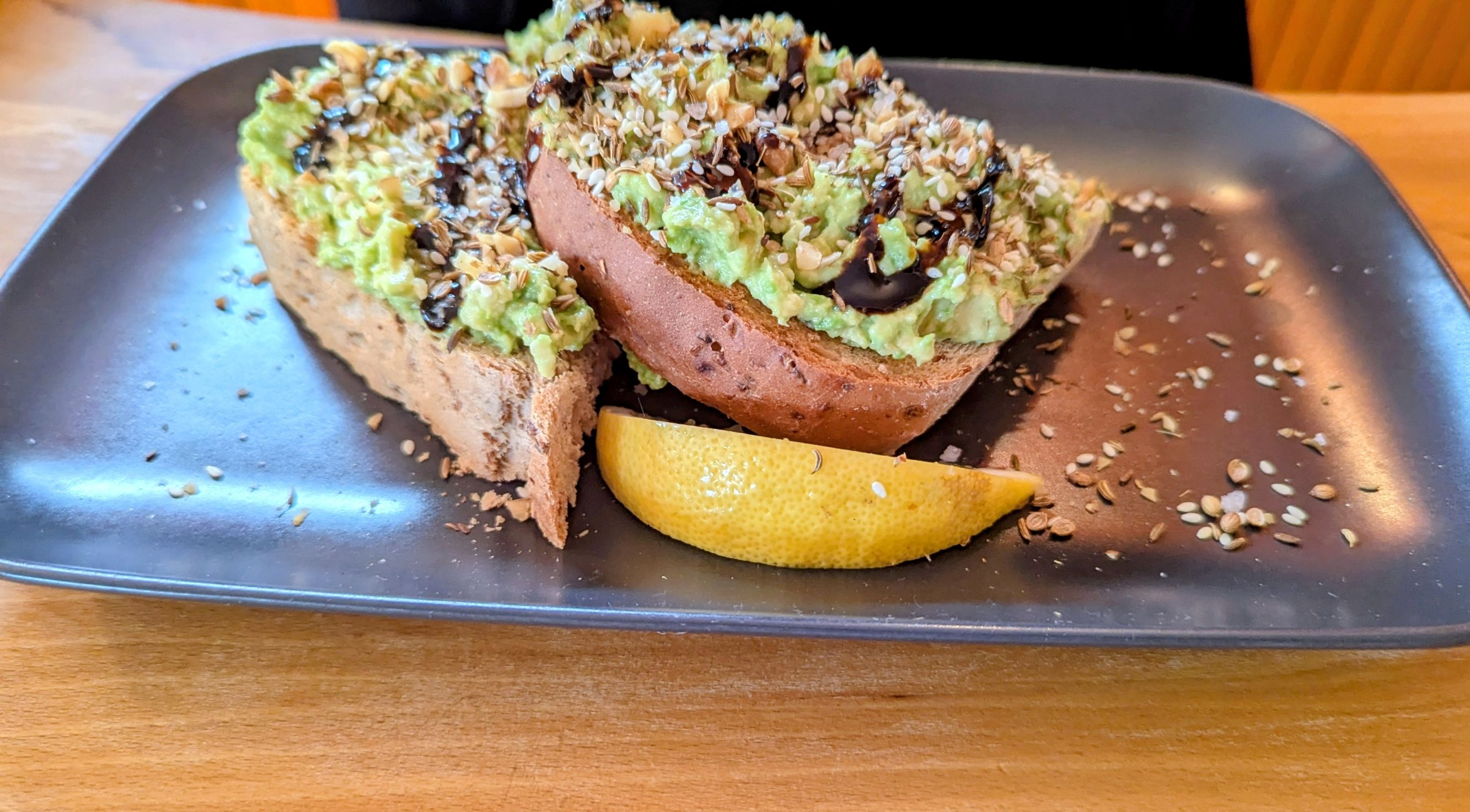
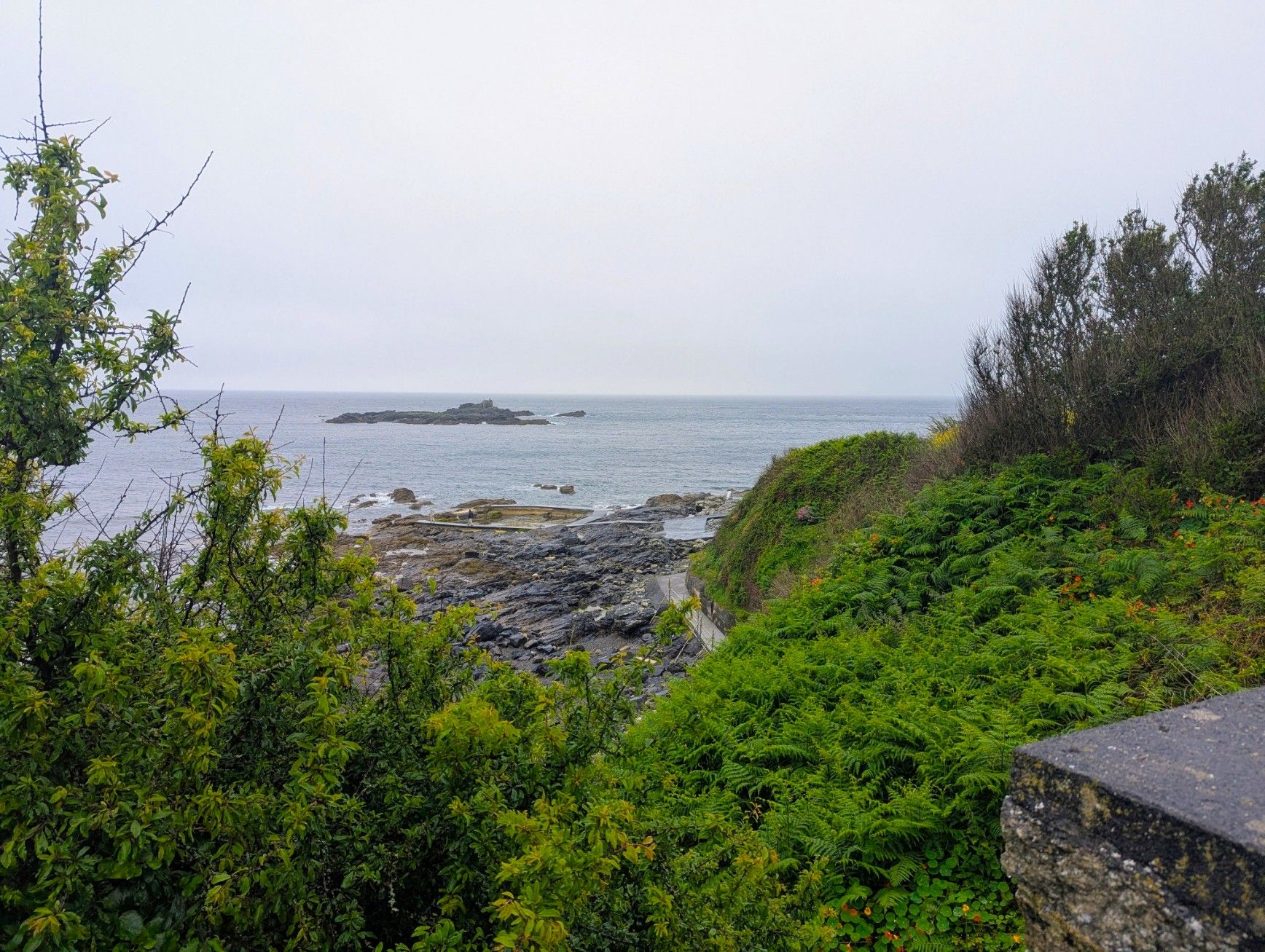
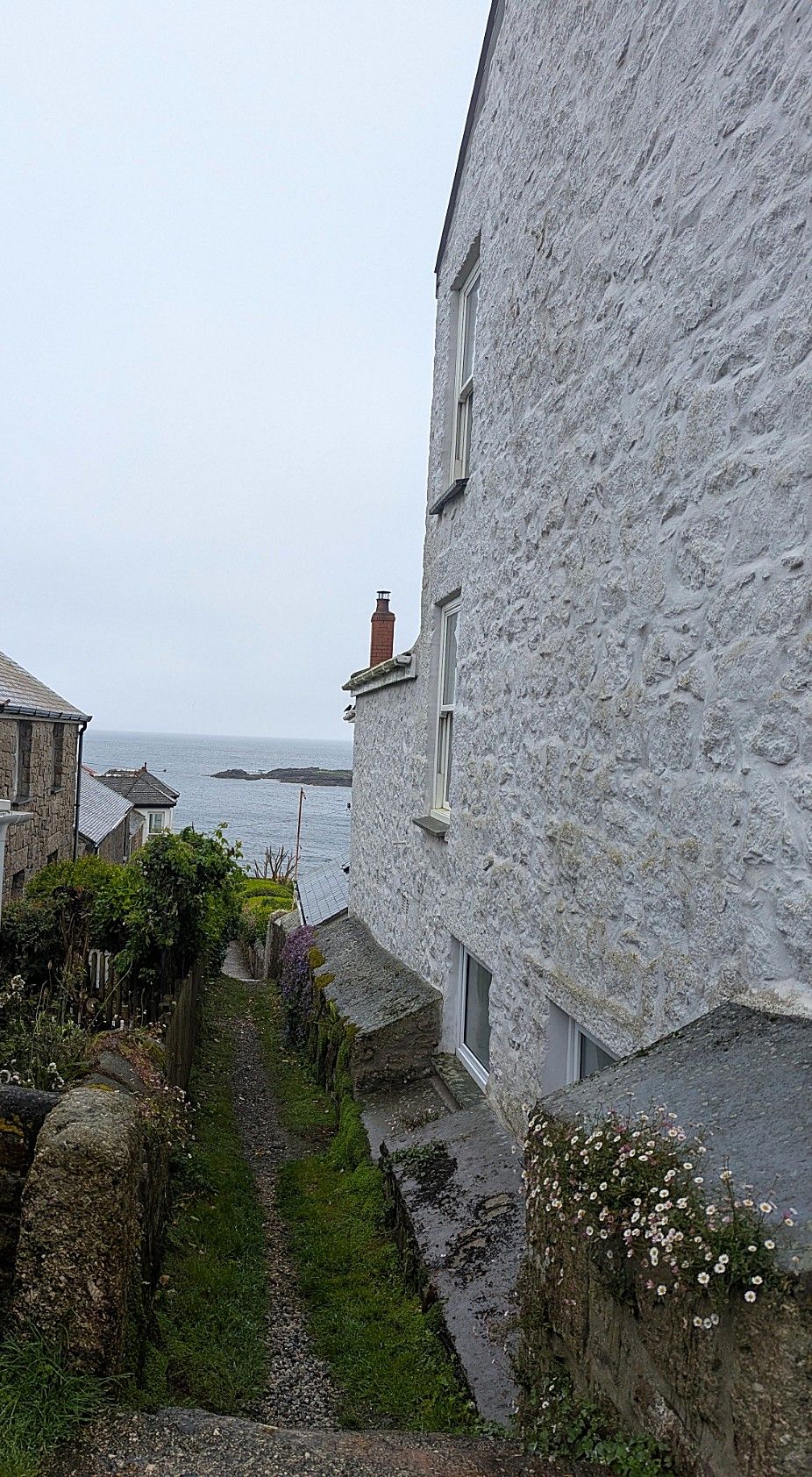
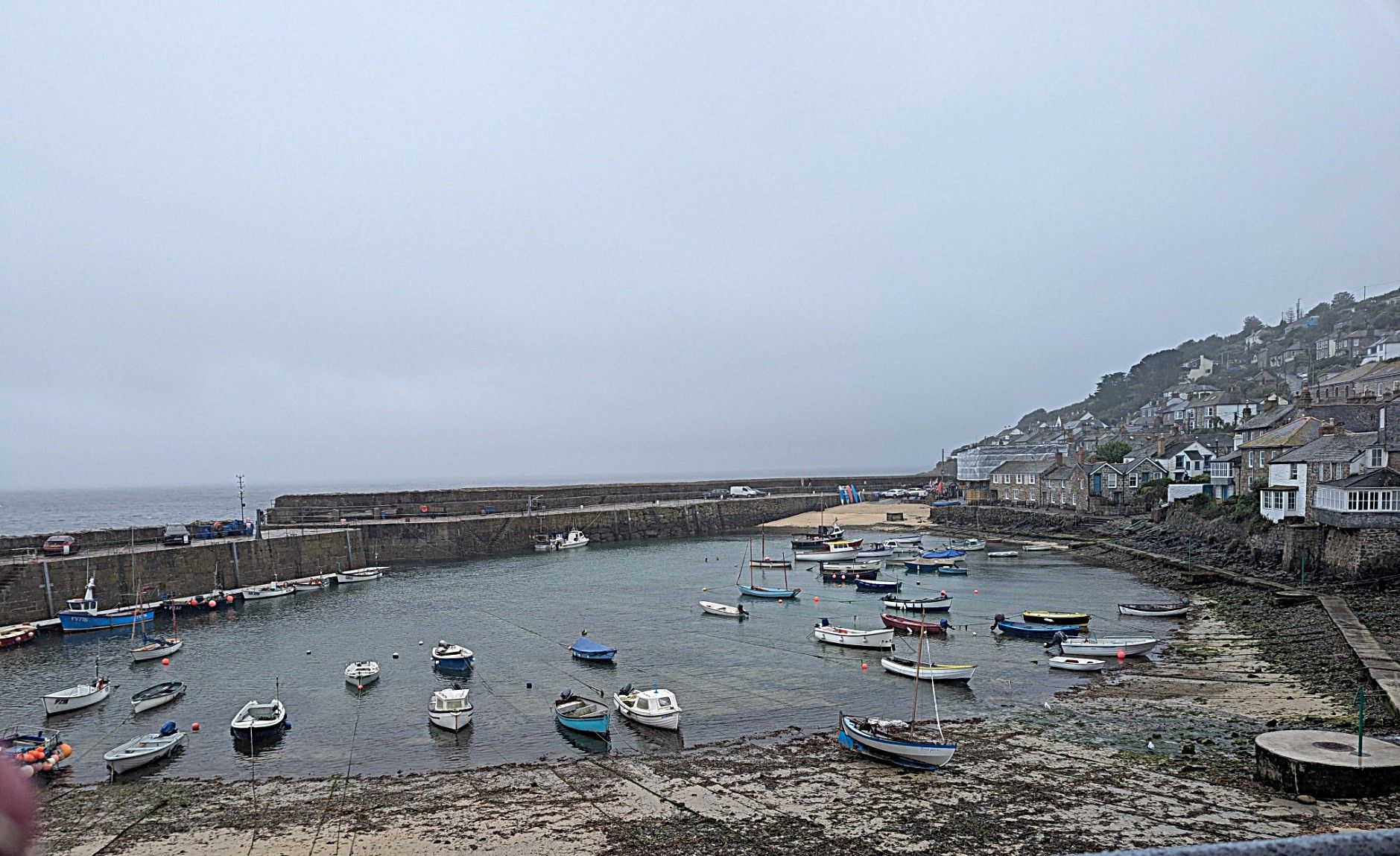
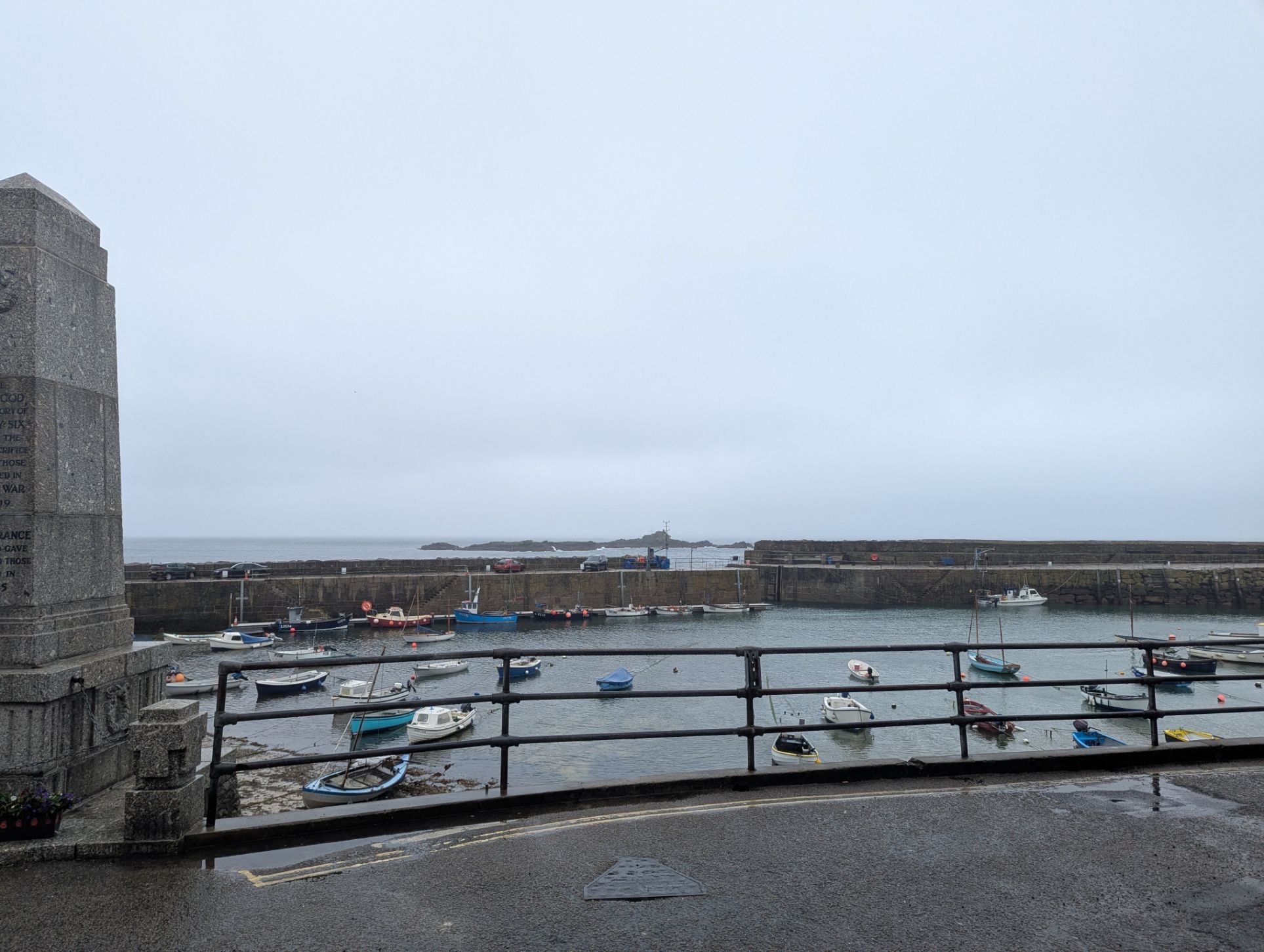
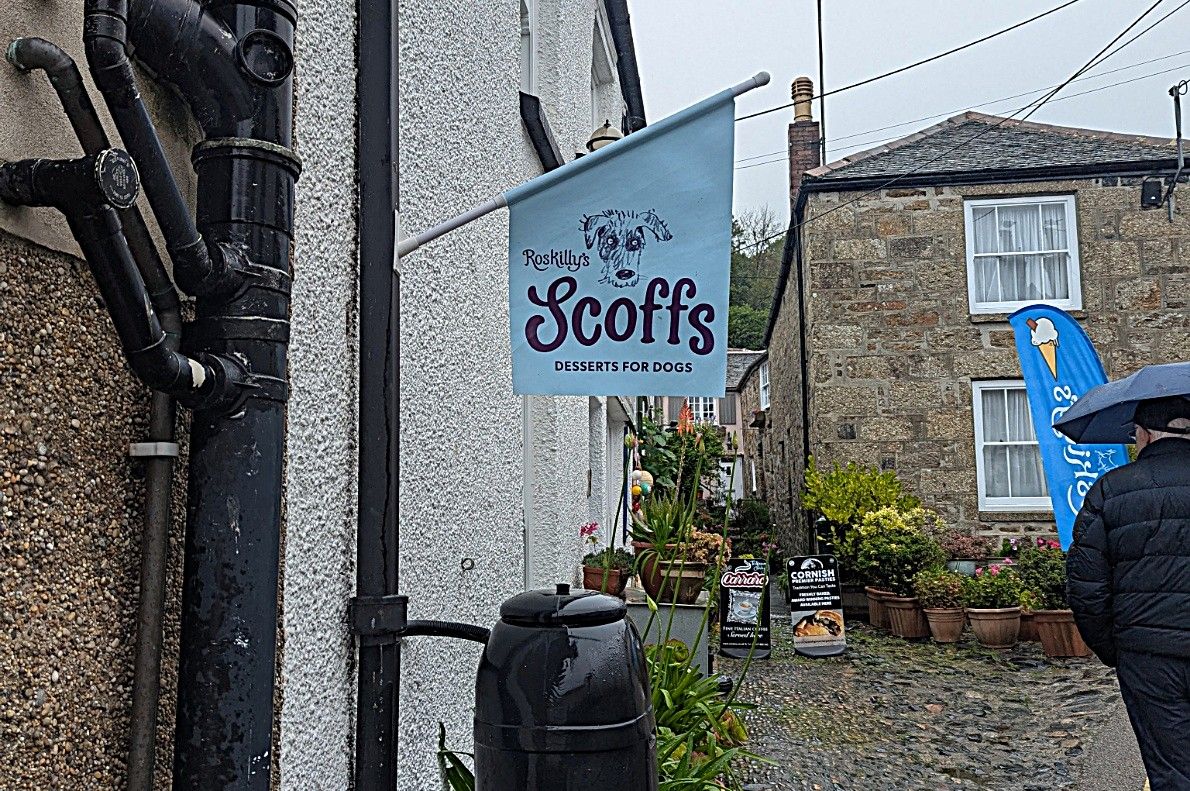
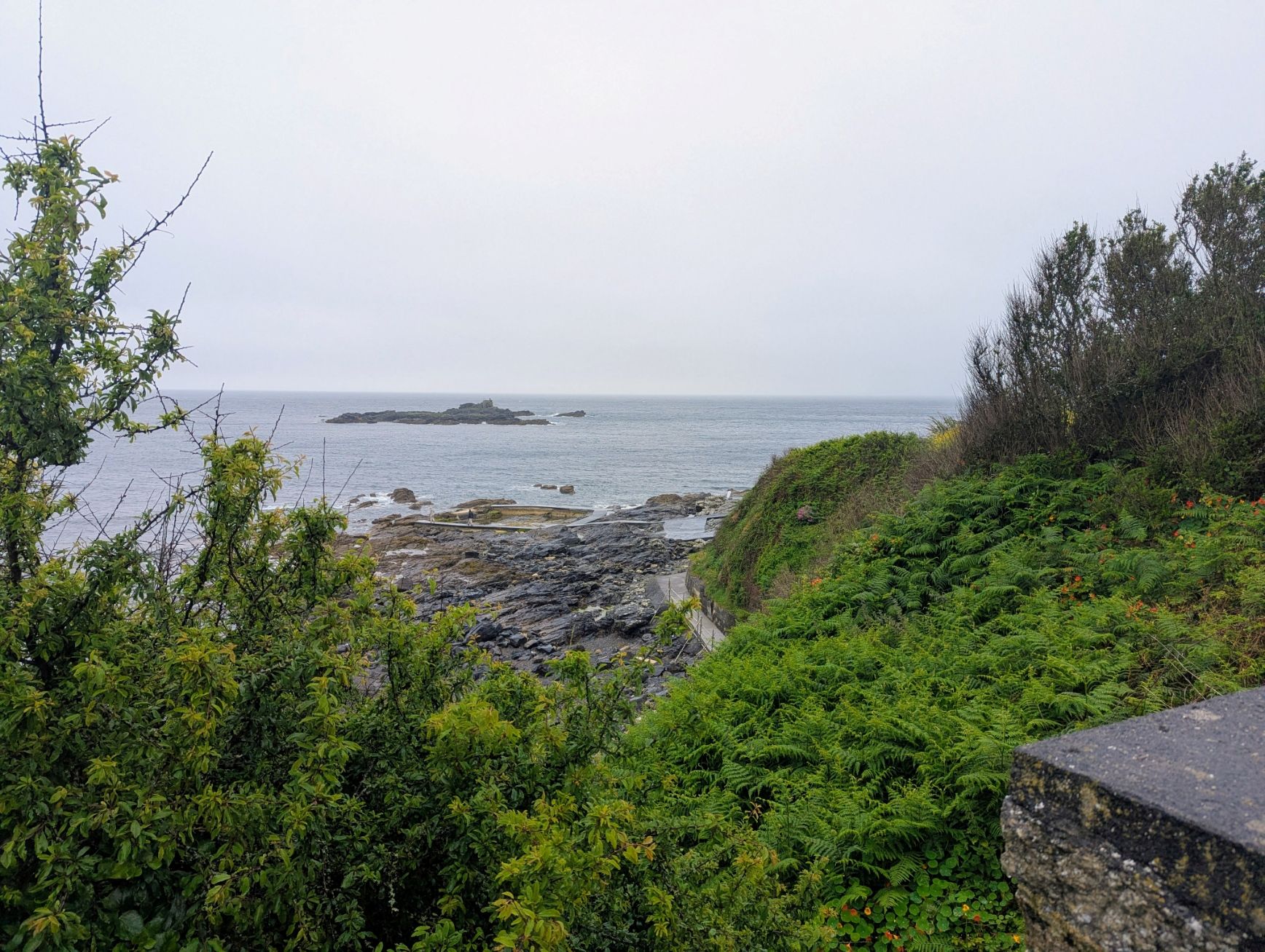
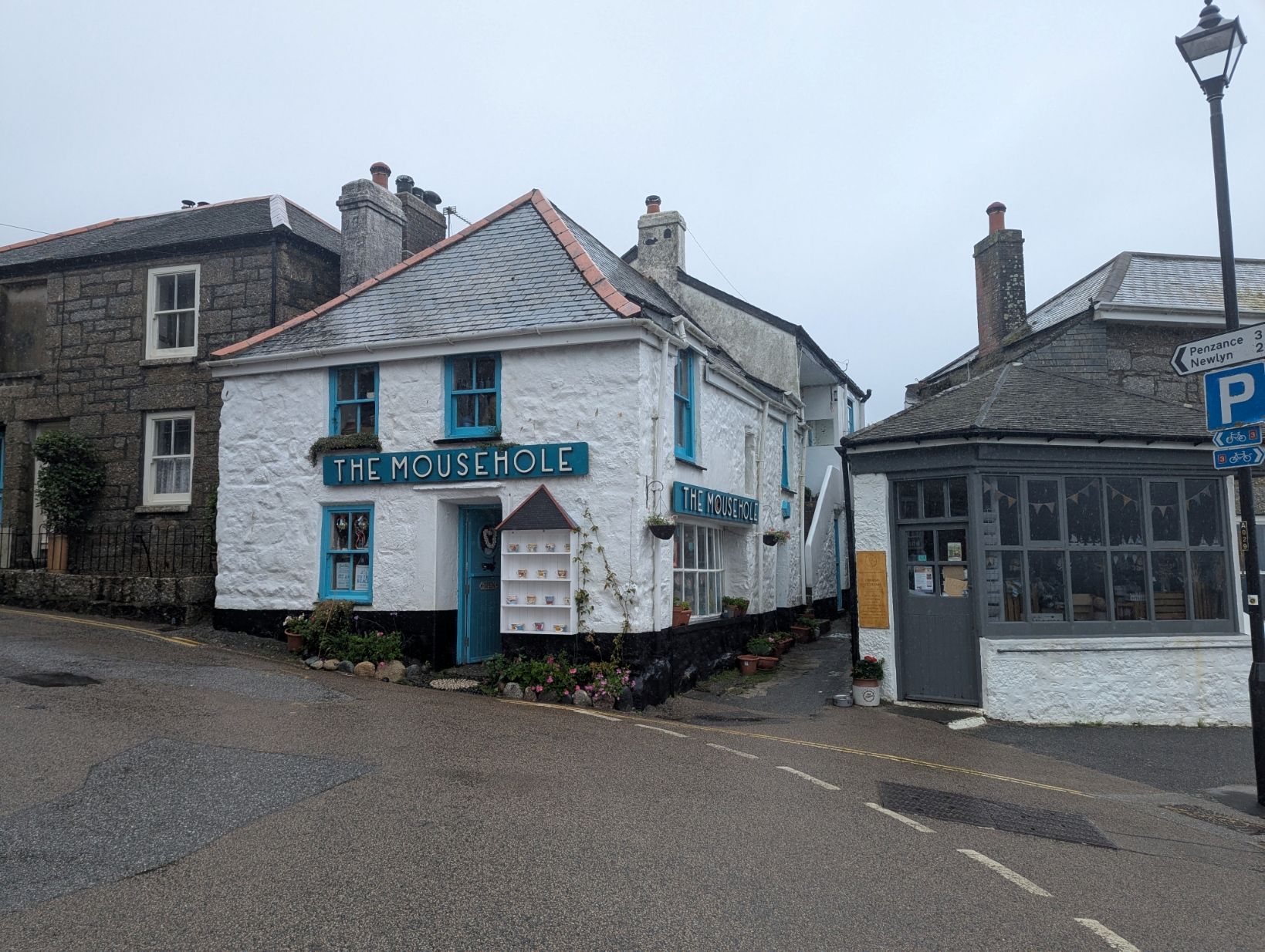
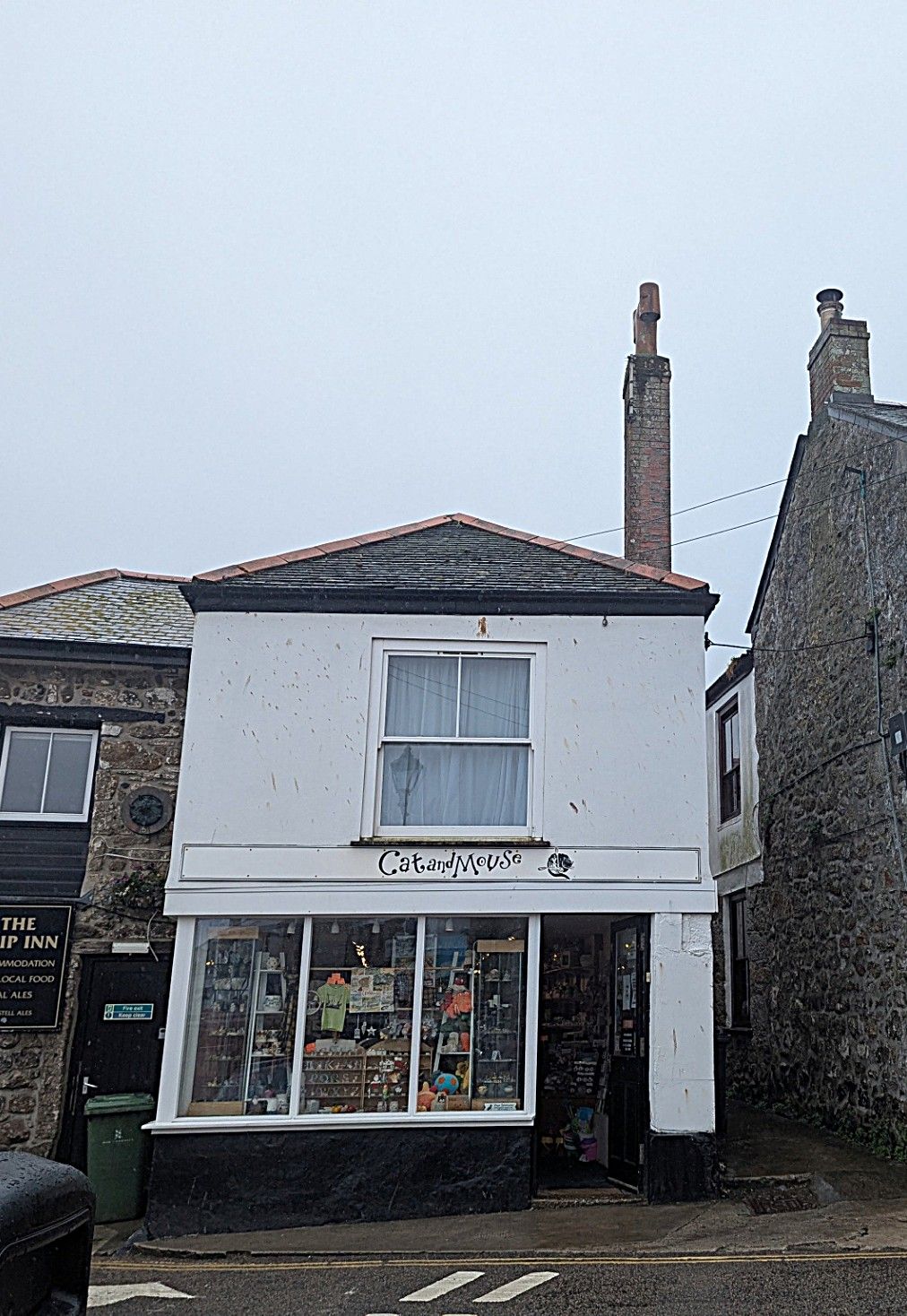
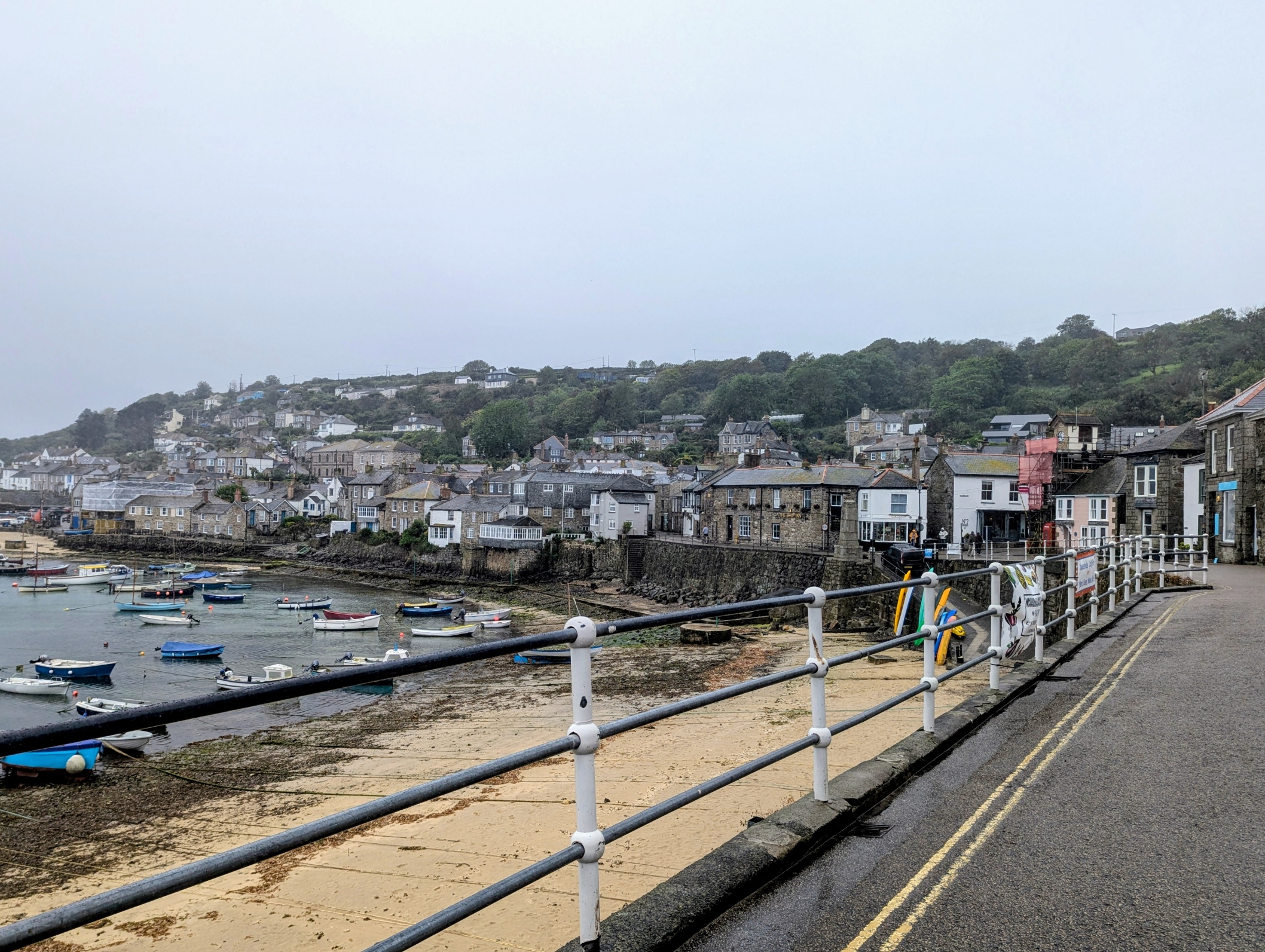

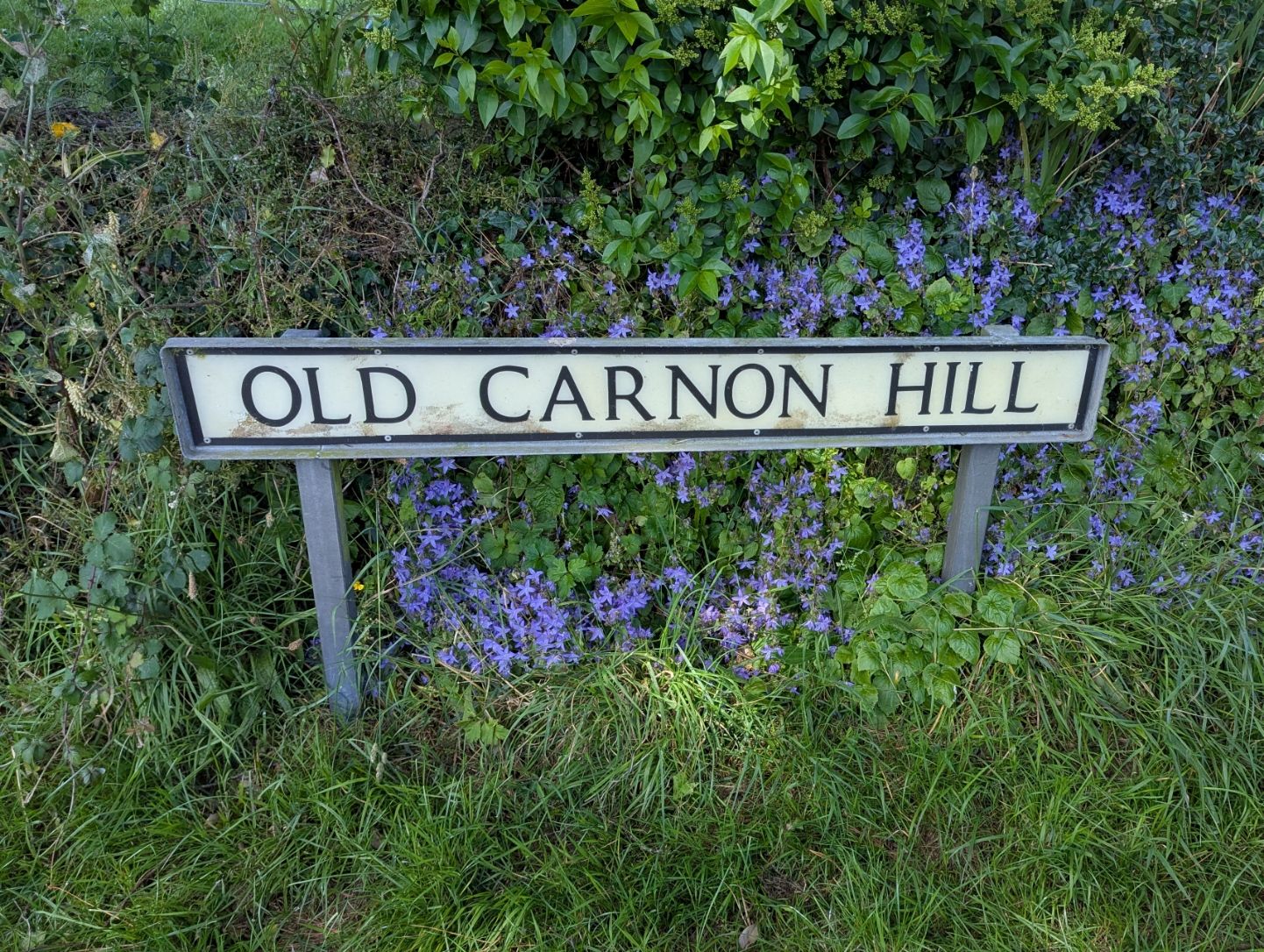













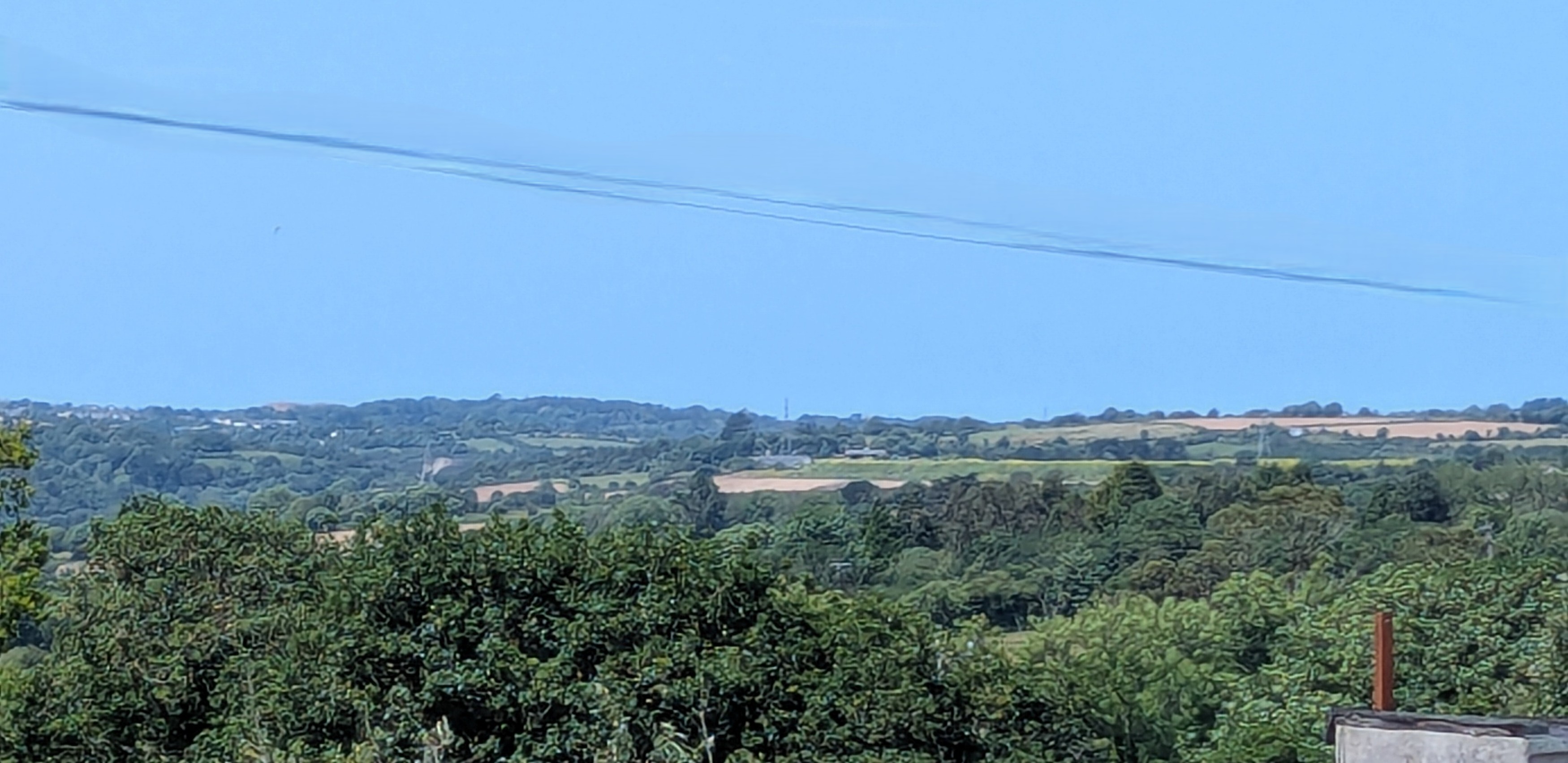
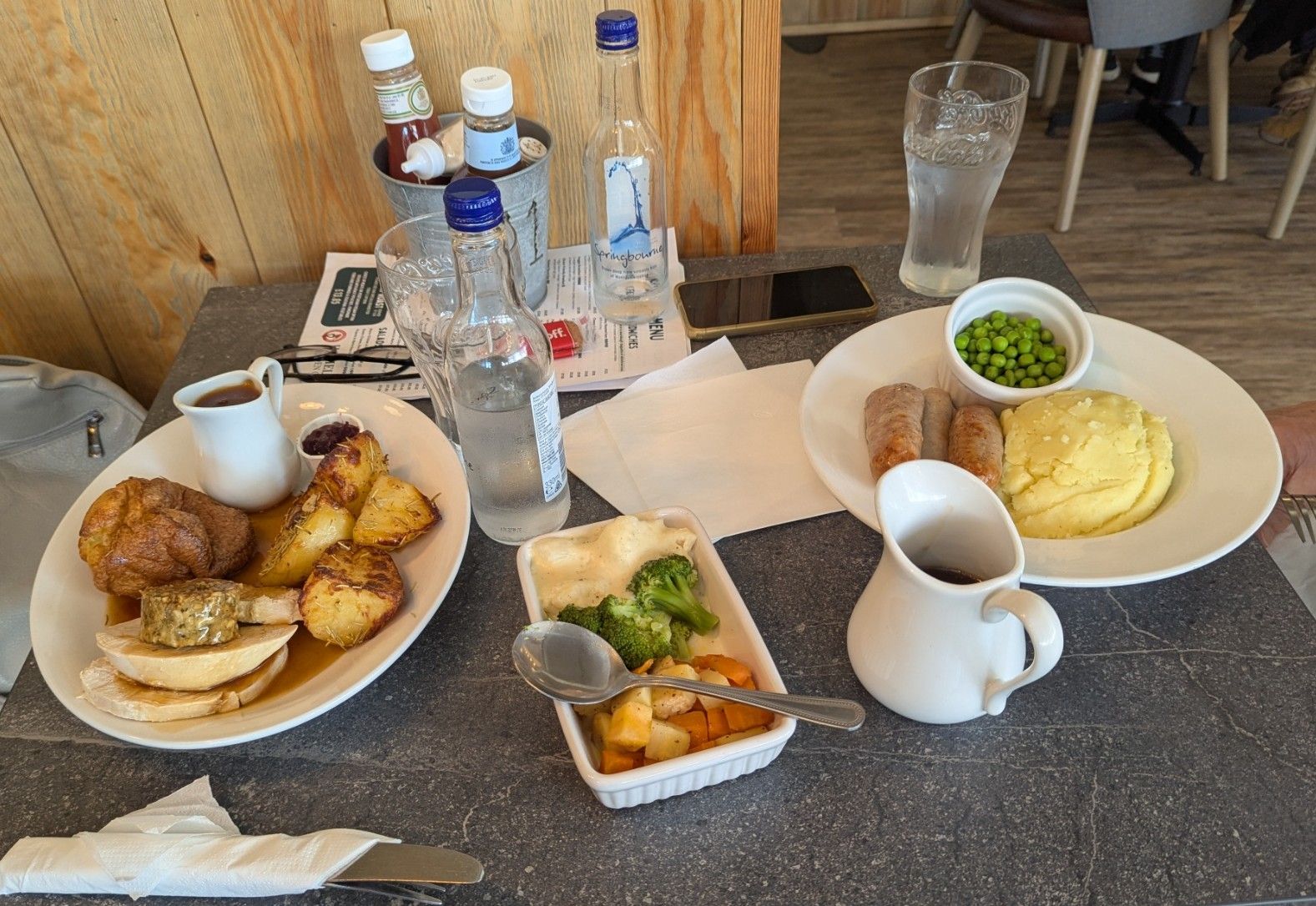
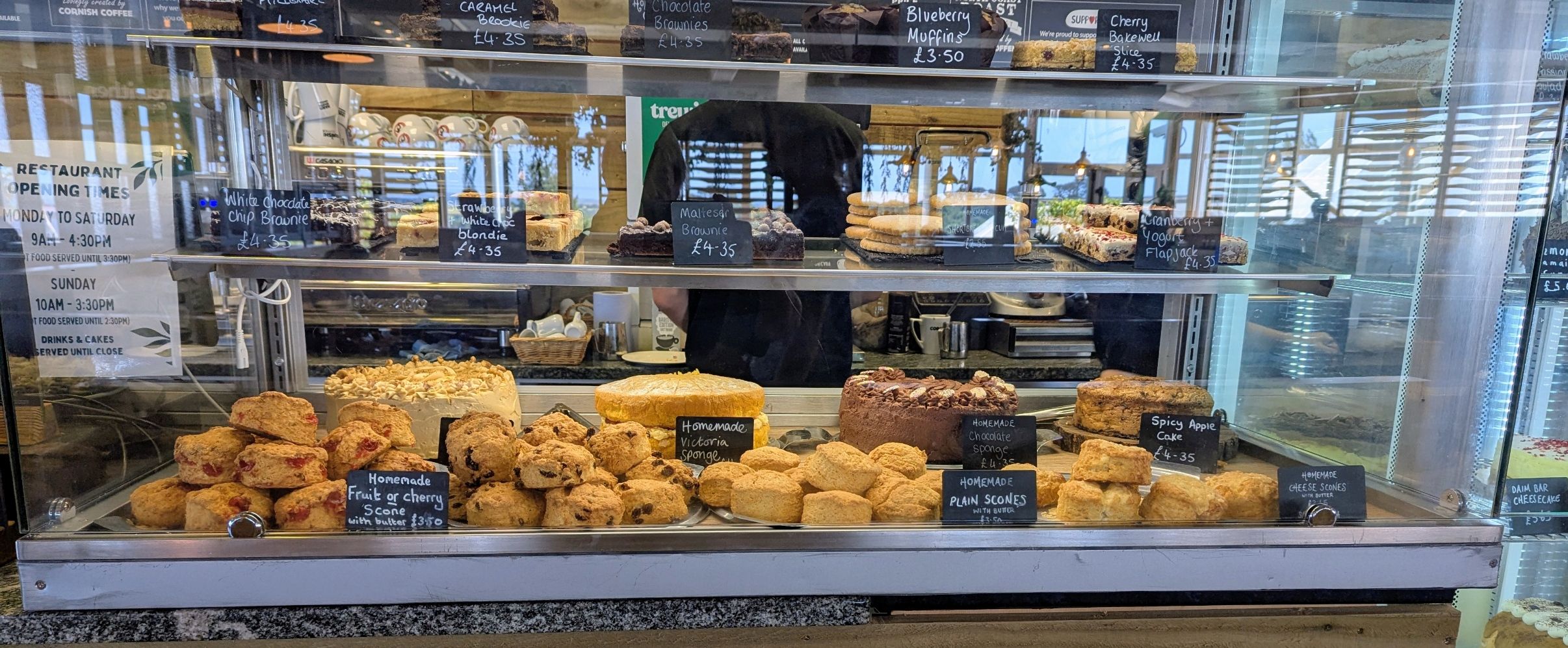
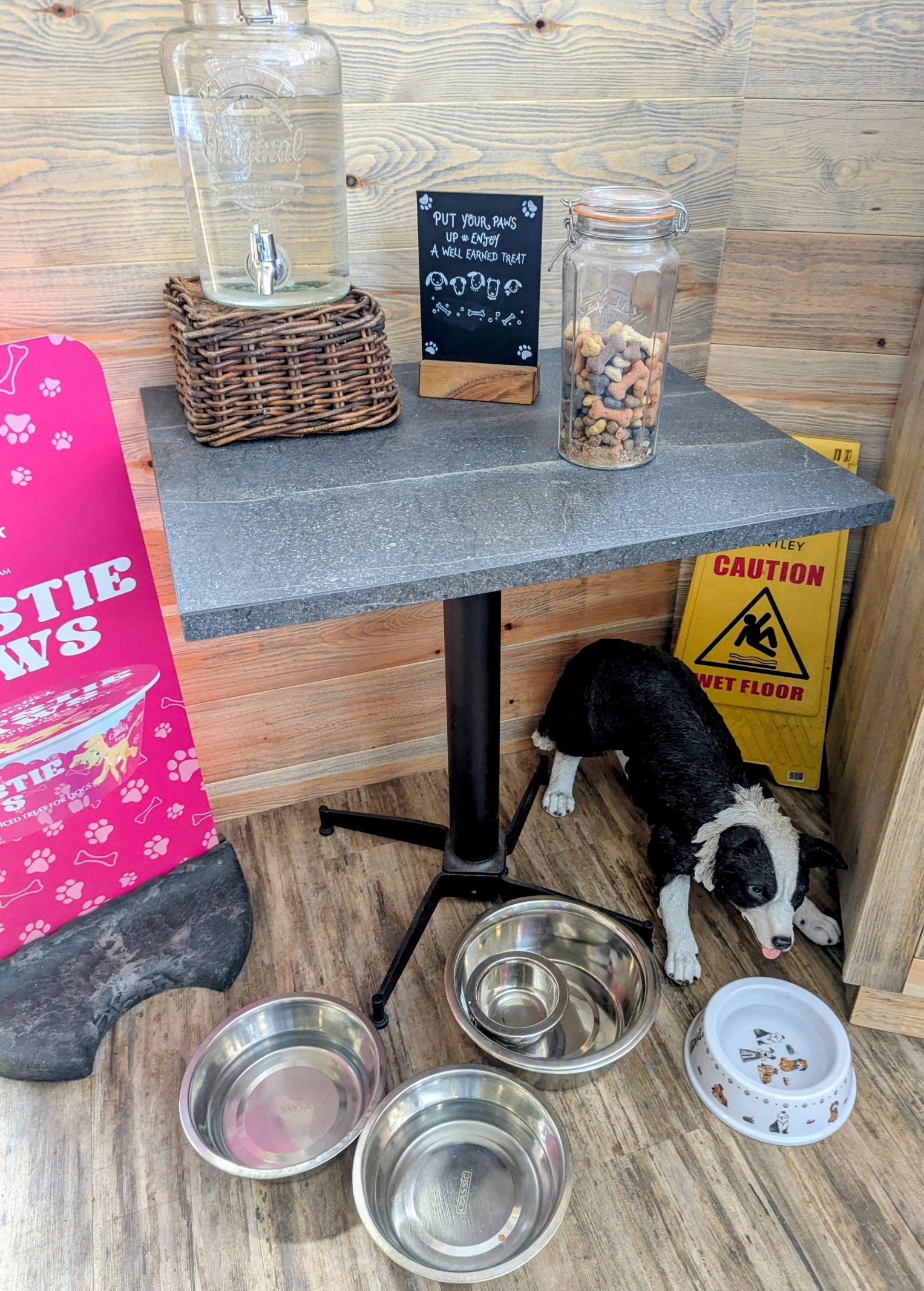
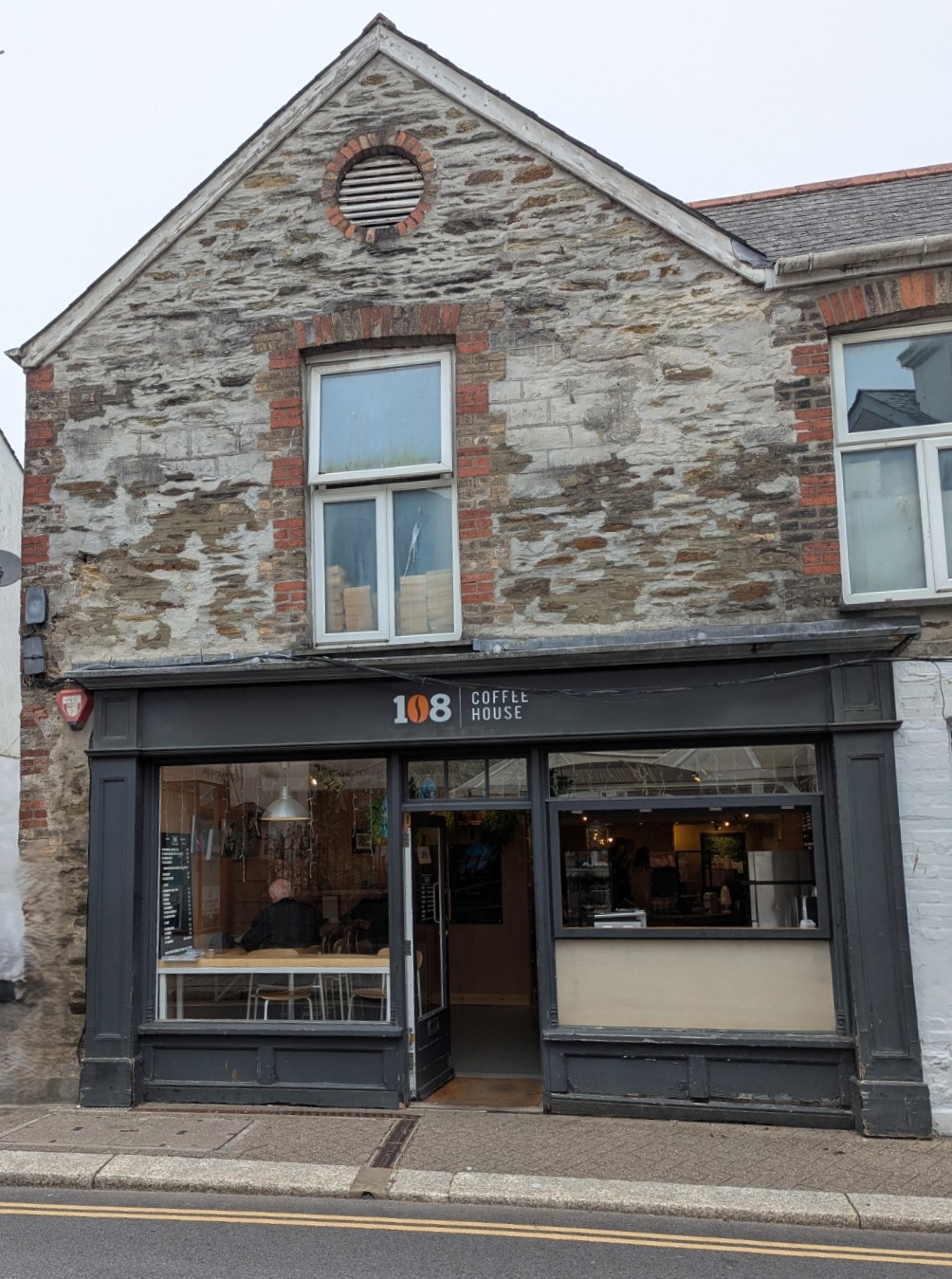
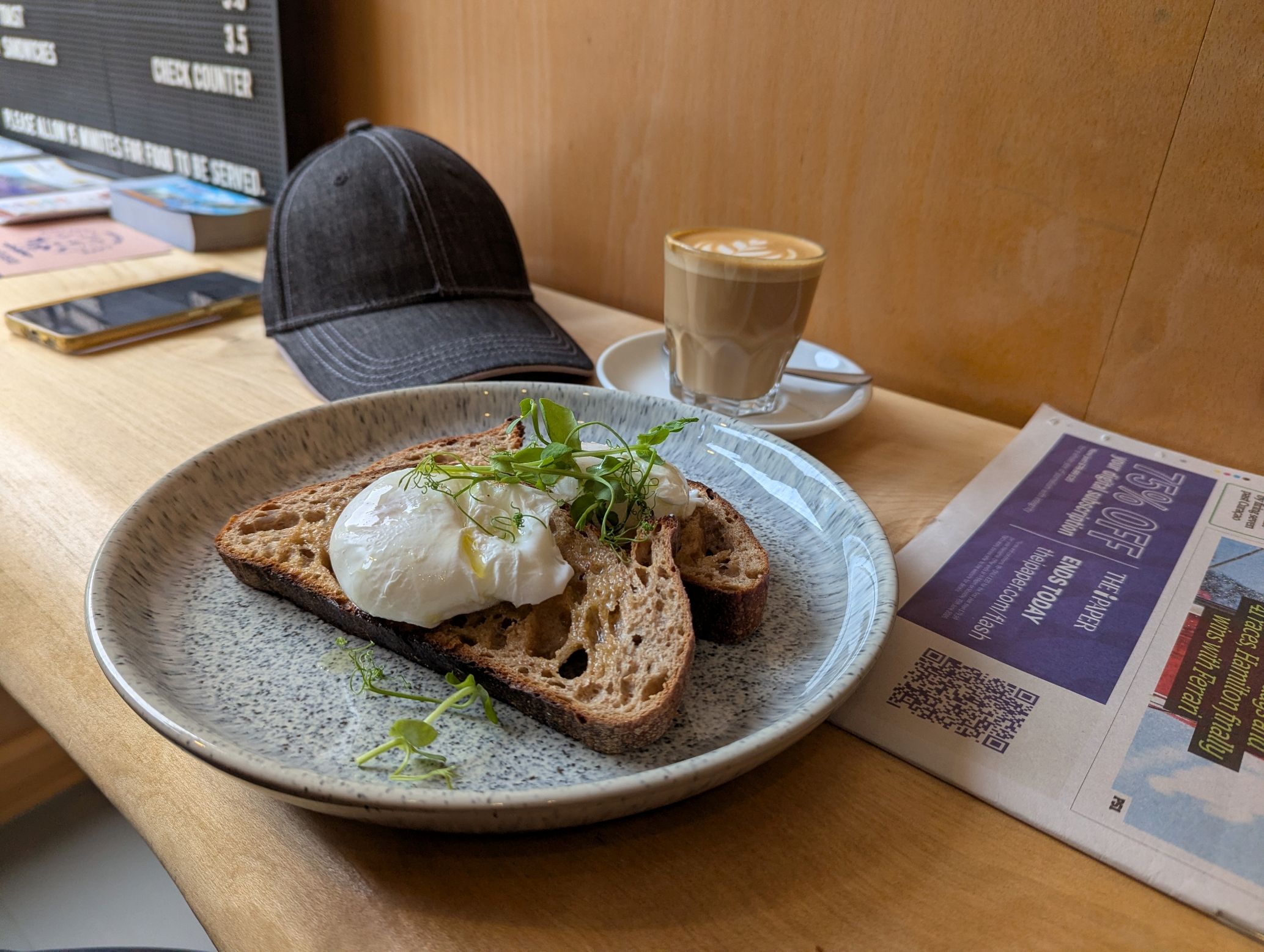
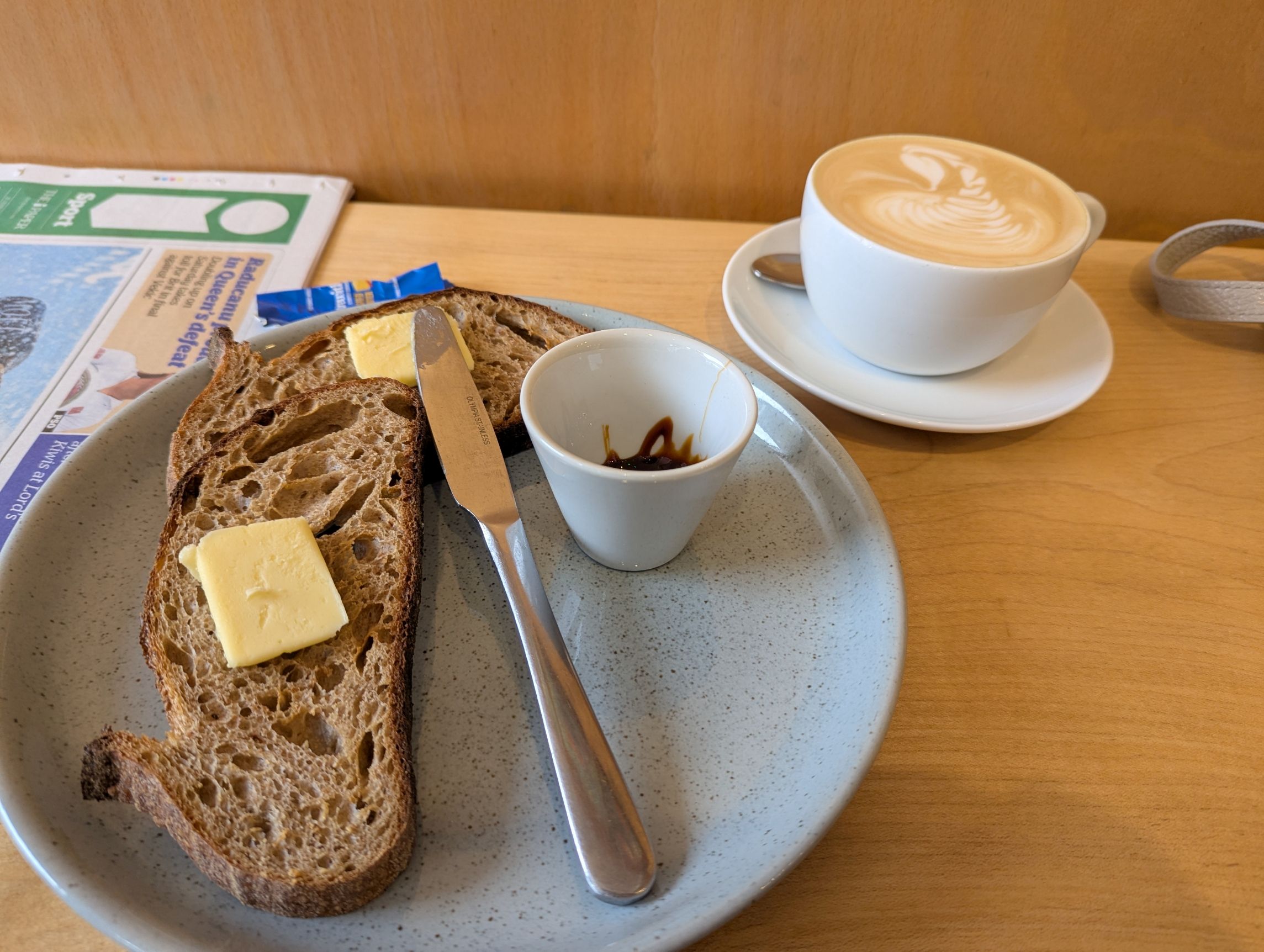
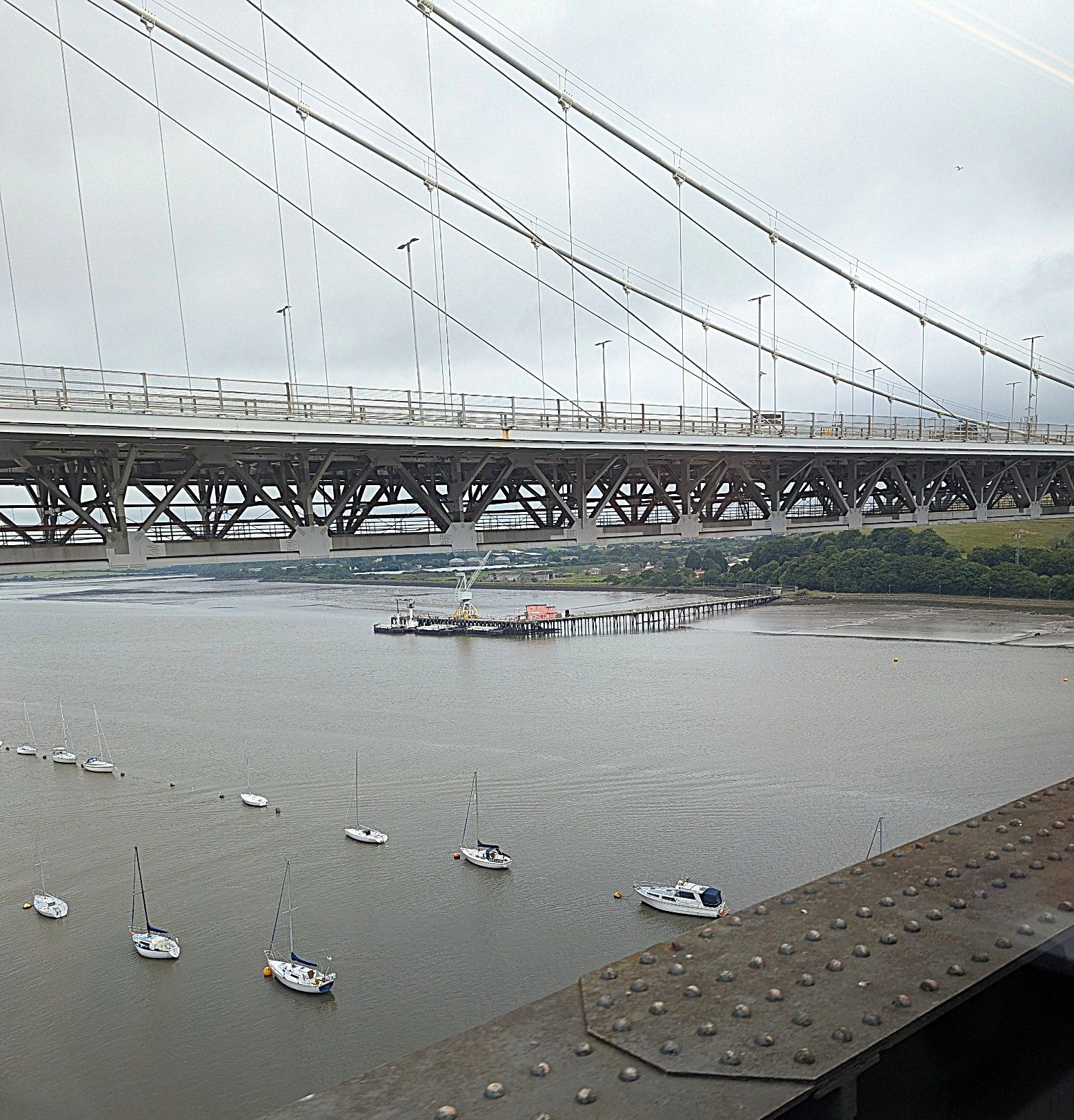
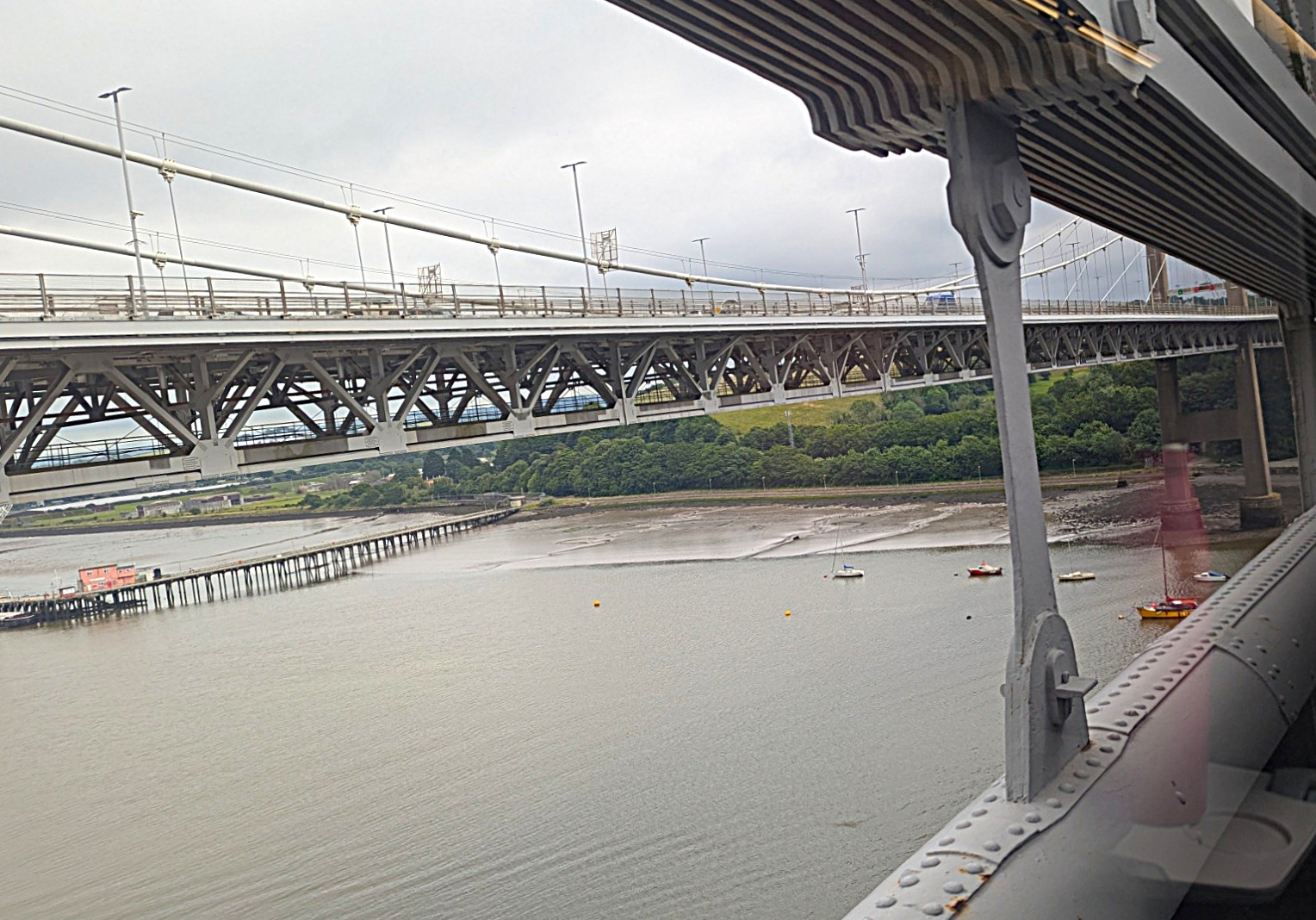
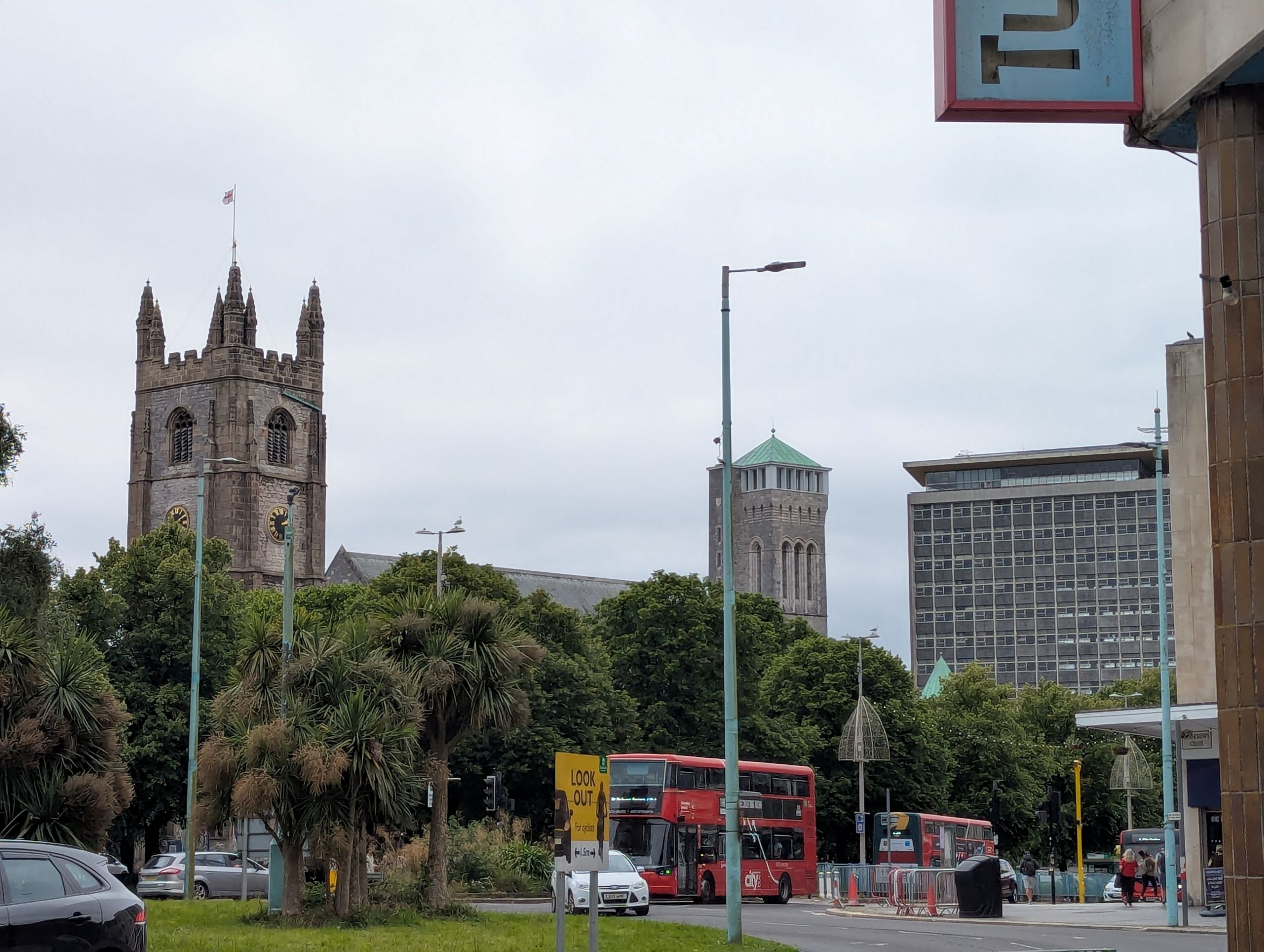
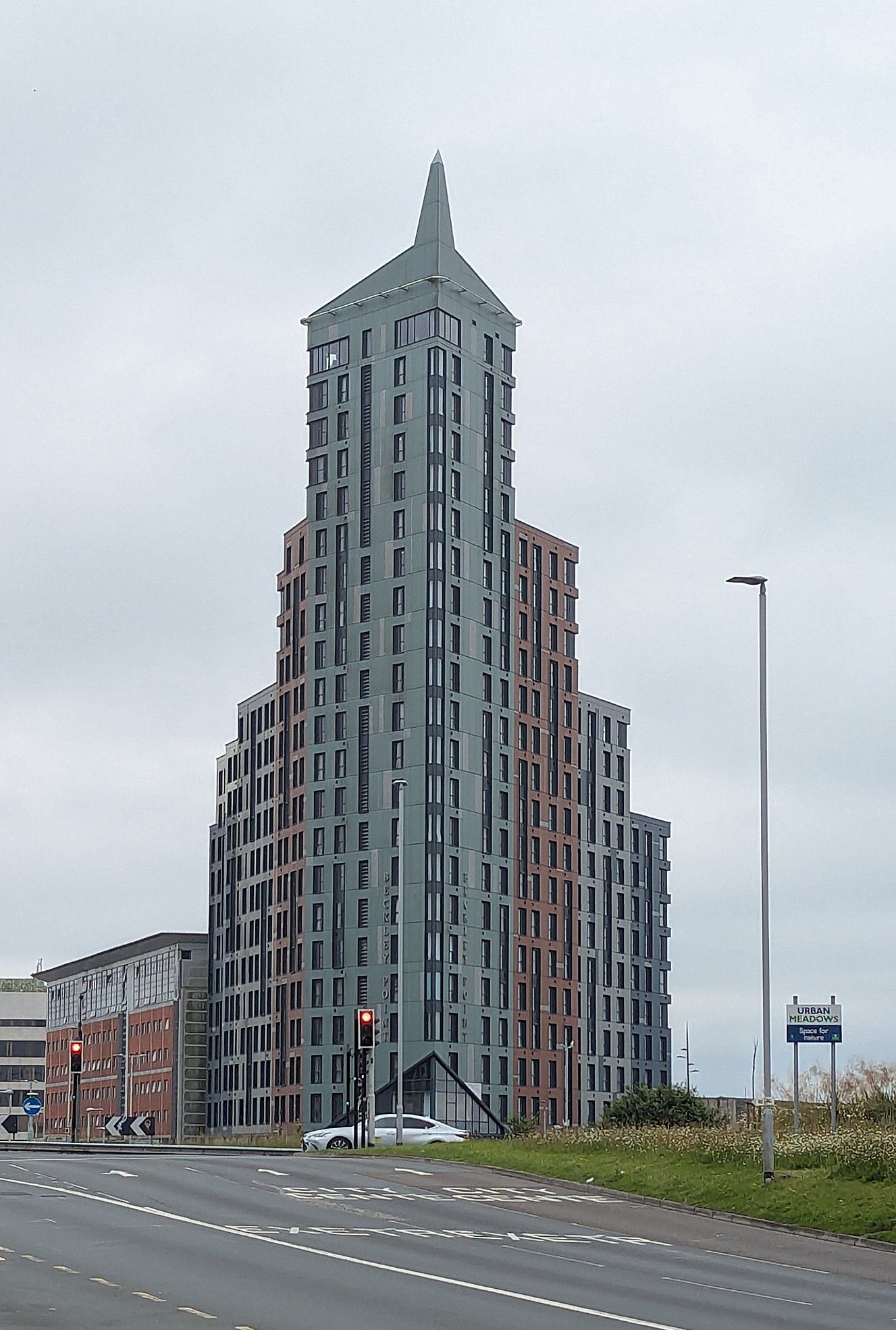
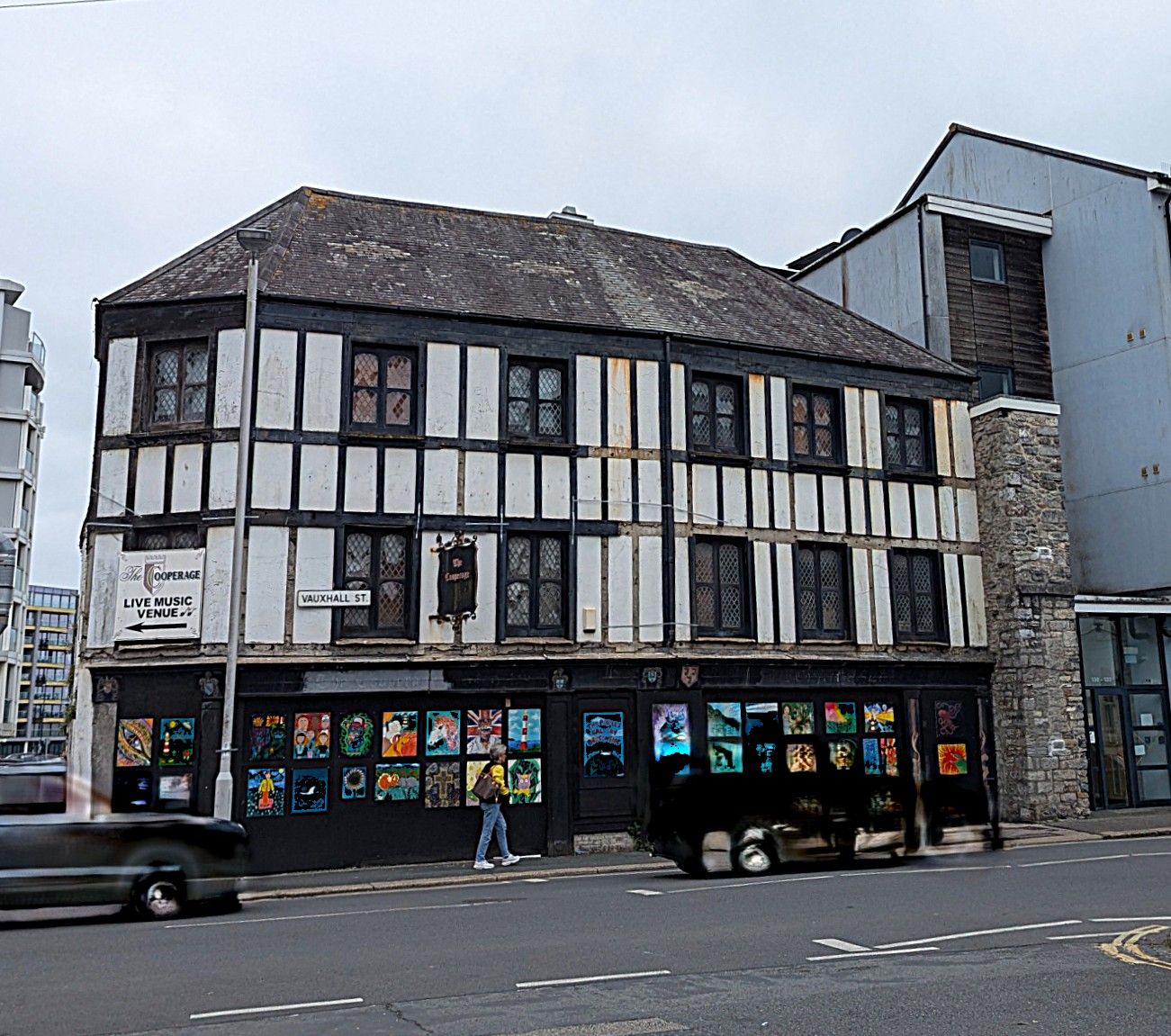
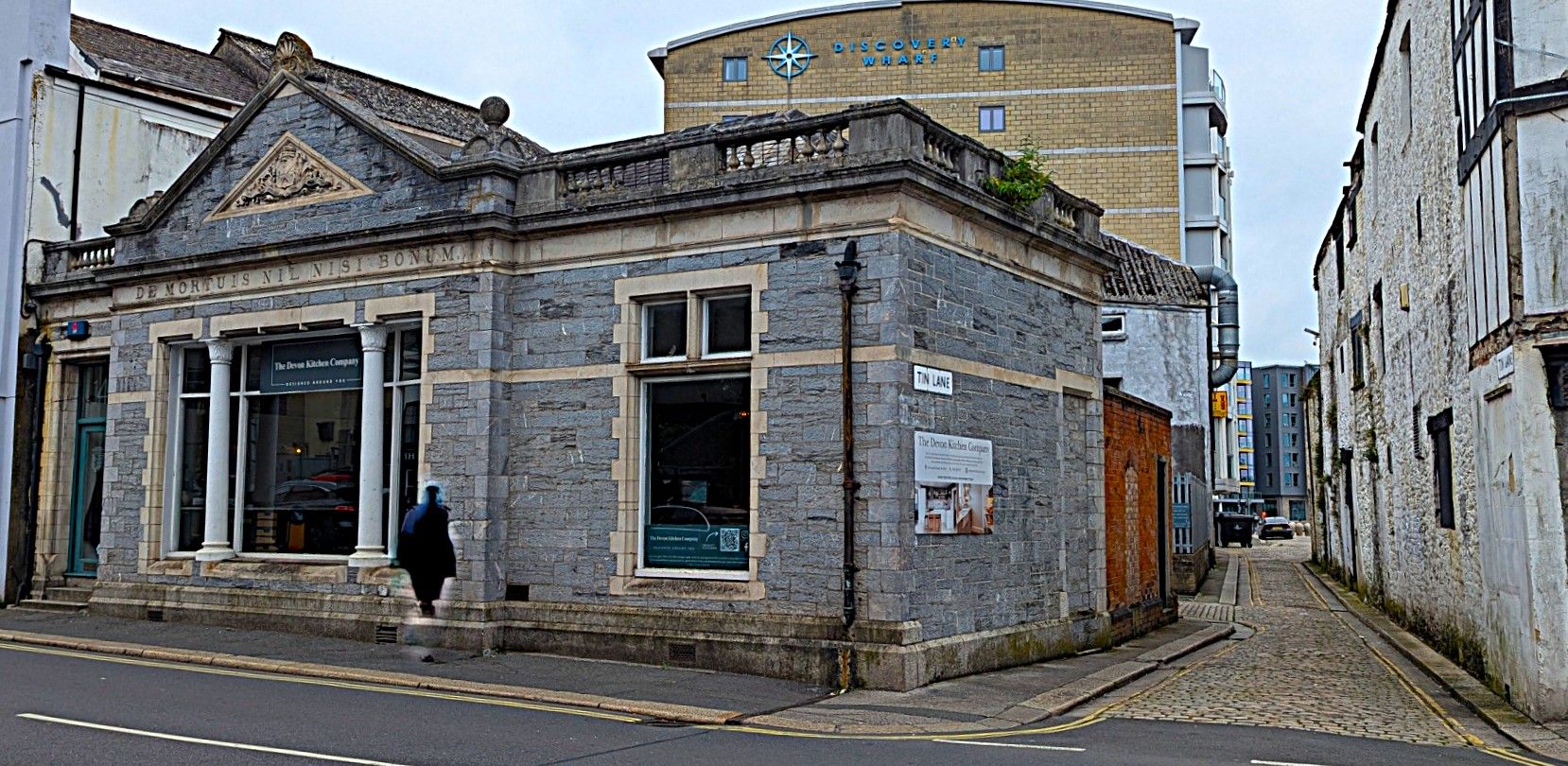
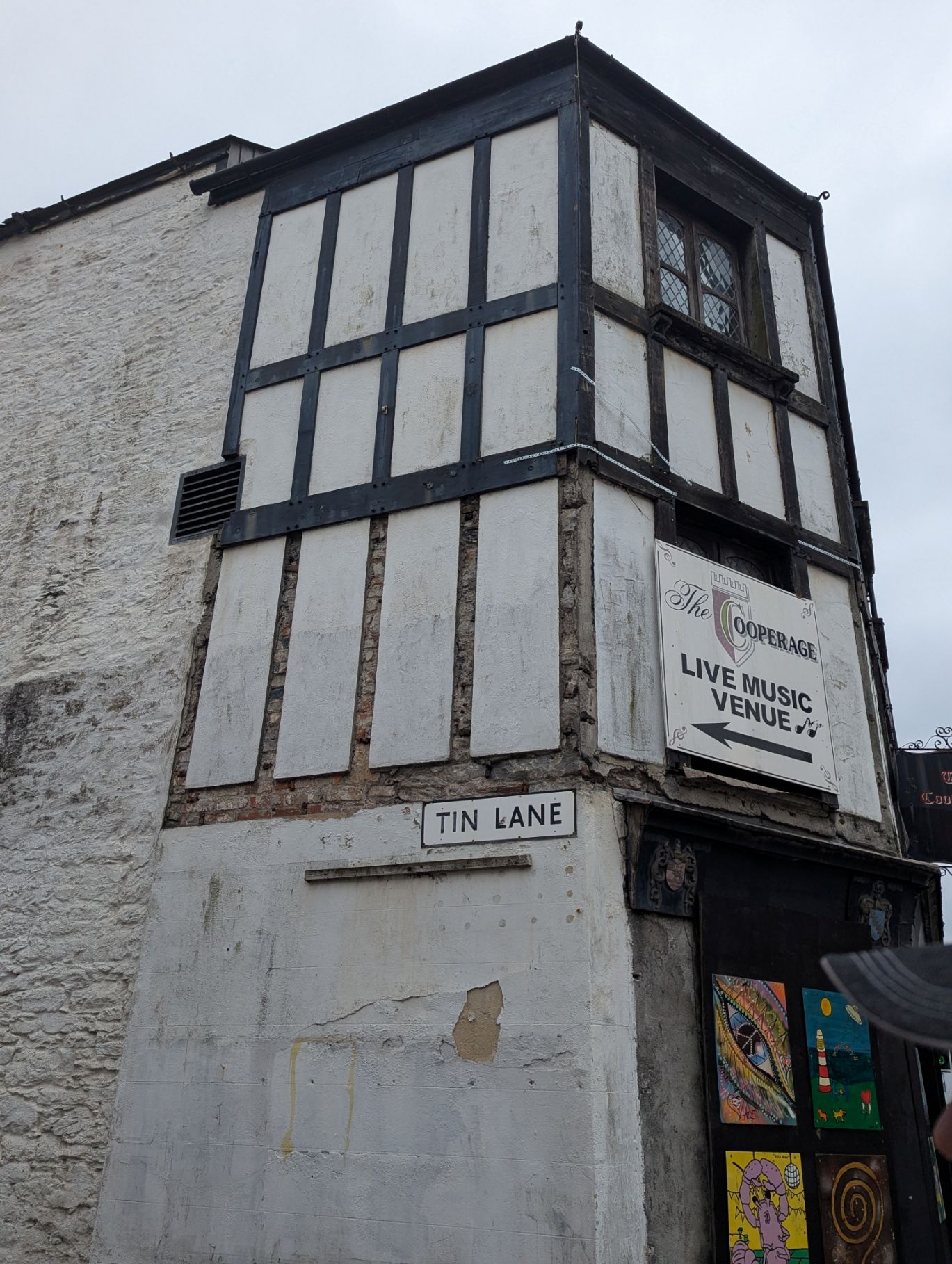
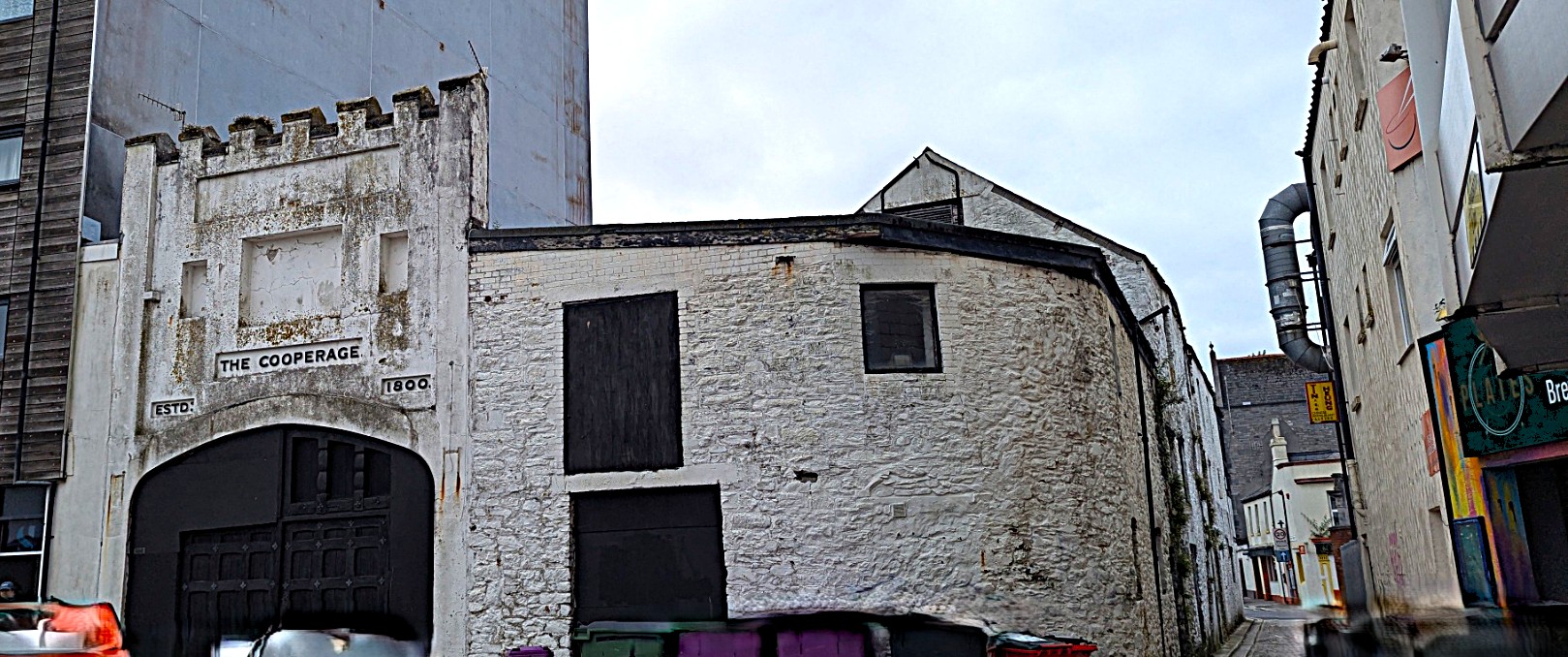
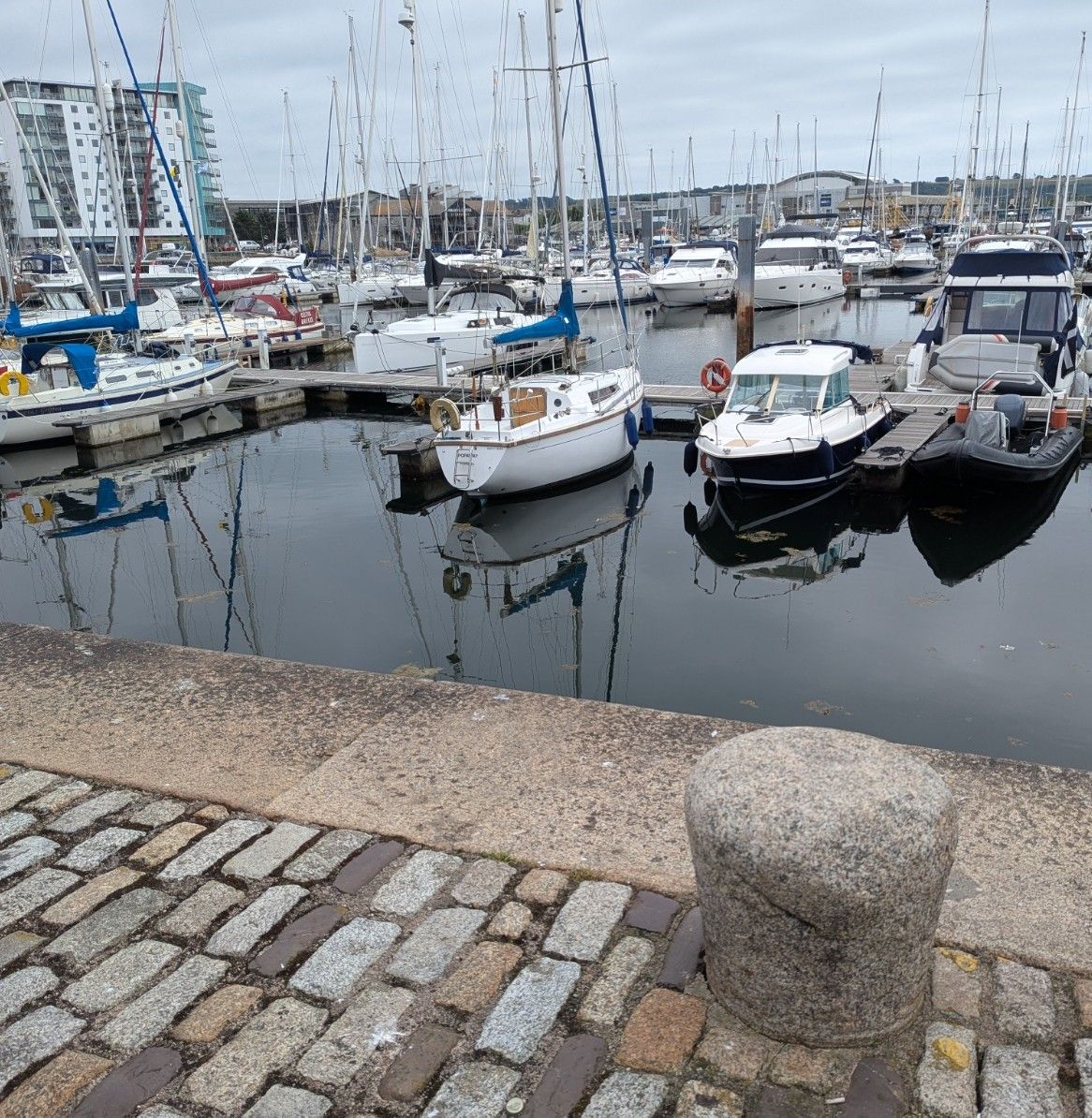
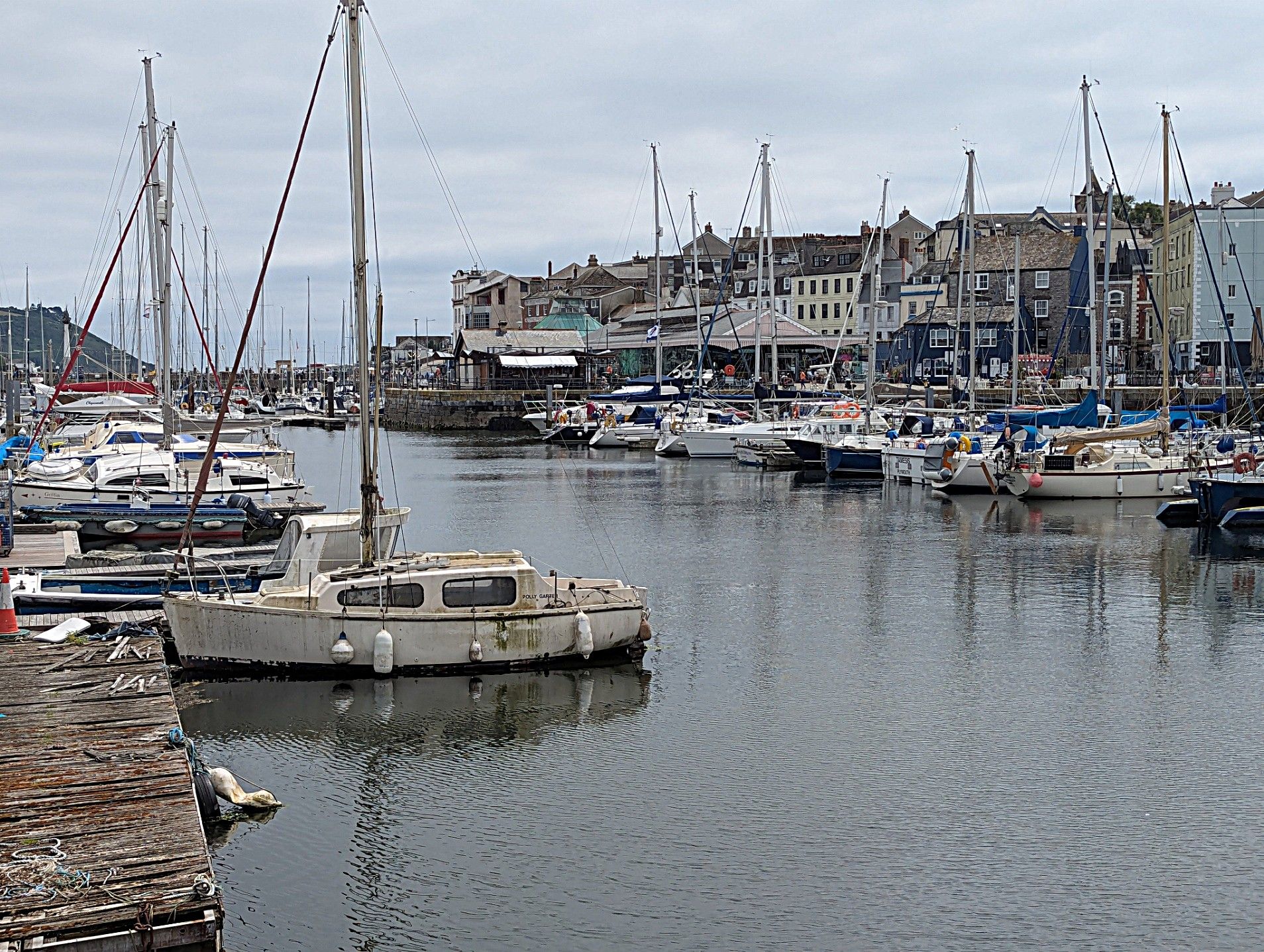
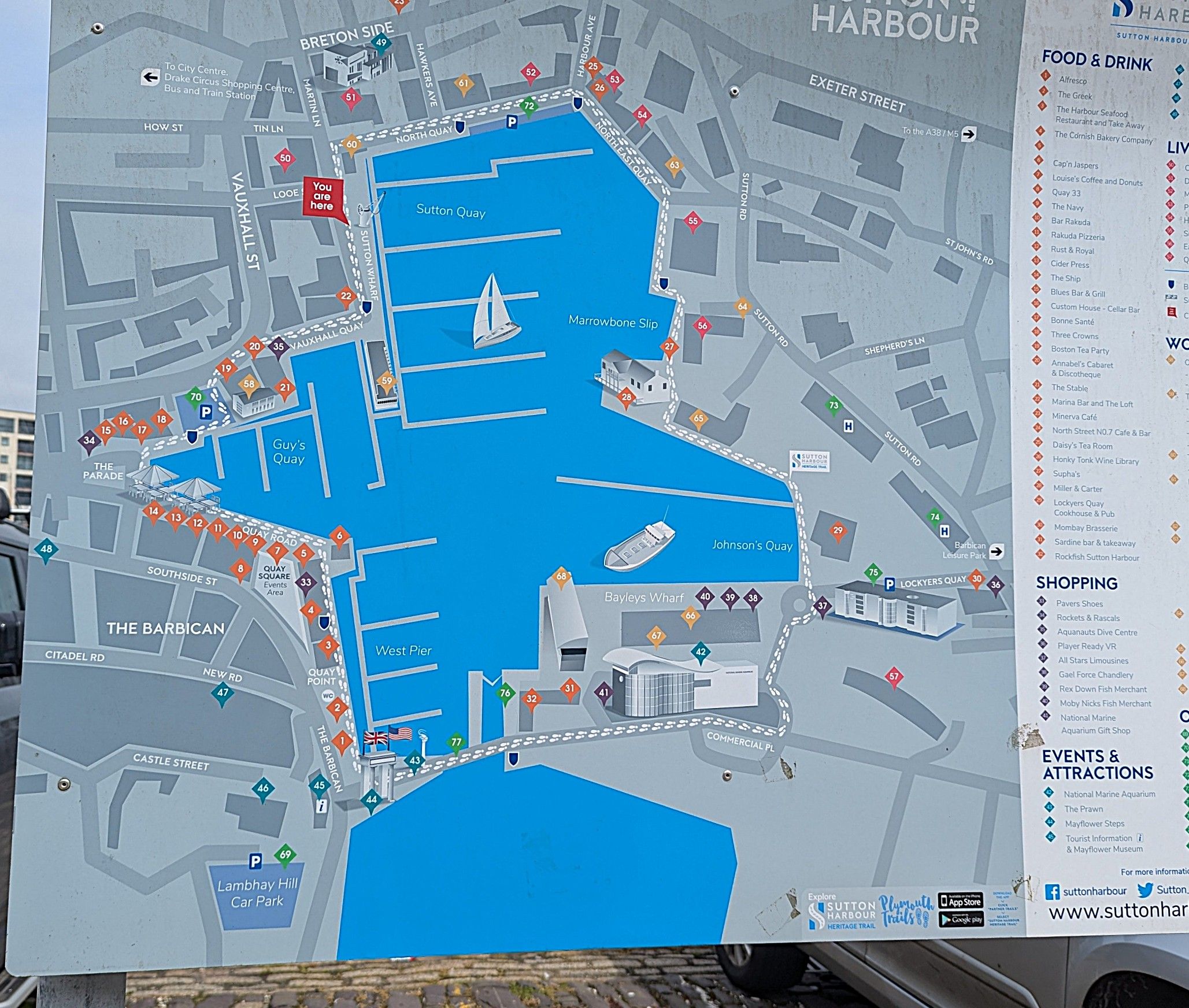
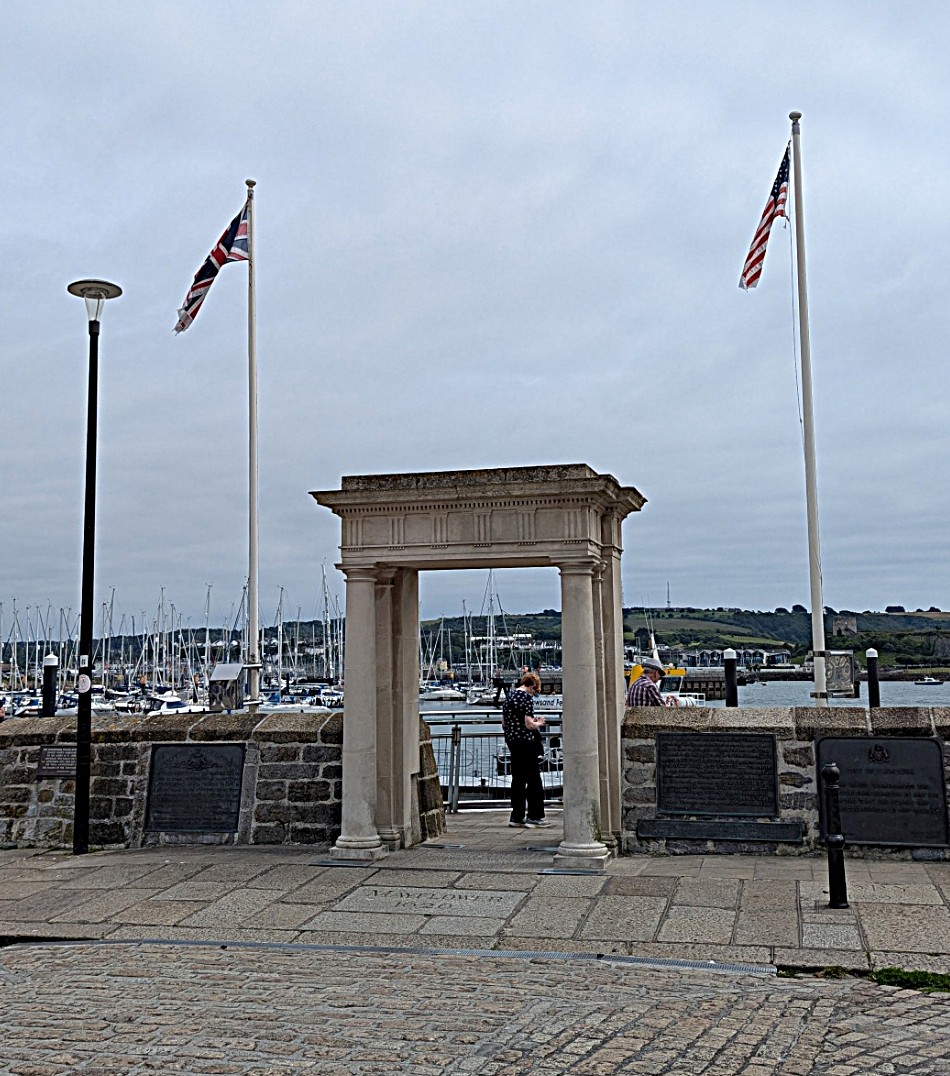
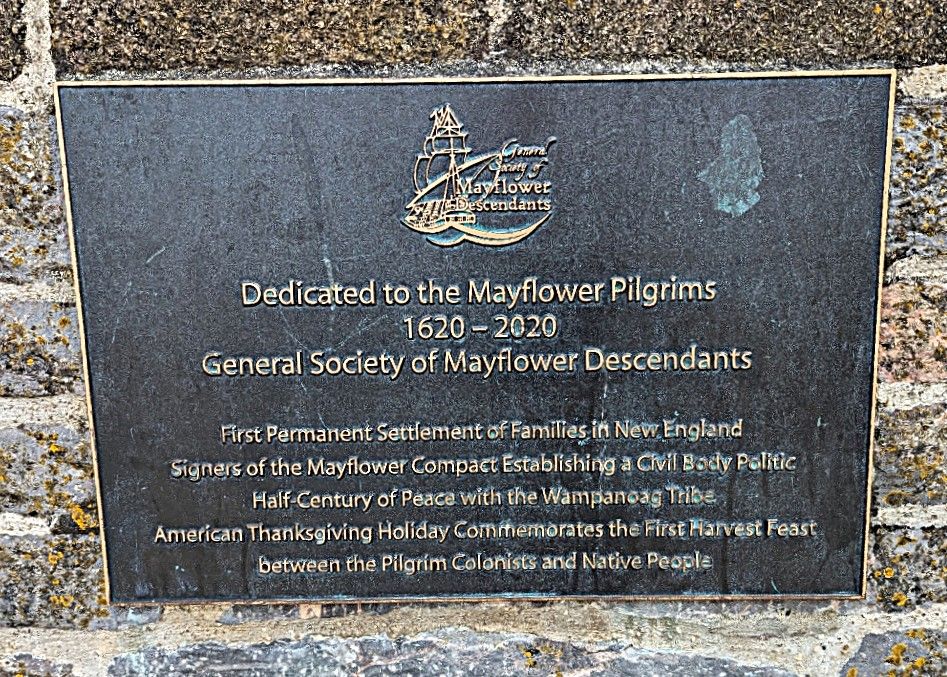
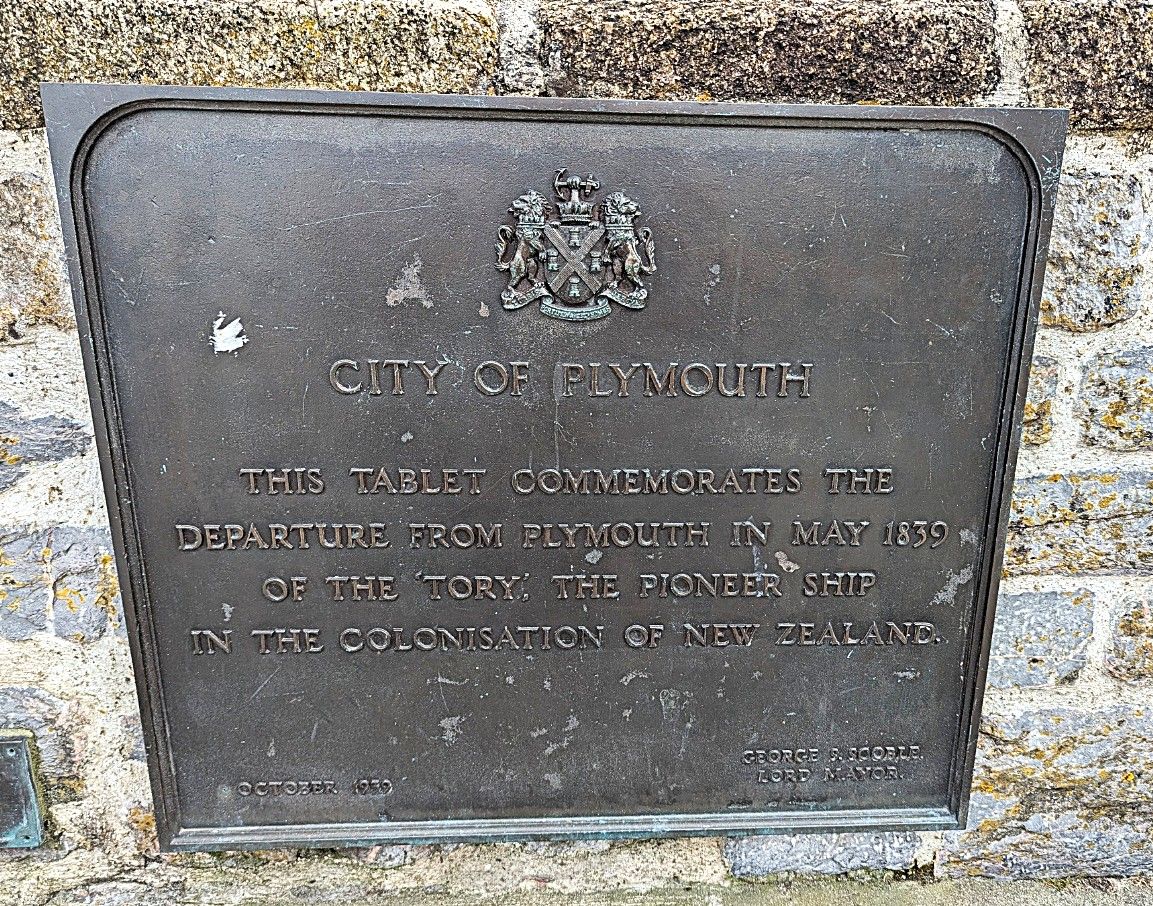
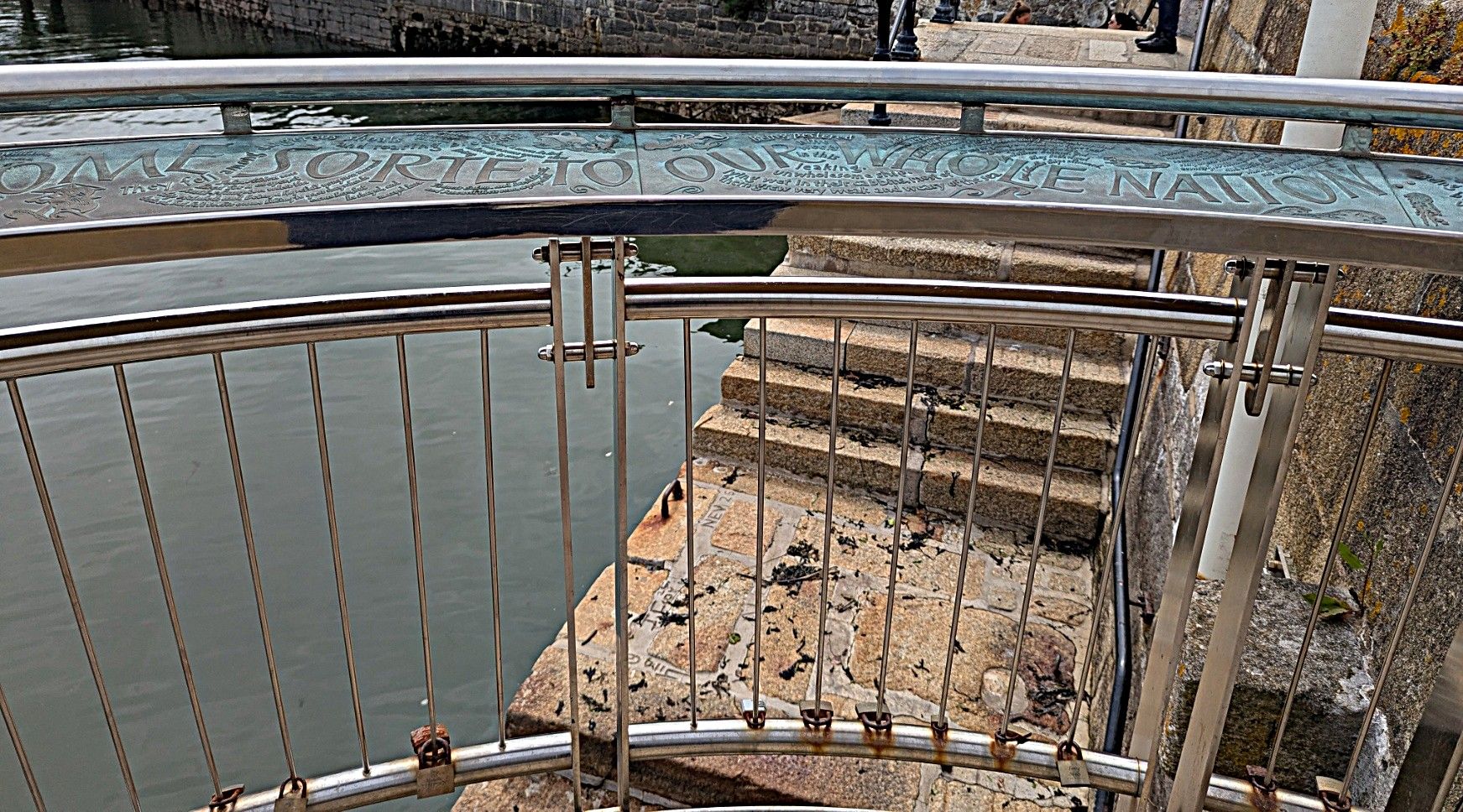
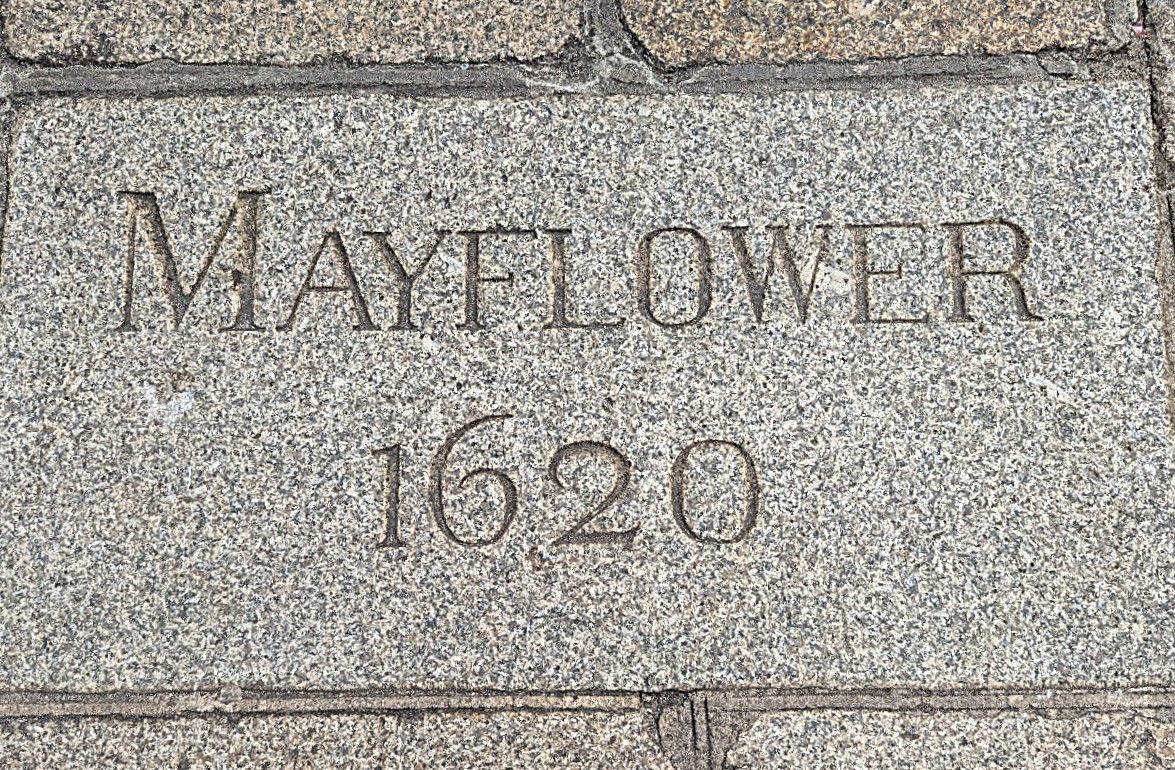
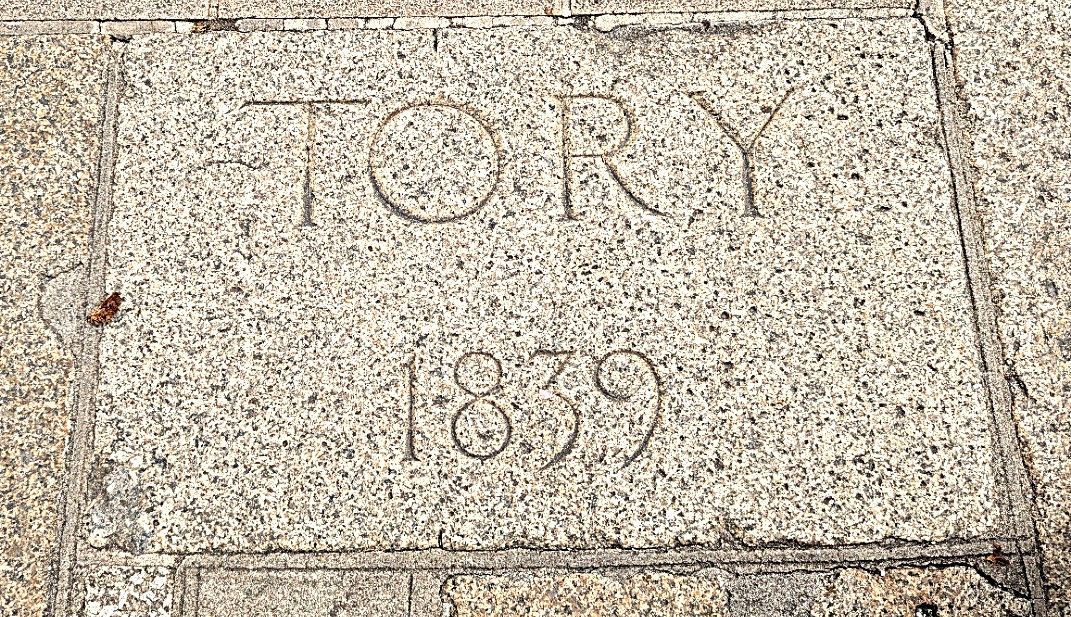
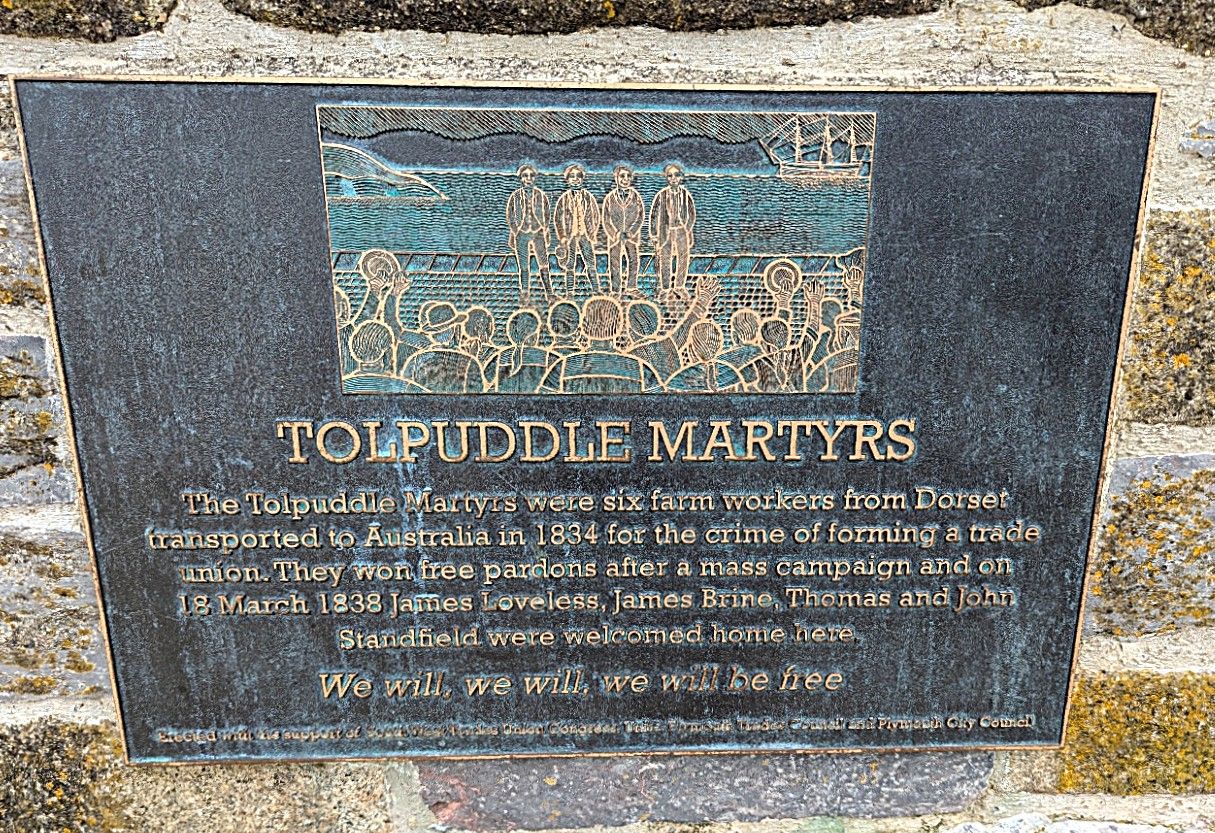
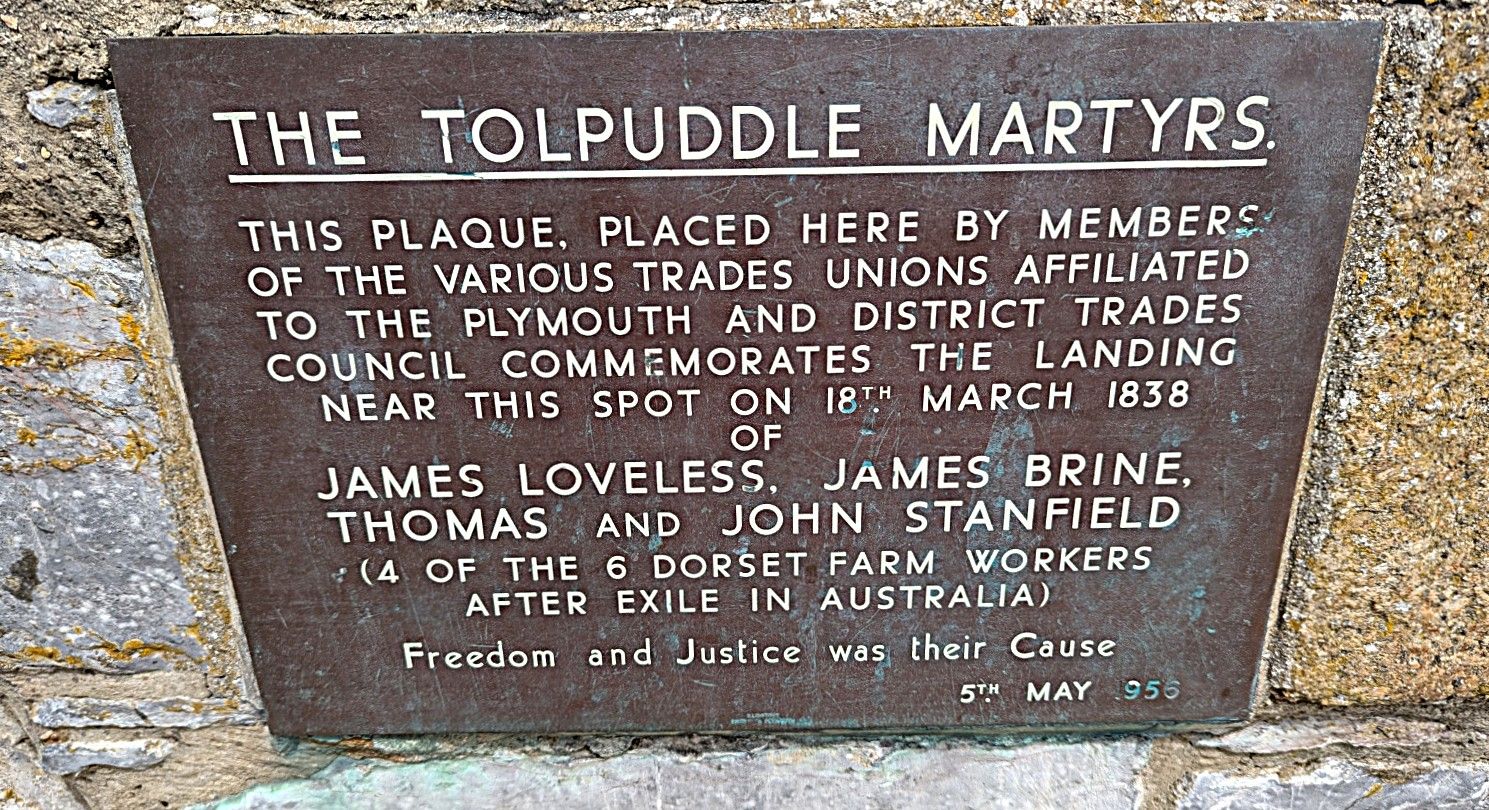
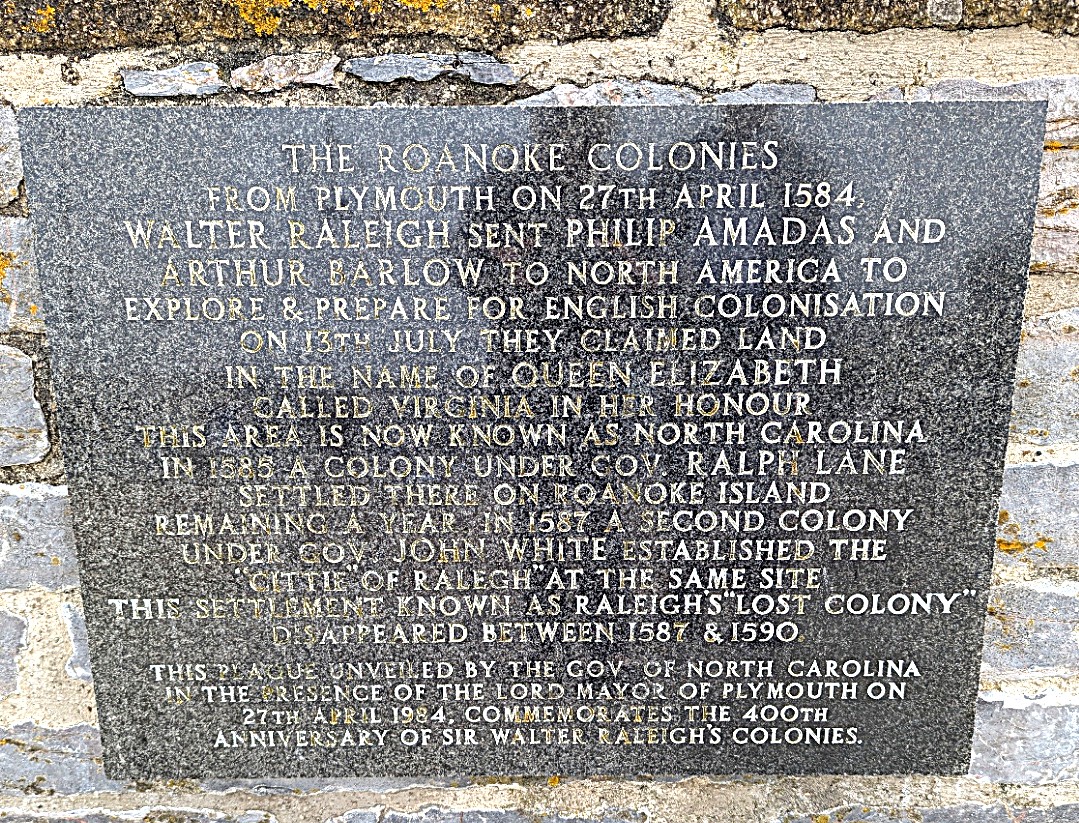


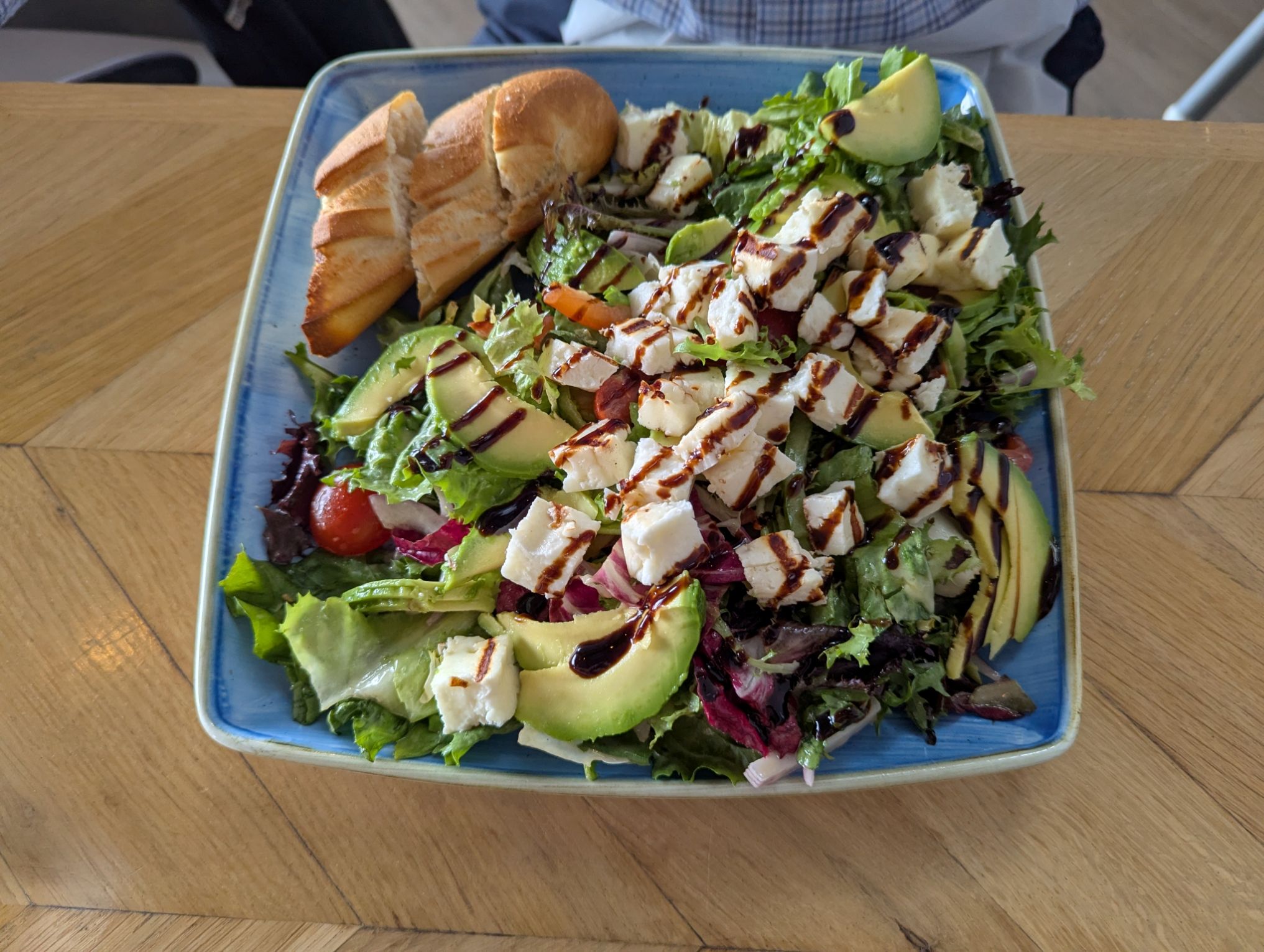

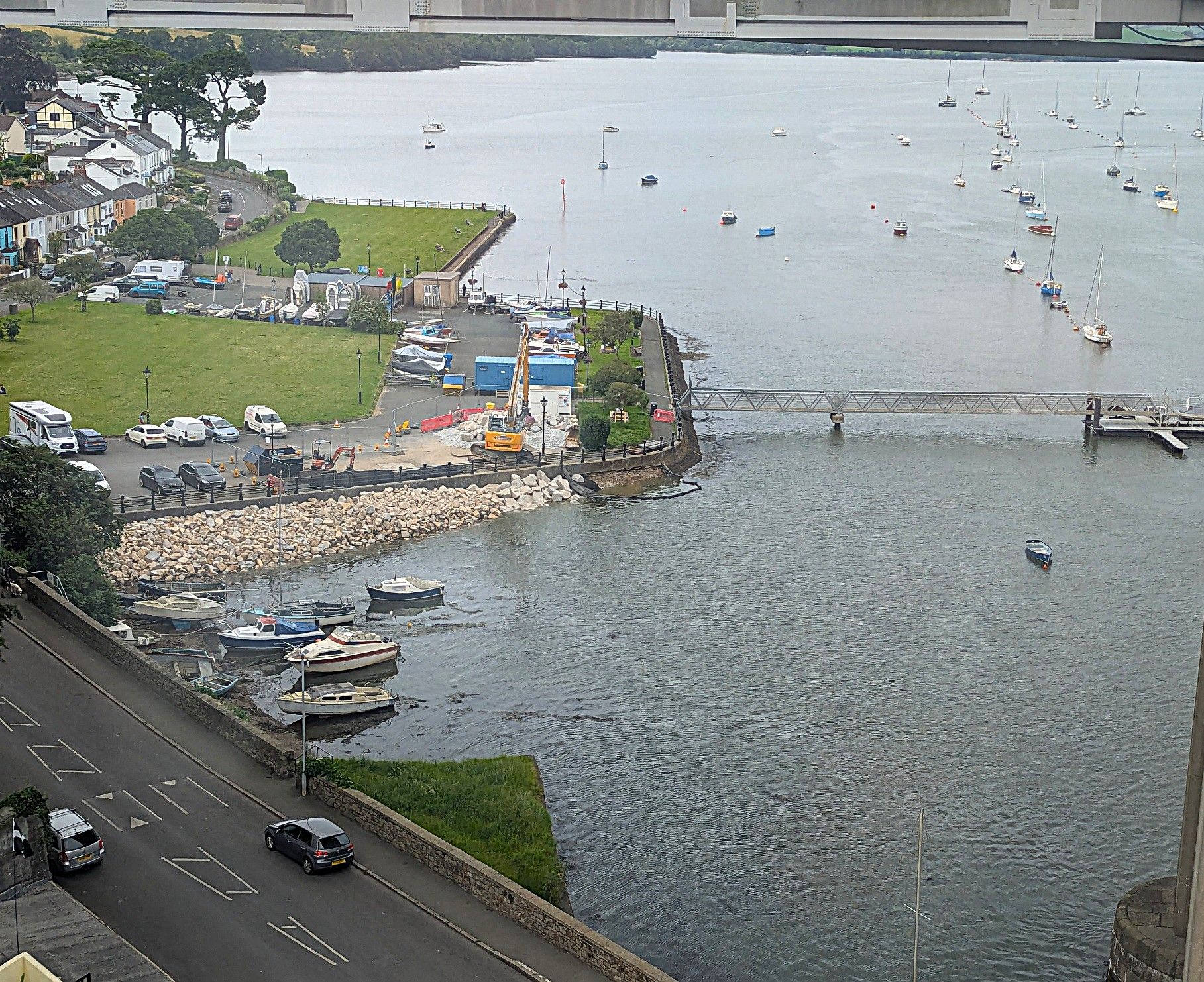



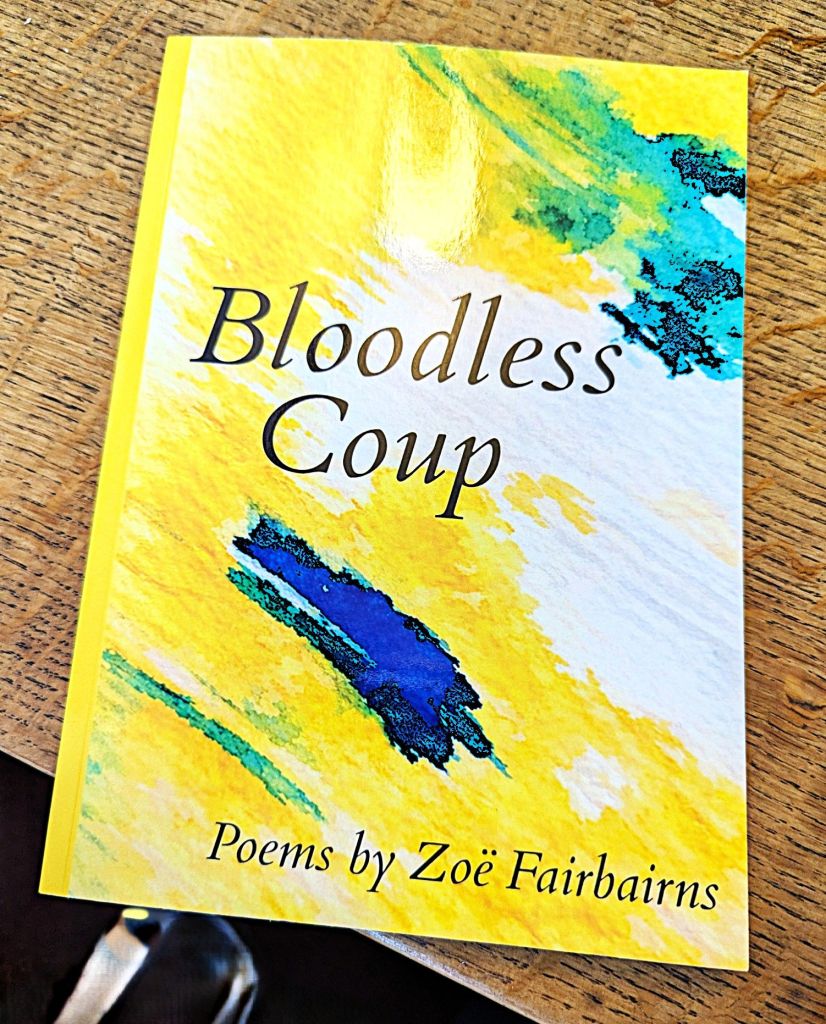

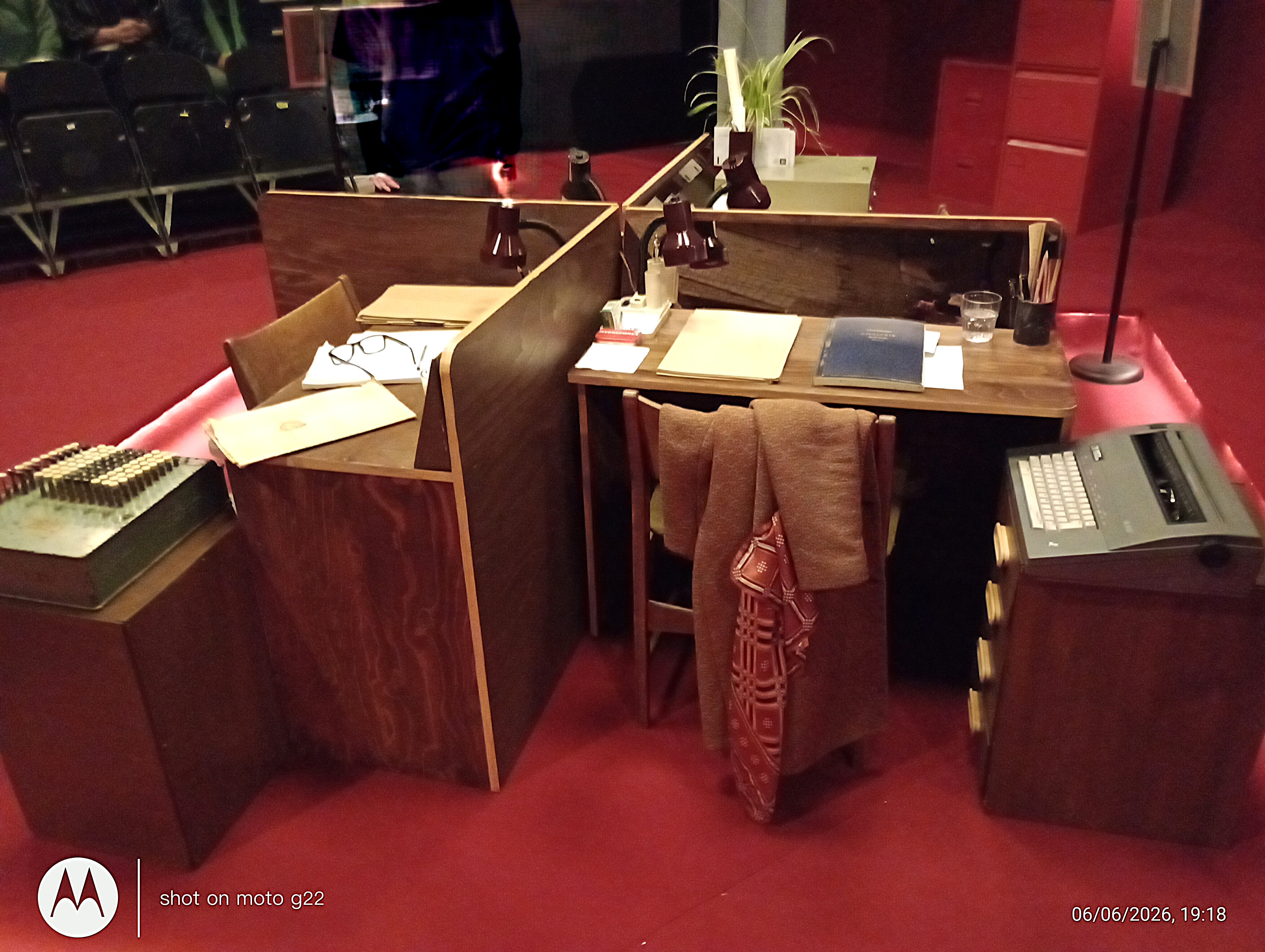
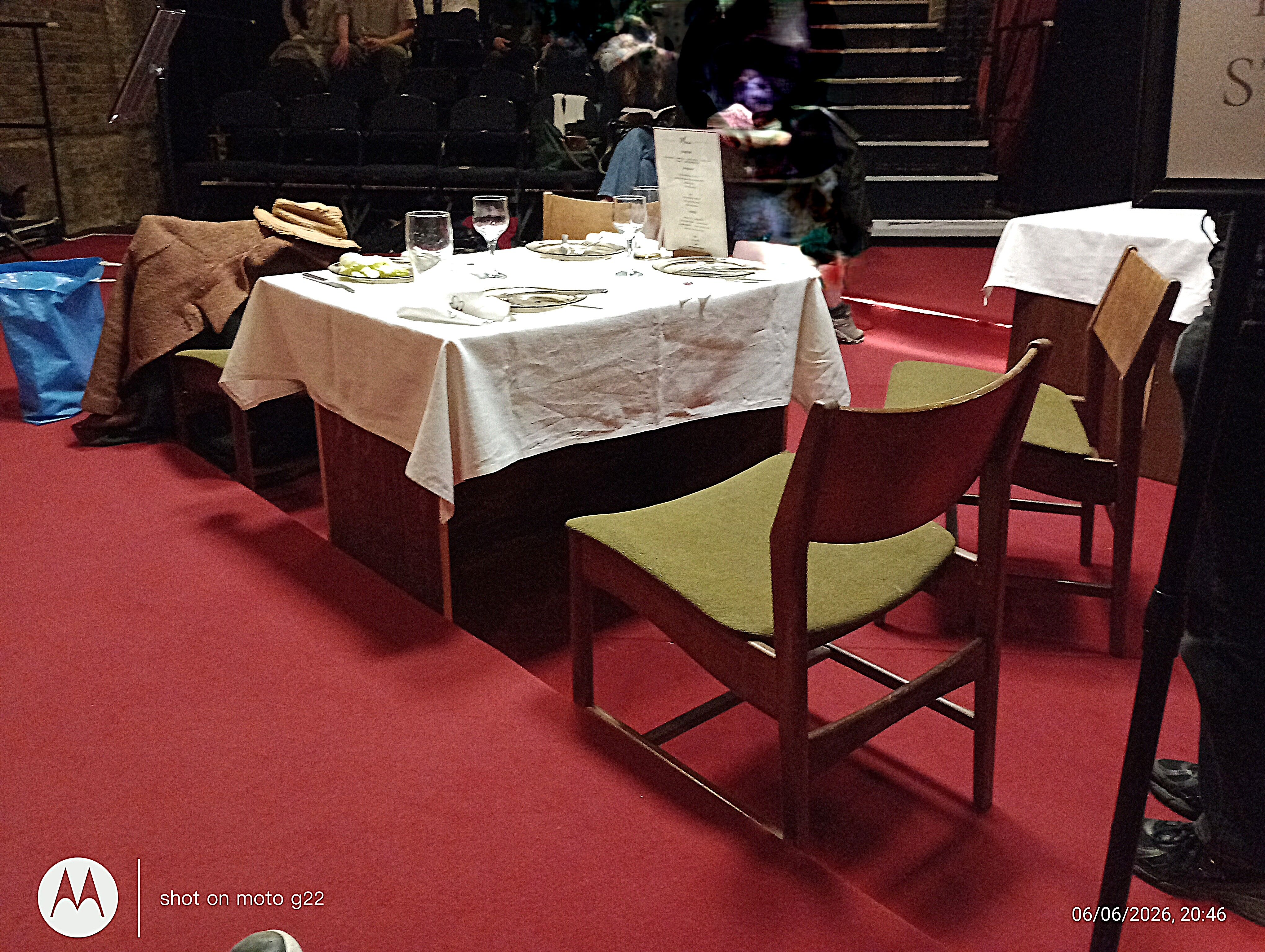

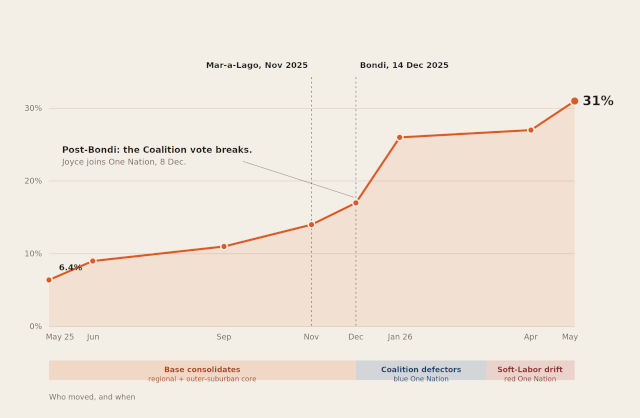


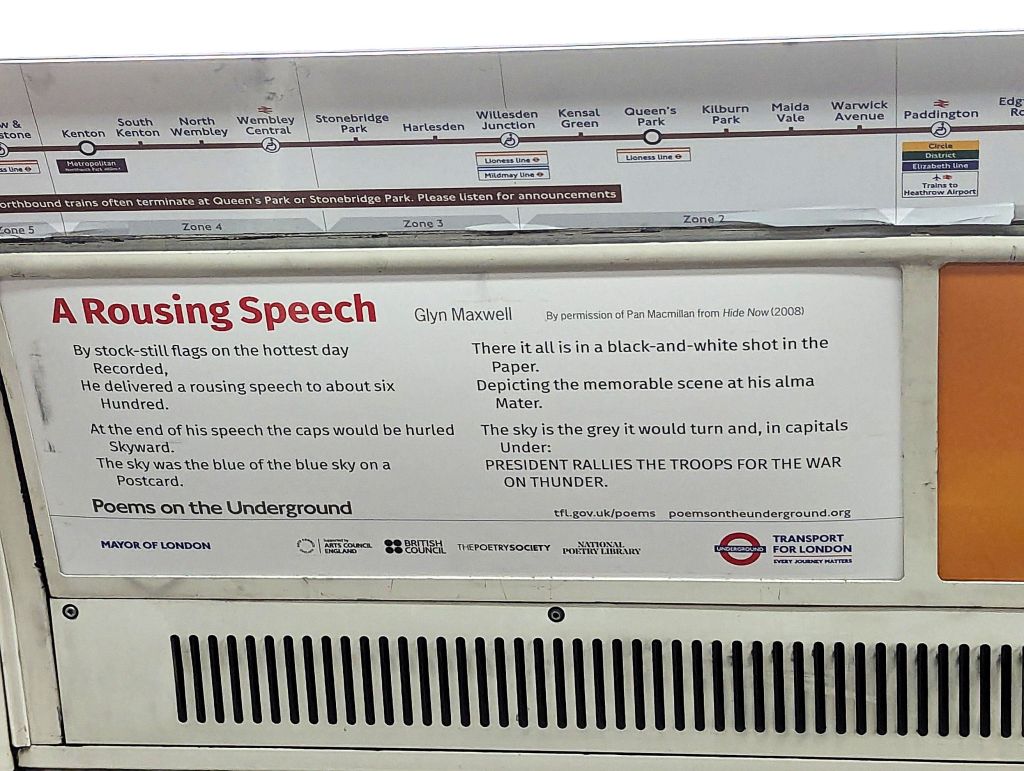

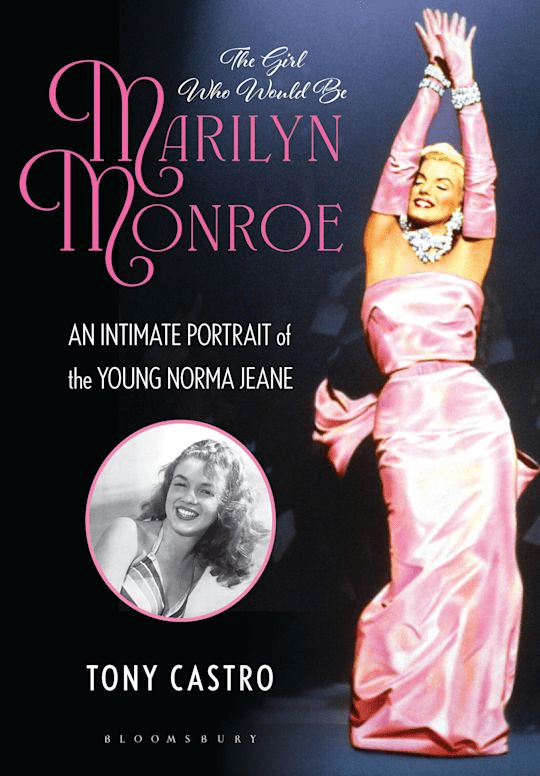
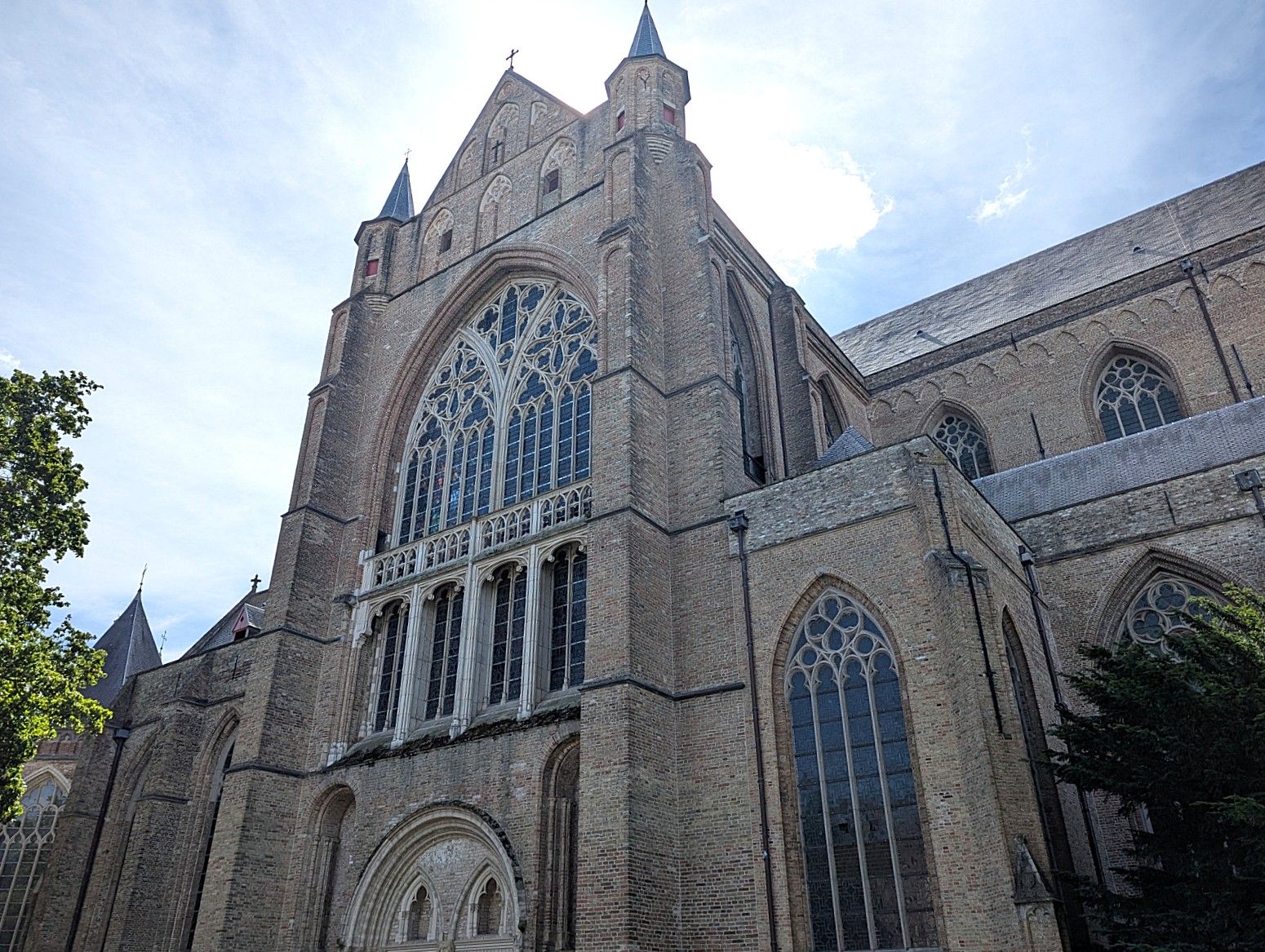
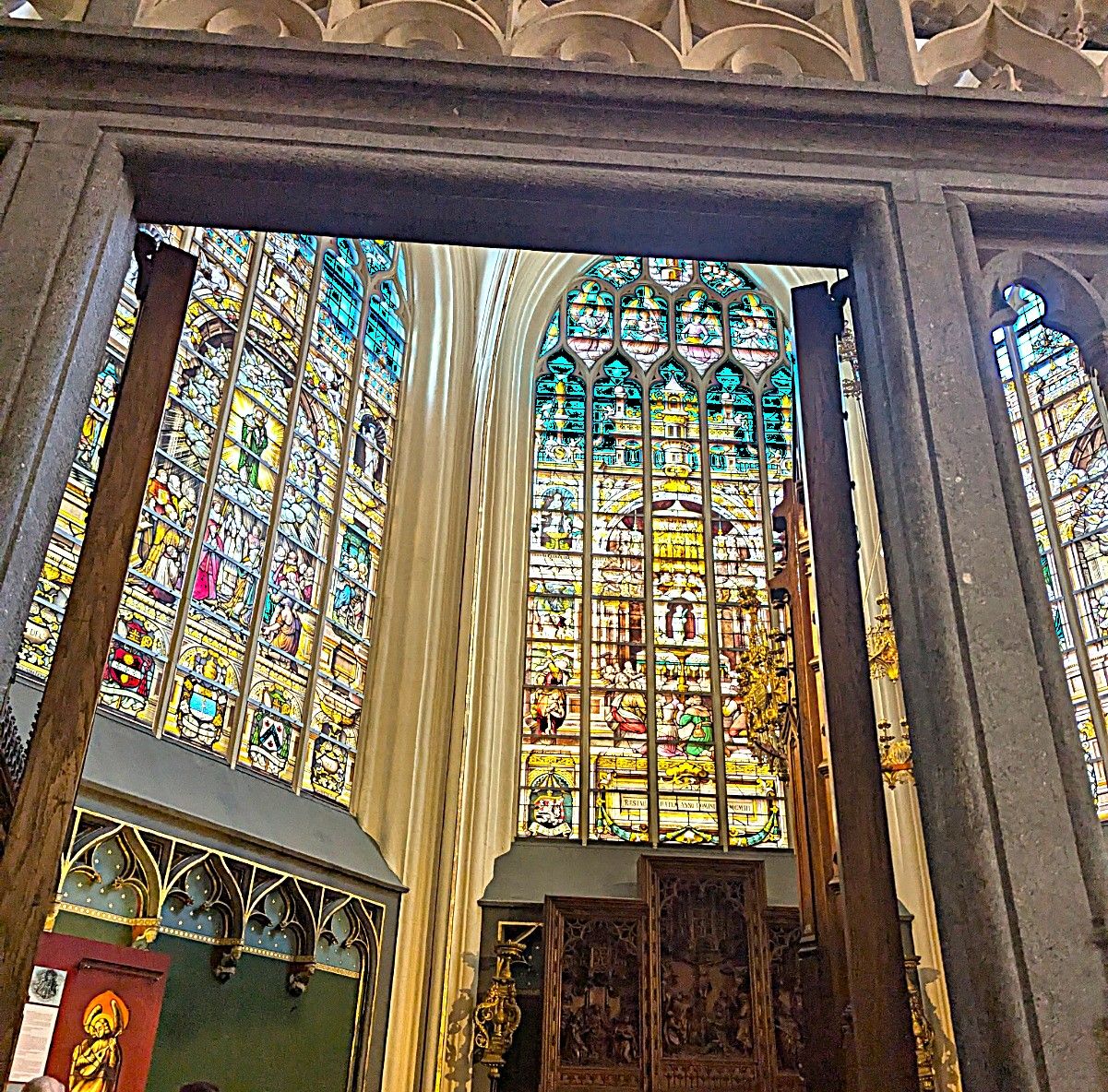
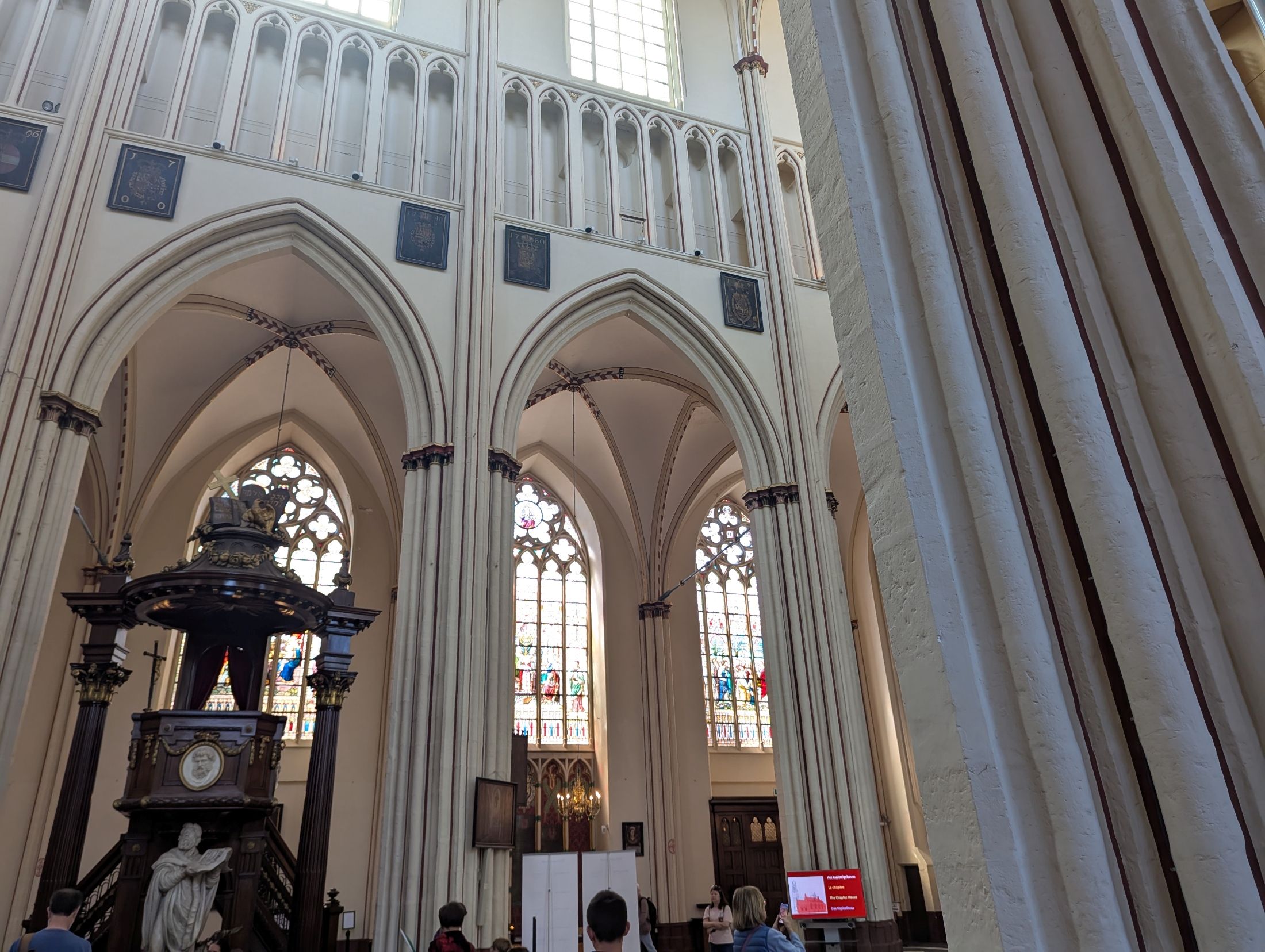
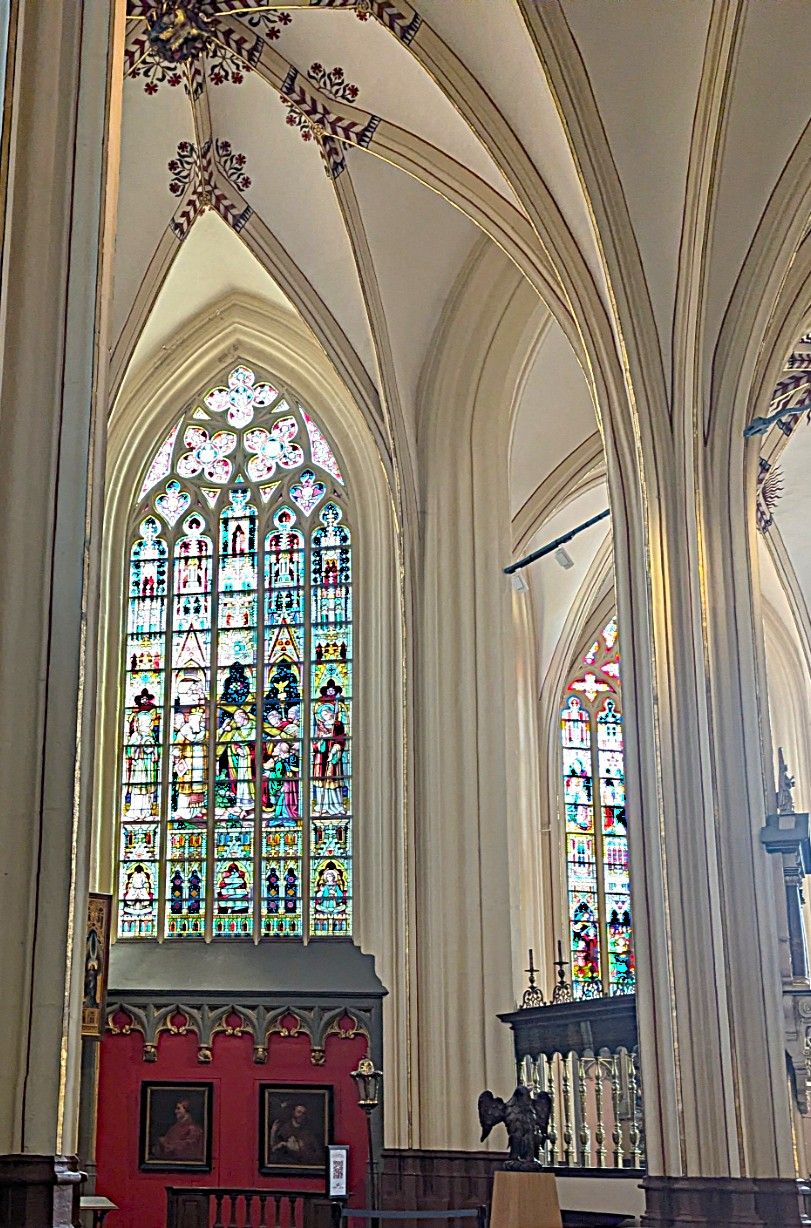
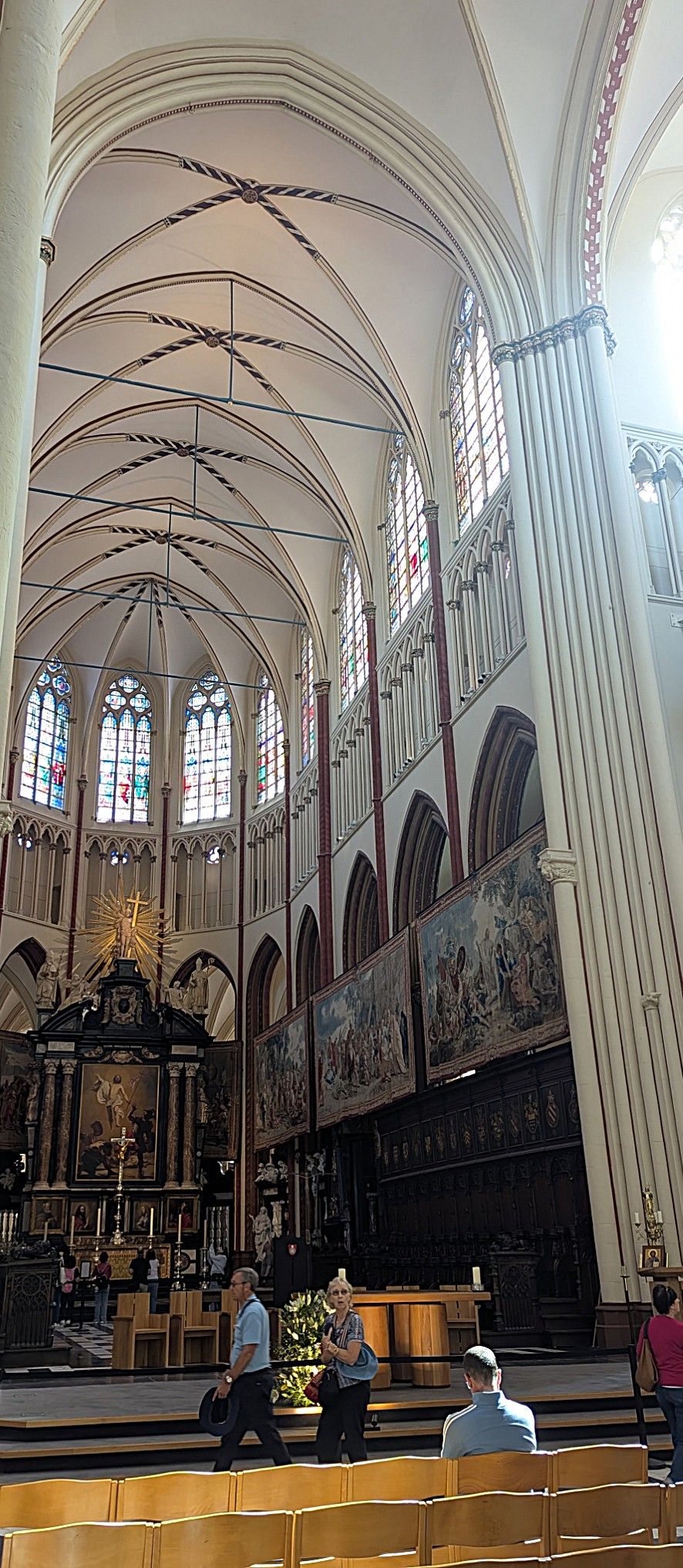
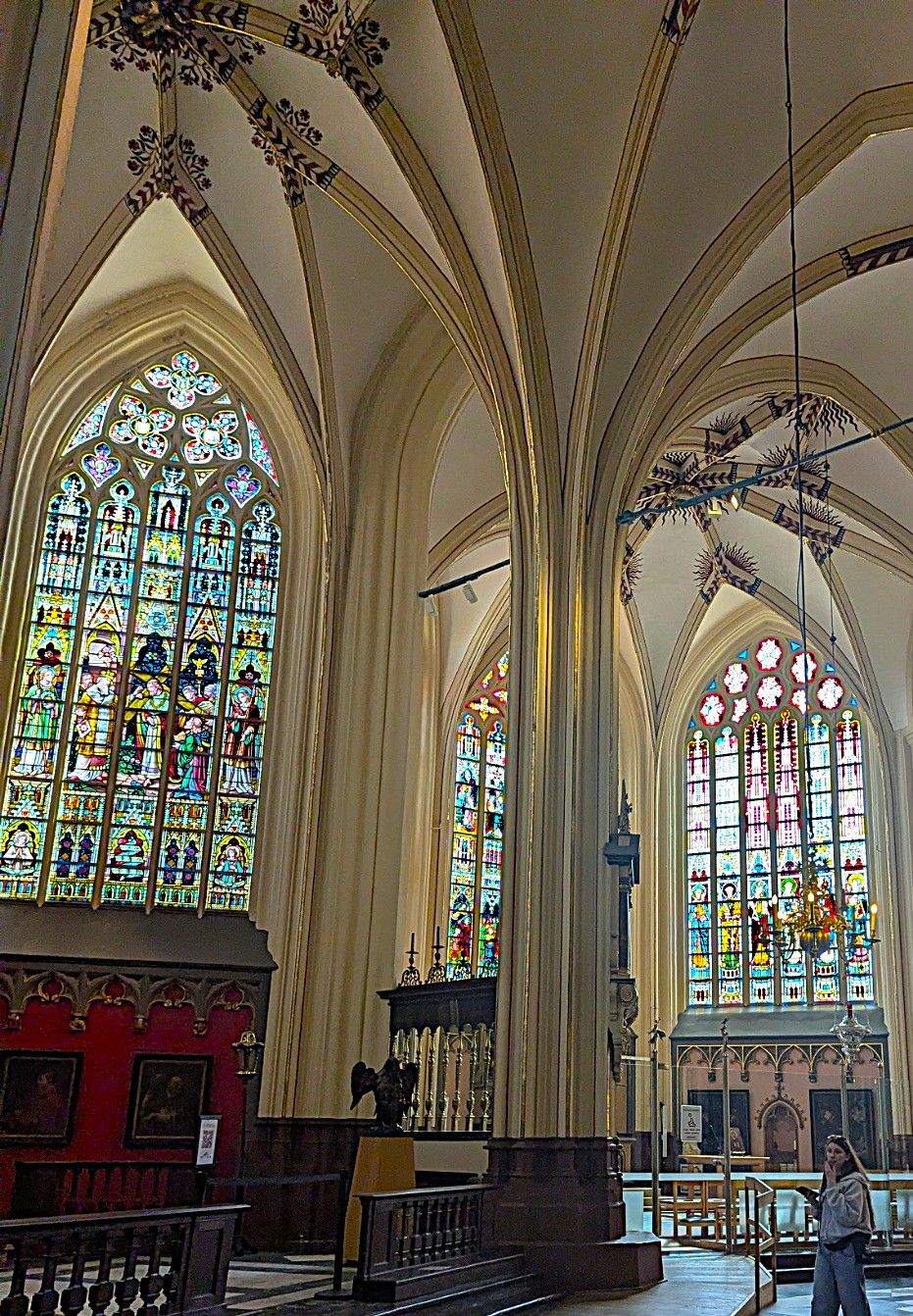
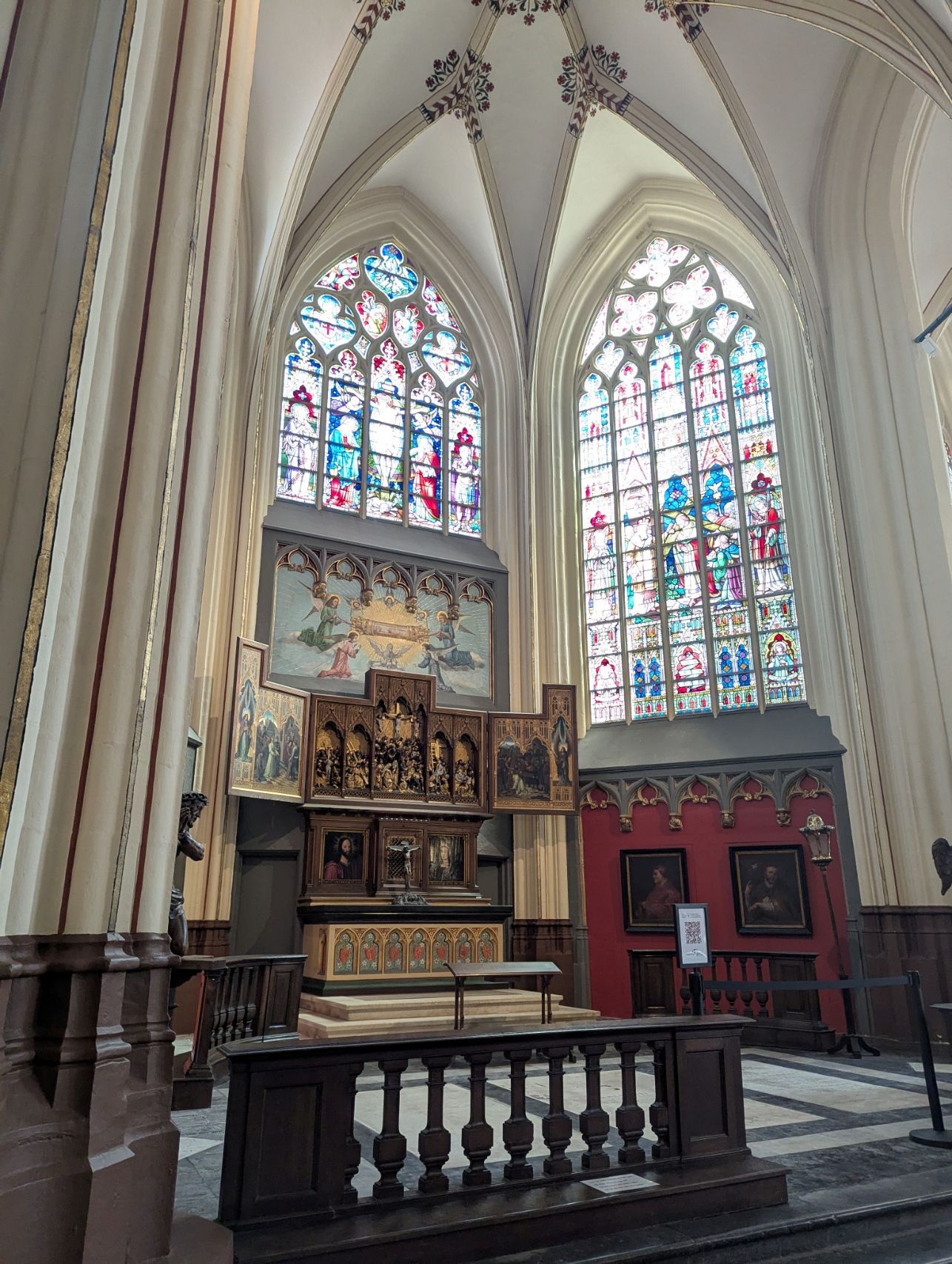
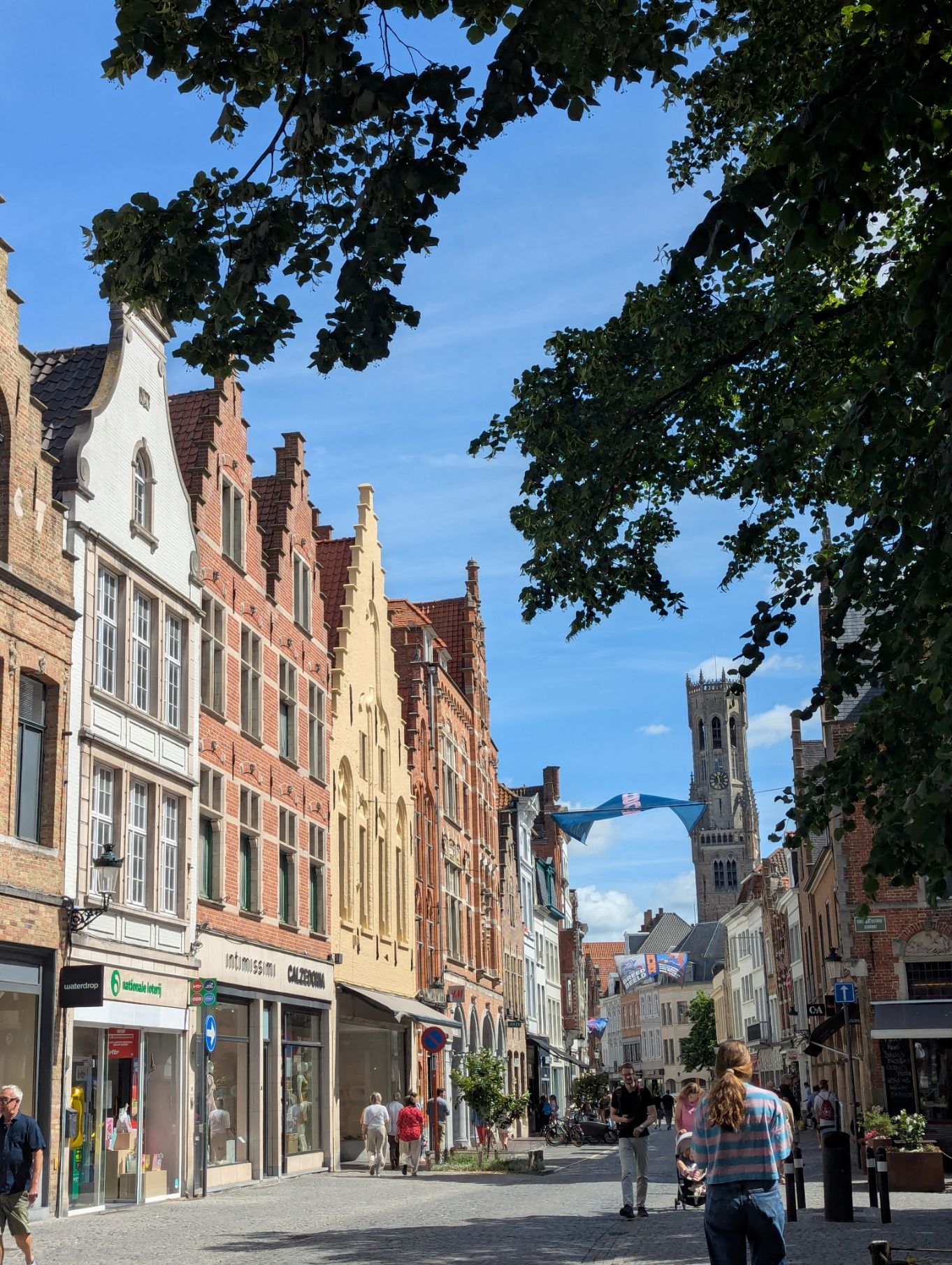
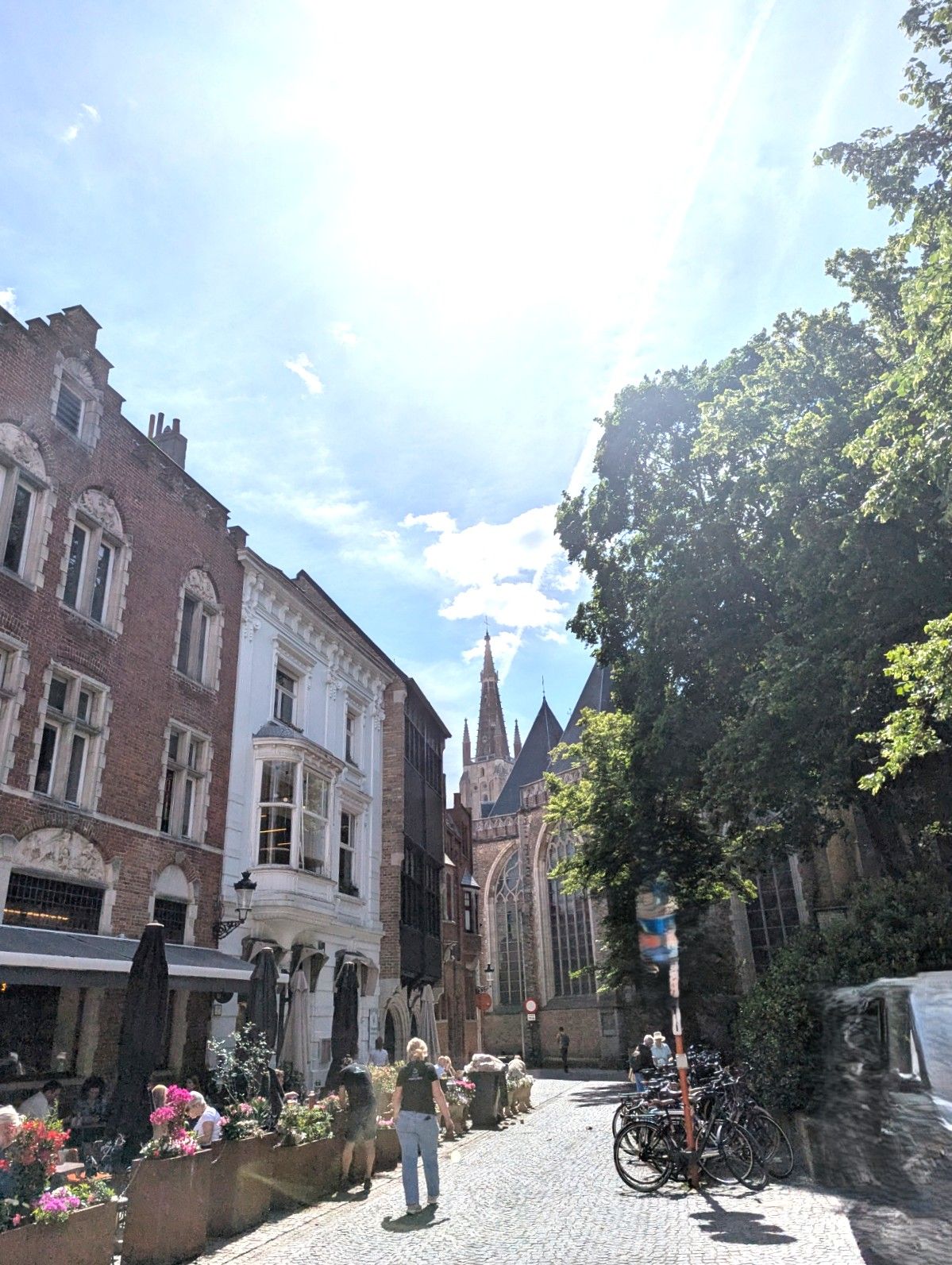
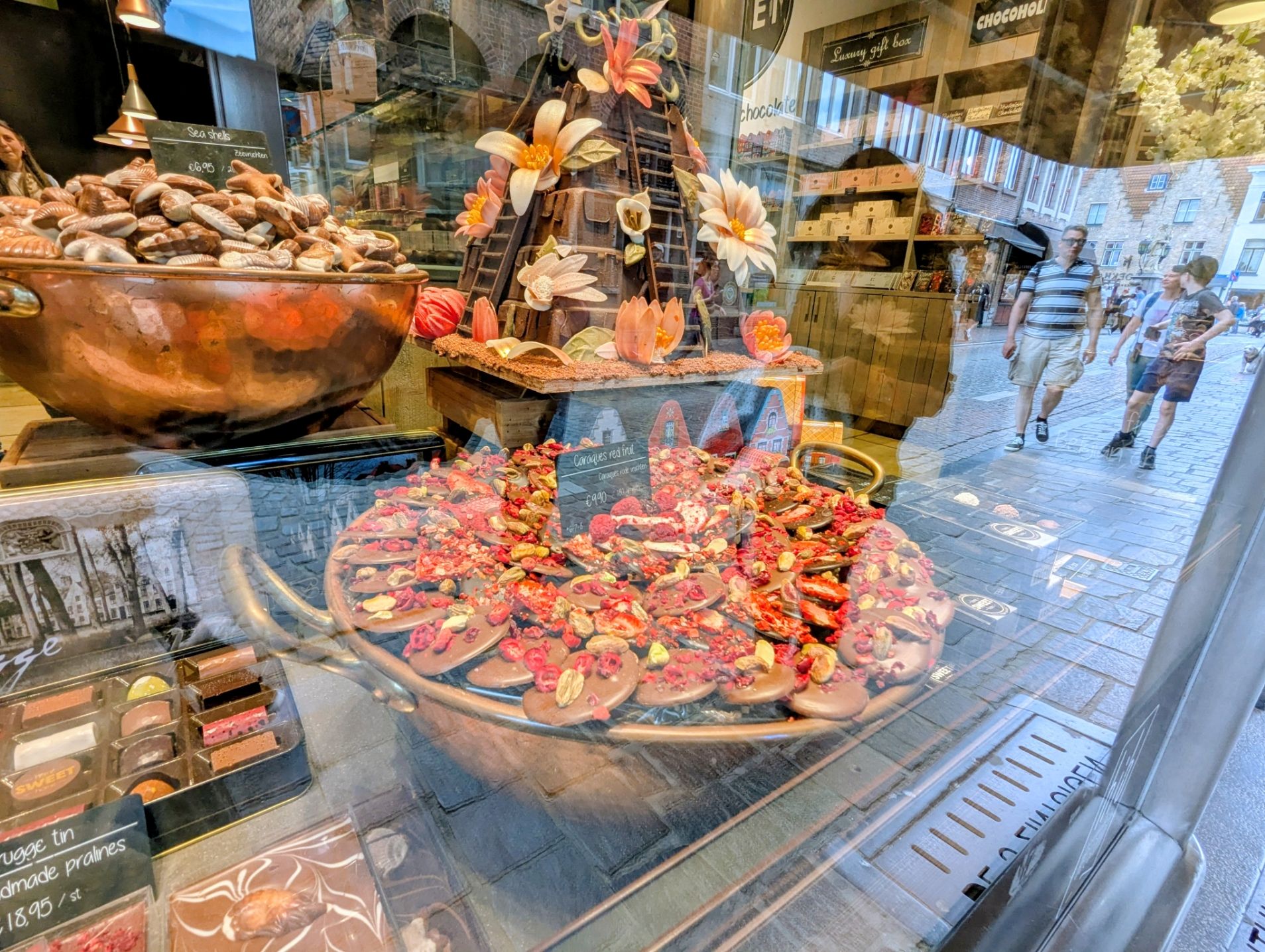
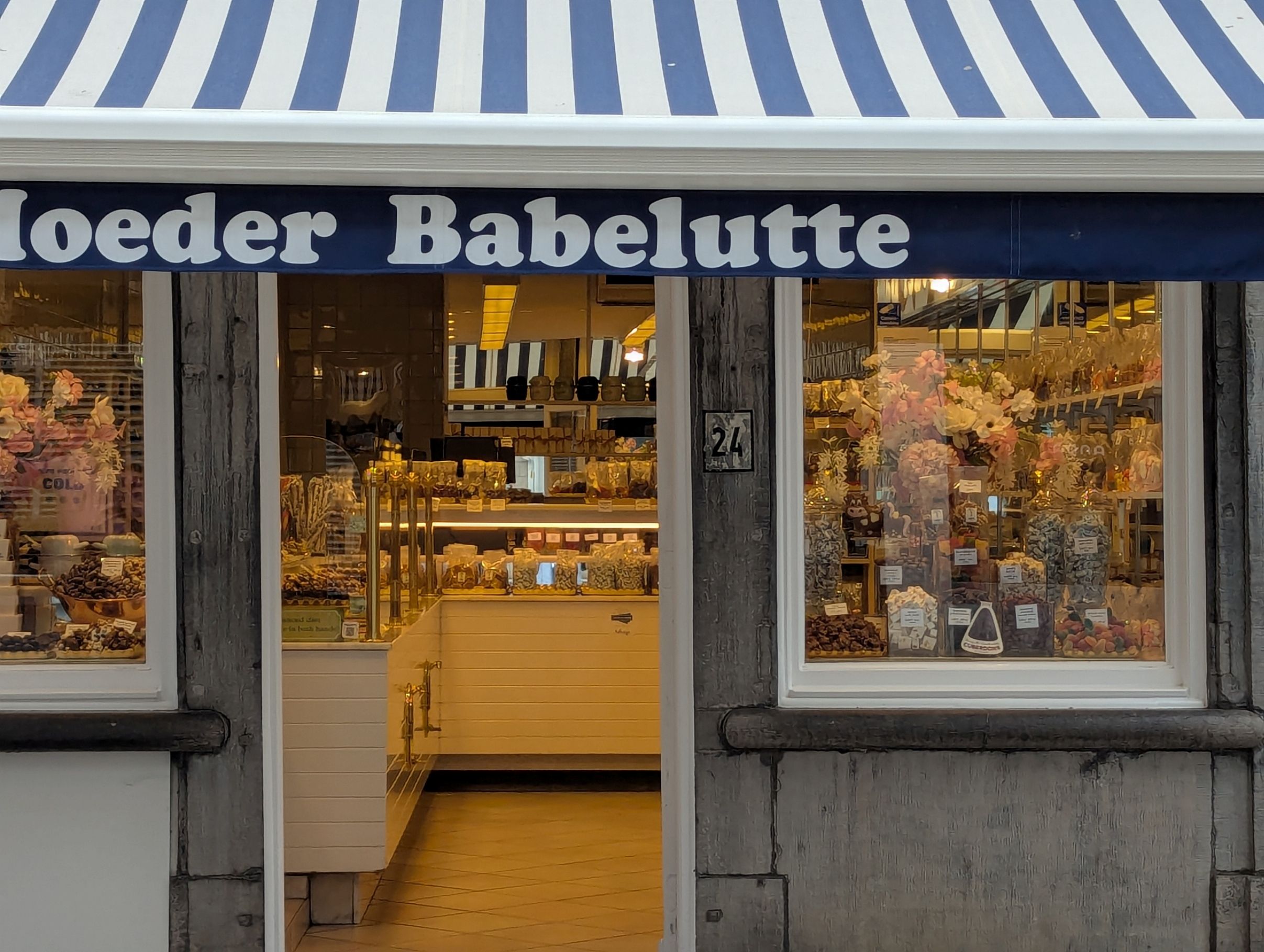
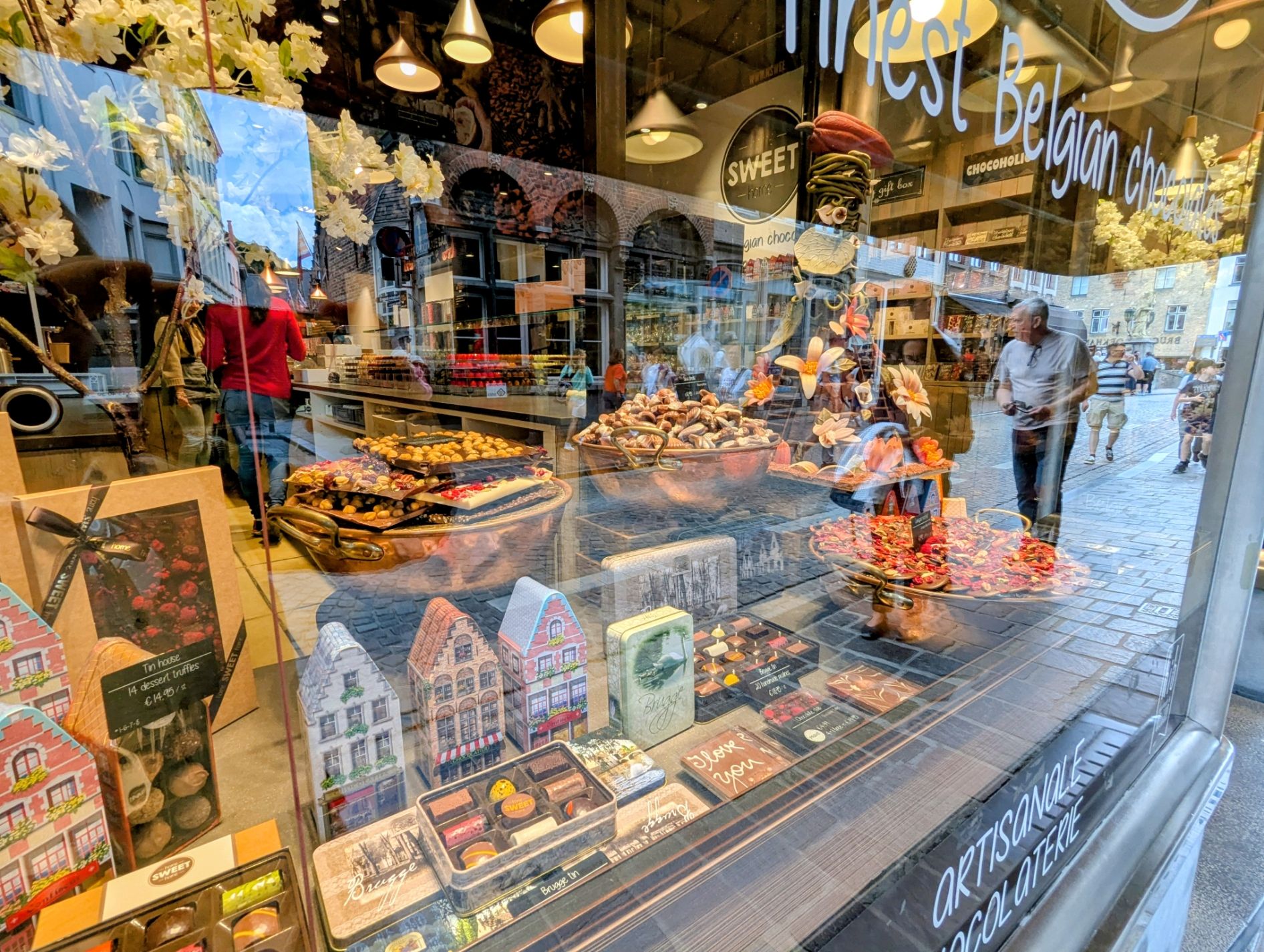

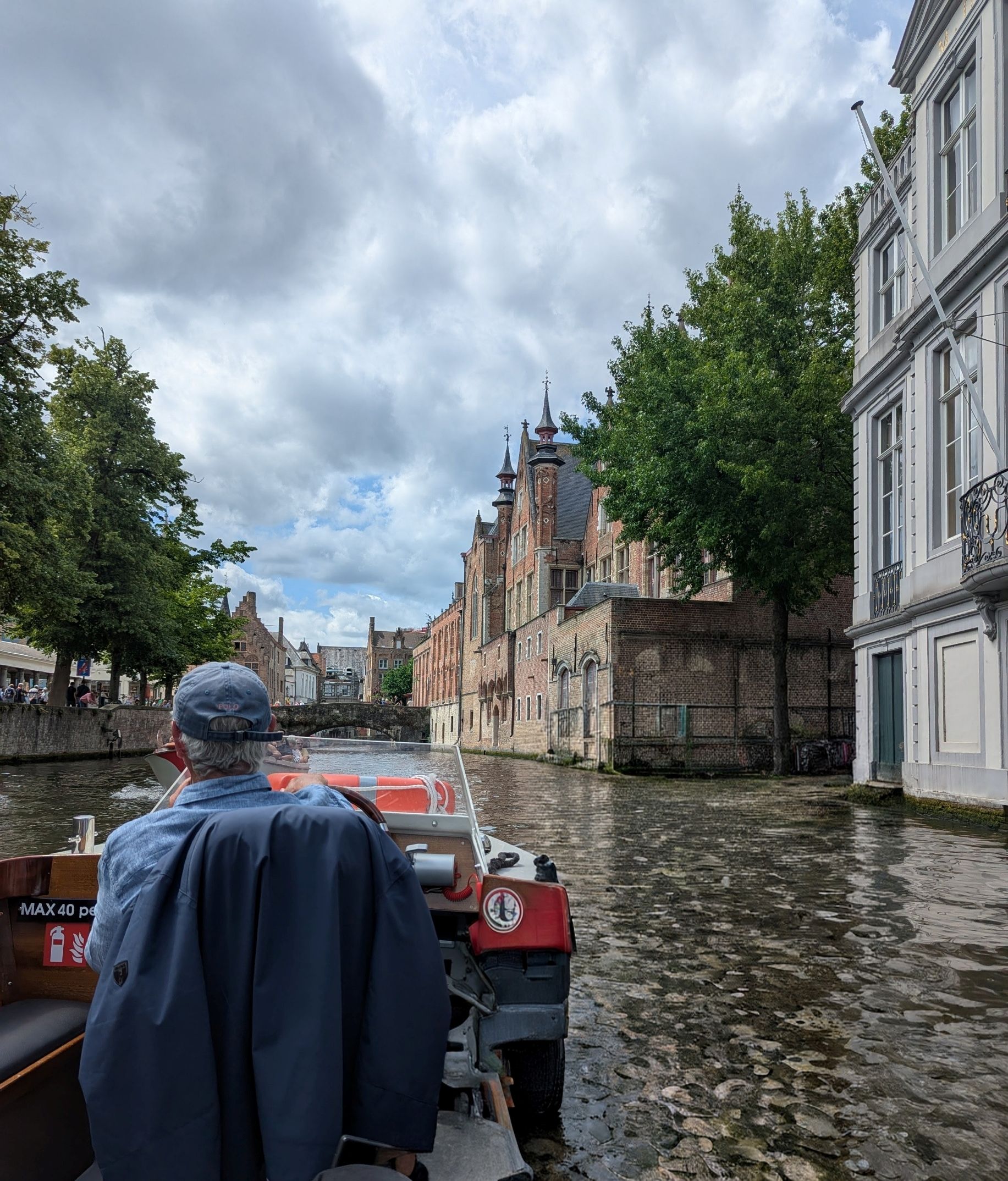
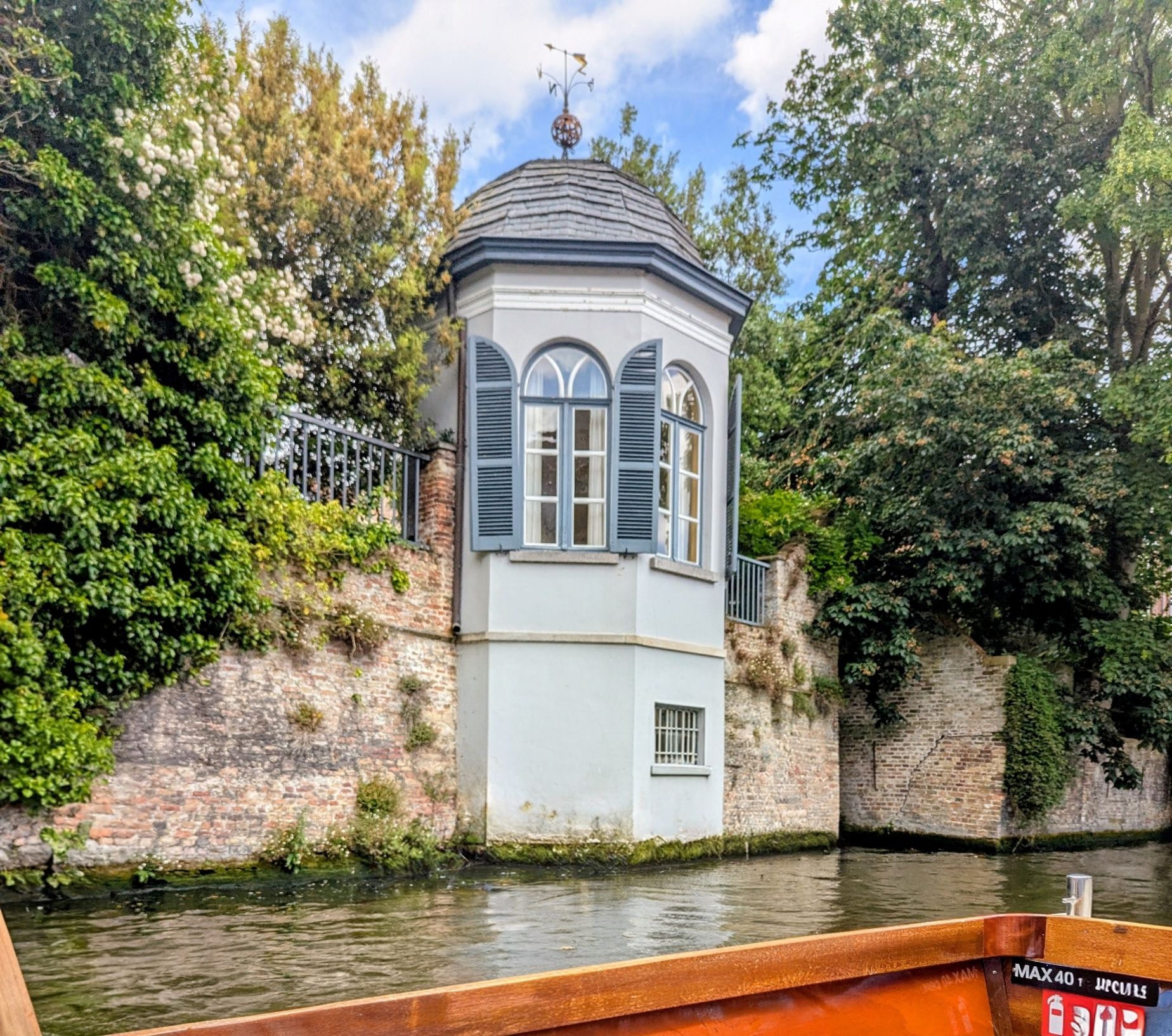
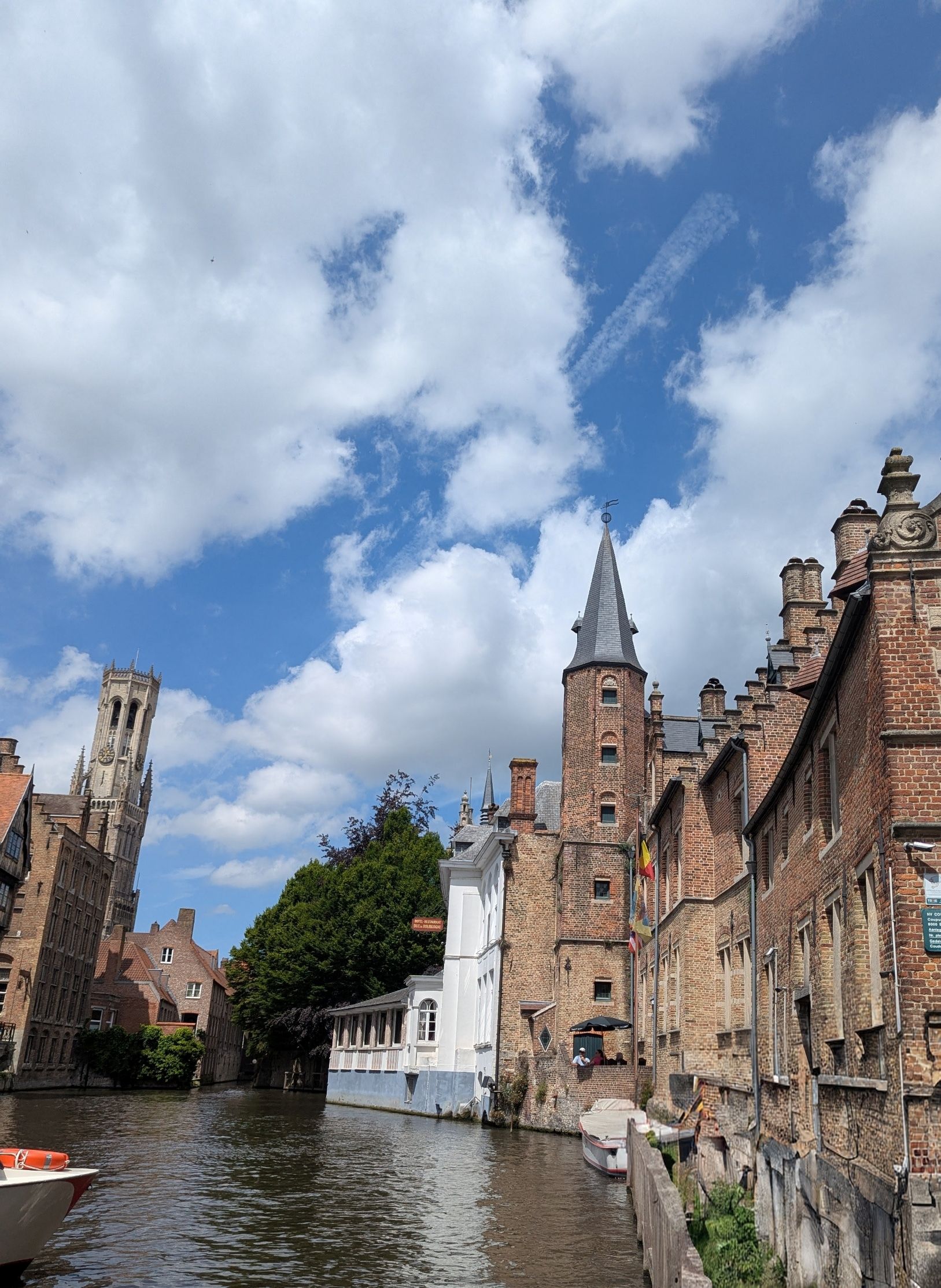
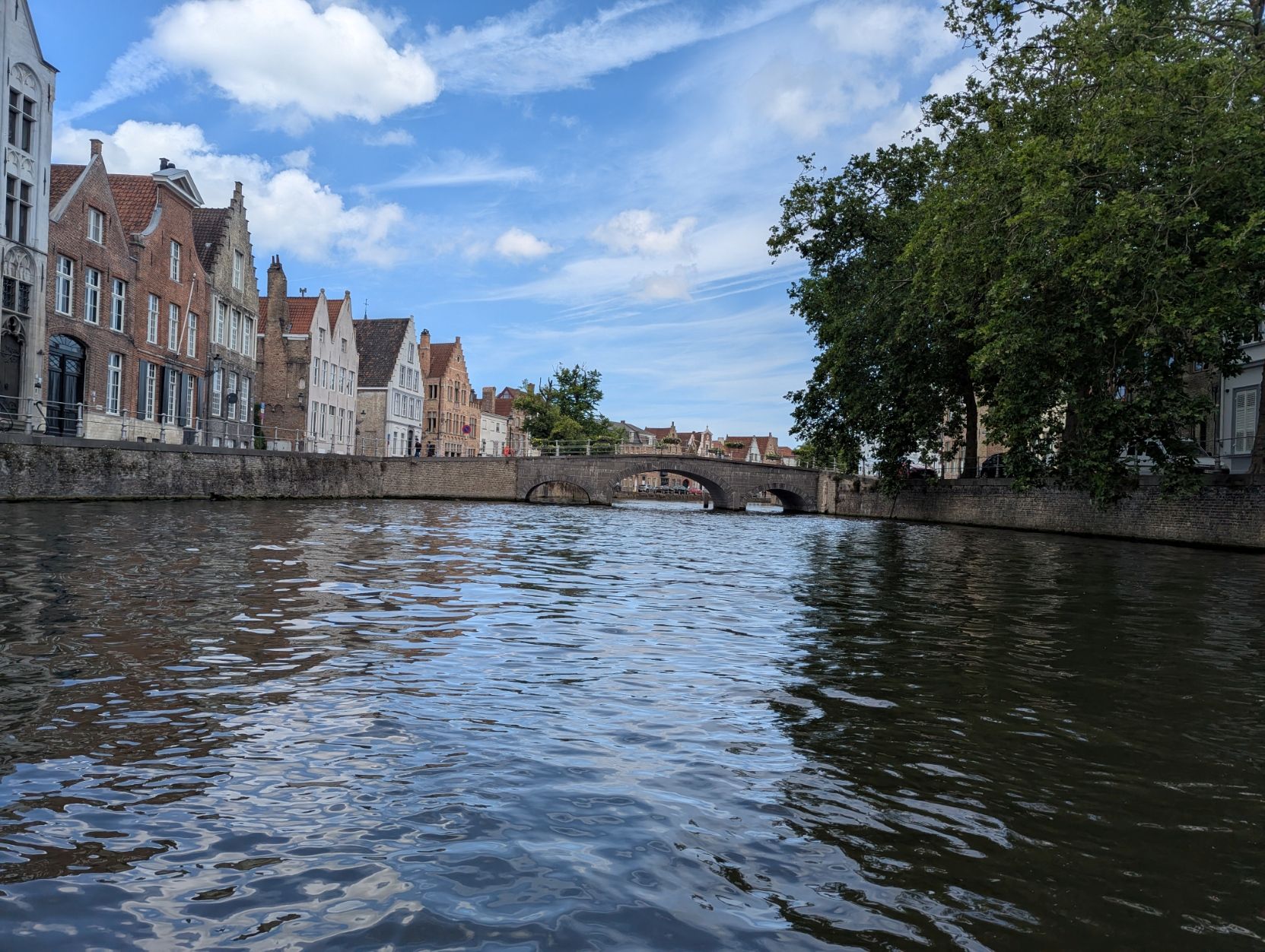

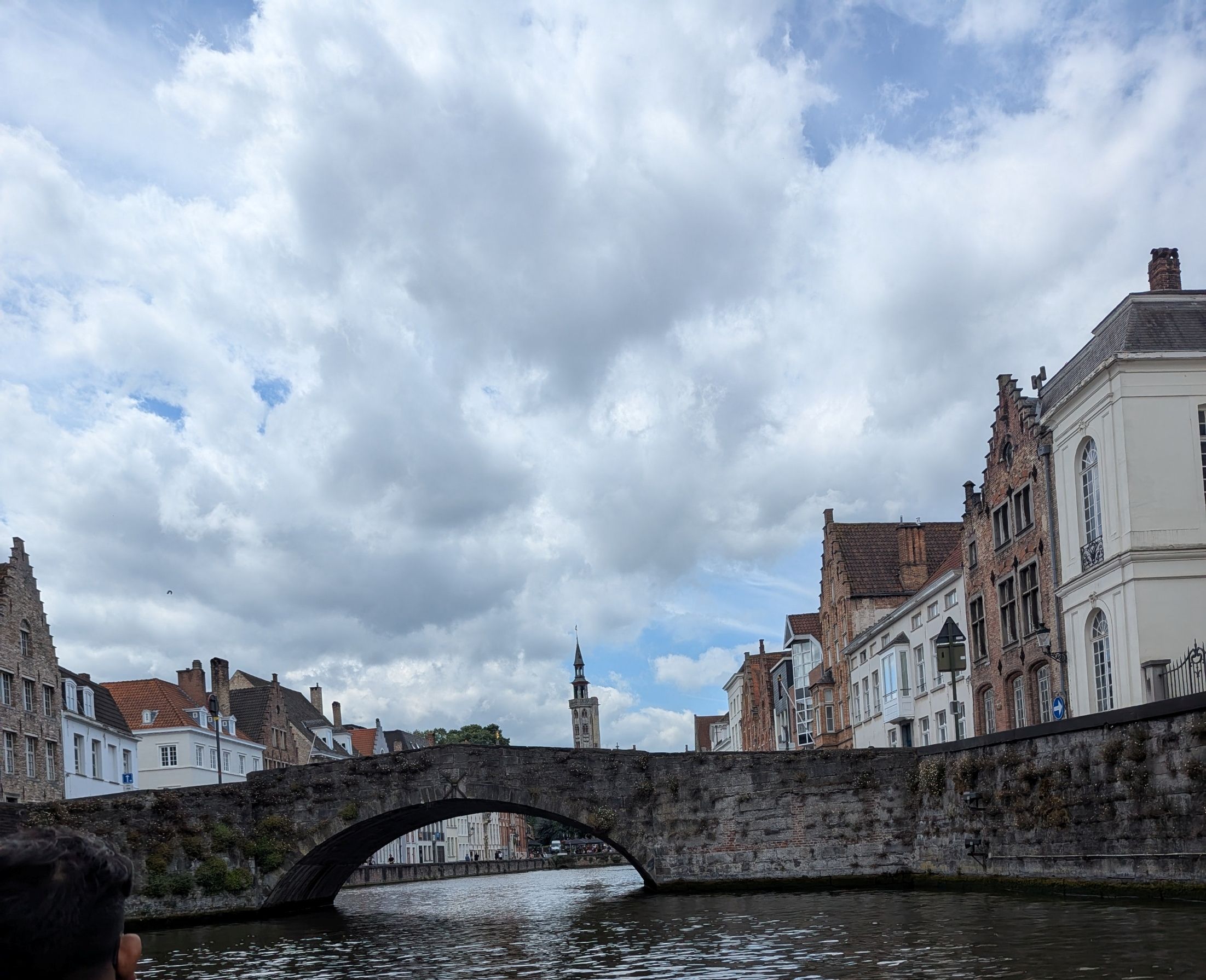
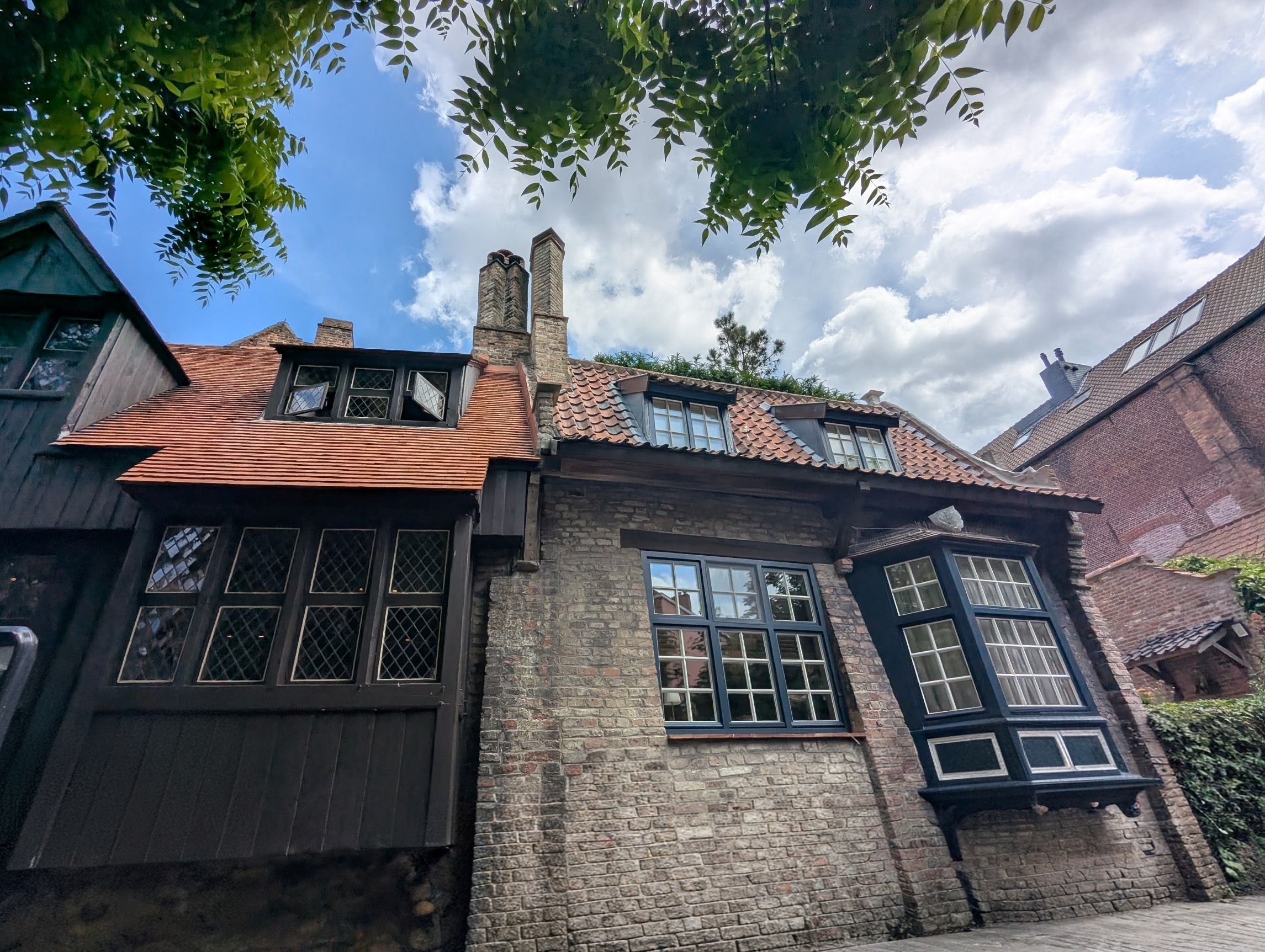
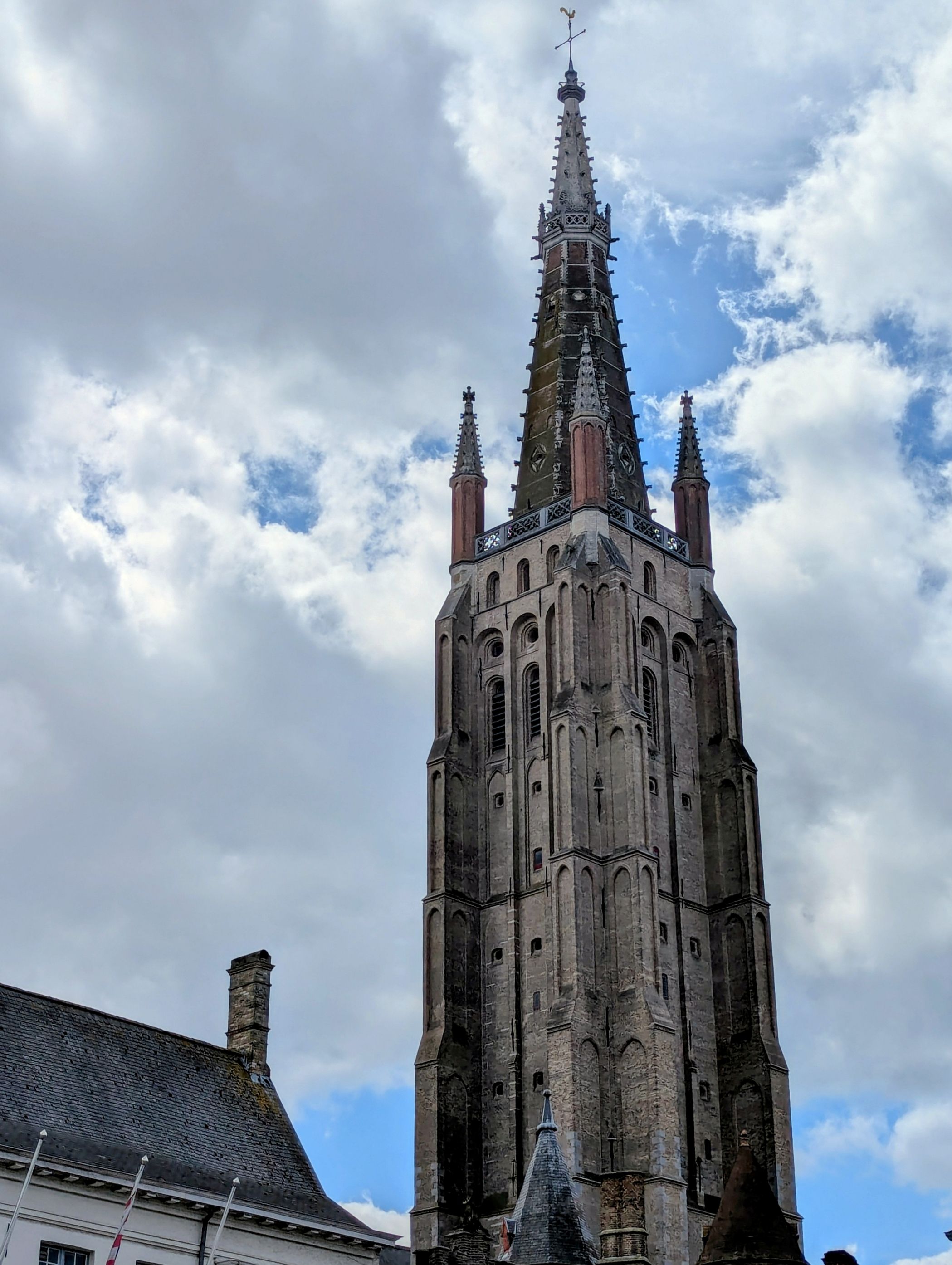
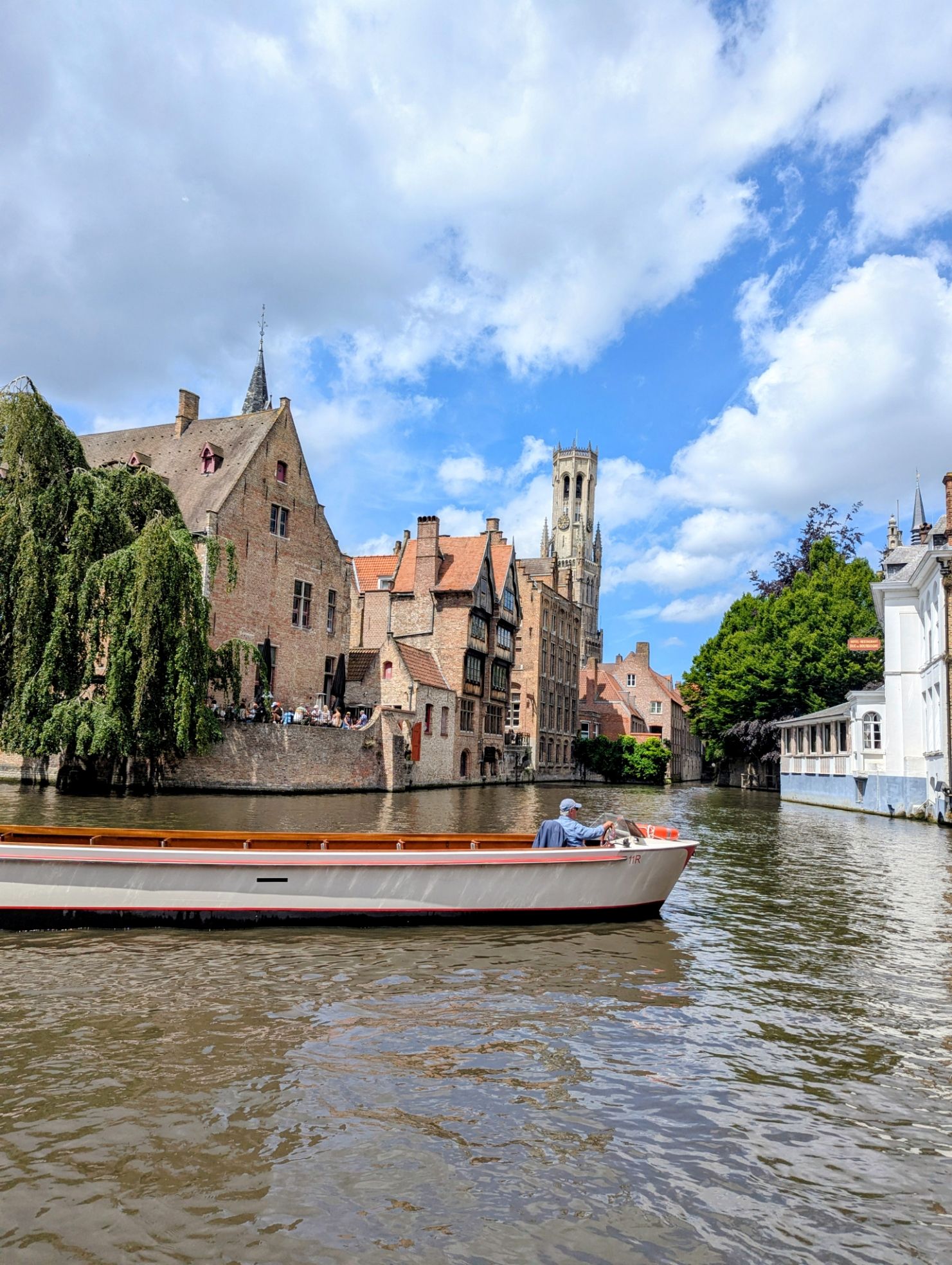
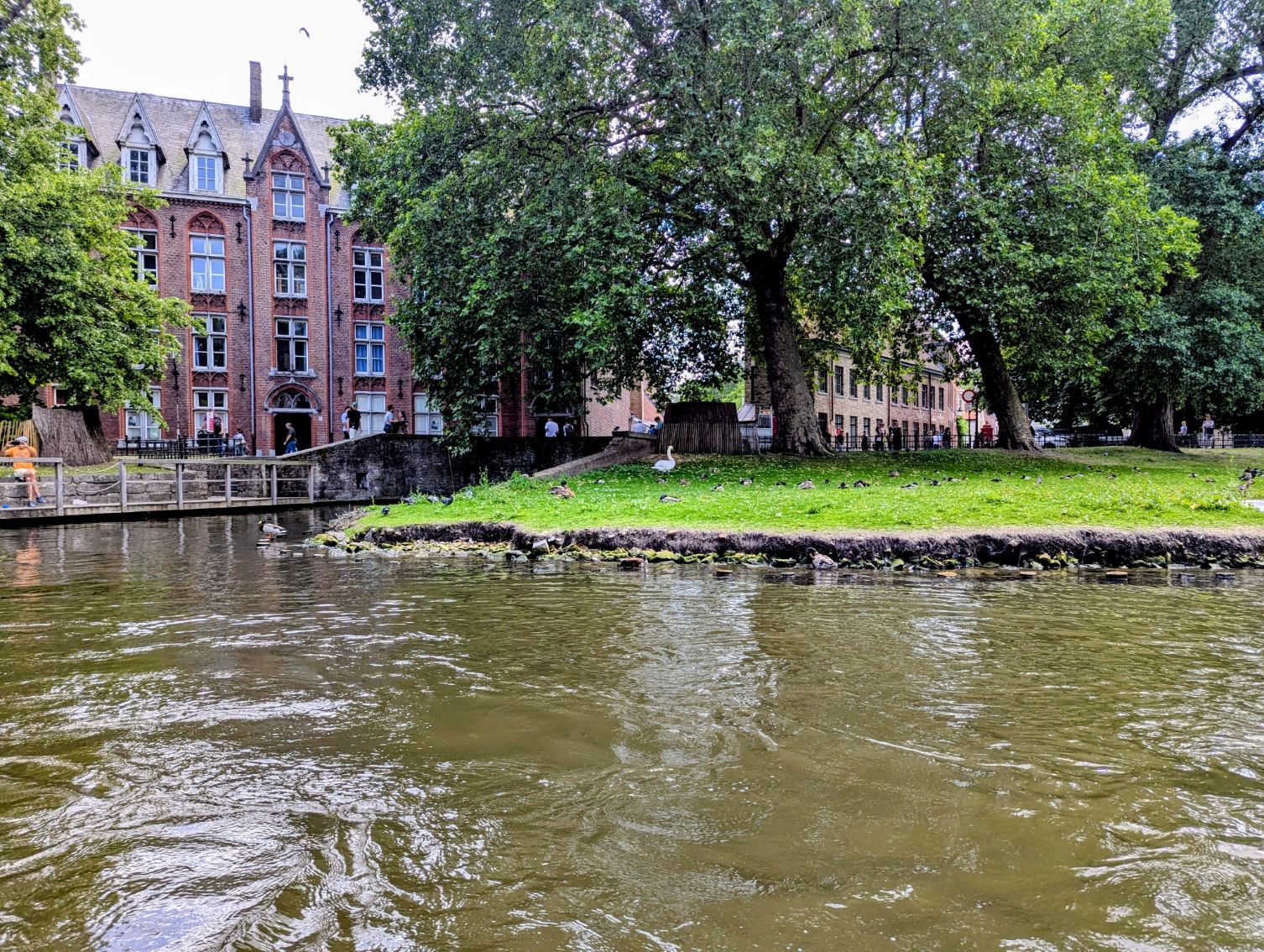
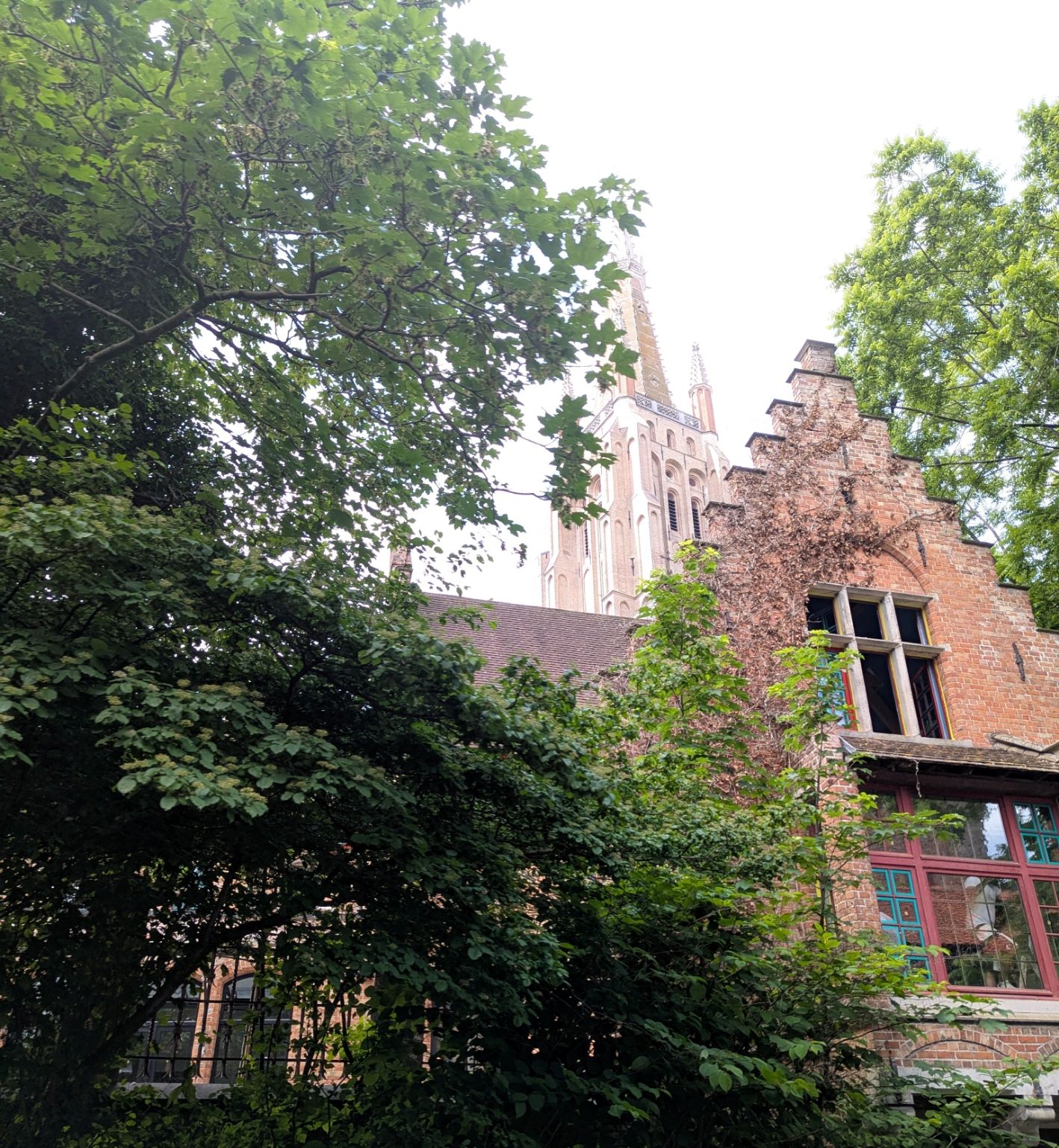
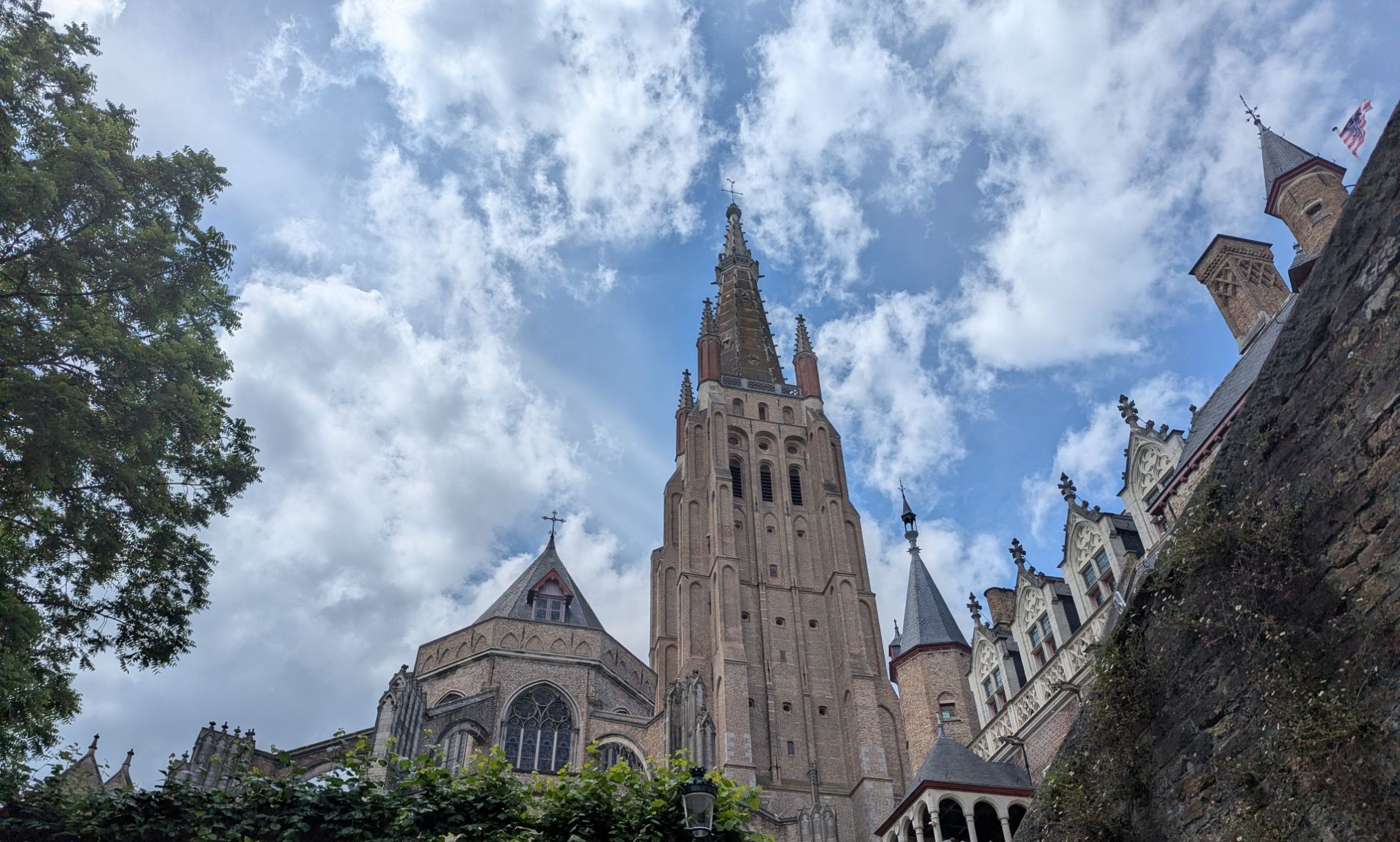
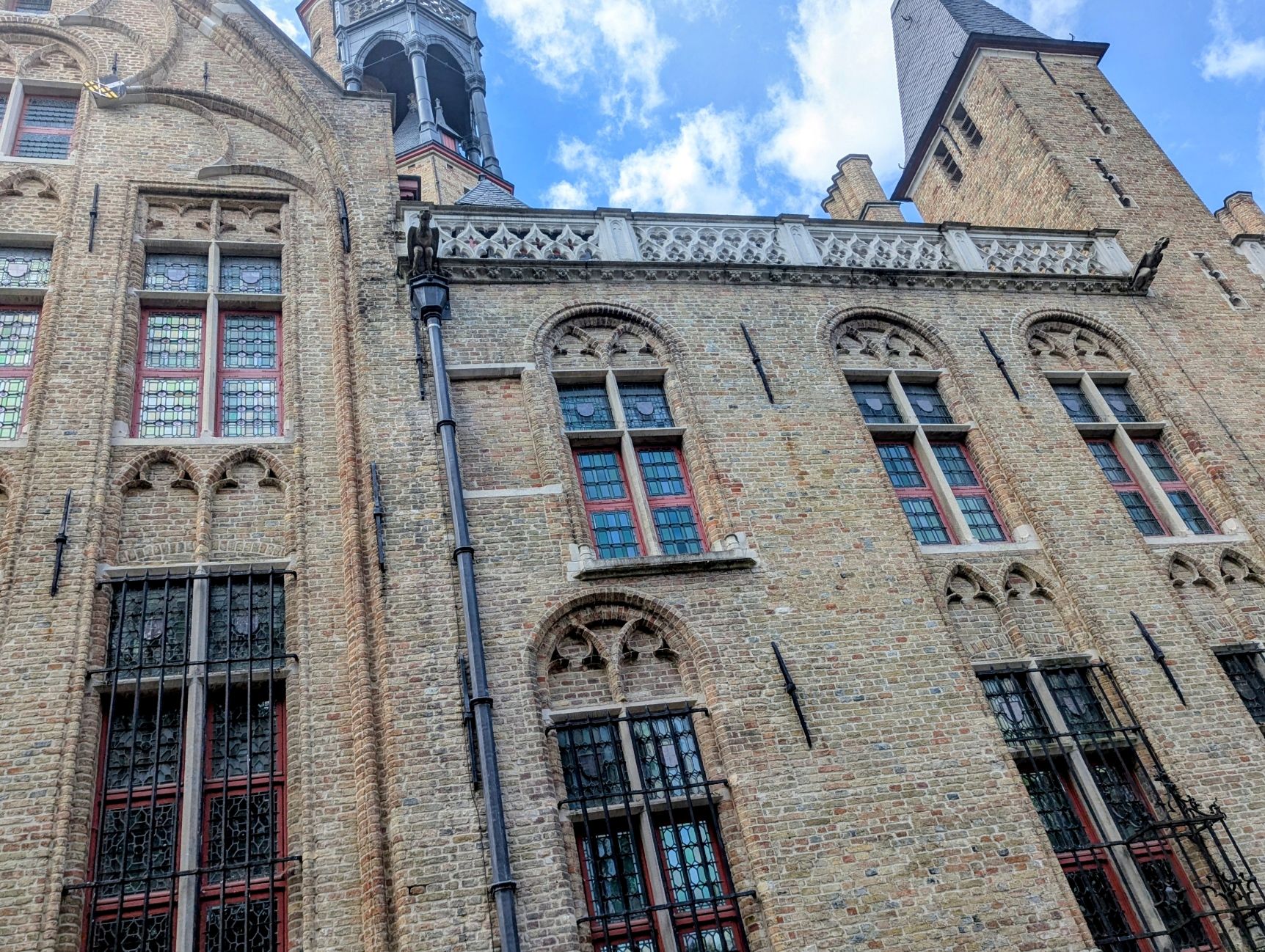
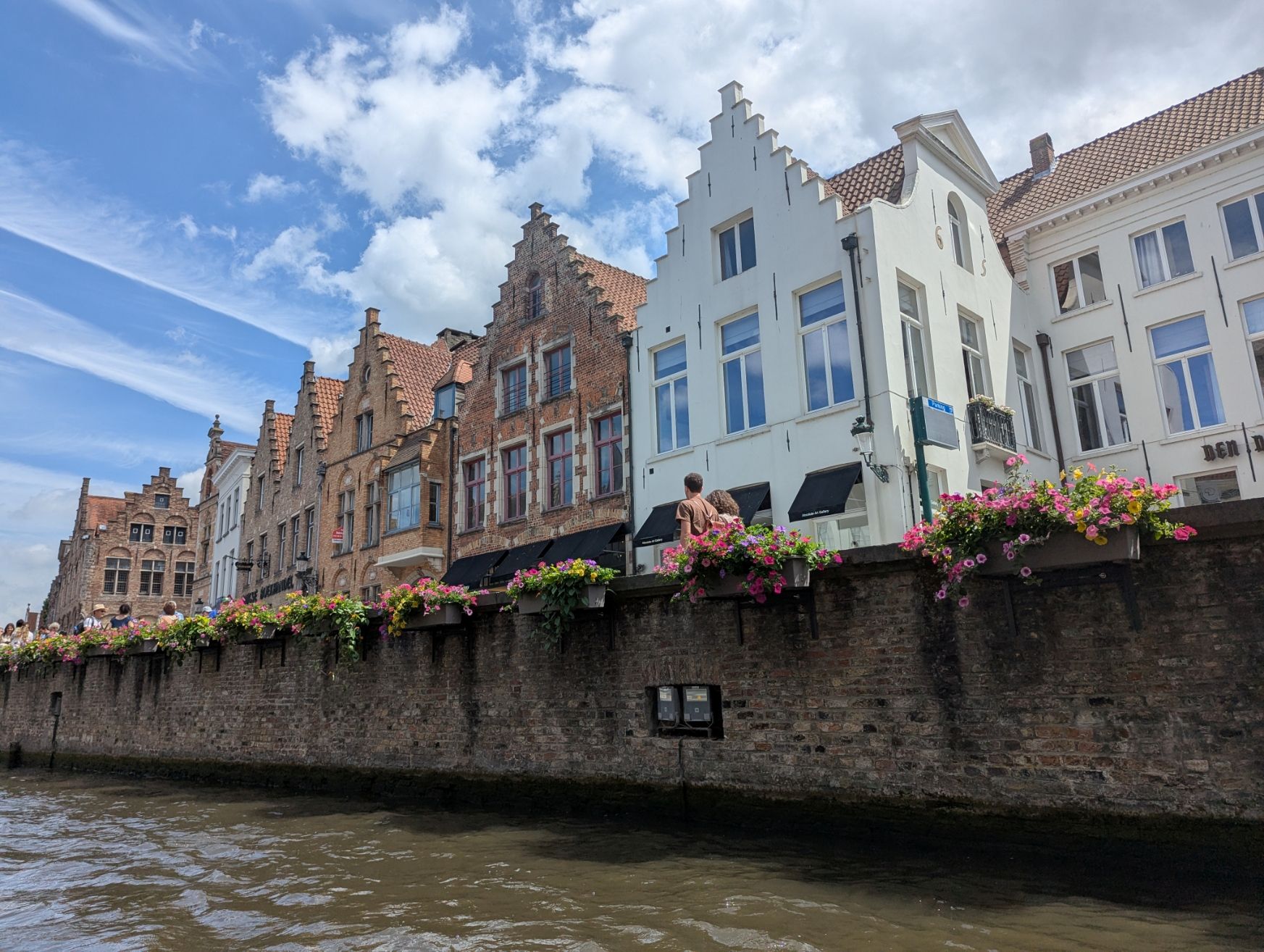
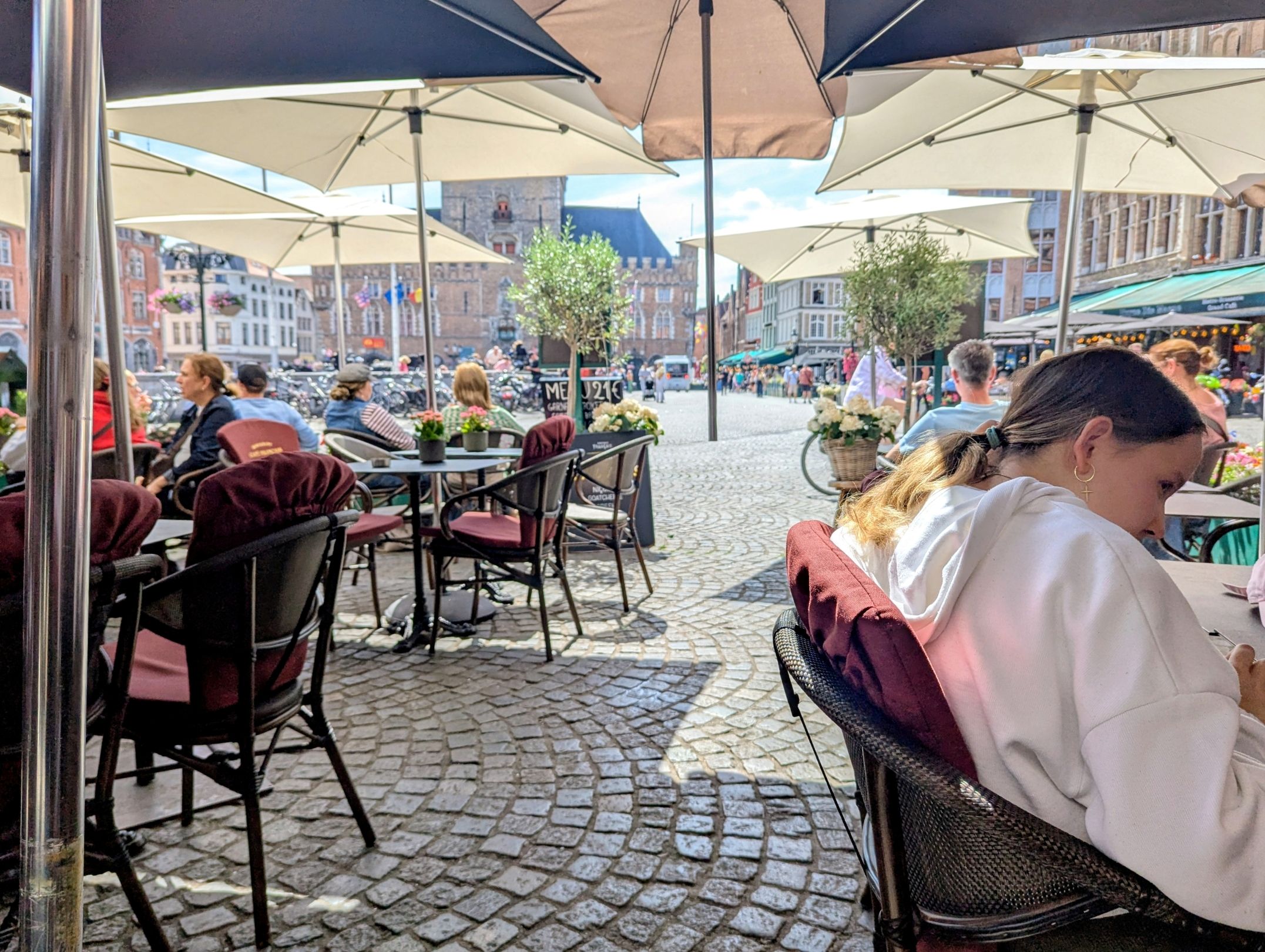


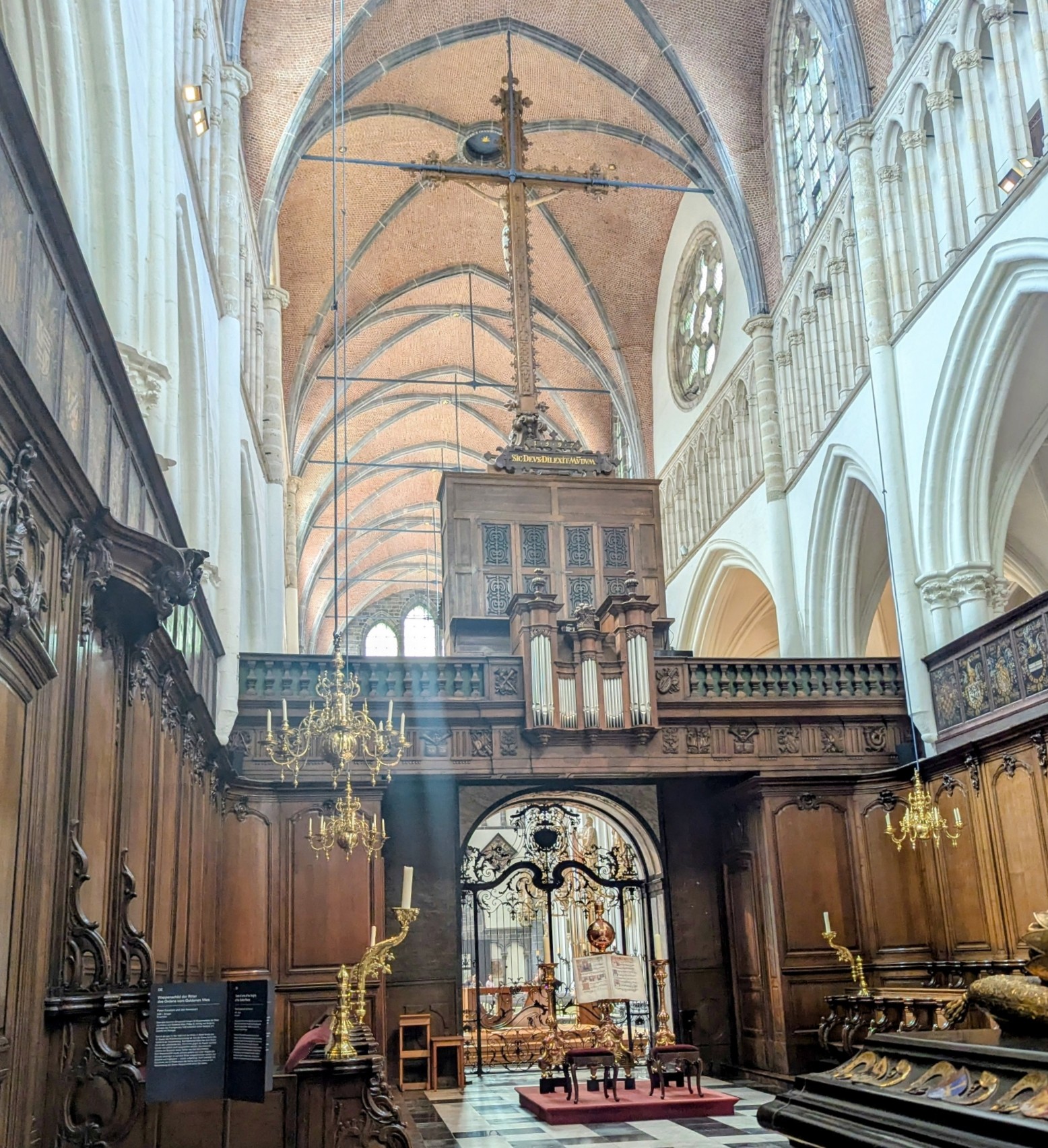

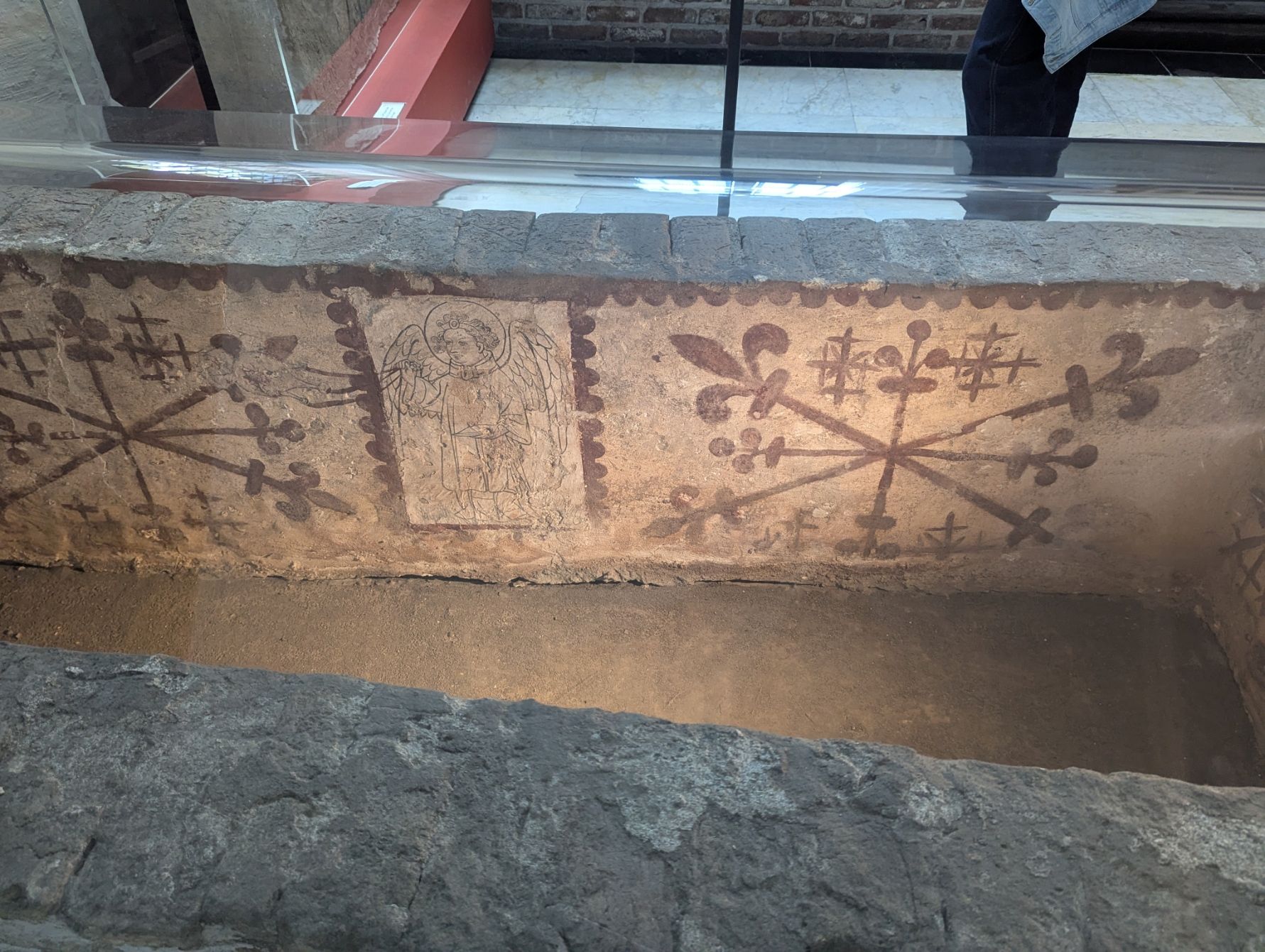
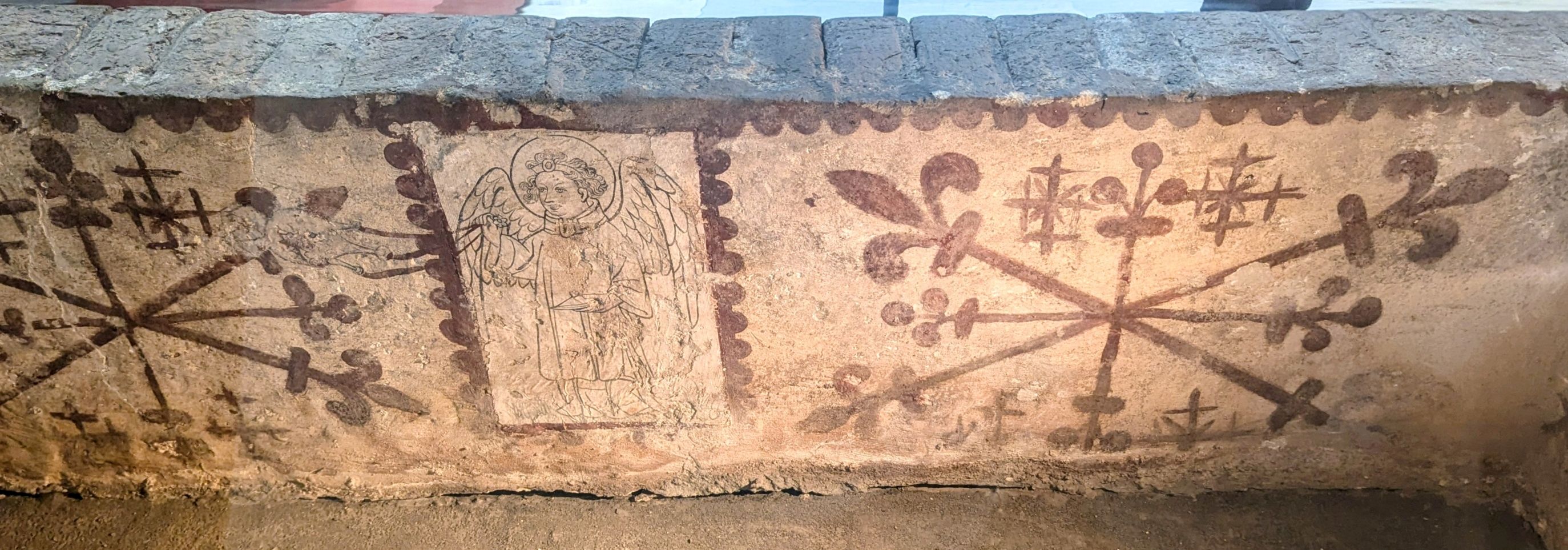

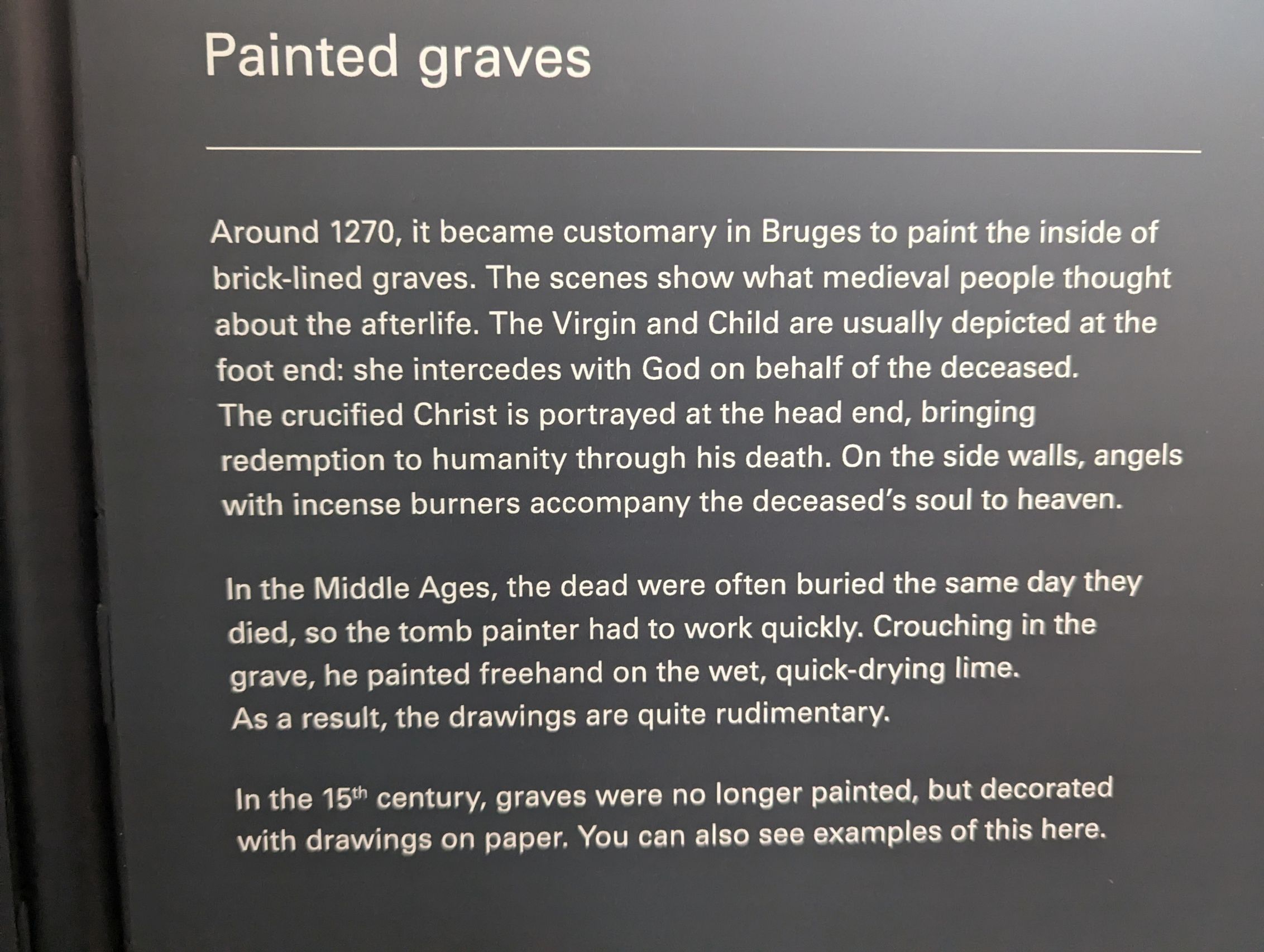


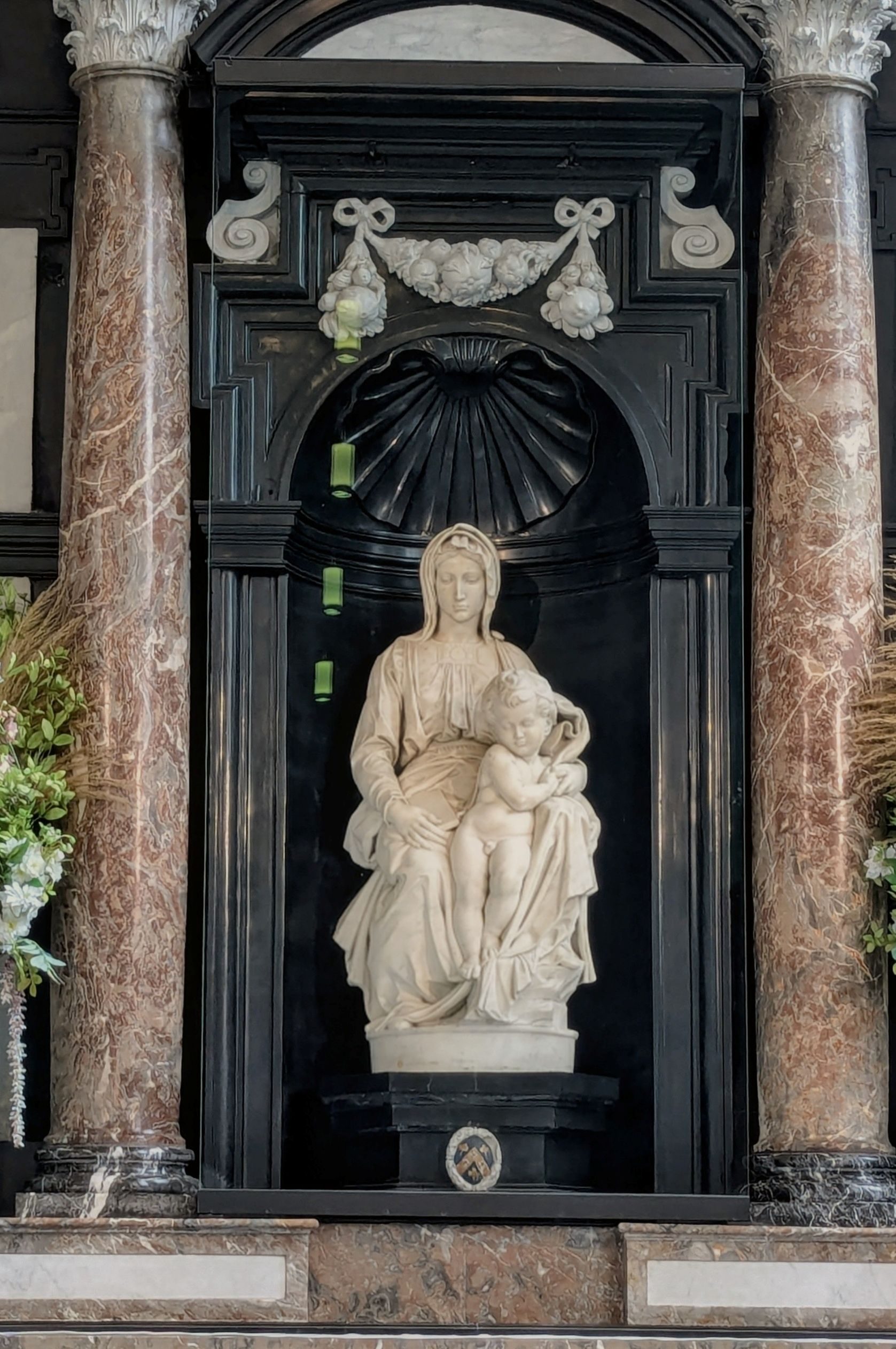
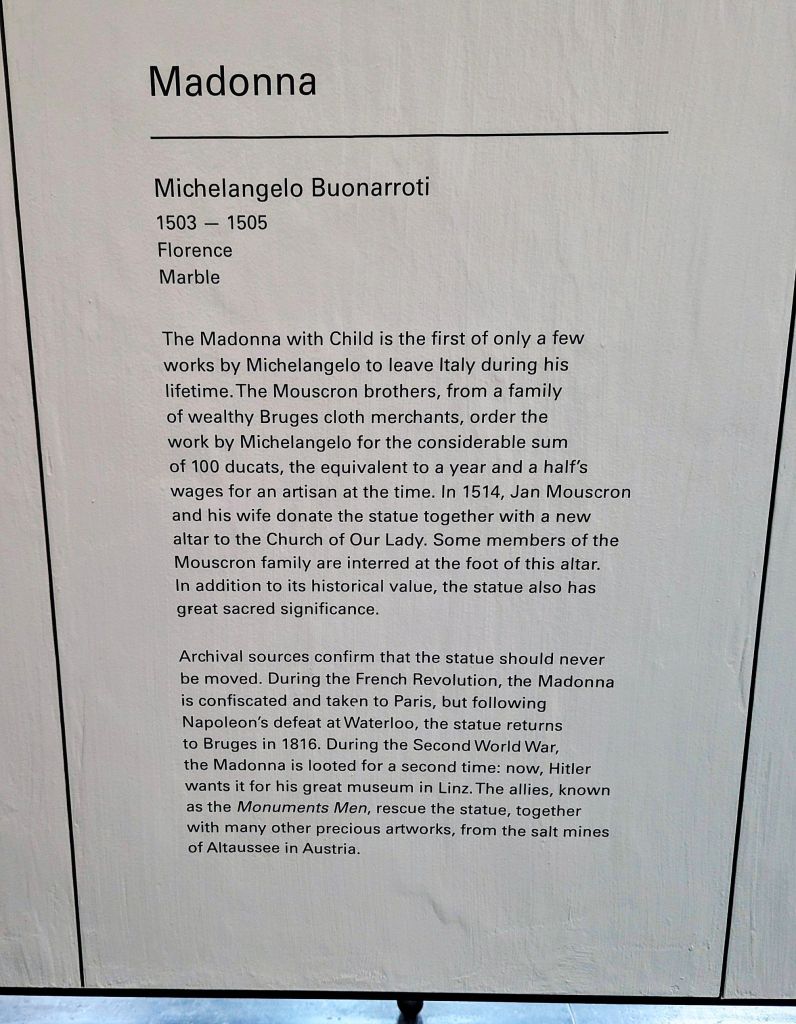


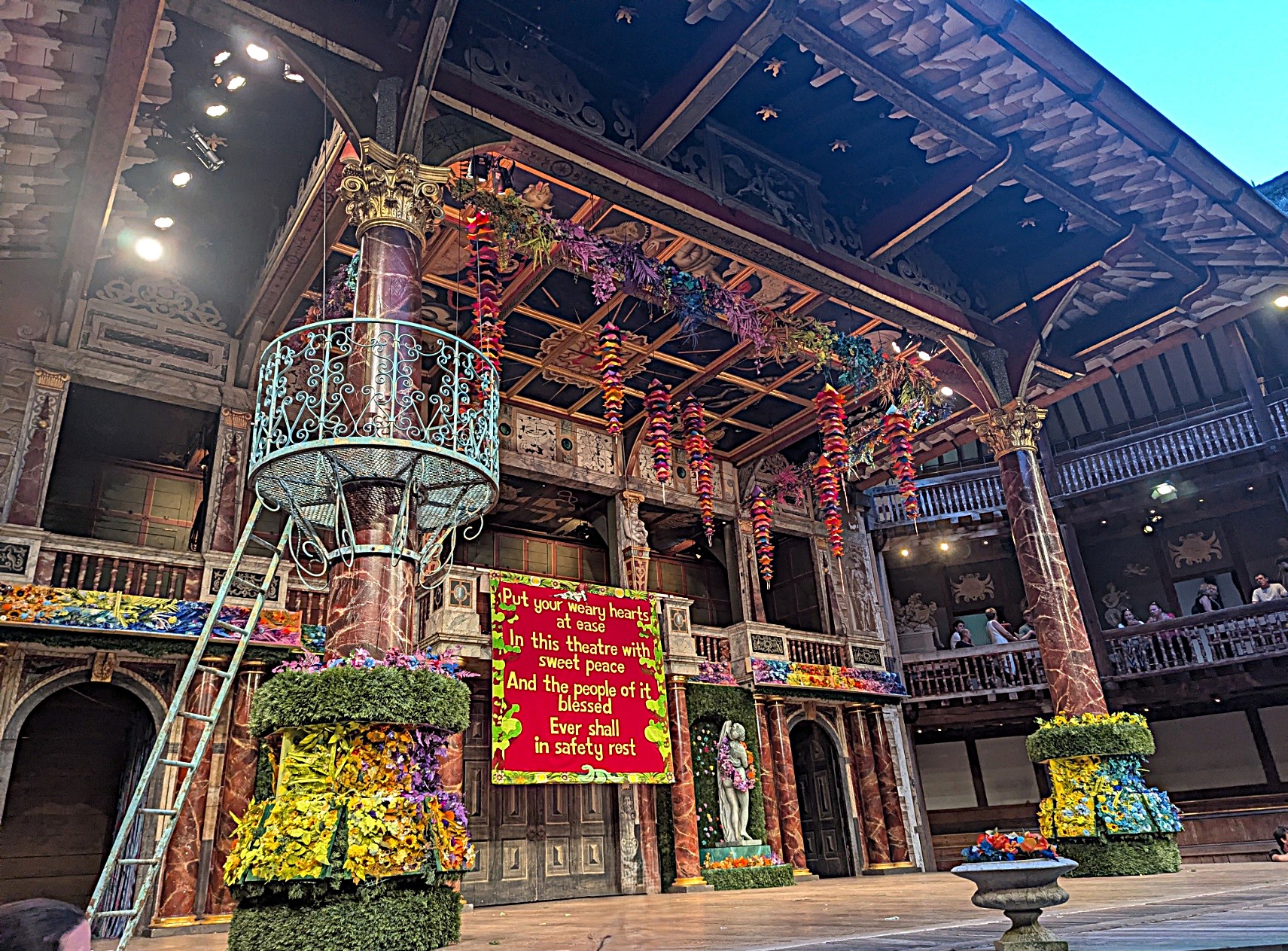
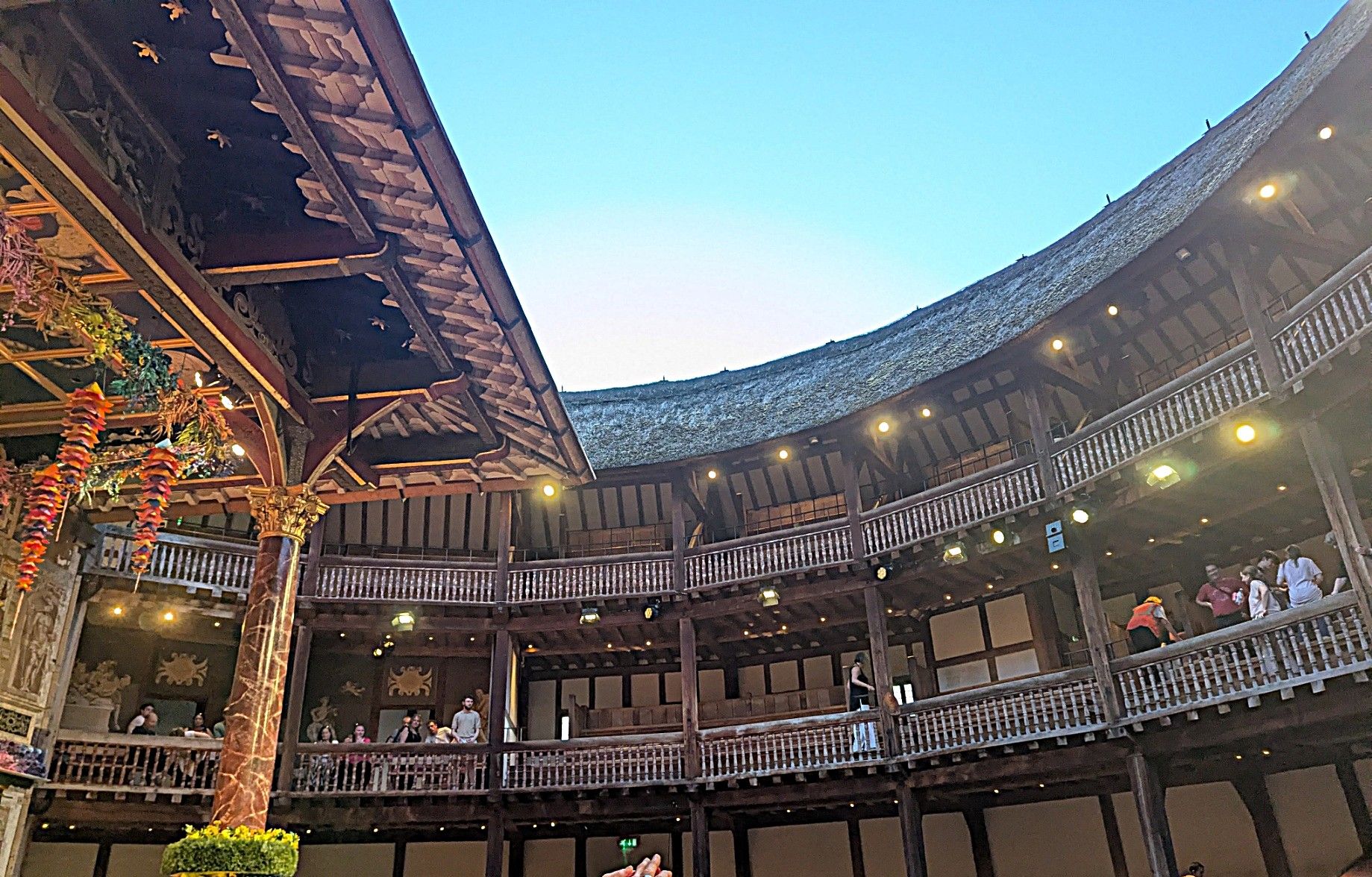
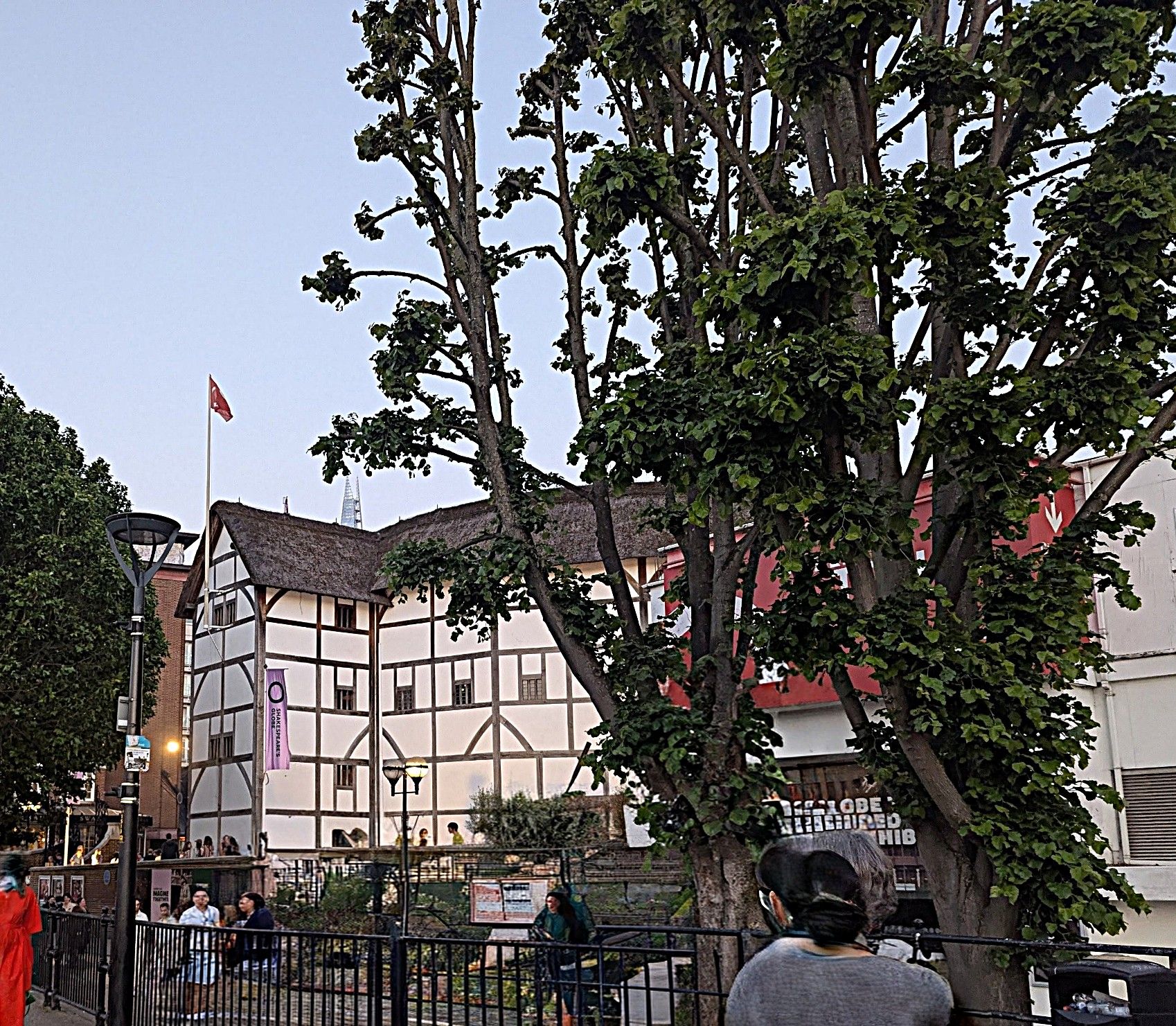
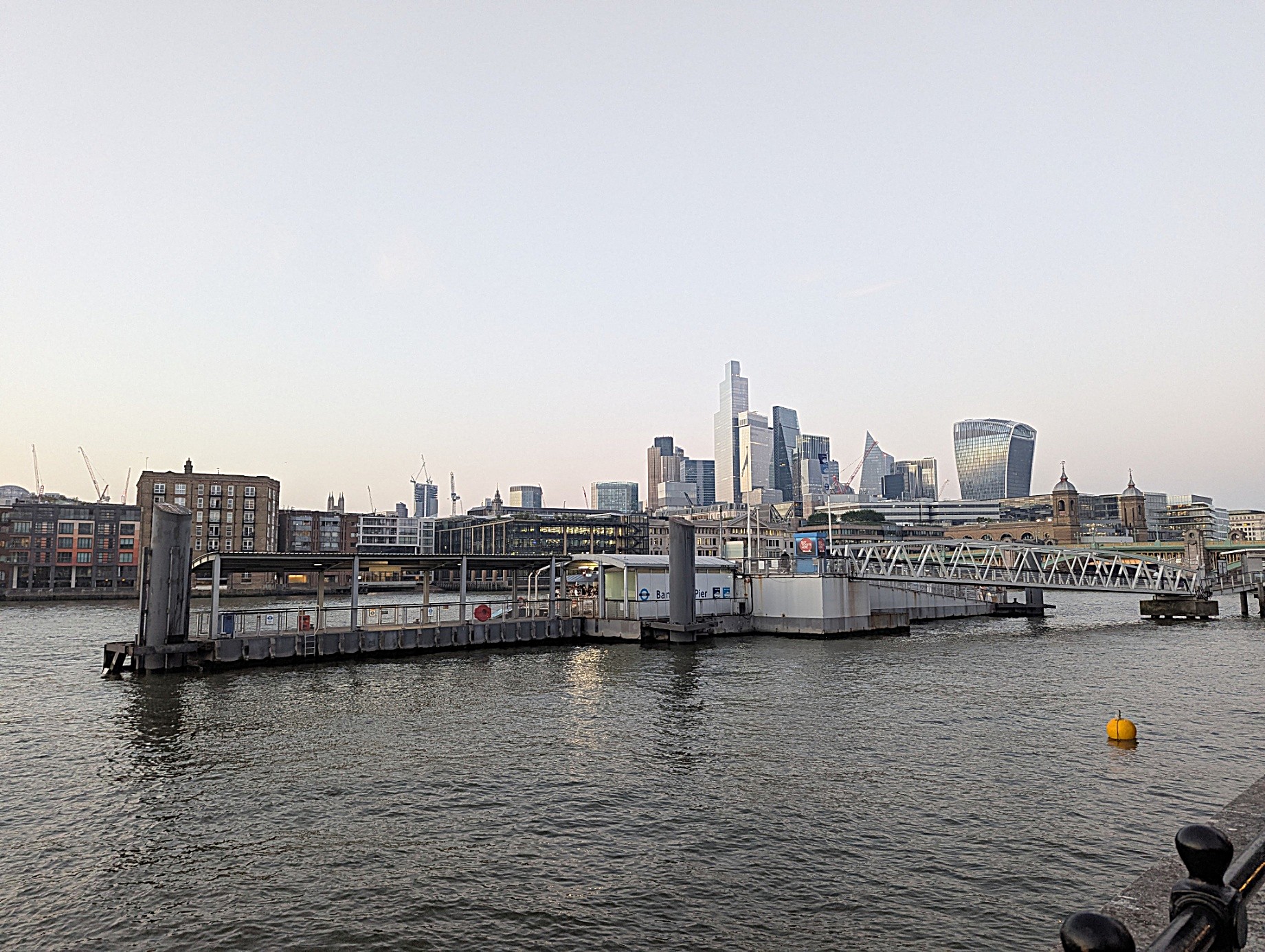
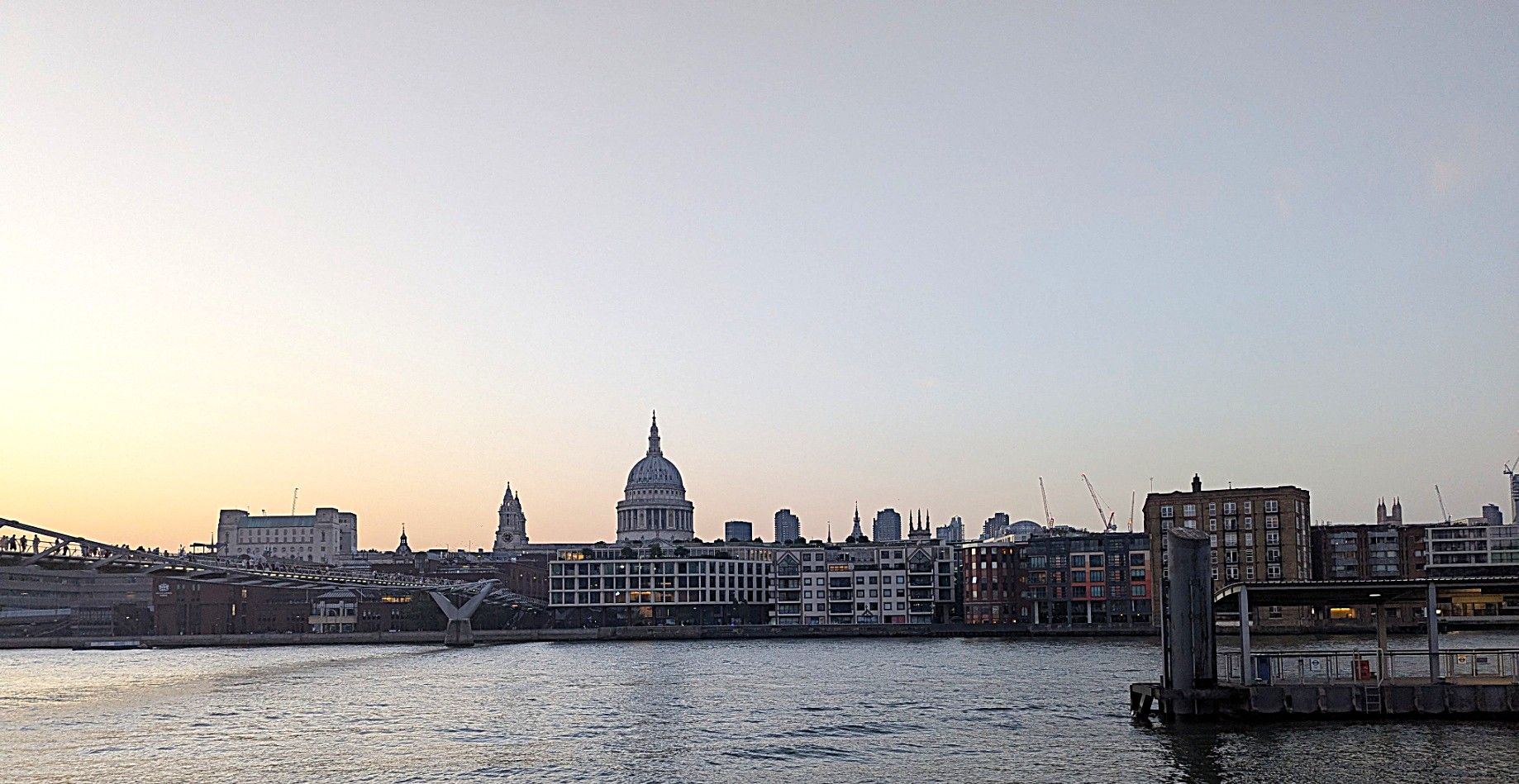
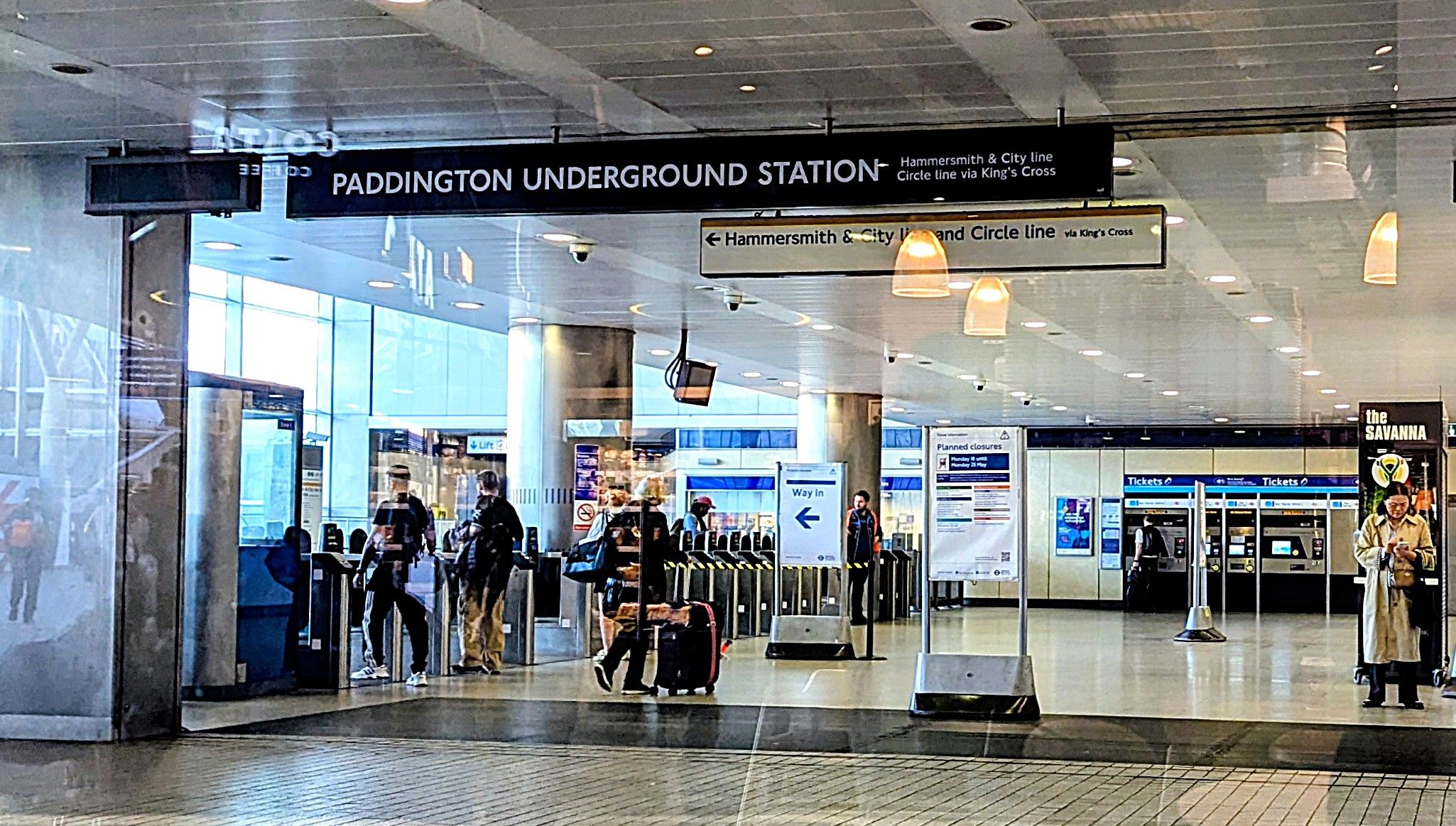

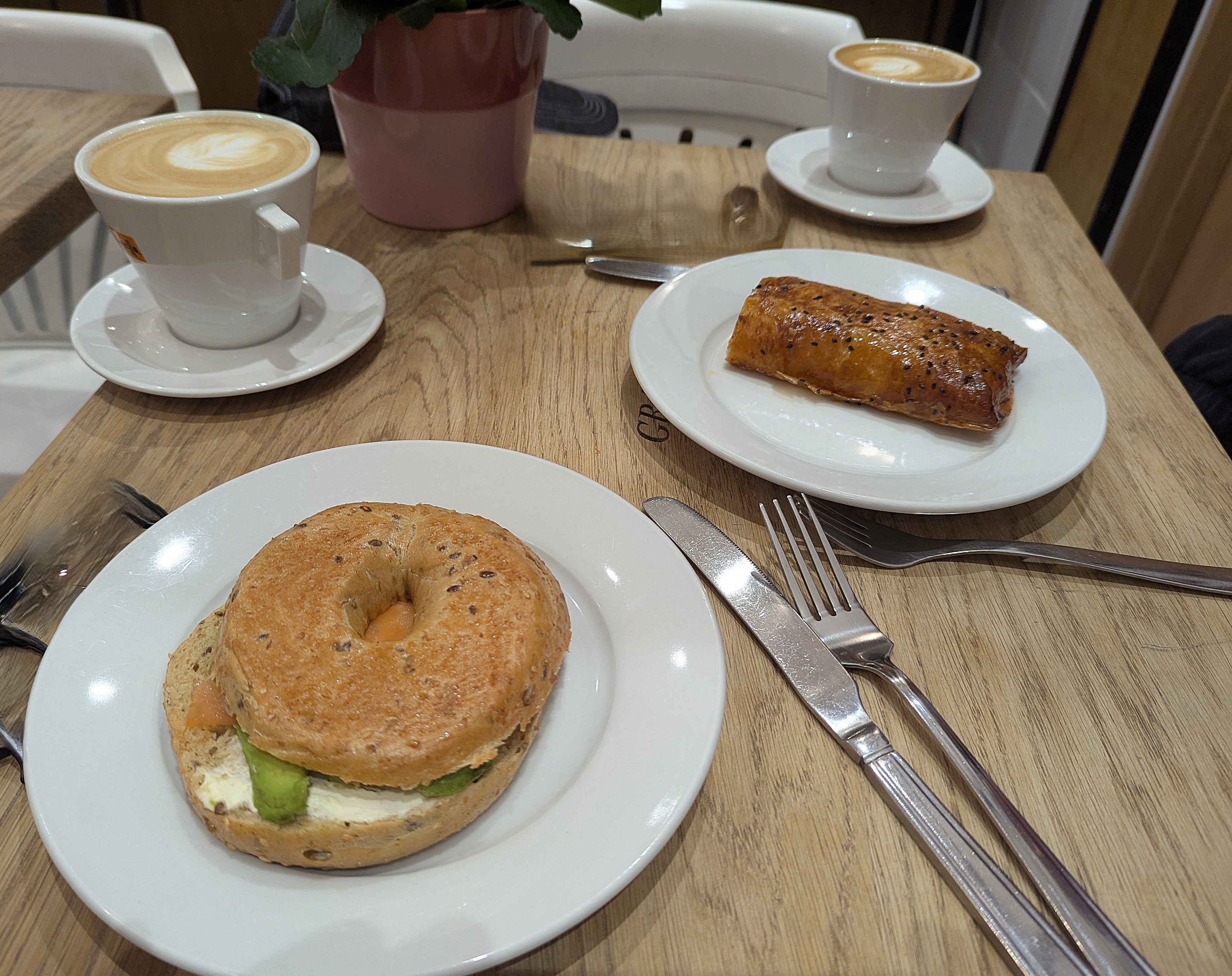


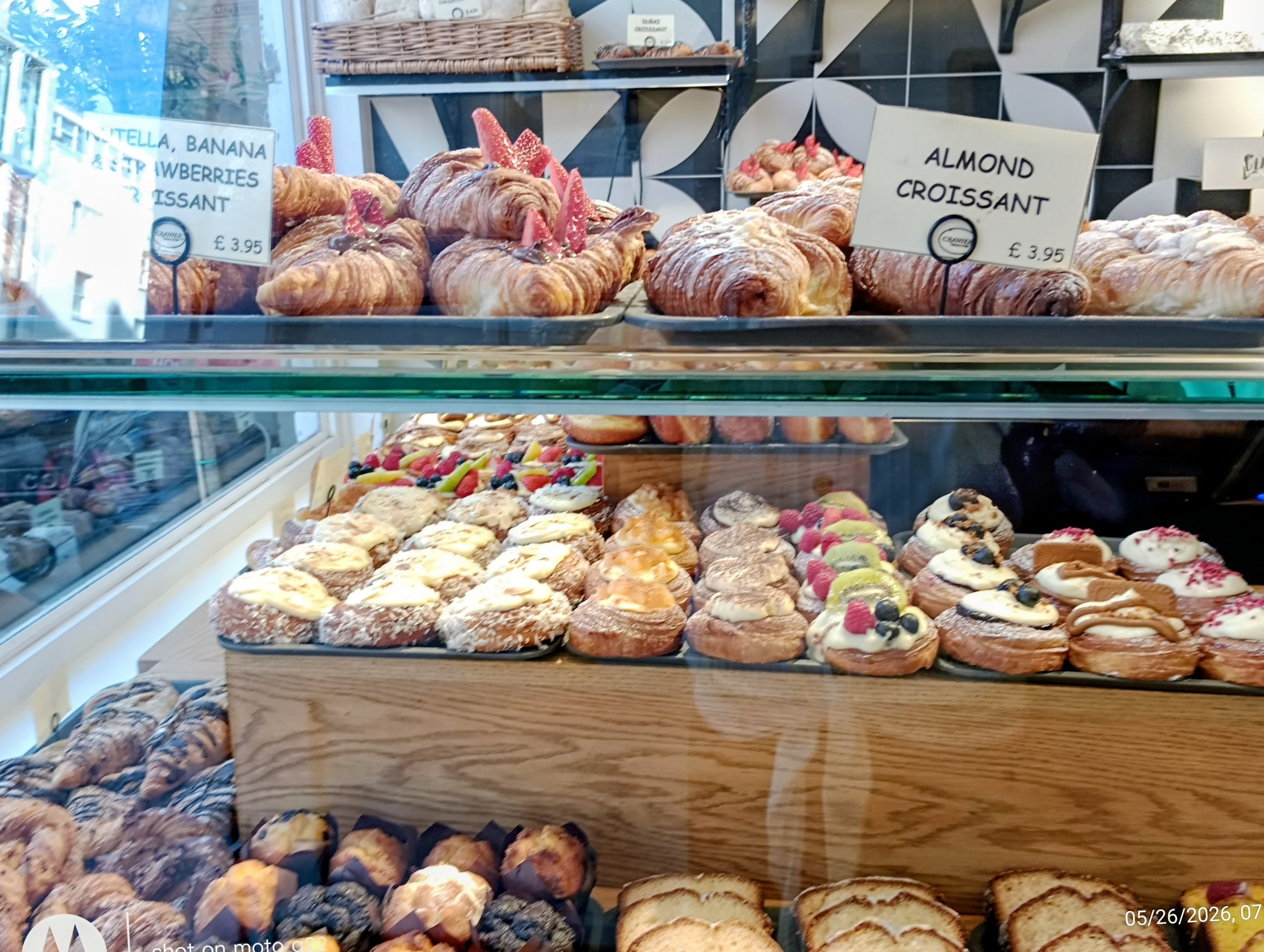

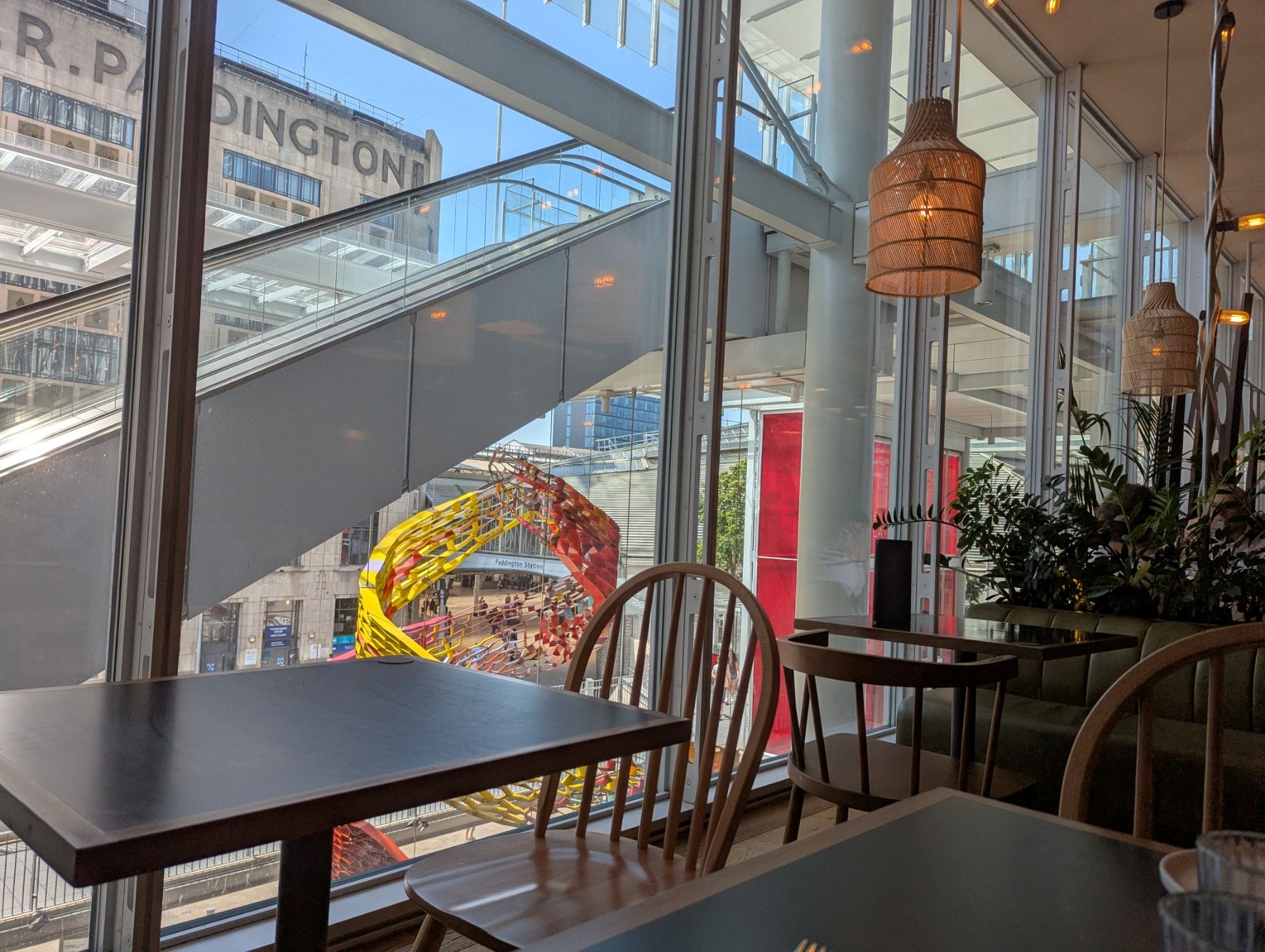
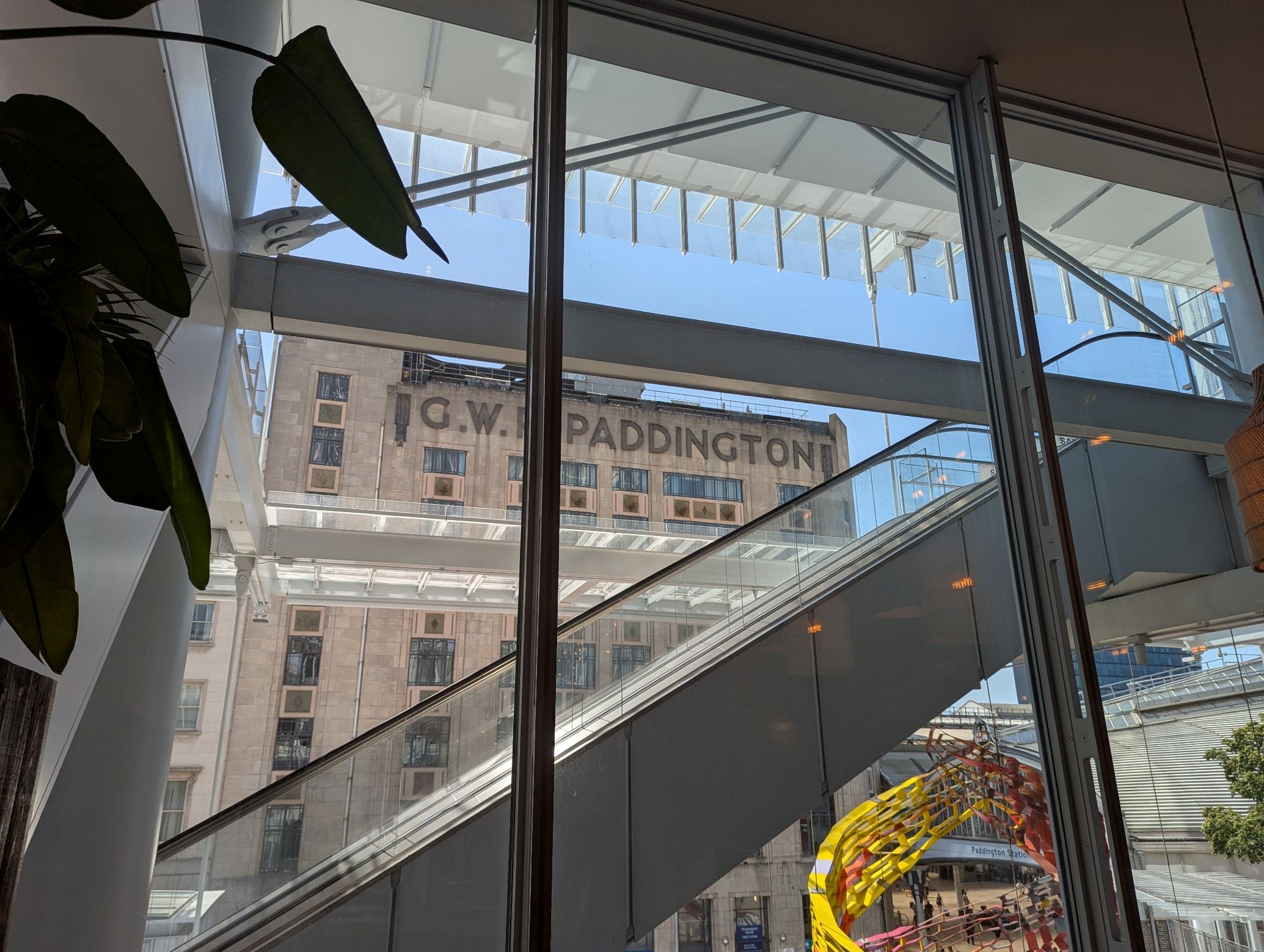








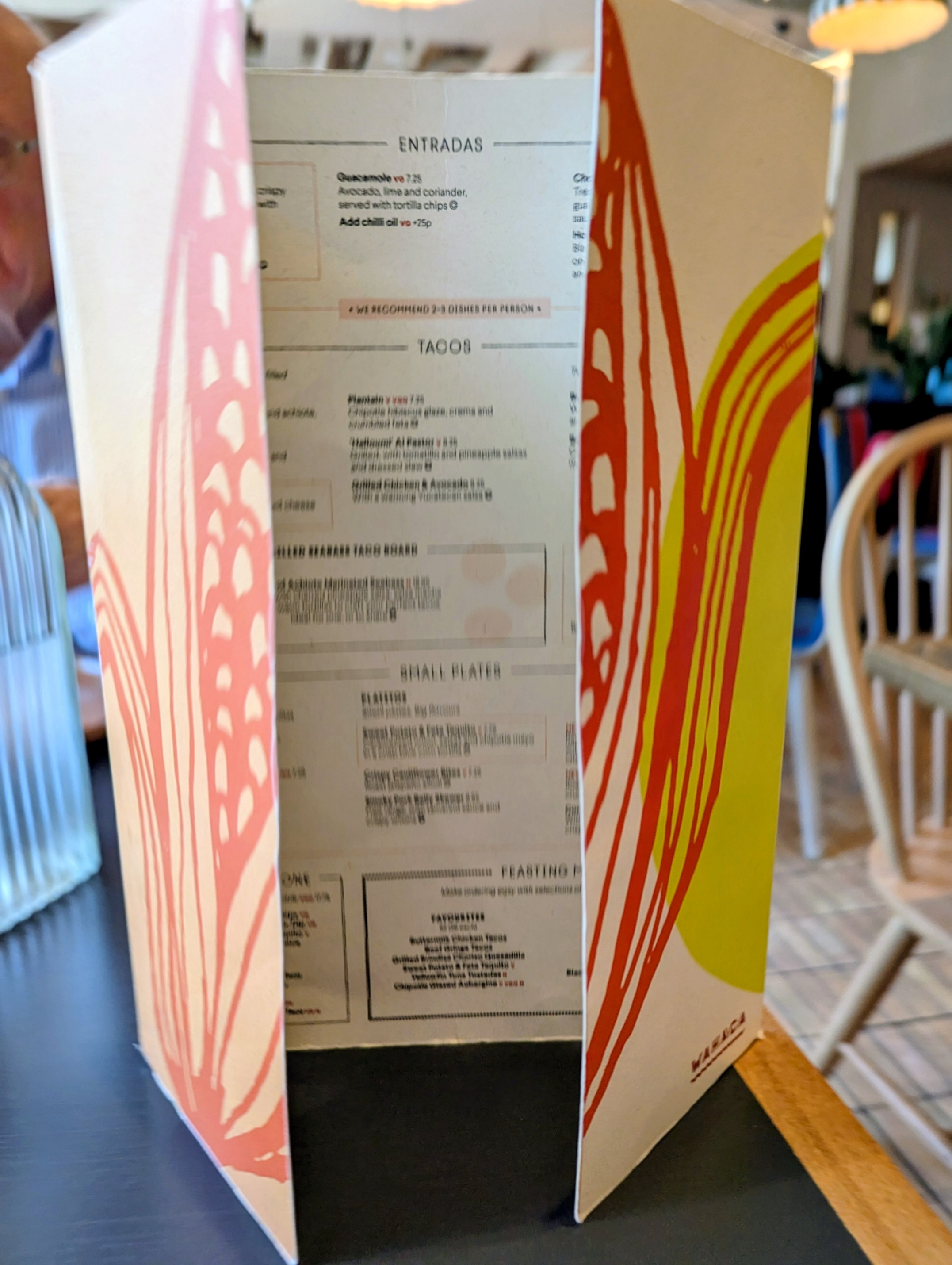

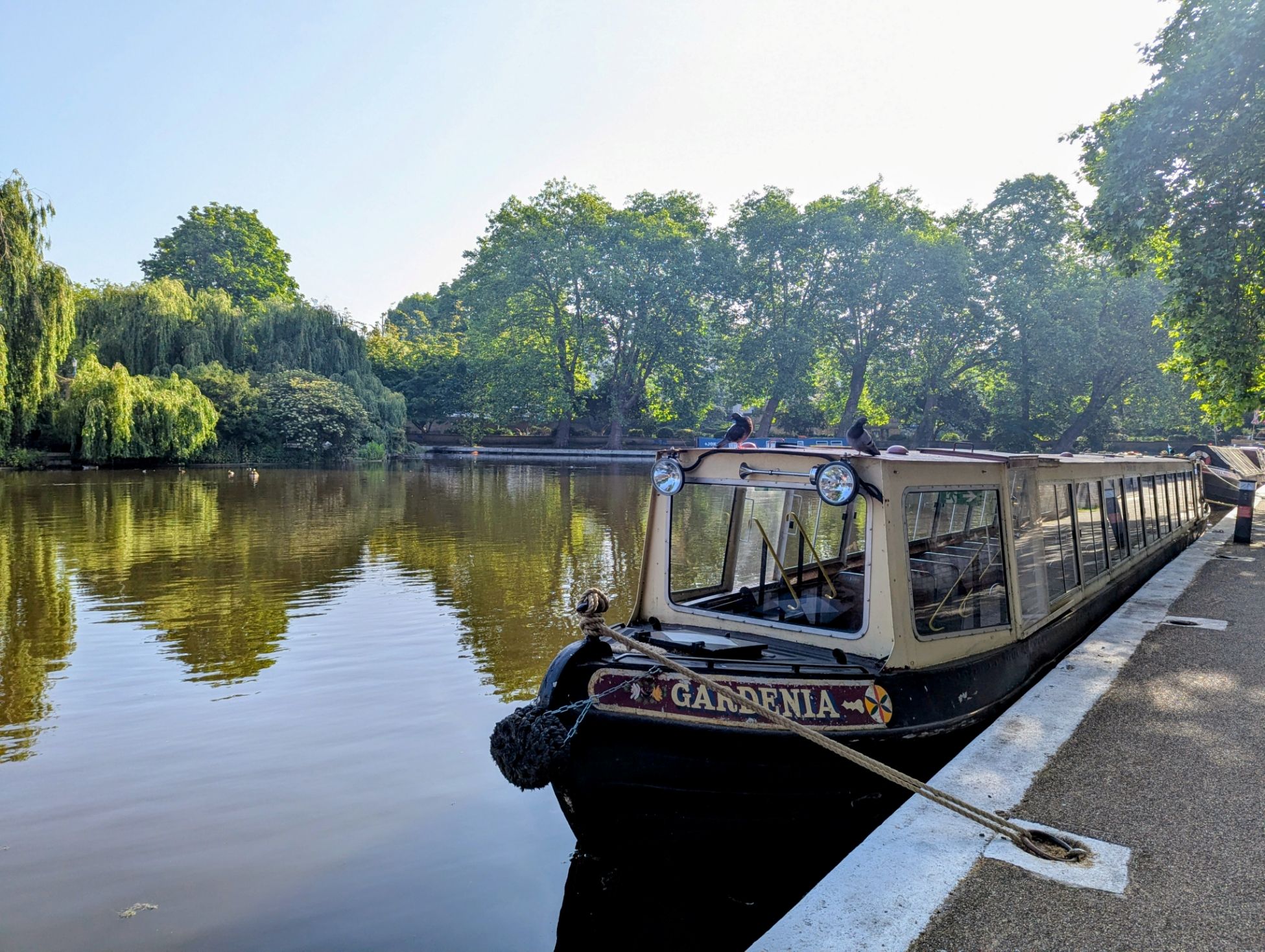
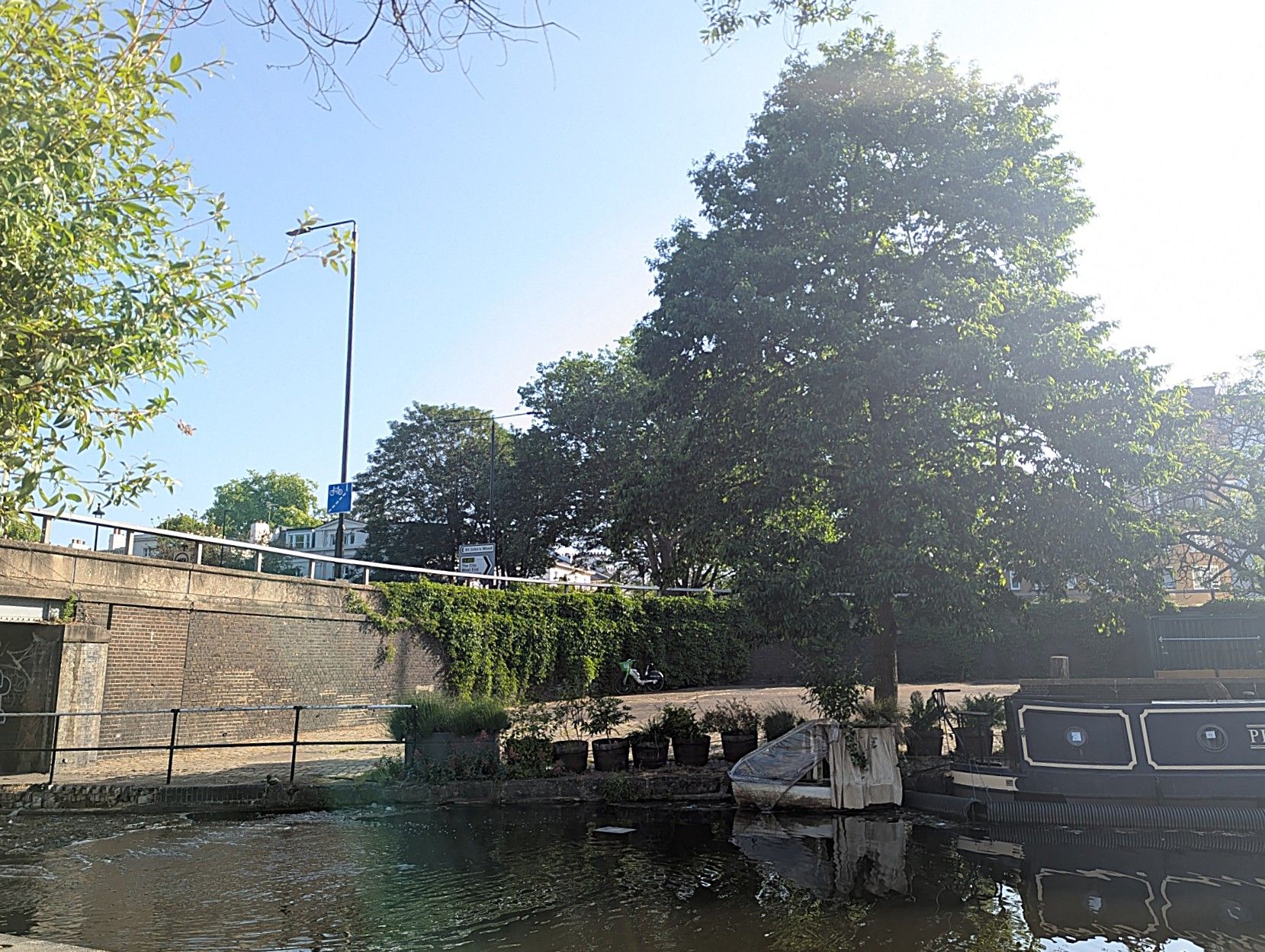

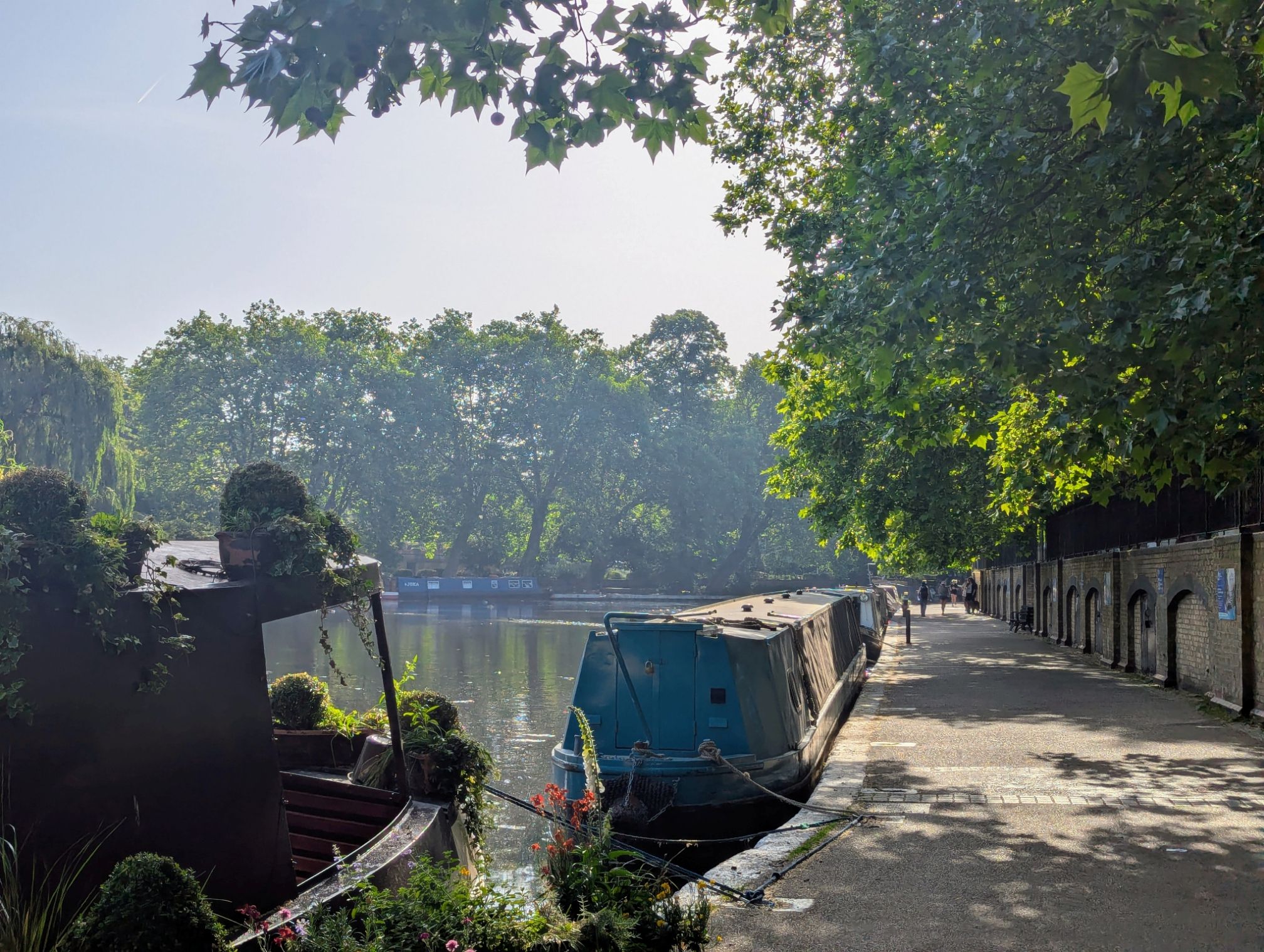
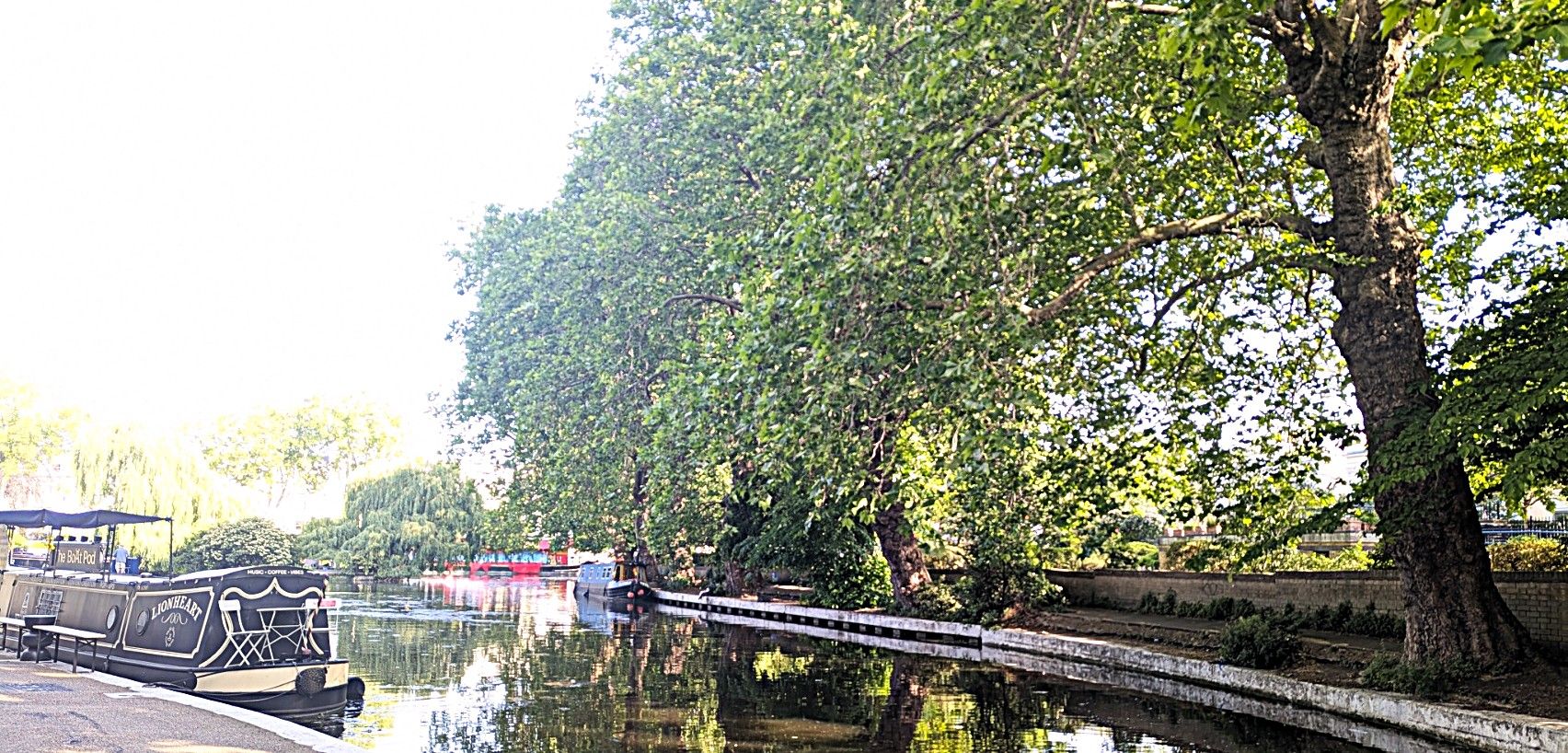
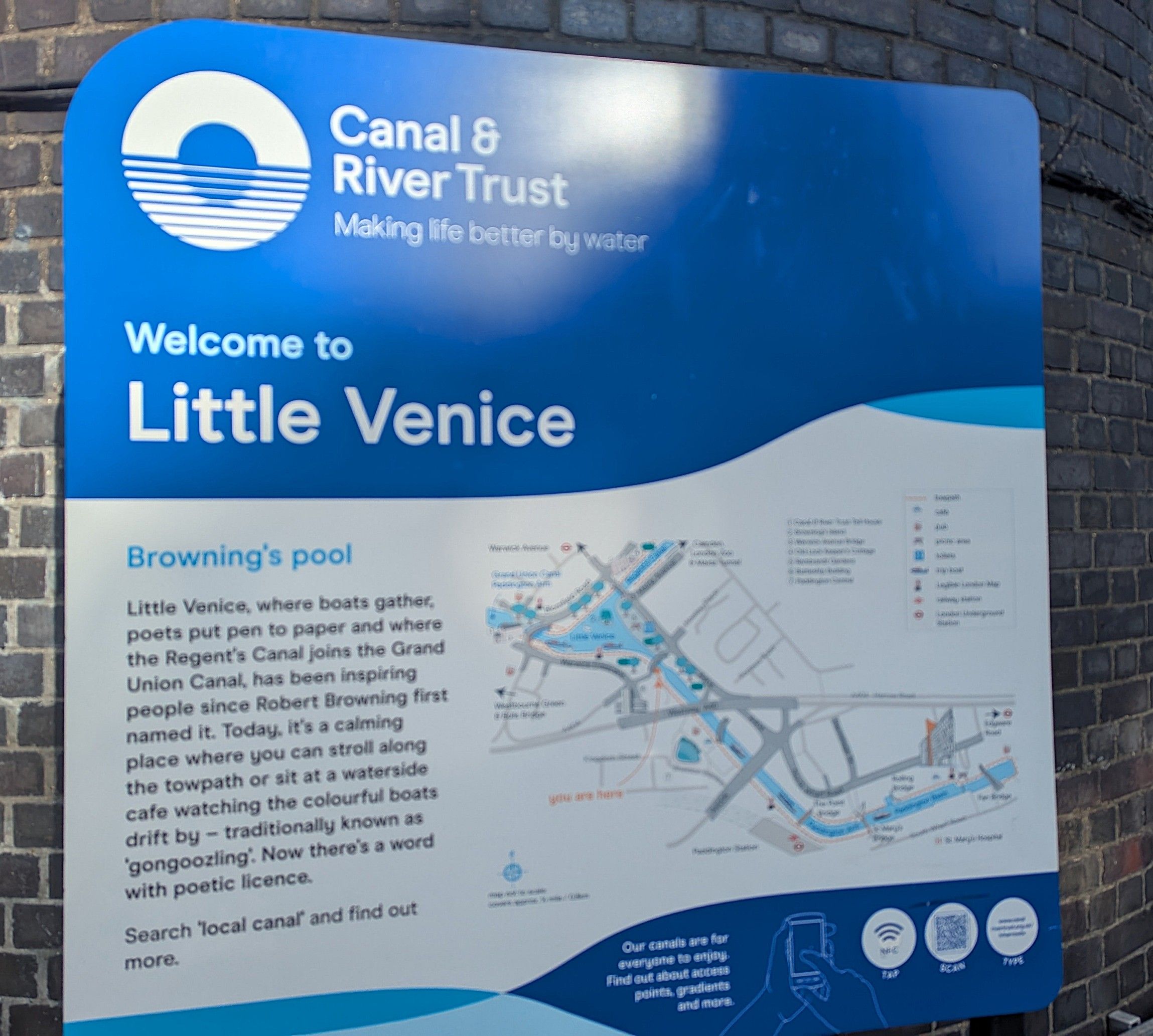
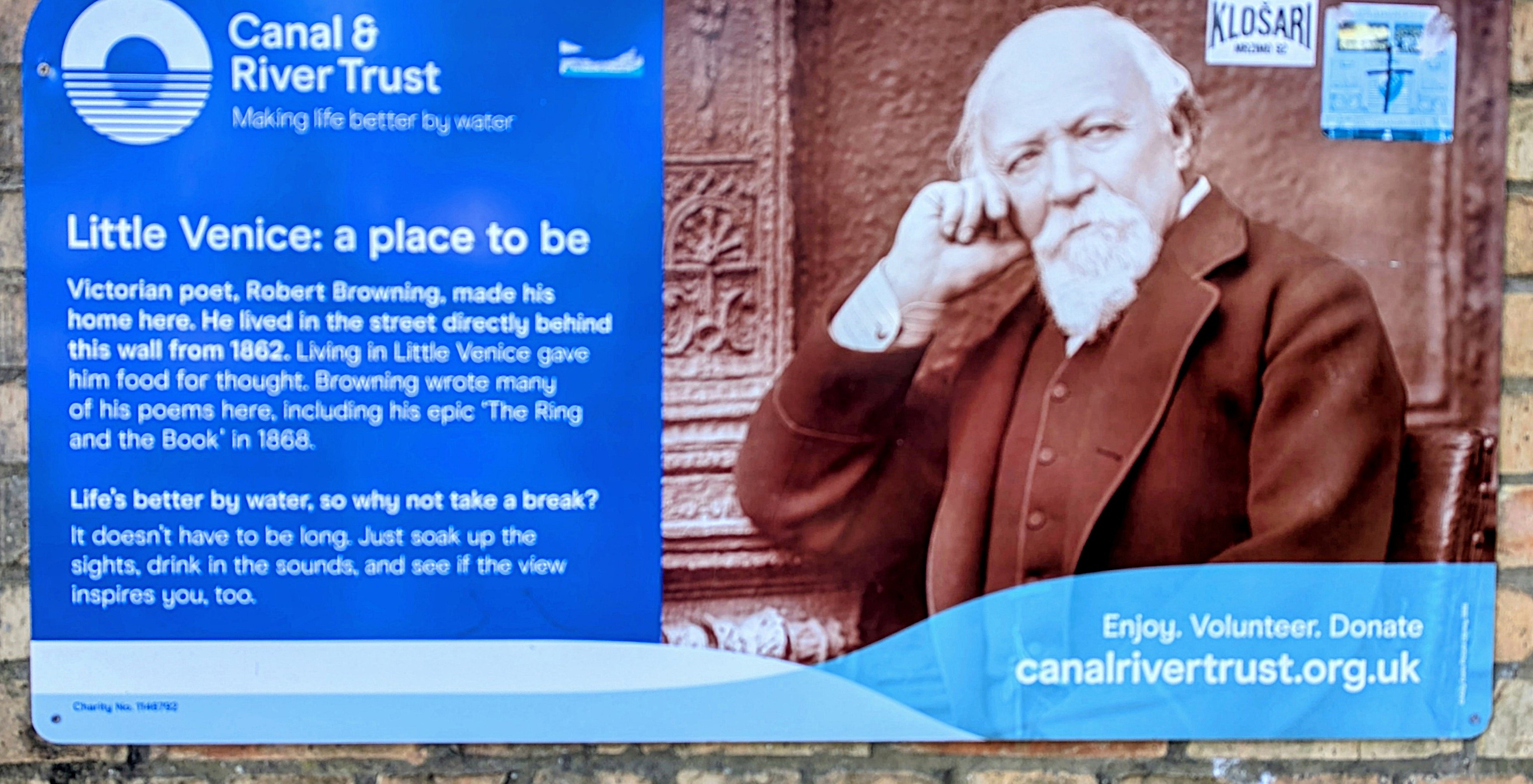
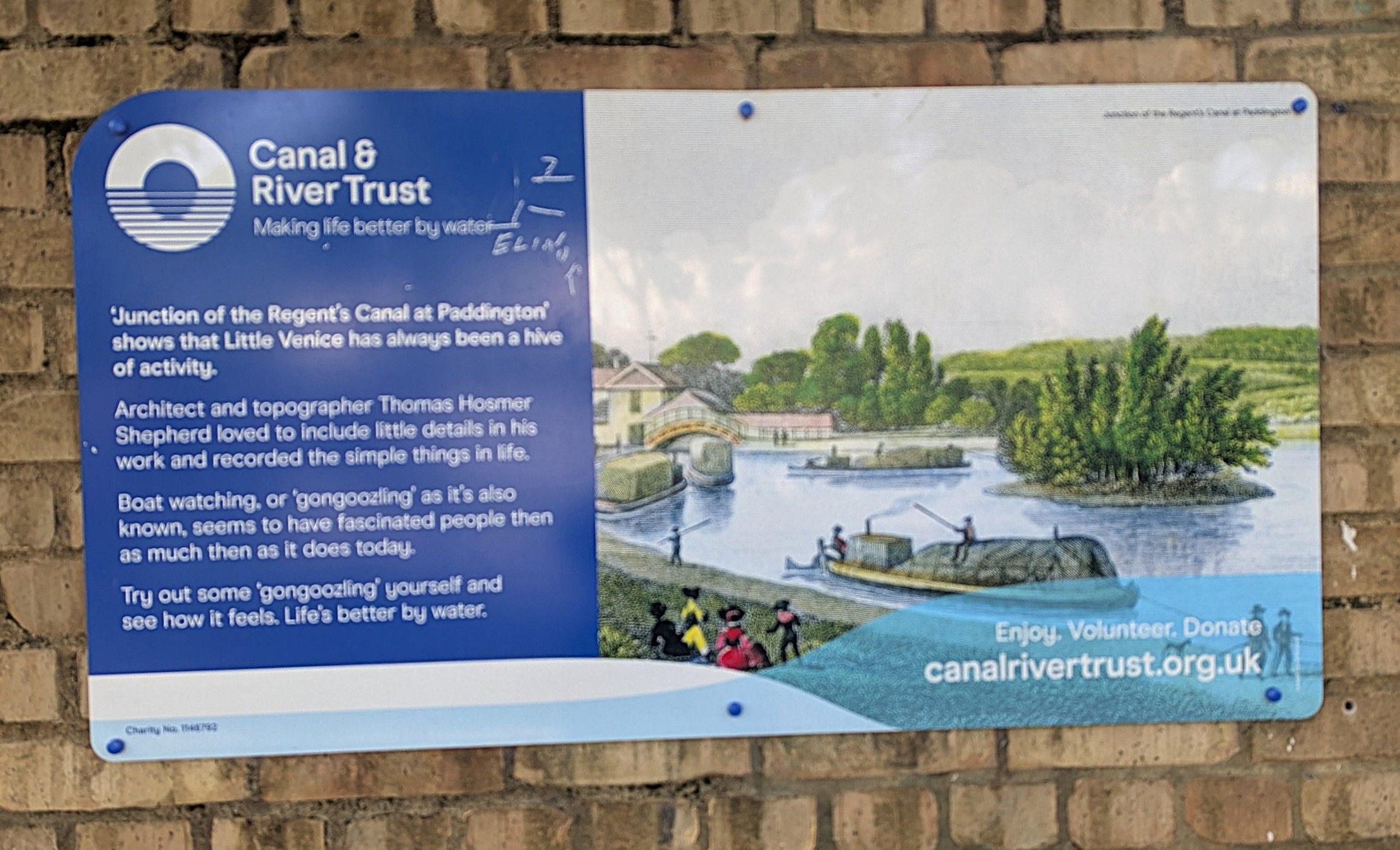
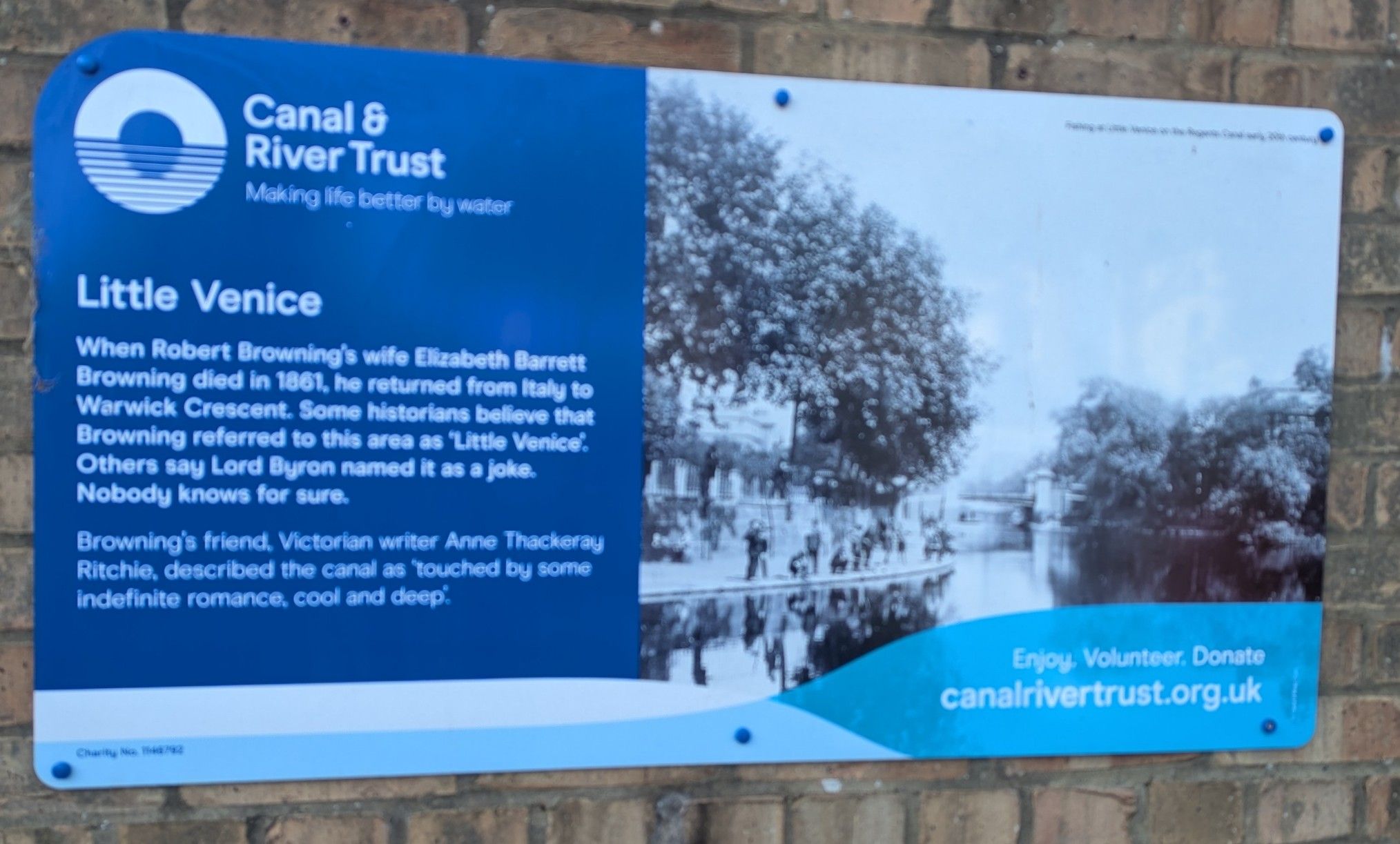
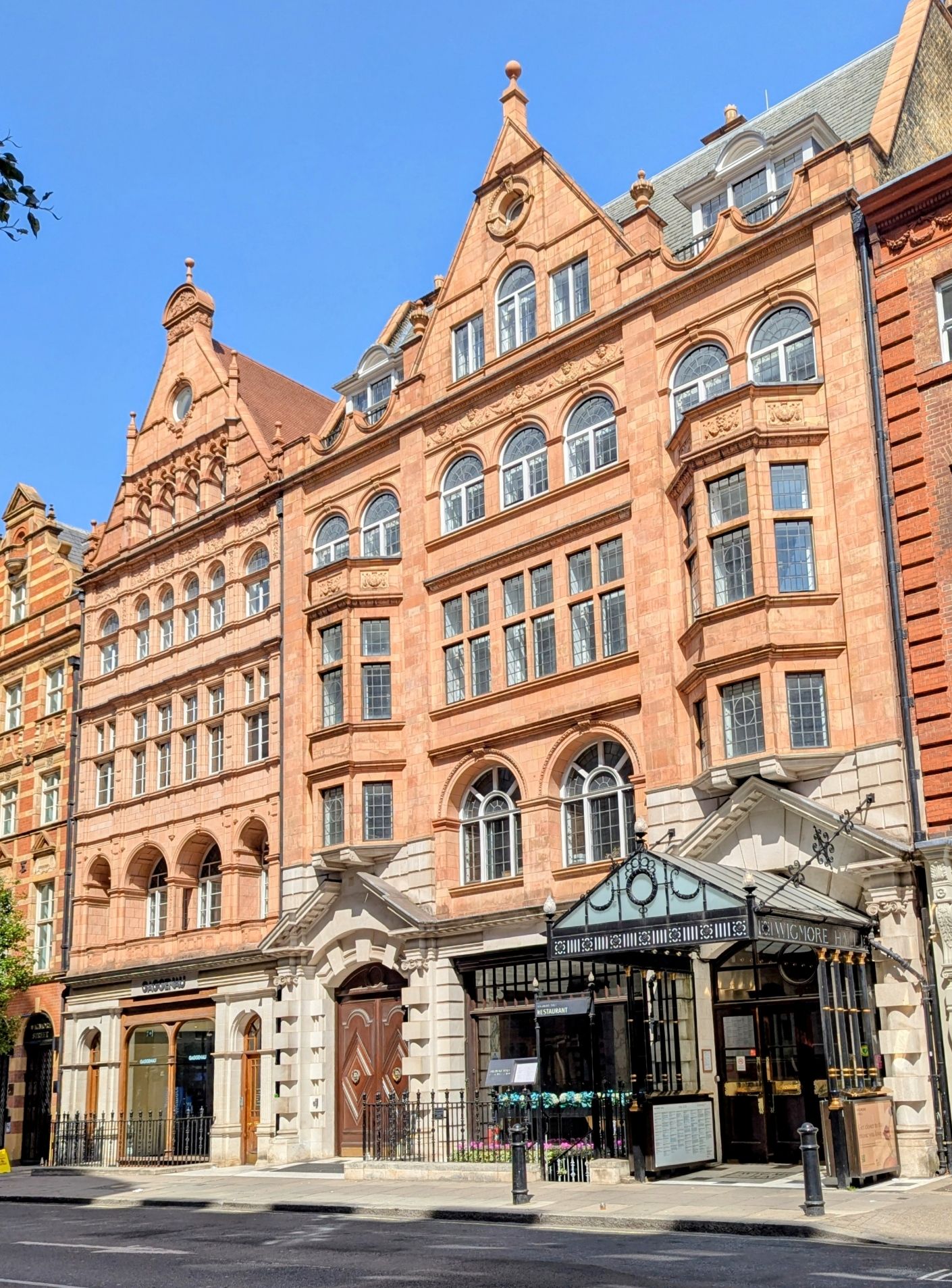
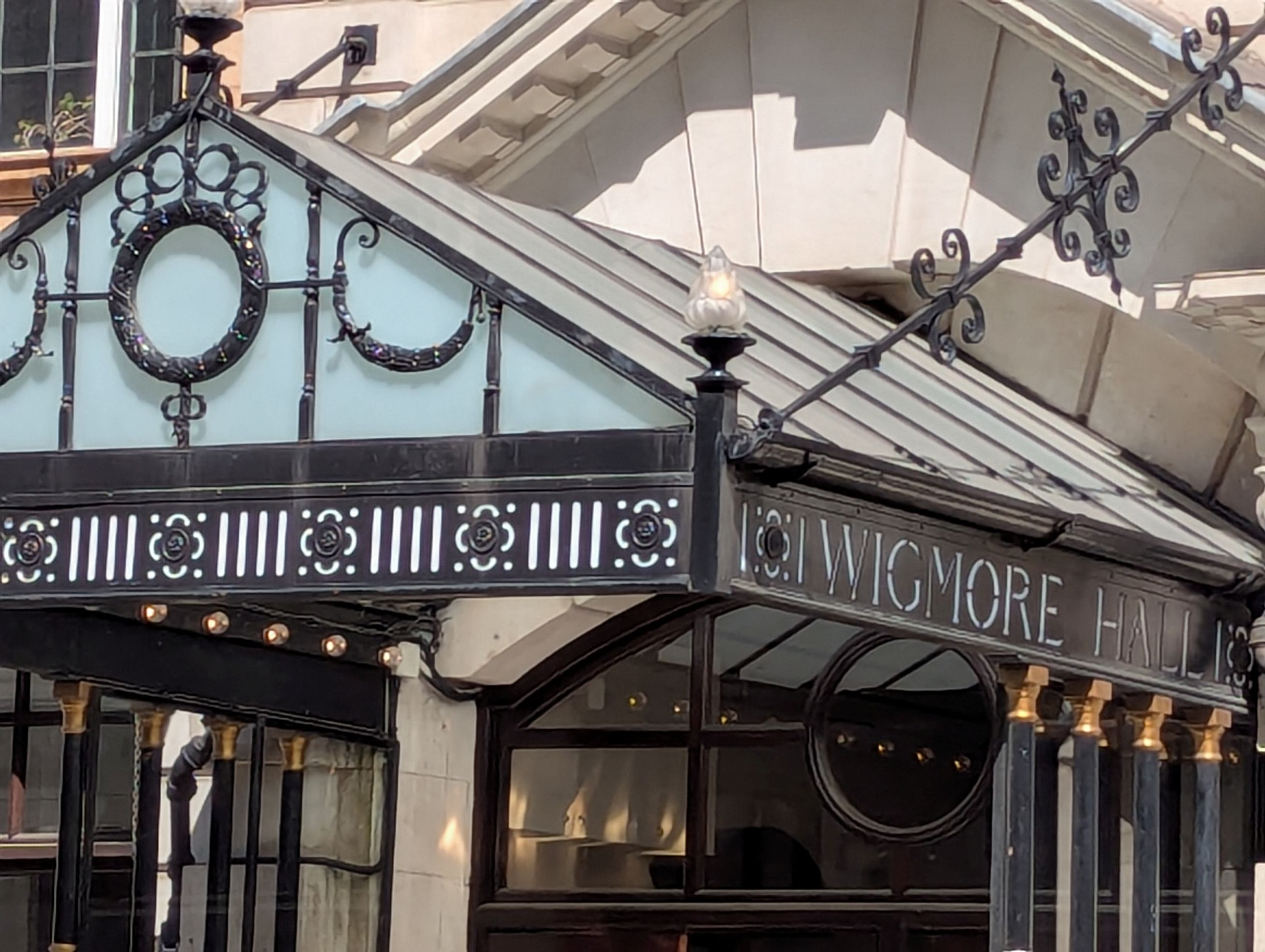
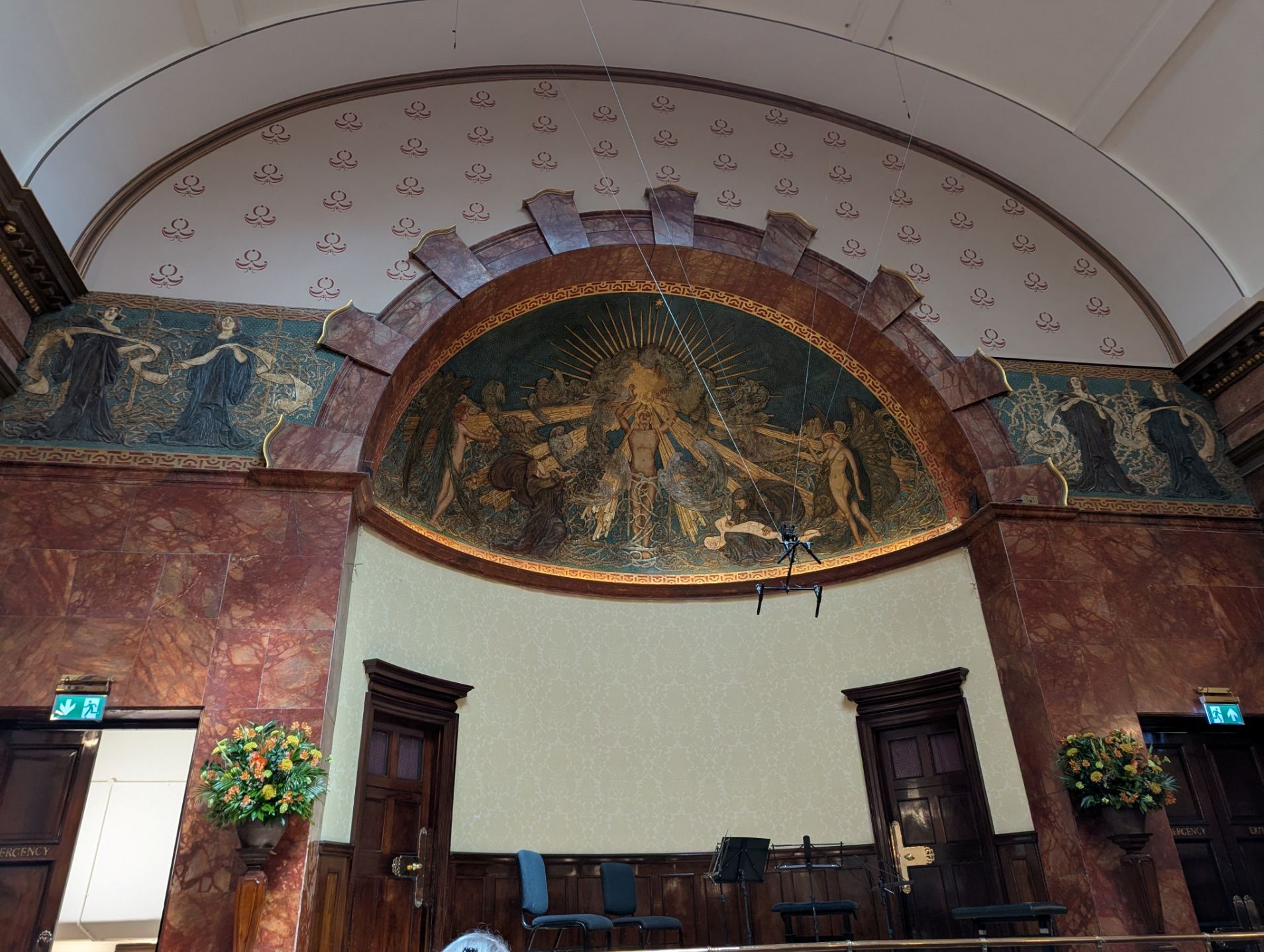
.png)



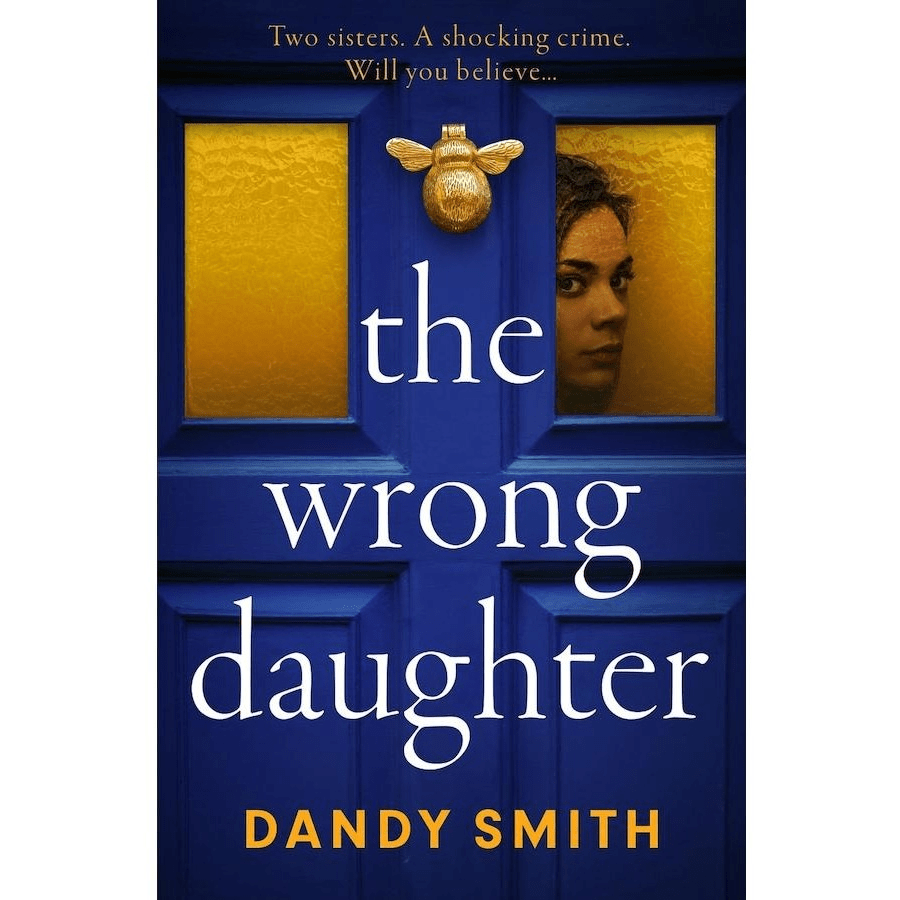


.png) By James Tibbitts
By James Tibbitts



 Kathy Spillar










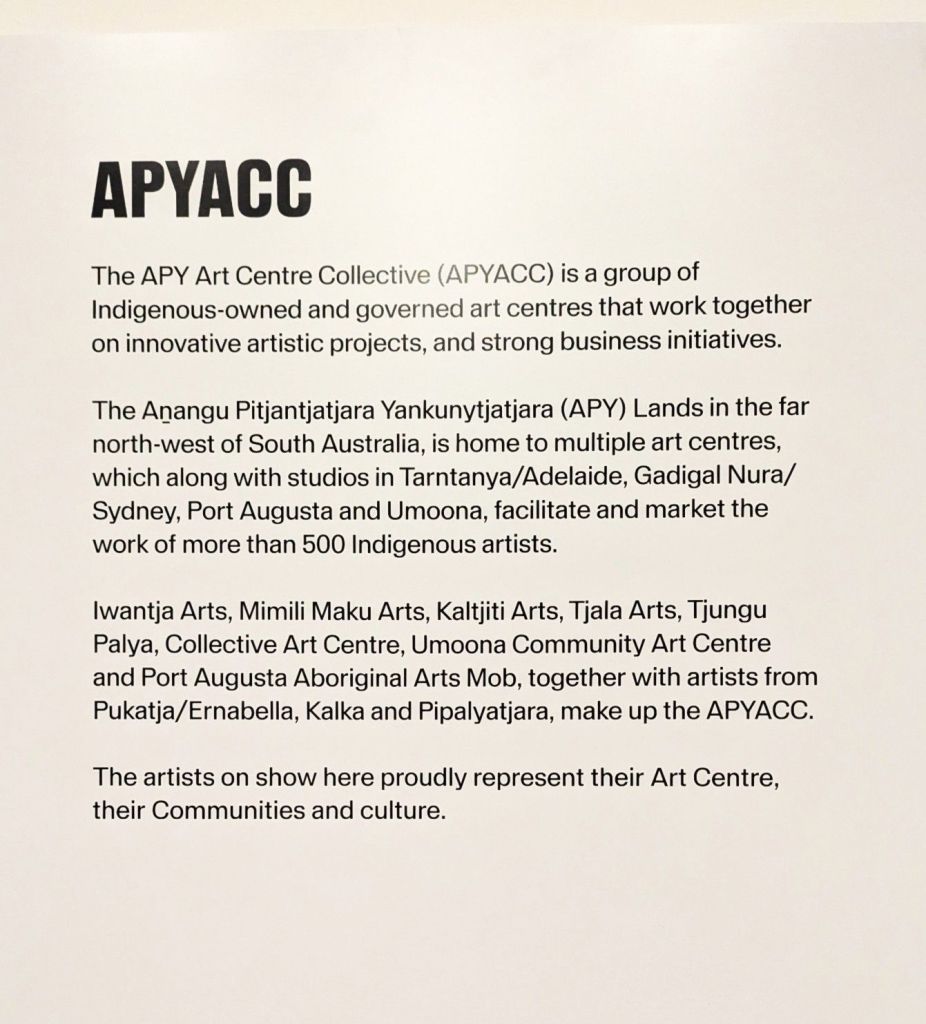







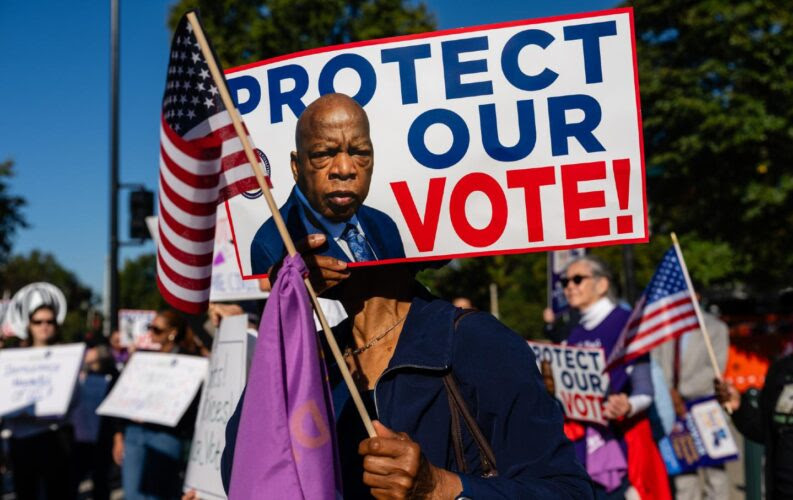
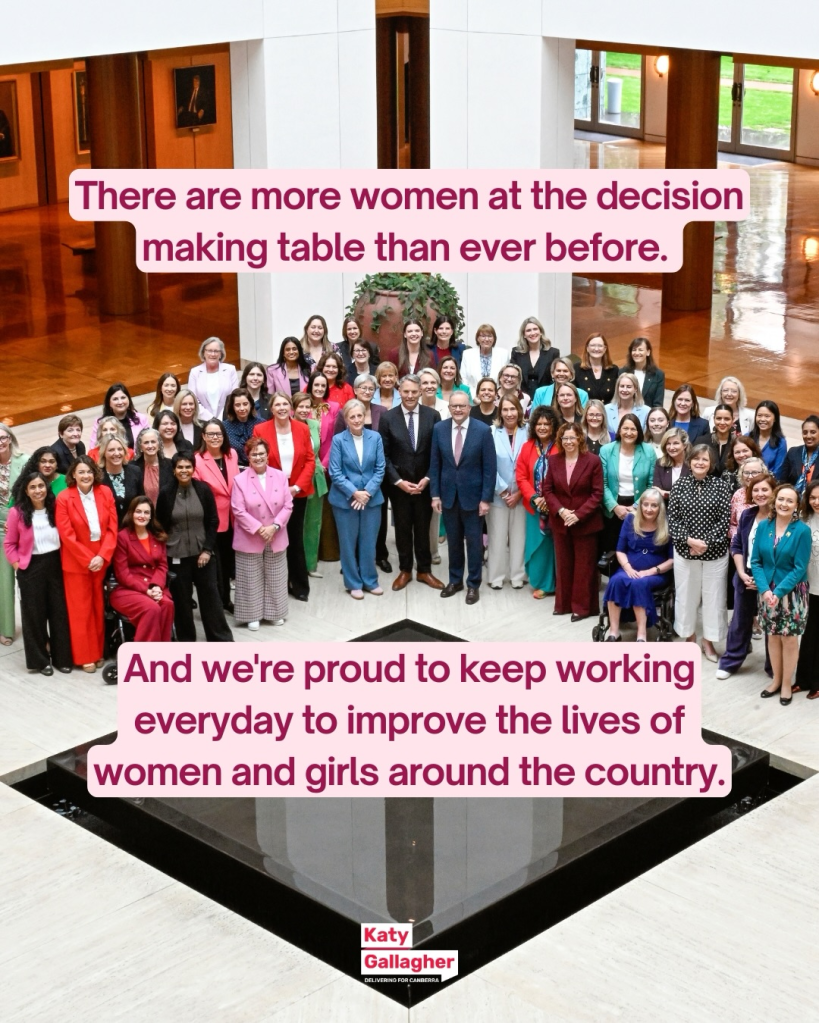
 *
*