Television Comments: Searching for an Australian Identity, Robin Joyce; A Country Podcast, September 18, including interview with Margaret Morgan.
Book Reviews: The Wife, Meg Wolitzer; The Sister in Law, Sue Watson; The Glass Castle, Jeanette Walls.
New Zealand and ACT elections. Labour/Labor successes, in New Zealand, resoundingly so. This success is being seen as a response to an empathetic leader – a theme that is being used by Kamala Harris in her latest speeches. The speeches from all the major ACT parties, post election results, were impressive. Gracious is the word for each speech- the liberal Party was gracious in defeat; the Greens were gracious, winning more seats than ever before, and contemplating once again working with Labor; and Andrew Barr, again to become Chief Minister, was gracious in success. He also referred to again working with the Greens. For my American friends – we had voting for two weeks before election day – with numerous voting facilities, all over the ACT.

‘Did you see the fly?’
The Vice-presidential debate fly continues to create humour. Do watch Kamala Harris being interviewed by Rachel Maddow on The Rachel Maddow Show, MSNBC, 15 October 2020.
Worth thinking about…
OPINION Sydney Morning Herald
Berejiklian risks unpicking decades of feminist progress
Kristina Keneally Labor senator for NSW and former Premier of NSW
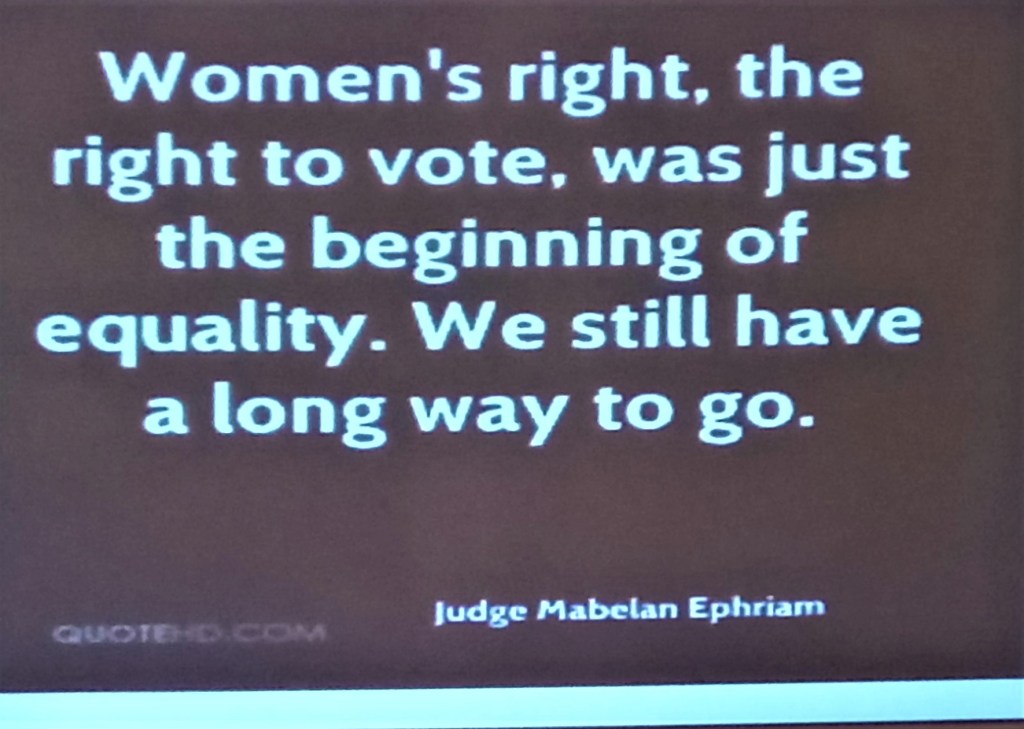
Below are some excerpts from the SMH on line article, October 18th 2020 , 12am relevant to Kristina Keneally’s argument that feminist issues apply to the Berejiklian case.
She says:
…women have fought for an equal place in society for generations. We’ve fought for our own voices to be heard and to be respected. Ultimately, we’ve fought for our own agency to be recognised. We’ve fought for the ability to make our own choices.
Therein lies the problem for Berejiklian – and the problem for women everywhere if we accept her arguments about being led astray by a bad boyfriend. The Premier is responsible for her own actions and accountable for them. The Premier has exercised her own agency. She has made her own choices.
Finally, the NSW Premier shouldn’t have the luxury of unpicking decades of feminist progress. We cannot now claim that women are so weak of mind and heart that our romantic entanglements impair us from exercising scrutiny. We cannot now claim that our emotions stop us from living up to our ethical and professional responsibilities. Such a sexist argument is precisely the kind of thing that has been used by men in years gone by to keep women out of leadership roles in politics and the corporate world…

Presidential Campaign Update 21/10 – Bob McMullan
It remains the case that there is a stability around polling for the 2020 Presidential election. Individual polls vary slightly and state-by-state polling shows similar variations. But the trends and patterns are constant.
The overwhelming majority of mainstream pollsters and analysts suggest that with less than two weeks to go Joe Biden is 7-10% ahead in the national polls and ahead in states that would deliver 290-350 Electoral college votes.
There is still time for this pattern to change, for example as a result of the Presidential debate this week. The increased turn-out of early voters should not disguise the fact that most voters will vote on 3 November and therefore still have time to change their minds.
The alternative reality also continues. The minority of pollsters and analysts see a very close contest and a probable victory for Trump. I have discussed the arcane methodological underpinning of this difference in the past. Only the actual results will now determine which trend is accurate.
The three other discussion points are:
. who will win control of the Senate? and
. what are the likely impacts of different reporting and counting regimes in different states? and
. will Republican voter suppression efforts distort the results.

Senate
The Democrats need a net gain of 3 Senate seats to win control of the Senate if they win the Presidency. On the assumption that they lose the seat in Alabama which they won in extraordinary circumstances, Democrats will need to win 4 others.
The best prospects seem to be Colorado, Arizona, Iowa, North Carolina (notwithstanding the Democratic candidate’s domestic troubles) and Maine. Democrats lead consistently in all 5 states. The others to watch are South Carolina, Alaska and Montana. There is also an outside chance for Democrats in Mississippi (where their candidate is Mike Espy who I met in the 1990s when he was Secretary of Agriculture) and for Republicans in Michigan.
I will have more to say about the various voting arrangements in different states next week, but the consensus appears to be that the reporting of early voting and absentee ballots should be quickest in Florida. North Carolina and Arizona also have cut-off dates and processing arrangements which should provide clarity on the night. Australian experience with postal voting would suggest that while some votes trickle in over the days subsequent to the voting day these are only decisive in the closest of contests.
On the question of voter suppression, some of it is hidden as the voters are unable to register to vote in the first place. However, the very significant number of people voting early (28 million so far) suggests that the undermining of confidence in the mail-in voting system has only succeeded in encouraging an increase in early in-person voting. It appears the turn-out will be large by American standards but how many voters were deterred by the long waiting times and restrictive physical arrangements for voting will be almost impossible to determine.
 Robin's Room