Although one of the two books provided to me by NetGalley for review, is fiction, both are valuable social commentary.
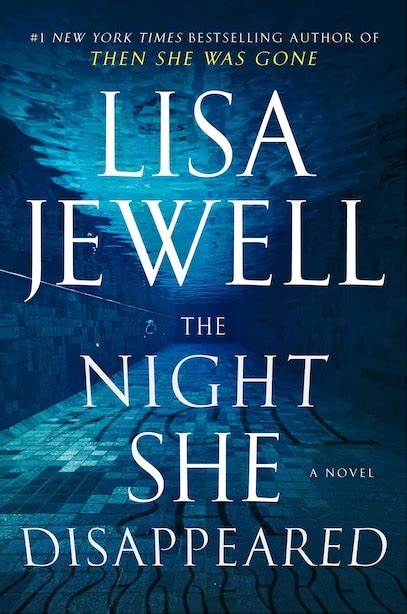
Lisa Jewell, The Night She Disappeared, Century (Penguin Random House), 2021.
In her latest novel, Lisa Jewell uses a device that is new to me in her work – a detective story writer who becomes an investigator. Sophie Beck has left London for the countryside when her partner, Shaun Gray, takes a position of head teacher at Maypole House. The change from a London secondary school to the private boarding school for young adults is at his former wife’s behest – more money must be found for their twins to attend a private school rather than the local primary. This secondary story line underpins Jewell’s subtle but strong method of developing the way in which class differences impact upon personal relationships with devastating effect. The main storyline also adopts the theme of class differences. Although functioning less powerfully in The Night She Disappeared than in Jewell’s I Found You, class is central to the characters’ behaviour and understanding of how the world can operate for them. The poignancy and heartbreak at the heart of I Found You are moderated by the more worldly approach of the missing girl and her mother, Tallulah and Kim, but nevertheless influence the way in which they experience Scarlett Jaques, her privileged family and friends.
Meredith Stabel and Zachary Turpin, Radicals, Volume Two Memoir, Essays and Oratory, Audacious Writings by American Women, University of Iowa Press, 2021.
The foreword states that ‘This collection reminds us that it [a period of violence against women, indigenous Americans and African Americans] was also a time of great social and intellectual excitement’. The writers also warn us that there are glaring shortcomings in some of the material, where the authors either ‘go too far’ or are in themselves often racist, sexist and classist, as well as exhibiting the failure to understand or appreciate other valid stances. However, they also suggest that such shortcomings were ‘common features of the “progressive” thought of the era’. It is well to read these caveats before embarking on the papers in this wide-ranging collection, some of the views are indeed shocking, and it is the work of the reader to look for where such material can be useful. I am assuming that the collection is mainly seen as a support for academic endeavour and have had that proviso before me in writing this review. Where can the researcher use the material in this volume?
Complete reviews are at Books: Reviews
Bob McMullan’s article ‘Just get on with the hard business of governing’ appears after the week of Covid Lockdown information for Canberra and walks.
Caroline Mimbs Nyce Senior associate editor August 31, 2021 from The Atlantic Daily comments on the withdrawal from Afghanistan, with links to a range of opinions. Also at the end of this post.
Lockdown Day 14
Fourteen more locally acquired cases were recorded, thirteen of whom were in quarantine. The one person who was infectious in the community was there for only a short time, and is considered to pose a low risk. There are more people in hospital, nine, and the one person in ICU is receiving breathing assistance. Chief Minister, Andrew Barr, thanked union and industry representatives for their assistance in dealing with the pandemic arrangement associated with work in the ACT. Now, 82% of aged care staff in the ACT have received at least one dose of the vaccination. The Health Minister, Rachel Stephen-Smith, thanked the people who have been in quarantine for fourteen days – this is the last day for their quarantine.
In answer to a question, Andrew Barr reflected that everyone who wants to be vaccinated cannot get vaccinated because of the lack of doses available: giving benefits to those who are lucky enough to have had access to the vaccine is not a priority. The priority is getting people vaccinated. Sixty percent of Canberrans over 12 years of age are not vaccinated – they must be protected. Mandatory vaccination for workplaces is also impacted by the lack of vaccinations. Again, the priority is getting those doses for people.
Day 14 lockdown walk
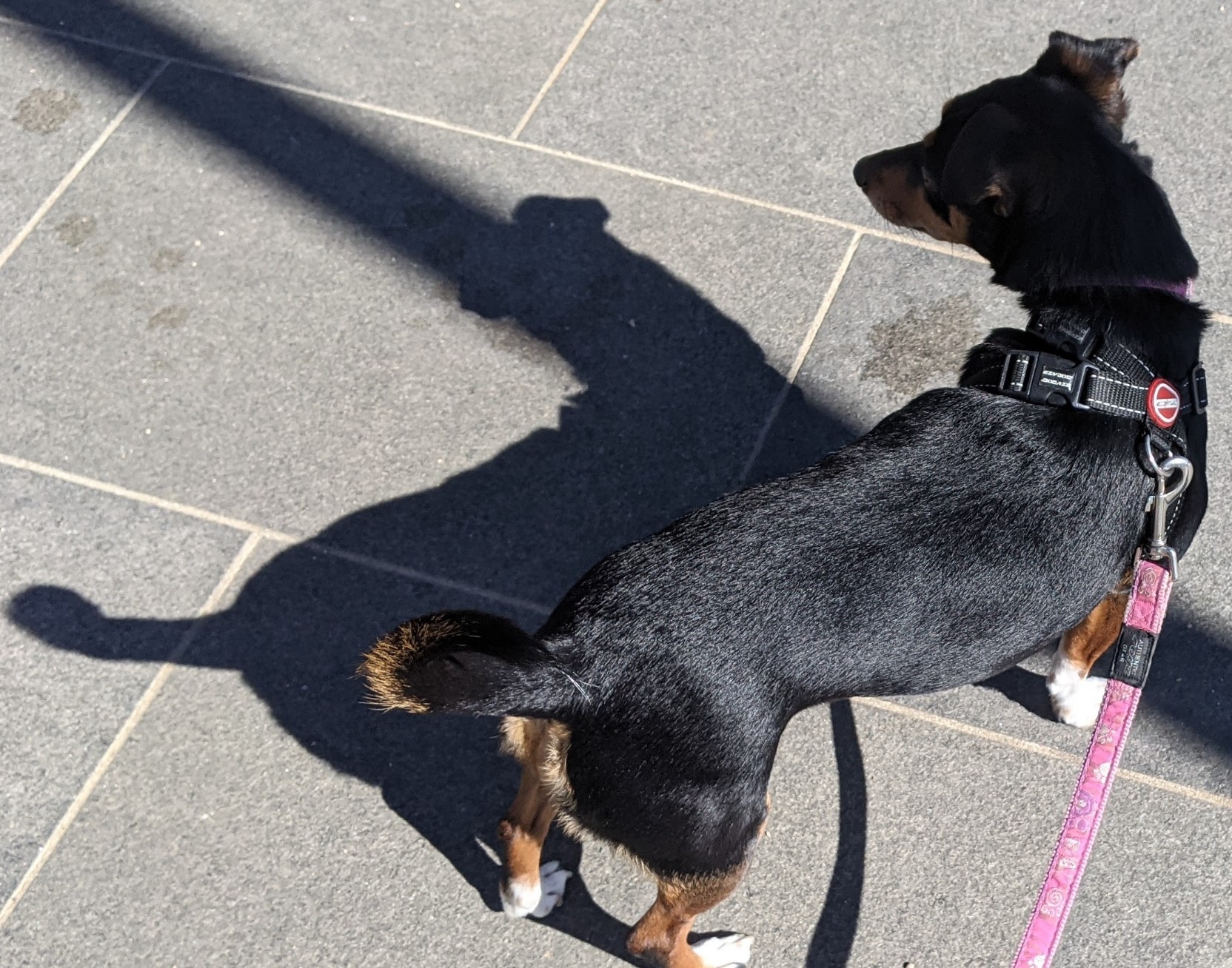
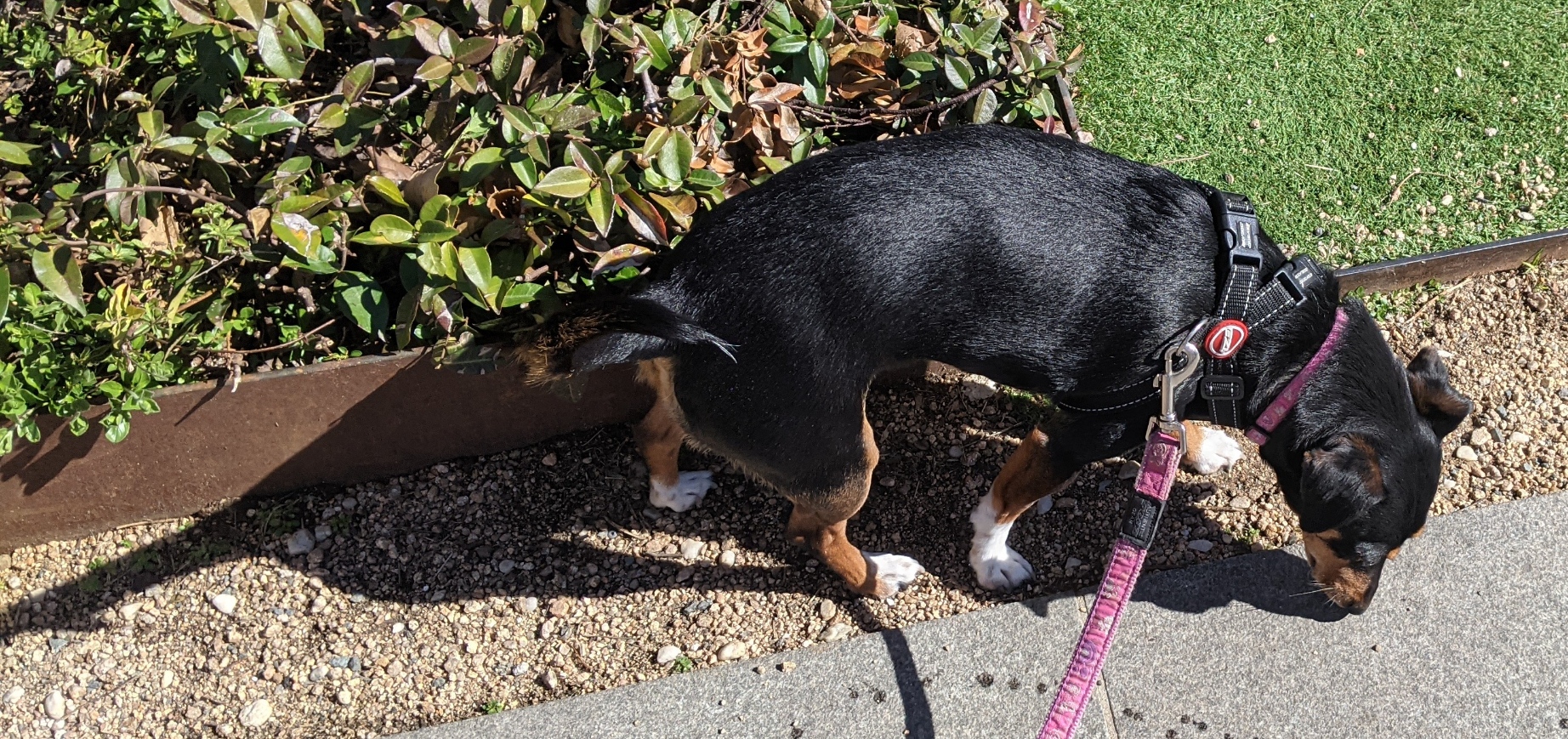
As it is the International Day of the Dog Leah has her special photograph section.






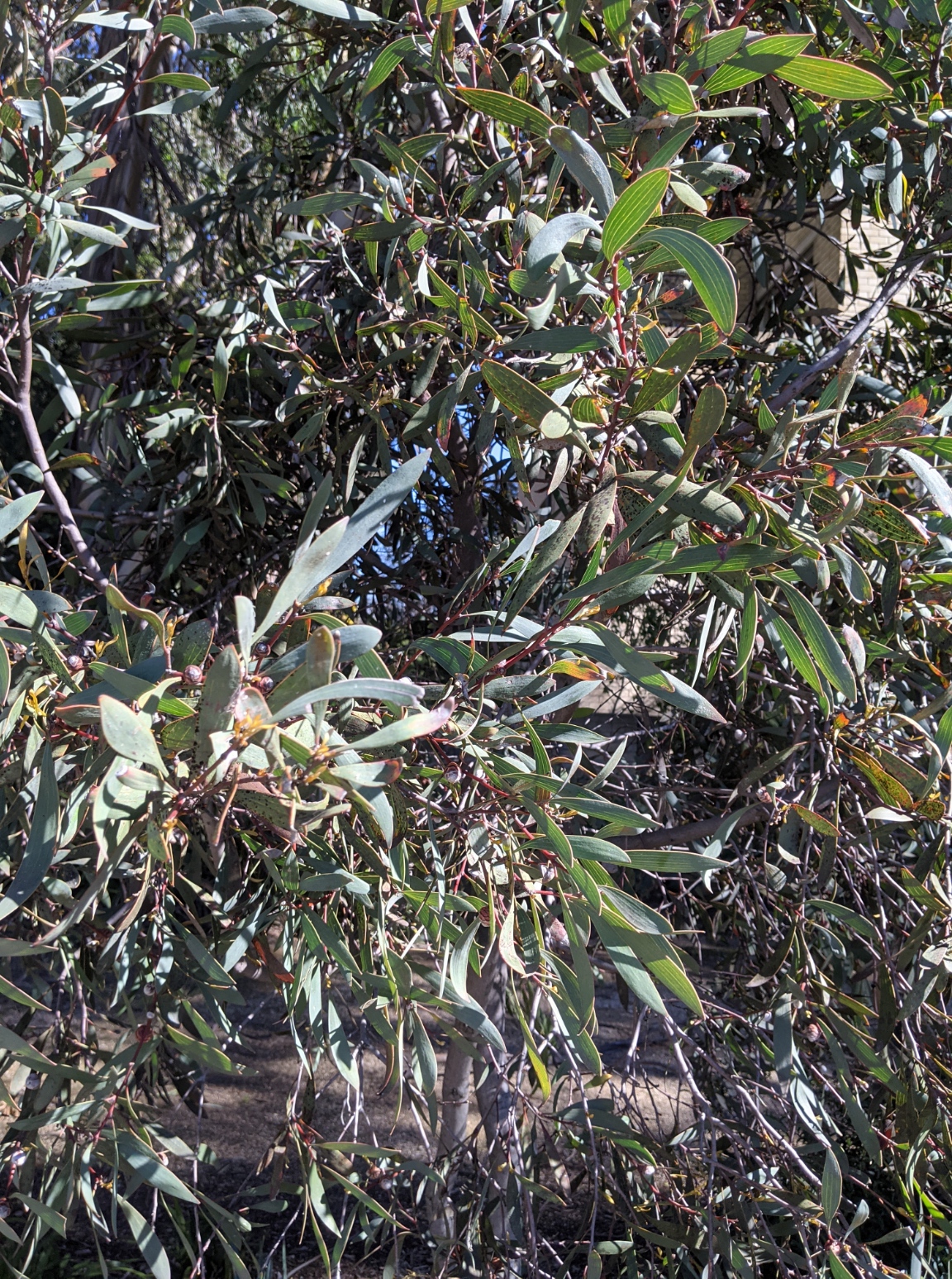

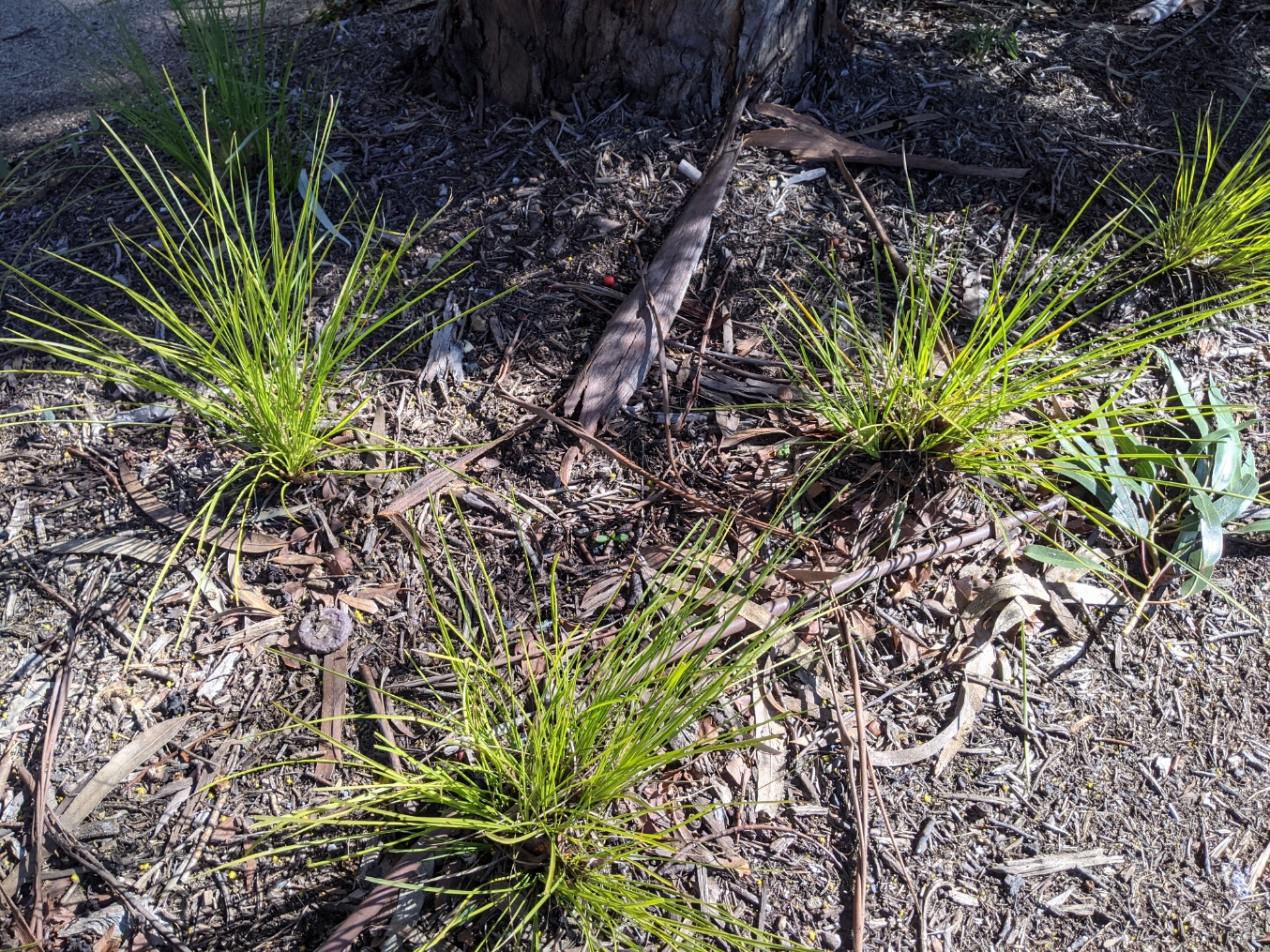

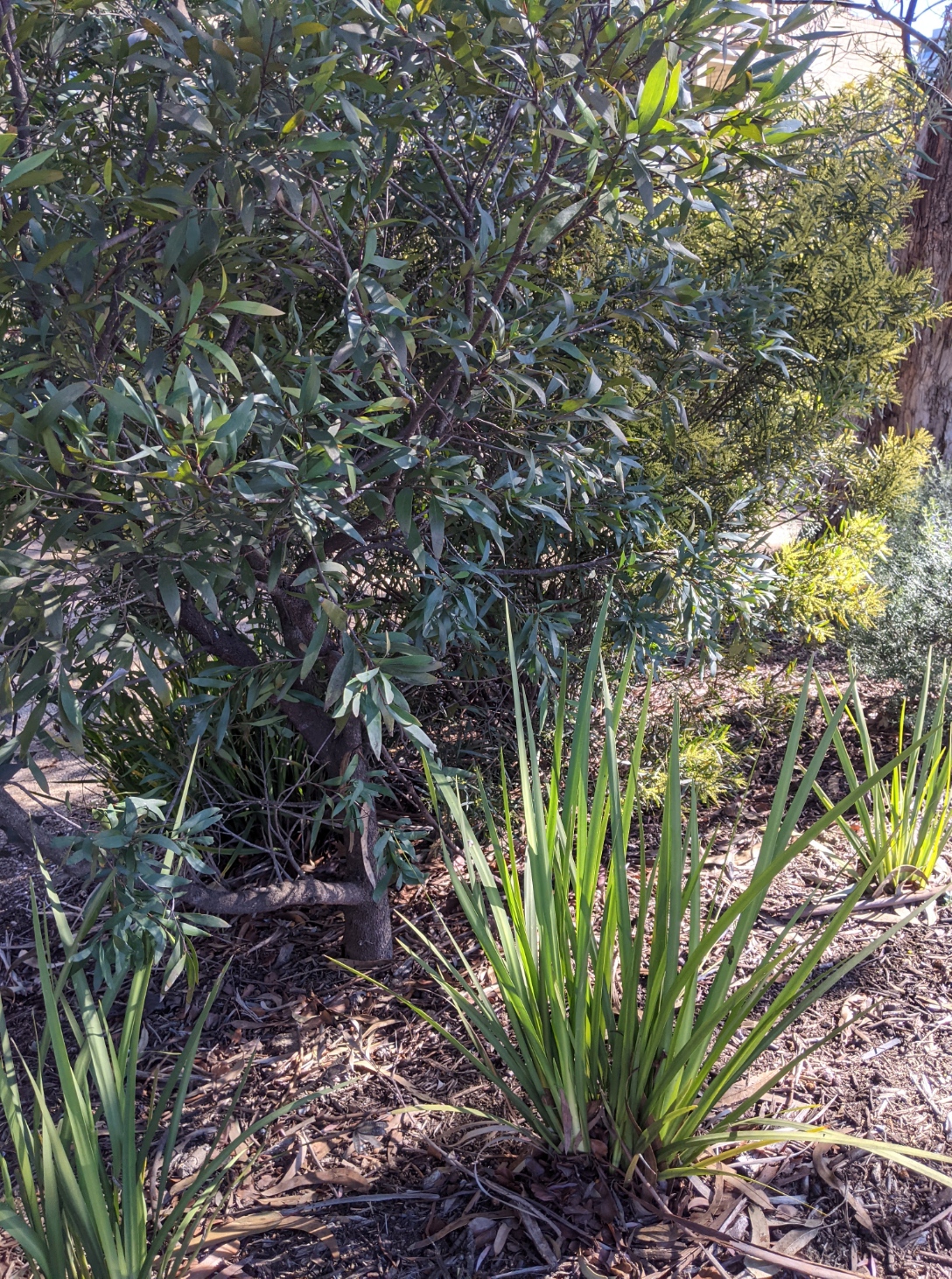

Day 15 Lockdown
In Canberra twenty one people were recorded as having Covid 19. Six had been active in the community while infectious. Eleven people, including a child under 12, have been hospitalised. One person remains in ICU.
Day 15 lockdown walk

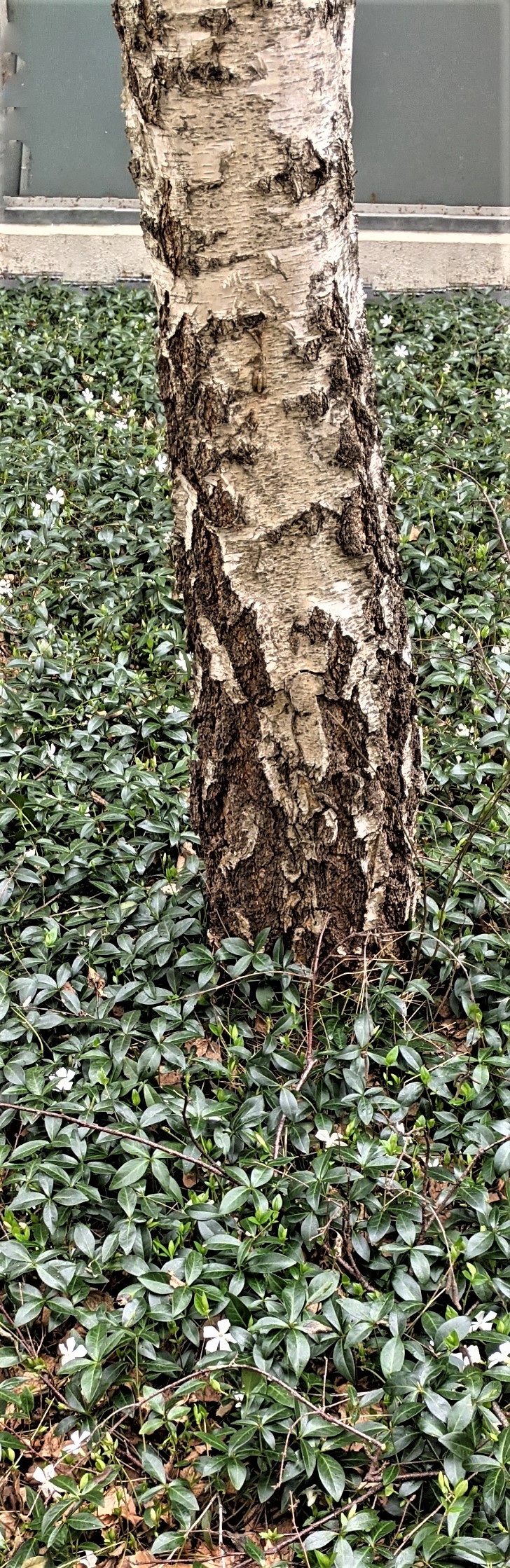
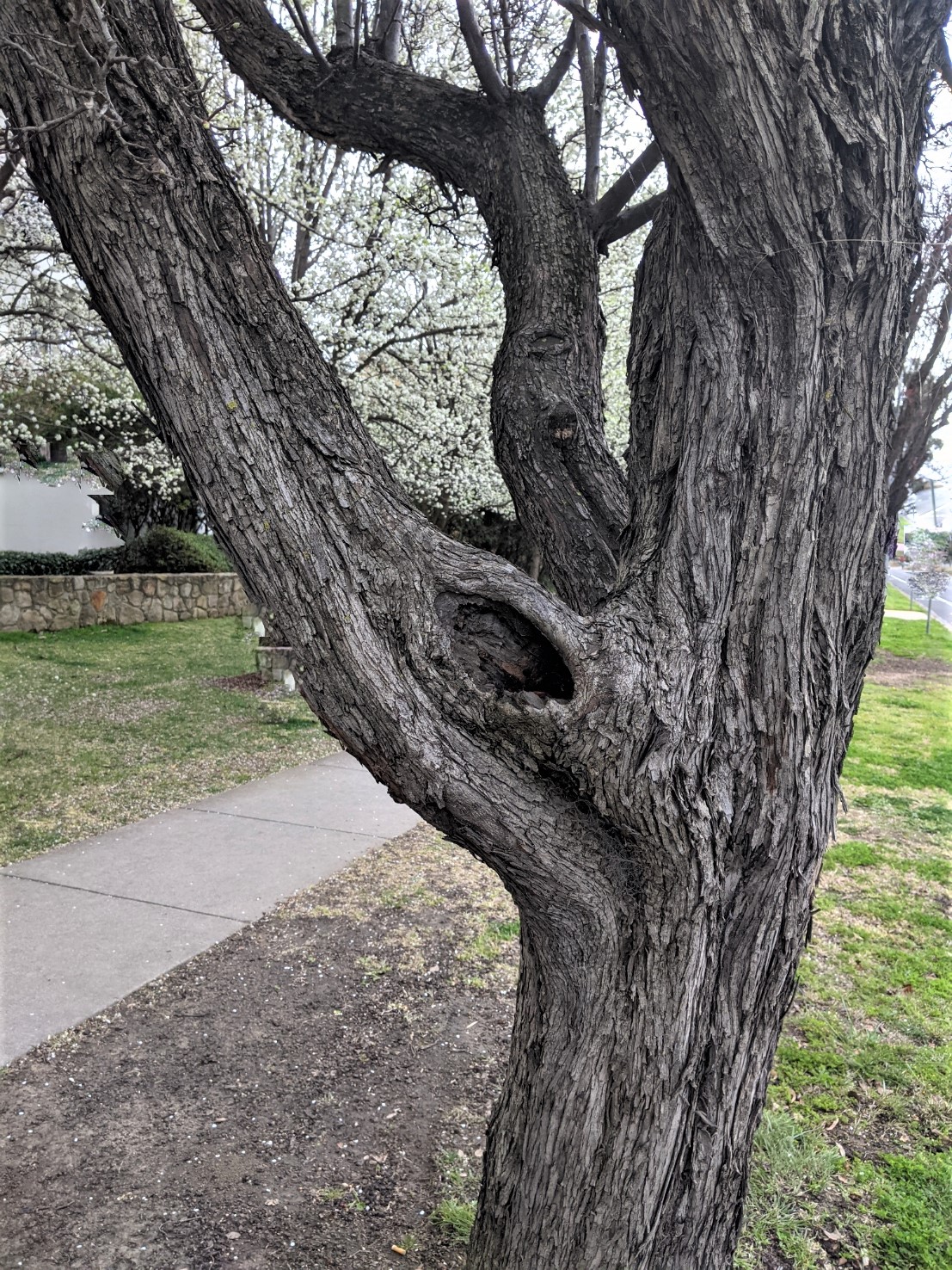
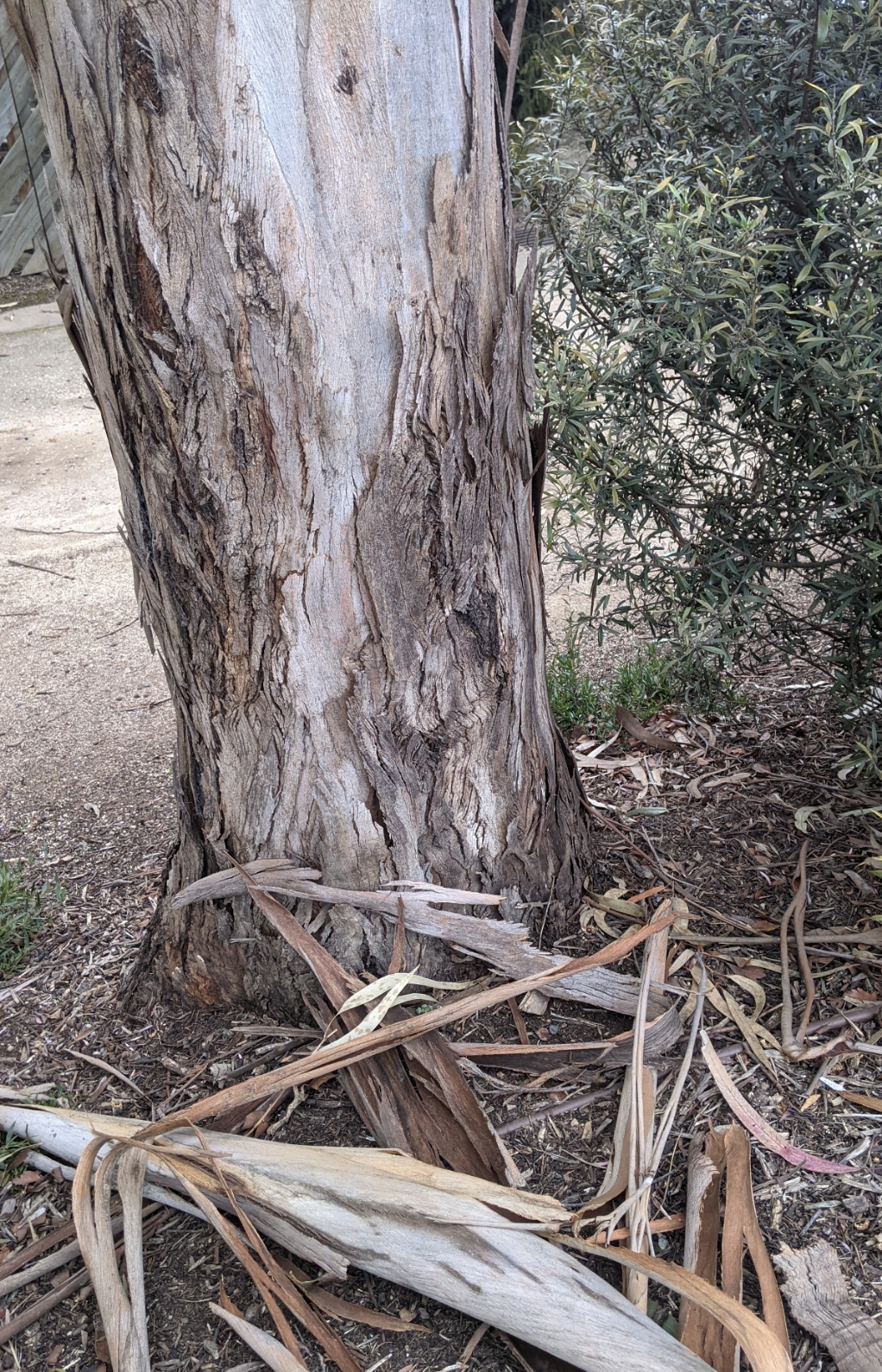


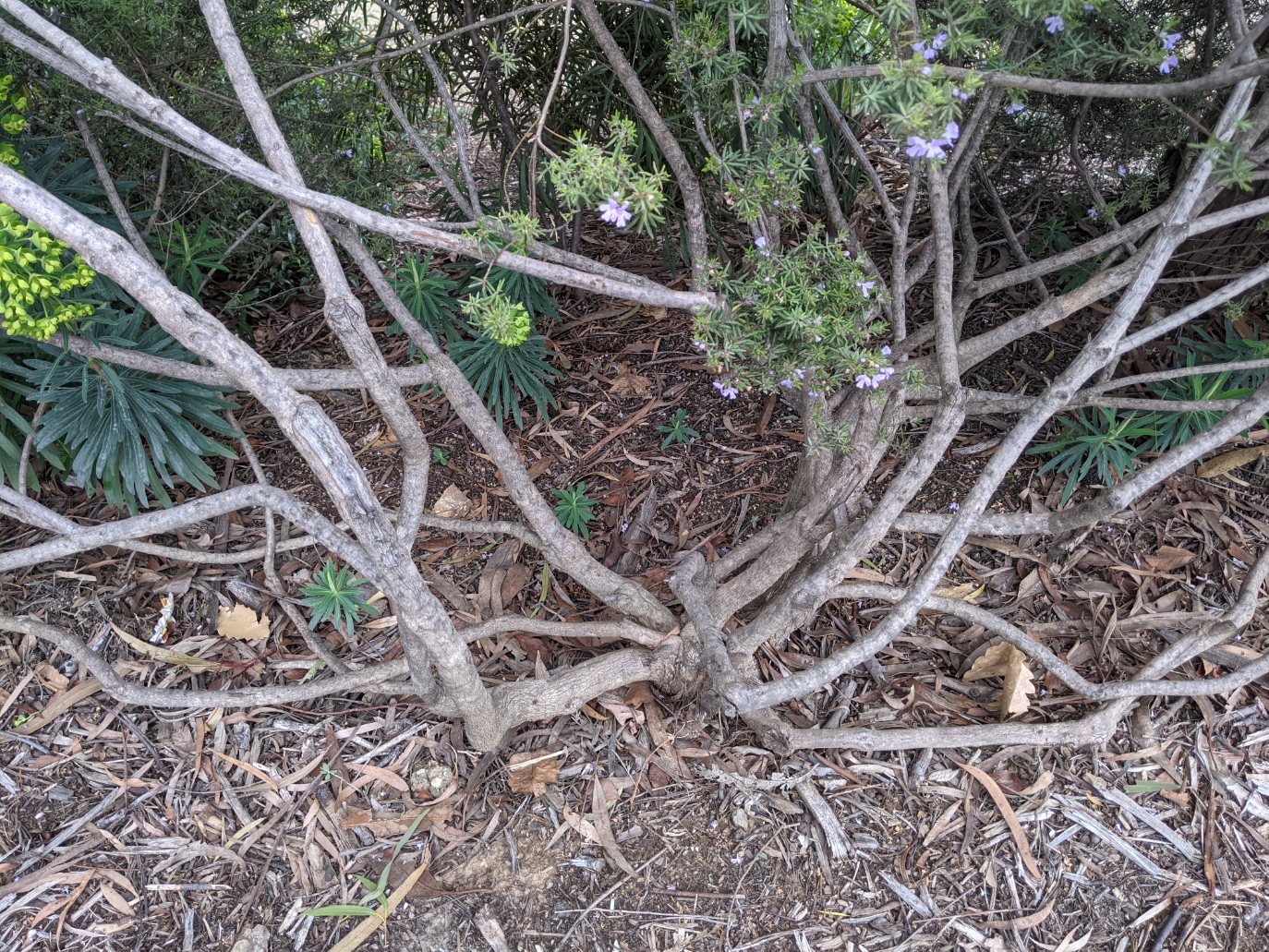


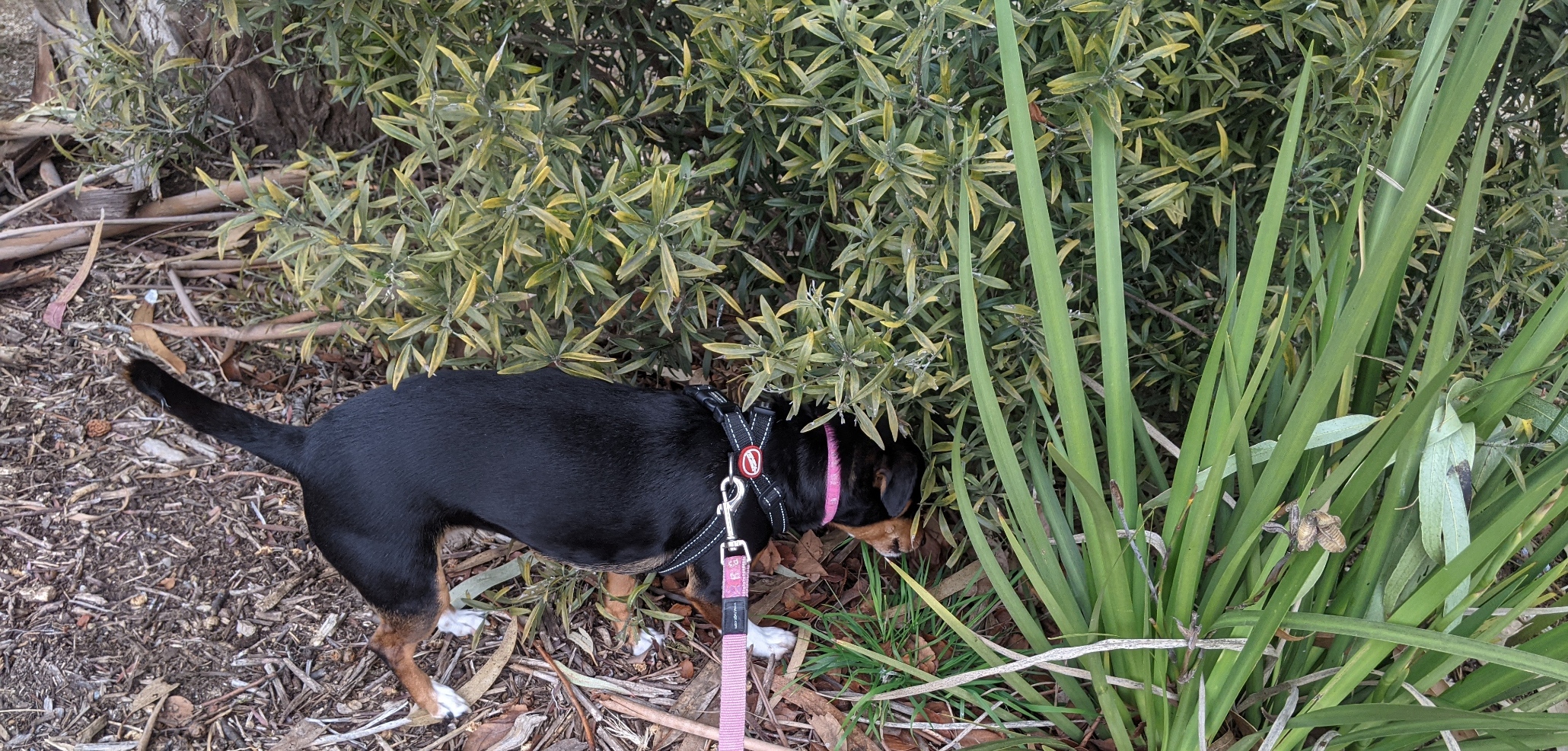
Leah and magpies: a study in black and white
Day 16 Lockdown
Twenty six more cases were identified today. Twenty are linked to previous cases; fifteen were in quarantine; investigating four; seven infectious in the community. There are nine people in hospital, seven of whom were unvaccinated and one who had had their first dose.
Day 16 lockdown walk

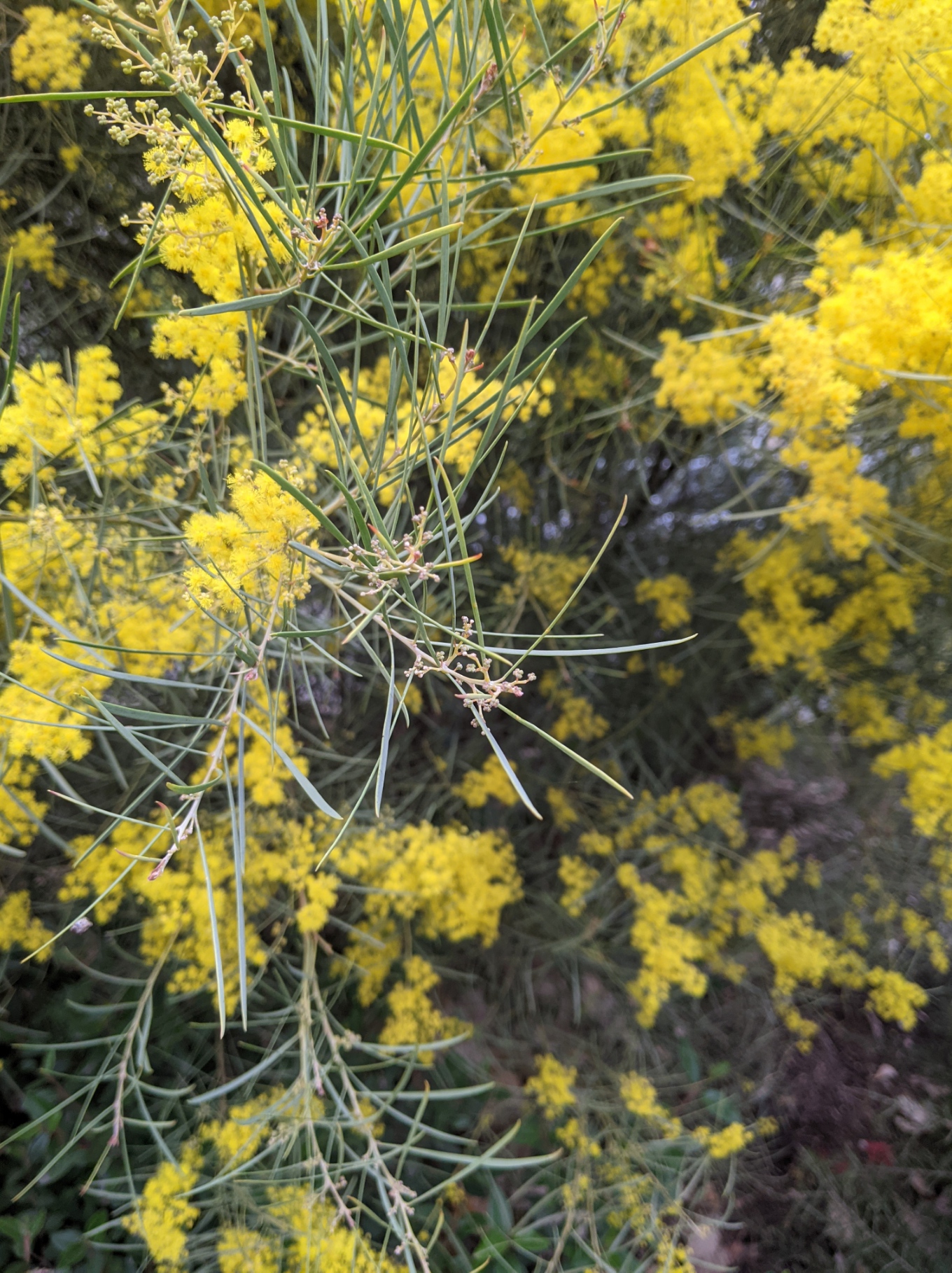


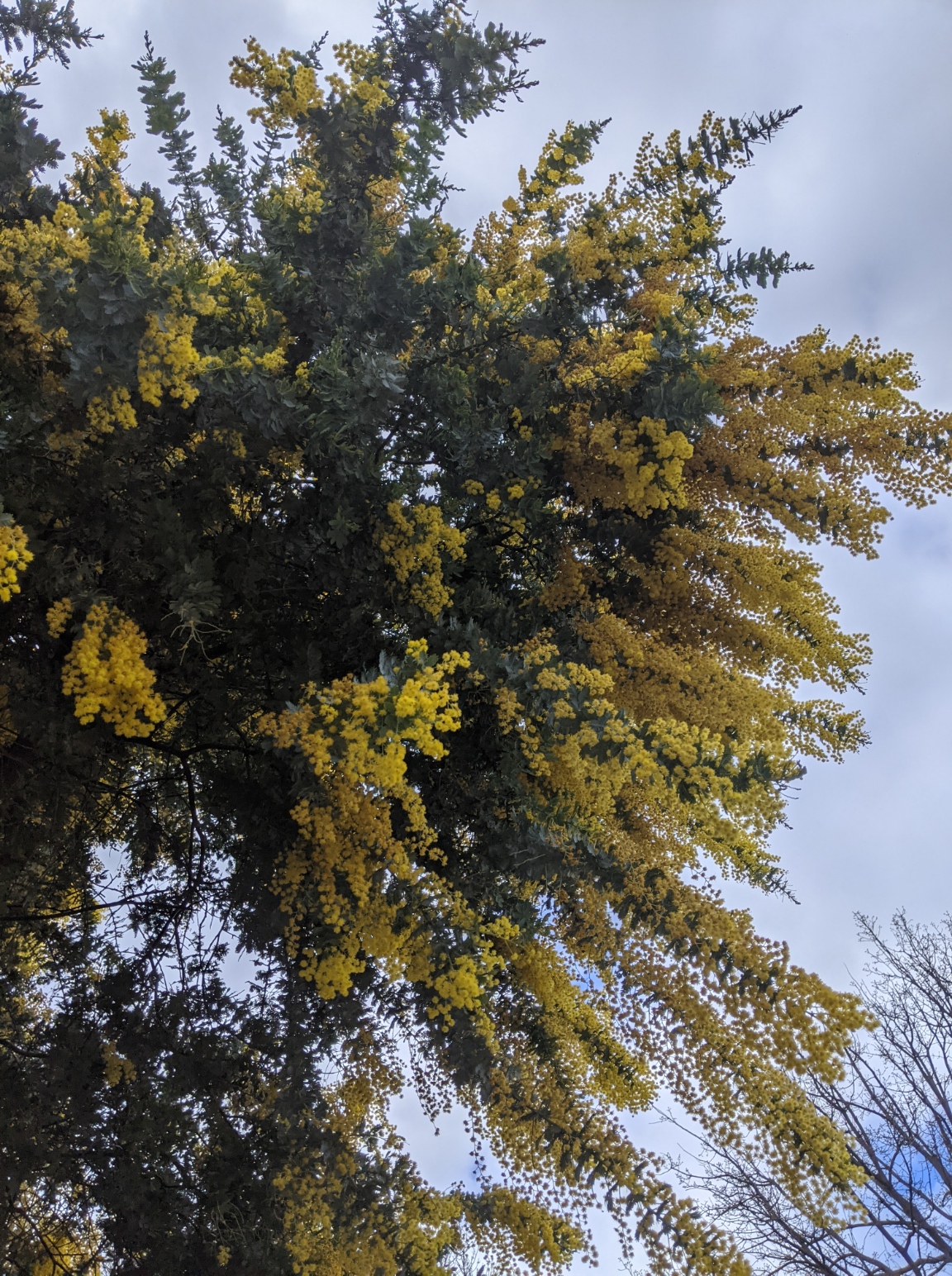


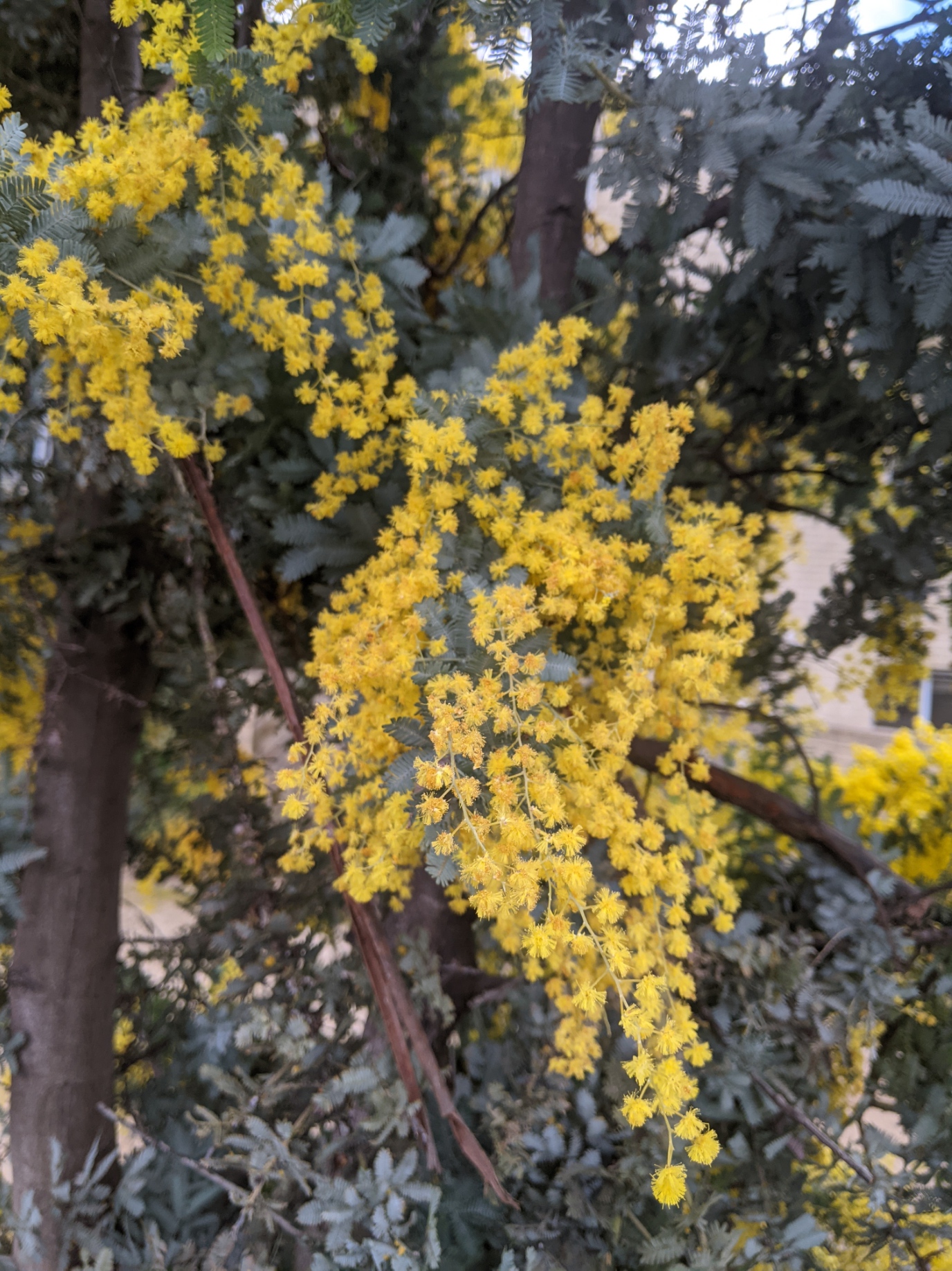


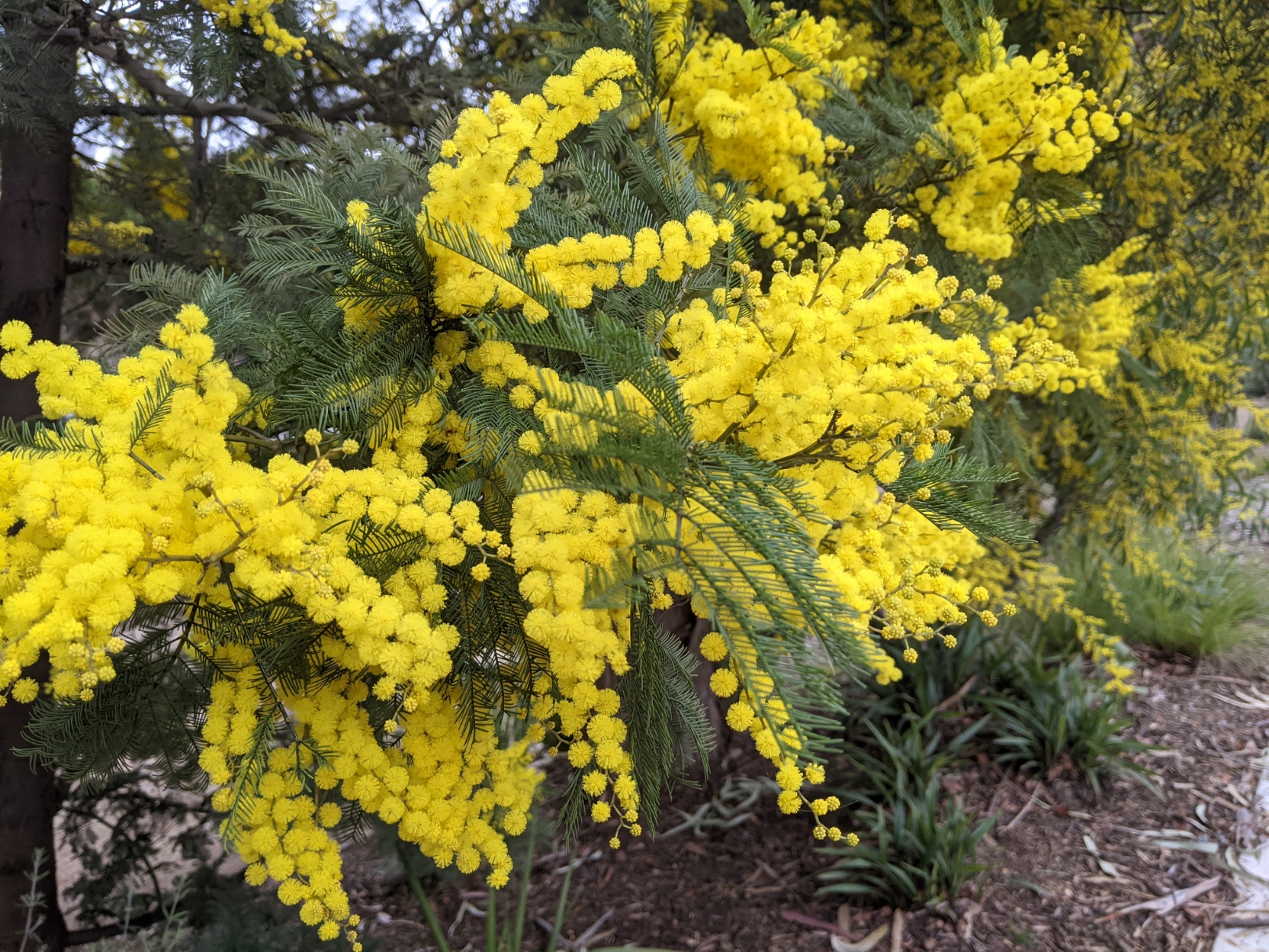


Day 17 Lockdown
Thirteen new cases were recorded. The ACT now has 230 active cases. Vaccinations are proceeding – 204,590 to date recorded in the ACT Covid19 vaccination clinics. More have been administered through GP service providers, and vaccinations administered to staff and residents in disability and residential care through the Australian Government do not appear in these figures.
Day 17 lockdown walk


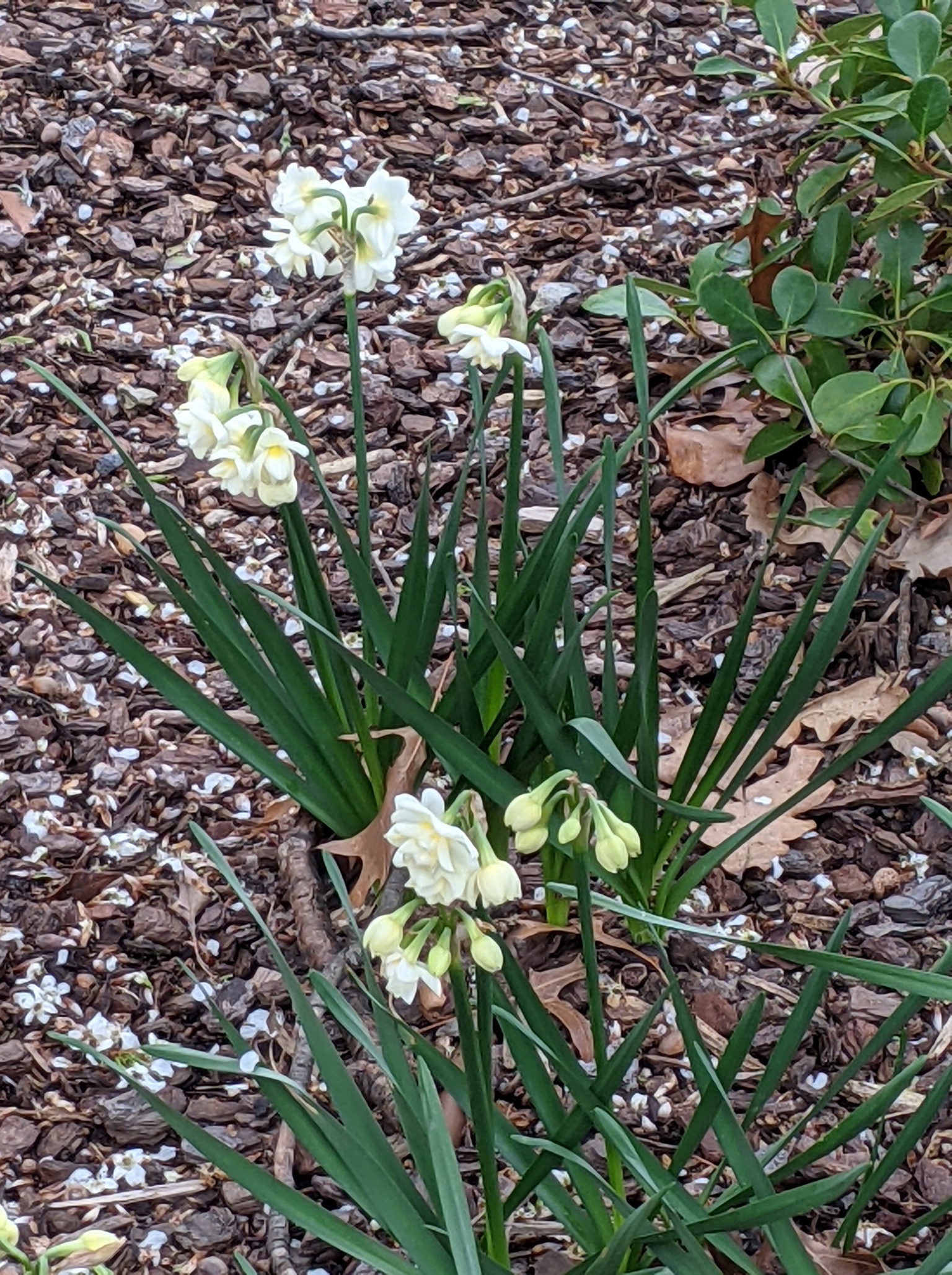
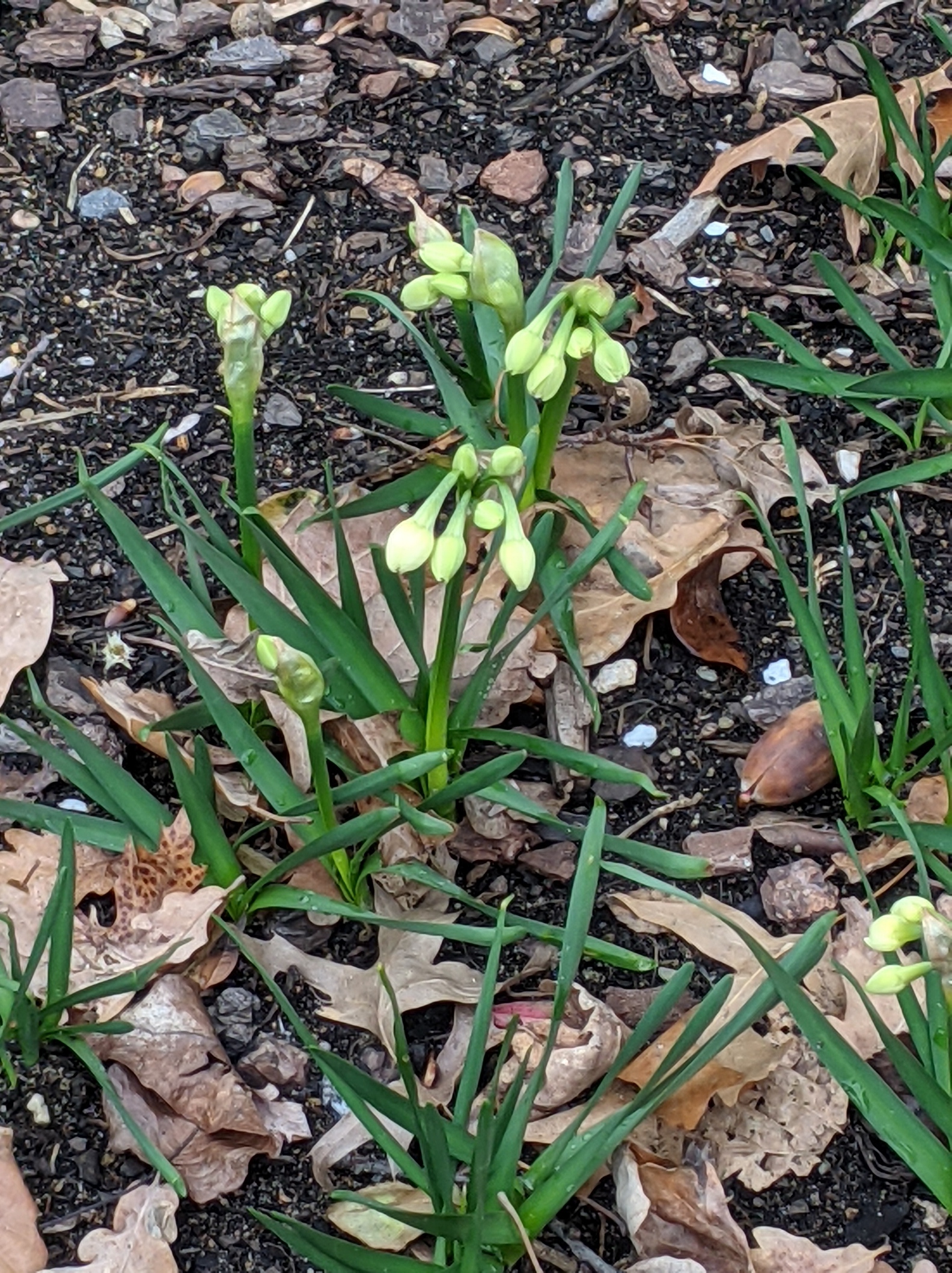

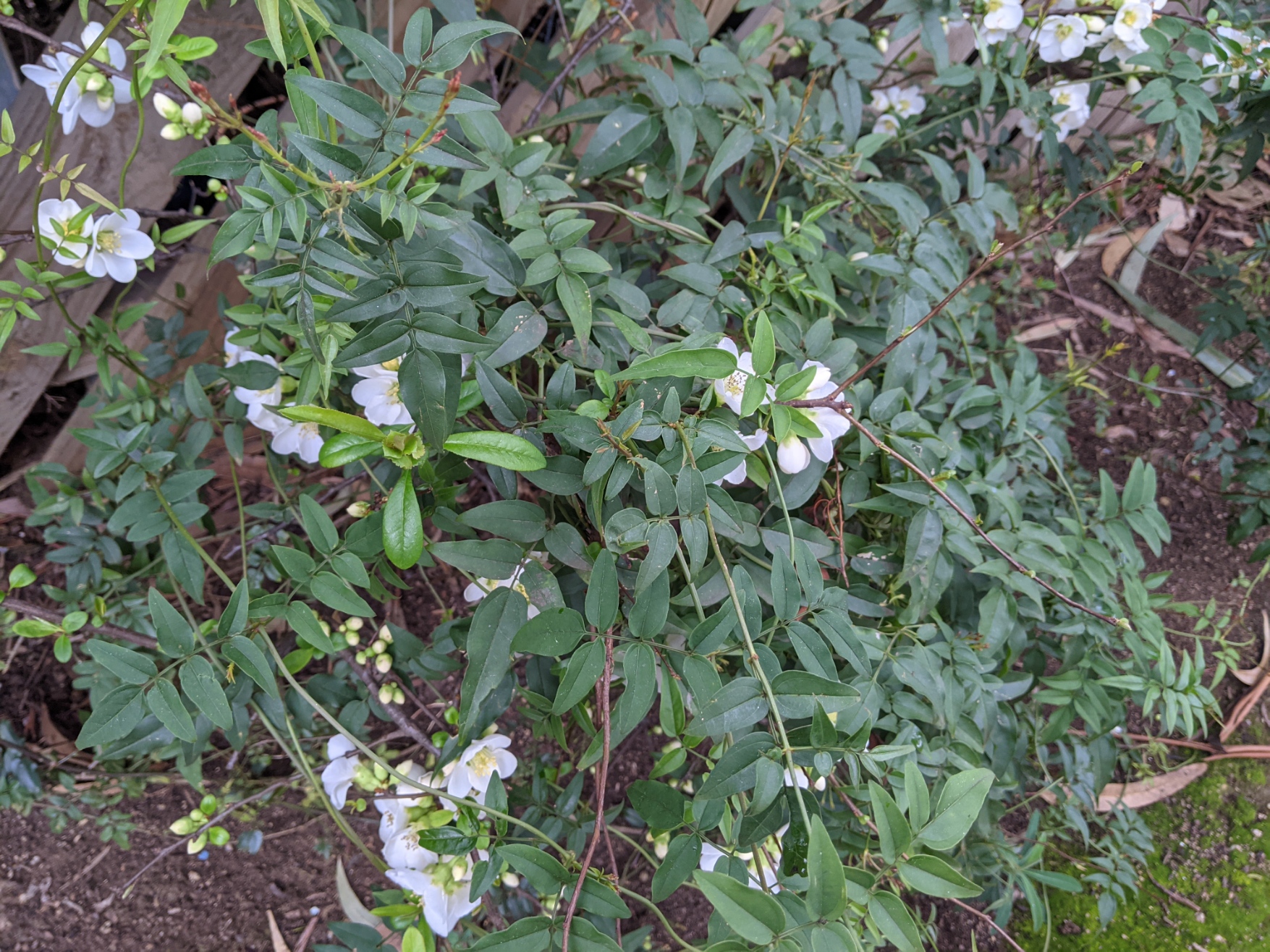




Day 18 Lockdown
Our favourite coffee shop has been designated a place of casual contact at a time that we were there, so we have to monitor our health. If we have any symptoms we must be tested. If so, this will be the second time. The first was when we returned from Perth when Covid19 was found there. That resulted in 5 days quarantine. No walks.
There were twelve new cases today.
Day 18 lockdown walk


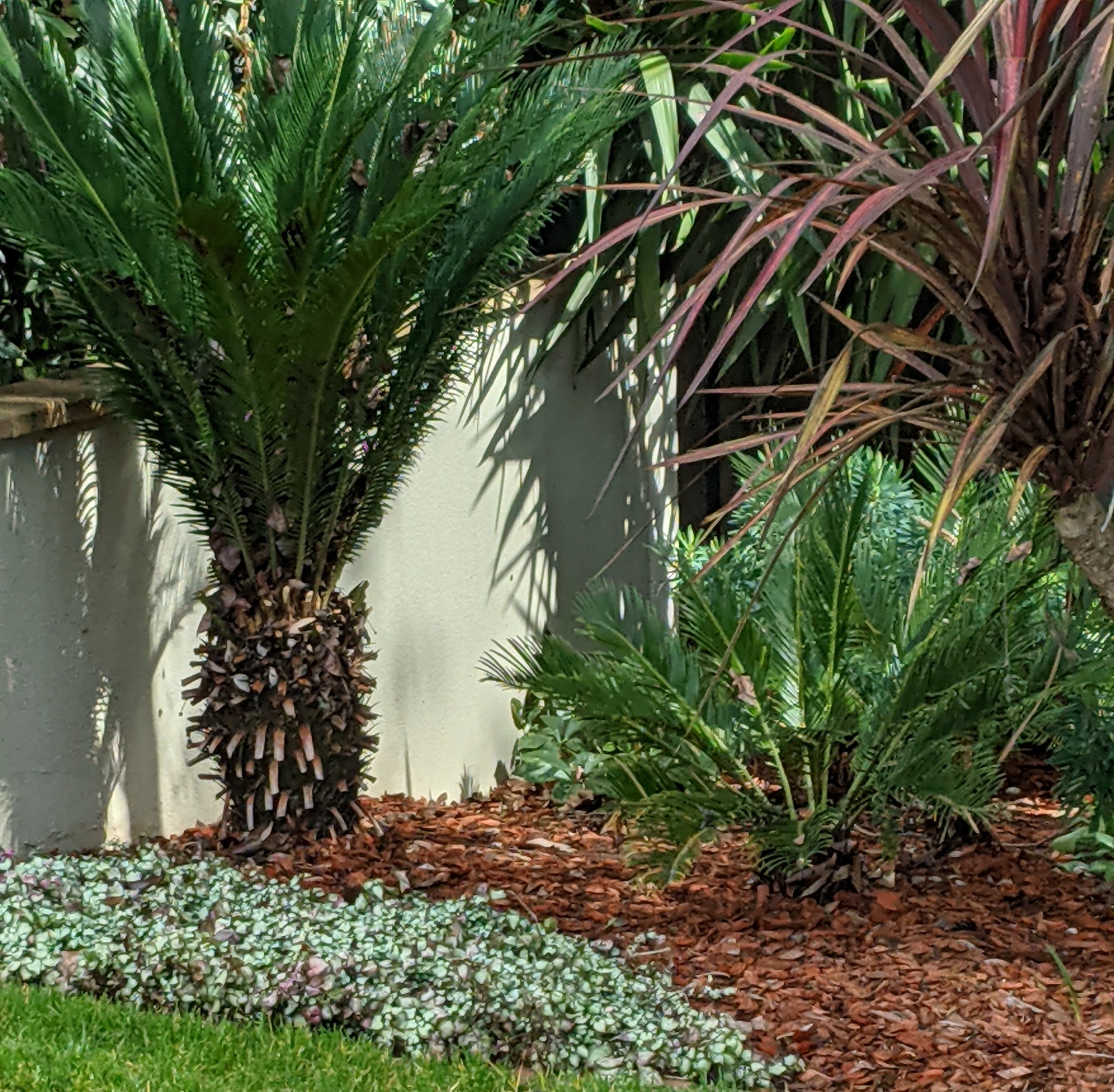


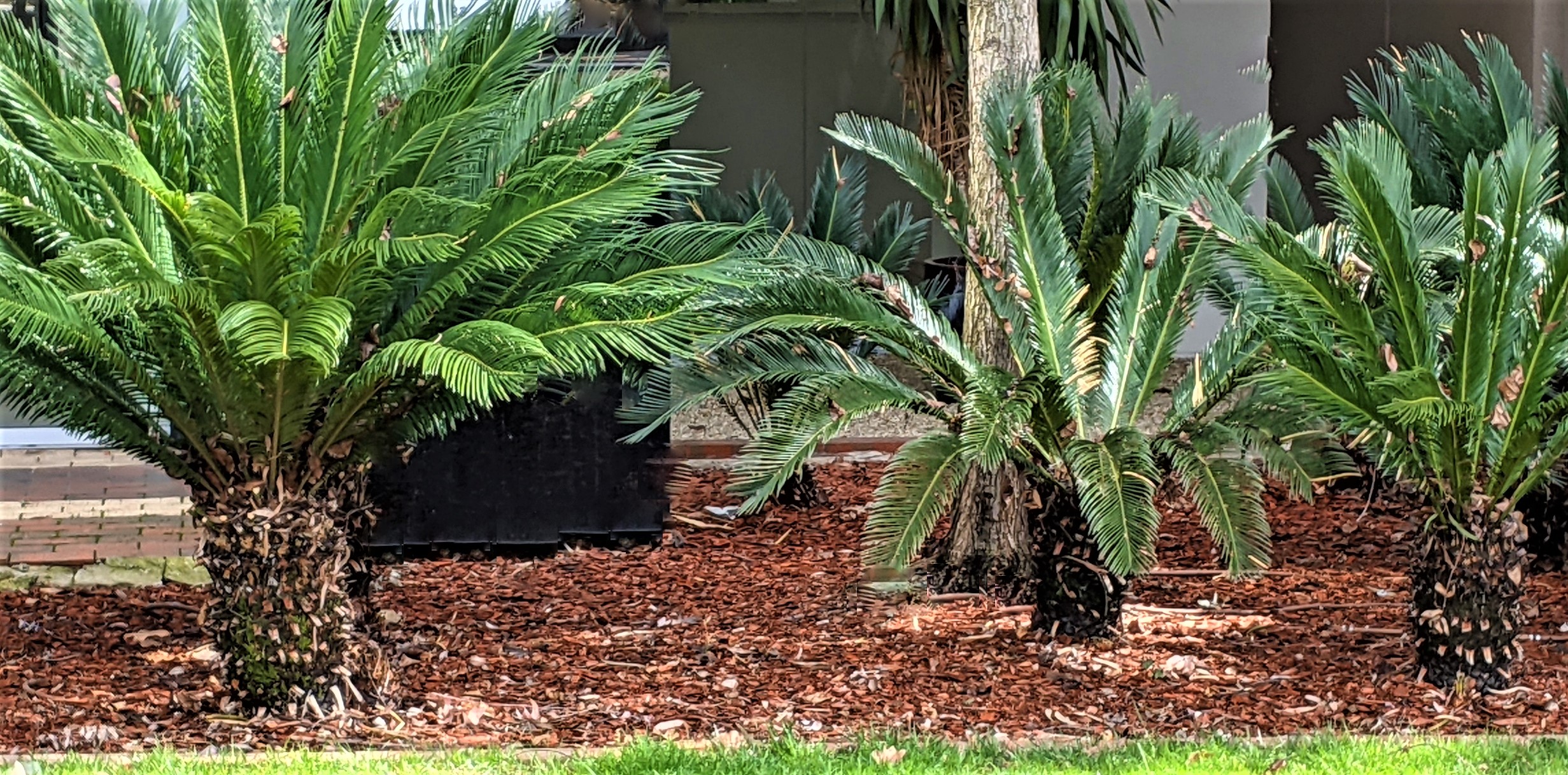

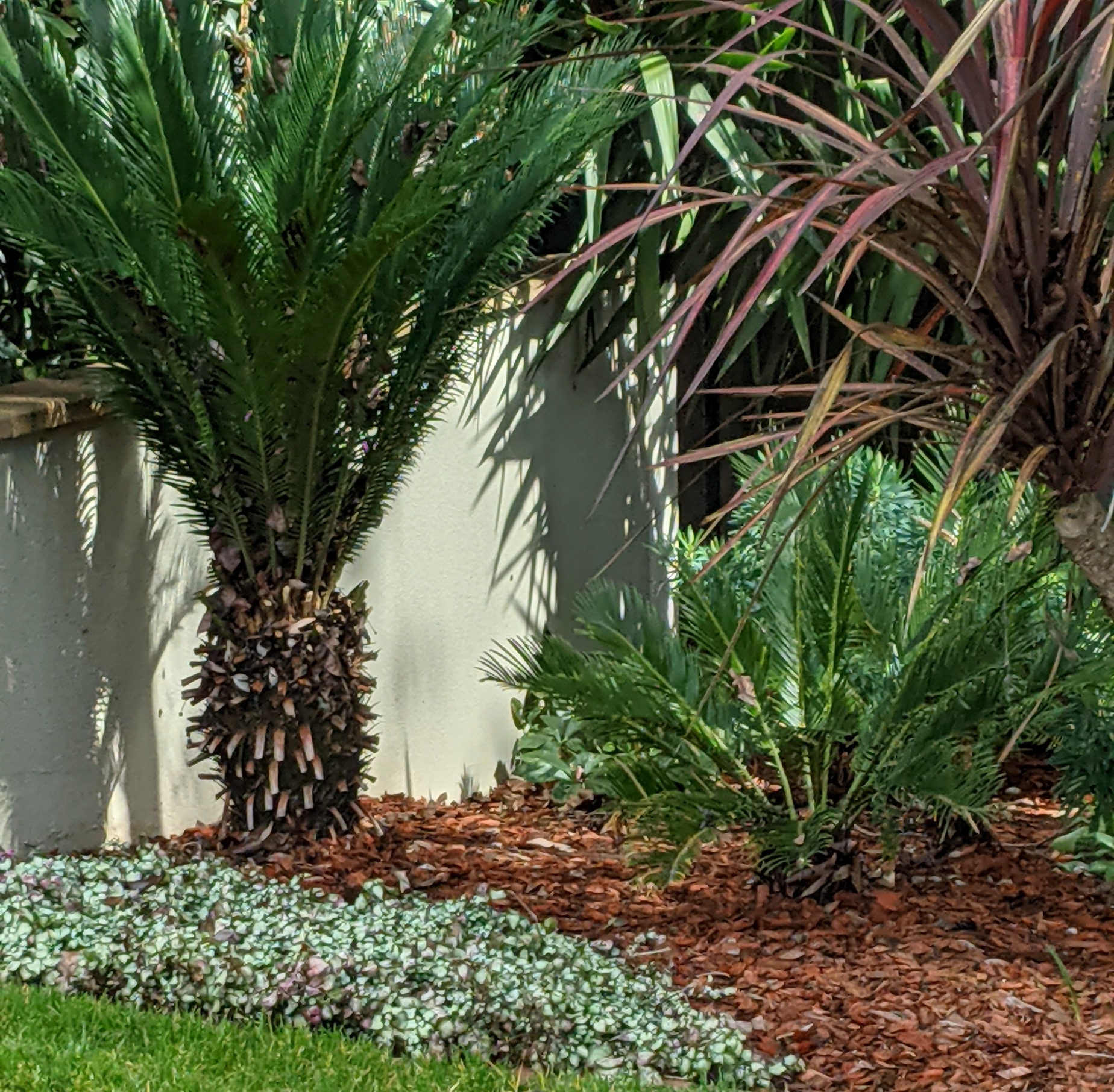




Day 19 Lockdown
Today we learnt that our lockdown will be extended for two weeks, to midnight Friday 17th September. There are, however, some changes being made to how the construction industry can operate; increased support for businesses; and numbers of people being able to meet outside has been increased to five. There are 13 more cases, with 242 active cases, 3,093 negative test results, 209,596 total vaccinations.
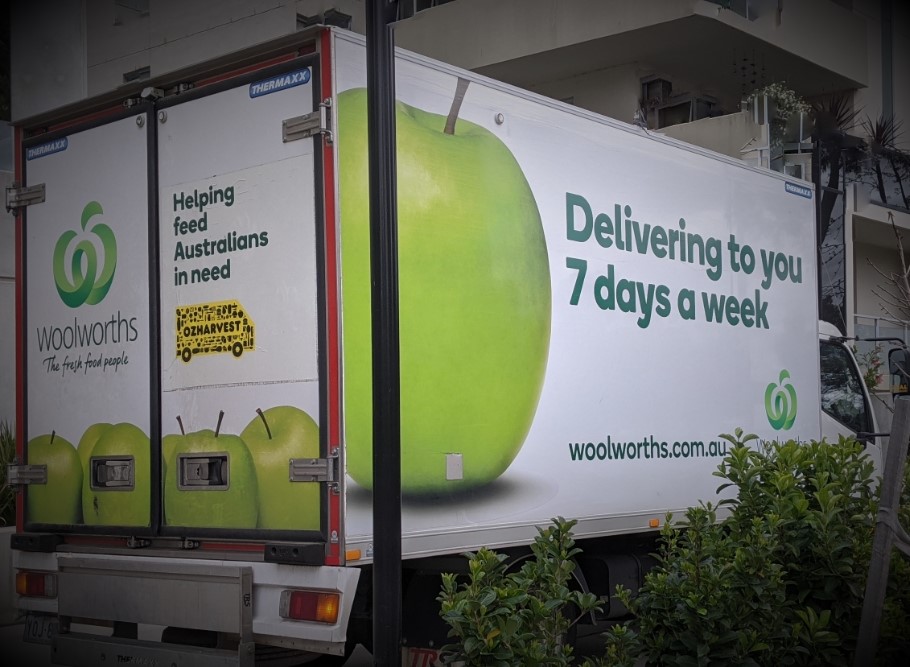
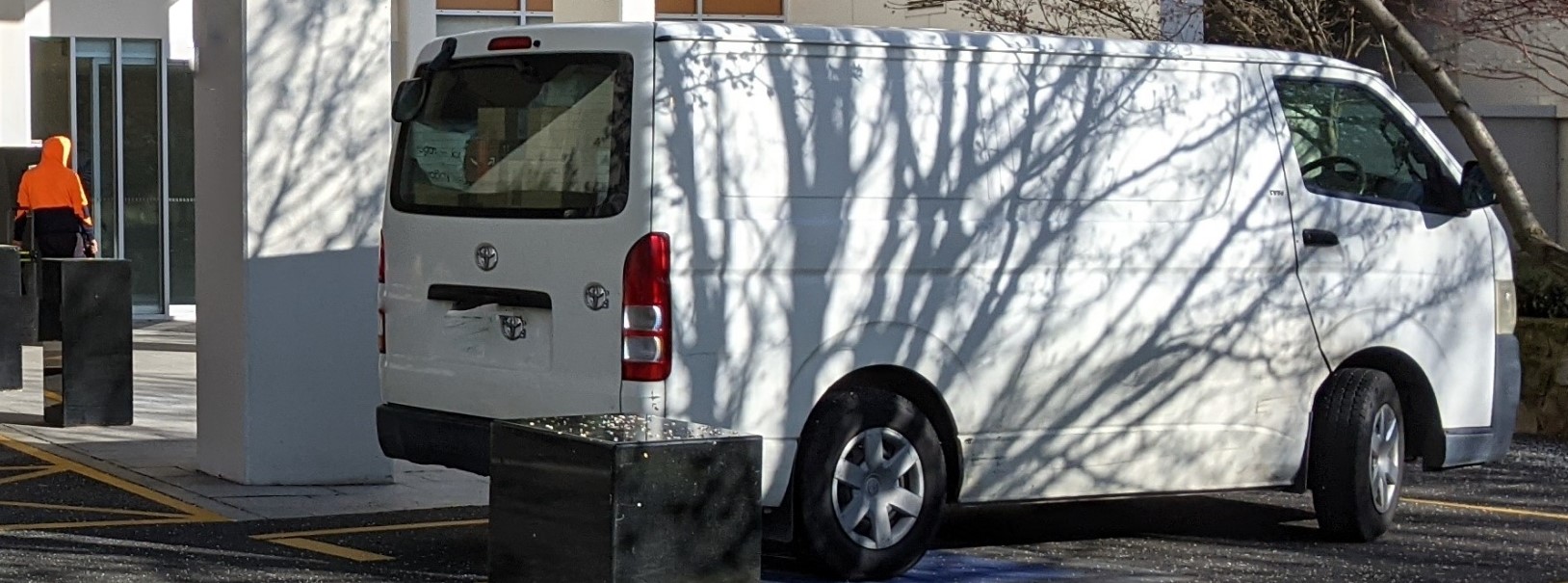
Day 19 lockdown activities – walking the dog, takeaway coffees, food deliveries, moving house, parcel deliveries…






Day 20 Lockdown
There were twenty three more cases reported today, with eleven of those infectious in the community. Fourteen cases are linked to other known cases of the virus, with the majority being household contacts. Thirteen people are in hospital, with four people are in ICU. None was fully vaccinated, and nine had pre-existing heath conditions. The youngest person is 18, and the oldest 54. Outdoor playgrounds will open at 5.00 on Thursday – with check in apps and encouragement to social distance. Some businesses have been found to be complying poorly with the mask mandate. This does not apply to any I have patronised.
Day 20 lockdown walk


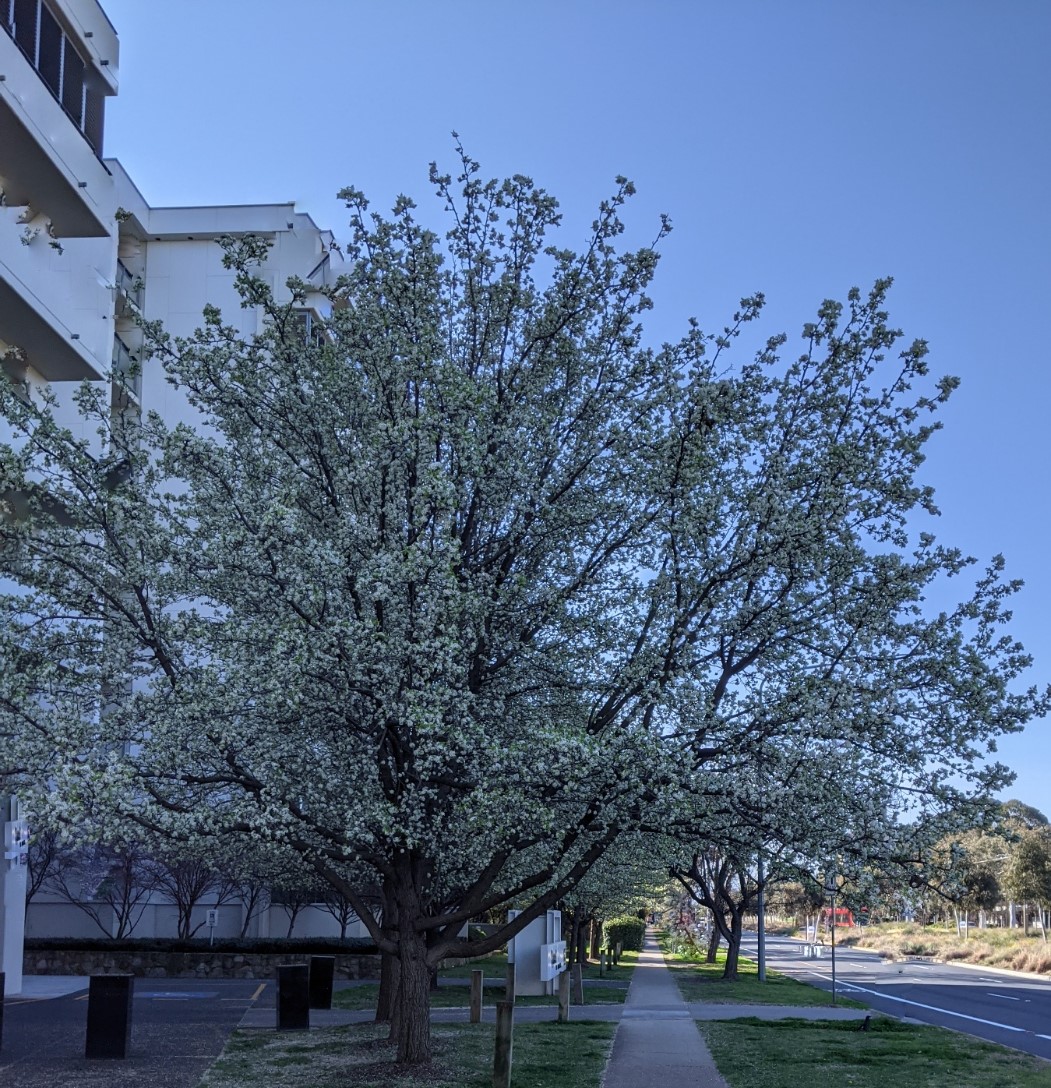


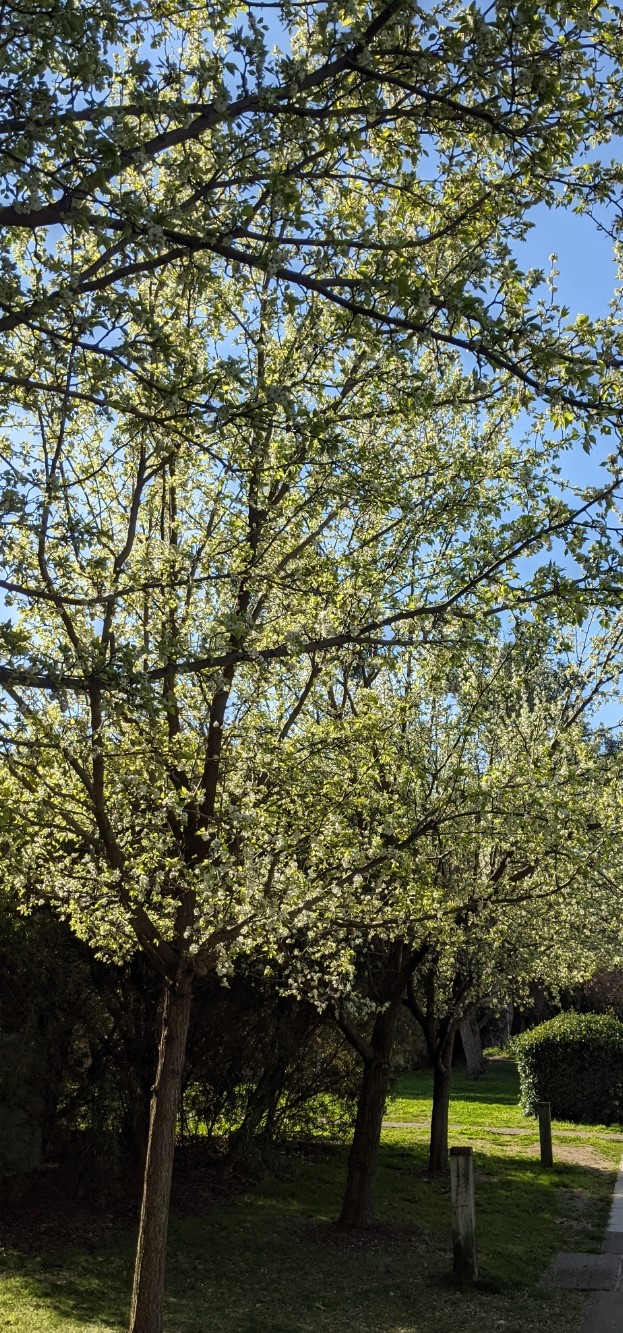


The blossoms are now falling from the trees – three weeks of splendour
Bob McMullan

Just get on with the hard business of governing
Joe Biden, in celebrating the passage of his bipartisan infrastructure package through the Senate said: “This is us doing the real hard work of governing.”
Biden’s statement, when taken together with the plummeting trust in the Australian government as shown by the Edelman survey, explains a lot of what is going on in Australian politics at the moment.
We need a government that will just get on with the hard business of governing in the crises we face.
The current Prime Minister is not prepared to take responsibility for anything. His skill is in dividing, deferring and deflecting.
We shouldn’t expect him to be perfect. The public will accept that some tough calls will go wrong or that a genuine attempt to solve a national problem may fall short.
But he is the Prime Minister. He should at least try to put forward plans to make Australia a better place and a better contributor to solving international problems.
Noone ever thought Bob Hawke was a saint. But he certainly made Australia a better place.
John Howard had his flaws, but he accepted responsibility for the gun laws after the Hobart massacre.
Can anyone imagine Paul Keating abandoning responsibility for quarantine in a national health emergency?
The current government has reached the absurd level that it is now passing responsibility for immigration of agricultural workers to the states!
The Seasonal Workers Programme which brings Pacific Island workers to work in the agricultural industry, to our mutual benefit, is one of the initiatives of which I am most proud. At this time of crisis in our agricultural industry, and in the economies of our neighbours, the federal government
needs to step up and make the necessary arrangements to expand the scheme, not just defer, deflect and divide.
In the pandemic Australia has suffered from a lack of leadership and a failure of government to accept responsibility for what are necessarily and constitutionally federal responsibilities.
Climate change has illustrated a lack of leadership and acceptance of responsibility by our government.
The continuing absence of the promised National Integrity Commission despite promises to create one has illustrated a lack of commitment to doing the hard things.
The fact that ministers continue to act in breach of ministerial standards and the requirements of administrative law without any sanction shows something is lacking at the top of the government.
Even the right-wing analysts can see the problem. A recent edition of the Australian section of The Spectator asserted:
“The Liberal Party is adrift, a large, ugly and ungainly tanker that has slipped its moorings and is taking on water as it flounders in a turbulent and unpredictable sea. On the bridge, an ineffectual captain navigates by opinion polls and focus groups, with sinister factional bosses whispering in his
ear.”
Notwithstanding all this, there is no certainty that the federal government will lose in 2022. It is important to remember that Morrison did pull off an unexpected victory in 2019. However, appearances may be deceiving. It always seemed to me that Labor lost the 2019 election rather like the Liberals lost the 1993 election.
There is no automatic historical link which means 2022 will be like 1996. There is nothing that guarantees an unpopular government which evaded the wrath of the voters by diverting attention to the opposition at one election, will face increased wrath the next time. This will only happen if someone makes it happen. One big question that arises from this analysis is whether the current Opposition will ditch policies the voters rejected last time, as John Howard did in 1996?
There are several other big questions to be decided in the lead up to the next election.
The questions include: who is most likely to get on with the hard business of governing? Who is most likely to make Australia a better place? Will any party offer policies which will begin the long hard process of restoring our international reputation?
Trust in Australian government is falling. I don’t believe this is because the members of the current government are not saints. I believe it is because they are not doing the hard work of governing and because no one can see a positive plan to make life better.
Whatever this means for the next or subsequent elections, reversing these trends of declining trust and lack of focus on the hard business of governing is important for the future of our democracy.

| Caroline Mimbs Nyce Senior associate editor August 31, 2021 |
| The war in Afghanistan is over, and the president stands by his decision to end it. |
Today, just one day after the last military flight departed from Kabul, President Joe Biden defended his decision to pull U.S. forces from Afghanistan and praised the evacuation mission as a success.
It’s too early to know what history will make of the president’s calls over the past few weeks; writers at this publication have doled out both criticism and praise. And we still don’t know what the retreat means for U.S. foreign policy going forward. For now, this long, fraught chapter is simply over.
- Afghanistan tested one of the core tenets of Biden’s foreign-policy strategy. Yascha Mounk argues that the past few weeks show the limits of designing a “foreign policy for the middle class.”
- Biden’s foreign policy looks a lot like Trump’s. “Their shared lodestar is the idea that it’s time for the U.S. to focus on its own interests—and to leave other countries to fend for themselves, come what may,” David A. Graham pointed out recently.
- Biden deserves credit for his actions. David Rothkopf argues: “The very last chapter of America’s benighted stay in Afghanistan should be seen as one of accomplishment on the part of the military and its civilian leadership.”
- Liberal democracy is worth defending with more than just words. “The events in Afghanistan are part of a much bigger story” about the global contest between freedom and autocracy, Anne Applebaum argues. “Sometimes only guns can prevent violent extremists from taking power.”
 |
 Robin's Room