The book review this week, Feminist City by Leslie Kern, links to an inspiring presentation by Camille Wagner on the Bold & Brilliant- Brilliant & Bold zoom meeting held monthly by Dr Jocelynne Scutt. More about Bold & Brilliant -Brilliant & Bold, with particular reference to Camille Wagner’s talk appears below.
Leslie Kern, Feminist City, Verso 2019, provided to me by NetGalley for an honest review.
I was disappointed that Leslie Kern fails to resolve the problems she raises in this detailed description of the way in which cities are built to meet the needs of white able-bodied men, rather than the wider population that inhabits them. The way in which the problems are laid out provides so much of the information needed for readers to consider a range of possible changes to begin finding solutions. But is this enough?
Where Kern does excel is in suggesting that the Covid pandemic has publicised the role of care workers, and that the caring professions’ requirements of their cities need to be addressed. This is an excellent way of giving the topic immediacy. See Books: Reviews for a continuation of this review.
BRILLIANT & BOLD – BOLD & BRILLIANT
CONVERSATIONS WITH ‘ORDINARY’ & ‘EXTRAORDINARY’ WOMEN
‘Women’s Voices in a Time of Conservatism’
A series on women’s rights, challenges, perspectives, hopes and empowerment.
Brilliantly Bold Women! Invites all Bold and Brilliant Women to a monthly Zoom meeting – Women Worldwide Advancing Freedom & Equality … formerly the House of Lords/House of Commons, now a panel in
global conversation, along with a global audience of engaging in discussion, debate, questions, answers, reflections and resounding demands for change. As Mary Wollstonecraft said:
REFORM THE POSITION OF WOMEN, AND YOU REFORM THE WORLD
The meeting at which Camilla Wagner made her presentation brought together women from Sweden, Portugal and the United Kingdom. The audience comprised women from all over the world.
Camilla Wagner is Interim Secretary General of the International Alliance of Women (IAW) an international NGO with ECOSOC status at the United Nations. A Gender Equality Strategist, she runs Klara K together with Gender Equality Strategist Petra Nedfors. Klara K, a Swedish women’s equality strategy organisation, works to promote women’s careers and seeks to contribute to a sustainable working life on equal terms. Klara K creates meeting places for the exchange of experience and inspiration, lecture, educate and debate. A principal aim of Klara K is to be a clear and credible opinion former, contributing to changing attitudes and structures that today stand in the way of an equal working life. In addition to her work with Klara K, Camilla’s time has been fully engaged in working with an IAW Working Party established to consider ways in which IAW, as a forward-looking women’s organisation with a history going back to the beginning of the last century, will continue to make a lasting contribution to the advancement of women, particularly now when forces negative to women’s right are on the rise.
Camilla Wagner’s presentation was astute and friendly with clarity as the key to ensuring that we all identified with the topic. Her talk centred on the way in which design impacts on women’s ability to participate fully and comfortably in their community.
Notes from the presentation Working for women in Karlskoga, Sweden – Camilla Wagner
Beginning with car design, and the size of foot pedals in comparison with the size of women’s feet, moving on to the impact of airbags designed for men’s size, raised not only questions of comfort (important enough on their own) but those of injury and possible death. No-one would suggest that the need for airbags should be questioned, but their relevance to women’s size as a component of their design is an issue. And, how the size of foot pedals resonated – like Camilla Wagner, I cannot place my heel comfortably on the floor and the pedal!
Another part of the talk was very reminiscent of some of the issues Leslie Kern raises. This is the way in which cities and facilities are designed with men rather than women in mind. The example used was snow clearance in a city. Clearance of main roads, then local roads, and lastly pathways was implemented. When this was reversed to accommodate the actual use of each artery, the fall in accidents led to a fall in costs to the community. Women were found to use the pathways a majority of the time. They were the most popular arteries, as women used them to take children to school and child care, then used public transport to get to their paid work. On the return trip, after their use of public transport again, women collected children, shopped, and walked home. Cars were used for a minority of trips, mostly by men, and on the local roads more frequently than major roads. Economic viability became one of the issues discussed in the question and answer section of the meeting.
I was pleased to hear that changes had been promoted and implemented in Karlskoga, the locality Camilla Wagner used as an example. This was a positive talk, with some ideas that are worth considering in other contexts.
Bob McMullan’s article, ‘The Palmer/Kelly Follies’, first published in Pearls and Irritations, appears after the ACT Lockdown Series below. Also, more on the Texas Abortion Legislation appears after the Lockdown series – Department of Justice – Merrick Garland’s approach and the DOJ’s recent action.
Day 27 Lockdown
Chief Minister, Andrew Barr announced that decisions about how to go forward will be announced next Tuesday. He also described the changes that will be made to the ACT Check In app. People will now be advised through the app, ‘push notification’ if they have been at an exposure site. A free card with a QR code will be available to Canberrans who do not have a smart phone, or are unable to download the app. Heartening news is that within the next 24 hours 50% of the population over 16 will have been fully vaccinated. Lack of access to a vaccine remains a problem. Andrew Barr said that he wants to ensure that all Canberrans have had access to a vaccine before announcing ‘significant changes’ to public health measures. ACT recorded fifteen more cases, eight of whom spent some time in the community while infectious. There are nine people in hospital, with two in intensive care. Two cases are yet to be linked to known cases.
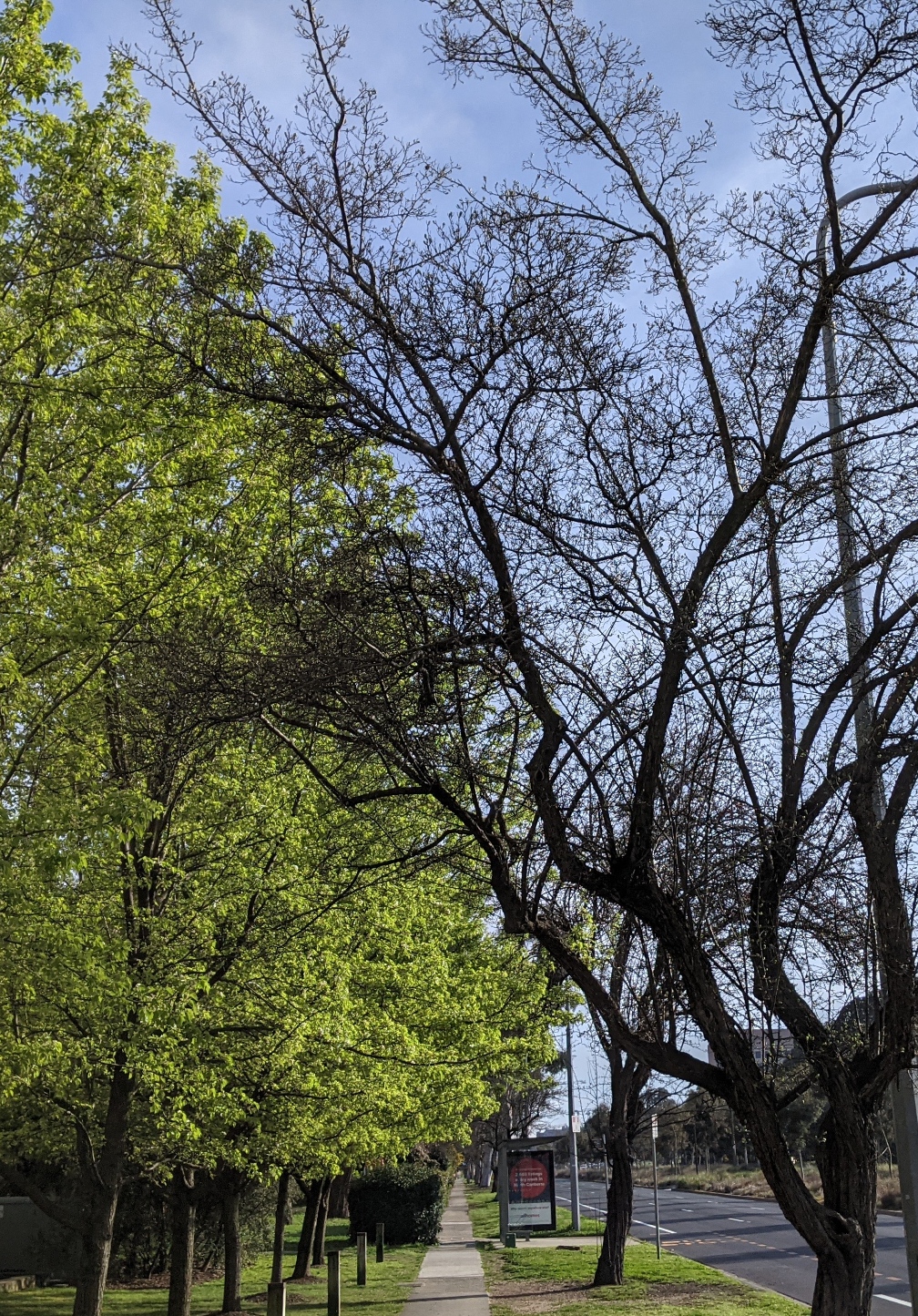
Day 27 lockdown walk – the blossoms have almost gone

Day 28 Lockdown
There were twenty four new cases recorded, with six infectious in the community, and only six yet to be linked to a known case or transmission site. Fifteen people are in hospital, with four in intensive care and one requiring ventilation. The youngest person in hospital is twelve and the oldest in their seventies. Of the total confirmed 463 cases 78% were unvaccinated. The ACT is the first Australian jurisdiction to meet the 50% mark for people aged sixteen years and over who have received two doses of a Covid19 vaccine.
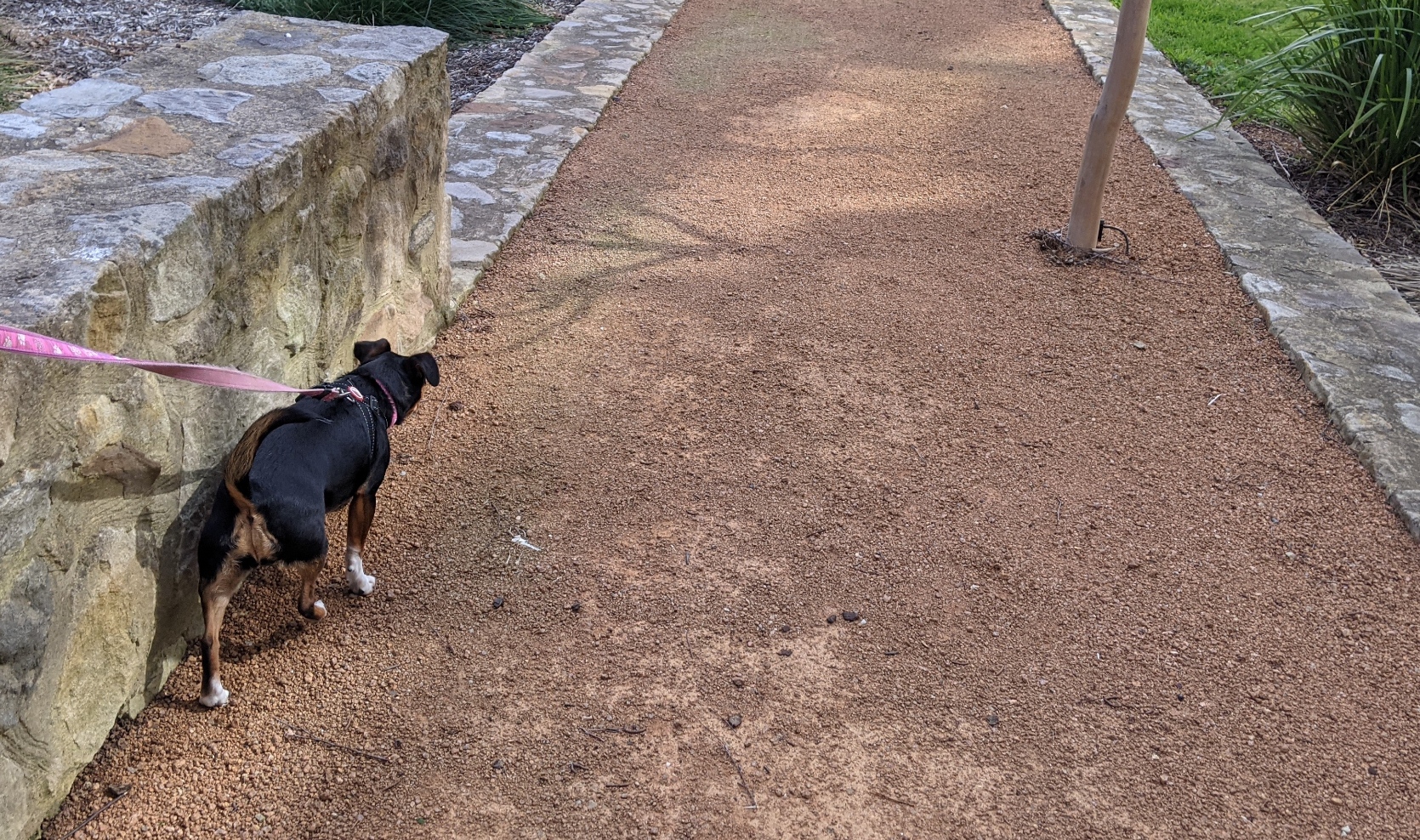
Day 28 lockdown walk


Day 29 Lockdown
Fifteen new cases of people with Covid have been recorded, with fourteen associated with known contacts.
Day 29 lockdown walk
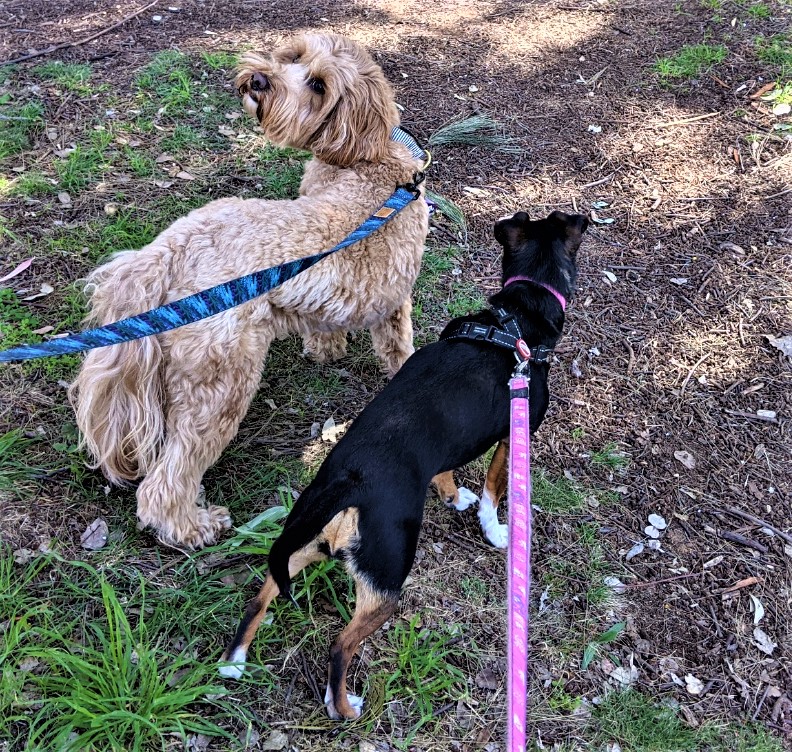
Taking advantage of the changes – playground open, five masked people can meet outside while social distancing, and Leah was able to walk with her friend.


Day 30 Lockdown
Fifteen more cases have been reported, with nine spending some time in the community while infectious. There are ten people in hospital with three in intensive case and one requiring ventilation. Many people took advantage of the relaxed rules applying to meetings outdoors. Social distancing and mask rules still apply.
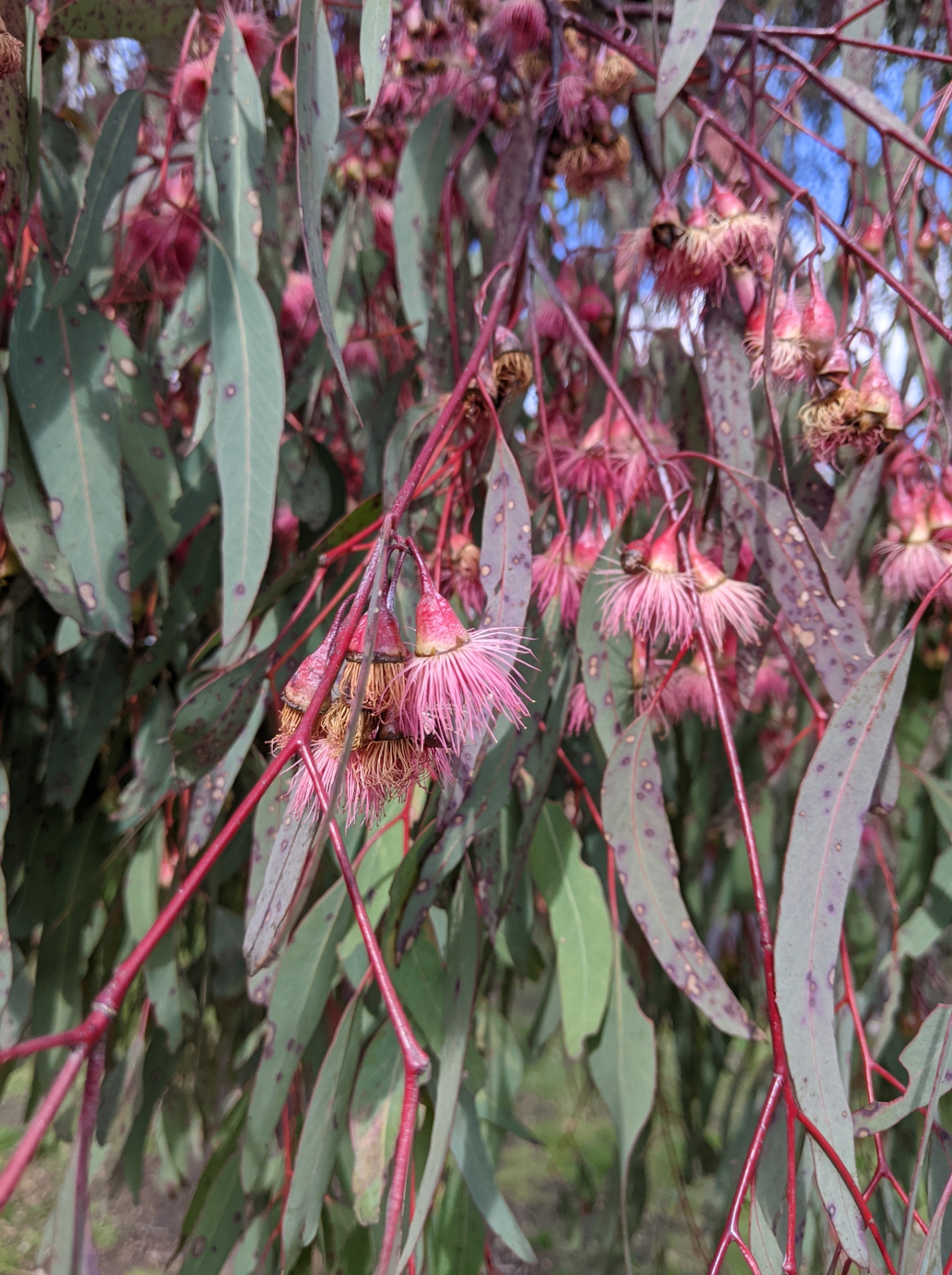
Day 30 lockdown walk

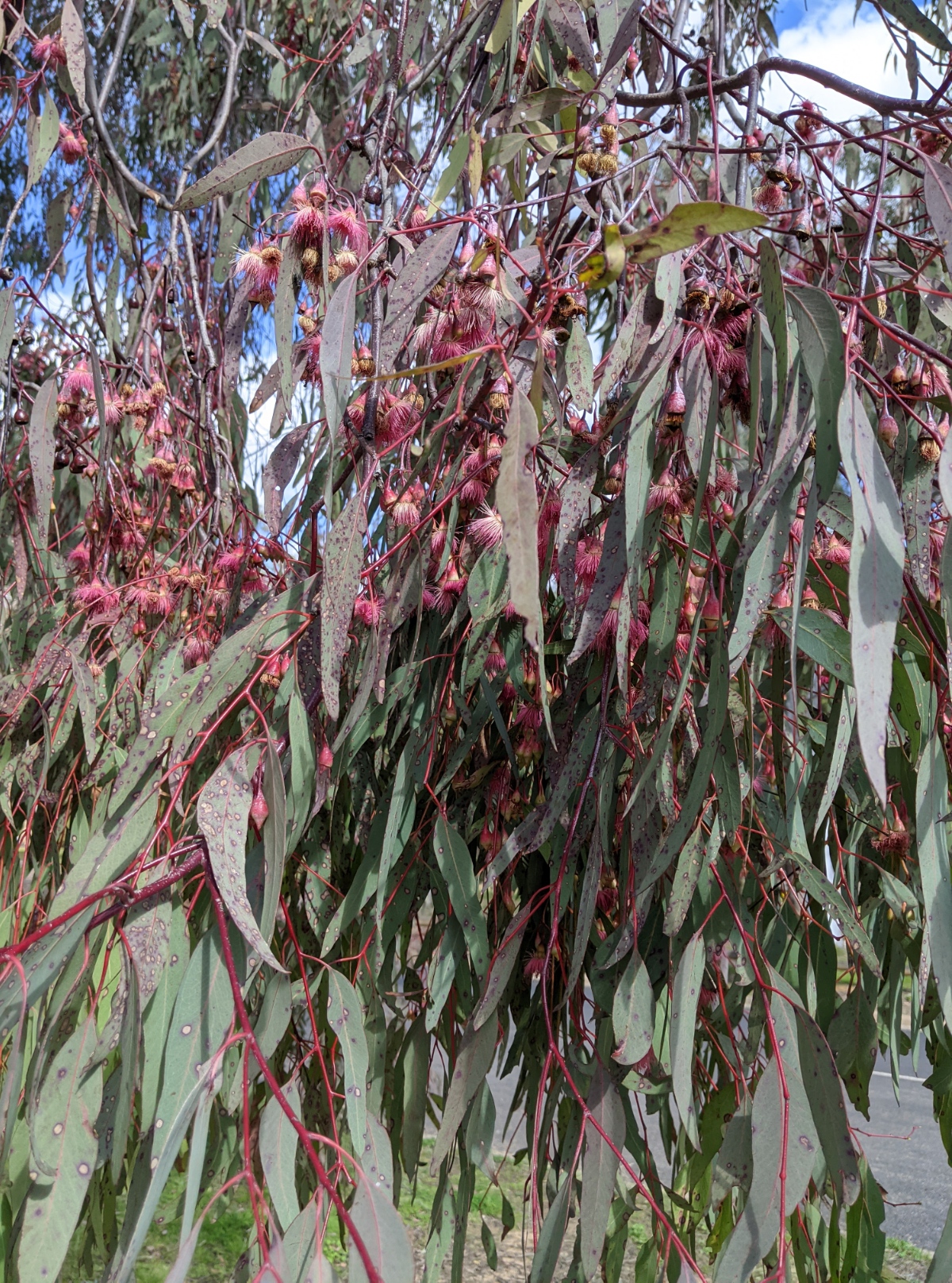



Day 31 Lockdown
Thrteen more cases have been recorded, with at least ten infectious in the community. Nine people remain in hospital, with three in intensive care and one on a ventilator. Several more exposure sites were listed. Chief Minister, Andrew Barr, announced: ‘We are beyond the point of warnings’ -businesses found to repeatedly breach Covid 19 rules will be closed.
Day 31 lockdown walk

Day 32 Lockdown
Canberra’s lockdown has been extended for a month after twenty two new cases were recorded. That is, lockdown from August 12th to October 15th. Thirteen cases had spent time in the community while infected, with only two in quarantine for their whole infectious period. There are ten people in hospital, with two in intensive care and one on a ventilator. There are still 252 active cases in the territory. New South Wales cases and arrangements have impacted on the ACT as the virus has extended outside the Greater Sydney Area. Fortunately Canberra has a highly vaccinated community.
Day 32 lockdown walk

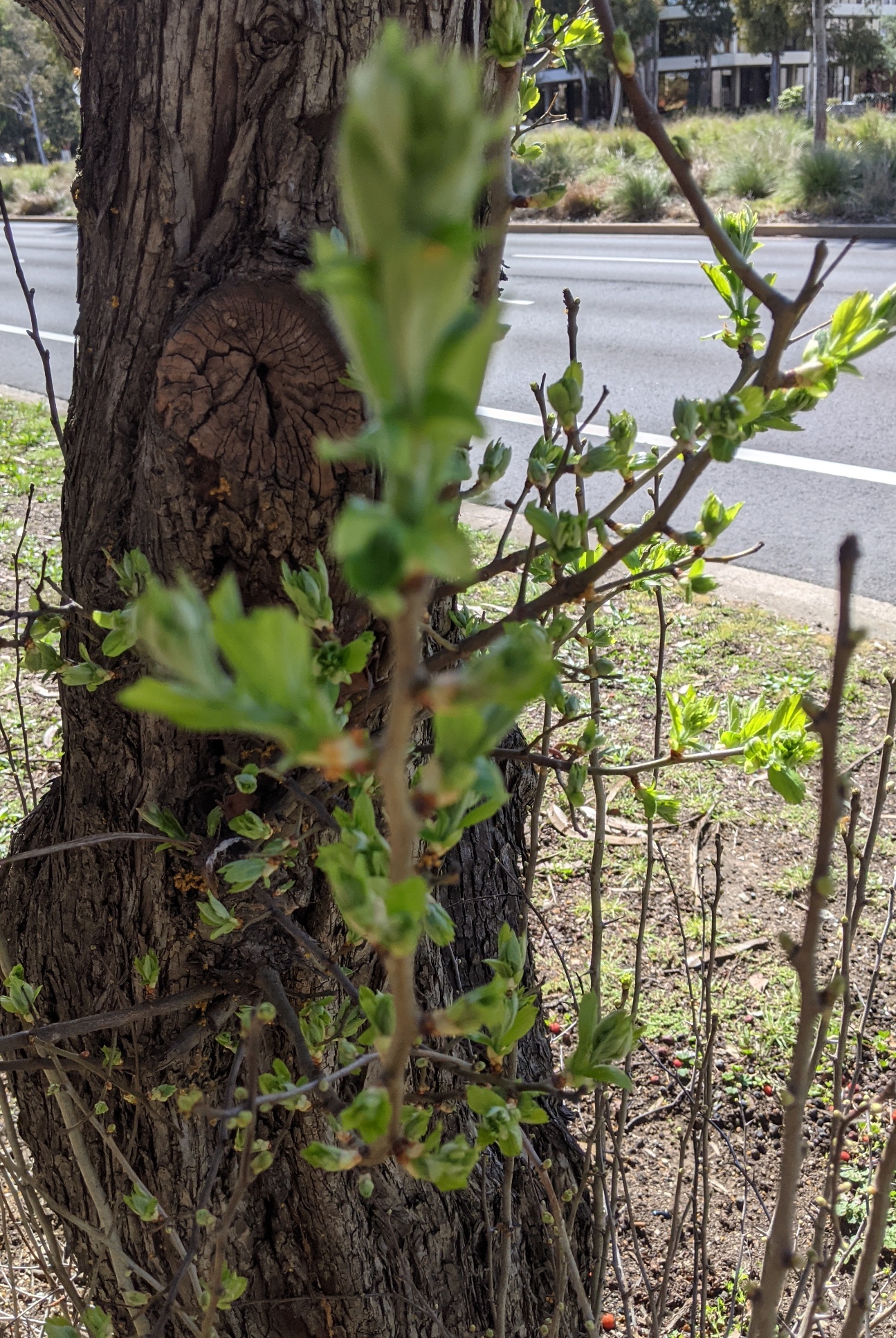
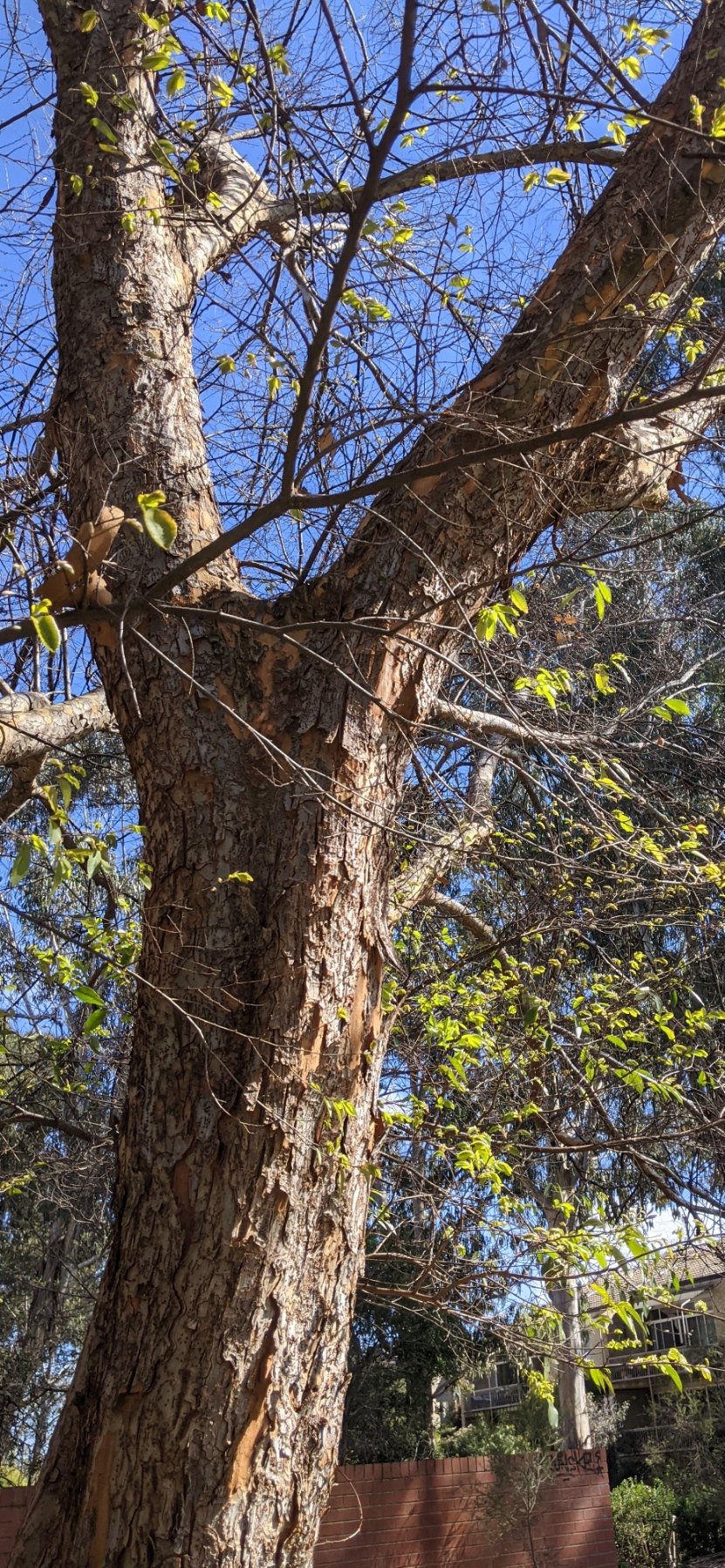
Day 33 Lockdown
Thirteen cases have been recorded, with eight liked to existing cases and outbreaks. Five were in quarantine for their full infectious period, and eight were in the community for part of their infectious period. Seen people are in hospital and one is in intensive care. It is expected that the ACT will pass the 75% fully vaccinated threshold for the population over twelve.
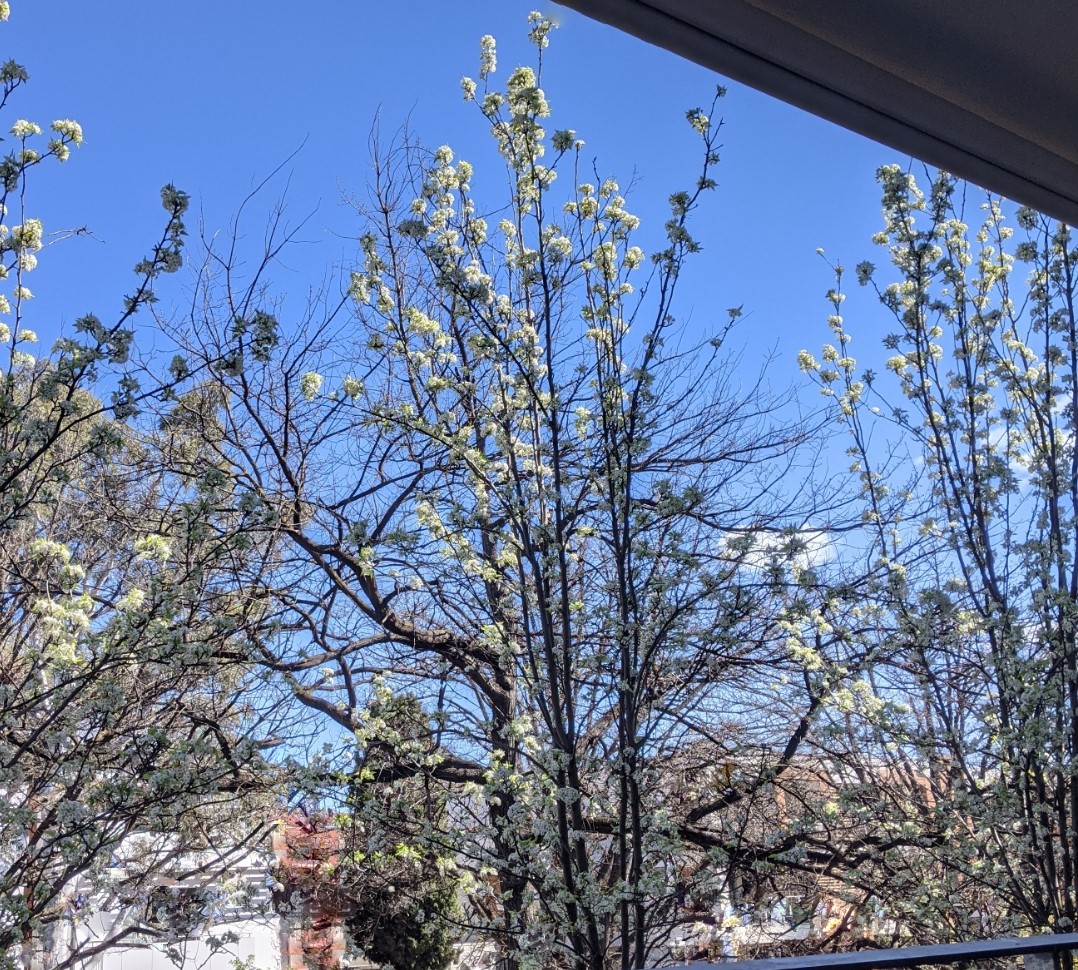
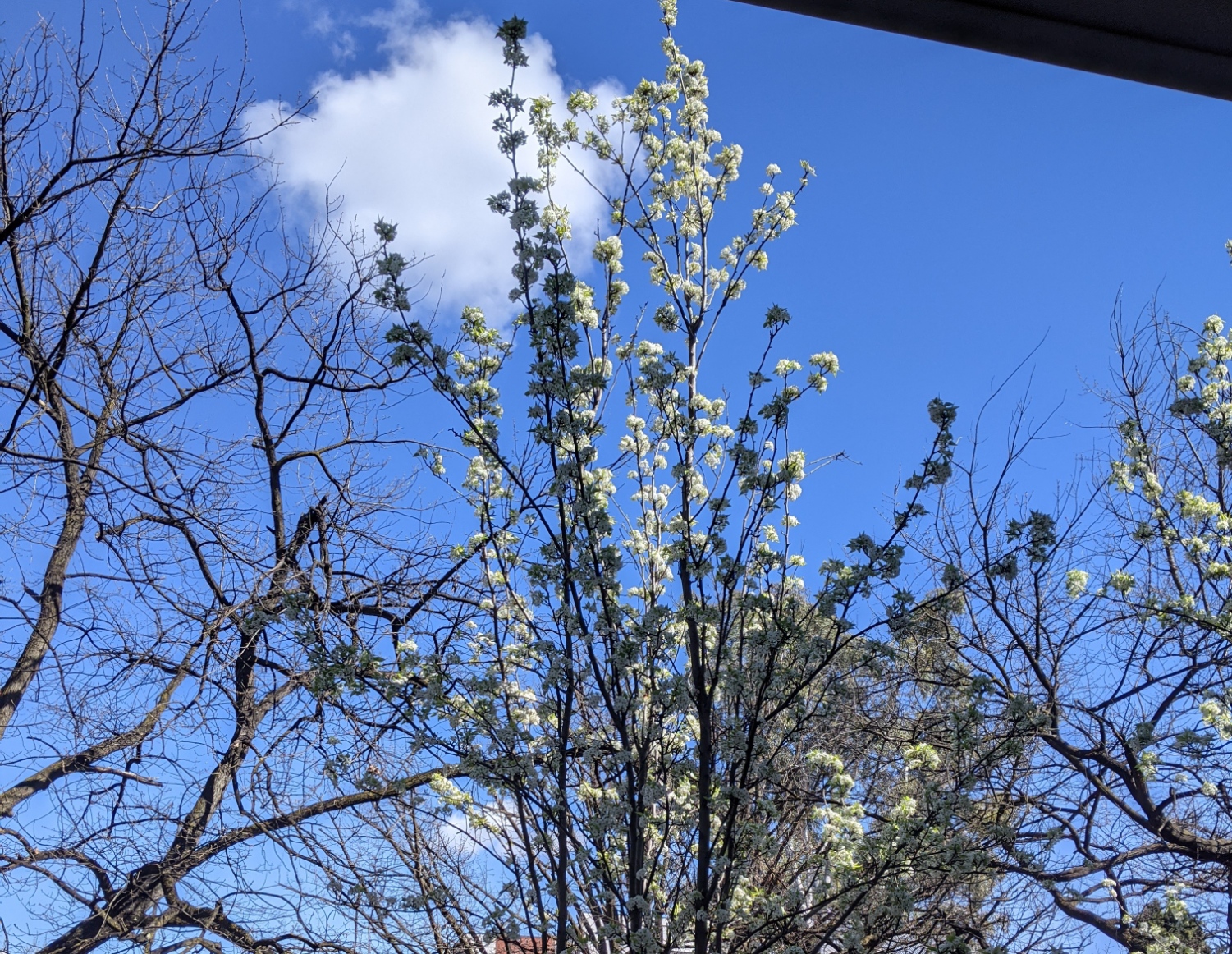
Day 33 after lockdown walk – breakfast on the balcony

Bob McMullan

The news that Craig Kelly is going to recontest his seat as a UAP candidate is not really surprising. The key question is what impact will the joint efforts of Kelly and Palmer have on the next federal election?
The news that Craig Kelly is going to recontest his seat of Hughes as a UAP candidate is not really surprising. In a previous article I suggested something like this might happen.
His future really doesn’t matter. He will be a very small blot on the face of Australian history.
What does matter is what salience he lends to the gross Palmer political exercise and what that will mean for the next election.
It is of course too early to predict with confidence but some interesting questions already emerge.
One of the key questions is who else, if anyone, will join Kelly and Palmer? The most interesting possibility is George Christensen. If he were to join it would add some Queensland credibility to the exercise.
The statistics from last time are not encouraging for Mr. Kelly’s prospects. I don’t think even a million dollars can turn this sow’s ear into a silk purse!
Paul Bongiorno, in an excellent article on the possible outcomes of the latest version of the Palmer follies, points out that while in the lead up to the election of 2019 Palmer attacked both parties, as the election approached, he focused his attacks exclusively on the Labor Party.
The complication this time is that Mr. Kelly will need to significantly reduce the Liberal Party vote if he is to win Hughes. In 2019 the Liberals, even with Kelly as the candidate, won 53% of the primary vote. The UAP got 2.5%. Even if the Labor vote goes up as some polling suggests by as much as 4%, that will only get it to 34% and would reduce the Liberal Party vote to 49%. Kelly would need to take 20-25% from the Liberal Party vote to have a chance of winning. He will not be able to do that by focusing exclusively on Labor. That is why, as Paul Bongiorno reports, the Liberal Party is worried about becoming “collateral damage.”
Queensland tells a different story. All informed accounts suggest that the Palmer advertising campaign did the Labor Party immense damage, particularly in the regional Queensland seats. Of course, the Palmer fear campaign proved doubly effective because of the publicity surrounding Bob Brown’s well intended but disastrous Adani trip convoy. There appears to be little or no doubt that the news stories about the convoy reinforced the threat message which Palmer was trying to generate, particularly in the key regional seats. With any luck that convoy will not be repeated which should modify the impact of the Palmer advertising blitz.
In 2019 the UAP won very few votes in any Queensland seat. They probably just redistributed the conservative vote between UAP, One Nation, Katter’s party and the LNP. For example, the UAP won 4.9% of the primary vote in the seat of Dawson. A mere 10% of those flowed to the ALP as second preferences. However, the AEC calculation is that the two-party-preferred (TPP) preference flow was as high as 27.9% in Dawson, and even higher in some other seats. In the seat of Flynn, which will be very interesting in the upcoming election, the TPP preference flow was as high as 34.9%.
However, although the UAP vote was miniscule, Palmer’s advertising campaign appears to have been effective. Whether the objective circumstances will mean it will play out in that way next time remains to be seen. It is hard to see how Kelly will help in this regard and the Palmer/Kelly Covid message may play no better in Queensland than elsewhere. The support for Annastacia Palaszczuk seems to suggest that Palmer and Kelly will have a difficult task in selling such a message.
It is hard to imagine the combined forces of Kelly and Palmer having any significant impact on results in Victoria, SA or Tasmania.
In Western Australia Palmer could have a big impact, unaffected by any Kelly factor. Palmer is electoral poison in WA and Porter and Morrison have sipped on that poison. If Kelly is correct that he and Palmer are going to take WA to the High Court over their intention to limit access to people from NSW who are not vaccinated that will be a godsend for Labor in WA.
It is always dangerous to focus too much on the events of the last election in planning for the next one. I am not convinced that the Palmer effect will be the same as it was in 2019. The objective circumstances are different and the background noise will also change. It also seems clear that Craig Kelly won’t add much to the Palmer campaign, and may even mute its total anti-labor focus a little.
My initial conclusion is that the combined effect of the Palmer show and the associated Kelly posturing will be very little and most unlikely to be decisive, except possibly in WA where it will enhance the problems for Christian Porter if he decides to run again.
Bob McMullan was National Secretary of the ALP and a Senator and an MP and a Cabinet Minister in the Keating government.
Justice Dept. Asks Judge to Block Texas From Enforcing Restrictive Abortion Law
The department sued Texas last week over its recently enacted law, which prohibits nearly all abortions in the state.


By Katie Benner Published Sept. 14, 2021 Updated Sept. 15, 2021, 12:03 a.m. ET
WASHINGTON — The Justice Department asked a federal judge late Tuesday to issue an order that would prevent Texas from enacting a law that prohibits nearly all abortions, ratcheting up a fight between the Biden administration and the state’s Republican leaders.
The Justice Department argued in its emergency motion that the state adopted the law, known as Senate Bill 8, “to prevent women from exercising their constitutional rights,” reiterating an argument the department made last week when it sued Texas to prohibit enforcement of the contentious new legislation.
“It is settled constitutional law that ‘a state may not prohibit any woman from making the ultimate decision to terminate her pregnancy before viability,’” the department said in the lawsuit. “But Texas has done just that.”
As such, the department asked Judge Robert L. Pitman of the Western District of Texas to issue a temporary restraining order or a preliminary injunction that would prevent enforcement of the law.
Merrick Garland
Reported in the Huffington Post

By Liza Hearon
TOP STORIES
Tuesday, Sept. 7
JUSTICE DEPARTMENT WILL WORK TO PROTECT ABORTION SEEKERS IN TEXAS Attorney General Merrick Garland said that the Justice Department will work to protect the safety of people seeking abortions in Texas as the agency continues to explore how it can challenge the state’s new anti-abortion law. The department will also provide federal law enforcement support when an abortion clinic or reproductive health center is “under attack.” [HuffPost]
 Robin's Room