Einav Rabinovitch-Fox Dressed for Freedom The Fashionable Politics of American Feminism University of Illinois Press 2021.
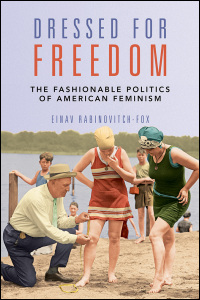
Thank you, NetGalley, for providing me with this uncorrected proof for review.
Einav Rabinovitch-Fox’s thoughtful approach to a topic that is likely to create some controversy is evident early in her book when, as well as the theory that fashion is a feminist issue, she refers to ‘second wave feminism’ (her quotation marks). I was intrigued by this apparent questioning of a phrase and idea, almost sacrosanct, that permeates much of feminist writing. Both aspects of the book are gratifying in that they suggest it is packed with ideas outside the understood notions of feminist history and fashion and its relationship to feminism and feminists. My belief that this would be an exciting book to review, and optimism have not been misplaced. I loved this engaging read with its solid research and support for the ideas Rabinovitch-Fox expounds.
The complete review is at Books: Reviews.
After the Lockdown section: Seed & Sprout update; Fashion article; public reception of Kier Starmer’s Conference Speech; Working from Home – UK example, discusses environmental impact: South Australian film opportunities.
Day 55 Lockdown
Today, 7/10/2021, forty one new cases were recorded. The good news is that now 67.2% of the ACT population aged over twelve has had two doses of a Covid 19 vaccine.
Day 55 lockdown walk



Day 56 Lockdown
Forty new cases were recorded, with ten active in the community during their infectious period. Nineteen people are linked to a known source. Six people are in intensive care, with five requiring ventilation. Almost 97% of Canberrans aged over twelve have received one dose of a Covid vaccination, and more than 68% are fully vaccinated.
Day 56 lockdown walk


Day 57 Lockdown
Twenty five new cases have been recorded. Two doses of the vaccine have been given to 69.3% of people over twelve.
Day 57 lockdown walk



Day 58 Lockdown
Twenty five cases have been recorded today. Twelve are linked to known clusters or cases. The ACT is well on its way to becoming one of the world’s most vaccinated cities.
Day 58 lockdown walk before it started raining – a brave bee in a different variety of wattle bloom




Day 59 Lockdown
Thirty two new cases have been recorded, but a significant vaccination milestone has been met with over 70% of Canberrans over twelve fully vaccinated. 98% of Canberrans over twelve have received their first dose of the vaccine. Eighteen people are in hospital, with seven in intensive care and six of those requiring ventilation. The ACT lockdown is due to end on Friday 15th October. Further detail on the easing of restrictions will be announced in coming days.
Day 59 lockdown walk



Day 60 Lockdown
Overheard while I shopped (mask and check-in): the Chief Minister announced that Canberrans are 99% vaccinated (first shot). Twenty eight new cases have been recorded. Twenty two have been linked to known cases and sixteen have been assessed as presenting a risk of transmission to others. There are nineteen cases in hospital, with eight in intensive care and six of these cases requiring ventilation.
Day 60 lockdown walk – featuring yesterday’s lucky finds by J.


Day 61 Lockdown
Fifty one new cases have been recorded, with thirty two linked to known cases or clusters. Nineteen are household contacts. Thirteen were in quarantine, and twenty two present a risk of transmission to others. Sixteen patients are in hospital, eight of whom are in intensive care, with five of those requiring ventilation.
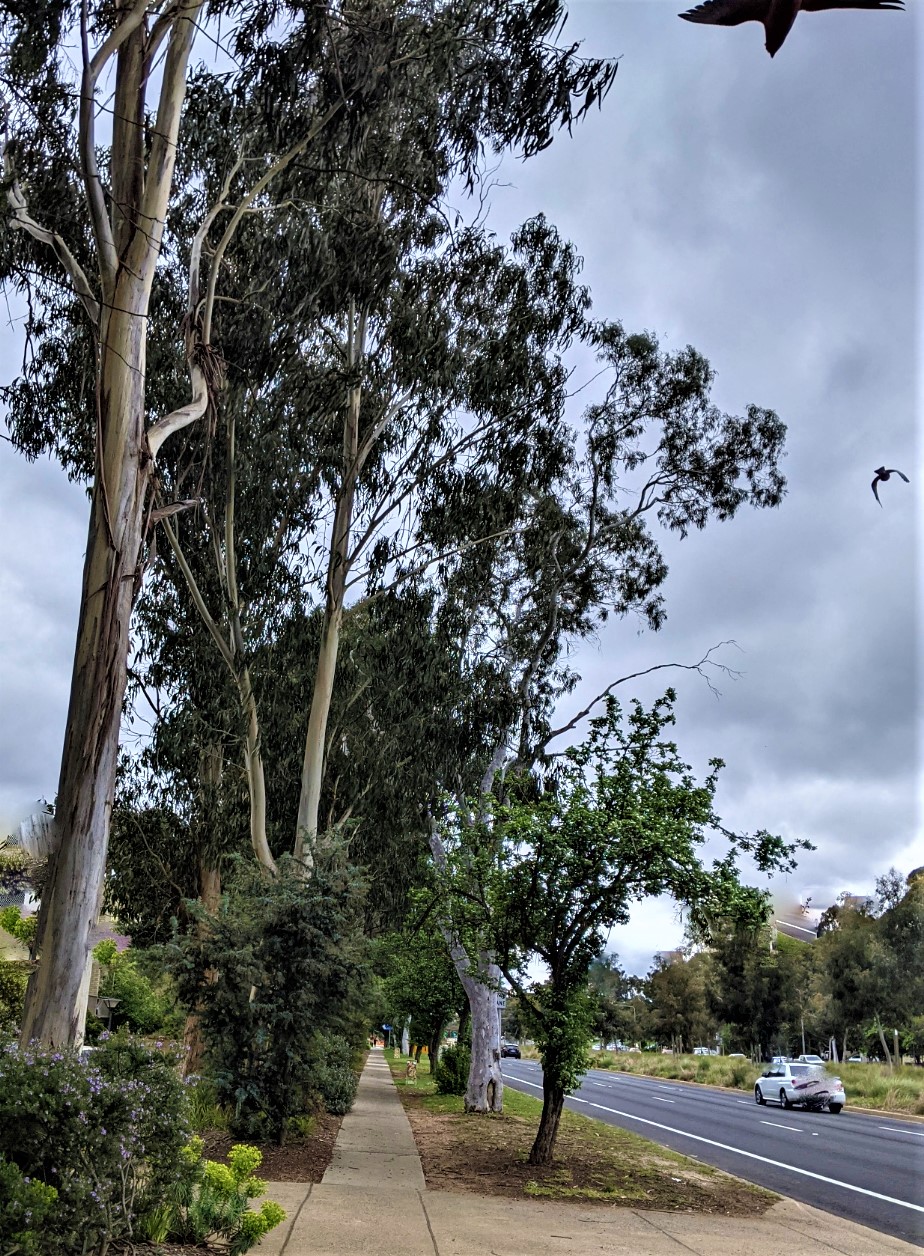
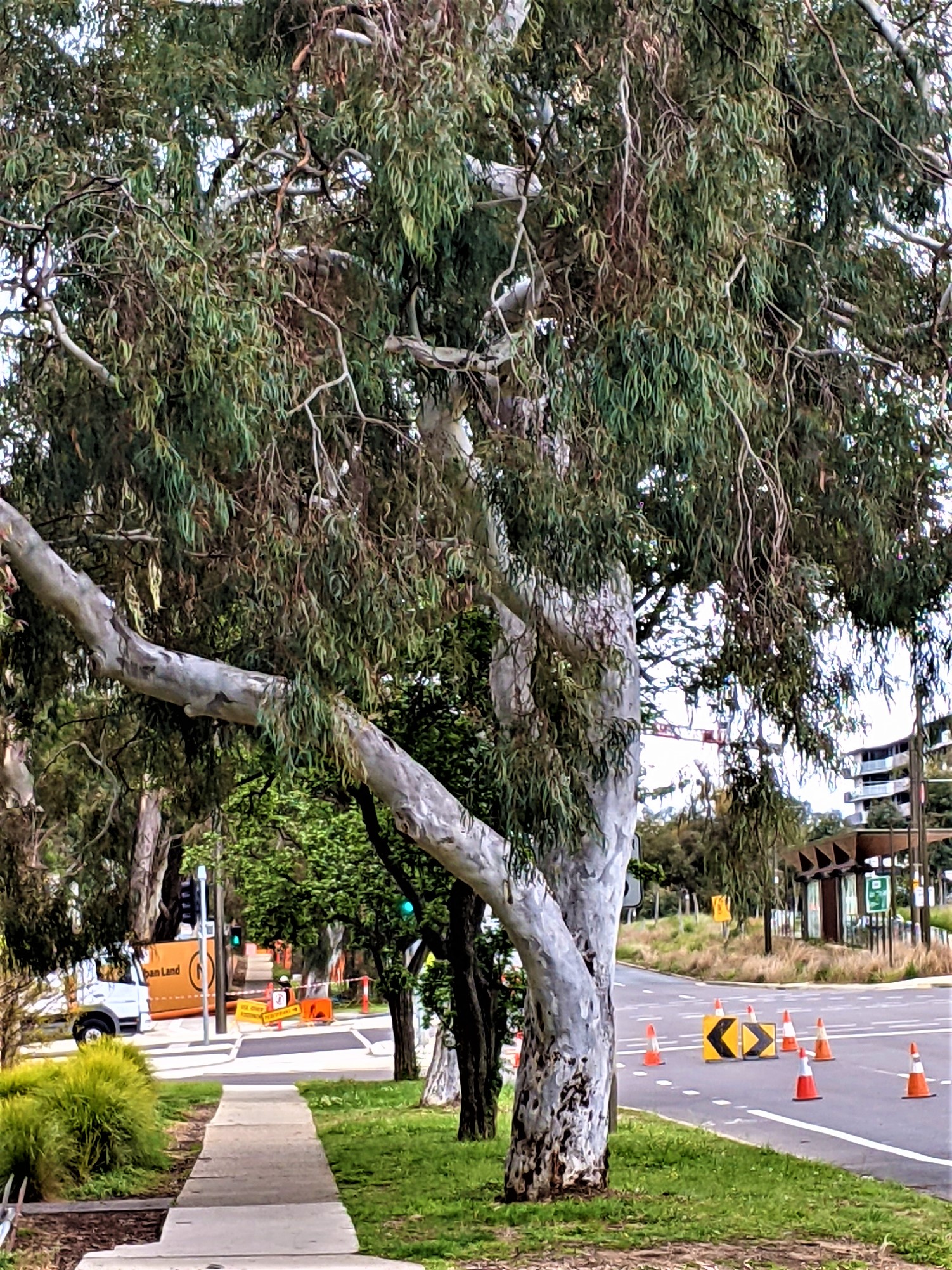
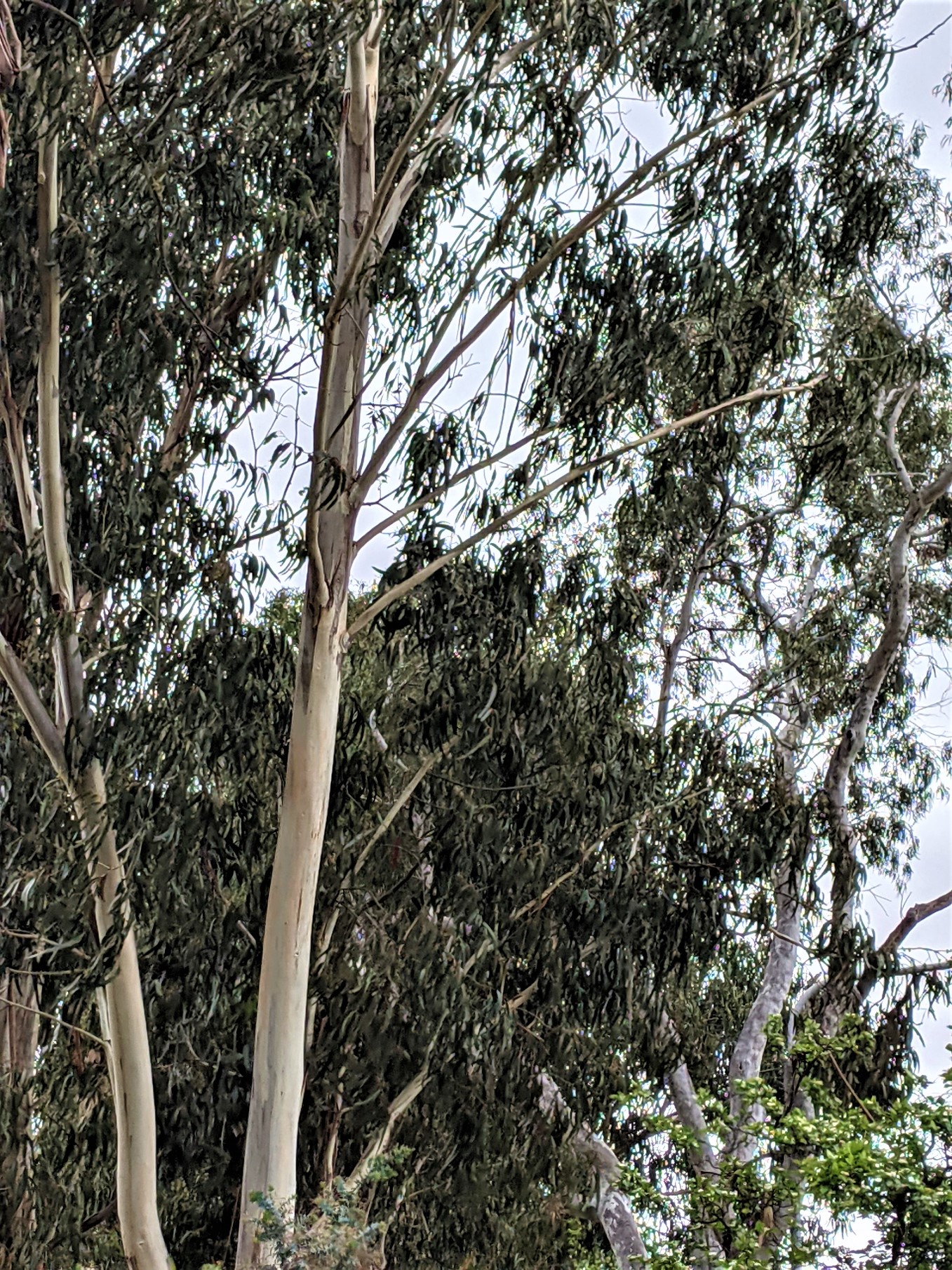
Day 61 lockdown walk – a gloomy day

In my post, 24 February 2021, I rejoiced at the transparency of Seed and Sprout when the company acknowledged that unknown to them their product included palm oil. They promised to rectify the problem – and now have done so.
The company now tells us that the bars are now 100% Palm Oil free, Orangutan Alliance certified, vegan friendly and free of any synthetic fragrance.
Thank you Seed and Sprout, I can use bars instead of plastic bottled shampoo and conditioner.
Jobs galore in South Australian film industry as Screenmakers Conference stays virtual
ABC Radio Adelaide / By Malcolm SuttonPosted Fri 8 Oct 2021 at 12:18pmFriday 8 Oct 2021 at 12:18pm, updated Fri 8 Oct 2021 at 12:21pm
Adelaide’s film industry is screaming out for skilled workers, insiders say, as a burgeoning sector continues to offer aspiring filmmakers opportunities across an increasing range of formats.
Key points:
- The South Australian film industry is under pressure for more skilled workers
- The industry has been upskilling and cross-skilling staff to fill the required roles
- The annual Screenmakers Conference is again being held online due to COVID-19 restrictions across the country
Mercury CX (formerly the Media Resource Centre) is hosting hundreds of such people at its annual Screenmakers Conference today, albeit virtually due to COVID-19 restrictions and border closures keeping participants away for the second year in a row.
But chief executive officer Karena Slaninka said it was those same lockdowns that had given South Australia a competitive edge with a variety of television and film projects getting produced in SA that would otherwise be filmed interstate.
This included projects like the feature film, A Sunburnt Christmas, and the television series, The Tourist.
Among other projects, at least two Netflix productions are also underway — all of which followed the pre-pandemic production of Mortal Kombat, which used just about every skilled worker in town for the highest budgeted feature in SA’s history.
“We’ve been picking up a fair bit of production, which has been putting pressure on crews and availability of skilled crew,” Ms Slaninka said.
“So there’s been a big focus on upskilling crew and talent.”
Read more at:
Could these clothing collections save M&S?
Harriet Johnston For Mailonline


Marks & Spencer are ‘tapping into the lucrative mummy market’ by bringing together popular brands like Fat Face and Joules to create a ‘one-stop shop’ for ‘trend conscious parents’, a retail expert has revealed.
The retailer has announced six guest brands in clothing and footwear as part of the drive by chief executive Steve Rowe to transform the business after the pandemic.
A selection of items from popular labels including Cornish-based Celtic & Co, sustainable fashion company Albaray as well as Fat Face, and outdoor gear specialist Craghoppers will feature on M&S.com.
Brand expert Nick Ede told FEMAIL M&S are ‘cleverly luring in the market’ with the efforts which would ‘turbo-charge profits’ for the brand, revealing: ‘Mummys are notorious at looking for bargains and offers but wanting quality too and by creating this new marketplace M&S will hold on to existing customers and engage new ones to shop with them because of their reputation of being reliable, stylish and on trend which is important to them.’
Louise Rianna: Marks & Spencer are ‘tapping into the lucrative mummy market’ by bringing together popular brands like Fat Face and Joules to create a ‘one-stop shop’ for ‘trend conscious parents’, a retail expert has revealed Marks & Spencer are ‘tapping into the lucrative mummy market’ by bringing together popular brands like Fat Face and Joules to create a ‘one-stop shop’ for ‘trend conscious parents’, a retail expert has revealed.
He explained: ‘The way that M&S is looking at creating a market place comes off the news that NEXT has been doing this for many years incorporating its own brands like Next and Lipsy with other like minded brands like Little Mistress, River Island, Reiss and Mango to name but a few.
‘M&S are looking to replicate the success of this model by creating a compelling shopping marketplace and increasing volume of sales even if its not their own brand they are selling.
‘This style of brand cross pollination is a highly successful way of engaging an audience to shop with you and gives them choice if they cannot find what they want and also opens up the brands to a whole new audience too.
He continued: ‘M&S tactic with the carefully curated guest brands is to entice a mum demographic and create a one stop shop for them to shop their favourite looks for both themselves and their families allowing them choice of other brands but with the safety and security that they are under the M&S umbrella.’
‘The Mummy market is a massive demographic to drive sales and M&S cleverly are luring them by offering them a larger range of options that can fit any budget.’
Some good news from British Labour politics

Hybrid working is fuelling demand for more tech and bigger homes – both are bad news for the planet (Republished through Creative Commons licence.)
October 7, 2021 10.07pm AEDT
Authors
- Katherine Ellsworth-Krebs Senior Research Associate in Sustainability, Lancaster University
- Carolynne Lord Senior Researcher, Sociology; Research Associate, School of Computing and Communications, Lancaster University
- Torik Holmes Research Associate, Sustainable Consumption Institute and Sustainable Innovation Hub., University of Manchester
Disclosure statement
Katherine Ellsworth-Krebs receives funding from Research England Expanding Excellence in England (E3).
Torik Holmes received funding from the Economic and Social Research Council (ESRC), as part of a Postdoctoral Fellowship (award number: ES/V009419/1).
Carolynne Lord does not work for, consult, own shares in or receive funding from any company or organisation that would benefit from this article, and has disclosed no relevant affiliations beyond their academic appointment.
Partners


Lancaster University provides funding as a founding partner of The Conversation UK. University of Manchester provides funding as a member of The Conversation UK. View all partners

Just 5% of employed people in the UK worked from home in 2019. The onset of the pandemic and the overnight shuttering of offices during the first lockdown meant 47% of employees were doing the same in April 2020.
Although returning to work in offices full time is now possible, the latest figures from May show 26% are still working from home while a further 11% are hybrid working: splitting their work time between the office and home.
With fewer people commuting and less food wasted as previously catered work events were held online instead, many hoped that a shift to remote working would benefit workers and the environment.
But that may not be the case. Not everyone can afford a home office, nor the additional heating or internet bills. And the loss of scale involved in heating and cooling individual homes during the day compared to offices may mean remote working is less energy efficient.
Our research into the adaptations office workers made to work from home during 2020’s first lockdown revealed two troubling trends: the duplication of office equipment and demand for more space and larger homes.
The duplication of stuff
Interviews with 17 UK households, selected for their diverse professional backgrounds, ages and sizes, uncovered how and why some people went from working at kitchen tables and on sofas, expecting lockdown to last a few weeks, to creating more permanent and higher quality set-ups.
To accommodate this and recreate offices at home, workers bought tech and furnishings which were often transported across the globe. Worldwide sales of laptops and desktops increased by 11.2% between April and June 2020, with 72.3 million units shipping. Monitor sales also spiked and webcams were temporarily sold out across the UK. Online searches for office desks and chairs increased by 438% and 300% respectively on the previous year.
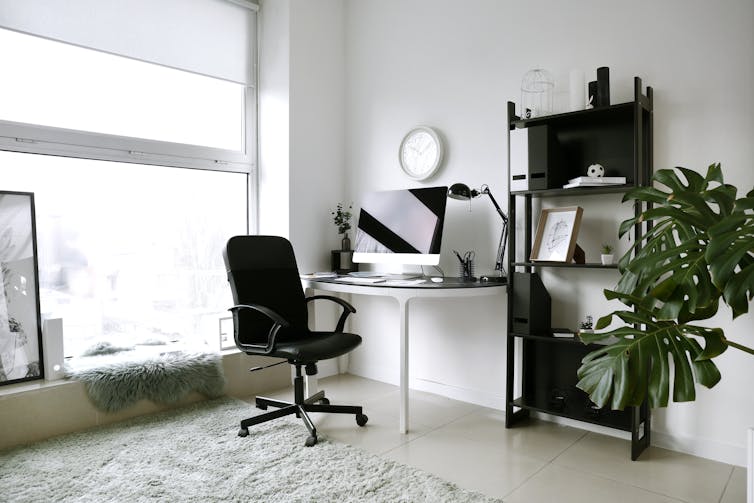
Office equipment and furniture purchases peaked during the first lockdown, but demand is likely to remain high. Five times more people now want to work from home compared to 2019.
And making offices at home with new chairs, computers, monitors, desks and stands has also driven desire for bigger houses.
The demand for bigger homes
Our research revealed how working from home meant more people wanting homes with bigger kitchens, spare rooms, offices, garages and gardens. Whether it was the embarrassment of your partner’s colleagues spotting you in your yoga shorts or the horror of dashing offscreen to chase after your naked son, lockdown led to a collective reassessment of what one needs from a home. A sense of quiet and privacy tends to be lost when multiple people share a room. And although many offices are in essence co-working spaces, it has proved difficult to work in the same room as another doing different work – especially when making audio or video calls.
Since the first lockdown house sales have shot up, with June seeing the most sales since records began.
Much of these sales have involved people moving out of cities and into suburbs and the countryside, where homes tend to offer more space. This, sadly, is bad news for sustainability. More domestic space per person can increase energy consumption and suburban households typically have higher carbon footprints. Even people who might have moved to the countryside to work from home more often may ultimately emit more carbon per commute due to less frequent, but longer distance travel.

Read more: Average home is more spacious now than ever – here’s why that’s a problem for the environment
Possible responses
The duplication of equipment and the simultaneous need for heating and lighting in offices and homes that arises from workers splitting time across both is a particularly unsustainable arrangement.
While some workplaces allowed employees to take their office set-ups home during the first lockdown, the difficulty in acquiring a webcam and long wait times for office equipment showed how most failed to adequately redistribute resources or support workers. Businesses that are currently downsizing their offices could offer discounts on spare items like Hootsuite did. Or, they could reject the hybrid model and encourage home or office working only.
The movement out of cities and smaller accommodation was arguably bolstered by the UK government’s stamp duty holiday, too. The decision to temporarily raise the threshold at which this property tax kicked in is credited with sparking a frenzy of buying. Housing policies are also climate policies, and the UK government, as a self-proclaimed climate leader and host of the 2021 UN climate talks, should be more sensitive to the implications of all policies for climate change.
The hybrid model of working is still emerging, and so it can be made more sustainable. That means appropriate policies to support people moving out of cities and navigating flexible working arrangements.
 Robin's Room
Beautiful flowers from your walks, and you must feel very lucky to have so many four leaf clovers!
LikeLike
Yes, it is amazing how many lucky clovers were found. And one was five leaves. All in a such a short time
LikeLike