Two non-fiction books are reviewed this week. One, Alison Ripley Cubitt’s Misadventures in the Screen Trade was an easy read. The other, When Hope and History Rhyme Natural Law and Human Rights from Ancient Greece to Modern America by Douglas Burgess was not so easy, but introduced such a wealth of ideas and engrossing analysis it was well worth the effort. NetGalley provided me with both uncorrected proofs in exchange for honest reviews.

Alison Ripley Cubitt Misadventures in the Screen Trade How Not to Make It In The Media BooksGoSocial Feb 2022
This book lacks the liveliness that might be expected from a story of a strong, opinionated woman, who dared to take her own path through the intricacies of the world of media. Alison Ripley Cubitt’s story of her misadventures in the screen trade follows her path from her home in Malaysia, and then New Zealand, to her travel, work that is sometimes freelance, often on short contracts, eventually to a permanent home with Disney in London, and its aftermath. From her recall of seeing the German version of snow White and the Seven Dwarfs with her father in Malaysia the story leaps to London, 1996. See Books: Reviews for the complete review.
Douglas Burgess When Hope and History Rhyme Natural Law and Human Rights from Ancient Greece to Modern America Charlesbridge, Imagine, 2022.
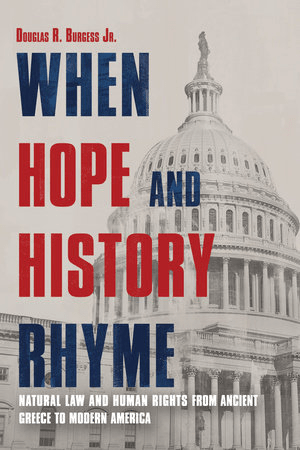
Douglas Burgess has written a dense book that requires careful and sustained reading. Although I found that I needed to read it in between easier works, I always returned and found it truly worth the effort. When Hope and History Rhyme presents a compelling discussion, replete with a philosophical framework, in which historical and political events are placed in context. See Books: Reviews for the complete review.
Articles and comments which appear after the Covid in Canberra Report: No War Protestor, Russia; Dr Kevin Rudd on MNSBC; Niki Savva on the forthcoming Australian Federal Election, SMH; The New Daily and polling on trusted and mistrusted Australian Federal Parliamentary Members.
Covid in Canberra
New cases recorded on 17th March reflect the increasing figures in this period – 1,311. There were 39 people in hospital , with three in ICU and one ventilated.
The 18th March figures were similar, with 1,123 new cases , 37 people in hospital with four in ICU and one ventilated. Vaccinations are now : Aged 5 – 11 years : one dose 79.5%, the same age group with two doses is 27%; over five years 95.5% of the Canberra population has had two doses; 16+ years with three doses – 71.2%.
On the 19th March there were 1,122 new cases with 34 in hospital, and one ventilated. New case numbers dropped to 926 on the 20th, with 38 people in hospital and four in ICU. Another decrease in new case numbers was recorded on the 21st March, with 898 new cases. An increase to 1,014 on the 22nd March , but 38 in hospital and three in ICU, of whom one was ventilated.
On the 23rd March it was reported that the distribution of RATs in schools will now be provided to staff and students on an as-needed basis, or in response to increased cases in a school. This change also applies to Early Childhood Services. Previously all staff and students were given two RATs per week. The government-funded RATs has supported a safe return to on-campus teaching at ACT schools in 2022.
New reports of cases has again increased, to 1,314. There are now 5,760 active cases in the ACT. Cases in hospital have also increased with 42 Covid patients, three of whom are in ICU, with one ventilated.
| Tuesday, March 15 |

| ANTI-WAR PROTESTER STORMS RUSSIAN STATE-RUN TV BROADCAST Marina Ovsyannikova, an editor at Russian state-run Channel One television, stormed an evening news broadcast with a sign reading, “Stop the war. Don’t believe the propaganda. They are lying to you.” She’s been arrested and, under a new law could potentially face up to 15 years in prison. She left a prerecorded a video explaining her motivations. [HuffPost] |
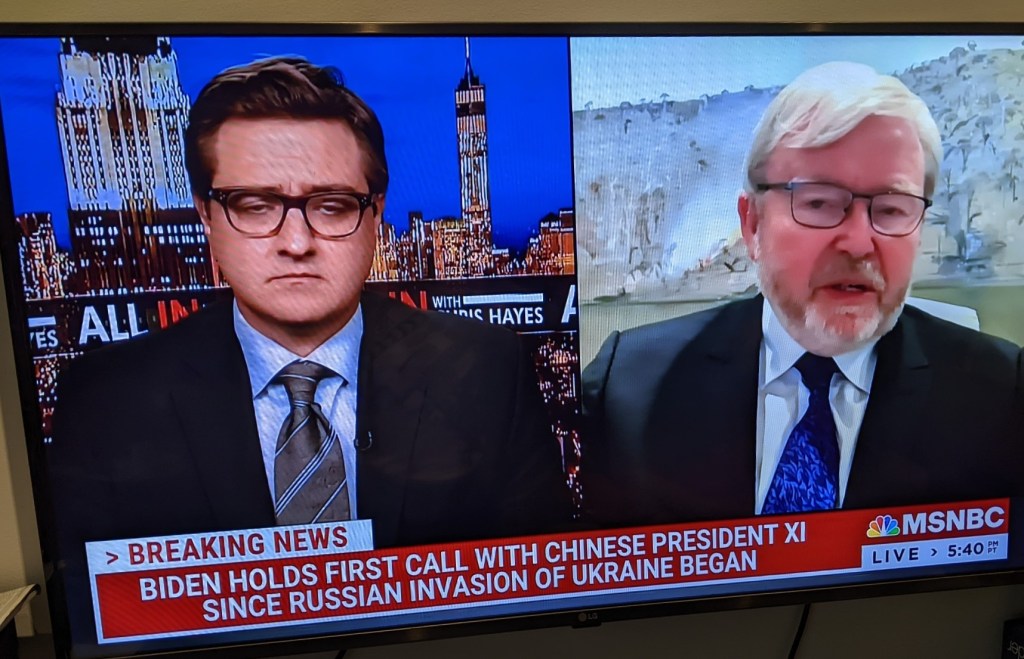
Dr Kevin Rudd, former Prime Minister of Australia, talks to Chris Hayes about China’s potential role in the war against Ukraine.
Sydney Morning Herald OPINION
Blame-shifting and stunts won’t win Morrison an election

Niki Savva
Award-winning political commentator and author
When Scott Morrison came under frenzied, sustained assault last week over his handling of the flood emergency, there was one person who did not come out swinging. Anthony Albanese.
The Opposition Leader’s response was – by conventional political standards – restrained. He encouraged people to heed the warnings, while urging governments to provide whatever support people needed wherever it was needed.
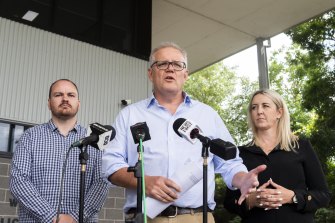
He stopped being his own attack dog.
While he was lauding the achievements of women on International Women’s Day – then promising in speeches on the economy and foreign policy to be part Bob Hawke, part John Howard and part Kevin Rudd – the person spearheading Labor’s assault on the Prime Minister’s handling of the crisis, and landing direct hits, was his disaster and emergency management spokesman, Queensland Senator Murray Watt.
It was the culmination of a deliberate strategy to lift Albanese above the fray. To make him look prime ministerial. The lost weight, the new glasses, the tamed hair, the sharper suits was part of the transformation process, and this more measured reaction in a crisis, criticism delivered with a skewer rather than a meat axe, just as people are beginning to pay more attention, built on that.
If you believe the polls, it’s working.
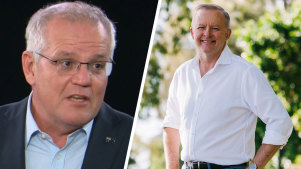
Anthony Albanese talked to Karl Stefanovic for a 60 Minutes interview.
Senior members of the government, and Morrison particularly, have spent the best part of three years convincing themselves that Albanese was their best asset, that no one knew who he was and even if they did, they would never vote to make him prime minister because they could never picture him in the role. Added to that, COVID-19 not only prevented Albanese from defining himself early on, it also blocked the government from doing it for him.
The basic mistake of underestimating an opponent bred complacency.
Despite history showing that opposition leaders seldom match incumbents when it comes to preferred prime minister and despite Morrison’s own chequered performance, the view peddled within the government, relayed by obliging commentators, was that Morrison’s higher personal ratings would transport the Coalition to another victory.
When Labor’s lead solidified, frantic efforts were unleashed to brand Albanese as a risk, to paint him as a threat to national security because he was China’s preferred candidate and to cast him as the most left-wing leader of the Labor Party since Gough Whitlam. So far they have not registered.
Now, according to an increasingly desperate Morrison, Albo has gone from being brainwashed by the Chinese to being programmed by Jenny Craig.
Clearly confusing himself with Shakespeare’s Caesar, Morrison struck on the bizarre tactic of mocking Albanese’s new lean and hungry look to argue it was another reason not to trust him.
“I’m not pretending to be anyone else. I’m still wearing the same glasses. Sadly, the same suits … and I weigh about the same, and I don’t mind a bit of Italian cake either,” Morrison said on Sky, referring to Albanese’s refusal to even take a bite of cannoli for the 60 Minutes cameras on his birthday.
“So I’m happy in my own skin, and I’m not pretending to be anyone else. And when you, when you’re Prime Minister, you can’t pretend to be anyone else. You’ve got to know who you are because if you don’t know who you are, then how on earth are other people going to know. And I think that’s what the choice is at this election.”
Analysis
Australia votes
Morrison gets personal as he puts down the Albanese glow-up
This from the man who created the daggy dad persona – a character his colleagues had never previously seen – for the 2019 election, then ever since has pretended to be everything from a hairdresser, to a welder, to a lab technician, confident that goofy pictures would grab voters’ attention. They have. At great cost to his dignity and authority.
Liberals who a few months ago rattled off a list of up to a dozen gettable seats in NSW as their pathway to victory are in despair. They are convinced the election is lost. They are furious with Morrison and Alex Hawke for deliberately stalling preselections and incensed by briefings to media against Dominic Perrottet over management of the flood crises claiming it’s a repeat of the undermining by Morrison’s surrogates of Gladys Berejiklian during the Black Summer fires.
They say Andrew Constance could regain Gilmore, but after that it’s a struggle. They believe North Sydney, held by Trent Zimmerman, is under serious threat from independent Kylea Tink, that Dave Sharma could lose Wentworth to another independent Allegra Spender and the way things are going, not even Berejiklian could reclaim Warringah from Zali Steggall.
They say they could lose five seats in Western Australia, one in South Australia, four in Victoria and two in Tasmania. Another plugged-in Liberal has drawn up a list of 24 seats at risk across the country. That is much more optimistic than Labor dares to be. Labor’s key players, incredulous that Morrison could muck up another disaster, are doing their utmost to keep expectations in check.
Unsurprisingly the deep gloom inside the government has triggered more than the usual academic internal canvassing of the nuclear option. Removal of Morrison. This week, one Liberal MP cautioned against discounting the possibility of a change before the election then named a cabinet minister he believed was slyly scheming against the Prime Minister. MPs backing both likely contenders – Peter Dutton and Josh Frydenberg – have also privately accused their opponents of canvassing votes in preparation for a contest either before the election or after.
The truly depressed say it is too late. Too late for it to make a difference and too late to engineer it. The optimists – and there are still a few around – say there is no such thing as an unwinnable election. That is true. All the government needs is clear air, a responsible budget and a faultless campaign during which Albanese implodes.
Above all it needs Morrison to behave like a prime minister, to forgo stunts and blame-shifting, leave the sledging to others or to negative advertising and construct a compelling argument for his re-election. Not too much to ask, is it?
The Morning Edition newsletter is our guide to the day’s most important and interesting stories, analysis and insights. Sign up here.

Niki Savva is an award-winning political commentator and author. She was also a staffer to former prime minister John Howard and former treasurer Peter Costello.
The New Daily 6:00am, Mar 23, 2022
New research reveals Australians’ distrust of Scott Morrison is turning them off government
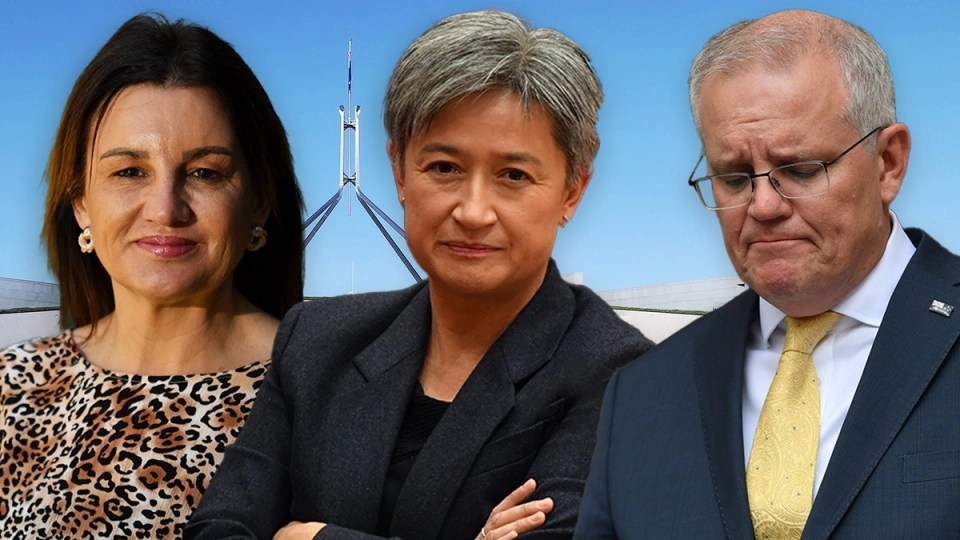
Labor politicians emerged as largely the most trusted, with the Coalition the least trusted. Photo: TND/Getty
EXCLUSIVE
Australians say Scott Morrison is the nation’s least trustworthy politician, as new figures show he is presiding over a nation losing trust in the Prime Minister but also government more broadly.
The role Mr Morrison has played personally in attracting public criticism, but also the way in which his polarising leadership has changed the way many Australians view politics is outlined in new Roy Morgan research released this week.
Contained within a wider analysis of public sentiment to government, the study showed which MPs are least trusted by Australians.
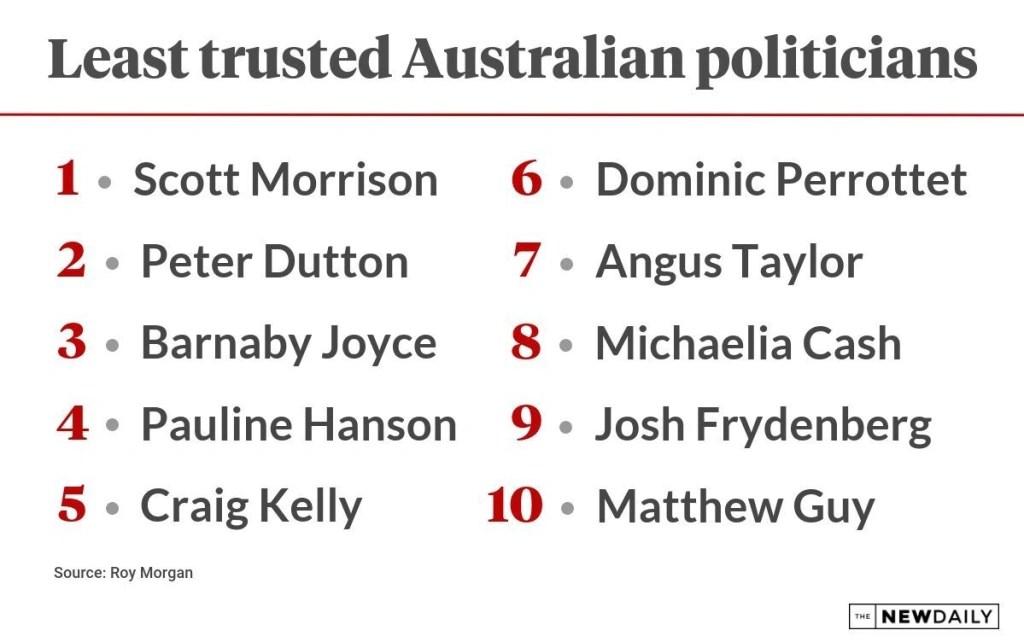
Many are on the Coalition leadership team.
Prime Minister Scott Morrison is the nation’s most distrusted, with Deputy Prime Minister Barnaby Joyce in second and Defence Minister Peter Dutton rounding out the ‘winner’s’ circle.
Labor, by contrast, dominated most trusted in the snap survey, taken by Roy Morgan in March.
South Australian Senator Penny Wong came in first.
Party leader Anthony Albanese is now in second place, up from eighth in 2020 research.
But the MP trust poll, conducted across more than 1400 Australians via phone this month, is only one piece of an analysis that has spent two years steadily tracking how Mr Morrison has changed relations between the government and the governed.
Australian voters have progressively lost trust in the Australian government since Mr Morrison became PM .

The Roy Morgan tracking data on public confidence in government dates back to 2007.
The data shows that Mr Morrison has upended what was a rule of Australian politics for 15 years,
When researchers first posed the question, voters – except during Kevin Rudd’s time in office – overwhelmingly expressed critical views about government but broad support for public services.
But in his relatively short tenure Mr Morrison has turned this upside down.
A lack of faith in the government has stuck around at previous highs.
But support for the work that the government does has spiked immensely.
“When Scott Morrison won the ‘unwinnable’ election things changed – more people believed the government was doing a good job and fewer people distrusted the government,” Roy Morgan CEO Michele Levine said.
“But by June 2021 it all went into reverse – Black Summer bushfires, the end of JobKeeper, parliamentary sex scandals, COVID vaccination delays – all sent trust plummeting and distrust climbing,” Mr Levine said.
“Australian political contests are no longer purely won on trust, they are lost on distrust.”
A little more than one year after winning the top office, Mr Morrison’s government would overturn public perceptions while navigating political challenges.
In the earliest days after his election, Mr Morrison and the broader government enjoyed popularity gains, which intensified during the earliest days of COVID-19 in 2020.
But in the following year, 2021, things soon fell apart.
A sexual assault case in Parliament highlighted a dangerous workplace culture and reports emerged about vulnerable aged-care residents receiving shocking treatment.
Scepticism returned in force and continues to prevail before the election.
Roy Morgan’s rolling analysis of trust in government and government services in Australia is based on methodology used in its ongoing Risk Monitor analysis.
For Roy Morgan’s 2020-2022 analysis of trends in public trust about 21,000 Australians were interviewed to obtain data for a 12-month rolling average.
Ms Levine will discuss the findings of the latest research in a webinar on Thursday.
The Washington Post https://www.washingtonpost.com/lifestyle/2022/03/12/famous-women-friendships-history/
These famous women were friends? Read 5 stories of sisterhood and support.
March 12, 2022 at 10:00 a.m. EST
If you ask Sam Maggs, female friendships don’t get enough credit in history. It’s why the author decided to write a book about them: A band of gal pals who became the first women admitted to medical school in the United Kingdom. The musicians who defied laws to become Afghanistan’s first all-female orchestra. Two female pirates who sailed the seven seas together.
In “Girl Squads: 20 Female Friendships That Changed History,” Maggs recounts the stories of friend groups who helped change the world. “I think it’s important, especially as we look back on history, to see where women were able to fight back against the patriarchy,” she said.
Particularly during periods of racial and gender inequality, Maggs believes there are key lessons to learn about how women supported each other, because “no one is successful on their own, and especially with women, the more we work together, the stronger we are.”
Kaila Story, an associate professor in the departments of Pan-African studies and women’s, gender and sexuality studies at the University of Louisville, adds: “If we’re trying to eradicate such monumental structural institutional things, we need our homegirls to hold our hand, to give us a hug and to see us and let us know that we’re not only capable, but that we’re more than capable.”
In recognition of Women’s History Month, we talked with authors and professors to highlight five friendships between women leaders in politics, art, literature and activism.
‘Listen to Black women’: A Women’s History Month playlist by music journalist Danyel Smith
Eleanor Roosevelt and Pauli Murray

The unlikely friendship between Eleanor Roosevelt and activist and legal scholar Pauli Murray began as a confrontation, said Patricia Bell-Scott, who wrote about the pair in her book “The Firebrand and the First Lady.” In 1938, frustrated by the South’s racial segregation in higher education, Murray penned a letter to President Franklin D. Roosevelt and first lady Eleanor Roosevelt. The first lady wrote back within two weeks, Bell-Scott said, “and that opened a conversation that continued for nearly three decades.”
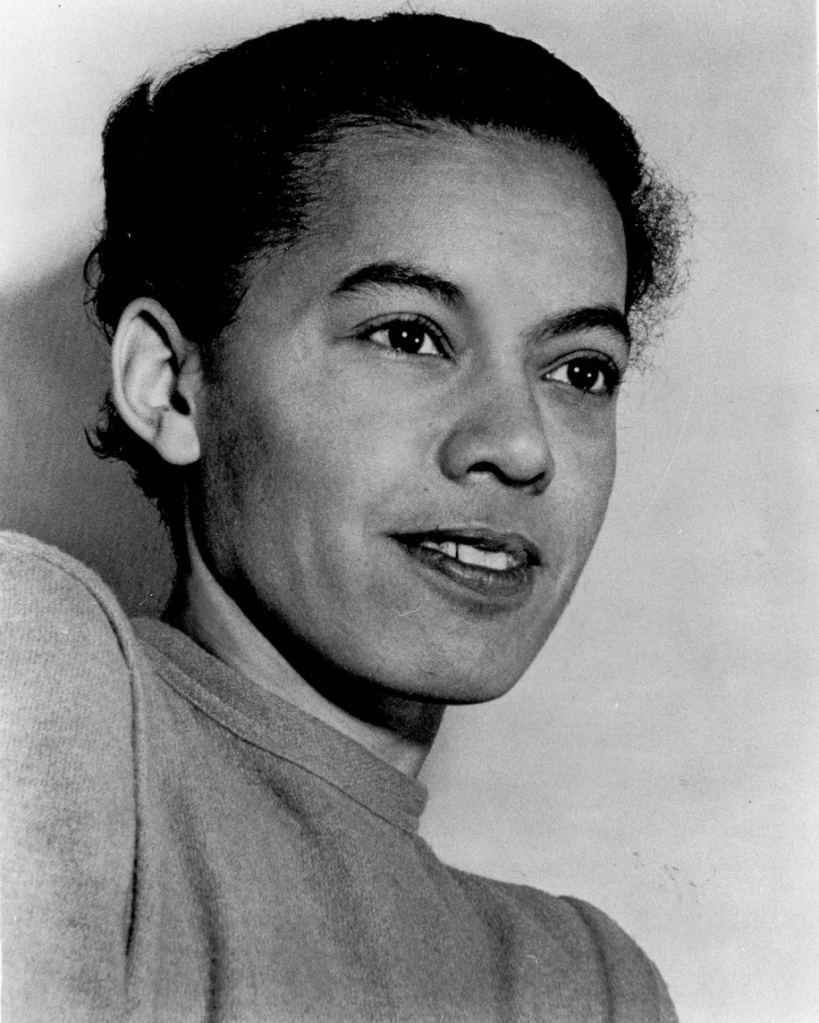
Over time, they moved from disagreement to allyship, Bell-Scott said. And following Franklin D. Roosevelt’s death in 1945, their correspondence shifted from political issues to genuine concerns about personal family matters. “So it became one of mutual caring and friendship,” Bell-Scott said. “They had very busy lives, but rarely were they out of touch for more than six months.”
Roosevelt and Murray’s friendship demonstrates a willingness to have difficult discussions and listen to other viewpoints, said Bell-Scott, who was also a consulting producer for the 2021 documentary “My Name is Pauli Murray.” For instance, in one letter to Roosevelt, Murray explained how she was being threatened with eviction from a White neighborhood in California where residents felt she didn’t belong.
“From that day in the ’40s through the end of her life, fair housing and housing discrimination remained a priority for Eleanor,” Bell-Scott said, “because she had, through her friendship with Pauli, a vicarious sense of how painful that experience was — the denied opportunity on the basis of race.”
Frida Kahlo and Georgia O’Keeffe
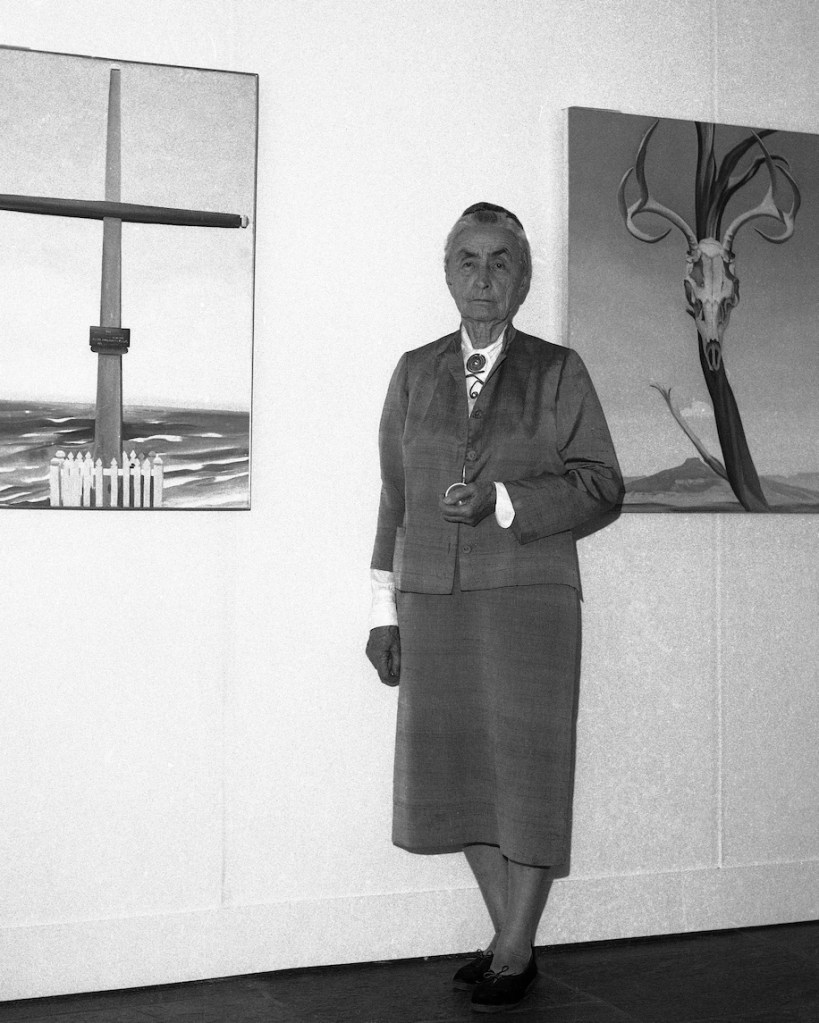
When Mexican painter Frida Kahlo traveled to America in 1930, she was a 23-year-old budding artist trying to figure out her place as the wife of well-known muralist Diego Rivera, said Celia Stahr, an art historian and professor at the University of San Francisco. “She was really starting out,” Stahr said. “And she meets a number of women artists who I think really inspired her and helped her with her first breakthrough.” Among them was modernist painter Georgia O’Keeffe.
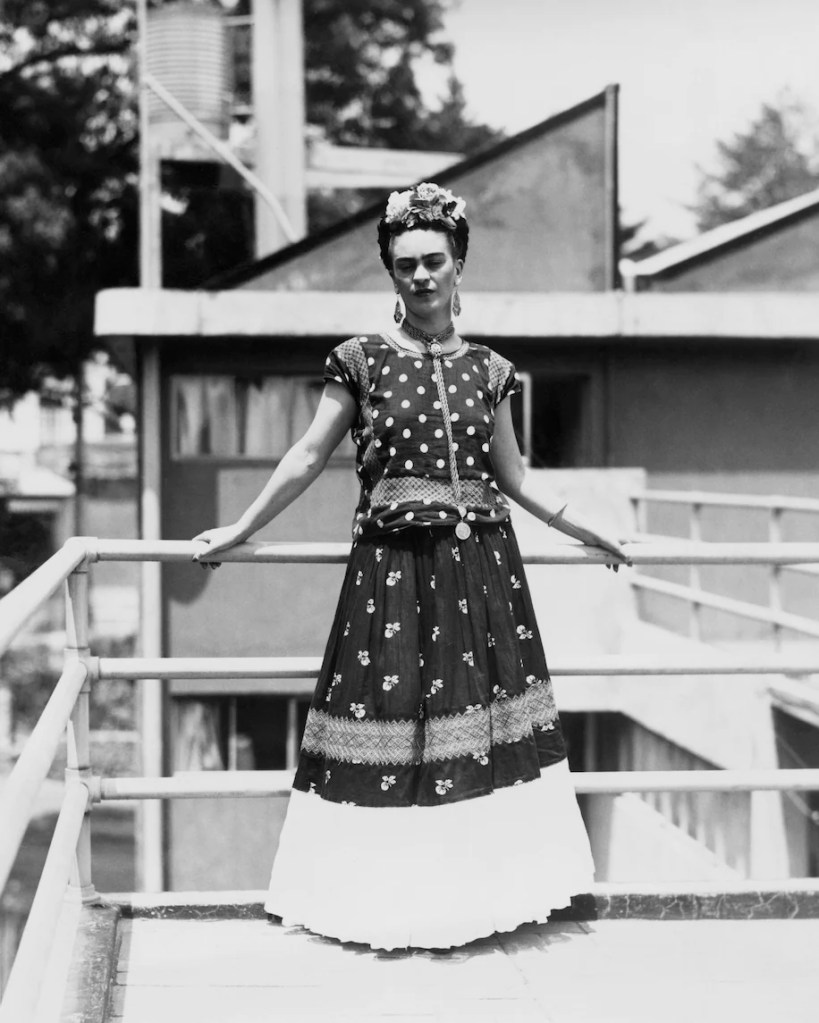
They met the following year in New York when O’Keeffe was 44 and at the height of her career, Stahr said. But while O’Keeffe was thriving professionally, she was falling apart emotionally over her husband’s infidelity. “In some ways, Diego Rivera wasn’t that different from [O’Keeffe’s husband] Alfred Stieglitz,” Stahr said of the two male artists who were both known to have had affairs. “So I think that [Kahlo and O’Keeffe] must have bonded over that as well.”
In a male-dominated community, “women artists didn’t typically have a lot of support systems,” Stahr added.
While they both grappled with relationships and mental health in their lives, their brief time together in New York was marked with fun memories, too, including one unforgettable tequila-filled night, said Stahr, who wrote a book about Kahlo’s time spent in America.
More broadly, Stahr said the friendship also influenced some of Kahlo’s work, which was known for self-portraits, vibrant colors and honoring Indigenous cultures of Mexico. For instance, in her 1932 painting, “Self Portrait Along the Boarder Line Between Mexico and the United States,” Kahlo includes jack-in-the-pulpit flowers — which O’Keeffe had previously devoted an entire series to in 1930.
“As far as I could find, I don’t think jack-in-the-pulpit really grow typically in the Mexican desert landscape,” said Stahr, adding that the portrait is also one of the first times Kahlo is seen painting with flowers.
“I do think that’s directly connected to Georgia O’Keeffe,” Stahr said.
Audre Lorde and Pat Parker
Audre Lorde and Pat Parker had a lot in common. Not only were they both Black lesbian poets, mothers and activists, they also each battled cancer, said Story, the University of Louisville professor. In 1974, five years after they first met, they began exchanging letters regularly, discussing their writing and sharing intimate details about their personal lives, according to the book “Sister Love: The Letters of Audre Lorde and Pat Parker 1974-1989.″
“These are letters being exchanged with two of the greatest poets of the 20th century,” Story said. “And both of them used their lived experiences as these springboards for change.”

Lorde was central to many liberation movements, including second-wave feminism, civil rights and Black cultural movements, as well as struggles for LGBTQ equality, according to the Audre Lorde Project. Her friendship with Parker served as inspiration for a number of poems, but Parker also wielded influence of her own as an unsung hero of the Black Arts Movement, Vice reports.
While Parker was based in Oakland, Calif., Lorde split her time between New York and traveling abroad. But they sustained their friendship through correspondence that lasted for 15 years, ending the year before Parker’s death.
“They were both such incredible women who really formulated a lot of our current ideas around justice, transformative education, critical race theory,” Story said. “All the things we’re grappling with now as a nation, these women were talking about in their letters to one another and in their work.”
‘Queering Black history’: Here are 5 LGBTQ pioneers to know
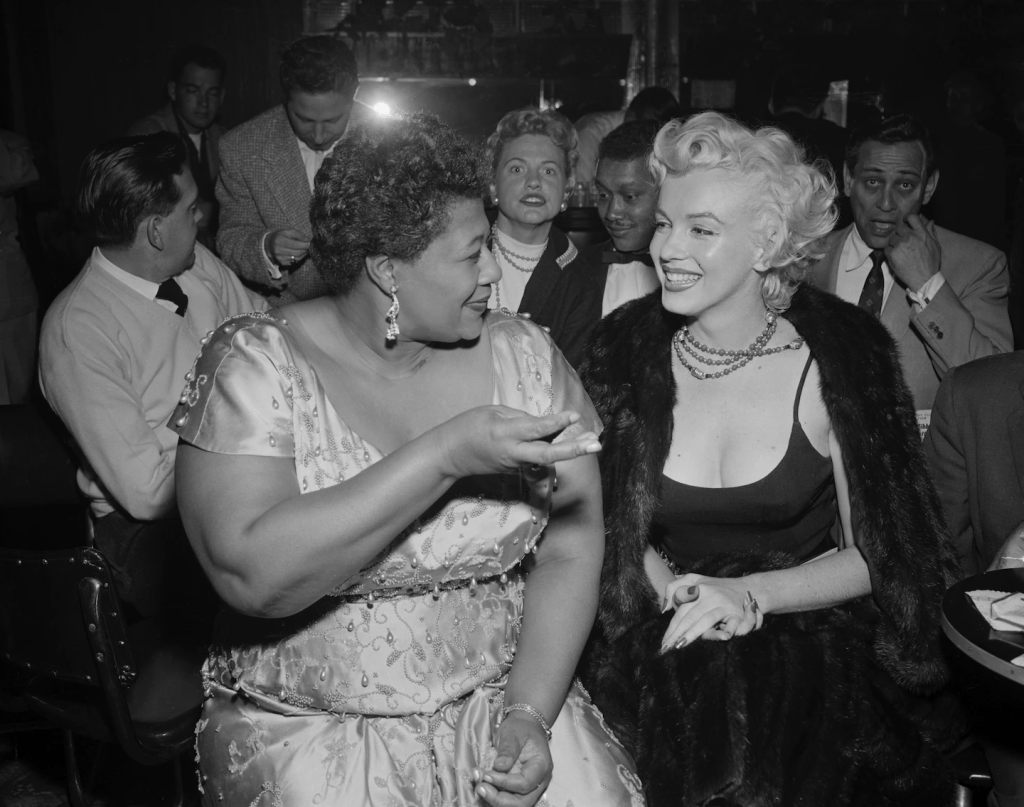
Marilyn Monroe and Ella Fitzgerald
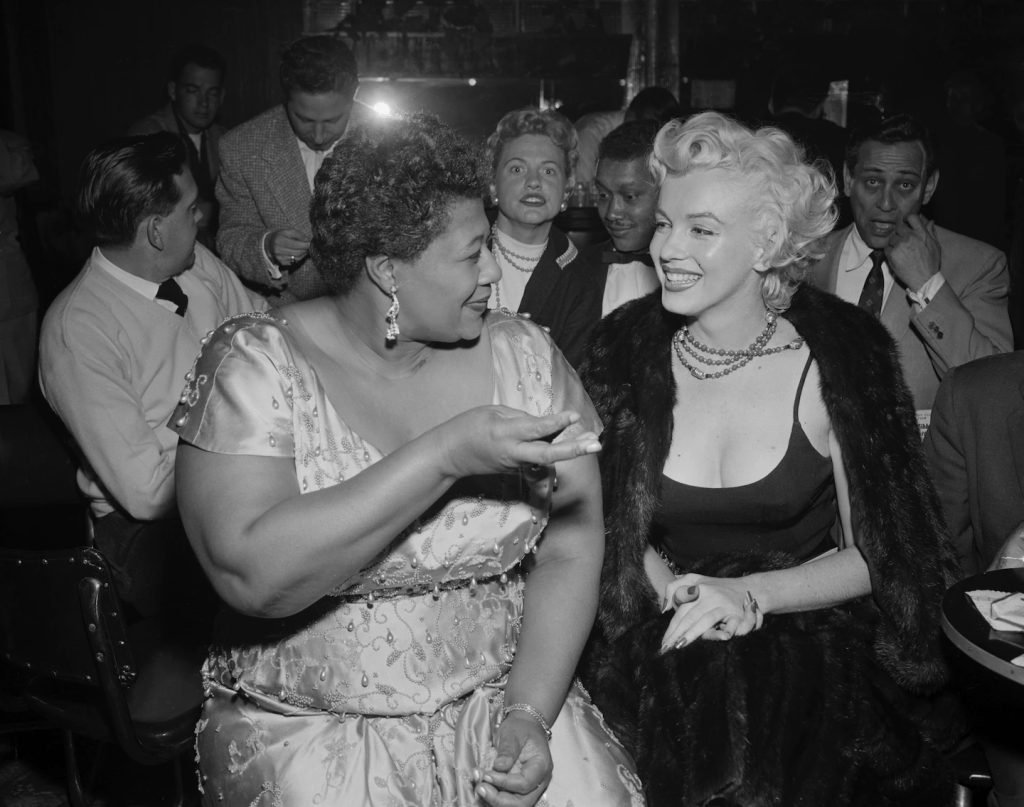
Before Marilyn Monroe ever became a friend of Ella Fitzgerald, she was a fan. Like other iconic stars of the 1950s, Monroe turned to music by the “Queen of Jazz” whenever she felt down or troubled, said Geoffrey Mark, who wrote the book “Ella: A Biography of the Legendary Ella Fitzgerald.”
“Marilyn greatly admired Ella,” Mark said. “So much so that Marilyn’s singing is kind of based on how [she] thought Ella sang things.” Eventually, Monroe began showing up to different venues where Fitzgerald was performing, he said, “and they got to know one another.”
A key event in their friendship occurred in 1955 in Los Angeles. While Fitzgerald often played concert halls with big bands, she struggled to land nightclub gigs, said Mark, who also hosts a radio show celebrating the singer’s music. One popular venue in particular, Mocambo, wouldn’t book Fitzgerald. That’s when Monroe stepped in, reportedly telling the club owners that if they booked Fitzgerald for 10 days in a row, Monroe would show up every night with celebrities.
“Ella got booked, and Marilyn was true to her word,” Mark said. On opening night, Frank Sinatra and Judy Garland were reportedly among the famous friends who showed up. The club was sold out for 10 days, Mark said, and from then on, Fitzgerald never had an issue booking nightclubs anywhere.
“That’s, I think, a wonderful early example of women power — one woman helping another to achieve her goals,” Mark said.
Coretta Scott King and Betty Shabazz
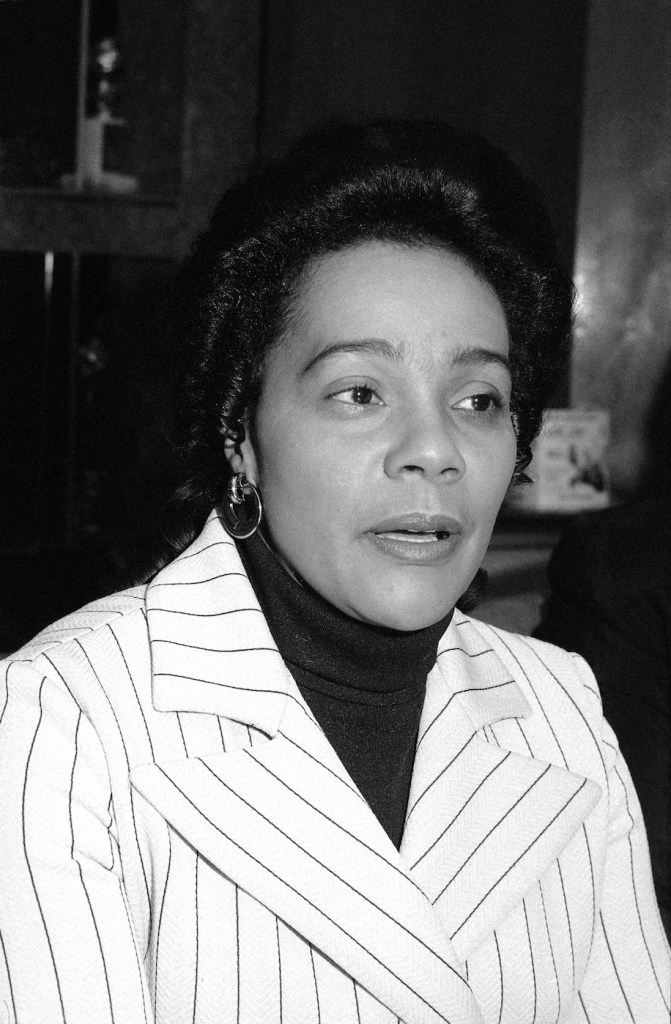
Both wives of slain civil rights leaders, Coretta Scott King and Betty Shabazz’s friendship was born out of tragedy following the assassinations of Martin Luther King Jr. and Malcolm X. And while the media often cast them as “the widows,” the women were activists and leaders in their own right, author and minister Barbara Reynolds wrote in The Washington Postin 2013.
Shabazz gave public lectures on the African American condition and fought for education and human rights causes in her own style. King, meanwhile, devoted her life to social justice. Just four days after her husband’s death in 1968, she picked up where he left off in leading a silent march in Memphis to support sanitation workers.
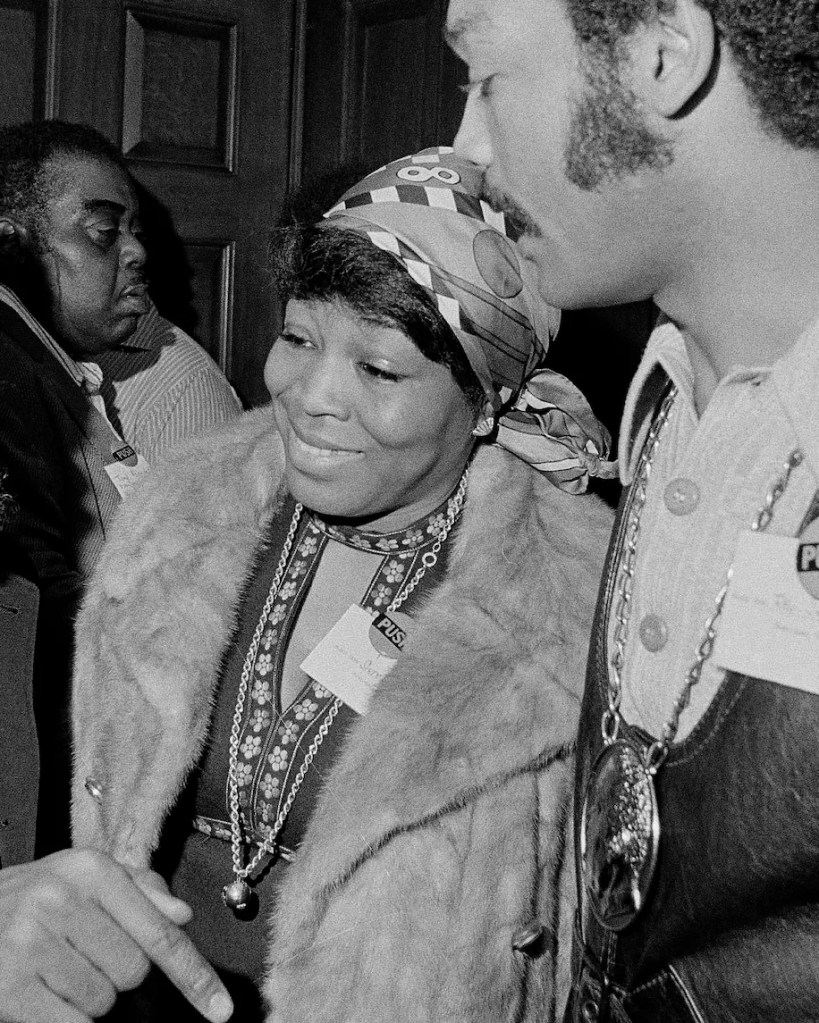
In 2013, Lifetime released the film “Betty and Coretta” to recount their achievements and the sisterhood they forged together. “Lifetime brings them out of the shadows for a renewed examination, appreciation and recognition of their leadership,” Reynolds wrote at the time, though members of both King and Shabazz’s families later flagged inaccuracies in the biopic.
“Nevertheless they were truly spiritual sisters,” Reynolds wrote. “That is one truth I am certain of.”
Betty and Coretta: Debunking the drama in Lifetime’s TV movie about the two widowed legends
washingtonpost.com © 1996-2022 The Washington Post
 Robin's Room