This week is going to have an Australian theme, beginning with my review of an Australian author’s book, set in the Australian town of Ballarat. The uncorrected proof was provided to me by NetGalley.
Robbi Neal The Secret World of Connie Starr Harlequin Australia HQ, June 2022.

Robbi Neal has written this book in part to redeem a past that treated a family member with the discrimination and cruelty that was woven into an Australian small-town mentality. She provides no further detail of the offense, perpetrator or victim, so the reader can come to the novel with a mind clear of preconceptions, apart from knowing that person whose real story ended in heart break, in this fictional account gains redemption. Many of the characters have personal flaws, as well as compensatory features. Their stories and personalities demand a thoughtful read to give each character their due. At the same time, the novel proceeds in a simple format in short chapters, with historical events blending with personal stories in a satisfying read. See Books: Reviews .
After Covid in Canberra: Books with an Australian theme, author, or link reviewed previously; Australian Federal Election stickers; Bob McMullan – What will happen in the Senate election? and the beginning of my trip on the Indian Pacific.

Covid in Canberra
On 14 April 1,074 new cases were recorded and fifty six people were in hospital, one of whom was in ICU and ventilated. One life was lost. The age group with the largest % of cases was people 25 – 39 (34%), followed by those aged 50 -64 (16%). On 16 April 856 new cases were recorded, with sixty in hospital, two in ICU and one ventilated.

Books with an Australian theme, author, or link reviewed previously
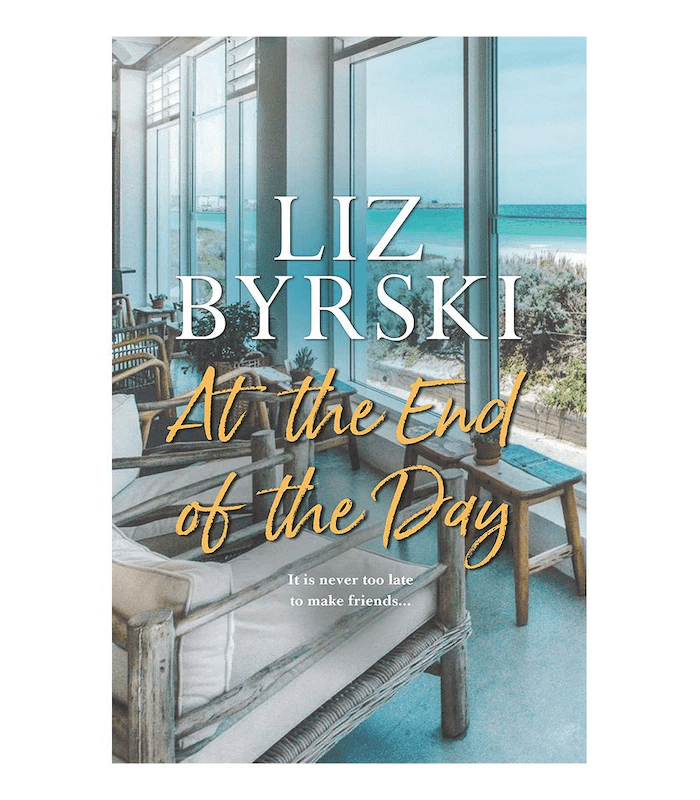
Liz Byrski, At the End of the Day – 12 January, 2022
Liane Moriarty, Apples Never Fall – 15 December, 2021
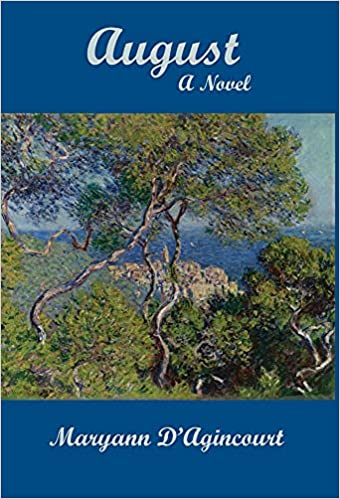
Maryann D’Agincourt, Shade and Light and August – 29 September, 2021
Suzanne McCourt, Tulip Tree – 20 October, 2021

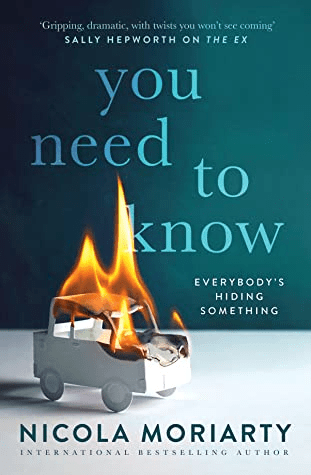
Nicola Moriarty, You Need to Know – 8 September, 2021
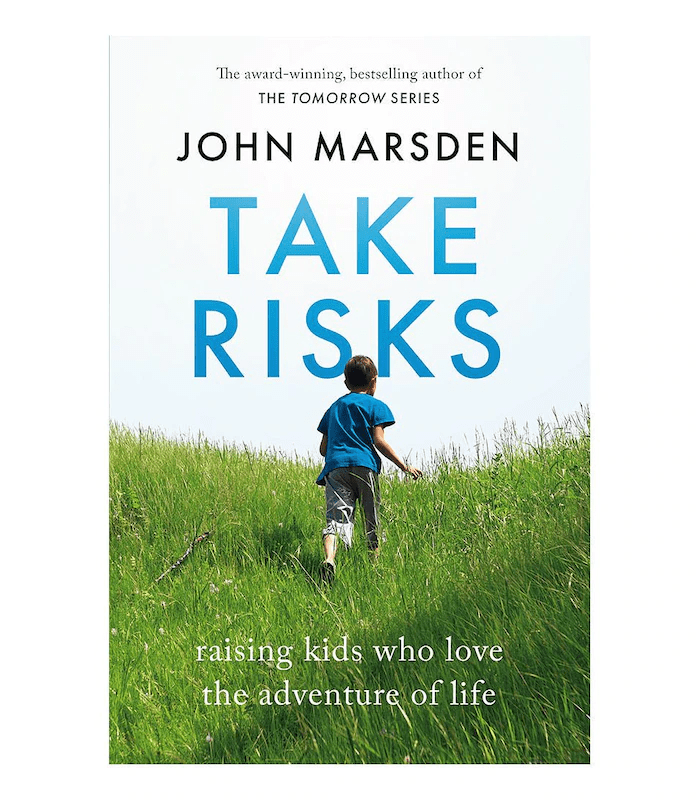
John Marsden, Take Risks – 22 December, 2021
Nicola West, Catch Us the Foxes – 2 June , 2021
Kim Lock, The Other Side of Beautiful -5 May, 2021
Karen Brooke, The Good Wife of Bath – 21 April, 2021.
Jillian Cantor, Half Life – 31 March, 2021
Zoe Fairbairns, Stand We At Last, 10 March, 2021
Gordon D’Venables, Medusa Image – 20 January 2021

Australian sense of humour at the bin instead of the ballot box in the early weeks of the 2022 Federal Election


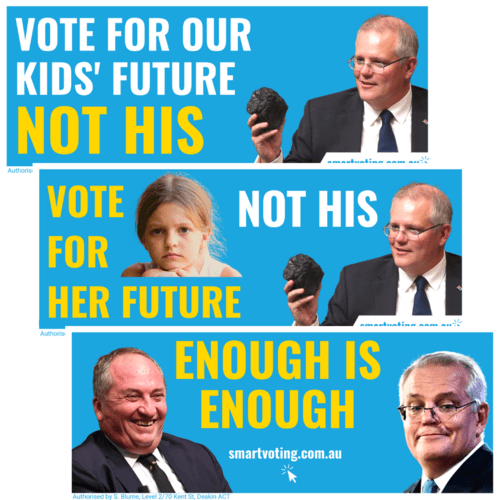
Support the Smart Voting election campaign by getting your stickers!#BinHim #ChuckThemOut #EnoughIsEnough
What will happen in the Senate election?
Bob McMullan

(This paper is based on research as at 16 April)
The outcome of the Senate election is not as important as the outcome of the House of Reps election, but it does matter.
The ability of a government to legislate and the capacity of the parliament to hold a government to account depend upon the balance in the Senate.
It is almost impossible to accurately poll the likely outcome of any Senate election. Not enough voters have given any attention to their intentions with regard to their Senate vote. Furthermore, small variations can influence the likely outcome between several minor party candidates in a manner which makes the margin of error factor too big to allow the measurement to be useful. Outside the ACT and possibly Tasmania, no one is interested enough to bother commissioning research on such a difficult to measure question.
Therefore, to make any assessment requires some assumptions and a little guesswork.
The key assumption I have made is that the movement in voter support in the Senate for the major parties and the Greens will be similar to the movement in the House. Of course. support will not be at the same level for both Houses but the movement from the support in 2019 should be similar.
This assumption drives some very interesting possibilities.
If this assumption is broadly correct then the basic situation in all States is likely to be 2 LNP 2 ALP 1 Green with a contest for the 6th seat in each state.
To look at each state and territory more specifically:
NSW
The joint Liberal/ National Senate ticket performed about 4% below their combined House performance in 2019. With the significant decline in support reflected in the current House polling, this is likely to lead to the joint coalition ticket delivering less than two and a half quotas in the Senate.
Similarly, the ALP first preference vote in the Senate in NSW was 4.7% below the House vote in 2019. Allowing for the improvement in the intended vote reflected in the polling suggests that the ALP primary vote in the Senate would be very close to the coalition vote, perhaps slightly ahead, but still between two and a quarter and two and a half quotas.
The Greens polled almost the same primary vote in both the House and the Senate in 2019.
Polling suggests they may do slightly better in 2022 which should leave them at about three quarters of a quota.
In 2019 the majority of the vote for minor parties in the Senate went to those on the conservative side of the political equation led by One Nation with 0.34 of a quota.
This suggests the most likely outcome in NSW is Liberal/ Nationals 3; ALP 2; Greens 1, with an outside chance of One Nation picking up the 6th seat and a remote possibility of Labor picking it up.
Victoria
In 2019 the Liberals/Nationals Senate results were 2.6% below their House results. For Labor the difference was greater (5.7%) and for the Greens 1.2%.
These figures combined with the polling results for 2022 suggest the coalition primary vote in the Senate may be just above 2 quotas and Labor about 2.3quotas. The figures also suggest that the Greens may have as low as 0.6 of a quota which could put their Victorian seat in danger.
As for NSW the majority of the minor party vote in 2019 went to parties likely to preference the conservative side of politics, with a combined vote for One Nation, the UAP and the DLP of approximately half a quota. With a lesser but still significant number of minor parties who may preference the Greens the most likely result still seems most likely to be Lib/Nats3; Labor 2; Greens1. The wild card in Victoria is the 0.19 of a quota which Derryn Hinch got in 2019. As he remained in the count until the end, his preferences were never counted and there is therefore no reasonable basis for deciding how they should be viewed in a 2022 context. This doesn’t change the probable outcome as suggested above, but it does increase the uncertainty factor.
Queensland
This is a very interesting state in Senate terms. In 2019 the ALP only won one seat. It is highly unlikely that this will happen again.
In 2019 the LNP vote in the Senate was 4.8% below its vote in the House. For the ALP the differential was 4.1%, the Greens were down 0.4% and One Nation was up 1.4%. Taken with the sometimes very dramatic fall in LNP vote forecast in polling raises the unlikely possibility that Labor will be ahead of the LNP in the Senate count, with both major parties at approximately 2 quotas. The Greens on this basis should be close to a full quota. It is also highly likely that Pauline Hanson will be re-elected, without needing any support from the opportunistic George Christiansen. This suggests the likely result to be: LNP 2; ALP 2; Greens 1; One Nation 1. This is a net loss of 1 seat for the LNP, which suggests Amanda Stoker will not be re-elected.
Western Australia
WA has traditionally been a burial ground for Labor’s Senate prospects. 2022 may be different. Labor had a very low House of representatives vote in 2019 but only a 2.2% differential between the House and Senate votes. This suggests the 2019 vote was down to the bedrock Labor vote and therefore as the House vote improves the differential may increase slightly. When combined with the polling for the ALP in WA this suggests that the ALP could finish with at least two and a half quotas in this election. Conversely, the Liberal senate vote in WA could well fall to approximately 2.3 quotas, which could leave their third candidate in trouble. The Greens are on track for three quarters of a quota or slightly more in WA and their chances of winning a seat are very strong. This creates a probable scenario of 2 Liberal; 2 Labor and 1 green. The sixth seat is hard to pick between the major parties, with an outside chance of One Nation picking up a seat.
South Australia
This state is difficult to pick because of the Xenophon/Centre Alliance possibilities.
It is clear that the Liberals will win 2 seats, Labor will win2 seats and it is highly probable that the Greens will win a seat.
With Nick Xenophon running again and the Centre Alliance having an outside chance of picking up a seat the sixth seat in SA is hard to pick.
There is really no statistical evidence whatever about the prospects of either of these candidates. However, my judgement is that neither of them will make it.
On current polling trends and past performance, it could be decided by whether the Liberals choose to preference One Nation ahead of Labor.
At the last Senate election One nation received 0.34 quotas and the UAO 0.21. If they exchange preferences and One Nation receives the Liberals surplus there is an outside chance that One Nation could win a seat in South Australia. This is reinforced by their reasonably strong performance in the recent State Upper House election.
However, on current trends it is more likely that Labor will win the third seat.
Tasmania
The Jaquie Lambie question hangs over the Tasmanian Senate contest.
There is no useful poll data for Tasmania. All the national polls have a sample size too small to measure what is going on in Tasmania with any degree of reliability.
History and experience suggest that the first five seats will go 2 Liberal; 2 Labor and one Green.
The key question is what will happen to the sixth seat.
Well known Tasmanian electoral analyst, Dr Kevin Bonham, suggests that this seat will most likely be a contest between a third Labor candidate, the Jaquie Lambie candidate and possibly One Nation. He suggests that the third Liberal candidate, Eric Abetz, will probably miss out due to his unpopularity. Bonham asserts that in the last election Abetz got nine times more last place votes than anybody else. I can’t confirm that analysis but it is plausible.
My best estimate is that the Jaquie Lambie candidate is the most likely to win, but it is extremely difficult to predict.
ACT
The ACT Senate has always been predictable. One for the ALP with a significant surplus, one for the Liberals with just about a quota.
This time there is a serious chance the result will be different. It will certainly be worth a second look on the night.
Polling suggests the support for the Liberal incumbent, Zed Seselja, has fallen as low as 25%. I am not sure if this is accurate but it certainly indicates he has a problem finding enough preferences to get to the 33% required for a quota.
David Pocock is running as an Independent and is the real threat to Seselja. The key is the preference distribution. Will the ALP surplus flow to Pocock or will it flow to the Greens or the other Independent, Kim Rubenstein?
This will be the key in deciding whether Seselja or Pocock wins the second seat.
Katy Gallagher for the ALP is certain to be re-elected.
Northern Territory
Malandirri McCarthy is certain to gain a quota for the ALP in the NT. It is highly likely that Jacinta Price, the CLP candidate, will also win but the internal ructions in the CLP and the candidature of the incumbent Senator McMahon, who was elected as a CLP Senator in 2019 but is running on an LDP ticket this time complicates the situation.
Conclusion
There is too much uncertainty at this stage to make a prediction. However, the range of probable outcomes is: Liberal/ National 15 to 17 seats; Labor 15 to 17; Green 5 or 6; One Nation 1 to 3 with Jaquie Lambie’s candidate and David Pocock having a good chance of winning.
With the continuing Senators from 2019 this would mean a Senate composition of Liberal/ National 32 to 34; Labor 26 to 28; Green 11 or 12; One Nation 2 to 4 with up to 3 others.

Journey on the Indian Pacific
The last time I was on the Indian Pacific was in 1981, when we travelled from Perth to Port Pirie as part of our trip to Canberra. Accompanied by a teenager and a toddler, and relatively youthful ourselves, that trip was rather different from this one. Although there were a few children on the train, none were in our carriage. It was dominated by middle aged travellers, some on their first trip, others well seasoned in travel by train, cruise and flight. There was a general feeling of pleasure at escaping closed borders, and being able to travel again. Masks were worn by staff, but hand sanitising was the only impact of Covid on us. Social distancing was observed in the corridors, but tables of four were organised for all meals. This differed from our trip on the Ghan, when only two people dined together. The groupings were at random, which meant that we sat with different people throughout the trip. It was great that our first companions were politically sympathetic people from Canberra – and, this was not an aberration. So, as well as good food , we had positive conversations most of the time. We had to do our RATS at the station – the time taken to do this meant that we missed the celebratory start to the journey of platters of canapes and champagne. However, food and drinks were plentiful from the moment we began our journey. With a Baileys each night I had little trouble sleeping, unlike many who complained about the movement and noise! There was no Wi Fi, and 4 G connection was intermittent. So, there was lots of reading and talking – accompanied by eating and drinking. A rather different three days from our usual activity. Off train experiences meant that we had a few walks, which was a relief.
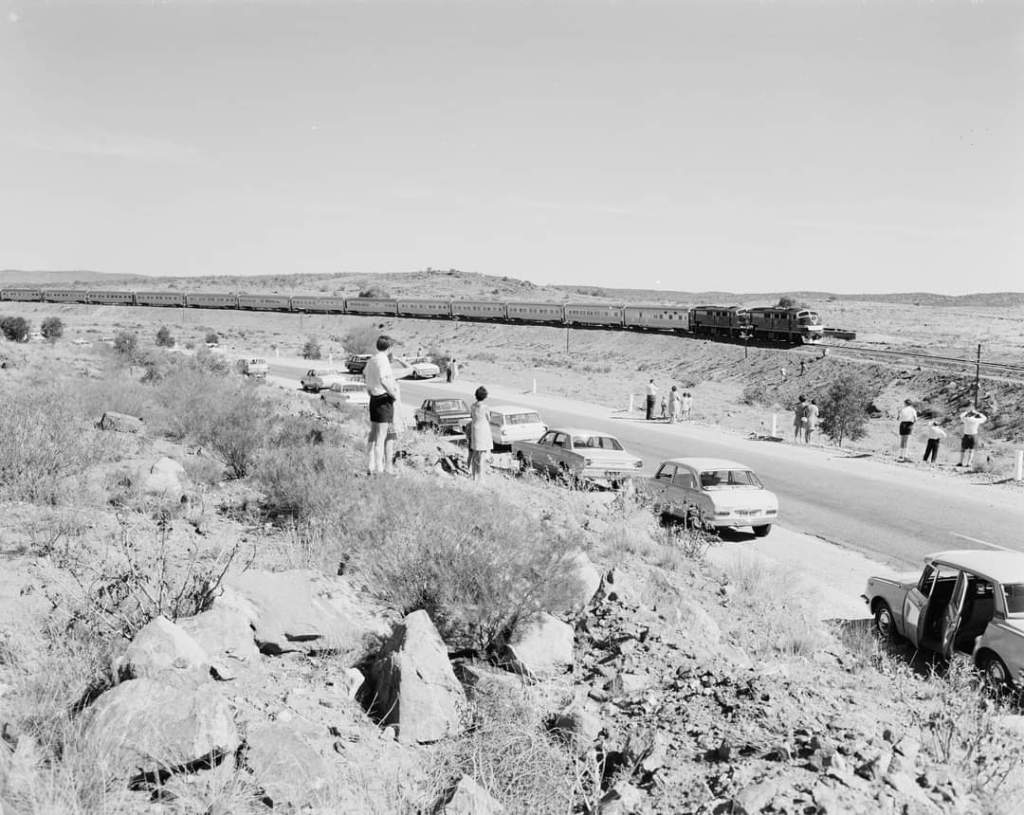


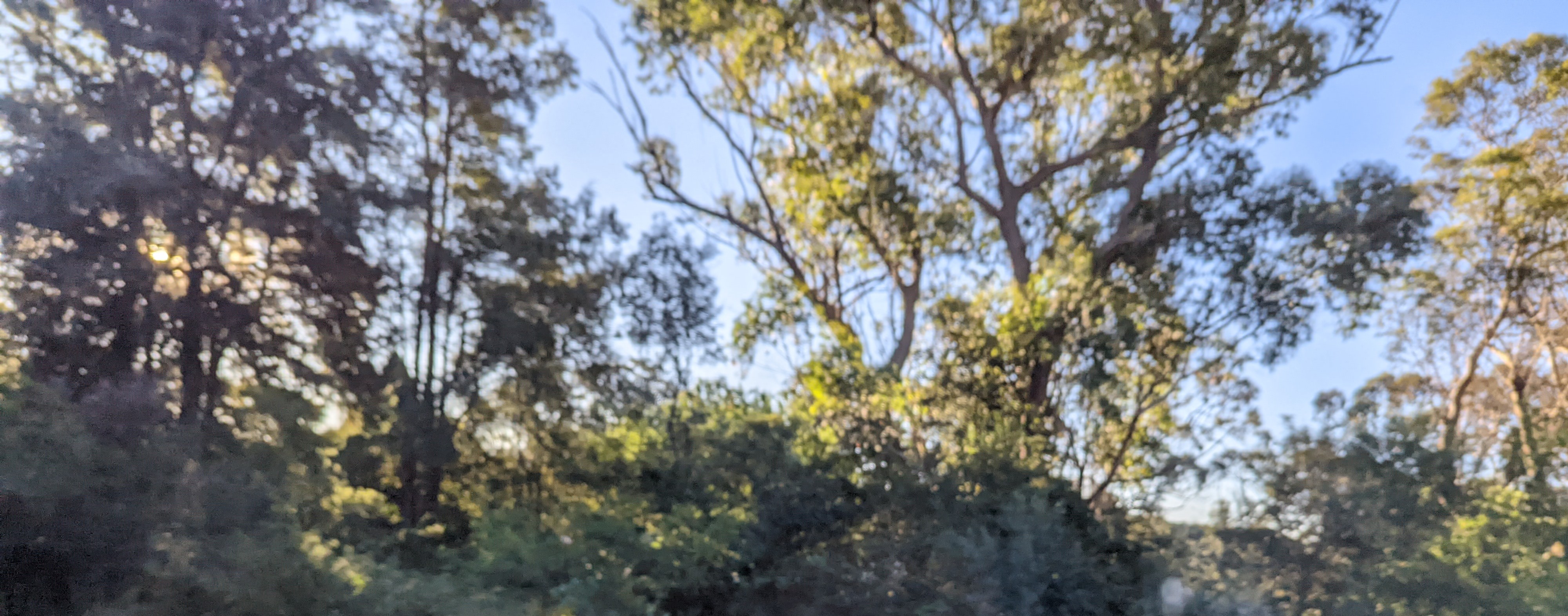
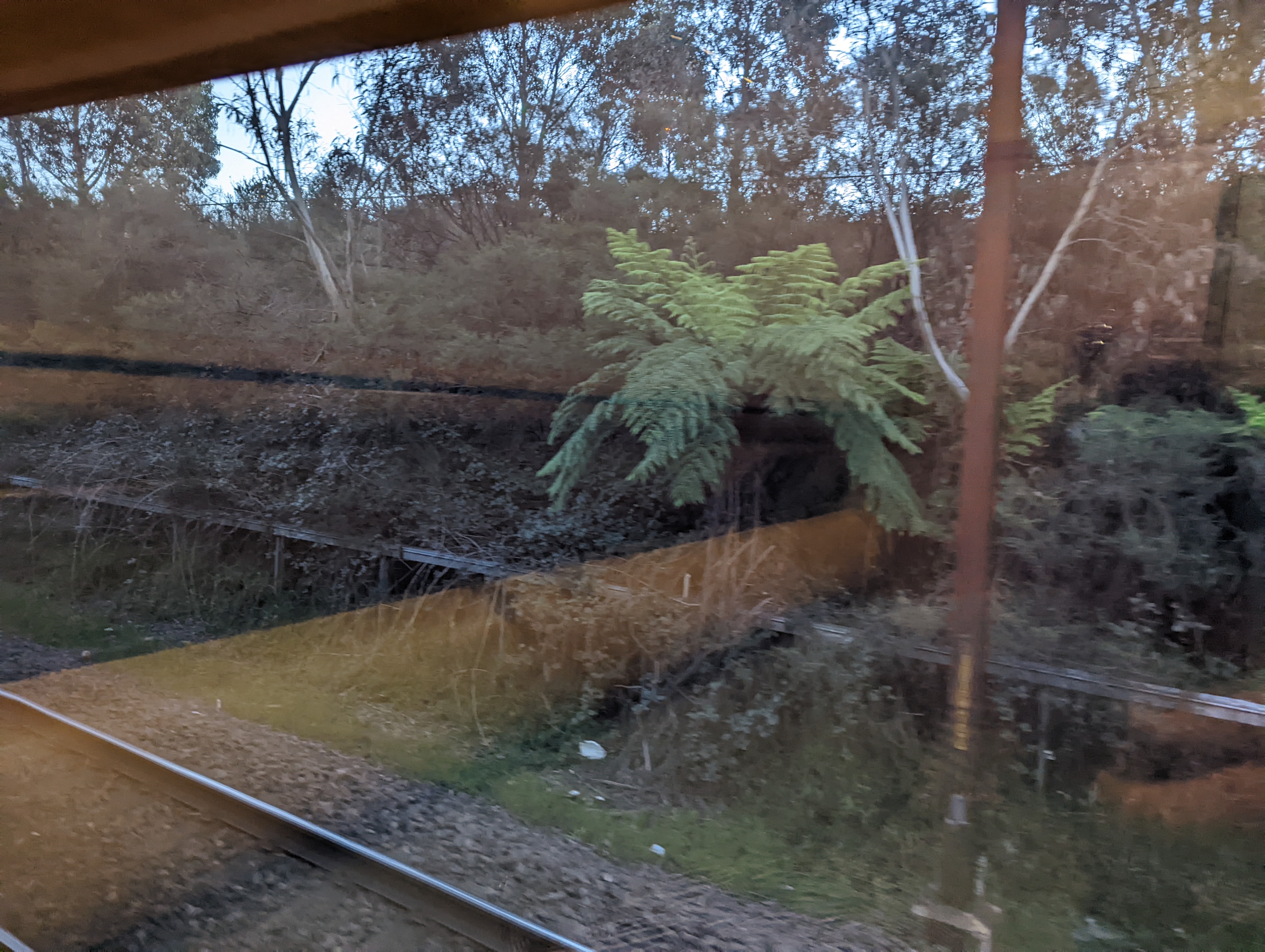
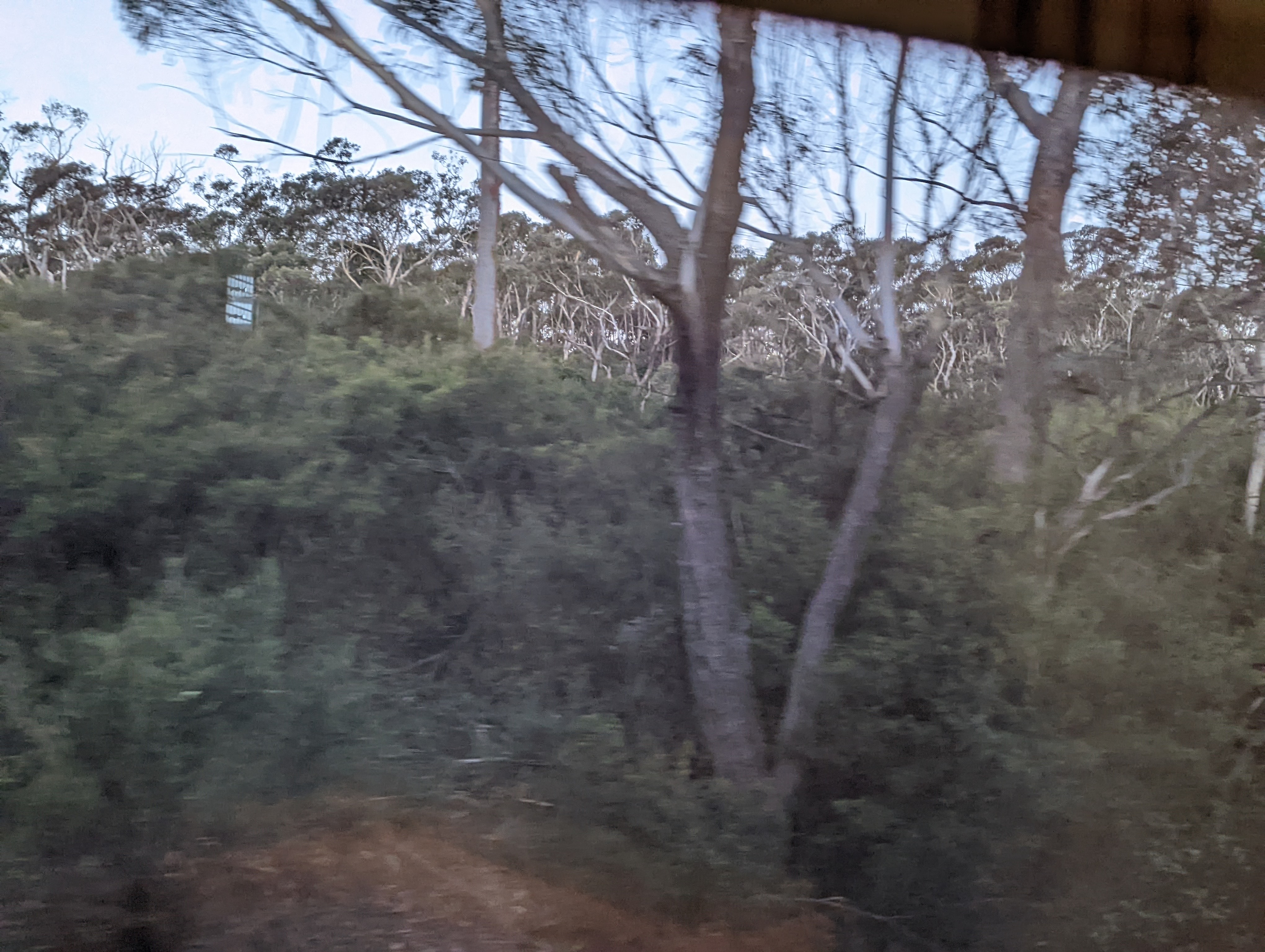
Trees in abundance before we get to the Nullabor. Food and off train excursions next week, when I manage to get my laptop and phone connected so I can download photos.
A diversion from the Australian theme – books read on trip included completing The Lost Honour of Katherina Blum, which I shall review in a later post. Easy reads were Harriet – A Jane Austen Variation by Alice McVeigh and The Golden Couple by Greer Hendricks and Sarah Pekkanen.
 Robin's Room