C.L. Taylor’s The Guilty Couple Avon Books UK, Avon June 2022 was provided to me by NetGalley as an uncorrected proof in exchange for an honest review.
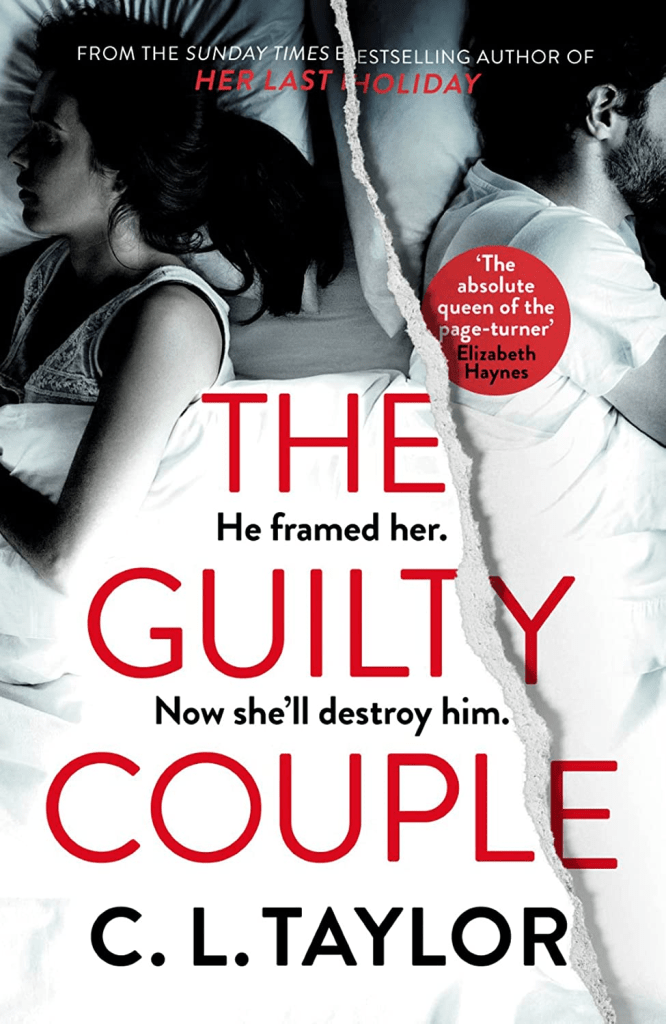
I was disappointed in this novel, perhaps unwisely comparing it with C. L. Taylor’s The Last Holiday which I found such an excellent read. However, despite my reservations about this one, I shall certainly read her next. One disappointment should not impact too heavily on reception of a good writer’s work. The premise of The Guilty Couple is interesting as there are several couples, some obvious, and others cleverly hidden. Olivia has been imprisoned for five years, having been found guilty of planning her husband’s murder. Her daughter, Grace, is disaffected, believing that the charge was justified, as after all, the jury found her mother guilty. On her release, Olivia must develop a new relationship with Grace, as well as investigating who framed her. The clues with which she must work are the lie Dani, her former personal trainer told on the stand, and the smirk with which her husband, Dominic, greeted the guilty verdict. See the full review at Books: Reviews
Another novel in publication for Gordon D’Venables

While in Western Australia, I was thrilled to be able to talk to Gordon D’Venables about his latest book. He was more forthcoming than in the past about the one that is at the publishers, and even more exciting , the one he is now writing(although I do not know the title yet). Hunted is the title to look for when the next publication hits the shelves. Hunted fulfils D’Venables’ commitment to dealing with ideological issues such as misogyny, white supremacy and racism. If D’Venables follows the way in which he worked with misogyny in his first novel, The Medusa Image (Pegasus 2021, http://www.pegasuspublishers.com) the treatment of white supremacy in Hunted will be woven into an engrossing read. There will be no didacticism, but the novel will leave you with the knowledge that you have read the work of a writer with integrity and skill. The Medusa Image was an engaging read (and would make a great film) and I have great expectations of Hunted.
I also enjoyed the meal he cooked while talking to me about the novel.
Items after the Covid Report: Labor Launch; Indian Pacific, including the Barossa Valley Sculpture Park, Seppeltsfield and the Jam Factory; and two opinion pieces on the leaked US Supreme Court document on Roe vs Wade.
Covid in Canberra and Perth

Covid requirements for entering Western Australia were proof of vaccination (which had to be used in hotels in which we stayed, and in restaurants), and an entry certificate. The mask requirement in closed spaces was relaxed during our stay. However, it was noticeable that many people continued wearing masks.
During the second week of our absence from Canberra the following information was recorded. The ACT Government has relaxed quarantine requirements for household contacts of people who have Covid. People are advised to use common sense in this situation. From 3 May vaccinations are not required in health care and education settings. There are now 75.4% of Canberrans aged over 16 who have received their booster; 80.7% of children between 5 and 11 years have received their first dose and 65.8% have received two doses.
On 30 April 939 new cases were recorded and 68 people were in hospital. Three were in ICU, and one life was lost. There were 823 new cases recorded on 1 May, with 69 in hospital and 3 in ICU. On 2 May 798 new cases were recorded, with 66 in hospital, 2 in ICU, none ventilated, and one life lost. On 3 May new cases are reported as 1,027, with 64 in hospital 4 in ICU and none ventilated. One life was lost. On 4 May 1,080 new cases were reported, with 67 people in hospital and four in ICU. No one is ventilated.
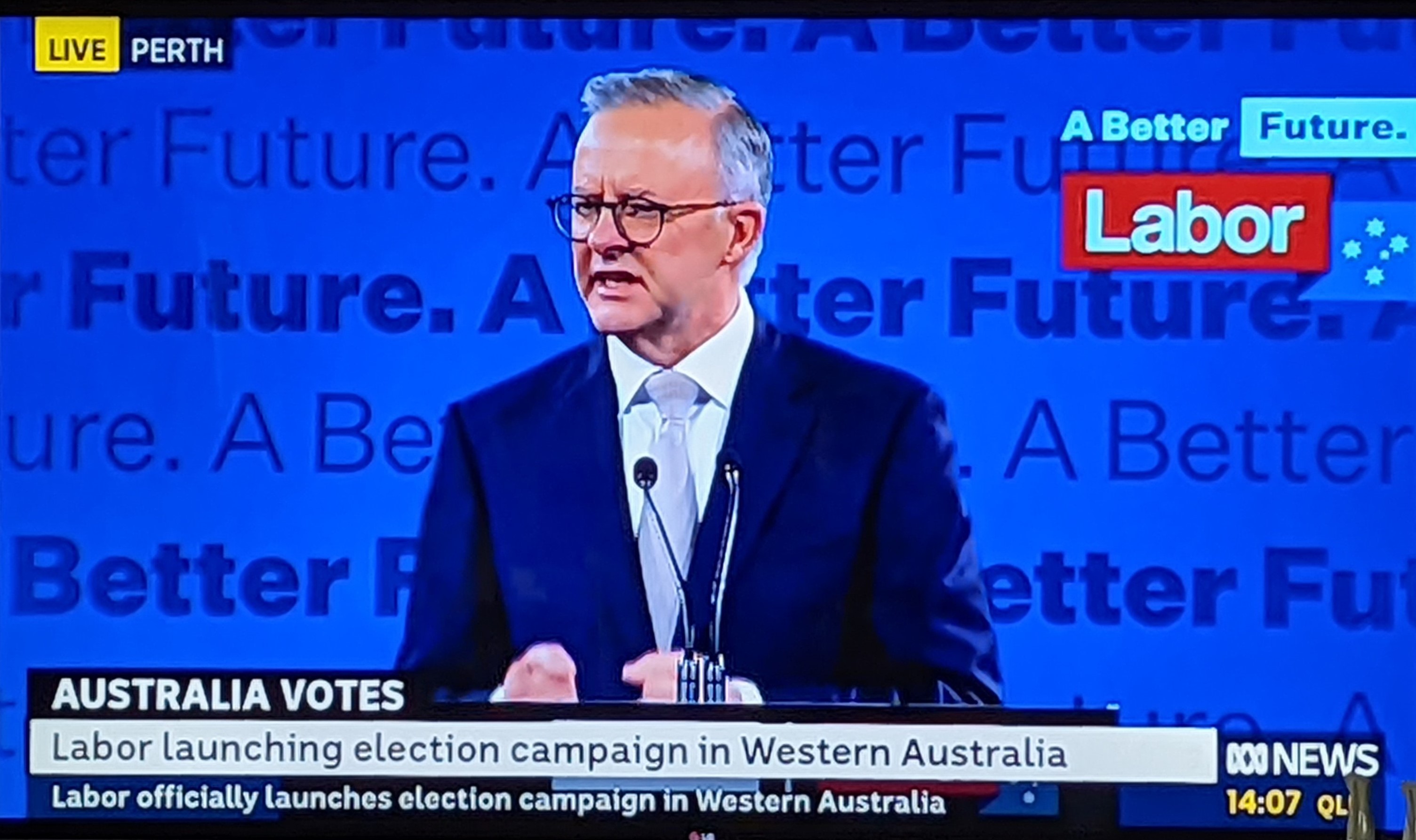
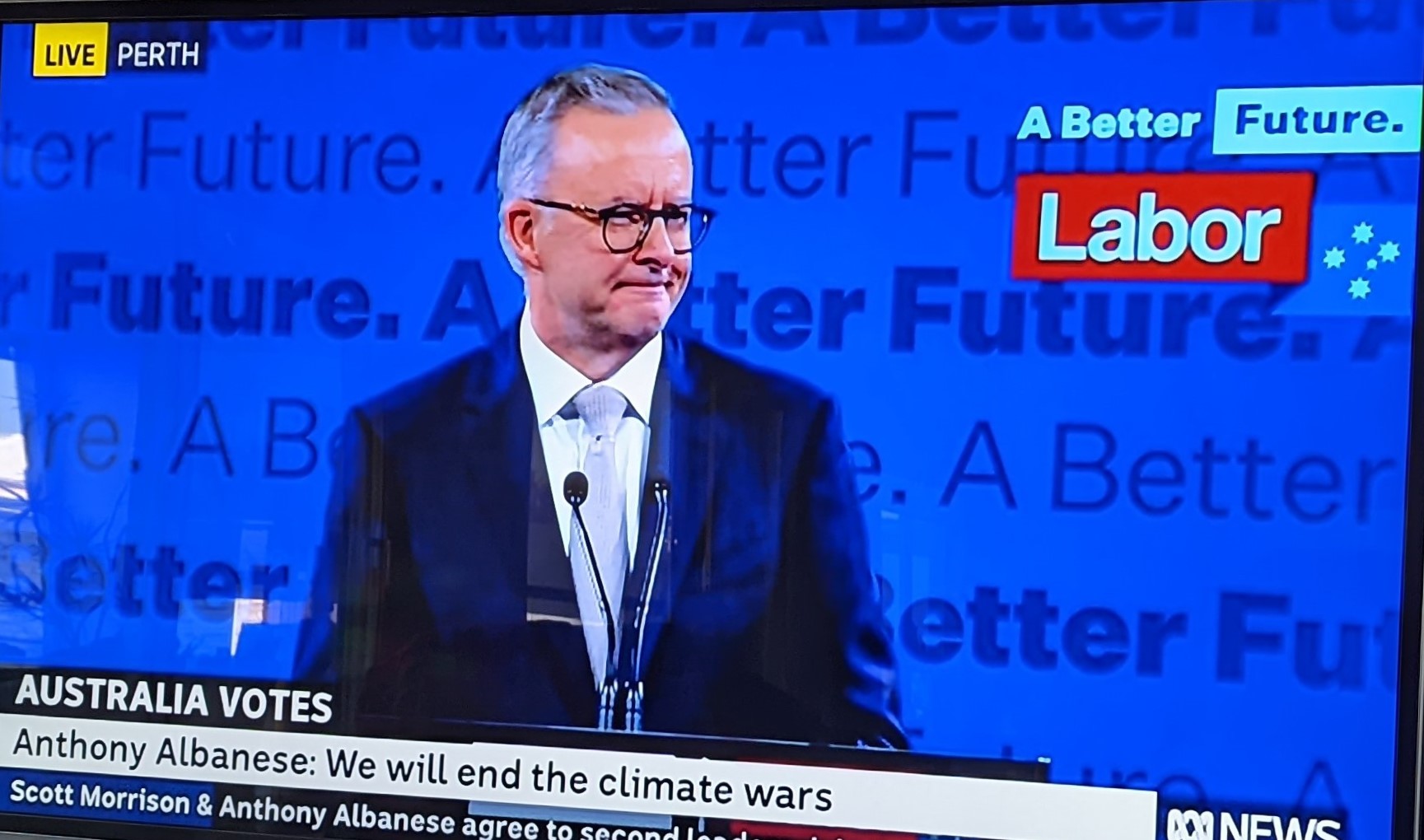
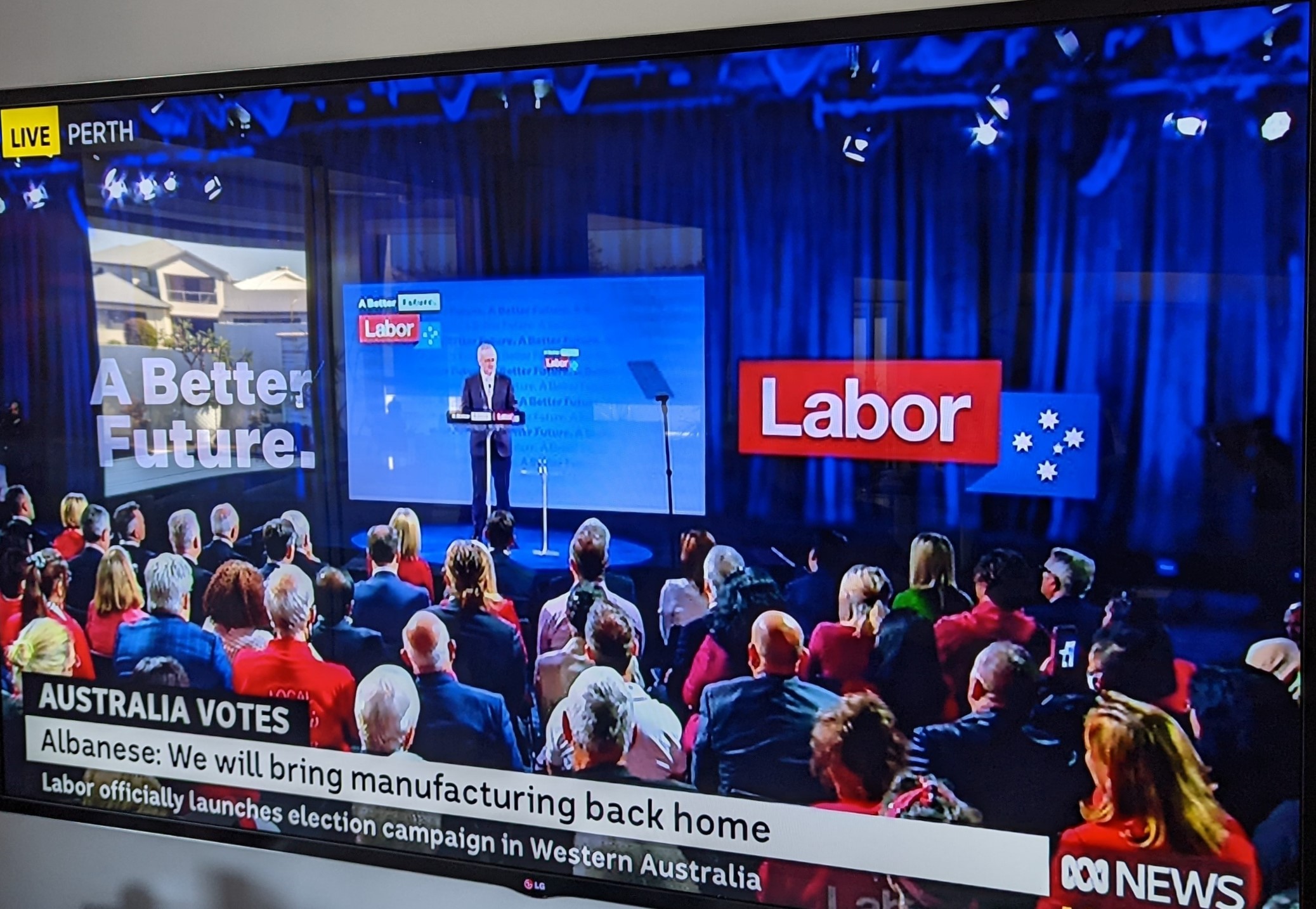
Labor Launch for the 21 May 2022 Federal Election
Labor launch in Perth – a political event we were pleased to be able to see on screen, if not in person.
Indian Pacific Journey Continued



Barossa Valley Off Train Excursions



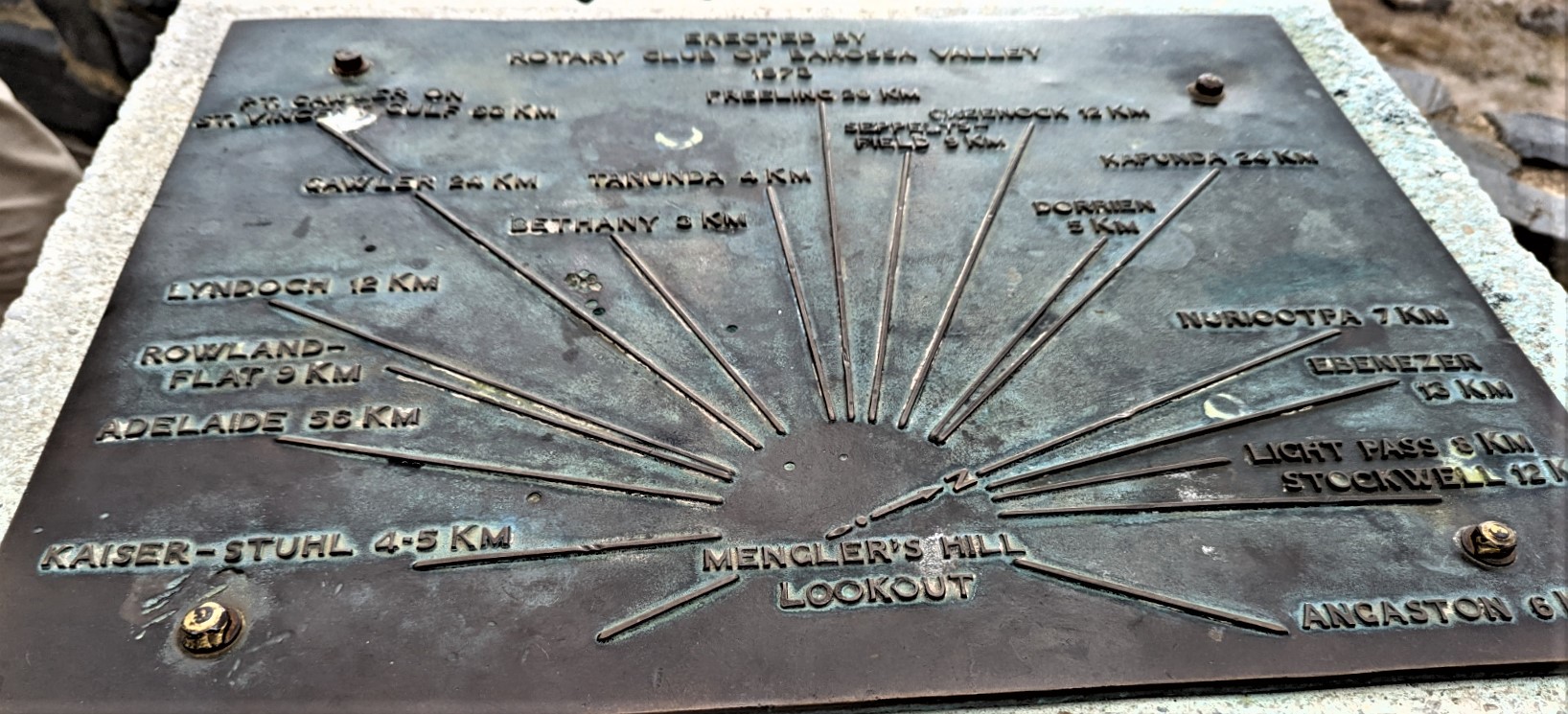
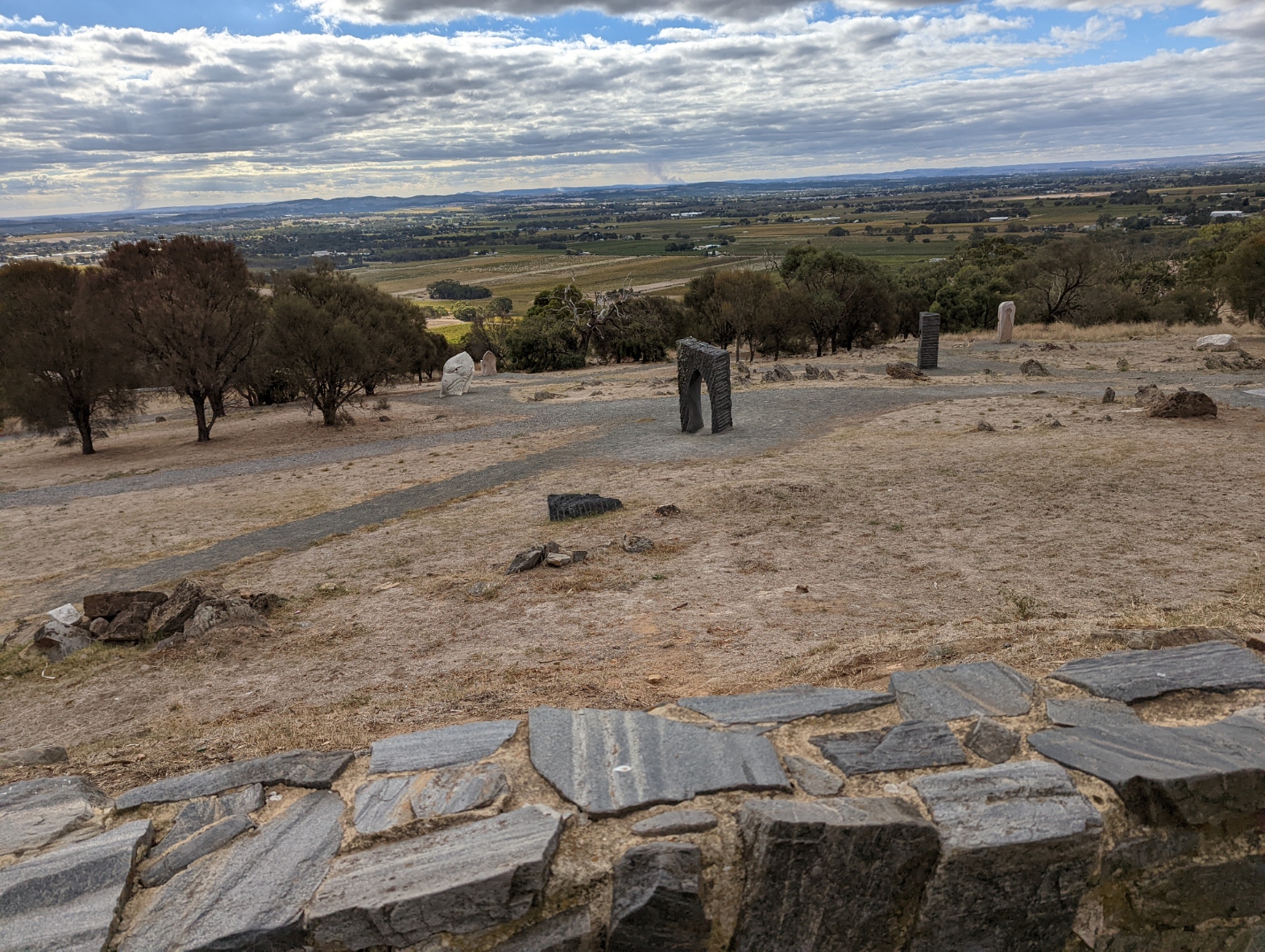
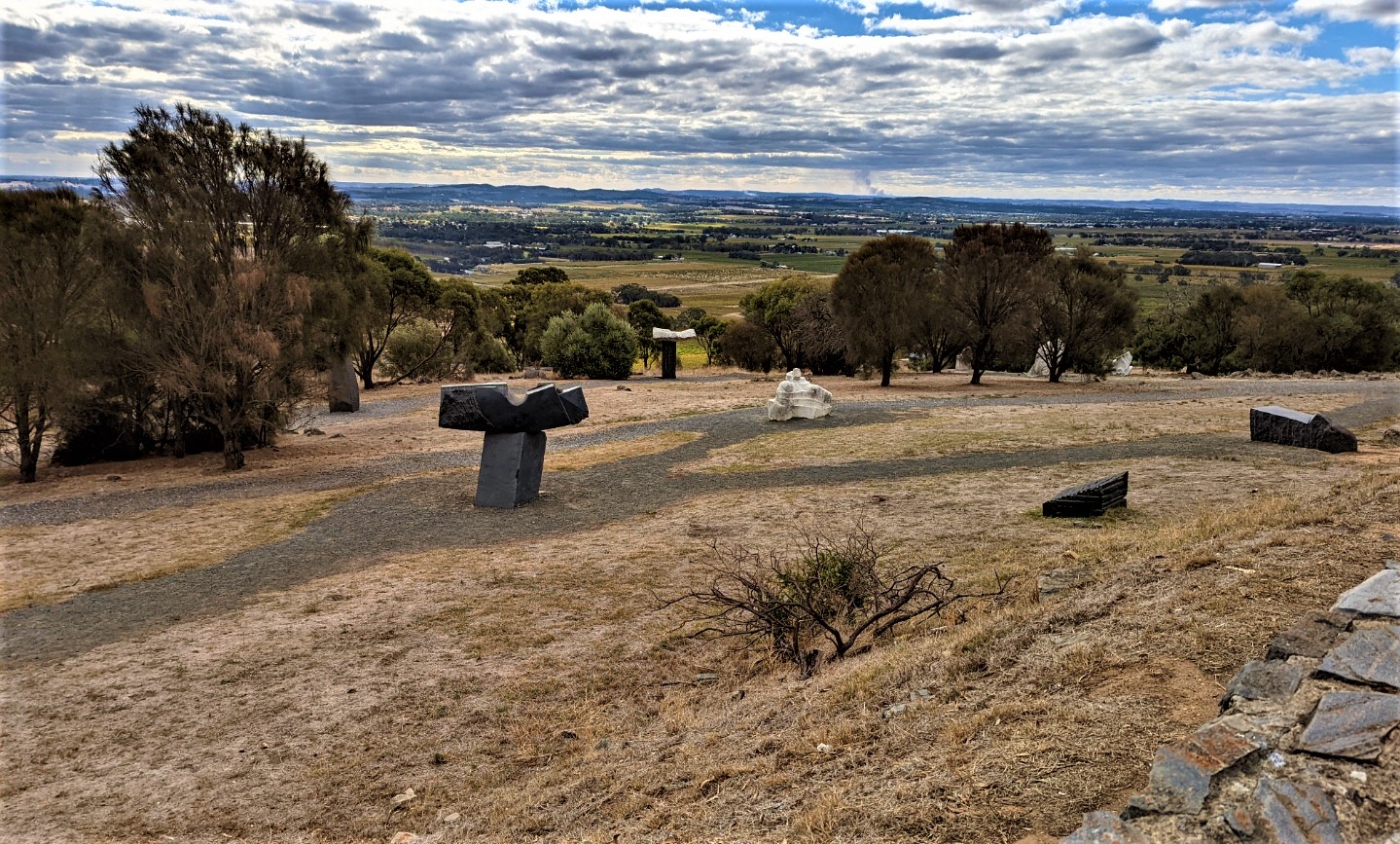
A pleasant stop on the way to the Barossa Valley Winery – the Barossa Sculpture Park


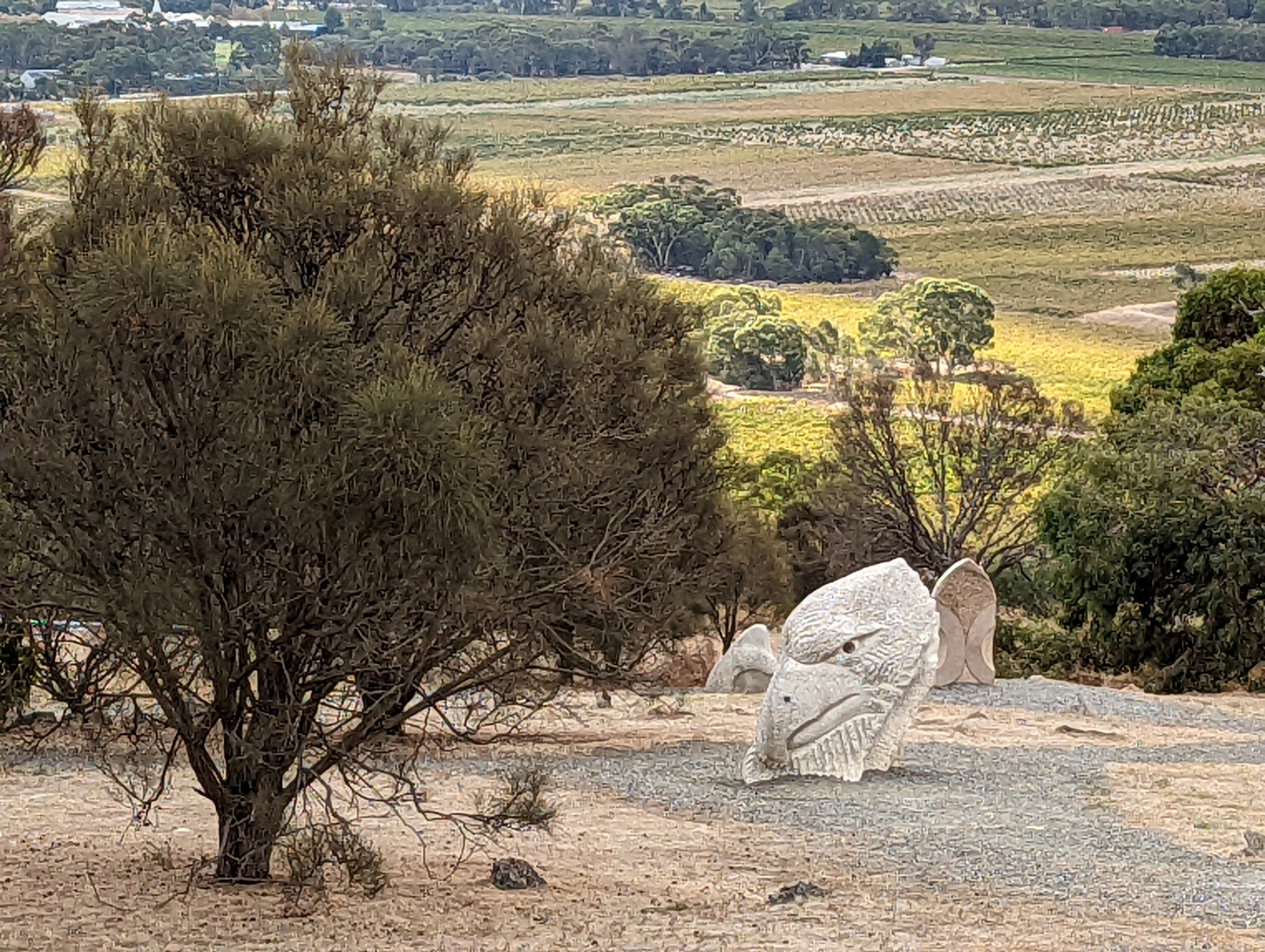
Seppeltsfield
Seppeltsfield is more than wine tasting. It was marvellous to visit the Jam Factory, an initiative of the late Don Dunstan, former Premier of South Australia.
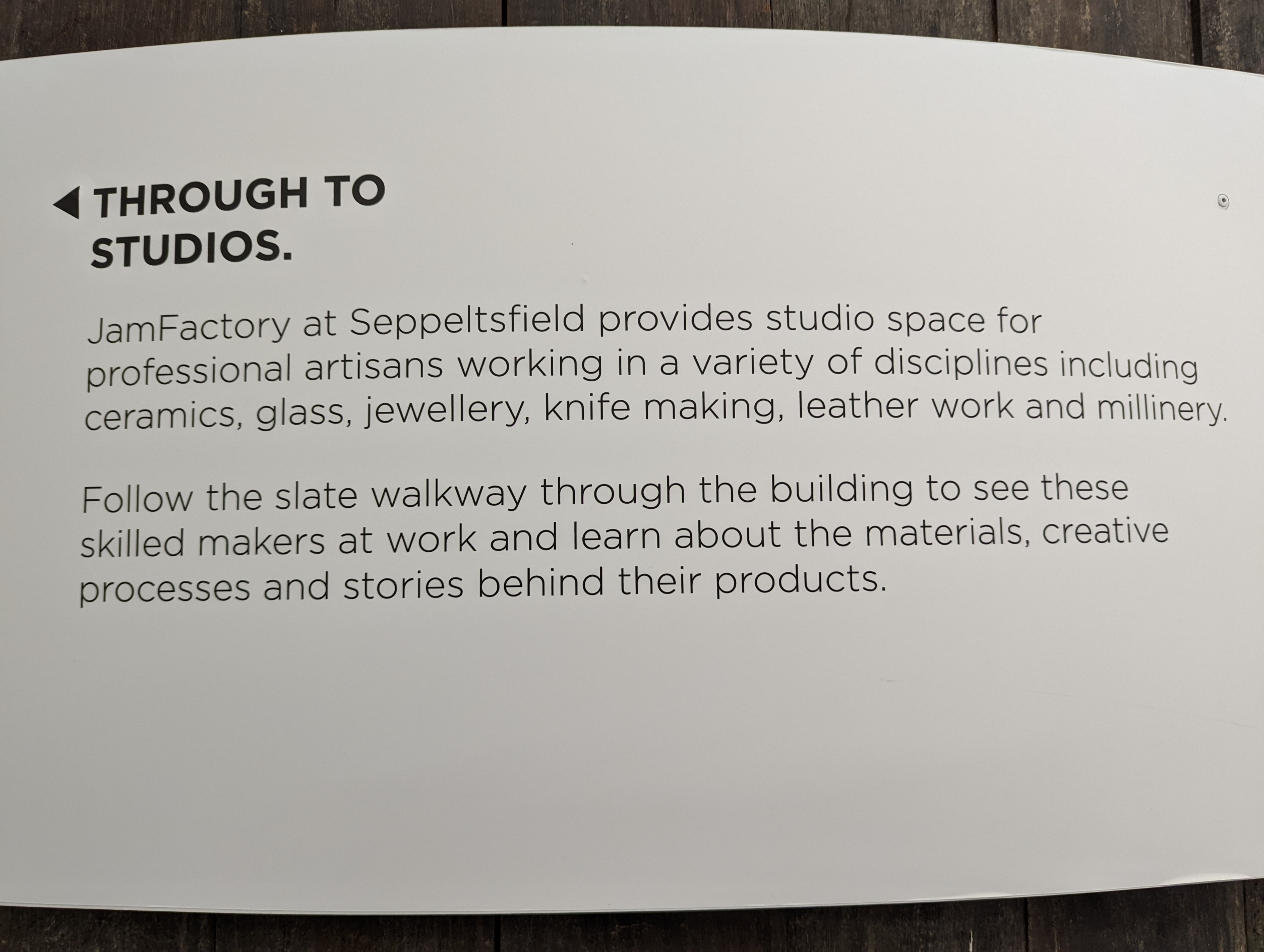
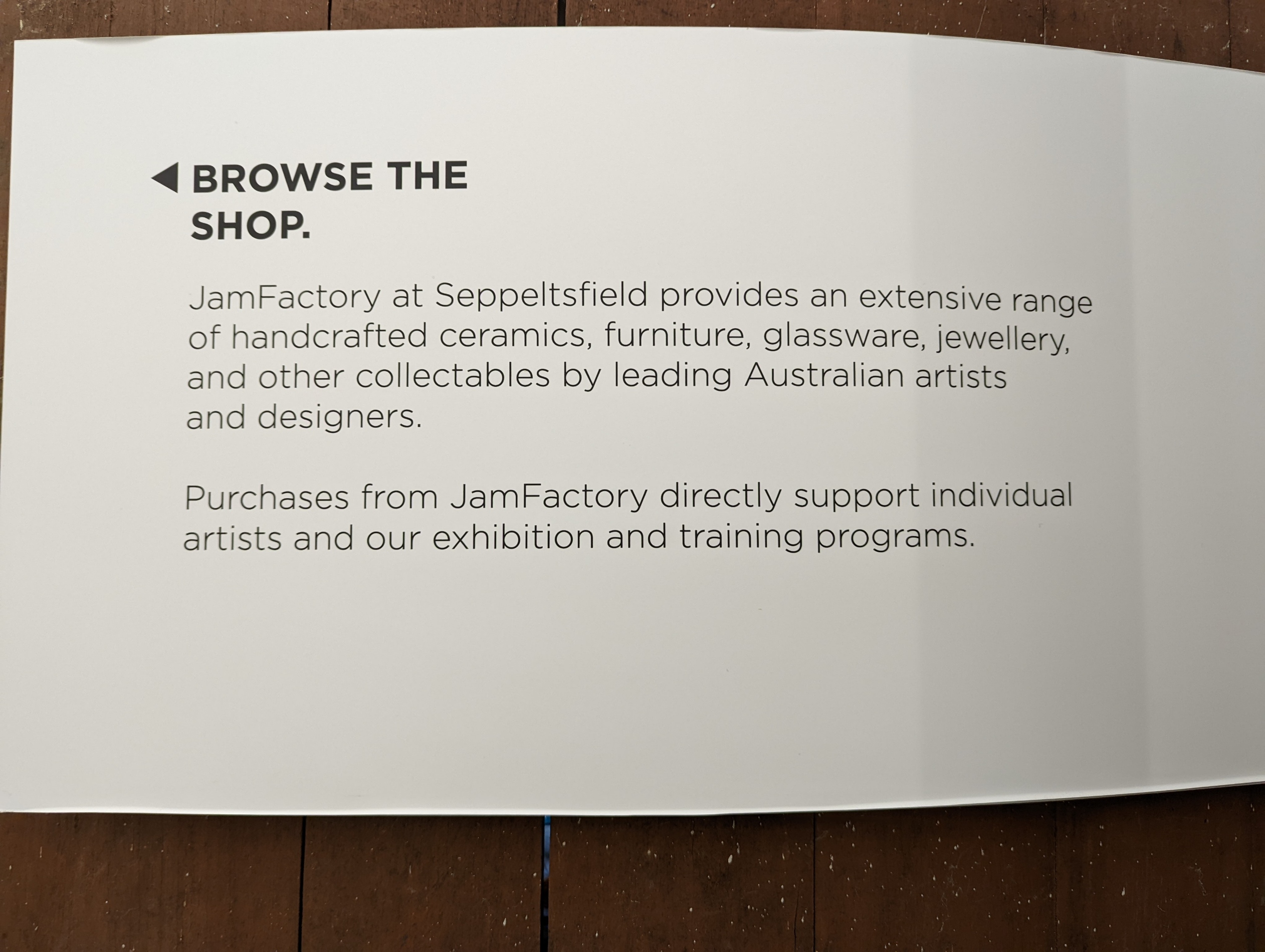

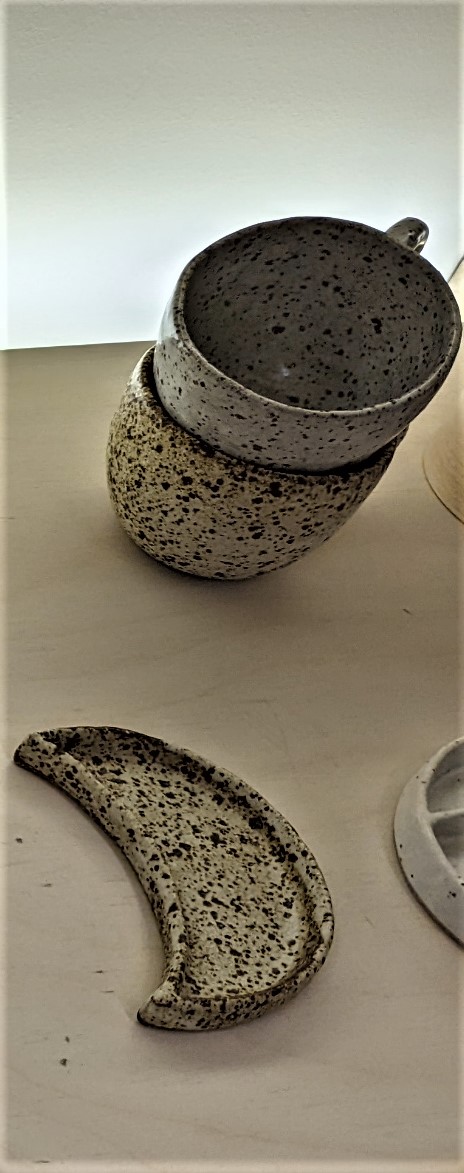




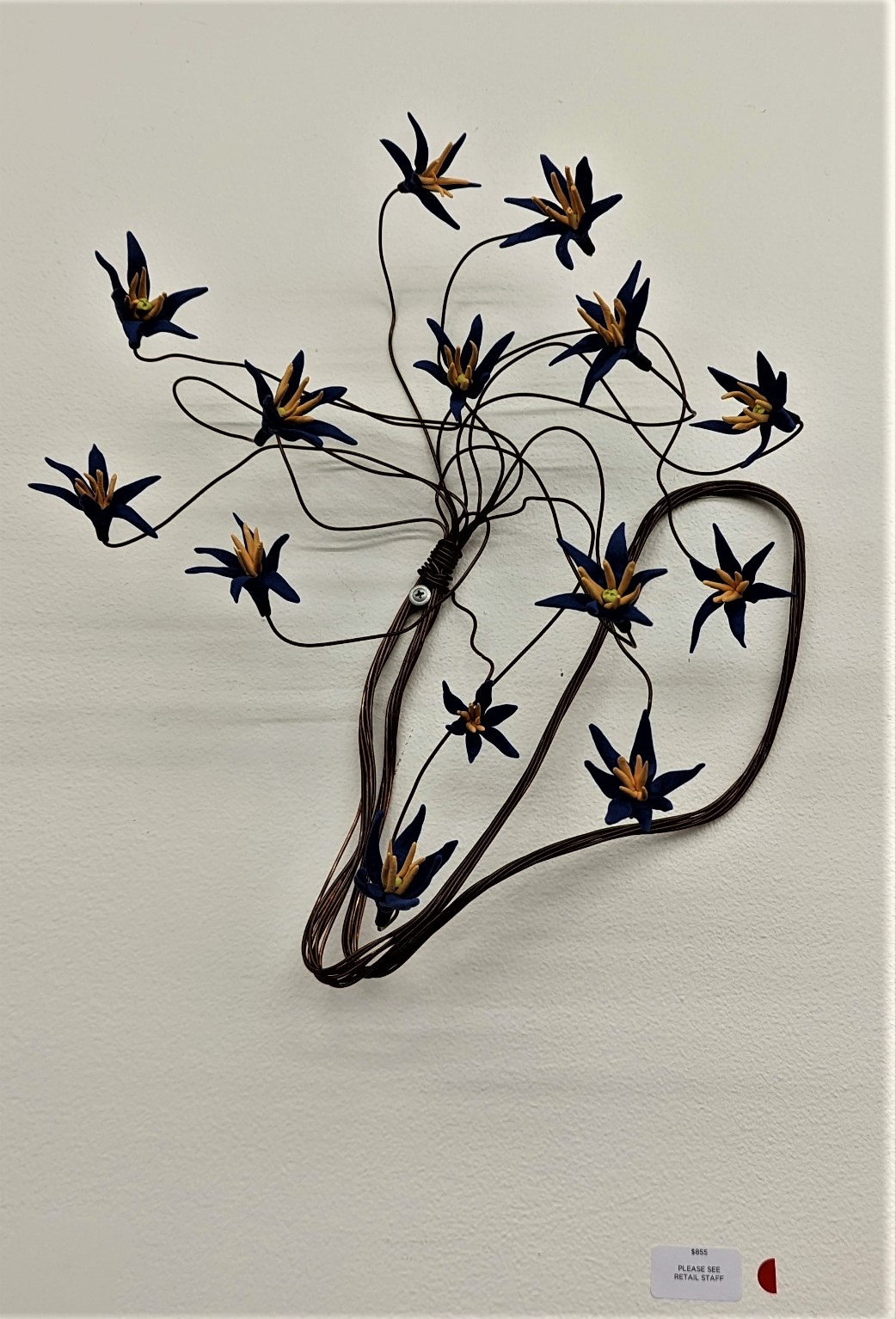
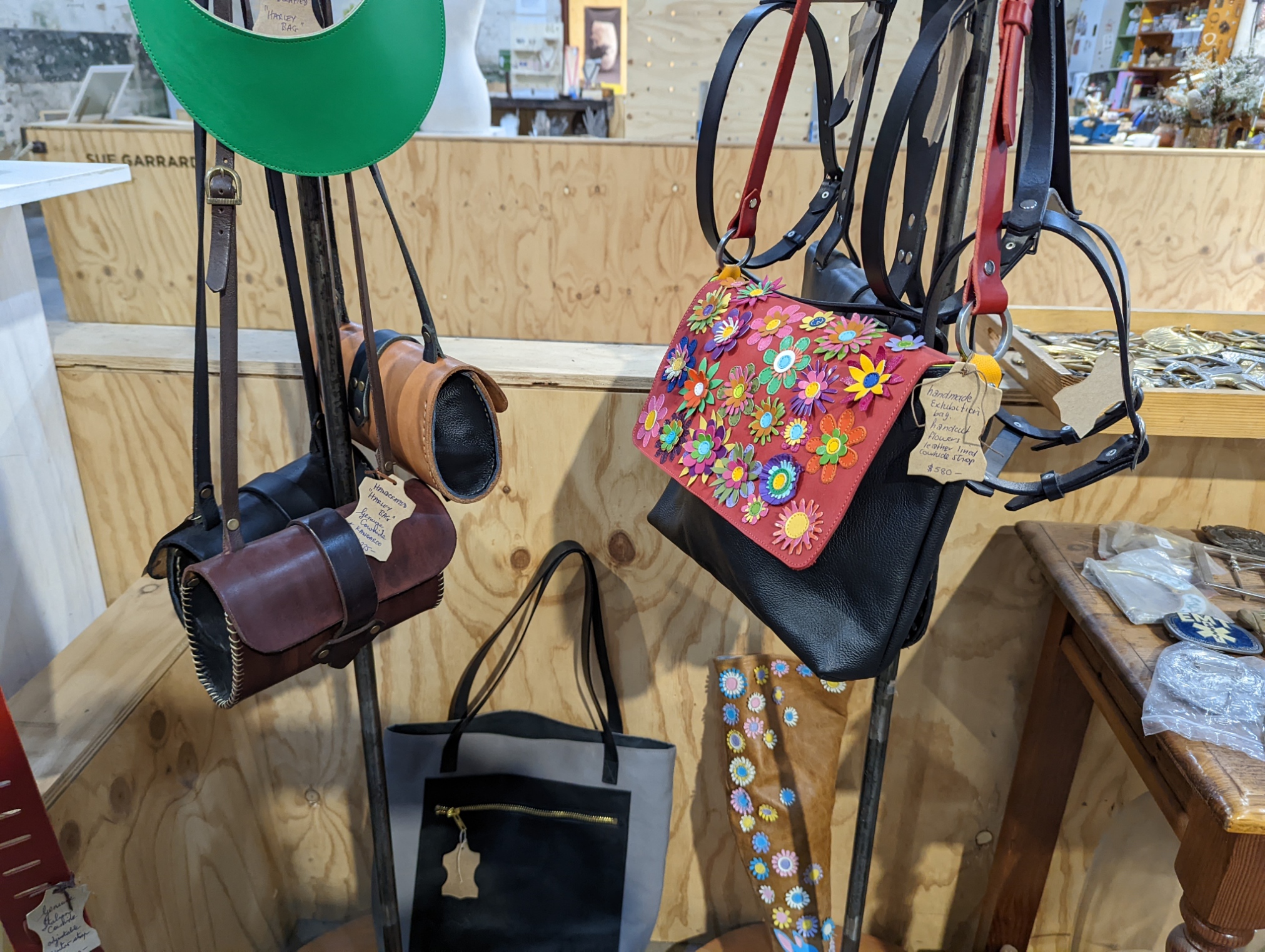
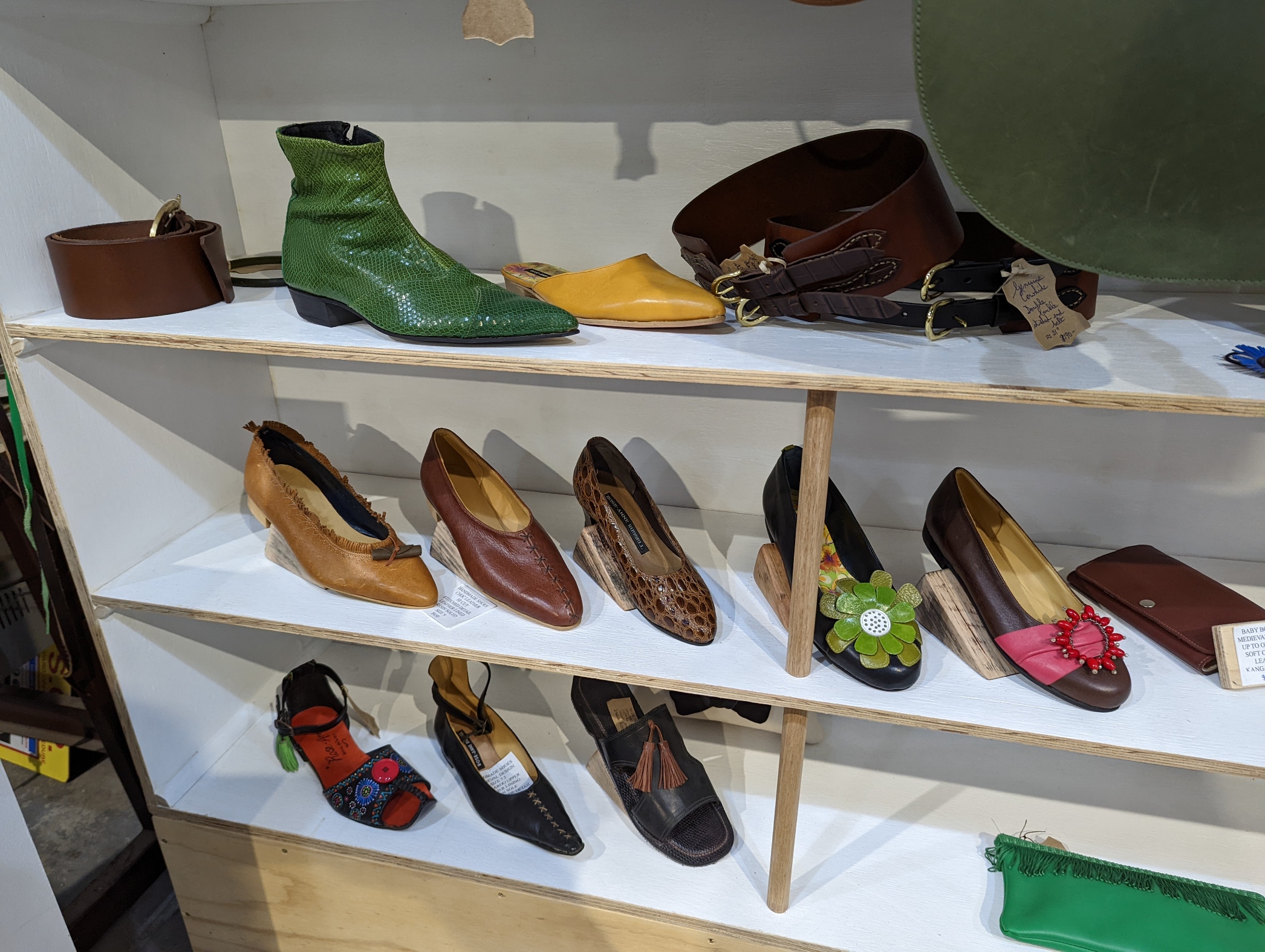
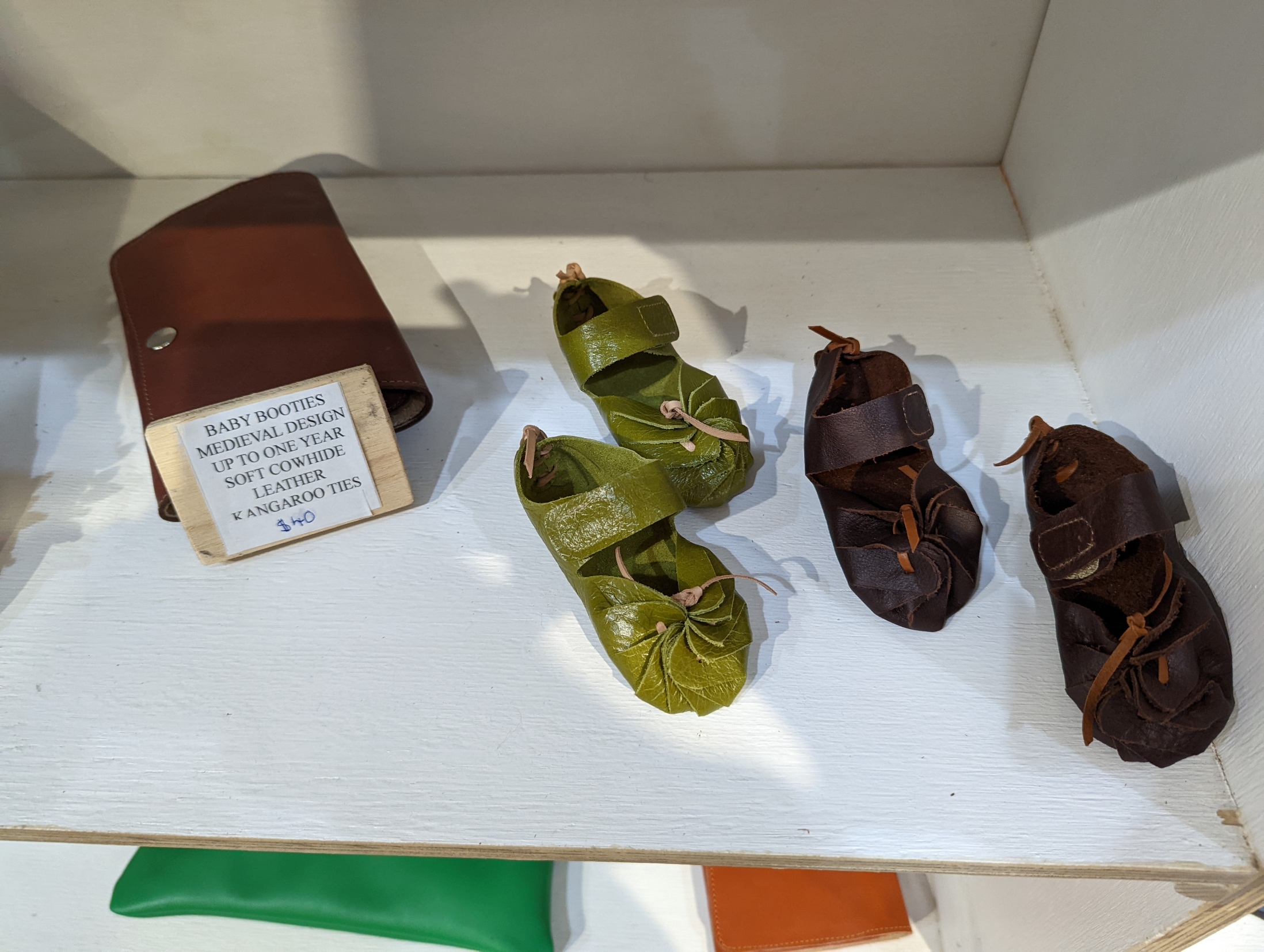
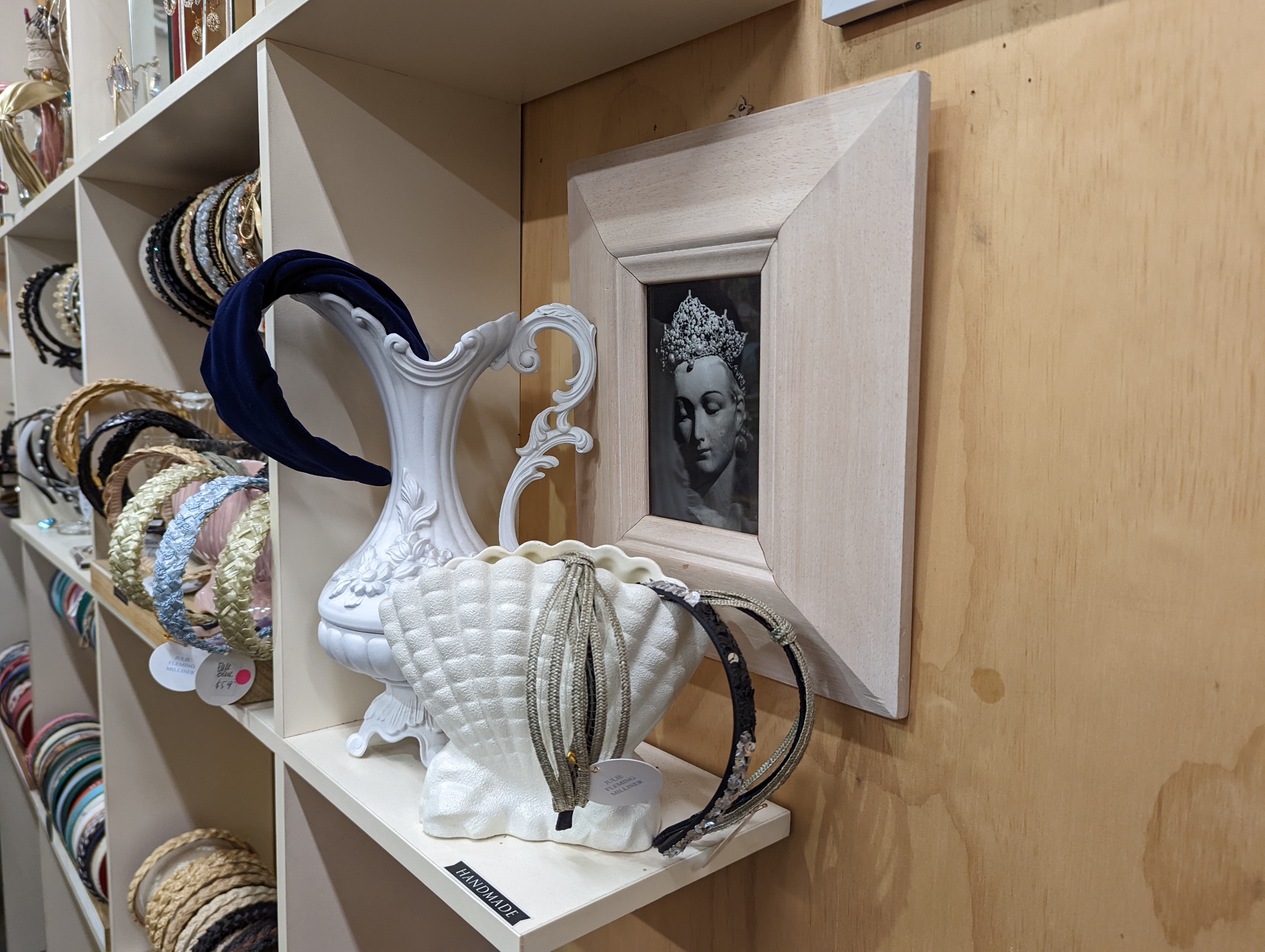
The Jam Factory includes a wonderful range of works which were well worth while browsing as part of the historical tour before the wine tasting and dinner.
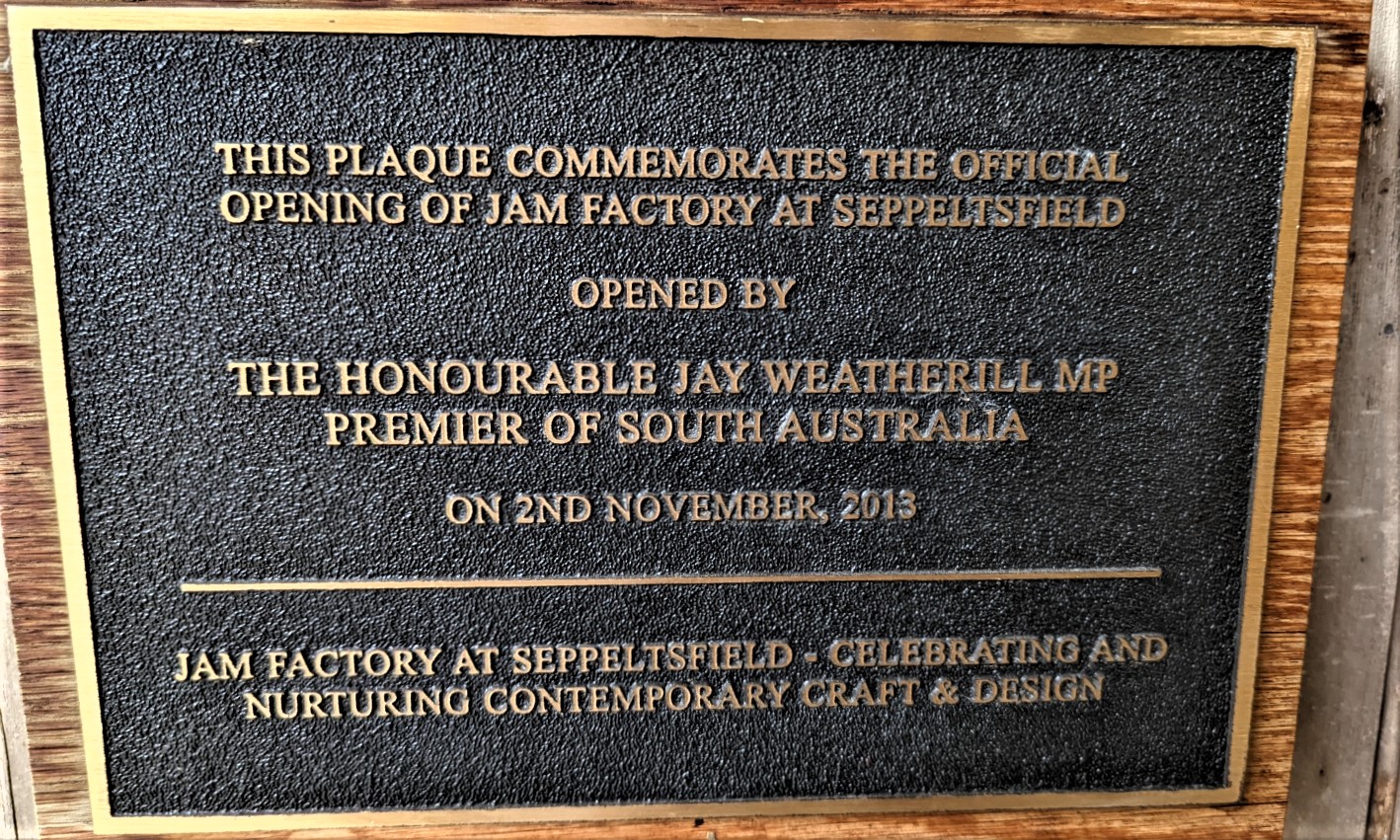
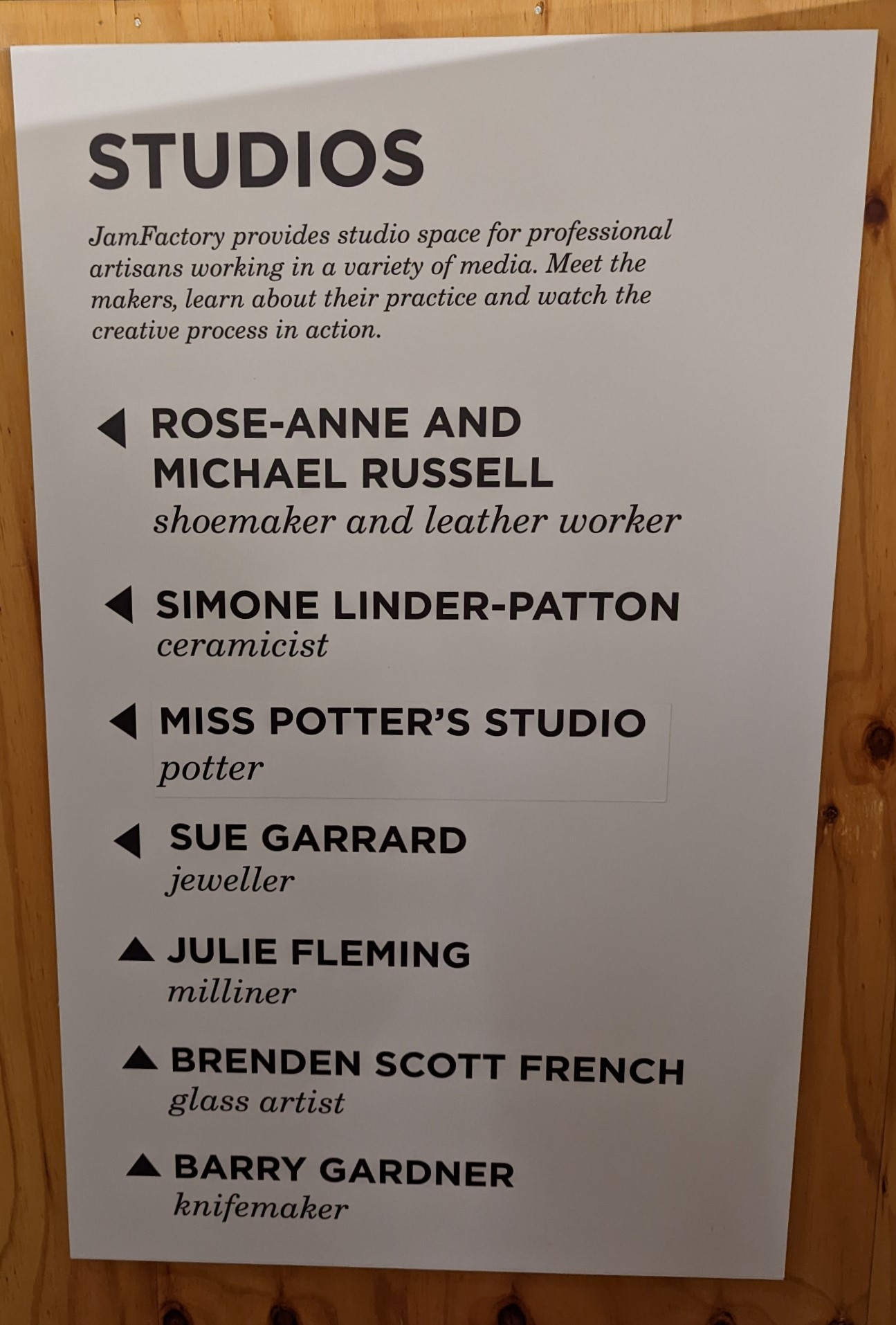


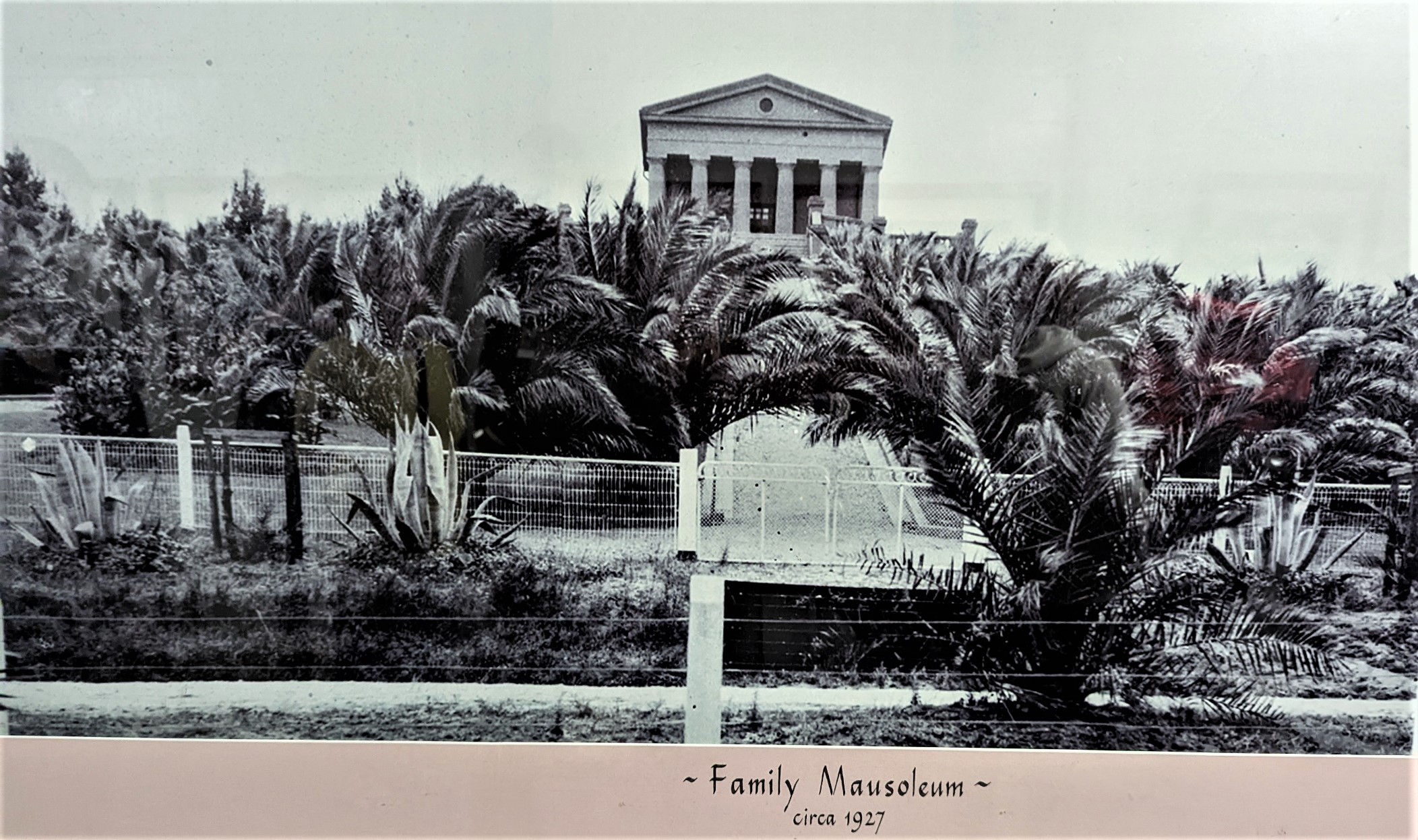

Official Opening, studios, factory (only one example of the thriving activity at the Jam Factory), lovely walk, family mausoleum (the latter piqued my interest because of my recent reading and comment on Barbara Pym’s A Few Green Leaves, where the family mausoleum features in the conflict between medical and religious power!) and the Marmalade journal.
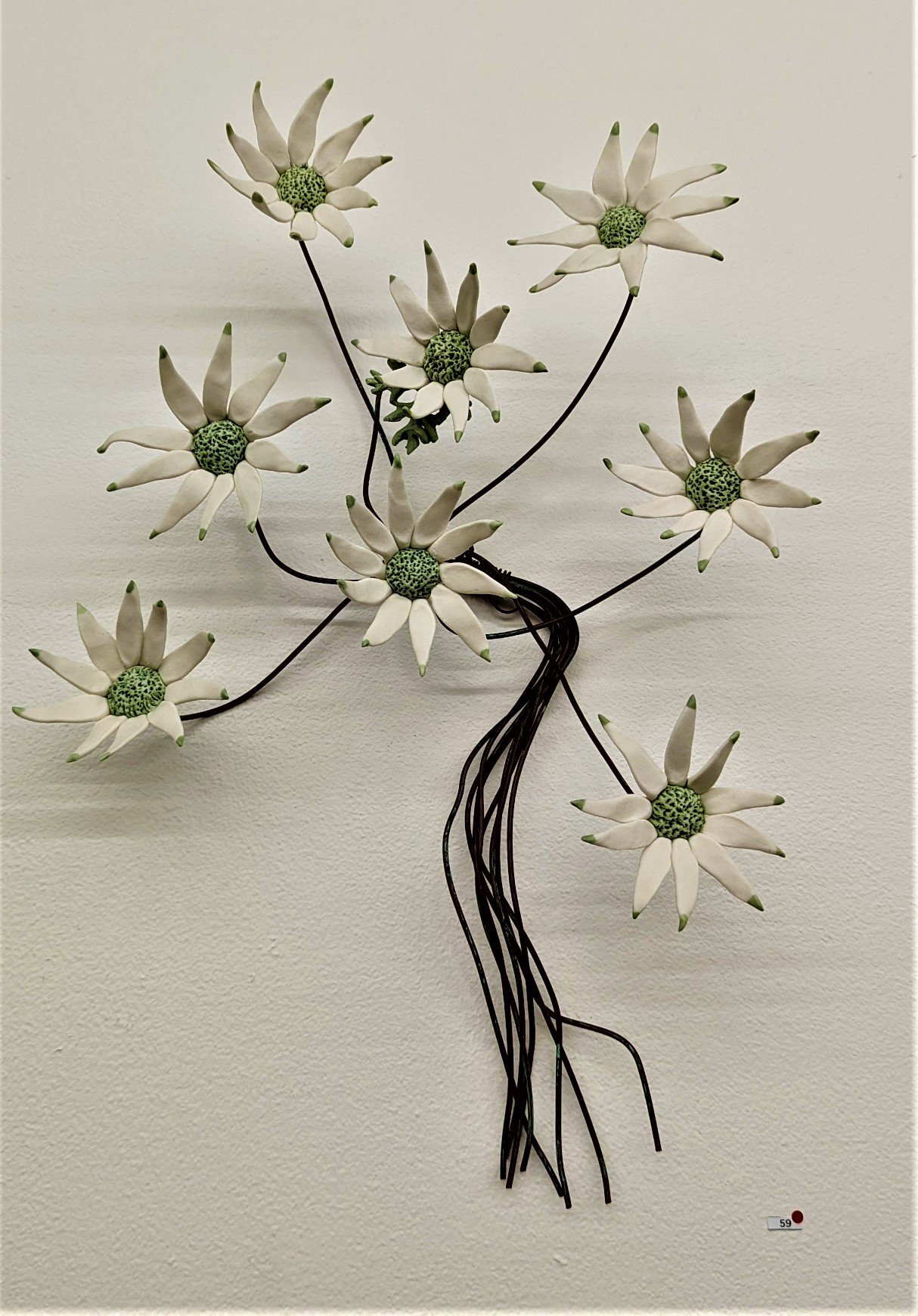

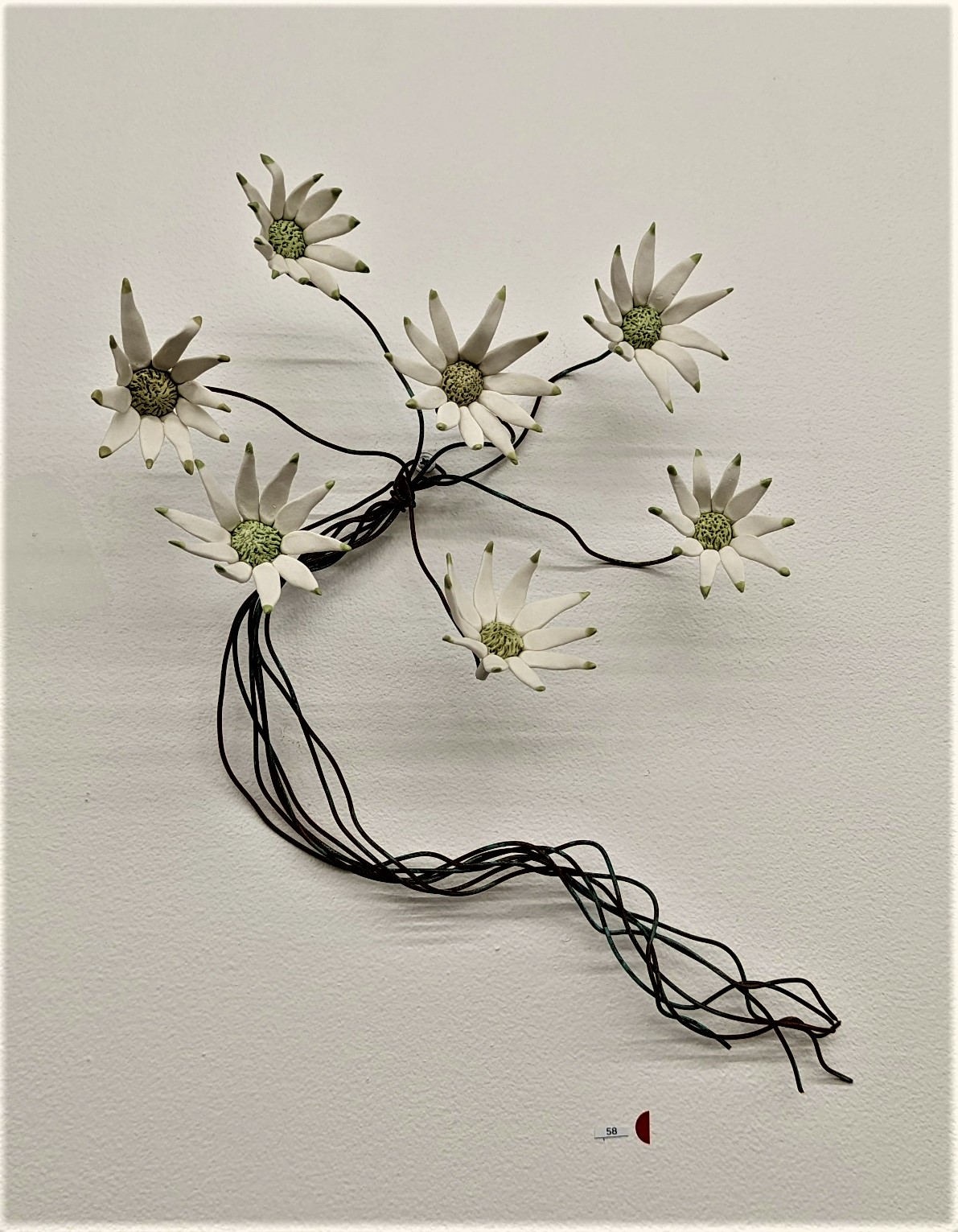





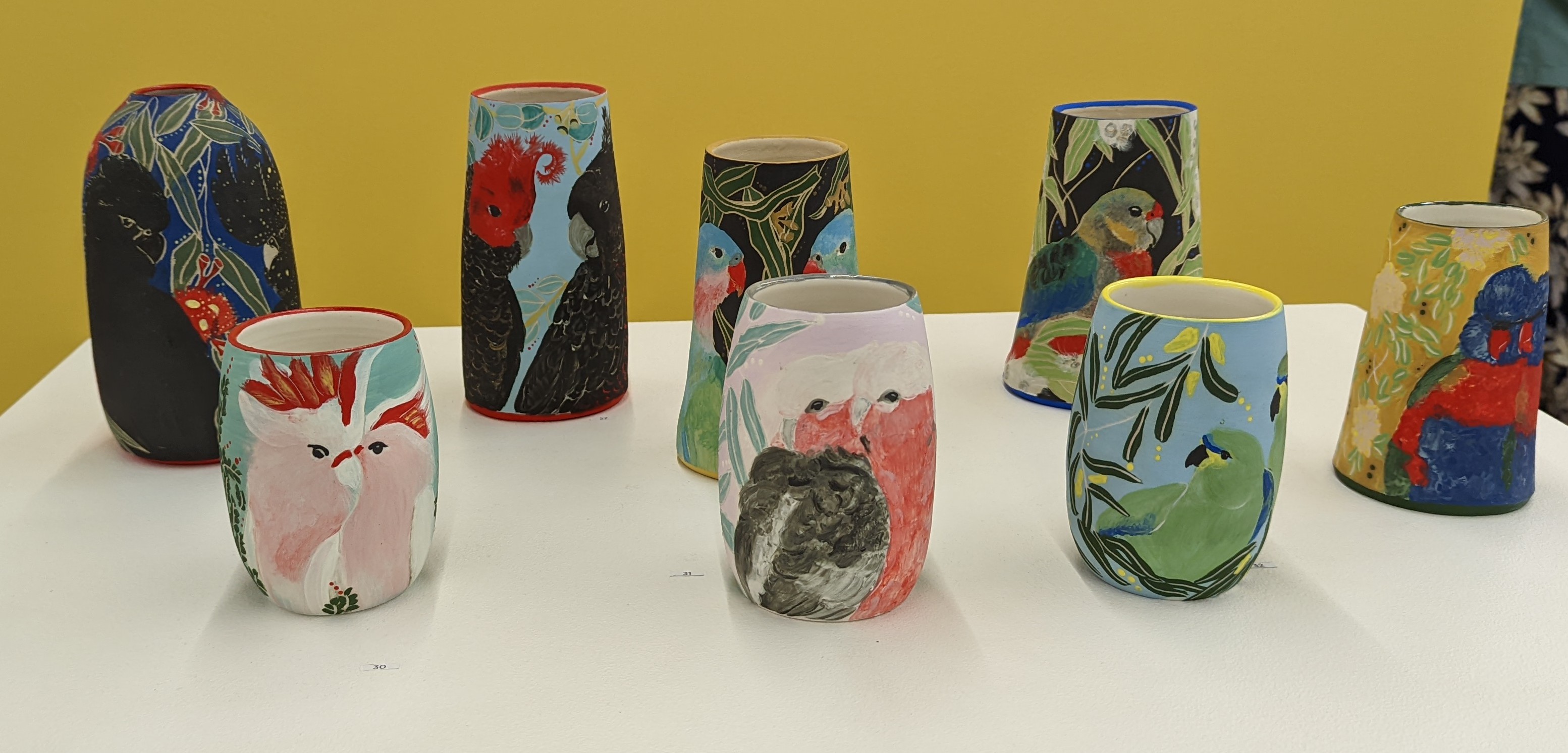
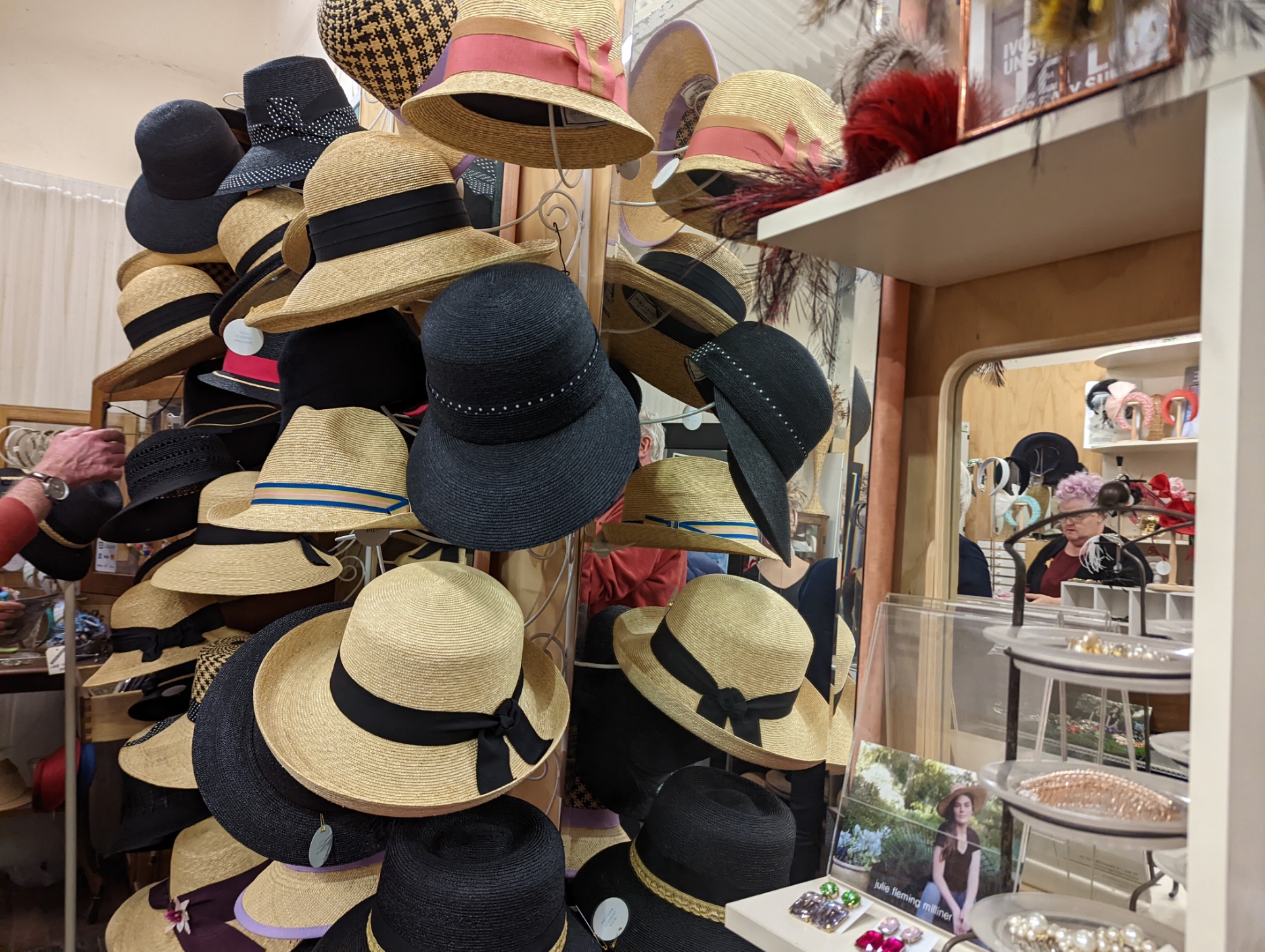
The wine tasting was beautifully organised – none of that standing, having small portions pushed at one, an insistence on appreciating! Instead, we found ourselves in a pleasant restaurant atmosphere, a white clothed table set nicely, and including three spoons with elegant portions of food to suit the beverage to be tried. Three empty glasses, and the availability of cold water, made it clear that this wine tasting was to be a well conducted affair. Of course, Seppelts wants to sell its product, but this was also well organised. The tasting items were available as a bulk package featuring each product.




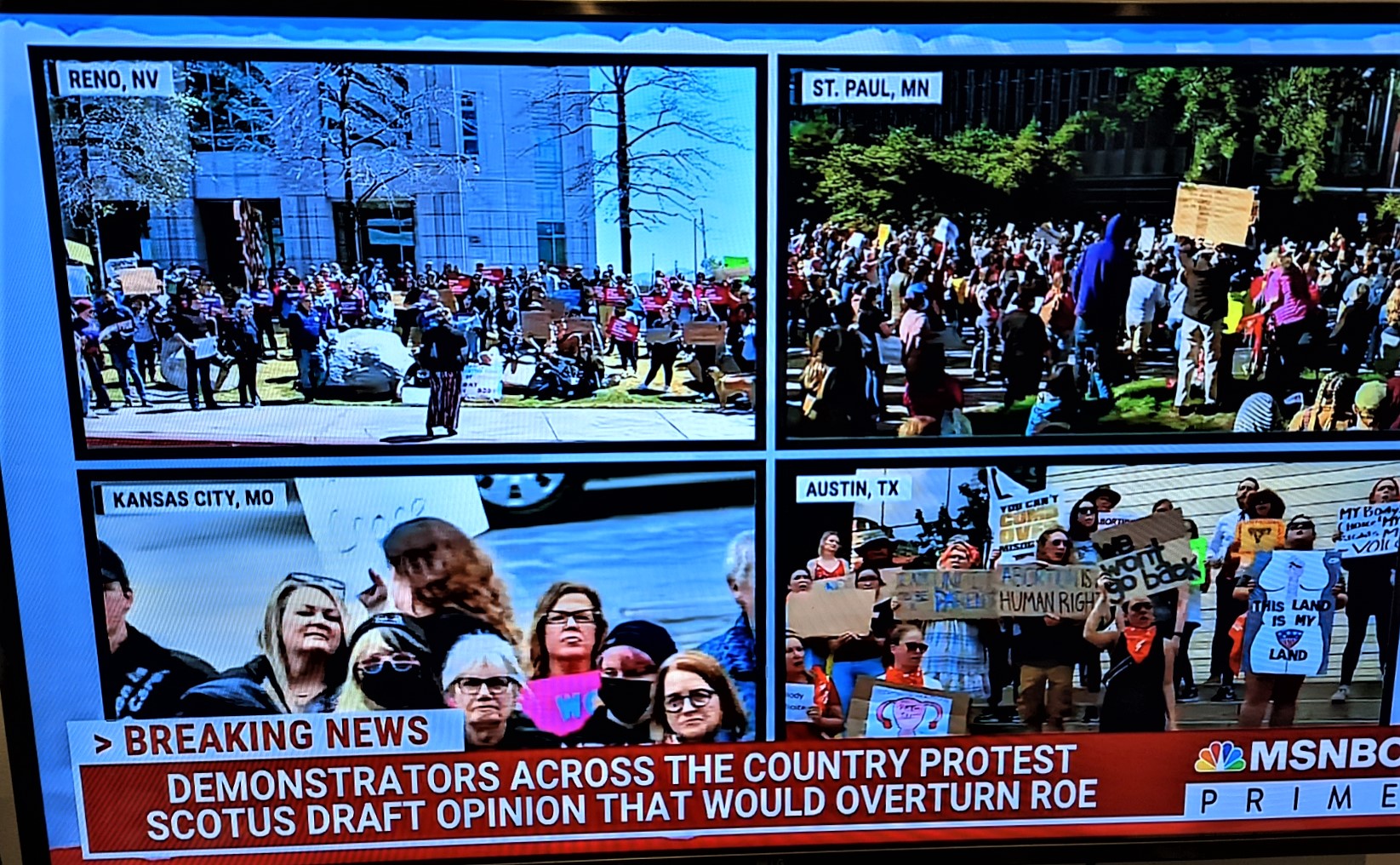
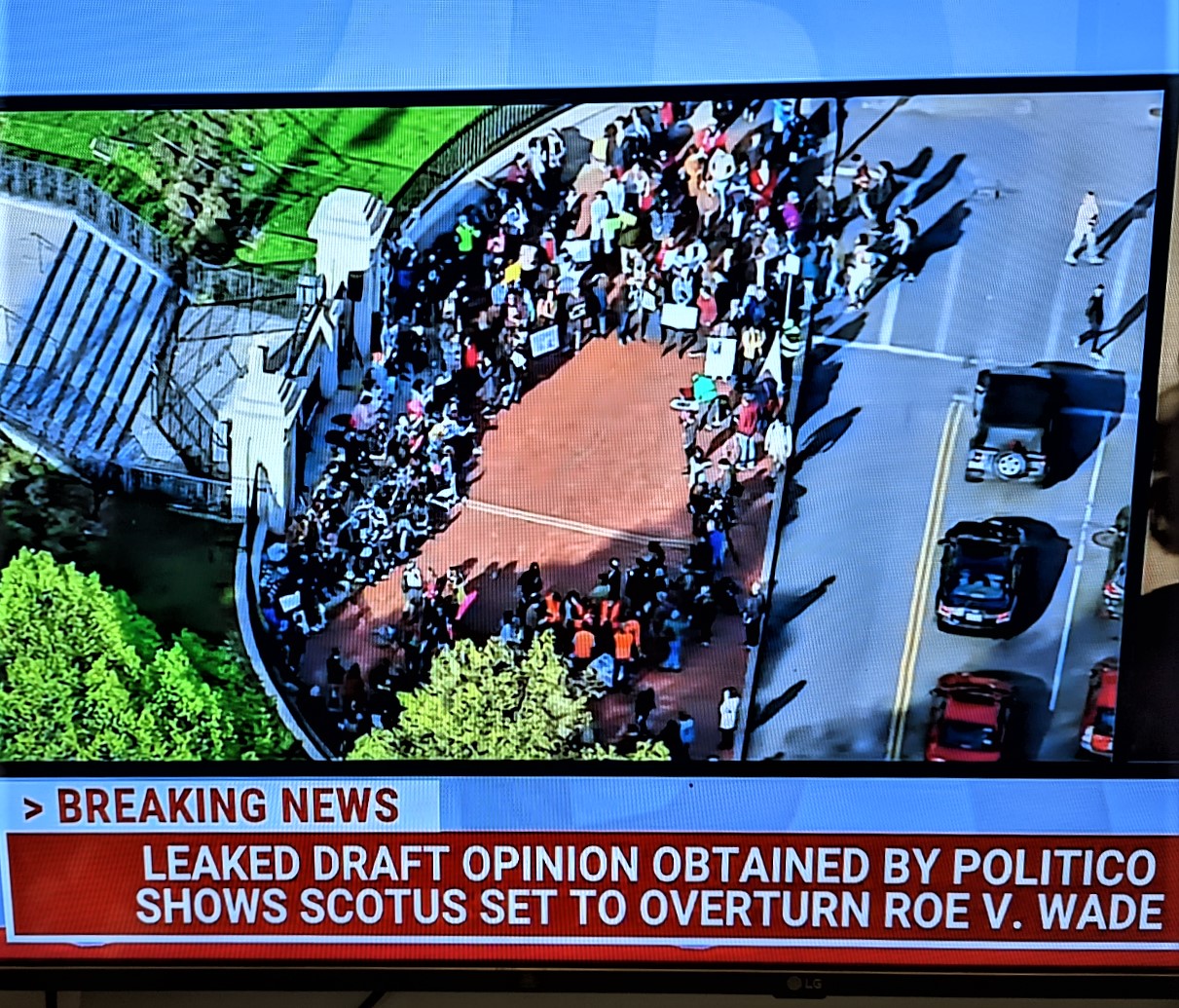
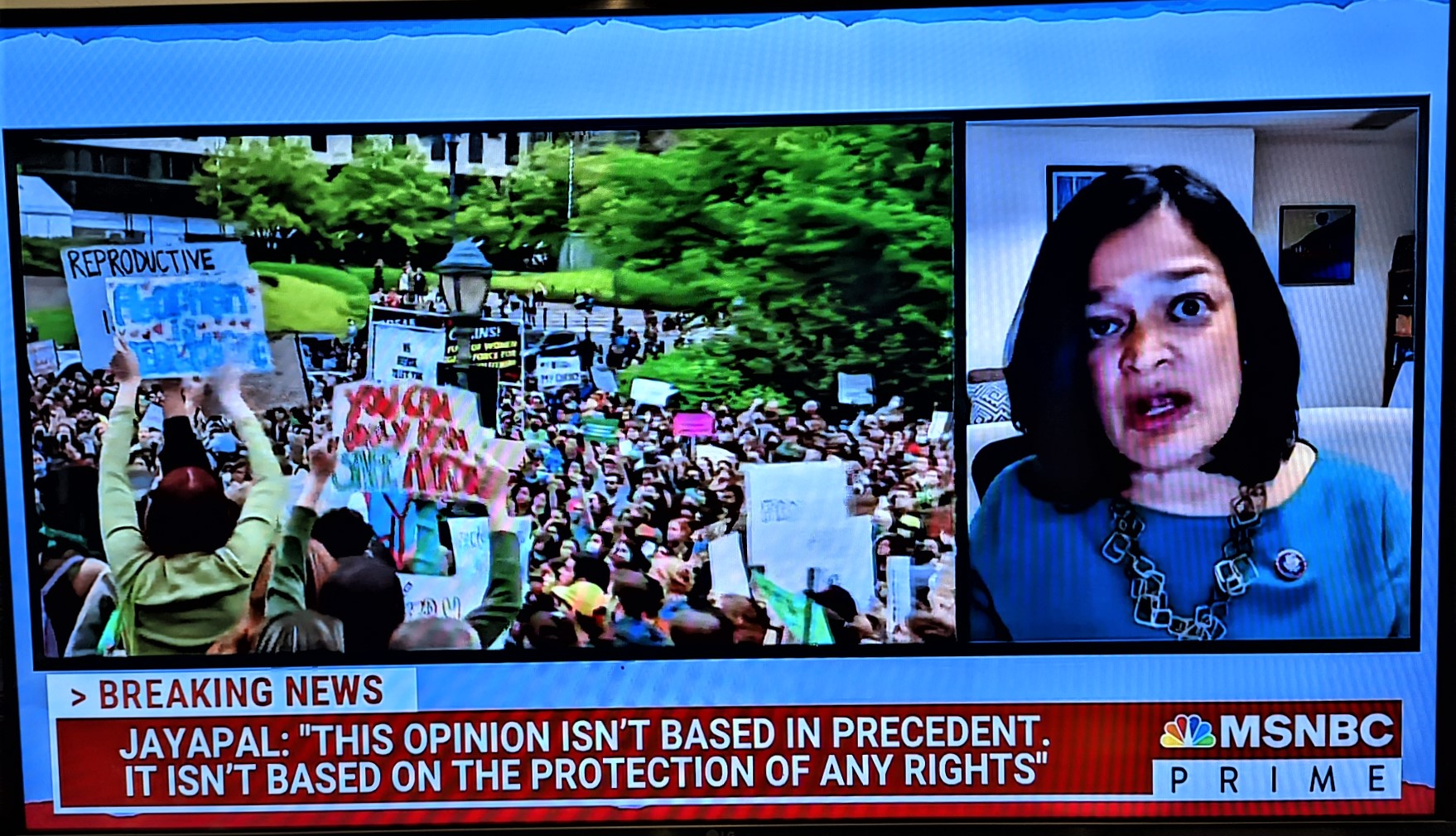
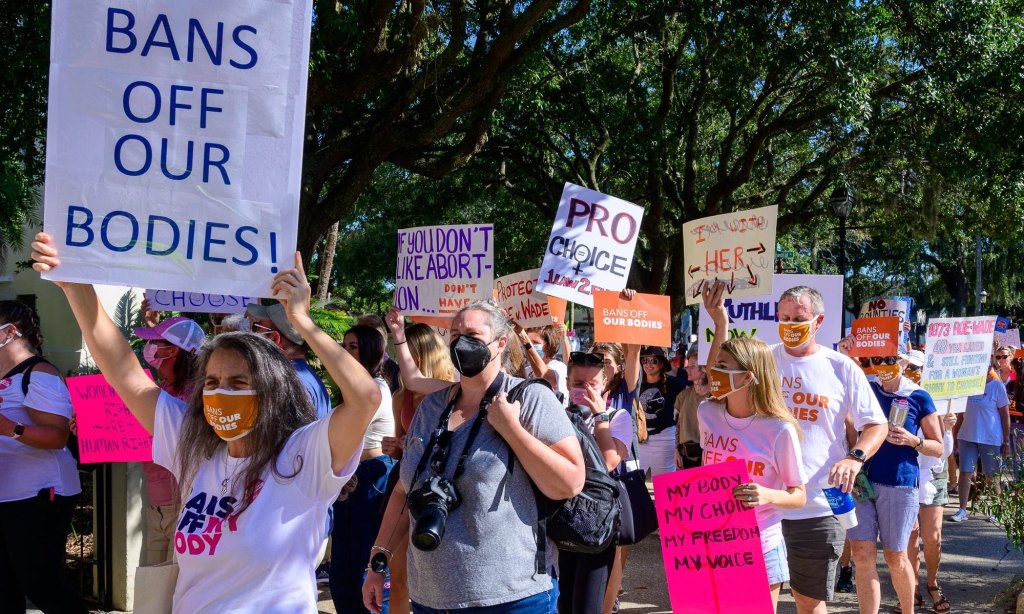
Breaking news from America
An opinion piece in Politucus USA

Jason Miciak believes a day without learning is a day not lived. He is a political writer, features writer, author, and attorney. He is a Canadian-born dual citizen who spent his teen and college years in the Pacific Northwest and has since lived in seven states. He now enjoys life as a single dad of a young girl, writing from the beaches of the Gulf Coast. He loves crafting his flower pots, cooking, while also studying scientific philosophy, religion, and non-math principles behind quantum mechanics and cosmology. Please feel free to contact for speaking engagements or any concerns. https://www.politicususa.com/2022/05/03/toobin-roe-opinion-could-impact-many-other-freedoms-americans-take-for-granted.html
Toobin: Roe Opinion Could Impact Many Other Freedoms Americans Take for Granted
Roe was egregiously decided from the start…
Justice Alito, in Purported Draft Opinion of the Court
“Egregiously”? Why would Justice Alito feel so self-important as mere Justice Alito, to take it upon himself as one member, in a one-vote decision, to decide which groundbreaking and fundamental decisions were and were not decided egregiously? His statement is breathlessly arrogant, effectively writing that the many justices in the past that voted on Roe and similarly decided cases didn’t know the law. Alito and his five must believe they do?
Yes. And it has to be that way, as Jefferey Toobin explains, and I fill in even greater gaps.
Alito’s statement and the ruling itself are rooted in the fact that conservative justices like Alito have never believed that the Constitution contained a right to privacy, period. The idea that the Constitution might contain an inherent right to privacy terrifies conservative justices because progressives have used such reasoning on which to hang many newfound freedoms that are now assumed to be constitutionally guaranteed.
Jeffrey Toobin has long been CNN’s legal analyst, and though he is not always right, he’s right enough in his description of the impact of the Court’s new draft opinion. (It is not yet a ruling, and thus there is no reason to give it that weight) This morning, Toobin took on the task of explaining why such a decision is so important, even beyond the bounds of abortion rights, and he did well enough to get the discussion started:
“The right that is described in Roe v. Wade, the basis is the right to privacy which is implicit, according to Roe v. Wade in several different constitutional provisions. It’s the same right, the right to privacy, that the court recognized in saying states can’t ban married couples from buying birth control. It’s the same provision that they said states can’t ban consensual sodomy between people of the same sex, or different sexes there are certain regions of people’s lives that they may not legislate in.”
The right to privacy has always been grounded in a “penumbra” of other constitutional guarantees and what’s come to be called the 14th Amendment’s “Substantive Due Process Clause.” The 14th Amendment states, “The federal government that no one shall be “deprived of life, liberty or property without due process of law.” The Court has used that clause in certain critical cases for the legal basis to say that there are aspects of a person’s being that are so private, so fundamentally touching upon one’s life, that the state couldn’t give the subject “due process” if it tried. As Toobin says, it’s come up in birth control cases (where it all started), all the way to gay marriage. Again, it applies to topics that go to one’s fundamental being, the type of privacy that practically defines oneself as an individual.
Conservatives have always hated the idea of substantive due process and thus always denied its existence no matter how many centrist and liberal justices ruled in precedent-setting cases that it did. Toobin goes on:
“This is a constitutional right. What Justice Alito’s draft opinion says is there’s no such thing as a right to privacy. So, abortion is not protected. Private sexual matters are not protected. Purchase of birth control is not protected by the Constitution. So that opinion is an invitation, not just for states to ban abortion, but for states to regulate an entirely new area that previously had been off-limits.”
No, Alito’s opinion does not say that. Indeed, Alito goes out of his way to say abortion is different from the other cases in that – in Alito’s mind – abortion involves the right of another, a fetus. So Toobin is wrong in saying Alito “says.” What Toobin surely meant to say is that Alito’s opinion will now be the rock from which the conservatives can chip away at other fundamental rights they don’t like, and the perfect example is gay marriage. They have done away with precedent, so it’s all out in the open now. Oh, and damn sure, forget bringing any new freedoms to the Court based on a right to privacy.
Toobin goes on:
There’s another point to make about this opinion/ The theme of the opinion is we’ll let the states decide. The other part that is implicit in that opinion is Congress. If Congress wanted to ban abortion tomorrow and the president wanted to sign it, I don’t see anything in that opinion draft opinion that would stop Congress from doing this.”
True. But if we’re doing things today (or tomorrow) with a Democratic congress and president, shouldn’t they try to pass the other law? The one that says it’s legal throughout the country first? And then dare the Republicans to run on making it illegal throughout the country themselves? Is this not the perfect situation for Democrats to stand firm and collectively say, “This is why you cannot trust Republicans, and we’ve been saying this for 30 years. It is just that too many buried their heads in the sand, thinking this day would never come.” Well, here it is. The Democrats need to reverse Toobin’s 2025 Republican proposal and make a 2022 Democratic proposal.
“So, the idea that, oh, well, this only affects the red states, that’s not true. This is an invitation, in 2025, if there’s a Republican House and Republican Senate and Republican President which is certainly more than possible, that Congress could ban abortion in the entire country. That’s invited in the opinion as well.”
Correct. And so why Toobin doesn’t do what all good lawyers do and turn it around to say, “How can we somehow use this to our advantage”? Dunno, that’s his problem. For our purposes, he is right, both ways. Perhaps Toobin references the fallout as he does because, knowing the Republicans, they’re the only ones militant enough to presume to actually do it, going right by any filibuster.
What Toobin doesn’t say is that now Democrats have a job to do. It is the Democrats’ job to explain just how quickly their lives can change when you put Republicans in charge and that they’re more than willing to yank freedoms you got to taste as a society. You can bury your head in the sand again, but trust us, abortion is just the start. LGBTQ family? You’re up next. Oh, and forget expanding any progressive rights from here on out. That’s now settled law. There is no right to privacy.

Disclosure statement Emma Long does not work for, consult, own shares in or receive funding from any company or organisation that would benefit from this article, and has disclosed no relevant affiliations beyond their academic appointment.
Copied from The Conversation (Republish our articles for free, online or in print, under Creative Commons licence) under Creative Commons Licence
US supreme court poised to overturn abortion law: what the leaked opinion says and what happens next
Published: May 4, 2022 2.21am AEST
According to news website Politico, the US supreme court has voted to strike down Roe v. Wade – the key 1973 decision that gave women a broad right to abortion.
Roe currently protects, within limits, a woman’s right to terminate a pregnancy. Without it, states would be free to make their own abortion laws. A large number of states across the south and midwest have laws already in place which would make abortion illegal almost immediately should Roe be overturned, which now looks extremely likely. Other states, such as New York, have laws which would protect access to abortion even in the absence of Roe.
The situation would then look much like it did in the early 1970s, with a patchwork of state laws across the country, each with different regulations and requirements. Women would be able to access abortion in some states and face criminal sanction for it in others.
What is a draft opinion?
The move towards overturning Roe is detailed in a 98-page document published in full by Politico. It is labelled as the first draft of an opinion written by Justice Samuel Alito on February 10. If the document is indeed what it appears to be, that would suggest that it represents the view of the majority of the court.
Draft opinions are a normal part of court practice. A day or so after oral argument, the justices meet in private conference to discuss the cases they have heard in that session. They take a provisional vote and a justice is assigned to write the opinion for the court.
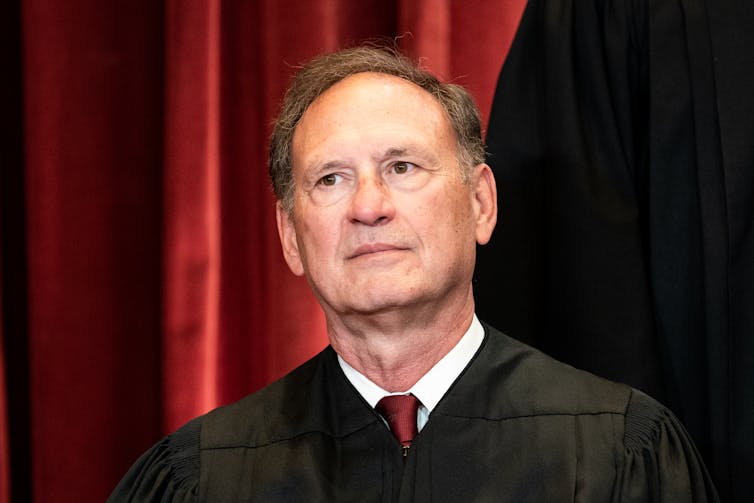
The chosen justice and their law clerks then work to write a draft opinion. Other justices may choose whether to write individual opinions supporting the provisional vote (concurrences) or challenging it (dissents). Once a draft is complete, it is circulated among the other justices for comment. Some may choose to join the opinion, others may request changes. Dissenting justices will often target key arguments in the majority opinion to attack, hoping to find a sympathetic audience and laying down principles for the future.
That means that it is not unreasonable to expect that the February draft by Alito has undergone revisions by now. Those changes might be minor, such as to the choice of wording or the structure of the argument. They might also be more significant, reshaping the arguments on which the opinion is based.
What is highly unlikely, however, is a change to the final result. That means that if the leaked draft opinion is genuine, then Roe is highly likely to be overturned.
What does the draft decision say?
Most notable about the opinion is the force with which Alito challenges the legitimacy of the original 1973 ruling on abortion, which essentially said that such a right was implied by the US constitution.
In a key paragraph, he writes:
Roe was egregiously wrong from the start. Its reasoning was exceptionally weak, and the decision has had damaging consequences. And far from bringing about a national settlement of the abortion issue, Roe and Casey [a 1992 case that largely upheld Roe] have enflamed debate and deepened division. It is time to heed the constitution and return the issue of abortion to the people’s elected representatives.
Alito’s arguments are rooted in an originalist understanding of the US constitution. This is a legal approach which holds that laws, including the constitution, should be applied as they were understood when first passed. Alito argues over several pages that abortion was not a right accepted or protected in the US for much of the nation’s history before 1973. As such, it cannot be accepted as “deeply rooted in our history and tradition” – the standard the court has looked for in cases involving rights not explicitly mentioned in the constitution.
For anyone who thought the court might tread softly if choosing to overturn such an important legal precedent, Alito’s opinion is a rude awakening.
How did we find out about this decision ahead of time?
Politico reports that the draft was provided by a “person familiar with the court’s proceedings” and notes that “the appearances and timing of this draft are consistent with court practice”. This is, the news outlet suggests, an authentic document.
Such leaks from the supreme court are extremely unusual. As legal scholar Stephen Carter wrote in 2017, the court has been seen as the “last leak-proof institution”. When information does get out, it is usually in the form of behind-the-scenes information about internal deliberations and disagreements rather than documents revealing a decision ahead of time.
In 1979, Bob Woodward and Scott Armstrong’s book, The Brethren, reported on the internal debates within the court of the early 1970s, the era of Roe. Former law clerk Edward Lazarus recounted similar wranglings in the late 1980s in Closed Chambers, published in 1998.
But the last time the results in a case were leaked ahead of time appears to have been in 1986, making the unauthorised release of Alito’s opinion a significant, and rare, breach of the secrecy that usually surrounds the court’s work.
What happens next?
The court is unlikely to comment on the leak of this opinion and is almost certain to remain quiet about its content. The next we will hear from the court on this issue is when the final opinion is released, most likely some time before the end of the court’s term in late June or early July. There will be no announcement in advance.
Dedicated court watchers will follow the online calendar at the court’s website, looking for dates highlighted in yellow, meaning days when the release of opinions can be expected. For most of us, the first we will know is in the newspaper headlines reporting the result. We do however know that surprises are, after this, no longer expected. Roe is almost certain to be overturned.

 Robin's Room