
The review this week is from a book I am so pleased to have purchased. Difficult Women A History of Feminism in 11 Fights, by Helen Lewis is an excellent discussion of feminism, feminist issues, and those that we refer to in feminist histories (as well as those that sometimes are deliberately omitted). The blurb from the book provides some clues to its content: ‘Fizzing with provocation’ The Sunday Times; ‘Smart, thoughtful and rich in detail’ Guardian; ‘Effortlessly erudite and funny’ Caroline Criado Perez. I usually ignore the blurb and thumb through the book to elicit my own understanding of what it is about. In this case both ways of eliciting early information were useful. Helen Lewis says: ‘ A thumbs-up, thumbs down approach to historical figures is boring and reductive. Most of us are more than one thing; everyone is ‘problematic’. In this book , you will meet women with views which are unpalatable to modern feminists. You will meet women with views which were unpalatable to their contemporaries. A history of feminism should not try to sand off the sharp corners of the movement’s pioneers – or write them out of the story entirely, if their sins are deemed too great. It must allow them to be flawed – just as human – as men.’ Vintage published the book in 2020. My review will appear at Books: Reviews in the coming week.
Helen Lewis as a staff writer at the Atlantic and former deputy editor of the New Statesman. Writers from the Atlantic have been a particularly good source of commentary on American politics used in this blog. She is a paper reviewer on the Andrew Marr Show, hosts BBC’s The Week in Westminster and a regular panellist on various television shows. She tweets at @helenlewis.
Stories after the Covid Report: Australian Politics – The Great Debate (so called); American Politics – Heather Cox Richardson; UK Politics – City Council elections; Indian Pacific.
Covid in Canberra

Reported new cases in Canberra from 5 May to 11 May 2022
5 May : 1,085 new cases; 70 in hospital; 4 in ICU.
6 May: 1,053 new cases; 66 in hospital; 5 in ICU; 1 life lost.
7 May: 975 new cases; 69 in hospital.
8 May: 788 new cases; 76 in hospital; 6 in ICU; 1 ventilated.
9 May: 812 new cases; 72 in hospital; 3 in ICU.
10 May : 987 new cases; 73 in hospital; 5 in ICU; 2 ventilated.
11 May: 1,242 new cases; 76 in hospital; 4 in ICU; 2 ventilated; 2 loss of life.
Australian Politics
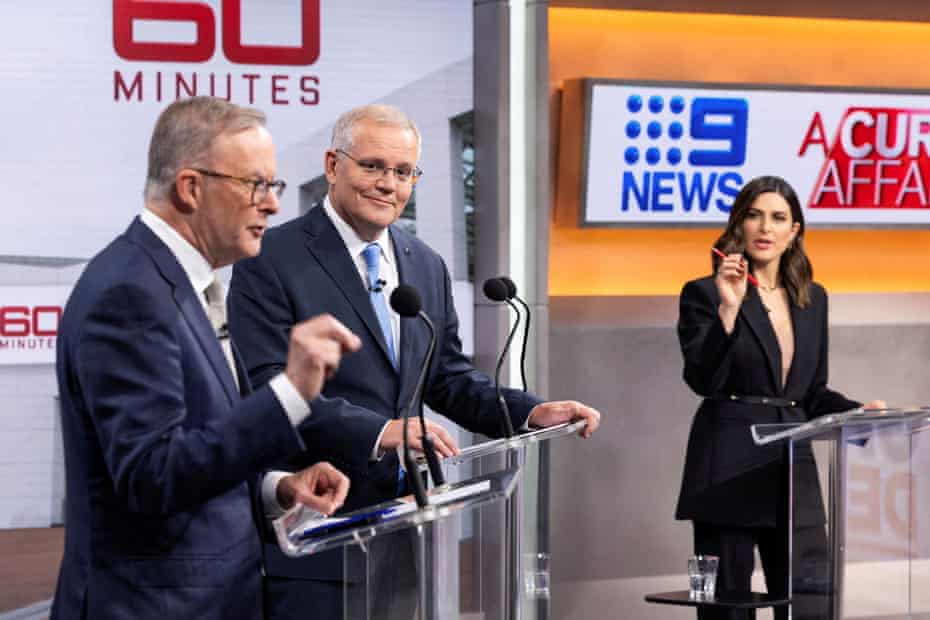
Fortunately I had some Mother’s Day chocolates to get me through this insult to Australian voters and one more attack on our democracy by the incompetence of some of the Australia media. Thank you to Catherine Murphy and the Guardian for this thoughtful piece. Although I thought that Anthony Albanese’s final address deserved a better hearing from Murphy, overall this article features my thoughts about this appalling ‘debate’.
Pity Australia’s voters: awful leaders’ debate cursed by absurd format and incoherent hectoring

All the worst elements of an agonisingly superficial campaign came to a head in a train-wreck brawl hosted by Nine on Sunday
- Full report: leaders clash in messy debate
- Anywhere but Canberra: read our key seat profiles
- Election 2022 seat explorer; Pork-o-meter election promises tracker
- Guardian Australia’s full federal election coverage
- Get our free news app; get our morning email briefing
Sun 8 May 2022 23.40 AEST
It’s hard to find words for how terrible that second leaders’ debate was. A genuine shit blizzard. It was the Jerry Springer of leaders’ debates.
Many people watching the 2022 federal election have been in various agonies about the coarsening of our politics, and the screaming superficiality of election coverage – and those two mega trends converged in a studio on the Nine Network on Sunday night.
The debate was in a completely ridiculous format. God knows why either side agreed to it. There was precious little moderation, which meant there were lengthy periods of indecipherable hectoring between two blokes in blue suits.
I’m obsessed with politics, and will consume it in all its forms. But Sunday night was tedious. Unless you crave a bit of biff, or a bout of freestyle jelly wrestling, I’m also confident the dialogue between Scott Morrison and Anthony Albanese would have been completely incomprehensible for any voter looking for information ahead of the opening of prepoll voting on Monday.
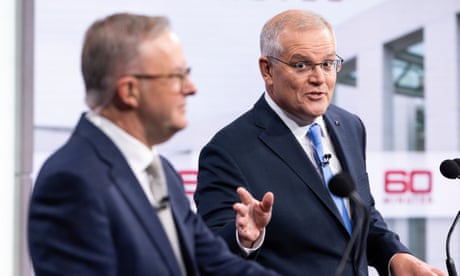
How on earth could the viewing audience keep up with such explosive incomprehension? Any time either of the two leaders became in any way adjacent to a coherent thought or a sliver of insight that might have been helpful to a low-information voter, they were either gonged off or shouted at by their opponent.
Morrison rarely stumbles over words and messages but the prime minister, held captive by the absurd format, was about as coherent and clear as a person trying to deliver a monologue while falling down a flight of stairs.
Possibly the prime minister was off his game because of the publication of two opinion polls just before the debate started that suggest the Coalition is looking at an electoral rout on 21 May, but there were periods in the debate when Morrison looked as though he might just pick up the lectern and throw it across the room.
There were other moments when it seemed just possible that a practised smirk Morrison adopts in these formats to mask his existential psychic distress could escalate into hysterical laughter at the abject futility of his Sunday evening.
For his part, Anthony Albanese tried to get a grip on something. Anything really. A glass of water. His opponent. Clarity. Sense. Punctuation. A rescue helicopter.
I think the Labor leader just gave up in the end, because what other option was there? Albanese’s brain processes far too slowly to be glib in 60-second slivers. Morrison is a glib grand master, but neither of these two knew they were entering the glib Olympics, so neither of them had conditioned to hit peak performance.
Perhaps if I wasn’t so worried about the state of democratic discourse and the media’s role in safeguarding it I might have laughed
Not content with dishing up a public affairs atrocity badged as an election debate, Nine then purported to deliver an after-match viewer verdict, via a QR code, that gave the debate wash-up the atmospherics of a late-night binge on the shopping channel.
Because I didn’t try the QR code myself, I’m unclear whether viewers got a set of steak knifes or a magnum of eau de toilette with their vote. To save my sanity I had muted by then – but as I glanced up periodically at my television I could see the figures kept changing, which seemed on brand with the whole production.
Win, lose, draw – does any of it matter?
Were there any highlights? Insights?
I think Morrison said sorry for something. This might have felt weighty in other circumstances given he doesn’t say it very often. I think Albanese yelled “that’s an outrageous slur” a couple of times. I’m not sure what that was about and I’m close to 100% confident that it doesn’t matter.
Apart from the apology, I think Morrison blamed either international factors or Albanese for most things. There was a particularly surreal exchange about the federal integrity commission when the prime minister (who had pointblank refused to introduce legislation giving effect to his own election promise) berated his opponent for not having any legislation from opposition, when Morrison (still in government, last I looked) could have put his own legislation in the parliament for a vote.
I believe Morrison also accused Albanese of hiding in the bushes. It wasn’t clear which bushes. I suspect but do not know they were metaphorical bushes. Albanese was asked what he’d do for young people and words followed. My recollection is not great words.
This could be funny, of course, and perhaps if I wasn’t so worried about the state of democratic discourse and the media’s role in safeguarding it I might have laughed. But I don’t think laughing is the right response.
It’s hard to know what the two leaders will have made of it. Probably neither will give it much thought, because something so pointless can’t possibly be material.
But if I were them, with the vote for independents and micro-parties threatening to reach new highs in this contest, I’d be pretty annoyed at being thrust into televisual End Times on the night before prepoll opens.
If I had any aspiration to lead the country, I’d want my time to be worth something, and I’d also want an opportunity to confirm something other than people’s worst instincts about major-party politics.
… with election day just two weeks away, the need for factual journalism, free from hidden agendas or political influence, is clearer than ever. Every day, Guardian reporters across Australia are checking facts, scrutinising promises, and calling out lies without fear or favour.
Reporting like this provides the transparency and accountability that is so vital for democracy. And unlike many others, we provide it all for free, for everyone to read, regardless of their ability to pay. In this way, all Australians can gain a deeper understanding of the forces shaping the country, and become inspired to take meaningful action. Millions can benefit from access to quality, truthful news, allowing them to make an informed choice about the country’s future.
Unlike others, we have no shareholders and no billionaire owner. We are funded by our readers. More than 1.5 million supporters, from Australia and 180 other countries, now power us financially – keeping us open to all, and fiercely independent.
If there were ever a time to join the fight for progress, it is now. Every contribution, however big or small, powers our journalism and sustains our future.
Support the Guardian from as little as $1 – it only takes a minute. If you can, please consider supporting us with a regular amount each month. Thank you.
American Politics
Heather Cox Richardson
Heather Cox Richardson comments on the Supreme Court decision, and reaction to the leak. Do look out for the comment on Buffer Zones – it is very instructive about the Court’s behaviour. May 5, 2022 (Thursday)
Fallout continues over the leaked draft decision of the Supreme Court in the case of Dobbs v. Jackson Women’s Health Organization, the draft overturning Roe v. Wade.
Tonight, in addition to the “non-scalable” fence erected last night, Capitol Police are placing concrete barricades around the United States Supreme Court. Legal commentator Joyce White Vance tweeted: “Odd that the Supreme Court is acting like they’re under assault, when it’s actually us who are under attack by them.”
In today’s context, it seems worth noting that in 2014, the Supreme Court struck down a Massachusetts law mandating a 35-foot buffer zone around clinics providing abortion services, on the grounds that such buffer zones infringe on the First Amendment’s right to protest.
Today, Chief Justice John Roberts broke his silence about the leak, calling it “absolutely appalling” and saying that if “the person” or “people” behind the leak think it will affect the Supreme Court, they are “foolish.”
Interestingly, after the initial insistence—without evidence—by the right wing that the leak came from the left, there is reason to think that, in fact, the decision was leaked by a right-wing zealot afraid that Roberts, who did not want to overturn Roe v. Wade entirely, would pull at least one of the other right-wing justices away from the extremist stance of Justice Samuel Alito’s decision and weaken it.
Josh Marshall at Talking Points Memo noted that on April 26, the Wall Street Journal published an op-ed by the editorial board suggesting this very scenario. The editorial board warned that Roberts seemed inclined to “find a middle way” in the Dobbs decision and that if he “pulls another justice to his side, he could write the plurality decision that controls in a 6–3 decision.” The editorial continued: “We hope he doesn’t succeed—for the good of the Court and the country…it would prolong the Court’s abortion agony…. Far better for the Court to leave the thicket of abortion regulation and return the issue to the states.”
Regardless of who leaked the draft, in its wake, the political landscape in the country appears to be shifting. The right wing seems to see this as its moment to accomplish the imposition of religious restrictions they had previously only dreamed of achieving. Talk of ending gay marriage, recriminalizing homosexuality, undermining public schools, and so on, is animating the radical right. Media stories have noted that most democratic countries have, in fact, been expanding reproductive rights. Going the opposite direction is a sign of rising authoritarianism. The United States shares that distinction right now with Poland and Nicaragua.
In contrast, those interested in protecting the constitutional right to reproductive choice, as well as all the other civil rights now under threat, are speaking out powerfully. There is also mounting anger that five of the justices on the Supreme Court seem to have lied under oath in order to do the very thing they appeared to promise not to.
That open call for a rollback of rights we have enjoyed for 50 years seems to have been a wake-up call for those unable to see the rising authoritarianism in this country for years.
From 1995 to 2001, MSNBC host Joe Scarborough was a Republican representative from Florida. Today he said, “[W]e need to look at what’s before us and how extreme these…MAGA Washington freaks are.” He went on to list some of the extreme statements of Representatives Marjorie Taylor Greene (R-GA) and Madison Cawthorn (R-NC) and former president Donald Trump, and then said: “This is the party that brought you Jewish space lasers. This is the party that talked about that dude from Italy who they say stole the election with a satellite. Remember those bamboo particles that Republicans claimed were in Arizona ballots? And those ninja freaks or whatever they were called that went in and they were going to show that Biden stole the election but except it ended up that they get even more votes for Joe Biden. They’ve told one lie after another lie from websites run by Chinese religious cults…. This is what America wants?”
Scarborough continued: ‘“There’s always been one funny controversy after another churned up by Republicans so they can govern by gesture and proclaim their need to be radical so they could own the libs. But lately those politics of gesture morphed into actual policies that are hurting you…and your family. That are hurting Americans in Trump states. The Texas governor attacks truckers in his own state ‘cause he thinks that’s how he owns the libs, but he ended up costing Texans 4 billion dollars.”
“There’s the Florida governor’s crazed attack on Florida taxpayers, going to cost them about a billion dollars, via his war on the Magic Kingdom—again to own the libs. But he’s just ending up owning his own taxpayers in central Florida. And yesterday a harshly written Supreme Court draft…will end a 50-year constitutional right…that only 19% of Americans support being stripped away. Only 19% of Americans want to ban abortion.”
This, of course, is not a conversation the Republicans wanted to have before the midterm elections, and thus they have tried to focus on the leak rather than its substance.
Today, Politico tried to suggest that the extremism of the party was limited to the “fighters” in the Republican Party, who are challenging “the governing wing.” Author Ally Mutnick contrasted Ohio Republican nominee for the House of Representatives J.R. Majewski with Representative Dan Crenshaw (R-TX).
Majewski “twice painted his lawn into a massive shrine of former President Donald Trump,” “raised thousands of dollars to escort a group to Washington for the Jan[uary] 6 rally that preceded the Capitol riots,” and ran a recent TV ad that “showed him walking through a shuttered warehouse with an assault-style rifle, vowing to do ‘whatever it takes’ to restore the country to its ‘former glory.’” The article contrasted “hardliners who often refuse to negotiate” with “dealmakers who are eager to reach across the aisle.”
The attempt to split the current Republican Party into a moderate wing and a radical wing is a dramatic revision of Republican Party history. In fact, moderate Republicans, who believed that the government had a role to play in regulating business, providing a basic social safety net, and promoting infrastructure, were purged from the party in the 1990s, when power shifted to leaders who believed that the country worked best when businessmen could organize the economy without meddling from government bureaucrats. Because their position was always to cut taxes and pare back the government, they were absolutists, unwilling to compromise with Democrats.
Now those extremists have themselves split into a business wing that wants small government to leave it alone and a theocratic wing that wants a strong government to enforce Christian beliefs on the country, but neither is moderate or willing to reacha across the aisle and compromise with Democrats. Crenshaw might be more reasonable than Majewski, but he opposes abortion and Roe v. Wade, opposes gun control, wants to end the Affordable Care Act (Obamacare), and voted against both impeachments of former president Trump.
Next week, Senate majority leader Chuck Schumer (D-NY) will force a vote on legislation that protects the right to abortion. This will almost certainly fail, since the filibuster will enable Republicans to block the bill unless it can get 60 votes, which is highly unlikely. But it will put senators’ stances on the protection of reproductive choice—a very popular policy—on record.
Senator Susan Collins (R-ME), who expressed dismay that now-Justice Brett Kavanaugh misled her in what seemed to be promises not to overturn Roe v. Wade, has already said she will vote against the measure because she thinks it goes too far. She and Senator Lisa Murkowski (R-AK) have proposed their own much more limited bill, but it has no cosponsors, and Democrats say it leaves the door open for states to impose severe restrictions.
Schumer says he will not hold a vote on the Collins-Murkowski bill because he will not agree to cut back on constitutional rights. “This is about a woman’s right to choose—fully,” he said. “We are not looking to compromise [on] something as vital as this.”
Senator Kirsten Gillibrand (D-NY) added. “I do not think that 50 percent of America should be told that they have to put their bodies at risk of life or death without their consent.… I hope every human being in this country understands that when you take away a woman’s right to make her decisions about her health and well-being, she is no longer a full citizen.”
UK Politics

I was thrilled to see Labour’s success in the City Council elections, and particularly so when West Chesterton returned two more Labour members. This, and Arbury (another success story), were where I spent time canvassing while living in the UK. Canvassing was possibly a strange way to spend time when art galleries, trips abroad and theatre beckoned. It was exciting to experience them all – and there is plenty of theatre on the doorsteps anyway. And the purpose was at the top of my priorities. A Labour Member from Cambridge to Westminster; a Labour County Councillor elected to West Chesterton, the first for twenty seven years; and successful Labour campaigns in West Chesterton and Arbury. People were pleased to meet an Australian, and often spoke of relatives and friends living in Australia. The couple who wanted to finish watching the episode of Neighbours before going to the polling booth was a fun incident.
It was fascinating to see the City of Westminster go Labour. When I lived there I felt as though I was one of very few people voting Labour. What a great change – and well deserved. Labour always canvassed well in Westminster, despite the unlikelihood of winning. The local Labour Branch met (with its few members, and persevering President) in the local pub in a small room. I expect that it is now overflowing with enthusiasm – and people vying to be President. A great result.
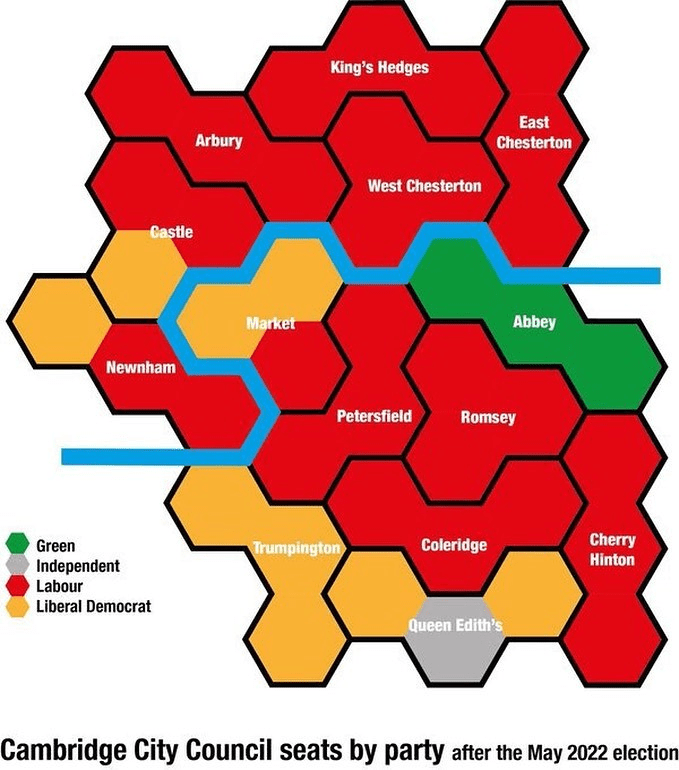
Comments on canvassing in the local elections from Facebook

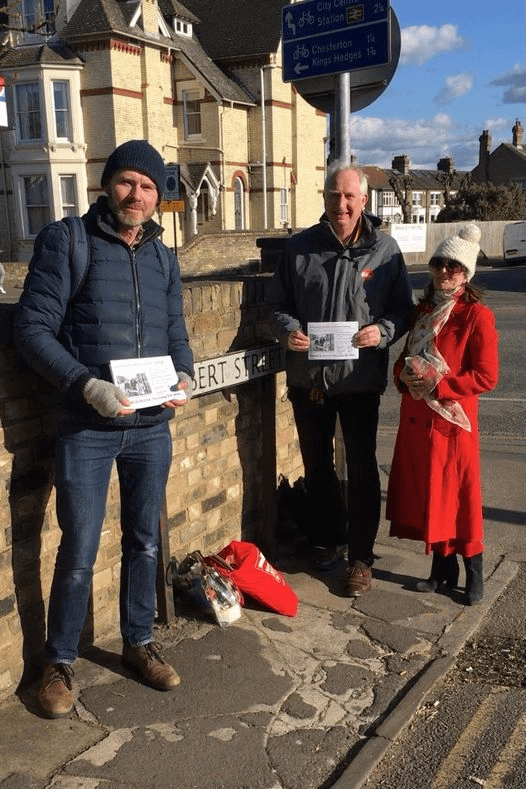
Campaigning for West Chesterton! Richard Swift … a great campaigner, a wonderful team mate – looking forward to working with you throughout the year … as Labour does year round, whether as councillors or activists – we stand for Labour fighting for residents … 69 votes was the margin … we look forward to supporting residents up to the next election May 2022 …
Indian Pacific Trip

Off train walk at Cook
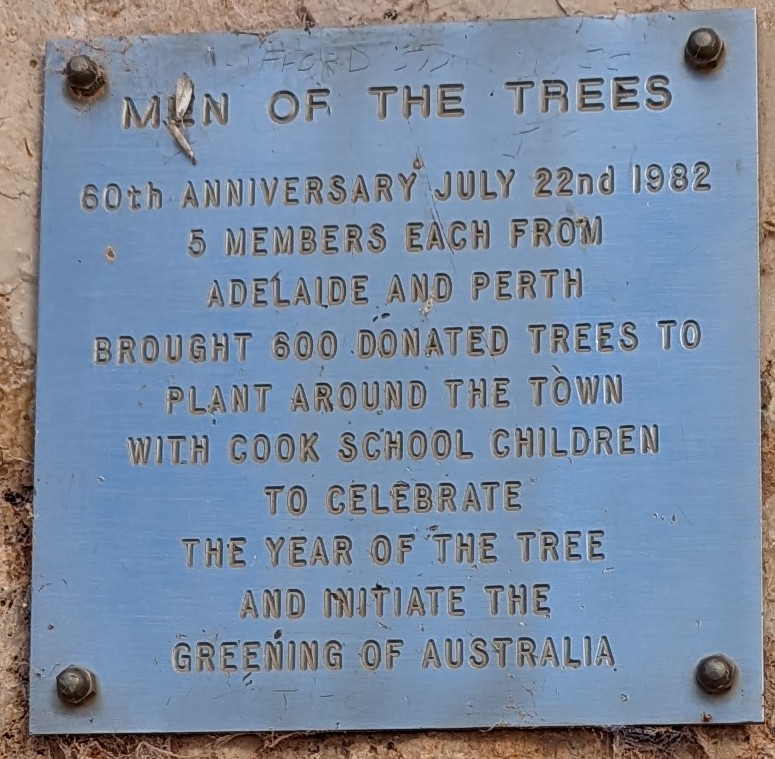
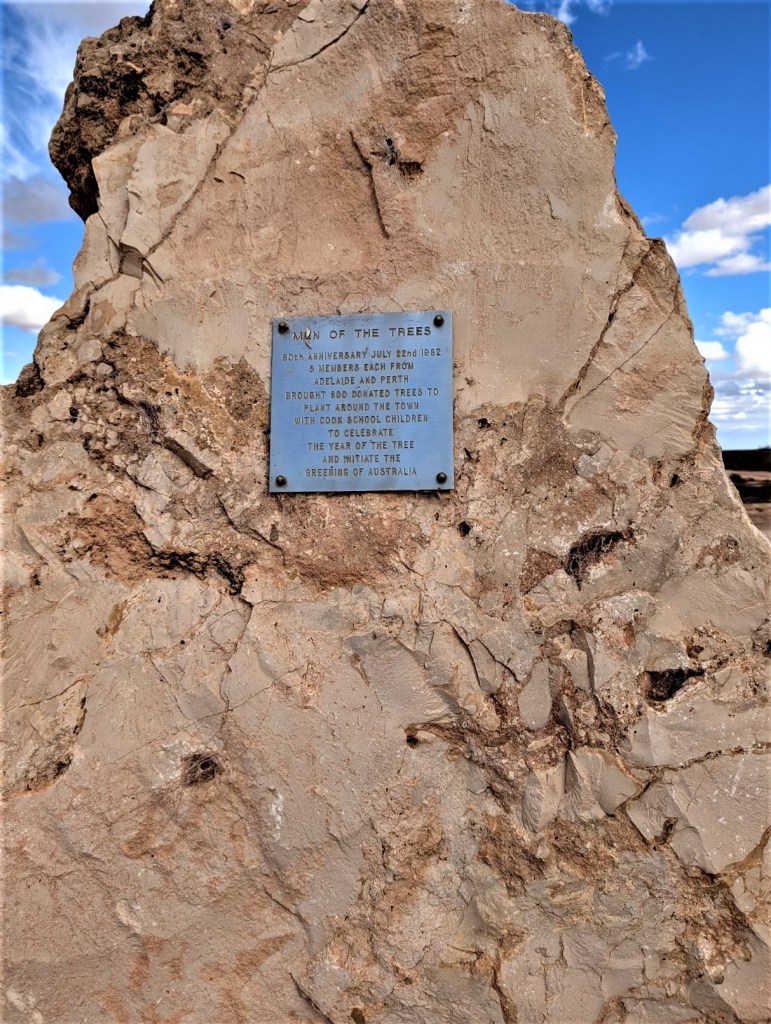



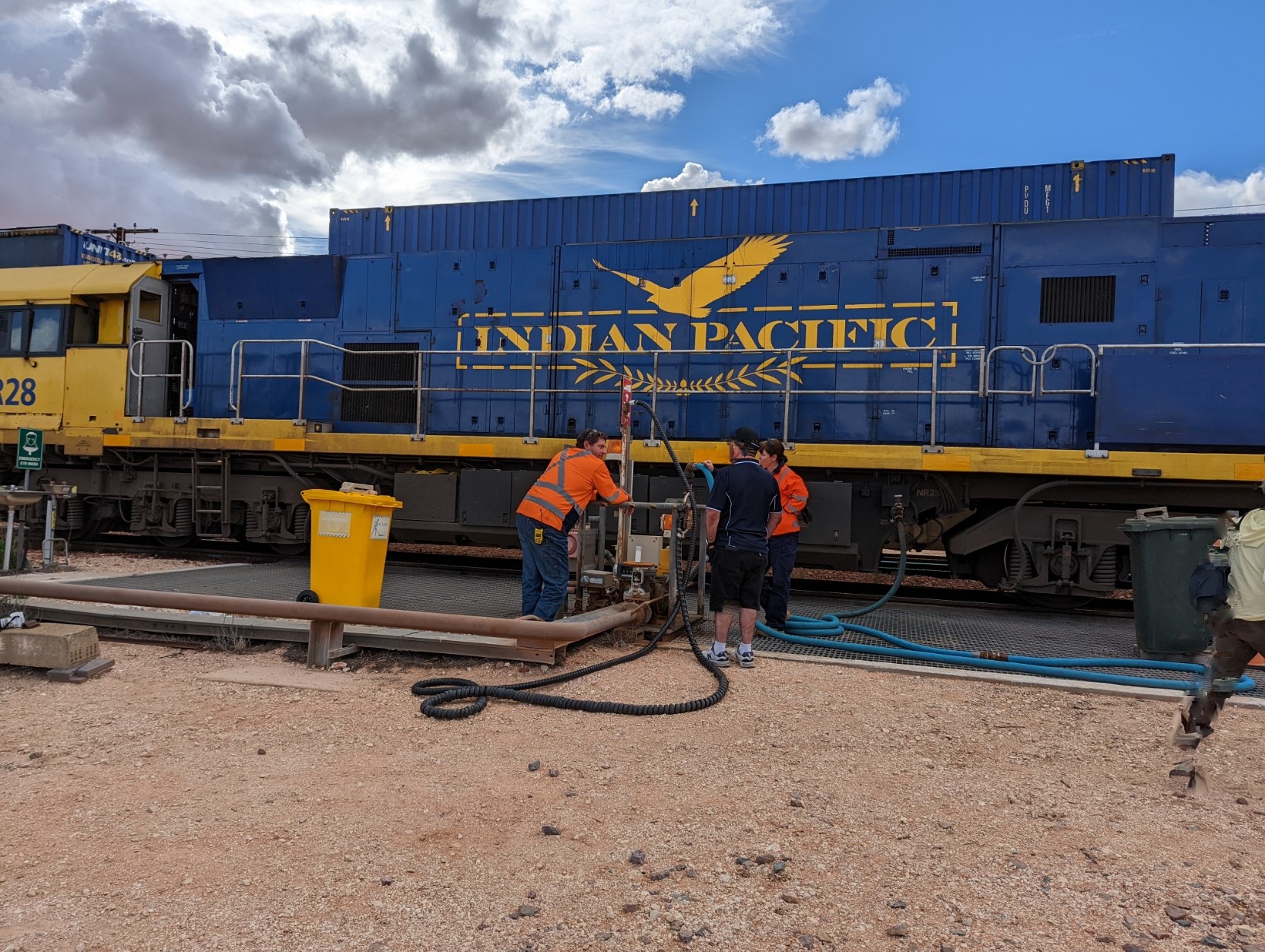





The foliage at the Cook stop was fascinating. Not only were we able to stretch our legs, and look at historic monuments, but we could enjoy the natural and introduced (see the memorial above) greenery.







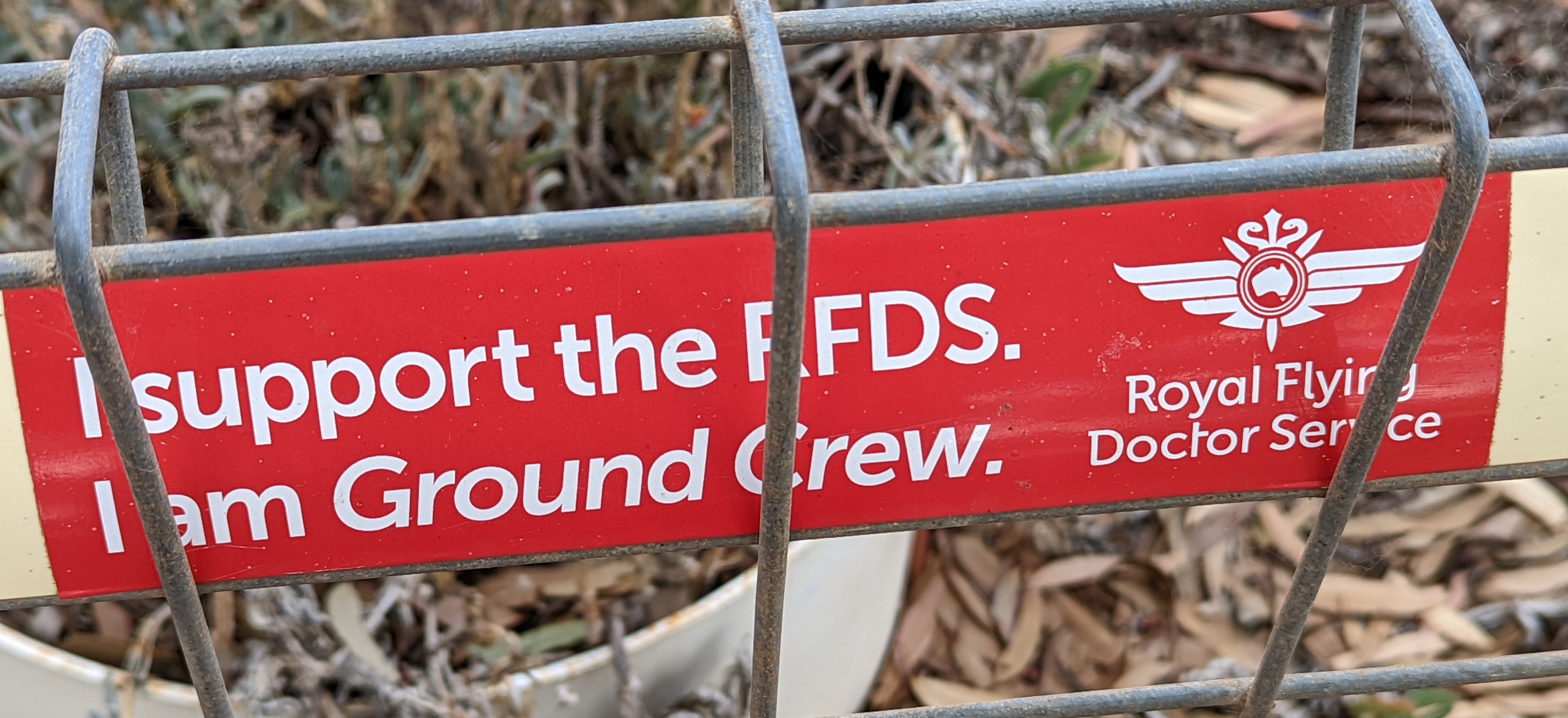


Off train excursion at Rawlinna.
This was a disappointment as I had read on line about starlit skies, canapes and drinks and dancing under the stars to live music.


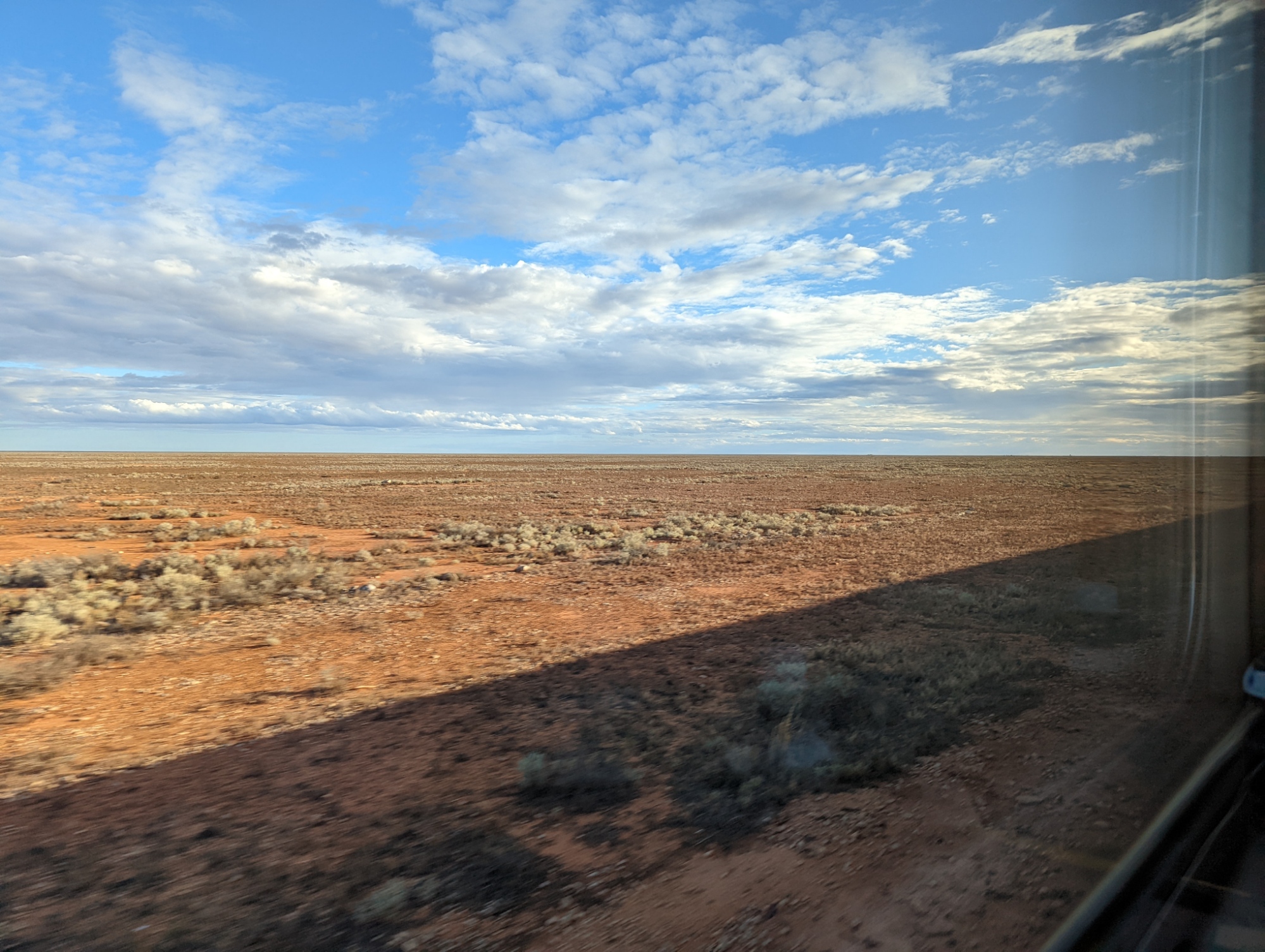

Welcome to Western Australia and the long haul across the Nullabor. Unsurprisingly, this was far more comfortable than my student experience in a Combi Van with floods and mice seeking comfort away from the water by spending time in the van. Despite the Rawlinna disappointment, the Indian Pacific offered company, food and drink which remained a source of delight as we began this part of the journey.

 Robin's Room