One fiction, and one non-fiction book are reviewed this week. Both were sent to me as uncorrected proofs by NetGalley in exchange for honest reviews.

Victoria Scott Grace Head of Zeus, Aria, 2022
Victoria Scott approaches several difficult topics with sensitivity and meticulous attention to detail. The parallel stories of Michelle and Rob, the birth parents of Grace, and Amelia and Piers, Grace’s prospective adoptive parents, are more complex than is immediately apparent. Their apparent focus is their fight over Grace and her future parenthood.
However, by digging deeper into the relationships, as Scott does so skilfully, it becomes clear that the couples have more in common than initially realised. Linking the couples through their private relationships with each other as well as their public personas is masterful. So too are the observations made about social services and legal systems. Graphic descriptions of the characters’ clothing and hairstyles, which could possibly be seen as a frivolous aside in this novel packed with serious social commentary, are a valid recognition of why and how roles are adopted and understood through image. All these factors add layers upon layers of understanding and complexity to the question to be decided by the court – who should be baby Grace’s permanent parent/s?Books: Reviews
Jenny Main Ethel Gordon Fenwick Nursing Reformer and the First Registered Nurse Pen & Sword, Pen & Sword History, 30 Jun 2022

A common feature of this series is the accessibility of the written material, and the well-researched nature of the content. Jenny Main’s biography of Ethel Gordon Fenwick has these features in abundance. The background and context material are impressive, providing an instructive and engrossing read through the whole period of Gordon Fenwick’s life. The environment into which she was born, grew to adulthood, educated, fought for the well being and careers of nurses, and her own amazing journey to recognition for her work is laid out, making an intriguing biography even more informative. A reader of this book learns so much about the society in which nurses sought to become prestigious members of the medical profession, and the background against which they had to prevail. I particularly enjoyed Main’s way of bringing to life the Victorian era, and later, so I felt I was reading a history of the time as well as learning about a figure who starred in her nursing profession. Books: Reviews
Covid in Canberra since lockdown ended
On June 9 there were 775 new cases reported; and 87 people with covid were in hospital; on June 10 the new cases reported numbered 824, with 83 people in hospital, and 1 in ICU.

New cases reported on June 11 – 696, with 79 people in hospital, and 1 in ICU.
June 12 – 643 new cases ; 80 in hospital; 2 in ICU.
June 13 – 572 new cases; 86 in hospital; and 2 in ICU.
June 14 – 633 new cases; 93 in hospital; 3 in ICU; and 1 ventilated.
June 15 – 983 new cases; 97 in hospital; 2 in ICU; and 1 ventilated.
June 16 – 1.015 new cases; 89 in hospital; 2 in ICU; and 1 ventilated.
Vaccinations at June 16: 80.6% 1 dose ages 5 – 11; 68.5% 2 doses ages 5 – 11; 97.3% 2 doses, aged 5 +; and 77.0% 3 doses, aged 16+.
January 6 Hearing ratings compared with those of the former President’s favourite shows and other popular televised events; Oh Dear!!


The Guardian News Website
Island in the energy price storm: renewables help ACT cut power costs
ACT is the only jurisdiction bucking the trend of soaring power bills now plaguing the rest of Australia
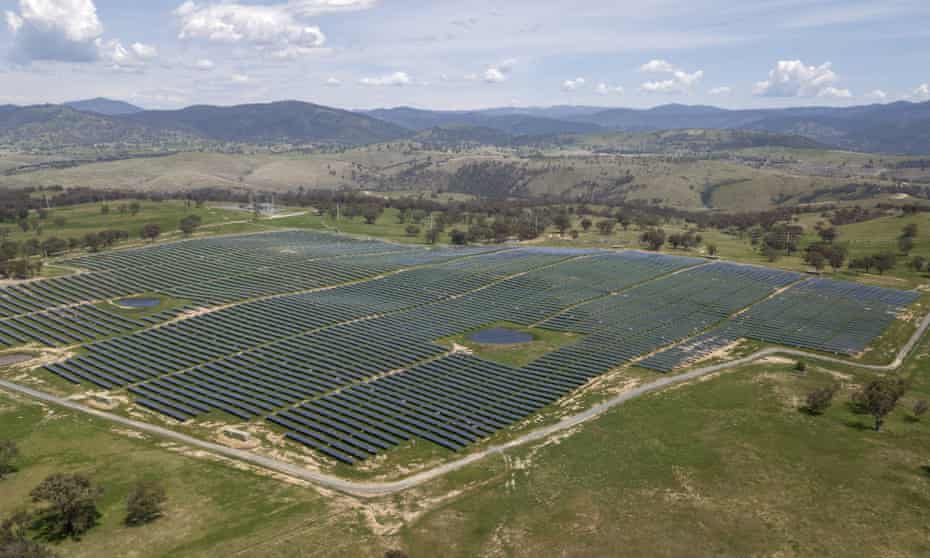
Peter Hannam Mon 6 Jun 2022 18.07 AEST
The ACT will cut electricity prices this year, bucking a trend of soaring power bills for the rest of Australia, as the territory benefits from long-term contracts that locked in low-cost renewable energy.
Basic tariffs will fall by a minimum of at least 1.25% from 1 July, the ACT’s independent competition and regulatory commission said on Monday. “This is equivalent to a real decrease of 4.93% after excluding inflation,” it said.
The reduction in the regulated tariff will shave $23 off the annual power bill for average households using 6500 kilowatt-hours of electricity annually, and $88 for average non-residential users.
“ACT is the only jurisdiction in the national electricity market where regulated tariffs will decline in 2022-23,” senior commissioner, Joe Dimasi, said in a statement. Standing offers are now cheaper than those offered in New South Wales, Victoria, Queensland and South Australia, he said.
“The price decrease is driven by a decline in the ACT government scheme costs this year, which more than offset the increase in wholesale electricity costs,” Dimasi said.
Wholesale prices in the national electricity market more than doubled in the March quarter from a year earlier, and have risen more since. Russia’s invasion of Ukraine sent global energy costs higher while regular outages by Australia’s ageing coal-fired power stations have lately added to the local price spike.
Electricity prices will rise by as much as 18% from July in parts of the national electricity market after wholesale prices increased 49% in Queensland and 41% in NSW, the Australian Energy Regulator said last month when it released default market prices for the 2022-23 year.
Long-term contracts devised by the ACT government to enable it to reach 100% renewable energy have served to shield its energy users from the higher prices faced by other regions.
The ACT’s deputy chief minister and energy minister, Shane Rattenbury, said average household bills for this coming financial year would be about $800 lower than those in neighbouring NSW.
“It’s underlined how fossil fuels are subject to the vagaries of geopolitics, that are completely out of our control,” Rattenbury said. “Locally produced renewable energy is entirely within our control.”
The territory’s wholesale price had averaged about $90 a megawatt-hour, well below the $200-$300MW/h other states would have been paying, he said.
Simon Corbell, the architect of the ACT’s scheme when he served as the territory’s climate and energy minister, said “some form of contracting is beneficial to consumers, beneficial for renewable energy development and beneficial for emissions reductions.

“ACT energy users will be protected during this period of very high prices because of the fixed prices they pay for their renewable energy,” said Corbell, who now heads the Clean Energy Investor Group.
“They will be in a better position compared to consumers around the country, no doubt, and there’s the complete offset of the emissions profile of the electricity sector, a very important outcome,” he said.
The ACT reached 100% renewables in 2020.
The method of auctions in the ACT that fixed a price for renewable energy was a lifeline for the renewables industry in Australia after the arrival of the Abbott Coalition government in 2013 chilled investor confidence in the sector.
Other states, including Victoria and NSW, have since taken up the approach to encourage more clean energy supplies.
“The ACT is a renewable energy trailblazer, not just at home but abroad too,” said Richie Merzian, director of the Australia Institute’s climate and energy program. “It was the first major jurisdiction outside Europe to reach 100% renewable electricity status.”
“Switching to renewables is not just good for the climate but good for wallet, with Canberran’s enjoying cleaner and cheaper power,” Merzian said.
Cindy Lou eats at Akiba, Canberra
Akiba is a lively venue, close to public transport, and a short walk from most of Civic. The restaurant has a mix of seating. There are stools at bar tables along the windows, and set back from them, in the hub of activity. Booths are available for four or six people, if available when requested. Staff are excellent- informative, efficient, and friendly. The menus are extensive, and cover what seemed to be all dietary eventualities. We had three meals from the street food, and found them very generous. I began with a coffee , as I had arrived early, and finished with a peppermint tea. There is a vast range of teas!
Initially I wondered how I would find the bar stool. However, it was very comfortable, and made a great prop for displaying my rather attractively lined coat. There was room on the table for my bag which was useful – I do wonder whether the generous table spacing is usual, though.


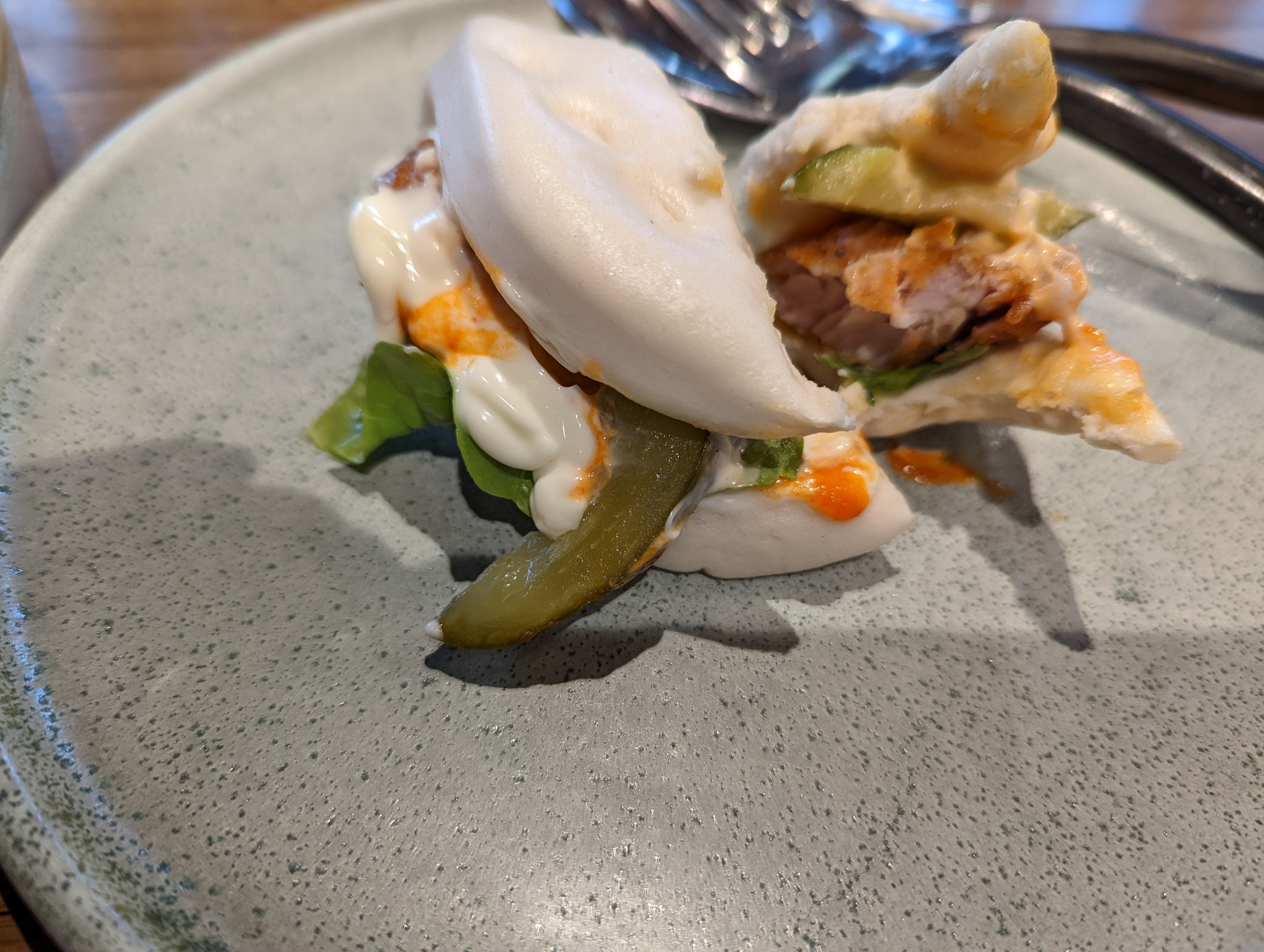


The food was pleasant, but not stunning. Above are the Japanese fried chicken bun, the miso dengaku eggplant and the agadashi fried tofu. My food experience is contrary to my friends’ reports on the food at Akiba, so I am going to return, and order a combination of the above and some other choices. I wrote a review for the restaurant, and received a lovely response. So, overall, I had a pleasant time on the day, enhanced by the excellent company, and expect to have a great food experience on the next occasion.
Indian Pacific Trip
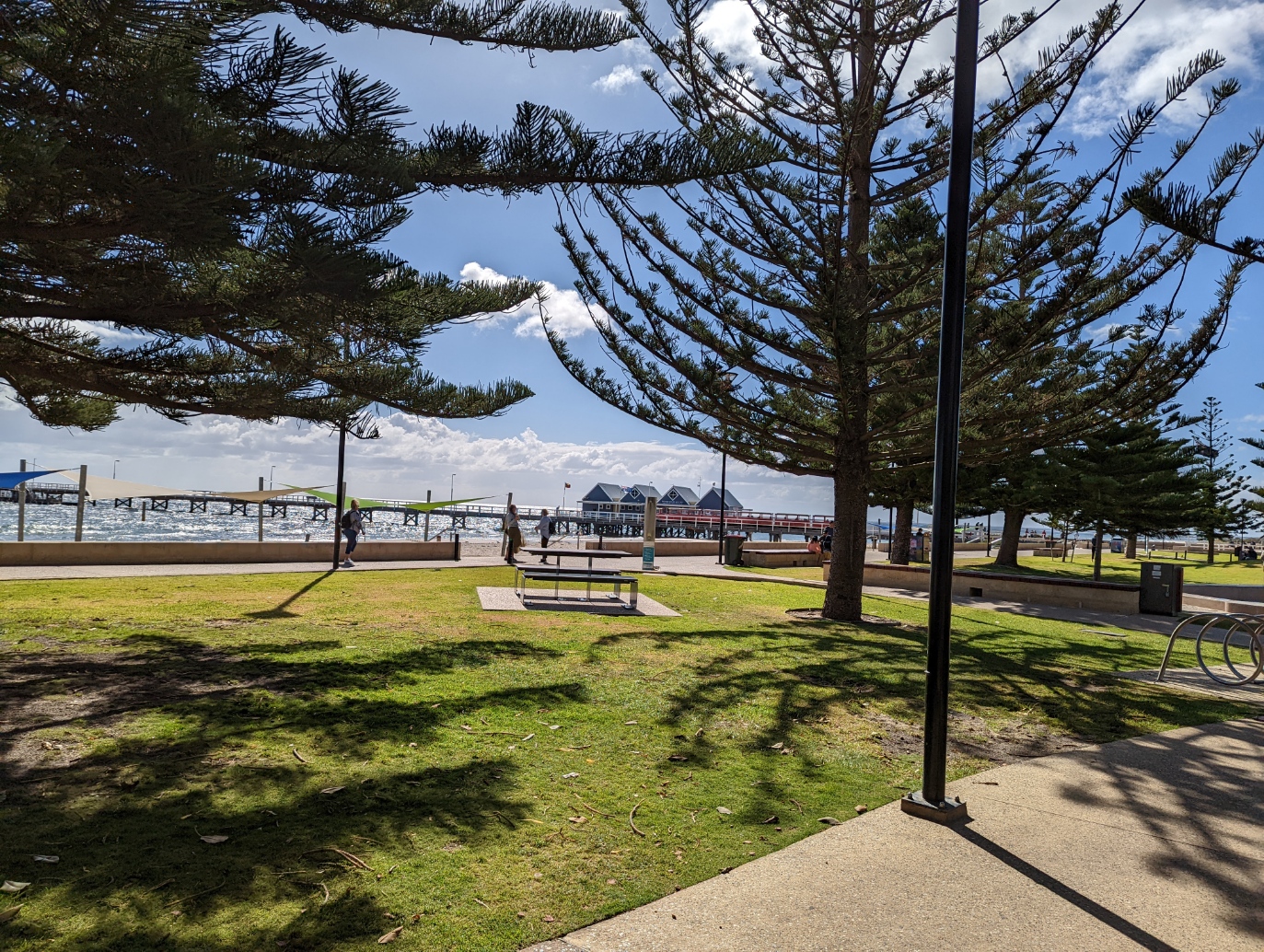
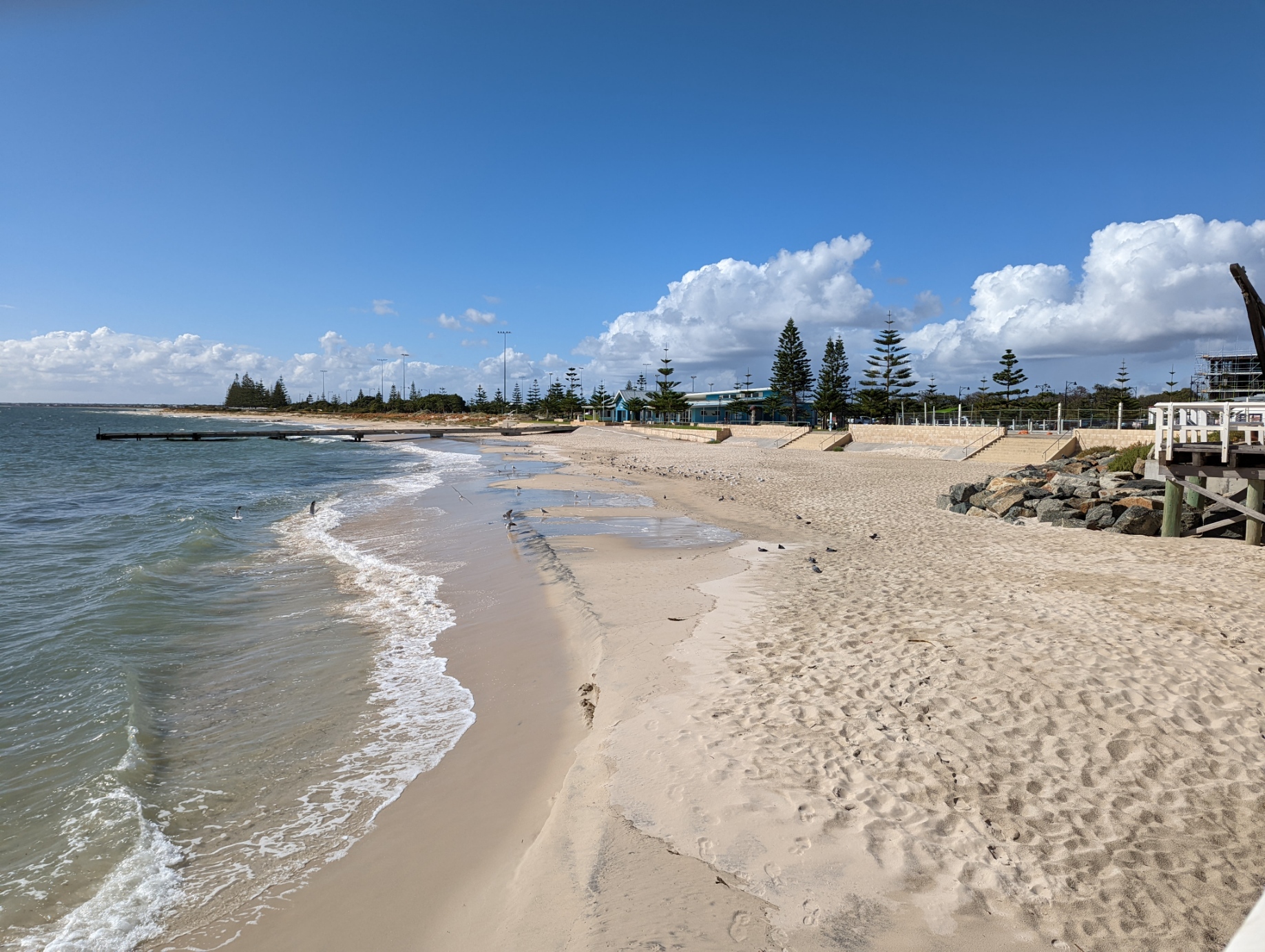
After the arrival in Perth, we had an evening to ourselves, before joining a tour to Margaret River the next morning. This was a comfortable trip with several stops on the way. One such stop was at Busselton, a coastal town with a pleasant beach and the trees familiar on various beaches along the Western Australian coast.
Busselton Beach



Lunch at a winery was the next stop.

There was time for a scenic walk after lunch, before driving to the Margaret River area Mammoth Cave.

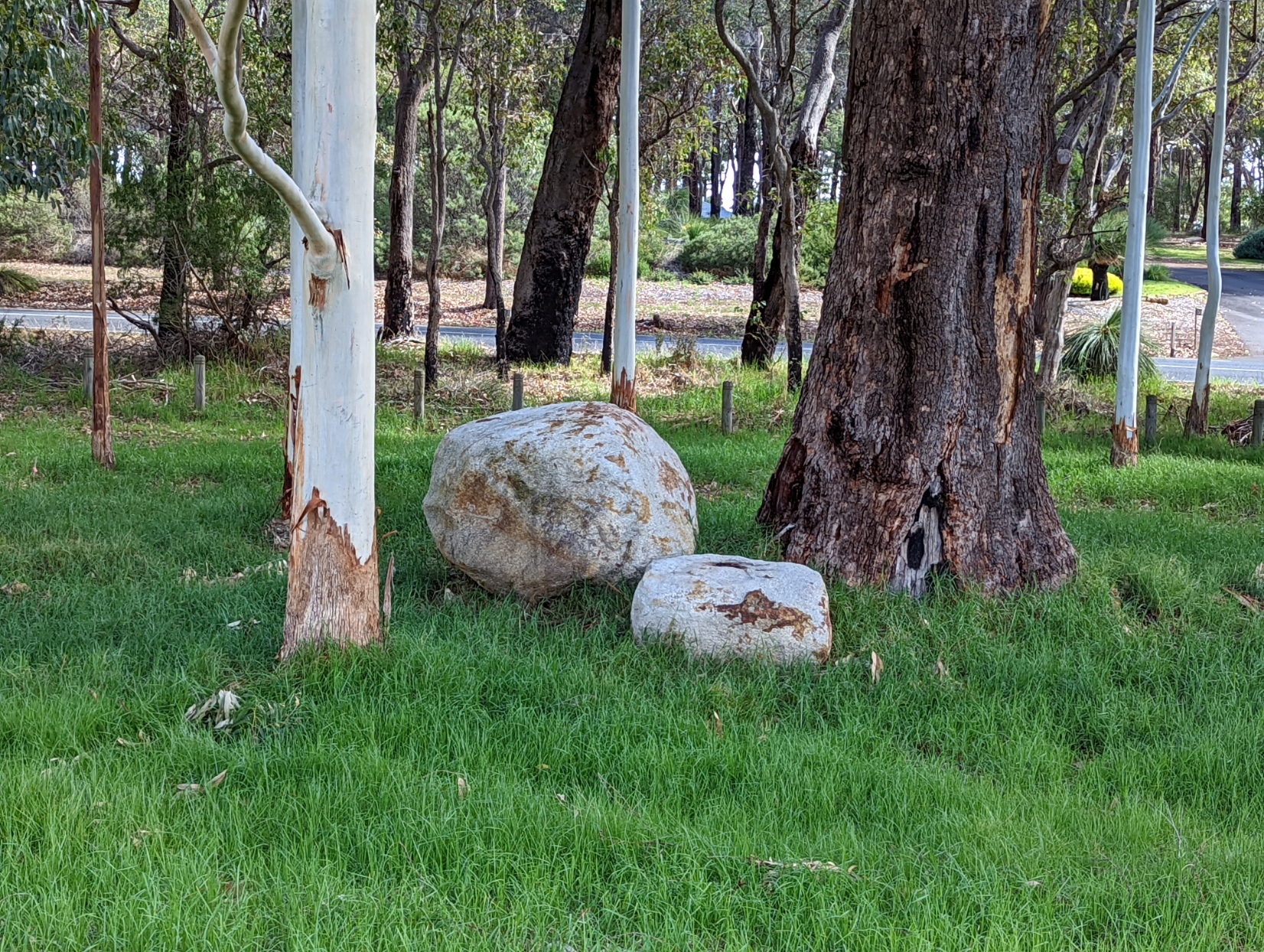

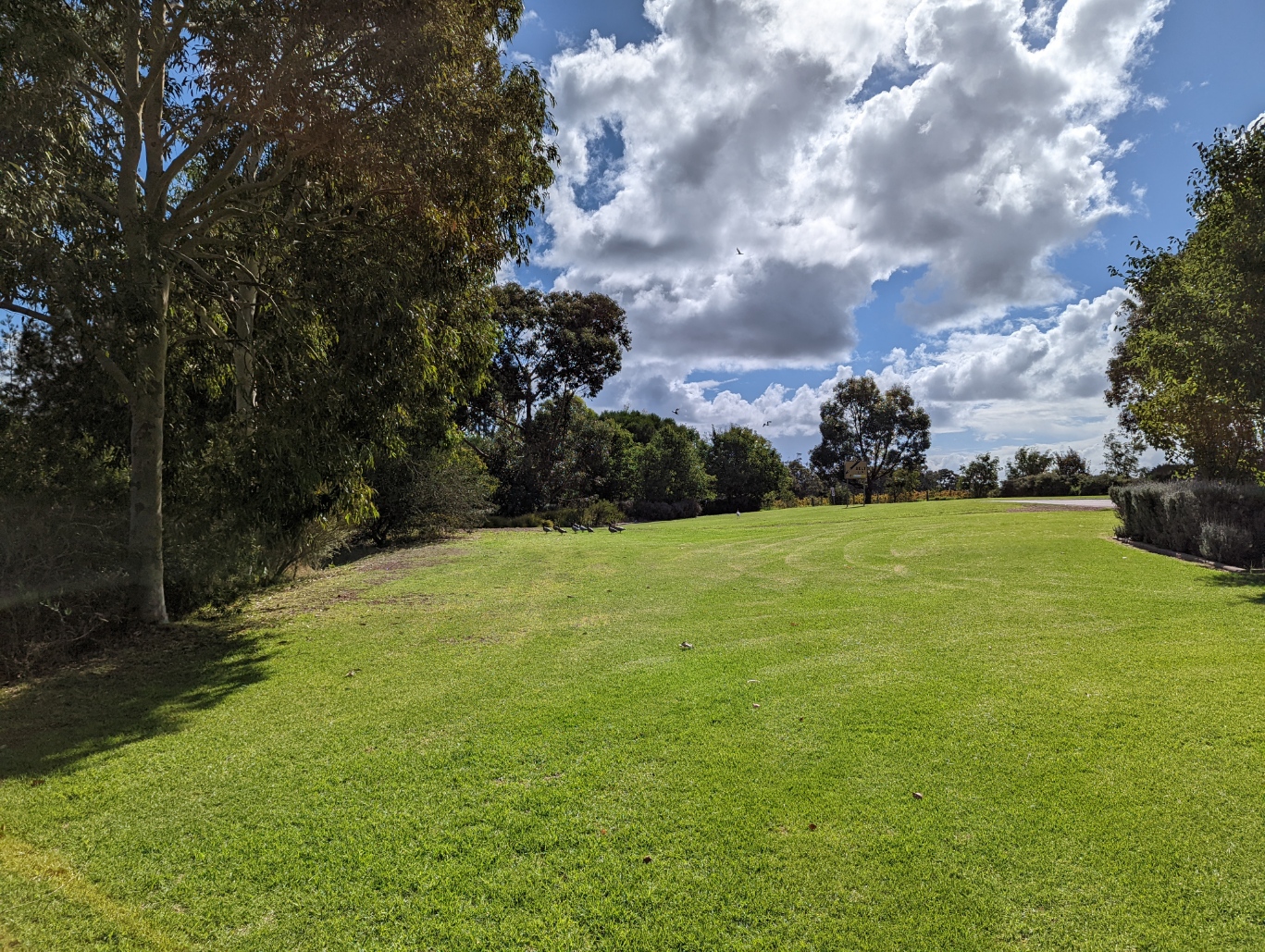

The trees around the caves are impressive, although they do not reach the heights of the Karri forests further south.


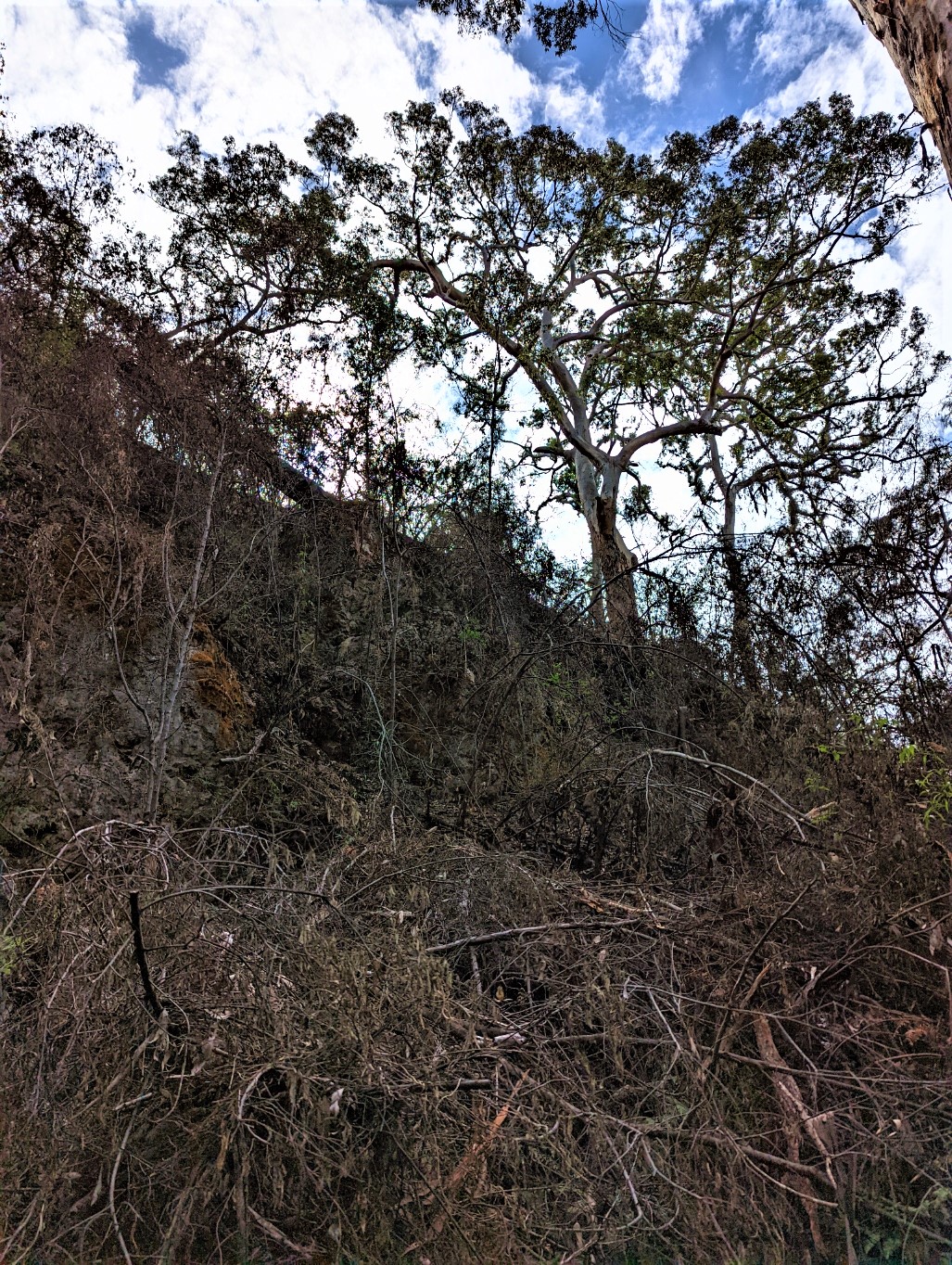
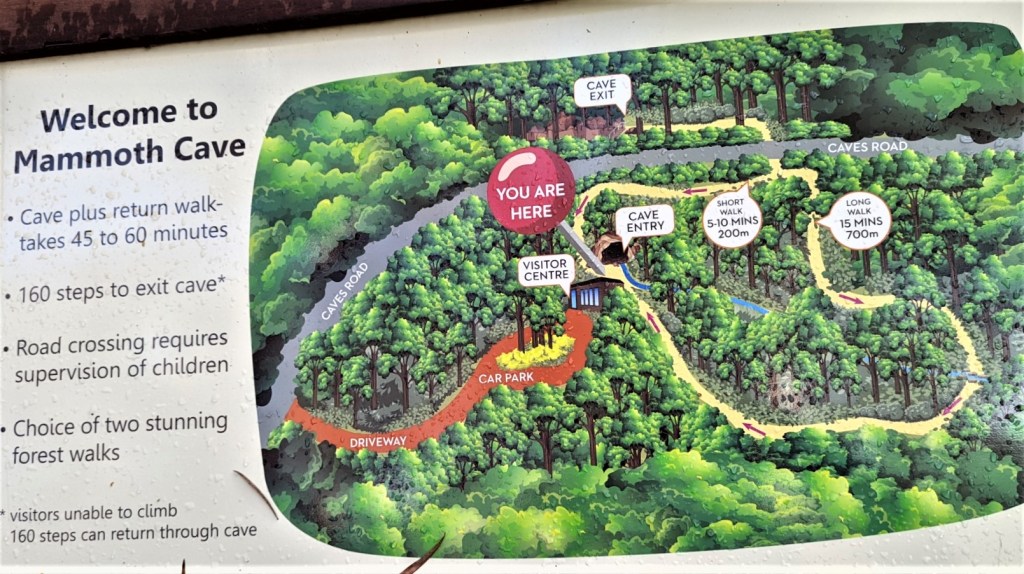
Mammoth Cave signage is clear and explanatory, although this photo is a poor rendition.
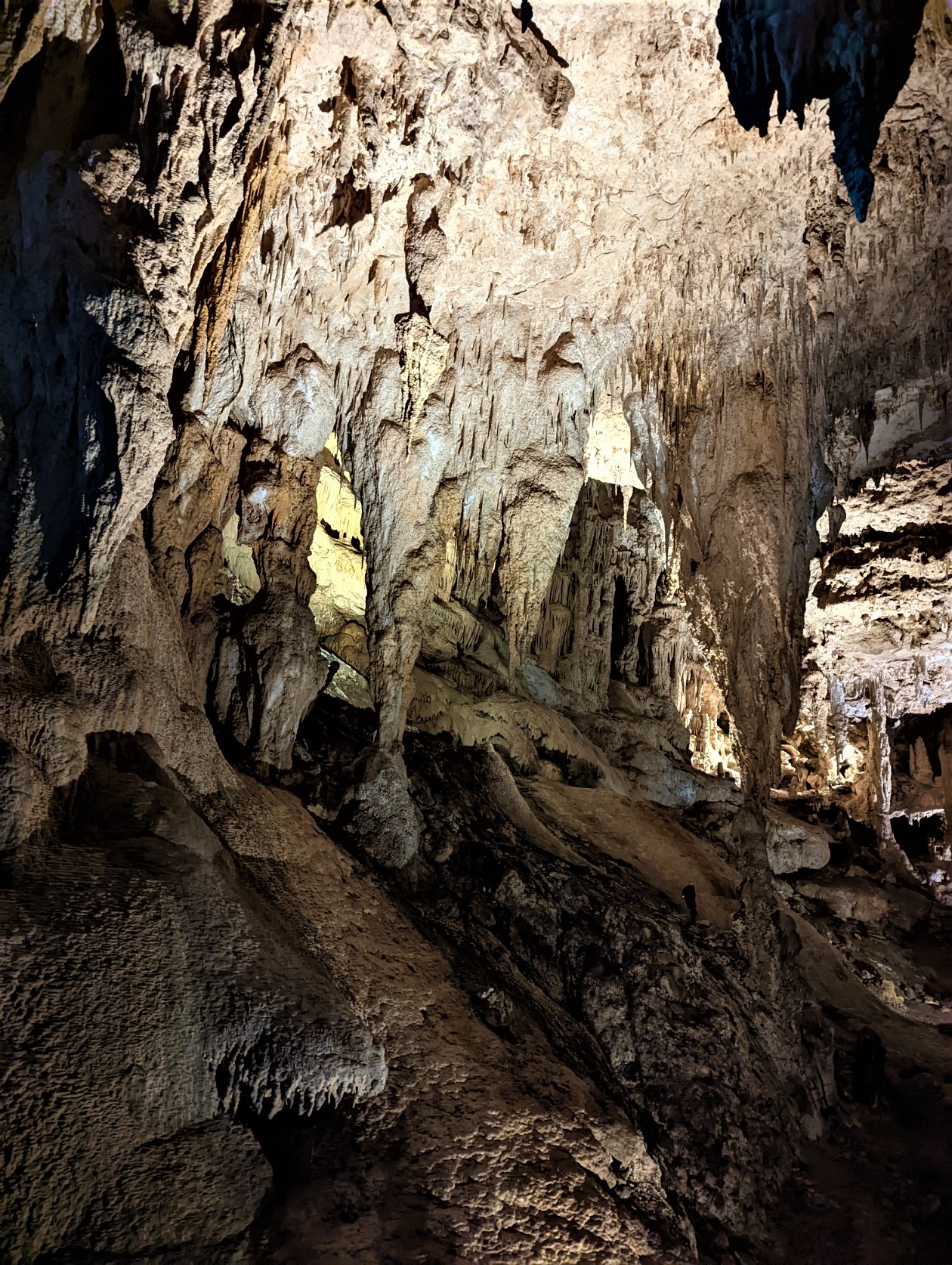
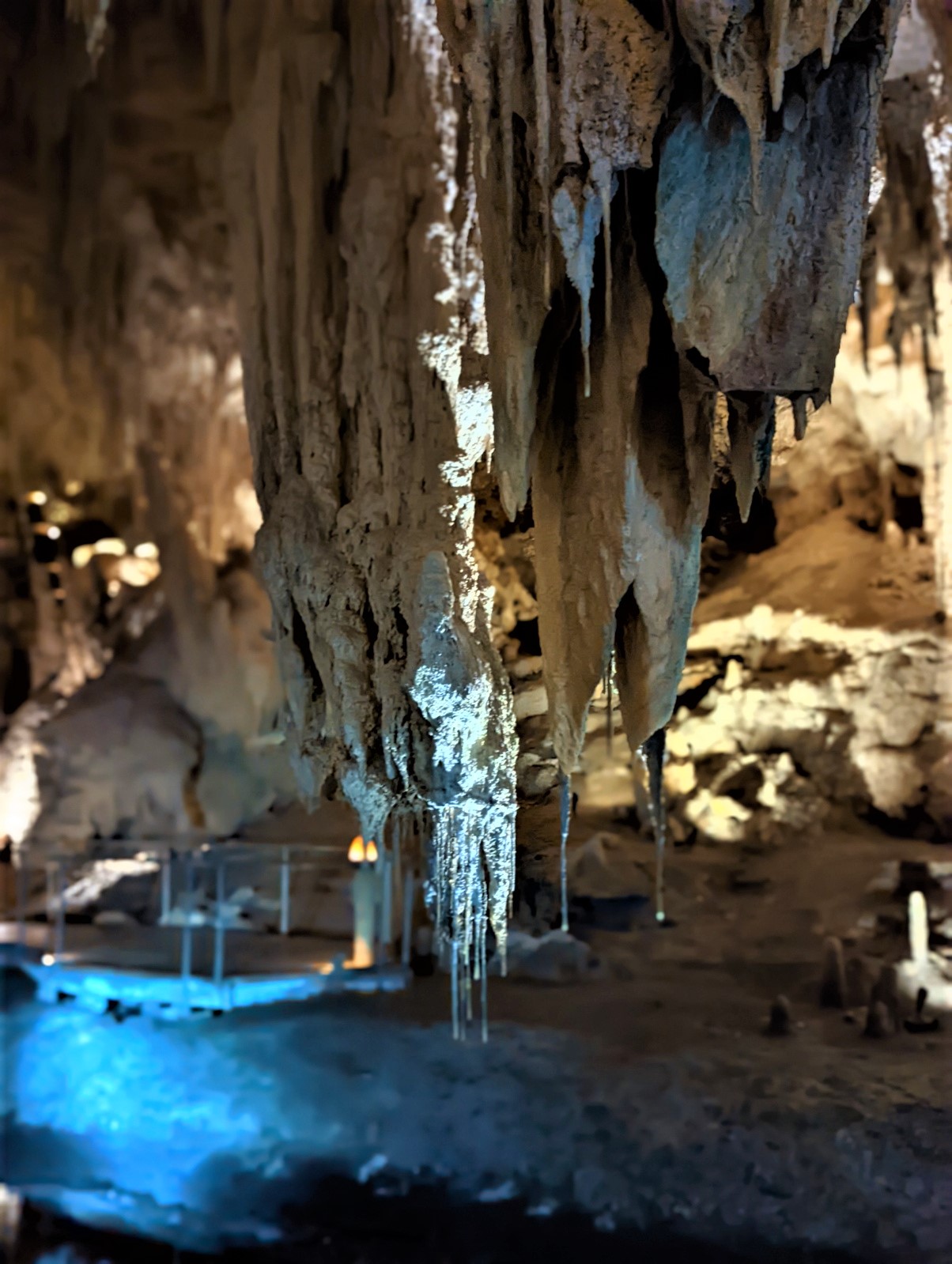
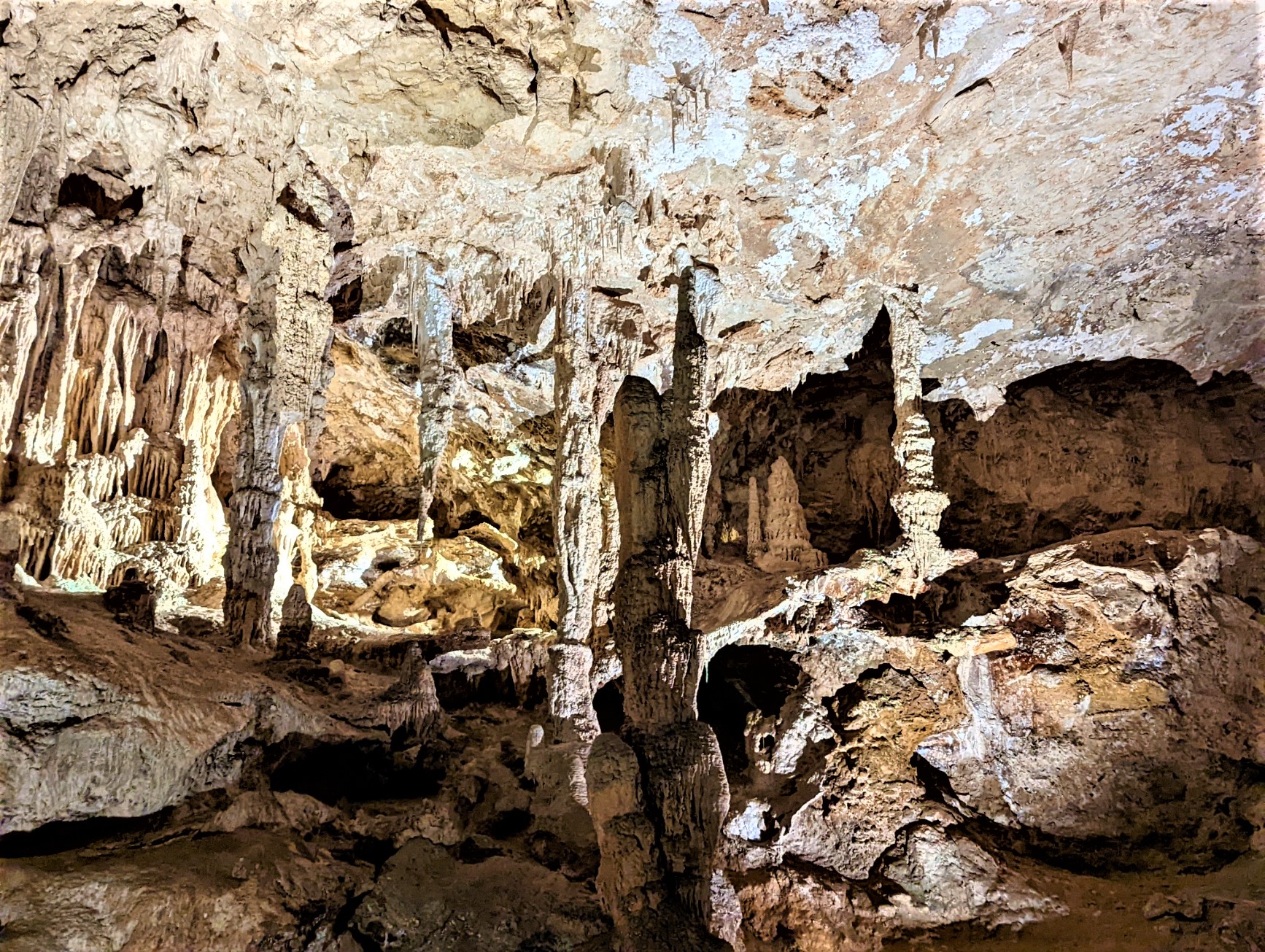
Walking inside the caves was easy with well organised pathways, bridges and easily climbed stairs. Although there was an additional area to be explored, some people chose to do this, and others remained in the area that required less climbing.



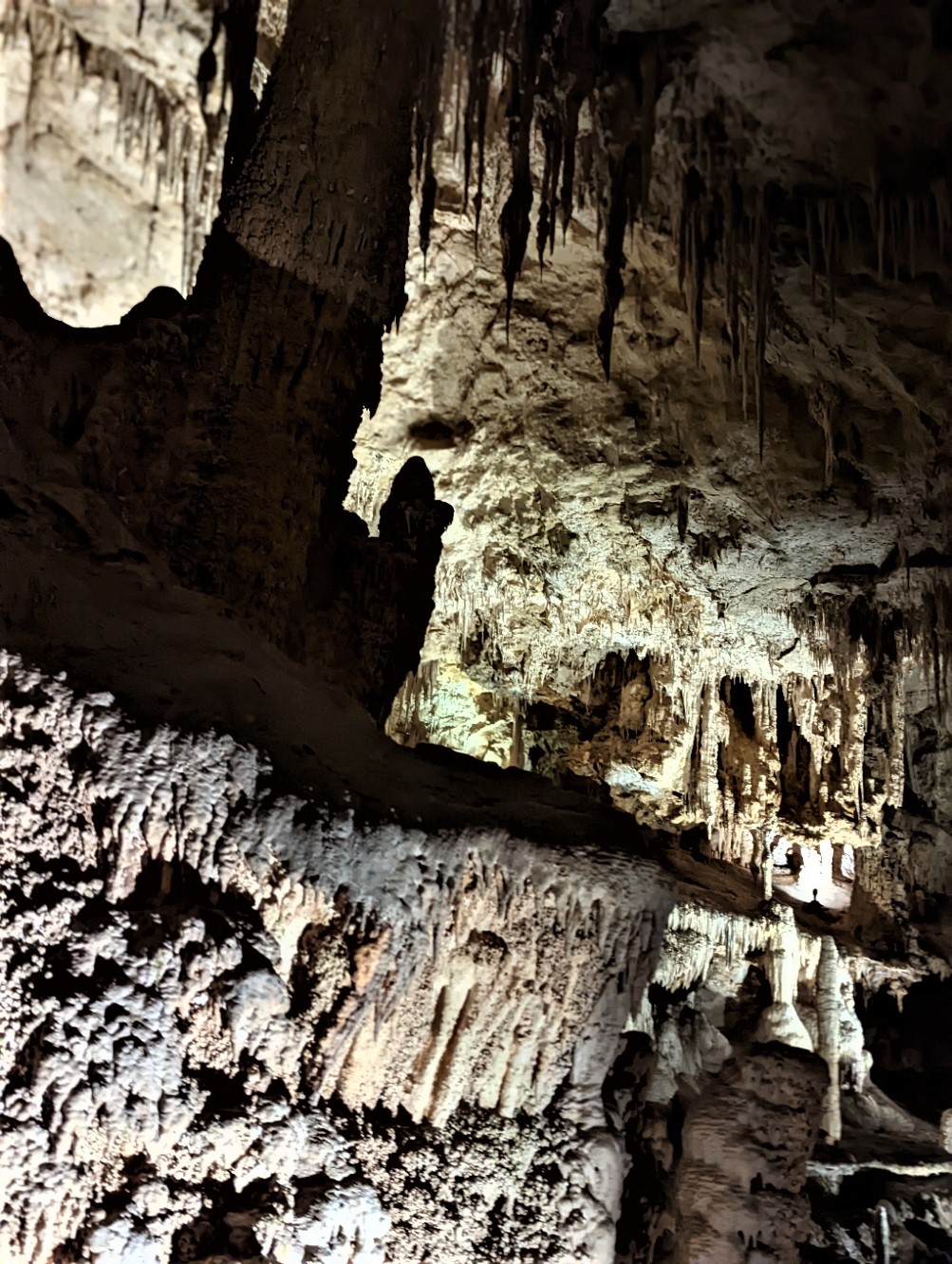
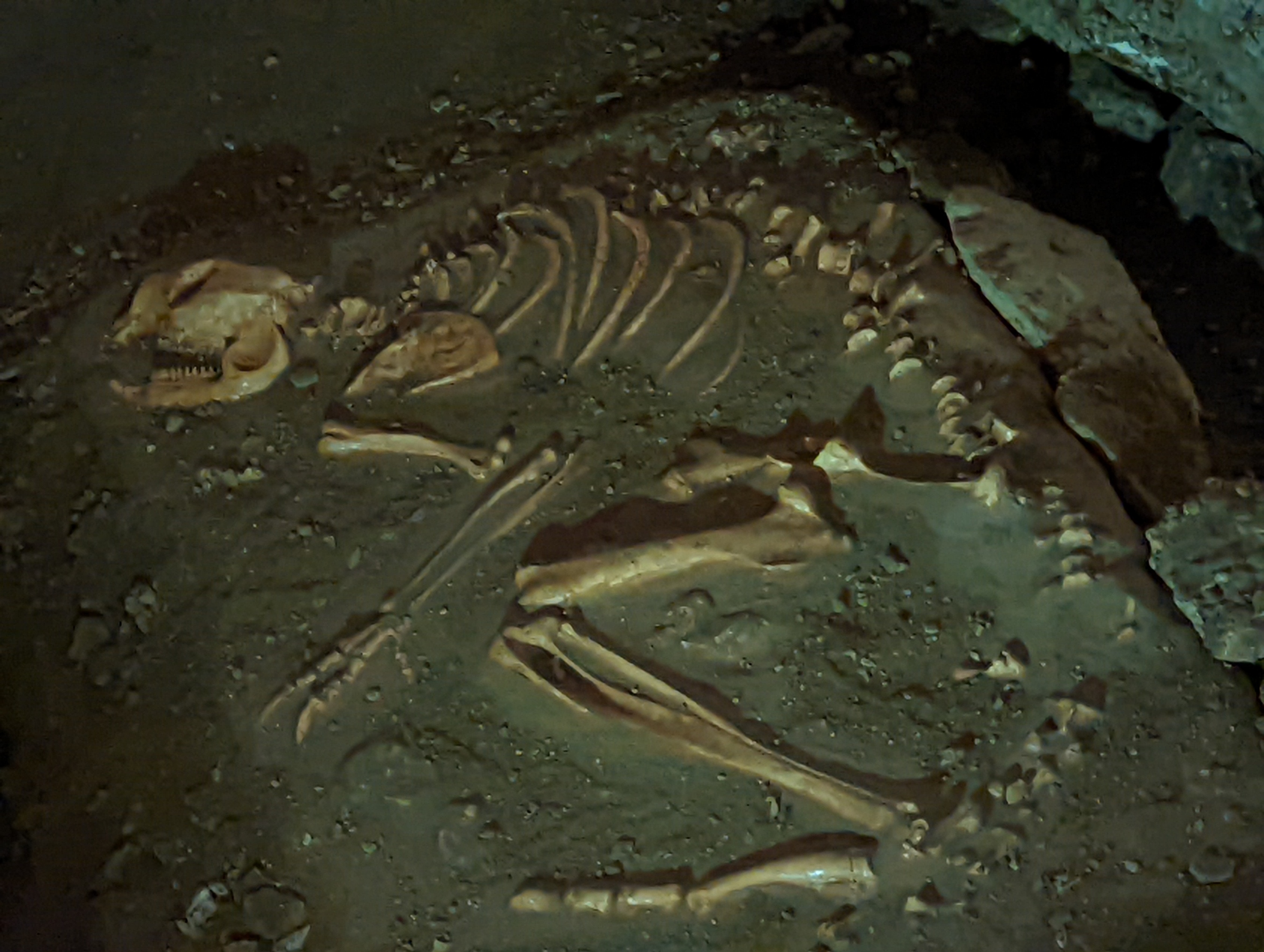
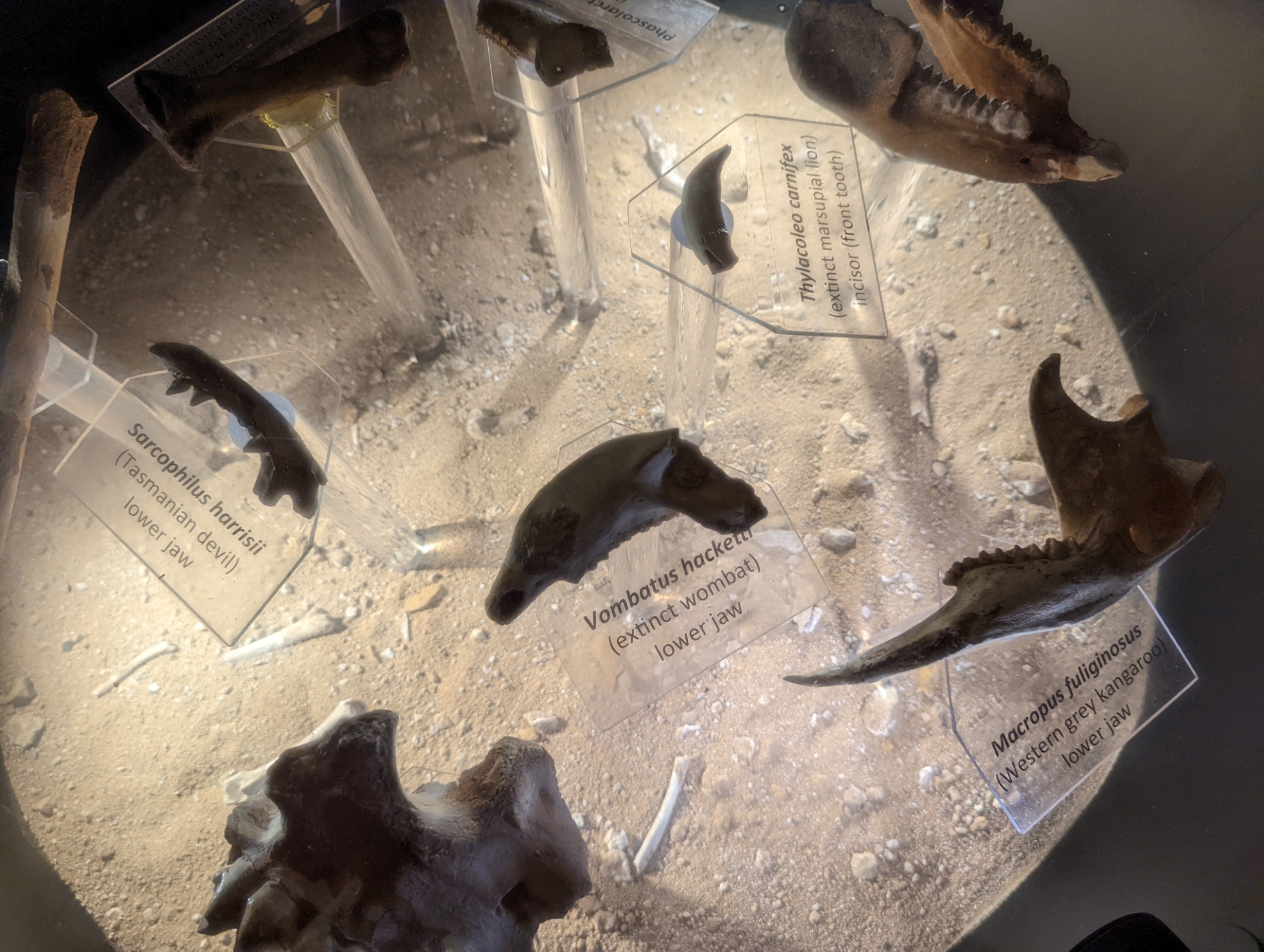

Ground foliage around the caves is also attractive.


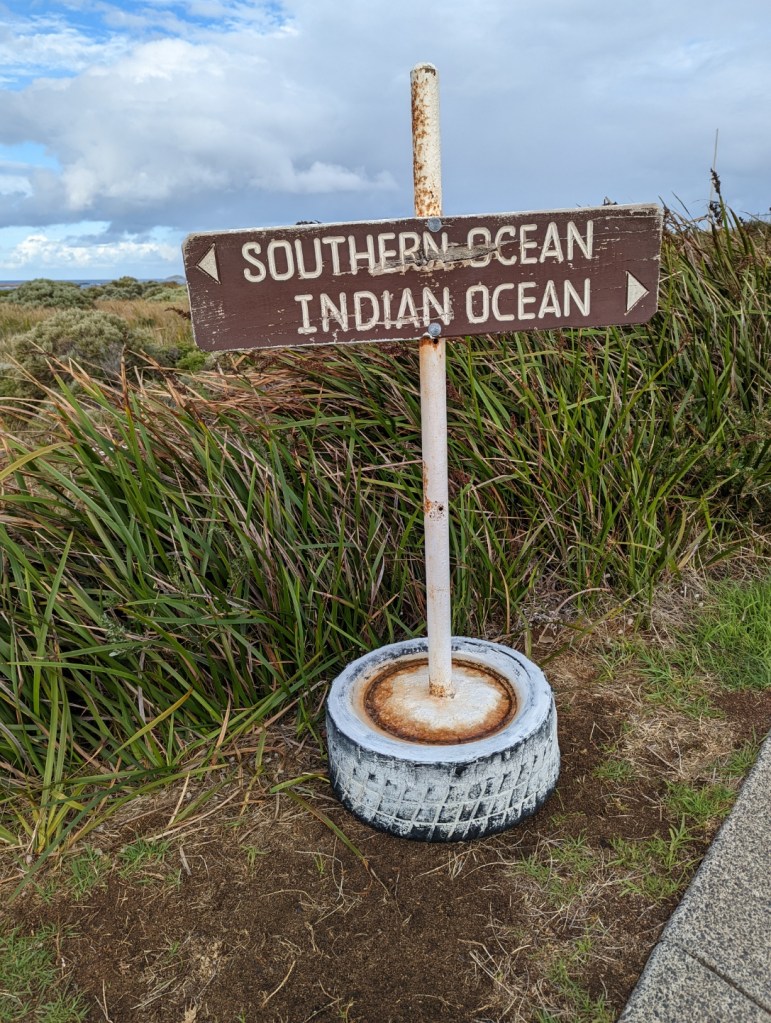
Then we were off to view the meeting of the Southern and Indian Oceans. And more of that, next week.

 Robin's Room