I realise that I have a few fiction books – easy reads for the beach or for relaxing with on winter days – that I have reviewed, but not posted here. The reviews have already been posted to NetGalley, Goodreads, Twitter, LinkedIn and Instagram as part of the commitment to writers who make their uncorrected proofs available on NetGalley. When the books are published the reviews are posted on Amazon and Barnes and Noble, or other publishing sites chosen by the authors. The NetGalley process has provided me with a wonderful range of fiction and non-fiction books, some of which I would not have read otherwise. Although the books must be given a star rating for NetGalley I do not use that here. So many books need that extra half star that cannot be applied under the ratings, and I think that discussion of the book provides better information to other readers.
To catch up, the following books are reviewed this week: The Girl She Was by Alafair Burke; The Guilty Couple by C.L. Taylor; and Jane Corry’s We All Have Our Secrets;. The uncorrected proofs were provided to me by NetGalley in exchange for honest reviews.
Alafair Burke The Girl She Was Faber & Faber 2022.

The Girl She Was works smoothly as a standalone detective story, while bringing to fruition some of the queries that have haunted detective Ellie Hatcher about the past. Readers of previous Alafair Burke novels will recognise her. However, new readers are given the necessary information in some deftly devised plot lines. Clever links are drawn between the Hatcher siblings and new characters, Hope Miller and Lindsay Kelly.
Hope Miller is the name taken by the victim of a car crash, who for fifteen years has lived in the small town of Hopewell, contriving to build a life anew after having lost her memory of anything before the crash and her recovery. Lindsay Kelly is a lawyer who befriended Hope from the time she found her having barely survived the crash. The women are linked by friendship and interdependence. Hope, telling Lindsay that she hopes to forge some independence from her past fifteen years, where the common understanding is of her as a victim, moves to East Hampton. See Books: Reviews for the complete review.
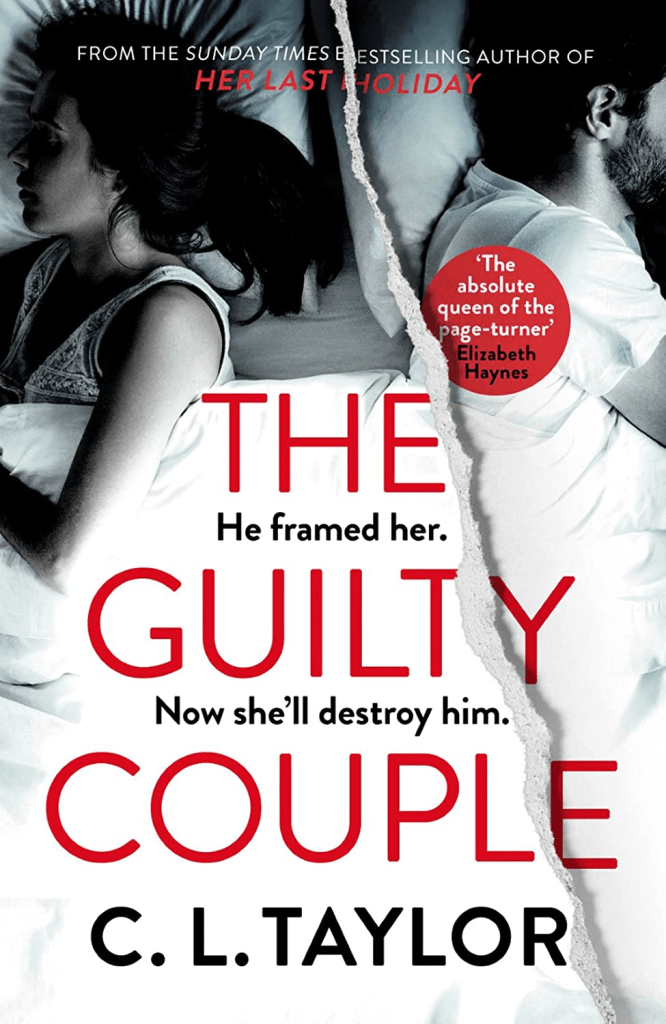
C.L. Taylor, The Guilty Couple Avon Books UK, Avon June 2022.
I was disappointed in this novel, perhaps unwisely comparing it with C. L. Taylor’s The Last Holiday which I found such an excellent read. However, despite my reservations about this one, I shall certainly read her next. One disappointment should not impact too heavily on reception of a good writer’s work.
The premise of The Guilty Couple is interesting as there are several couples, some obvious, and others cleverly hidden. Olivia has been imprisoned for five years, having been found guilty of planning her husband’s murder. Her daughter, Grace, is disaffected, believing that the charge was justified, as after all, the jury found her mother guilty. On her release, Olivia must develop a new relationship with Grace, as well as investigating who framed her. The clues with which she must work are the lie Dani, her former personal trainer told on the stand, and the smirk with which her husband, Dominic, greeted the guilty verdict. Books: Reviews
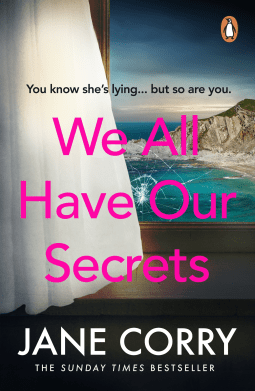
Jane Corry We All Have Our Secrets Penguin 2022
Jane Corry dares to end her often complex, character driven novel with satisfyingly pleasant endings. To accomplish this in a way that is plausible, keeping the characterisation intact and maintaining the story theme is what has brought me back to Corry, from my first reading of her work. I have mixed responses to my previous experiences, really appreciating The Lies We Tell, and feeling less enthused about I Made a Mistake. However, We All Have Our Secrets, gathers all the best aspects of her writing. Corry has devised particularly complicated characters for this novel and uses a compelling mix of show and tell to achieve her aims. Observation of characters’ convolutions while they interact with other characters and during their brief internal monologues as they measure their and others’ behaviour works well with authorial intervention. The plot is intricate but devoid of holes. Past, present and future are brought together in an engaging narrative that sustains interest to the last word. Books: Reviews
Covid in Canberra after the end of lockdown
June 16 – 1,015 new cases; 89 people hospitalised; 2 in ICU; and 1 ventilated.

June 17 – The strong demand for flu and covid vaccinations has led to expanded opening hours for three weeks at the Access and Sensory vaccination clinic on Saturdays from 8.30am – 8.30 pm. This is a specialised service for people who might need additional support to get their vaccinations.
New cases recorded – 962; cases in hospital – 87; and 2 are ventilated. Six lives lost were recorded, including 5 historical cases that occurred during May 2022, affecting women and men over 70, with 3 over 90.
June 18 – 865 new cases were recorded; 86 people are in hospital; and 2 are in ICU. June 19 – 809 new cases were recorded; 90 people are in hospital; and 2 are in ICU. June 20 – 837 new cases were recorded; 89 people are in hospital; and 2 are in ICU. June 21 – 869 new cases were recorded; 87 people are in hospital; and 1 is in ICU. Three lives were lost, one in his 70s, one in his 80s, and one in his 90s.
Today, 22 June, the reported new cases have again increased – to 1,085; hospitalisations are 85, with 1 in ICU.
Heather Cox Richardson – January 6 Committee findings June 16 2022

On CNN this morning, Representative Jamie Raskin (D-MD), a member of the House Select Committee to Investigate the January 6th Attack on the U.S. Capitol, said: “New evidence is breaking every single day now. Suddenly, a lot of people want to tell the truth.”
After the committee’s third public hearing today, we can see why. The window for getting onto the good side of the investigation by cooperating with it is closing, and the story the congress members are laying out makes it clear that those sticking with Trump are quite likely in legal trouble.
It appears that the former president thinks the same thing. Before today’s hearing, he wrote: “I DEMAND EQUAL TIME!!!”
But it seems unlikely Trump wants to tell his version of what happened around January 6 under oath, and if he were misled by his advisors, who can doubt that he would already have thrown them under the bus?
And, so far, the committee has used testimony and evidence only from those high up in Trump’s own administration. Today was no exception. The committee covered the former president’s pressure campaign against his vice president, Mike Pence, to overturn the results of the 2020 election. Instead of following the law, codified in the 1887 Electoral Count Act, Trump wanted Pence to use his role as the person charged with opening electoral votes to throw out the votes that gave Democrat Joe Biden victory, or at least to recess the joint session of Congress for ten days to send the electoral slates back to the states, where pro-Trump legislatures could throw out the decision of the voters and resubmit slates for Trump.
In interviews with Pence’s former counsel Greg Jacob, as well as retired federal judge J. Michael Luttig, formerly of the U.S. Court of Appeals for the Fourth Circuit, the committee established that this plan, advanced by lawyer John Eastman, was illegal. Indeed, Eastman himself called it illegal, first at length in October 2020, and then in both written and verbal admissions after the election. And the committee established that Eastman, as well as others, told Trump the plan was illegal.
The hearings today hammered home that the centerpiece of our government is that the people have the right to choose their leaders. That concept is central to the rule of law. And yet, Trump embraced an illegal and unconstitutional theory that, instead, the vice president—one man—could overrule the will of the people and choose the president himself. Such a theory is utterly contrary to everything the Framers of the Constitution stood for and wrote into our fundamental law.
And yet, by early December 2020, after their legal challenges to the election had all failed, Trump’s people began to say that Pence could throw out the electoral slates that states had certified for Biden, or could send those certified electoral slates back to the states for reconsideration so that Republican-dominated legislatures could then submit new slates for Trump. Judge Luttig hammered home that there is nothing in either legal precedent or historical precedent that gave any validation to the idea that one man could determine the outcome of the election.
Still, on December 13, the day before the Electoral College met, lawyer Kenneth Chesebro wrote to Trump lawyer Rudy Giuliani arguing that Pence could refuse to count the votes from states that had “alternative” electors (we also know that he wrote about this idea for the first time on November 18, so that might have been the chatter Pence was hearing). At the time, the scheme to create second slates of electors was underway.
Eastman then took up the cause, saying that seven states had submitted “dual” slates of electors. When Jacob dismissed that claim, Eastman just said that Pence could just call them disputed anyway and throw the votes from those states out. Luttig reiterated that these fake electors had no legal authority whatsoever and that there is no historical or legal precedent at all to support the idea that the vice president could count alternative electoral slates to the ones certified by the states.
Both Pence’s counsel Jacobs and his chief of staff Marc Short believed that Eastman’s plan was bananas, and an avalanche of White House advisors agreed. According to today’s testimony, those agreeing included Trump’s chief of staff Mark Meadows, White House counsel Pat Cipollone, Trump lawyer Eric Herschmann, and Trump advisor Jason Miller, who testified that people thought “Eastman was crazy.” Herschmann testified that even Trump lawyer Rudy Giuliani agreed on the morning of January 6 that Eastman’s argument wouldn’t stand up in court.
Nonetheless, Giuliani went out in front of the crowd at the Ellipse on January 6, insisted that the theory was correct, and lied that even Thomas Jefferson himself had used it.
Meanwhile, beginning in December, Trump had been pressuring Pence to go along with the scheme. Pence had refused, but Trump kept piling on the pressure. At rallies in early January, he kept hammering on the idea that Pence could deliver the election to Trump, and in meetings on January 4 and 5, he kept demanding that Pence overturn the election. When Pence continued to refuse, Trump appeared to try to lock him in by tweeting on January 5 that he and Pence were “in total agreement” that Pence could act to change the outcome of the election.
By then, Short was so worried about what Trump might do on January 6 that he told the Secret Service he was concerned about Pence’s safety.
On January 6, Trump called Pence on the phone and, according to witnesses, called him a “wimp” and a “p*ssy.” Pence then issued a statement saying it was his “considered judgment that my oath to support and defend the Constitution constrains me from claiming unilateral authority to determine which electoral votes should be counted and which should not.” Trump then went before the crowd at the Ellipse and added to his prepared speech sections attacking Pence.
After Trump’s chief of staff Mark Meadows told him that violence had broken out at the Capitol, Trump tweeted that “Mike Pence didn’t have the courage to do what needed to be done,” and violence ratcheted up. The committee showed rioters claiming they were there because Pence had let them down. “Pence betrayed us…the president mentioned it like 5 times when he talked,” one said. That 2:24 tweet was “pouring gasoline on the fire,” one White House press member told the committee. At 2:26, Pence and his family were evacuated to a secure location, where he would stay for more than four hours. The rioters missed the vice president by about 40 feet. A Proud Boy told the committee that if they had found Pence, they would have killed him.
Even after the crisis ended, Eastman continued to write to Pence’s people asking him to send the electoral slates back to the states. Herschmann advised him to “get a great effing criminal defense lawyer. You’re going to need it.” Eastman then put in writing that he wanted a presidential pardon: “I’ve decided I should be on the pardon list,” he wrote. When he did not get a pardon, he took the Fifth Amendment before the committee, asserting his right against self-incrimination more than 100 times.
There were lots of places where Pence and his team were no heroes. They could have warned any number of people about what Trump was up to long before January 6, and Pence’s apparently noble stance was undoubtedly informed by a realization that if Pence did as Trump asked and it went wrong—even Eastman acknowledged the scheme was illegal—Pence would be the one holding the bag.
But the committee left all that unsaid. Instead, it went out of its way to make a very clear distinction between Trump, who was out for himself and damn the country, and Pence, who risked his own safety to follow the law. Indeed, that theme was so clear it appeared to have been carefully scripted. Today’s testimony highlighted the principles of Jacob and Short and their boss, Mike Pence. It even took a deliberate detour to let both Jacob and Short talk about how their Christian faith helped them to stand against Trump and do what was right, an aside that seemed designed to appeal to the evangelicals supporting Trump. And it highlighted how Pence continued to do the work of governing even while he was in the secure location, which looked much like a loading dock according to new photos shown today.
The committee seems to be presenting a clear choice to Republicans: stand with Trump, a man without honor who is quite possibly looking at criminal indictments and who is trying to destroy our democracy, or stand with Pence, who embraces the same economic and social ideology that Republicans claim to, without wanting to destroy our democracy.
The appearance of Judge Luttig today was in keeping with this theme. Luttig is such a giant in conservative legal circles that he was talked of for the Supreme Court in place of Samuel Alito, and his words bear extraordinary weight. Luttig hammered home that Trump’s scheme was an attempt to overturn the rule of law and to destroy our democracy. And, he warned, the danger is not over. Trump and his supporters remain “a clear and present danger to American democracy.”
Luttig’s testimony was powerful, but even more extraordinary was a statement he released before today’s hearing. Luttig, for whom both Eastman and Senator Ted Cruz (R-TX) clerked, warned that “January 6 was…a war for America’s democracy, a war irresponsibly instigated and prosecuted by the former president, his political party allies, and his supporters.”
That is, Luttig laid the responsibility for today’s national crisis at the door of the Trump wing of the Republican Party. He went on to warn that only it could reject the attempt of the president and his supporters to undermine the faith in our elections that underpins our democracy: “[O]nly the party that instigated this war over our democracy can bring an end to that war…. These senseless wars…were conceived and instigated from our Nation’s Capital by our own political leaders…and they have been cynically prosecuted by them to fever pitch, now to the point that they have recklessly put America herself at stake.”
Luttig urged Americans to remember that the fate of our democracy is in our hands and to reject the fever dreams of the Trump Republicans in favor of “a new vision, new truths, new values, new principles, new beliefs, new hopes and dreams that hopefully could once again bind our divided nation together into the more perfect union that ‘We the People’ originally ordained and established it to be.”
“The time has come,” Luttig wrote, “for us to decide whether we allow this war over our democracy to be prosecuted to its catastrophic end or whether we ourselves demand the immediate suspension of this war and insist on peace instead. We must make this decision because our political leaders are unwilling and unable, even as they recklessly prosecute this war in our name.”
Chair Bennie Thompson closed today’s hearing by asking anyone who might be on the fence about cooperating with the committee’s investigation, please to reach out.
Indian Pacific trip – Western Australian tours
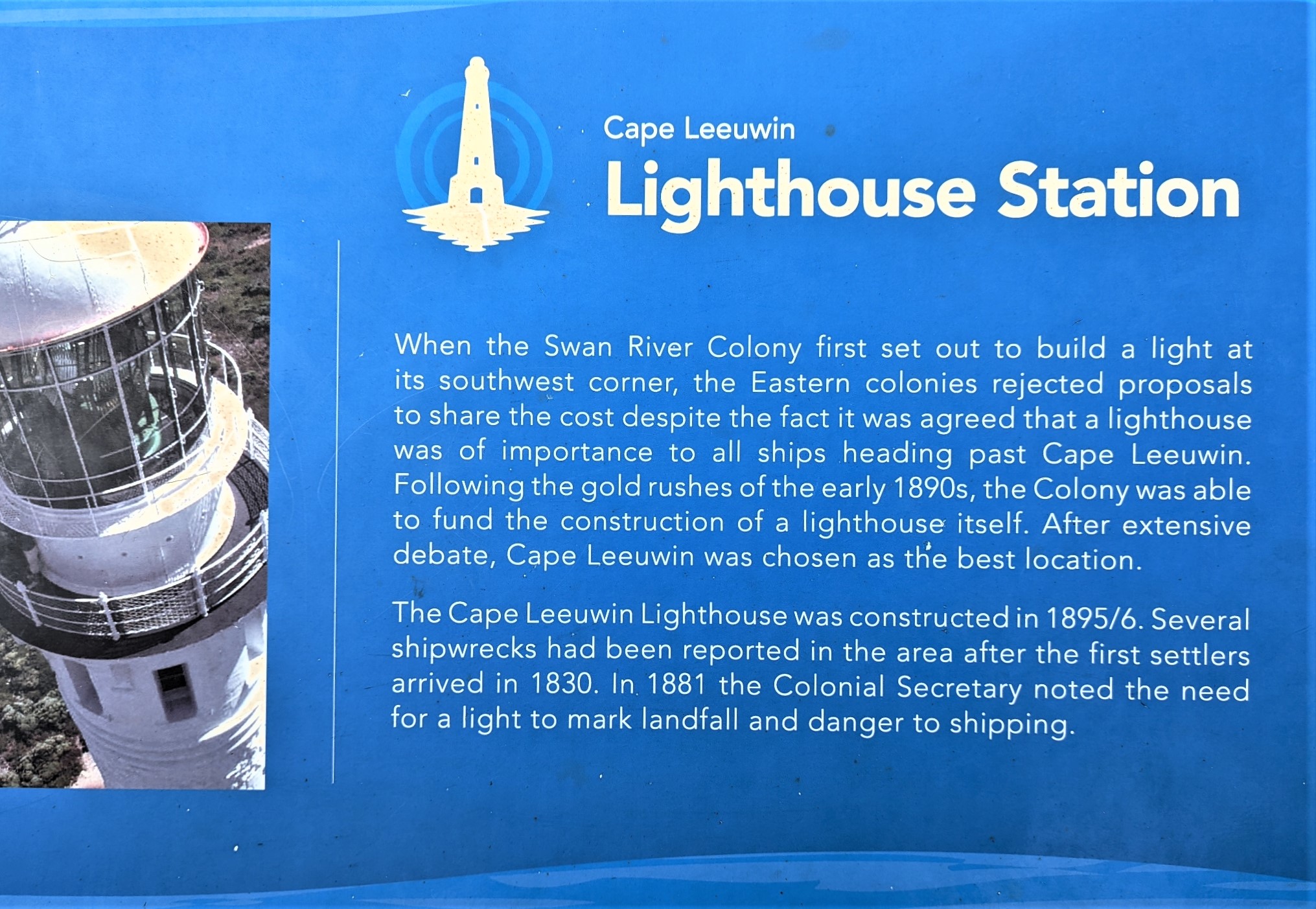
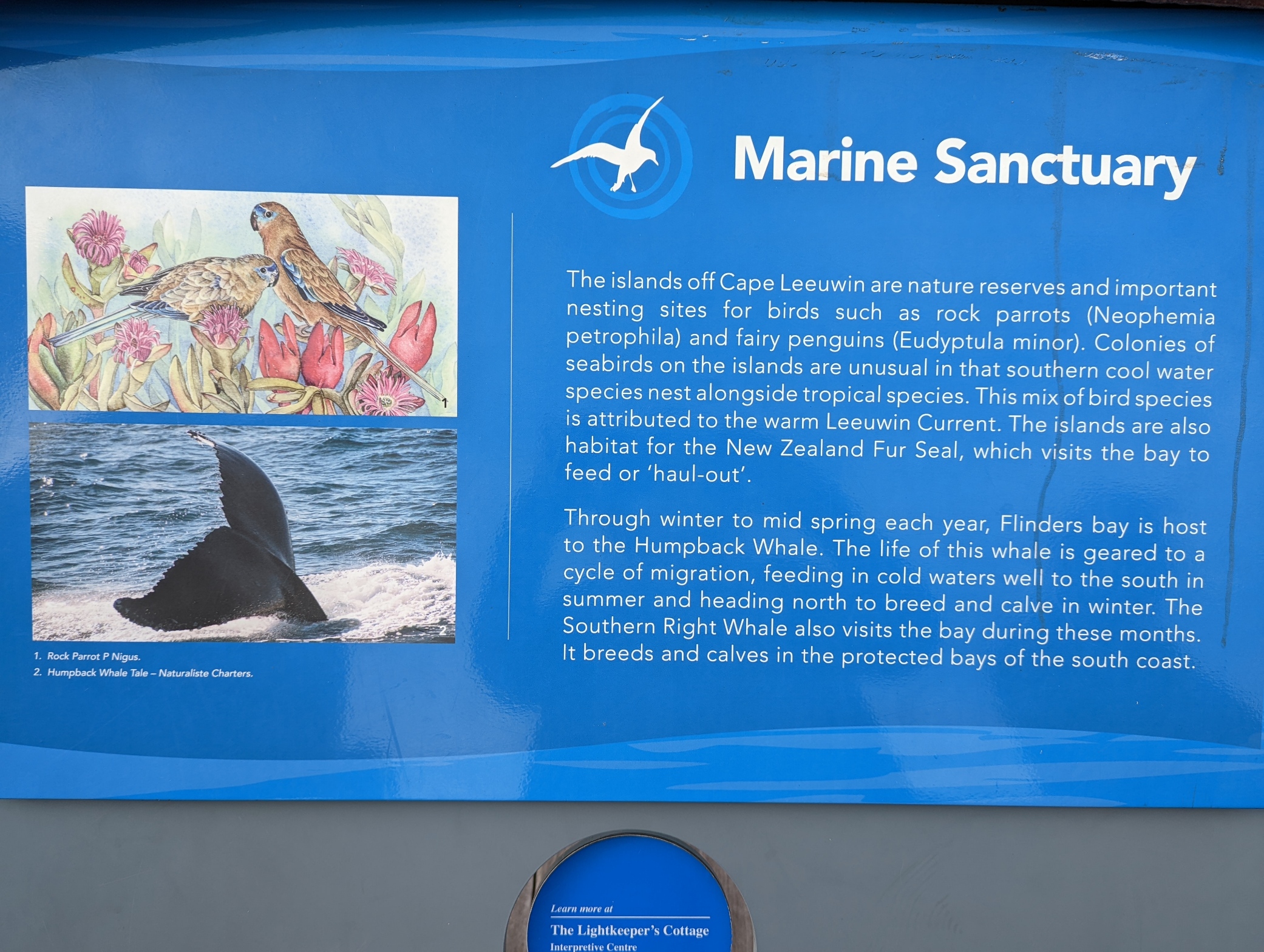
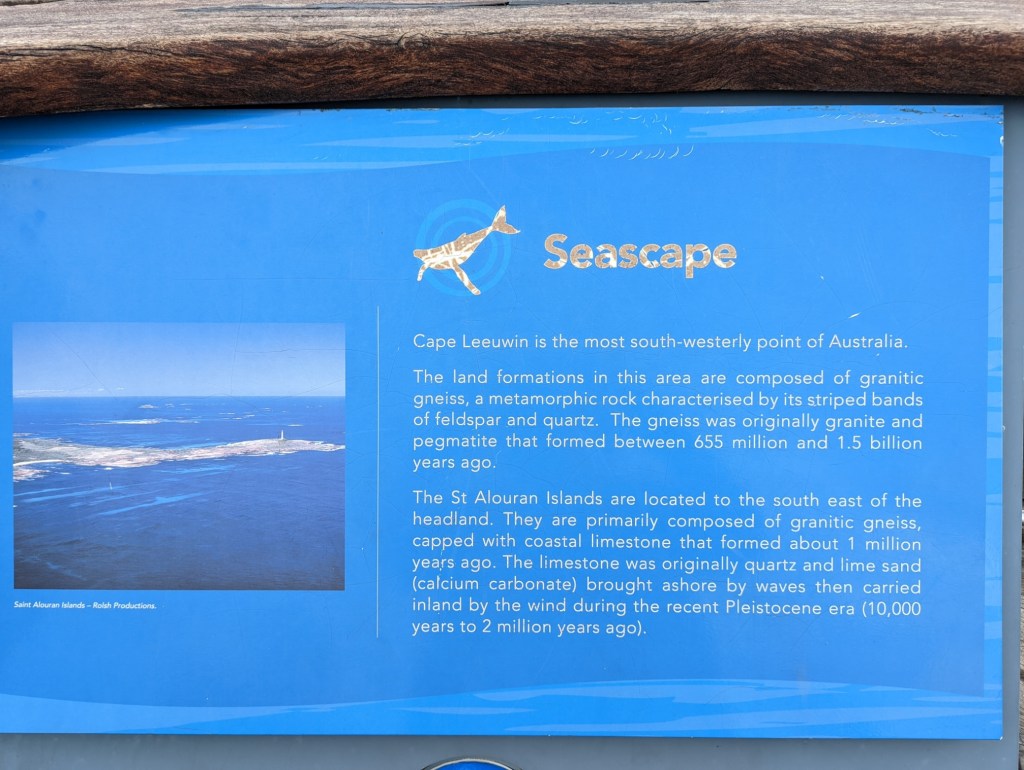
The Indian Pacific trip included some additional tours, and we chose a lunch time cruise on the Swan River; a tour to Margaret River; and another to The Pinnacles. Each tour included additional activities, including lunches at interesting stops such as a winery, a lobster fishing site, and of course, lunch on the Swan River cruise. This was a relaxing tour, before Anzac Day, when there were no additional activities arranged. Fortunately the delightful Mr Walker restaurant was open for lunch, and Cindy Lou reported on that last week. Cape Leewin was included in the Margaret River tour, which was quite a marathon, with the Mammoth Cave, lunch at a winery, the drive to Cape Leewin, and walk through the Margaret River shopping precinct, before a late night return to the hotel.
Cape Leewin – the Southern Ocean and Indian Ocean

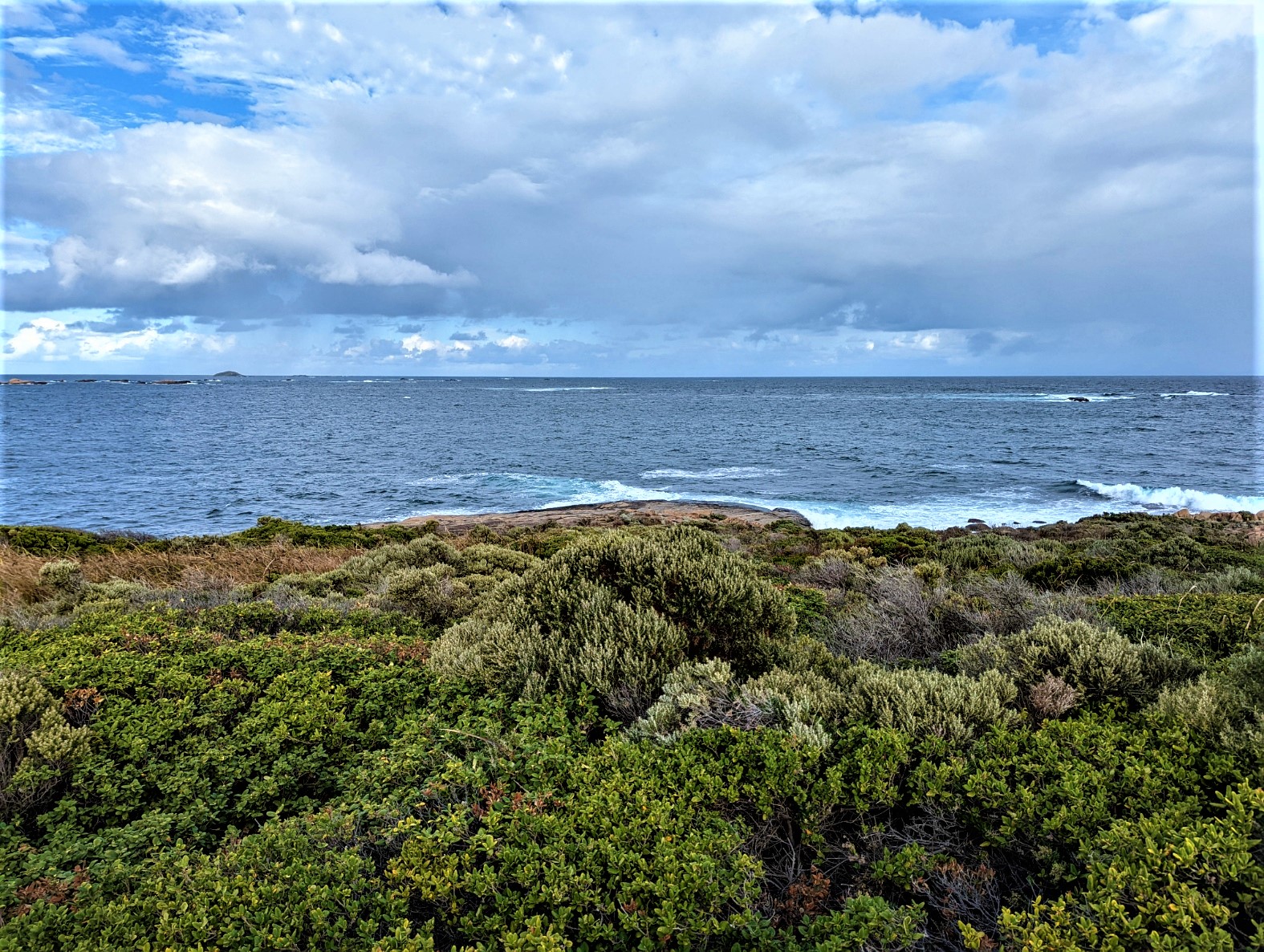

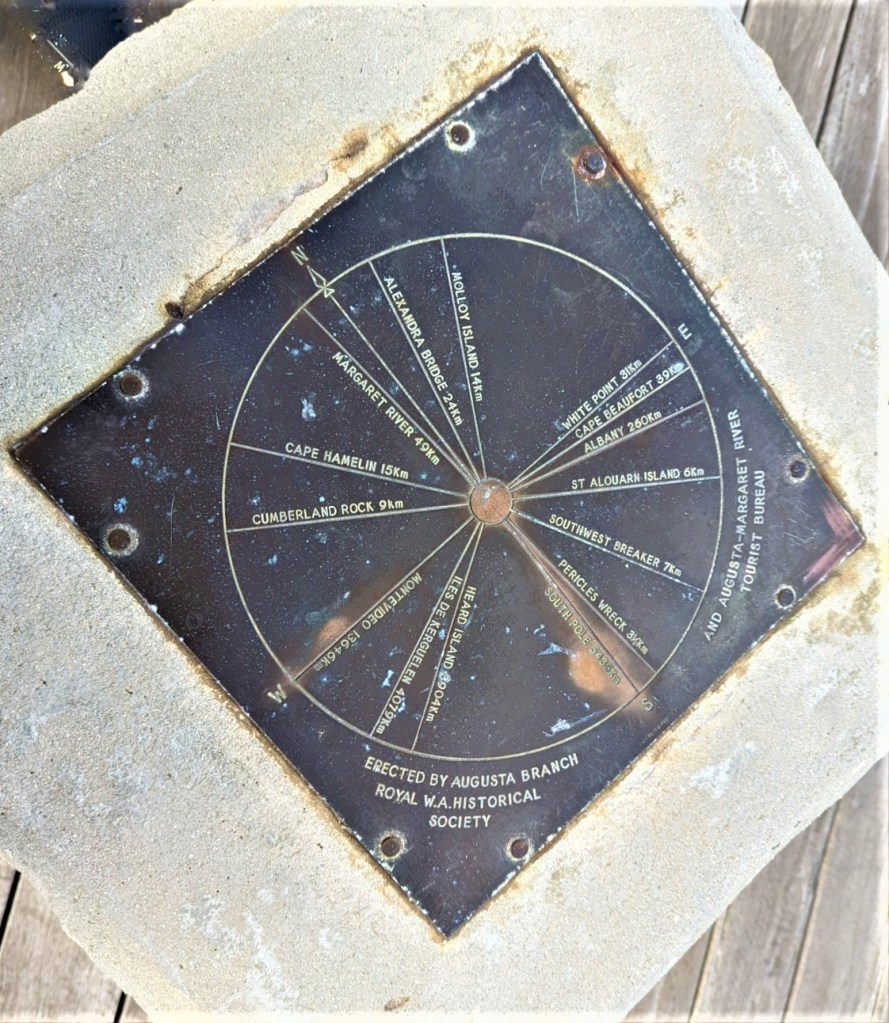
Cape Leewin is the most south-westerly point of Australia. The Southern Ocean and Indian Ocean meet here.
The Pinnacles tour included lunch at a lobster catching facility, and an amazing walk through the thousands of weathered limestone pillars. Wikipedia tells us: Some of the tallest pinnacles reach heights of up to 3.5m above the yellow sand base. The different types of formations include ones which are much taller than they are wide and resemble columns—suggesting the name of Pinnacles—while others are only a meter or so in height and width resembling short tombstones. A cross-bedding structure can be observed in many pinnacles where the angle of deposited sand changed suddenly due to changes in prevailing winds during formation of the limestone beds. Pinnacles with tops similar to mushrooms are created when the calcrete capping is harder than the limestone layer below it. The relatively softer lower layers weather and erode at a faster rate than the top layer leaving behind more material at the top of the pinnacle.
The Pinnacles







The Pinnacles walk was followed by another drive in the four-wheel drive to the sandhills. This part of the trip involved a lengthy deflating of the tyres before the ride over the sand dunes – and an even more lengthy inflating of the tyres for the drive back to Perth. Everyone was remarkably resilient and good natured about the latter!




It was quite an experience to be with other older people being thrown around as the four-wheel drive surged over sandhills at an amazing pace and tilt! Very youthful indeed – I think.
A great read from Women and Literature, June 22 2022.

IN PRAISE OF NANCY DREW – AND THE WOMEN IN MYSTERY WHO SAVE THEMSELVES
Tracy Gardner on a lifelong passion for strong women and mystery fiction
JUNE 17, 2022 BY TRACY GARDNER
My first hero as a kid was Nancy Drew. My English teacher dad had handmade bookshelves in the den (1970s word for study or office) where he’d grade papers and work on lesson plans, and they were filled with hardcover Nancy Drew by Carolyn Keene novels. He also had most of the Hardy Boys mysteries and tons of classic literary fiction, but from the first few pages of The Hidden Staircase, I was hooked. I know now that I read the second book first, but it didn’t matter at the time. Accompanying Nancy Drew on her secret, compelling adventures, I reveled in the idea that a girl could take it upon herself to solve mysteries while aiding her dad in the process. A girl. Nancy was originally written as sixteen at the beginning of the long running series, but was then aged up to eighteen, which now seems more appropriate to my fifty-two-year-old brain. See the full article at Further Commentary and Articles about Authors and Books*
 Robin's Room