
Some novels, published in 2021, but good second hand reads in 2022 are reviewed this week: Louise Candlish The Heights, 2021; Carol Mason, between you and me, 2021 and Jane Isaacs, One Good Lie, 2021. Thank you, Net Galley for the uncorrected proofs for review.

Louise Candlish has had me immersed in her fictional worlds from when I was introduced to her work through Our House. Now I have had the pleasure of engagement in such novels as Those People, The Sudden Departure of the Frasers, and The Other Passenger. Of course, there are more, but one of the pleasurable features of opening yet another Louise Candlish novel is that each has something different to recommend it. Although they are often introduced with comments about the twists and turns, this phrase has become overused. What I want is a twist that is smooth, is logical, and has a background in the information I already have about the plot and characters. In The Heights Louise Candlish has accomplished this once again. Books: Reviews
Carol Mason between you and me Lake Union, 2021.
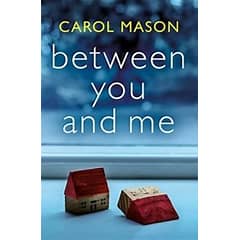
Carol Mason’s novel, woven around the topic of step parenting, combines a sensitive and thoughtful approach, from the perspectives of all the main characters, as well as those that become involved while those relationships develop. At times, Mason’s even handedness toward the characters might annoy, particularly if the reader is committed to one or other of the protagonists. However, while this almost neutrality sometimes seems to slow the story, it works to demonstrate the complexity of the topic. This novel shows the inability of even those with the advantages of professional lives and lack of economic anxieties to deal easily with the complications attendant on developing any new relationship combining first and second families. Books: Reviews
Jane Isaac One Good Lie Canelo, 2021.

A chilling prologue introduces a female victim and her captor – a man who is known to her. Subsequent chapters introduce male and female characters, two of whom must be those featured in the prologue. Who are they? What has caused this event? Will the incidents leading to the capture be worth following to find the answers? What will happen to the victim and her captor? Books: Reviews
After the Covid report: Last day in London 2022; Cindy Lou eats out in London; signs on Paddington Station; new Ken Burns documentary.
Covid in Canberra moves to weekly updates

It was interesting to see the different mask requirements/encouragements while in the UK and Italy. In the UK there were no mandated mask requirements, although some people wore them at Heathrow, and on the tube. In Bagni Di Lucca masks were required on the bus, and the drivers enforced the rule. People wore masks. Although there was a requirement to wear masks on trains, there was no enforcement, and only some people wore them. Hand sanitiser was available in most venues in both countries, although, as noted in the restaurant reviews, not all.
The weekly report for Canberra: new cases – 791; cases in hospital – 76, with one person in ICU and one ventilated. The number for the total lives lost since March 2020 is 125.
Last Day in London 2022
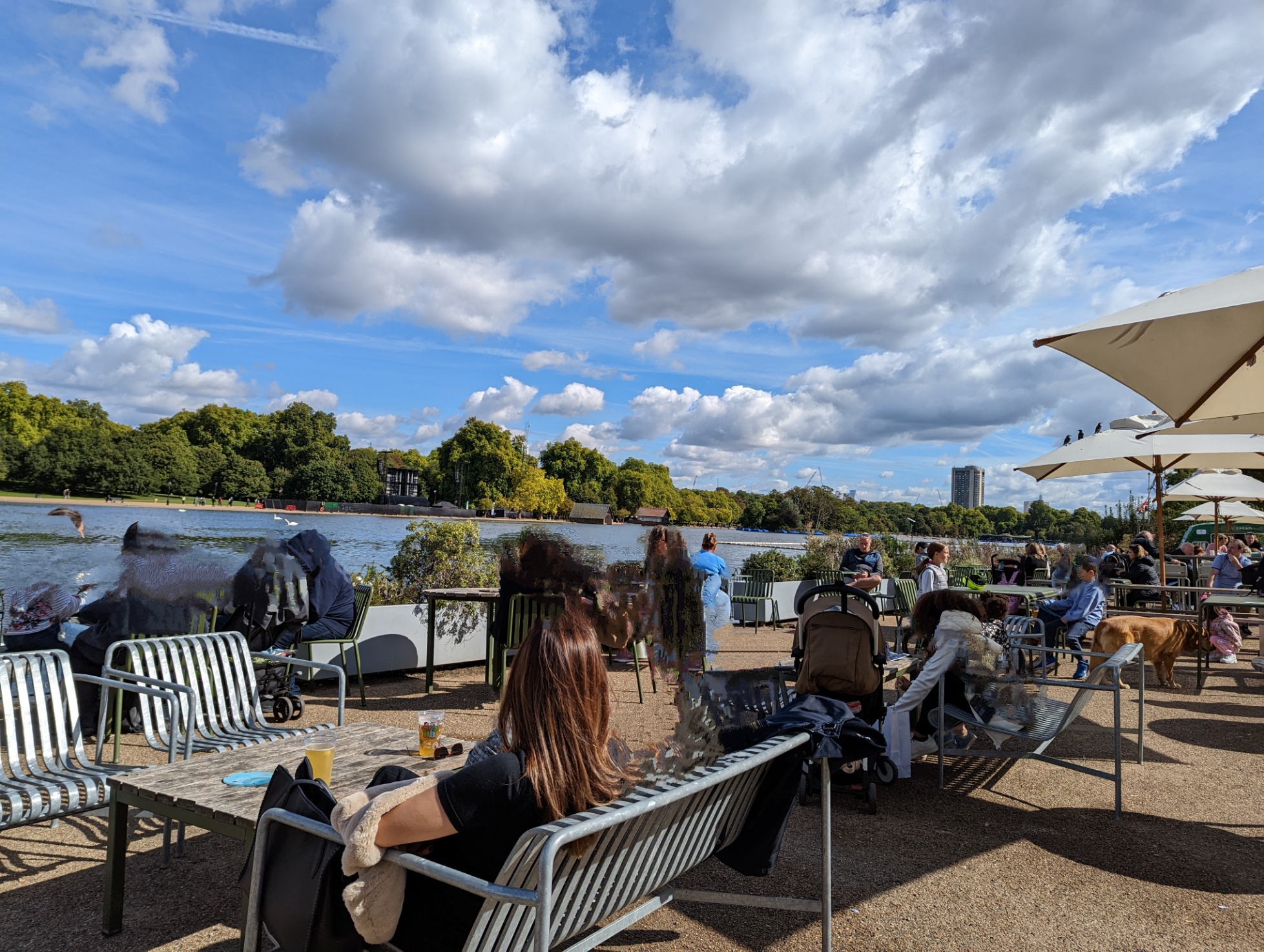
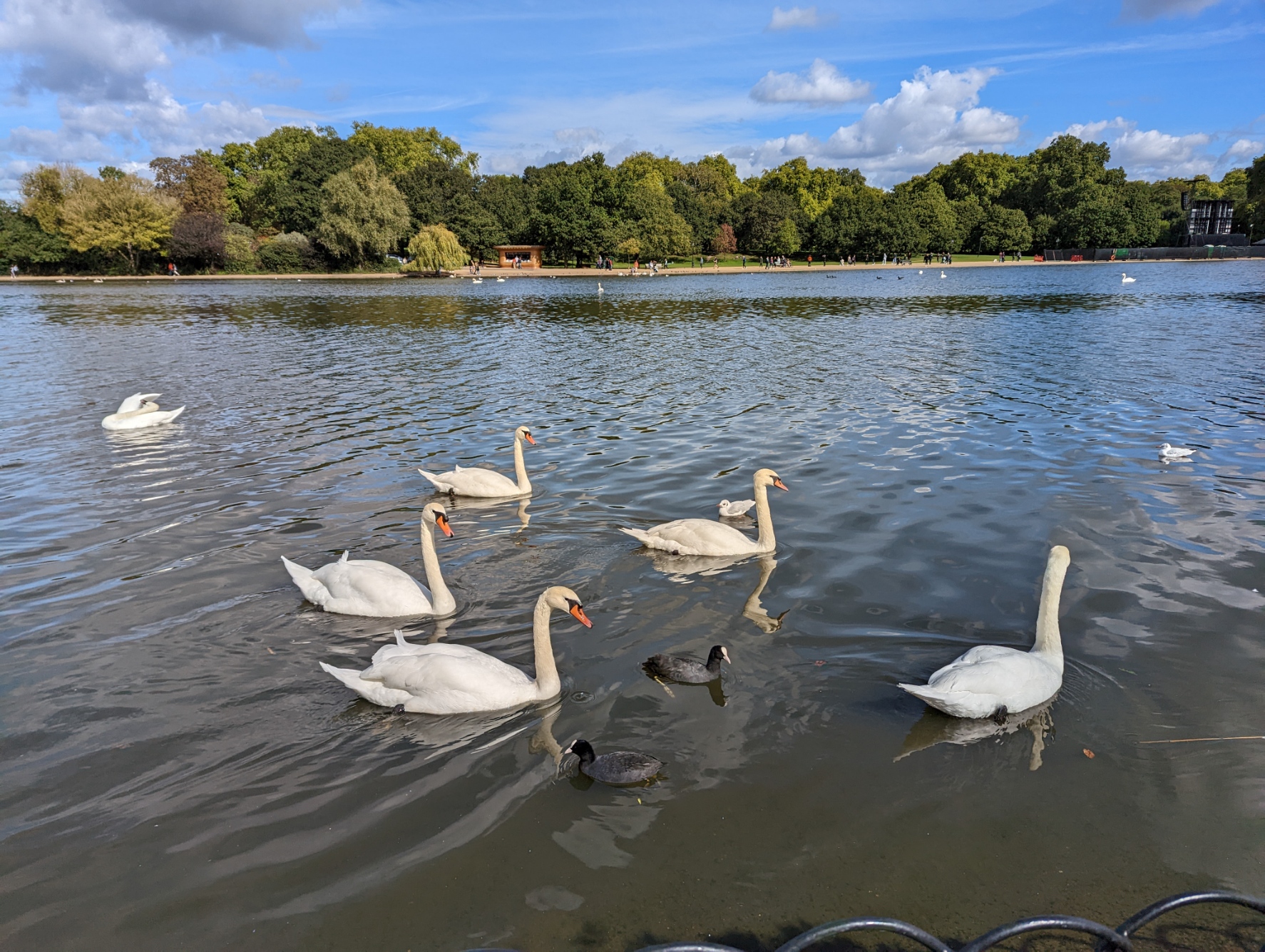
We were fortunate with our timing for departure on Sunday as flights were cancelled on Monday because the funeral of Queen Elizabeth 11 required clear airspace. A walk though Kensington Gardens was a familiar activity from our years in London and seemed a perfect way to end this visit. The Lido is an excellent place to eat, with an abundance of options, hot and cold, large and small. But most attractive is the setting. Walking through the park, past the Italian Gardens, viewing the Albert Memorial in the distance, and of course the many dogs walking and playing in the park is an absolute joy.




Cindy Lou eats out in London
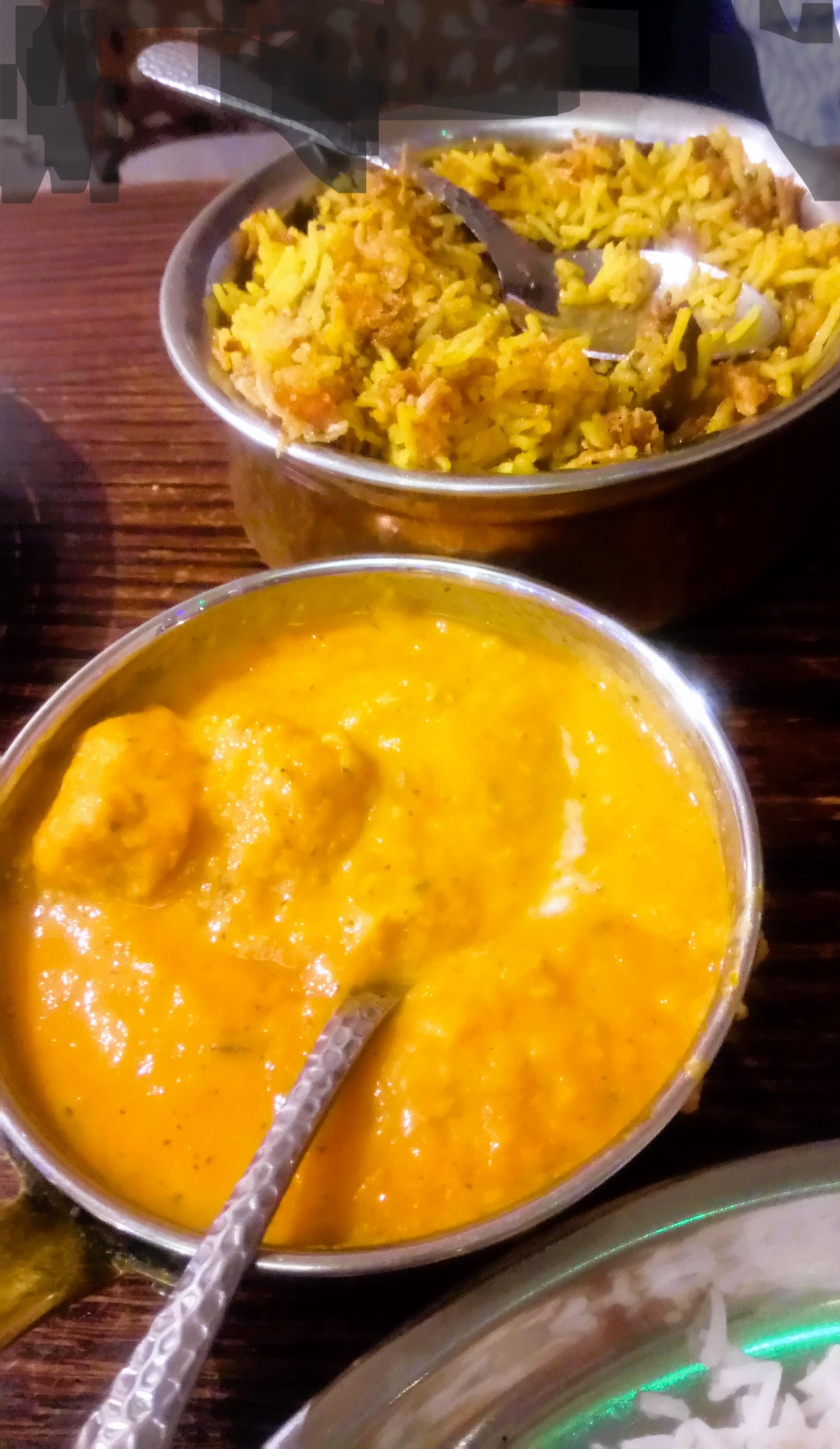
Flavours of India, Paddington
This was a favourite when we were living in Paddington several years ago. As the crowds in Paddington milled around the restaurants on Regent’s Canal, and a lengthy queue snaked around the Italian restaurant we also liked, the rain drove us to Craven Road and Indian food.
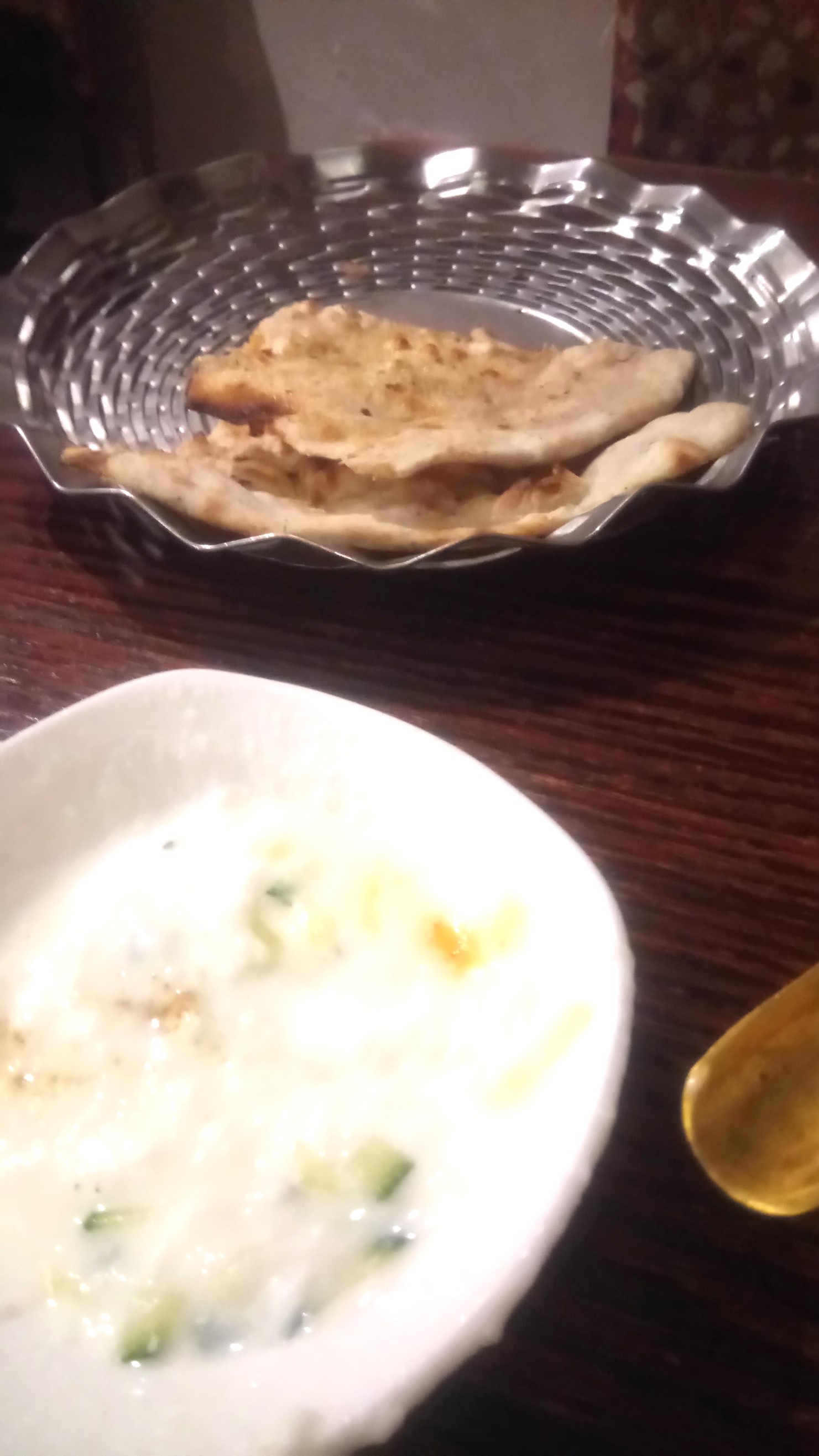
Unfortunately this restaurant has not maintained its high standards of flavoursome food and variety of chutneys and pickle accompaniments. The meal was pleasant , and certainly generous. However, it lacked the special features I recall. The one stand out was the beautifully thin and crisp pappadum, which I have not seen replicated elsewhere. The service was friendly, but the restaurant was very busy, so that was a little disappointing also. The prices are reasonable, so this is worth a visit for an uncomplicated pleasant enough Indian meal.


Tuttons, Covent Garden
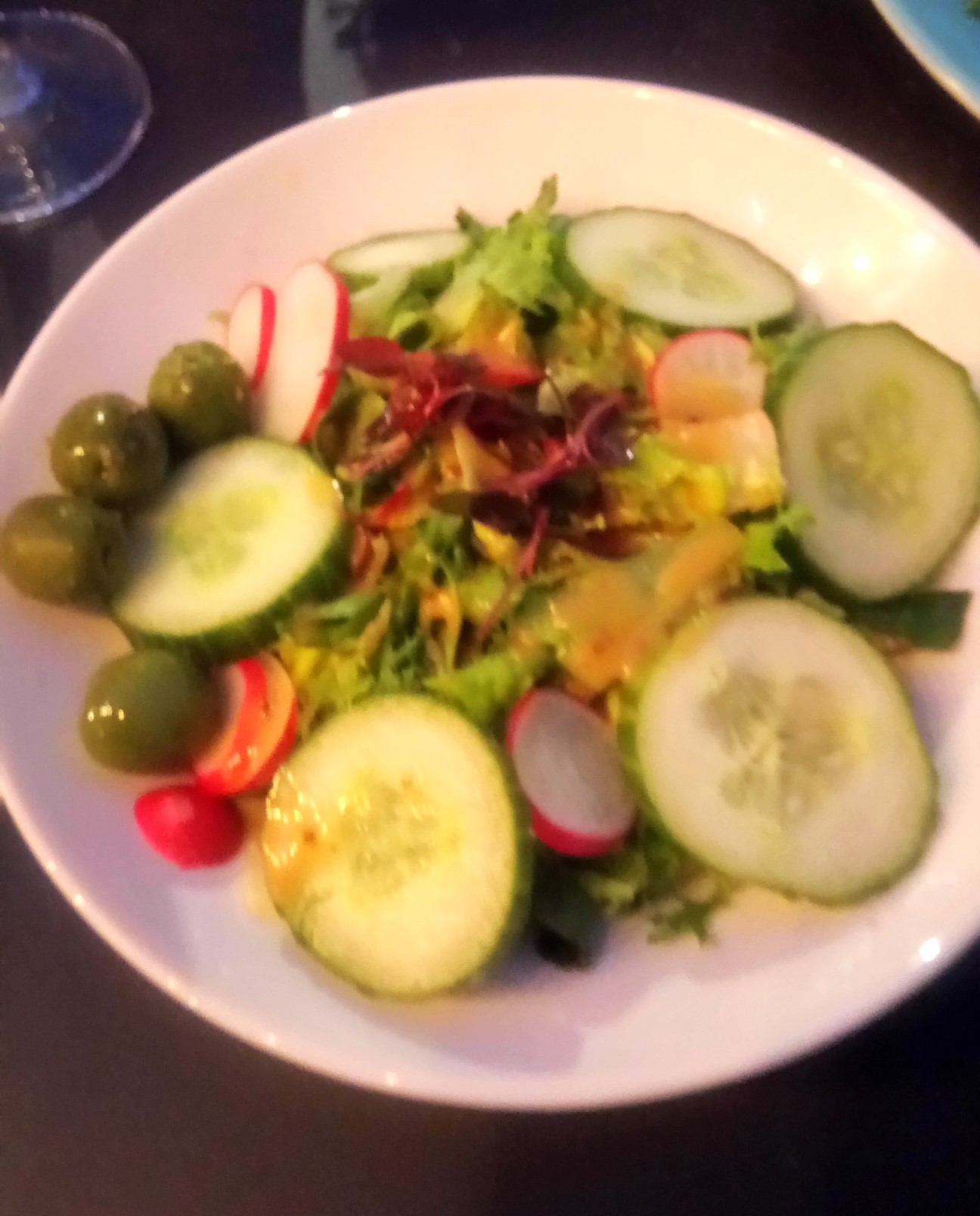
Tuttons was a find a few years ago, and we were pleased enough to return several times. On this occasion we sat outside, a lovely experience as the sun was out, the seating was comfortable, (the inside seating is very nice too) and the activities of Covent Garden swirled around us accompanied by operatic singing (possibly mimed). The mixed olives were luscious, and the bread included dark rye and crusty white. There was enough butter! The main courses were generous. The salmon was not overcooked but had a crispy skin; the salad provided a variety of tastes and textures. Tuttons is worth visiting. However, take your own hand sanitiser as none is available and the lavatories are a long and complicated walk down stairs.


Ask, Paddington
Ask is a chain serving Italian food. It is reasonably priced, the food is good, although not spectacular, and the service on this occasion was very efficient and delightfully friendly. I was pleased to be able to take away a bunch of the cheeky table napkins that I thought my grandchildren would find amusing. They are a great riposte to a person fixed on good manners to the detriment of enjoyment.



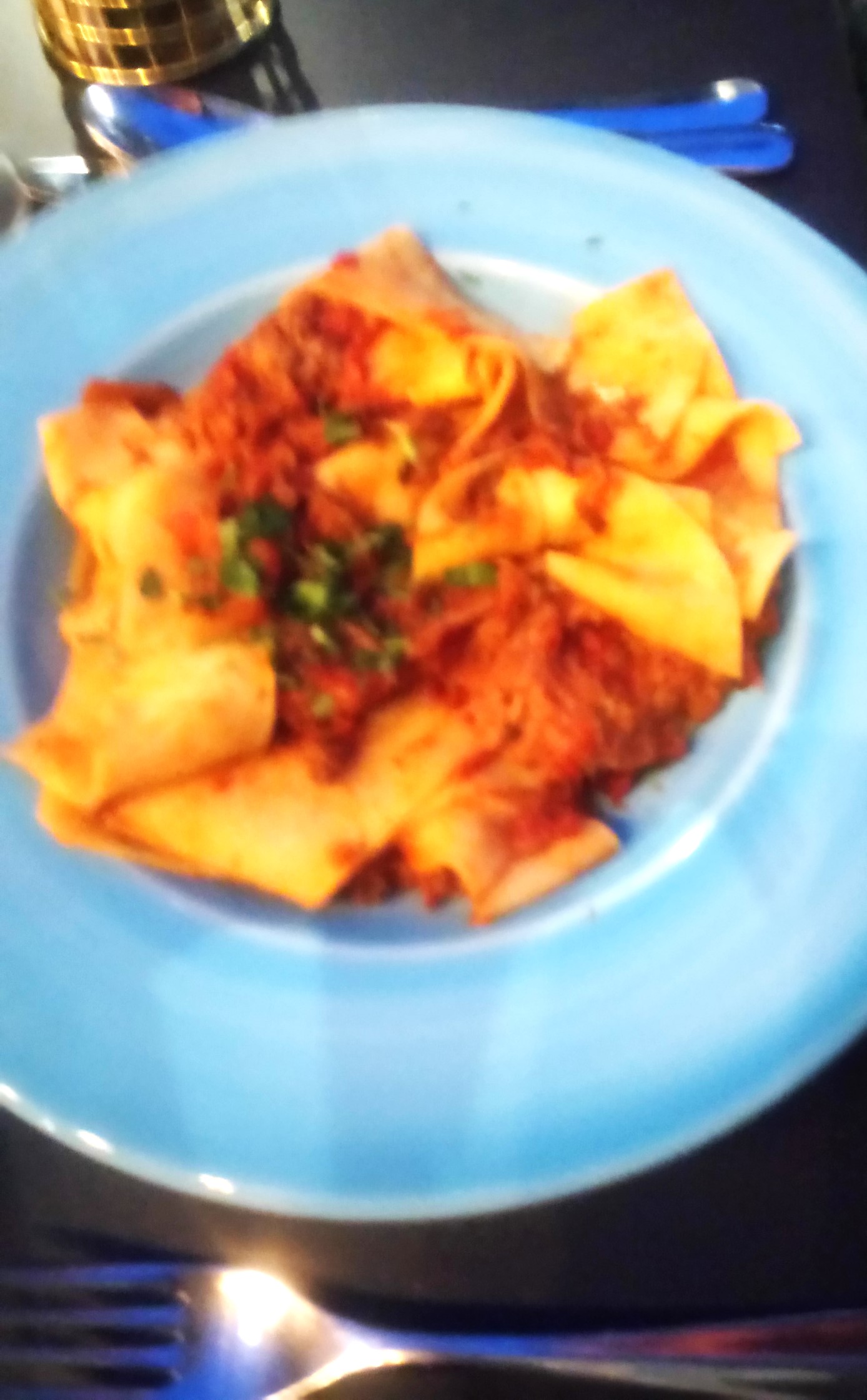

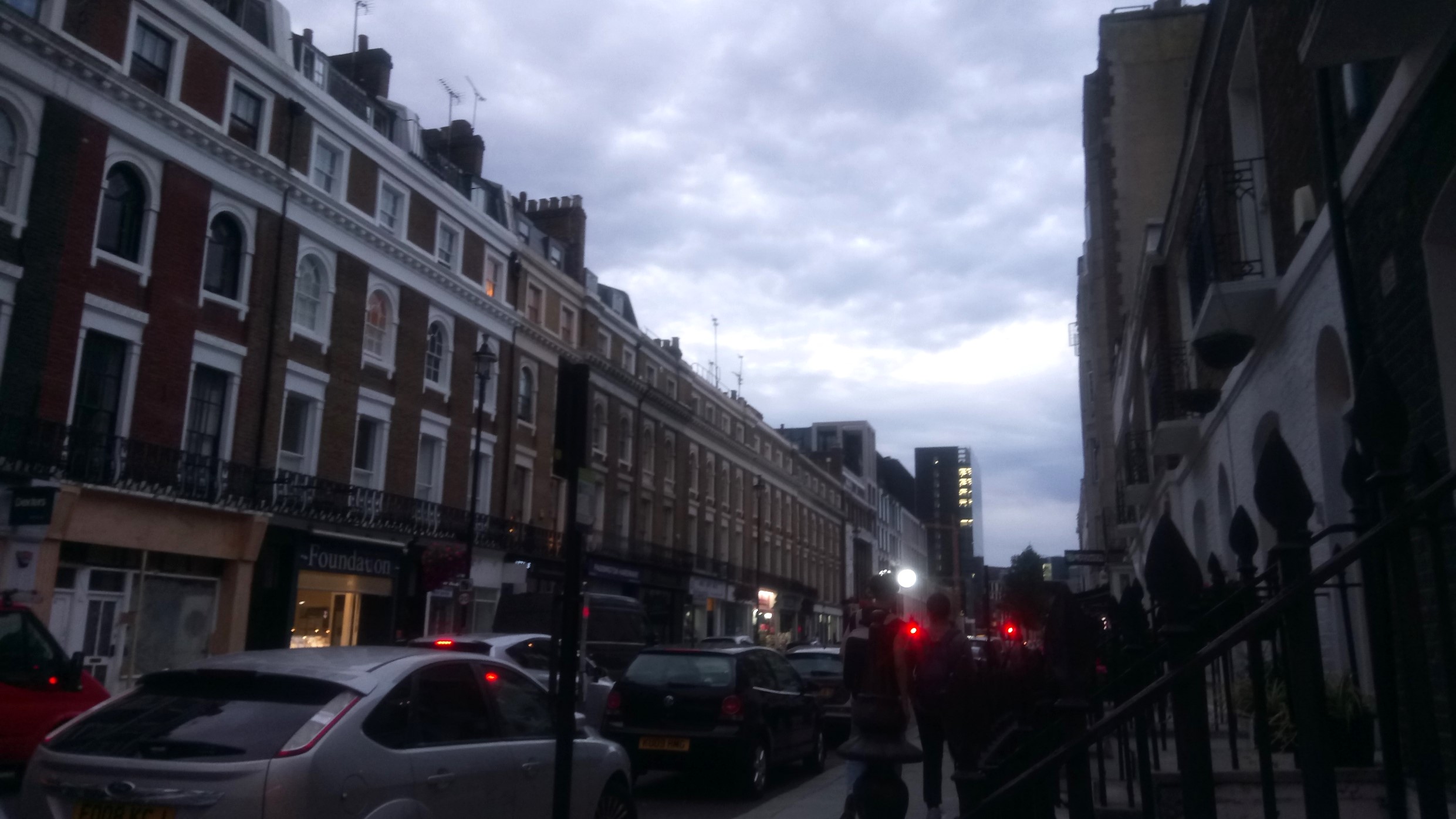
If sitting outside, the traffic is very close. However, the streetscape is pure London, and for me that was a deciding factor – I sat outside.
Bizzarro, Craven Road, Paddington
Bizzarro is a large, busy restaurant, often featuring a long queue waiting for a table. Fortunately, I had booked, arrived early, and was seated immediately. The staff are busy, but polite and friendly. They are also efficient, considering the pace at which this restaurant works. Lest this sound as though you will be hurried – no, one important feature of Bizzarro is that one feels welcome and looked after.
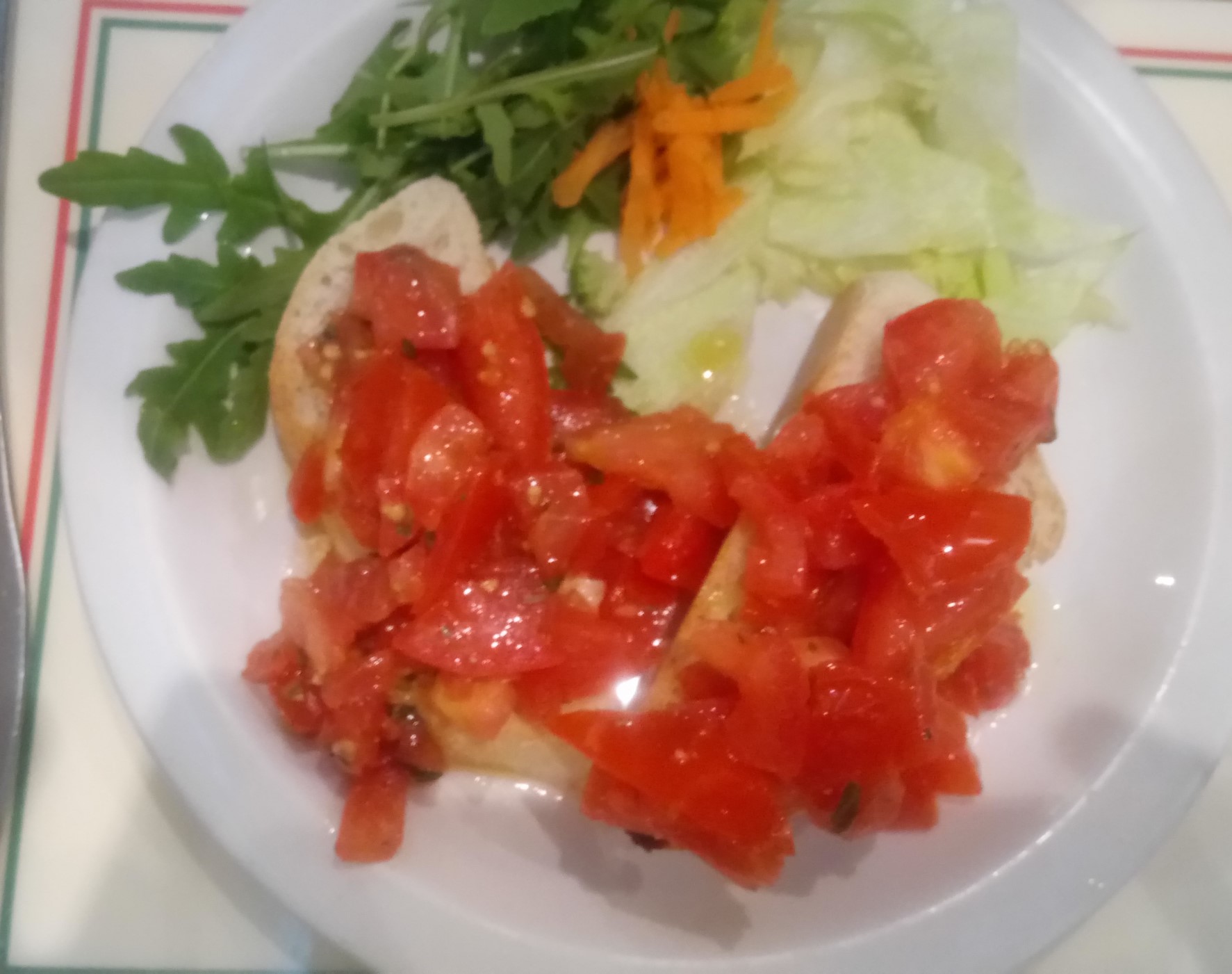
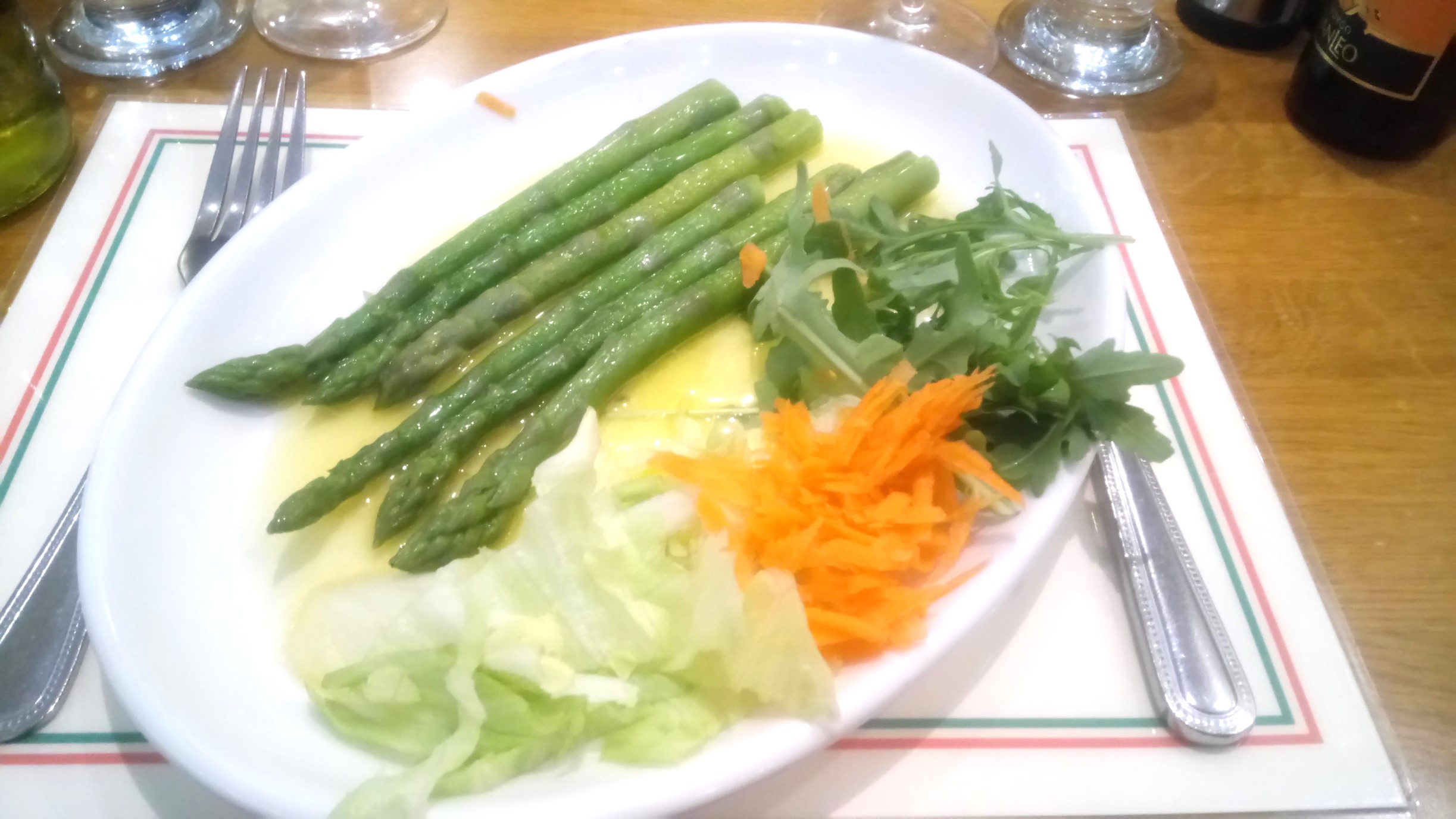
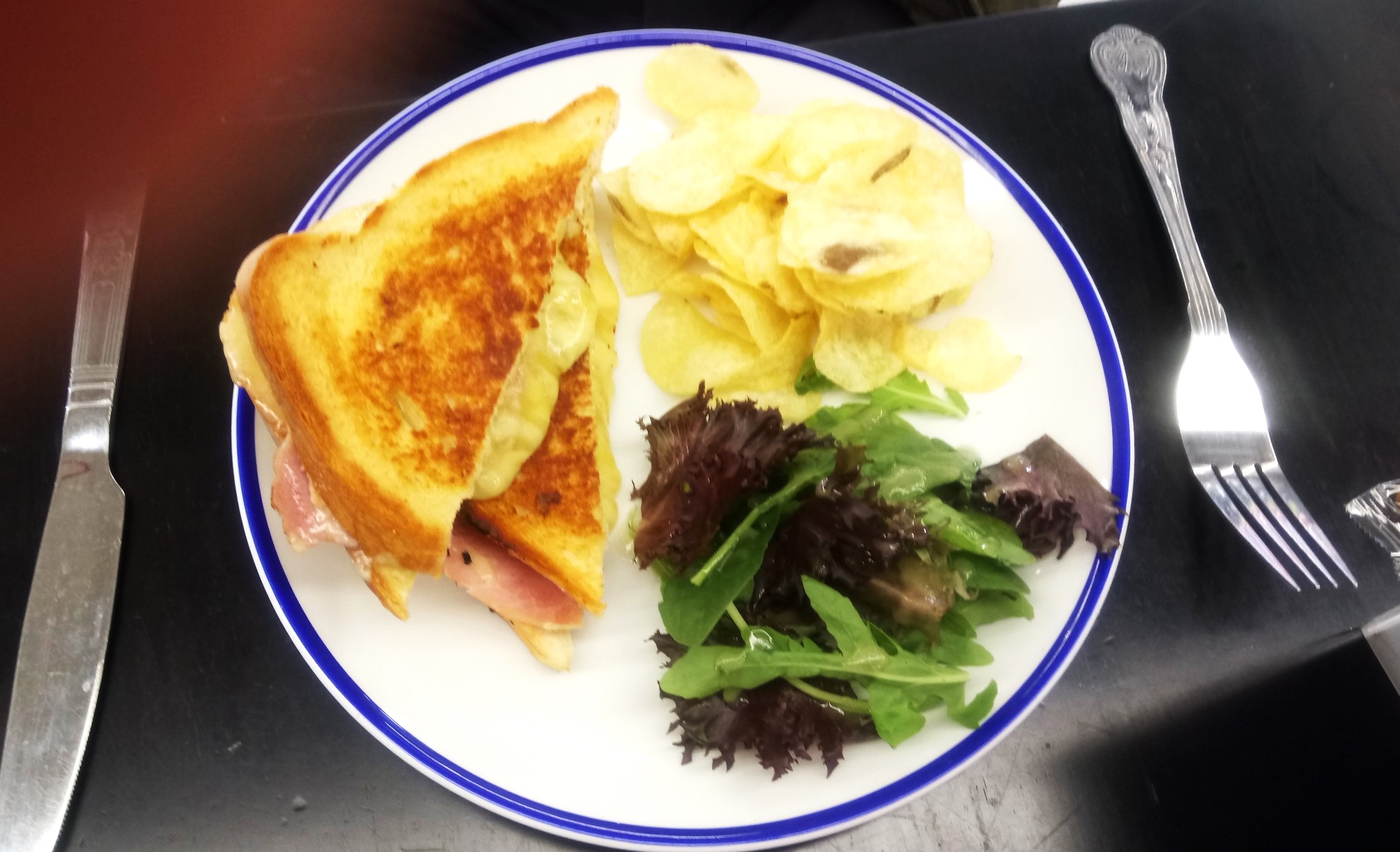
The starters were excellent – bruschetta with piles of fresh tomato and basil, and the most delicious buttered asparagus. The main courses, both pasta, were generous and flavoursome. Mine, with prawns, not large, but numerous, was particularly full of flavour. The green salad was fresh, plentiful, and varied – rocket, iceberg, tomato and cucumber. Balsamic and oil were provided. This was a lovely meal, and although no pasta seems to reach the heights of that I had in Italy, it was nicely cooked.


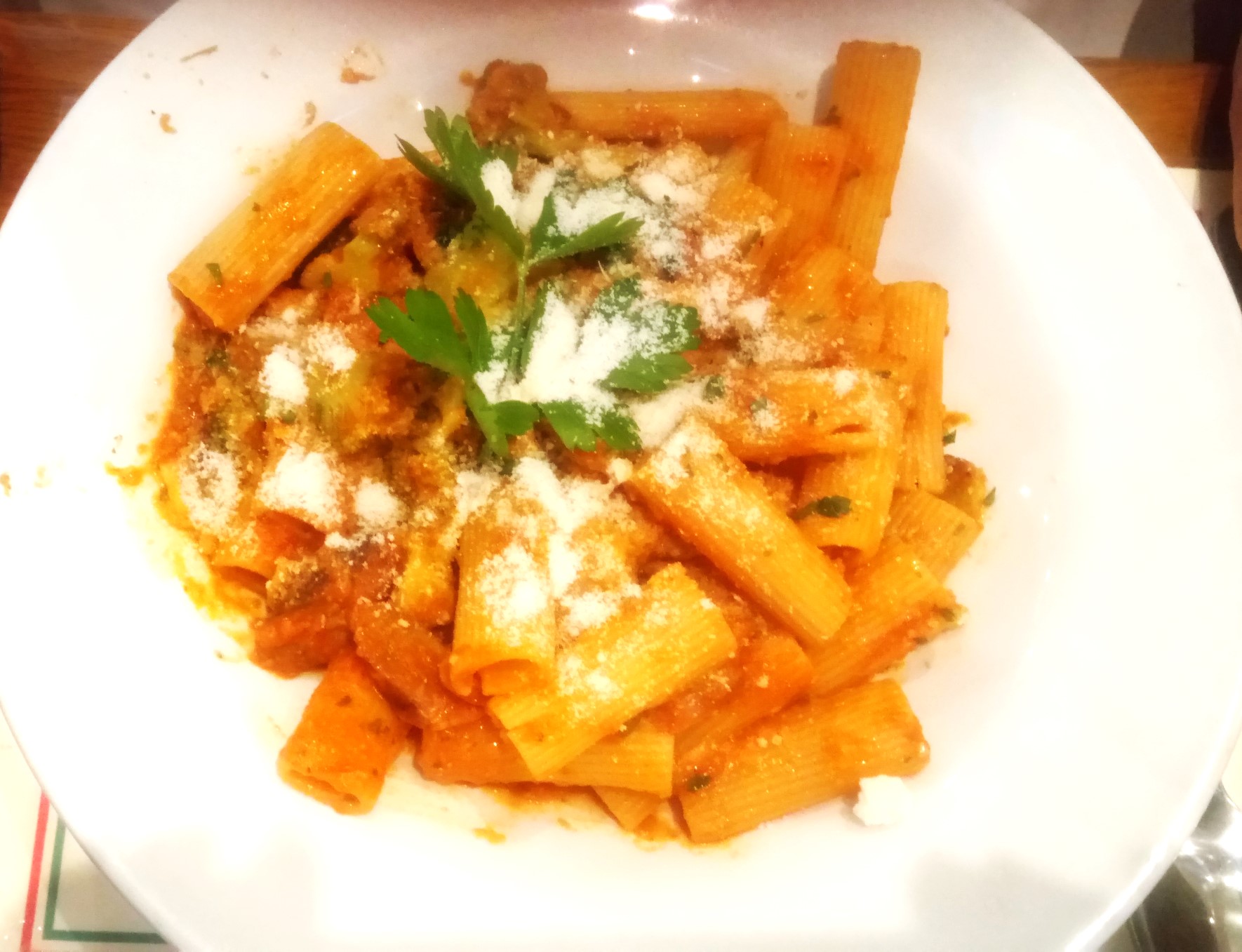
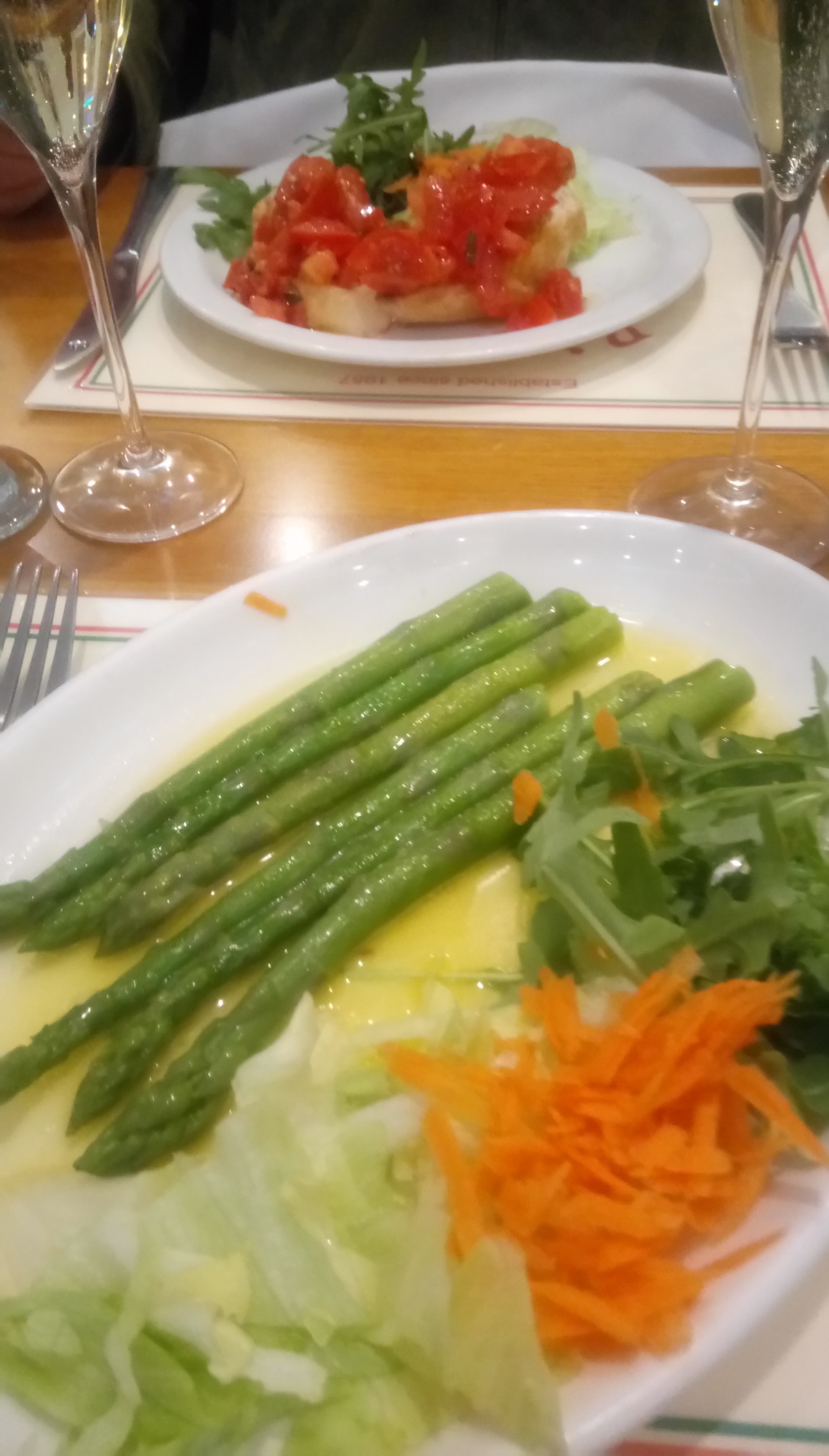
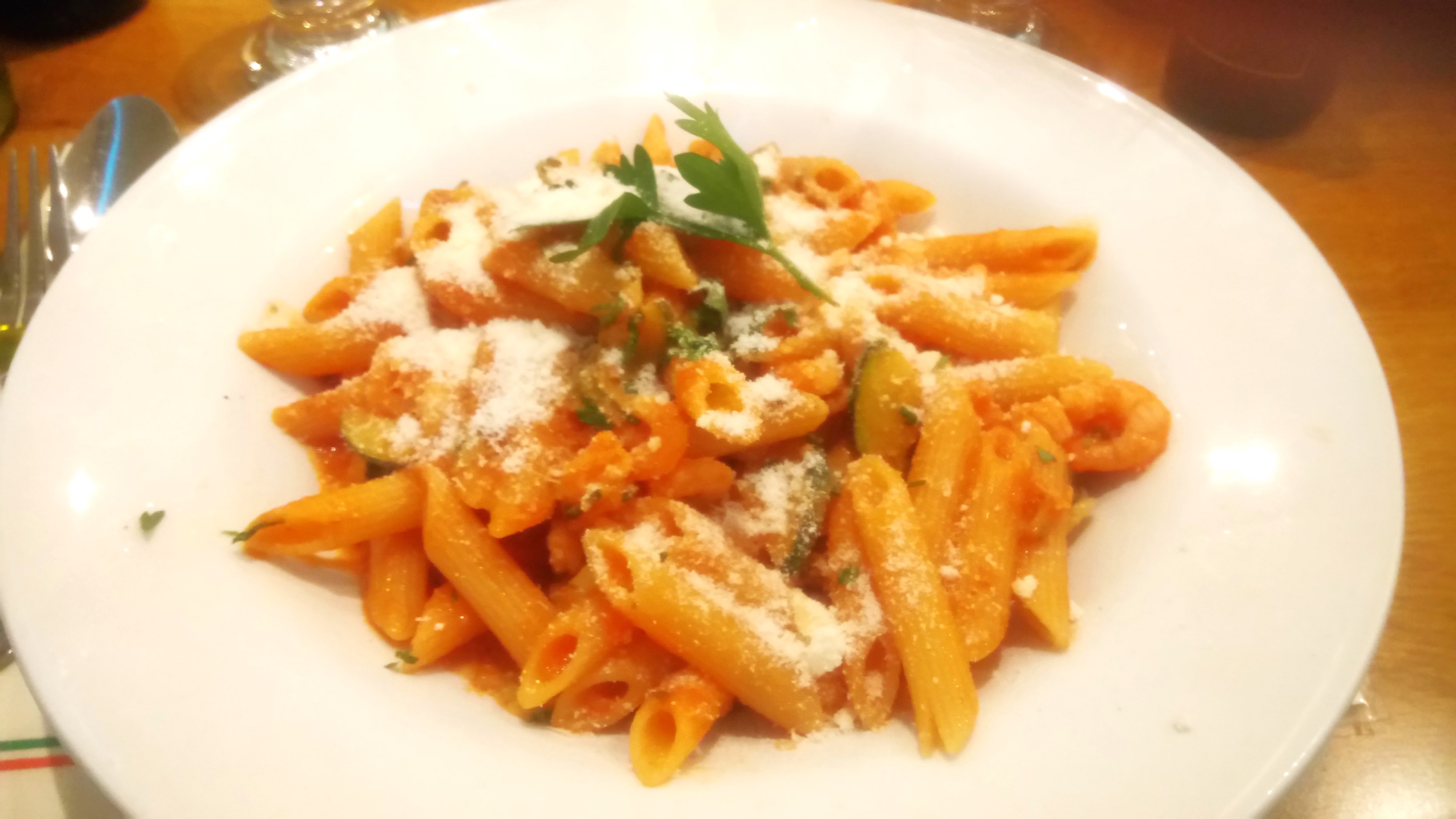

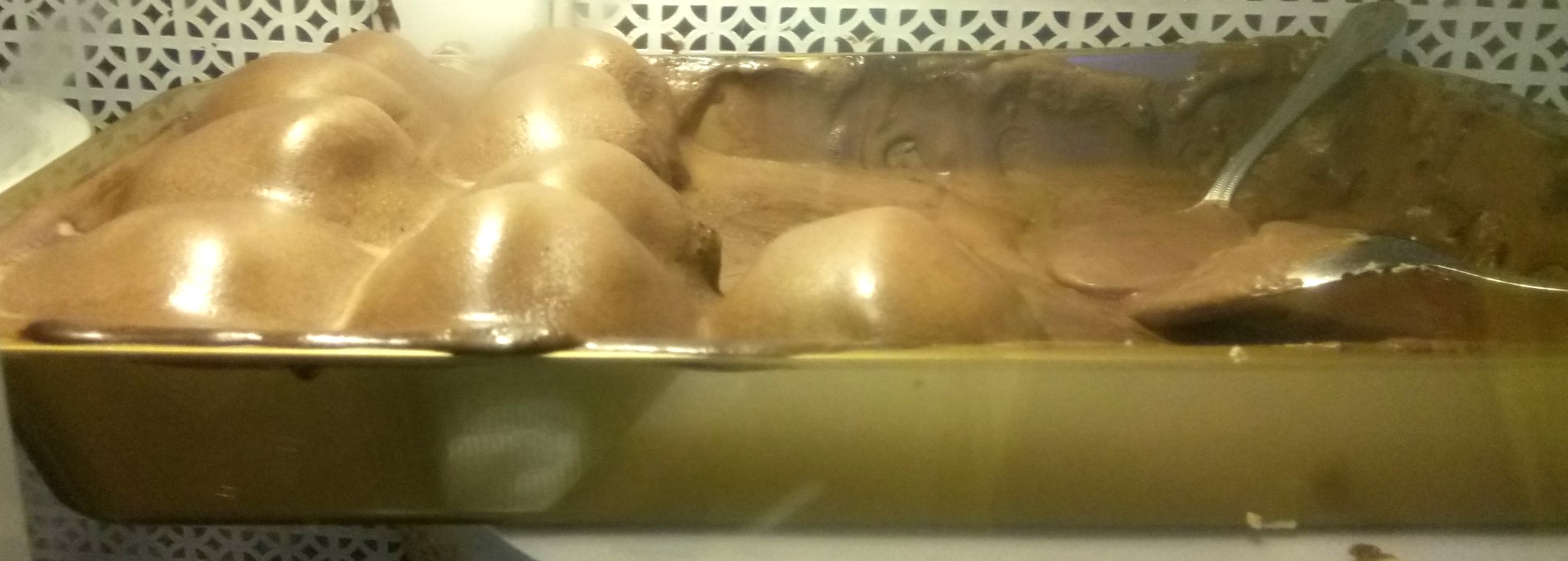
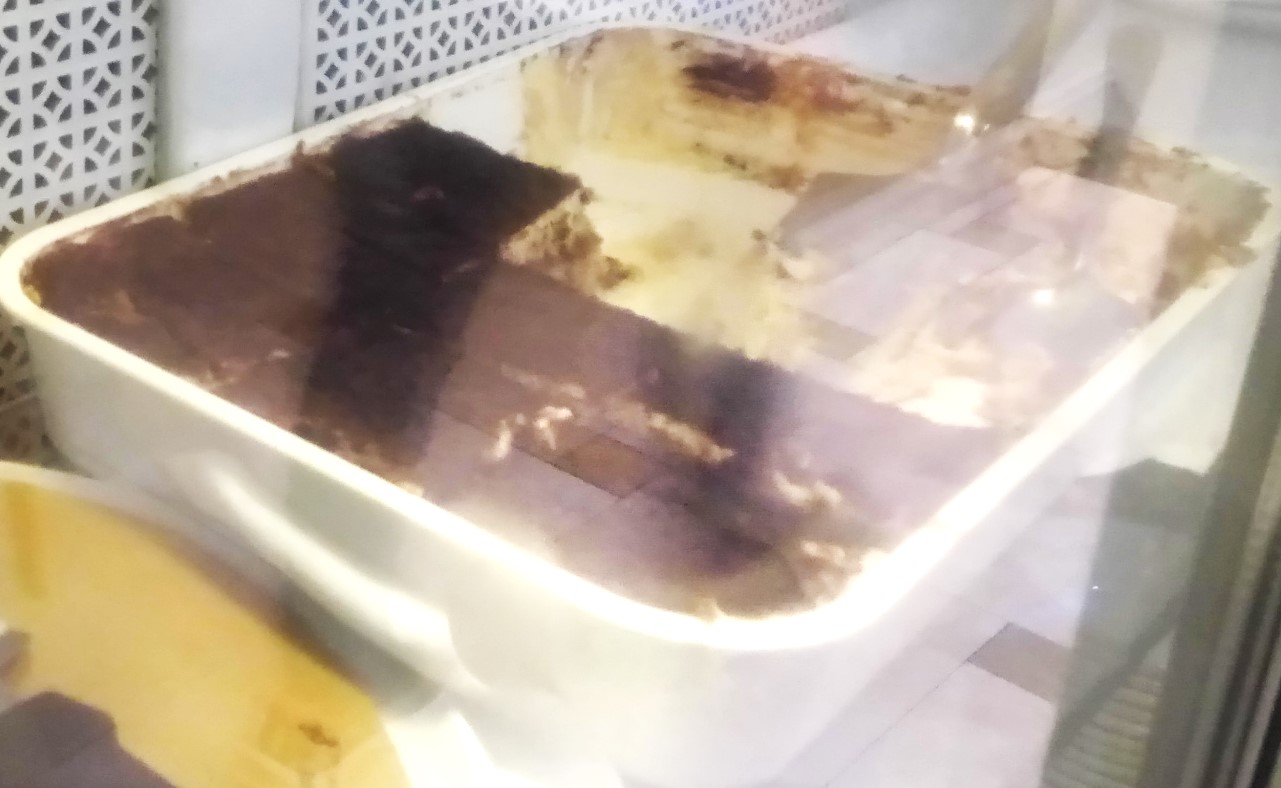
The desserts were in a glass case, and although they looked appealing the meal was pleasant without. After such filling pasta, a brisk walk back to the hotel was a more judicious option.



Trip to Amersham
This town is at the end of the Metropolitan Line, and according to the information is a place worth visiting. We did not find it so, although perhaps more investigation could have unearthed something. Friends who know Amersham were surprised that we had visited, although did say that there are some remarkably historic cottages there. The feature that we found rather different was the combination of a hairdressing salon and coffee shop. I had come across this before in London, where the wonderful Russian hairdresser I used to visit had a thriving coffee shop and salon.
The food was pleasant, the street vista worth a walk, and a longer walk out of the township, although not rewarding for any obvious historical features, was easy.



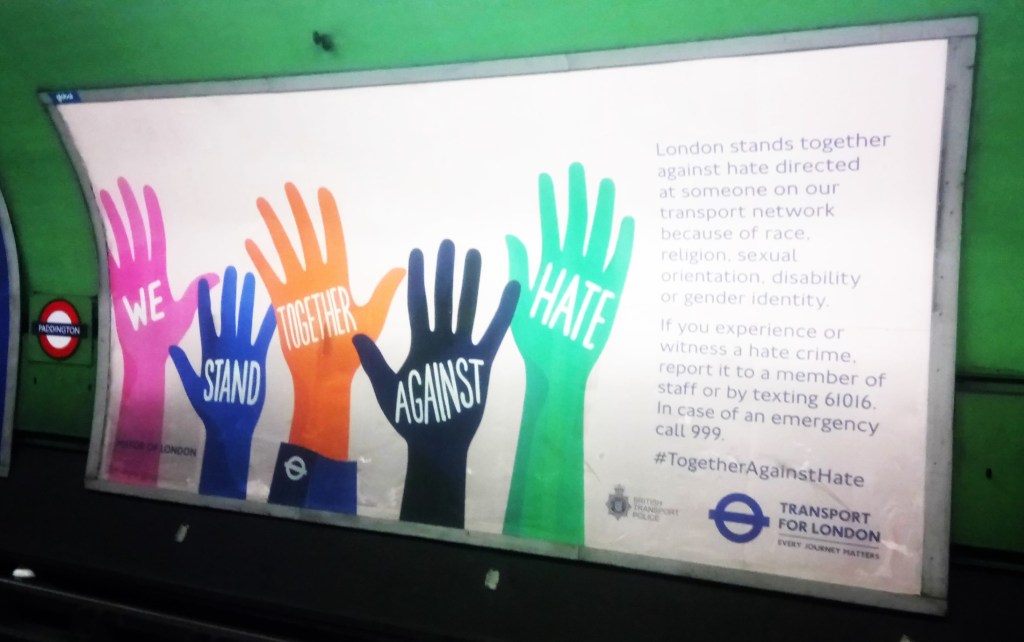
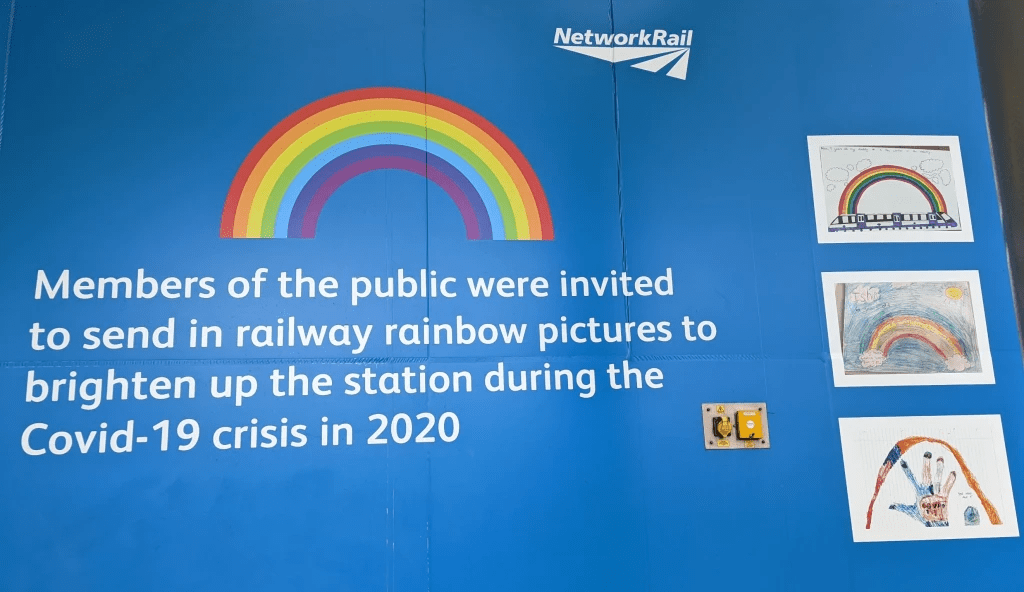
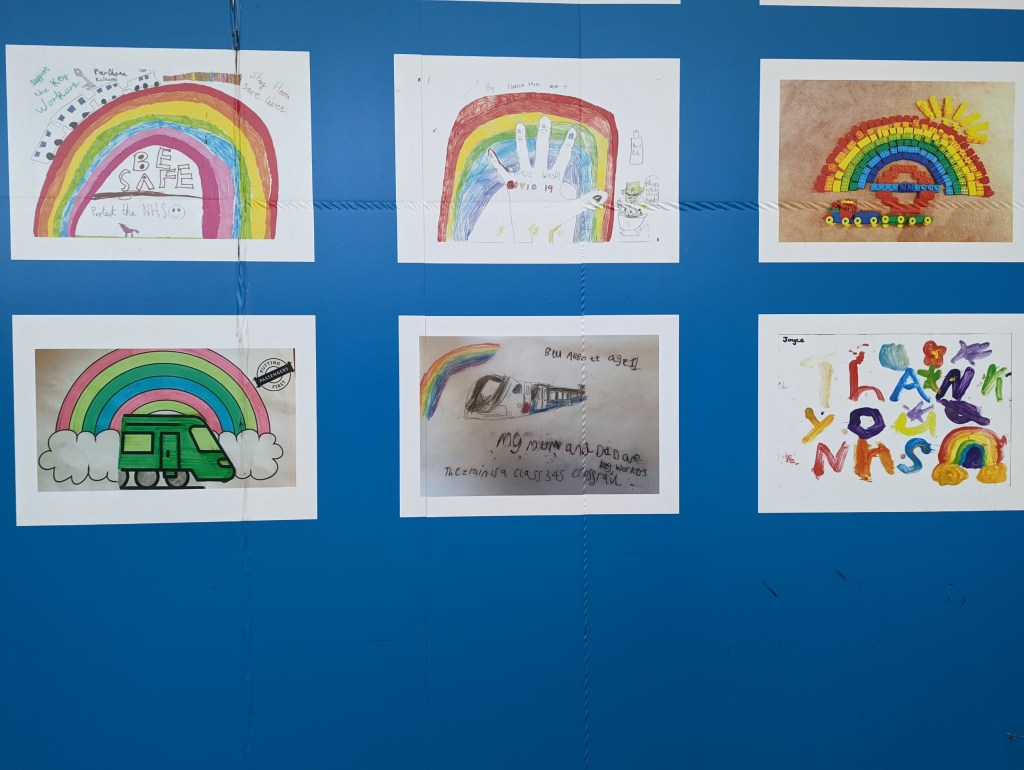
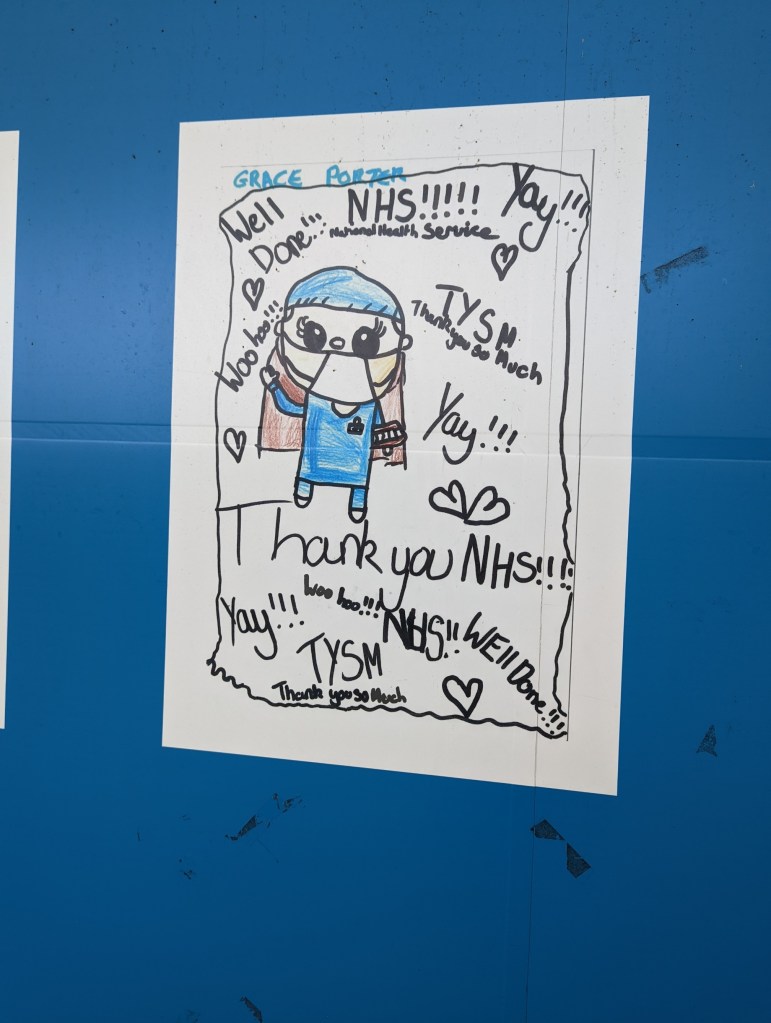
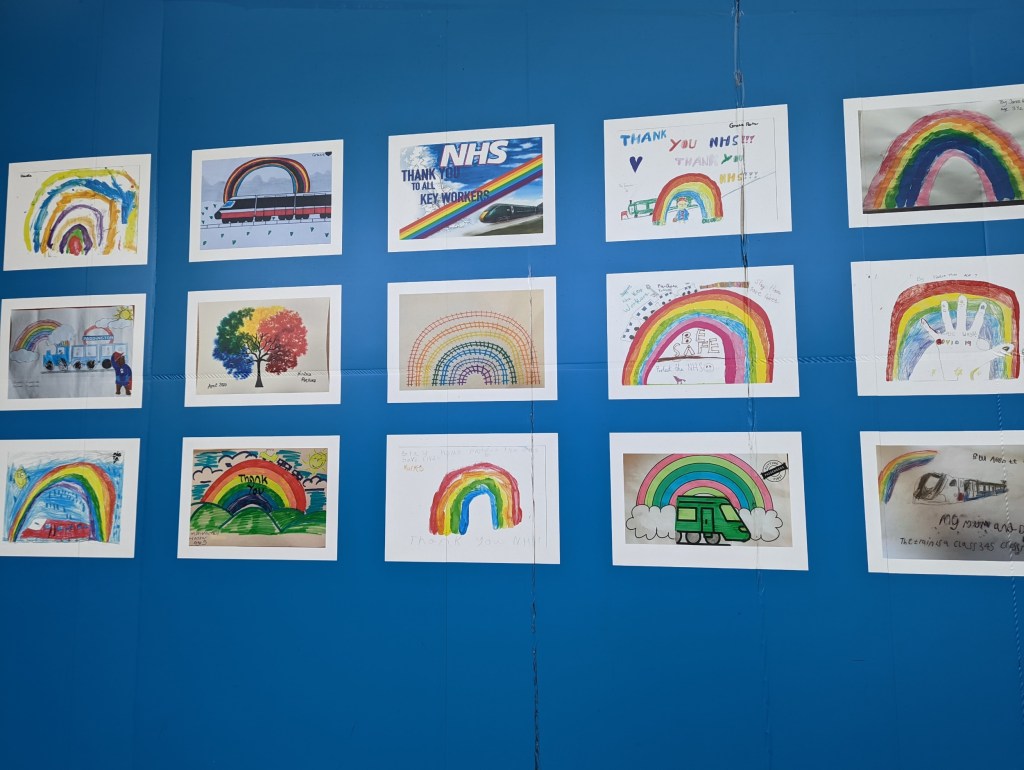
Signs at Paddington Station

I have seen numerous dogs in the stations, on the tube, and being carried on the escalators. They seem to adapt remarkably well to being regular travellers on public transport.
New Ken Burns Documentary

Ken Burns’ ‘The U.S. And The Holocaust’ On PBS
Tom Teicholz, writing for Forbes Magazine
Contributor
I’m a culture maven and arts enthusiast.
This Sunday, PBS premieres, The U.S., and The Holocaust, Ken Burn’s three-part six-hour documentary, produced and directed by Burns, Lynn Novick and and Sarah Botstein.
You might wonder what, if anything, there still is to say about the Holocaust, after so many, many films have been made about it, all over the world. Having watched many of those films, and as the host and curator of an annual Holocaust Film Series at the Holocaust Museum LA, I can tell you that yes, there are many great films, narrative, and documentary about the Shoah, but Ken Burns’ does have something to say, if not completely new, then worth seeing and listening to.
Burns, Novick and Botstein have framed their film as a question of how America responded to the Holocaust, and that the American response is something we should all know about and confront – as part of the ongoing conversation of what sort of country we believe the United States is, and what kind of country it actually is.
The other question that instantly presents itself is: Why now? Why make a film about the American response to the Holocaust right now. I don’t know if when they began the film this was the producer’s intent, but clearly as they were making the film, the events of the last six years in the US – immigration, racism, the rise of right-wing demagogues, and the rise of white supremacists made the issues in “The US and The Holocaust” incredibly relevant.
There are many revelations in the film. Burns, Novick and Botstein explore at length the connections between the American Eugenics movement, American genocidal policies towards Native Americans, and Jim Crow laws and Hitler’s policies and Nazi laws. There is a frightening quote of Hitlers where he says, (and I am paraphrasing from memory) that America’s greatness as a country comes from its willingness to mass murder the Native population. And that America’s rebukes to Nazi policies towards the Jews were rendered hollow when German officials pointed to segregation in the United States.
Prior to this documentary, the received perception about the US and the Holocaust was that Americans didn’t really know what was occurring to the Jews, and the American government didn’t care, and that President Roosevelt knew but did little to help the Jews.
“The US and The Holocaust” makes the case that the American press did cover the Nazi regime and its murderous policies towards the Jews, and journalists such as Dorothy Thompson traveled the country speaking about it. The American public knew, and at first there was tremendous solidarity towards the plight of the Jews in Europe. They also spend time on the efforts of Varian Fry to rescue Jewish refugees in France, and Raoul Wallenberg’s rescues efforts in Budapest (I do fault them for not making the point that Raoul Wallenberg did so hand-in-hand with the Jewish Resistance).
As Botstein told me when we spoke, what struck her was that for so many Jews during the Holocaust, life or death came down to a piece of paper – a visa, transit papers, a false identity.
In Burns’ telling FDR and Rabbi Stephen Wise come off better than they do in other accounts, as wanting to do more but being blocked by the immigration policies of the Congress, and the active Anti-Semitism of the State Department. Novick and Botstein also go to great lengths to explain why FDR made the decision not to bomb the rail tracks to Auschwitz. I did not come away convinced that FDR couldn’t have done more, and I remain steadfast in believing that the Allies should have bombed the tracks (or even the camps themselves) but it is worth hearing the counter-argument.
Burns, Novick and Botstein do introduce John W. Pehle, a Treasury Department lawyer who found a way around the State Department to save many Jewish lives. And they provide damning evidence of Charles Lindbergh’s antisemitism.
To return to one of my original questions: Why now? In the last five minutes of the film, Burns, Novick and Botstein provide a montage of rising white suprematism and antisemitism presently in the US (including the marchers at Charlottesville) that, regrettably make “The US and The Holocaust” all too relevant to today.
Ken Burns’ “The U.S., and The Holocaust” airs on PBS September 18, 19 and 20. Check your local PBS stations for times and showings.
This will be worth watching out for on Australian and British television. The Civil War was a magnificent documentary (shown on SBS in Australia) and encouraged me to watch others of Ken burns’ work – even a documentary about baseball!

 Robin's Room