Several art galleries are covered this week, both of the Australian galleries feature a commitment to children’s activities. The Art Gallery Western Australia features a particularly inspirational activity which encourages caring for the environment in a child centred activity.

The books reviewed this week are Louise Douglas’ The Lost Notebook and Forever Hold your Peace by Liz Fenton and Lisa Steinke. I found both books disappointing, so these reviews are more of a warning than an accolade for the novels. At the same time, I remain appreciative of NetGalley having provided the uncorrected proofs to me for review.
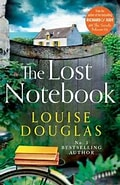
Louise Douglas The Lost Notebook Boldwood Books, 2022.
The lost notebook belongs to an elderly woman, considered almost a vagrant, who lives in a modified horsebox in a wooded part of a coastal environment. The natural environment, with the sea as a focus, makes an important contribution to the narrative. It is a source of fear to the living characters, at the same time as suggesting a freedom that they are unable to enjoy. They are so bound up in their personal conflicts that they rarely look outwards. The characters who do appear to have lived life to the full, have drowned, leaving behind them the difficult relationships that are developed in the story. In circumstances considered suspicious by the woman telling the story, but ignored by the police, the elderly woman dies, and the notebook disappears. Books: Reviews
Liz Fenton and Lisa Steinke Forever Hold Your Peace 2023 Alcove Press.

Forever Hold Your Peace begins well. A young couple fall in love after meeting on holiday, become engaged after a short time, and both are hesitant about telling one or other of their parents. A question that implies that this might not be the only problem the couple face is raised at the end of this section.
Unfortunately, this promising beginning is followed by a story line that although it has some merit, is packed with far too many ideas with little attention to maintaining a well-executed plot, believable characterisation, and a satisfactory ending. The story moves between past and present, with the parents of the young couple harbouring a past that intrudes upon their plans and happiness. Books: Reviews

Covid update for Canberra
The ACT has recorded 579 new cases this week. There are 49 people with Covid in hospital, one of whom is in ICU. One life was lost this week, bringing the total number of cases lost in the ACT because of Covid to 127 since March 2022.
Art Galleries visited – Perth, Canberra and London
Art Gallery of Western Australia

This gallery usually has something different and appealing to offer, and I visit it every time I go to Perth. The galley is located close to public transport, places to eat, and other interesting sites such as the Western Australian Museum and the Battye Library.
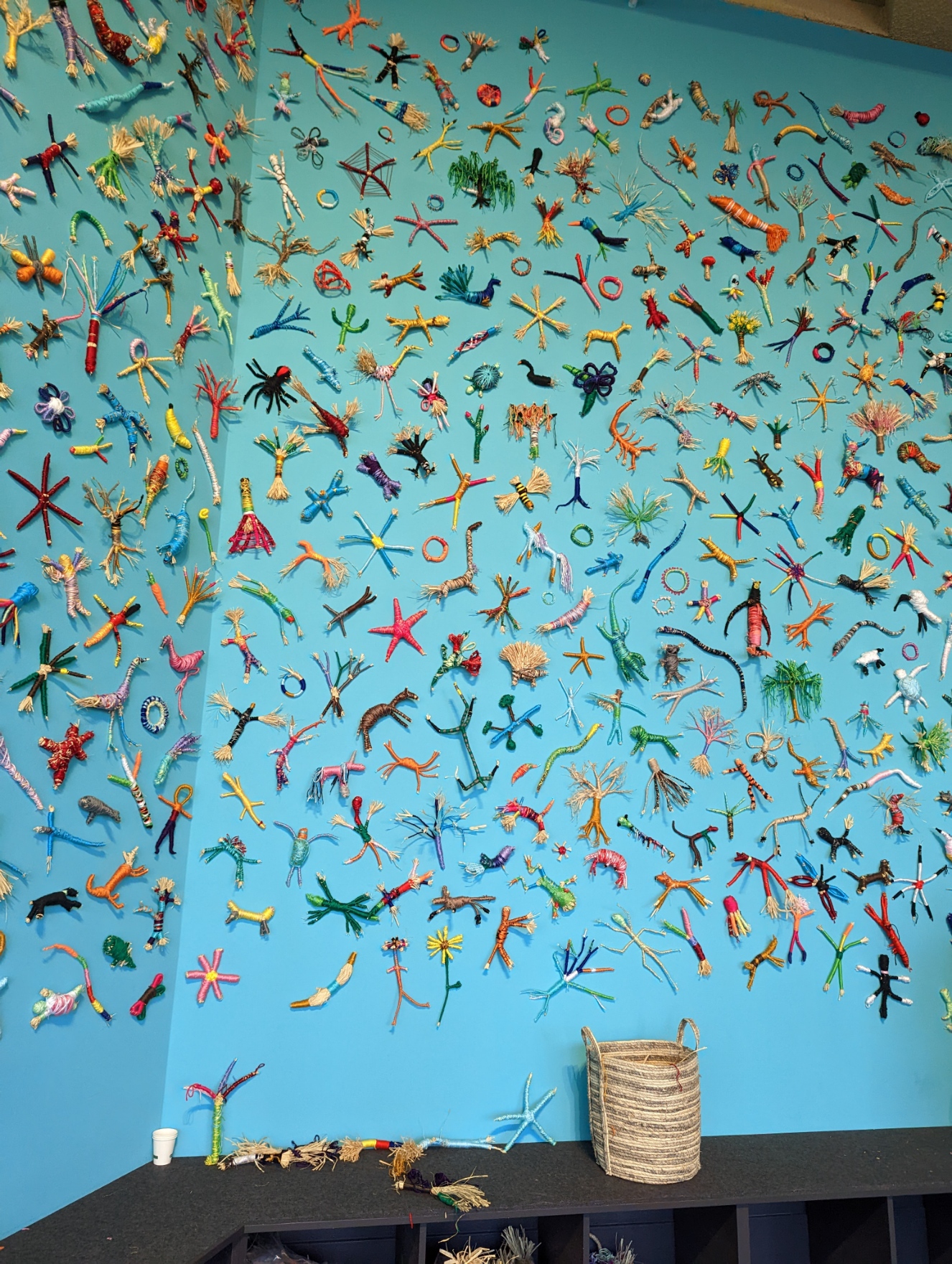
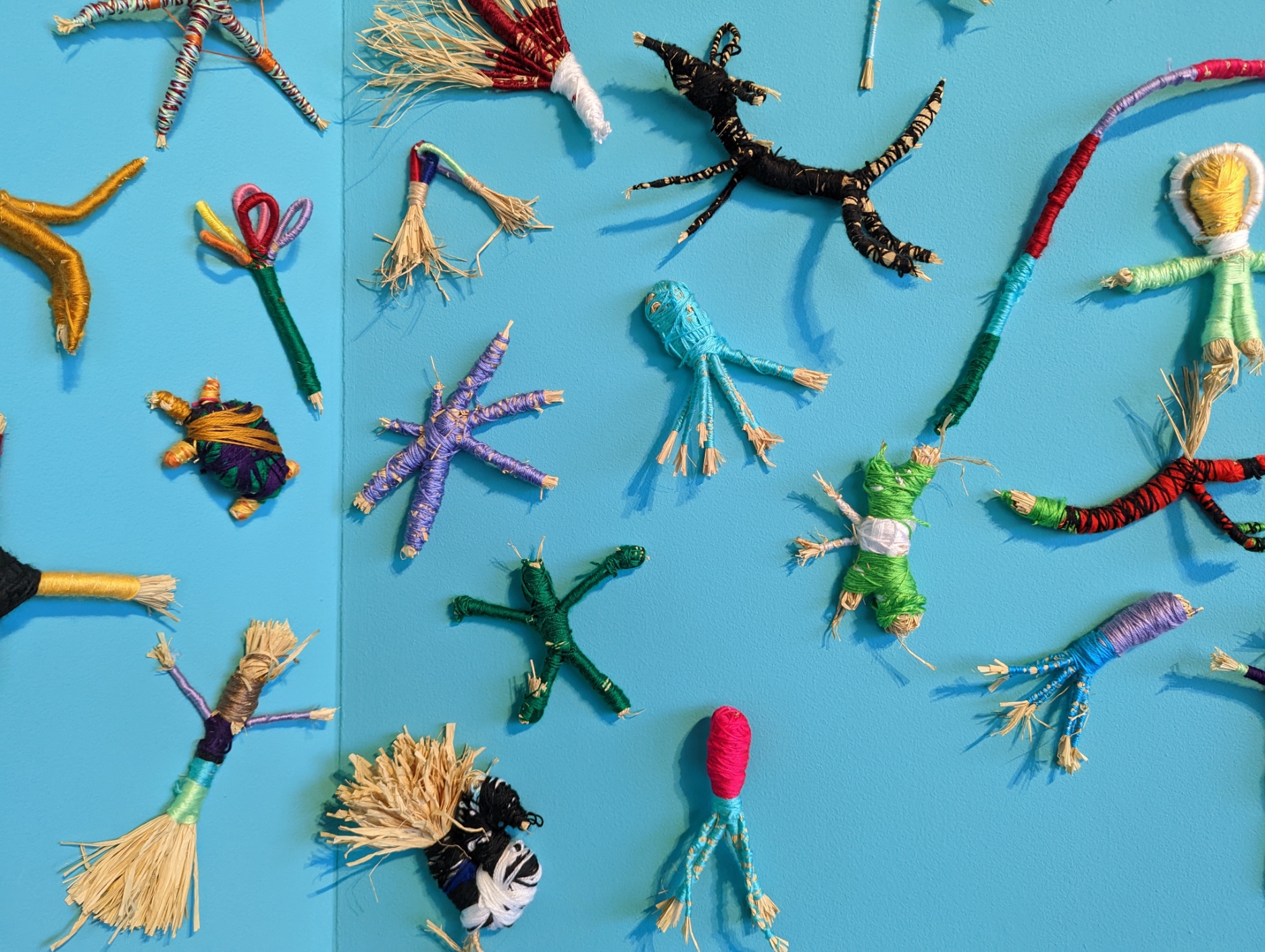
On this occasion there was an intriguing workshop for children, Totem Boonongur. This encouraged the participants to think about the creatures and plants that they love, the sky, and themselves in a peaceful but productive environment. Sharyn Egan says:
‘As Humans we are the ones with the opposable thumbs and have more responsibility to take care of all creatures and our shared environments. Plants and animals are our family, our brothers and sisters. Having a totem connects you to land, to earth. You are related to nature in the same way you are related to family.’



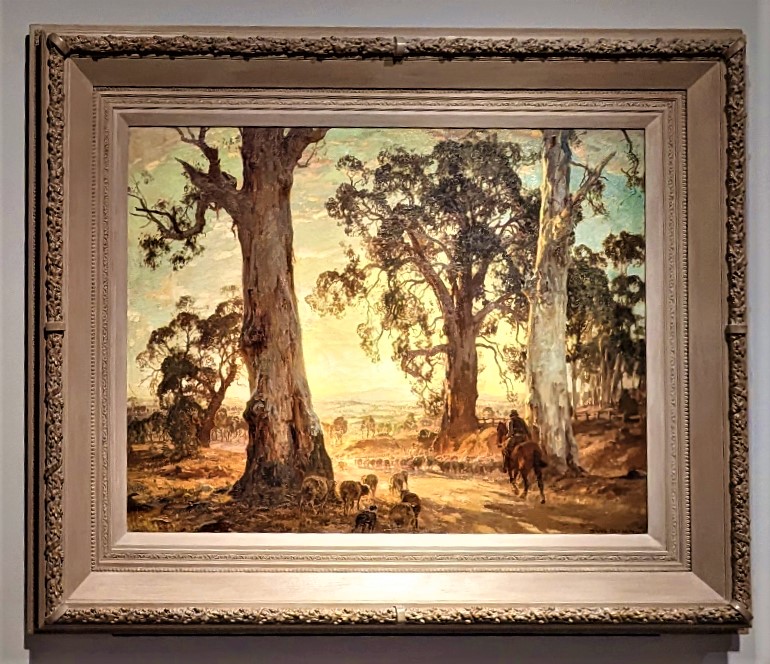
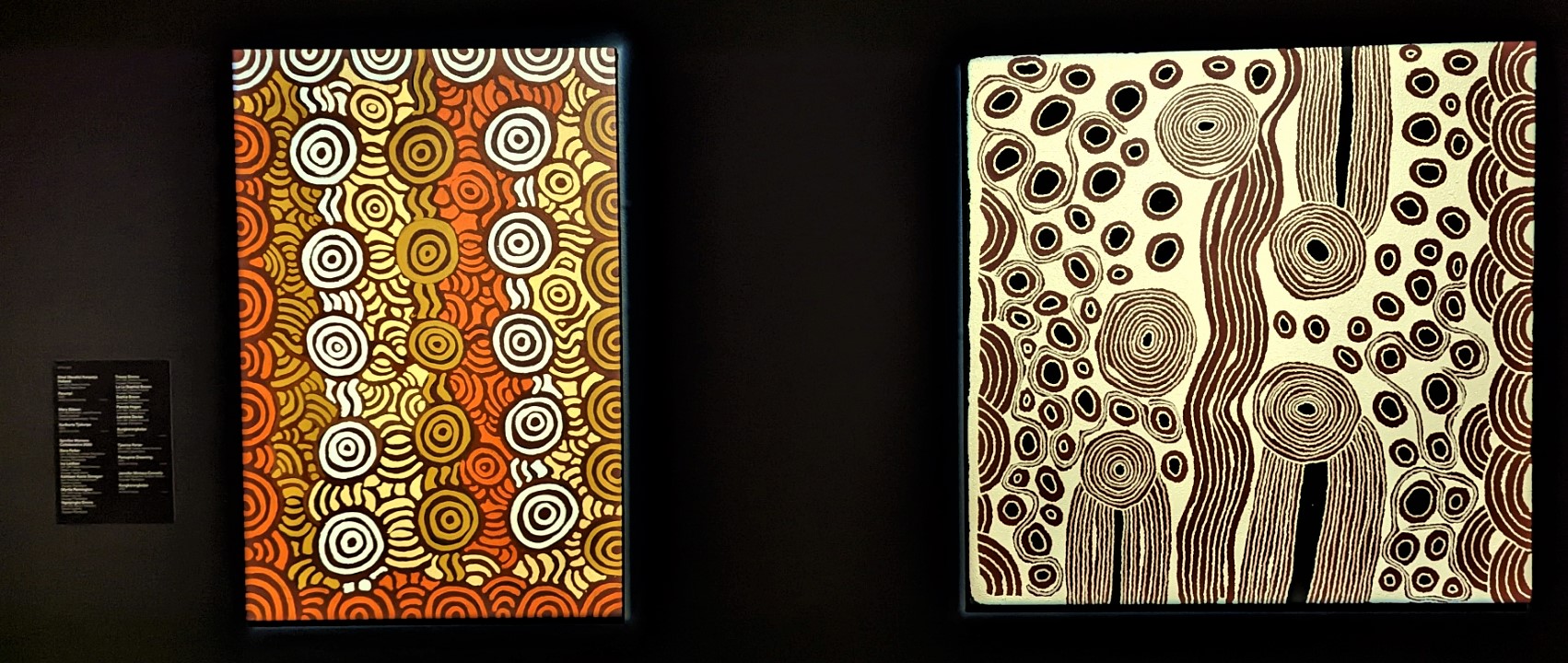
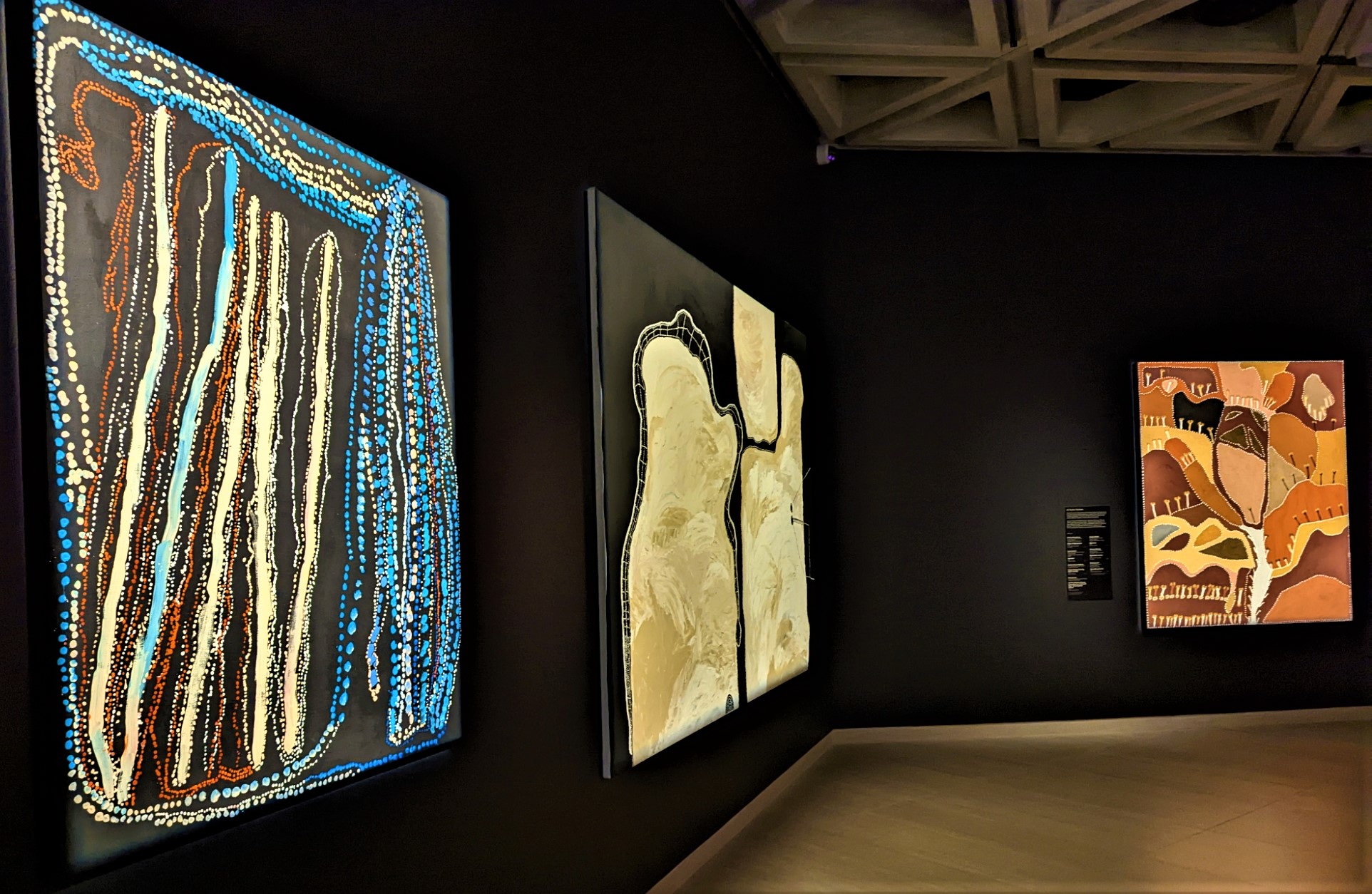
Art Gallery of WA galleries also featured Australian artists, with historical paintings such as Droving into the Light by Hans Heysen, linked with Indigenous paintings.
Droving into the Light (from AGWA information)
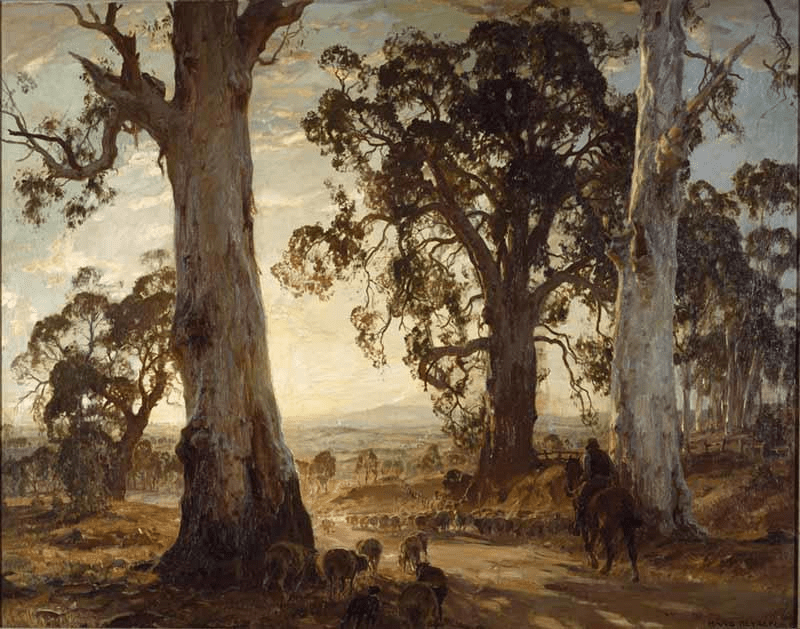
German-born Hans Heysen painted this idyllic vision of the Australian landscape in his studio at Hahndorf, a village near Adelaide where he painted for much of his life. Heysen first completed the painting in 1914, but after it was rejected for acquisition by the National Gallery of Victoria, he made several changes to the composition, finishing it in 1921. The version we see today is a hymn to light and land. The hazy sunset view of a stockman and his flock heading home suggests that for Heysen this country’s economic and spiritual wealth was to be found in rural Australia. (August 2018)
German-born Hans Heysen painted this work in his studio at Hahndorf, a village near Adelaide where he painted for much of his life. Painted from a combination of direct observation and several studies from nature, Heysen’s main consideration was the placement of the lights and darks and the structural line leading the eye out into the light. The work embodies an idyllic rural state and Heysen’s relentless preoccupation with light and colour. After being rejected for acquisition by the National Gallery of Victoria, Heysen realised the weakness of the composition and made several changes including enlarging the central tree and the rider and horse, and altering the shape of the two trees on the left. As Heysen later wrote, this “helped to bind the two sides and made a great improvement, materially enhancing the whole conception”.
Title Droving into the light
Artist/Maker and role Hans HEYSEN: artist
Date 1914-1921
Medium oil on canvas
Measurements 155.0 x 122 cm (sight)177.3 x 210 cm (framed)
Display location AGWA Historical
Credit line Gift of Mr W H Vincent, 1922
The State Art Collection, The Art Gallery of Western Australia
Accession number 1922/00P1
View all works by Hans HEYSEN (Australian, b.1877, d.1968)
Historical and Indigenous art exhibited together at AGWA


Stunning Indigenous art at AGWA





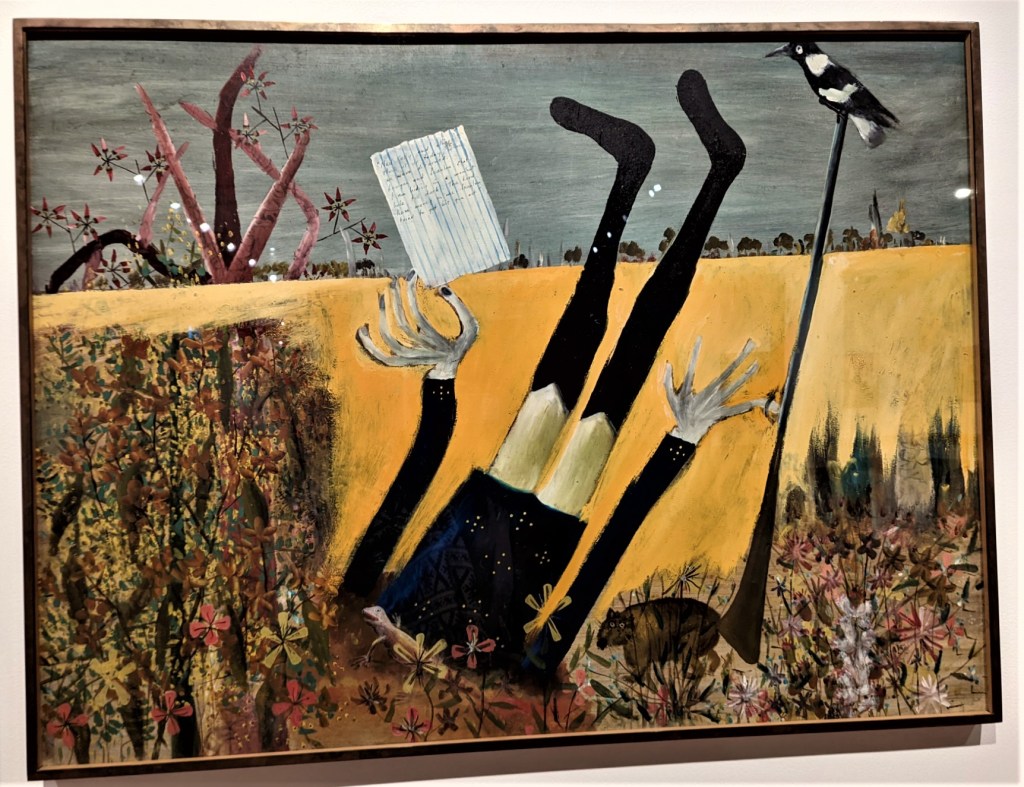
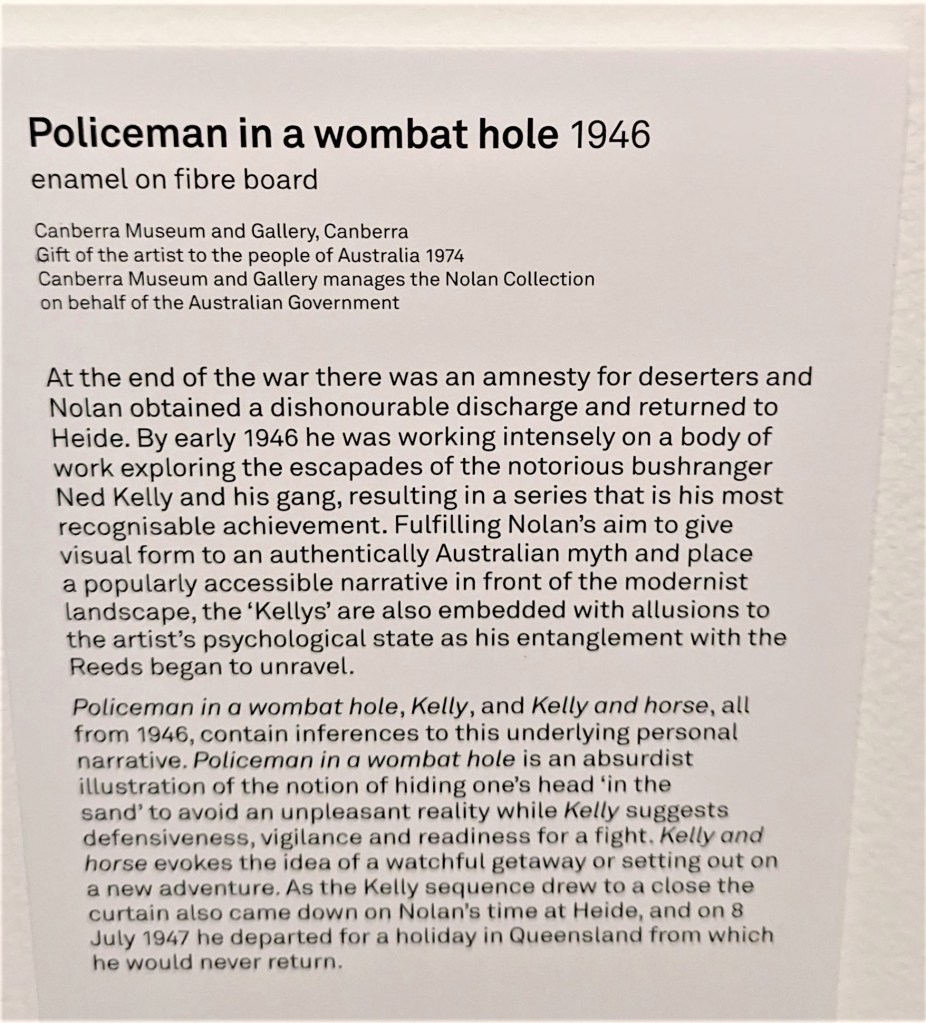
Canberra Museum and Gallery Young Nolan Project
This project is based on the CMG collection of Sidney Nolan works – as seen below this exciting interpretation by some of the young artists.



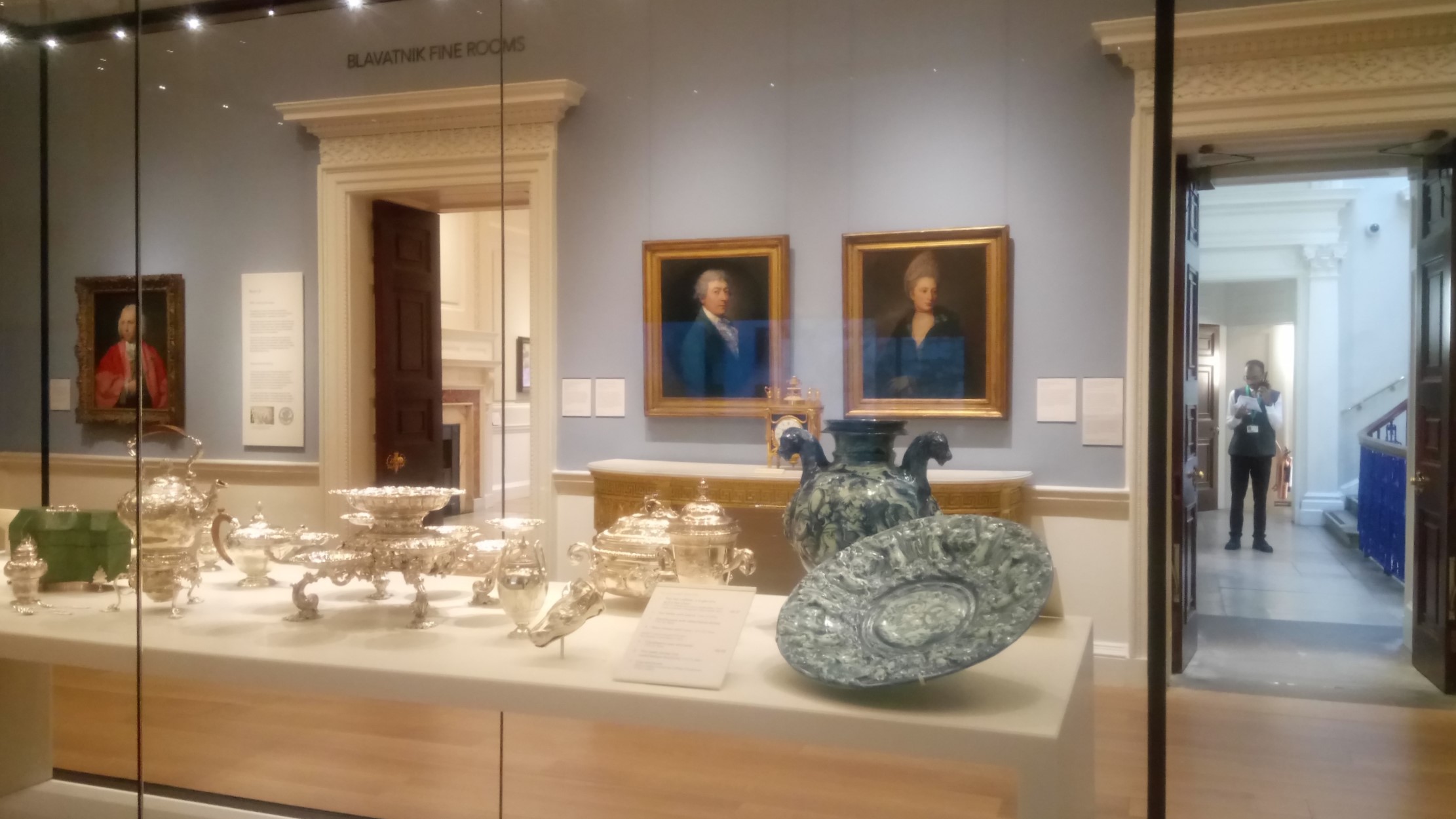
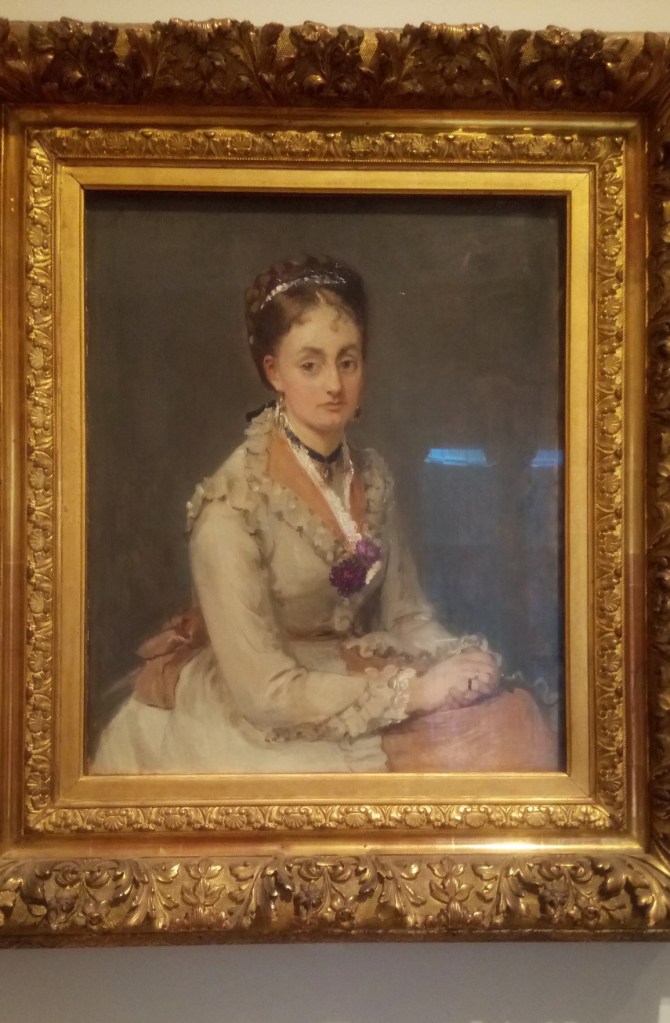
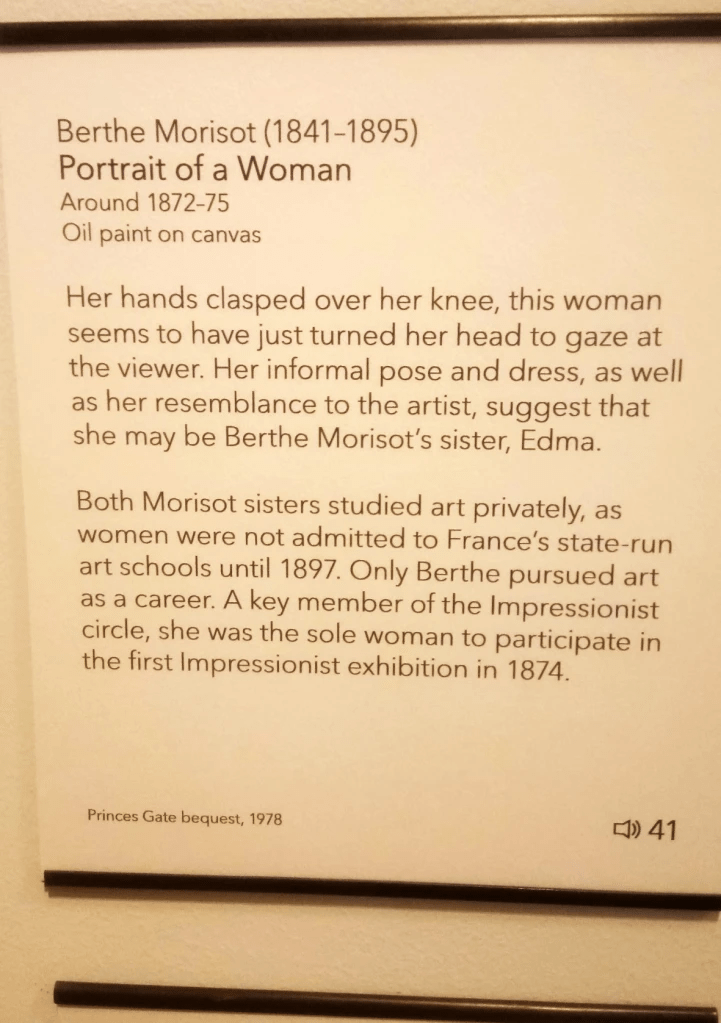
The Courtauld Gallery, London




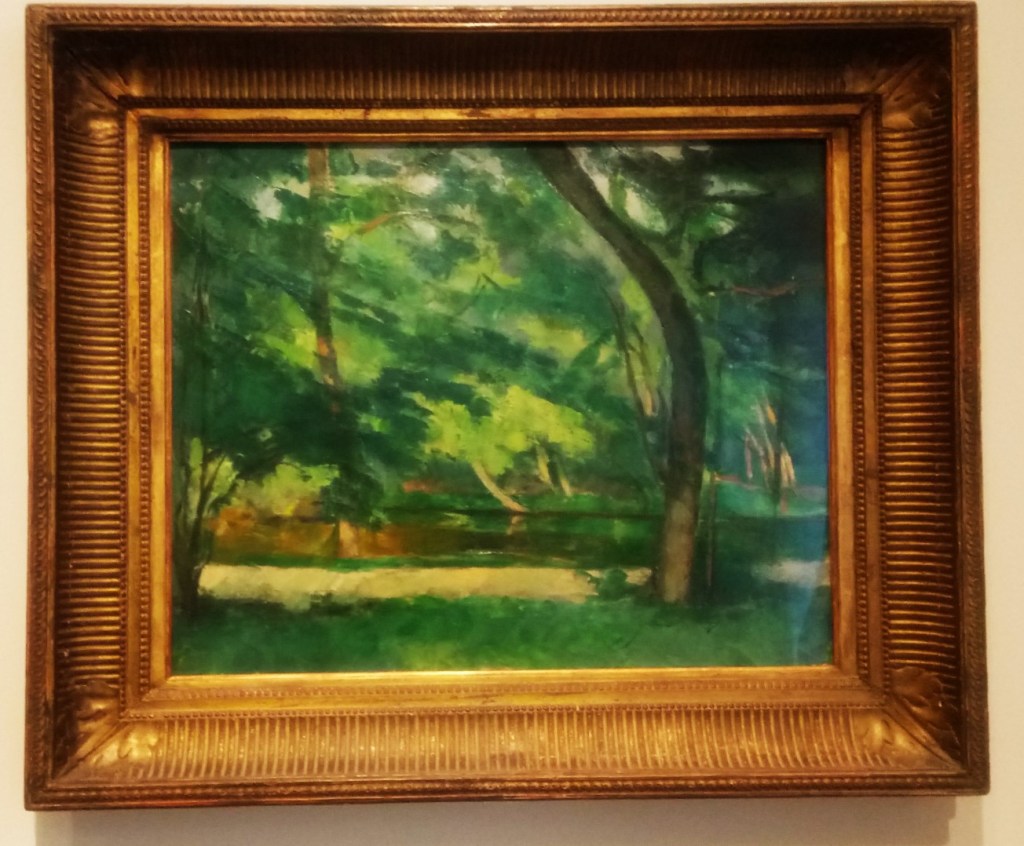

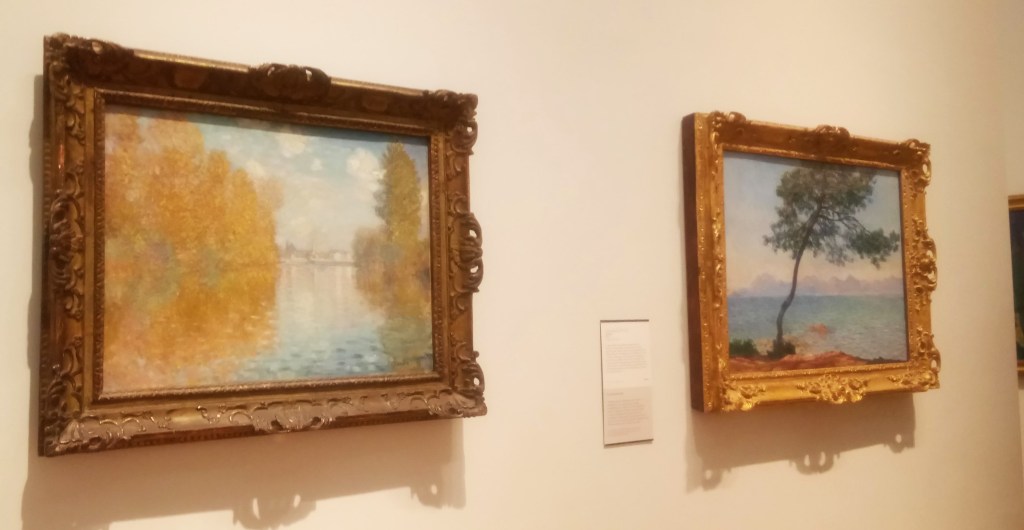


And a rather different exhibition to look forward to into 2023.
 Robin's Room