
Amanda DuBois Deliver Them from Evil Girl Friday Books 2022.
Thank you NetGalley for providing me with this uncorrected proof for review.
This is the second Camille Delaney Mystery that Amanda DuBois has written, and that I have read. I looked forward to seeing where Camile Delaney would go, after having left her well-paying position in a prestigious legal firm and setting up for herself in far less attractive conditions. In this novel, she remains independent, worrying about her income, and dealing with another medical legal case.
DuBois’ background as a nurse, and then lawyer brings special qualities to the novel, both of which add to the information that she brings to the case. The reader is also advantaged by this inside look at the medical and legal systems about which DuBois writes. I found this information worthwhile – an excellent addition to the plot, and engagingly written. Where I found the detail somewhat tedious is in the plethora of information about less interesting topics, and where it seemed entirely unnecessary. As I noted in my previous review, I found this an issue in the first novel, making the narrative move too slowly and demonstrating a lack of selectivity about what might contribute to the story. See Books: Reviews for the complete review.
After the Covid Report: US Mid Term Elections – no serious discussion, I just enjoyed the results; Betsy Cornwall writing about a reaction to Jane Eyre; Agatha Christie’s Artefacts, Dennis Altman; comments on Agatha Christie’s racism and sexism from Further Commentary and Articles about Authors and Books*; Trump announces that he will run for President in 2024.

There were 1,194 new cases of Covid this week. Fifty-two people with Covid are in hospital, with none in ICU or ventilated. One life was lost this week, bringing the total of lives lost to Covid in the ACT to 129 since March 2022.
US Mid Term Elections

Senate control won by Democrats. The Democratic leader, Chuck Schumer learned of this 2022 win while eating out. The restaurant customers cheered. In stark contrast, he learnt of the Georgia runoff win in 2020 on January 6th, while trapped in the Capitol overrun by insurrectionists.

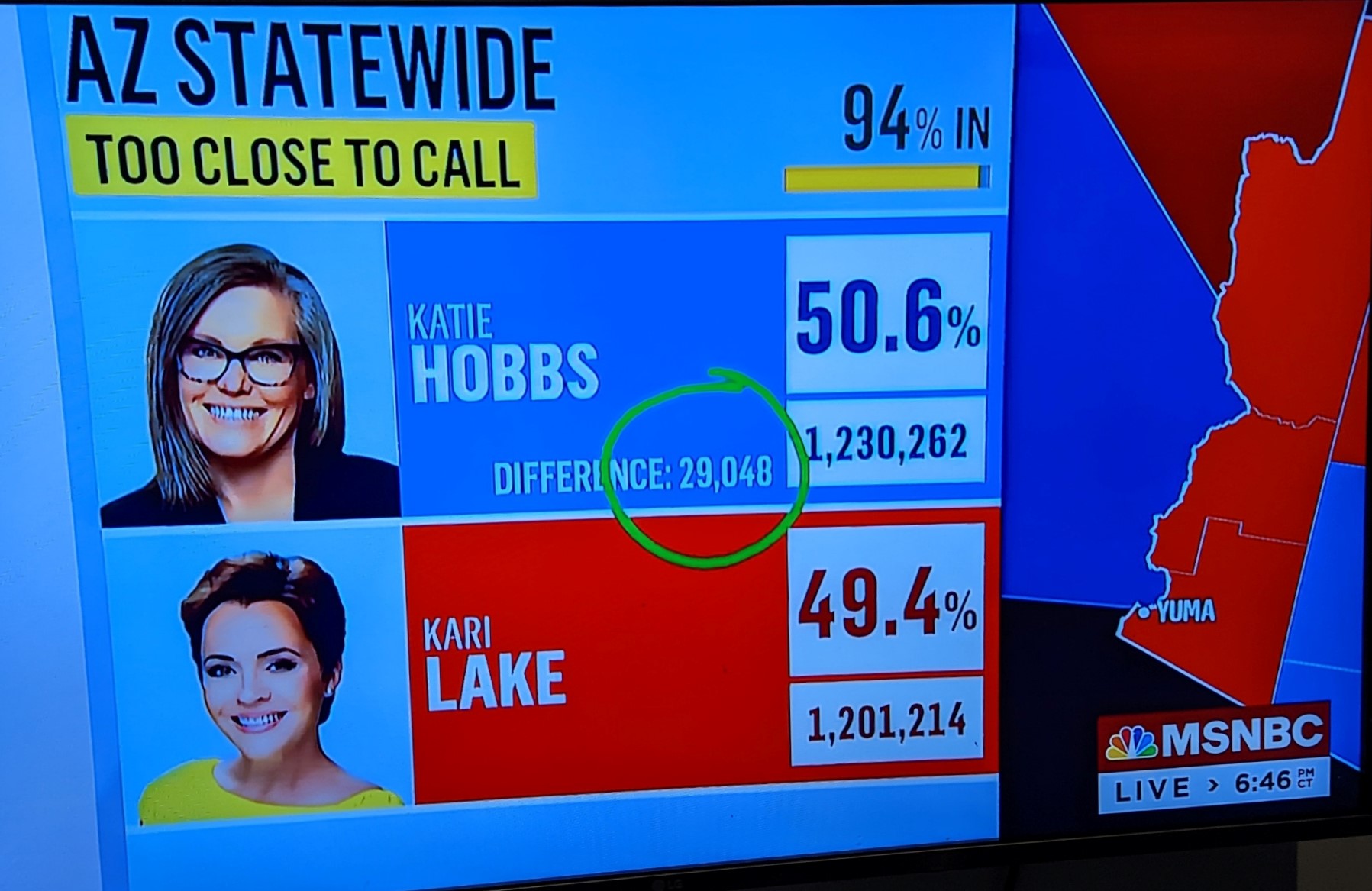

Oh dear – all GOP Canidates who refused to say whether they would have certified President Biden’s win in 2020 in their state seem to have lost!


I have always found Jane Eyre a really disturbing and unappealing book – if you have too, the following offers an explanation.
Why Does Society Insist that Women Forgive Their Male Abusers?
Betsy Cornwell on writing her Jane Eyre-inspired revenge narrative “Reader, I Murdered Him” in the wake of the Brett Kavanaugh hearings
NOV 10, 2022 ELYSE MARTIN
Betsy Cornwell has made a name for herself in feminist retellings of fairy tales for a YA audience, but during the Brett Kavanaugh hearings in 2018, Cornwell found herself drawn away from her usual high fantasy adventures to an idea she had five years ago: a revenge narrative, centered on Adele, the orphaned French ward of Mr. Rochester in Jane Eyre.
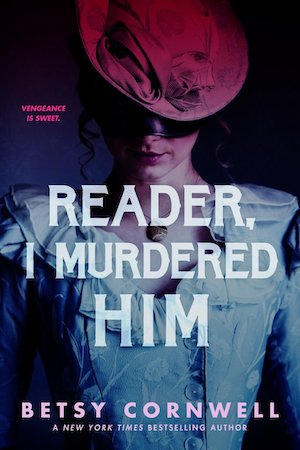
In her novel Reader, I Murdered Him, Adele becomes a teenaged vigilante roaming the streets of London to keep her friends at boarding school safe, and to take revenge against their abusers.
“I really started writing it in the aftermath of experiencing domestic violence in my own marriage,” Cornwell told me, over Zoom. “It was really cathartic for me to have a darker story that was engaging in a visceral way with rejecting violence, and also embracing it through revenge.”
I chatted with Cornwell over Zoom about revenge narratives, the societal insistence on female forgiveness of male violence, whisper networks, the resurgence of Gothic novels, and more.
Elyse Martin: Let’s get started with revenge narratives. Why apply one to Jane Eyre?
Betsy Cornwell: My mother first read Jane Eyre to me when I was about ten-years-old and I think she chose it for me because she thought I would relate to Jane, but I was most drawn to Bertha, the wife in the attic. It was a terrifying story to me. My father was quite abusive towards me, so I think I recognized a lot of those resonances about dark secrets about women who are being abused and restricted. I have a lot of friends who I love and respect, for whom Mr. Rochester was part of their romantic awakening, but for me, he’s always been a figure of horror.
EM: Your typical revenge narratives, like say, The Count of Monte Cristo, usually has a male protagonist at the center rather than a female one. How did having a female antihero at the center change the shape of the revenge narrative? Please Just Let Women Be VillainsFrom “Wicked” to “Cruella,” rehabilitated villainesses rely on outdated ideas of women’s virtueFEB 25 – ELYSE MARTINBOOKS
BC: I didn’t want my protagonist’s strength to be read as coming from an experience of violence or sexual violence, because when you do see female characters whose arcs are focused on revenge, it is often as response to specific trauma. I think that women—and I see this happening a lot now—we feel this righteous anger, this really deep longing to defend or avenge other women. It was important to me that Adele grows up witnessing a lot of injustice and mistreatment of women, but there isn’t a big crisis event that happens to her personally. It’s just that she’s just growing up in this world in which women are mistreated.
EM: With revenge narratives, there’s a pretty standard conclusion, a repeated moral, that revenge takes a greater toll on the injured party than the one who caused the original injury. But you subvert this.
BC: I think that ties into it being a female main character, and I mean, I’m not saying that murder is positive. But this is a fictional story and so we’re working with murder as a metaphor and revenge as a metaphor. I think for women, and especially for young women who have experienced injustice or violence—and speaking for myself as a survivor of sexual abuse and a survivor of domestic violence—there is a real message that any sort of active work to get justice for yourself is selfish.
I was thinking a lot about the Stanford sexual assault, and I read Chanel Miller’s wonderful memoir, Know My Name, and how the act of holding people accountable is seen as this nasty vengeful woman trope, even when that’s not what’s going on at all. For young women reading this story who exist in the real world—I’m not trying to tell them to murder anyone, obviously—, but I think that on a metaphorical level, there can be something cathartic about seeking justice, which in this fictional context is equated with seeking vengeance. For me, some of the most empowering moments of my life were when I demanded accountability from my abusers.
EM: There’s this other truth endemic to our society, which is not just that if you seek justice for an act of violence that is perpetrated against you as a woman that’s selfish, but that it’s a woman’s place to either make light of the violence or forgive a man specifically for the violence committed against her.
BC: There’s a lot of big talk about forgiveness, especially for women. I have found that the process of telling the truth about what’s happened to me has been the catalyst for being able to find forgiveness. That forgiveness is about me coming to terms with what happened. In order for me to let go of the rage and fear that I felt about the abuses that I’ve experienced, I needed to ask for accountability. I needed to put up boundaries with the people who hurt me, to come to a place where I can start to feel genuine forgiveness about it. I think asking for forgiveness without asking for accountability is completely hollow and putting all the onus on the incorrect party in that situation. I hope that this will be a cathartic reading experience for people who long for some kind of satisfaction. Maybe satisfaction is the wrong word. But I found it cathartic to write a character and a situation where she was very actively demanding that justice be done.
EM: You do a lot of work with silence, too. When Adele and one of her friends are victims of violence at a ball, the dominant response is just, “We’re not going to talk about it.”
TAKE A BREAK FROM THE NEWS
We publish your favorite authors—even the ones you haven’t read yet. Get new fiction, essays, and poetry delivered to your inbox.SUBMIT
For women who have experienced injustice or violence, there is a real message that any sort of active work to get justice for yourself is selfish.
BC: As someone who lives in a different country than I grew up in—an experience that I share with Adele—there are different cultural norms about the things that we do and don’t talk about. That was something that I wanted her to be thinking about.
And one of the beautiful things about Gothic literature is that it’s an outlet for talking about taboo topics. Jane Eyre is a beautiful example of that, with darker themes about insanity and women’s empowerment and lack thereof and even domestic violence. Adele’s secret identity, and the more overtly violent things that she does are happening in the shadows around this much more proper daytime world that she lives in, of this London finishing school, and that’s a response to what Gothic literature does. If Adele and her peers can’t speak openly about their experiences, what are the ways that their reactions come out? If they could have had an open dialogue about this, maybe they wouldn’t have had to resort to violence.
EM: Do you think we’re seeing renewed interest in Gothic literature as a genre because we are confronting something that is taboo and unspoken of in our society through #MeToo?
BC: Yeah. I think that’s always been a huge part of what’s been so compelling about the Gothic. It really excites me that there’s a resurgence of it. I love working with it, and as someone who’s very squeamish when it comes to straight up horror, I love the Gothic because it addresses these dark themes sideways, so we get to have a subtler language for talking about things. I keep coming back to the word catharsis. I think you can find catharsis through these stories that are addressing themes about dark family secrets that people still struggle to be open about, even in our supposedly enlightened age. Gothic literature is a women’s genre. Some of the canonical texts are by women, like Jane Eyre, and it has been a way for women to speak about the darker aspects of their experience, when for many reasons we’re unable to do so directly.
EM: You also write a lot about the standard defenses women have against male abuses of power. You show them being something that people rely on, and that people are extending to each other as a gesture of goodwill, like whisper networks, or the power to have a female community to watch your back or bodily insert themselves into moments of danger.
BC: That comes from personal experience. My local domestic violence center and a support group of single mothers saved my life during the transition out of my marriage. I am still involved in that group. Having this experience in common and having a protected space where we can speak openly about these things that we might not be able to talk about… it’s risky elsewhere. Even in the court systems. It can be unwise to speak in too much detail about domestic violence when you are a parent because there’s a fear that a judge will consider it trying to alienate your child from your ex-partner if you focus on their abuse of you.
There are all these situations in which you’d think that you’d be able to be honest about these things, but there are very practical, survival based reasons, or family based reasons why you might not be able to.
The week that I sold the book to my editor was the same week as the Brett Kavanaugh hearings were happening. My editor and I are both feeling very angry about it, in the wake of the #MeToo movement, and asking, “What are the ways that women—or that really that anyone—can protect each other, from abusers? When for those very practical, survival-based reasons, we can’t just bring it to light?” I think it’s remarkable the ways in which women have been able to work within these constraints that we have to live in to survive and still try to help keep each other safe.
EM: Can you tell me more about working on this book in the wake of the Brett Kavanaugh hearings?
Asking for forgiveness without asking for accountability is completely hollow and putting all the onus on the incorrect party in that situation.
BC: Like a lot of people, I had a hard time watching them because I just got so angry. I had this immediate visceral recognition. I am from a privileged white background and grew up in a WASPy New England culture and went to private schools, and I knew a lot of young men who had similar reasoning as to why they crossed boundaries with women.
The young men in Reader, I Murdered Him who the girls meet are eligible bachelors in English society, who are extremely privileged and extremely entitled and don’t think that much about how the things that they do have huge traumatic impacts on their victims. There’s a truism here in Ireland that “the axe forgets but the tree remembers.” An act of violence, or sexual violence in particular, might not be at all memorable to the perpetrator, if it’s something that they feel entitled to. It might be just a normal day for them, and so they might not remember it in a few decades time. So, what are the things that Mr. Rochester does that he wouldn’t think twice about, but that Adele finds disturbing over a long period of time?
EM: I thought that was really interesting, because Rochester is known for going into very elaborate, fantasy-laden monologues.
BC: Rochester is always constructing a narrative for himself. That’s something that abusers are really good at, telling a story in which they are the hero. I admire Jane Eyre so much but every time I read it, I’m struck by the degree to which Rochester is narrating his own life and reconstructing it. The ability to construct a particular narrative about your own life and believe it can lead to an intense self-righteousness. The way that Mr. Rochester excuses the things that he does, and makes these very strange choices, like—I was always fascinated by the episode in which he dresses up as a female fortune teller. I was interested in that from a gender perspective, obviously, and an ethnic perspective as well. There’s interesting things going on there with how he chooses to other himself, and that was something I was thinking about when I was working on a love interest for Adele. The love interest that I have for her is an Irish traveler, a marginalized ethnic group at the time, and also someone who she first meets in drag. I wanted that to mirror Jane’s early experience with Rochester and make it something less creepily deceptive.
EM: Going back a little bit to the hearings— you said that you sold your book during that time. What inspired you to take this idea that you’d had for five years and start writing it around then?
BC: A need for catharsis. One of the images that haunts me the most from those hearings is of Brett Kavanaugh standing with his daughters, and using his daughters as a prop to show his own goodness or his own lack of misogyny or something. You see a lot of men do that.
EM: The “as a father of daughters” line.
BC: Yes! Exactly that. Using women who think well of you as a shield against other accusations. I trained as a rape crisis counselor when I was in college and having personally experienced abuse in a couple different instances in my life, I think it’s really important that we acknowledge that abusers are not demons, or two-dimensional villains.
One of the images that haunts me is Brett Kavanaugh standing with his daughters, and using them as a prop to show his own goodness or his own lack of misogyny.
Whenever I write a character who is abusive to someone else, it’s really important that there could be other people in their lives who genuinely experienced them as a force for good. That’s been one of the most disheartening things for me as
That’s been one of the most disheartening things for me as a survivor: not be believed because my abusers are loved by other people. I’ve never wanted for my abusers to be completely rejected by everyone else. There’s an “all or nothing” rhetoric that crops up a lot when we talk about instances of sexual violence or people getting canceled. It’s important to hold both of those things. Every human being can have been genuinely kind at certain moments in their lives and genuinely cruel at other moments. This dismissal of the possibility that a man could be an abuser, because he’s done good things is so poisonous to me.
EM You’ve also been trying to create an arts residency for single parents at the same time as you were planning out this book. Can you tell me about that?
BC: For the last year and a half, I’ve been living in an old knitting factory in Connemara in Ireland, and I’m hoping to purchase it and turn it into an arts residency. I’m running a crowdfunding campaign for the Knitting Factory, which I intend to keep going as it exists. Anyone can come to this residency, but it is centered on single parents. My own experience as a working single parent influenced that a lot. I have three other jobs besides writing books, and I need all of them just to survive with my kid.
I felt genuinely inspired and excited about this book, but I also had to write it in between all the other demands that were going on for me as a working single parent. I longed to create a space where other single parents can have time to create the art that’s important to them and that sustains them, because I know how hard it is to find the time for that.
EM: What exactly is a knitting factory?
Every human being can have been genuinely kind at certain moments in their lives and genuinely cruel at other moments.
BC: The Knitting Factory where I live was first built in 1906, by the Congested Districts Board for Ireland, which was a branch of the Conservative Party in the UK, at the same time as they were building a lot of the workhouses and Mother and Baby homes in Ireland, which are infamous for their horrible treatment. In their own words, the goal was to kill home rule with kindness. They were aware of the stirrings of hope for Irish independence, and they wanted to create these charitable facades to convince the Irish people that they needed the UK to provide benefits for them, so that they would not want to be independent.
That is something I recognized a lot, as a survivor of abuse. There’s this veneer of kindness that is actually a form of control. An abuser will give you things and be kind to you in order to convince you that you can’t get by without them. That’s something I see Rochester doing in Jane Eyre and that I pushed on in this response to it— that he is providing a lot of things for Adele and for Jane, but that charity is actually control. That’s a lot of patriarchy, especially in the high society context of this book. Women are being provided with a lot of things materially in exchange for a lot of insidious things that are going on under the surface.
EM: Forgive me if this is wrong, but what I’m hearing is that the book and the arts residency are both responding to the same idea of patriarchal gift giving as a means of control when—to return to Woolf—what a woman really needs is a space of her own.
BC: Yes, absolutely. I wanted to give Adele a happy ending and for me, that’s independence. Part of the beauty of telling coming of age stories is this opening up into independence and maturity. I wanted her to find catharsis from these things that had haunted her through her childhood and her adolescence through this revenge arc of the story, but then after that, for it to be this opening up into something that comes next. I wanted Adele and her love interest to have what I wish I could give to the women at the Knitting Factory, and what I wish I could give to everyone: this opening up into independence.
The happy ending for someone who has been abused or controlled is freedom.
About the Author
Elyse Martin is a Smith College graduate who lives in Washington, D.C. Her work has appeared in The Toast, Entropy Magazine, The Bias, Perspectives on History, and Smithsonian Magazine.
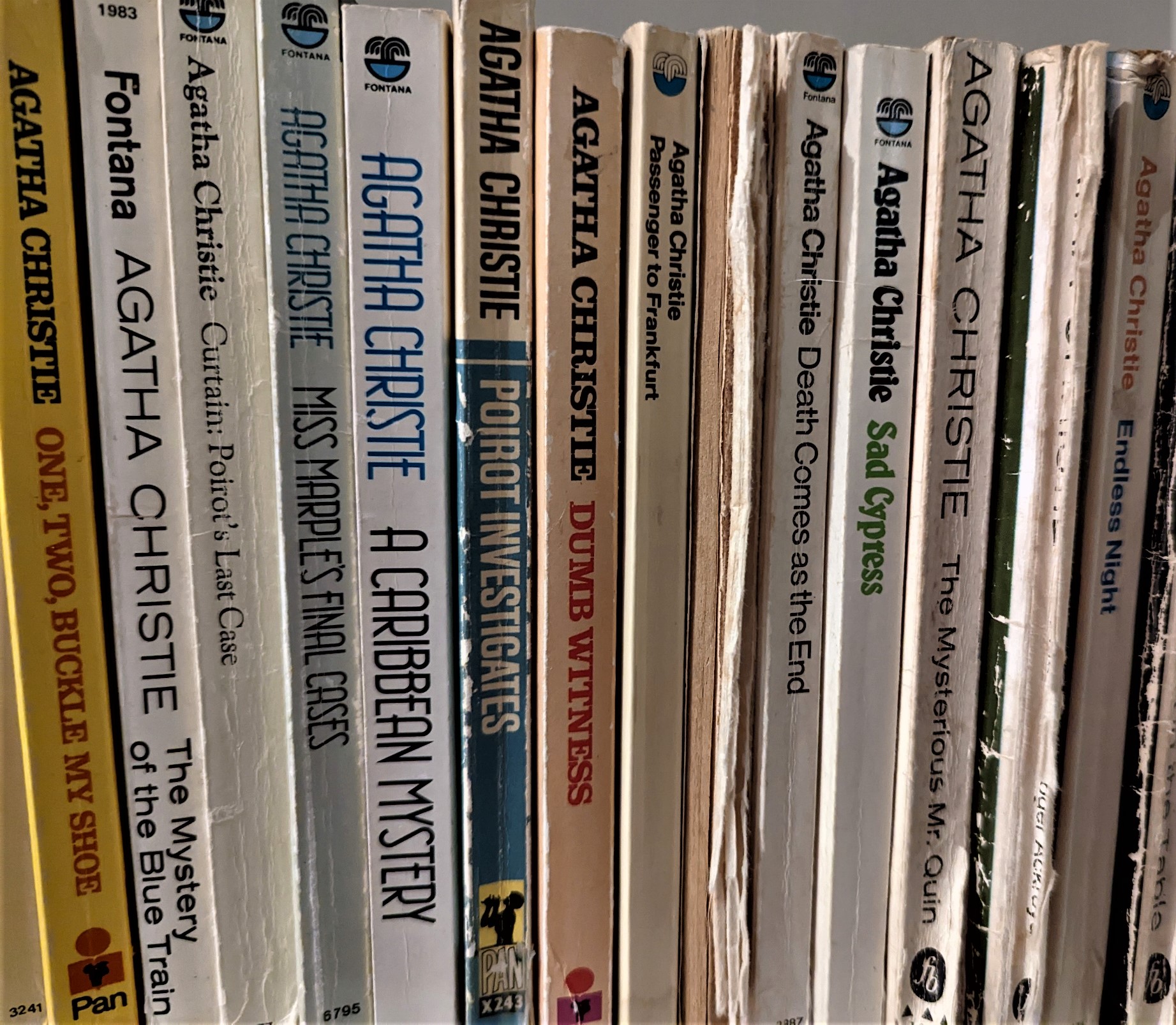
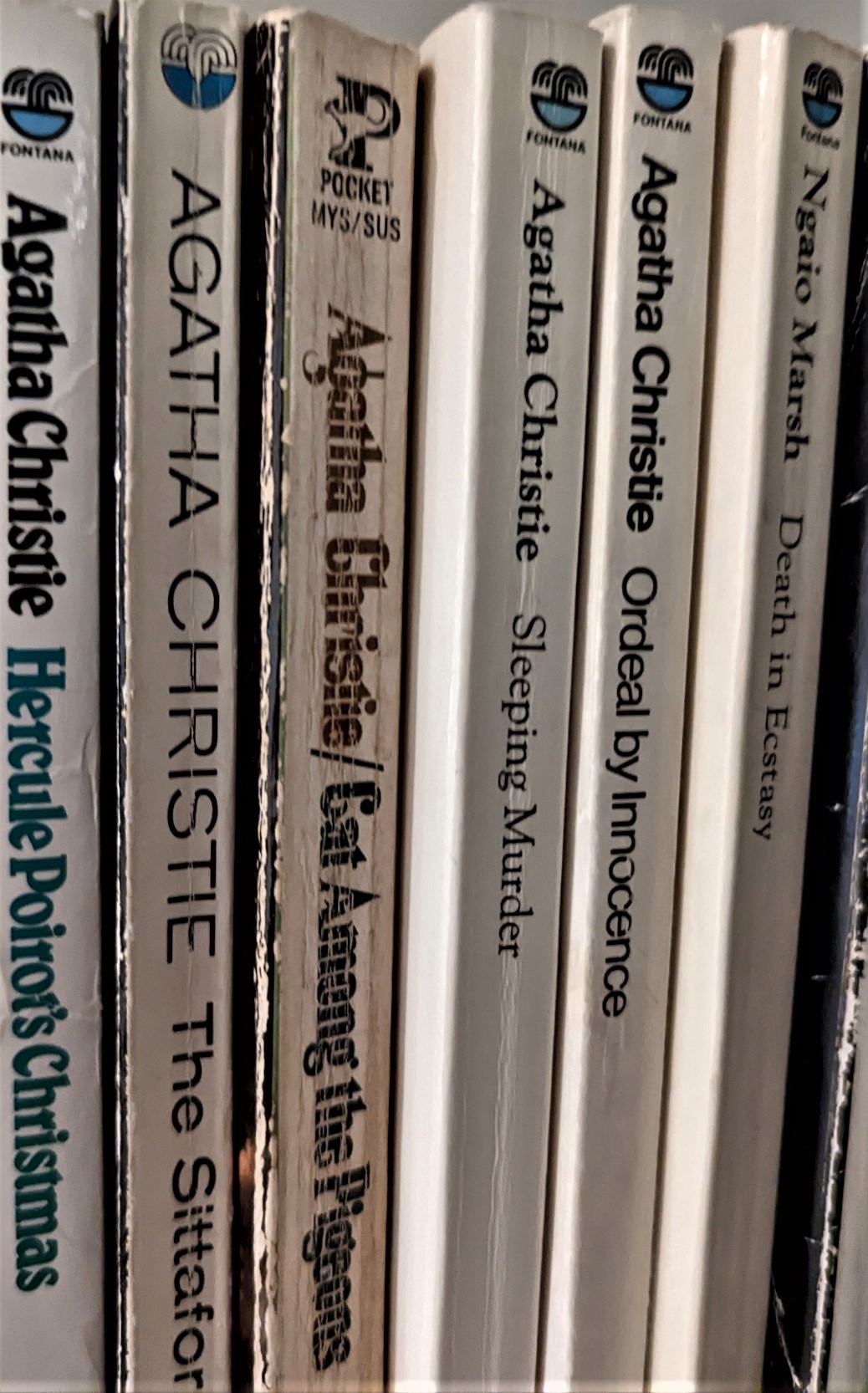

Agatha’s artefacts
Despite her prejudices and shortcomings, something pulls us back to the bestselling crime writer of all
DENNIS ALTMAN BOOKS 8 NOVEMBER 2022 1426 WORDS
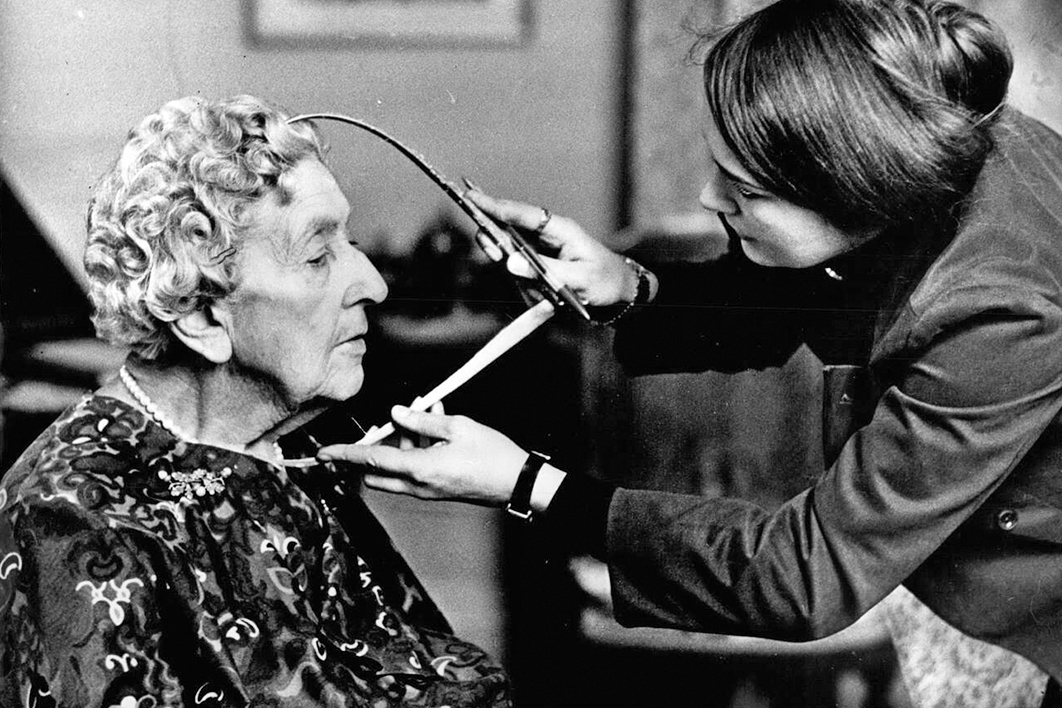
Fame: Madame Tussauds sculptor Lyn Kramer takes Agatha Christie’s measurements at her home in Berkshire in March 1973. Keystone Press/Alamy
After the Queen, and possibly Princess Diana, Agatha Christie is arguably the best-known English woman of the last century. Her books continue to be read — I recently spotted a set of new translations in Italian — and filmed, often with disastrous results in the latter case, as when Kenneth Branagh tries to outdo David Suchet as Poirot.
Like many of my friends I continue to fall back on Christie as solace when I am sick or travel-weary. As W.H. Auden observed, one forgets the story as soon as it’s finished. (And James Baldwin spoke of Christie consoling him in many a lonely hotel room.) Her magic was to create intriguing puzzles around stock characters that depend on the reader’s ability to ignore the sheer improbability of her solutions. Her books are mercifully short and broadly predictable, even though their settings range from English country houses to ancient Egypt to the stranded passage of the Orient Express.
As detective stories have got longer and more detailed — think of the weighty tomes of Elizabeth George, the American whose pseudo-English snobbery outdoes even Agatha’s — few display the ingenuity that characterises the best of Christie. The narrator as murderer? — done that (Roger Ackroyd). The entire cast as co-killers? — done that (Orient Express). Longest-running play in the West End? — yes, that as well (and The Mousetrap is set to make a belated appearance in Melbourne next year). The play even provides the backdrop to a very confusing film, See How They Run, which is replete with Christie references.
And Then There Were None, with its careful destruction of an entire group, cut off from the outside world, has given rise to at least seven film adaptations, including a Soviet version. And at least half a dozen lesser-known Christie mysteries are equally ingenious. Much of what she wrote — the heavy-handed spy thrillers, the romances under the name Mary Westmacott, the mysteries solved by that irritating couple, Tommy and Tuppence — are at best superior trash.
With a number of Christie biographies already in print, why, we might ask, do we need another? Lucy Worsley makes two claims for her entry into the field, Agatha Christie: A Very Elusive Woman: that she has uncovered new clues about the apparent disappearance of Christie, and that she wants to portray Christie as a feminist icon, although Christie herself would have scorned the term.
What emerges from her book is a not particularly likeable woman who was a terrible mother if a devoted grandmother. As the poet Dorothy Porter would point out, when we met for coffee and what she called “Aggie” talk, there are few children in her books, and at least one is a murderer.
Christie’s disappearance in 1926, when she apparently suffered a mental breakdown and booked into a Harrogate hotel under an assumed name, has occasioned vast speculation. Worsley adds very little, though she devotes forty-six pages to chronicling the event. It was a sensational news story in its day, with thousands searching for her, and I am no surer now than before I read this book whether it was a case of genuine amnesia or a clever publicity stunt by a writer who needed attention.
Worsley claims that Christie “redefined the rules for her social class and gender.” This is a large claim and one she hardly bears out. It could equally be argued that Christie reinforced existing views of class and triumphed as a successful writer in one of the few literary genres where women dominate. She was, after all, part of a group of writers that included Dorothy Sayers and Ngaio Marsh and was succeeded by P.D. James and Ruth Rendell. Rather like the redoubtable women of the royal family, whom she somewhat resembled, Christie failed to challenge existing views of what was possible for women. She was hardly Virginia Woolf.
In an era that demands we rename Quidditch because of J.K. Rowling’s trans views, it is extraordinary that Christie remains so popular despite her racism, anti-Semitism and general xenophobia. Worsley tries, I think unsuccessfully, to explain if not fully excuse. It is true that Christie echoed the prejudices of conservative middle-class England of the 1920s, but there is a venom in some of her comments that shocked even when they first appeared. As Worsley acknowledges, complaints came from the United States about her anti-Semitism, which endured even after the end of the second world war.
Worsley wants us to believe Christie is a better and more serious writer than most of us think she is. Her “thrillers,” she writes, “are arch, glamorous, implausible and pacey,” which is a more generous assessment than mine. But if we viewed her as a literary figure then her prejudices, which seem to cover everyone beyond the middle classes of southern England, would weigh more heavily. Yes, “each story is an artefact of its writer’s class and time.” (I was reminded of Gore Vidal’s remark, when accused of racism, that what else could one expect given how he was raised.) But we expect writers to examine those assumptions, not reflect them unthinkingly.
In an acid review in the New York Review of Books, Frances Wilson says that “Worsley fails to prove that as an iconoclast Christie broke anything very much, other than the world record for bestselling author of all time.” I think this is unnecessarily harsh, but Worsley fails to explain the most interesting facts about Christie, namely her uncanny ability to dream up improbable but captivating plots, and her diligence in writing them. Robert Barnard explains her much better in his A Talent to Deceive. (Barnard’s own mysteries are great fun to read — Death of an Old Goat is based on an unhappy period at the University of New England — but they lack the cunning of Christie’s plots.)
Christie’s ingenuity is best understood by reading those who have sought to imitate her. It must have seemed a good idea to HarperCollins to invite twelve authors, all women, to write a story featuring Jane Marple. My most generous assessment is that only half of the stories should have been published — and that to place Miss Marple in the United States, as several of the authors do, almost guarantees a lack of authenticity. Nor would Jane Marple ever address her servant as “love.”
But six out of twelve is not a bad score: I particularly liked the stories by Leigh Bardugo, Kate Mosse and Val McDermid, the best known of the contributors. Surprisingly, none of the stories picks up on Christie’s fondness for butch women and effete men. Worsley, for her part, is indebted to the young English scholar J.C. Bernthal, who has written a book called Queering Agatha Christie — an idea that Dorothy Porter and I discussed at a raucous Sisters in Crime event many years ago.
Her books frequently make discrete references to homosexual characters. In her early work, The Mysterious Affair at Styles, she describes one character as having “a deep voice, almost manly in its stentorian tones, and… a large sensible square body, with feet to match.” As she grew older, lesbian relationships become overt, as in A Murder Is Announced. Miss Marple might well have been less squeamish in acknowledging same-sex relationships than the authors in this collection appear to be.
One of the problems for anyone trying to write in Christie’s voice is her consistent racism, and several of the authors try to correct this by introducing sympathetic non-white characters. Sadly this makes their stories ring false. I admired the guts of Naomi Alderman, who allows a character to express the sort of anti-Semitic remark found in so many of Christie’s books. The valiant attempt by Jean Kwok to give Miss Marple an understanding of Chinese culture has Jane even doing tai chi, which I suspect would have horrified Agatha.
Like P.G. Wodehouse and Enid Blyton, Christie belongs to an England long gone. I have no doubt that she remains popular in those Tory redoubts that supported Liz Truss. But her appeal goes far beyond those readers who inhabit the worlds she writes about. As Worsley demonstrates, many of her stories are based on real events and people in her life. But rather than read 400 pages about her life, I’d go back and reread the dozen or so Aggies that set a standard for ingenuity no one else has matched. •
Agatha Christie: A Very Elusive Woman
By Lucy Worsley | Hodder & Stoughton | $34.99 | 432 pages
Marple: Twelve New Stories
Various authors | HarperCollins | $32.99 | 384 pages
See Further Commentary and Articles about Authors and Books* for my articles on Christie’s racism and sexism. A feminist writer as Worsley suggests? Some dreadful sexism, but also depicts a wide range of women in different professions and work.
Some excerpts from Further Commentary…
‘At the same time as Agatha Christie is usually a great read, with a myriad of clues that usually outfox the reader, it cannot be denied that she often endorses questionable themes, usually classist, racist, or sexist. Most of her work reflects her attitudes towards class, with an emphasis on the positive nature of middle-class values and, often a patronising stance towards servants (to be fair, in her early novels, domestic staff later on) and, at times later negative stereotypes for working class criminals…
Women characters in Christie’s 1930s novels are less of a ‘type’ than those almost flappers in the 1920s works. The only one that continues the depiction of women similarly to Christie’s 1920s main female characters is Why Didn’t They Ask Evans? (1934), featuring Lady Frances Derwent.
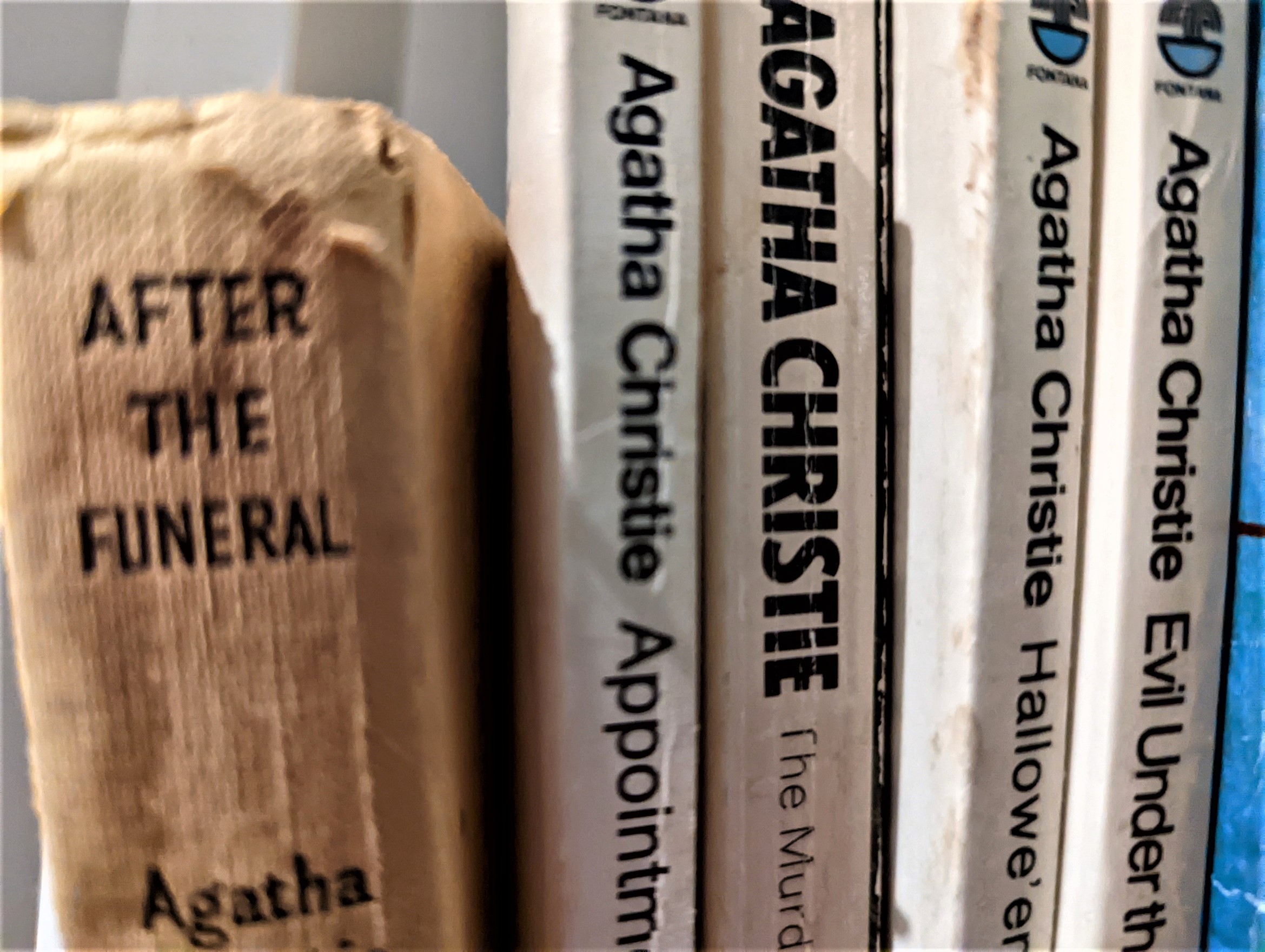
Setting that novel aside, Christie’s 1930s output was prolific, and so, too, was the variety of women who appeared in the novels ranging from Nick and Freddie of Peril at End House (1932) to the Boynton women (by marriage or as stepdaughters) and those with whom they came in contact, for good or ill in Appointment With Death (1938). Two rather different Janes appear in the 1930s novels: Jane Wilkinson (Lady Edgeware of Lord Edgeware Dies, 1933) and Jane Grey from Death in the Clouds (1935). Other women of note in these novels are Carlotta Adams, a noted impersonator, supporter of a younger sister and ready for a joke which involves making money; Jenny Driver, a sensible and lively business woman; Madame Giselle, a money lender and businesswoman; The Countess of Horbury, and The Hon. Venetia Kerr…’
Quote from Nemesis

‘…Well we all know what rape is nowadays. Mum tells the girl she has to accuse the young man of rape, even if the young man hasn’t had much chance, with the girl at him all the time to come to the house while mum’s away at work, or dad’s gone on holiday. Doesn’t stop badgering him until she’s forced him to sleep with her. Then, as I say, mum tells the girl to call it rape…’
Mr Broadribb, lawyer, in Nemesis (1971) Agatha Christie


 Robin's Room