This week I review Maria Teresa Hart’s Doll, a non-fiction book which encouraged me to look for linking material. Some which raises the impact that ‘appearance on demand’ has on women are: two articles Zoom and Botox, and What’s the connection between cosmetic procedures and mental health? and a book by Jocelynne A. Scutt, Beauty, Women’s Bodies and the Law Performances in Plastic.

Maria Teresa Hart’s Doll Bloomsbury Academic 2022
Thank you, NetGalley, for providing me with this uncorrected proof for review.
Doll is yet another fascinating title in the Bloomsbury Academic series, Object Lessons. Initially I was disappointed, the large section on Barbie seemed to me to be going over old ground. On the other hand, I must acknowledge that she has had such an impact she could not be ignored. Perhaps a more streamlined account of this phenomenon? My perseverance in reading on was rewarded as Maria Teresa Hart then opened up new aspects of dolls other than Barbie through her detailed information about other dolls – old and new productions, their political implications for girls and women, the waning of direct political aspects associated with various iterations of the same doll and the variety of dolls available in various markets over time, and in different cultural environments. Books: Reviews
Commentary after the Covid Report: Zoom and Botox, which was first posted in a very early blog, when working from home and zoom meetings were so important in dealing with the pandemic; the article What’s the connection between cosmetic procedures and mental health? and Jocelynne Scutt’s book, Beauty, Women’s Bodies and the Law Performances in Plastic as well as the article about the increase in people seeking cosmetic enhancements because of the use of zoom etc. during the Covid pandemic. More information will be provided on this enlightening and disturbing book in a future post. Another article relates to American politics and is Mika Brzezinski’s attempt to introduce decency into the Republican Party’s response to Speaker of the House, Nancy Pelosi’s decision to retire from that position. There is a short comment on the election of the Labor Party for its third term in Victoria.

The news this week is worrying, as not only case numbers have risen, but unlike last week, people are in hospital. One is in ICU and one is ventilated. The new case numbers are 1,757; and 34 people are hospitalised with Covid.
An active case in hospital is a patient who has teste positive to COVID-19 requiring COOVID-19 specific precautions due to their infectious status.
Zoom and Botox
The New Daily reports that ‘Zoom calls have Australians rushing for cosmetic surgery’. Evidently the demand for cosmetic surgery has tripled during Covid lockdown as ‘we are seeing ourselves from a completely different angle for hours a day. As a result more wrinkles, more unattractive angles and perceived flaws are coming to our notice.
Sales of beauty products have increased. There is more cosmetic work on teeth being investigated by those unhappy with their smiles.
Oh dear, and here am I informing people about zoom talks, and being involved in them myself. And, yes. I slap on make up at 9.00pm to join the talks. One useful product of seeing myself is that I realise I am touching my face all the time, so am even more committed to sanitising while out and about. Perhaps others take this more pedestrian, and useful, approach too – but the New Daily is probably less interested in this undramatic result of zoom. Originally posted the week beginning October 14 2020.

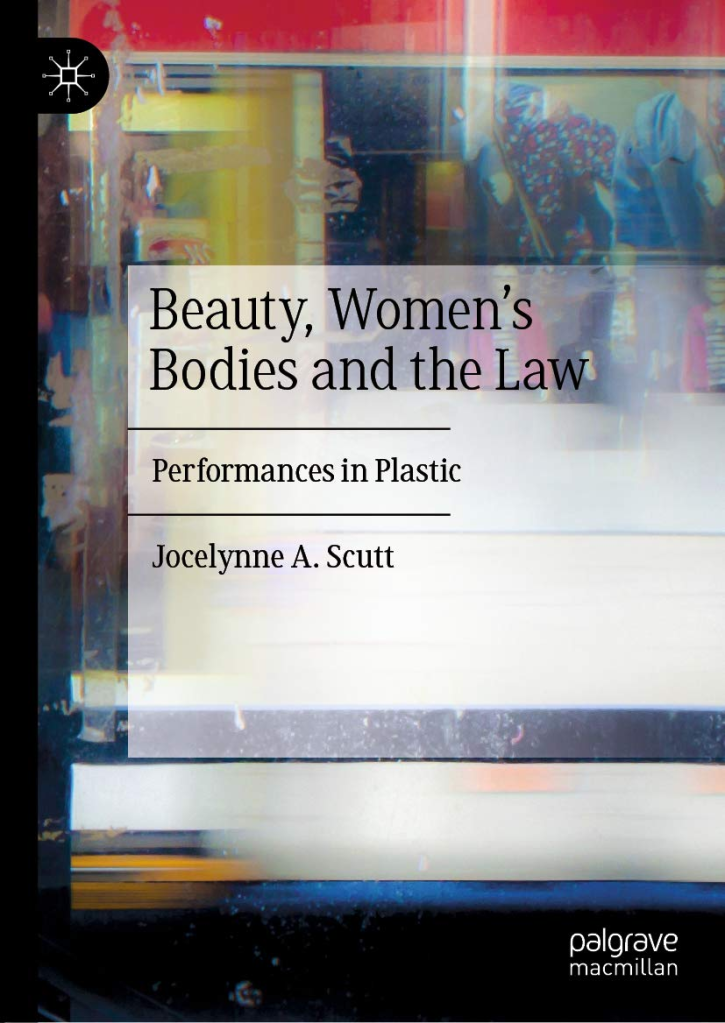
Beauty, Women’s Bodies and the Law Performances in Plastic Jocelynne A. Scutt
1 Introduction—The Body Plastic 1
1 Brain & Body, Brain vs Body 1
2 The Body Perfect/Imperfect 5
3 The Body as Image 11
4 My Body, Your Opinion 16
5 The Body as ‘I’ 20
2 The Body Beneath the Knife 29
1 The Body in the Beauty Parlour 30
2 The Body on the Operating Table 42
3 The Criminal Body and the Body in Crime 58
4 The Criminal, the Civil and the Role of the Law 66
3 Above the Shoulder Blades 79
1 Her Crowning Glory 79
2 Oh! My Face … a Retroussé Nose & Pinned Ears 88
3 Around the Eyes & Rounded Eyes … 97
4 For Bee-Stung Lips, Whiter-Than-White Teeth, Receding
Chins & Measures Under the Neck 102
5 Plastic Faces or ‘The New Normal’? 109
4 All Above the Waist 119
1 Over and Above the Bosom 120
2 Bust, Bosom, Breasts … 134
3 Reclaiming Our Bodies, Our Selves—Beginning
with Breasts & Chests 150
5 Below the Belt and Under the Waist … 165
1 Muffin Top Madness 165
2 Around the Fatty Abdomen 171
3 Within the Fatty Abdomen 180
4 What Lies Beneath … 187
5 Bad Body Hair … Comes Good? 198
6 Our Rounded Bits … 211
1 Rounding Up vs Rounding Down 212
2 The Bottom as Bustle … 219
3 Bottoms, Hips, Thighs … 222
4 Exposing My Midriff or Where Are My Abs? 232
5 Suction Up, Suction Down 236
7 Extremities: From the Tips of Her Fingers to the Tips
of Her Toes 249
1 The Moons of My Nails, O’er My Elegant Hands … 249
2 Upon Raising Her Arms to the Sky 257
3 From My Elbows to the Bush Within My Armpits 262
4 Legs, Knees, Ankles & Feet … 269
5 Feet, Ankles, Knees & Legs … 274
6 To the Tips of Her Toes— 279
7 Fingers, Hands, Nails, Toes—The Extremities That
Count 283
8 Conclusion: Beyond the Body … 297
1 Recovering the Body … 298
2 My Body, My Self— 307
Bibliography 325
Index
What’s the connection between cosmetic procedures and mental health?
Published: November 15, 2022 6.00am AEDT
Although we cannot be sure of the exact numbers of Australians undergoing cosmetic procedures, as there is no requirement for health professionals to report their statistics, there is a consensus demand is on the rise.
In 2015, the Cosmetic Physicians College of Australasia found Australians were spending more than $1 billion a year on non-invasive cosmetic procedures like Botox and fillers. This is more than 40% higher, per capita, than in the United States.
In the US, where procedure statistics are reported, there was a 42% increase in the number of filler procedures and a 40% increase in Botox procedures performed in the last year alone.
Rates of mental health issues in this group may be higher than the general population, but seemingly not enough is being done to ensure the psychological safety of people requesting cosmetic procedures.
Body dysmorphic disorder
Body image concerns are generally the main motivator for seeking cosmetic procedures of all kinds. These concerns are usually focused on the body part where the cosmetic intervention is sought, such as the nose for a rhinoplasty.
Severe body image concerns are a key feature of several mental health conditions. The most prevalent in people seeking cosmetic procedures is body dysmorphic disorder. In the general community, around 1-3% of people will experience body dysmorphic disorder, but in populations seeking cosmetic surgery, this rises to 16-23%.
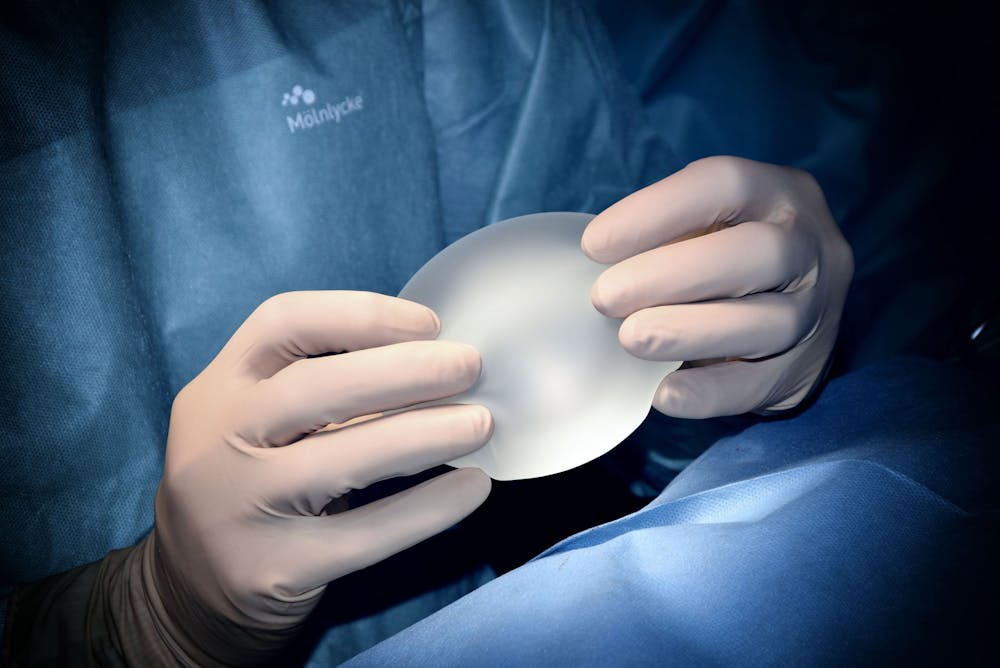
Body dysmorphic disorder involves a preoccupation or obsession with one or more perceived flaws in physical appearance which are not visible or seem minor to other people. In response to the distress regarding the flaw, the person with body dysmorphic disorder will perform repetitive behaviours (such as excessively checking body parts in the mirror) and mental acts (such as comparing their appearance with other people).
These concerns can have a significant negative impact on the person’s daily life, with some people too distressed to leave their home or even eat dinner with family members out of fear of being seen by others.
With the distress associated with body dysmorphic disorder seemingly stemming from physical appearance issues, it makes sense someone with body dysmorphic disorder is far more likely to turn up at a cosmetic clinic for treatment than a mental health clinic.
The problem is, cosmetic intervention usually makes the person with body dysmorphic disorder feel the same or worse after the procedure. They may become even more preoccupied with the perceived flaw and seek further cosmetic procedures.
Patients with body dysmorphic disorder are also more likely to take legal action against their treating cosmetic practitioner after believing they have not received the result they wanted.
For these reasons, body dysmorphic disorder is generally considered by health professionals to be a “red flag” or contraindication (a reason not to undergo a medical procedure) for cosmetic procedures.
However, this is not entirely clear-cut. Some studies have shown people with body dysmorphic disorder can improve their symptoms after cosmetic intervention, but the obsession may just move to another body part and the body dysmorphic disorder diagnosis remain.
What about other mental health conditions?
Body dysmorphic disorder is by far the most well-studied disorder in this area, but is not the only mental health condition that may be associated with poorer outcomes from cosmetic procedures.
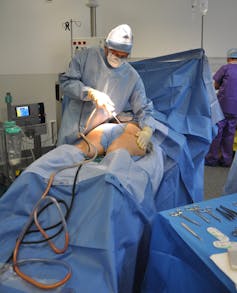
According to a recent systematic review, the rates of depression (5-26%), anxiety (11-22%) and personality disorders (0-53%) in people seeking cosmetic surgery may be higher than the general population (which are estimated to be 10%, 16% and 12% respectively).
However, these rates should be interpreted with some caution as they depend greatly on how the mental health diagnosis was made – clinician-led interview (higher rates) versus mental health questionnaire (lower rates). Some interview approaches can suggest higher rates of mental health issues as they may be quite unstructured and thus have questionable validity compared with highly structured questionnaires.
Besides body dysmorphic disorder, the research investigating other mental health conditions is limited. This may just be due to the fact body image focus is at the core of body dysmorphic disorder, which makes it a logical focus for cosmetic surgery research compared with other types of psychiatric disorders.
So what should happen?
Ideally, all cosmetic surgeons and practitioners should receive sufficient training to enable them to conduct a brief routine assessment of all prospective patients. Those with signs indicating they are unlikely to derive psychological benefit from the procedure should undergo a further assessment by a mental health professional before undergoing the procedure.
This could include an in-depth clinical interview about motivations for the procedure, and completing a range of standard mental health questionnaires.
If a person was found to have a mental health issue in the assessment process, it does not necessarily mean the mental health professional would recommend against pursuing the procedure. They may suggest a course of psychological therapy to address the issue of concern and then undergo the cosmetic procedure.
At the moment, assessments are only recommended rather than mandated for cosmetic surgery (and not at all for injectables like Botox and fillers). The guidelines say evaluation should be undertaken if there are signs the patient has “significant underlying psychological problems”.
This means we are relying on the cosmetic medical practitioner being capable of detecting such issues when they may have received only basic psychological training at medical school, and when their business may possibly benefit from not attending to such diagnoses.
An August 2022 independent review by the Australian Health Practitioner Regulation Agency and the Medical Board of Australia recommended the guidelines around mental health assessment should be “strengthened” and emphasised the importance of medical practitioners receiving more training in the detection of psychiatric disorders.
Ultimately, as cosmetic practitioners are treating patients who are seeking treatment for psychological rather than medical reasons, they must have the wellbeing of the patient front-of-mind, both out of professional integrity and to protect themselves from legal action. Mandatory evaluation of all patients seeking any kind of cosmetic procedure would likely improve patient satisfaction overall.
If this article has raised issues for you, or if you’re concerned about someone you know, visit the Butterfly Foundation.
Victoria Election 2022
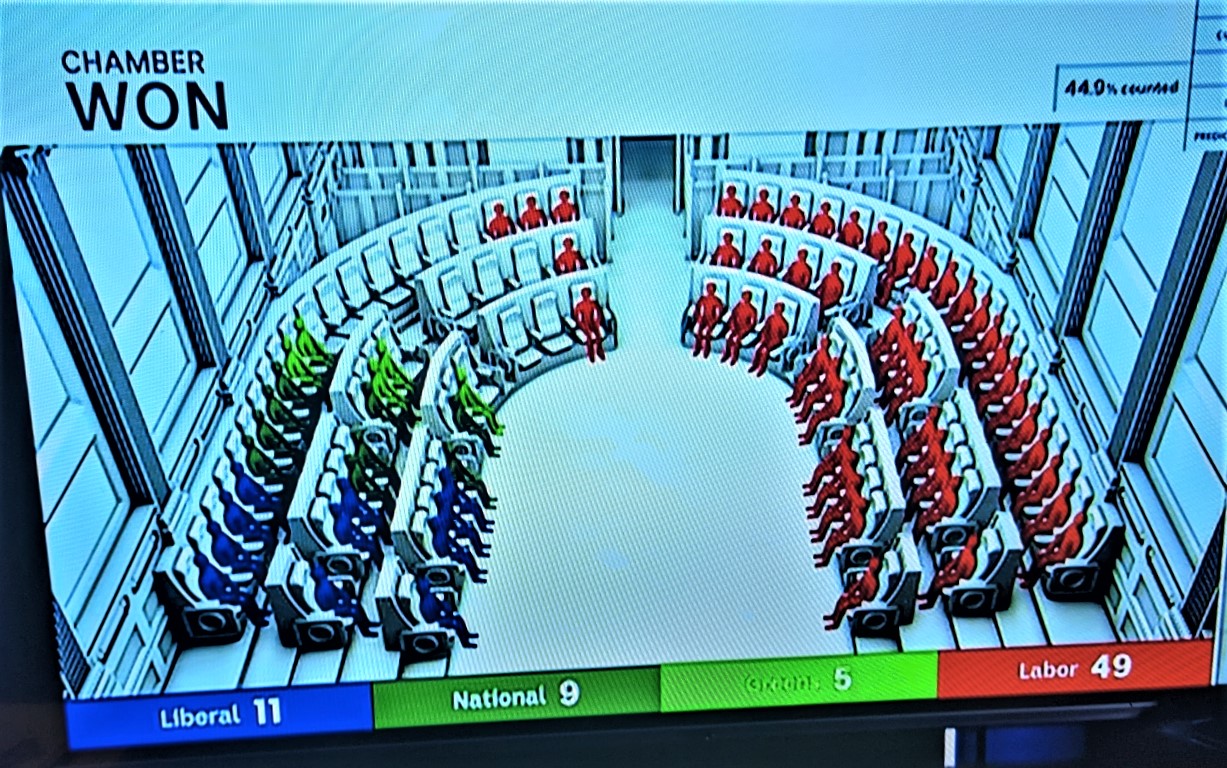
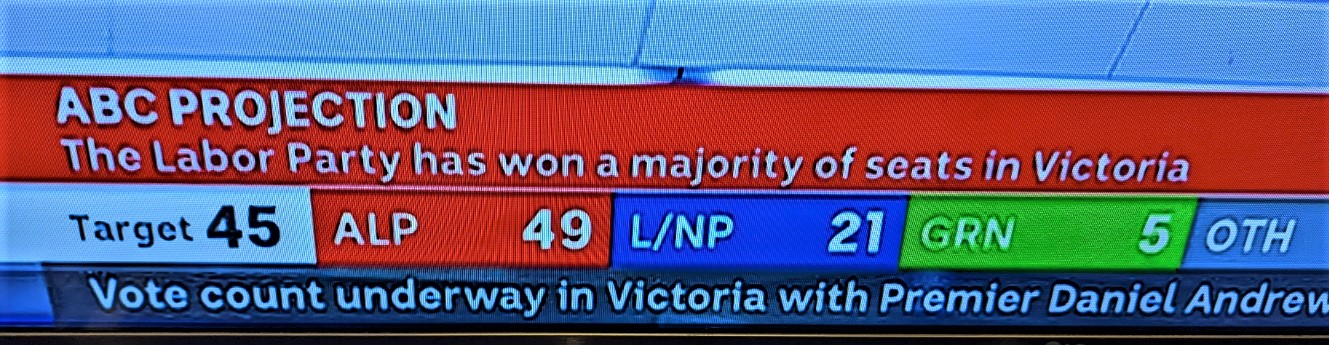

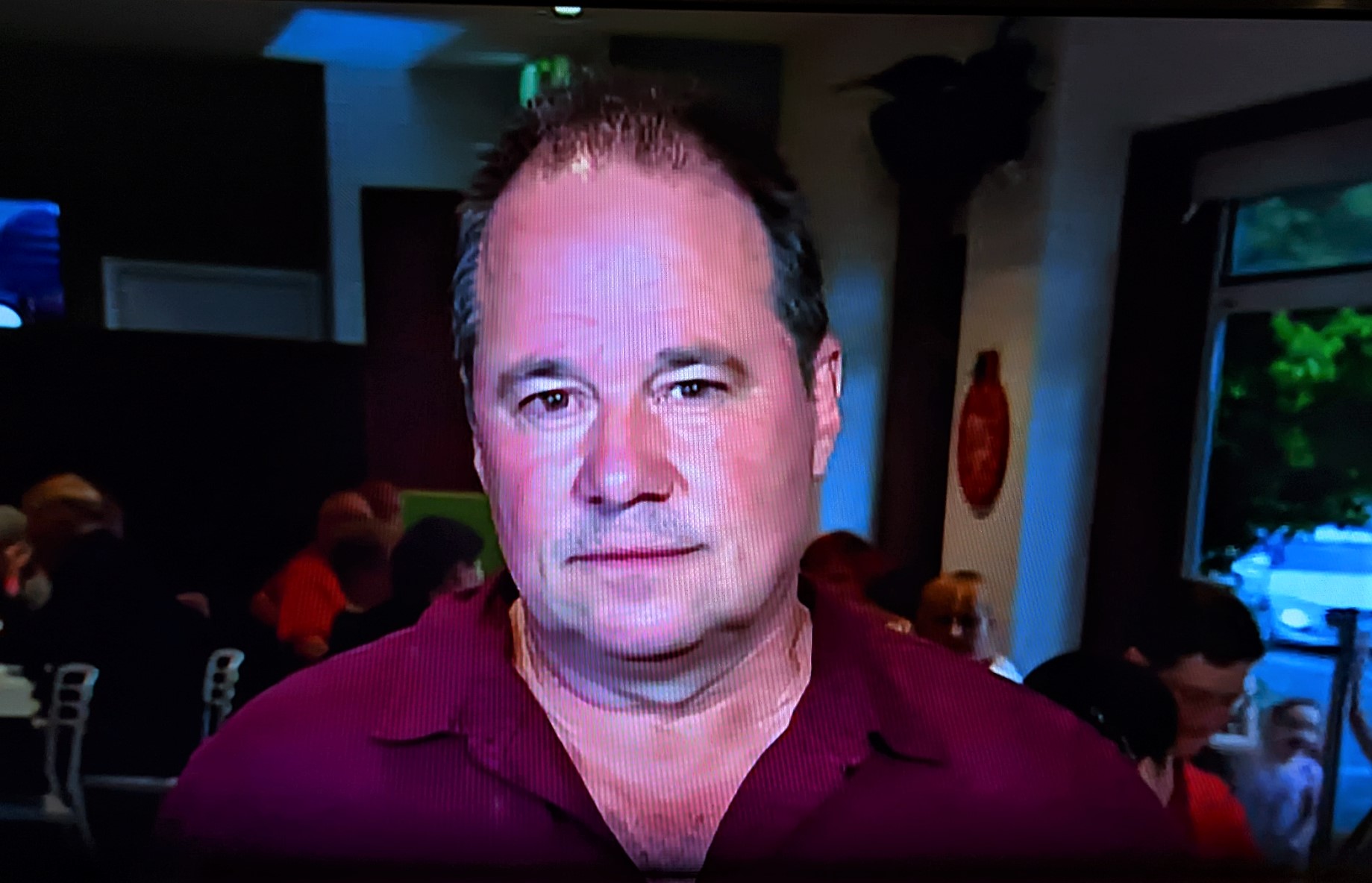
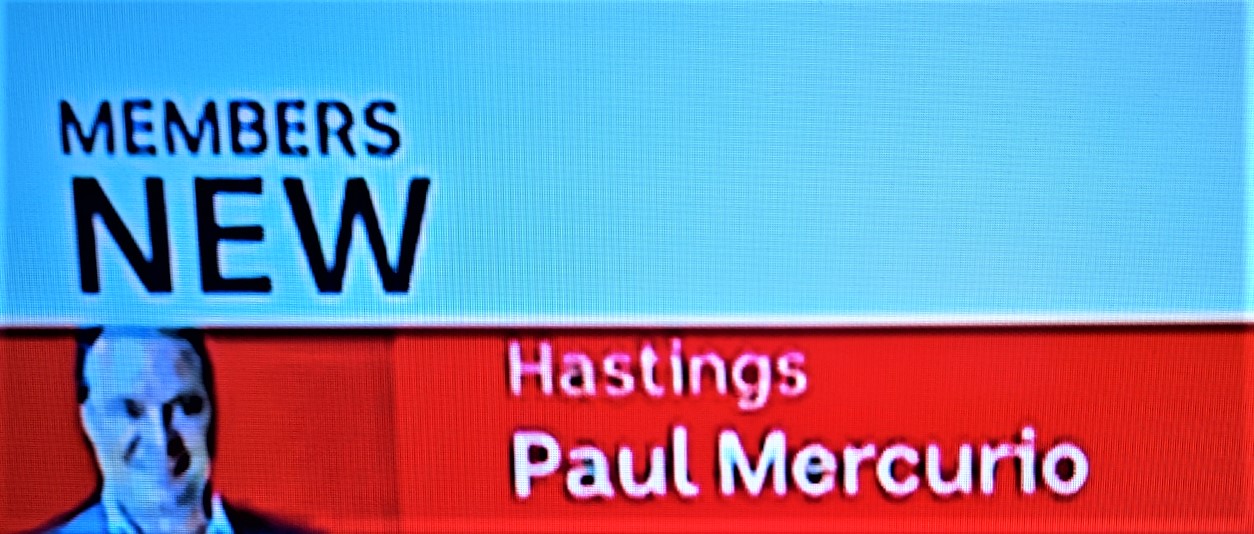
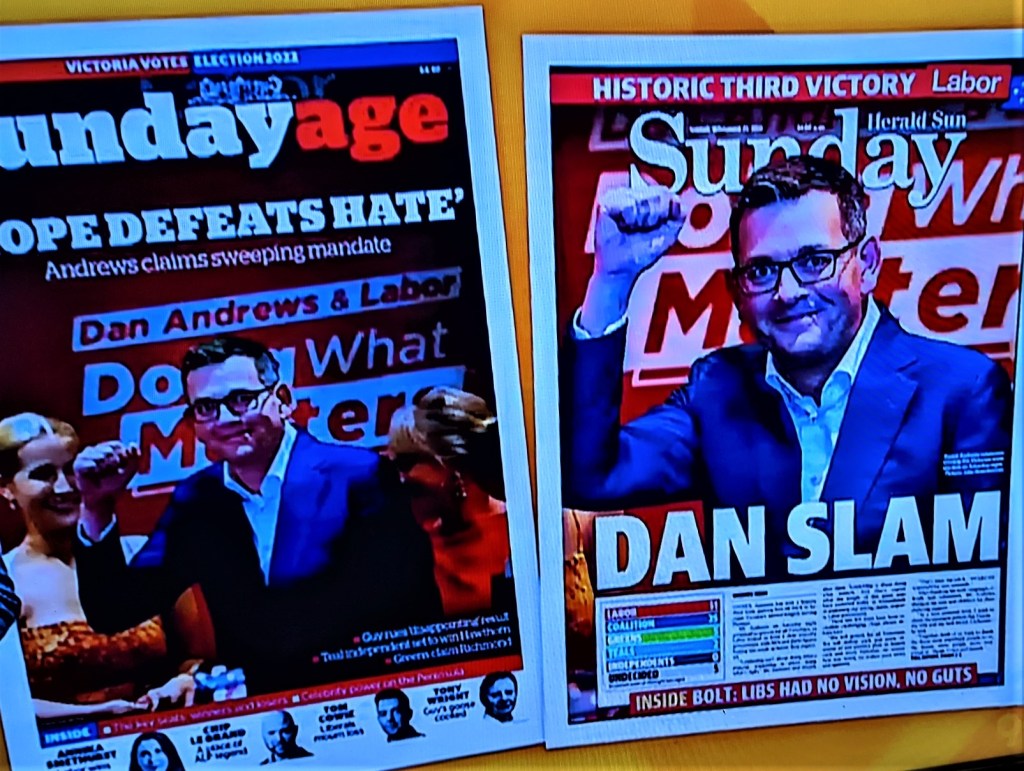
From starring in Strictly Ballroom (1992) to winning a seat from the Liberals in 2022 – Paul Mecurio, new Labor Member for Hastings. A thrilling win – well it seemed so on the night, when it and several other seats were called by Anthony Green as won. Unfortunately, he did not account for the huge number of prepoll votes that could impact on those “wins”. Although Paul Mecurio is fighting back in Hastings, some of the other “wins” became losses. Rather a shameful coverage, and out of character for the usually cautious Green. By the end of the night, it was clear that Dan Andrews had won a third term, and that was cause for much celebration.
Mika Brzezinski – Nancy Pelosi steps down from the Speakership
Morning Joe on MNSBC is an enlightening and robust source of information, commentary and fun. There is also a great deal of discussion about sport, but Mika rolls her eyes on that side of the television set, and I roll mine on my side and look at my phone. Joe Scarborough, former Republican Member of Congress usually takes the floor. But when Mika Brzezinski does on occasion her contribution is as heartfelt.
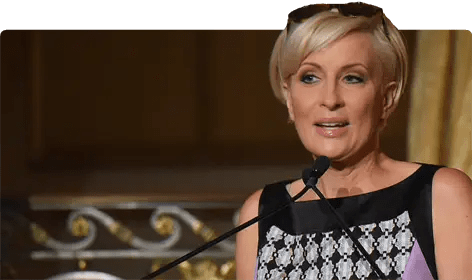
Who raised you?’: Kevin McCarthy shamed by MSNBC’s Mika for ‘disgusting’ treatment of Pelosi
Story by Tom Boggioni • Yesterday 11:41 pm
On MSNBC’s “Morning Joe” on Friday, co-host Mika Brzezinski harshly criticized current House Minority leader Kevin McCarthy (R-CA) for his treatment of House Speaker Nancy Pelosi (D-CA) on Thursday as she gave a major speech announcing she would be stepping down from the House Democratic leadership.
The GOP leader was noticeably missing — as were the majority of the House Republicans — when Pelosi gave her emotional speech, with many of them holding their own mini-press conferences to announce their own plans to be a thorn in the side of President Joe Biden’s administration.
Asked why he didn’t attend the speech, McCarthy offered up, “I had meetings. But normally the others would do it during votes. I wish she could have done that — could have been there.”
As the MSNBC host noted, Senate Minority Leader Mitch McConnell (R-KY) issued a statement praising Pelosi despite their differences — something McCarthy apparently couldn’t bring himself to do since he is at the mercy of the far-right members of his caucus if he wants to replace his fellow Californian as the new Speaker.
That led to a diatribe aimed at McCarthy by Brzezinski.
“First woman to serve as Speaker, an amazing career, a mother of five, and by the way, her husband was just attacked as a result of political violence,” the MSNBC host recited. “This would have been the moment to step up and show some grace.”
“Who raised you?” she snapped. “Who raised these people? I’m sorry, who raised you? Who raised you, Kevin McCarthy, who raised you, Republicans in the House.”
“Seriously. Try and imitate somebody with just an ounce of grace, try and make your mother proud for one second,” she continued. “It’s disgusting, it’s disappointing and not to me. You’re the one who has to look in the mirror every day.”

 Robin's Room