Victoria Jenkins Happily Married Bookouture 2023.
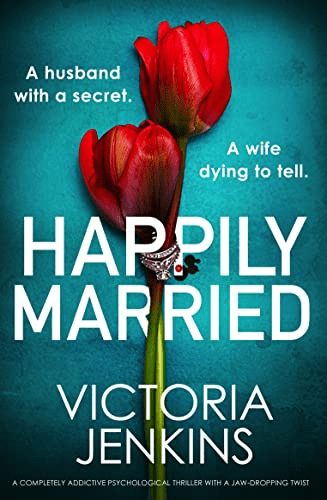
Thank you NetGalley for providing me with the uncorrected proof for review.
Happily Married begins with a prologue which, as the book progresses, could apply to several of the characters and plots. Certainly, the reader is shown early in the novel that the married couple at the centre of the story, Natalie and Jake, are far from happily married. They do not communicate, loving gestures are repudiated, their small daughter has had a health crisis, and their dairy farm and the associated ice cream parlour are in financial straits. There is some clever writing that ensures that the twist in part two of the book is unexpected, but plausible. See Books: Reviews for the complete review.
19 may 2023
There were 1005 new cases reported this week. People in hospital with covid number 53, with 4 in ICU. No-one is ventilated and no lives have been lost this week.
100 best Children’s Books According to the BBC
Philip Pullman, CS Lewis and Roald Dahl feature in top 10
Isabel Lewis
Where The Wild Things Are has been named the greatest children’s book of all time, according to a poll by the BBC.
Voted for by children’s authors, illustrators, editors, publishers, academics, librarians, writers and readers* from across the world, the top 100 were unveiled on Tuesday (23 May) afternoon.
Maurice Sendak’s 1963 adventure took the top spot in BBC Culture’s list, with Alice’s Adventures in Wonderland, Pippi Longstocking, The Little Prince and The Hobbit making up the top five.
Respondents were able to choose from more than 1000 different books, with each picking and ranking their 10 favourite children’s books. More than a fifth of respondents included Where The Wild Things Are in their top 10, with seven per cent choosing it as their top-ranked book.
Philip Pullman is the highest-ranked living author on the list, for his 1995 book Northern Lights from the His Dark Materials series.
The 76-year-old writer said: “I’m delighted to hear the result of this poll, it has taken me completely by surprise, and I’m not entirely sure I can find the words to respond to it.
“Children’s books are important because we still think about them when we’re grown up, because they have an effect on our way of seeing the world and our way of thinking about other people… That’s why they’re important to grown-ups as well as to children, and that’s why the best grown-up books are important, for the same sorts of reasons I think.”
You can find the full list below.
- Where the Wild Things Are (Maurice Sendak, 1963)
- Alice’s Adventures in Wonderland (Lewis Carroll, 1865)
- Pippi Longstocking (Astrid Lindgren, 1945)
- The Little Prince (Antoine de Saint-Exupéry, 1943)
- The Hobbit (JRR Tolkien, 1937)
- Northern Lights (Philip Pullman, 1995)
- The Lion, the Witch and the Wardrobe (CS Lewis, 1950)
- Winnie-the-Pooh (AA Milne and EH Shepard, 1926)
- Charlotte’s Web (EB White and Garth Williams, 1952)
- Matilda (Roald Dahl and Quentin Blake, 1988)
- Anne of Green Gables (LM Montgomery, 1908)
- Fairy Tales (Hans Christian Andersen, 1827)
- Harry Potter and the Philosopher’s Stone (JK Rowling, 1997)
- The Very Hungry Caterpillar (Eric Carle, 1969)
- The Dark is Rising (Susan Cooper, 1973)
- The Arrival (Shaun Tan, 2006)
- Little Women (Louisa May Alcott, 1868)
- Charlie and the Chocolate Factory (Roald Dahl, 1964)
- Heidi (Johanna Spyri, 1880)
- Goodnight Moon (Margaret Wise Brown and Clement Hurd, 1947)
- The Adventures of Pinocchio (Carlo Collodi, 1883)
- A Wizard of Earthsea (Ursula K Le Guin, 1968)
- Moominland Midwinter (Tove Jansson, 1957)
- I Want My Hat Back (Jon Klassen, 2011)
- The Secret Garden (Frances Hodgson Burnett, 1911)
- Duck, Death and the Tulip (Wolf Erlbruch, 2007)
- The Brothers Lionheart (Astrid Lindgren, 1973)
- Harry Potter and the Prisoner of Azkaban (JK Rowling, 1999)
- Brown Girl Dreaming (Jacqueline Woodson, 2014)
- The Three Robbers (Tomi Ungerer, 1961)
- The Snowy Day (Ezra Jack Keats, 1962)
- The Tiger Who Came to Tea (Judith Kerr, 1968)
- Howl’s Moving Castle (Diana Wynne Jones, 1986)
- A Wrinkle in Time (Madeleine L’Engle, 1962)
- Watership Down (Richard Adams, 1972)
- Tom’s Midnight Garden (Philippa Pearce, 1958)
- Grimm’s Fairy Tales (Brothers Grimm, 1812)
- The Tale of Peter Rabbit (Beatrix Potter, 1902)
- The Railway Children (Edith Nesbit, 1906)
- Noughts and Crosses (Malorie Blackman, 2001)
- The BFG (Roald Dahl and Quentin Blake, 1982)
- Rules of Summer (Shaun Tan, 2013)
- Momo (Michael Ende, 1973)
- The Story of Ferdinand (Munro Leaf and Robert Lawson, 1936)
- The Lord of the Rings (JRR Tolkien, 1954)
- The Owl Service (Alan Garner, 1967)
- Ronia, the Robber’s Daughter (Astrid Lindgren, 1981)
- The Neverending Story (Michael Ende, 1979)
- The Panchatantra (Anonymous / folk, -200)
- Treasure Island (Robert Louis Stevenson, 1883)
- Mary Poppins (PL Travers, 1934)
- Ballet Shoes (Noel Streafield, 1936)
- So Much! (Trish Cooke and Helen Oxenbury, 1994)
- We’re Going on a Bear Hunt (Michael Rosen and Helen Oxenbury, 1989)
- The Adventures of Cipollino (Gianni Rodari, 1951)
- The Giving Tree (Shel Silverstein, 1964)
- The Gruffalo (Julia Donaldson and Axel Scheffler, 1999)
- Julián Is a Mermaid (Jessica Love, 2018)
- Comet in Moominland (Tove Jansson, 1946)
- Finn Family Moomintroll (Tove Jansson, 1948)
- The Witches (Roald Dahl and Quentin Blake, 1983)
- A Bear Called Paddington (Michael Bond, 1958)
- The Wind in the Willows (Kenneth Grahame, 1908)
- Roll of Thunder, Hear My Cry (Mildred D Taylor, 1977)
- Karlsson-on-the-Roof (Astrid Lindgren, 1955)
- The Phantom Tollbooth (Norton Juster and Jules Feiffer, 1961)
- The Cat in the Hat (Dr Seuss, 1957)
- The Miraculous Journey of Edward Tulane (Kate DiCamillo and Bagram Ibatoulline, 2006)
- Peter and Wendy (JM Barrie, 1911)
- One Thousand and One Nights (Anonymous / folk)
- From the Mixed-Up Files of Mrs Basil E Frankweiler (EL Konigsburg, 1967)
- When Hitler Stole Pink Rabbit (Judith Kerr, 1971)
- Shum bola (G’afur G’ulоm, 1936)
- Ernest and Celestine (Gabrielle Vincent, 1981)
- A Kind of Spark (Elle McNicoll, 2020)
- Little Nicholas (René Goscinny and Jean-Jacques Sempé, 1959)
- Black Beauty (Anna Sewell, 1877)
- Daddy-Long-Legs (Jean Webster, 1912)
- No Kiss for Mother (Tomi Ungerer, 1973)
- My Family and Other Animals (Gerald Durrell, 1956)
- Jacob Have I Loved (Katherine Paterson, 1980)
- The Lorax (Dr Seuss, 1971)
- Fairy Tales/The Tales of Mother Goose (Charles Perrault, 1697)
- The Moomins and the Great Flood (Tove Jansson, 1945)
- The Wonderful Wizard of Oz (L Frank Baum, 1900)
- Just William (Richmal Crompton, 1922)
- The Twits (Roald Dahl and Quentin Blake, 1980)
- The Mouse and His Child (Russell Hoban, 1967)
- Out of My Mind (Sharon M Draper, 2010)
- Moominvalley in November (Tove Jansson, 1970)
- Little House in the Big Woods (Laura Ingalls Wilder, 1932)
- Danny the Champion of the World (Roald Dahl, 1975)
- The Snowman (Raymond Briggs, 1978)
- Wave (Suzy Lee, 2008)
- The Black Brothers (Lisa Tetzner, 1940)
- The Velveteen Rabbit (Margery Williams, 1921)
- The Bad Beginning (Lemony Snicket, 1999)
- The Graveyard Book (Neil Gaiman, 2008)
- American Born Chinese (Gene Luen Yang and Lark Pien, 2006)
- Haroun and the Sea of Stories (Salman Rushdie, 1990)
*I am left wondering if the ‘readers’ who contributed to this list were children. I would like to know that the people for whom the books are written were given the opportunity to express an opinion.
National Gallery of Australia
‘Tuesday’s federal budget has seen funding of $535 million allocated to secure and restore some of Australia’s cultural and historical institutions, many of which are located in Canberra.’
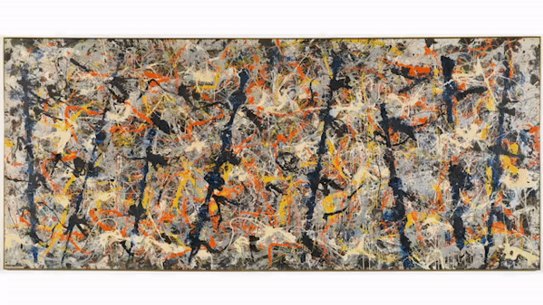
Jackson Pollock – Blue Poles
See story below.
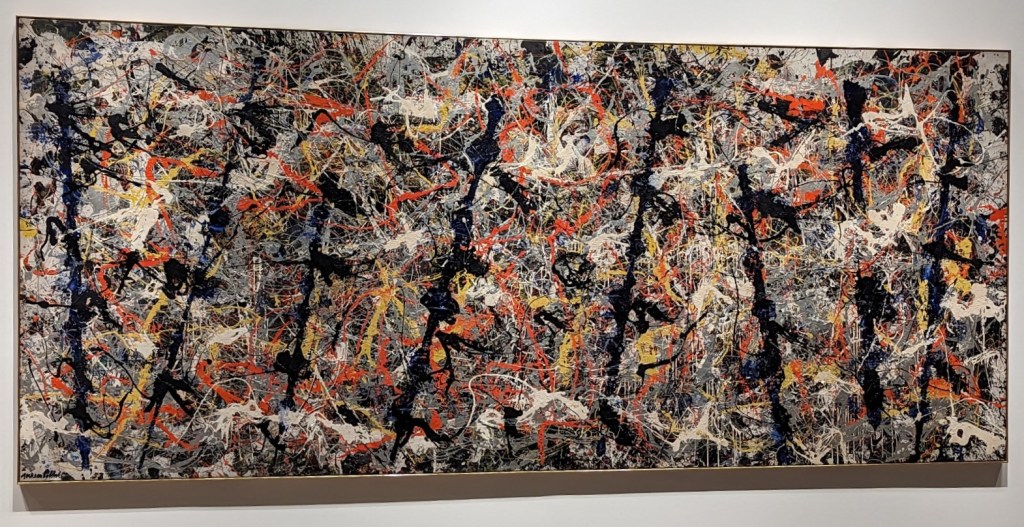
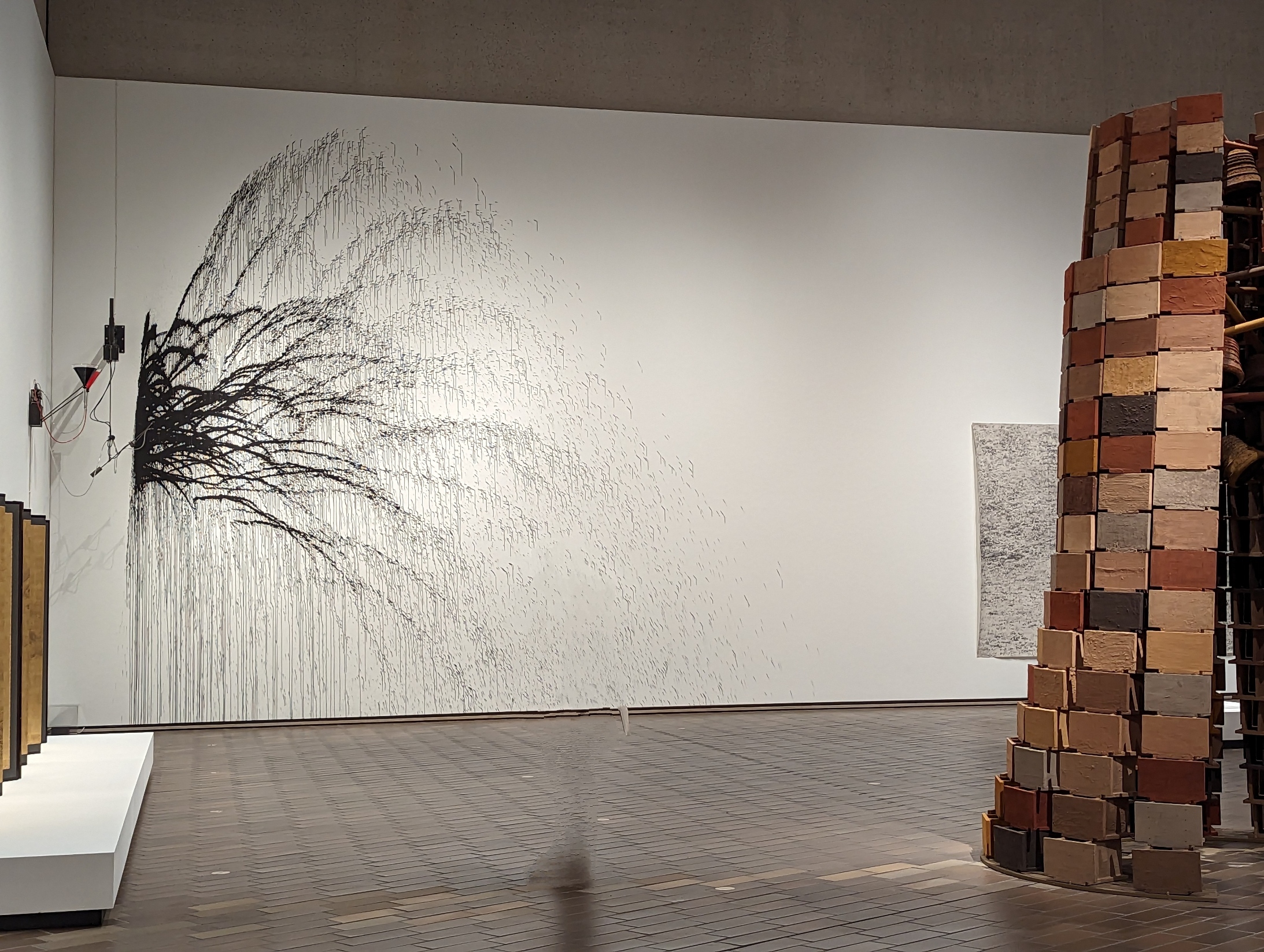
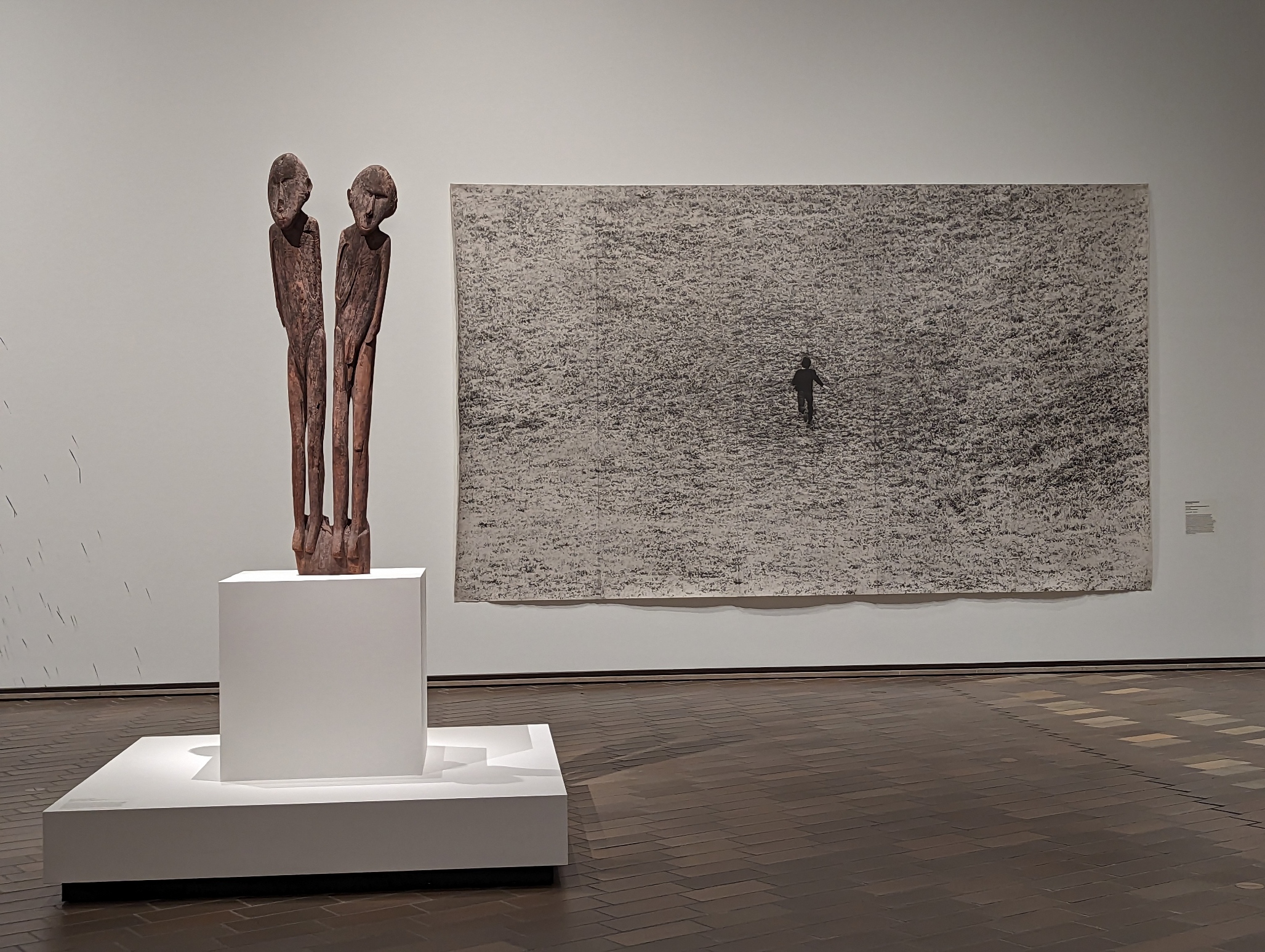
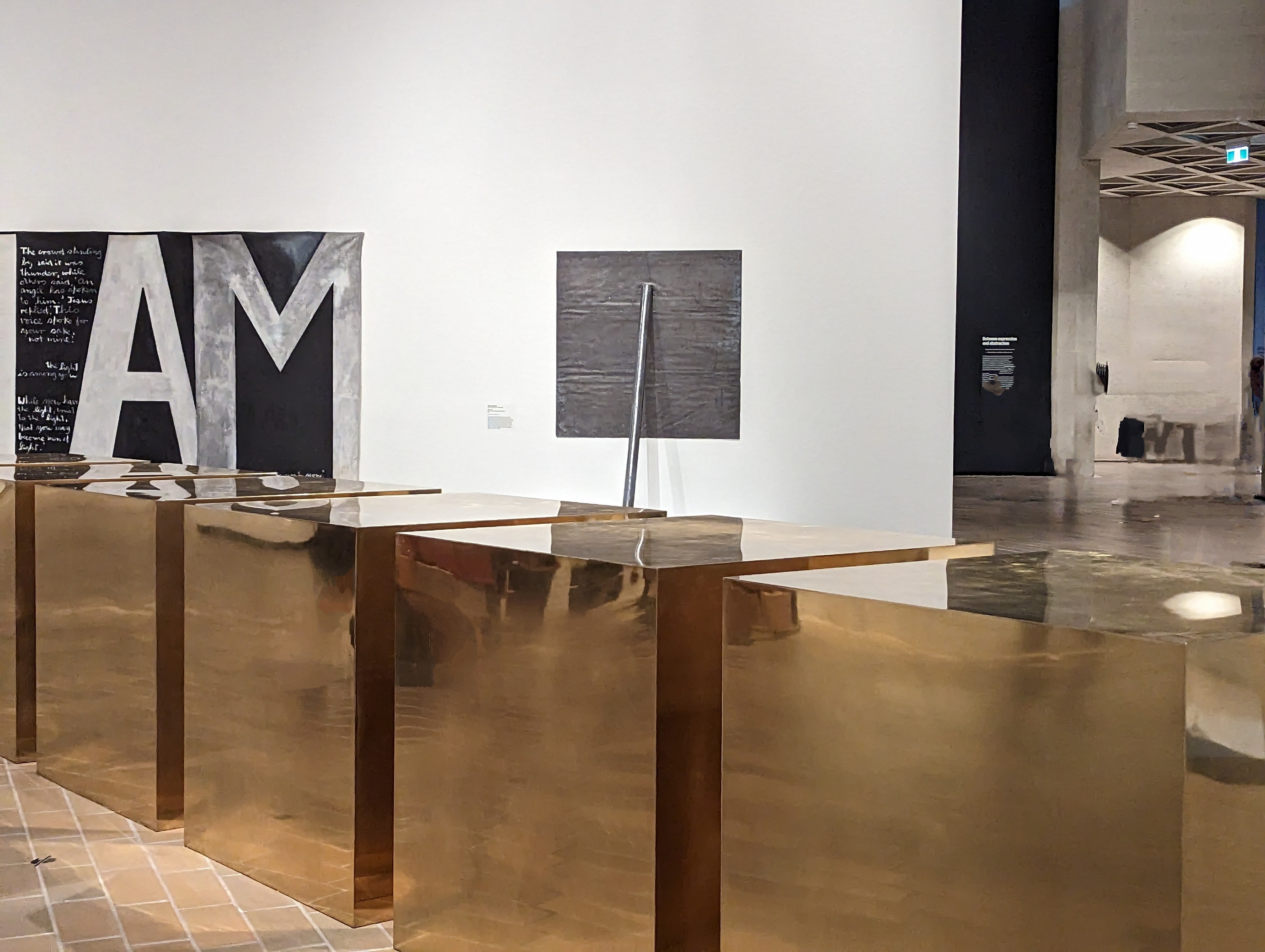
Various artworks to be enjoyed while walking through the galley.
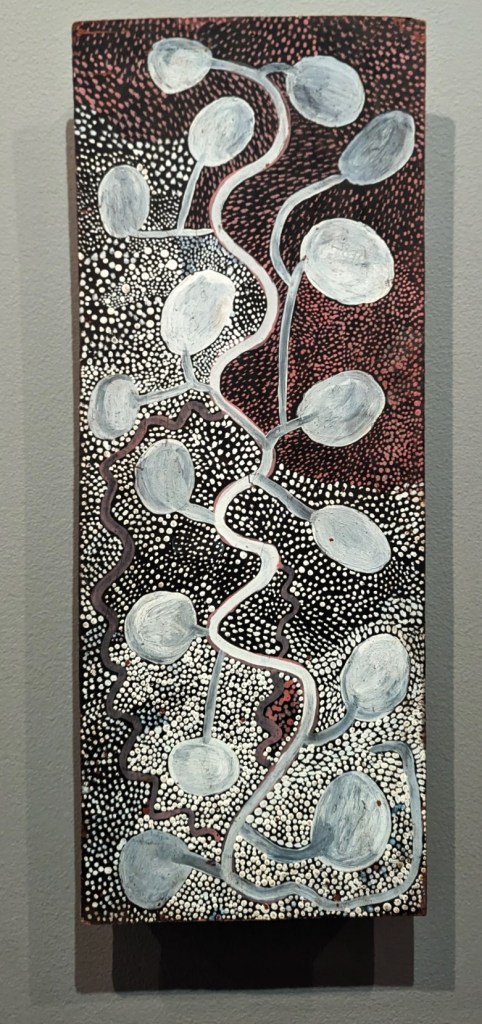
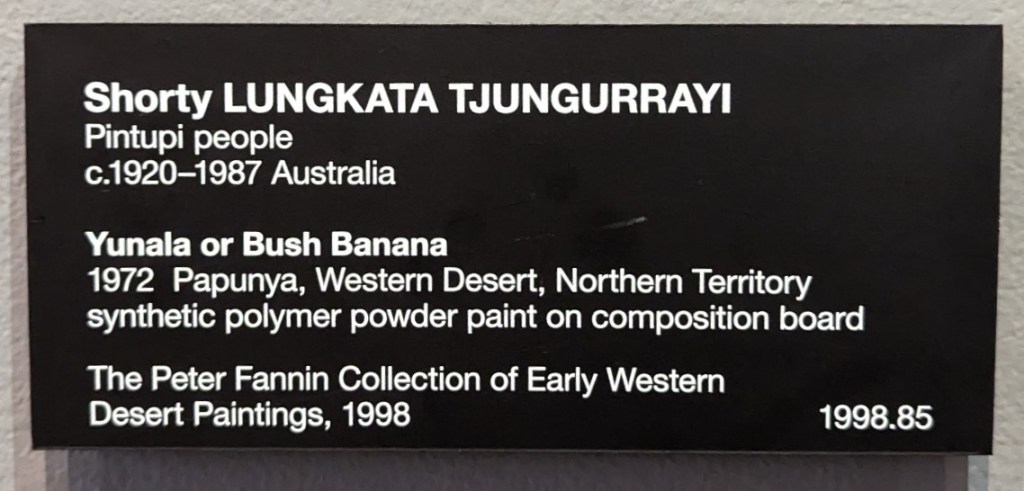
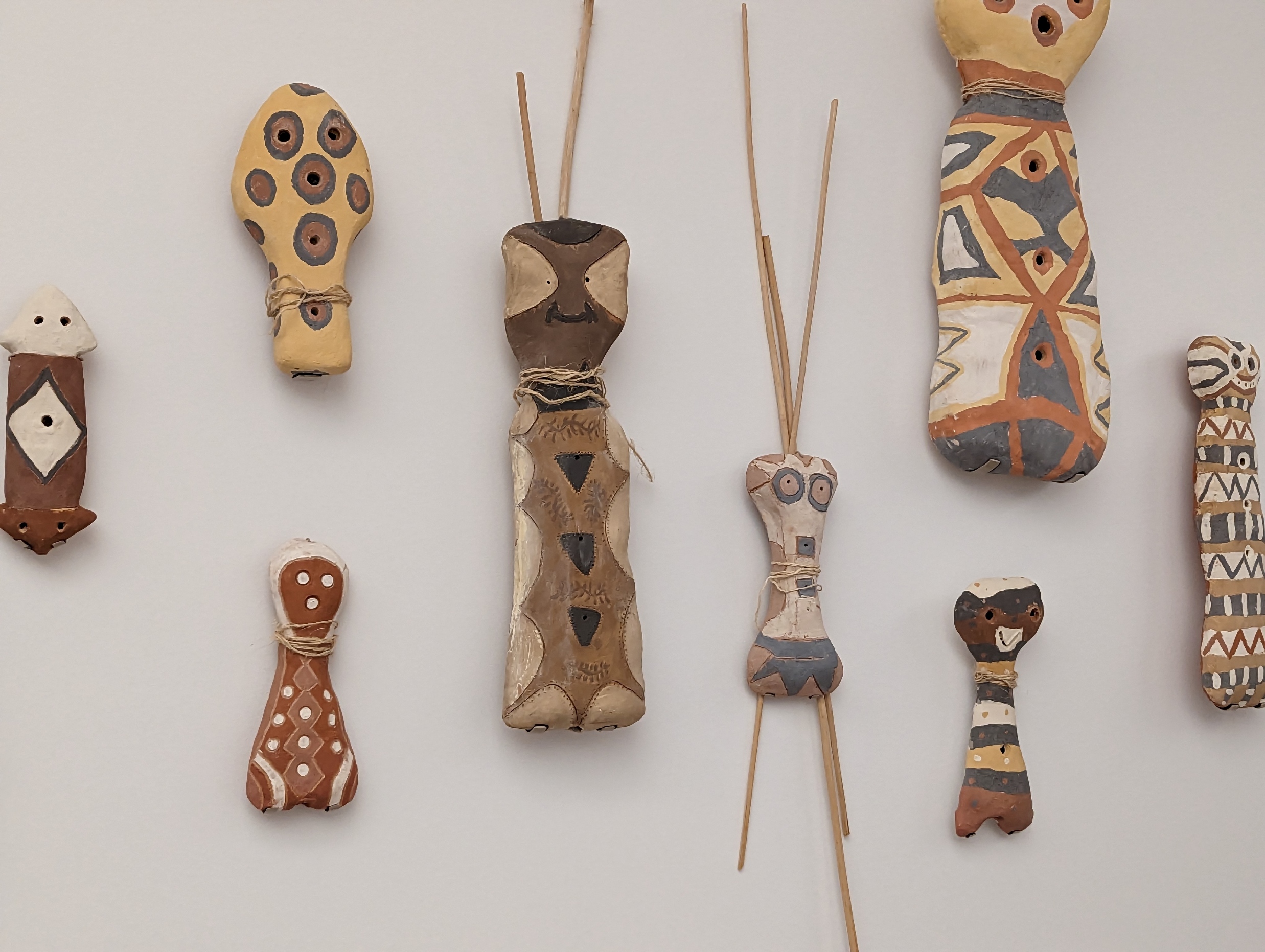
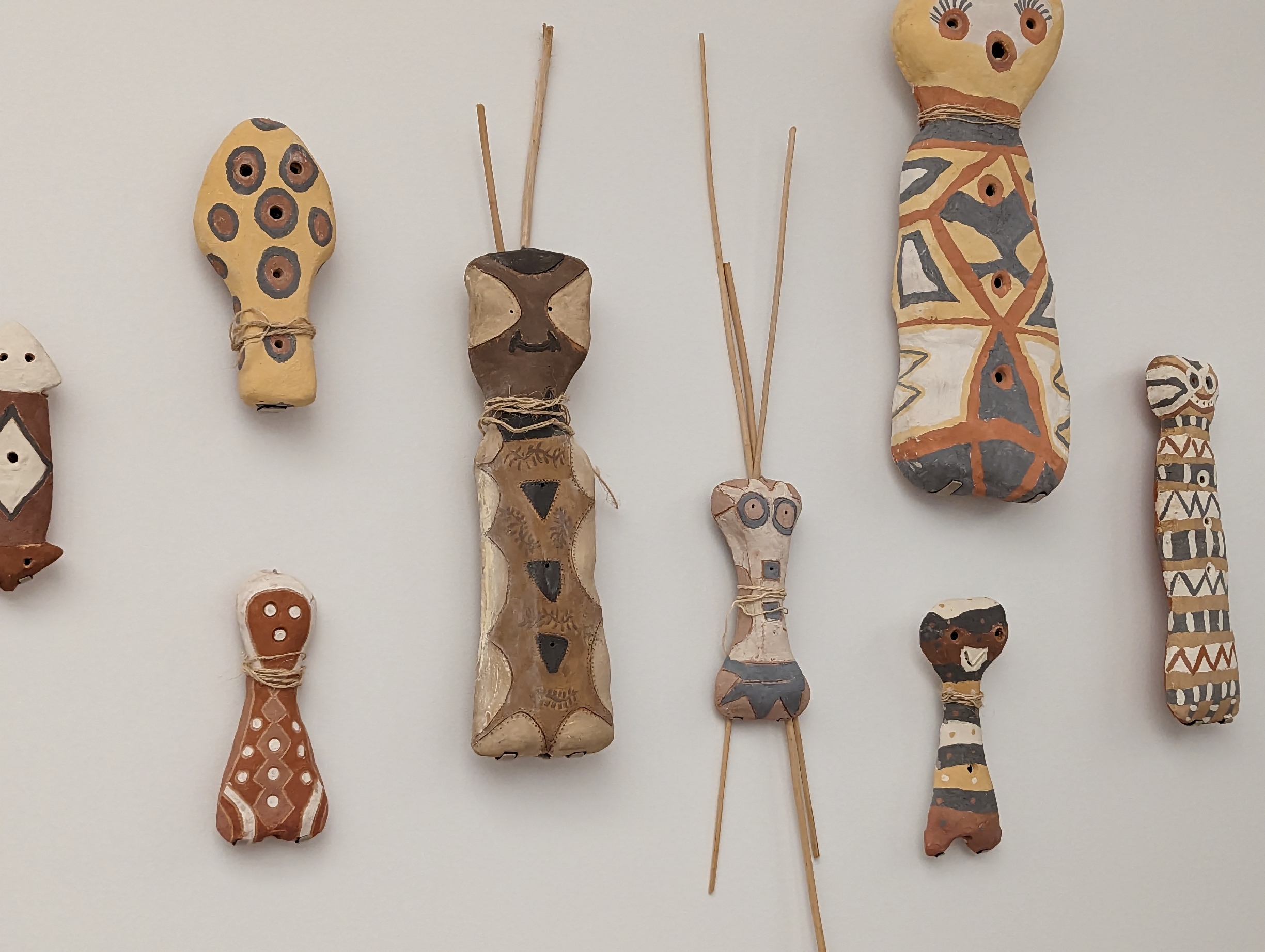
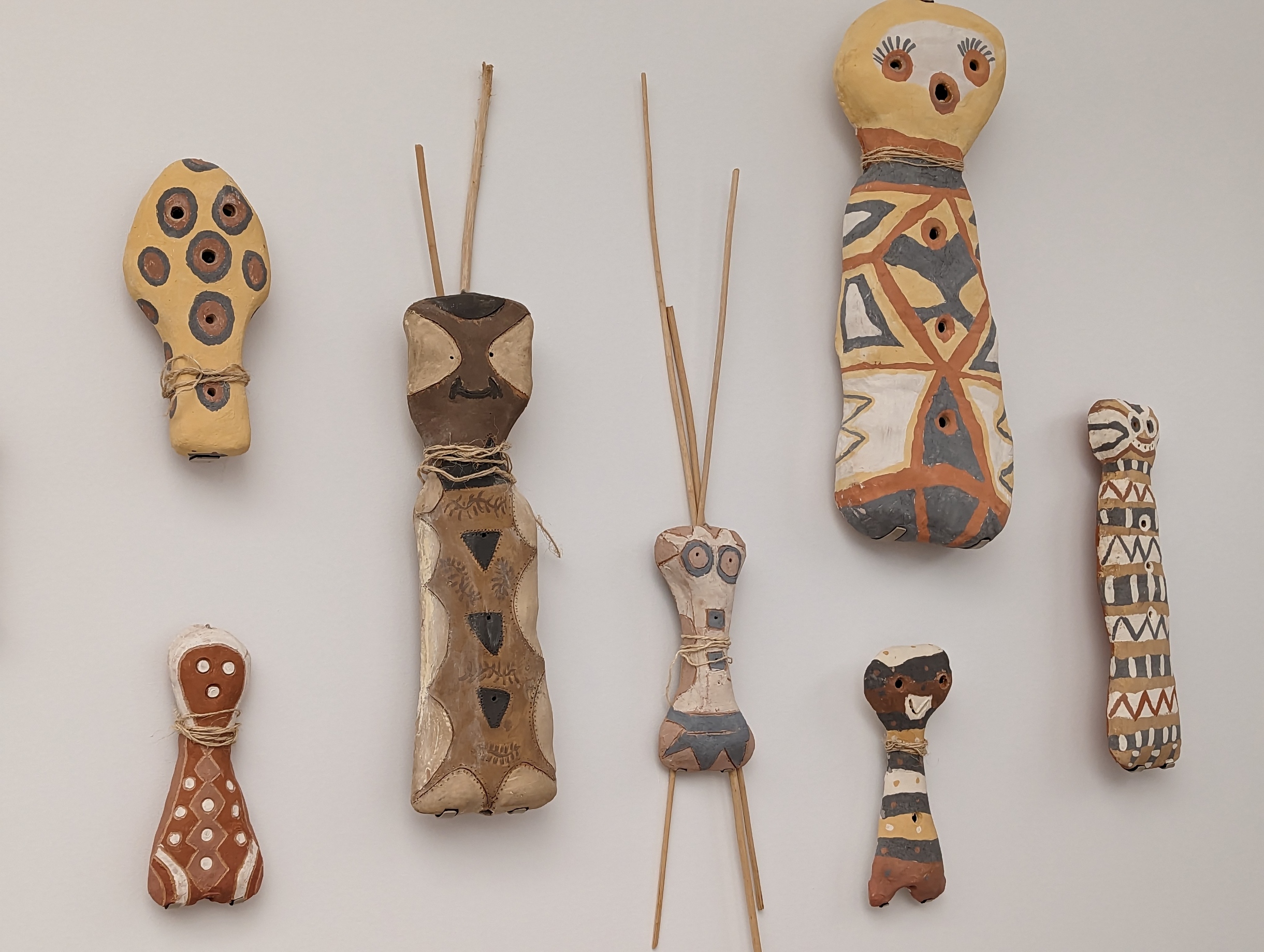
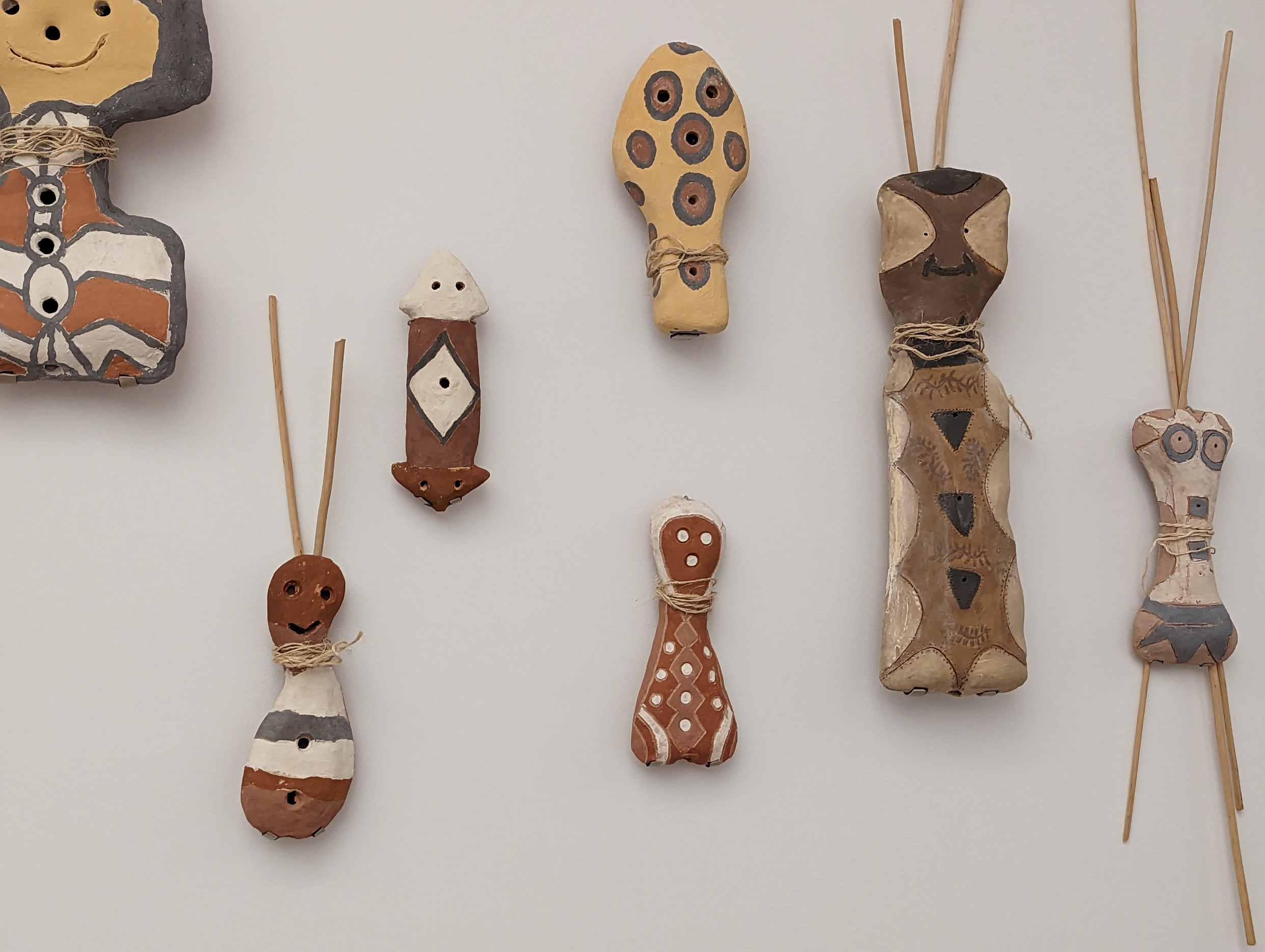
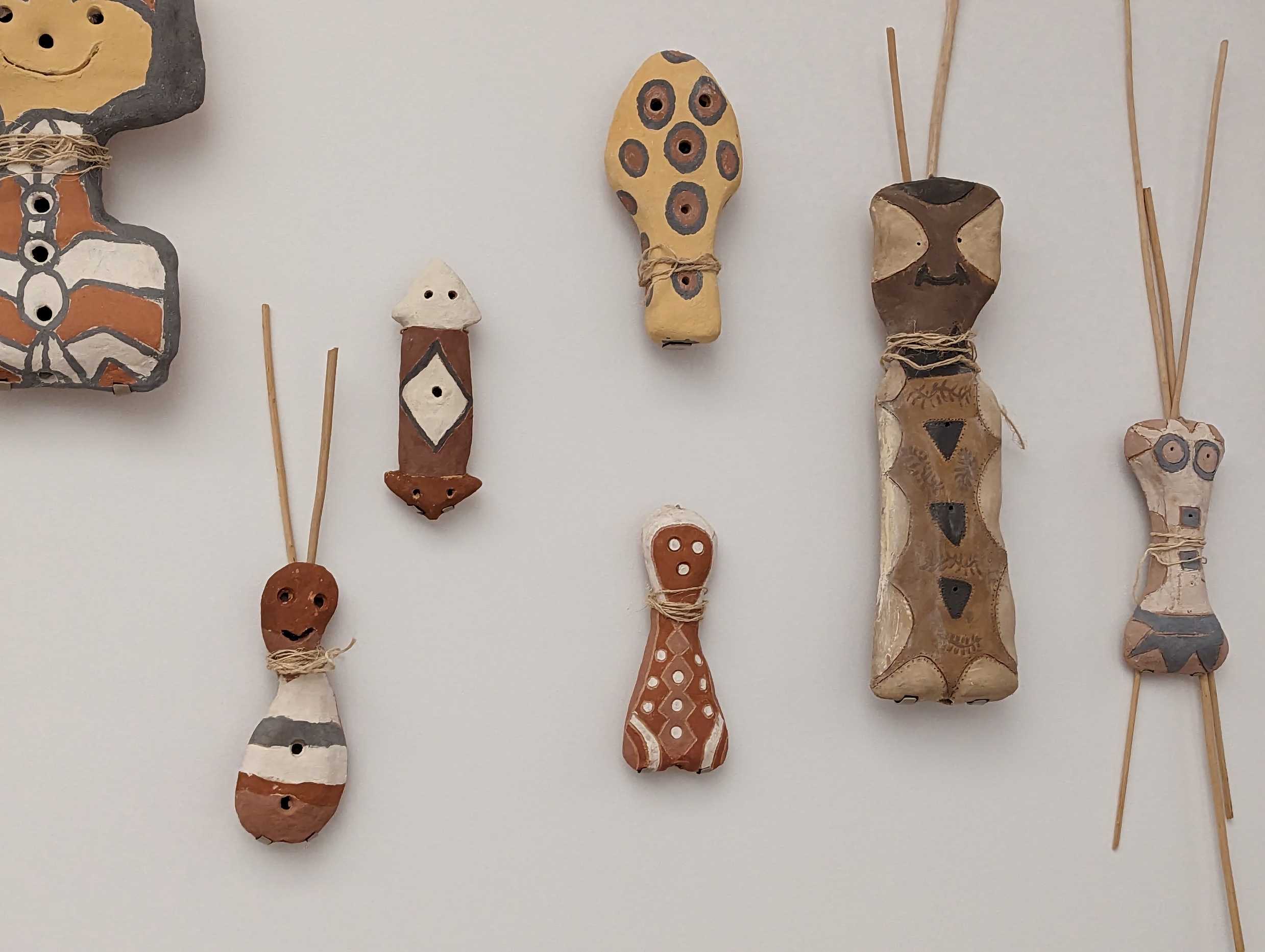
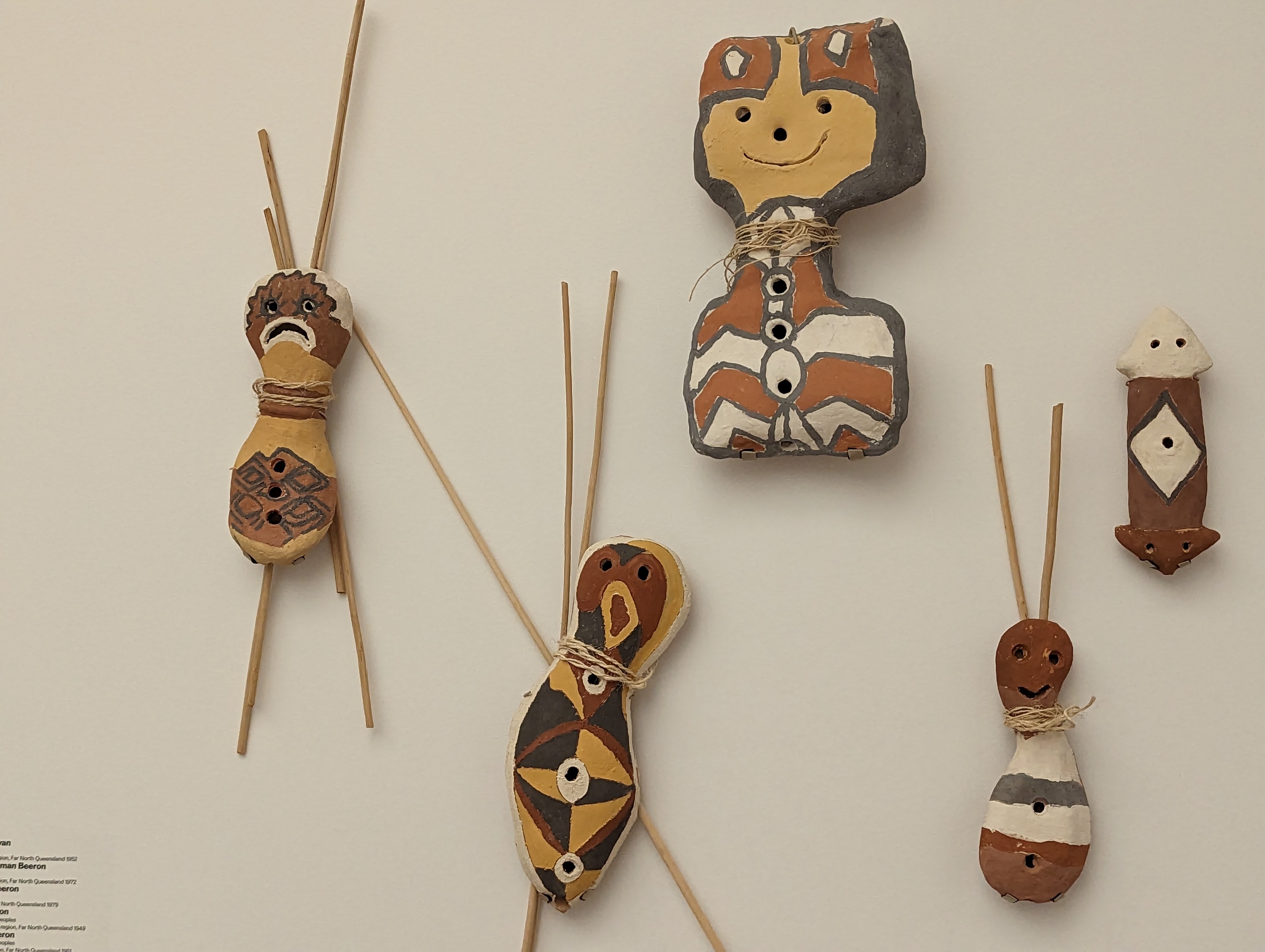
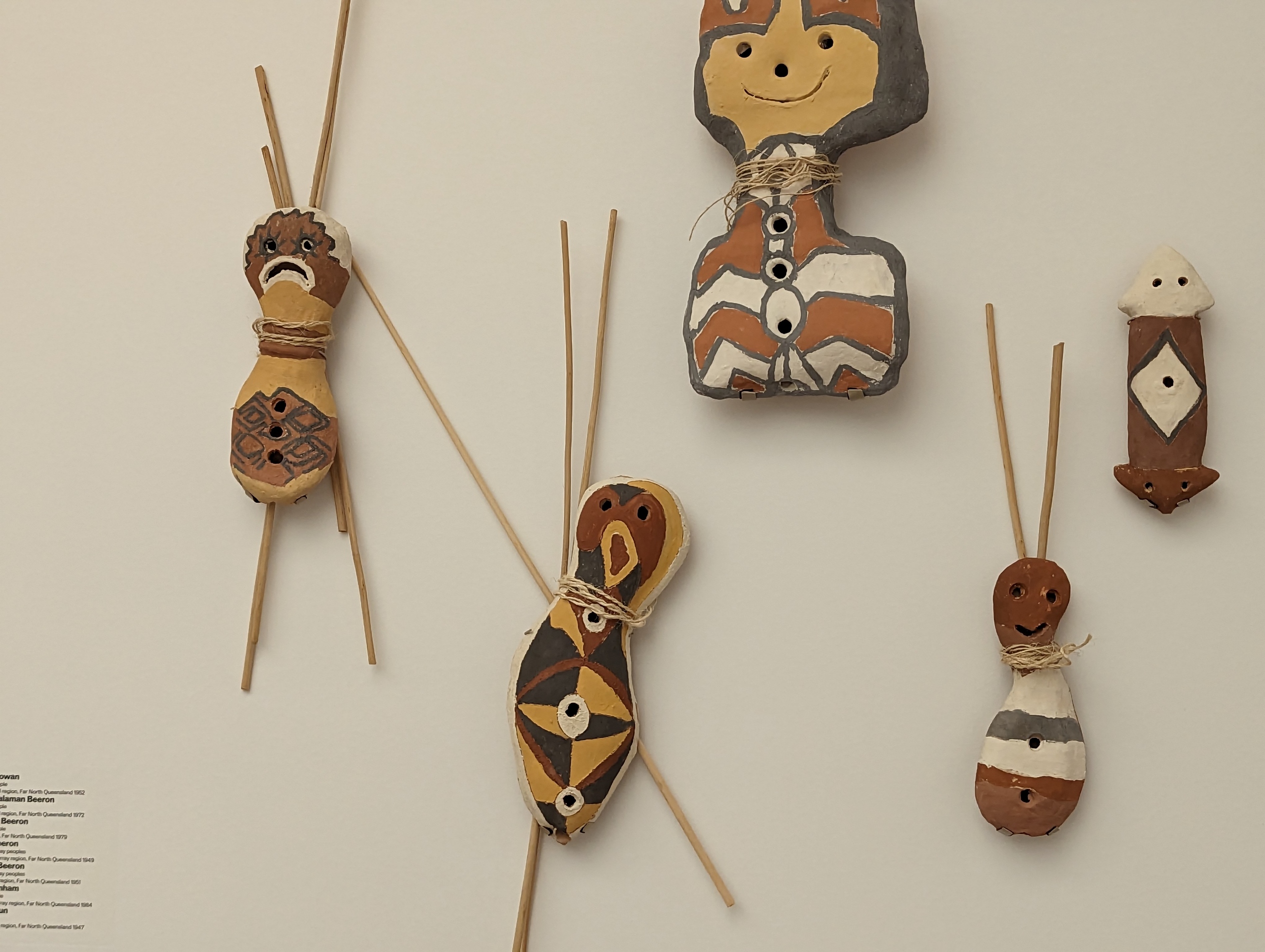
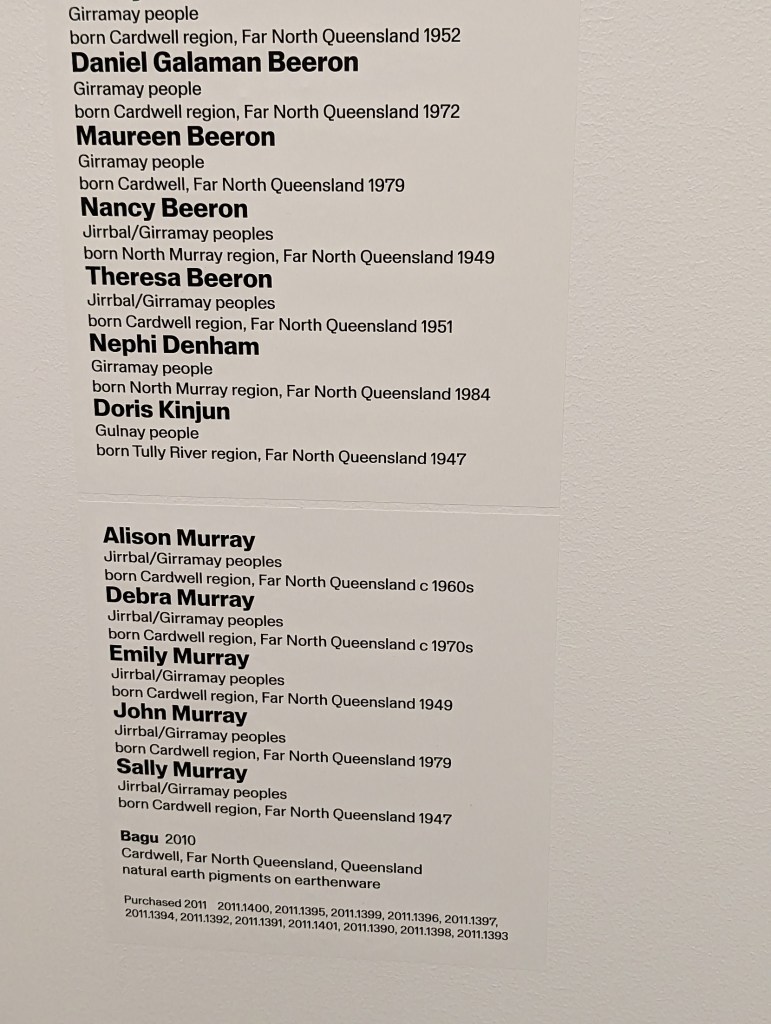
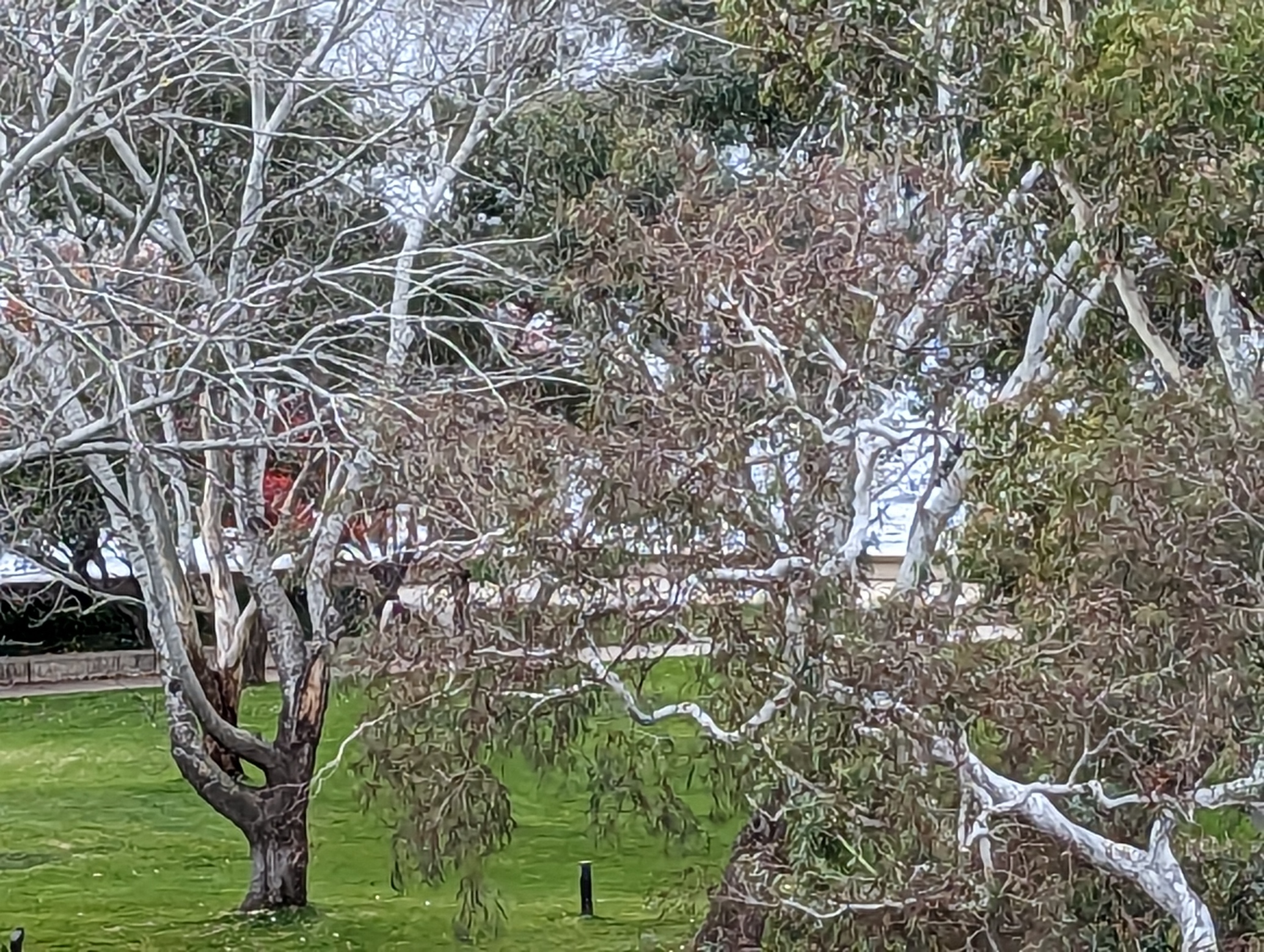
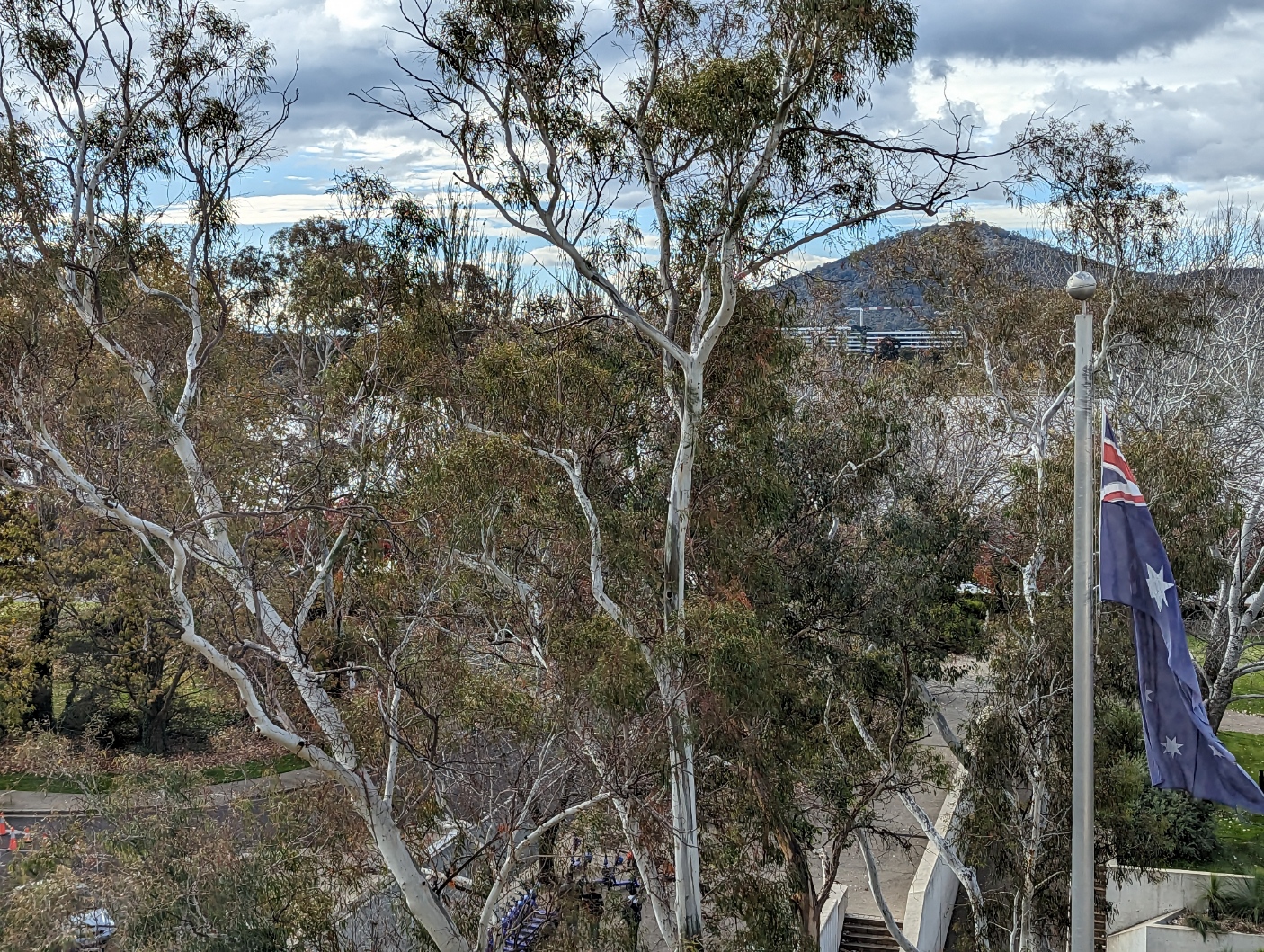
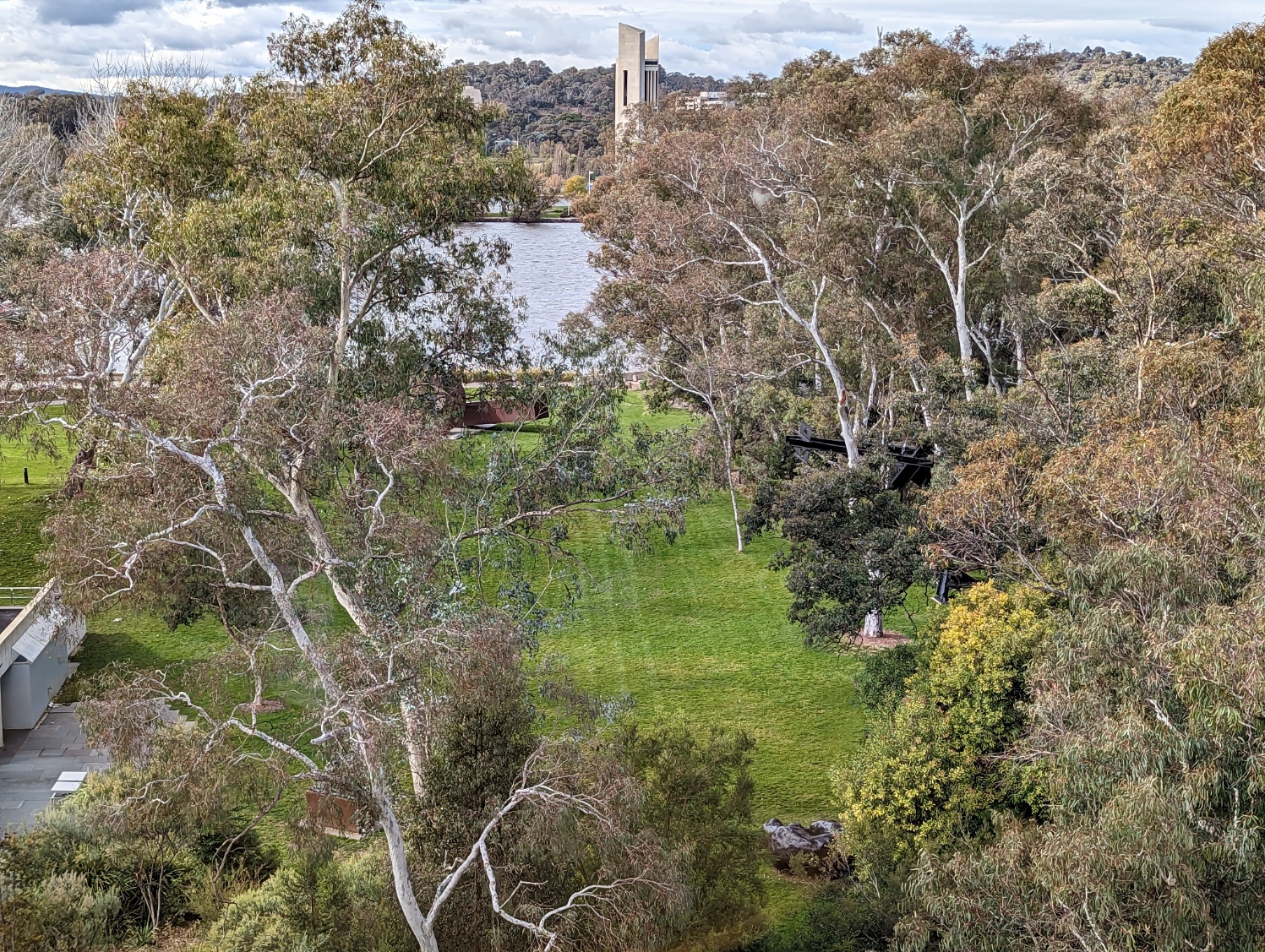
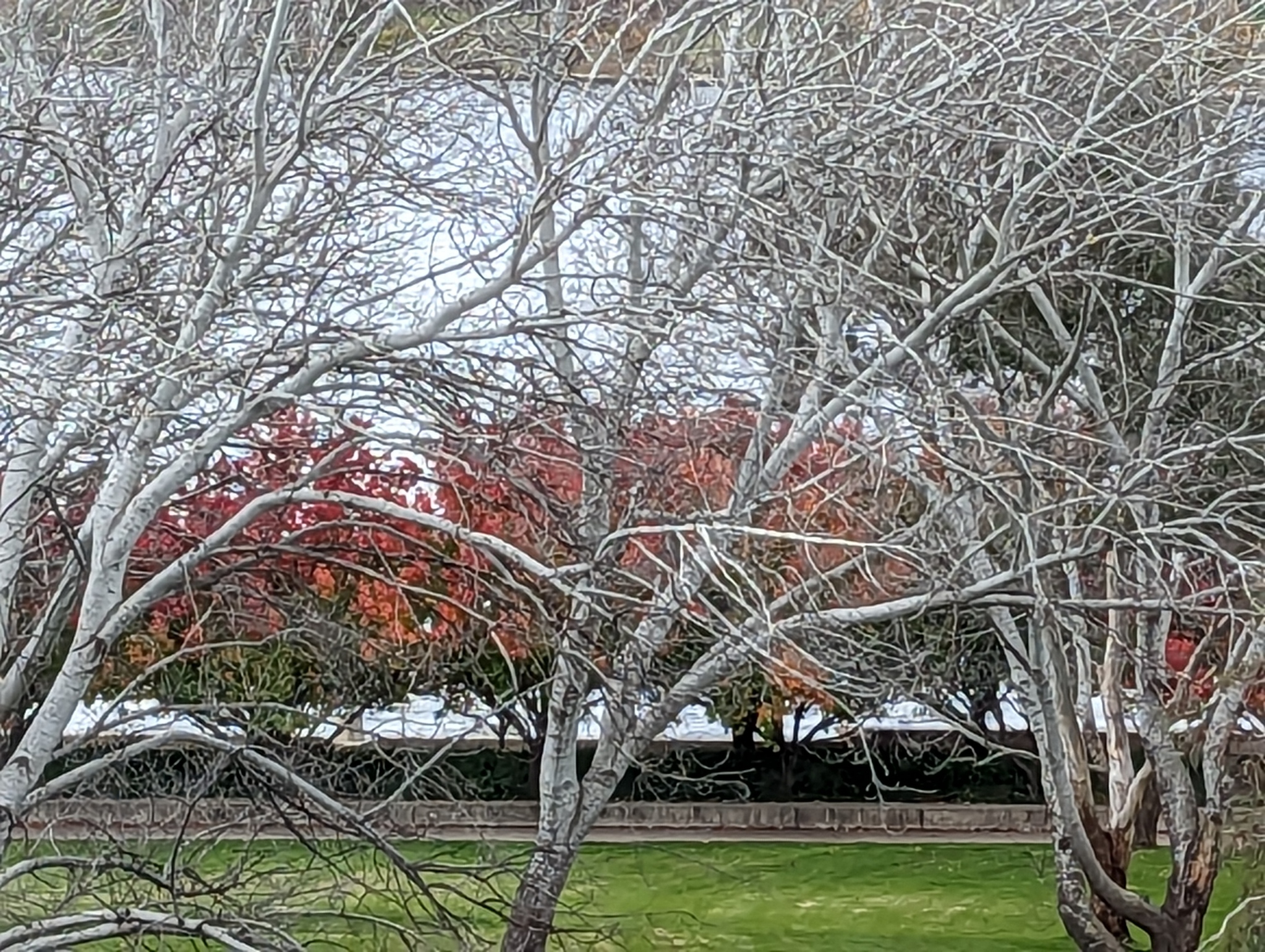
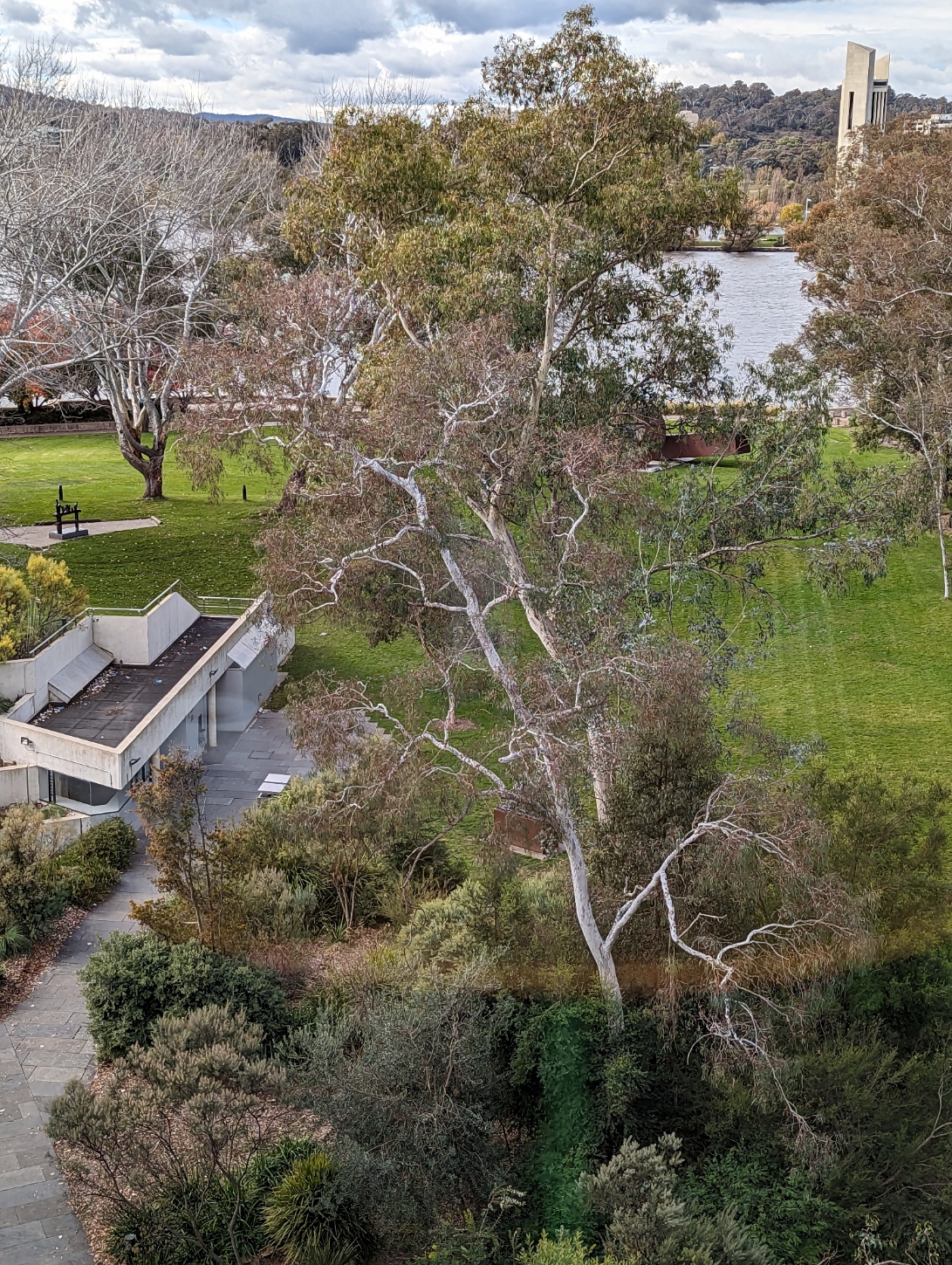
Views from the National Australian Gallery
Blue poles shows why Australia must get serious about its arts spending
The Herald’s View January 30, 2023 — 5.00am
If proof was needed that spending public money on the arts can be a good investment, the once controversial purchase of Jackson Pollock’s Blue poles provides a great example.
When the National Gallery of Australia purchased the abstract expressionist painting for $1.3 million in 1973, the Philistine tabloid papers splashed headlines claiming the artist painted it while drunk.
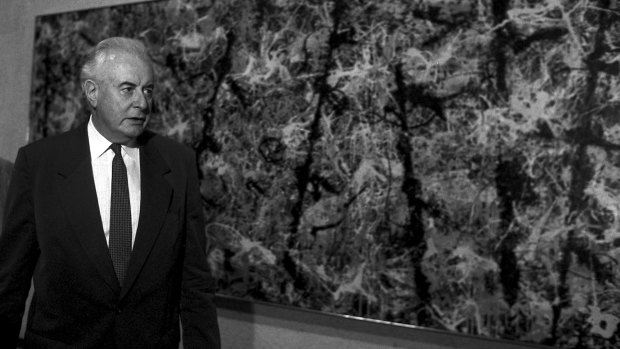
Yet as Herald reporter Linda Morris reports today, the painting is now an unquestioned masterpiece and has increased in value to $500 million.
This bumper return should be on Arts Minister Tony Burke’s mind on Monday when he releases a long-awaited national cultural policy.
After a decade in which the Coalition ran the arts down and sometimes traduced them as the playground of left-wing cultural elites, Burke has a chance to spur a renaissance of sorts.
The new policy will be welcome, but he should also back it up with cash because, like Blue poles, the investment will be repaid in spades.
Some of the benefits, such as those to the tourist industry and from the cultural exports of film and music, are fairly clear. Others, such as their contribution to our national identity, our global soft power and domestic social cohesion, are harder to reduce to dollars and cents.
The NGA in Canberra provides a great example of the urgent need to spend more, but also of the challenges.
The NGA says it faces a financial crisis from July when it loses a short-term funding injection of $24.77 million. The National Library of Australia’s invaluable Trove digital collection is also facing the same deadline.
Without help, the NGA says it might have to resort to forced redundancies, the closure of the Canberra building two days a week and the possible reintroduction of entry fees.
Exclusive
Arts
Jackson Pollock’s controversial Blue poles valued at $500 million
Even those drastic measures will never cover the $265 million cost over the next 10 years to waterproof the 40-year-old building and bring it up to standard.
It is shameful that there is no money to fix the roof that protects Blue poles and other pieces in the NGA’s $6.9-billion collection.
Of course, the NGA cannot simply cry poor and take for granted continued public support. It is not clear why it failed to anticipate the financial problems and engineer a solution sooner. If the government provides long-term support it should be on the basis that the NGA presents a clear long-term plan.
When Gough Whitlam bought Blue poles, the NGA was trying to drag Australia’s conservative state-based art galleries into the world of modern art.
National Gallery of Australia faces $67 million black hole
Yet the NGA’s role is changing, and it must change to stay relevant. Rather than compete with the museums of Europe or the US, it must focus on building a collection that resonates here, such as the art of First Nations people, art created in Australia and in our region.
It must also distinguish itself from and co-ordinate better with state-based galleries such as the new Sydney Modern which have similar missions. Part of the answer is touring exhibitions that share its extraordinary collection with state, regional and international galleries, but they cost money.
The NGA has suggested in its submission to the national cultural policy consultation that school groups should receive the same financial support to visit the gallery as the War Memorial or the National Museum.
That should be a no-brainer. Sidney Nolan’s Ned Kelly series in the NGA offers a unique lesson about Australia’s identity.
Australians love the arts. But the federal government must provide the vision and the funding to institutions like the NGA so they can bring art to the people.
Bevan Shields sends an exclusive newsletter to subscribers each week. Sign up to receive his Note from the Editor.
Cindy Lou Eats Out in Melbourne
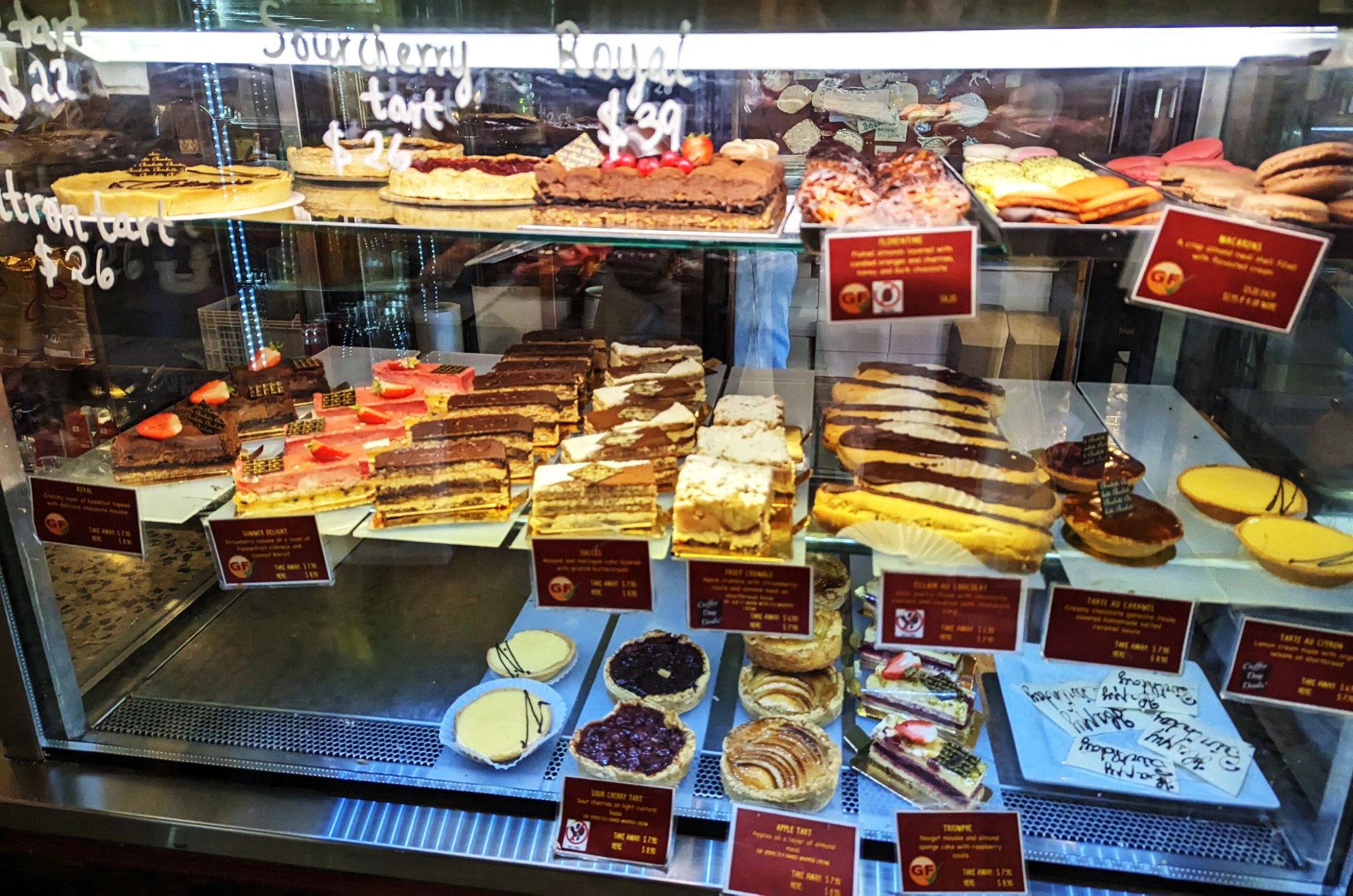
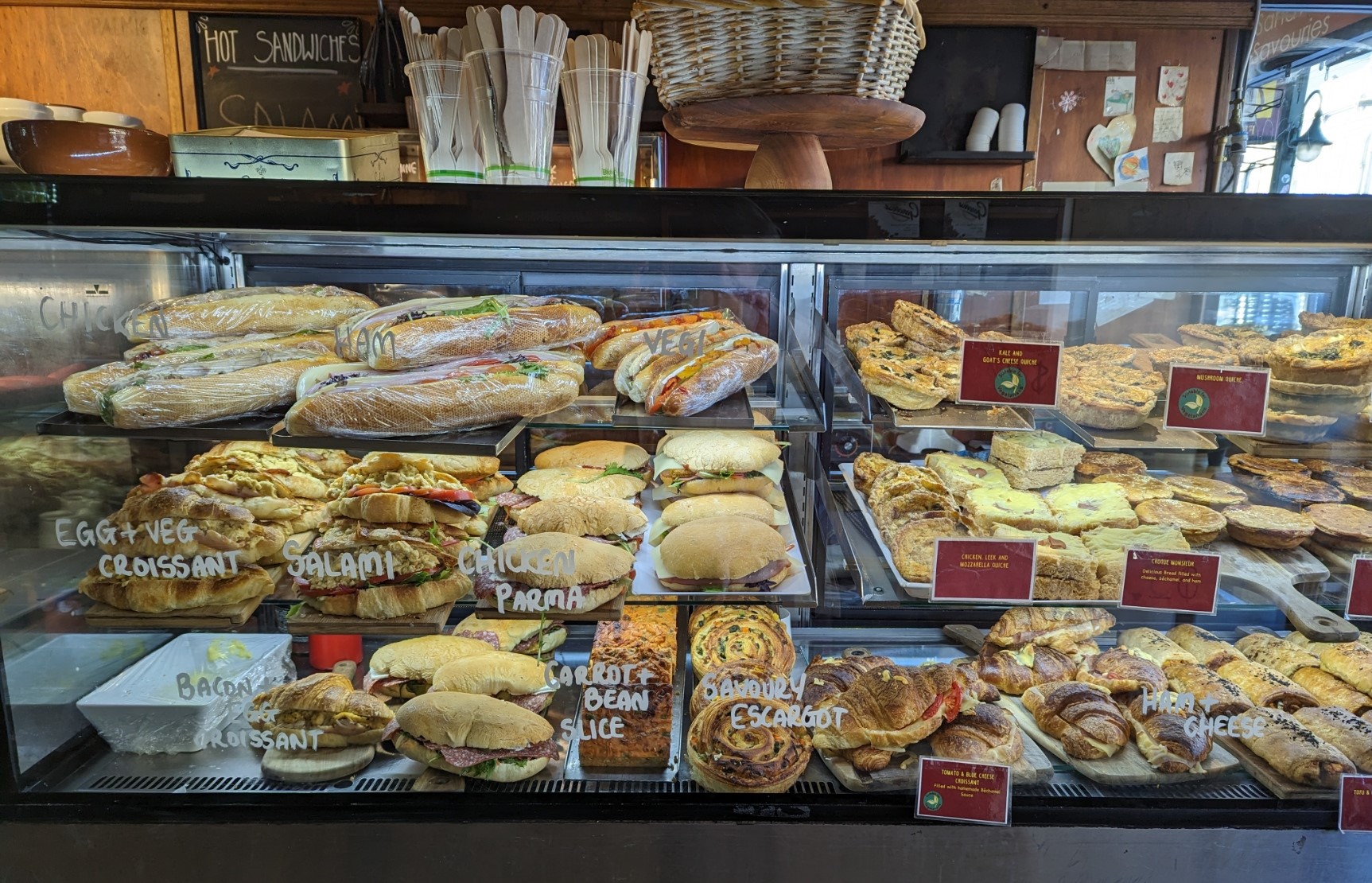
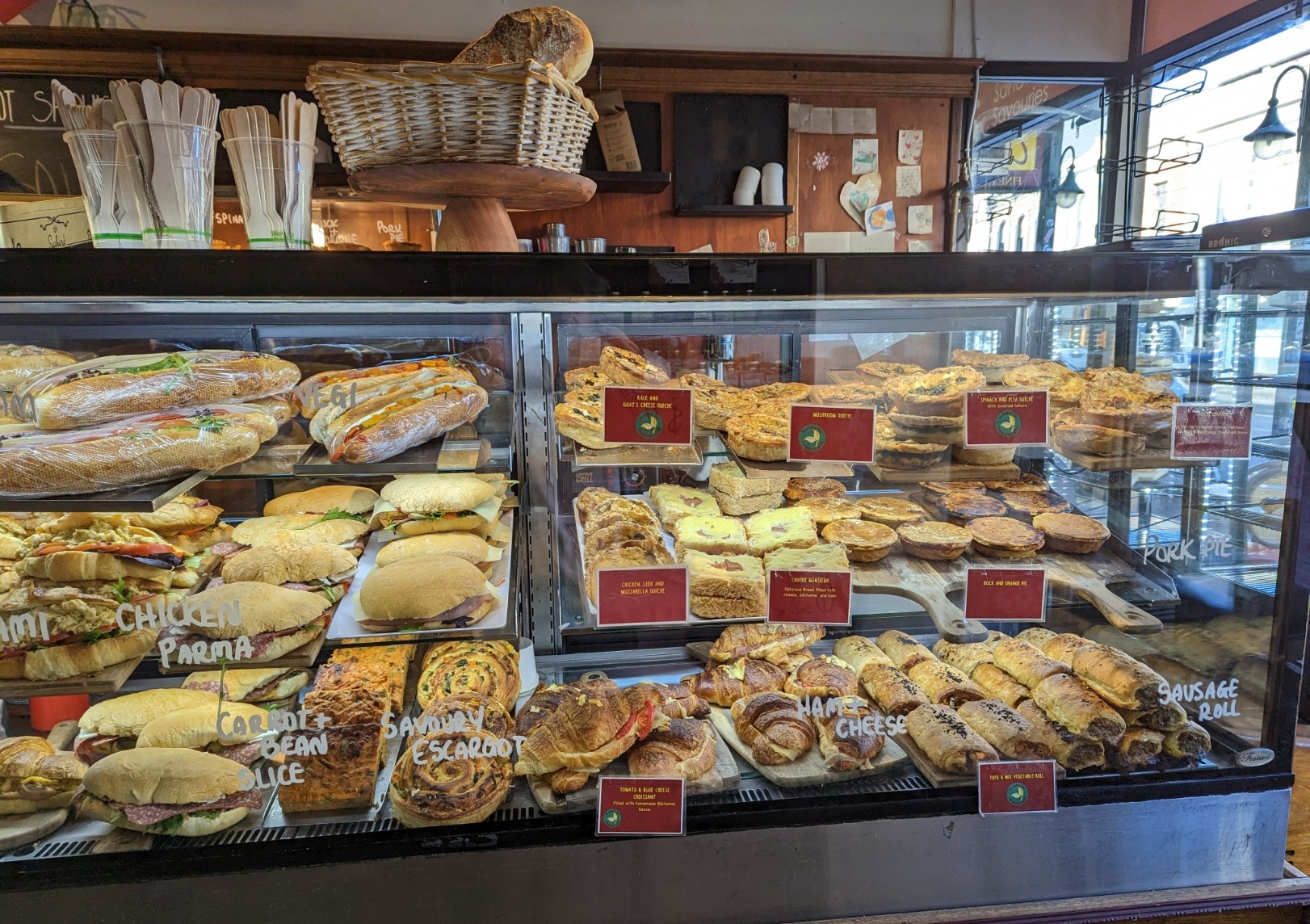
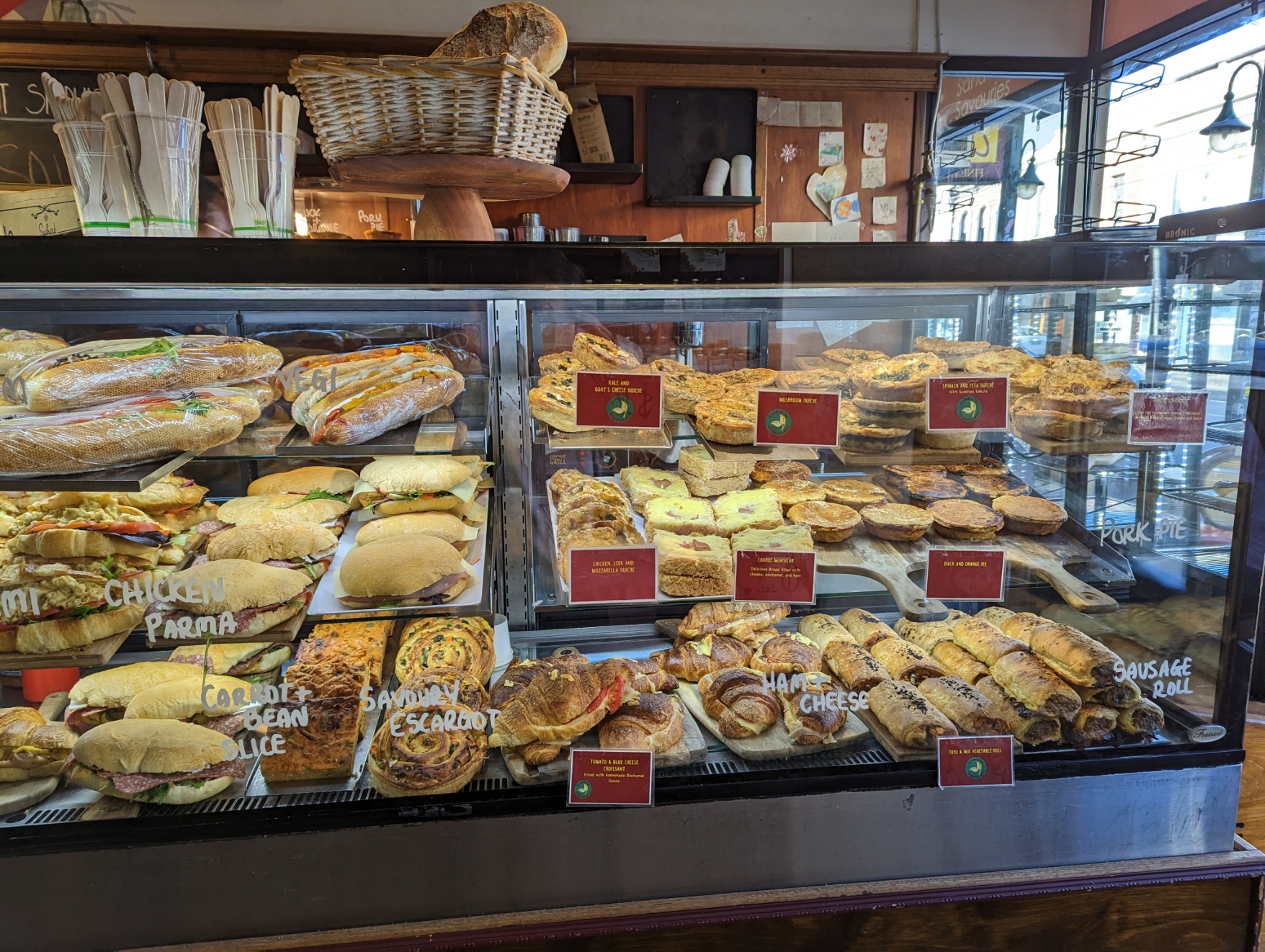
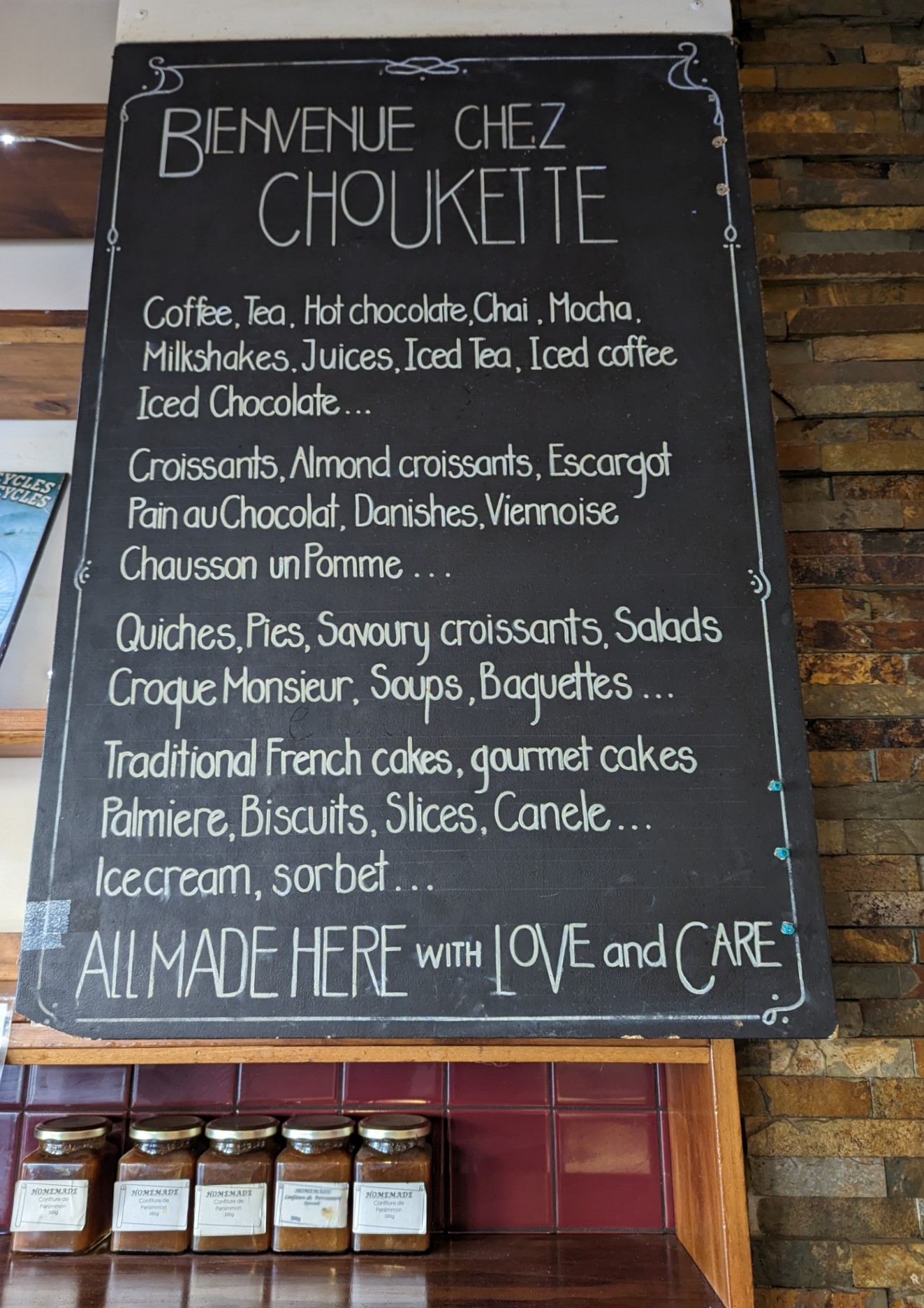
Bienvenue Chez Choukette
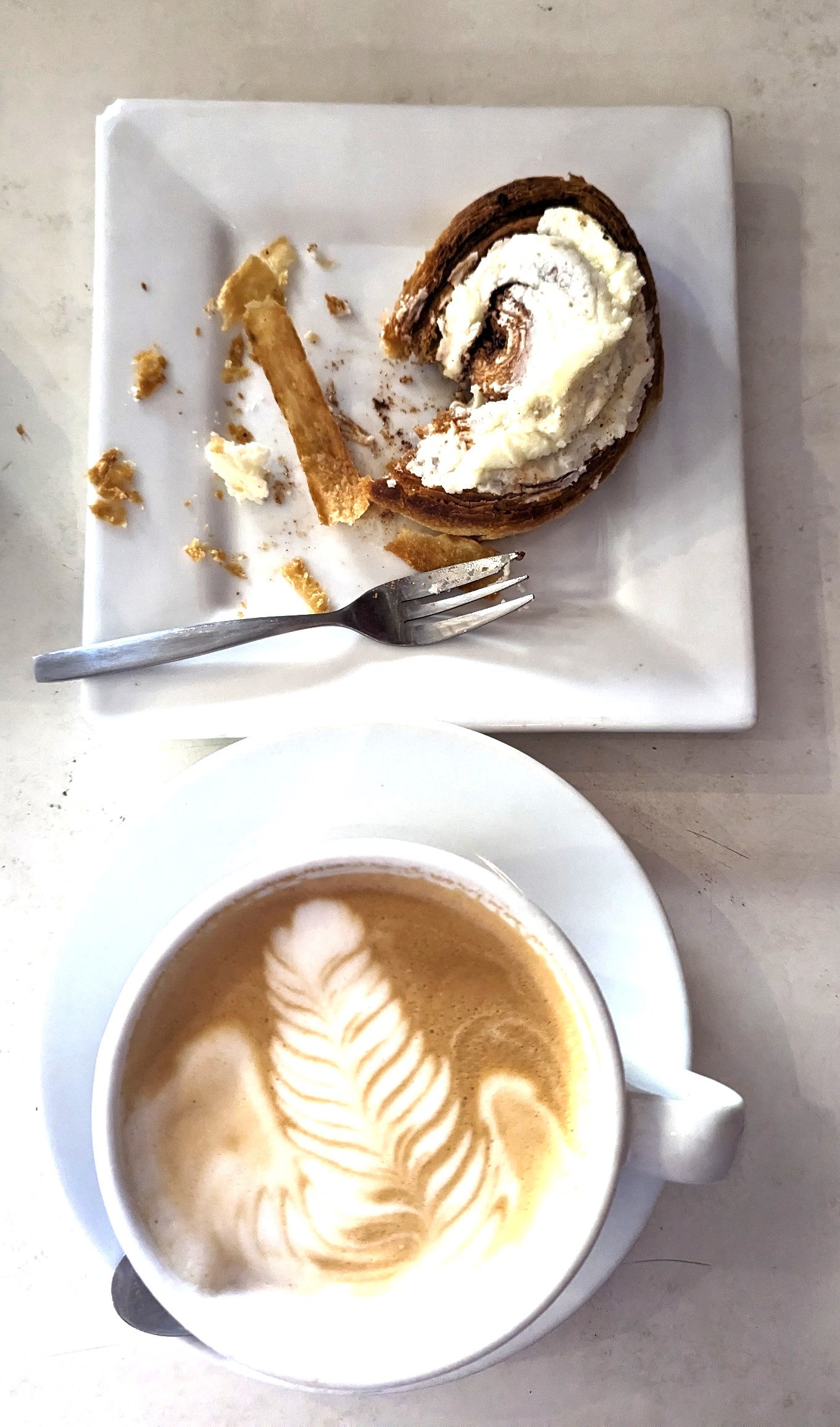
A splendid array of savoury and sweet eats is the hallmark of this coffee shop on Sydney Road Brunswick. The coffee is good, and made to order – a weak skinny latte was treated with the same respect as a coffee with the full complement of granules. Thank you, Choukette staff.
Mamasita
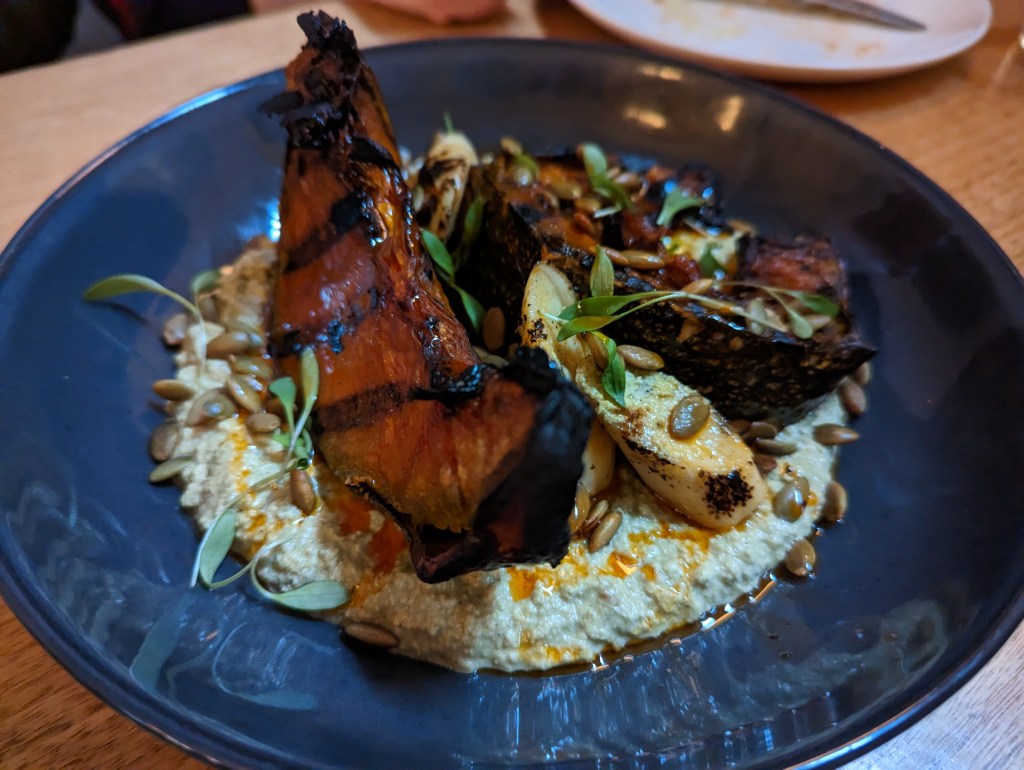
Having enjoyed – more than enjoyed – a meal here the last time I was in Melbourne I was thrilled to be able to visit this Mexican restaurant in Collins Street again. I have taken some photos from the website, as i was so busy eating that I forgot to take some of my own! The pumpkin was the only dish where I had my sits about me, and I wonder why, as it is certainly the star of the lunch time menu for me. The salad is also a great addition to the meal. We were also served a lovely guacamole and delicious (baked in house? it certainly seemed that this was so) corn chips.
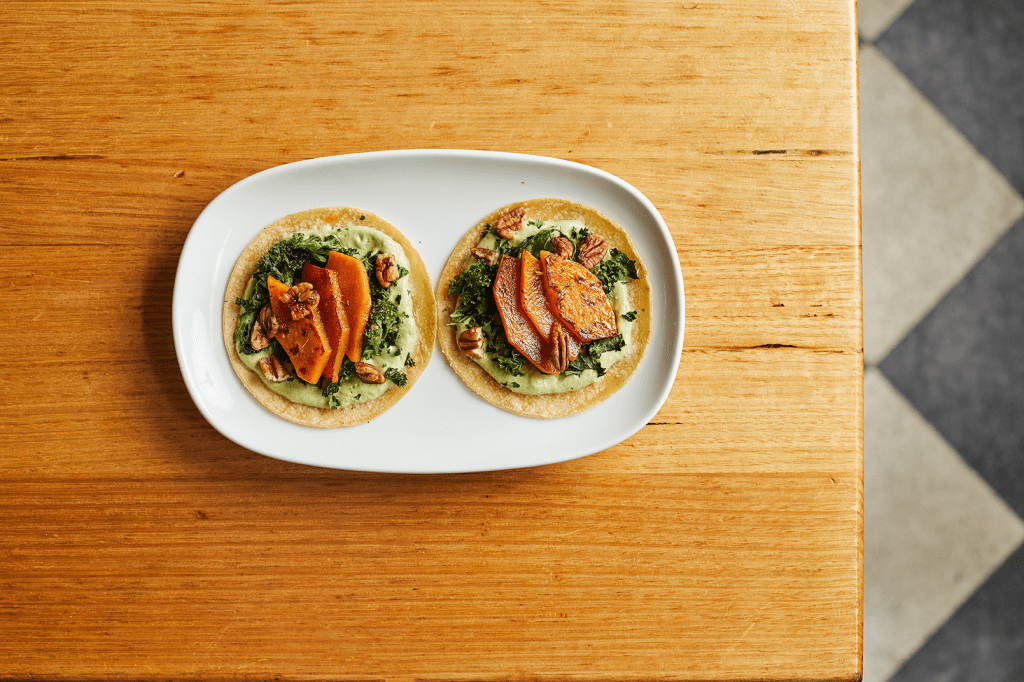
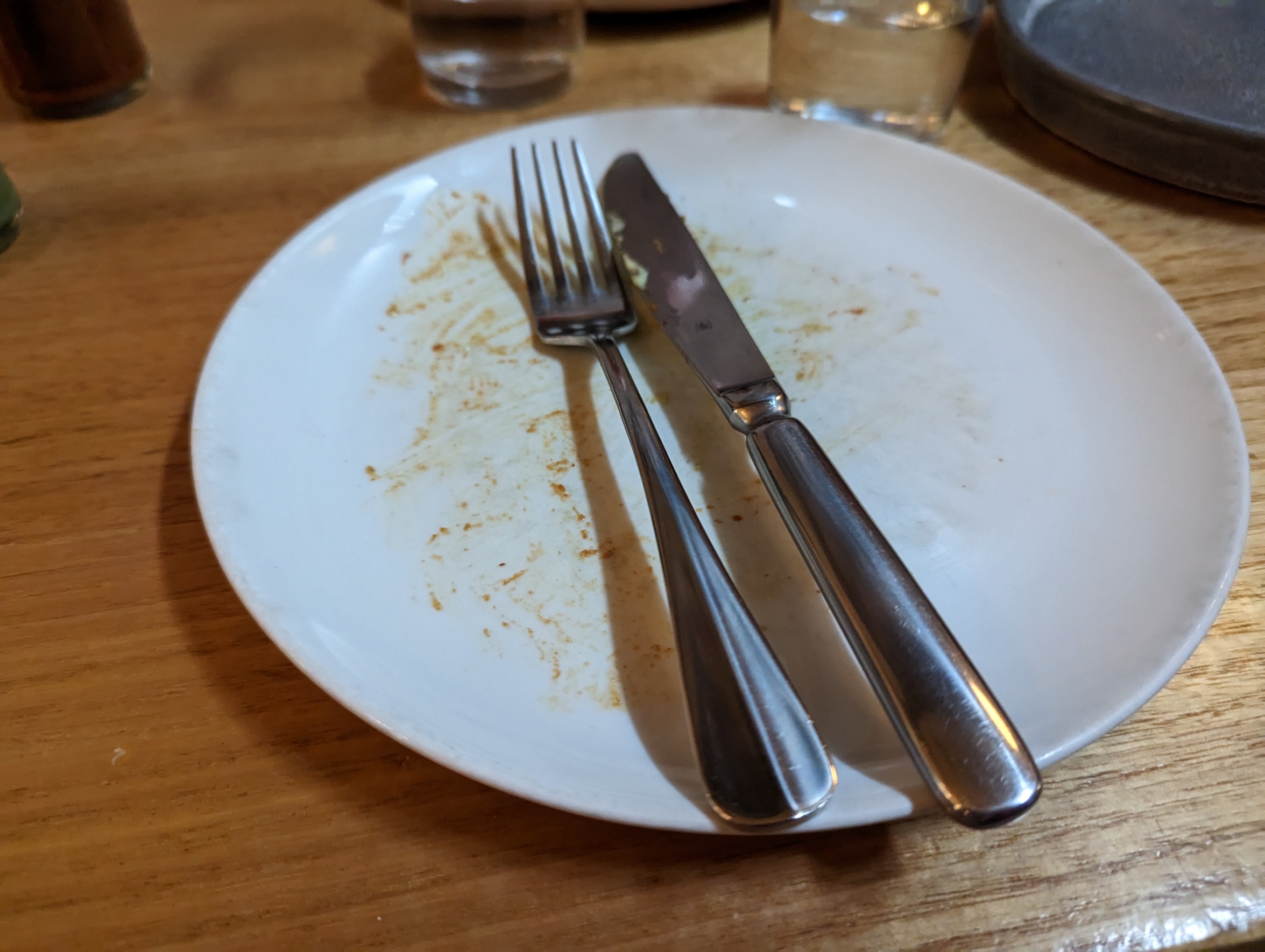
The vegetarian tacos are delicious. As attested to by the results below.
 Robin's Room