The Four Corners of the Heart An Unfinished Novel, Françoise Sagan, Amazon Crossing 2023.

Thank you, NetGalley, for providing me with this uncorrected proof for review.
How I wish that I had originally known Françoise Sagan’s work through this clever, comic, sensitive and thoughtful novel rather than the one with which I understood her work until now. Bonjour Tristesse was, to me, a self-absorbed work which left me with a feeling of antipathy and distress that I have carried over to my much later reading of Ian McEwan’s Atonement. The Four Corners of the Heart, unfinished though it is, is such a satisfying read, with enough information to speculate about if you want a resolution. If this is not your only reason for reading a book, and I acknowledge it is not mine, this novel is something to be savoured, with its complex characters, edifying and unedifying moments, comedy and fully developed writing. Se complete review at Books: Reviews.
Articles after Covid update: The Garage Girls and their secret war machine; review of Anna Stuart’s The Bletchley Girls and reference to Bletchley associated books reviewed previously; Divisions Gallery at the Pentridge Complex; meeting Caroline Petit, author of The Natural History of Love.
Covid in Canberra since Lockdown ended.
On the 2nd of June there were 241,523 cases recorded since March 2020. The new cases this week number 964, with 50 people in hospital suffering from Covid. One person is in ICU, but not ventilated. Two lives were lost this week. Covid restrictions are being upgraded in Canberra Health Service facilities, with mask wearing mandatory again.
The Garage Girls and their secret war machine *
In a suburban Brisbane garage, young women decoded radio transmissions that changed the course of World War II. For the first time, their top-secret work on a panicked Japanese cable about a new type of weapon can be revealed.
By political editor Andrew Probyn Updated 3 Jun 2023, 2:14pm Published 3 Jun 2023, 5:00am
Not long after an American atomic bomb exploded over Hiroshima, a horrified Japanese officer radioed back to Imperial Navy headquarters in Tokyo to report what he had witnessed.
The tone of the officer’s report didn’t seem to particularly reflect the constrained emotion one might expect of a buttoned-up Japanese man of war.
But that day, August 6, 1945, his extraordinary witness account was intercepted by an Australian signalman stationed near the Philippines.
From there, it passed into the hands of a secret unit of women codebreakers whose work in a garage at the back of a Brisbane mansion was kept top secret for decades.
The never-before-released cable – declassified for the ABC by the Australian Signals Directorate – was decrypted, revealing the Japanese officer’s account of what happened when three B-29s flew over Hiroshima that morning.
It was one of first reports of the apocalyptic destruction that would soon become familiar around the world.
“A terrific explosion accompanied by flame and smoke occurred at an altitude of 500 to 600 metres. The concussion was beyond imagination and demolished practically every house in the city,” his cable read.
“About 80 per cent of the city was wiped out, destroyed or burnt. Only a portion of the western section escaped the disaster. Casualties have been estimated at 100,000 persons.”
The officer concluded his message with these chilling words: “Please investigate and report any information concerning this new type of bomb.”
The Garage Girls and their secret war machine
Thousands of kilometres away, Central Bureau was a top-secret intelligence agency hiding in plain sight.
It was given a beige name to disguise its thorny work handling the most sensitive military communications.
And inside were young Australian women who had heeded the call and stepped into a world of interception and intrigue that they could have barely imagined.
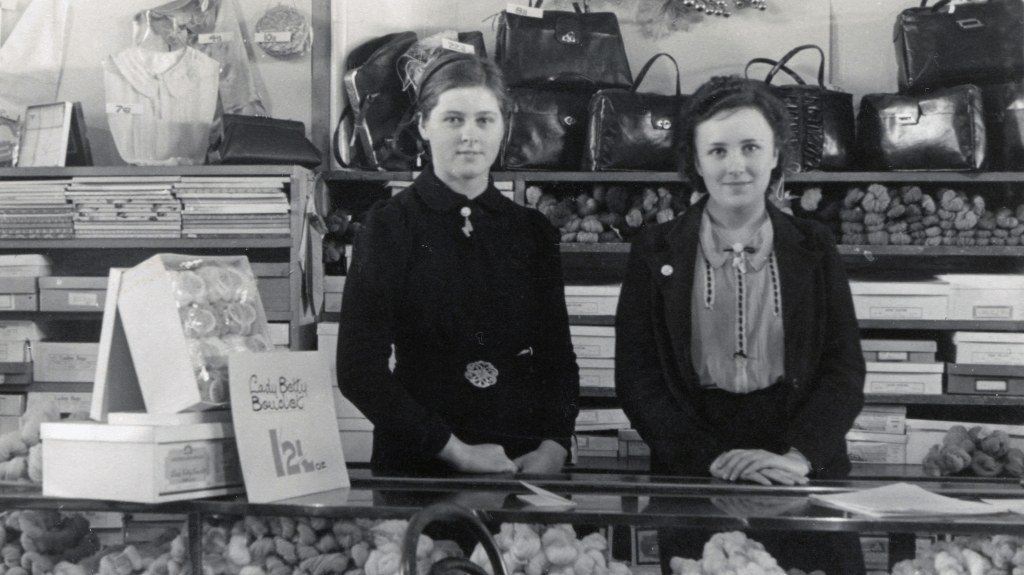
Joyce Grace and Joan Eldred at work at the draper C. Winn in Ashfield in 1940.
Joyce Grace was a 19-year-old working in a Sydney haberdashery store in 1943 when she received a letter from the Manpower Directorate, an agency of the Australian government tasked with conscripting civilians to fill labour shortages in the latter half of World War II.
“The letter said that I wasn’t working in an essential industry,” Joyce told the ABC. “And they put it to me that if I left my job, the boss would have to take me back and give me the exact same job that I had when I left him.
Joyce was sent for six weeks’ basic military training at Ingleburn Army Camp where she was asked what type of army work took her interest.
“I hadn’t given much thought to what I might do, but anyhow, I said, ‘Well, my father was a naval signalman in the First World War, and he seemed to enjoy the job — I’ll give signals a go’.”
Joyce Grace was dispatched to Bonegilla near the Victoria-NSW border for a signals course, training in morse code and wireless messaging.
It was here that she met lifelong friend Coral Hinds.
“My friend Joy,” Coral remembers wistfully. “She was tall, her hair was straight, a no-nonsense person. Joy and I seemed to just migrate together into doing things. And look, we’ve been friends all these years.”
Coral left school at 14 and worked in a cake shop and then a grocer’s. Not having a brother old enough to serve in the war, Coral and her younger sister Ruth decided to join up instead.
Shortly after turning 18, Coral enlisted in the Australian Women’s Army Service (AWAS).
“The boss wasn’t very happy about it. But that didn’t make any difference — I still went,” she said.
After Bonegilla and then a stint in Melbourne for more intense training in communications, Coral and Joyce were put on a train to Brisbane.
Their new place of work was at 21 Henry Street, Ascot, in a hot garage at the back of Nyrambla, an impressive 1880s mansion.

The entrance to Nyrambla in Ascot, Brisbane — suburban mansion turned war base. From left, Joyce Grace, Helen Kenny and Betty Paterson approaching the guard. Supplied: Diana Mathews
It had been requisitioned by United States General Douglas MacArthur, the Allies’ supreme commander in the south-west Pacific, for his headquarters.
“That’s how I became a Garage Girl,” chuckles Joyce.
Inside the Central Bureau
Joyce and Coral found themselves working in the cipher unit of Central Bureau, a signals intelligence organisation tasked with decrypting intercepted messages from the Imperial Japanese Army.
“Everything was so secret. ‘Don’t talk about it outside. Don’t tell anybody. You can tell them you’re in signals, but don’t go any further than that’. And we sort of knew that there was something special about it,” Joyce says.
“You couldn’t talk about it,” Coral recalls. “See, mum and dad didn’t know what I did. I used to just tell people I was in signals. So, you know, it really just gets a way of life.”
Working around-the-clock in eight-hour shifts, the Garage Girls used 12 British-made TypeX coding machines to both decode and encrypt highly classified material.
The Japanese signals were in Kana, or syllabic characters, which meant that once intercepted messages were decrypted, they still had to be translated into English by Central Bureau linguists.
If the TypeX machine was not generating recognisable Japanese syllables, the Garage Girls knew that the rotors in the machine, which were key to decryption, likely needed adjustment.
“On the whole, you just got to and plonked away on the TypeX and if it didn’t work you stayed there and fiddled around with it until it did work,” Coral explains.
“It was our secret machine,” Joyce says of the TypeX.
“You had to set them up, before you could sit down and type, whether you’re going to type for a message to be decoded, or when you’re going to encode a message, and the machine did either one of those things.”
Love and war
Despite spending the war in a repurposed suburban house, for the Garage Girls the experience was far removed from their pre-war lives working in shops or going to school.
Some moved away from home for the first time for basic training, and enjoyed the camaraderie and shore leave that came with their freedom. And of course, for many that led to finding love.
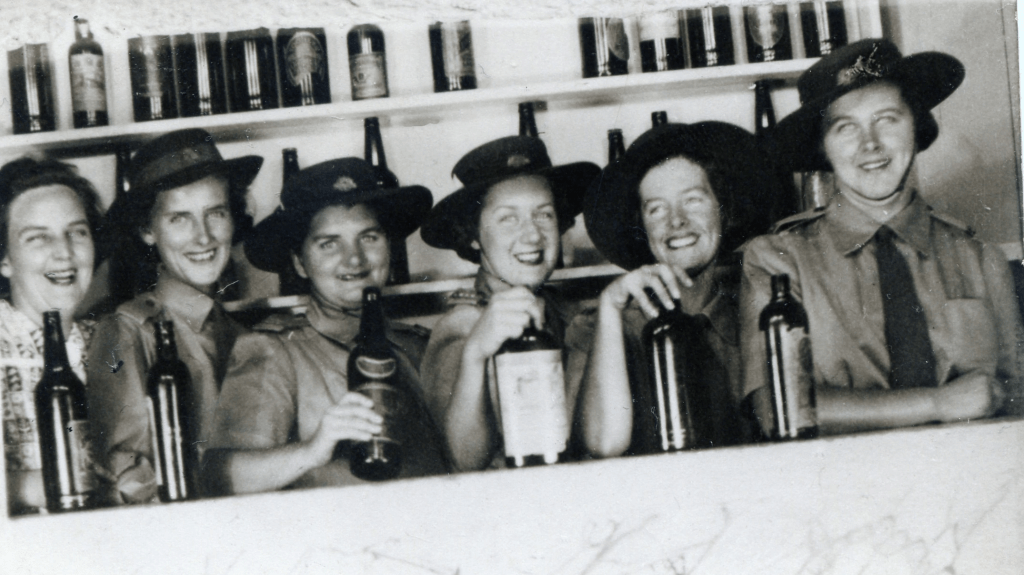
Joyce Grace, far right, at Luna Park in 1944 on home leave from Bonegilla with some army friends. Supplied: Joyce Grace
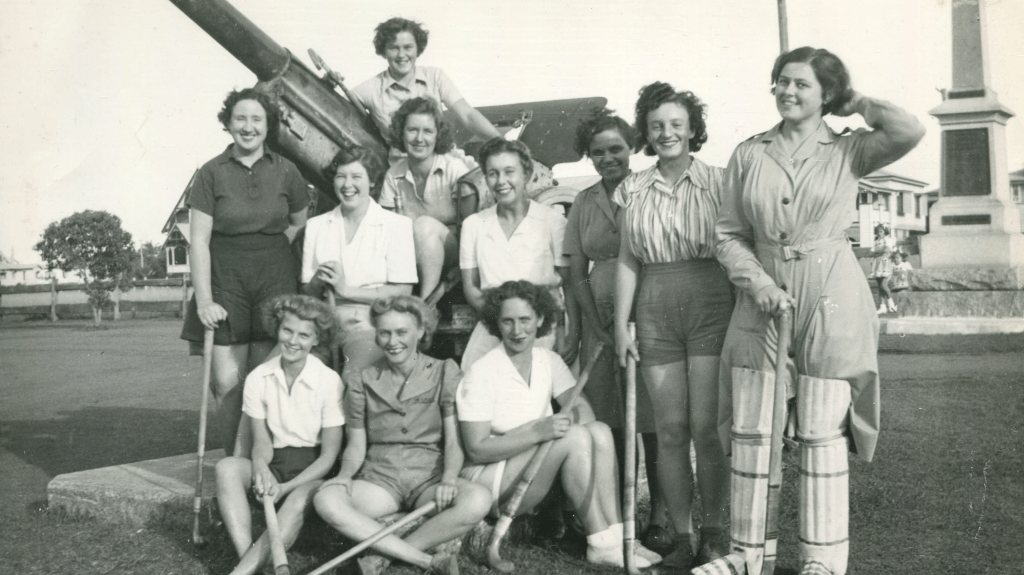
A hockey team set up during a training camp in Graceville, Brisbane. Supplied: Joyce Grace
The Garage Girls had developed a technique called “padding”, where messages were lengthened with scraps of irrelevant information to confuse the enemy.
“If you had the message too short, it was easy for them to work it out,” Coral explains. “But by putting this padding on … it just put the enemy off the scent.”
It also had the side effect of letting them pass messages to friends and lovers far from home.
Coral met her husband Sandy Hinds at Central Bureau. He was a signaller and was waiting to be sent north to New Guinea.
“Meeting Sandy — that was the most important thing in my life,” she says.
“I met him in the May, he went away in the June and in the October, the 20th of October 1944, he asked me to marry him. A faint heart never won a fair lady, somebody said.”
Sandy and Coral eventually got married on June 2, 1945.
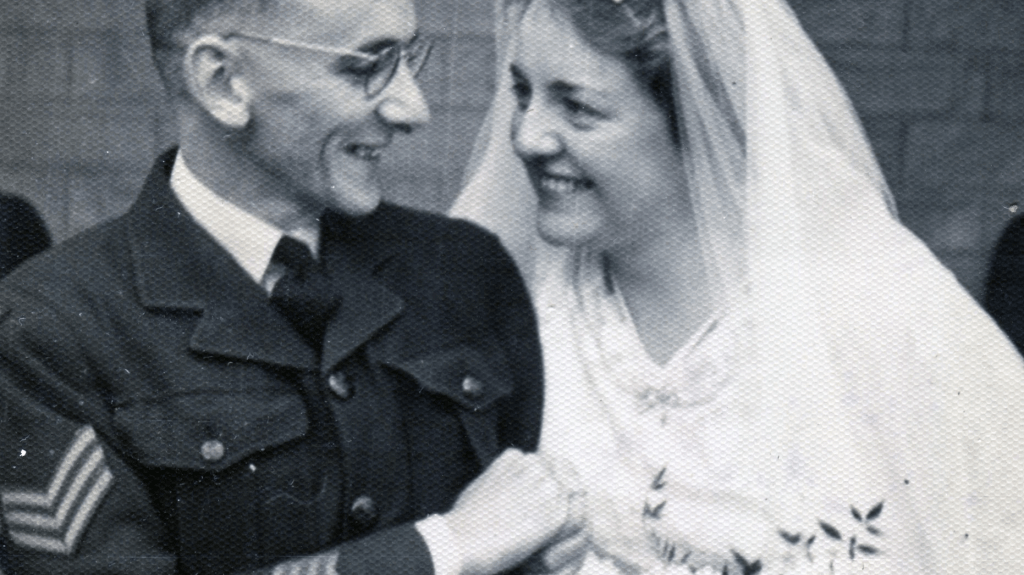
Coral Osborne and Sandy Hinds’s wedding in 1945. Supplied: Anthony Hinds
But during the war, Coral fell ill during Sandy’s deployment and the Garage Girls were keen to tell him how she was faring by using the TypeX machine.
When Coral ended up in hospital, Joyce decided to get a message to Sandy in the jungle.
“I made it short, but it was just to let Sandy know that Coral was doing alright, she was coming out of hospital.
“Well, Sandy got that little message that I sent. And he carried it around with him I believe for a long time.”
Taking down an admiral
The work of Central Bureau contributed to one of the big strategic strikes against Japan in April 1943: Operation Vengeance.
Admiral Isoroku Yamamoto, the commander of the Imperial Japanese Navy, was architect of the December 1941 Pearl Harbour attack, making him a top military target for Washington.
An Australian wireless unit picked up Japanese radio signals which, when decrypted, revealed that Yamamoto would be visiting troops in the Solomon Islands and New Guinea.
The Japanese cable not only detailed the admiral’s itinerary, but also the type of Mitsubishi Betty bombers he and his officers would be flying in, as well as the six Mitsubishi Zero fighters that would be accompanying them.
“They had everything, the whole lot,” Joyce says. “And sure enough, they were waiting for him — our boys, and the Americans — and they got him.”
US fighter planes intercepted Yamamoto’s plane over Bougainville, downing on April 18, 1943.
“They shot the big boy down,” Coral says. “Oh, it was quite a thrill.”
The wreckage of Yamamoto’s plane still rusts in the jungle about 9 kilometres from the Panguna copper mine.
The admiral’s death was a blow to Japanese morale but it would be another two and a half years before the war in the Pacific ended.
A chance discovery
The Allies had been split over the strategic wisdom of Operation Vengeance; the British believed that in exacting revenge against Yamamoto, the US had risked revealing their joint code-breaking ability which had broader strategic value.
Decoding Japanese signals had proven valuable in the war against Germany, insofar as Japanese diplomatic cables from Europe helped inform the Allies of Germany’s evolving military strategy.
While the Allies’ ability to decode encrypted Japanese signals had steadily improved, it was aided immeasurably by an Australian sapper’s chance discovery of a steel trunk buried in soggy ground by retreating Japanese troops in January 1944 at Sio in New Guinea.
The trunk contained sodden code books from the Japanese 20th Army division.
Dispatched back to Central Bureau, the code books were carefully prised apart, page by page, and then dried on clothes lines and heaters.
Joyce remembers her friend Helen Kenny, a fellow Garage Girl, helping in that delicate operation. (Kenny later had a long and successful career in journalism, including as literary editor for the Sydney Morning Herald.)
But with the Japanese code books now photographed and distributed among Allied codebreakers, the enemy’s signals were terribly compromised – they could be decoded and read by Allied intelligence almost as quickly as the Japanese received it themselves.
So when a Japanese officer sent his grim cable from the port of Kure, south-east of Hiroshima, to Tokyo headquarters on August 6, 1945, it was able to be decoded almost word-for-word.
Seeing the message
Joyce and Coral, like the rest of the Garage Girls, did not speak Japanese, so the first time they saw the translated Hiroshima cable was when the ABC showed it to them.
Joyce was struck particularly by the cable’s last line: Please investigate and report any information concerning this new type of bomb.
“I don’t like the sound of it,” Joyce says, adding that the first she’d known about the atomic bomb was when she read it in the newspapers.
“I was shocked. Horrible. Terrible business.”
Coral says she too finds the nuclear attack on Hiroshima confronting to consider.
“I know it was dreadful. But if it hadn’t been them, it would’ve been us. I know it sounds dreadful but, I mean, when I think of what they did to our servicemen, the dreadful lives that they ended up with because of their cruelty…”
Coral doesn’t quite finish the sentence. Instead, she starts another: “Yes, well, see they tried to kill our boys off in prisoner of war camps and some of them are still paying for it.
“I suppose we felt sorry for the Japanese, for the ordinary people. But you know, when you think some of the things that they did to our POWs and things … it was just a blessing when it was all over.”
And, according to the American general at Nyrambla at least, the work of the Garage Girls significantly shortened hostilities in the Pacific.
“Douglas MacArthur, I think it was, that put the news out that we reduced the war time by two years with the work that we done – so we must have done something special, and I feel very proud about it,” Joyce Grace says.
The lesson in war?
“Keep it peaceful,” Joyce concludes. “Help to keep it peaceful, if you can. Do whatever you can. War’s terrible.”
Recognition

Joyce Grace received the Australian Intelligence Medal from Governor-General David Hurley in April. Supplied: Government House
Coral Hinds, Joyce Grace and Ailsa Hale, the last surviving Garage Girls, were awarded the Australian Intelligence Medal in January 2023.
Coral died on February 10. Joyce Grace turned 100 on March 4. She and Coral Hinds’s son Anthony were presented their medals by the Governor-General on April 18.
The story of the Garage Girls will be featured in ABC TV’s documentary Breaking the Code: Cyber Secrets Revealed on News Channel, June 4 at 7:30pm and on ABC1, June 5 at 10:30pm. It is also on ABC iview.
Credits
Words: Andrew Probyn Production and editing: Leigh Tonkin ODYSSEY FORMAT BY ABC NEWS STORY LAB
*The original article includes videos clips and some additional stills.
The women who worked at Bletchley have been honoured in fiction, both in a television series, and in novels. Two novels on this topic which make really interesting reading are:

Anna Stuart The Bletchley Girls Bookouture 2022. The introduction to the review is below.
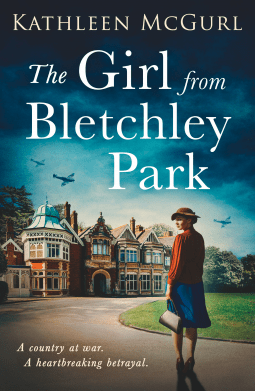
Kathleen McGurl The Girl from Bletchley Park HQ Digital 2021. Reviewed December 2021.
A non-fiction book which is also worth reading is:
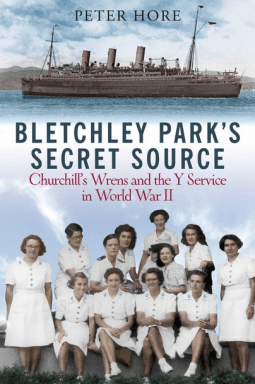
Peter Hoare Bletchley Park’s Secret Source Churchill’s Wrens and the Y Service in World War II 2021. Reviewed May 2021.
Anna Stuart The Bletchley Girls Bookouture 2022.
Thank you, NetGalley, for providing me with this uncorrected proof for review.
Anna Stuart has taken two real events, and devised a warm, human, and fascinating plot and characters to bring to life these events.
Three young women meet at the station at which they are deposited to begin their new lives working at Bletchley Park in the early years of WW2.
Steffie, Stephania Carmichael, has arrived from Europe, with copious cases of luxurious garments, an Italian fiancé and parents who differ as to her future. Her mother is distressed that Steffie is twenty-one, and the fiancé is Italian rather than a man of her choosing; Steffie’s father has a more up to date outlook, and has ensured that she has this opportunity at a career. Fran, Frances Morgan, is of sterner stuff, with her background of a medical family attempting to force her away from her love of English literature into their chosen field, and her determination to evade the family profession. Her research and administrative talents have been recognised by a mentor, who has recommended her for work at Bletchley Park. Ailsa McIver has spent her life on a Scottish island, beholden to her loving parents, and their expectations and hope that she will marry on the island and remain there. She has escaped a proposal of marriage, and is suffering the strong reaction from her parents, a constant source of distress for her while she uses her radio skills to become one of the most sought-after technicians in understanding the coded messages that the Bletchley Park recruits receive night after night, day after day. See complete review Books: Reviews.
More from Melbourne
The markets near the Adina Apartments in Pentridge were ready to close by the time we arrived. However, they appear to have had several interesting stalls, and we were fortunate to catch up with the Greyhounds Rescue organisation.


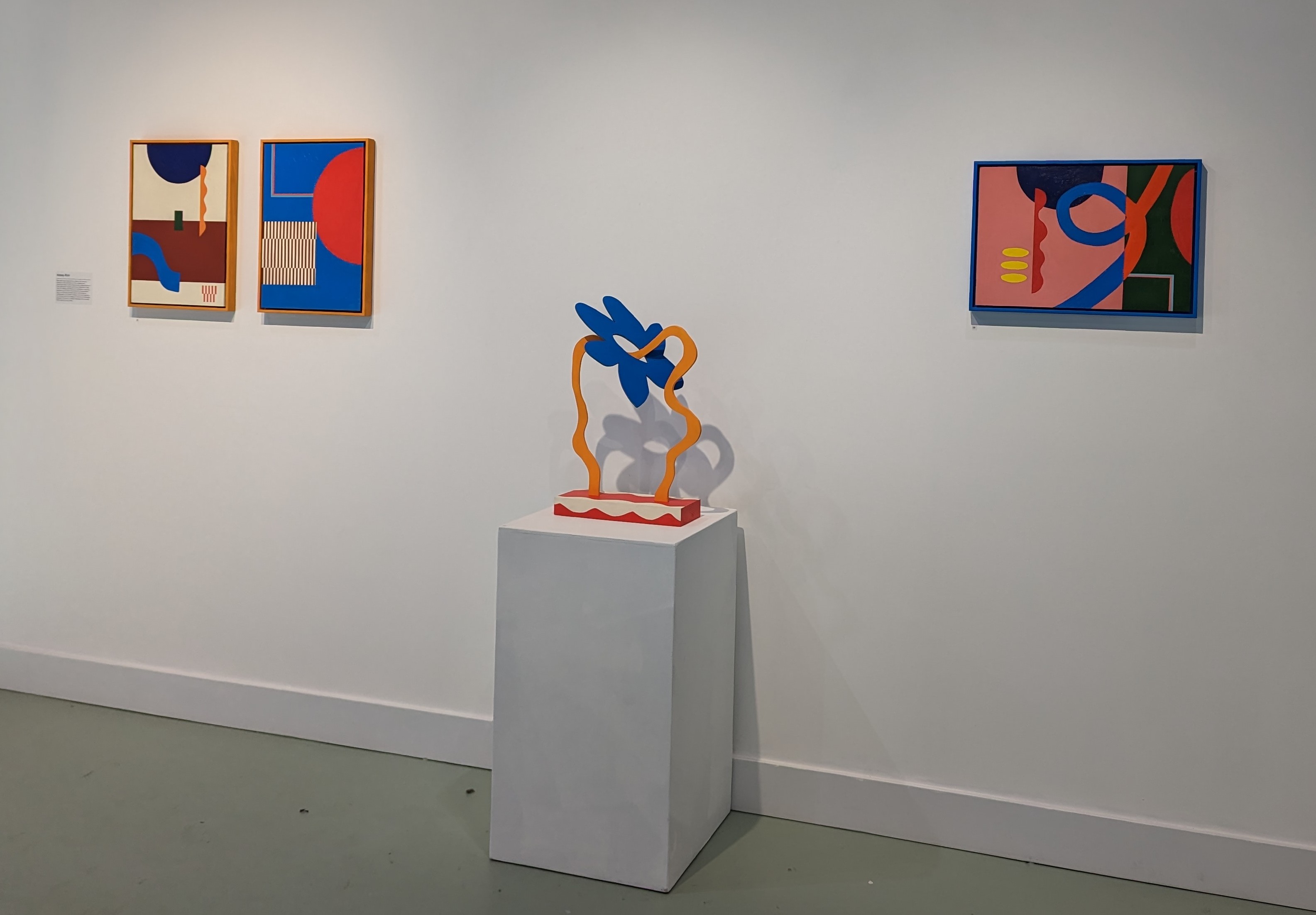
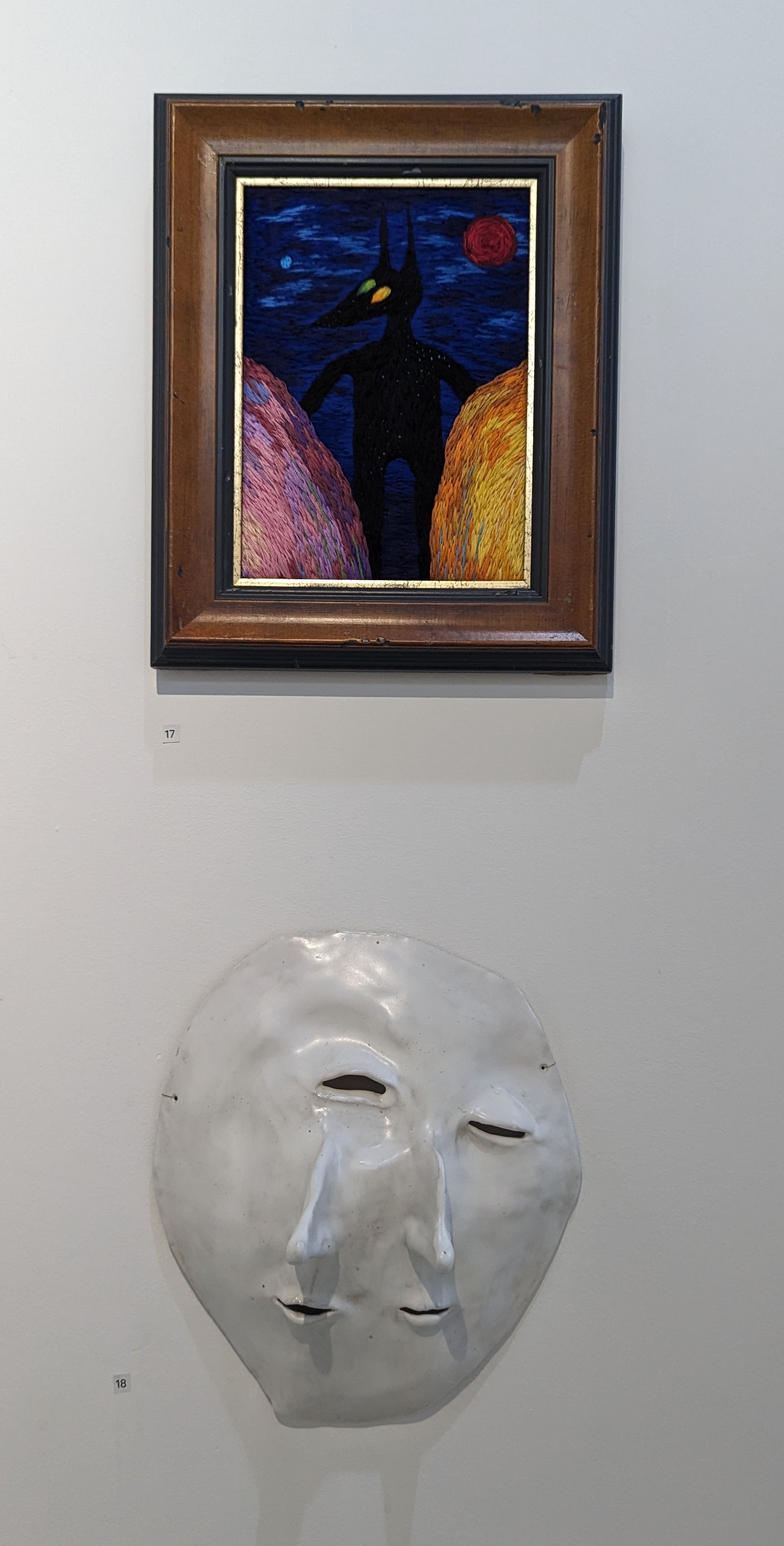
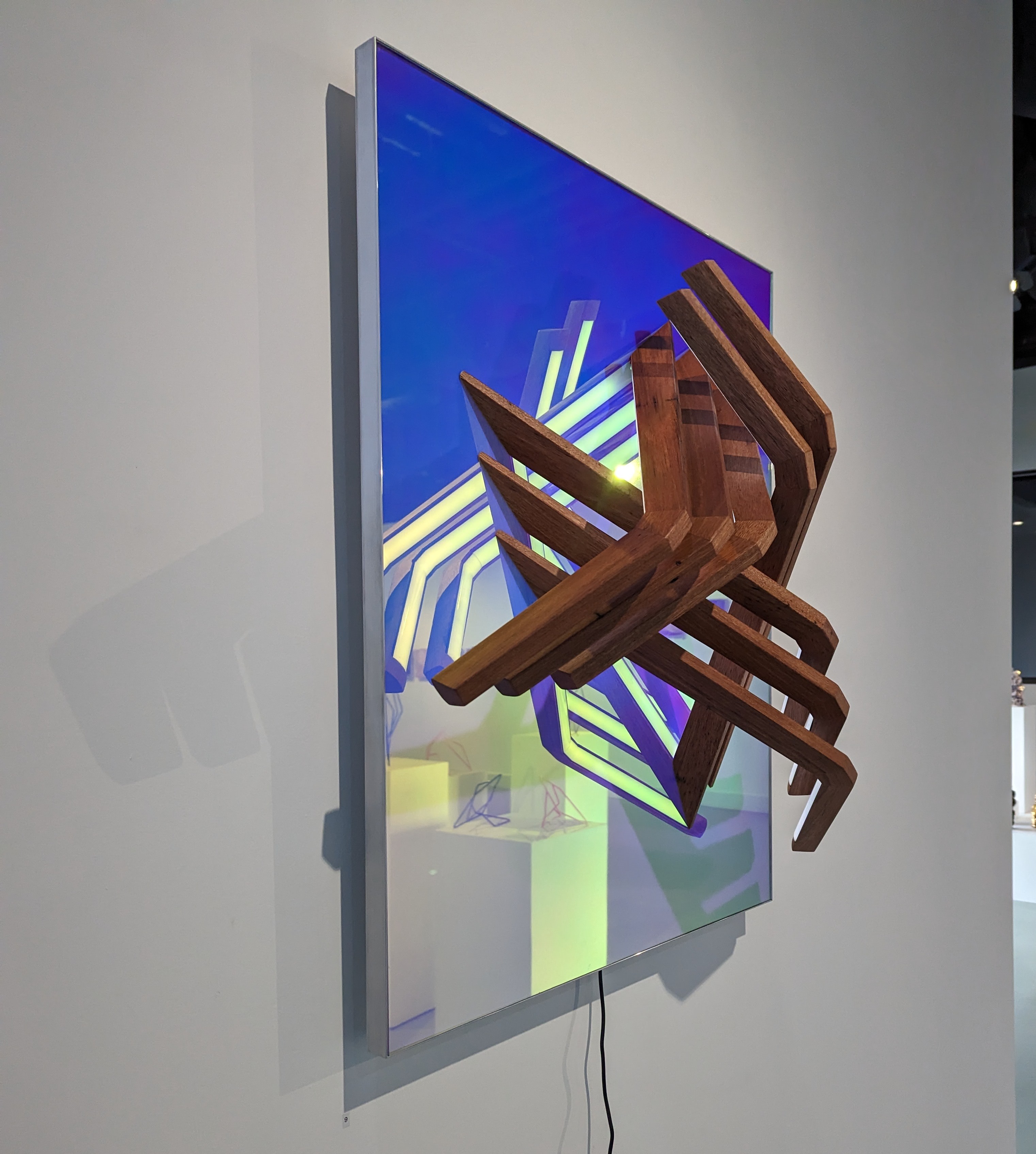
Divisions Gallery at the Pentridge Complex
This gallery is light and bright, with its innovative exhibition well displayed and signed. The staff member at the door was pleasant, entry is free, and there is an informative catalogue.

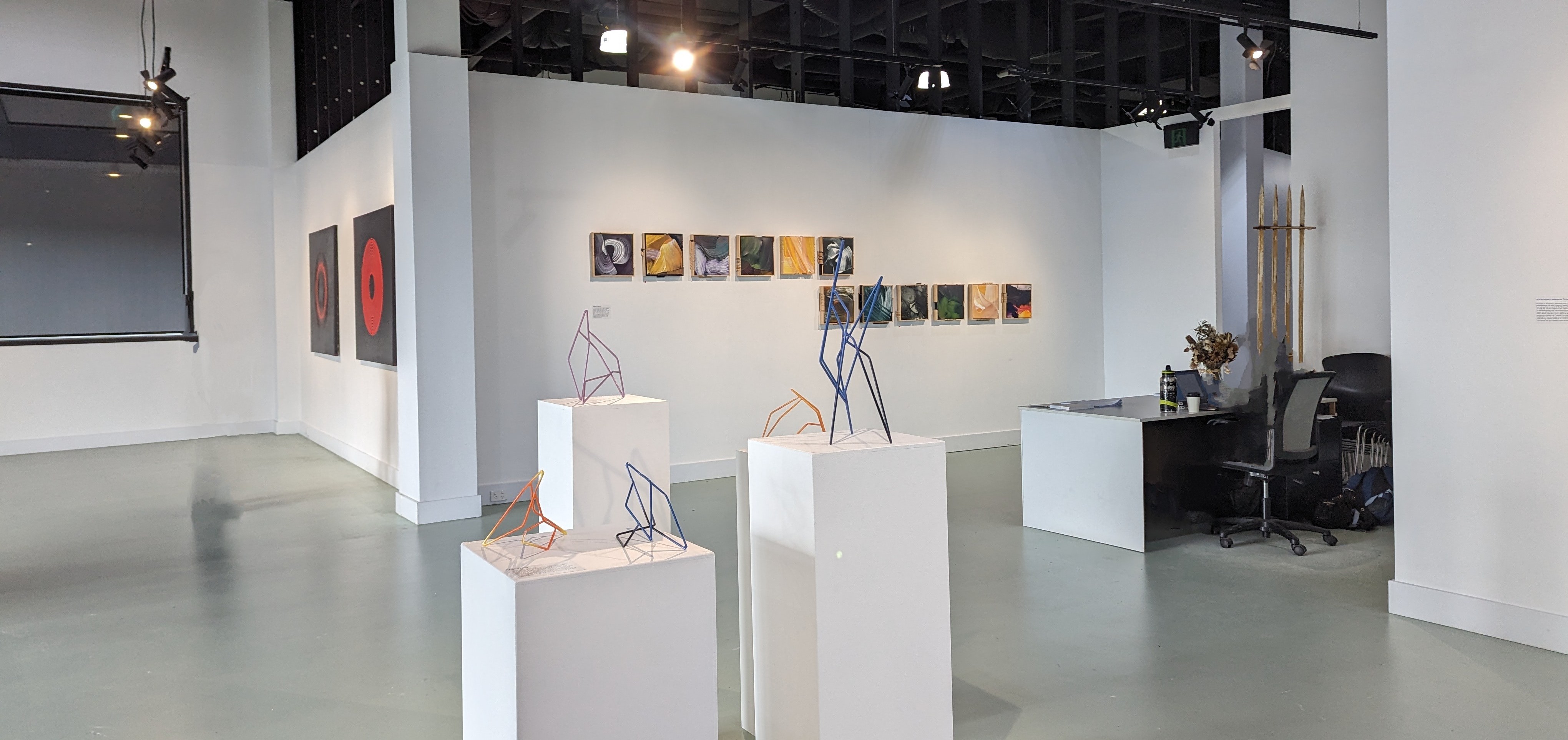

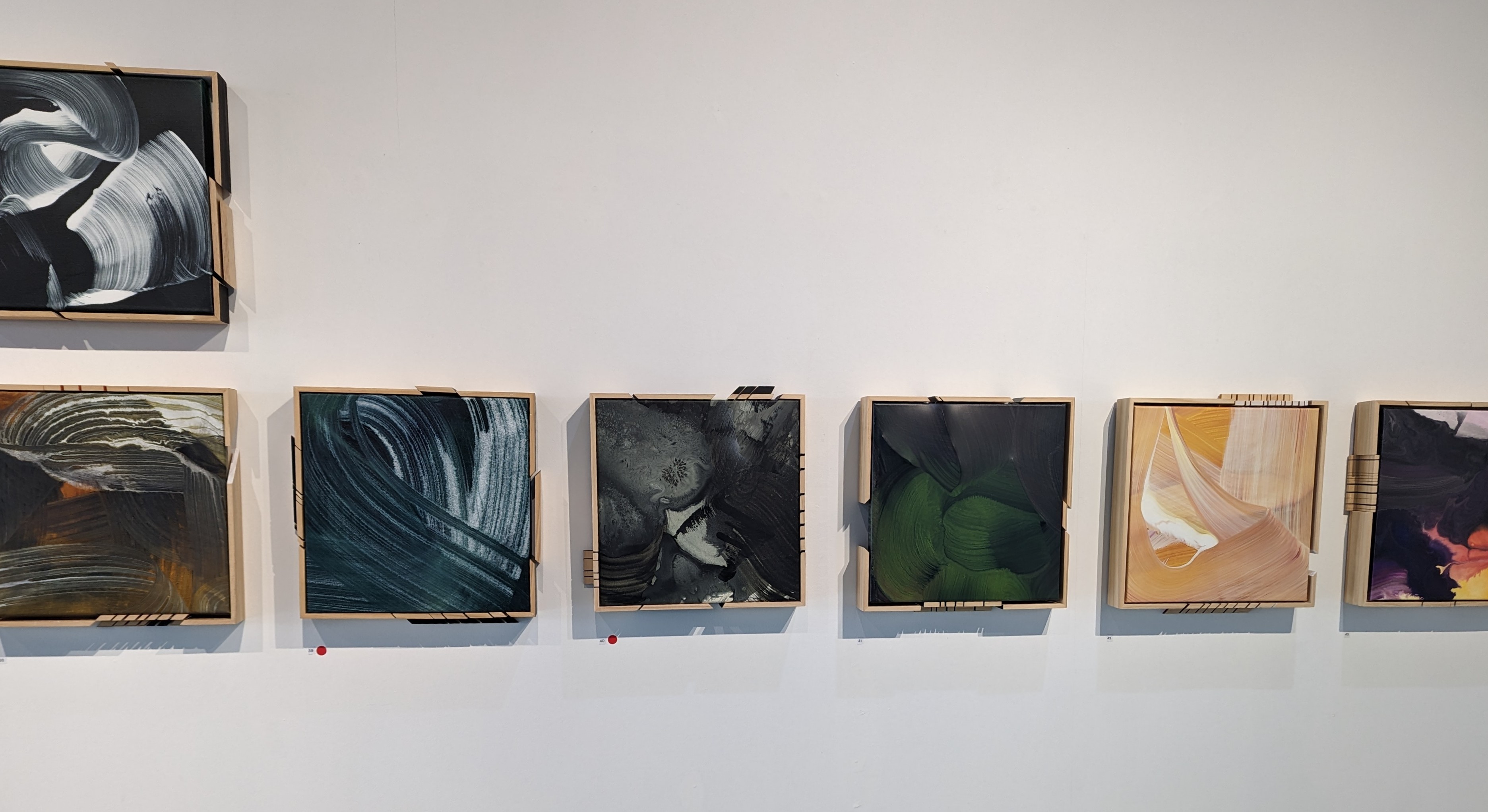

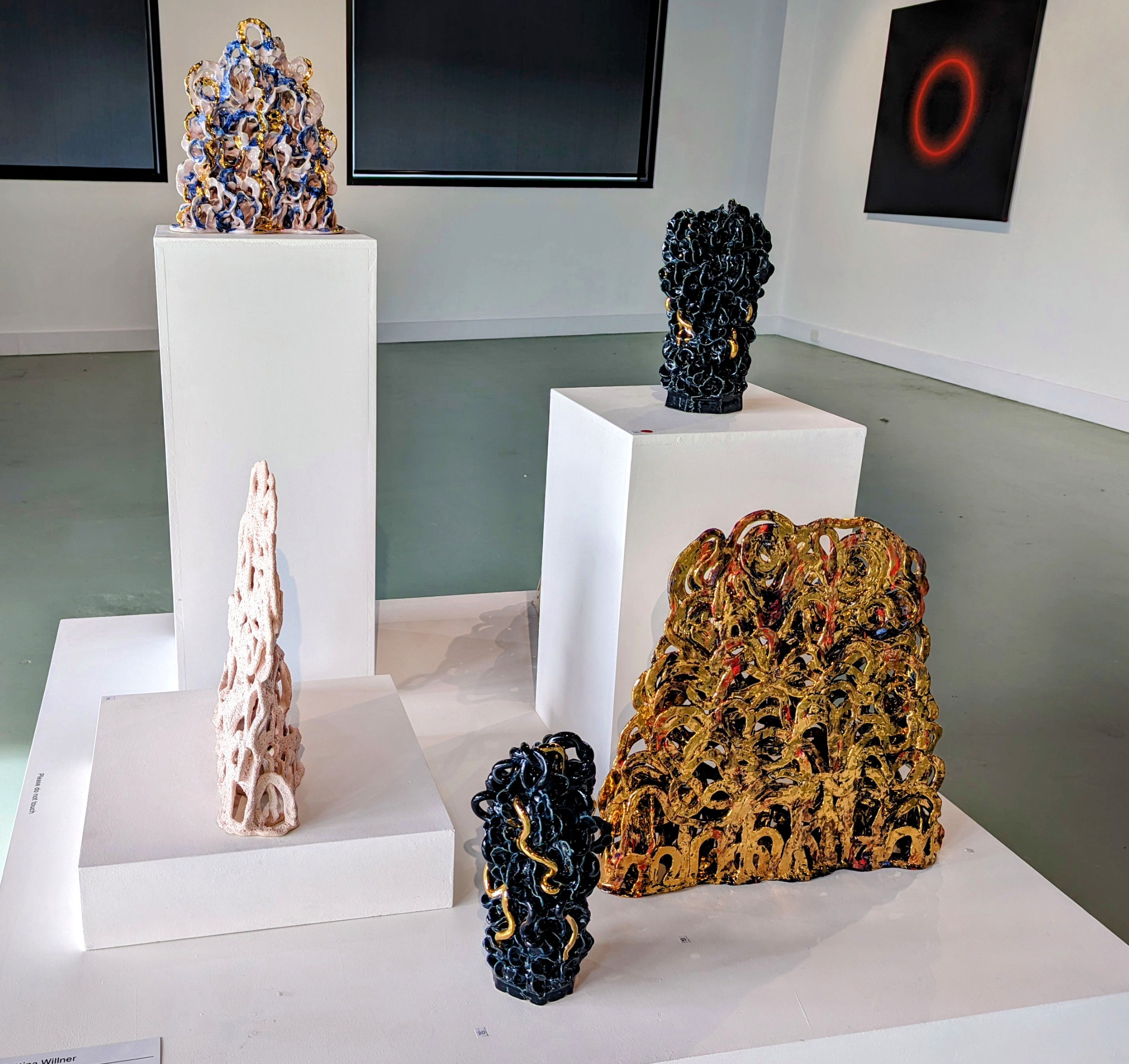
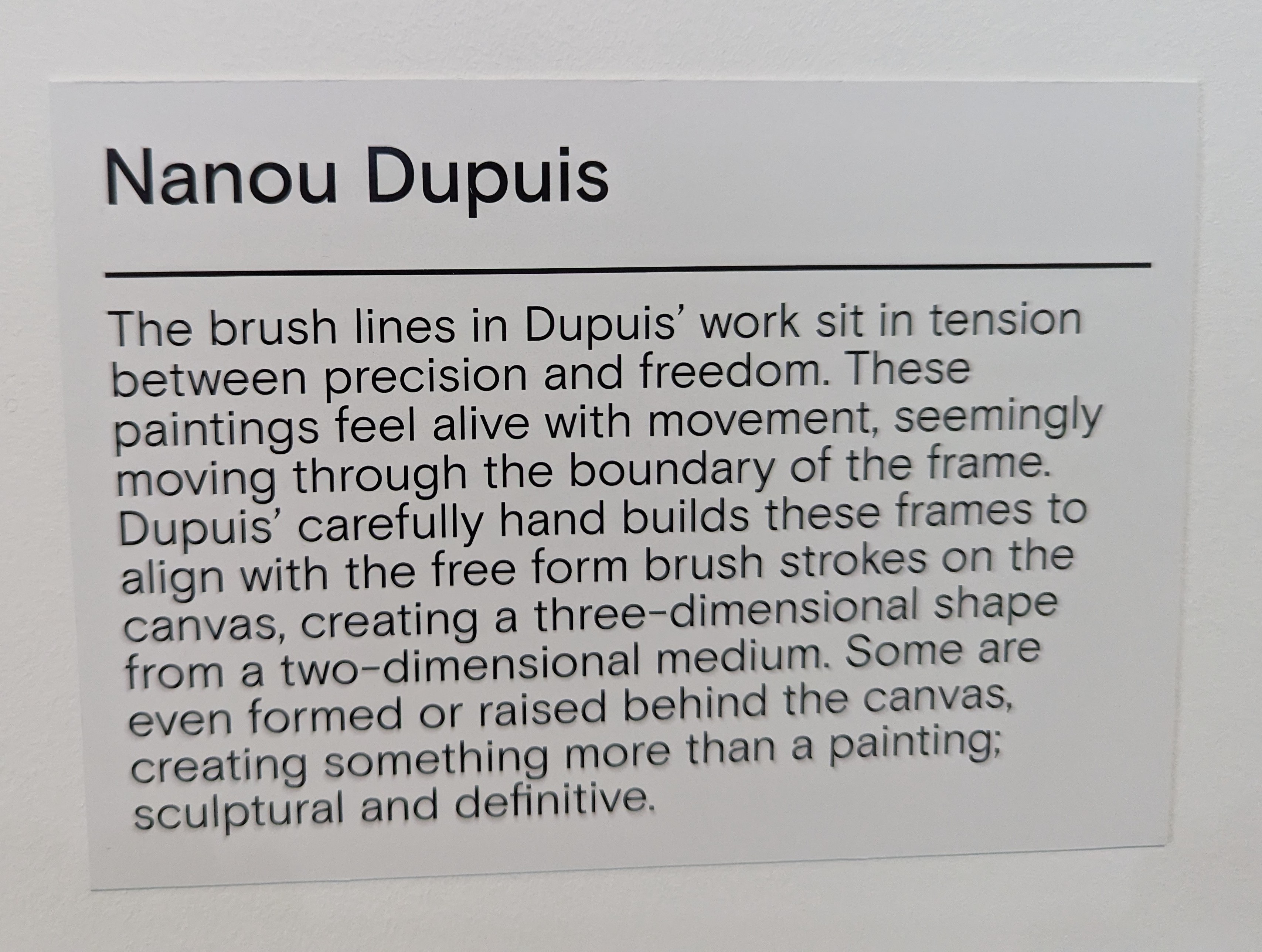
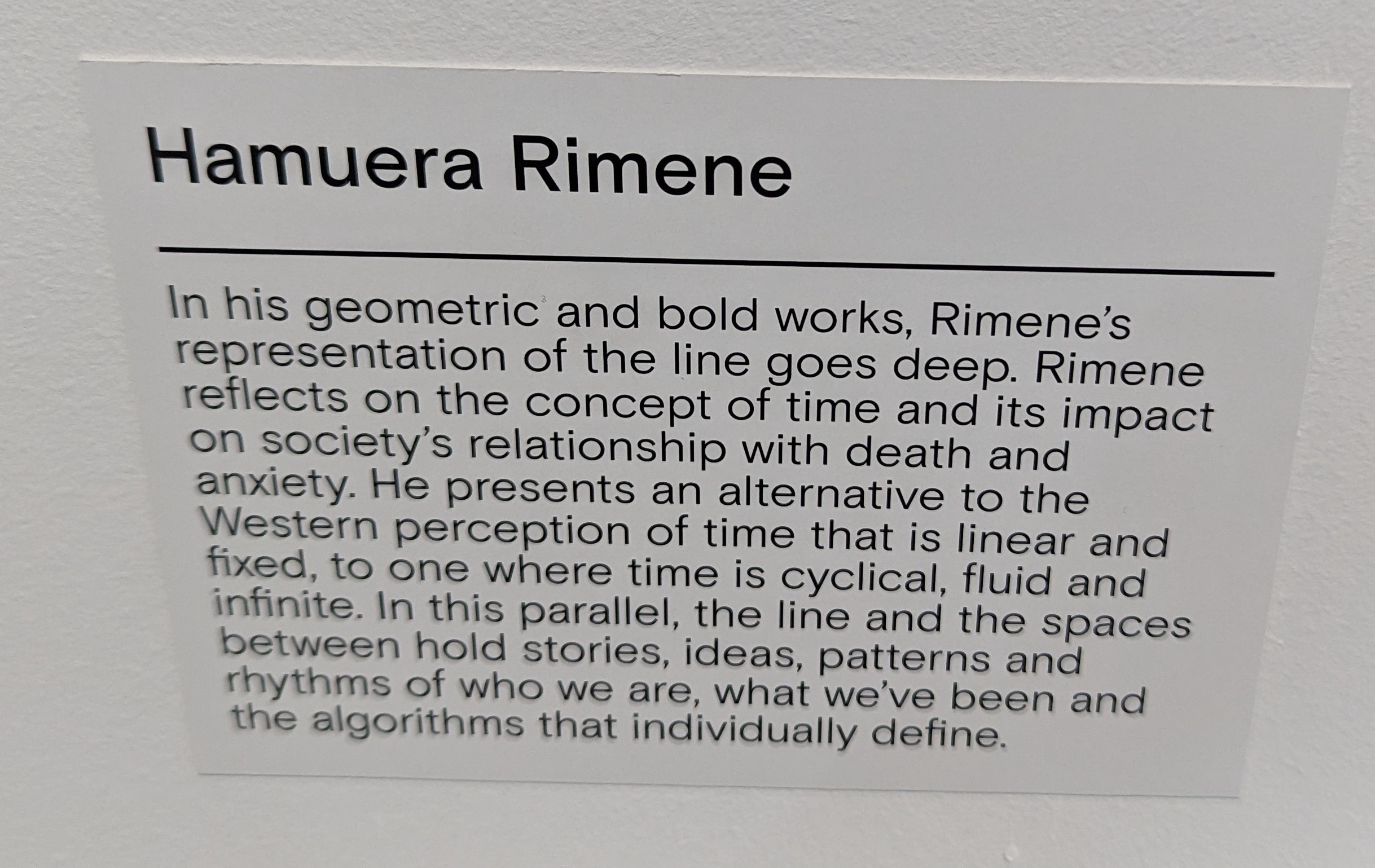
Artists on display at Divisions Gallery – Bettina Willner, Hamura Rimene, Te Kahuwhero Alexander – Tu’inukuafe, Luke Neil, Abbey Rich and Nanou Dupois.




Cindy Lou eats at the Lamb and Flag and meets the author of The Natural History of Love


The Lamb and Flag is a friendly cafe in Brunswick. Last time I was there I enjoyed the food and coffee. This time, a coffee was enough for me. However, everyone else thoroughly enjoyed their bacon butties, lamb toasted sandwiches, tricolore toasted sandwich (cheese, tomato, and herbs) amongst the offerings, and splendid coffees.
I was so fortunate in being seated next to Caroline Petit, whose perspective on publishing added to the contributions from other authors to this blog. Caroline is in the prestigious position of receiving an advance for her work. She also has an agent, and happily publishes with Affirm Press.
From Caroline Petit’s site:
The Natural History of Love is a historical novel loosely based on the 19th century lives of French explorer, naturalist and diplomat the Count de Castelnau and his lover Carolina Fonçeca. Only 16, Carolina’s life changes forever when the dangerously ill Count is left on her remote plantation. With a head full of Balzac and dreams of Parisian life, she is beguiled by the middle-aged Frenchman. What Carolina doesn’t know is that François has a wife and son back in France. Desperate for a new life, she makes a decision that will follow her in Brazil, the salons of Paris and the early days of Melbourne.

 Robin's Room