Alison McDermott’s Absolution is reviewed this week.
Alice McDermott Absolution Farrar, Straus and Giroux, 2023.

Absolution is the first of Alice McDermott’s novels I have read. It certainly will not be the last. Absolution is an enticingly written book, with its subtle descriptions of complex relationships and superbly drawn characters that draw the reader into American life and its impact in Vietnam in, as it was at the time, Saigon. The introduction of the role of Barbie dolls as definers of a relationships between Charlene and her daughter, Rainey; Charlene and Patricia; obsession with charitable fundraising at the expense of a Vietnamese servant; as an element in an almost disastrous mission, and then – a powerful and emotional link with the past when two characters meet again, in England years after they have left Vietnam, is a wonderful comment on the complexity of American involvement in that country.
The story is written in the first person by Patricia and Rainey. Patricia is a new arrival in Vietnam in 1963. She is newly married to Peter. Although she sensitive to the imperfections of Charlene, she is not immune to the strength of her personality which overcomes any resistance to her unspoken but nevertheless mesmerising claims to be righteous. Rainey is the recipient of the first letter, written by Patricia. Rainey reciprocates, then the narrative returns to Patricia, ending with Rainey’s observations. The letters say so much more than their surface observations. Those about society at the time, and in particular women’s role, Patricia’s past, Rainey’s life after the family leave Vietnam and Charlene’s behaviour and character are joined by subtle clues about the links between her and Patricia that remain previously unknown to Patricia and have to be winnowed out of the interchanges. See Books: Reviews for the complete review.

At 30 June the new Covid cases numbered 263, with 20 people with Covid hospitalised. No-one is in ICU or ventilated. Three lives were lost in this period.
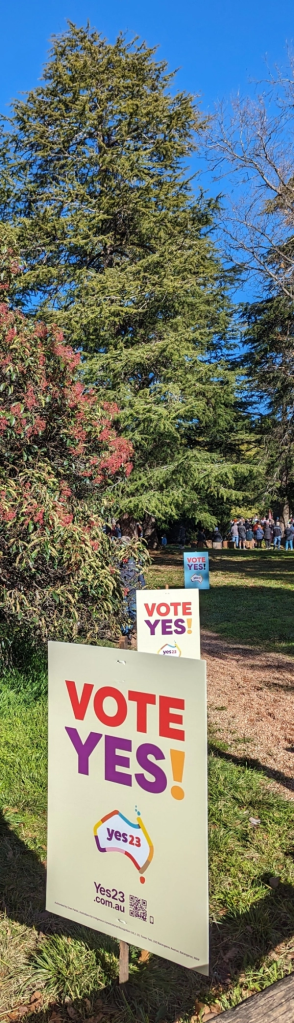
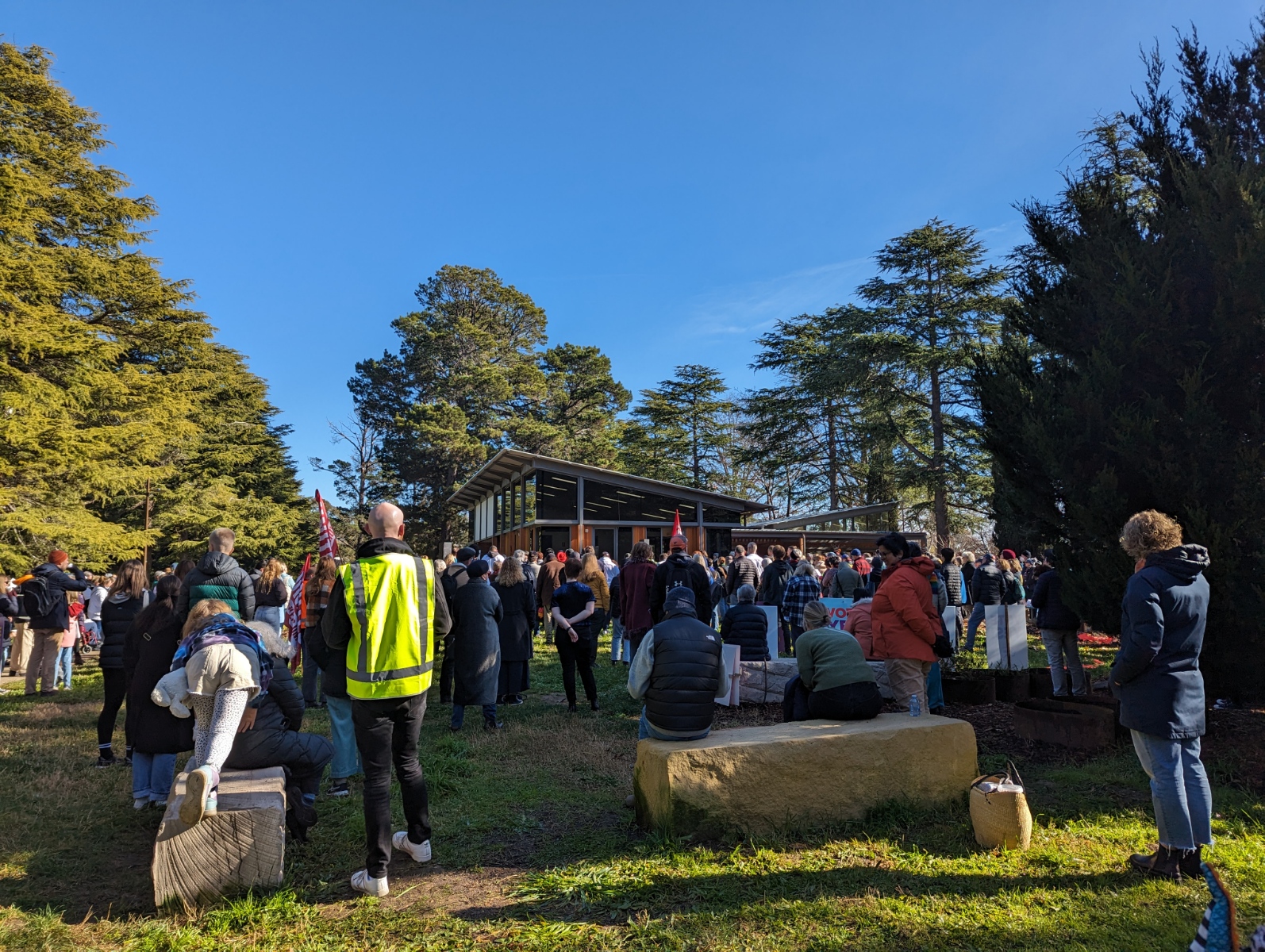
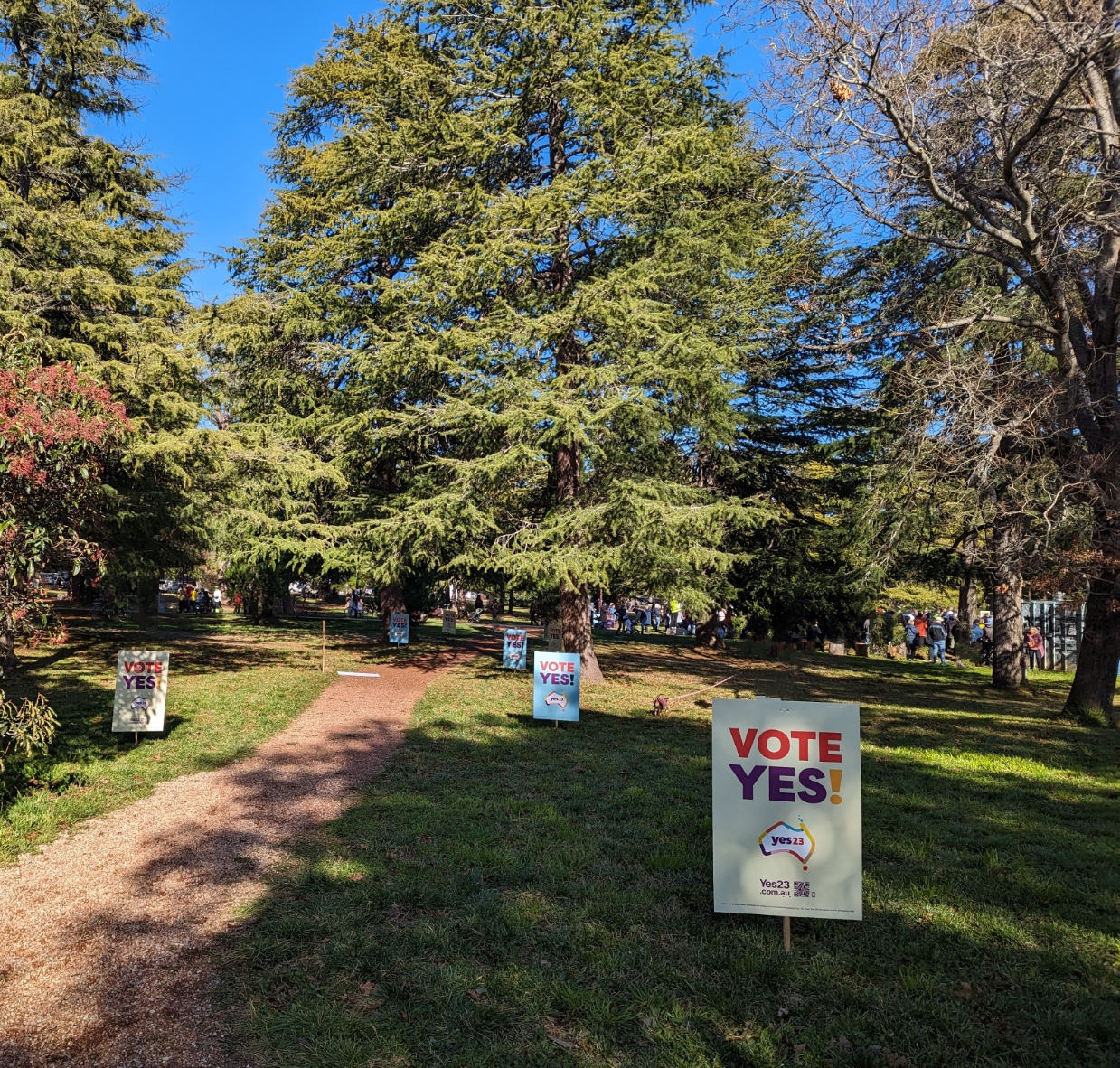
The Voice Rally in Canberra



‘Happy Little Vegemite’ reimagined with a new generation
Vegemite has remade its famous advertisement, featuring one of the original stars, in the lead-up to celebrating 100 years.
Everyone knows the “Happy Little Vegemite” jingle, which came about in the 1950s.
To mark 100 years of the beloved spread, Vegemite decided to reimagine the ad. See Television and Film: Comments for story.
A New Novel Offers Literary Mothers a Feminist Alternative
Molly Lynch’s debut reimagines outdated tropes and dismisses conventional stories told about women

JUNE 27, 2023 IRENE KATZ CONNELLY
My mother has read hundreds of books aloud to me. The titles changed over the course of my childhood—as my brother and I graduated from picture books to doorstopper paperbacks, fantasy to historical fiction, middle grade to angsty young adult novels—but we could always count on our mom to do one thing: cry if a fictional mother went missing. If she began to suspect that a mother was going to die, disappear, or otherwise become separated from her children, she would choke up, stop reading, and flip to the back of the book to see if the characters would be reunited in the end.

The crying drove me and my brother absolutely nuts. “It’s just a story,” we would inform our mother impatiently. We made faces and covered our eyes and sometimes rolled on the ground to indicate the scorn we felt for behavior this corny. If the insult cheugy had existed in the early 2000s, we would have leveled it at her.
This scene played out in my bedroom many, many times because many, many books for young readers rely on a mother’s disappearance to kickstart the plot. Grimms’ Fairy Tales, whose conventions inform so much of modern literature, often contrast an absent, kind mother with a present, evil stepmother. In Harry Potter, the Chosen One’s mother (and, in all fairness, his father) die within paragraphs of the series’ beginning. The Dear America novels, a beloved series of fictional journals “authored” by teenage girls from different historical eras, sentence mothers to occasionally cartoonish fates: In Seeds of Hope, a rogue wave literally drags the protagonist’s mother off the deck of a ship while mysteriously sparing the rest of the family. Even “feminist” alternatives to traditional fairy tales, like Ella Enchanted, frequently dispatch mothers so that child protagonists can get on with their adventures unimpeded.
Mothers, these stories tell us, are not particularly important. In fact, they say, it’s much easier for a plucky young heroine to achieve independence, embark on a journey of self-discovery, and meet the inevitable prince without a mother nagging them to wear a jacket or get home for dinner. For girls especially, these stories suggest that their value as protagonists has a time limit. If Cinderella’s rags-to-riches tale is made possible by her mother’s death, what will happen to her once she has her own children?
The literary obsession with missing mothers made little sense in the context of my own life: I was so fully secure in my mother’s presence that I could blithely make fun of her for taking fictional tragedies seriously, and yet somehow, I was still growing up, taking charge of my life, navigating my own modest adventures. But no matter how much I insisted that these stories were “just” fiction, I was absorbing their lessons. In my first fumbling short stories, the protagonists were, as a matter of course, motherless.
I thought back to these children’s books while reading Molly Lynch’s debut novel, The Forbidden Territory of a Terrifying Woman. The novel follows Ada, a young mother existentially preoccupied with the climate crisis and the dangers it poses to her son’s future. One night, Ada goes missing without a trace; her family soon learns that mothers around the world, many with the same concerns as Ada, have vanished from their homes. Part of a small vanguard of novels interrogating the missing mother trope, Forbidden Territory treats its missing mother not as an accessory to another person’s story, but as a literary symptom of the broader problem of parenting during a period of social and ecological decay. By chronicling Ada’s disappearance and return, Lynch invites readers to imagine the stories we could tell if we weren’t so bound to the missing mother.
Lynch invites readers to imagine the stories we could tell if we weren’t so bound to the missing mother.
The missing mother trope predates the literature of my childhood, and the era of the Brothers Grimm, by a long shot. The Chinese folktale “Ye Xian,” which dates back to the ninth century, tells a “Cinderella”-like story in which a young heroine has to make her way in the world without her mother. In the Western tradition, novels like The History of Tom Jones, Jane Eyre, and Oliver Twist rely on dead or absent mothers. Missing mothers are common in other mediums, as well: In The Atlantic, Sarah Boxer cataloged animated movies that kill off their protagonists’ mothers in order to make way for father-child adventure stories. (Spoiler: It’s basically all of them.)
Enjoy strange, diverting work from The Commuter on Mondays, absorbing fiction from Recommended Reading on Wednesdays, and a roundup of our best work of the week on Fridays. Personalize your subscription preferences here.
There are many possible reasons for the missing mother’s enduring power. Folklore scholar Marina Warner suggests that for much of history, the trope was at least partly grounded in reality, given that high maternal mortality rates meant that many children grew up without mothers. Others have offered more Freudian justifications. In his book The Uses of Enchantment, psychologist Bruno Bettelheim argues that the fairy tale convention of juxtaposing a “good” mother and “wicked” stepmother both preserves the idea of an “all-good mother when the real mother is not all-good,” and “permits anger at this bad ‘stepmother’ without endangering the goodwill of the true mother.” If a mother is absent, in other words, her inevitable flaws can’t jeopardize our myths about ideal motherhood.
That said, if we are first encountering these myths in children’s literature, writers are increasingly subverting them in the territory of adult fiction. The past decade has seen a proliferation of novels about about “bad” mothers. Rachel Yoder’s Nightbitch, Szilvia Molnar’s The Nursery, Yüko Tsushima’s Woman Running in the Mountains, and pretty much every sentence Elena Ferrante has ever written focus on the pressures of parenting in societies that fetishize motherhood without guaranteeing actual mothers dignity or support. Yet fewer novels confront the missing mother trope head on, among them Alexis Schaitkin’s Elsewhere and Lydia Sandgren’s Collected Works, and in imagining what would happen if mothers went missing en masse, Forbidden Territory feels entirely fresh.
Ada, the novel’s protagonist, lives in Ann Arbor with her history professor husband Danny, and six-year-old son Gilles. A writer and teacher, Ada holds a deep reverence for the natural world, collecting “special rocks” and stitching owl feathers into her son’s clothes as protective talismans. By most metrics, she lives a comfortable life: She has a loving family, a safe home, and a steady job in academia.
The past decade has seen a proliferation of novels about about ‘bad’ mothers.
Still, Ada spends her days in a fog of anxiety. A compulsive newshound, she gravitates toward ominous stories about deteriorating civil society, far-right extremism, and, especially, climate change. News of “garbage islands” and polluted air make it impossible for her to envision a safe future for Gilles: In her worst moments, she imagines him struggling to survive in an apocalyptic landscape of “burning forests” and “filthy” seas. As she puts her son to bed, she wonders if her instinct to comfort him is misguided and thinks to herself, “Shouldn’t she say, The water is poisoned. The forests are on fire. Genocide and torture are normal. When you grow up you might need to wear an oxygen mask.” When she’s unable to process the onslaught of drastic stories, she comforts herself with a visit to the only patch of unviolated nature available to her, a small strip of forest behind Gilles’ school.
Then, on the radio, Ada starts to hear stories about local mothers disappearing, walking out of their lives without leaving a trace of their whereabouts. Just as she begins to suspect that the disappearances are connected, she vanishes as well, leaving Gilles searching the house and Danny calling friends in a futile attempt to track her down.
If Forbidden Territory adhered to the conventions of the novels I grew up reading, Ada’s disappearance might have cleared the way for Danny and Gilles to set off on their own adventure or execute a daring rescue mission. Instead, family life grinds to a halt in Ada’s absence: Danny can barely eat or mark the passing days, and Gilles asks the same questions about his mother’s whereabouts over and over again. Combing through Ada’s computer search history and contacting the families of other missing mothers, Danny attempts to aid the police with his own sleuthing. But neither he nor the cops make any useful discoveries.
Moreover, Ada’s disappearance is not an isolated incident but rather part of a larger trend. By the time Ada goes missing, enough mothers have met the same fate that the FBI is investigating the “crisis” in motherhood. And while Danny is unable to do much for his wife, he does notice that many of the disappearing women shared Ada’s deep anxiety about the future. The husband of a mother who went missing shortly before Ada, for example, tells Danny that his wife could not stop talking about “the cruelties of the world.”
While Lynch never reveals where the mothers go or how they get there, she hints at the cause of the disappearances by way of the public response to the crisis. Through the historians who quickly posit connections between the missing mothers and mass disappearances during other periods of extreme social transformation, like the Industrial Revolution, she suggests that, like Ada, the other mothers have walked out of the known world because they cannot imagine how their children will inhabit it. Meanwhile, predictably misogynist backlash ensues. A senator calls on the public to fight “the ideologies that he said were causing women to betray their children.” In some countries, groups of vigilante men begin to accost women walking alone, intimidating them in the name of keeping them in their rightful places at home. Given that missing mothers in literature are so ubiquitous as to be unremarkable, the rancor that so quickly develops over these “real” disappearances reads like an authorial nudge. Perhaps these men, who have presumably enjoyed their fair share of fairytales and movies about bootstrapping orphans, are angry because the women in their own lives seem to be disappearing not in service of someone else’s story but for their own inscrutable reasons. How Could a Mother Leave Her Child?Sophia Shalmiyev’s “Mother Winter” couldn’t answer the defining question of my life, but at least we were asking it togetherFEB 15 – CHELSEA BIEKERBOOKS
Eventually, Lynch unveils another—the biggest—difference between Ada and the missing literary mothers who precede her. When Ada returns home of her own accord, she has no idea where she’s been. The only thing she can recall from her weeks-long absence is a mysterious and unexpectedly pleasant sensation of merging with the trees, as if she’d become one with the forest that so beguiled her. Ada’s belief that she enjoyed herself while her family went frantic with worry feels so socially unacceptable that she can barely express it to Danny. And that confused happiness is what makes Forbidden Territory so subversive: By understanding her disappearance as a kind of necessary retreat, rather than a banishment, Ada escapes not only her frightening world but the conventions of the stories long told about women like her. The question this novel asks is not how children can get along without their mothers, but what mothers can do when the project of parenting seems impossible. The answer Lynch provides? They can walk away—at least for a little while.
Now that I am a grown woman who cries during especially moving chewing gum commercials, I have more sympathy than I once did for my mother’s reading preferences. And I can also see that she was teaching me something by crying over all those literary mothers. Just as Ada cannot harden herself to the news around her, my mother was surprised each time a woman in one of my chapter books was separated from her children. Though she is nothing like Ada (and would consider the collecting of owl feathers an excellent way to contract avian flu), she refused to become inured to what others might dismiss as an unimportant but unalterable literary convention. I couldn’t have put that lesson into words at the time—partly because I was a child unacquainted with feminist literary criticism, and partly because we need new texts to imagine alternatives to the stories we take for granted—but all the same, it was an important one. If Forbidden Territory carries the fear of a world changing beyond repair, it also teaches us to question what came before.
In the novel’s final pages, Ada is driving home from a meeting with the FBI agent assigned to her case. She still doesn’t know what happened to her, but she has recovered enough to start talking about it. Speeding through the outskirts of Detroit, she encounters a twenty-first-century Valley of Ashes: a smoking, stinking landfill overflowing with rubbish. The dump is a literal manifestation of Ada’s fears about the future, and for a moment, she feels overwhelmed by the “layers of waste, plastics and greases, chemicals and particles of diapers” she imagines churning within the pit.
“For a brief moment she inhabited that heart,” Lynch writes, “and then she returned to her body, driving.” Ada ends the book laughing. One could read these last paragraphs cynically, as evidence that Ada has simply given up worrying about a future she can do little to change. But I like to think that her disappearance has taught her to confront her fears without letting them destroy her, to move through her days in this world without hardening herself to its flaws. I don’t know what that feels like. Perhaps I’d have to walk away from my life to find out.
https://bookshop.org/widgets/list/a-new-novel-offers-literary-mothers-a-feminist-alternative
Cindy Lou eats at an Italian restaurant in Brunswick
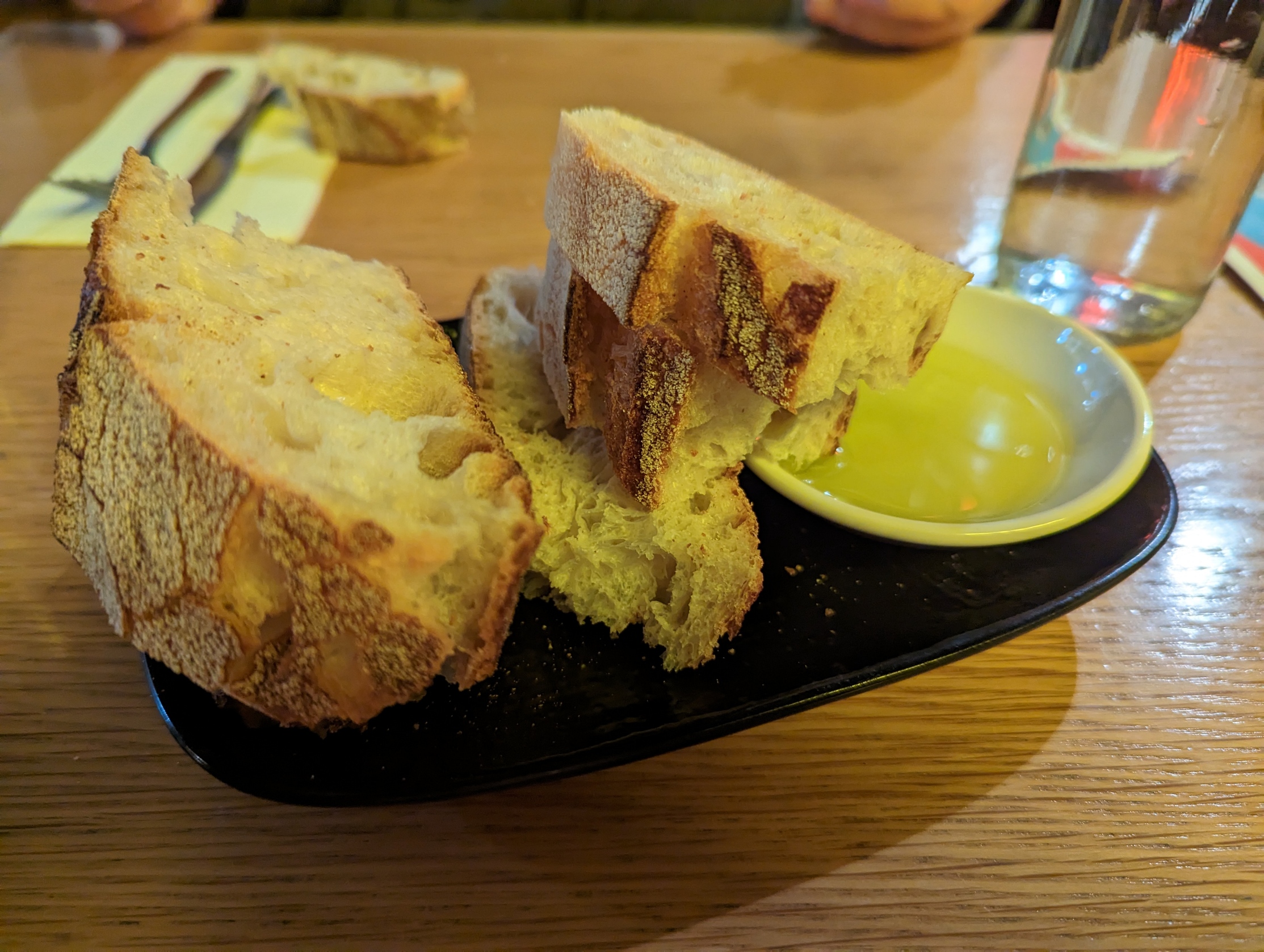
Brunswick, Sydney Road, is an excellent place to find a reasonably priced meal at a casual restaurant. On this occasion I tried the Italian restaurant just off Sydney Road, in Union Street, close to the railway station. This makes Caio Mamma! a pleasant place to eat on the way home from work, or a day in the city. It opens at 5.30pm and the tables filled quickly on the nights I ate there. However, a place was found for two of us, and then on the next evening, for three. Service is prompt so it is easy to make a short stop to eat a generous and flavoursome meal. Al dente and non al dente pasta is offered, and there is a variety of sauces, including a special on both nights we were there.

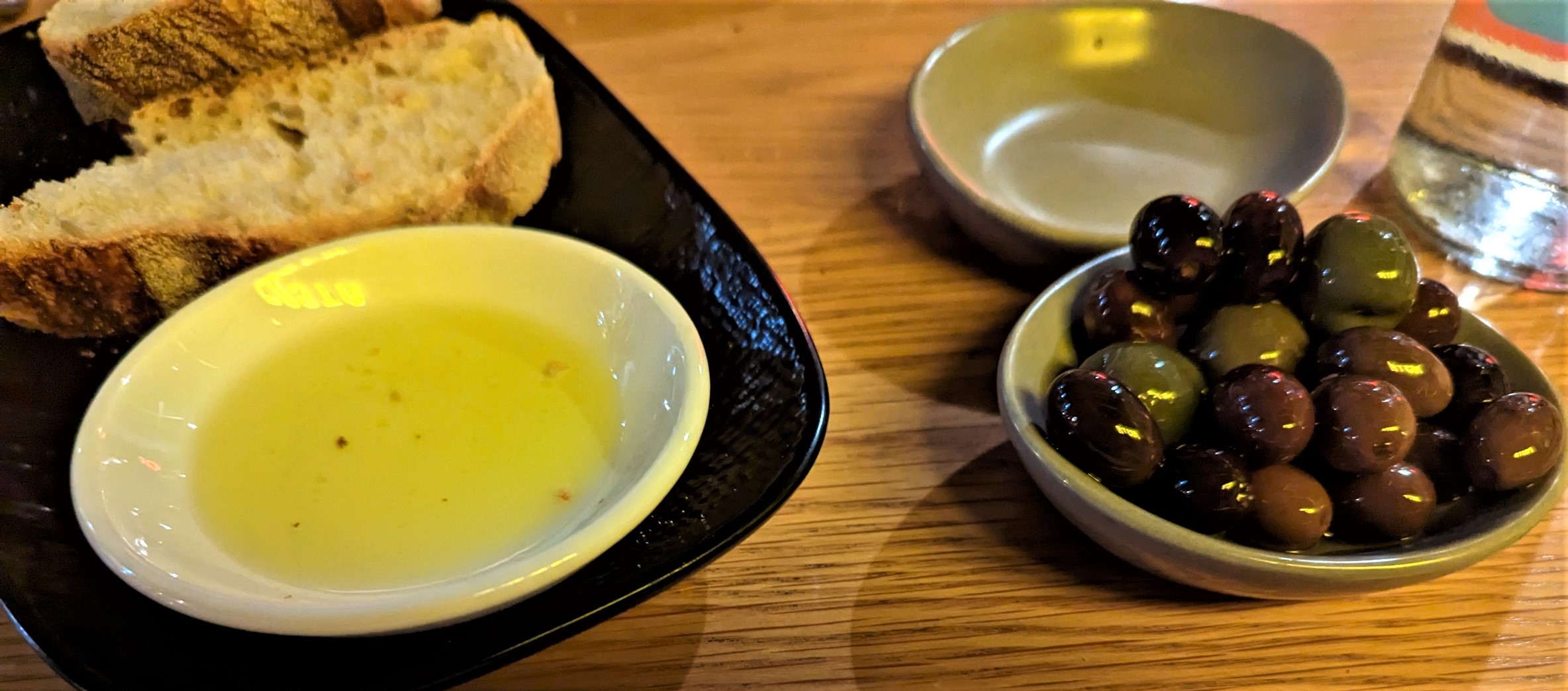


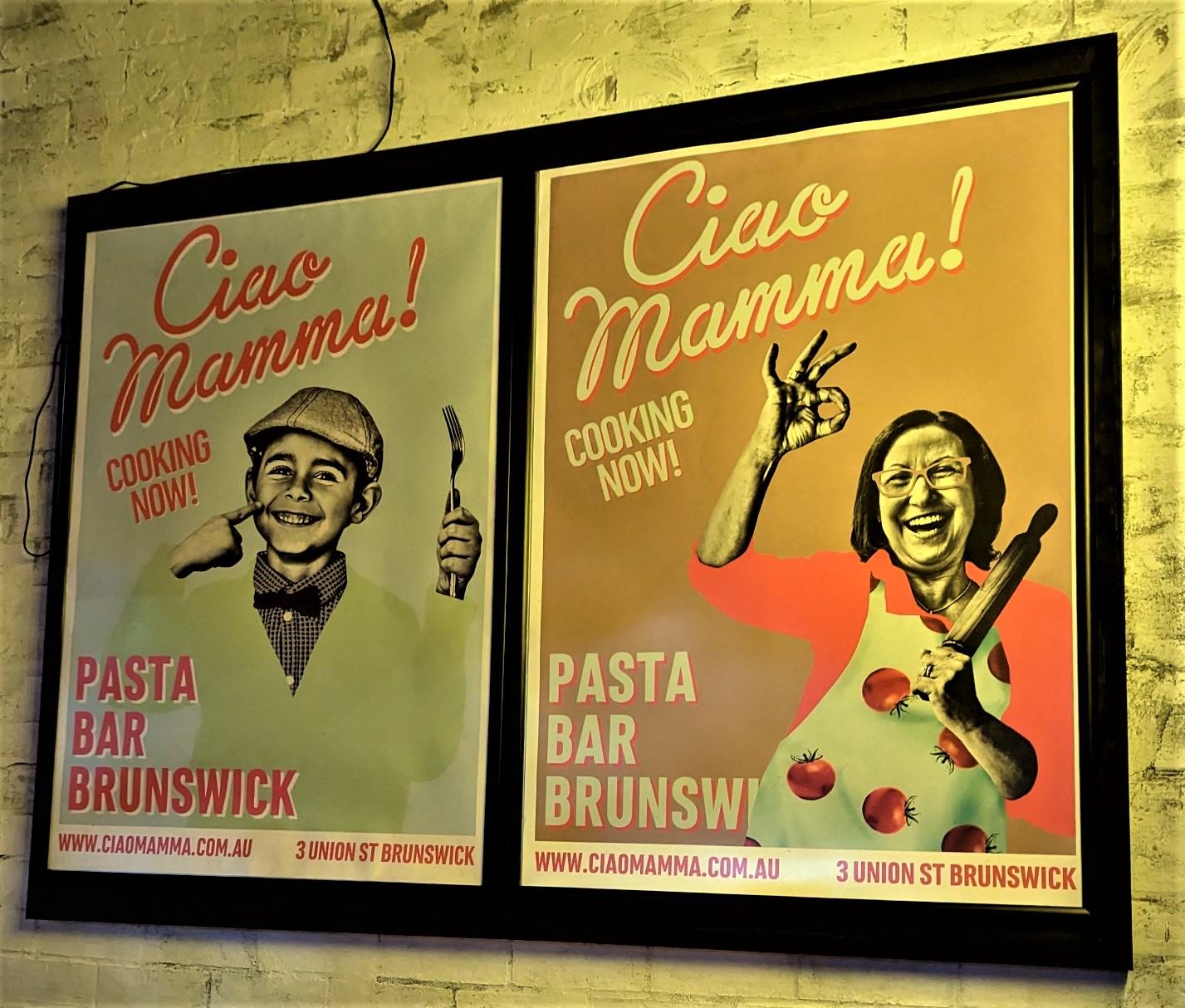

An ice-cream shop between Ciao Mamma! and home was a welcome sight. The honeycomb ice-cream was too tempting, but at least I had only one scoop.
Bendigo Art Gallery

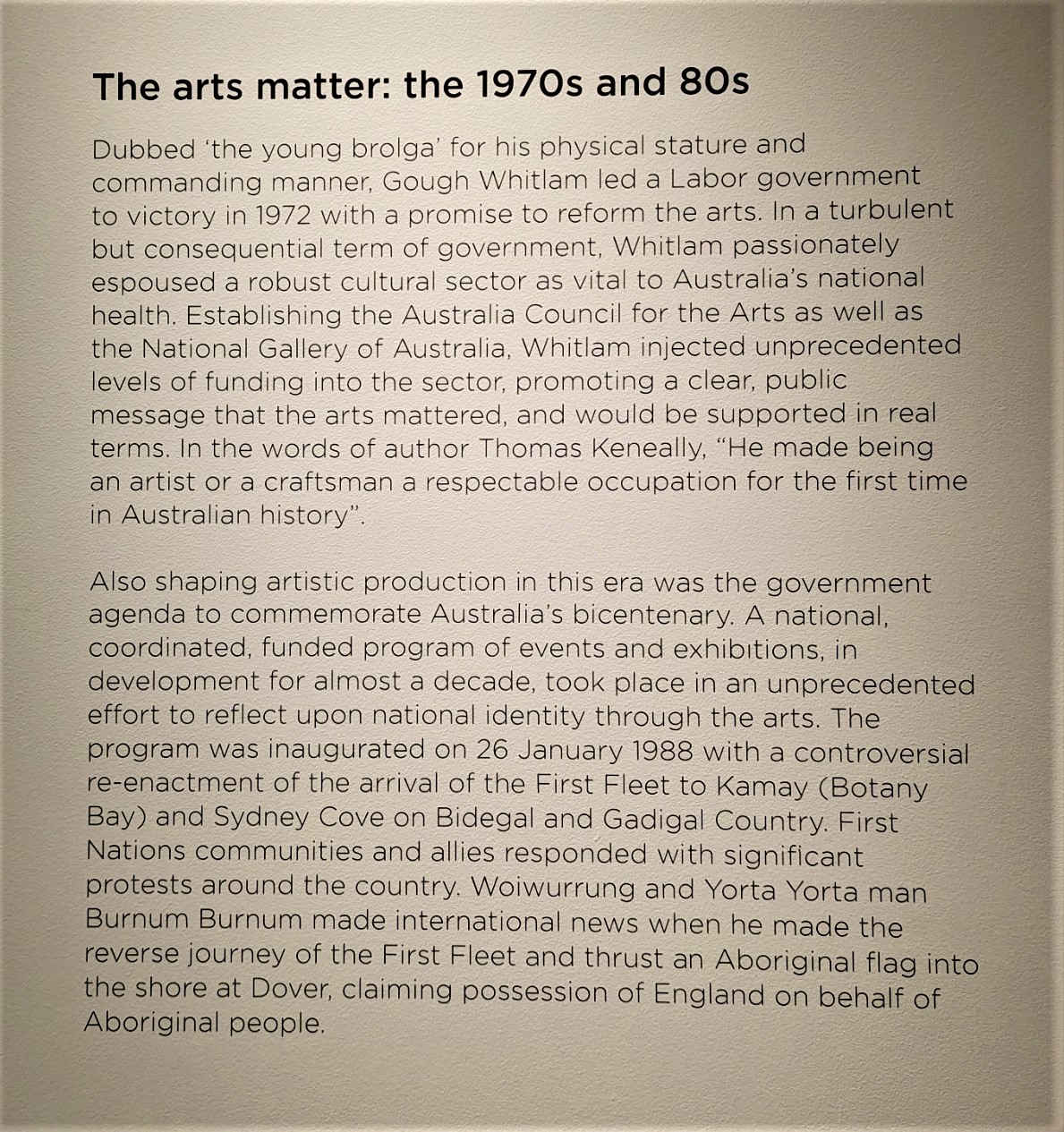
The remainder of the art in the Australiana Designing a Nation Exhibition depicted everyday life. Icons such as the beach and swimming were portrayed, alongside youth culture.


Furniture, sculptures and china from the exhibition


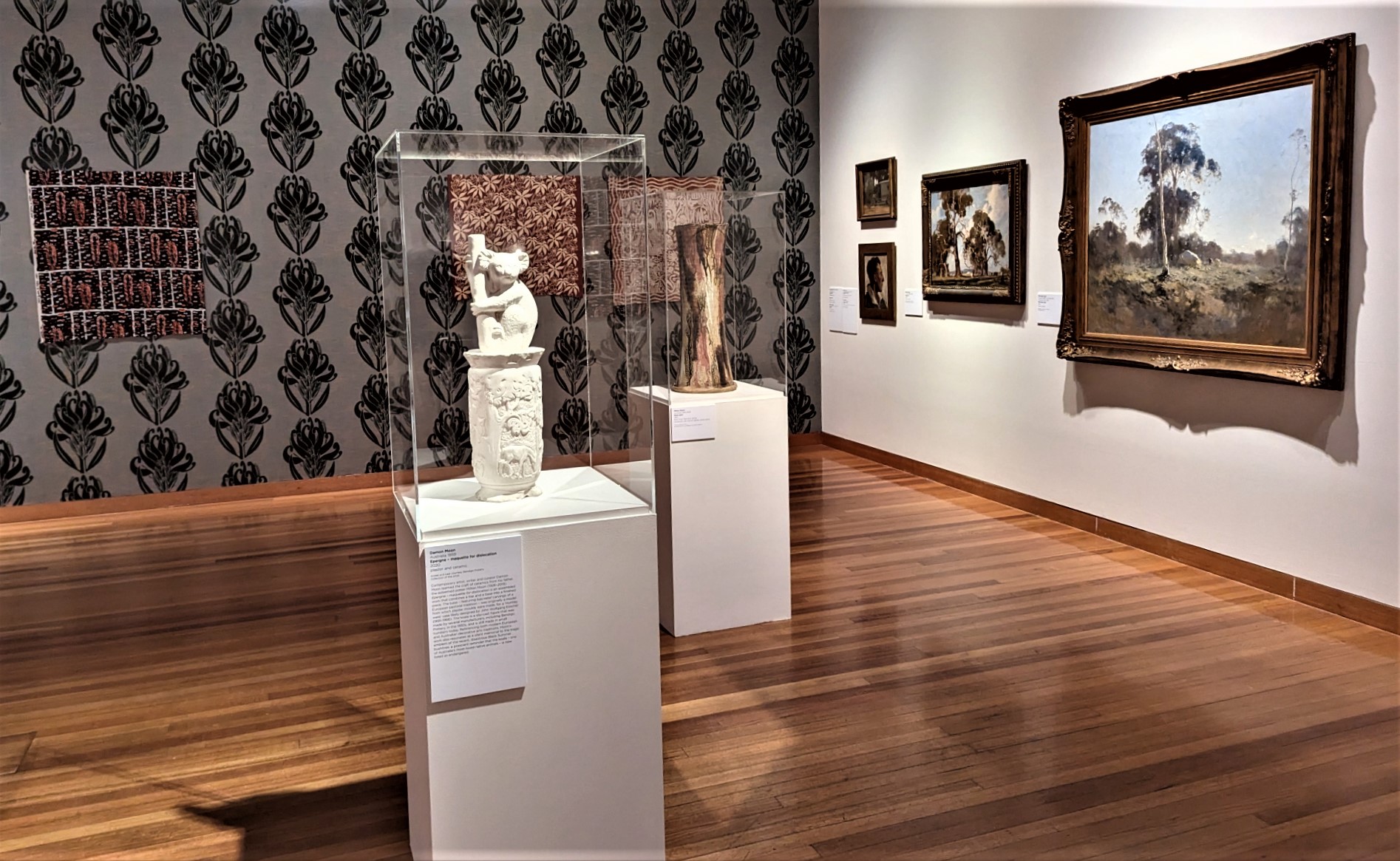
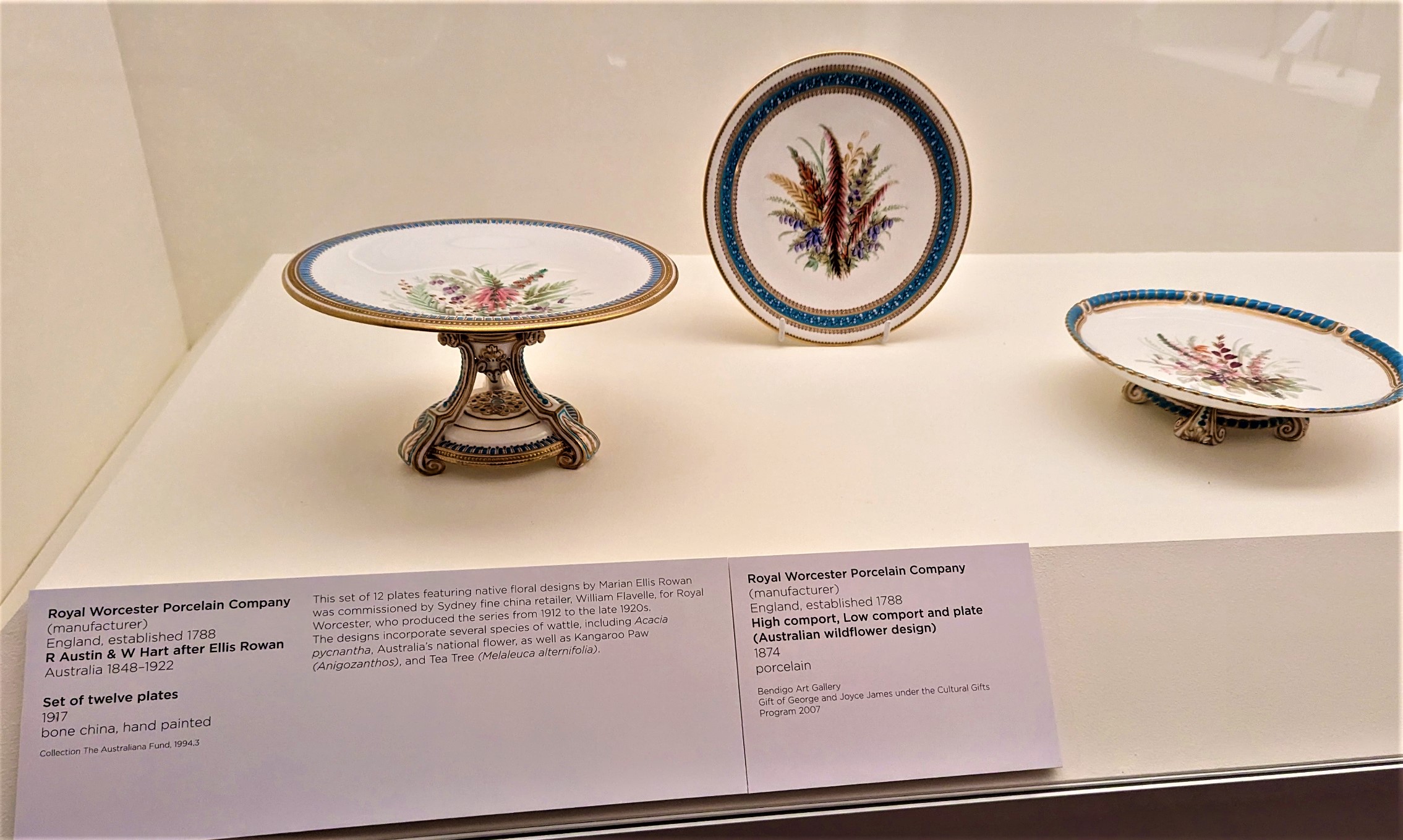
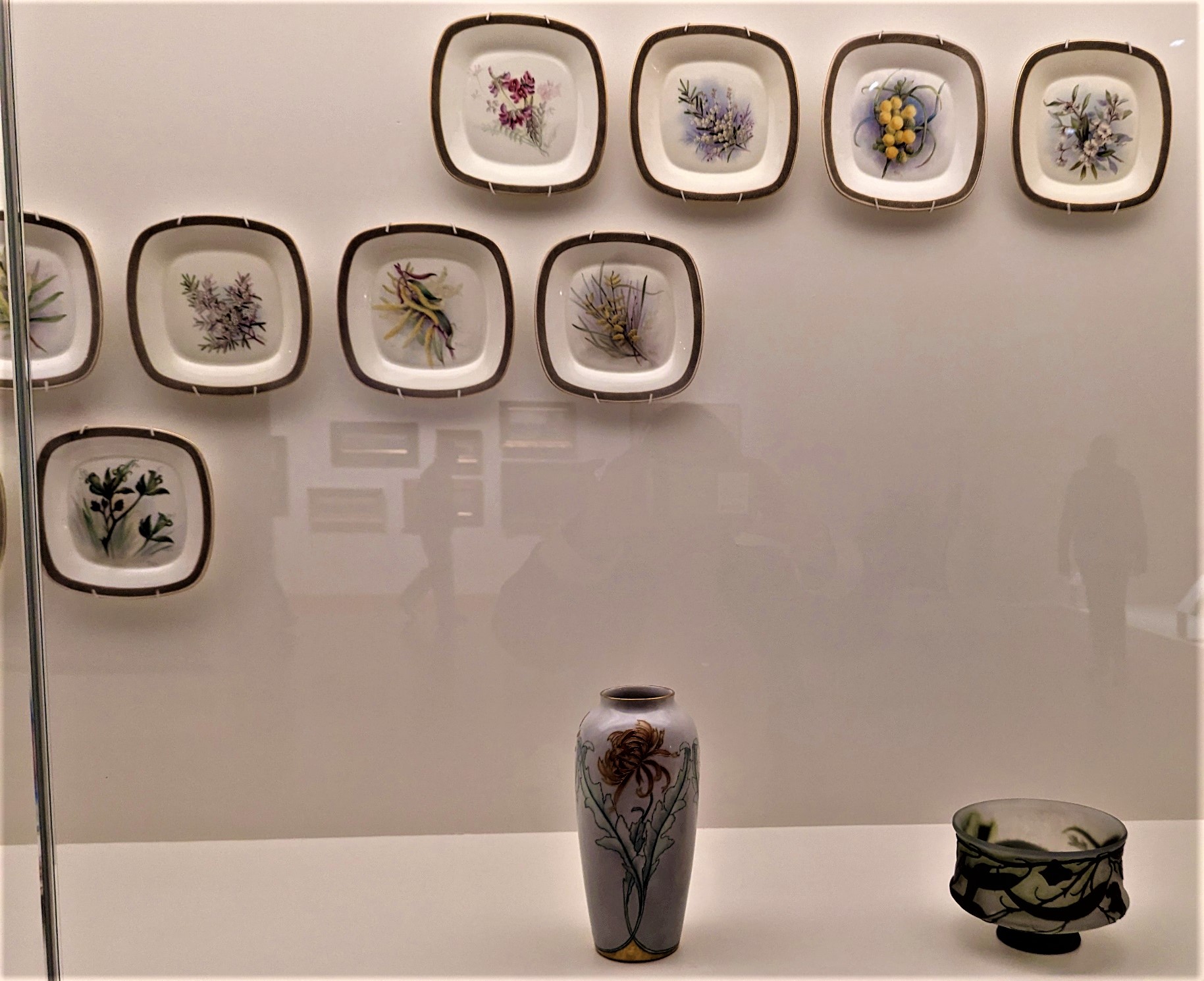
Observations on display

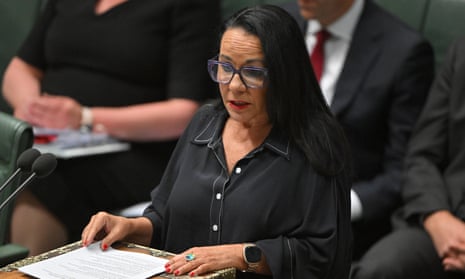
Minister for Indigenous Australians Speech at the National Press Club The Guardian July 5,2023, Josh Butler
Voting yes in voice to parliament referendum an ‘act of patriotism’, Linda Burney says
Minister to tell National Press Club Indigenous people ‘more likely to have experienced homelessness than to hold an undergraduate degree’
Indigenous voice to parliament
Voting yes in the voice to parliament referendum is an “act of patriotism”, with the advisory body to be asked to focus on “new perspectives to old challenges” in health, education, jobs and housing, the Indigenous Australians minister says.
Linda Burney will make a deeply personal speech about the referendum on Wednesday, recounting the death of her friend aged just 44 from serious health problems and saying: “His Aboriginality condemned him to an early death.”
“We have to do things better,” Burney will tell the National Press Club. “I honestly believe the voice can help.
“Voting yes at the referendum will be a vote to unify and strengthen Australia. Voting yes will be an act of patriotism.”
Burney’s speech will set a stronger framework around the work and focus of the voice, after questioning from the Coalition about whether the body would weigh in on defence acquisitions or Reserve Bank decisions.
“From day one, the voice will have a full in-tray,” Burney will say, according to an advance copy of her speech. “I will ask the voice to consider four main priority areas: health, education, jobs and housing.”
The government is expected to emphasise the impact of the voice on developing policies in those core areas in coming weeks, with the education minister, Jason Clare, and the health minister, Mark Butler, to play more prominent roles.
The government says the exact details of the voice, including the members, will be decided in a post-referendum consultation with Indigenous communities.
In her speech, Burney will stress that the voice will be an independent representative body, made up of Aboriginal and Torres Strait Islanders, and chosen by local communities.
In her first meeting with the members of the voice, she will ask them to advise on reducing suicides, increasing school attendance and supporting Indigenous families.
“It’s not going to be a passive advisory body. I want it to be active and engaged. We need new perspectives to old challenges.”
Her speech suggests community members would raise issues with their voice representative, who would then relay those concerns and make representations to government and parliament.
“It’s about linking up that local decision making and local knowledge with policymakers in government,” Burney will say.
The voice would help close the gap faster, she will say, listing a range of outcomes differing greatly between Indigenous and non-Indigenous Australians.
“Aboriginal and Torres Strait Islander children are 55 times more likely to die from rheumatic heart disease than non-Indigenous people. These deaths are completely preventable with access to medical care, proper housing and running water.
“Indigenous young people are 24 times more likely to be locked up than their non-Indigenous neighbours
“Our people are more likely to have experienced homelessness than to hold an undergraduate degree. In 2020 the number of Aboriginal and Torres Strait Islander people locked up in a prison cell was four times as many as those who celebrated graduating uni that year.
“This is systemic and structural disadvantage.”
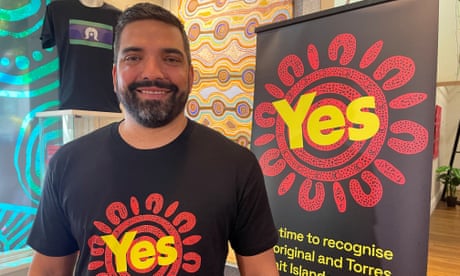
Burney’s speech will touch on a deeply personal matter, the death of her friend, the photographer Michael Riley. She will recount his life of poverty on the Talbragar Aboriginal reserve in Dubbo, “where basic hygiene was all but impossible and medical care was almost nonexistent”.
“Like so many others who were forced to live in those poor conditions, Michael suffered from chronic infections and got rheumatic fever, a condition from which his immune system never recovered,” Burney will say.
“At the peak of his career at the age of 44, he died of end-stage renal failure.
“I visited him every day in hospital. I watched him go blind in one eye. His Aboriginality condemned him to an early death. A preventable death.
“I remember being at his bedside with his cousin Lynette when he passed. I remember the injustice of it. And it’s what still motivates me to this day.”
Responding to questions about why the voice should be enshrined in the constitution, rather than set up via legislation, Burney will say that the government is following the request set out in the Uluru statement from the heart.
“The starting point for reconciliation has to be listening to the wishes of Indigenous people,” she will say. “The starting point cannot be a political fix made in Canberra. That’s not real reconciliation.”
From The New York Times, June 29 2023.
Justice Sotomayor argued that the majority’s vision of race neutrality “will entrench racial segregation in higher education because racial inequality will persist so long as it is ignored.”
But despite her scathing language, Justice Sotomayor ended on a defiant note, writing that despite the court’s actions, “society’s progress toward equality cannot be permanently halted.”
“The pursuit of racial diversity will go on,” she wrote. “Although the court has stripped out almost all uses of race in college admissions, universities can and should continue to use all available tools to meet society’s needs for diversity in education.”
Another of the liberal justices, Ketanji Brown Jackson, wrote in her dissent that “it would be deeply unfortunate if the equal protection clause actually demanded this perverse, ahistorical, and counterproductive outcome.”
“To impose this result in that clause’s name when it requires no such thing, and to thereby obstruct our collective progress toward the full realization of the clause’s promise, is truly a tragedy for us all,” she wrote.
Both Justice Sotomayor and Justice Jackson criticized the majority for making an exception for military academies. Justice Jackson wrote that the majority concluded that “racial diversity in higher education is only worth potentially preserving insofar as it might be needed to prepare Black Americans and other underrepresented minorities for success in the bunker, not the boardroom.”
 Robin's Room