The book I review this week is by Virginia Pye, a writer I have not read before. Net Galley sent me the uncorrected proof of The Literary Undoing of Victoria Swann for review.

The novel is inspired by a woman writer who wrote under the pen name, Gail Hamilton. She was exploited by her Boston publisher who paid her far less than her male counterparts. She was unsuccessful in her court case against her publisher and Virginia Pye began thinking about the impact on women writers in a similar position. Their fiction was not considered ‘high’ literature, whereas the men with whom they competed for recognition, were deemed to write meritorious works. Victoria Swann was the fictional outcome of Pye’s concerns on this issue, and she paints her as a writer whose books earned the company profits which allowed them to pay more highly respected writers (who did not sell so well) more favourable royalties than those paid to the woman writer who kept them in profit. Victoria Swann’s books were romances, ‘women’s novels’, and not to be revered or considered of any value – except in that they earned the publisher huge dividends in comparison with those works that were revered. The novel takes up arguments in which I am particularly interested, so to read this fictional account was thoroughly engaging.
Virginia Pye, The Literary Undoing of Victoria Swann, Regal House Publishing, 2023.
Virginia Pye has woven an insightful and engrossing story from a news story about a woman writer who, exploited by her publishers, took them to court. Victoria Swann’s narrative is the outcome, combining debate about the value of women’s and men’s writing, the way in which romantic novels are described to compare them badly with fictional work that has no romantic narrative, the feminist arguments for women’s right to equal payment and, alongside this, their right to property and how they might be seen as respondents or plaintiffs in a court. Victoria Swann, and in her later iteration, when she returns to her own name, Victoria Meeks is a wonderful vehicle for conveying these arguments. She is a captivating character, with a background that raises even more issues about women’s role, and a warm but strong presence.
Victoria Swann is introduced weathering the remains of winter in the slush and mud of Boston. She carries a carpet bag, which continues to feature as part of her apparel, although her beautiful clothing and smart boots give way to simple country clothing when she returns home, and later, to clothing that reflects her changed circumstances. The change is not only financial, but an indication of the way in which she begins to see herself as an author and purveyor of women’s concerns and demands for equality. Here, when she first appears, she is going to her publisher where she expects to be feted, provided with comfortable seating, delicious pastries of her choosing and tea. She is about to undermine the seemingly favourable circumstances she enjoys as a cosseted writer of bestselling novels, an advice column and shorter, but ever popular ‘penny dreadfuls’. See Books: Reviews for the complete review.
Porto Food Tour (cont.)
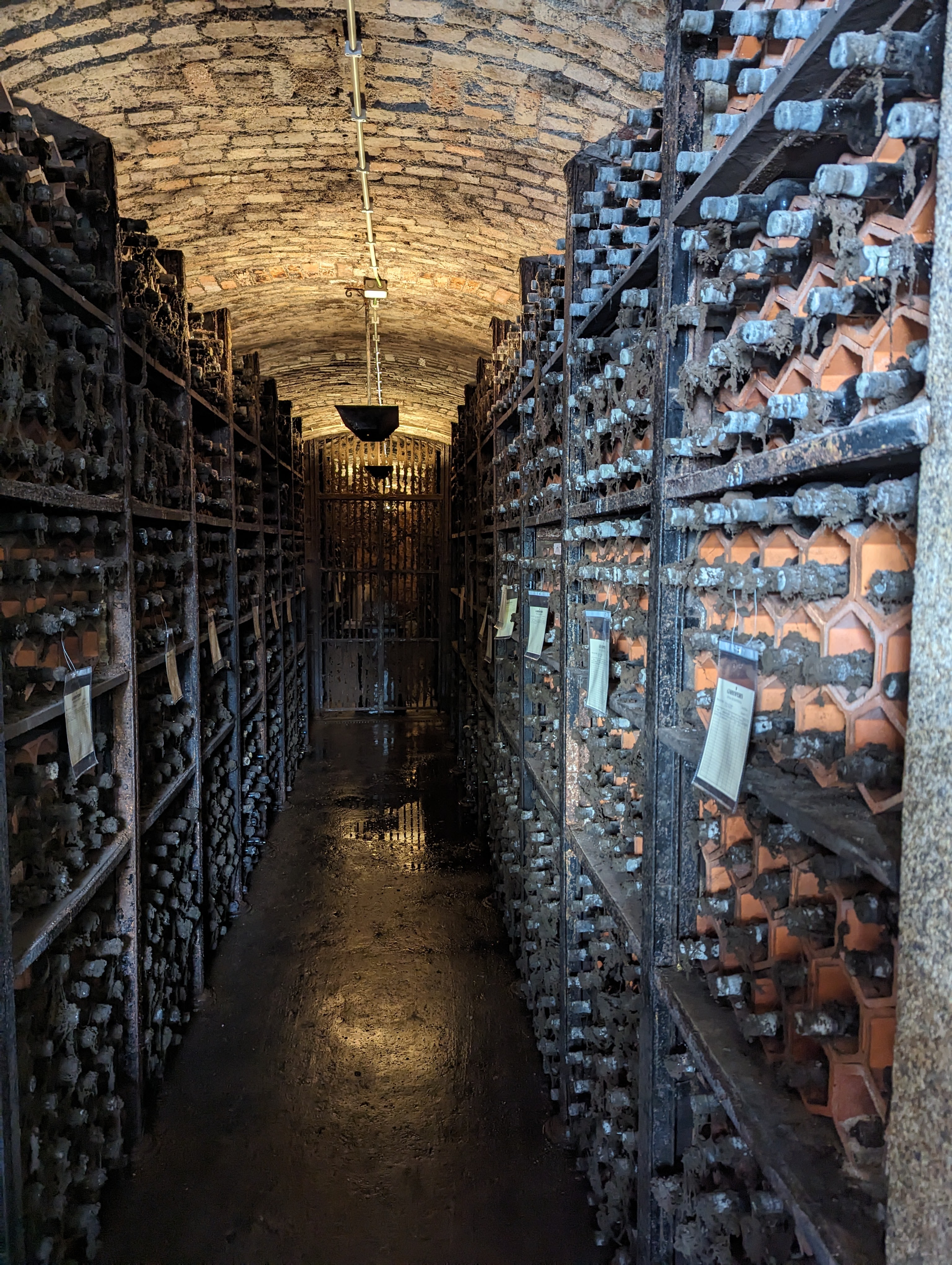
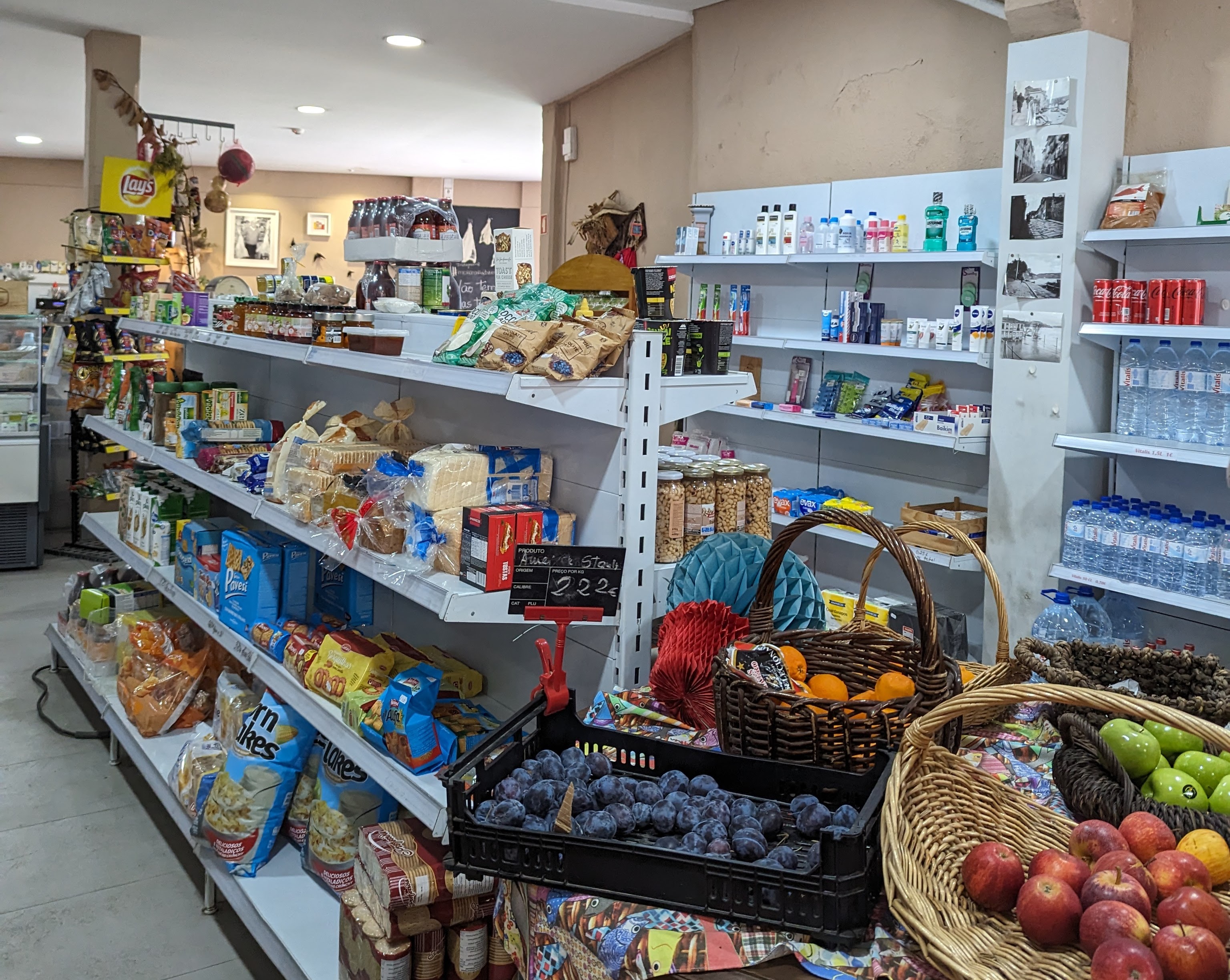
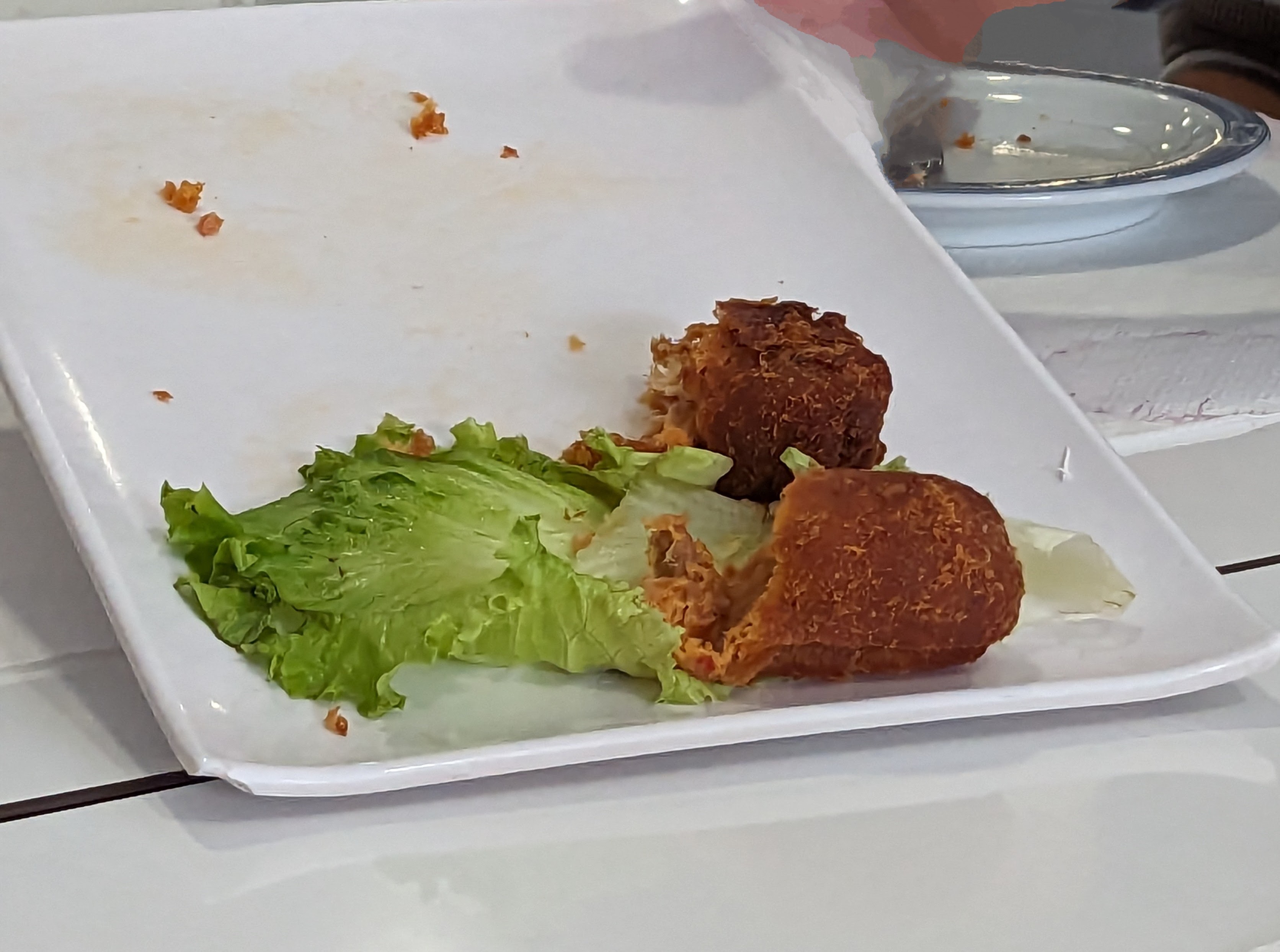
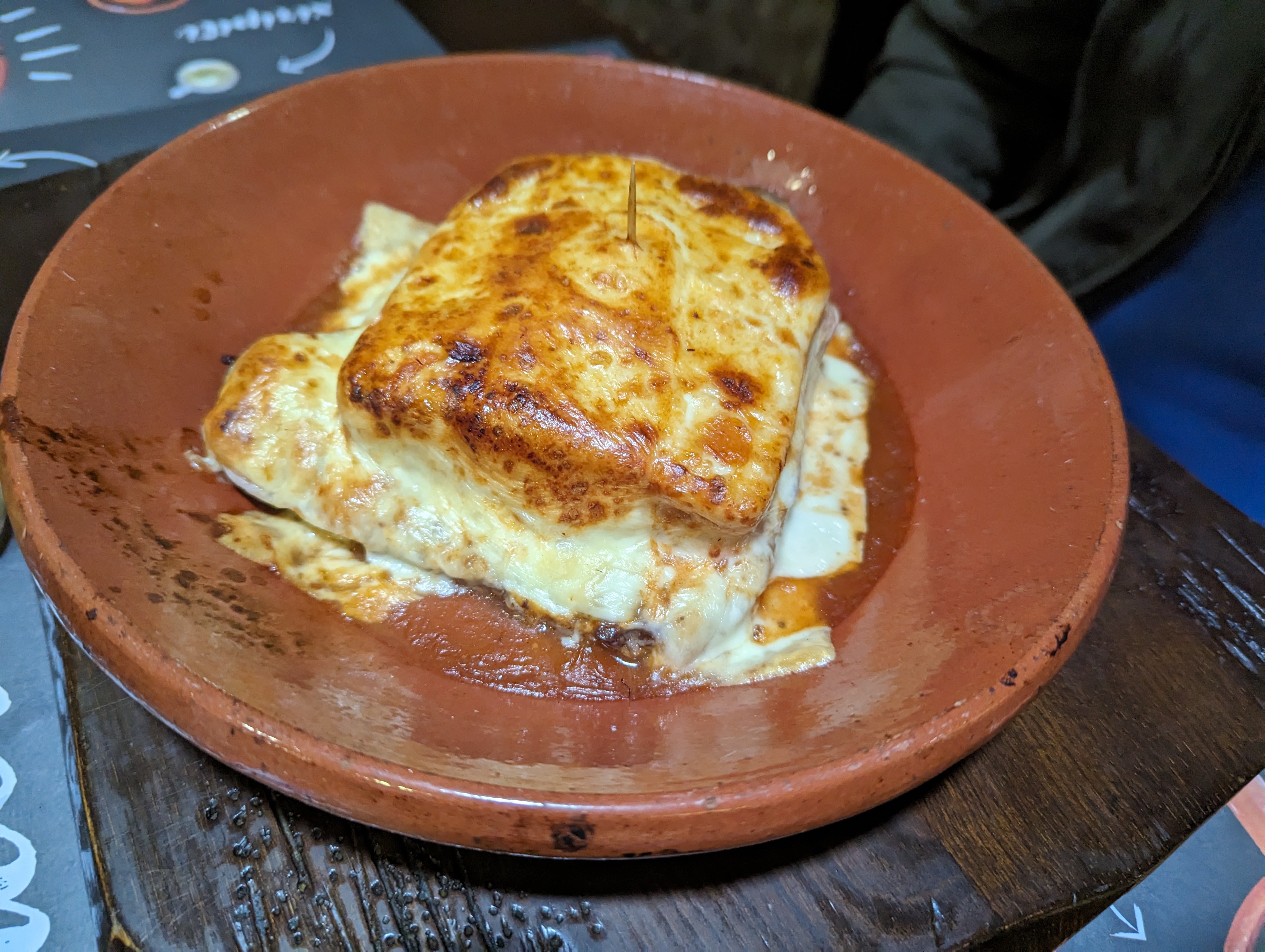
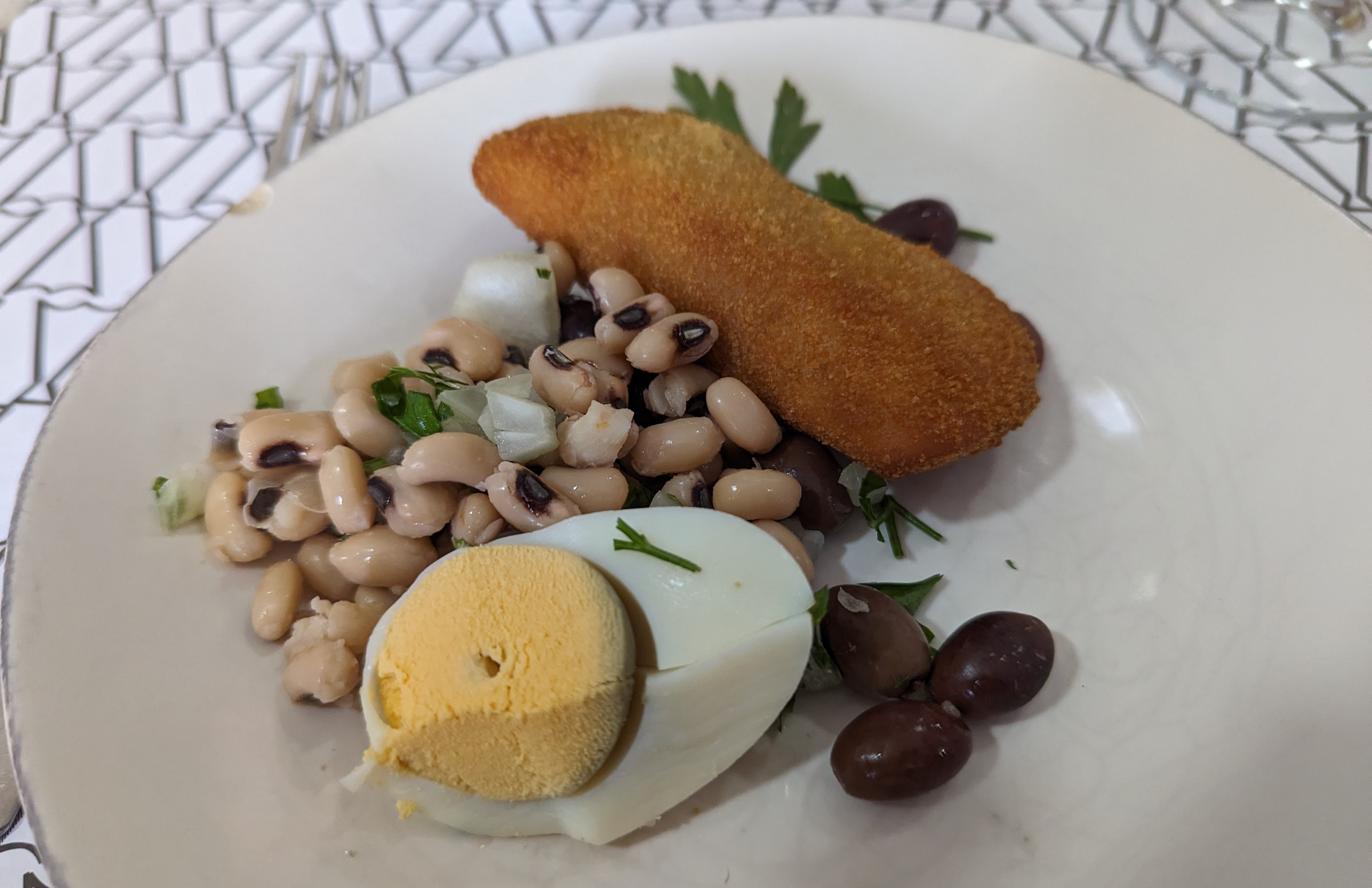
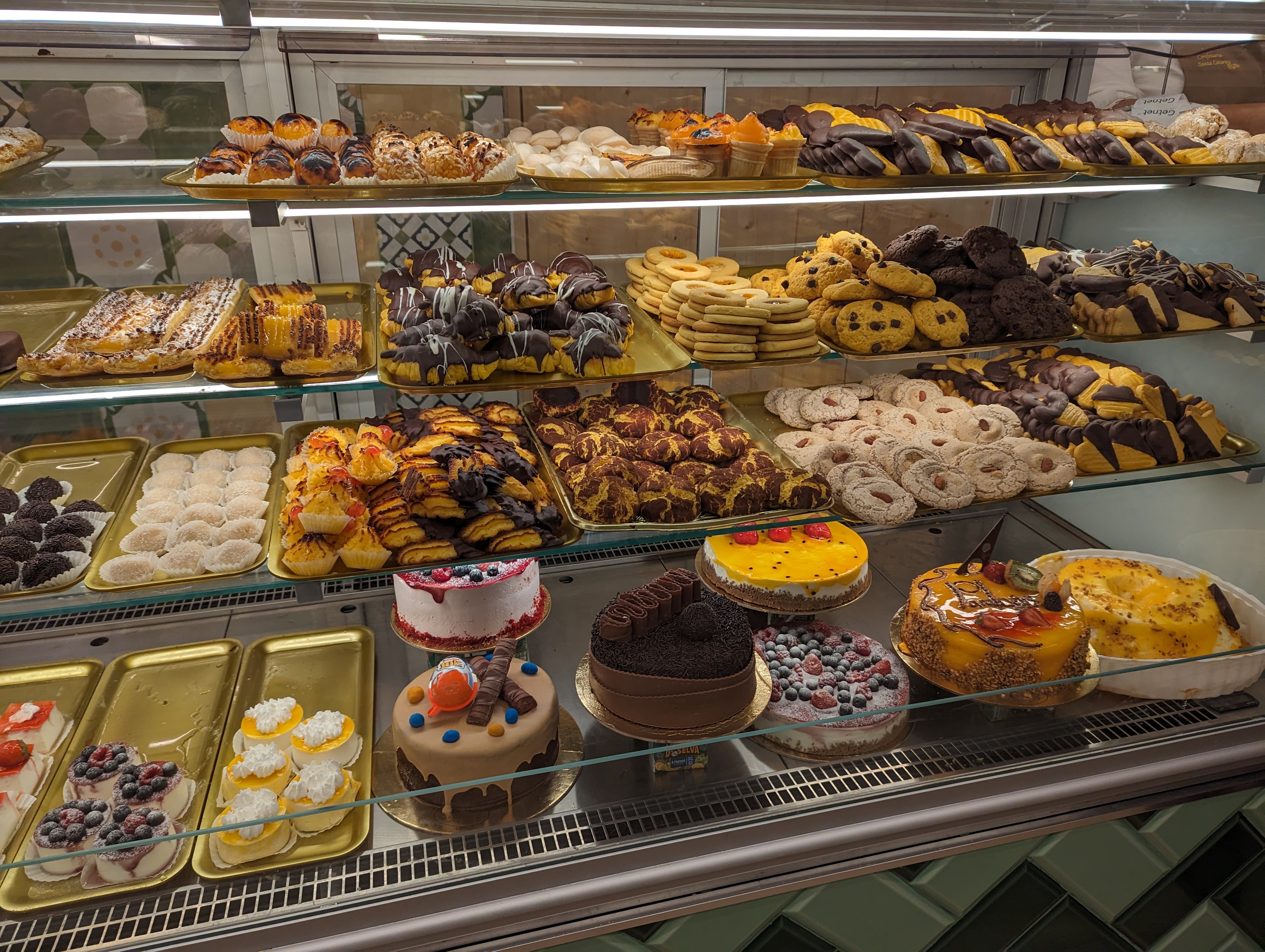
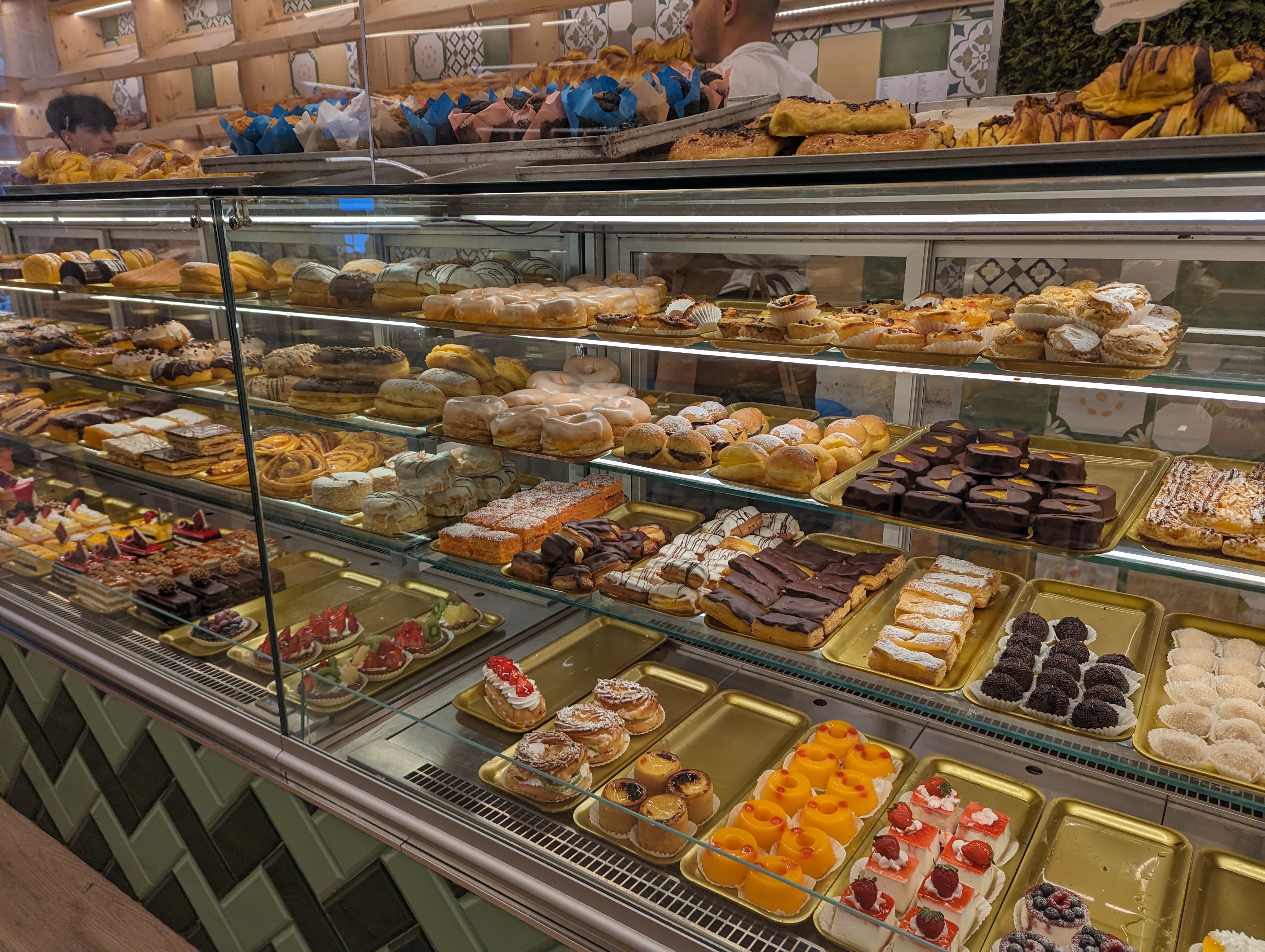
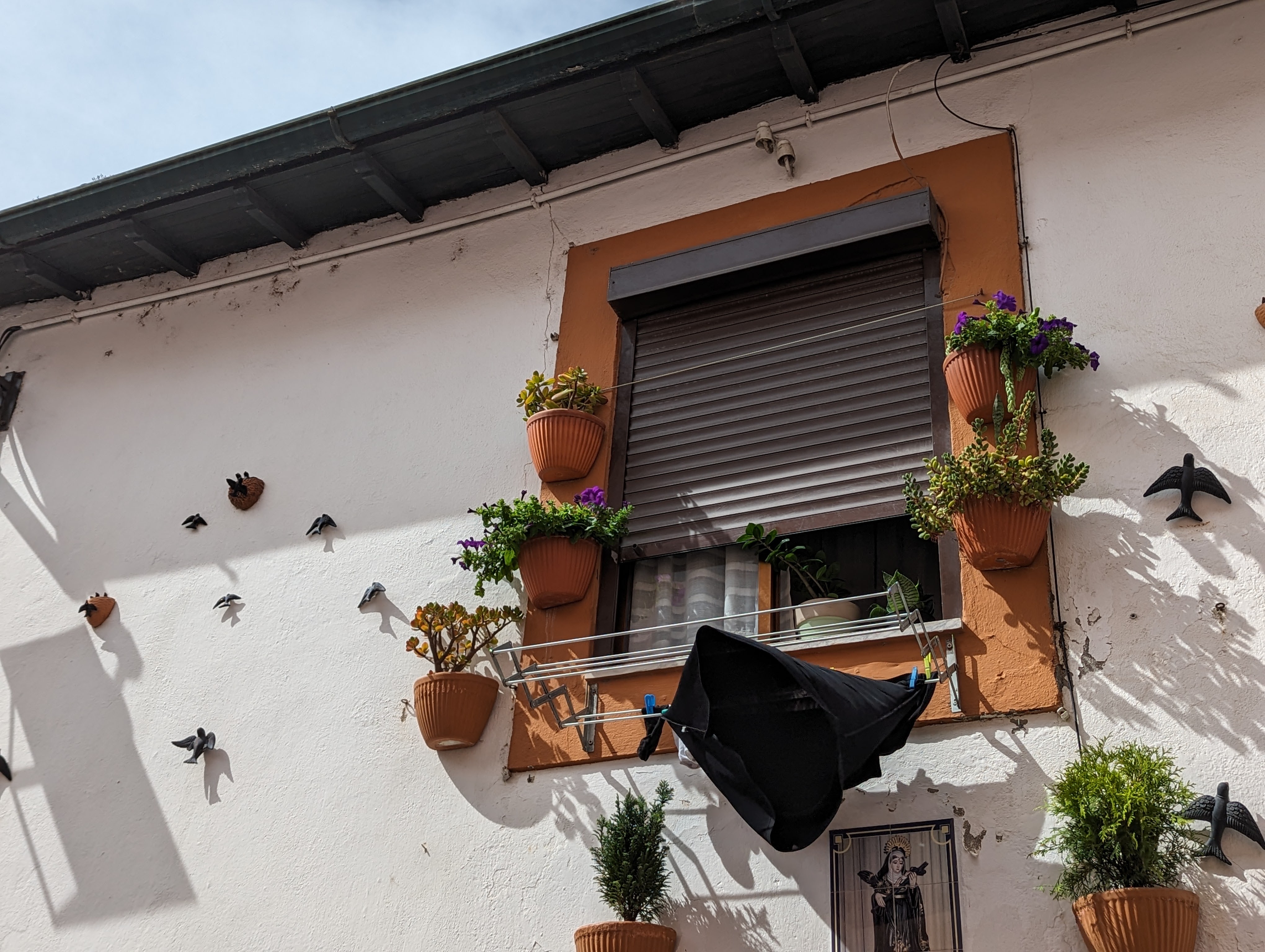
The photos from the Porto Food Tour reappeared – how I do not know. They really belong with last week’s blog; however, they could be of interest. Included are additional photos of the port wine cellars (old cellar, entrance, port that was offered for tasting); the food that was offered during the tour (Franceschina saucing, the fish alternative to the traditional Franceschina, a display of the pastries we discovered and the demolished sausages) and traditional buildings, including the swallows that appear on walls, internal and external with the friendly meaning of ‘welcome and please return’.










Walking between cafes



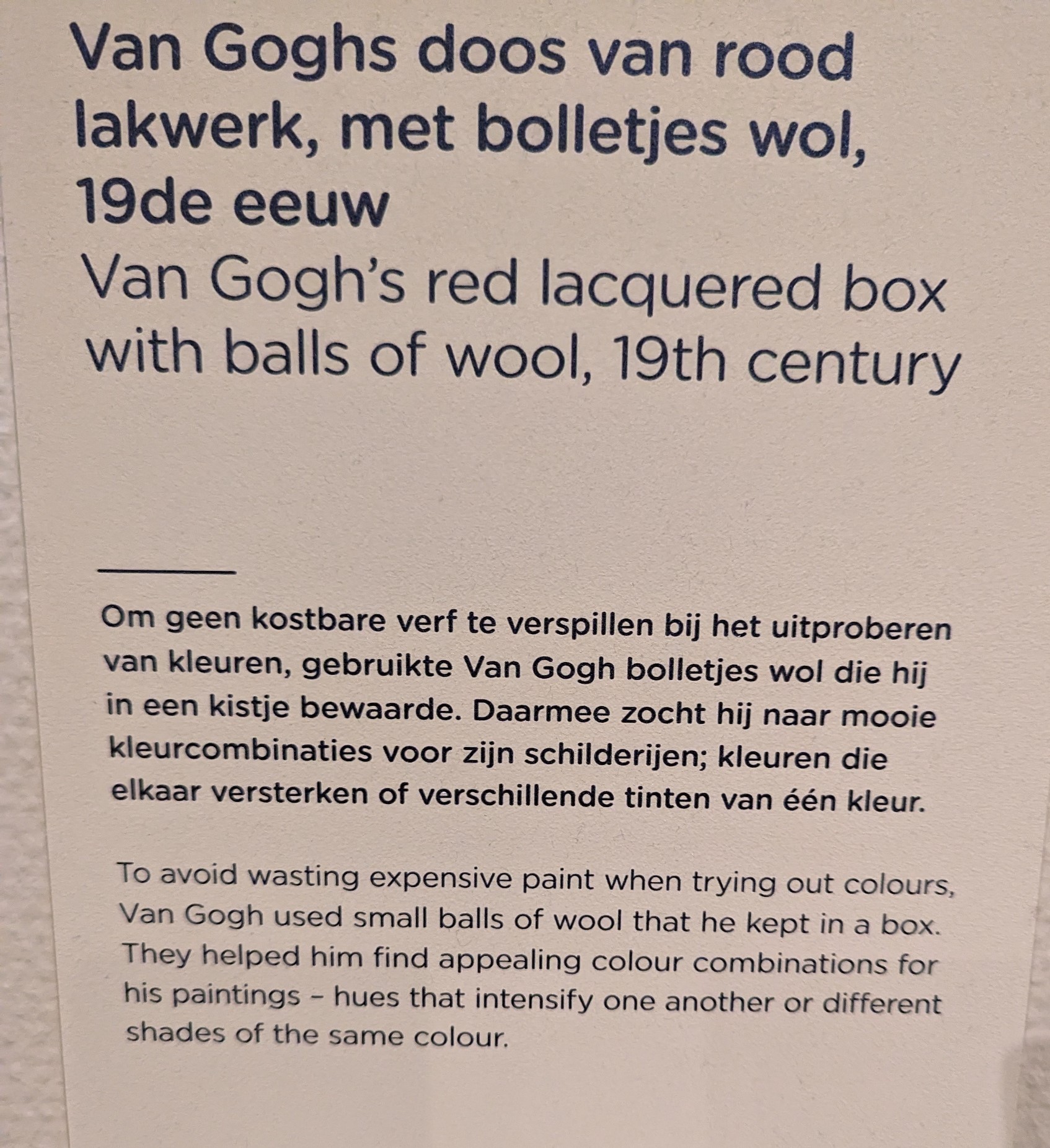
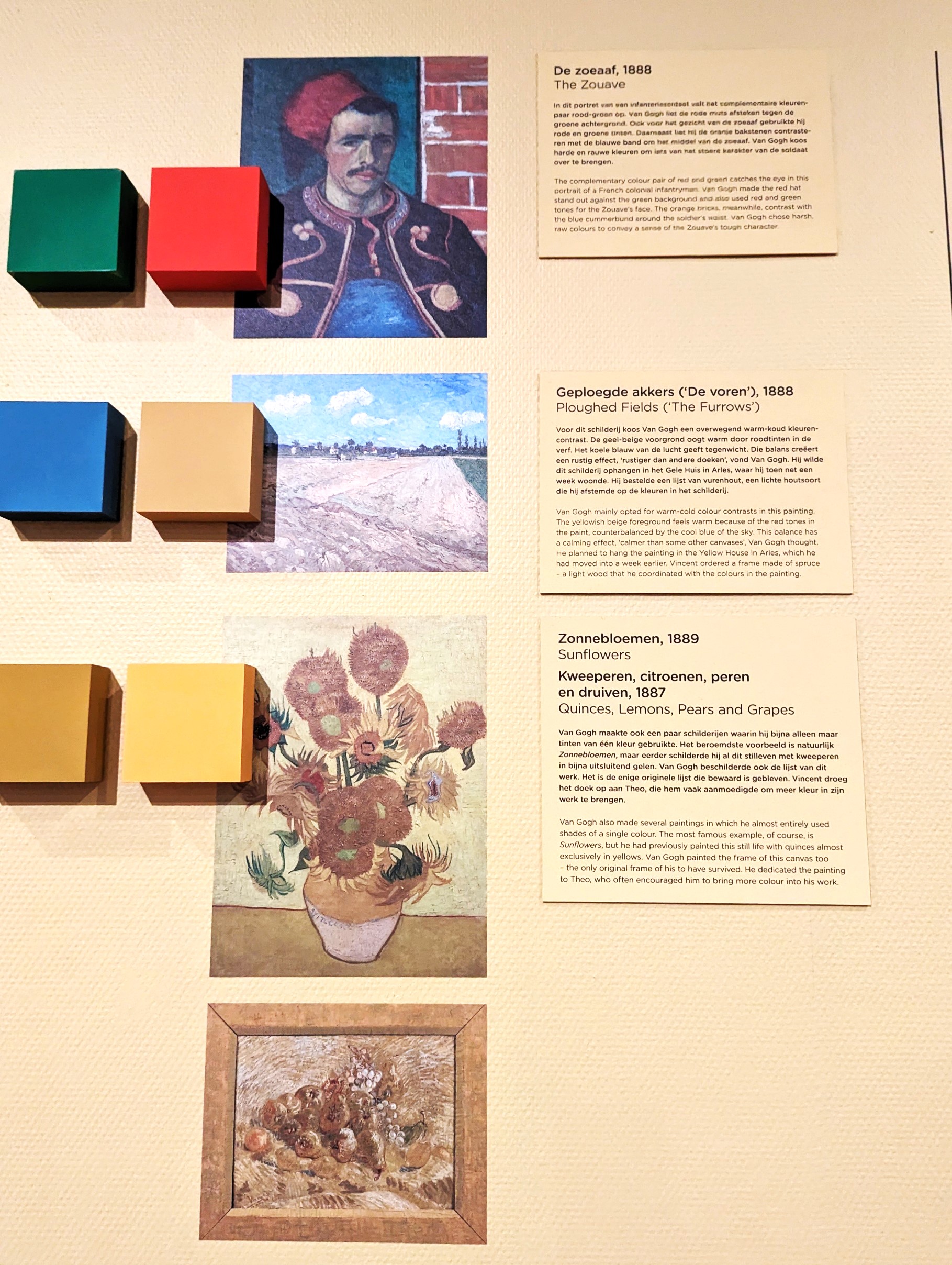
Van Gogh Museum
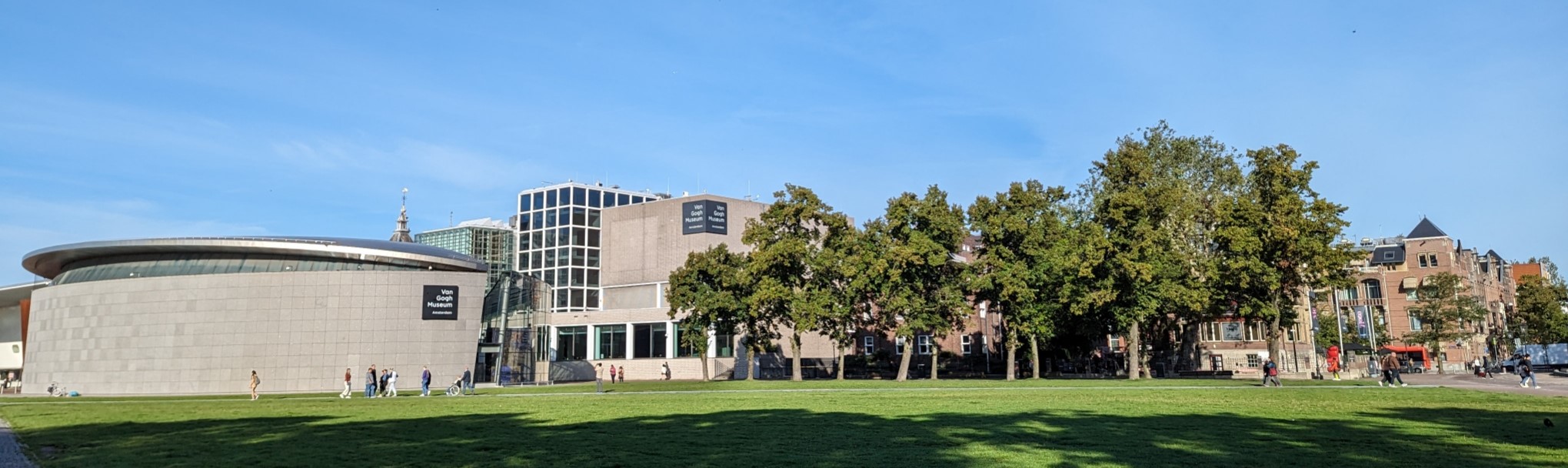
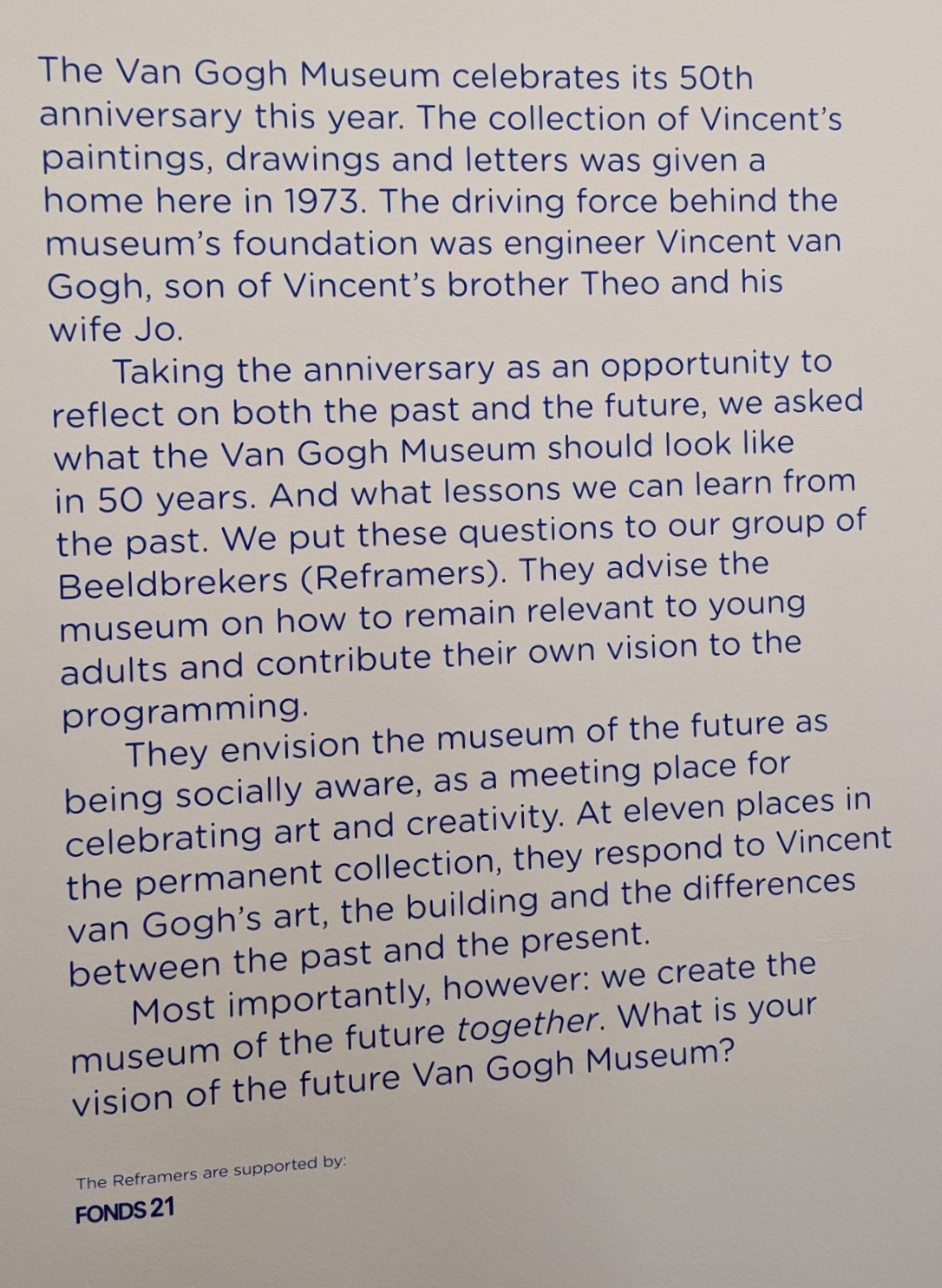
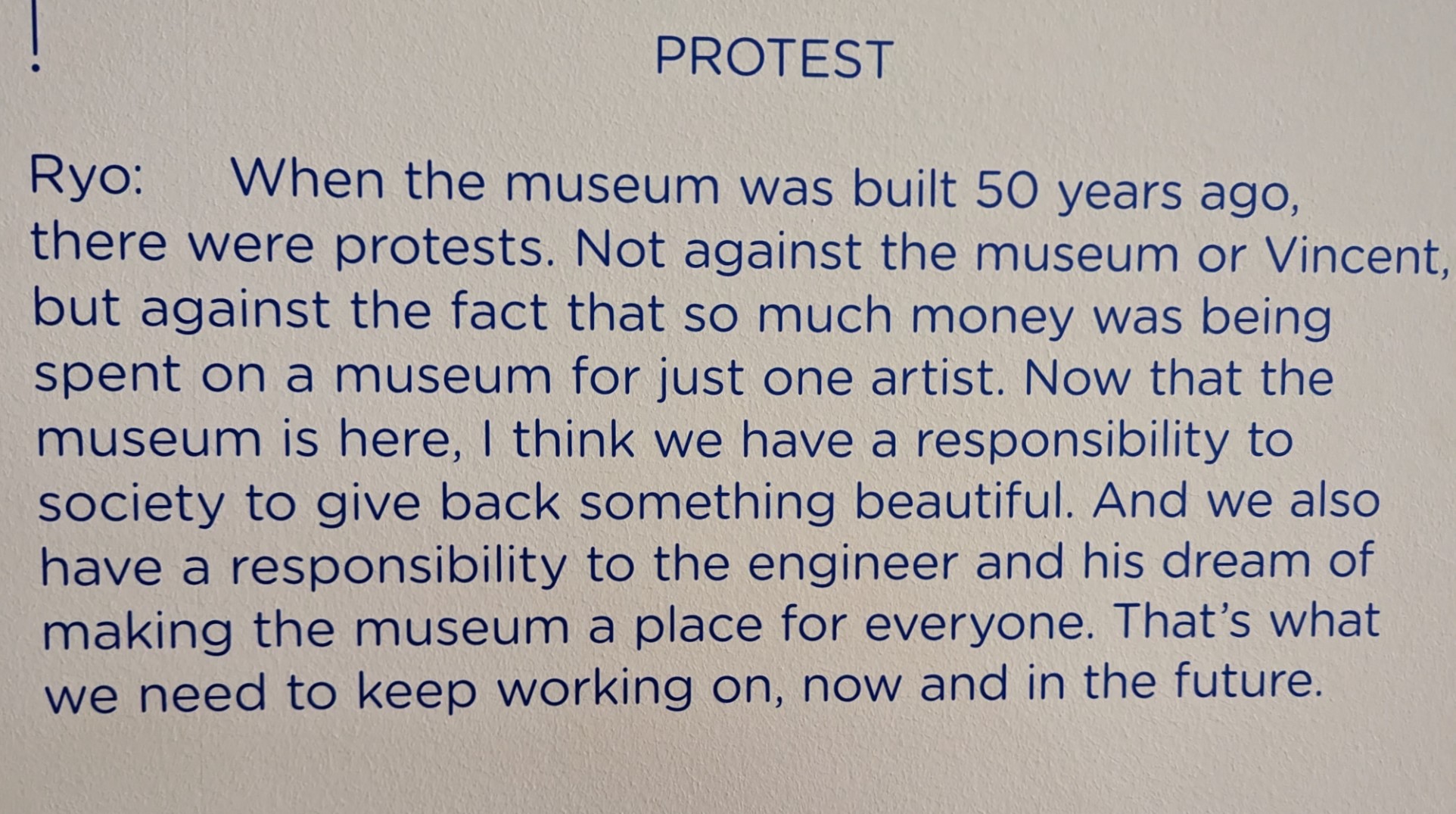
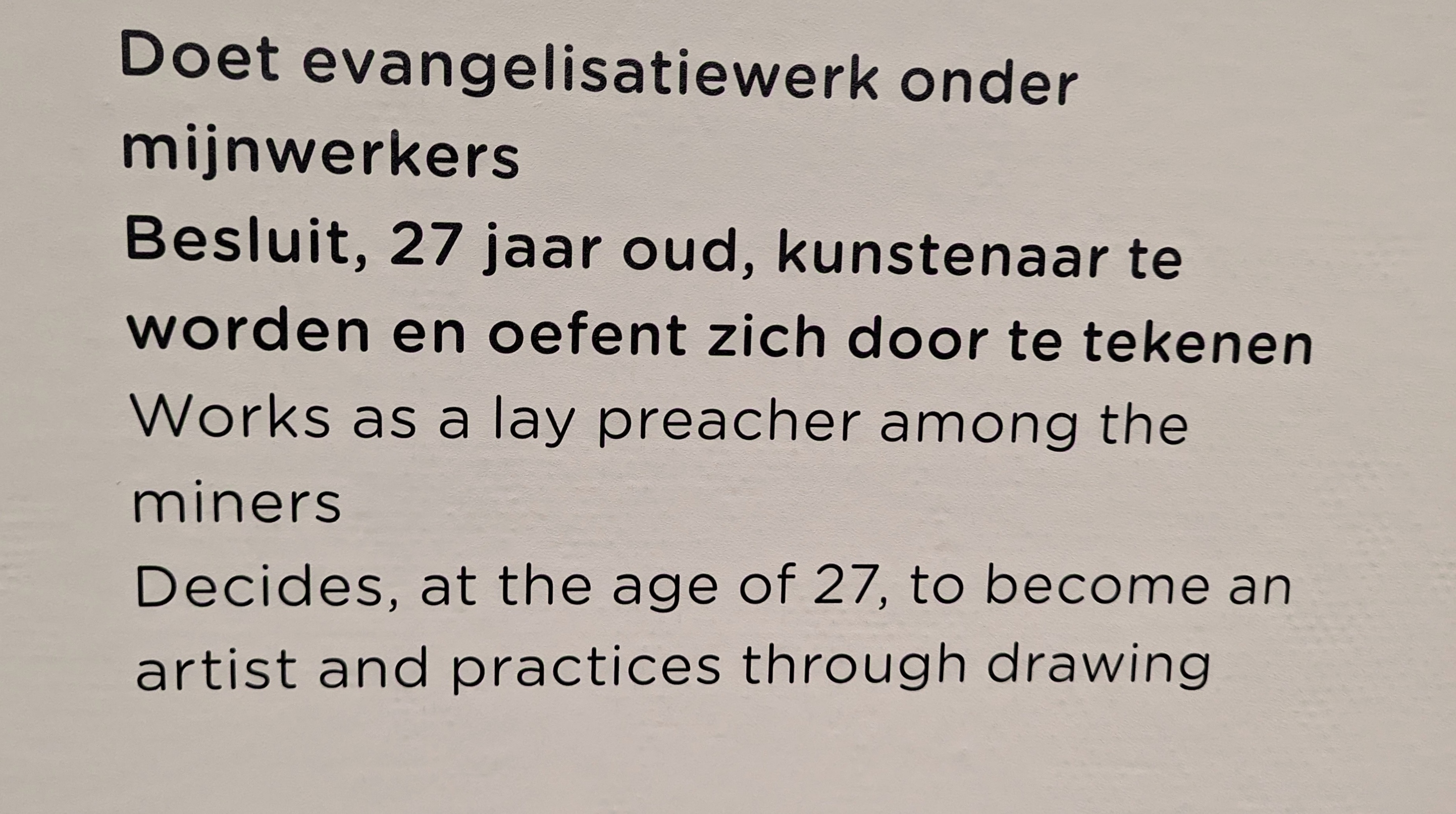

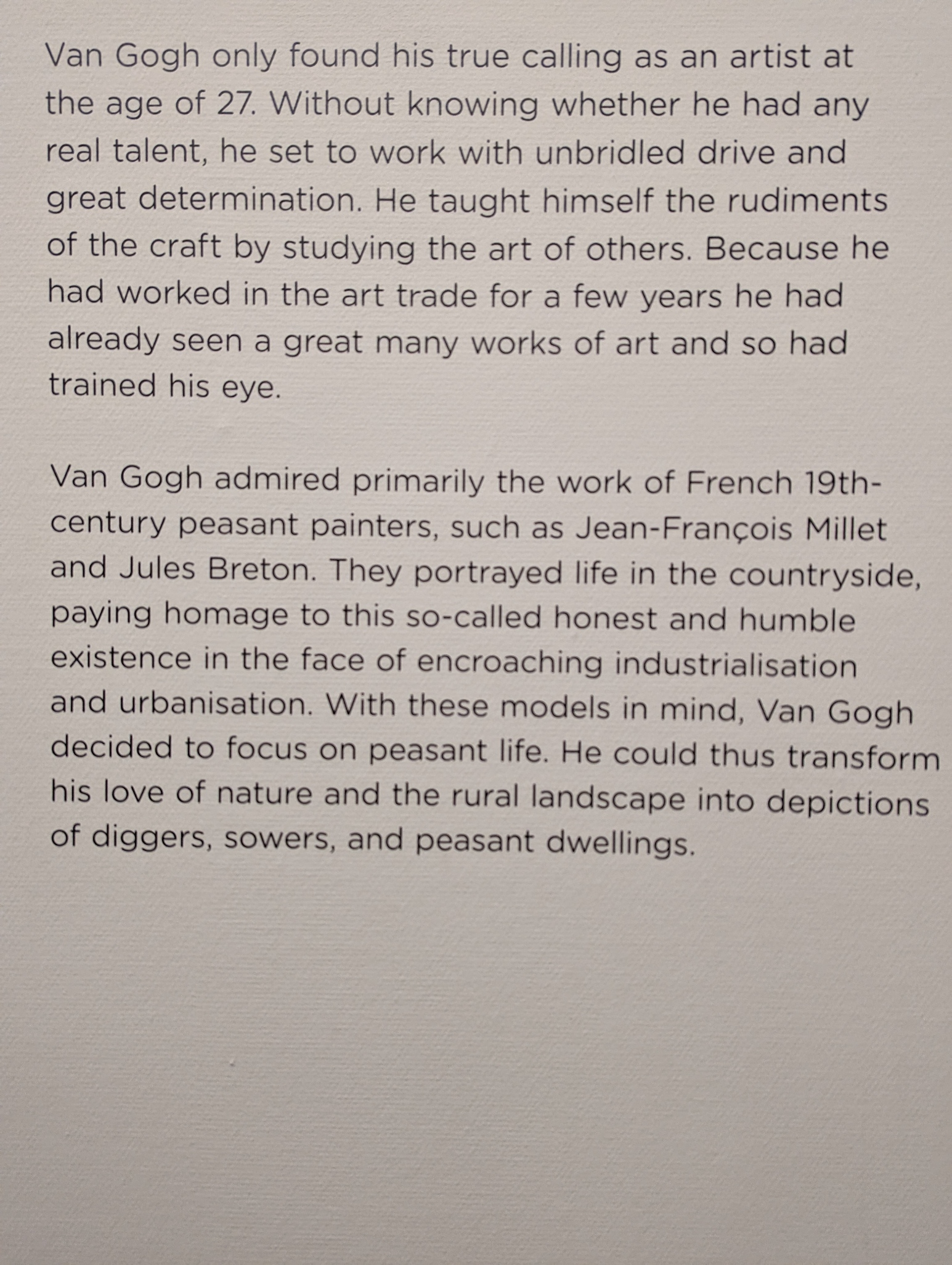


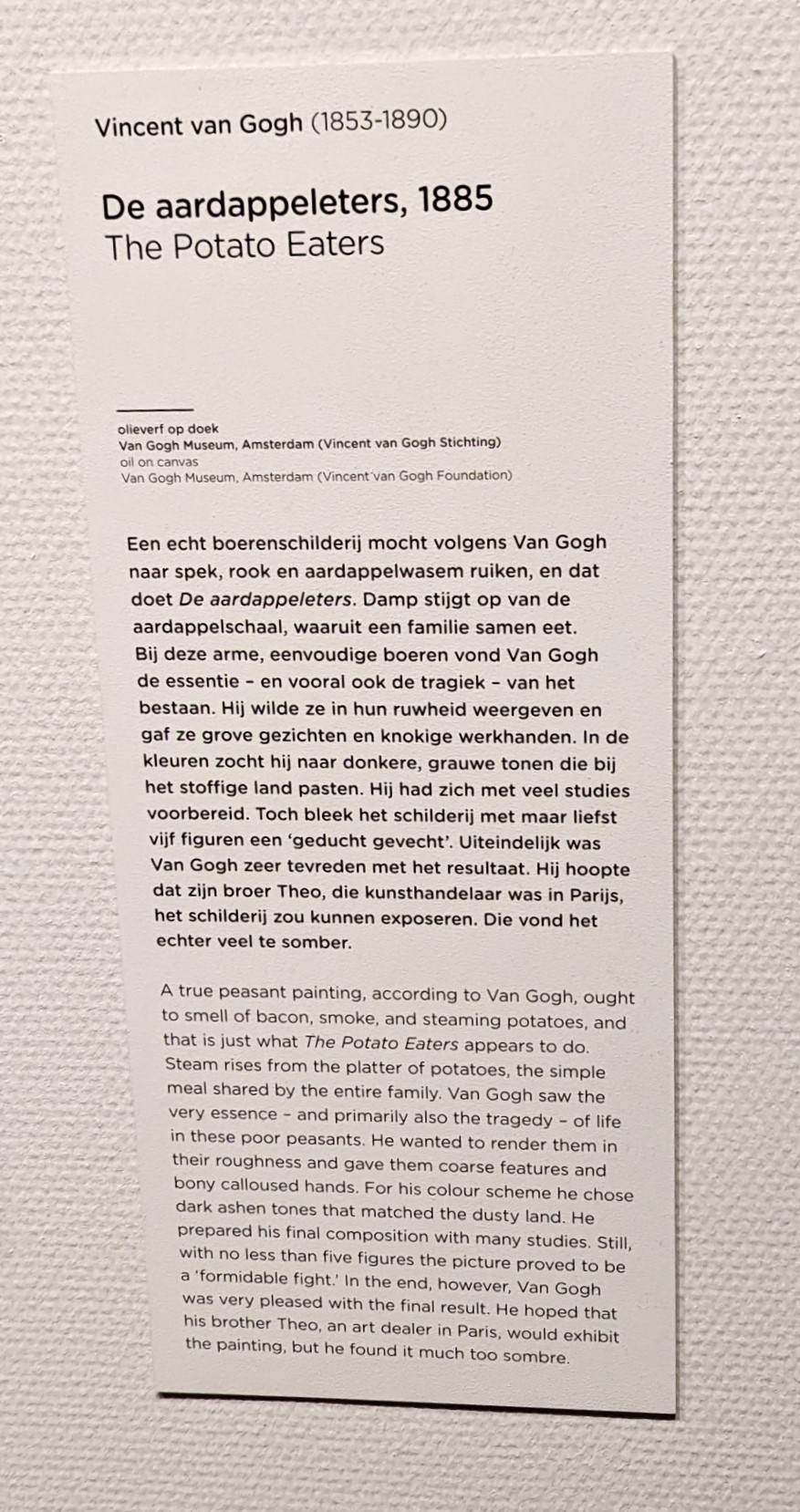


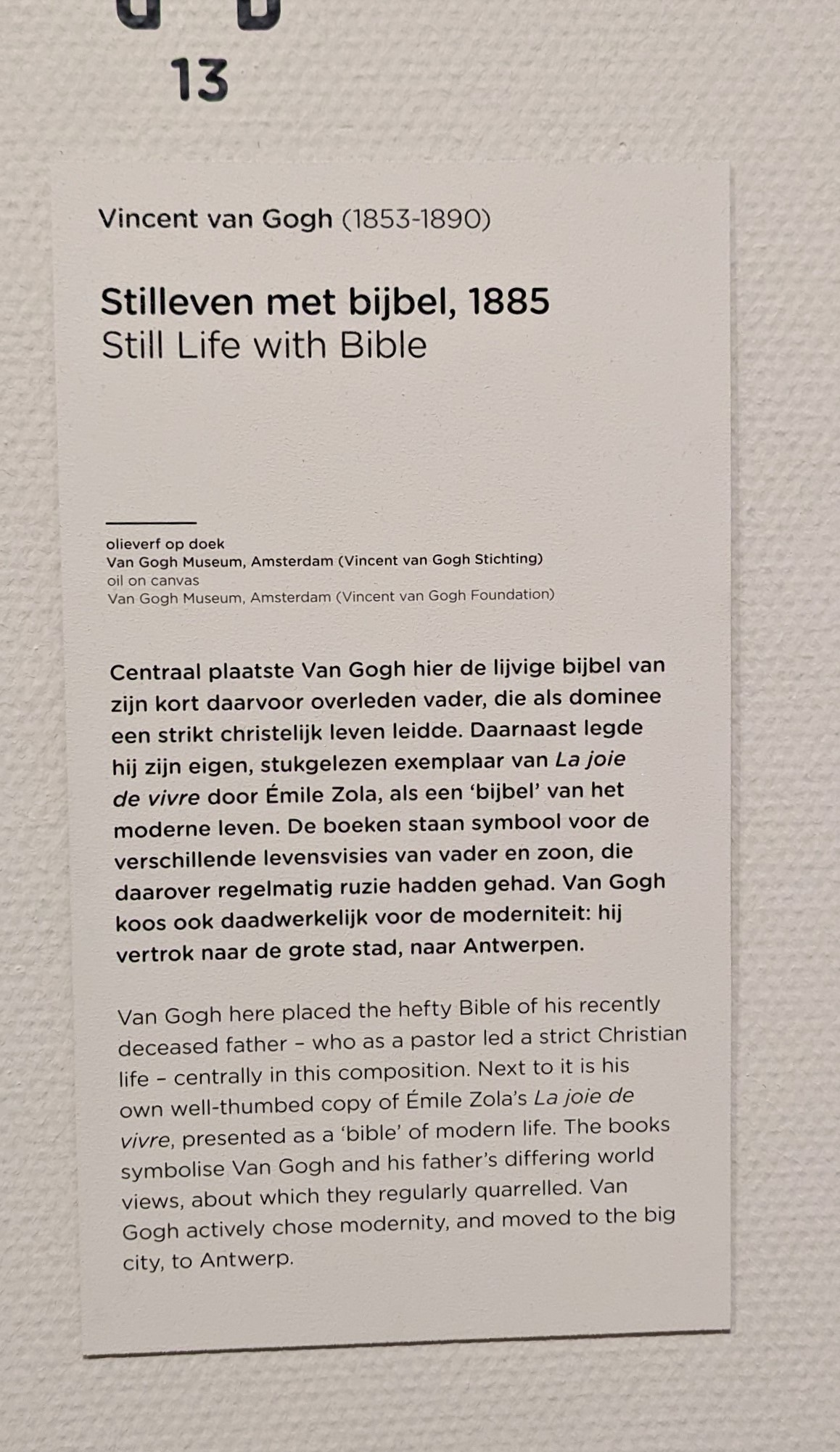

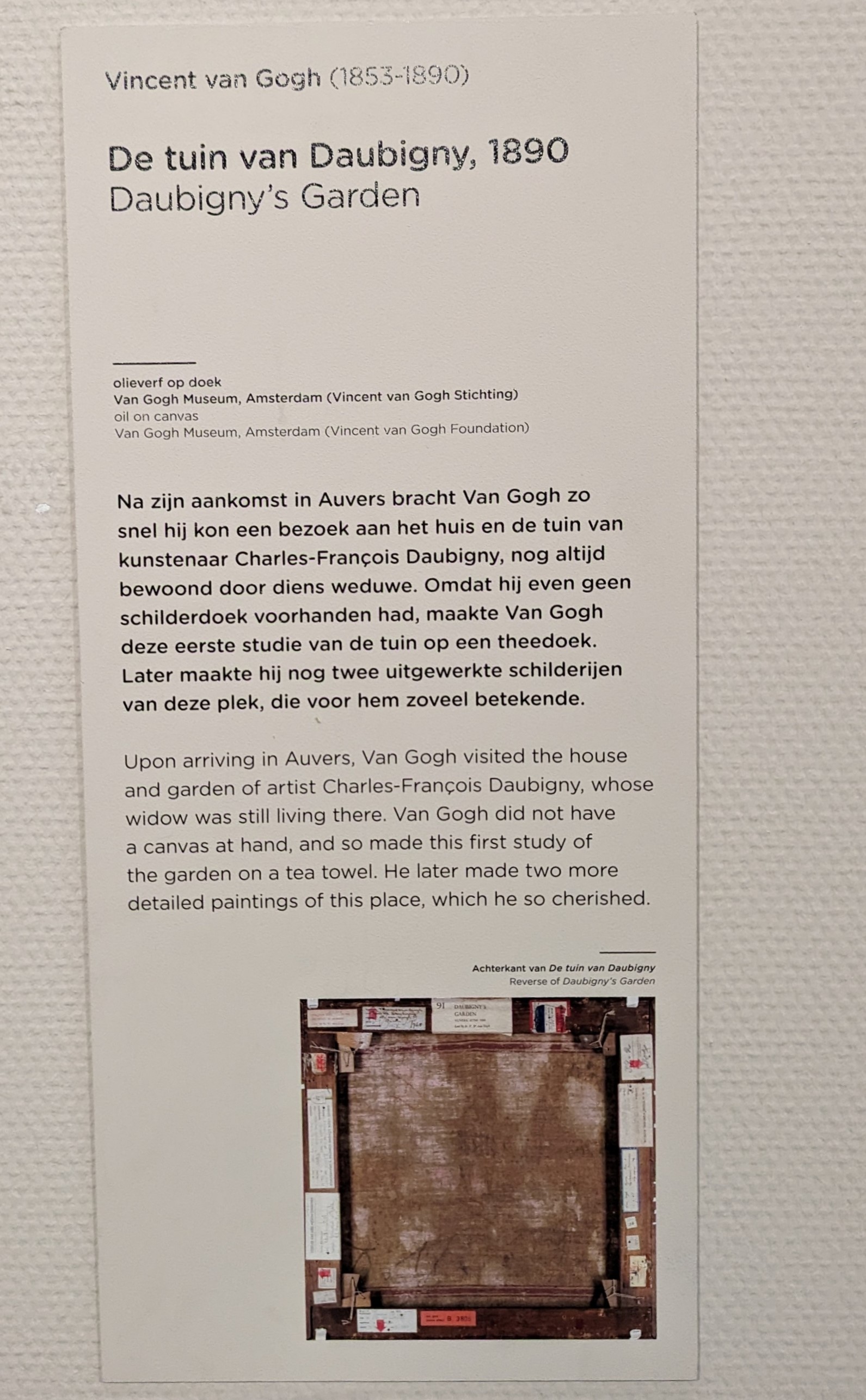
Van Gogh used a tea towel (see accompanying information) for his first painting of Daubigny’s Garden as he did not have a canvas!


The Hague
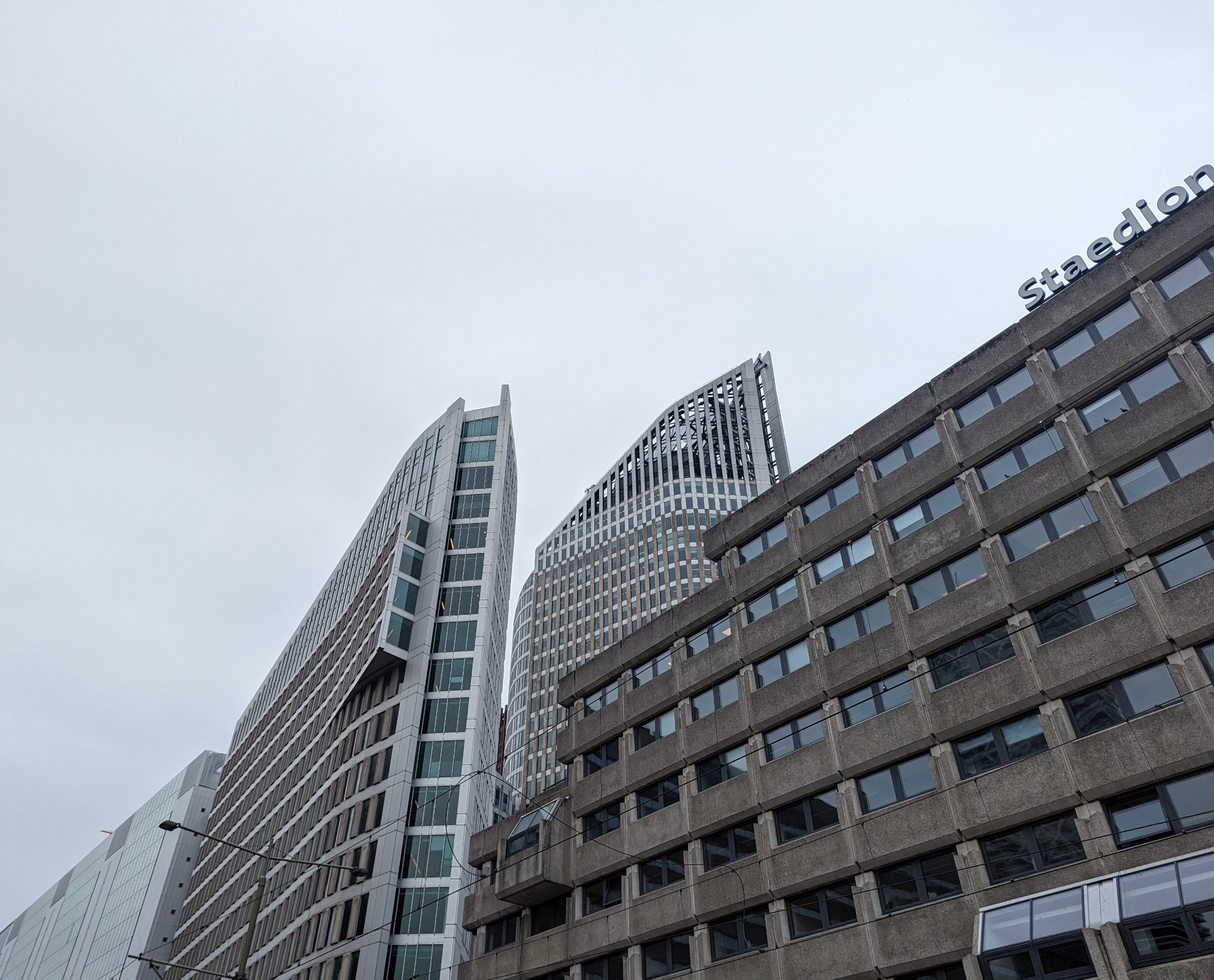
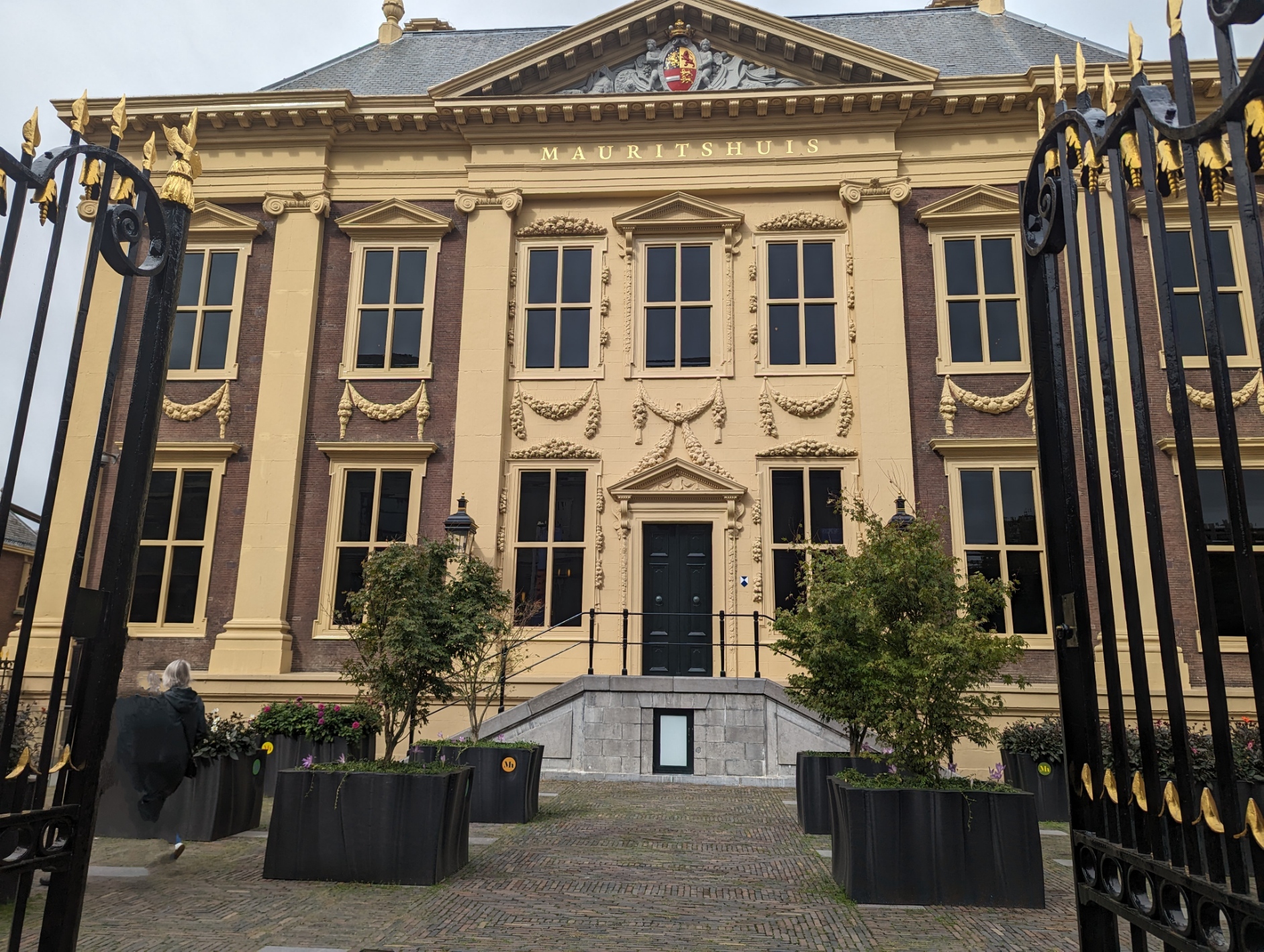
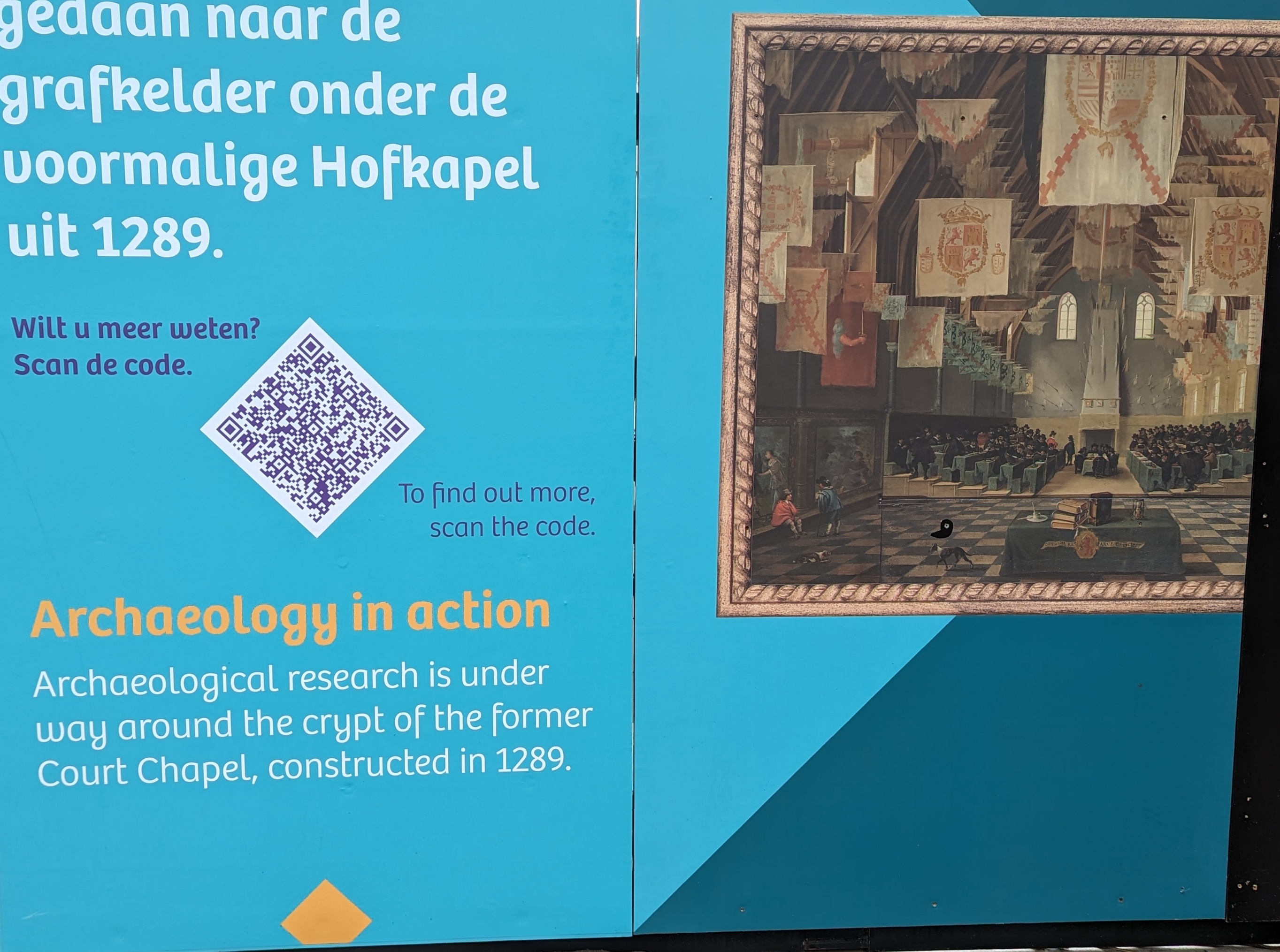
We took a short train trip to The Hague, visiting the Peace Palace (closed, but an impressive building) and admiring the combination of old and new architecture.


Peace Palace


Eurostar Amsterdam to St Pancras, London via Brussels
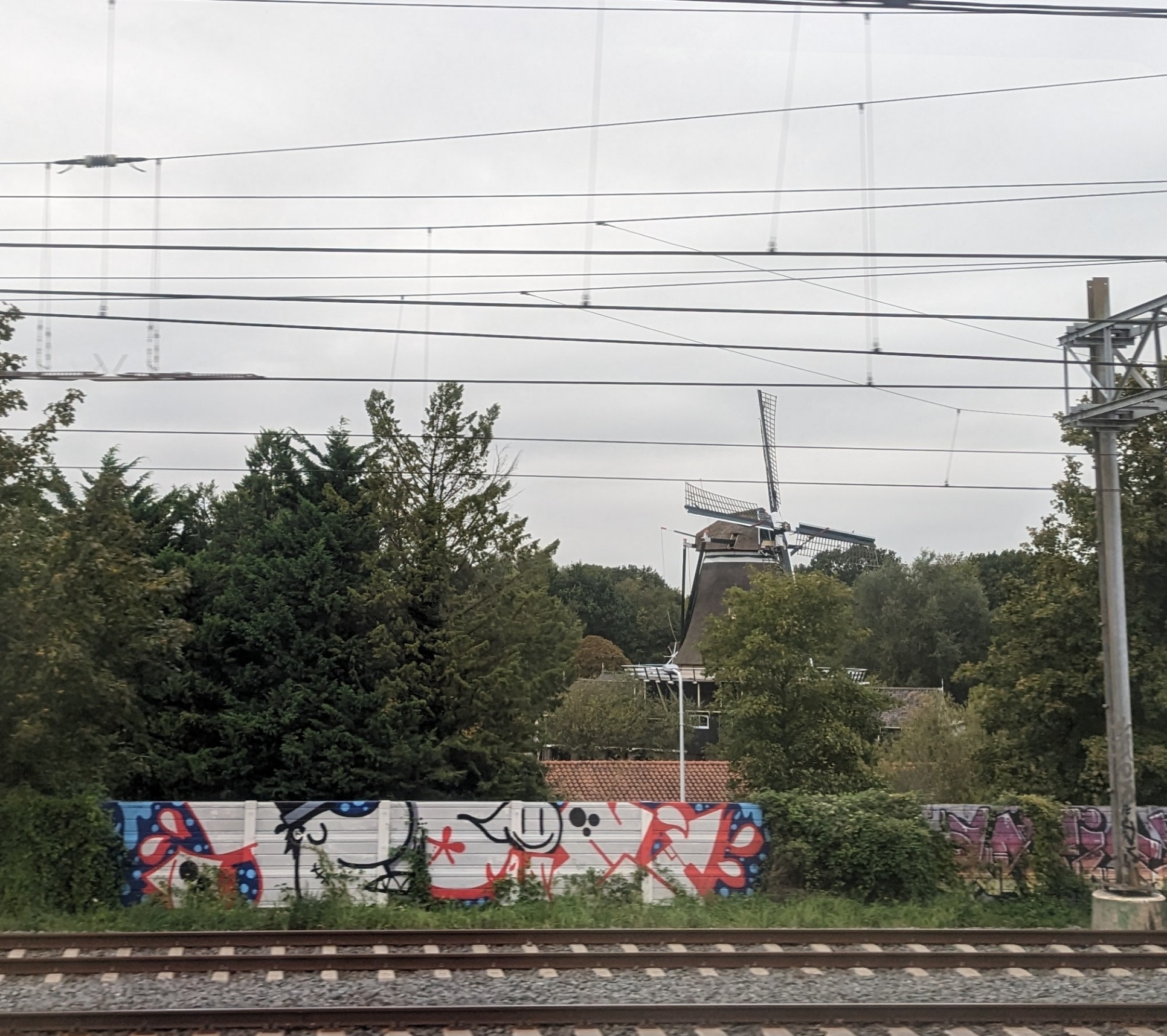
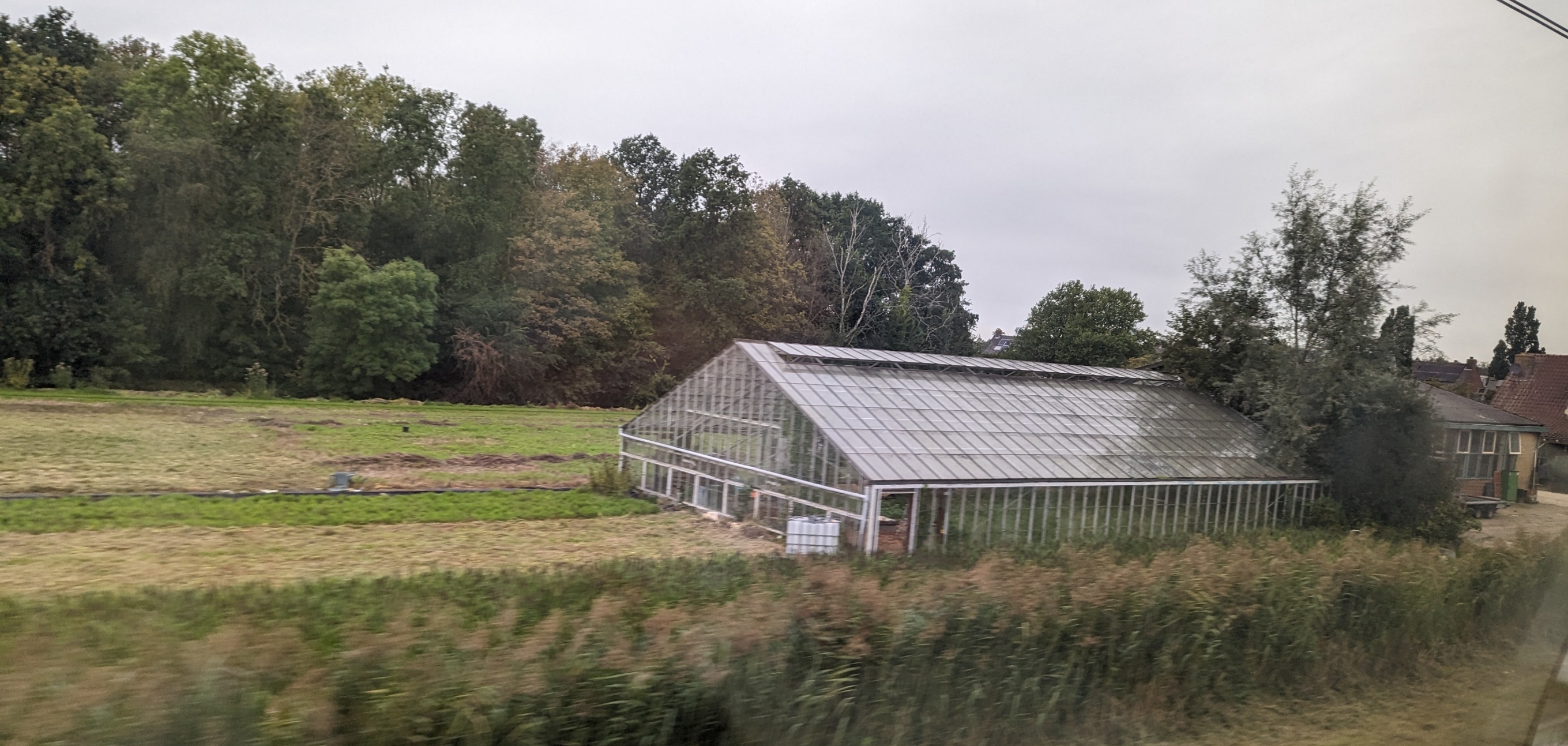
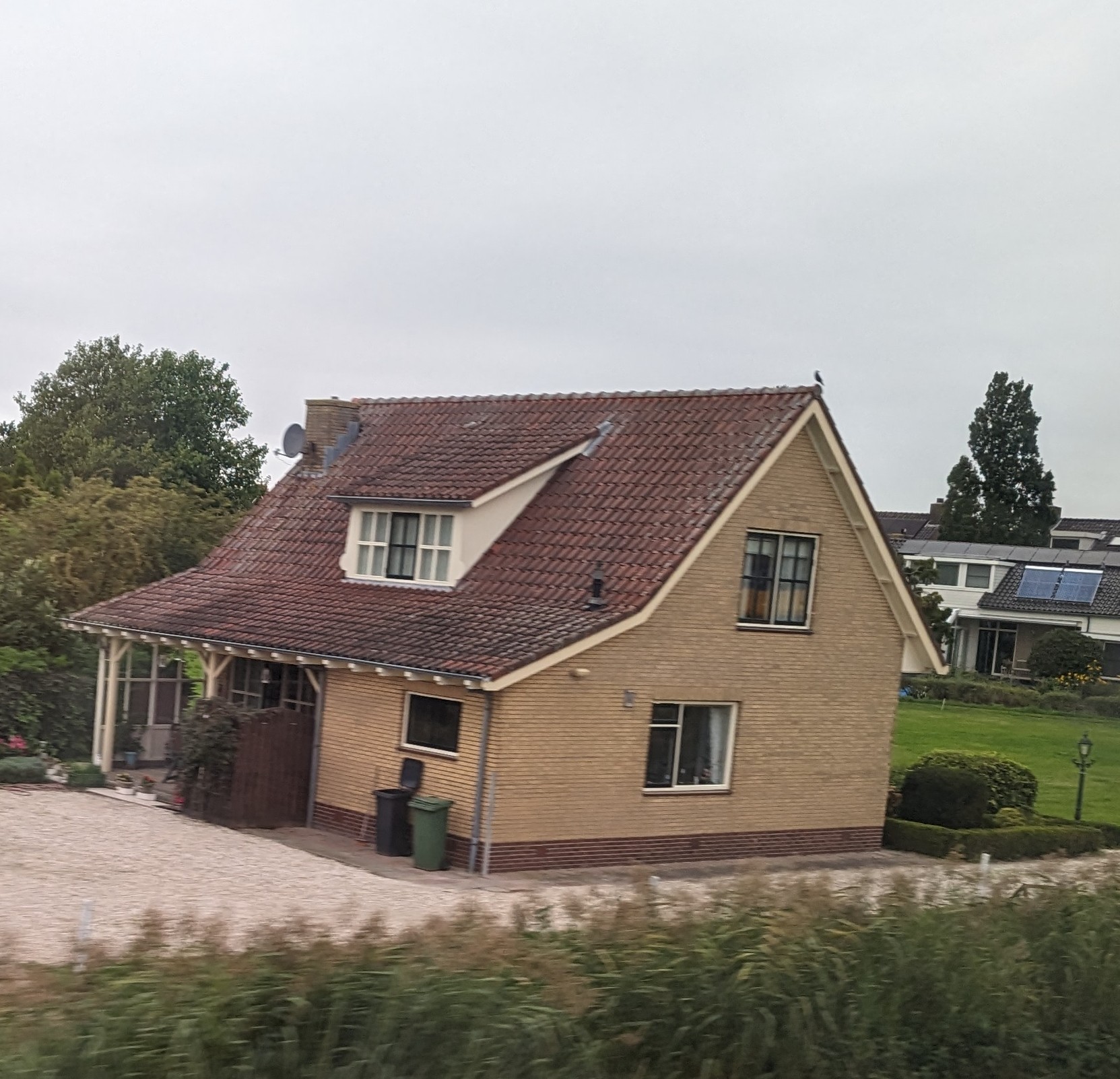
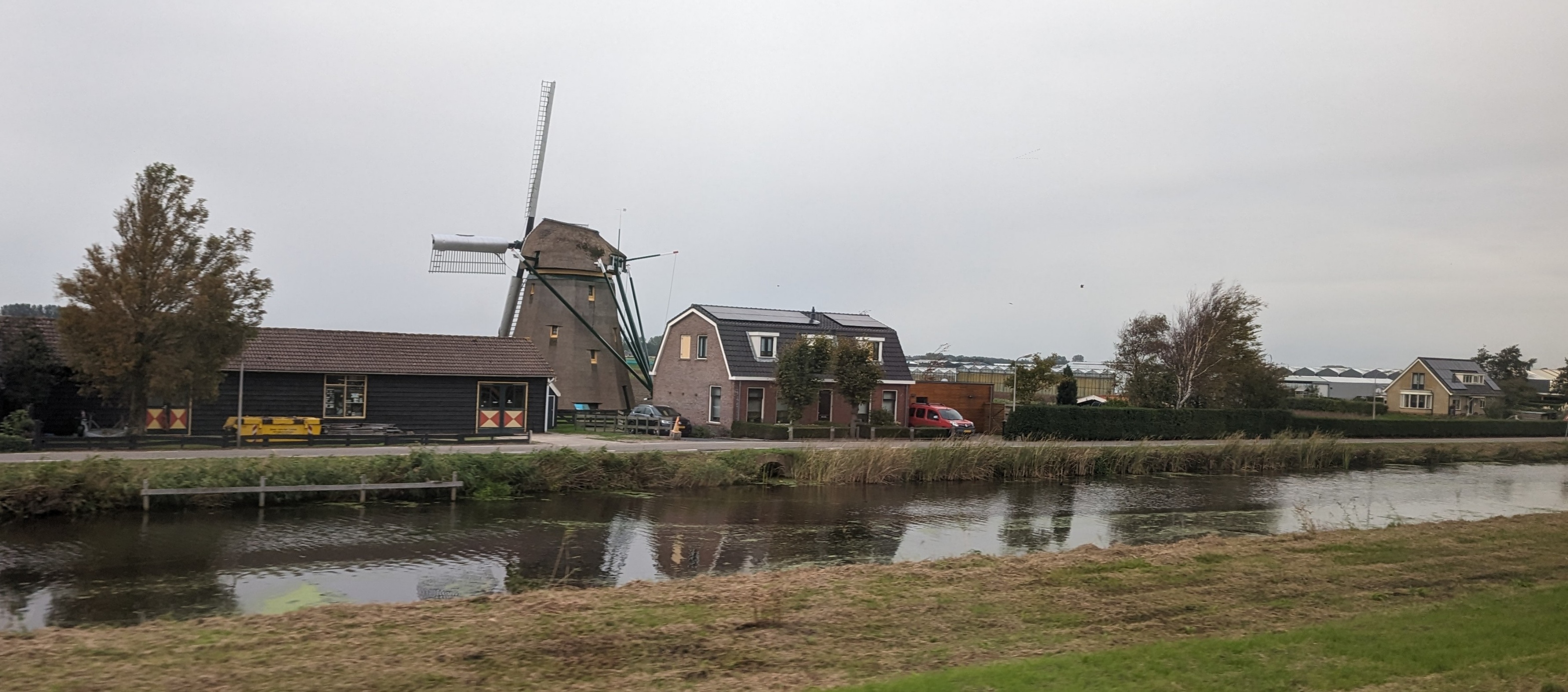
The Eurostar trip between Amsterdam and London passed through some tulip gardens and the photos below give a small insight into the travel by this really comfortable means. Although there has been a long queue each time I have travelled Eurostar, it is a great alternative to air travel for the short distance. This time we had one change, at Brussels, but this was easily accomplished because the signage is so clear.



Sunflowers for Ukraine – singers on the River Douro
 Robin's Room