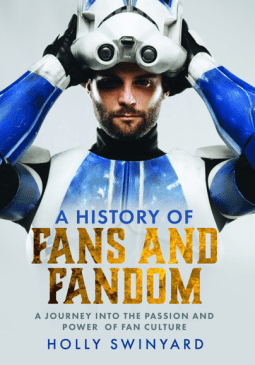
Holly Swinyard Fans and Fandom, A Journey into the Passion and Power of Fan Culture Pen & Sword, White Owl, March 2024.
Thank you, NetGalley and Pen & Sword, for providing me with this uncorrected proof for review.
Holly Swinyard’s Fans and Fandom, A Journey into the Passion and Power of Fan Culture, is an excellent read for both those who are currently involved in the journeys she describes, and those whose knowledge of fandom is limited to attending a rock concert or sports event, some vague knowledge of Star Trekkers and possibly having some interest in fan fiction. I am in the latter group and realise that my knowledge is far from profound on this complex topic. Swinyard certainly brings one up to date, sometimes with a frightening jolt. In her well-researched text Swinyard demonstrates that a somewhat benign attitude to fandom is misplaced. See Books: Reviews for the complete review.
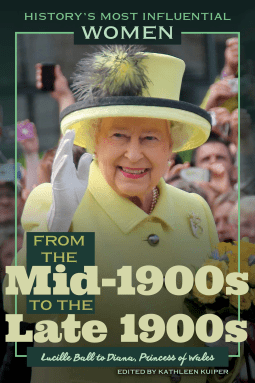
Kathleen Kuiper From the Mid-1900s to the Late 1900s (Part of History’s Most Influential Women) Rosen Publishing Group, Britannica Educational Publishing, January 2024.
Thank you, NetGalley for providing me with this uncorrected proof for review.
The introduction is well written, clear and informative. Similarly, each short section provides a clear excerpt from each of the women’s lives it portrays. Concentrating on the women’s accomplishments, rather than a far-ranging biographical note in most cases, this provides for a detailed account of one aspect of the women’s lives in the short amount of space each is given. As such, From the Mid-1900s to the Late 1900s, provides a good start for students to find a woman whose achievements interest them, encouraging them to then seek further information. This is a worthy work, although somewhat limited in depth, and bound to inspire students – after all, achievements are an excellent to introduce any person, of note, or indeed, less historically influential. In addition, the women who appear provide for a large range of interests to be followed up. Queen Elizabeth 11 adorns the cover, but inside can be found women whose attributes are remarkably different. See Books: Reviews for the complete review.
After the book reviews: The Weird Sister Collection – How a Feminist Blog is Born; Netflix research on Australian television watching habits; Dunkley By-election; Women in Jazz- IWD; Dervla McTiernan talk at ANU; Changes around Māori language; Penny Wong congratulated by Anthony Albanese; Arwa Mahdawi, The Guardian; Susan Ryan Oration.
How a Feminist Blog is Born
An exclusive excerpt from “The Weird Sister Collection,” edited by Marisa Crawford.
I didn’t deign to call myself a feminist until I was nineteen years old, in my second year of college. Before then, I just wanted to be a writer. Reading Judy Blume and the Baby-Sitters Club books obsessively as a kid, I decided I wanted to be an “author” when I grew up, and started writing my own poems and young adult novels in fourth grade (a baby poet at heart, I could never get past chapter two). “Feminist” was a word I rarely heard growing up. If I did, it was mentioned with suspicion at best and disdain at worst. My first encounter with feminism as not purely negative came at fourteen, when my friend’s dad took us to a feminist vegetarian bookstore and restaurant in Bridgeport, Connecticut, called Bloodroot (it’s still there; please go). There, customers brought their own used dishes up to the counter in an apparent rejection of female subserviency that set off a little spark in my brain about the roles of women in the world around me, even if we sort of made fun of it after we left. I bought a bumper sticker that said “Vegetarians Taste Better,” uncertain if the sexual undertone was intended. I also bought a book of poems called Used to the Dark by Vicky Edmonds, a totally obscure small-press work, but the sole example I had at the time of what might be called feminist poetry. Of course, I wouldn’t have used that shameful word, “feminist,” to describe Edmonds’s book—maybe “writing by a woman about the dark parts of how it feels to be a woman,” like so much of my favorite music was? Weird, outspoken women artists like Tori Amos and Ani DiFranco and Courtney Love, who all my boyfriends and boy friends made fun of.
In college when I finally started calling myself a feminist—after meeting cool feminist friends who were nothing like the humorless stereotypes I had been warned about, and who told me I needed to throw out my bleached tampons and listen to Le Tigre and take women’s studies classes—I wanted desperately to make up for lost time, realizing that my whole life had been missing this essential perspective. So I read any and all feminist media I could get my hands on: I borrowed Inga Muscio’s book Cunt from a friend and read it along with every issue of Bitch magazine. I declared a minor in women’s studies and took classes where I learned about intersectionality, agency, privilege. .
In my creative writing classes, we never talked about those things; in my first workshop that same year, the MFA student instructor was so infectious in his excitement about literature that I didn’t even notice the syllabus he handed out had zero women writers on it until another female student in the class pointed it out—I was too busy becoming obsessed with Frank O’Hara’s Lunch Poems. Slowly I learned about feminism on a parallel path just next to the one where I was learning about how to be a writer. But I couldn’t quite figure out how these two spaces could coexist, let alone collide, and how on earth to go about building my own life within that collision.
Years later, I started the blog Weird Sister in 2014 because these two worlds—the feminist world that was incisive and inclusive, and the literary world that was performative, tongue-in-cheek, and experimental—still felt far too separate to me, even as I entered my thirties. In college, I’d started to see glimpses of the intersections between them: in women’s lit courses where we read Jamaica Kincaid, Toni Morrison, Maxine Hong Kingston, June Jordan, Gloria Anzaldúa. I went to see Eileen Myles read for extra class credit. I found Arielle Greenberg’s Small Press Traffic talk “On the Gurlesque” on the internet one night. Each piece of the feminist literary puzzle I learned about blew my mind all over again, and it occurred to me that there was not just one right way but many, many ways to be a feminist writer.
All these rich lineages of literary work and activism were out there, but where were the spaces outside of academia for people to come together to think and talk about them? From the mid-2000s into the 2010s, the blogosphere was where people talked about things. After college, I discovered the blog Feministing and made it my computer’s homepage so I wouldn’t forget to read it every day. That blog—along with other feminist blogs of that era like Crunk Feminist Collective, Everyday Feminism, Black Girl Dangerous, Tiger Beatdown, Racialicious, and the Women’s Media Center blog—offered supersmart, inclusive takes on politics and pop culture in an accessible, conversational tone that helped me and so many other young people better understand the world. But they didn’t often include literary content—how could they, strapped as they were with the task of breaking down the entire world for young feminists, and payment-free at that? When these spaces did cover books, they were more commercial publications, not the niche within-a-niche world of experimental poetry where I had found my home as a writer.
At the same time—but in a separate sphere—lit blogs were where my particular literary world found community and dialogue on the internet. On blogs like HTMLGiant, Coldfront, The Rumpus, and We Who Are About To Die, poets and experimental writers wrote and read about the small poetry presses and underground literary culture that rarely got covered in larger venues. I remember reading some posts that addressed feminist issues by writers like Roxane Gay and Melissa Broder, then still aspiring writers themselves, but more often I read a lot of posts by cis white men that were interesting, insightful, and funny but lacked the political analysis I was looking for about how poetry related to gender and race and the other aspects of identity and power that mattered most when it came to living in the world.
These indie lit blogs were mostly edited by men and featured long rosters of mostly male contributors, mirroring the gender disparities of more mainstream literary publishing outlets and gatekeepers of the time. Of course there were, thankfully, some exceptions. Pussipo (later renamed HemPo), a collective of 160 feminist poets, started the blog Delirious Hem in 2006, which featured feminist poetics forums, roundtables with feminist small presses, feminist poets writing about everything from rape culture to movies, fashion, and fitness (“It’s a blog, it’s a poetics journal, it’s a platform. From time to time, a post will appear,” reads the description on the now archived Blogspot website). In 2009 I was forwarded a mass email from poet and professor Cate Marvin called “Women’s Writing Now!” which began “Dear Female Writer.” The email—which explained that Marvin’s panel proposal on Contemporary Women’s Poetry had been rejected by the annual writing conference AWP, while the conference regularly accepted proposals on topics unrelated to women (Birds in Poetry, for example, stands out in the mind from my own years of attending)—was a rallying call for the creation of a whole new organization dedicated exclusively to women’s writing. As a result, Marvin, along with Erin Belieu and Ann Townsend, soon founded VIDA: Women in Literary Arts, and in 2010 the organization began, among other vital literary projects, their annual VIDA Count to draw attention to gender disparities in publishing. With the Count, VIDA was not just critiquing inequities in literary culture but also holding institutions and gatekeepers accountable to do better in a very clear, measurable way.
But as Christopher Soto writes in his piece “The Limits of Representation” (page 113), equity in numbers, while hugely important, is only one measure of progress. I still longed for an intentional, energetic, creative, and community-building space to fill in even just some of the lack of feminist literary commentary online, to bridge a bit of the gap between these two distinct worlds I inhabited, and to disrupt the white male lit-blog industrial complex with an explicitly feminist Blog of One’s Own. Boosted by the encouragement of a girl gang of feminist poet friends (special shout-out to Becca Klaver for helping me get the blog off the ground), I bought a web domain, went into a temporary and never-to-be-replicated fugue state wherein I designed a website, and asked a roster of the smartest, coolest feminist writers I knew to join me in launching Weird Sister. See Television,Film and Popular Culture: Comments for the complete article.
Netflix research shows what, where and why Aussies are watching TV (graphics slightly edited)
Louise Talbot
Feb 25, 2024, updated Feb 25, 2024
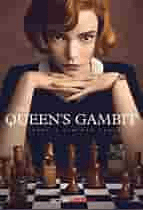
Chess-set sales skyrocketed after the release of The Queen’s Gambit. Photo: Wikepedia
In a research study looking at how Australians consume their favourite TV shows and films, streaming giant Netflix has revealed some startling observations, including the lengths fanatics will go to to watch.
From a sample group of 1003 men and women aged from just 13 to 60, Netflix partnered with YouGov to conduct an online survey in July, asking them everything from whether they identify as a fanatic, whether they binge watch and how many hours a month they are in the zone.
Importantly, it appears that 49 per cent of Aussies admitted they had watched Netflix under unusual circumstances, and understandably, it’s in the office, at a party, on a date, at a funeral or while having sex.
But hang on – on the toilet?
A whopping 21 per cent of the survey group – extrapolate that to 2.8 million Aussies – admitted to watching Netflix on the dunny, with Gen Z more likely than older generations to admit they do it.
Introducing a new word thanks to Netflix, people, “Tudunny”, the combination of the familiar “Tudum” sound that plays at the beginning of a Netflix title with “dunny”, the quintessential Aussie slang for toilet.
The research also found almost 700,000 viewers said they called in sick to work in order to catch up on the latest episode of their favourite show, and nine out of 10 viewers said they nailed a TV series or movie marathon on Netflix in a single day.
And the most common Netflix series in our top three?
Younger generations watched Stranger Things, women were more likely to watch Addams Family spin-off Wednesday starring Jenna Ortega, while men loved to watch the antics of a mutated monster hunter in The Witcher.
“The results revealed that Aussies spend approximately 29.4 days per year streaming content … binge-watching remains a significant part of viewing habits, with 92 per cent of Netflix members having completed a TV or movie marathon lasting longer than two hours,” Netflix stated.
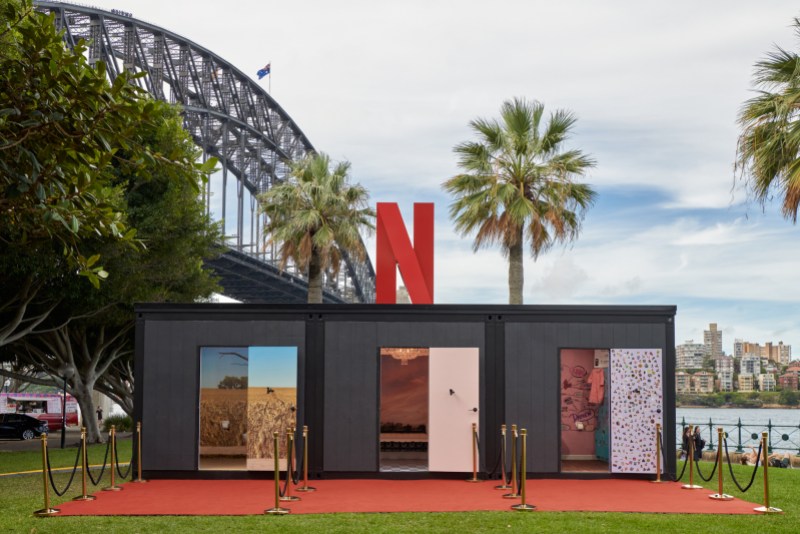
The ultimate in connecting research with culture: There’s an actual Tudunny pop-up giving fandom a truly immersive experience with fully functional toilets, modelled after Emily in Paris, Heartbreak High and Squid Game. Photo: Netflix
The fandom
The survey also wanted to work out the strength of fan communities – otherwise known as fandoms — that have grown around specific films and TV series.
Based on the survey results, Aussies “are deeply involved in fandoms”, with 29 per cent identified as “fanatics”, with 54 per cent male, 51 per cent Millennials and 40 per cent living in New South Wales.
And, 73 per cent have done or have taken part in something related to their favourite show.
Think The Queen’s Gambit starring Anya Taylor-Joy – chessboard sales skyrocketed after the series aired.
Decades-old songs shot up to No.1 – that would be Running Up that Hill by Kate Bush for Stranger Things.
Regency-era fashion is having a major revival? That’s easy. Bridgerton.
“These stories have united people globally through their shared passion for the characters, fashion, locations, music and other aspects, turning them into pop culture moments,” Netflix said.
Fandoms are proving to have a positive impact not only on wider culture but also within their communities, according to the survey’s conclusions, with 76 per cent believing that being part of a fandom can improve mental health, and 82 per cent agree that it fosters a sense of belonging.
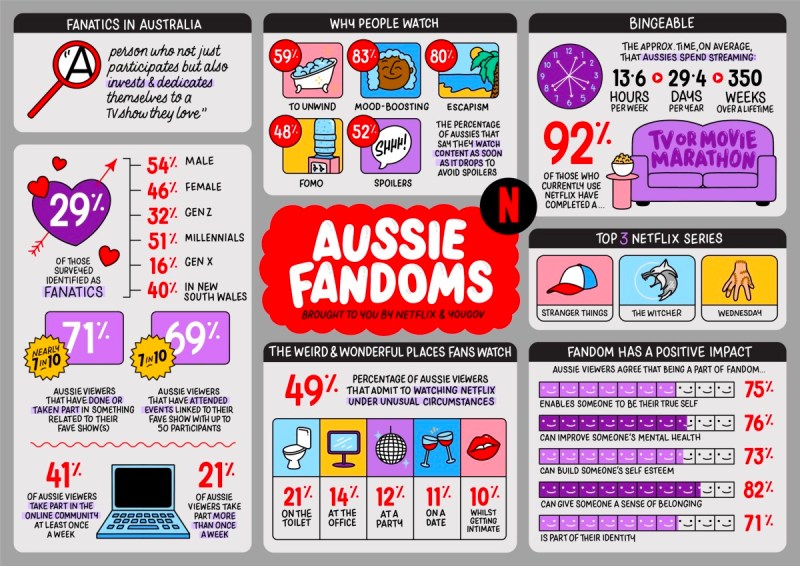
Photo: Netflix
Meanwhile, rewatching a TV show or film on Netflix is also a habit, with 87 per cent of viewers (nine in 10 Australians) saying they have felt compelled to relive the magic with their favourite biopic, documentary series or action thriller as (among other reasons) it helps them “to escape the stress of current world events (politics, social issues)”.
The franchise fandom also features in the survey results.
They were most likely to list Harry Potter (30 per cent), Marvel Universe (28 per cent ) and Game of Thrones (26 per cent) in their top three, followed by Star Wars, Lord of The Rings and Friends.
One conclusion out of the 1000-person survey?
Gen Zers (average age 26) – who grew up in the era of the iPhone, were shaped by the 2008 recession and the COVID-19 pandemic – watch a lot of Stranger Things on the loo.
Dunkley By-Election
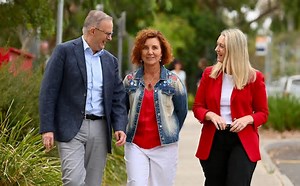

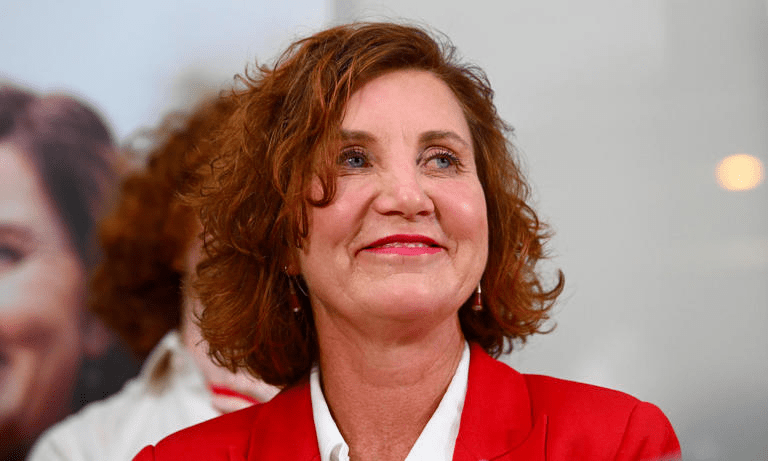
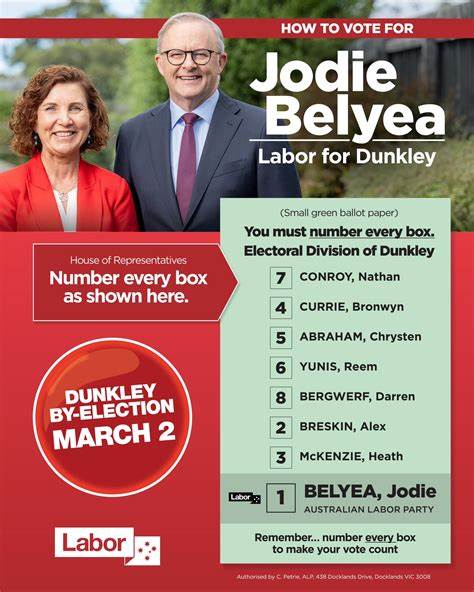
Jodie Belyea has held on to what is traditionally a marginal seat, even after the death of a popular local MP and in the midst of a cost-of-living crisis. There was a swing against the government typical in nature to by-elections.
Labor candidate Jodie Belyea paid tribute to the late MP Peta Murphy following Labor’s win in the Dunkley by-election.
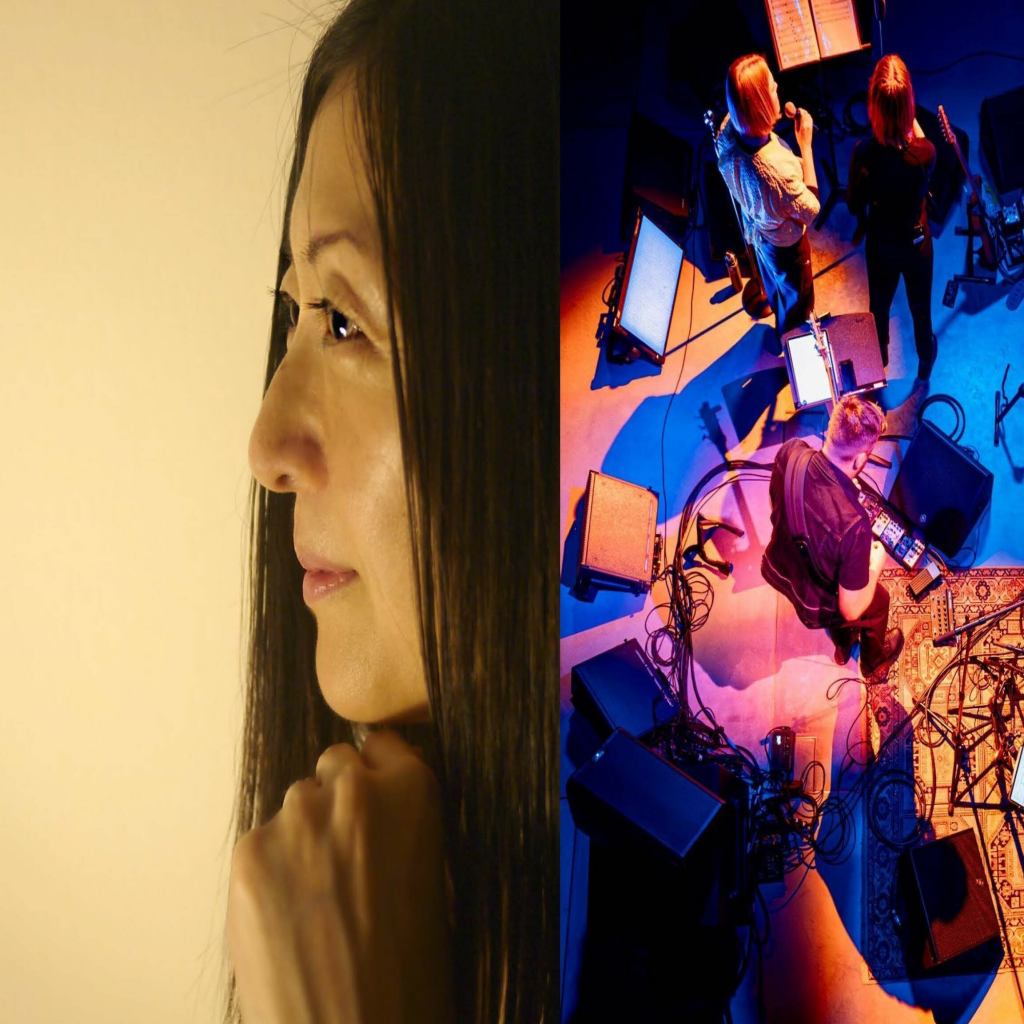
| Women in Jazz |
| Friday 15 March, School of Music In celebration of IWD, ANU Gender Institute members are invited to a panel, concert and reception. Panel, 4-5.15pm Stereotyped gender dynamics have persistently shaped jazz culture. This panel discussion will explore ways of stimulating a more gender inclusive jazz world. Concert, 5.30-6.30pm Psychomotor is Australian musician Jess Green’s new project. Joining Jess Green is drummer Jamie Cameron, bassist Brendan Clark and special guest Lauren Tsamouras. Reception, 6.30pm Program │ Registration |
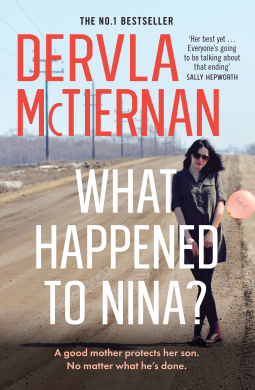
Dervla McTiernan was in conversation with Chris Hammer at the ANU on 5th March, just one of her appearances to talk about this book. There was an excellent discussion ranging over McTiernan’s writing style, editorial matters, the role of fake news and social media, McTiernan’s particular interest in characterisation, drafting and redrafting, and comment on the characters with whom she felt the most affinity. See my review in last week’s blog.
In last week’s blog I posted the positive story about building a centre for Cherokee language preservation. Today’s story about indigenous language New Zealand is less positive.
Changes around Māori language come into focus as New Zealand government approaches 100-day milestone (edited to refer only to the changes associated with the indigenous language).
By Emily Clark in Waitangi 2 march 2024
At the age of 66, Ihapera Kaihe sometimes calls on her young grandchildren to translate Māori words into English.
Those moments are both a difficult reminder of the injustices of the past and a glimmer of hope that maybe the future can be different.
Because when Ihapera was growing up, her parents were not allowed to speak Māori.
She has memories of them keeping their reo Māori a secret. And with only English spoken at home and at school, her connection to her native language was lost.
In the classroom, she endured years of those around her mispronouncing her name. As she explains how that would come to impact her life, her voice starts to break.
“I went through years of not being able to have it pronounced properly, and it was the reason I named all my kids English names,” she said.
“I never ever spoke reo because Mum and Dad weren’t allowed to at all, and by the time they brought it into my college … I’d finished school by then.”
Ihapera named her children Natasha, Joseph and Ethan.
Natasha Diamond is now 40, but times have changed in New Zealand.
And when Natasha had a daughter of her own, she sent her out into the world with the name Pounamu, teaching her that if someone couldn’t say her name correctly, she didn’t have to respond.
Pounamu grew up in wharekura — a “full-immersion” Māori language school.
“That has a lot to do with past generations. They weren’t as privileged to learn about our culture and our language,” Pounamu said.
“It is definitely a big part of who I am.”
As the three generations of Māori women reflect on how their country, and the experience of their family, has changed over the past 50 years, there is an uneasy feeling that the gains made around Māori language are now at stake.
The new three-party Coalition government has promised to repeal a whole raft of Labour-era policies that impact Māori and has also brought some new policies to the table.
Some of those agenda items have been criticised as trying to diminish the use of te reo Māori in New Zealand. For people like Ihapera, that hits a very deep and very painful nerve.
She starts to cry as she recalls what it was like when it was forbidden to speak Māori in Aotearoa. See complete article in Further Commentary and Articles arising from Books* and continued longer articles
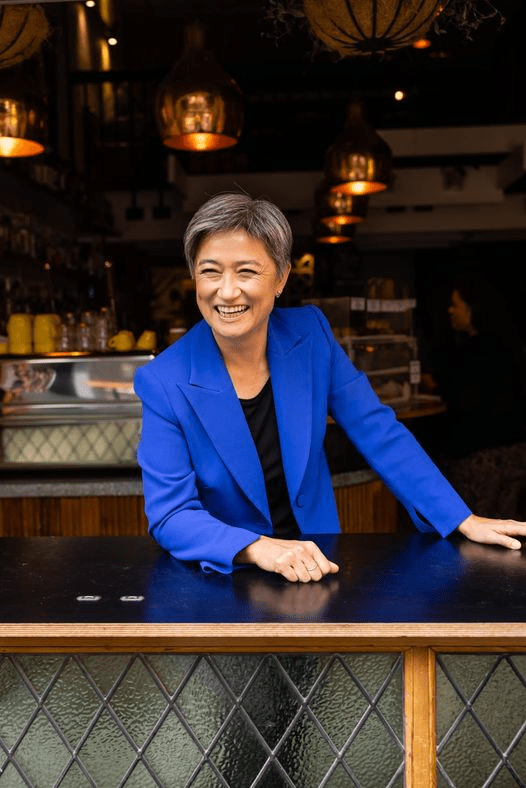
Anthony Albanese Congratulations to Penny Wong on becoming the longest serving female cabinet minister in Australia’s history.
From Facebook:
Prime Minister of Australia. Member for Grayndler. Authorised by Anthony Albanese, ALP, Canberra.

From The Guardian Arwa Mahdawi, The Guardian <info@editorial.theguardian.com>
Museums without men: a project to spotlight women’s art*
“Less than 4% of the artists in the [Metropolitan Museum of Art] Modern Art sections are women, but 76% of the nudes are female,” the activist art group Guerrilla Girls found in 2012. More than 10 years on the gender imbalance in museums is still very visible. To help redress this art historian Katy Hessel has created audio guides for museums that shift the spotlight on to female artists.
*A misleading and aggressive headline for positive project.
France to enshrine abortion as a constitutional right in a world-first
Abortion rights in France are currently protected by a 1975 law which, like all laws, could be revoked. Emmanuel Macron has said he wants to make women’s freedom to choose an abortion “irreversible”.

| Susan Ryan Oration 2024Monday 25 March, 6-7pm The 2024 Susan Ryan Oration will be delivered by Ms Padma Raman PSM Executive Director of the Office for Women at the Department of the Prime Minister and Cabinet. The Susan Ryan Oration stands as the University’s flagship IWD celebration, dedicated to honouring the late Susan Ryan, one of our community’s greatest advocates for age and gender equality. Registration |


 Robin's Room