Lisa Jackson Our Little Secret Kensington Publishing, June 2024.

Thank you, NetGalley, for providing me with this uncorrected proof for review.
I found this an extremely disappointing read that prolonged my frustration through repetition and a fairly predictable story line that meandered through family angst, infidelity, missing teenagers, the main character’s internal arguments, and obsession. None of the characters was pleasant, the main protagonist combining immense self-regard, inability to take responsibility for dealing with life threatening events and folly. In particular, Brooke appears to recognise the possible dangers to her daughter but is so concerned to keep her secret these become secondary in all of her actions to deal with the problem she has initiated.
Brooke has been having an affair with Gideon, partially because of her husband’s suspected infidelity and their separation. Although she tries to end the affair as her marriage improves, and her daughter’s problems surface, and her relationship with her sister, always fraught deteriorates, she is unsuccessful. See Books: Reviews for the complete review.

Sue Watson You, Me, Her Bookture, June 2024.
Thank you, NetGalley, for providing me with this uncorrected proof for review.
You, Me, Her is a competent example of the psychological drama genre, complete with the twists that are one of the usual features. However, it has nothing to lift it out of the standard fiction for this genre, and from past experience with Sue Watson’s fiction I hoped for something more. Like Watson’s, The Wedding, the first part of this novel is fairly slow, with the main character’s introspection verging on uncomfortable. The last part of the novel moves more quickly.
Turning first to the build up which is predominantly through Rachel’s eyes, taking in her present, immediate past and past. Rachel and Tom’s life in Manchester in a small flat has been supplanted by his absence for six months while Rachel sells the flat, and Tom refurbishes to immaculate quality their large home in Cornwall. Rachel’s past alone, without Tom and their four-year-old Sam, is largely defined by her fear of water, its origin gradually revealed as the narrative progresses. The relationship between Rachel and Tom is well written, raising questions about both Rachel and Tom. See Books: Reviews for the complete review.
Articles to follow: Literature Cambridge; Royal Academy of Art Exhibition; Cindy Lou Eats out in London; Zoe Fairbairns; Walk from Paddington to Kensington; Enda O’Brien.
 |

| Great Summer Reading ‘For those who like that sort of thing,’ said Miss Brodie in her best Edinburgh voice, ‘That is the sort of thing they like.’Muriel Spark, The Prime of Miss Jean Brodie (1961) New course: Women and Power in mid-20thC Fiction. Summer Courses Our summer course in Cambridge on Woolf and Childhood starts on 4 August. Just a couple of places left. Do join us if you can. _______________________________________________ Women and Power in 20thC Fiction:Women writers in the 1950s and 1960s This course will explore the development of women’s writing between the Second World War and the sexual revolution of the 1960s. • Patricia Highsmith, The Talented Mr Ripley (1955) • Barbara Comyns, The Vet’s Daughter (1959) • Muriel Spark, The Prime of Miss Jean Brodie (1961) • Brigid Brophy, The Snow Ball (1964). Live online course with Miles Leeson. Sundays, fortnightly, 8 September to 20 October 2024, 6.00 to 8.00 pm British Summer Time. London in Literature Our new live online course on London in Literature studies six brilliant novels from the late 18thC until the Second World War. • Fanny Burney, Evelina (1778) • Charles Dickens, Great Expectations (1861) • Oscar Wilde, The Picture of Dorian Gray (1890) • Joseph Conrad, The Secret Agent (1907) • Virginia Woolf, Mrs Dalloway (1925) • Elizabeth Bowen, The Heat of the Day (1948) Join Angela Harris, live online, 18 September to 27 November 2024, 6.00 to 8.00 pm British time. Close Reading Poetry Our close reading courses take a long, slow look at some wonderful poetry. Each course has two sessions, a week apart. Led by poet and lecturer Mariah Whelan. Sundays, live online. Coming up:• Close reading Mary Oliver, 18 and 25 August 2024. Nearly sold out.• Close reading William Wordsworth, 20 and 27 October 2024. • Close reading Ted Hughes and Seamus Heaney, 24 Nov. and 1 Dec. 2024 Best wishes,Trudi — Dr Trudi TateDirector, Literature Cambridge Ltd www.literaturecambridge.co.uk Banner image: Virginia and Leonard Woolf’s home at Monks House, Sussex |
 Virginia Woolf Summer Course 2024 Woolf and Childhood: Summer course in Cambridge, 4-9 August 2024. Five intensive days of lectures, tutorials, talks, visits to colleges, a recital, and a performance of Vita and Virginia (abridged version). We will study:A Sketch of the Past (1939) Jacob’s Room (1922) To the Lighthouse (1927) The Waves (1931) The Years (1937) Last days to book. Photo: Visit to Wren Library on the 2019 summer course. Photo by Jeremy Peters.__________________________ • Calendar of Literature Cambridge courses • Virginia Woolf Podcasts with Karina Jakubowicz  New Virginia Woolf Season: Woolf and Politics Our new Woolf Season starts in September. These are the first topics: • Sat. 14 Sept. 2024. Karina Jakubowicz on The Politics of Conquest in The Voyage Out (1915) • Sat. 12 Oct. 2024. Alison Hennegan on The Politics of Flush (1933) • Sat. 23 Nov. 2024. Mark Hussey on Politics in Mrs Dalloway (1925) • Saturday 7 Dec. 2024. Ellie Mitchell on Woolf’s War Diary • Saturday 11 Jan. 2025. Danell Jones on A Room of One’s Own (1929) and Black Britain The full programme is on our website. If you book the full season, there is a discount: 10 sessions for the price of 9. |
Royal Academy of Art
The Royal Academy of Art is an easy gallery to visit, close as it is to public transport. The last time I was there, I saw a David Hockney exhibition, David Hockney: A Bigger Picture, which featured paintings inspired by the Yorkshire landscape. On this occasion there was no exhibition that was of particular interest to me so a wander through the gallery was a fine alternative.
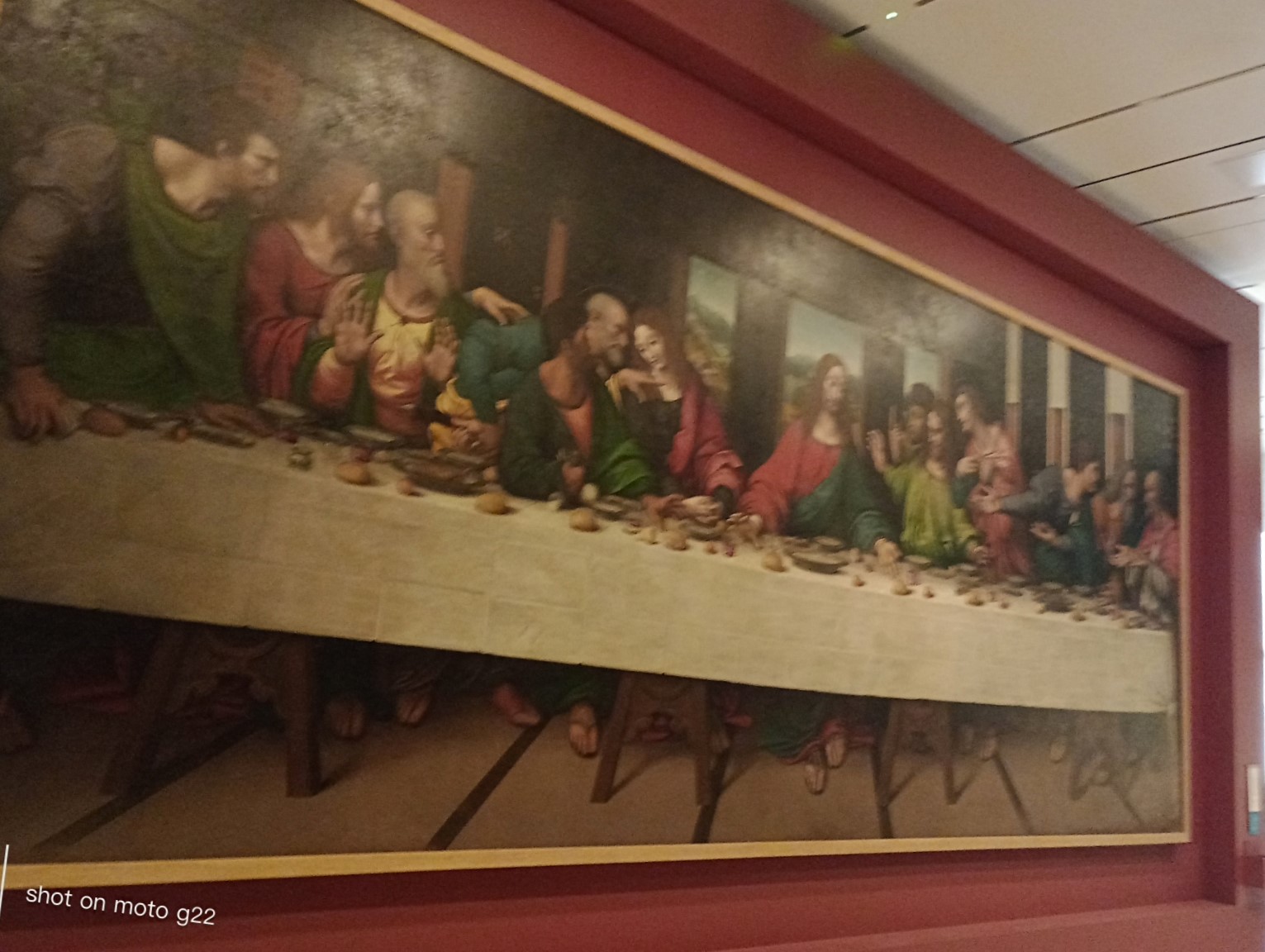
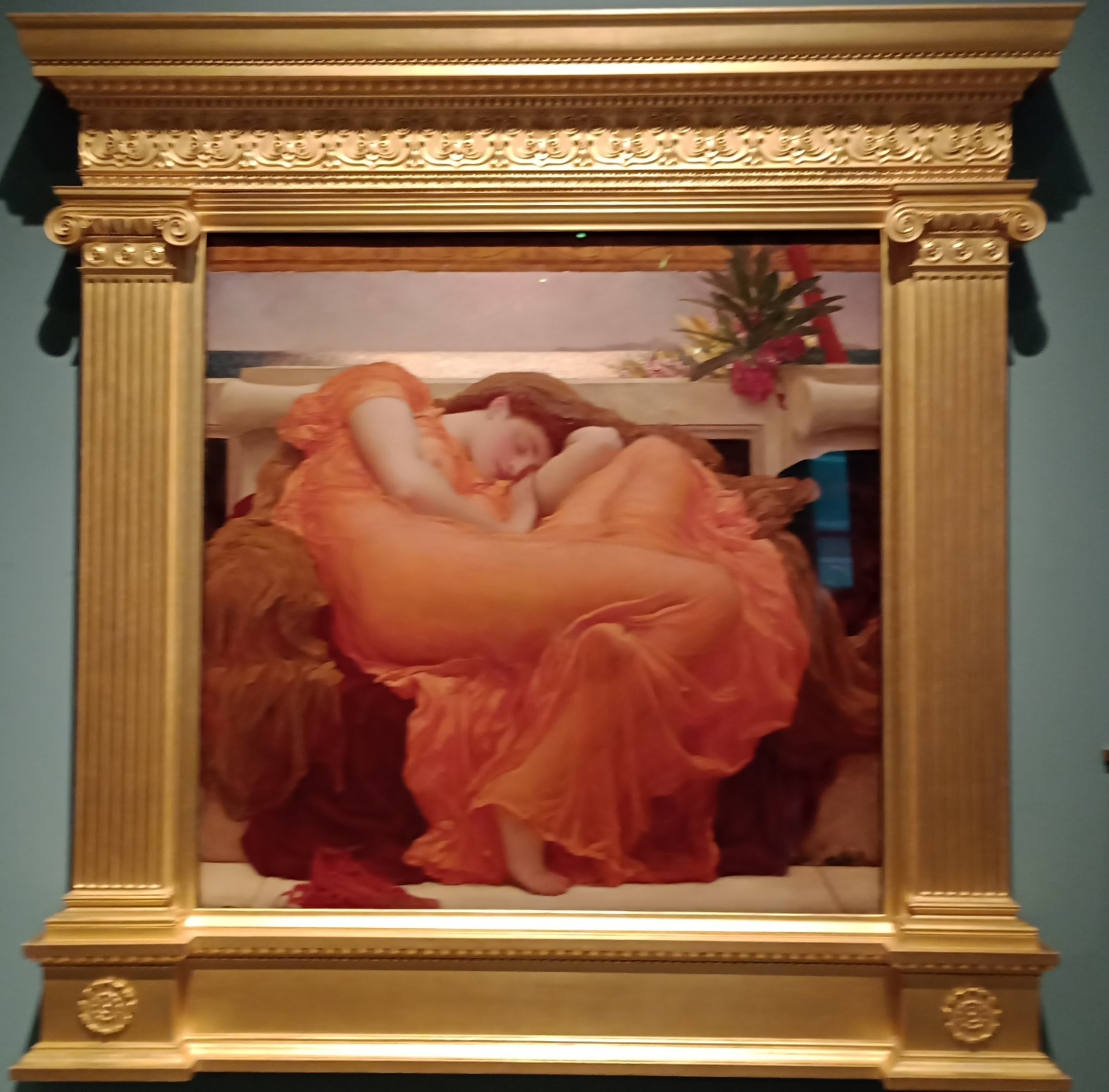
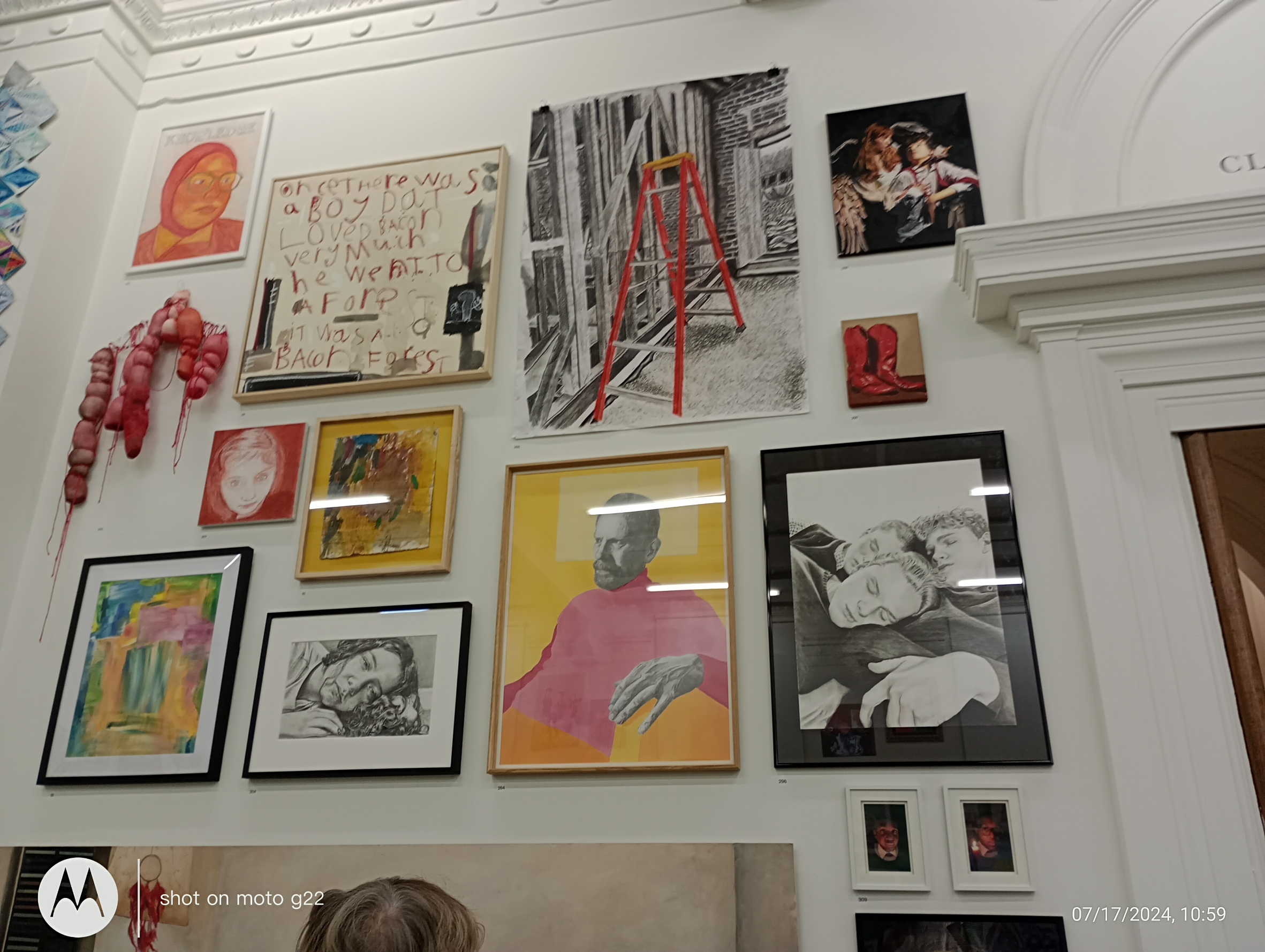
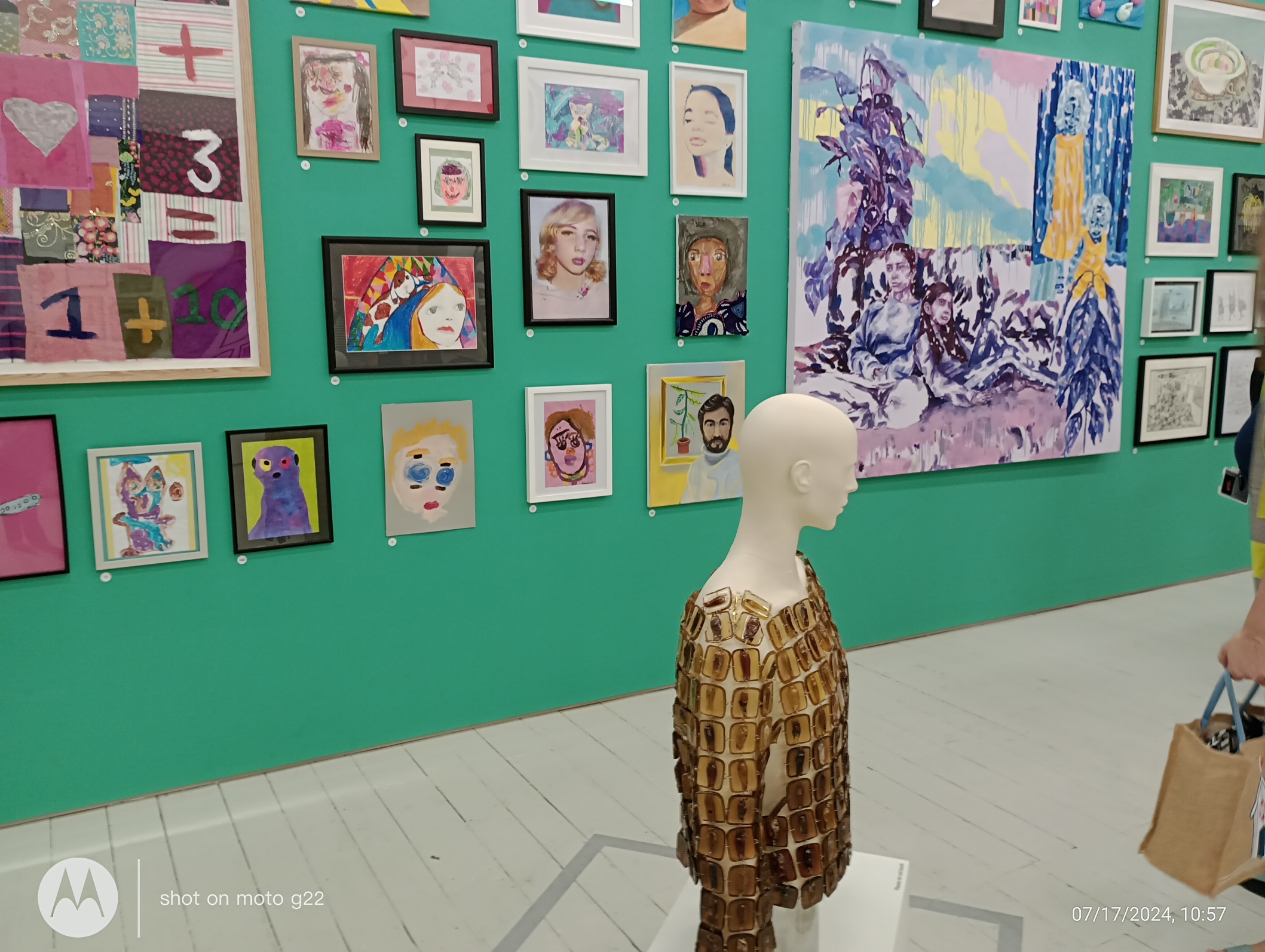
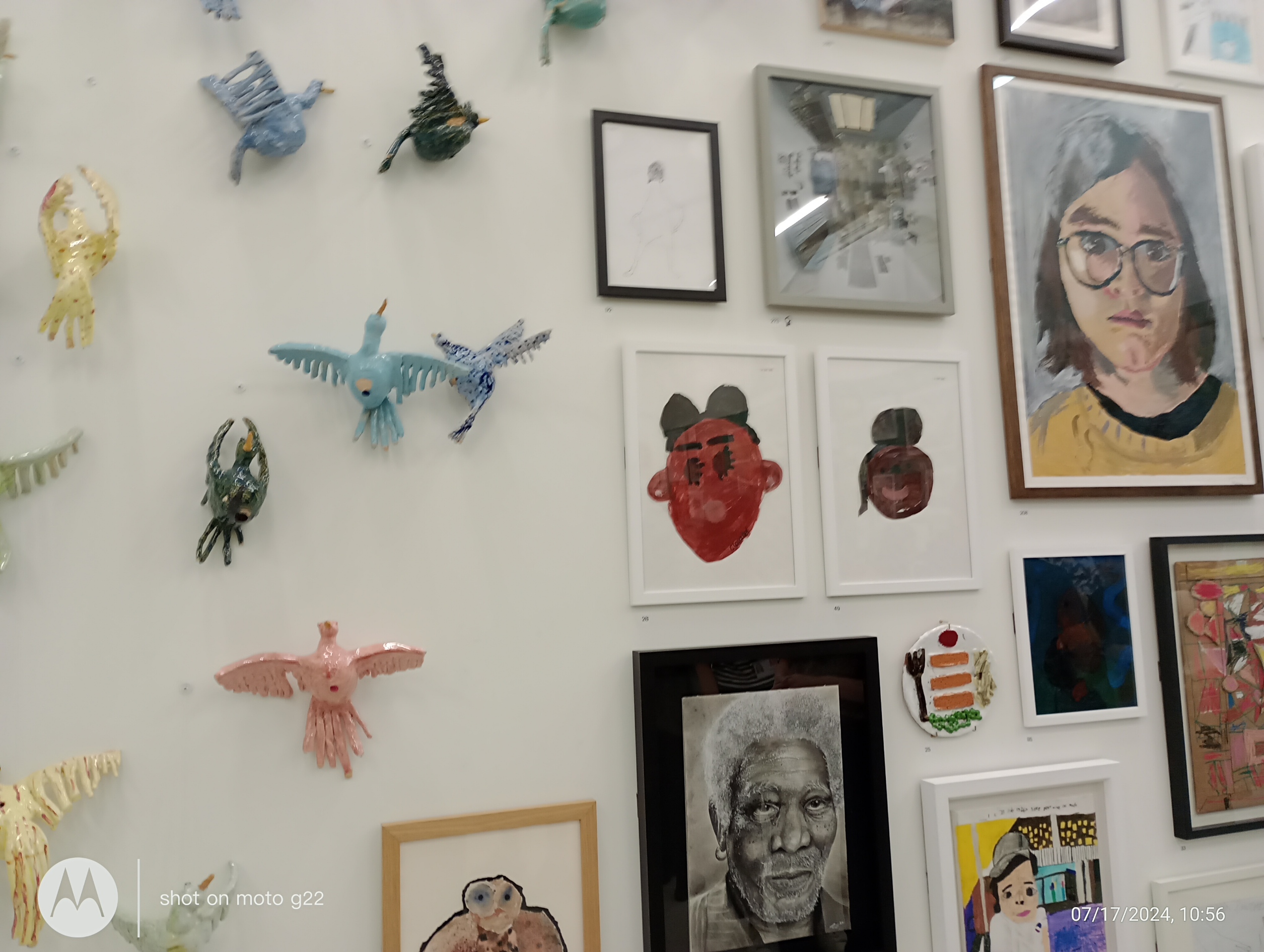
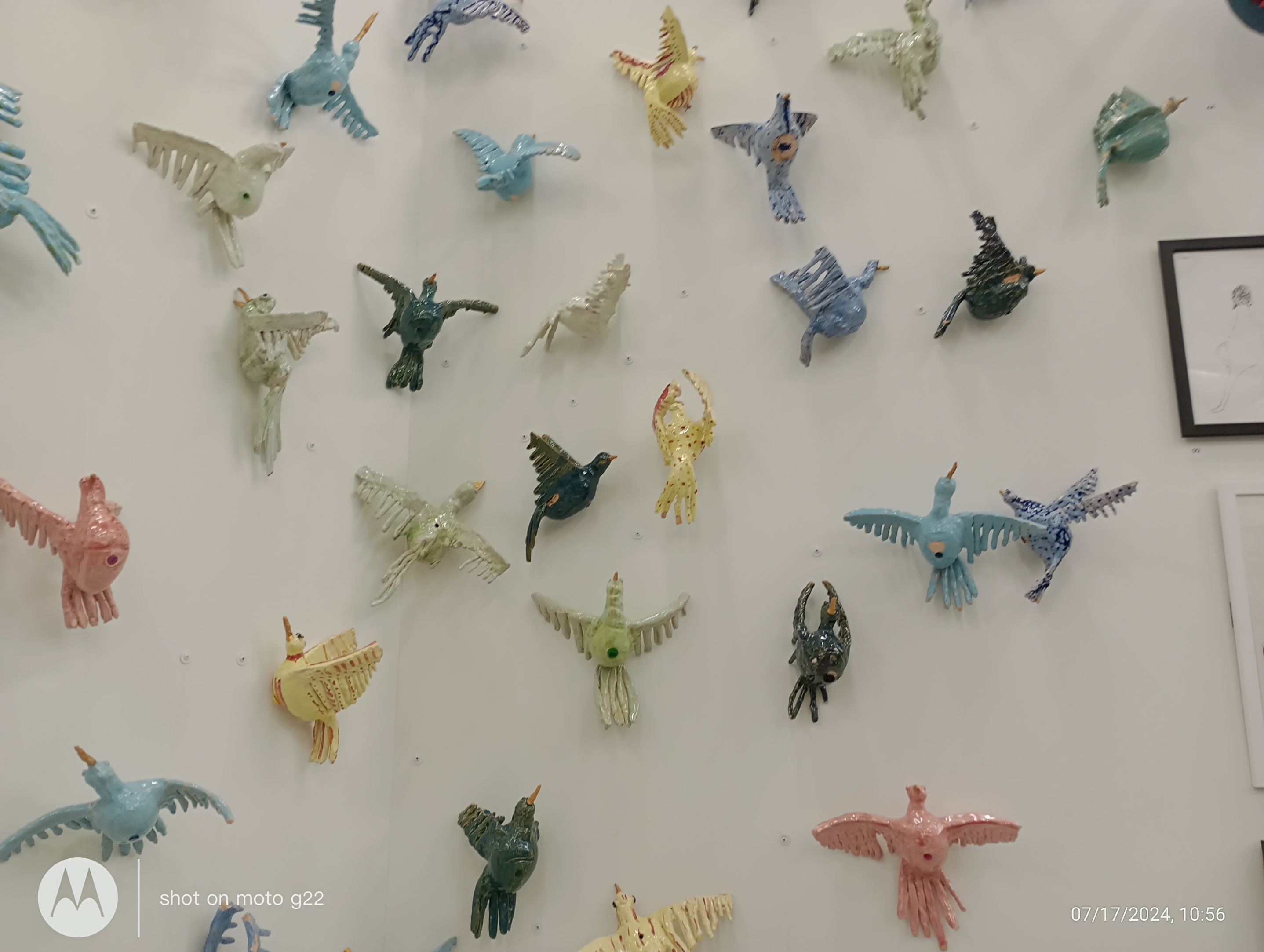
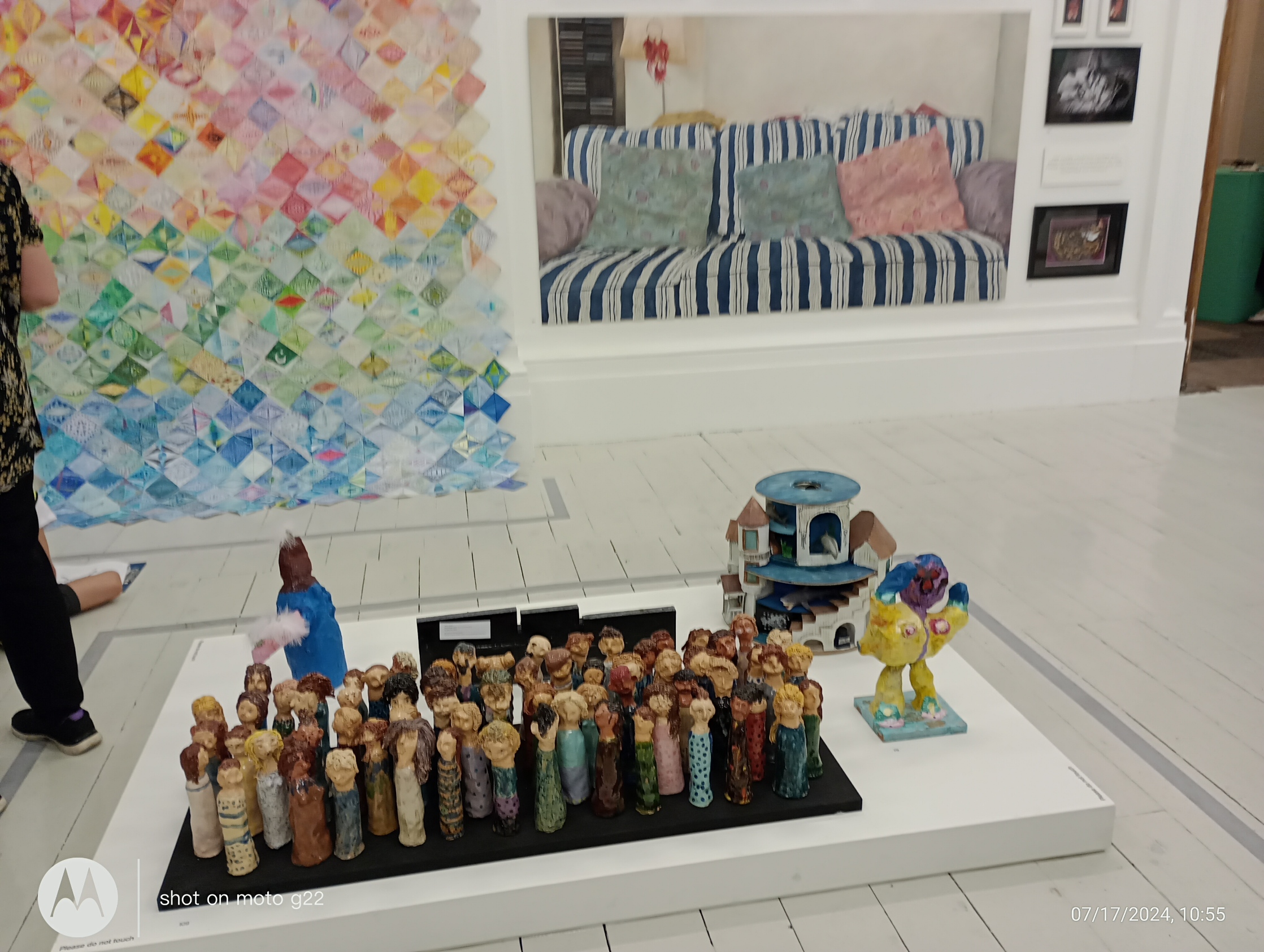
As well as the traditional art below, there was an exciting children’s exhibition -a really worthwhile addition to the gallery. The work below features: Michelangelo’s The Virgin and the Child with the Infant Saint John, also known as the Taddel Tondo; a copy after Leonardo’s The Last Supper, the copy made c1515-1520 from an original of c1492- 1497; and Frederic Lord Leighton’s Flaming June, 1895.


All ages were represented. Children not only made the exhibition but visited in groups, with teachers explaining the artwork. The last painting below was particularly interesting.




Cindy Lou’s farewell eats in London
Before I write about London eating, I’ll refer briefly to the meal I had at Sicily, a short walk from Victoria Station, and more importantly the books I discussed with my companion, Zoe Fairbairns.
Sicily serves Sicilian and Italian food in an excellent menu. Each time I go to London Zoe Fairbairns and I meet there to choose items from the starters and sides, and more importantly to talk, talk, talk. Alas, the chunky chips that were a major treat, have been replaced with thin ones – we’ll find something else next time. The prawns are large and delicious, the eggplant and burrata makes a lovely addition to the meal, and the salad is enormous. Desserts are tempting and I always enjoy my tiramisu.
On this occasion we talked about Zoe’s novel, still in publication, Benefits (first published 1979).

In discussion Zoe raised the more well known, The Handmaid’s Tale (first published 1985) by Margaret Attwood, which she admires immensely. I kept to my own admiration of Benefits, which I think is an excellent feminist work with a nuanced approach to the issues of motherhood, government benefits and relationships between women and men, with attention to class and race. It is the original source of the quotation widely featured on alternative Christmas “THE BIRTH OF A MALE WHO THINKS HE‘S GOD ISN’T SUCH A RARE EVENT”.
One of Fairbairns’ novels that I would love to see continued is Stand we at last, a feminist historical work that begins in Victorian England with the juxtaposition of the lives of two sisters, Sarah and Helena. The latter marries. In contrast, Sarah migrates to Australia, taking an arduous journey by ship, and then by horse into the country where she expects to work to save the money to become a landowner. Sarah and Helena, provide only the beginning to this feminist history which ends in the 1970s.
Zoe Fairbairns has a website: https://zoefairbairns.co.uk.

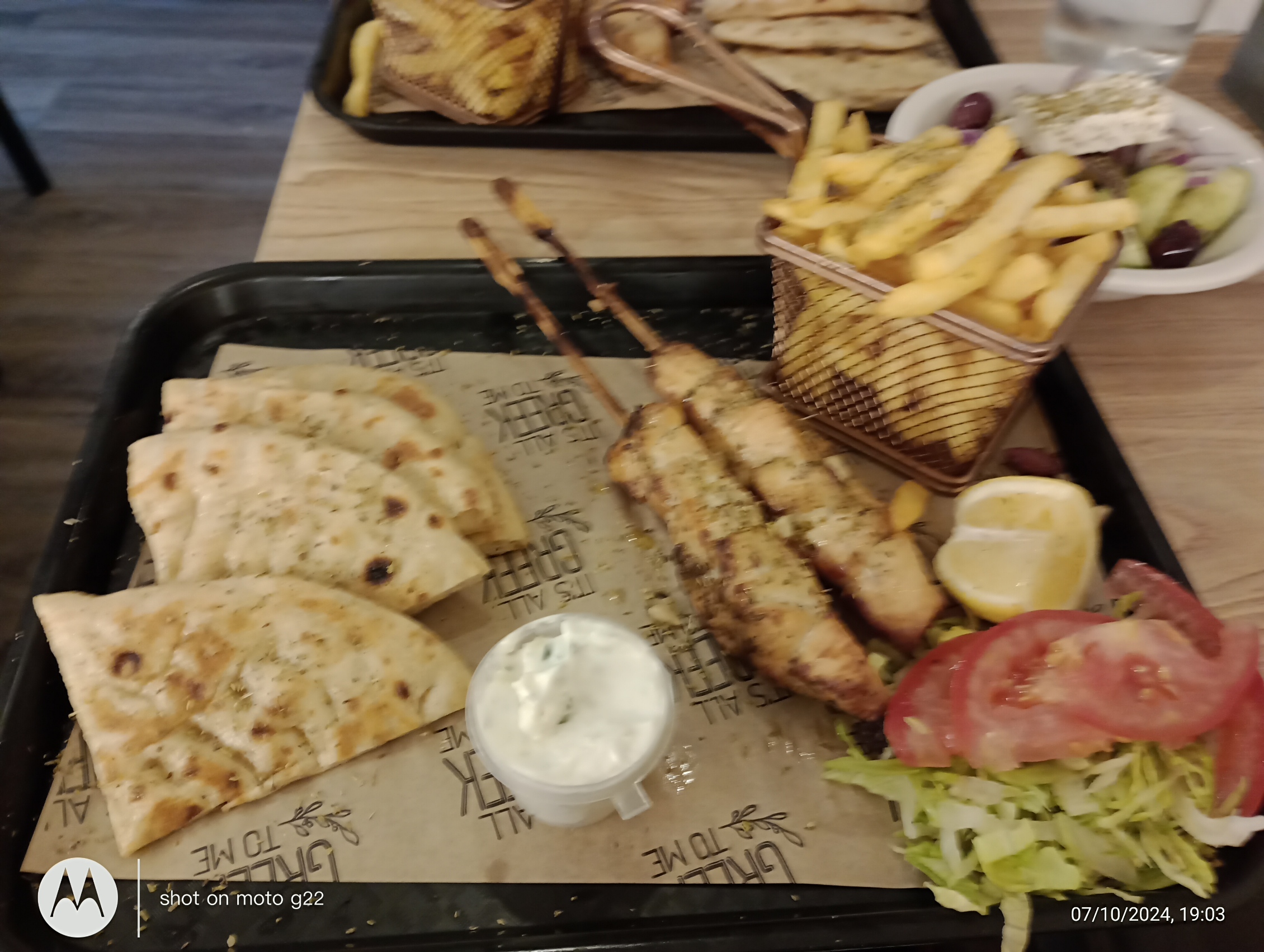
It’s All Greek To Me
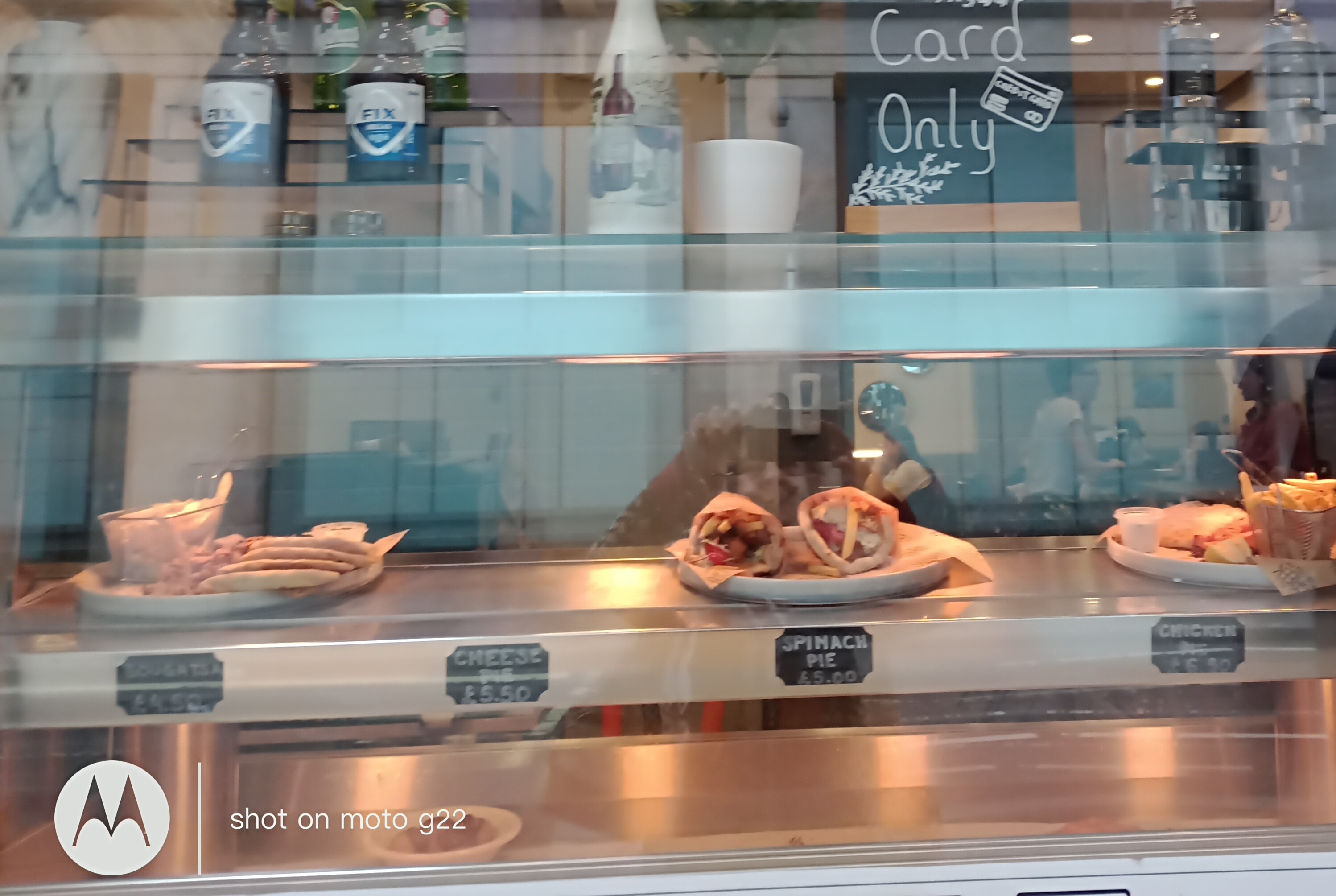
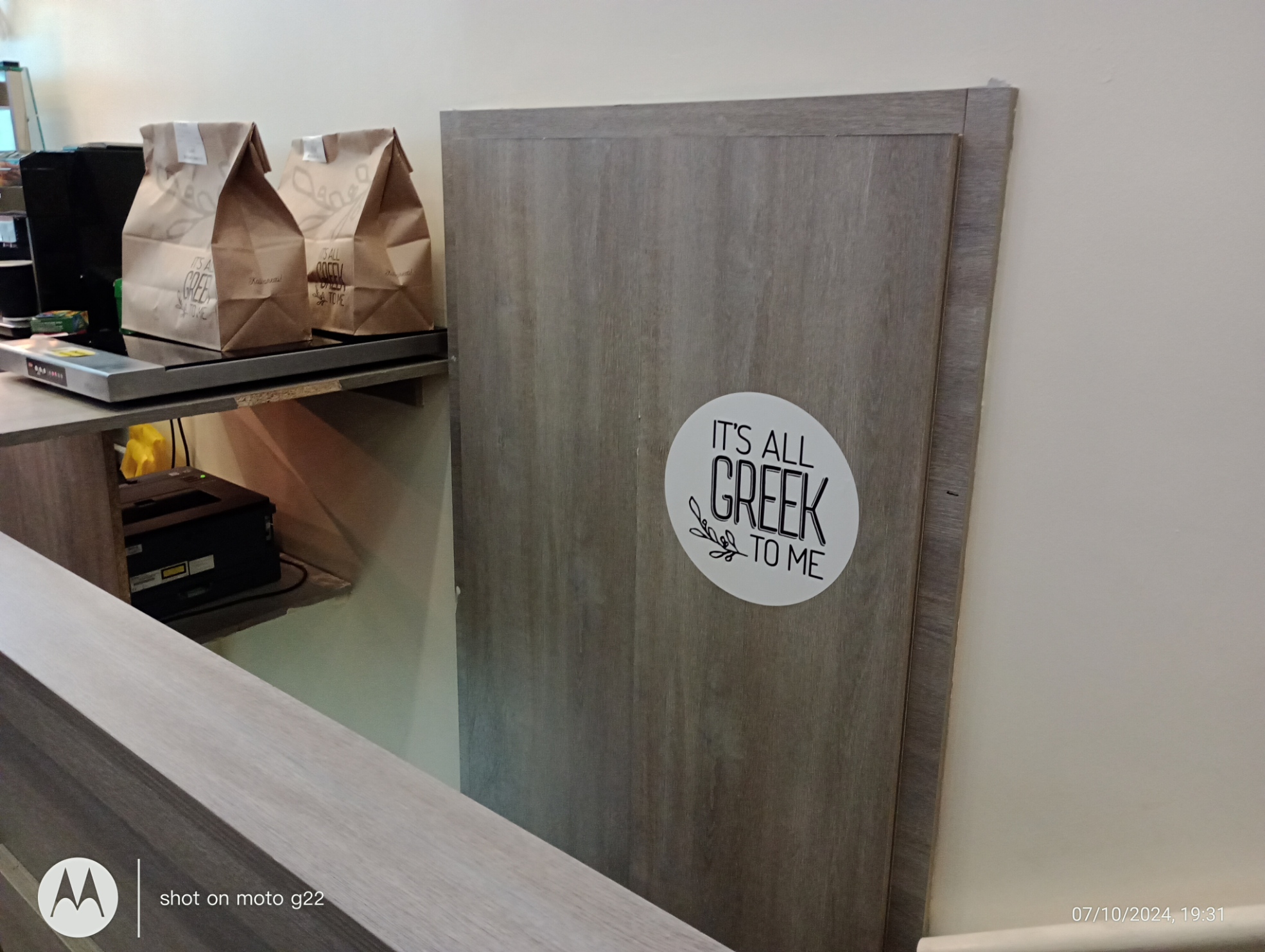
Praed Street is the home of many cafes, and this is one that was new to us. The Greek restaurant that we used to eat at years ago has now been replaced and it is a real loss. It’s All Grek To Me has a rather different style – far more casual and a place where one does not linger over the meal – but it also provides a free treat. It is extremely popular, and was full on the night we went, with people waiting.

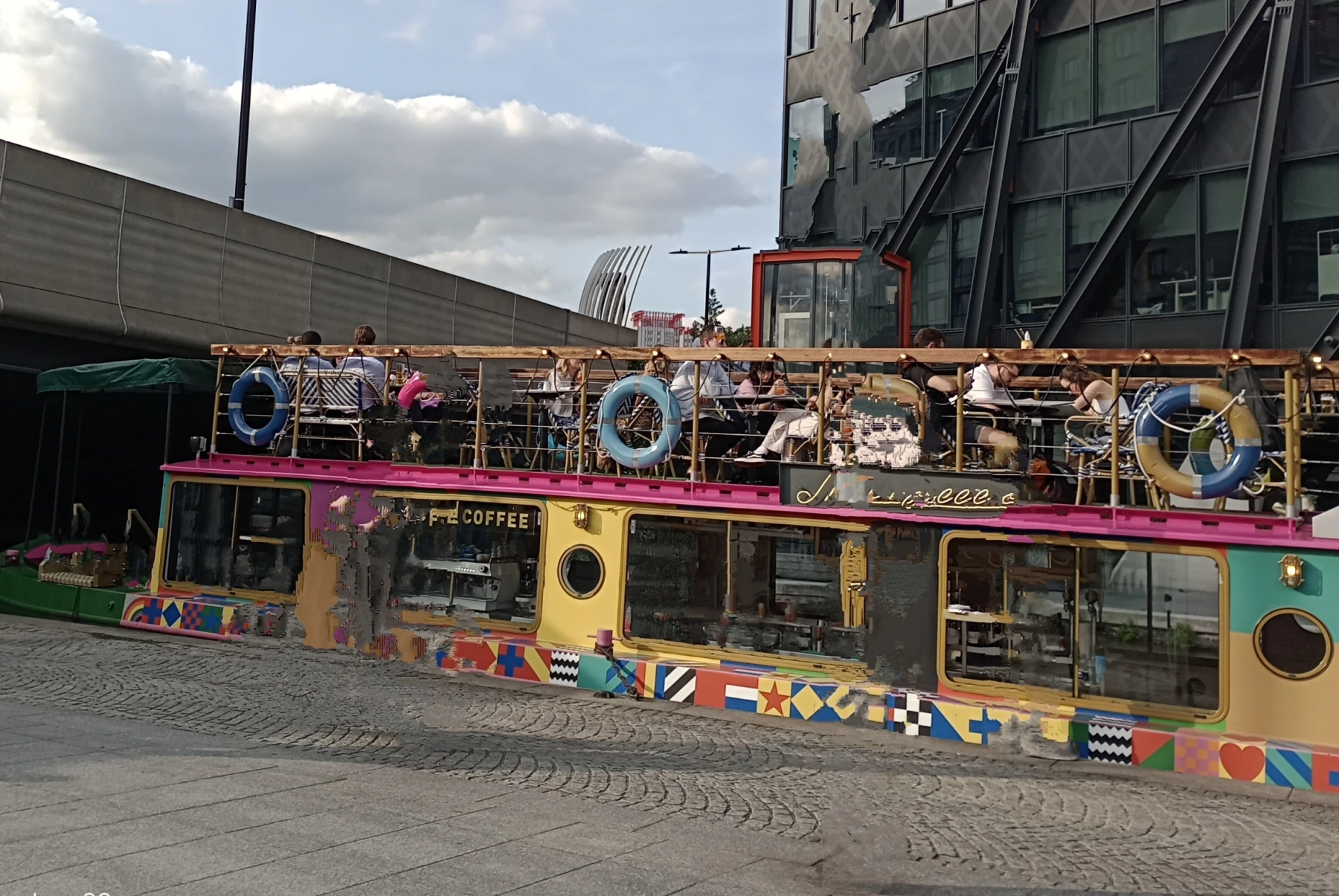
Darcy and May Green
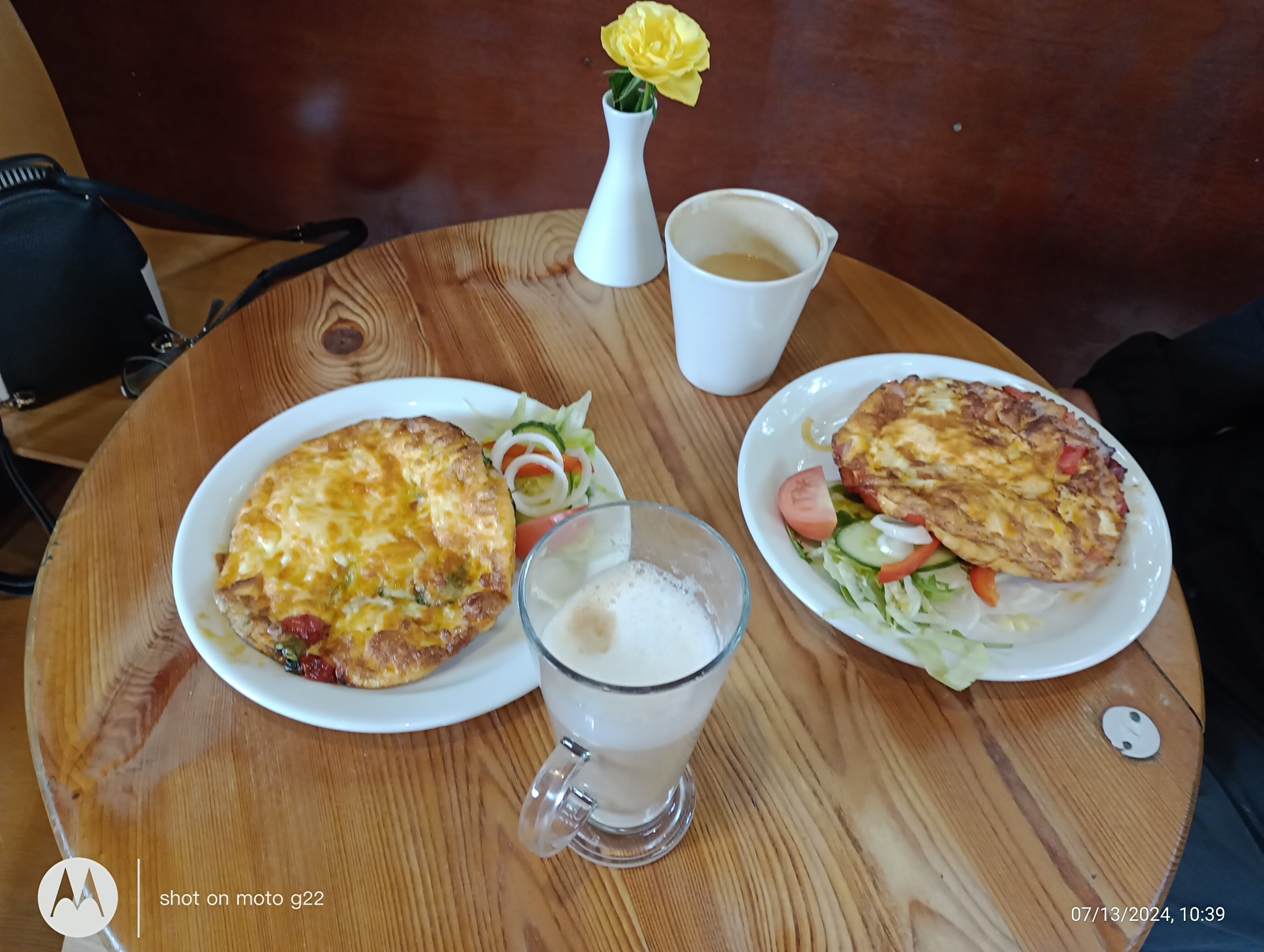
These narrow boat restaurants are a colourful addition to the Regents Canal since we live there a few years ago. An Aussie breakfast is served there, but on this occasion, rather than the never-ending brunch we went to a much plainer breakfast which is described below. However, we had a delightful dinner on the Darcy Green, enjoying a vegetable curry and a wonderful miso eggplant dish. The mocktails were also pleasant. But most of all the environment is really vibrant.


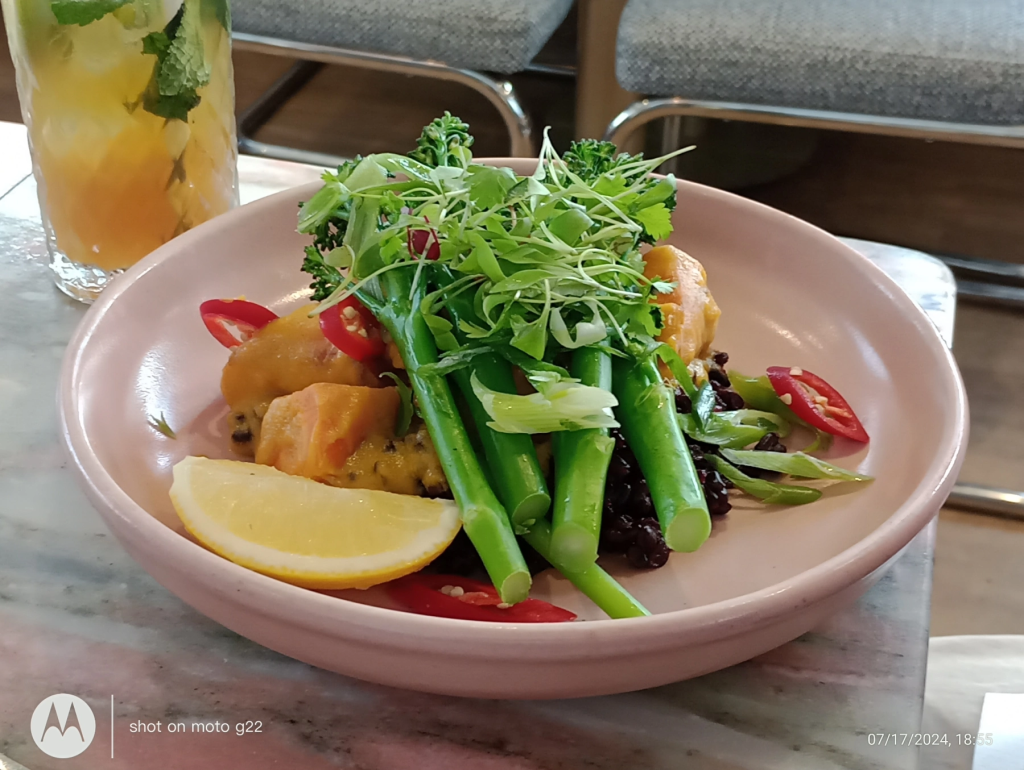

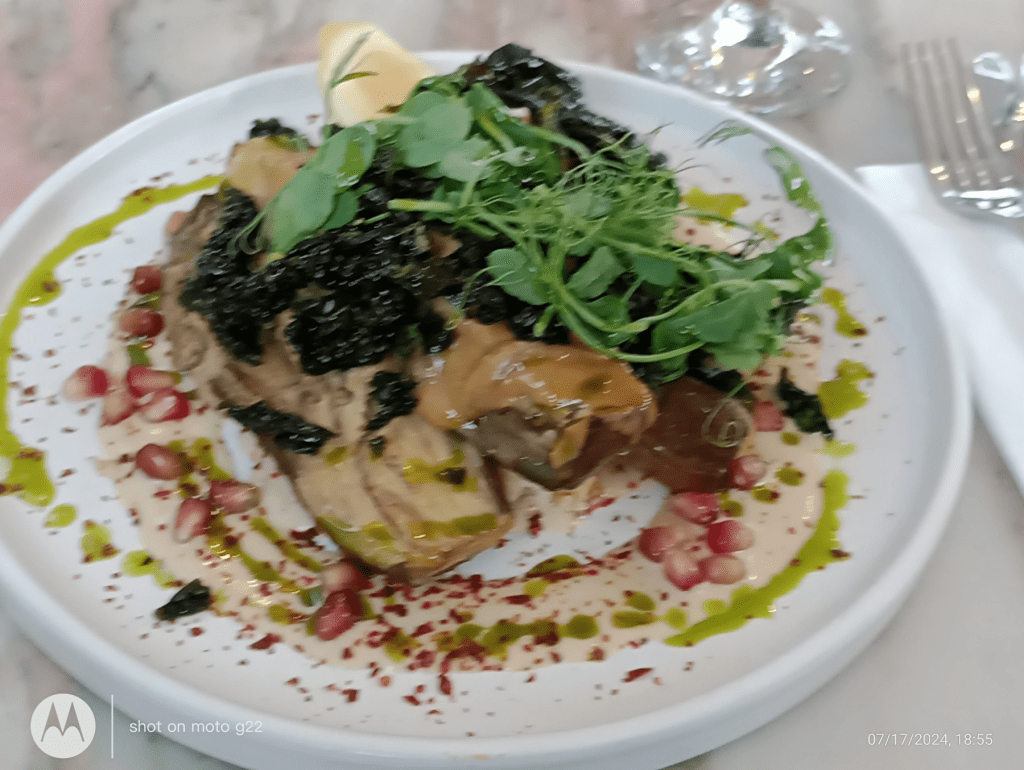
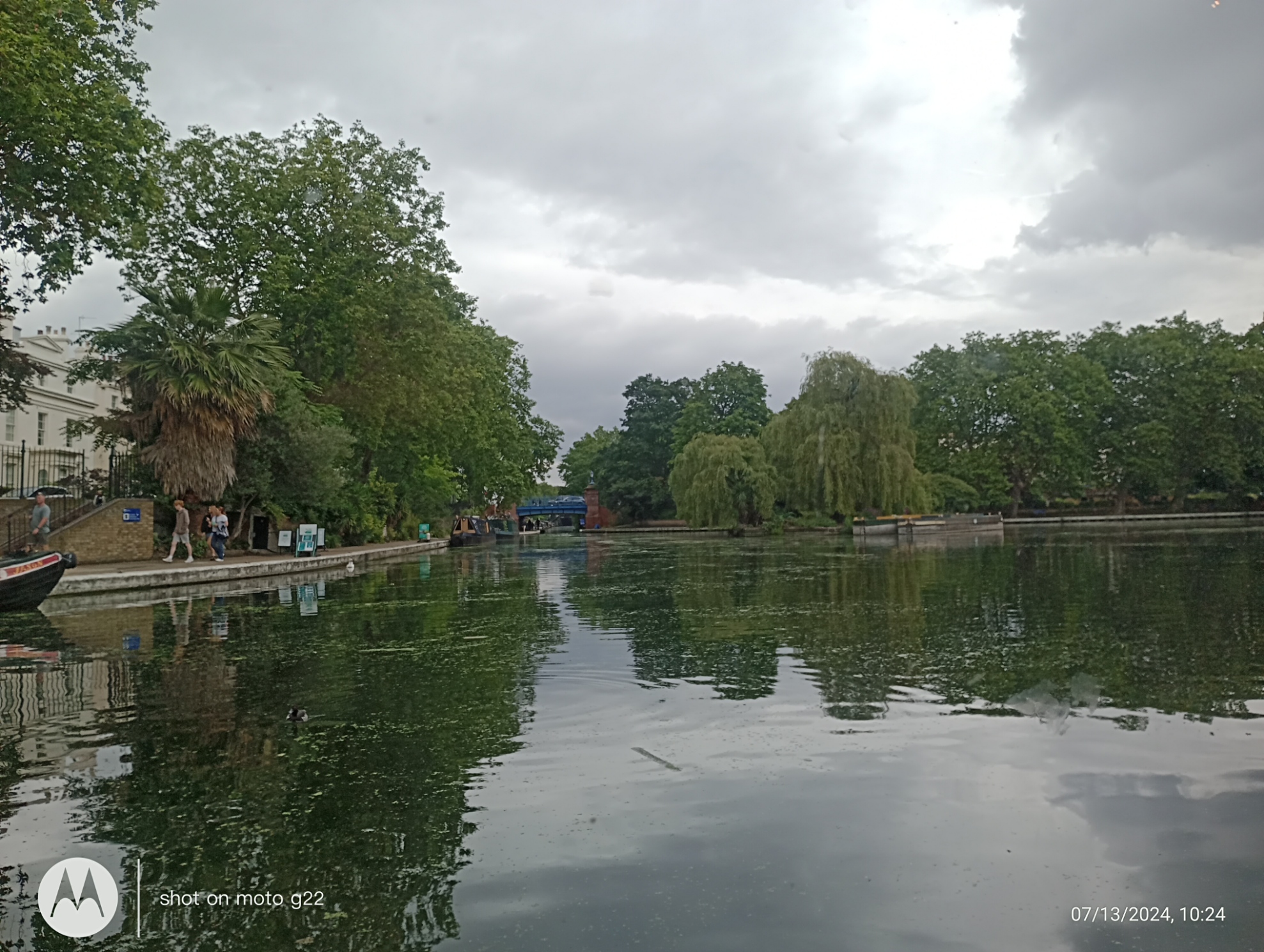
Narrow boat breakfast on Regents Canal
This is a favourite breakfast spot, combining as it does, a lovely walk along the canal, and good food and coffee at the end. A longer walk is to cross the bridge and follow the canal on the other side.
Wahaca
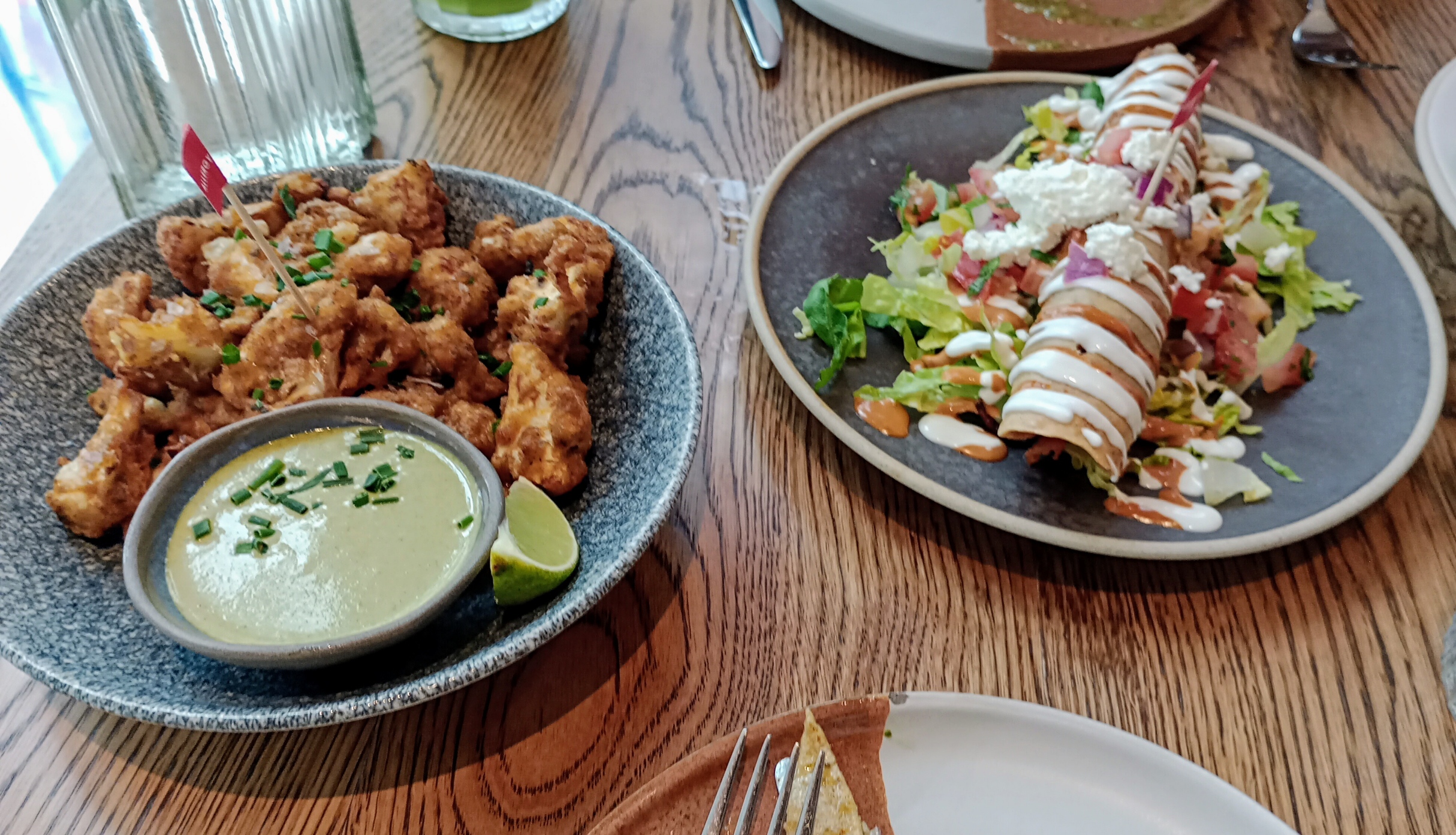
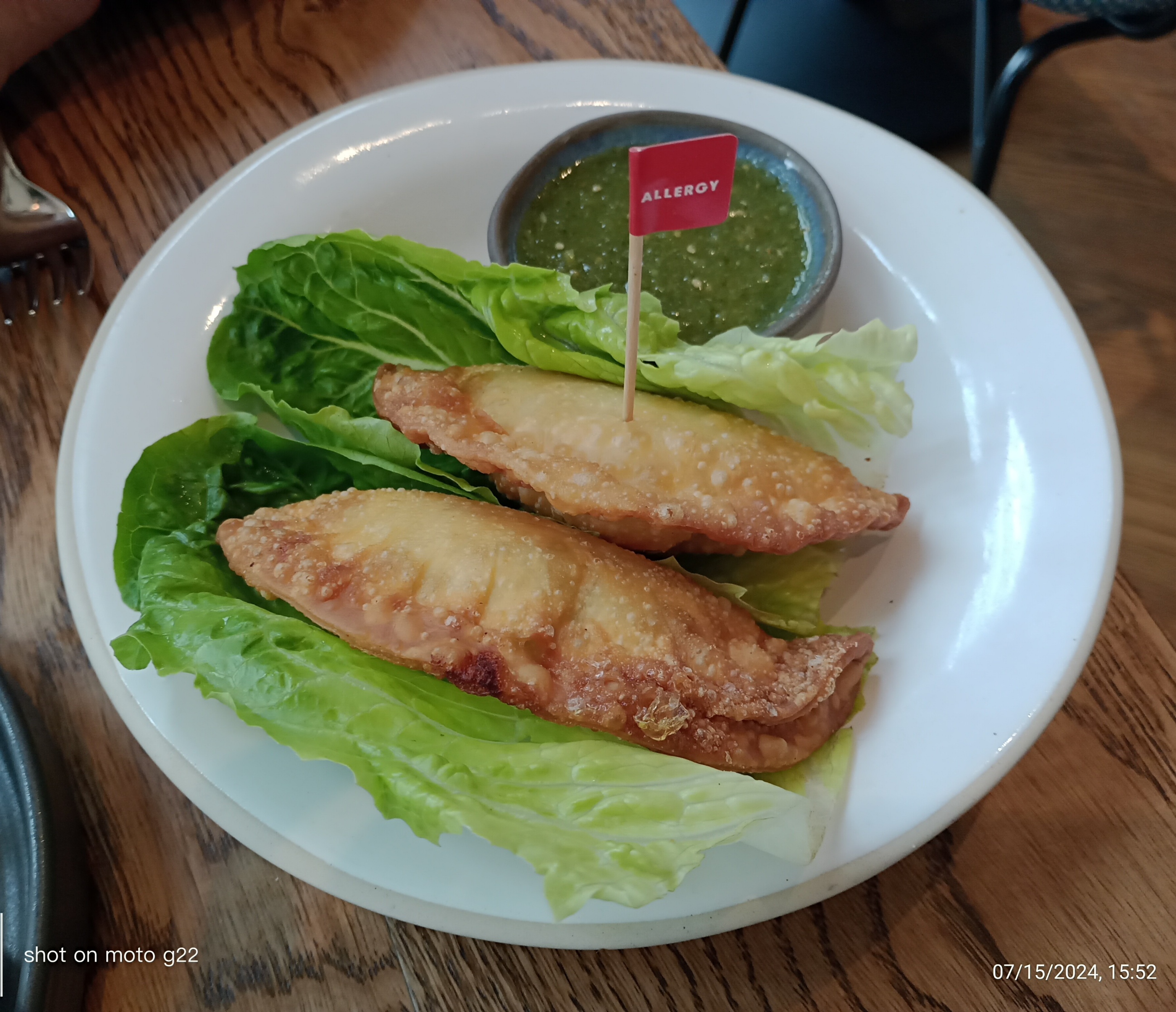
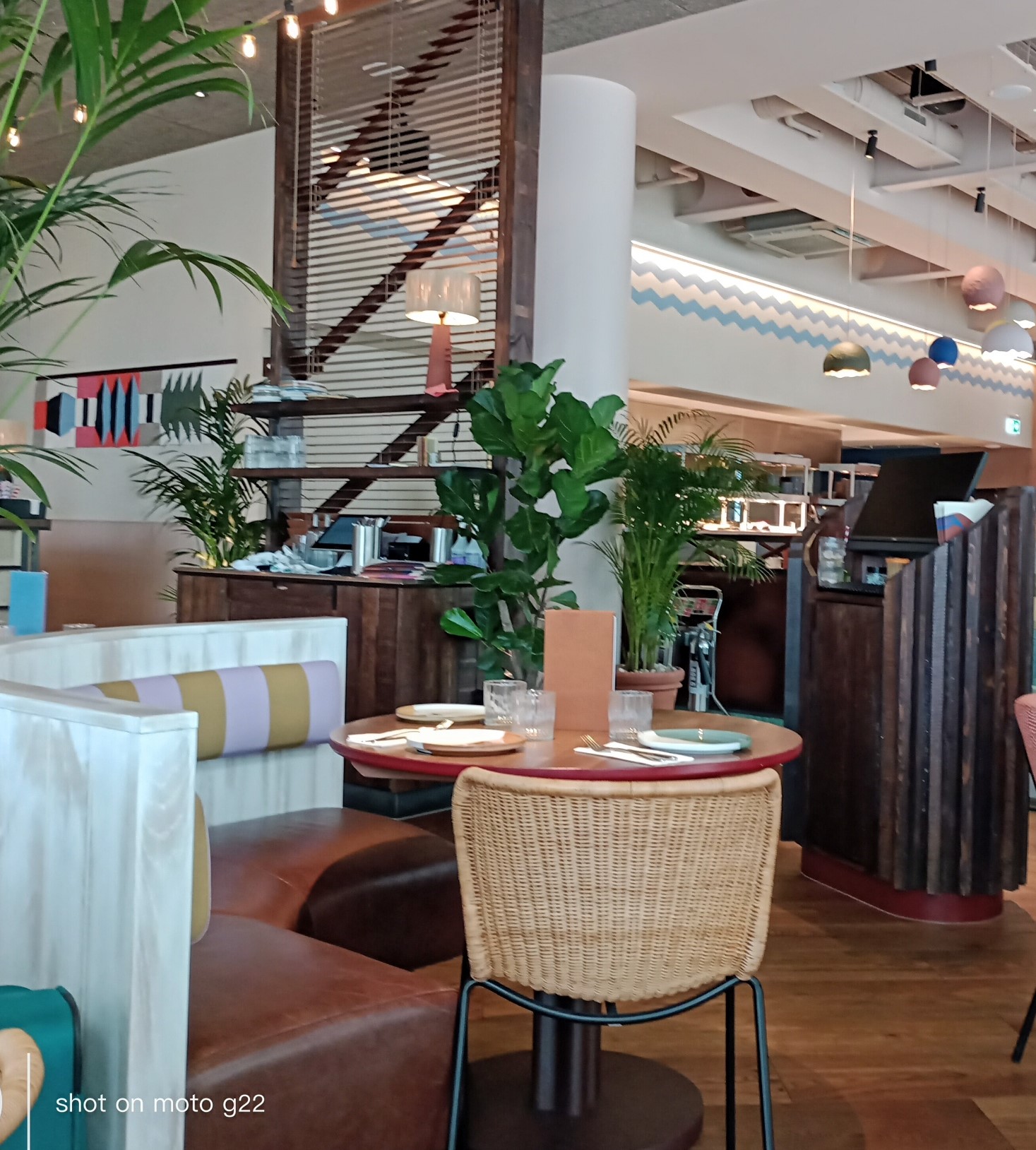
Wahaca is a chain of Mexican restaurants across the UK. However, the food is certainly different from the usual Mexican that is served in a chain. It is innovative, delicious, includes specials for the day, and is served in a pleasant atmosphere. we thoroughly enjoyed the following, although the cauliflower was a little disappointing.
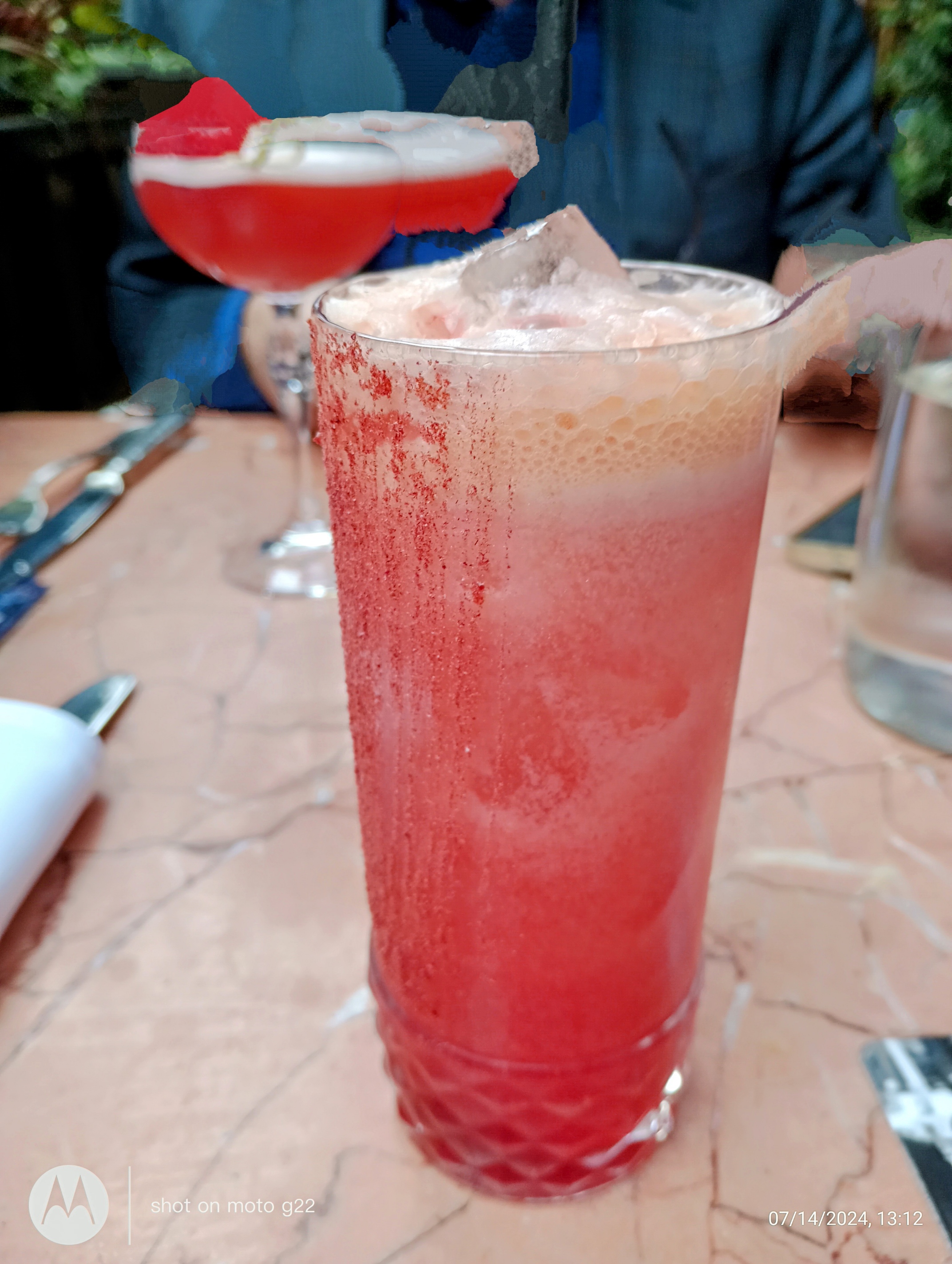
Sweet Potato & Feta Taquito – With caramelised onion, salsas and chipotle mayo in a crisp blue corn tortilla; Crispy Cauliflower Bites – Crispy buttermilk-battered florets, with roast jalapeño allioli; Free Range Chicken Club – With avocado, lettuce, melted cheese and chipotle mayo; Pea and Mint Empanadas – Crispy pastry parcels with creamy feta, organic potato, and fresh herbs, served in a lettuce leaf with tomatillo salsa. And fancy mocktails – seemingly a feature of this trip!





The Mad Bishop and Bear
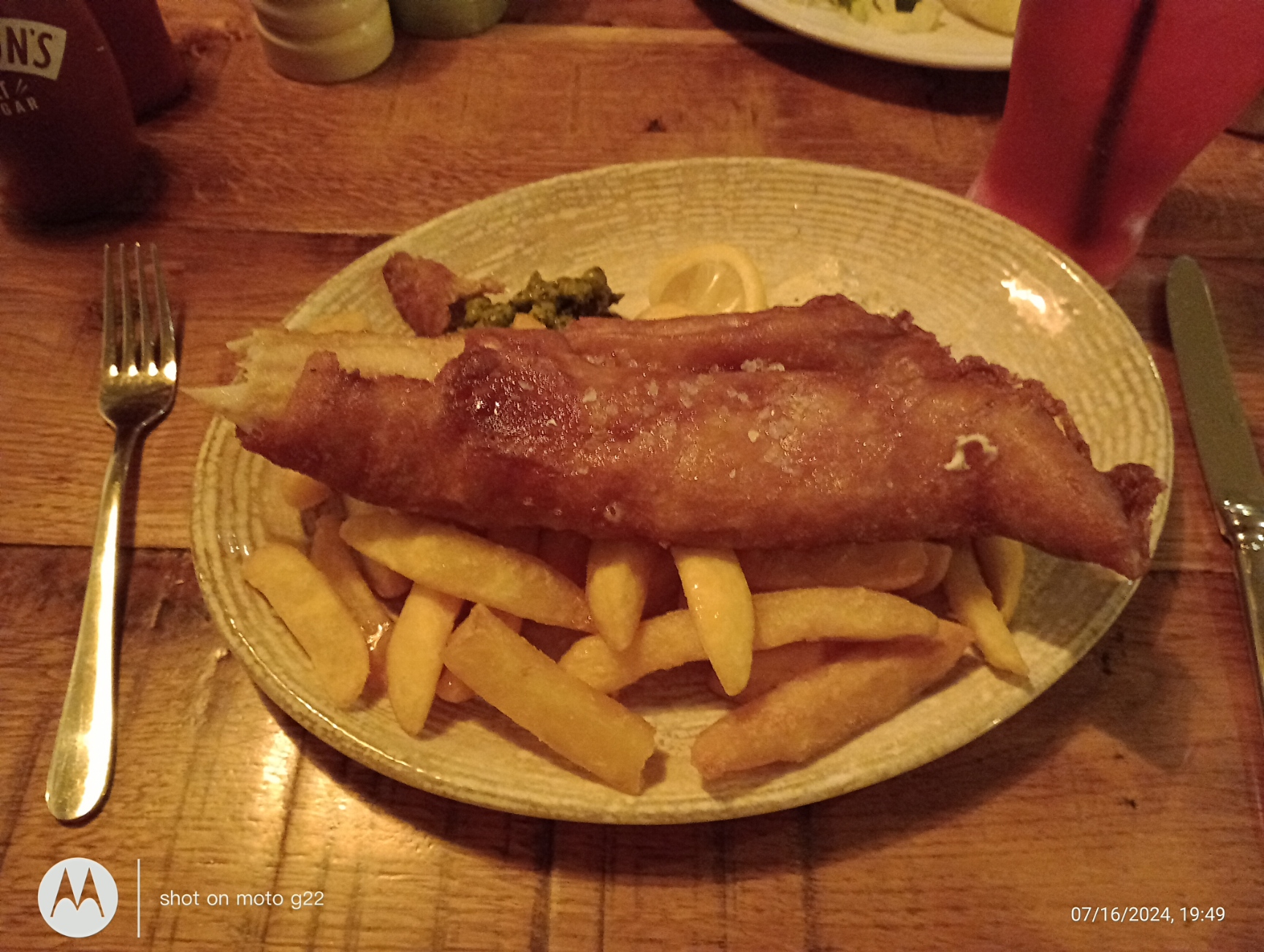
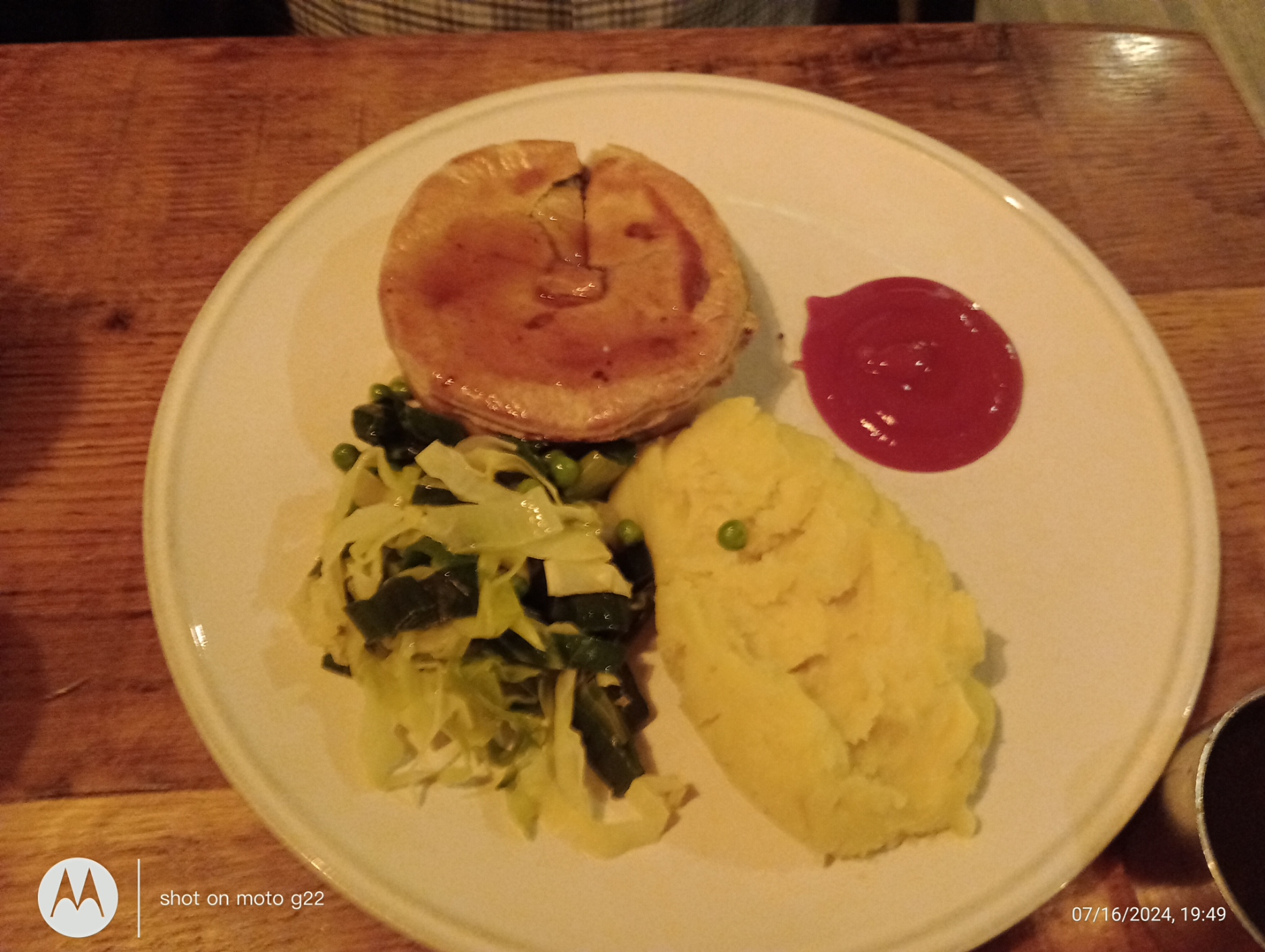
The Mad Bishop and Bear is a pub in the Paddington Station which offers a really good menu, friendly and efficient service, and comfortable seating. The fish is haddock, rather than cod, and the batter is crisp. The chips here are worthy of the name – they are crisp where they should be, and fluffy inside, most of all, they are hot. They are also too plentiful.

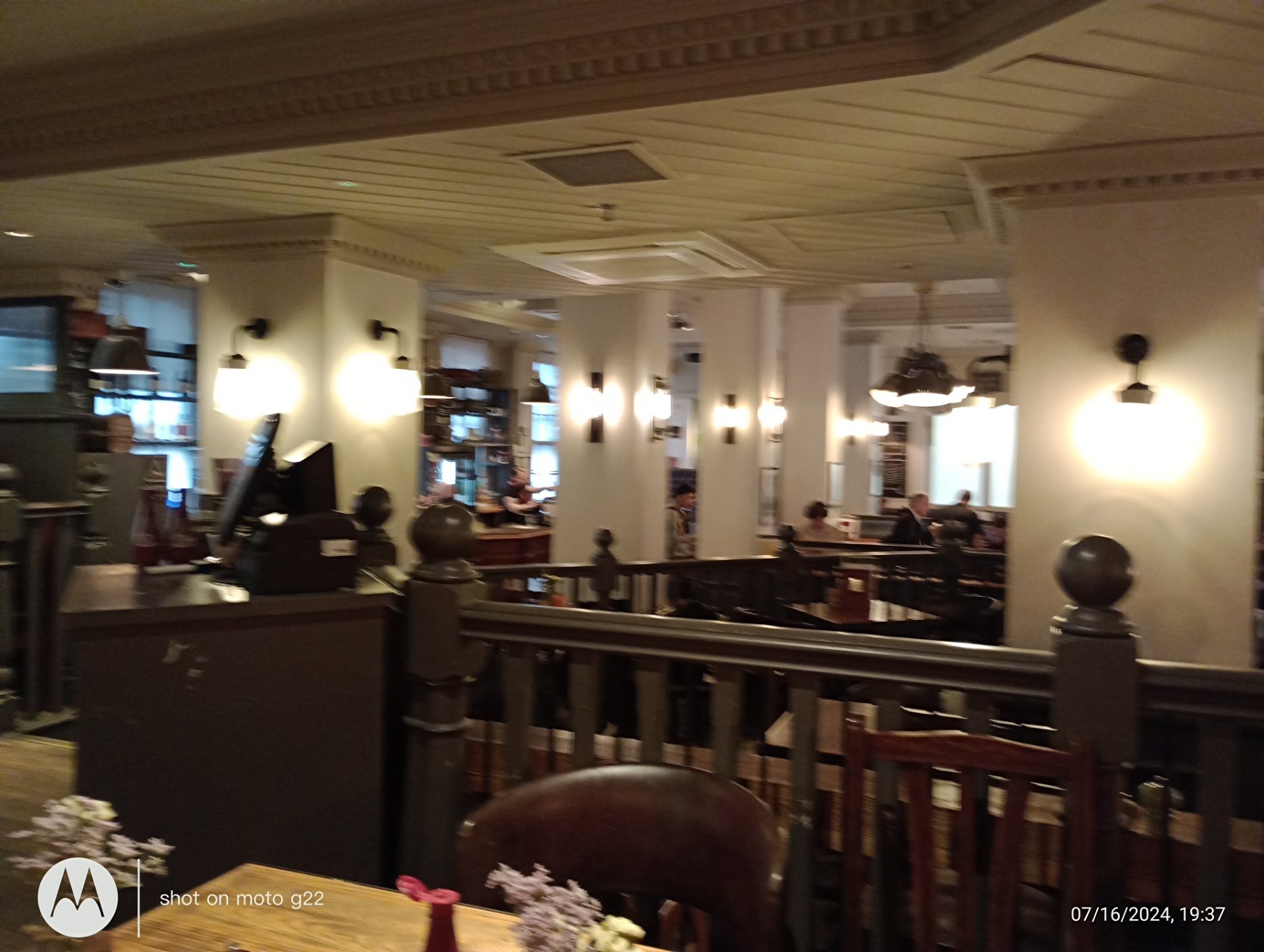

Isola Italian Restaurant, St Christopher’s Lane
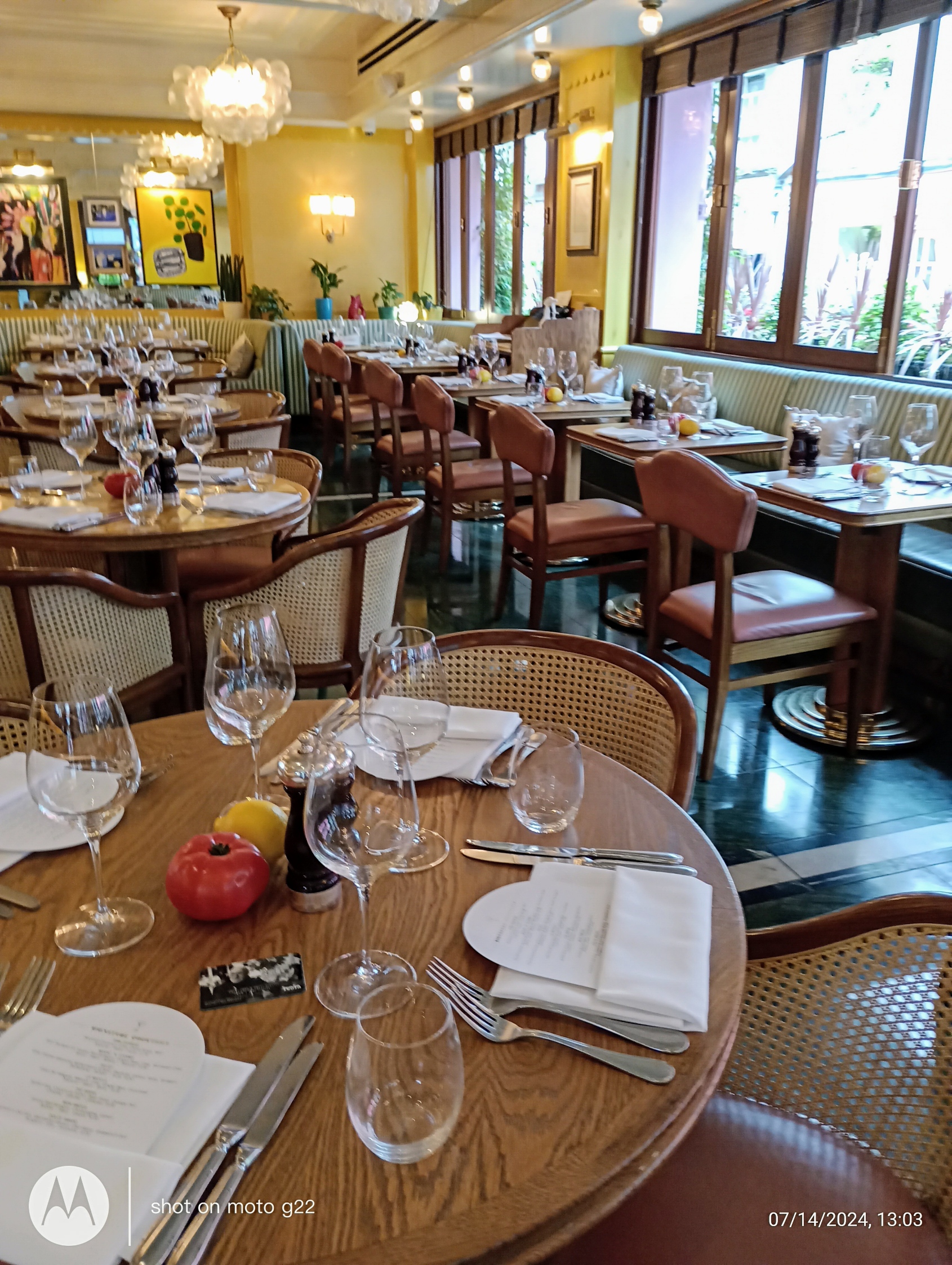
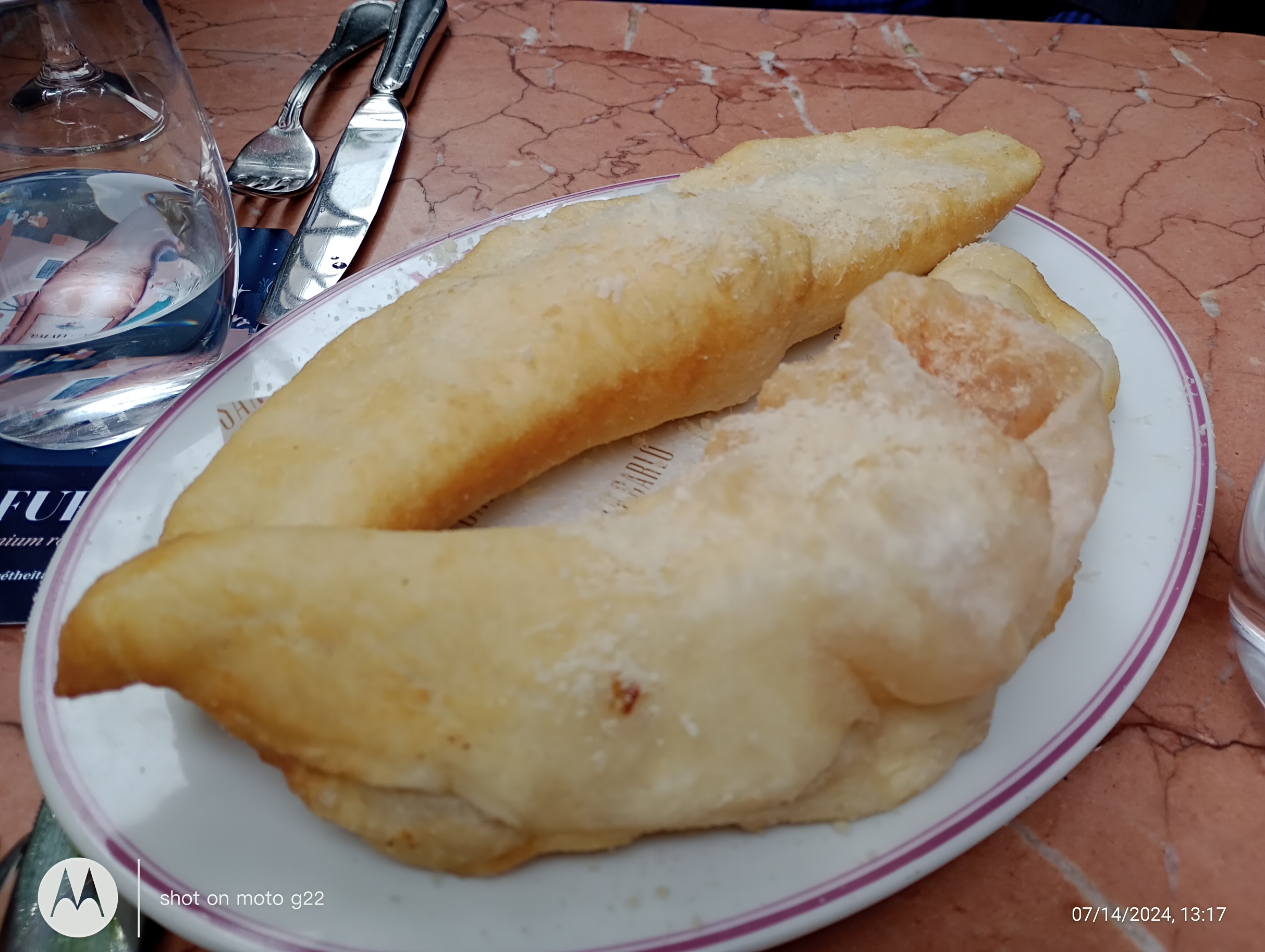
Lunching at Isola after the recital at Wigmore Hall was a new and pleasant experience. An interesting entree was the Panzerotto Pugliese which is a fried pizza dough filled with San Marzano tomato sauce, buffalo mozzarella and basil. The fried made another excellent entree, and the pastas were flavoursome. However, as usual, no pasta compares with that I so enjoyed in Bagni di Lucca which really was the silky pasta described as what a pasta should be. However, the pasta was perfectly al dente.


Sheila’s Cafe
If you really want breakfast quickly, and are prepared to squeeze into any space available, do try Shiela’s. We ventured into the doorway, noted that there were no tables, and had turned away. A couple exited, laughing – they had left promptly to accommodate us. As we sat and watched we could see that this is a feature of Shiela’s everyone possible is served, as the exuberant host almost fetches people in from the pavement. This is a delightful place, serving simple but good meals, quickly and efficiently with smiles all round.


Photo of Sheila’s from candaceabroad. com
Pride of Paddington
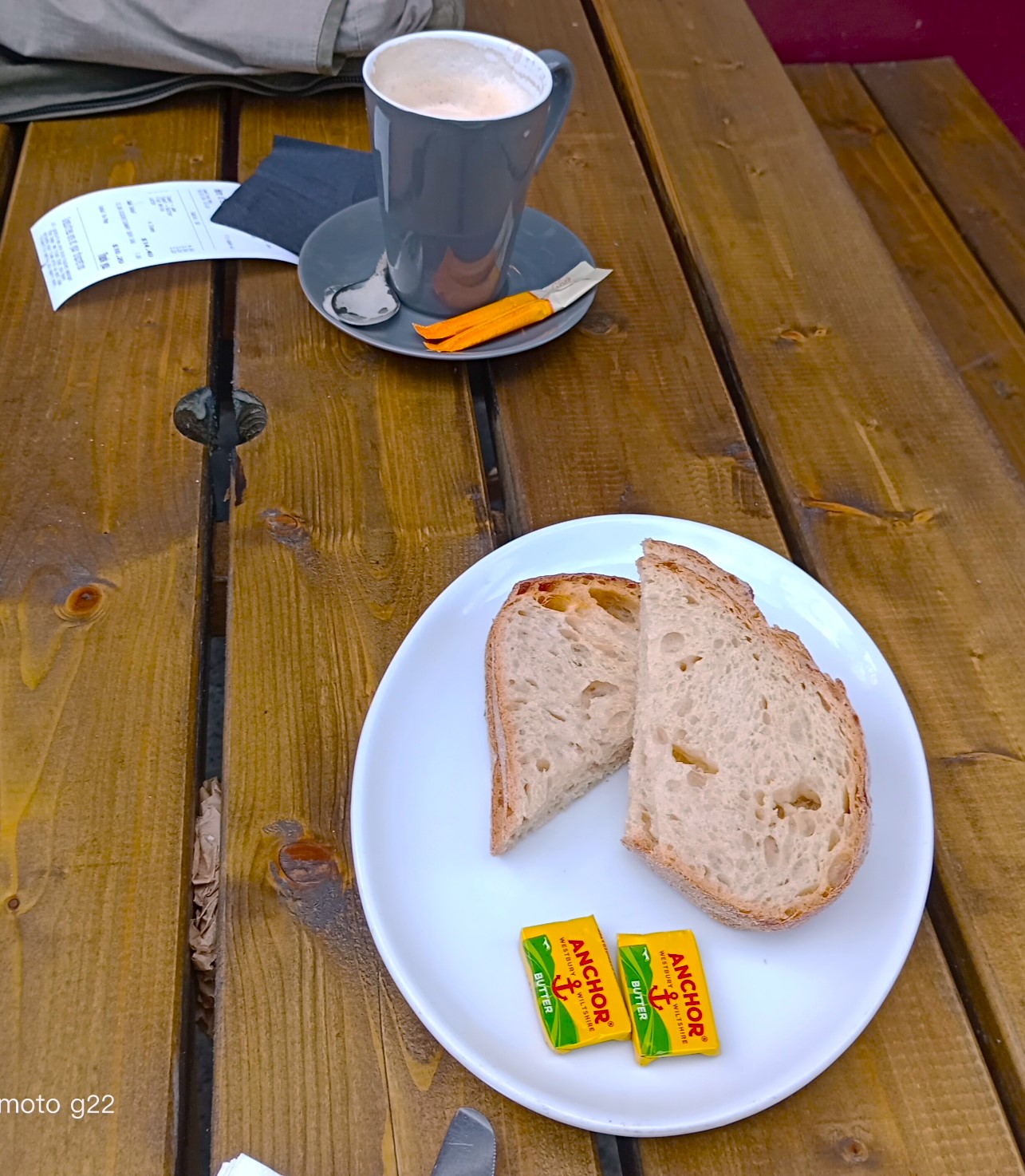
As well as the English Breakfast and similar dishes, the Pride of Paddington served hot buttered toast and tea. This is something I have longed for through wonderful breakfasts served by friends, restaurants and cafes. The toast was rather pale, there was no vegemite, but this was a great last breakfast before going to Heathrow. What could be better than sitting on a corner in the sunshine with a London red bus and an English taxi as part of the scene?



Walk from Paddington to Kensington
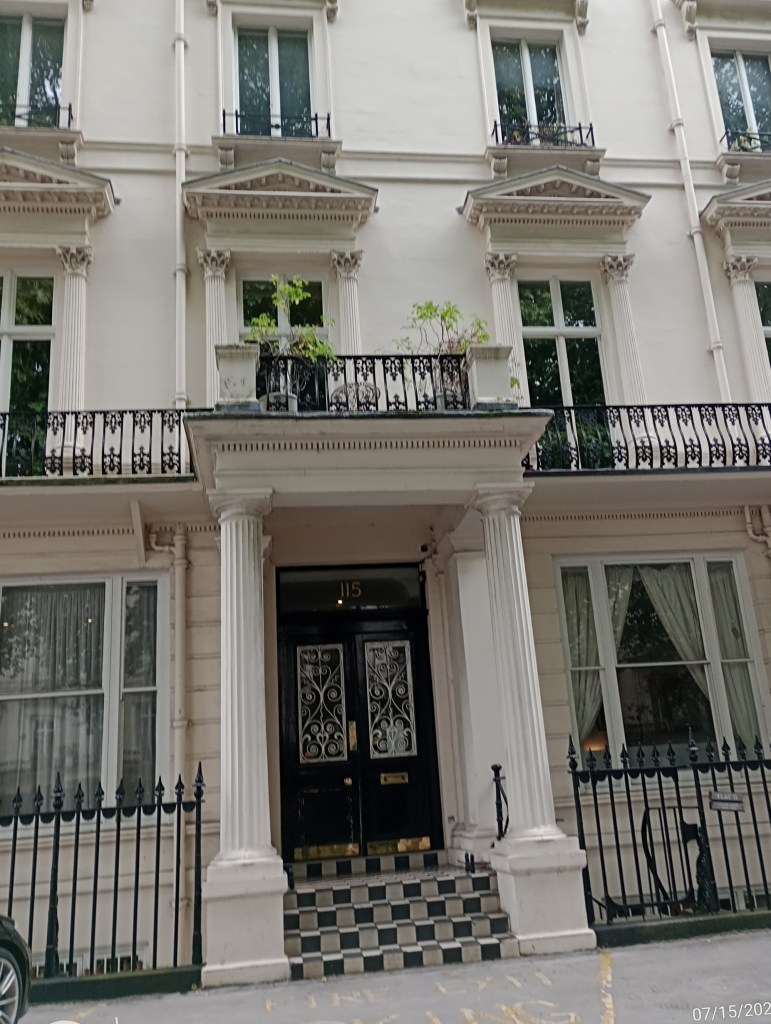
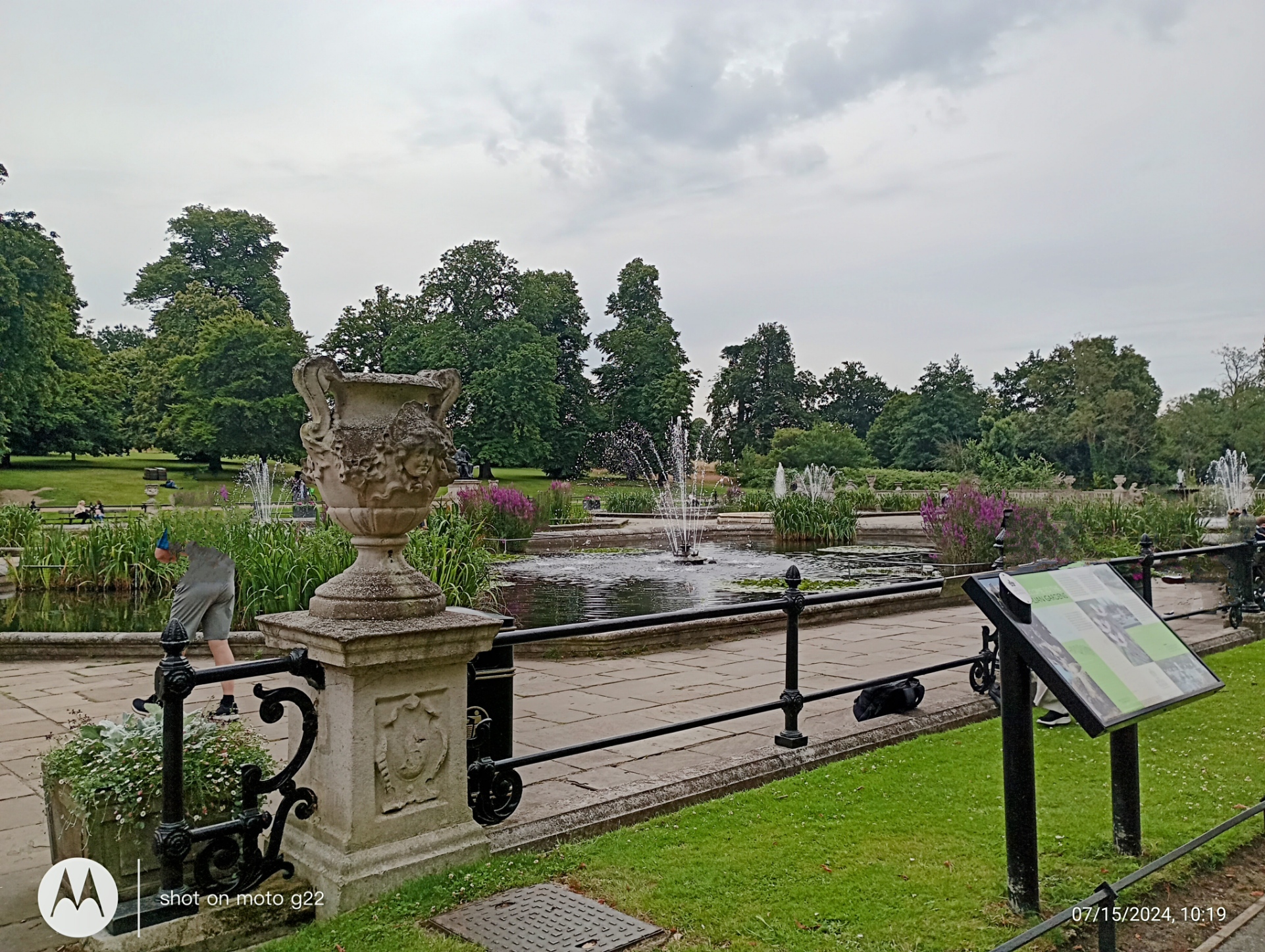
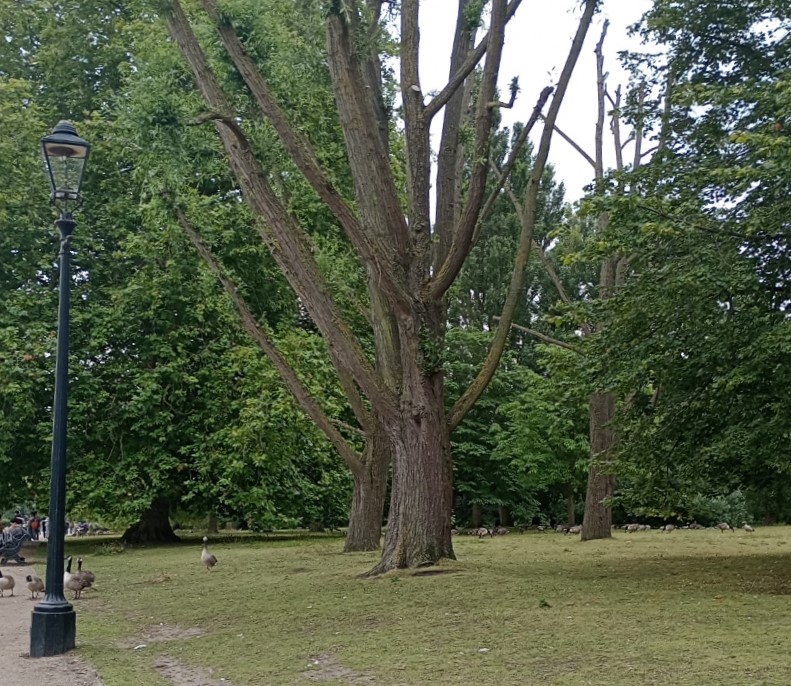
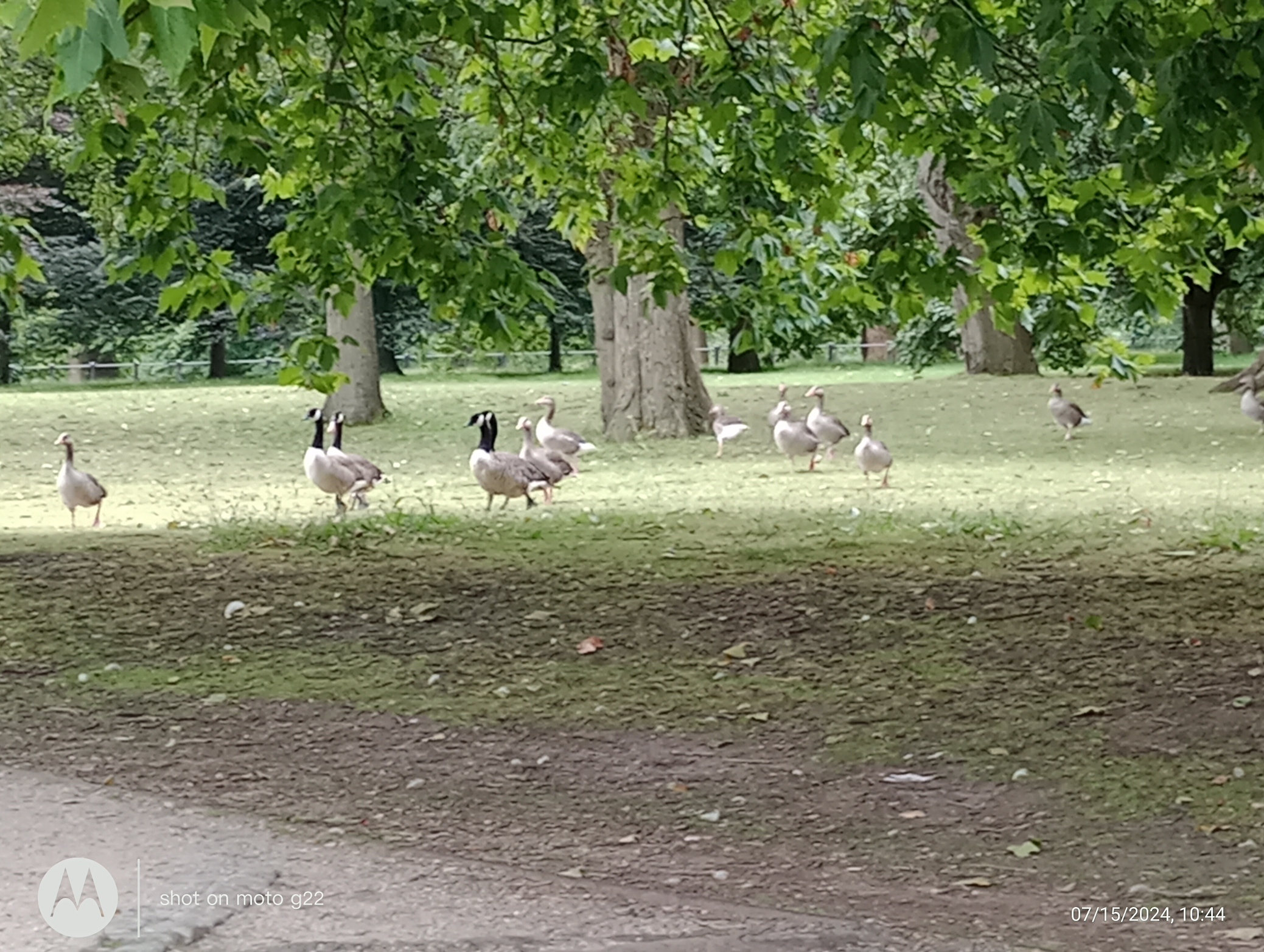
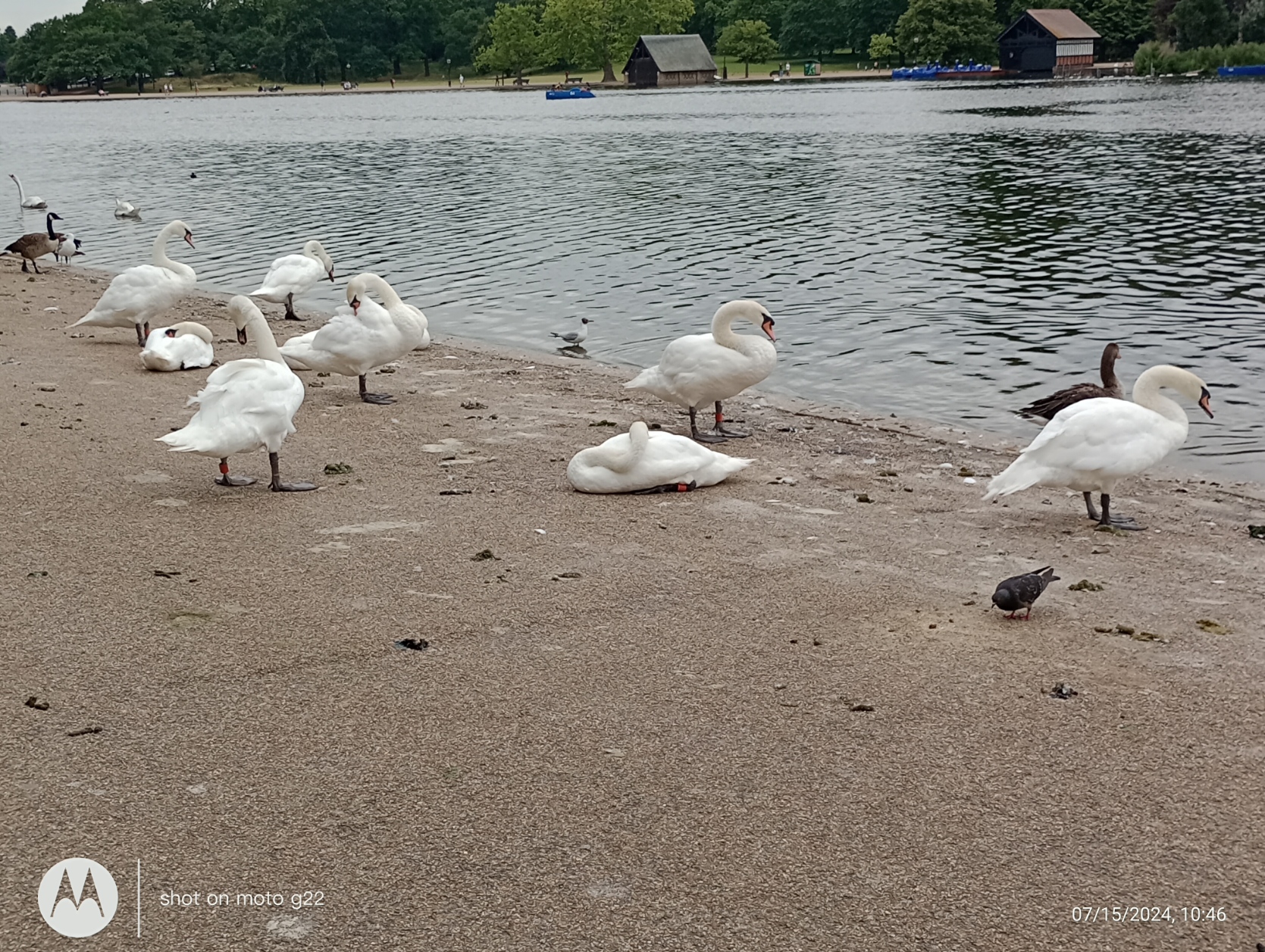
One of the few sunny days, and worthy of a walk, through Hyde Park, starting near Paddington Station, along Westbourne Terrace, down Craven Street for breakfast and past the Italian water feature and some very determined geese marching from afar and demanding to be fed – totally disobeying the notices. The swans were aloof. No squirrels…



Canberra winter day
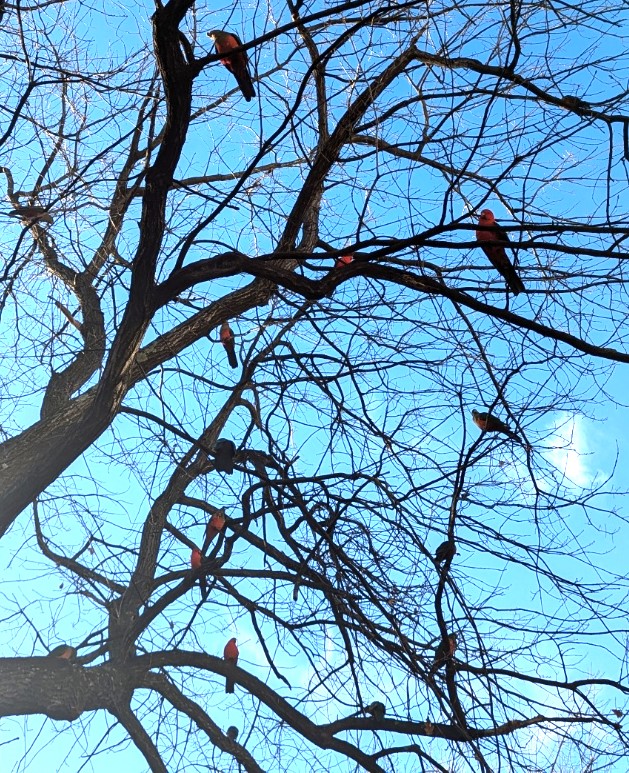
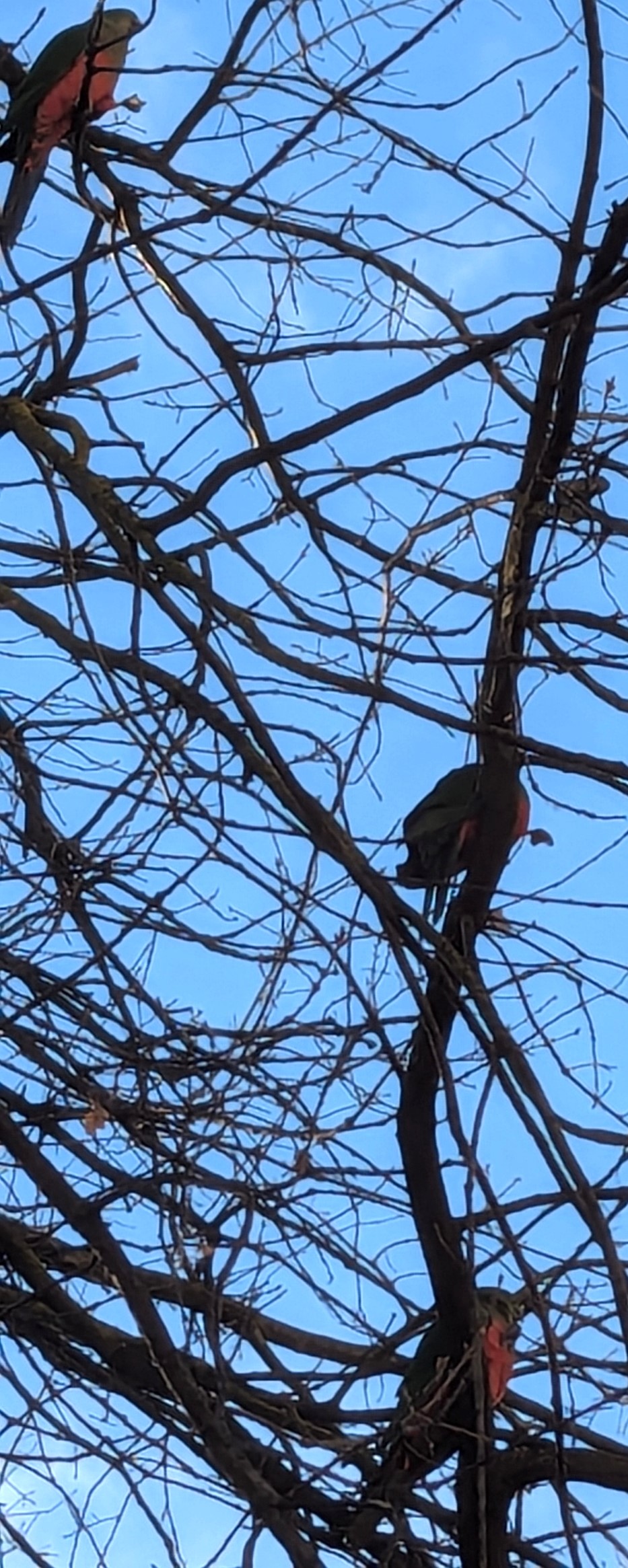
After all, a Canberra winter day is rather wonderful too.



By: NEWS WIRES
Irish writer Edna O’Brien, who ‘shattered silences’ about women’s lives, dies at 93
The writer Edna O’Brien, whose more than 60-year career included the 1960 novel “The Country Girls” that scandalised society in her native Ireland, died on Saturday aged 93, her agent said. O’Brien was named a commander of France’s Order of Arts and Letters in 2021 for her contributions to literature.
Edna O’Brien, the author who wrote of her native Ireland in such febrile prose, steeped in sex, love and religious angst, that it sparked national outrage and led to her self-imposed exile, has died aged 93, her agent said on Sunday.
Her 1960 literary debut stirred national contempt in then-staunchly Catholic and conservative Ireland, prompting a priest in her hometown to call for it to be burned. The culture minister of the time branded it “a smear on Irish womanhood”.
But when a selection of her personal papers was added to Ireland’s national library in 2021, Culture Minister Catherine Martin cited O’Brien’s unique importance as a novelist and chronicler of a country that had once shunned and reviled her.
“Edna was a fearless teller of truths, a superb writer possessed of the moral courage to confront Irish society with realities long ignored and suppressed,” Irish President Michael D. Higgins said in a statement on Sunday, describing O’Brien as a dear friend.
“While the beauty of her work was immediately recognised abroad, it is important to remember the hostile reaction it provoked among those who wished for the lived experience of women to remain far from the world of Irish literature… Thankfully Edna O’Brien’s work is now recognised for the superb works of art which they are.”
O’Brien died peacefully on Saturday after a long illness, her agent said in a statement.
In a career spanning more than 60 years, O’Brien wrote more than 20 novels and worked well into her 90s. Such was the universal appeal of her portrayal of women’s experiences, she received France’s highest cultural distinction in 2021.
‘Era-defining symbols’
Born in the western county of Clare in 1930, O’Brien grew up in a well-to-do Catholic family that had fallen on hard times. Educated at a convent, she fled her parents’ guilt-inducing influence as a teenager to train as a pharmacist in Dublin.
In 1954, to the fury of her family, she married the Czech-Irish writer Ernest Gébler, 22 years her senior. They moved to London where she worked as a reader for a publishing house, which then commissioned her to write.
Her frank treatment of sexuality in a trilogy of novels that began with “The Country Girls” and included “The Lonely Girl” and “Girls in Their Married Bliss”, scandalised Irish society. Her first six novels were banned by the Irish censor.
The moral hysteria that in particular greeted “The Country Girls”, a novel based on the sexual awakening of two girls from the west of Ireland, ensured that O’Brien and the book became, for Irish novelist Eimear McBride, “era-defining symbols of the struggle for Irish women’s voices to be heard”.
“Edna’s work shattered silences, broke open new ground, stirred deep recognitions,” another Irish novelist Joseph O’Connor said in a tribute to O’Brien on her 90th birthday. “Writing is why she was put here.”
Gébler’s resentment of O’Brien’s literary achievements later led to divorce. She was left alone with two young sons when it was scandalous to be a single mother.
A bohemian period that followed included a brief relationship with actor Robert Mitchum, and parties at her house in Chelsea where Laurence Olivier sang hymns, British Prime Minister Harold Wilson danced, and Ingrid Bergman arrived “in a coat with a high fur collar”.
Vanity Fair called her the “Playgirl of the Western World,” a reference to another Irish writer J.M. Synge’s 1907 play “The Playboy of the Western World”.
O’Brien also wrote five plays and four works of non-fiction.
Her latest novel, “Girl”, a 2019 tale about the girls kidnapped in Nigeria by Islamist Boko Haram militants, included research trips to West Africa while in her late 80s.
In 2015, Irish President Higgins apologised for the scorn once heaped on O’Brien in her now socially transformed homeland.
“I did not have that brilliant a life in many ways,” O’Brien told The Guardian newspaper in 2020.
“It was quite difficult and that’s not said in self-pity. But one thing that is true is that language and the mystery of language and the miracle of language has, as that lovely song Carrickfergus says, carried me over.”

 Robin's Room