
Joshua Stein The Binge Watcher’s Guide to The West Wing Seasons One and Two Riverdale Avenue Books The Binge Watcher’s Guide, August 2024.
Thank you, Net Galley, for providing me with this uncorrected proof for review.
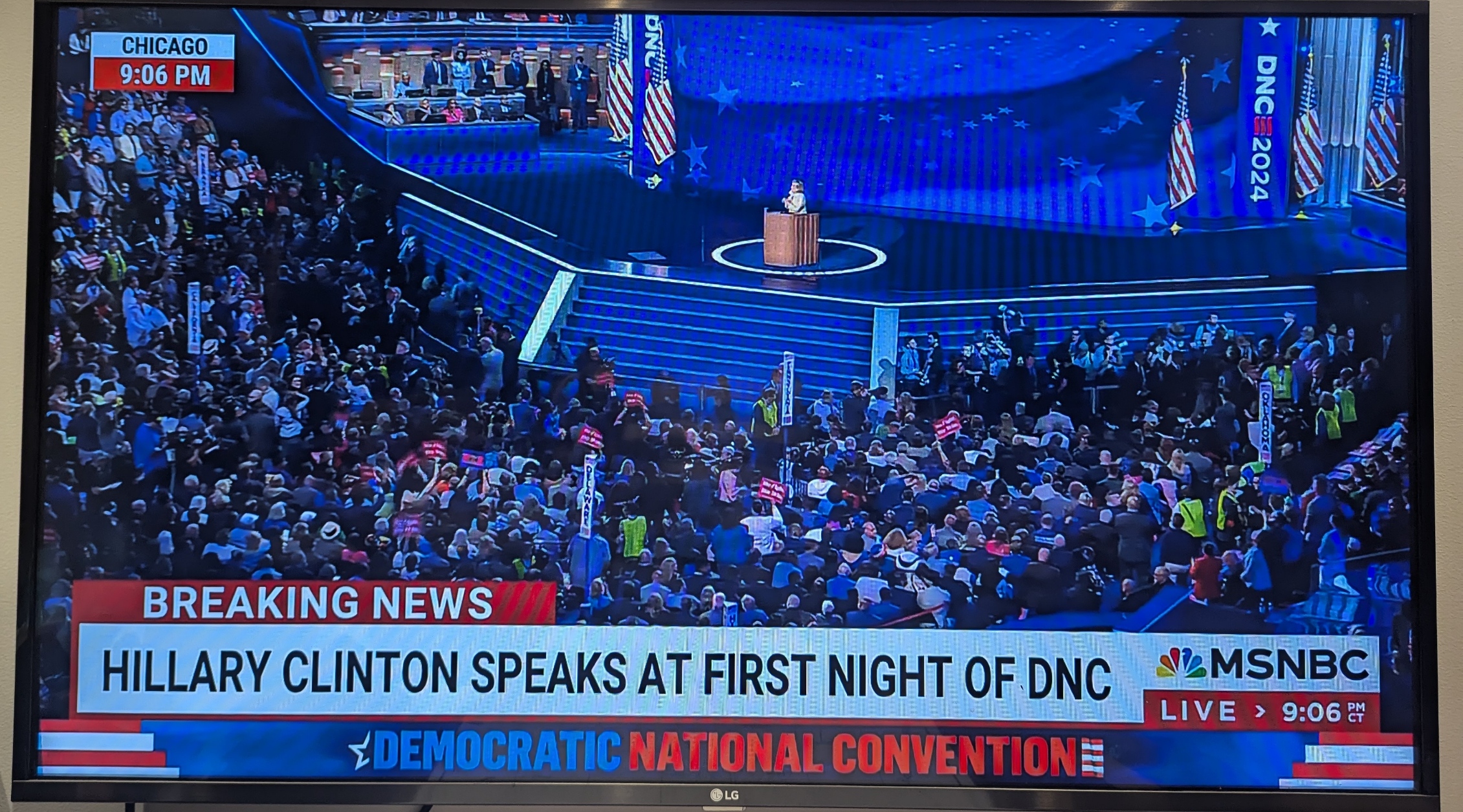
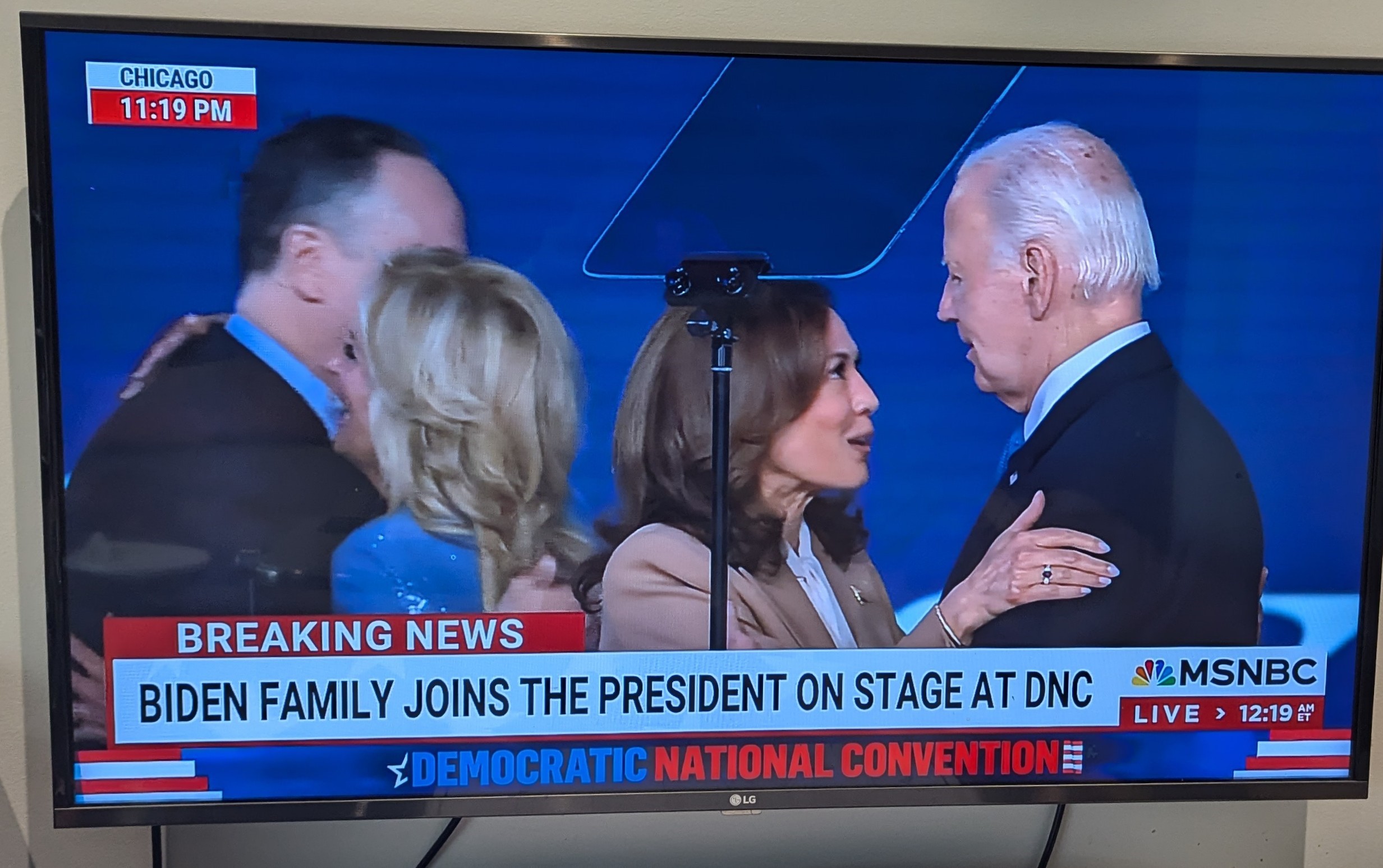
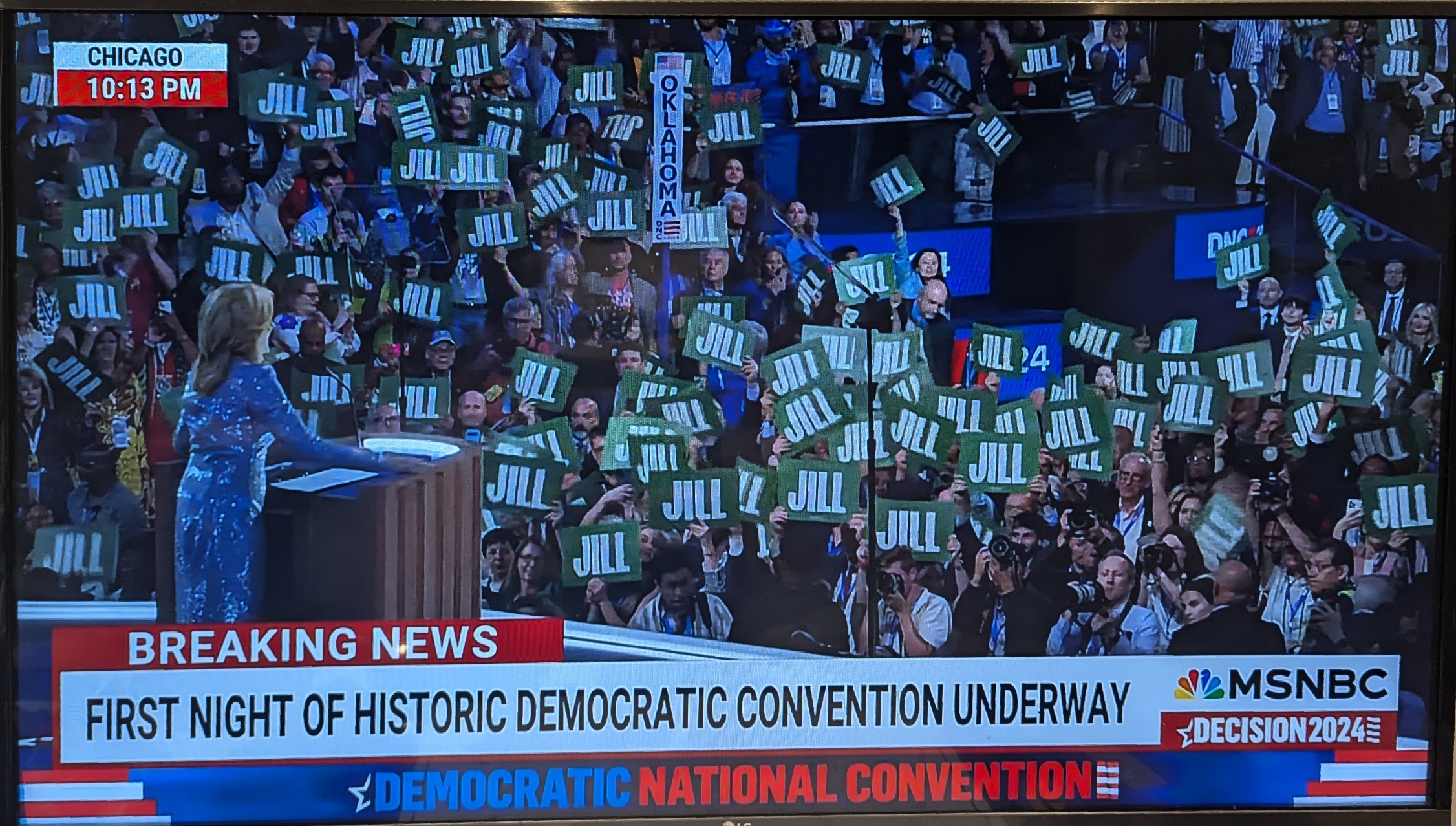
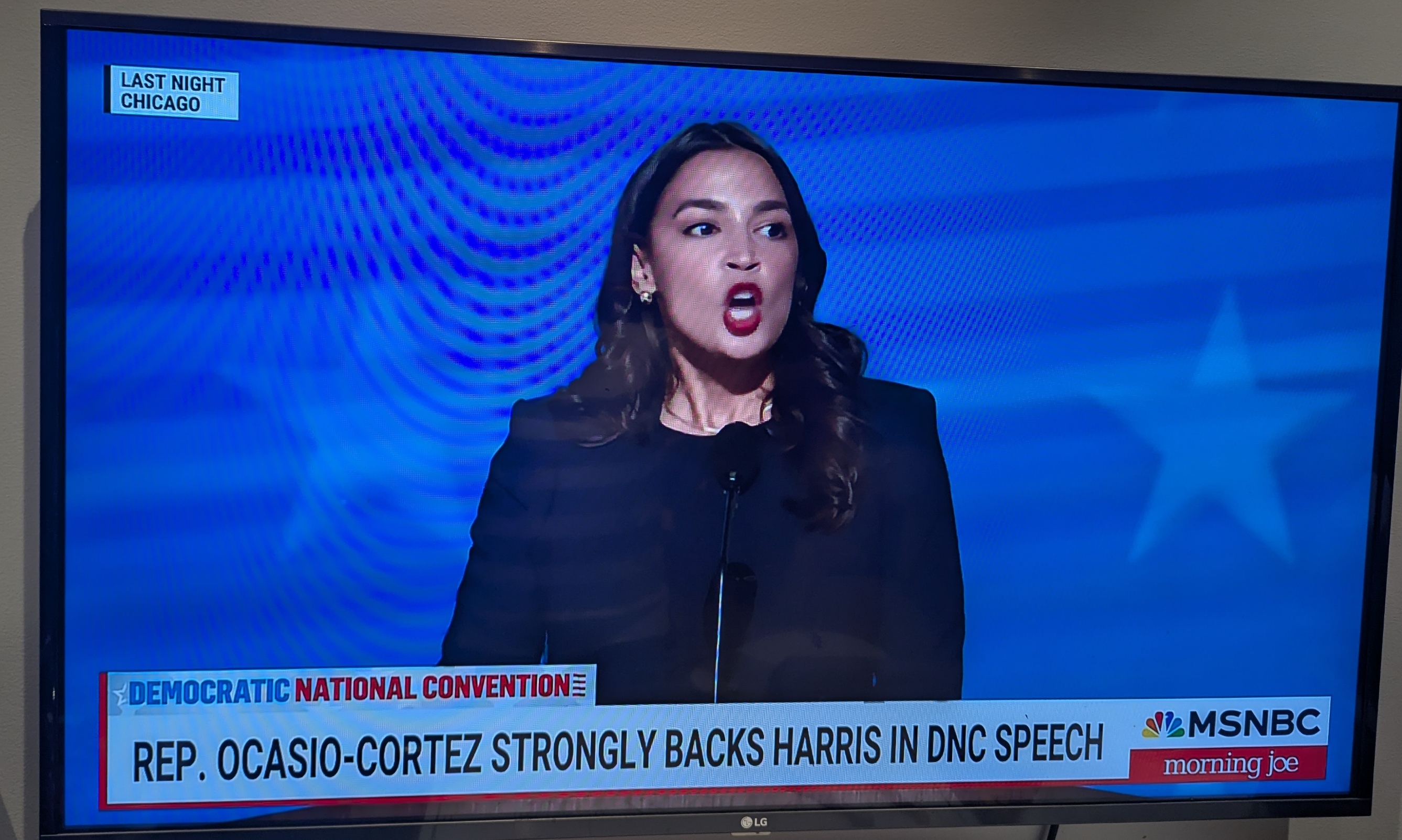
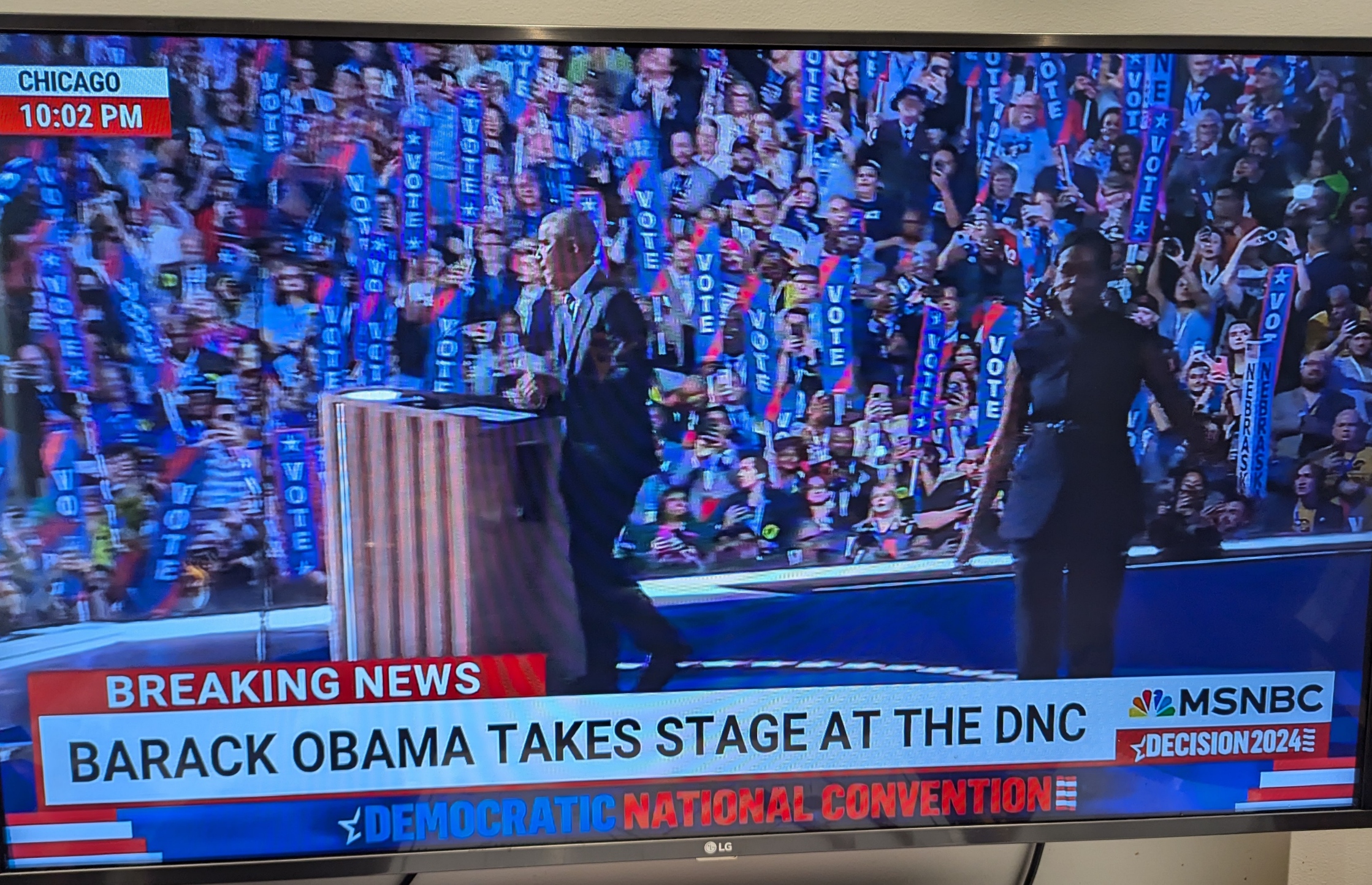
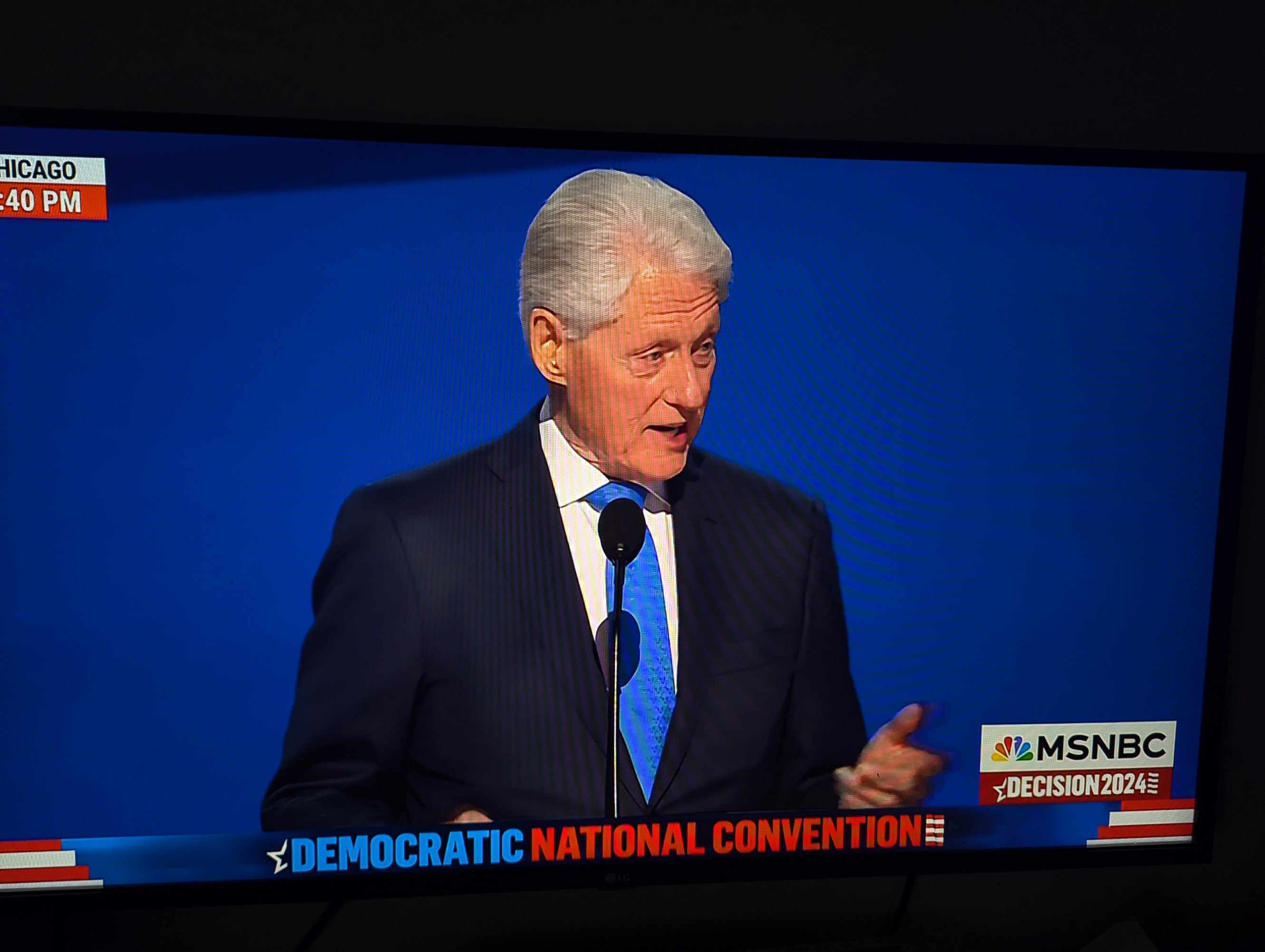
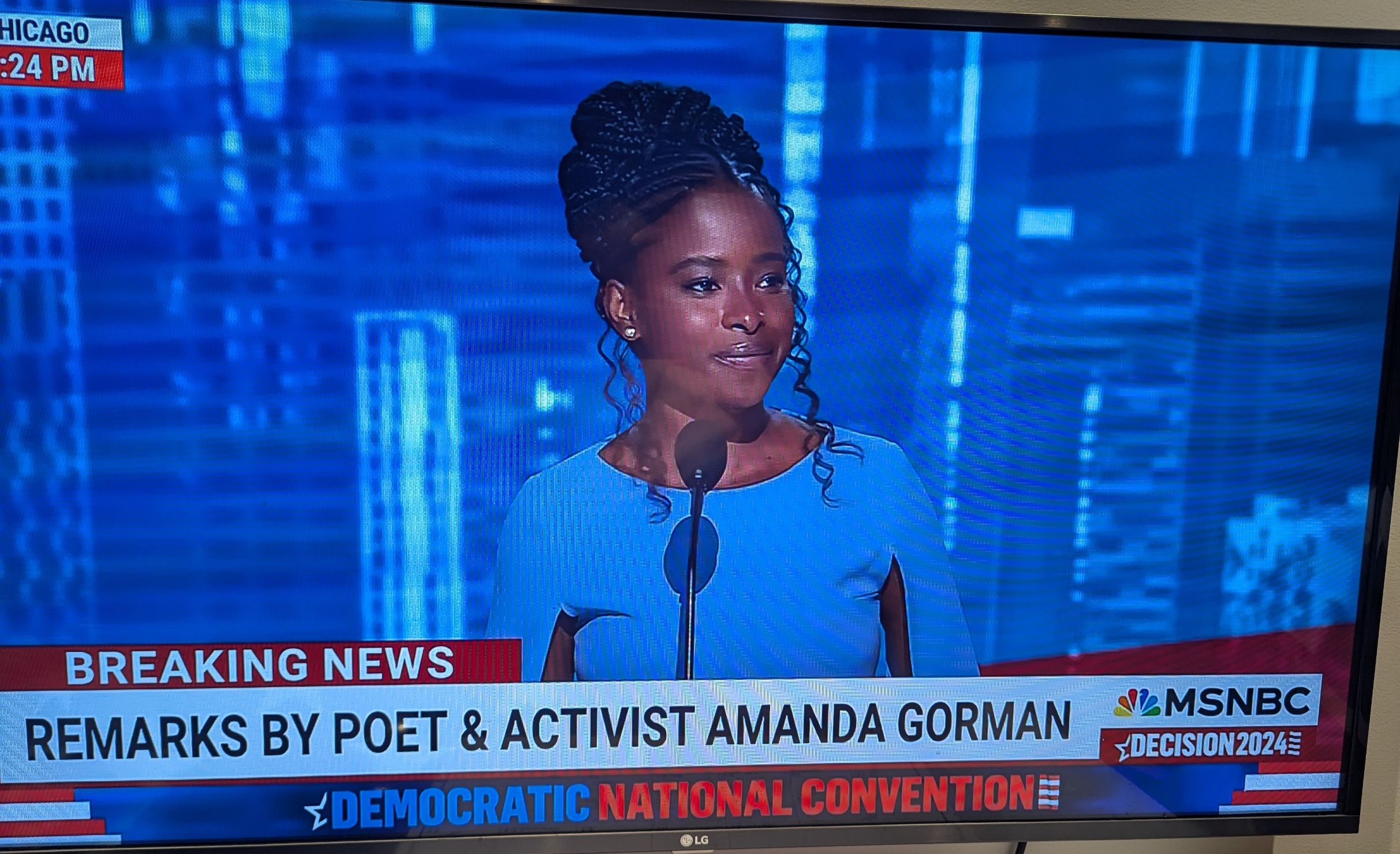
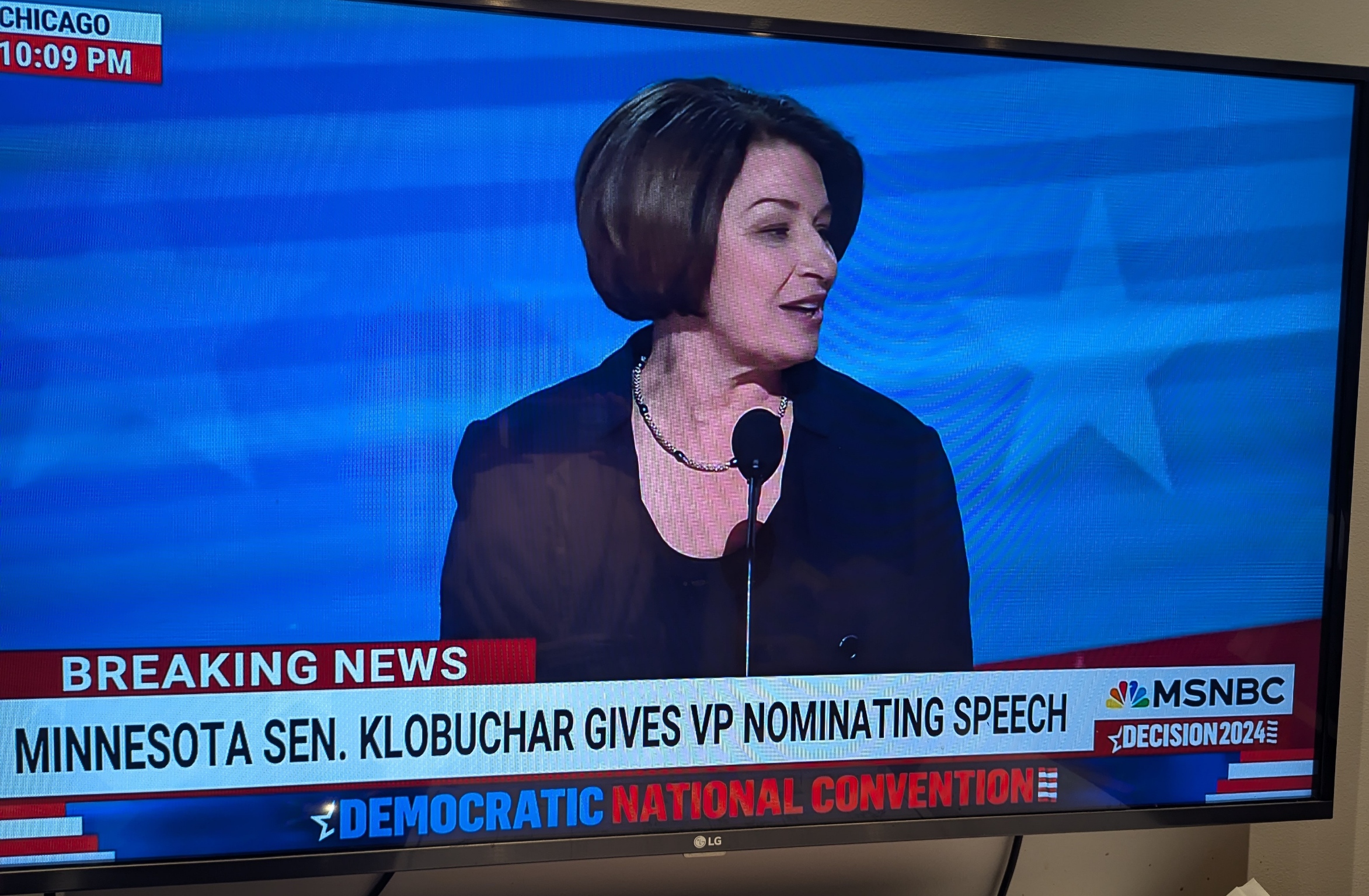
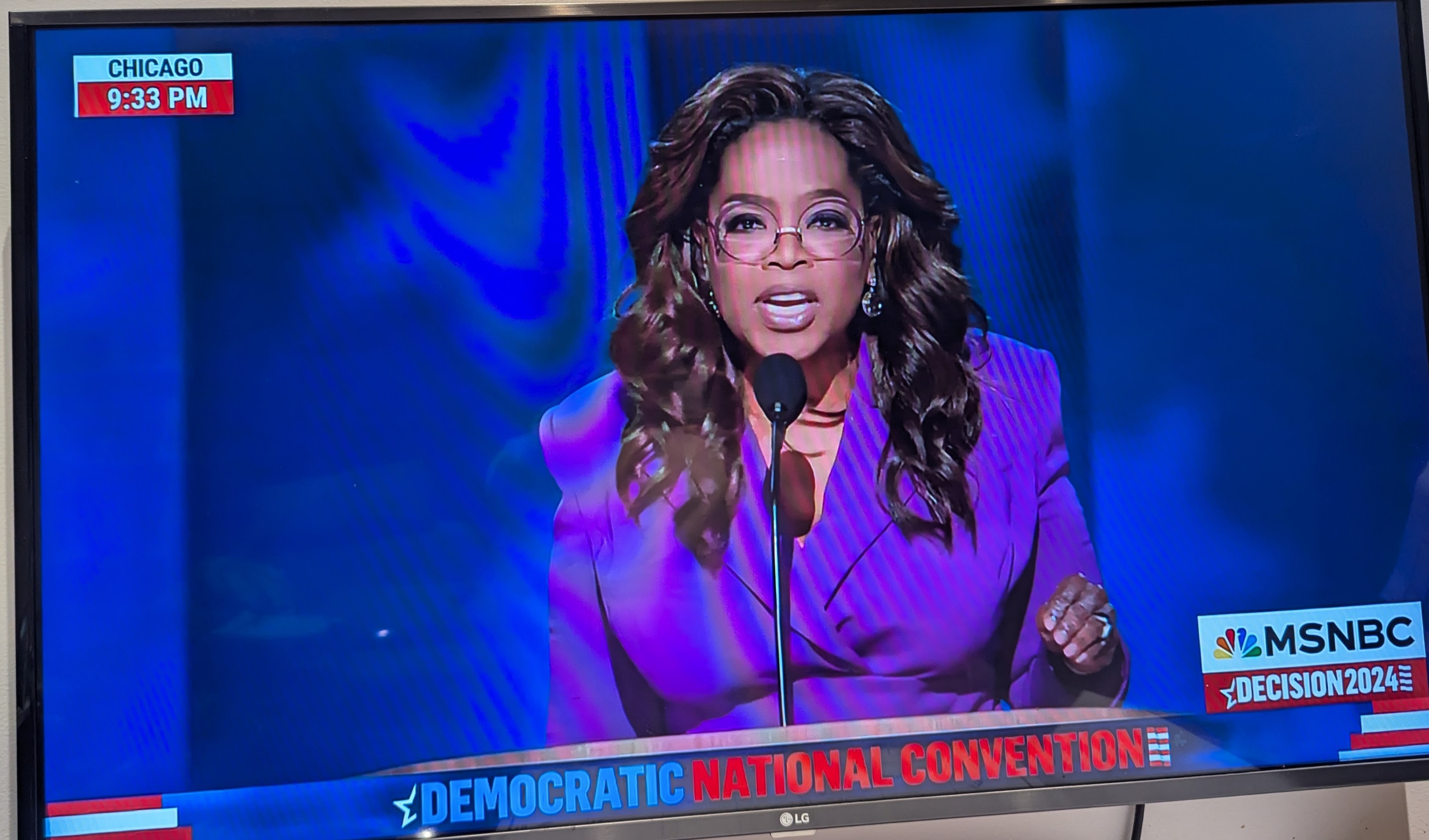
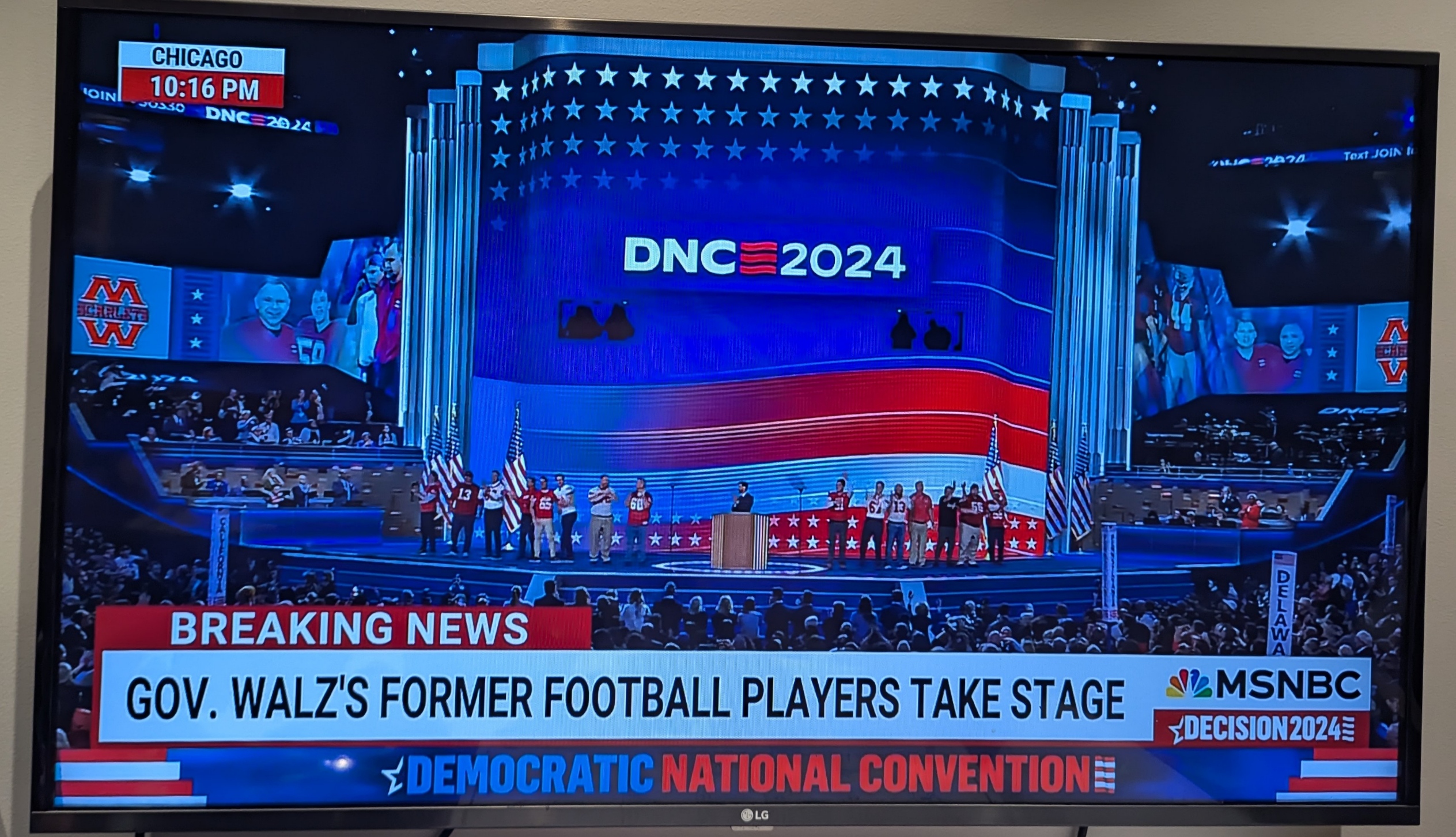
Reading The Binge Watcher’s Guide to The West Wing while also watching the 2024 Democratic National Convention could not have been more propitious. At the same time Joshua Stein deftly outlines the real stories associated with some of the episodes, the way in which he points to criticisms of some of the positions held by President Clinton and demonstrates the demeaning way in which women were treated, thereby undermining the dream that this series seemed to portray, another possibility of a better West Wing is unfurling in Chicago at the Democratic National Convention. Together with the enthusiasm, joy, abounding optimism and inspiring speeches, there are words of caution and solid understanding of what it means to govern, to adopt the mantle of responsibilities of the presidency and West Wing staffers.

These realities are worth thinking about when reading The Binge Watcher’s Guide to the West Wing. As Michelle Obama opined, people running for office are not perfect, and cannot be expected to be. Committed Democrats must continue to work to win office, regardless of how well their contribution is acknowledged and publicly appreciated. Everyone cannot expect perfection from others – there is no time for pettiness. In this instance, she and others cautioned that working for Kamala Harris and Tim Walz to become President and Vice President is too important for such minor concerns. In short, the dream and essential reality being offered by this team must be supported. So, at the same time as reading that our West Wing heroes and heroines can be less than perfect, that the president’s ideals and policy initiatives are not always the height of integrity, and squirming at the way in which women’s contributions and lives are not valued it is also worth maintaining the wonder with which we watched The West Wing in our unadulterated enthusiasm to believe in a better political way and integrity beyond that possible in an environment in which to introduce worthwhile polices winning is necessary. See Books: Reviews for the complete review.



Bob McMullan – American Presidential Election 2024

US election review at 26 August
It is hard to imagine a candidate having a better week than Karmala Harris just had. The Democratic National Convention was a triumph for her. It builds on an almost unbelievably good four weeks since Joe Biden pulled out of the campaign and anointed Kamala.
Furthermore, the Republican nominee, Donald Trump, has been struggling to respond to her.
There is no doubt that Vice President Harris has momentum in her campaign.
All this good news raises two key questions.
First, how does the Harris/Walz campaign team maintain the momentum? Although the time remaining is short by traditional US election standards, the time between the Convention and polling day is double the length of a normal Australian election campaign. More will need to be done to build on a very strong start. Early voting in some states begins in mid-September, but without the impact of Covid on this election I expect most people to vote in November.
The second question is, after all this good news why is Harris only slightly in front? The improvement in polling for the Democratic Party candidate has been remarkable. But the election is still close. The Economist reports that Nate Silver’s model gives Kamala Harris a 56% chance of beating Trump. The Economist’s own model puts her prospects at 52%. It is always better to be in front than behind, but these numbers illustrate how close the election is at the moment.
The next major scheduled event will be the Presidential debate on 10th September (if it occurs). While Harris has the skills to do well in such a debate, Donald Trump should not be underestimated. He is an experienced campaigner and very unorthodox. He can strike major blows on his opponent from unexpected directions.
Another recent variable has been the withdrawal of Robert Kennedy Junior and his endorsement of Donald Trump. How much impact will this have? Not much. The best assessment I have seen suggests a slight benefit to Trump, perhaps as little as 0.3%. This could be decisive in a very close election but it will be a very marginal factor in a volatile political climate.
So, how does the election stand now?
Both major polling aggregators, Real Clear Politics and 538, show Kamala Harris in front in enough states to win. But not as far in front as Joe Biden or Hillary Clinton at the equivalent stage of their campaigns.
And Democrat aligned pollsters are warning that the polls could be underestimating support for Trump. This is a much more of a risk under non-compulsory voting than the Australian situation as some categories of low propensity voters have tended to support Trump in the last two elections, and he has the capacity to turn out more of them than usual. Remember, he received 74 million votes in 2020.
However, the current situation is as at 25th August:
538 has Harris ahead nationally by 3.6% and ahead in Arizona, Michigan, Nevada, North Carolina, Pennsylvania and Wisconsin. This would be an equivalent result to Biden’s in 2020 in terms of the electoral college vote, with Harris winning in North Carolina rather than Georgia which Biden won. Both states have 16 electoral college votes.
RCP continues to track less well for Harris. They have her ahead nationally by 1.5% and ahead in Arizona, Michigan, Pennsylvania and Wisconsin. RCP has Harris and Trump tied in North Carolina and Harris trailing in Georgia and Nevada. This would still be enough to win but too close for comfort.





Anniversary of The West Wing
Martin Sheen (President Jed Barlett) and Melissa Fitzgerald (Assistant to C.J.) were interviewed briefly on Morning Joe, to talk about The West Wing and the book about the series, What’s Next, written by Melissa Fitzgerald and Mary McCormack.


Also celebrating The West Wing Anniversary
Inside ‘The West Wing,’ 25 years later

By Karen Zamora, Scott Detrow, William Troop Published August 20, 2024 at 3:10 PM CDT
NPR’s Scott Detrow speaks with Martin Sheen and Melissa Fitzgerald about all things West Wing. Fitzgerald co-wrote a new book called What’s Next about the legacy of the show.
SCOTT DETROW, HOST:
Politics are in the air this week as Democrats gather in Chicago for their national convention. But for the next few minutes, we are going to set aside the politics of real life for fiction…
(SOUNDBITE OF W.G. SNUFFY WALDEN’S “MAIN TITLE (THE WEST WING)”)
DETROW: …A very specific political fiction of contested political conventions, of accidental arrests of Supreme Court nominees, of secret plans to fight inflation. We are talking about “The West Wing.” Twenty-five years ago next month, it premiered on NBC. When the show first got picked up, the cast was skeptical the series would last.
MARTIN SHEEN: It’s about politics. It’s about very liberal politics with a Catholic president and a moral frame of reference and all of these very, very energetic, committed young people. Who’s going to watch it?
DETROW: That, of course, is Martin Sheen, who played President Jed Bartlet. And that skepticism – it was warranted because, up until that point, there was a pretty clear track record. American audiences did not want to watch shows about politics at all, as fellow cast member Melissa Fitzgerald points out.
MELISSA FITZGERALD: That had never happened in television before. There had never been a successful political television show.
DETROW: “The West Wing” was, of course, incredibly successful. It won Emmy after Emmy and lived on in DVD and streaming loops for the millions of Americans who first caught the political bug by watching the Aaron Sorkin show. “The West Wing” has had such a long legacy that Fitzgerald has now co-written a book, along with co-star Mary McCormack, all about the series. It’s called, “What’s Next: A Backstage Pass To The West Wing, Its Cast And Crew And Its Enduring Legacy Of Service.”
Fitzgerald and Sheen recently came to NPR to talk about the show and the book. And I asked Fitzgerald, who played Carol Fitzpatrick, the assistant to the White House press secretary, what Martin Sheen was like on set.
FITZGERALD: One of my first days at work, I remember coming onto set and seeing Martin, and he was shaking hands with every single background artist and introducing himself and welcoming. It just felt like he was welcoming everyone to this family. And that’s not usual on set. It’s who Martin is. He is the most inclusive, kind man, who treats everybody with dignity and respect. And we have all benefited from that.
SHEEN: Oh, thank you very much. However, the only criticism that I had with Melissa and Mary was, they have got to find people who simply do not like me…
(LAUGHTER)
FITZGERALD: Impossible.
SHEEN: …And they didn’t do enough research…
DETROW: Where do they…
SHEEN: …On that.
DETROW: Where do you suggest we all look for that?
SHEEN: Oh, ho, ho, ho – after the show.
DETROW: OK.
(LAUGHTER)
FITZGERALD: Yeah. Well, we did over a hundred interviews. We interviewed cast. We interviewed crew, writers, people who inspired the show. Good luck finding one single person who doesn’t love this man more than anyone. And he is a hero to all of us, and I know he hates hearing this, but he is.
DETROW: Not even – since we’re here in D.C. – not even off the record? Like, off the record, that guy was a jerk.
SHEEN: (Laughter).
FITZGERALD: Off the record, we say even better things about him because then – he’s so humble. He doesn’t want to hear them.
SHEEN: (Laughter).
DETROW: But one of the things you did was – and I – in all of the different podcasts and DVDs extras I’ve consumed over the years, I hadn’t heard about this before – you organized an annual trip to Vegas?
SHEEN: Yeah. It was our bingo bus party.
DETROW: Yeah.
SHEEN: Our Christmas gift to all of the people that you normally do not see on camera. They call them extras. I hate that term. And so we wanted to celebrate them every Christmas. And so I would rent – I started with one bus. And by the second season, we were at two buses. And we’d play bingo in the bus as we get to Vegas.
DETROW: Yeah.
SHEEN: And everybody wins some money. And while we’re in Vegas, they all lose it. And so I realized, wait a minute – we’d better have bingo going home as well.
(LAUGHTER)
SHEEN: So we put that into the mix. Yeah, it was one of the most satisfying things. It was great fun. See Television,Film and Popular Culture: Comments for the full transcript of this podcast.
NPR transcripts are created on a rush deadline by an NPR contractor. This text may not be in its final form and may be updated or revised in the future. Accuracy and availability may vary. The authoritative record of NPR’s programming is the audio record.
Heather Cox Richardson – from Letters from an American

<heathercoxrichardson@substack.com>
August 26 2024
The point that is currently holding up plans for ABC’s September 10 presidential debate is whether the candidates’ microphones will be muted when it is the other’s turn to speak. Vice President Kamala Harris’s team wants the mics “hot”; Trump’s team wants them turned off. Officials on the Harris campaign say they are quite willing for viewers to hear Trump’s outbursts and, in a statement, appeared to bait Trump by saying: “Our understanding is that Trump’s handlers prefer the muted microphone because they don’t think their candidate can act presidential for 90 minutes on his own.”
Over the past few years, observers who have been paying attention to Trump have noted that he appeared to be sliding mentally and warned that when voters saw him again outside his Mar-a-Lago cocoon and his rallies they would be shocked. That prediction appears to have come true. Trump seems to have little interest in doing the actual work of campaigning, instead swinging between grievance-filled rants and flat recitations of his apocalyptic worldview, trying to stay in the center of public consciousness with outrageous lies and, as he did in his suggestion that he would not debate Harris, telling people to “stay tuned!”
But as Josh Marshall of Talking Points Memo pointed out today, “nobody cares.” Instead of making him look dominant, his old performance makes him look weak, especially as he appears unable to grapple with Harris’s rise and is still fixated on how “unfair” it was of the Democrats to choose Harris as their presidential candidate. In 2016 and 2020, Trump had the help of talk radio host Rush Limbaugh and the Fox News Channel to push his narrative, but Limbaugh died in 2021 and the Fox News Channel is somewhat chastened after a $787 million settlement over its lies about the 2020 election. Harris and Walz are now setting the terms of debate surrounding the 2024 presidential election, and their dominance illustrates his weakness.
A key element of Trump’s political power was always his insistence that he is by far the nation’s popular choice. In 2016 he insisted that he won the popular vote against Democratic candidate former secretary of state Hillary Clinton—in fact, he lost by almost 3 million votes—and even now, he keeps saying he has all the votes he needs and that he is doing well in the polls, when demonstrably he is not. His constant focus on crowd sizes and enthusiasm is designed to establish the illusion that a majority of people prefer his election to that of his opponents.
By insisting he is the popular choice, Trump has tried to make his election seem inevitable, convincing his loyalists that a loss must be an assault on our democracy and that good Americans will fight to defend both it and him. The Big Lie that he won the 2020 presidential election was intended to cement the idea that the Democrats could win only by cheating. In fact, President Joe Biden won the 2020 presidential election by about 7 million votes and won the Electoral College by 306 to 232, the same split that in 2016, when it was in his favor, Trump called a landslide. Trump and his allies lost more than 60 lawsuits challenging the results of the election.
And yet, pushing the idea that Trump cannot lose in a fair election seems to have been a key part of his strategy for 2024. The lie that there was widespread voter fraud in 2020 led to a wave of new state laws to suppress the vote. MAGA lawmakers defended these laws on the grounds that they must respond to voter fraud. The nonprofit law and public policy Brennan Center for Justice recorded that in 2021 alone, from January 1 through December 7, at least 19 states passed 34 laws that restricted access to voting.
In May 2024 the Brennan Center reported that in at least 28 states, voters this year will face new restrictions that were not in place in the 2020 presidential election. Varying by state, these laws do things like shorten the time for requesting an absentee ballot, make it a crime to deliver another voter’s mail-in ballot, require proof of citizenship from voters who share the same name as noncitizens, and so on.
As MAGA Republicans and their plans—especially their assault on reproductive healthcare and the policies outlined in Project 2025—become increasingly unpopular, Republican-dominated states are ramping up their effort to keep the people they assume will oppose them from voting.
In Nebraska, Alex Burness reported in Bolts today, two Republican officials—Attorney General Mike Hilgers and Secretary of State Bob Evnen— last month stopped the implementation of a new state law, passed overwhelmingly by a Republican-dominated legislature earlier this year, that granted immediate voting rights to about 7,000 people with past felony convictions. In the process, Hilgers also declared unconstitutional a 2005 law that had allowed those convicted of a felony to vote two years after they completed their sentence. Evnen then told county-level elections offices that they could not register former felons.
The confusion has made people nervous about even trying to register. “People are scared they’re going to get charged with something if they try to vote and can’t vote, so a lot of people will just wash their hands of it,” Pamala Pettes told Burness. “They don’t want to go and vote unless they have a clear idea of what’s going on. They don’t have that.” More than 100,000 people are caught in this confusion. As Burness notes, the election could come down to the city of Omaha, where thousands of potential voters—overwhelmingly Black, Latino, and Native—have been blocked from registering.
Voter intimidation is underway in Texas, too. On August 18, Fox News Channel personality Maria Bartiromo, who was a key figure in promoting the Big Lie, posted a rumor that migrants were illegally registering to vote at a government facility west of Fort Worth. The Republican chair and election administrator there said there was no evidence for her accusation and that it was false, but Texas attorney general Ken Paxton nonetheless launched an investigation.
In addition to feeding the narrative that there is voter fraud at work in Texas, the investigation led Paxton’s team to raid the homes of at least seven Latino Democrats. No one has been charged in the aftermath of the raids. Latino rights advocates call them a “disgraceful and outrageous” attempt to intimidate Latino voters and have filed a formal complaint with the Department of Justice.
Today, Texas governor Greg Abbott announced that since 2021, Texas has removed more than one million people from the state’s voter rolls, and said the process will be ongoing. Abbott’s office said those removed are ineligible to vote because they have moved, are dead, or are not citizens. But more than 463,000 of those on the list have been removed because their county of residence is unaware of their current address.
Even when voters do make their wishes known, in Republican-dominated states, those wishes are not always honored. David Kurtz of Talking Points Memo today pointed out an article in which Adam Unikowsky, who clerked for the right-wing U.S. Supreme Court justice Antonin Scalia, eviscerated a recent decision by the Arkansas Supreme Court that will prevent an abortion rights initiative from appearing on the ballot in November.
Why is the state supreme court keeping an initiative supported by far more than the 10% of voters required by law off the ballot? Because, Unikowsky writes in Adam’s Legal Newsletter, “when the ballot initiative sponsor submitted its petition on the due date, it failed to staple a photocopy of a document it had already submitted a week earlier. The court reached this conclusion even though (a) nothing in Arkansas law requires this photocopy to be stapled; and (b) even if this requirement existed, Arkansas law is clear that the failure to staple this photocopy is [fixable], and the sponsor immediately [fixed] the asserted defect.”
Unikowsky accuses the court of guaranteeing that a measure the people wanted could not win by making sure it was not on the ballot. Further, although Unikowsky doesn’t mention it, keeping abortion off the ballot will generally help Republicans in the Arkansas elections by keeping those eager to protect reproductive rights feel less urgency to make it to the polls.
Another way to suppress the vote is showing up these days in Georgia, where MAGA Republicans in the state legislature have handed control of the state election board to a three-member MAGA majority whose members Trump has personally praised.
The three have been passing a series of last-minute rule changes that will sow confusion over how to conduct an election and then will give Republican-dominated election boards the power to refuse to certify election results. Such a scenario would put into effect the plan Trump and his allies hatched in 2020 to nullify the will of the voters. Tonight the Democratic National Committee and the Democratic Party of Georgia sued to stop Trump’s allies from blocking the certification of the 2024 election.
The momentum of the Harris-Walz campaign undermines the Big Lie that Trump is the popular choice, but the voter suppression the Big Lie justified remains. That voter suppression recalls the years of Reconstruction in the American South, when southern Democrats determined to keep Black men from voting found all sorts of ways to do so on grounds other than race, which the Fifteenth Amendment prohibited. Modern media allows us to see today’s machinations in real time, making it easier for civil rights lawyers—who were few and far between in the late nineteenth century—to fight back, and for voters to recognize that they are not alone in their struggle to claim their right to a say in their government.
In her acceptance speech at last week’s Democratic National Convention, Vice President Harris called for the passage of two measures killed by Republicans after 2020: the John Lewis Voting Rights Act and the Freedom to Vote Act. These measures would stop the flow of big money into politics, end partisan gerrymandering, and protect the right to vote.
—
Notes:
https://talkingpointsmemo.com/edblog/donalds-fallen-down-so-why-cant-he-get-up
https://www.politico.com/news/2024/08/26/kamala-harris-donald-trump-debate-abc-microphones-00176294
https://www.washingtonpost.com/politics/2024/08/24/trump-energy-campaign-harris/
https://www.brennancenter.org/our-work/research-reports/voting-laws-roundup-december-2021
https://www.presidency.ucsb.edu/statistics/elections/2016
https://www.brennancenter.org/our-work/research-reports/voting-laws-roundup-may-2024
https://www.texastribune.org/2024/08/26/texas-voter-registration-election-ken-paxton-investigation/
https://www.texastribune.org/2024/08/24/ken-paxton-vote-harvesting-raid-lulac-cecilia-castellano/
https://www.texastribune.org/2024/08/26/texas-latino-leaders-ken-paxton-voter-fraud/
https://talkingpointsmemo.com/morning-memo/donald-trump-kamala-harris-debate-campaign-rfk-jr
Cindy Lou Eats Out in Canberra
Cindy Lou enjoys Canberra favourite restaurants. Unfortunately, one of these, 86 Northside, has a specialist chef offering a degustation menu at the moment so my visit there was not an option. However, as usual, Blackfire and Courgette came up to expectations. And, of course, coffee at Kopiku continues to be a morning pleasure after a walk.
Blackfire Again
Blackfire is a great ‘go to’ restaurant. I rarely stay far from my favourites – from the tapas menu, the crab filled red peppers, and from the entrees, the king prawns with croutons. And on this occasion that is what I ordered. However, the cheese pastries are also delicious, and the fish main is an excellent dish. For a quick, delicious meal in comfortable and friendly surroundings Blackfire provides an excellent option.
The Malagliata pasta looked marvellous, the other tapas, the Croqueta Jamon Iberico with romesco and beetroot sauces was deemed a good choice, and the mash and beans made a lovely accompaniment to the sauce surrounding my huge prawns. The paellas which passed us when we were leaving looked very appetising, and with three choices – seafood, vegetarian or chicken, look like a good option if you are part of a larger group.


Courgette Again
Lunch time at Courgette is always a pleasant experience. This time it was particularly enjoyable as we went on a Monday and joined the small number of other Monday restaurant goers in a lovely room separate from the familiar dining room. It was being set up for a night function, and we benefitted from the smaller room and the attention of the chef as well as the familiar waitperson who recalls our grandson when he came with us.
The menu was the same as last time I went so I tried something new. The different choices I made (apart from the familiar cheesecake dessert which I could not resist) were excellent. On this occasion the spatchcock on the menu was replaced with duck, which was beautifully cooked and served with brussel sprouts, Gruyere Cheese, Kipfler Potatoes, Leeks and Chorizo Veloute`and Chimichurri Sauce. I left the prosciutto which adorned it – the meal was generous enough! My entree was the Hiramasa Kingfish, Garlic Prawn, Aromatic Coconut Curry, Kaffir Lime, Buffalo Yoghurt, Tomato and Micro Coriander; the other choice at our table was the Charred Aubergine with Smoked Hummus, Mushroom, Sweet potato, Currants, Pine-nuts and Spicy Agrodolce which I also had last time. This was followed by the main of Wagyu Beef Cheek & Angus Beef Fillet, Cream Spinach Celeriac Puree, Baby Turnip, Dutch Carrot and Red Wine Jus.






This autumn, we have an exciting autumn programme of live online courses and seasons, plus a one-off lecture on Charlotte Bronte’s great novel, Jane Eyre, with Clare Walker-Gore. Saturday 7 September 2024, 2.00 to 4.00 pm British Summer Time.
Women and Power in 20thC Fiction
Starts 8 September. Women writers in the 1950s and 1960s
• Patricia Highsmith, The Talented Mr Ripley (1955)
• Barbara Comyns, The Vet’s Daughter (1959)
• Muriel Spark, The Prime of Miss Jean Brodie (1961)
• Brigid Brophy, The Snow Ball (1964).
Live online course with Miles Leeson. Sundays, fortnightly, 8 September to 20 October 2024, 6.00 to 8.00 pm British Summer Time. A few places left.

 Robin's Room