Elizabeth Strout Tell Me Everything Penguin General UK (Fig Tree, Hamish Hamilton, Viking, Penguin Life, Penguin Business, Viking) September 2024.

Thank you, NetGalley, for providing me with this uncorrected proof for review.
Elizabeth Strout brings magic to her work and Tell Me Everything is no different. Bob Burgess and Margaret Estaver live in Maine. The enchantment of Maine’s autumn colours interspersed with prosaic and sometimes graphic detail is the setting for their marriage, their large house in which they cook together, and the security this couple, a lawyer and a Unitarian minister, provide the community. Olive Kitterage, ninety, knows the couple, sympathises with Bob’s sad past, is not fond of Margaret and has suffered through the pandemic. Lucy Barton, also from previous novels, is an important character, although mostly inconspicuous in the larger community apart for walking with Bob along the river. As autumn breaks into splendour, Olive decides to tell her story to Lucy. See the complete review at Books: Reviews.
Further information: Tree Protection; Bob McMullan, American Election; Joyce Vance, Civil Discourse Newsletter; Dervla McTiernan, email; Cindy Lou; Henry Oliver from The Common Reader.
Sign on building works in Canberra
Why is this not an issue on other building sites?

Bob McMullan – American Presidential Election

US election review at 23rd September
There have been some significant national and global events this week, but it remains to be seen whether they will impact the presidential election.
It is hard to see how the large interest rate cut by the Federal Reserve Board can be other than good for the Vice President. It may however be too delayed and indirect in its practical consequences to be of significant benefit. So far, Donald Trump has been surprisingly restrained in his comments on the decision.
The war in the Middle East has clearly taken a turn for the worse. Any partisan advantage from such a development is likely to benefit Trump, but whether this will have any electoral impact is difficult to tell.
Other major events in the week have mainly been at the state level and will be covered in the state-by- state analysis below.
Nothing in the current data contradicts Nathan Silver’s assessment this week that he has never seen such a close election.
To gain an appreciation of the state of play it is best to look from time to time at developments at the state level.
Arizona
This is a state that Biden won in 2020. This election cycle it has consistently shown a Trump lead of about 1% in polling. It has 11 Electoral College votes and while it is still in play, I think Trump is the favorite to win this state this time. The problem with assessing the current situation is that there has been no credible polling since the debate. Nate Silver gives Kamala Harris only a 36% chance of winning Arizona. There is an abortion ballot on the day so that is an imponderable, but barring an extraordinary improvement in Harris’ results in this state it might be out of reach.
Georgia
This is a state with 16 electoral college votes which voted for Biden in 2020. Trump has held a steady approximately 1% lead in polling over several weeks. This leads to Silver’s assessment of Harris’ chances in Georgia at 36%. Two factors to note. There have been official reports identifying tragic deaths of women in Georgia as a consequence of the strict abortion laws brought in since Roe v Wade was overturned. Will this impact the vote? It may increase the turnout of Democrat-leaning women. The other factor is the revised and ridiculous changes to electoral procedures agreed by the Republicans on the Georgia Elections Board. If upheld these will certainly delay the result.
North Carolina
I think this is the most interesting state. No Democrat presidential candidate has won here since Obama in 2008. However, the incumbent Governor is a Democrat who has won twice. The race is currently extremely close. All three polling aggregates have Trump ahead by 0.1%! The lead has changed back and forward between the two candidates since the debate. Nate Silver considers Kamala Harris has only a 39% chance of winning. I think it is better than that. An interesting extra factor is the possible upstream impact of the Republican’s candidate for Governor who has described himself as a “Black Nazi”. Such a downstream candidate is unlikely to affect the presidential race, but it is possible that Trump’s enthusiastic endorsement of the candidate may backfire on him.
Nebraska
This is a solid Republican state that Donald Trump will win. However, it allocates some of its votes by congressional district rather than winner takes all. It is probable that Kamal Harris will win the 2nd district in Nebraska based on Omaha. In the only recent poll she led by 5%. The real interest is in whether Trump and his supporters can persuade the Nebraska legislature to change the rules to winner takes all just weeks before the election. The possible significance of this one electoral college vote is that if Harris wins Wisconsin, Michigan and Pennsylvania plus the other stronger Democrat states the race could finish in a 269-269 tie. The NE2 vote would then swing the result to Harris. I don’t think the Republicans will succeed in this rort but it is a sign of weakness that they are trying.
I will follow up with an assessment of the race in the remaining battleground states next week. The bottom line at the moment is that the Harris/Walz ticket is leading in all these four battleground states and therefore is leading in the race to a majority in the electoral college. However, it remains close.
To conclude, a note on the margin of error in polling. The statistical reality is that all polls have to be taken as indications, not gospel. Sampling errors are inevitable even for the best pollsters and therefore the margin of error for each poll is important to note. However, the nature of polling errors means they should over time fall on each side of the contest. If one candidate is ahead within the margin of error in seven or eight polls in a row it is reasonable to assume that that candidate is actually leading.
Joyce Vance Civil Discourse Newsletter
Joyce Vance appears on MSNBC providing legal advice and information. She is really worthwhile listening to, and I have signed up for her newsletter. A positive election campaign story appears below.
Joyce Vance from Civil Discourse <joycevance@substack.com> Unsubscribe
Forwarded this email? Subscribe here for more
Writing Postcards to Voters Works Joyce Vance Sep 25 READ IN APP
Tonight, a feel good story!
This afternoon, from 3:30 to 4:00 p.m., I had the amazing opportunity to spend half an hour with several hundred people who were in hour 22 of a 24-hour marathon postcard writing session. The event, formally known as 24 Hours in ’24 Our Freedoms Are On The Ballot Postcard Around The Clock 3.0, was a huge success.
The event kicked off yesterday, Monday, at 7:30 p.m. with Speaker Emerita Nancy Pelosi. The idea was to keep the participants going with a constant stream of interesting conversations so they could write POSTCARDS. I’m told some of the participants pulled an all-nighter. By the time they finish up tonight, they’ll have visited with DNC Chair Jaime Harrison, Heather Cox Richardson, Senator Elizabeth Warren, and so many more! The joy is definitely back in politics.
Three groups of activists who put the event together, Downtown Nasty Women Social Group, Markers For Democracy, and Team Min, have been working together since the start of the Trump presidency. The groups were founded in the aftermath of the 2016 election and the January 2017 Women’s March. They’ve been writing postcards to voters since 2017 and have written so many postcards that they stopped counting several hundred thousand postcards ago.
Something that I love about these people is that they write postcards for races up and down the ballot, and they write all year round to make sure they focus attention on special elections and other elections that don’t happen in November. They described the current moment we’re in as “like tax season but for postcard writers.”
Dervla McTiernan
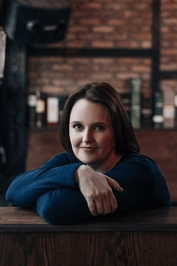
I was fortunate enough to be able to review Dervla McTiernan’s What Happened to Nina? (see Books: Reviews February 14, 2024) and later go to her talk at the ANU Meet the Authors series.
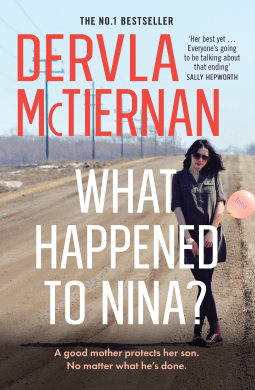
Recently I received this email which could be of interest to other readers.
| Hello Robin, |
| I hope you’re having a wonderful September so far. I am deep into the writing of a new book, and I’m truly enjoying every minute of it. This is the book that will be published in 2026, so I’m getting a bit ahead of you all right now, but I don’t think I’ve ever had as much fun writing a book. I’m not sure if it’s the characters I’m enjoying so much, or the fact that there SO much happening in the story, or the fact that I’m writing fast, just focusing on story story story for now (as opposed to setting or deeper details). Whatever it is, I’m having a blast at the moment, so long may it last! I’ve also been reading a lot lately. It seems that reading is a habit that is easy to fall out of at the moment, even for me. Books have been the absolute centre of my life for all of my life. They’ve held me together in the toughest of moments, brought me joy and tears and inspiration. All the good stuff. They also bring me calm (something that is in short supply these days). And yet, despite knowing all of that, I find myself with my phone in front of my face far more than is good for me. So I’ve decided to carve out deliberate reading time in the evenings, and I’ve started to charge my phone in in the kitchen again at night, instead of my bedroom. I’m reading so much more, I’m sleeping better, and genuinely, I feel so much happier. INSTAGRAM/FACEBOOK ‘BOOKCLUB’ THAT ISN’T |
 |
| Apart from reading and writing, my next favourite thing to do is to talk about books that I love. I’ve been thinking lately that I’d like to do that more often. So once a month, at the beginning of the month, I’m going to post a picture on Instagram of the book I’m going to be reading that month. And at the end of the month I’ll post a quick review. I’m hoping that my followers might like the look of the book sometimes, and read it with me, and then we can have a chat about it. This is going to be the most casual of casual arrangements. This is not a formal book club and no one needs to sign up to anything. It’s more like … if you follow me on Instagram or Facebook, you might like to check out the book I’m reading that month, and if it looks like your kind of thing, read along with me. At the end of the month, I’ll post another video with my thoughts, and we can chat about the book in the comments. |
| I’m going to be reading from a position of enthusiasm, not as a critic. I think it’s okay (more than okay) to approach books and movies and TV with generosity and with the expectation of enjoyment. I don’t think the world is suffering from a lack of criticism right now, and I want my reading to be a pleasant, joyful, relaxing experience. So while I’ll be honest if a book didn’t work for me, for whatever reason, I’m not doing this to pull books apart, but rather to celebrate them, and share what I love about them with other readers who feel the same way. This month’s book is Guilty by Definition, by Susie Dent (confession … I messed up in choosing this book as it’s not out in the US or Canada until next year … sorry!! Won’t make that mistake again). Follow me on Facebook or Instagram if you’d like to keep an eye on future choices. What else have I got to share with you? THE ‘ALL THE SPOILERS’ NEWSLETTER! Oh … I need to give you a heads up. When I was on tour for What Happened to Nina? It was tricky to talk about some of the details of the book, because of spoilers. We talked about doing an All The Spoilers event when the book had been out a few months, but we never got around to it and now I’m neck deep in writing. So! I thought I could do an All The Spoilers newsletter! So this is the fair warning … Next month I’ll be sending out a newsletter which will answer ALL the spoiler heavy questions about Nina. If you haven’t read it yet, you’ve got four weeks to get it done, or you can skip the next email entirely 🙂 I’m so looking forward to writing it, actually. It will be fun to talk about the book completely openly. And actually … if you have any questions about the book, hit reply to this email and I’ll add your question to the bunch. Thanks, as always, for reading my newsletters. It’s lovely to get replies from so many of you, and know that I’m not sending them into the void 🙂 |
| All my best, |
 |
| P.S – Do you know someone would like to receive my emails? Forward this email to a friend or you can share the links below on social media. The information you enter on this page will only be used to forward the email to your friend. |

Cindy Lou eats breakfast in Dickson
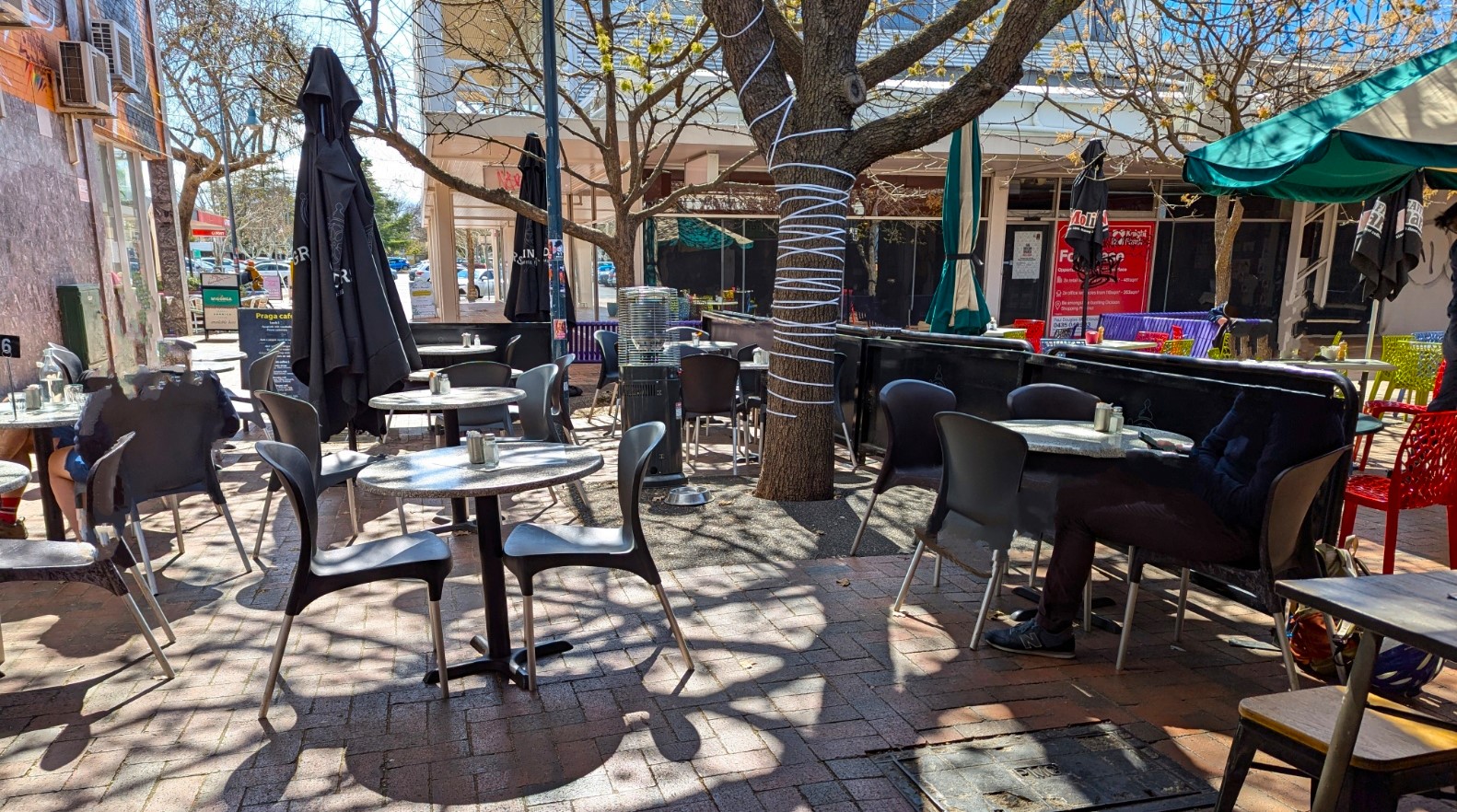
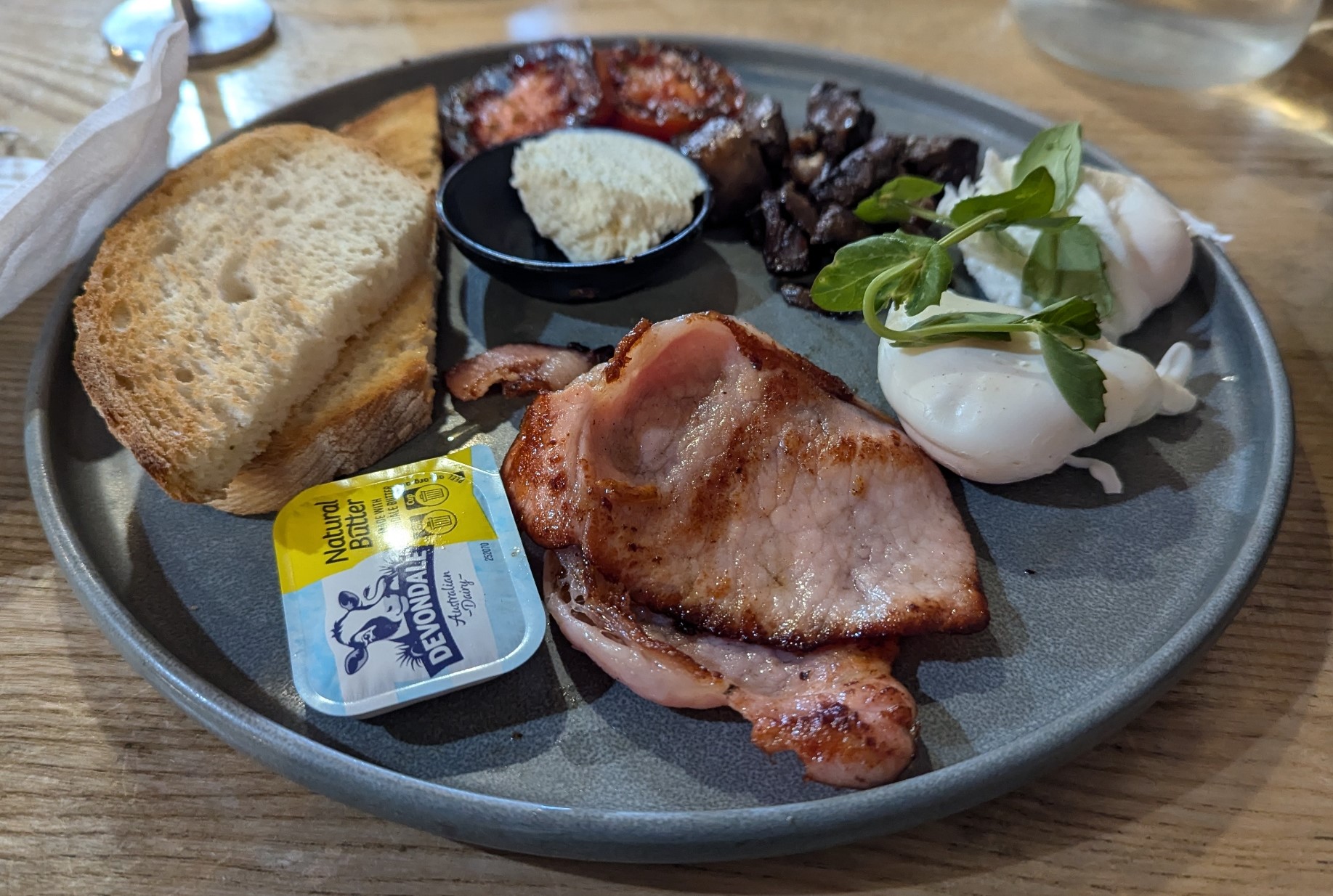
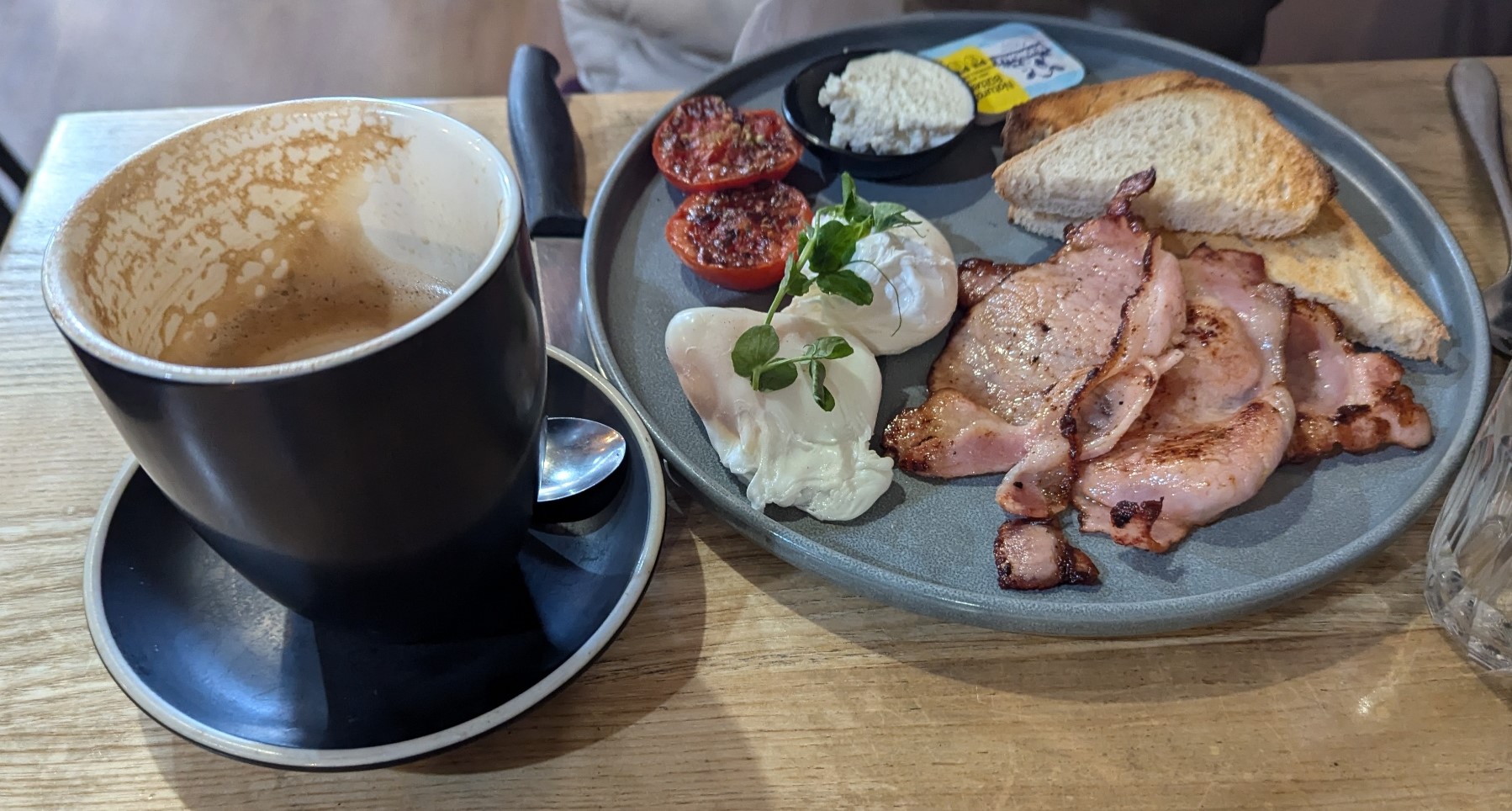
Praga Cafe in Dickson is a very pleasant place to eat, with indoor and outdoor seating, friendly staff and good food and coffee. One of us did not want mushrooms – a larger helping of bacon was provided. This is far more generous than most responses to the request to omit an item and was appreciated. The bacon on the other plate shows the normal portion – scooped up and taken home for Leah who is on medication and needs something tasty to encourage her to have it. The mushrooms were great, by the way. Also, the tomatoes were enhanced with tarragon and were well cooked – rather different from some other breakfasts where the tomato is less flavoursome. There was enough butter, and the sourdough toast was crisp.
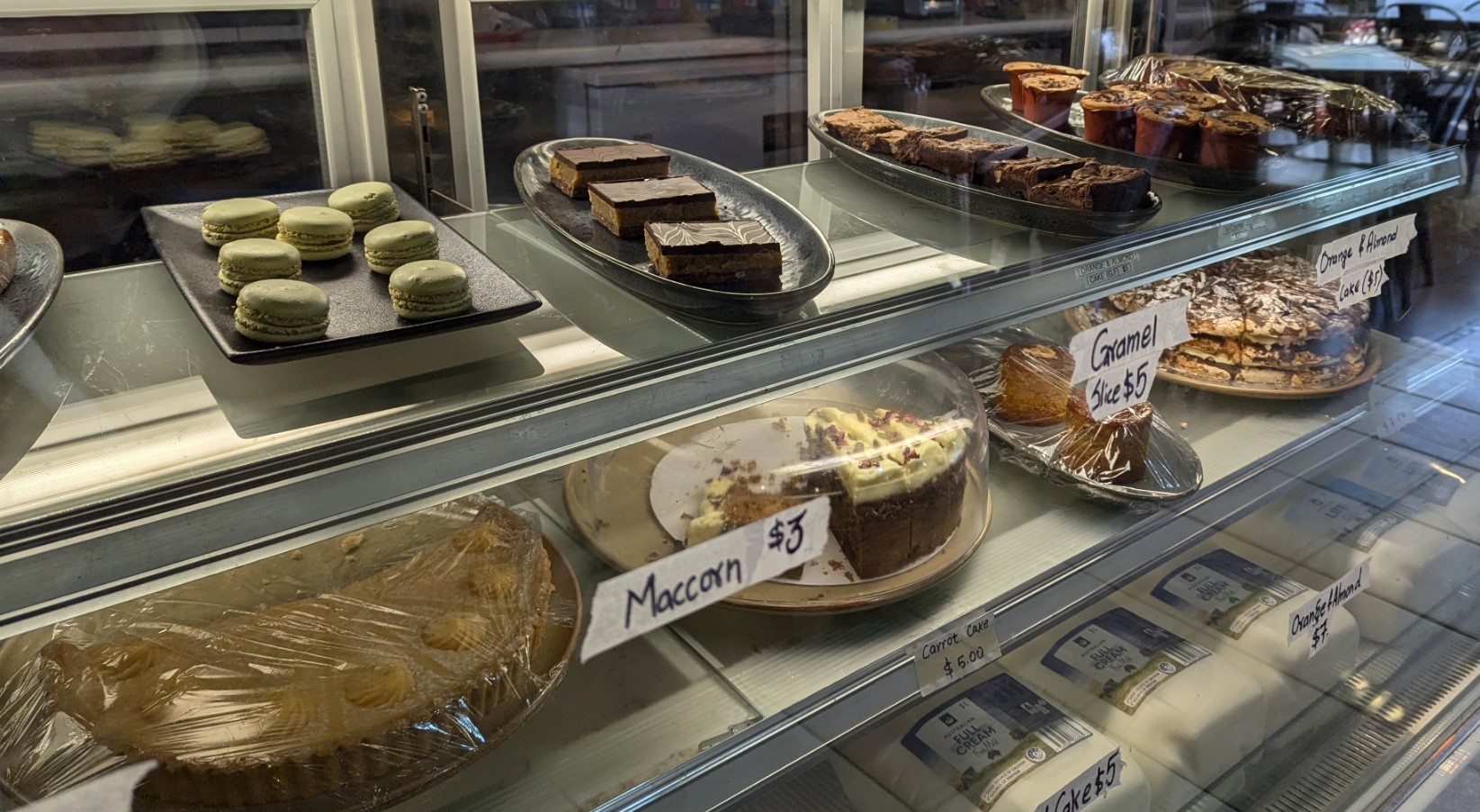
The muffins look fabulous, as do the cakes, but we wanted a ‘real meal’ on this occasion.


The Reader’s Quest. How literature helps us find meaning and understand the world.
Henry Oliver from The Common Reader <commonreader@substack.com>23 Sept 2024, 21:51
A few weeks ago I was awarded a second Emergent Ventures grant to write a book about reading great literature. I don’t know when or how this book will be published, but I do know that I want to share my early thoughts about it here first. This is something like what I expect the introduction to say. Some of you will have seen my note a few weeks ago, this goes into the idea much more deeply. I look forward to your thoughts…
The decline of serious reading.
Don’t die without reading Anna Karenina. It’s not worth it.You can take Anna Karenina and swap it for any number of titles or authors. Jane Eyre. Hamlet. The Divine Comedy. Proust. Austen. Milton. Wordsworth. Flaubert. Chaucer. Douglass. Woolf. Pessoa. Ovid. Whitman. Dickinson. But the point is the same.
These, and many others, are the best works of literature in Western culture. The best works of the imagination. They are some of the peak experiences available to you, akin to visiting global heritage sites, eating exceptional food, or listening to intensely great music. There are many peak experiences available to us in the world and the best literary works of the imagination are among them.
From the Arthurian Romances to The Lord of the Rings, from the Odyssey to The Crying of Lot 49, from Dante to Dickens, these books are a repository of wisdom, an enticement to the imagination, and a stimulus for new perspectives.
We read literature for many reasons: to see ourselves; to see people and parts of life we had never imagined; to be subtly persuaded to new ideas; to become mind readers of people from other times and places; to escape our life, and thus to see it more clearly, as in a distant mirror.
We read for pleasure, comfort, knowledge, distraction, wisdom, learning, fun; we read for pretentious reasons, snobbish reasons, because we are bored, because we are compelled by a plot, because we have become addicted to books, because we have discovered that nothing else stimulates the imagination in quite the way that great literature can.
Only increasingly, we don’t read great literature.
No-one here reads old books
When I spoke to a range of people in Silicon Valley recently, everyone gave the same answer. A few people here read old books. One or two of them even read Shakespeare and Tolstoy. But it’s rare. Instead, the intellectual landscape of Silicon Valley is political, with some philosophy. The majority of tech people have a modern, STEM-based view of the world; they are much less influenced, if at all, by any notion of the literary canon.
When lists of the “vague tech canon” were proposed recently there were many excellent books involved, but no Shakespeare, no Dante. In one of the richest, best-educated, most productive areas of the world, among some of the most intellectually curious and energetic people alive today, they’re reading Sapiens or Seeing Like a State, but not great literature.
And it’s not just tech people. The world is full of well-educated professionals who don’t read imaginative literature. Entries in Who’s Who in the UK have seen a decline in people listing highbrow interests like literature and a rise in “ordinary” interests like seeing friends or watching television. Likewise, professionals reporting highbrow tastes have dropped, and only half of British adults say they read books for pleasure. (It’s similar in the USA and Europe, where numbers range but always show significant proportions of adults not reading books at all.)
So many of the people I know who work in consulting, finance, and law tell me they haven’t read any classic literature since they were at school. In the book club I run on Substack, I hear from people who are reading Shakespeare in their sixties (and loving it) who also haven’t touched it since they were at school. Indeed, I know teachers who don’t read the great works. So common is it for middle-aged people to read Harry Potter that I know well-paid lawyers who read that and little else.
We are no longer appreciating the classics like we used to. A hunger to be more serious.
But I got another answer to my questions. A few of the most significant people in Silicon Valley do read the classics. And plenty of others know they should. More of them are starting to do so. I haven’t read Tolstoy but know that I need to, or words to that effect, sum up a rising mood. When I spoke to Tyler Cowen last year he told me the same thing.
Maybe what we think of as a crisis of culture, a decline of civilization, the end of reading, is actually an opportunity to bring a new generation of people to appreciate great literature. Maybe we reached the bottom and people are ready to come back to great books.
When I published a Substack piece about this, my emails and WhatsApp were all saying the same thing. People want this. It reminded me of a line from a Philip Larkin poem: “someone will forever be surprising/ A hunger in himself to be more serious.” See Television,Film and Popular Culture: Comments for the complete article.
 Robin's Room