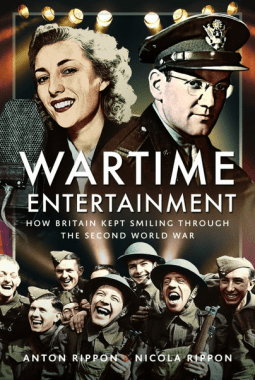
Anton Rippon, Nicola Rippon Wartime Entertainment How Britain Kept Smiling Through the Second World War Pen & Sword|Pen & Sword History, September 2024.
Thank you, NetGalley, for providing me with this uncorrected proof for review.
Wartime Entertainment How Britain Kept Smiling Through the Second World War is so much more than a nostalgic trip amongst the entertainers of the time, the familiar films, and the impact of food rationing. All these topics are covered, and include material that is not well known, but where this book shines is in the information about less well-known aspects of Second World War entertainment. The material is enhanced with the occasional comment from the authors – tart, humorous or poignant and anecdotal evidence from conversations recorded at the time or recalled by those were war time adults and children. This, together with the immense amount of research that must have gone into Anton Rippon’s and Nicola Rippon’s book, makes it a tome of testimony to the range of entertainment, ideas, government responses and community acceptance, together with the thrill of finding new aspects of entertainment on offer at the time. Written in the familiar Pen & Sword style of accessible and lively language, this work stands out as one to devour. See Books: Reviews for the complete review.
Further articles: Canterbury trip, Trafalgar Square, Portrait Gallery, American politics – Bob McMullan, Tom Moore – Australian Artist, Tortworth Manor visit, Napoli Airport, Bus rides between Bomerano, Agerola in the Campania region, and Amalfi, Bomerano coffee and accommodation.
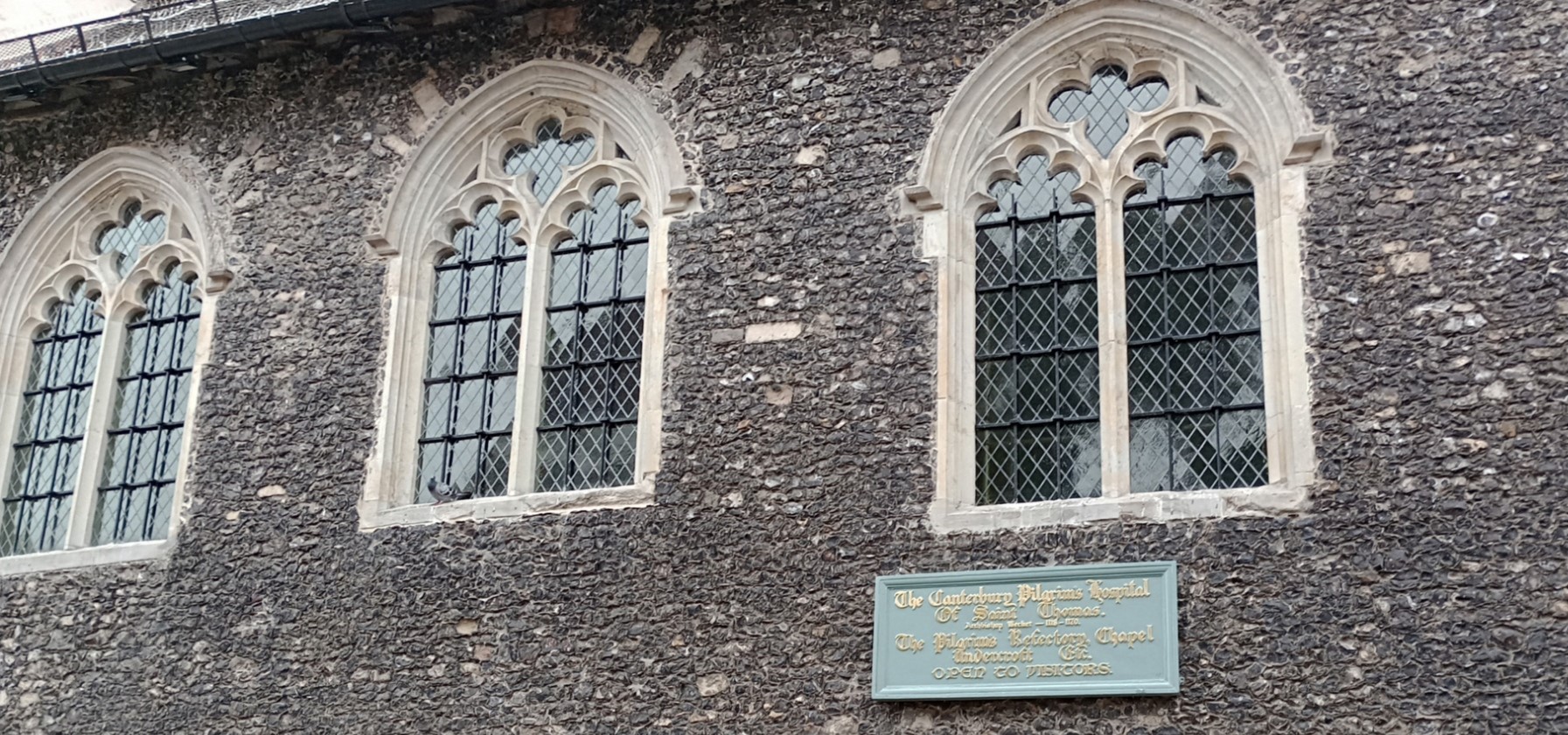
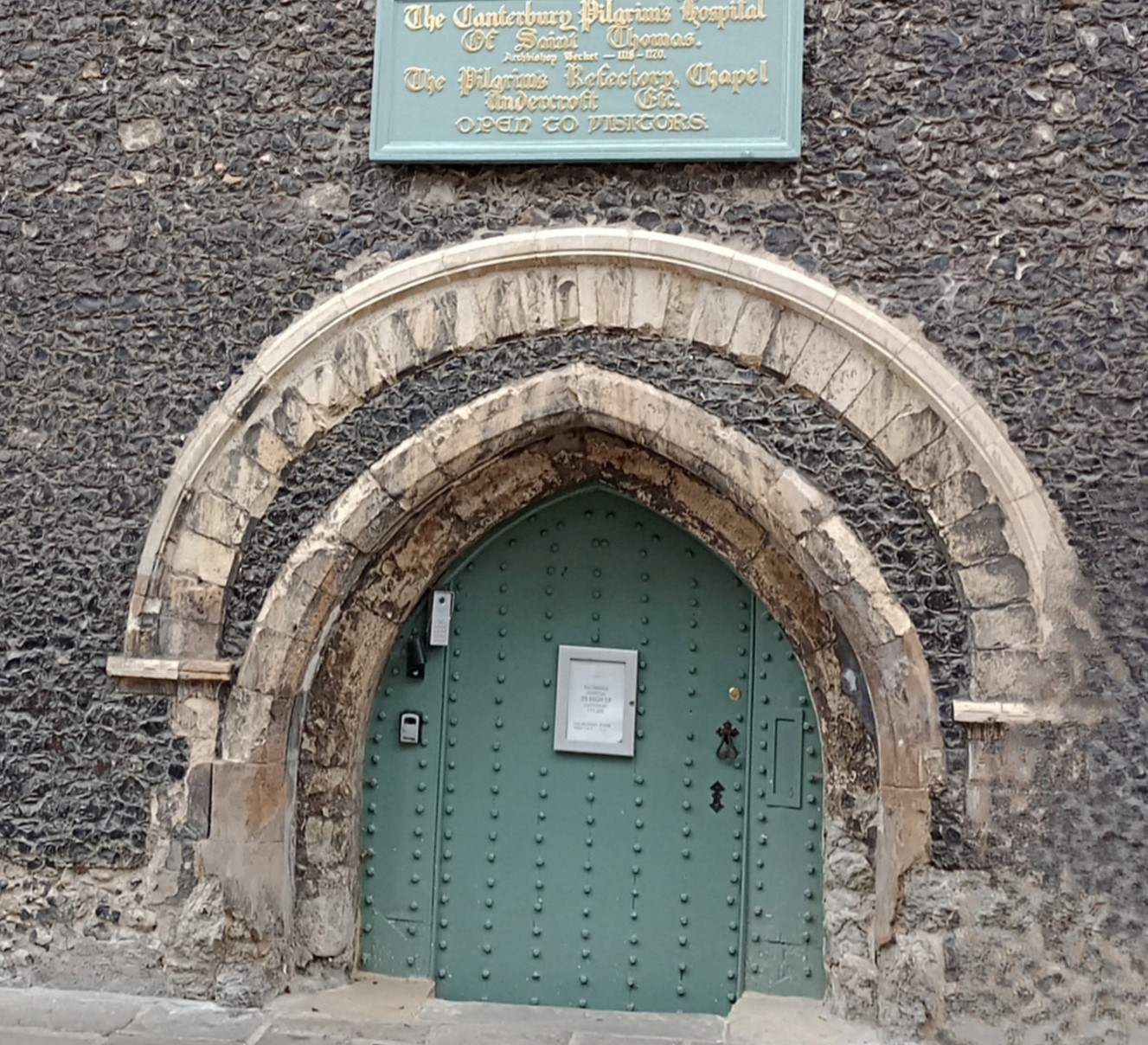
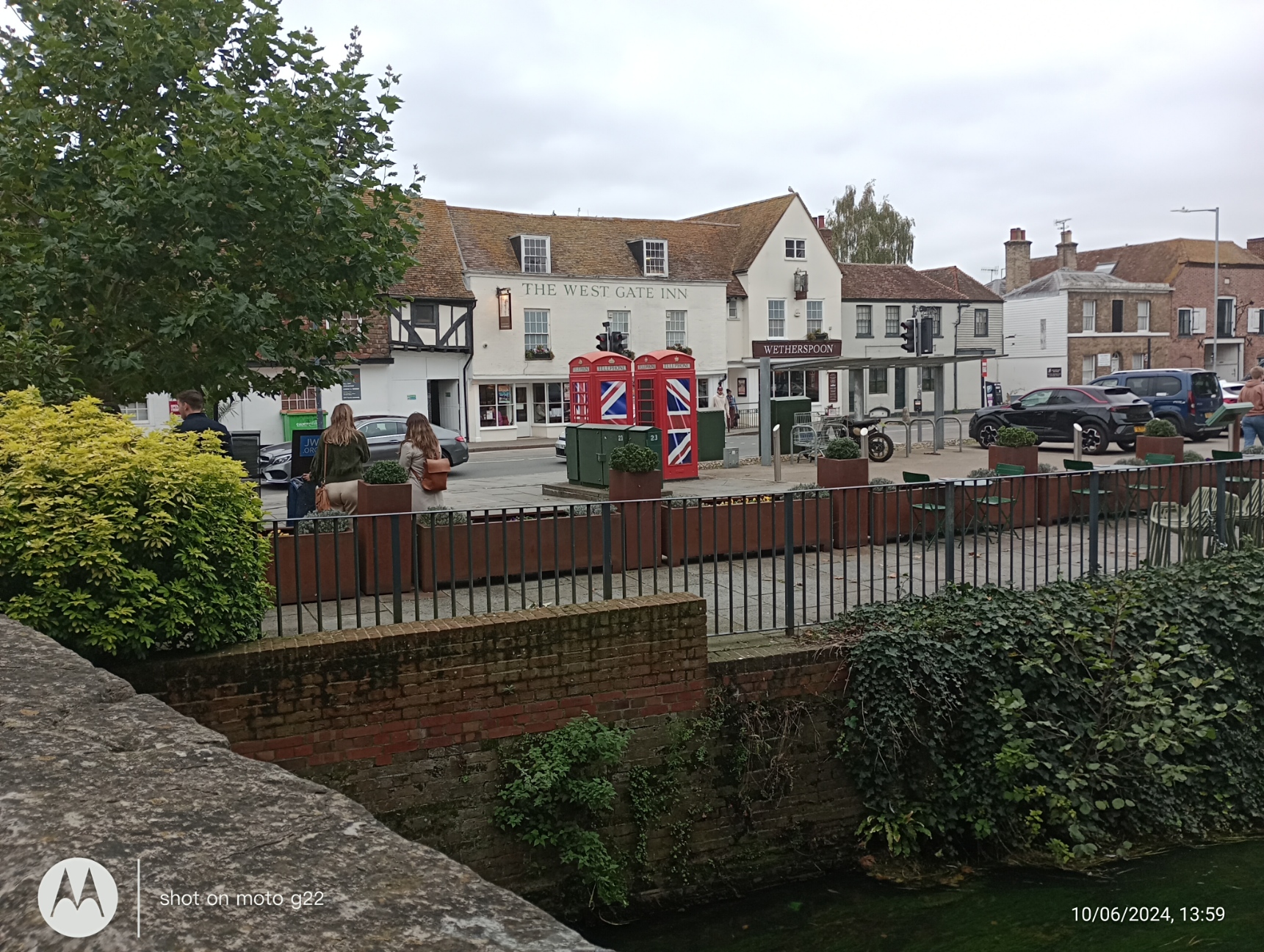
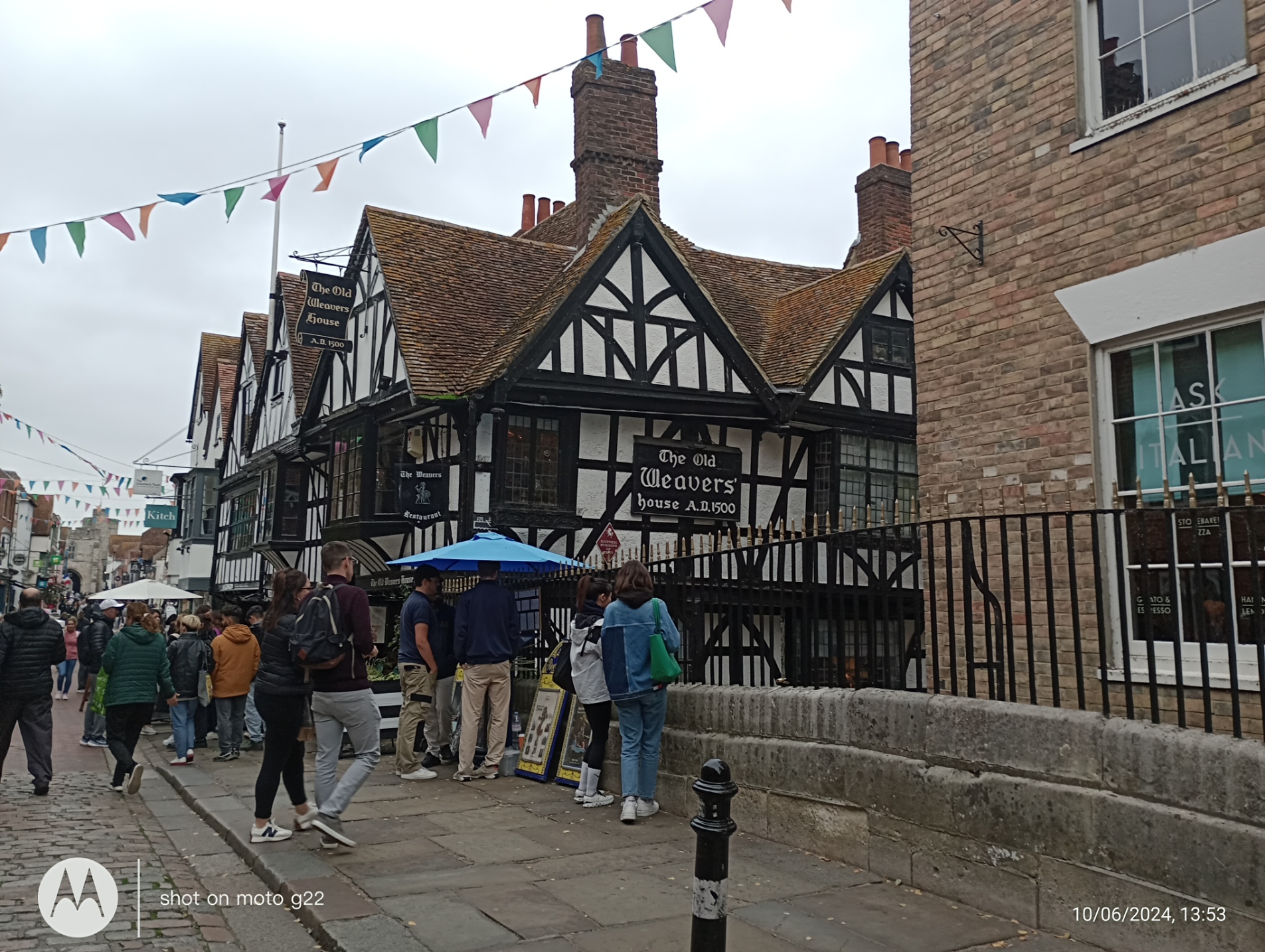
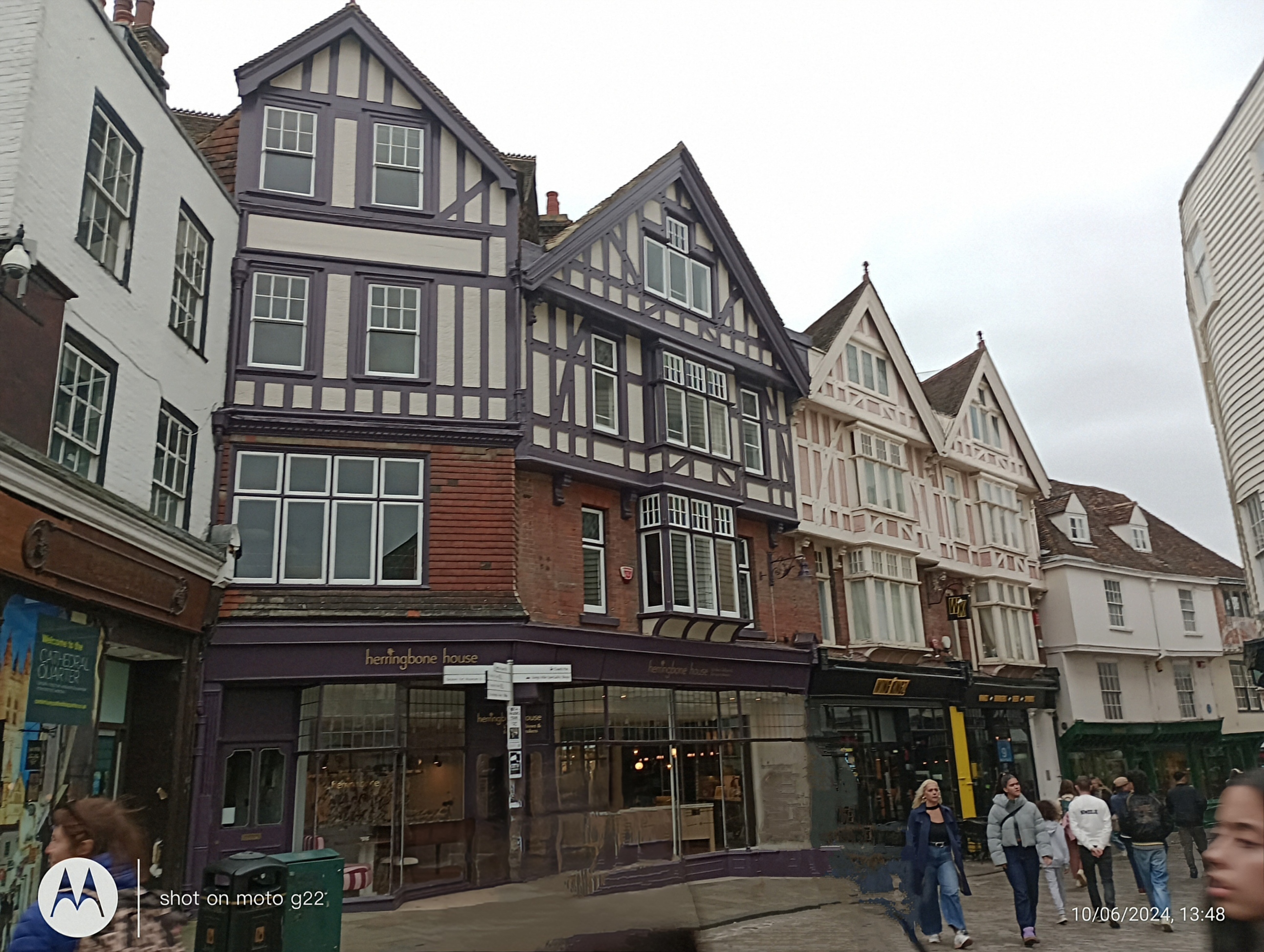
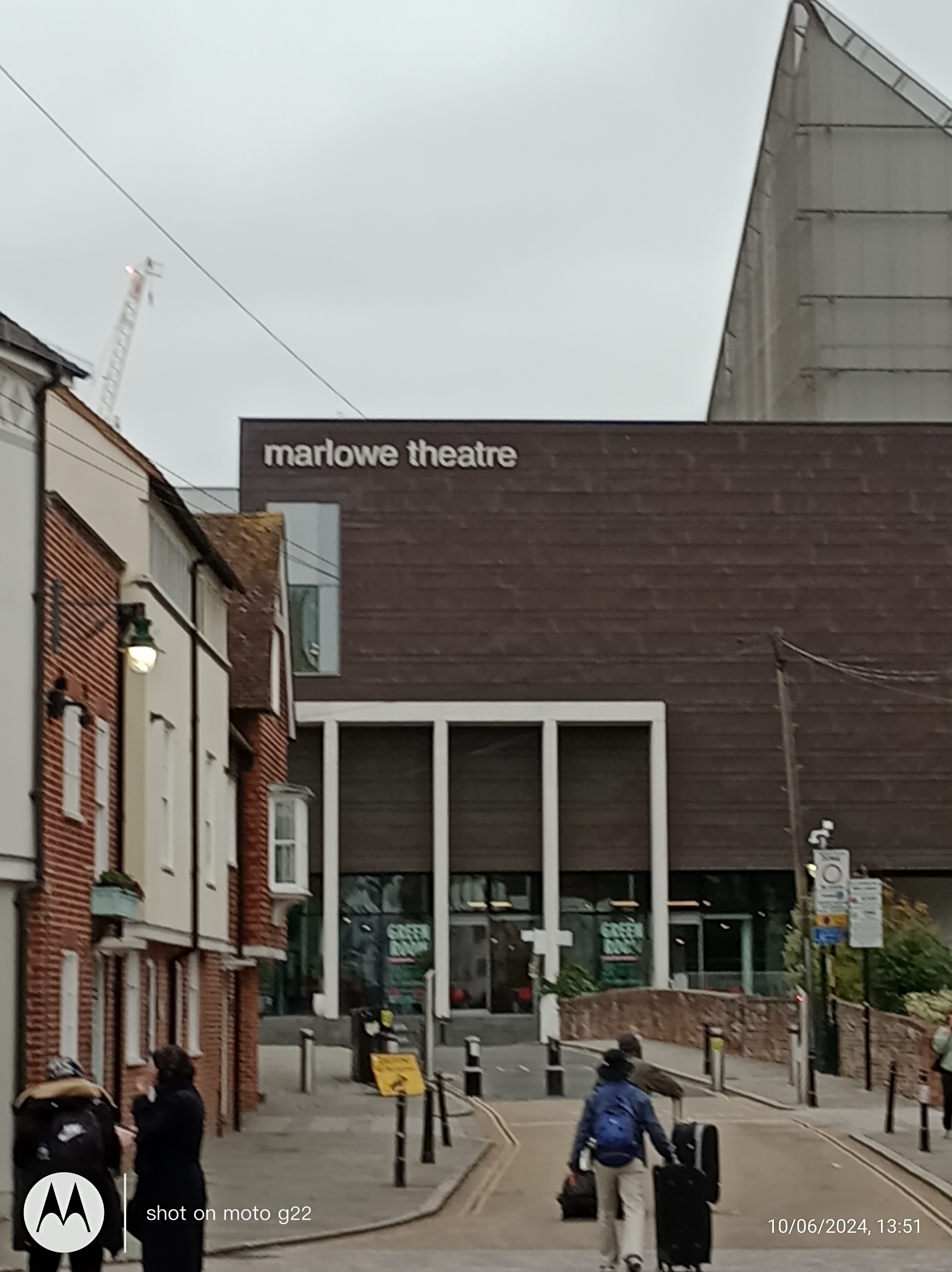
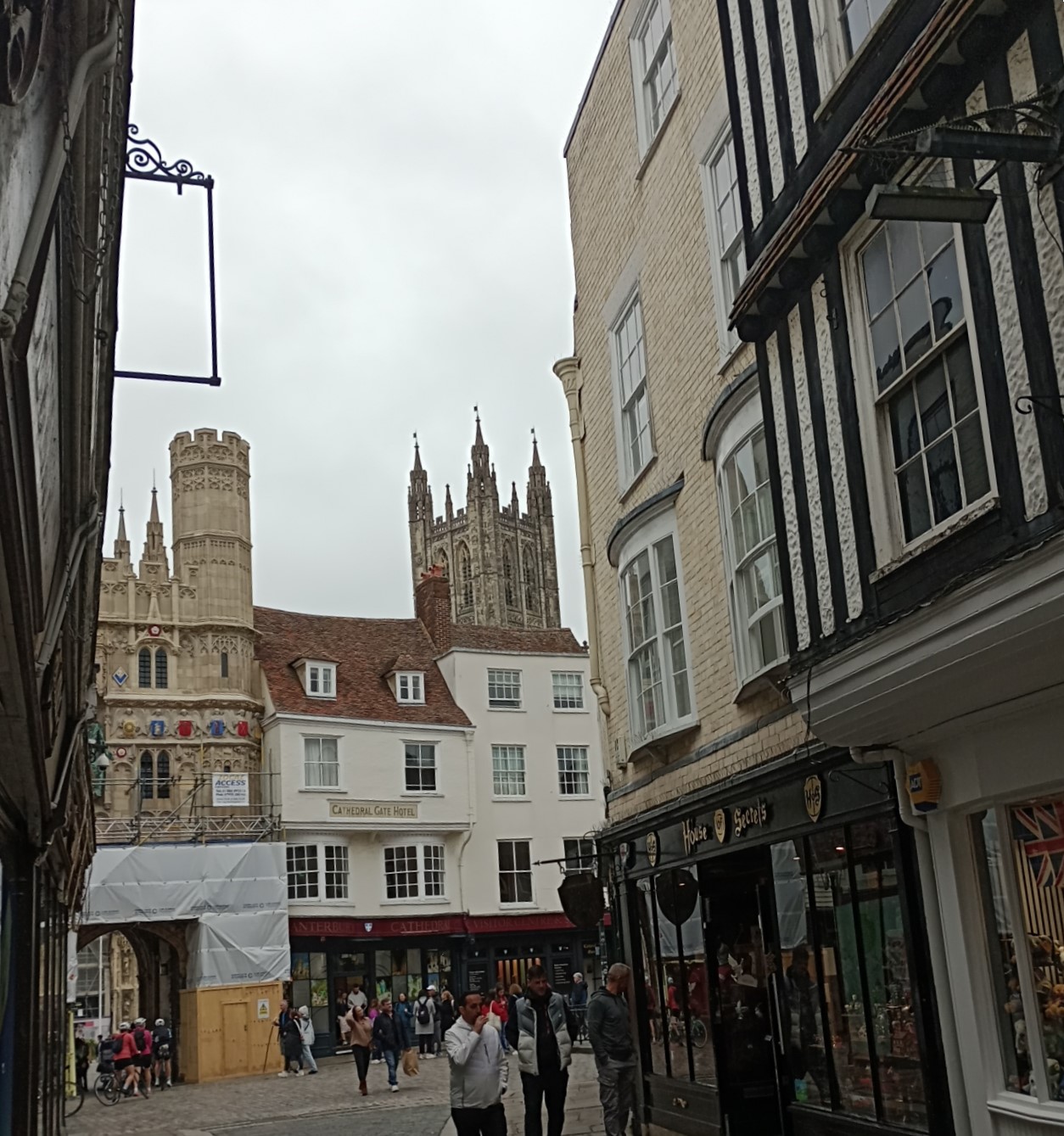
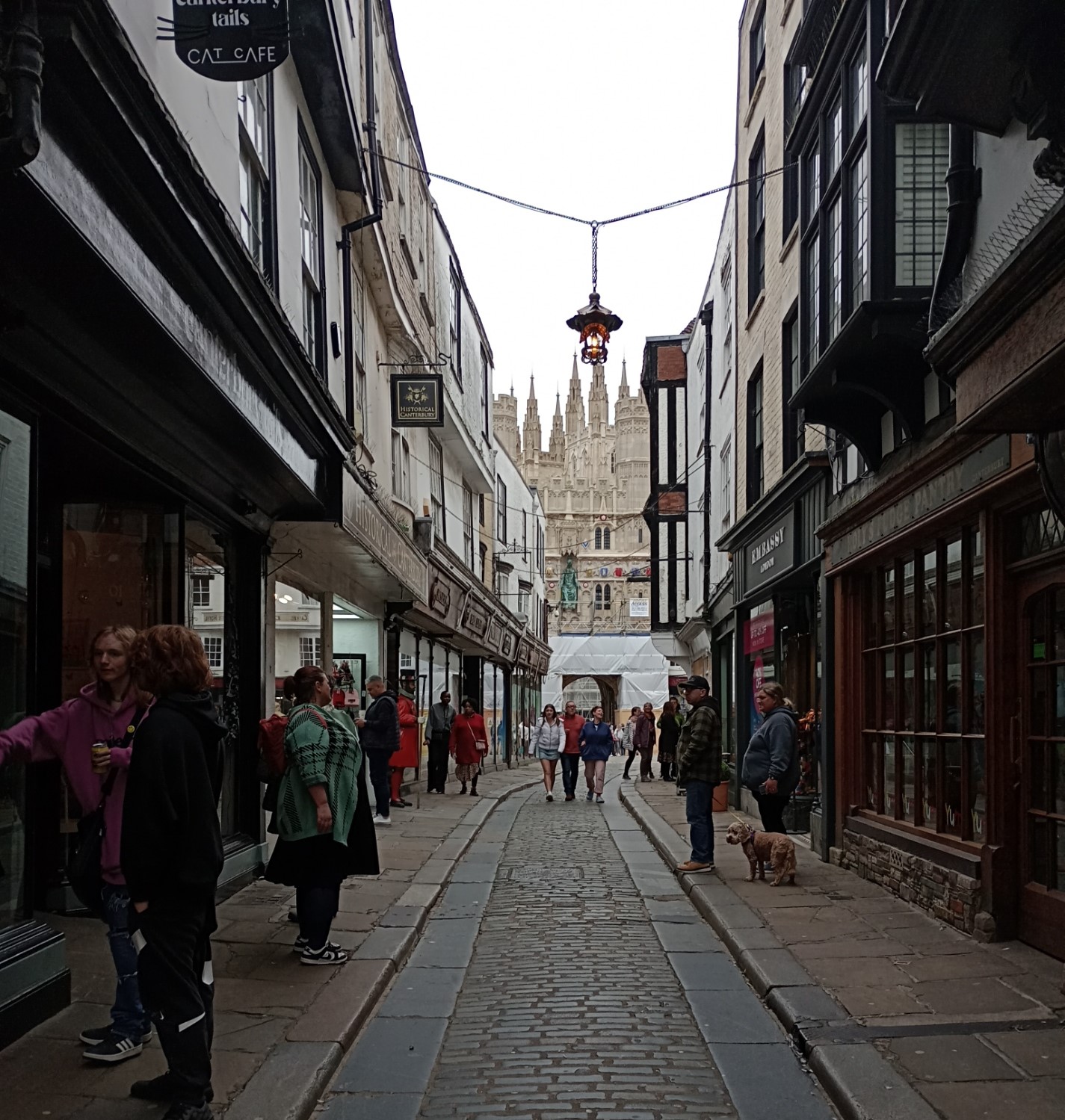
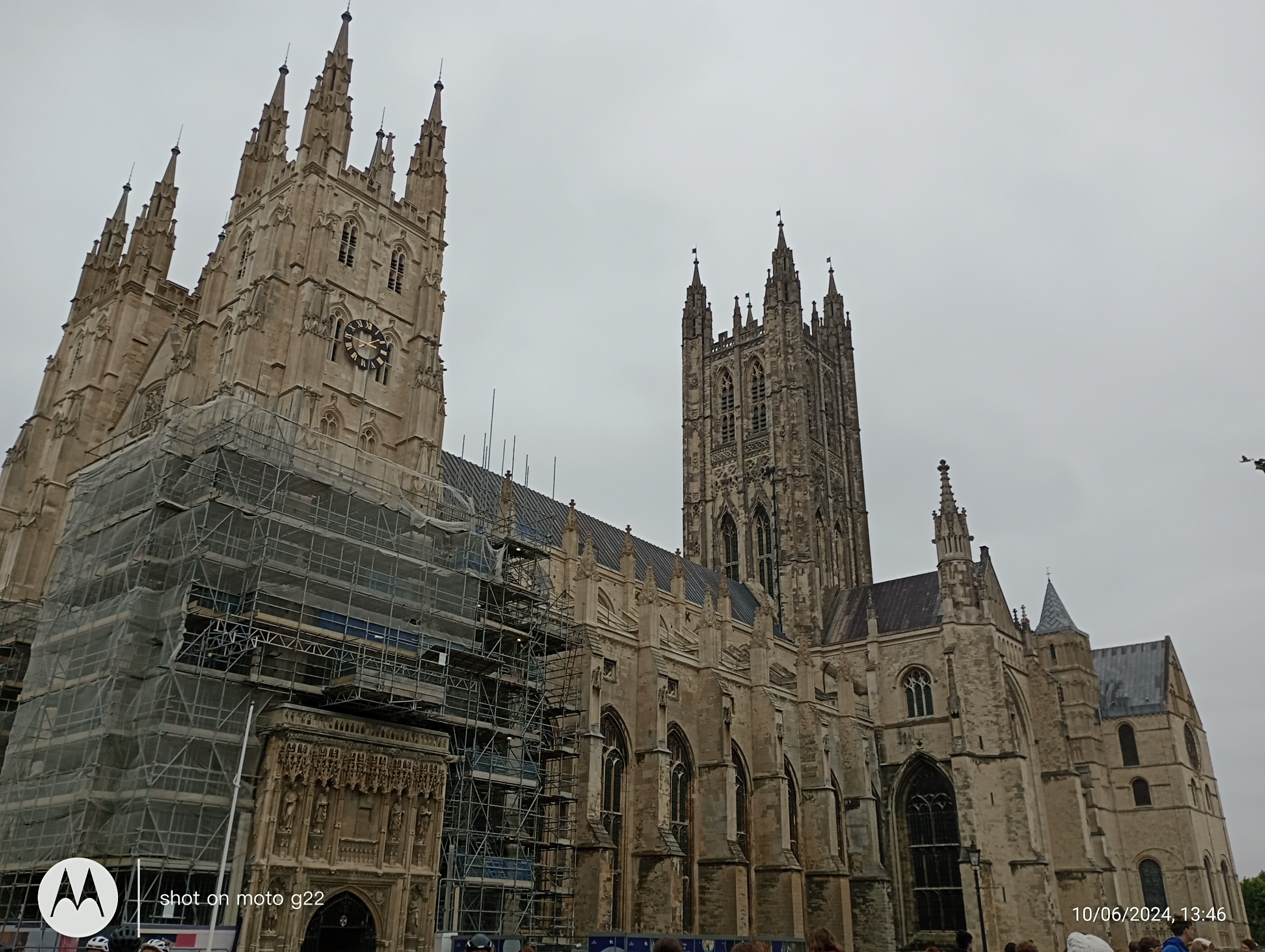
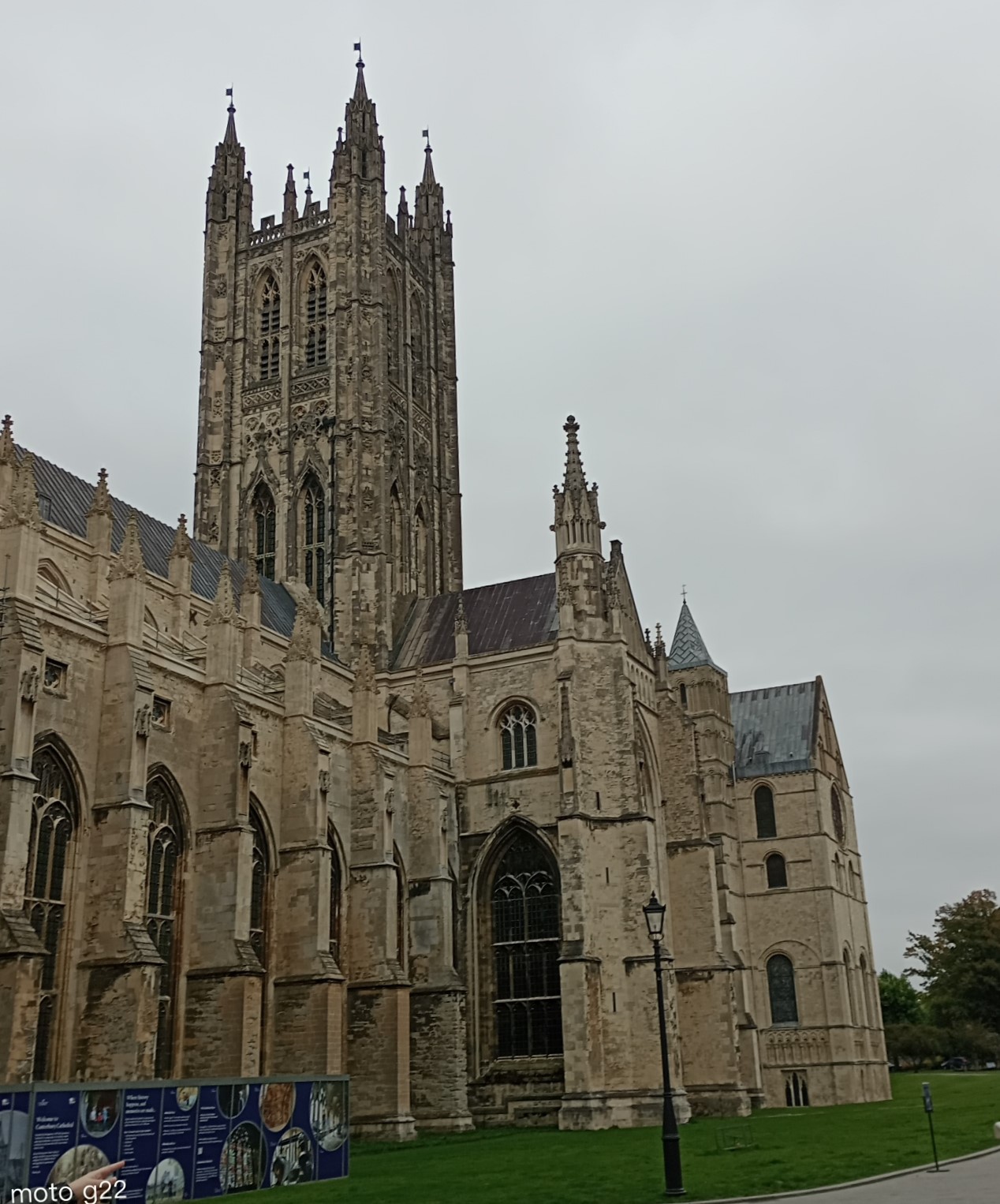
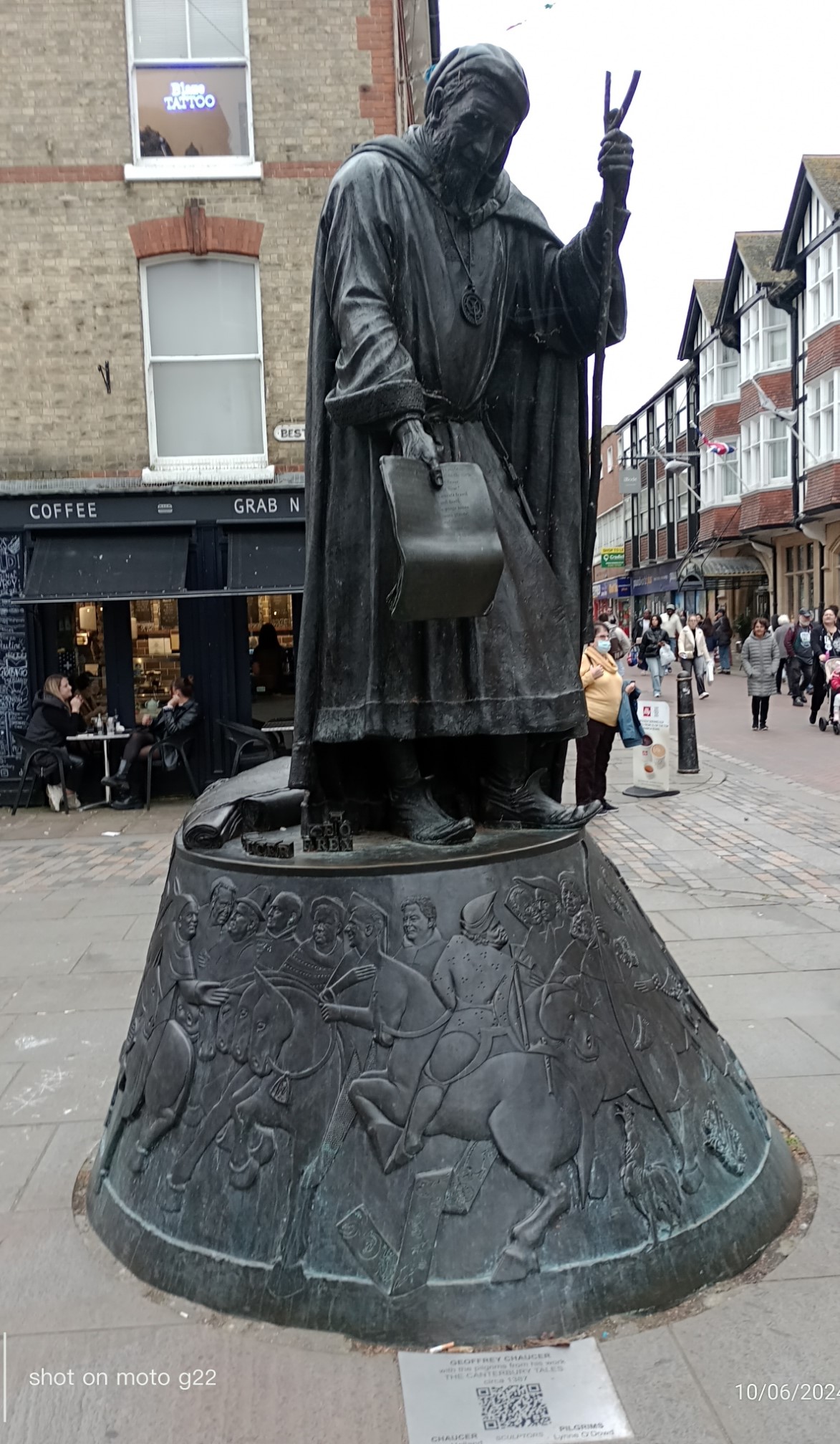
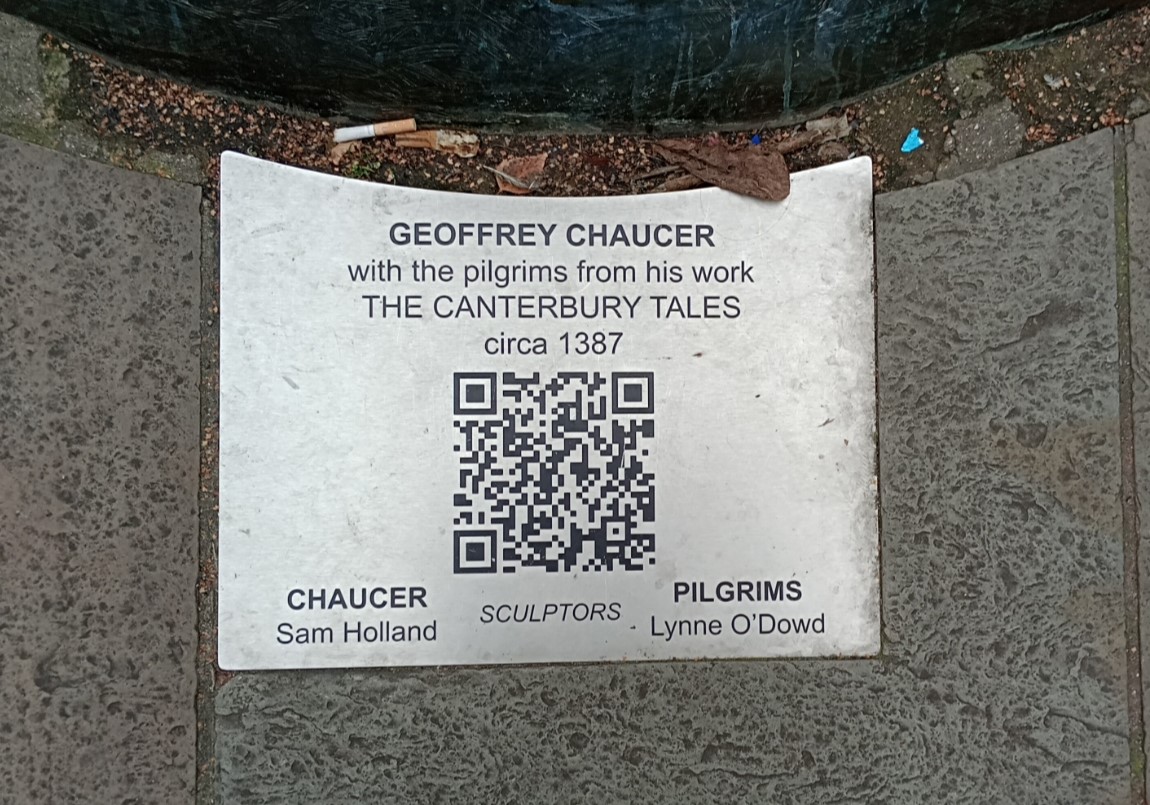
Short trip to Canterbury
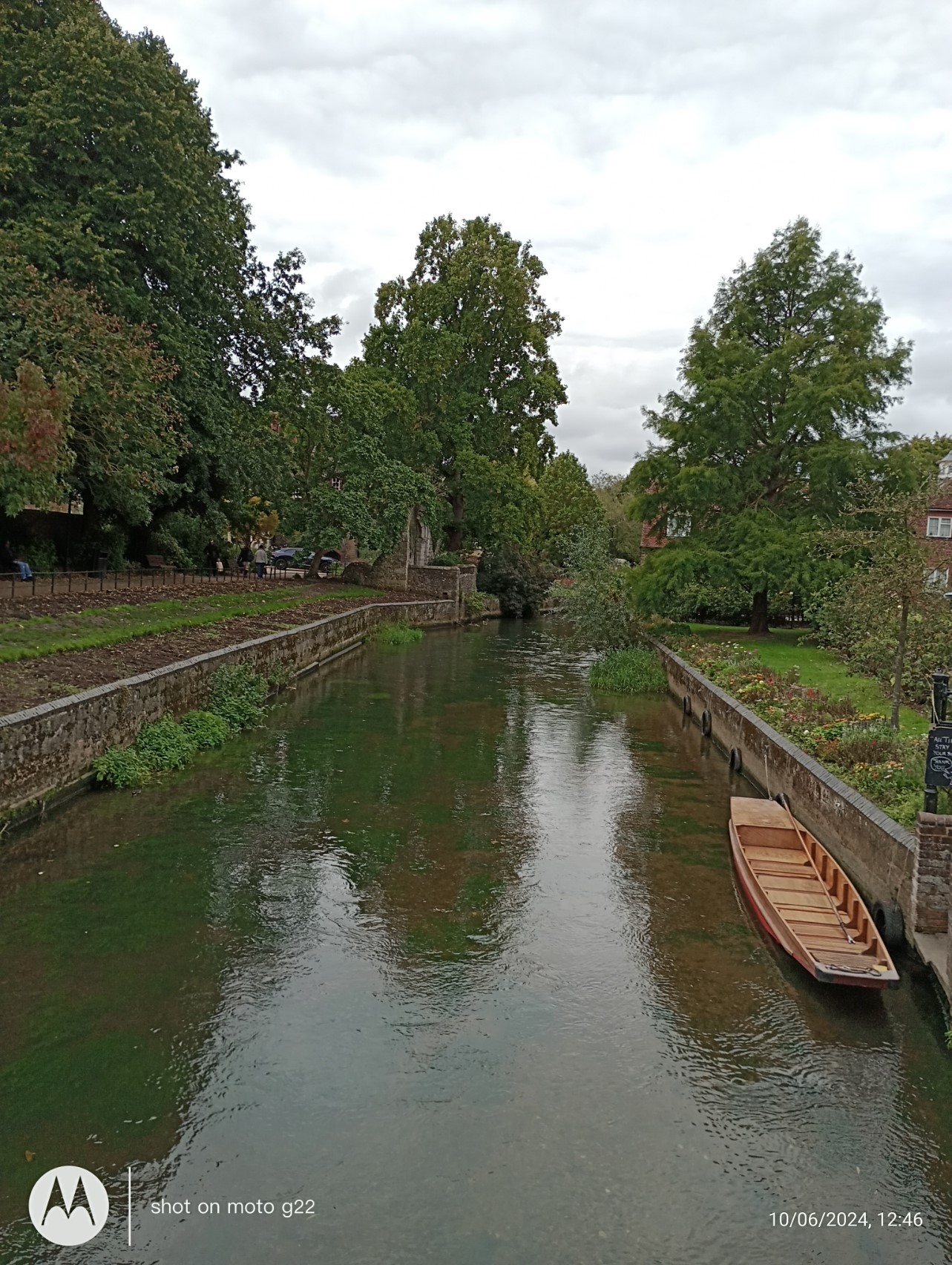
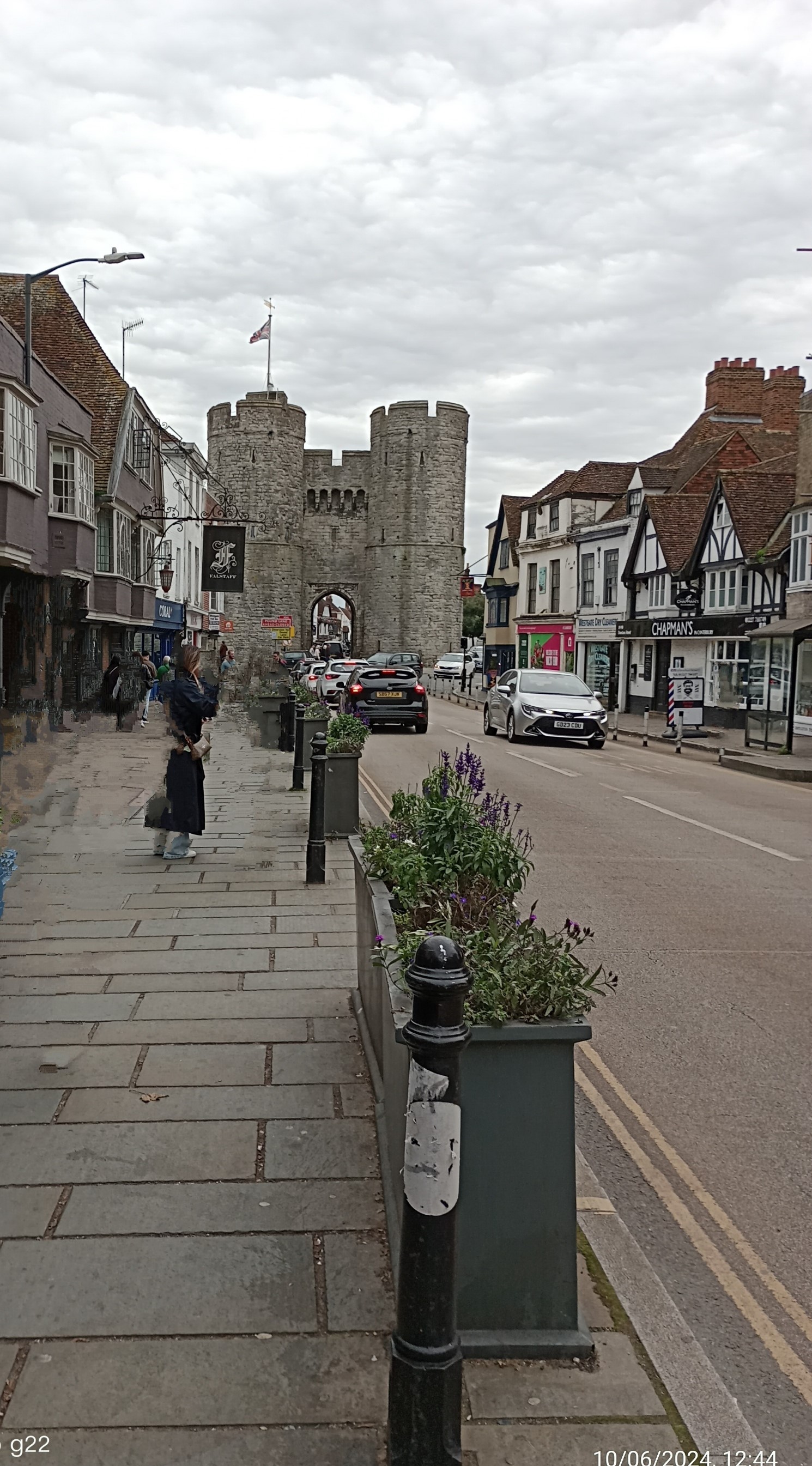
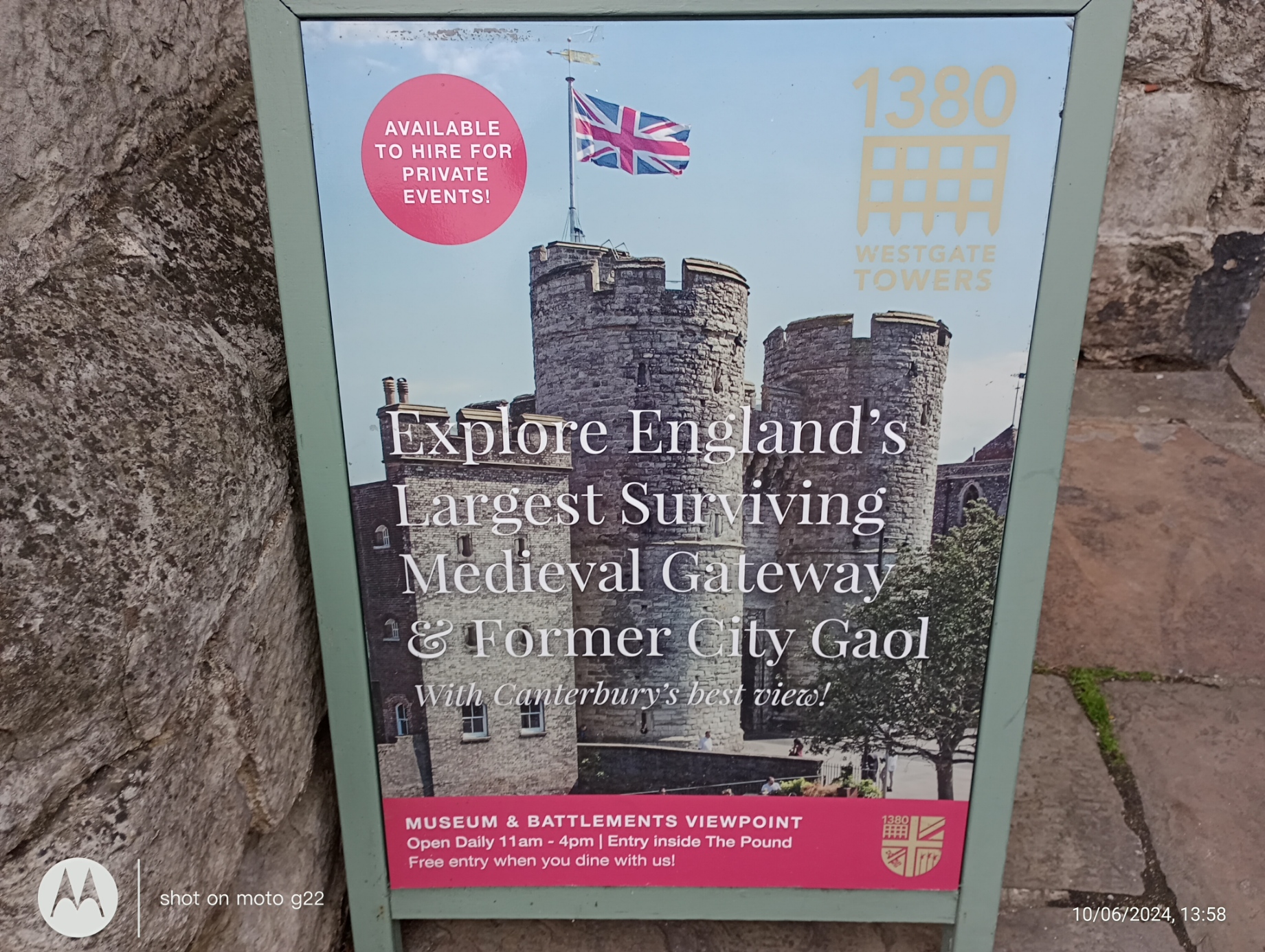
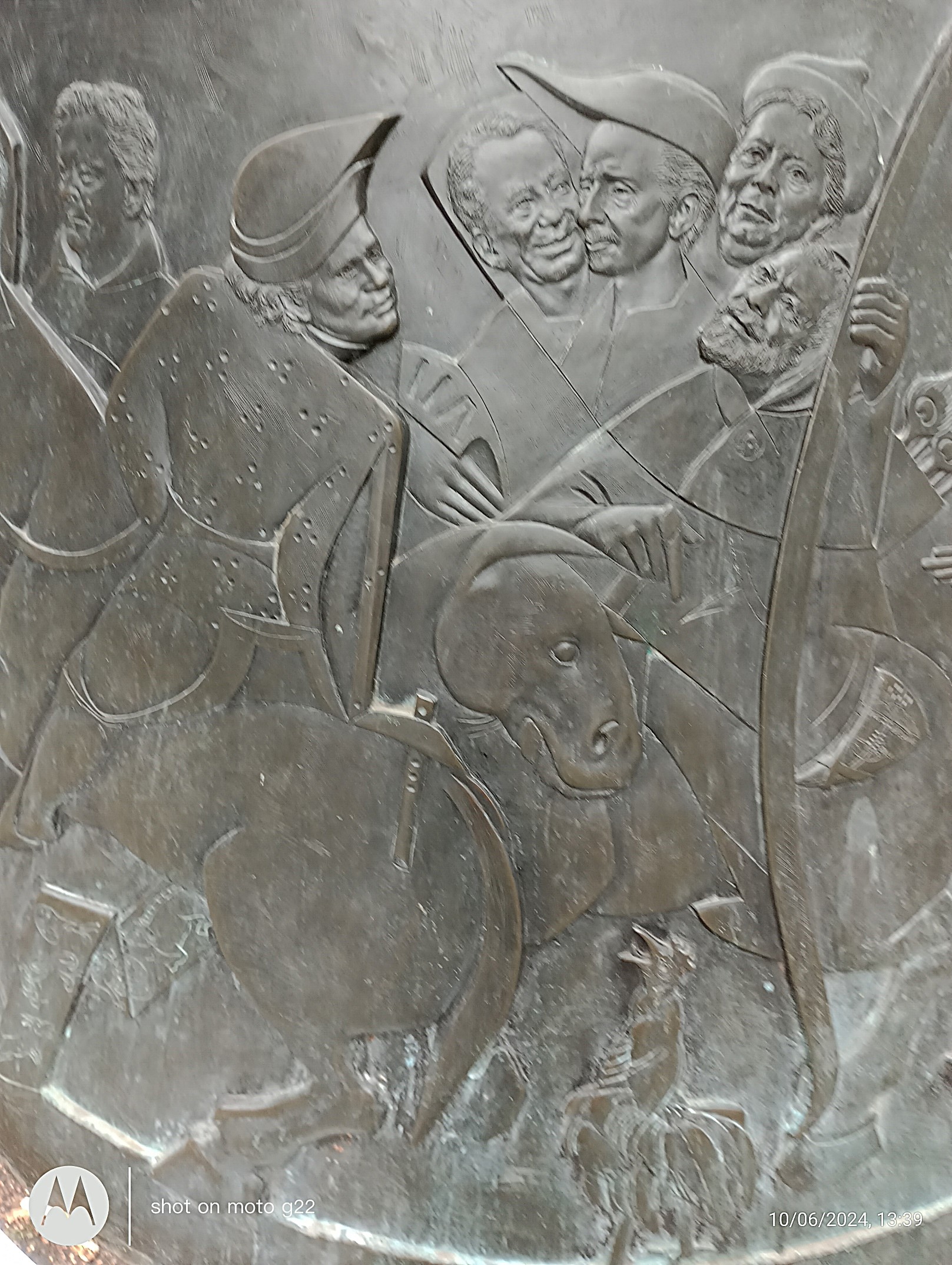
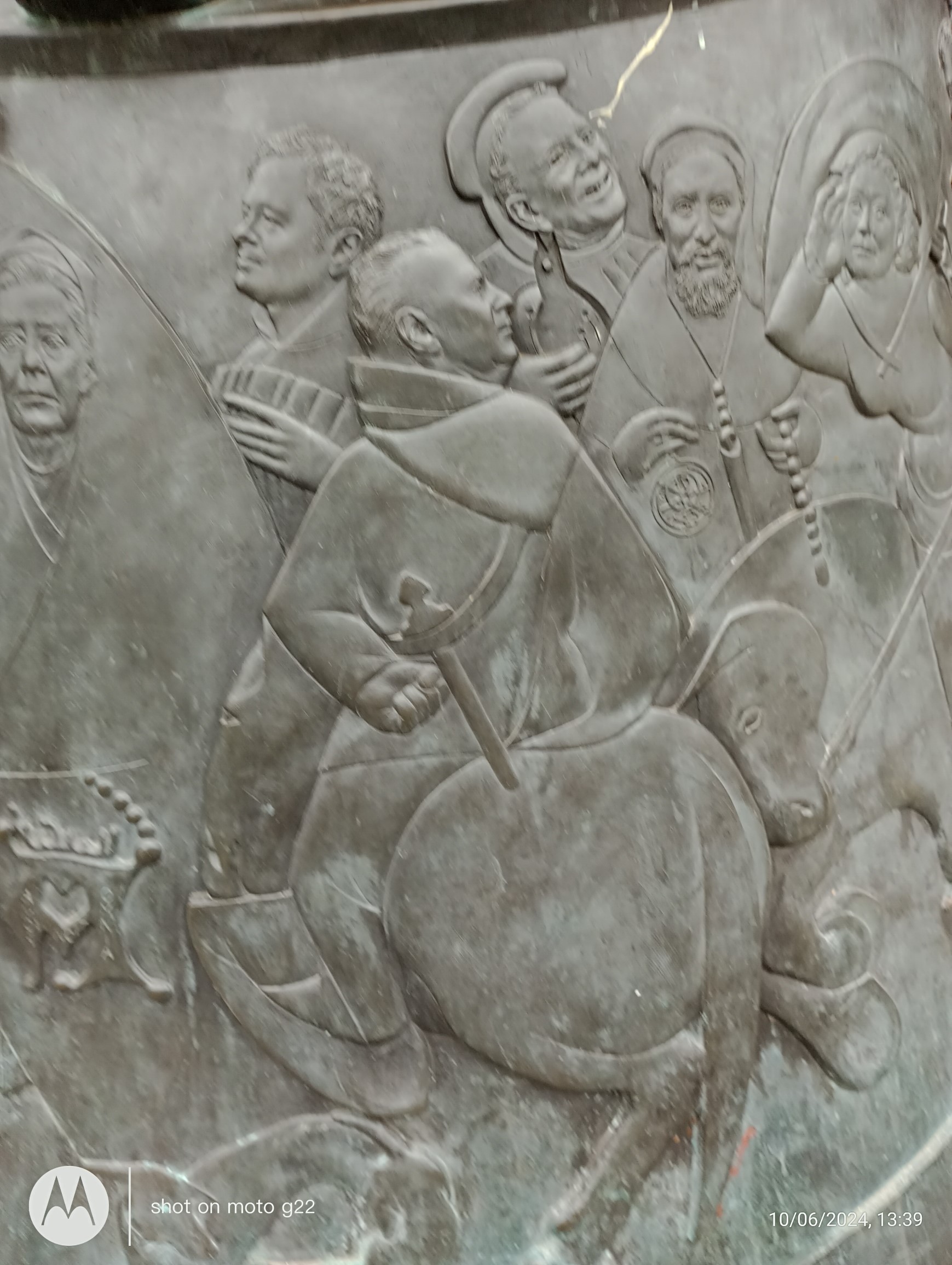
The last time I was in Canterbury I was at a Women’s History Network Conference (pre-Covid) held at the university of Kent. That was an excellent event, but visiting just to see the town made a day trip from London by train. It was raining on and off, so it was a walk through the town to the cathedral, a snack and return to London.
Trafalgar Square
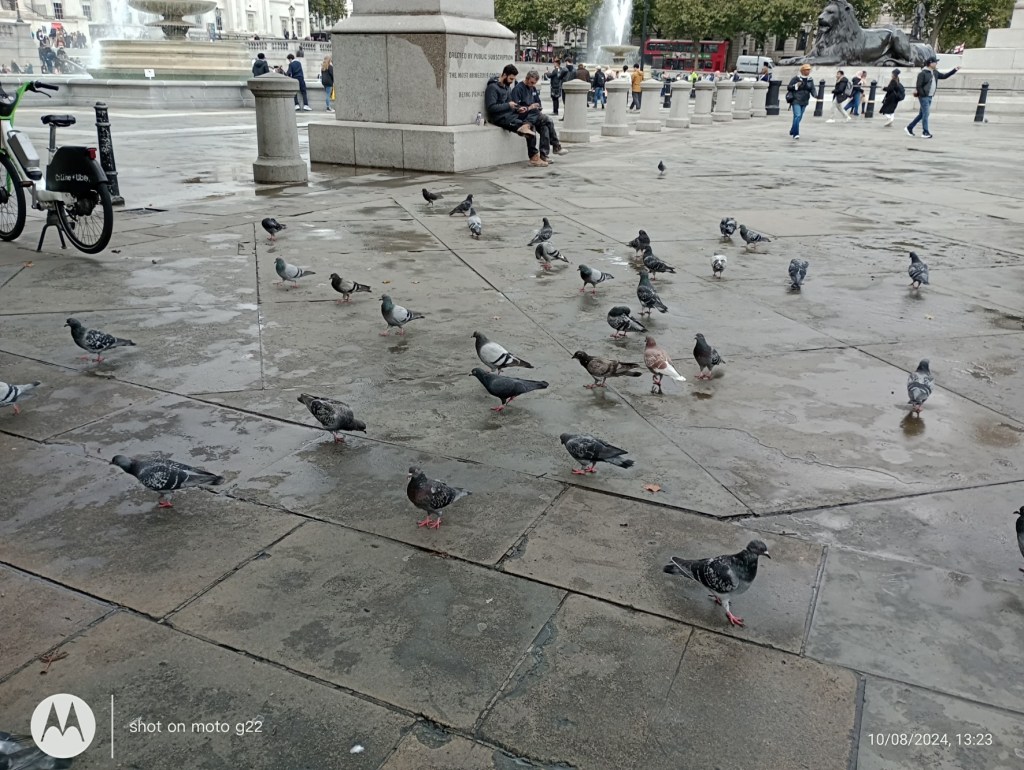
Some pigeons have reappeared after many years’ absence.
Portrait Gallery
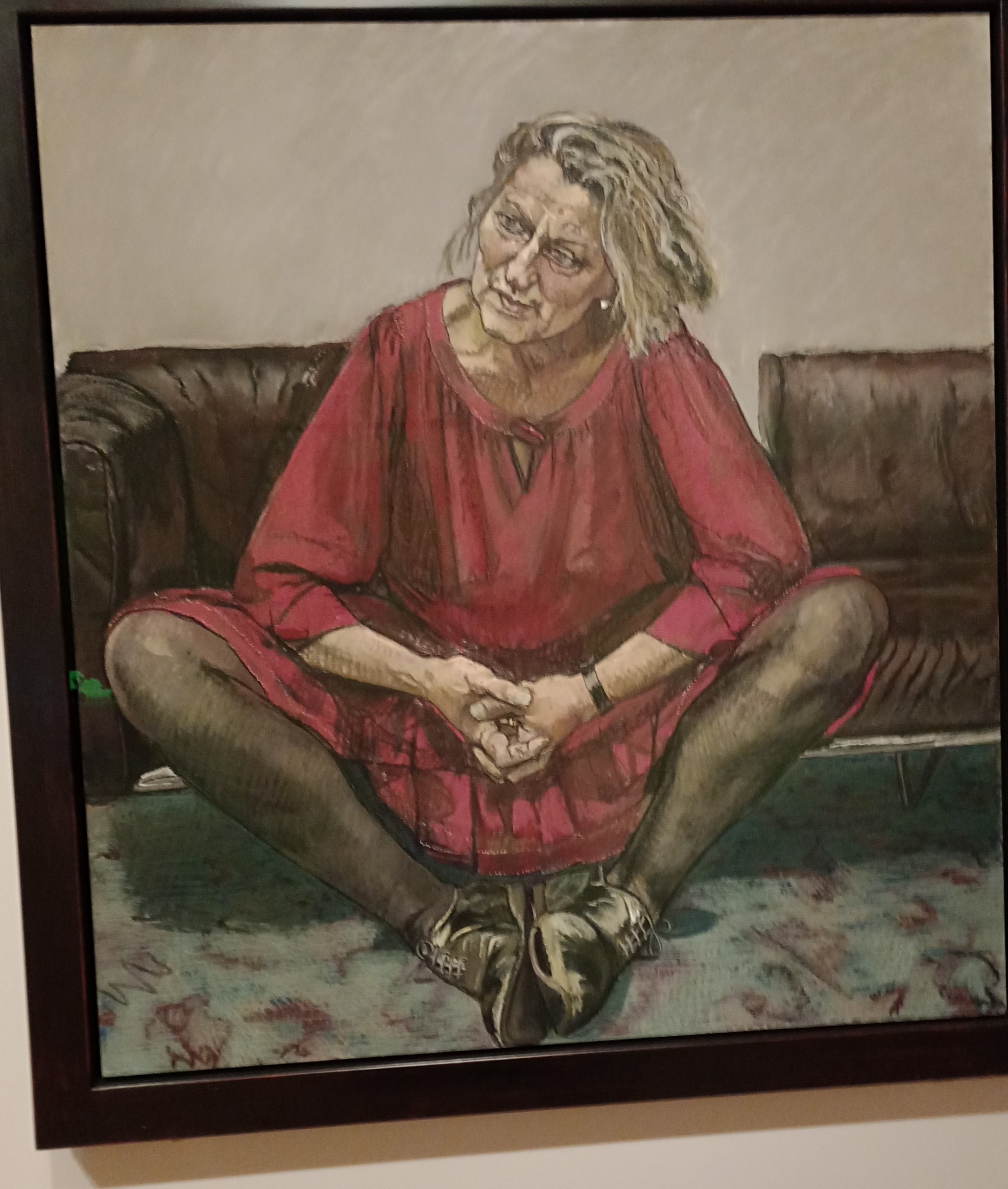
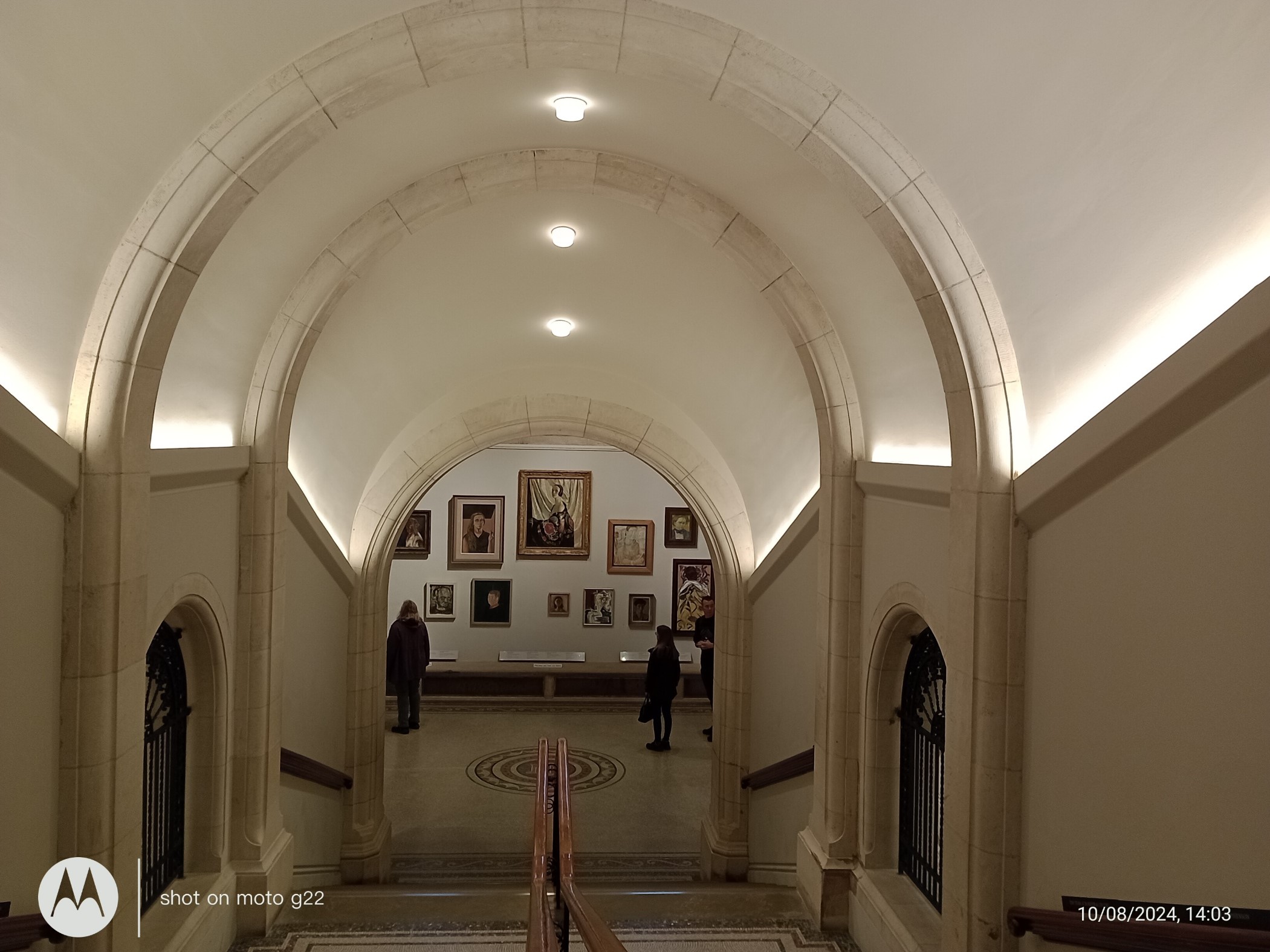
A day trip to the portrait gallery is always a pleasure. However, on this occasion I saw very little as I went with a friend and we spent most of our time talking, including a trip from Trafalgar Square to Paddington on the 23 bus. This bus route used to be an excellent tourist route from Paddington to Liverpool Street, but the shorter trip was fine this time.
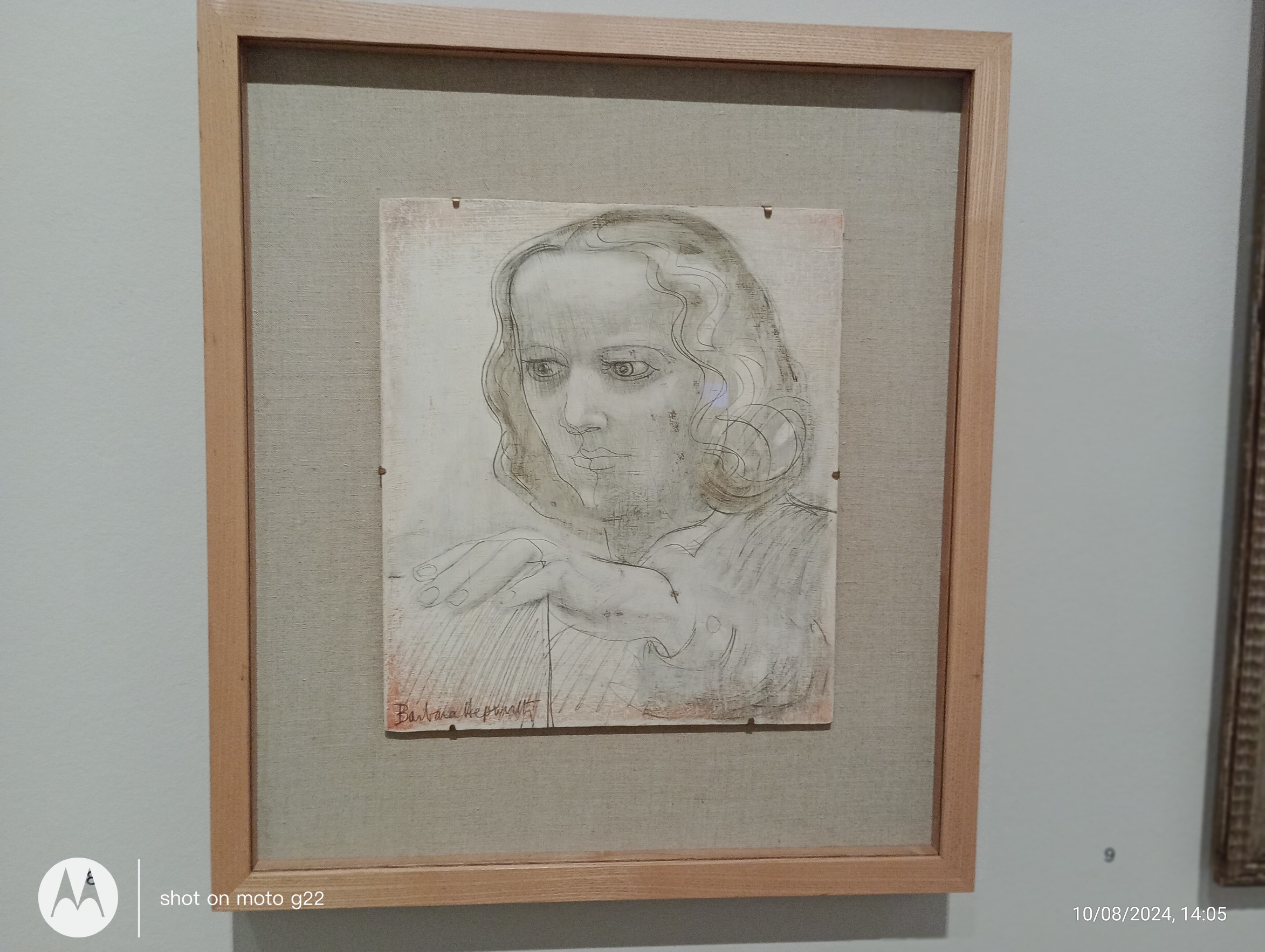
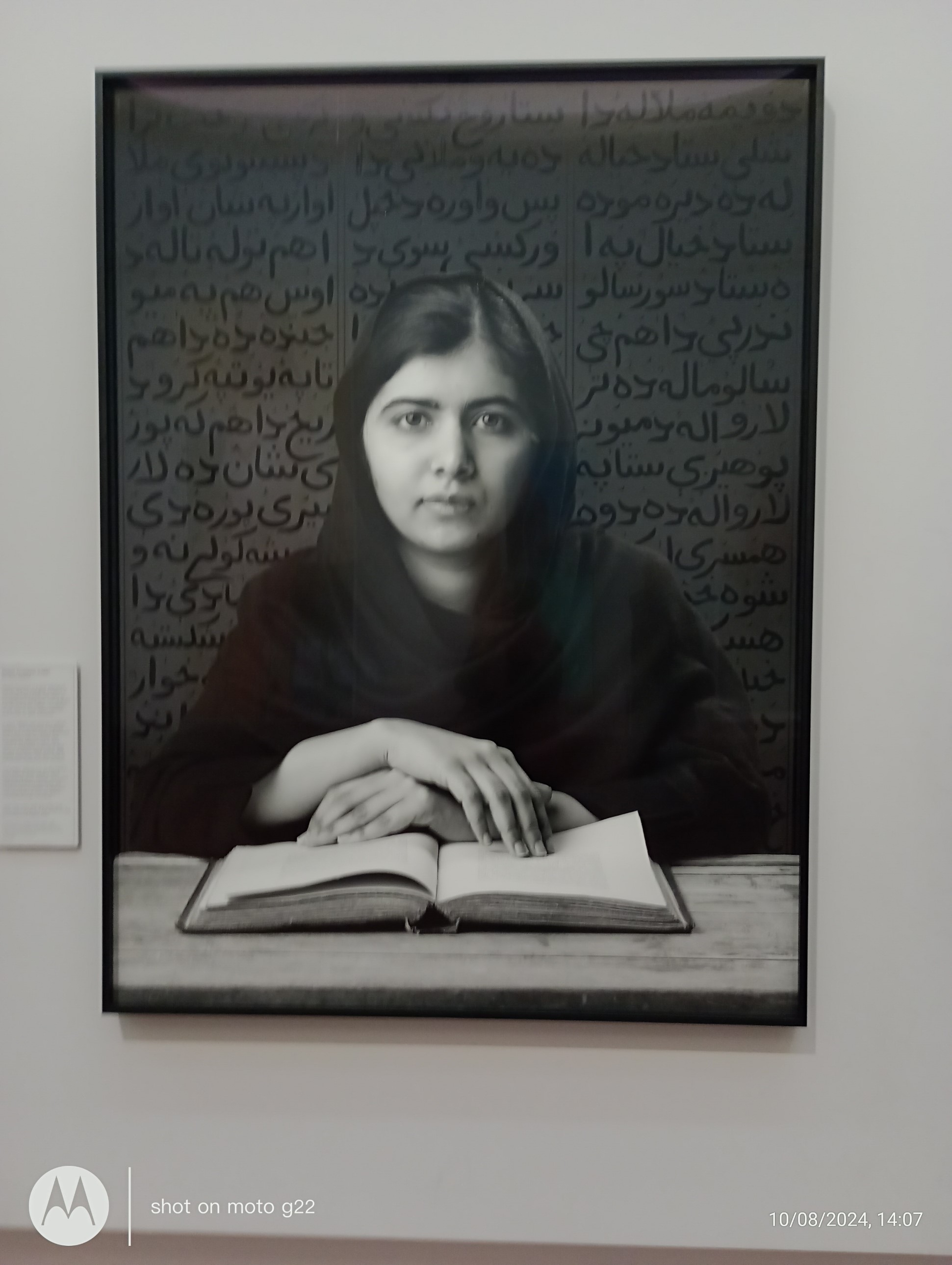
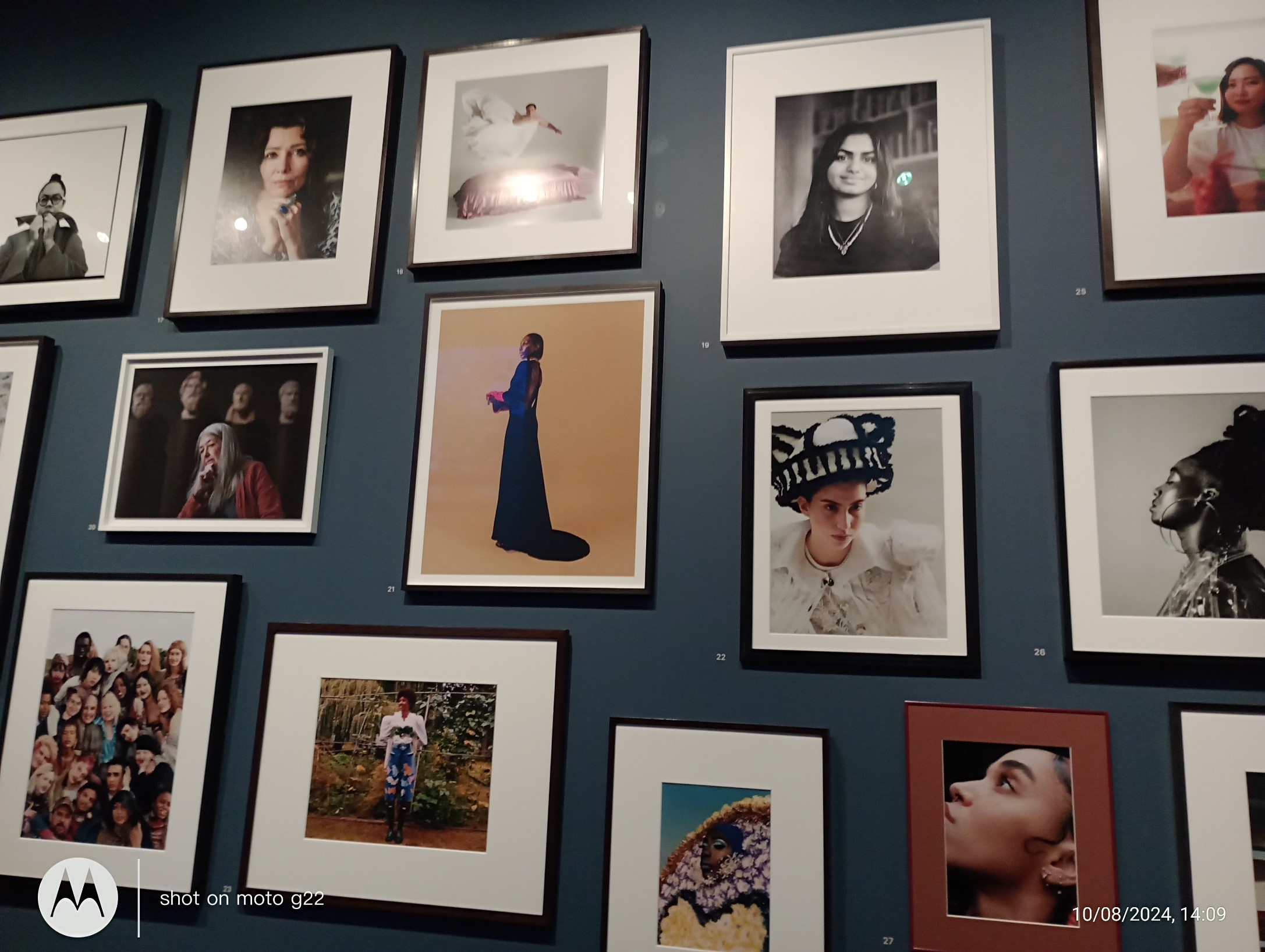
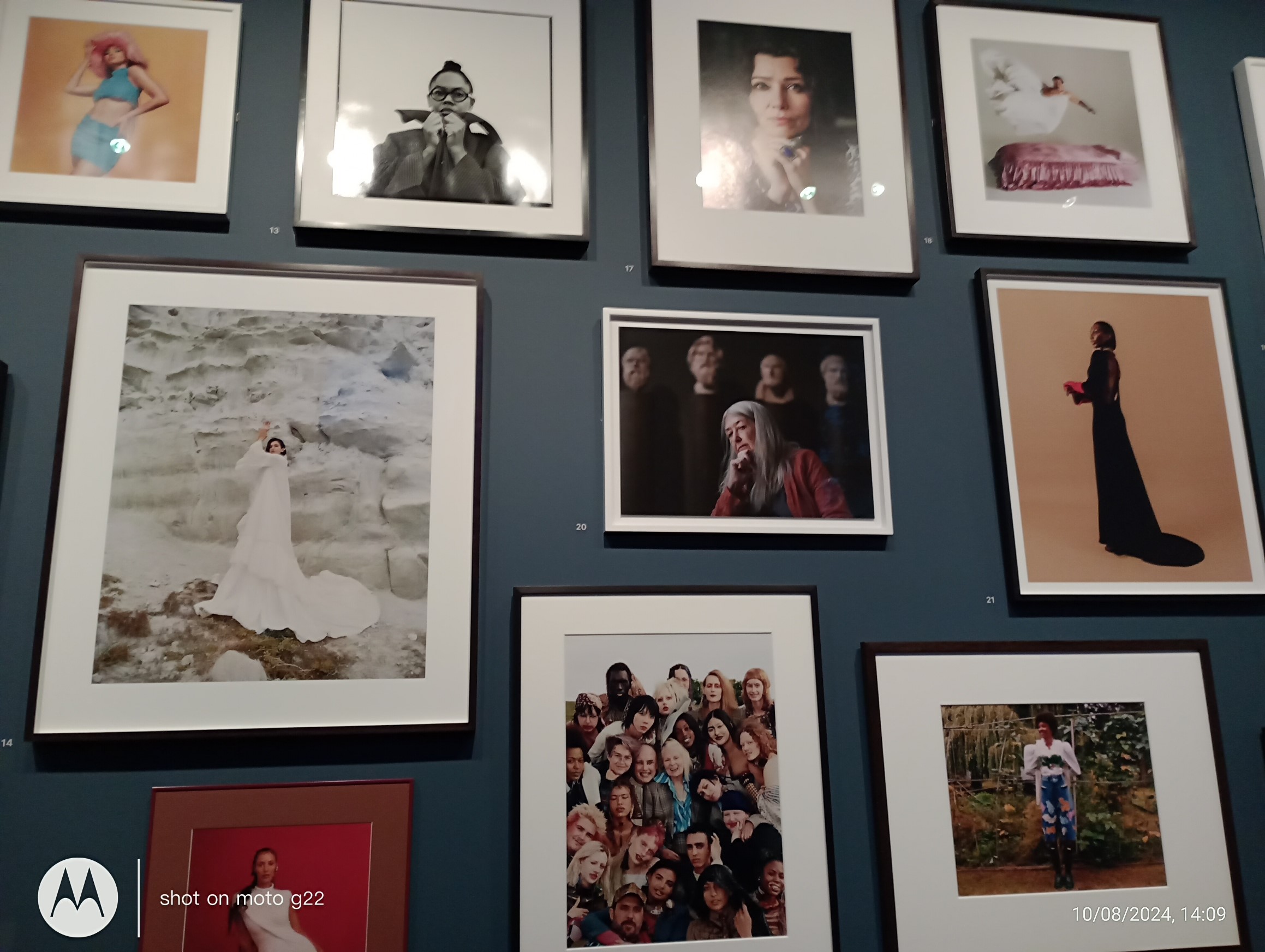
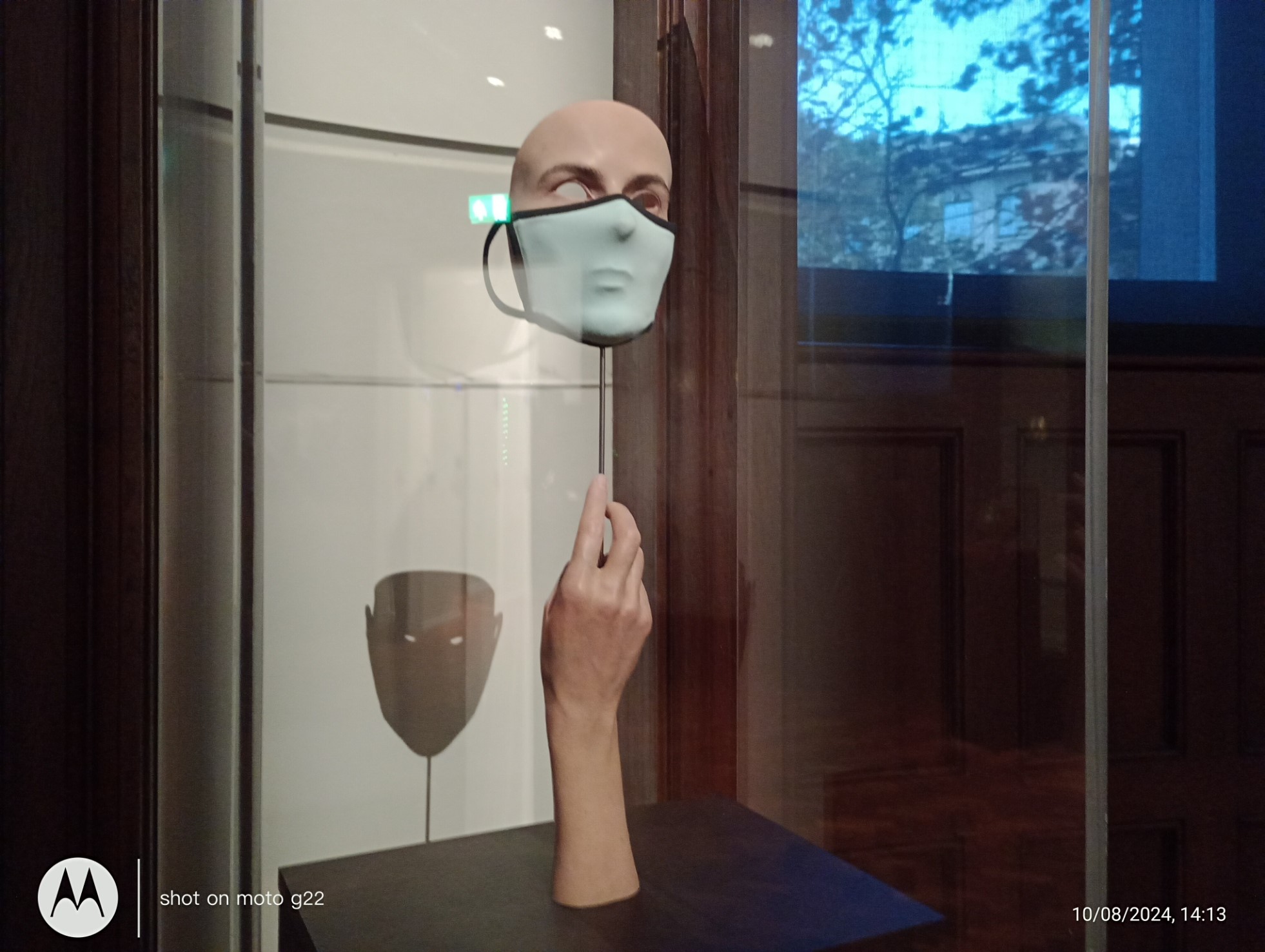
Recently I went to see the Tudor exhibition at the gallery, but this time we saw self-portraits and some women artists’ work.
American Politics
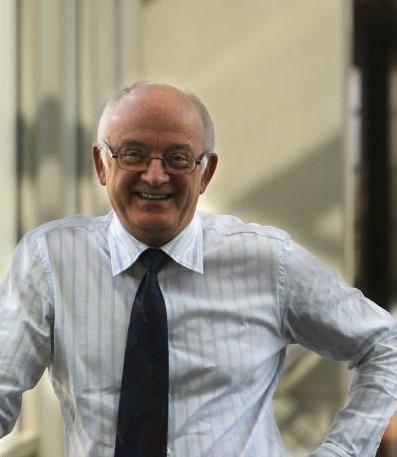
Bob McMullan
US election review at 14th October
Three weeks to go and the race appears to be tightening.
The usual Democrat anxiety at every worrying trend is starting to emerge.
I am not convinced that the level of apparent concern is justified by the objective data, but all the signs suggest it is likely to be a very close election.
The major polling averages are all suggesting some narrowing of Harris’ margin in the critical states in which she has been leading in recent weeks, Michigan, Nevada, Pennsylvania and Wisconsin. However, she remains ahead in all four which would give the Harris/Walz ticket a 276/262 win in the electoral college.
So, on the one hand Harris continues to lead in sufficient states to win and is competitive in North Carolina and possibly Georgia and Arizona. On the other hand her lead in these states has apparently been falling slightly for the last two weeks at a rate that would put one or all of them at risk if it is maintained for the next three weeks.
There is no political law of gravity which means that a political trend will remain in motion. But if you want to change a trend it is wise to take action to change the political dynamics. It appears Kamala Harris has got this message and has been undertaking a “blizzard” of face to face interviews.
It was also a smart move to release her doctor’s report on her health because it has put new emphasis on Trump’s age and physical and mental health.
A balancing item against the tightening of the polls can be found in analysis of early voting trends.
In the USA most voters register for one major party or the other, principally to participate in candidate selection primaries. This when taken together with early voting lists enables an approximation of early voting trends.
The Democrats have led in this category for years, helped by Trump’s rhetoric against early voting. The interest is in the margin of advantage the Democrats are enjoying.
The early data from the battleground states is encouraging. The analysis by Target Smart suggests that Harris has a 58/29 lead in early voting compares to 50/35 at a similar stage in 2020. I don’t have any experience to draw on in assessing the importance of this data but serious and experienced US analysts place weight on its utility and claim to have used it in correctly rebutting the prevailing forecast of a red wave in 2022.
One clear strength of this Target Smart work is that it is based on real people voting rather than polling results which are based on declared intention to vote.
Whatever the truth about the current situation it seems clear that the result will be close in all the battleground states and therefore in the Electoral College.
Australian interlude: Tom Moore – Australian Artist
Tom Moore exhibited his work at CMAG in Canberra, and I was thrilled to see them. This article adds to the information about his work.
Acclaimed artist Tom Moore uses ancient glassblowing technique to create prize-winning Dandy Lion *
By Eloise Fuss
abc.net.au/news/glass-artist-tom-moore-wins-fuse-glass-prize/104377172
When Tom Moore first watched a team of glass blowers at work, he says “it felt like they were juggling fire … it blew my mind”.
Decades on, the now-acclaimed Australian artist contorts this molten material himself, with a familiarity and control that is hard to fathom.
“When you see hot glass fresh out of the furnace. It is very beautiful, and it is just so full of potential. There’s so many things you could do with it,” says Moore.
“Most of the time, because it’s expensive to get this hot, you really have to know what you’re going to do with it. You can’t really mess around with it. You just work.”
Guided by Moore, his team of four work together at Adelaide’s Jam Factory, executing their precise roles to build his latest work — which he describes as a “bird on bird on bird situation”.
A pig-tailed assistant uses a metal rod to thrust open the glowing furnace, which is burning at around 1,150 degrees Celsius.
“That thing is a dragon,” says Moore. “Just going up to a furnace and opening the door is intimidating.”
“We singe the hair on [our] head all the time.”
Over a three-hour period, the glass is rotated inside the furnace, momentarily removed for a bout of shaping, stretching or fusing of elements, and then returned to the flames — again and again.
“Weirdly, glass is a very bad conductor of heat, so it takes a long time to get it hot. And once it’s hot, it stays hot, and once it gets cold, it takes a long time to get it hot again,” says Moore.
“You’ve got to stand up and sit down and put it back in the fire all the time, constantly. That’s one reason why we need to work in teams.”
Moore’s had more hands-on experience with the material than most. He led the making of all sorts of glass objects — like trophies, light shades, bottles and bowls, and movie props — as the Jam Factory Glass Studio production manager between 1999 and 2015.
“I really do feel connected to the history of glass blowing, and that is because I’ve spent thousands of hours working as part of teams making objects, which are the same objects that have been made now for thousands of years,” says Moore.
His own highly distinct, skilful glass creations have been featured in exhibitions at most of Australia’s major state galleries, along with a national tour of his solo exhibition Abundant Wonder from 2020-2023.
And this year, he took out the 2024 FUSE Glass Prize, Australia’s richest prize for glass art, which goes on display at the Australian Design Centre in Sydney this October.
Moore’s funny glass things
Most glass objects in our modern lives are functional, but Moore’s acclaimed, idiosyncratic creations are “intentionally impractical, ludicrously delicate and not dishwasher safe”.
The short version: “I make funny animals.
“But if I have more time to explain it, then I will talk about the desire to combine plants, animals, people and machines, and the history of that kind of imagery, which is more or less universal — this imaginative combination of different things.
“I understand they don’t actually come to life and wander around … but it feels a bit sad to just call them objects.”
His art often features stacks of imagery, inspired by pictures like the Bremen Town Musicians – depicting a rooster atop a cat on a dog standing on a donkey, from the 1800s Grimms’ Fairy Tales.
“Another thing I love is the Cat in the Hat, where he’s balancing all the precarious things, the fish bowl and all these things stacked on each other, and it defies gravity, and I find that very, very exciting and satisfying.”
The “stickiness” of glass allows Moore to combine different animal characters and objects in his own work.
“Glass is glue, and so I can just fuse it together with itself,” Moore says. “I can make these constructions of all these pre-made parts, and then I have to basically balance it — it’s a kind of magical material for replicating that vision that apparently defies gravity.”
Before art school, Moore had always imagined he’d realise his creative visions in clay.
But that fateful moment when he saw the trio of glass artists “juggling fire” together, at an open day at Canberra School of Art in the early 90s, changed his course.
And it wasn’t just the dangerous, alluring skill that stuck, but the specific and mesmerising glass-blowing technique they were using, dating back thousands of years.
Venetian style of glass-making
Observing Moore’s art up close, you’ll see intricate, thin lines stretching through all the forms.
This skilful, detailed approach uses decorative glass techniques first invented by the Ancient Romans, then perfected in Venice in the 1200s.
Moore describes the technique as an “international standard for glassblowers”. But it was at risk of being forgotten in the 20th century as traditional glass factories began to close in Venice.
In an “unprecedented” move, some Venetian maestro glassblowers shared the secrets of this ancient craft with members of the international glass community.
“They are very clever tricks that I feel lucky to have the opportunity to practise,” says Moore.
Venetian glassblowing centres on the use of finely patterned twisted glass rods, often just referred to as “canes”.
“I spend probably as much time making the rods as I do making the objects.”
To create them, coloured glass is embedded in molten clear glass. This is then expertly stretched out across the workshop until it is thin and metres long.
“They look like they must be made by a machine, but actually it’s a technique which can be learned by a person. And I still find it amazing that I can make these rods.”
To make a sculpture, Moore chops the rods to the requisite length, and wraps them around a blowpipe to essentially “blow” a glass bubble imbued with the patterning.
“Or I can wrap them around a blob of glass to make a solid [object].”
He also uses sections of cane to make creature-like details, like eyes, wings, boots or hands.
“I work out the drawing, do all the planning, make all the parts, and it’s almost like a paint-by-numbers set after that. Like Meccano or Lego, it’s like a kit, which I take back to the furnace, heat everything up, then I make the body and stick it all on there.”
Dandy Lion and friends — the prize-winning work
Moore spent more than 100 hours over two months creating his 2024 FUSE Glass Prize-winning work.
His series of five “mischievous ornaments” is titled Dandy Lion among the Antipodes.
Among the elaborate glass characters is an “intricately patterned, slightly surprised, somewhat charming” yellow lion called Dandy Lion.
“People have said to me they think that’s the best thing I ever made,” Moore says. “There’s a really nice symmetry and asymmetry and the decorative cane techniques are pretty sweet.”
Moore consciously refers to the history of glassblowing in his designs, honouring the long legacy of making animal forms from glass.
“I think [an artwork] should be surprising, but it also should be having a conversation with the history of the material as well. So I think it needs to be new and old at the same time.”
And he likes to make his sculptures look “spontaneous”.
Since glass objects can often be very precise and exact, Moore thrives on adding unexpected wobbly lines and asymmetry to his artworks.
“I think it’s quite an unusual thing to see glass which isn’t perfect because most glass that people come across is machine-made or made in a factory in a mould.
“So making things a bit wonky is really very satisfying.”
An environmental message
Moore isn’t afraid to call his creations “cute”, and wants to inspire joy in people who look at them.
“They are a celebration of life in some of its many wondrous forms.”
But spend a while with his art and you will also spot artifice — a wide-eyed face has a bonfire on its head, a car is wrecked with trees growing out of it, and birds lie on their backs.
“The works inhabit a fantasy realm [but] there is trouble in that paradise too.”
“There are some of these objects which are really not very cute and which are more responding to my discomfort at the state of the world, and which are more overtly addressing that nature is being severely impacted by human activity.”
Moore doesn’t want his work to just speak to the history of glass but also the implications of its future, acknowledging that his beloved glass is also a really energy-intensive medium.
The high heat furnaces run at makes it more energy-efficient to leave them on 24 hours a day than turn them off — hence groups of glass-blowers work together in shared facilities.
“I have thought seriously about not blowing glass anymore because I am complicit in a very big problem, but I’ve been doing it for so long that I think I’m actually able to communicate my discomfort effectively [in the artwork] and maybe make something which is meaningful at this moment and that responds to my kind of dread.
“My intention in making them is to be upfront about my conflicted position as somebody who is enamoured by nature, but who is using a very resource-intensive process to communicate that.”
*This article is clearly marked as being for sharing. However, some of the graphics have not been treated in that way. Please go to the original to see these, and any that are missing once this blog is published.
The 2024 FUSE Glass Prize is at the Australian Design Centre, Sydney from October 3 — November 13 2024.
Tortworth Manor
This two-night stay was one of my finds on Secret Escapes. It has proved to be everything that was advertised: a Tudor inspired mansion with gracious and extensive grounds, a comfortable large room and, although mixed, some good food and service It was interesting to find that one of the previous owners was Australian. The manor has been refurbished but retains many of the original features. The exterior of the building is magnificent, and the interiors (below, the dining room and library) very grand.
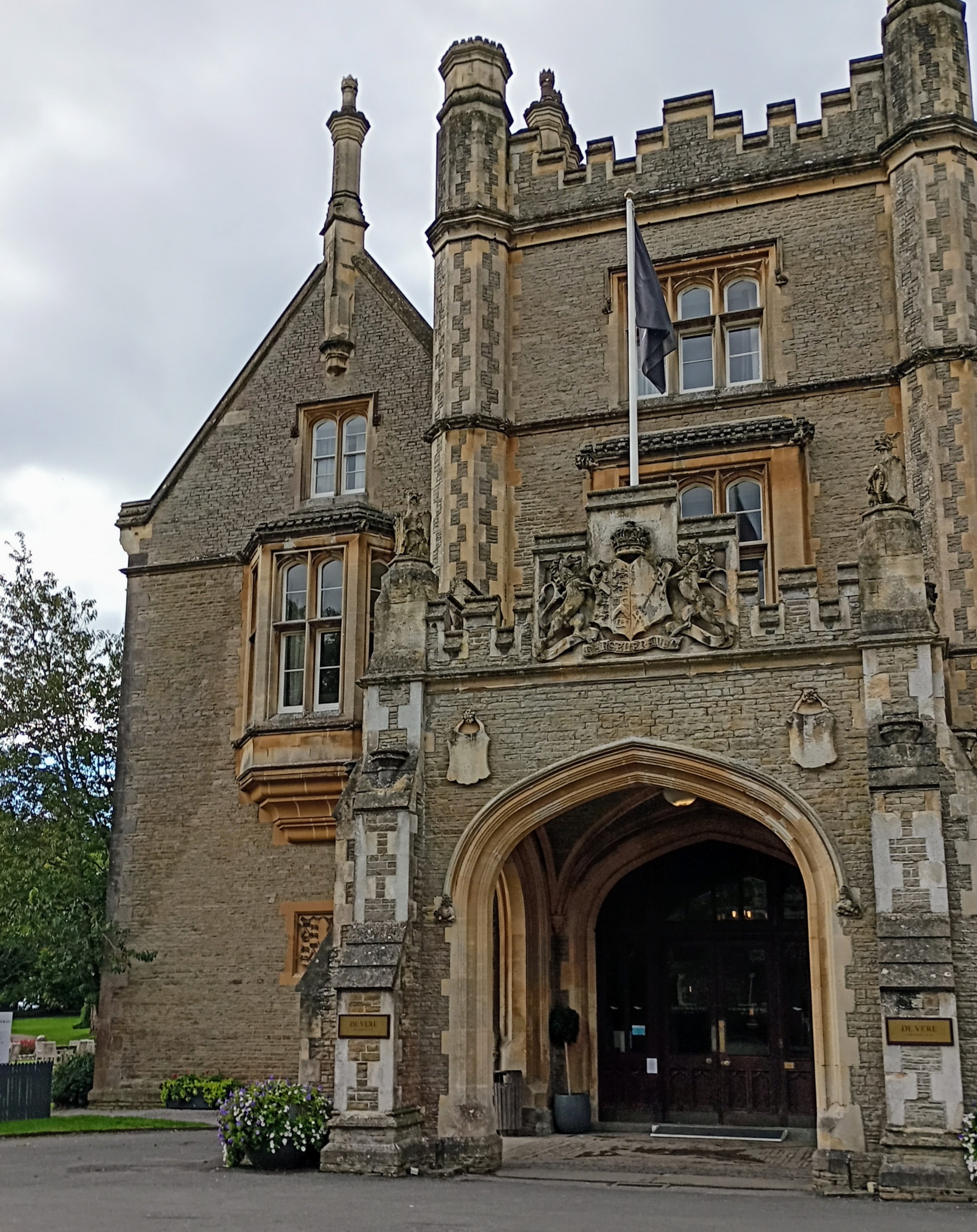
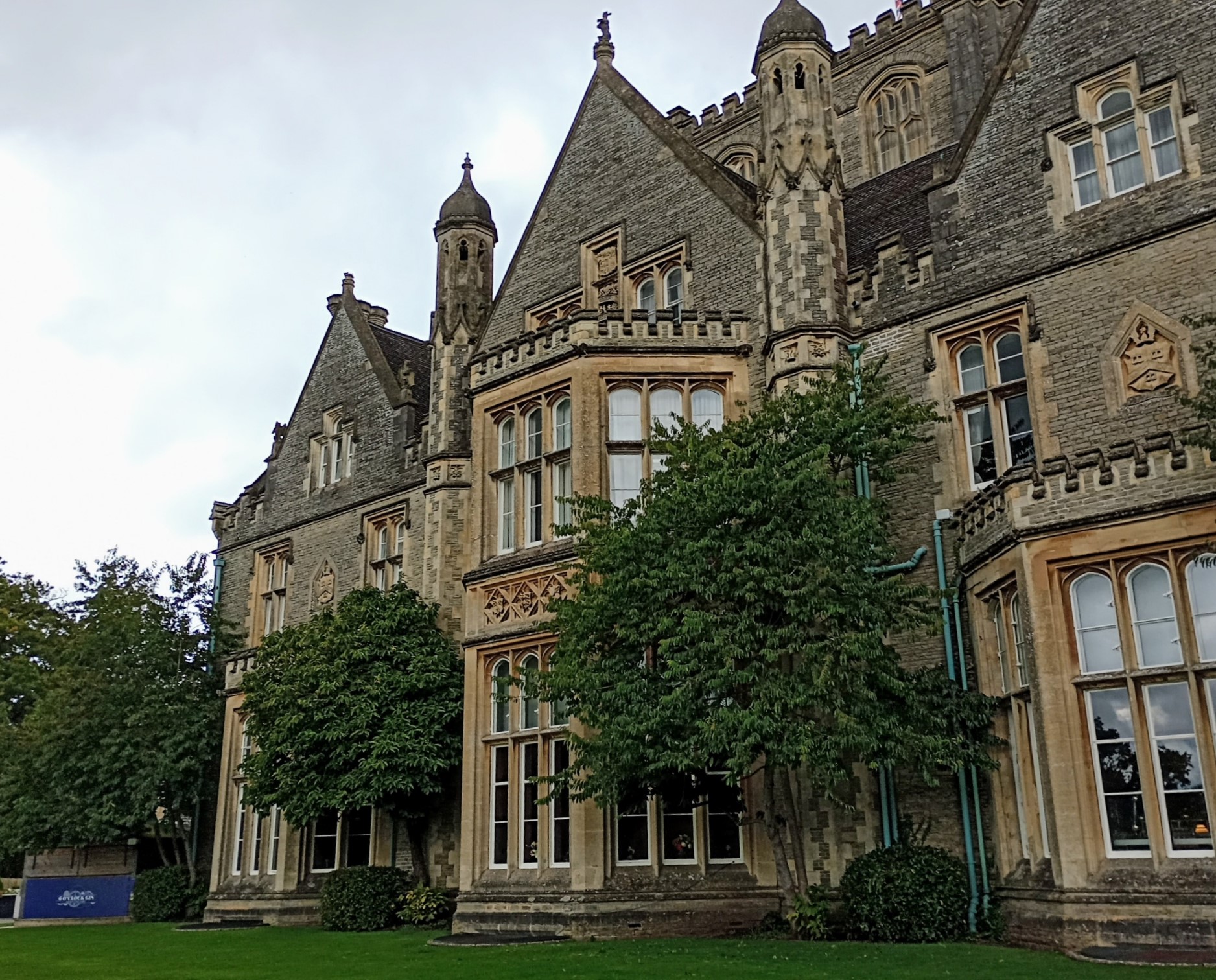
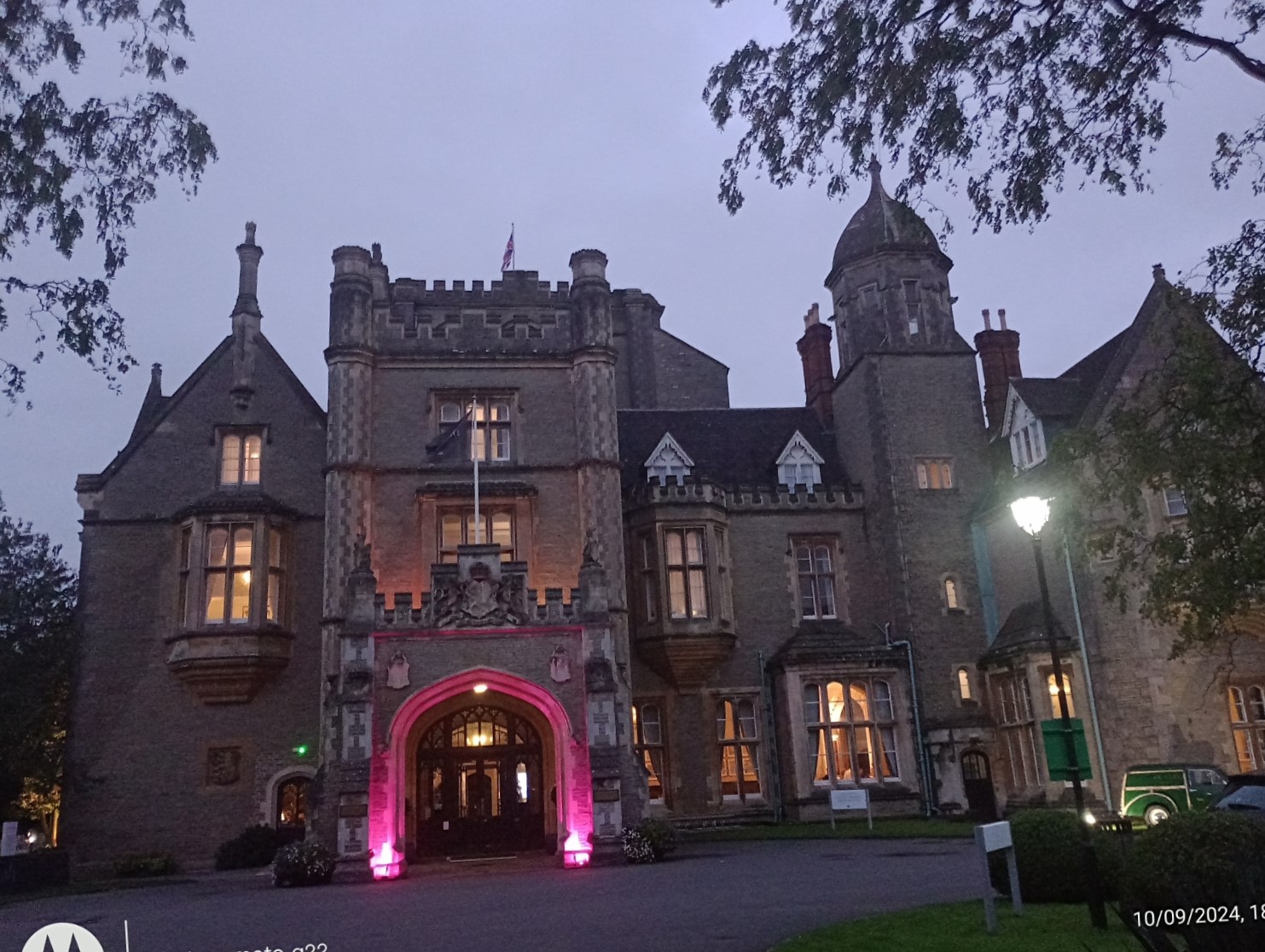
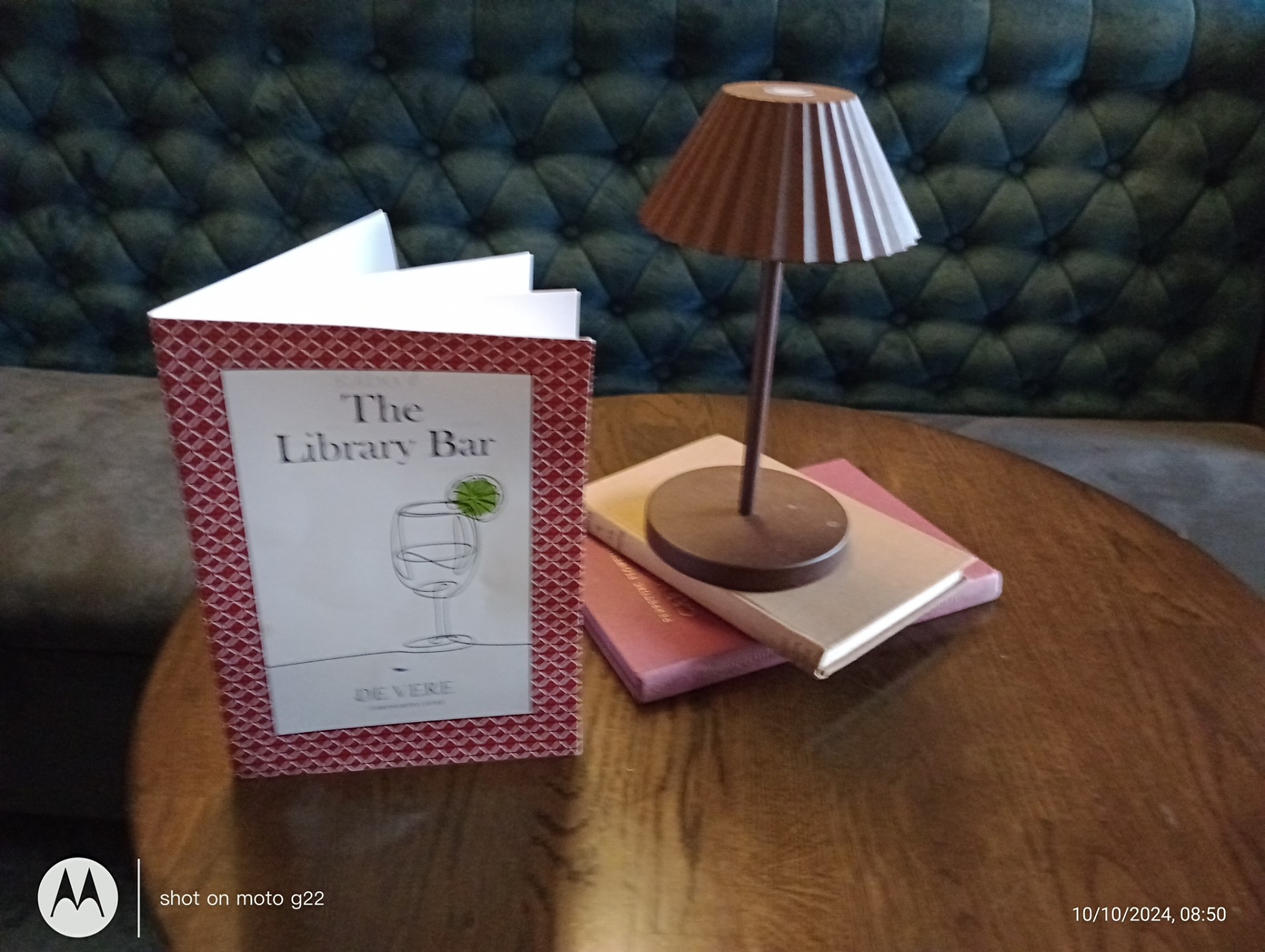
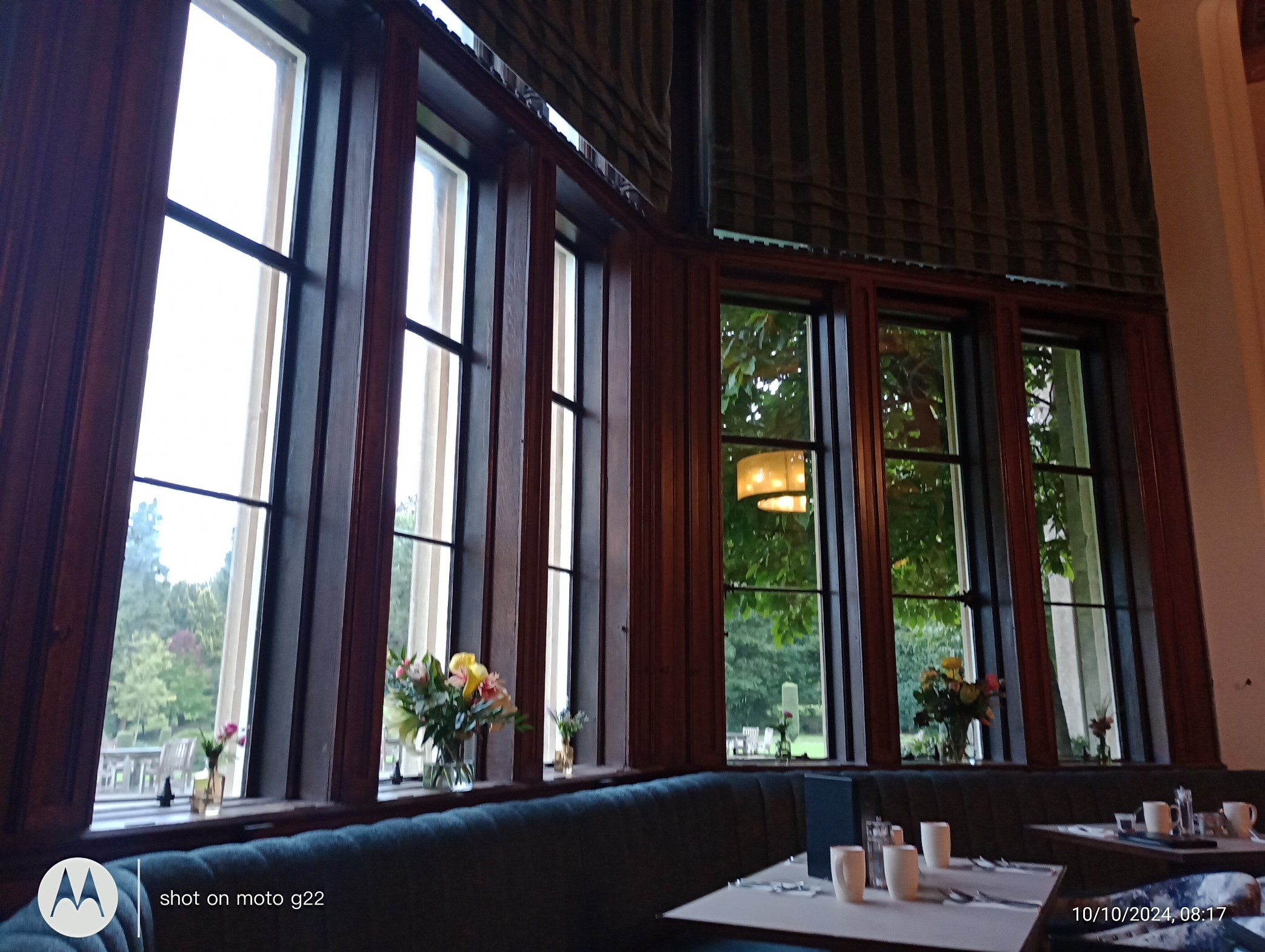
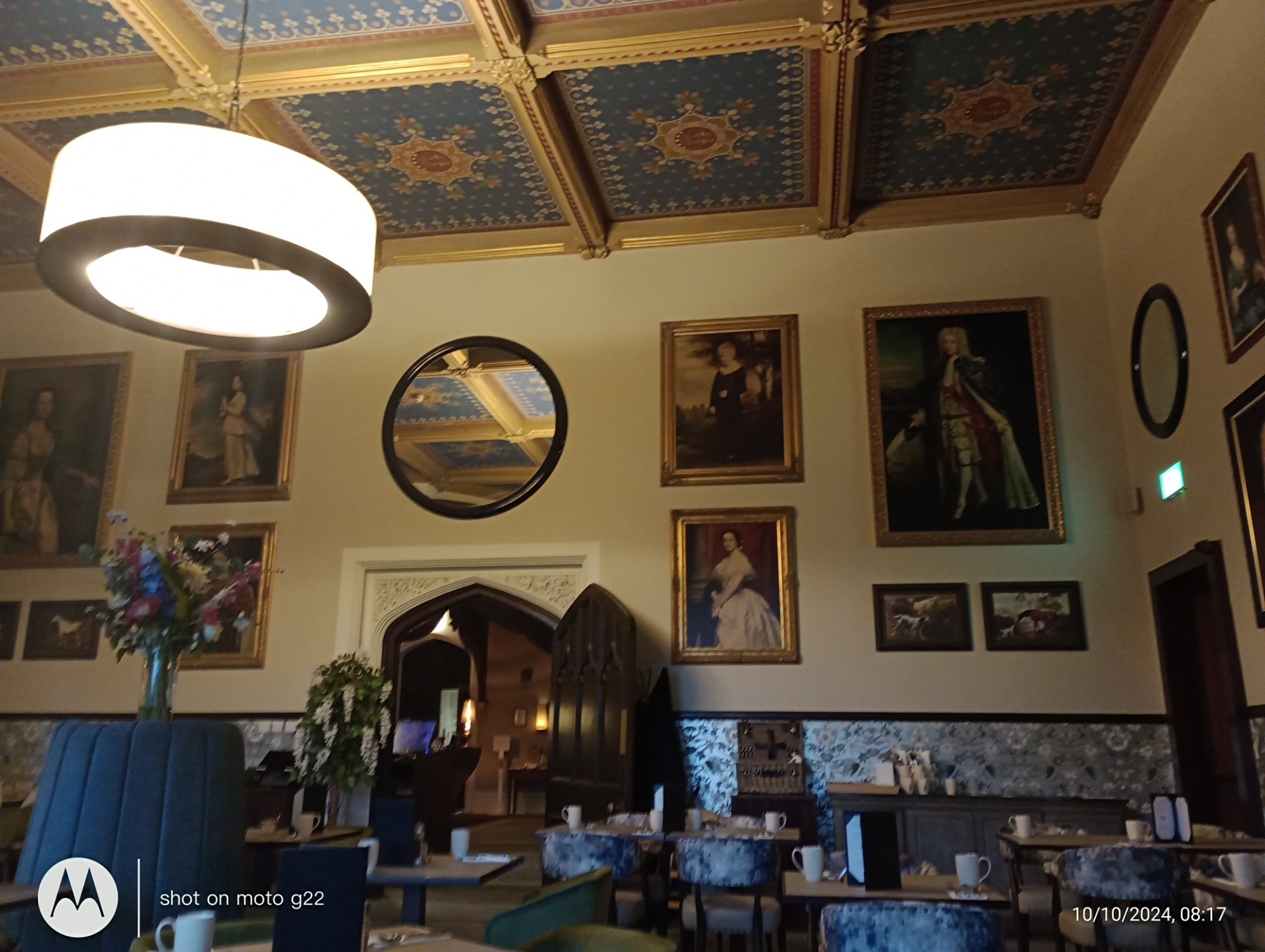
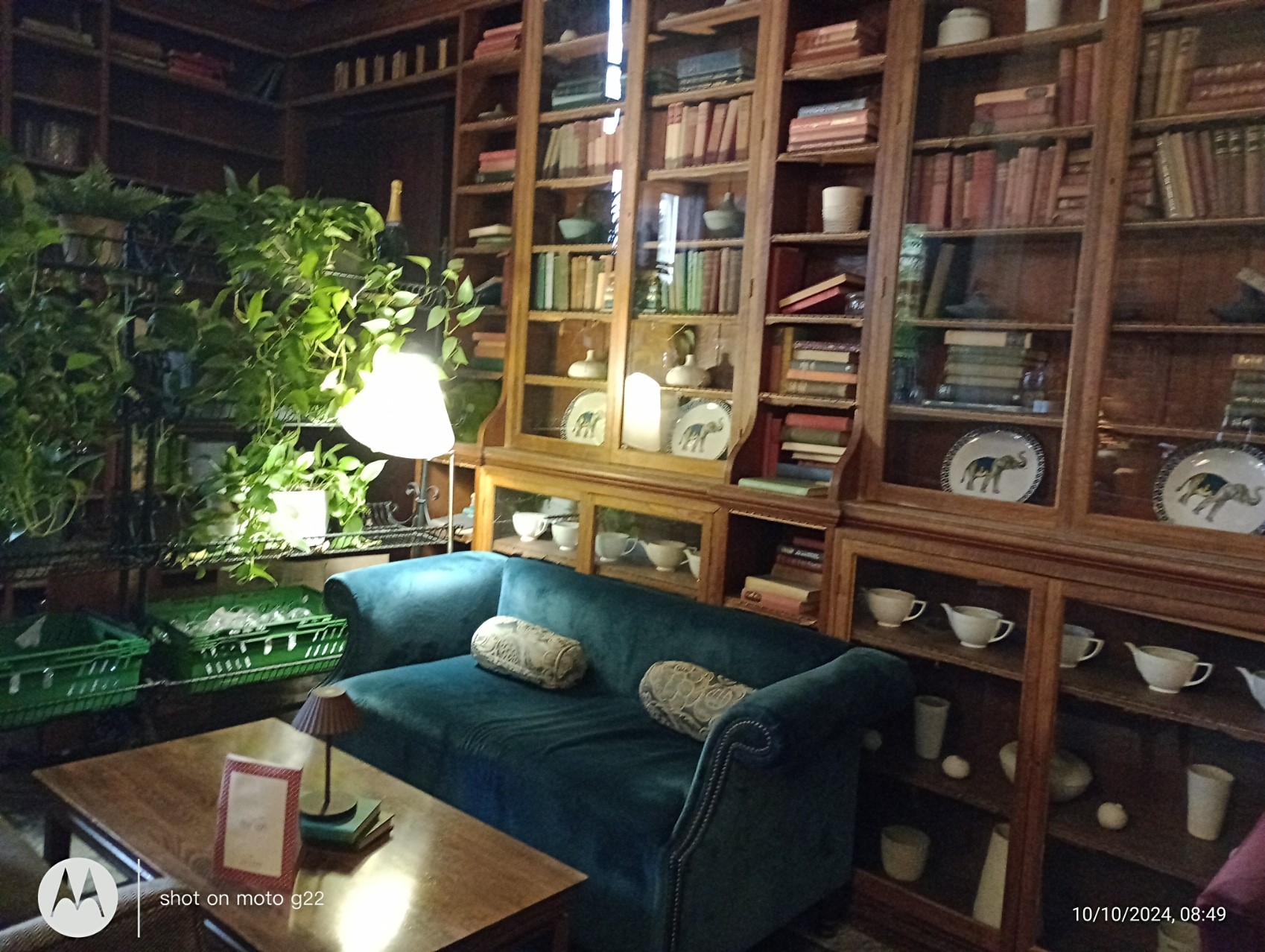
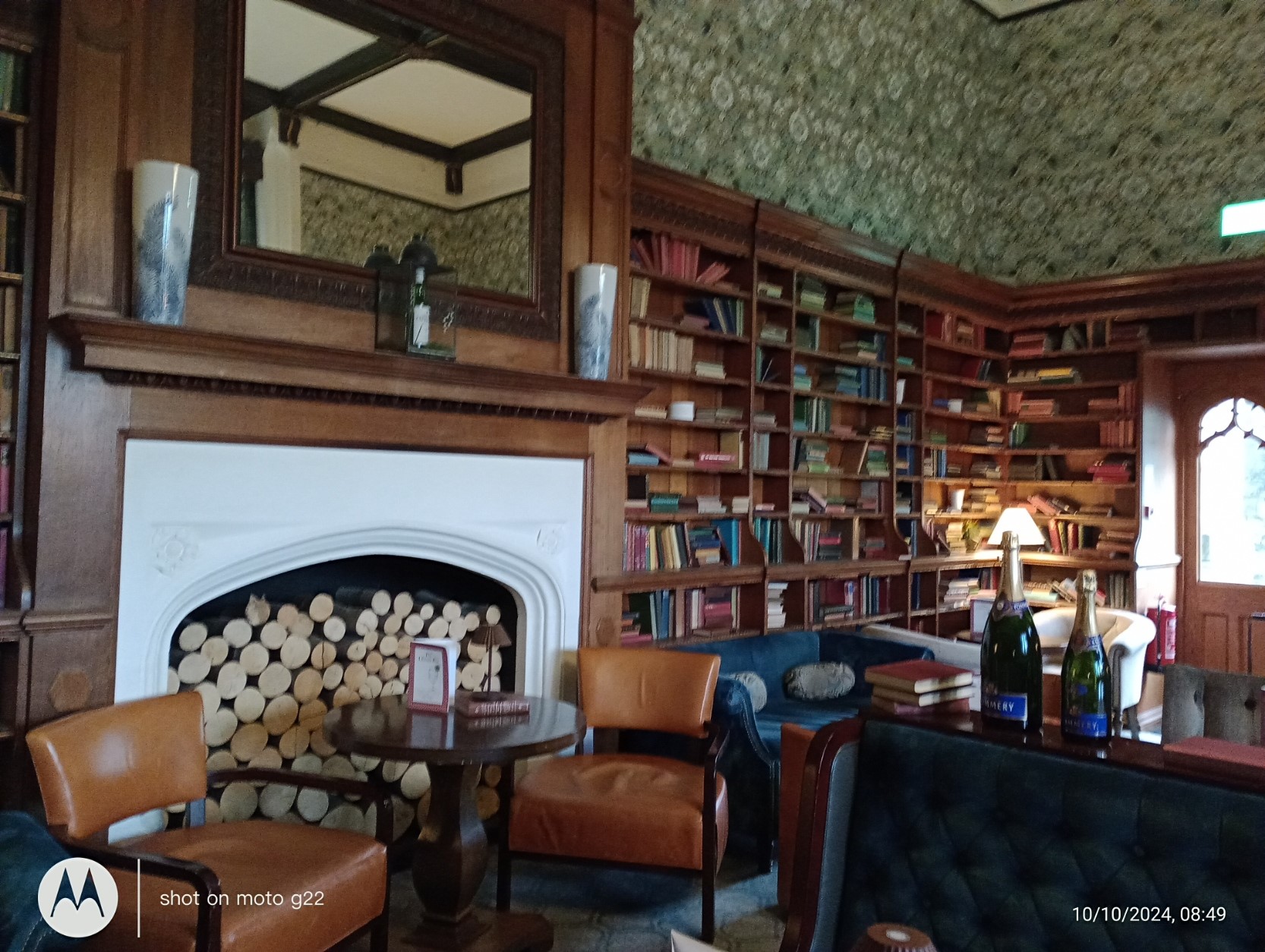
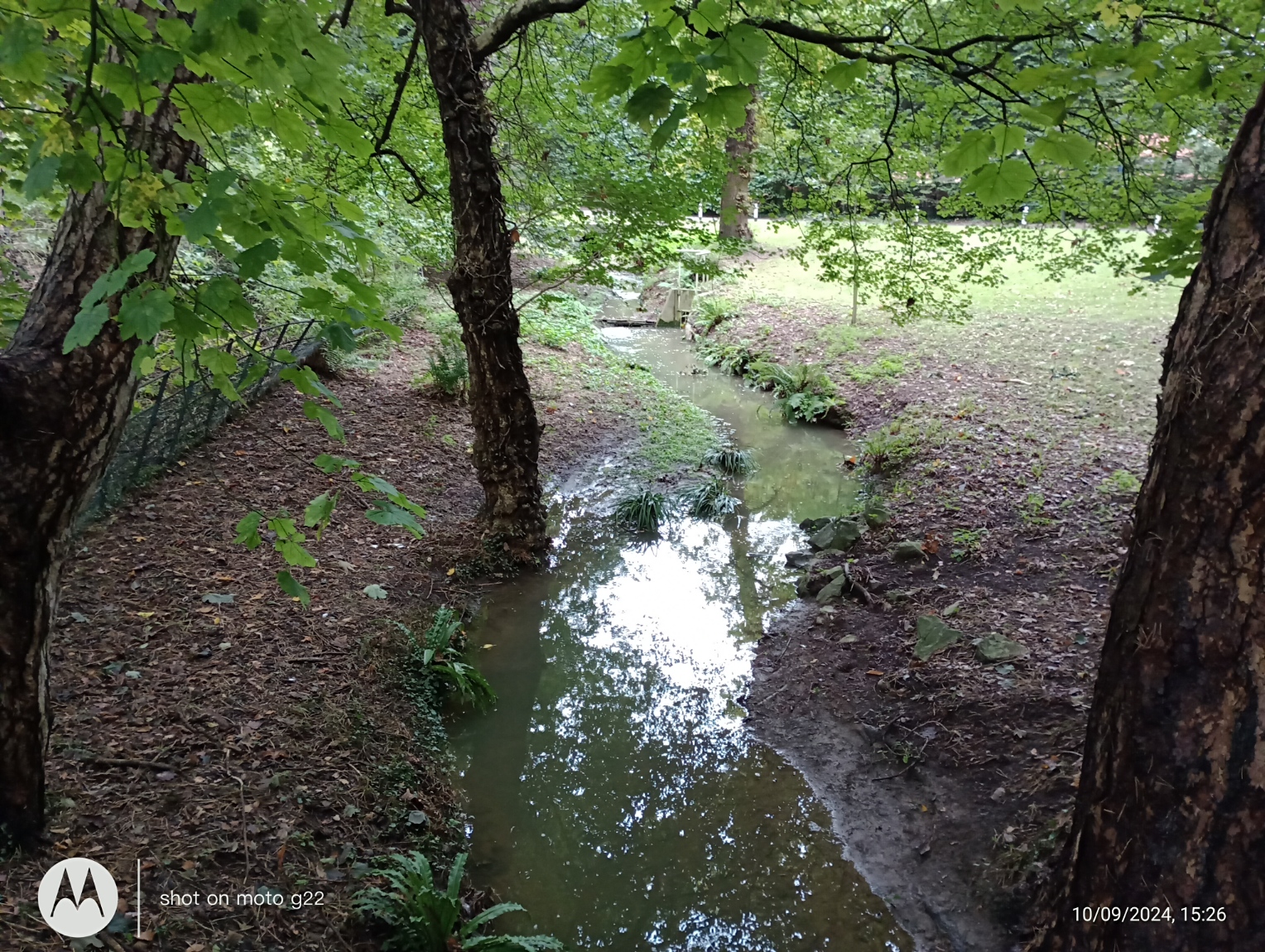
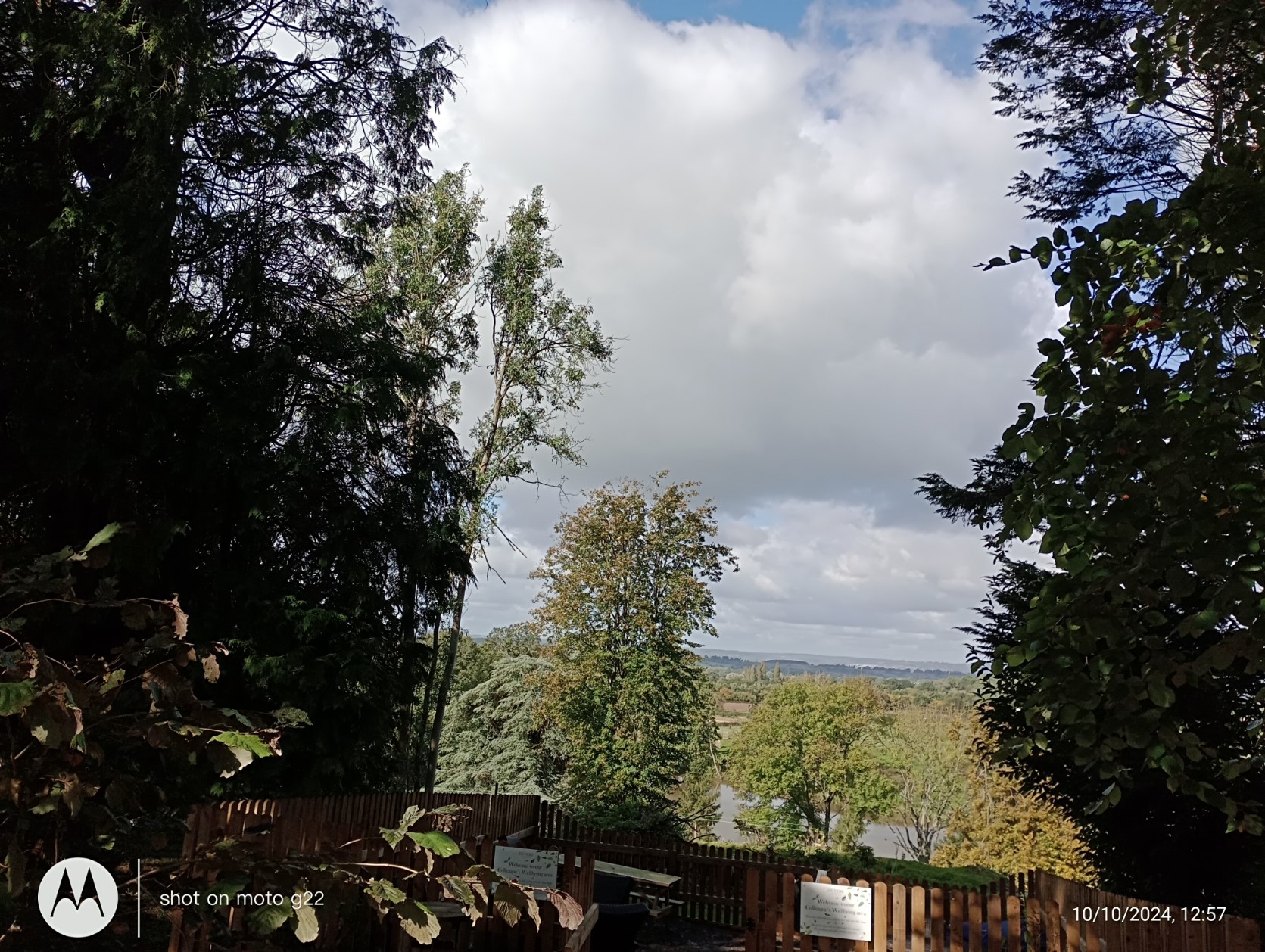
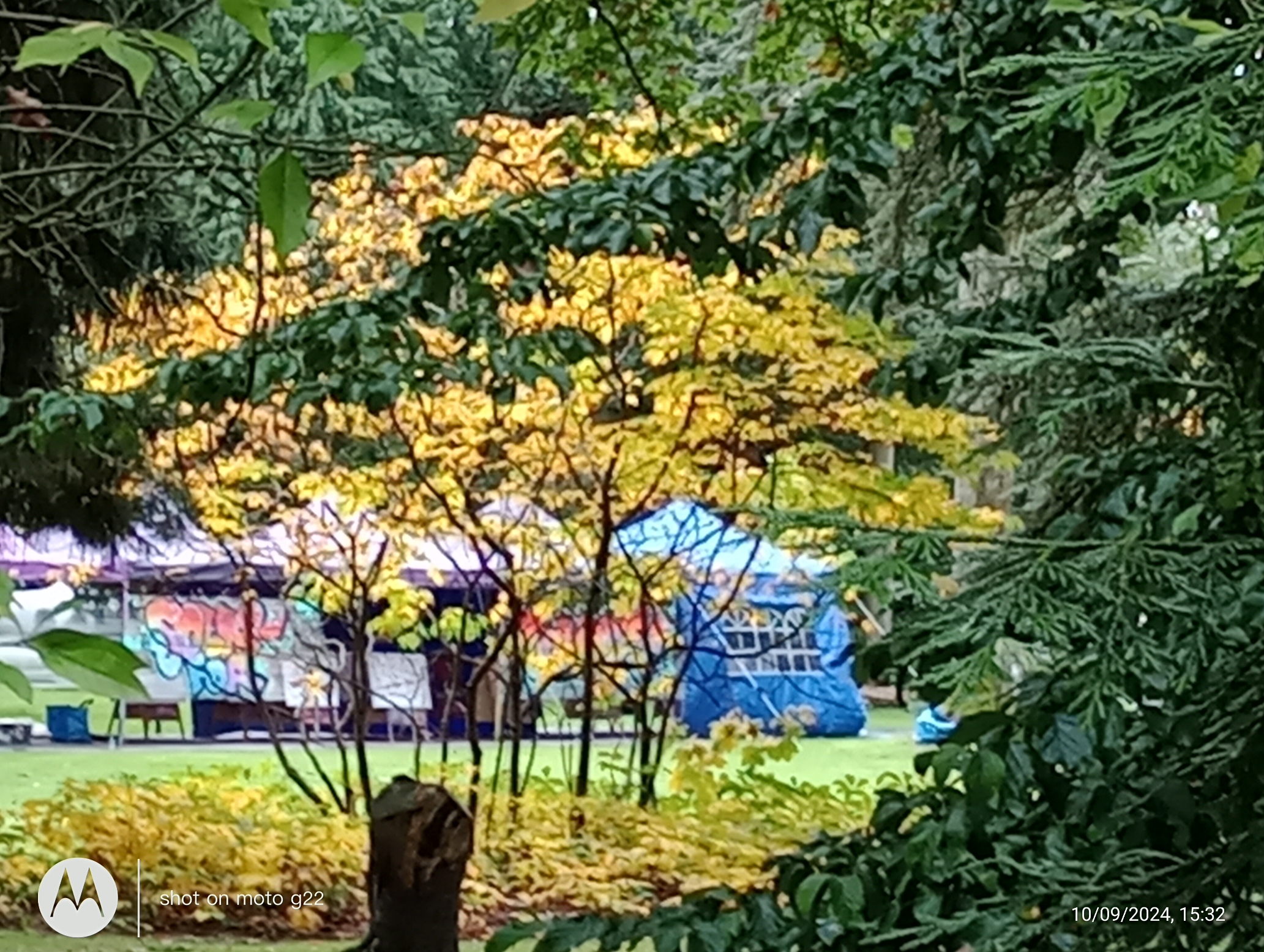
The grounds are beautiful, and we went on several walks, some of which were sunny.
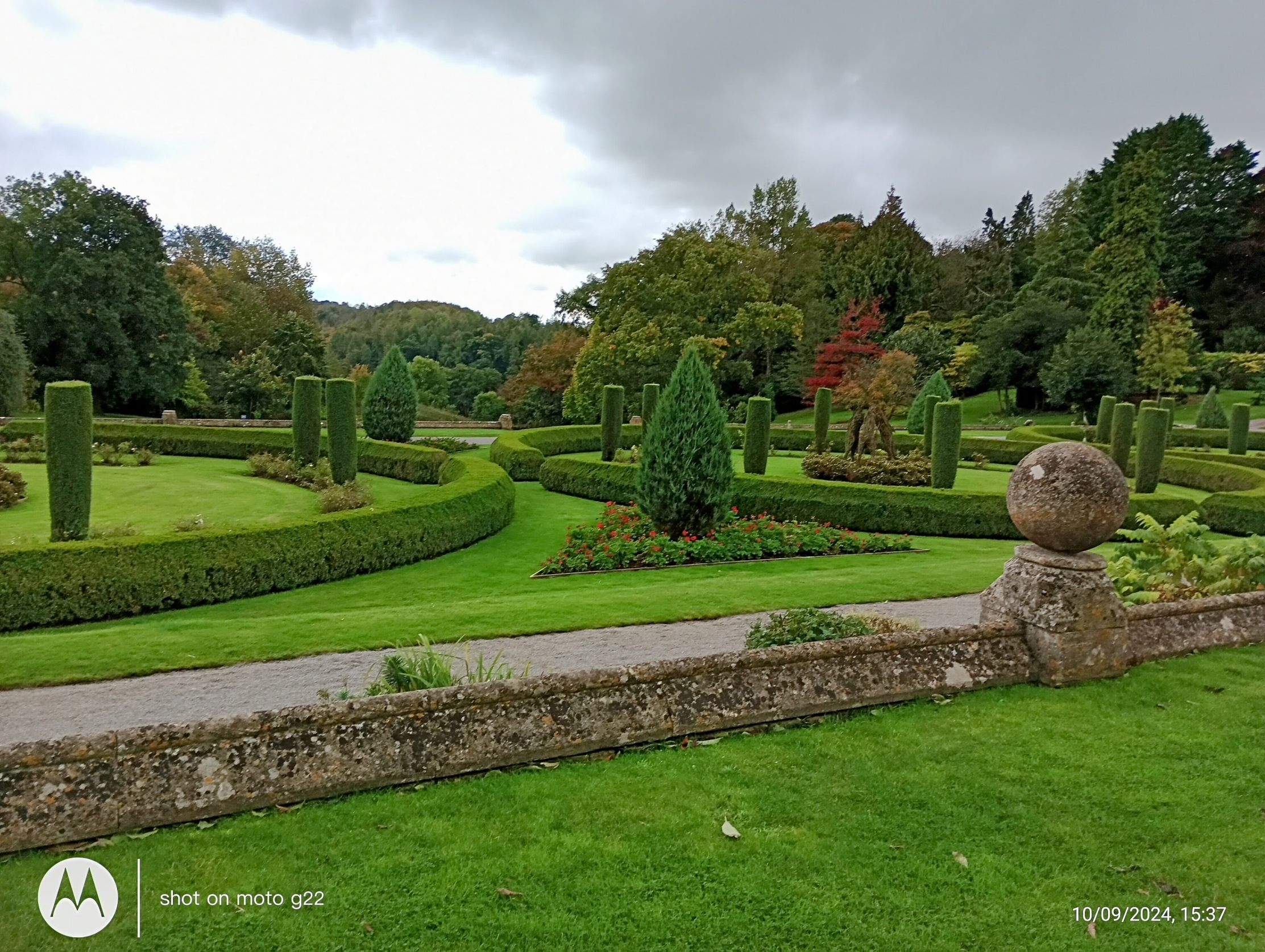
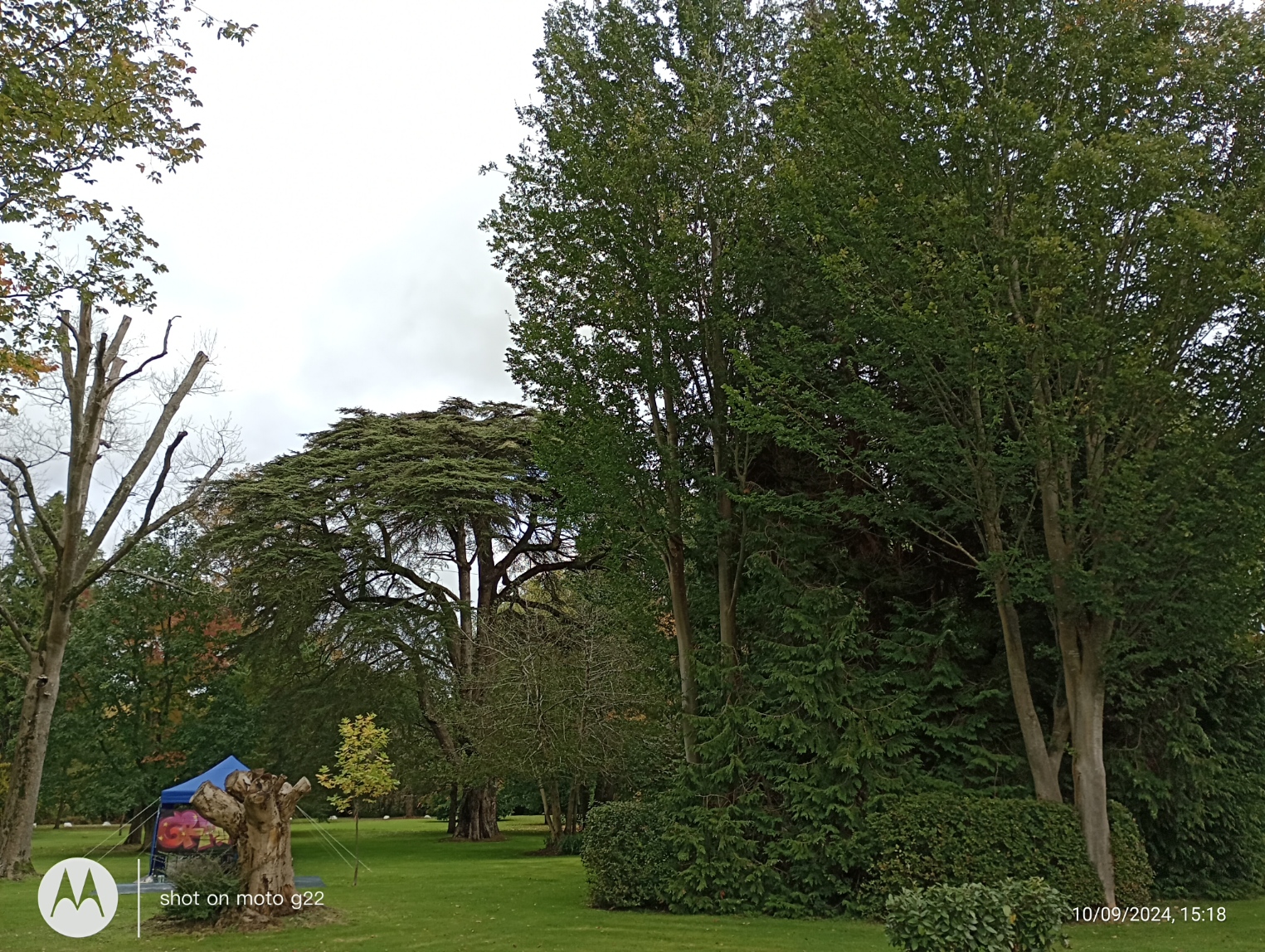
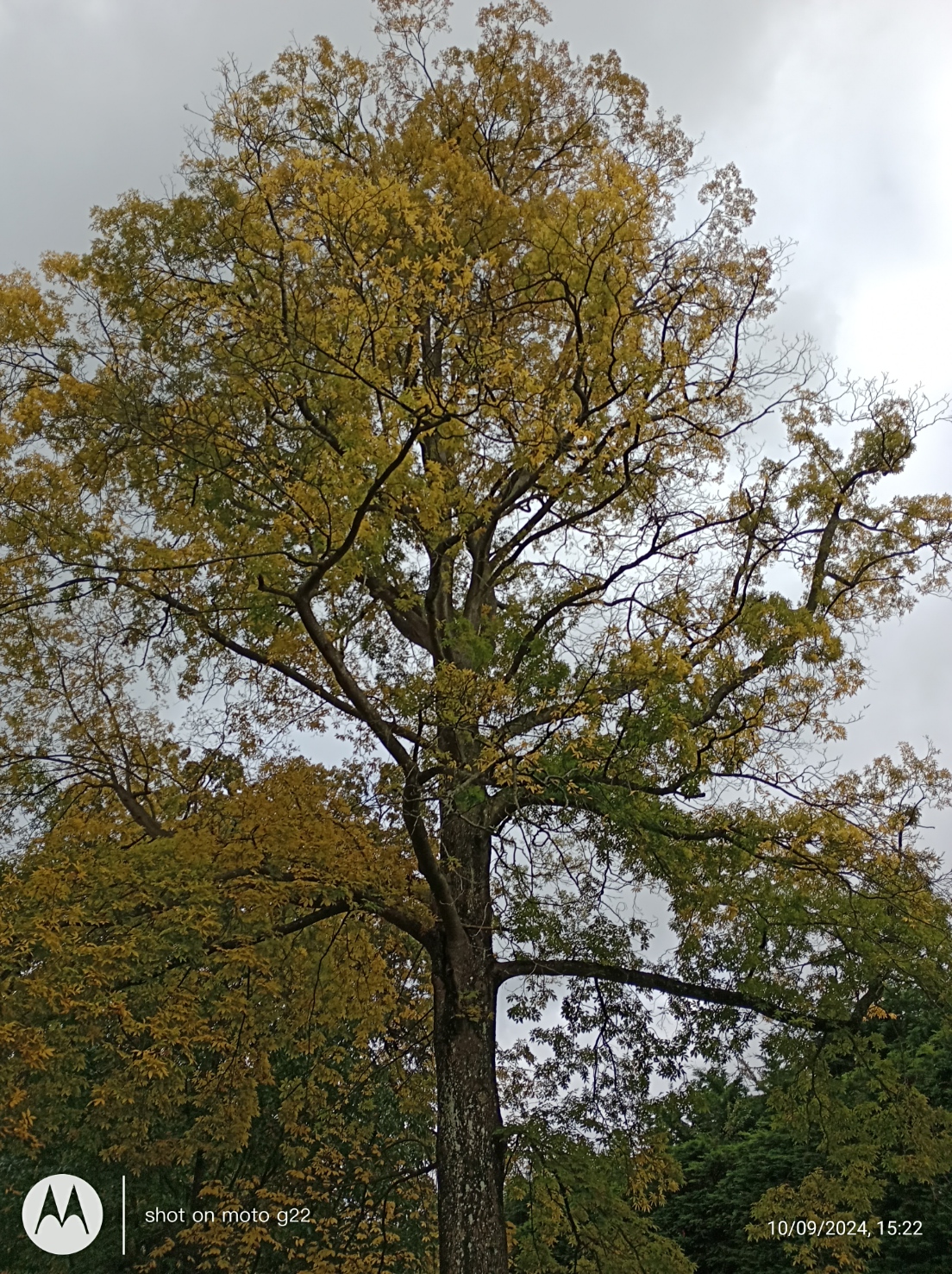
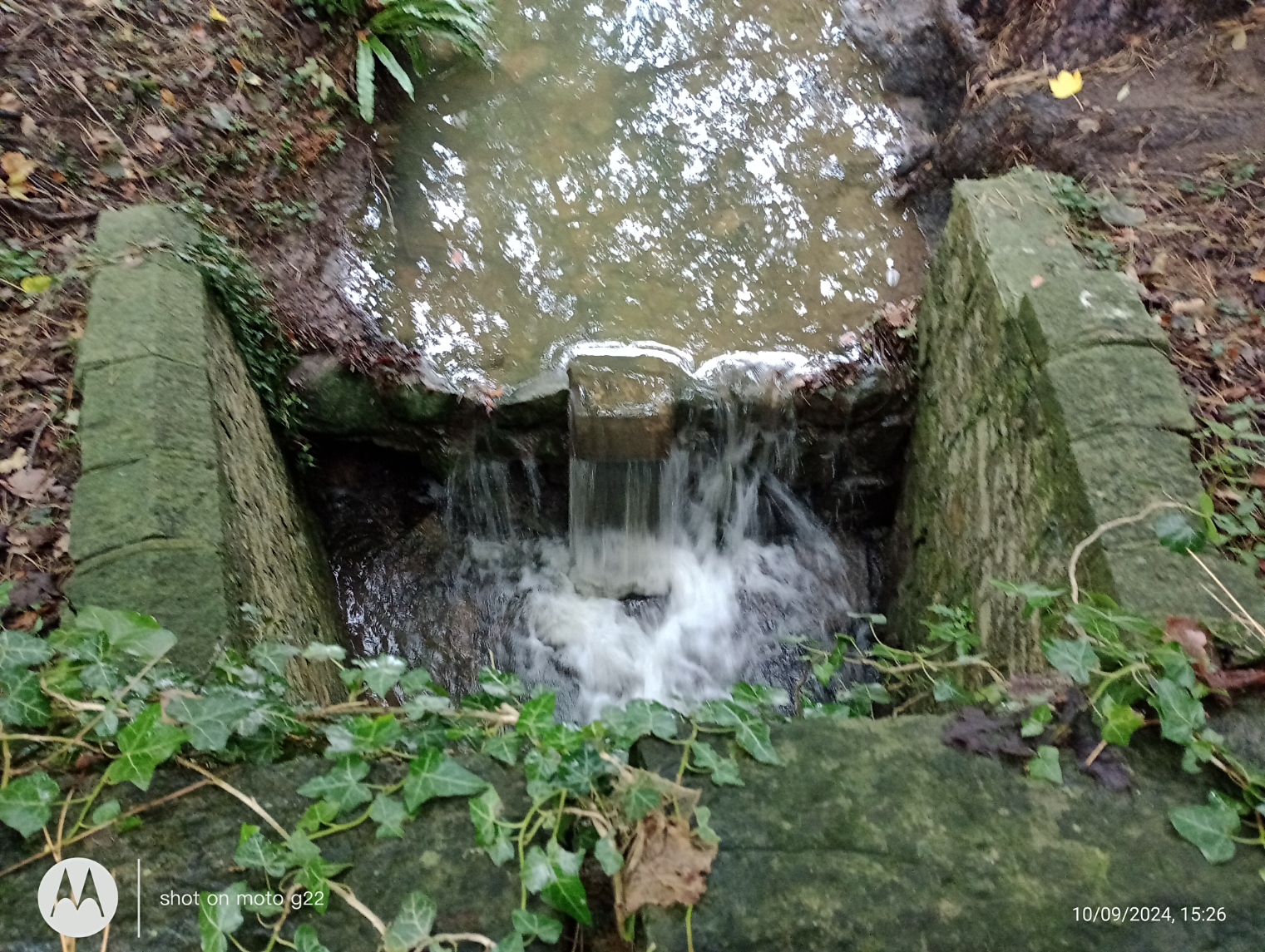
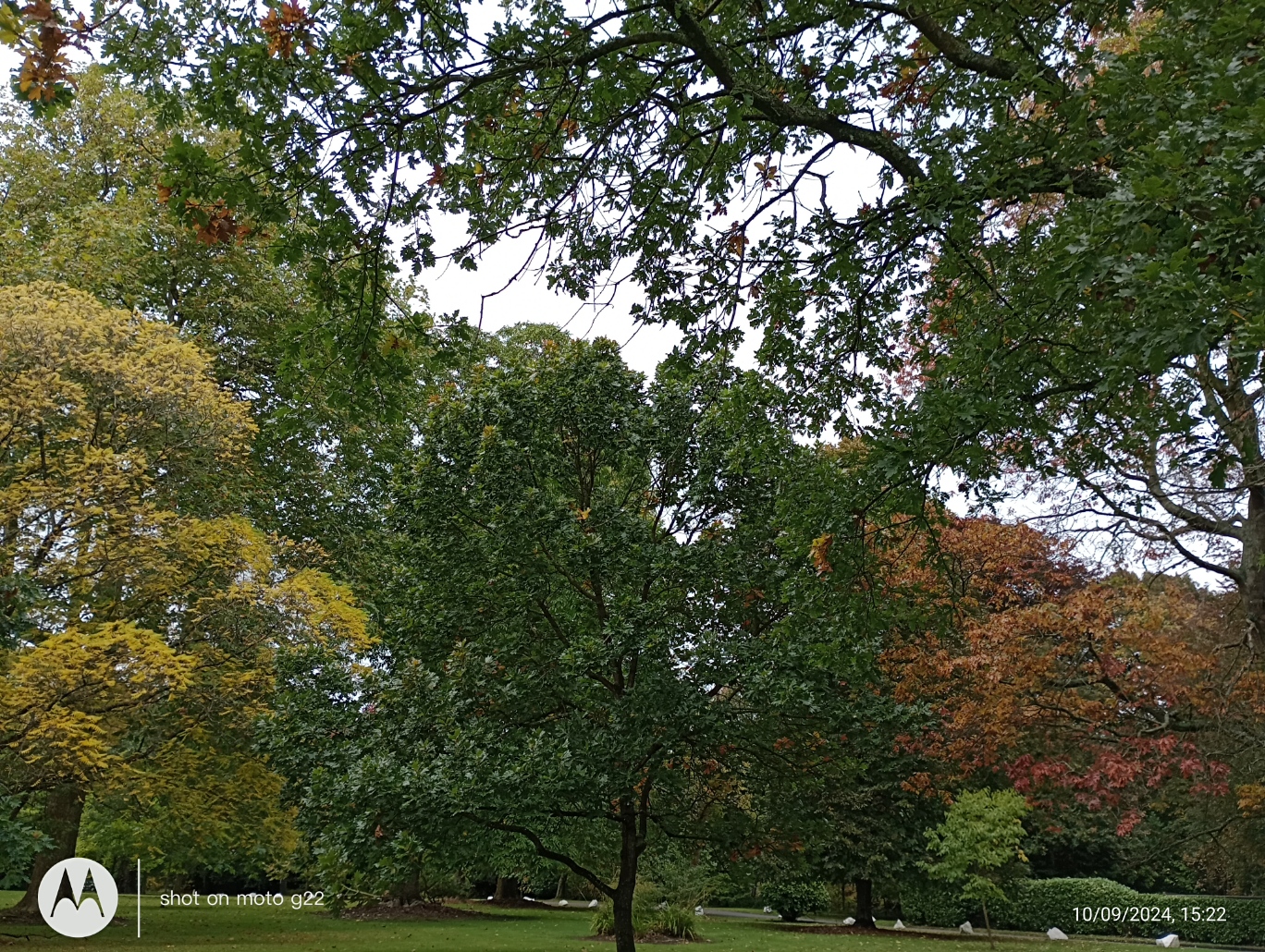
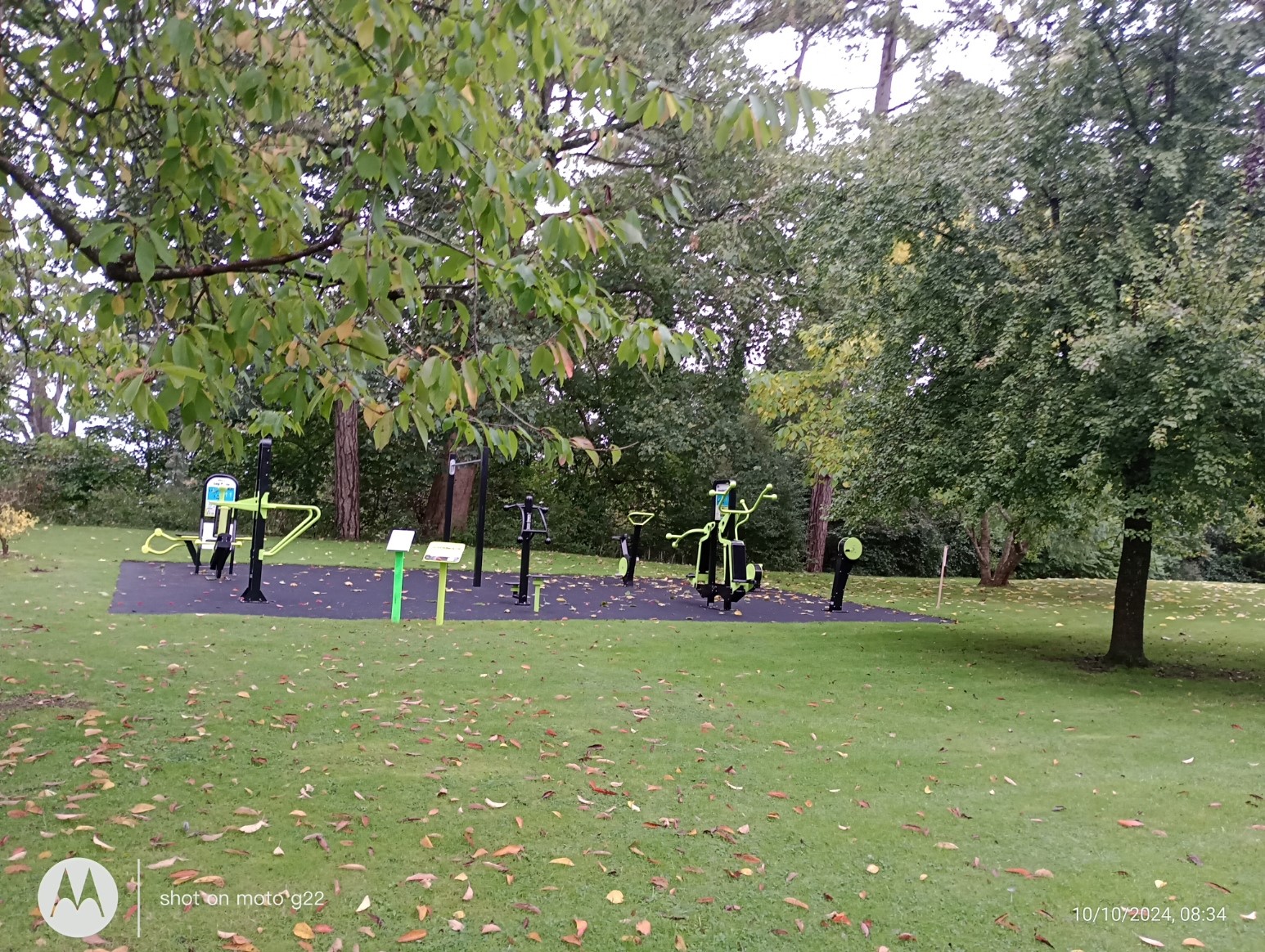
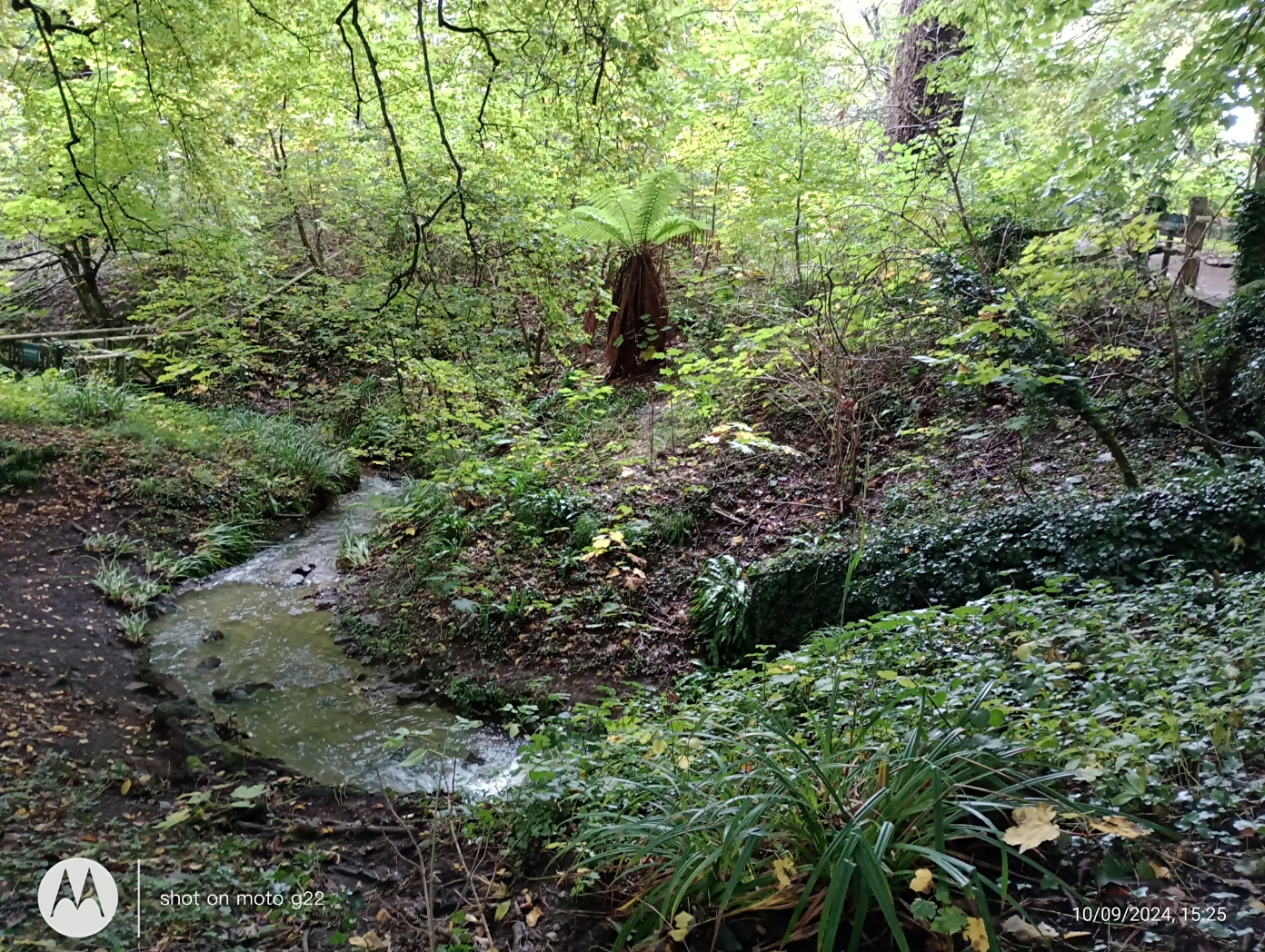
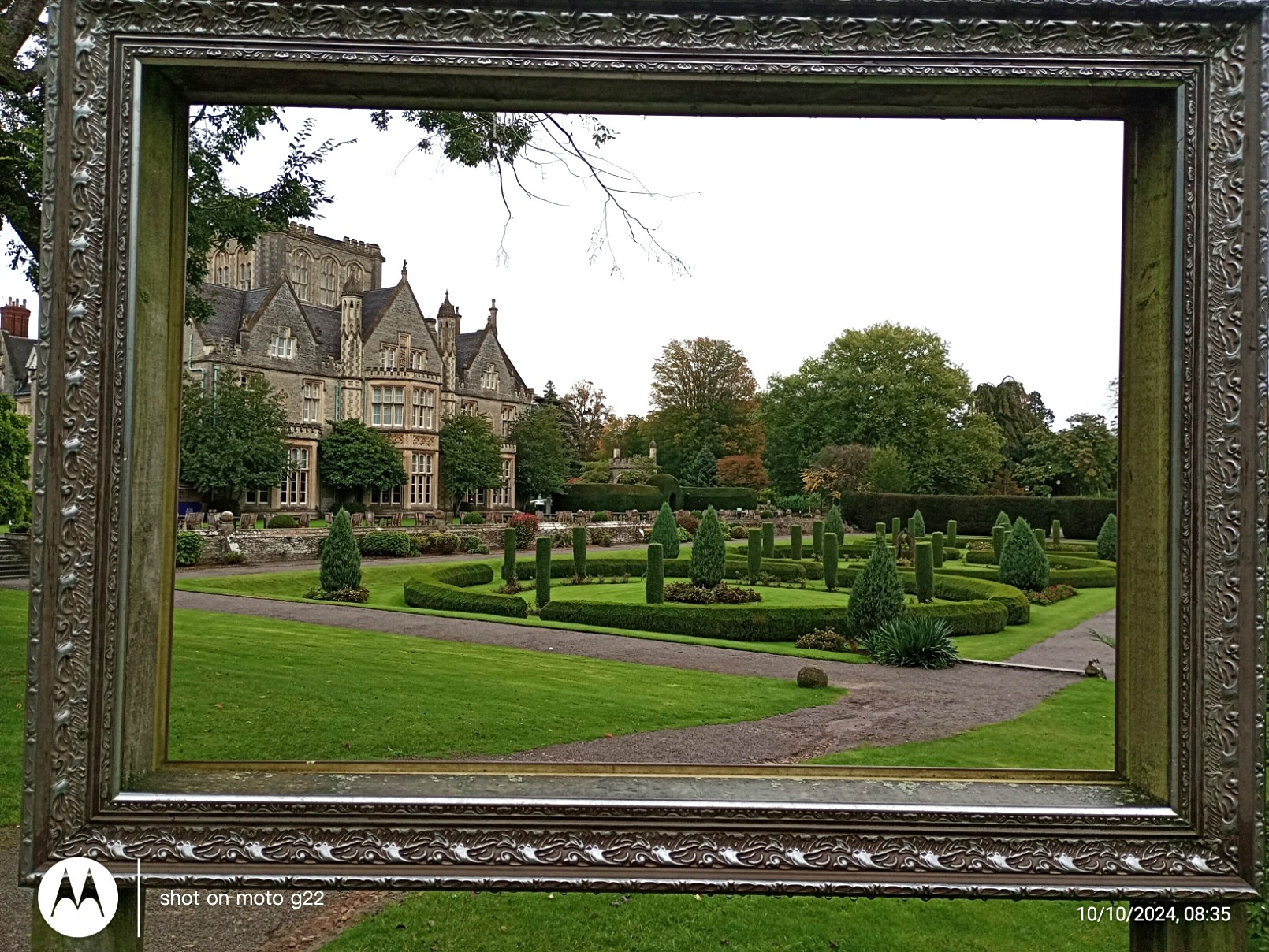
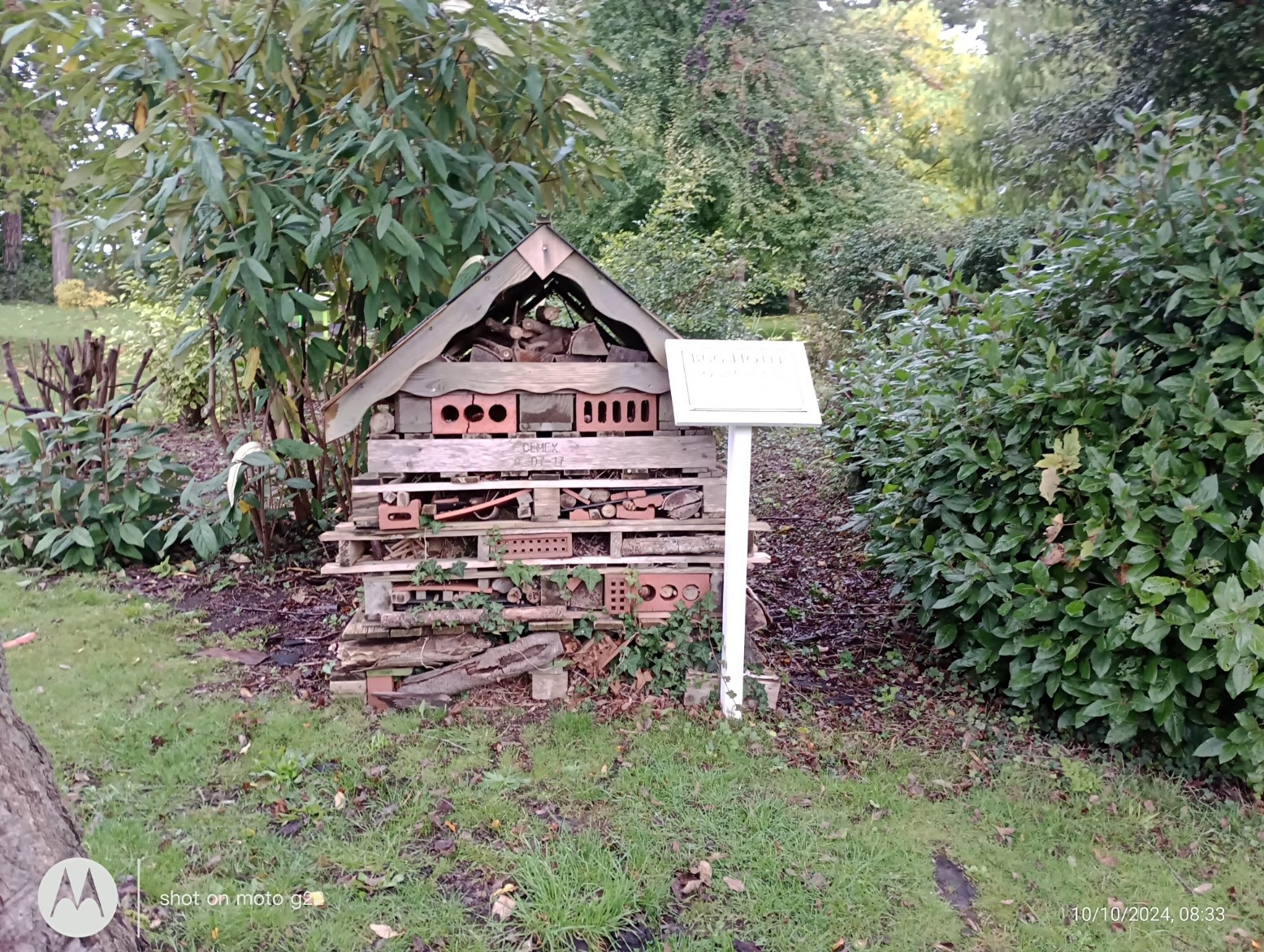
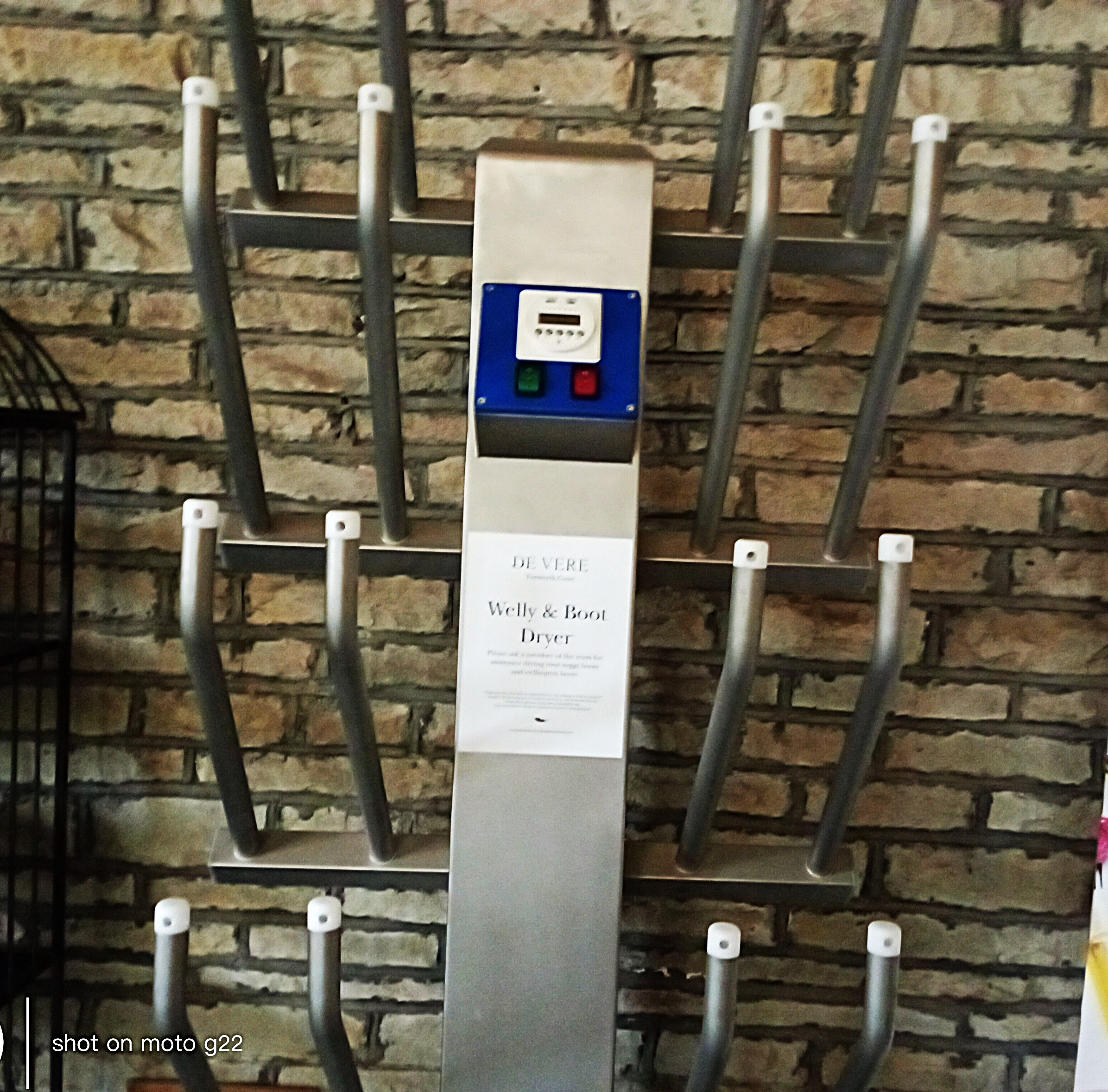
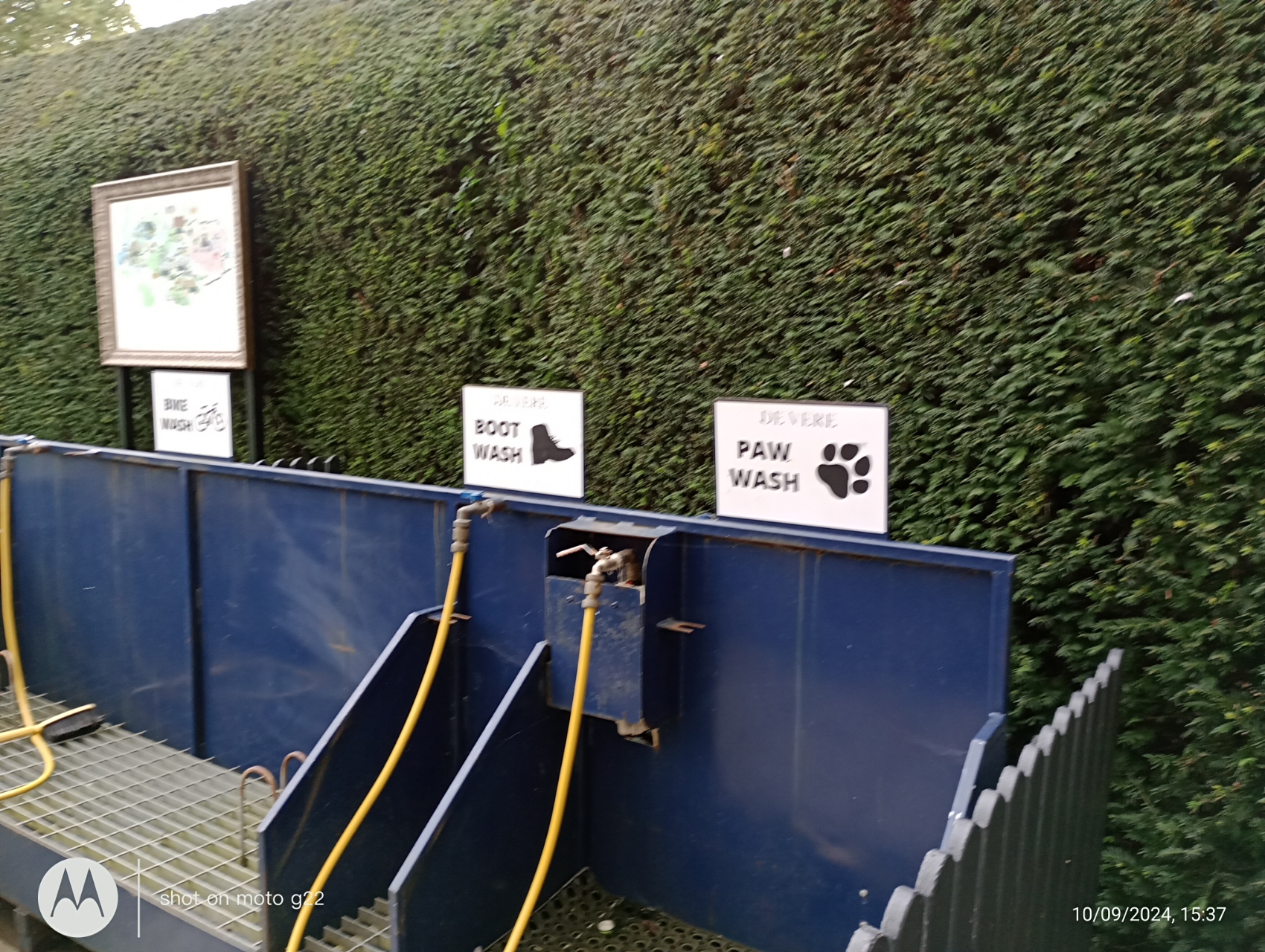
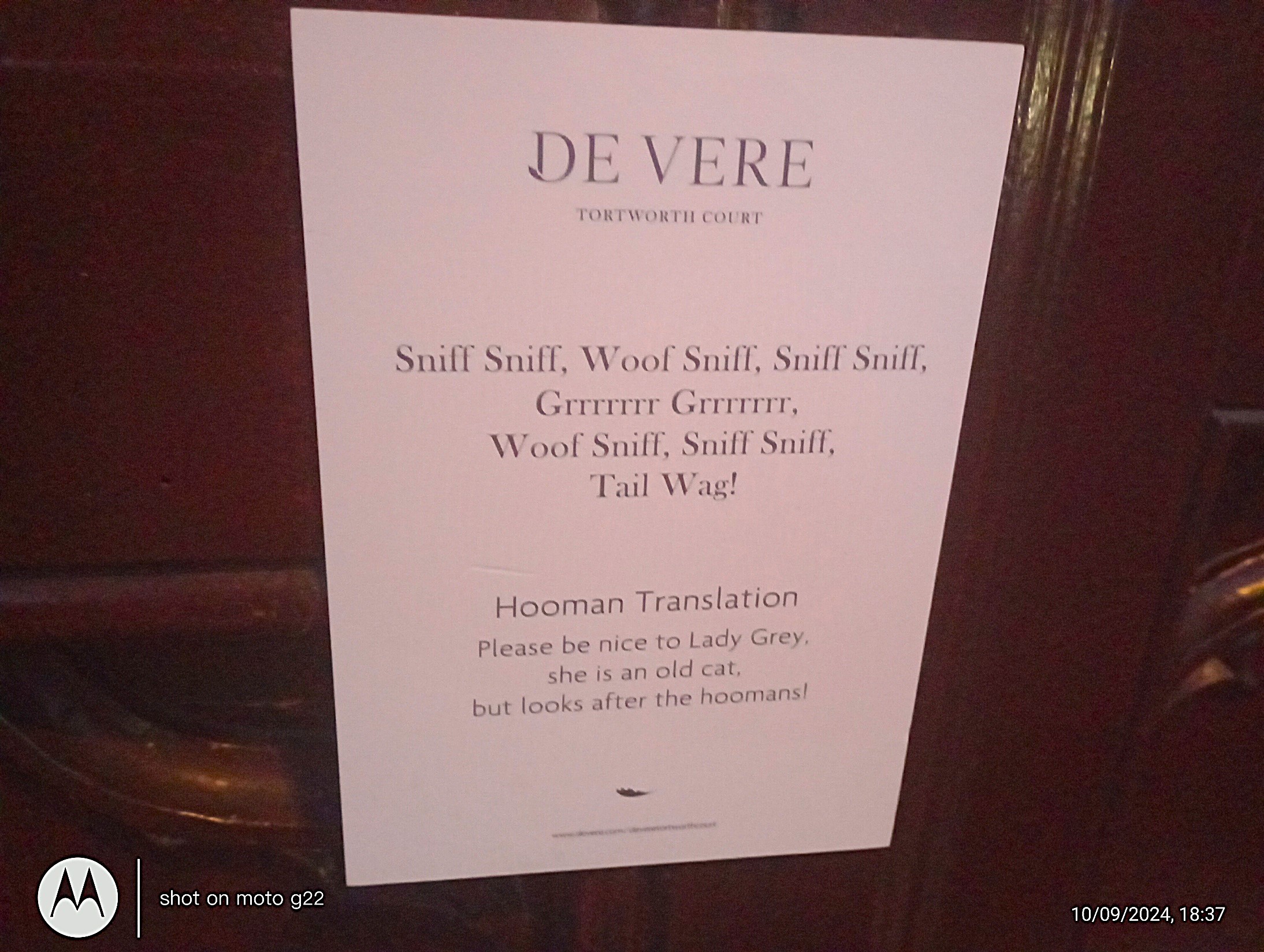
Some Tortworth quirky items – dog paw wash, wellie dry, an absent cat given a reference by a dog…
Tortworth meals
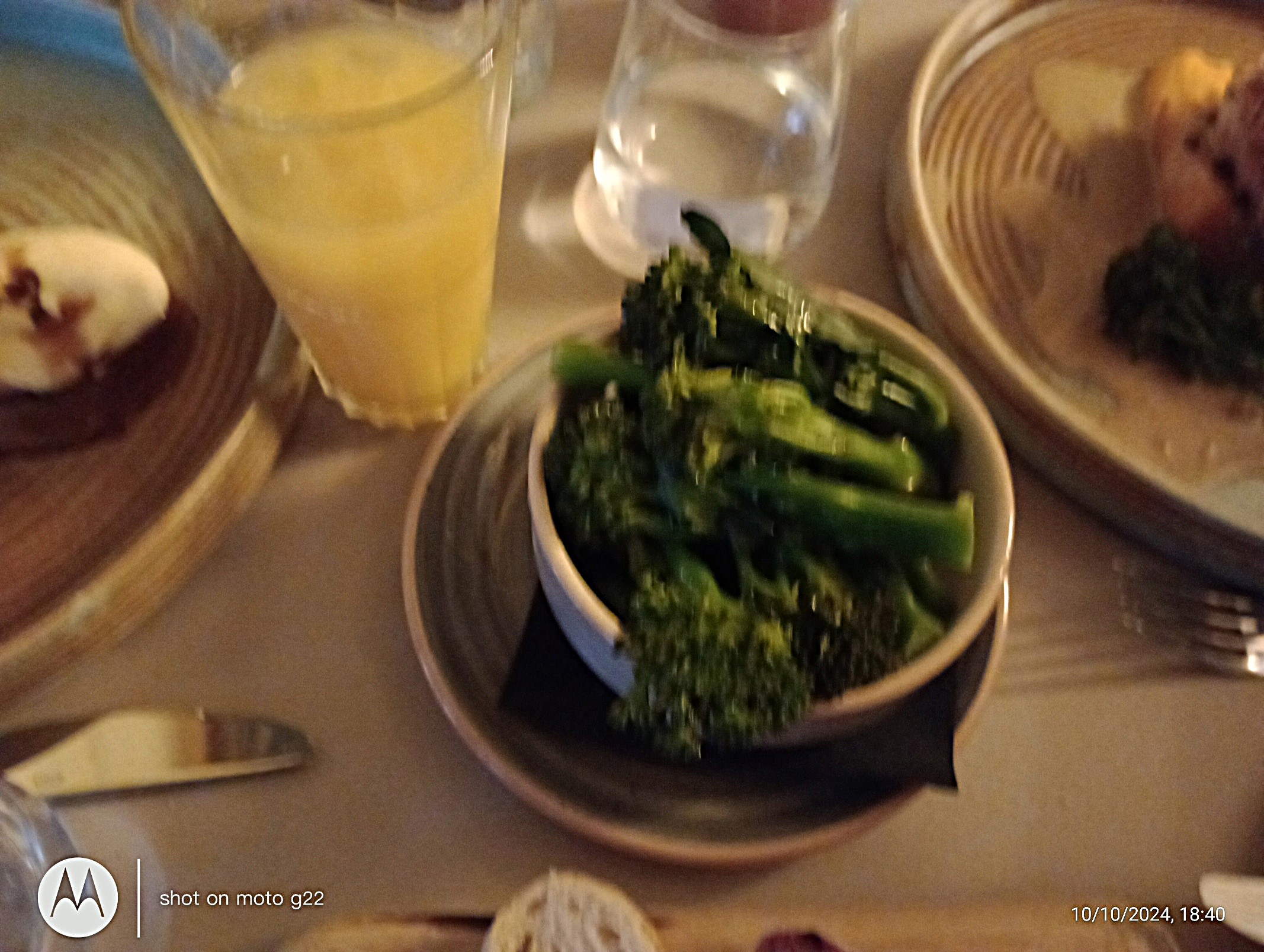
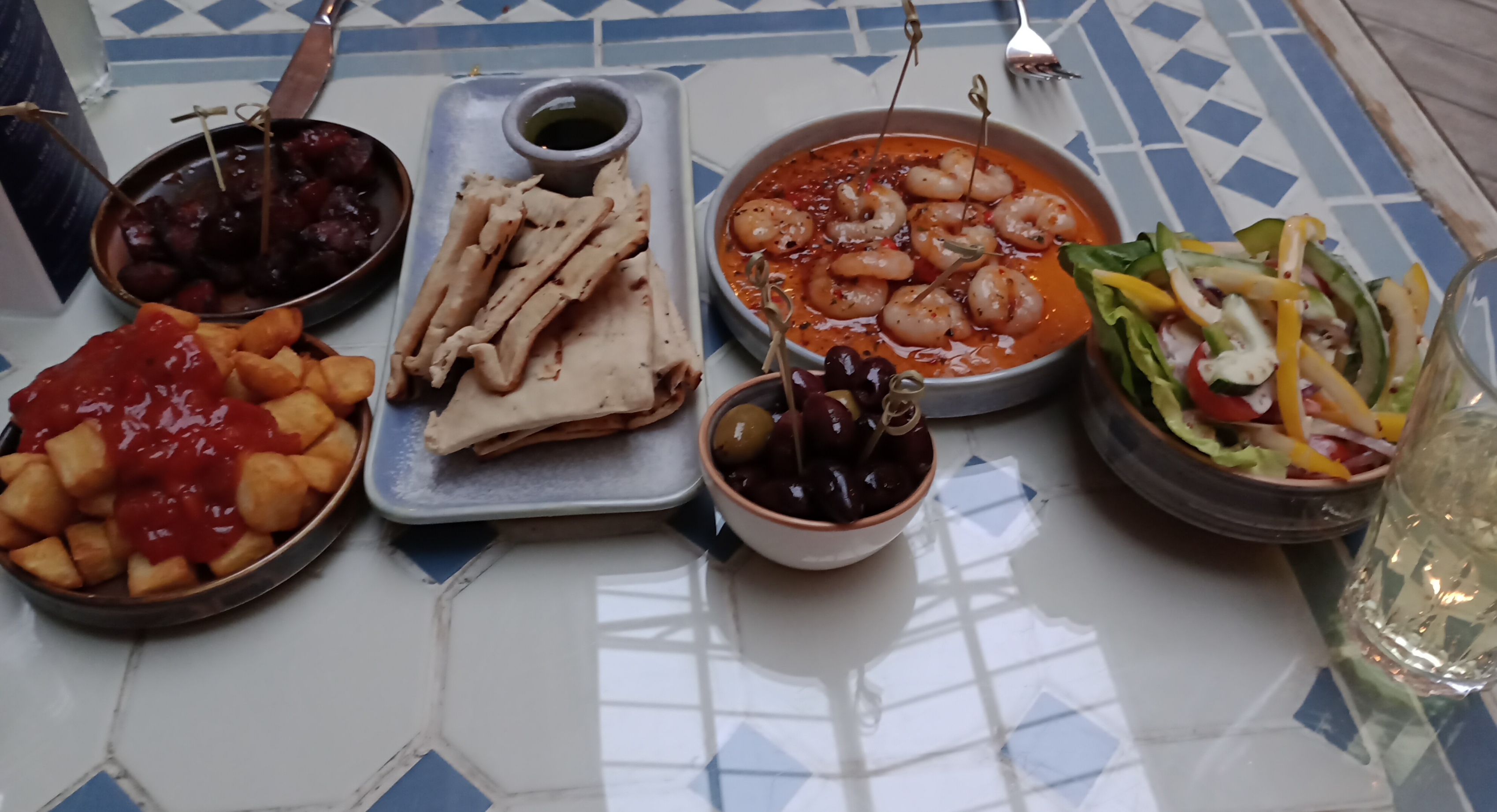
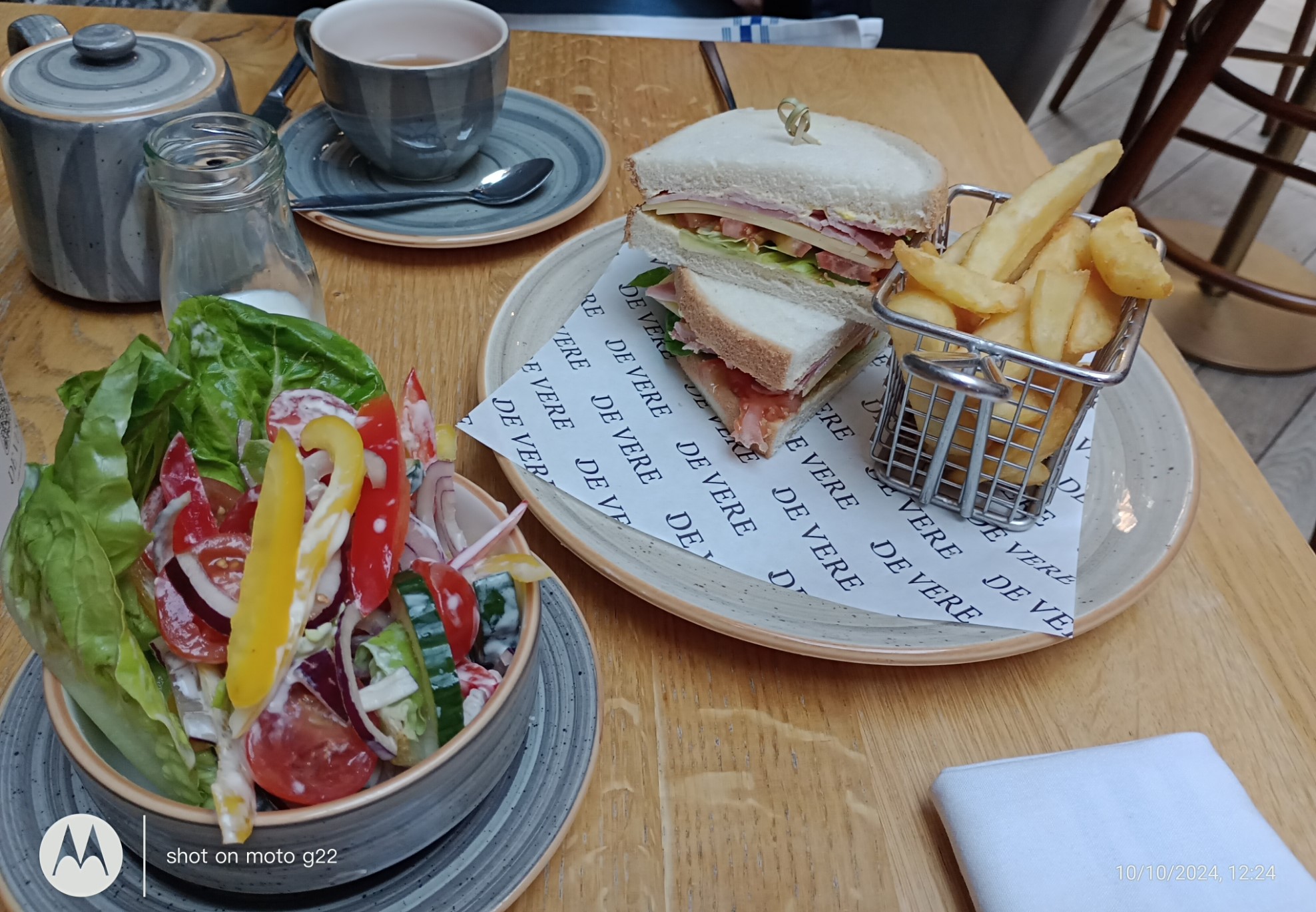
Meals were served in the atrium and the dining room. The breakfast was part of the package and was a generous display of continental and cooked items. The atrium meals were served by experienced staff, were delicious, and most available throughout the day and evening. Splendid sandwiches were a lunch time special.
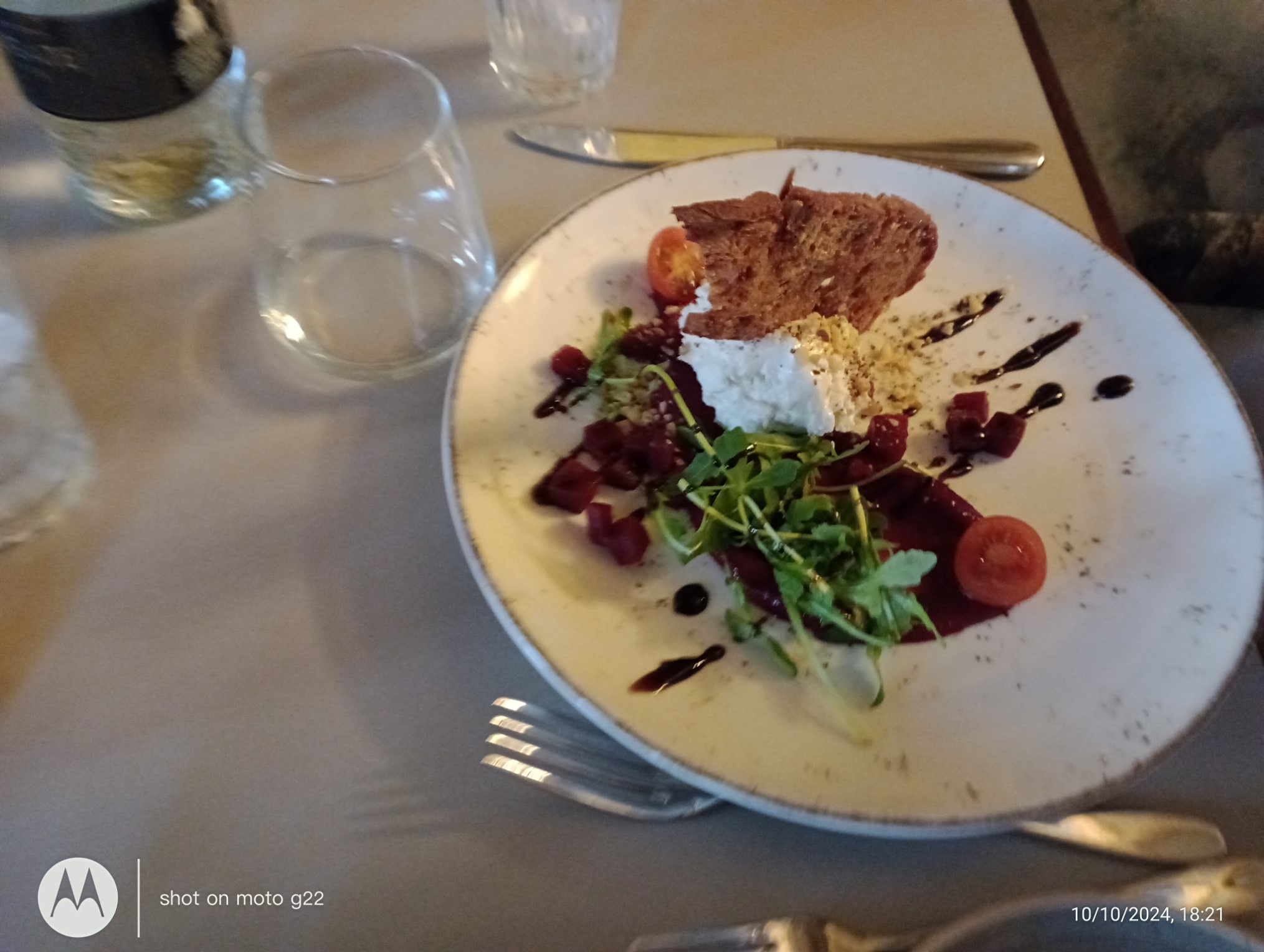
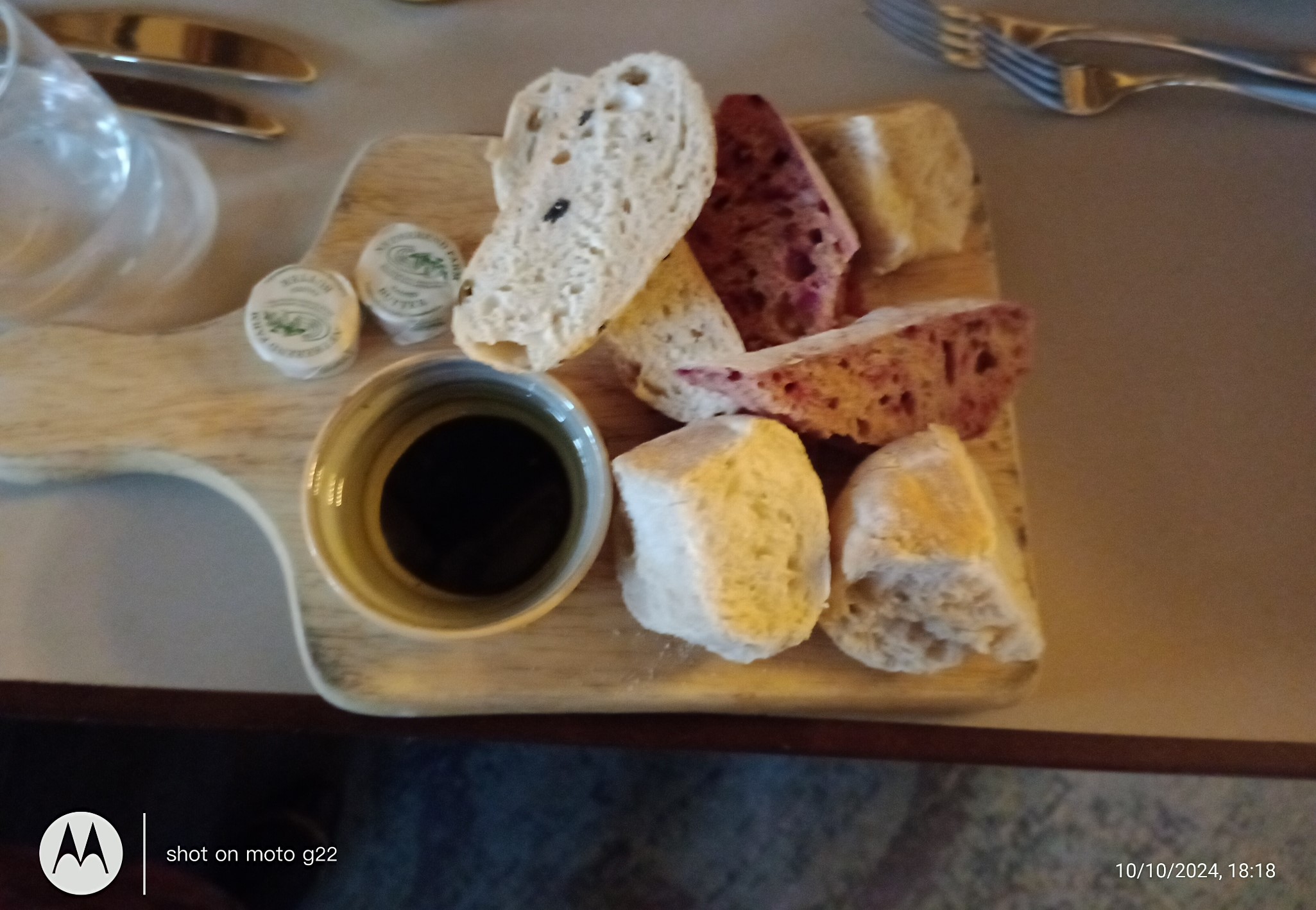
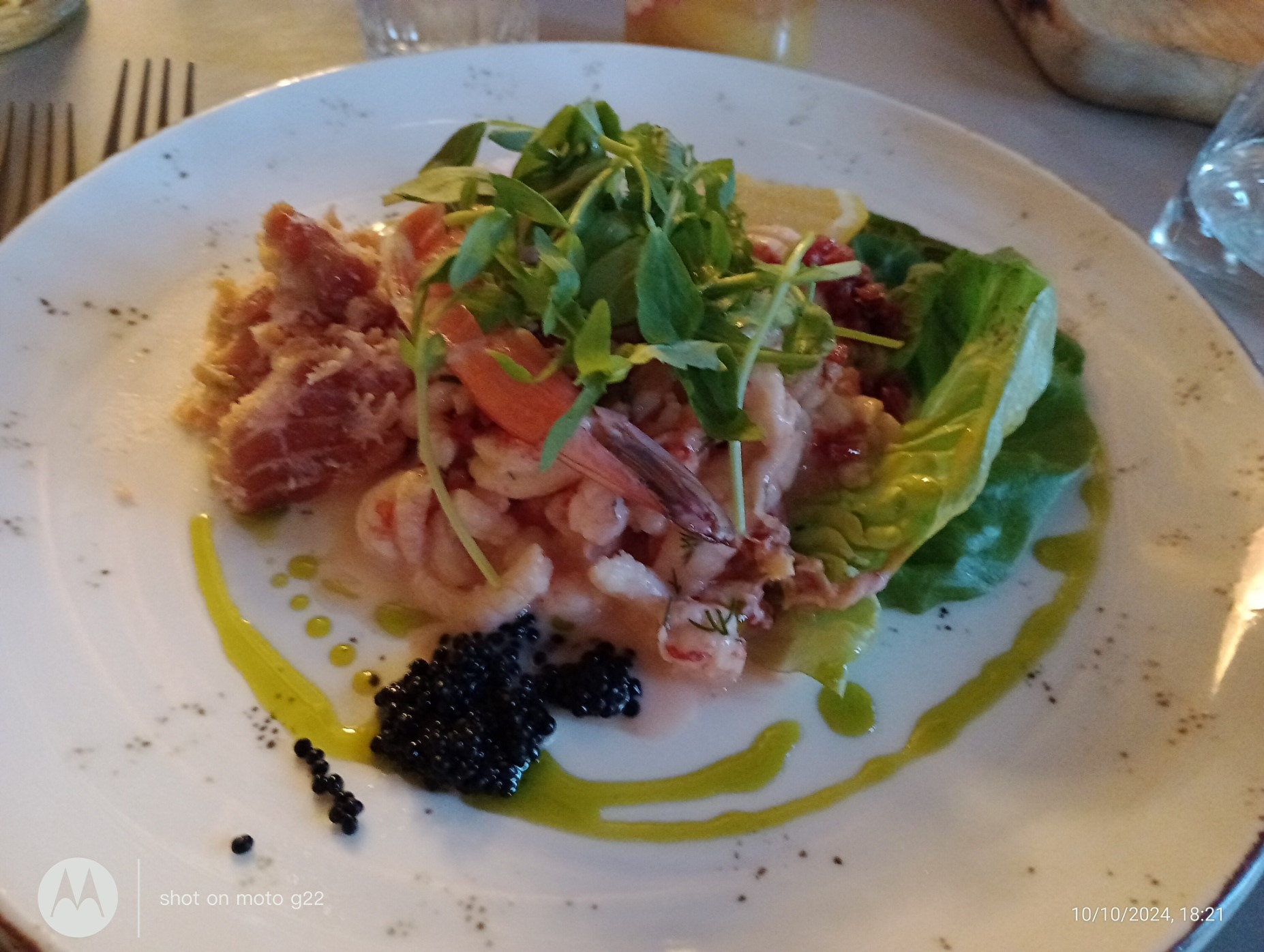
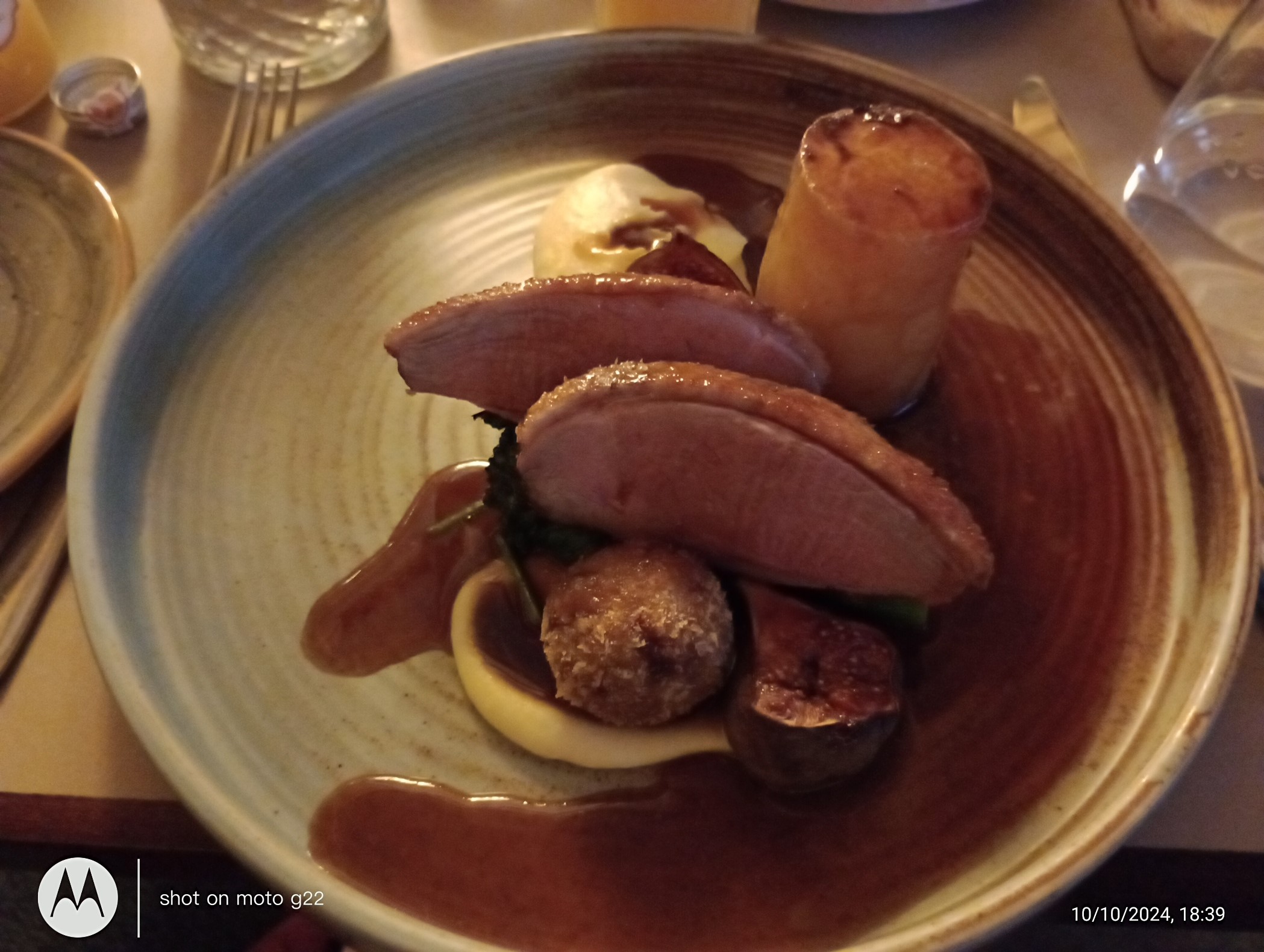
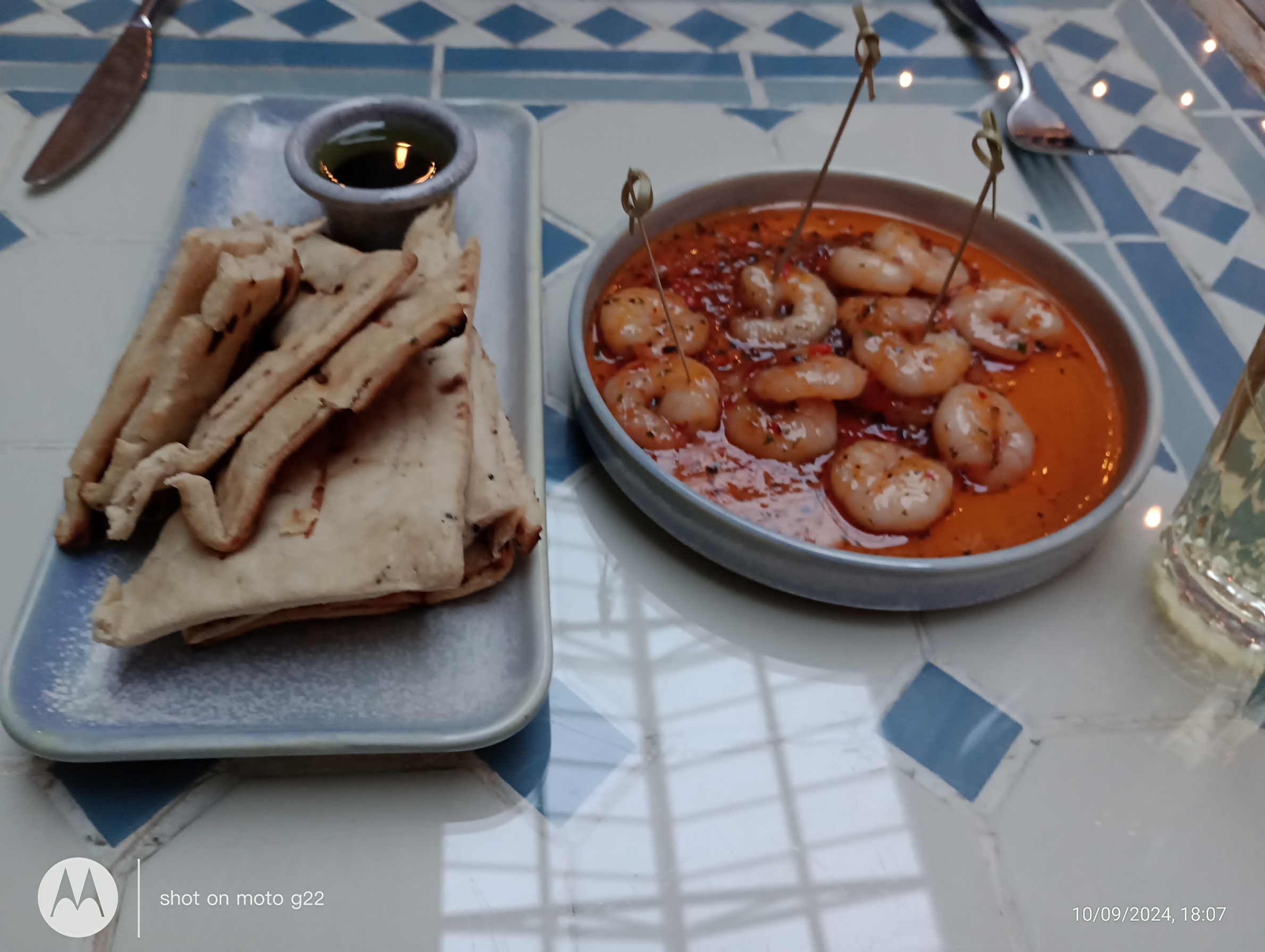
The dinner included a reduction in price as part of the package. The staff in the dining room were young and enthusiastic but needed more training. Nevertheless, the deconstructed goats cheese pie with salad and ‘posh’ prawn cocktail, were pleasant entrees, and the chicken and duck dishes were generous. The bread variety was excellent. We had a pleasant evening. However, the prawns served in the atrium were my favourite!
Napoli Airport
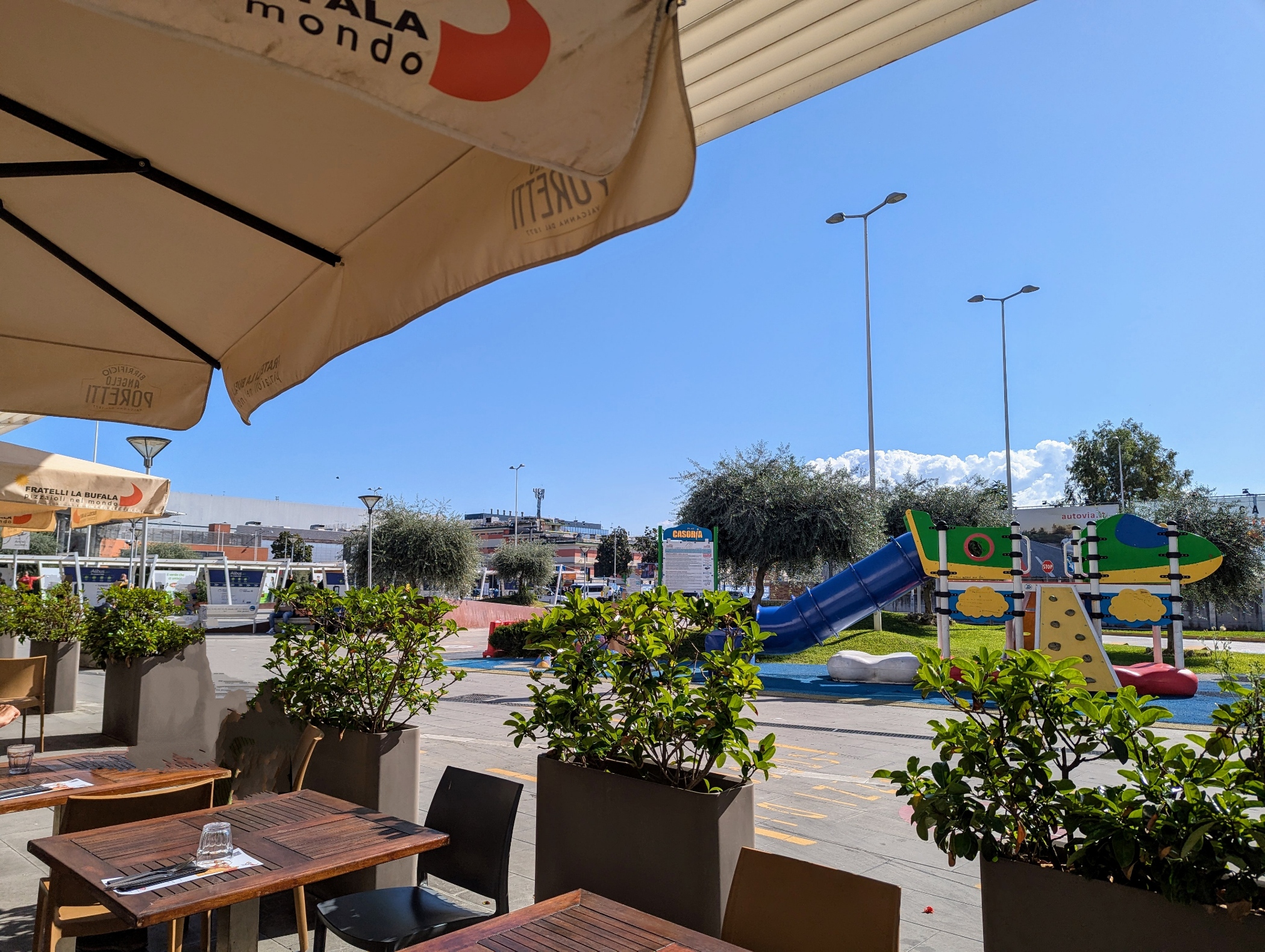
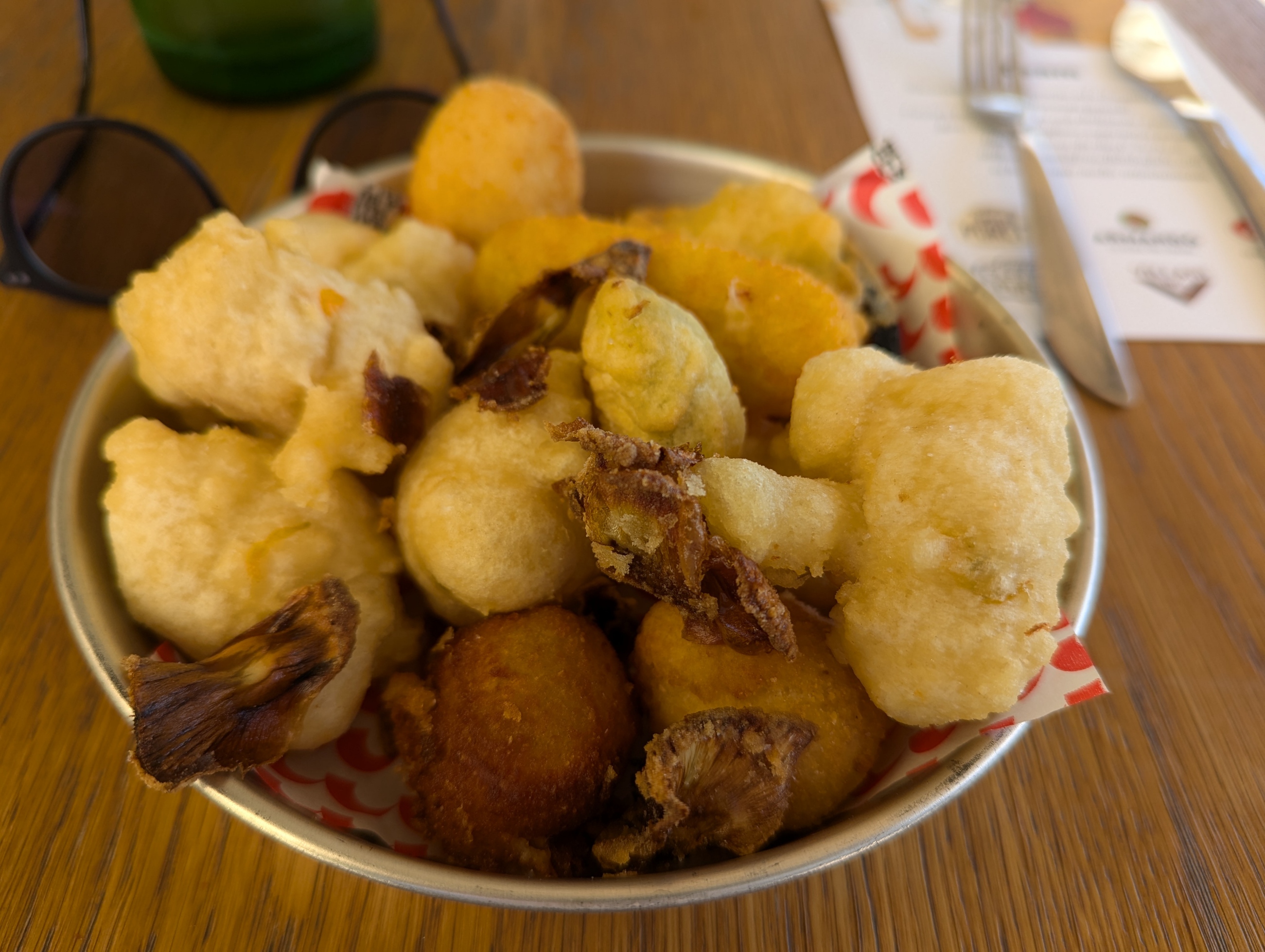
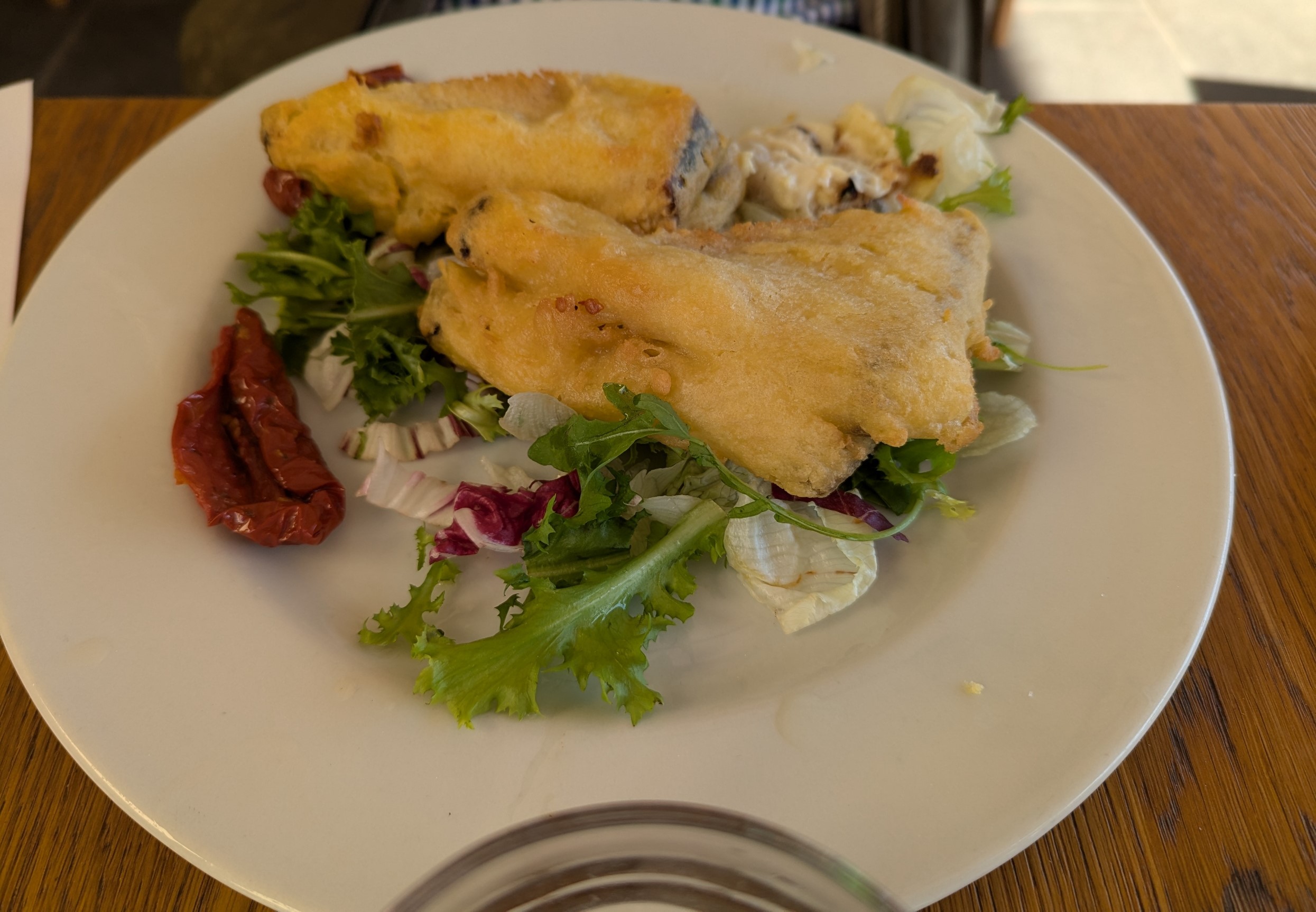
Our Italian trip began at Napoli Airport, where we waited to join the tour group. Unfortunately, the sunny seating at one cafe lured us to eat there. We have found plenty of sun since, but not such awful food. The mozzarella sandwich was passible, but the stuffed courgette flowers, aubergine and cheese balls was a bad choice – not a courgette flower to be seen, and the aubergine slices were miniscule and heavily battered. Go inside or wait to eat!


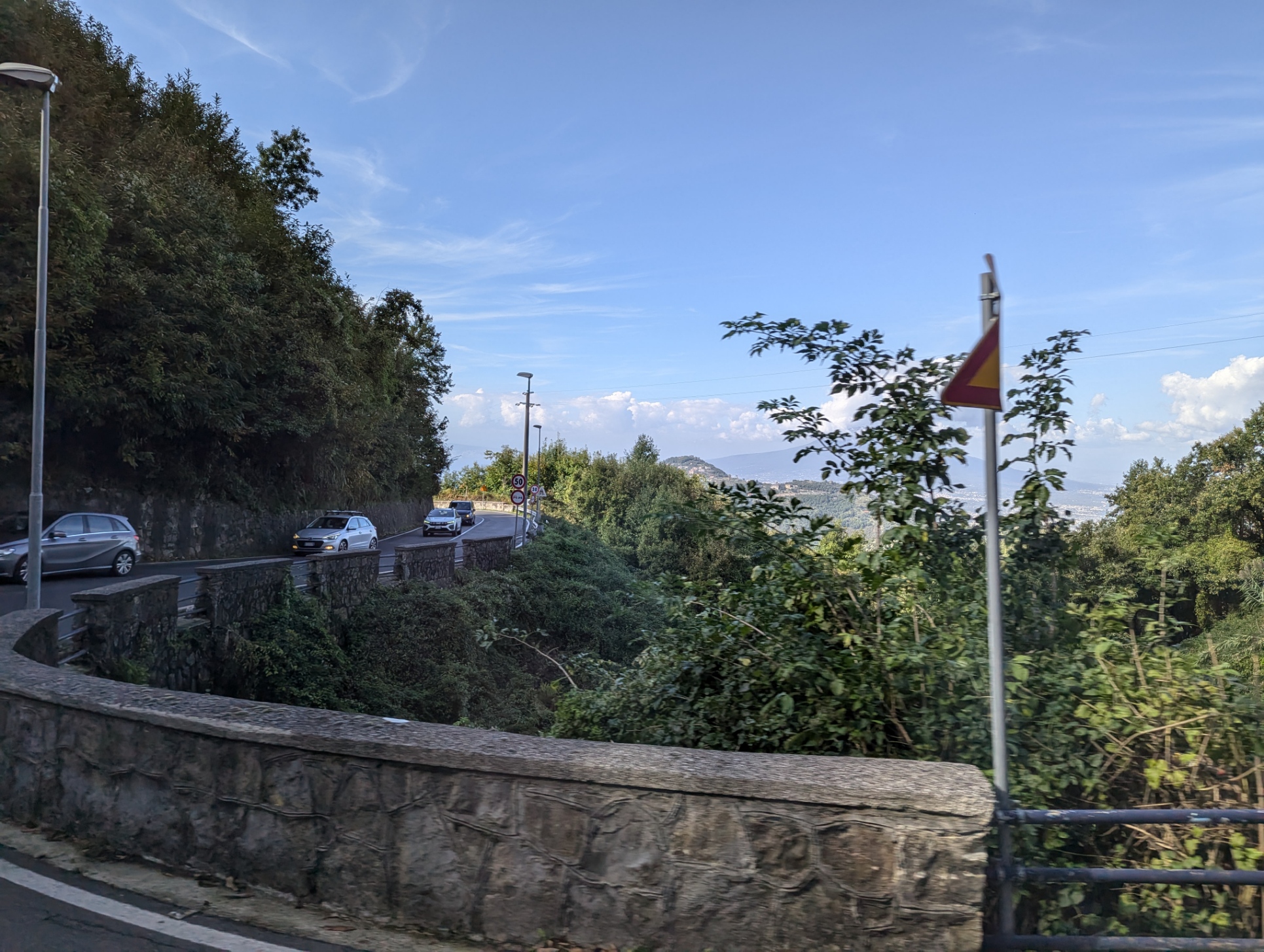
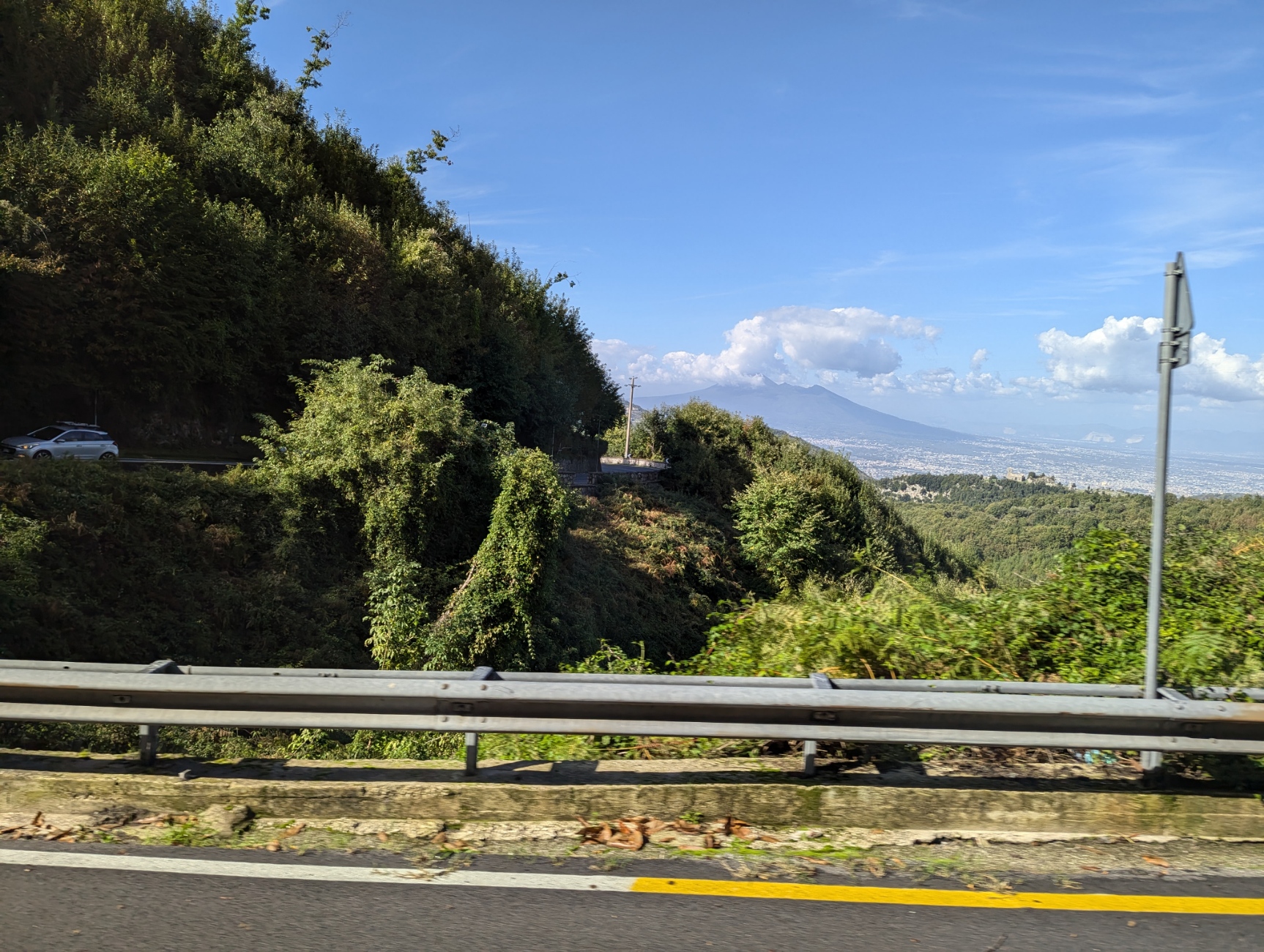
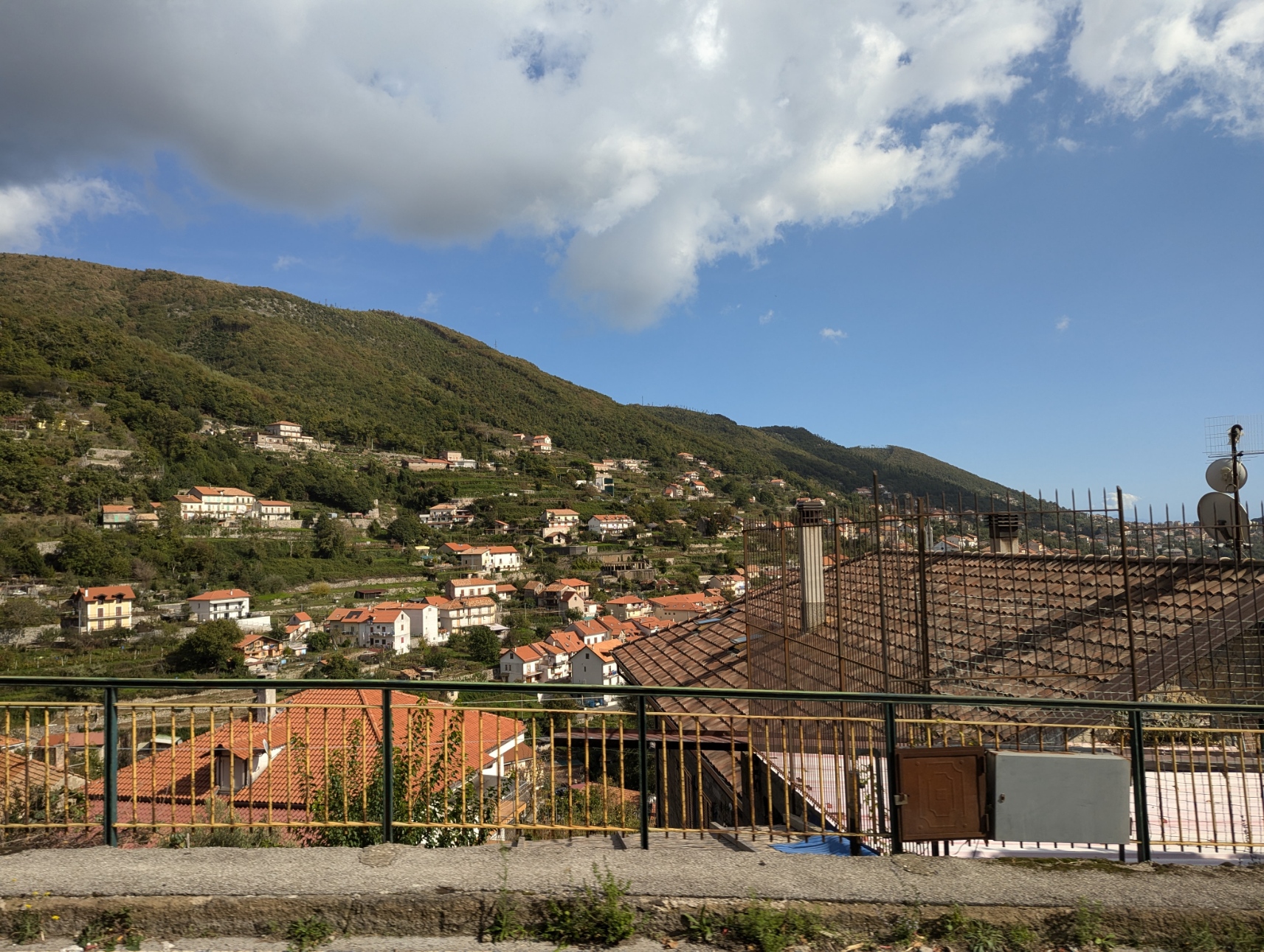
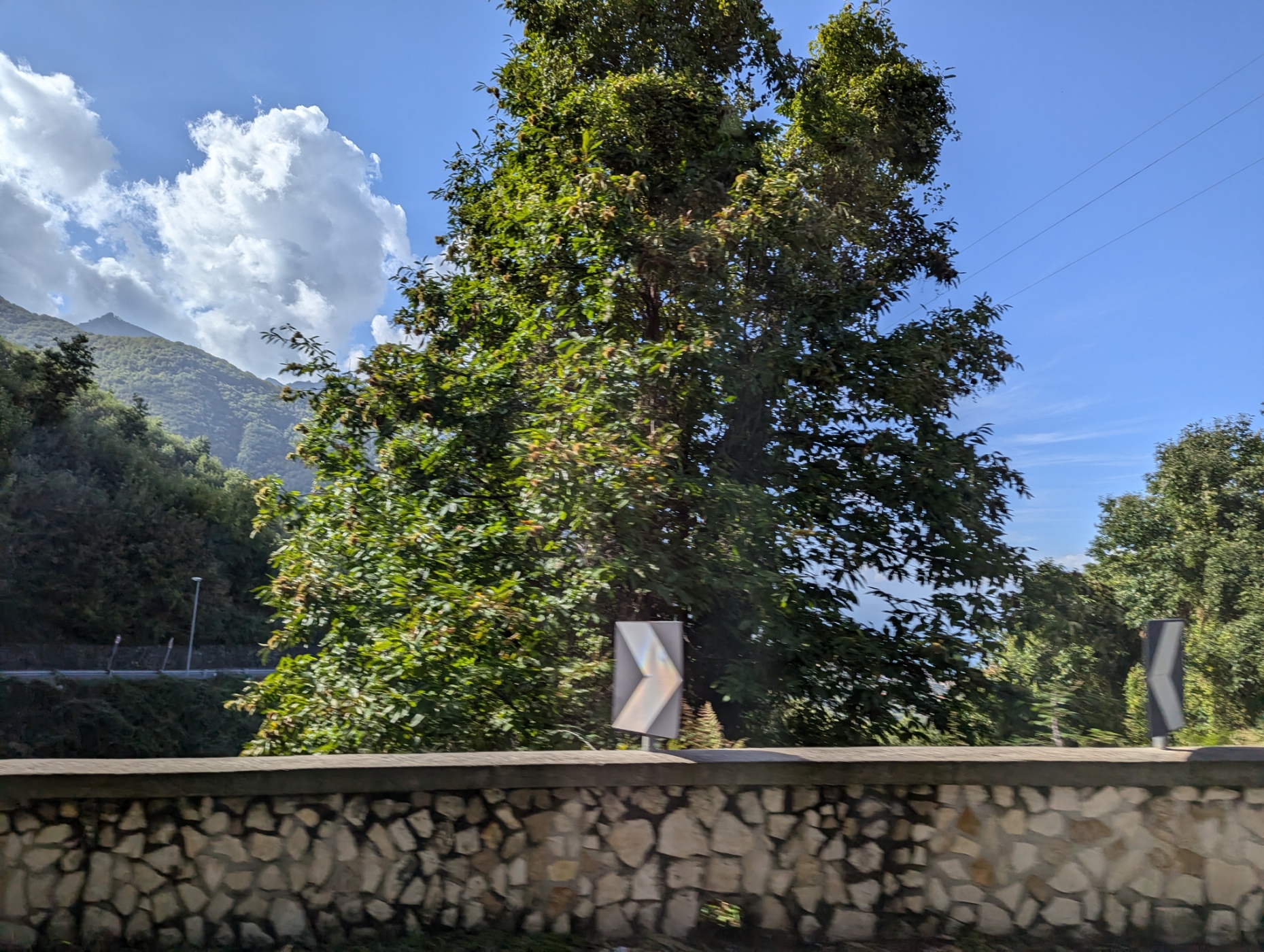
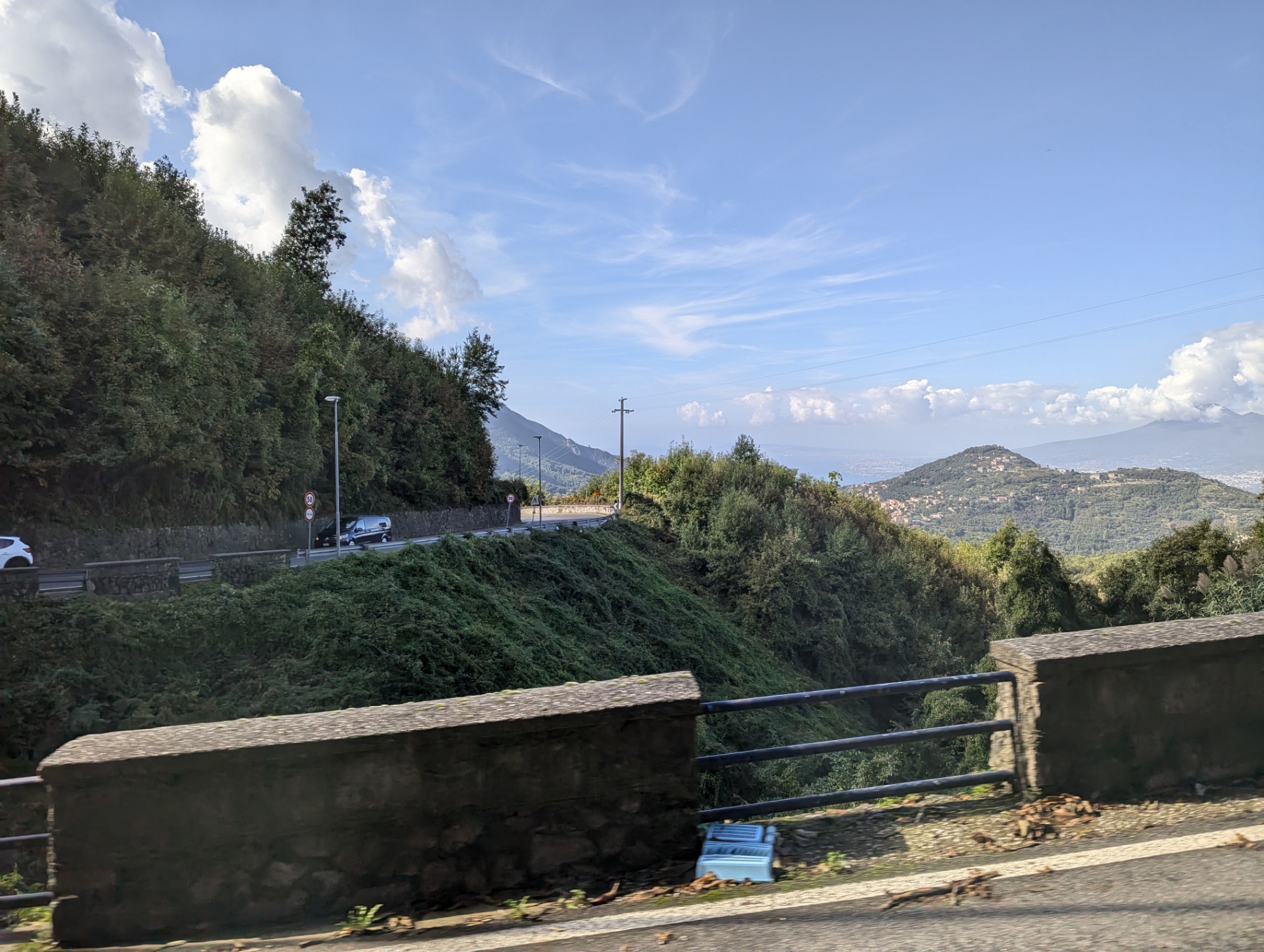
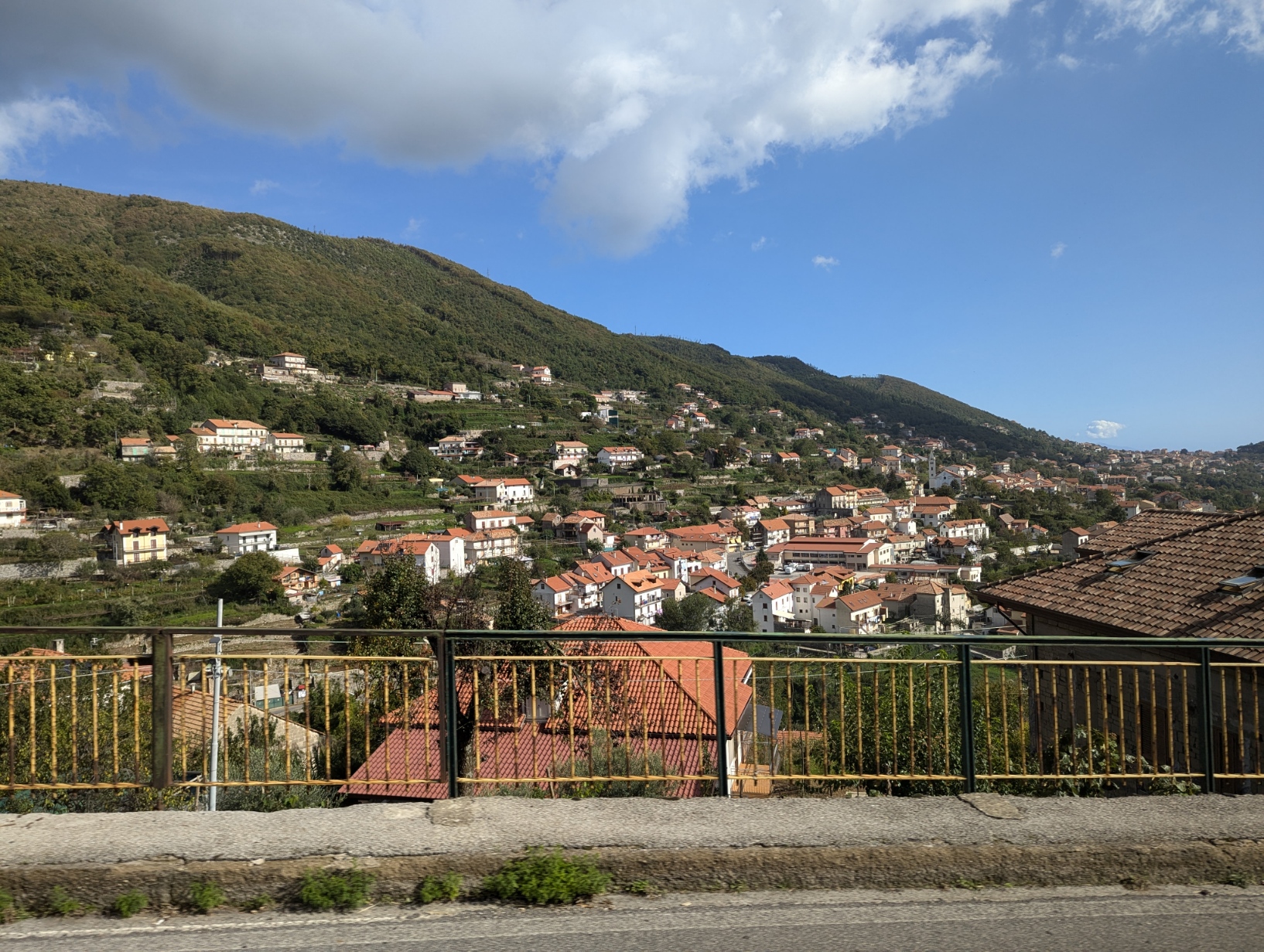
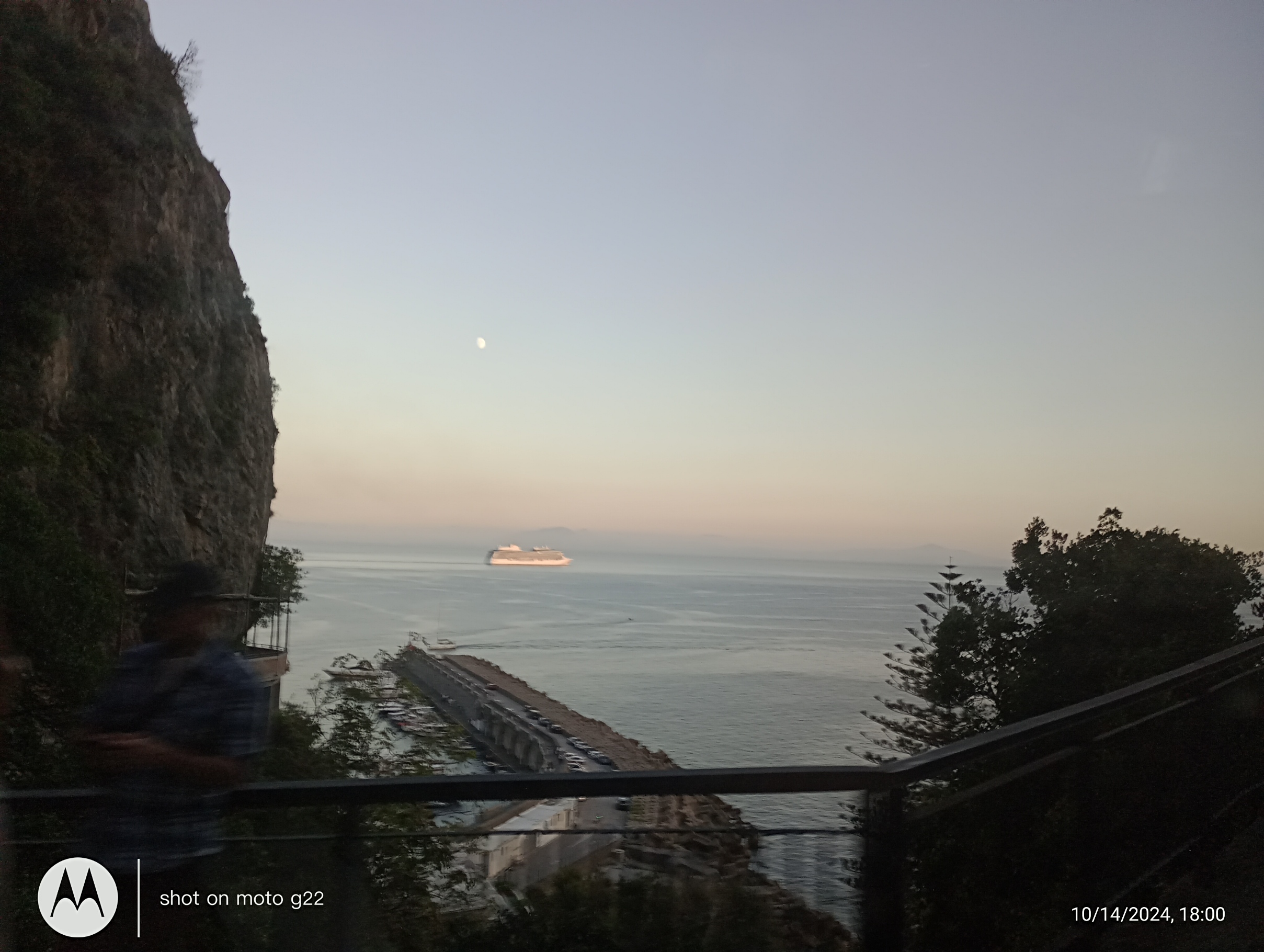
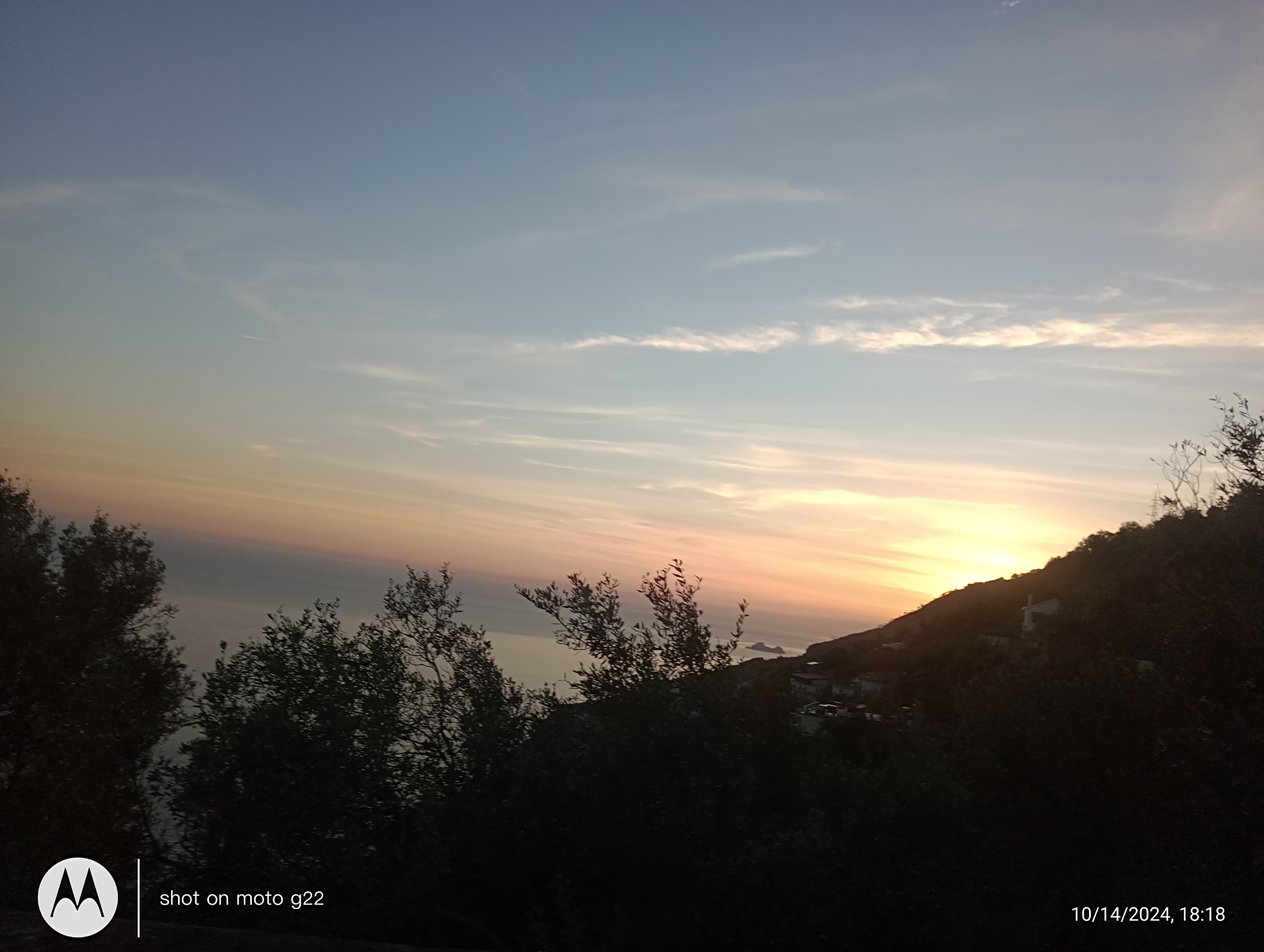
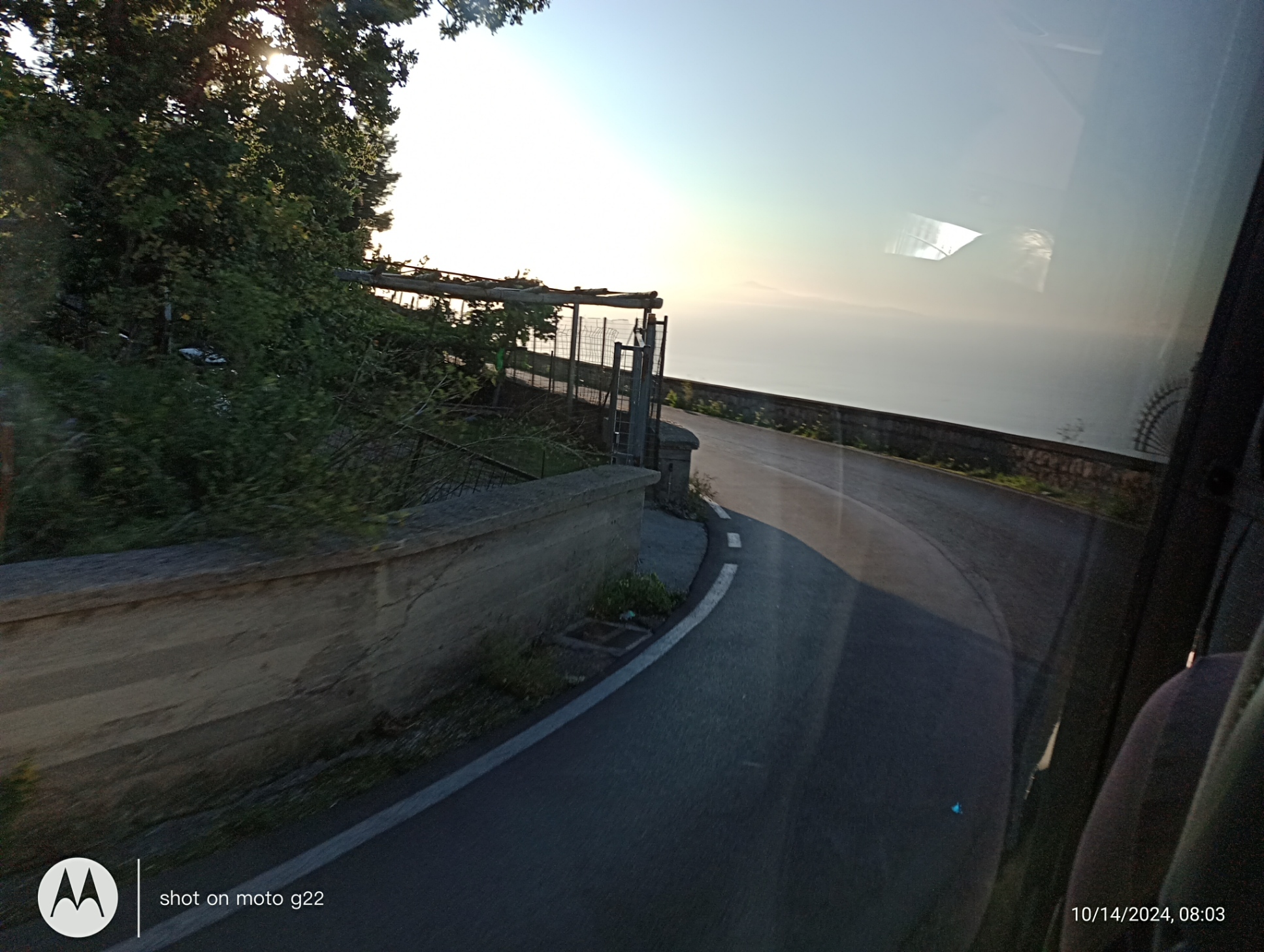
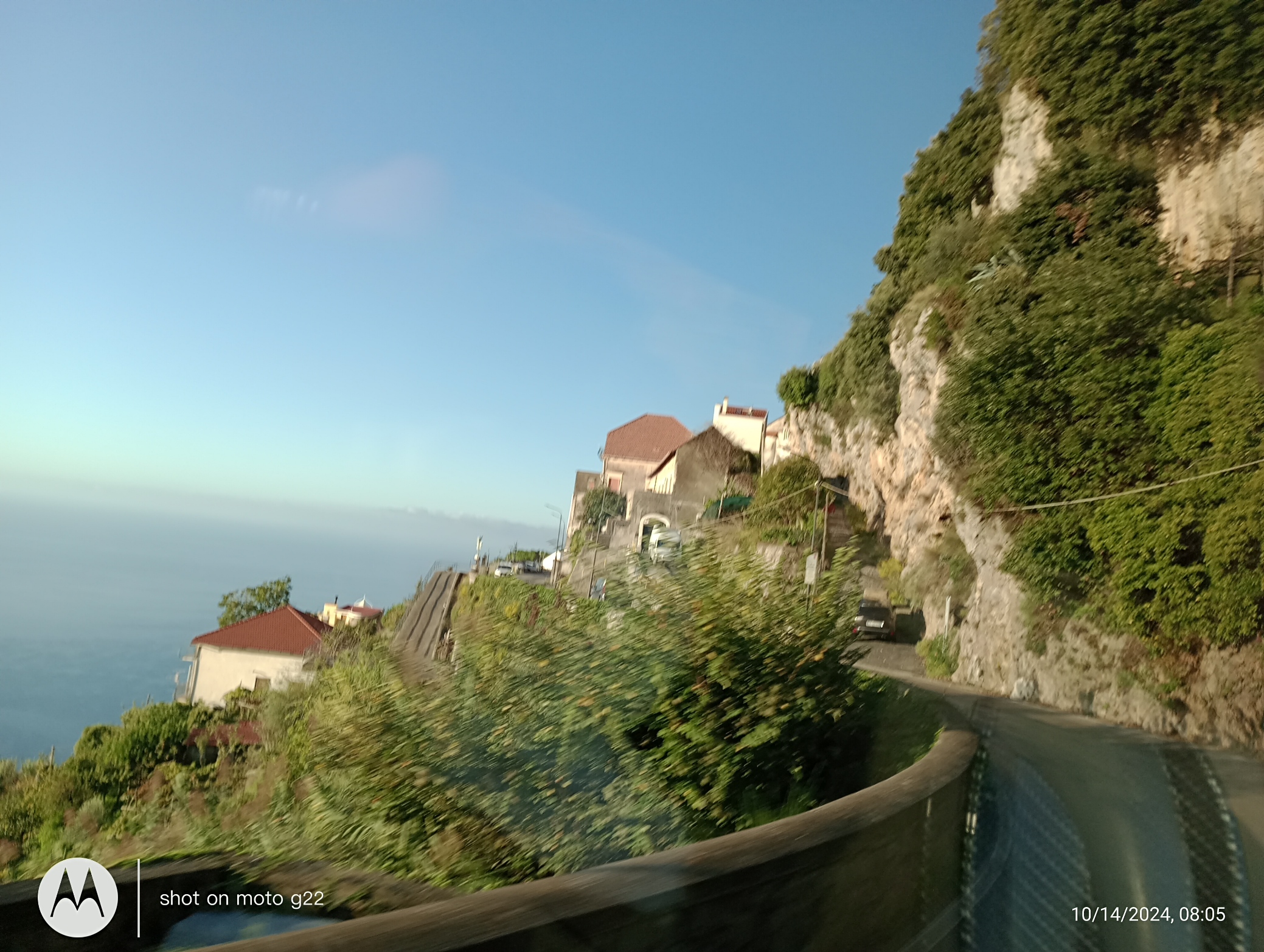
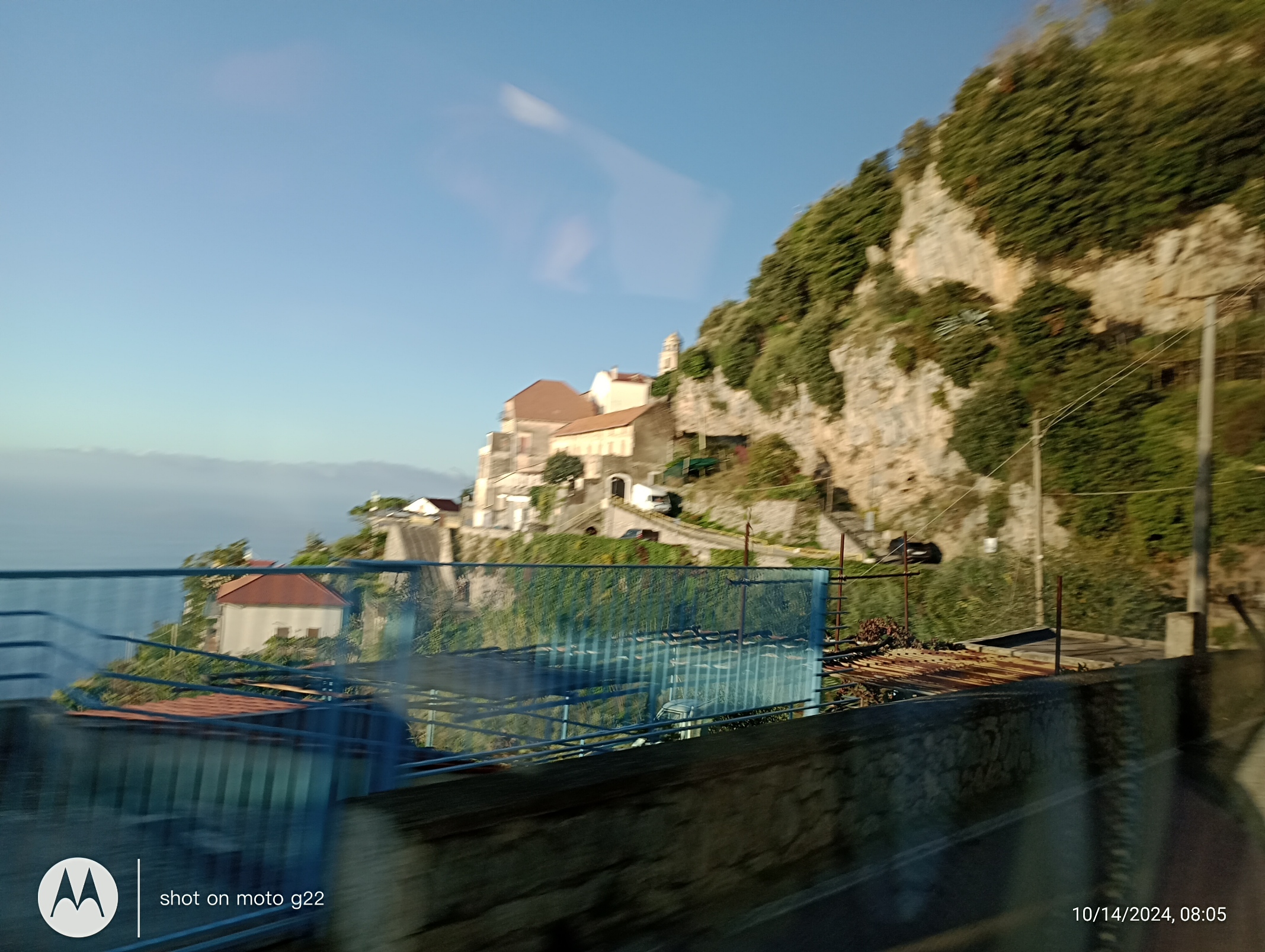
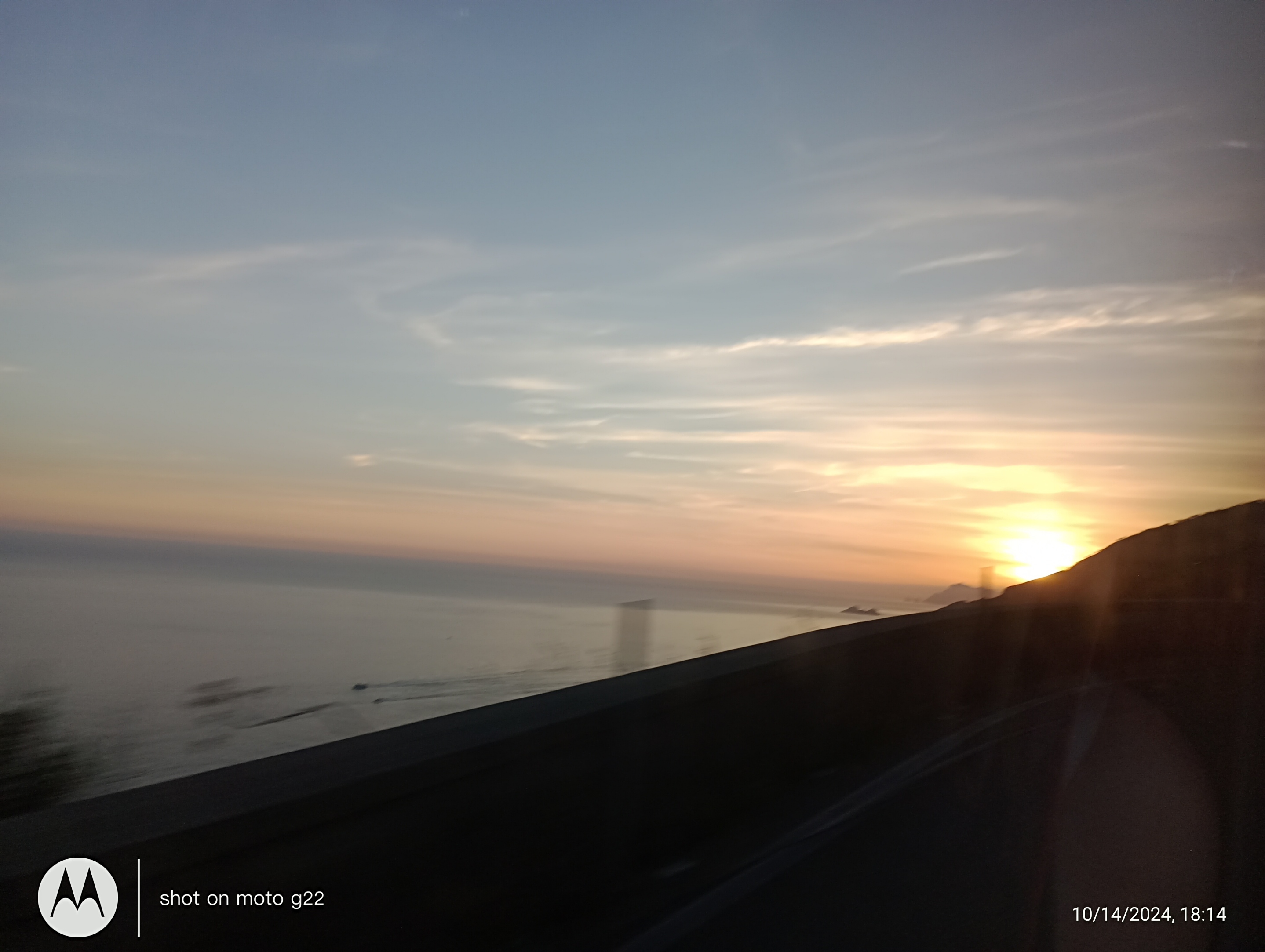
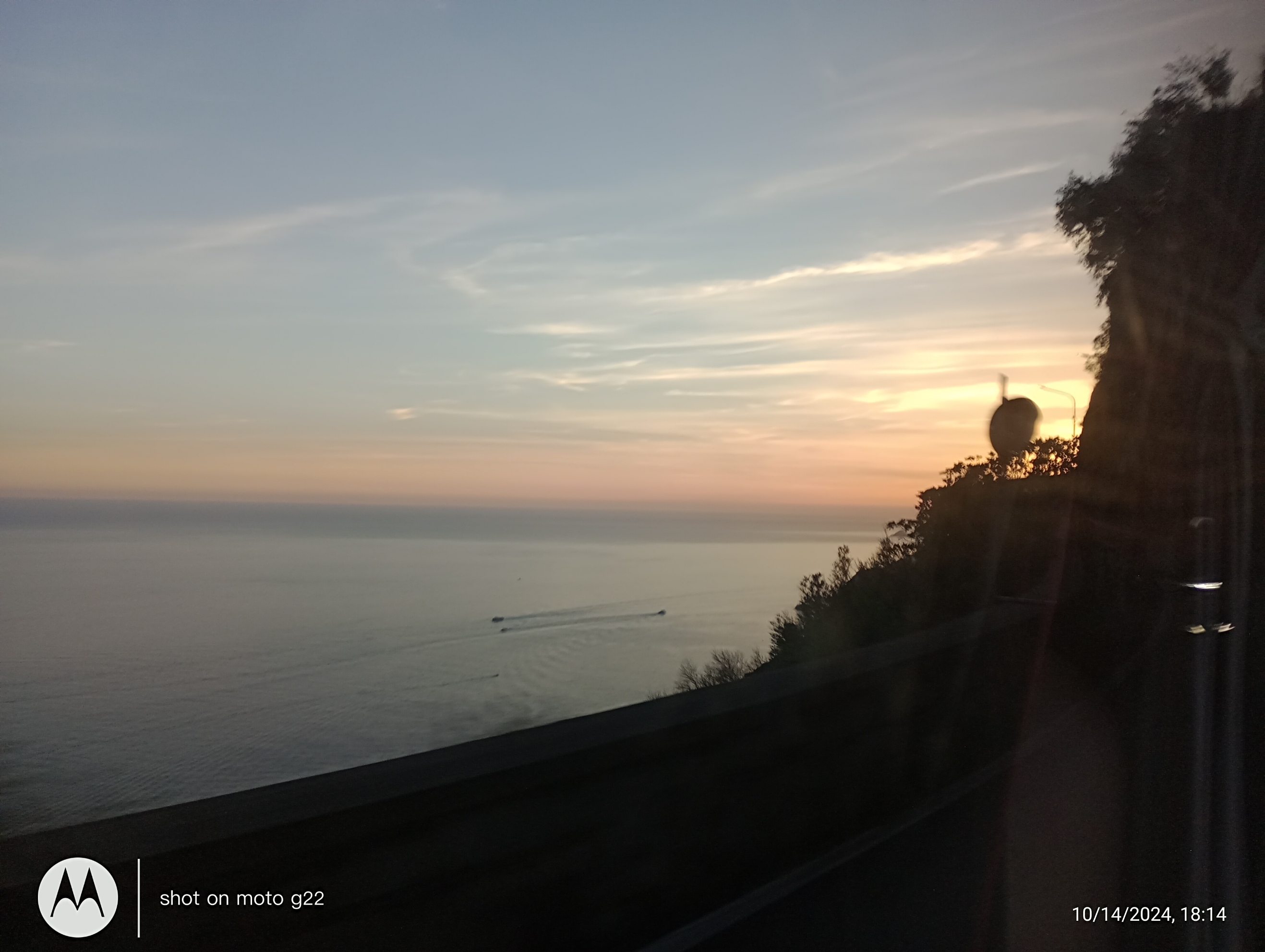
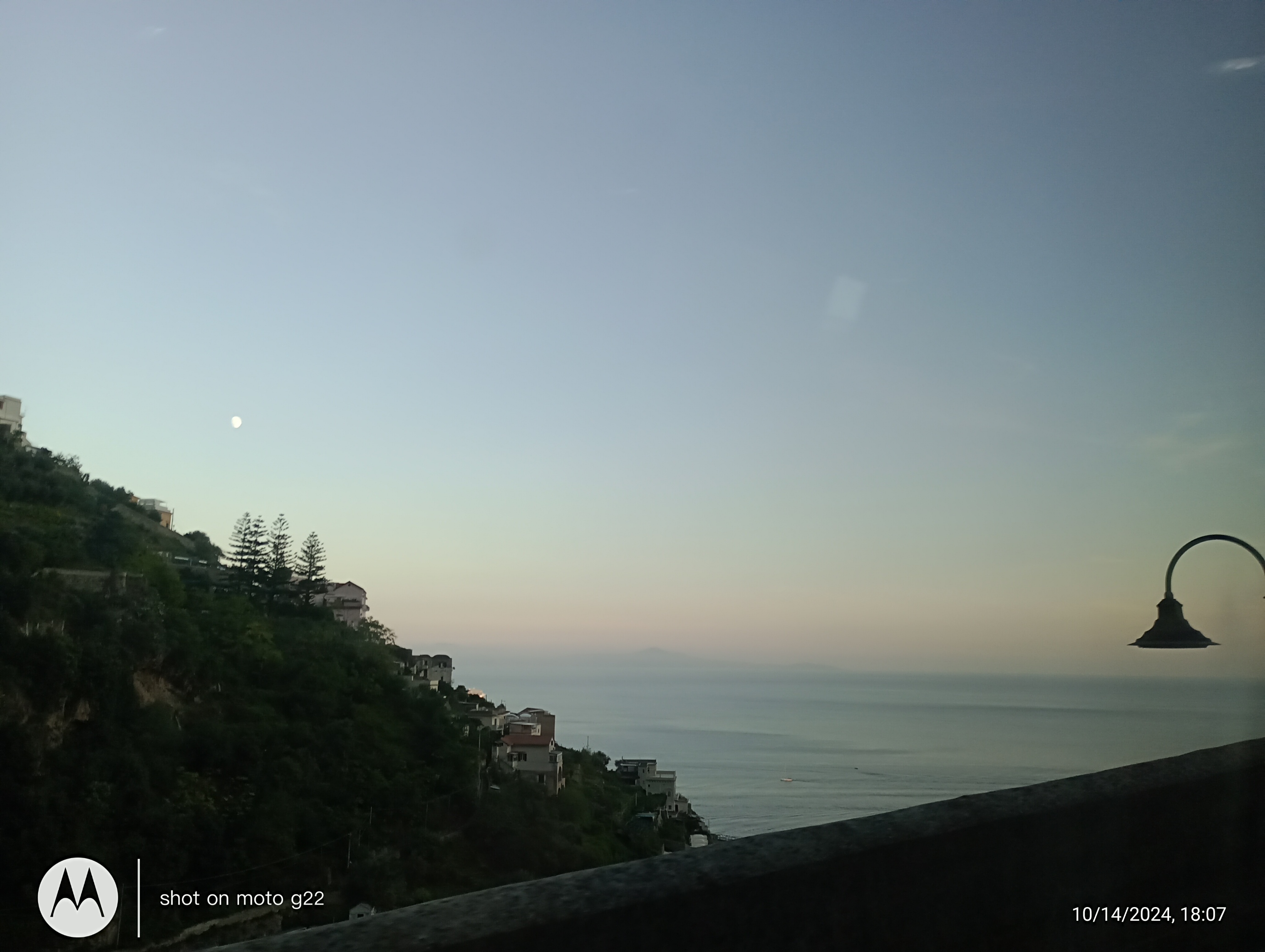
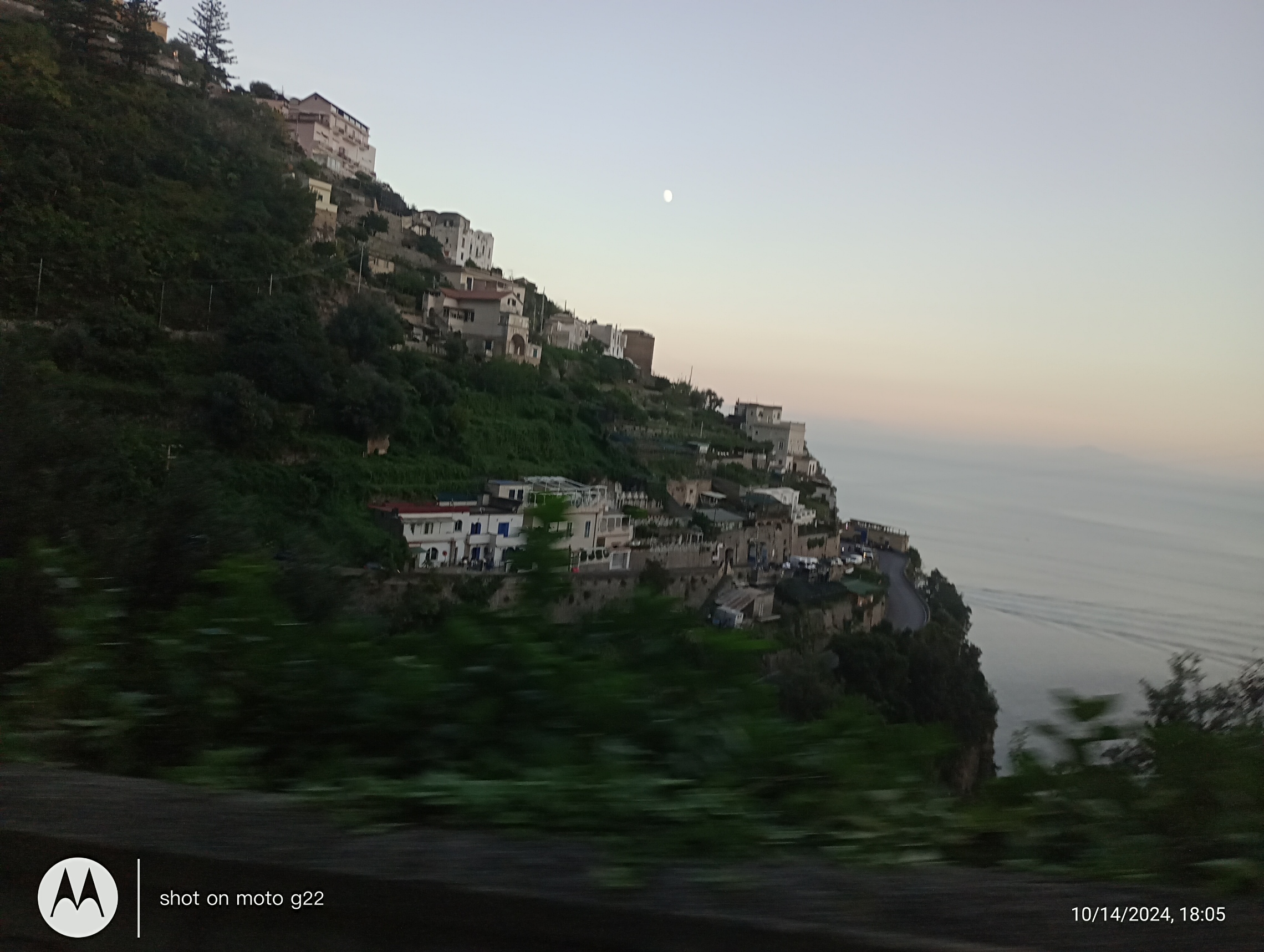
Bus rides between Bomerano, Agerola in the Campania region, and Amalfi
First coffee in Bomerano
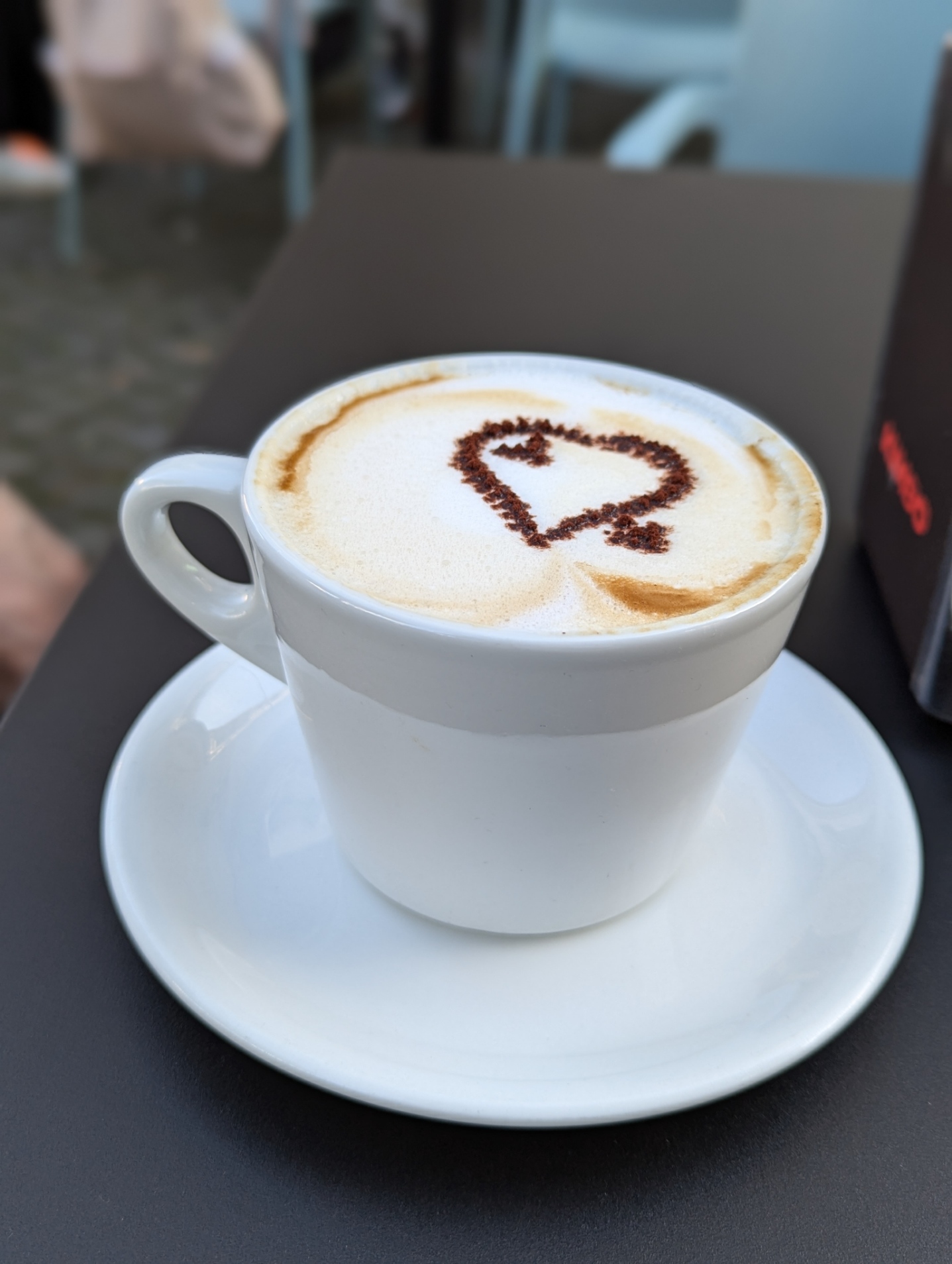
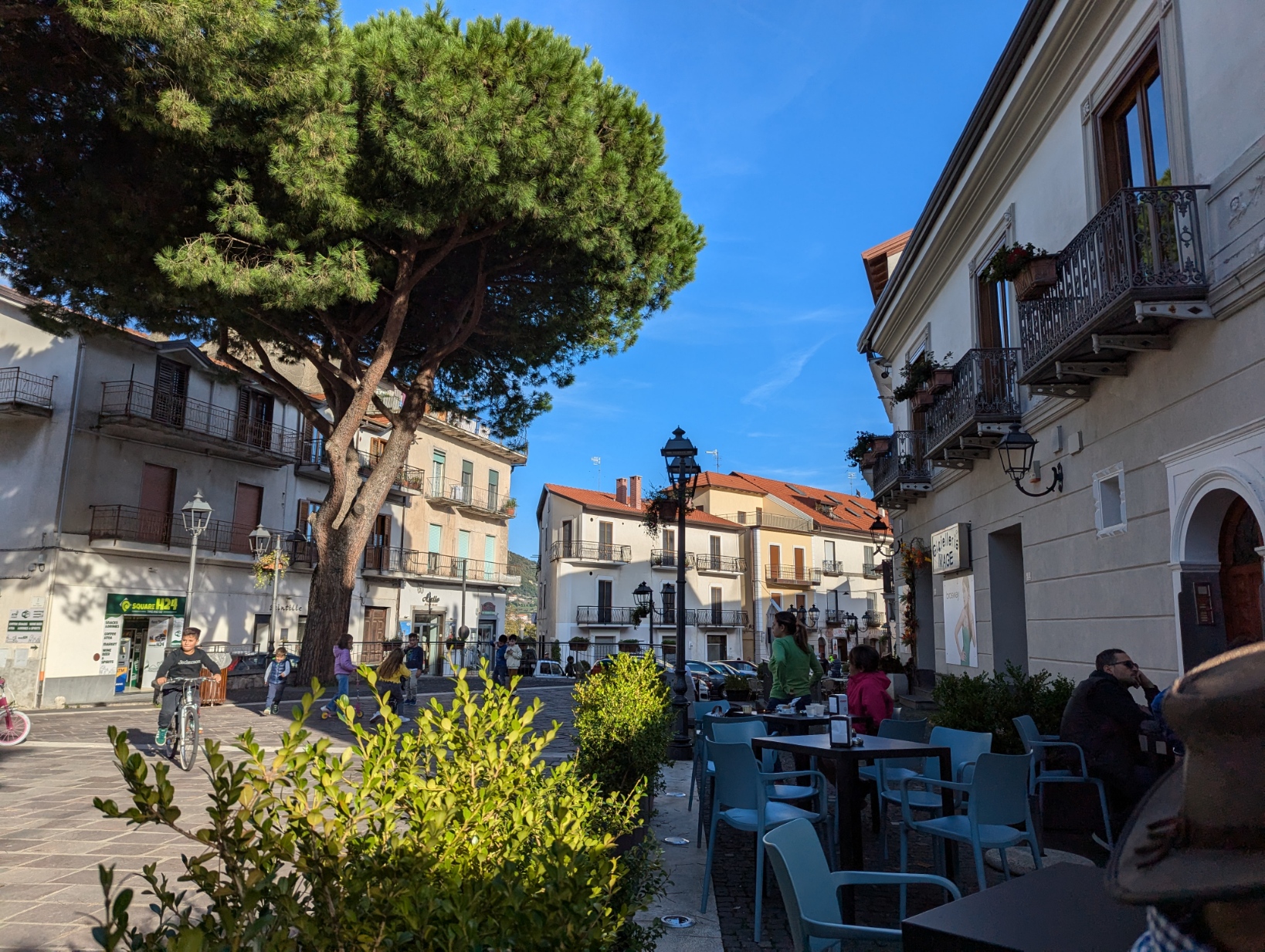
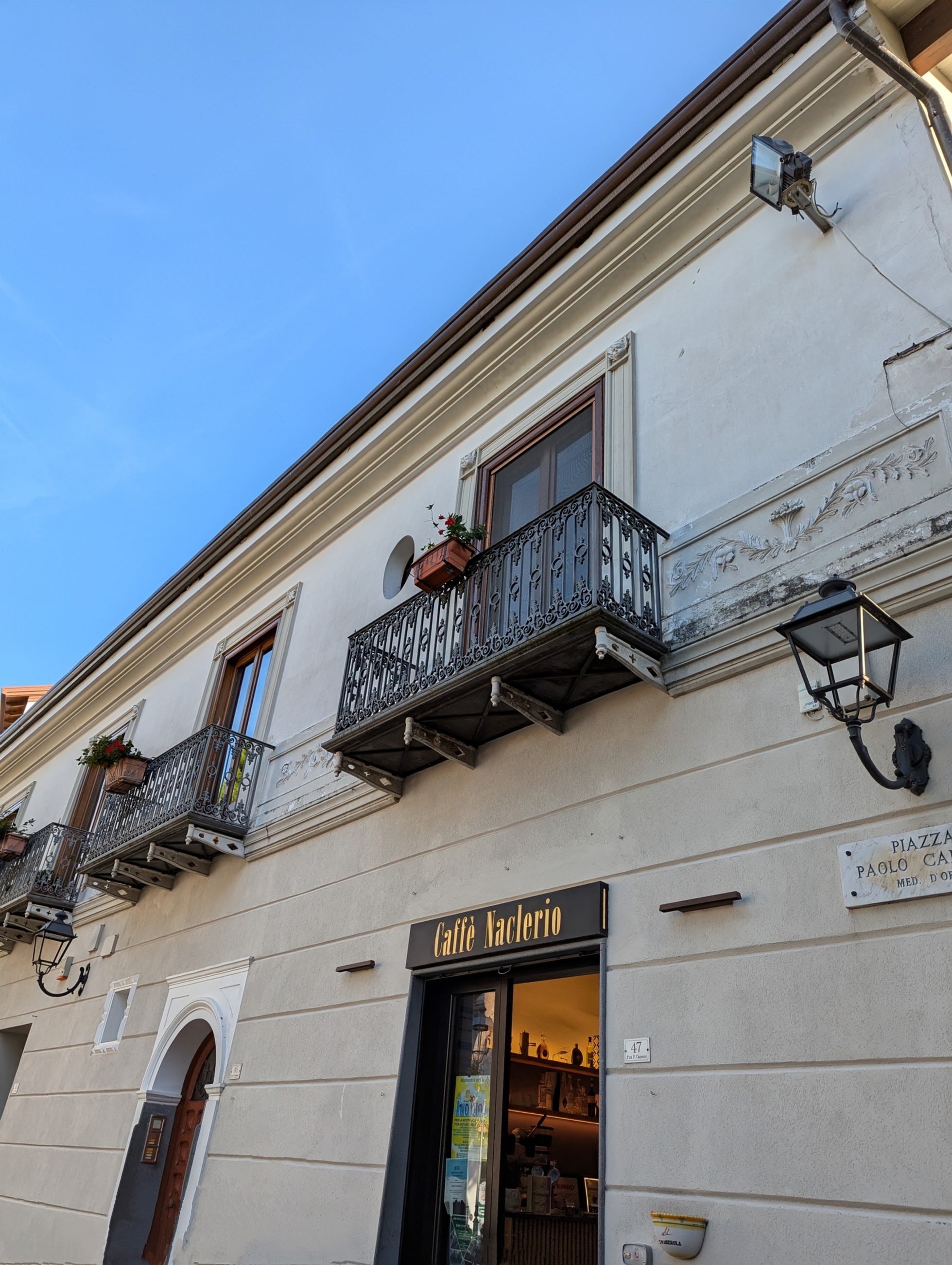
Accommodation Bomerano
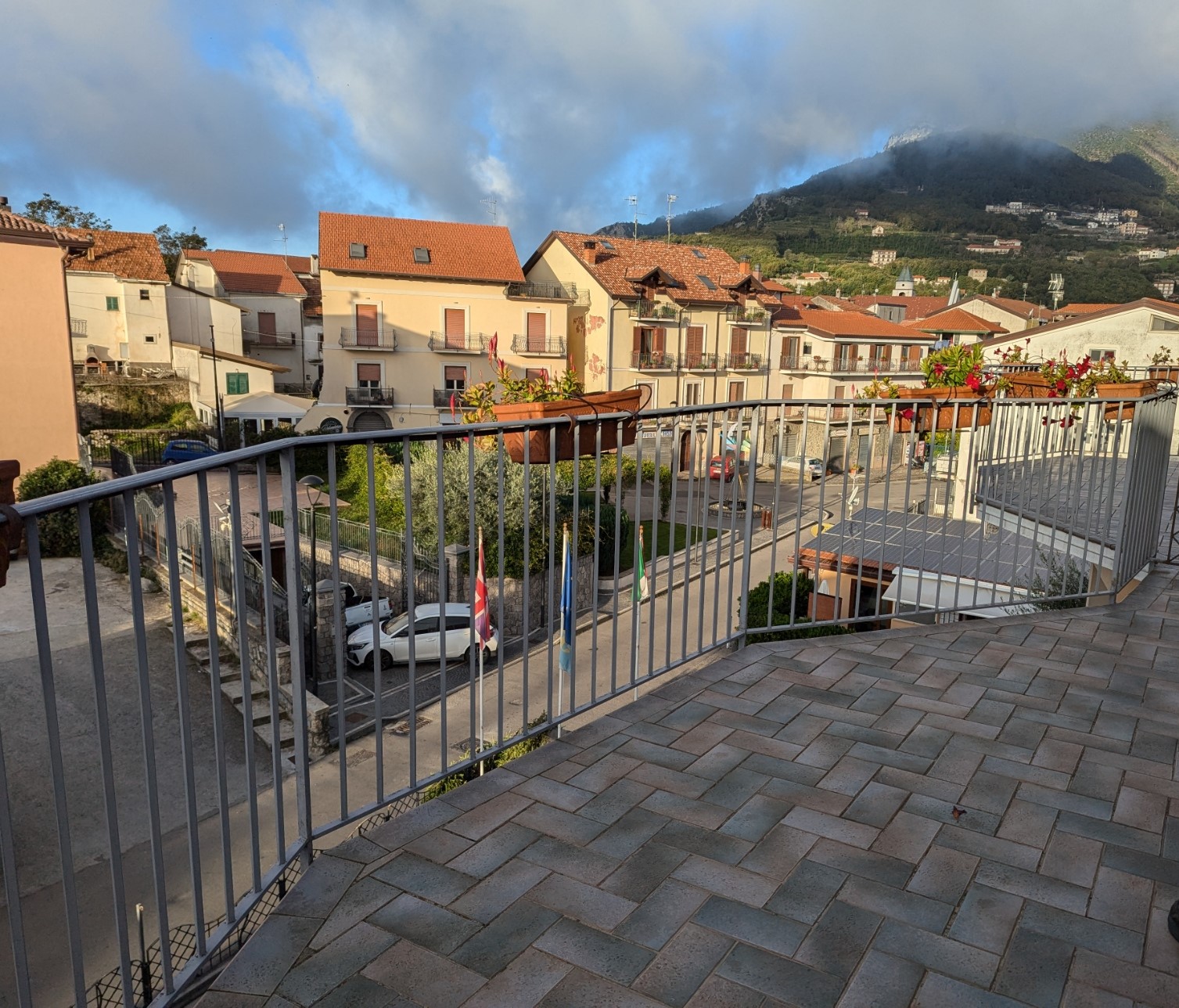
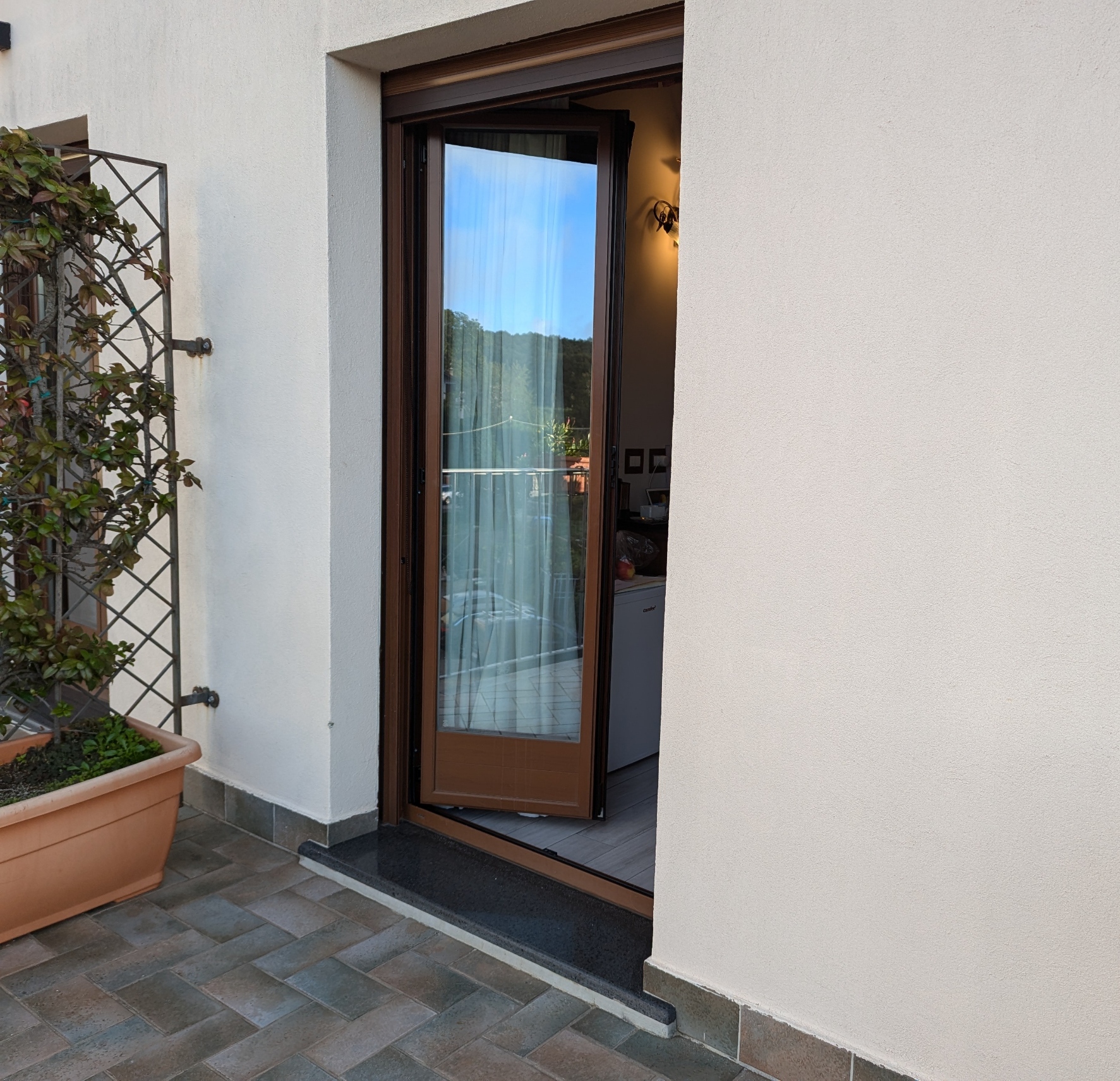
This is a three-star hotel at the mountain peak. We have a generously sized room, with a balcony, and in village style I am using it to dry some clothes. Roosters wake us in the morning, there is a resident dog, and the food is generous and good. The cooking exhibitions – pasta and tiramisu and on another night, pizza have been interesting and delicious eating after the event.

 Robin's Room