
Marc Wanamaker and Steven Bingen Hollywood Behind the Lens Treasures from the Bison Archives Globe Pequot Lyons Press, May 2024.
Thankyou, NetGalley, for providing me with this uncorrected proof for review.
This is the story of loss and an amazing effort to redeem this loss – the accumulation of Hollywood memorabilia undertaken through the Bison Archives. The focus of this non-fiction book is an archive replete with fascinating material, collected through diligence, imagination, and love. The story of how this collection has grown is so convincingly told that it almost leaps off the page. I enjoyed reading about the way in which Marc Wanamaker and Steven Bingen began collecting the missing items that tell us about Hollywood, the films that were made, and the actors, writers, directors – everyone involved in film making – in the Bison Archive. Both authors have impeccable backgrounds in the industry – but more importantly, both seem to have a deep affection for the work they have undertaken on behalf of the industry. See Books: Reviews
Articles following: American Politics; Civil Discourse, Joyce Vance – 3 articles related to the election and outcome; Vice-President Kamala Harris, President Joe Biden, and President Barack and Michelle Obama – posts; Heather Cox Richardson; Tom Nichols, The Atlantic; Amalfi Coast Trip – Herculaneum and Pompeii; articles about Pompeii; Archeological Museum, Naples.
American Politics

The devastating decision was not predicted in Bob McMullan’s article on this blog last week, although it was part of the three scenarios he out lined. I am grateful that his high regard for voters, and hope for the best outcome, contributed to maintaining the democratic ideal. Wrong this time, but this is a rare occasion. Some of the cynical posts on Facebook, in their rush to predict the outcome as votes were being counted or demonstrate their ‘knowledge’ about why the vote went the way it did, ignore what this outcome will mean for not only America but the world. See comment by Rep. Debbie Dingell (D-Mich.), ‘who campaigned for Harris every single day the House was out of session,‘ ‘ below.
In contrast with some of the cynicism Joyce Vance wrote with optimism on 4 November, and then when the results became increasingly ominous, with hope for the future of democracy, while acknowledging the threat.

Joyce Vance ended her optimistic article on November 4 as follows:
I’ll vote first thing this morning with friends from my neighborhood. Our polling place has been combined with another polling place. Instead of a school, we now vote at a library. It’s a little bit further from our house, but not significantly so. We’ve been wondering what the lines will be like with the combined precincts. It feels festive, important, and very American to be preparing to vote in this most crucial of all elections…
In many ways, this campaign has been a form of slow torture. But I have also learned something important in the past few months: We still have what it takes. We are strong. We care deeply about our democracy. We can build community. Of course, that’s not true for everyone. Some people have gone astray and have given in to the allure of easy money, snake oil and a would-be-strongman who gives them permission to blame all of their woes on immigrants and communist-Democrats. But there are enough of us who still care about democracy and about having the ability to live our lives in freedom and with dignity. And we are going to prevail.
We’re in this together,
Joyce

A Tough Election Day
Joyce Vance
It’s not the election day we were hoping for, but it’s also not over yet. I’m writing at 11 p.m. and while it looks dark at the moment, key states remain close and undecided. We likely won’t know the result for certain before tomorrow. But my heart is heavy, thinking that so many people in our country, knowing exactly who Donald Trump is, have voted for him again.
While we all continue to watch the votes come in and worry about the ultimate result, I want to make sure you were aware of a really disturbing development: the plethora of bomb threats at polling places that broke out today…
Only cowards call in bomb threats. I know this because I used to prosecute bombings and bomb threats, and the common thread in the crimes and the criminals is that they want people to be afraid and they want to use that fear to manipulate them. In this situation, they are the antithesis of what our elections are about. They are foreign terrorism. It is an outrage, and the entire country should be jumping up and down about it. But we all know that it’s unlikely that Donald Trump will…
This is a difficult night, and it’s made more difficult still by news of Russia’s attempted attack on our election. Russia doesn’t want Americans to be able to vote. There is a sustained attack on democracy at work on multiple fronts, from people who object to our freedom.
We’re in this together,
Joyce

It was a difficult night, followed by a hard day. I’m not far enough away from the reelection of Donald Trump to have much in the way of perspective yet, and I’ll leave the post-mortems about what went wrong to others. It doesn’t feel important or valuable to me right now to have someone to blame. What I realized when I woke up this morning was that my concern had already turned towards what we’re going to do. What comes next?
After the election in 2016, which feels like a very like time ago—I was still at the Justice Department when Trump won—people like me knit the ubiquitous pink pussy hats and joined the Women’s March on January 21, the day after Trump was inaugurated. We prepared for the fight we knew was coming for civil rights, without knowing precisely what it would consist of or what we would be called to do.
In that moment, I learned something really important—that there is great value in community, fellowship, and sisterhood. That, when times are tough, you need to circle the wagons and be with the people you care about, the people who lift you up. There is nothing wrong with recharging your batteries by laughing with friends or enjoying a beautiful fall day. You can do that online or in person; it’s all good. The important thing is, Nolite te Bastardes Carborundorum. As Margaret Atwood’s novel, The Handmaid’s Tale says, don’t let the bastards get you down.
That’s not to say we should forget about the fact that this is bad, that a Trump 2.0 administration has the potential to be devastating. But living in a difficult time doesn’t mean that we are powerless. It means we have to be thoughtful about organizing and using our power, and that means we need to prepare, because we have work to do. I had hoped we would be talking about fixing democracy, repairing institutions that had been stretched out of shape, in 2025. Sadly, that is not where we are going to be.
Donald Trump won the election, and he won the popular vote. But he won it with almost ten million fewer people participating (71,725,928) than when Joe Biden won in 2020 (81,284,666). What that means about the level of support for his policies, as opposed to the general malaise of “prices are too high” that afflicted the country ahead of the election, remains to be seen. But if there are protests, and I suspect there will be, we are going to have to discuss how Trump will wield presidential powers, like those granted to him under the Insurrection Act, to quell any protest.
Earlier today, NBC’s Ken Dilanian reported that Jack Smith is consulting with DOJ officials about closing the two federal criminal cases against Trump since DOJ policy doesn’t permit prosecution of a sitting president. The reports painted a picture of prosecutors who had concluded their only option was to close up shop because Trump prevailed in the case. It’s possible that is what is happening, but there is another possibility, too.
At the conclusion of a special counsel’s investigation, section 600.9(a)(3) of the Special Counsel Regulations requires the Attorney General to provide Congressional leadership with “a description, and explanation of instances (if any)” where the Attorney General overruled an action the special counsel wanted to take. That requirement would be triggered if Smith proposed moving forward despite DOJ policy against prosecuting a sitting president (there were earlier reports he intended to continue his work through inauguration day), and the Attorney General countermanded him because of existing policy. It’s hard to assess what value a report like that might have, beyond information and evidence Smith’s court filings have already made public. It would at least guarantee there would be a permanent public record that would survive Trump’s certain demand that the Justice Department kill the cases against him. This is one potentially intriguing possibility in a day that didn’t have much optimism to offer. It bothers me deeply, nonetheless, that Trump has avoided accountability at the hands of a jury that would consider the evidence against him and decide whether to convict him or not. I know I’ll struggle with that for a long time.
Whatever the next days and weeks hold, the most important thing is not to let Donald Trump take away your sense of power as an American. Do not, as Tim Snyder says, obey in advance. We did not quit during Trump’s first four years in office and we are not going to quit now. We will pick our priorities and marshal our resources to do what must be done. Make sure you take the time now to nurture yourself for what is ahead. There will be a role for each of us.It is very hard to lose an election, and this one more than most. I don’t know yet what specific challenges we’ll face and what we’ll be called upon to do. But I am confident we will meet those challenges just like we always have.
We’re in this together, Joyce
Kamala Harris

Vice-President Kamala Harris Post
My heart is full today—full of gratitude for the trust you have placed in me, full of love for our country, and full of resolve.
The outcome of this election is not what we wanted or what we fought for, but hear me when I say: The light of America’s promise will always burn bright—as long as we never give up, and as long as we keep fighting.
Earlier today, I spoke with President Trump. I told him that we will help him and his team with the transition, and we will engage in a peaceful transfer of power.
In our nation, we owe loyalty not to a president or party, but to the Constitution of the United States, our conscience, and our God. My allegiance to all three is why, while I concede this election, I do not concede the fight that fueled this campaign: the fight for freedom, for opportunity, and for fairness and the dignity of all people.
That is a fight I will never give up.
I will never give up the fight for a future where Americans can pursue their dreams, ambitions, and aspirations; a future where women have the freedom to make decisions about their own bodies and not have their government telling them what to do; where we protect our schools and our streets from gun violence.
We will never give up the fight for rule of law, equal justice, and for the sacred idea that every one of us, no matter who we are or where we start out, has certain fundamental rights and freedoms that must be respected and upheld.
To the young people watching, it is okay to feel sad and disappointed. On the campaign, I would often say: When we fight, we win. Sometimes the fight takes a while, but that doesn’t mean we won’t win. The important thing is to never stop trying to make the world a better place.
There is an adage: Only when it is dark enough can you see the stars. I know many people feel like we are entering a dark time. For the benefit of us all, I hope that is not the case. But, America, if it is: Let us fill the sky with the light of a billion brilliant stars.
May the light of optimism, faith, truth, and service guide us—even in the face of setbacks—toward the extraordinary promise of the United States of America.
President Joe Biden post
What America saw today was the Kamala Harris I know and deeply admire.
She’s been a tremendous partner and public servant full of integrity, courage, and character.
Under extraordinary circumstances, she stepped up and led a historic campaign that embodied what’s possible when guided by a strong moral compass and a clear vision for a nation that is more free, more just, and full of more opportunities for all Americans.
As I’ve said before, selecting Kamala was the very first decision I made when I became the nominee for president in 2020. It was the best decision I made. Her story represents the best of America’s story. And as she made clear today, I have no doubt that she’ll continue writing that story.
She will continue the fight with purpose, determination, and joy. She will continue to be a champion for all Americans. Above all, she will continue to be a leader our children will look up to for generations to come as she puts her stamp on America’s future.
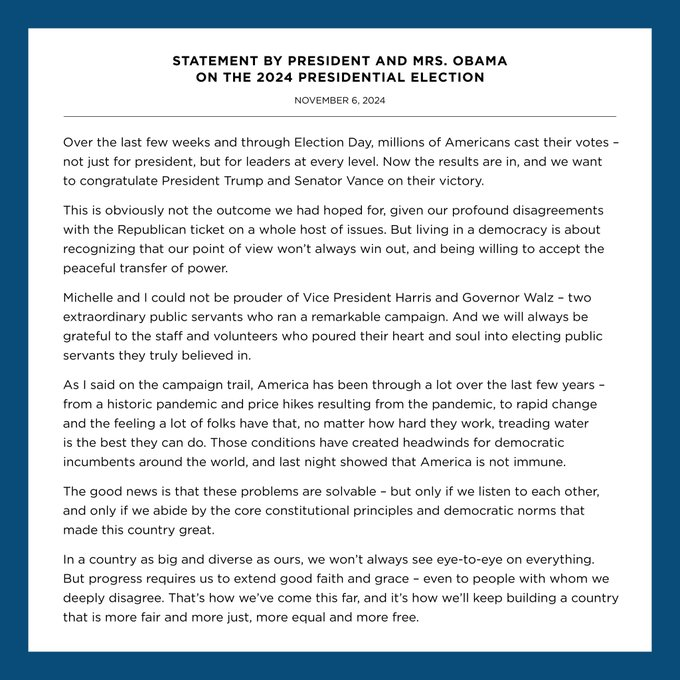
President Barack Obama and Michelle Obama post
Here’s our statement on the results of the 2024 presidential election:
Heather Cox Richardson
Heather Cox Richardson from Letters from an American <heathercoxrichardson@substack.com>
Yesterday, November 5, 2024, Americans reelected former president Donald Trump, a Republican, to the presidency over Democratic candidate Vice President Kamala Harris. As of Wednesday night, Trump is projected to get at least 295 electoral votes to Harris’s 226, with two Republican-leaning states still not called. The popular vote count is still underway.
Republicans also retook control of the Senate, where Democrats were defending far more seats than Republicans. Control of the House is not yet clear.
These results were a surprise to everyone. Trump is a 78-year-old convicted felon who has been found liable for sexual assault and is currently under indictment in a number of jurisdictions. He refused to leave office peacefully when voters elected President Joe Biden in 2020, instead launching an unprecedented attack on the U.S. Capitol to stop the counting of electoral votes, and said during his campaign that he would be a “dictator” on his first day in office.
Pollsters thought the race would be very close but showed increasing momentum for Harris, and Harris’s team expressed confidence during the day. By posting on social media—with no evidence—that the voting in Pennsylvania was rigged, Trump himself suggested he expected he would lose the popular vote, at least, as he did in 2016 and 2020.
But in 2024, it appears a majority of American voters chose to put Trump back into office.
Harris and her running mate, Minnesota governor Tim Walz, offered a message of unity, the expansion of the economic policies that have made the U.S. economy the strongest in the world in the wake of the coronavirus pandemic, and the creation of an “opportunity economy” that echoed many of the policies Republicans used to embrace. Trump vowed to take revenge on his enemies and to return the country to the neoliberal policies President Joe Biden had rejected in favor of investing in the middle class.
When he took office, Biden acknowledged that democracy was in danger around the globe, as authoritarians like Russian president Vladimir Putin and China’s president Xi Jinping maintained that democracy was obsolete and must be replaced by autocracies. Russia set out to undermine the North Atlantic Treaty Organization (NATO) that enforced the rules-based international order that stood against Russian expansion.
Hungarian prime minister Viktor Orbán, who overturned democracy in his own country, explained that the historical liberal democracy of the United States weakens a nation because the equality it champions means treating immigrants, LGBTQ+ individuals, and women as equal to men, thus ending traditionally patriarchal society.
In place of democracy, Orbán champions “illiberal democracy,” or “Christian democracy.” This form of government holds nominal elections, although their outcome is preordained because the government controls all the media and has silenced opposition. Orbán’s model of minority rule promises a return to a white-dominated, religiously based society, and he has pushed his vision by eliminating the independent press, cracking down on political opposition, getting rid of the rule of law, and dominating the economy with a group of crony oligarchs.
In order to strengthen democracy at home and abroad, Biden worked to show that it delivered for ordinary Americans. He and the Democrats passed groundbreaking legislation to invest in rebuilding roads and bridges and build new factories to usher in green energy. They defended unions and used the Federal Trade Commission to break up monopolies and return more economic power to consumers.
Their system worked. It created record low unemployment rates, lifted wages for the bottom 80% of Americans, and built the strongest economy in the world in the wake of the coronavirus pandemic, setting multiple stock market records. But that success turned out not to be enough to protect democracy.
In contrast, Trump promised he would return to the ideology of the era before 2021, when leaders believed in relying on markets to order the economy with the idea that wealthy individuals would invest more efficiently than if the government regulated business or skewed markets with targeted investment (in green energy, for example). Trump vowed to cut taxes for the wealthy and corporations and to make up lost revenue through tariffs, which he incorrectly insists are paid by foreign countries; tariffs are paid by U.S. consumers.
For policies, Trump’s campaign embraced the Project 2025 agenda led by the right-wing Heritage Foundation, which has close ties to Orbán. That plan calls for getting rid of the nonpartisan civil service the U.S. has had since 1883 and for making both the Department of Justice and the military partisan instruments of a strong president, much as Orbán did in Hungary. It also calls for instituting religious rule, including an end to abortion rights, across the U.S. Part of the idea of “purifying” the country is the deportation of undocumented immigrants: Trump promised to deport 20 million people at an estimated cost of $88 billion to $315 billion a year.
That is what voters chose.
Pundits today have spent time dissecting the election results, many trying to find the one tweak that would have changed the outcome, and suggesting sweeping solutions to the Democrats’ obvious inability to attract voters. There is no doubt that a key factor in voters’ swing to Trump is that they associated the inflation of the post-pandemic months with Biden and turned the incumbents out, a phenomenon seen all over the world.
There is also no doubt that both racism and sexism played an important role in Harris’s defeat.
But my own conclusion is that both of those things were amplified by the flood of disinformation that has plagued the U.S. for years now. Russian political theorists called the construction of a virtual political reality through modern media “political technology.” They developed several techniques in this approach to politics, but the key was creating a false narrative in order to control public debate. These techniques perverted democracy, turning it from the concept of voters choosing their leaders into the concept of voters rubber-stamping the leaders they had been manipulated into backing.
In the U.S., pervasive right-wing media, from the Fox News Channel through right-wing podcasts and YouTube channels run by influencers, have permitted Trump and right-wing influencers to portray the booming economy as “failing” and to run away from the hugely unpopular Project 2025. They allowed MAGA Republicans to portray a dramatically falling crime rate as a crime wave and immigration as an invasion. They also shielded its audience from the many statements of Trump’s former staff that he is unfit for office, and even that his chief of staff General John Kelly considers him a fascist and noted that he admires German Nazi dictator Adolf Hitler.
As actor Walter Masterson posted: “I tried to educate people about tariffs, I tried to explain that undocumented immigrants pay billions in taxes and are the foundation of this country. I explained Project 2025, I interviewed to show that they supported it. I can not compete against the propaganda machines of Twitter, Fox News, [Joe Rogan Experience], and NY Post. These spaces will continue to create reality unless we create a more effective way of reaching people.”
X users noted a dramatic drop in their followers today, likely as bots, no longer necessary, disengaged.
Many voters who were using their vote to make an economic statement are likely going to be surprised to discover what they have actually voted for. In his victory speech, Trump said the American people had given him an “unprecedented and powerful mandate.”
White nationalist Nick Fuentes posted, “Your body, my choice. Forever,” and gloated that men will now legally control women’s bodies. His post got at least 22,000 “likes.” Right-wing influencer Benny Johnson, previously funded by Russia, posted: “It is my honor to inform you that Project 2025 was real the whole time.”
Today, Trump campaign press secretary Karoline Leavitt said Trump would launch the “largest mass deportation operation” of undocumented immigrants, and the stock in private prison companies GEO Group and CoreCivic jumped 41% and 29%, respectively. Those jumps were part of a bigger overall jump: the Dow Jones Industrial Average moved up 1,508 points in what Washington Post economic columnist Heather Long said was the largest post-election jump in more than 100 years.
As for the lower prices Trump voters wanted, Kate Gibson of CBS today noted that on Monday, the National Retail Federation said that Trump’s proposed tariffs will cost American consumers between $46 billion and $78 billion a year as clothing, toys, furniture, appliances, and footwear all become more expensive. A $50 pair of running shoes, Gibson said, would retail for $59 to $64 under the new tariffs.
U.S. retailers are already preparing to raise prices of items from foreign suppliers, passing to consumers the cost of any future tariffs.
Trump’s election will also mean he will no longer have to answer to the law for his federal indictments: special counsel Jack Smith is winding them down ahead of Trump’s inauguration. So he will not be tried for retaining classified documents or attempting to overthrow the U.S. government when he lost in 2020.
This evening, Hungarian prime minister Viktor Orbán posted on social media that he had just spoken with Trump, and said: “We have big plans for the future!”
This afternoon, Vice President Kamala Harris spoke at her alma mater, Howard University, to concede the election to Trump.
She thanked her supporters, her family, the Bidens, the Walz family, and her campaign staff and volunteers. She reiterated that she believes Americans have far more in common than separating us.
In what appeared to be a message to Trump, she noted: “A fundamental principle of American democracy is that when we lose an election, we accept the results. That principle as much as any other distinguishes democracy from monarchy or tyranny, and anyone who seeks the public trust must honor it. At the same time in our nation, we owe loyalty not to a president or a party, but to the Constitution of the United States, and loyalty to our conscience and to our God.
“My allegiance to all three is why I am here to say, while I concede this election, I do not concede the fight that fuels this campaign, the fight for freedom, for opportunity, for fairness and the dignity of all people, a fight for the ideals at the heart of our nation, the ideals that reflect America at our best. That is a fight I will never give up.”
Harris urged people “to organize, to mobilize and to stay engaged for the sake of freedom and justice and the future that we all know we can build together.” She told those feeling as if the world is dark indeed these days, to “fill the sky with the light of a billion brilliant stars, the light of optimism, of faith, of truth and service,” and to let “that work guide us, even in the face of setbacks, toward the extraordinary promise of the United States of America.”
—
Notes:
https://www.vox.com/2024-elections/383208/donald-trump-victory-kamala-harris-global-trend-incumbents
https://www.wilsoncenter.org/publication/virtual-politics-and-the-corruption-post-soviet-democracy
https://www.cbsnews.com/news/trump-victory-china-tariffs-taxes-inflation/
https://www.newsweek.com/donald-trump-day-one-election-victory-karoline-leavitt-1981319
https://abcnews.go.com/Politics/trump-mass-deportation-program-cost/story?id=115318034
X:
TheTNHoller/status/1854361581234065723
JStein_WaPo/status/1854026321841549636


Tom Nichols, Staff Writer
| Donald Trump won a significant victory in both the popular vote and the Electoral College because he offered a majority of Americans what they wanted: anger, drama, and a renewal of their favorite political reality-TV show. |
Democrats and liberal pundits are already trying to figure out how the Trump campaign not only bested Kamala Harris in the “Blue Wall” states of the Midwest and the Rust Belt, but gained on her even in areas that should have been safe for a Democrat. Almost everywhere, Donald Trump expanded his coalition, and this time, unlike in 2016, he didn’t have to thread the needle of the Electoral College to win: He can claim the legitimacy of winning the popular vote. Trump’s opponents are now muttering about the choice of Tim Walz, the influence of the Russians, the role of the right-wing media, and whether President Joe Biden should not have stepped aside in favor of Harris. Even the old saw about “economic anxiety” is making a comeback. These explanations all have some merit, but mostly, they miss the point. Yes, some voters still stubbornly believe that presidents magically control the price of basic goods. Others have genuine concerns about immigration and gave in to Trump’s booming call of fascism and nativism. And some of them were just never going to vote for a woman, much less a Black woman. But in the end, a majority of American voters chose Trump because they wanted what he was selling: a nonstop reality show of rage and resentment. Some Democrats, still gripped by the lure of wonkery, continue to scratch their heads over which policy proposals might have unlocked more votes, but that was always a mug’s game. Trump voters never cared about policies, and he rarely gave them any. (Choosing to be eaten by a shark rather than electrocuted might be a personal preference, but it’s not a policy.) His rallies involved long rants about the way he’s been treated, like a giant therapy session or a huge family gathering around a bellowing, impaired grandpa. Back in 2021, I wrote a book about the rise of “illiberal populism,” the self-destructive tendency in some nations that leads people to participate in democratic institutions such as voting while being hostile to democracy itself, casting ballots primarily to punish other people and to curtail everyone’s rights—even their own. These movements are sometimes led by fantastically wealthy faux populists who hoodwink gullible voters by promising to solve a litany of problems that always seem to involve money, immigrants, and minorities. The appeals from these charlatans resonate most not among the very poor, but among a bored, relatively well-off middle class, usually those who are deeply uncomfortable with racial and demographic changes in their own countries.And so it came to pass: Last night, a gaggle of millionaires and billionaires grinned and applauded for Trump. They were part of an alliance with the very people another Trump term would hurt—the young, minorities, and working families among them. Trump, as he has shown repeatedly over the years, couldn’t care less about any of these groups. He ran for office to seize control of the apparatus of government and to evade judicial accountability for his previous actions as president. Once he is safe, he will embark on the other project he seems to truly care about: the destruction of the rule of law and any other impediments to enlarging his power. Americans who wish to stop Trump in this assault on the American constitutional order, then, should get it out of their heads that this election could have been won if only a better candidate had made a better pitch to a few thousand people in Pennsylvania. Biden, too old and tired to mount a proper campaign, likely would have lost worse than Harris; more to the point, there was nothing even a more invigorated Biden or a less, you know, female alternative could have offered. Racial grievances, dissatisfaction with life’s travails (including substance addiction and lack of education), and resentment toward the villainous elites in faraway cities cannot be placated by housing policy or interest-rate cuts. No candidate can reason about facts and policies with voters who have no real interest in such things. They like the promises of social revenge that flow from Trump, the tough-guy rhetoric, the simplistic “I will fix it” solutions. And he’s interesting to them, because he supports and encourages their conspiracist beliefs. (I knew Harris was in trouble when I was in Pennsylvania last week for an event and a fairly well-off business owner, who was an ardent Trump supporter, told me that Michelle Obama had conspired with the Canadians to change the state’s vote tally in 2020. And that wasn’t even the weirdest part of the conversation.) As Jonathan Last, editor of The Bulwark, put it in a social-media post last night: The election went the way it did “because America wanted Trump. That’s it. People reaching to construct [policy] alibis for the public because they don’t want to grapple with this are whistling past the graveyard.” Last worries that we might now be in a transition to authoritarianism of the kind Russia went through in the 1990s, but I visited Russia often in those days, and much of the Russian democratic implosion was driven by genuinely brutal economic conditions and the rapid collapse of basic public services. Americans have done this to themselves during a time of peace, prosperity, and astonishingly high living standards. An affluent society that thinks it is living in a hellscape is ripe for gulling by dictators who are willing to play along with such delusions. The bright spot in all this is that Trump and his coterie must now govern. The last time around, Trump was surrounded by a small group of moderately competent people, and these adults basically put baby bumpers and pool noodles on all the sharp edges of government. This time, Trump will rule with greater power but fewer excuses, and he—and his voters—will have to own the messes and outrages he is already planning to create.Those voters expect that Trump will hurt others and not them. They will likely be unpleasantly surprised, much as they were in Trump’s first term. (He was, after all, voted out of office for a reason.) For the moment, some number of them have memory-holed that experience and are pretending that his vicious attacks on other Americans are just so much hot air. Trump, unfortunately, means most of what he says. In this election, he has triggered the unfocused ire and unfounded grievances of millions of voters. Soon we will learn whether he can still trigger their decency—if there is any to be found. |
Rep. Debbie Dingell (D-Mich.), who campaigned for Harris every single day the House was out of session, told us that if you were out there listening to union members, to Black voters, to men, to young people, to working women and men struggling to pay for groceries … you knew what was coming. “Democrats shouldn’t do the blame game,” she said. “They should do: ‘What aren’t we doing right — all of us?'”
Amalfi coast trip
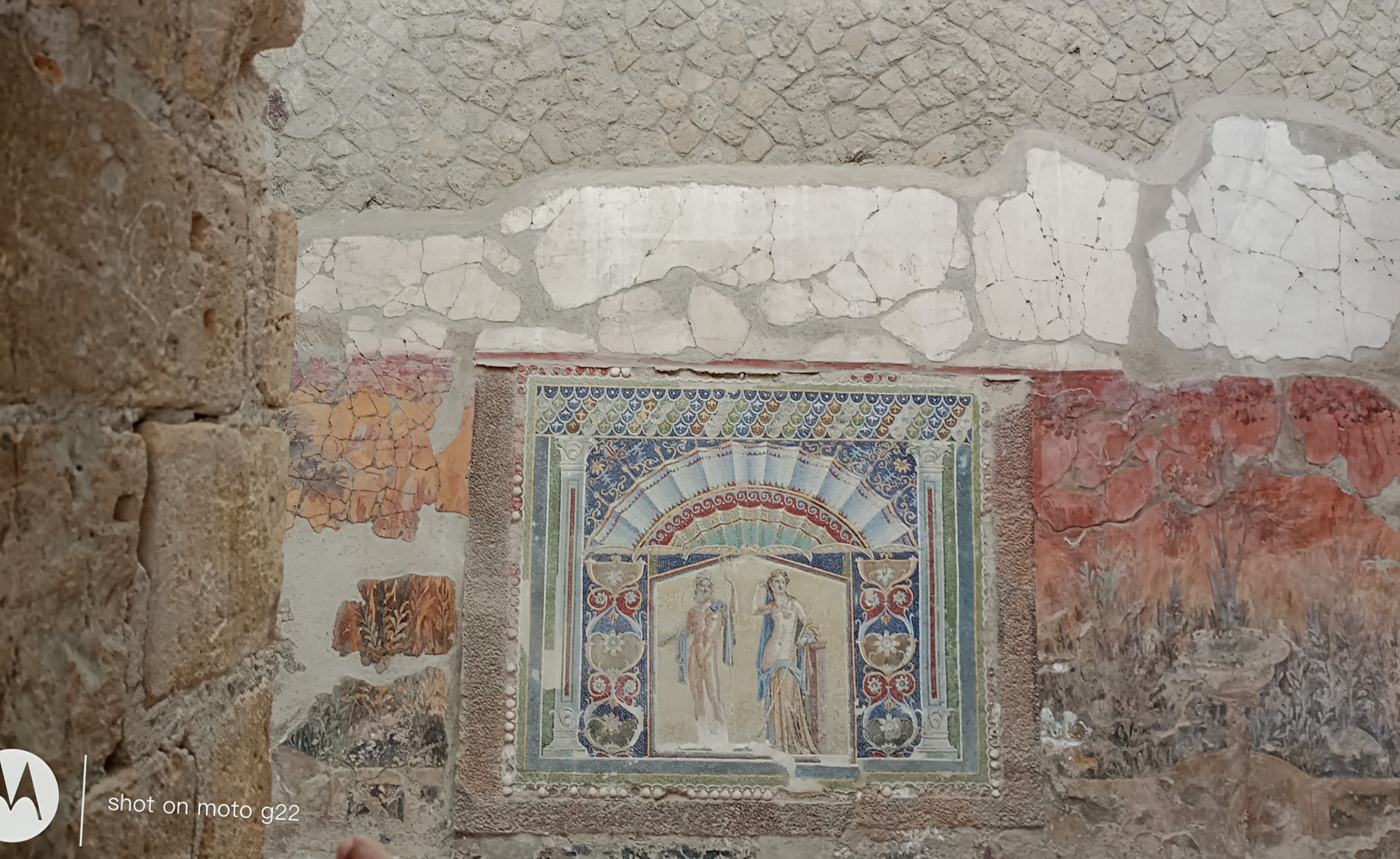
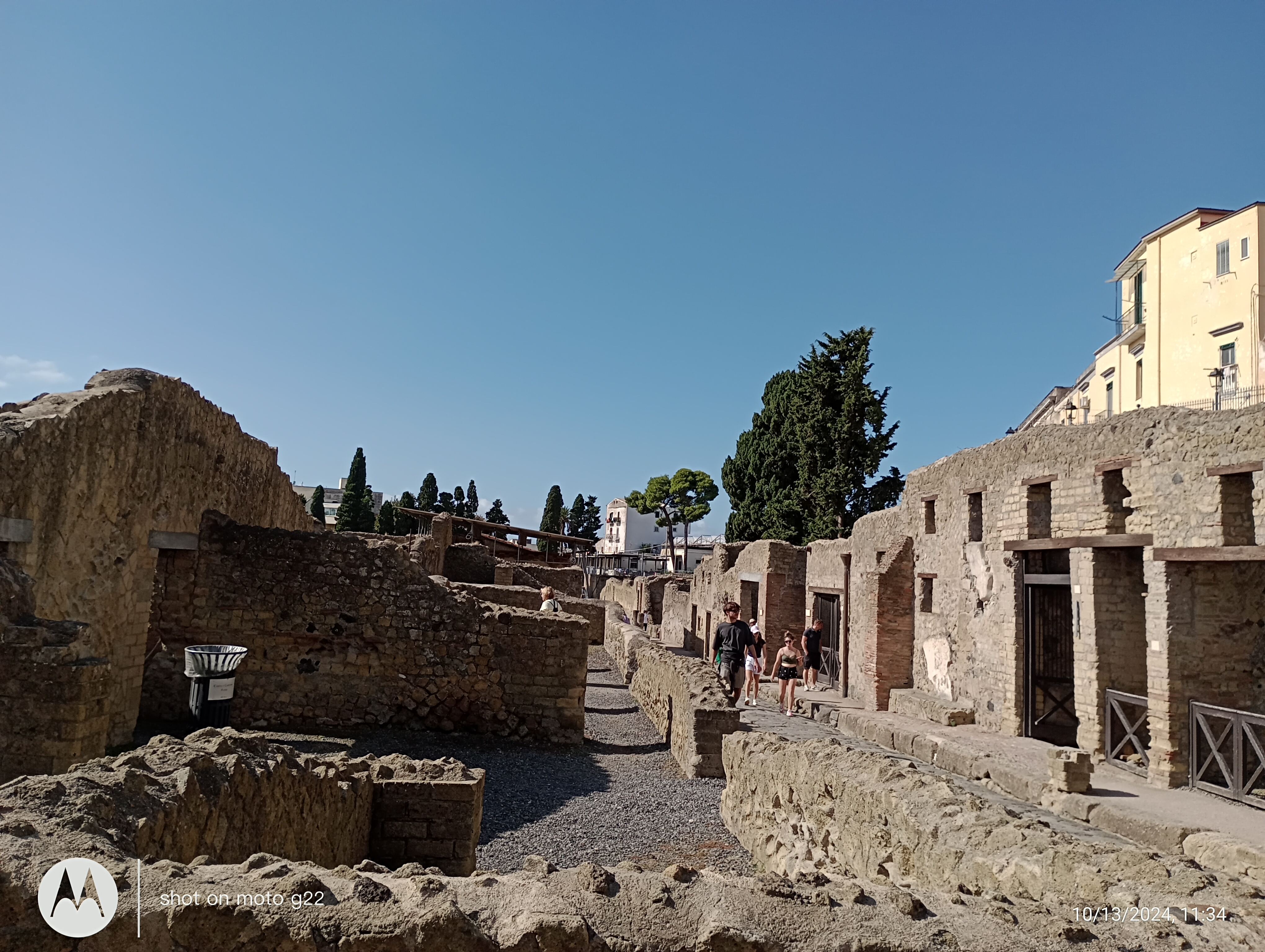
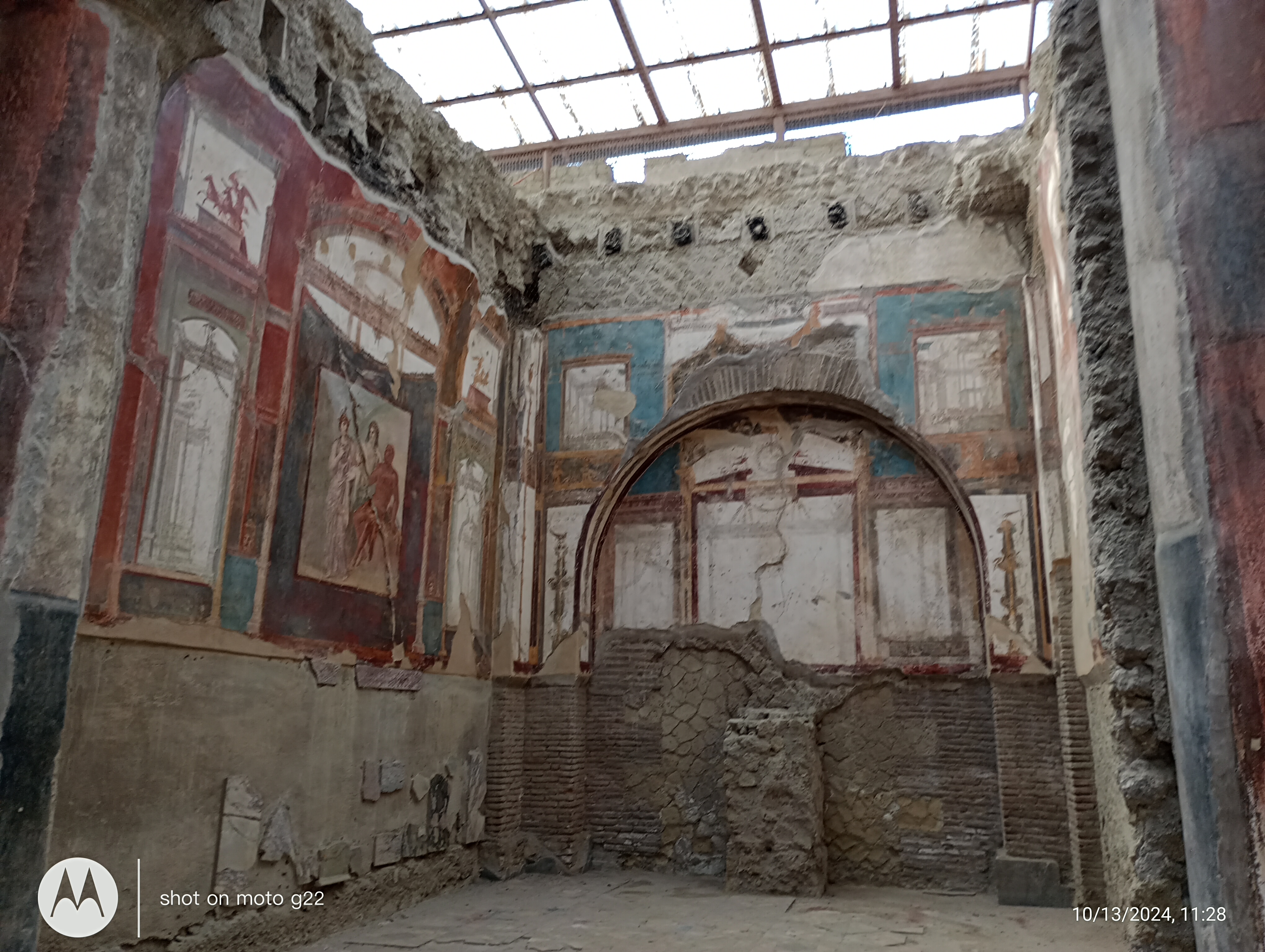
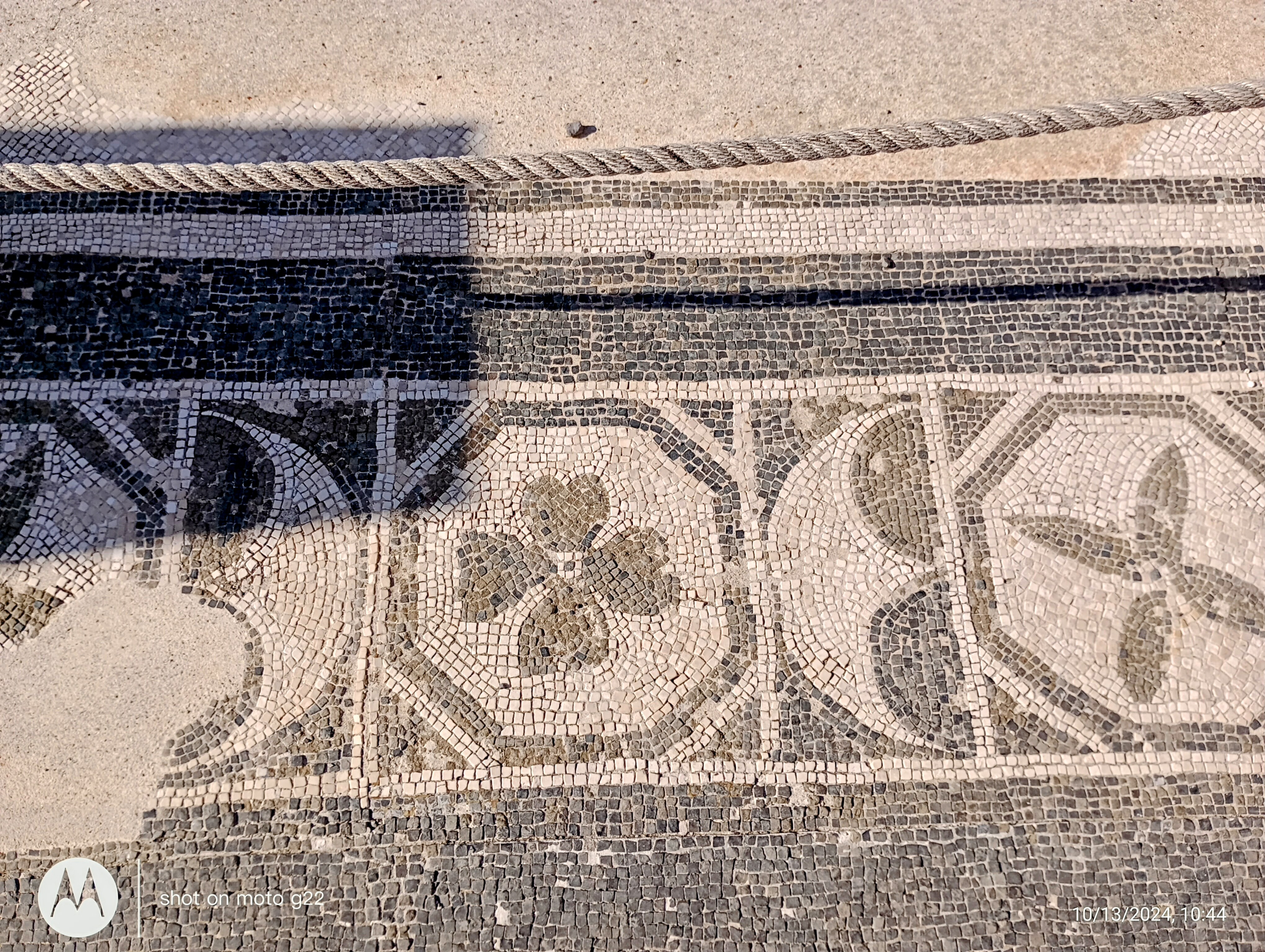
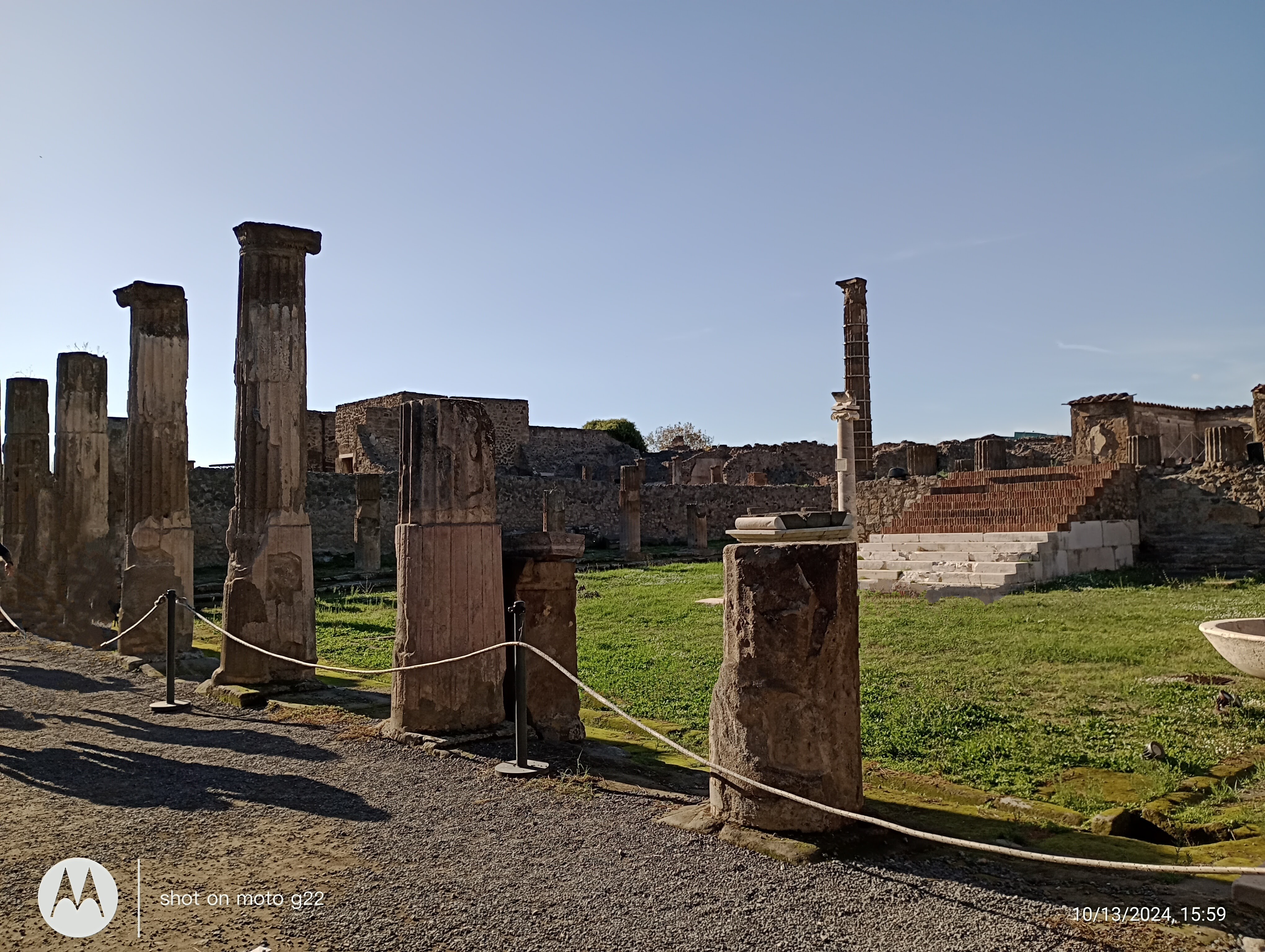
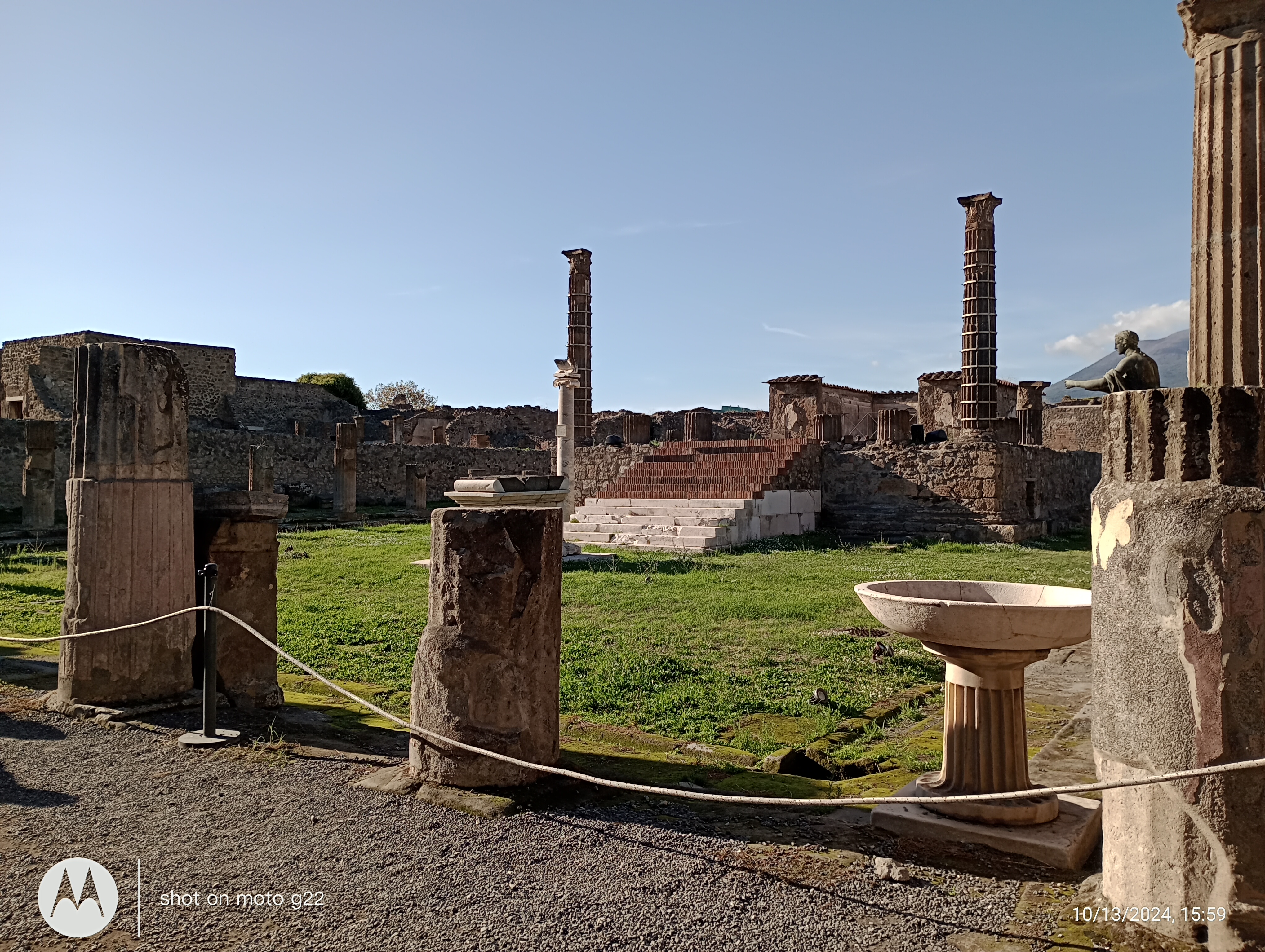
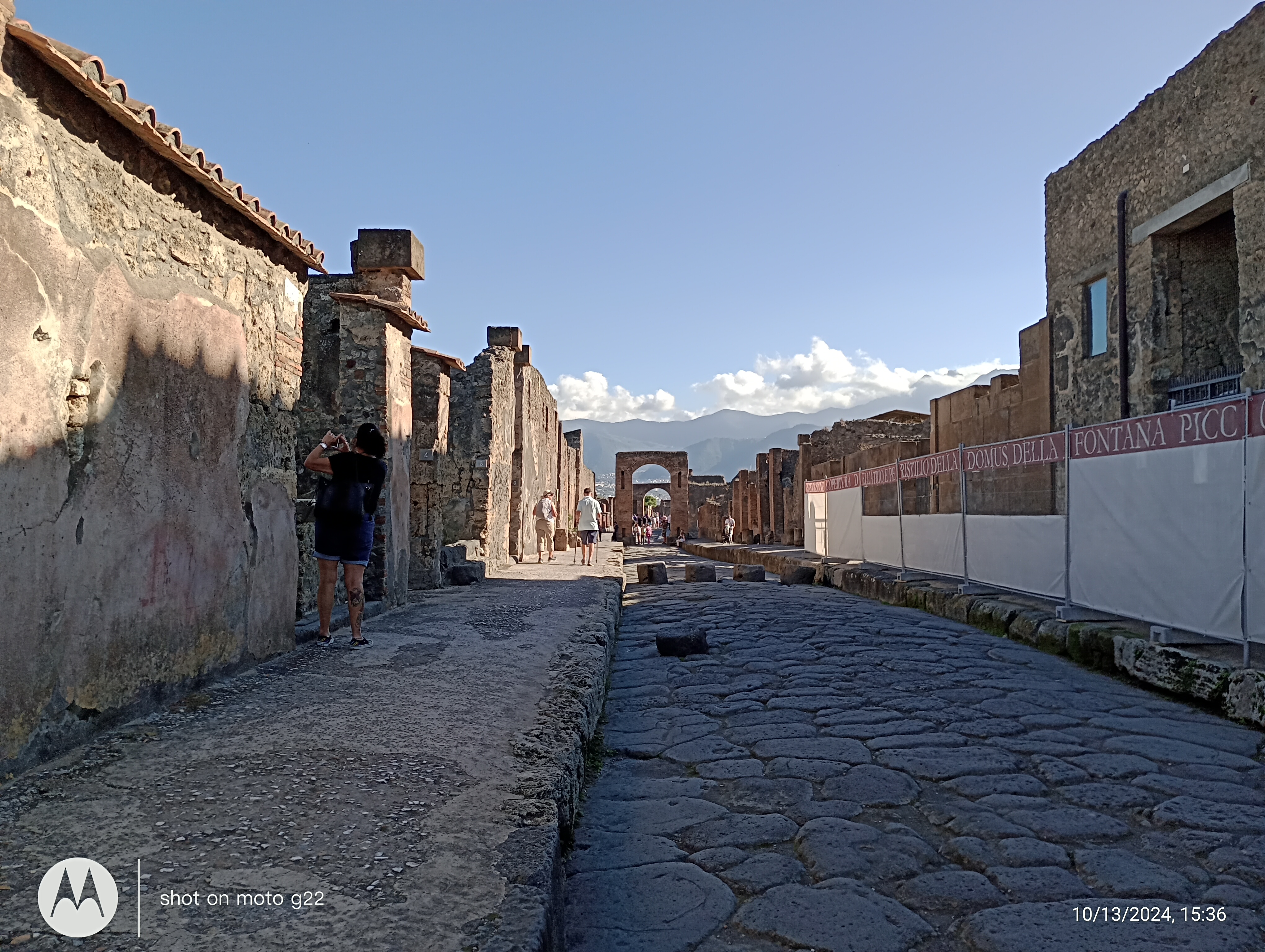
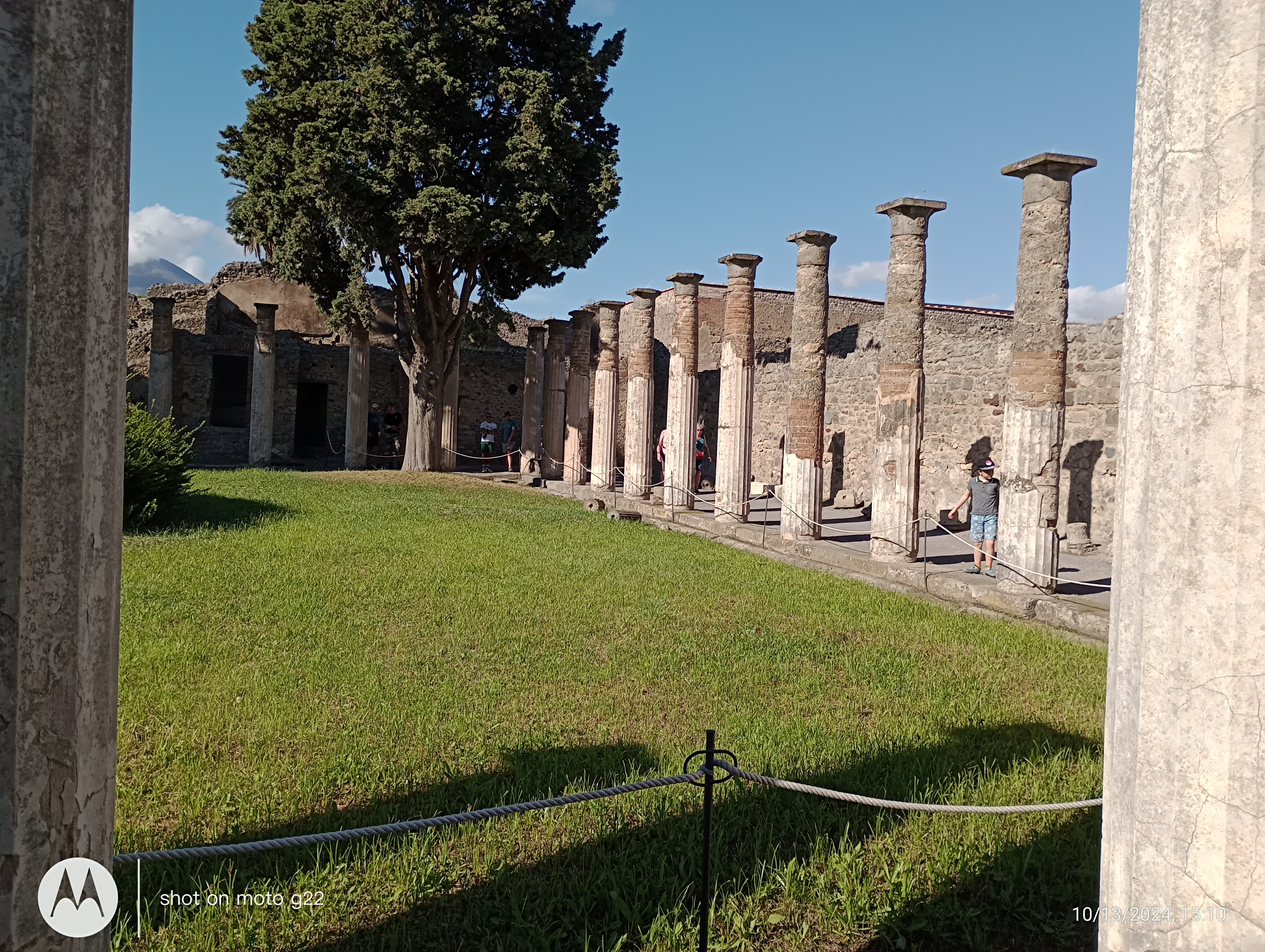
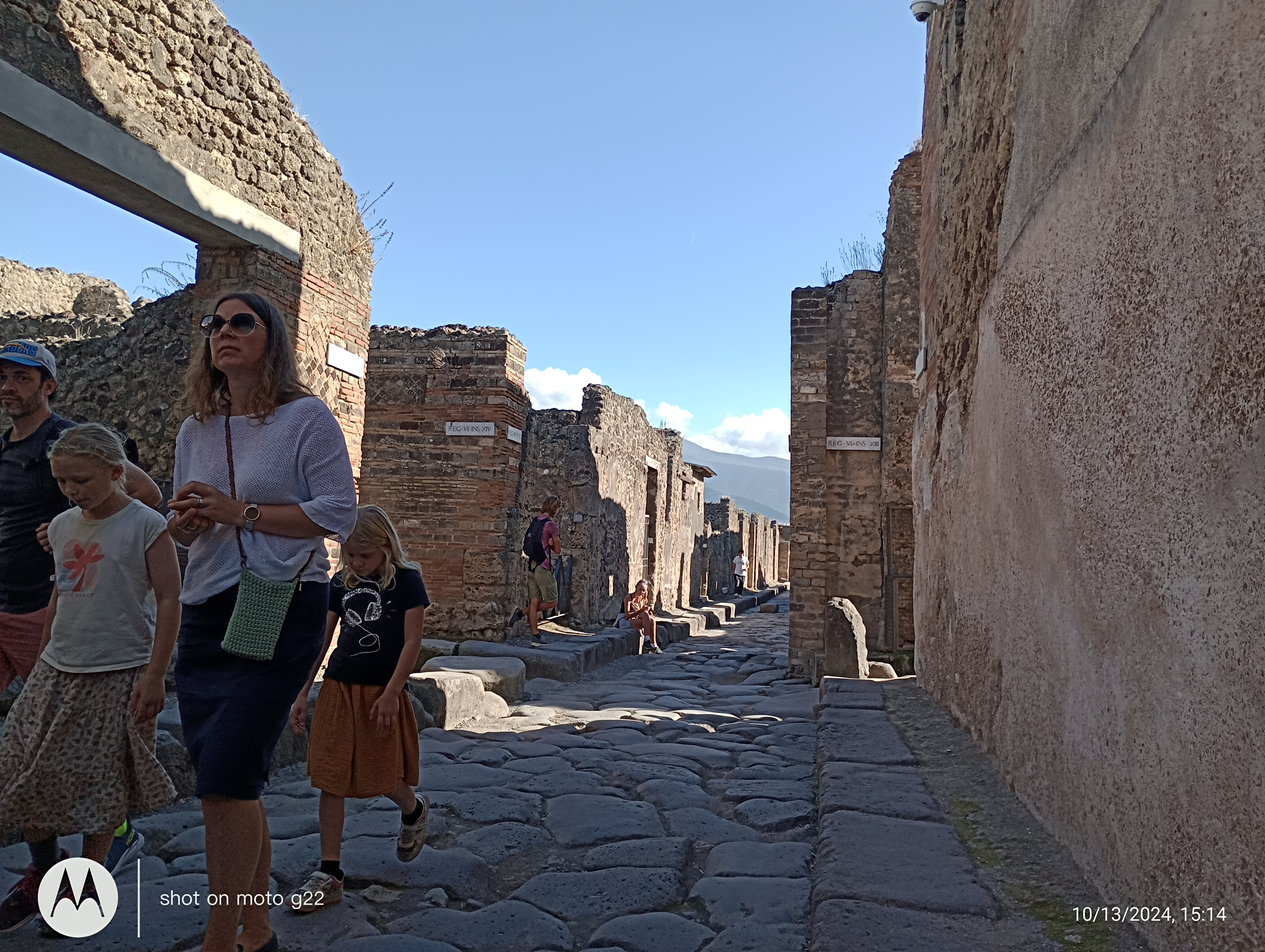
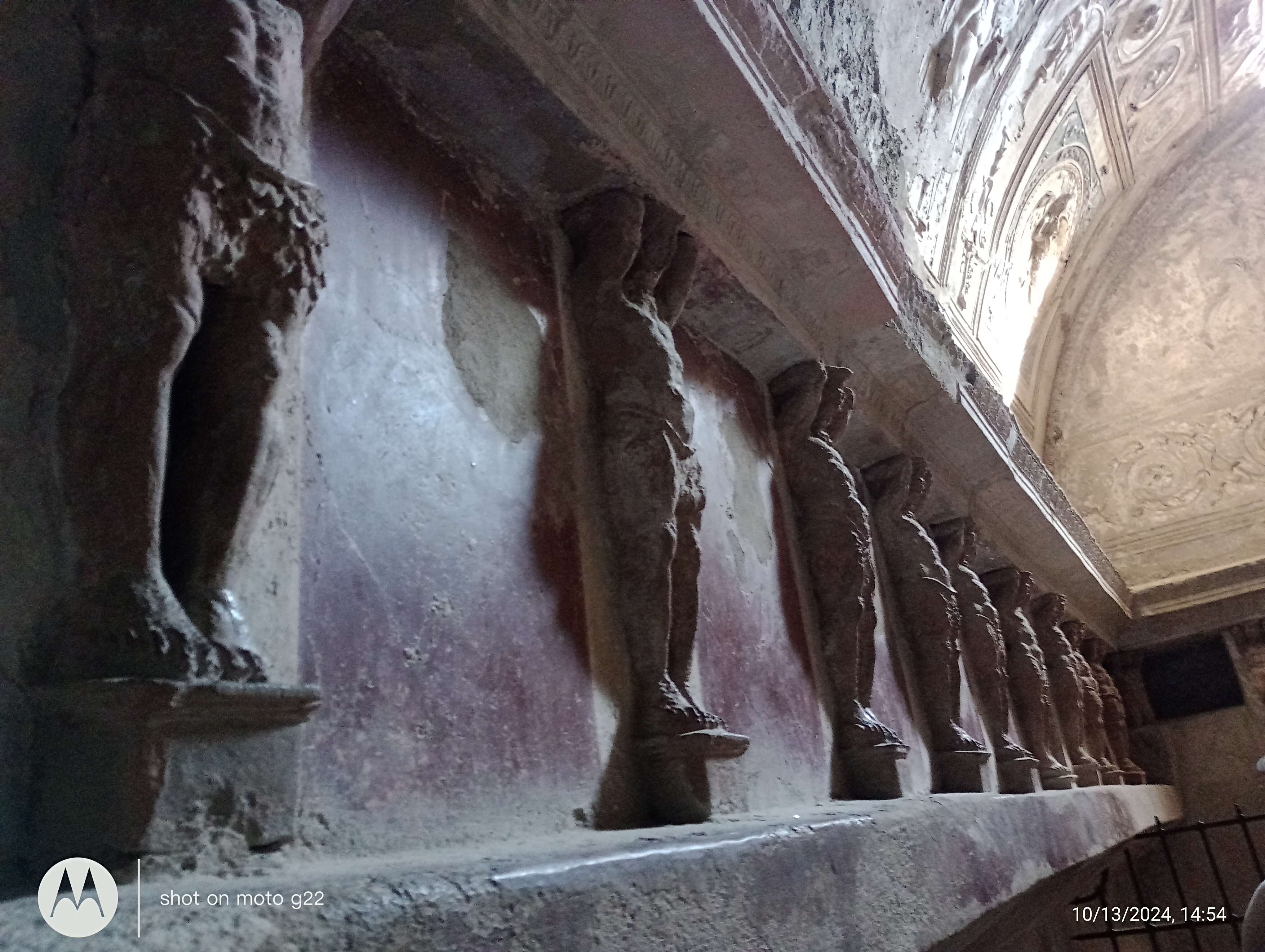
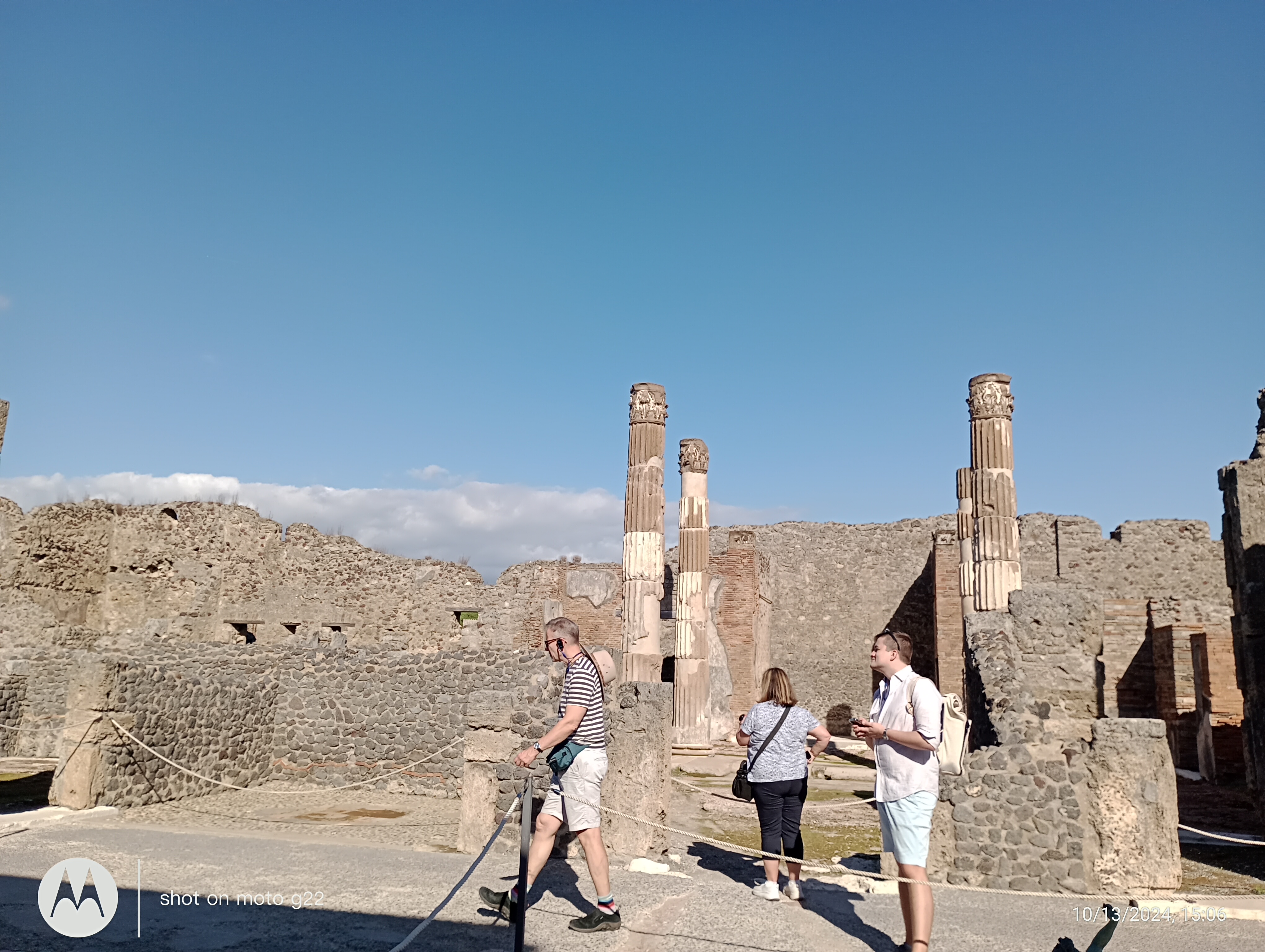
The highlights of this trip, as interesting as all the other activities were, were the excursions to Pompeii and Herculaneum. These were undertaken one after the other, with a break for lunch, so really made for a very full and energetic day. We all survived very well, despite uneven pathways, staircases, distressing sights and the warm weather.
Herculaneum













Long-held beliefs about ancient residents of Pompeii debunked by DNA testing
DNA testing of some inhabitants of the buried city of Pompeii has found popular narratives around their identities and relationships are largely wrong, a study finds.
The eruption of Mount Vesuvius in 79 AD buried the ancient Roman town in ash, leaving behind an entire archaeological site almost perfectly preserved before its rediscovery in 1748.
Published in scientific journal Current Biology, the study was lead by researchers at the University of Florence in Italy and Harvard University in the US, and is part of a wider project to map the DNA of over 1,000 human remains uncovered at the site.
Pompeii’s status as a port city influenced a wide range of eastern Mediterranean, Levantine and North African DNA samples found, representing a wider range of ethnicities than originally assumed, the authors said.
A 2015 restoration of some plaster casts of remains found many had been significantly altered by the first archaeologists and restorers who found them, meaning interpretations based on the final pose or shape of the victims’ bodies were impacted, as well as assumptions around proximity and gender roles.
The study’s authors took samples from individual bone fragments mixed with plaster from 14 casts and analysed the nuclear and mitochondrial DNA left behind after thousands of years preserved in ash.
Jewellery’s associations found to be false
A group found in 1974 in the House of the Golden Bracelet, named for the piece of jewellery found on the arm of one resident, was previously assumed to be a family group that included a mother, based on the bracelet and child in close proximity.
However, the researchers concluded the four individuals were unrelated and all were male, with “considerable variation” in their genetic diversity.
One of the people found had black hair and dark skin, which alongside genetic markers indicated eastern Mediterranean or North African ancestry.
“These discoveries challenge longstanding interpretations, such as associating jewellery with femininity or interpreting physical closeness as an indicator of biological relationships,” the authors wrote.
“Instead of establishing new narratives that might also misrepresent these people’s lived experiences, these results encourage reflection on conceptions and construction of gender and family in past societies as well as in academic discourse.”
Nuclear genetic testing showed one of the pair was a young adult male, meaning the first two theories were excluded, and the pair were not related through the maternal line.
The young man’s ancestry was also Mediterranean, and consistent with modern day Turkish populations, the study showed.
The researchers were unable to determine the sex of the second individual, though CT skeletal scans suggested they were aged in their mid to late teens.
Pompeii









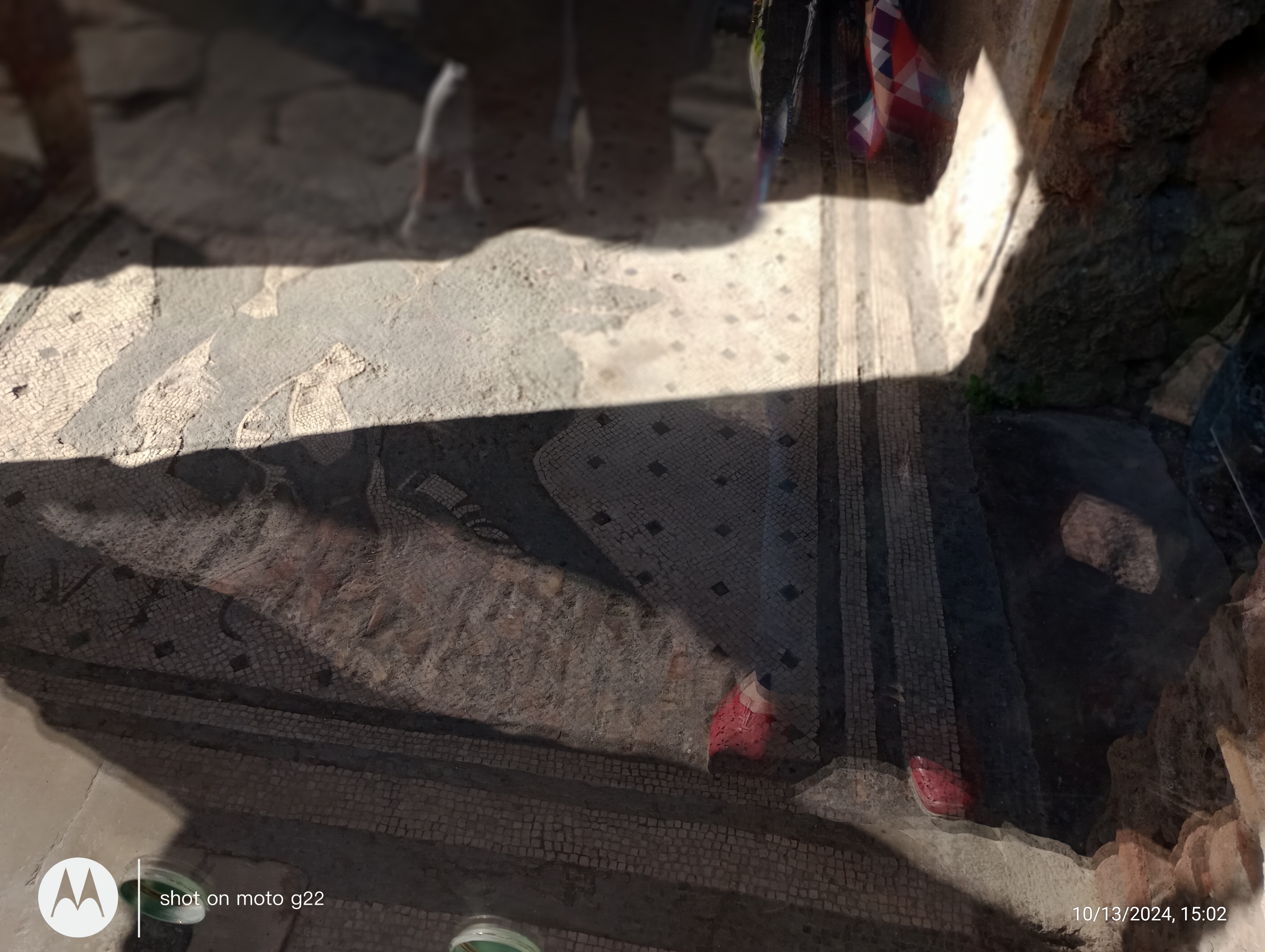


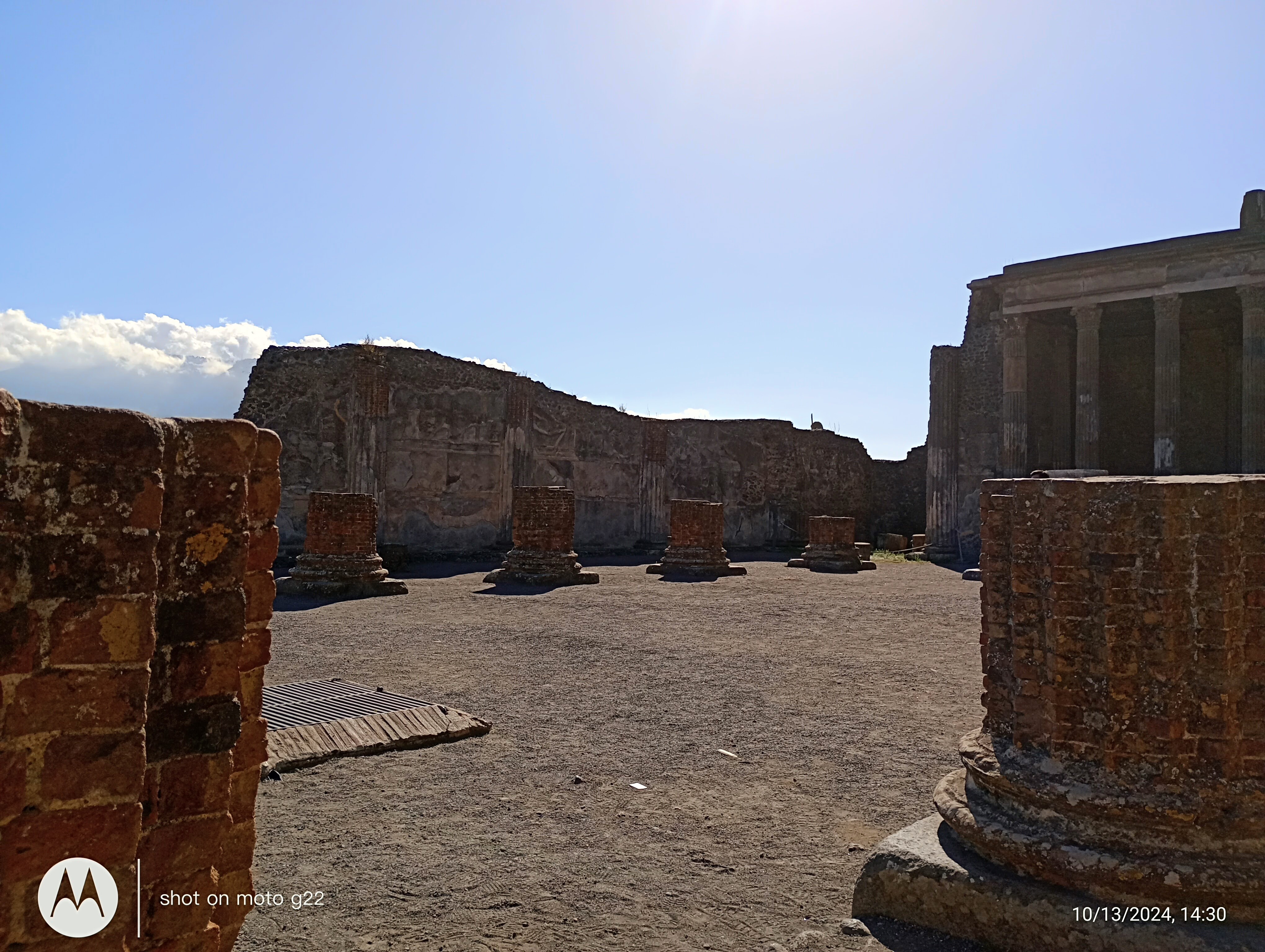

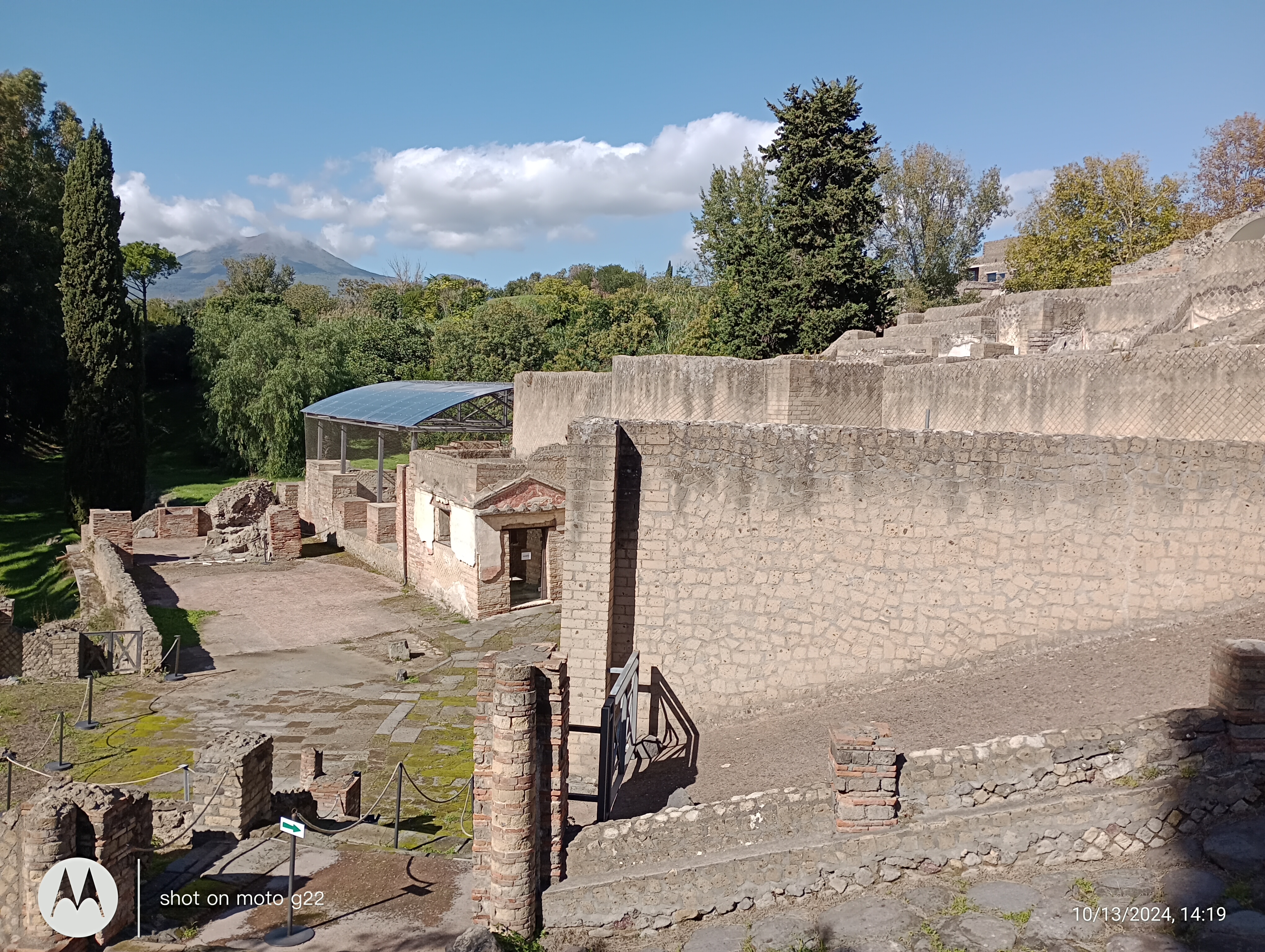
The Independent
‘Fragile’ Pompeii to cap daily tourist numbers at 20,000 to protect the site
Story by Alexander Butler
The Roman archaeological site of Pompeii will limit the number of daily visitors to the site after a steep rise in visitors.
The Pompeii archaeological park plans to limit visitor numbers to 20,000 a day and introduce personalised tickets starting next week.
It comes after a record high 36,000 tourists visited the site on the first Sunday of October, when entry was free, according to local media.
The ancient Roman city in southern Italy was buried under ash and rock following the eruption of Mount Vesuvius in 79 AD.
Nearly four million people visited the main Pompeii site in 2023, a third more than the previous year, according to authorities.

The site is one of the best-preserved Roman cities anywhere in the world (Parco Archeologico di Pompei/Handout via REUTERS)
Visitor counts had been climbing in the run up to the 2020 pandemic and in 2023 were above pre-Covid levels.
“We are working on a series of projects to lift the human pressure on the site, which could pose risks both for visitors and the heritage that is so unique and fragile,” the park’s director Gabriel Zuchtriegel said.
The park’s management is also trying to attract more tourists to visit other ancient sites connected to Pompeii by a free shuttle bus under the “Greater Pompeii” project, including Stabia, Torre Annunziata and Boscoreale sites.
“The measures to manage flows and safety and the personalisation of the visits are part of this strategy,” Mr Zuchtriegel said.

In October 2024, there were more than 480,000 visitors, putting the average at about 15,500 a day (Giorgio Cosulich/Getty Images)
“We are aiming for slow, sustainable, pleasant and non-mass tourism and above all widespread throughout the territory around the Unesco site, which is full of cultural jewels to discover,” he added.
Post-pandemic, the influx of millions of visitors to tourist-strewn towns has, in some cases, risen to levels above those seen in 2019.
Archeological Museum Naples
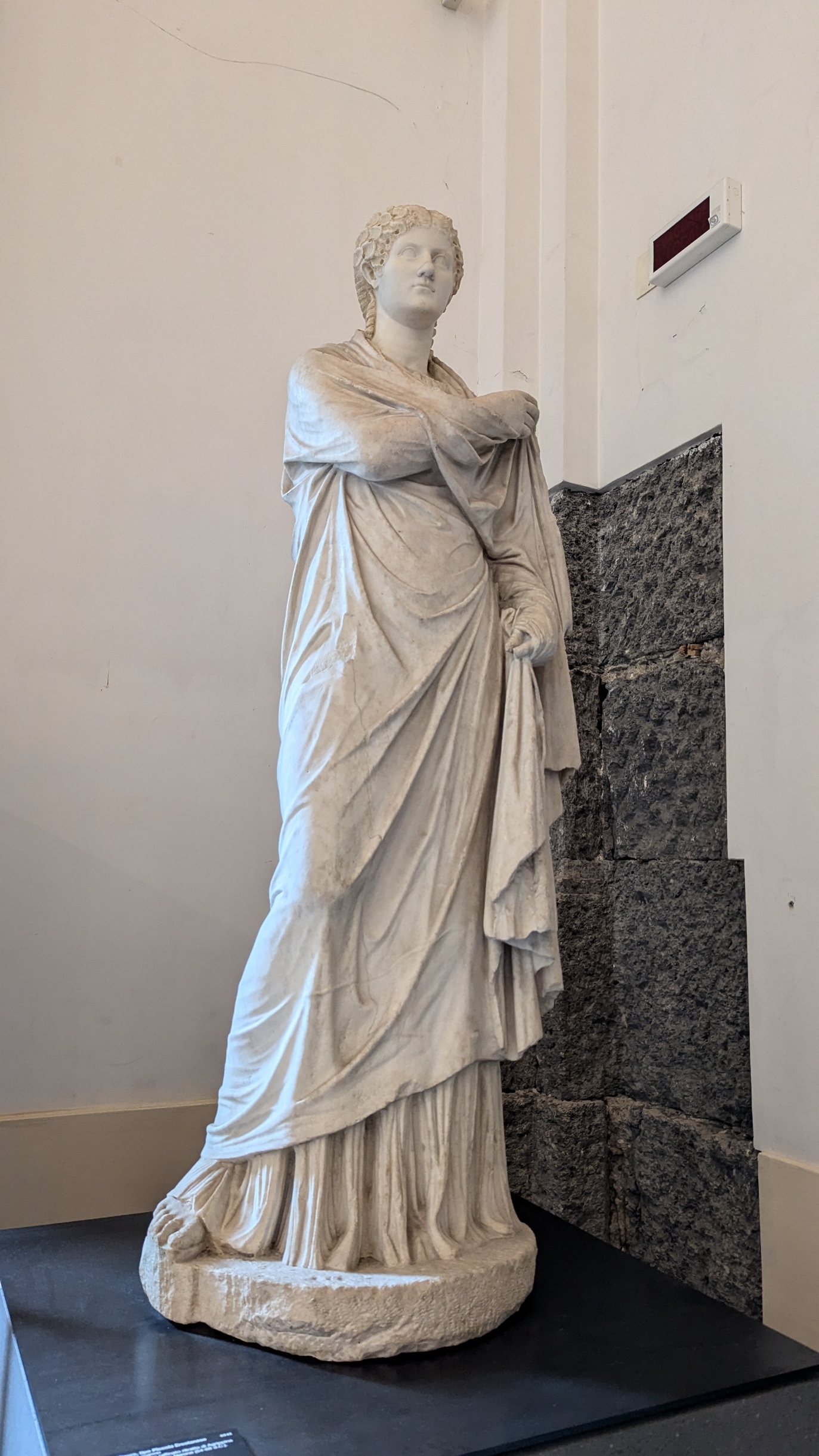
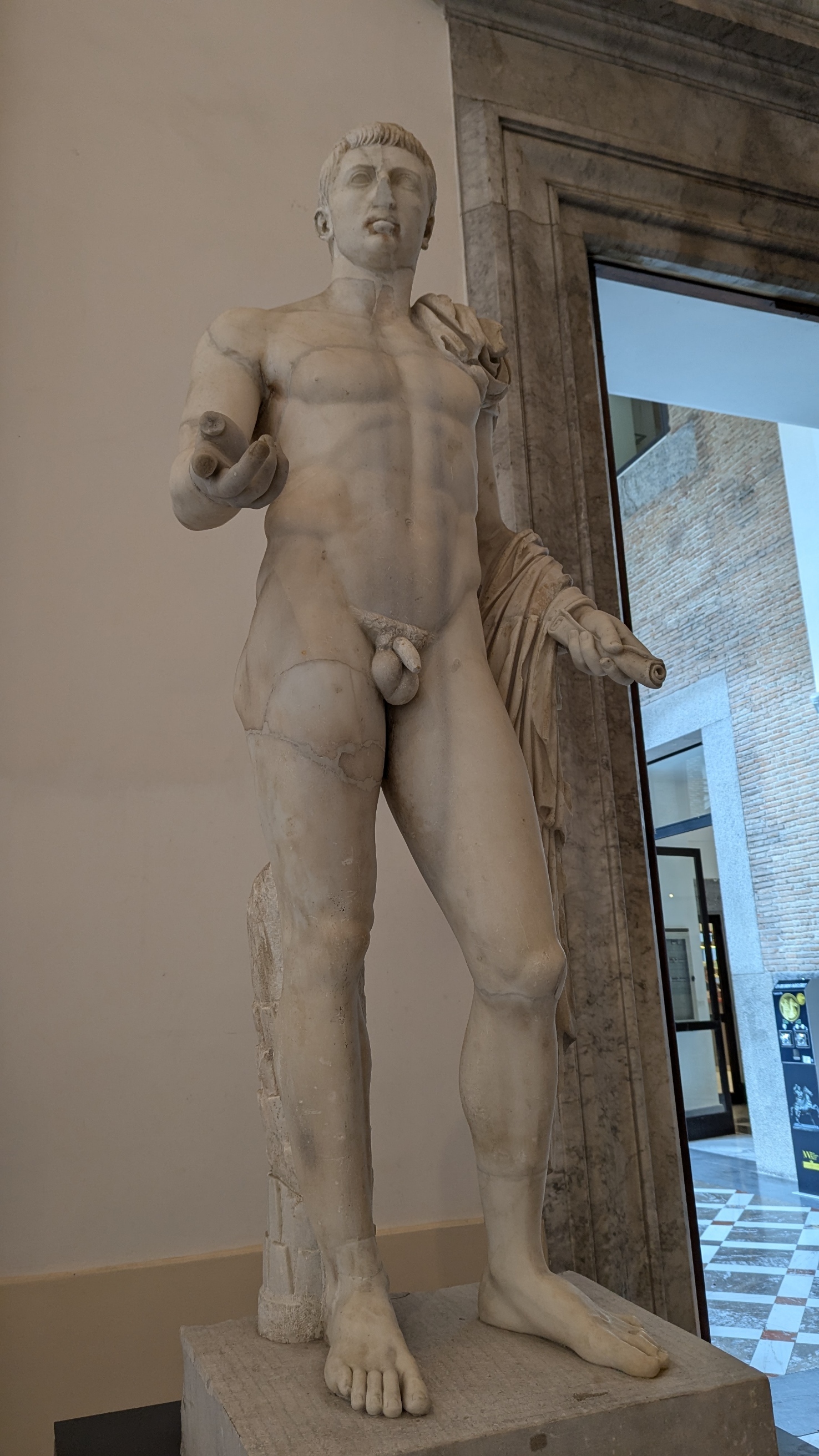
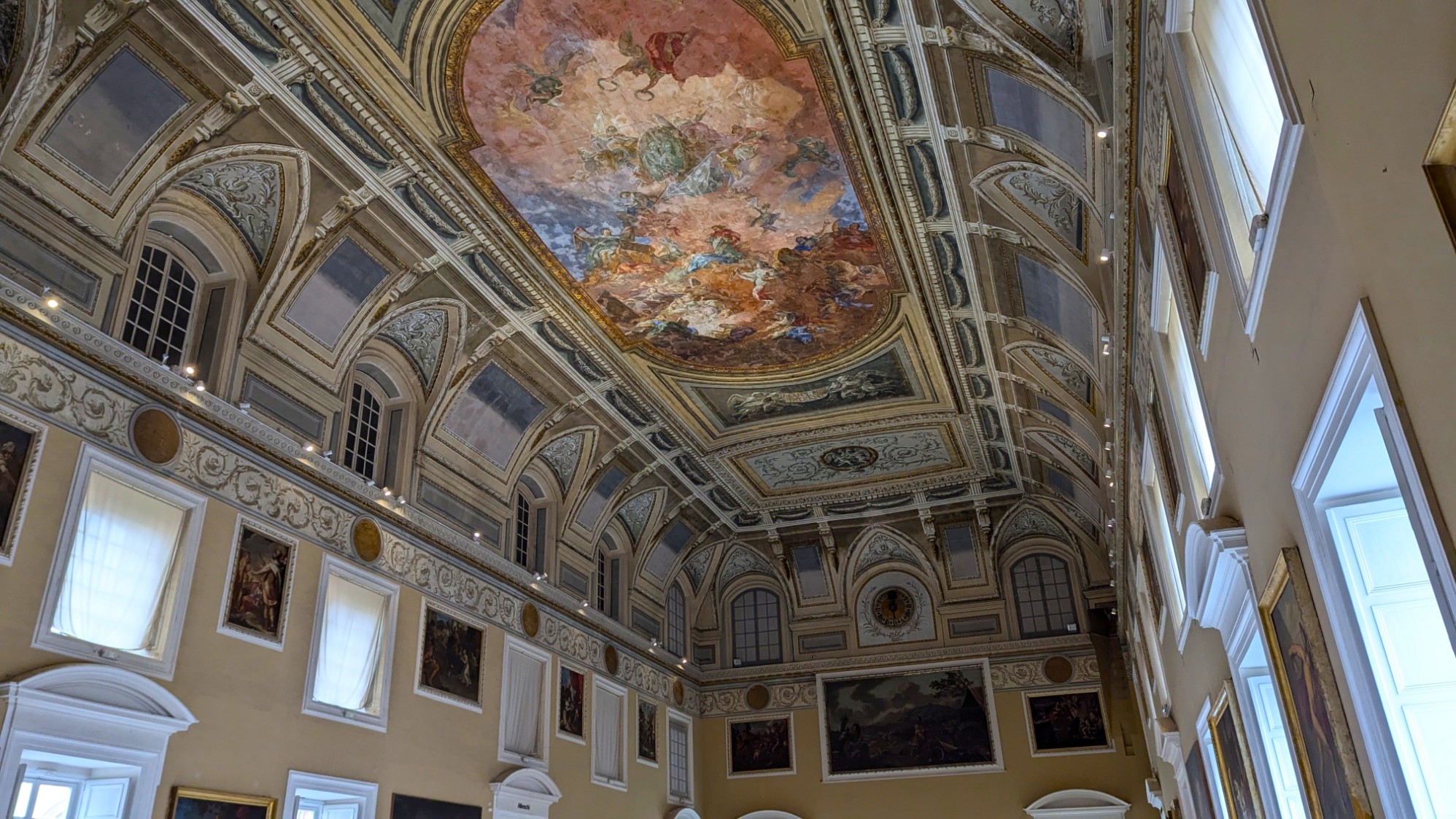
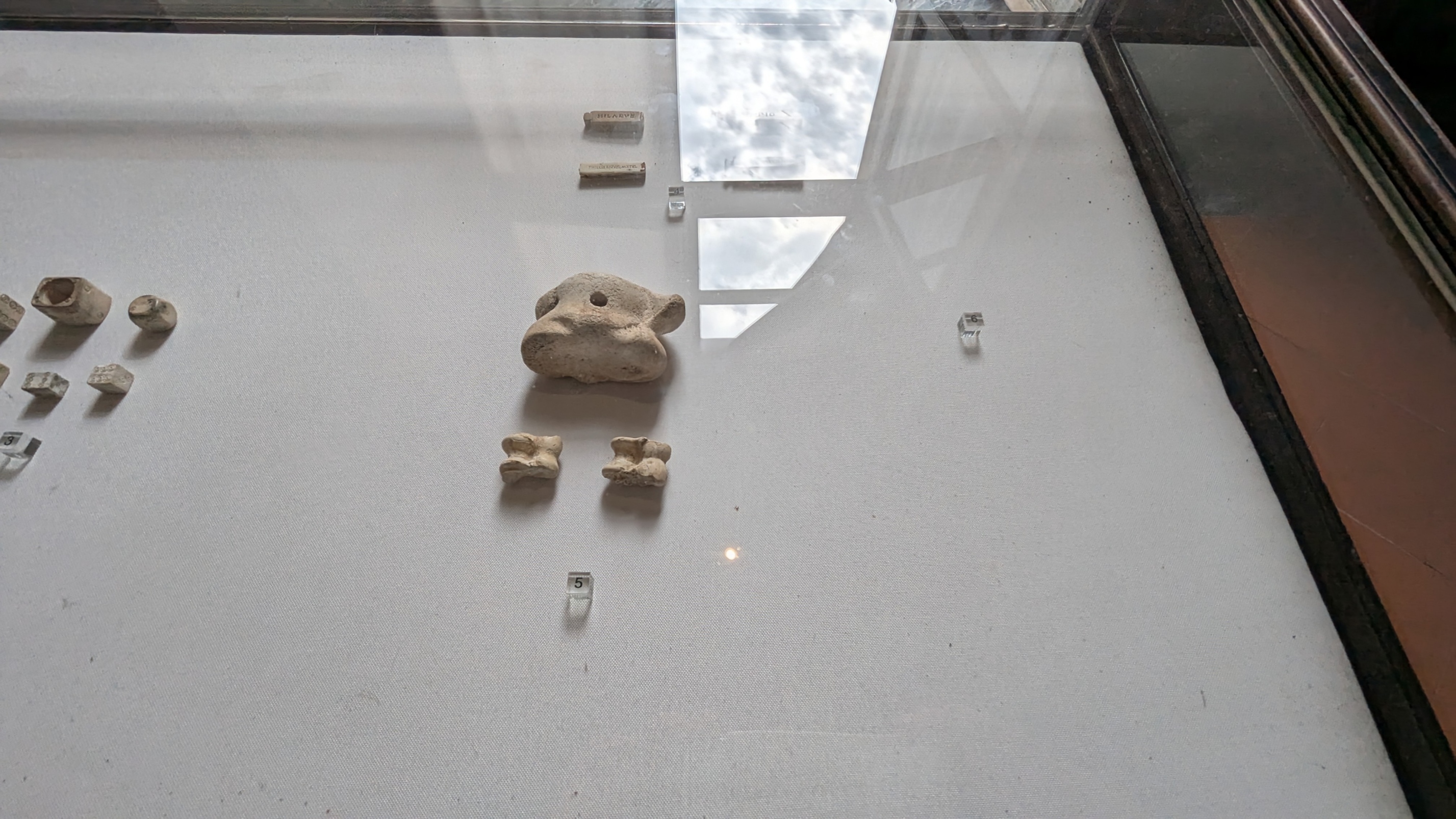
Artifacts from the Pompeii and Herculaneum sites are housed in the Alcohological Museum in Naples. We visited Naples for three days at the end of the Amalfi trip and visited the museum.


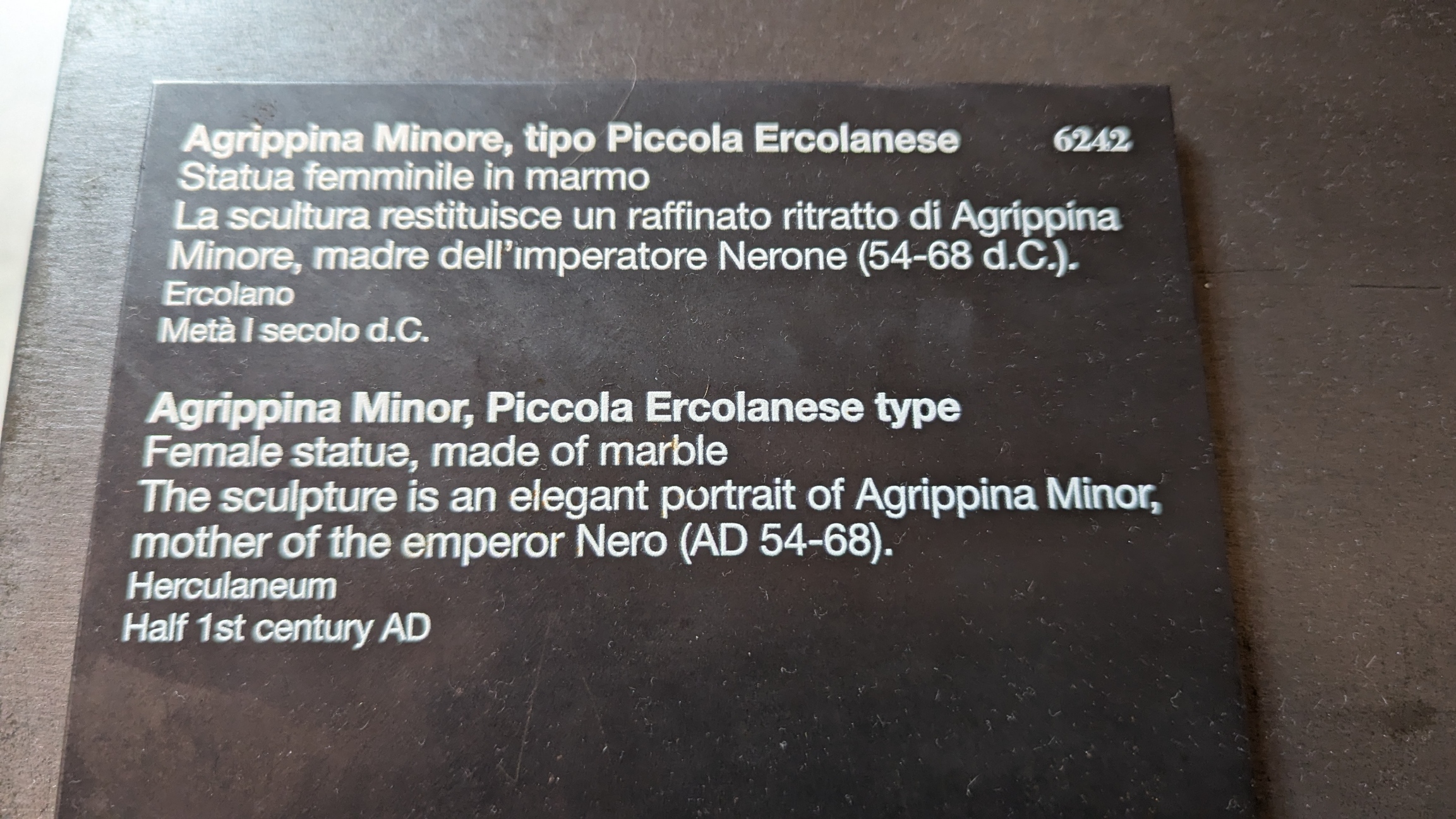












 Robin's Room