
Minette Walters The Players Allen & Unwin, October 2024.
Thank you, NetGalley, for providing me with this uncorrected proof for review.
Minette Walters has moved beyond the familiar historical fiction featuring the fight for power in court circles, to giving one such person a life outside the court where he meets and pursues a woman whose intelligence, and physical disability would make her eminently unsuited to the superficial life at court. Beginning with the Duke of Monmouth’s attempt to take the throne, the spying and intrigue as well as the blood stained, and tragic warfare enacted in his name Walters propels the reader into the familiar. However, with the introduction of Althea Ettrick the story moves into unique territory which gives the novel an exciting alternative to the established history. See Books: Reviews for the complete review.
A find worth pursuing if you like spy thrillers
The first two Ava Glass books appeared on Book Bub initially and were so good I bought the third at full price!
From the blurb: ‘Ava Glass is a former crime reporter and civil servant. Her time working for the government introduced her to the world of spies, and she’s been fascinated by them ever since…’

Ava Glass – The Chase, The Trap and The Traitor

Spy thrillers

A new find
Emma Makepeace is the spy who dominates the narrative but leaves space for the character development of her co-protagonists and those they pursue. She works for an unnamed agency, with Russian spies in Britian as its main target. Charles Ripley is her mentor and boss. The Chase features Emma’s fraught journey across London with the son of spies who does not want to be saved. Four Russian scientists under the protection of the British government have already been murdered. Dimitri and Elena Primalov are seen as the key to why the murders have taken place, are assumed to be under threat, and plans are in place to send them to safety. Mikhail Primalov, their son and a successful doctor, objects to leaving his life behind. Emma must persuade him to do so and get him to safety. The chase across London is thrilling, breathtaking at times, and an insight into Emma’s work, the heartbreak of leaving a known life behind, and the challenges faced by both spy and the man she is bound to protect.
The Traitor begins with fear – an exhausted computer numbers analyst is coming to a conclusion that will provide valuable information to British intelligence. Emma Makepeace must find out why he was murdered and catch those responsible. At the same time, she must outwit a traitor.
The Trap has an Edinburgh setting, the location for a meeting of the Group of Seven Summit. It begins with some excellent coverage of what the G7 is, and its impact on the city and international relations, cleverly establishing the novel at the same time as providing readers with the information they might need to understand events. A new character is introduced, a police officer Kate Mackenzie. The expansion of the narrative to include a partner for Emma is clever way of developing her character, as well as highlighting more of the intricacies of her work.
After the book reviews: Naples; CNN – Democracy is hard; Women’s History Network call for papers – Women and the Making of Art History; NGA current exhibition details; National Portrait Gallery, London, exhibition.
Naples streetscapes


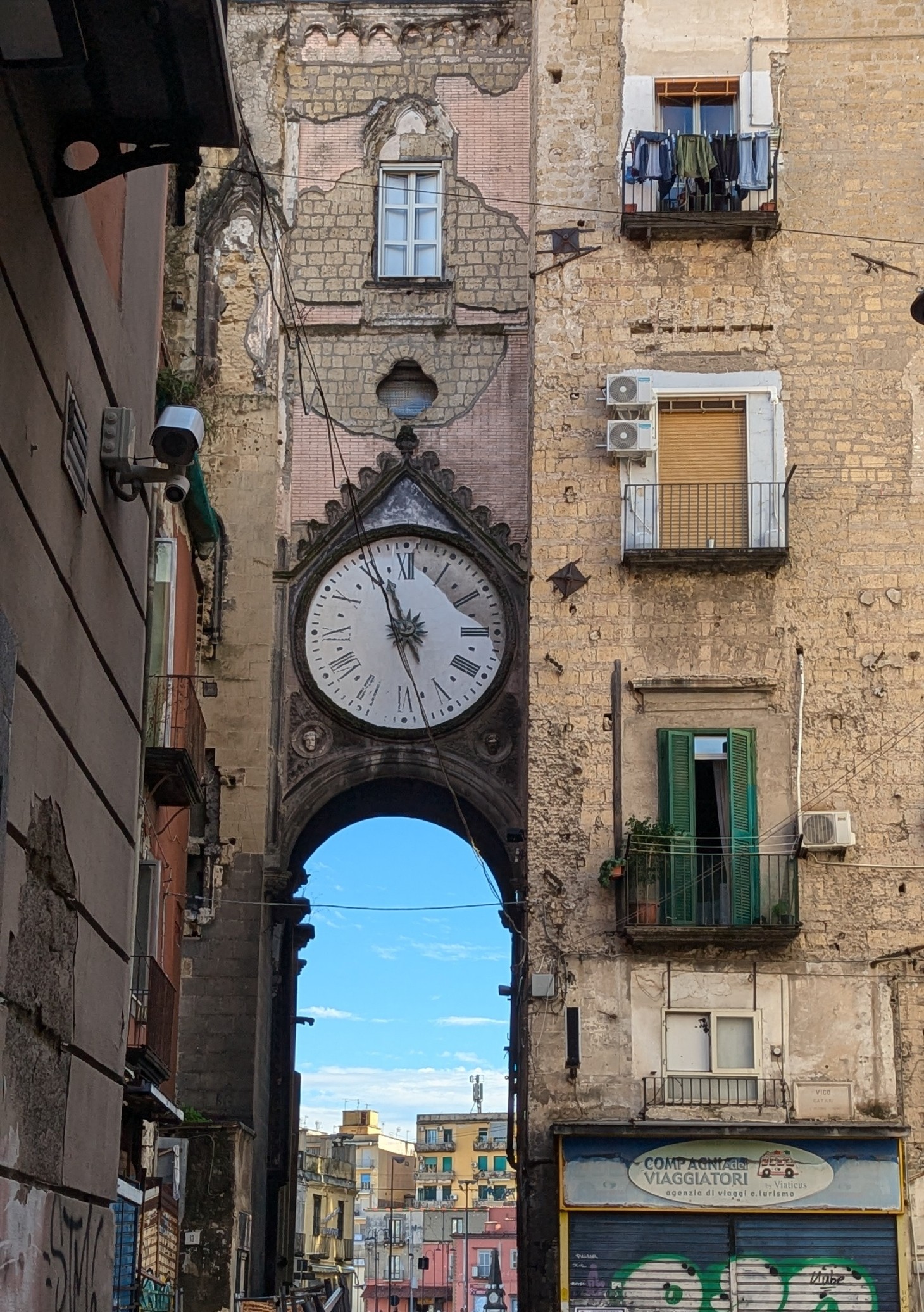

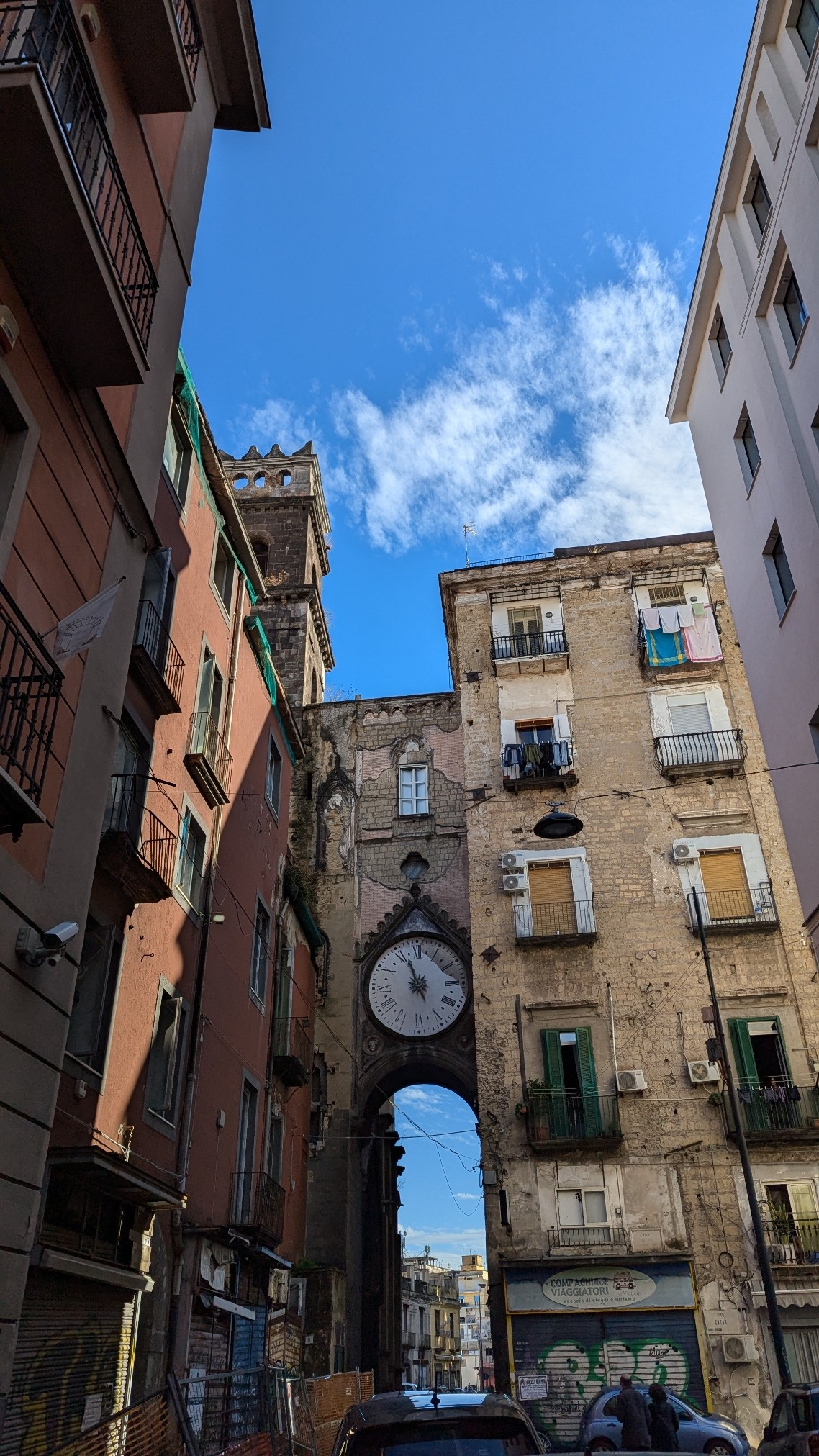
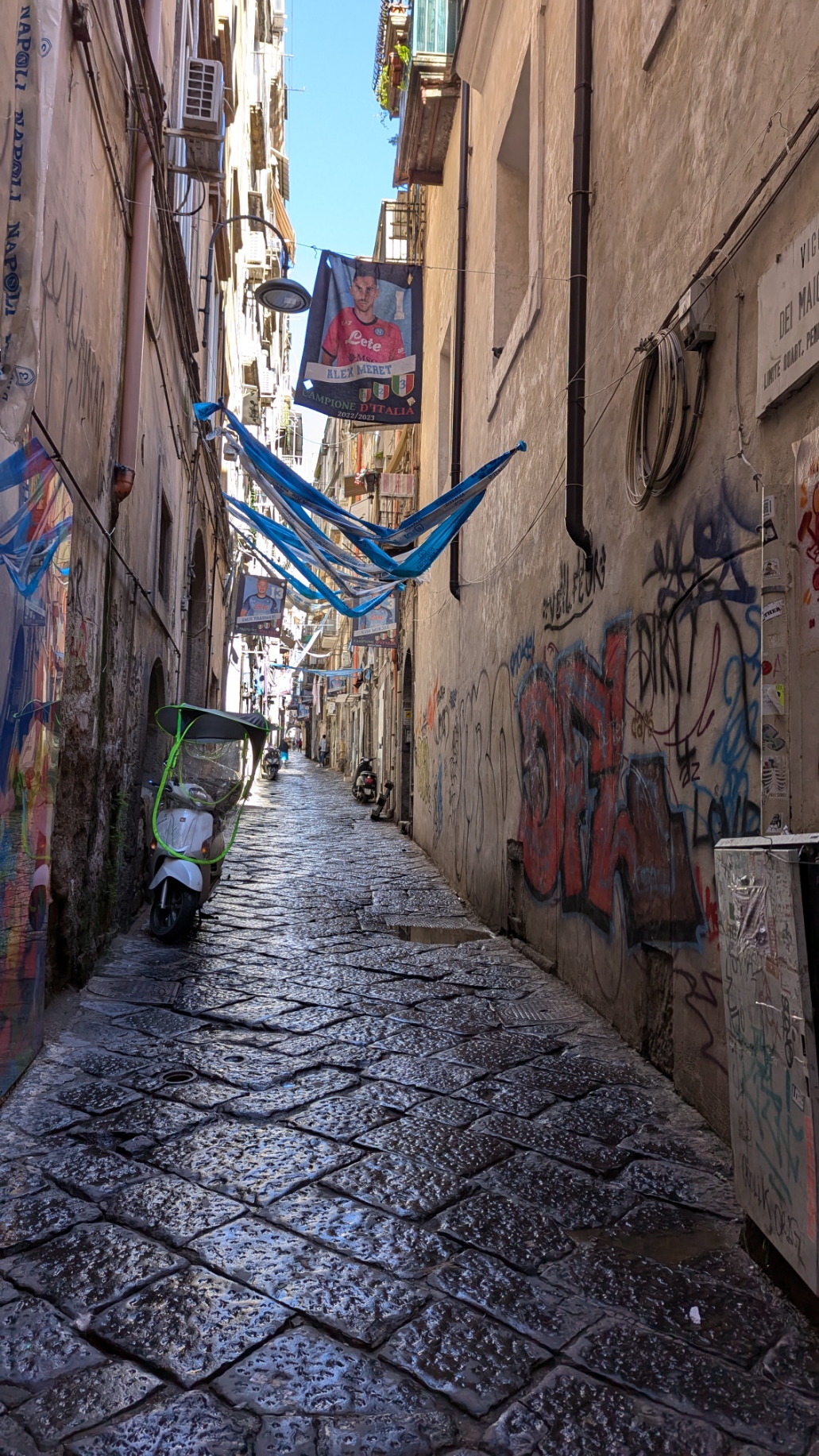
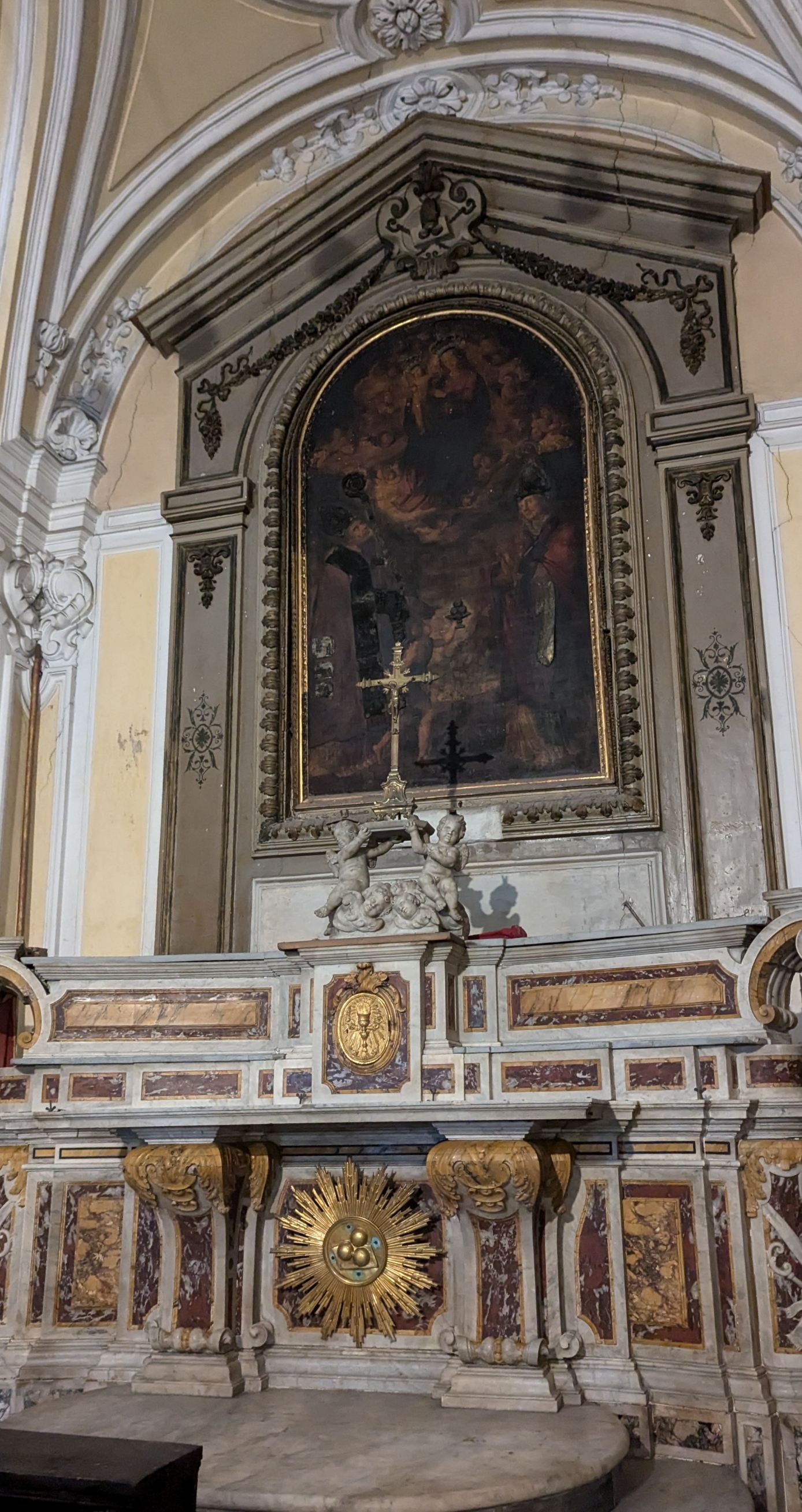
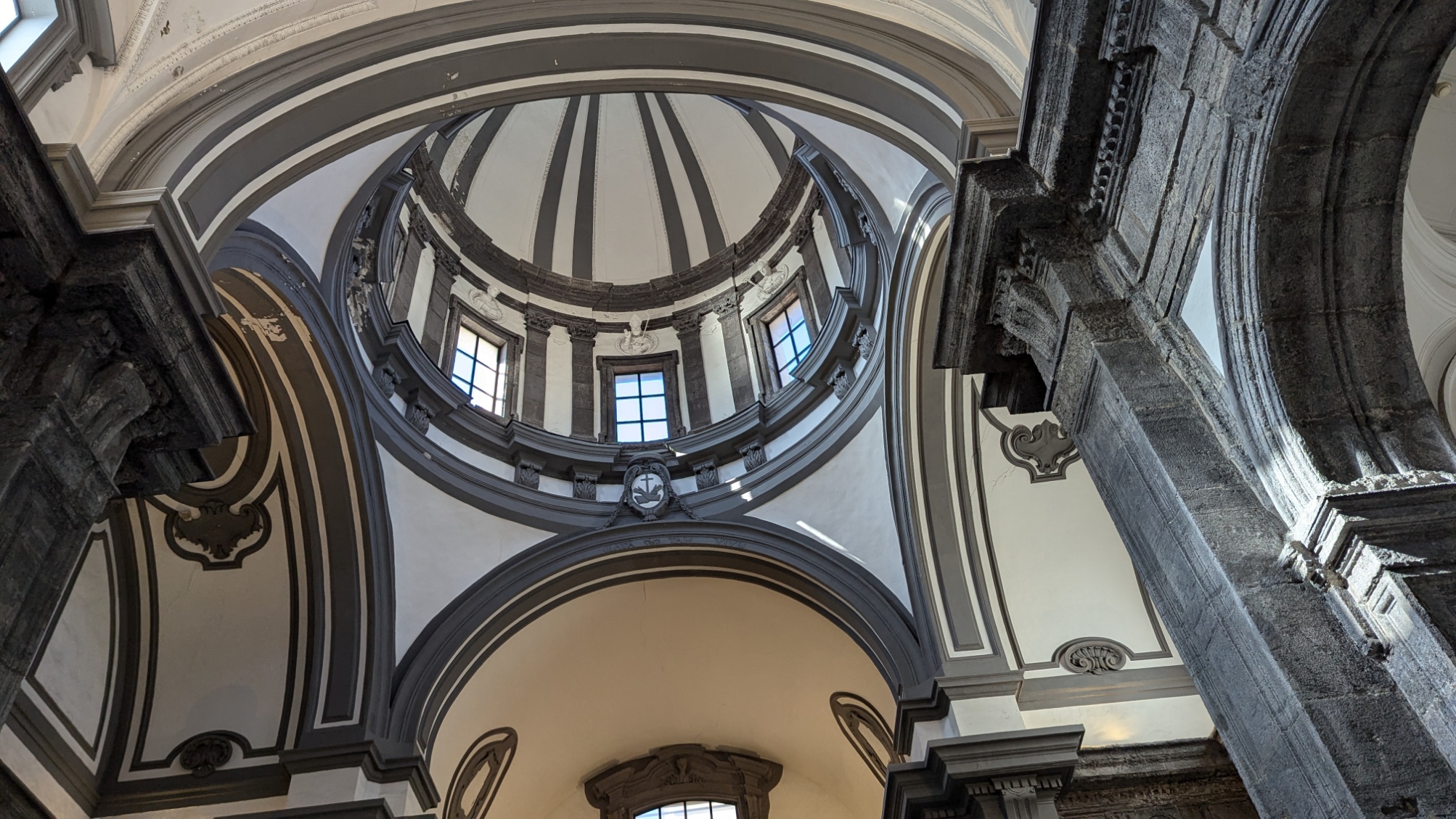
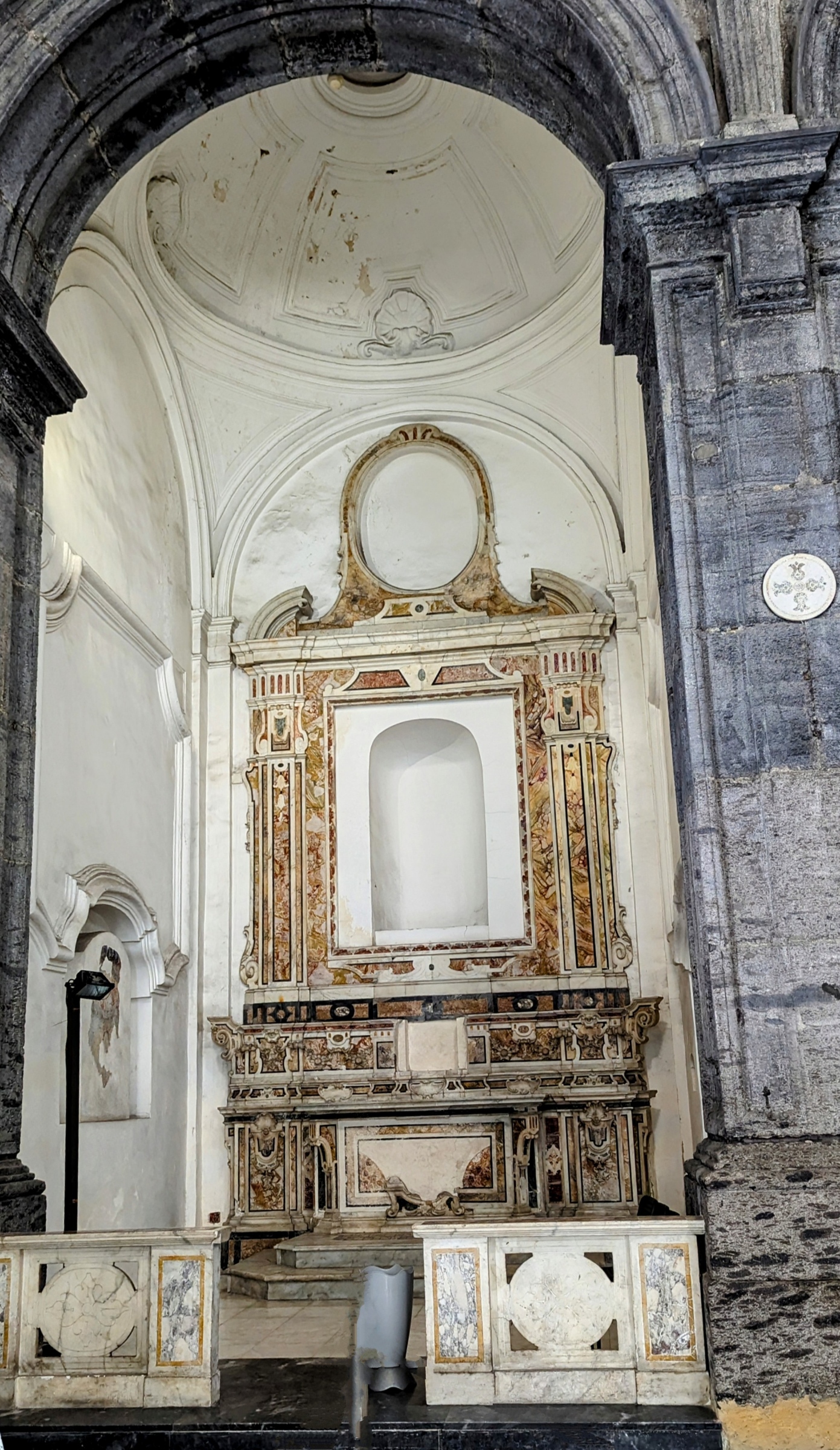
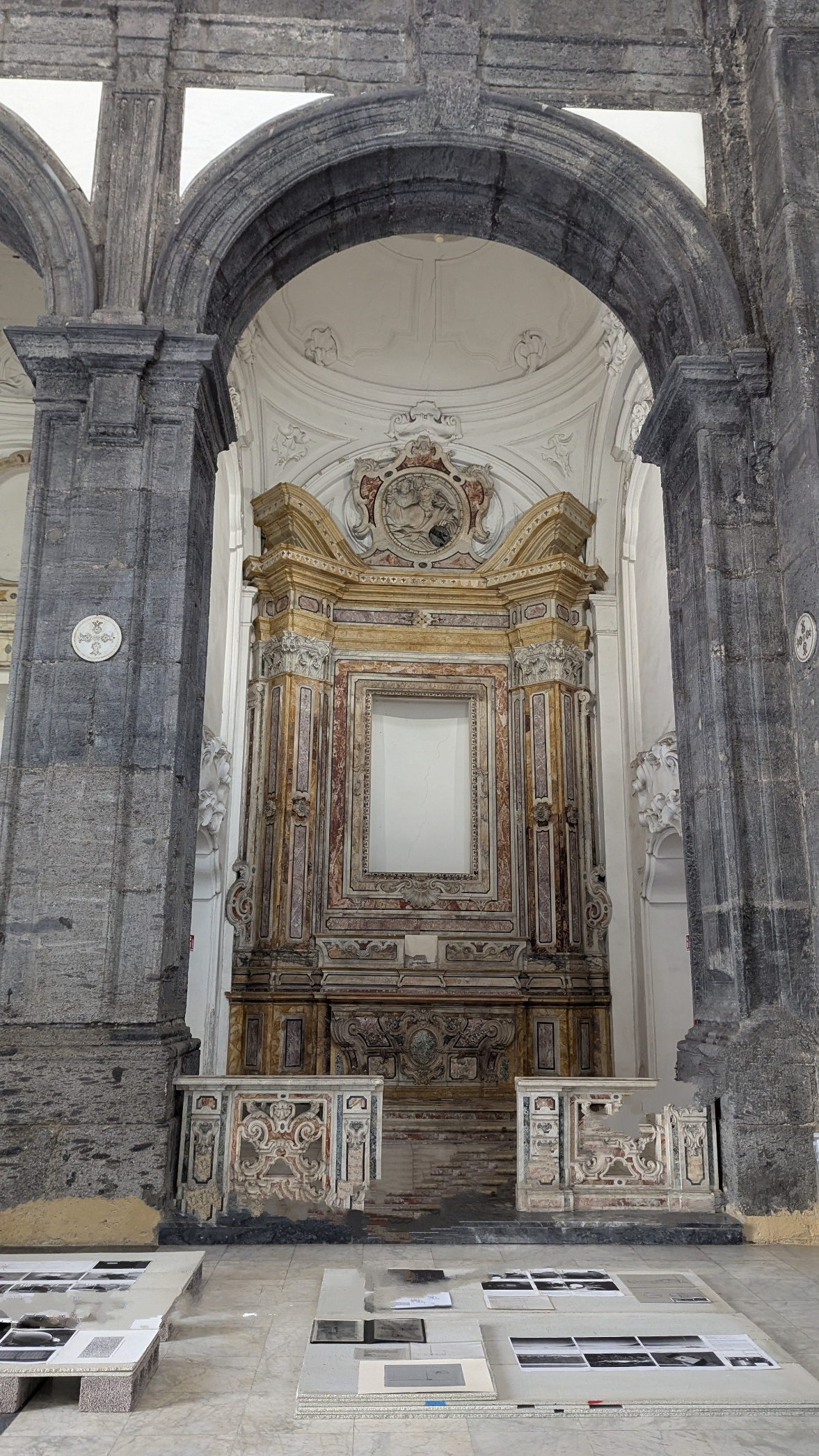
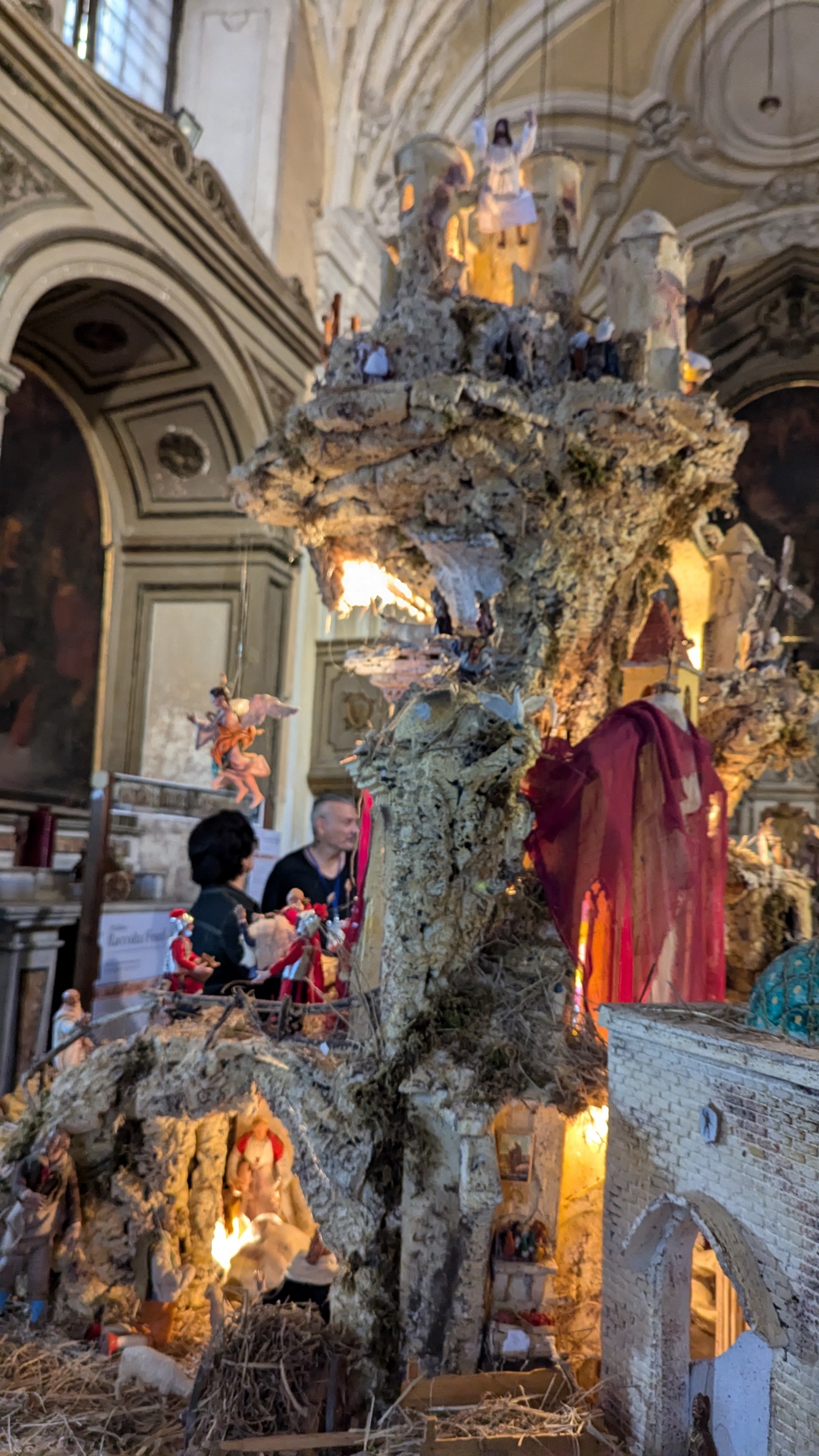
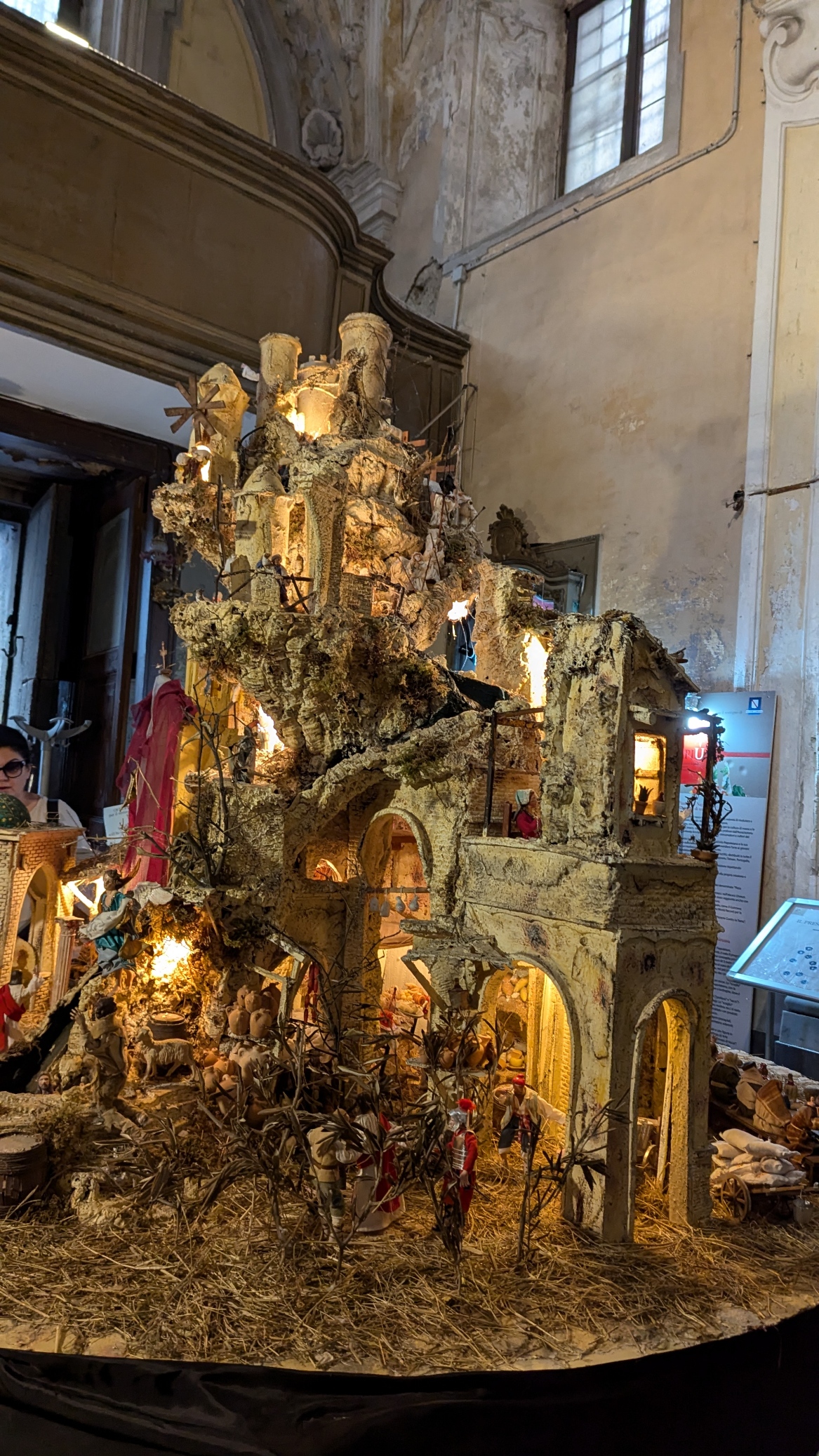
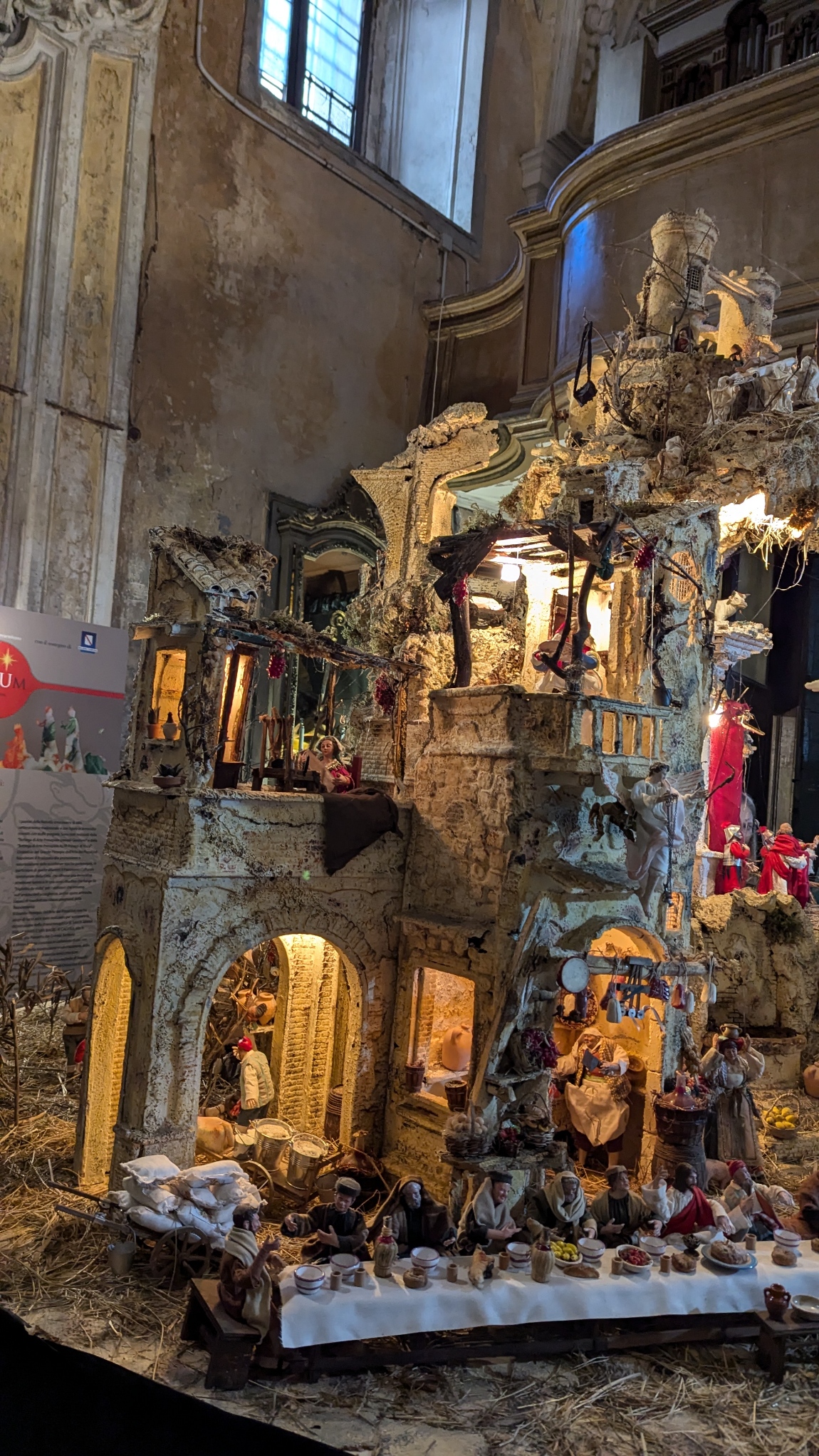
The churches we visited were beautiful. However, the nativity scenes in one while popular, were quite a contrast.




Food in Naples
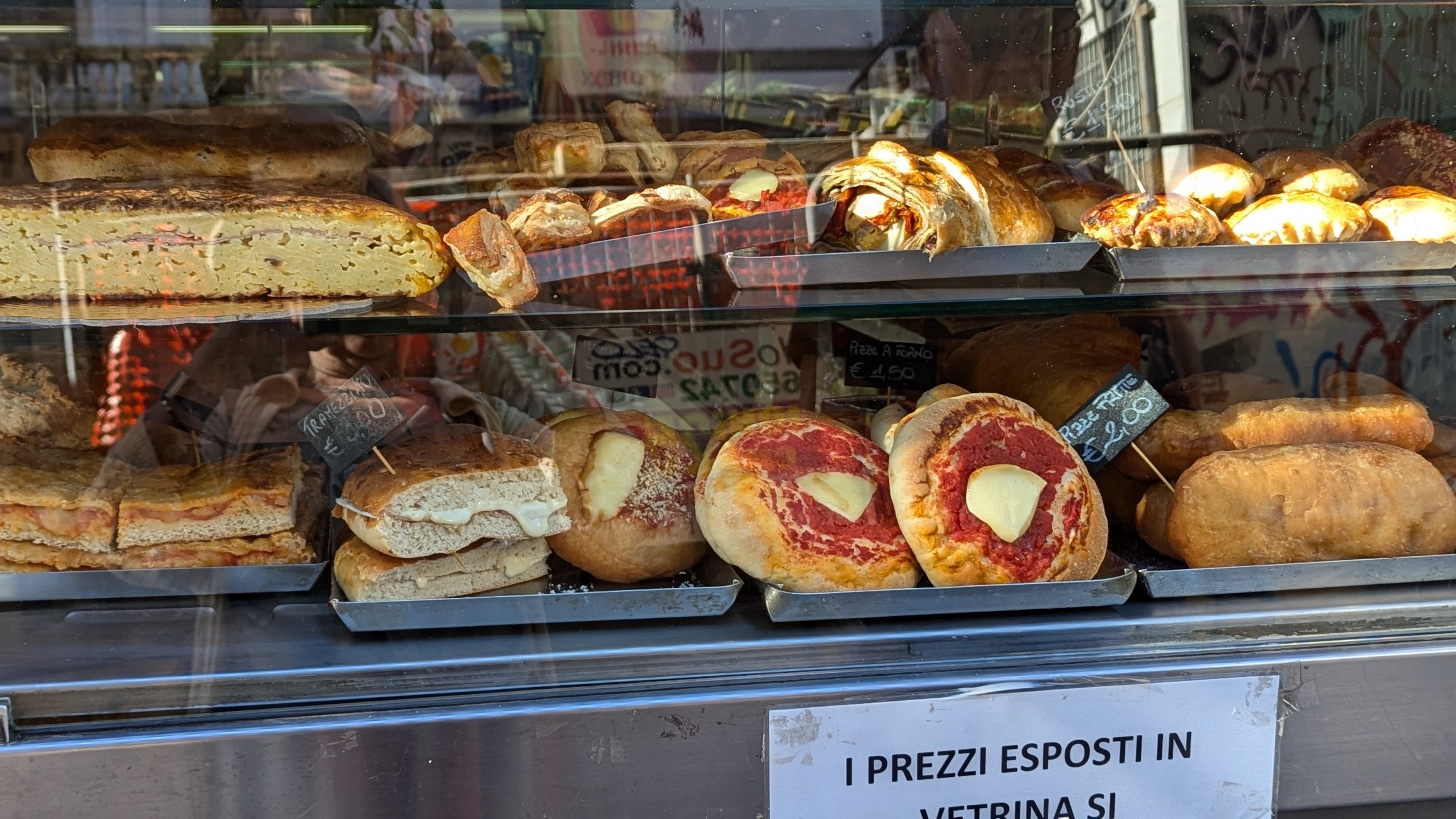
Naples food on display in the street featured various pastas, very thick crust pizzas with a small amount of topping, arancini balls and luscious pastries.


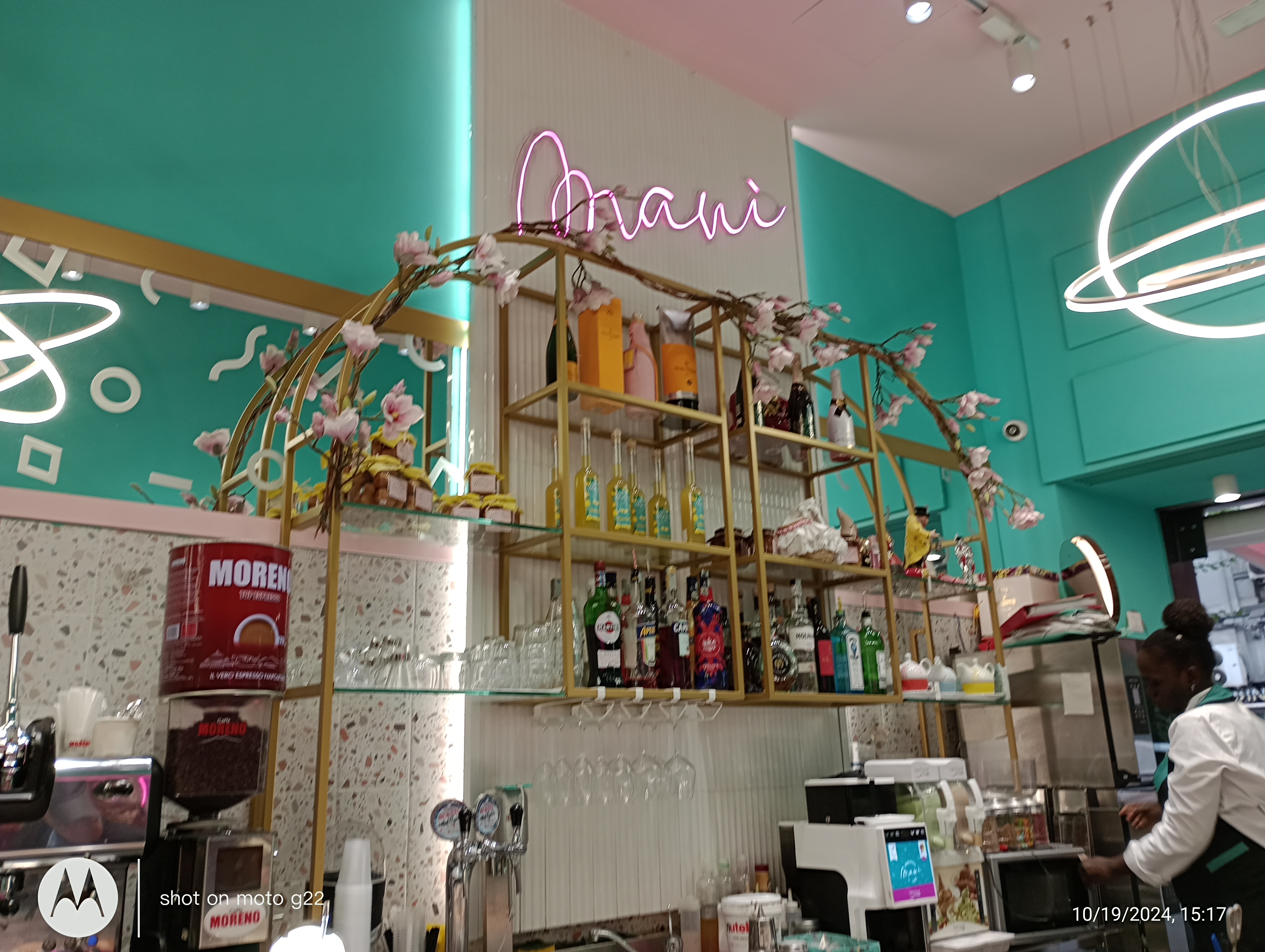

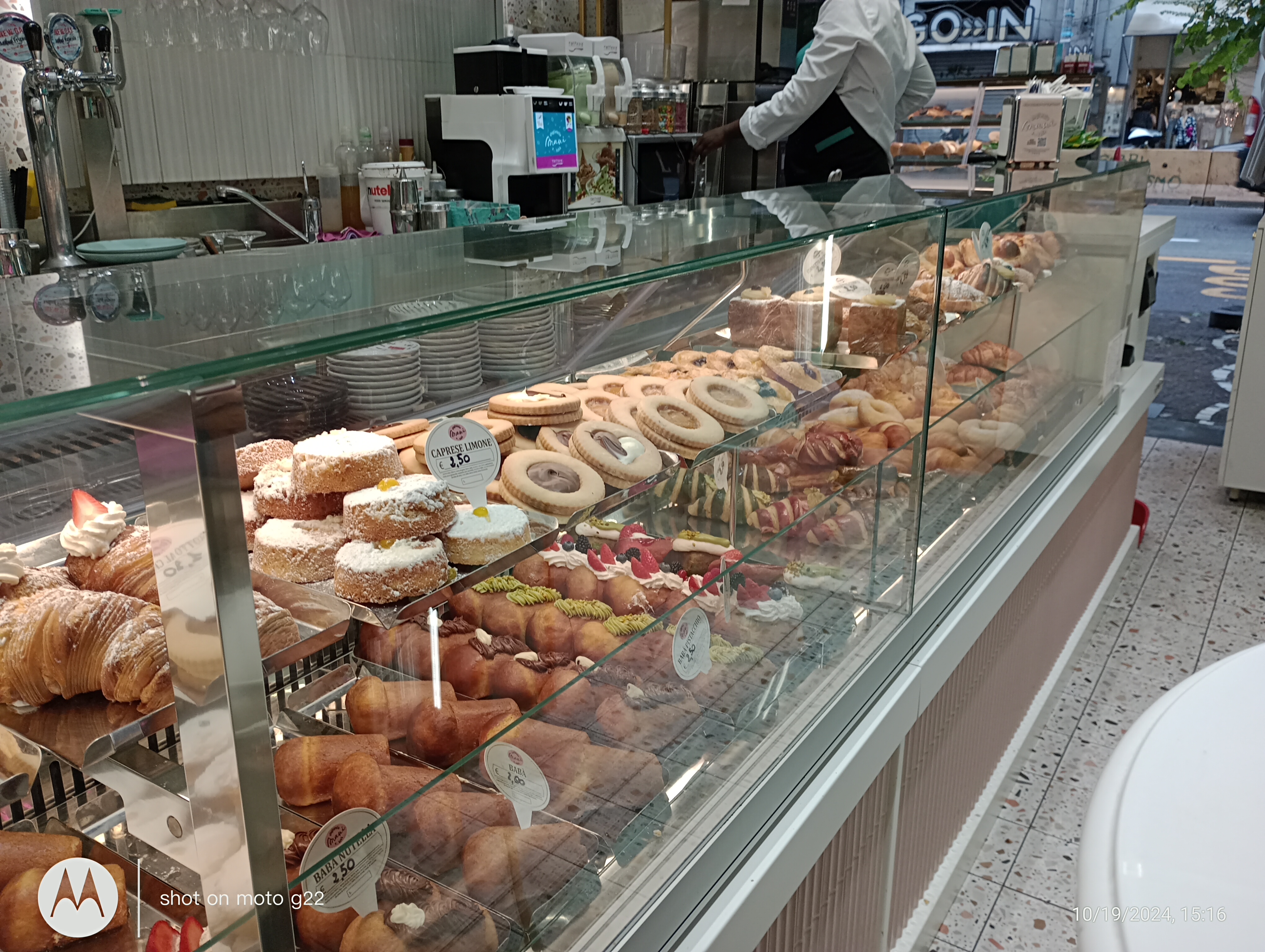
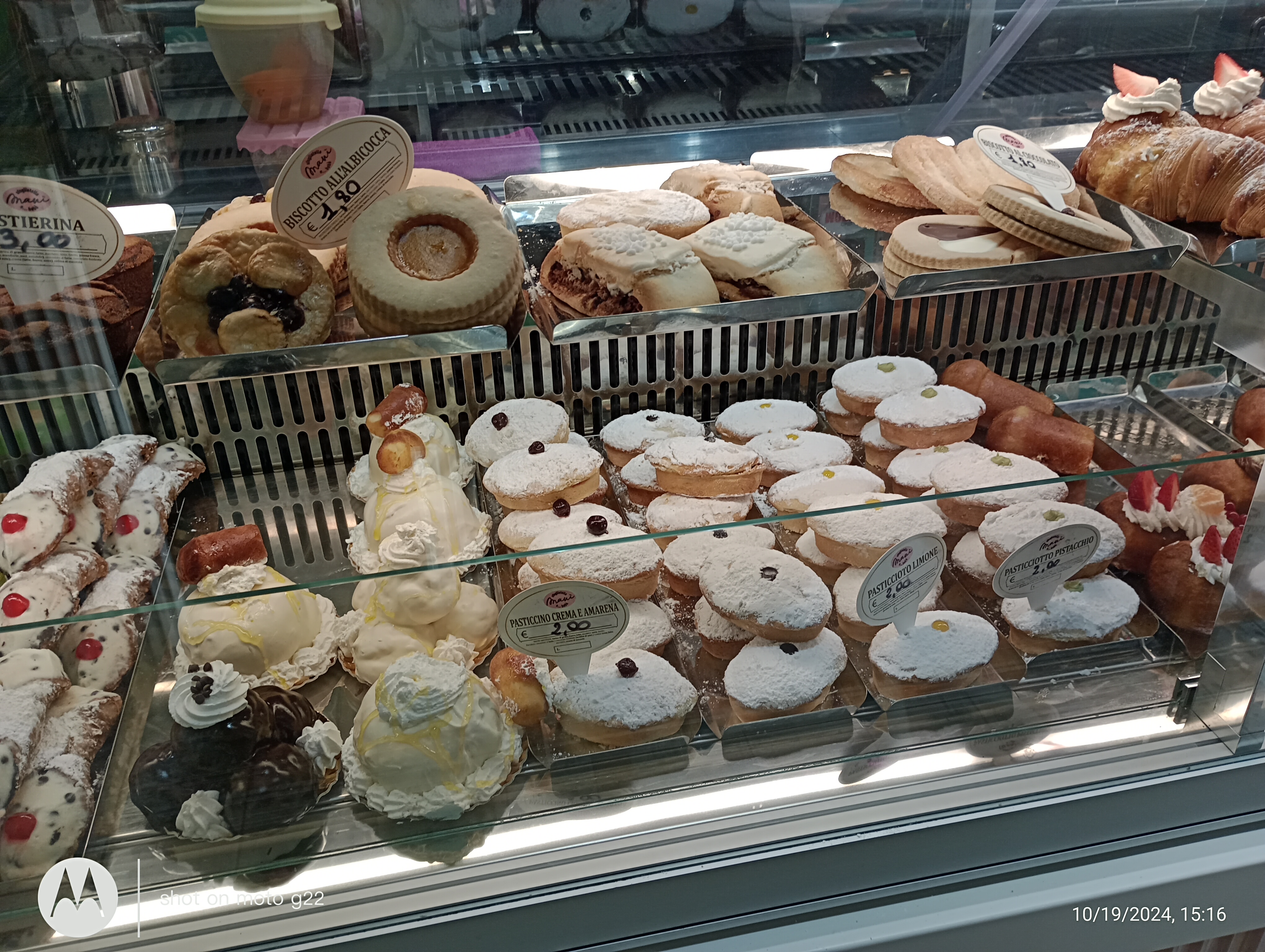

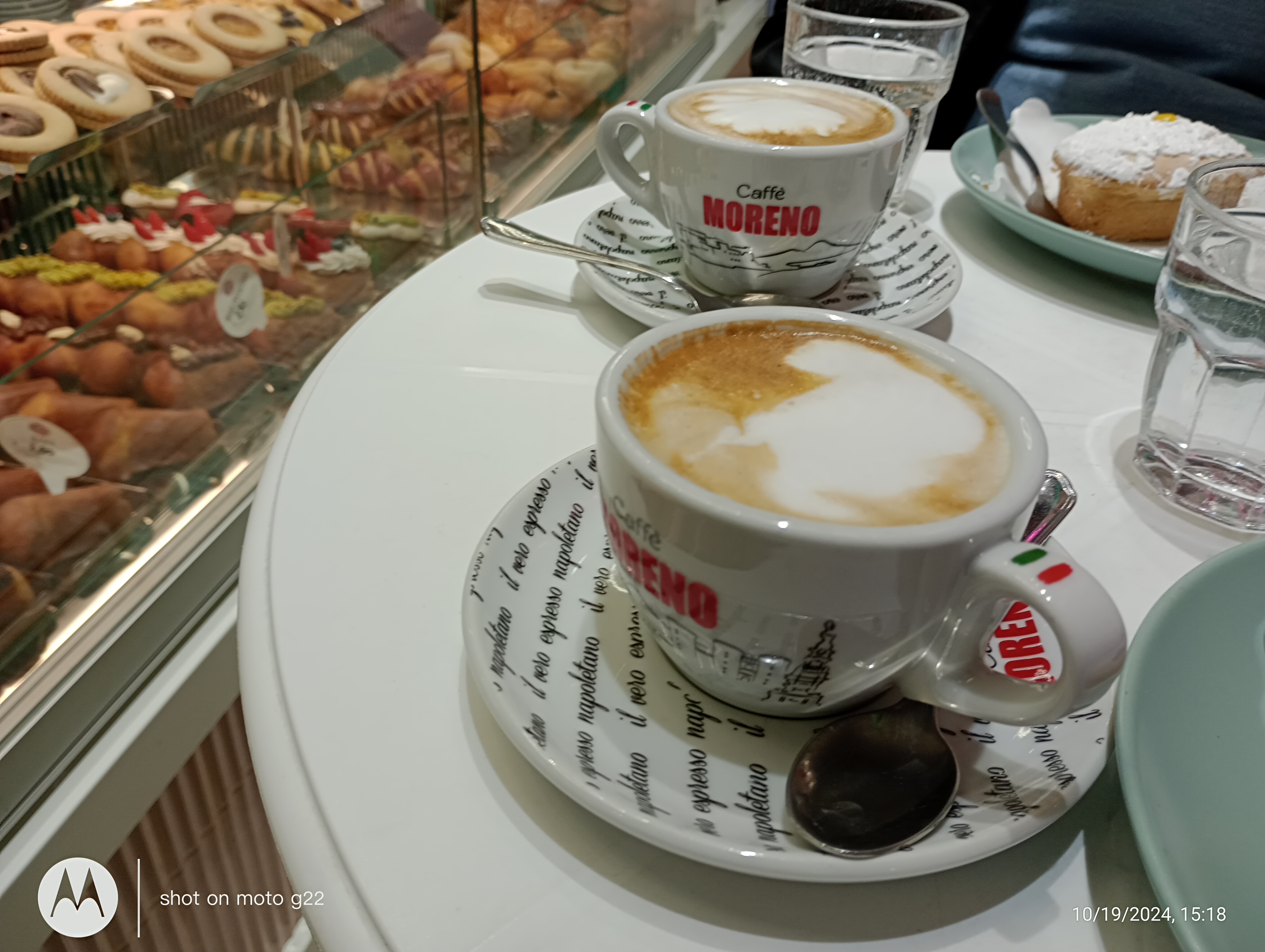

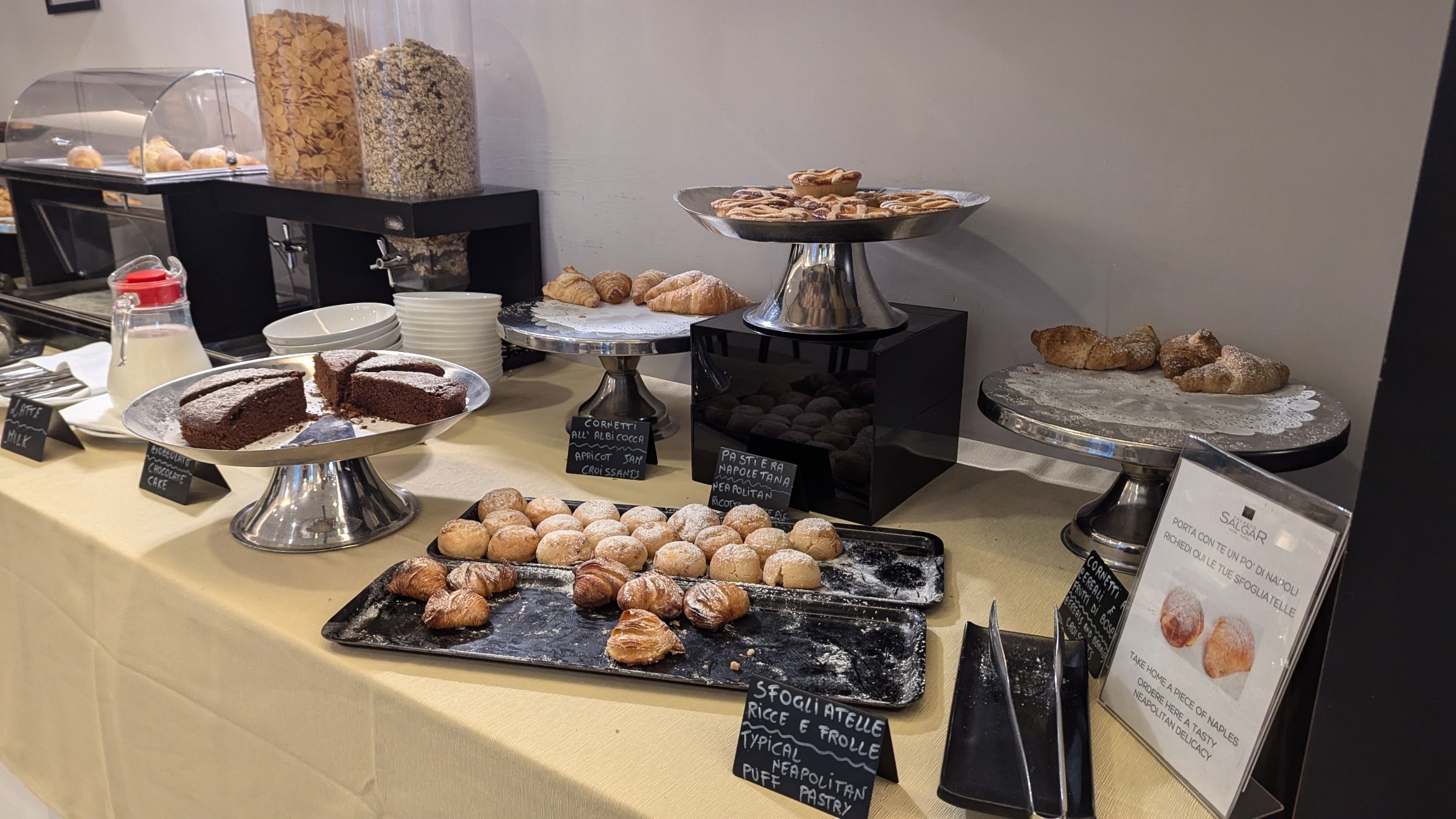
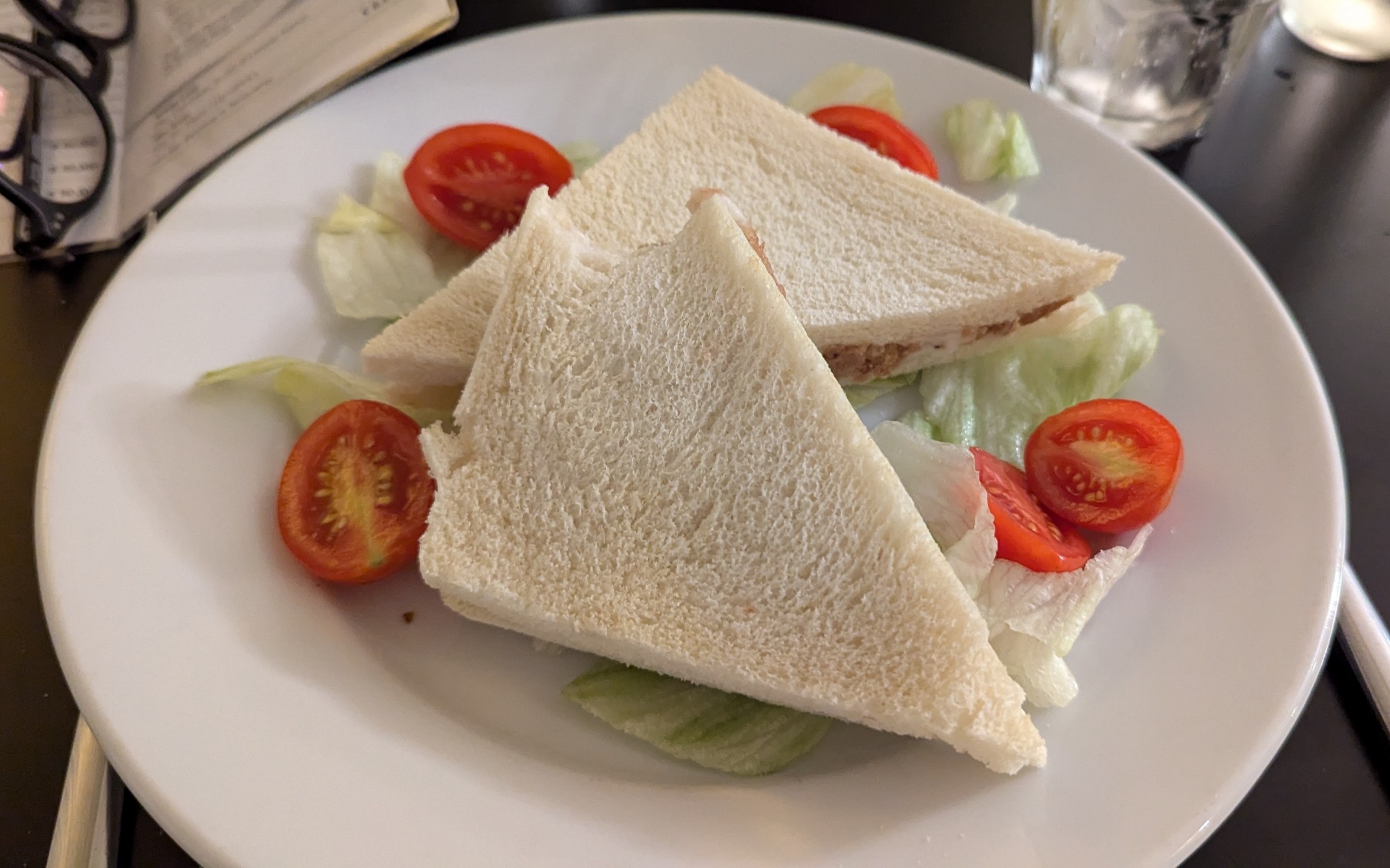
The hotel at which we stayed served a delightful breakfast with all the usual bacon, eggs, tomatoes, sausages, toast etc. as well as an irresistible array of pastries. The bar snacks were not so refined but served us well when we returned precipitately from a trip to a very tempting restaurant. A successful pickpocket who took advantage of our waiting for the restaurant to open hastened our return to the hotel to begin the laborious task of sorting out the stolen cards. The rather plain sandwiches that had to serve instead of the attractive items on the restaurant menu were a disappointing alternative. However, the meal was served in a rather attractive space! And there were no pickpockets.

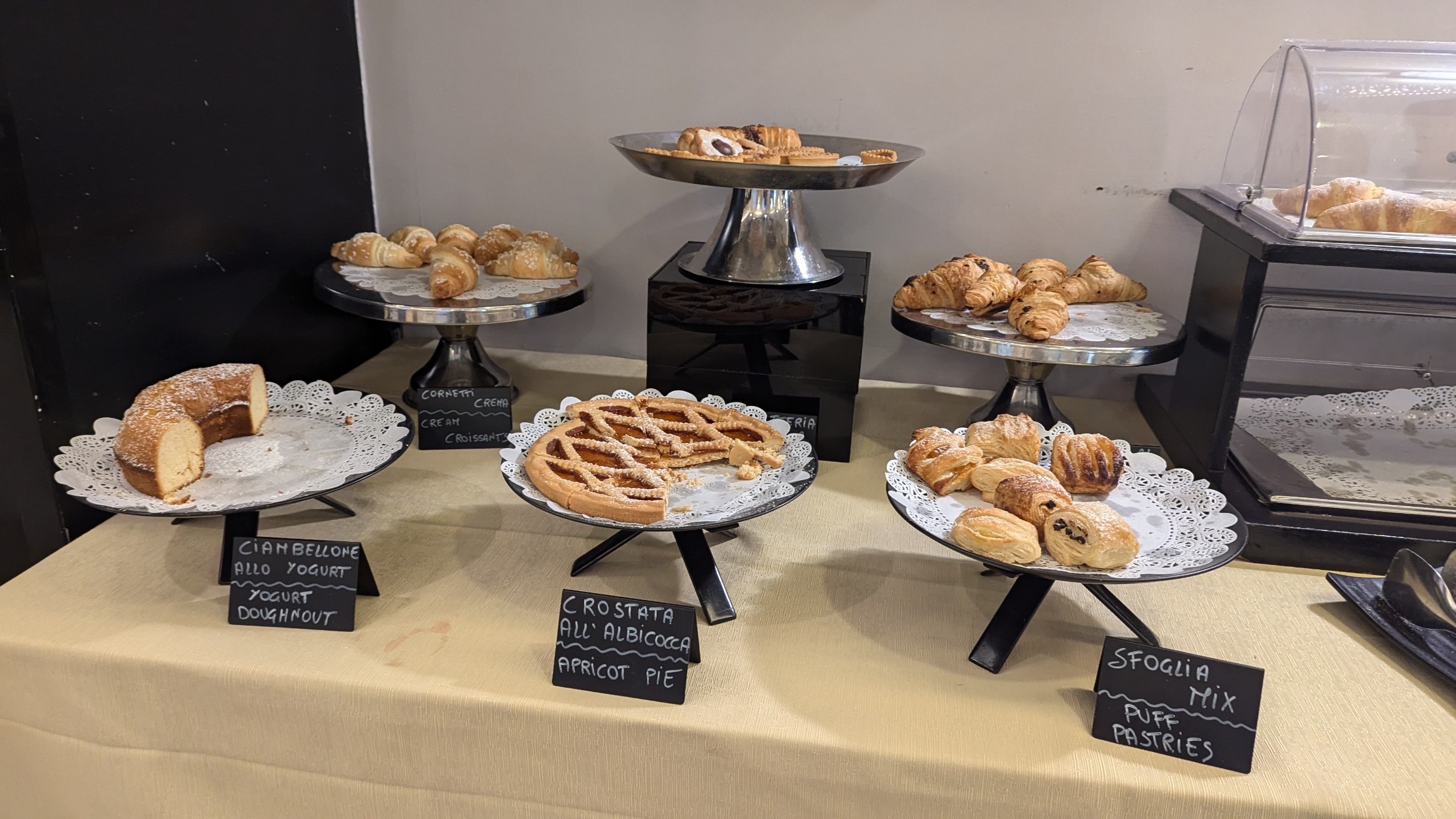



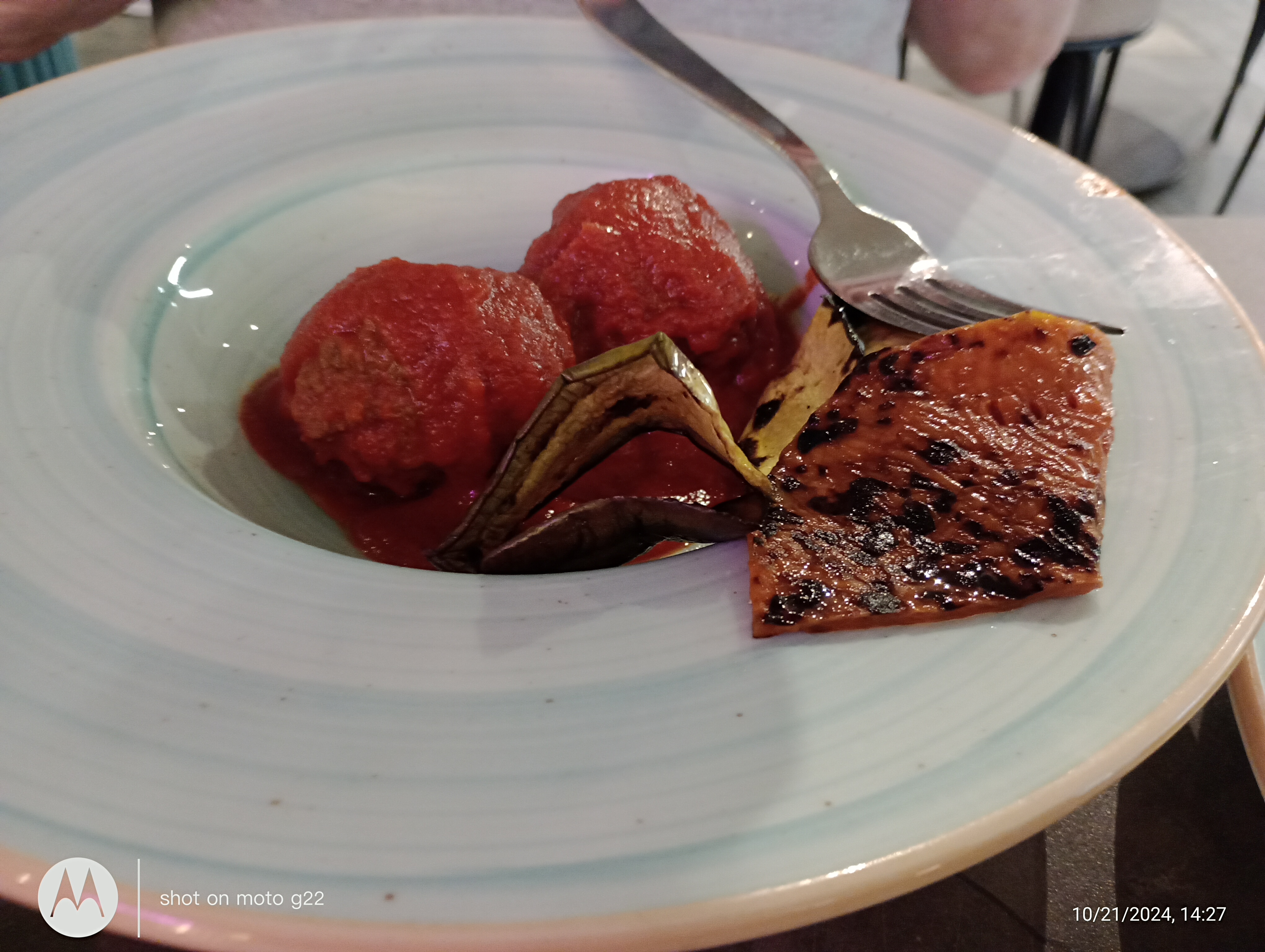
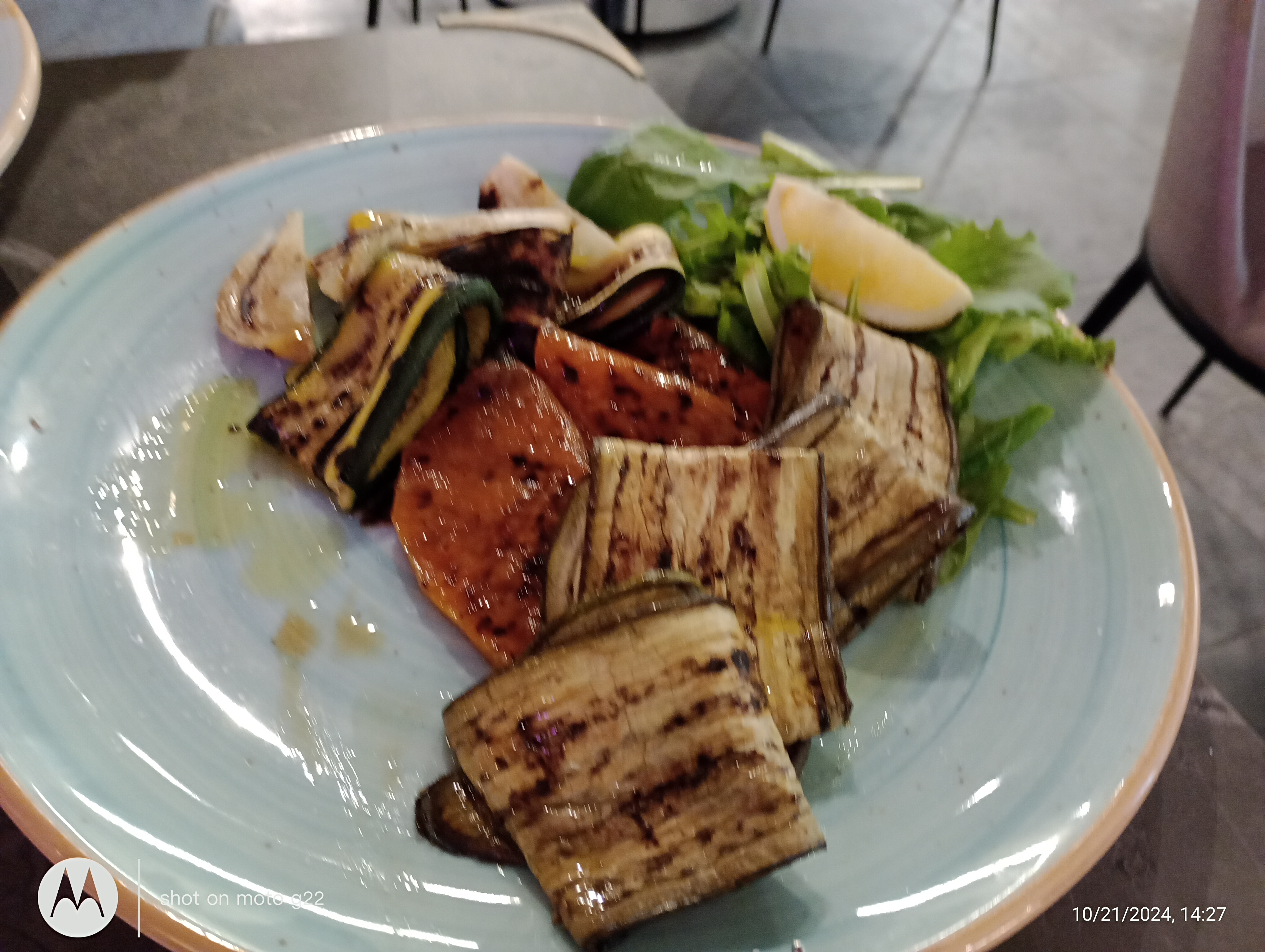
Naples restaurant
This was close to our hotel, a pleasant walk and no pickpockets!



Bus ride around Naples and the coast
The tour began at the castle, below, went through very salubrious suburbs and some not quite so. The photos of the pristine area around the rubbish bins compares well with the state of the bins in areas closer to the city. These bins suggest that the area is as well cared for as those served by Westminster council in London.
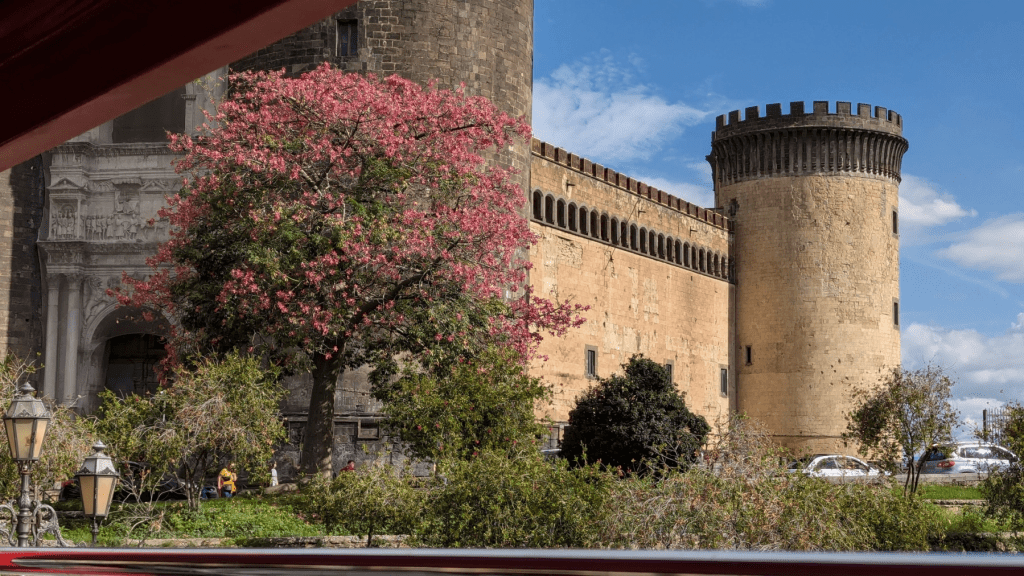
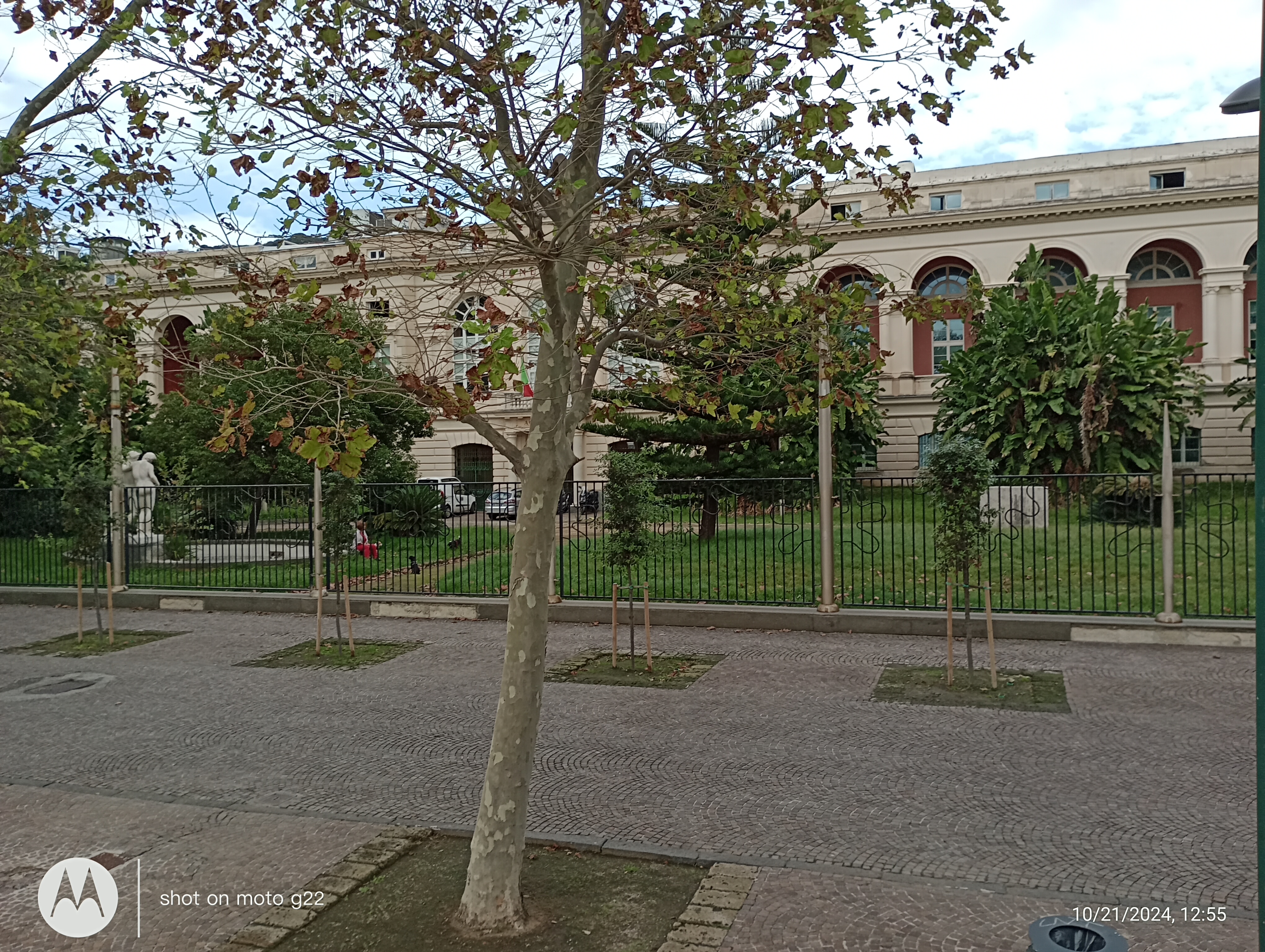

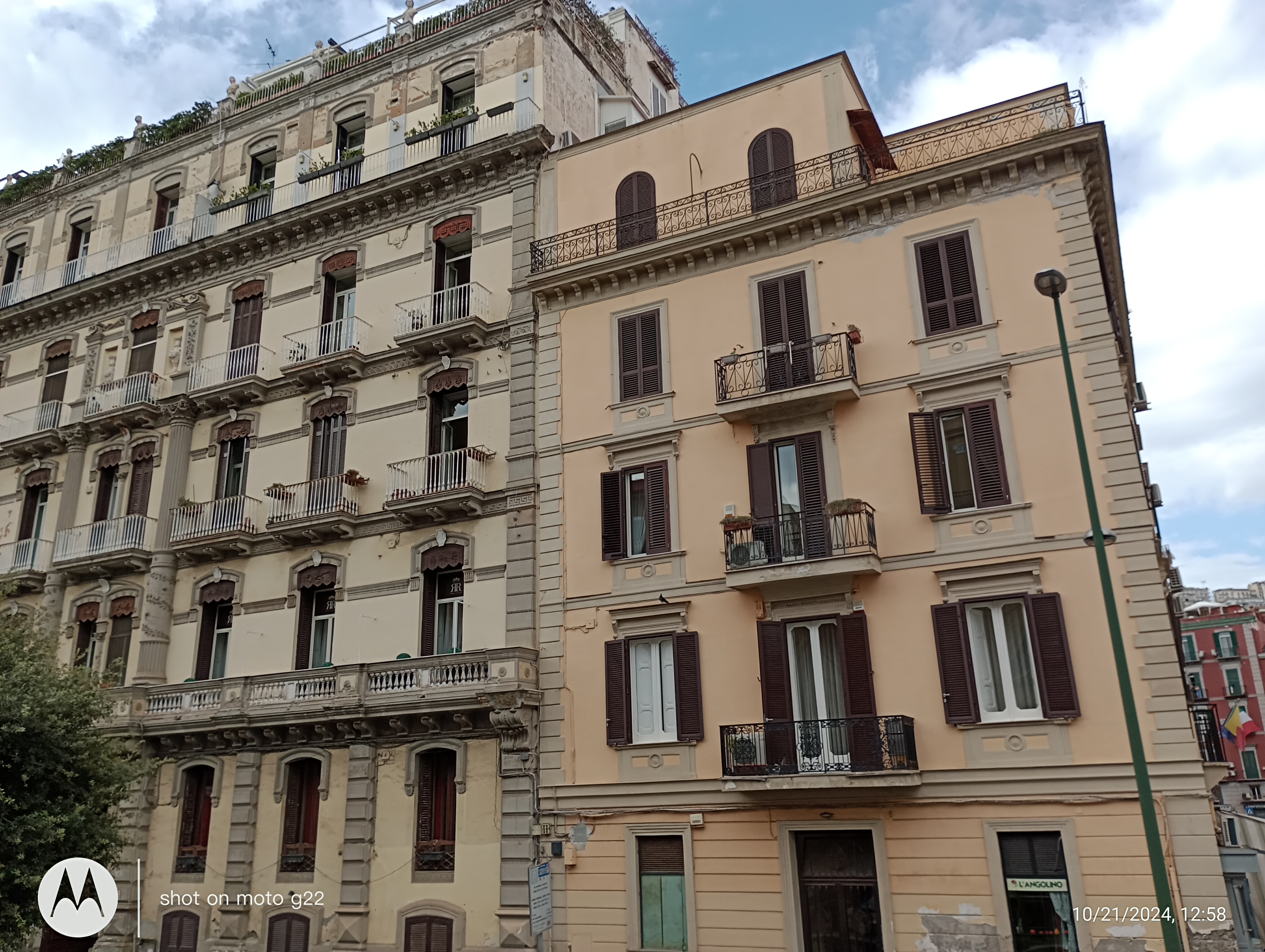


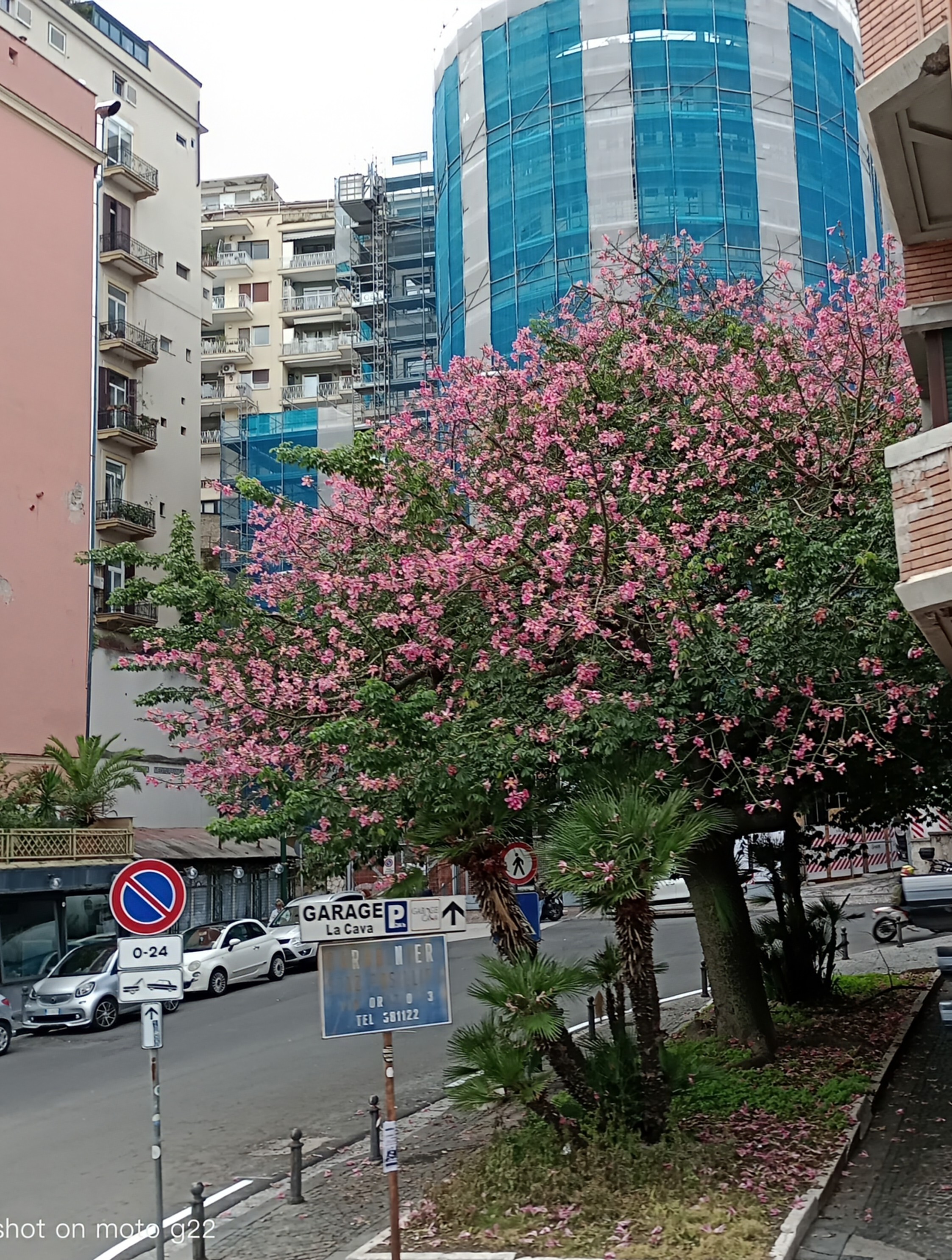


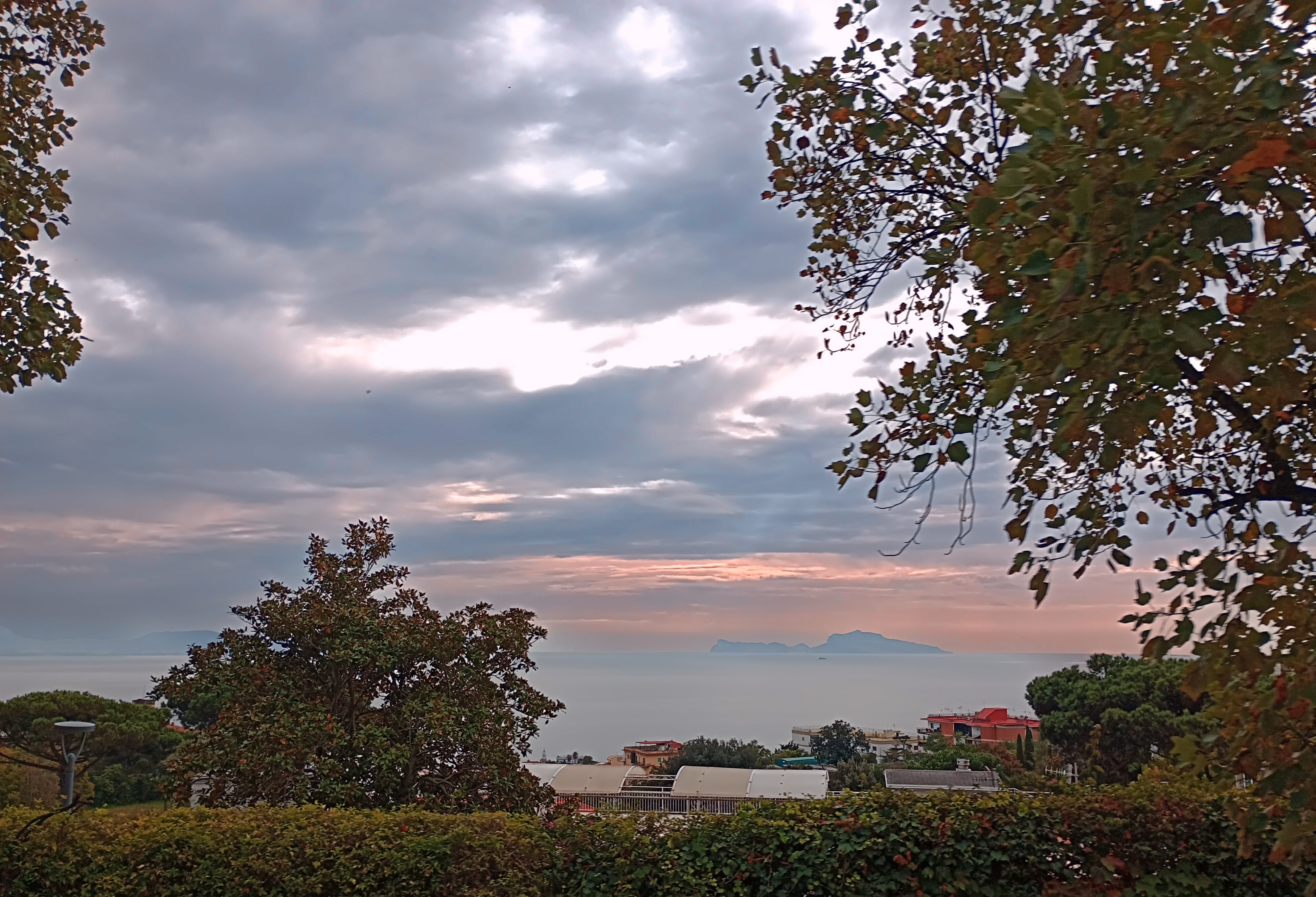

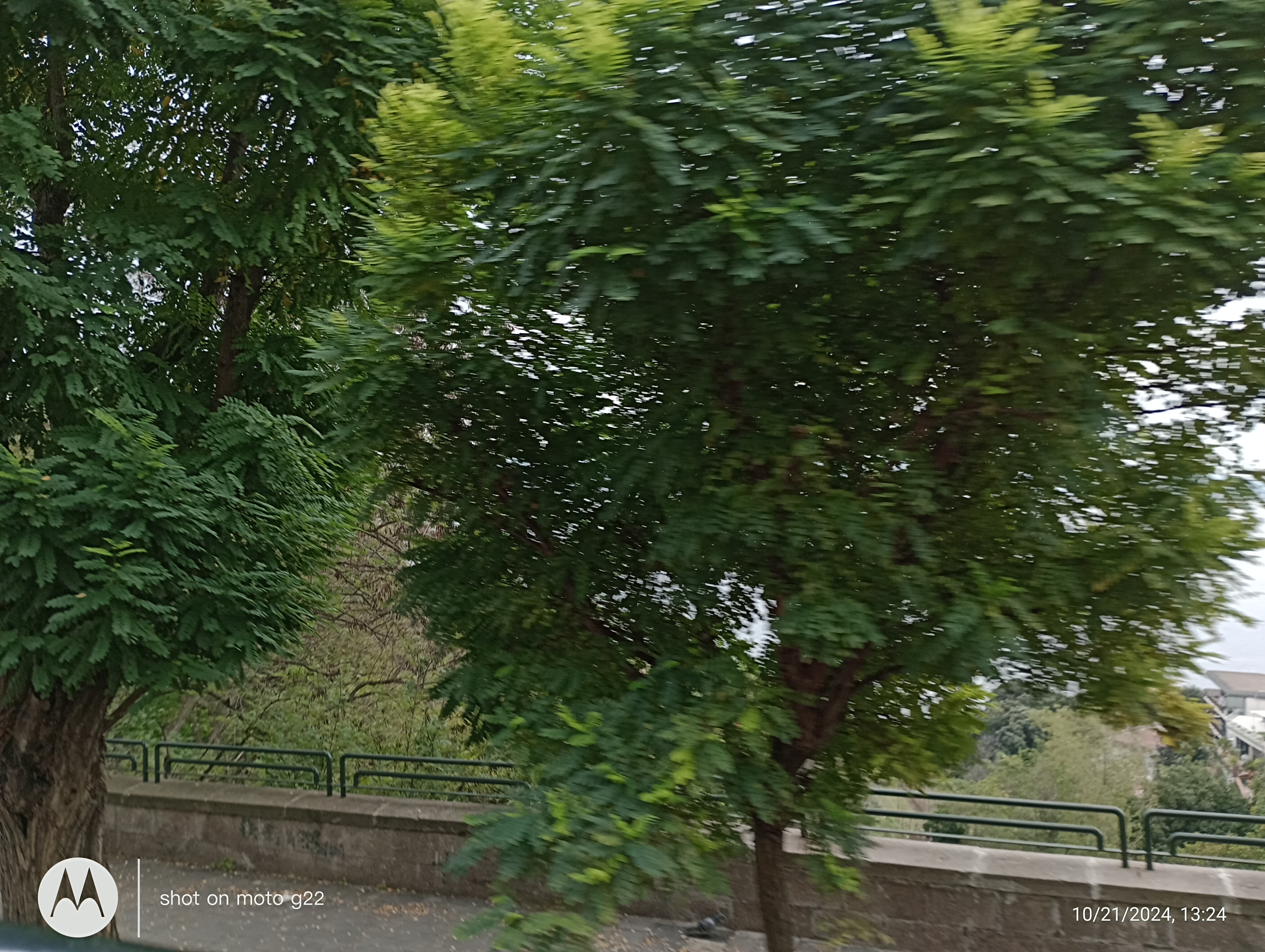

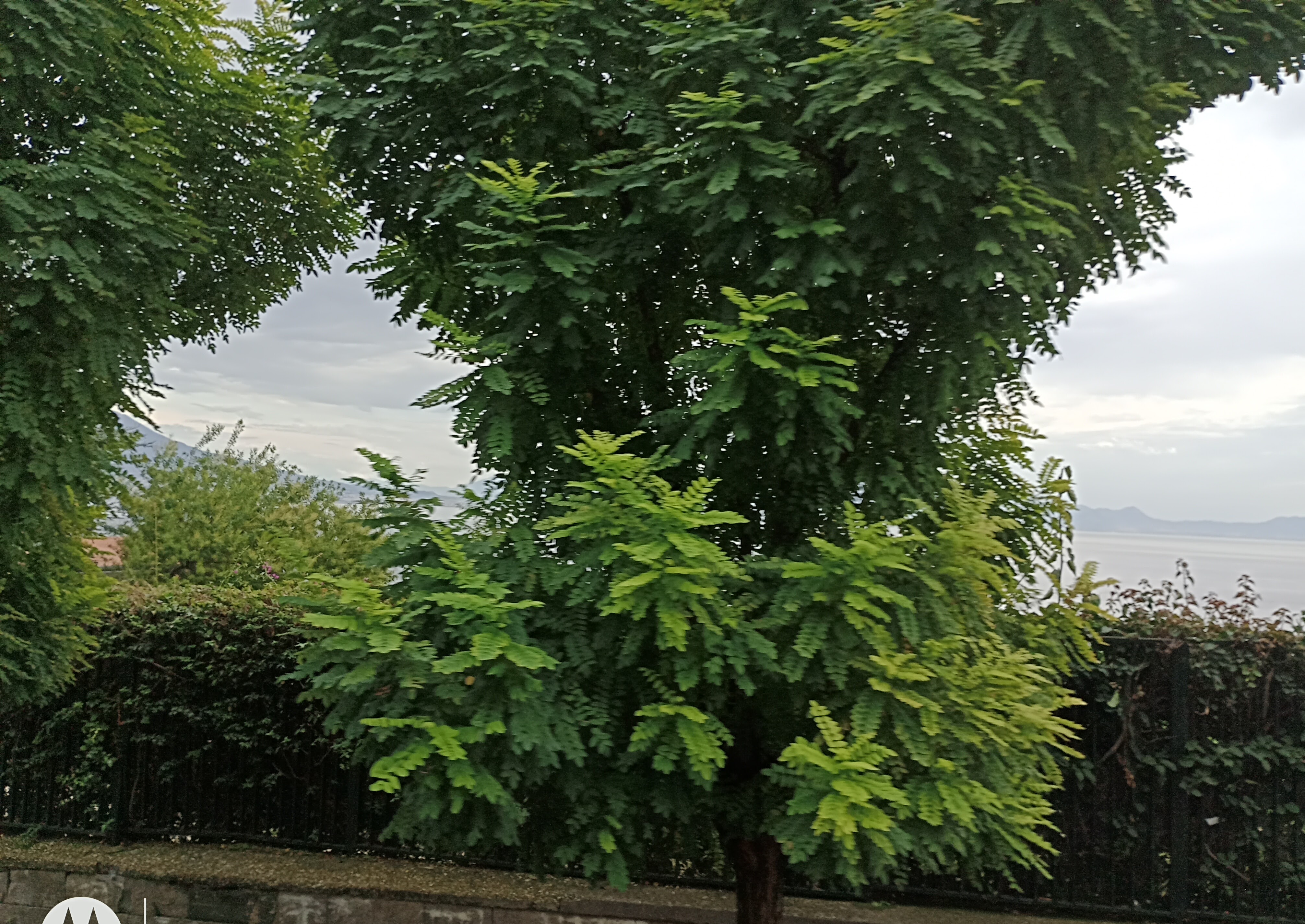


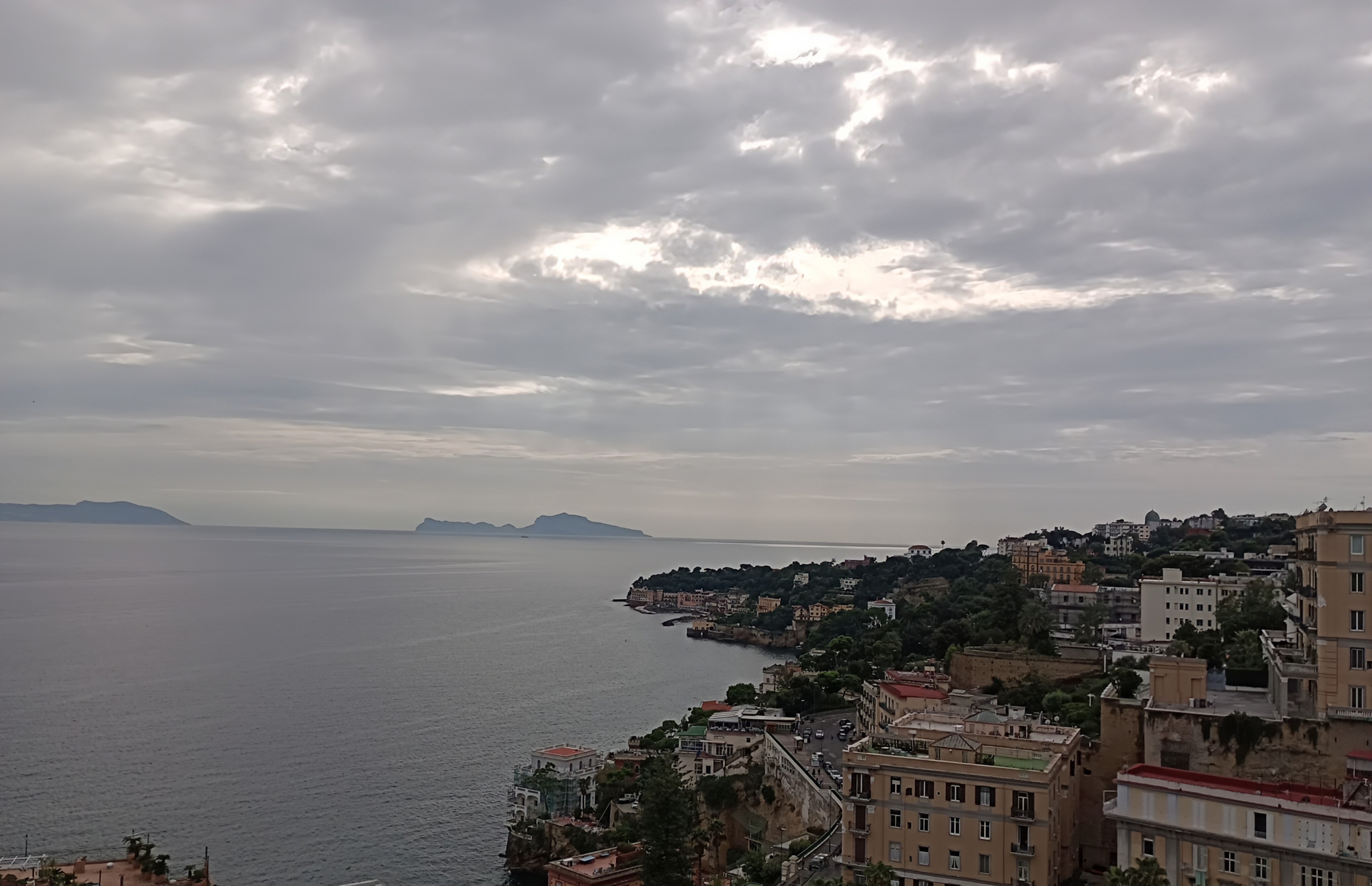


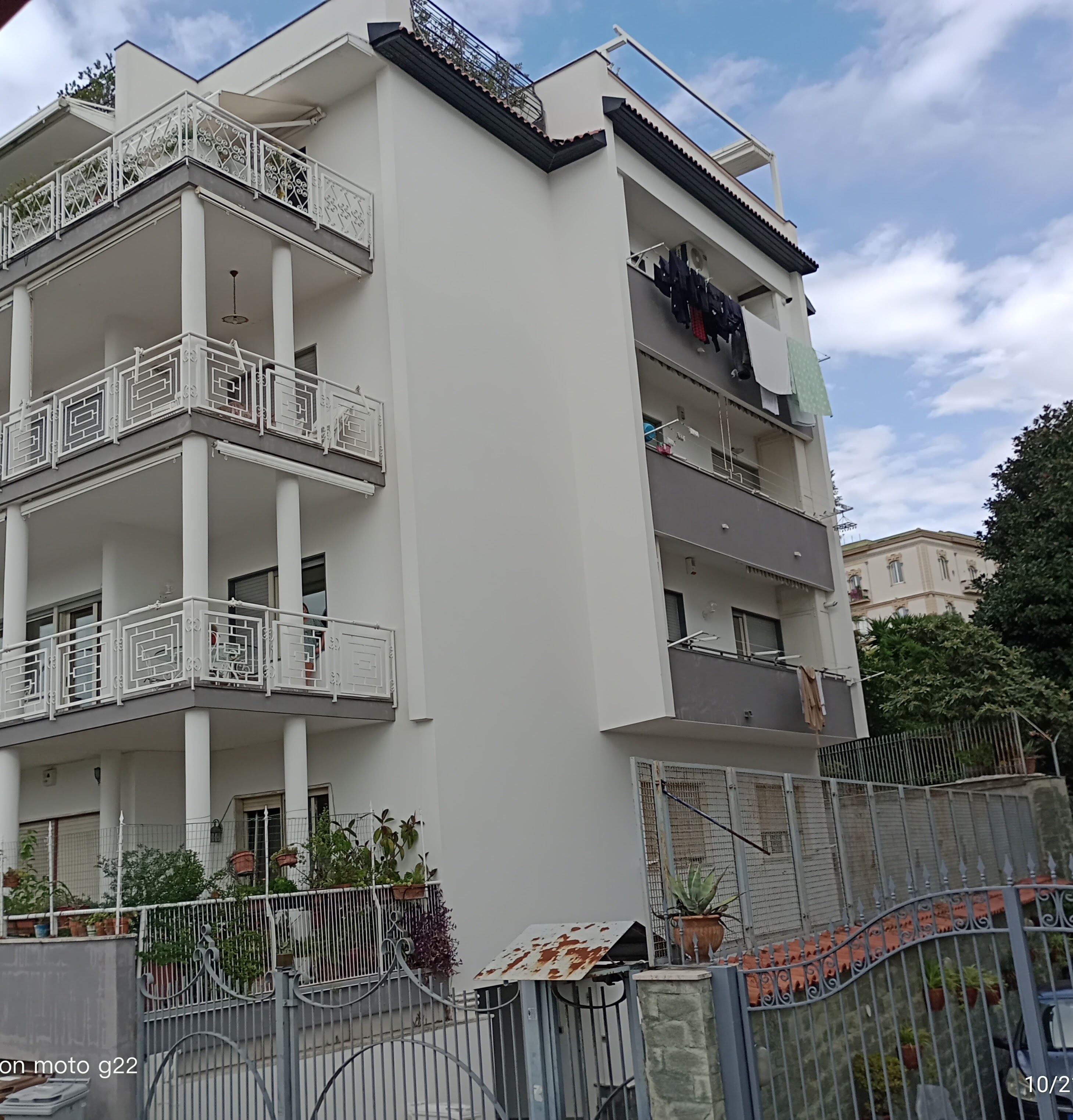
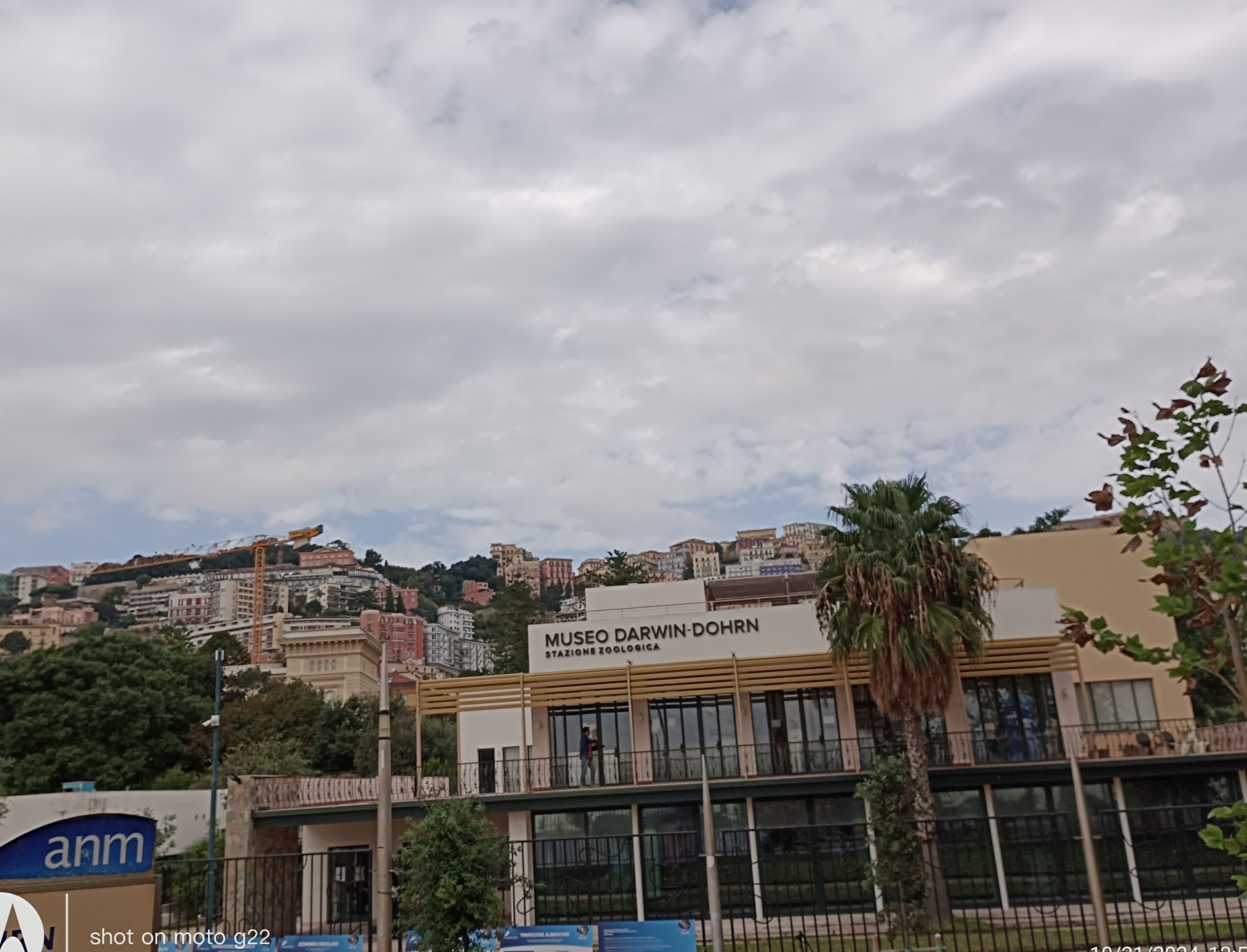
The sea front was near the end of our bus trip – for us, this Hop on Hop off was the only way to see the outskirts of Naples and made an excellent late afternoon and morning trip. The castle in the photos below is described in Wikipedia, and I am grateful to one of my friends for alerting me to the following information. I am a bit inclined to take photos, enjoy, and not do enough research when travelling!
From Wikipedia, the free encyclopedia

Castel dell’Ovo (“Egg Castle”) is a seafront castle in Naples, located on the former island of Megaride, now a peninsula, on the Gulf of Naples in Italy. The castle’s name comes from a legend about the Roman poet Virgil, who had a reputation in the Middle Ages as a great sorcerer and predictor of the future. In the legend, Virgil put a magical egg into the foundations to support the fortifications. It remains there along with his bones, and had this egg been broken, the castle would have been destroyed[1] and a series of disastrous events for Naples would have followed. The castle is located between the districts of San Ferdinando and Chiaia, facing Mergellina across the sea.


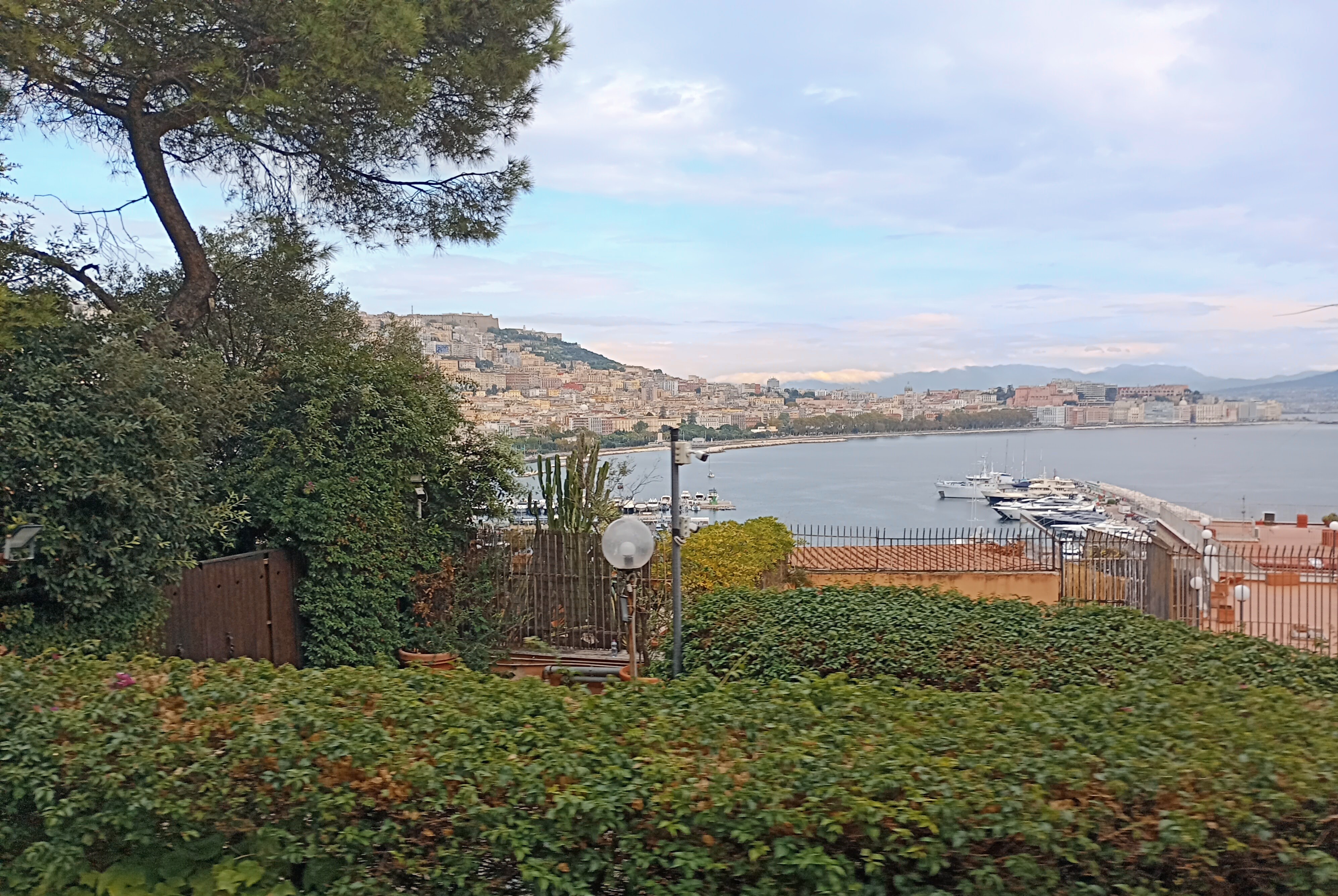
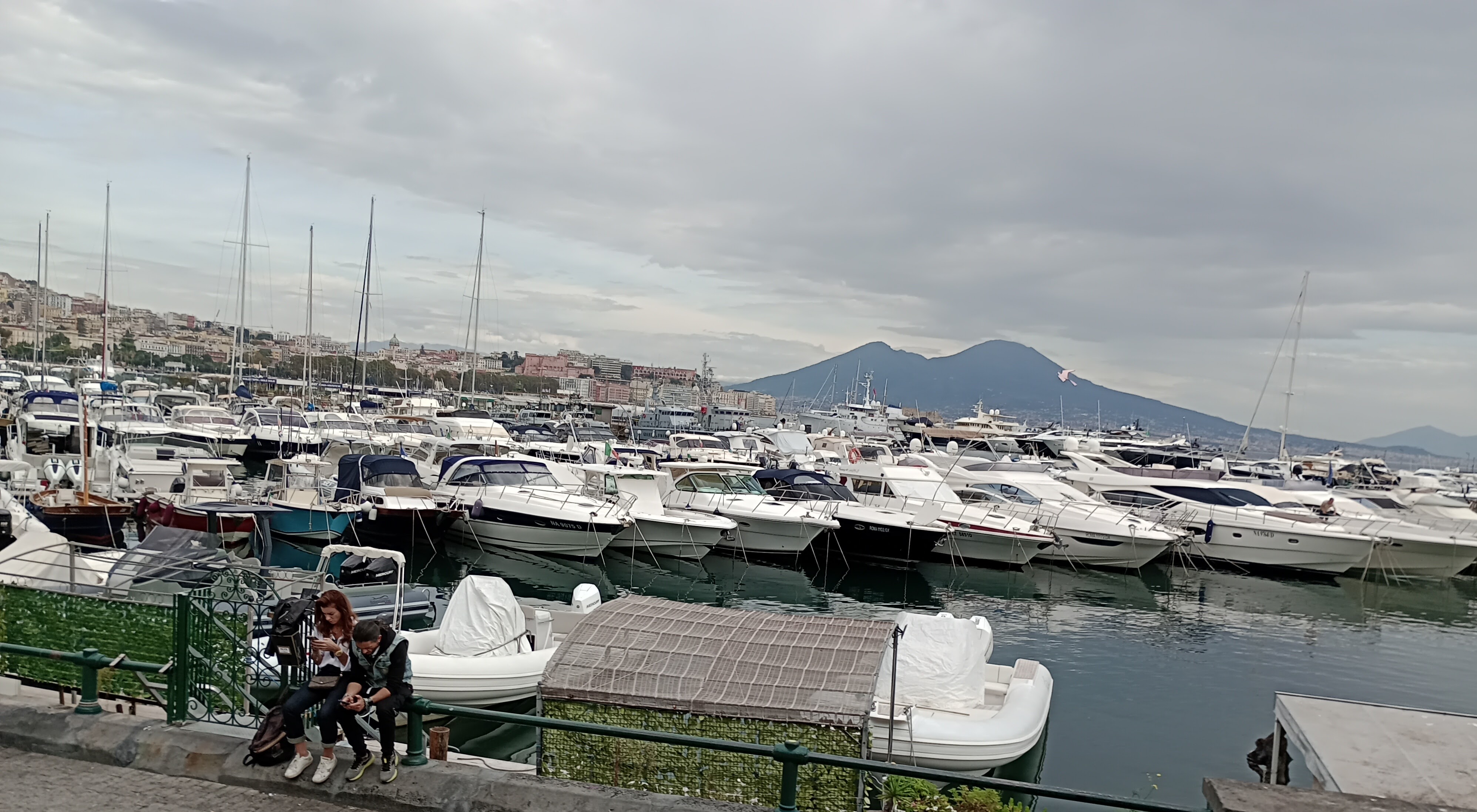

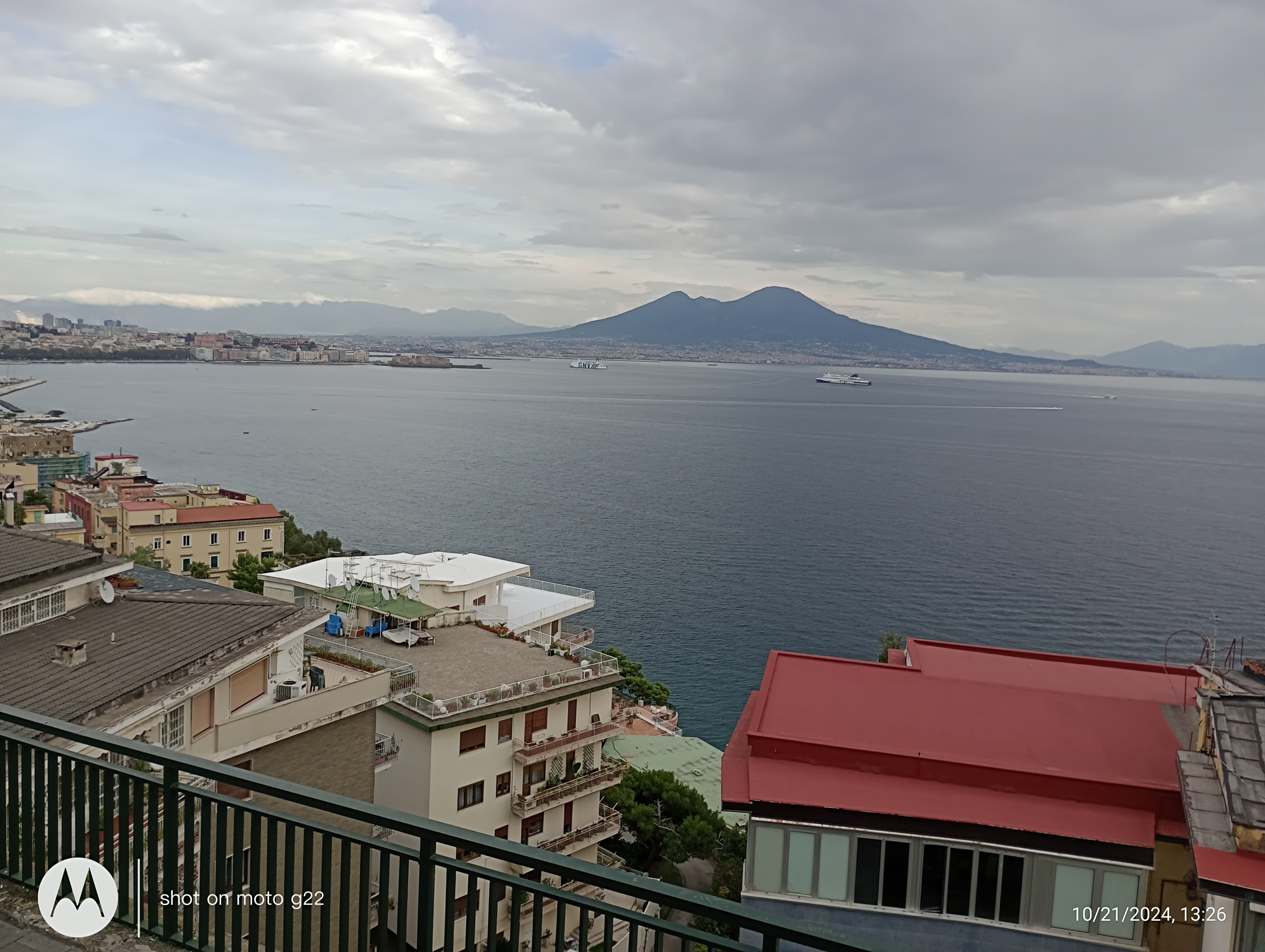


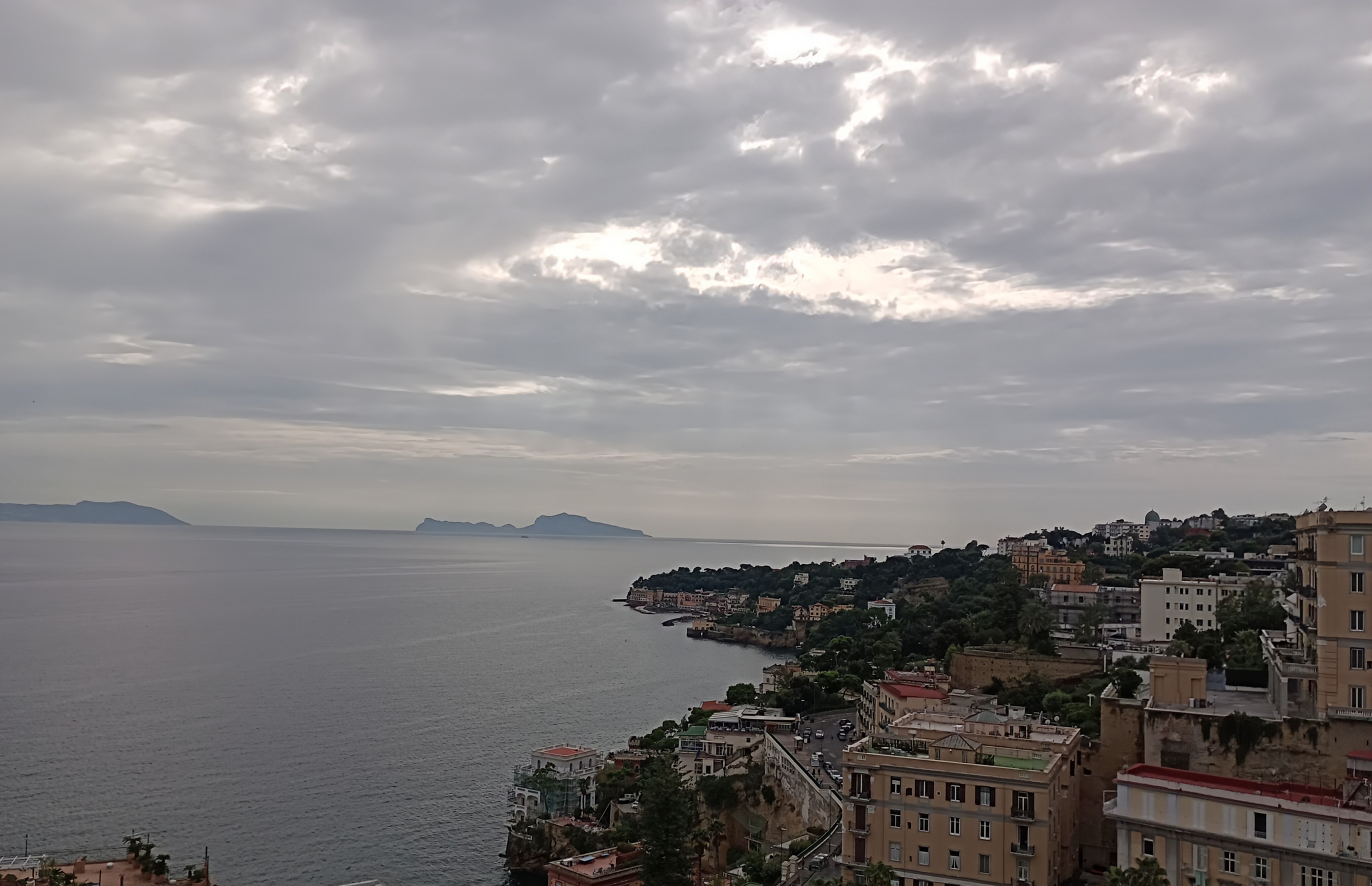

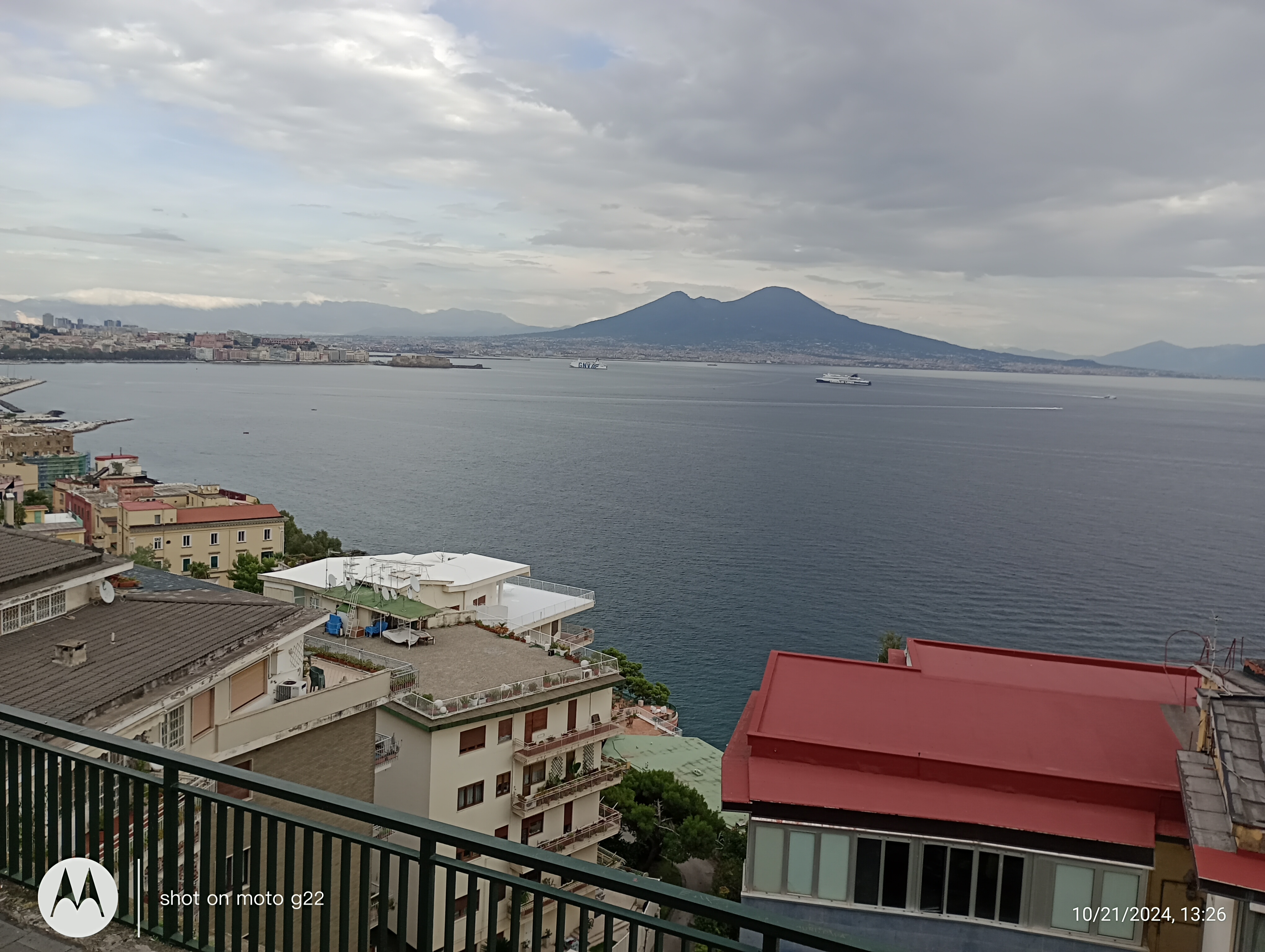
This is the end of our Italian sojourn. I found the tour group organisation, guide, and companions a positive experience. The eight days was enough, as i feel that too many early mornings and rushing spoil the experience (I’ve been on a tour like that, and the organisation and guide might have something to do with my negative feelings about the length of time). The What’s App group has continued to function, with updates on further travel and kind messages between members. I appreciate being in messenger and email contact with a particularly interesting woman from Virginia.
Next week I’ll post photos and comments of our few days in Cambridge, before we returned home.
  December 5, 2024 Stephen Collinson, Caitlin Hu and Shelby Rose December 5, 2024 Stephen Collinson, Caitlin Hu and Shelby Rose |
| ‘Democracy is hard’ |
 Left: French National Assembly President Yael Braun-Pivet announces approval of no-confidence vote against the French government on Wednesday in Paris. Right: Protests erupt outside South Korea’s National Assembly in Seoul after opposition parties submitted a motion to impeach the president. (CCTV+ via Reuters) Left: French National Assembly President Yael Braun-Pivet announces approval of no-confidence vote against the French government on Wednesday in Paris. Right: Protests erupt outside South Korea’s National Assembly in Seoul after opposition parties submitted a motion to impeach the president. (CCTV+ via Reuters) |
 President Joe Biden made the preservation of global democracy a top goal of his White House term. President Joe Biden made the preservation of global democracy a top goal of his White House term.But as he prepares to leave office, much of the democratic world is in turmoil and strongman leaders and far-right populists have governing institutions under assault. In France, Michel Barnier has become the country’s shortest-serving prime minister in history, after Marine Le Pen’s far-right National Rally party helped left-wing lawmakers topple the government in a no confidence vote. President Emmanuel Macron, who helped trigger the crisis by calling snap elections this year, now must somehow find a new prime minister who can survive — otherwise the last two years of his presidential mandate will be consumed by chaos. It’s hardly the backdrop Macron wanted as he prepares to welcome world leaders including US President-elect Donald Trump this week for the reopening of the reconstructed Notre Dame cathedral. When France is weak, it often falls to the other great European power, Germany, to lead the European Union. But political uncertainty is also rocking Berlin and a badly weakened Chancellor Olaf Scholz is likely to face an election early next year after his coalition fell. Instability also stalks US ally South Korea, where President Yoon Suk Yeol stunningly declared martial law before backtracking under pressure from parliament. Now Yoon is facing calls for his impeachment and the main opposition Democratic Party is formalizing treason charges against the president, as well as the defense and interior ministers. One nation where stability has returned — after years of political pandemonium that saw prime ministers come and go like the seasons — is Britain. But despite the huge majority he won in this year’s election, Prime Minister Keir Starmer is yet to hit his stride. Uncertainty in Western democracies comes at a perilous moment, since weak leaders will find it harder to stand up to Trump. The incoming president will likely amp up pressure on America’s friends next year, and has already sparked infighting in Canada, where a weakened Prime Minister Justin Trudeau is desperate to head off the president-elect’s tariff threats that could rock the economy ahead of next year’s election. You could argue that global democratic instability is a symptom of democratic societies working through their problems. In Seoul, for instance, the strong push back to Yoon suggests that a comparatively young democracy is in good shape. “South Korea’s democracy is robust and resilient,” Biden’s national security advisor Jake Sullivan said on Wednesday, after the White House was caught by surprise by the political crisis. And even in France, the far-right leaders who are closer to ultimate power than ever before won their new influence through democratic elections. The same is true of Trump, though his hardline Cabinet picks and lust for revenge against political foes suggests he’ll test US democratic guardrails as never before when he’s back in office. Recent political uproar has shattered years of complacency about the endurance of Western democracy. As Biden put it at a White House global democracy summit in 2023, “Democracy is hard work. The work of democracy is never finished.” “We have to continually renew our commitment, continually strengthen our institutions, root out corruption where we find it, seek to build consensus, and reject political violence and give hate and extremism no safe harbor. “ |
Women’s History Network Call for papers
| CFP Women’s History Today Special Issue: Women and the Making of Art History |
Since the publication of Linda Nochlin’s groundbreaking ‘Why Have There Been No Great Women Artists?’ (1971), feminist art historians have led a revolutionary movement to review women’s and gender roles in art practices. However, many other women during, and before, the twentieth century had contributed to the (re)shaping of art history as a discipline. |
To celebrate women working in art history, Women’s History Today invites contributions to the topic of Women and the Making of Art History. We particularly encourage submissions on historical discussions of women as pioneering and/or distinctive art historians, curators, collectors, critics and educators. |
We welcome articles on the topic from a global perspective and from a variety of historical eras. Women’s History Today also encourages and supports submissions from PhD students new to publishing. Contributions can be either academic articles (6000 to 8000 words), or shorter contributions (1500 to 3000 words) on funded research projects, on archives or public history activities and events. |
Abstracts (250 words) for proposals should be submitted to Catia Rodrigues at crodrigues@womenshistorytoday.org by 10 January 2025, with initial drafts of papers due on 28 March 2025. |


| ETHEL CARRICK | ANNE DANGAR 7 Dec 2024 – 27 Apr 2025, free Now showing, Ethel Carrick and Anne Dangar are major retrospectives presenting the work of two ground-breaking women artists who deserve to be better known. Working in parallel in the first decades of the twentieth century, Carrick and Dangar pushed against convention, made France their base and forged unique artistic paths. The outlooks of both artists were shaped by developments in French art, and they shared their experiences and new ideas with their Australian networks. Explore the lives and artistic legacies of these important women artists this summer. |
![[IMAGE] A painted self-portrait where the face and neck appear to float on a dark background. The face is distorted with a swirl of movement rushing through the shades of light pink and blue.](https://robrjo6.com/wp-content/uploads/2024/12/adkq_nbe3p-uxkdzstanc5wvc5r8bqgqf61_wltsqqhdpheuf__ef5n_ua_iyd4zkyt5yppgrfqzemsmp_niclf9jncjemkxx5s5zbxdeelz7x_sbcnsdd1c7mi2eakxedfgurv2ixhogc2c9wkiiagjipqqhjbis5jp11uacxgndk4mpjespu8vss.jpg)
Last chance to see!
★★★★★ – The Guardian ★★★★★ – The i Paper
“The modern master at his most raw and revealing.” – The Telegraph
“A stirring show…confirms the artist as Britain’s greatest postwar painter.” – Financial Times
“Breathtaking” – The Observer
The ★★★★★ exhibition showcases Bacon’s life story and deep connection to portraiture. It features more than 55 artworks from both public and rarely seen private collections.
Closes 19 January 2025
 Robin's Room