
Catherine Curzon The Royal Family vs ‘The Crown’ Separating Fact from Fiction Pen & Sword |Pen & Sword History, January 2025.
Thank you, NetGalley and Pen & Sword, for providing me with this uncorrected proof for review.
Catherine Curzon parts company with the usual lively writing style of Pen & Sword publications in this almost dry account of the popular Netflix drama, The Crown, and its mixed adherence to a factual account. Although relieved by some levity, Curzon’s commitment to comparing drama and authenticity relies on an account that leaves little time for frivolity. In reading this interpretation, although The Crown had eons of time for frivolity and melodrama, history did not. Or did it on occasion? Although the style is critical and is not as accessible as the usual Pen & Sword publication, it follows the same standards in providing well researched material. This is a robust comparison of reality and the account of the historical, social, and personal developments given in the 6-part series, featuring themes and events; characters and characterisation; locations; style and costumes.
The format is excellent – The Crown version of events is followed by the facts as Curzon knows and researched them. Where there is a question, or it is difficult to determine the facts Curzon acknowledges this. Unfortunately for “The Crown” there is abundant information that undermines the factual nature of the series. One major criticism made by Curzon is the timelines that often become muddied and demonstrably incorrect in the series – events and characters’ presence are often impossible because they happened at a different time, or the characters wee somewhere else at the time in which they are portrayed in the series. Sometimes a character is depicted taking an action that belongs to another. And so, it goes on – there is an abundance of evidence that underpins Curzon’s case. See Books: Reviews for the complete review.
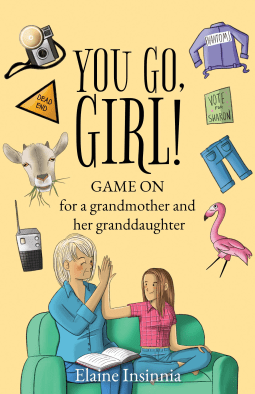
Elaine Insinnia You Go, Girl! Atmosphere Press, 2025.
Thank you, NetGalley and Atmosphere Press, for providing me with this uncorrected proof for review.
Elaine Insinnia’s You Go, Girl is a blend of funny anecdotes, serious consideration of the events that might occur in many young lives, and consideration of social issues in a light-hearted, but nevertheless thoughtful way. The style is young, but there are some delightfully nostalgic moments for the older reader. These range from references to popular songs and films of the 1950s and 60s, to clothing styles, playing in the street, and food to the more serious ones of the stereotyped gender roles and their impact on girls’ comfort, aspirations and behaviour. See Books: Reviews for the complete review.
Cindy Lou eats at Yarralumba and in Civic
Beess & Co
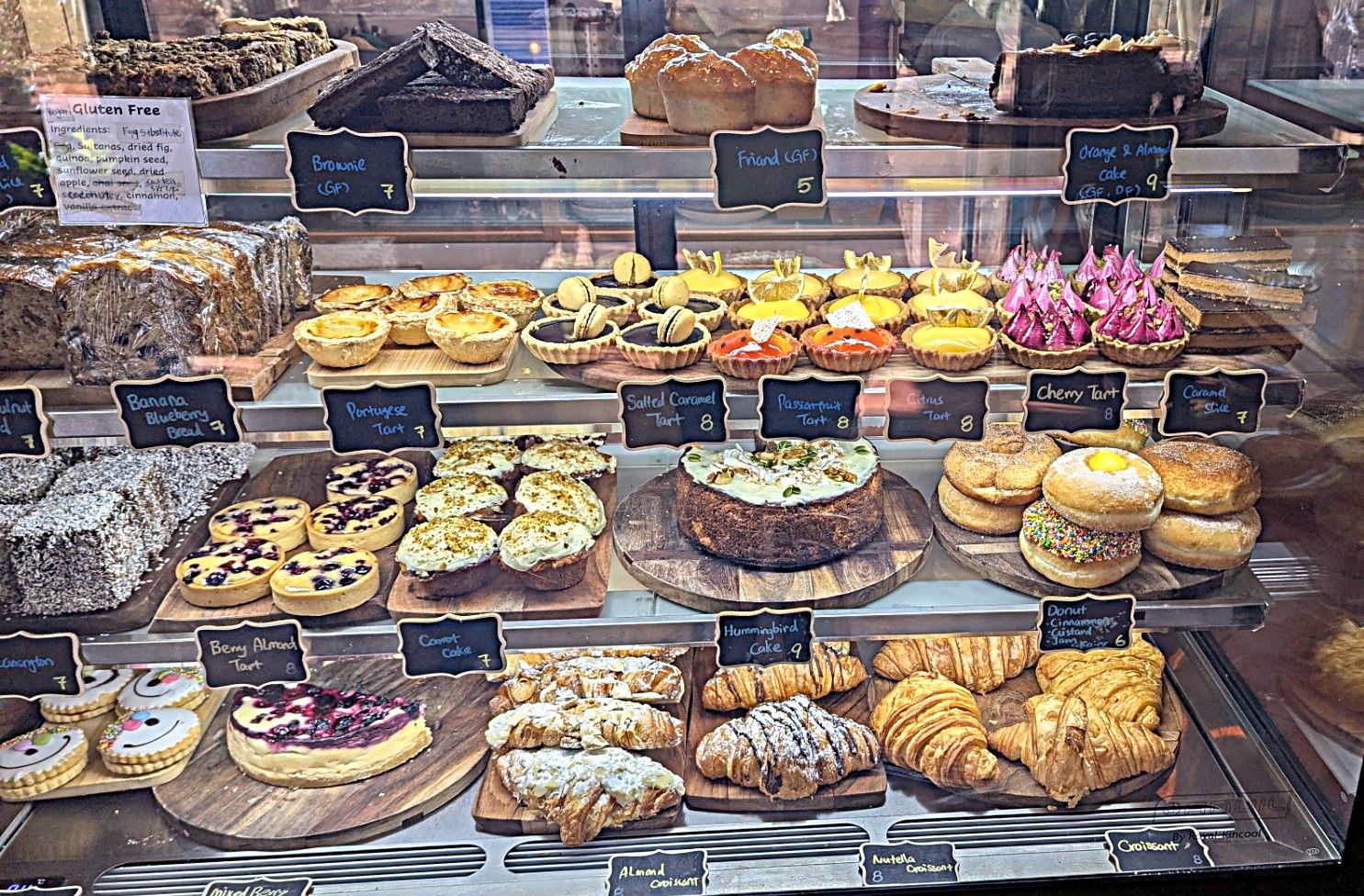
Although this was a lovely morning with blue skies and sun, the cyclists at the outdoor seating made going inside a pleasant change from having to sit outside with Leah. On this occasion she was home with her own treats. The Beess & Co Cafe has an innovative menu, including the usual favourites of fish and chips, a steak sandwich or toasties. However, there are also more exciting dishes such as the grilled octopus with olive tepanade and grilled artichokes, or the sweet potato toast with avocado and an omelette, pictured below. The beverage menu is also a pleasant surprise, with a huge range of teas (Chinese green tea, pictured below) and freshly squeezed juices as well as the usual choices of coffees and teas.




Central Social Civic
This was a pleasant meal in a friendly environment – they even agreed to reduce the sound! The meals were generous, but the chips are better at PJs. On the other hand, the salad with the fish and chips was really fresh and flavoursome. And the cheese on the hamburger was cheddar, not the yellow American that I have seen elsewhere.


Australian Politics
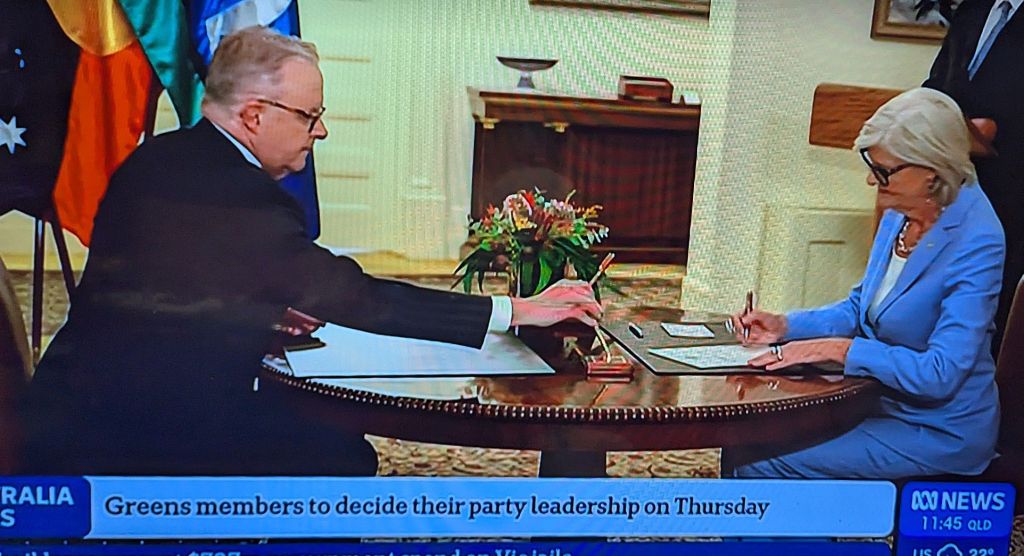
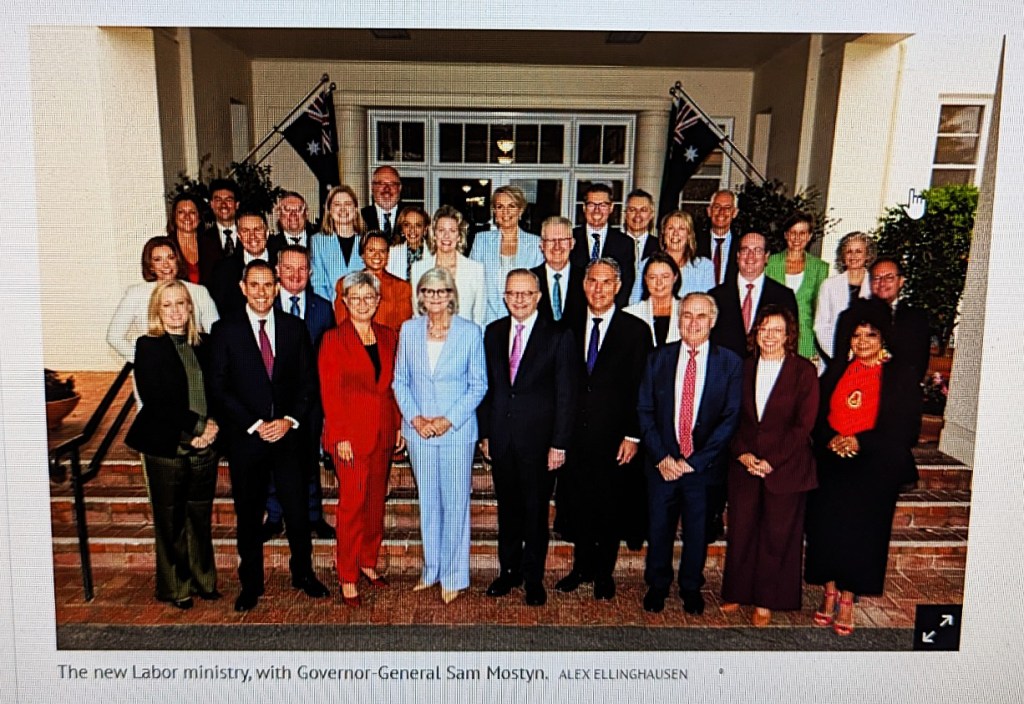

Sussan Ley becomes first woman to lead Liberal Party
Story by political reporter Maani Truu
Sussan Ley will be the new Liberal leader, beating conservative rival Angus Taylor to become the first woman to lead the party in its 80-year history.
The 63-year-old former deputy leader, who was backed by the moderate faction, received 29 partyroom votes compared to treasury spokesperson Mr Taylor’s 25, multiple sources told the ABC.
Ted O’Brien, who was most recently the party’s energy spokesperson, will take the role of deputy leader, defeating Phil Thompson in the ballot 38-16.
Ms Ley now faces the mammoth task of uniting the party after a landslide Labor election victory that saw former Liberal leader Peter Dutton ousted from his own seat.

American Politics
A little late, but at least there are fewer days to go.


Joyce Vance from Civil Discourse <joycevance@substack.com>
This week’s Democracy Index column at The Contrarian starts like this, “This week we saw the consequences of autocratic overreach. Although there are still heartbreaking tragedies and dangers inflicted every day, it’s important to step back and see where democracy has been resilient.” The constant deluge can make it difficult to assess the overall outlook, and that’s what our team tries to do every week with The Democracy Index. Increasingly, the story is less one-sided. It’s still about what Trump is doing, but it’s also about what civil society, lawyers, and people like you and me are doing to fight back.
This week, we launch our interactive Democracy Index at a glance graphic, to give you a qualitative assessment of how we’re doing. From the post at the Contrarian, you can click through on this graphic to see what some of the key events this week were.
The Democracy Index is meant for people with less time to devote to following what Trump is doing to our country, but who still want to understand what it all means. We’re finding that everyone appreciates the summary. Sometimes, so much happens in a single week that by the end, it’s hard to remember it all. We draw the throughlines that help you focus on what’s most important.
Head on over for a look and remember to share with friends. The Democracy Index is a free feature at The Contrarian, so everyone can read it.
We’re in this together, Joyce
PoliticusUSA
Sen. Amy Klobuchar (D-MN) had a great answer for Meet The Press’s Kristen Welker who kept asking about Joe Biden.
Jason Easley Jason Easley | Substack↗
PoliticusUSA is independent and can offer the news to everyone because of the support of our readers. If you think our work is essential, please consider supporting us by becoming a subscriber.
If only people in the mainstream press like Meet The Press moderator Kristen Welker would have paid this much attention to Joe Biden’s policies while he was in office.
Welker spent another week of Meet The Press trying to get a Democrat to live in the past and talk about Joe Biden and the 2024 election.
Sen. Amy Klobuchar was ready.
Transcript from Meet The Press:
KRISTEN WELKER:
Senator, would the party have had a better chance of winning in 2024 had President Biden dropped out sooner?
SEN. AMY KLOBUCHAR:
You know, everything we look at in a rear-view mirror after you lose an election. Yes, we would have been served better by a primary. But we are where we are. We’re not on the History Channel right now. And I believe that President Biden can come out and speak and do interviews whenever he wants, but I will say this: we’re not on the History Channel. …
Special Correspondent Travelling from Perth to Canberra
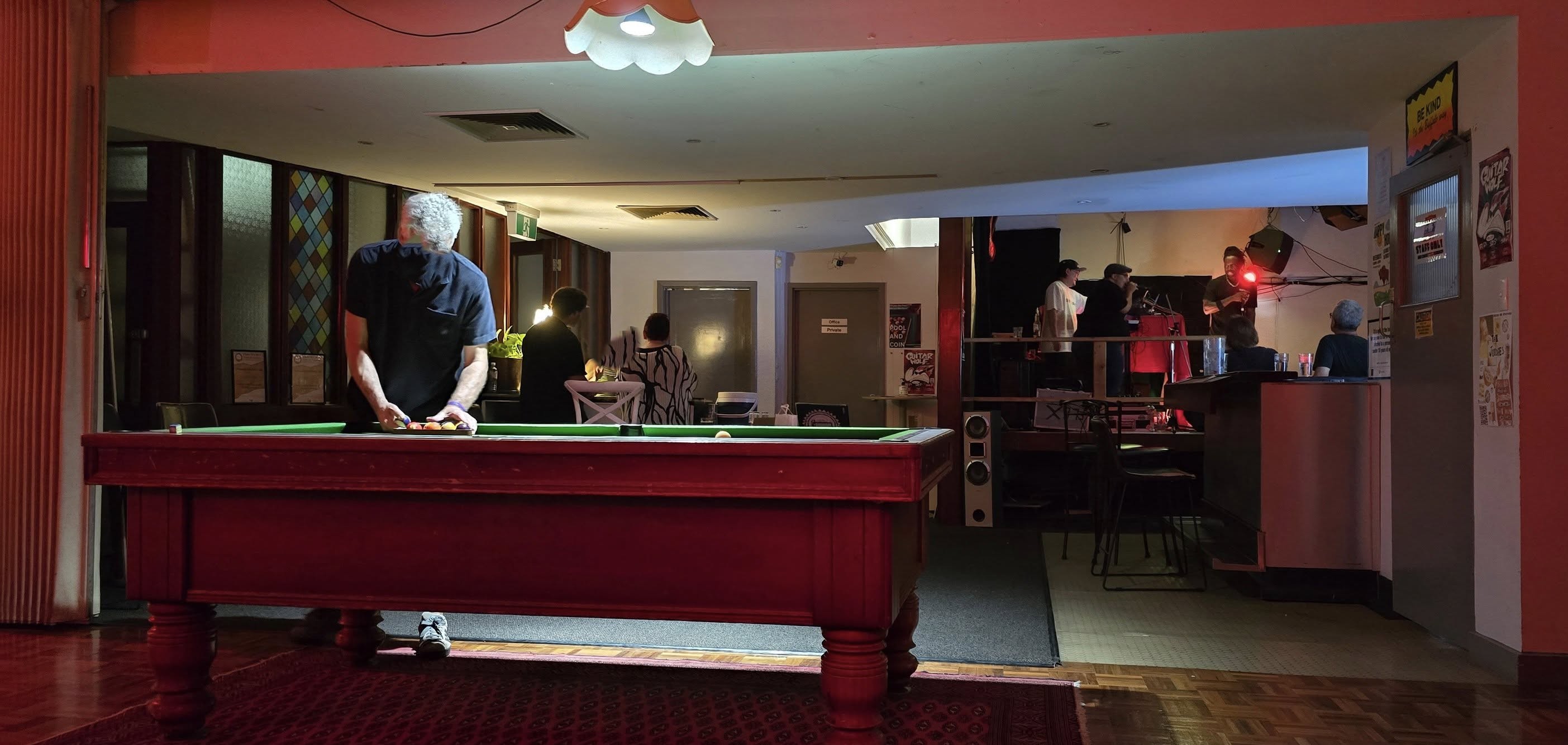
Fremantle has a lot to offer – the beach sculptures pictured in a previous post, the Capri for the old favourite Italian meals enjoyed from university days, the opening of the arts festival, music and pool. NB. Some is my recall, others have been added by The Special Correspondent.


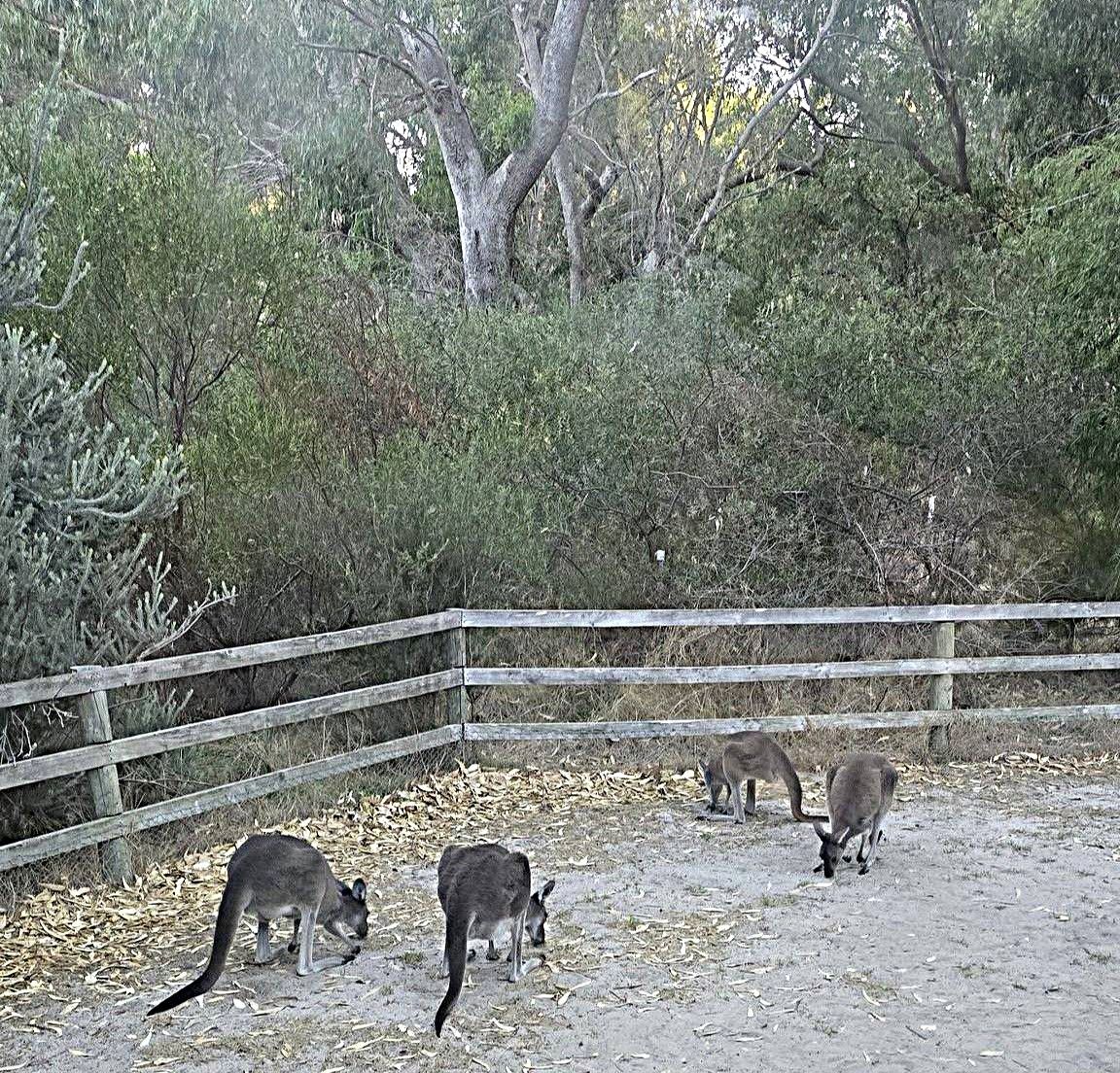
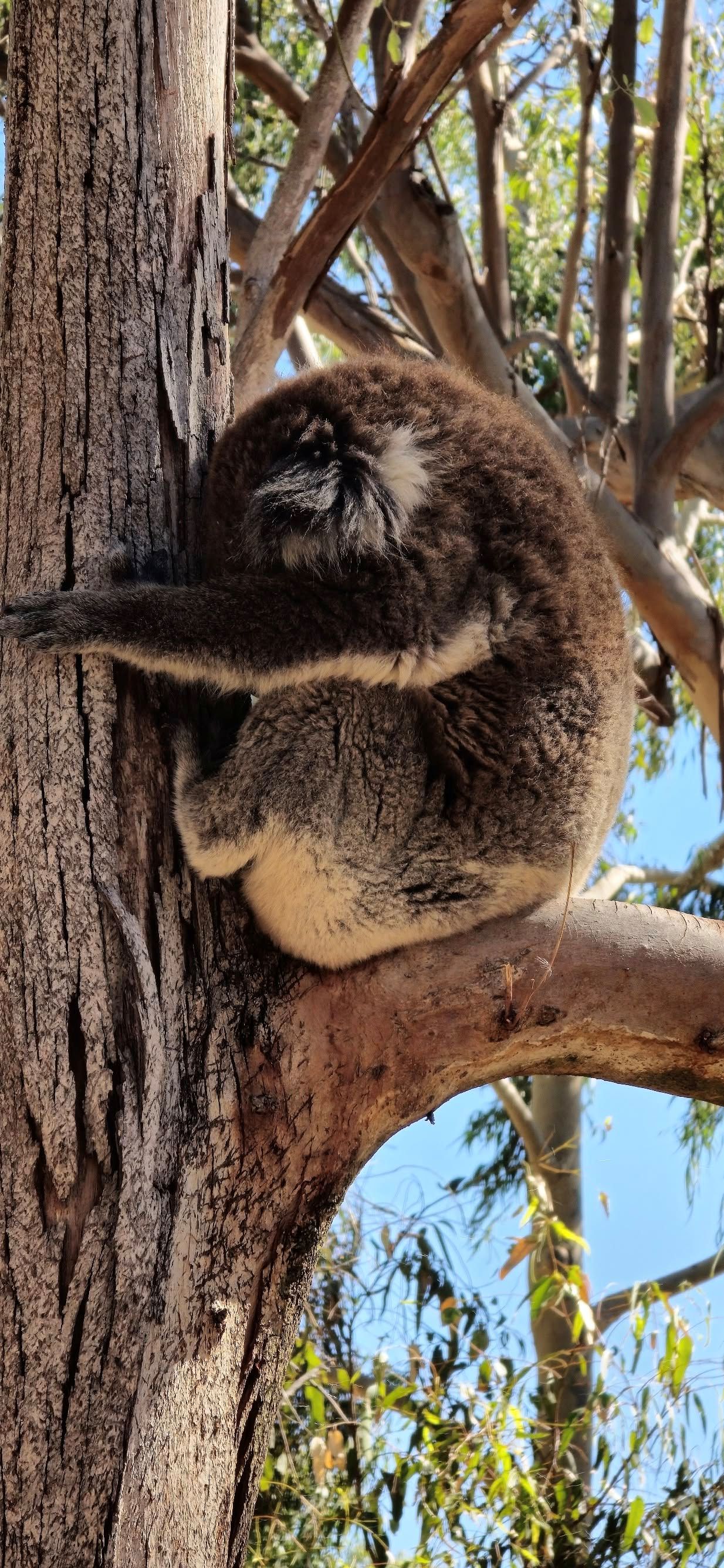

We are heading south now through some of the cute towns ending in ‘…up’ (check out a map of WA south west and you will see what I mean).
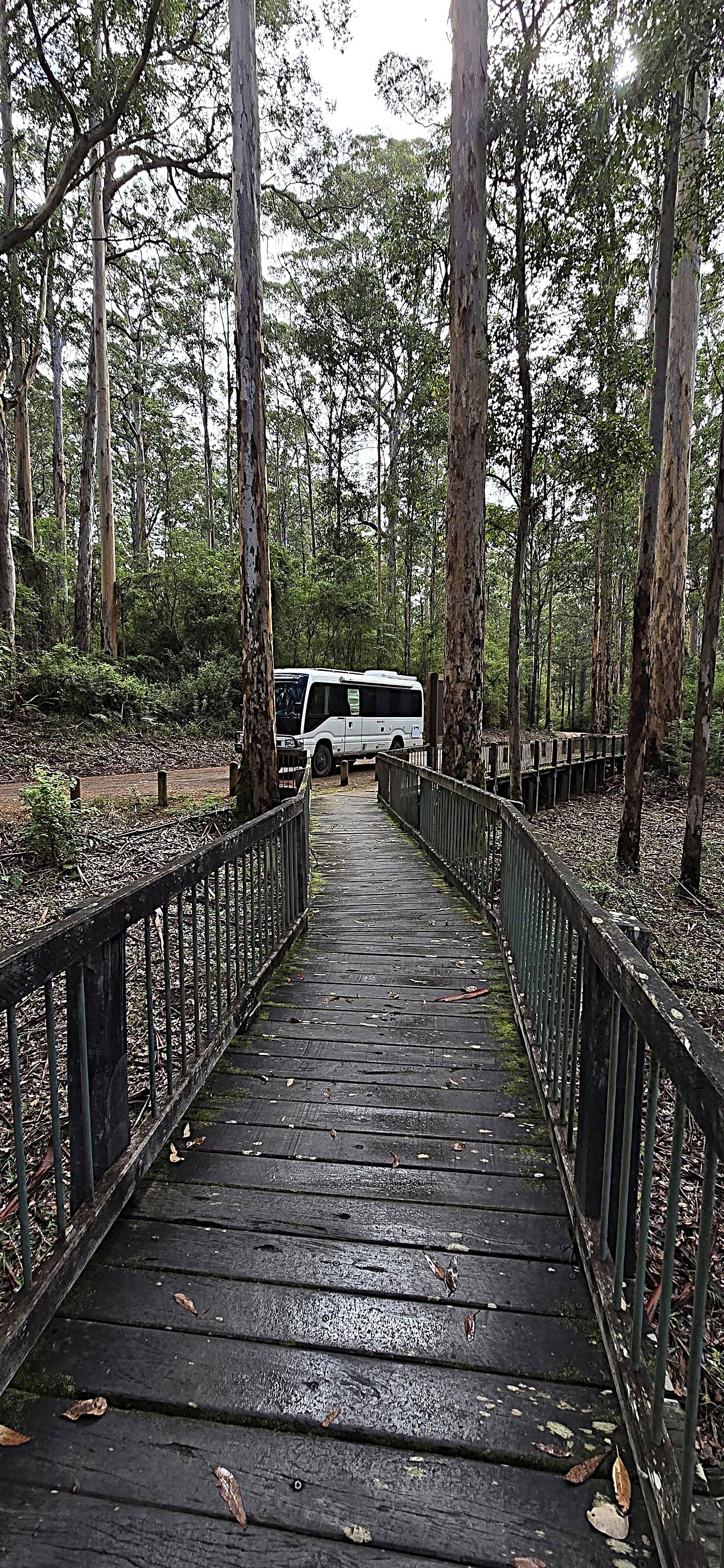
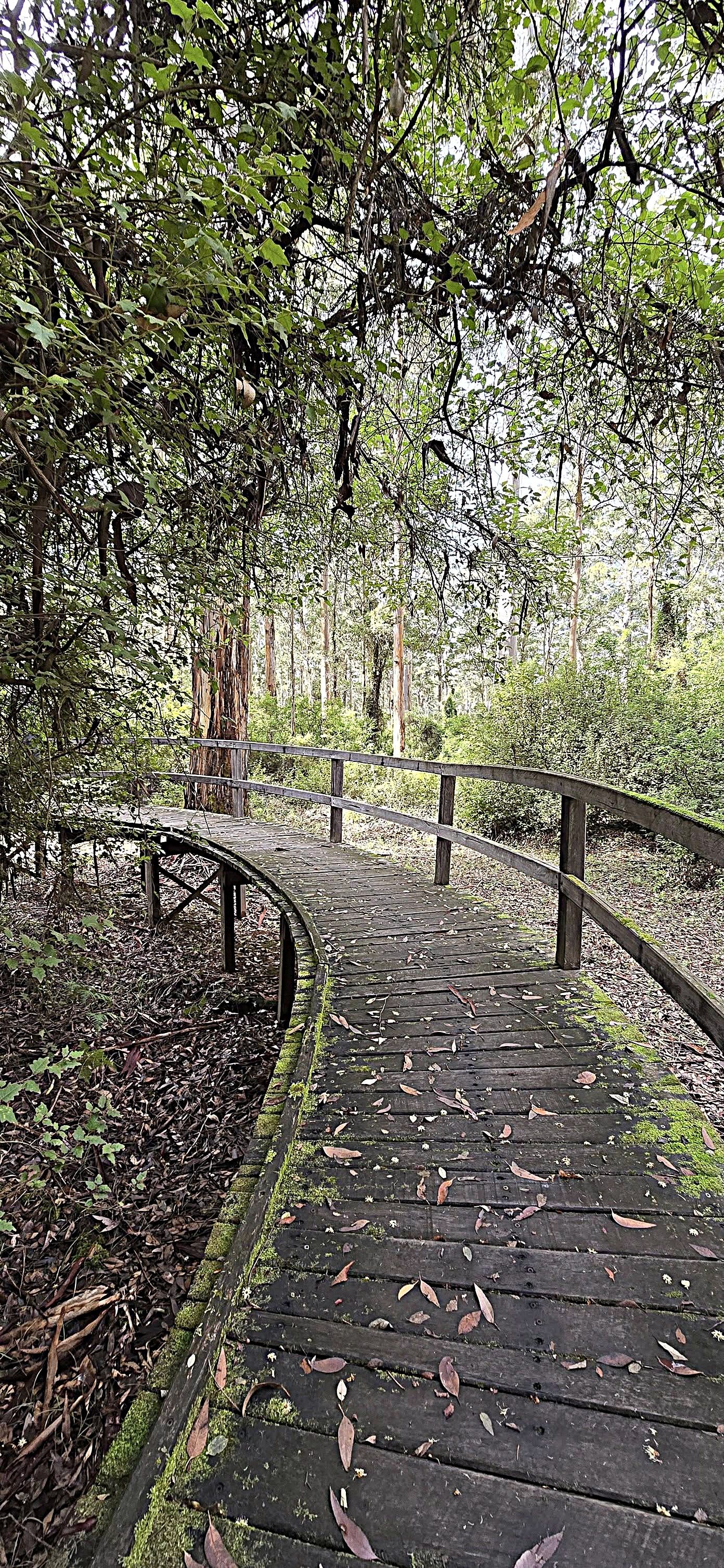

We have engaged in a pie comparison between Manjimup Meat Market and Balingup’s Mushroom 61 Bakery and Cafe. We ate the hot ones from Manjimup and bought cold ones from Balingup so once eaten I will be able to report on the conclusion. So far all I can say is that the Manjimup pies are cheaper and as yummy as I recall from our last trip over!

Intended to camp by the beach at Fish Creek and missed a turning so while we did get to a different beach the track in was pretty scary and we couldn’t get all the way due to deep sand on an inclined road, despite lowering tyre pressure. We managed to extricate ourselves and camp up for the night where we contemplated having to live there forever if we couldn’t get out the next day. However, with no internet coverage and dwindling beer supplies we knew it wouldn’t be possible, and we just had to give it a crack.
And we made it …. eventually!
Planned to camp at Crossing Point but one grumpy pair there already so we found a spot off a side road off another side road and cooked over a fire – yes the weather has turned, and just before I get to Elephant Rocks – grrr.



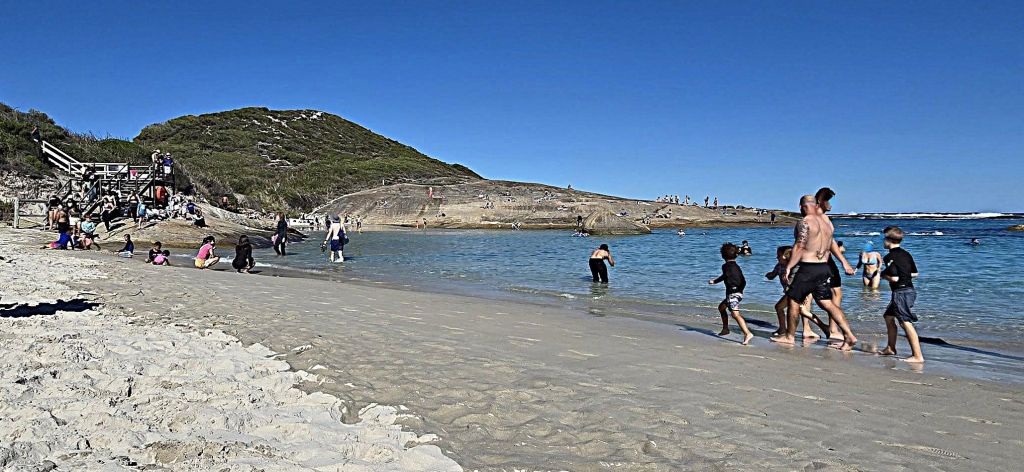
Buckleboo sounded such an interesting place, this is literally, and I do mean literally, all there was.
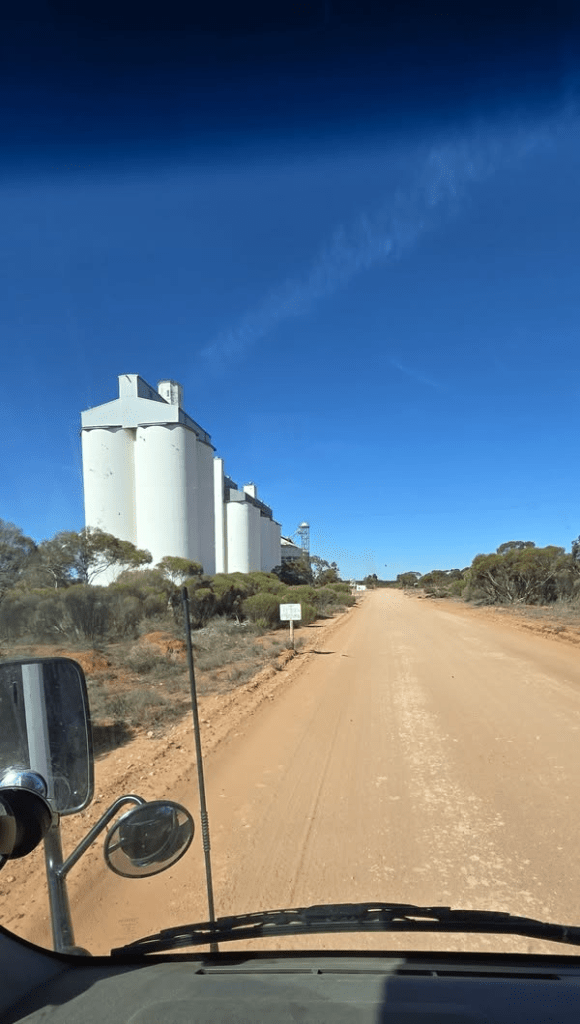
Visited Alligator Gorge near Wilmington, didn’t realise a fire went through in Feb but still amazing and glad we went.


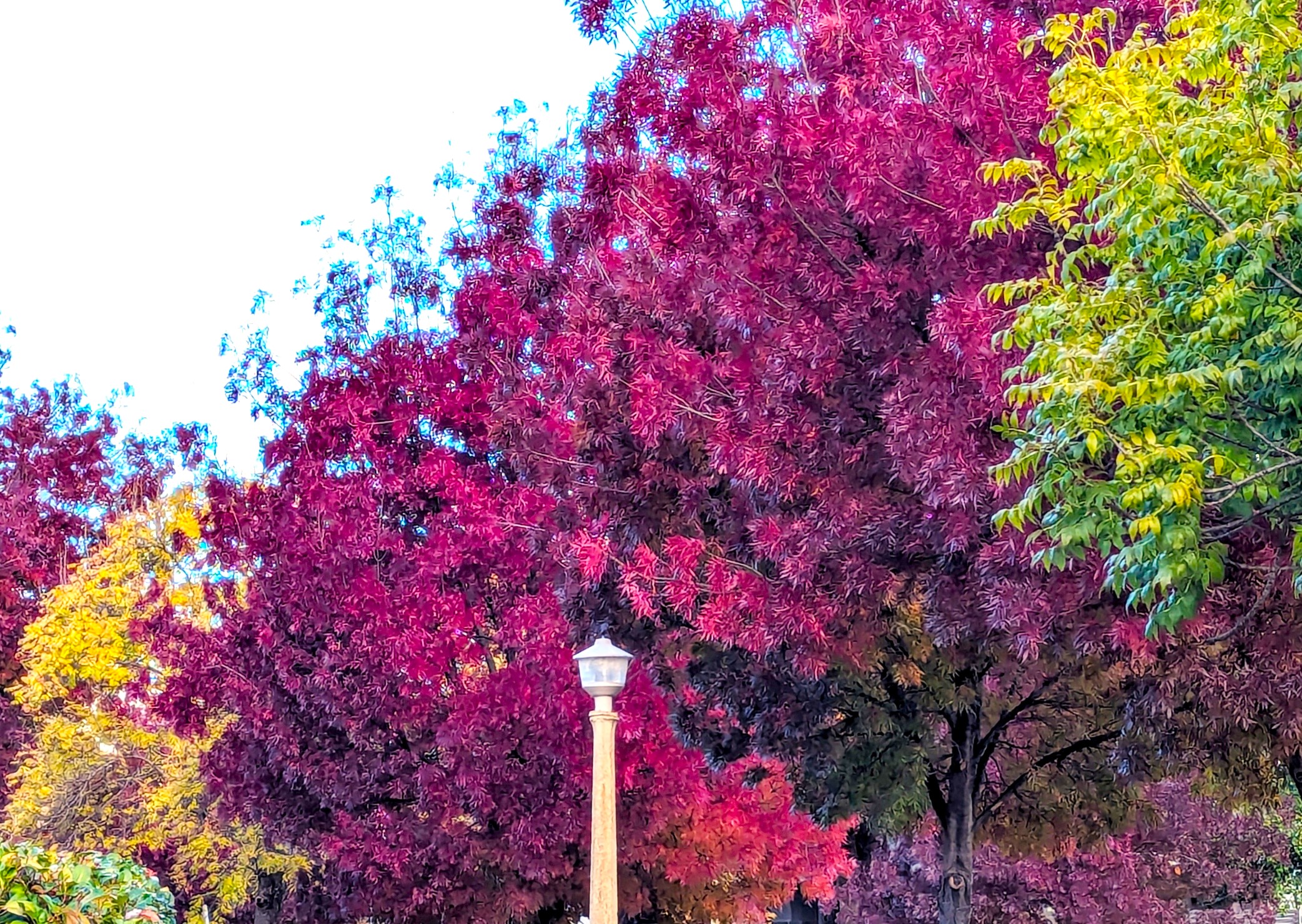
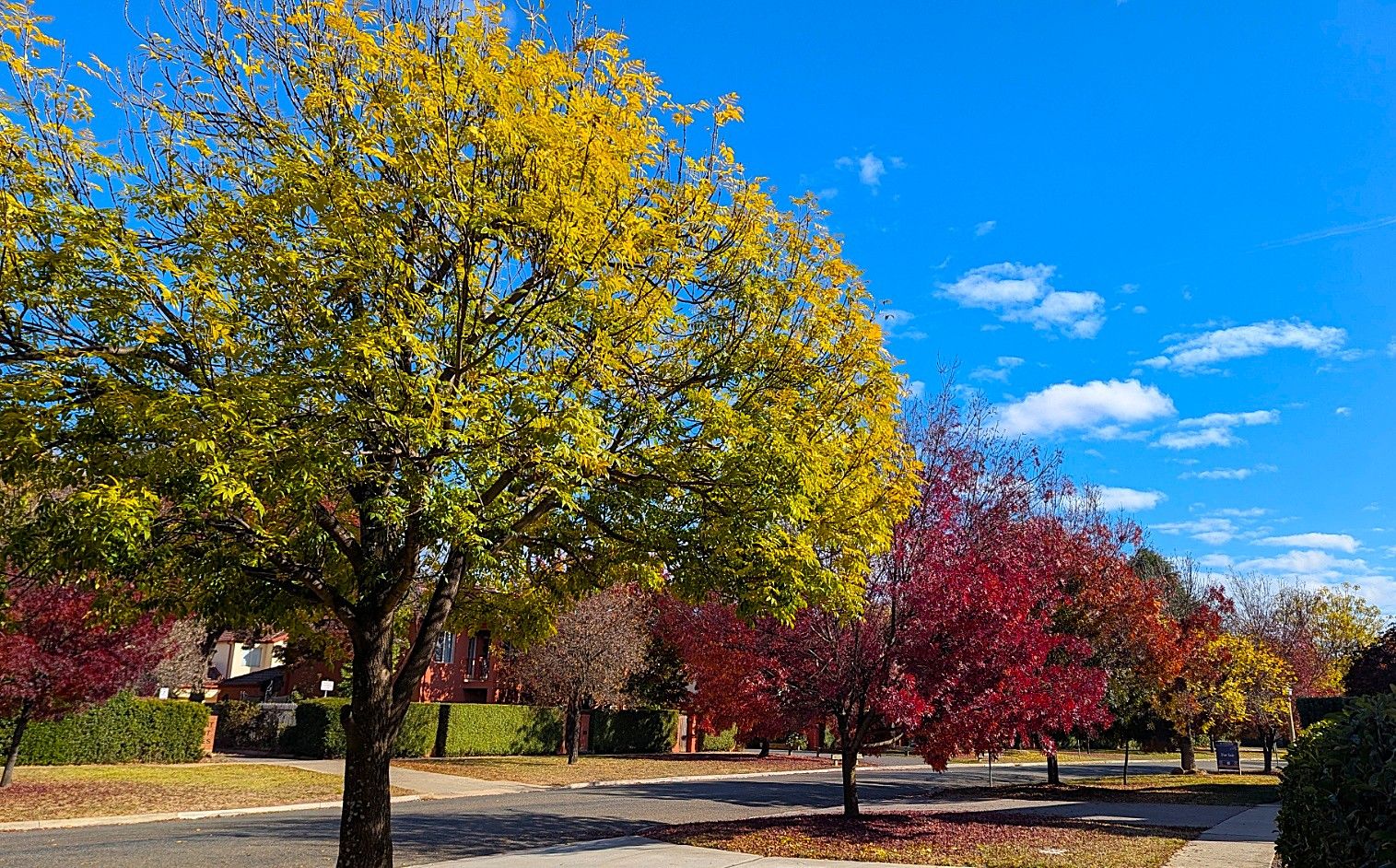
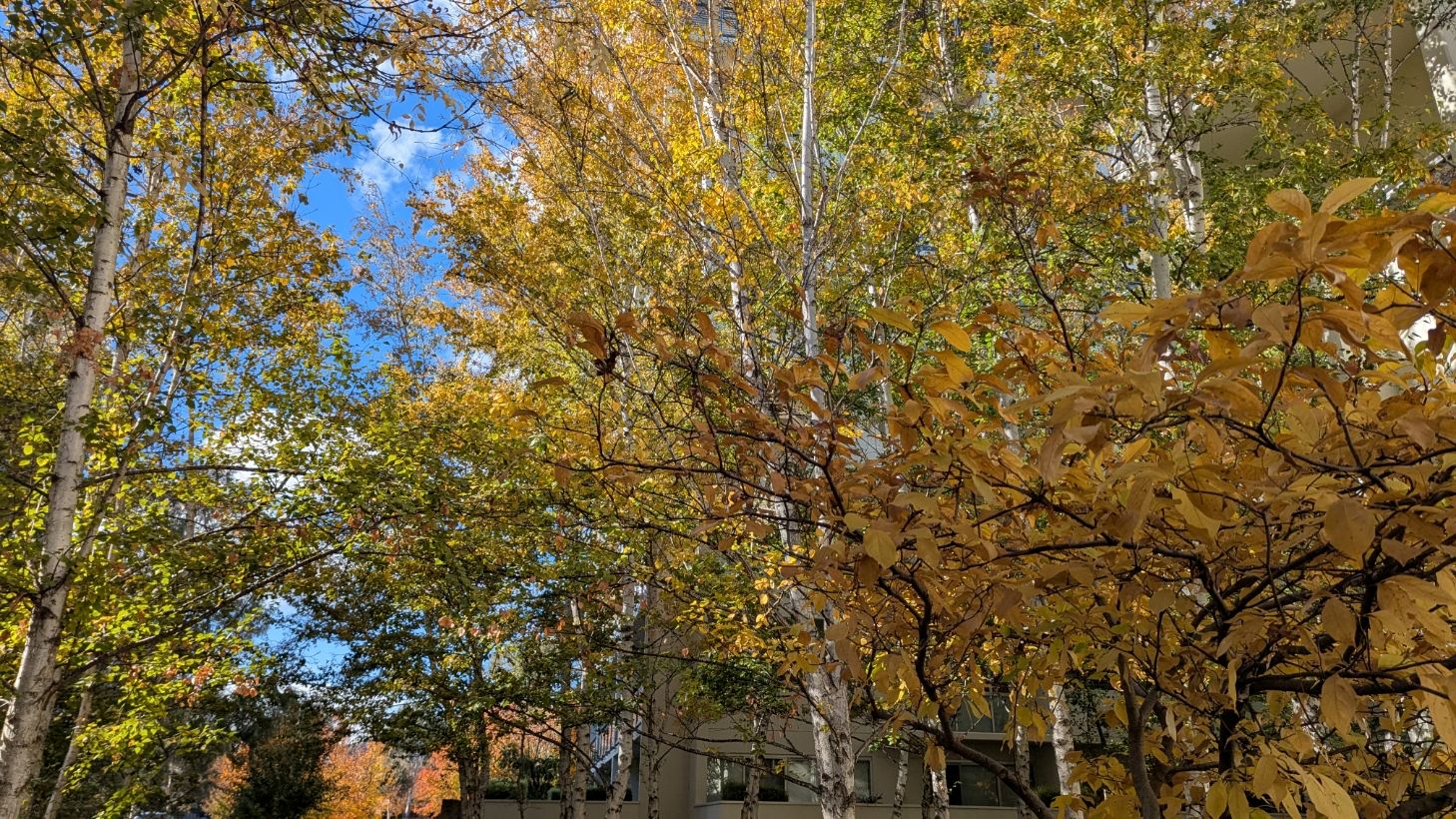
Changing seasons on a Canberra walk




Romance fiction enjoys comeback as women seek escapism
Rachel Lucas, ABC Gippsland, Sunday, 11 May 2025
abc.net.au/news/romance-fiction-enjoys-comeback-as-women-seek-escapism/105240694
Romance novels are enjoying a renaissance in Australia but their female characters are no longer just dreaming of marrying a knight in shining armour.
The contemporary female protagonists in modern-day romance fiction deal with real-life struggles and dramas, are proactive rather than passive and have agency in their lives.
And readers are here for that, with an average annual growth rate of 49 per cent over three years for Australian sales of romance fiction, a genre once trivialised as a low-brow guilty pleasure.
According to Nielsen BookScan Australia, 3 million romance books, valued at $46.4 million, sold in 2024.
With romance sub-genres such as rural, historical, paranormal, erotic, billionaire, LGBTQIA and romantasy, the female protagonists in these stories are diversified and represent women’s experience across different cultural, faith and class backgrounds.
Immersive escapism, intimate connection
Collins Booksellers owner Natasha Hunt in Sale, Victoria has observed an uprising of female writers in the fiction and memoir space, and women who want, as readers, to be inspired and feel joy, particularly with romance, general fiction and romantasy.
“There’s some fantastic literature out there,” she said.
“I’m not sure the television is giving us what we’re looking for, and I think people are looking to escape from what’s happening in the world, so they’re turning back to books and in the traditional form,”
she said.
Among the long rows of glossy publications that cater to the reading needs of home renovators, gold hunters, hobby farmers, celebrity watchers, and puzzle lovers, this newsagent is witnessing a resurgence in demand for print magazines.
Ms Hunt describes that immersive experience and the pleasure of touching the pages and feeling the weight of a book as an alternative to doing “bite-sized bits on the phone” and endless scrolling.
“They hold a book, they sit in their favourite place, their favourite couch, looking out the window and immersing in that story, sipping a wine or a coffee or whatever brings them joy.”
It is also a portal for learning about life and relationships.
In a world of digital transactions in which people lack connection, Ms Hunt believes women are seeking depth, nuance and the lost art of getting to know someone slowly, even if that is through a story.
The slow awakenings, prolonged courtships and gradual unravelling of a book offer a counter point to the relatively superficial online realm.
“Romance is a very intellectual genre, people underestimate what is written in romance books — it’s not all soft and fluffy and happily ever after, they tackle some very serious issues,”
Ms Hunt said.
“The world is hard at the moment. Books are not cheap, but people will buy a book and then share it with their family and their friends — it’s the gift that keeps giving.”
Lawyer who just wanted to write
Upper Pakenham-based rural fiction author Jennifer Scoullar has published 13 books, but only after a career change.
Her ambitions to become a writer were thwarted by her mother’s insistence that she pursue a career in law.
After years of working as a lawyer with the National Crime Authority and Legal Aid, she became burnt out and desensitised to the daily stories of human struggle, a burden that took a toll on her wellbeing.
“So many of us just do what people expect us to do, and we ourselves internalise these expectations, and very often that isn’t actually what we want to do. It doesn’t bring us joy,”
Ms Scoullar said.
Feeling that she was losing her empathy towards people, she delved into the escapism of writing, creating worlds where she could control the behaviour of her characters and the situations they faced, even granting them a more optimistic future.
Eventually she made the break and quit law to write.
It was a move that would bring an end to her marriage, and confront her with the challenges of raising her four children alone.
She completed a year-long novel writing course with Writers Victoria but with no industry connections or big profile to launch a book in a market saturated by celebrity cookbooks and biographies, Ms Scoullar’s chances of being published were slim.
But then a friend suggested attending a writers’ conference, where she was able to pitch to publisher Belinda Byrne, sister of First Tuesday Book Club presenter Jennifer Byrne, who was on the hunt for a rural fiction writer.
The chance meeting resulted in a book deal with Penguin Australia.
“Publishers began to realise that there was an appetite for stories about strong country women living their dreams on the land, and the hardships they faced, the struggles they faced, and the romantic heartbreaks and triumphs, so the genre started to grow,”
Ms Scoullar said.
Stories for women by women
Stratford-based author and women’s literary event organiser Lisa Ireland is in the process of writing her ninth book published by Penguin Random House.
Originally from the western suburbs of Melbourne and a teacher for 20 years, Ms Ireland said her books had mirrored the various stages of her life, from finding love, to motherhood through to middle age.
She believes the women’s fiction movement is primarily driven by younger female readers, who are discovering books and authors through TikTok and Instagram and want to see their own lives represented.
“Our stories are just as important as men’s stories,” Ms Ireland said.
InReview
Remembering radical femmes who revealed inconvenient truths
Jacqueline Kent’s latest book celebrates a formidable group of ground-breaking female Australian writers who were both at the forefront of social change and pioneers swimming against the conservative tide.
May 14, 2025, updated May 14, 2025
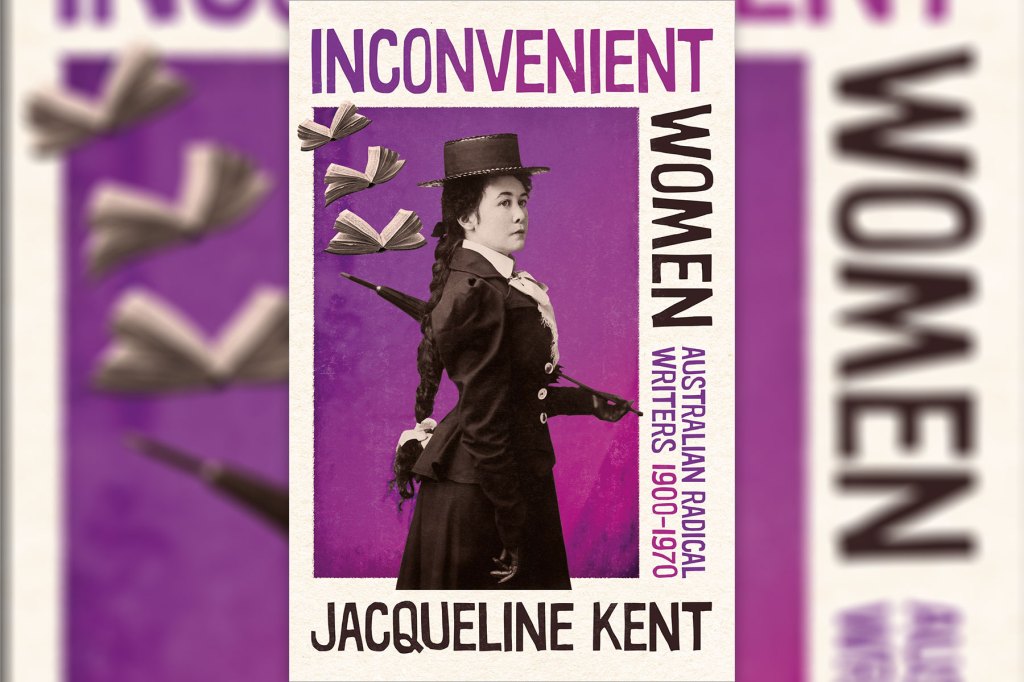
Jacqueline Kent’s new book charts the careers of a group of groundbreaking Australian women writers.
Much has been written about the lives and creative output of second-wave Australian feminist writers and activists such as Germaine Greer, Anne Summers and Beatrice Faust. However, comparatively little has been published about the lives and works of the generation of women who preceded them.
This relative dearth of critical and biographical information inspired Sydney-based writer Jacqueline Kent’s latest book, Inconvenient Women: Australian Radical Writers 1900-1970.
Until the 1970s, when feminist critics and academics began rescuing women writers from oblivion and obscurity, Australian literary history was assumed to be largely, if not entirely, male dominated. The process whereby feminist researchers have rediscovered and reread women’s writing has undoubtedly transformed Australian literary and cultural history and, to this end, in her study, Kent focuses on the lives and work of seven diverse radical activists and writers.
The titular “inconvenient women” about whom she writes are feminist journalist, poet and labour movement organiser Mary Gilmore; writer and lifelong Communist Party member Katharine Susannah Prichard; Eleanor Dark, who explored Australian colonisation and the Indigenous people it displaced; Dymphna Cusack, who advocated for social reform and had strong links to labour politics; Ruth Park, whose novel The Harp in the South inspired the NSW Government’s slum clearance programs; Dorothy Hewett, whose novel Bobbin’ Up was one of the few western works translated into Russian during the Soviet era; and prominent Queensland poet, artist, writer and educator Oodgeroo Noonuccal (Kath Walker), who campaigned tirelessly for Indigenous rights, including successful constitutional reform.
Author Drusilla Modjeska identifies the period Kent writes about, the 1930s and 1940s in particular, as “remarkable years in Australian cultural history”. “Women were producing the best fiction of the period and they were, for the first and indeed only time, a dominant influence in Australian literature,” says Modjeska.
All the women she writes about broke with the past in insisting on their professionalism in a society and a nation that had often excluded the achievements and successes of women.
Likewise, Australian academic Maryanne Dever depicts the entire inter-war period as a time of “an almost unprecedented concentration of women writers making contributions to the development of a new national literary and political culture”.
Nonetheless, as Modjeska wrote in her study Exiles at Home: Australian Women Writers 1925-1945, and as Kent’s research makes clear, women were exiles in multiple senses. They had to cope with the contradictions of being a writer and a woman. All the women she writes about broke with the past in insisting on their professionalism in a society and a nation that had often excluded the achievements and successes of women. That many of these women achieved as much as they did is substantially due to the support they often gave one another, through personal and activist friendships and relationships, and through the inspiration provided by their written works.
All the women she writes about broke with the past in insisting on their professionalism in a society and a nation that had often excluded the achievements and successes of women
Likewise, Australian academic Maryanne Dever depicts the entire inter-war period as a time of “an almost unprecedented concentration of women writers making contributions to the development of a new national literary and political culture”.
Nonetheless, as Modjeska wrote in her study Exiles at Home: Australian Women Writers 1925-1945, and as Kent’s research makes clear, women were exiles in multiple senses. They had to cope with the contradictions of being a writer and a woman. All the women she writes about broke with the past in insisting on their professionalism in a society and a nation that had often excluded the achievements and successes of women. That many of these women achieved as much as they did is substantially due to the support they often gave one another, through personal and activist friendships and relationships, and through the inspiration provided by their written works.
Katharine Susannah Prichard, for example, began her career as a journalist and, after joining the Communist Party of Australia, became a proficient public speaker. Throughout her life, as befitted a believer in the social responsibility of the artist, she continued to produce articles that confronted social and political issues more directly than she felt she could in her fiction.
In her best-known novel, 1929’s Coonardoo, she crafted the first Australian novel with an Indigenous figure as a main character. Similarly, Eleanor Dark’s 1941 novel The Timeless Land gave emphasis to Indigenous characters’ points-of-view in order to more broadly critique aspects of Australian culture, including the rigid class and race system, the high value placed on the acquisition of property and material wealth and the exploitation of the natural environment.
One of the most interesting threads in this book, which Kent calls “a joint biography, not a work of literary criticism”, runs through her discussion of the social and political conditions that birthed Prichard’s Coonardoo, Dark’s The Timeless Land and the collected works of Indigenous writer Oodgeroo Noonuccal, who was known as Kath Walker before changing her name in 1988.
A member of the Communist Party of Australia, because it was the only political party that had rejected the White Australia Policy, Prichard fought vociferously for land rights and social and racial equality. She was also an integral part of the campaign for the 1967 referendum that made the Federal Government amend the constitution in favour of citizenship for Indigenous Australians.
Noonuccal also made literary history when, in 1964, her book of poetry became the first book by an Indigenous writer published by an Australian press. Interestingly, Kent’s research revealed that one of the people who actively encouraged Noonuccal to write was Mary Gilmore who, at age 94 and a staunch supporter of the White Australia Policy, read her poems and exhorted her to not only publish them but to continue writing. “These belong to the world,” Gilmore told Noonuccal. “Never forget you’re the tool who wrote them.”
Throughout the course of Inconvenient Women, Kent expertly traces the relationships between these women’s lives, work, politics, fiction and nonfiction. Rather than simply seeking to reclaim them for feminism, however, she offers a feminist reading that is a serious political evaluation of their lives and their work.
She further gives a sensitive portrayal of their respective strengths and limitations. So much of their work, particularly in the latter part of the period, involved a passionate critique of love, marriage, motherhood, labour and politics.
Kent’s discourse makes clear the ways in which their day-to-day lives and their personal politics were inextricably interwoven with their creative output. Each of these seven women writers set out, in her own way, to change the world, and this well-researched and engagingly written book makes clear their individual and collective bravery, curiosity and fearlessness.
Inconvenient Women: Australian Radical Writers 1900-1970 by Jacqueline Kent, NewSouth Books, $34.99.

 Robin's Room