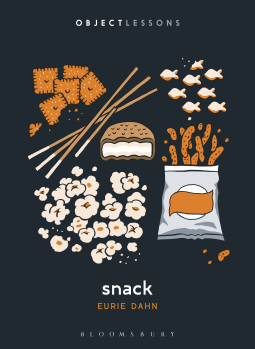
Eurie Dahn, Snack, Bloomsbury Academic, February 2026.
Thank you, NetGalley and Bloomsbury Academic, for this uncorrected proof for review.
Snack is another title in the Object Lessons publications that can be so much fun, as well as making a serious contribution to information about the wide range of topics they address. Snack is less entertaining than I expected, and although it is arguable that the somewhat serious approach is valuable it also presents challenges. Snacks have always suggested fun, something different from the three-course meal, or even fewer courses, but nevertheless a solid meal eaten at a table with the accoutrements associated with social environment, culture, and purpose. Eurie Dahn focusses on particular American and Korean snacks, embracing debates about the health aspects of snacks, their cultural importance, parental care and children’s responses to snacking, snacks and popular culture and types of snack. See Books: Reviews
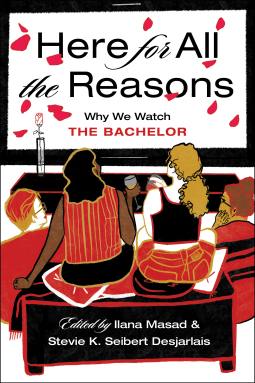
Ilana Masad, Stevie K. Siebert Desjarlais Here for All the Reasons Why We Watch The Bachelor Turner Publishing Company, May 2026.
Thank you, NetGalley, for providing me with this uncorrected proof for review.
This is a collection of largely anecdotal approaches to watching The Bachelor, and at times, associated programs such as Bachelor in Paradise. It is not the analytical survey of The Bachelor, answering questions such why it has attracted large audiences, why these have gradually diminished, and how new aspects of the accepted format have been introduced to halt this slide that I expected. Rather, there is an emphasis on personal stories, very often these overriding any analysis of The Bachelor even from the perspective of that audience member. So, my initial reaction was disappointment. However, as the stories mounted, perhaps becoming attuned to the style and content, I found myself appreciating the honesty of these audience members, the multitude of backgrounds and personal likes and dislikes they described as part of their Bachelor experience, and the way in which they wrote with warmth about the groups they formed around watching and discussing the program. See Books: Reviews
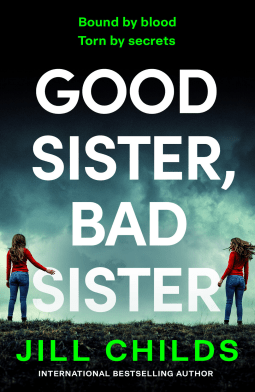
Jill Childs, Good Sister, Bad Sister, Boldwood Books, March 2026.
Thank you, NetGalley and Boldwood Books for providing me with this uncorrected proof for review.
Good Sister, Bad Sister narrative is shared between sisters who were separated at birth. Arabella was adopted by a wealthy family; Helen remained in her mother’s care in very different economic circumstances. When Arabella’s mother dies, she leaves a letter for her daughter in which she discloses that she was adopted. Arabella investigates and finds her birth mother and sister. Arabella begins a relationship with her biological mother, and forges a relationship clandestinely with her sister, Helen. She must navigate these relationships with her marriage to Danny and young child, Lola, the difference in her economic circumstances and that of her biological family and her daughterly feelings about both her adoptive and biological mothers. These feelings are marred by her anger at her biological mother for choosing Helen instead of her, and the unloving relationship she has had with her adoptive family. See Books: Reviews
Cindy Lou enjoys more Perth restaurants
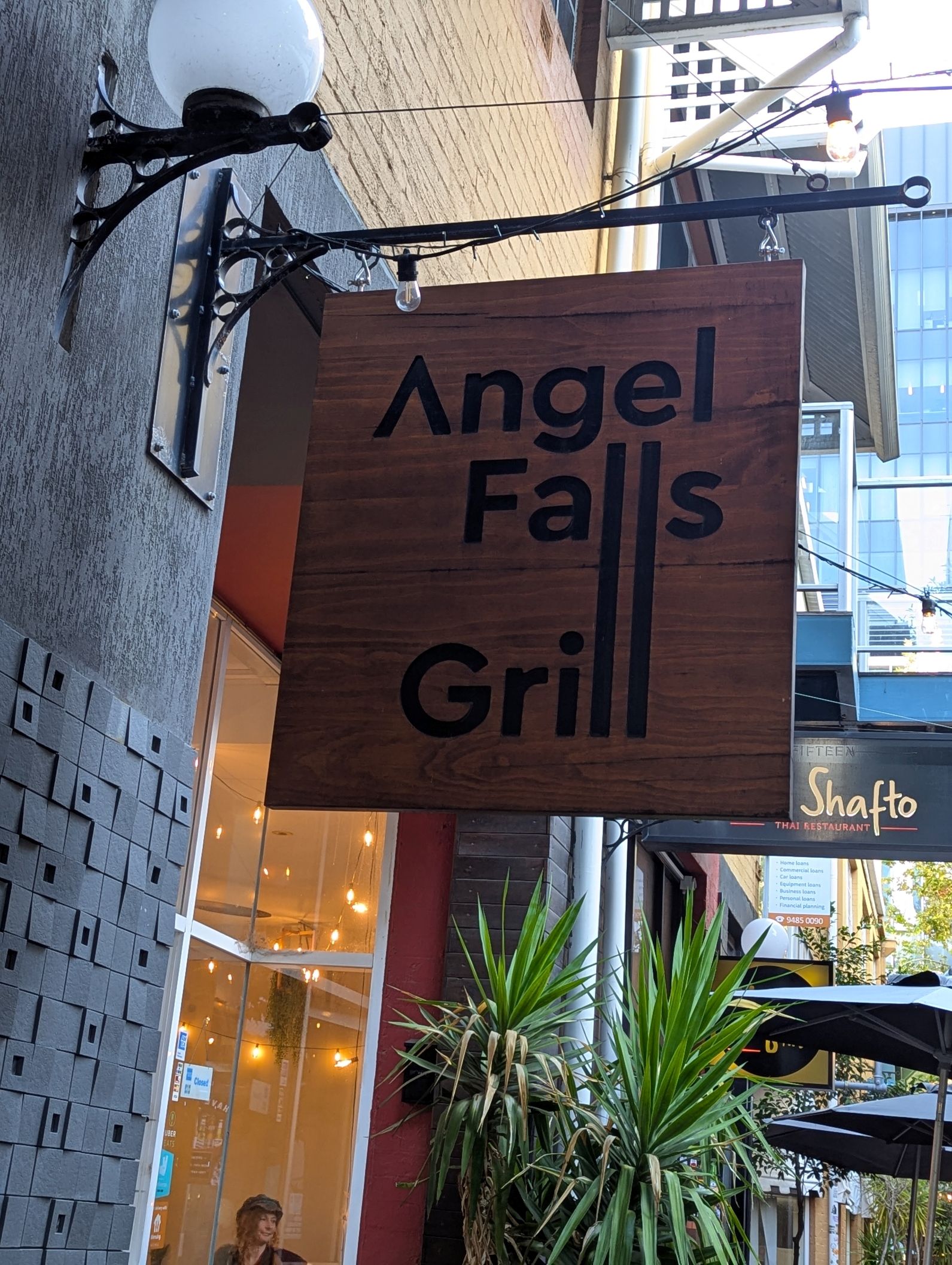
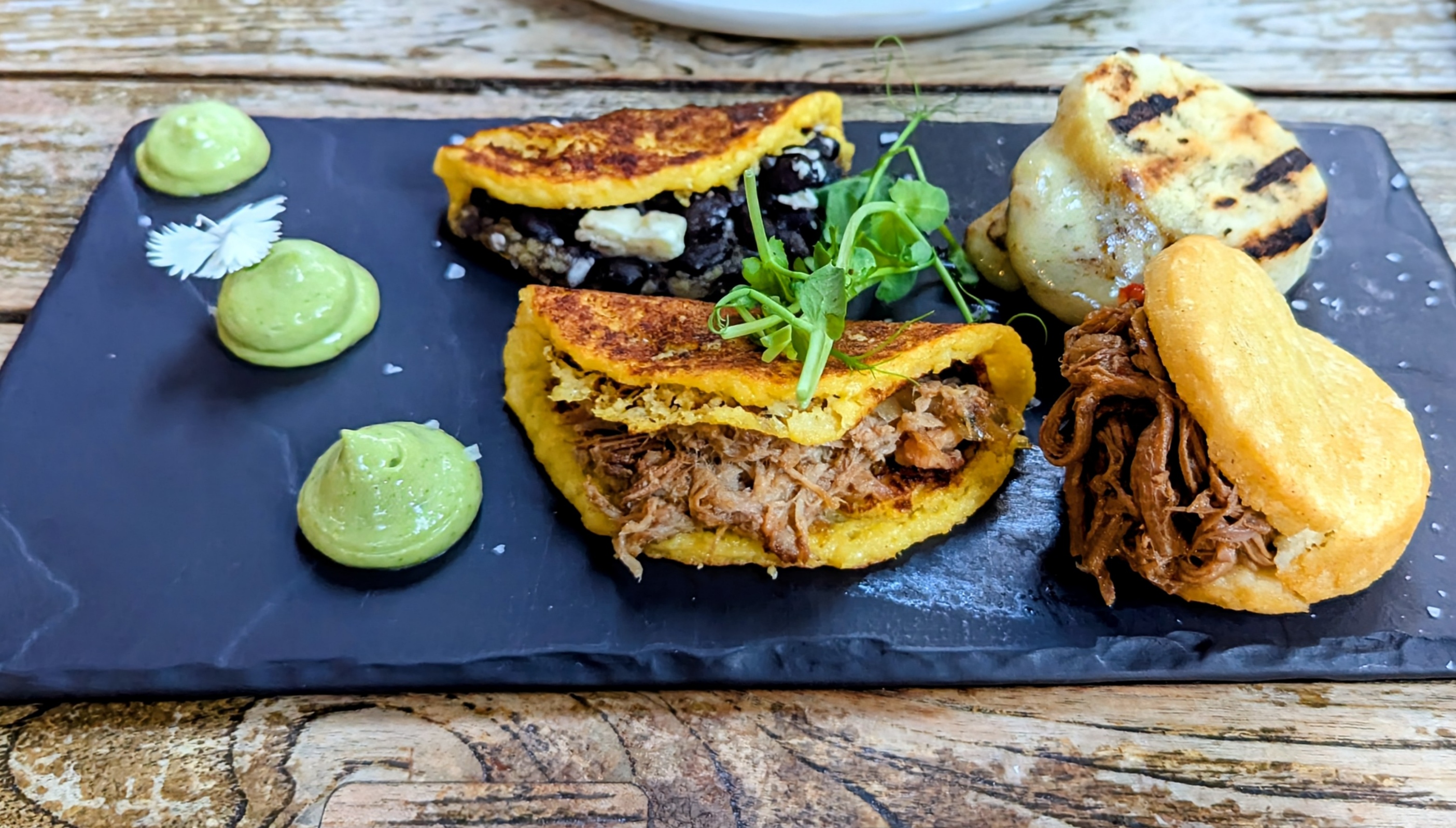
Angels Falls is a Venezuelan restaurant in Shafto Lane, a buzzy laneway between Murray and William Streets. Angels Falls has inside and outside seating, an interesting menu and pleasant staff.
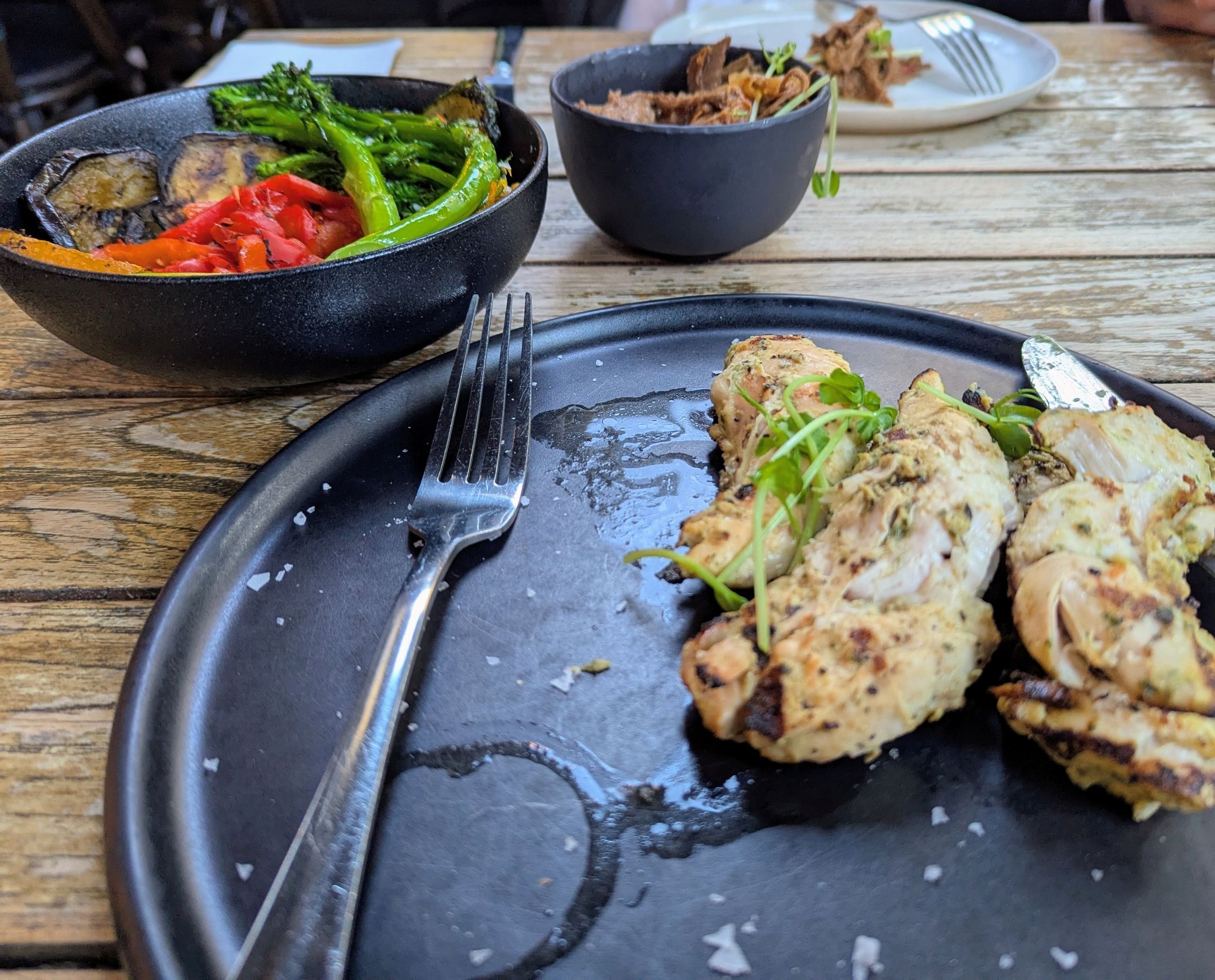
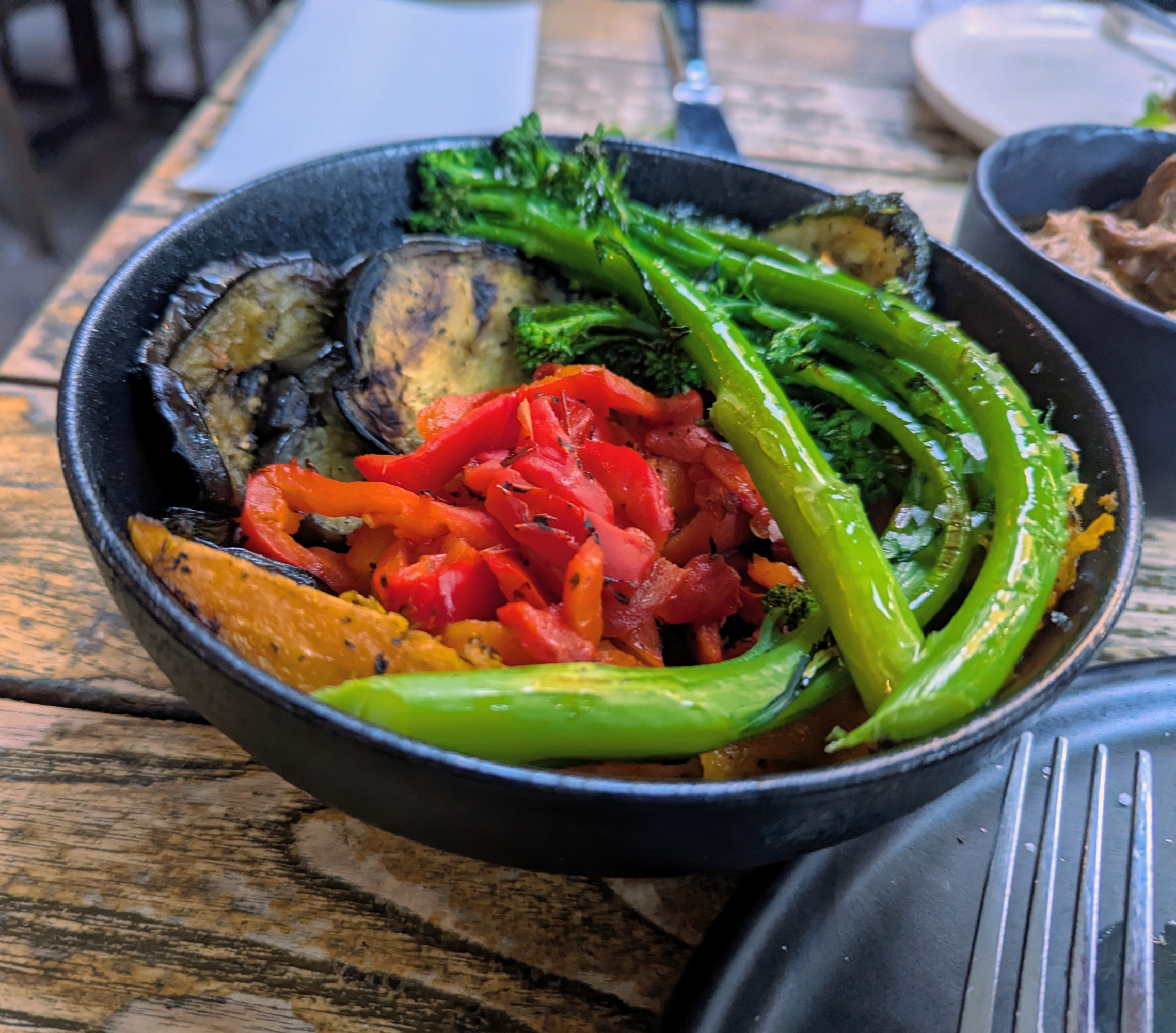
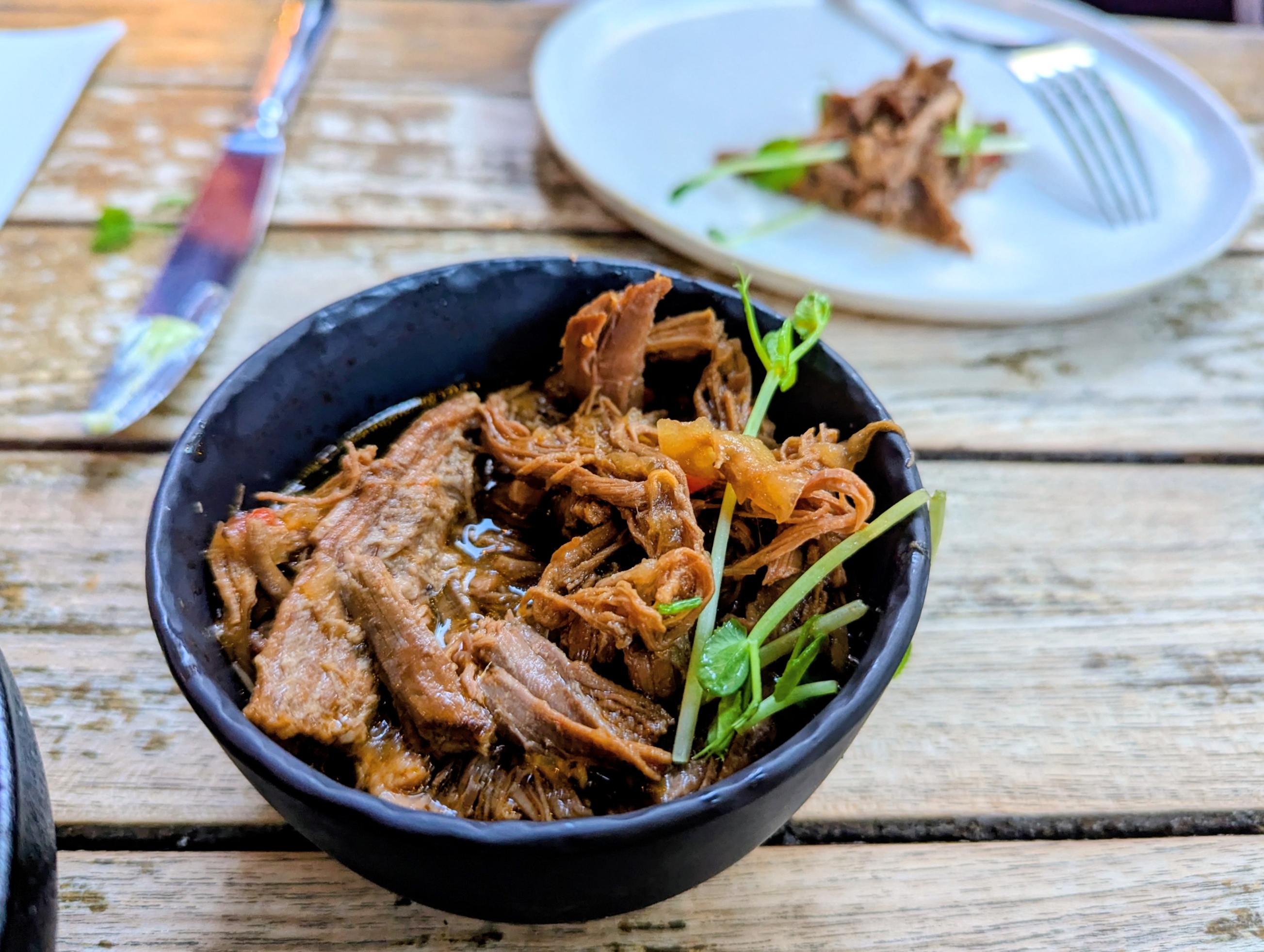
We had the mini mix entree platter which featured two meat and two vegetarian choices in cachpapa (corn and flat for wrapping) and arepa (savoury cornmeal cakelike bread). The vegetarian fillings were black bean and feta, and sweet ripe plantain and cheddar; the meat fillings were pulled pork, and shredded beef. they were served with green aioli sauce. We thoroughly enjoyed them. We then had some chicken, and beef with grilled vegetables. The serves were generous and delicious.

Breakfast at Riverside Cafe, a favourite on the Swan River, was more simple – coffees, vegemite toast and a hot cross bun.
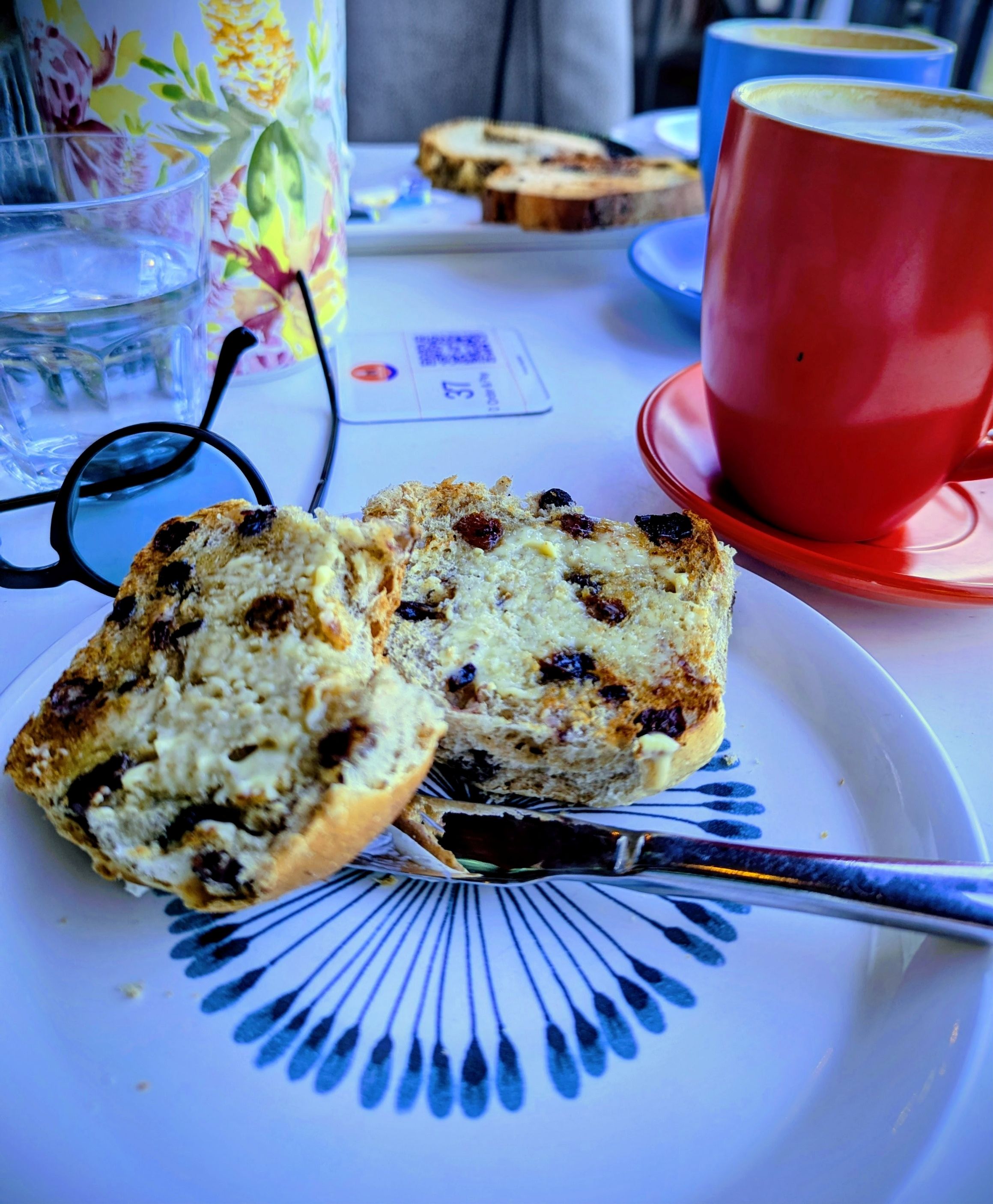

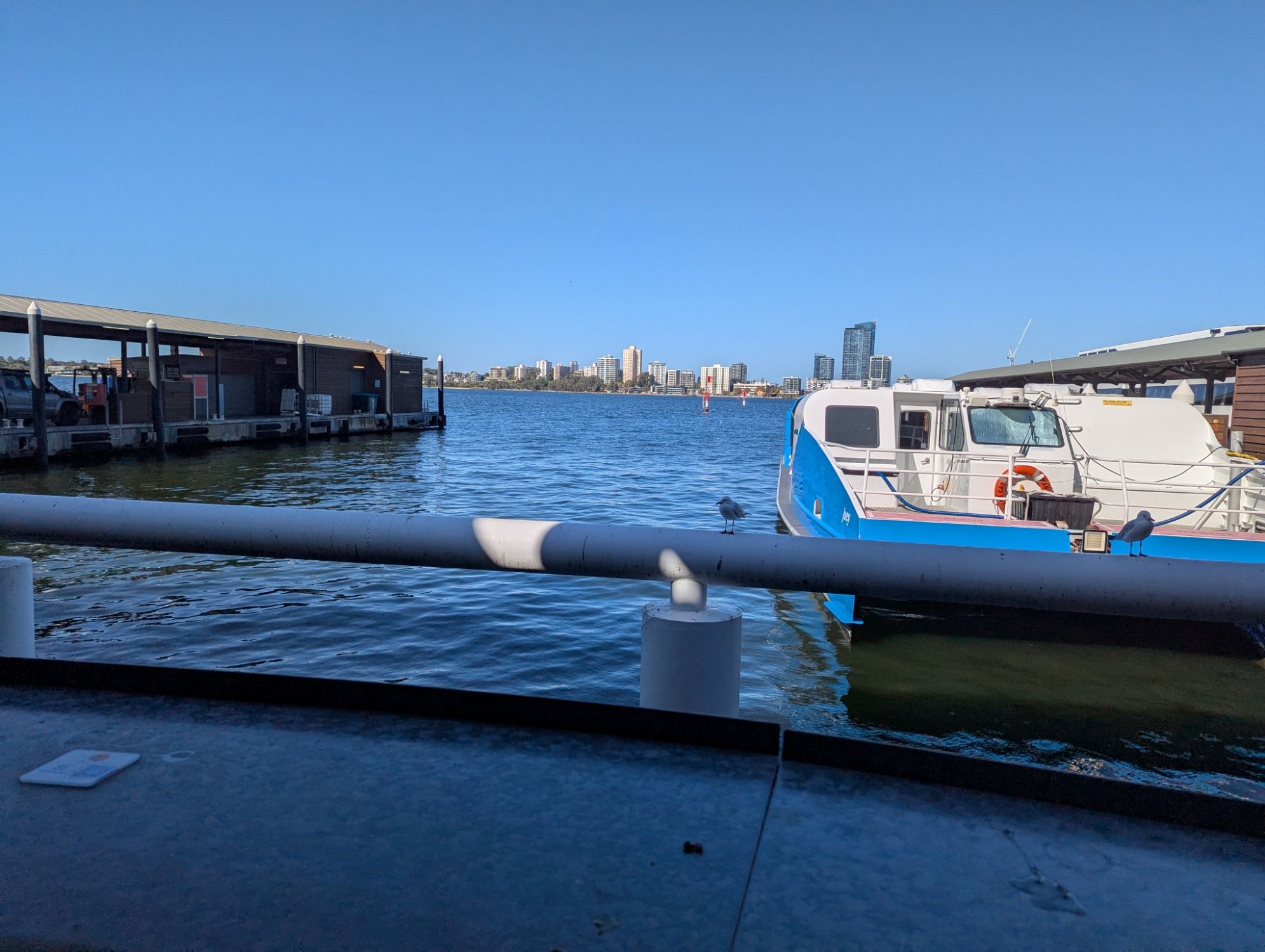
The tapas at H&R were so successful last time, we had then again on our last day in Perth before travelling to Busselton.
Busselton is a lovely seaside town, and we are taking advantage of the sea, food, parks and walks. It also has a cultural centre in progress.
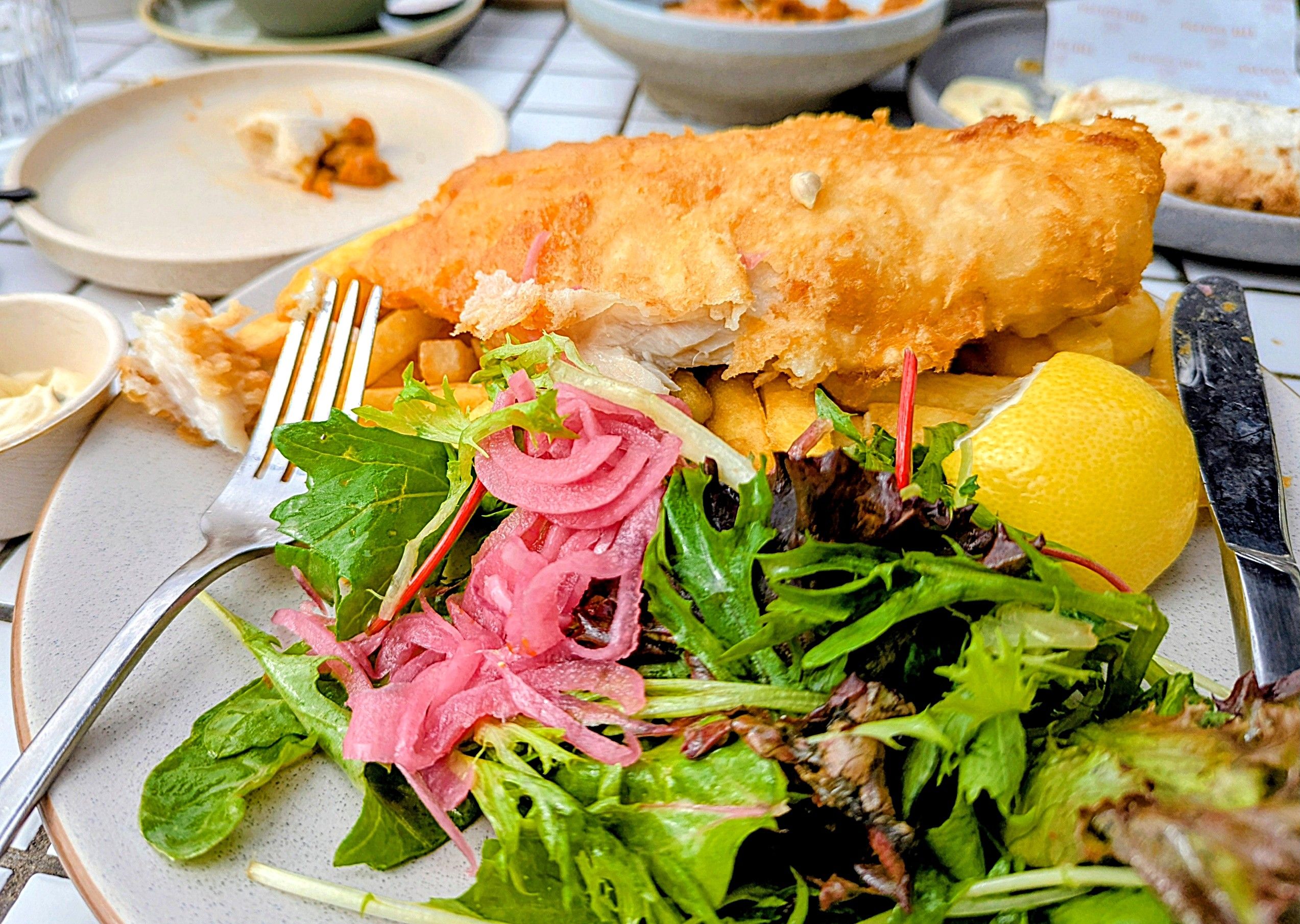
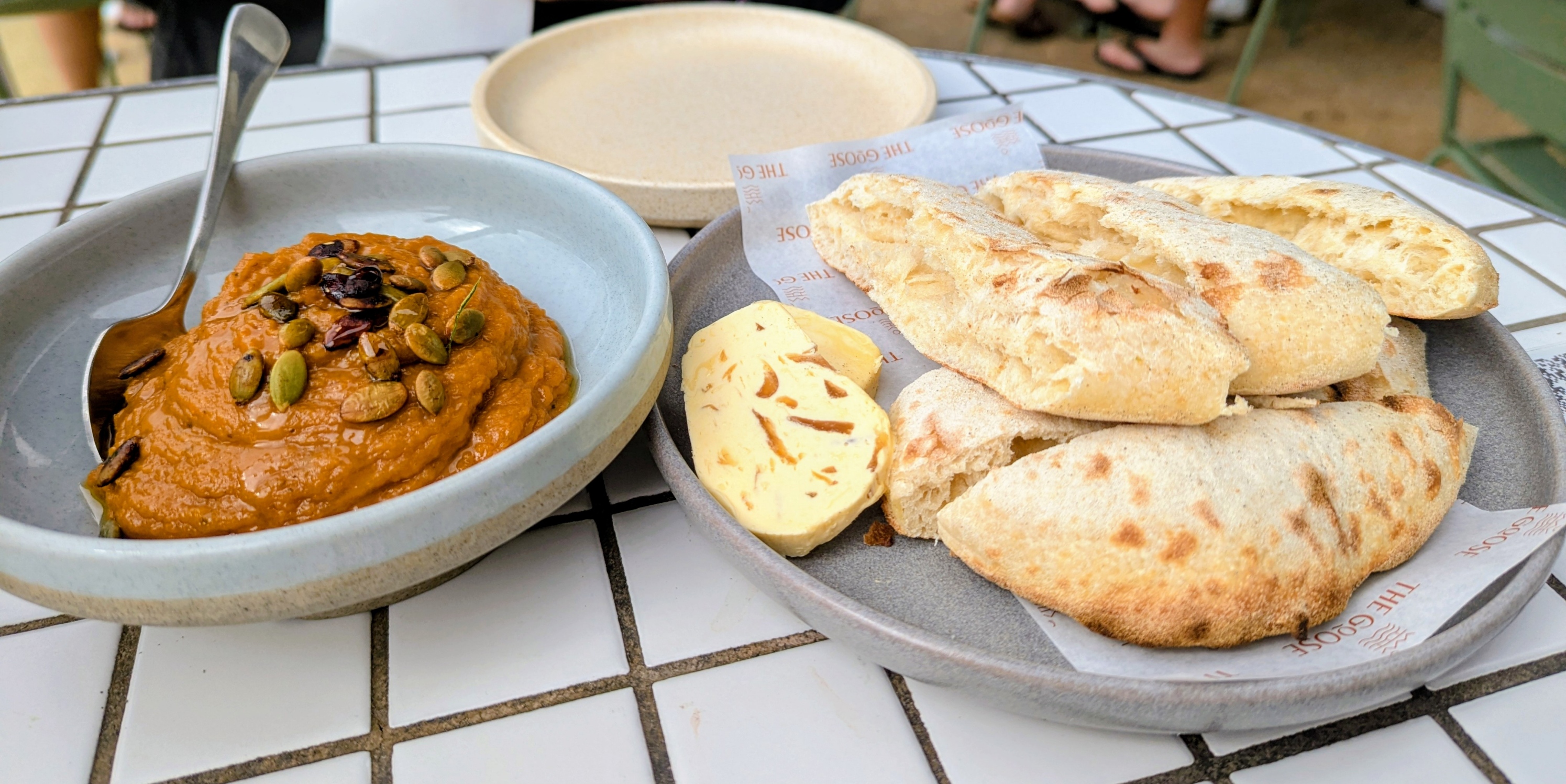
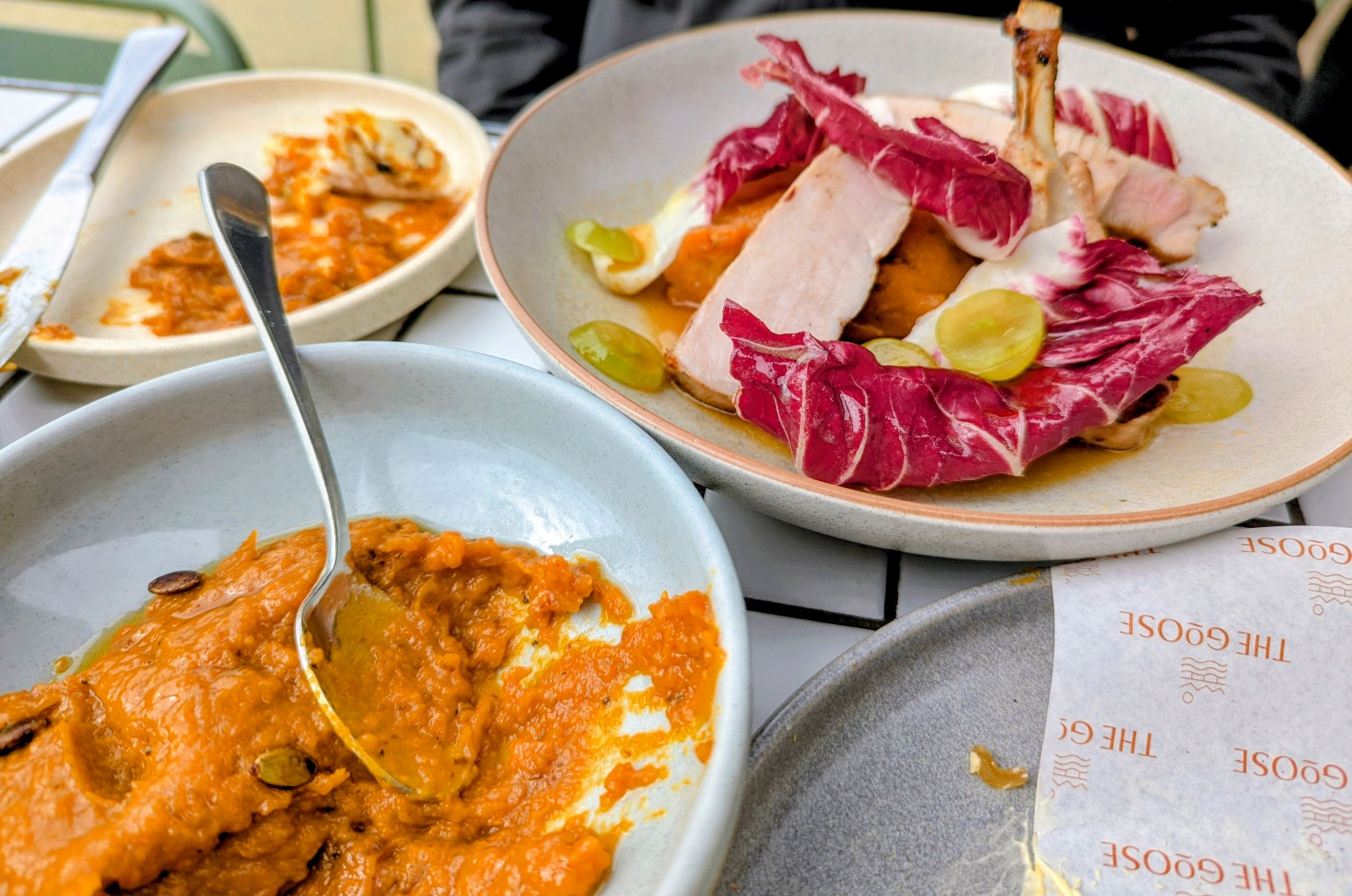
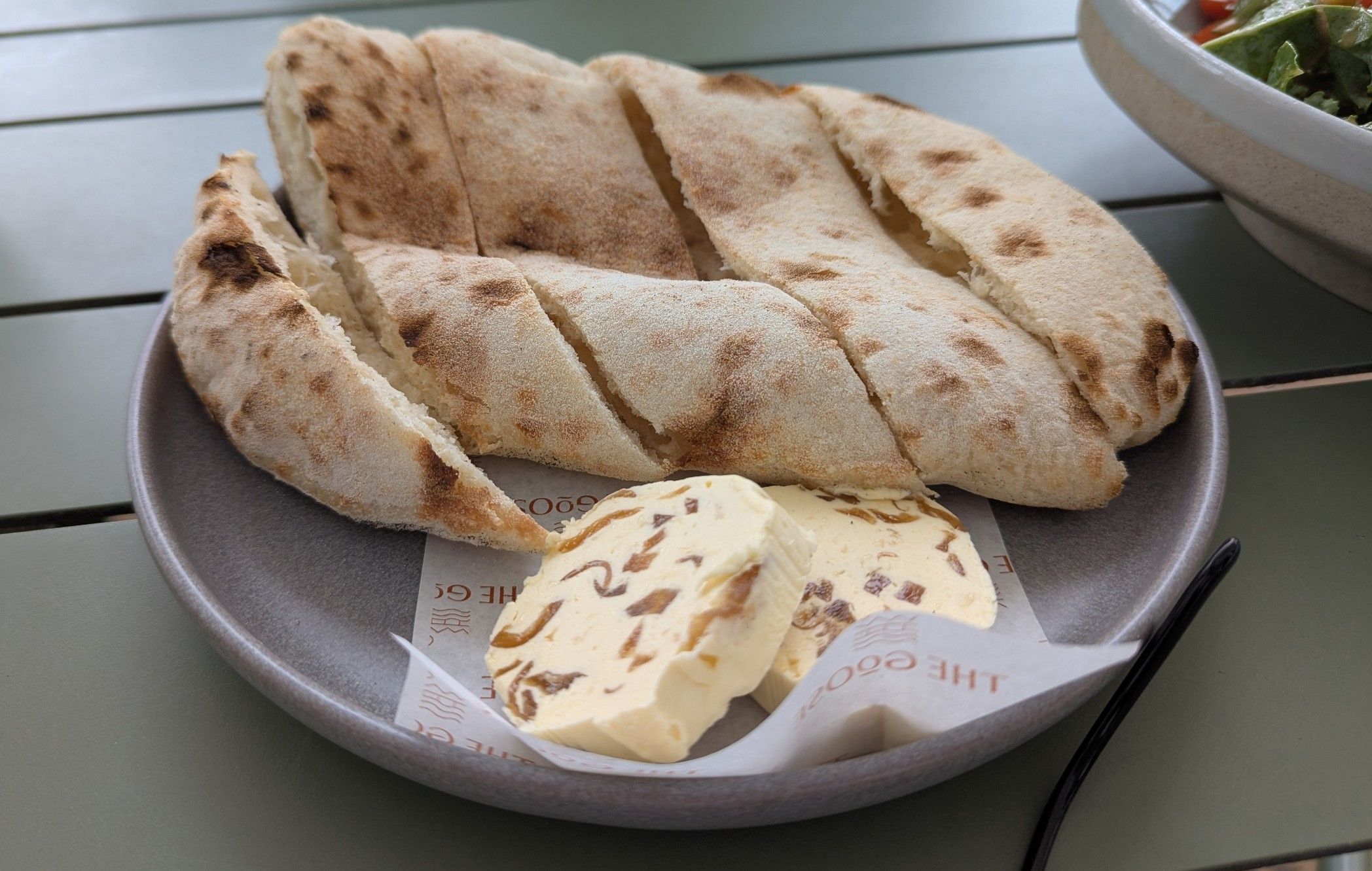
We had our first meal of the day after a long bus ride with a departure time too early for us to even find a coffee, at The Goose. We had a feast which was impossible to finish – flat bread with onion butter and a whipped pumpkin dip, fish and chips and pork chops. And coffees of course.
The Goose
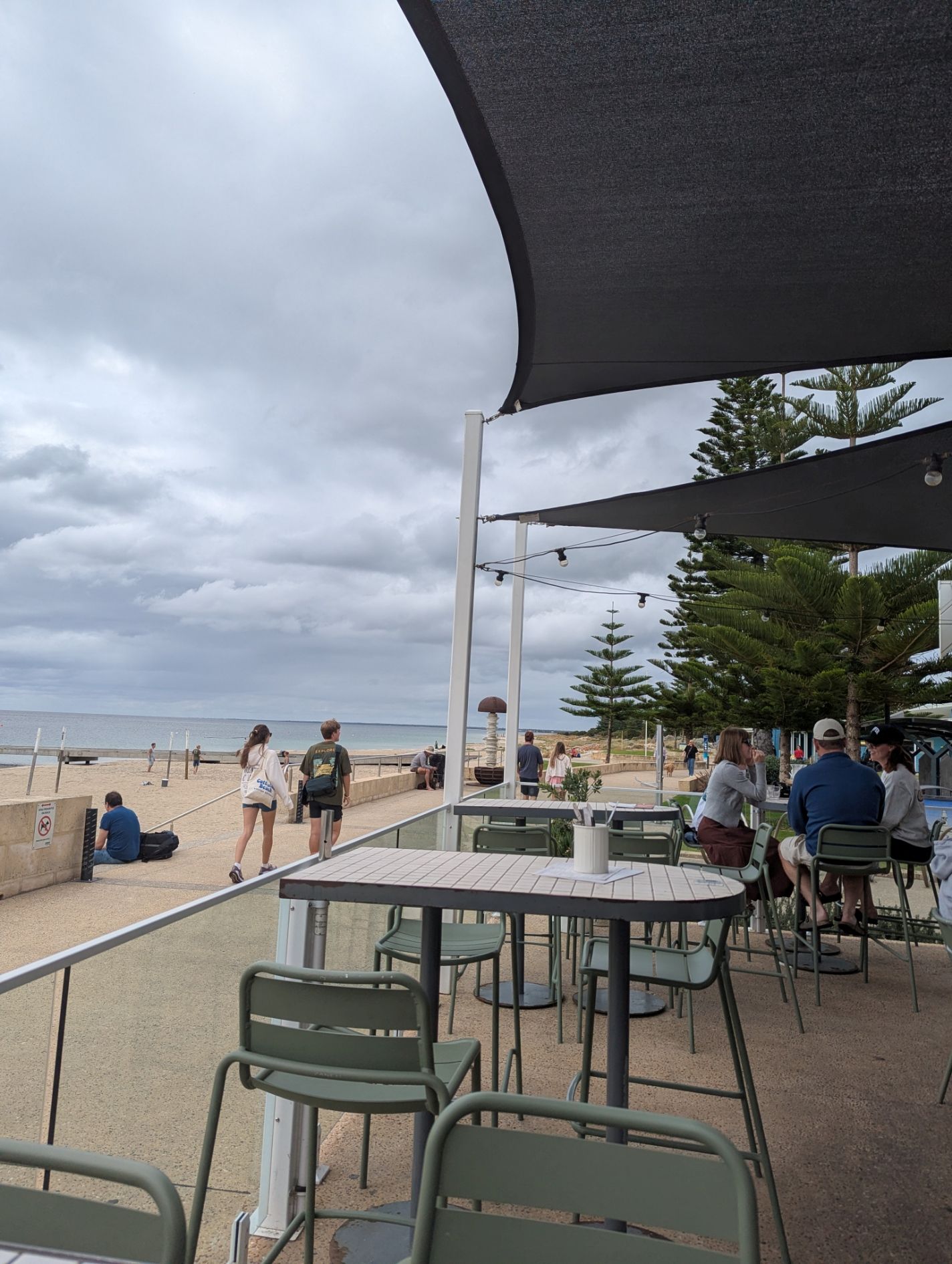

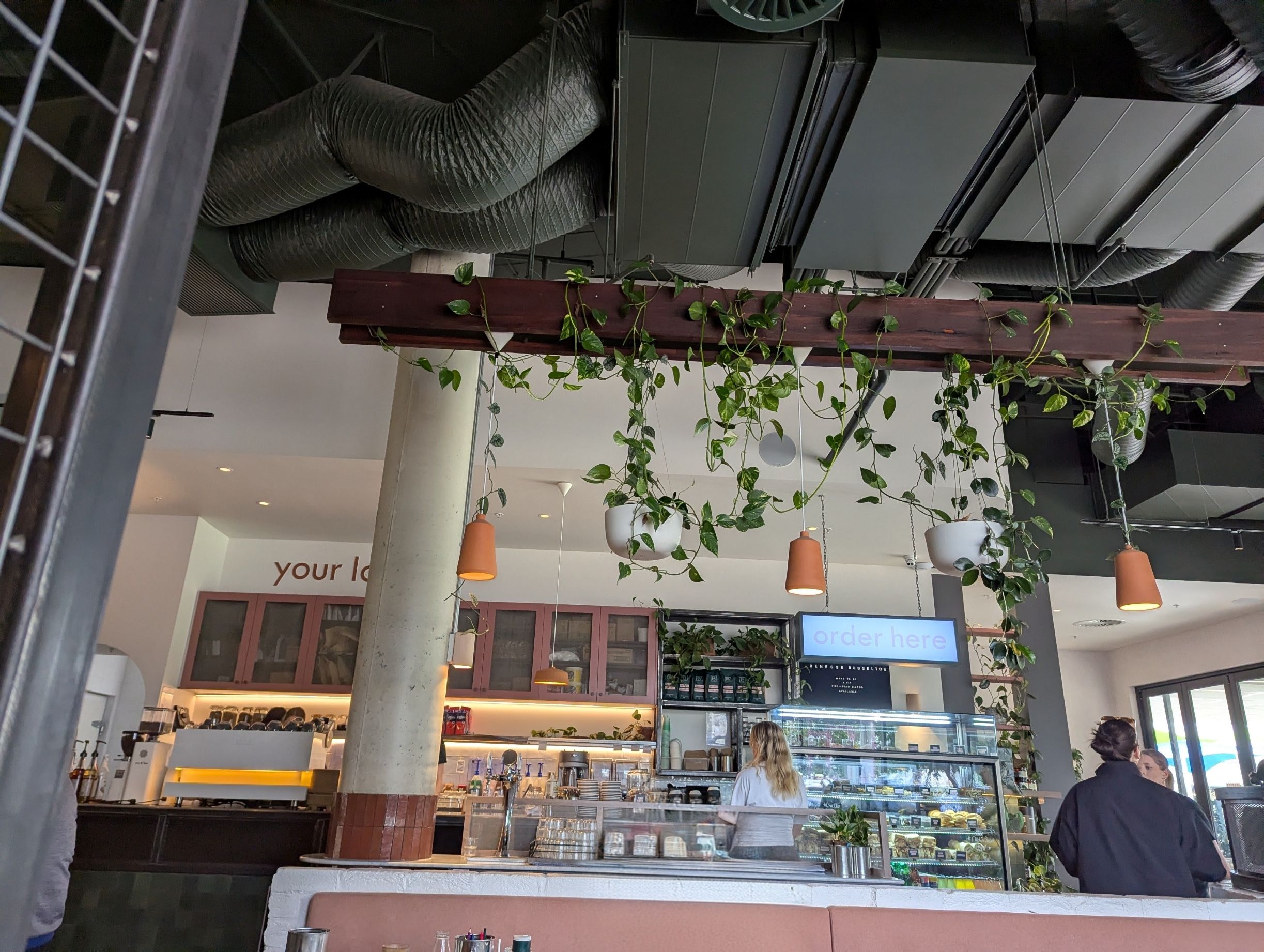
Benesse
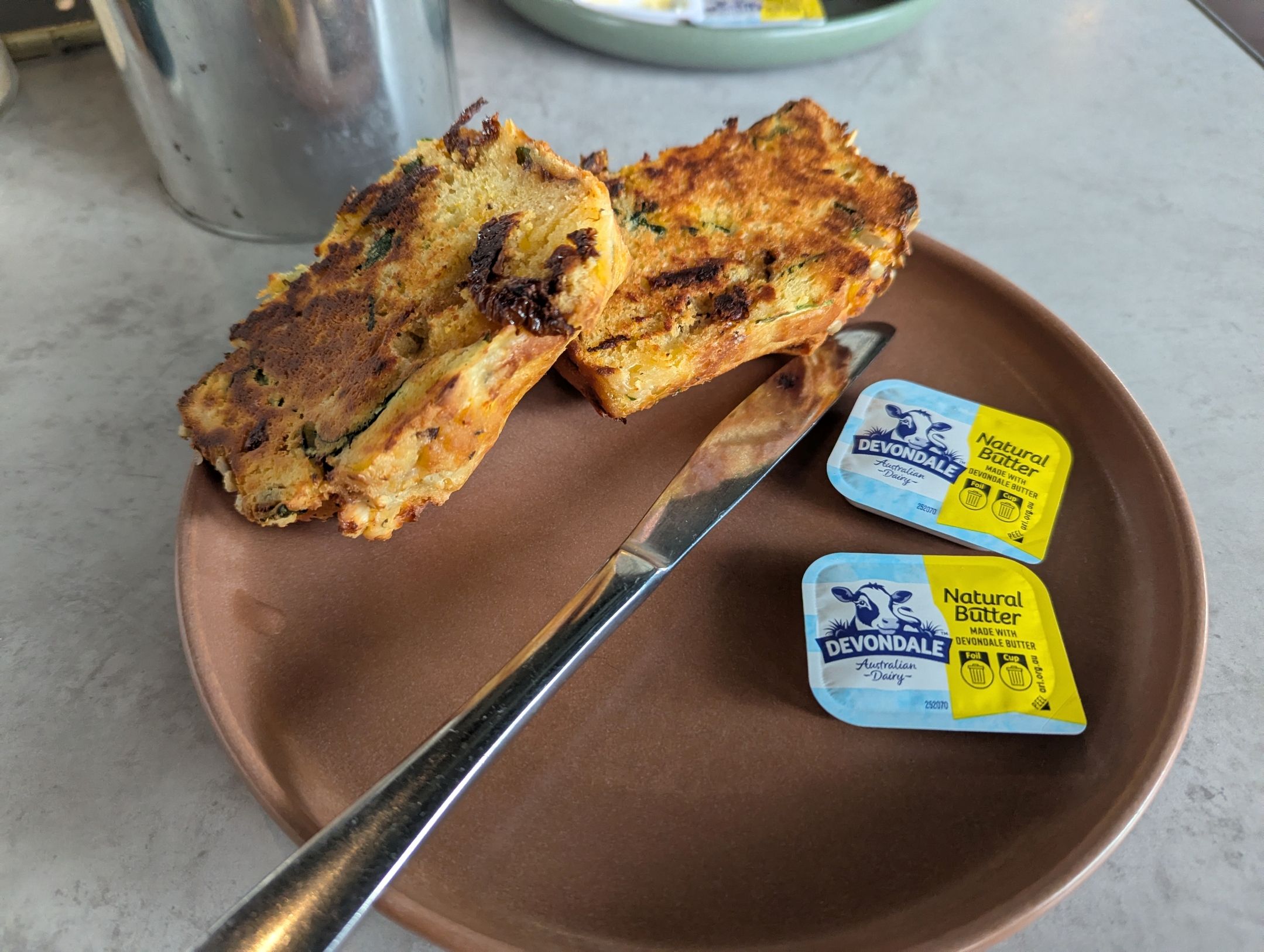
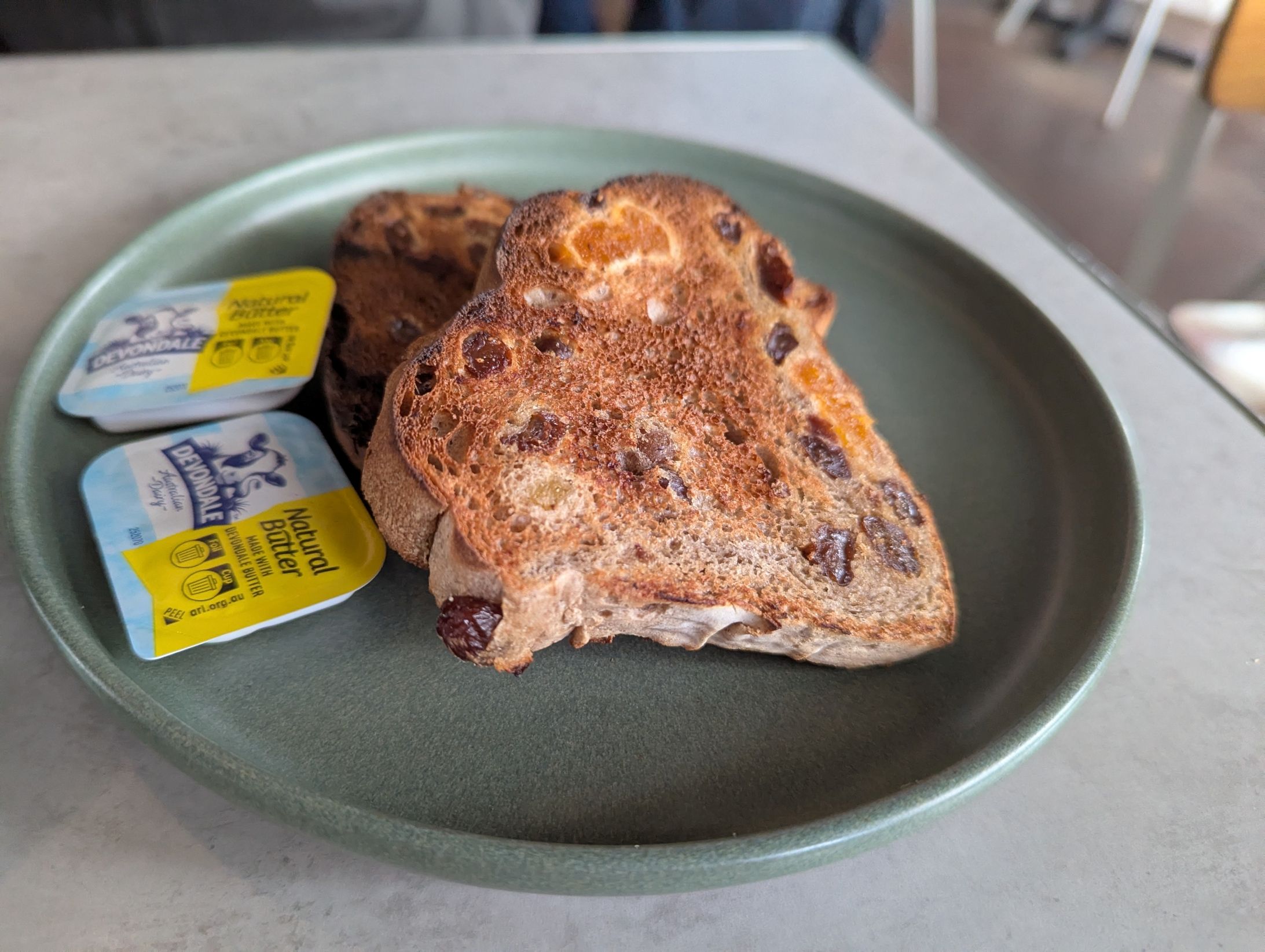
Our late breakfast at Benesse was very good, with a vast range of options on the menu, lovely staff and indoor and outdoor seating. It was still cold at 10.00 so we took the option of being inside, rather than as usual, freezing outside with Leah. Fruit toast and a savoury muffin (so hard to find at most coffee shops) and coffee (mine could have been better) made a good start to yet another grey day.
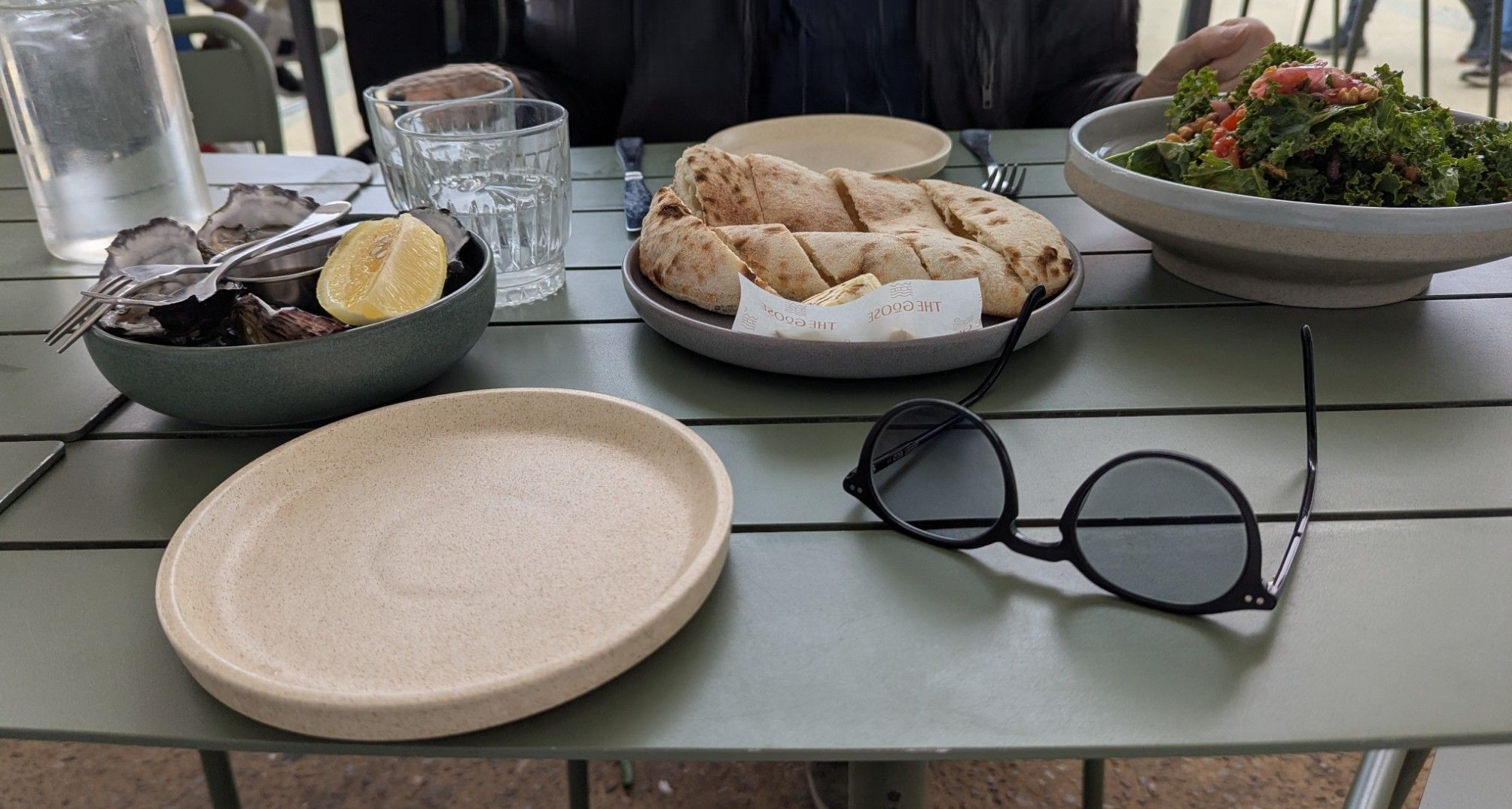
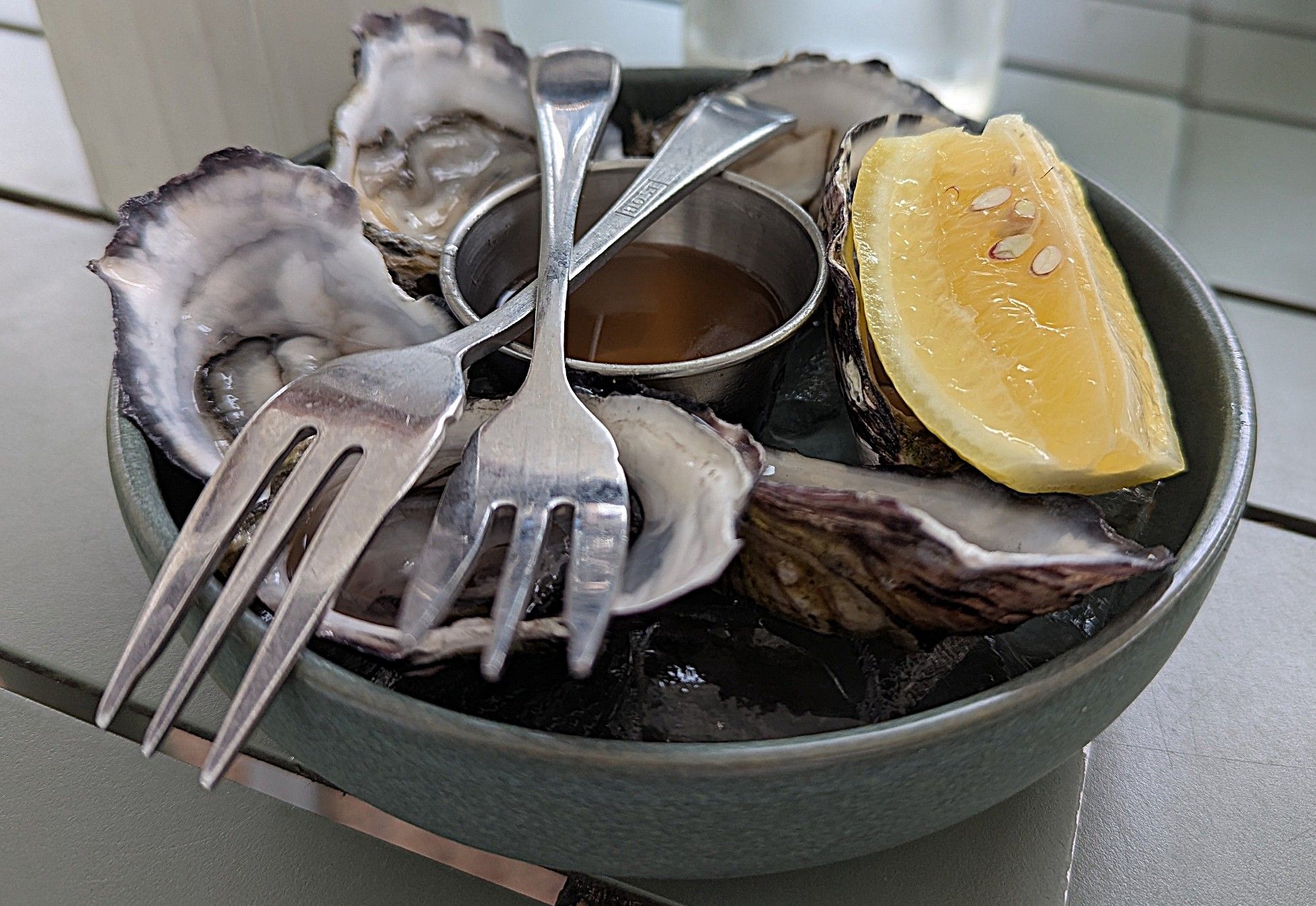
And back to The Goose for a late lunch. The Coffin Bay oysters were not as luxurious as the ones I am served in inland Canberra but were delicious with the warm bread and some kale and chickpeas from the salad. The salad was magnificent, also featuring large chunks of sweet potato, and a delicious sauce.

Kyst
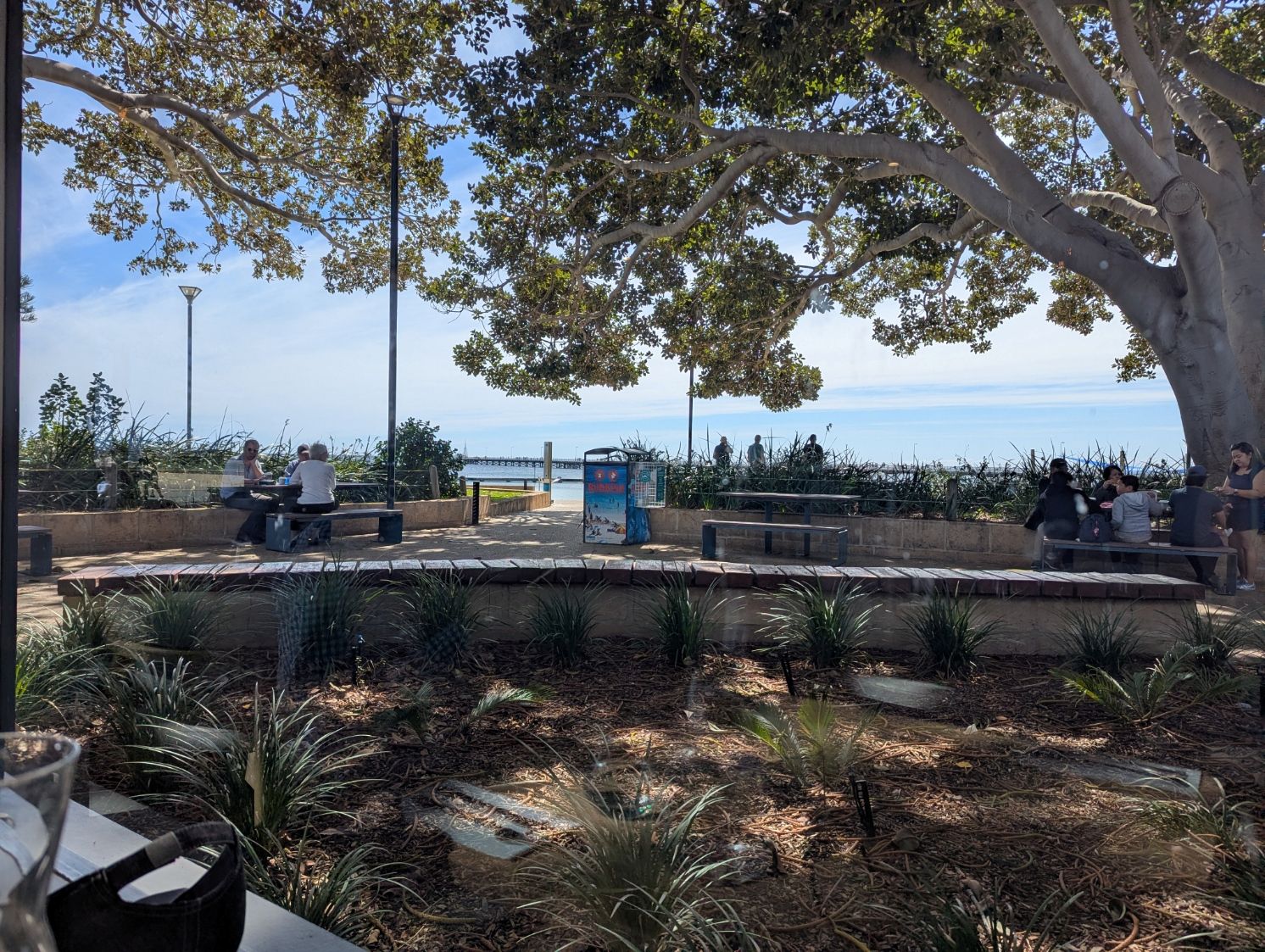
Kyst is a delightful restaurant with a menu that features tapas, as well as more conventional meals. The seating is comfortable, the tables placed well apart, and the music is pleasantly in the background. Lovely staff and efficient service ensure that we’ll go back next time we are in Busselton.
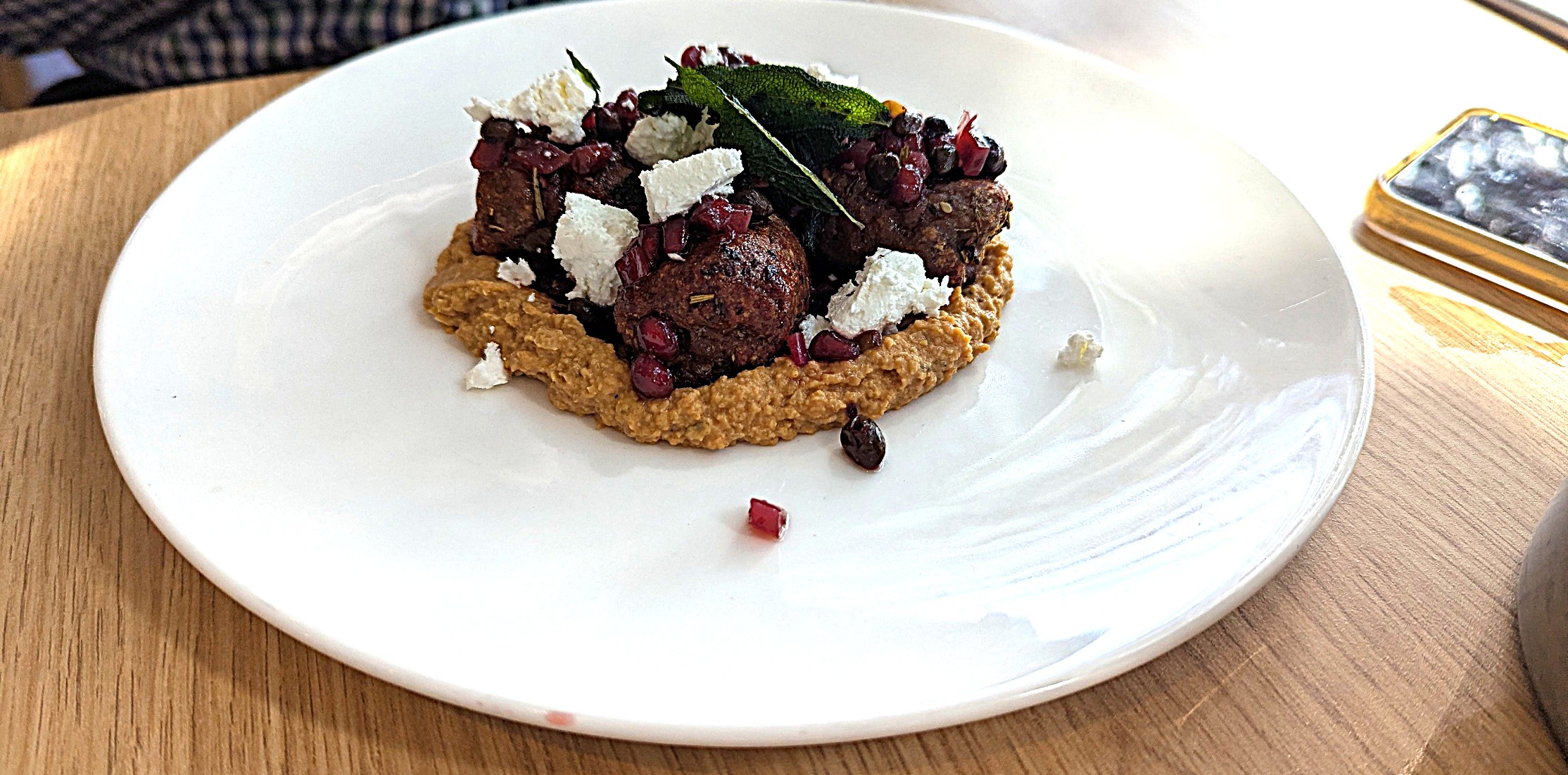
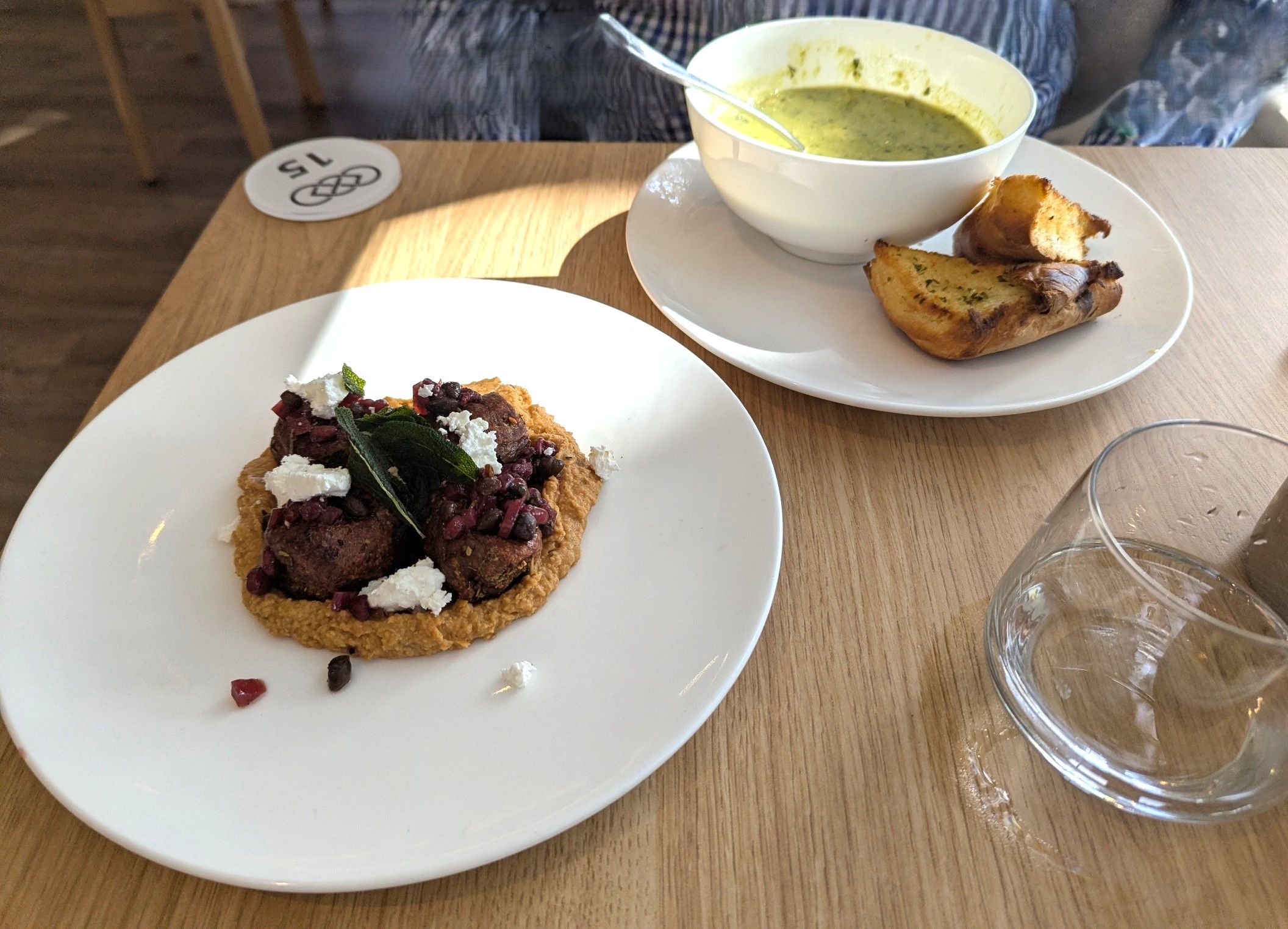
We had the roast chicken meal – complete with roasted carrots and pumpkin, Paris mash, peas and broccolini. Far better than most restaurant Sunday roasts! The zucchini and pea soup, served with crusty garlic bread was delicious, and the kofta on humus was a very good dish.


Millie’s Cafe
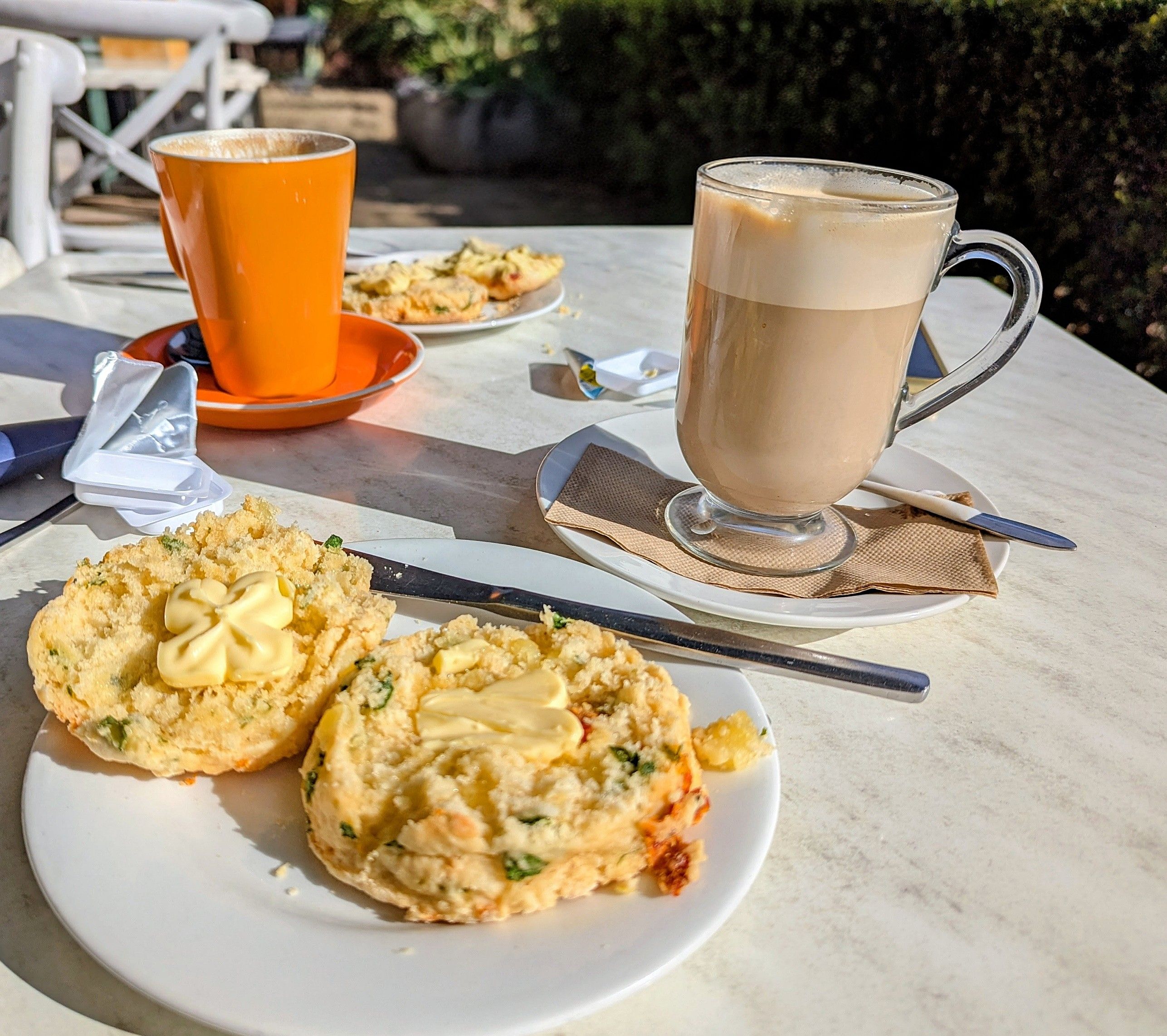
Millie’s is a very easy and pleasant place to eat – and they made my coffee perfectly. We enjoyed savoury scones one morning, and fruit toast ( a generous serve of three slices, although rather ordinary), the next.


Walk along the Busselton Jetty
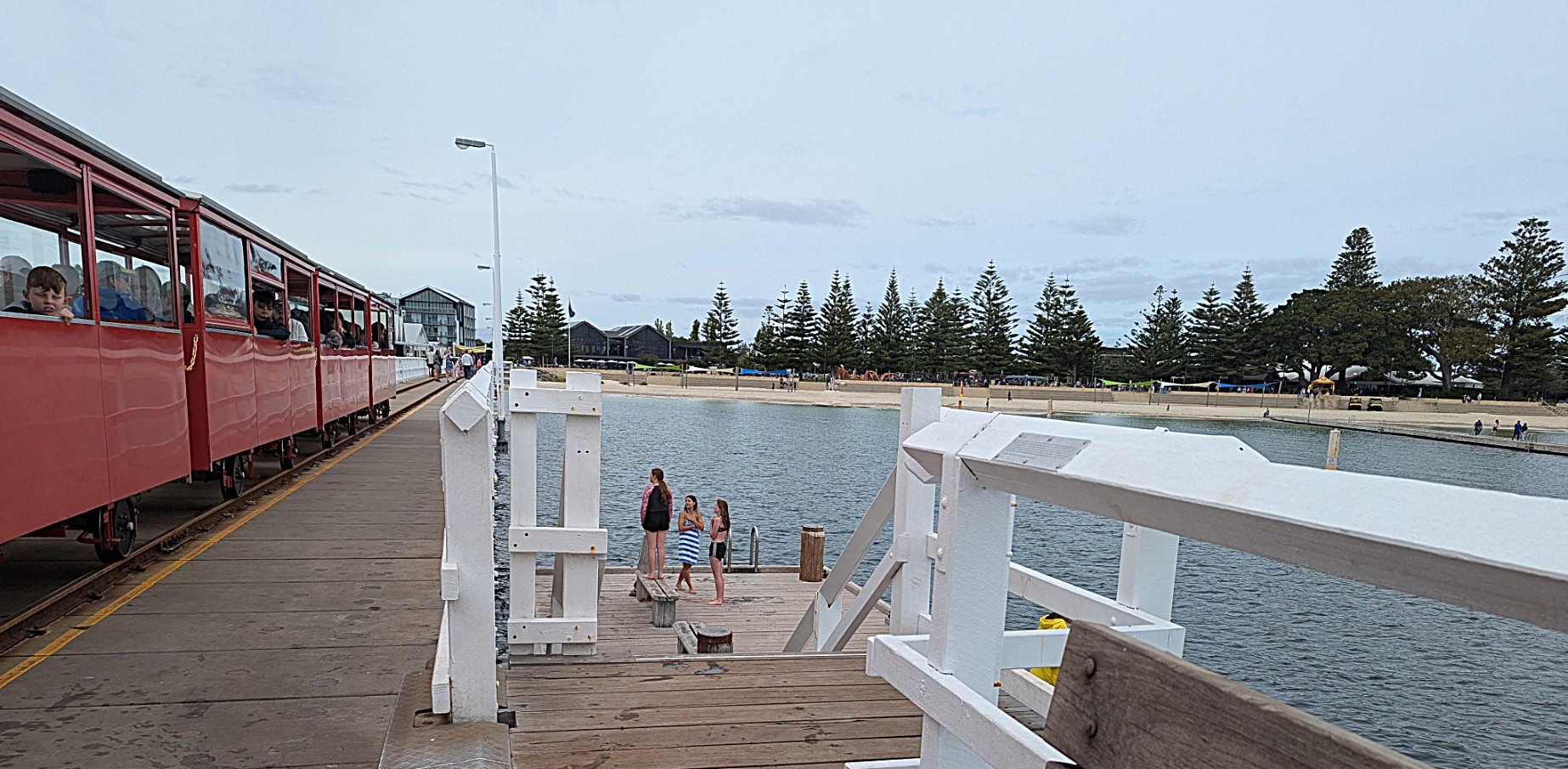
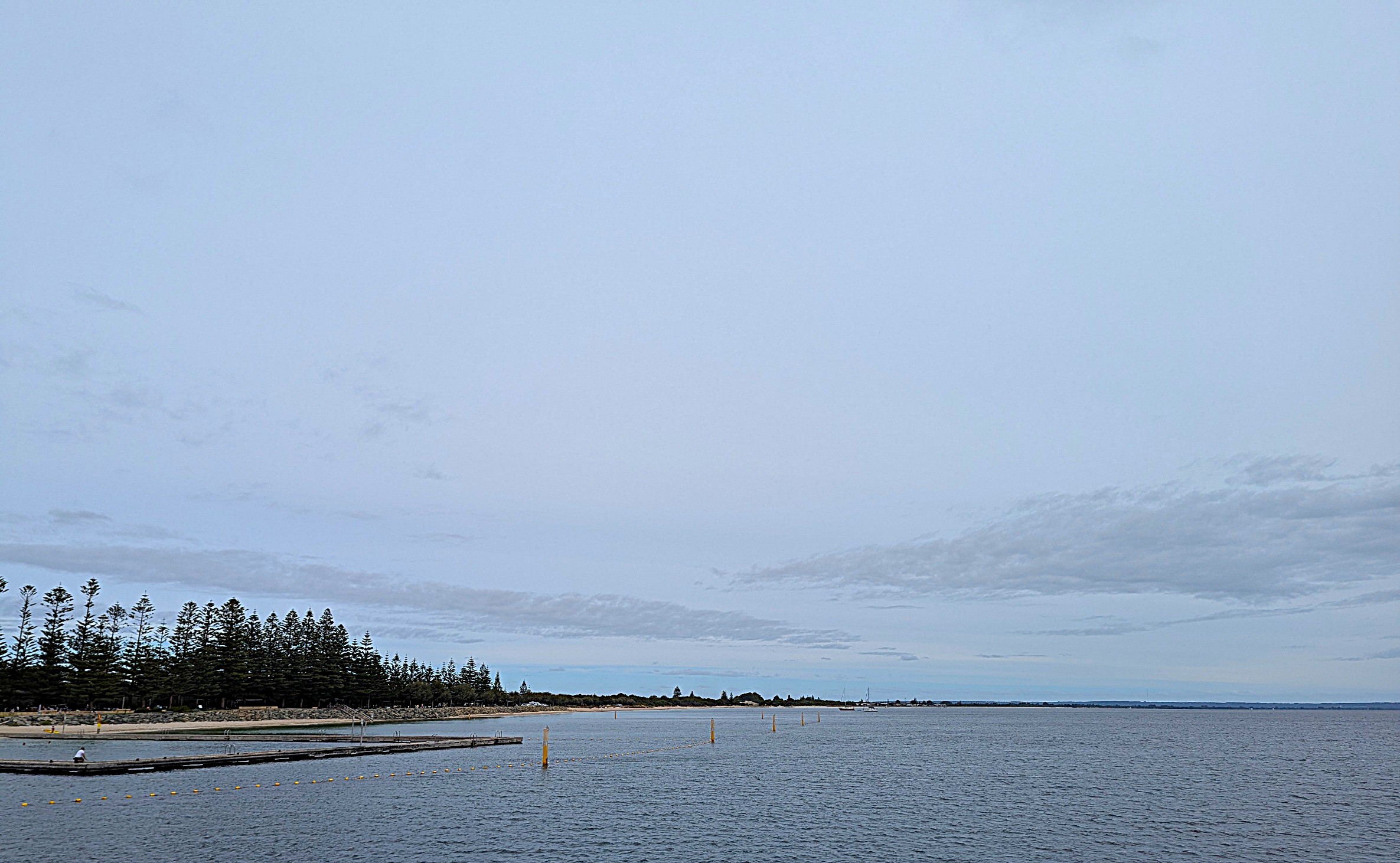
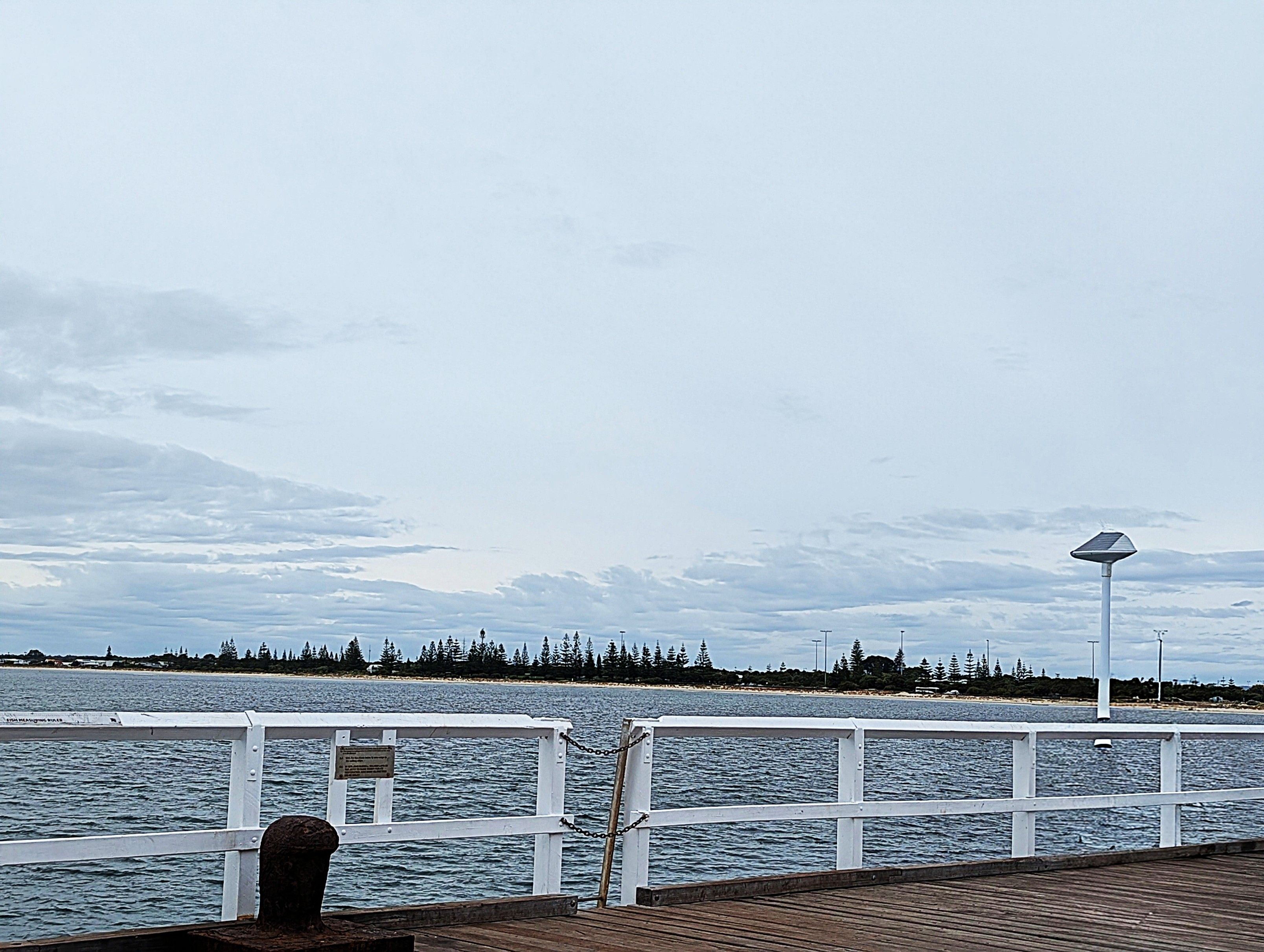
Fortunately, after all the food we have been enjoying we were unable to get seats on the train. The walk was lovely, and although we did not make it to the end, exhilarating because of the breeze (and virtuous feelings). Some swimmers leaping into the ocean were reminiscent of a friend who used to swim from there (not as long ago as the historic photo of course).


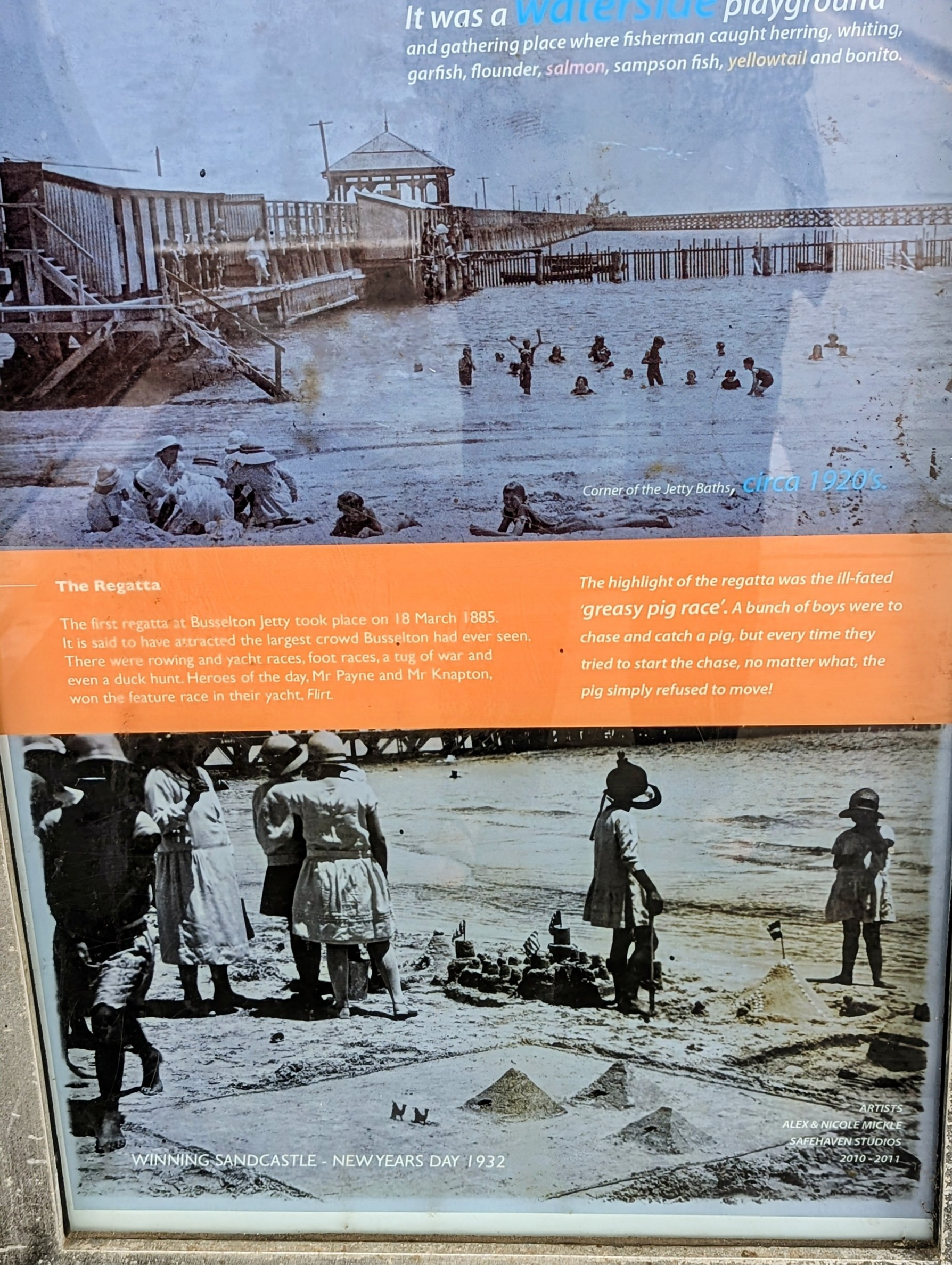
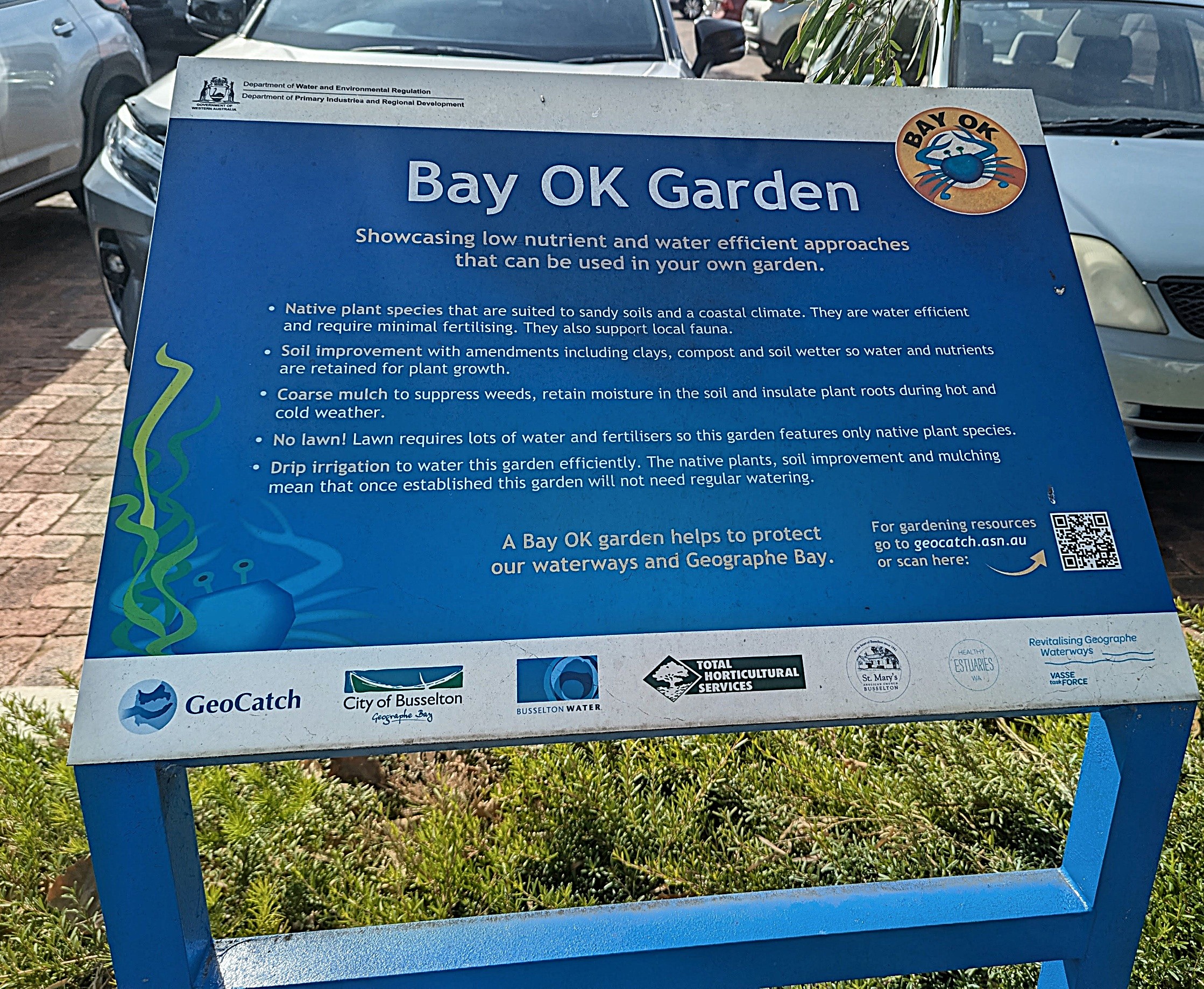
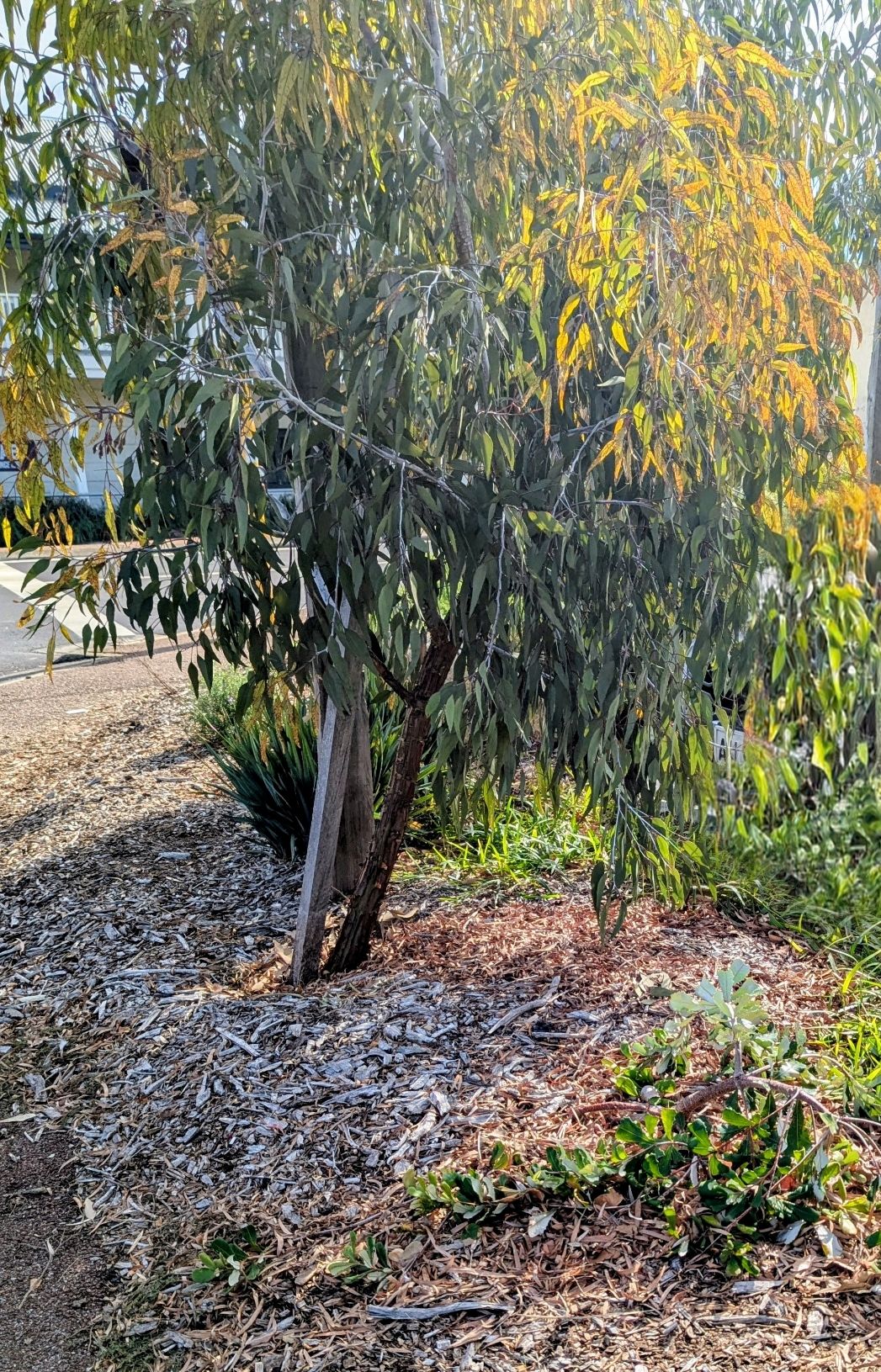
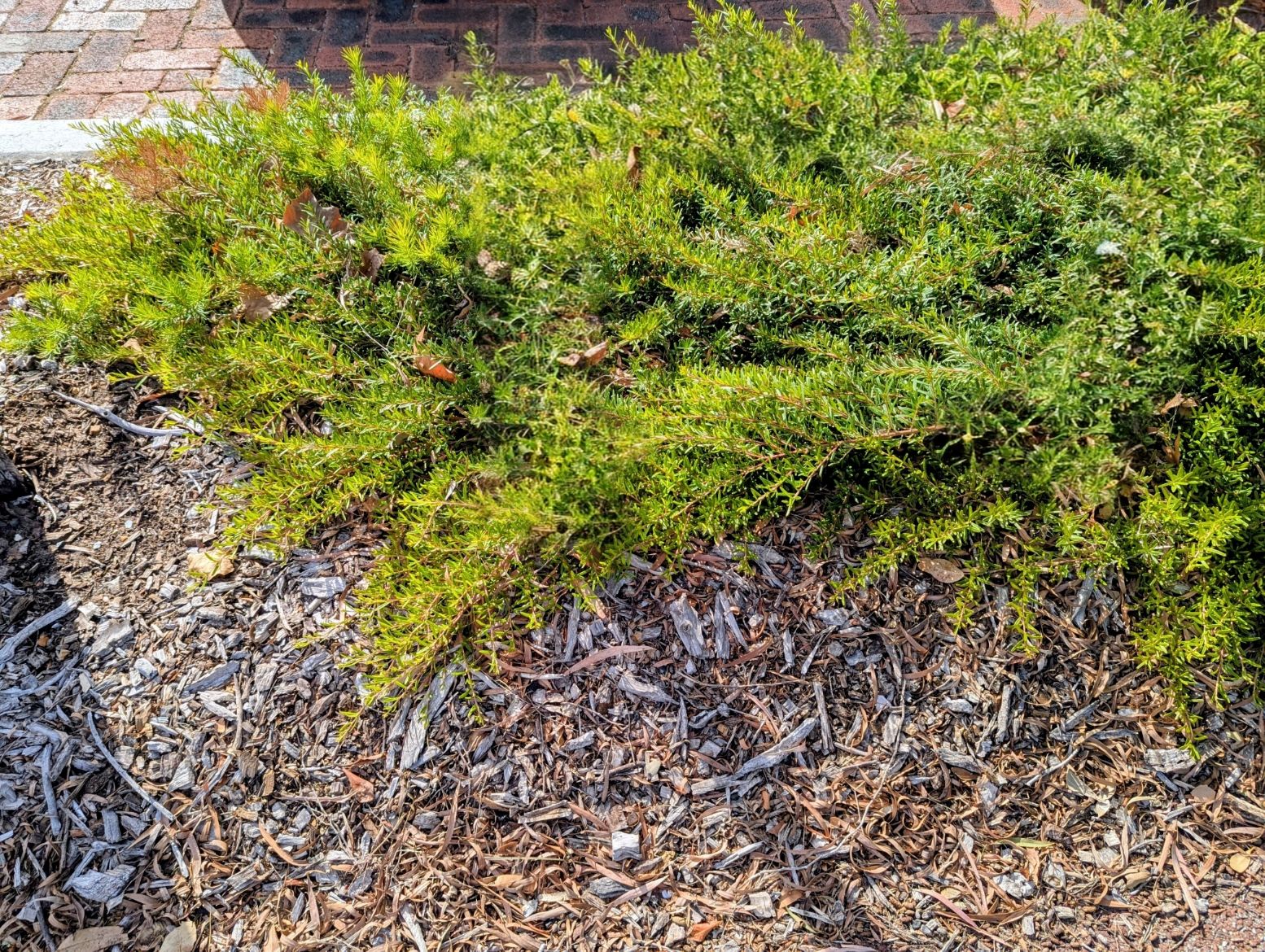
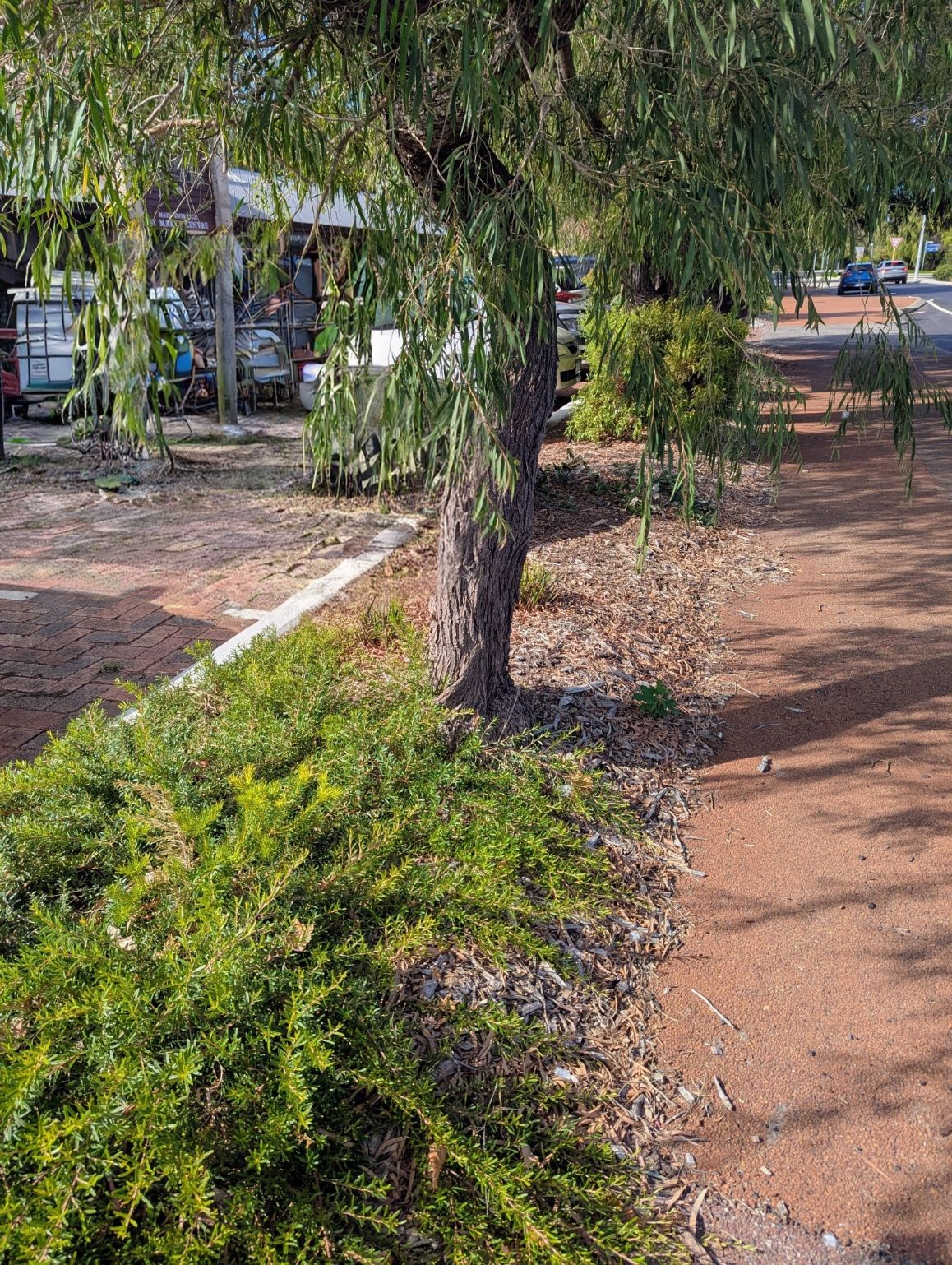
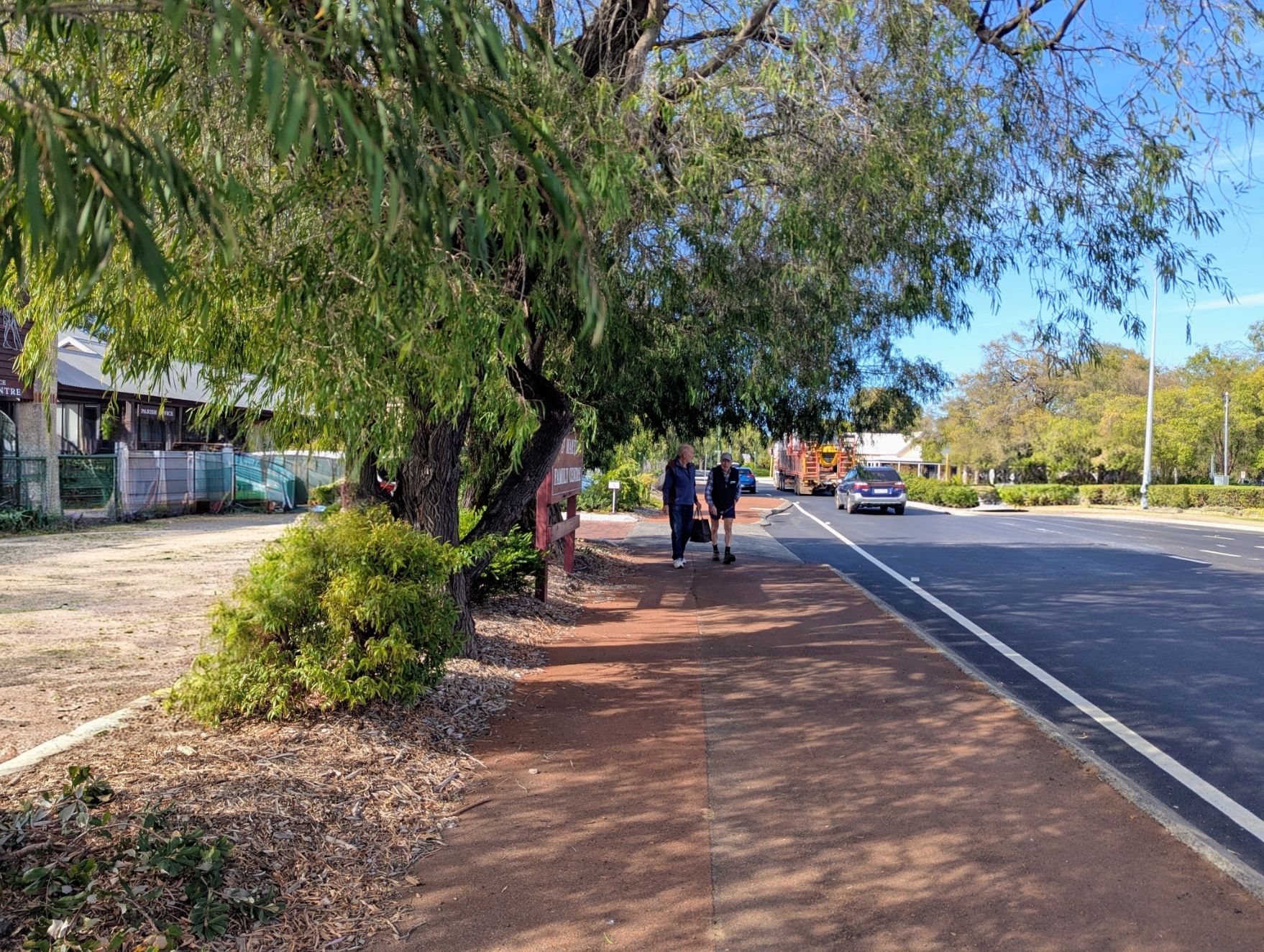
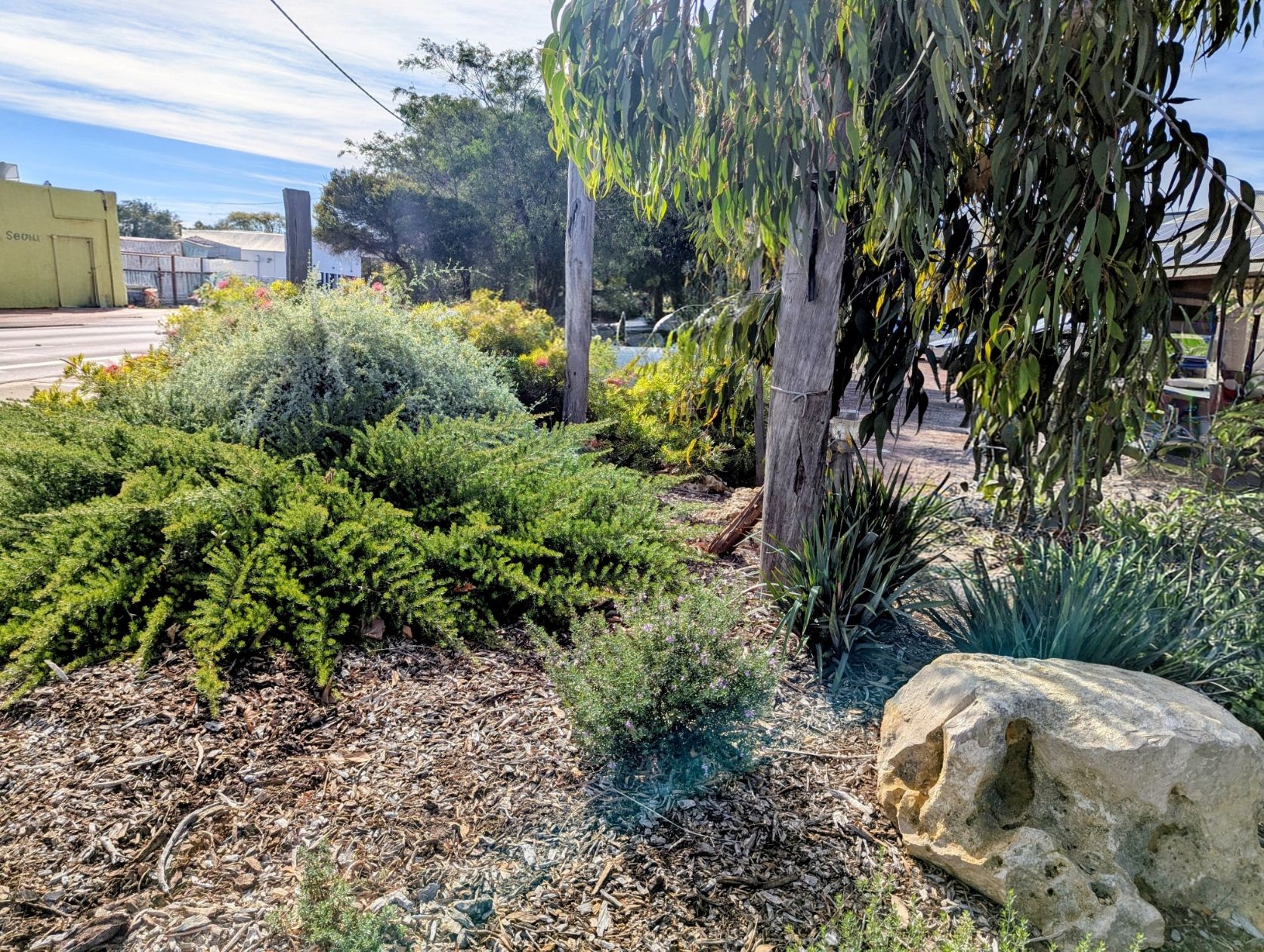
Environmentally sound gardens are a feature of Busselton, and this one on a verge is a good example.
Busselton Art Gallery
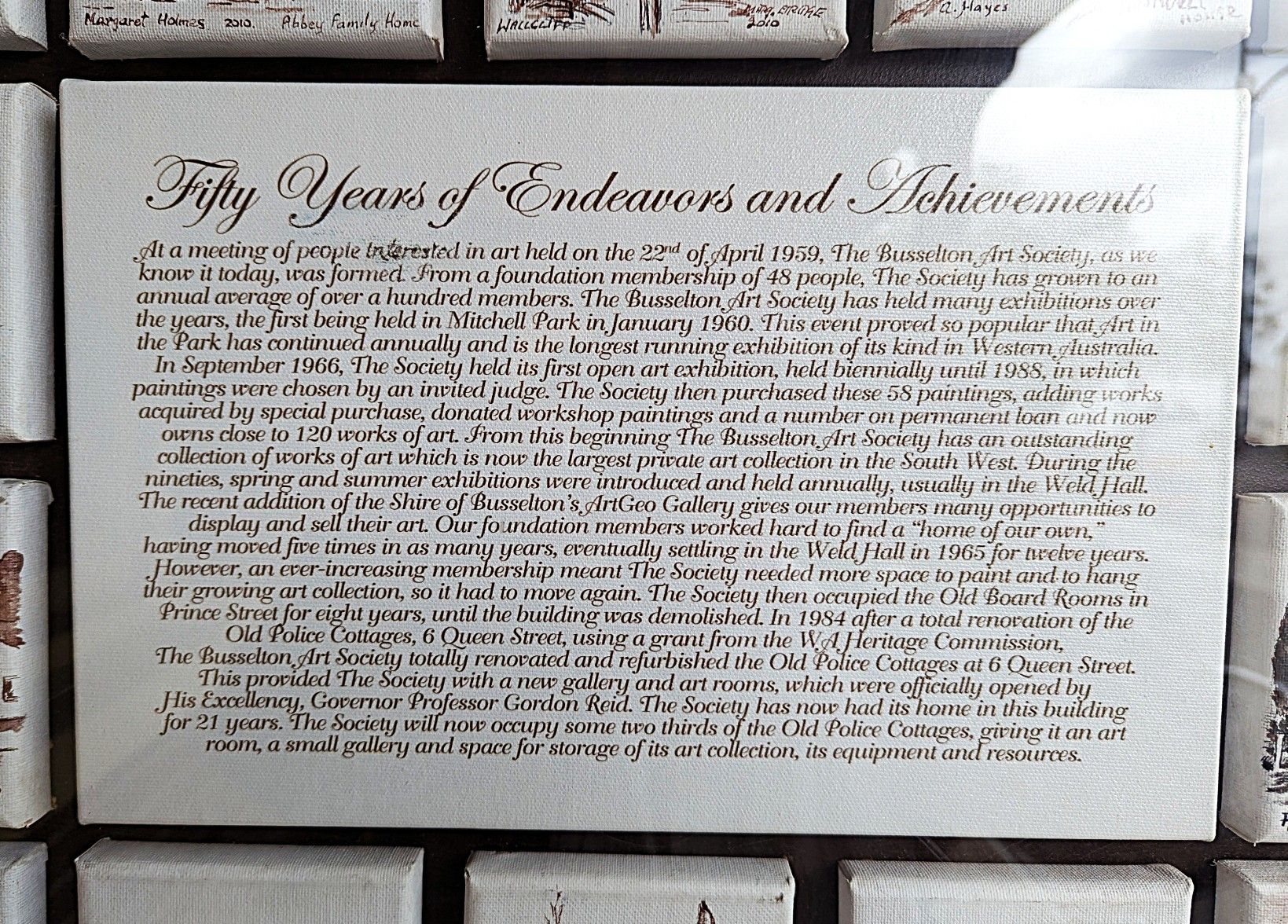
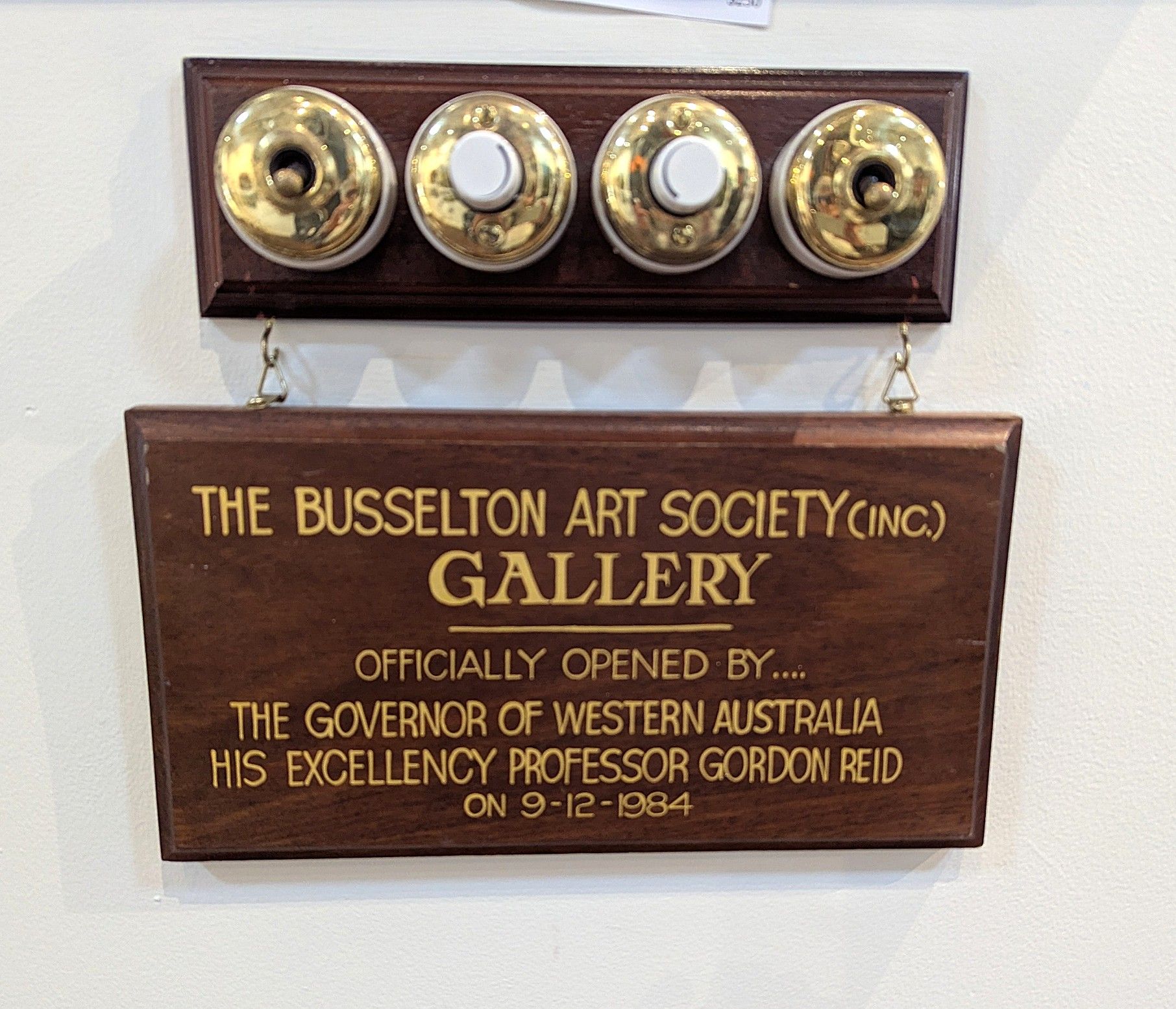
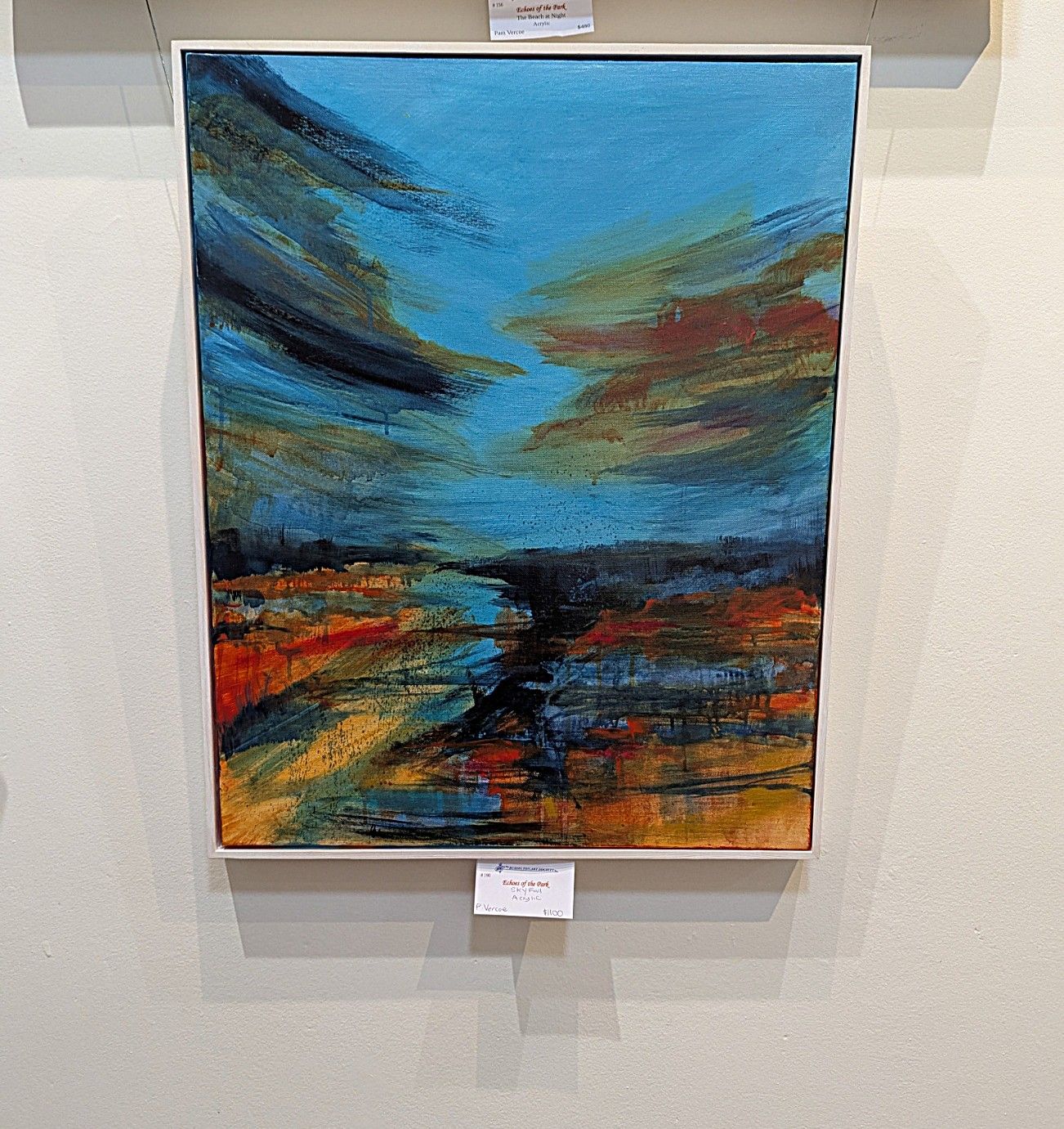
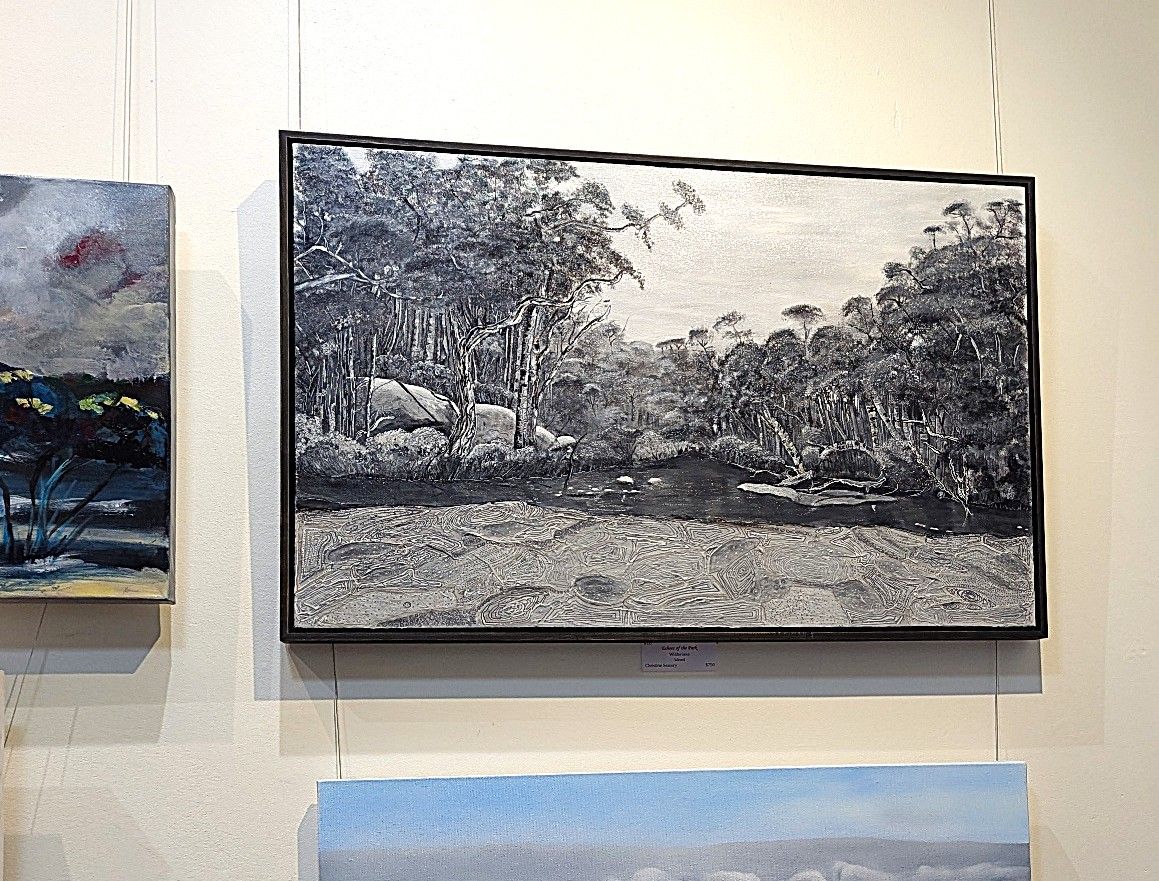
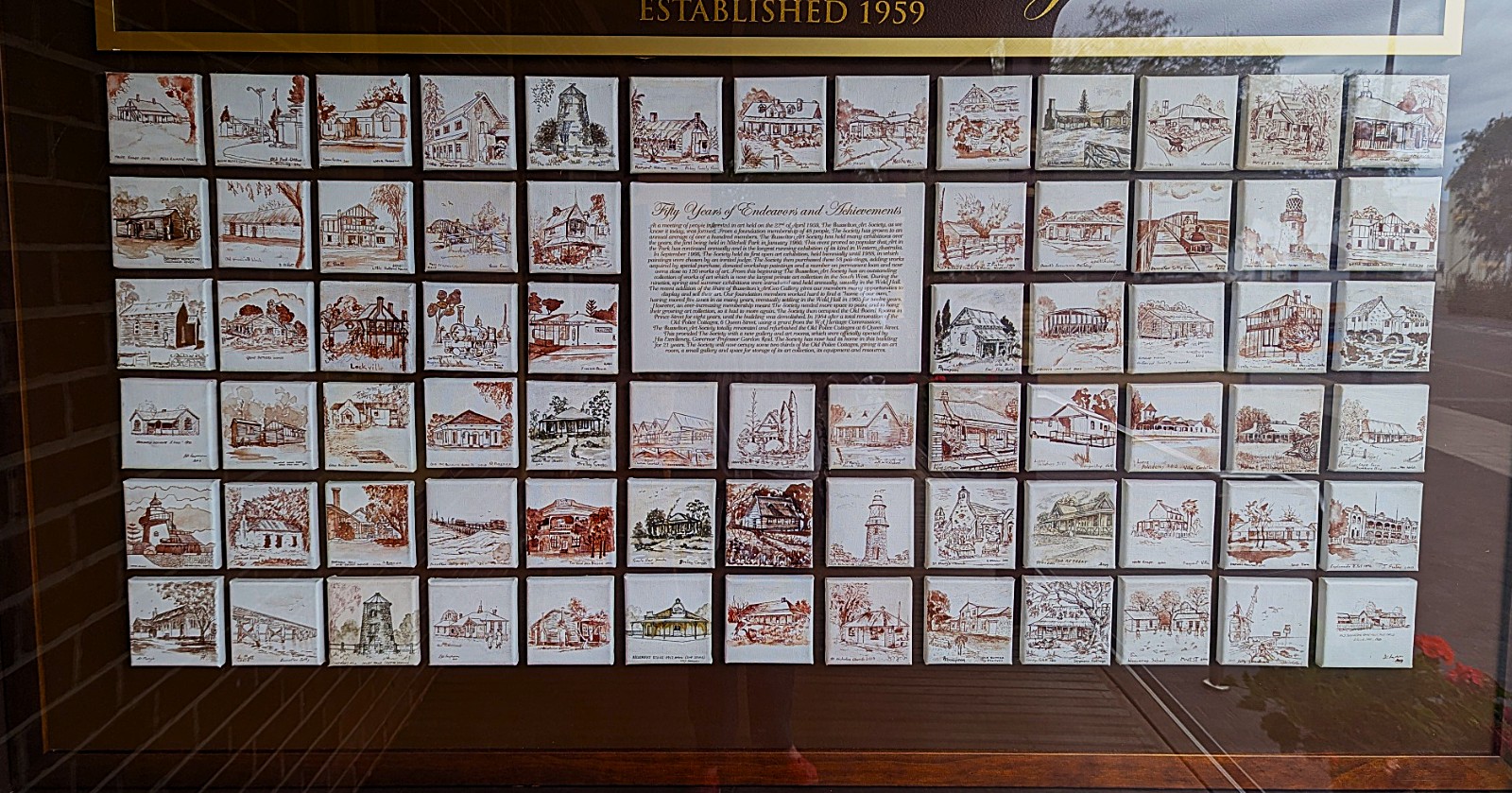
Art exhibition, walks with views and swings at Heathcote Cultural Centre.
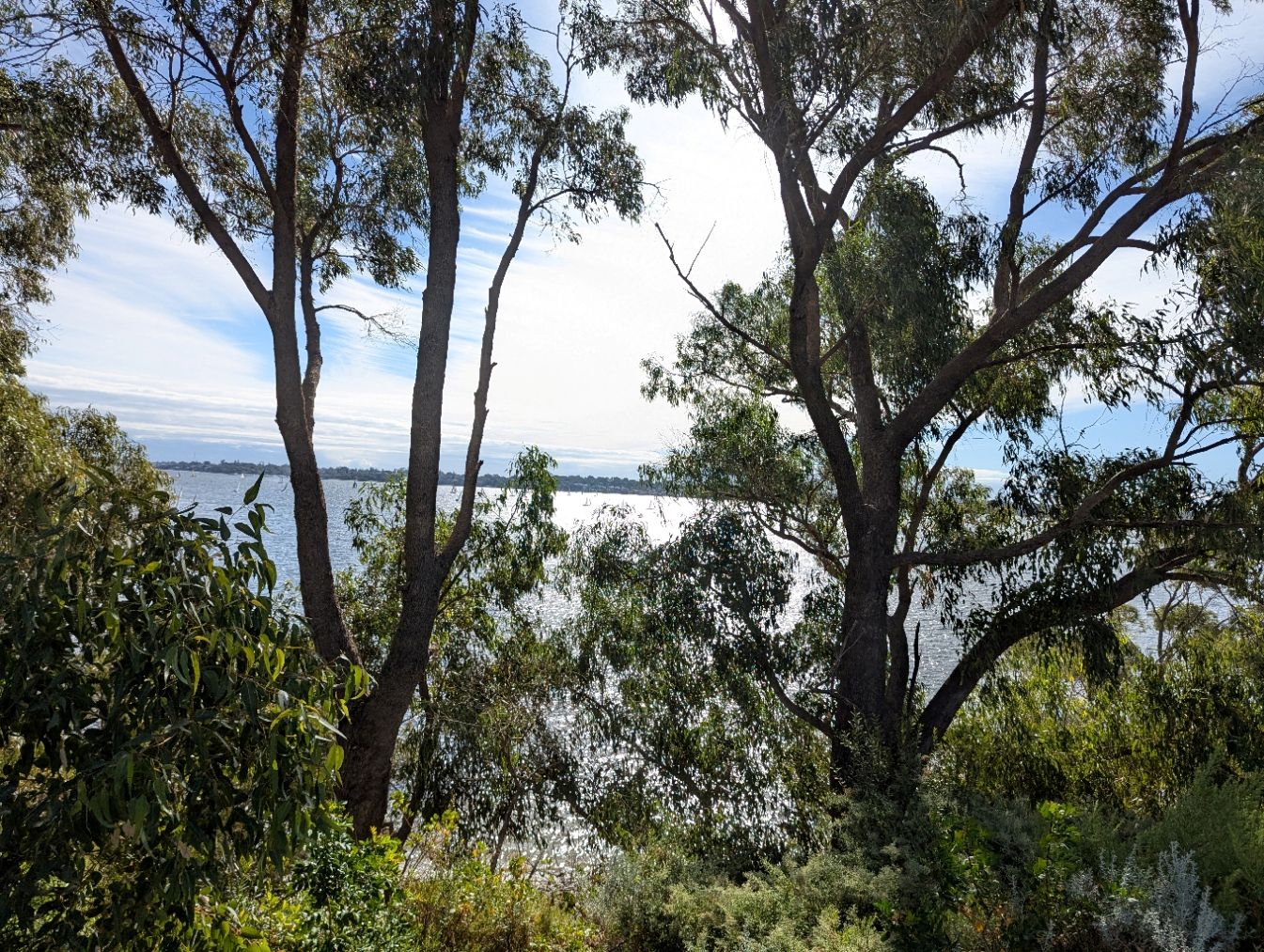
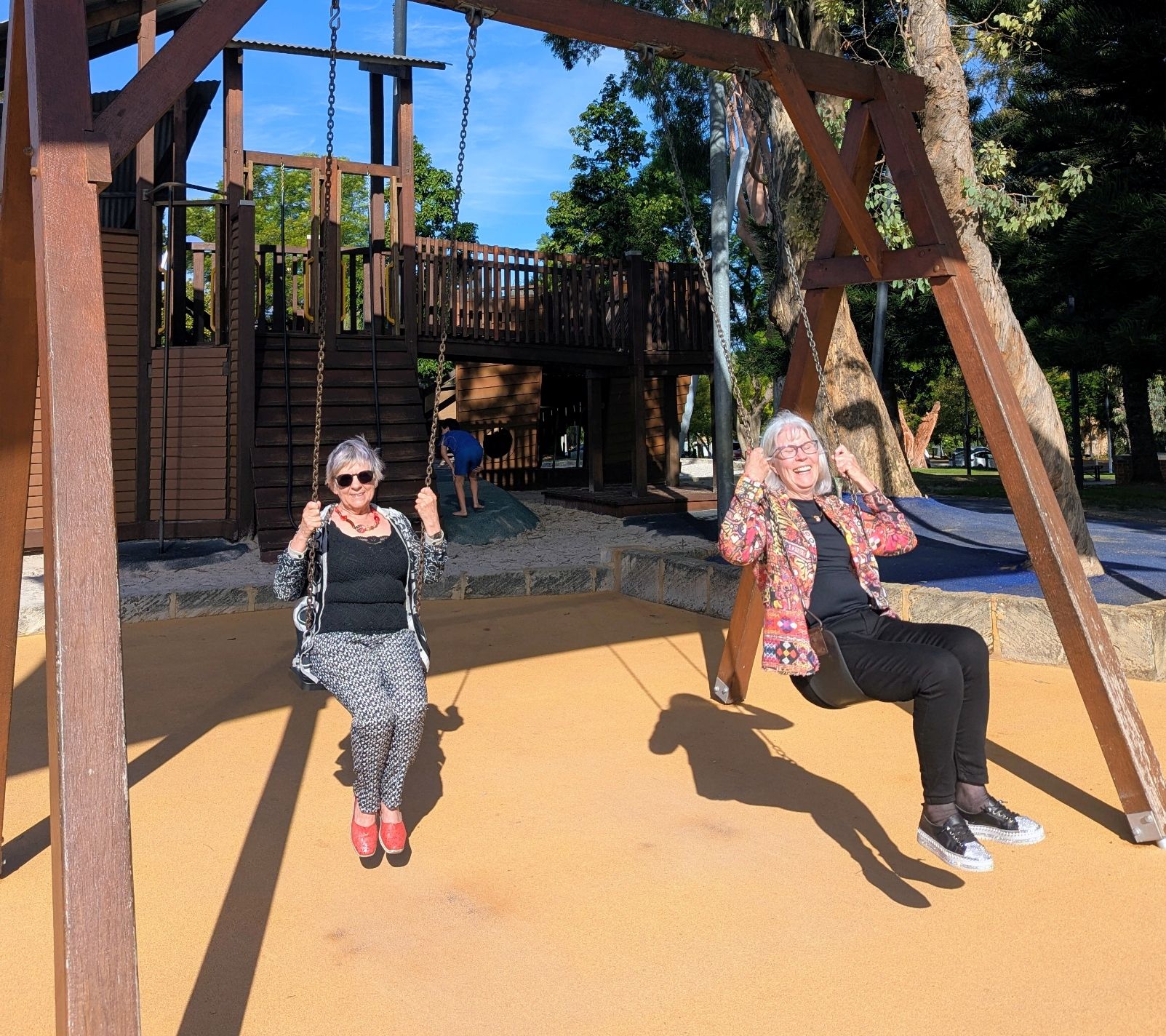

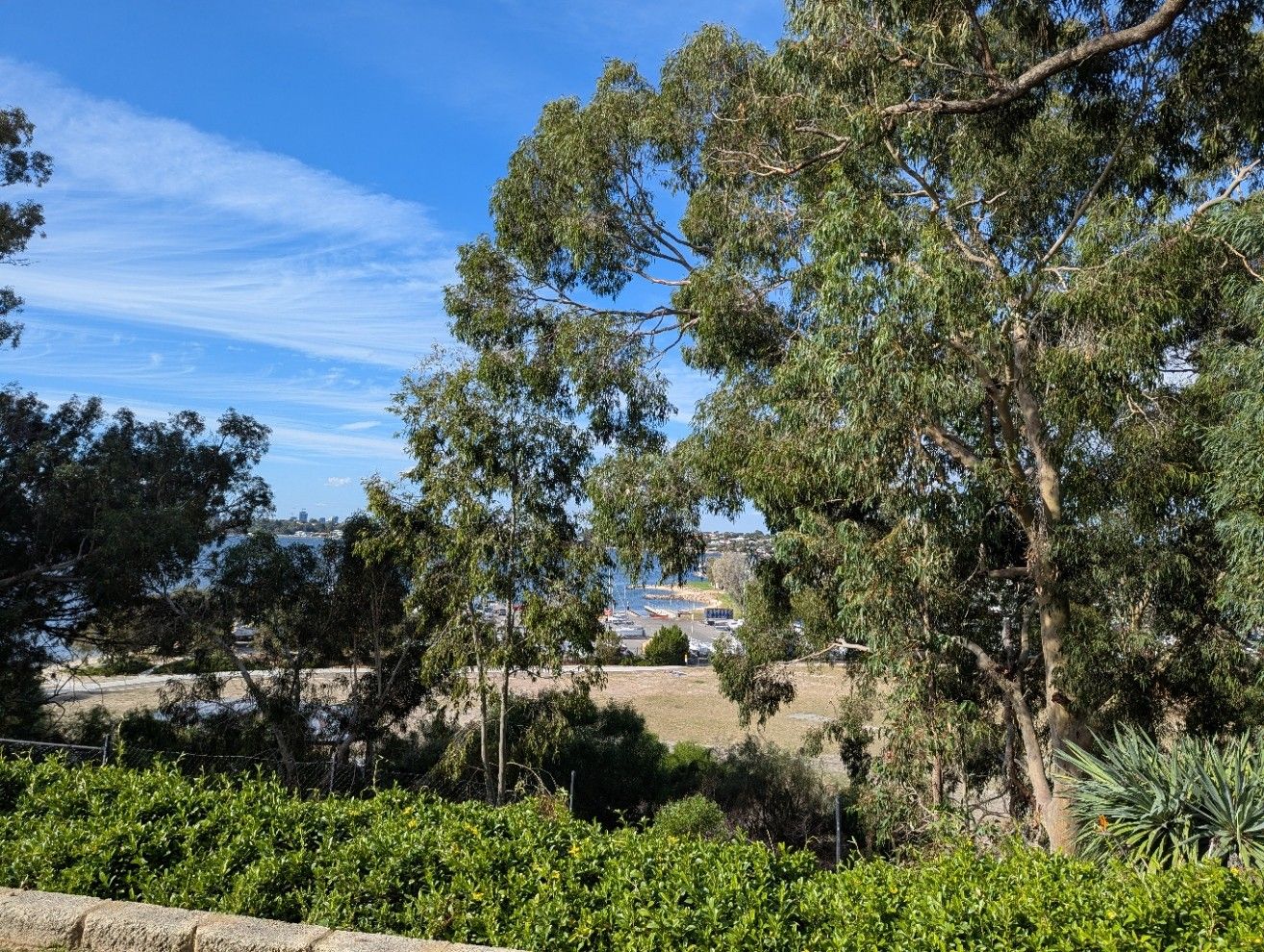
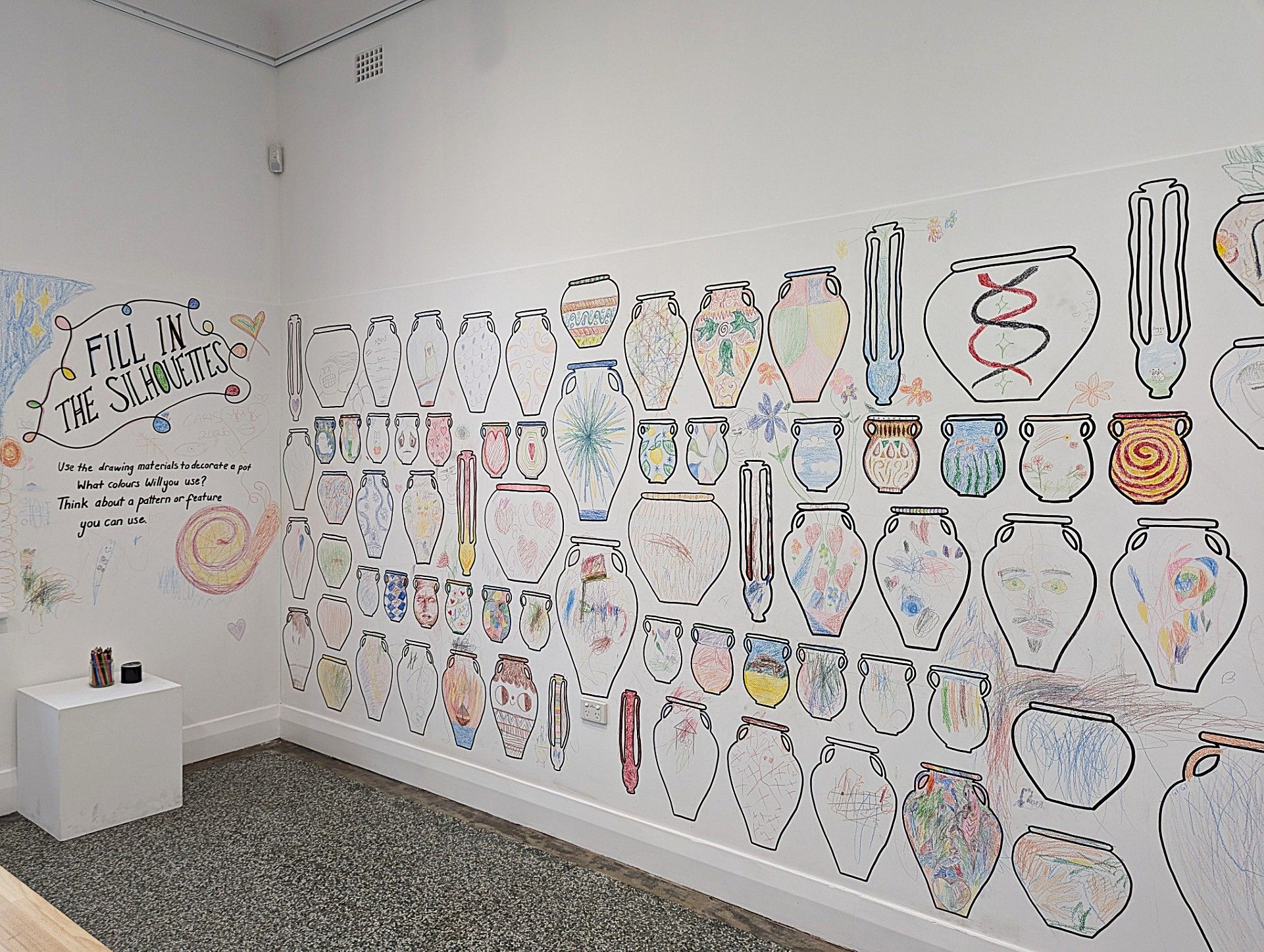
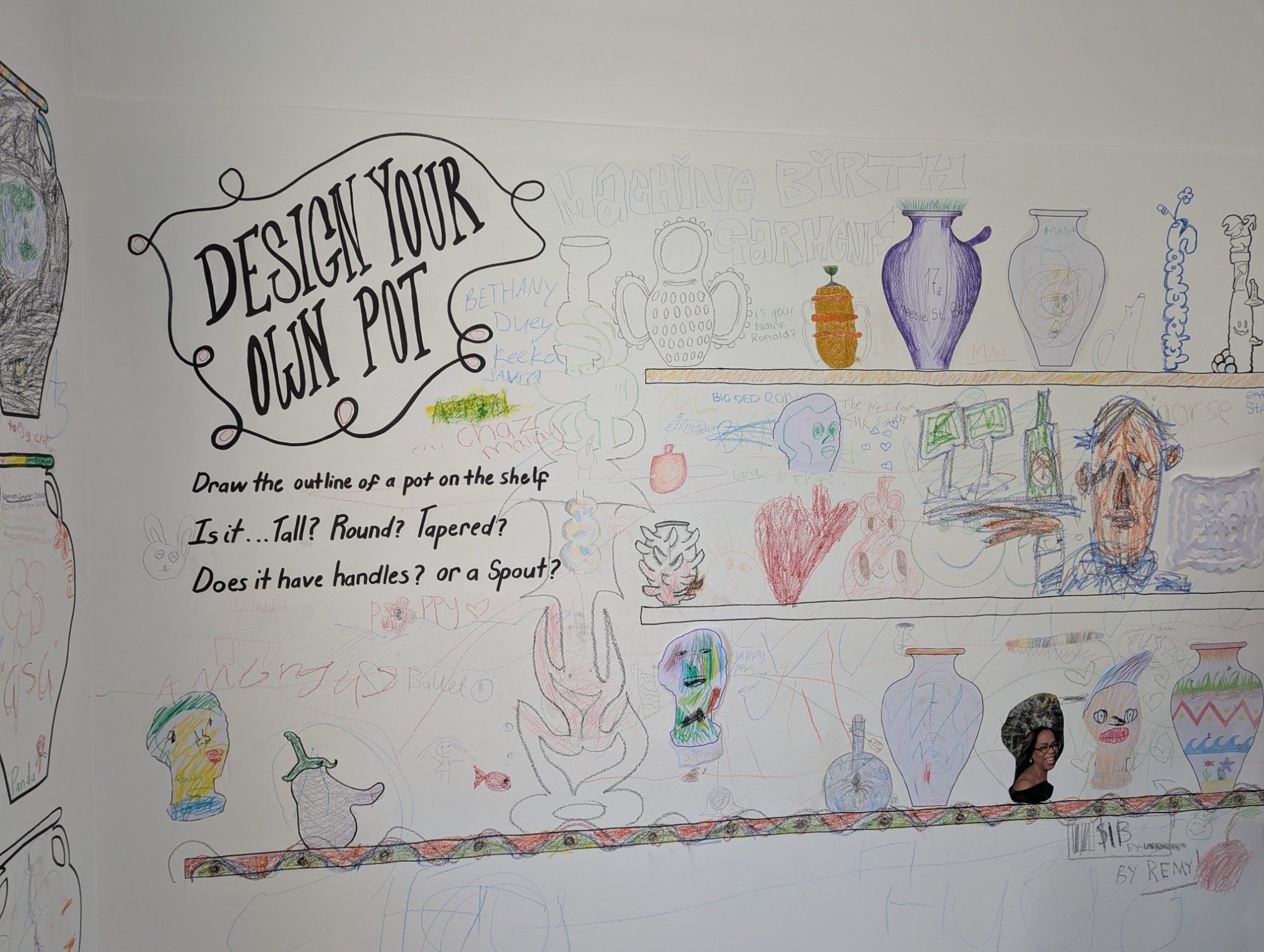
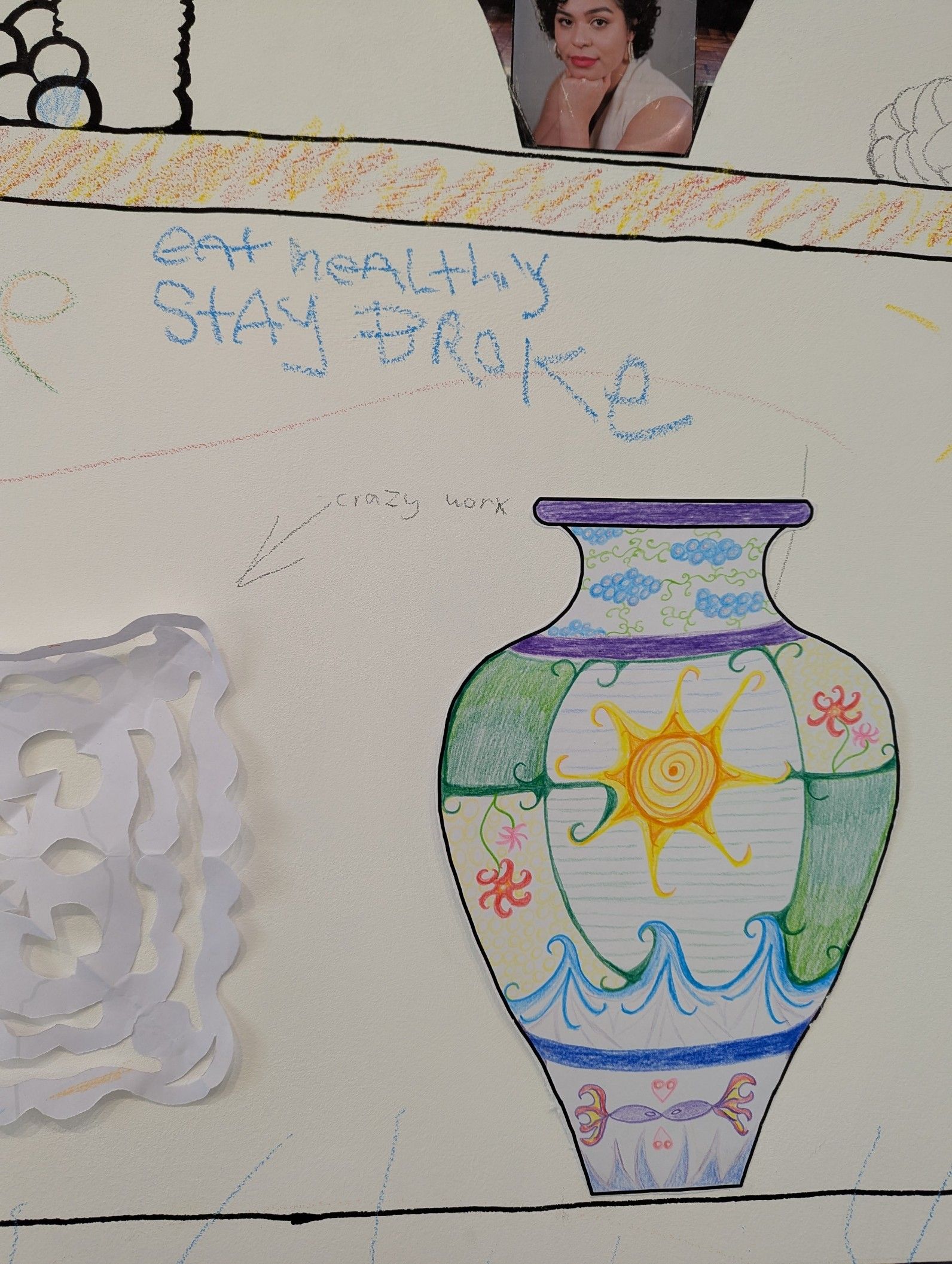
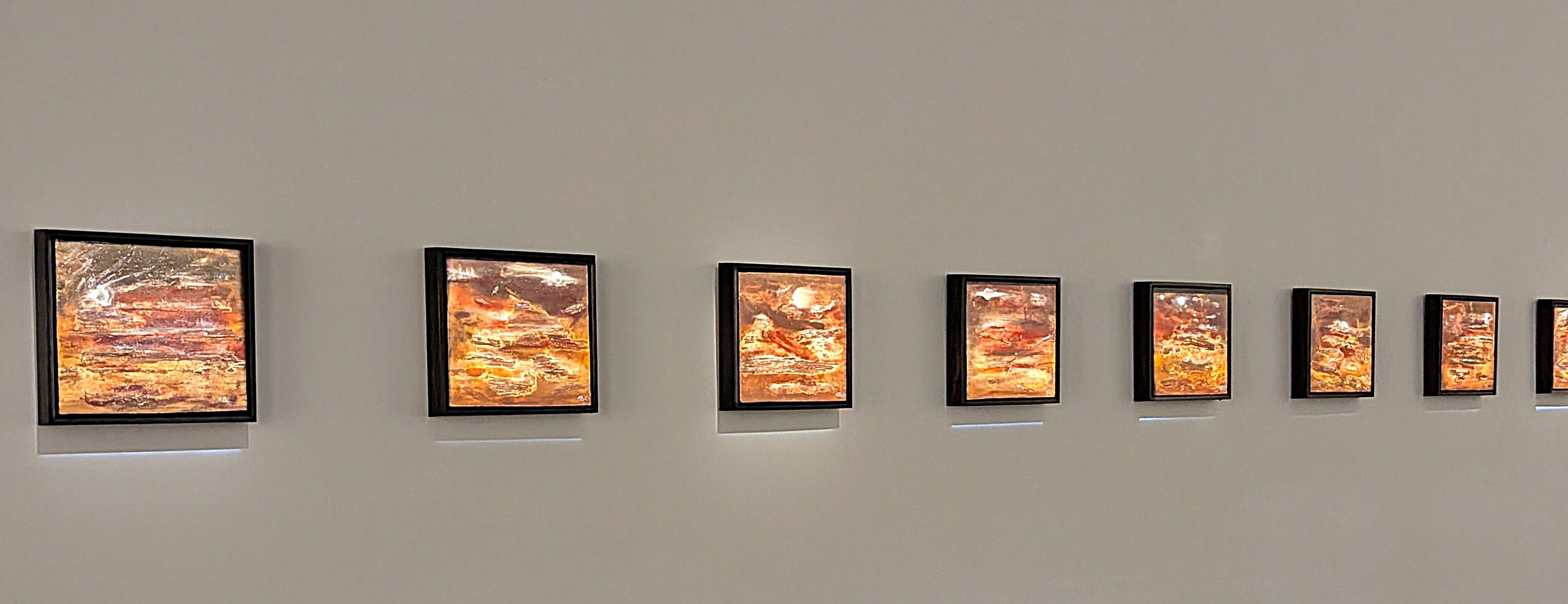
I visited the Heathcote Cultural Centre with a friend (who used to swim at Busselton Jetty) and, as well as the meal we had there (last week’s blog) we walked (views of the Swan River) and went to a new exhibition. We were also interested in the provision made for children’s interest in art. Of enduring interest, child or adult, is swinging in the sunshine!
The exhibition was interesting, but not enthralling.
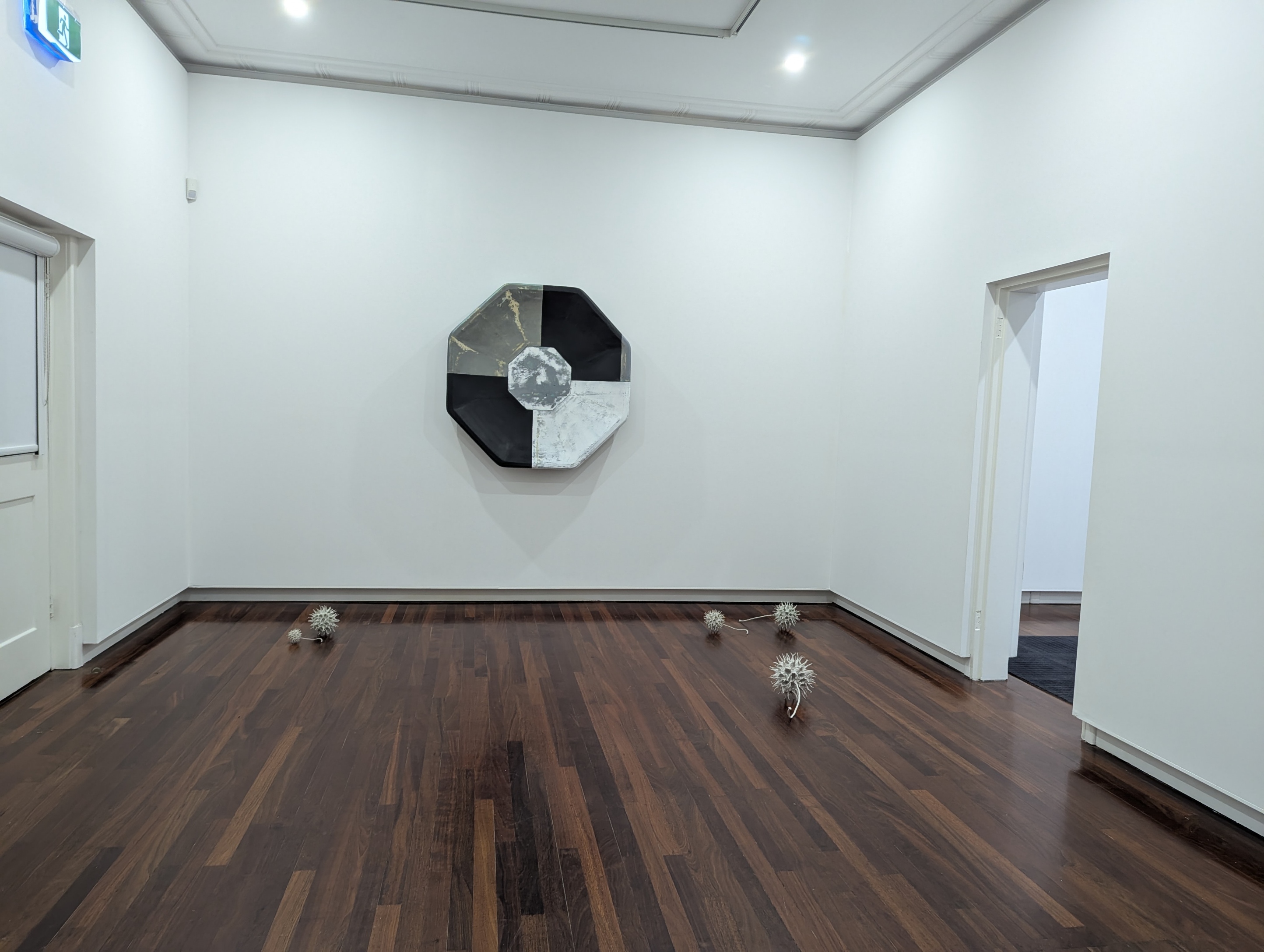
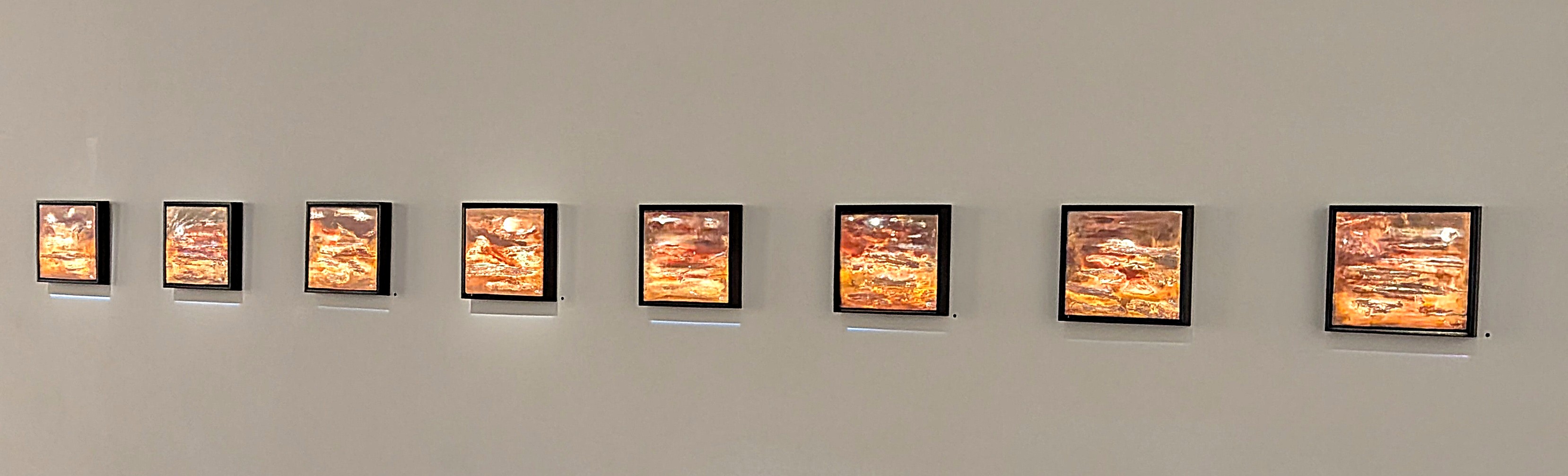
Western Australian Art gallery
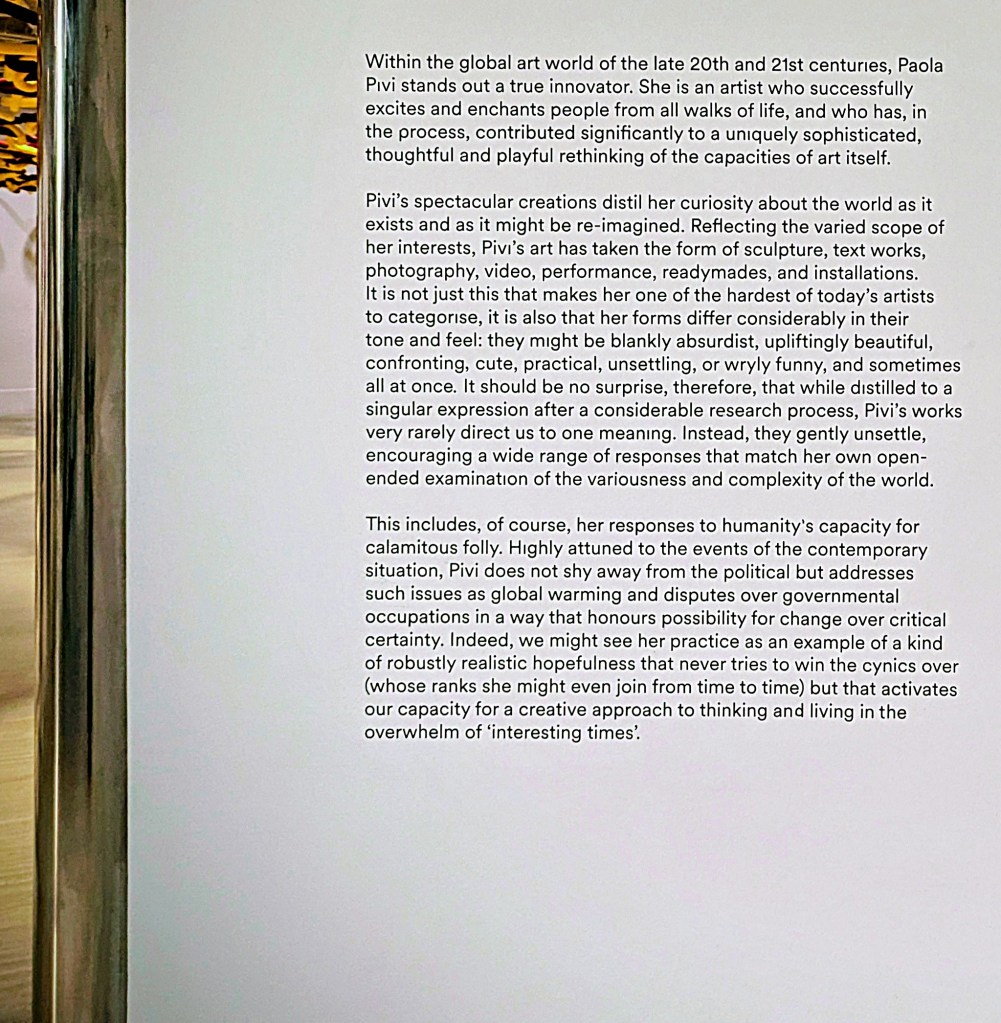
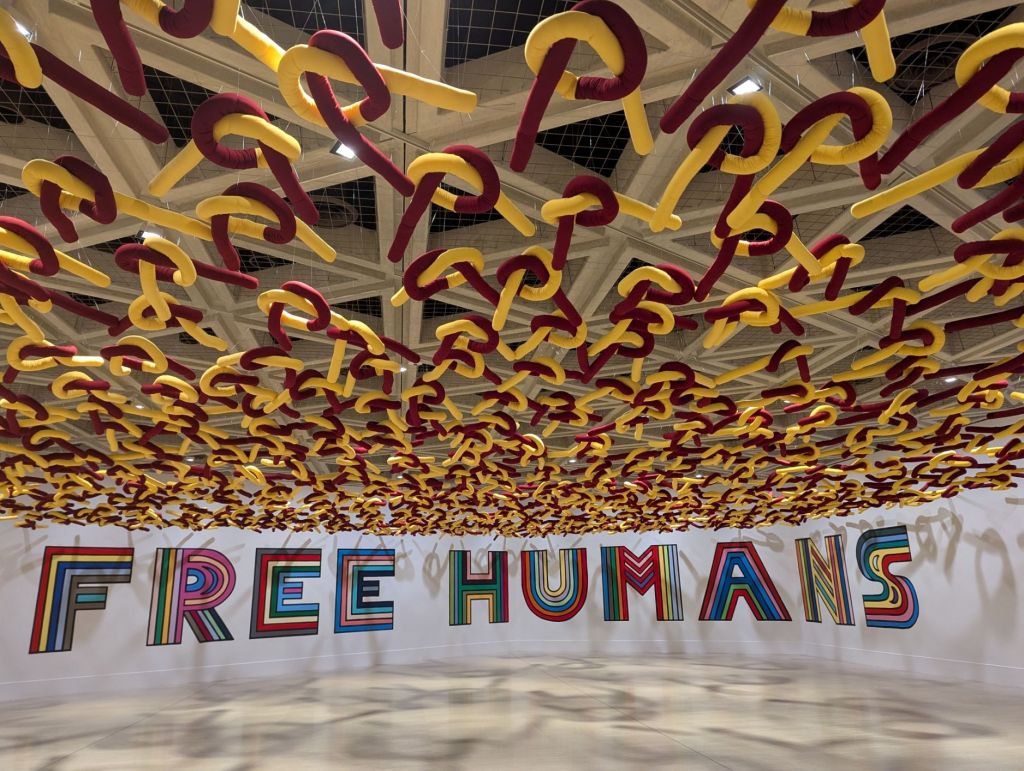
In contrast with the exhibition above, there was some art exhibited here that really invokes discussion.
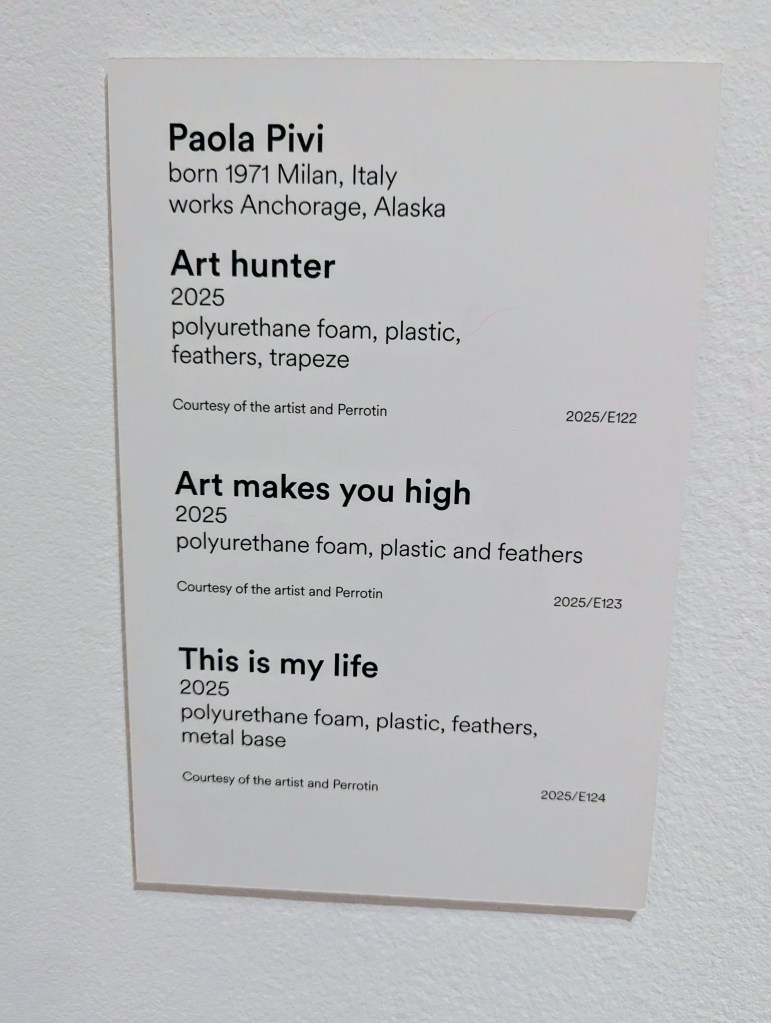
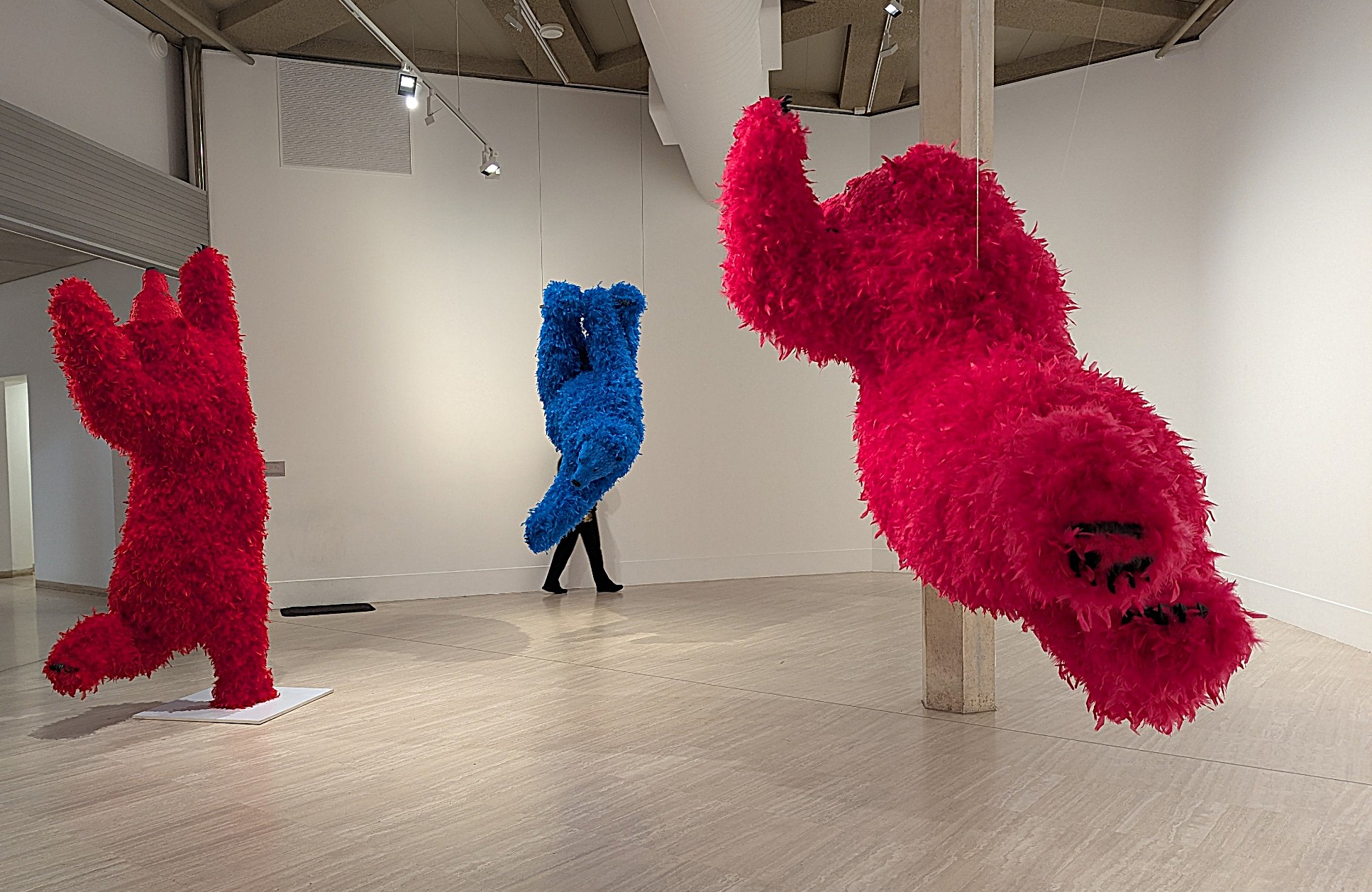
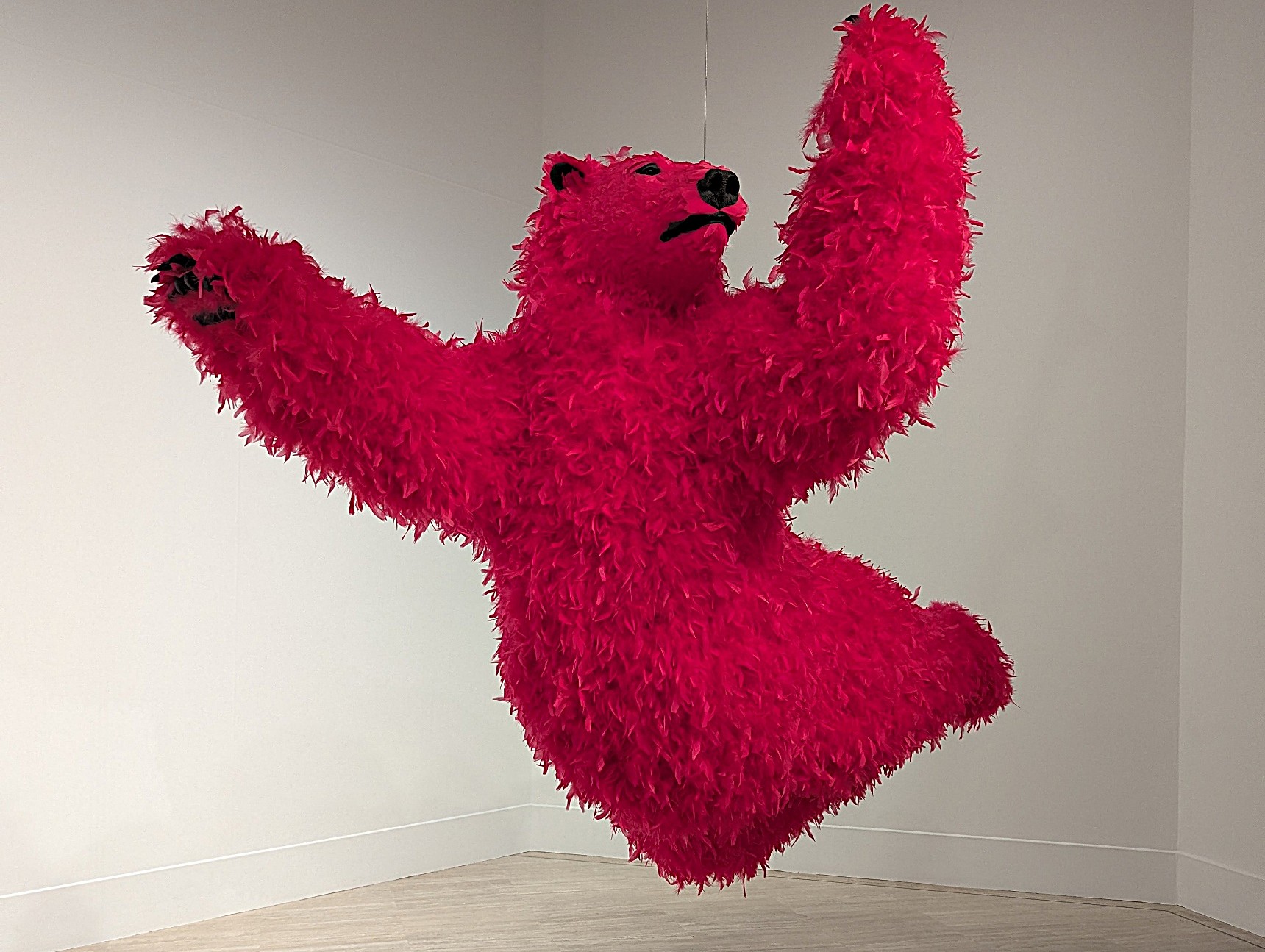
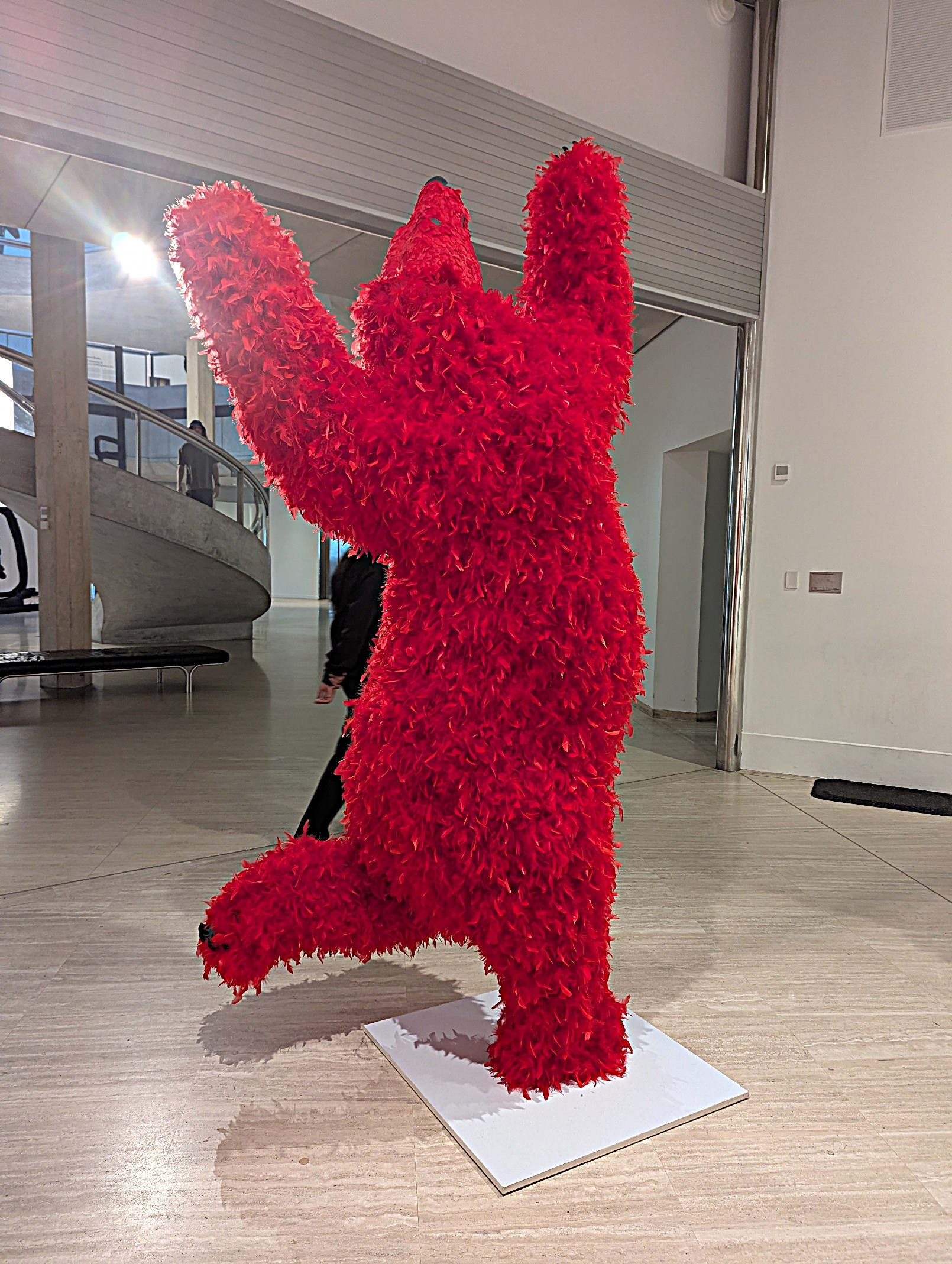
I Don’t Like It, I Love It
PAOLA PIVI





American Politics
| Huffington Post |
| TO STREAM OR NOT TO STREAM Two Democrats addressed the party’s apparent conflict over how to handle Twitch streamer and far-left-wing political commentator Hasan Piker on Sunday. About a week ago, Politico reported that three potential 2028 Democratic presidential candidates, including Sen. Cory Booker (D-N.J.), wouldn’t appear on Piker’s stream if invited because of his past comments that some view as antisemitic. Rep. Ro Khanna (D-Calif.) said Sunday on “Meet the Press” that Democrats need to engage with streamers like Piker. “The lesson of the last election is we’ve got to be out there,” Khanna said. “We’ve got to engage. It’s a complex, messy, multiracial democracy. I will defend my views, but the people who are saying, ‘Don’t engage,’ will cost us future elections.” [HuffPost] |
In Iran, Iraq, and the U.S., women speak out against state repression
Kathy Spillar, Ms. Executive Editor <info@msmagazine.com>
 Weekly DigestLetter from an Editor | April 4, 2026
Dear Robin, We learned Thursday that internationally acclaimed Iranian human rights attorney and women’s rights advocate (and friend of Ms.) Nasrin Sotoudeh had been arrested by the Iranian regime. Her whereabouts are currently unknown. Sotoudeh, who has been repeatedly imprisoned for her advocacy, has been outspoken in her criticism of the regime, and her daughter suspects such criticism in recent interviews may have led to her arrest.
Sotoudeh spoke to Ms. in January about the situation in Iran, mere weeks before the current U.S. and Israeli war against Iran began. “You can’t bomb a country into democracy,” she said. “War very rarely brings democratic rights to the people. Look at Iraq and Afghanistan. When human rights are systematically violated, an intervention should be based on international law, not the decision of one man… If other countries really want to help the Iranian people, they can provide material support for when the internet gets cut off, and with other non-military aid.”
Our hearts are with Sotoudeh and her family, including her husband Reza Khandan, who has been detained in Tehran’s notorious Evin Prison since Dec. 2024 for supporting her work for women’s equality. Ms. and its publisher the Feminist Majority Foundation are joining Kennedy Human Rights, PEN America, Right Livelihood and the Raoul Wallenberg Centre for Human Rights in calling for her immediate release. As we wrote in a joint statement, her re-arrest is “emblematic of the Iranian regime’s assault on the fundamental rights and freedoms that are enshrined under its own legal system.”
Meanwhile in Baghdad, an American freelance journalist has been kidnapped. Shelly Kittleson, who had built her freelance career reporting from the Middle East for years, is known among colleagues for her determined, on-the-ground reporting and willingness to go where others would not. On Tuesday, she was taken by two unknown men, after learning of threats to her safety from militias.
I’m reminded that time and time again, it is women who speak out in the face of state repression—whether they are doing so as journalists speaking truth to power, lawyers fighting for the rights of the oppressed, or everyday women taking to the streets in defiance of regimes that seek to strip them of their autonomy and human rights.
In this moment I’m thinking of another group of women who spoke up: the many Epstein survivors. We learned Thursday that Trump had fired Pam Bondi from her position as Attorney General, in part after reportedly growing frustrated with her handling of the Epstein files. In hearings, when asked why the DOJ failed to redact identifying information of survivors while redacting the names of powerful men implicated in the abuse, Bondi refused to answer the question. And adding insult to injury, she also refused to apologize to survivors present at the Senate committee hearing for the egregious and potentially intentional oversight.
The courage of all these women is not to be underestimated. Women will continue speaking out—even when they face insults and pushback from the nation’s highest leaders, even when they are at risk of imprisonment and death. For equality, Kathy SpillarExecutive Editor
April 6, 2026 (Monday)
Heather Cox Richardson from Letters from an American <heathercoxrichardson@substack.com> Inbox
Forwarded this email? Subscribe here for more
April 6, 2026 (Monday)Heather Cox Richardson Apr 7 READ IN APP
“It’s really difficult to cover him in a way that conveys how unhinged he is,” journalist Aaron Rupar of Public Notice told George Grylls of The Times about President Donald J. Trump.
Rupar explained that political journalists are trained to think, “‘OK, what did he say that was newsworthy?’ So you…convey that to your audience. But in reality, when you actually watch his rallies, you see that they’re full of hatred, he’s lying constantly, and a lot of it is incoherent.”
Rupar spends as much as eighty hours a week watching Trump and members of his administration, clipping videos of their noteworthy statements into a few minutes at a time. His work is indispensable for translating Trump’s long, meandering speeches to people who need shorter versions of them. In this quotation, he nails the real problem of this moment in which the president of the United States is threatening “obliteration” if another nation doesn’t do as he demands: the noteworthy story is not what the president says; the story is the president himself and his obvious mental deterioration.
Today was another surreal day in the second Trump administration.At the traditional White House Easter Egg roll this morning, Trump, whose right hand was swollen and covered with makeup after his weekend away from the cameras, stood with First Lady Melania Trump on a White House balcony, accompanied by a human-sized Easter Bunny. The columns of the White House stood festooned in soft red, white, and blue plaid over the crowd of young children and their parents in festive pastel clothes excited for the day’s events. The band played “Hail to the Chief.” After a rendition of “The Star-Spangled Banner,” Trump told the audience that “it’s a day where we celebrate Jesus, it’s a day where we celebrate religion, and it’s an honor to be the president of the United States.”
Then things veered off course. He continued: “Our country is doing so well like it has never done before. You’ll see that very shortly, and things that we’ve done have not been done before. We’ve broken every record on the stock market, we’ve broken every record on our military.”
And then he launched into a speech about Iran and wars and bombing and rescues. The Easter Bunny’s blank eyes seemed first shocked and then desperate. It was a scene out of a surreal movie: the president of the United States describing a war next to a giant rabbit with big, vacant, eyes.
Charlotte Clymer of Charlotte’s Web Thoughts wrote: “Every day, I think: there’s no possible way it can get dumber and more embarrassing. And then Trump does something like this. And yes, this is real. It is all too real.”
While the children were rolling their eggs along the ground with spoons, Trump spoke to reporters, telling them about Iran, “If it were up to me, I’d like to keep the oil. I just don’t think the people of the United States would really understand.” He suggested that attacking Iran’s infrastructure wouldn’t be a war crime because “they killed 45,000 people in the last month. More than that. It could be as much as sixty. They killed protesters. They’re animals, and we have to stop them, and we can’t let them have a nuclear weapon.”
He claimed again that former presidents are telling him they wish they had done what he did in attacking Iran; all four living ex-presidents have denied speaking to him. Sitting with children drawing pictures, he told them they could sell his autograph on eBay for $25,000. He signed their pictures, and while he signed, he told the children that former President Joe Biden was “incapable of signing his name” so he had aides follow him around with an autopen machine.
A later press conference at the White House continued the wild lies and non sequiturs. Trump began the conference by greeting the reporters with “Happy Easter. We had a great Easter. This is one of our better Easters, I think, in a lot of different ways. I can say, militarily, it’s been one of the best.”The celebratory speeches about the war compared a rescued airman to Jesus Christ and gave a great deal of detail about the rescue operation, but they didn’t deliver much information to the journalists packed into the room about negotiations or goals or the president’s ultimatum that Iran must agree to his demands by 8:00 tomorrow night or face “obliteration.”
Trump reiterated: “The entire country could be taken out in one night. And that night might be tomorrow night.” He said that while the regime governing the country has changed—meaning its leadership, because the actual regime is still in power—that his reason for undertaking the war was not regime change, but rather to keep Iran from obtaining a nuclear weapon.He assured the journalists that he has had a plan all along. “I saw somebody said, ‘Oh, he doesn’t have a plan.’ I have the best plan of all, but I’m not going to tell you what my plan is. You know, they want me to say, Here’s my plan, we’re going to attack at 9:47 in the morning, and then we’re going to do this, and then we’re gonna, and if you don’t do that, they say, I have a plan. These people know what the plan is. Everybody here knows what the plan is…. Every single thing has been thought out by all of us. But I can’t reveal the plan to the media. So, you know, but we’re just thrilled by the success of this operation.”
Trump has said Iranians are upset when the strikes stop, and a reporter challenged him to explain “Why would they want you to blow up their infrastructure, to cut off their power?” He answered: “They would be willing to suffer that in order to have freedom. The Iranians have, and we’ve had numerous intercepts—’Please keep bombing.’ Bombs that are dropping near their homes. ‘Please keep bombing! Do it.’ And these are people that are living where the bombs are exploding, and when we leave and we’re not hitting those areas, they’re saying, “Please come back, come back, come back!’”
After noting he was responsible for the killing of Iranian military officer Qasem Soleimani, he added: “I did one other but this one was not picked up. Osama bin Laden—If you read my book, I said you’ve got to take him out one year before the World Trade Center came down. So I wish you’d read the book. To be a good president, I believe you have to have good instincts, and a lot of this is instinct.”
A special operations team located and killed Osama bin Laden, the founder of al Qaeda and the mastermind of the 9/11 attacks on the United States, in 2011, when Barack Obama was president. Trump’s frequent claim that his book called for a raid against Osama bin Laden has been just as frequently debunked as a lie.Today was an exhausting day as Americans seem to have little choice but to pay attention to a man who is bizarrely threatening what appear to be war crimes against Iranians while spinning wild tales. The members of both chambers of Congress are away for another week and Republican leaders are showing no sign of calling them back, leaving the American people to face whatever Trump has in mind for tomorrow on our own.
In contrast to Trump’s vision of government according to the whims of a single man, no matter how bonkers those whims might be, New York City mayor Zohran Mamdani—who, as a naturalized citizen, is not eligible for the presidency—is illustrating what it means to have a government of the people, by the people, and for the people.Mamdani’s videos about governing New York City inform New Yorkers about what their government does. At the same time, though, they lift up and honor the workers who make the wheels of government turn. During his campaign, Mamdani promised his administration would see to it that potholes got filled, and as the road maintenance workers made the trip to fill the 100,000th pothole of the year, he tagged along. The video humanized the process and dignified work that often doesn’t get attention.Another video today about the 311 call center in New York City that helps residents find resources to help solve everything from where to recycle a mirror to how to get an apartment repaired featured Tangie Williams putting a face to the people in the center as she coached Mamdani himself through a call. Williams told Mamdani that the calls that “tug at my heart” are elderly people who have no family and need both to be heard and to access help, which she provides with evident joy.—
Notes:https://www.thetimes.com/article/dd968023-2bcf-42e9-9433-d315c60c476a?shareToken=268eae9758a25bba5da53bfe44346e21https://www.whitehouse.gov/videos/president-trump-and-the-first-lady-participate-in-the-2026-white-house-easter-egg-roll/https://www.cnn.com/2025/10/06/politics/fact-check-trump-false-bin-laden-claimhttps://www.cnn.com/2026/04/06/us/video/trump-signature-autograph-kids-easter-egg-digvid-vrtchttps://www.nytimes.com/2026/04/06/us/politics/hegseth-religious-tone.htmlYouTubewatch?v=xFO-SY9ykdAX:
Axios AM: Superintelligence New Deal
Mike Allen <mike@axios.com> nbox
1 big thing: Sam’s superintelligence New Deal
OpenAI CEO Sam Altman is doing something no tech titan has ever done: He’s publishing a detailed blueprint for how government should tax, regulate and redistribute the wealth from the very technology he’s racing to build and spread, Axios’ Mike Allen and Jim VandeHei write in a “Behind the Curtain” column.
Why it matters: Altman told us in a half-hour interview that AI superintelligence is so close, so mind-bending, so disruptive that America needs a new social contract — on the scale of the Progressive Era in the early 1900s and the New Deal during the Great Depression.
The big picture: The threats of inaction or slow action are grave, Altman warns — widespread job loss, cyberattacks, social upheaval, machines man can’t control. The two most immediate threats, he said, are cyberattacks and biological attacks:
We’ve told you that top tech, business and government officials fear profound advances in soon-to-be-released AI models could enable a world-shaking cyberattack this year. “I think that’s totally possible,” Altman said. “I suspect in the next year, we will see significant threats we have to mitigate from cyber.”
AI companies know some random idiot, or some rogue nation, could use their models to conjure the next pandemic. “Wonderful things are going to happen there — we’ll see a bunch of diseases get cured,” Altman said. But he also knows terrorist groups could use the models to try to create novel pathogens: “[T]hat’s no longer a theoretical thing, or it’s not going to be for much longer.”
Altman told us OpenAI’s 13-page blueprint, “Industrial Policy for the Intelligence Age: Ideas to keep people first,” isn’t a prescription but a starting point: “We want to put these things into the conversation. Some will be good. Some will be bad. But … we do feel a sense of urgency. And we want to see the debate of these issues really start to happen with seriousness.”
Here are Altman’s most provocative ideas: A Public Wealth Fund. OpenAI proposes giving every American citizen a direct stake in AI-driven economic growth through a nationally managed fund, seeded in part by AI companies themselves, that “could invest in diversified, long-term assets that capture growth in both AI companies and the broader set of firms adopting and deploying AI.” This is the most radical idea in the document.
Robot taxes. The document floats “taxes related to automated labor” and shifting the tax base from payroll toward capital gains and corporate income — since AI could hollow out the wage-and-payroll revenue that funds Social Security, Medicaid and SNAP.
A four-day workweek. OpenAI suggests incentivizing companies and unions to run pilots of 32-hour workweeks at full pay, converting AI-driven efficiency to time back for workers — an “efficiency dividend.”
“Right to AI.” The plan frames AI access as being as foundational as literacy, electricity and internet — and says access should be affordable for workers, small businesses, schools, libraries and underserved communities.
Containment playbooks for rogue AI. In the most chilling passage, OpenAI acknowledges scenarios where dangerous AI systems “cannot be easily recalled” because they’re autonomous and capable of replicating themselves. Their answer: coordination that includes government.
Auto-triggering safety net. The blueprint envisions tripwires tied to economic data. When AI displacement metrics hit preset thresholds, temporary increases in public support — unemployment benefits, wage insurance, cash assistance — automatically kick in. When conditions stabilize, the measures phase out.
Between the lines: Let’s stipulate that Altman has every reason to hype the technology to raise more money at higher valuations — and to position himself as a thoughtful architect of a plan to protect us from the AI he’s rushing to market. But his OpenAI models are among the best-funded, best-performing, fastest-selling on Earth.”There’s many companies developing this,” Altman told us. “I’m only one voice inside [this] company — obviously, a big one. But this is an unbelievable honor, cool thing, scary thing altogether to get to be in this moment.”
The document is as much corporate strategy as policy paper. OpenAI is trying to position itself as the responsible actor in the room — the company that warned you and offered solutions — a lane Anthropic first filled.It’s also a play to shape regulation before regulation shapes them.
The bottom line: The man betting everything on superintelligence is telling the world that this thing is coming so fast, and so hard, that capitalism as we know it won’t be enough. Whether you believe the altruism or see the strategy, the admission alone is historic — and worth deep reflection. Watch a video of Mike’s interview with Sam … Read the blueprint. … Share this column.(Disclosure: Axios and OpenAI have a licensing and technology agreement that allows OpenAI to access part of Axios’ story archives while helping fund the launch of Axios into several local cities and providing some AI tools. Axios has editorial independence.)
 Robin's Room