Thank you NetGalley for the two fiction uncorrected proofs sent to me for in exchange for honest reviews. Each must be given a star rating for NetGalley and I gave The Final Case 5* and The Watcher Girl 3*.
David Guterson The Final Case Alfred A Knopf 2022.
How can my words, reviewing The Final Case, aspire in any way to catch all the wonderful the ideas, phrases, characterisations and plot of this amazing novel? They cannot, but here is my attempt to encourage you to read and reread David Guterson’s latest work. Even ‘work’ is too harsh word for this story that flows so beautifully, that reflects so warmly on the central character’s relationship with his father, Royal, his mother, sister and wife; and that so succinctly tells us how stringently the law should be interpreted. The bleak story of Abeba, the Ethiopian girl named Abigail by the American couple who adopted her, is woven into this landscape, with razor-sharp commentary raised by the legal case in which not only the behaviour of individuals but the insidious impact and extent of ideologies are laid bare. See complete review at Books: Reviews
Minka Kent The Watcher Girl Thomas & Mercer, Seattle, 2021.
This novel has so much potential: a damaged main character, with a fascinating occupation; a plot woven around her potential redemption; family drama; and chance meetings that pose the possibility of solving at least one of the main character’s challenges. Grace McMullen tells the story in the first person, advancing her as the person with the strongest emotional tug on the reader. She is flawed, her attitude towards her family making this most apparent. However, she remains a character who is worthy of sympathy – we want Grace to win some sort of resolution to the challenges she has faced as a child and adult. See complete review at Books: Reviews
After the Canberra Covid update: Is America at risk of a civil war? Heather Cox Richardson and the American Constitution, 1776 and 2021; visit to the NGA; Cindy Lou eats out.
Post lockdown Covid in Canberra

There were 884 new cases recorded on 27 January and 73 people are in hospital with 4 in ICU, and one ventilated. Boosters are at 43.5% for those over eighteen; 60.3% five to eleven year olds have received their first dose; and 98.6% of the over twelve population are fully vaccinated.
Travel news is disappointing, as Australia has been taken off several countries’ lists of travellers who are welcome.
On January 28th the new cases recorded were 734, one death, and sixty six people in hospital with five in ICU and one ventilated. The one dose figure for children between five and eleven is now 63.3%. The January 30 new case figures show another improvement at 584 new cases; followed by another small improvement on January 31, with 537 new cases. On the day an anti-vax group demonstrated at Parliament House, amongst their claims that children should not be vaccinated, it was pleasant to note that the ACT rate for one dose for children five to eleven has climbed to 68.1%.
New cases recorded on 1 February – 522. Figures for children between five and eleven are heartening as the majority of them return to face to face teaching – 69.4% have had their first dose. There are now 3,750 active cases in the ACT, and twenty six deaths have been recorded since the beginning of the pandemic. There are now sixty four people in hospital including one in intensive care and being ventilated. The ‘low level public health social measures’ are being extended for a further four weeks.
There were 549 new cases of Covid recorded on 2 February. Boosters are at 51.2%. The percentage of children five to eleven who have been vaccinated with one dose is 70.9%. There are now 3,386 cases, with sixty one people in hospital, and one of those in intensive care and ventilated.
American Civil War?
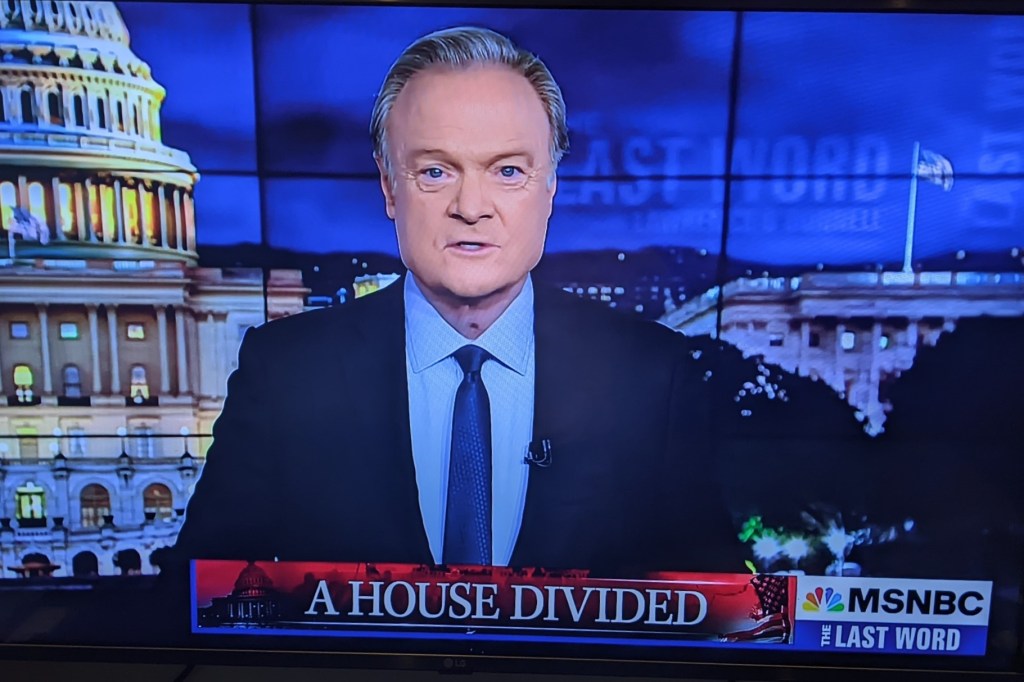
Lawrence O’Donnell The Last Word MSNBC continued his series on whether there is a civil war brewing in America. A House Divided covered a critic of the ideas aired in last week’s episode.
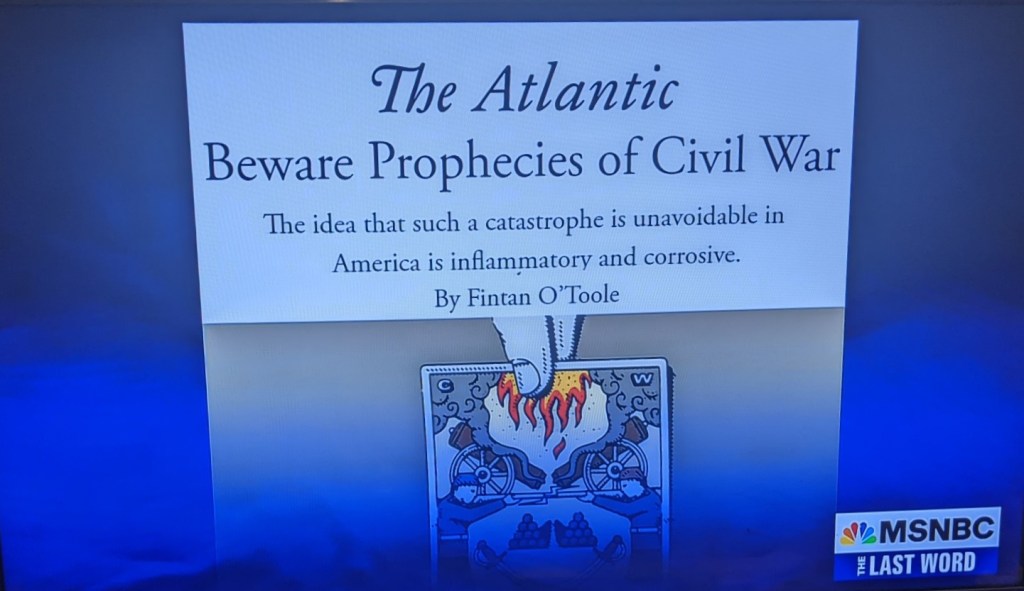
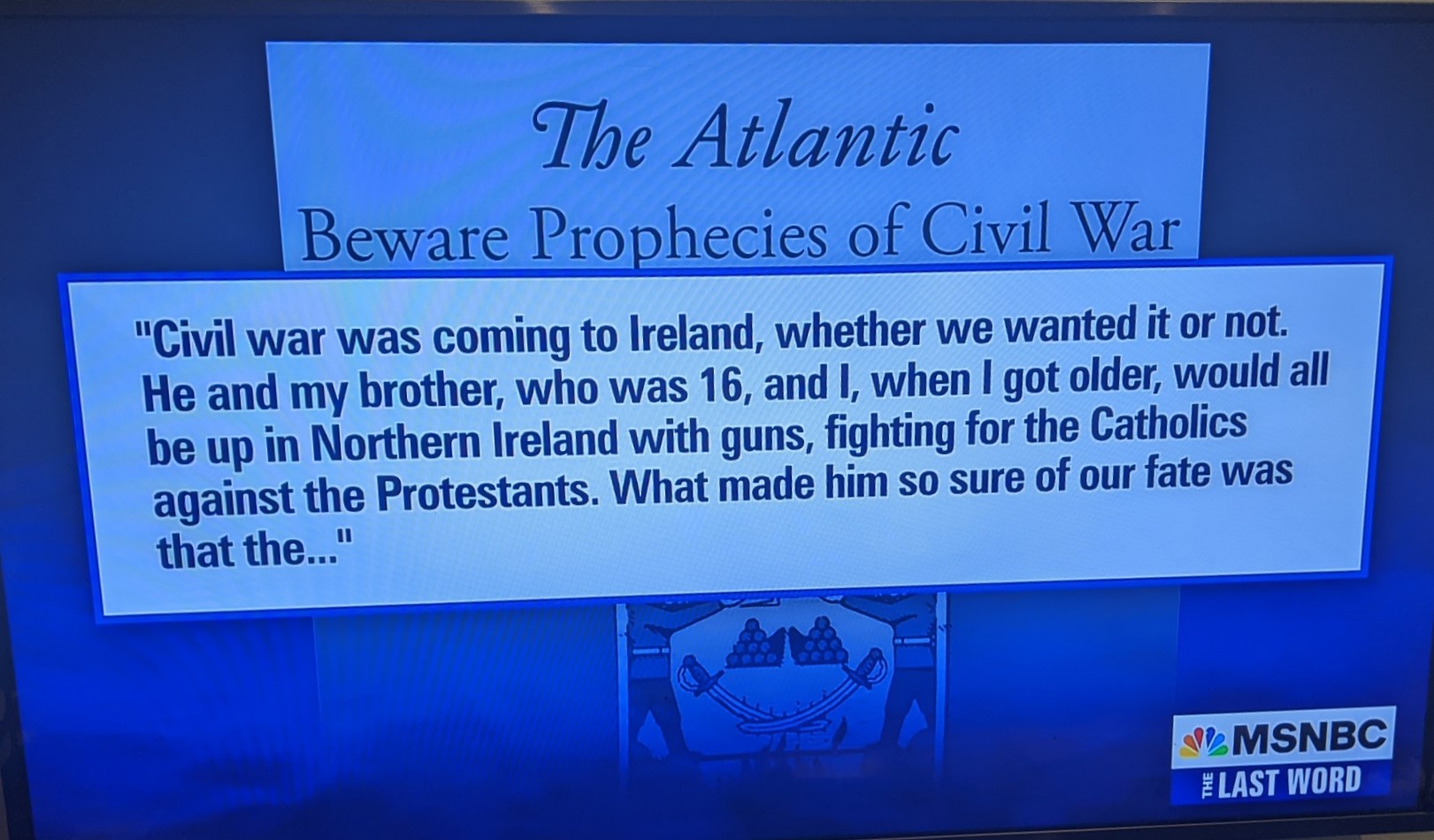
Lawrence O’Donnell seemed to be more closely aligned with Fintan O’Toole’s reservations about the prognostications about another civil war in America at this time. In particular, the possibility that the prophecy could suit the aims of some of the insurrections at the Capitol was raised.
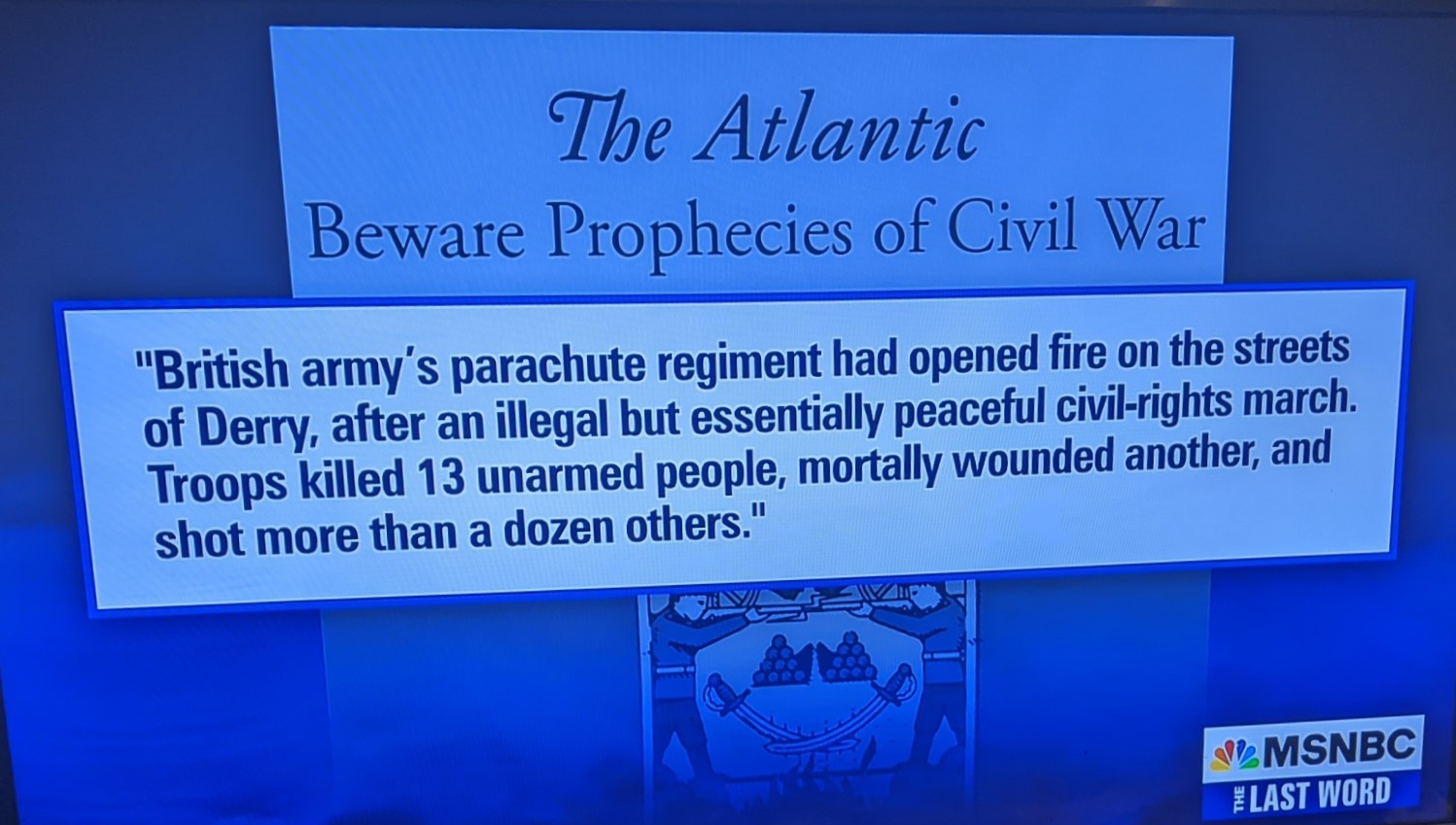
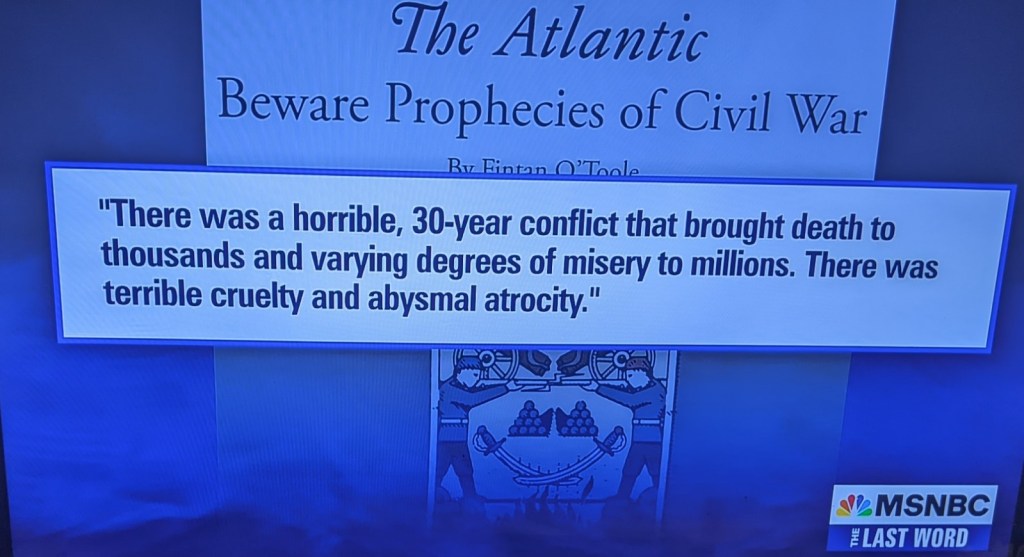
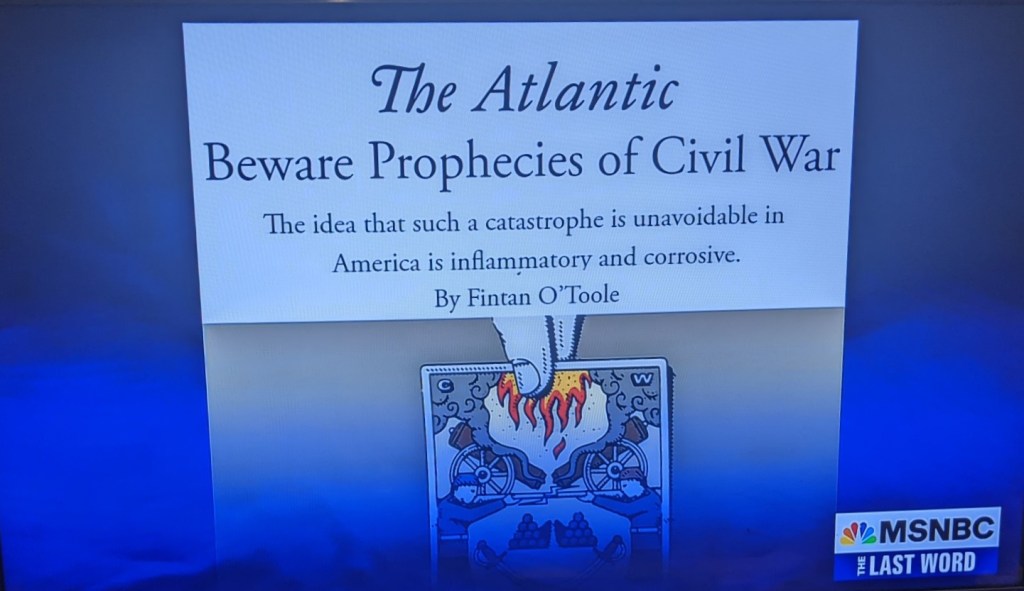
Heather Cox Richardson discusses the American Constitution, the reality of the historic events of 1776, and the poverty of the argument that it has anything to do with January 6 2021.

January 29, 2022 (Saturday)
I’ve thought a lot lately about Representative Lauren Boebert’s (R-CO) tweet on January 6, 2021, saying, “Today is 1776.” It’s clear that those sympathetic to stealing the 2020 election for Donald Trump over the will of the majority of Americans thought they were bearing witness to a new moment in our history.
But what did they think they were seeing?
Of course, 1776 was the year the Founders signed the Declaration of Independence, a stunning rejection of the concept that some men are better than others and could claim the right to rule. The Founders declared it “self-evident, that all men are created equal” and that ordinary people have the right to consent to the government under which they live.
But that declaration was not a form of government. It was an explanation of why the colonies were justified in rebelling against the king. It was the brainchild of the Second Continental Congress, which had come together in Philadelphia in May 1775 after the Battles of Lexington and Concord sparked war with Great Britain. At the same time they were declaring independence, the lawmakers of the Second Continental Congress created a committee to write the basis for a new government. The committee presented a final draft of the Articles of Confederation in November 1777. Written at a time when the colonists were rebelling against a king, the new government decentralized power and focused on the states, which were essentially independent republics. The national government had a single house of Congress, no judiciary, and no executive.
“Each state retains its sovereignty, freedom and independence, and every Power, Jurisdiction and right, which is not by this confederation expressly delegated to the United States,” it read. The organization of the new government was “a firm league of friendship” entered into by the states “for their common defence.” With the weight of governance falling on the states, the confederation languished. It was not until 1781 that the last of the states got around to ratifying the articles, and in 1783, with the end of the Revolutionary War, the government began to unravel. The Congress could make recommendations to the states but had no power to enforce them. It could not force the states to raise tax money to redeem the nation’s debts, and few of them paid up. Lacking the power to enforce its agreements, the Congress could not negotiate effectively with foreign countries, either, and individual states began to jockey to get deals for themselves.
As early as 1786, it was clear that the government was too decentralized to create an enduring nation. Delegates from five states met in September of that year to revise the articles but decided the entire enterprise needed to be reorganized. So, in May 1787, delegates from the various states (except Rhode Island) met in Philadelphia to write the blueprint for a new government. The Constitution established the modern United States of America. Rather than setting up a federation of states, it united the people directly, beginning: “We the People of the United States, in Order to form a more perfect Union, establish Justice, insure domestic Tranquility, provide for the common defence, promote the general Welfare, and secure the Blessings of Liberty to ourselves and our Posterity, do ordain and establish this Constitution for the United States of America.” It corrected the weakness of the previous government by creating a president with explicit powers, giving the government the power to negotiate with foreign powers and to tax (although it placed the power of initiating tax bills in the House of Representatives alone), and creating a judiciary. Those still afraid of the power of the government pushed the Framers of the Constitution to amend the document immediately, giving us the Bill of Rights that prohibits the government from infringing on individuals’ rights to freedom of speech and religion, freedom from unreasonable searches and seizures, and so on. The catch-all Tenth Amendment stated that “The powers not delegated to the United States by the Constitution, nor prohibited by it to the States, are reserved to the States respectively, or to the people.”
That reservation of powers to the states created a crisis by the 1830s, when state leaders declared they would not be bound by laws passed in Congress. Indeed, they said, if voters in the states wanted to take Indigenous lands or enslave their Black neighbors, those policies were a legitimate expression of democracy. To defend their right to enslave Black Americans, southern leaders took their states out of the Union after the election of 1860.In the wake of the Civil War, Americans gave the federal government the power to enforce the principle that all people are created equal. In 1868, they added to the Constitution the Fourteenth Amendment, which declared that “No state shall make or enforce any law which shall abridge the privileges or immunities of citizens of the United States; nor shall any state deprive any person of life, liberty, or property, without due process of law; nor deny to any person within its jurisdiction the equal protection of the laws.” It gave the federal government—Congress—the power to enforce that amendment.
It seemed that the Fourteenth Amendment would finally bring the Declaration of Independence to life. Quickly, though, state legislatures began to discriminate against the minority populations in their borders—they had always discriminated against women—and the American people lost the will to enforce equality. By the early twentieth century, in certain states white men could rape and murder Black and Brown Americans with impunity, knowing that juries of men like themselves would never hold them accountable.Then, after World War II, the Supreme Court began to use the due process and the equal protection clauses of the Fourteenth Amendment to overrule discriminatory laws in the states. It ended racial segregation, permitted interracial marriage, gave people access to birth control, permitted reproductive choice, and so on, trying to enforce equality before the law.
But this federal protection of civil rights infuriated traditionalists and white supremacists. They threw in their lot with businessmen who hated federal government regulation and taxation. Together, they declared that the federal government was becoming tyrannical, just like the government from which the Founders declared independence. Since the 1980s, the Republican Party has focused on hamstringing the federal government and sending power back to the states, where lawmakers will have little power to regulate business but can roll back civil rights.
That effort includes rewriting the Constitution itself. In San Diego, California, last December, attendees at a meeting of the American Legislative Exchange Council’s policy conference announced they would push a convention to amend the U.S. Constitution to limit the power and jurisdiction of the federal government, returning power to the states. ALEC formed in 1973 to bring businessmen, the religious right, and lawmakers together behind legislation. So far, 15 Republican-dominated states have passed legislation proposed by ALEC to call such a convention. In another nine similar states, at least one house has passed such bills, and lawmakers have introduced such bills in 17 other states.
ALEC formed in 1973 to bring businessmen, the religious right, and lawmakers together behind legislation. So far, 15 Republican-dominated states have passed legislation proposed by ALEC to call such a convention. In another nine similar states, at least one house has passed such bills, and lawmakers have introduced such bills in 17 other states.
The insurrectionists’ cries of 1776 remind me not of the Founding era, but of 1860. In that time, too, people believed they were creating a new country and recorded their participation. In that time, too, the rebels wanted a country with a weak federal government, so they could be sure people like them would rule forever. *
- I have added these photos from the insurrection.
Visit to the National Gallery of Australia
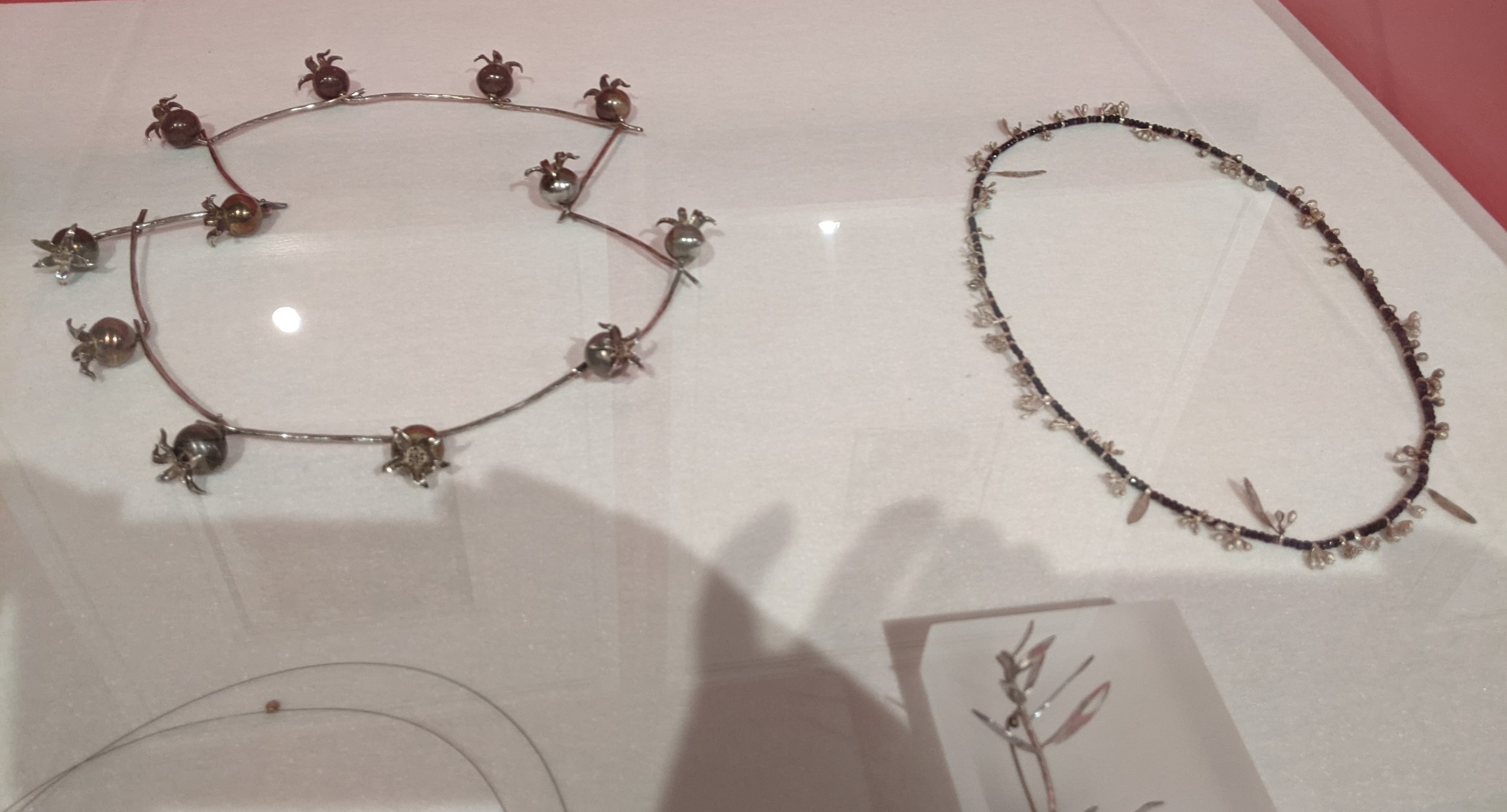
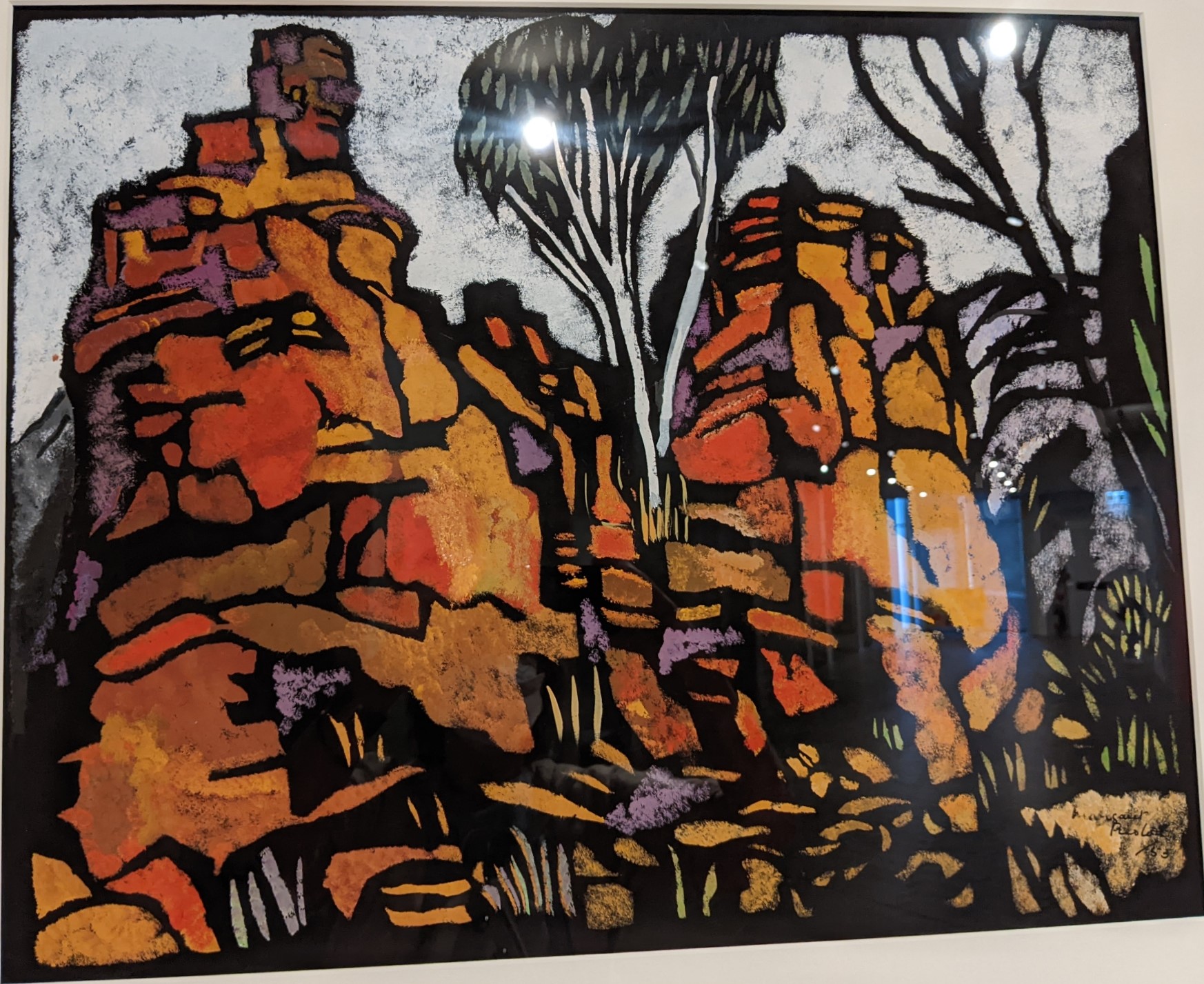
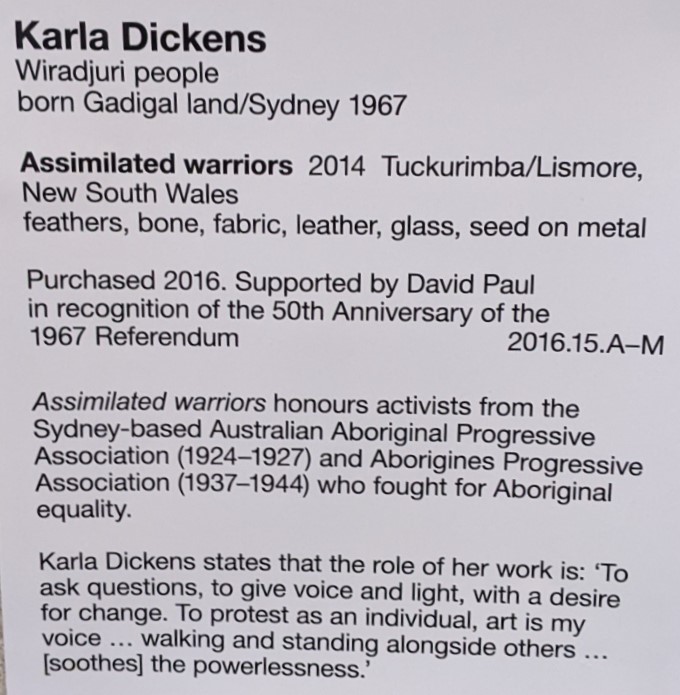
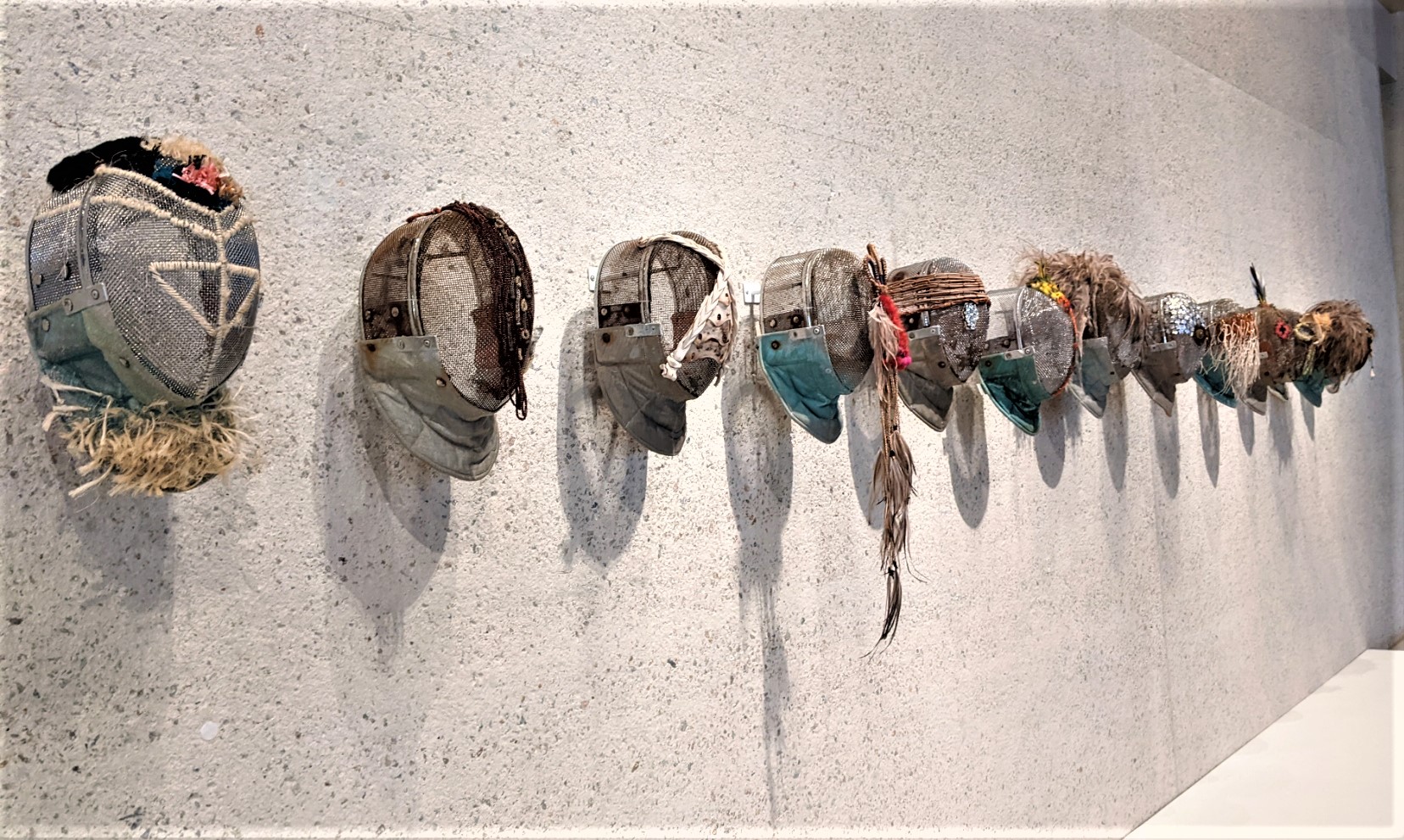
This was a pottering visit , rather than one to see the Jeffery Smart Exhibition which is currently showing. Although I am disappointed at the loss of any significant contribution to children’s participation at the Gallery, the general exhibitions were thoroughly engaging.
Betty Muffler’s work makes an excellent introduction to the multitude of indigenous art works that now appear at the gallery.
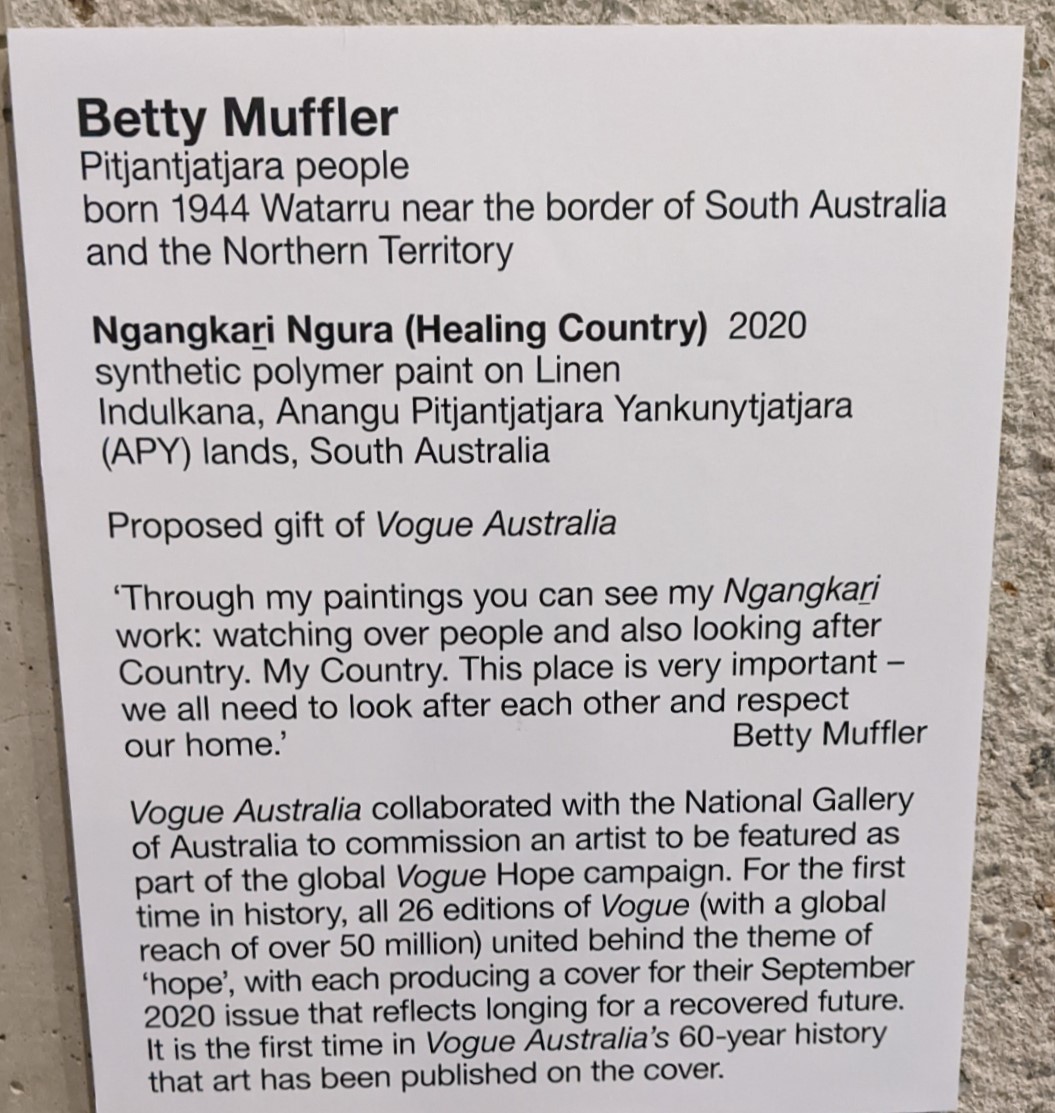

The Know My Name exhibition continues to be a source of information and pleasure.

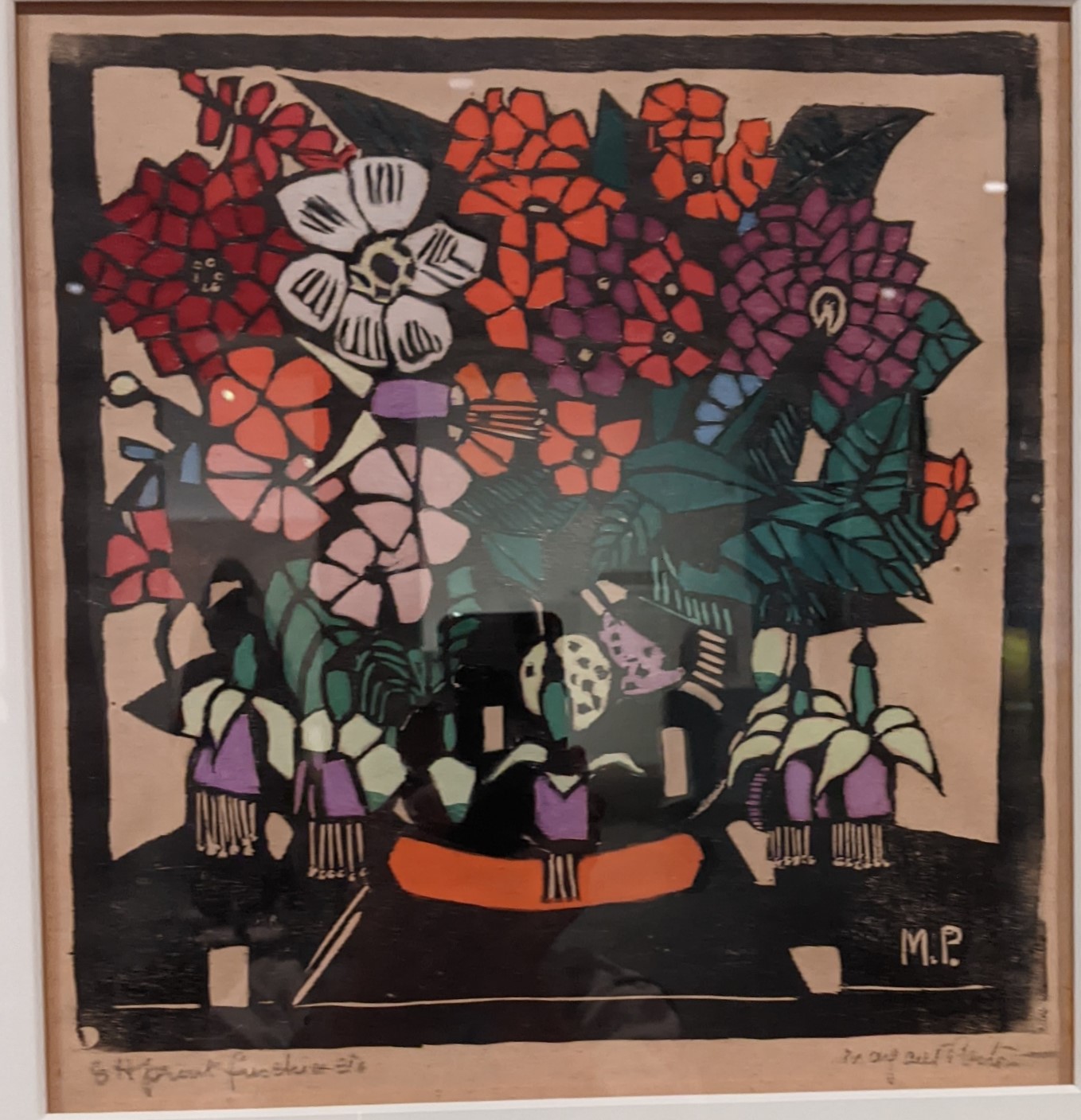
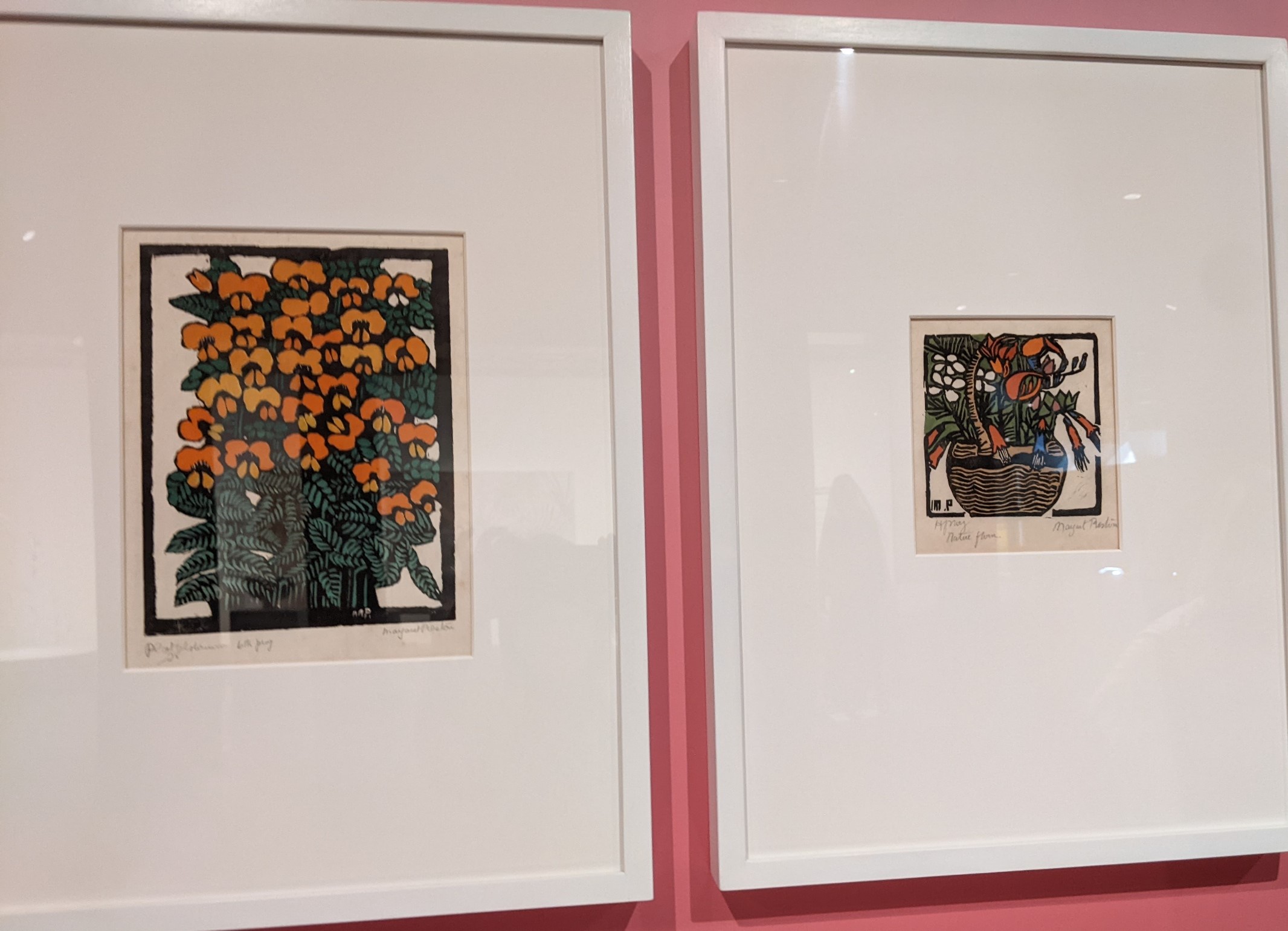
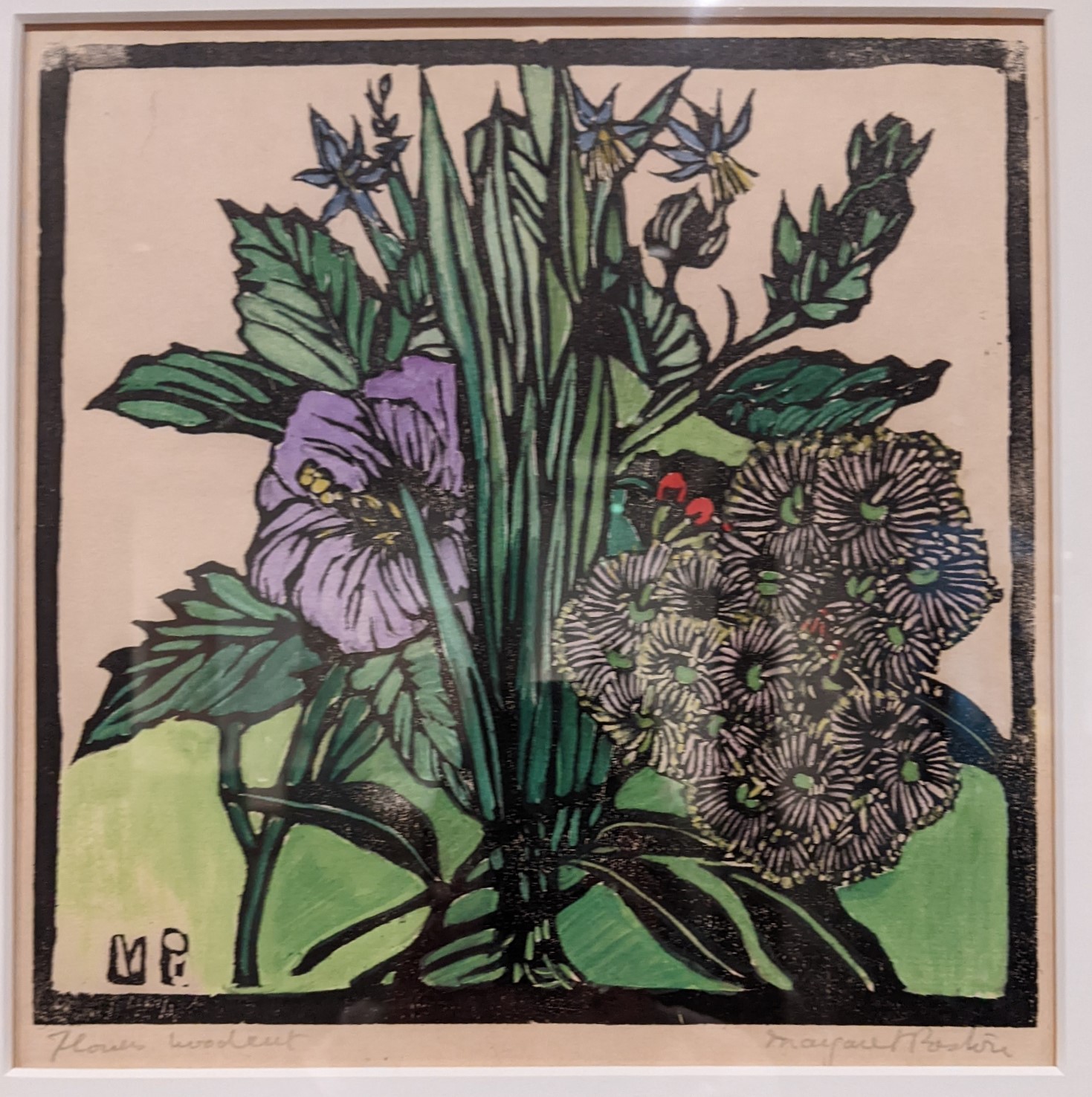
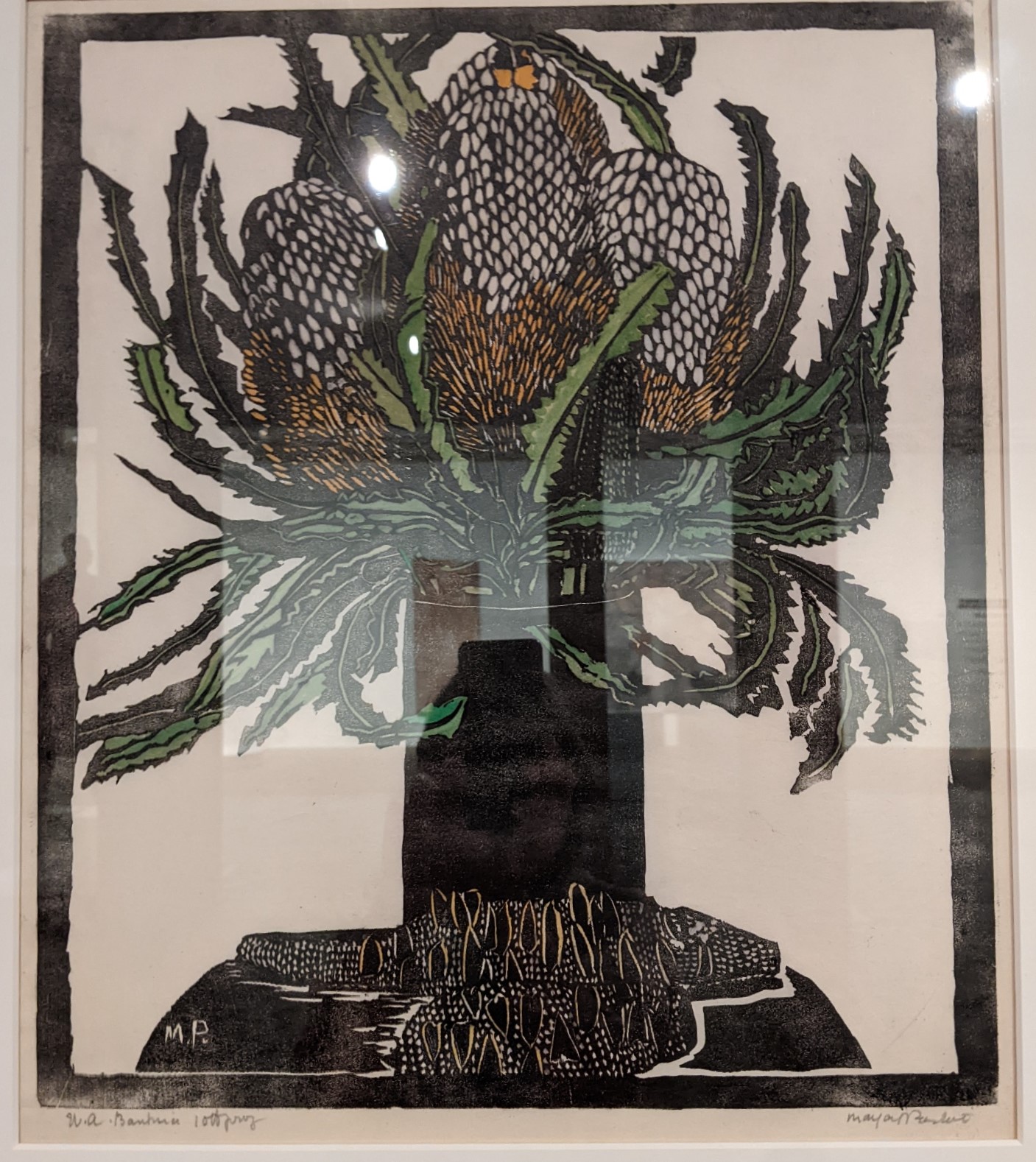
Cindy Lou Eats Out in Canberra
A visit to Milligram at Woden plaza was mixed – the coffees arrived promptly, the seating was pleasant enough, as were the staff. Amazingly, there were two pats of butter with the two slices of toast. However, the wait for that toast and eggs was a huge disappointment. Even worse was the wait for the avocado toast with tomatoes and an egg. The dish was also disappointing, with cold cut up tomatoes on a mash of avocado, small pieces of haloumi on one piece of toast and one egg. Sliced avocado, slices of succulent grilled haloumi and cooked tomato would have been so much more palatable. The lemon was a nice touch.
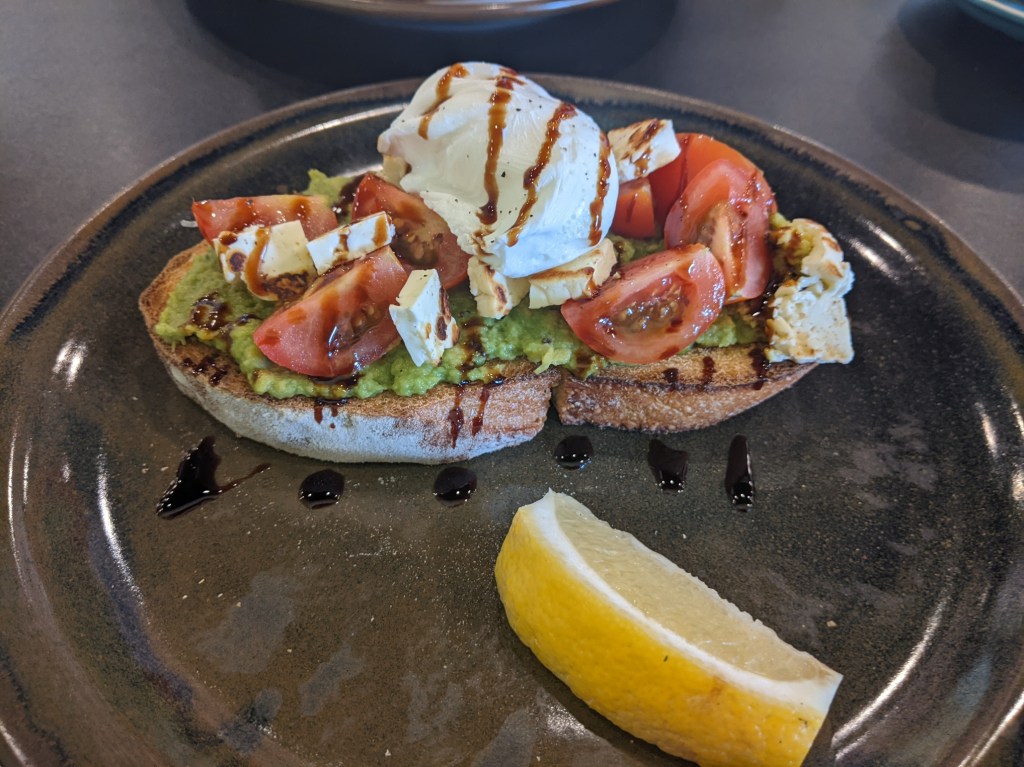

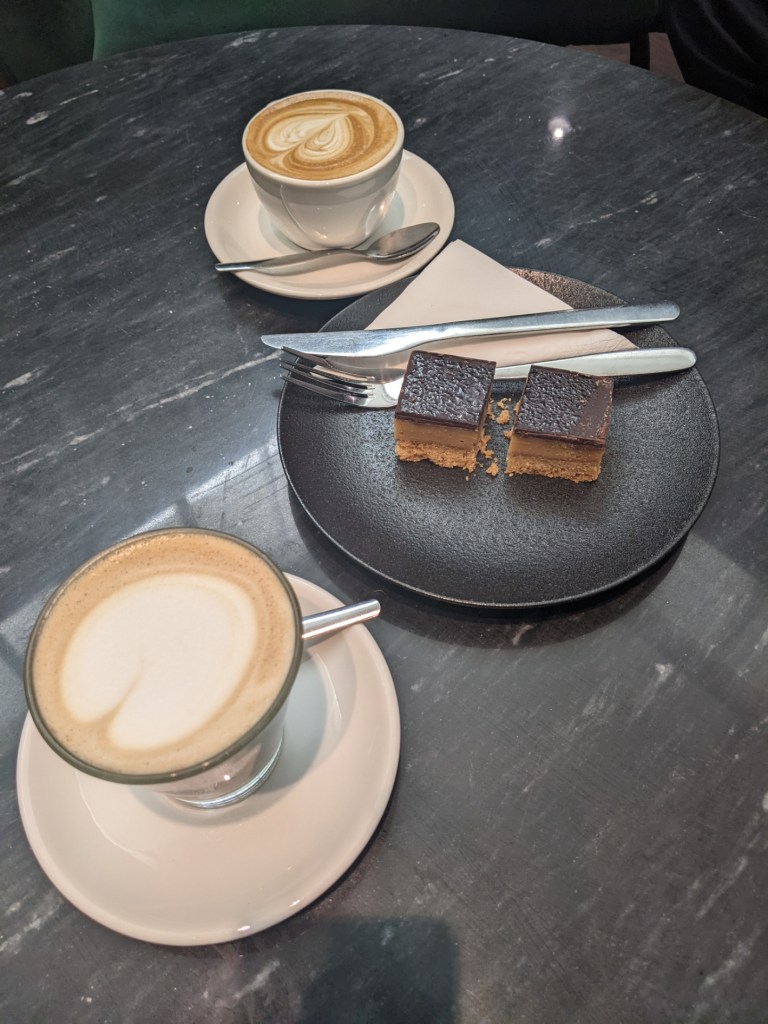
The positive part of this experience was the feeling that it had to be forgotten as soon as possible. At Espresso Room a caramel slice cut in half and a lovely hot coffee made to my order were brought promptly.
Here at the seating is varied, with comfortable lounge chairs at low tables, as well as conventional seating. With Julia Child’s admonition above what more could I have wanted? Perhaps less than perfect cafes exist just for the pleasure of finding an antidote!

A morning at Kingston Foreshore was a pleasant experience, with a long walk along the water ending a lovely chat with a coffee. The coffee was prompt, despite the café being fairly full, and delicious. The breakfasts I saw being brought to other tables looked immense – and beautifully fresh. I stuck with the coffee (The Cat’s Pyjamas brand) and a walk as a change from too much indulgence.




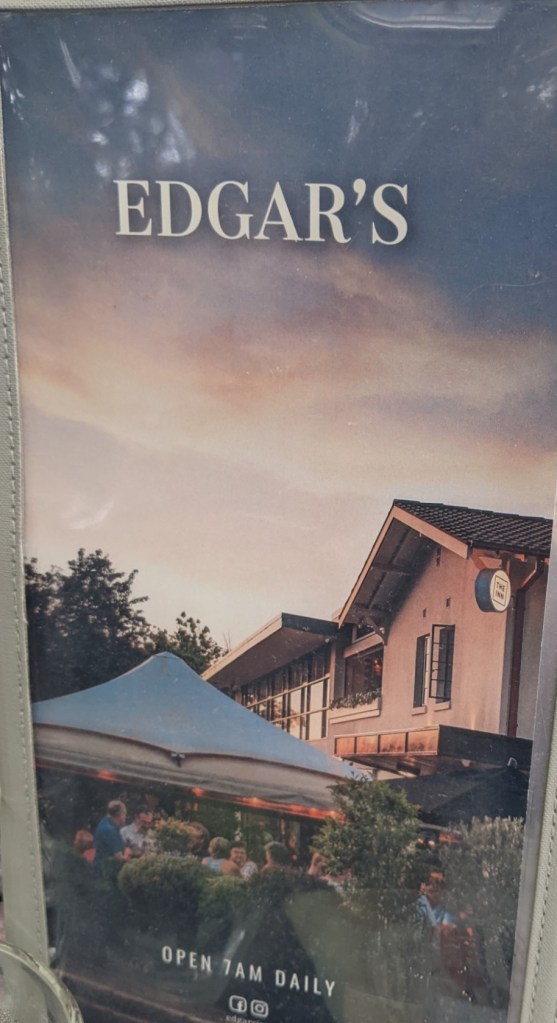
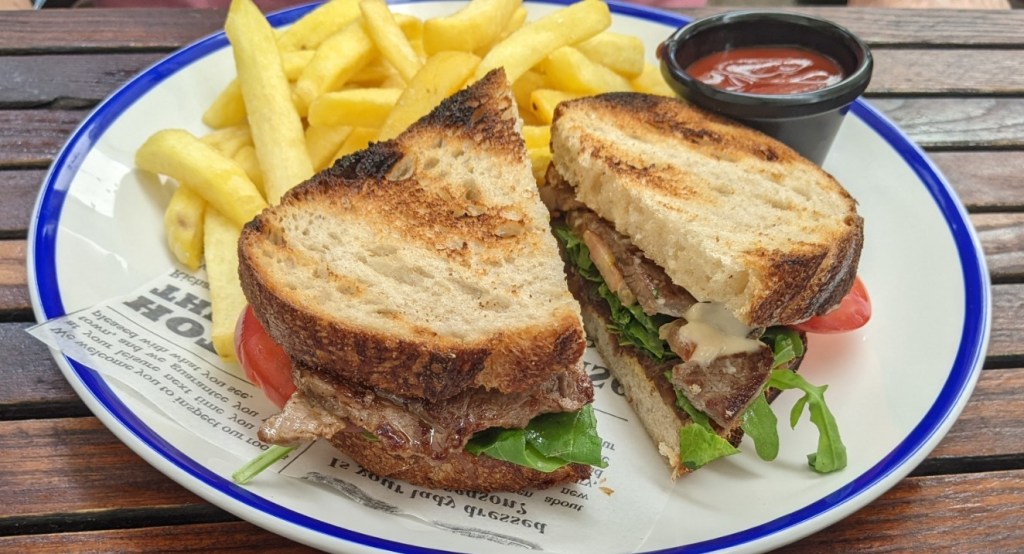
Edgars Inn Ainslie is a favourite, with its wooden tables, shelter and heating in the cold weather, and today with the heat, several excellent fans. The menu combines a range of smaller dishes, familiar fare, and several interesting salads. Today I enjoyed the fish and chips, served with a good wedge of lettuce with a pleasant dressing. Tartare, tomato sauce and a wedge of lemon were generous accompaniments. The only thing missing were the greedy seagulls which accompany any such meal in one of my favourite cities, Fremantle Western Australia. The few tiny birds who hop around hopefully do not compare with the predatory swoop of a seagull. My friend’s steak sandwich was replete with salad and served with chips.

In case anyone is concerned about the unhealthy nature of some of these outings, Cindy Lou eats a lot of salad, vegetables and fruit when she is at home. Oh, and the occasional chocolate bar. She loves the Julia Child quote too much, perhaps.

