The book sent to me as an uncorrected copy from NetGalley for review is by Hanna Flint. What Movies Teach Us Strong Female Character begins with a criticism of the form in which Barbie appears without the trappings of her many manifestations as a career woman, adventurer, glamour icon etc. For Hanna Flint the search for a doll that reflected her appearance was an important start to her concern with the way in which women’s appearance controls their lives.
Barbie, the film, has raised awareness of this phenomena in the very person of Flint’s concern. Barbie also featured in the novel by Alice McDermott, Absolution, reviewed in the week beginning July 5th 2023. I have yet to see the film but look forward to doing so.
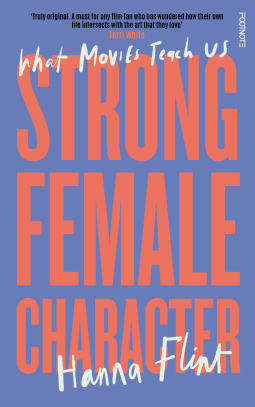
Hanna Flint Strong Female Character Footnote Press, February 2023.
Hanna Flint has compiled a compelling autobiography with a mixture of events from her life and their connections to a host of films – those that she admires, and those which she disparages. More than this, her story has links to other women, people from diverse backgrounds, the film industry, and social change. It is a book that cannot be read without being challenged. Sometimes that challenge is directed to the language Flint uses, which at times seems blatantly provocative. However, more importantly, her analysis of ideas that permeate society and are perpetuated by film create debates well worth having. In using examples from the films she has viewed, the autobiography projects a broader world than usual when people write their story.
Flint begins her discussion of her childhood with her search for a doll that reflects her physique – none is available, and the impact on this young girl is that there is a female ideal, and she is not it. This is not a new idea, it has been debated along with other targets impacting on childhood understandings of what is perfect, what is needed to measure up and the failings associated with not doing so. Nevertheless, this makes an excellent beginning to an autobiography that is different. It will be interesting to read any analysis Flint might make of the recently released Barbie.
After the Covid update: Leanne Michelle writes about her response to Barbie; A.J. Pearce -Finding Good Advice in World War II-Era Women’s Magazines; Cindy Lou has coffees and pastries on the South coast; signs for Yes are prominent in businesses and gardens.
Covid in Canberra

The ACT recorded 188 new cases of Covid to the 4th of August 2023. There are 11 people with Covid in hospital, none of whom are in ICU or ventilated. Two people lost their lives to Covid in this period, bringing the total number of lives lost to Covid in the ACT to 266.

Barbie the film: comments by Leanne Michelle
My thoughts on the Barbie movie:
I wasn’t really sure what to expect of this movie. I didn’t go into it expecting anything that was going to make me think – movies don’t always have to be cerebral, they can just be good old fashioned fun. And this movie is a truck ton of fun. Greta Gerwig has done an amazing job of bringing the world’s most famous doll to life. Barbieland looks visually stunning. The set designers really outdid themselves recreating all of the Dreamhouses and various Barbie vehicles. There is so much pink in this movie that I’m probably going to become allergic to it.
Margot Robbie as Barbie is absolute perfection. She brings so much heart to this movie, and you feel her pain and sadness as well as her joy and excitement as she discovers more about the real world – and herself – than she ever anticipated. A brilliant bit of casting and I really can’t see anybody else in this role.
Ryan Gosling as Ken is the absolute embodiment of the himbo accessory who suffers an existential crisis if Barbie fails to notice him. His comic timing is impeccable, and you can feel his frustration, confusion and hurt as he attempts to discover who he is without her. Also, the Kens musical number alone is worth the price of admission.
America Ferrera’s pivotal speech is one that every woman in the cinema felt in her core. We all relate to it. We’ve all lived it. It infuriated us, but ultimately it inspired us. All of the man babies crying about how this movie is anti-men really don’t understand its message. This movie is not anti-men. It is anti-patriarchy, which is a very different thing. The patriarchy hurts everyone, not just women. I don’t think that the movie intentionally set out to deliver that message, but that’s the vehicle it has become.
I honestly did not expect a movie about a doll to run me through such a gamut of emotions. It was hysterically funny, profoundly sad and ultimately hopeful. It is the kind of movie that I really needed at this point in time – something fun, a bit thought provoking, and thoroughly enjoyable. I will definitely go and see this movie again.
4.5 hot pink stilettos out of 5.
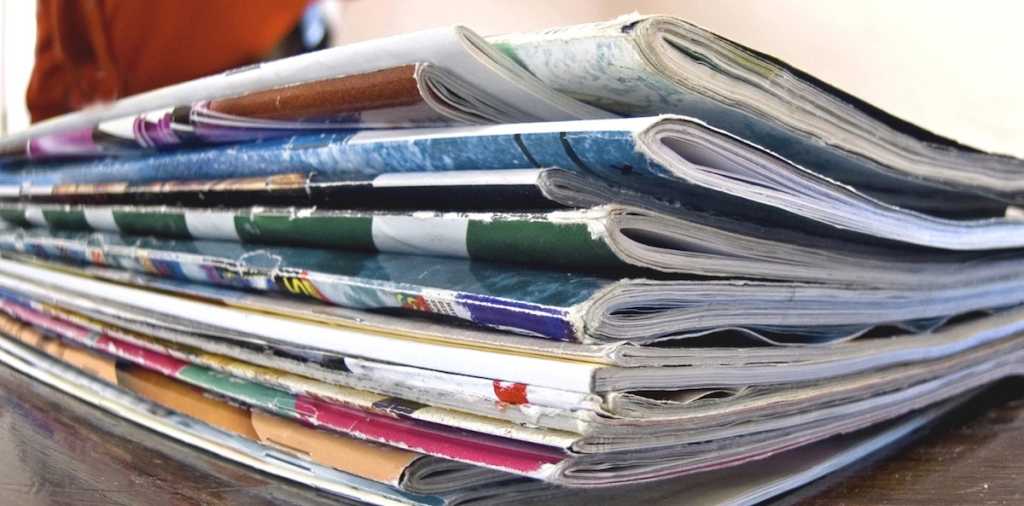
Finding Good Advice in World War II-Era Women’s Magazines
“The advice isn’t always consistent, it’s not always pleasant, but it is always fascinating.”
By AJ Pearce , August 28 2023
I first came across a copy of a 1939 British women’s magazine during an enthusiastic bout of procrastinating on eBay. Expecting nothing more than a mildly interesting read for my £4.95, a few days later, I found myself beginning what became a collection of hundreds of vintage magazines, a Sunday Times bestselling debut novel, and a new career as a novelist. As you can imagine, I’m still a keen supporter of timewasting online.
That’s a pretty exciting series of events instigated by a magazine featuring a cheery woman wearing a sun hat on the cover, with the headline Knit This Beach Suit! But perhaps that’s the whole point. What on face value looked like a fun read became (as did countless other magazines in this genre) a source of some of the most interesting, significant, and inspiring material I’ve used in my research.
That copy of Woman’s Own was an accessible, relatable glimpse into the lives of women in 1939. The pages were filled with fashion, beauty, fiction and films, a recipe for salmon in a sauce and a set of stomach exercises, adverts for Band-aids, Tampax, and McDougall’s self-raising flour. It was a magazine for me—if I had been getting on with life over eighty years ago.
1939 is the year Britain went to war with Germany. The magazine I was holding would have been read just weeks before war was declared. It gave me an entirely new doorway into that world and, for the first time, made me think about writing historical fiction.
If you’re wondering if salmon in a sauce is a little bit shallow as a gateway for a novelist, stick with me. Two columns in particular stood out. The first was called What Women Are Doing and Saying which featured news of a group of female boat builders—the eldest only eighteen—who had been taught by their father “because boy apprentices found work too tough (and) would not stay.” Then it told readers about Dr. Gisa Kaminer, the Austrian scientist assisting Professor Ernst Freund as he set up his London cancer research lab, having been exiled by the Nazis. The women had serious stories to tell.
https://a889d421b5e77a4987c2ac5cf7e489da.safeframe.googlesyndication.com/safeframe/1-0-40/html/container.htmlThe columnists are supporting their readers, championing them, informing, warning and in some instances, judging.
The final feature, and the one that became the basis of my series The Emmy Lake Chronicles, was the advice column at the back. I was surprised at how many of the readers’ problems still had resonance. From the mother concerned that her daughter wasn’t working hard enough at school, to the twenty-year-old whose parents said she shouldn’t get married, to the woman whose husband was seeing way too much of a young married woman, they didn’t feel like history. They felt as if they could have been written today.
My £4.95 had bought me a time machine.
In the ten or so years since then, I’ve built a magazine collection that ranges from the 1960s back to a volume of The Lady’s Magazine: Or Polite Companion For The Fair Sex from 1761, including, for fans of Bridgerton’s Queen Charlotte, a report on her wedding to King George (it was not a small do). The majority of my collection, however, is from World War II, when the almost unimaginable challenges of war added layers of stories to the previously relatable advice. Nothing beats first-hand accounts of course, but in terms of understanding what mass numbers of women were concerned with and reading about in their everyday lives—these publications have been invaluable.
While the bulk of the magazines tells me what women ate and drank and wore, or the brands they bought or the radio programs they listened to, it’s the advice columns that reveal the issues that really mattered to them: those concerns that kept them awake at night to the extent they were would write to a complete stranger and ask for help.
This is gold to a writer.
Equally, it is the responses of the advice columnists which give serious insight into the views, morals, and judgements of the period. In general, I have found them to be highly supportive of their readers, but I would be remiss not to say that the attitudes are very much of their time. Supportive on some issues, while on others revealing horrible bigotry. It’s not always comfortable reading, but it’s an insight I use in my work. In my debut novel, Dear Mrs. Bird, a young reader writes that she is in love with a Polish airman, much to the disapproval of her parents. The elderly advice columnist in the novel makes it clear that while the young man’s service in the war is much respected, marrying someone “from overseas” is not. It gave me the conflict I needed for the book’s young, far more modern protagonist Emmy Lake. In my most recent novel Mrs. Porter Calling, Emmy is now an advice columnist herself, and fights for her readers on every page.
I was especially fascinated by the role of advice columnists in the war effort. Women’s magazines played a key part in the British Government’s communications. The Ministry of Information worked with the women’s press to reach millions of readers needed to join the war effort: recruiting to the services and factories, and crucially, maintaining the home lives and families that everyone was fighting for. If the cookery pages moved into making rations last and promoting carrots when the Ministry of Food predicted a glut, it was the advice columnists who had to deal with the emotional as well as practical impact of years of conflict. The readers’ problems in my novels are almost all based on letters published in original magazines. In just one issue, a wartime advice columnist might tackle loneliness, loss, grief, unplanned pregnancies or sexually transmitted diseases as well as the “usual” problems of mothers or daughters or work or money.
The columnists are supporting their readers, championing them, informing, warning and in some instances, judging. Depending on the magazine, the advice isn’t always consistent, it’s not always pleasant, but it is always fascinating.
It’s also increasingly hard to find. If you spot a stack of old magazines in your attic, please don’t throw them away. Even better, let me know about them. They hold so many stories I still want to tell.
__________________________________
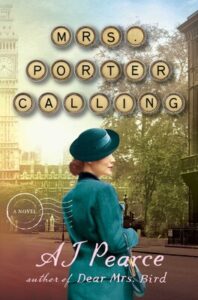
Mrs. Porter Calling by AJ Pearce is available from Scribner, an imprint of Simon and Schuster.

AJ Pearce grew up in Hampshire, England. She studied at the University of Sussex and Northwestern University. Her collection of over 800 vintage women’s and news magazines is the inspiration for her series The Emmy Lake Chronicles, which includes Dear Mrs. Bird, Yours Cheerfully, and Mrs. Porter Calling. She lives in the south of England.
AJ Pearce
Edited (slightly) : Article from Women and Literature, Literature Hub.
I find this google alert provides me with a wealth of interesting material about women’s writing, and books about women.
Cindy Lou’s morning teas at the South Coast
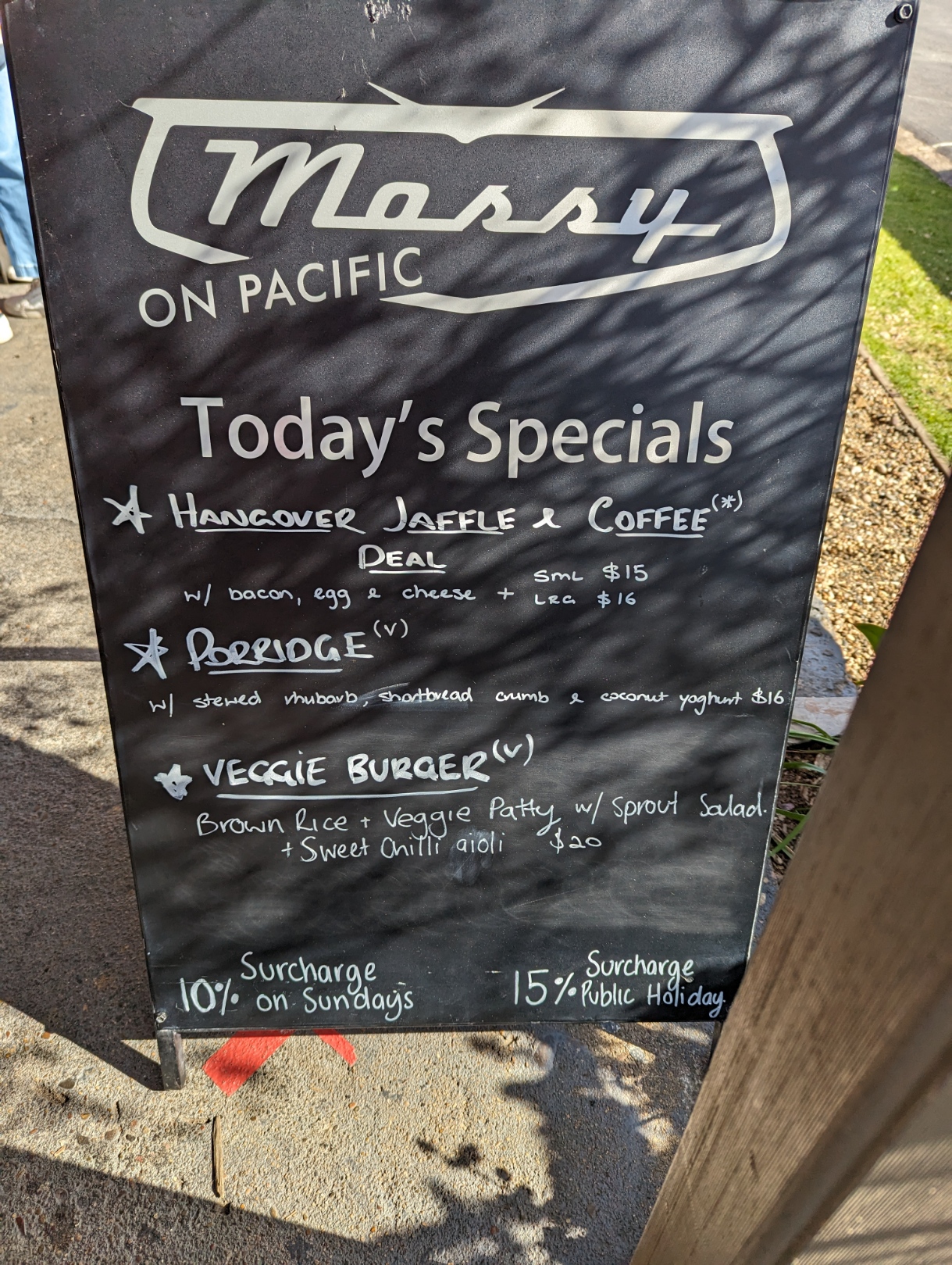
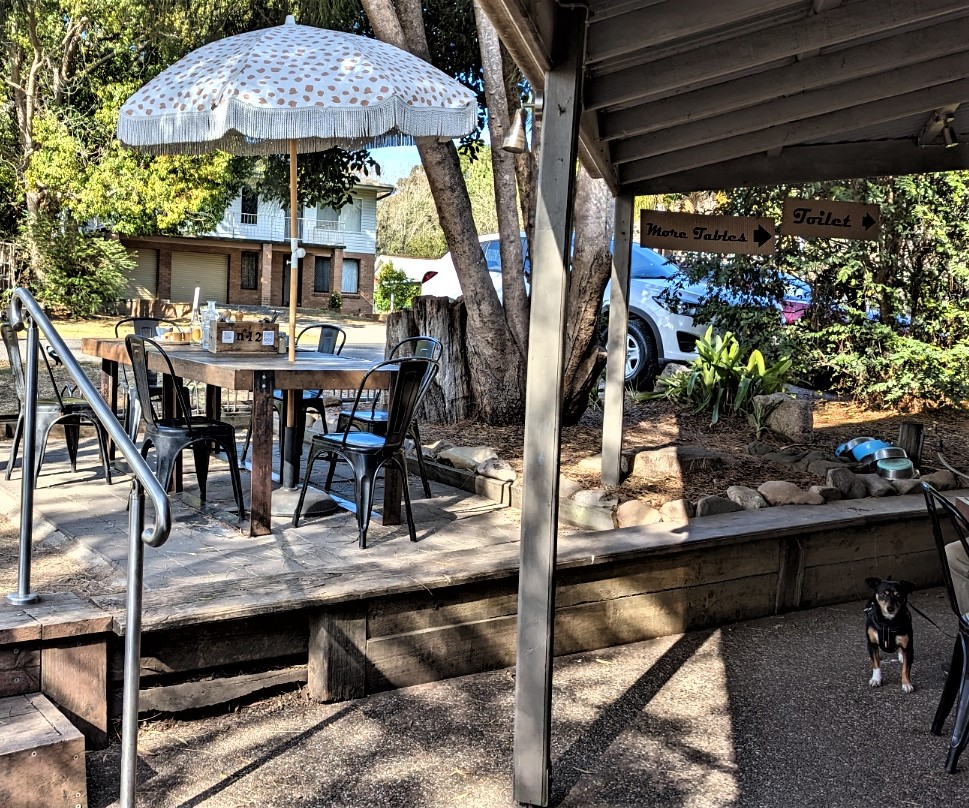
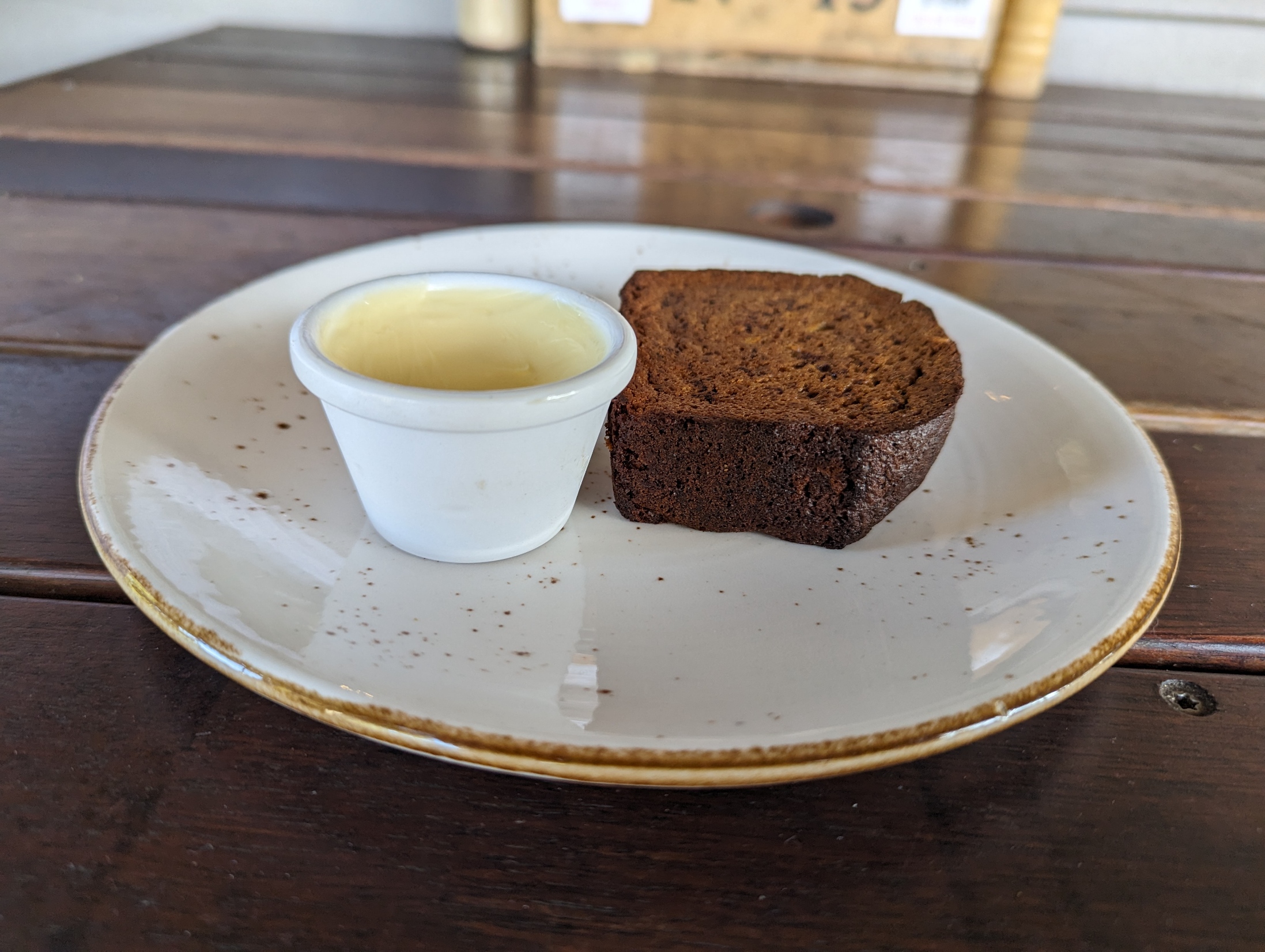
Massey on Pacific at Mossy Point was a great find. The seating is surrounded by gum trees, dogs are welcome, and the food and coffee were just what we wanted. We had a lime and coconut cake (delicious) and banana bread. The latter was warmed and served with a generous portion of butter. There was a good variety available. The empty case for hot items may mean that they had been devoured! However, it is as likely that the case was to be filled for the lunch time trade. Generous cooked breakfasts were available and were being taken to customers by smiling efficient staff. On the latter, the service was very prompt indeed. There were light blankets on some chairs, reminiscent of outdoor seating in Istanbul. The morning was warm, but it is easy to imagine customers being grateful for covering after an early morning jog in light clothing.



Crumb Cafe is in the main thoroughfare at Batehaven and could be a little noisy. However, this did not deter the customers who filled all the seats inside and out on the first occasion we tried to eat there.
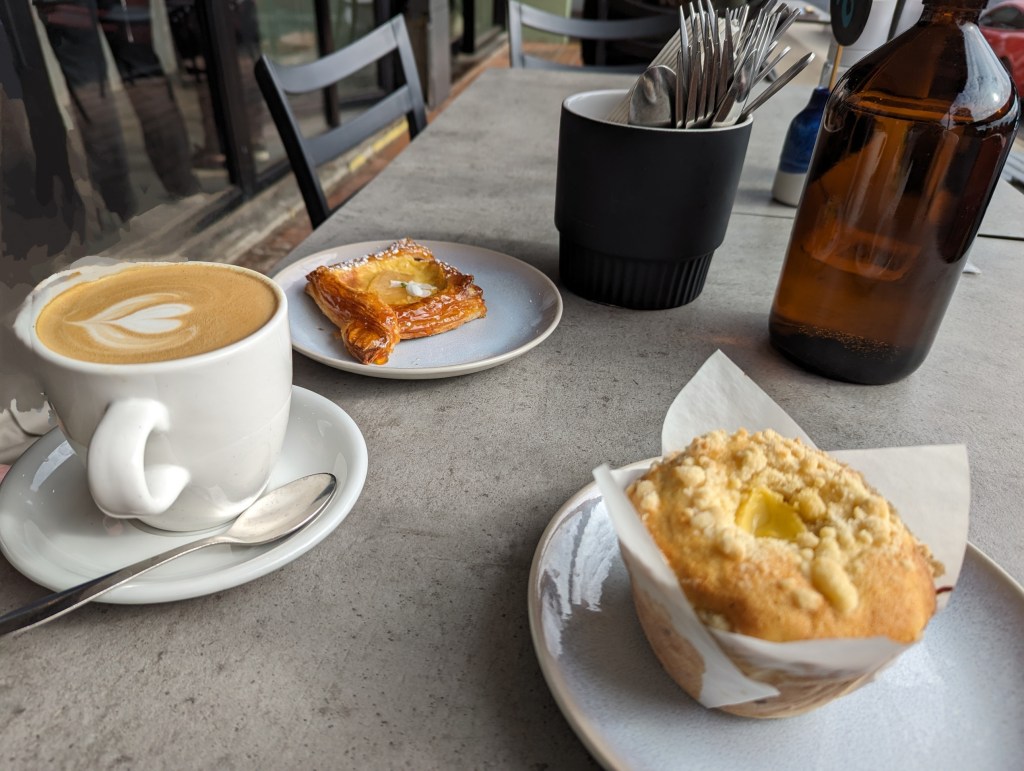
When we were successful, we were pleased with the smiling service, good coffees and pastries – a Danish with pear and an apple crumble muffin complete with custard.

The Batehaven Bakehouse is in a side street – not so much noise, but no lovely vista. This was the pick of the coffee places I visited. Perhaps this was partly because of the cream bun on the menu- reminiscent of student days spent at Rottnest Island after exams were over.

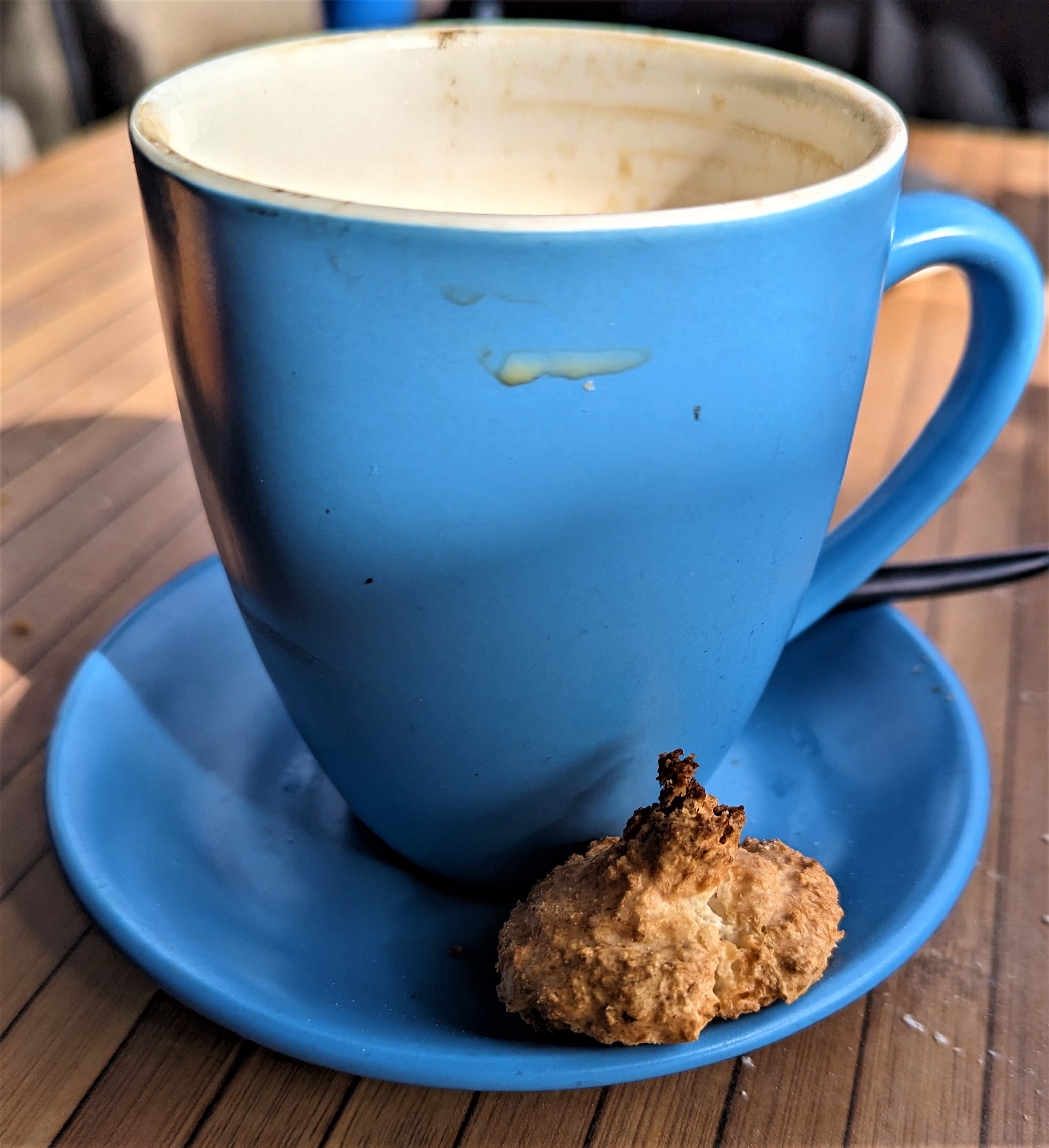
No holiday was complete without such a bun, and, fortunately for our health, long bicycle rides around the island. Coffee at the Batehaven Bakehouse was served with a delicious light macaroon – even the takeaways that we ordered were accompanied by such a delicious morsel! The apple and cinnamon crumble muffin was excellent. No bike riding, merely a stroll – oh dear!


Seen in a Bungendore shop window.

I was pleased to see that the hairdresser I go to also has a Yes poster in the window. Great hairdressing and good values.

 Robin's Room
Dear Robin
I always enjoy your book reviews and your recommendations. This week I have started reading one of A J Pearce’s books, “Dear Mrs Bird”. It’s a good contrast to the Australian rural noir I have been reading for the last few weeks.
<
div dir=”ltr”>I wanted to ask your recommendations for dog-friendly accommodati
LikeLike
Thank you, Margaret. I enjoy reading such a wide range of books, some I’d not think about in other circumstances. I like not giving a star rating on the blog reviews. I’m also interested in Dear Mrs Bird.
LikeLike