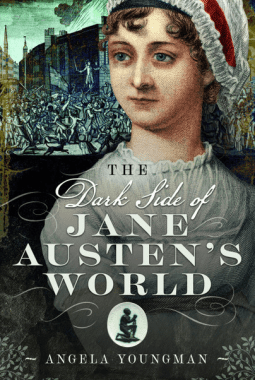
Angela Youngman The Dark Side of Jane Austen’s World Pen & Sword|Pen & Sword History, August 2024.
Thank you, NetGalley and Pen & Sword, for providing me with this uncorrected proof for review.
Angela Youngman’s detailed and absorbing exploration of Jane Austen’s world, through her own narratives and additional material, is a valuable read. Although Austen has portrayed the period faithfully in the novels, even if not in great depth, Youngman’s choice to research beyond an analysis of the novels provides authenticity to the work, adding valuable insights into Austen’s world. Written in an accessible style, with so many references to the novels we know, or would like to know more about, this work is a delight to add to the Pen & Sword publications that I appreciate.
Much of the dark side of the way in which women’s relationship to marriage and property differed from men’s can be gleaned from the novels. However, Youngman’s exploration of additional information not only supports the fiction but shows the stark adverse reality of primogeniture as it impacts the younger children in a family. She shows that where the sexism lies is in women’s poor chances of benefitting through primogeniture that favoured the male line, but also the lack of options available to them. No religious, military, or legal career was open to a woman. Her future was in marriage or, if a spinster, dependence on her male relatives, becoming a governess or a companion. Youngman’s references to coverture rely on legal material rather than the novels, one example of the additional sources used in this volume. Where adoptions are discussed, Youngman draws upon Austen’s family experience; she looks more widely when referring to marriage agreements. See Books: Reviews for the complete review.

Sarah C. Williams When Courage Calls: Josephine Butler and the Radical Pursuit of Justice for Women John Murray Press|Hodder & Stoughton, September 2024. |
Thank you, NetGalley, for providing me with this uncorrected proof for review.
Reading the first three chapters raised a question for me – could I respond positively to this biography coming as I do from a feminist rather than theological perspective? For the emphasis on theological thought and Josephine and George’s religious commitment at this point in the book is vast. The feminist points that have been made, the couple’s commitment to an equal marriage and Josphine Butler’s disappointment that the Oxford thinkers she met were without any feminist understanding, are addressed only briefly. I persevered as I was particularly interested in Butler’s response to the Contagious Disease Act, an Act that really makes for thorough feminist thought and examination. *
Chapter 4, seeing justice, Liverpool, 1866-69, provides a welcome change. Highlighting the city’s features, combined with the couple’s professional life (George) and the life Josephine sought outside her family duties, widens the perspective of the biography. Josephine’s connection with the workhouse remains religious, but the move into recognising her language as different from that of other middle-class women who became involved with ‘fallen women’ is not only based in religion, but in feminist principles. She rejects the stereotype that places women into categories (moral and immoral) based on their sexuality. Significantly, she argues that the categorisation that placed some women into an impure category had its basis in neither religion nor science. From here she becomes actively involved with the Contagious Disease Acts, in place since 1864. See Books: Reviews for the complete review.
After the reviews: comment on fictional account related to the Contagious Disease Act; Singapore stopover; four days at the south coast; Are Young Men Really Becoming More Sexist?; Jimmy Carter; Portia Zvavahera Art Exhibition, Cambridge; Cambridge walk; Plays between air raids and songs in shelters: How cultural life is thriving in wartime Ukraine.
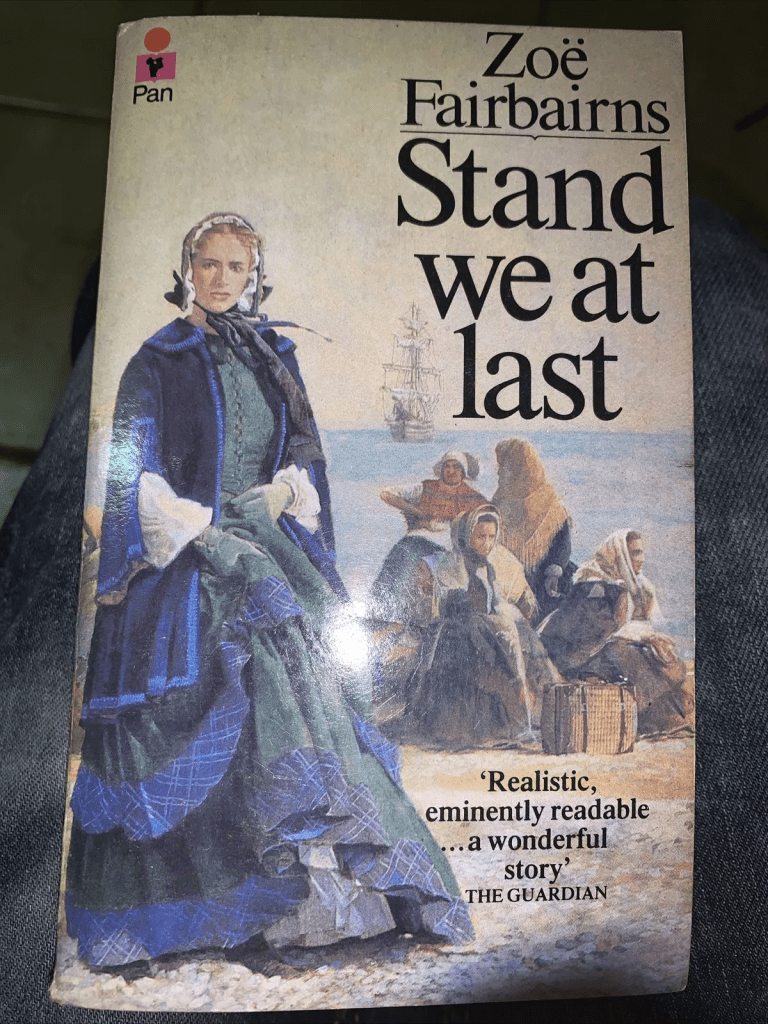
* The Contagious Disease Act, and the complications arising from grappling with its implications are debated in Stand We At Last, by Zoe Fairbairns. This is a feminist historical novel, set mainly in Britain, but with a long and informative period in Australia. It is on kindle, and also available second hand in paperback and hard cover. I cannot bear to let either of my paperbacks go as they have different covers. One as above, and the other more contemporary. The kindle version is with me whenever I want to reread when travelling.
A leafy stopover in Singapore on the way home
In the past the idea of a stopover has been anathema to me. I just want to get to London. Or, on my return, wonderful Canberra. However, I enjoyed this break in the flight, with an overnight at a hotel outside the airport, relying on a taxi ride, and returning on the hotel shuttle bus. The view from the hotel window was attractive, and there was a food market close by. Wandering around Changi Airport is a pleasant thing to do.




Four days at the south coast – as delightful as the Amalfi Coast
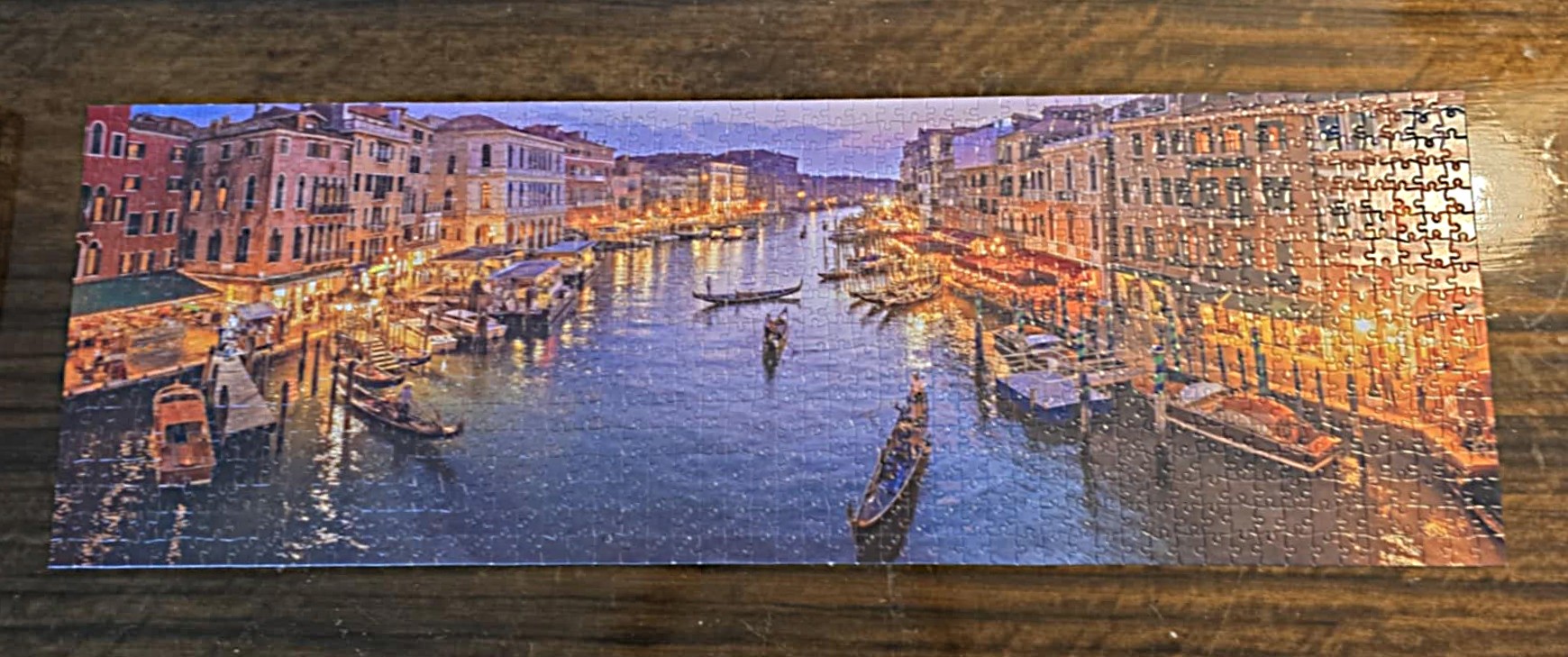
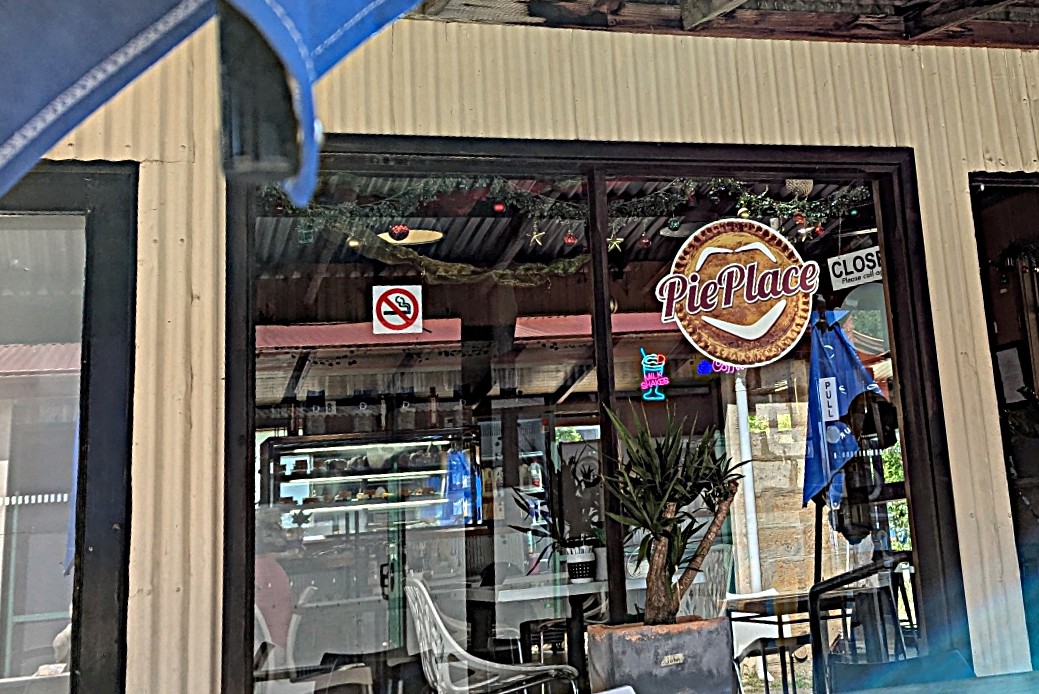
This was no Capri, Sorrento or Positano, or guide but the wonderful beaches, bushland, home cooked meals, and barbeque with delicious prawns and haloumi as well as the regular barbecue feast items were delightful. An attempt at making a pavlova with monk fruit for sweetening was not a total success, but it will be worked upon. In the meantime, covering it with plenty of fruit was an improvement. We began the family and friends’ jigsaw marathon with a panorama of the Grand Canal, Venice. This is where we spent two Christmases in the past, but a family Christmas at the coast cannot be equaled. This was a wonderful holiday as usual. The weather was hot and sunny most of the time, and the sea breeze very welcome also. The drive home was enhanced by a coffee at Batehaven bakery (and a takeaway cream bun reminiscent of Rottnest, and Cafe Nero in Glasgow) and a pie and milkshake at Bungendore Pie Shop. Now back to a diet …of sorts. The agapanthus in full bloom welcomed us home.










From The Atlantic, December 24, 2024.
Are Young Men Really Becoming More Sexist?
What the research says about the gender divide across the world By Jerusalem Demsas – Atlantic staff writer
It’s conventional wisdom that young people will be more progressive than their forebears. But although young people can often be counted upon to be more comfortable with risk and radicalism, that doesn’t mean they will always express that through left-leaning politics.
Young men may have helped hand President-Elect Donald Trump his victory, fueling the narrative about a growing gender gap among young voters. But this is not just an American trend. In South Korea, young men have been radicalized against feminism, opening up a large gender gap; in Poland, gender emerged “as a significant factor … with young men showing a strong preference” for the far-right political alliance; and in Belgium, the anti-immigrant and separatist Vlaams Belang party received significantly more support from young men than young women.
Could the Gen Z political gender gap be an international phenomenon?
Today’s episode of Good on Paper is with Dr. Alice Evans, a senior lecturer at Kings College London who is writing a book on the root causes of gender inequality across the world. Originally published in June, this episode helps untangle some of the reasons young men may be feeling disaffected and reacting differently than young women to macroeconomic and political trends.
The following is a transcript of the episode:
Jerusalem Demsas: Following the election, there have been many many arguments made about the growing gender gap between young men and young women. That women are more likely to vote for Democrats has been a consistent feature of my entire life, but this wasn’t always the case.
In the year 2000, the political scientists Ronald Inglehart and Pippa Norris released a paper establishing “gender differences in electoral behavior.” Basically, they showed that women had become a liberal force in small-d democratic politics.
That was a notable finding, because in the postwar era, women were, on average, seen as a more conservative electoral factor. Norris and Inglehart looked at more than 60 countries around the world and found that, from the early ’80s through the mid-’90s, women had been moving to the left of men throughout advanced industrial societies. They conclude that “given the process of generational turnover this promises to have profound consequences for the future of the gender cleavage, moving women further left.”
My name’s Jerusalem Demsas, I’m a staff writer at The Atlantic, and this is Good on Paper, a policy show that questions what we really know about popular narratives.
While we’re waiting for the sort of definitive data that can help researchers untangle exactly which men were more likely to vote for Donald Trump and why, I wanted to revisit one of my favorite conversations of the year, with Dr. Alice Evans. Alice is a senior lecturer at King’s College London, whose newsletter, The Great Gender Divergence, has followed research and her own personal travels across the world to understand the root causes of gender inequality.
Trying to understand why it is that relations between young men and women seem so fraught can help us begin to understand the downstream political consequences of these cultural shifts.
Here’s our conversation, originally published back in June.
[Music]
Alice, welcome to the show.
Alice Evans: Thank you so much. It’s a real pleasure to talk to you because I think we corresponded for a long time, and this is a treat.
Demsas: Yes, yes. Twitter DM-to-podcast pipeline. I feel like that’s what we’re creating right here. So we’re here to talk about the divergence between young men and women’s political views, particularly on sexism. But before we get into that, I just want to ask you: What determines whether someone is sexist? What determines whether they hold sexist beliefs?
Evans: Wow, okay, big question. So, I think, generally, the entire of human history has been incredibly patriarchal. So to answer that question, I need to explain the origins of patriarchy. For thousands and thousands of years, our culture has vilified, blamed disobedient, naughty women. You know, they were witches. They were terrible people. A woman who was disobedient or who wasn’t a virgin was shamed and ostracized. So there is a long history. Sexism is nothing new. And actually over the 20th century, much of the world — Latin America, North America, Europe, and East Asia — have become rapidly more gender equal. So in terms of human history, the big story is the rise of gender equality in much of the world. But certainly sexism persists, and we do see in Europe, in South Korea, in China, in North America, young men expressing what we call hostile sexism. Now, it’s worth distinguishing between hostile sexism and benevolent sexism.
So let’s suppose I’m a patriarch in a conservative society, and I think Women are incompetent, and we don’t want to ruin their little heads, and they can’t take care of these things, so I’ll manage these things for the women who just don’t know any better. So that’s benevolent sexism. Hostile sexism is a sense of resentment of women’s gains. So when we ask questions like, women’s rights are expanding at the expense of men, or women are getting these handouts, or men are the ones who are discriminated against. It’s a sense of resentment, the thing that feminism has gone too far, that women are getting all these perks, and so you know, every day as a woman, I wake up with a free fruit basket, right?
Demsas: Wait, I didn’t get mine this morning. I’ll have to check in.
Evans: Yeah, exactly. But this is a real, I think—so I’ve done interviews across the U. S., in Chicago and Stanford and in Montgomery, in California, in New Haven, in New York, in Toronto, in Poland, in Warsaw, in Krakow, in Barcelona, in London. And a lot of young men do feel this sense of resentment. And you can understand it. If you feel that life is hard, if you feel that you’re struggling to get ahead—so we know as college enrollment increases, it’s become really, really hard to make it into a top college place.
Demsas: Let’s step back for a second, This question, though, that I have is, you’re raising this question of young men feeling this resentment. Are young men becoming more sexist? Is that what you’re seeing in the data?
Evans: I think it depends on how we phrase it. So, in terms of, yes, young men are much more likely to say, Yes, women could work, they can go out to clubs, they can do whatever they like, they can be totally free, and young men will support and vote for female leaders. So in terms of support for recognizing women’s capabilities, absolutely, younger generations tend to be much more gender equal, and that holds across the board. The only exceptions are places like North Africa, the Middle East, and South Asia where there’s no difference between young men and their grandfathers. But in culturally liberal economically developed countries in the West and East, young men are more supportive. But, sorry, I should have been more clear, they do express this hostile sexism, so this sense of resentment that women’s rights are coming at men’s expense. But that’s not all men, right? And so it’s only a small fraction of young men. You know, many young men are very, very progressive and they’ll vote for Hillary Clinton, et cetera.
Demsas: I just want to drill down into what exactly we’re talking about, right? Because I think most people know there’s a gender gap between men and women, and let’s start in the American context here. People know that with Trump—you have almost 60 percent of women are supporting Biden, while a majority of men back Trump.What’s actually happening here in the U. S. context that’s new, that’s interesting, that’s driving this conversation?
Evans: It’s difficult to know why people do stuff, so everything I say is speculative. What I’m trying to do is when I look at the data, I try to understand, you know, what are structural trends affecting one particular generation that distinct from other generations and why would it be happening in particular parts of the world and not others? So here are three big structural drivers that I’m not a hundred percent sure about, but I would suggest them as likely hypotheses. One is that men care about status. Everyone cares about status. Big examples of status goods include getting a great place at university, being able to afford a nice house, and also having a beautiful girlfriend. Those three things—good education because that matters for signaling for credentials; good place to live; and a pretty, pretty wife or girlfriend—those are your three status goods. Each of those three things has become much, much harder to get. So if we look, as university enrollment rises, as it has, it becomes much harder to get to the top, to get to the Ivy League, right? So only a small percentage of people will get to the top, but those getting to the Ivy League is so important for future networks. Meanwhile, those who don’t even have bachelor’s degrees will really struggle to get higher wages. So one is that men are struggling to get those top university places, which are important for jobs. Then on top of that, housing has become much more expensive. And the gap between wages and house prices has massively increased. Especially if you don’t have inherited wealth. So for the guy whose parents were not rich, it becomes so much harder to get onto the property ladder. So it’s especially hard for these young men to get status. Now, a third and really important factor is that it’s become harder to get girlfriends. So as societies become more culturally liberal, open minded, and tolerant, women are no longer shamed, derided, and ostracized for being single without a boyfriend. You know, in previous decades or centuries —
Demsas: I don’t know. Some women are, some women are. See the full ( very long, and provocative) transcript at Television, Film and Popular Culture: Comments.
Former President Jimmy Carter has passed away, and the way that Carter led his life both before his presidency and after is a role model for every American.
| The Daily <politicususa@substack.com> |
| Sarah Jones & Jason Easley Dec 30 |
The Daily is a newsletter written by ordinary people for ordinary people. Please support our work by becoming a subscriber.
Jimmy Carter’s Legacy Is So Much More Than The Presidency
James Earl Carter was a person of deep Christian faith. He was one of the few presidents who lived his life guided by that faith. To detail Jimmy Carter’s political accomplishments would be a disservice to the man and his life.

The biggest impacts that Carter had on his country and the world aren’t measured by legislative or foreign policy accomplishments. Carter will always be politically remembered for the Iran Hostage Crisis that ended up consuming and ending his presidency, but Carter may have saved the nation by winning the presidency itself.
Jimmy Carter won the first presidential election after the foundation-shaking Watergate scandal. The nation had yet to find its footing as Gerald Ford served out the rest of Richard Nixon’s second term.
Ford’s pardon of Richard Nixon tainted his presidency. In 1976, America needed someone who would restore stability and faith in the presidency, and Jimmy Carter did exactly that.
Carter’s presidency did not go the way that he would have wanted, but instead of fading into ex-presidential obscurity, Jimmy Carter became the most prominent ex-president in the world.
Carter strived endlessly for peace and lived his values by building homes for the needy well into his 90s through Habitat For Humanity.
Jimmy Carter got something that most one-term presidents don’t get. Carter became more respected and beloved after his presidency than he was while in office.
The Current Decent President Remembers Jimmy Carter
The only president comparable to Carter in terms of decency is the current president. Joe Biden, and First Lady Jill Biden said in a statement after President Carter’s passing:
Today, America and the world lost an extraordinary leader, statesman and humanitarian.
Over six decades, we had the honor of calling Jimmy Carter a dear friend. But, what’s extraordinary about Jimmy Carter, though, is that millions of people throughout America and the world who never met him thought of him as a dear friend as well.
With his compassion and moral clarity, he worked to eradicate disease, forge peace, advance civil rights and human rights, promote free and fair elections, house the homeless, and always advocate for the least among us. He saved, lifted, and changed the lives of people all across the globe.
Art Exhibition in Cambridge
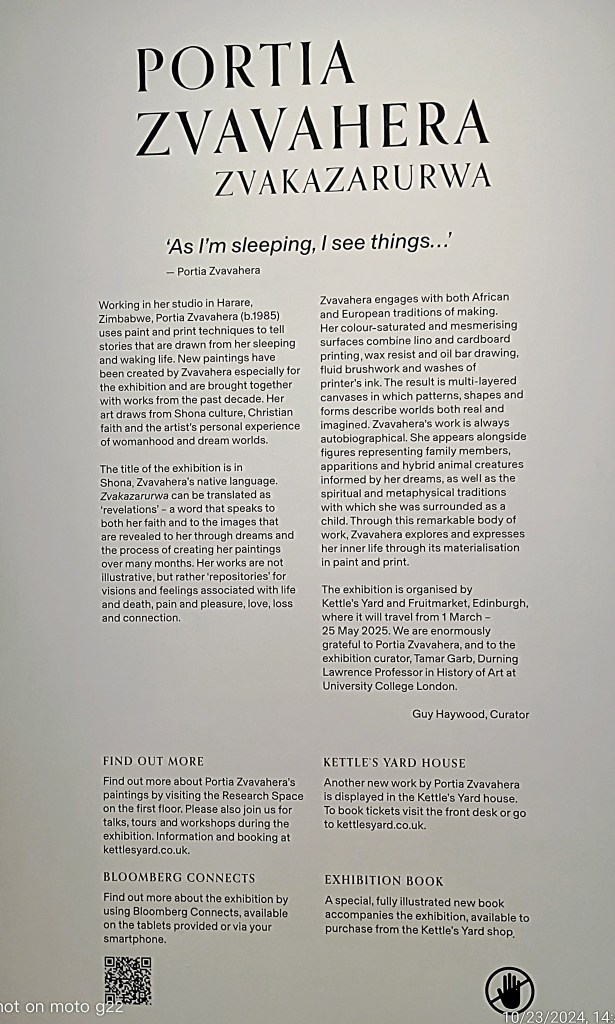
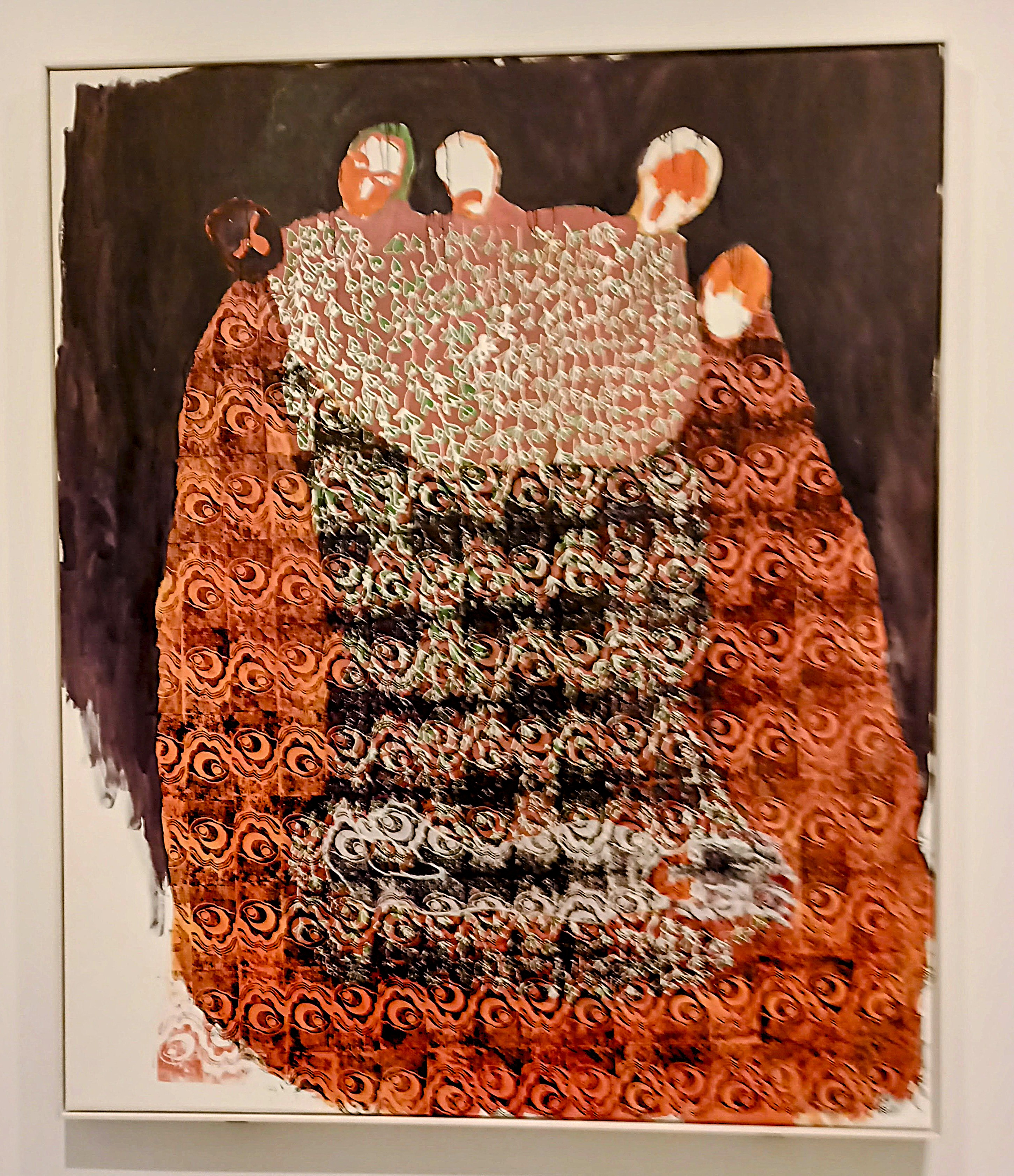
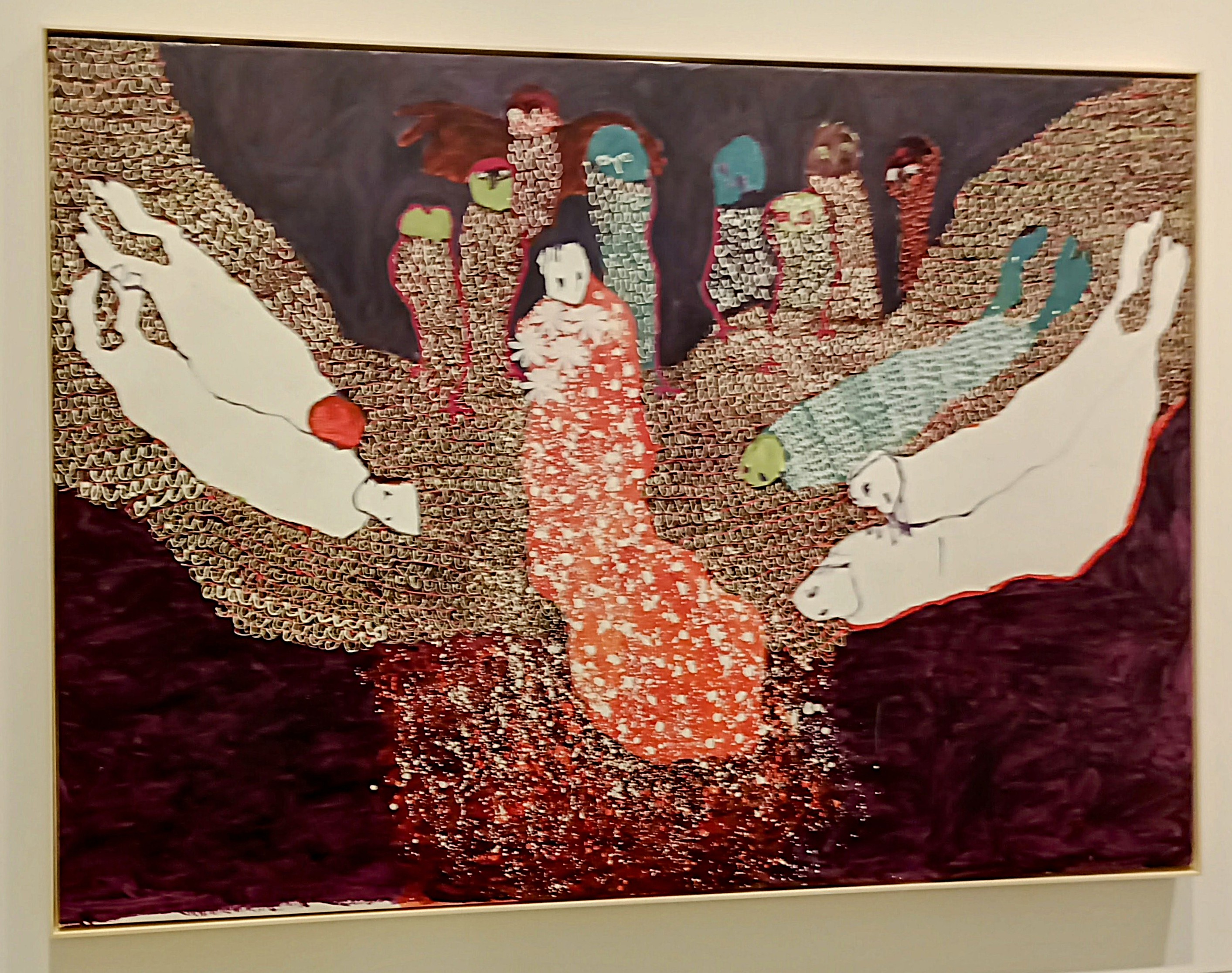
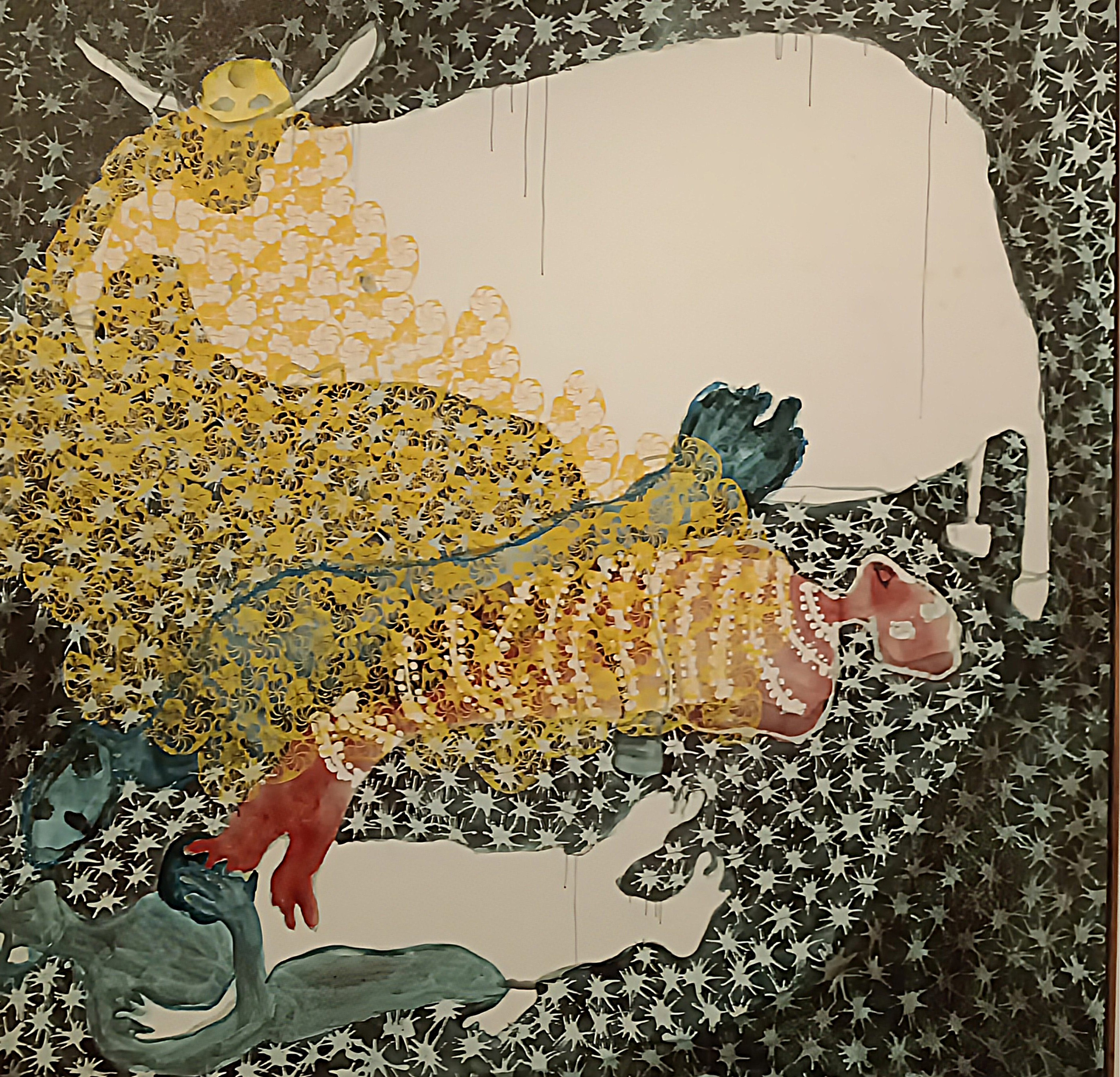
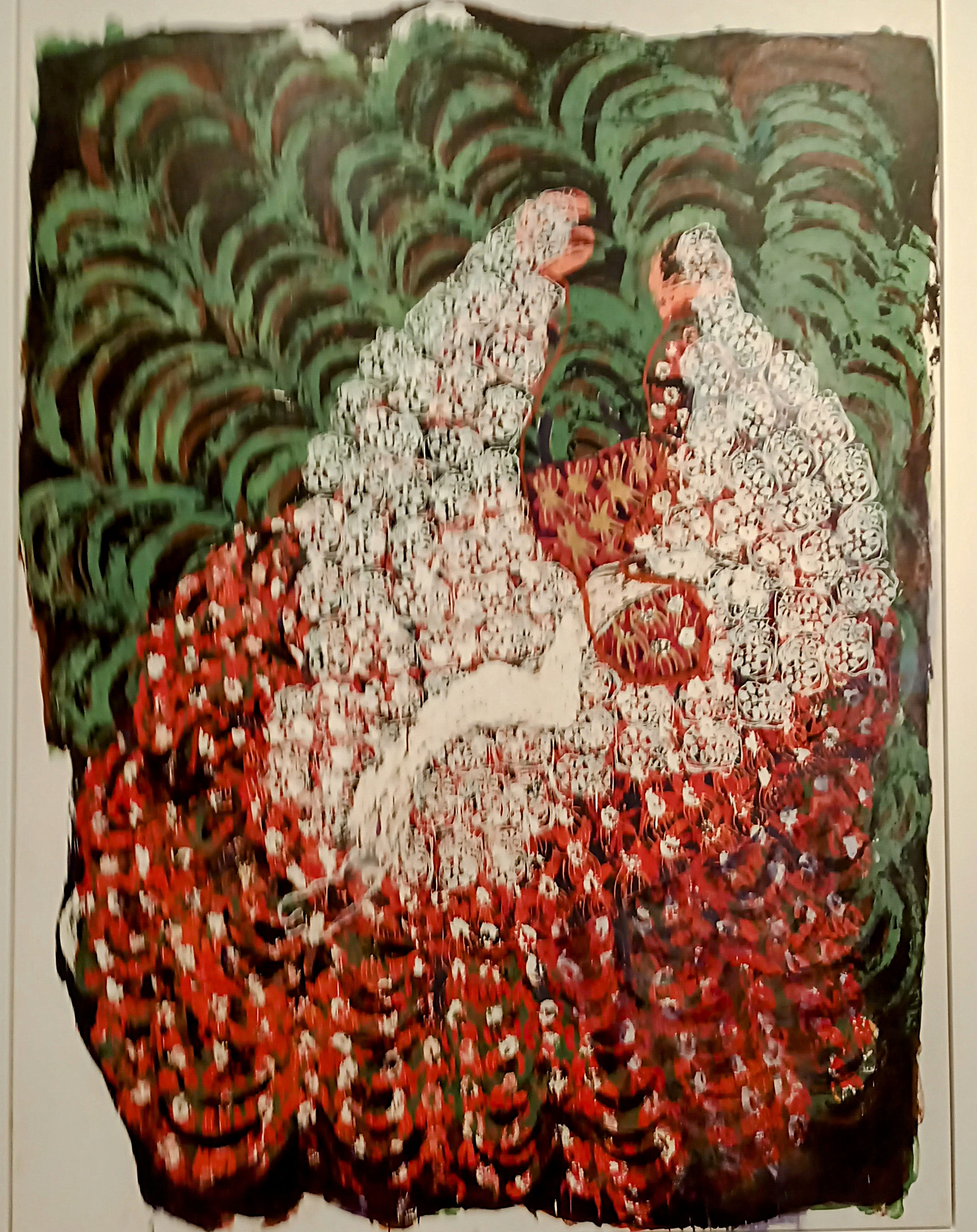
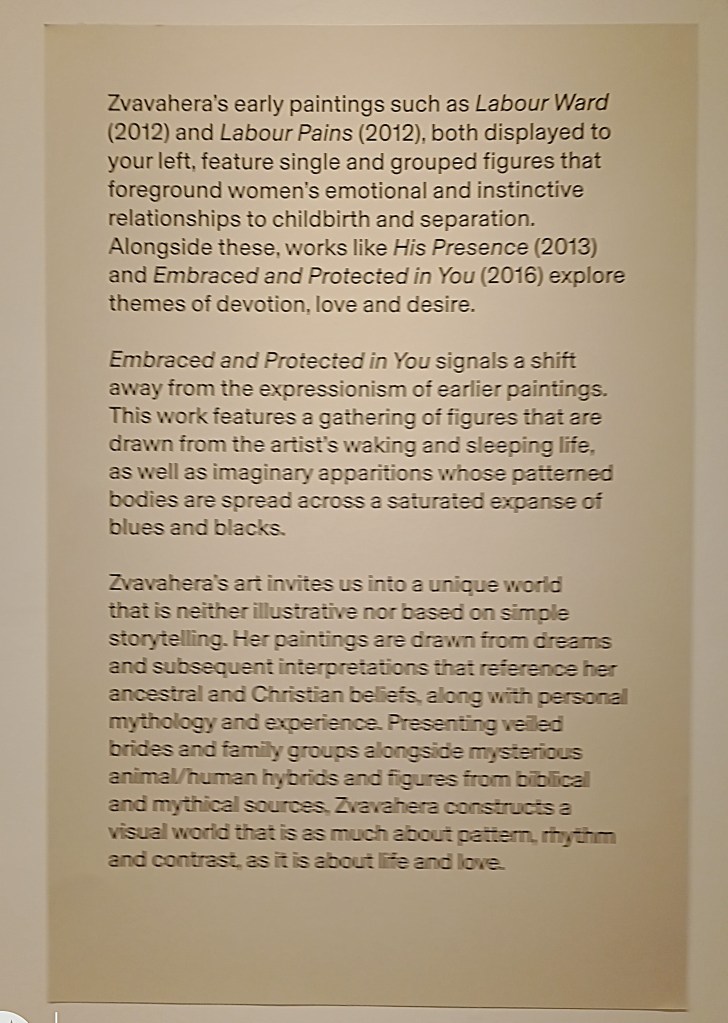
Portia Zvavahera’s paintings are quite disturbing in it concept and execution. However, the exhibition was certainly worth a look and gave rise to a great deal of thought, although it was a bit too heavy for discussion.




A peaceful walk after the exhibition!






Edited article from CNN (some photographs have been omitted)
This article reflects some of the mindset and activities discussed in Anton Rippon, Nicola Rippon Wartime Entertainment How Britain Kept Smiling Through the Second World War, reviewed in my blog on October 16, 2024.
Plays between air raids and songs in shelters: How cultural life is thriving in wartime Ukraine
By Svitlana Vlasova, CNN, published 12:01 AM EST, Sun December 29, 2024
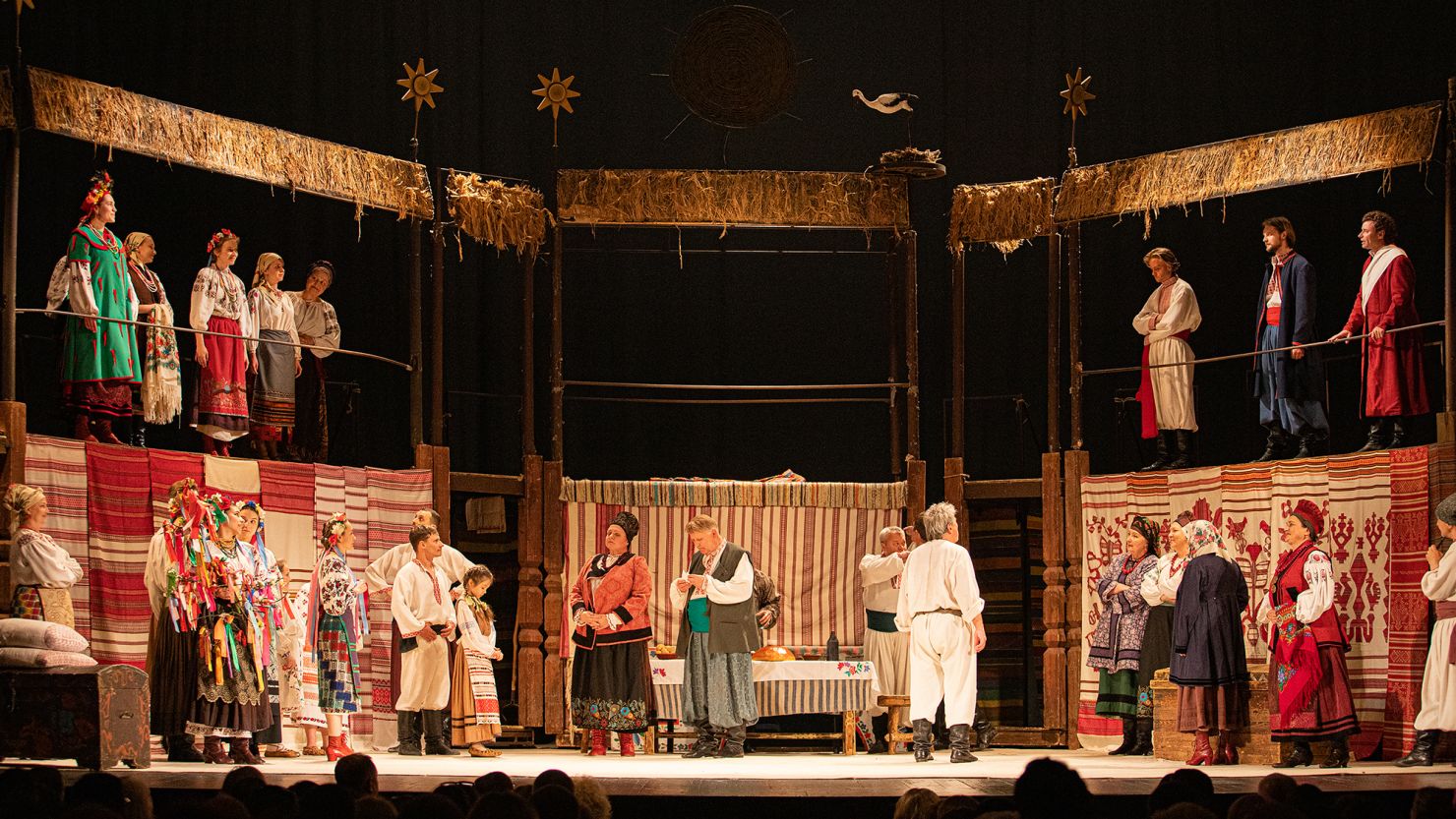
Since the Ivan Franko Drama Theater reopened six months after Russia’s full-scale invasion, it has staged more than 1,500 performances, attended by more than half a million spectators. Yulia Weber/Ivan Franko Drama Theatre, Kyiv, CNN —
Olha Mesheryakova doesn’t know what the next year will bring for her life in the capital of war-torn Ukraine, for her family or her business. She is confident, however, that in 2025 she will attend a dozen performances in the theaters of Kyiv. The thought gives her a sense of hope.
“This creates a certain expectation, gives a kind of structure, great support at a time when the world around me has gone crazy, and I know exactly what I’m going to do on December 23, for example, because I bought tickets in the summer. Honestly, it gives me hope and faith in the future. It’s some kind of magic,” said Mesheryakova, an entrepreneur.
She is far from alone in her passion for theater. To get tickets to a popular performance, she, along with thousands of other Ukrainians, has to hunt for them months in advance.
On a blacked-out street in the center of Kyiv in mid-December, cars move slowly, as hundreds of people descend on the small, historic building of the Ivan Franko National Academic Drama Theater, located just a few hundred meters below the presidential residence.
Since the theater reopened six months after the start of Russia’s full-scale invasion in 2022, it has been packed almost every day.
Over that time, the theater itself, its actors and its audience have changed. Its director, Yevhen Nyshchuk, volunteered in the military in 2022, as did many of his colleagues. For example, all three actors who played the main roles in “Three Comrades,” adapted from the post-World War I novel by the German writer Erich Maria Remarque, ended up at the front and were able to return to the stage only a year later.
“Remarque sounded completely different. The reality of the war, which has already affected everyone, has changed us. I felt the audience had changed its perception of the theater, had more appetite for it, for this exchange of energy,” Nyshchuk, also an actor, told CNN.
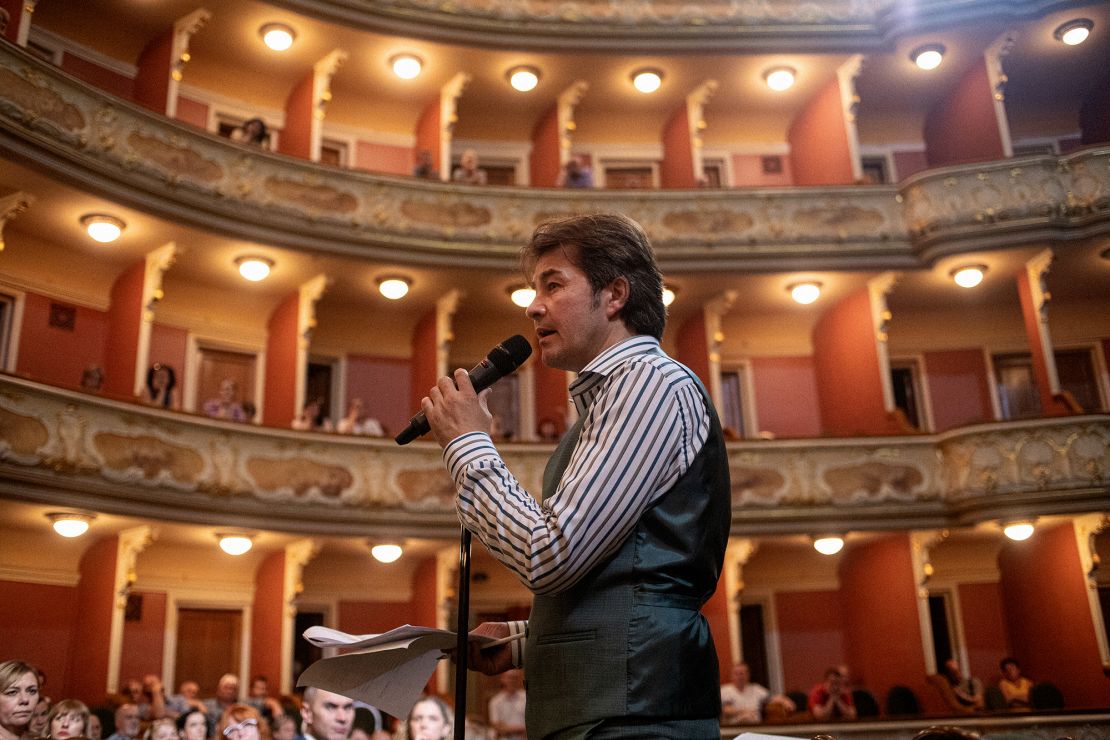
Theater director and actor Yevhen Nyshchuk volunteered in the military in 2022, as did many of his colleagues. He often addresses the audience before performances to thank them for their commitment. Yulia Weber/Ivan Franko Drama Theatre
Nyshchuk felt this altered appreciation for Remarque’s writing so keenly in part because he and his colleagues continued to serve in the Armed Forces. To perform the plays, they received permission from their command to take short leaves.
Since the war began, the Ivan Franko Drama Theater has staged more than 1,500 performances attended by more than half a million spectators. Seventeen plays have been premiered. One of them is “The Witch of Konotop,” a mystical play that explores themes of love and power. Tickets were sold out in minutes for the entire run and many Ukrainians have joined a waitlist for any that become available.
Its director, Ivan Uryvskyi, said he was astonished by the play’s success and the influx of new theater-goers.
“Thousands, tens of thousands of spectators wanting to be at the theater. I can’t find an explanation for this,” he told CNN. Full houses and sold-out performances are typical at most of Kyiv’s theaters, according to their websites and e-ticket services.
Uryvskyi says not all come to the theater to escape from the sad reality of war. It is often the opposite.
“Someone needs to plunge into the present day and understand themselves. And he/she doesn’t need to go to a comedy, they don’t need to be distracted. He needs some serious dialogue. Maybe he needs to cry it out in the theater,” said Urivskyi.
Even if people want to escape from the war, they often cannot, as performances are regularly interrupted by air raid sirens. The audience has to leave the theater building and take shelter at the nearest metro station. If the danger passes within an hour, the performance resumes. Otherwise, the show continues on another day.
Both new plays and those that have been in the theater’s repertoire for years get loud applause from the audience.
“When people applaud for 10 to 20 minutes, they give some part of their applause to the artists for the performance, and looking at each other they give another part to themselves, for the fact that, for example, today everyone survived a missile attack of more than 120 missiles and more than 100 drones, and in the evening they came to the performance, which was not canceled,” Nyshchuk said.
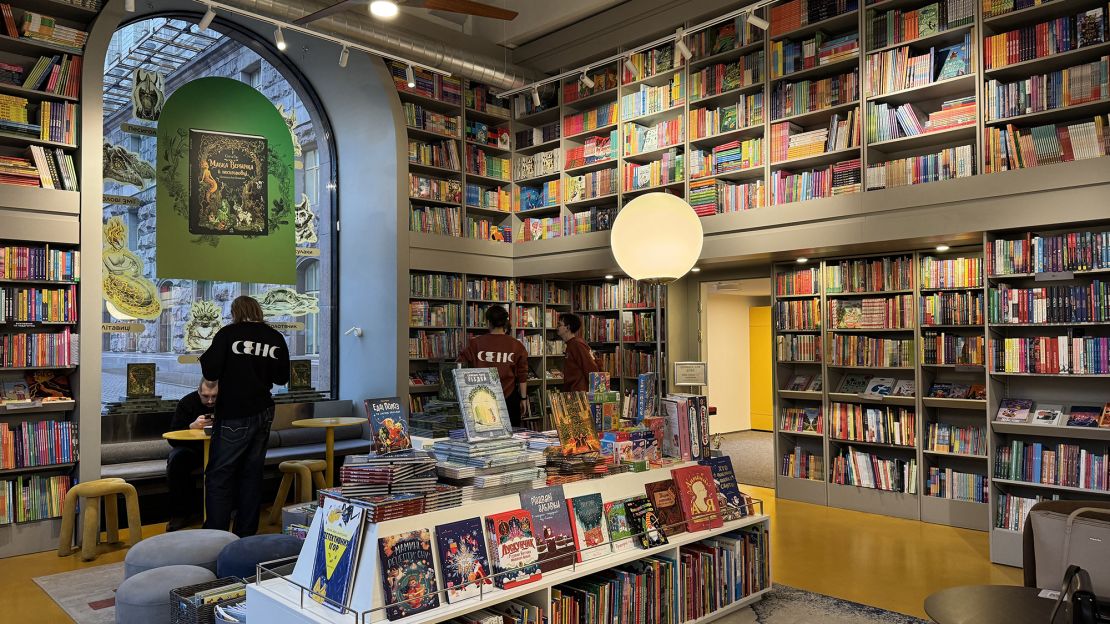
The Ukrainian book store Sens, which opened earlier this year, offers more than 57,000 books as well as a café and an event space. Sens Bookstore
A thriving book scene
The number of bookstores in Ukraine has increased from 200 pre-war to almost 500 now. The largest of them, Sens, opened on Kyiv’s main street in the midst of the war. Offering over 57,000 books, it is crowded at any time of the day and says it had more than half a million customers this year. The store’s event plan is scheduled for months in advance.
For its founder, Oleksiy Erinchak, the launch of such a large-scale project in wartime seemed logical. He began the war as the owner of a small bookstore, opened on the eve of the invasion. It became a volunteer hub in the first months of the conflict and grew so popular that Erinchak started thinking about a new, larger space. Meanwhile, the book market and the needs of the audience had changed due to the impact of the war.
“(A) book is the most convenient way to spend time during the war when it is impossible to predict anything. Many people have switched to the Ukrainian language (from Russian). They are trying to understand what it means to be Ukrainian. And books make it much easier to do that,” Erinchak told CNN.
According to the Ukrainian Book Institute, the number of adult Ukrainians reading books every day has doubled during the war to 16%.
“Maybe it’s just war, or stress, and a person just hides under the covers, under the bed, opens a book and travels to other worlds to get away from it all. Or not traveling to other worlds, but delving deeper to understand why did this happen in our lifetime? And books actually have many answers, and you can feel them, understand them, and feel better,” Erinchak explained.
He argues that the current popularity of books should be maintained in the future.
“Local culture always flourishes during wartime… If people are bringing money to the Ukrainian bookstore, it means that we need to invest this money further in Ukrainian books, in Ukrainian culture,” he said, which in turn will help build resilience to future potential Russian disinformation. “We need to build this foundation in our book and cultural sphere as strongly as possible and build a semantic shield around it, a dome so that it would be much more difficult for others to break in and influence the minds of Ukrainians.”
A few songs before the end of an anniversary concert this fall by one of the most popular Ukrainian bands, Okean Elzy, an air raid was announced in Kyiv.
Part of the audience went down to the subway to take shelter, joined by the band. There, on the subway stairs, the performance resumed, with a speaker instead of a professional sound system, with only guitars – and hundreds of voices singing along to every hit.
“Okean Elzy’s 30th-anniversary concerts are a mirror of our history. We have been together for 30 years: at big concerts and in shelters, in stadiums and in dugouts… But it’s not the place that matters, it’s our togetherness,” the band later posted on their Instagram account.
In the almost three years since the full-scale invasion, Okean Elzy’s frontman Svyatoslav Vakarchuk has performed more than 300 concerts for the military, including at positions near the front lines. In some videos posted on the band’s social media pages, what sounds like artillery fire can be heard while Vakarchuk sings for the military. Okean Elzy has donated almost 280 million UAH ($6.7 million) to the Defence Forces of Ukraine, a spokesperson for the band said.
The Ivan Franko Drama Theater also regularly organizes charity performances and says it has already raised more than $1.2 million for the Armed Forces. Additionally, it offers its stage to troupes that have lost their theaters to Russian occupation or can no longer perform in them due to adverse security conditions.

“The Witch of Konotop,” which premiered in April 2023, became one of the most popular theater performances in Ukraine. Yulia Weber/Ivan Franko Drama Theatre
The vibrant cultural life in cities to the rear contrasts with the situation in the frontline areas of Ukraine, where Russia keeps seizing territory.
Yegor Firsov, a chief sergeant who has been fighting against the Russians since 2022, says he is generally sympathetic to an active cultural life, even if some of those on the front lines may be fighting in “real hell.”
“When it comes to women and children, I and my brothers-in-arms, and everyone, supports it,” he told CNN. “Because people are distracted from stress and in such difficult times they want to experience something genuine, and bookshops and theaters are about the real thing, about life.”
And on those rare days when Firsov manages to come to Kyiv from the front, he too goes to concerts.
“Culture is a part of our lives, it is both about war and partly about leisure, because even we, military men, need mental healing, need to be distracted, to be resilient.”
 Robin's Room