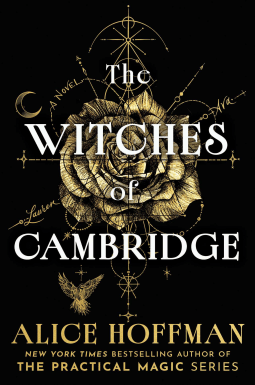
Alice Hoffman The Witches of Cambridge Simon & Schuster (Australia) | Scribner UK, September 2026.
Thank you NetGalley and Simon & Schuster for providing me with this uncorrected proof for review.
I was interested in The Witches of Cambridge as an example of historical fiction that would complement the non-fiction texts I have read about the treatment of women designated as witches. Like these texts, Alice Hoffman adopts a feminist perspective which is woven adroitly throughout the novel. I describe this work as a novel, because, contrary to my expectations and preference, The Witches of Cambridge is essentially a work of fiction, which includes some historical information. For lovers of Hoffman’s previous novels on this topic, The Witches of Cambridge will be another success. I am less interested in the fictionalisation of weavers of witchcraft than the political, social and economic environment that made women vulnerable to being determined to be witches. However, this novel drew me in, with its gentle pace, introduction of sharp observations which draw parallels between acceptable male behaviour and female behaviour that merits censure and frequently death, and its setting in Radcliffe in the 1950s.
Ava and Laura meet at Radcliffe but their typical start – in a dormitory with curfew at 10.00 and other rules that impede their freedom and individuality – is overturned when they are admitted to Lilith House. Traditional relationships between men and women students are followed in conjunction with references to supernatural powers, the fascination they hold, the challenges they exercise and the desires they foster. These are in conflict, with some characters embracing them and others denying their presence. The Mather family and its connections to Harvard feature, bringing this facet of historical reality into the narrative.
Hoffman has deftly combined historical information through known figures; attitudes to women accused of witchcraft and additional discrimination through real and fictionalised procedures at Harvard and Radcliffe; and fiction through characters who, while not always appealing, have engaging stories to tell. Although I am not an enthusiast of Hoffman’s concentration on witchcraft and magic and chose this work for its possible historical contribution to non-fiction texts on the subject, I found this an interesting read and can appreciate its appeal to her usual followers. *
*My earlier reviews on this topic are on my blog, NetGalley and Good Reads, and include: Lona Bailey Wicked Witch of the West The Enduring Legacy of a Feminist Icon review appears in blog October 29, 2025) and John Callow The Last Witches of England A Tragedy of Sorcery and Superstition (review appears on December 15, 2021).
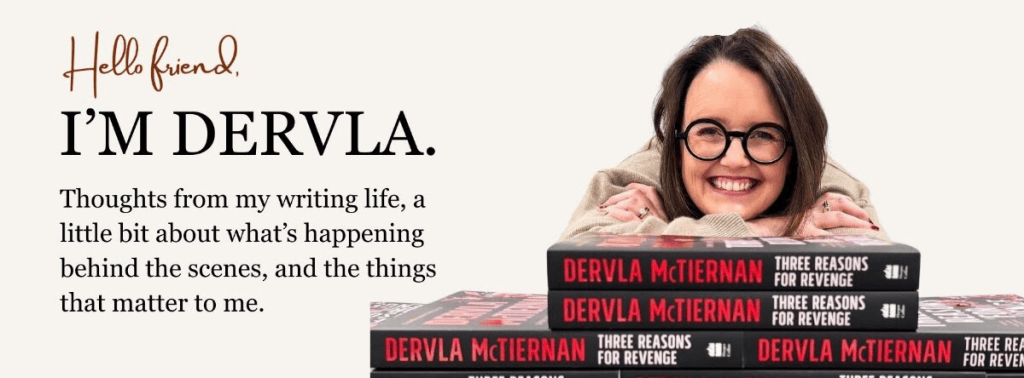
I receive regular emails from Dervla McTeirnan, one of my favourite authors. Below is part of her most recent email, and a useful discussion of AI. I have used, and corrected, AI information. For example, AI information about visiting Fowey in Cornwall now refers more clearly to the many inclines. It includes information about the small bus that is located in the centre of the town, which will take people to the top of the steep incline to the regular bus service at a reasonable cost.
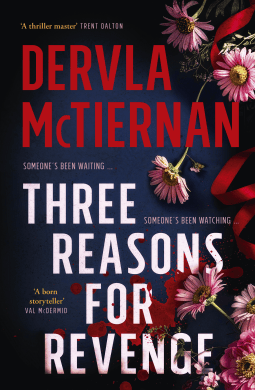
My reviews for Dervla McTiernan’s Three Reasons for Revenge HarperCollins Publishers Australia | HarperCollins AU, April 2026; The Fireground, BookFunnel, 2025; The Unquiet Grave Book 4 of The Cormac Reilly Series HarperCollins Publishers Australia | HarperCollins AU, April 2025; and What Happened to Nina? HarperCollins Publishers Australia, February 2024 are in previous blogs, NetGalley and Goodreads.
…I’ve been frustrated for years by some of the constraints that I’ve felt in my work (access to information, the ability to use certain systems really well, like Canva design or Meta ads or the intricacies of the Mailchimp back end) and now that those constraints have been largely removed, it’s incredibly tempting to spend all of my time working.
Are you feeling the same way? I feel like people have such a love/hate relationship with AI. Many of my writer friends won’t touch it at all, for ethical reasons, either because AI is built on stolen work or because of environmental concerns or larger concerns about the impact of AI on our economies and societies. I absolutely respect their points of view (how could you not?) and there are times when I wonder if I am on the wrong side of this by using AI in any way.
I wrote an AI policy for myself to keep my use strictly within guidelines that I feel are necessary, because there are some ethical boundaries that feel particularly important to me. I mostly use AI for a bunch of tasks that would fall under the banner of ‘business processes.’ This morning, for example, I used Chat GPT to update my Notion with the progress I made on various projects over the weekend, and I had it build a schedule (again in Notion) for the next couple of months for a video series I’m planning for my social media. I used it for some Meta ad analysis — I uploaded an export from Meta and one from Mailchimp and had it produce a report for me that amalgamated numbers from both. And the other day I had it walk me through how to connect my DJI mic properly with my new phone. All of this saved me probably three or four hours of work.
There are downsides, of course, and they are both personal and much larger than me. Firstly, it’s so incredibly seductive to have the ability to do and learn so much so quickly and because of that I’m working much more intensely, at a time when I should probably be working less. And secondly … well, there are all the big issues to consider. I hate everything about the way AI companies went about building their tools, I worry sometimes about the impact on jobs (though some smart people — Cory Doctorow for one — think the risk to jobs is less that AI can actually replace us, and more that slick AI sales people might convince CEOs that it can, resulting in a temporary but painful period of layoffs) and I’m not that confident in our governments’ ability to impose necessary regulations or tax these companies appropriately.
But I’m still using it. Why? I suppose I feel like I can’t change the world, I can only adapt to it, and like most people, I have a mortgage to pay and children to raise and the practicalities of the every day always seem to be more immediate than the bigger, existential questions. The whole world seems to be using these systems and I don’t want to get left behind.
Where do you stand on it all? AI positive? AI curious? Or the opposite? I think that I’m both positive and curious with a fair amount of worry and guilt thrown into the mix.
Then again, I’m Irish. A certain amount of baseline guilt comes with the territory.

Canberra Writers Festival: 15–18 October 2026
I have seen some of the information from the Canberra Writers’ Festival and so wish that Ayeesha Inoon, who wrote Untethered published by Harlequin Australia, HQ (Fiction, Non Fiction, YA) & MIRA, 2023 could be one of the speakers. I reviewed her book, and found it compelling.
However, that aside, the parts of the program I managed to see look all that one could hope from a festival of this nature – challenging, engaging and covering a broad spectrum of interests, writers and works.
Get your festival program in the mail https://events.humanitix.com/canberra-writers-festival-2026-program-delivery?h=KMxw3vGfsJszsrOGGOYCz5x8nblKKEV_LHGwBLaHRDI&t=1786329641268&mc_cid=7b1238396d&mc_eid=UNIQID
Explore events, artists and dates with the printed program mailed directly to your home.
 August 28, 2026 AU Edition
On my neighbourhood beach walks, I see pelicans gliding over the sea, or fishing under the jetty. Being South Australian, I always think of Mr Percival, from Colin Thiele’s classic book of wild childhood, Storm Boy – and of its setting, the Coorong, a significant pelican breeding ground, now threatened by bird flu.
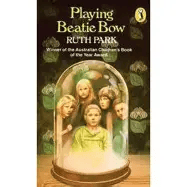
The beloved books we read as children shape us like this, their images and associations lingering for a lifetime. When I first visited Sydney, I was drawn to The Rocks by my passion for Ruth Park’s 1980 novel Playing Beatie Bow, which transports a teenage girl back in time through a fragment of vintage crochet.In honour of Children’s Book Week, we asked some experts, including Park’s biographer Monique Rooney, to pay tribute to Australian children’s classics. Shaun Tan’s groundbreaking graphic novel The Arrival, which turns 20 this year, was one of them. And so was Seven Little Australians, our own, “naughty” version of Little Women – which has never been out of print.
A few favourite books I was sad not to include were Robin Klein’s Hating Alison Ashley (or her People Might Hear You, about a girl trapped in a cult), Nadia Wheatley’s superb time-slip novel about eviction riots in 1930s Sydney, The House that was Eureka, and Gillian Rubinstein’s 1986 video-game fantasy, Space Demons.
What’s your favourite Australian children’s book? Email me – and I’ll share some of your picks next time.
Until then,
Jo Case Senior Deputy Books + Ideas Editor

Academic rigour, journalistic flair Arts + CultureBooks + IdeasBusiness + EconomyEducationEnvironment + EnergyHealthPolitics + SocietyScience + Tech
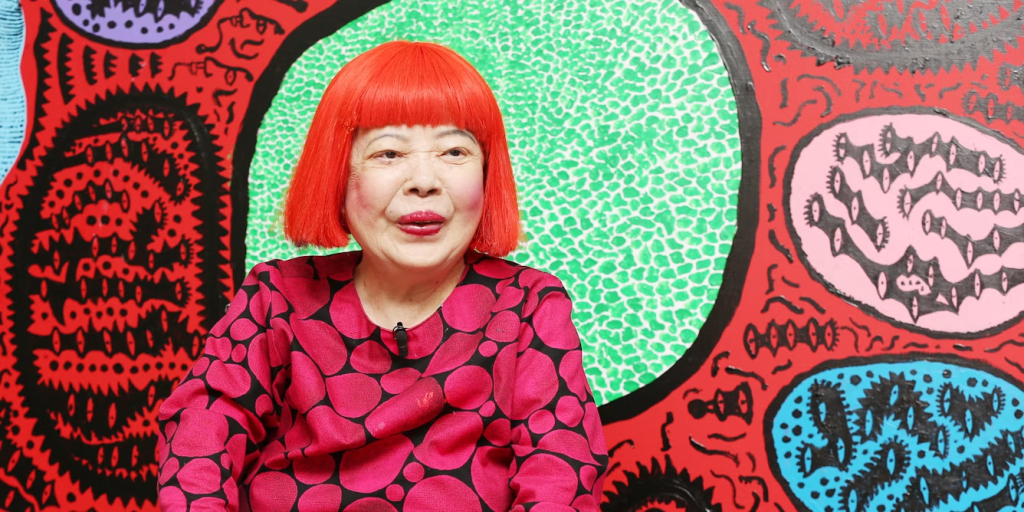
In the history of the National Gallery of Victoria, their most successful ticketed exhibition did not feature the work of Vincent van Gogh, Claude Monet or Pablo Picasso. It was of the veteran Japanese artist, Yayoi Kusama, who has died aged 97.
Held over the summer months in 2024–25, the Melbourne exhibition attracted 570,537 ticketed visitors.
Kusama’s exhibitions throughout the world have attracted huge crowds. Her infinity mirror rooms, sprawling seas of polka dots, dancing pumpkins and huge expanses of reflective surfaces have become some of the most photographed art objects in human history.
Her art has had a huge impact on many art movements of the 20th and 21st centuries, including pop art, performance art, minimalism, environmental art, video art, fashion, filmmaking and feminism.

A difficult childhood
Kusama was born on March 22 1929 in Matsumoto, Nagano Prefecture, Japan, to parents who were merchants and operated a plant nursery and seed farm.
She suffered from hallucinations from childhood and by the age of ten had created paintings in watercolours, pastels and oils using polka dot and net motifs that she encountered in her visions.
She described her childhood as traumatic, with a physically abusive mother and a womanising father, and a time when her artistic endeavours were discouraged. She found refuge in her art.

Her childhood was overshadowed by World War II. By the time she was 13, she was sewing parachutes for Japanese soldiers and was aware of American bombers flying overhead and of constant air-raid sirens. She attended Arigasaki High School and, in 1948, studied Nihonga painting at the Kyoto Municipal School of Arts and Crafts.
By 1950, Kusama was exhibiting in Japan, to some acclaim, her sprawling paintings, mainly on paper, of abstracted natural forms and would cover all surfaces – floors, walls, ceilings and naked assistants with polka dots that she would term “infinity nets”.
Concerning her painting, Flower (D.S.P.S), 1954, she wrote:
One day I was looking at the red flower patterns of the tablecloth on a table, and when I looked up I saw the same pattern covering the ceiling, the windows, and the walls, and finally all over the room, my body and the universe. I felt as if I had begun to self-obliterate, to revolve in the infinity of endless time and the absoluteness of space and be reduced to nothingness.
The Heart of the Art Scene
In 1957, Yayoi Kusama travelled to the United States and settled in New York. She was at the heart of the American post-war art movement where she exhibited to considerable applause large paintings, soft sculptures and environmental sculptures using mirrors and electric lights.
In the 1960s, she staged many happenings, such as body painting festivals, fashion shows and anti-war demonstrations.
It has been argued that her work had a profound impact on artists, including Claes Oldenburg and Andy Warhol.
She was also involved in film productions and newspaper publication.
In 1968, the film Kusama’s Self-Obliteration, that Kusama produced and in which she played the leading role, won a prize at the Fourth International Experimental Film Competition in Belgium and the Second Maryland Film Festival and the second prize at the Ann Arbor Film Festival.
She held exhibitions and staged happenings in various countries in Europe and participated in the Venice Biennale in 1966, where she exhibited her Narcissus Garden comprising of hundreds of mirrored spheres.
(Narcissus Garden entered the collection of the National Gallery of Victoria in 2024, in its new iteration of 1,400 stainless steel balls, each 30cm in diameter.)

The artist’s physical and mental health deteriorated while she was in America and she attempted suicide.
For her, her art was the path to salvation.
A return to Japan
Kusama returned to Japan to live there permanently in 1973.
After experiencing a further suicide attempt, in 1977 she admitted herself into the Tokyo psychiatric institute, the Seiwa Hospital for the Mentally Ill, from which she was never discharged.
She lived in the hospital and made daily excursions to her studio where she maintained a frenetic pace of work.
Yayoi Kusama was one of the most acclaimed artists of her time. A major retrospective exhibition of her work held in 1998 at the Los Angeles County Museum of Art travelled to the Museum of Modern Art in New York, the Walker Art Center in Minneapolis and the Museum of Contemporary Art in Tokyo.

There were also major retrospective exhibitions at the Whitney Museum, New York, and Tate Modern, London, in 2012, and at the Hirshhorn Museum in Washington, DC in 2017. In 2017, the Yayoi Kusama Museum opened in Tokyo.
Commercially, her work achieved record prices and she has received various awards for her novels, poetry and films.
In an interview with Infinity Net in 2012, Yayoi Kusama said:
I fight pain, anxiety, and fear every day, and the only method I have found that relieved my illness is to keep creating art. I followed the thread of art and somehow discovered a path that would allow me to live.
This was the work that impressed at the exhibition at the National Gallay of Australia.
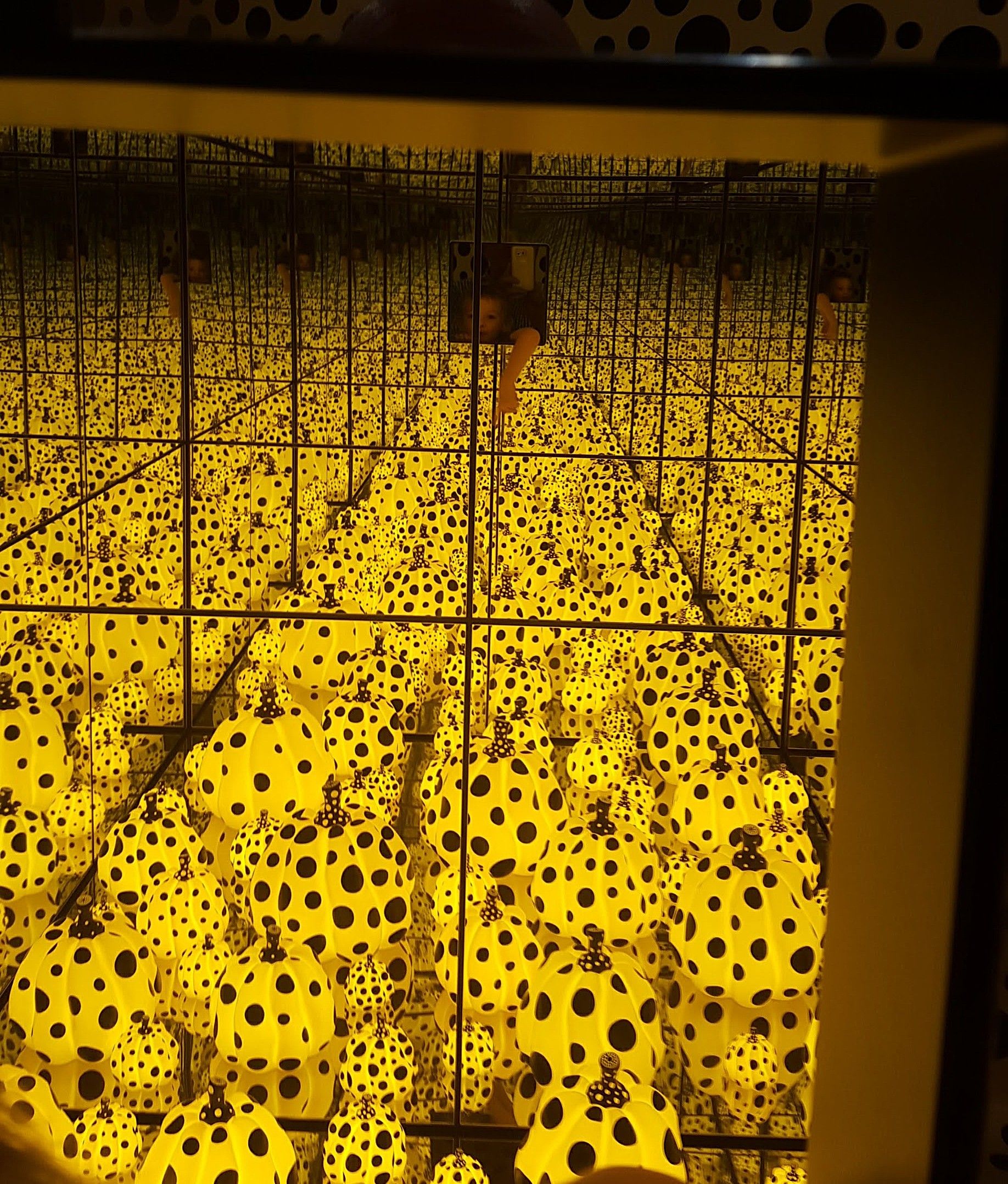
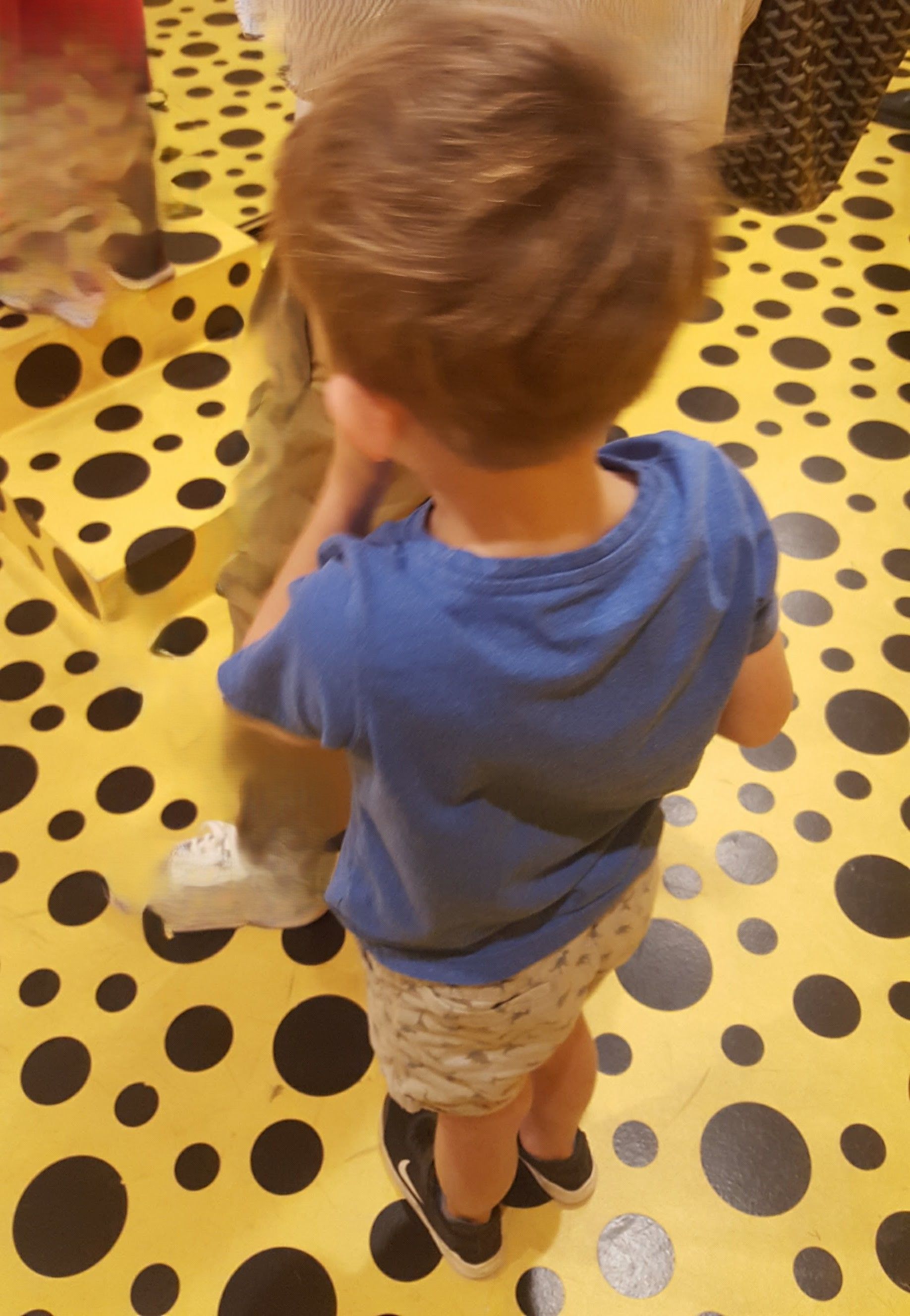
Barely contained, a bright yellow room is overrun with black dots and a ‘peep-show’ mirror box is camouflaged by the reflections of its surrounding environment. With this installation, artist Yayoi Kusama invites viewers to immerse themselves in her world, to participate in an experience of both claustrophobic and infinite space, and a round trip from the microscopic into the cosmic.
A distinctive set of recurring motifs – dots, nets and eyes – have afforded Kusama a career-long investigation into the aesthetics of accumulation and obsession. With their disarming anthropomorphic forms, pumpkins are the most mystical of Kusama’s motifs and have attained the status of fetishized object within her oeuvre. Here, as if implanted on our optical nerve, the dots of the wider room and the pumpkins within the ‘peep-space’, seem to reproduce at an alarming rate, overgrowing their environment and threatening to obliterate the viewer’s body.
Yayoi Kusama is among the world’s most influential artists. She has played a major role in the development of art in the late 20th century and maintains critical importance in our contemporary era. The artist is best known for her pioneering and multi-reflective installations. Reminiscent of the early biomorphic imagery of Phalli’s field 1965, and Mirror Room (Pumpkin) 1991, Kusama’s recent infinity experience, THE SPIRITS OF THE PUMPKINS DESCENDED INTO THE HEAVENS, joins an iconic lineage.
The inclusion of Kusama in the national collection has been made possible through the generous and committed support of Andrew and Hiroko Gwinnett.
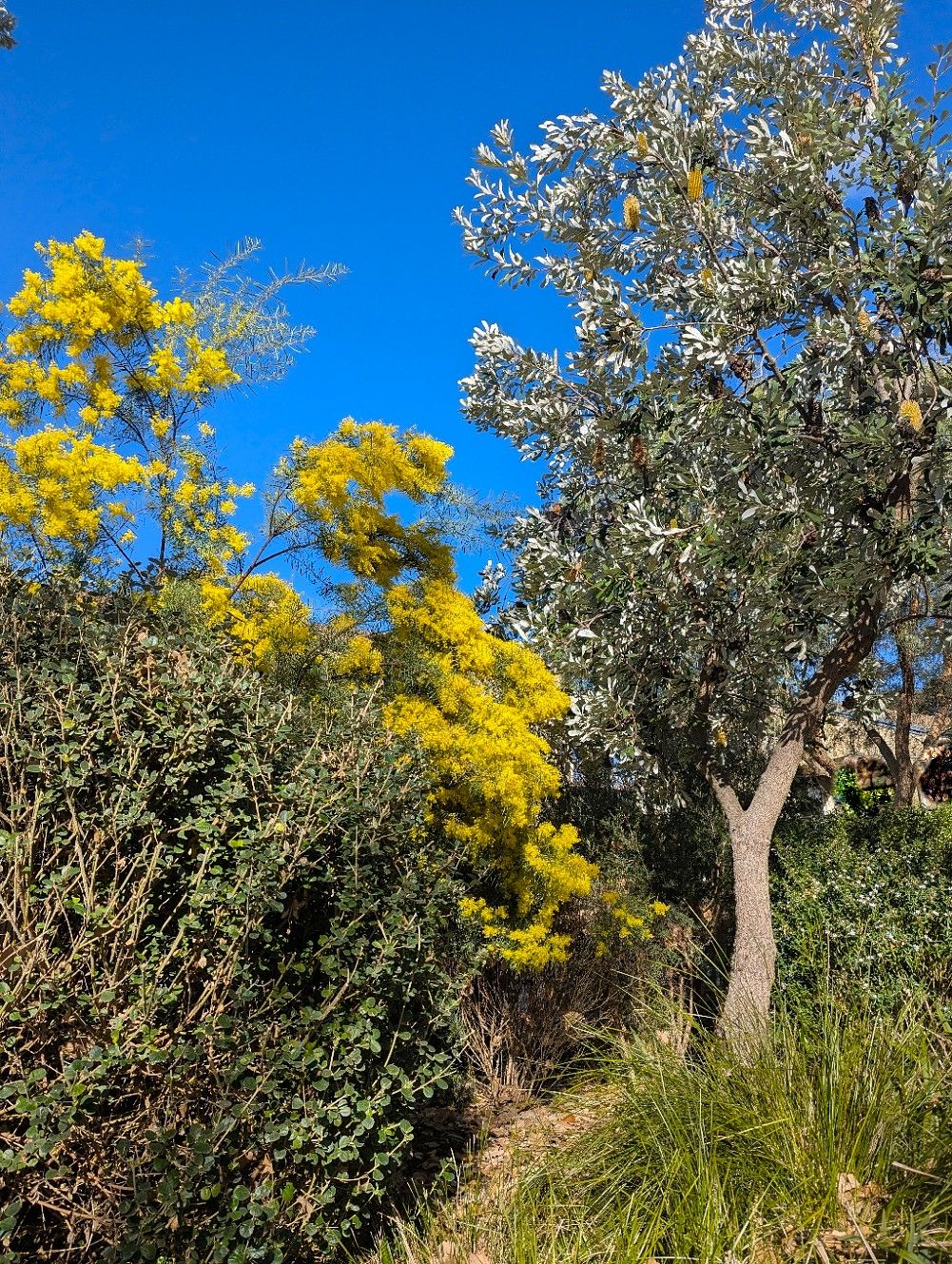
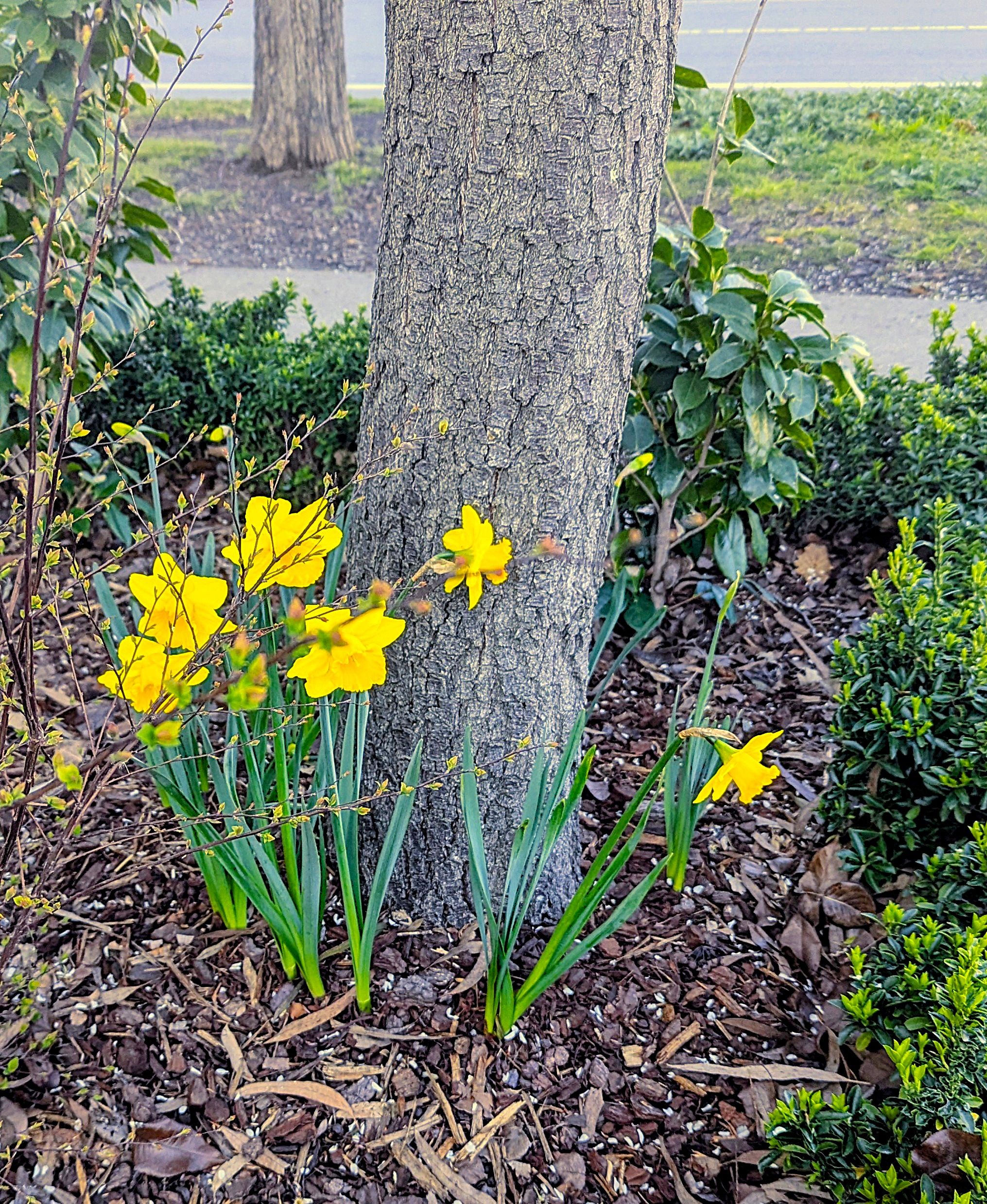
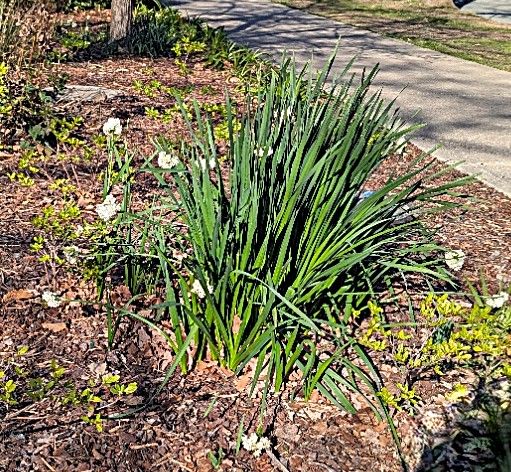
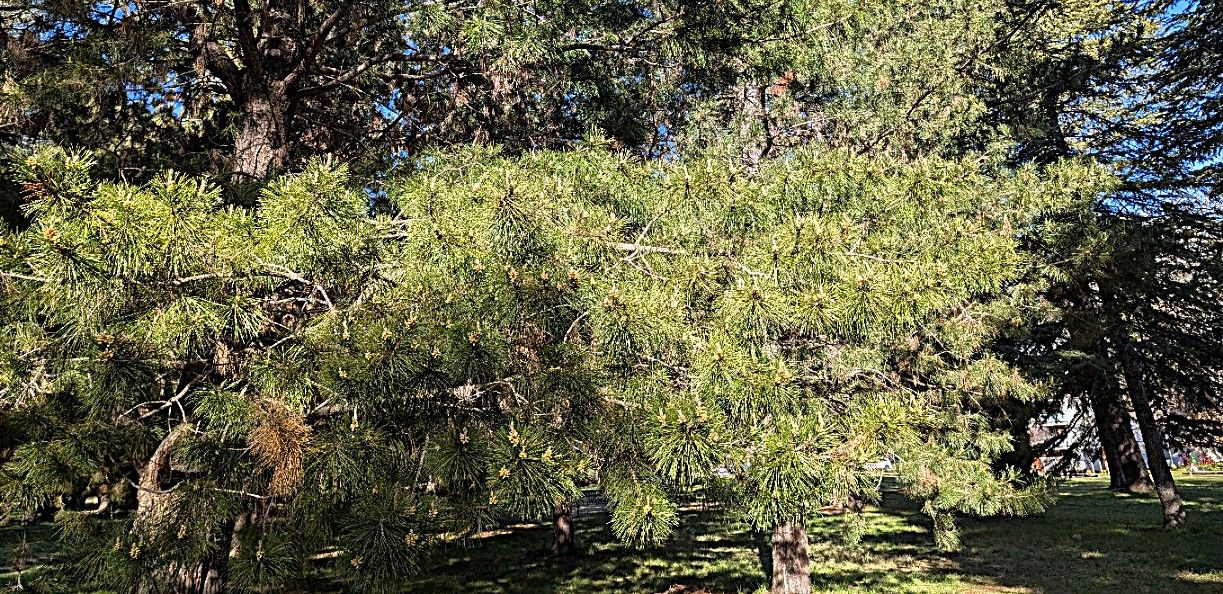
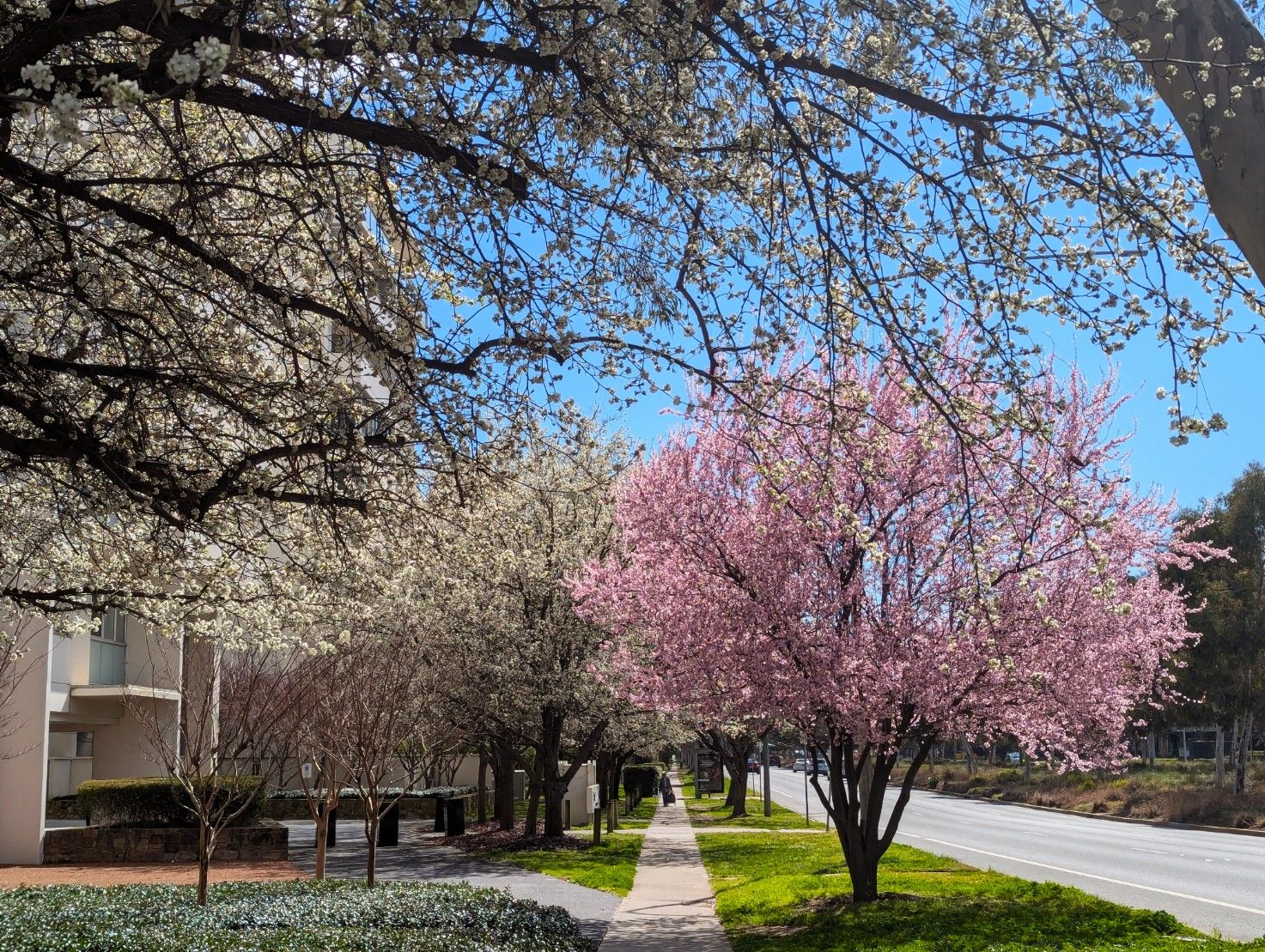
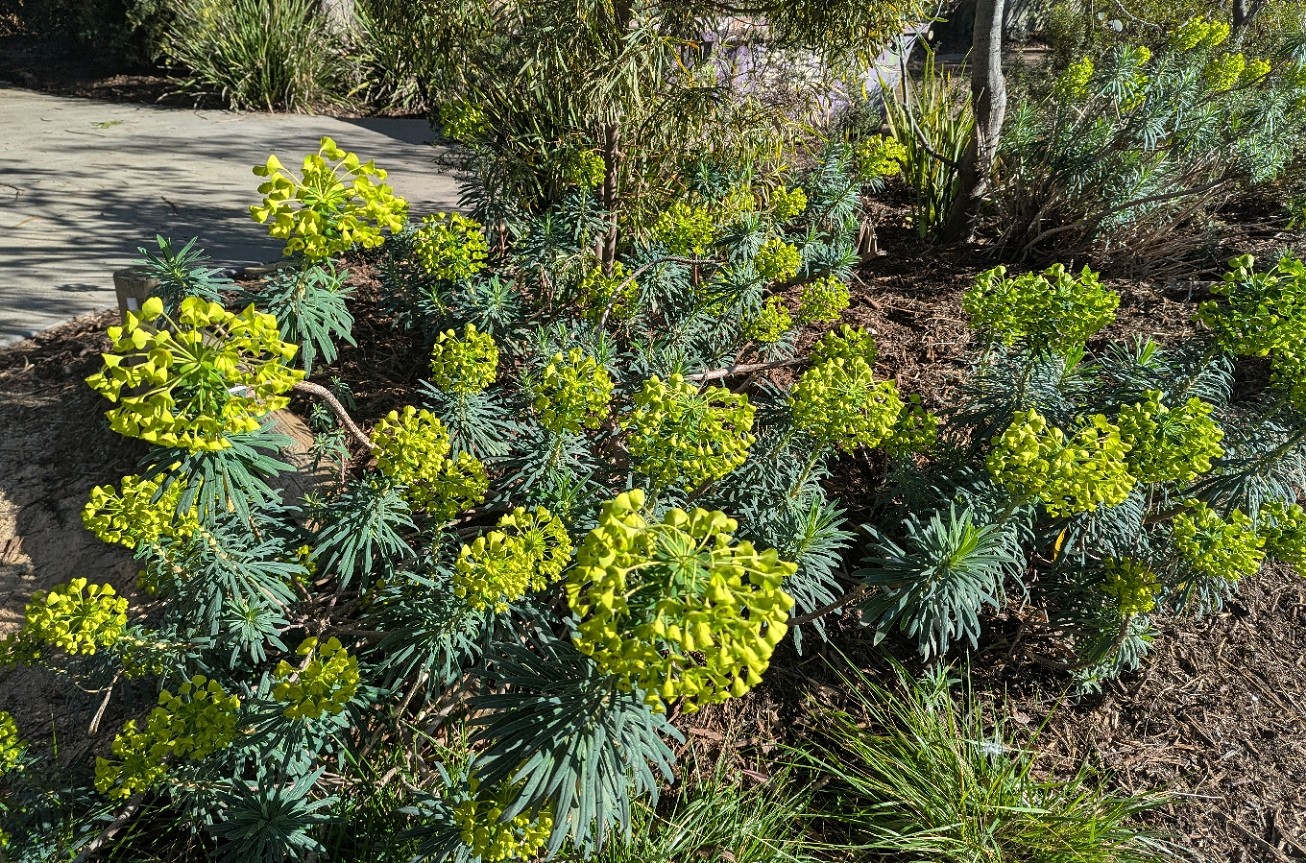
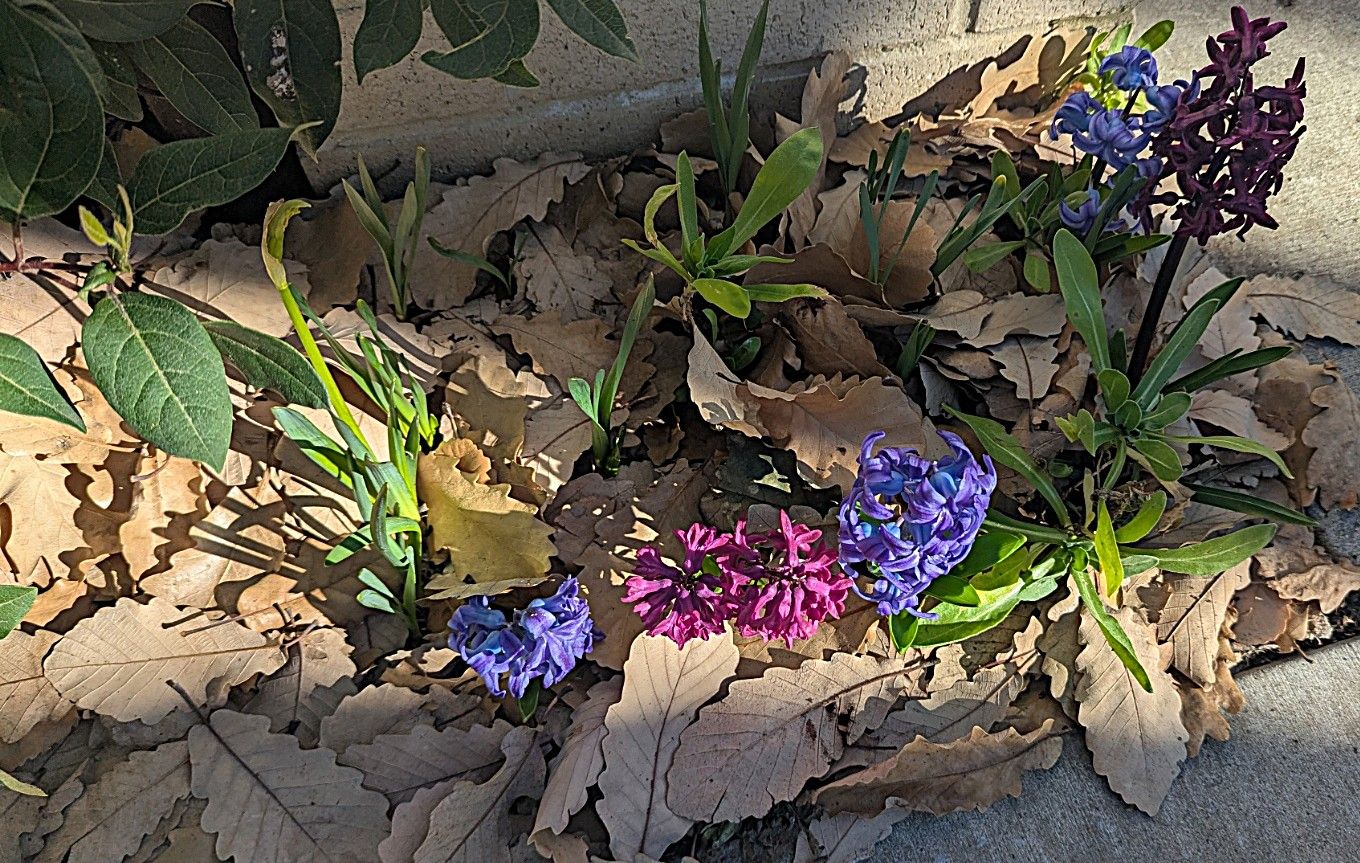
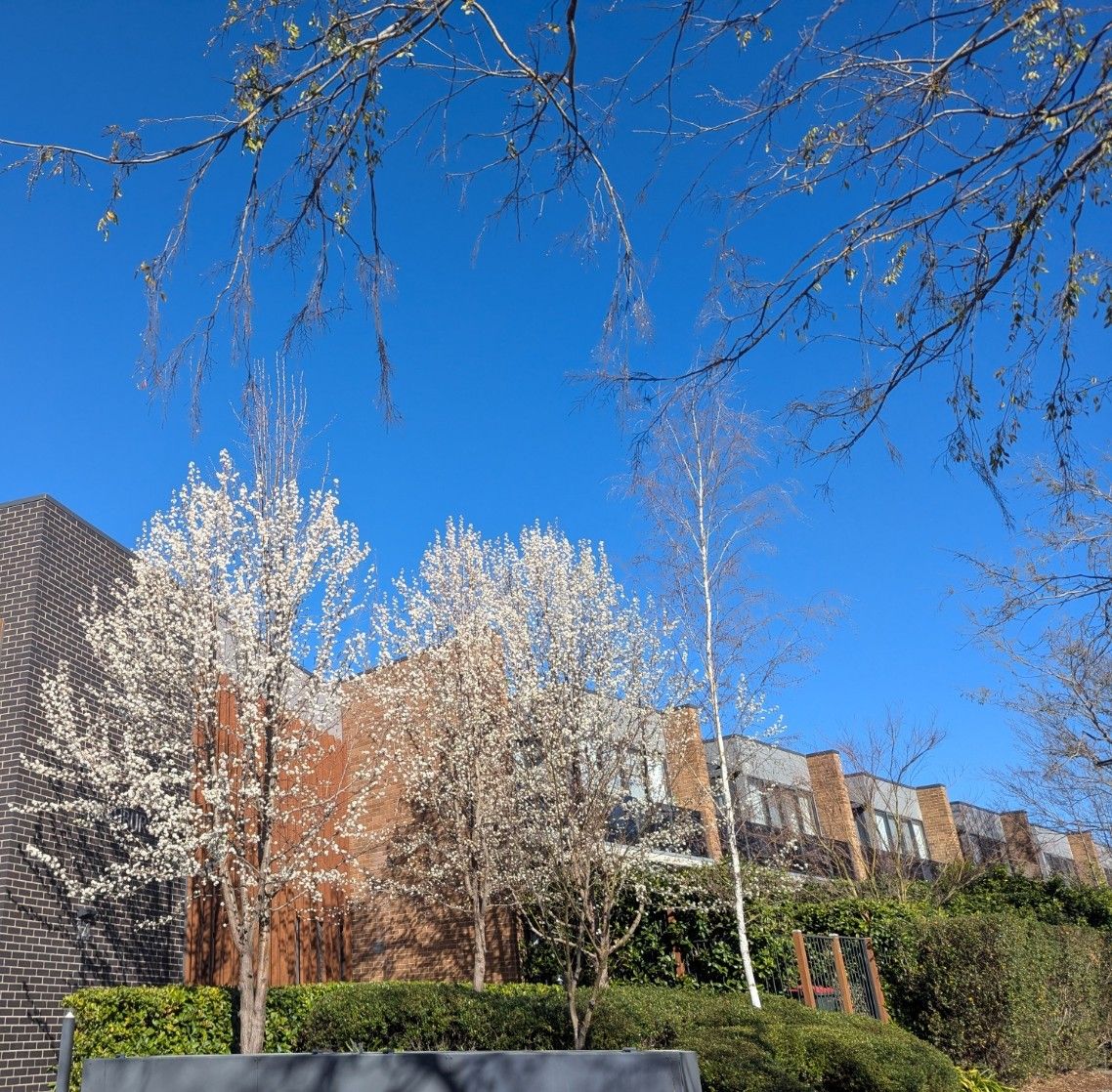
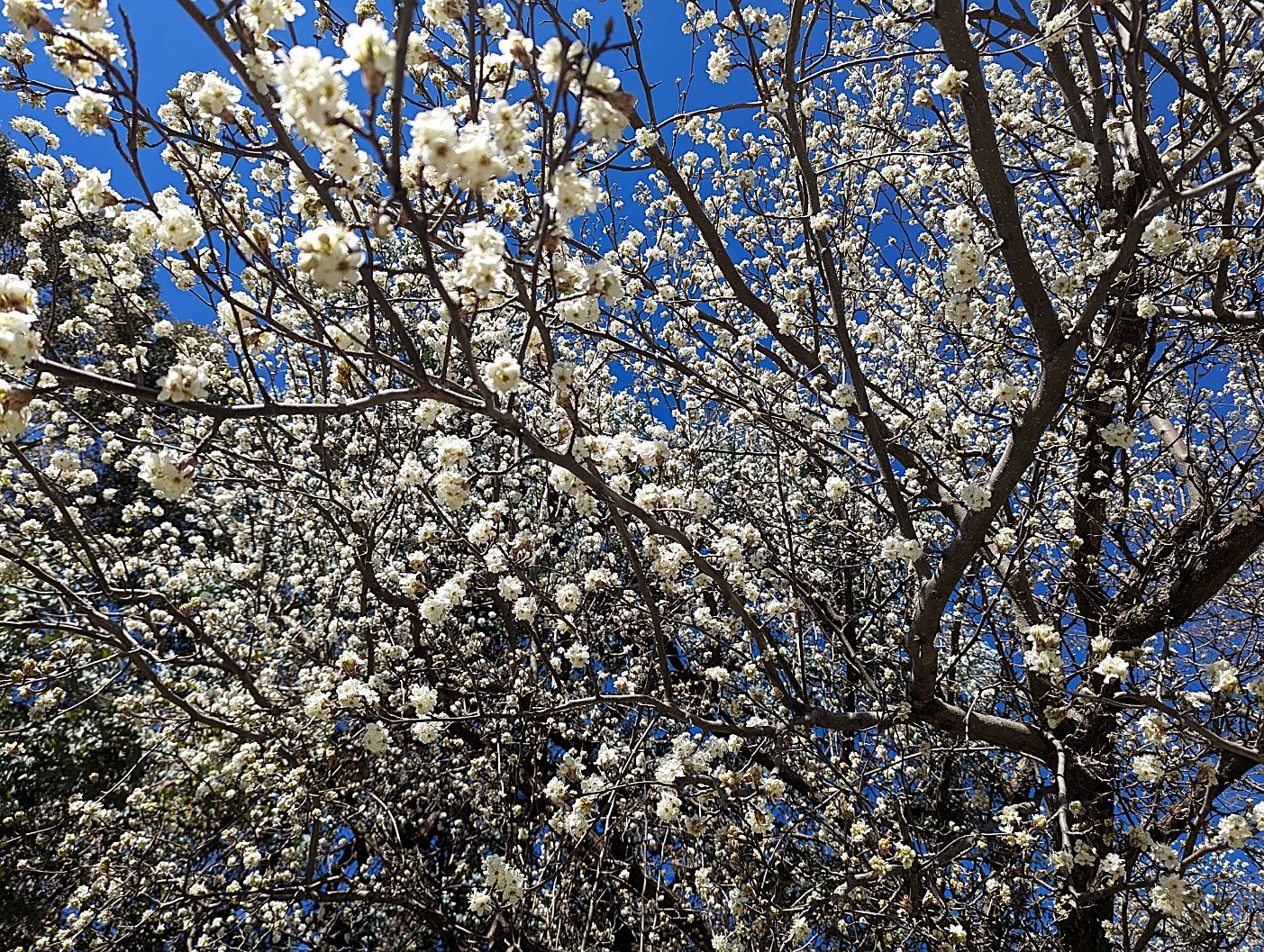
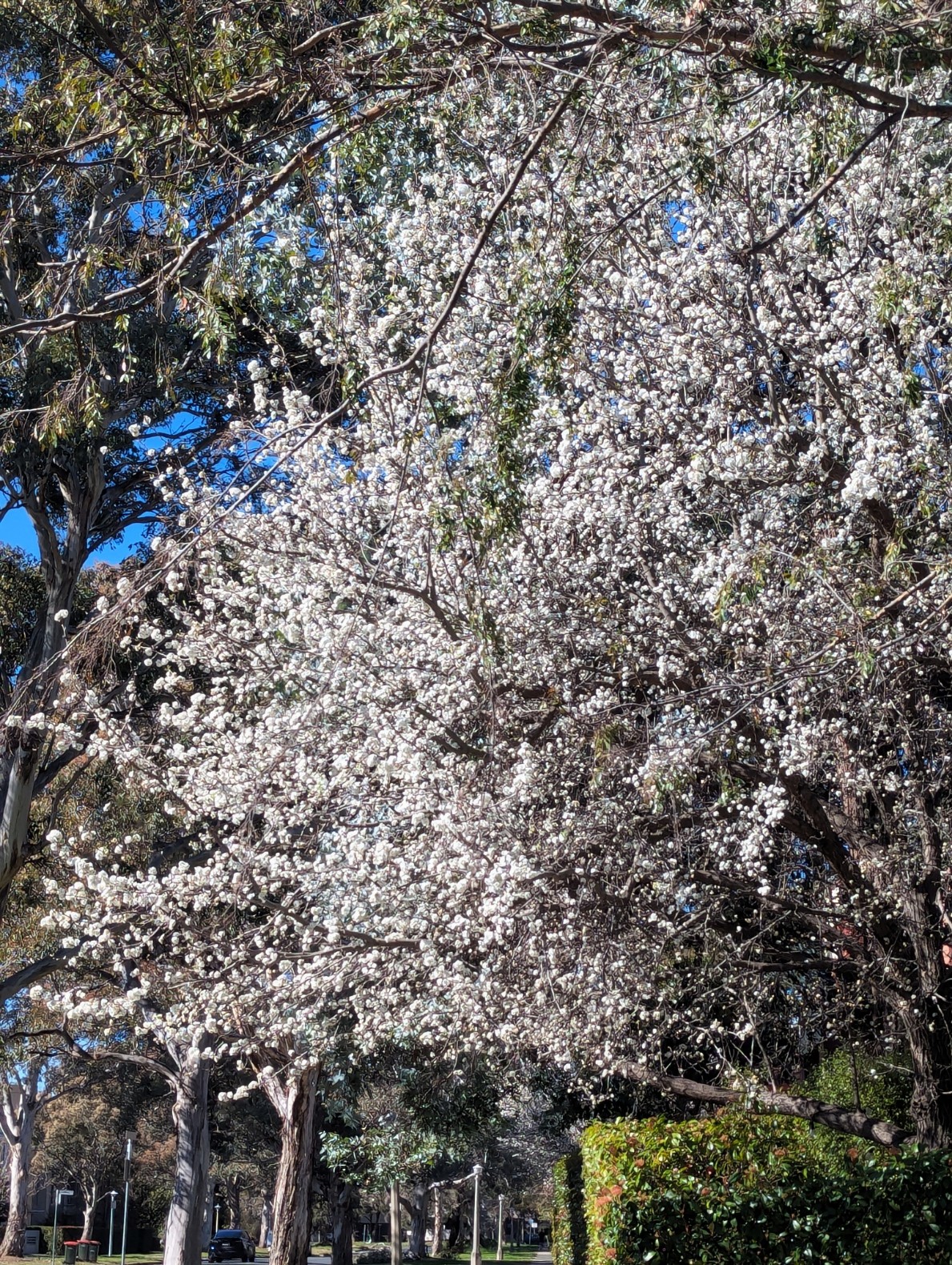
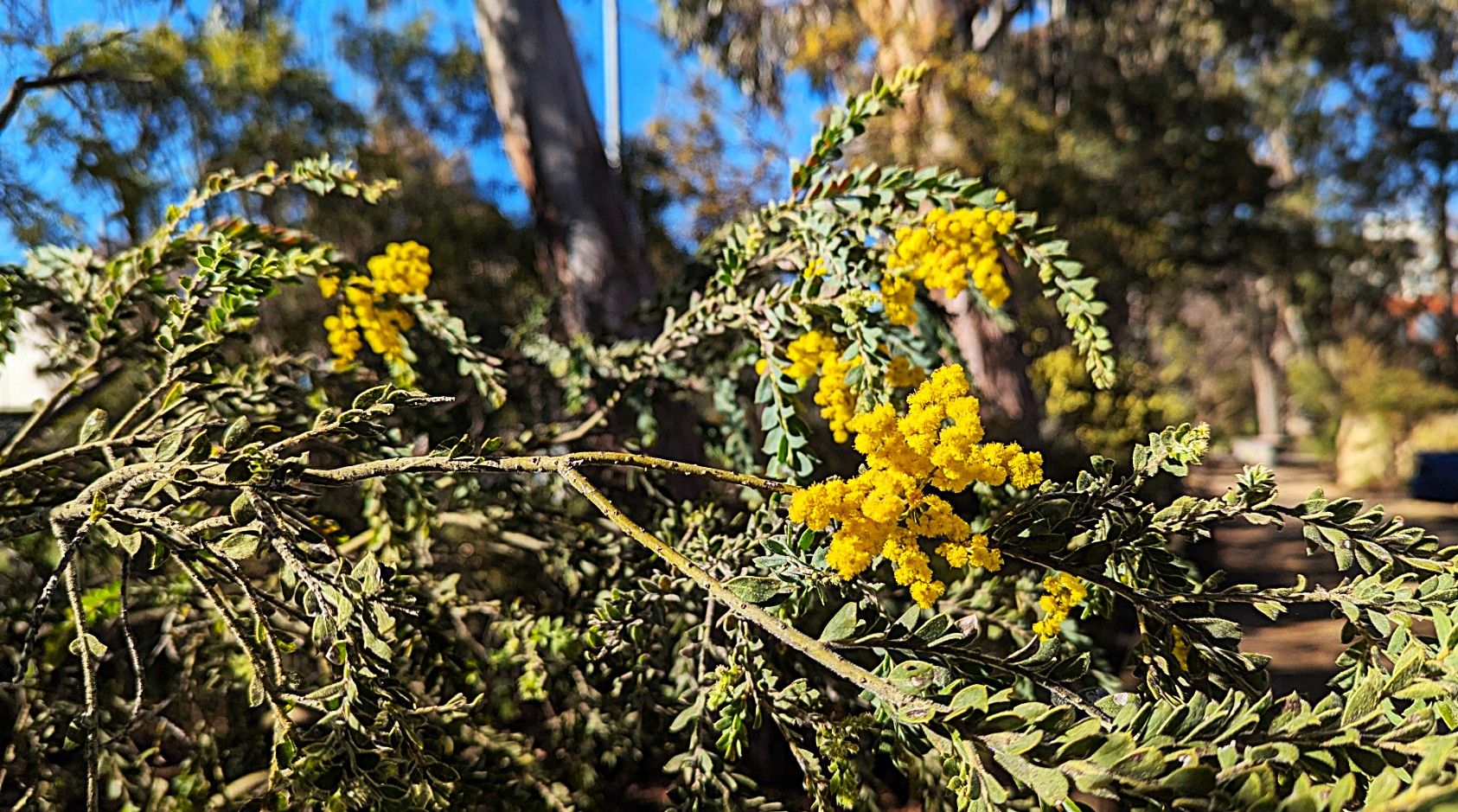
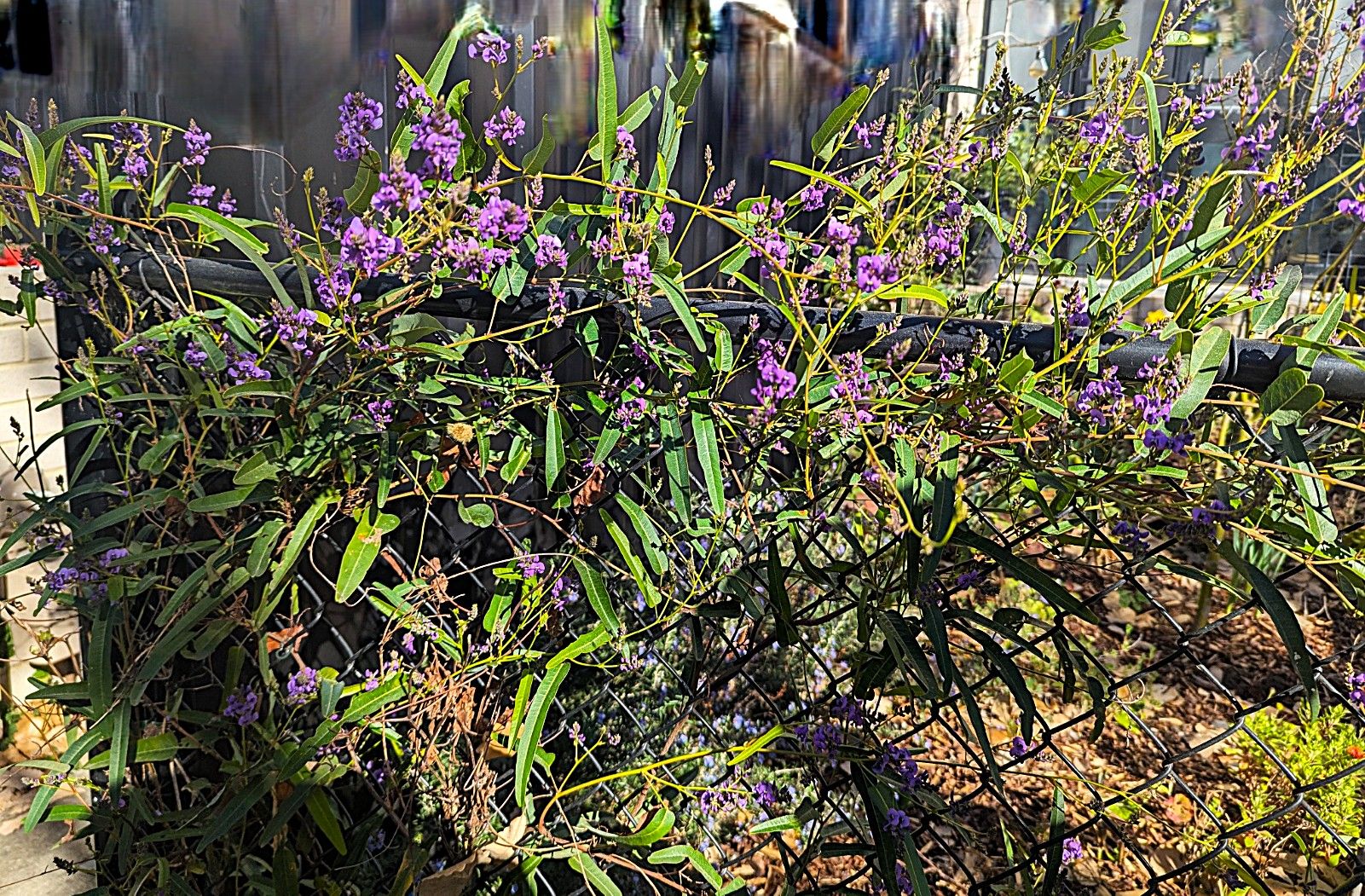
Spring in Canberra
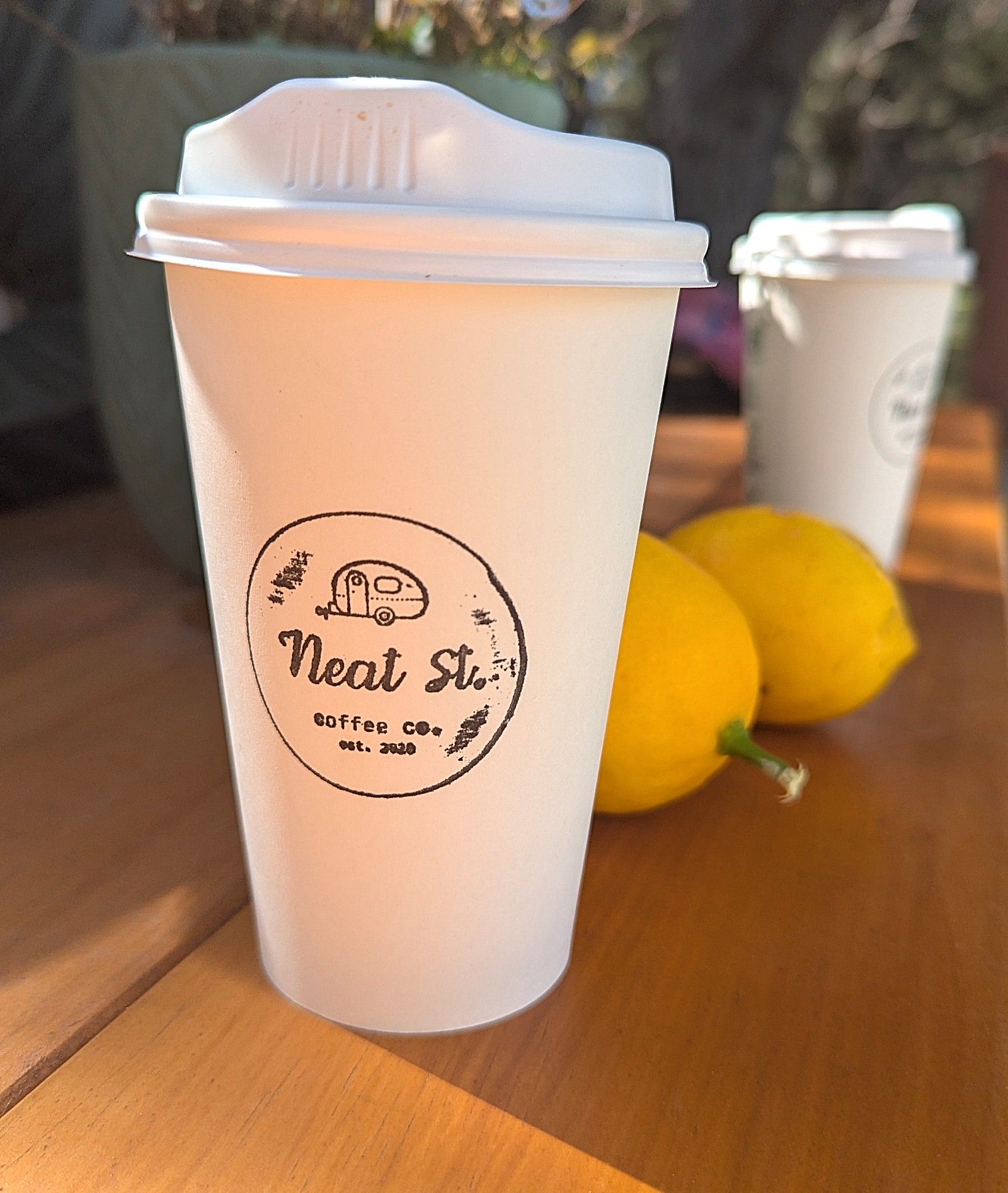
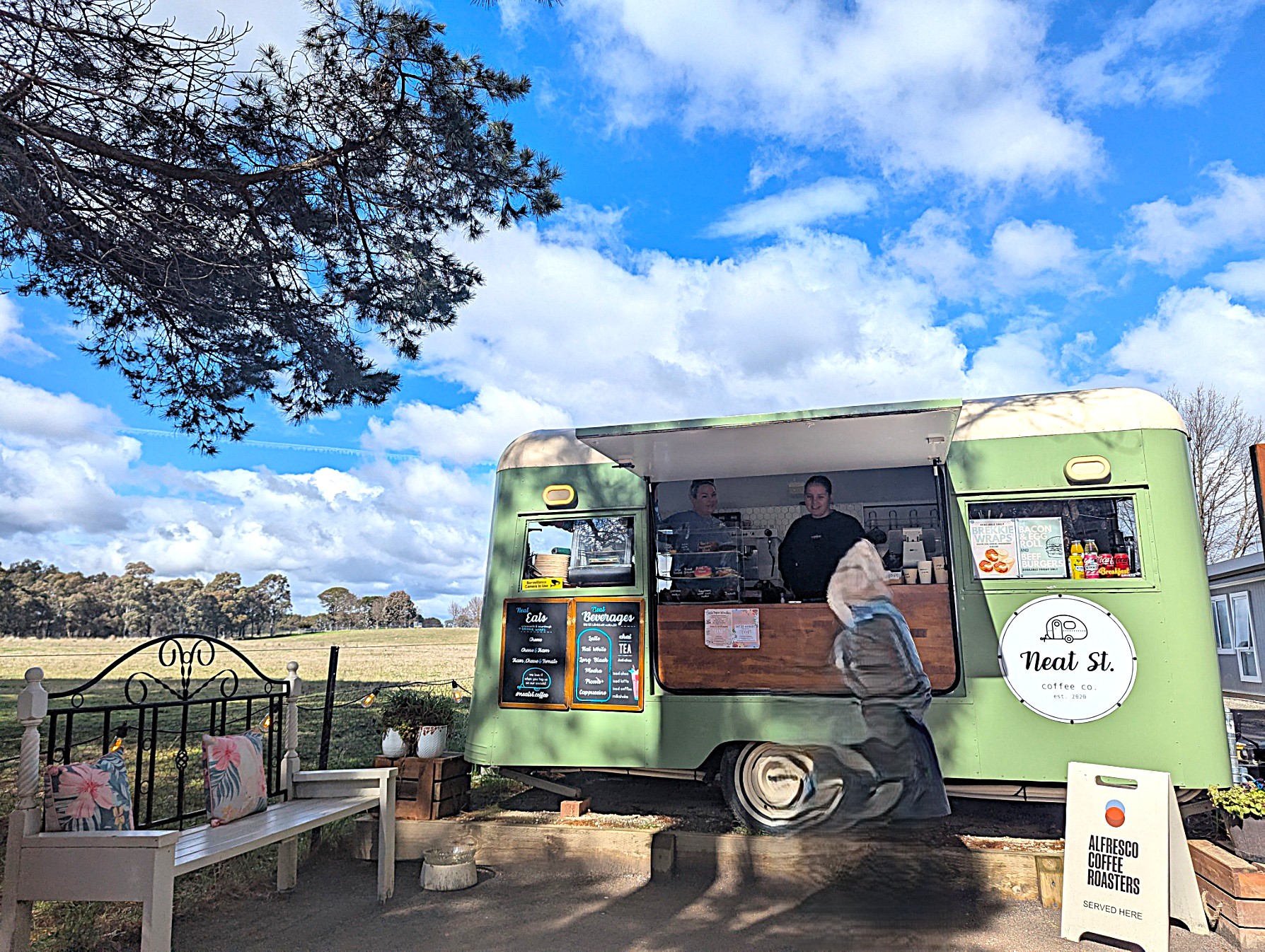
Cindy Lou has coffee at Neat Street
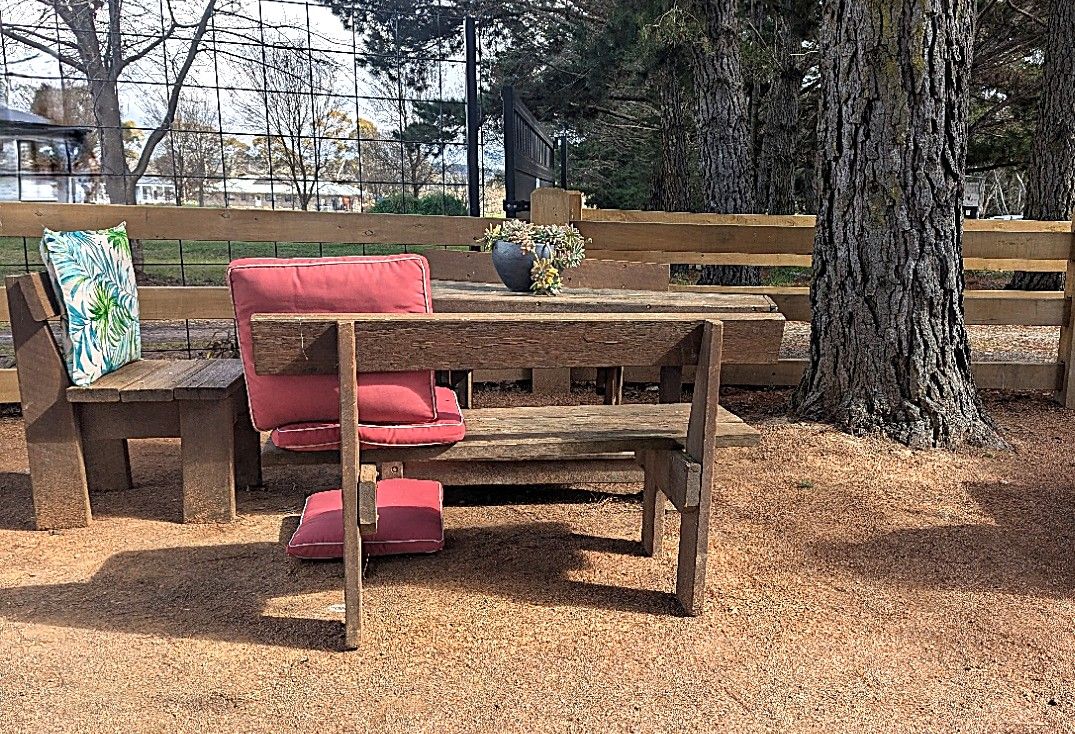
Neat Street, Gundaroo, is a lovely sunny spot for coffee when we are leaving Leah with one of her favourite people for a few days’ play in a large garden with large dogs…and plenty of spoiling.
The coffee is great, and there is a long menu of breakfast and lunch items. And a bonus – a person was giving lemons away.
And pasta, haloumi burger and pizza at 3rd Space
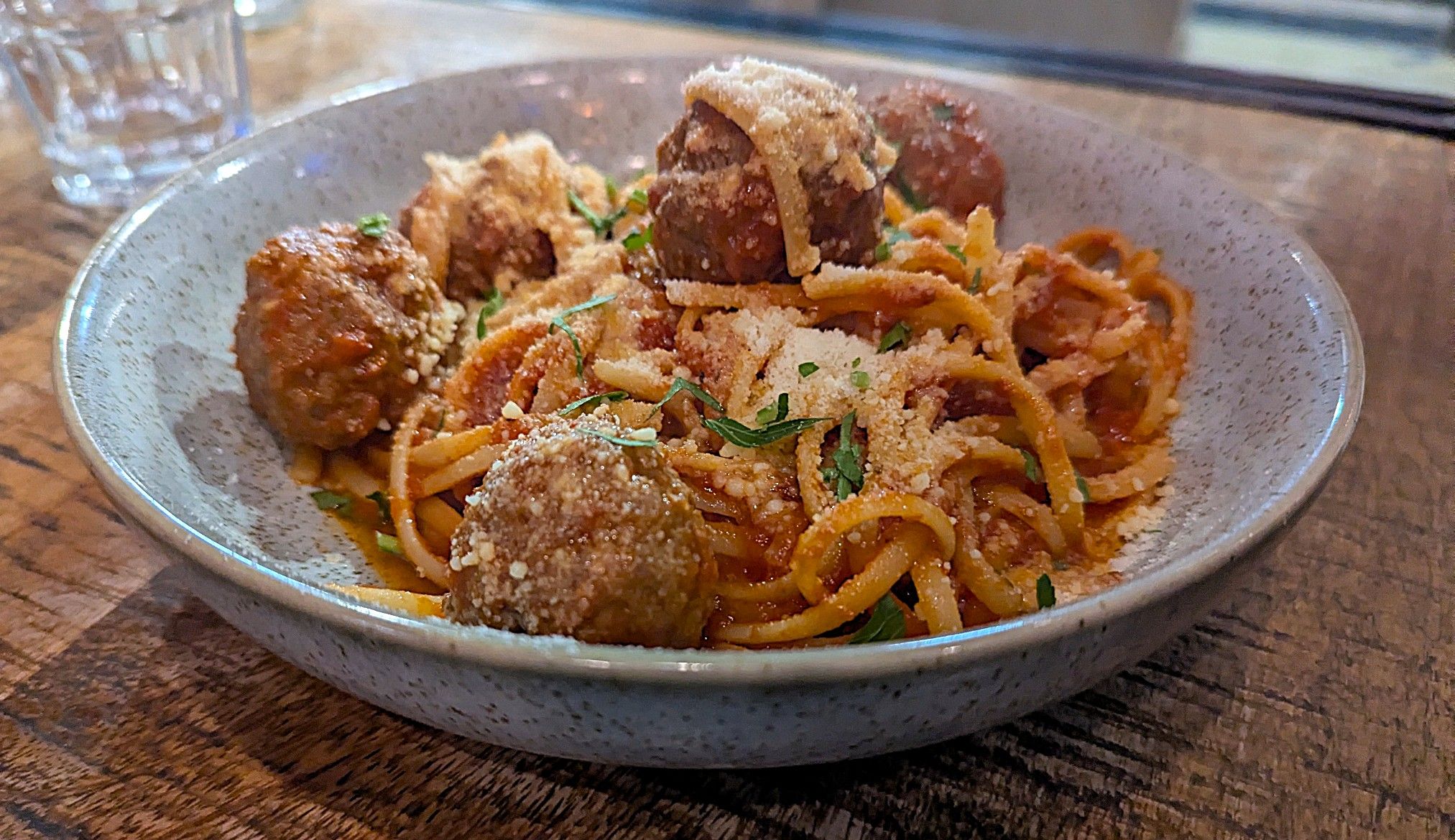
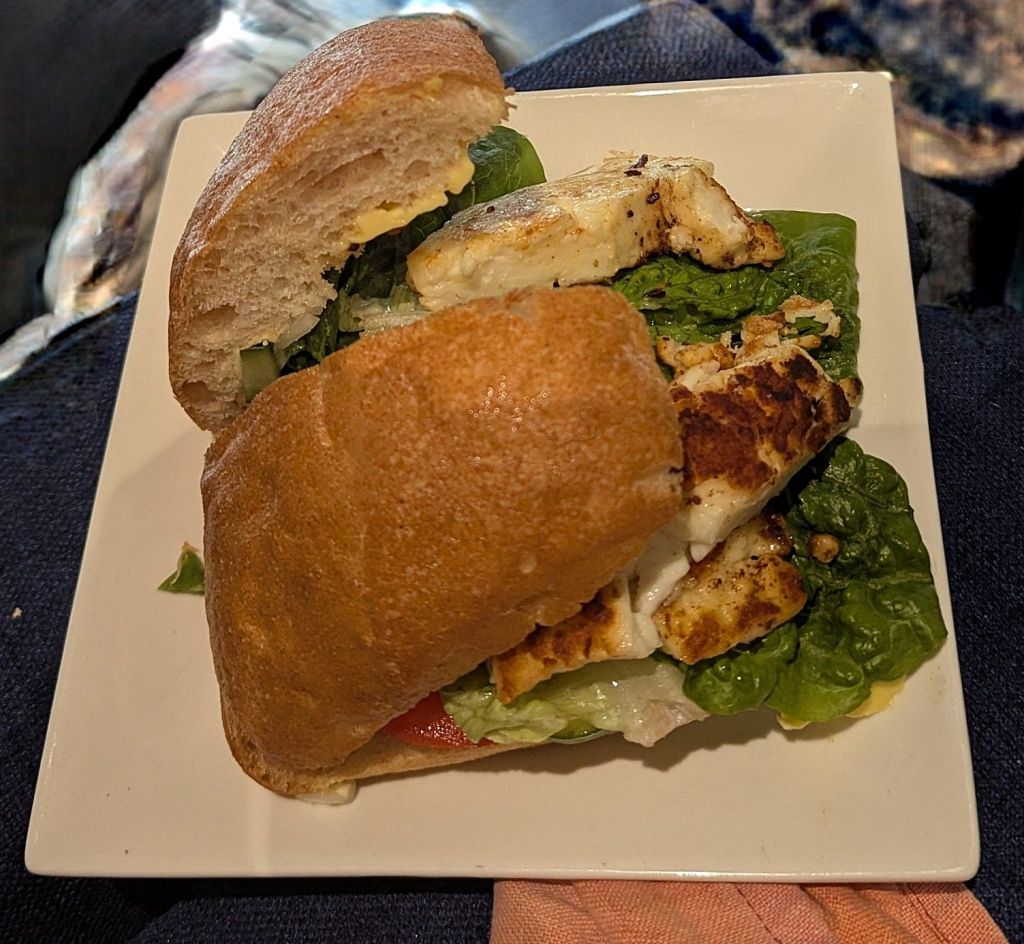
3rd Space is a new eating place in Canberra, and having seen the ads on Facebook, and heard the first-hand experience of the pizzas relayed by friends, those friends, and others joined Cindy Lou to try the new venue. Despite the title, I had only a prawn, chili and garlic linguine. It was delicious – the best I have tasted since having a similar meal at Jamies in Cheltenham, many years ago. A mouthful of the huge garlic and mozzarella cheese pizza made me want more – next time. Envy of the haloumi burger made me make one for lunch the next day. An inferior model, no doubt, but very nice indeed. The other pastas, prawn and prosciutto, meatballs, and Alfredo were also deemed worth another visit.
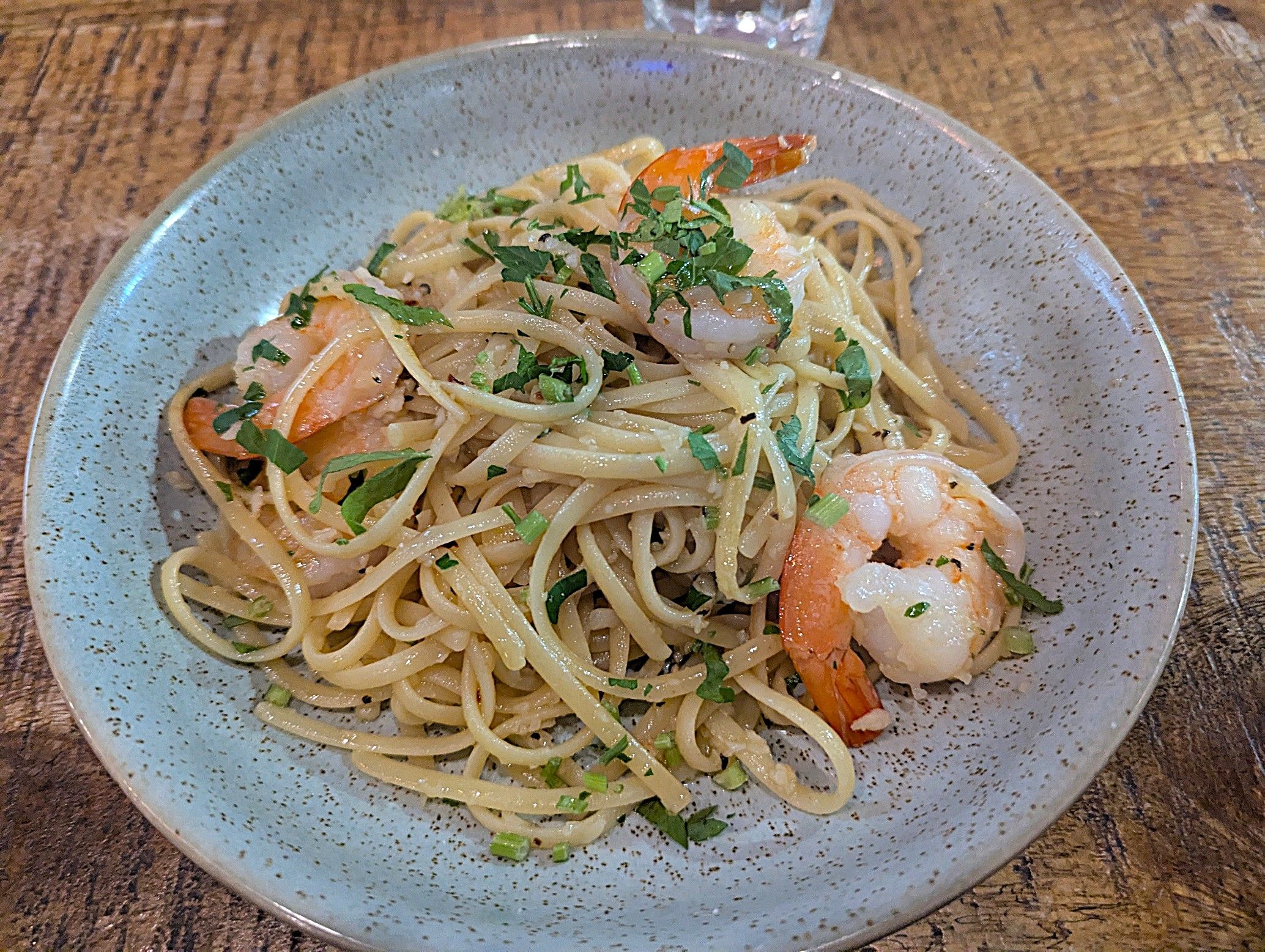
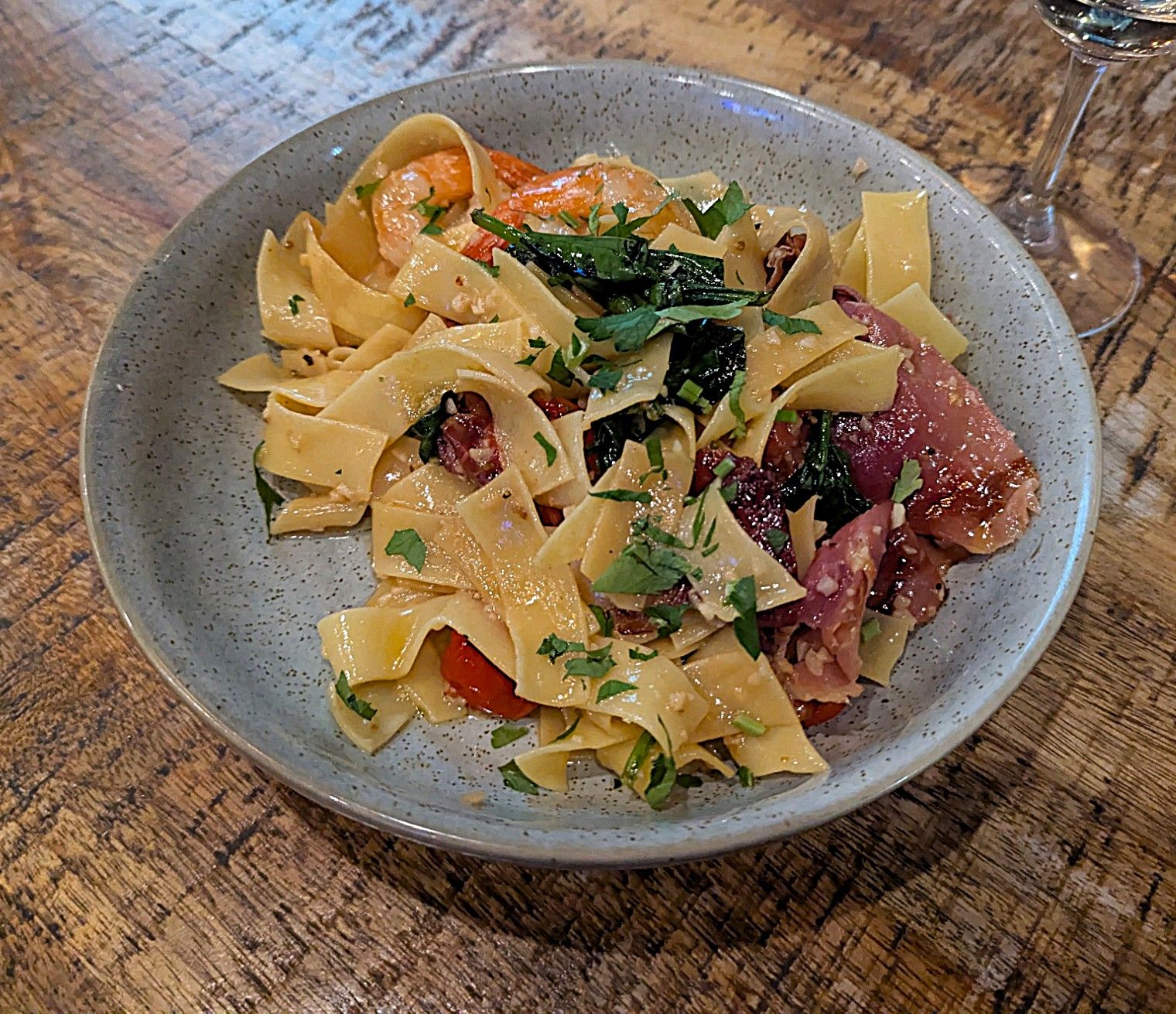
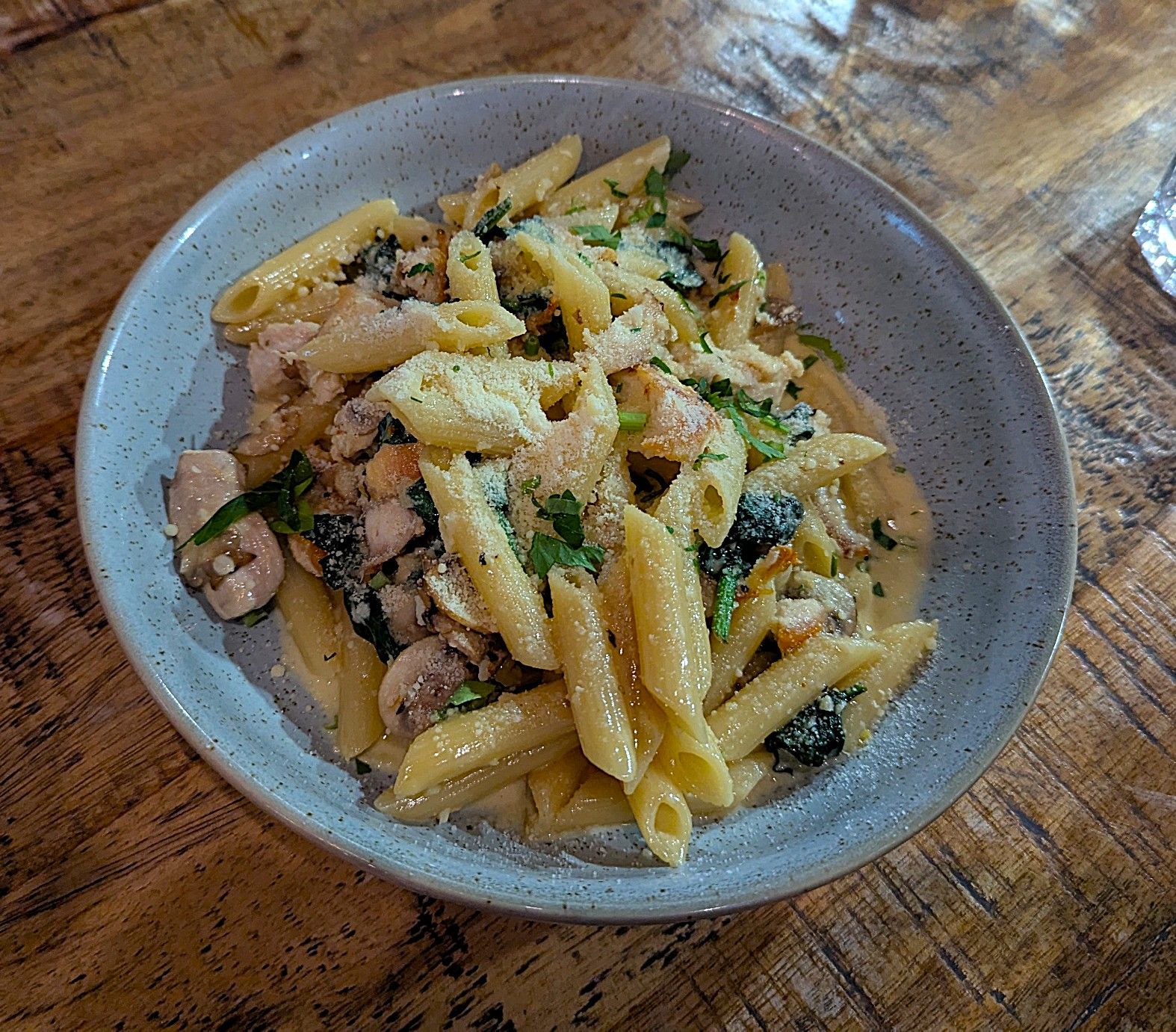
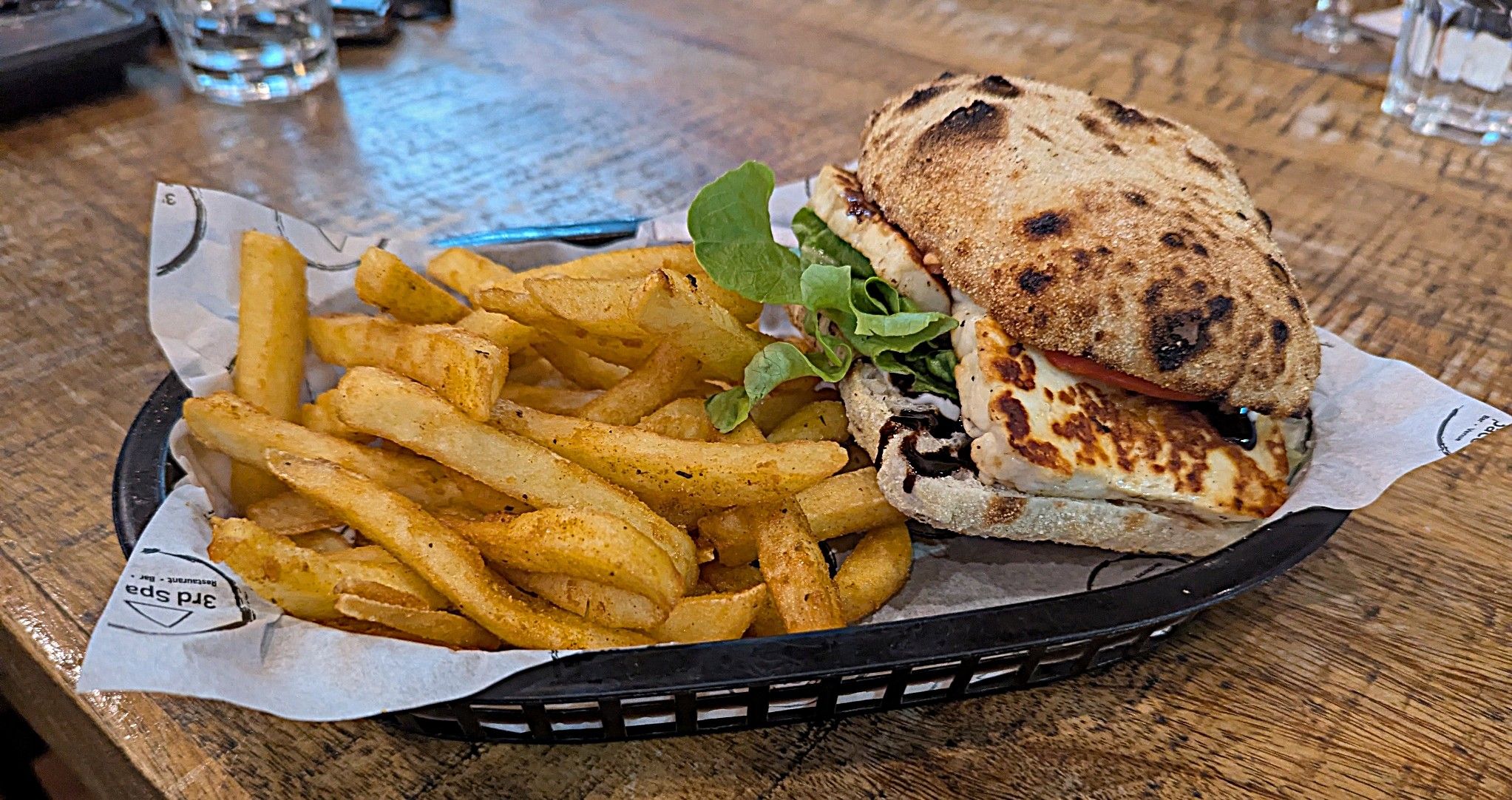
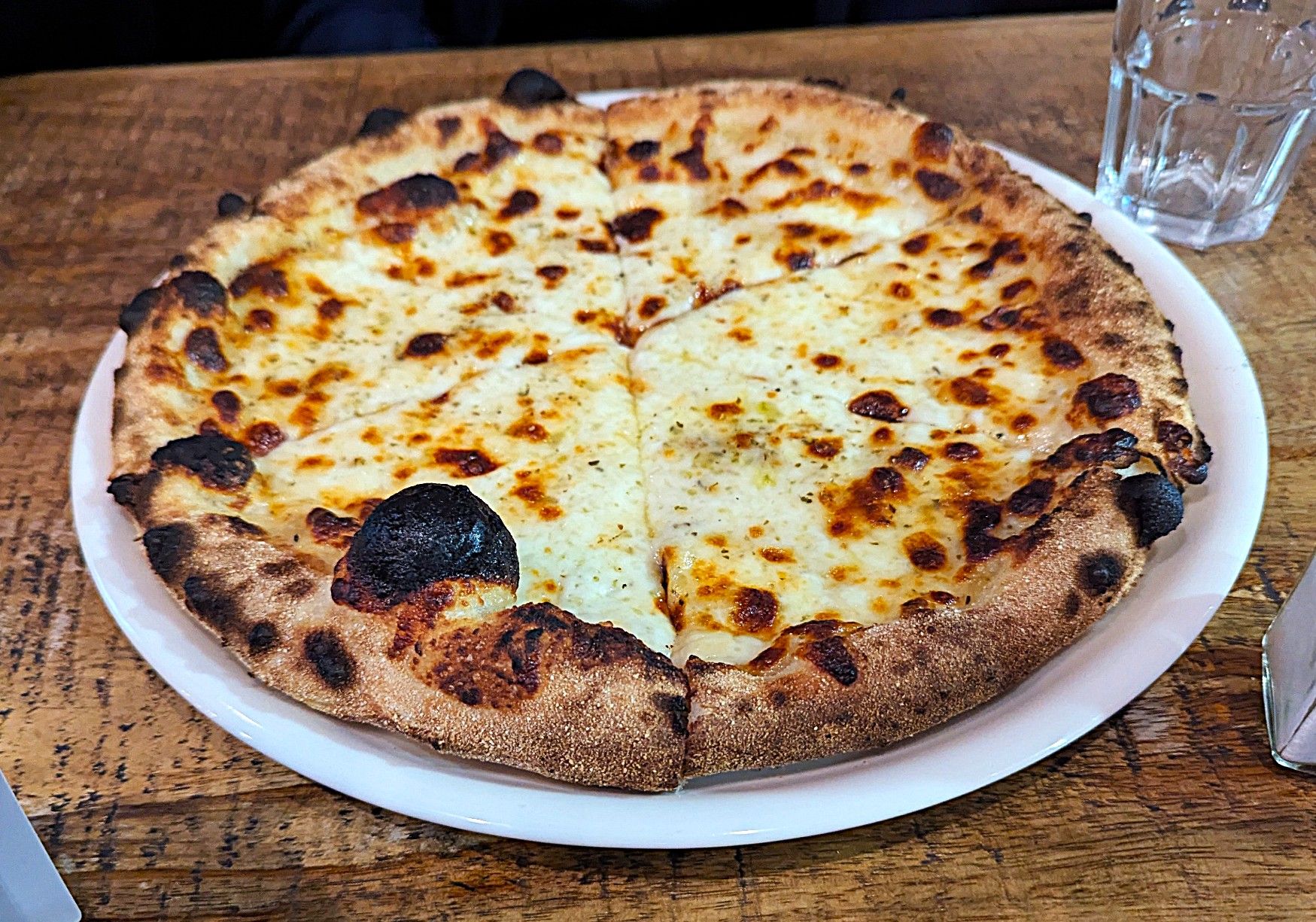
The inferior model cooked to allay the continuing meal envy from the night at 3rd Space.
Correction
Jeanne Sarson and Linda McDonald’s most recent book, is published by Friesenpress for Women Unsilenced. In my blog 19 August 2026 my reference to the publisher was incorrect.
Jeanne Sarson & Linda MacDonald — Co‑founders of PA NST (Persons Against Non‑State Torture) a Canadian feminist human‑rights organisation dedicated to naming, documenting, and challenging non‑state torture — especially torture perpetrated against women and girls in domestic, familial, trafficking, and ritualised context.
Their work is survivor‑centred, long‑term, and internationally respected.
See: Women Unsilenced: Our Refusal to Let Torture‑Traffickers Win, 2021, University of Toronto Press and their most recent work: Healing, 2026, Friesenpress for Women Unsilenced.
Quotes from Jeanne and Linda about their work:
We are revealing that non-State torture (NST) is a distinct human rights crime that millions of women and girls suffer globally.
Our books break this discriminatory patriarchal silence and share that healing from NST is possible.
Jeanne and Linda often appear on Jocelynne Scutt’s monthly zoom meeting, Brilliant and Bold.
Australian Politics
The seat One Nation won in Perth exists a dozen times over in Victoria
Kos Samaras from RedBridge’s latest Insights & Intel <redbridgeintel@substack.com> Forwarded this email? Subscribe here for more
A popular third-term government with no Victorian-style baggage has just lost a heartland seat to One Nation on a 17.5 per cent swing.
Objectively, the Cook government is travelling well. Into its third term, WA Labor has faced nothing like the headwinds confronting its Victorian counterpart. Yet it still lost Secret Harbour to One Nation on yesterday. Presently, One Nation has finished on 35.8 per cent of the primary vote, well ahead of Labor on 25 and the Liberals on 17.4, and led 53.9 to 46.1 after preferences. That is a swing of around 17.5 per cent against the government in a seat Labor had held in one form or another since 1989, most recently on an 11.5 per cent margin. The result also illustrates what One Nation needs to secure, to remove a Labor MP, generally speaking, across the country. A primary vote approximately in the mid 30s, whilst Labor dropping into the 20s and the Liberal Party finishing third.The result should worry Labor in Perth’s outer suburbs. It should worry Victorian Labor more. Unless something changes, a swag of Melbourne seats with the same profile as Secret Harbour will go the same way.
The profile matters. Secret Harbour is outer urban, but it is not diverse. It ranks fourth of WA’s 59 electorates for residents nominating British or Australian ancestry. Just under 30 per cent of residents were born overseas, below the state figure of 32 per cent, and the overseas-born are overwhelmingly from England, New Zealand and South Africa. English ancestry sits at 49.5 per cent against 37.6 per cent statewide, while Chinese and Indian ancestry are under one per cent each. It is a seat of young working families, far more vocational qualifications than degrees, and average incomes despite high workforce participation. Mortgage belt, trades, coastal, Anglo. That is the seat One Nation just took off a popular third-term government.In Melbourne this splits the outer ring into two very different contests.
The diverse growth corridors of the west and north, and the south east around Dandenong and Narre Warren, are a different fight. Our data has been consistent on this for over a year. Among households that speak a language other than English at home, Labor’s two-party vote rises from 59 per cent against the Coalition to 70 per cent against One Nation. Voters who are lukewarm on Labor and would happily park their vote with the Liberals will not cross to Hanson. One Nation’s own pitch builds the wall. That does not make Tarneit or Dandenong safe for Labor, but it means the threat there comes from a vulnerable primary vote, creating uncertainty but not from an orange wave.In the outer and peri-urban seats where that diversity is thin, the picture is different. Given the current mood towards Labor in Victoria, we can almost safely call them lost.Those seats are recognisable. Along the bay and the Peninsula: Frankston and Carrum. At the Anglo end of the south east corridor rather than the Dandenong end: Pakenham and Bass. Furthermore, beyond the metropolitan boundary in seats that share Secret Harbour’s mix of tradies, young families and long commutes: Lara and Bellarine around Geelong, Eureka and Wendouree in Ballarat, Bendigo East and Bendigo West, and Macedon.
Cranbourne is the seat to watch, because it sits across both categories. Its northern end is diverse and behaves like Narre Warren. Its southern estates towards Clyde and Cranbourne East look like Secret Harbour. On the numbers it reads as more insulated than Pakenham or Bass. On the ground, that insulation is concentrated in one half of the seat, and the other half is exactly the territory One Nation just won in Perth.
These are seats Labor has treated as heartland for a generation. Secret Harbour was heartland too.For more on what is driving this shift, and what we are hearing in the groups from voters walking away from the major parties, listen to the latest episode of Democracy Sausage with our very own Alex Fein: Link can be found here.
Italian Politics

Giorgia Meloni is fusing populism and moderation
On September 4th she will become Italy’s longest continuously serving prime minister since Benito Mussolini
Aug 27th 2026|Rome|5 min read
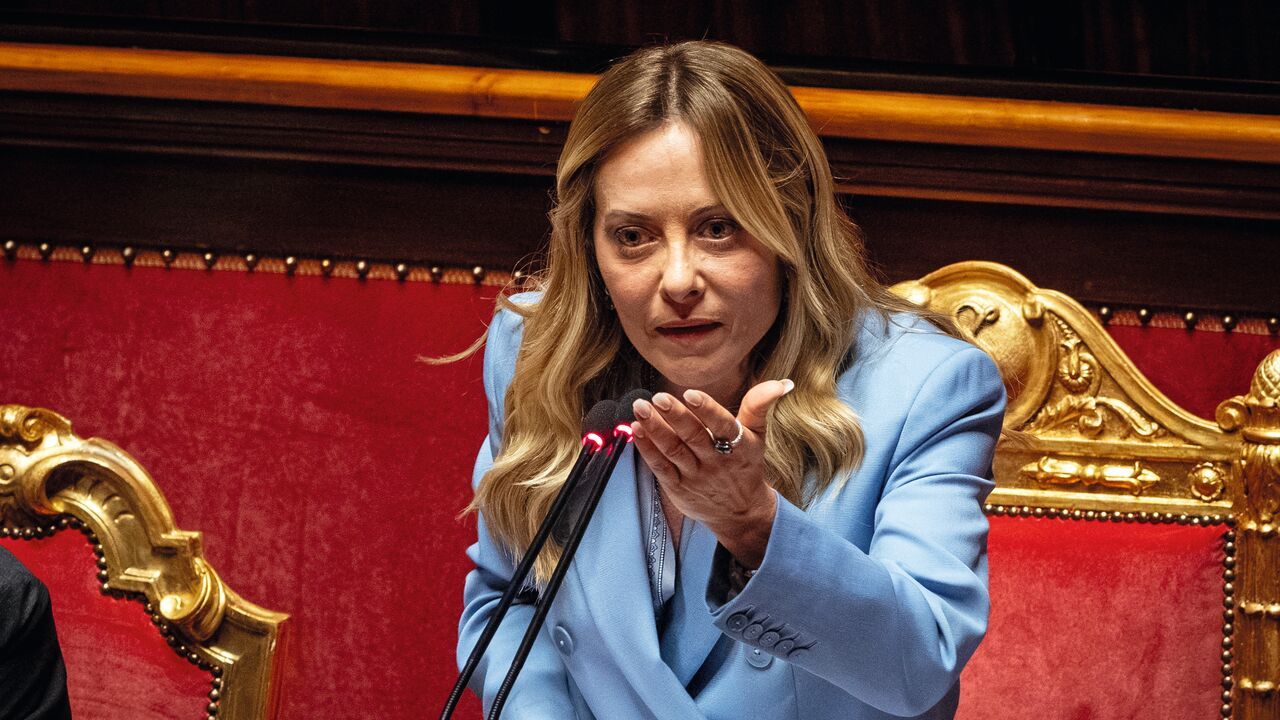
On September 4th Giorgia Meloni will become Italy’s longest continuously serving prime minister since Benito Mussolini. Her tenure is remarkable in a country where leaders tend to be as durable as gelato on a hot Rome day. Since taking office in October 2022 she has watched prime ministers in once-stable Britain, France and the Netherlands come and go. Having risen to power as a hard-right populist, she has reshaped Italian politics and put herself at its centre. For other populist-right leaders in Europe, her lesson seems clear: tacking to the middle pays off.
To be sure, the position of Ms Meloni and her Brothers of Italy (FdI) party is hardly ironclad. In March voters rejected a referendum on justice reforms that she had made a personal priority. Economic growth is minimal: in the second quarter GDP rose at an annual rate of 1%, and the last of the European Union’s billions in post-covid recovery aid will soon run out. By year’s end, Italy is expected to replace Greece as the euro-zone state with the highest rate of public debt.
Meanwhile a new party has emerged on the far right, led by an ex-general, Roberto Vannacci. It has attracted defectors from the FdI’s right-wing coalition partner, the League. That has forced the prime minister to become more radical on issues ranging from migration to hunting.
Yet Ms Meloni looks less like a leader in decline than one laying the foundations for a dominant second term. She remains Italy’s most popular party leader (or “less unpopular than the others”, says Lorenzo Pregliasco, a pollster for Youtrend). Polls give the Brothers a higher share of the vote than at the 2022 election. Ms Meloni has become “the person around whom the entire political system is revolving”, says Giovanni Orsina of the LUISS University in Rome. Italo Bocchino, a former MP who belonged to the same neo-fascist youth movement as Ms Meloni, thinks she could remain on the political scene for decades.
Three things explain Ms Meloni’s political success. First, she is lucky in her opponents. The opposition is split between the progressive Democratic party (PD) and the Five Star Movement, a once ideologically heterogeneous populist movement that now strives to outflank the PD on the left. The Five Star leader, Giuseppe Conte, and the secretary of the PD, Elly Schlein, found some common ground earlier this year. But on August 2nd Mr Conte ripped the breach open, declaring his party would not support the arming of Ukraine. “The opposition is in a bloody mess,” says Mr Orsina.
The second ingredient is limited activity. Antonio Misiani, the PD’s economic spokesman, says the government’s ministers are “navigating by sight” rather than shaping a strategy. The government has invested too little political capital in reforms to raise long-term growth, argues Carlo Cottarelli, a former director of the International Monetary Fund. But reluctance to challenge vested interests is good politics in an ageing, conservative society.
That helps explain the third element in the Meloni mix: moderation. Ms Meloni’s actions in office have belied her radical rhetoric. Despite her earlier Euroscepticism, her finance minister, Giancarlo Giorgetti, has scrupulously respected the EU’s fiscal rules. The budget deficit has dropped from over 8% of GDP during the pandemic to around 3%. Ms Meloni has crafted an effective relationship with Ursula von der Leyen, the European Commission president. She has unwaveringly supported Ukraine, defying those on the Italian right with a soft spot for Russia. And she has stood up to Donald Trump over the war in Iran and his attacks on the pope.
On migration too, her bark has been worse than her bite. The government’s immigration restrictions have sensibly left room to accommodate Italy’s need for additional labour. With little publicity, it has authorised 450,000 visas for migrants from outside the EU. It has also launched an investment plan for Africa, nominally intended to tackle the poverty that drives migrants to leave. To satisfy hard-right voters, Ms Meloni has built an expensive camp in Albania to process asylum claims outside Italy. That scheme has so far been obstructed by the courts, and the camp holds no more than 80 people. But it may now go ahead: in June the EU approved such hubs for asylum-seekers from safe countries.
Ms Meloni’s example suggests that for Europe’s populists, moderation is the key to staying in office and wielding power. But not all of them see it that way. The Alternative for Germany (AfD), Germany’s hard rightists, have radicalised ever further while rising to first place in national polls. Tino Chrupalla, the AfD’s co-leader, has vowed never to accept “Melonisation” (ie, compromise on Ukraine or migration).
Moreover, Ms Meloni herself might not govern as moderately in future. If France’s populist right wins next year’s presidential election, the EU might cease to be as much of a restraining factor. With the post-covid fund having run its course, there will be no worries about losing access to it. And the Italian prime minister has proposed an electoral reform that would give the winning alliance extra seats in parliament, cementing its majority. Should her side win the next election, due by December 2027, it could then influence who becomes Italy’s next president; the current one, the left-leaning Sergio Mattarella, has been a brake on her power. Ms Meloni also wants to introduce direct elections for prime minister. That could give her a personal authority no Italian prime minister has possessed. Not since Mussolini, anyway. ■
Vote now for your favourite Australian books 

ABC Accounts <ABCservicing@e.email.abc.net.au> Unsubscribe
     Help decide Australia’s most loved books Help decide Australia’s most loved booksAustralian books have entertained, inspired and challenged generations of readers. From cherished classics to modern favourites, we’re celebrating the stories and ideas that Australians keep returning to. Vote now for your top Australian books and help shape ABC Radio National’s Top 100 Australian Books Countdown. Whether it’s a classic you’ve returned to time and again, a biography that changed your perspective, a childhood favourite, or a cookbook that’s never left your kitchen bench, we want to know which Australian books have earned a place on your list. Voting is open until 1 October. Then, on 17 and 18 October, join ABC Radio National as we count down the Top 100 Australian Books, as voted by readers across the country. Vote now |