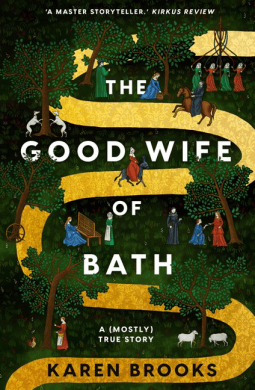
Karen Brooks The Good Wife of Bath: A (Mostly) True Story HQ Fiction, Australia, 2021.*
Thank you to NetGalley for this uncorrected proof copy for review.
Karen Brooks says that she found Chaucer’s Wife irresistible, and this shines through the novel she has written from the Good Wife of Bath’s perspective. Like Chaucer’s depiction of The Wife she has five husbands, travels on pilgrimages and is ‘feisty, vain, boastful, witty, middle aged’. Unlike the Chaucer version, Brooks lets The Wife, Eleanor/Alyson, tell her story. Perhaps ironically, but authentically, Chaucer is a secondary character, propelling Eleanor into her first marriage, and remaining a recurrent friend throughout her turbulent marriages and eventual profession.
Brooks’ notes on the story of a twelve-year-old forced into marriage to a much older man provide an explanation for the early storyline, her misgivings about this feature of the novel, and an explanation that I found satisfactory. Such attention to legitimate concerns provides a worthwhile discussion opening to the issues raised by this episode. A positive aspect of this early relationship is the enduring friendship between the two young women who meet through the first marriage – Eleanor and Alyson. Their story is the real love story, despite an early enmity, Eleanor’s four more marriages, disagreements, and different attitudes towards their continuing partnership.
The story is told with verve and humour. In particular, the letters The Wife of Bath dictates before she learns to write are a source of great comedy. She uses earthy language with joy, relishing the embarrassment she causes her scribe, and provides the reader with a host of descriptions and words that lend authenticity to the life unfurling in the narrative.
At the same time as The Wife’s personal life is laid out, the way in which all women were devalued because of their sex is illustrated through her experiences. Professions were tightly circumscribed, benefitting men and diminishing women’s creativity and ability. The Wife is an excellent businesswoman but upon marriage must suffer her husbands’ control over her future. As a single woman her creativity and business acumen demonstrated through weaving and the commercial enterprise she establishes are still dependent on men. Their rules and her ability to deal with the hand she is dealt leads her to her final profession.
Brooks’ explanation of her attitude toward the difficult issues raised, is part of a longer explanation about the narrative, there is a detailed account of material she has read as part of preparation for the writing, and a thorough glossary.
I really enjoyed reading this version of Chaucer’s story. What a lively experience Brooks makes of one of the tales I churned though in high school many years ago. Together with Brooks’ depiction of Chaucer and the witty and beguiling narrative I almost feel compelled to give Chaucer’s Tales another read to fully enjoy the impetus for the storyline as well as Brooks’ version. Thank you, Karen Brooks.
Karen Brooks is the author of fourteen books – historical fiction, historical fantasy, YA fantasy, and one non-fiction. She was an academic for over 20 years, a newspaper columnist and social commentator. She has a Ph.D. in English/Cultural Studies and has published internationally on all things popular culture, education and social psychology. An award-winning teacher, she’s taught throughout Australia and in The Netherlands and keynoted at many education conferences. Nowadays, she finds greatest contentment studying history and writing, and helping her husband in his Brewstillery, Captain Bligh’s.
Karen Brooks forthcoming novel is The Whisky Widow, HQ Fiction AU, September 2026.
*This is a repeat from an earlier blog. However, it fits well with the article below. With the packing boxes leaving, and many baskets to take the overflow of items I can’t fit into the new apartment shelving, by next week I’ll have had time to read the following work:
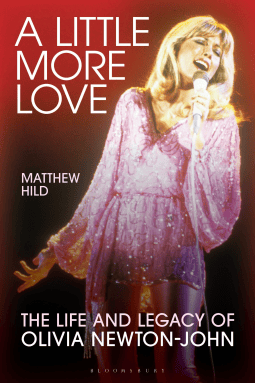
From the University of Oxford, Pulse.
*Examining the role of women in early literature.
J.R.R. Tolkien Chair of English Literature and Language Professor Turner is the author of several acclaimed books on Chaucer’s works, including her most recent, The Wife of Bath: A Biography. As if it needs saying, her enthusiasm is evident for Chaucer, in general, and the Wife of Bath, in particular.
In her latest work, Professor Turner focuses on the portrayal of women in early literature – and their lack of voice.
Chaucer’s Wife of Bath is the ‘first ordinary woman in English literature’, she says, ‘a middle-aged, middle-class woman, who goes on holiday and has friends’ and says things women did not say in books. ‘She speaks openly about sexual desire, domestic abuse and rape, while also being funny and self-aware. The Wife of Bath also talks about the silencing of women – and the fact that women had not had the chance to tell their own stories.’
‘There was no place in literature for someone like her before Chaucer,’ says Professor Turner. ‘She is ordinary, but she is also extraordinary.’
‘Chaucer’s Wife of Bath is the ‘first ordinary woman in English literature, a middle-aged, middle-class woman, who goes on holiday and has friends and says things women did not say in books… She is ordinary, but she is also extraordinary’
As part of the work, Professor Turner examines the reception of the plain-speaking Wife of Bath, one of only three women pilgrims (the other two are nuns) in Chaucer’s Canterbury Tales. She also reveals how the five-times-married Alyson (Alys), has been interpreted and portrayed down the years.
‘I wasn’t expecting to find so many adaptations, and such extensive influence – anonymous ballads, Dryden, Pope, Voltaire, Shakespeare, James Joyce, Ted Hughes. And, in the last 20 years, there has been an upsurge of interest in her among female writers in particular,’ says Professor Turner.
‘Zadie Smith’s play, The Wife of Willesden, is a brilliant new version of the Wife of Bath’s Prologue and Tale, that sticks closely to Chaucer, while also bringing the tale up to date, referencing modern misogyny.’
But, she says, ‘Over time there have been many very misogynistic adaptations. There is a tension between writers being obsessed with her, but then trying to censor her or to punish her… And it is not the case that things have steadily improved across time. In fact, the most extreme misogynist responses came in the 1970s, not the 1470s, for instance Pier Paolo Pasolini’s 1972 film version.’
Professor Turner says, ‘Across time there has often been a focus on the Wife of Bath’s sexuality, whereas what’s really interesting about her is the power of her voice’.
‘She is saying women should be listened to, and many people found this threatening. Many of the most misogynist portrayals seek to silence her.’
Professor Turner explains, ‘Talking about sex wasn’t shocking in the Middle Ages. But for a married middle-aged woman in literature, it was shocking… In later centuries, particularly the 18th century, all the bits about sex and the body get taken out. And there are some depictions that either remove the power of her voice, or that show men being able to counter her voice and beat her in some way. In the original, she gets interrupted more than any other pilgrim – but still manages to get her voice heard.’
Alongside her examination of her fictional heroine, Professor Turner examines the lives of real 14th-century women – not the queens, virgins, nuns, saints, witches and prostitutes who were staples of earlier literature, but mercantile working women who were running businesses.
Professor Turner maintains, ‘As an imagined female storyteller, the Wife of Bath says women should be able to write books… She talks about the ethical importance of listening to older women, and listening to different points of view. She’s not always right; she’s often infuriating, even appalling – but the point of the Canterbury Tales is to listen to diverse points of view and perspectives.’
‘The Wife of Bath tells us about her husband spending his time reading a book that is a compilation of many different anti-women texts. There were real medieval manuscripts that bound together lots of misogynist tracts, and it reminds me of modern algorithms that keep feeding people the same kind of stories that back up their world view.’
The problem of the way that media can reinforce pre-existing viewpoints is very important to Professor Turner, who reads newspapers with which she disagrees.
She continues, ‘One of the things Chaucer emphasises is you should listen to varied voices. The whole point of the Canterbury Tales is Chaucer includes people from different social classes, telling different tales, from different points of view. Some of them are offensive, some are unpleasant, some are boring. But you shouldn’t only listen to people you agree with or people in authority.’
‘This is perhaps the most urgent message of all today. We see all the time, people encouraged into extreme ways of thinking, partly due to the algorithms that shut off other perspectives.’
To underline the point, Professor Turner insists there is no question of throwing out historic texts. See the complete article at Further Commentary and Articles arising from Books* and continued longer articles as noted in the blog.
Cindy Lou eats out on a sunny day in Canberra
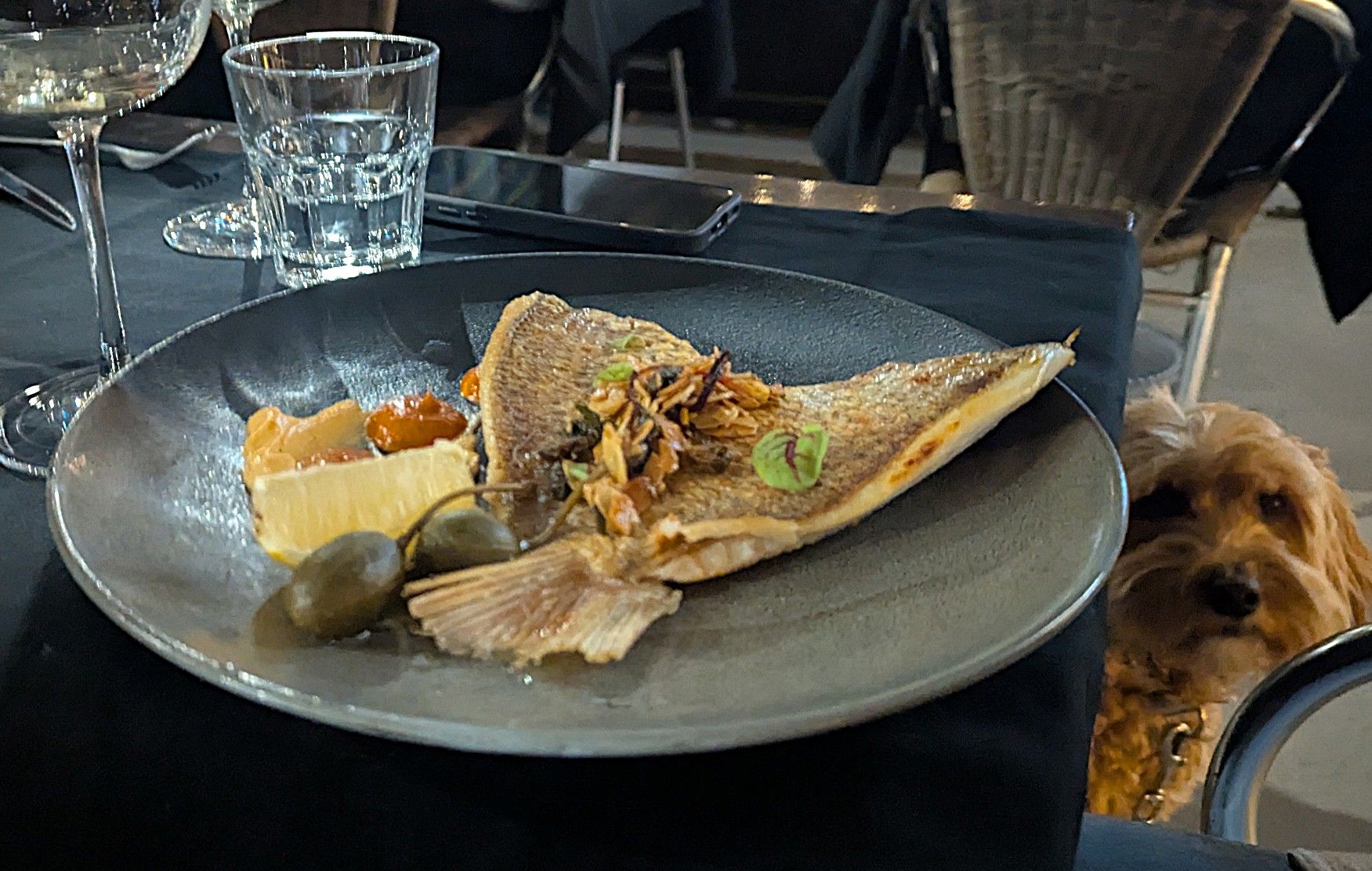
Breakfast at Assembly with friends and dogs was a delight as the sun poured over us, and the table. The photo of the most delicious looking (and according to the person who ate it) tasting breakfast verifies this claim. Later in the day. photos of lunch at Courgette (white tablecloths and no dogs) suffered the same fate. What bliss!
Assembly breakfast – eggs benedict on English muffins

Courgette – lunch with two courses and a serve of oysters
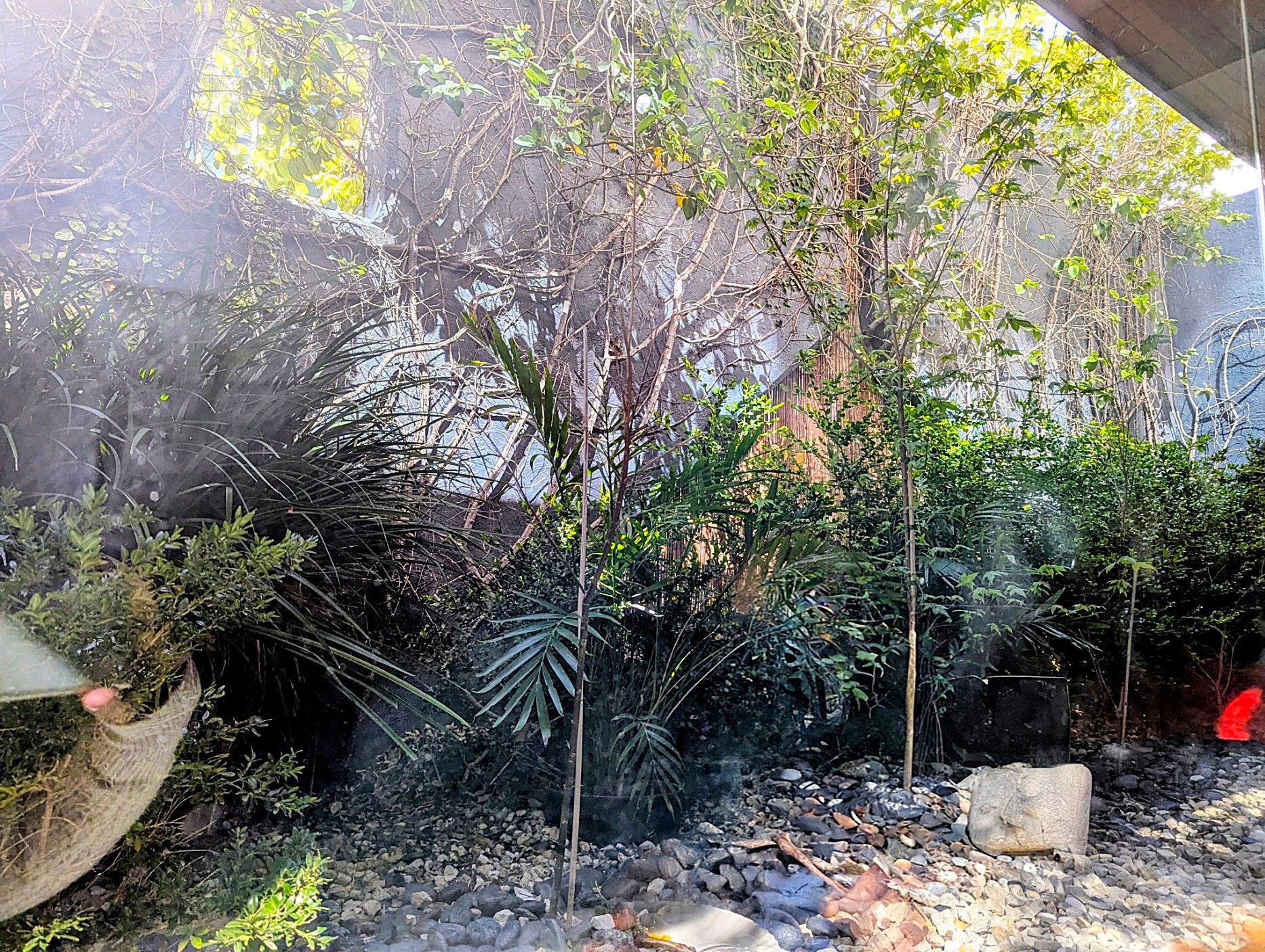

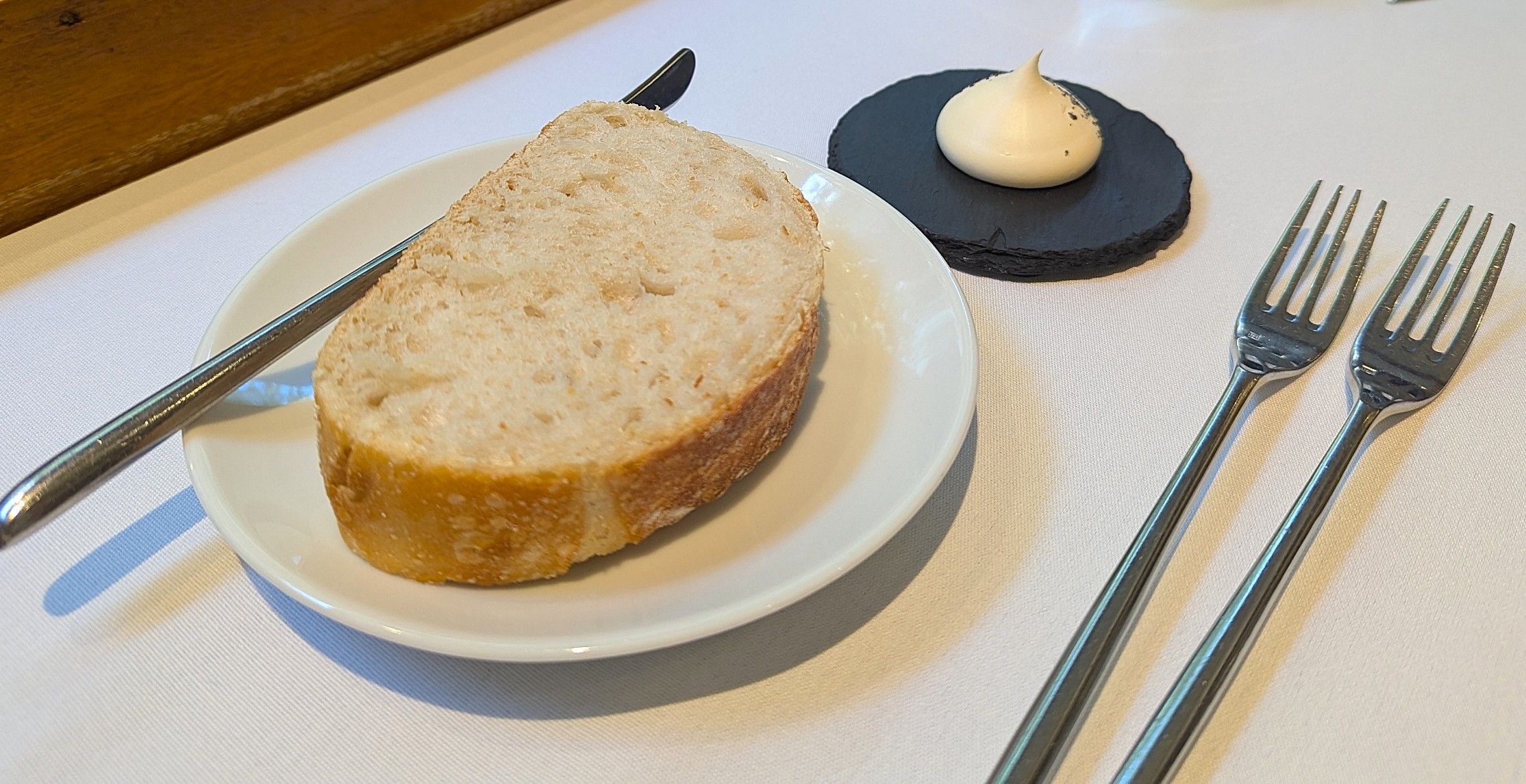





And then on a cold night outside because we wanted to walk the dogs (one of whom features below)- dinner at Blackfire





 An appealingly niche sort of heist
Herald – The Booklist <updates@newsletter.smh.com.au September 18, 2026
Dear readers,
It sounds like a scene from an action thriller − or at least my kind of action thriller. A truck leaves a printing press carrying one of the most closely guarded books of the year. The driver stops for a break. By morning, the vehicle has been broken into, and its precious cargo is gone.
The haul? Four books.
More specifically, four copies of Charles Spencer’s forthcoming memoir, Swan Song: Diana, My Sister, reportedly stolen from a truck in the Netherlands just days before publication. The Dutch editions were on their way from the printer when the driver stopped for a mandatory rest break; the theft was discovered the following morning.
Art thieves and diamond robbers get the better movies, but there is something wonderfully niche about the literary heist. No balaclavas descending through laser beams, no priceless Vermeer tucked beneath an overcoat. Just someone apparently deciding they simply cannot wait until publication day.
And Spencer’s book isn’t alone. Publishing has a surprisingly distinguished history of people going to extraordinary lengths to get their hands on books they are not supposed to have.
One of the most famous examples is surely Filippo Bernardini, the former publishing employee who spent years impersonating agents, editors and publishers in an elaborate phishing operation. Using insider knowledge, and more than 160 lookalike internet domains, he managed to obtain more than 1000 unpublished manuscripts.
Margaret Atwood, Sally Rooney and Ian McEwan were among the writers targeted. Bernardini was eventually arrested by the FBI at JFK airport in the US and pleaded guilty to wire fraud in 2023.
The strange part was what he did with his haul. Apparently, not much. The manuscripts did not turn up for sale or appear online. In a statement to the court, Bernardini said he had wanted to keep them close and be among the very few able to cherish them before they reached bookshops. Which is one way of taking an advance reading copy too seriously.
Harry Potter, unsurprisingly, inspired its own criminal cottage industry. Before Order of the Phoenix appeared in 2003, a forklift driver at the printing plant took pages from the book and tried to sell them to The Sun. Days before publication, thousands of finished copies were stolen from a trailer. Two years later, a security guard stole two copies of Half-Blood Prince six weeks before publication and tried to sell them to newspapers. The escapade ultimately involved an imitation gun, armed police and a four-and-a-half-year prison sentence. Even Christian Grey proved irresistible: in 2015, a copy of E.L. James’ Grey disappeared just over a week before publication, prompting fears it would be leaked online.
Writers themselves have had worse luck. In 1919, T.E. Lawrence lost most of the first manuscript of Seven Pillars of Wisdom at Reading station in Berkshire, UK, and had to reconstruct it from memory. Ernest Hemingway suffered perhaps every writer’s ultimate nightmare when his first wife, Hadley Richardson, had a suitcase containing almost all his early work stolen at Paris’s Gare de Lyon in 1922. A decade later, Malcolm Lowry’s Ultramarine vanished from his publisher’s editor’s open-top car − although, thankfully, a friend had kept a carbon copy Lowry himself had thrown away.
There is probably a lesson here about keeping an eye on your luggage. And never, under any circumstances, leaving the only copy of your novel in an open-top car.
As for Swan Song, our copy will hopefully survive the journey to our reviewer, and we’ll be able to tell you what we think of it next week.
Until then, I’m taking pitches for the great publishing-heist novel. Frankly, most of the plot has already been written.

And Love Actually depicts the writer tapping away, page after page, and then seeing them caught up by the breeze and disappear into the lake. His housekeeper is suitably unimpressed when she finds that he has no copies.
American Politics
Bob McMullan
Further thoughts on US mid-term Senate elections
Votes are already being cast is some states, so the mid-term elections are well and truly under way.
All the signs are positive for the Democrats; the only question is how many seats they will gain. At the moment, based on all the available evidence, I am assuming that they will win control of the lower House.
The key question is, will they win control of the Senate?
Most of the predictive sites suggest that the Democrats are slight favorites to win control of the Senate. Real Clear Politics (RCP) polling aggregates suggest they could win 52 seats in the 100 seat Senate. New states are coming into play. Various recent polls have the Democrat candidate leading in the
Senate race in Kansas (!) and tied for the lead in Florida. If all that came to pass it would mean as many as 54 seats.
However, I am not so sure.
I am sure my American friends will be frustrated by my caution, but there are still some hurdles for the Democrats to overcome. Some of the most respected analysts share my concern. To highlight the contrasting views, Nate Silver, who has a quite good track record forecasting election results has moved the prospects for Democrats in the Senate to a more than 60% chance of gaining a majority. By contrast, the highly respected Cook Political Report still rates the question of overall Senate control as a “toss-up”.
On balance, I am on the Cook end of the spectrum.
A landslide is possible, especially with reports of diminished enthusiasm amongst Republican voters with the potential to adversely impact turnout.
However, when everything has to go right to achieve an outcome it is not wise to conclude such a result is likely this far out from the election.
A state by state assessment will illustrate my point.
Two almost certain wins
It seems even the Republicans expect Jon Ossoff to win in Georgia and Roy Cooper to win in North Carolina. This is significant for the future given the recent electoral history of both these southern states.
Other strong prospects
RCP has the Democrats leading in Texas, Ohio, Michigan, Maine, New Hampshire and Alaska. Other polling aggregators have Republicans ahead in Alaska and Ohio. All these states are close contests. With narrow margins in all of them and the release of large funding support for the Republican candidates from Trump’s hoard of fund raising money I am wary
of assuming all these close contests will fall to the Democrats. For example, a recent report suggests the Republicans will outspend the Democrats by an 8 to 1 ratio in the Texas senate contest. It is certainly possible that the Democrats will win all the tight races but there is still time for one or more of these states to drift away.
Other chances
Iowa remains the best of the rest. Josh Turek seems to be a good candidate and all the polling has him trailing by only a small margin. He could win, but he is not the favorite at the moment. Of the other states commentators have been speculating about Kansas seems the best prospect, but
the predictive sites have Hamilton, the democrat as only a 29% chance of winning, with Nixon in Florida given a 21% chance and Rickets, the Independent in Nebraska rated a 13% chance. All these
predictions are ridiculously precise. There are too many variables to take such precise forecasts seriously, but as an indication of the size of the mountain candidates will have to climb they provide an interesting perspective.
On the balance of probabilities, the most likely outcome is a narrow democrat Senate majority, but the countervailing pressures of the relative lack of enthusiasm of Republican voters on one hand and the vast financial resources available to Republican candidates

Rachel Maddow Fans
THIS IS A MAJOR SHOW OF SUPPORT: A large crowd gathered outside the Kennedy Center on Friday night for the “Hands Around the Kennedy Center” rally organized by Hands Off the Arts. Organizers had planned the event to include music, speeches and a human chain around the building, with expectations of roughly 1,000 participants.
Video from the scene showed protesters gathered near the Kennedy Center, with chants of “Hands off” echoing through the area as participants voiced their opposition to recent changes involving the cultural institution.
The gathering brought together people holding signs, singing, cheering and standing together around a shared message about preserving the Kennedy Center and its role as a national cultural institution.
One sign referenced “Do You Hear the People Sing,” adding a musical dimension to the demonstration and reflecting the connection between the arts and public expression.
The protest came during a turbulent week for the Kennedy Center. Its main building had been closed, fencing had appeared around portions of the property, and a federal judge had ordered the center to provide 30 days’ notice before making major physical changes to the building, including demolition.
For those taking part, the rally offered an opportunity to publicly express their support for the Kennedy Center, its artists and workers, and the institution’s connection to President John F. Kennedy’s legacy.
**A large group of people came together, raised their voices and made their position visible outside the Kennedy Center.**

Fearless Girl Statue
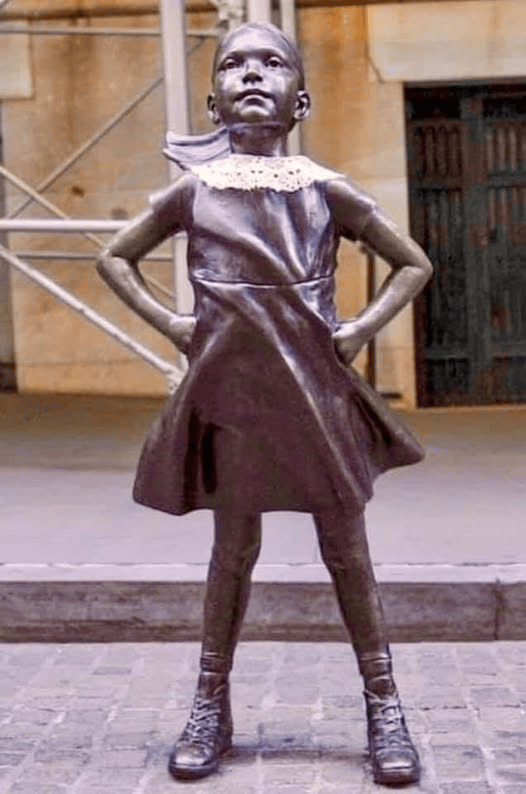
A post on Facebook introduced me this statue – that despite several trips to New York I had not seen. Fearless Girl is a sculpture Kristen Visbal installed on March 7th, 2017, in preparation for International Women’s Day. The statue was given a lace collar in respect to longtime Supreme Court Justice Ruth Bader Ginsburg following her death in September 2020.
A statue is also used to commemorate a local Canberran woman
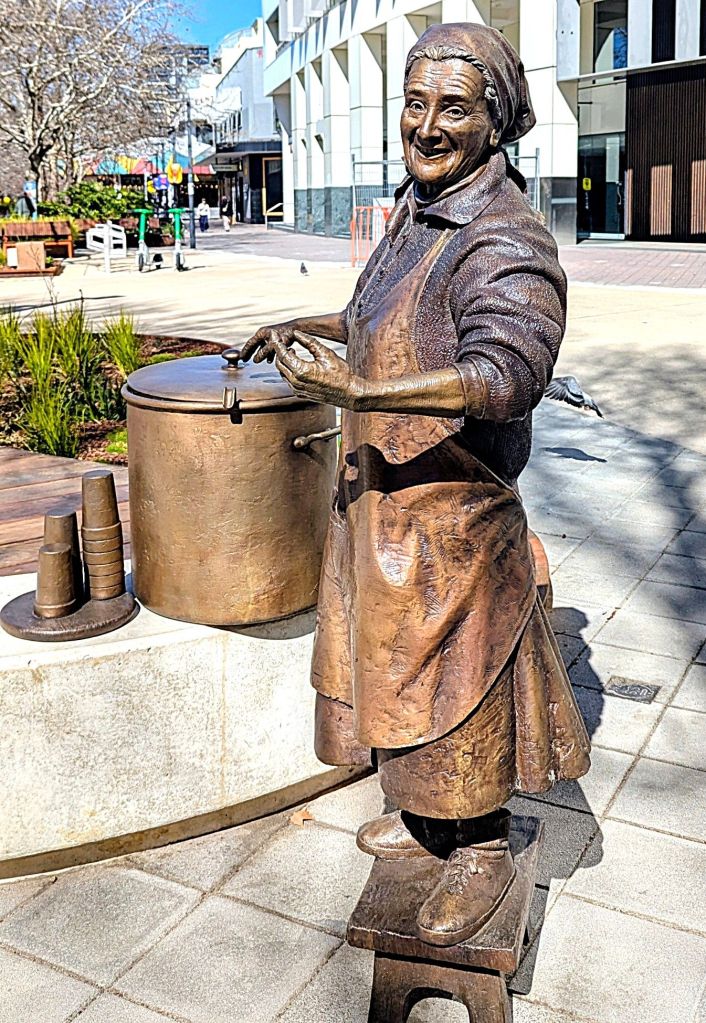
A new public artwork honouring Stasia Dabrowski OAM, Canberra’s ‘Soup Kitchen Lady’ has been installed in Garema Place.
Artist Louise Skačej was commissioned to create the work.
With her immigrant background, Louise’s art often explores themes of culture, heritage, and memory.
Canberrans may recognise Louise’s work. She collaborated with her partner and studio manager, Dean Colls, to create the thought-provoking artwork the Battle of Kapyong Diorama. This is displayed at the Australian War Memorial.
The commission is part of an ACT Government initiative to celebrate significant Canberra women through public art.
Stasia (1926–2020) ran a mobile soup kitchen from a corner of Garema Place for almost 40 years.
She fed thousands of vulnerable Canberrans and is being recognised for decades of selfless service.
The sculpture is located close to where Stasia’s original soup kitchen once stood.
It will create a permanent tribute to her extraordinary life and work.
Stasia’s legacy
Those in need of a good meal – or even just a hug – knew they could rely on Stasia.
Every Friday night between 1982 and 2018, she served homemade soup, bread and drinks to the hungry.
As well as paying for and serving the food, Stasia put in the hours preparing it.
She would babysit and clean houses to earn enough to buy the ingredients. On Thursdays, she would peel and cook 180 kilograms of vegetables to get ready for the next day.
By 2000, Stasia was providing several hundred loaves of bread and at least 100 litres of homemade vegetable soup. She would feed over 300 people each Friday night.
Stasia won numerous awards and accolades for her charity work. These included:
- 1996 Canberra Citizen of the Year
- 1999 ACT Senior Australian of the Year
- 2017 ACT Local Hero of the Year
- carrying the Olympic torch.
Stasia, however, remained humble about the work she was doing.
“I never keep photos because I am not proud… the soup kitchen is a simple thing, people cooking veggies, nothing special,” she said at the time.
Stasia continued her work until the age of 92 and passed away two years later in 2020.