This week I review Maria Teresa Hart’s Doll, a non-fiction book which encouraged me to look for linking material. Some which raises the impact that ‘appearance on demand’ has on women are: two articles Zoom and Botox, and What’s the connection between cosmetic procedures and mental health? and a book by Jocelynne A. Scutt, Beauty, Women’s Bodies and the Law Performances in Plastic.
Thank you, NetGalley, for providing me with this uncorrected proof for review.
Doll is yet another fascinating title in the Bloomsbury Academic series, Object Lessons. Initially I was disappointed, the large section on Barbie seemed to me to be going over old ground. On the other hand, I must acknowledge that she has had such an impact she could not be ignored. Perhaps a more streamlined account of this phenomenon? My perseverance in reading on was rewarded as Maria Teresa Hart then opened up new aspects of dolls other than Barbie through her detailed information about other dolls – old and new productions, their political implications for girls and women, the waning of direct political aspects associated with various iterations of the same doll and the variety of dolls available in various markets over time, and in different cultural environments. Books: Reviews
Commentary after the Covid Report: Zoom and Botox, which was first posted in a very early blog, when working from home and zoom meetings were so important in dealing with the pandemic; the article What’s the connection between cosmetic procedures and mental health? and Jocelynne Scutt’s book, Beauty, Women’s Bodies and the Law Performances in Plastic as well as the article about the increase in people seeking cosmetic enhancements because of the use of zoom etc. during the Covid pandemic. More information will be provided on this enlightening and disturbing book in a future post. Another article relates to American politics and is Mika Brzezinski’s attempt to introduce decency into the Republican Party’s response to Speaker of the House, Nancy Pelosi’s decision to retire from that position. There is a short comment on the election of the Labor Party for its third term in Victoria.
The news this week is worrying, as not only case numbers have risen, but unlike last week, people are in hospital. One is in ICU and one is ventilated. The new case numbers are 1,757; and 34 people are hospitalised with Covid.
An active case in hospital is a patient who has teste positive to COVID-19 requiring COOVID-19 specific precautions due to their infectious status.
Zoom and Botox
The New Daily reports that ‘Zoom calls have Australians rushing for cosmetic surgery’. Evidently the demand for cosmetic surgery has tripled during Covid lockdown as ‘we are seeing ourselves from a completely different angle for hours a day. As a result more wrinkles, more unattractive angles and perceived flaws are coming to our notice.
Sales of beauty products have increased. There is more cosmetic work on teeth being investigated by those unhappy with their smiles.
Oh dear, and here am I informing people about zoom talks, and being involved in them myself. And, yes. I slap on make up at 9.00pm to join the talks. One useful product of seeing myself is that I realise I am touching my face all the time, so am even more committed to sanitising while out and about. Perhaps others take this more pedestrian, and useful, approach too – but the New Daily is probably less interested in this undramatic result of zoom. Originally posted the week beginning October 14 2020.
Beauty, Women’s Bodies and the Law Performances in Plastic Jocelynne A. Scutt
1 Introduction—The Body Plastic 1 1 Brain & Body, Brain vs Body 1 2 The Body Perfect/Imperfect 5 3 The Body as Image 11 4 My Body, Your Opinion 16 5 The Body as ‘I’ 20 2 The Body Beneath the Knife 29 1 The Body in the Beauty Parlour 30 2 The Body on the Operating Table 42 3 The Criminal Body and the Body in Crime 58 4 The Criminal, the Civil and the Role of the Law 66 3 Above the Shoulder Blades 79 1 Her Crowning Glory 79 2 Oh! My Face … a Retroussé Nose & Pinned Ears 88 3 Around the Eyes & Rounded Eyes … 97 4 For Bee-Stung Lips, Whiter-Than-White Teeth, Receding Chins & Measures Under the Neck 102 5 Plastic Faces or ‘The New Normal’? 109
4 All Above the Waist 119 1 Over and Above the Bosom 120 2 Bust, Bosom, Breasts … 134 3 Reclaiming Our Bodies, Our Selves—Beginning with Breasts & Chests 150 5 Below the Belt and Under the Waist … 165 1 Muffin Top Madness 165 2 Around the Fatty Abdomen 171 3 Within the Fatty Abdomen 180 4 What Lies Beneath … 187 5 Bad Body Hair … Comes Good? 198 6 Our Rounded Bits … 211 1 Rounding Up vs Rounding Down 212 2 The Bottom as Bustle … 219 3 Bottoms, Hips, Thighs … 222 4 Exposing My Midriff or Where Are My Abs? 232 5 Suction Up, Suction Down 236 7 Extremities: From the Tips of Her Fingers to the Tips of Her Toes 249 1 The Moons of My Nails, O’er My Elegant Hands … 249 2 Upon Raising Her Arms to the Sky 257 3 From My Elbows to the Bush Within My Armpits 262 4 Legs, Knees, Ankles & Feet … 269 5 Feet, Ankles, Knees & Legs … 274 6 To the Tips of Her Toes— 279 7 Fingers, Hands, Nails, Toes—The Extremities That Count 283
8 Conclusion: Beyond the Body … 297 1 Recovering the Body … 298 2 My Body, My Self— 307 Bibliography 325 Index
What’s the connection between cosmetic procedures and mental health?
Published: November 15, 2022 6.00am AEDT
Although we cannot be sure of the exact numbers of Australians undergoing cosmetic procedures, as there is no requirement for health professionals to report their statistics, there is a consensus demand is on the rise.
In 2015, the Cosmetic Physicians College of Australasia found Australians were spending more than $1 billion a year on non-invasive cosmetic procedures like Botox and fillers. This is more than 40% higher, per capita, than in the United States.
In the US, where procedure statistics are reported, there was a 42% increase in the number of filler procedures and a 40% increase in Botox procedures performed in the last year alone.
Rates of mental health issues in this group may be higher than the general population, but seemingly not enough is being done to ensure the psychological safety of people requesting cosmetic procedures.
Body dysmorphic disorder
Body image concerns are generally the main motivator for seeking cosmetic procedures of all kinds. These concerns are usually focused on the body part where the cosmetic intervention is sought, such as the nose for a rhinoplasty.
Severe body image concerns are a key feature of several mental health conditions. The most prevalent in people seeking cosmetic procedures is body dysmorphic disorder. In the general community, around 1-3% of people will experience body dysmorphic disorder, but in populations seeking cosmetic surgery, this rises to 16-23%.
Rates of body dysmorphic disorder are much higher in populations seeking cosmetic surgery. philippe spitalier/unsplash, CC BY
Body dysmorphic disorder involves a preoccupation or obsession with one or more perceived flaws in physical appearance which are not visible or seem minor to other people. In response to the distress regarding the flaw, the person with body dysmorphic disorder will perform repetitive behaviours (such as excessively checking body parts in the mirror) and mental acts (such as comparing their appearance with other people).
These concerns can have a significant negative impact on the person’s daily life, with some people too distressed to leave their home or even eat dinner with family members out of fear of being seen by others.
With the distress associated with body dysmorphic disorder seemingly stemming from physical appearance issues, it makes sense someone with body dysmorphic disorder is far more likely to turn up at a cosmetic clinic for treatment than a mental health clinic.
The problem is, cosmetic intervention usually makes the person with body dysmorphic disorder feel the same or worse after the procedure. They may become even more preoccupied with the perceived flaw and seek further cosmetic procedures.
Patients with body dysmorphic disorder are also more likely to take legal action against their treating cosmetic practitioner after believing they have not received the result they wanted.
For these reasons, body dysmorphic disorder is generally considered by health professionals to be a “red flag” or contraindication (a reason not to undergo a medical procedure) for cosmetic procedures.
However, this is not entirely clear-cut. Some studies have shown people with body dysmorphic disorder can improve their symptoms after cosmetic intervention, but the obsession may just move to another body part and the body dysmorphic disorder diagnosis remain.
What about other mental health conditions?
Body dysmorphic disorder is by far the most well-studied disorder in this area, but is not the only mental health condition that may be associated with poorer outcomes from cosmetic procedures.
Recent studies have found rates of mental illness are higher among cosmetic patients. philippe spitalier/unsplash, CC BY
According to a recent systematic review, the rates of depression (5-26%), anxiety (11-22%) and personality disorders (0-53%) in people seeking cosmetic surgery may be higher than the general population (which are estimated to be 10%, 16% and 12% respectively).
However, these rates should be interpreted with some caution as they depend greatly on how the mental health diagnosis was made – clinician-led interview (higher rates) versus mental health questionnaire (lower rates). Some interview approaches can suggest higher rates of mental health issues as they may be quite unstructured and thus have questionable validity compared with highly structured questionnaires.
Besides body dysmorphic disorder, the research investigating other mental health conditions is limited. This may just be due to the fact body image focus is at the core of body dysmorphic disorder, which makes it a logical focus for cosmetic surgery research compared with other types of psychiatric disorders.
So what should happen?
Ideally, all cosmetic surgeons and practitioners should receive sufficient training to enable them to conduct a brief routine assessment of all prospective patients. Those with signs indicating they are unlikely to derive psychological benefit from the procedure should undergo a further assessment by a mental health professional before undergoing the procedure.
This could include an in-depth clinical interview about motivations for the procedure, and completing a range of standard mental health questionnaires.
If a person was found to have a mental health issue in the assessment process, it does not necessarily mean the mental health professional would recommend against pursuing the procedure. They may suggest a course of psychological therapy to address the issue of concern and then undergo the cosmetic procedure.
At the moment, assessments are only recommended rather than mandated for cosmetic surgery (and not at all for injectables like Botox and fillers). The guidelines say evaluation should be undertaken if there are signs the patient has “significant underlying psychological problems”.
This means we are relying on the cosmetic medical practitioner being capable of detecting such issues when they may have received only basic psychological training at medical school, and when their business may possibly benefit from not attending to such diagnoses.
An August 2022 independent review by the Australian Health Practitioner Regulation Agency and the Medical Board of Australia recommended the guidelines around mental health assessment should be “strengthened” and emphasised the importance of medical practitioners receiving more training in the detection of psychiatric disorders.
Ultimately, as cosmetic practitioners are treating patients who are seeking treatment for psychological rather than medical reasons, they must have the wellbeing of the patient front-of-mind, both out of professional integrity and to protect themselves from legal action. Mandatory evaluation of all patients seeking any kind of cosmetic procedure would likely improve patient satisfaction overall.
If this article has raised issues for you, or if you’re concerned about someone you know, visit the Butterfly Foundation.
Victoria Election 2022
From starring in Strictly Ballroom (1992) to winning a seat from the Liberals in 2022 – Paul Mecurio, new Labor Member for Hastings. A thrilling win – well it seemed so on the night, when it and several other seats were called by Anthony Green as won. Unfortunately, he did not account for the huge number of prepoll votes that could impact on those “wins”. Although Paul Mecurio is fighting back in Hastings, some of the other “wins” became losses. Rather a shameful coverage, and out of character for the usually cautious Green. By the end of the night, it was clear that Dan Andrews had won a third term, and that was cause for much celebration.
Mika Brzezinski – Nancy Pelosi steps down from the Speakership
Morning Joe on MNSBC is an enlightening and robust source of information, commentary and fun. There is also a great deal of discussion about sport, but Mika rolls her eyes on that side of the television set, and I roll mine on my side and look at my phone.Joe Scarborough, former Republican Member of Congress usually takes the floor. But when Mika Brzezinski does on occasion her contribution is as heartfelt.
Who raised you?’: Kevin McCarthy shamed by MSNBC’s Mika for ‘disgusting’ treatment of Pelosi
The GOP leader was noticeably missing — as were the majority of the House Republicans — when Pelosi gave her emotional speech, with many of them holding their own mini-press conferences to announce their own plans to be a thorn in the side of President Joe Biden’s administration.
Asked why he didn’t attend the speech, McCarthy offered up, “I had meetings. But normally the others would do it during votes. I wish she could have done that — could have been there.”
As the MSNBC host noted, Senate Minority Leader Mitch McConnell (R-KY) issued a statement praising Pelosi despite their differences — something McCarthy apparently couldn’t bring himself to do since he is at the mercy of the far-right members of his caucus if he wants to replace his fellow Californian as the new Speaker.
That led to a diatribe aimed at McCarthy by Brzezinski.
“First woman to serve as Speaker, an amazing career, a mother of five, and by the way, her husband was just attacked as a result of political violence,” the MSNBC host recited. “This would have been the moment to step up and show some grace.”
“Who raised you?” she snapped. “Who raised these people? I’m sorry, who raised you? Who raised you, Kevin McCarthy, who raised you, Republicans in the House.”
“Seriously. Try and imitate somebody with just an ounce of grace, try and make your mother proud for one second,” she continued. “It’s disgusting, it’s disappointing and not to me. You’re the one who has to look in the mirror every day.”
Addition – Bob McMullan Victorian Election Prospects
Steve Baltin Anthems We Love 29 Iconic Artists on the Hit Songs That Shaped Our LivesHarper Horizon 2022.
Thank you, NetGalley, for providing me with this uncorrected proof for review.
What a tremendous adventure this book provides, down memory lane, into meeting new (for me) artists and songs and gaining an understanding of the work, the artists, the inspiration for some of the material, the role honouring the originator of such inspiration plays in their progress, and the productions in which some of the songs are used. Steve Baltin includes enlightening interviews with the artists and some of the people who used the songs for productions, as well as commentary of his own. There is a great deal of interesting material about covers of the songs that Baltin has designated as anthems. These discussions are as fascinating as the songs that have been chosen and Baltin’s reasons for his choices. Books: Reviews
Music and song charts, and the political use of songs has been a focus of stories this week. Below is a list of ‘the best songs ever’, only two of which are featured in Anthems We Love 29 Iconic Artists on the Hit Songs That Shaped Our Lives. Their authors suggest that they are measuring something different. Both come with explanations for the choices. Both acknowledge that an audience might disagree. The other story is political and highlights the way in which individuals and movements commandeer songs to suit their purpose – which may be anathema to the writer of the song. Tom Petty has taken the dreadful election denier and Trump acolyte to task for using his, I Won’t Back Down for her refusal to acknowledge that she lost her fight to be Governor of Arizona – Katy Hobbs’ (Democrat) win was celebrated in last week’s blog.
After the Covid report – New addition – Victorian Election Prospects, Bob McMullan; The Best Songs Ever Written; political use of a song refused; Nancy Pelosi steps down; Heather Cox Richardson – Biden, Midterms, Russia.
New covid cases this week number 1,449 – another wave for the ACT with increases in case numbers expected over the next few weeks. No changes to public health restrictions have been imposed at this time. However, there is a mask recommendation in indoor spaces where it is difficult to maintain physical distancing. There are no people with Covid hospitalised.
Victorian Election Prospects– Bob McMullan
It is very difficult to get a clear picture of what is likely to happen in the Victorian election on Saturday.
A poll in the Age taken approximately four weeks ago suggested Labor retained a large lead. The accompanying article in the Conversation by Adrian Beaumont suggested that “the polls continue to indicate a landslide victory for Labor.” Beaumont however did draw attention to an apparent drop in Labor’s primary vote.
Despite this evidence, a widespread belief that the election will be closer than this recent polling predicts appears to be taking hold.
There appears to be three sources of this growing uncertainty, the possibility of a wave of Teal independents and Greens, the prospect of other independents winning traditional Labor seats in the outer suburbs and an impression of growing dissatisfaction with the long-serving Premier, Dan Andrews.
Will the Teal candidates do as well as their federal counterparts? I think not. There are some of the same factors at play but at least one significant difference. There is evidence of disillusionment with the major parties, and integrity issues are re-enforcing this trend. In addition, there is the heightened interest in Independent candidates now that voters have seen that such candidates can have a realistic chance of winning. Success breeds success.
However, there is one significant driver of votes for the Teals which is missing this time. Scott Morrison! Many Liberal voters found the idea of re-electing him too much to stomach.
On balance, such Independent candidates have a chance of winning some previously Liberal held seats, but I don’t expect their numbers to be comparable with the federal election.
It will be difficult for the Labor Party to resist the pressure from the Greens in inner-city electorates. When such voters are confident of a Labor victory there is a tendency to focus on the type of Labor government rather than focusing on being sure Labor has a majority. This is similar to the challenge the Hawke Labor government faced in 1984. It is very difficult to combat.
Long-term governments tend to face such problems in their otherwise safe seats. This appears to be driving a growing interest in Independent candidates in seats like Melton.
It is possible that a number of seats will come under pressure from such independent candidates, although it is hard to see very many of them actually winning. However, one or two seats lost like this can be the difference between majority and minority government.
The basis of the emerging view that Dan Andrews is a drag on the Labor vote is difficult to pin down. Most of the leaked polling data which appears to suggest this is partisan polling and must be considered suspect. However, almost every long-term leader faces dissatisfaction, particularly after the challenges of COVID during this term. And it does seem clear that Andrews is a polarizing figure.
A recent attempt to tie the possible result to the Kennett loss to Steve Bracks seems a little far-fetched. Dan Andrews may be comparable to Jeff Kennett, although that is open to debate, but Matthew Guy is no Steve Bracks!
The most recent polling at the time of writing is in the Age of Tuesday. This shows the ALP ahead 53/47 and tied on first preference votes. This is certainly a comedown from the extraordinary lead the ALP had in their last poll and may show a real swing away from Labor, but not apparently to the Liberals.
This does raise the possibility of a minority labor government. It would take an unusual series of coincidences in inner-city, outer-suburban and regional seats to push Labor into minority with the lead they currently appear to have. After all, 53/47 is the same result as Anastacia Palaszczuk achieved in her comprehensive 2020 win in Queensland.
It seems some people want to promote controversy to sell newspapers.
Nevertheless, the tightening in the polls, the rise of various types of Independents and the threat from the Greens will make for an interesting result on Saturday.
The most likely result is the return of a majority Labor government, with a minority labor government as the second most likely. It is extremely difficult to see a path to victory for the Liberals.
However, it is all in the voters’ hands now.
Songs that people say are the best ever written EDUARDO GASKELL 10.07.22
Ask anyone what the best song is and you’ll probably disagree with them. Discuss it in a group and it will fast become a hot debate. Still, it’s hard to argue when magazines label songs as some of the best of all time.
1. ‘Gimme Shelter’ — The Rolling Stones
2. ‘One’ — U2
3. ‘No Woman, No Cry’ — Bob Marley
4. ‘You’ve Lost That Lovin’ Feeling’ — The Righteous Brothers
5. ‘Sympathy For The Devil’ — The Rolling Stones
6. ‘I Walk The Line’ — Johnny Cash
7. ‘River Deep, Mountain High’ — Ike and Tina Turner
8. ‘Help!’ — The Beatles
9. ‘People Get Ready’ — The Impressions
10. ‘In My Life’ — The Beatles
11. ‘Layla’ — Derek And The Dominos
12. ‘(Sittin’ On) The Dock Of The Bay’ — Otis Redding
13. ‘Let It Be’ — The Beatles
14. ‘Baba O’Riley’ — The Who
15. ‘Be My Baby’ — The Ronettes
16. ‘Born To Run’ — Bruce Springsteen
17. ‘Behind Blue Eyes’ — The Who
18. ‘La Bamba’ — Ritchie Valens
19. ‘Hound Dog’ — Elvis Presley
20. ‘Rock Around The Clock’ — Bill Haley And The Comets
Songs on both lists: 32. ‘Light My Fire’ — The Doors; 40. ‘God Only Knows’ — The Beach Boys.
Rolling Stone
Kari Lake Hit With Cease and Desist Over Tom Petty’s ‘I Won’t Back Down’
Petty’s publisher called Lake’s use of the song “an insult to Tom’s memory, his lyrics and music, and the tens of millions of fans who cherish his legacy”
WIXEN MUSIC PUBLISHING, the music publisher for Tom Petty, hit Kari Lake with a Cease and Desist letter on Friday over her use of Petty’s hit song “I Won’t Back Down.” The letter, obtained by Rolling Stone, comes after the Republican Arizona gubernatorial candidate who lost to Katie Hobbs this week faced backlash from Petty’s estate for using the track.
As Lake’s use of Petty’s song suggests, she is currently refusing to concede the governor’s race, instead insinuating that voter fraud cost her the election. Earlier this week, she posted a video featuring the song on her social media accounts, but by Friday, it appeared to be removed on all platforms. Tom Petty’s estate condemned Lake’s use of the song on Thursday, noting it was exploring legal actions to get her to stop.
By Friday evening, Wixen sent the letter to Lake’s campaign, noting that the use of the song “conveys the false implication that the claimants endorse” her, a notion Wixen called “revolting.”
“Tom sang ‘I Won’t Back Down’ at the America: A Tribute to Heroes benefit for concert for the victims of 9/11 attack. Not backing down to hatred violence and an attack on our democracy,” Wixen wrote. “The opposite of what you stand for. Using this song to promote your warped values is not only illegal as outlined above, but an insult to Tom’s memory, his lyrics and music, and the tens of millions of fans who cherish his legacy.”
Nancy Pelosi has done something that is fundamental to a democracy’s capacity to sustain and regenerate itself — she gave up power.
After two decades at the top of her party, the House speaker announced Thursday that she will not stand for leader when Democrats head into the minority next year, saying it is time for a new generation to take over. Managing a departure can be as hard for politicians as the long climb to the pinnacle of power. Letting go when people think you should stay — neither President Joe Biden nor Senate Majority Leader Chuck Schumer wanted Pelosi to quit — requires a special kind of self-awareness. The veteran Democrat probably could have won the leadership yet again. Given Republican’s slim majority in the House, there’s even a chance she could have spent the next two years plotting a 2024 election win and a third spell as speaker.
Pelosi is 82, and still dealing with the brutal assault on her husband Paul last month. And while she’s an icon in her party, there have long been grumblings that the aged Democratic House leadership (her lieutenants Reps. Steny Hoyer and James Clyburn are also octogenarians) is holding back younger leaders and harming the party’s efforts to engage younger voters. Pelosi’s graceful exit is in the finest tradition of politicians who step away, epitomized in the United States by the first President George Washington’s decision not to seek a third term. It also contrasts sharply with the behavior of Pelosi’s most bitter foe, former President Donald Trump, who incited an insurrection in 2021 because he did not want to leave.
It will also stir a debate about whether the United States is, or should be, at the end of a political era and the current crop of politicians need to move on. The idea of torches being passed to a new generation has been a powerful motivating force in US politics and helped animate the rise of presidents like John Kennedy, Bill Clinton and Barack Obama. Yet lately, something unusual has happened — responsibility has been passed back to an older generation.
In the Senate — where lawmakers often go on until they drop and power is rooted in seniority that takes decades to build, youth is a relative concept. Republican minority leader Mitch McConnell, 80, has just defeated an effort by a younger senator, Rick Scott, 69, to topple him. The Senate Democratic Majority Leader Chuck Schumer is meanwhile a mere slip of a lad at 71.
On Sunday, America will experience an unprecedented moment — a sitting president turning 80 years old. But Biden is giving every sign that he will run for reelection in two years, especially if his opponent is Trump, 76. If Republican primary voters opt for someone else however — like 44-year-old Florida Gov. Ron DeSantis, the tableau of a president taking on a Republican rival who is effectively half his age could be a politically challenging one for Biden.
Heather Cox Richardson
Mid Terms, Russia, Biden
November 14, 2022 (Monday)
The contours of last Tuesday’s midterm election continue to come into focus. They are good, indeed, for the Democrats and Democratic president Joe Biden. Foremost is that the Democrats have not lost a Senate seat and could well pick one up after the December 6 runoff election between Georgia senator Rafael Warnock and Republican challenger Herschel Walker.
Those results are strong. According to Axios senior political correspondent Josh Kraushaar, only in 1934, under Democratic president Franklin D. Roosevelt; 1962, under Democratic president John F. Kennedy; and 2002, under Republican president George W. Bush and just after the 9/11 attacks, has a president’s party not lost a Senate seat in the midterms and lost fewer than 10 House seats. Since World War II, midterms have cost the party in power an average of 28 seats.
Democrats also did well in state governments, picking up some state governorships—including Arizona’s tonight, as Democrat Katie Hobbs is projected to have beaten Trump-backed Republican election denier Kari Lake—and taking control in some legislative chambers, although again, it’s not clear yet how many. They also denied the Republicans veto-proof supermajorities in others.
Also crucial was the defeat of election deniers, who backed Trump’s false allegations that he won the 2020 election, in six key elections where those folks would have been in charge of certifying ballots for their states in the future. In Michigan, Arizona, Nevada, and New Mexico, voters rejected election deniers running to become secretary of state. Indiana voters elected as secretary of state election denier Diego Morales, who has been mired in scandal, securing Republican control of the state.
In Nevada, Republican Jim Marchant was personally recruited by Trump’s people to run for secretary of state, and they asked him to put together a group of those who thought like him across the nation. At a Trump rally in October, Marchant promised voters that “[w]hen my coalition of secretary of state candidates around the country get elected, we’re going to fix the whole country, and President Trump is going to be president again in 2024.”
Instead, voters chose Democrat Cisco Aguilar, who told Nick Corasaniti of the New York Times: “People are tired of chaos…. They want stability; they want normalcy; they want somebody who’s going to be an adult and make decisions that are fair, transparent, and in the best interest of all Nevadans.”
While many of us have been focusing on events here at home, the outcome of the election had huge implications for foreign policy. As today’s column by conservative columnist Max Boot of the Washington Post notes, “Republicans lost the election—and so did [Russian president Vladimir] Putin, MBS [Saudi crown prince Mohammed bin Salman], and [former/incoming Israeli prime minister Benjamin] Netanyahu.”
Autocrats and hard-right leaders liked Trump at the head of the U.S. government, for he was far more inclined to operate transactionally on the basis of financial benefits, while Biden and his secretary of state, Antony Blinken, have advanced a foreign policy based on democratic values. Leaders like MBS have ignored Biden or denigrated him, expecting that a reelected Trump in 2024 would revert to the system they preferred. Now those calculations have hit a snag.
Indeed, Russia put its bots and trolls back to work before the election to weaken Biden in the hope that a Republican Congress would cut aid to Ukraine, as Republican leaders had suggested they would. The Russian army is in terrible trouble in Ukraine, and its best bet for a lift is for the international coalition the U.S. anchors to fall apart. Russian propagandists suggested that Putin suppressed news that the Russians were withdrawing from the Ukrainian city of Kherson until after the election to avoid giving the Democrats a boost in the polls.
Today, Secretary of State Blinken announced more sanctions against Russian companies and individuals, in Russia and abroad, “to disrupt Russia’s military supply chains and impose high costs on President Putin’s enablers.” Director of the CIA William Burns met recently in Turkey with his Russian counterpart to convey “a message on the consequences of the use of nuclear weapons” and “the risks of escalation,” but said the U.S. is firmly behind “our fundamental principle: nothing about Ukraine without Ukraine.”
Also today, the General Assembly of the United Nations approved a resolution saying that Russia’s invasion of Ukraine violated international law and that Russia must pay war reparations. In Germany and Poland, the governments separately announced they were taking over natural gas companies that had been tied to Russia’s huge energy company, Gazprom, in order to guarantee energy supplies to their people.
On Friday, November 11, Biden spoke at the United Nations climate change conference in Egypt. He was the only leader of a major polluting nation to go to the meeting, and there he stressed U.S. leadership, pointing to the Inflation Reduction Act’s $370 billion investment in the U.S. shift to clean energy and other climate-positive changes. Also on Friday, his administration announced it would use the U.S. government’s buying power to push suppliers toward climate-positive positions. Protesters called attention to how little the U.S. has done for poorer countries harmed by climate change that has been caused by richer countries.
From Egypt, the president traveled to Cambodia for a meeting of the Association of Southeast Asian Nations (ASEAN), including Brunei, Cambodia, Indonesia, Laos, Malaysia, Myanmar, the Philippines, Singapore, Thailand, and Vietnam. In the past year, the U.S. has announced more than $250 million in new initiatives with ASEAN, investing especially in infrastructure in an apparent attempt to disrupt China’s dominance of the region by supporting counterweights in the region. The U.S. is now elevating the cooperation with ASEAN to a comprehensive strategic partnership to support a rules-based Indo-Pacific region, maritime cooperation, economic and technological cooperation, and sustainable development. “ASEAN is the heart of my administration’s Indo-Pacific strategy, and we continue to strengthen our commitment to work in lockstep with an empowered, unified ASEAN,” Biden said.
While in Cambodia, Biden also met with Japanese prime minister Kishida Fumio and reinforced the U.S. “ironclad commitment to the defense of Japan” after North Korea’s recent ballistic missile tests. Biden and Kishida reiterated their plan to strengthen and modernize the relationship between the U.S. and Japan to “address threats to the free and open Indo-Pacific.”
From there, Biden traveled to Bali, Indonesia, for a meeting of the G20, a forum of 19 countries and the European Union comprising countries that make up most of the nation’s largest economies.
Today the president met for more than three hours with Chinese leader Xi Jinping. The main message from the meeting was that the two countries are communicating, and while each is standing firm on its national sovereignty, each sees room to cooperate on major global issues.
Biden made it a point to say that U.S. policies toward Taiwan have not changed—a concern that created ripples of uncertainty when House speaker Nancy Pelosi visited the island nation last summer—and both he and Xi agreed that Russia should not use nuclear weapons in Ukraine. In a sign that relations are easing, Biden said that Blinken and other U.S. officials will visit China to begin working on issues of mutual interest..
Meanwhile, authorities in Iran are cracking down on the protesters there, with news of torture and now of a death sentence for one of the 15,000 protesters who have been arrested. Today, national security advisor Jake Sullivan condemned the human rights abuses inflicted on its citizens by the Iranian government and called for “accountability…through sanctions and other means.”
In Bali today, the president reminded reporters: “On my first trip overseas last year, I said that America was back—back at home, back at the table, and back to leading the world. In the year and a half that’s followed, we’ve shown exactly what that means. America is keeping its commitments. America is investing in our strength at home. America is working alongside our allies and partners to deliver real, meaningful progress around the world. And at this critical moment, no nation is better positioned to help build the future we want than the United States of America.”
Heather Cox Richardson is a political historian who uses facts and history to put the news in context.
Amanda DuBois Deliver Them from Evil Girl Friday Books 2022.
Thank you NetGalley for providing me with this uncorrected proof for review.
This is the second Camille Delaney Mystery that Amanda DuBois has written, and that I have read. I looked forward to seeing where Camile Delaney would go, after having left her well-paying position in a prestigious legal firm and setting up for herself in far less attractive conditions. In this novel, she remains independent, worrying about her income, and dealing with another medical legal case.
DuBois’ background as a nurse, and then lawyer brings special qualities to the novel, both of which add to the information that she brings to the case. The reader is also advantaged by this inside look at the medical and legal systems about which DuBois writes. I found this information worthwhile – an excellent addition to the plot, and engagingly written. Where I found the detail somewhat tedious is in the plethora of information about less interesting topics, and where it seemed entirely unnecessary. As I noted in my previous review, I found this an issue in the first novel, making the narrative move too slowly and demonstrating a lack of selectivity about what might contribute to the story. See Books: Reviews for the complete review.
After the Covid Report: US Mid Term Elections – no serious discussion, I just enjoyed the results; Betsy Cornwall writing about a reaction to Jane Eyre; Agatha Christie’s Artefacts, Dennis Altman; comments on Agatha Christie’s racism and sexism from Further Commentary and Articles about Authors and Books*; Trump announces that he will run for President in 2024.
There were 1,194 new cases of Covid this week. Fifty-two people with Covid are in hospital, with none in ICU or ventilated. One life was lost this week, bringing the total of lives lost to Covid in the ACT to 129 since March 2022.
US Mid Term Elections
Senate control won by Democrats. The Democratic leader, Chuck Schumer learned of this 2022 win while eating out. The restaurant customers cheered. In stark contrast, he learnt of the Georgia runoff win in 2020 on January 6th, while trapped in the Capitol overrun by insurrectionists.
Oh dear – all GOP Canidates who refused to say whether they would have certified President Biden’s win in 2020 in their state seem to have lost!
I have always found Jane Eyre a really disturbing and unappealing book – if you have too, the following offers an explanation.
Why Does Society Insist that Women Forgive Their Male Abusers?
Betsy Cornwell on writing her Jane Eyre-inspired revenge narrative “Reader, I Murdered Him” in the wake of the Brett Kavanaugh hearings
Poster for the 1921 film Jane Eyre by Hugo Ballin Productions / W.W. Hodkinson.
Betsy Cornwell has made a name for herself in feminist retellings of fairy tales for a YA audience, but during the Brett Kavanaugh hearings in 2018, Cornwell found herself drawn away from her usual high fantasy adventures to an idea she had five years ago: a revenge narrative, centered on Adele, the orphaned French ward of Mr. Rochester in Jane Eyre.
In her novel Reader, I Murdered Him, Adele becomes a teenaged vigilante roaming the streets of London to keep her friends at boarding school safe, and to take revenge against their abusers.
“I really started writing it in the aftermath of experiencing domestic violence in my own marriage,” Cornwell told me, over Zoom. “It was really cathartic for me to have a darker story that was engaging in a visceral way with rejecting violence, and also embracing it through revenge.”
I chatted with Cornwell over Zoom about revenge narratives, the societal insistence on female forgiveness of male violence, whisper networks, the resurgence of Gothic novels, and more.
Elyse Martin: Let’s get started with revenge narratives. Why apply one to Jane Eyre?
Betsy Cornwell: My mother first read Jane Eyre to me when I was about ten-years-old and I think she chose it for me because she thought I would relate to Jane, but I was most drawn to Bertha, the wife in the attic. It was a terrifying story to me. My father was quite abusive towards me, so I think I recognized a lot of those resonances about dark secrets about women who are being abused and restricted. I have a lot of friends who I love and respect, for whom Mr. Rochester was part of their romantic awakening, but for me, he’s always been a figure of horror.
BC: I didn’t want my protagonist’s strength to be read as coming from an experience of violence or sexual violence, because when you do see female characters whose arcs are focused on revenge, it is often as response to specific trauma. I think that women—and I see this happening a lot now—we feel this righteous anger, this really deep longing to defend or avenge other women. It was important to me that Adele grows up witnessing a lot of injustice and mistreatment of women, but there isn’t a big crisis event that happens to her personally. It’s just that she’s just growing up in this world in which women are mistreated.
EM: With revenge narratives, there’s a pretty standard conclusion, a repeated moral, that revenge takes a greater toll on the injured party than the one who caused the original injury. But you subvert this.
BC: I think that ties into it being a female main character, and I mean, I’m not saying that murder is positive. But this is a fictional story and so we’re working with murder as a metaphor and revenge as a metaphor. I think for women, and especially for young women who have experienced injustice or violence—and speaking for myself as a survivor of sexual abuse and a survivor of domestic violence—there is a real message that any sort of active work to get justice for yourself is selfish.
I was thinking a lot about the Stanford sexual assault, and I read Chanel Miller’s wonderful memoir, Know My Name, and how the act of holding people accountable is seen as this nasty vengeful woman trope, even when that’s not what’s going on at all. For young women reading this story who exist in the real world—I’m not trying to tell them to murder anyone, obviously—, but I think that on a metaphorical level, there can be something cathartic about seeking justice, which in this fictional context is equated with seeking vengeance. For me, some of the most empowering moments of my life were when I demanded accountability from my abusers.
EM: There’s this other truth endemic to our society, which is not just that if you seek justice for an act of violence that is perpetrated against you as a woman that’s selfish, but that it’s a woman’s place to either make light of the violence or forgive a man specifically for the violence committed against her.
BC: There’s a lot of big talk about forgiveness, especially for women. I have found that the process of telling the truth about what’s happened to me has been the catalyst for being able to find forgiveness. That forgiveness is about me coming to terms with what happened. In order for me to let go of the rage and fear that I felt about the abuses that I’ve experienced, I needed to ask for accountability. I needed to put up boundaries with the people who hurt me, to come to a place where I can start to feel genuine forgiveness about it. I think asking for forgiveness without asking for accountability is completely hollow and putting all the onus on the incorrect party in that situation. I hope that this will be a cathartic reading experience for people who long for some kind of satisfaction. Maybe satisfaction is the wrong word. But I found it cathartic to write a character and a situation where she was very actively demanding that justice be done.
EM: You do a lot of work with silence, too. When Adele and one of her friends are victims of violence at a ball, the dominant response is just, “We’re not going to talk about it.”
TAKE A BREAK FROM THE NEWS
We publish your favorite authors—even the ones you haven’t read yet. Get new fiction, essays, and poetry delivered to your inbox.SUBMIT
For women who have experienced injustice or violence, there is a real message that any sort of active work to get justice for yourself is selfish.
BC: As someone who lives in a different country than I grew up in—an experience that I share with Adele—there are different cultural norms about the things that we do and don’t talk about. That was something that I wanted her to be thinking about.
And one of the beautiful things about Gothic literature is that it’s an outlet for talking about taboo topics. Jane Eyre is a beautiful example of that, with darker themes about insanity and women’s empowerment and lack thereof and even domestic violence. Adele’s secret identity, and the more overtly violent things that she does are happening in the shadows around this much more proper daytime world that she lives in, of this London finishing school, and that’s a response to what Gothic literature does. If Adele and her peers can’t speak openly about their experiences, what are the ways that their reactions come out? If they could have had an open dialogue about this, maybe they wouldn’t have had to resort to violence.
EM: Do you think we’re seeing renewed interest in Gothic literature as a genre because we are confronting something that is taboo and unspoken of in our society through #MeToo?
BC: Yeah. I think that’s always been a huge part of what’s been so compelling about the Gothic. It really excites me that there’s a resurgence of it. I love working with it, and as someone who’s very squeamish when it comes to straight up horror, I love the Gothic because it addresses these dark themes sideways, so we get to have a subtler language for talking about things. I keep coming back to the word catharsis. I think you can find catharsis through these stories that are addressing themes about dark family secrets that people still struggle to be open about, even in our supposedly enlightened age. Gothic literature is a women’s genre. Some of the canonical texts are by women, like Jane Eyre, and it has been a way for women to speak about the darker aspects of their experience, when for many reasons we’re unable to do so directly.
EM: You also write a lot about the standard defenses women have against male abuses of power. You show them being something that people rely on, and that people are extending to each other as a gesture of goodwill, like whisper networks, or the power to have a female community to watch your back or bodily insert themselves into moments of danger.
BC: That comes from personal experience. My local domestic violence center and a support group of single mothers saved my life during the transition out of my marriage. I am still involved in that group. Having this experience in common and having a protected space where we can speak openly about these things that we might not be able to talk about… it’s risky elsewhere. Even in the court systems. It can be unwise to speak in too much detail about domestic violence when you are a parent because there’s a fear that a judge will consider it trying to alienate your child from your ex-partner if you focus on their abuse of you.
There are all these situations in which you’d think that you’d be able to be honest about these things, but there are very practical, survival based reasons, or family based reasons why you might not be able to.
The week that I sold the book to my editor was the same week as the Brett Kavanaugh hearings were happening. My editor and I are both feeling very angry about it, in the wake of the #MeToo movement, and asking, “What are the ways that women—or that really that anyone—can protect each other, from abusers? When for those very practical, survival-based reasons, we can’t just bring it to light?” I think it’s remarkable the ways in which women have been able to work within these constraints that we have to live in to survive and still try to help keep each other safe.
EM: Can you tell me more about working on this book in the wake of the Brett Kavanaugh hearings?
Asking for forgiveness without asking for accountability is completely hollow and putting all the onus on the incorrect party in that situation.
BC: Like a lot of people, I had a hard time watching them because I just got so angry. I had this immediate visceral recognition. I am from a privileged white background and grew up in a WASPy New England culture and went to private schools, and I knew a lot of young men who had similar reasoning as to why they crossed boundaries with women.
The young men in Reader, IMurdered Him who the girls meet are eligible bachelors in English society, who are extremely privileged and extremely entitled and don’t think that much about how the things that they do have huge traumatic impacts on their victims. There’s a truism here in Ireland that “the axe forgets but the tree remembers.” An act of violence, or sexual violence in particular, might not be at all memorable to the perpetrator, if it’s something that they feel entitled to. It might be just a normal day for them, and so they might not remember it in a few decades time. So, what are the things that Mr. Rochester does that he wouldn’t think twice about, but that Adele finds disturbing over a long period of time?
EM: I thought that was really interesting, because Rochester is known for going into very elaborate, fantasy-laden monologues.
BC: Rochester is always constructing a narrative for himself. That’s something that abusers are really good at, telling a story in which they are the hero. I admire Jane Eyre so much but every time I read it, I’m struck by the degree to which Rochester is narrating his own life and reconstructing it. The ability to construct a particular narrative about your own life and believe it can lead to an intense self-righteousness. The way that Mr. Rochester excuses the things that he does, and makes these very strange choices, like—I was always fascinated by the episode in which he dresses up as a female fortune teller. I was interested in that from a gender perspective, obviously, and an ethnic perspective as well. There’s interesting things going on there with how he chooses to other himself, and that was something I was thinking about when I was working on a love interest for Adele. The love interest that I have for her is an Irish traveler, a marginalized ethnic group at the time, and also someone who she first meets in drag. I wanted that to mirror Jane’s early experience with Rochester and make it something less creepily deceptive.
EM: Going back a little bit to the hearings— you said that you sold your book during that time. What inspired you to take this idea that you’d had for five years and start writing it around then?
BC: A need for catharsis. One of the images that haunts me the most from those hearings is of Brett Kavanaugh standing with his daughters, and using his daughters as a prop to show his own goodness or his own lack of misogyny or something. You see a lot of men do that.
EM: The “as a father of daughters” line.
BC: Yes! Exactly that. Using women who think well of you as a shield against other accusations. I trained as a rape crisis counselor when I was in college and having personally experienced abuse in a couple different instances in my life, I think it’s really important that we acknowledge that abusers are not demons, or two-dimensional villains.
One of the images that haunts me is Brett Kavanaugh standing with his daughters, and using them as a prop to show his own goodness or his own lack of misogyny.
Whenever I write a character who is abusive to someone else, it’s really important that there could be other people in their lives who genuinely experienced them as a force for good. That’s been one of the most disheartening things for me as
That’s been one of the most disheartening things for me as a survivor: not be believed because my abusers are loved by other people. I’ve never wanted for my abusers to be completely rejected by everyone else. There’s an “all or nothing” rhetoric that crops up a lot when we talk about instances of sexual violence or people getting canceled. It’s important to hold both of those things. Every human being can have been genuinely kind at certain moments in their lives and genuinely cruel at other moments. This dismissal of the possibility that a man could be an abuser, because he’s done good things is so poisonous to me.
EM You’ve also been trying to create an arts residency for single parents at the same time as you were planning out this book. Can you tell me about that?
BC: For the last year and a half, I’ve been living in an old knitting factory in Connemara in Ireland, and I’m hoping to purchase it and turn it into an arts residency. I’m running a crowdfunding campaign for the Knitting Factory, which I intend to keep going as it exists. Anyone can come to this residency, but it is centered on single parents. My own experience as a working single parent influenced that a lot. I have three other jobs besides writing books, and I need all of them just to survive with my kid.
I felt genuinely inspired and excited about this book, but I also had to write it in between all the other demands that were going on for me as a working single parent. I longed to create a space where other single parents can have time to create the art that’s important to them and that sustains them, because I know how hard it is to find the time for that.
EM: What exactly is a knitting factory?
Every human being can have been genuinely kind at certain moments in their lives and genuinely cruel at other moments.
BC: The Knitting Factory where I live was first built in 1906, by the Congested Districts Board for Ireland, which was a branch of the Conservative Party in the UK, at the same time as they were building a lot of the workhouses and Mother and Baby homes in Ireland, which are infamous for their horrible treatment. In their own words, the goal was to kill home rule with kindness. They were aware of the stirrings of hope for Irish independence, and they wanted to create these charitable facades to convince the Irish people that they needed the UK to provide benefits for them, so that they would not want to be independent.
That is something I recognized a lot, as a survivor of abuse. There’s this veneer of kindness that is actually a form of control. An abuser will give you things and be kind to you in order to convince you that you can’t get by without them. That’s something I see Rochester doing in Jane Eyre and that I pushed on in this response to it— that he is providing a lot of things for Adele and for Jane, but that charity is actually control. That’s a lot of patriarchy, especially in the high society context of this book. Women are being provided with a lot of things materially in exchange for a lot of insidious things that are going on under the surface.
EM: Forgive me if this is wrong, but what I’m hearing is that the book and the arts residency are both responding to the same idea of patriarchal gift giving as a means of control when—to return to Woolf—what a woman really needs is a space of her own.
BC: Yes, absolutely. I wanted to give Adele a happy ending and for me, that’s independence. Part of the beauty of telling coming of age stories is this opening up into independence and maturity. I wanted her to find catharsis from these things that had haunted her through her childhood and her adolescence through this revenge arc of the story, but then after that, for it to be this opening up into something that comes next. I wanted Adele and her love interest to have what I wish I could give to the women at the Knitting Factory, and what I wish I could give to everyone: this opening up into independence.
The happy ending for someone who has been abused or controlled is freedom.
About the Author
Elyse Martin is a Smith College graduate who lives in Washington, D.C. Her work has appeared in The Toast, Entropy Magazine, The Bias, Perspectives on History, and Smithsonian Magazine.
Agatha’s artefacts
Despite her prejudices and shortcomings, something pulls us back to the bestselling crime writer of all
Fame: Madame Tussauds sculptor Lyn Kramer takes Agatha Christie’s measurements at her home in Berkshire in March 1973. Keystone Press/Alamy
After the Queen, and possibly Princess Diana, Agatha Christie is arguably the best-known English woman of the last century. Her books continue to be read — I recently spotted a set of new translations in Italian — and filmed, often with disastrous results in the latter case, as when Kenneth Branagh tries to outdo David Suchet as Poirot.
Like many of my friends I continue to fall back on Christie as solace when I am sick or travel-weary. As W.H. Auden observed, one forgets the story as soon as it’s finished. (And James Baldwin spoke of Christie consoling him in many a lonely hotel room.) Her magic was to create intriguing puzzles around stock characters that depend on the reader’s ability to ignore the sheer improbability of her solutions. Her books are mercifully short and broadly predictable, even though their settings range from English country houses to ancient Egypt to the stranded passage of the Orient Express.
As detective stories have got longer and more detailed — think of the weighty tomes of Elizabeth George, the American whose pseudo-English snobbery outdoes even Agatha’s — few display the ingenuity that characterises the best of Christie. The narrator as murderer? — done that (Roger Ackroyd). The entire cast as co-killers? — done that (Orient Express). Longest-running play in the West End? — yes, that as well (and The Mousetrap is set to make a belated appearance in Melbourne next year). The play even provides the backdrop to a very confusing film, See How They Run, which is replete with Christie references.
And Then There Were None, with its careful destruction of an entire group, cut off from the outside world, has given rise to at least seven film adaptations, including a Soviet version. And at least half a dozen lesser-known Christie mysteries are equally ingenious. Much of what she wrote — the heavy-handed spy thrillers, the romances under the name Mary Westmacott, the mysteries solved by that irritating couple, Tommy and Tuppence — are at best superior trash.
With a number of Christie biographies already in print, why, we might ask, do we need another? Lucy Worsley makes two claims for her entry into the field, Agatha Christie: A Very Elusive Woman: that she has uncovered new clues about the apparent disappearance of Christie, and that she wants to portray Christie as a feminist icon, although Christie herself would have scorned the term.
What emerges from her book is a not particularly likeable woman who was a terrible mother if a devoted grandmother. As the poet Dorothy Porter would point out, when we met for coffee and what she called “Aggie” talk, there are few children in her books, and at least one is a murderer.
Christie’s disappearance in 1926, when she apparently suffered a mental breakdown and booked into a Harrogate hotel under an assumed name, has occasioned vast speculation. Worsley adds very little, though she devotes forty-six pages to chronicling the event. It was a sensational news story in its day, with thousands searching for her, and I am no surer now than before I read this book whether it was a case of genuine amnesia or a clever publicity stunt by a writer who needed attention.
Worsley claims that Christie “redefined the rules for her social class and gender.” This is a large claim and one she hardly bears out. It could equally be argued that Christie reinforced existing views of class and triumphed as a successful writer in one of the few literary genres where women dominate. She was, after all, part of a group of writers that included Dorothy Sayers and Ngaio Marsh and was succeeded by P.D. James and Ruth Rendell. Rather like the redoubtable women of the royal family, whom she somewhat resembled, Christie failed to challenge existing views of what was possible for women. She was hardly Virginia Woolf.
In an era that demands we rename Quidditch because of J.K. Rowling’s trans views, it is extraordinary that Christie remains so popular despite her racism, anti-Semitism and general xenophobia. Worsley tries, I think unsuccessfully, to explain if not fully excuse. It is true that Christie echoed the prejudices of conservative middle-class England of the 1920s, but there is a venom in some of her comments that shocked even when they first appeared. As Worsley acknowledges, complaints came from the United States about her anti-Semitism, which endured even after the end of the second world war.
Worsley wants us to believe Christie is a better and more serious writer than most of us think she is. Her “thrillers,” she writes, “are arch, glamorous, implausible and pacey,” which is a more generous assessment than mine. But if we viewed her as a literary figure then her prejudices, which seem to cover everyone beyond the middle classes of southern England, would weigh more heavily. Yes, “each story is an artefact of its writer’s class and time.” (I was reminded of Gore Vidal’s remark, when accused of racism, that what else could one expect given how he was raised.) But we expect writers to examine those assumptions, not reflect them unthinkingly.
In an acid review in the New York Review of Books, Frances Wilson says that “Worsley fails to prove that as an iconoclast Christie broke anything very much, other than the world record for bestselling author of all time.” I think this is unnecessarily harsh, but Worsley fails to explain the most interesting facts about Christie, namely her uncanny ability to dream up improbable but captivating plots, and her diligence in writing them. Robert Barnard explains her much better in his A Talent to Deceive. (Barnard’s own mysteries are great fun to read — Death of an Old Goat is based on an unhappy period at the University of New England — but they lack the cunning of Christie’s plots.)
Christie’s ingenuity is best understood by reading those who have sought to imitate her. It must have seemed a good idea to HarperCollins to invite twelve authors, all women, to write a story featuring Jane Marple. My most generous assessment is that only half of the stories should have been published — and that to place Miss Marple in the United States, as several of the authors do, almost guarantees a lack of authenticity. Nor would Jane Marple ever address her servant as “love.”
But six out of twelve is not a bad score: I particularly liked the stories by Leigh Bardugo, Kate Mosse and Val McDermid, the best known of the contributors. Surprisingly, none of the stories picks up on Christie’s fondness for butch women and effete men. Worsley, for her part, is indebted to the young English scholar J.C. Bernthal, who has written a book called Queering Agatha Christie — an idea that Dorothy Porter and I discussed at a raucous Sisters in Crime event many years ago.
Her books frequently make discrete references to homosexual characters. In her early work, The Mysterious Affair at Styles, she describes one character as having “a deep voice, almost manly in its stentorian tones, and… a large sensible square body, with feet to match.” As she grew older, lesbian relationships become overt, as in A Murder Is Announced. Miss Marple might well have been less squeamish in acknowledging same-sex relationships than the authors in this collection appear to be.
One of the problems for anyone trying to write in Christie’s voice is her consistent racism, and several of the authors try to correct this by introducing sympathetic non-white characters. Sadly this makes their stories ring false. I admired the guts of Naomi Alderman, who allows a character to express the sort of anti-Semitic remark found in so many of Christie’s books. The valiant attempt by Jean Kwok to give Miss Marple an understanding of Chinese culture has Jane even doing tai chi, which I suspect would have horrified Agatha.
Like P.G. Wodehouse and Enid Blyton, Christie belongs to an England long gone. I have no doubt that she remains popular in those Tory redoubts that supported Liz Truss. But her appeal goes far beyond those readers who inhabit the worlds she writes about. As Worsley demonstrates, many of her stories are based on real events and people in her life. But rather than read 400 pages about her life, I’d go back and reread the dozen or so Aggies that set a standard for ingenuity no one else has matched. •
See Further Commentary and Articles about Authors and Books* for my articles on Christie’s racism and sexism. A feminist writer as Worsley suggests? Some dreadful sexism, but also depicts a wide range of women in different professions and work.
Some excerpts from Further Commentary…
‘At the same time as Agatha Christie is usually a great read, with a myriad of clues that usually outfox the reader, it cannot be denied that she often endorses questionable themes, usually classist, racist, or sexist. Most of her work reflects her attitudes towards class, with an emphasis on the positive nature of middle-class values and, often a patronising stance towards servants (to be fair, in her early novels, domestic staff later on) and, at times later negative stereotypes for working class criminals…
Women characters in Christie’s 1930s novels are less of a ‘type’ than those almost flappers in the 1920s works. The only one that continues the depiction of women similarly to Christie’s 1920s main female characters is Why Didn’t They Ask Evans? (1934), featuring Lady Frances Derwent.
Setting that novel aside, Christie’s 1930s output was prolific, and so, too, was the variety of women who appeared in the novels ranging from Nick and Freddie of Peril at End House (1932) to the Boynton women (by marriage or as stepdaughters) and those with whom they came in contact, for good or ill in Appointment With Death (1938). Two rather different Janes appear in the 1930s novels: Jane Wilkinson (Lady Edgeware of Lord Edgeware Dies, 1933) and Jane Grey from Death in the Clouds(1935). Other women of note in these novels are Carlotta Adams, a noted impersonator, supporter of a younger sister and ready for a joke which involves making money; Jenny Driver, a sensible and lively business woman; Madame Giselle, a money lender and businesswoman; The Countess of Horbury, and The Hon. Venetia Kerr…’
Quote from Nemesis
‘…Well we all know what rape is nowadays. Mum tells the girl she has to accuse the young man of rape, even if the young man hasn’t had much chance, with the girl at him all the time to come to the house while mum’s away at work, or dad’s gone on holiday. Doesn’t stop badgering him until she’s forced him to sleep with her. Then, as I say, mum tells the girl to call it rape…’
Mr Broadribb, lawyer, in Nemesis (1971) Agatha Christie
Two books are reviewed this week. Both are non-fiction and the uncorrected proofs were provided to me by NetGalley for review. Harriet A Jane Austen Variation by Alice McVeigh and Stroller by Amanda Parrish Morgan.
Harriet A Jane Austen Variation Warleigh Press 2022 continues Alice McVeigh’s delightful work on alerting readers to fascinating new interpretations of Jane Austen’s characters. They do not need to be the heroines of Austen’s novels. For example, in this case, Harriet usurps Austen’s Emma. Although Susan: A Jane Austen Prequel, is an interpretation of Austen’s main character in Lady Susan, young Susan’s appearance again usurps Austen’s character of the older woman. Even more importantly than appearance, although the making of her sharp practices is abundantly apparent in the younger version, she is a more sympathetic character. Books: Reviews
Amanda Parrish Morgan Stroller Bloomsbury Academic 2022.
Stoller is another addition to the delightful series, The Object Lessons, published by Bloomsbury Academic. The series takes what appear to be simple items and develops a well-researched story around them. Amanda Parrish Morgan’s Stroller is an excellent contribution to the series, with its accessible language, personal anecdote, research and political observations.
The book begins with a list of the other publications in this series – a veritable host of objects that make one wonder how they can become the focus of an interesting book – a refrigerator? Office? Password? Rust? Sticker? Like Sticker, (the first in this series I read, enjoyed and reviewed) Stroller makes an impact that is beyond the title. Books: Reviews
Stroller raises issues around child safety which are reflected in discussion around a new playground in Melbourne. Amanda Parrish Morgan comments her leaving her child in the stroller in a situation where she had to decide between maneuvering two children around the questionable safety of the staircase at her older child’s nursery school or leaving the younger one in the stroller, where other parents and children were arriving at the nursery school. Parrish Morgan’s commentary suggests that she would be interested in the debate around child safety issues associated with the playground. See below.
After the Covid Report: The ‘Risky’ playground; US Mid Term Elections.
Covid in Canberra
The ACT has recorded 910 new cases of Covid. Thirty-seven people with Covid are hospitalised, and one is in ICU. One life was lost this week.
This new ‘risky’ playground is a work of art – and a place for kids to escape their mollycoddling parents
ART/PLAY/RISK is an interdisciplinary project providing new creative and scholarly research into public art’s role in the design and planning of intergenerational future-cities.
Positioning play as a vital tool for learning, social interaction and public engagement, our research explores the potential of public art to contribute to broadened and diversified opportunities for play in the public sphere. With a specific concentration on questions related to ‘risk’, ART/PLAY/RISK combines scholarly, artistic and interdisciplinary research to develop collaborative approaches to designing child-friendly cities.
Published: November 9, 2022 1.42pm AEDT
Imagine this: a heap of colourful plastic buckets stacked on top of each other to form a climbable bridge, monolithic bluestone boulders holding up a contorted slide, a pile of concrete demolition debris moonlighting as a resting spot.
At every point, children can be seen swinging their bodies from warped, dented monkey bars and balancing along rope-webs strung between stones.
Would you let your kids come here and play?
This new playground in Melbourne’s Southbank is the work of artist Mike Hewson. The project can be confusing for the public. Is it a playground? A sculpture? Or an unfinished piece of infrastructure?
Hewson’s playable public art parks in Sydney and Melbourne are known to be “risky” – but risk means different things to different people. And it’s exactly the risks his art takes that makes it so valuable.
The risk of no risk
Urban play has long been synonymous with the cultural life of art and the city. In the decades of Europe’s baby boom, new playground concepts emerged with a focus on “free play” (distinct from earlier playgrounds resembling open-air gymnasiums), as one of children’s fundamental needs.
“Tufsen”, Egon Möller-Nielsen’s unusual sculpture was the first unscripted free play sculpture of its kind, created in 1949, bringing together abstract art and play in a public space.
This new approach generated a boom in playground sculptures.
Egon Möller-Nielsen’s Tufsen in Stockholm was the first free-play sculpture. Sune Sundahl
In the early 1980s, we saw a significant shift in response to questions of risk, hazards and children’s safety, which resulted in fears and threats of litigation.
As play-safety standards were introduced in Australia, the United States and the United Kingdom, innovation in the arena of a playable public realm slowed. As soon as the standards began to be referenced in liability cases, playspace designers began to follow them.
Designs outside the specifications were avoided and playgrounds were standardised into the “boring” versions that still dominate most of our play spaces, where the potential movement of children is scripted: up, across and down.
The new playground at Melbourne’s Southbank doesn’t look like the playgrounds of your childhood. Mike Hewson
Over the past 30 years, interpretations of these safety standards continue to regularly confuse the meanings of “risk” and “hazard”. A risk is something the child is aware of, forcing them to identify, analyse and overcome the challenge; a hazard puts one in danger because a condition for injury exists the user cannot perceive.
Conflating these meanings has resulted in a cultural attitude toward play that is highly risk-averse.
This risk-aversion is in contrast to the mounting research on the benefits of risk for children.
Risk-aversion can have long-term health implications on adolescence and into adulthood, potentially impacting the development of anxiety, depression, obesity and diabetes.
Hewson is also behind Pockets Park in Leichhardt, Sydney. Mike Hewson
In fact, researchers Jonathan Haidt and Pamela Paresky suggest contemporary society “mollycoddles” children. The risk-of-no-risk is a question of resilience – not only physical but also, perhaps more importantly, psychological resilience.
Psychological resilience is the capacity for adaptation in the face of tragedy, trauma, adversity, threats or significant stress. Put simply, resilience is the ability to “bounce back” from challenging experiences.
Based on this premise, Hewson’s “risky” sculptural play environments can bolster, fortify and increase psychological resilience among children.
These playgrounds can bolster psychological resilience. Mike Hewson
In contrast to the conventional playground where movement is predetermined, Hewson’s projects offer children the opportunity to explore unfamiliar, unscripted, innovative and playable sculptural worlds.
When given the chance, even very young children show clear abilities to negotiate unfamiliar spaces, manage risks and determine their own limitations.
Hewson’s sculptural playgrounds don’t just offer the opportunity for children to take risks. Their very construction appears to be risky: all playable parts appear to be improvised, cobbled together with cardboard and chicken wire, balanced just-so or teetering on the verge of collapse.
Hewson’s sculptures seem like they’re teetering on the verge of collapse. Mike Hewson
And yet nothing is quite as it appears. With Hewson’s background in engineering, each playable element has been meticulously designed, structurally engineered and thoughtfully integrated into the urban realm.
This illusion of danger gives the works a sense of the uncanny, appealing to art-lovers and children alike.
In the art world, Hewson’s works are important for their bold and cheeky irreverence of the traditions of public art.
By making these sculptures playable – and seemingly defective – they tip the hierarchy of “art” upside down.
This might look broken – but it’s highly engineered. Mike Hewson
Australia has a long-standing reputation of presenting “plonk art” in public spaces. Plonk art is a pejorative slang term for the large Modernist artworks intended for government plazas, corporate atriums and open parks designed to be looked at but not touched.
Hewson takes sculpture off its pedestal and integrates it directly into the public domain, while also engaging local communities in the creative development stages of his projects.
For this experimentation, he receives some backlash from certain sections of the community – but his convictions keep him pushing forward.
We need to give kids space to take risks. Mike Hewson
His works advance the role of public art in creating a more culturally rich, intergenerational public domain while also challenging conventions of the ubiquitous de-risked playground.
The Conversation – produced here under Creative Commons Licence.
US Mid Term Elections
At the time of writing results for both the Senate and House are underdetermined. However, the tsunami that was anticipated by the Republicans did not eventuate. Lawrence O’Donnell, possibly a little optimistically, but so poetically described it as a lake lapping around a shore, when commentating on MSNBC tonight.
A sad result in Georgia – and possibly another runoff for the Senate position which Raphael Warnock won last time in the runoff.
Abrams after gubernatorial loss: ‘I won’t stop running for a better Georgia’
One wonderful result was John Fetterman’s success in Pennsylvania, overcoming the impact of the stroke he suffered, and his problems in the debate with his opponent. It had been seen as a mistake – but perhaps courage is rewarded at times.
And it’s nice to see Lauren Boebert suffer a little concern over her seat. Let’s hope it becomes a huge concern!
Books reviewed this week are Nadia Cohen’s The Real Enid Blyton and a review I wrote for Goodreads which links nicely to the biography of Enid Blyton sent to me for review by NetGalley.
Nadia Cohen The Real Enid BlytonPen & Sword, Pen & Sword History 30 Oct 2022.
Thank you Net Galley and Pen & Sword for providing me with this uncorrected proof for review.
I was pleased to receive this book for review, even though I am reasonably familiar with the story of this prolific writer who won children’s, if not adults’, hearts with her amazing output. Mysteries to be solved by children; magical and imaginative adventures in a wishing chair or faraway tree; school sagas; reinterpretation of bible and classical stories; and a host of appealing and unappealing toy characters whose behaviour covers a wide gamut of naughtiness, moral strength and comic moments were a source of great reading for many children.
Nadia Cohen’s story of Blyton’s writing, covering so many examples of the fiction, is an engaging read. It is here that one of the strengths of the biography lies. Too often the writer’s story seems to be told without much attention to the fiction written. Cohen deftly weaves the story of a writer with character flaws together with appealing insights into the work she produced. See Books: Reviews.
Malory Towers – an antidote to completing a PhD.*
A friend mentioned this series as an antidote to finishing her PhD, and I realised I’d not read the books. I was thrilled to find something for a slightly older reader than my previous Enid Blyton reads, The Faraway Tree and The Wishing Chair; and a school story rather than the adventures in The Famous Five etc.
The girls of Malory Towers are great fun, all have some faults, most have really positive features. There is the occasional girl whom we think will never adjust her negative behaviour and will provide a focus for ‘the nasty girl’ throughout the series. The ‘nasty’ girl in this collection managed to redeem herself in the third book – a satisfying outcome.
The series provides the young reader with a range of characters with whom to identify, none perfect, all human, and most ready to follow Blyton’s excellent suggestions for becoming thoughtful, smart young women.
Friendships, and the evolution of these into worthwhile relationships is an important theme. Newcomer, Darrell, is keen to follow a very bright sparky girl initially, but finds enduring friendship in a calmer girl. Friendships are explored well in this series, the perceived shortcomings of some girls being questioned and then, through events understood and reevaluated. See Books: Reviews for the complete review.
*My antidote is reading an Agatha Christie! See Further Commentary and Articles about Authors and Books for articles on Agatha Christie. Of particular interest is the racism, classism, and sexism apparent in the Christie books which are also part of the criticism of Enid Blyton in the review above. See Books: Reviews
After Covid report: Cindy Lou review of Braddon Merchant, Braddon; Bob McMullan, US Senate prospects at November 1.
Covid in Canberra
There were 731 new cases recorded this week, bringing the totla number of Covid cases in Canberra since March 2020 to 208,495.
Forty-three people are in hospital with Covid, with one person in ICU.
Vaccinations of three doses for people over sixteen is at 78.4%, with 61.1% of people over fifty having received four doses.
Cindy Lou eats out in Canberra
Fortunately, I managed to get out to dinner before succumbing to a dreadful virus – not Covid, according to the RAT – which has resulted in home cooked meals, and shortened blogs for this period.
This is the second time I have been to Braddon Merchant, and this time was as enjoyable as on the first occasion. The restaurant provides a three-course set menu, with choices within each course. A friendly and well-informed wait person gave us the very welcome information that the variety of the menu can be enjoyed, at the same time as limiting the amount of food to be consumed. Sharing an entree and a dessert, while ordering an individual main course (thus ordering two instead of three courses) is an excellent idea. We chose to do this on this occasion.
The seating is comfortable, the ambience is pleasant, and the staff really nice to deal with. Most importantly, the food is delicious.
Entree and sides – zucchini flowers, polenta chips and tomato salad
Fish main course
Cauliflower main course – plenty of delicious sauce this time, an improvement on the Perth example of a roasted cauliflower dish.
Delicious dessert – large enough for sharing
Bob McMullan
US Senate prospects at 1 November
It is now exactly one week until the mid-term elections
In the Senate what was a quite promising scenario is looking increasingly difficult for the Democrats, although not yet impossible.
The interesting tension in the key races appears to be between a likely voting cohort who slightly favour Republicans, driven by economic concerns, and a suite of Republican candidates who seem capable of losing even in these positive times for Republicans.
The number of states in which the result of the senate election appears still to be in doubt has slimmed down. Unless the polling is wildly and consistently wrong, Colorado now appears safe for Democrats, while Florida, North Carolina and Wisconsin are probably going to the Republicans.
This leaves six in doubt. Of these the Democrats need to win four to retain the 50/50 split which has enabled the Vice President to cast the deciding vote on key measures over the last two years.
These six states are:
Arizona; Georgia; Nevada; New Hampshire; Ohio and Pennsylvania. The Democrats are currently leading in three of these states according to the RCP polling averages, and in four according to 538 polling averages.
Arizona: RCP has Democrat, Mark Kelly ahead by2.3% while 538 has him ahead by 3.
Georgia: RCP has Republican Herschel Walker ahead by 1.6% while 538 has Raphael Warnock, the Democrat ahead by 1.2%.
Nevada: Both polling averages have Laxalt, the Republican ahead by betweem0.2% and 1.3%.
New Hampshire: Both averages have Democrat Maggie Hassan ahead by 2-3%.
Ohio: Both averages have JD Vance, the Republican ahead by about 2%. Pennsylvania: Both averages have John Fetterman, the Democrat ahead by just over 1%.
If the averages prove to be correct the Republicans would gain one seat (Nevada) and the Democrats would gain one (Pennsylvania) with a run-off election in January in Georgia which would determine the balance in the Senate.
The late trends seem to be slightly favoring the Republicans, but what appears to be a high voter turn-out in early voting probably benefits the Democrats.
On balance, I will be watching the results come in next Wednesday (Australian time) with the usual mixture of hope and apprehension.
Several art galleries are covered this week, both of the Australian galleries feature a commitment to children’s activities. The Art Gallery Western Australia features a particularly inspirational activity which encourages caring for the environment in a child centred activity.
Straw and ribbon creatures made by children to encourage caring for the environment
The books reviewed this week are Louise Douglas’ The Lost Notebook and Forever Hold your Peace by Liz Fenton and Lisa Steinke. I found both books disappointing, so these reviews are more of a warning than an accolade for the novels. At the same time, I remain appreciative of NetGalley having provided the uncorrected proofs to me for review.
Louise Douglas The Lost Notebook Boldwood Books, 2022.
The lost notebook belongs to an elderly woman, considered almost a vagrant, who lives in a modified horsebox in a wooded part of a coastal environment. The natural environment, with the sea as a focus, makes an important contribution to the narrative. It is a source of fear to the living characters, at the same time as suggesting a freedom that they are unable to enjoy. They are so bound up in their personal conflicts that they rarely look outwards. The characters who do appear to have lived life to the full, have drowned, leaving behind them the difficult relationships that are developed in the story. In circumstances considered suspicious by the woman telling the story, but ignored by the police, the elderly woman dies, and the notebook disappears. Books: Reviews
Liz Fenton and Lisa Steinke Forever Hold Your Peace 2023 Alcove Press.
Forever Hold Your Peace begins well. A young couple fall in love after meeting on holiday, become engaged after a short time, and both are hesitant about telling one or other of their parents. A question that implies that this might not be the only problem the couple face is raised at the end of this section.
Unfortunately, this promising beginning is followed by a story line that although it has some merit, is packed with far too many ideas with little attention to maintaining a well-executed plot, believable characterisation, and a satisfactory ending. The story moves between past and present, with the parents of the young couple harbouring a past that intrudes upon their plans and happiness. Books: Reviews
Covid update for Canberra
The ACT has recorded 579 new cases this week. There are 49 people with Covid in hospital, one of whom is in ICU. One life was lost this week, bringing the total number of cases lost in the ACT because of Covid to 127 since March 2022.
Art Galleries visited – Perth, Canberra and London
Art Gallery of Western Australia
This gallery usually has something different and appealing to offer, and I visit it every time I go to Perth. The galley is located close to public transport, places to eat, and other interesting sites such as the Western Australian Museum and the Battye Library.
On this occasion there was an intriguing workshop for children, Totem Boonongur. This encouraged the participants to think about the creatures and plants that they love, the sky, and themselves in a peaceful but productive environment. Sharyn Egan says:
‘As Humans we are the ones with the opposable thumbs and have more responsibility to take care of all creatures and our shared environments. Plants and animals are our family, our brothers and sisters. Having a totem connects you to land, to earth. You are related to nature in the same way you are related to family.’
Art Gallery of WA galleries also featured Australian artists, with historical paintings such as Droving into the Light by Hans Heysen, linked with Indigenous paintings.
Droving into the Light (from AGWA information)
Droving into the Light
German-born Hans Heysen painted this idyllic vision of the Australian landscape in his studio at Hahndorf, a village near Adelaide where he painted for much of his life. Heysen first completed the painting in 1914, but after it was rejected for acquisition by the National Gallery of Victoria, he made several changes to the composition, finishing it in 1921. The version we see today is a hymn to light and land. The hazy sunset view of a stockman and his flock heading home suggests that for Heysen this country’s economic and spiritual wealth was to be found in rural Australia. (August 2018)
German-born Hans Heysen painted this work in his studio at Hahndorf, a village near Adelaide where he painted for much of his life. Painted from a combination of direct observation and several studies from nature, Heysen’s main consideration was the placement of the lights and darks and the structural line leading the eye out into the light. The work embodies an idyllic rural state and Heysen’s relentless preoccupation with light and colour. After being rejected for acquisition by the National Gallery of Victoria, Heysen realised the weakness of the composition and made several changes including enlarging the central tree and the rider and horse, and altering the shape of the two trees on the left. As Heysen later wrote, this “helped to bind the two sides and made a great improvement, materially enhancing the whole conception”.
Title Droving into the light
Artist/Maker and role Hans HEYSEN: artist
Date 1914-1921
Medium oil on canvas
Measurements 155.0 x 122 cm (sight)177.3 x 210 cm (framed)
This week the books to be reviewed are Peter J. Leithart’s Jane Austen A Literary Celebrity and Marple: Twelve New Stories by Agatha Christie; Naomi Alderman; Leigh Bardugo; Alyssa Cole; Lucy Foley; Elly Griffiths; Natalie Haynes; Jean Kwok; Val McDermid; Karen M. McManus; Dreda Say Mitchell; Kate Mosse; Ruth Ware, HarperCollins Sep 2022. Both were provided to me by NetGalley as uncorrected proofs for review.
Peter J. Leithart Jane Austen A Literary CelebrityNelson Books, Thomas Nelson Aug 2022.
Peter J. Leithart’s biography of Jane Austen is a charming story, replete with a feel for family and Jane’s place in it, as well as her ensuring that her contribution to the world is fully acknowledged. Leithart gives the public Jane Austen another persona when he refers to her as Jenny, the name by which she was known as a member of her close family. In most cases ‘Jenny’ is used well as it is tied to Jane Austen’s younger images. However, the motif works less well on occasions. Sometimes the link was not so well made, and the move between Jane and Jenny was frustrating. However, this is a small quibble with an otherwise comfortable and engrossing read. See Books: Reviews for complete review.
Marple: Twelve New Stories by Agatha Christie; Naomi Alderman; Leigh Bardugo; Alyssa Cole; Lucy Foley; Elly Griffiths; Natalie Haynes; Jean Kwok; Val McDermid; Karen M. McManus; Dreda Say Mitchell; Kate Mosse; Ruth Ware, HarperCollins Sep 2022.
Miss Marple has been dealt with extremely well by the writers in this collection. They have been helped by the selection of the Miss Marple story written by Agatha Christie with which the collection begins. The story presents a stronger Miss Marple, with less dithering and twittering than is apparent in the novels depicting this village detective. The writers have emulated this image, taking guidance from the short story, rather than reflecting upon the imagery in the novels. Together with this, some have given Miss Marple some strong views about antisemitic, classist and sexist behaviour. Here I feel that they are being kind to Agatha Christie whose writing sometimes includes all of these failures. However, the inclusion of more modern approach does not detract from the excellent characterisation of this appealing detective who uses her village analogies to great effect in unravelling mysteries. Books: Reviews
Covid in Canberra
From Friday 14th October 2022 people who have tested positive to Covid in the ACT are no longer required to isolate. ACT Health recommends that people with symptoms stay home, and people with symptoms are encouraged to minimise contact with others until the symptoms have disappeared.
On 14 October there were 657 new Covid cases, with 50 people in hospital with Covid and 2 in ICU.
Since March 2022 126 lives have been lost.
Articles which appear after the Canberra Covid Report: Trip to Perth with visits to Kings Park, UWA, Wireless Hill and Edicole; some Perth architecture; Cindy Lou eats out in Perth; Fran Kelly and Frankly – ageism; Carmen
Trip to Perth
Visiting Perth is always a delight, and this time the few days seemed to be packed with activities, including long, reasonably energetic walks. On my return to Canberra, and walking Leah, I realised that these were over for a while. Also, sitting in the warmth for a coffee will be put on the backburner. In the meantime, the Perth trip gave Leah a lot of running free on a farm, and me a lot of exercise to make up for the marvellous meals in various restaurants and sitting by the ocean eating fish and chips in Fremantle. I also have the opportunity to name drop, which is always a delight! I met Gordon D’Venables, author; Blake McMullan, YouTube chef; and lunched with a friend. Amongst her many attributes, she is the mother of Jody D’Arcy, photographer.
Kings Park Walk
This was a short walk, but nevertheless provided us with enough of the special flavour of Kings Park. The walk from the city up to the entrance was interesting – new buildings, old houses refurbished, and beautiful gardens. Our walk took us to the Memorial, several lookouts, and back past the amazing shop and new eating places. For an easier trip, use the CAT, the free bus service.
The gardens, even in the small section that we visited, are magnificent. We did not see the blue kangaroo paw, which I was told, flourishes in the park. However, there were the familiar red ones, and green, as well as the familiar leschenaultia, and less familiar abundance of varieties of bush foliage.
One of the most intriguing exhibitions at the shop was Rosie and Posie. There were also very tasteful glass and pottery items, as well as calendars and books.
Short visit to UWA
A You Tube chef who cooked for our family gathering
I was thrilled to be able to taste some of the recipes that I have followed on YouTube but have not got around to cooking. The marshmallows were particularly amazing. They are far fluffier, and less sweet, than the shop bought variety. Another positive feature – somehow two stick together (no more than two) meaning that one can have two when ostensibly diving into the dish for one.
The other offerings were savoury – a fried rice and even more attractive, a savoury Japanese Pancake. The pancake came out in elegant slices – no two for one with this recipe. However, it was so popular probably this was just as well.
Fried rice and Japanese Pancake
Lunch with a friend with a great connection of both kinds-friendship and a link with a professional photographer
Rottnest Rose by Jody D’Arcy Innerspace
Jody D’Arcy – photographer whose work adorned my hotel room!
A brush with celebrity was a day I spent with a friend from many years ago. Admiring the photographs on her walls, I found that her daughter, Jody D’arcy, is professional photographer – and that the Parmelia Hilton features her photographs. I was pleased to photograph the following that was on the wall of my room there and found more examples on Jody’s website. I shall have to stay in many different rooms so as to experience the real joy of the work.
Jody D’Arcy also has a site that describes her work. I regularly receive her beautifully designed magazine, Havenist.
Little Salmon Bay – this photograph was on my hotel room wall
Salt Lakes (copied from Jody D’Arcy’s site).
Cindy Lou eats out in Perth
Cicirello’s fish and chips – Fremantle
Public transport can get you to this hive of fish and chips outlets in Fremantle. The train from Perth to Fremantle is a picturesque run, as it passes the beaches at times, and a multitude of building – old and new. The Dingo Flour factory seems to have always been there on the Stirling Highway, and it is as prominent now as in the past. Alighting from the train, the Fremantle CAT is located nearby, and it loops through the Cappuccino strip, and down to the fish and chips area.
The portions are generous, and sauce, vinegar and salt are provided. Tap water is available also. The fish and chips were delicious – but the scenery was the real magnet.
8 Knots Tavern
Pizzas on the river at East Fremantle
This was a delightful place to eat – and we chose Monday when pizzas were only $18! They are succulent, with generous toppings, and served attractively – just covering the plate which lends itself to eating with fingers, although knives and forks are provided. We chose a vegetarian, one with prawns and a plainer pizza with extra toppings of olives and anchovies.
Mr Walker, South Perth
I have been to Mr Walker on previous trips to Perth and was pleased to be able to repeat the positive experience I have had on those occasions. With four people we were able to really indulge ourselves – particularly when it came to dessert.
The trip on the ferry is a delightful beginning.
The food is not the only positive feature of Mr Walker. I had to change the booking, and this was done with the minimum of fuss, and a minor change of time to fit into the Saturday timetable. The service is friendly and well informed. As we were sharing plates this last was particularly useful, as we could rely on the waitperson to give us the information to choose just enough. He had nothing to do with the dessert but applauded our choice!
We chose garlic rolls, grilled prawns with lime and pepper, spiced grilled fish, pork scotch bites, smoked sirloin with red cabbage, honey glazed pumpkin, beans with garlic and chilli and …the Mr W Icecream Sundae for multiple guests. Everything else was so good that the spiced fish was a bit of a disappointment. The pumpkin was the standout for some of us. The prawns were large and succulent. Of the meat dishes, the smoked sirloin and cabbage was the star.
Samuels on Mill
Samuels is the restaurant in the Parmelia Hilton. We were fortunate to be staying there so could take advantage of having dinner in a lovely restaurant on the premises. Samuels really lived up to its reputation. The service is good, pleasant and efficient; the menu caters for many tastes; the meals are a suitable size, with generous entrees; and the wine list included a very nice sauvignon blanc, as well as a good champagne.
On the first occasion we dined with Gordon D’Venables whose new novel, Hunted, is soon to hit the bookshops. I discussed his first novel in a previous blog, and I certainly look forward to this one. Diane has been an avid proofreader as well as far more, in this enterprise, ensuring that the second novel will be a great success. We were pleased to celebrate with them.
The food was, in general, very successful, although the roasted cauliflower needed a more generous serving of the delicious sauce. The salmon tataki was excellent. I enjoyed my chicken immensely, and everyone else was pleased with their choices. The dessert was a delight -two serves of petit fours for the four of us made a lovely end to the meal.
Entrees
Main courses
Dessert
Another night at Samuels on Mill
On another occasion four of us had a small meal of shared entrees and some of the mains from the bar menu. The Moutabel – spicy eggplant dip, olive oil, and rosemary bread was delicious. But the Fresh Mozzarella was the dish we wanted again. The marinated sundried tomatoes were amazing, served with a generous piece of mozzarella and olive and caramelised onion bread.
Some architecture observed on walking through Perth and suburbs
A visit to Wireless Hill
This would usually require a little walking. However, the day was bleak and cold so there was little exercise – despite the splendid lunch my friend had prepared. I did almost get to the top of the tower.
From Australia’s Guide
The Guide says:
‘Take in the view of Perth city and see wildflowers at Wireless Hill Park, just 15 kilometres from Perth. Delve into Aboriginal history and discover the communication station’s pivotal role in WW1 and WW2.
You can drive directly to the top of the hill, where a breathtaking panorama of the city and Swan River awaits or enjoy a leisurely walk on the many paths that crisscross the park.
There’s 38 hectares of Banksia and Eucalypt bushland to explore and, in spring, you’ll find vibrant blooms of native wildflowers throughout the park including many striking varieties of Orchids.
For thousands of years, this hill had was used by the local Nyoongar Aboriginal people as a lookout and smoke-signalling location. It later developed into one of Australia’s first radio technology centres in 1912.’
The photos of the city are from the second level of the tower.
Parks in Perth
Perth and the surrounding suburbs are full of parks and trees along the roadsides. Kings Park stands out of course, but the smaller parks that can be found everywhere are lovely places to walk through, read in, play games or picnic. One in Subiaco adjoins a church which has been adapted to provide an op shop, recycled goods providing arches, magnificent mythical animals and receptacles for vegetation, and a garden.
Church which has been adapted for use as an op shop.
Garden and unicorn in a tree beside the church.
The adjoining park – Between Hammersley and Bagot Roads, Subiaco
Edicole
Edicole is a lovely bookshop in the old Treasury building in St Georges Terrace. A coffee shop is at its entrance, a flower shop is nearby, and the building boasts services as different as a barber and a fine restaurant. The bookshop exhibits the books based on colour, so a shelf can display a wide variety of topics, offering a unique and interesting way to browse.
Criticism of Fran Kelly’s new gig Frankly drips with ageism — a stubborn form of discrimination we need to call out
The ABC’s decision to appoint Fran Kelly as presenter of a new talk show was met with criticism that seemed to suggest she was past her use-by date and a “safe” choice. (ABC TV)
There’s an old adage that if you can’t see it, you can’t be it.
Diversity matters not just because any thriving society will include all because it’s the right thing to do, but because it also delivers the best results — a range of perspectives, a plethora of lived experience and ideas.
But there appears to be a wink wink, nudge nudge acceptance of one particular form of discrimination in Australia that needs to be called out and strongly denounced: ageism.
There is a mainstream acceptance of the idea that when people reach a certain age they are past their use-by date and should be carted off — that their time is up, they should vacate the space. It is, of course, at odds with contemporary thinking on how modern workplaces should operate, and it is steeped in problematic stereotypes.
When my friend and colleague Fran Kelly was recently announced as the new host of the ABC talk show Frankly, there was a rush of commentary suggesting that older people shouldn’t be getting new gigs.
What the male analysts missed in their takes on Fran Kelly’s appointment was the signal putting a 64 year-old woman on TV sends to women across the country.(ABC News: Steven Siewert)
While the ABC’s programming decisions should absolutely be open to scrutiny, and people are entitled to barrack for their preferred style of host, their arguments should also be subjected to scrutiny. Those who criticised the ABC’s decision to appoint Kelly as presenter seemed to suggest she was past her use-by date and a “safe” choice.
Pitting the old against the young
A reporter at the Sydney Morning Herald, Thomas Mitchell, argued choosing Kelly as host was a missed opportunity for the ABC to reach a younger audience and promote emerging talent:
“Perhaps it would be a 20-something comedian like Aaron Chen or Nina Oyama? What about an up-and-coming YouTuber who might go on to greatness? Dare I say it? Maybe someone at ABC could log on to TikTok and unearth Australia’s next great TV talent. The possibilities are … oh wait, it’s Fran Kelly.”
Mitchell then noted Kelly’s age, used the word “boomer” and suddenly we were in a generational war prism pitting old and young people against each other — rather than looking at the more complex story of representation.
In a column for the Guardian, Luke Buckmaster wrote: “Fran Kelly’s new talk show reminds us that ABC TV programming is depressingly risk-averse, seemingly built on the assumption that people will eventually get old and tune in.”
The ABC should absolutely be platforming younger people in key roles, but that doesn’t mean older people should be carted out on the basis of age. It’s not a zero-sum game.
The other piece missing from this commentary is merit and experience. After 20 years at the top of her game as one of Australia’s leading interviewers, Kelly has a unique skill set honed through years on the radio, in one of the toughest gigs there is. Good organisations both develop talent and promote younger and more experienced workers.
How often do we see women in their 60s on prime time TV? Rarely.
What struck me about the many column inches devoted to all this was the complete absence of any gendered analysis. Older men are a mainstay of our TV screens but women over 50 become culturally invisible.
Carmen Callil, founder of renowned feminist publisher Virago, dies. She was 84
Amy Ripley
CARMEN CALLIL: July 15, 1938 – October 17, 2022
“I always wanted to change the world, I didn’t think the world was good enough,” the publisher and writer Carmen Callil once said. As the founder of renowned feminist publisher Virago Press, she did more than anyone else to bring the stories and history of women writers out of the darkness and into the light.
Born and raised in Melbourne, Callil was one of the legendary 1960s Australian exports to London, along with Robert Hughes, Clive James, Barry Humphreys and Germaine Greer (with whom she was at school and university). Like them, she prospered in England and never went home.
Callil set up Virago – translated as ‘female warrior’ in Latin – in 1973 with a bank overdraft, working from the dining room table of her cramped attic flat, off the King’s Road in Chelsea. After publishing their first book Fenwomen by Mary Chamberlain, Virago went on to publish luminaries including Margaret Atwood, Angela Carter, Maya Angelou (Angelou) and Shirley Hazzard.
In 1978, she established Virago Modern Classics to champion neglected books by women. Famed for their distinctive green book spines – an inevitable sight on the bookshelves of a certain kind of middle-class household – the Classics were another roaring success. Callil did not forget her Australian sisters with the Classics either, publishing Letty Fox and The People with the Dogs by Christina Stead and My Brilliant Career by Miles Franklin as part of the list.
Callil was also ahead of the game when it came to publishing women writers of colour – something which was barely a consideration forty years ago. She brought the much-loved I Know why the Caged Bird Sings by Maya Angelou to British readers in 1984, followed by Their Eyes Were Watching God by Zora Neale Hurston in Modern Classics in 1986.
A shrewd businesswoman who knew how to cut a good deal, her direct Australian manner caused a stir in the genteel world of English publishing – she frowned on lunch and staff were often to be found crying in the office loo. Her forthright views on everything from feminism to the monarchy to British imperialism frequently made headlines. In 2011, she resigned in protest from the International Booker Prize judging panel after her male co-judges insisted on awarding the prize to Philip Roth. Exasperated, Callil summed up Roth’s writing as: “He goes on and on and on about the same subject in almost every single book. It’s as though he’s sitting on your face and you can’t breathe”.
In retirement, she started writing – something she said she would never do. After co-authoring The Modern Library: The 200 best novels in Englishsince 1950 with Colm Tóibín in 1999, she turned her hand to biography.
Her first book, Bad Faith, was published in 2006. A critically acclaimed biography of Louis Darquier de Pellepoix, the Vichy government’s commissioner for Jewish affairs, Callil had a distant but disturbing link to his daughter, Dr Anne Darquier. Anne was Callil’s therapist until she took her own life in 1970 and this connection haunts the book.
In 2020, she published Oh Happy Day: Those Times and These Times which traced the story of her impoverished 19th-century British ancestors, who, through a variety of ways – both independently, or as convicts – began new lives in Australia. Beginning with her great-great-grandmother, a Leicestershire stocking-frame worker, the book drew contemporary parallels with how the poor, asylum seekers and refugees are treated today.
Carmen Callil was born on July 15, 1938, in Melbourne. Named after the opera, her surname should have been Kahlil but the customs official who processed her Lebanese paternal grandfather’s arrival at the Port of Melbourne anglicised it to “Callil”.
Her father Frederik Callil taught Law at Melbourne University. Her mother Lorraine Allen was of Irish and English extraction. Callil grew up in a house full of books in a well-to-do suburb, with a sister and two brothers – Yvonne was born in 1935, Julian in 1937 and Adrian in 1942.
In 1947, Frederik died, after a slow, painful battle with Hodgkinson’s Disease. There was little money left after this so Callil became a boarder at school, attending the Star of the Sea Convent and Loreto Mandeville Hall. She hated them both, later writing: “It was the sort of Catholic convent that should have been in deepest Ireland but was, in fact, in one of the more elegant suburbs of Melbourne…Mass every morning at 6.20 am, a tomato for supper on Sunday nights and much Irish brown bread the rest of the time. Rules, censorship and silence, and above all a sense of disapproval.”
After school, she went to the University of Melbourne, which she compared to a ghetto; finding it narrow, boring and provincial. She read English, with Australian history as a minor. Learning about the history of her country was a profound experience and she used to sit in the library, sobbing in horror at the awful tales of transportation. She was less impressed with her English course, finding her lecturers in thrall to the stifling influence of F.R. Leavis.
On the day of her graduation in 1959, Callil headed to Europe where she taught English in Italy. A late developer, who had never met a Protestant before she left home, she made up for lost time and promptly lost her virginity. “I was young and alive and had a wonderful time,” she recalled.
In 1960, she arrived in London, living in flat shares with fellow Australians. “It was like something out of a Muriel Spark novel, The Girls of Slender Means… We lived in a house on Edith Grove, five girls all together, in a tiny flat up about 1000 flights of stairs, and we were always falling in and out of love and weeping in the bathroom.”
After a stint as a buyer for the department store Marks & Spencer, she started working in publishing as a “publicity girl” – one of the few roles open to women who did not want to be secretaries.
London in the 1960s was a heady, intoxicating place to be. The protests in Paris, the burgeoning anti-apartheid movement and the underground press of Oz, Frendz and the International Times all provided an exciting backdrop to life for wide-eyed antipodeans. Callil spent her time with her “Australian mafia” – libertarian anarchists who had actually sprung from the comfortable Australian bourgeoise. “Some of us were hippies, but most of us were writers, journalists, or in television. We lived well, worked and drank hard, and would not be seen dead in anything but the very best Ossie Clark,” she wrote.
It was this Australian mafia that led Callil to feminism. When several of her friends decided to launch Ink – an offshoot of Oz – Callil, now freelance, was asked to do the publicity.
“Whatever we women did for Ink – and there were many of us – in my memory the lovely men of the left and of hippiedom treated us like fluttering tinkerbells, good for making tea and providing sex. Ink then collapsed after the Oz trial for obscenity and went into liquidation in 1972. Another Australian, Marsha Rowe, was so furious at her experiences there that she established the feminist magazine Spare Rib as a riposte. She was joined by the journalist Rosie Boycott and they asked Callil to manage the publicity.
This gave Callil her lightbulb moment. Sitting in a pub in Goodge Street in London’s Fitzrovia one afternoon in 1972, she realised that if Spare Rib could publish essays and articles by women, she could do the same with books.
After Virago was founded, Callil appointed Rowe and Boycott as board members and was eventually joined by Harriet Spicer, Ursula Owen, Lennie Goodings and Alexandra Pringle – all of whom, like Callil, would become major figures in British publishing.
In 1982, Callil was head-hunted by Chatto & Windus and became managing director, bringing Virago in as a subsidiary. Now part of the larger Hachette Group, Virago remains just as successful today.
Callil continued to perch on the barricades throughout her life, lobbing the occasional grenade whenever the mood took her. An enthusiastic co-signatory of letters to the editor in the British press, she was vocal in her support of Extinction Rebellion, unafraid to criticise the state of Israel for its treatment of the Palestinians and defended JK Rowling energetically against claims she was transphobic.
She was also happy to prod the sacred cows of her own golden generation. Although she adored Robert Hughes and Barry Humphries (“not politically, of course. He’s to the right of Genghis Khan”) she could not bear Clive James. Speaking in 2020 she said: “I disliked him intensely and he disliked me. What’s the name for men who drape women over desks?”
In 2017, Callil was made a Dame for services to literature in the Queen’s birthday honours.
Callil never married or had children and was refreshingly unconcerned by this. “I wouldn’t have wanted to be married, I wouldn’t have been any good at it…I never worried about children. I don’t mind one way or the other.”
She never returned to Australia, saying: “I think I made a great mistake in coming here. But I don’t think I made a great mistake in not staying in Australia because my generation was meant to marry and have 700 children and be a good Catholic, and I didn’t want to do any of that.”
The Morning Edition newsletter is our guide to the day’s most important and interesting stories, analysis and insights. Sign up here.
Two Australian authors’ books are reviewed this week. Catch Us The Foxes, by Nicola West, and Tricia Stringer’s Keeping up Appearances, are markedly different. However, both use the distinctive Australian landscape as part of their story. Thank you, Simon & Schuster (Catch Us The Foxes) and HQ Fiction (Keeping up Appearances) and NetGalley for these uncorrected proofs for review.
Nicola West Catch Us The Foxes Simon & Schuster 2021.
The prologue introduces Marlowe Robertson, ‘author, journalist and Co-creator of The Lily Foundation’.
She is interviewed on the seventh anniversary of Lily’s death, as the person who exposed her killer. Marlowe, colloquially known as Lo, dressed in clothing reminiscent of her past friendship with Lily, is asked to return to the moment she found Lily’s body. She finds it easy to talk about Lily, her death, the causes, and events because ‘she had been reliving them through her bestselling novel The Showgirl’s Secret.’ Books: Reviews
Tricia Stringer Keeping up Appearances HQ Fiction, Harper Collins, 2022.
Reading an Australian author is so often an experience of Australian landscape, geographical as well as cultural. Tricia Stringer brings a small country town, with a nearby larger coastal town, to life in this story of family, friends, secrets, and gossip. And, never far from the action, are the sausage rolls and freshly baked biscuits shared with tea and coffee over tables in various homes, the hall after an exercise class, at the beach, and in the bush.
Families are linked through long term residency in Badara, marriage, friendships and biology. Some family links are peripheral to the town but provide the impetus in developing friendships in the town. These and relationships within the families living in Badara create tension that, while uncomfortable at times, readers of Stringer will know will be resolved. Family links do not always mean that friendships flourish, quite often they are testy and difficult, harbouring problems that must be solved for the tenor of the community to continue. Books: Reviews
Articles and comment after the Covid Report: Cindy Lou Eats Out in London and Cambridge; Bob McMullan – US Senate prospects; Oxford Trip; Tom Nichols, The Atlantic Daily -Clowns and Charlatans.
Covid Report for Canberra
At the 7th of October, 563 new cases had been reported, with 312 active cases. There are 53 people in hospital with 1 in ICU.
59.7% of people over fifty have had their winter doses of vaccine, that is, four doses.
A $8.75 million fund has been established to support the wellbeing of ACT health workers and recovery.
Cindy Lou’s eating out on London – a catch up
Mere, Fitzrovia
The peak of eating out in London was at Monica Galleti’s Mere in Fitzrovia. I had planned to eat there three years ago, but Covid prevented my doing so on that occasion. I was so pleased to be able to arrange this occasion with friends. My experience was so positive I expect to make Mere a feature of future visits to London.
The restaurant features a very pleasant bar area, with comfortable seating, efficient staff, and an attractive array of drinks. The dining area is downstairs, with a lift for people who need it – I plan to keep going to London and Mere until I need this assistance. There is a lovely skylight so that the downstairs nature of the dining area is open to the sky and trees.
What a delightful menu! Galletti has used her intimacy with Samoan flavours to enhance the menu that features an exciting range of choices. The courses we chose were interspersed with an amuse bouche and another chef’s choice, adding to the variety we were able to experience. Again, the staff were efficient and friendly, ensuring that the evening was perfect.
The Winter Garden, Landmark Hotel, Marylebone
The menu is exciting, and well prepared and presented. When we were living in London this restaurant had excellent offers, which we always enjoyed, and kept returning when there were none. The set menu (with several choices in each course) came with a champagne – a very good one.
Brick Lane – Taste of Jaipur
This was the first open restaurant we came across as we wandered into Brick Lane. It was not necessarily the best, but we had a good experience, with friendly and efficient staff, and a good range of dishes. There were some stand out features. The papadums and pickles and chutneys were generous and flavoursome. The vegetarian meal was deliciously hot – as that was wanted. On the other hand, I prefer a mild curry, and my butter chicken provided that option. It could have had more flavour, and was a little sweet for some reason. I was a little disappointed. The meat meal – lamb biriani, was good. As always, I enjoyed the mango lassi.
As we walked further after our meal we saw that there were many more restaurants open so there certainly is a wide choice.
Cambridge – eating at Fitzbillies and University Arms
Fitzbillies
Fitzbillies is familiar from when I lived in Cambridge several years ago. It is always nice to return. This time we all excelled ourselves, taking full advantage of the splendid menu and that it was time for brunch rather than just a coffee and a bun. This was the Fitzbillies in Dowling Street, a short walk from where I was staying at the Hilton.
The photos illustrate the generosity of the servings, and the variety of meal available.
The University Arms
This was a new experience – and one that we thoroughly enjoyed. As can be seen by the half-eaten meals below, I was so busy talking that I forgot to take photos. The salad was fresh and full of attractive components. My only complaint was that it was ordered by three of us, but was served all together. Compounding the problem was that it arrived with only two eggs! The meals were generous apart from that, and full of flavour.
Bob McMullan – US Senate prospects at 9 October
The contest for control of the United States Senate continues to be fascinating and many of the state contests look extremely close.
However, there appears to be a real chance that all the contests will amount to sound and fury signifying nothing (or very little). Shakespeare has something to say for all occasions.
Notwithstanding that there are 10 seats in which the margins are sufficiently narrow that the result is genuinely in doubt, current indications suggest that it may all result in little change in the make-up of the Senate.
The two poll aggregating websites, RCP and 538 both as at 9 October indicate that there may be little change. RCP averages suggest that the Republicans would win Nevada from the Democrats while losing Pennsylvania.
538 agrees with the Nevada and Pennsylvania possibilities but its averages suggest that the Republicans could lose Ohio.
Both these outcomes would leave the Democrats in control of the Senate.
However, I am not convinced that that the current averages will be reflected in the final outcomes. On the basis of current trends the ten key seats look likely to break like this:
Strong for Democrats : Arizona; Colorado; New Hampshire Strong for Republicans: Florida In doubt: Georgia; Nevada; North Carolina; Ohio; Pennsylvania; Wisconsin.
The Republicans will need to win five of the six seats in doubt to win a majority in the Senate, unless they can break through in one of the stronger Democrat seats.
Current poll trends suggest they are ahead in three of the four “in doubt” seats they hold: North Carolina (by 1-1.5%); Ohio (by 1-2%) and Wisconsin (by2-3%). They also appear to be ahead in the Democrat state of Nevada (by 1-2%).
See article from The Atlantic Daily about the Senate Candidate for Ohio, JD Vance-RR
Visit to Oxford
This was just a day trip rather than the few days that we had planned to stay in Oxford. The train trip was fast, and there is a bus outside the station that goes into the city centre. One ticket covers both forms of transport. This was a day for revisiting familiar places, such as Blackwell’s Book shop and the Alice Shop; walking down ‘the Broad’ and ‘the High’; passing what was the Bodleian and the new library; and walking through the gardens.
Blackwell’s remains a marvellous bookshop, but the independent coffee shop is now part of a chain, and rather ordinary. However, the barista was able to make a flat white which was a change from other UK coffee outlets.
Ohio’s U.S. Senate candidates, Tim Ryan and J. D. Vance, held their first debate last night in Cleveland. I wrote last year about why I find Vance so execrable, but my friend Jim Swift, a native Ohioan, argued today that while “Ryan gave a serviceable performance,” he “didn’t beat Vance into the ground, and given how far Ohio has gone in a MAGA direction, that’s what he needed to do.”
One moment, however, struck me. At a rally in Ohio last month, Donald Trump declared, “J. D. is kissing my ass, he wants my support so bad”—while Vance was standing right by the stage. Last night, Ryan slammed Vance for selling his dignity:I don’t know anybody I grew up with—I don’t know anybody I went to high school with—that would allow somebody to take their dignity like that and then get back up onstage. We need leaders who have courage to take on their own party. And I’ve proven that. And he was called an “ass kisser” by the former president.
I understood Ryan’s exasperation. I’m not from Ohio, but I was raised in a working-class neighborhood. Where I grew up, if you sneered that a man was kissing your ass—and said it to his face—that other fellow might react by knocking you on that particular part of your anatomy. But Vance’s reaction to Trump calling him out as a spineless loser at his own rally was to run up to Trump like a puppy that just got a treat, wagging his tail for another tasty biscuit. It is possible, even likely, that Vance will gain a Senate seat. But he can never regain his dignity. He doesn’t seem to care—and neither, apparently, do voters.
Americans once expected politicians to carry themselves with a seriousness that indicated their ability and willingness to tackle problems, whether poverty or war, that were too difficult for the rest of us. We elected such people not because we wanted them to be like us but because we hoped that they were better than us: smarter, tougher, and capable of being leaders and role models.We often failed, and sometimes we even enjoyed electing scoundrels, such as James Traficant and James Michael Curley. Democracies always welcome a certain amount of playacting and mischief as reassurance that our leaders are not too far removed from our own experiences as citizens. And yes, many politicians have used that as cover for their misdeeds. But even some of the most flawed people we elevated to high office at least pretended to be better people, and thus were capable of inspiring us to be a better nation.
Today, we no longer expect or even want our politicians to be better than we are. The new American right, however, has blown past the relatively innocuous populism of the past 40 years and added a fetid cynicism about almost everything related to public life. Not only are the MAGA Republicans seemingly repelled by the idea of voting for someone better than they are; they support candidates who are often manifestly worse people than the average citizen, so that they may slather their fears about their own shortcomings and prejudices under a sludgy and undifferentiated hatred about almost everyone in public office.
These populists not only look past the sins of their candidates but also defend and even celebrate them. Let us leave aside the cult around Trump, which has now reached such levels of weirdness that the specter of Jim Jones is probably pacing about the netherworld in awe. Instead, consider how many people cheer on unhinged cranks such as Marjorie Taylor Greene or allow themselves to be courted by smarmy opportunists such as Vance and Ted Cruz.This new populism, centered in the modern Republican Party, has no recognizable policy content beyond the thrill of cruelty and a juvenile boorishness meant largely to enrage others.
The GOP’s goals now boil down to power for its elected royalty and cheap coliseum pleasures for its rank and file. Republicans, therefore, are forced to lower their—and our—standards for admission to public office, because the destruction of dignity is the only way they can find the candidates who will do what decent men and women will not, including abasing themselves to Donald Trump.The same Republicans who claim to venerate the Founders and the Constitution have intentionally turned our politics into a scuzzy burlesque.
Last night, Fox News—home to some of the loudest carny barkers on the freak-show midway—played a snippet of a 2018 phone call from Joe Biden to his son Hunter. The message revealed a father’s love and worry; the Fox host Sean Hannity tried to make it seem scandalous. Meanwhile, GOP leaders continue to defend the Georgia candidate Herschel Walker, whose callousness to his own children (and their mothers) is on full display. They ridicule Biden—a decent and good man who was worried that his son was going to die from addiction—and make excuses for Walker, who seemingly forgot about multiple children he’s fathered and has made incoherent responses to charges from the mother of one of those children that he financed an abortion for her. She has also said that he later asked her to undergo a second abortion; Walker continues to deny all of these claims.
I’m an adult. I get it. Our elected officials aren’t saints, and only rarely are they heroes. But must they now be a cavalcade of clowns and charlatans, joyously parading their embrace of vice and their rejection of virtue? The Republican Party seems to think so.
This article was edited to omit the photo of JD Vance – a most unappealing candidate, indeed.
The reviews this week are Claire McGowan’s I Know You and the non-fiction, Michael Greaney’s An A-Z of Jane Austen.
Thank you, NetGalley for these uncorrected advance proofs for review.
Claire McGowan I Know You Thomas & Mercer, Seattle, 2021
I Know You has a large amount of wonderfully poignant material, a little bit of dross, some good plotting, characterisation and social commentary, and a story line that works reasonably well.
I found I Know You a good read, although I have some reservations. First to those reservations, which centre mainly around the main character. I found the almost constant reiteration of Casey’s plea that she was young, naïve, small, unable to cope somewhat tedious, even while I sympathised with her situation. Rachel’s misunderstanding the reason for Anna’s stress and demands was also difficult to believe and did not sit well with the way in which her character had been developed in the earlier part of her life. Books: Reviews
Michael Greaney An A-Z of Jane Austen Bloomsbury Academic, 2022.
What a delightful read!
An A-Z of Jane Austen is informative, fun and captivating, delivering an accessible and thoughtful approach to some of Jane Austen’s ideas. It provides a fine starting off point to debate about the meaning of so many of the features that appear time and again in Austen’s novels, shorter works in the Juvenilia, Love and Freindship, letters and unfinished work.
The book is arranged alphabetically, naming and developing one feature and referring to the works in which it appears. There is a brief analysis of the role, meaning and import of the feature. The wealth of examples raises questions, and sometimes answers, about the way in which Austen viewed seemingly simple aspects of her work. After all, what can a section on Horses tell us? And Risk? Kindness? Servant, Theatre, and Bath are familiar to Austen readers, along with Matchmaking and Visit. But X is for Xis? Z for ZigZag? Books: Reviews
Covid in Canberra weekly update
After two and a half years the ACT’s Public Health Emergency Declaration has been revoked.
The ACT has recorded 616 new cases, with 342 active cases. There are 55 patients with Covid in hospital, with one in ICU. One life has been lost this week.
Vaccination numbers are: 77.6% vaccinations, two doses, aged 5 to 15; 78.3% three doses aged 16+; 59.4% Winter doses – four doses aged 50+.
Poor photograph as I had to keep my distance – however, aren’t they magical?
Wigmore Hall Concert
Sunday concerts at Wigmore Hall were a feature of our time in London. They were rather elegant affairs, with a glass of sherry afterwards in the ornate lobby.
The Monday concert we were able to attend was a less festive occasion, but also a lovely contribution to our holiday. The program was Christopher Pregardien tenor, originally with the pianist, Michael Gees. The latter had to be replaced at short notice and this involved some changes in a small part of the program. The program was Franz Schubert, Johannes Brahms, Gustave Mahler (slight changes to the songs here).
The written program provided as part of the ticket price was detailed and well worth keeping. The introduction by Michael Downes was informative, and interesting. The words to the pieces were provided in German and English. Wigmore Hall concerts are a wonderful way to enjoy an hour during the day and will remain a feature of our London trips. As well as lunch time concerts Wigmore Hall has a splendid New Year’s Eve concert, as well as programs on most evenings. Wigmore Hall is a short walk from the public transport in Oxford Street, or on this occasion for us a longer, but pleasant, walk from Paddington.
Cindy Lou eats out in London
Gail’s Regents Canal, Paddington
Gail’s is, like so many venues in London, a chain. However, despite the dreadful flat white served (only one place in London makes a decent flat white, and somehow cannot provide it in anything other than the small size) and indifferent latte, the food is very good indeed. Together with the lovely location on the canal, this makes Gail’s a pleasant place for breakfast, morning coffee or lunch.
There is seating inside and out, but on a chilly London morning we chose to be inside. There is a vast array of luscious looking cakes and pastries, including the rather magnificent chocolate bread. We chose savoury this time – baked eggs and rye toast, and avocado on rye with a side of smoked salmon. Booth meals were excellent – flavoursome, a reasonable portion, and served attractively.
Bonne Bouche, Praed Street Paddington
Bonne Bouche is another pastry filled venue – and a wonderful ‘standalone’ venue to have excellent coffee, and the choice of an abundance of delicious items, savoury and sweet. Next door is the bakery where all these morsels are baked and are sold for taking away.
I chose a lemon muffin, featured below, warmed and cut elegantly in the Bonne Bushe style.
British Labour Party Meeting Place
Labour meetings for Westminster were held here while we were living in London. They were interesting to attend, as was encouraging voters in this Tory constituency to vote Labour. The stalwarts who met there eventually won through and elected a Labour dominated Council.
Penny Wong – Senator for SA
Our Government is committed to embedding First Nations perspectives and experiences into our foreign policy.
We are at an early stage of this journey.
We will listen and learn.
It was inspiring to hear from friends from around the world, and discuss how we can build cooperation.
American Politics: House Passes Overhaul of Electoral Count, Moving to Avert Another Jan. 6 Crisis
WASHINGTON — The House on Wednesday took the first major step to respond to the Jan. 6, 2021, assault on the Capitol, voting mostly along party lines to overhaul the 135-year-old Electoral Count Act, the law that former President Donald J. Trump tried to exploit that day to overturn his defeat.
Vice President Mike Pence and Speaker Nancy Pelosi presiding over the counting of Electoral College votes in the Capitol on Jan. 6, 2021. The legislation would define the vice president’s role as strictly ministerial. Credit…Erin Schaff/The New York Times
The bill was the most significant legislative answer yet to the riot and the monthslong campaign by Mr. Trump and his allies to invalidate the 2020 presidential election, but it also underscored the lingering partisan divide over Jan. 6 and the former president’s continuing grip on his party.
It cleared a divided House, passing on a 229 to 203 vote. All but nine Republicans opposed the measure, wary of angering Mr. Trump and unwilling to back legislation co-written by Representative Liz Cheney, Republican of Wyoming and a leader of the House select committee investigating the events of Jan. 6 and what led to them.
The partisan division could complicate future negotiations with the Senate, which is moving ahead with its own bipartisan version of the legislation that differs from the House bill in some significant respects. Lawmakers now say they do not expect final approval before Congress returns for a lame-duck session after the Nov. 8 midterm elections.
The legislation is aimed at updating the law that governs Congress’s counting of the electoral votes cast by the states, the final step under the Constitution to confirm the results of a presidential election and historically a mostly ceremonial process. Democrats said that the aftermath of the 2020 election — in which Mr. Trump and his allies’ attempts to throw out legitimate electoral votes led to the violent disruption of the congressional count by his supporters on Jan. 6 — made clear that the statute needed to be changed.
“These are common-sense reforms that will preserve the rule of law for all elections moving forward,” said Representative Jim McGovern, Democrat of Massachusetts and chairman of the Rules Committee. “Time is running out before the next election.”
One key provision in the bill, which is also contained in the Senate proposal, would clarify that the role of the vice president, who by law presides over the counting of the ballots in his capacity as president of the Senate, is strictly ministerial. After the 2020 election, Mr. Trump and his advisers tried but failed to persuade Vice President Mike Pence to refuse to accept electoral votes from states where Trump was falsely claiming victory.
The measure also would raise the threshold substantially for Congress to consider an objection to a state’s electoral votes, requiring that at least one-third of the House and Senate sign on to such a challenge, up dramatically from the one member of each chamber that is now required. The Senate proposal has a lower threshold, requiring one-fifth of the House and Senate to agree.
Members of both parties have raised objections in recent elections, though none have been sustained by a majority of the House and Senate. The House bill would also more narrowly define the grounds for an objection to those with a defined constitutional basis.
“Ultimately, this bill is about protecting the will of the American voters, which is a principle that is beyond partisanship,” said Representative Zoe Lofgren, the California Democrat who leads the Administration Committee and introduced the measure with Ms. Cheney. “The bottom line is if you want to object to the vote, you’d better have your colleagues and the Constitution on your side.”
Passage of the bill comes as the Jan. 6 committee is wrapping up its work after a summer of high-profile hearings and preparing an extensive report, which is expected to include recommendations for how to confront the threats to democracy raised by the riot and Mr. Trump’s drive to overturn the election. Representative Bennie Thompson, Democrat of Mississippi and the chairman of the panel, said the next and likely final hearing would take place on Sept. 28.
“We have substantial footage of what occurred that we haven’t used; we’ve had significant witness testimony that we haven’t used,” Mr. Thompson said in an interview. “This is an opportunity to use some of that material.”
The legislation was also a direct response to Mr. Trump’s efforts to orchestrate the submission of fake slates of electors in states won by Joseph R. Biden Jr. It would require that states choose their electors under laws in place before the election, a provision intended to prevent states from reversing course if they do not like the result. And the bill would allow candidates to sue state officials if they failed to submit their electors or certified electors that did not match the election results.
It also would lay out the circumstances in which a federal judge could extend an election following a catastrophe and force election officials to count ballots or certify an election if they refused to do so.
Representative Liz Cheney, Republican of Wyoming, sponsored the bill along with Representative Zoe Lofgren, Democrat of California.Credit…Kim Raff for The New York Times
Republicans said the legislation represented a renewed Democratic attempt to exert more federal control over elections that are usually the responsibility of state officials and courts.
Representative Tom Cole, Republican of Oklahoma, called it “another attempt to federalize elections at the expense of states.” Other Republicans accused Democrats of rushing the legislation to the floor without review by the appropriate committees or engaging Republicans.
They also accused Democrats of using the bill to take aim at Mr. Trump, portraying the legislation as an extension of the work of the special committee investigating Jan. 6, which most House Republicans denounce as a partisan exercise aimed at blaming Mr. Trump for the assault on the Capitol.
“This is nothing more than an attack on President Trump and the 2020 election, an attack on a man who has not been in office for nearly two years,” said Representative Guy Reschenthaler, Republican of Pennsylvania.
Lawmakers said the legislation’s close association with Ms. Cheney led House Republicans to abandon it in large numbers. Her aggressive criticism of Mr. Trump prompted Republicans to remove her from a party leadership position in May last year, and she lost her re-election primary last month.
But Ms. Cheney noted strong support for the measure from conservative jurists and analysts and called on Republicans to embrace it.
“If your aim is to prevent future efforts to steal elections, I would respectfully request that conservatives should support this bill,” she said on the House floor. “If instead your aim is to leave open the door for elections to be stolen in the future, you might decide not to support this or any other bill to address the Electoral Count Act.”
Leaders of the bipartisan group behind the Senate bill, which was made public in July, were surprised by the sudden House action on the legislation just days after it was introduced and after months with few details on how the House was proceeding. Backers of the Senate bill said the House approach could lead to more election lawsuits, a prospect that could increase Republican opposition. But they remained hopeful the bills could be reconciled.
“We can work together to try to bridge the considerable differences,” said Senator Susan Collins, Republican of Maine and one of the chief authors of the Senate bill. “But it would have been better if we had been consulted prior to the House sponsors deciding to drop their bill.”
The Senate Rules Committee is scheduled to consider that chamber’s version next week. Senator Amy Klobuchar, Democrat of Minnesota and the chairwoman of the panel, is preparing a new version that incorporates changes sought by election experts and other lawmakers in hopes of enhancing its chances of approval. The legislation so far has at least 10 Republican backers, meaning it could overcome a G.O.P. filibuster if all Democrats supported it.
Despite the differences, supporters of the legislation said it needed to become law.
“Failure is not an option,” said Representative Pete Aguilar of California, a member of the Democratic leadership and the Jan. 6 panel. “We’ve got to put a piece of reform on the president’s desk. We’ve got to protect democracy.”
Luke Broadwater contributed reporting.
Carl Hulse is chief Washington correspondent and a veteran of more than three decades of reporting in the capital. @hillhulse
My wife and I are about halfway through Ken Burns’s new three-part documentary, The U.S. and the Holocaust, which concluded last night on PBS. We’re big fans of Burns, and although it feels icky to call any Holocaust film “enjoyable,” this one is very well done. (The familiar voice of Peter Coyote, a frequent narrator of Burns films, is as soothing a companion as always.)
The Holocaust is obviously not an overlooked historical event, and I have devoured countless books and films about it over the years. But Burns has still managed to unearth plenty of clips I’d never seen before, and his indictment of the U.S. response to the unfolding horror in Nazi Germany is quietly damning. As Dara Horn wrote in The Atlantic last week, Burns goes a little too easy on Franklin D. Roosevelt. His real aim, however, seems to be reminding viewers that America has always talked a bigger game about welcoming immigrants and refugees than it has actually played. That history clearly has relevance today, and it was never more apparent than during the 1930s and ’40s, when the desperate Jews of Europe looked to America and too often found its doors closed.
— Russell
Winchester Cathedral Jane Austen Memorial
Last week I wrote about our visit to Winchester Cathedral and this is the follow up about Jane Austen. I now have visited several of the sites associated with her. This one was particularly interesting, as because we constantly hear of Chawton and the Bath connections, Winchester hasn’t been one of the sites I have connected with Jane Austen.
The Cathedral also featured a donation box for the Ukraine Humanitarian Appeal, and as mentioned last week, reference to a service for Queen Elizabeth 11.
Baz Luhrmann’s Elvis at Everyman Cinema Maida Vaile
This was such a find, after we were prevented from going to the Tate and Tate Modern because of the lengthy queues and tube turmoil associated with the viewing of Queen Elizabeth 11’s coffin, we had to find other activities well away from the centre of London. Maida Vaile is a very pleasant walk from Paddington. The Everyman Cinema was a bohemian reminder of the old Electric Shadows that gave us so much pleasure over so many years in Canberra.
Elvis was an excellent film. We were pleased to have been given the opportunity to do something different, particularly when the result was so fulfilling. There will be plenty of time to visit the Tate next time. The disgusting sundae pictured below was mine – caramel topping, honey comb and ice-cream – I couldn’t resist, and was pleased to have a long walk back to Paddington afterwards.
This week I review Paul Kendall’s Queen Elizabeth I Life and Legacy of the Virgin Queen which fits nicely into thinking about the article by Jenny Hyde on the way in which news about the death of Queen Elizabeth 1 compares with news coverage of the death of Queen Elizabeth 11.
Paul Kendall Queen Elizabeth I Life and Legacy of the Virgin QueenPen & Sword Frontline Books, 2022.
Thank you NetGalley, for providing me with this uncorrected proof for review.
Paul Kendall’s prose misses the vivacity to which I have become accustomed in publications by Pen & Sword. Rather, he has written a book that outlines methodically the material he is investigating, while bringing it to the wider audience to whom the accessibility offered by these publications is important. Where Kendall has excelled is in the approach that he has taken to the material. Where other writers use photographs, artifacts documents and illustrations to enhance the text, Kendall has used them as the focus of the text – they are the ‘jumping off ‘ point for the information he has garnered about this fascinating period and figure. Books: Reviews
Covid Canberra
The new cases recorded on 23 September, for the period Thursday 15 September to 4pm Thursday 22 September, were 730. There are 69 people in hospital suffering from Covid, and none in ICU or ventilated. No lives were lost this week.
Jenny Hyde
Lecturer in Early Modern History, Lancaster University
The Conversation
In 2022 TV news rather than ballads communicate the details of a monarch’s death, but the challenge of communicating the royal succession draws on lessons from 400 years ago
How news of the death of Elizabeth I in the 17th century was communicated in ballads and proclamations
Published: September 17, 2022 1.17am AEST
When Queen Elizabeth II passed away on September 8, 2022, there can’t have been many people in the UK who hadn’t heard about it within hours of her death. The media was on high alert from around midday, when an announcement from Buckingham Palace made clear that the monarch’s health was under threat.
The BBC replaced normal programming with rolling news coverage. And as soon as the announcement of the Queen’s death was posted on the gates of Buckingham Palace, just before 6.30pm, news presenters interrupted programmes across the board to inform the public. The news, after all, is at our fingertips 24/7.
By contrast, when Queen Elizabeth I died in Richmond Palace, near London, on March 24, 1603, the news didn’t arrive in Berwick-upon-Tweed in Northumberland, around 550km away, until two days later. The proclamation that brought news of her death and of James I’s accession took almost two weeks to reach Ireland.
The official notice on the gates of Buckingham Palace, announcing the death of Queen Elizabeth II. Matt Crossick | Alamy
In the days before mass media and high levels of literacy, news travelled slowly. Like our current press, however, early tools for communicating this kind of momentous event trod the same tricky path of celebrating the late queen’s reign, mourning her passing and heralding the new king’s arrival. Striking the right tone to reflect the nation’s grief and commemorate a distinguished life has always been crucial.
How news spread in the 17th century
When Elizabeth I died in 1603, James VI of Scotland became James I King of England and Ireland as well. We know that many people across England, Wales and Ireland found out about this through proclamations, songs and other forms of oral communication.
Research shows how even pamphlets were often designed to be read aloud, for example, by using punctuation to instruct readers when to pause or breathe. They recognised that printed texts were shared socially among groups of family and friends.
A 17th copy of a 16th century portrait of Elizabeth I by an unknown author. Wikimedia
These items could be described as the social media of their day. The simple, popular songs known as ballads could be composed and printed within a matter of days. They were easy to distribute and cheap to buy. Above all, they were based on face-to-face communication and public performance.
Fanfares of drums and trumpets of the kind that preceded the principal proclamation of King Charles III at St James Court on September 10, 2022 were also often used to grab people’s attention for the proclamations which were heard in Tudor and Stuart marketplaces.
Ballads were ideal for disseminating this sort of news and information too. Like proclamations, they were performed in marketplaces, but they could also be heard at fairs and in taverns – anywhere where an audience could gather. Though the lyrics were often printed, they mostly spread by word of mouth. And they deliberately used techniques that made them easy to remember, including rhyme, rhythm and repetition.
The chorus of one ballad about Elizabeth I’s death, called A Mournful Ditty, combined repetition, alliteration and rhyme with a melody. It was perfectly crafted for singers to join in:
Lament, lament, lament you English peers, Lament your loss possessed so many years.
A dual focus
These days, of course, it would be rare to learn about a major news event from a song. But the lyrics of that ballad show how the fundamental problems facing the media today on the death of a sovereign were the same 400 years ago.
The immediate focus is on grief. For there to be mourning, there also needs to be a sense that something cherished has been lost. So even while celebrating the peace and stability of her impressive 44-year reign, the ditty praised Elizabeth I as “the paragon of time” and urged its listeners to:
Weep, wring your hands, all clad in mourning
But the death of one monarch marks the accession of another. And the focus of the cheapest print – ballads – quickly shifted to the new monarch. This is probably because James I faced one issue that Charles III does not.
Portrait of James I of England wearing the jewel called the Three Brothers in his hat, c. 1605, by John de Critz. Wikimedia
In contrast to Charles III – who is a familiar figure from his many years as the heir apparent – James was, to the English, Welsh and Irish, king of a foreign state. What is more, Elizabeth I had refused to name him as her successor. There were any number of rival claims to her throne.
Several ballads combined mourning the Queen’s passing with introducing the Scottish king to his new subjects. They highlighted continuities, including James’s English ancestry as great-great-grandson of Henry VII.
Pamphlets described his journey from Edinburgh and ceremonial entry into London in detail. One song even went so far as to falsely claim that Elizabeth I had “assigned all her state to our Noble King James”. Presumably this was part of a narrative that smoothed his accession by setting him up as the rightful heir to the throne.
One printed sheet, Weep with Joy, described Elizabeth as an example of piety, humility and mercy whose loss should be lamented. It also noted that James’s accession was a cause for celebration. His proclamation, the pamphlet states, was “read and received with great applause of the people”.
How true this was is debatable. One diarist noted that the proclamation was heard with “silent joy”, though this was in part down to relief that James had succeeded peacefully.
This narrative of continuity can now be seen in the way Charles III’s speeches and statements draw on his mother’s reputation. Although a succession crisis was never on the cards, his accession has been greeted with misgivings by some. Maybe even in the 21st century, the dual focus of news helps to strengthen the bond between the new monarch and the old, smoothing the transition of power even as it creates tensions for the media.
Republished from The Conversation under Creative Commons licence.
Visit to Winchester Cathedral
I did not know about the wedding chair used by Queen Mary 1 in her marriage to Philip of Spain (mentioned in the review of Queen Elizabeth I Life and Legacy of the Virgin Queen) so did not look for it on my visit to Winchester Cathedral. My focus was on Jane Austen and her burial there, and the memorials were worth the visit. They will feature next week , together with the review of a book about her.
Winchester is about an hour’s train trip from London, and again I wish I had read Kendall’s book before my visit. On the way back I could have imagined the arduous trip made by Mary and Philip, in comparison with mine on a smoothly running train, comfortable seating, a coffee bought on the platform in my hand, and upon arrival at Paddington, a short walk to my hotel. Best of all, no crowds of mixed intent along the wayside.
Hilary Mantel, Prize-Winning Author of Historical Fiction, Dies at 70
Hilary Mantel in 2020.Credit…Ellie Smith for The New York Times
The two-time Booker Prize-winning author was known for “Wolf Hall” and two other novels based on the life of Thomas Cromwell.
Hilary Mantel, the British author of “Wolf Hall,” “Bring Up the Bodies” and “The Mirror and the Light,” her trilogy based on the life of Thomas Cromwell, died on Thursday at a hospital in Exeter, England. She was 70.
Her death, from a stroke, was confirmed by Bill Hamilton, her longtime literary agent. “She had so many great novels ahead of her,” Mr. Hamilton said, adding that Ms. Mantel had been working on one at the time of her death. “It’s just an enormous loss to literature,” he added.
Ms. Mantel was one of Britain’s most decorated novelists. She twice won the Booker Prize, the country’s prestigious literary award, for “Wolf Hall” and “Bring Up the Bodies,” both of which went on to sell millions of copies. In 2020, she was also longlisted for the same prize for “The Mirror and the Light.”
American support for unions
Union approval highest in 57 years
Data: Gallup. Chart: Madison Dong/Axios Visuals71% of Americansapprove of labor unions — the highest reading since 1965, according to Gallup.Approval is 89% for Ds … 56% for Rs.Why it matters: Retail, warehouse and fast-food workers — empowered by the tight labor market — have made union inroads at Starbucks, Amazon and Chipotle.
Cressida Campbell exhibition at National Gallery of Australia cements underrated Australian artist’s place in the canon
Renowned Australian artist Margaret Olley was an early champion of Cressida Campbell’s work, buying it and donating it to public institutions.(Supplied: AGNSW/Cressida Campbell)
A mural-like painting of an intricately adorned kitchen shelf wraps the entrance to the National Gallery of Australia’s newest exhibition.
In it, an array of household objects are celebrated with exceptional precision: a leek is propped against a blue and white ceramic vessel, black kitchen scissors protrude from a white milk jug, a sprig of lavender rests idly.
The more you look, the more you see.
The mural is an enlarged version of Australian contemporary artist Cressida Campbell’s 2009 woodblock painting The Kitchen Shelf — here, lovingly recreated by her husband Warren Macris, who is a fine art and photographic printer and took more than 100 photographs of the original to make the mural.
Opening Saturday, the exhibition is a major retrospective of Campbell’s work, featuring more than 140 of her woodblock paintings and woodcut prints.
At 62, Campbell has been making art for more than 40 years, and in sales alone, she’s one of Australia’s most successful and sought-after artists (her commercial shows typically sell out, often before opening) — but this is the first time a retrospective of this scale has been mounted by a major Australian gallery.
In March, and again in August, one of Campbell’s woodblocks sold for $515,455 – the highest price for any work by a living Australian woman artist.(Supplied: NGA)
It’s also the first time the National Gallery of Australia (NGA) has programmed a living Australian artist for their summer ‘blockbuster’ exhibition — a spot usually reserved for broadly recognisable international artists (think: Picasso).
“[Campbell] is a very well-established artist and we believe that she’s contributed something very unique to the cultural tapestry of Australian art,” NGA director Nick Mitzevich tells ABC Arts.
“She’s at the peak of her powers and we want to celebrate that.”
Curated thematically across six rooms, the exhibition is autobiographical, featuring intimate domestic scenes, city- and landscapes from the places Campbell has lived, and even childhood drawings.
“It’s a bit like a documentary, but in paint,” the artist told ABC News.
Mitzevich says: “The exhibition reveals itself slowly to you and seduces you in because of the build-up of colour, the nuance of the way she models a form, or a shape, or a shadow, and how she captures beauty.
“For me, this exhibition is a journey of beauty.”
Working from her backyard studio in Sydney (Warrang), Campbell draws inspiration from her surroundings, including her garden and household objects.
There is an unexpected beauty in the mundanity of the scenes and objects she depicts: kitchen scraps in a plastic ice cream container; nasturtium cuttings cascading from a wine glass; a shock of grey fur (Campbell’s previous cat Otto) tucked behind a staircase railing.
The domesticity of her subjects is deeply intimate.
“Nature is the most exquisite thing. You can’t beat it, but you can show people another way of looking at it,” Campbell says.(Supplied: Cressida Campbell)
“[They’re things] people wouldn’t normally relate to as interesting subjects, but they actually look interesting to me,” Campbell says.
“So it’s a way of encouraging people to re-see things.”
Making the everyday extraordinary
Campbell’s creative process is highly unusual for a contemporary painter.
She first draws then etches scenes onto a block of plywood, before applying multiple layers of watercolour paint using fine sable brushes. She then mists the block with water and lays paper over the top, pressing and rolling the block by hand to create a mirror print.
There is a reverence in this approach, which draws on Ukiyo-e — a Japanese woodblock printing style that Campbell studied while living in Tokyo in the 80s.
She also cites Australian painter and printmaker Margaret Preston as a key stylistic influence. Campbell was particularly taken with Preston’s woodcuts after discovering them at an Art Gallery of NSW (AGNSW) exhibition in the late 70s, while studying art at East Sydney Technical College (now the National Art School).
A teacher at East Sydney Technical College first suggested Campbell try her woodcarving and printmaking technique in the 70s.(Supplied: Cressida Campbell)
Campbell takes several months to make each woodblock and single-edition print, producing roughly five to six works per year.
“I actually spend a lot of time retouching and hand-painting the print because there’s often quite a lot of it that needs work,” she told her sister, the actor Nell Campbell, earlier this year.
It’s a painstaking process to capture what are, for the most part, everyday objects and scenes. (Piles of used paint tubes and brushes on display as part of the exhibition attest to the labour.)
But Campbell’s deliberateness and astonishing attention to detail render the everyday extraordinary.
Dr Sarina Noordhuis-Fairfax, the NGA’s curator of Australian prints and drawings, says Campbell, who is not particularly comfortable in the limelight, lets her work speak for itself.
“Her work finds its way out into the world without having to do any sort of banging of the drums about it.
“I think lots of people will recognise her work, but not realise who made it. And I think that’s the beauty of doing a show like this: people will begin to know the name Cressida Campbell.”
Noordhuis-Fairfax collaborated with Campbell on the retrospective, which includes several of the artist’s childhood artworks. (Campbell has been drawing since she was six years old.)
“She’s an artist that just never stopped drawing,” Noordhuis-Fairfax says.
“They’re quite exceptional drawings, and you can see that real interest in the natural world and that [her] attention to detail started really young.”
In 2009, Campbell received her first survey show, at Sydney’s S.H. Ervin Gallery — a turning point in her career. (Pictured with Noordhuis-Fairfax)(Supplied: NGA)
Course correction
While Campbell may not be a household name, Mitzevich says he hopes the exhibition will help to change that.
“What I’m really heartened about is that the work and her practice will certainly take a big step in recognition through this major exhibition,” he says.
“We hope that hundreds of thousands of Australians will have the opportunity to see [Campbell’s] work and appreciate how unique her practice is.”
The NGA has acquired a new work, Bedroom Nocturne (2022), from the exhibition, bringing the total number of Campbell’s works held by the gallery to five.
Campbell’s process remains the same as when she started out – although her newer work is much larger and more intricate.(Supplied: Cressida Campbell)
Of the major Australian galleries, the Art Gallery of NSW (AGNSW) has collected nine of Campbell’s works (including four donated by Olley, an early champion of the artist), while Queensland Art Gallery and Gallery of Modern Art (QAGOMA) holds one.
Major Australian galleries such as the National Gallery of Victoria, Museum of Contemporary Art and the state galleries of Western Australia and South Australia do not currently hold any of Campbell’s work in their permanent collections.
Meanwhile, Mitzevich says, she is one of the most privately collected Australian artists.
The exhibition features the highest number of private loans the NGA has included in a single exhibition — 111 in total, representing 80 per cent of the works exhibited.
Having worked consistently over the past four decades, it’s fitting that Campbell’s retrospective has been programmed in the NGA’s 40th year. (Serendipitously, she attended the NGA’s opening in October 1982 as the plus-one of artist Martin Sharp.)
Campbell stayed with fellow artist and friend Margaret Olley while she painted four woodblocks of Olley’s home.(Supplied: Cressida Campbell)
Her exhibition is one of 18 projects announced to date that have been commissioned as part of the NGA’s Know My Name gender equity initiative, which was established in response to findings that only one-quarter of the gallery’s Australian collection and one-third of its Aboriginal and Torres Strait Islander collection is by women artists.
Mitzevich says of Know My Name: “It’s not about being ‘woke’ or politically correct. It’s about acknowledging that, in our culture, the playing fields for various things are uneven … and it’s important to elevate the parts that haven’t been given a fair go.
“And we are unapologetic about that,” Mitzevich adds.
The exhibition is not just a significant professional milestone for Campbell but a personal one too. In August 2020, she developed a life-threatening brain abscess that paralysed one side of her body and required multiple operations.
She has spoken previously about the horrible moment, in the aftermath, when she realised she might never be able to paint again.
Those operations restored Campbell’s use of her right arm and leg, which in turn allowed her to complete the new work that features in the NGA exhibition.
Campbell told ABC News that being able to have a survey exhibition at NGA was an “amazing compliment”.
“I couldn’t feel more honoured. It’s incredible.”
Cressida Campbell runs until February 19, 2023 at the National Gallery of Australia.


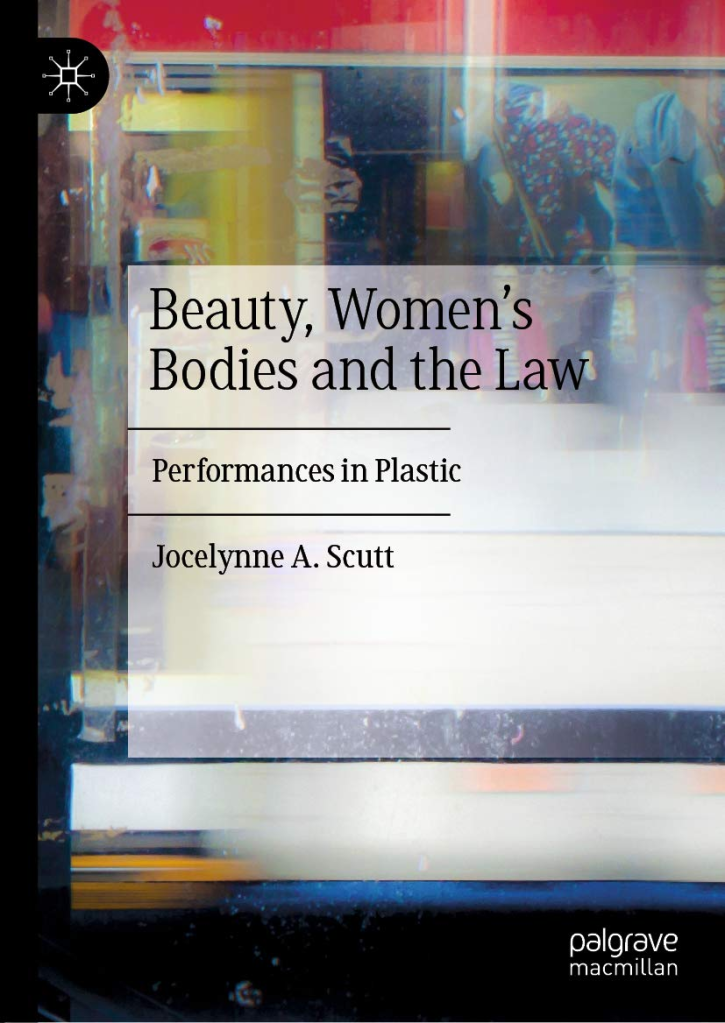
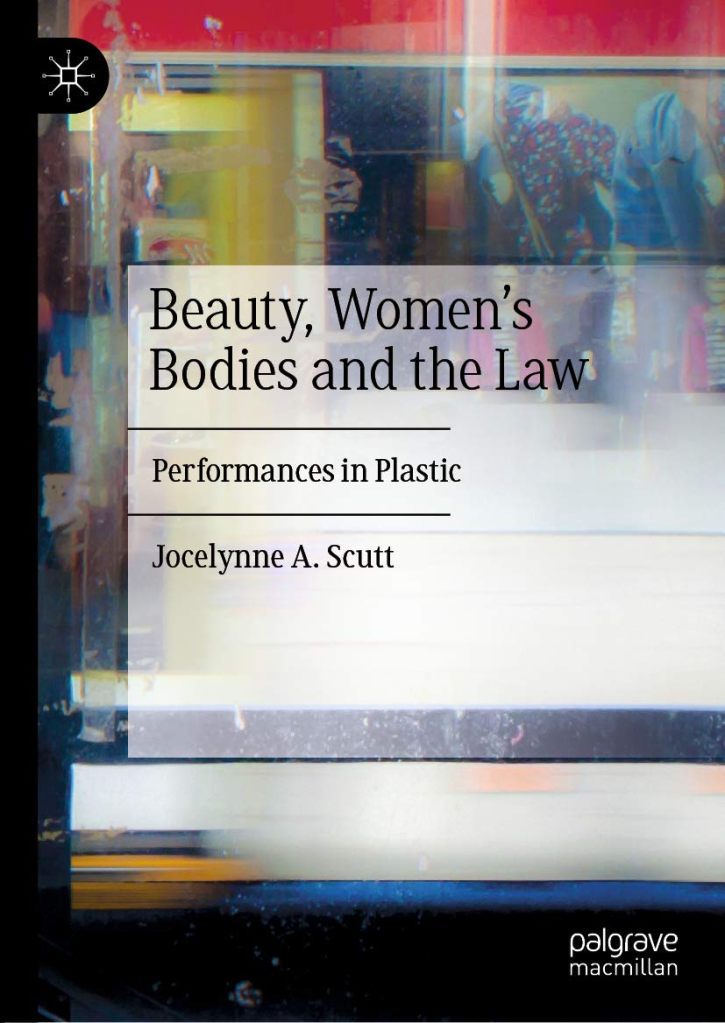
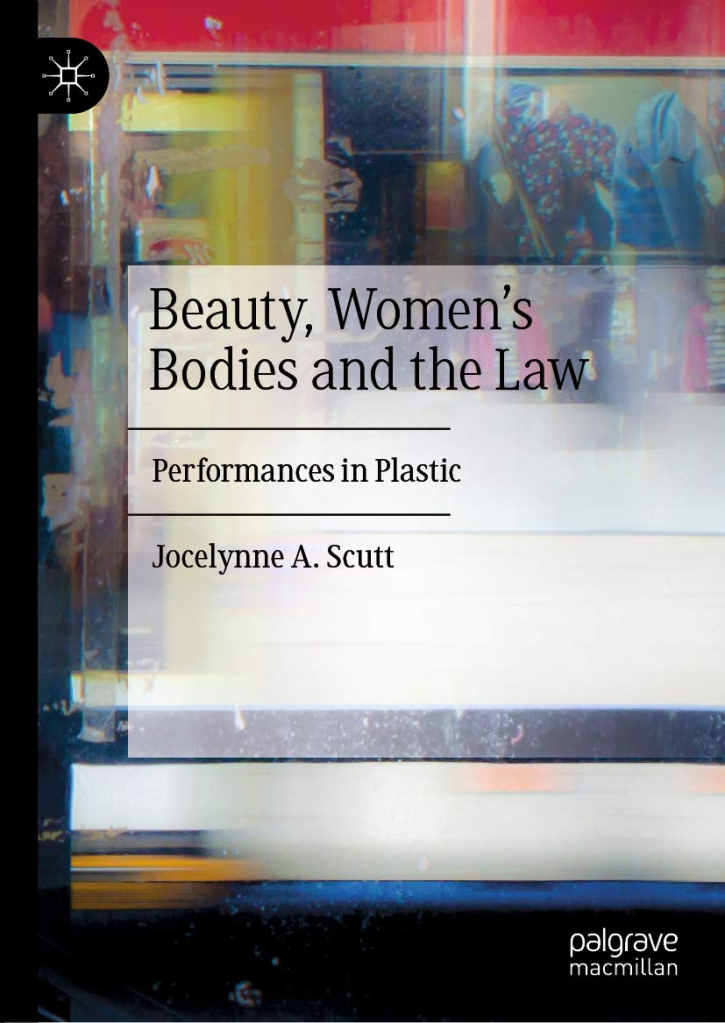

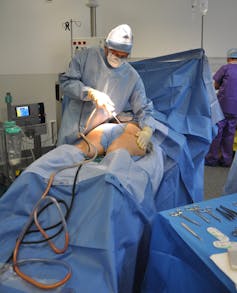
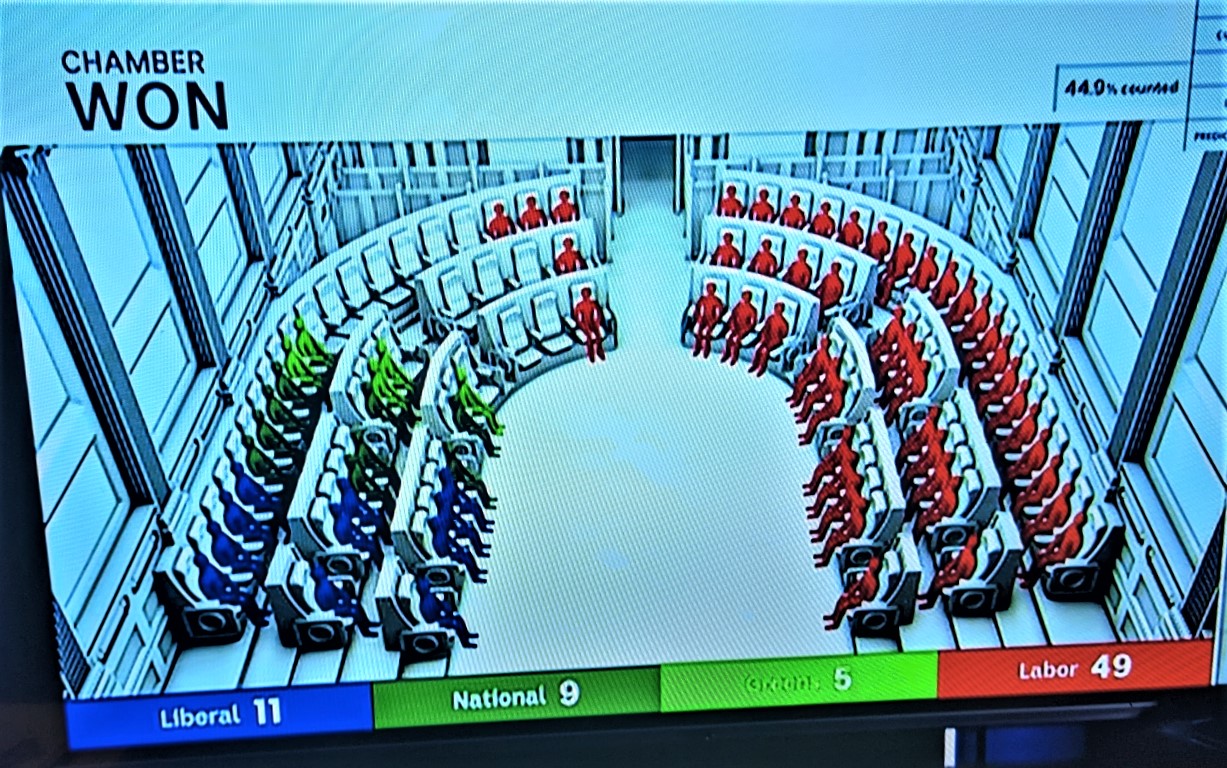
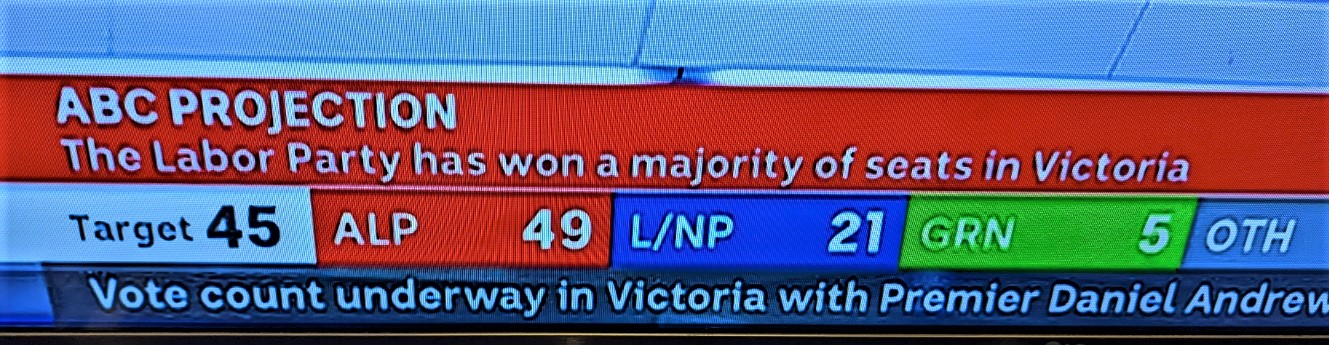
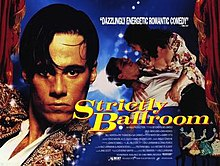
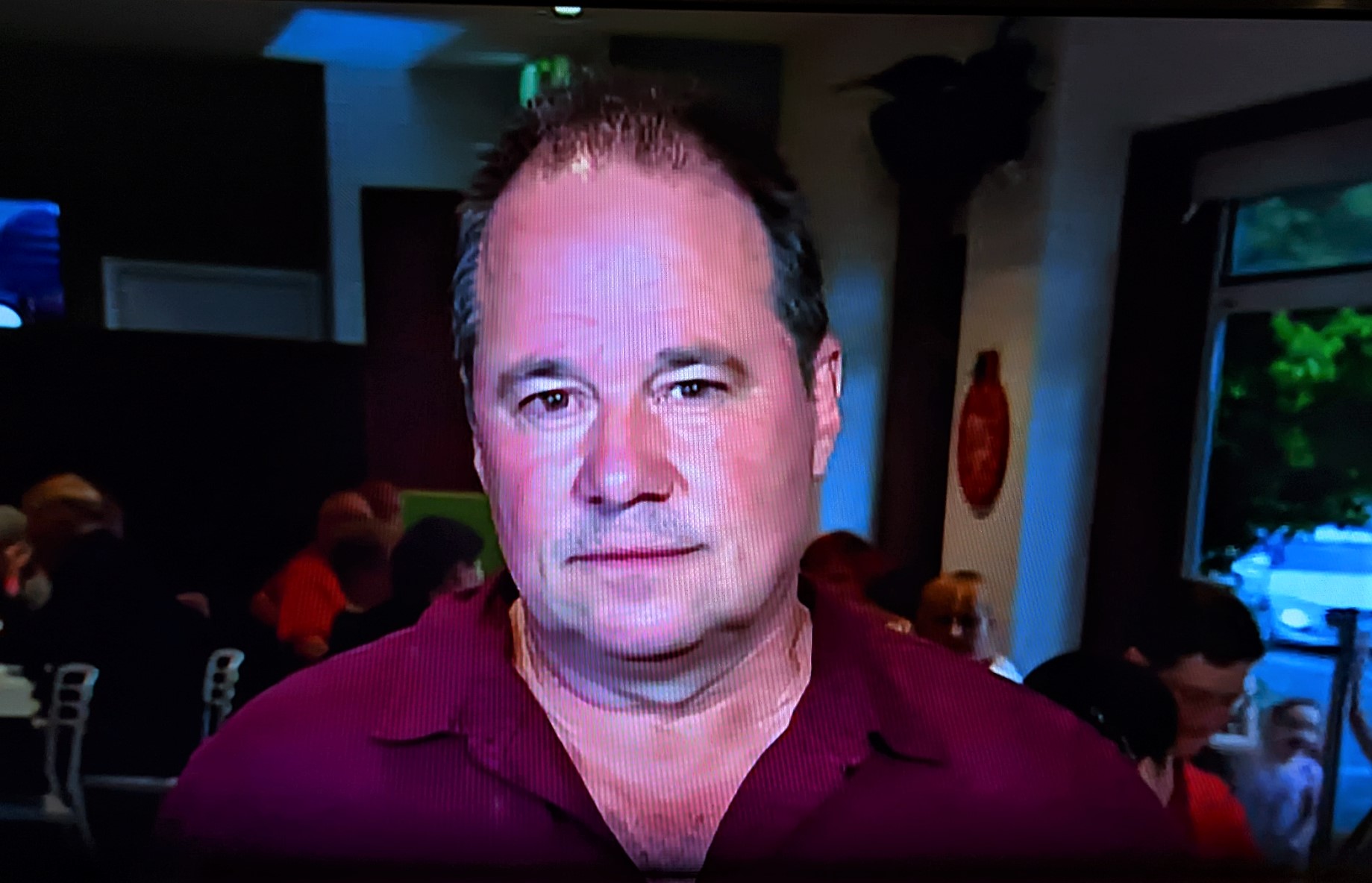

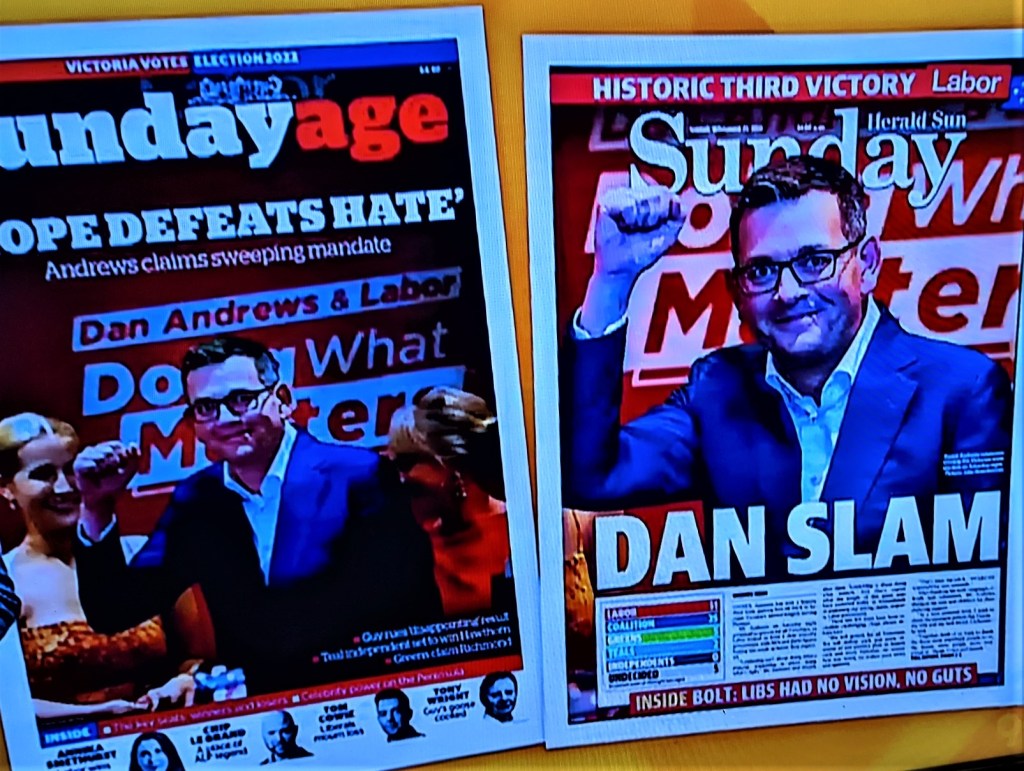













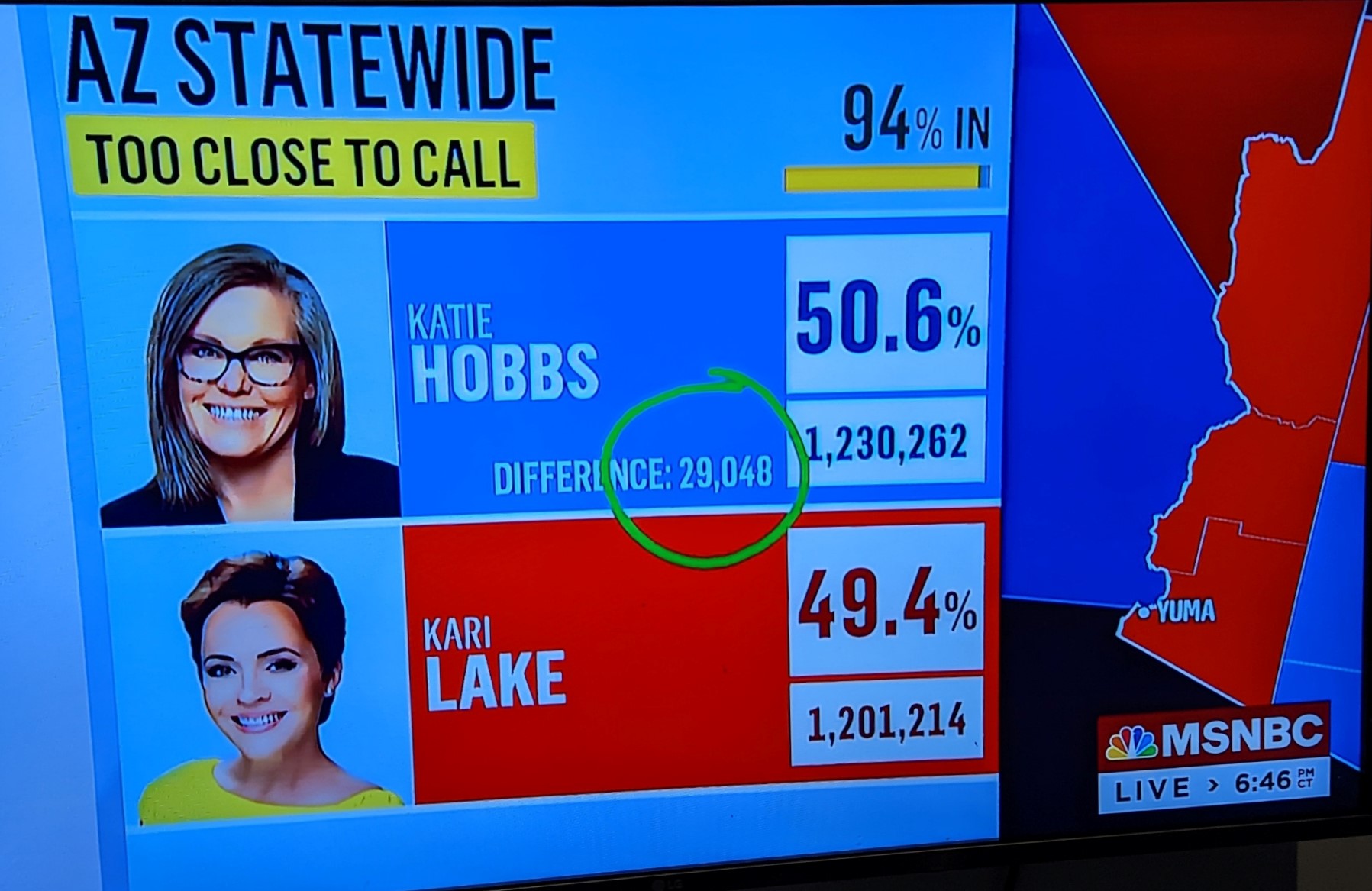
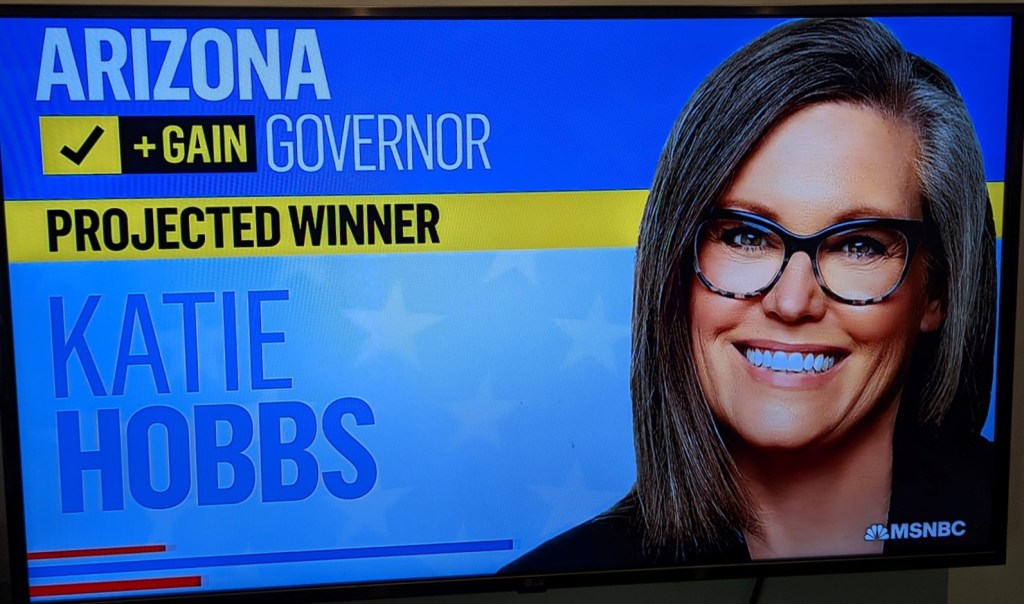


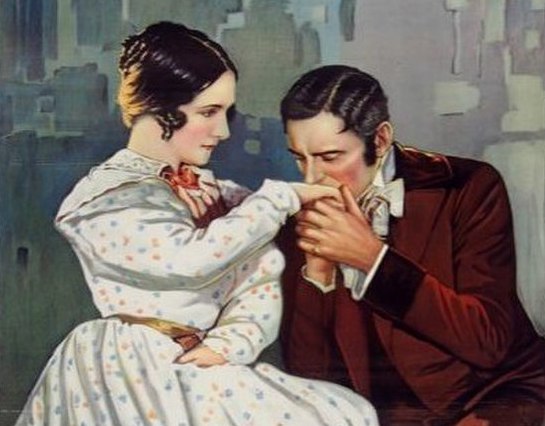
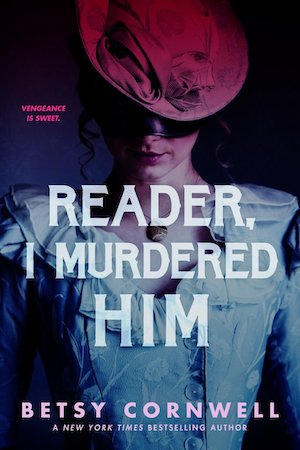

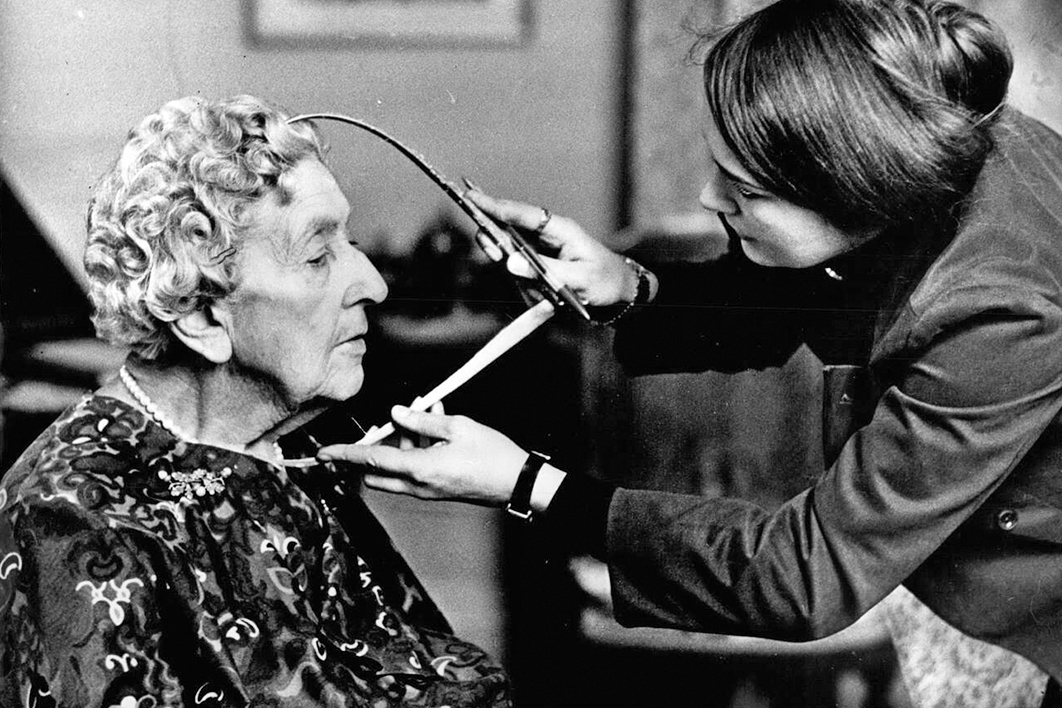

















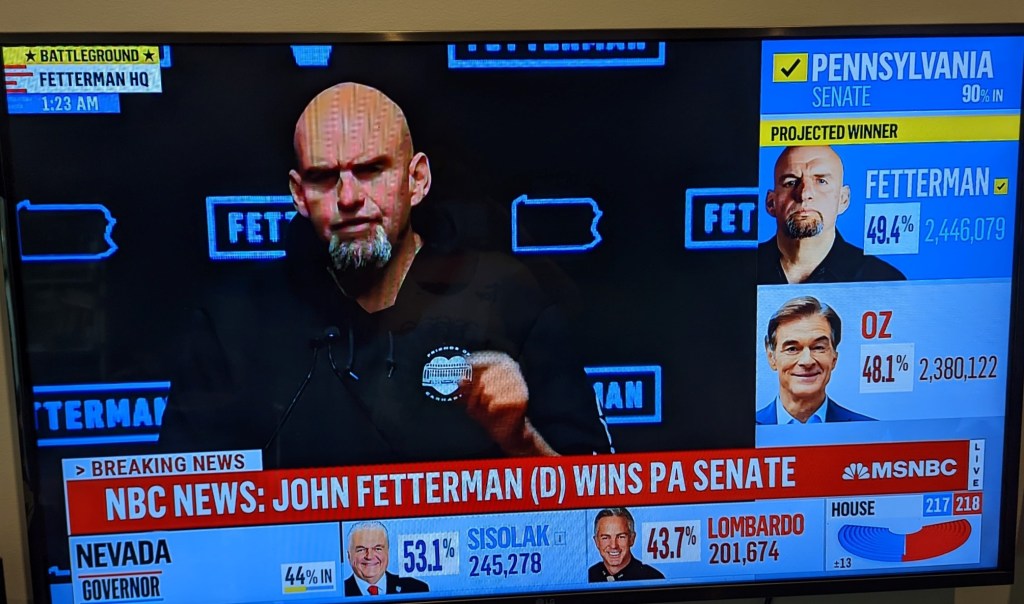



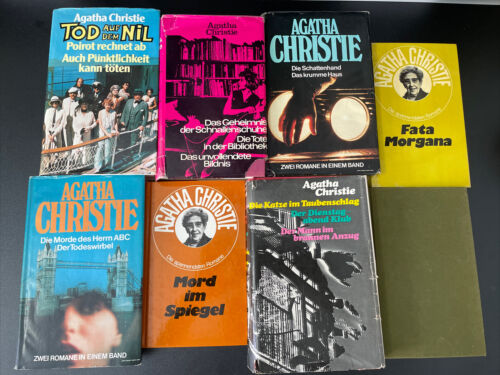








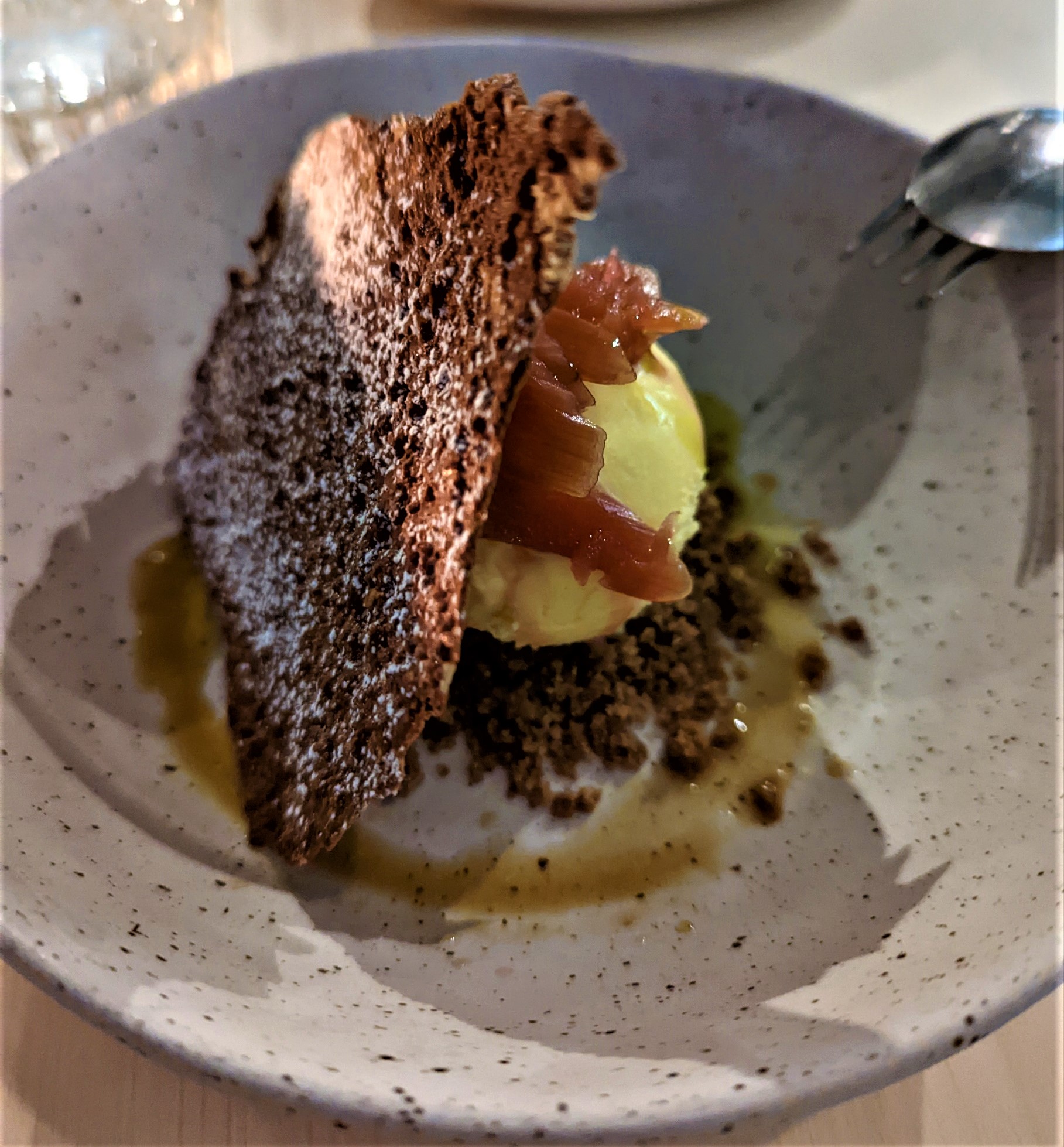


















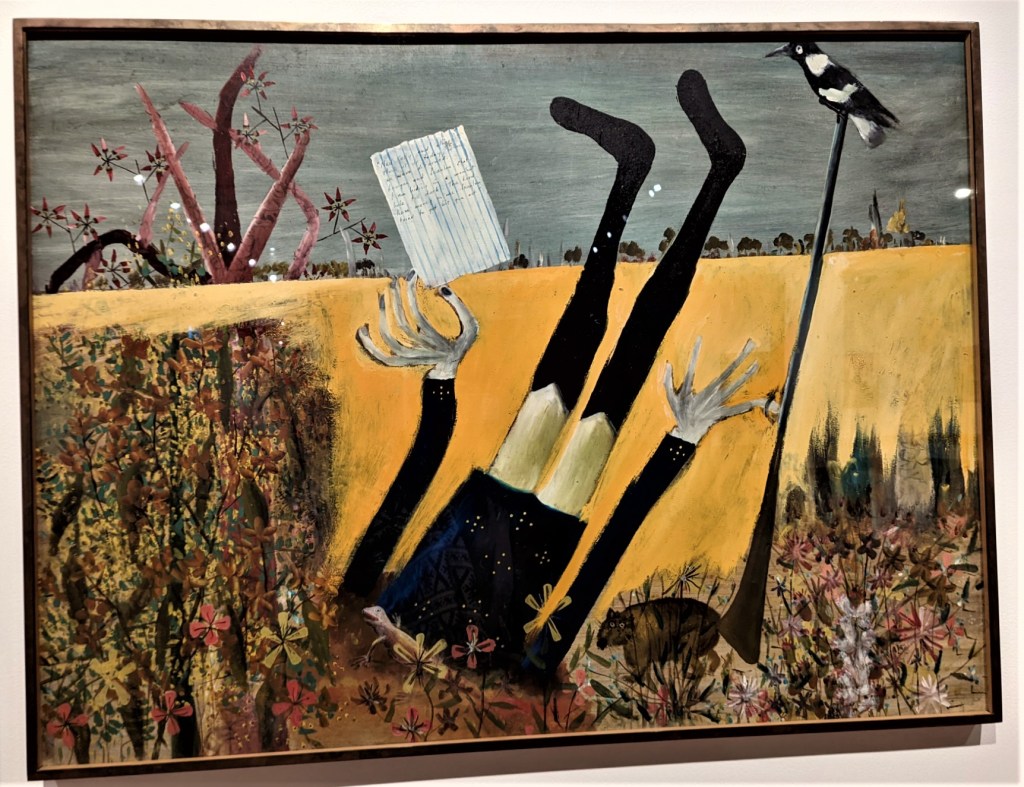
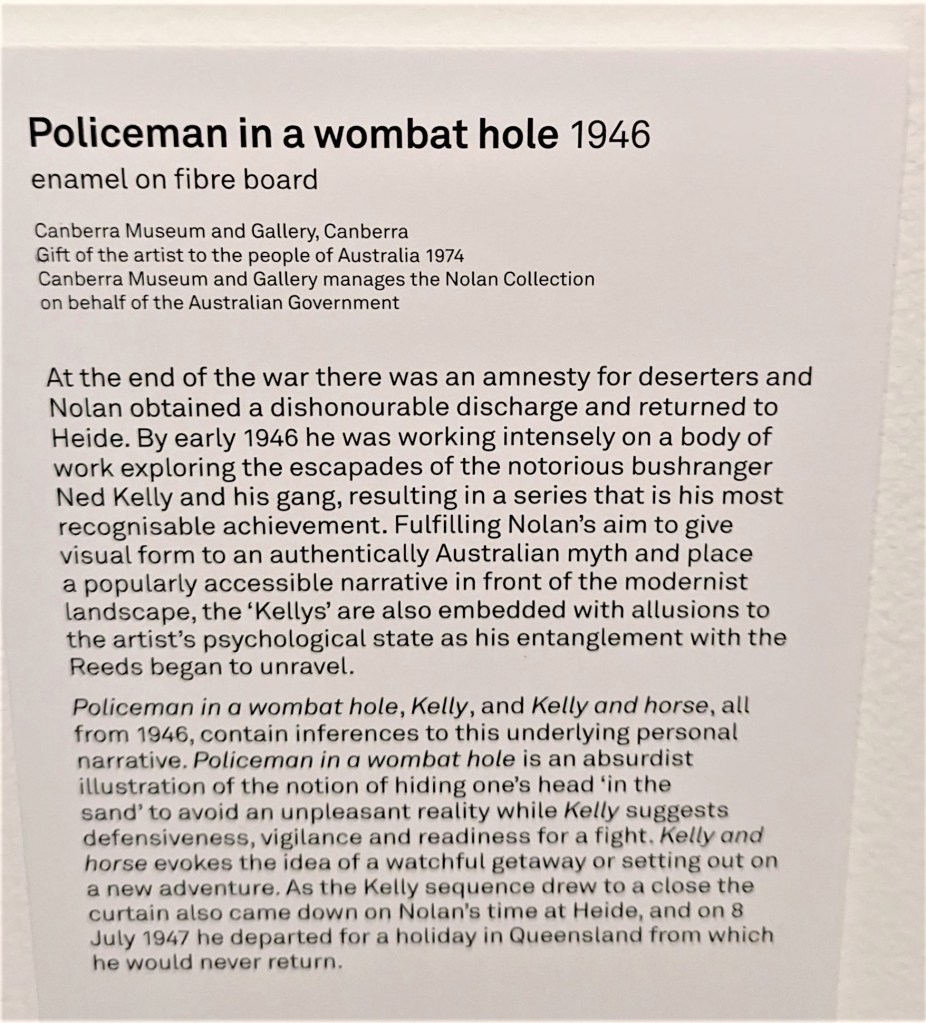


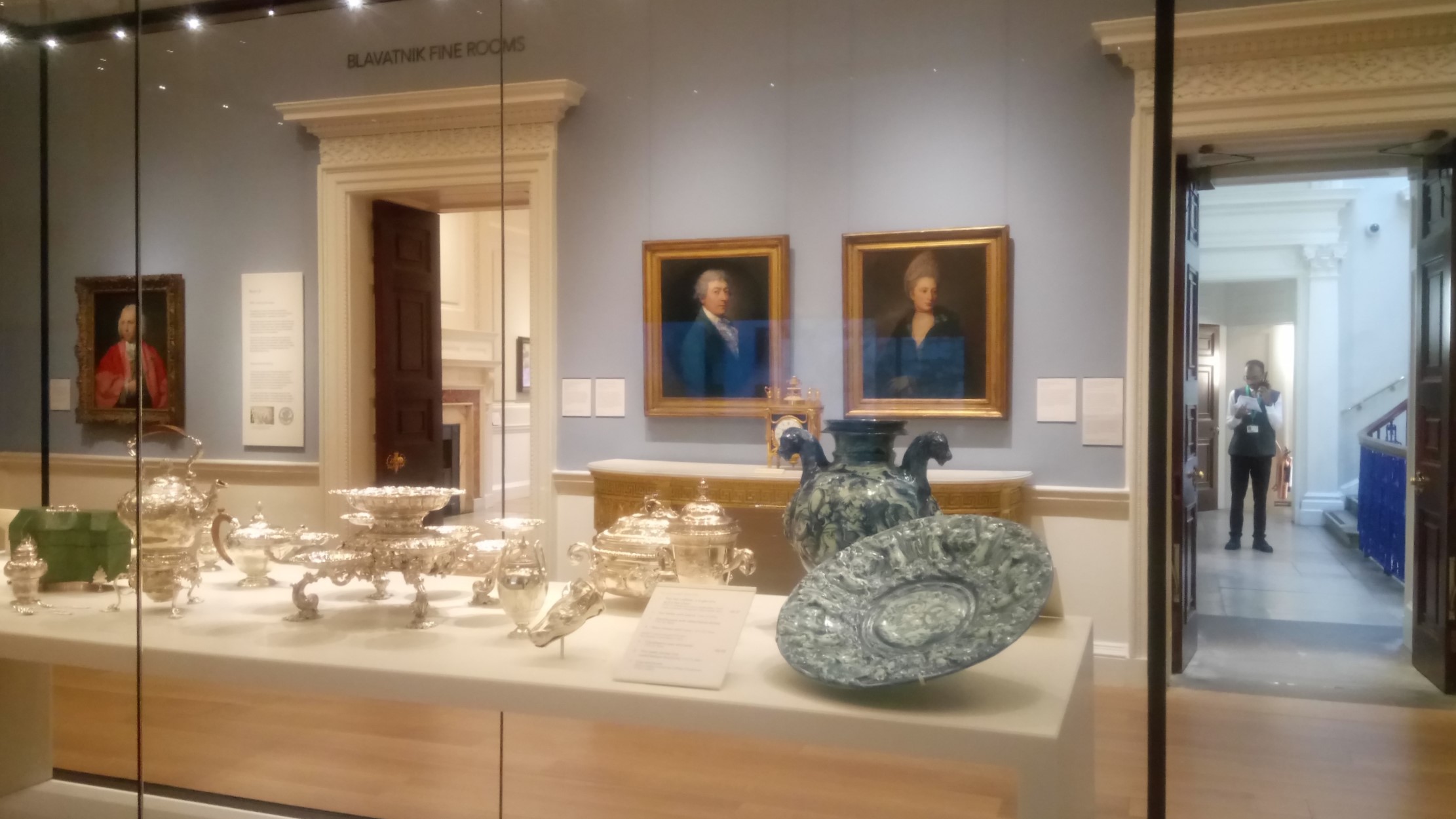


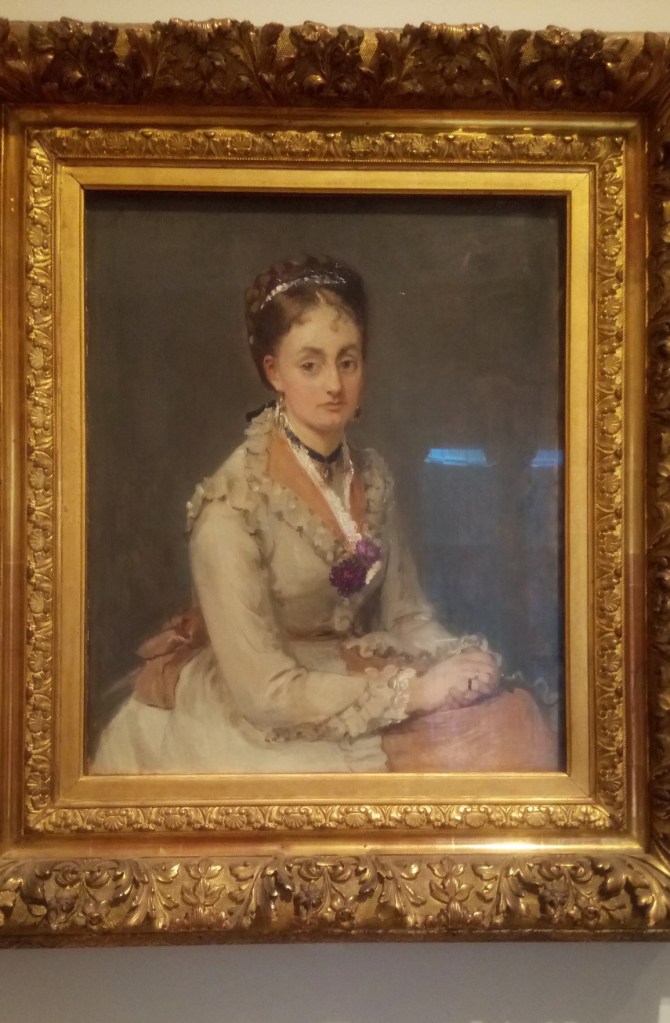
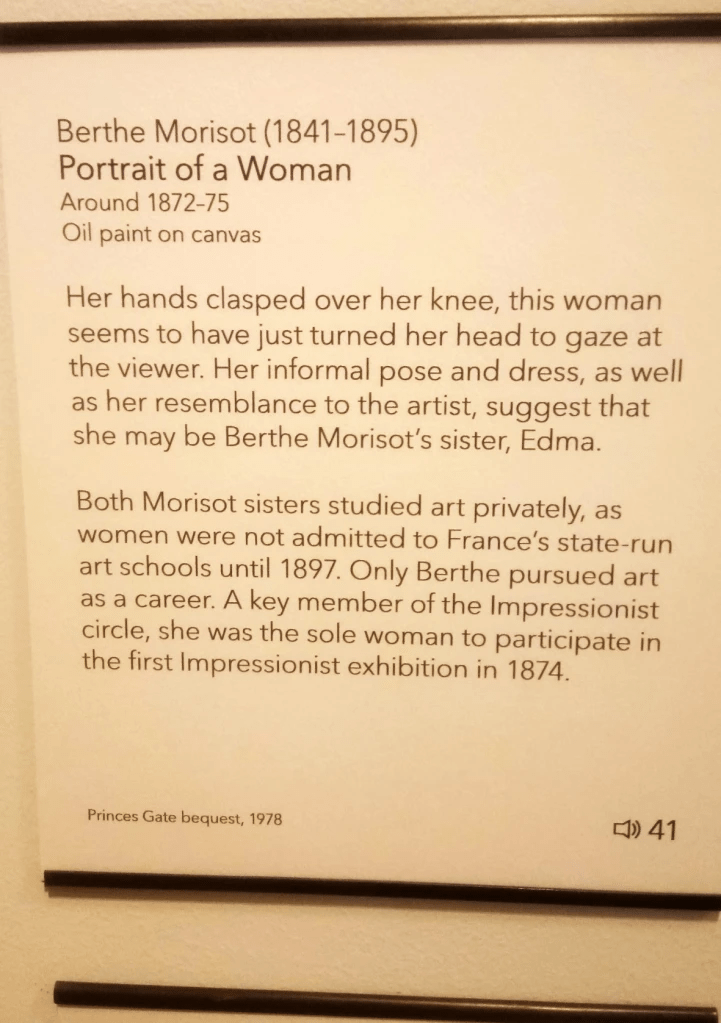
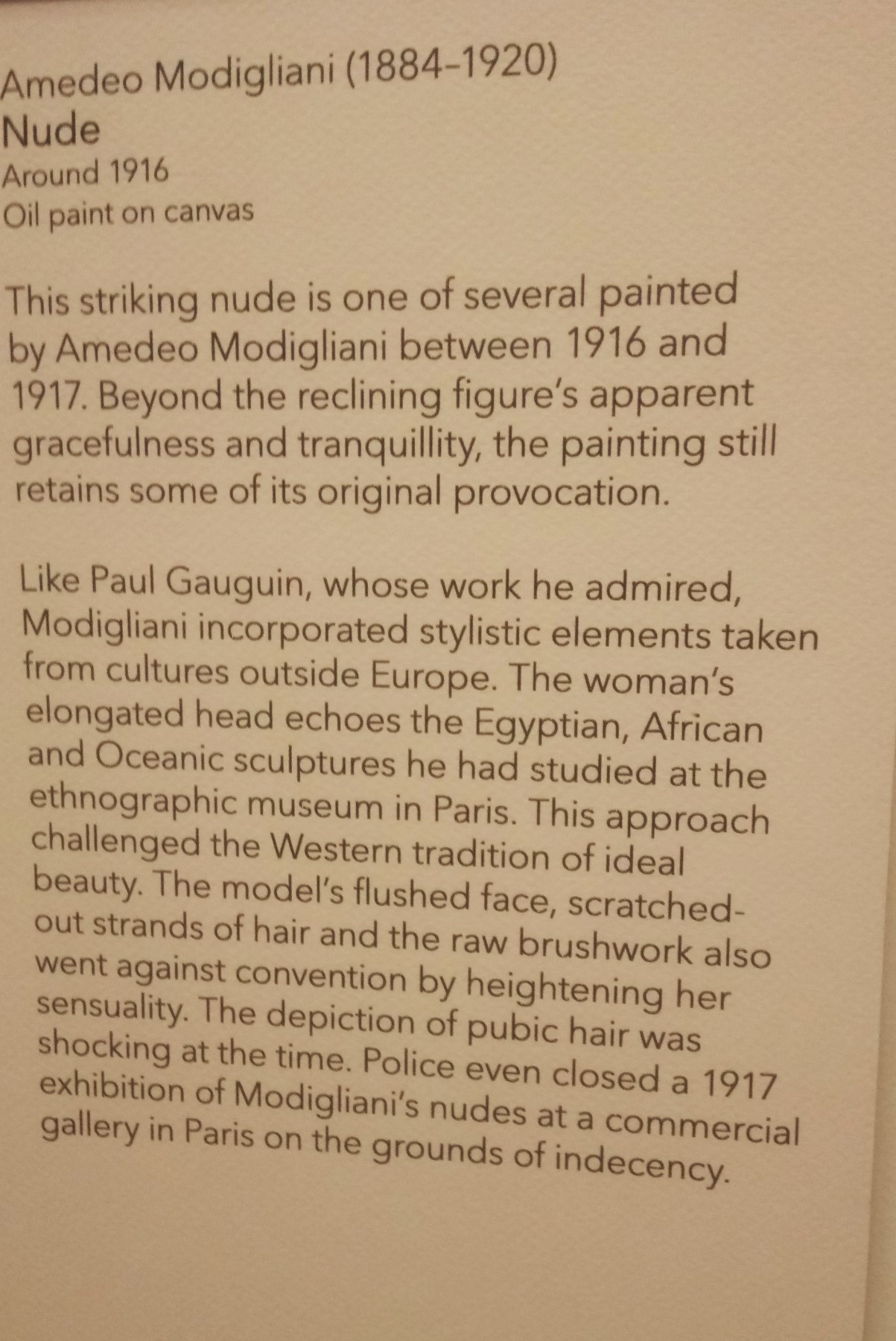






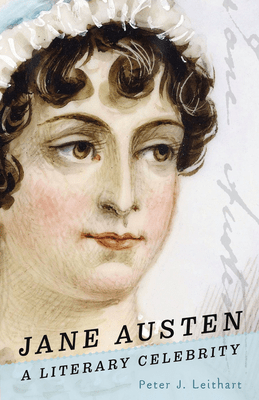




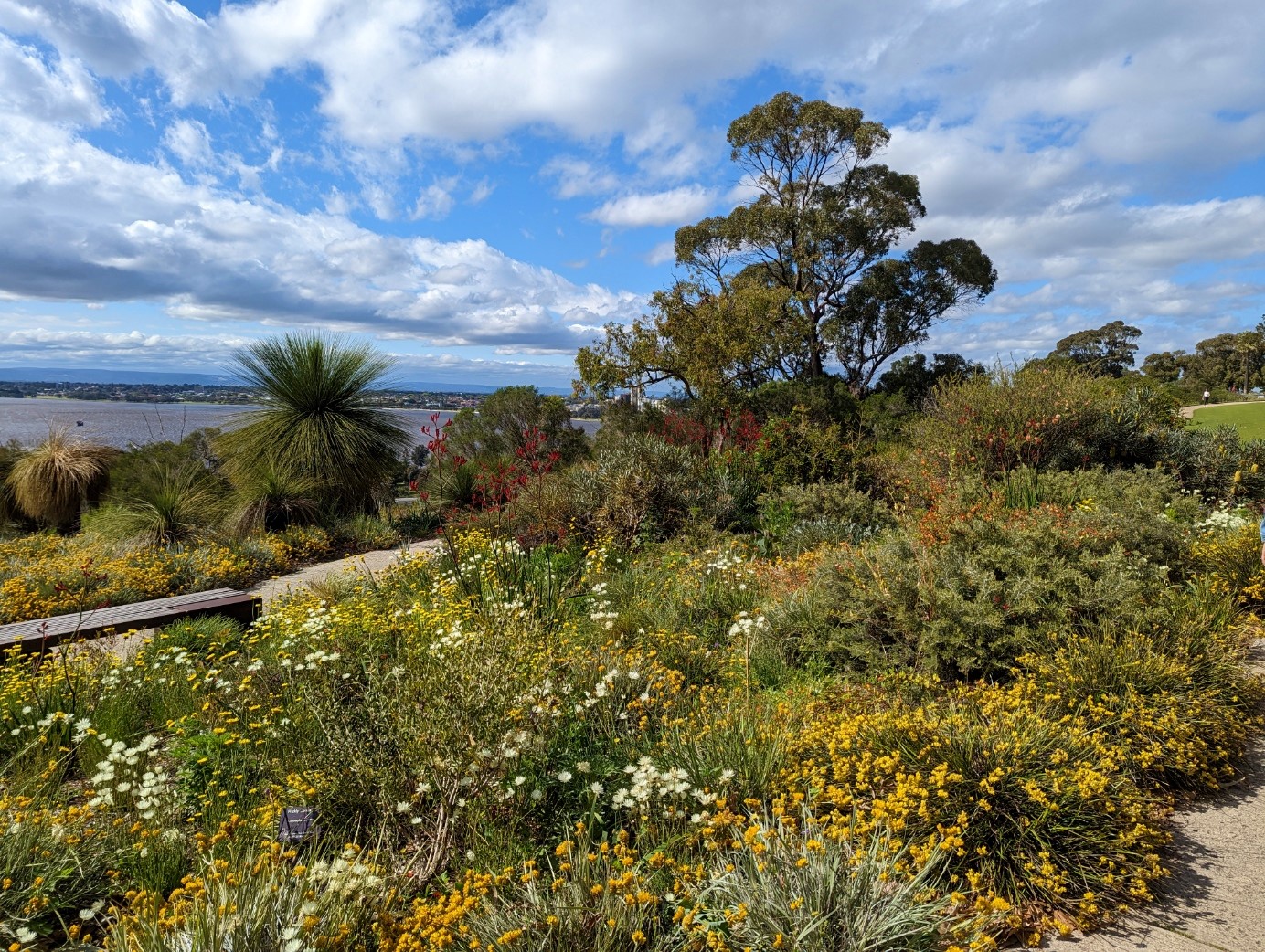

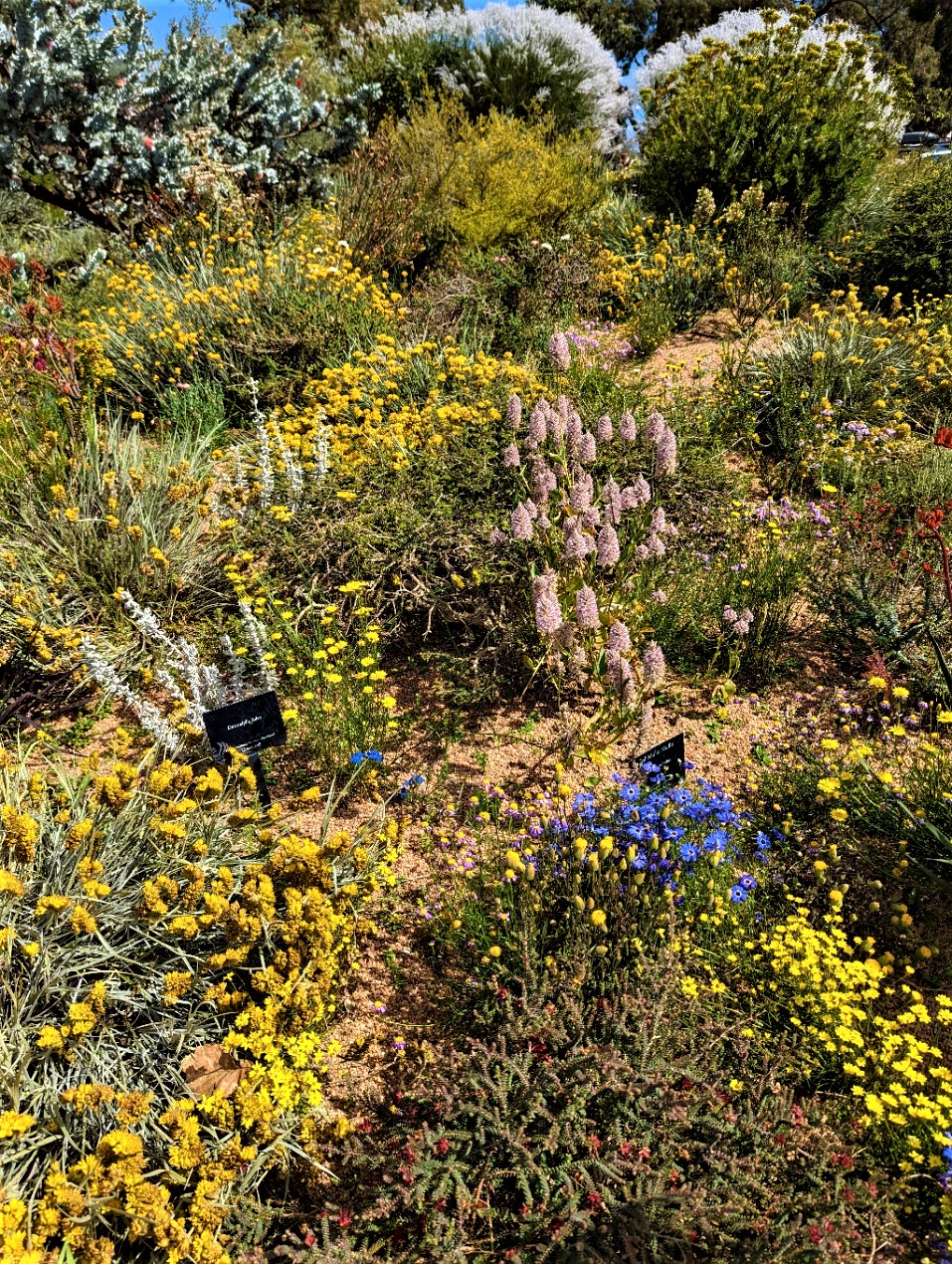






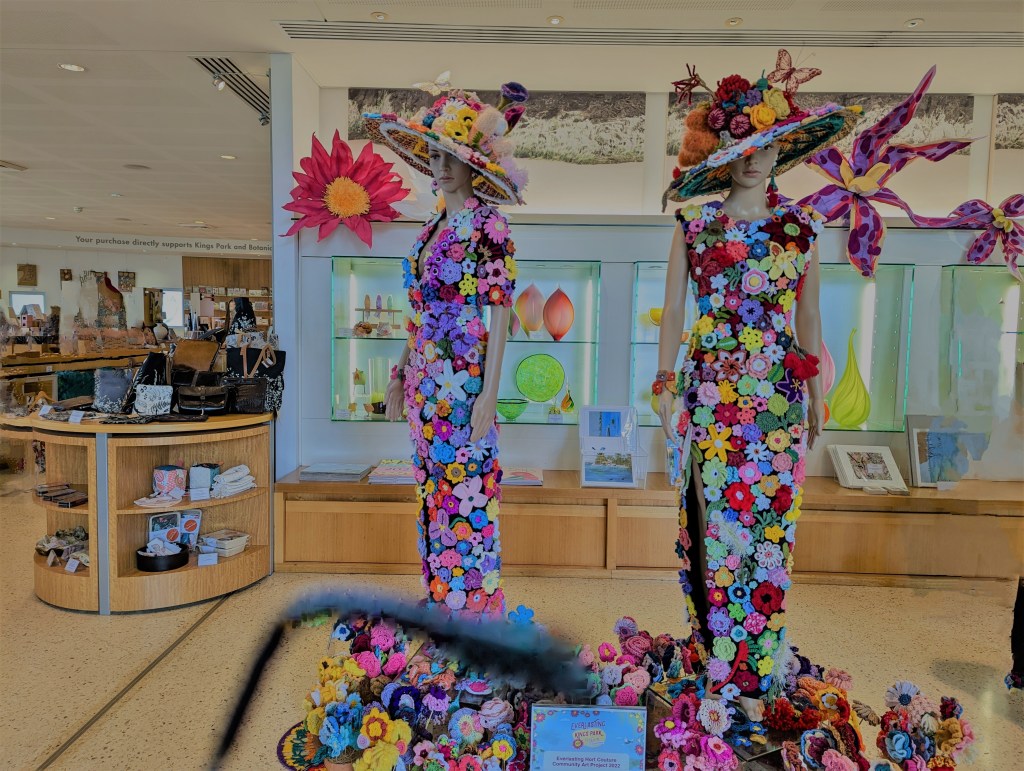
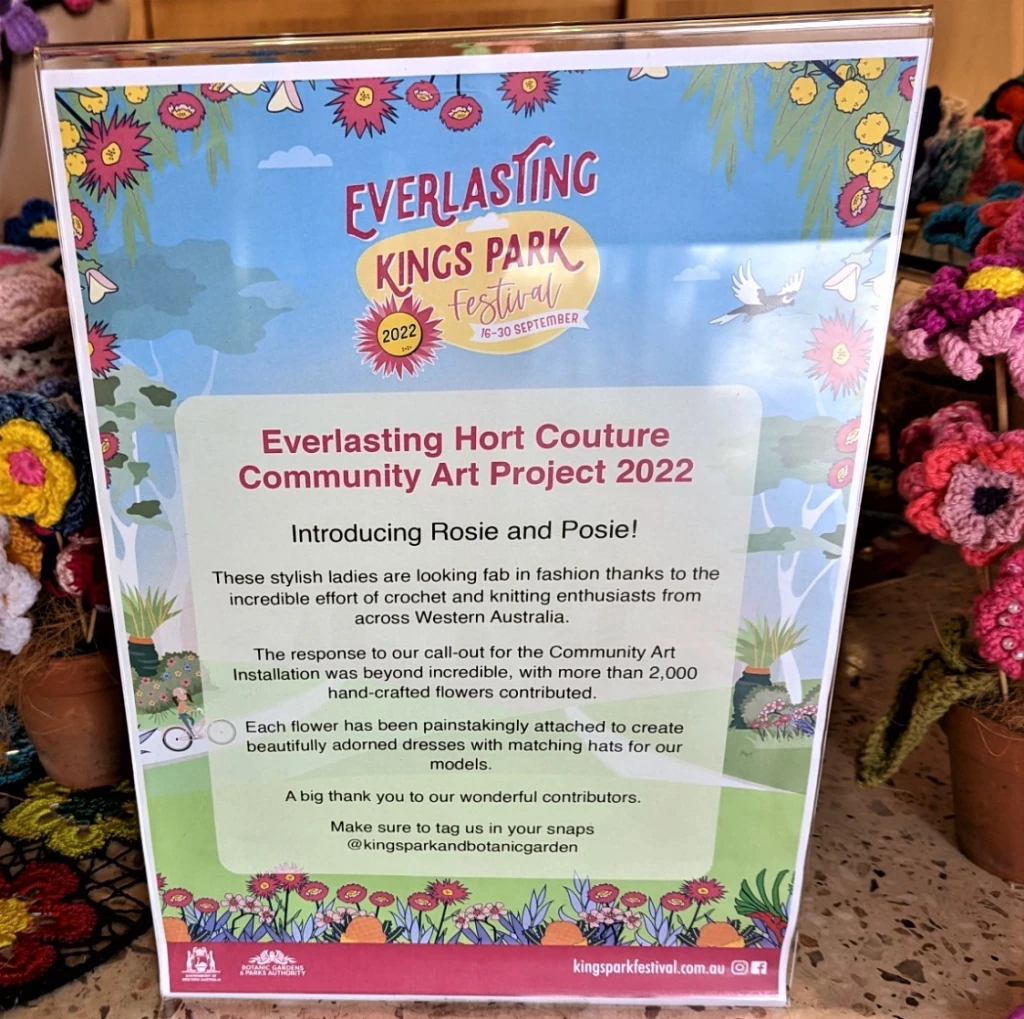




































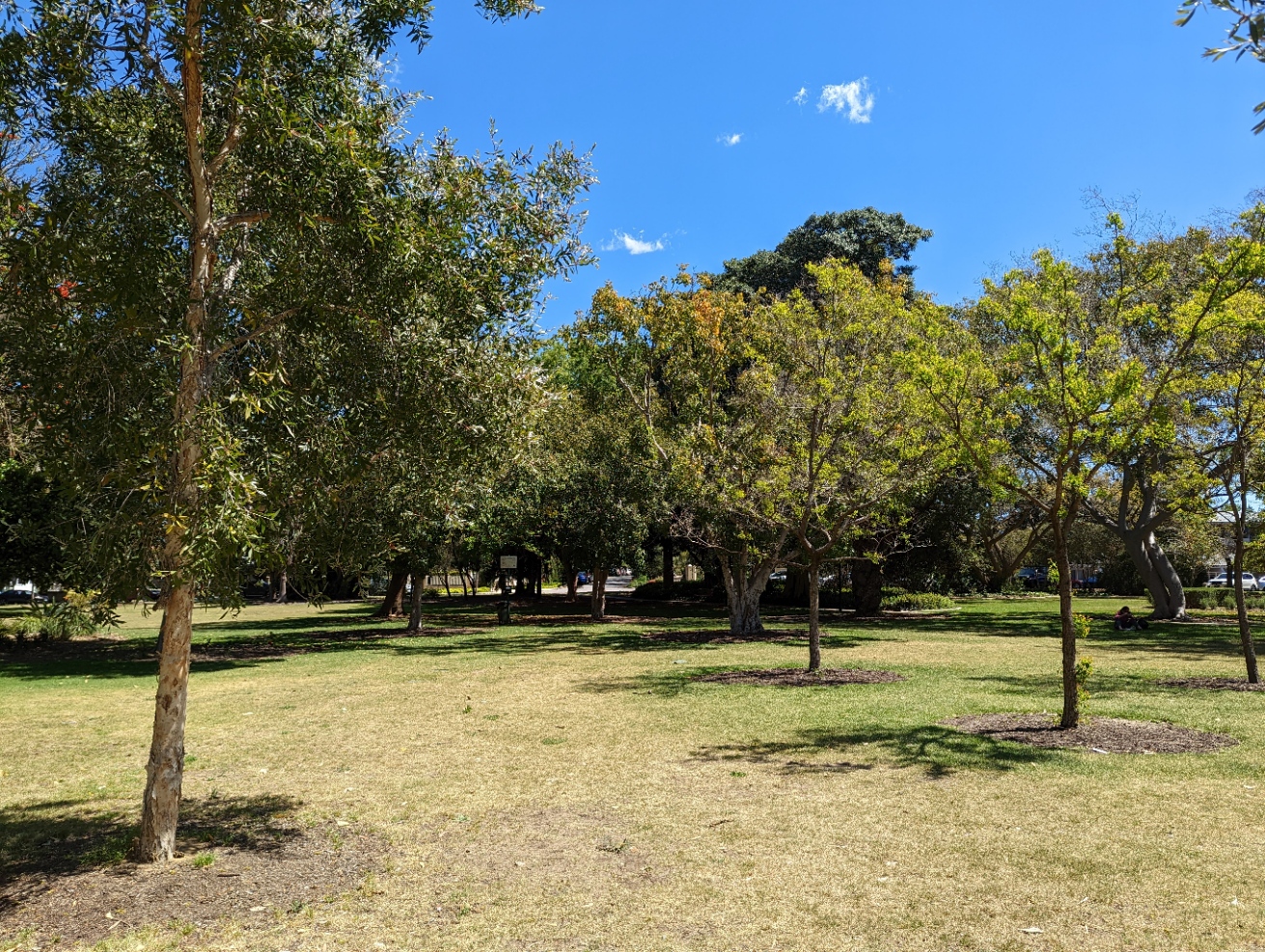
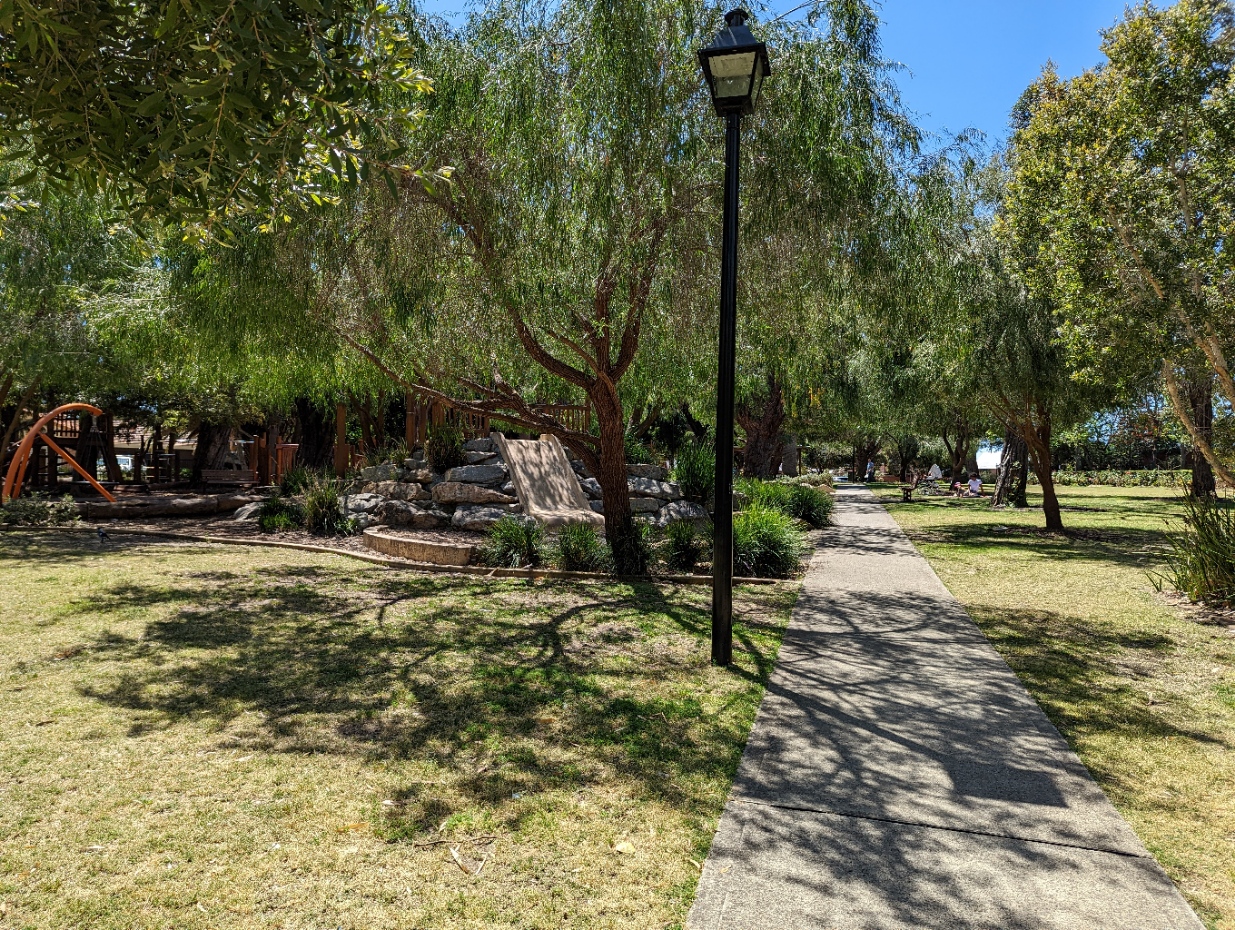

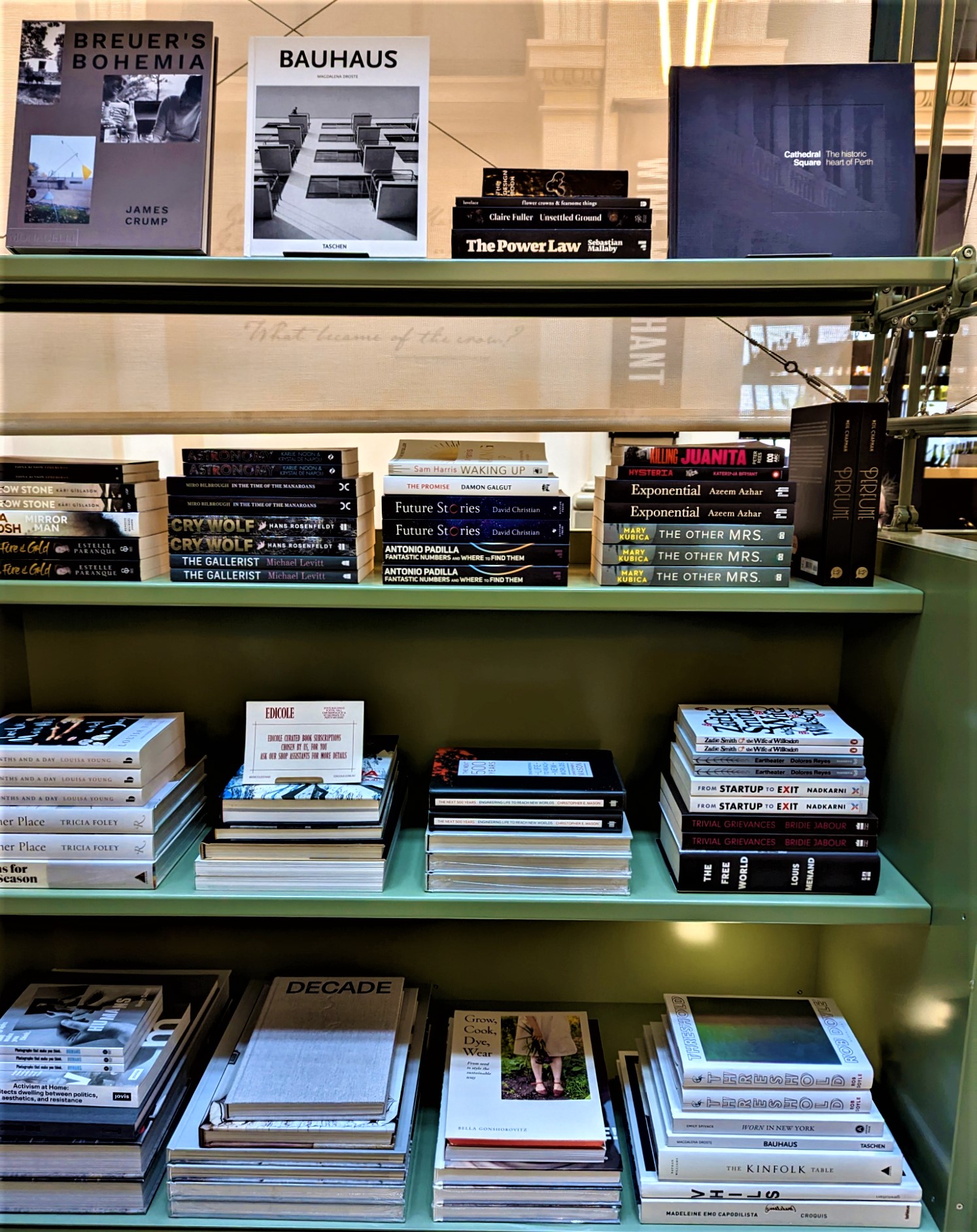
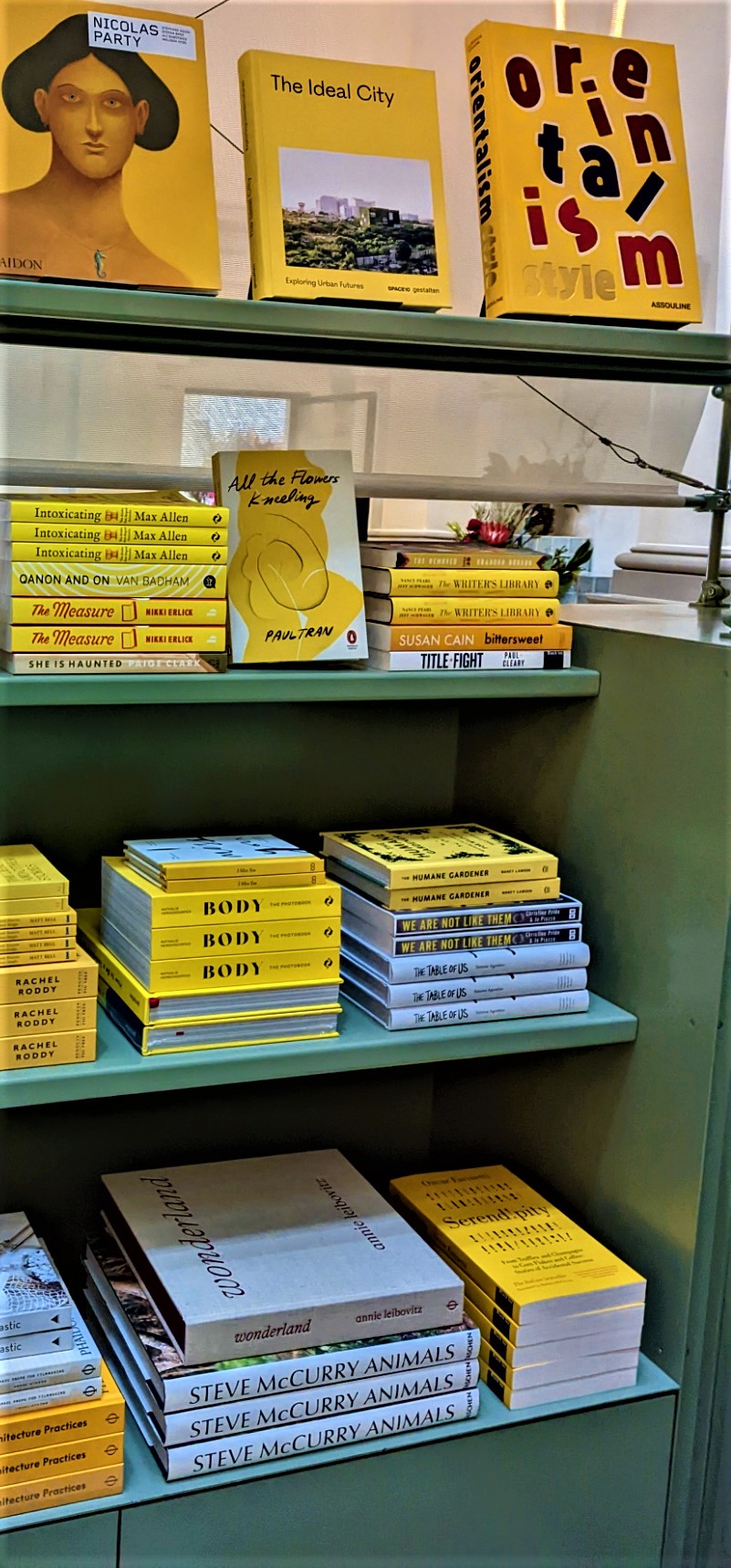



 CARMEN CALLIL: July 15, 1938 – October 17, 2022


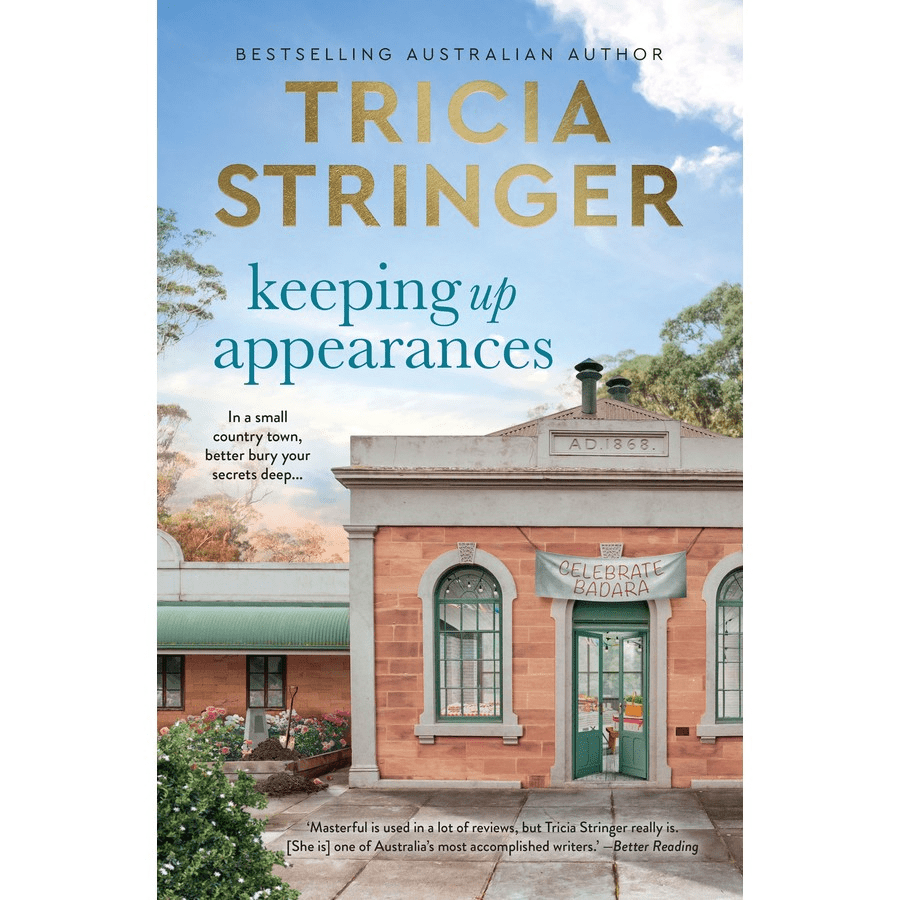
































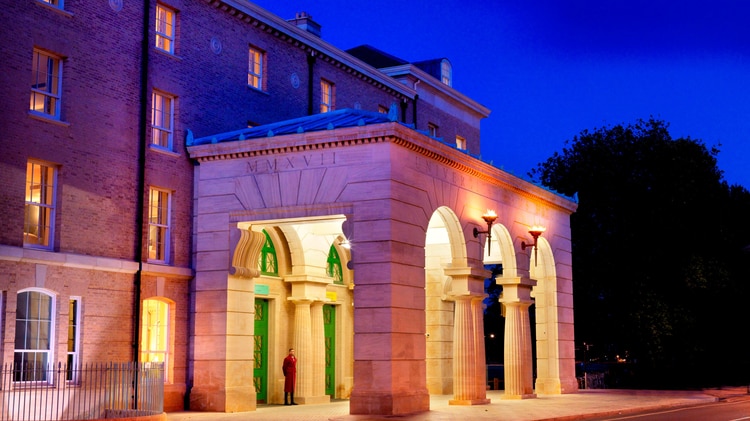




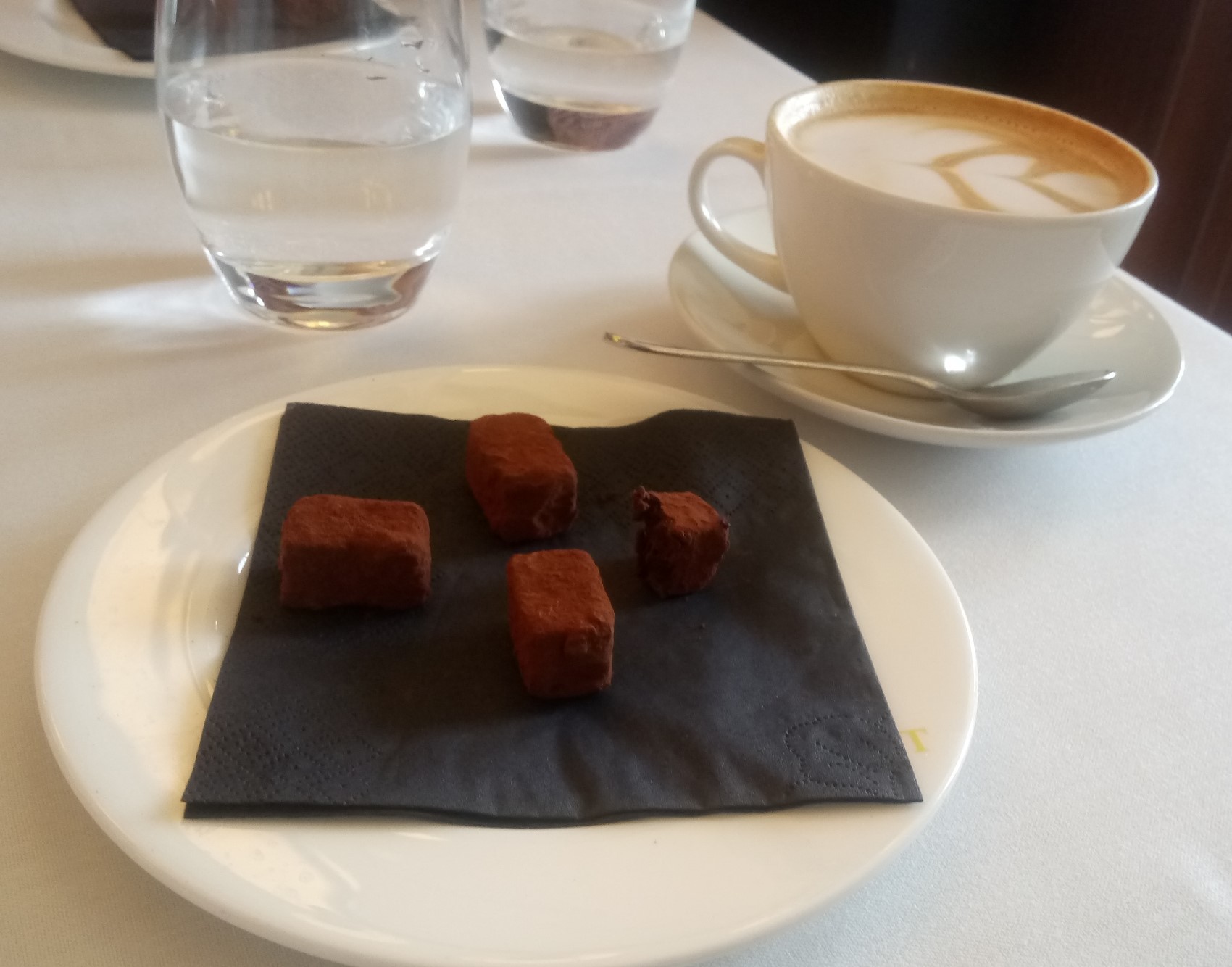

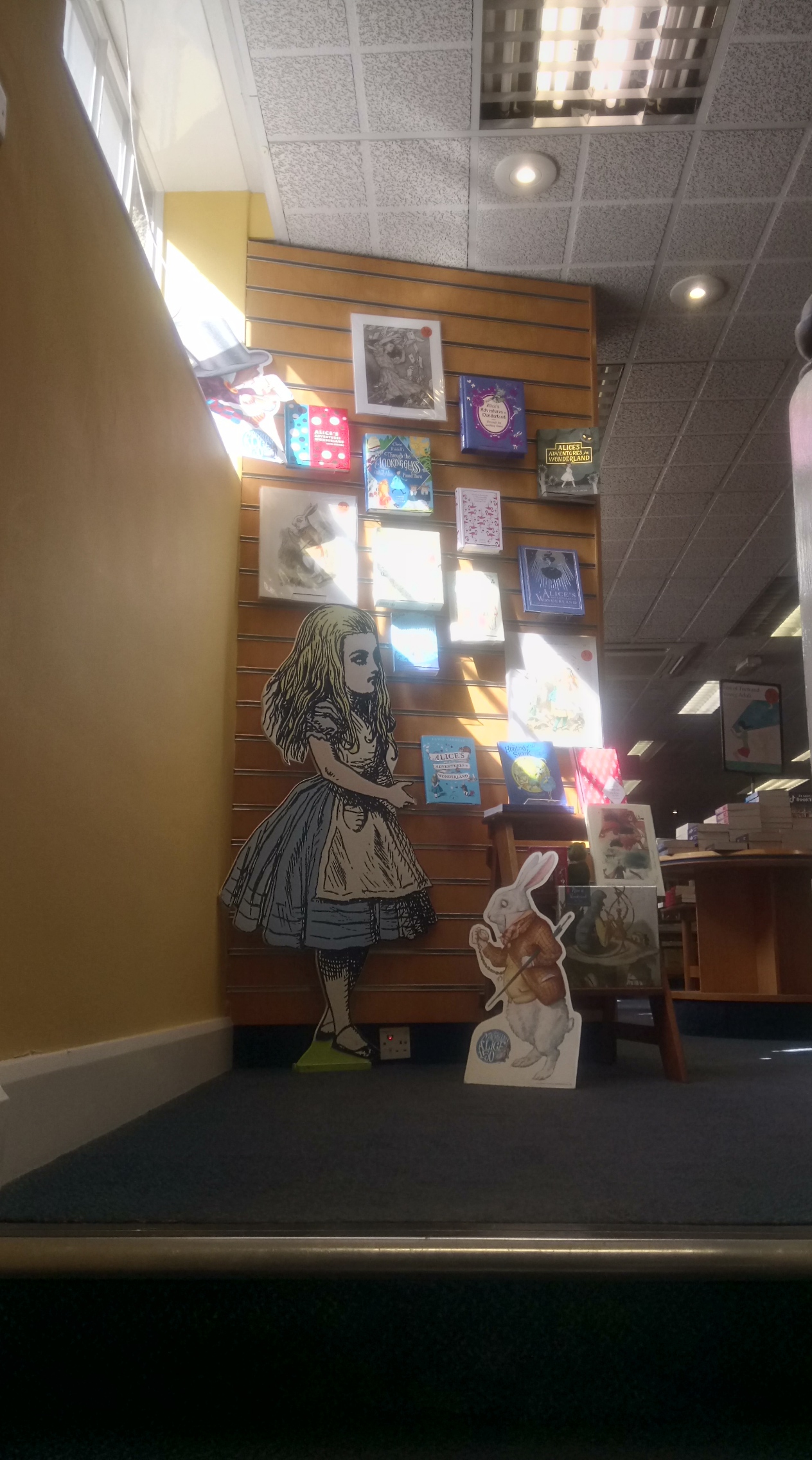
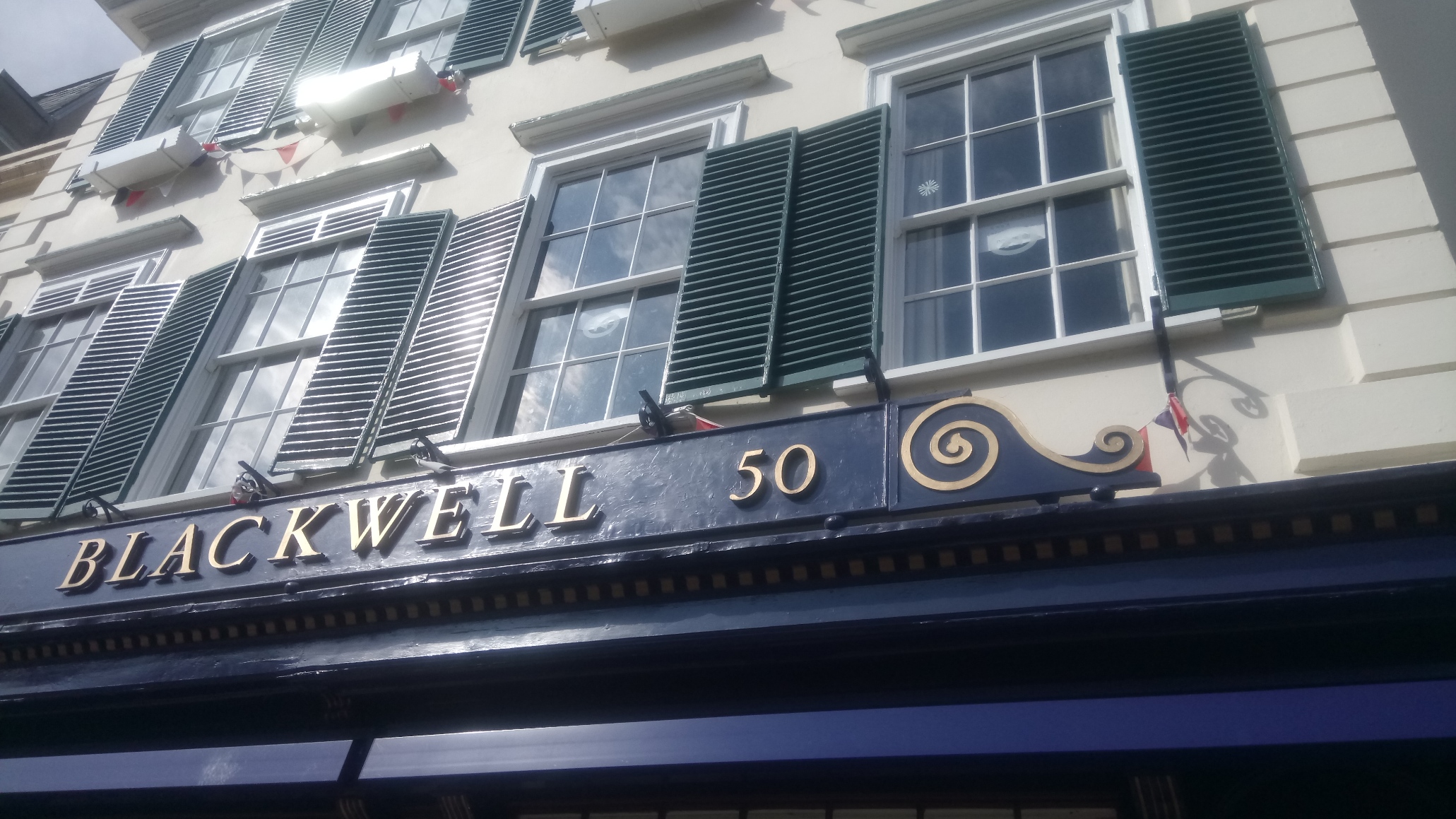

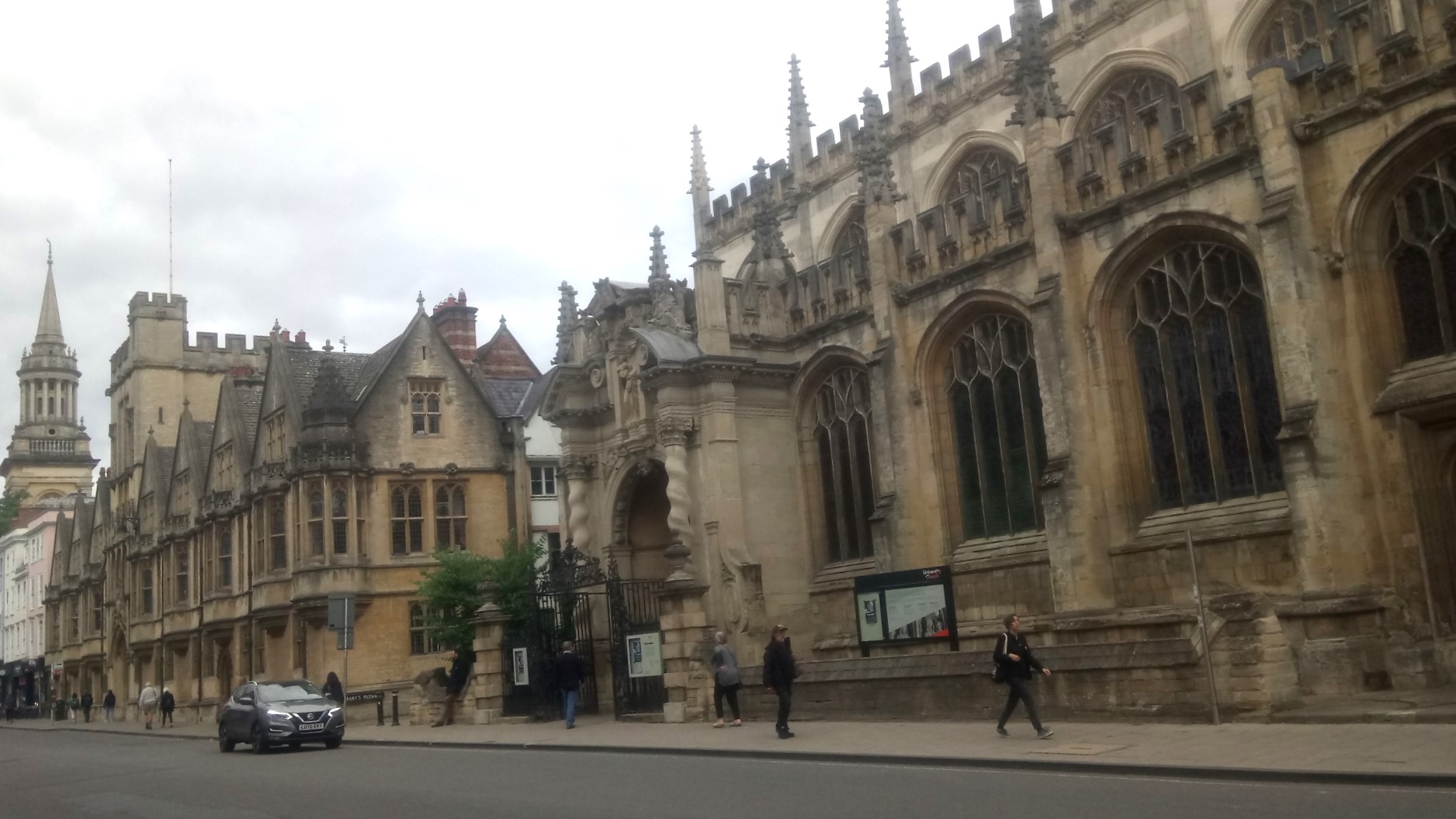




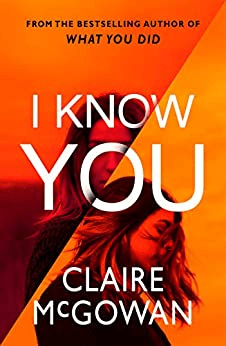
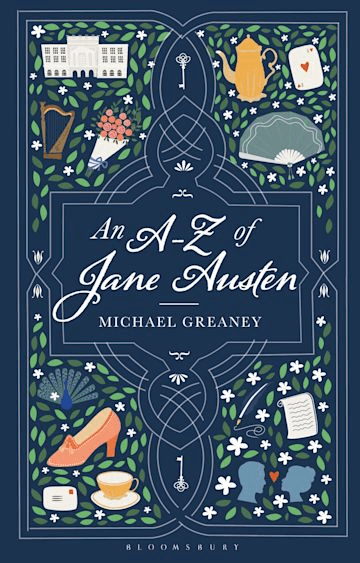




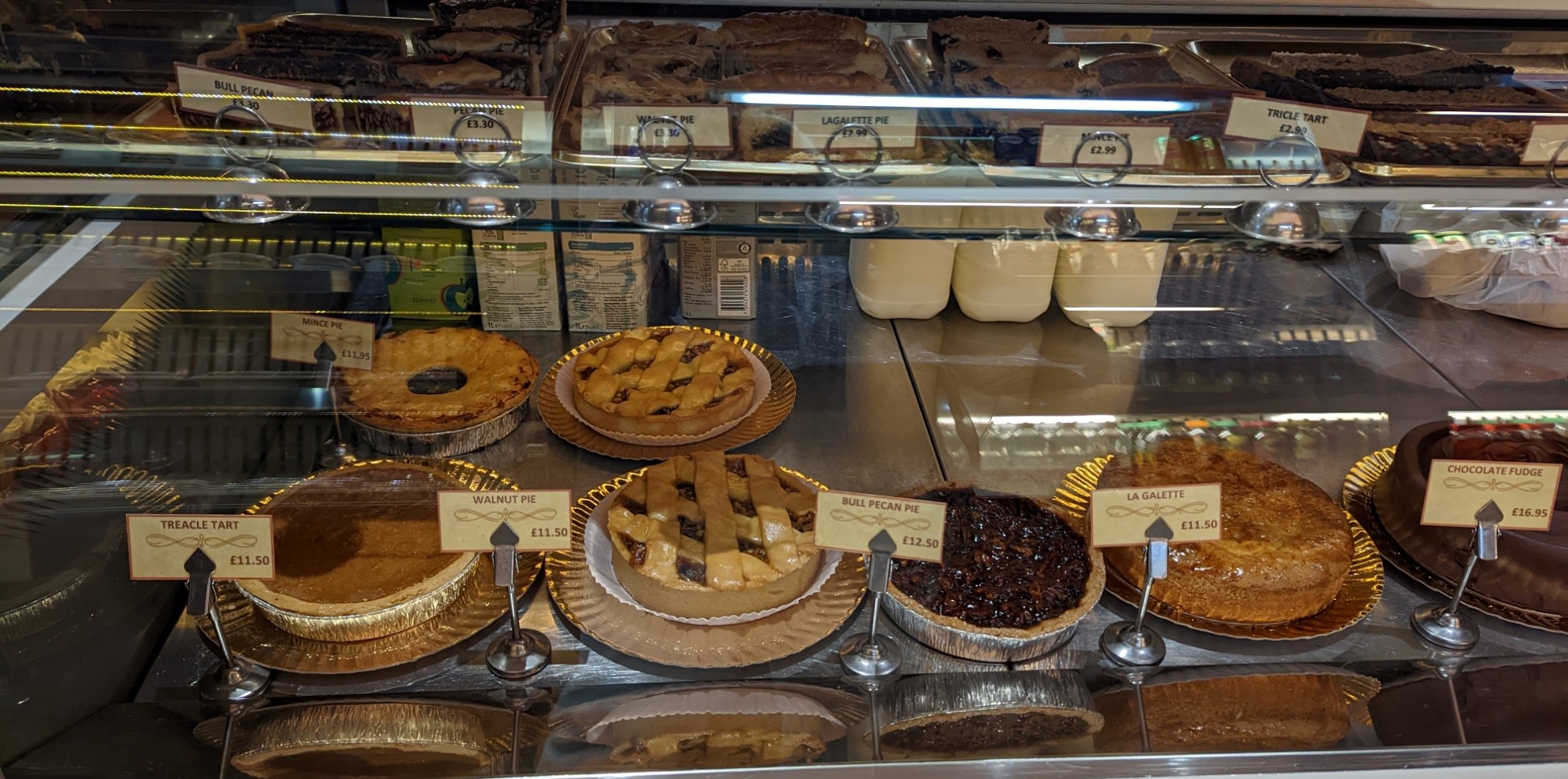


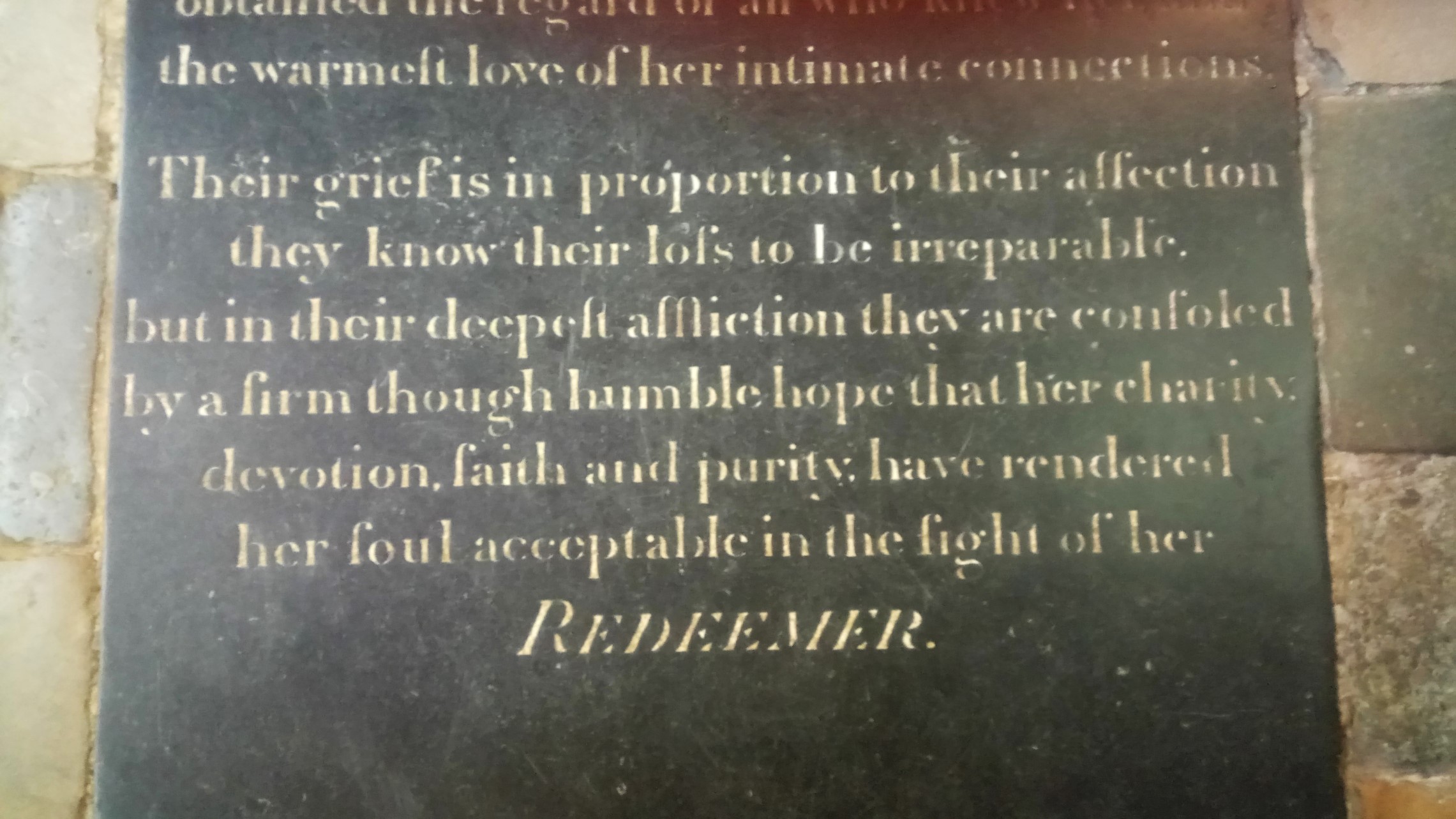









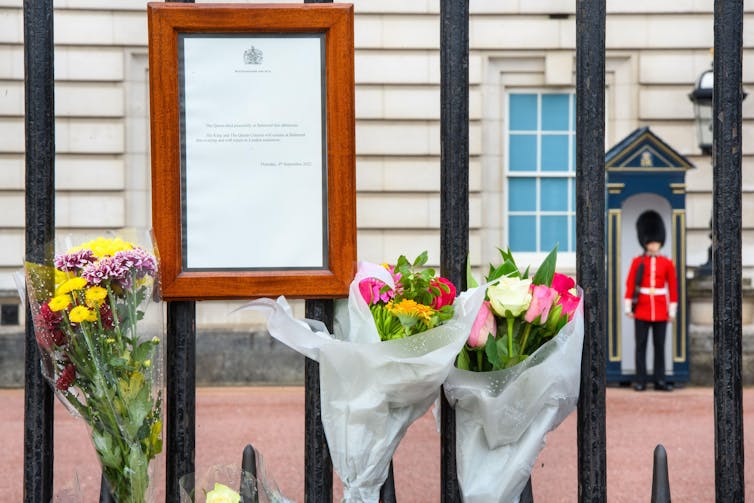
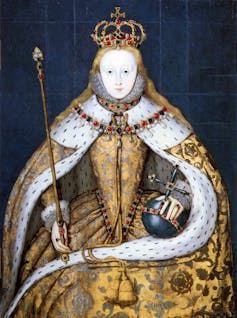













 Data: Gallup. Chart: Madison Dong/Axios Visuals71% of Americans