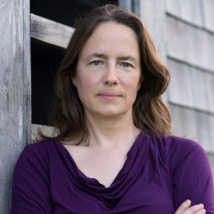
Ian Nathan The Coppolas A Movie Dynasty Palazzo, 2021.
Thank you, NetGalley.
Ian Nathan has written an insightful and exciting contribution to our understanding of writing, directing and producing films; the role of family and ability in a dynasty such as the Coppolas; the studio system, and the contribution of film finance, box office returns and reviews; to the success of a film that begins with an idea that impels people such as Francis Ford and Sofia Coppola toward creative endeavour. Francis Ford and Sofia Coppola are the stars of this book. However, other members of the Coppola family also make contributions to the Coppola dynasty’s work, and they are also given a place in this absorbing story: wife, mother, documentary maker, and eventual film maker, Eleanor Coppola; sister and actor, Talia Shire; brother and supporter, August; sons and supporters, Gio and Roman Coppola; cousin and actor, Nicholas Cage (formerly Coppola); granddaughter, Gia Coppola. So, too, are the actors who took their place, successfully or sometimes perhaps not, in the films. Francis Ford’s father, Carmine, makes an appearance. Here a story Nathan relates about a prank played on him by Francis Ford Coppola is very sympathetic to him, rather than acknowledging the impact on the father – an interesting comment on the investment Nathan makes in his portrayal of the son.
The following articles follow the Canberra Lockdown series: Historic moment as Daintree National Park returned to Eastern Kuku Yalanji people by ABC Far North / By Carli Willis, Dwayne Wyles, and Holly Richardson; Bob McMullan, The Biggest Issue to be Decided in the 2022 Election; Bernard Collaery and Witness K.
Day 48 LockdownCanberra
Thirty-one new cases have been reported, with seventeen infectious in the community. Pfizer and Moderna vaccinations are available to Canberrans aged over sixty. Ten people are in hospital, with three in intensive care requiring ventilation. Some lockdown measures will ease from midnight tonight – I shall wait until the morning to take advantage of them.
Day 48 lockdown walk– it rained overnight, but there was no evidence of the severe storm predicted.
Australian Covid 19 situation
At 1 October 2021 the total cases of Covid 19 in Australia are 105k, with 1,289 deaths.
Victoria has replaced New South Wales as the state recording the most new Covid cases. Today Victoria recorded 1,143 new cases and three deaths. This is the second highest tally since the pandemic began. The spike has been blamed on increased household visits during the AFL grand final weekend. It is possible that the road map out of lockdown may have to be adjusted. The state has reached 80% of the 16+ population having received at least one vaccine dose.
NSW recorded 864 cases and fifteen deaths in the 24 hours to 8.00pm on Thursday. Fifteen deaths were also recorded on Wednesday. Over 87% of people aged 16 + have received their first dose of a Covid 19 vaccine, and 64% are fully vaccinated.
Queensland has recorded two new cases. There will be no lockdown as there is no community transmission. Queensland’s vaccine roll out for those eligible is 65.72% first dose and those fully vaccinated , 46.77%.
South Australia had one new case. However, no new cases have been recorded today.
Western Australia has no new cases.
The Northern Territory has seven active cases. One new case has been recorded. Vaccinations are: 74% first dose; 59% both doses.
Tasmania has no new cases.
Day 49 Lockdown and lockdown walk
Today the ACT recorded fifty two more new cases. Of these forty are liked to previous cases or ongoing clusters. Seventeen were in quarantine during their infectious period, thirty one spent varying periods of time in the community during their infectious period, and four are under investigation. Two people died with Covid, but had been receiving ‘end of life’ care at the time. There are eleven patients in hospital and three in intensive care requiring ventilation.
Day 50 Lockdown
Again, fifty two new cases were recorded, equalling the territory’s record number since the pandemic began. Twenty nine of these cases were infectious in the community. There are thirteen cases in hospital, with three in intensive care requiring ventilation. There are now 92% of the population vaccinated with one dose, and 63 % of the population fully vaccinated.
Day 50 lockdown walk
Day 51 Lockdown
There were thirty eight new cases recorded, twenty four of which are linked to known cases. Fourteen were in quarantine, sixteen spent varying amounts of time in the community while infectious, and eight remain under early investigation. Fourteen people are in hospital including five in intensive care and three requiring ventilation.
Day 51 Lockdown walk
Day 52 Lockdown
Twenty eight new cases were recorded, and two more deaths. 93% of ACT residents aged over 12 have received their first dose of a vaccine. There are currently sixteen people in hospital, five in intensive care, and one person requiring ventilation. Ten of the people in hospital are unvaccinated.
Day 52 Lockdown walk
Day 53 Lockdown
Thirty three new cases have been recorded, with at least fourteen infectious in the community. More people are transmitting the virus to close contacts, perhaps as a result of eased restrictions. The ACT Government is considering mandating vaccination of front line workers. there are fourteen people in hospital , with five in intensive care and three of those requiring ventilation. More than 94% of Canberrans over 12 have received one dose, and 65% over twelve have been fully vaccinated.
Day 53 lockdown walk
Day 54 Lockdown
Twenty eight new cases have been recorded. There are sixteen people in hospital, and one further death recorded. Second doses of the vaccine have been given to 66.1% of people in the ACT.
Day 54 lockdown walk
Historic moment as Daintree National Park returned to Eastern Kuku Yalanji people
The world’s oldest living rainforest has been returned to its custodians in a historic handback ceremony in Far North Queensland.
Key points:
Native title had already been established over the land, but the traditional custodians wanted more involvement
They will jointly manage the country with the Queensland government and say it will lead to cultural learning and employment opportunities
About 20 per cent of the 160,213ha handed back comes in addition to the land already under native title
The Eastern Kuku Yalanji people have taken formal ownership of 160,213 hectares of country stretching from Mossman to Cooktown, including the UNESCO World Heritage-listed Daintree National Park.
“This is where we belong on country, on bubu — on land,” Yalanji traditional owner and Jabalbina Yalanji Aboriginal Corporation director Mary-Anne Port said.
“All our ancestors called us back to home.
“I broke down — to get it all back in a battle that we’ve lost so many, young and old, that fought for country and now it’s all back.”
Long fight
This is country of huge cultural, environmental and global significance, encompassing the Daintree, Ngalba-bulal, Kalkajaka and the Hope Islands National Parks.
The Daintree Rainforest, estimated to be 180 million years old, was added to the UNESCO World Heritage List in 1988.
More than 160,000ha across four national parks was handed back.(
Supplied: Queensland government)
Native title had already been established over much of the land, but the traditional custodians wanted more than recognition.
They wanted a say in the management of their land and their cultural heritage.
“We’d like to see all our young people step up now and [be] doing work on country, learning about cultural sites, where they come from,” Jalunji and Nyungkul elder Maree Shipton said.
“Were glad that we got all our national park back.”
Ms Shipton said she went to every Traditional Owner Negotiating Committee (TONC) meeting in the lead-up to the celebration.
From the day the campaign started to the handback itself, Maree Shipton didn’t miss a single clan meeting.(ABC Far North: Holly Richardson)
TONC and five elders groups were formed to negotiate with the government on behalf of the three clan groups — Yalanji, Jalunji and Nyungkul.
Jabalbina Yalanji Aboriginal Corporation chair and Kuku Yalanji woman Lynette Johnson said she was looking forward to the jobs and upskilling opportunities for young people the historic change would provide.
“They don’t have to be rangers — we can have them working anywhere,” she said.
The day opened with a smoking ceremony.(ABC Far North: Holly Richardson)
Joint management
Under the Indigenous Management Agreement, the Eastern Kuku Yalanji People will jointly manage the four national parks with the Queensland government.
“Today is not the end — it’s the beginning of the next step of the process,” Kuku Nyungkul traditional owner Desmond Tayley said.
“This was the second part of the native title claim [of 2007].”
Desmond Tayley says this is only the beginning.(ABC Far North: Holly Richardson)
Mr Tayley said the managers would work in partnership with governments and stakeholders to make sure they received the full benefit of what they signed and ensure that promised jobs and funding would come through.
State Environment Minister Meaghan Scanlon said the agreement was a “really important milestone in Queensland’s history” that “really rights the wrongs of the past”.
Emotions were high when the dancing commenced after the handover documents were signed.(ABC Far North: Holly Richardson)
“There’s a number of agreements put in place … to make sure that we’ll continue to work in good faith with traditional owners to make sure we are working in genuine partnership,” she said.
“We know there’s more work to do and today is just a step forward in that path to reconciliation.”
The traditional custodians fought long and hard for the right to manage their country.(Supplied: Mike Trenerry)
Mr Tayley said the restoration was a crucial part of the healing process.
“It’s important that we get that back on country and we make sure that our spirit is kept very strong,” he said.
The Biggest Issue to be Decided in the 2022 Election
Bob McMullan
There are many conventional short to medium term issues which will be in contention between the major parties at the next election. For example, there is likely to still be debate about taxation. Middle class people and rich and powerful people are always focused on taxation. Poorer people know that how a government spends its money is much more important to them.
There are, of course, also serious issues about the availability of child care and social housing which will be influenced by the choice voters make at the election. There will be an important contest about policy to deal with climate change. The election will also decide whether Australia gets a serious Integrity Commission, or whether we get one at all.
This is the suite of issues arising from the “Uluru Statement from the Heart”, including the issue of an Indigenous Voice to Parliament. Anthony Albanese has expressed his support for a bipartisan process to lead to a constitutional amendment to enshrine the voice of indigenous people in all the issues which affect them. Scott Morrison has not.
To be fair, I have no reason to doubt the genuine commitment of the Indigenous Affairs Minister, Ken Wyatt, but I doubt his capacity to deliver his coalition colleagues. Some, such as Andrew Bragg, have expressed support. However, it is hard to see the coalition overall giving up the opportunity to exploit such a potentially divisive issue. This is particularly relevant in Queensland, where Pauline Hanson is threatening to eat into their vote on this and other issues.
I have seen reports that Barnaby Joyce now supports a voice to parliament. I cannot validate this claim. He has certainly walked back his more extreme opposition. If it is true that he would support a constitutional change to this effect that would be very significant.
In parallel to the question of a voice is the issue of a Makarrata Commission to conduct national level discussions about a treaty similar to the processes under way in Victoria, Queensland and the Northern Territory.
The Commission may well prove to be the most important part of the Uluru Statement but it has not had the same attention as the voice proposal. As envisaged, the Commission should be able to lead discussions on the rumours, allegations and established facts about massacres of indigenous people up to and including events of the twentieth century. It could also follow-up on the unimplemented recommendations of the Royal Commission into Aboriginal Deaths in Custody and any other historical incidents of interest.
Anthony Albanese has committed to establish such a Commission. Scott Morrison has not.
The proposed Makarrata Commission has the advantage that it does not require a constitutional amendment. It could probably be established initially without even legislation, although this would be important going forward. This suite of measures has the potential to be as fundamental to our future as a country as Gough Whitlam’s commitment to the Gurindji and to Land Rights more generally. It would be comparable in significance to the Paul Keating Redfern speech or Kevin Rudd’s apology. Taken together with the Native Title Act and the Indigenous Land and Sea Corporation it would begin the process of catching up with comparable countries such as New Zealand, Canada and the United States.
When I was Shadow Minister for Indigenous Affairs almost twenty years ago the evidence showed that the life expectancy gap between indigenous and non-indigenous Australians was wider than in those three comparable countries. The data also showed that the gap was narrowing in USA, New Zealand and Canada but was continuing to widen in Australia. It appears the situation remains the same today.
Redress of historical wrongs and a Voice will not solve these challenges by themselves. But they are an essential part of a suite of measures Australia needs to take to reverse the trend of increasing disadvantage. The next election will determine many things about our country going forward.
As Paul Keating said:
“When you change the government you change the country.”
No consequence of the next election will be more profound than the question of whether we take next steps to redress historical wrongs and recognise the legitimate claims of our indigenous citizens.
This article was first published in Pearls and Irritations.
FOLLOW UP TO DEMONSTRATION HELD 17 JUNE 2021
ABC Report on MSN 6/10/2021
Lawyer Bernard Collaery has won the latest round in his bid for an open trial as he fights charges alleging he revealed classified information.
Key points:
Lawyer Bernard Collaery is fighting charges over the alleged release of classified information
He also wants information that doesn’t risk national security to be made public
Today the appeals court agreed a secret trial could risk public confidence in the courts
Mr Collaery is facing five charges of revealing national security information to ABC journalists, and of conspiring with his co-accused Witness K to reveal secret information to the East Timor government.
The secret information relates specifically to allegations that Australia bugged East Timor’s government building in 2004 to gain advantage in crucial oil and gas negotiations.
But Mr Collaery is fighting the charges and wants an open trial.
Supporters of lawyer Bernard Collaery and ‘Witness K’ have staged multiple protests against a secret trial.(AAP: Lukas Coch)
Secrecy could damage public confidence in justice system, says Chief Justice
The ACT Court of Appeal said the release of the material had been narrowed down to six specific matters.
Today Mr Collaery won his appeal against those matters being kept secret, which would have seen his trial largely conducted behind closed doors.
The court said it accepted the disclosure of the material could involve a risk of prejudice to national security, but it doubted that would materialise.
In delivering the outcome the ACT’s Chief Justice Helen Murrell said that risk was outweighed by other concerns.
“There was a very real risk of damage to public confidence in the administration of justice if the evidence could not be publicly disclosed,” Chief Justice Murrell said.
“The court emphasised that the open hearing of criminal trials was important because it deterred political prosecutions, allowed the public to scrutinise the actions of prosecutors, and permitted the public to properly assess the conduct of the accused person.”
But there is still a risk of some material not being made public.
There is some evidence being referred to as “court-only matters”, deemed so secret they haven’t even been shared with Mr Collaery and his lawyers.
Today the court ordered the case be returned to Justice Mossop for him to assess whether this “judge-only evidence” is admissible.
Mr Collaery says a balance needs to be struck between national security and open justice. (ABC News: Nick Haggarty)
Mr Collaery waited outside the court for the result today.
“I regret we have to go this far to achieve an appropriate balance between open justice, national security and the personal interests of those who become caught in that issue,” he said.
“National security is always a balance. But it has to be true national security, not issues of embarrassment or publicity — that’s the real issue.
“The case has been remitted back to the court on a single issue of whether there can be judge-only evidence.”
Each of the lawyers left the court with the full, un-redacted decision in a sealed bag, pending any issues to be raised with the court before it is formally published
Book reviews this week are Invite Me In by Emma Curtis and August by Maryann D’Agincourt, both novels were provided to me by NetGalley for review.
Emma Curtis Invite Me In Transworld Publishers, Penguin Random House, 2021, First published, Black Swan 2021.

Lies, addiction, revenge, abuse, and murder combined with domestic rites such as dropping children at school, arranging their playdates, admiring their drawings, and organising childcare enhance the complexities to be unravelled in this domestic thriller.

Emma Curtis makes the most of each component of the novel, from her characterisations, a solid plot, to the questions that roil endlessly in the reader’s mind. Moments that seem predictable, familiar ploys and clues, become immersed in other events that encourage the reader to ‘take the eye off the ball’. At times ‘we know it all’, but, no, we do not. And even when we do, it does not spoil a convincing read. I found the twist at the end unnecessary, but other readers will enjoy this tying up of ends with another outlook on the main character. I felt that I knew enough about Eliza Curran, her character, and motivations.
Maryann D’AgincourtAugust Portmay Press, New York 2021
August takes on several meanings in this novel. The Joseph Conrad quote with which it opens refers to ‘august light’, the month of August is significant, for the writer, as the ‘last full month of summer’, and, in the same last paragraph of the novel, august is a characterisation of a person with fortitude, one who can choose a path, has ‘majesty’. So, too does the writer slip from memories that are hazy, to events in August, to characters who have the opportunity to be august, but may well leave that to others. The lyricism of the writing draws the reader in to almost forgetting that some of the characters fall well short of being august. Perhaps none so much as the main character, Jenny.
The following articles will be found after the lockdown information:
American Women and the Ongoing Battle to Save Democracy – a zoom meeting on Thursday, October 7, 2021, 4 PM ET; Frida Kahlo’s self portrait goes on sale; and Heather Cox Richardson writes about the civil liberties aspects of the Texas abortion law.
Day 41 Lockdown
Sixteen more cases were recorded in Canberra, none of whom was in quarantine for their entire infectious period. None are linked to known transmission sites or known cases. Chief Minister, Andrew Barr, is concerned that people are waiting too long to be tested. He has also noted that he will not bow to pressure to end lockdown. Twelve people are in hospital, two in intensive care and requiring ventilation. Canberrans between 12 and 59 can now book for a Modena vaccination appointment.
Day 41 lockdown walk – morning mist and afternoon sun on the last of the blossoms
Day 42 Lockdown
Nineteen new cases have been recorded, with 217 active cases in the ACT and 476 as the total of people who have recovered. Over twelve years of age vaccinations are at 57.3% with two doses.
Day 42 lockdown walk
Day 43 Lockdown
Thirty two new cases have been recorded – ‘the equal highest number of infections recorded in the ACT. Six cases are not able to be linked to known cases, and twenty four people were infectious in the community. Ten people are in hospital, with four in intensive care, and three require ventilation. The ‘good news’ is that ten new cases are linked in a care facility – but all the staff have received their first dose and 53% are fully vaccinated.
Day 43 lockdown walk
Day 44 Lockdown
Twenty-five new cases have been recorded, with at least sixteen infectious in the community. Eighteen cases have been linked to an existing case or exposure site. Ten people are in hospital, four of whom are in intensive care with three of those requiring ventilation.
Day 44 lockdown walk
Day 45 Lockdown
Nineteen new cases were recorded, seventeen of whom are linked to ongoing cases or known clusters. Eight were in the community during part of their infectious period. The first death during this outbreak in the ACT has been recorded, bringing the total to four Covid related deaths in the ACT. ACT Health extended condolences to the person’s family and friends. Eight people are in hospital, with three in intensive care requiring ventilation. Vaccinations of two doses for those over twelve are at 59.3%. Vaccinations given at GP and staff and residents in disability and aged residential care are not counted in that %.
Day 45 lockdown walk
Day 46 Lockdown
A plan for returning to life before lockdown in the ACT has been announced with lockdown to finish on October 15. The following changes have been added to take place on Friday 1 October : two people from another household can visit at any one time, for any reason; more than two children can visit for childcare; Click and Collect has been extended to non-essential retail businesses; rules related to some organised outdoor activities will be relaxed; preventative dental services will recommence. Masks are still required. More on what will happen from October 15 will be in the blog update tomorrow. There are thirteen new cases. A major concern is people waiting for five days into their being symptomatic before they are tested.
Days 46 and 47 lockdown walks
Day 47 Lockdown
Twenty two more cases have been recorded, with increasing cases in the NSW surrounding areas. Ten people are in hospital, three of whom are in ICU requiring ventilation. Calls to be tested more promptly have been reiterated. Some essential treatments for Covid need to be administered within five days of an individual experiencing symptoms for them to be fully effective. At the moment 40% of people are waiting more than two days after developing symptoms to be tested.
ACT Pathway Forward
Released 27/09/2021 – Joint media release
The ACT Government has today updated our Pathway Forward as we continue to work towards high vaccination coverage in the ACT.
During October, the ACT will hit 80% of our population over the age of 12 fully vaccinated. We will reach this milestone ahead of the national average, but this doesn’t mean we will stop vaccinating. The ACT will continue supporting our local vaccination rollout until everyone who wants to be vaccinated has the opportunity to do so.
This very strong level of vaccination coverage will allow us to start taking gradual steps forward once we reach 80% vaccination coverage of the population over the age of 12. These steps will see us transition from high, to medium, low and finally baseline public health measures.
Subject to the public health risk remaining relatively stable in the next two weeks, the ACT’s lockdown will end at 11:59pm on Thursday 14 October, triggering a transition to medium level public health measures.
From the 15 October, five people will be able to visit another household at any one time, and 25 people will be able to gather outdoors.
Licensed venues, cafes and restaurants will be able to operate seated service at a maximum capacity of 25 across venue or one person per four square metres (1 per 4 sqm) indoors. Alternatively, venues can chose to operate outdoors will a maximum of 50 patrons at 1 per 4 sqm.
Hairdressers, beauty & personal services can recommence services with a maximum of five customers at any one time.
All non-essential retail will continue operating under click & collect or click & deliver services, but the maximum staffing capacity inside a business premise will go from five to 10 people.
Gyms will be able to reopen with strict COVIDSafe requirements with a maximum of 25 people at 1 per 4 sqm.
The 25 people at 1 per 4 sqm rule will also apply to:
Weddings
Outdoor play centres
Places of worship
Outdoor auctions
Community centres and facilities
Accommodation providers such as hotels and motels, campgrounds, caravan parks & campsites can reopen, as can swimming pools for organised lessons with a maximum of 25 swimmers.
Funerals will be able to occur with 50 attendees at 1 person per 4 square metres.
As the national vaccination average climbs towards 80% in late October, the ACT will continue to gradually reduce the level of public health safety measures.
From 29 October, subject to the public health risk at the time, a number of businesses and activities will be able to move towards more relaxed density and capacity limits.
Licenced venues, cafes and restaurants will be able to cater for 25 people across the venue before any density limits apply. Those density limits will be 1 per 4 sqm indoors (up to 100 people per indoor space) and 1 per 2 sqm outdoors (up to 150 people).
This will also apply to many of the businesses and activities that will be recommencing from 15 October.
Organised sport will be able to recommence under the same density and capacity limits, and swimming pools will reopen to the public.
Further public health measures from the From 29 October include:
10 people will be able to visit a household at any one time, and 30 people will be able to meet outdoors;
Ticketed and seated events will be able to recommence with density and capacity limits depending on whether they are indoors or outdoors;
All retail stores in the ACT will be permitted to open with 1 per 4 sqm;
Cinemas, galleries and museums will be able to reopen; and
Dance classes, choirs and bands will also be able to commence in person, with a maximum of 20 people or 1 per 4 sqm.
As the ACT’s vaccination rate continues above 90% of the eligible population, further changes will be considered. This includes eased venue density limits such as 1 per 2 sqm and increased household and outdoor gathering sizes.
The requirements for interstate and overseas travel will also be considered as we move through these phases of the ACT’s Pathway Forward. The ability to travel interstate and overseas will be subject to the border decisions of State and Territory Governments and the Commonwealth respectively.
The ACT’s Pathway Forward has been informed by national and local modelling on the impact that COVID-19 will have on cases and hospitalisations. We can expect as the nation relaxes public health measures, the ACT could be recording daily cases numbers in the hundreds – most likely in the first quarter of 2022.
The higher the level of community vaccination, the lower the number of cases, hospitalisations, people requiring intensive care and deaths as a result of a COVID-19 infection.
It will be a challenge, but the ACT’s Pathway Forward announced today will ensure that we make the gradual and safe steps towards a better Christmas and summer holiday here in the ACT.
Jennifer Rubin, the author of Resistance: How Women Saved Democracy from Donald Trump (William Morrow, 2021) and a Washington Post opinion writer, explains the persistent threat to American democracy and the central role women from across the political spectrum played in opposing and ultimately defeating Trump. She will discuss how American women redefined US politics and, looking ahead, will examine women’s importance to defending the rule of law and multiracial democracy.
Discussant
Michel Martin, weekend host, NPR’s All Things Considered
Register
Free and open to the public. To view this event online, individuals will need to register via Zoom.
After registering, you will receive a confirmation e-mail containing a link and password for this meeting.
Live closed captioning will be available for this webinar.
Frida Kahlo self-portrait set to break auction records
Mexico City: New immersive exhibit honours Frida Kahlo’s legacy Al Jazeera goes inside the mind of Mexico’s most famous artist – an exhibition that brings Frida Kahlo’s paintings to life.
The painting Diego y yo by Mexican artist Frida Kahlo. Photo: Sotheby’s
A self-portrait by famed Mexican artist Frida Kahlo is expected to smash records with an eye-watering purchase price this year.
The painting, titled Diego y yo (Diego and I), is set to fetch more than $US30 million ($41 million) when it goes under the gavel in November.
It would be the most ever paid for a work of art by a Latin American artist.
And more than three times the price of Kahlo’s most expensive painting, with Dos desnudos en el bosque (La tierra misma) selling for $US8 million in 2016, according to Forbes.
Created in 1949 – five years before she died – this was the last of Kahlo’s bust-length self-portraits and is a deeply emotional piece.
Chairman of Sotheby’s auction house and head of sales for global fine art Brooke Lampley said the self-portrait is one of the defining paintings of her career.
“Frida Kahlo’s emotionally bare and complex portrait Diego y yo is a defining work”, Mr Lampley said in a statement.
“To offer this portrait in our Modern Evening Sale in November heralds the recent expansion of the Modern category to include greater representation of underrepresented artists, notably women artists, and rethink how they have historically been valued at auction.”
It may have been inspired by heartbreak due to her husband’s infidelity, as it was created during one of Rivera’s many affairs.
He was romantically involved with Kahlo’s close friend María Félix at the time she painted the portrait, according to Sotheby’s.
The artwork captures an emotional Kahlo. It depicts the artist with tears flowing down her face, her husband Diego Rivera – featuring a third eye – nestled inside her forehead, understood to mean he was on her mind.
Rivera was one of Mexico’s best-known artists, a muralist who was already successful when he married his third wife, Frida, in 1929.
They divorced in 1940, but remarried the following year and remained together until her death in 1954.
Heather Cox Richardson
Heather Cox Richardson is a political historian who uses facts and history to make observations about American Politics
heather.richardson@bc.eduEmail
September 3, 2021 (Friday)
The new anti-abortion law in Texas is not just about abortion; it is about undermining civil rights decisions made by the Supreme Court during the 1950s, 1960s, and 1970s. The Supreme Court declined to stop a state law that violates a constitutional right.
Since World War II, the Supreme Court has defended civil rights from state laws that threaten them. During the Great Depression, Democrats under President Franklin Delano Roosevelt began to use the government to regulate business, provide a basic social safety net—this is when we got Social Security—and promote infrastructure. But racist Democrats from the South balked at racial equality under this new government.
After World War II, under Chief Justice Earl Warren, a Republican appointed by President Dwight Eisenhower, and Chief Justice Warren Burger, a Republican appointed by Richard Nixon, the Supreme Court set out to make all Americans equal before the law. They tried to end segregation through the 1954 Brown v. Board of Education of Topeka, Kansas, decision prohibiting racial segregation in public schools. They protected the right of married couples to use contraception in 1965. They legalized interracial marriage in 1967. In 1973, with the Roe v. Wade decision, they tried to give women control over their own reproduction by legalizing abortion.
They based their decisions on the due process and the equal protection clauses of the Fourteenth Amendment, passed by Congress in 1866 and ratified in 1868 in the wake of the Civil War. Congress developed this amendment after legislatures in former Confederate states passed “Black Codes” that severely limited the rights and protections for formerly enslaved people. Congress intended for the powers in the Fourteenth to enable the federal government to guarantee that African Americans had the same rights as white Americans, even in states whose legislatures intended to keep them in a form of quasi-slavery.
Justices in the Warren and Burger courts argued that the Fourteenth Amendment required that the Bill of Rights apply to state governments as well as to the federal government. This is known as the “incorporation doctrine,” but the name matters less than the concept: states cannot abridge an individual’s rights, any more than the federal government can. This doctrine dramatically expanded civil rights.
From the beginning, there was a backlash against the New Deal government by businessmen who objected to the idea of federal regulation and the bureaucracy it would require. As early as 1937, they were demanding an end to the active government and a return to the world of the 1920s, where businessmen could do as they wished, families and churches managed social welfare, and private interests profited from infrastructure projects. They gained little traction. The vast majority of Americans liked the new system.
But the expansion of civil rights under the Warren Court was a whole new kettle of fish. Opponents of the new decisions insisted that the court was engaging in “judicial activism,” taking away from voters the right to make their own decisions about how society should work. They said that justices were “legislating from the bench.” They insisted that the Constitution is limited by the views of its framers and that the government can do nothing that is not explicitly written in that 1787 document. This is the foundation for today’s “originalists” on the court. They are trying to erase the era of legislation and legal decisions that constructed our modern nation. If the government is as limited as they say, it cannot regulate business. It cannot provide a social safety net or promote infrastructure, both things that cost tax dollars and, in the case of infrastructure, take lucrative opportunities from private businesses. It cannot protect the rights of minorities or women.
Their doctrine would send authority for civil rights back to the states to wither or thrive as different legislatures see fit. But it has, in the past, run into the problem that Supreme Court precedent has led the court to overturn unconstitutional state laws that deprive people of their rights (although the recent conservative courts have chipped away at those precedents). The new Texas law gets around this problem with a trick. It does not put state officers in charge of enforcing it. Instead, it turns enforcement over to individual citizens. So, when opponents sued to stop the measure from going into effect, state officials argued that they could not be stopped from enforcing the law because they don’t enforce it in the first place. With this workaround, Texas lawmakers have, as Justice Stephen Breyer noted in his dissent, “delegate[d] to private individuals the power to prevent a woman from…[exercising]…a federal constitutional right.”
Justice Sonia Sotomayor was more forceful, calling the measure “a flagrantly unconstitutional law engineered to prohibit women from exercising their constitutional rights and evade judicial scrutiny.” And yet, the Supreme Court permitted that state law to stand simply by refusing to do anything to stop it. As Sotomayor wrote in her dissent: “Last night, the Court silently acquiesced in a State’s enactment of a law that flouts nearly 50 years of federal precedents.” A state has undermined the power of the federal government to protect civil rights. It has given individuals who disagree with one particular right the power to take it away from their neighbors. But make no mistake: there is no reason that this mechanism couldn’t be used to undermine much of the civil rights legislation of the post–World War II years.
On September 4, 1957, three years after the Brown v. Board of Education decision, a crowd of angry white people barred nine Black students from entering Central High School in Little Rock, Arkansas. The white protesters chanted: “Two, four, six, eight, we ain’t gonna integrate.” In 1957, Republican President Dwight Eisenhower used the federal government to protect the constitutional rights of the Little Rock Nine from the white vigilantes who wanted to keep them second-class citizens. In 2021, the Supreme Court has handed power back to the vigilantes.
Secretary of State Katie Hobbs made a statement, and also appeared on TRMS to discuss the aftermath of the result – it is not the end of this matter. And it should be.
The nonfiction book review this week is Dear Barack, The Extraordinary Partnership of Barack Obama and Angela Merkel by Claudia Clark, provided to me by NetGalley. It is particularly pertinent reading as Germany will be electing a new Chancellor after Angela Merkel stepped down after four remarkable terms. Bob McMullan writes about the German election to be held on the 26th September in German Social Democrats have the momentum to win, to be found after the Canberra Covid 19 updates.
Claudia Clark, Dear Barack The Extraordinary Partnership of Barack Obama and Angela Merkel, Disruption Books NY, 2021.
With the partnership between Angela Merkel and Barack Obama over the eight years of the Obama Government as the focus, and a dedication to John Lewis, Stacy Abrahams, Beto O’Rourke and citizens who fight for Americans’ right to vote, Claudia Clark’s book had every possibility of being a winner for me. I was not mistaken. My only negative feeling is that sometimes the repetition of the nature of the closeness of the relationship became a bit cloying – but then, Claudia Clark would be fully justified in telling me what nonsense, this is what the book is about- the relationship between two politicians! It is, but there is so much more for anyone who feels (erroneously or not) as I did at times, to raise this book into the ‘must read’ category. It really is a winner.
I also found an old review on GoodReads, after a reader ‘liked’ it, and thought it worth reprising here. Marge Piercy’s Fly Away Home is a good read, even in the 2020s, although her Gone to Soldiers, which formed an important part of one of my theses is, in my view, her strongest. Other people reminisce about Vida, a wonderful expose (in part) of the way in which left wing activists and women fighting for women’s rights worked together – uncomfortably. The fictional characters are based on real people from the anti -war movement.
Marge Piercy Fly Away Home Fawcett, 1985
I am re-reading this, as one of my read again novels. I was (and remain) particularly pleased by the way in which Piercy adapts a domestic task into a career for the main protagonist. Although Daria is remarkably aggravating at times, her clinging to the image of Ross, the husband she wed as a young, inexperienced woman is understandable. The conflict between the two daughters and their parents’ roles in their own images is also something to think about.
Complete reviews of both books can be found at Books: Reviews
Day 34 Lockdown
Fifteen more cases were recorded, with eleven linked to known cases or ongoing clusters. Four remain under early investigation. Five people were in quarantine and eight in the community for part of their infectious period. Two cases remain under investigation. Nine patients are in hospital, including one in intensive care requiring ventilation.
Day 34 lockdown walk – someblossoms remain; construction proceeds
Day 35 Lockdown
Thirty new cases were recorded today; there are 245 active cases and 341 have totally recovered. ACT Government managed vaccinations so that 55.3% Canberrans 16+ have been fully vaccinated (this figure does not include GP service providers, or staff and residents in disability and aged care residential care in the ACT, delivery of those vaccinations is being managed by the Australian Government).
Day 35 lockdown walk – streetscape emptiness, but the trees are blossoming; Leah is welcome at the dog facilities, but we must check in.
Day 36 Lockdown
Thirty new cases have been recorded with seven spending some time in the community while infectious. Eight people are in hospital, including a child under twelve, and one remains in intensive care requiring ventilation. Chief Minister, Andrew Barr, has implemented more stringent border control. Forty three people from NSW were asked to leave the ACT. Andrew Barr also noted concerns about the opening up after 70% vaccination has been reached. He says that Doherty modelling suggests that even at 80% medium restrictions may need to stay in place. He suggests that the pace of vaccination in the ACT may mean that 90% is a viable target.
Day 36 lockdown walk– not Leah’s favourite as it was wet and even a few raindrops are anathema to her.
Day 37 Lockdown
There are seventeen new cases, eleven of which are linked to known cases or ongoing clusters, and six remain under investigation. Twelve were in the community during part of their infectious period. Twelve cases of the 376 cases of recovery, are in the last twenty-four hours. Eight people are in hospital, with two in intensive care and one requiring ventilation.
Day 37 lockdown walk
Day 38 Lockdown
Some Australian states have made plans to begin ending their lockdowns as the vaccination rates increase. In New South Wales, the case numbers have decreased to new cases of 935, with four deaths; there is one new case in Queensland; in Victoria there are 567 new cases and one death. The Northern Territory has recorded one new case after a man travelled from NSW to Darwin. In Victoria, Premier Dan Andrews, has produced a roadmap for ending lockdown, with it to end in late October. A regional town in NSW, Cowra, is going into lockdown, but the Premier has a a plan for ending restrictions. In the ACT seven new cases have been recorded with 233 cases active and 402 recovered. The total cases in the ACT is 625. Five people are now in hospital. Vaccinations are proceeding, with 79% of Canberrans having received their first dose and 54.1% both doses. There will be no significant easing of restrictions until an 80% vaccination result. There will be easing of restrictions through mid October to mid November. Pressure on the health system, through hospitalisations due to Covid are of major concern, as they are now in New South Wales and Victoria.
Day 38 lockdown walk
Day 39 Lockdown
Sixteen new cases have been recorded, with eleven being infectious while in the community.
Day 39 lockdown walk – another cold day, with occasional bursts of sun
Day 40 Lockdown
Seventeen new cases have been recorded, with eleven cases being infectious in the community. Eight cases are unable to be linked to other known cases. Twelve people are in hospital with two patients in intensive care, both requiring ventilation. Border controls have been increased, as the virus has been introduced to the territory from at least ten different sources. Compliance within the city has been ‘generally good’. 55.8% of people over twelve have been vaccinated with two doses. More than 81% of people over twelve have received one dose. It is expected that more than 95% of eligible Canberrans will be fully vaccinated. Hospital places remain a concern, ACT accepts people from regional NSW adding to the need for nurses and hospital places.
Day 40 lockdownwalk
German Social Democrats have the momentum to win Bob McMullan
The German election on 26th September is globally significant and has been under-reported in the Australian media. Germany is of course a major economy in its own right. But its strong influence on the evolution of the EU over the next decade makes it even more important. Furthermore, while it has been understated in its exercise of diplomatic influence during the Angela Merkel government, there is no doubt that it will grow in influence over the next decade. Its role in the Iran nuclear deal is an example of this growing influence. Germany’s slightly different attitude from most of its NATO allies towards Russia and China is important and may be influenced by the outcome of the election. Looking from afar and after consulting with some experts on the ground I believe the most likely outcome of the September 26 th German election will be a Social Democrat (SDP) led coalition. On recent trends over the last decade this seems surprising. The SPD has been wallowing in the polls, particularly as a consequence of having served as the junior partner in a Conservative (CDU)/Social Democrat (SPD) coalition. The key factor appears to be the credibility of the SPD candidate for Chancellor, Olaf Scholz. He has been the Finance Minister in the CDU/SPD coalition which was led until this election by Angela Merkel. He appears to have established himself in the public mind as the best of the three candidates on offer. The latest polling shows Scholz with 30% support amongst voters, well ahead of the Greens candidate, Annelina Baerbock with 15% and the CDU candidate, Amin Laschet with a mere 12%. None of them seem immensely popular but it is clear from this polling and the trends in the voting intention surveys that the SDP is gaining ground. The most recent poll had the SPD ahead of the CDU for the first time in 15 years. The current situation is fluid but the trend is clear from the following: May 2 Greens 25% CDU 21% SPD 15% July 22 Greens 19% CDU 28% SPD 16% Aug 27 Greens 18% CDU 23%
SPD 23% September 7 Greens 17% CDU 21% SPD 25%
Germany has a two-tier election system with a combination of local members and a party list system similar to New Zealand. So, leader popularity is not a guarantee of success as it would be in a presidential system. But in this election when the voters will be, in effect, choosing the successor to Merkel, the choice of Chancellor will be prominent in the mind of voters. Hers are big shoes to fill. The election is still two weeks away and things could change. But the momentum is currently with the SPD and the trend is clear. What are the risks? Local people are better placed to give a nuanced and comprehensive response to this question. But there appear to me to be two main risks. The first is the recent change in approach from Laschet to attack Scholz and the Greens as a threat to German industry and jobs because of their positions on tackling climate change. The German government is not a global laggard like the Australian government. Nevertheless, there is considerable room for them to do more and this contest of ideas or of perceptions of threat could change the course of the election. The second obvious risk is the character of the coalition the SPD would choose to form. In Germany the safe option would be a coalition with the Greens and the small Liberal party (FPD). There are however two far left parties which if the middle ground of voters thought might be in the government might send them back to the CDU. Should the current trend hold the result will be significant. Of course, it will be significant for Germany. I don’t see dramatic changes but a more progressive policy on climate change and a move back towards Ostpolitik in its relations with Russia, as Scholz has indicated, would be significant for Germany, Europe and the global political climate. Will the trend be maintained? Nothing is certain but up to 30% of voters are expected to vote early due to the pandemic. This makes early leads more significant. The Economist magazine’s analysis suggests the SPD have an 80% chance of being the largest party after the election, which would give them a strong hand in subsequent coalition negotiations. Such success for the SPD would also suggest that the forecasts of impending doom for Social Democratic parties have been overstated, which would be significant throughout Europe and potentially beyond.
The book review this week, Feminist City by Leslie Kern, links to an inspiring presentation by Camille Wagner on the Bold & Brilliant- Brilliant & Bold zoom meeting held monthly by Dr Jocelynne Scutt. More about Bold & Brilliant -Brilliant & Bold, with particular reference to Camille Wagner’s talk appears below.
Leslie Kern, Feminist City, Verso 2019, provided to me by NetGalley for an honest review.
I was disappointed that Leslie Kern fails to resolve the problems she raises in this detailed description of the way in which cities are built to meet the needs of white able-bodied men, rather than the wider population that inhabits them. The way in which the problems are laid out provides so much of the information needed for readers to consider a range of possible changes to begin finding solutions. But is this enough?
Where Kern does excel is in suggesting that the Covid pandemic has publicised the role of care workers, and that the caring professions’ requirements of their cities need to be addressed. This is an excellent way of giving the topic immediacy. See Books: Reviews for a continuation of this review.
BRILLIANT & BOLD – BOLD & BRILLIANT
CONVERSATIONS WITH ‘ORDINARY’ & ‘EXTRAORDINARY’ WOMEN
‘Women’s Voices in a Time of Conservatism’
A series on women’s rights, challenges, perspectives, hopes and empowerment.
Brilliantly Bold Women! Invites all Bold and Brilliant Women to a monthly Zoom meeting – Women Worldwide Advancing Freedom & Equality … formerly the House of Lords/House of Commons, now a panel in global conversation, along with a global audience of engaging in discussion, debate, questions, answers, reflections and resounding demands for change. As Mary Wollstonecraft said:
REFORM THE POSITION OF WOMEN, AND YOU REFORM THE WORLD
The meeting at which Camilla Wagner made her presentation brought together women from Sweden, Portugal and the United Kingdom. The audience comprised women from all over the world.
Camilla Wagner is Interim Secretary General of the International Alliance of Women (IAW) an international NGO with ECOSOC status at the United Nations. A Gender Equality Strategist, she runs Klara K together with Gender Equality Strategist Petra Nedfors. Klara K, a Swedish women’s equality strategy organisation, works to promote women’s careers and seeks to contribute to a sustainable working life on equal terms. Klara K creates meeting places for the exchange of experience and inspiration, lecture, educate and debate. A principal aim of Klara K is to be a clear and credible opinion former, contributing to changing attitudes and structures that today stand in the way of an equal working life. In addition to her work with Klara K, Camilla’s time has been fully engaged in working with an IAW Working Party established to consider ways in which IAW, as a forward-looking women’s organisation with a history going back to the beginning of the last century, will continue to make a lasting contribution to the advancement of women, particularly now when forces negative to women’s right are on the rise.
Camilla Wagner’s presentation was astute and friendly with clarity as the key to ensuring that we all identified with the topic. Her talk centred on the way in which design impacts on women’s ability to participate fully and comfortably in their community.
Notes from the presentation Working for women in Karlskoga, Sweden – Camilla Wagner
Beginning with car design, and the size of foot pedals in comparison with the size of women’s feet, moving on to the impact of airbags designed for men’s size, raised not only questions of comfort (important enough on their own) but those of injury and possible death. No-one would suggest that the need for airbags should be questioned, but their relevance to women’s size as a component of their design is an issue. And, how the size of foot pedals resonated – like Camilla Wagner, I cannot place my heel comfortably on the floor and the pedal!
Another part of the talk was very reminiscent of some of the issues Leslie Kern raises. This is the way in which cities and facilities are designed with men rather than women in mind. The example used was snow clearance in a city. Clearance of main roads, then local roads, and lastly pathways was implemented. When this was reversed to accommodate the actual use of each artery, the fall in accidents led to a fall in costs to the community. Women were found to use the pathways a majority of the time. They were the most popular arteries, as women used them to take children to school and child care, then used public transport to get to their paid work. On the return trip, after their use of public transport again, women collected children, shopped, and walked home. Cars were used for a minority of trips, mostly by men, and on the local roads more frequently than major roads. Economic viability became one of the issues discussed in the question and answer section of the meeting.
I was pleased to hear that changes had been promoted and implemented in Karlskoga, the locality Camilla Wagner used as an example. This was a positive talk, with some ideas that are worth considering in other contexts.
Bob McMullan’s article, ‘The Palmer/Kelly Follies’, first published in Pearls and Irritations, appears after the ACT Lockdown Series below. Also, more on the Texas Abortion Legislation appears after the Lockdown series – Department of Justice – Merrick Garland’s approach and the DOJ’s recent action.
Day 27 Lockdown
Chief Minister, Andrew Barr announced that decisions about how to go forward will be announced next Tuesday. He also described the changes that will be made to the ACT Check In app. People will now be advised through the app, ‘push notification’ if they have been at an exposure site. A free card with a QR code will be available to Canberrans who do not have a smart phone, or are unable to download the app. Heartening news is that within the next 24 hours 50% of the population over 16 will have been fully vaccinated. Lack of access to a vaccine remains a problem. Andrew Barr said that he wants to ensure that all Canberrans have had access to a vaccine before announcing ‘significant changes’ to public health measures. ACT recorded fifteen more cases, eight of whom spent some time in the community while infectious. There are nine people in hospital, with two in intensive care. Two cases are yet to be linked to known cases.
Day 27 lockdown walk – the blossoms have almost gone
Day 28 Lockdown
There were twenty four new cases recorded, with six infectious in the community, and only six yet to be linked to a known case or transmission site. Fifteen people are in hospital, with four in intensive care and one requiring ventilation. The youngest person in hospital is twelve and the oldest in their seventies. Of the total confirmed 463 cases 78% were unvaccinated. The ACT is the first Australian jurisdiction to meet the 50% mark for people aged sixteen years and over who have received two doses of a Covid19 vaccine.
Day 28 lockdown walk
Day 29Lockdown
Fifteen new cases of people with Covid have been recorded, with fourteen associated with known contacts.
Day 29 lockdown walk
Taking advantage of the changes – playground open, five masked people can meet outside while social distancing, and Leah was able to walk with her friend.
Day 30 Lockdown
Fifteen more cases have been reported, with nine spending some time in the community while infectious. There are ten people in hospital with three in intensive case and one requiring ventilation. Many people took advantage of the relaxed rules applying to meetings outdoors. Social distancing and mask rules still apply.
Day 30 lockdown walk
Day 31 Lockdown
Thrteen more cases have been recorded, with at least ten infectious in the community. Nine people remain in hospital, with three in intensive care and one on a ventilator. Several more exposure sites were listed. Chief Minister, Andrew Barr, announced: ‘We are beyond the point of warnings’ -businesses found to repeatedly breach Covid 19 rules will be closed.
Day 31 lockdownwalk
Day 32 Lockdown
Canberra’s lockdown has been extended for a month after twenty two new cases were recorded. That is, lockdown from August 12th to October 15th. Thirteen cases had spent time in the community while infected, with only two in quarantine for their whole infectious period. There are ten people in hospital, with two in intensive care and one on a ventilator. There are still 252 active cases in the territory. New South Wales cases and arrangements have impacted on the ACT as the virus has extended outside the Greater Sydney Area. Fortunately Canberra has a highly vaccinated community.
Day 32 lockdown walk
Day 33 Lockdown
Thirteen cases have been recorded, with eight liked to existing cases and outbreaks. Five were in quarantine for their full infectious period, and eight were in the community for part of their infectious period. Seen people are in hospital and one is in intensive care. It is expected that the ACT will pass the 75% fully vaccinated threshold for the population over twelve.
Day 33 after lockdown walk – breakfast on the balcony
Bob McMullan
The news that Craig Kelly is going to recontest his seat as a UAP candidate is not really surprising. The key question is what impact will the joint efforts of Kelly and Palmer have on the next federal election?
The news that Craig Kelly is going to recontest his seat of Hughes as a UAP candidate is not really surprising. In a previous article I suggested something like this might happen.
His future really doesn’t matter. He will be a very small blot on the face of Australian history.
What does matter is what salience he lends to the gross Palmer political exercise and what that will mean for the next election.
It is of course too early to predict with confidence but some interesting questions already emerge.
One of the key questions is who else, if anyone, will join Kelly and Palmer? The most interesting possibility is George Christensen. If he were to join it would add some Queensland credibility to the exercise.
The statistics from last time are not encouraging for Mr. Kelly’s prospects. I don’t think even a million dollars can turn this sow’s ear into a silk purse!
Paul Bongiorno, in an excellent article on the possible outcomes of the latest version of the Palmer follies, points out that while in the lead up to the election of 2019 Palmer attacked both parties, as the election approached, he focused his attacks exclusively on the Labor Party.
The complication this time is that Mr. Kelly will need to significantly reduce the Liberal Party vote if he is to win Hughes. In 2019 the Liberals, even with Kelly as the candidate, won 53% of the primary vote. The UAP got 2.5%. Even if the Labor vote goes up as some polling suggests by as much as 4%, that will only get it to 34% and would reduce the Liberal Party vote to 49%. Kelly would need to take 20-25% from the Liberal Party vote to have a chance of winning. He will not be able to do that by focusing exclusively on Labor. That is why, as Paul Bongiorno reports, the Liberal Party is worried about becoming “collateral damage.”
Queensland tells a different story. All informed accounts suggest that the Palmer advertising campaign did the Labor Party immense damage, particularly in the regional Queensland seats. Of course, the Palmer fear campaign proved doubly effective because of the publicity surrounding Bob Brown’s well intended but disastrous Adani trip convoy. There appears to be little or no doubt that the news stories about the convoy reinforced the threat message which Palmer was trying to generate, particularly in the key regional seats. With any luck that convoy will not be repeated which should modify the impact of the Palmer advertising blitz.
In 2019 the UAP won very few votes in any Queensland seat. They probably just redistributed the conservative vote between UAP, One Nation, Katter’s party and the LNP. For example, the UAP won 4.9% of the primary vote in the seat of Dawson. A mere 10% of those flowed to the ALP as second preferences. However, the AEC calculation is that the two-party-preferred (TPP) preference flow was as high as 27.9% in Dawson, and even higher in some other seats. In the seat of Flynn, which will be very interesting in the upcoming election, the TPP preference flow was as high as 34.9%.
However, although the UAP vote was miniscule, Palmer’s advertising campaign appears to have been effective. Whether the objective circumstances will mean it will play out in that way next time remains to be seen. It is hard to see how Kelly will help in this regard and the Palmer/Kelly Covid message may play no better in Queensland than elsewhere. The support for Annastacia Palaszczuk seems to suggest that Palmer and Kelly will have a difficult task in selling such a message.
It is hard to imagine the combined forces of Kelly and Palmer having any significant impact on results in Victoria, SA or Tasmania.
In Western Australia Palmer could have a big impact, unaffected by any Kelly factor. Palmer is electoral poison in WA and Porter and Morrison have sipped on that poison. If Kelly is correct that he and Palmer are going to take WA to the High Court over their intention to limit access to people from NSW who are not vaccinated that will be a godsend for Labor in WA.
It is always dangerous to focus too much on the events of the last election in planning for the next one. I am not convinced that the Palmer effect will be the same as it was in 2019. The objective circumstances are different and the background noise will also change. It also seems clear that Craig Kelly won’t add much to the Palmer campaign, and may even mute its total anti-labor focus a little.
My initial conclusion is that the combined effect of the Palmer show and the associated Kelly posturing will be very little and most unlikely to be decisive, except possibly in WA where it will enhance the problems for Christian Porter if he decides to run again.
Bob McMullan was National Secretary of the ALP and a Senator and an MP and a Cabinet Minister in the Keating government.
Justice Dept. Asks Judge to Block Texas From Enforcing Restrictive Abortion Law
The department sued Texas last week over its recently enacted law, which prohibits nearly all abortions in the state.
Abortion rights activists rallied outside the Texas State Capitol in Austin on Saturday.Credit…Jordan Vonderhaar/Getty Images
By Katie Benner Published Sept. 14, 2021 Updated Sept. 15, 2021, 12:03 a.m. ET
WASHINGTON — The Justice Department asked a federal judge late Tuesday to issue an order that would prevent Texas from enacting a law that prohibits nearly all abortions, ratcheting up a fight between the Biden administration and the state’s Republican leaders.
The Justice Department argued in its emergency motion that the state adopted the law, known as Senate Bill 8, “to prevent women from exercising their constitutional rights,” reiterating an argument the department made last week when it sued Texas to prohibit enforcement of the contentious new legislation.
“It is settled constitutional law that ‘a state may not prohibit any woman from making the ultimate decision to terminate her pregnancy before viability,’” the department said in the lawsuit. “But Texas has done just that.”
As such, the department asked Judge Robert L. Pitman of the Western District of Texas to issue a temporary restraining order or a preliminary injunction that would prevent enforcement of the law.
JUSTICE DEPARTMENT WILL WORK TO PROTECT ABORTION SEEKERS IN TEXAS Attorney General Merrick Garland said that the Justice Department will work to protect the safety of people seeking abortions in Texas as the agency continues to explore how it can challenge the state’s new anti-abortion law. The department will also provide federal law enforcement support when an abortion clinic or reproductive health center is “under attack.” [HuffPost]
Reviews this week are the fiction books, You Need to Know by Nicola Moriarty and Laura Lippman’s Dream Girl. The latter was provided to me by NetGalley for review. The full reviews can be found at – Books: Reviews.
A list of all the books reviewed appears on the Home Page Home Page, with the dates they were published.
Laura Lippman, Dream Girl, First Published in the UK, Faber & Faber Ltd 2021, First Published USA, William Morris, Harper Collins 2021, CPI Group (UK) 2021.
Tess Monaghan PI, one of Laura Lippman’s continuing characters, makes only a short appearance in this novel. However, her interaction with the main character, Gerry Anderson, is instructive. It tells the reader something about Tess Monaghan as well as much of Gerry’s story that good PI that she is, Monaghan has investigated. Gerry has done nothing to apprise himself of her ability – the person he wants to employ to enquire into mysterious phone calls from a woman purporting to be the Dream Girl of his successful novel. Gerry’s knowledge of Tess is limited to an interview with her in a magazine, when his immediate reaction to her photograph was that she was ‘not his type’. Although ‘it had not occurred to him that she could turn him down’ she does so and leaves the novel. Her explanation for refusing his request is his lack of self-awareness which would undermine any examination of events and their cause. This is a clever use of Tess Monaghan, although potentially disappointing for her fans. However, the value of her short commentary should not be underestimated. A clever move by Lippman.
Nicola Moriarty, You Need To Know, Penguin 2021
The title is the directly connected to Jill. She is a complex combination of strength with which she deftly achieves her aims in handling her family, weakness in relation to adopting the email heading command to know, and, although belated, courage. Jill is the wife of Frank; mother of three brothers, Tony, Pete, and Darren; mother-in-law to Andrea and Mimi, and formerly prospective mother-in-law to Charlotte; and grandmother to four girls, ranging from teenaged Callie, eight-year-old Tara and new-born twin girls, Elliot, and James.
Patricia Highsmith People Who Knock on the Door
Patricia Highsmith’s novel is worth reading in the context of the changes to legal changes made in Texas that impact on women’s reproductive health. Reviewed at Books: Reviews 28 October 2020.
Heather Cox Richardson’s article on the Texas Law appears at the end of this post. Also, an article from the New York Times, Statements from President Joe Biden and Rachel Maddow’s list of questions are at the end of this post.
Day 21 Lockdown
Today it is reported that there are twelve new cases of Covid 19, bringing the total for the ACT to 258 active cases.
Day 21 lockdown walk
Day 22 Lockdown
Eighteen new cases have been recorded in the ACT. Fifteen have been in the community while infected; thirteen are linked to an existing case or cluster; five are still under investigation. The number of people in hospital is now reduced to ten, including three people who remain in ICU. One of the latter requires ventilation. Year 12 students will be given priority for Pfizer vaccines as more stock has become available. These students will be facing exams and the ACT Scaling Test. Chief Minister Andrew Barr encouraged people , even with the mildest of symptoms, to be tested. I did so, as foolish as I felt about the mildness of my symptoms and my fully vaccinated status. The test was quick and easy with friendly staff. Even better, the result well before predicted, was negative.
Day 22 lockdown walk
Two different aspects of lockdown: construction has recommenced, with health and safety protocols; two accommodation buildings have been designated quarantine areas.
Day 23 Lockdown
Thirty two new cases have been recorded, the highest total number of cases in a 24-hour period in Canberra. Eight were in quarantine , but nineteen were infectious in the community. Five cases are under investigation. Ten people are in hospital, two in intensive care and one requiring ventilation.
Mr Barr said that number of people infectious in the community remains “obviously very concerning”. “Our contact tracers are now going to have a very busy weekend,” he said. Mr Barr said that the ACT will receive a decent portion of Pfizer doses in the latest vaccine swap from the UK.
“This is above our population share. The reason for this is that there is a rebalancing under way across Australia to see the jurisdictions that didn’t receive their per capita share of the Poland one million doses or the Singapore 500,000 doses.”This is great news for the ACT.”
“In very good news we have been advised that the ACT will receive 86,797 Pfizer doses from the Commonwealth’s Pfizer swap with the United Kingdom,” he said.
Day 23 lockdown walk
It was raining so Leah was not impressed. The walk was short…very short. However, her tail remains wagging as she is encouraged to weather the rain. Do bear in mind that she usually drags us around, and demands extra circuits, when you sympathise with her reluctance on this occasion.
Day 24 Lockdown
There were fifteen more cases recorded in the ACT today, with thirteen linked to known cases or ongoing clusters. Seven people were in the community during part of their infectious period. Recovered cases: 137; active cases associated with this outbreak: 237.
Day 24 lockdown walk
Happier Leah and some sun before the rain this afternoon.
Day 25 Lockdown
The quarantine sign has been removed from the accommodation building – congratulations to the occupants and the ACT services which assisted in this lockdown. The number of new cases recorded has dropped to eleven, with 222 active cases and 163 recovered. only one person remains in ICU. The time between Astra Zeneca vaccinations has been reduced to a 4 – 8 week interval.
Day 25 and Day 26 lockdown walks
Both days feature birds photographed over the past weeks. During the first lockdown birds were far more apparent. However, they sing loudly in the morning, and at least some of them appear to be photographed later in the day.
Day 26 Lockdown
Today 19 new cases have been recorded, with 230 active cases and 174 recovered. Of the 19, 13 are linked to known cases or clusters, and six remain under investigation. Eleven were in quarantine during their infectious period and six in the community for part of their infectious period. Eight people are in hospital, and one remains in ICU.
Day 27 Lockdown
Twenty cases, with at least seven infectious in the community have been recorded. Nine cases are lonked to other identified cases or known exposure sites. Ten people are in hospital, with two in intensive case , one requiring ventilation. There was a record day of vaccination on Monday, with 4,737 people receiving either their first or second dose of vaccine. 80% of the population above 70 years of age in the ACT is now fully vaccinated. More than 90% over 50 have had their first dose. The ACT is awaiting more supplies , for which many Canberrans are waiting – registered and booked. We are now in our fifth week of lockdown.
Day 27 lockdown walk
Heather Cox Richardson
heather.richardson@bc.edu
September 2, 2021 (Thursday)In the light of day today, the political fallout from Texas’s anti-abortion S.B. 8 law and the Supreme Court’s acceptance of that law continues to become clear.
By 1:00 this afternoon, the Fox News Channel had mentioned the decision only in a 20-second news brief in the 5 am hour. In political terms, it seems the dog has caught the car.As I’ve said repeatedly, most Americans agree on most issues, even the hot button ones like abortion. A Gallup poll from June examining the issue of abortion concluded that only 32% of Americans wanted the U.S. Supreme Court’s 1973 Roe v. Wade decision overturned, while 58% of Americans opposed overturning it.
“’Overturning Roe v. Wade,’” Lydia Saad of Gallup wrote, “is a shorthand way of saying the Supreme Court could decide abortion is not a constitutional right after all, thus giving control of abortion laws back to the states. This does not sit well with a majority of Americans or even a large subset of Republicans. Not only do Americans oppose overturning Roe in principle, but they oppose laws limiting abortion in early stages of pregnancy that would have the same practical effect.”While it is hard to remember today, the modern-day opposition to abortion had its roots not in a moral defense of life but rather in the need for President Richard Nixon to win votes before the 1972 election. Pushing the idea that abortion was a central issue of American life was about rejecting the equal protection of the laws embraced by the Democrats far more than it was ever about using the government to protect fetuses. Abortion had been a part of American life since its inception, but states began to criminalize abortion in the 1870s. By 1960, an observer estimated that there were between 200,000 and 1.2 million illegal U.S. abortions a year, endangering women, primarily poor ones who could not afford a workaround. To stem this public health crisis, doctors wanted to decriminalize abortion and keep it between a woman and her doctor. In the 1960s, states began to decriminalize abortion on this medical model, and support for abortion rights grew. The rising women’s movement wanted women to have control over their lives. Its leaders were latecomers to the reproductive rights movement, but they came to see reproductive rights as key to self-determination. In 1969, activist Betty Friedan told a medical abortion meeting: “[M]y only claim to be here, is our belated recognition, if you will, that there is no freedom, no equality, no full human dignity and personhood possible for women until we assert and demand the control over our own bodies, over our own reproductive process….”In 1971, even the evangelical Southern Baptist Convention agreed that abortion should be legal in some cases, and vowed to work for modernization. Their convention that year reiterated its “belief that society has a responsibility to affirm through the laws of the state a high view of the sanctity of human life, including fetal life, in order to protect those who cannot protect themselves” but also called on “Southern Baptists to work for legislation that will allow the possibility of abortion under such conditions as rape, incest, clear evidence of severe fetal deformity, and carefully ascertained evidence of the likelihood of damage to the emotional, mental, and physical health of the mother.” By 1972, Gallup pollsters reported that 64% of Americans agreed that abortion was between a woman and her doctor. Sixty-eight percent of Republicans, who had always liked family planning, agreed, as did 59% of Democrats.
In keeping with that sentiment, in 1973, the Supreme Court, under Republican Chief Justice Warren Burger, in a decision written by Republican Harry Blackmun, decided Roe v. Wade, legalizing first-trimester abortion. The common story is that Roe sparked a backlash. But legal scholars Linda Greenhouse and Reva Siegel found something interesting. In a 2011 article in the Yale Law Journal, they showed that opposition to the eventual Roe v. Wade decision began in 1972—the year before the decision—and that it was a deliberate attempt to polarize American politics.
In 1972, Nixon was up for reelection, and he and his people were paranoid that he would lose. His adviser Pat Buchanan was a Goldwater man who wanted to destroy the popular New Deal state that regulated the economy and protected social welfare and civil rights. To that end, he believed Democrats and traditional Republicans must be kept from power and Nixon must win reelection. Catholics, who opposed abortion and believed that “the right of innocent human beings to life is sacred,” tended to vote for Democratic candidates. Buchanan, who was a Catholic himself, urged Nixon to woo Catholic Democrats before the 1972 election over the issue of abortion. In 1970, Nixon had directed U.S. military hospitals to perform abortions regardless of state law; in 1971, using Catholic language, he reversed course to split the Democrats, citing his personal belief “in the sanctity of human life—including the life of the yet unborn.”
Although Nixon and Democratic nominee George McGovern had similar stances on abortion, Nixon and Buchanan defined McGovern as the candidate of “Acid, Amnesty, and Abortion,” a radical framing designed to alienate traditionalists.
As Nixon split the U.S. in two to rally voters, his supporters used abortion to stand in for women’s rights in general. Railing against the Equal Rights Amendment, in her first statement on abortion in 1972, activist Phyllis Schlafly did not talk about fetuses; she said: “Women’s lib is a total assault on the role of the American woman as wife and mother and on the family as the basic unit of society. Women’s libbers are trying to make wives and mothers unhappy with their career, make them feel that they are ‘second-class citizens’ and ‘abject slaves.’ Women’s libbers are promoting free sex instead of the ‘slavery’ of marriage. They are promoting Federal ‘day-care centers’ for babies instead of homes. They are promoting abortions instead of families.” Traditional Republicans supported an activist government that regulated business and promoted social welfare, but radical right Movement Conservatives wanted to kill the active government. They attacked anyone who supported such a government as immoral. Abortion turned women’s rights into murder.
Movement Conservatives preached traditional roles, and in 1974, the TV show Little House on the Prairie started its 9-year run, contributing, as historian Peggy O’Donnell has explored, to the image of white women as wives and mothers in the West protected by their menfolk. So-called prairie dresses became the rage in the 1970s.This image was the female side of the cowboy individualism personified by Ronald Reagan. A man should control his own destiny and take care of his family unencumbered by government. Women should be wives and mothers in a nuclear family. In 1984, sociologist Kristin Luker discovered that “pro-life” activists believed that selfish “pro-choice” women were denigrating the roles of wife and mother. They wanted an active government to give them rights they didn’t need or deserve.By 1988, Rush Limbaugh, the voice of Movement Conservatism, who was virulently opposed to taxation and active government, demonized women’s rights advocates as “Femi-nazis” for whom “the most important thing in life is ensuring that as many abortions as possible occur.” The complicated issue of abortion had become a proxy for a way to denigrate the political opponents of the radicalizing Republican Party. Such threats turned out Republican voters, especially the evangelical base. But support for safe and legal abortion has always been strong, as it remains today. Until yesterday, Republican politicians could pay lip service to opposing the Roe v. Wade decision to get anti-abortion voters to show up at the polls, without facing the political fallout of actually getting rid of the decision.
Now, though, Texas has effectively destroyed the right to legal abortion. The fact that the Fox News Channel is not mentioning what should have been a landmark triumph of its viewers’ ideology suggests Republicans know that ending safe and legal abortion is deeply unpopular. Their base finally, after all these years, got what it wanted. But now the rest of the nation, which had been assured as recently as the confirmation hearings for Supreme Court Justice Brett Kavanaugh that Roe v. Wade was settled law that would not be overturned, gets a chance to weigh in.
The New York Times
. Texas’ new abortion restrictions are having an immediate effect.
The New York Times Evening Briefing
Remy Tumin September 2 2021
Clinics around Texas saw dramatic drops in patients after the Supreme Court declined just before midnight on Wednesday to temporarily block a new law that effectively bans abortions after about six weeks of pregnancy. Women, confused about their options, crowded phone lines. Some began seeking services across state lines. Phone calls and walk-ins to pregnancy crisis centers run by anti-abortion groups surged.
The law is novel in that any person from Texas or elsewhere in the nation could now bring a lawsuit against anyone who “aids or abets” an illegal abortion. Its success surprised even some in the anti-abortion movement. “I didn’t think it would happen in my lifetime,” a director of one crisis center said.
The Supreme Court’s vote was 5 to 4, with Chief Justice John Roberts joining the court’s three liberal members in dissent. “The statutory scheme before the court is not only unusual, but unprecedented,” he wrote.
President Biden excoriated the court’s refusal to block the law, and directed a gender-focused policy council to investigate how the federal government could protect existing constitutional abortion rights.
Although one of the two books provided to me by NetGalley for review, is fiction, both are valuable social commentary.
Lisa Jewell, The Night She Disappeared, Century (Penguin Random House), 2021.
In her latest novel, Lisa Jewell uses a device that is new to me in her work – a detective story writer who becomes an investigator. Sophie Beck has left London for the countryside when her partner, Shaun Gray, takes a position of head teacher at Maypole House. The change from a London secondary school to the private boarding school for young adults is at his former wife’s behest – more money must be found for their twins to attend a private school rather than the local primary. This secondary story line underpins Jewell’s subtle but strong method of developing the way in which class differences impact upon personal relationships with devastating effect. The main storyline also adopts the theme of class differences. Although functioning less powerfully in The Night She Disappeared than in Jewell’s I Found You, class is central to the characters’ behaviour and understanding of how the world can operate for them. The poignancy and heartbreak at the heart of I Found You are moderated by the more worldly approach of the missing girl and her mother, Tallulah and Kim, but nevertheless influence the way in which they experience Scarlett Jaques, her privileged family and friends.
Meredith Stabel and Zachary Turpin, Radicals, Volume Two Memoir, Essays and Oratory, Audacious Writings by American Women, University of Iowa Press, 2021.
The foreword states that ‘This collection reminds us that it [a period of violence against women, indigenous Americans and African Americans] was also a time of great social and intellectual excitement’. The writers also warn us that there are glaring shortcomings in some of the material, where the authors either ‘go too far’ or are in themselves often racist, sexist and classist, as well as exhibiting the failure to understand or appreciate other valid stances. However, they also suggest that such shortcomings were ‘common features of the “progressive” thought of the era’. It is well to read these caveats before embarking on the papers in this wide-ranging collection, some of the views are indeed shocking, and it is the work of the reader to look for where such material can be useful. I am assuming that the collection is mainly seen as a support for academic endeavour and have had that proviso before me in writing this review. Where can the researcher use the material in this volume?
Bob McMullan’s article ‘Just get on with the hard business of governing’ appears after the week of Covid Lockdown information for Canberra and walks.
Caroline Mimbs Nyce Senior associate editor August 31, 2021 from The Atlantic Daily comments on the withdrawal from Afghanistan, with links to a range of opinions. Also at the end of this post.
Lockdown Day 14
Fourteen more locally acquired cases were recorded, thirteen of whom were in quarantine. The one person who was infectious in the community was there for only a short time, and is considered to pose a low risk. There are more people in hospital, nine, and the one person in ICU is receiving breathing assistance. Chief Minister, Andrew Barr, thanked union and industry representatives for their assistance in dealing with the pandemic arrangement associated with work in the ACT. Now, 82% of aged care staff in the ACT have received at least one dose of the vaccination. The Health Minister, Rachel Stephen-Smith, thanked the people who have been in quarantine for fourteen days – this is the last day for their quarantine.
In answer to a question, Andrew Barr reflected that everyone who wants to be vaccinated cannot get vaccinated because of the lack of doses available: giving benefits to those who are lucky enough to have had access to the vaccine is not a priority. The priority is getting people vaccinated. Sixty percent of Canberrans over 12 years of age are not vaccinated – they must be protected. Mandatory vaccination for workplaces is also impacted by the lack of vaccinations. Again, the priority is getting those doses for people.
Day 14 lockdown walk
As it is the International Day of the Dog Leah has her special photograph section.
Day 15 Lockdown
In Canberra twenty one people were recorded as having Covid 19. Six had been active in the community while infectious. Eleven people, including a child under 12, have been hospitalised. One person remains in ICU.
Day 15 lockdown walk
Leah and magpies: a study in black and white
Day 16 Lockdown
Twenty six more cases were identified today. Twenty are linked to previous cases; fifteen were in quarantine; investigating four; seven infectious in the community. There are nine people in hospital, seven of whom were unvaccinated and one who had had their first dose.
Day 16 lockdown walk
Leah at breakfast after her walk
Day 17 Lockdown
Thirteen new cases were recorded. The ACT now has 230 active cases. Vaccinations are proceeding – 204,590 to date recorded in the ACT Covid19 vaccination clinics. More have been administered through GP service providers, and vaccinations administered to staff and residents in disability and residential care through the Australian Government do not appear in these figures.
Day 17 lockdown walk
Day 18 Lockdown
Our favourite coffee shop has been designated a place of casual contact at a time that we were there, so we have to monitor our health. If we have any symptoms we must be tested. If so, this will be the second time. The first was when we returned from Perth when Covid19 was found there. That resulted in 5 days quarantine. No walks.
There were twelve new cases today.
Day 18 lockdown walk
Day 19 Lockdown
Today we learnt that our lockdown will be extended for two weeks, to midnight Friday 17th September. There are, however, some changes being made to how the construction industry can operate; increased support for businesses; and numbers of people being able to meet outside has been increased to five. There are 13 more cases, with 242 active cases, 3,093 negative test results, 209,596 total vaccinations.
Day 19 lockdown activities – walking the dog, takeaway coffees, food deliveries, moving house, parcel deliveries…
Day 20 Lockdown
There were twenty three more cases reported today, with eleven of those infectious in the community. Fourteen cases are linked to other known cases of the virus, with the majority being household contacts. Thirteen people are in hospital, with four people are in ICU. None was fully vaccinated, and nine had pre-existing heath conditions. The youngest person is 18, and the oldest 54. Outdoor playgrounds will open at 5.00 on Thursday – with check in apps and encouragement to social distance. Some businesses have been found to be complying poorly with the mask mandate. This does not apply to any I have patronised.
Day 20 lockdown walk
The blossoms are now falling from the trees – three weeks of splendour
Bob McMullan
Just get on with the hard business of governing
Joe Biden, in celebrating the passage of his bipartisan infrastructure package through the Senate said: “This is us doing the real hard work of governing.” Biden’s statement, when taken together with the plummeting trust in the Australian government as shown by the Edelman survey, explains a lot of what is going on in Australian politics at the moment.
We need a government that will just get on with the hard business of governing in the crises we face.
The current Prime Minister is not prepared to take responsibility for anything. His skill is in dividing, deferring and deflecting.
We shouldn’t expect him to be perfect. The public will accept that some tough calls will go wrong or that a genuine attempt to solve a national problem may fall short.
But he is the Prime Minister. He should at least try to put forward plans to make Australia a better place and a better contributor to solving international problems.
Noone ever thought Bob Hawke was a saint. But he certainly made Australia a better place.
John Howard had his flaws, but he accepted responsibility for the gun laws after the Hobart massacre.
Can anyone imagine Paul Keating abandoning responsibility for quarantine in a national health emergency?
The current government has reached the absurd level that it is now passing responsibility for immigration of agricultural workers to the states! The Seasonal Workers Programme which brings Pacific Island workers to work in the agricultural industry, to our mutual benefit, is one of the initiatives of which I am most proud. At this time of crisis in our agricultural industry, and in the economies of our neighbours, the federal government needs to step up and make the necessary arrangements to expand the scheme, not just defer, deflect and divide.
In the pandemic Australia has suffered from a lack of leadership and a failure of government to accept responsibility for what are necessarily and constitutionally federal responsibilities.
Climate change has illustrated a lack of leadership and acceptance of responsibility by our government.
The continuing absence of the promised National Integrity Commission despite promises to create one has illustrated a lack of commitment to doing the hard things.
The fact that ministers continue to act in breach of ministerial standards and the requirements of administrative law without any sanction shows something is lacking at the top of the government.
Even the right-wing analysts can see the problem. A recent edition of the Australian section of The Spectator asserted:
“The Liberal Party is adrift, a large, ugly and ungainly tanker that has slipped its moorings and is taking on water as it flounders in a turbulent and unpredictable sea. On the bridge, an ineffectual captain navigates by opinion polls and focus groups, with sinister factional bosses whispering in his ear.”
Notwithstanding all this, there is no certainty that the federal government will lose in 2022. It is important to remember that Morrison did pull off an unexpected victory in 2019. However, appearances may be deceiving. It always seemed to me that Labor lost the 2019 election rather like the Liberals lost the 1993 election.
There is no automatic historical link which means 2022 will be like 1996. There is nothing that guarantees an unpopular government which evaded the wrath of the voters by diverting attention to the opposition at one election, will face increased wrath the next time. This will only happen if someone makes it happen. One big question that arises from this analysis is whether the current Opposition will ditch policies the voters rejected last time, as John Howard did in 1996?
There are several other big questions to be decided in the lead up to the next election.
The questions include: who is most likely to get on with the hard business of governing? Who is most likely to make Australia a better place? Will any party offer policies which will begin the long hard process of restoring our international reputation?
Trust in Australian government is falling. I don’t believe this is because the members of the current government are not saints. I believe it is because they are not doing the hard work of governing and because no one can see a positive plan to make life better.
Whatever this means for the next or subsequent elections, reversing these trends of declining trust and lack of focus on the hard business of governing is important for the future of our democracy.
It’s too early to know what history will make of the president’s calls over the past few weeks; writers at this publication have doled out both criticism and praise. And we still don’t know what the retreat means for U.S. foreign policy going forward. For now, this long, fraught chapter is simply over.
Biden’s foreign policy looks a lot like Trump’s. “Their shared lodestar is the idea that it’s time for the U.S. to focus on its own interests—and to leave other countries to fend for themselves, come what may,” David A. Graham pointed out recently.
Biden deserves credit for his actions.David Rothkopf argues: “The very last chapter of America’s benighted stay in Afghanistan should be seen as one of accomplishment on the part of the military and its civilian leadership.”
Liberal democracy is worth defending with more than just words.“The events in Afghanistan are part of a much bigger story” about the global contest between freedom and autocracy, Anne Applebaum argues. “Sometimes only guns can prevent violent extremists from taking power.”
This week I review two Australian authors, one of whom uses an Australian setting, the other provides a background to a family who emigrate to Australia after the second world war. Tania Blanchard’s Echoes of War was provided to me by Simon & Schuster and NetGalley for review and Louise Guy’s Her Last Hope provided by Lake Union Publishing and NetGalley for review.
Louise Guy Her Last Hope Lake Union Publishing 2021
Abi and Lucinda are at a crossroads. Although they are unlikely to have met if this were not the case, surprisingly they have other things in common. Both risk losing their sons, they are leaving a familiar life behind and having to adapt to another, and secrets rule their behaviour. They become neighbours in a Melbourne suburb, in a run-down older apartment complex. Strange neighbours indeed. Abi has left a large architect designed house with grand furnishings and accoutrements, with a wardrobe full of designer clothing, in a salubrious neighbourhood, numerous business and personal friends and a full-time position of authority in a bank. Lucinda has arrived from a much smaller home in Queensland, with a rucksack and case of her and her four-year-old son’s belongings, departing a part time job as a dental assistant. She leaves behind her loving mother and a close friend. Where the women differ is in the reason for their single state: Abi’s home harbours the aftermath of her husband’s suicide; Lucinda’s husband is in gaol.
Tania Blanchard, Echoes of War, Simon & Schuster, 2021
Tania Blanchard’s story of the Tallariti family is set against the dramatic geographic extremes of mountains and ocean in a Calabrian village. Perhaps it is these surrounds of the villagers’ day to day lives that foster the diversity in the family and the preparedness of the villagers to at once maintain traditional attitudes towards women, while remaining uncommitted to the unification of Italy, preferring to strike their own paths, and later in the novel accepting a range of ideas about their attitudes to their government as the Allies advance in Italy. They are not a static people, rather, some defy conscription and others join the Italian Army; the professionalism of women healers is accepted by some, derided by others, but they have a place in the village society; some women marry, but others remain single as, for example, a restaurant proprietor or a farmer, without wide censor.
See Books: Reviews for the complete reviews of Her Last Hope and Echoes of War.
The airlift from Afghanistan has included the birth of three babies. This bit of news reminded me of the story of the intrepid Pan Am crew who airlifted babies from Vietnam. Julia Cooke’s Come Fly The World,reviewed on 17th March 2021, tells the story.
This post also covers Covid 19 lockdown in Canberra and lockdown walks in Canberra. Also, there are three excellent articles by Heather Cox Richardson about the situation in Afghanistan. Her commentary is amongst the best, measured and thoughtful with an historic perspective. It is well worth reading the articles below, and additional information on her website.
Day 7Lockdown in Canberra
Today sixteen more cases of Covid 19 have been recorded. Two instances of public transport have been contact points. For the past few months ACT public transport has encouraged using the contact app and mask wearing and social distancing. Good public policy.
Day 7 lockdown walk
Day 8 Lockdown
Twelve more cases were recorded in the ACT, fewer than yesterday. Andrew Barr, Chief Minister, tries to keep it that way by stating the obvious – the NSW Premier must take into consideration the ACT and other states in making decisions related to Covid 19.
We had a long daily walk, just under an hour, so this afternoon’s will be short. Leah does not feature in the walk photos, as I believe that Andrew deserves centre stage.
‘Horribly exposed’: ACT chief minister attacks Gladys Berejiklian’s handling of NSW Covid crisis
Exclusive: Andrew Barr says NSW premier is not just making decisions for her own state, but for Australia’s entire east coast
The chief minister of the Australian Capital Territory, Andrew Barr, has accused Gladys Berejiklian of putting young people at risk by not toughening restrictions in greater Sydney, and has called on his colleagues to stop presenting 70% or 80% vaccination targets as “freedom day”.
Ahead of what is likely to be a testy national cabinet meeting on Friday, Barr told Guardian Australia political leaders needed to be more frank with the community about when it will be safe to move past lockdowns, given the Doherty Institute modelling painted a much more nuanced picture than simply hitting certain vaccination rates.
And after Berejiklian told reporters on Thursday “we can’t pretend that we will have a zero cases around Australia with Delta”, Barr said the New South Wales premier was making a decision not just for her own jurisdiction, but for the entire east coast of Australia, and that was “pretty concerning”.
Barr is battling a Delta outbreak in the national capital, with the bulk of new infections in unvaccinated young people. The chief minister told local reporters on Thursday his objective remained driving cases in the community down to zero – a similar approach to Victoria, Queensland and Western Australia.
Barr noted NSW was continuing to pursue elimination of the virus in regional areas, but Berejiklian’s approach to cases in Sydney was different.
“That decision has massive implications for the ACT, Victoria and Queensland, and then South Australia and the Northern Territory,” he said.
“The only two jurisdictions that can conceivably protect themselves from NSW’s decision to a certain degree are Western Australia and Tasmania.”
Barr said that if the ACT could successfully stamp out the current outbreak, there would then need to be a “a range of settings in place that assume constant incursion of the virus from NSW”.
“[And] that every day is a risk, and we are going to live with that every single day, and even beyond 80% vaccination rates.”
Barr said he was “realistic there is going to need to be an adjustment point” as vaccination rates increased and the country moved to Covid-normal, but not “when we, one of the best vaccinated jurisdictions in the country, are still sitting at 33%”.
“I just see young people being horribly exposed by the decision of another government and I don’t know what I can do to protect my community against that.”
The NSW premier Gladys Berejiklian is facing rising Covid cases in her state and scrutiny of her handling of the situation. Photograph: Dan Himbrechts/AAP
Barr said political leaders also needed to be straight with the public about what the recently released Doherty modelling actually said – an issue he intends to raise at Friday’s national cabinet meeting.
The chief minister said rather than constantly referring to national vaccination rates of 70% and 80% as the trigger for ending lockdowns, there needed to be more discussion about effective vaccination rates.
Barr said much of the political conversation around lockdowns ending didn’t take into account the time it takes for a vaccination to become clinically effective. He noted chief health officers were highlighting that nuance in daily briefings, but the political messaging was different.
“The note of caution we all need to have is that reaching 70% is not the day the magic number is reached in terms of a jab in an arm – it is three weeks after that,” Barr said.
He noted the Doherty modelling also did not envisage reopening would be happening in an environment of 600 new cases a day, and based on Sydney’s current effective reproduction rate of 1.3, “by the time everyone gets to 70% or 80% [Sydney] is going to have thousands of cases a day, not hundreds”.
My view is Australian parents will just not tolerate the country opening up with their kids being exposed
Andrew Barr
The chief minister said managing expectations was critical. “I think it is important that the 70% threshold is seen as a gentle step forward, not freedom day, and even at 80% there will still need to be a range of public health directions in place that will include everything from physical distancing, mask wearing, density limits, all of those things – 80% doesn’t mean a free-for-all either, and 80% presumes optimal test, tracing, isolation and quarantine arrangements”.
It was possible lockdowns could stop once the vaccination rate reached 80%, Barr said, “but it doesn’t mean there will be no measures”.
He said it was striking in the current Canberra outbreak that the median age of Delta infections was 19-and-a-half.
“More than half our cases are in young people, many of whom do not have access to a vaccine. This has not yet firmly featured in terms of the national cabinet discussion about when it is safe to reopen.
“My view is Australian parents will just not tolerate the country opening up with their kids being exposed, because that is where the virus is going to go.”
Barr noted the first wave of Covid ripped through aged care, but the Delta strain was problematic in schools and childcare centres.
“What we’ve experienced in the ACT in the last week gives a pretty clear indication that the vaccines are working to protect people because we are not having many cases in the older parts of the population who are vaccinated – but [removing public health measures] puts kids at risk.
Day 8 lockdown walk
The birds are a bonus. During last lockdown they were in the trees and on the ground in droves. Now, we hear them early in the morning, and often while we walk, but this is the first time they have posed for me.
Day 9 Lockdown
Eight new cases have been recorded, and all are in isolation.
Day 9 lockdown walk
Day 10 Lockdown
Nineteen new cases have been recorded. They have not been proven to be connected to previous cases.
Day 10 lockdown walk
Day 11 Lockdown
Sixteen new cases have been recorded in the Australian Capital Territory. Three of these cases were infectious in the community. Mask wearing and social distancing are being observed everywhere walk. Good public policy and public behaviour.
Day 11 lockdown walk
Day 12 Lockdown
There are now 30 more locally acquired cases reported, 25 of which are connected to previous cases. The remaining five are under investigation. Four people, one of whom is in ICU, are in hospital. Eleven infected people were in the community. In most cases they had not been aware of being infected – a result of the speed with which Delta transmits. Testing is proceeding at a fast pace. Registration for 16 to 30 years olds for vaccination with the Pfizer vaccine is high, but the vaccine will not be available until October because of the lack of supplies. This has lead Chief Minister, Andrew Barr, to suggest that people in this age range speak to their trusted medical practitioner to discuss being vaccinated with the Astra Zeneca vaccine which is available to this age group now. There is a broad response to cases which have just appeared in high density housing.
Day 12 lockdown walk
Weather changes have impacted on skies, and Leah’s fashion statement.
Day 13 Lockdown
Nine new cases have been reported in Canberra. Three were in quarantine already, four were in the community during their infectious period, and two are still being investigated. Chief Minister Andrew Barr has said that the new cases in the community means that lockdown will not end before the original date, 2nd September. Today we bought takeaway coffees. It was wonderful to know that the person who made them was vaccinated.
Day 13 Lockdown walk
I had expected the blossoms to have changed in the week I have been recording them. It seems that some have, while others remain similar to the earlier photos. Fortunately the inclement weather has not blown the blossoms off the trees, and they can still be enjoyed.
American politics- domestic and international
Speaker Pelosi Brought Democrats Together By Using The John Lewis Voting Rights Act
Every single Democrat in the House and Senate wants the John Lewis Voting Rights Act to pass. Pelosi had to get everyone to agree to put some assurances in writing in terms of the timing on the reconciliation infrastructure bill, but her true bit of genius was putting Democrats in a position of either coming together under one plan or sinking the John Lewis Voting Rights Act (excerpt from POLITICSUSA).
Lawrence O’Donnell on MSNBC reports on Nancy Pelosi’s success – he could not hide his smile.
Heather Cox Richardson – three articles, 16th, 18th and 22nd August regarding the situation in Afghanistan and the Biden Administration response, media coverage, Republican comments and evacuation.
Page · Author Heather Cox Richardson is a political historian who uses facts and history to make observations about American politics 1.4M followers
August 16, 2021 (Monday)
According to an article by Susannah George in the Washington Post, the lightning speed takeover of Afghanistan by Taliban forces—which captured all 17 of the regional capitals and the national capital of Kabul in about nine days with astonishing ease—was a result of “cease fire” deals, which amounted to bribes, negotiated after former president Trump’s administration came to an agreement with the Taliban in February 2020. When U.S. officials excluded the Afghan government from the deal, soldiers believed that it was only a question of time until they were on their own and cut deals to switch sides. When Biden announced that he would honor Trump’s deal, the process sped up.
heather.richardson@bc.edu
This seems to me to beg the question of how the Biden administration continued to have faith that the Afghan army would at the very least delay the Taliban victory, if not prevent it. Did military and intelligence leaders have no inkling of such a development? In a speech today in which he stood by his decision to remove U.S. troops from Afghanistan, President Joe Biden explained that the U.S. did not begin evacuating Afghan civilians sooner because some, still hoping they could hold off the Taliban, did not yet want to leave. At the same time, Biden said, “the Afghan government and its supporters discouraged us from organizing a mass exodus to avoid triggering, as they said, ‘a crisis of confidence.’” He explained that he had urged Afghan President Ashraf Ghani and Chairman Abdullah Abdullah of the High Council for National Reconciliation to clean up government corruption, unite politically, and seek a political settlement with the Taliban. They “flatly refused” to do so, but “insisted the Afghan forces would fight.” Instead, government officials themselves fled the country before the Taliban arrived in Kabul, throwing the capital into chaos.
Biden argued today that the disintegration of the Afghan military proved that pulling out the few remaining U.S. troops was the right decision. He inherited from former president Donald Trump the deal with the Taliban agreeing that if the Taliban stopped killing U.S. soldiers and refused to protect terrorists, the U.S. would withdraw its forces by May 1, 2021. The Taliban stopped killing soldiers after it negotiated the deal, and Trump dropped the number of soldiers in Afghanistan from about 15,500 to about 2,500. Biden had either to reject the deal, pour in more troops, and absorb more U.S. casualties, or honor the plan that was already underway. “I stand squarely behind my decision,” Biden said today. “American troops cannot and should not be fighting in a war and dying in a war that Afghan forces are not willing to fight for themselves. We spent over a trillion dollars. We trained and equipped an Afghan military force of some 300,000 strong—incredibly well equipped—a force larger in size than the militaries of many of our NATO allies…. We gave them every tool they could need. We paid their salaries, provided…close air support. We gave them every chance to determine their own future. What we could not provide them was the will to fight for that future.”
“It is wrong to order American troops to step up when Afghanistan’s own armed forces would not. If the political leaders of Afghanistan were unable to come together for the good of their people, unable to negotiate for the future of their country when the chips were down, they would never have done so while U.S. troops remained in Afghanistan bearing the brunt of the fighting for them.”
Biden added, “I’m left again to ask of those who argue that we should stay: How many more generations of America’s daughters and sons would you have me send to fight…Afghanistan’s civil war when Afghan troops will not?” The president recalled that the U.S. invaded Afghanistan almost 20 years ago to prevent another al Qaeda attack on America by making sure the Taliban government could not continue to protect al Qaeda and by removing Osama bin Laden. After accomplishing those goals, though, the U.S. expanded its mission to turn the country into a unified, centralized democracy, a mission that was not, Biden said, a vital national interest.
Biden, who is better versed in foreign affairs than any president since President George H. W. Bush, said today that the U.S. should focus not on counterinsurgency or on nation building, but narrowly on counterterrorism, which now reaches far beyond Afghanistan. Terrorism missions do not require a permanent military presence. The U.S. already conducts such missions, and will conduct them in Afghanistan in the future, if necessary, he said.Biden claims that human rights are central to his foreign policy, but he wants to accomplish them through diplomacy, economic tools, and rallying others to join us, rather than with “endless military deployments.” He explained that U.S. diplomats are secure at the Kabul airport, and he has authorized 6,000 U.S. troops to go to Afghanistan to help with evacuation.
Biden accepted responsibility for his decision to leave Afghanistan, and he maintained that it is the right decision for America. While a lot of U.S. observers have quite strong opinions about what the future looks like for Afghanistan, it seems to me far too soon to guess how the situation there will play out. There is a lot of power sloshing around in central Asia right now, and I don’t think either that Taliban leaders are the major players or that Afghanistan is the primary stage. Russia has just concluded military exercises with Uzbekistan and Tajikistan, both of which border Afghanistan, out of concern about the military takeover of Afghanistan by the Taliban. At the same time, the area is about to have to deal with large numbers of Afghan refugees, who are already fleeing the country. But the attacks on Biden for the withdrawal from Afghanistan do raise the important question of when it is in America’s interest to fight a ground war. Should we limit foreign intervention to questions of the safety of Americans? Should we protect our economic interests? Should we fight to spread democracy? Should we fight to defend human rights? Should we fight to shorten other wars, or prevent genocide? These are not easy questions, and reasonable people can, and maybe should, disagree about the answers.
But none of them is about partisan politics, either; they are about defining our national interest. It strikes me that some of the same people currently expressing concern over the fate of Afghanistan’s women and girls work quite happily with Saudi Arabia, which has its own repressive government, and have voted against reauthorizing our own Violence Against Women Act. Some of the same people worrying about the slowness of our evacuation of our Afghan allies voted just last month against providing more visas for them, and others seemed to worry very little about our utter abandonment of our Kurdish allies when we withdrew from northern Syria in 2019.
And those worrying about democracy in Afghanistan seem to be largely unconcerned about protecting voting rights here at home. Most notably to me, some of the same people who are now focusing on keeping troops in Afghanistan to protect Americans seem uninterested in stopping the spread of a disease that has already killed more than 620,000 of us and that is, once again, raging. *
August 18, 2021 (Wednesday)It is still early days, and the picture of what is happening in Afghanistan now that the Taliban has regained control of the country continues to develop. Central to affairs there is money. Afghanistan is one of the poorest countries in the world, with about half its population requiring humanitarian aid this year and about 90% of its people living below the poverty line of making $2 a day.
The country depends on foreign aid. Under the U.S.-supported Afghan government, the United States and other nations funded about 80% of Afghanistan’s budget. In 2020, foreign aid made up about 43% of Afghanistan’s GDP (the GDP, or gross domestic product, is the monetary value of all the goods and services produced in a country), down from 100% of it in 2009. This is a huge problem for the Taliban, because their takeover of the country means that the money the country so desperately needs has dried up. The U.S. has frozen billions of dollars of Afghan government money held here in the U.S. The European Union and Germany have also suspended their financial support for the country, and today the International Monetary Fund blocked Afghanistan’s access to $460 million in currency reserves.
Adam M. Smith, who served on the National Security Council during the Obama administration, told Jeff Stein of the Washington Post that the financial squeeze is potentially “cataclysmic for Afghanistan.” It threatens to spark a humanitarian crisis that, in turn, will create a refugee crisis in central Asia. Already, the fighting in the last eight months has displaced more than half a million Afghans. People fleeing from the Taliban threaten to destabilize the region more generally. While Russia was happy to support the Taliban in a war against the U.S., now that its fighters are in charge of the country, Russia needs to keep the Taliban’s extremism from spreading to other countries in the area. So it is tentatively saying supportive things about the Taliban, but it is also stepping up its protection of neighboring countries’ borders with Afghanistan. Other countries are also leery of refugees in the region: large numbers of refugees have, in the past, led countries to turn against immigrants, giving a leg up to right-wing governments.
Canada and Britain are each taking an additional 20,000 Afghan women leaders, reporters, LGBTQ people, and human rights workers on top of those they have already volunteered to take, but Turkey—which is governed by strongman president Recep Tayyip Erdogan—is building a wall to block refugees, and French President Emmanuel Macron asked officials in Pakistan, Iran, and Turkey to prevent migrants reaching their countries from traveling any further. The European Union has asked its member states to take more Afghan refugees. In the U.S., the question of Afghan refugees is splitting the Republican Party, with about 30% of it following the hard anti-immigrant line of former president Donald Trump. Others, though, especially those whose districts include military installations, are saying they welcome our Afghan allies. The people fleeing the country also present a problem for those now in control of Afghanistan. The idea that people are terrified of their rule is a foreign relations nightmare, at the same time that those leaving are the ones most likely to have the skills necessary to help govern the country. But leaders can’t really stop the outward flow—at least immediately—because they do not want to antagonize the international community so thoroughly that it continues to withhold the financial aid the country so badly needs. So, while on the streets, Taliban fighters are harassing Afghans who are trying to get away, Taliban leaders are saying they will permit people to evacuate, that they will offer blanket amnesty to those who opposed them, and also that they will defend some rights for women and girls.
The Biden administration is sending more personnel to help evacuate those who want to leave. The president has promised to evacuate all Americans in the country—as many as 15,000 people—but said only that we would evacuate as many of the estimated 65,000 Afghans who want to leave as possible. The Taliban has put up checkpoints on the roads to the airport and are not permitting everyone to pass. U.S. military leaders say they will be able to evacuate between 5000 and 9000 people a day.
Today, Chairman of the Joint Chiefs of Staff Mark A. Milley tried to explain the frantic rush to evacuate people from Afghanistan to reporters by saying: “There was nothing that I or anyone else saw that indicated a collapse of this army and this government in 11 days.” Maybe. But military analyst Jason Dempsey condemned the whole U.S. military project in Afghanistan when he told NPR’s Don Gonyea that the collapse of the Afghan government showed that the U.S. had fundamentally misunderstood the people of Afghanistan and had tried to impose a military system that simply made no sense for a society based in patronage networks and family relationships.
Even with Dempsey’s likely accurate assessment, the statement that U.S. military intelligence missed that a 300,000 person army was going to melt away still seems to me astonishing. Still, foreign policy and national security policy analyst Dr. John Gans of the University of Pennsylvania speculated on Twitter that such a lapse might be more “normal”—his word and quotation marks—than it seems, reflecting the slips possible in government bureaucracy. He points out that the Department of Defense has largely controlled Afghanistan and the way the U.S. involvement there was handled in Washington. But with the end of the military mission, the Defense Department was eager to hand off responsibility to the State Department, which was badly weakened under the previous administration and has not yet rebuilt fully enough to handle what was clearly a complicated handoff. “There have not been many transitions between an American war & an American diplomatic relationship with a sovereign, friendly country,” Gans wrote. “Fewer still when the friendly regime disintegrates so quickly.” When things started to go wrong, they snowballed.
And yet, the media portrayal of our withdrawal as a catastrophe also seems to me surprising. To date, at least as far as I have seen, there have been no reports of such atrocities as the top American diplomat in Syria reported in the chaos when the U.S. pulled out of northern Syria in 2019. Violence against our Kurdish allies there was widely expected and it indeed occurred. In a memo made public in November of that year, Ambassador William V. Roebuck wrote that “Islamist groups” paid by Turkey were deliberately engaged in ethnic cleansing of Kurds, and were committing “widely publicized, fear-inducing atrocities” even while “our military forces and diplomats were on the ground.” The memo continued: “The Turkey operation damaged our regional and international credibility and has significantly destabilized northeastern Syria.” Reports of that ethnic cleansing in the wake of our withdrawal seemed to get very little media attention in 2019, perhaps because the former president’s first impeachment inquiry took up all the oxygen. But it strikes me that the sensibility of Roebuck’s memo is now being read onto our withdrawal from Afghanistan although conditions there are not—yet—like that.
For now, it seems, the drive to keep the door open for foreign money is reining in Taliban extremism. That caution seems unlikely to last forever, but it might hold for long enough to complete an evacuation. Much is still unclear and the situation is changing rapidly, but my guess is that keeping an eye on the money will be crucial for understanding how this plays out.
Meanwhile, the former president of Afghanistan, Ashraf Ghani, has surfaced in the United Arab Emirates. He denies early reports that he fled the country with suitcases full of cash.
August 22, 2021 (Sunday)
A week after the Taliban took control of Kabul, the capital of Afghanistan, as the U.S. was withdrawing the forces that have been in the country since 2001, the initial chaos created by the Taliban’s rapid sweep across the country has simmered down into what is at least a temporary pattern. We knew there was a good chance that the Taliban would regain control of the country when we left, although that was not a foregone conclusion. The former president, Donald Trump, recognized that the American people were tired of the ongoing war in Afghanistan, which was approaching its 20th year, and in February 2020, his administration negotiated with the Taliban to enable the U.S. to withdraw. In exchange for the release of 5000 Taliban fighters and the promise that the U.S. would withdraw within the next 14 months, the Taliban agreed not to attack U.S. soldiers.
Trump’s dislike of the war in Afghanistan reflected the unpopularity of the long engagement, which by 2020 was ill defined. The war had begun in 2001, after terrorists affiliated with al-Qaeda attacked the United States on September 11 of that year. Taliban leaders in control of Afghanistan sheltered al-Qaeda, and after the attacks, the U.S. president, George W. Bush, demanded that Afghanistan hand over the terrorist leader believed to be behind the terrorist attack on the U.S: Osama bin Laden. In October, after Taliban leaders refused, the U.S. launched a bombing campaign. That campaign was successful enough that in December 2001 the Taliban offered to surrender. But the U.S. rejected that surrender, determined by then to eradicate the extremist group and fill the vacuum of its collapse with a new, pro-American government. Al-Qaeda leader bin Laden escaped from Afghanistan to Pakistan, and the U.S. project in Afghanistan turned from an anti-terrorism mission into an effort to rebuild the Afghan government into a modern democracy.
By 2002 the Bush administration was articulating a new doctrine in foreign policy, arguing that the U.S. had a right to strike preemptively against countries that harbor terrorists. In 2003, under this doctrine, the U.S. launched a war on Iraq, which diverted money, troops, and attention from Afghanistan. The Taliban regrouped and began to regain the territory it had lost after the U.S. first began its bombing campaign in 2001.By 2005, Bush administration officials privately worried the war in Afghanistan could not be won on its current terms, especially with the U.S. focused on Iraq. Then, when he took office in 2009, President Barack Obama turned his attention back to Afghanistan. He threw more troops into that country, bringing their numbers close to 100,000. In 2011, the U.S. military located bin Laden in Abbottabad, Pakistan, and launched a raid on the compound where he was hiding, killing him. By 2014, Obama had drawn troops in Afghanistan down to about 11,000, and in December of that year, he announced that the mission of the war—weakening the Taliban and capturing bin Laden—had been accomplished, and thus the war was over. The troops would come home.
But, of course, they didn’t, leaving Trump to develop his own policy. But his administration’s approach to the chaos in that country was different than his predecessor’s. By negotiating with the Taliban and excluding the Afghan government the U.S. had been supporting, the Trump team essentially accepted that the Taliban were the most important party in Afghanistan. The agreement itself reflected the oddity of the negotiations. Each clause referring to the Taliban began: “The Islamic Emirate of Afghanistan which is not recognized by the United States as a state and is known as the Taliban will….”It was immediately clear that the Taliban was not living up to its side of the bargain. Although it did stop attacking U.S. troops, It began to escalate violence in Afghanistan itself, assassinated political opponents, and maintained ties to al-Qaeda. Nonetheless, the Trump administration put pressure on the leaders of the Afghan government to release the 5000 Taliban prisoners, and they eventually did. Before Biden took office, Trump dropped the U.S. troop engagement in Afghanistan from about 13,000 to about 2500.When he took office, Biden had to decide whether to follow Trump’s path or to push back on the Taliban on the grounds they were not honoring the agreement Trump’s people had hammered out.
Biden himself wanted to get out of the war. At the same time, he recognized that fighting the Taliban again would mean throwing more troops back into Afghanistan, and that the U.S. would again begin to take casualties. He opted to get the troops out, but extended the deadline to September 11, 2021, the twentieth anniversary of the initial attack. (Former president Trump complained that the troops should come out faster.)What Biden did not foresee was the speed with which the Taliban would retake control of the country. It swept over the regional capitals and then Kabul in about nine days in mid-August with barely a shot fired, and the head of the Afghan government fled the country, leaving it in chaos. That speed left the U.S. flatfooted. Afghans who had been part of the government or who had helped the U.S. and its allies rushed to the airport to try to escape. In the pandemonium of that first day, up to seven people were killed; two people appear to have clung to a U.S. military plane as it took off, falling to their deaths. And yet, the Taliban, so far, has promised amnesty for its former opponents and limited rights for women. It has its own problems, as the Afghan government has been supported for the previous 20 years by foreign money, including a large percentage from the U.S. Not only has that money dried up as foreign countries refuse to back the Taliban, but also Biden has put sanctions on Afghanistan and also on some Pakistanis suspected of funding the Taliban.
At the same time it appears that no other major sponsor, like Russia or China, has stepped in to fill the vacuum left by U.S. money, leaving the Taliban fishing for whatever goodwill it can find. Yesterday, Josh Marshall of Talking Points Memo flagged tweets showing that members of the Afghan government, including the brother of the president who fled, are in what appear from the photos posted on Twitter to be relaxed talks about forming a new government. Other factions in Afghanistan would like to stop this from happening, and today Biden’s national security adviser Jake Sullivan warned that ISIS-K, another extremist group, is threatening to attack the airport to destabilize the Taliban.
Meanwhile, there are 10,000 people crowded into that airport, and U.S. evacuations continue. The Kabul airport is secure—for now—and the U.S. military has created a larger perimeter around it for protection. The U.S. government has asked Americans in Afghanistan to shelter in place until they can be moved out safely; the Qatari ambassador to Afghanistan has been escorting groups of them to the airport. Evacuations have been slower than hoped because of backlogs at the next stage of the journey, but the government has enlisted the help of 18 commercial airlines to move those passengers forward, leaving room for new evacuees. Yesterday, about 7800 evacuees left the Kabul airport. About 28,000 have been evacuated since August 14.
Interestingly, much of the U.S. media is describing this scenario as a disaster for President Biden. Yet, on CNN this morning, Matthew Dowd, who was the chief strategist for the Bush-Cheney ticket in 2004, noted that more than 20,000 people have been evacuated from Afghanistan without a single loss of an American life, while in the same period of time, 5000 Americans have died from Covid-19 and 500 have died from gunshots. *
This week I review Terje Tvedt’s The Nile, History’s Greatest River, provided to me by NetGalley for review. I also review a book that was recommended to me by a young friend. She was right, I would have passed it over but was tempted by the 99p kindle version.
Terje Tvedt The Nile History’s Greatest River I.B.Taurus Bloomsbury Press 2021
This is an immense book, both in scope and aspiration. Coming to my interest in reading The Nile from a mixture of dim recall from school history; Agatha Christie’s evocative Death Comes as the End, and the less inspiring, Death on the Nile; and a cruise from Luxor to Aswan I have mixed responses. They are those of an academic with a political and historical focus, and the general interest of a person who wants to read an accessible book on an area about which I know little, apart from the mentioned fiction and travel treatments.
Dolly Alderton Ghosts Penguin 2020
I was fortunate that a young friend suggested I read this Dolly Alderton’s Ghosts. Fortunate because I would have moved past what I found to be an engaging read, full of social commentary and wise observations, with characters who at once charm and repel. Some are, of course, more of the latter, and thankfully the personality flaws in the main character and her closest friends are understandable.
Ghosts is most obviously a fun read. However, I found some profound statements that are worth thinking about in a political context, especially in relation to the working class ethos that is an important part of British politics in particular.
DWFTH 5 took place on 10th-11th July 2021 via Zoom. The conference was originally scheduled for May 2020 at Maynooth University, Ireland, but was cancelled due to the Covid-19 pandemic. You can see the full conference programme and paper abstracts here.
One of the great benefits of attending a conference is the ideas sparked within you that inflict a sense of urgency. The theme of this year’s DWFTH conference, ‘Histories of Women in Film and Television: Then and Now’, focused on the urgency with which women’s film and television history must be treated in current and ongoing scholarship, curation, and practice.
Of 28 panels offered, I attended 10 as well as other engaging events (Mary Harrod’s book launch, and more). Each panel began on schedule allowing ample time for brief paper summations and thought-provoking Q&As. The active support team and overall organisation of the event by Sarah Arnold and DWFTHN team were commendable. The launch of RAMA (Research Network on Audiovisual Made by Women in Latin America) was particularly exciting, although the attendance was small; an active group with a clear remit to further research in this field, I hope other such groups will receive more attention in future.
The international participation was energising. Hearing from scholars and practitioners from around the world as we collectively write women (back) into the global film and TV canon and annals of history was stimulating. My primary historical research has been on African American women filmmakers in silent and early sound cinema (published in the Women Film Pioneers Project) [1]. I was gladdened that several presentations featured research on African American and diaspora women filmmakers and performers and hope to see more of those at future conferences. This is a crucial historiographic omission within women’s film and TV history scholarship that deserves more reparative attention. The conference should remind us that marginalised perspectives deserve active inclusion, and that new and alternative ways of thinking about, and theorising, women’s film history can help to ‘unsettle and challenge common assumptions’. (Foss and Ray, 1996, p. 253)
The following is a brief connective review of four presentations I found particularly essential:
Karen Pearlman (‘Distributed authorship: The “et al.” theory of creative practice, distributed cognition, and feminist film histories’ / panel: ‘Challenging the Author’s Cinema’) proposed an ‘et al’ credit and citation for film that eschews the notion of the auteur as it affirms the contributory nature of filmmaking. Theorising filmmaking as a process of ‘distributed cognition’, one in which everyone who contributes is a creator, helps with defining film labour in more holistic and accurate terms.
Isabel Seguí and Lorena Cervera’s presentation, ‘#PrecarityStory (2020): Feminist film researchers making Third Cinema in contemporary UK’ (panel: ‘Film, Television, and Women’s Activism’) discussed the co-creation aspects of their documentary film as well as the positionality of documentary filmmakers. The term ‘extractivist’ was invoked in reference to a type of relationship that higher class status filmmakers can have with working class or subaltern subjects; in their film, this hegemonic model of documentary filmmaking was collapsed.
In ‘Women on the frontline: Collecting visible evidence on domestic abuse in the midst of a pandemic’ (panel: ‘Practice as Research’), Eylem Atakav highlighted the importance of practice as research by ‘doing women’s history in the present moment’, as well as the ‘need to respond [and to] become agents of change’. Her documentary film was her practice that resulted in research which then had a tangible, material impact on policy around the domestic abuse support sector in the UK.
Finally, Jemma Buckley, Selina Robertson, and So Mayer discussed in ‘REVOLT, SHE SCREENED: Curating feminist film history, screening the history of feminist film curation’ (panel: ‘Film Curations, Clubs, and Catalogues’), how their 2018 film tour was fueled by the spirit of 1968. Through their curation, they recovered numerous film works by women which then sparked discussion and debate in venues across the UK, but also demonstrated how film curation can be understood as a feminist practice.
I find that each of these presentations and the ideas, theories, and methodologies they propose and employ, can be a connective tissue that brings together the ‘then and now’ of women’s labour in film and television. An expanded perspective on filmmaking as a contributory process through a ‘distributed cognition’ helps us understand the practice of co-creation and a collapsing of a hierarchy of creation and direction. This ties in directly with a filmmaker-subject co-creation practice in an anti-extractivist framework, eliminating class barriers and hegemonic structures. These conditions of equity- and equality-oriented production models demonstrate how filmmaking labour can help create research, respond to the current moment through practice, and show how filmmaker-academics can serve as ‘agents of change’. The final piece of this four-part mosaic is a curatorial model of activist feminist scholarship which writes women back into history through the curation of women’s work and its recovery from the archives (although this process includes hidden labour that deserves recognition). With ‘film history [being] created and remembered’ (Selina Robertson 2021), it is clear that curation is both contributory and practice-based, a ‘feminist practice’ of resistance and revolt.
Kyna Morgan will enter the Research PhD in Film & TV Studies programme at the University of Glasgow in Autumn 2021. Her research will focus on film festivals as sites of discursive cultural intervention around issues of inclusive representation and cultural identity. She holds an MA in Global Film and Television from the University of Hertfordshire, and her published research is found in the Women Film Pioneers Project.
Covid in Canberra
Day 1 Lockdown
The discovery of one case in Canberra led to a lockdown from 5.00 o’clock that evening. We may exercise for an hour each day. Our exercise is walking Leah, not an onerous task with blue skies, lovely early spring foliage, and a determined dog. She is going to get her half hour morning and afternoon without fail!
Day 1 lockdownwalk
Day 2 Lockdown
There were 6 detected cases in Canberra and now another has been added after 4500 tests have been conducted.
One additional local case of COVID-19 detected in ACT
He said that the territory had received a record amount of test results.
“Yesterday, more than 4500 tests were collected across ACT government testing sites and private providers,” Mr Gunner said.
“Nearly 3200 of those tests were at the ACT government site, this was a record day of testing in the ACT.
“We appreciate that there is significant demand for testing. Yesterday at Exhibition Park a test was conducted every 45 seconds. We have increased capacity at Exhibition Park today and we anticipate the tests being able to be conducted every 30 seconds.”
ACT Minister for Health Rachel Steven-Smith apologised to residents who had queued up for hours to be tested last night, only to be turned away before it was their turn.
“It was very disappointing last night to learn that some additional cars had to be sent away quite late despite waiting for some very long hours,” she said.
Our Day 2 lockdown walk showed our regular coffee shop open but dispensing take away coffees to people who were avidly social distancing and wearing masks. Leah stopped briefly to admire the foliage but strode out quickly – no wasting her precious time on such nonsense.
Day 3 Lockdown
Two more cases have been recorded in Canberra.
Day 3 lockdown walk and coffee on our balcony.
The coffee was certainly not to the usual standard at Clay and Kopiku, but good enough on this occasion.
Good news, friends who were in quarantine have tested negative. Also, with the reassessment of contact sources, they have now been given the all clear to move out of quarantine. So, they too can walk their dog for an hour a day, and shop for essentials.
Day 4 Lockdown
There are now 19 cases of Covid 19 recorded in the Australian Capital Territory. As a result, the lockdown has been extended for two weeks. Currently the same rules apply. Today I had to visit the chemist for a prescription and the arrangements worked safely.
We observed long queues for testing. However, people were being assisted so that those who needed could advance more quickly.
Once again the children’s playground was closed with signs advising that it was not open to the public.
Day 4 lockdown walk
Day 5 Lockdown
Fifteen new cases in the ACT, and there are now adjustments to the lockdown rules. They now encourage people to move quickly to make their purchases rather than browse. Proprietors are now asked to ensure that this happens. My observation is that people where I shopped also did so quickly, without any of the browsing I encountered in the previous lockdown. It is reported that a large snake has appeared in a Sydney supermarket. It certainly would deter people from browsing. However, I don’t think that we at that level of crisis in the ACT as yet.
Day 5 lockdown walk
Day 6 Lockdown
There were twenty two more cases of Covid reported in today’s press briefing. All are a linked to existing cases. A very sad reminder of how close the cases can come to even those who take the utmost care is that of former ACT Chief Minister’s, now Senator for the ACT, fourteen year old daughter. Katy Gallagher reported this on Facebook, appearing in PPE.
Katy also noted her concerns that the vaccination program has not been rolled out as fast as it should have been. For the first time Andrew Barr, ACT Chief Minister, has been critical of the New South Wales Government for not having locked down sooner. This commentary is extremely muted in contrast with the virulent commentary by conservatives on the wise precautions taken by Victorian Premier, Labor Leader Dan Andrews.
Heather Cox Richardson has written some excellent articles on the situation in Afghanistan, the role of President Joe Biden, security intelligence, and Afghan forces. They can be found at :
This week I am reviewing Hillary Rodham Clinton and Chelsea Clinton’s Gutsy Women Favourite Stories of Courage and Resilience . One of the interesting aspects of this exciting range of stories is their resonance with some of the books I have reviewed previously in this blog.
Hillary Rodham Clinton and Chelsea Clinton Gutsy Women Favourite Stories of Courage and Resilience Simon & Schuster, 2021
The introduction to Gutsy Women Favourite Stories of Courage and Resilience is the key to the way this book is planned, its purpose and what the authors hope that the reader will do after reading it. Libraries feature as an important part of Hillary and Chelsea Clinton’s world, and their aim is to introduce readers to a host of women whose stories are worth following up with further reading. They encourage readers to seek additional information through borrowing books from their library.
As well as admiring and reflecting upon the agency of the women they describe, the authors encourage readers to exert their own agency – enjoy and marvel at the range of options made available through this book, then choose for yourself about whom you would like to know more. At the same time, the role of grandmothers, mothers, and daughters in helping women achieve is portrayed and described though Hillary and Chelsea’s interaction, both as mother and daughter relating to each other through past experiences, and then through the focus of devising the book; Hillary’s relationship with her mother; and Chelsea’s with her grandmothers.
The book is organised around interaction and discussion between Hillary and Chelsea and grouping women’s activism under topics such as Early Inspirations which includes First Inspirations detailing the personal impacts of family women on both authors; and women outside the family whose stories were also early influences; Education Pioneers; Earth Defenders; Explorers and Inventors, Healers; Advocates and Activists; Storytellers; Elected Leaders; Groundbreakers; and Women’s Rights Champions. There are photographs, and an index. For the full review see Books: Reviews
The complete book reviews for Bill Clinton and James Patterson, The President’s Daughter, Random house UK, Cornerstone Century, 2021; Kerry Fisher, Other People’s Marriages, bookoutre, 2021; and Danielle J. Lindemann, True Story What Television Says About Us, Farrar, Strauss and Giroux, 2021 are now available on Books: Reviews, 23 June 2021.
Hillary Clinton on Facebook comments on another gutsy woman-
@hillaryclinton · Politician
After she gave birth to her daughter, Olympic runner Allyson Felix was given a pay cut by her sponsor, Nike. She joined two other Olympians—Alysia Montaño and Kara Goucher—to break her nondisclosure agreement, talk about it, and make change for other women. Now she’s coming home from Tokyo with 11 medals. Congratulations to all the gutsy women of Team USA. You make us proud.
Anthony Albanese , Leader of the Australian Labor Party, recently announced that the taxation policies the ALP took to the 1919 Federal Election would no longer be part of Labor Party policy. Below Dennis Glover brings his eagle eye to the Emerson- Weatherill Report that followed the result of that election, ending with the paragraphs below. The complete article can be accessed at the end of this blog or at the link in the following text.
Over the past week, many have vented their anger over changes to Labor’s tax policies. There’s no getting away from it: those decisions will make the tax system less progressive than otherwise might have been. That decision was, however, inevitable. Those tax policies were put to the people twice and rejected twice, including by many of the very people they were designed to benefit.
The new national platform is in no danger of winning the Miles Franklin, clearly, but anyone reading it will see its story is a world away from the Coalition’s.
To put it simply: even though inequality persists in Australia, our increasingly affluent electorate, including the old working class that once joined unions and reflexively voted Labor, won’t accept the old solutions. Sad, but true.
By recognising this hard reality, Labor has decided to try to win. How? By refusing to do what romantic progressives are forever calling upon it to do, and which Orwell’s old comrades did back in 1937: go over the top and charge into the trap carefully prepared by its opponents.
Dennis Glover is a speechwriter and author who has worked for the ALP.
10 August 1993 at the White House: Ruth Bader Ginsberg appointed to the Supreme Court
Casualty, a British night time serial, has been in the news recently in relations to reruns from the 1980s. However, I have been interested in their communication in relation to Covid 19.
Casualty slapped with ‘racist language and attitudes’ warning Andrew Bullock For Mailonline
This is a fascinating piece, and addresses issues that certainly did not appear in the episodes I watched while living in London between 2011 and 2015. The warnings appear on reruns of the series which began in 1986. In 2016 a long term star of the show expressed pride in the stories that are now airing.
I was initially impressed by Casualty andHolby City because of their commitment to the NHS, and have recently been viewing them to consider the way in which they treat the impact of Covid 19 on the characters, story lines and observable warnings about Covid and personal responsibility for hygiene in the hospital settings. See Television: Comments for the related stories.
Voting Rights America
Heather Cox Richardson *
*This article appears on Facebook and the discussion associated with it is worth following.
August 6, 2021 (Friday)
August 6, 2021 (Friday)Fifty-six years ago today, on August 6, 1965, President Lyndon B. Johnson signed the Voting Rights Act. The need for the law was explained in its full title: “An Act to enforce the fifteenth amendment to the Constitution, and for other purposes.” In the wake of the Civil War, Americans tried to create a new nation in which the law treated Black men and white men as equals.
In 1865, they ratified the Thirteenth Amendment to the Constitution, outlawing enslavement except as punishment for crimes. In 1868, they adjusted the Constitution again, guaranteeing that anyone born or naturalized in the United States—except certain Indigenous Americans—was a citizen, opening up the suffrage to Black men. In 1870, after Georgia legislators expelled their newly seated Black colleagues, Americans defended the right of Black men to vote by adding that right to the Constitution. All three of those amendments—the Thirteenth, Fourteenth, and Fifteenth—gave Congress the power to enforce them. In 1870, Congress established the Department of Justice to do just that.
Reactionary white southerners had been using state laws, and the unwillingness of state judges and juries to protect Black Americans from white gangs and cheating employers, to keep Black people subservient. White men organized as the Ku Klux Klan to terrorize Black men and to keep them and their white allies from voting to change that system. In 1870, the federal government stepped in to protect Black rights and prosecute members of the Ku Klux Klan.
With federal power now behind the Constitutional protection of equality, threatening jail for those who violated the law, white opponents of Black voting changed their argument against it. In 1871, they began to say that they had no problem with Black men voting on racial grounds; their objection to Black voting was that Black men, just out of enslavement, were poor and uneducated. They were voting for lawmakers who promised them public services like roads and schools, and which could only be paid for with tax levies. The idea that Black voters were socialists—they actually used that term in 1871—meant that white northerners who had fought to replace the hierarchical society of the Old South with a society based on equality began to change their tune. They looked the other way as white men kept Black men from voting, first with terrorism and then with state election laws using grandfather clauses, which cut out Black men without mentioning race by permitting a man to vote if his grandfather had; literacy tests in which white registrars got to decide who passed; poll taxes; and so on. States also cut up districts unevenly to favor the Democrats, who ran an all-white, segregationist party. By 1880 the south was solidly Democratic, and it would remain so until 1964.
Southern states always held elections: it was just foreordained that the Democrats would win them. Black Americans never accepted this state of affairs, but their opposition did not gain powerful national traction until after World War II. During that war, Americans from all walks of life had turned out to defeat fascism, a government system based on the idea that some people are better than others. Americans defended democracy and, for all that Black Americans fought in segregated units, and that race riots broke out in cities across the country during the war years, and that the government interned Japanese Americans, lawmakers began to recognize that the nation could not effectively define itself as a democracy if Black and Brown people lived in substandard housing, received substandard educations, could not advance from menial jobs, and could not vote to change any of those circumstances. Meanwhile, Black Americans and people of color who had fought for the nation overseas brought home their determination to be treated equally, especially as the financial collapse of European countries loosened their grip on their former African and Asian colonies, launching new nations.
Those interested in advancing Black rights turned, once again, to the federal government to overrule discriminatory state laws. Spurred by lawyer Thurgood Marshall, judges used the due process clause and the equal protection clause of the Fourteenth Amendment to argue that the protections in the Bill of Rights applied to the states, that is, the states could not deprive any American of equality. In 1954, the Supreme Court under Chief Justice Earl Warren, the former Republican governor of California, used this doctrine when it handed down the Brown v. Board of Education decision declaring segregated schools unconstitutional.
White reactionaries responded with violence, but Black Americans continued to stand up for their rights. In 1957 and 1960, under pressure from Republican President Dwight Eisenhower, Congress passed civil rights acts designed to empower the federal government to enforce the laws protecting Black voting.
In 1961 the Student Nonviolent Coordinating Committee (SNCC) and the Council of Federated Organizations (COFO) began intensive efforts to register voters and to organize communities to support political change. Because only 6.7% of Black Mississippians were registered, MIssissippi became a focal point, and in the “Freedom Summer” of 1964, organized under Bob Moses (who passed on July 25 of this year), volunteers set out to register voters. On June 21, Ku Klux Klan members, at least one of whom was a law enforcement officer, murdered organizers James Chaney, Andrew Goodman, and Michael Schwerner near Philadelphia, Mississippi, and, when discovered, laughed at the idea they would be punished for the murders.
That year, Congress passed the Civil Rights Act of 1964, which strengthened voting rights. On March 7, 1965, in Selma, Alabama, marchers led by John Lewis (who would go on to serve 17 terms in Congress) headed for Montgomery to demonstrate their desire to vote. Law enforcement officers stopped them on the Edmund Pettus Bridge and beat them bloody. On March 15, President Johnson called for Congress to pass legislation defending Americans’ right to vote. It did. And on this day in 1965, the Voting Rights Act became law. It became such a fundamental part of our legal system that Congress repeatedly reauthorized it, by large margins, as recently as 2006.But in the 2013 Shelby County v. Holder decision, the Supreme Court under Chief Justice John Roberts gutted the provision of the law requiring that states with histories of voter discrimination get approval from the Department of Justice before they changed their voting laws. Immediately, the legislatures of those states, now dominated by Republicans, began to pass measures to suppress the vote. Now, in the wake of the 2020 election, Republican-dominated states have increased the rate of voter suppression, and on July 1, 2021, the Supreme Court permitted such suppression with the Brnovich v. DNC decision.If the Republicans are allowed to choose who will vote in the states, they will dominate the country in the same way that the Democrats turned the South into a one-party state after the Civil War. Alarmed at what will amount to the loss of our democracy, Democrats are calling for the federal government to protect voting rights.
And yet, 2020 made it crystal clear that if Republicans cannot stop Democrats from voting, they will not be able to win elections. And so, Republicans are insisting that states alone can determine who can vote and that any federal legislation is tyrannical overreach. A recent Pew poll shows that more than two thirds of Republican voters don’t think voting is a right and believe it can be limited.And so, here we stand, in an existential crisis over voting rights and whether it is states or the federal government that should decide them. Right now, there are two major voting rights bills before Congress. The Democrats have introduced the For the People Act, a sweeping measure that protects the right to vote, ends partisan gerrymandering, stops the flow of cash into elections, and requires new ethics guidelines for lawmakers. They have also introduced the John Lewis Voting Rights Act, which focuses more tightly on voting and restores the protections provided in the 1965 Voting Rights Act.
Republican senators have announced their opposition to any voting rights bill, so any law that gets through will have to get around a Senate filibuster, which cannot be broken without 10 Republican senators. Democrats could break the filibuster for a voting rights bill, but Senators Joe Manchin (D-WV) and Kyrsten Sinema (D-AZ) indicated earlier this summer they would not support such a move. And yet, there are signs that a voting rights bill is not dead. Democratic senators have continued to work to come up with a bill that can make it through their party, and there is no point in doing that if, in the end, they know they cannot make it a law. “Everybody’s working in good faith on this,” Manchin told Mike DeBonis of the Washington Post. “It’s everybody’s input, not just mine, but I think mine, maybe…got us all talking and rolling in the direction that we had to go back to basics,” he said. Back to basics is a very good idea indeed. The basic idea that we cannot have equality before the law without equal access to the ballot gave us the Thirteenth, Fourteenth, and Fifteenth Amendments to the Constitution, and established the power of the federal government over the states to enforce them.
Voting rights had a tough day at the Supreme Court. Now it’s up to Congress to act. Then: One walrus clapped so hard, he hurt his fingers.
On the Future of Voting Rights(Drew Angerer/Getty)In the legal battle over who gets to vote in America, Republicans just scored a point.Today the Supreme Court effectively green-lit a restrictive voting law in Arizona. The decision will make it easier for similar laws—the likes of which continue to be passed in Republican-controlled statehouses around the country—to survive challenges. And with this ruling, the nation once again saw the Voting Rights Act weakened.Below, our writers offer two quick takeaways that don’t require you to paw through the legalese yourself.1. A decision like this was inevitable.It was always a long shot for existing interpretations of Section 2 of the Voting Rights Act to completely survive today’s decision. The conservatives on the Supreme Court have long signaled their hostility to that provision of the law, which allowed Americans to challenge voting laws that have disproportionate racial effects. In 2013, Shelby County v. Holder defanged proactive federal oversight of the racial effects of voting laws. Although Section 2 wasn’t completely destroyed today, as many feared it would be, the decision leaves states to make it ever harder for people of color to vote, while chasing imagined voter fraud.— Vann R. Newkirk II, senior editor2. Only Congress can save voting rights now.Today’s Supreme Court decision further weakening the Voting Rights Act affirmed that the only way Democrats can reverse the wave of restrictive voting laws in GOP-controlled states is to pass new federal voting rights by curtailing the Senate filibuster. … It makes plain that if Congress doesn’t establish new federal standards, the nation is headed toward a two-tier voting system, with red states imposing ever-tightening restrictions that especially burden Democratic-leaning constituencies—young, minority, and lower-income voters.— Ronald Brownstein, senior editor
OPINION Sydney Morning Herald
George Orwell, me and the longest suicide note in Labor history
On federal election day 2019, I was in Aragon, touring the battlefields of the Spanish Civil War with Richard Blair, George Orwell’s son. While the vote was being counted back in Australia, we were inspecting the remains of fascist machine gun positions outside Huesca, which Orwell’s left-wing militia had besieged in 1937.
Orwell adopted his son Richard in 1944. He died when the boy was six. CREDIT: VERNON RICHARDS
The previous day we had been up in the mountains at the spot where Orwell was famously shot in the throat by a sniper. Orwell’s trenches are still there and from them you can see the lie of the battlefield below. When his comrades rose from those trenches to assault the city, few survived. As my distraught 18-year-old son relayed the Australian election count to me by text message, the moral of both results was obvious: don’t charge into a well-prepared trap if ever you can avoid it.
Six months later , the Australian Labor Party – still reeling from defeat in the election it had been widely expected to win – asked me to help redraft its platform. The review of the election loss by Craig Emerson and Jay Weatherill had targeted the document – dubbed by some “the longest suicide note in history” – for serious attention. My job, if I chose to accept it: get it down from 310 pages to 50, without reducing the font size.
Another crazy mission? That platform had a lot of history and stakeholders. After the divisions of the Rudd-Gillard era, the federal caucus had sought unity. Rocking the boat was discouraged. You want a policy change to repay some supporters? Fine. Impressed by the ideas of some tidy-minded economics professor? OK! Few proposals were rejected. Ironically, in its understandable desire to show internal discipline, the party had abandoned all policy discipline. And the election loss was the result.
Shortening the document, though, ended up quite easy. I employed a number of cunning strategies. The first was removing repetition. Why mention a contentious issue once when you can mention it 80 times? (I kid you not.) Those 310 pages were soon 150.
Columnist and former adviser to Labor prime ministers Kevin Rudd and Julia Gillard.
The second was removing unnecessary detail. Surely we could tell voters what we intended to do in government without mentioning the multiple departmental reorganisations needed to make it happen. Labor articles of faith such as workers’ rights, environmental sustainability and gender equality could be taken for granted and stated once, couldn’t they? That took it down to 125 pages.
After that, I turned to grammar and managerial jargon. I love the brothers and sisters of the Labor Party, but why don’t they know what a verb is? Simply by exorcising the word “impact” I saved a whole page. Paragraph after paragraph of indecipherable nonsense evaporated. Just 100 pages left.
Labor’s then leader, Bill Shorten, with wife Chloe, concedes defeat on May 18, 2019. CREDIT:BLOOMBERG
Advertisement
Things then got a little harder. Political criteria needed to be applied. My drafting instructions were to remove all spending commitments, tax rates, policy targets and promises to create new government departments, agencies, advisory boards and committees. Foreign policy discussion was also to be given less detail – it’s a famously tricky subject.
After a summer of slashing, I had almost exactly 50 pages.
The committee I reported to blew it back out to 100 pages – 50 obviously being a cunning union-style ambit to get to 100 – but Labor now had a social-democratic platform that could just about be read in a sitting, be easily understood, and maybe even win votes instead of losing them.
Why is this important? Because it shows that following the 2019 disaster, the ALP under Anthony Albanese adopted a steely political discipline. If you listen closely, you can hear it in the tone of caucus members’ voices. Time and again during the consultations with frontbenchers, I heard the same pleas: Tell people what we plan to do and can do – not what we don’t plan to do and can’t.
The new national platform is in no danger of winning the Miles Franklin, clearly, but anyone reading it will see its story is a world away from the Coalition’s.
Over the past week, many have vented their anger over changes to Labor’s tax policies. There’s no getting away from it: those decisions will make the tax system less progressive than otherwise might have been. That decision was, however, inevitable. Those tax policies were put to the people twice and rejected twice, including by many of the very people they were designed to benefit.
To put it simply: even though inequality persists in Australia, our increasingly affluent electorate, including the old working class that once joined unions and reflexively voted Labor, won’t accept the old solutions. Sad, but true.
By recognising this hard reality, Labor has decided to try to win. How? By refusing to do what romantic progressives are forever calling upon it to do, and which Orwell’s old comrades did back in 1937: go over the top and charge into the trap carefully prepared by its opponents.
Dennis Glover is a speechwriter and author who has worked for the ALP. His novel, The Last Man in Europe, is about George Orwell. His latest novel is Factory 19.
This week I am catching up with reviews that I have written for NetGalley, posted to Goodreads, and other social networks, but not included in this blog. Both are fiction. The first, Waiting To Begin, by Amanda Prowse was a disappointment, but Louise Candlish’s The Heights was a very satisfying read.
‘The Bipartisan Infrastructure Deal will put plumbers and pipefitters to work replacing all of the nation’s lead water pipes so every American can drink clean water’ President Joe Biden.
This quote and the work undertaken on the Infrastructure Bill resonates with Brockovich’s concerns about lead pipes raised in her book Superman’s Not Coming , so I draw attention to the review of that book at Books: Reviews , June 9 2021. Also relevant is the Heather Cox Richardson post from Facebook, below, where she discusses the Infrastructure Bill.
Amanda Prowse, Waiting To Begin, uncorrected proof, Lake Union Publishing, on sale June 2021.
In the works of most prolific writers, it is likely that a reviewer reads work that stands out, as well as that which is disappointing. I have mixed feelings about this novel. While it does not stand out, there are some delightful nuggets of humour and characterisation, and the story line is feasible. However, I could not warm to the main character, despite her harrowing story with which I would expect to have sympathy.
Louise Candlish The Heights Simon & Schuster, 2021
Louise Candlish has had me immersed in her fictional worlds from when I was introduced to her work through Our House. Now I have had the pleasure of engagement in such novels as Those People, The Sudden Departure of the Frasers, and The Other Passenger. Of course, there are more, but one of the pleasurable features of opening yet another Louise Candlish novel is that each has something different to recommend it. Although they are often introduced with comments about the twists and turns, this phrase has become overused. What I want is a twist that is smooth, is logical, and has a background in the information I already have about the plot and characters. In The Heights LouiseCandlish has accomplished this once again.
Heather Cox Richardson: Oh, and here’s this week’s podcast. It’s on infrastructure, and what that really means, and has meant, in our history: apple.co/3BKM2cu
On this episode of Now & Then, “The Human Toll of Infrastructure,” Heather and Joanne discuss the historical precedents for President Biden’s infrastructure proposals. What role did river infrastructure play in spurring the Constitutional Convention? What was the revolutionary impact of the Transcontinental Railroad and President Eisenhower’s championing of the Interstate highway system? What were the consequences of the Nixon administration’s veto of national childcare legislation? And turning to today, how does the congressional wrangling over Biden’s plans reflect a long-standing debate over the role that the government should play in how Americans connect to one another?
Join CAFE Insider to listen to “Backstage,” where Heather and Joanne chat each week about the anecdotes and ideas that formed the episode. And for a limited time, use the code HISTORY for 50% off the annual membership price. Head to http://www.cafe.com/history
Join us each Tuesday for new episodes of Now & Then, and keep an eye out for live events with Heather and Joanne and the rest of the CAFE Team.
For references & supplemental materials, head to: cafe.com/now-and-then/the-human-toll-of-infrastructure
Learn more about your ad choices. Visit podcastchoices.com/adchoices
Writing And Publishing Literary Fiction With Roz Morris
The first part of the transcript of this talk appears below. It begins with a discussion about literary and genre fiction – a question and discussion that Roz Morris suggests can be particularly emotional. The links to read the whole transcript or listen to the podcast are below.
How do you know when the seed of an idea is enough for a novel? What makes literary fiction different from other genres?Roz Morris is a best-selling author as a ghost writer and an award nominated author with her own literary novels. She writes writing craft books for authors under the Nail Your Novel brand, and is also an editor, speaker, and writing coach. Today, we’re talking about writing literary fiction and Roz’s latest novel, Ever Rest. You can listen above or on your favorite podcast app or read the notes and links below.
The difference between literary fiction and genre fiction How to know when an idea is right for exploring in literary fiction How Roz incorporates music into her writing process Research and preparation before the writing begins Revising a book the way music is mixed Giving a novel space to breathe while it is evolving How do you design a book cover that doesn’t fit into a genre? You can find Roz Morris at RozMorris.org and on Twitter @Roz_Morris
Transcription of interview with Roz Morris
Joanna: Roz Morris is a best-selling author as a ghost writer and an award nominated author with her own literary novels. She writes writing craft books for authors under the Nail Your Novel brand, and is also an editor, speaker, and writing coach. Today, we’re talking about writing literary fiction and Roz’s latest novel, Ever Rest.
Welcome back to the show, Roz.
Roz: Hi, Jo. It’s great to be back again. I love these shows.
Joanna: We’ve literally been doing these on and off for over a decade now. You’re one of the regulars on the show. I’m excited to talk about this. So, as I said, you’ve been on the show a lot. People can go back and listen to your history, so we’re just going to dive into the topic. I wanted to start with a definition. What is literary fiction as compared to genre fiction? And why is it such an emotional question?
Roz: Usually literary fiction is bigger than just the story and the characters. There’s usually a sense of universality. The writing is often more nuanced than…maybe sometimes poetic than genre fiction, if we’re comparing with the genre fiction. And if we are comparing it with genre fiction, it might not conform to genre tropes. So if you’ve got a murder in your book, for instance, in certain kinds of genres it’s very clear what must happen about that murder. In a cozy mystery, it’s got to go a certain way. It’s all got to be solved and it’s got to be put right. In something much darker, it might end with a much darker, more uncertain note. But usually, it would be very clear for each genre what has to happen about that murder. In literary fiction, almost anything goes. The murder might not be solved at all. And solving murder won’t necessarily be the point. It will be something else. So literary fiction doesn’t really conform to many genre tropes. However, this is where it gets quite fuzzy, genre novels might have certain literary qualities. And I think it has a continuum. Each writer might be very genre or very literary or somewhere along the whole rainbow that goes through the middle. I suppose you could say literary tends to be bigger, deeper, perhaps more mining for individual truths, more enigmatic than just being about the plot and the characters. And it’s an emotional question, as you say, and I think that’s because there are all sorts of issues that people might have with literary fiction or non-literary fiction. There’s a sense of superiority sometimes one over the other that literature is worthwhile and other kinds of books are ‘entertainment.’ You can hear the air quotes in my voice there. And indeed, you have to think about what entertainment is. These ideas changed drastically over the years anyway. In certain academic circles, Charles Dickens was not taught as literature because he was an entertainer. So tastes change all the time. It really depends what you like. Another example is that, again, if you talk to literary people about plot, they think that’s an absolutely filthy word. And, in fact, some very literary writing courses, I was talking to somebody I’m helping with her novel. She said she’s never taught about structure and pace, and she’s been on numerous writing courses. There is just very different values, I think, between certain factions of the writing world. But really, as far as I’m concerned, I write the kind of story that I hope has got great depth as well as entertainment value.
Joanna: I like the idea of the continuum. I think that’s really good. And it’s that idea of you don’t have to be 100% one or the other. For example, I read a lot of horror, and horror suits literary writing very well, I think, because they’re so often standalone books. A lot of literary works are standalone. Would that be right?
Roz: Yes, that’s true. Actually, I’ve never thought of that. But, yes.
Joanna: And the other thing you did say bigger books. And you don’t mean bigger in terms of word count because obviously epic fantasy is going to probably be the biggest in terms of word count. Actually, often, literary books are a lot shorter.
Roz: Yes, that’s a good point too. It’s not about word count. It’s bigger in terms of the scope of the writers’ imagination and the scope of the experience they’re trying to take you through. It’s not the mileage and the number of pages.
Joanna: Now, you are very successful with ghost-written thrillers and you’re an official ghost so we don’t know the name. But now you’re writing your own literary fiction. And obviously, you know how to write these best-selling thrillers. See Writing And Publishing Literary Fiction With Roz Morris for the complete transcript.
An aspect of Australia’s response to the upsurge in Covid 19 cases, particularly in New South Wales, is the suggestion by Anthony Albanese, Australian Labor Party Leader, that monetary incentives should be offered to encourage vaccination. A lively discussion on Facebook includes a wealth of judgmental comments about the proposal. Some focus on those who remain unvaccinated at the moment, and others on the use of tax payer’s money for such a proposal.
One economic argument for the proposal is the following:
Paying Australians $300 to get fully vaccinated would be value for money, The New Daily 6:00am, Aug 4, 2021
I reckon Anthony Albanese on the right track. The Opposition Leader wants to pay $300 to every Australian who is fully vaccinated by December 1.
The Grattan Institute is on a similar theme. It has proposed a $10 million lottery, paying out $1 million per week from Melbourne Cup day.
Everyone who has been vaccinated once gets one ticket. Anyone vaccinated twice gets double the chance.
The costs are tiny compared to what’s at stake. Treasury modelling released on Tuesday puts the cost of Australia-wide lockdown at $3.2 billion per week.
And the published research on small payments shows they are extraordinarily effective, often more effective than big ones.
A few years back, Ulrike Malmendier and Klaus Schmidt of US National Bureau of Economic Research discovered that a small gift persuaded the subject of an experiment to award contracts to one of two fictional companies 68 per cent of the time instead of the expected 50 per cent.
Small incentives can be more effective than big ones
A gift three times as big cut that response to 50 per cent, which was no better than if there had been no gift at all.
The effect of small payments to pregnant British smokers has been dramatic.
Offered £50 in vouchers for setting a quit date, plus £50 if carbon monoxide tests confirmed cessation after four weeks, £100 after 12 weeks and £200 in late pregnancy in addition to the counselling and free nicotine replacement therapy given to the other pregnant smokers, those offered the payment were more than twice as likely to quit – 22.5 per cent compared with 8.6 per cent.
Never mind that these small sums ought to have made no financial sense.
The gifts were minuscule compared with the money the recipients would have saved anyway by not smoking, yet they worked so well that the researchers estimated the cost of the lives saved at just £482 per quality-adjusted year.
About 5000 British miscarriages each year are attributable to smoking during pregnancy.
The participants randomly assigned the offer of a payment not to smoke gave birth to babies that were on average 20 grams heavier.
The incentives can be even smaller.
Labor on Monday called on Scott Morrison to bring in cash incentives.
Mai Frandsen at the University of Tasmania has trialled offering smokers half as much – a $10 voucher on signing up, then $50 per checkup in addition to support from a pharmacist.
Lotteries are cheaper still. The Grattan Institute’s suggestion of a $1 million per week payout sounds like a lot, but it isn’t when divided by Australia’s population.
A preliminary analysis of Ohio’s Vax-a-Million lottery found it increased takeup by 50,000 to 80,000 in its first two weeks at a cost of $US85 per dose.
Beer, doughnuts, dope
Other incentives offered with apparent success in the US include free beer, donuts and (in Washington state) free cannabis.
They needn’t work for everyone.
A survey conducted by the Melbourne Institute in June found that of those who were willing to get vaccinated but hadn’t got around to it, 54 per cent would respond to a cash incentive.
Of those who weren’t willing or weren’t sure, only 10 per cent would respond to cash.
But the important thing about vaccination is that not everyone needs to do it.
The Grattan Institute believes 80 per cent of the population needs to be vaccinated before we can reopen borders.
Vaccination expert Julie Leask says when it comes to child vaccines, most non-vaccinating parents are simply “trying to get on with the job of parenting”.
If it’s made easy for them, they’ll do it.
There’s not a lot to be gained by trying to reach these who actually don’t want to be vaccinated. Try too hard, and you’ll get their backs up.
The tragedy of the government’s COVID vaccine rollout (aside from the difficulties with assuring supply) is that the government hasn’t made it easy.
Vaccination ought to be easy
The government could have made it easy.
When it sought advice last year from departments including the treasury, it was told to do what’s done for the flu vaccine – to distribute it through employers and pharmacies as well as general practitioners, so as to make it almost automatic.
The best part of a year later, it’s a view the Prime Minister is coming round to. Most of us don’t go to the doctor very often – it’s out of our way.
For a government that came to office promising to slash red tape for business and offered businesses incentives to invest, this government appears not to have fully grasped the importance of red tape and incentives when it comes to health.
It might yet.
Prime Minister Scott Morrison said on Tuesday he had investigated something along the lines put forward by Mr Albanese. General Frewen, in charge of the COVID taskforce, said it wasn’t needed “right now”.
When the time comes, if we remain under-vaccinated, Mr Morrison can reach for it.
Peter Martin is Business and Economy Editor of The Conversation and a visiting fellow at the Crawford School of Public Policy at the Australian National University

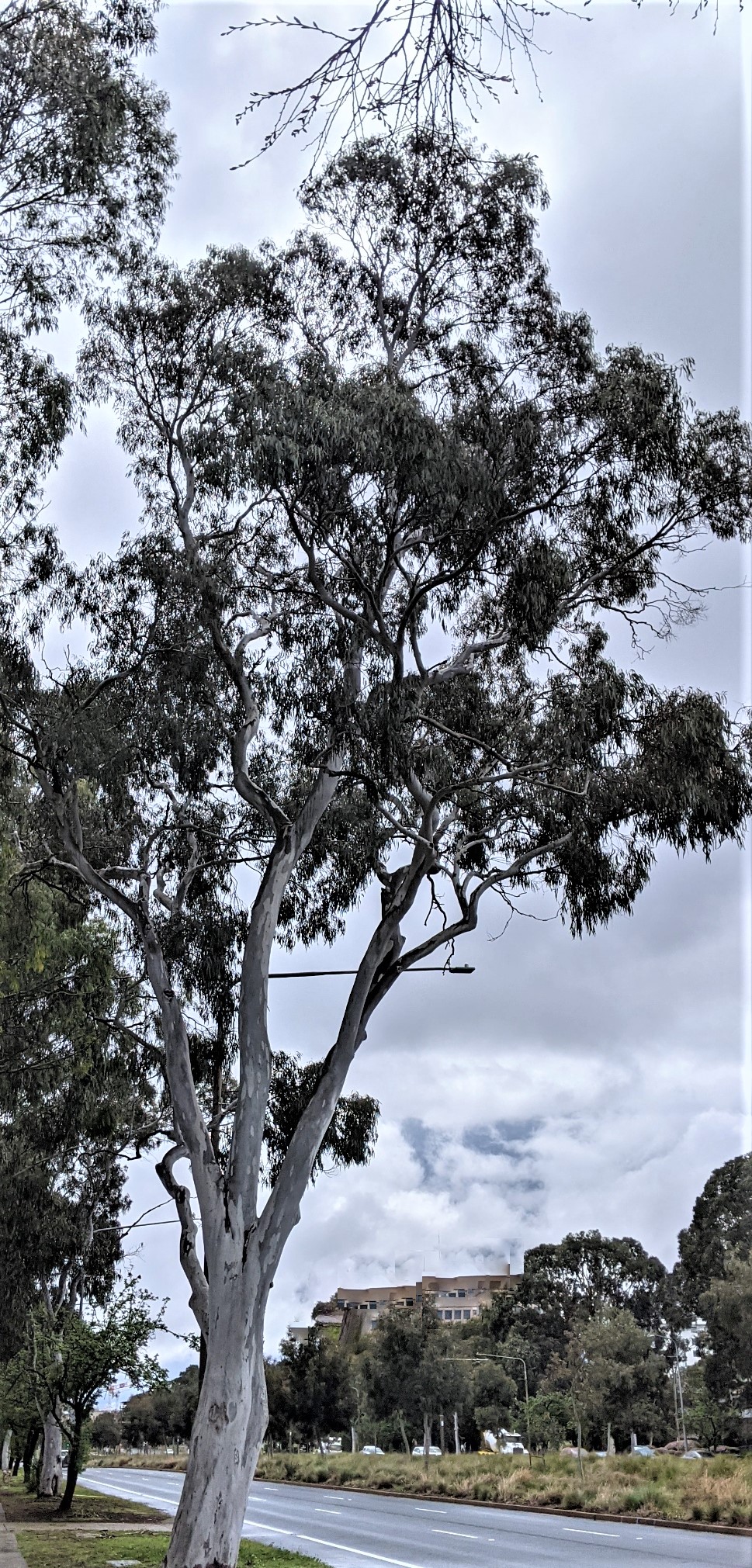

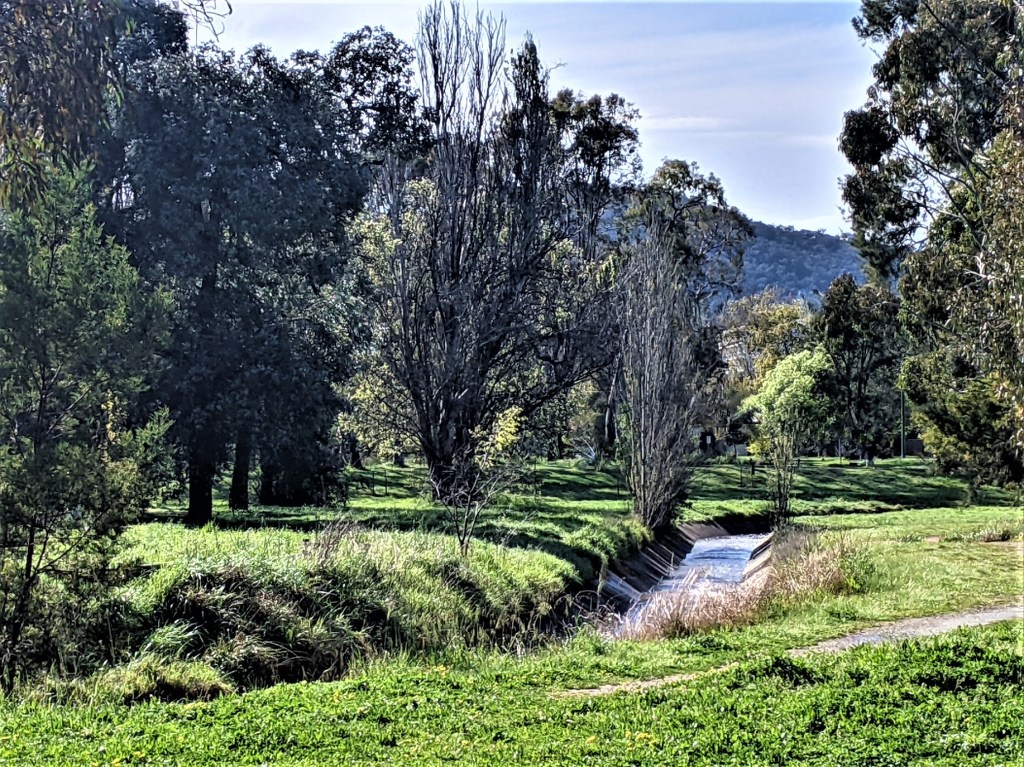


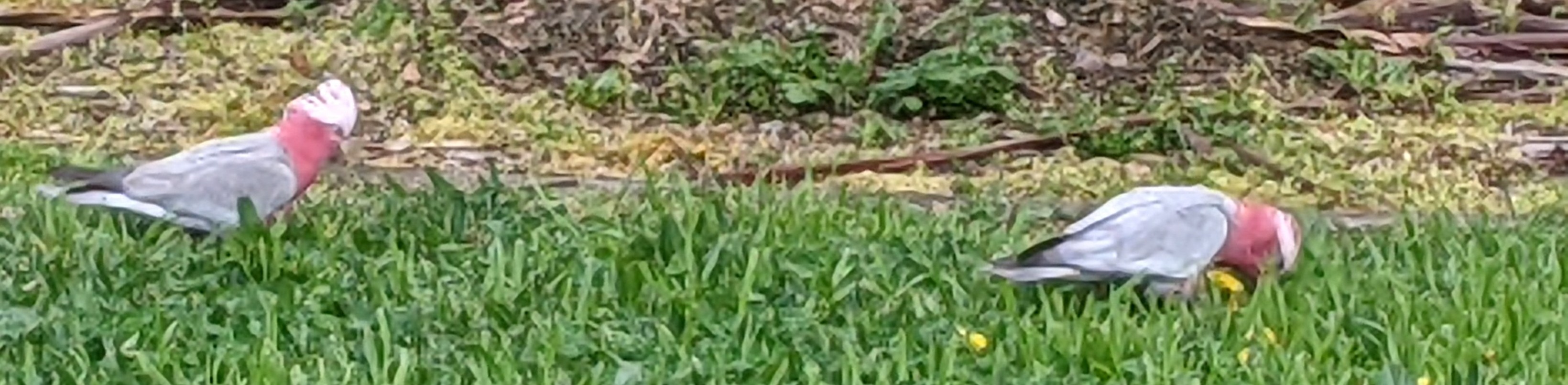










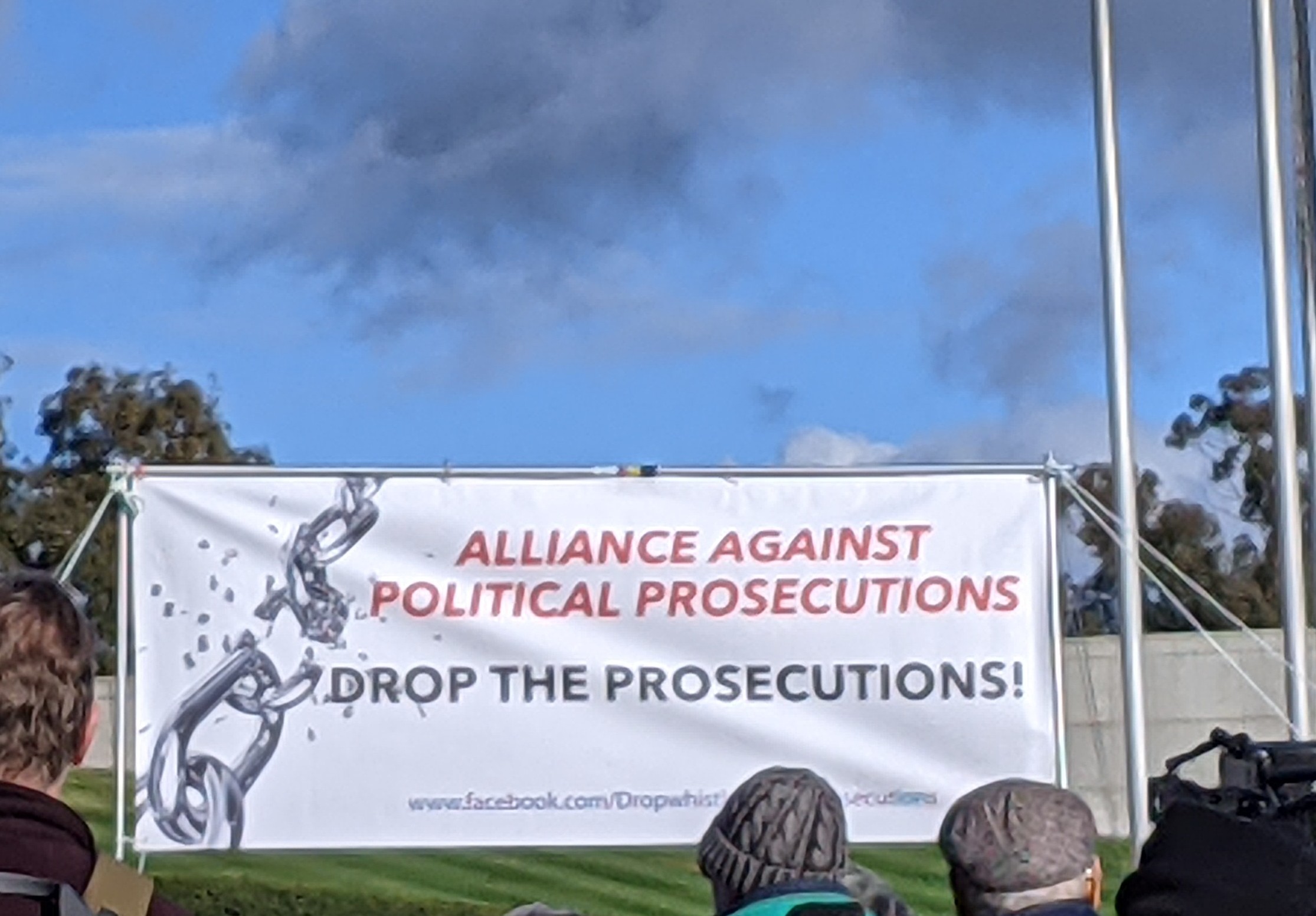

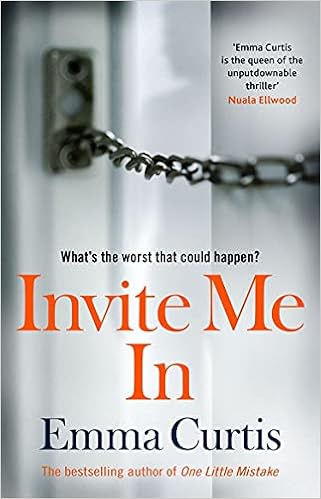
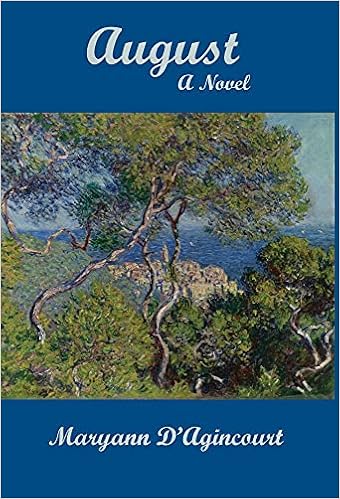


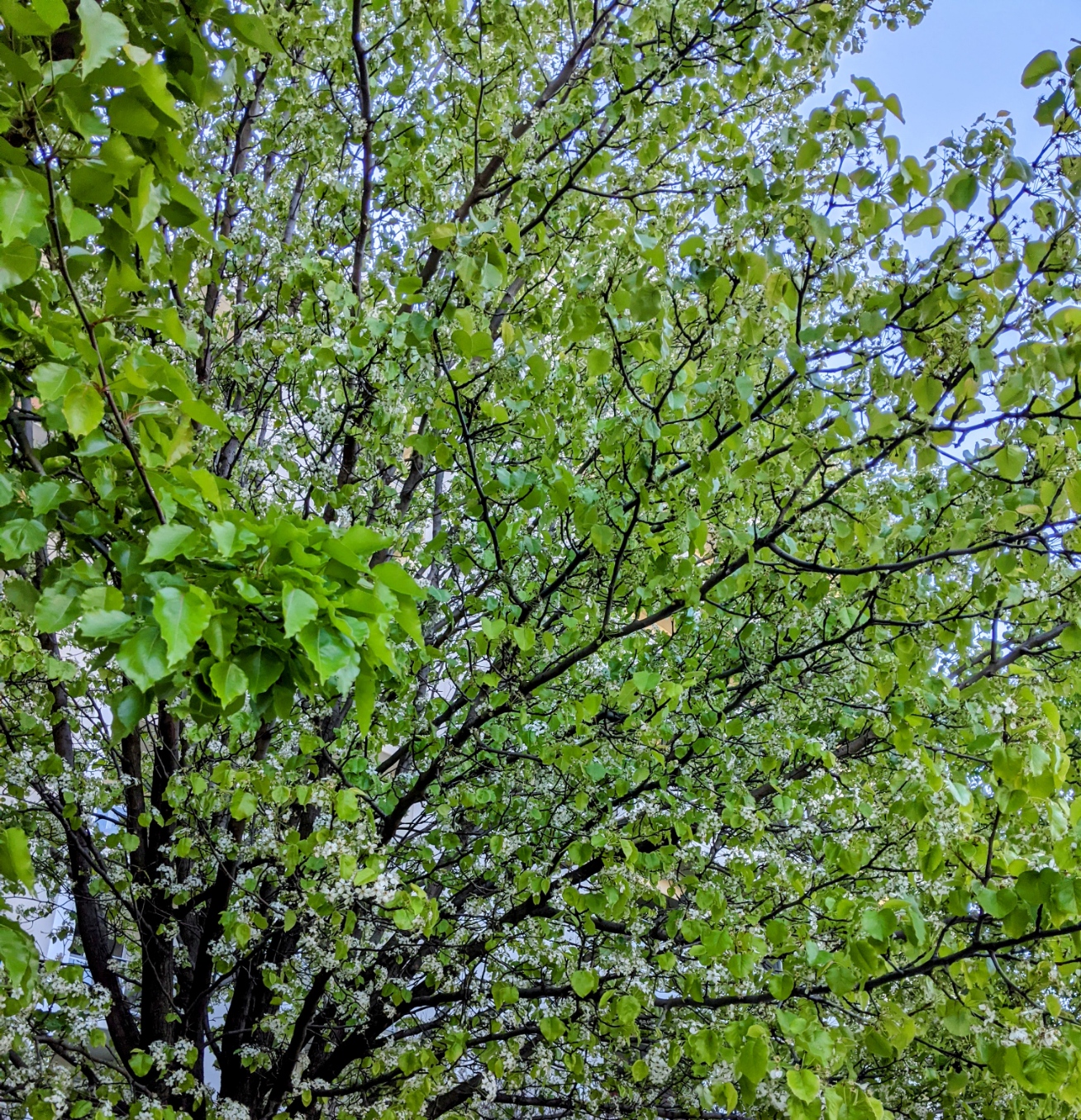







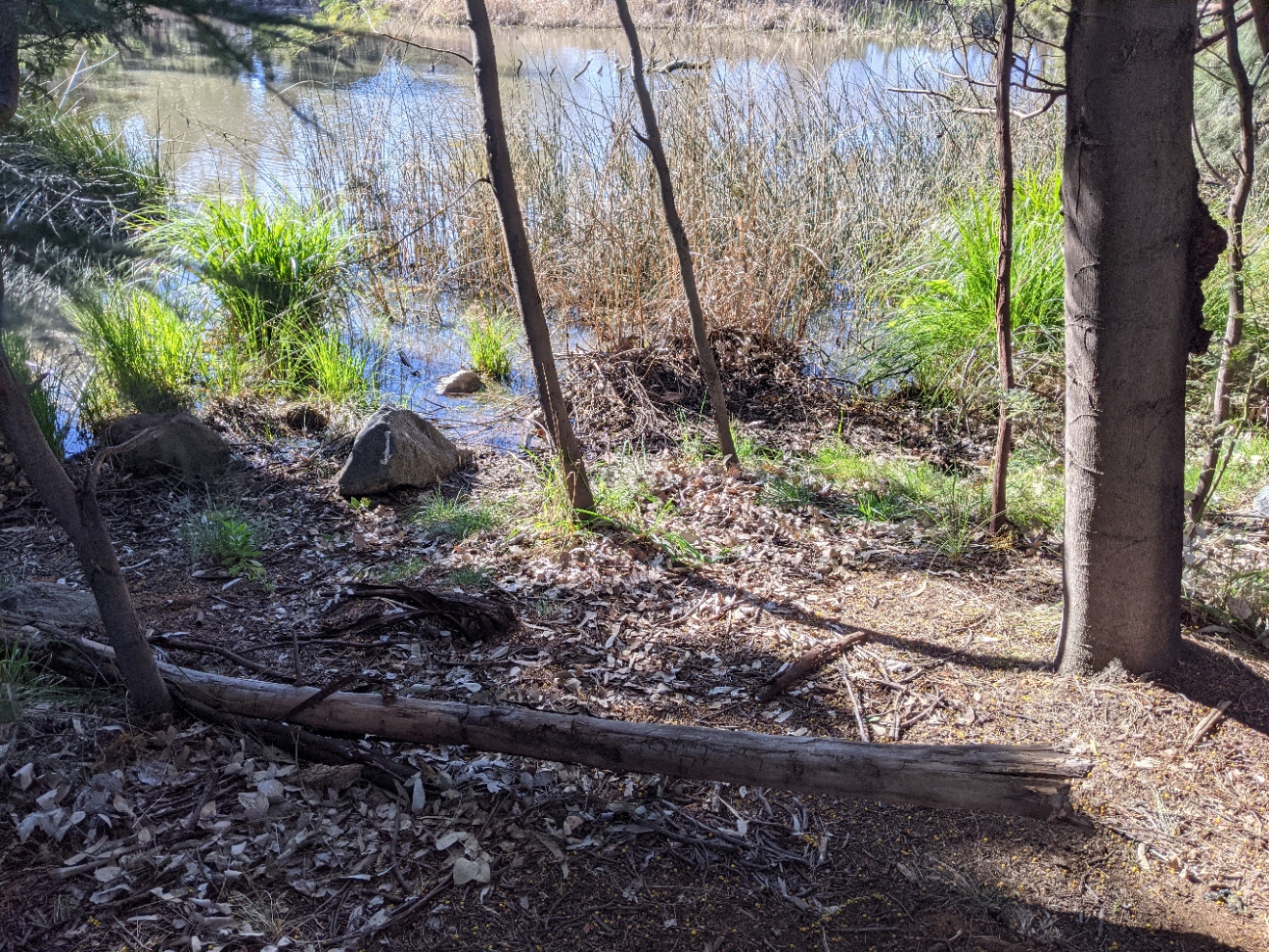
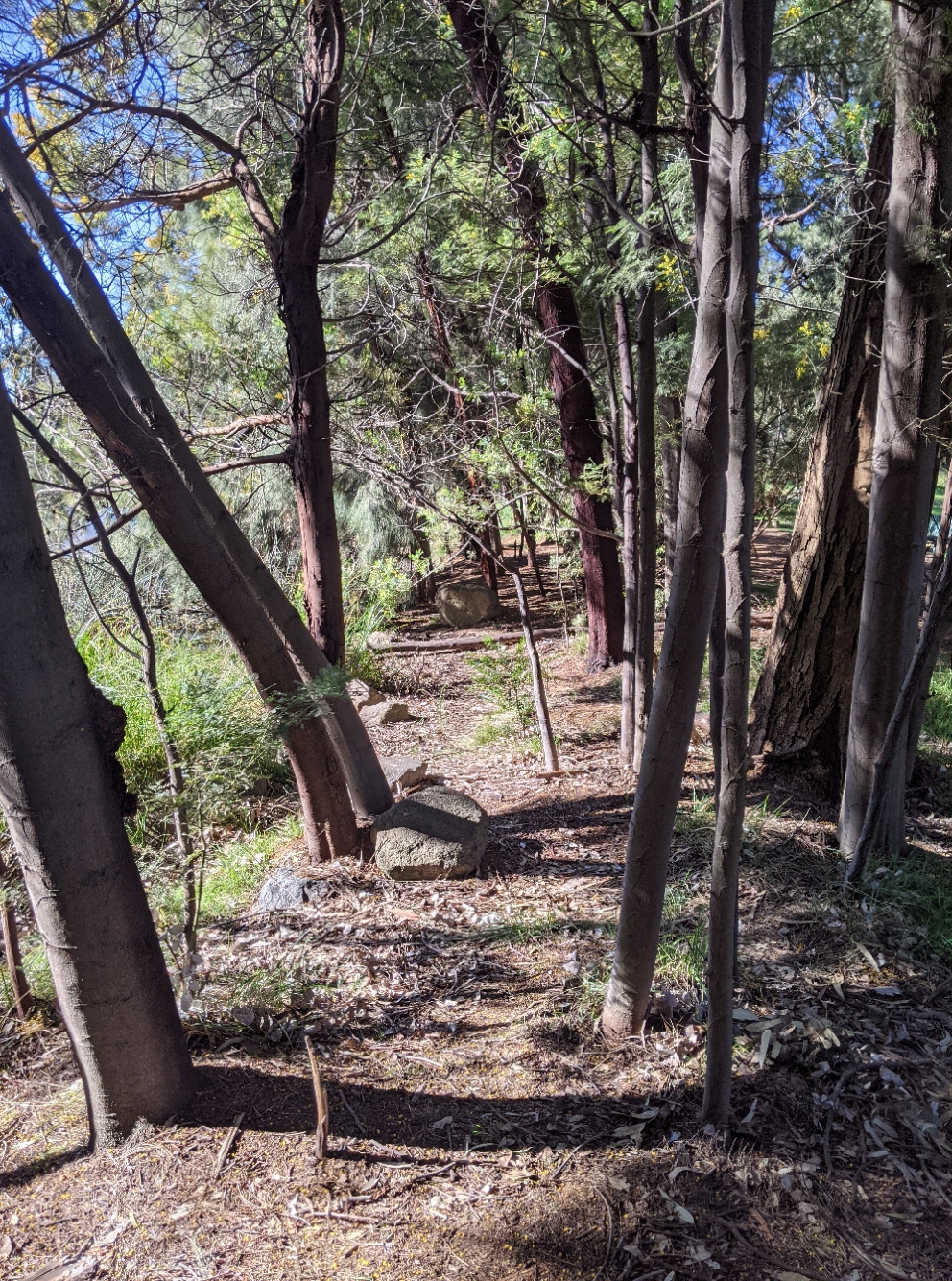






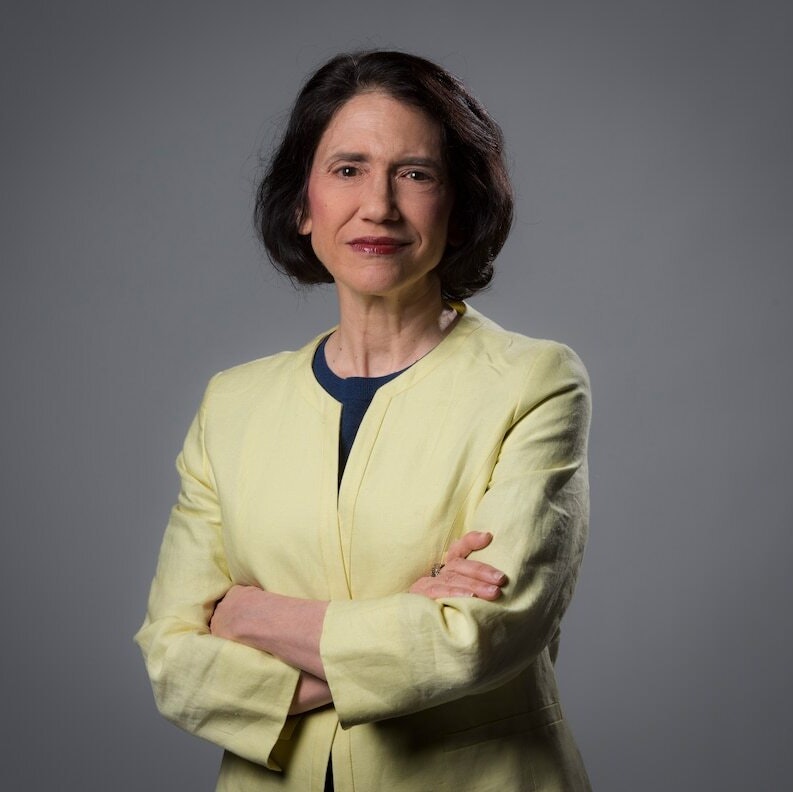








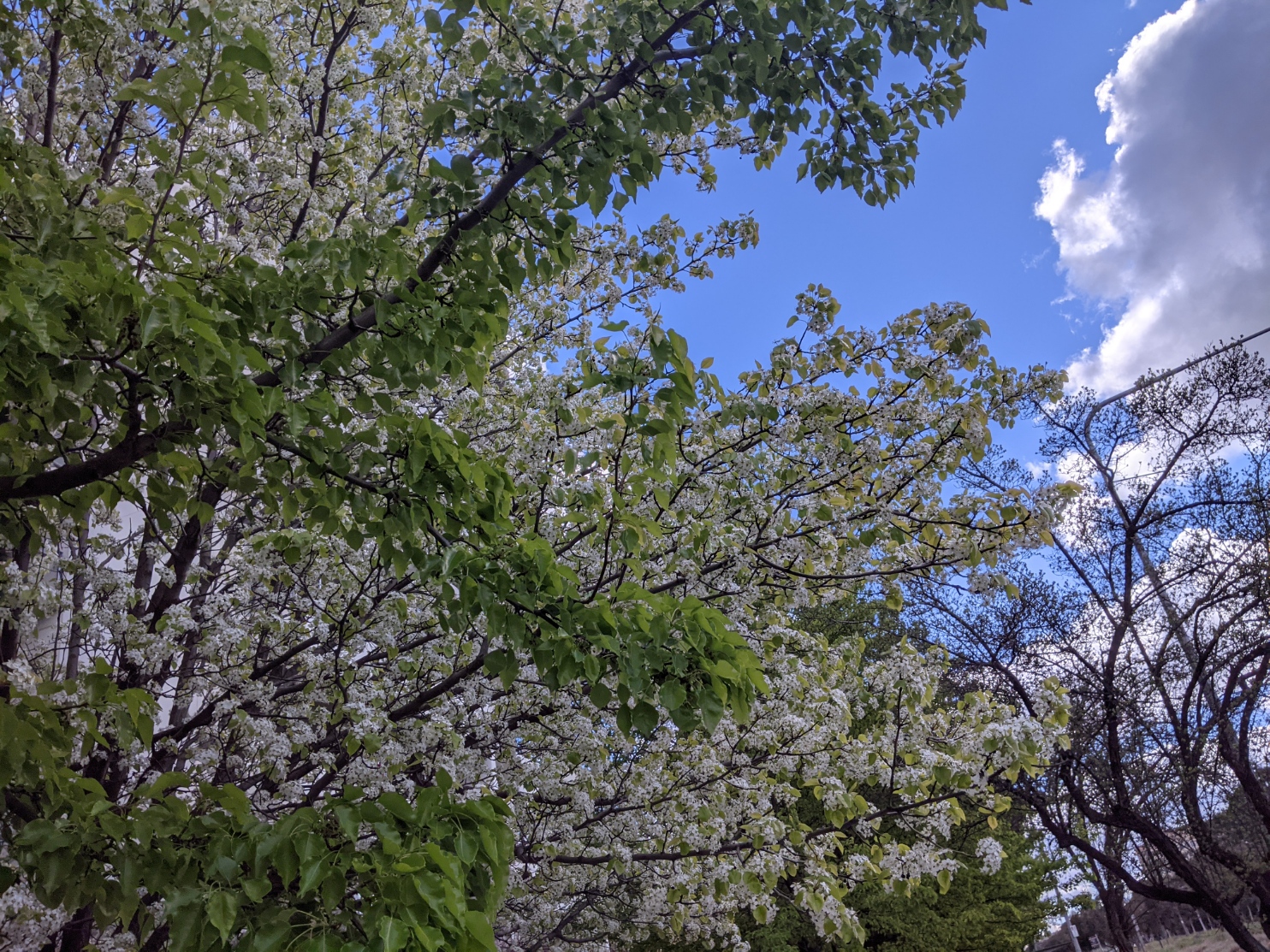
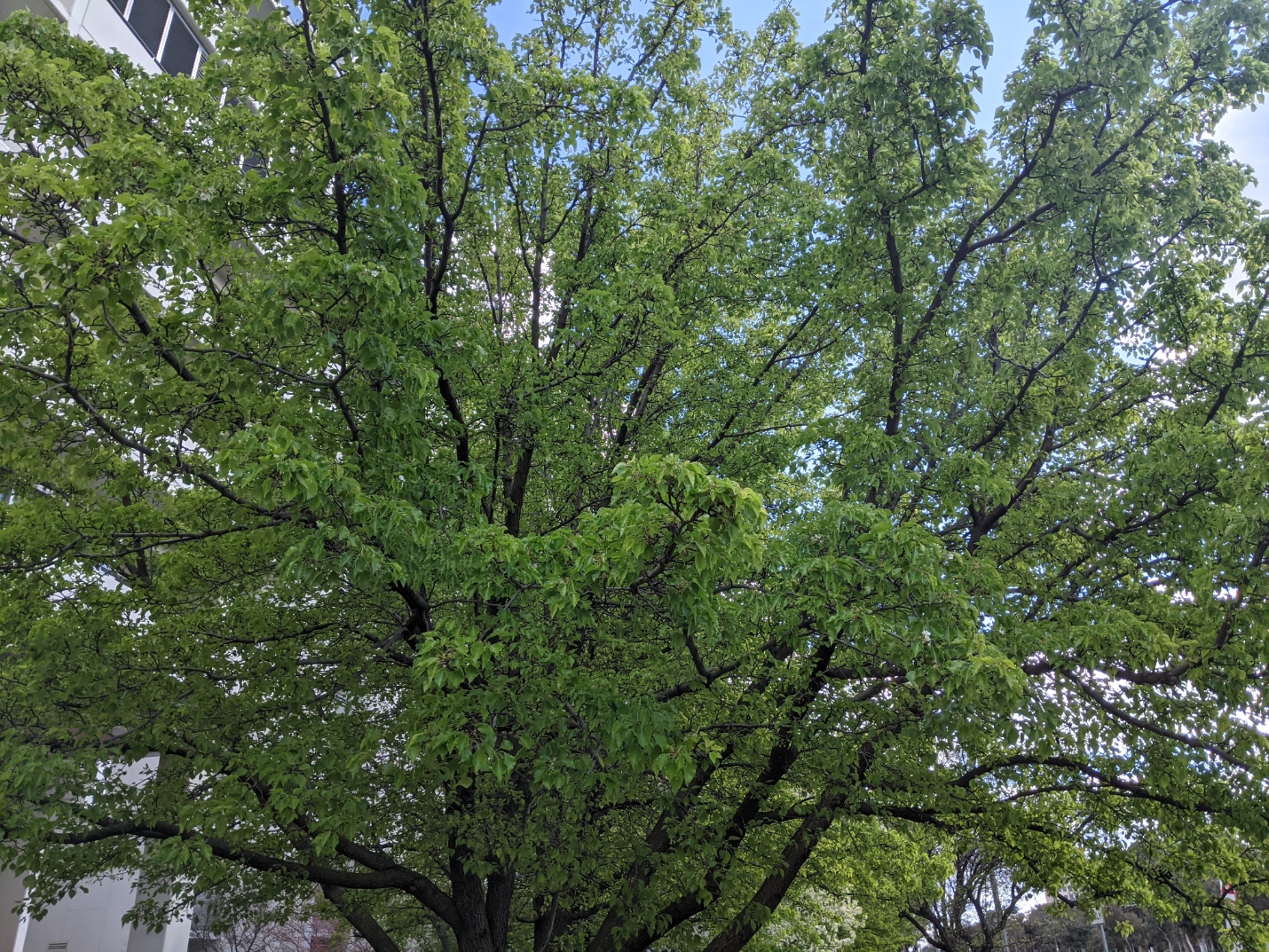























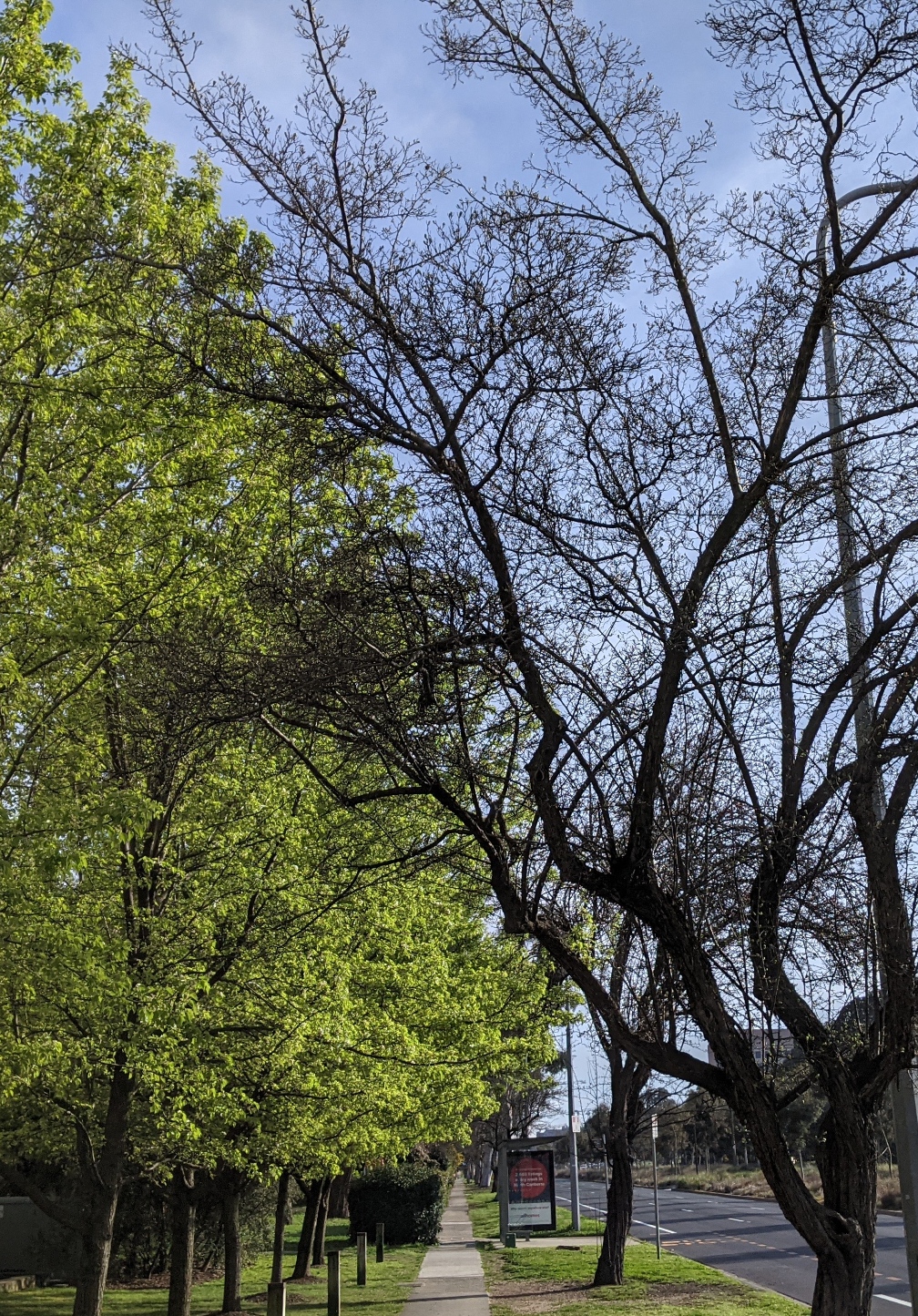

















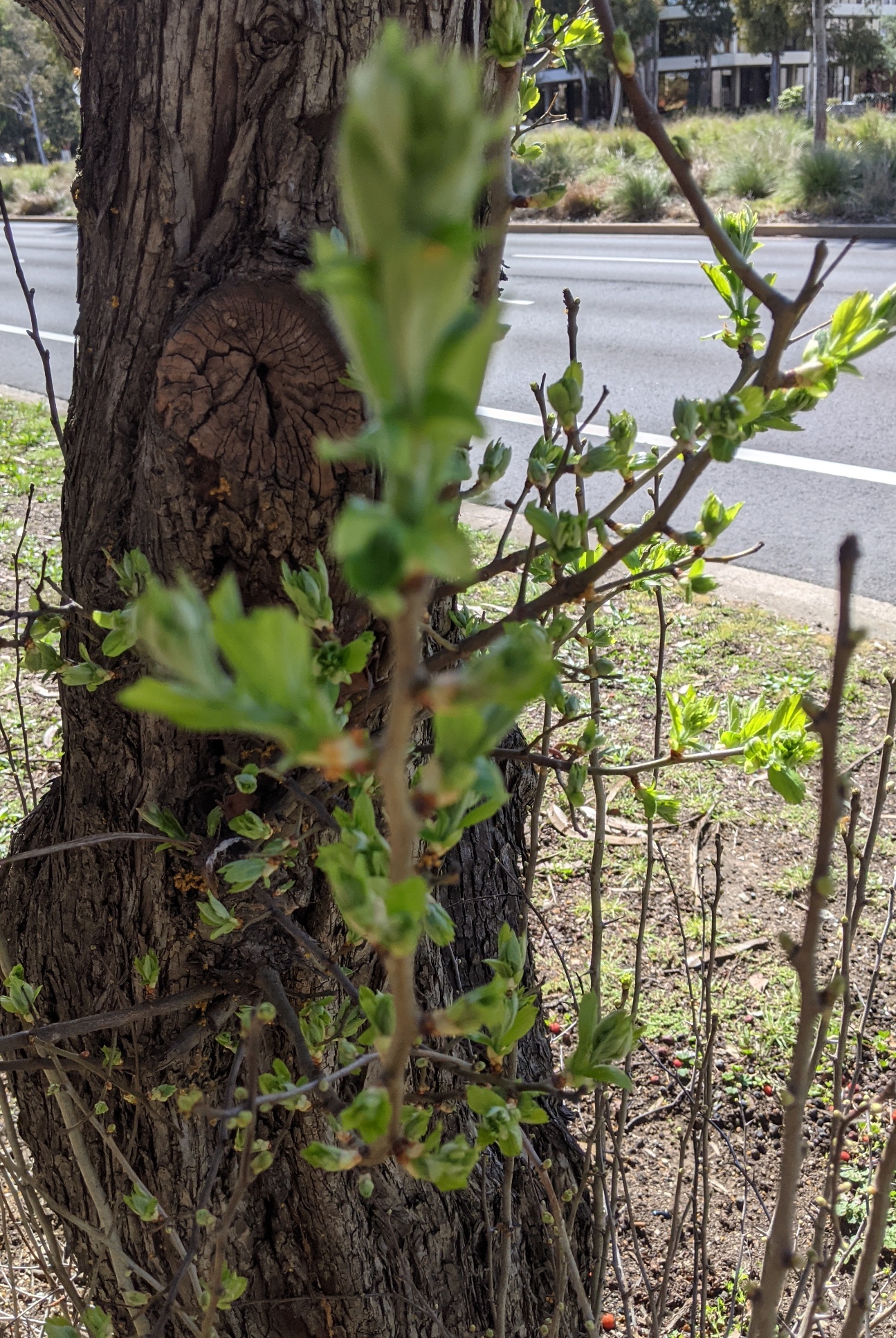

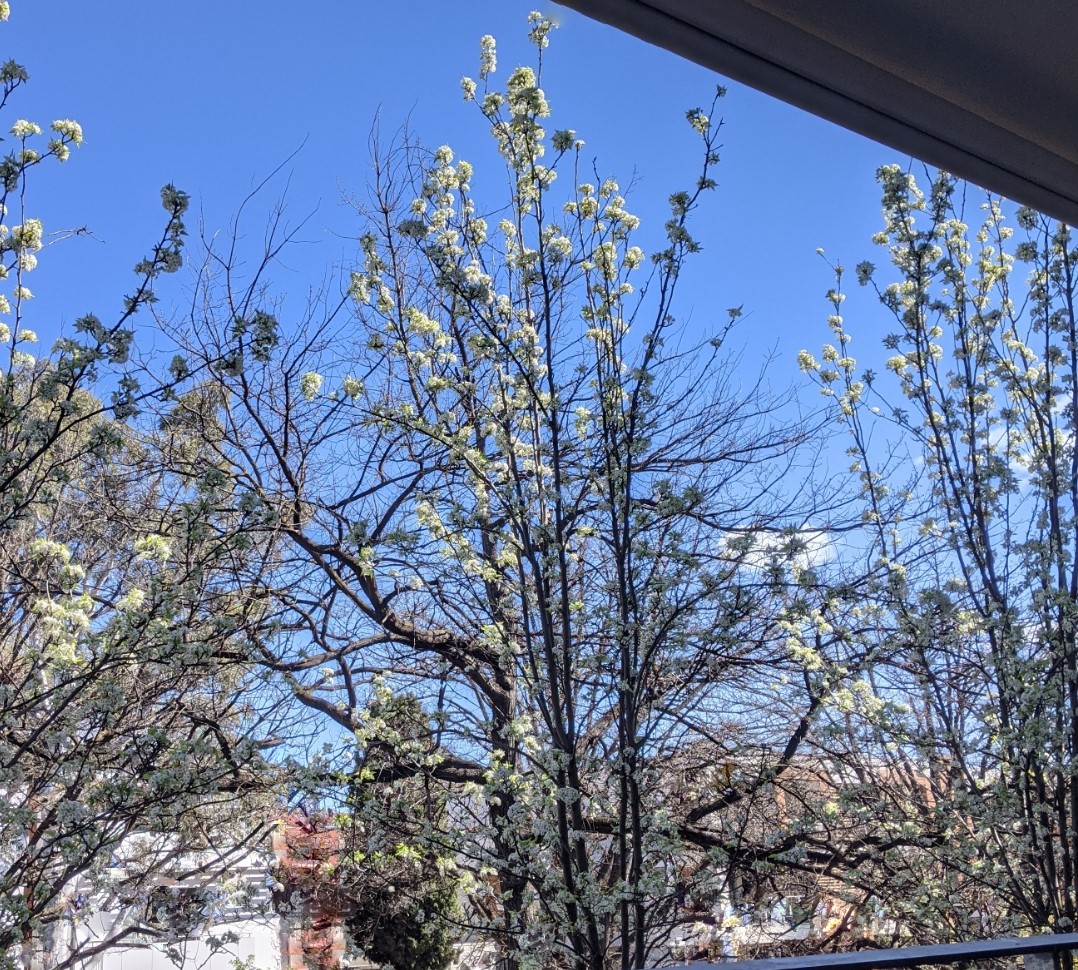

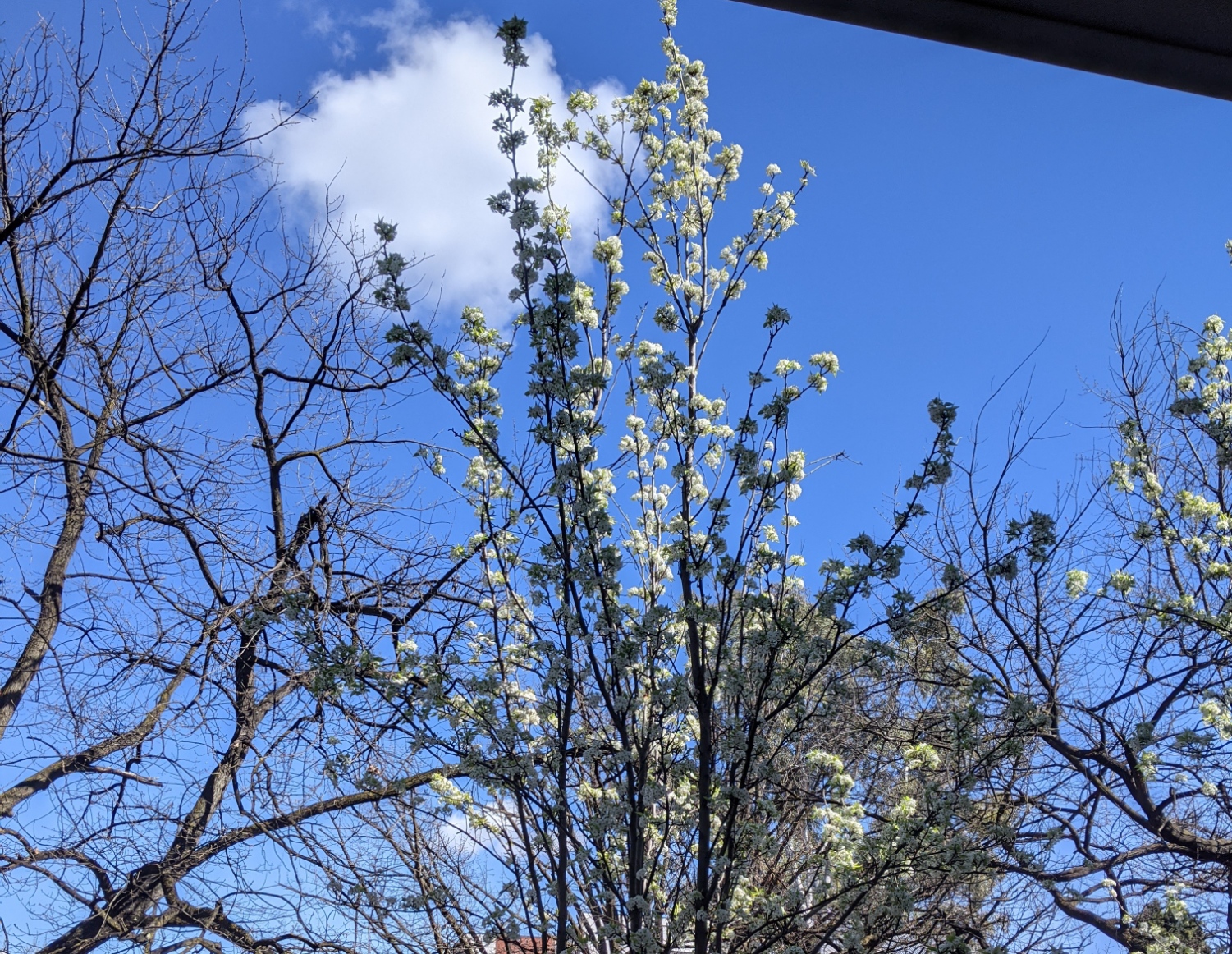





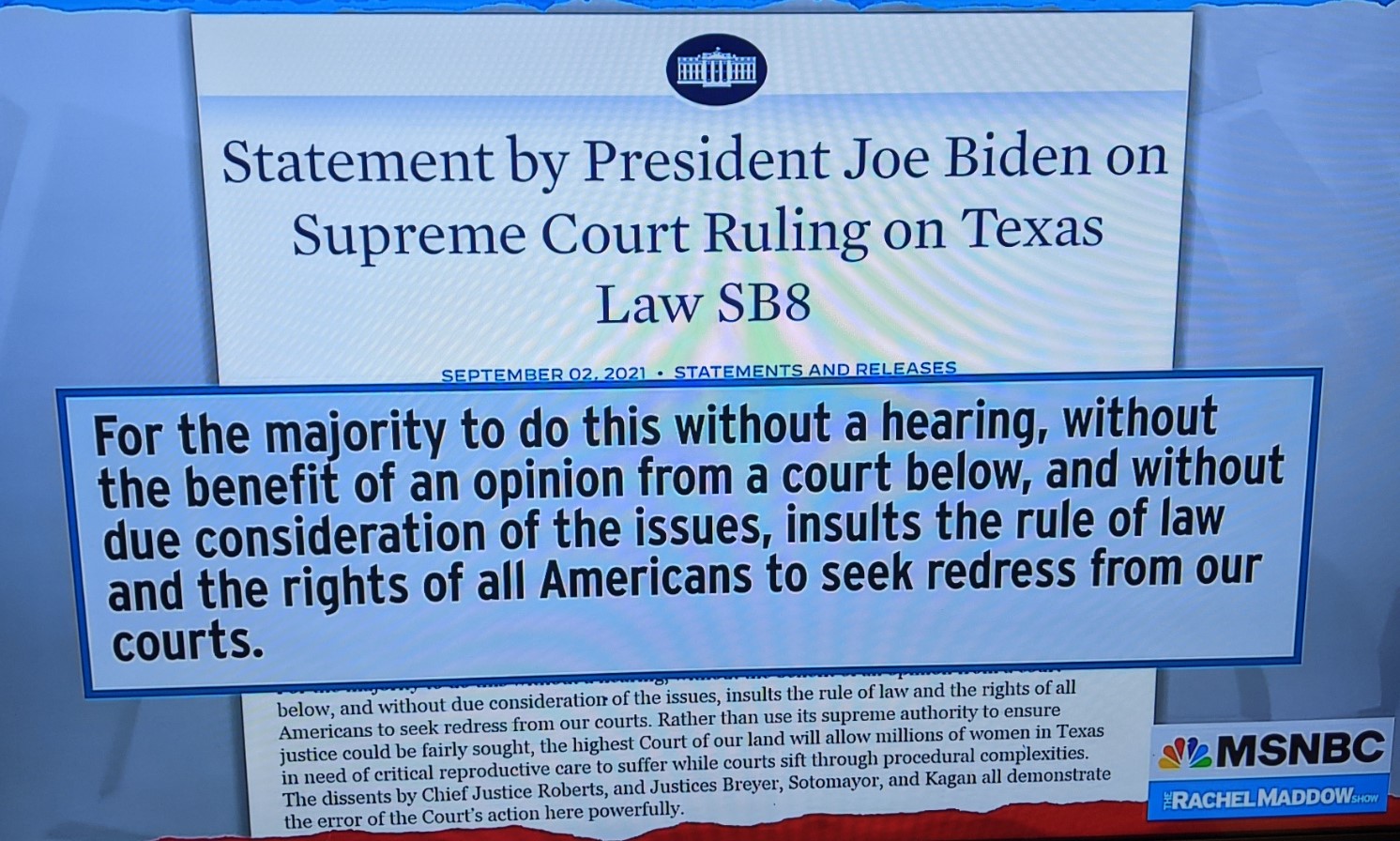
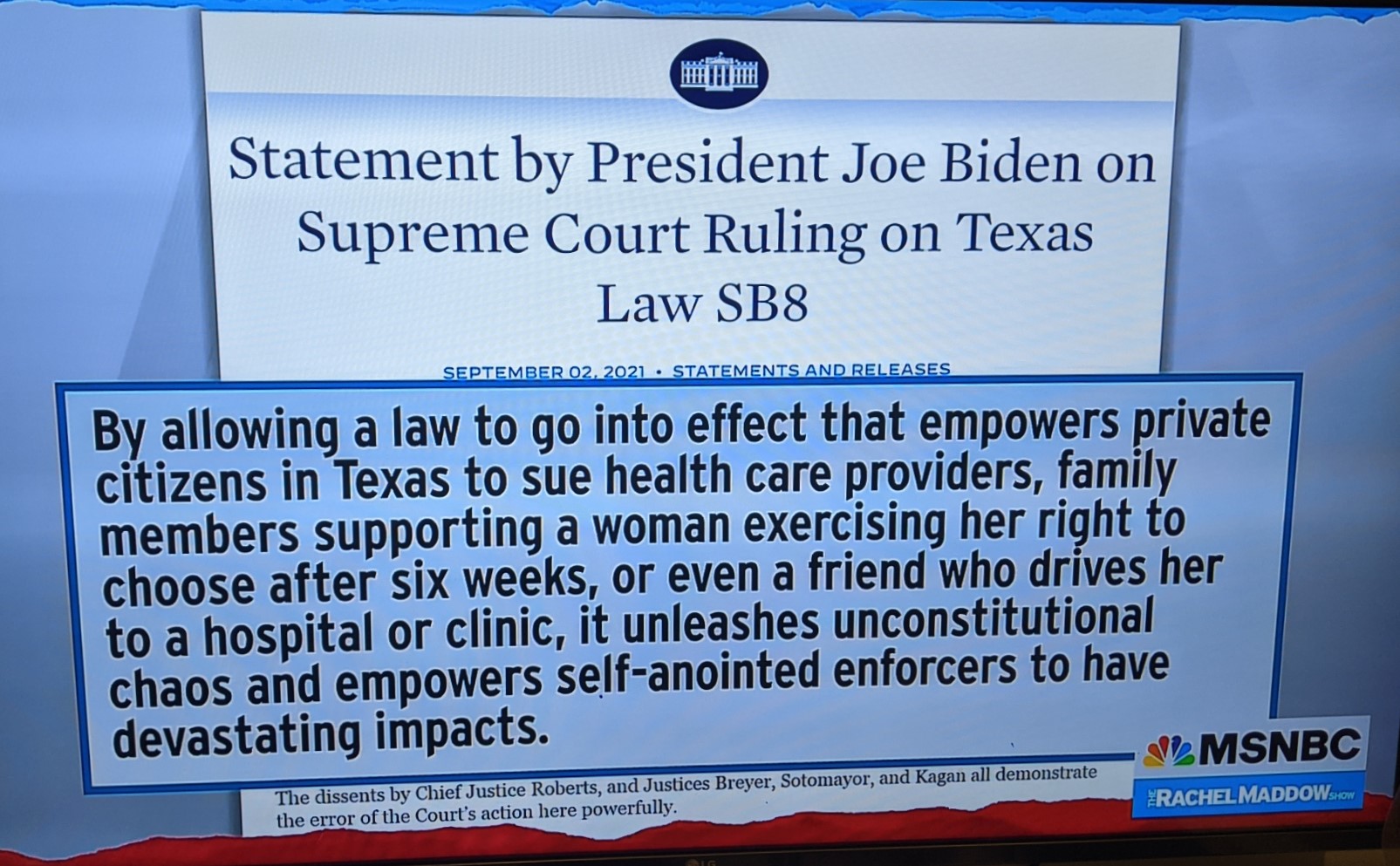
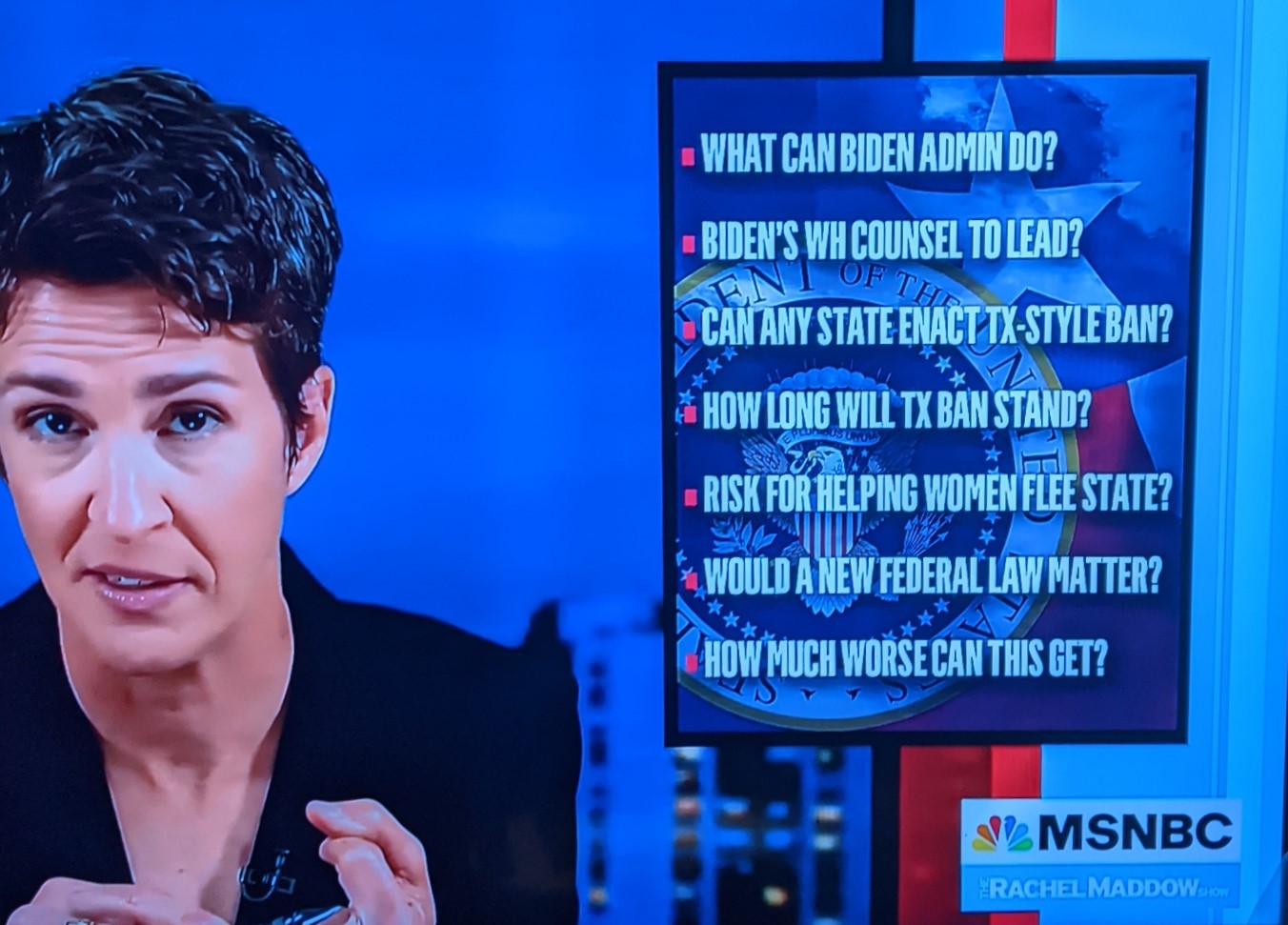
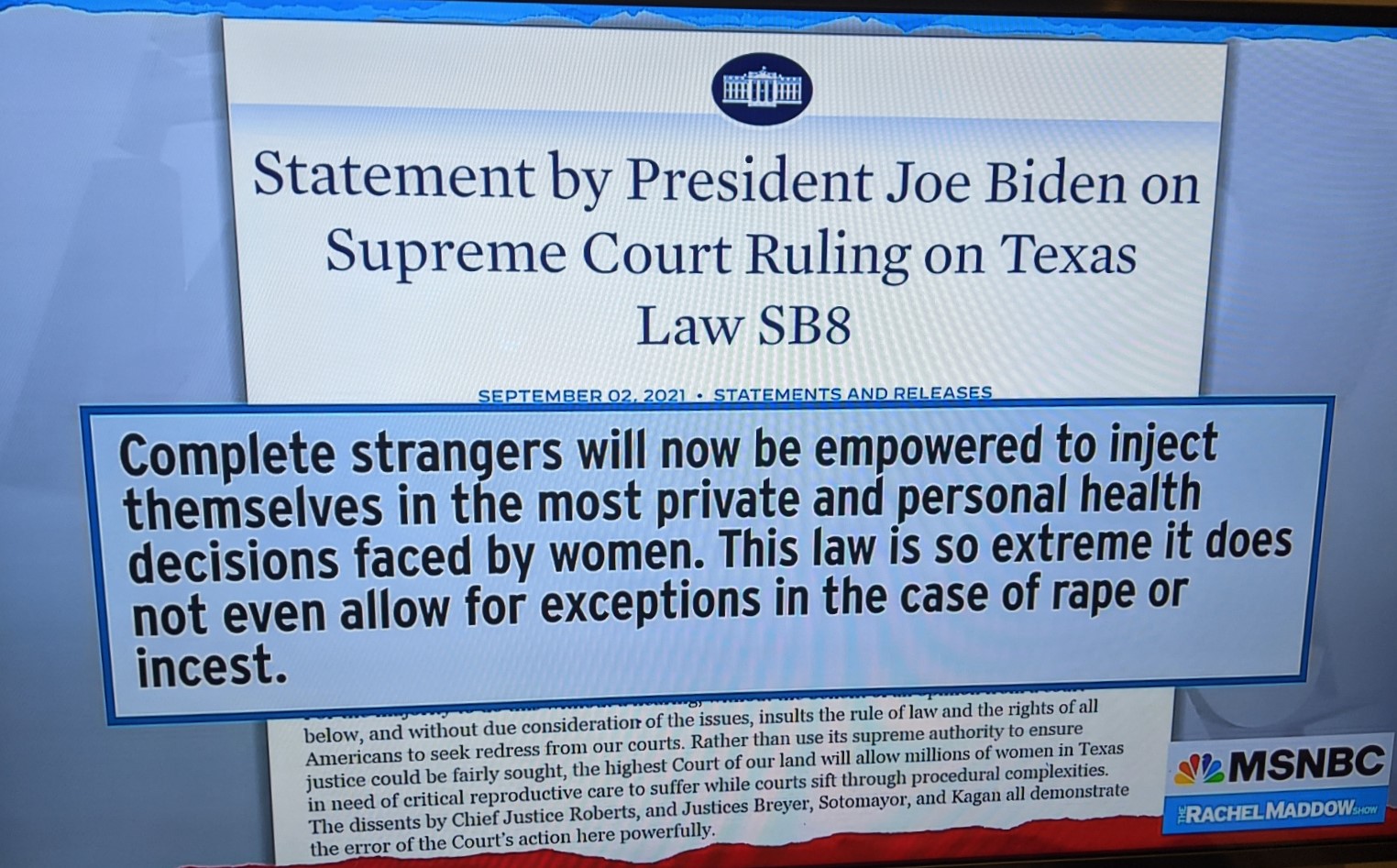
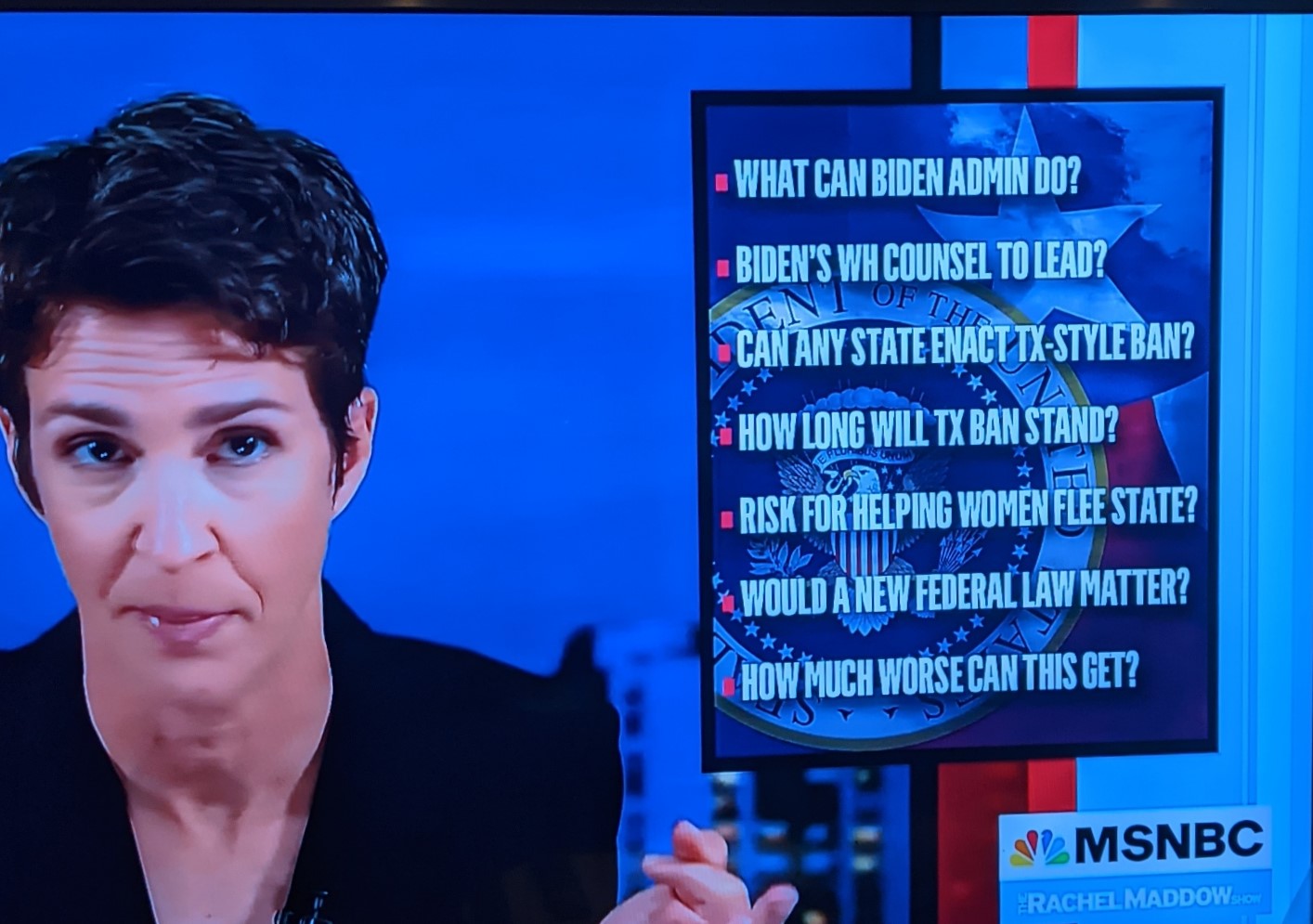






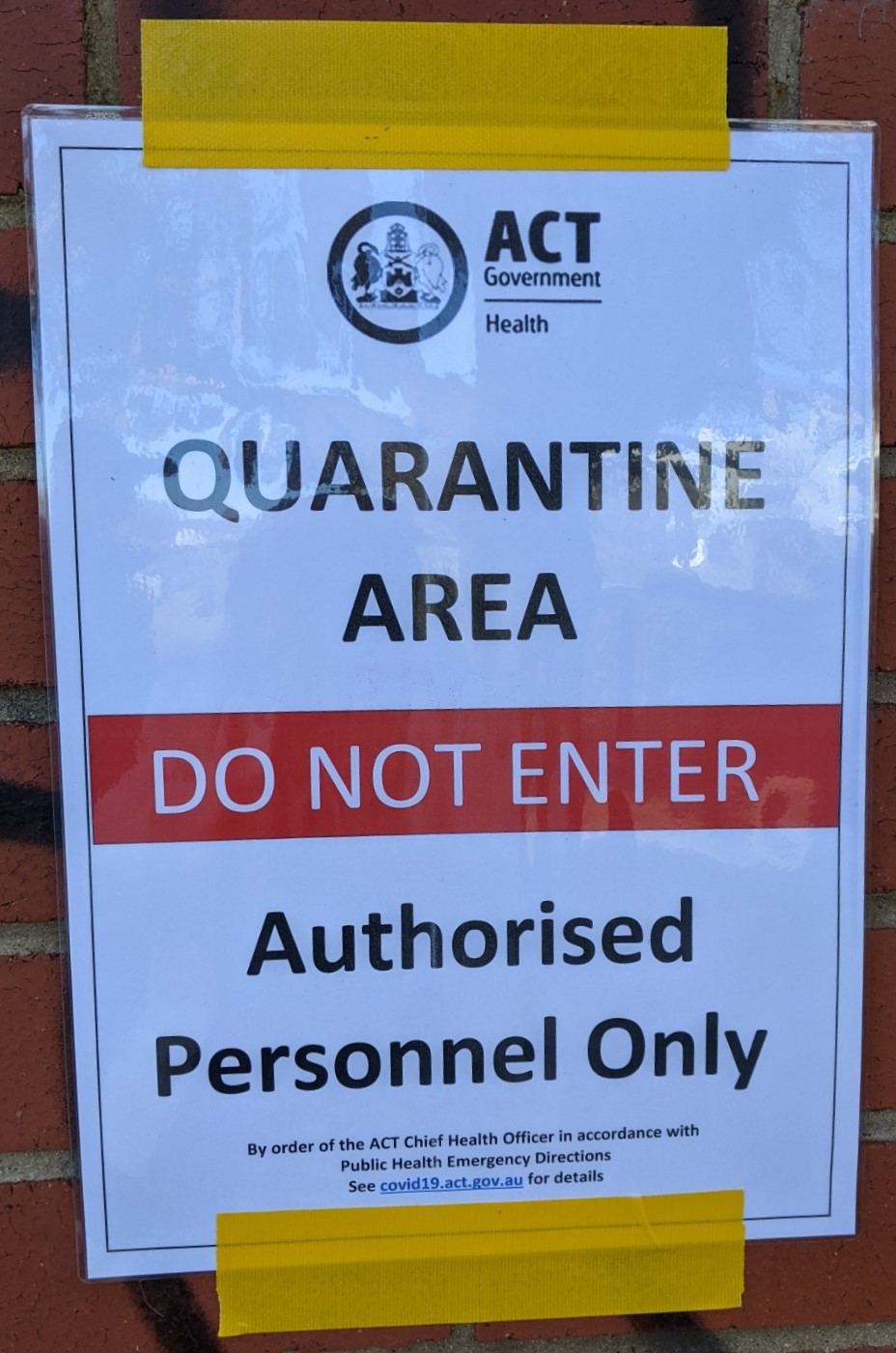



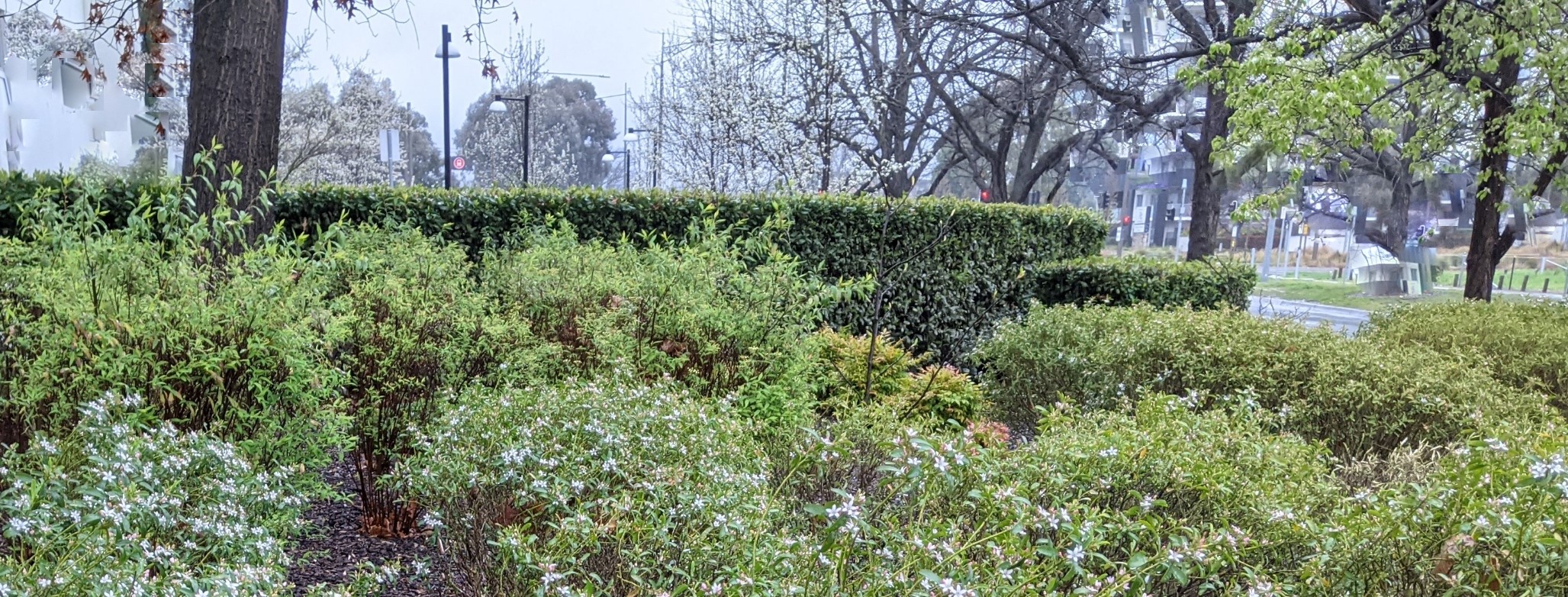



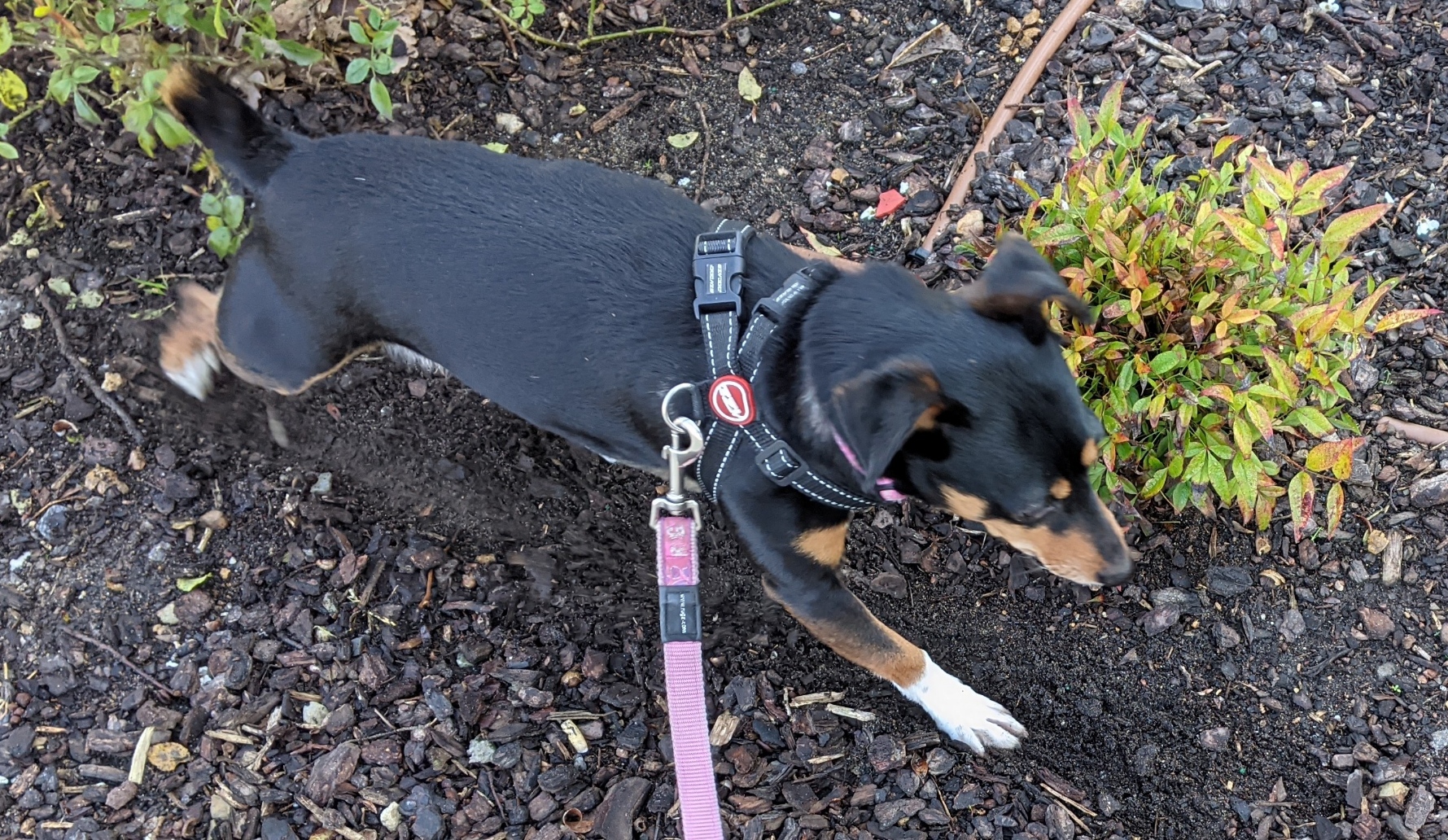
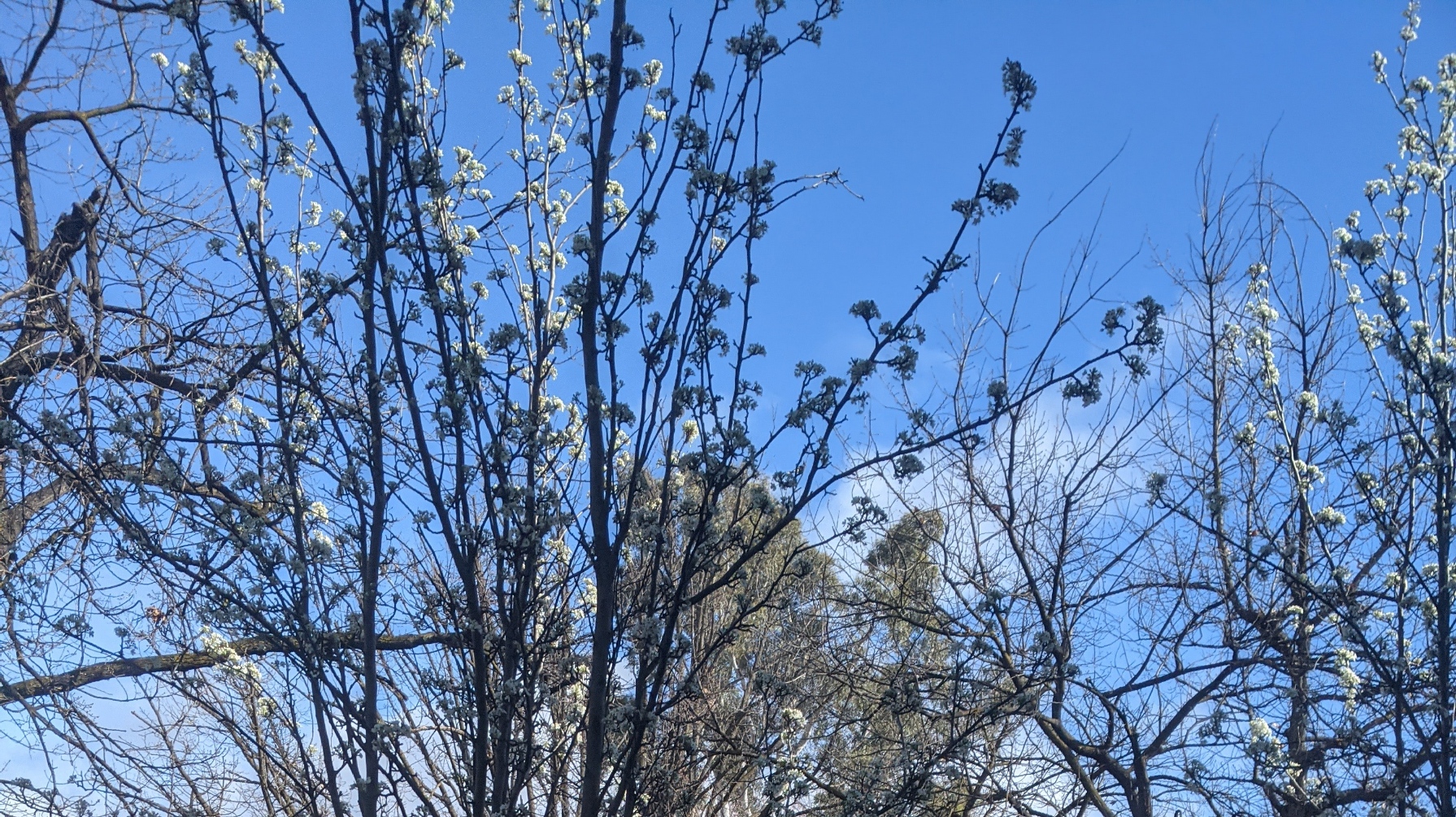



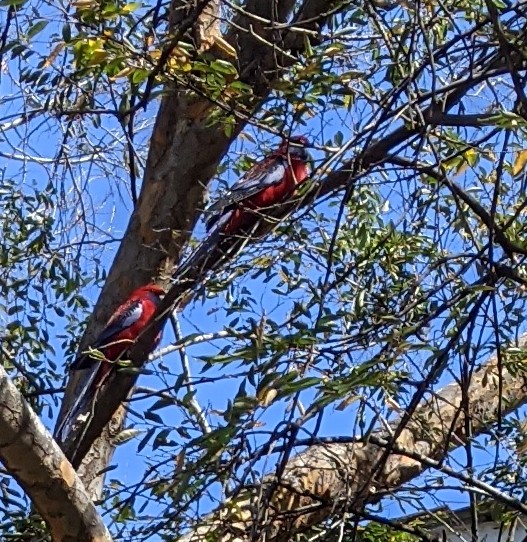

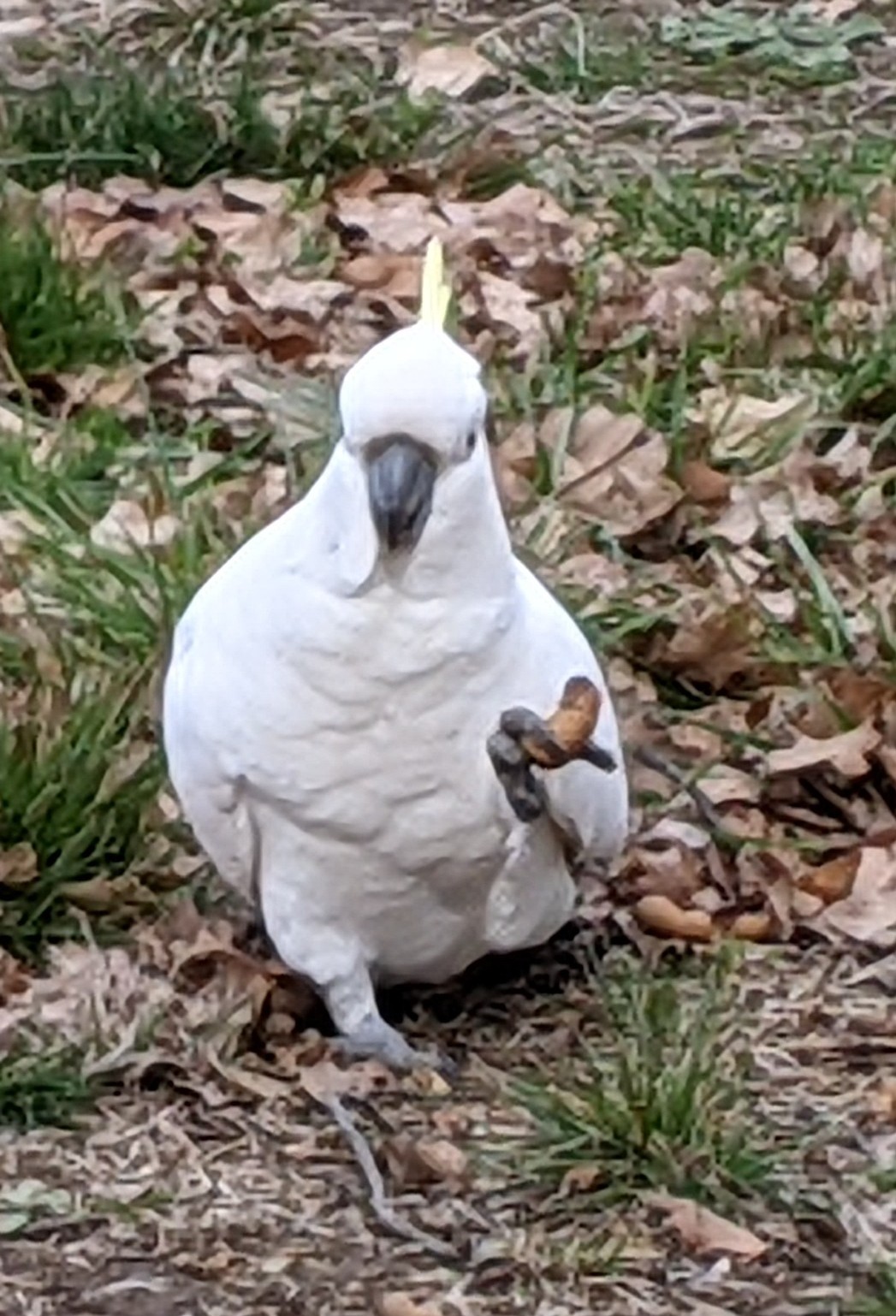
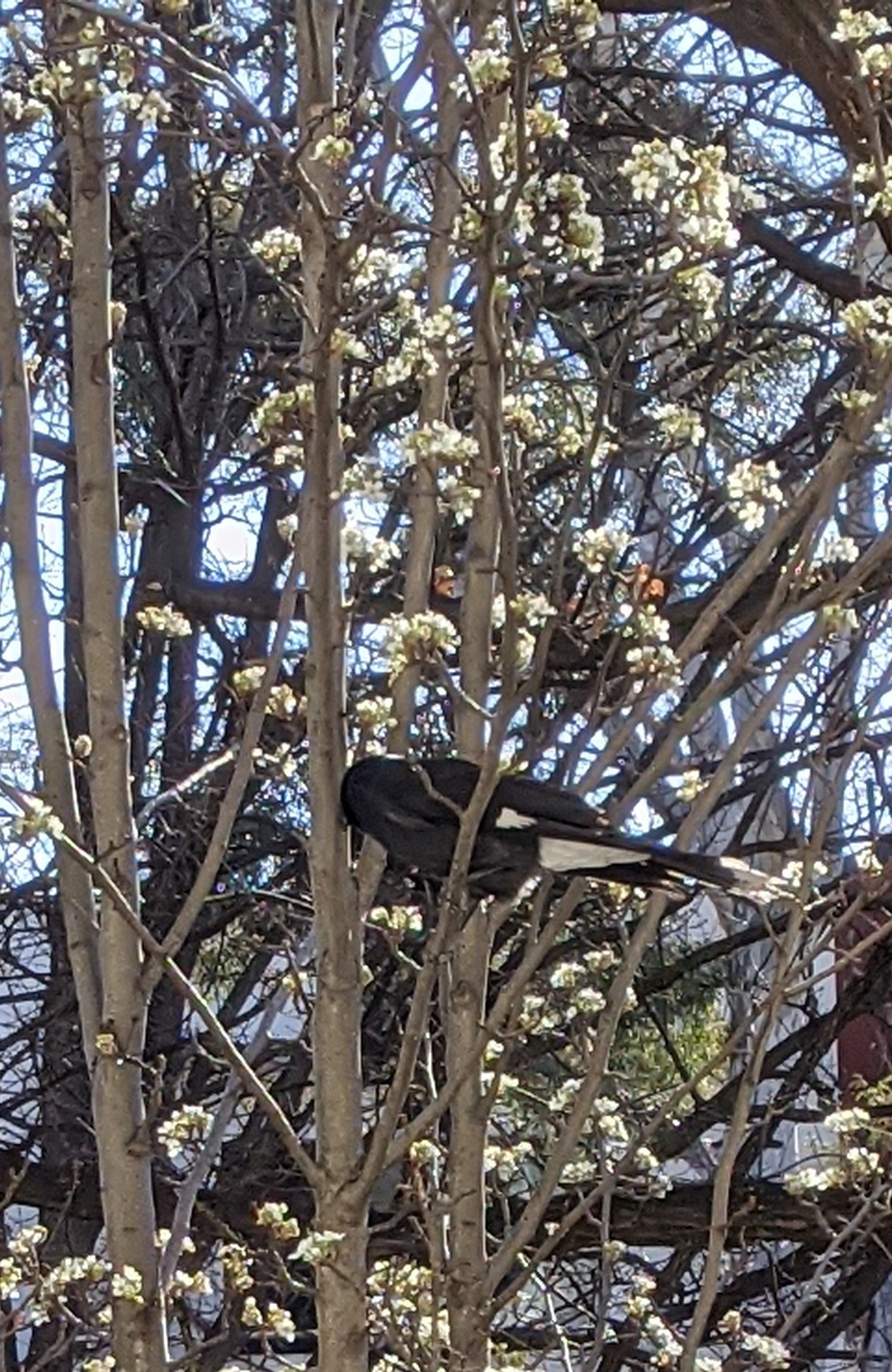
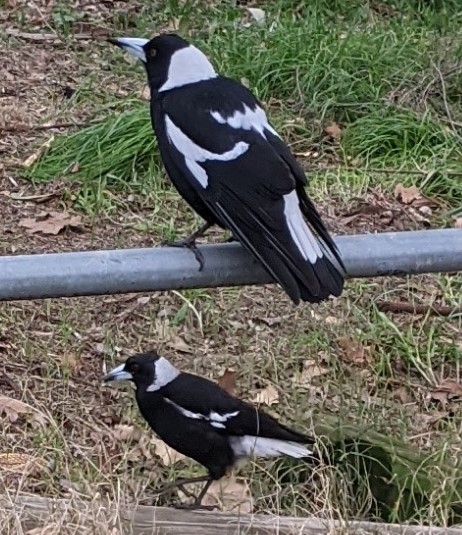
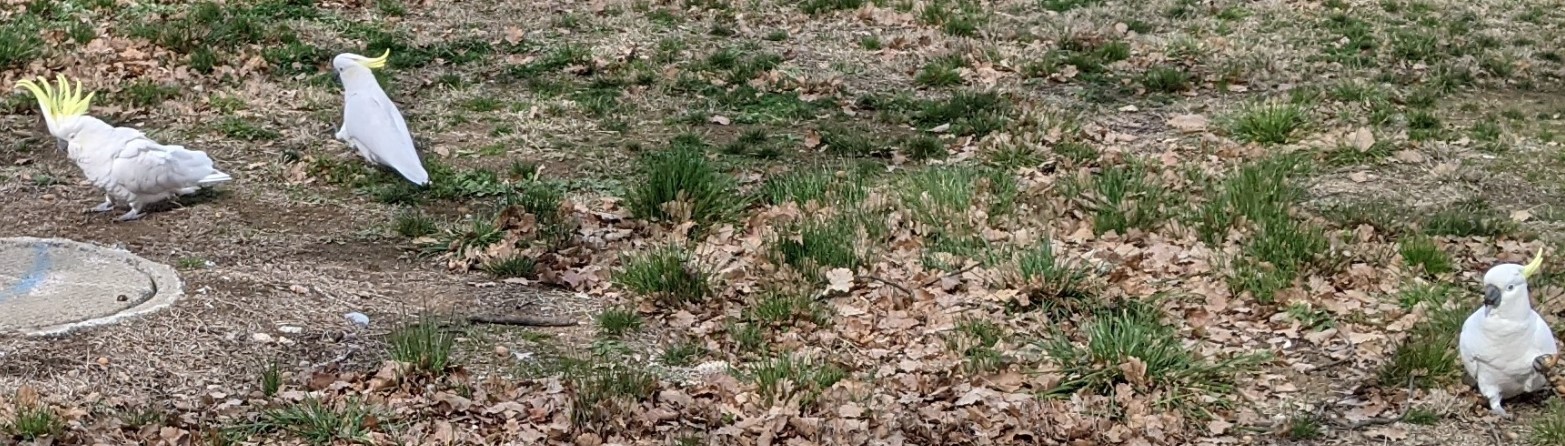

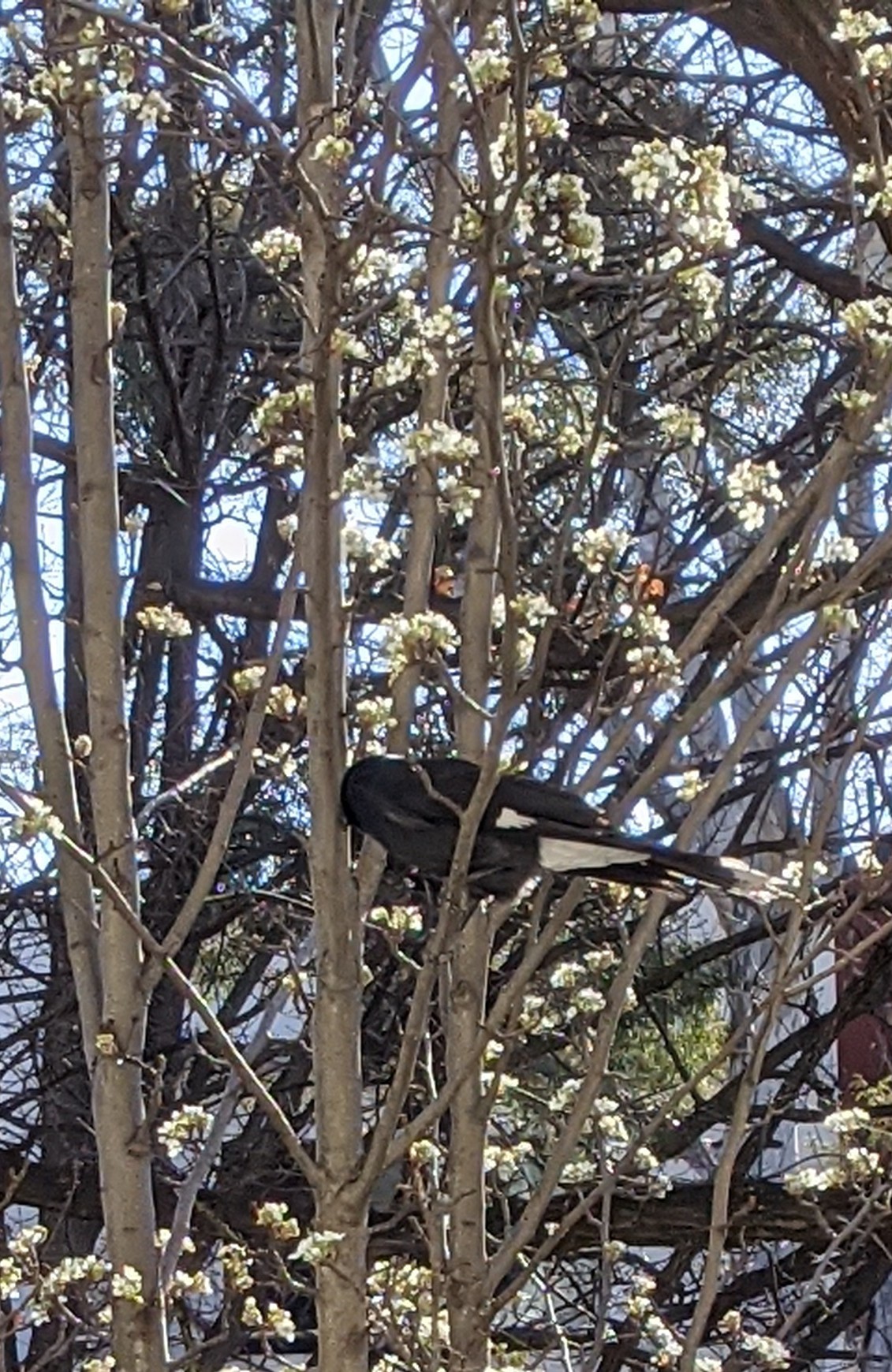

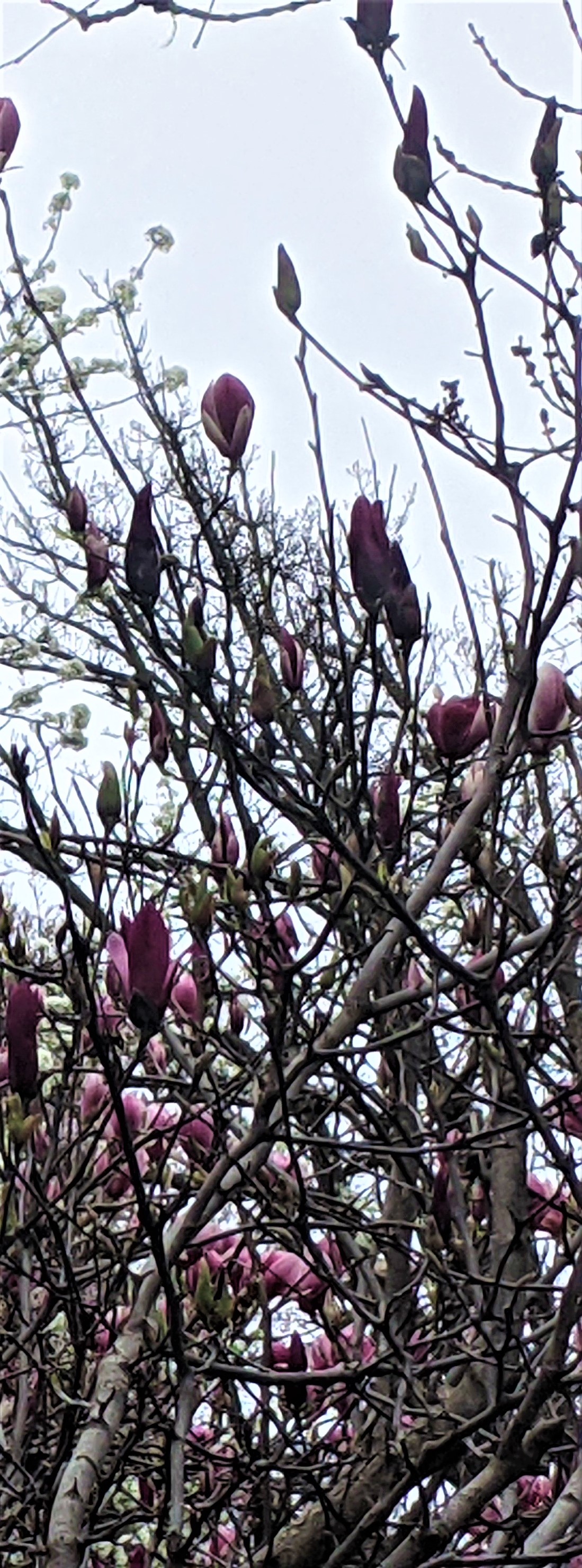
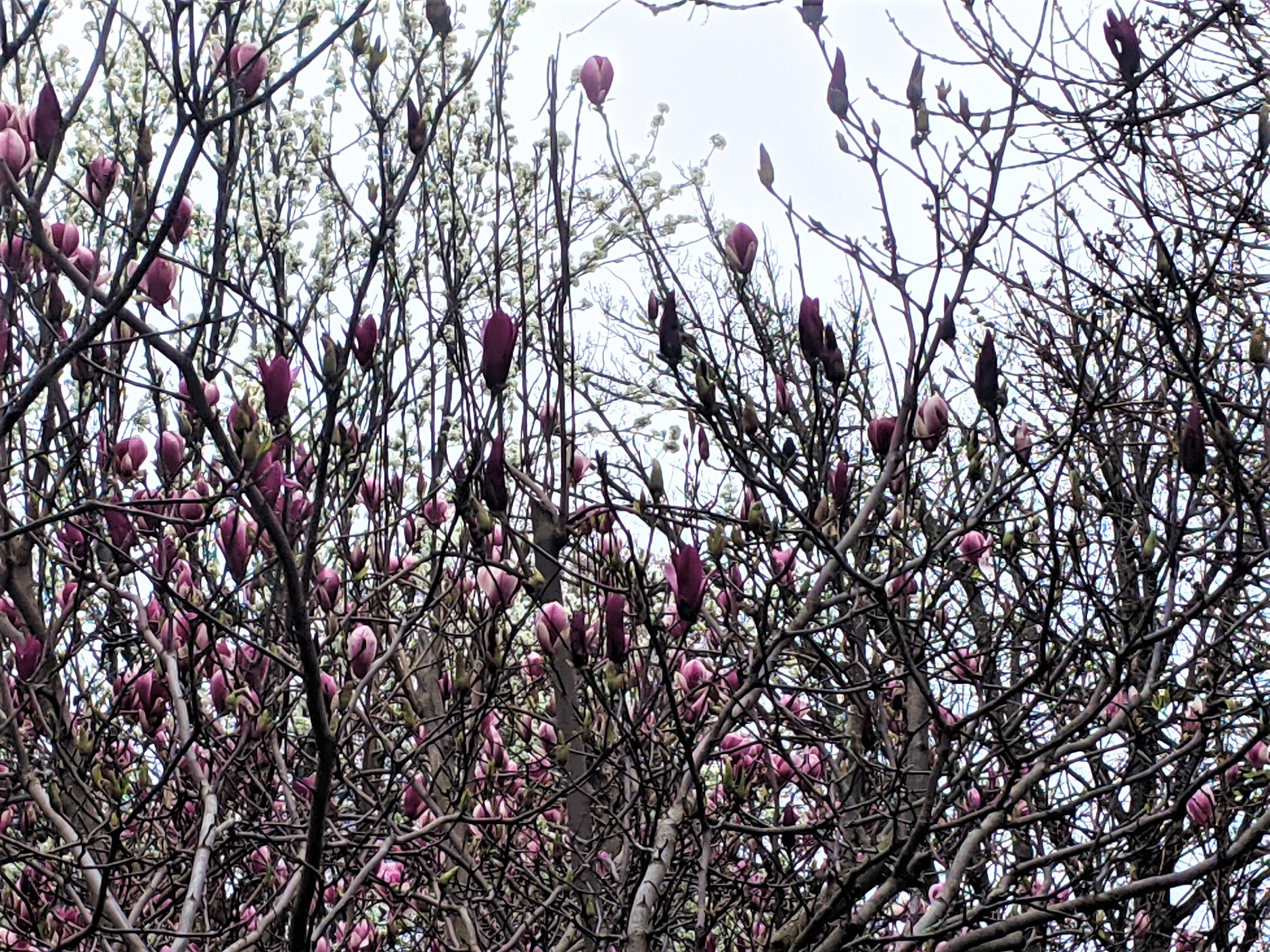

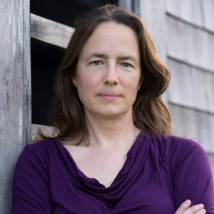
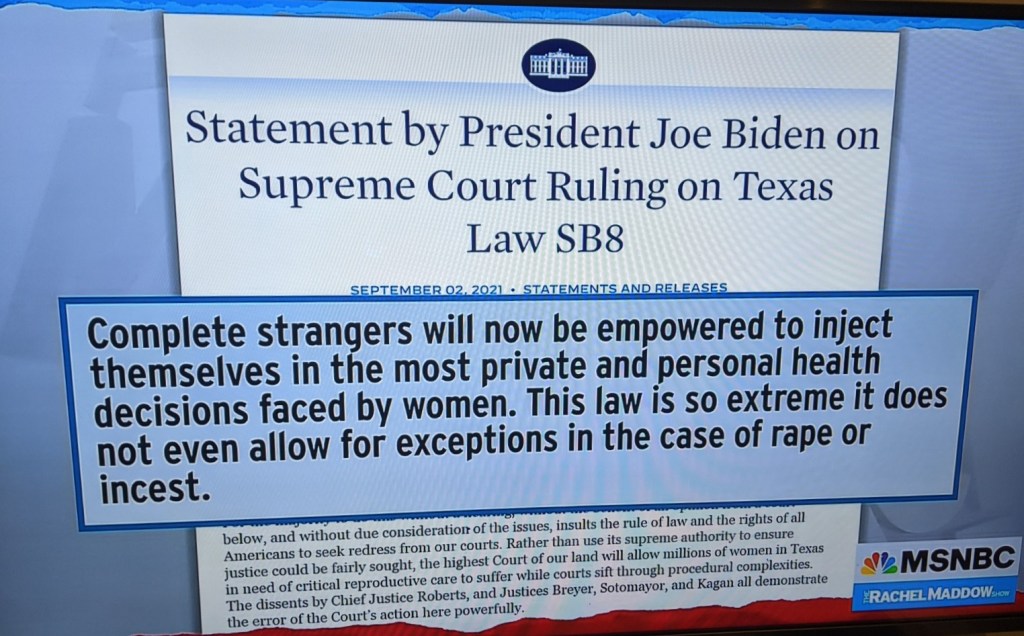
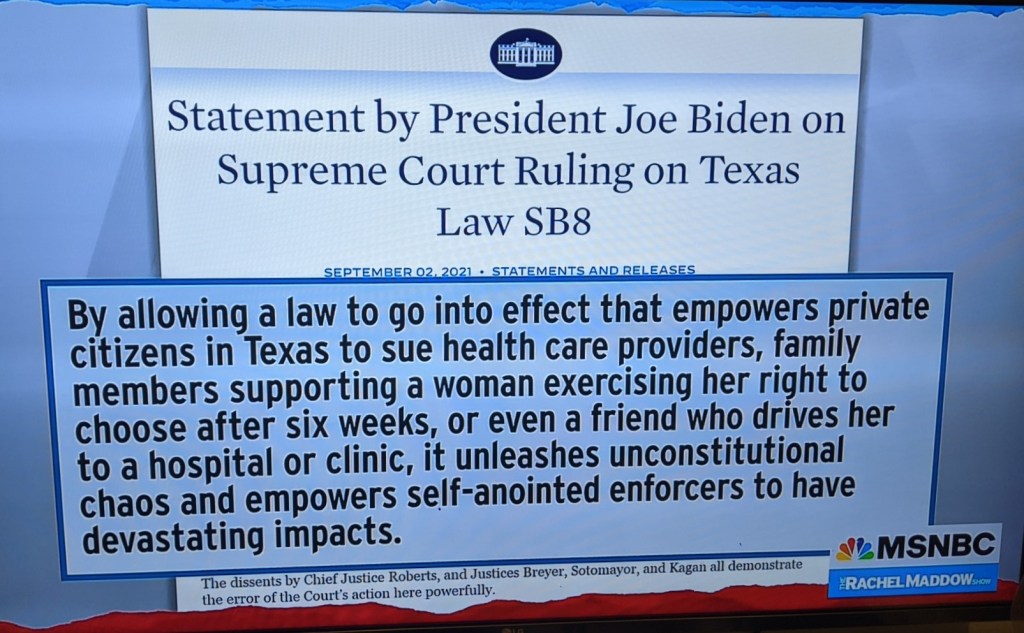
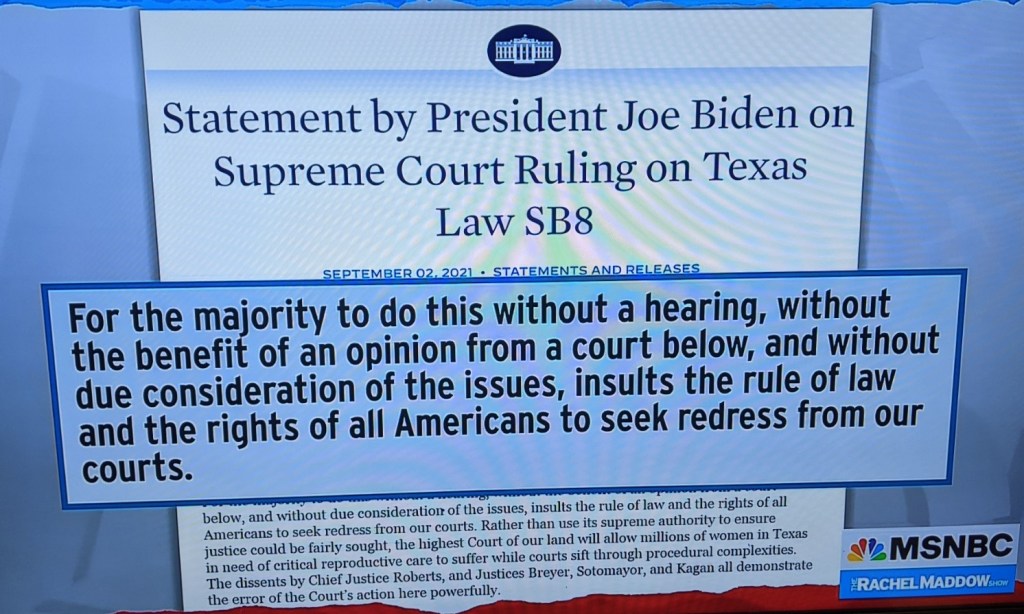

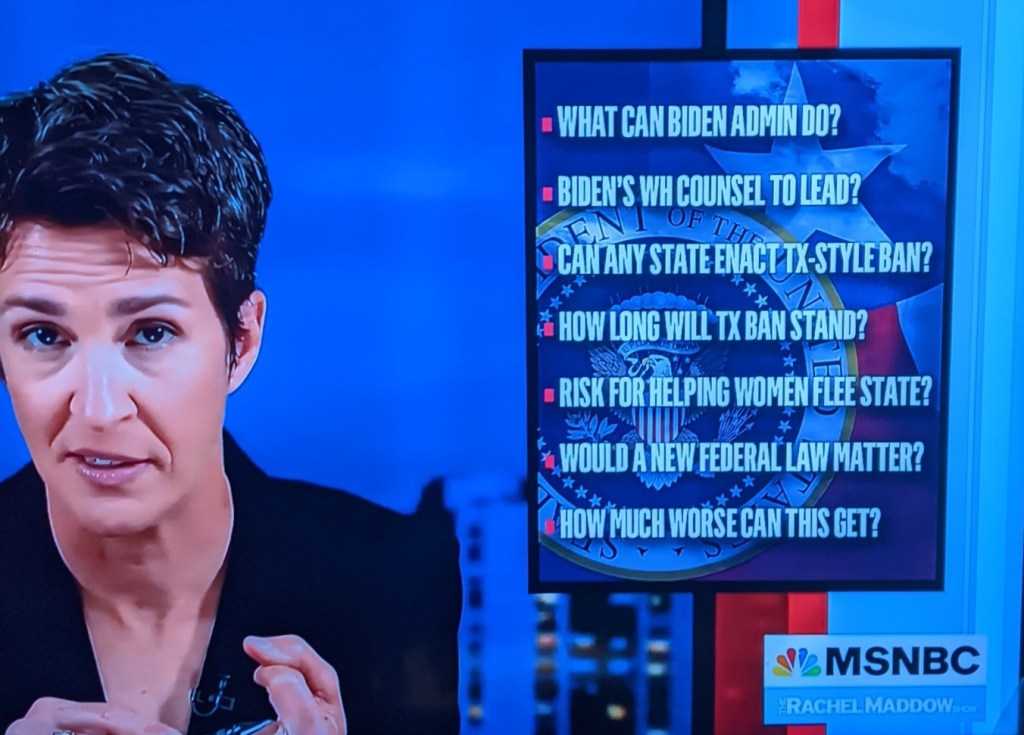
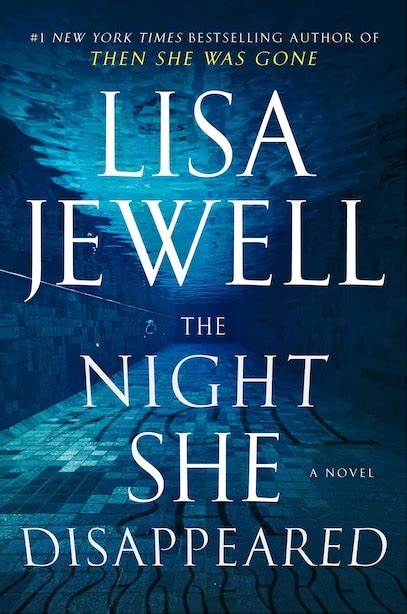





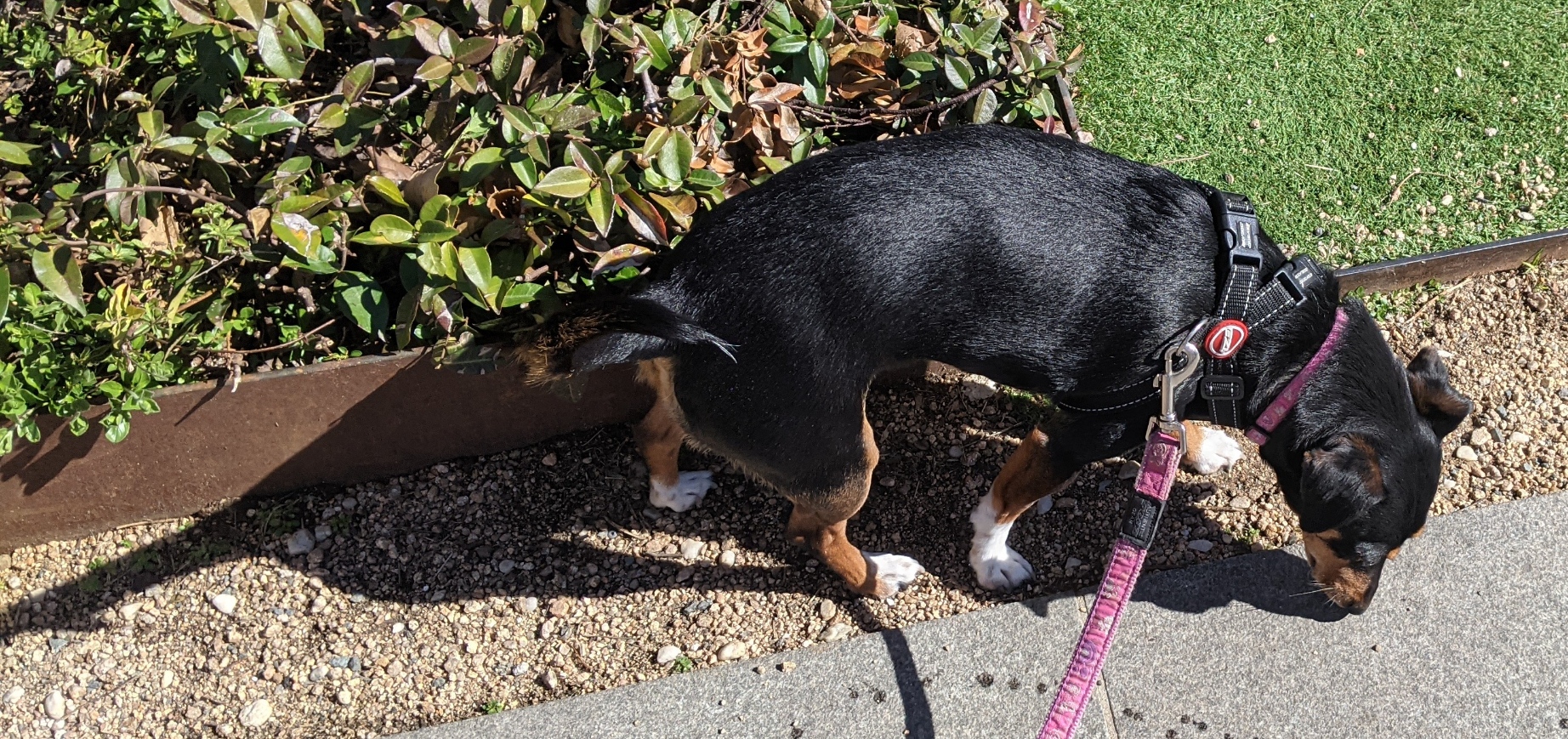



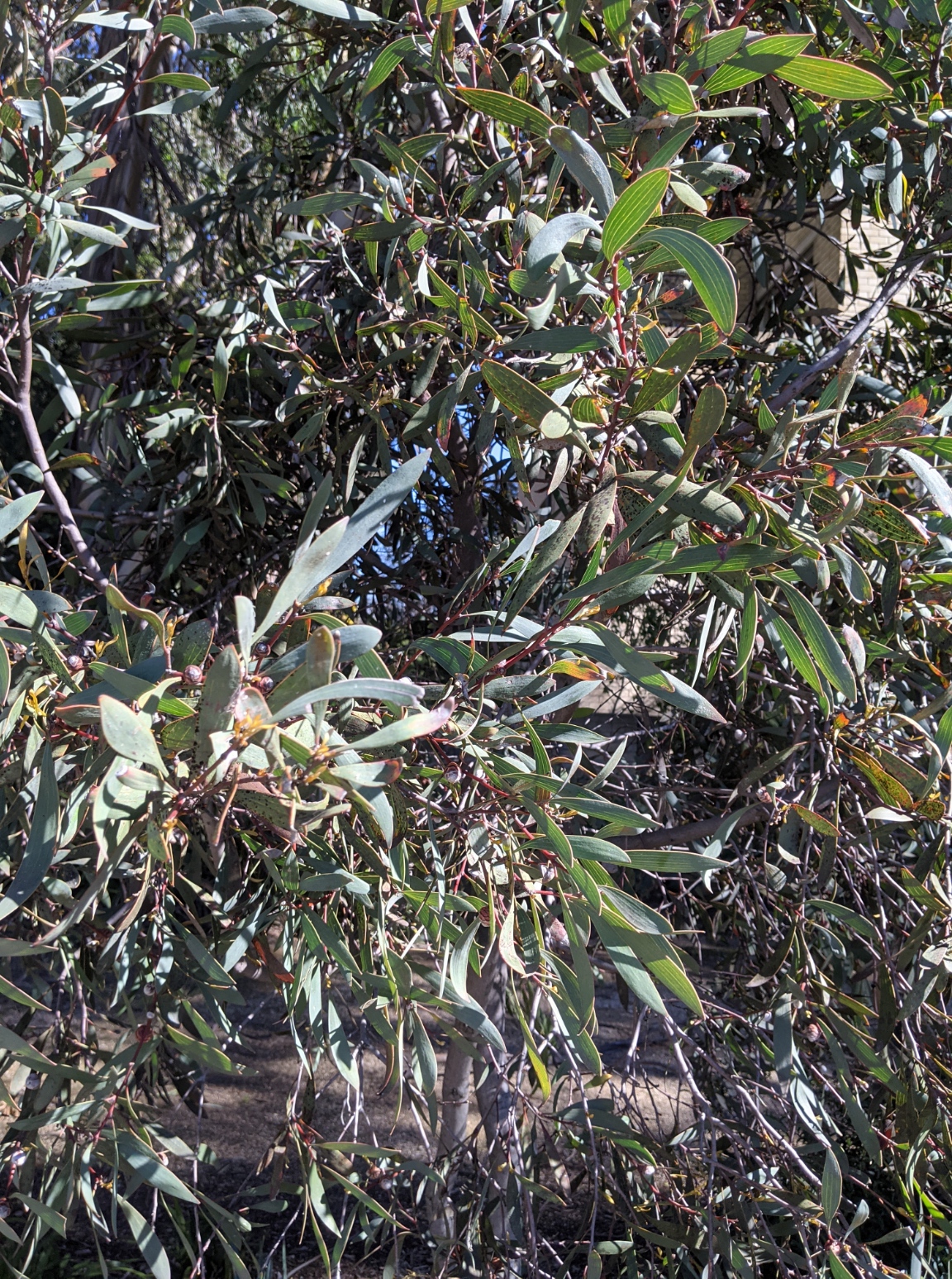



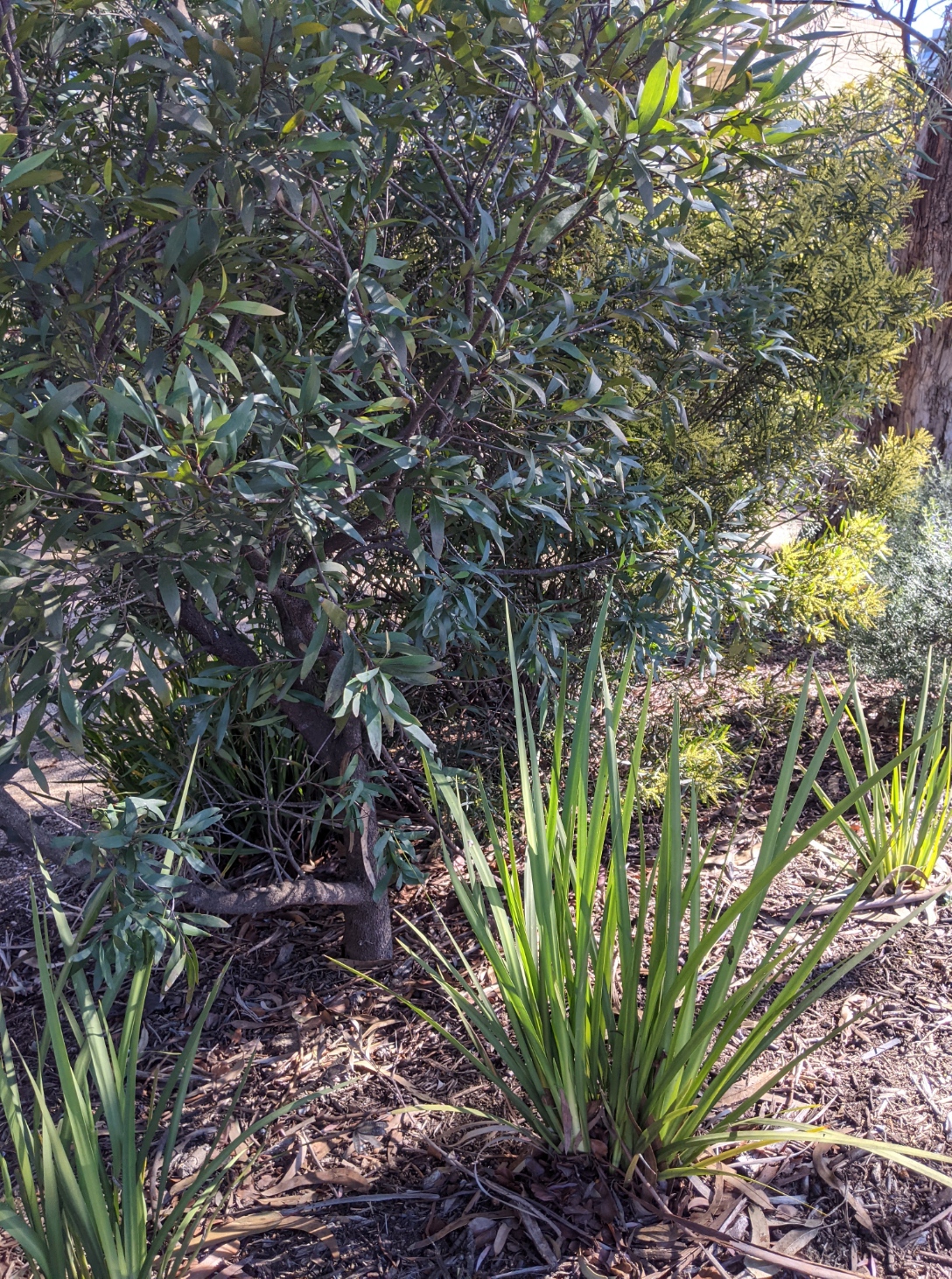










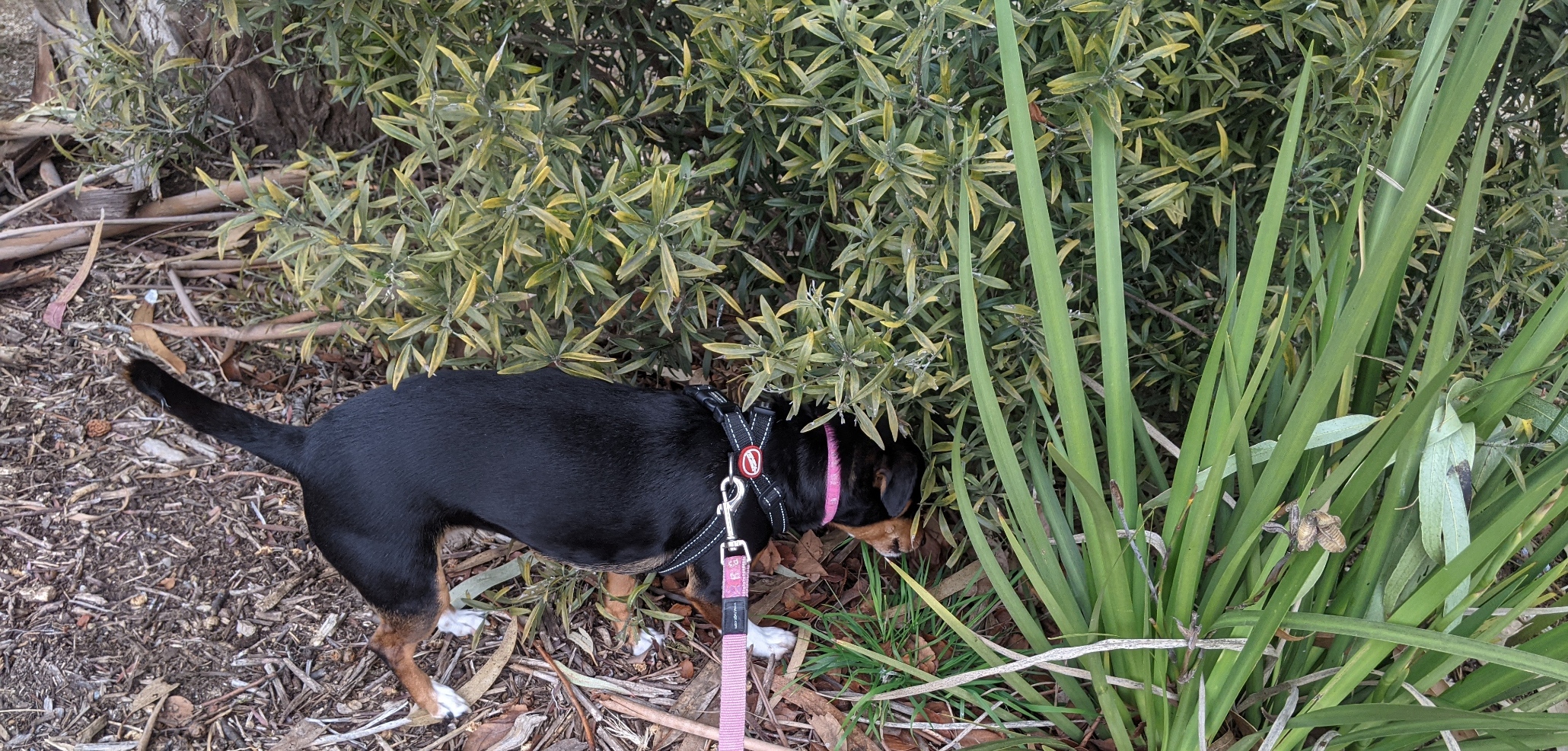













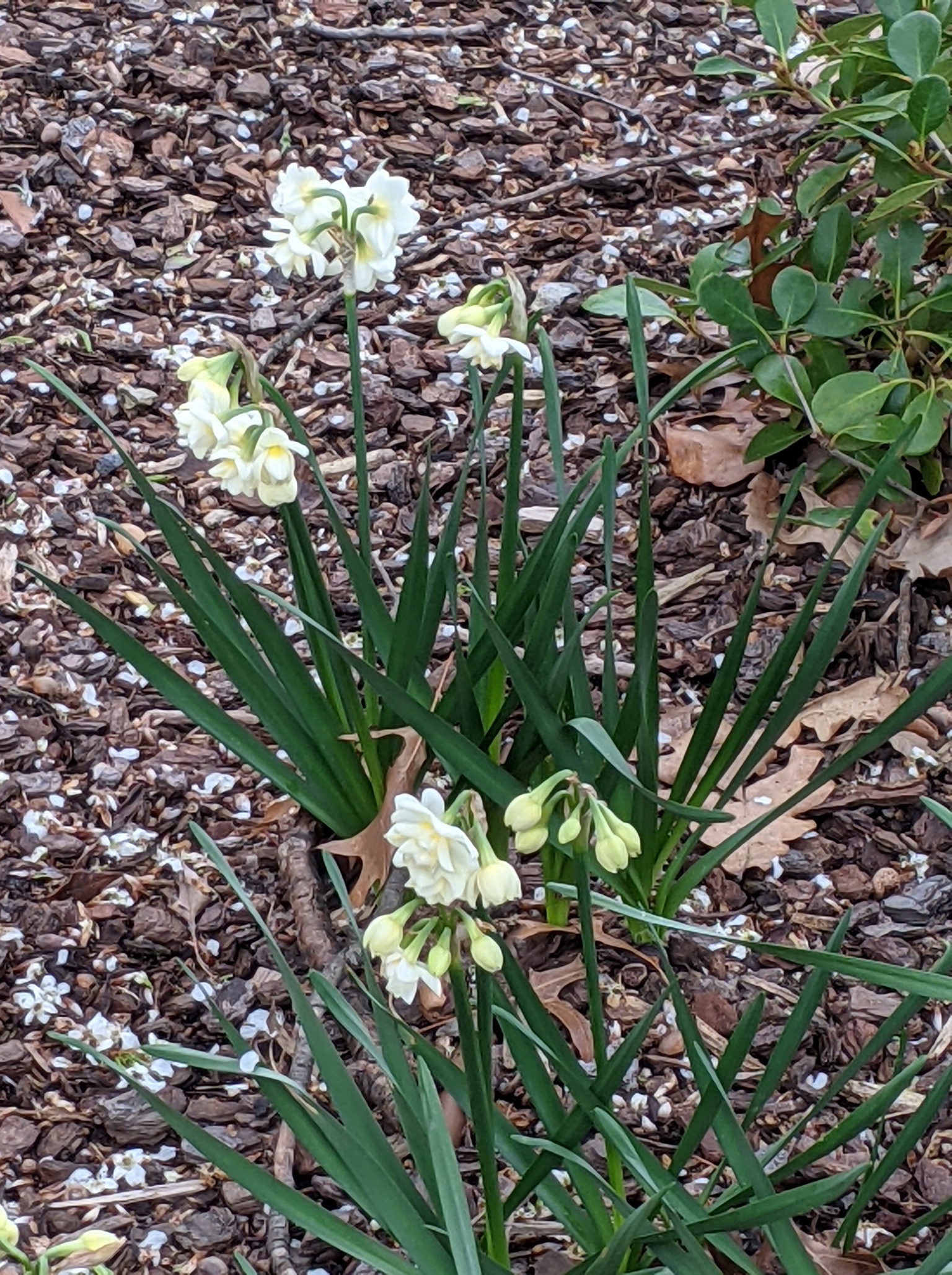



























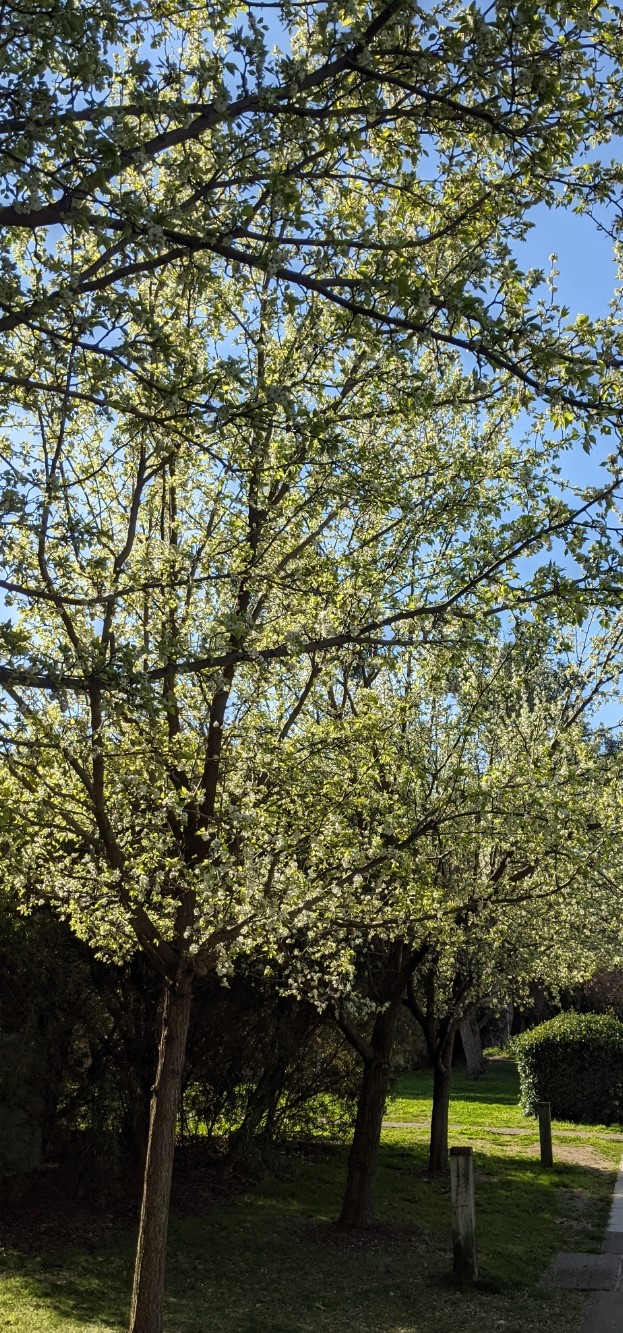





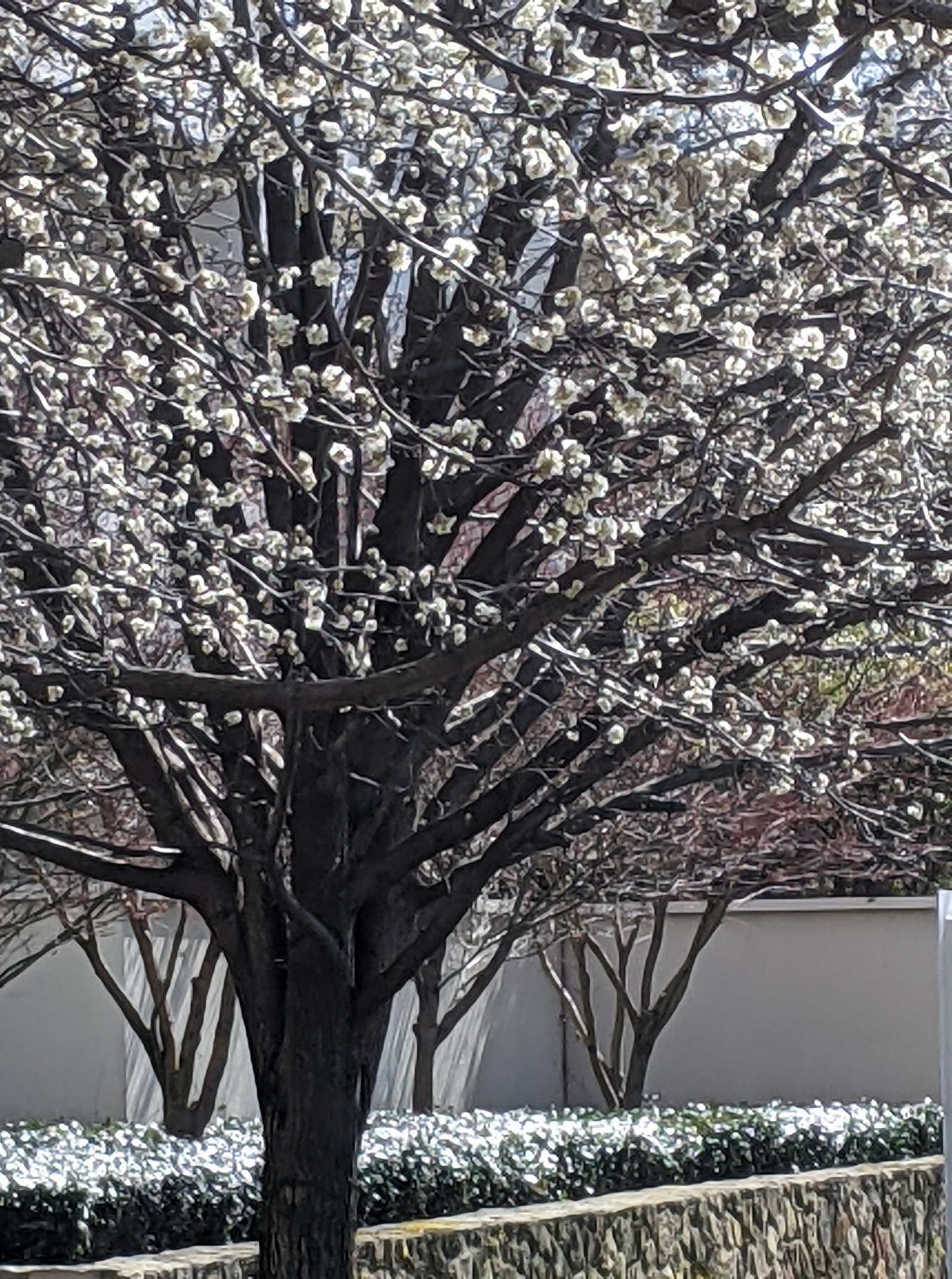



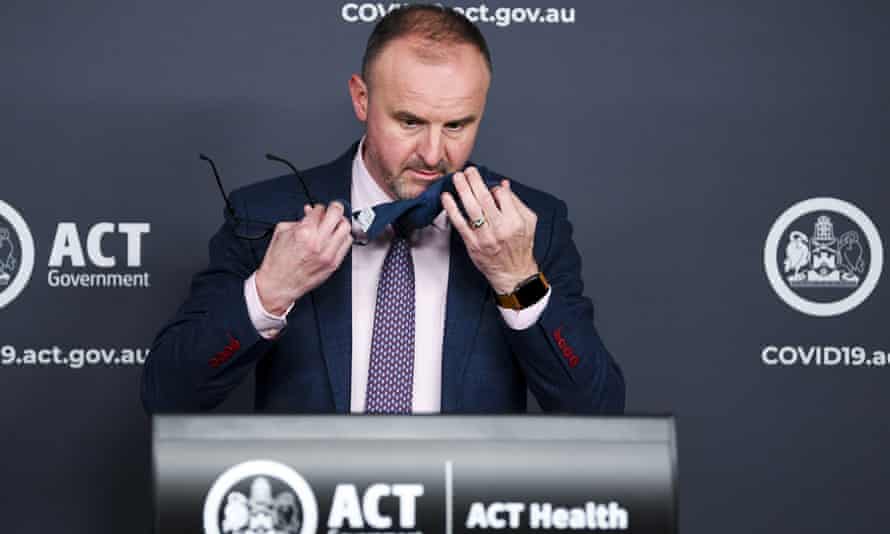
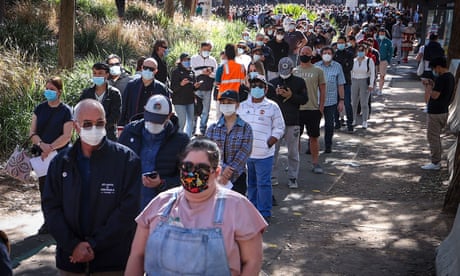


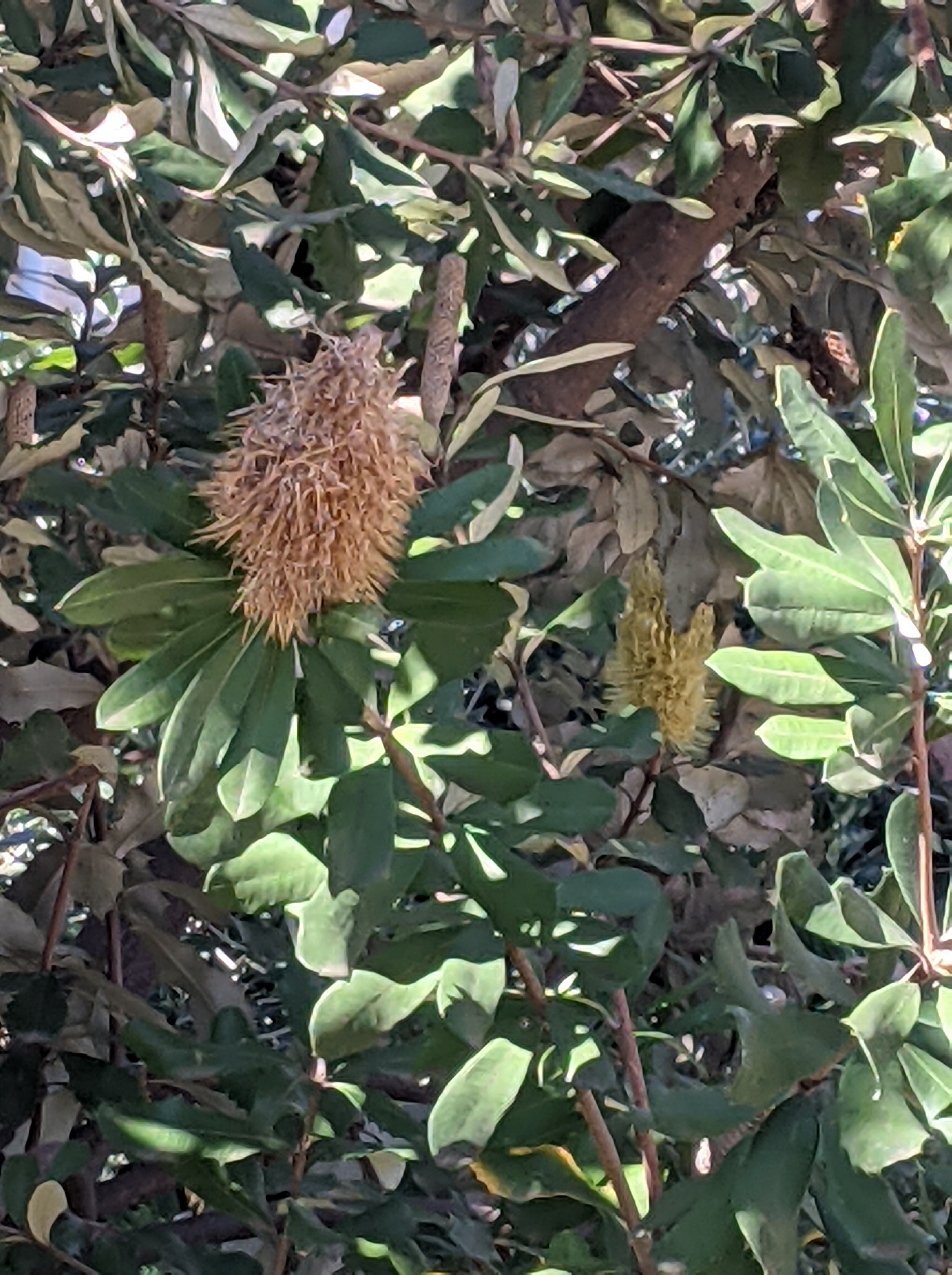

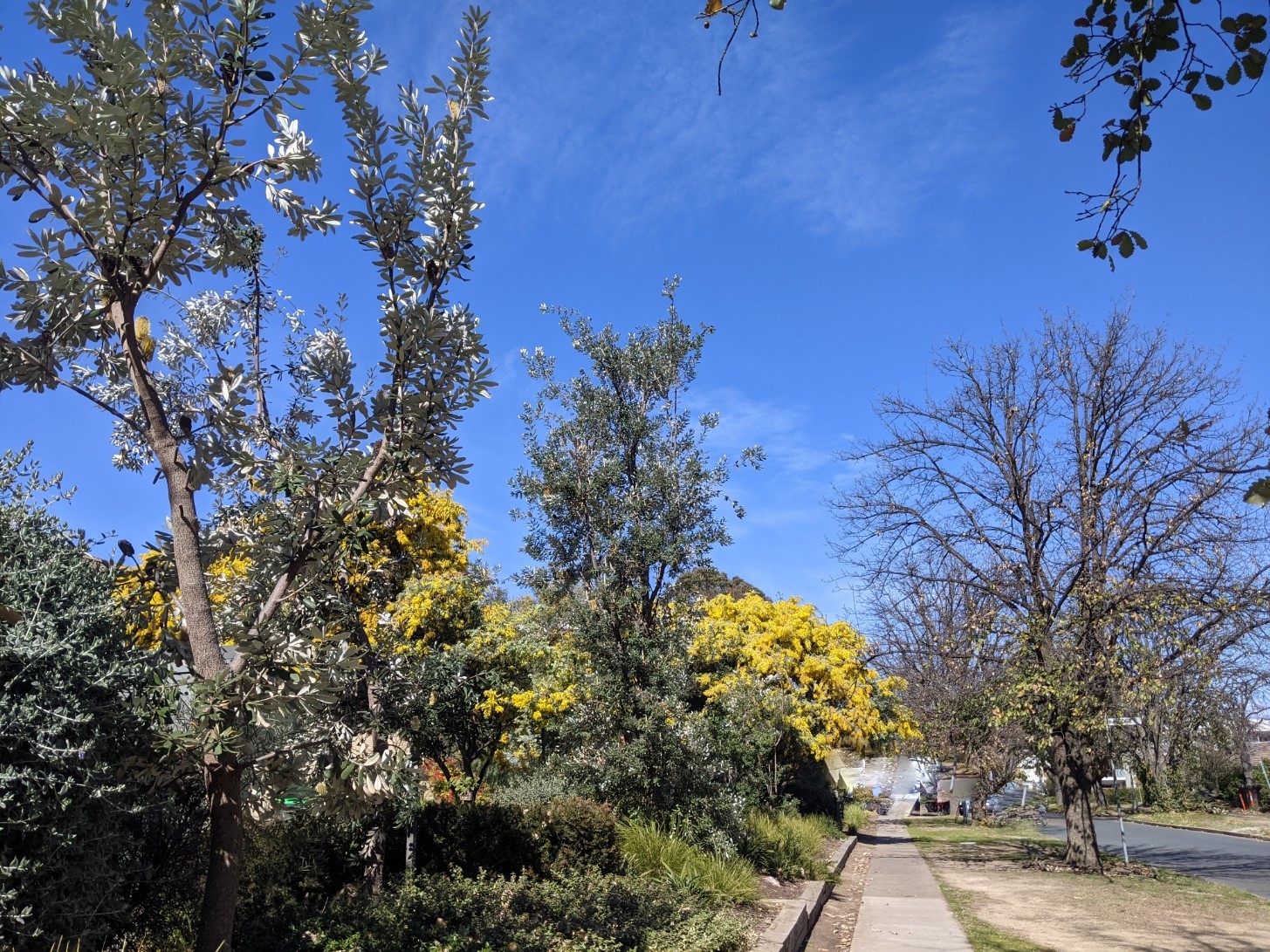



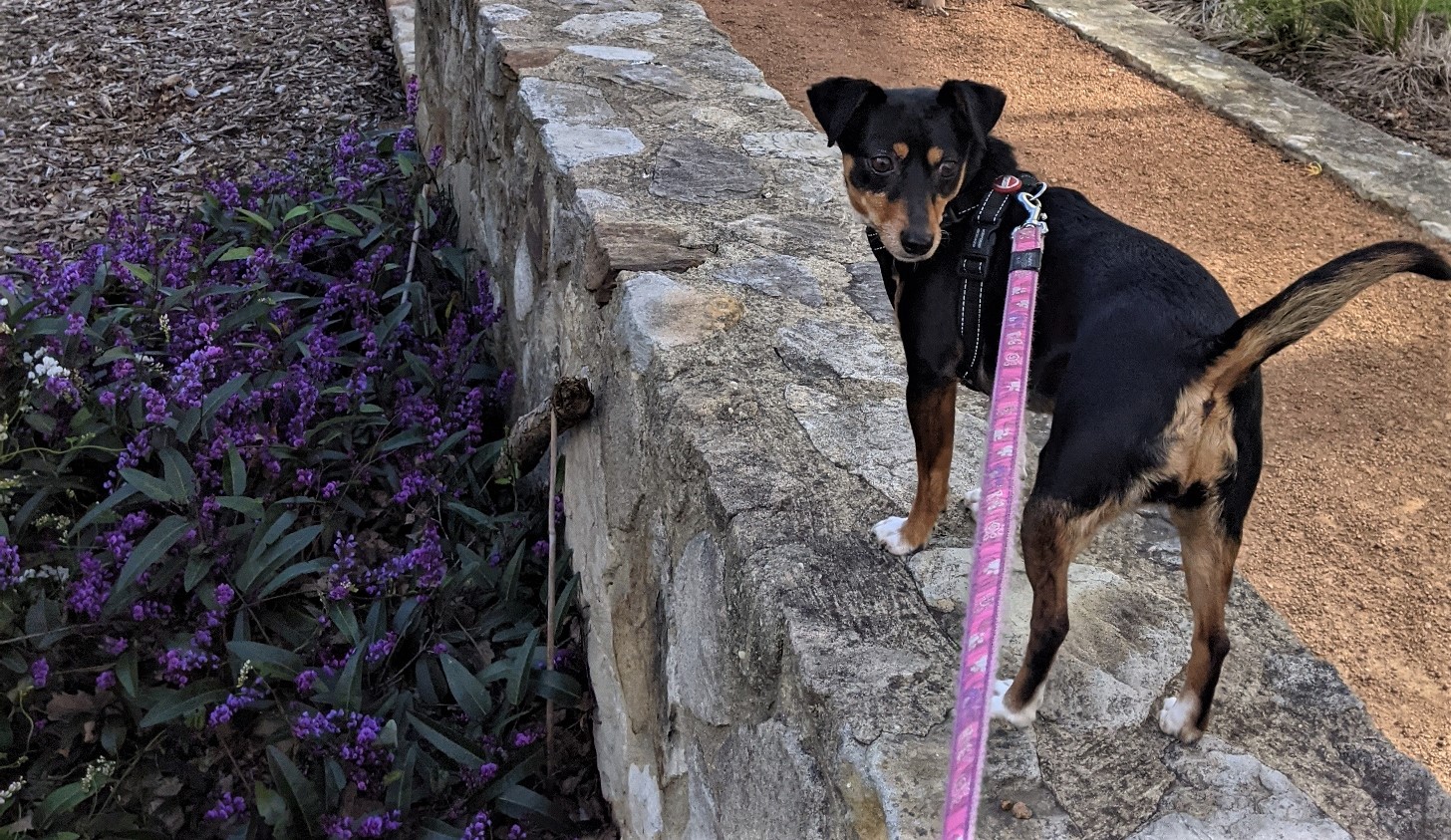













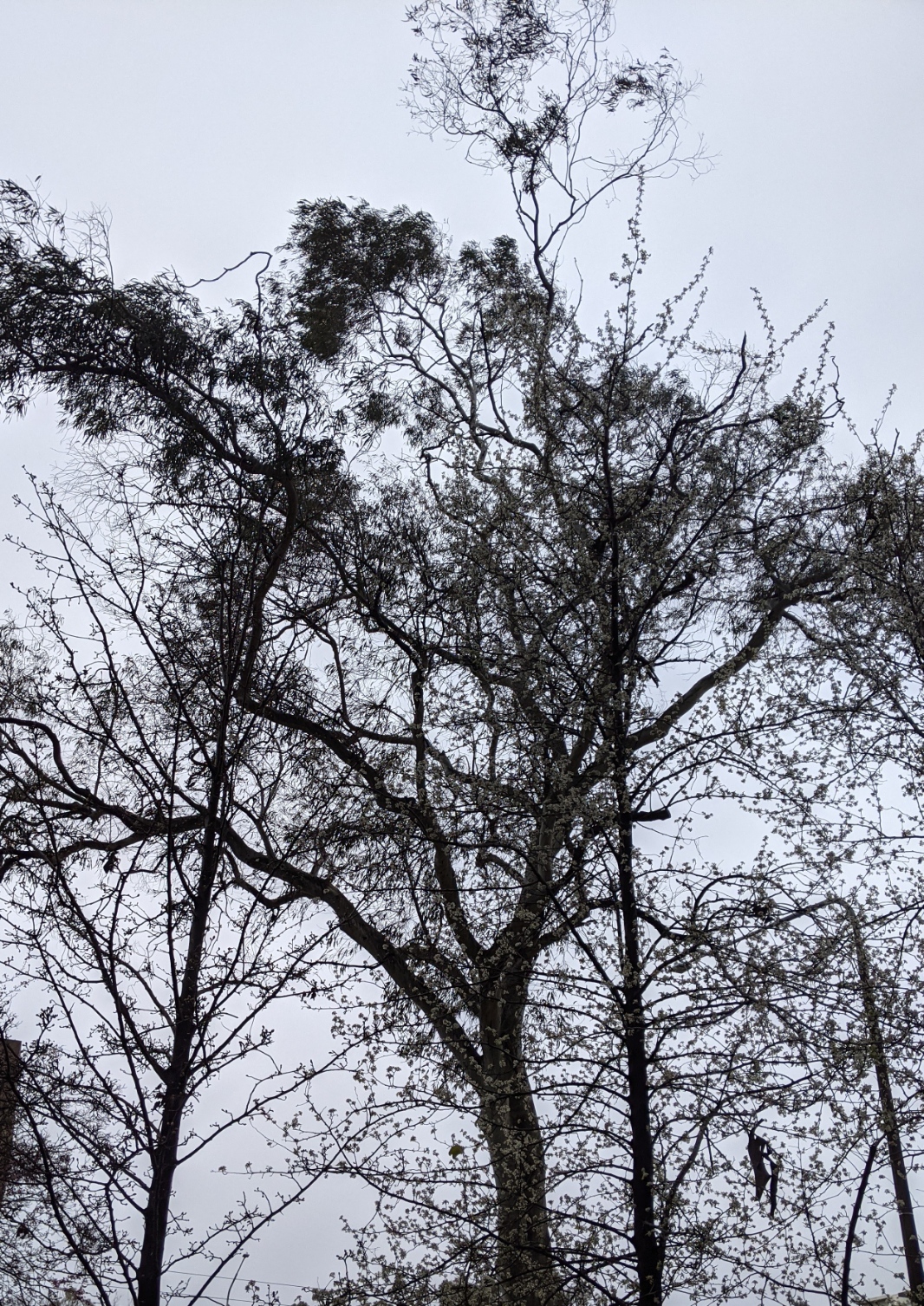

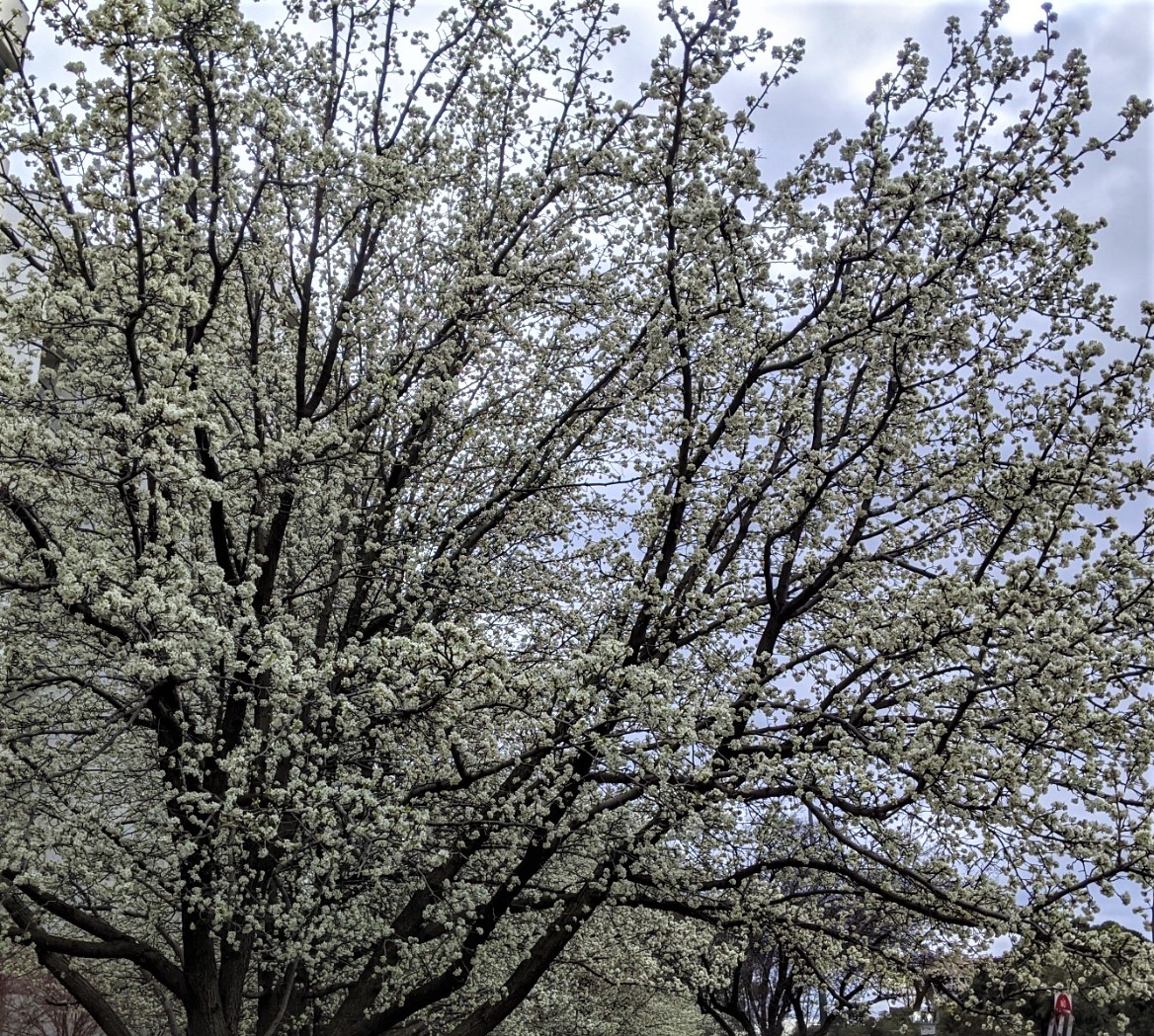
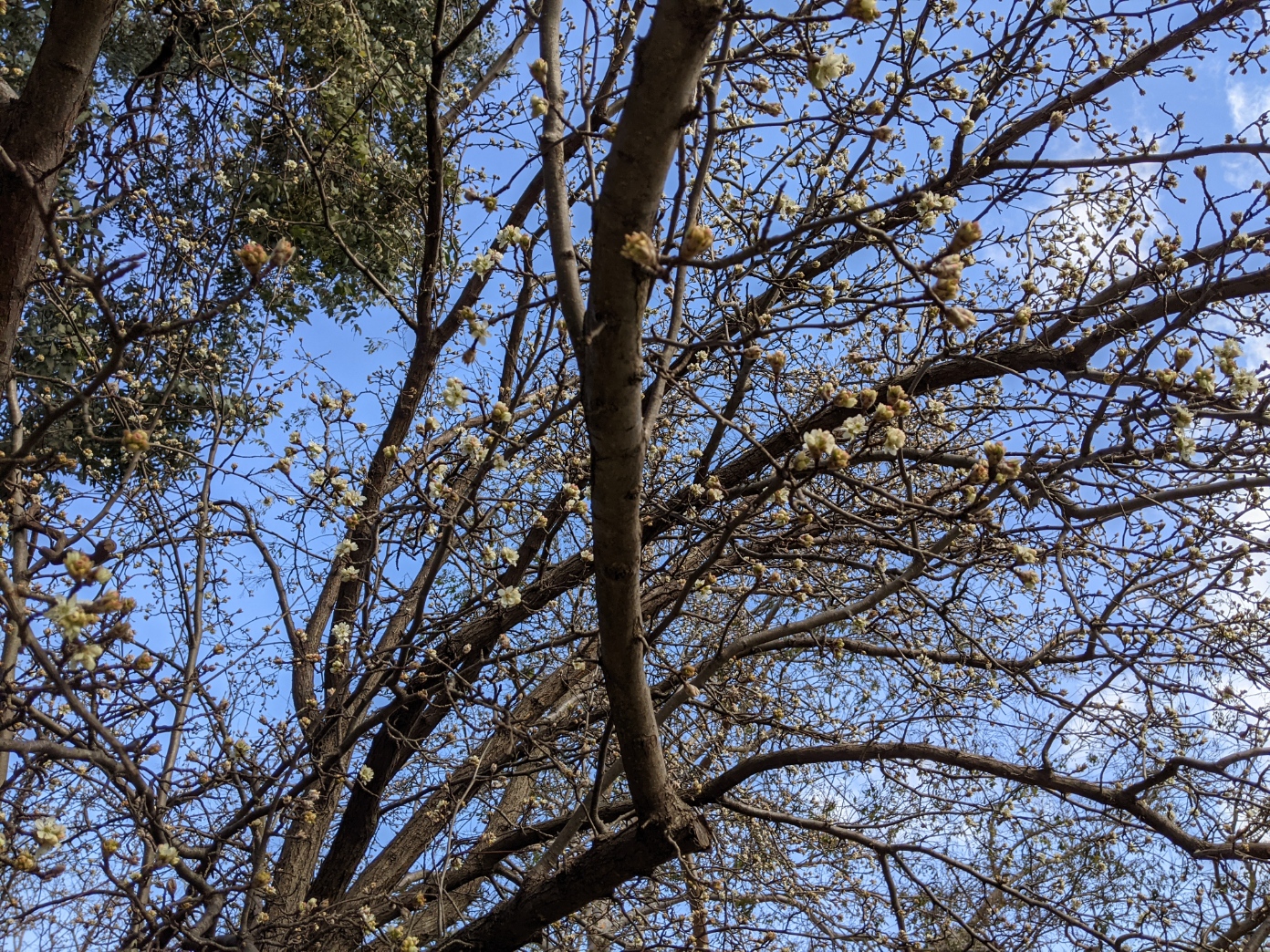
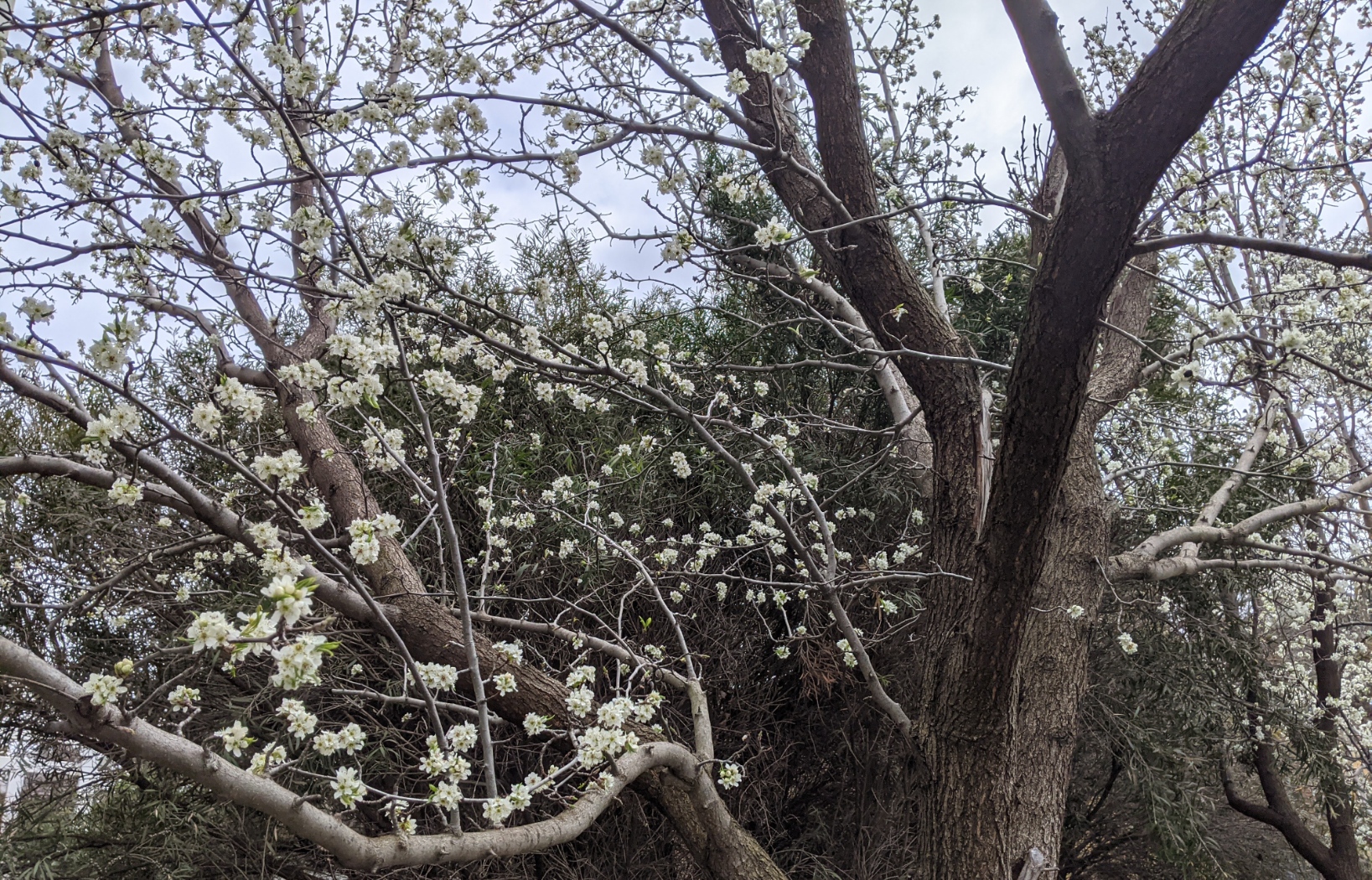


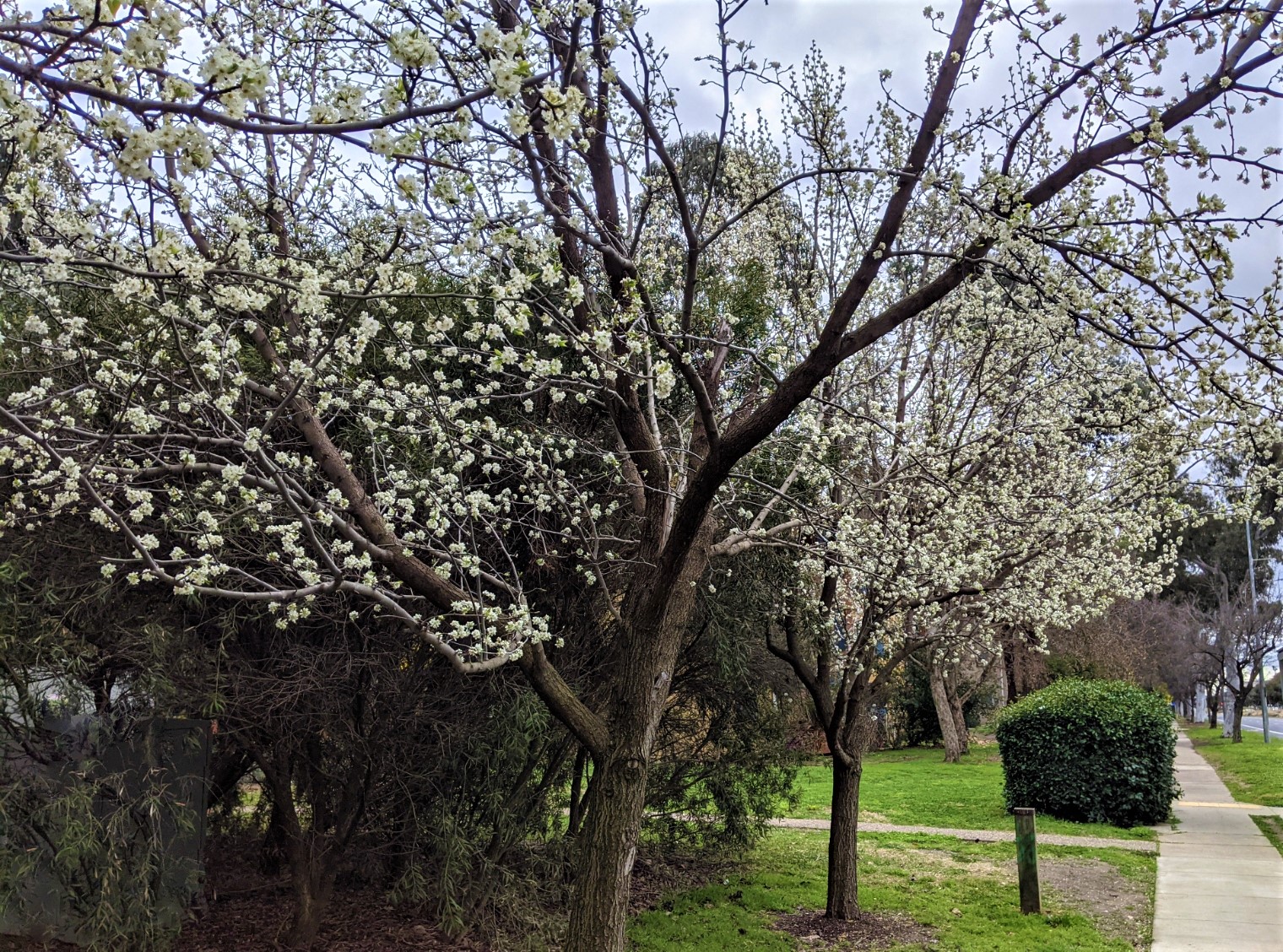

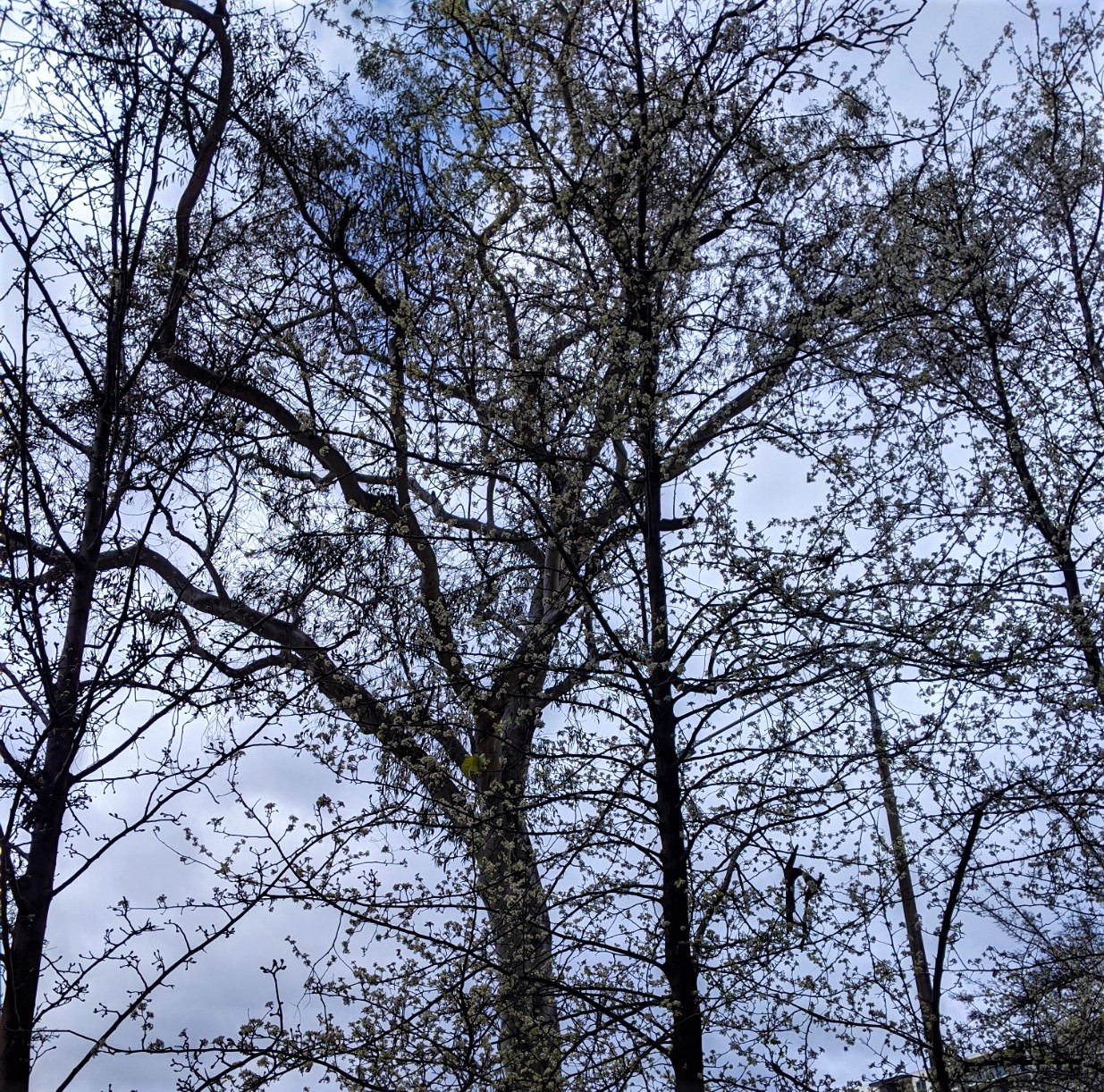



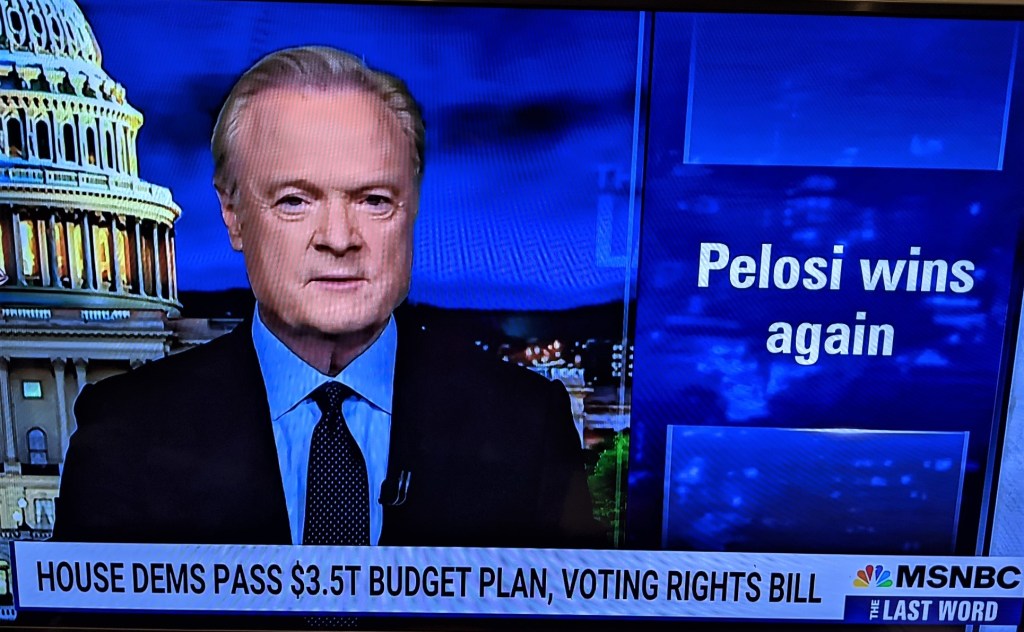





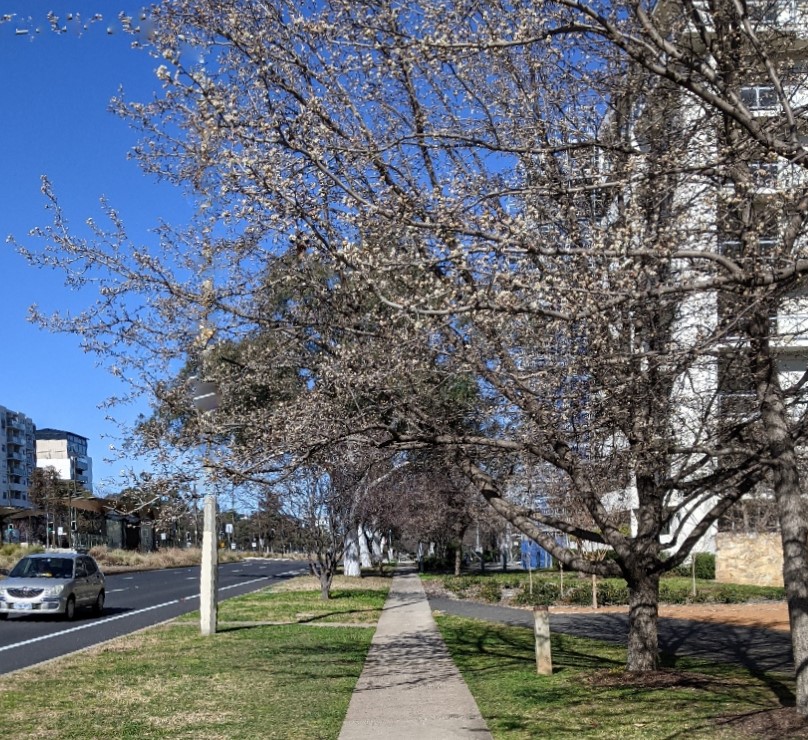


 © Getty The ACT recorded two new cases yesterday, on the first day of its seven-day lockdown.
 © 9News ACT Chief Minister Andrew Barr


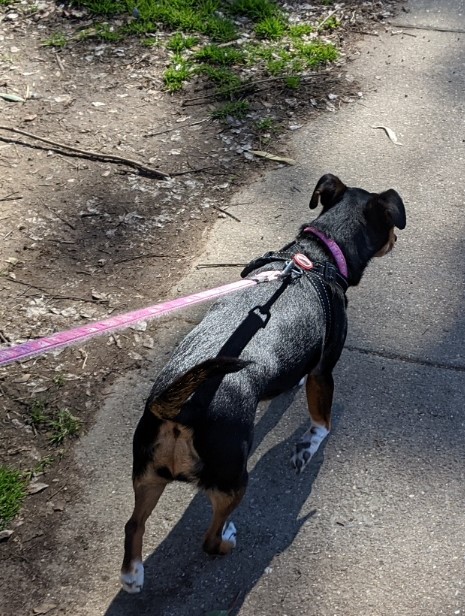
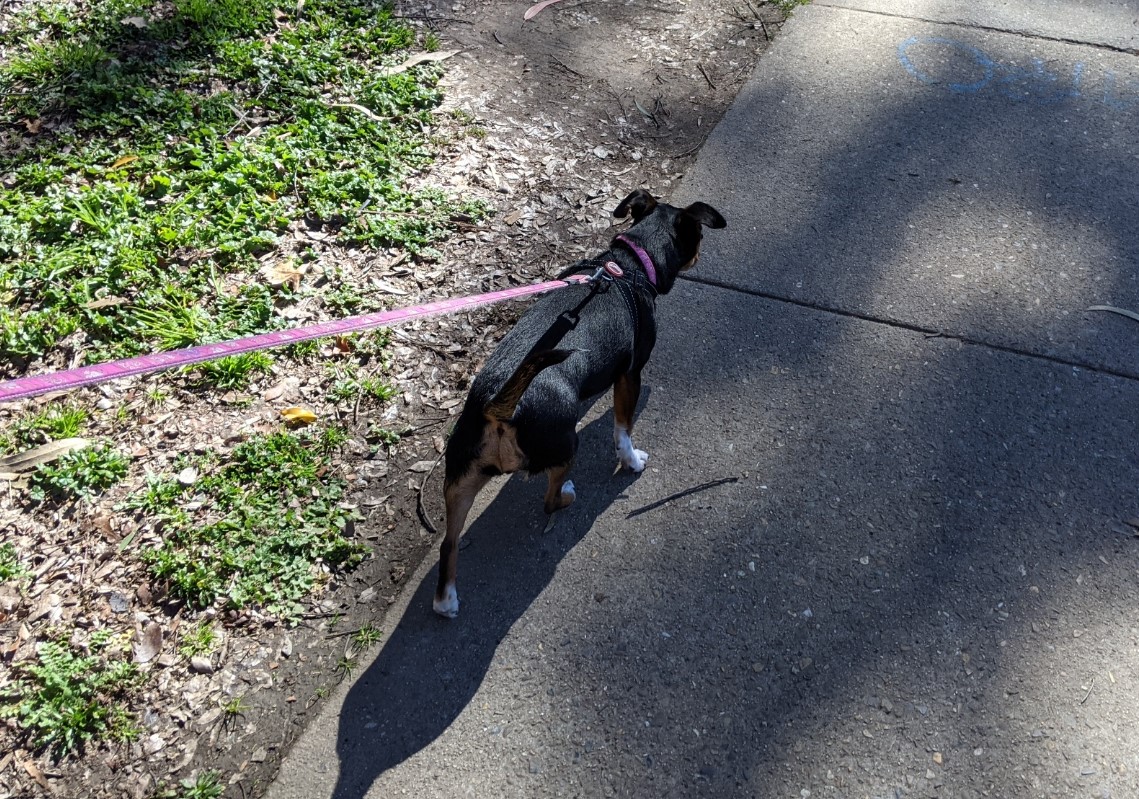






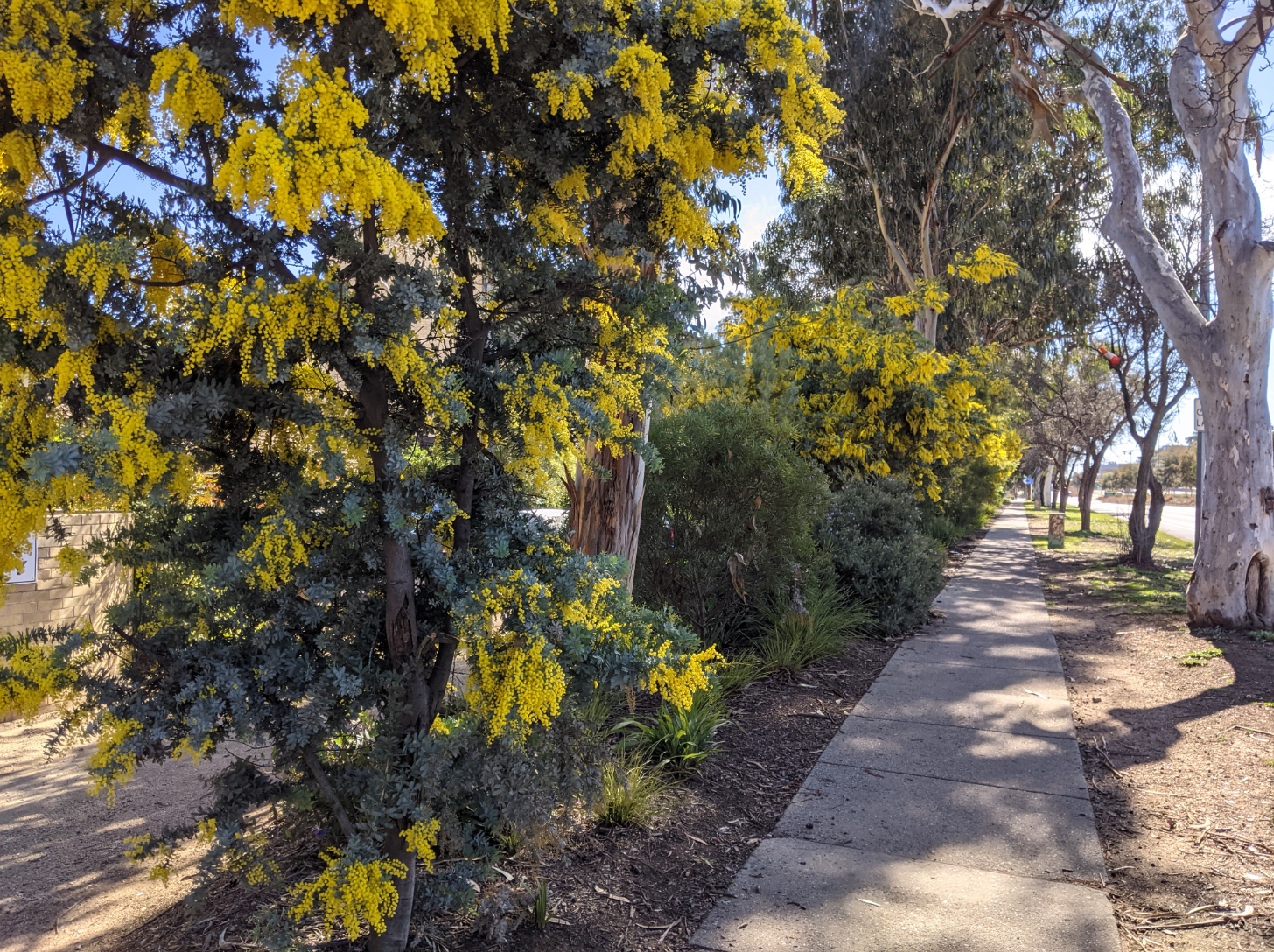













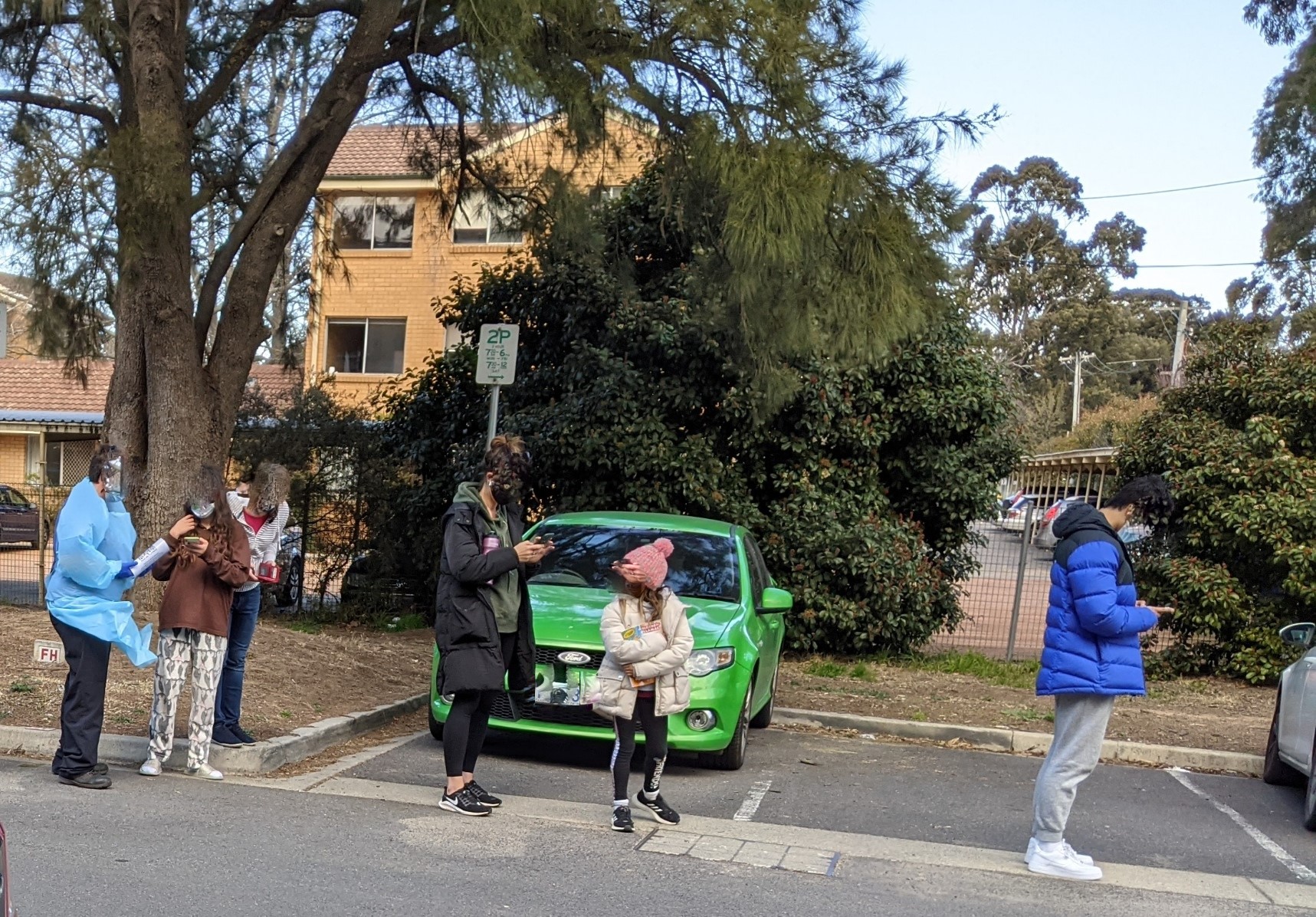






















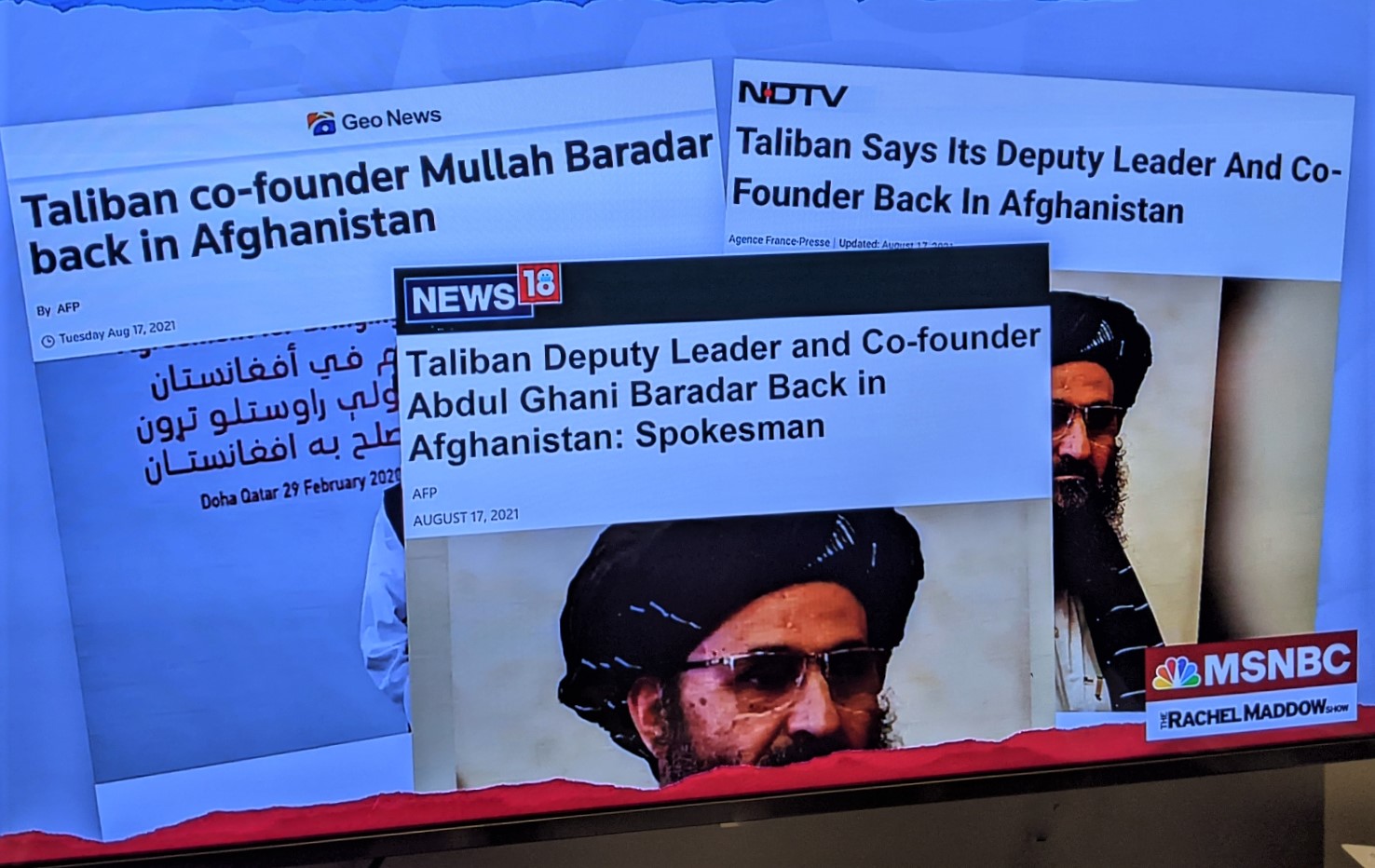

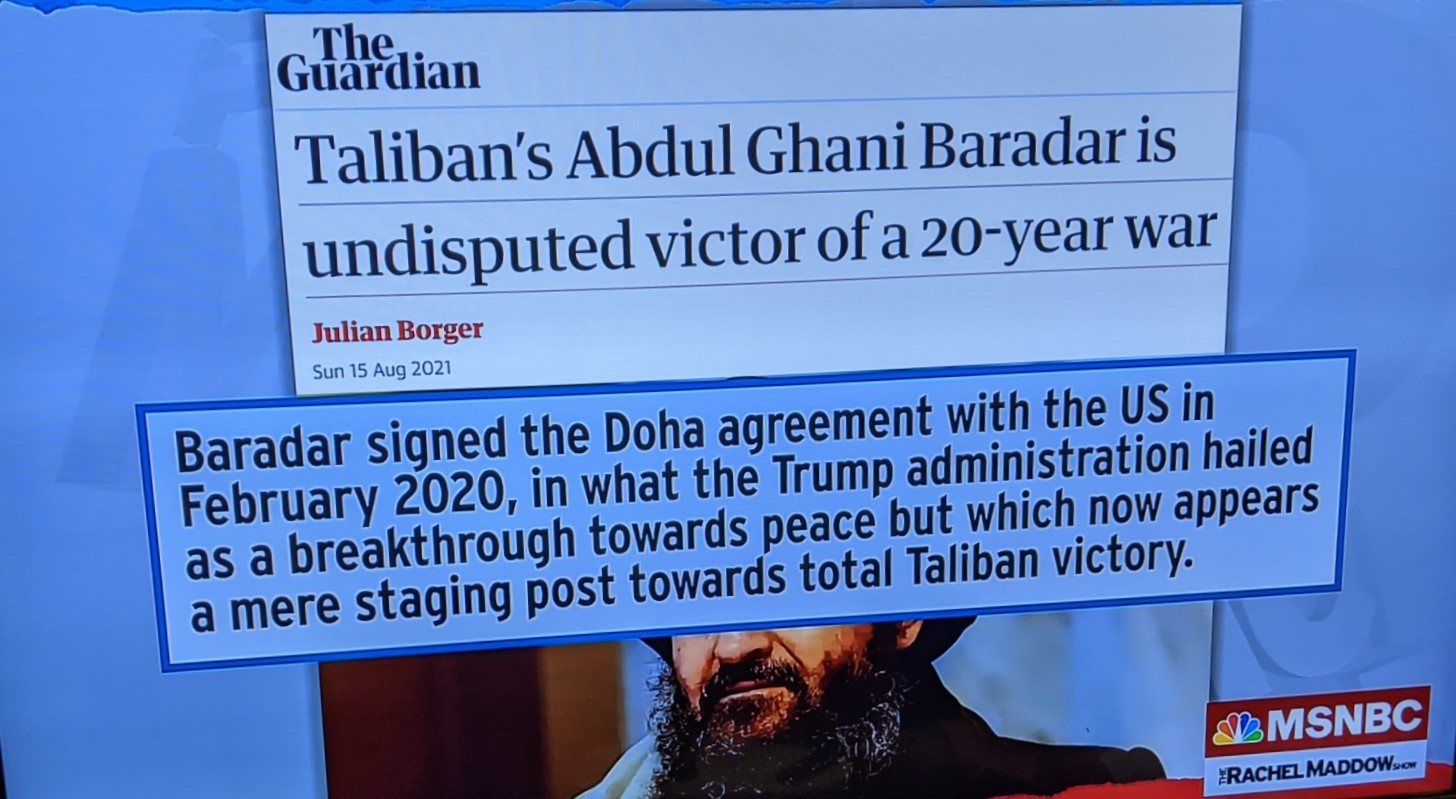
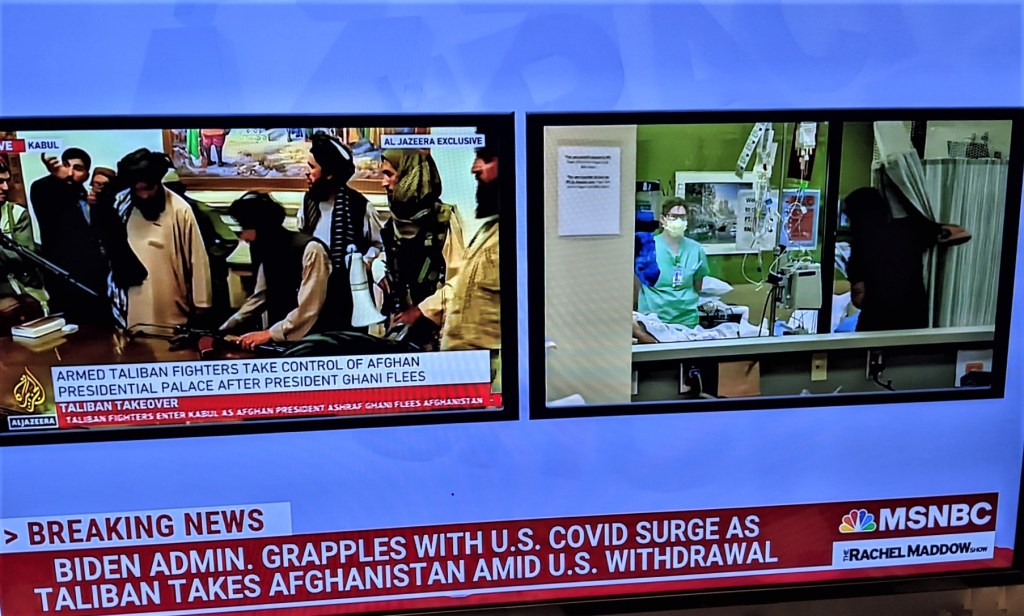







 © Provided by Daily Mail MailOnline logo
 (Drew Angerer/Getty)In the legal battle over who gets to vote in America, Republicans just scored a point.Today the Supreme Court effectively green-lit a restrictive voting law in Arizona. The decision will make it easier for similar laws—