Support for the NHS through Holby City and Casualty
American Presidential Elections
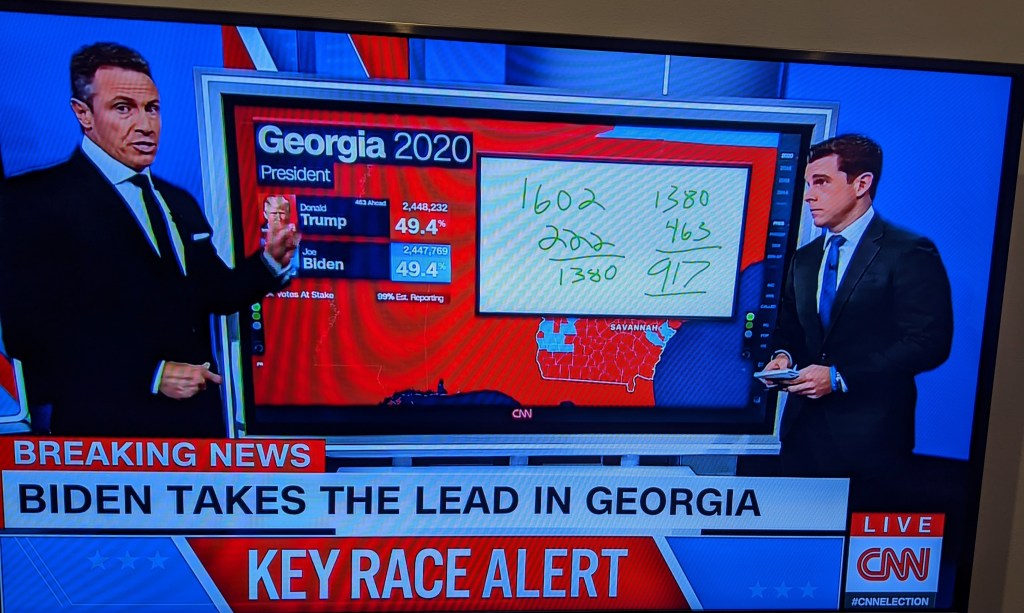
The coverage on CNN and MSNBC has been impressive. In particular, commentator after commentator has clarified the way in which votes are counted, the legitimacy of the election and counting process, and the need to wait for all the votes to be counted. They have explained countless times that the different methods, voting on the day, mail in votes, and early votes are legitimate votes. They have emphasised that all votes must be counted, and that those in charge, those observing, and those that are counting are both Republicans and Democrats. The education process that is proceeding at the same time as the count takes place is the first step towards normalcy in accepting the electoral process as legitimate.
At the same time the imagery of the count is attractive; the various guest speakers are erudite (let’s come to the President and former Vice President later); the commentators are taking the audience through the process well. Joe Biden has spoken twice, saying that the Democrats are confident, and in his most recent speech he expressed concern at the Covid figures and sympathy with those touched by the pandemic, and spoke of he and Kamala Harris receiving a briefing on Covid and the economy. President Trump was unable to make his address presidential, concentrating on his belief that the election has been problematic. Several networks cut off his speech.
The CNN panel with Republican Rick Santorum, Democrats David Axelrod and Van Jones and journalist, Gloria Borger, has been particularly interesting. A great panel that takes intelligent partisan positions. But Steve Kornacki, MNSBC is the star of the results analysts making sense of the numbers. And, for all round great commentary with humour and the courage to tell Democrats to keep theirs – James Carville, commentator on MNSBC. He claimed the result would be known on Friday (America’s, so let’s see).
The creep toward 270 is a mixture of strong sensations: exciting, tedious, frightening, hopeful, and ultimately …Successful. We celebrated Biden’s success and our departure for Alice Springs and Uluru with champagne at the station before climbing onto The Ghan. I say climbing, because the length of the train precludes any normal station access so steps and hand rails only. The Ghan tonight, and no television! I love being on holiday, but missing the American coverage of such a wonderful American success is disappointing. Oh for Rachel, Joy and Nicole. All those commentators who were so responsible in their coverage for so long over the count.
CNN coverage at Sails of the Desert, Yulara (Ayers Rock Resort)
Now I am combining wonderful Australian scenery with the continued information about the American Presidential Election. Now Arizona being called for Biden. More champagne.
Post election coverage on MNSBC and CNN since arriving home has been beautifully littered with President Elect, Joe Biden and Vice President Elect , Kamal Harris. Concern about President Trump’s refusal to acknowledge his loss is mixed. This morning Joy Reid, The Reid Out, was scathing about the toddler soft handling of a purportedly adult man. Lawrence O’Donnell, The Last Word, is wrathful about the refusal to provide the transition funds to Biden. Mieke, Morning Joe, is distraught about the people who will suffer because of the lack of the usual transition arrangements and the impact on dealing with Covid 19. A light moment was the news that Trump has asked for his tweets to be printed out so that he has a record of the retweet numbers.
Brothers and Sisters 2006 -2011

The following includes spoilers.
I have just finished this lengthy series, covering the American Walker family from the death of patriarch, William Walker, and revelation of his various misdeeds, through the family’s dealing with these, to last of the series, the seventh in which resolution of the financial, political and personal takes place. It is worth more than a comment, so I shall discuss it at length later. However, in brief, the program follows the lives of the remaining Walkers: Norah, coming to grips with William’s mistress, his possible children outside the marriage and her move towards personal fulfilment, combining family, charitable works and a career; Sarah, the daughter now responsible for the family business, Ojia, at the same time as dealing with a marriage breakdown and two children through to her new business venture and marriage; Tommy, who has to deal with monumental personal and career changes; Kitty, the Republican daughter who brings some fascinating (particularly in the wake of the recent American political situation) political events to the largely personal stories; Kevin and his gay partnerships led in a very different world from which Norah’s brother Saul, has had to hide his; and Justin, a war veteran whose life continues to be influenced by his service.
The dramatic arc, from death of a patriarch, dealing with business, political and career choices mixed with personal stories which provides the wealth of events and ideas in the first six series contrasts markedly with series seven, in which the substance relies on personal stories is interesting writing in itself. Regardless of my initial disappointment at the lack of political, financial and career oriented stories in the last episodes, I found the whole series remarkably satisfying – there remains an important role for what might be called the soap opera nature of the last series, and I’ll argue this in coming comments.
A Country Practice Becomes A Country Podcast
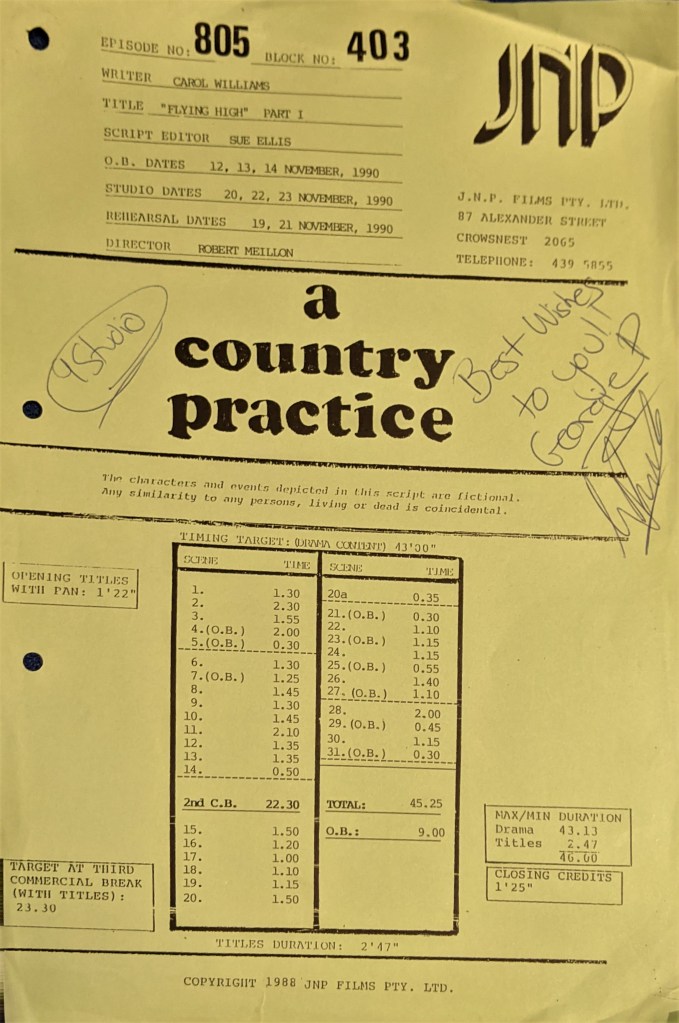
A Country Practice began showing on Monday and Tuesday nights at 7.30 on Australian television in 1981. This evening program with a social conscience has now become the subject of A Country Podcast, developed by Melanie Tait and Kim Lester. Speaking with Rod Quinn on the first of the podcasts, the suitability of returning to this more comforting time was one topic of discussion. Rather than watching programs such as The Handmaid’s Tale, A Country Practice was suggested as a particularly valuable antidote to current pandemic conditions. So, a program in which social issues are at least as important as the romantic and other relationships between continuing cast members, can be seen as a comfort. What a positive approach to the possibilities of creating a successful social issue program in seriously distressing conditions! What was it that made A Country Practice such a special program that families watched for years, taking domestic and personal drama to heart along with serious social issues? The podcasts might well answer this question. I found the source easily under A Country Podcast, and look forward to listening further.
In the meantime, Seven Plus is showing episodes from the early years, advertising them with footage of Vicki and Simon’s wedding, and Molly’s last moments as Brendan runs toward her, Chloe in the background. Perhaps the events for which A country Practice will be most remembered. However, the podcasts appear to offer far more, recalling issues such as HIV, birth control, environmental issues. On the occasion that I visited A Country Practice as a would be scriptwriter (more of which later), the topic was health and safety, with an emphasis on the responsibility of maintaining farm machinery safely. On this occasion, as with the regular manner in which social issues were portrayed, the major characters did not have pivotal roles, although they help to resolve the problem.
The podcasts take random episodes as there are too many to follow particular long storylines, they are not forensic, and include the social history of Australia at the time. The speakers raise the issue of lack of diversity for such a progressive show – ‘a very white show’ despite much engagement with ‘sexual /gender issues and some multicultural storylines’.
This discussion will continue as the podcasts roll out, including some references to the article below, and my recall of A Country Practice.
Searching For An Australian Identity, Robin Joyce, Screen Education Issue 22 Autumn 2000.
Below is an edited version of the article, concentrating on A Country Practice, and omitting the material on Lover’s Knots and Cloudstreet. The novel section of this article will appear in book reviews at a later date.
This isn’t Chicago Shirl.
Chicago doesn’t have Muldoon, Frank.
ACP 1980s
How goes it with the warrior women of Wandin Valley?
ACP 1990s.
…its maps , its shapes and landscapes and the intimate physical details that only lovers know become part of your mind.
Marion Halligan Lover’s Knots Minerva, Melbourne, 1992
Will you look at us by the river! The whole restless mob of us on spread blankets in the dreamy briny sunshine skylarking and chiacking about for one day, one clear, clean, sweet day in a good world in the midst of our living.
Tim Winton, Cloud Street, Penguin, Melbourne, 1992
The Adventure of Masculine Heroes or a Domestic Amalgam?
Investigations into the construction of Australianness are not new, the term being used to denote the qualities and images with which Australians could be expected to identify as familiar and understandably Australian. From the 1970s, Australianness, embodied in the bronzed Anzac, has been criticised as reflecting only a limited masculine view, ignoring women, Aborigines, and Australia’s multicultural society. Arguments about the validity of the characterisation were developed in response to Russell Ward’s thesis that the typical Australian need not be the average Australian , and that a valid construction of Australianness could be based on a legend which has its roots in pre-1851 Australia (The Australian Legend, Penguin, Melbourne, 1974).
Debates reflected concerns with broadening the range of constructions of Australianness to acknowledge changes in Australian society. New perceptions formed the basis for a changing historiography and, at the political level, policy changes. At the same time, the way in which Australianness should be articulated through Australian culture, usually concentrating on films and television, was scrutinised.
Australianness, in television, films and publications, is a product of the culture in which producers, storyliners, script writers, actors and authors work. It is also a product of the environment in which each medium aims at success. For these reasons, Australianness does not necessarily exclude references to multiculturalism.
There is not one singular, monolithic construction of Australianness. Not only do individuals’ cultural environments influence their interpretations, but ideas and images change over time,. For instance, despite its popularity, in part due to the particular evocation of a particular image of Australia, A Country Practice (ACP) changed over its last ten years of production. This can be illustrated by a comparison of the earlier episodes with those with which the serial concluded its successful run on Australian television.
Much of the debate about Australianness centres on which images reflect an authentic Australian identity, For example, should Australia be evoked by a koala or a kangaroo? a surfer? a family concerned with everyday social issues? a barbecue? It is worth considering whether popular programs attempt to define Australianness only through stereotypes (as suggested by Kay Shaffer in 1993, Australian Women’s Book Review, vol.5, pp.19-32 ). A study of a typical Australian program suggests that this interpretation needs modification.
A Country Practice– Australianness Most Typical?
A Country Practice first went to air in 1981 and, although it i currently being repeated, finished production in 1994. James Davern. Executive Director, said of the pilot , In General Practice:
The town of Bugarra will face epidemics, bushfires, floods, visits by bikies, and exploitation by land developers. The farms around will be attacked by disease, the animals savaged by wild dogs, the crops fail in the drought. There will be football matches, cricket matches, the ‘Bugarra Show’, fashion parades and the Annual Ball. Romances will form, marriages will break up, babies will be born and old people will die. Some young people will die too, from disease, by accident, by their own hand (John Tulloch and Albert Moran, A Country Practice, Currency Press, Sydney 1986, p.23) .
Traditional and typical components are evoked by these images, each of which, together with a number of other constructions are integral to ACP’s depiction of Australianness. The country environment is favourably compared, with that of the city. In addition, the regular cast cover a range of personalities, points of view, interests and responses to primary and secondary storylines. These, in turn, are developed in response to typical Australian concerns, and international matters being swiftly subsumed by an Australian reaction and interpretation.
Ongoing character development is central to the pleasures offered by the by the long run television serial. Many of ACP’s characters are defined in terms of their relationship to particular Australianness. Frank Gilroy (Brian Wenzel), ‘the country cop’, Shirley Deane (Lorrae Desmond), the doctors’ receptionist, and her young daughter, Vicki Deane (Penny Cooke) the vet, were major characters over many seasons. 
Weddings are a familiar device for increasing ratings, and ACP was adept at the practice. Frank and Shirley’s relationship depicted the phenomenon of the second marriage, at the same time as it broadened the ideal romance to include mature adults.
 The country practice doctors, Terence Elliott (Shane Porteus) and Simon Bowen (Grant Dodwell), as escapees from the city, promoted traditional responses to the perceived divisions between country and city. This division was given further dramatic impact when Terence brought Sophie (Katrina Sedgewick), his drug addicted daughter, from the city to Wandin Valley (as Bungarra became). She failed to recover, returned to the city, and died of an overdose in the bleak, grimy environment. This episode also introduced Aids as an issue – again linked to the city. In the idealised country, when problems arise they are neatly solved.
 In early episodes Matron Marta Kurtesz (Helen Scott) introduced a long term multicultural character as well as a romantic interest, until she was replaced with more traditional Matron Maggie Sloan (Joan Sydney). An Aboriginal park ranger, Trevor Jackson (Michael Watson), joined the program in the late 1980s. Both characters were well developed and involved in a range of experiences. However, Trevor’s played a far less important role than his replacement Cathy Hayden (Kate Raison), the former park ranger. On the other hand, Aboriginal story lines were included from the inception of the program. This was in keeping with a format that often brought in members of special groups as people with problems to be solved.
Nurse Brendan Jones (Shane Withington) depicted a developing trend in Australian hospitals, the male nurse. Another nurse, Judy Loveday (Wendy Strehlow), had a lively personality, a range of enthusiasms and a raucous laugh. She was a larrikin, in keeping with one popular (but usually male) Australian Image.
Molly (Anne Tenney), married to practical Brendan, presented another image, and one that continues to be popular in Australian culture. She was a confirmed environmentalist and activist on behalf of local and wider social concerns. Molly’s death from leukemia was one of the mostly widely watched episodes of ACP and was introduced by Terrence with a warning it could be distressing for viewers who had known Molly for so long. This direct address to the audience simulated the link between doctors and their patients, drawing audiences even more closely into a relationship with the characters.
Socialisation usually took place at the Club, staffed by secondary cast members. Cookie Loch (Syd Heylan) was the continuing character in this role, with new characters often providing in depiction of working life in a small country through their assistance at the bar. His ‘friendly enemy’, Bob Hatfield (Gordon Piper), was the town plumber with a conservative approach on most issues, redeemed by his warmth toward the radical Molly. The Club provided a site for serious story lines as well as celebrations such as weddings, performances and fundraising events – a familiar aspect of any Australian country town.
Another secondary character, Esme Watson (Joyce Jacobs), the town gossip, was often linked with Cookie and Bob. However, she maintained a sometimes dignified, and often not so dignified, separation from their nefarious dealings. Cookie and Bob’s schemes relate to a tradition of Australian larrikinism, a long standing source of comedy.
The storylines associated with Councillor Mulldoon (Brian Moll) provided an alternative and counterfoil to this tradition, reflecting Australian scepticism about politicians and politics in general. Although an occasional character, Muldoon provided an example of organised political activity against which well respected characters reacted, portraying the love of individual endeavour which is an important strand of Australianness.
In 1993 three original characters remained: Frank Gilroy (widowed, retired , and running the Club), Esme Watson and Terrence Elliott. Dr Harry Morrison (Andrew Blackman), a Simon Bowen clone, had become a partner in the medical practice. His wife, Kate (Michelle Pettigrove) combined nursing at Wandin Valley Hospital with a commitment to alternative medicine such as acupuncture. The term ‘Matron’ was replaced with ‘Director of Nursing’ during the reign of Sloan’s successor, Rosemary Prior (Maureen Edwards) widowed, and a former health worker in South Africa. The new vet Anna ‘Lacey’ Newman (Anne Looby) contributed to the traditional theme of escape from the city, as did her husband, Tom (John Concannon), the police officer. Young charcaters, Darcy Hudson (Kym Wilson) and Hugo Strezlecki (Gavin Harrison) were romantic foils, following in the ACP tradition of providing romance as well as social commentary. Romance extended to the elderly, with Esme Watson and another older resident , Percy Hudson (Allan Penney) , becoming romantically involved.
Characterisation, although together with storylines the most easily analysed component of a television serial, is not necessarily the most important. The observation that one of the most important aspects of promising a sense of Australianness in Australian films is landscape (Ross Gibson, ‘Camera Natura: Landscape in Australian Feature Films’, Framework, nn.22-23,1983,pp47-51) also applies to television.
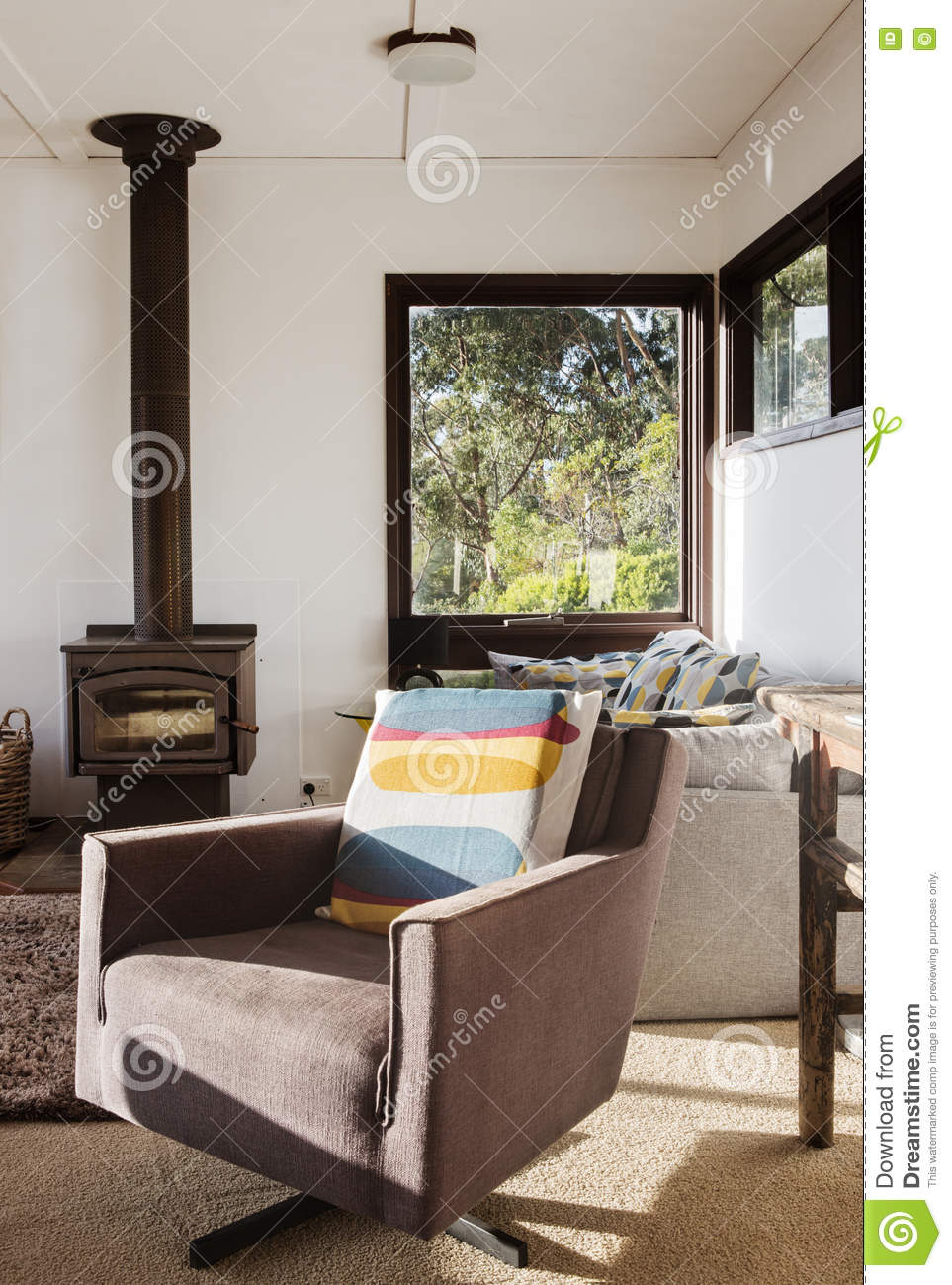
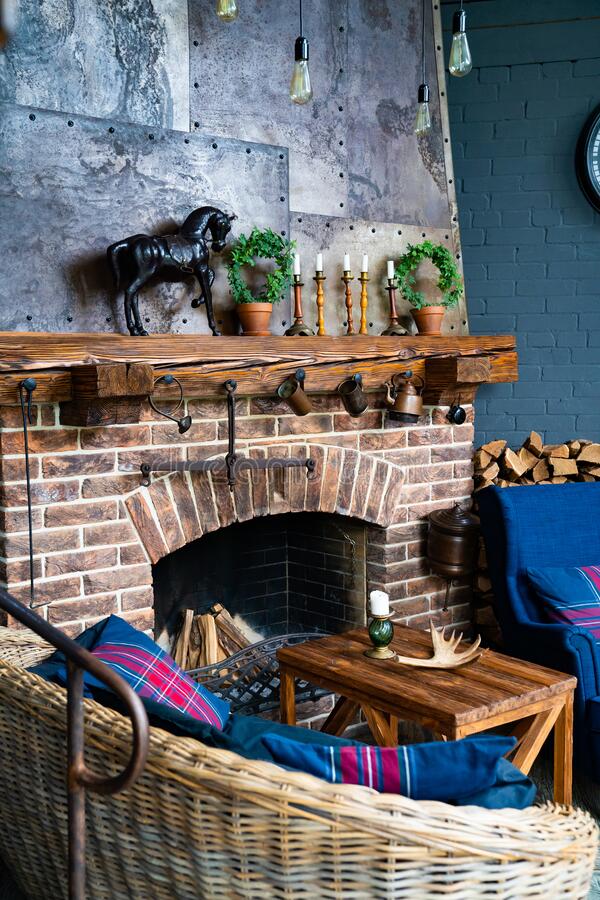

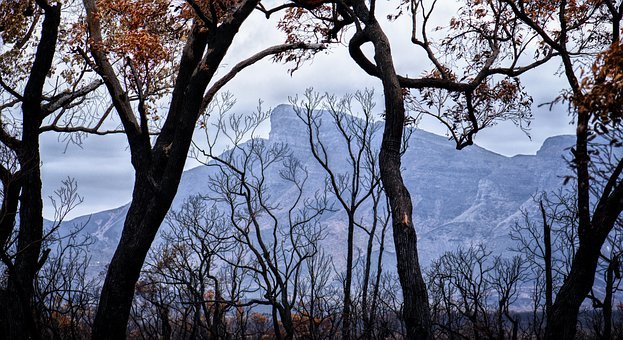
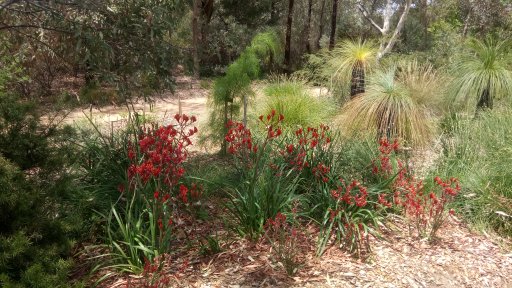
These include internal, domestic landscapes, which provide a recognisable image of Australianness. In the first episodes, images of the countryside (as opposed to the bush) ran throughout the opening: a landscape of green paddocks, rolling hills, and blue skies, complemented by lilting music. The bush was secondary to the serenity evoked by the country landscape.


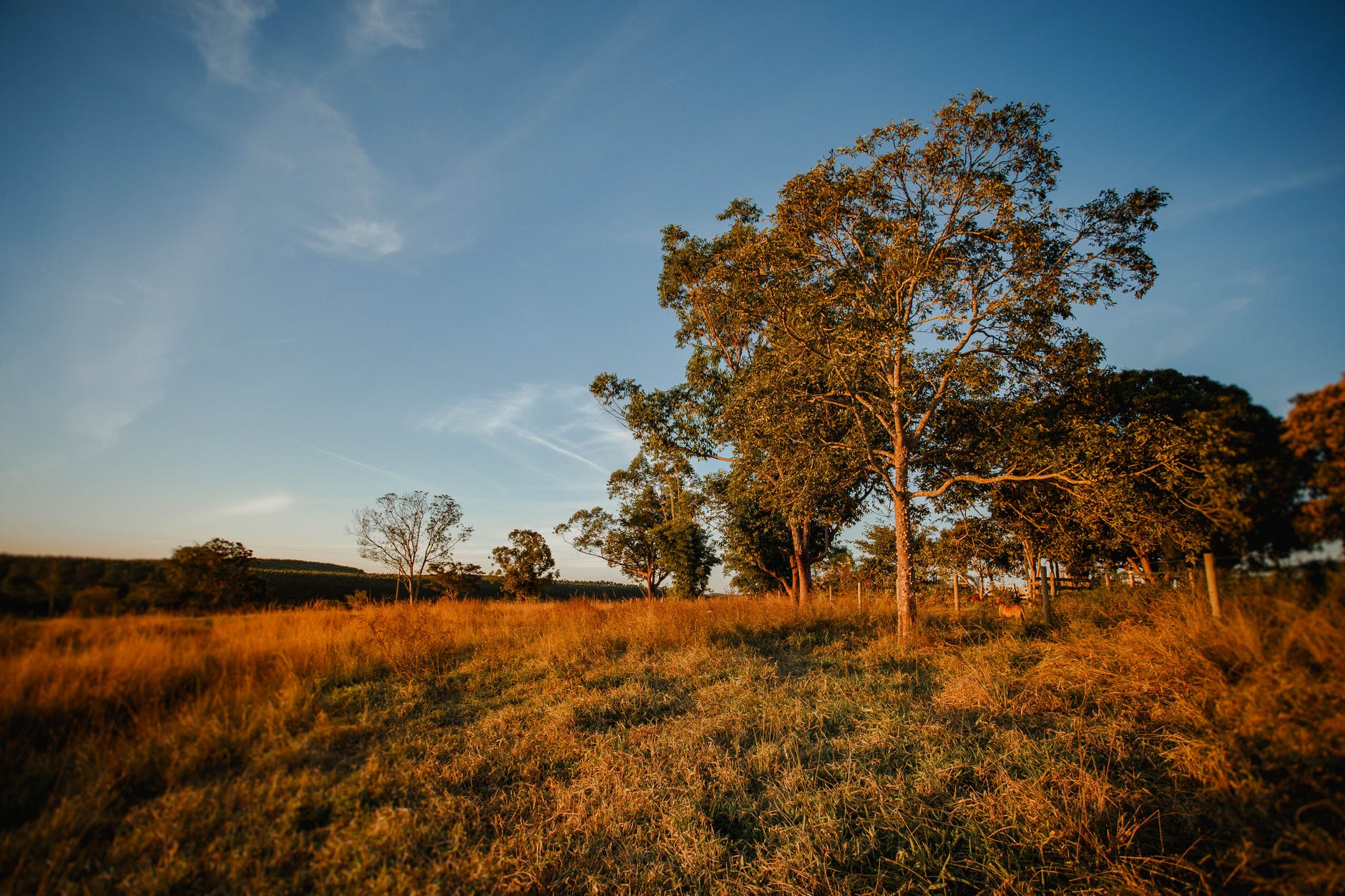

The closing credits in the early 1980s consisted of images of the red brick, two story practice; the hospital with the main medical cast operating; Simon in his ‘citified’ red sports car, competing with dusty rough roads; Terrance in his land rover, effortlessly moving through green bushland. Molly and Brendan with their daughter Chloe (Emily Nicol), their house set against the green landscape; the practice, again; and the hospital buildings.
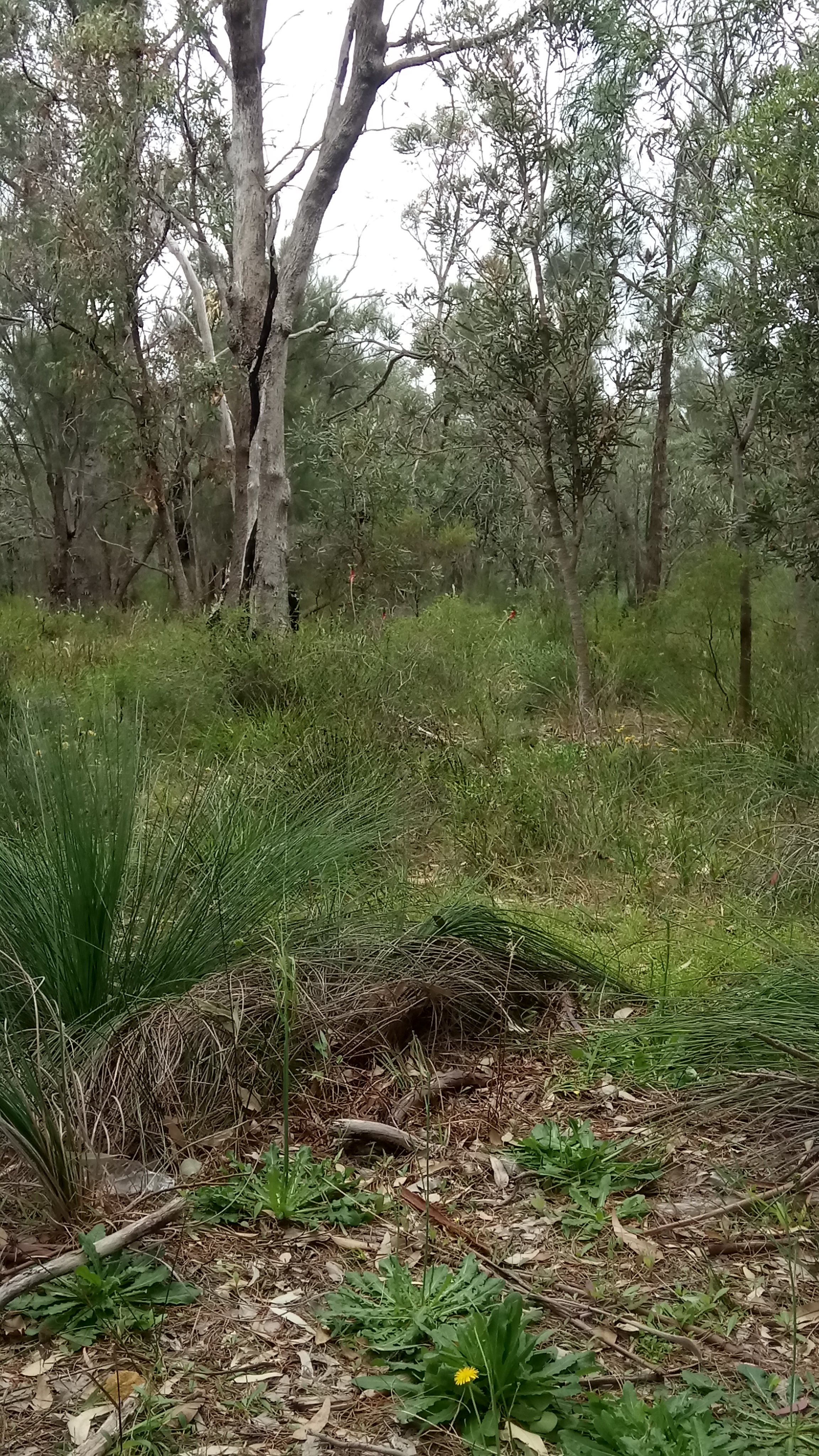
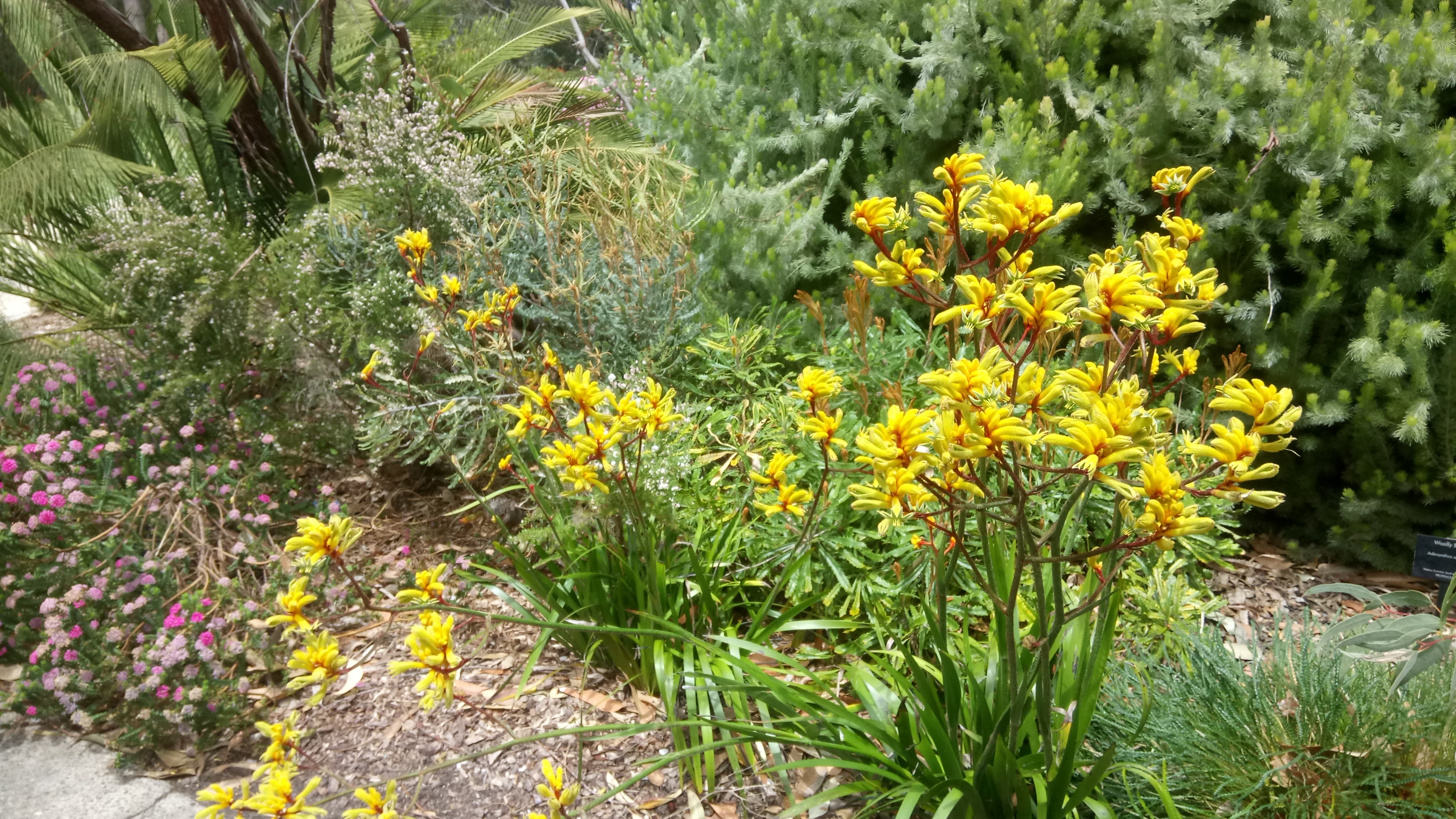
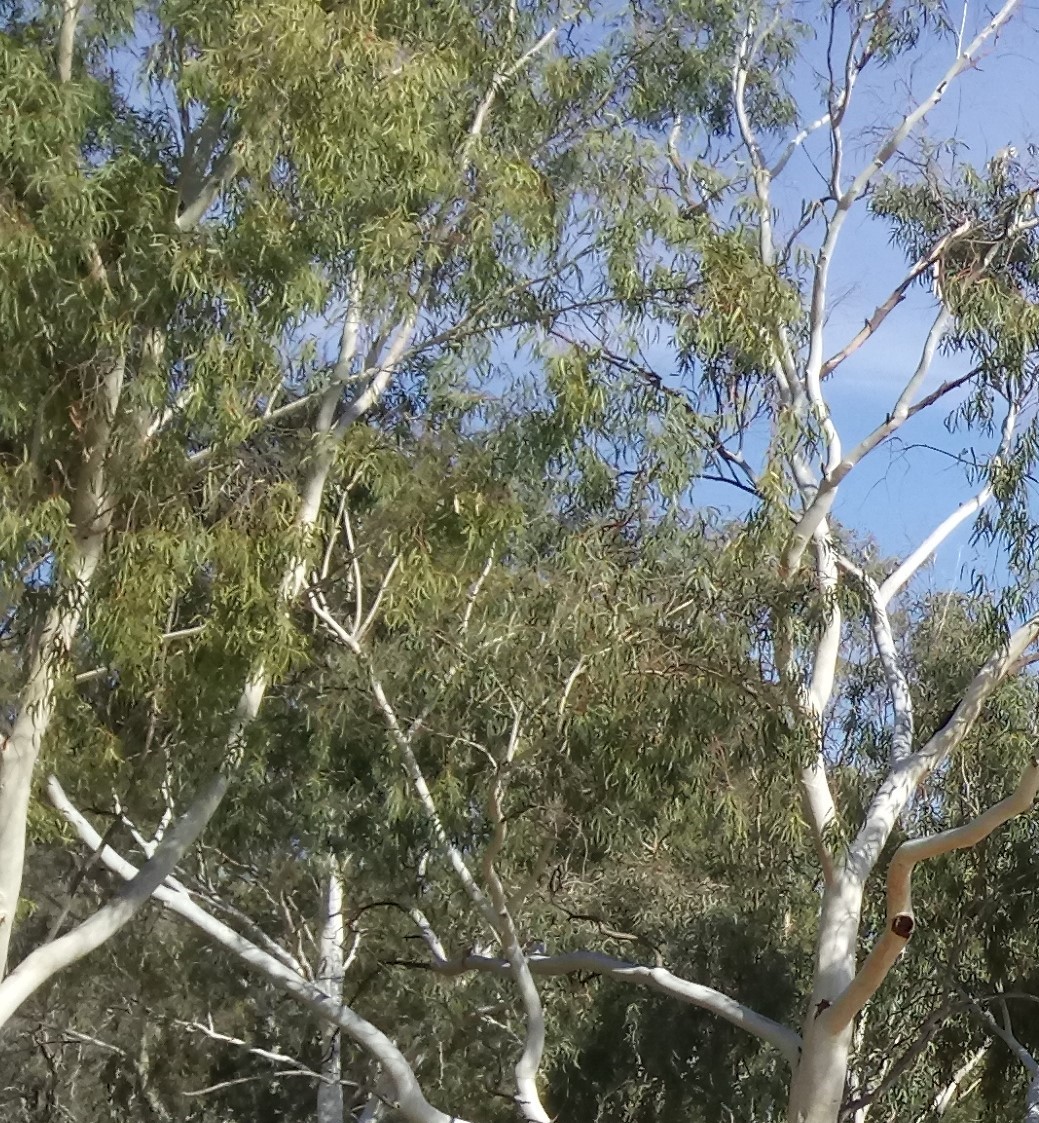
In the later episodes the closing credits featured bush as well as country scenery, including: a distant, misty shot of trees, fields, horses, sheep and a white house; a close up of Harry and Kate, with an unrecognisable figure in the operating theatre ; a close up of Terrance painting, against a backdrop of the bush; a close up of a koala in a tree; a house surrounded by gum trees, with a horse in the foreground; a group of riders, driving cattle through the bush and down a steep , rocky incline: Kate on a horse; a bush scene; a horse riding group set against a background of water, gum trees and blue skies; Darcy in the vet’s surgery; Harry and Kate kissing against a backdrop of water, newly planted trees, and a misty sky: a landscape pieced together out of external and internal images.
It is worth differentiating between issues and events in programs such as ACP. Attitudes to issues are reflected and developed their airing and discussion by characters ; events provide humour and drama. Although entertainment and the development of issues are sometimes seen as separate, (Greg Evans, writer, Home and Away, sees character driven, rather than issue based programs, as entertainment) it is clear that issue based dramas are successful entertainment. When combined with comedy, an attractive and diverse range of characters and scripts that move storylines forward , as well as providing ‘cliff hangers’ (albeit gentle ones), the portrayal of conflict over topical issues often appeals to audiences.
‘A Lady’s Choice’ screened in the mid-eighties, and linked ACP staples: nostalgia, values illustrated through issues and events, external and domestic landscapes, animals, and character development.


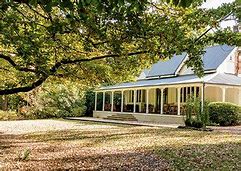
The storylines – rape of a friendly , visiting character, by another ‘friendly’ visiting character; Molly’s nostalgic project being superseded by one dealing with the future; Bob’s new widowhood; Cookie’s engagement to Esme; and the development of Terrance’s protégé, linked continuing themes. These were : the advantages of a small town (caring and support from a small, close population) contrasted with the disadvantages ( propensity for gossip and small mindedness); loneliness and its consequences; relationships between women and men; the value of the past; and the importance of change and new ideas with their acceptance against a conservative background.
The themes, issues and storylines presented an Australianness which was concerned as much with developing an understanding of relationships, in particular, women’s role, and acceptance of a range of human values, as with a portrayal of strong, bronzed men and rolling landscapes. Very few scenes took place in open spaces; those that did were often circumscribed by gardens, fences or buildings.
The one portrayal of the ‘bronzed Anzac’ image was Cookie, more than usually tanned(through the use of backlighting against a blue sky), wearing an Akubra, a close up hiding his small stature. In this scene he was one aspect of the typical Australian male, wondering what he had done wrong when his sexual advances were repulsed. Rather than a negative or judgmental portrayal, it explored the changing relationships between women and men and the difficulties for those socialised by past sexist attitudes. More demanding was the way in which rape was dealt with, Shirley and Frank taking important roles on either side of the question about a woman’s behaviour and her complicity in sexual assault. The audience was drawn into this serious story by linking Shirley’s lively, bubbly and friendly character with the criticisms that were made about the female visitor. ‘You could be describing me, Frank,’ was a particularly powerful rejoinder to Frank’s reservations about arresting the perpetrator. Eventually the sexist underpinnings to the story were demolished, and justice was done.
In contrast to outdated views on women and men’s relationships, the past was portrayed positively in Molly’s storyline about the Wandin Valley Pioneer Village and a newspaper story about Bob’s woodwork prize – a sewing box for his mother. This nostalgia was on a domestic, rather than grand scale, presenting a closed, but warm environment. In particular, Bob was seen in dark, small enclosed spaces, with a paper strewn table, jars of jam, a tin of baked beans, beer and cornflakes. No damper or billy tea to construct an image of Australianness, but an emphasis on the camaraderie of a small town, where people have the courage to stand up for victims of everyday injustices.
As usual, the victim was an outsider, serving to portray Australianness as community help to those in a closed environment, the people of Wandin Valley largely exist to do good, and victims are there to serve their part in promoting the locals’ ability to achieve this. An ‘othering’ was also given to locales – Magnolia Vale was seen as ‘not quite nice’ by Wandin Valley residents. Although Wandin Valley had its eccentrics, visiting drug addicts , thieves, con men and women, rapists and child molesters, Magnolia Vale’s residents regular inhabitants included ‘young people who would steal anything that wasn’t nailed down’ (ACP), unsavoury customers at the pub, brawls between men with beanies, and a ‘rip off ‘ car repairer. Burrigan, in contrast, was the big country town to which Wandin Valley had to defer on occasion. But the audiences’ hearts were with Wandin Valley: we loved it, its inhabitants, their values and their lifestyles. It was Wandin Valley’s construction of Australianness which was paramount.
Conclusion
In television the budget determines the number of expensive location shots that can be used in each episode. Establishing shots such as those used in ACP’s credits were an important means of communicating the landscape that provided the drama’s context. Although over time the balance of studio to location shots changed, over several seasons most of the action continued to take place inside.
The domestic landscape was most significant in ACPs construction of Australianness. So many scenes took place in kitchens, and even bush animals such as Fatso, the wombat, was domesticated. Farm animals such as Doris, the pig, and ‘the girls’, as Molly’s chooks were known, completed this image.
Although fire and flood did occur in Wandin Valley, these were dramatic and unusual events. The construction of Australianness in this program, despite the opening and closing credits, focused on the domestic, promoting a concern with humanity and tolerance. That its population has only once included an Aboriginal as a major character limits the construction of Australianness. On the other hand, main characters have come from non-English speaking backgrounds , ensuring that Australianness that does not ignore the changes that have taken place since Russell Ward’s ‘typical’ Australian.
Responding to changing audience responses and and expectations over ten years, as well as selling the program to other countries , could have influenced the construction of Australianness in ACP. Despite this demand, and despite the images of sheep, koalas and bush under the credits, themes and stories remained domestic over the period. ACP was typically character and issues driven, emphasising small towns and small town people.
A Country Podcast September 18, 2020
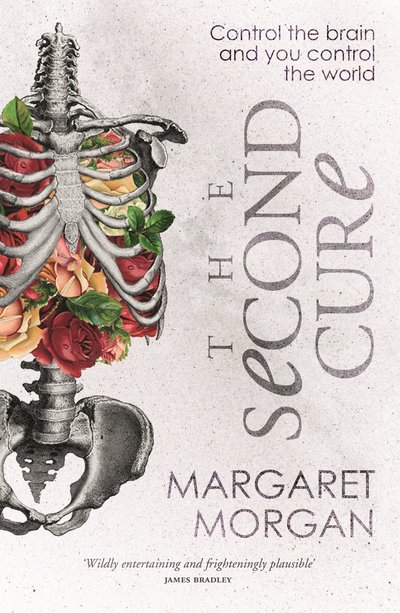
This podcast included an interview with Margaret Morgan, a former scriptwriter and script editor for ACP, and now a novelist. Margaret’s novel, The Second Cure, Penguin Random House, 2018, is reviewed on Goodreads. However, the purpose of this blog is to discuss her contribution to ACPodcast.
The podcast also covered a kidnap plot involving a ‘mad’ woman and Dr Terrence Elliot; the secret scriptwriter (“John Hamlin”, who went on to write for Home and Away and Neighbours); what snacks might have been consumed in the scriptwriting room; and the political, social and economic environment in which this episode of ACP was aired.
In ACP a woman in a wheelchair, her sister, and Dr Elliot could have been expected to deal with ‘madness’ in a sensitive way (see below, excerpt from Searching For An Australian Identity). Instead, as was pointed out on the podcast, one woman was referred to as ‘mad’, the this was the motivation of the plot, and it appears there was little layering of the simple plot.
Lively and reminiscent comments on the snacks the scriptwriters might have been expected to consume were followed by Margaret Morgan’s comment on the more healthy food eaten by scriptwriters and story liners at the two day meetings in Sydney.
Margret Morgan’s contribution provided the background to writing and story lining for ACP. She put the notion of snacks to rest when she spoke of Rhula, who provided magnificent meals for them, cooked in the kitchen on the premises. Most importantly, Morgan enlarged upon the value of research, from the involvement of a medical expert, specialists associate with the issues to be dealt with in each episode and field trips to relevant locations by the writers. Also, bodies concerned with publicising particular issues approached ACP for inclusion of their concern in scripts. A really interesting comment on the role of scriptwriters was their influence in the move of Joyce Jacobs as Esme Watson from a nonspeaking part to a fully fledged member of the cast.
From Searching For An Australian Identity: Another ACP approach to mental illness was the subject of two episodes in the mid-1980s. In this storyline, the program anticipated the Burdekin Report (1993) which addressed the problems associated with the de- institutionalisation of the 1980s. De-institultionised people were depicted as being at the mercy of an unscrupulous boarding home proprietor who took their cheques in exchange for inadequate housing and care. These people were shown as vulnerable rather than ‘mad’.

A script writing meeting at the premises of A Country Practice in 1991
A Country Practice advertised their interest in meeting potential script writers at an ‘Observer’s Programme’, and I applied. The application required a story line, a scene breakdown and a script for several scenes. I wrote a story line that included some of the main characters, scene breakdowns and a script for several. Non-sequential scenes were an important feature of the application so as to illustrate the relationships and typical dialogue between some main characters.
The characters I chose were Shirley, Frank, Matron Sloane, Lucy Gardner, Luke, Esme, Cookie, Bob, Dr Chris Kouros, Cathy and, a character for a two-week slot, Eileen Stannard (a correspondent school teacher). The story line was based around Frank and Luke’s study for their HSC through correspondence lessons. They plan to go to Sydney to meet their teacher, Frank thinking he will catch 42nd Street and Luke planning on an INXS concert. This plan is thwarted when Luke is hospitalised with an appendix attack, so Ms Stannard comes to Wandin Valley. She is relatively young for correspondence school teacher, but can no longer face the classroom after a car accident in which her husband and child were killed, and she has been severely scarred. Eileen’s youth is a source of discussion and humour and a romance with Dr Kouros was noted as a possible continuing story line. Cookie, Bob and Esme, with other customers meet at the Club to discuss entertainment for the visitor (lamingtons are to be included of course).

My application was successful, and in September 1919 I received a letter inviting me to attend an observer’s meeting in Sydney and giving me the details of my responsibility as an observer. These included signing an agreement that discussion at the meeting should remain confidential, and that, although I could contribute to the discussion, the copyright on ideas remained with ACP. The process was two days meeting, in which the story lines which had been devised by storyliners previously were brought to the meeting. Two weeks after the ‘story conference’ meeting the scene breakdown and research notes were sent to me for preparing my submission of ten consecutive scenes. An example of a script already put to air was also provided to assist with format and style.
The meeting was thoroughly exciting, at the same time as being extremely professional. One other observer was present. We were encouraged to participate if we had something to add, but it was educational to sit and listen. The main story line was around adult literacy and health and safety issues related to farm machinery. The level of research undertaken and commitment to getting everything right without losing dramatic impact was monumental, as could be seen from the discussion as well as the research notes sent later.
As Margaret Morgan noted in her interview on An Australian Podcast, Rhula provided an excellent lunch each day. The premises included a wide patio where we could catch the sun in breaks. The full-time script writers and story liners were welcoming, and James Davern attended the meeting. Not only was this an enjoyable experience, but it demonstrated the importance ACP writers and producers placed on professionalism and authenticity.
Television and voting in the US
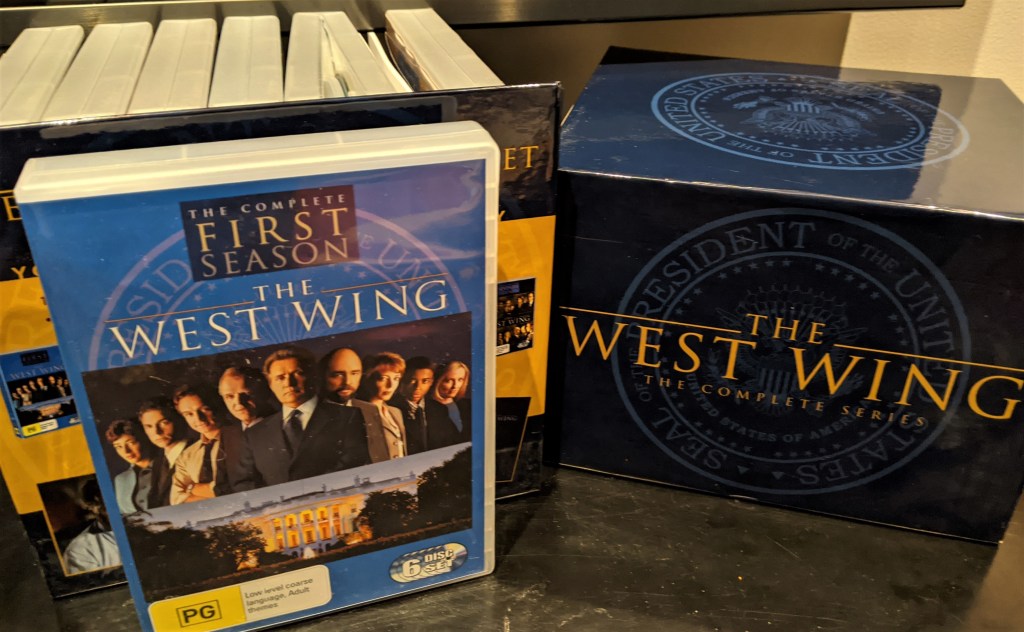
The West Wing was always an indirect source of political ideas and possibilities. It has now rebooted an original episode aiming at a direct political outcome – getting people out to vote.
BY ALLIE GEMMILL OCTOBER 28, 2020
We’re less than a week away from Election Day 2020, arguably the most important day of the year. While early voter turnout has been hitting record highs in states across this great land, ensuring that every eligible U.S. citizen puts their right to vote to good use is still of the utmost importance. As such, HBO Max has opted to make the recent The West Wing reunion event, A West Wing Special, free to view to non-subscribers.

HBO Max announced earlier this week it would make A West Wing Special available for free to non-HBO Max subscribers. If you’re part of the demographic, you can click this link and watch A West Wing Special now through the end of 2020. The special, which debuted on HBO Max on October 15, sees a majority of the original West Wing cast reunited to perform the voting-focused Season 3 episode “Hartsfield’s Landing.” The episode’s title refers to a fictional New Hampshire town with a history of voting on 12:01 am on Election Day and accurately predicting the winner of said election. The episode plays out of the course of one evening as, among other things, President Bartlet (Martin Sheen) and his staff await the results from this pivotal town buried deep in the northeast.
A West Wing Special is notable not only because of its subject matter, but because it sees key West Wing cast members reuniting onscreen. In addition to Martin Sheen returning as Josiah Bartlet, Allison Janney, Bradley Whitford, Richard Schiff, Rob Lowe, Dulé Hill, and Janel Moloney all returned for the special. Additionally, Thomas Schlamme returned to direct the special with Aaron Sorkin back as a co-executive producer. Sorkin also penned new material exclusively for this important special.
Non-HBO Max subscribers can now watch A West Wing Special for free — just follow this link. You can watch the trailer for A West Wing Special below. For more, read the glowing review of the special written by Collider’s own Adam Chitwood.
How to Watch ‘The West Wing’ HBO Max Voting Special Now That It’s Free
BY ALLIE GEMMILL OCTOBER 28, 2020
We’re less than a week away from Election Day 2020, arguably the most important day of the year. While early voter turnout has been hitting record highs in states across this great land, ensuring that every eligible U.S. citizen puts their right to vote to good use is still of the utmost importance. As such, HBO Max has opted to make the recent The West Wing reunion event, A West Wing Special, free to view to non-subscribers.
HBO Max announced earlier this week it would make A West Wing Special available for free to non-HBO Max subscribers. If you’re part of the demographic, you can click this link and watch A West Wing Special now through the end of 2020. The special, which debuted on HBO Max on October 15, sees a majority of the original West Wing cast reunited to perform the voting-focused Season 3 episode “Hartsfield’s Landing.” The episode’s title refers to a fictional New Hampshire town with a history of voting on 12:01 am on Election Day and accurately predicting the winner of said election. The episode plays out of the course of one evening as, among other things, President Bartlet (Martin Sheen) and his staff await the results from this pivotal town buried deep in the northeast.
A West Wing Special is notable not only because of its subject matter, but because it sees key West Wing cast members reuniting onscreen. In addition to Martin Sheen returning as Josiah Bartlet, Allison Janney, Bradley Whitford, Richard Schiff, Rob Lowe, Dulé Hill, and Janel Moloney all returned for the special. Additionally, Thomas Schlamme returned to direct the special with Aaron Sorkin back as a co-executive producer. Sorkin also penned new material exclusively for this important special.
Non-HBO Max subscribers can now watch A West Wing Special for free — just follow this link. You can watch the trailer for A West Wing Special below. For more, read the glowing review of the special written by Collider’s own Adam Chitwood.
Allie Gemmill is the Weekend Contributing Editor for Collider. You can follow them on Twitter @_matineeidle.
 Robin's Room
The concept of “Australianness” is such a complex and nebulous thing…
Identifying Australia in Post-Modern Times edited by Livio Dobrez (former ANU lecturer) is an interesting book I read on the topic some years ago when studying Australian literature.
Oh and I will definitely listen to the A Country Practice podcast, having been such a fan in the 80s!
LikeLike
Thank you, Kate Mc. The podcasts are fortnightly. One scriptwriter who will be involved is a woman I met at the ACP offices when I visited. I particularly look forward to hearing her speak .
LikeLike