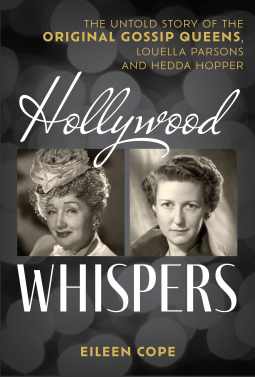
Eileen Cope Hollywood Whispers The Untold Story of the Original Gossip Queens, Louella Parsons and Hedda Hopper Globe Pequot | Lyons Press, November 2026.
Thank you, NetGalley, for this uncorrected proof for review.
Eileen Cope reveals more than Hedda Hopper’s and Louella Parsons’ stories, and the scandals they placed before audiences of their era. The narratives of the past resonate with contemporary Hollywood audiences’ seeking the ‘truth’ about the actors they revere and distain; the behaviour on and off set of their heroes and heroines; the reasons for romances, break ups, and divorces; financial successes and failures; sexual harassment claims, legal cases and outcomes; and anything else that creates the illusion that the personal lives of public figures can become even more public, that we, the audience can really know what is in their minds, and certainly anything that just falls short of doing so. This is the story of audiences’ demands, private and public, of the Hollywood scene as well as the scene itself. Hedda Hopper’s and Louella Parson’s work is the precursor to the role of social media today. So, as well as illuminating the past, Cope has established a vivid background to current responses to Hollywood.
Cope has unashamedly made her work more than the biographies of Hopper and Parsons. Perhaps she can be seen to fall short in delving into the women’s backgrounds, unsuspected or psychological motivations, or the whispers about them that would accompany a fully-fledged biography. However, what is accomplished is something broader. The book provides enough about the ‘Original Gossip Queens’’ motivations, their desires and their successes and failures to provide some understanding the women. More than enough, possibly – neither is depicted as a pleasant character. Nor do they appear to have any moral motivation for their judgment upon various stars, and their seeking public coverage for such judgements. People were damaged by the ‘Queens’’ writing; just as today social media can be destructive. Successful, wealthy, powerful, Hedda Hopper and Louella Parsons competed into old age, and eventual decline of their role.
At the same time as these biographies, limited though they may be, Cope provides a picture of Hollywood, the studios and their power. Importantly, the moral landscape including the control that forced public figures to hide the truth about themselves, enter relationships and marriages not of their making, and their reception of such control is revealed. As important is the exposure of the role of audiences and their responses to the moral judgements made by Hopper and Parsons. Here, Cope also provides a social landscape outside Hollywood, but impacted by Hollywood films, actors’ lives, and the depiction of such lives.
Gossip as information, controller of behaviour inside and outside Hollywood, destroyer and cause of success is given a honest airing in this book. That Cope has provided such a wealth of information and insight though two dreadful, but fascinating characters is a bonus.
Australian Politics
British Politics
Tom Watson <tomwatsonofficial@substack.com> Unsubscribe Tuesday 30 July 2026.
No 10 North is not enough
Andy Burnham is reaching for a Labour tradition older and deeper than devolution. Harold Wilson called it the New Britain. His failure shows where the real test lies.
How do we get all parts of the country firing?”“I am going to give Britain the circuit-breaker it needs.”“No 10 North.”
Andy Burnham’s speech deserves to be taken seriously because it contained something rare in British politics: an argument about power.The Westminster Lobby, bruised by the absence of a questions slot, briefly mistook its own inconvenience for the story. It was not. The story was that Burnham had made a speech about the structure of the British state.
His case is that Britain is too centralised, too departmental, too slow, too remote from the places where growth must be created. He is not making the familiar argument that Whitehall should listen more politely to local leaders. He is saying something harder: that the centralised state is now one of the causes of Britain’s economic weakness.Burnham was blunt about the condition of local power: “The stark imbalance in resources between national government and local government is holding back growth.” Then came the line that will have landed in every town hall in the country: “If councils can’t fix potholes, what chance do they have of bringing forward major regeneration schemes to get growth going?”Local power without fiscal power is permission, not devolution.That is why the speech should not be filed under local government, mayoral ambition, or northern mood music. It belongs in a larger Labour tradition.
The comparison is Harold Wilson.
On my desk is the Penguin volume Wilson: Selected Speeches 1964 – Labour’s Plan: The New Britain. It includes two speeches delivered a week apart: The New Britain, made at Birmingham Town Hall on Sunday 19 January 1964, and Labour’s Economic Policy, delivered at Brangwyn Hall, Swansea, on Saturday 25 January 1964.
They are an attempt to describe why Britain was failing and how a Labour government might renew it. Wilson’s argument was that Britain possessed energy, talent and technical ability, but its institutions were not fit to mobilise them. The old Britain was too deferential, too amateur, too class-bound, too centralised and too dominated by short-term financial control.Wilson wanted what he called “the New Britain”. Burnham’s language is different, but the family resemblance is clear. Both start from the same proposition: the country has more strength than the state knows how to use.In Birmingham, Wilson argued that the failure lay not in the British people but in the way the country was governed. He attacked a closed society in which birth, wealth, accent and inherited advantage counted for too much. The Tories, he said, had “frozen initiative” and “petrified imagination”. The New Britain would be more open, more technical, more educated and more purposeful.He also said something that now reads like a direct challenge to modern Whitehall: “Not all wisdom abides in London.” For a Labour leader in 1964, that was not a casual aside. It was a challenge to the geography of power.The link with Burnham is direct. Burnham’s case is also that talent is everywhere but power is not. He is not asking for Manchester to replace London as the only place that counts. The point is to build a state in which the North, the Midlands, the South East, the South West and every other part of England have the institutions, fiscal powers and civic confidence to shape their own economic future. Devolution is not regional favouritism. It is national modernisation. A country becomes stronger when its places stop waiting for permission and start taking responsibility for growth.
Wilson’s New Britain had three purposes: “economic purpose, social purpose and world purpose”. Economic purpose meant production, investment, exports, skills, technology and the end of the old stop-go cycle. Social purpose meant security by need, not wealth; decent housing; better schools; stronger public services; and wider ladders of opportunity. World purpose meant a country no longer trapped by imperial nostalgia, but still confident enough to act with independence and moral force.Wilson did not treat growth and fairness as rival claims. He thought each required the other. Without production, there would be no social advance. Without social advance, production had no moral claim on the country.
Burnham’s argument is strongest when he makes growth concrete. Growth means buses, houses, colleges, high streets, wages, skills, energy, local pride and routes to status for people who do not want, or cannot get, the university path.But Wilson’s most useful lesson for Burnham lies elsewhere. It lies in his fight with the Treasury.
Wilson thought the Treasury had come to stand for a larger failure of British government: short-term financial control over long-term national renewal. He did not oppose financial discipline. He opposed the elevation of financial control into the ruling philosophy of the state.
In Swansea, Wilson put the point plainly:“Finance must be the index, not the determinant, of economic strength.”It is one of the best sentences in post-war Labour politics. It accepts the reality of finance while denying its supremacy. Money and Budgets count. Sterling counted then; debt interest counts now. But finance should measure and support the real economy, not decide the outer limit of national ambition.
Wilson wanted a growth department to challenge a control department. That was the logic of the Department of Economic Affairs, created under George Brown after Labour won office in 1964. The Treasury kept tax, spending, monetary policy, sterling and the Budget. The DEA was given planning, industrial strategy, prices and incomes, regional economic policy and consultation with industry.
It was a bold arrangement, or at least a bold-looking one. The Treasury would guard discipline. The DEA would press for expansion. The phrase used at the time was “creative tension”. In modern government, tension is usually easier to make than creativity.The flaw soon became clear. The DEA had the plan. The Treasury had the purse. The DEA could argue; the Treasury could refuse. The DEA could talk about production, regions and long-term renewal; the Treasury controlled the Budget, sterling and the spending machine.There is the warning for Burnham.You do not build a growth state by putting a northern sign above the door while leaving the Treasury in charge of the keys. Do not put the language of growth in Manchester and leave the machinery of control in Whitehall.
If you devolve Number 10 to the North of England, you have to devolve Number 11 as well. Otherwise No 10 North is not a circuit-breaker. It is a branch office.This is not an argument for fiscal fantasy. Britain cannot spend without limit. The bond markets exist. Debt interest exists. The public finances are real. A government that forgets that soon receives a reminder, usually from people with a Bloomberg data feeds and trading terminals.But fiscal discipline is not the same as Treasury rule. A state can manage money without allowing one department’s instincts to define the country’s future. Britain needs a government machine that can distinguish between waste and investment, between cost and capacity, between short-term pressure and long-term strength.Wilson saw the danger of stop-go government. In Swansea, he rejected “stop-go-stop policies”. He argued that deflation did not strengthen the economy. It weakened investment, hardened restrictive attitudes and left the country less able to compete. His answer lay in production, exports, technology, skilled labour, import substitution and regional development.His regional argument could have been written for the age of metro mayors. Regional development, Wilson said, was not just a question of “the location of industry”. It required “social development”, “urban renewal”, land use, housing and regeneration. It required planning machinery across departments. Above all, it required “a real willingness on the part of Whitehall to delegate authority”.
That is the phrase Burnham has to make real. No 10 North will be judged not by where it is based, or what it is called, but by whether Whitehall actually gives up authority.Burnham is not trying to revive the 1960s National Plan, and he would be unwise to try. The world is different. Capital is more mobile. Industry is more complex. Technology has altered the scale and speed of economic change. Climate, AI, ageing and migration all impose pressures Wilson did not face in the same form.But the institutional question remains. A modern growth state needs someone inside government with the authority to argue for place: to pull transport, housing, skills, energy, health and industry into one account of national renewal; to say to the Treasury that a proposal is not local pleading but a contribution to national strength.That is the test for No 10 North. Will it shape the Spending Review? Will it influence capital priorities? Will it change the Green Book, procurement, housing finance and transport appraisal? Will it give mayors durable fiscal power rather than another set of permission slips?
If not, Whitehall will absorb it in the usual way: welcome the language, praise the intention, establish the board, agree the minutes, commission further work, and return power to its usual owners.That is how British government often defeats reform. Not by opposing it. By processing it.Burnham’s opportunity is that the country’s anger is real. People are tired of being told that change is coming while their town centres decline, buses disappear, councils shrink to statutory survival and their children face narrower routes to success. The right has turned that anger into grievance. Burnham wants to turn it into agency.
Where Farage offers victimhood, Burnham can offer power.Where Farage offers scapegoats, Burnham can offer common purpose.Where Farage offers nostalgia, Burnham can offer a country that works again.But to do that he must solve a larger problem of language and identity. He knows how to speak for Manchester. He must now speak for Britain with the same force. Devolution cannot sound like the dispersal of national purpose. It has to sound like its recovery.The task is to connect pride in town, city, county and region to pride in the country. A Britain that trusts its places. A Britain that makes and builds. A Britain that leads in Europe, stands up for its values, backs human ingenuity and gives young people real ladders of opportunity.Wilson called for “the New Britain” because he thought the country had more talent than its institutions could use. Burnham now makes the same argument in the language of devolution.The question is whether he can avoid Wilson’s fate.Wilson saw the Treasury problem but did not solve the power problem. He built a department for expansion while leaving too much authority with the department of control.Burnham has now entered the same argument.No 10 North is the start.
No 11 North is the test.
Cindy Lou enjoys a quiet meal in three university areas – Oxford, Cambridge and Falmouth
Wallingford is a bus ride from Oxford, and like Oxford with its literary connection to Barbara Pym and more sinister ones to Inspector Morse, is the site of many fictional murders in Midsomer Murders which does some of its filming there. Wallingford Castle (featured in a blog two years ago on a September visit) is an archeological site. In keeping with the mystery theme, there are Agatha Christie monuments who lived in nearby in Winterbrook. it is also the site of many pleasant meals with friends, and in cafes and restaurants. On this occasion dinner at a community owned restaurant, five little pigs, was pleasant reminder of the community that burgeons in Wallingford.








Cambridge also has its literary connections which were explored at length in the Fitzwilliam Museum in 2024. Some of the material on show was recorded in my blog.
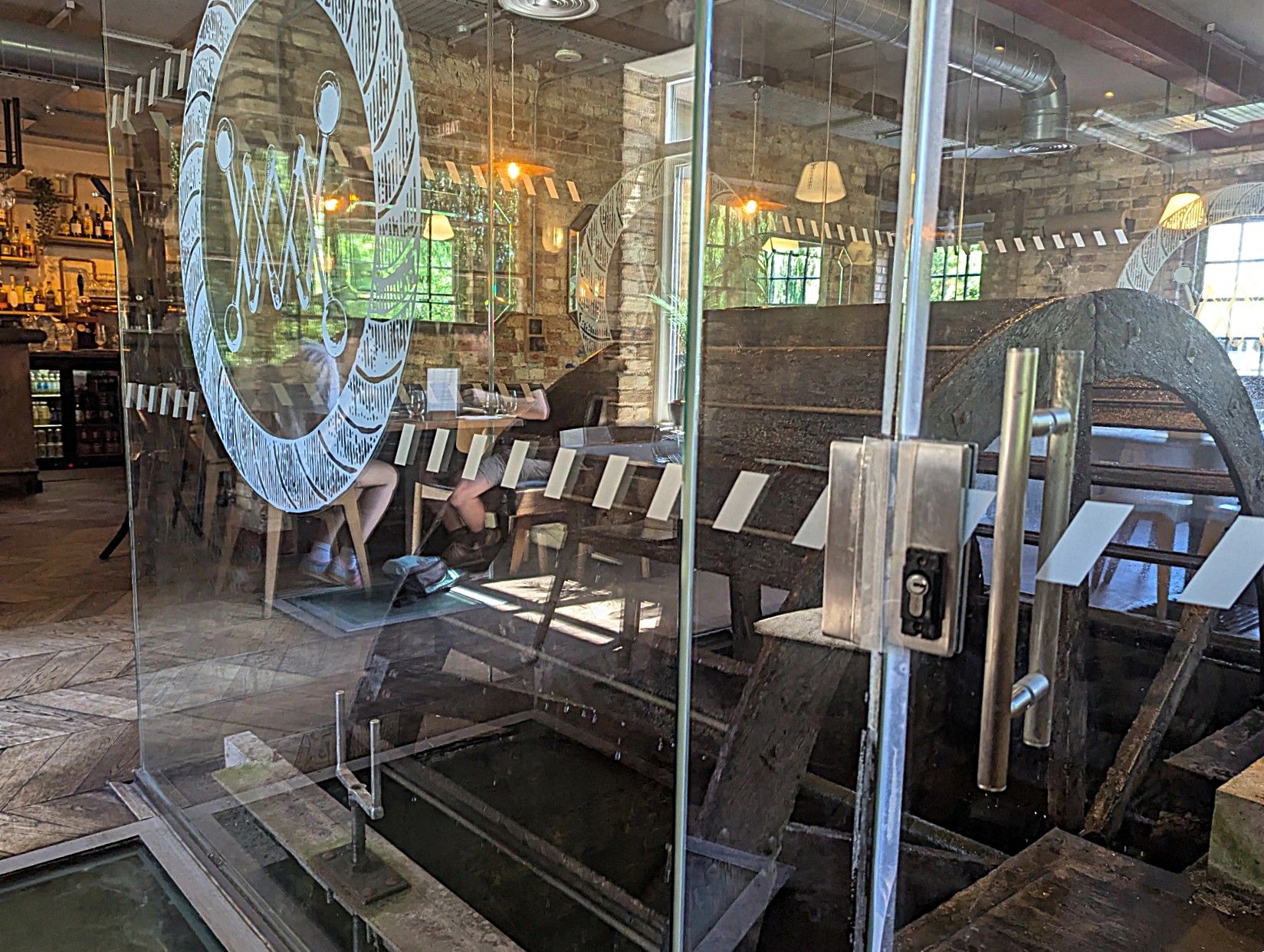
On this occasion we went to two very different restaurants – The Mill, which included a walk past the pathway leading to Grantchester – another murder series! And Namaste which we visited two years ago and enjoyed.
The Mill
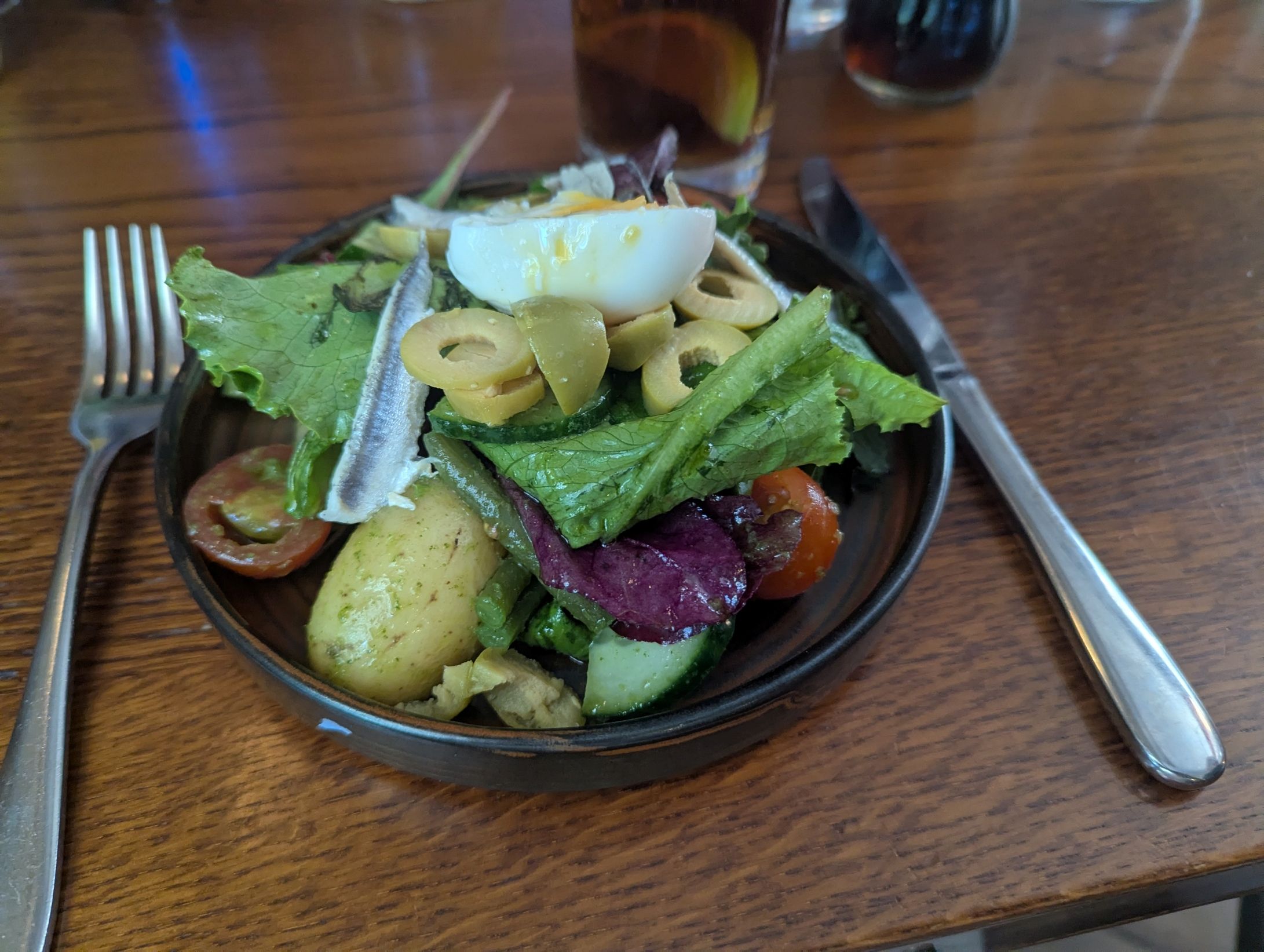
The food at The Mill was delicious, from the generous entrees – salad nicoise (there of us) and soup for one; and mains of steak (no frites), sausages and mash (two hearty meat meals for the men, with Dame Agatha and Barbara Pym would approve) and a wonderful vegetarian roll with chickpeas (not the boring vegetarian often served – something very special).



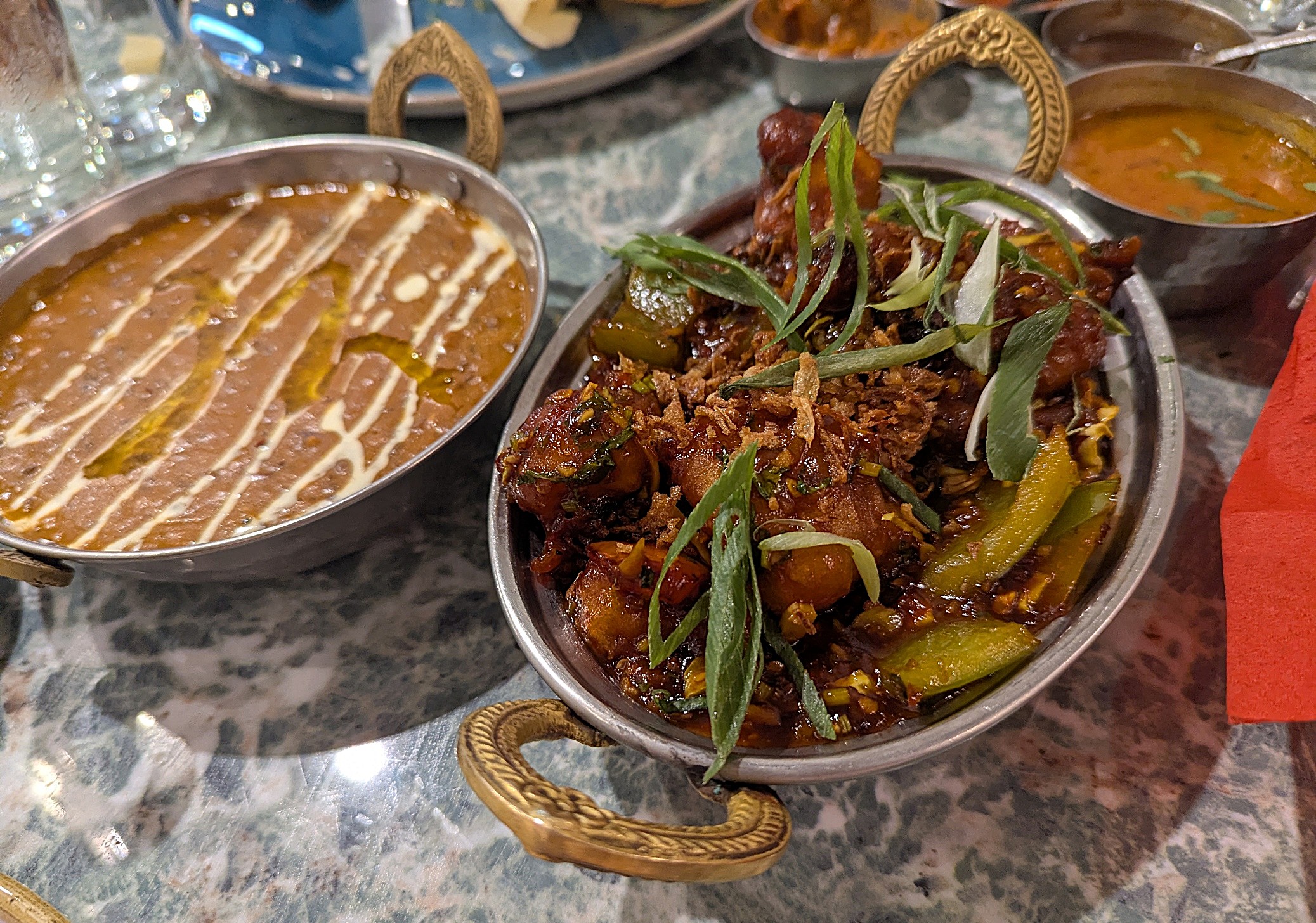
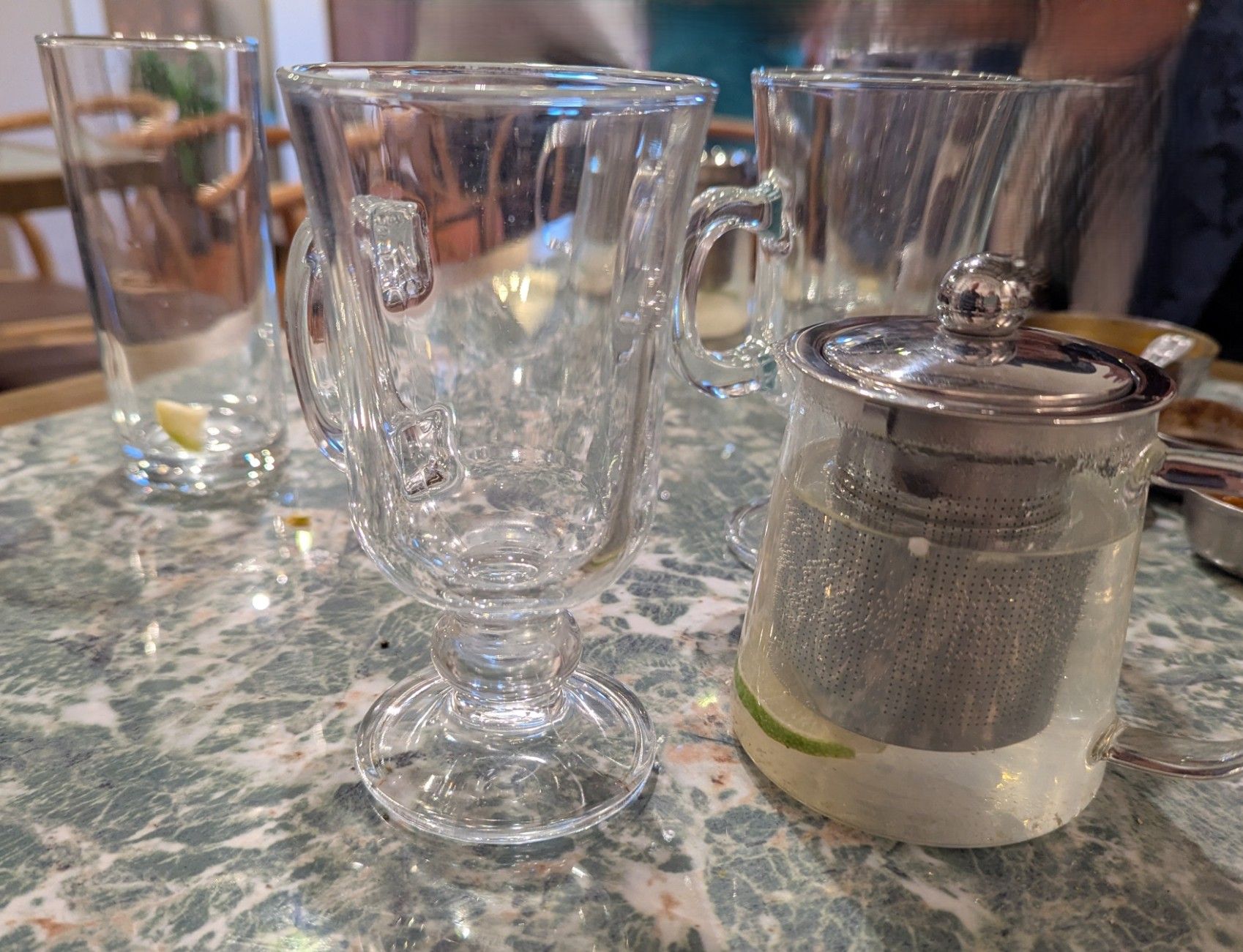
Namaste Village was again a success. The street food is particularly attractive – in presentation and taste. Masala Puri is hollowed crispy puris topped with spiced mashed potatoes, chickpeas, tomatoes, chutneys and magic masala; Special Chaat are crisp Indian wafers, chickpeas, potatoes topped with flavoured yoghurt, chutneys, magic masala & fine noodles; and House Special Namaste Special Dosa is a traditional masala dosa with grated paneer (Indian cottage cheese), desiccated coconut, roasted cashew nuts & raisins. All these were excellent, as were the more traditional vegetable curries, the naan, papadums and chutneys, and sauces. We finished with Malai Kulfi Ice Cream with Nuts, another mango lassi and ginger and lime tea.





Stir
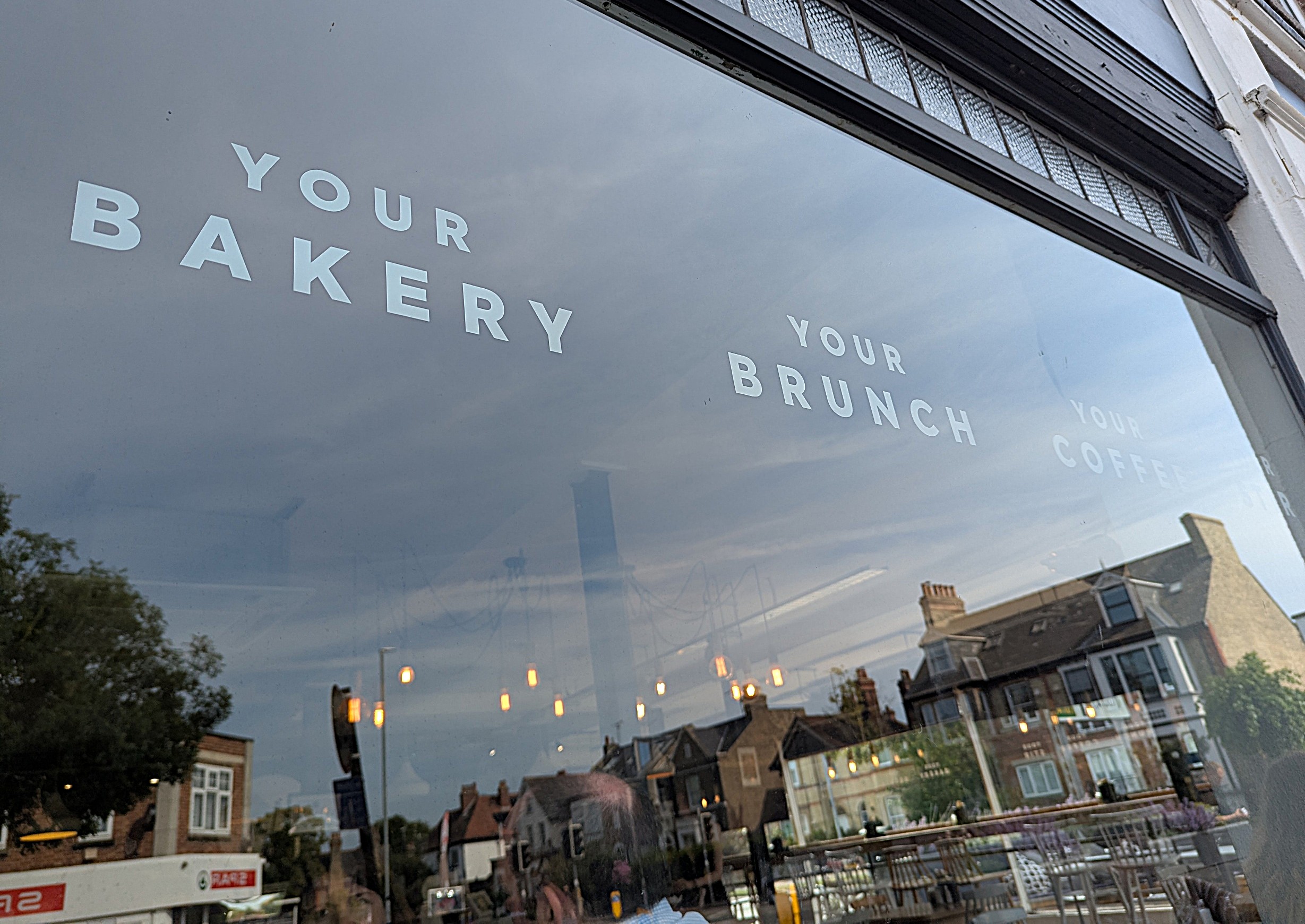
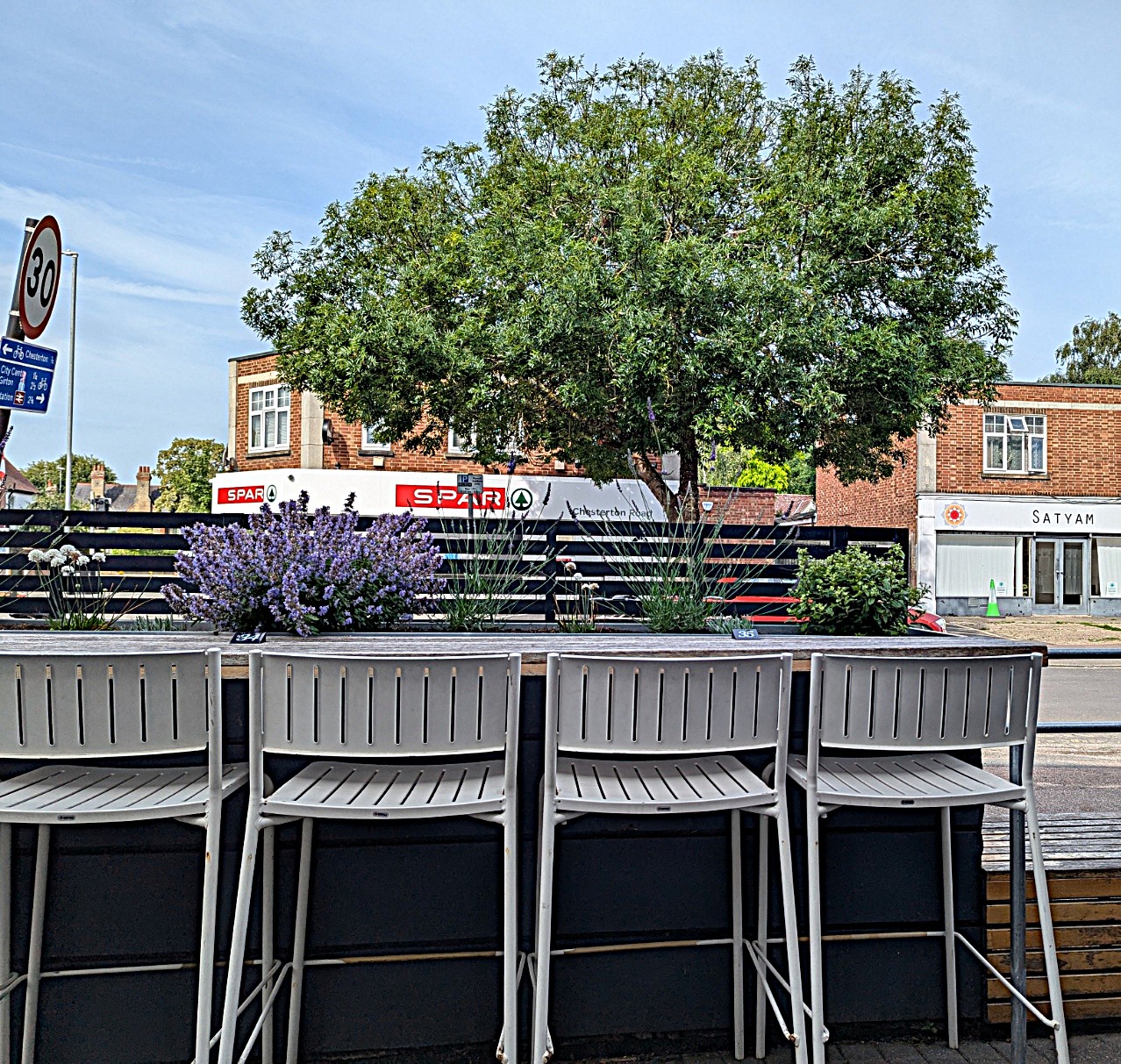
After that, a plain breakfast at Stir was a good decision. Stir also sells excellent bread, which we enjoyed at home before we left our friends’ for the trip to the airport and then back to Australia.


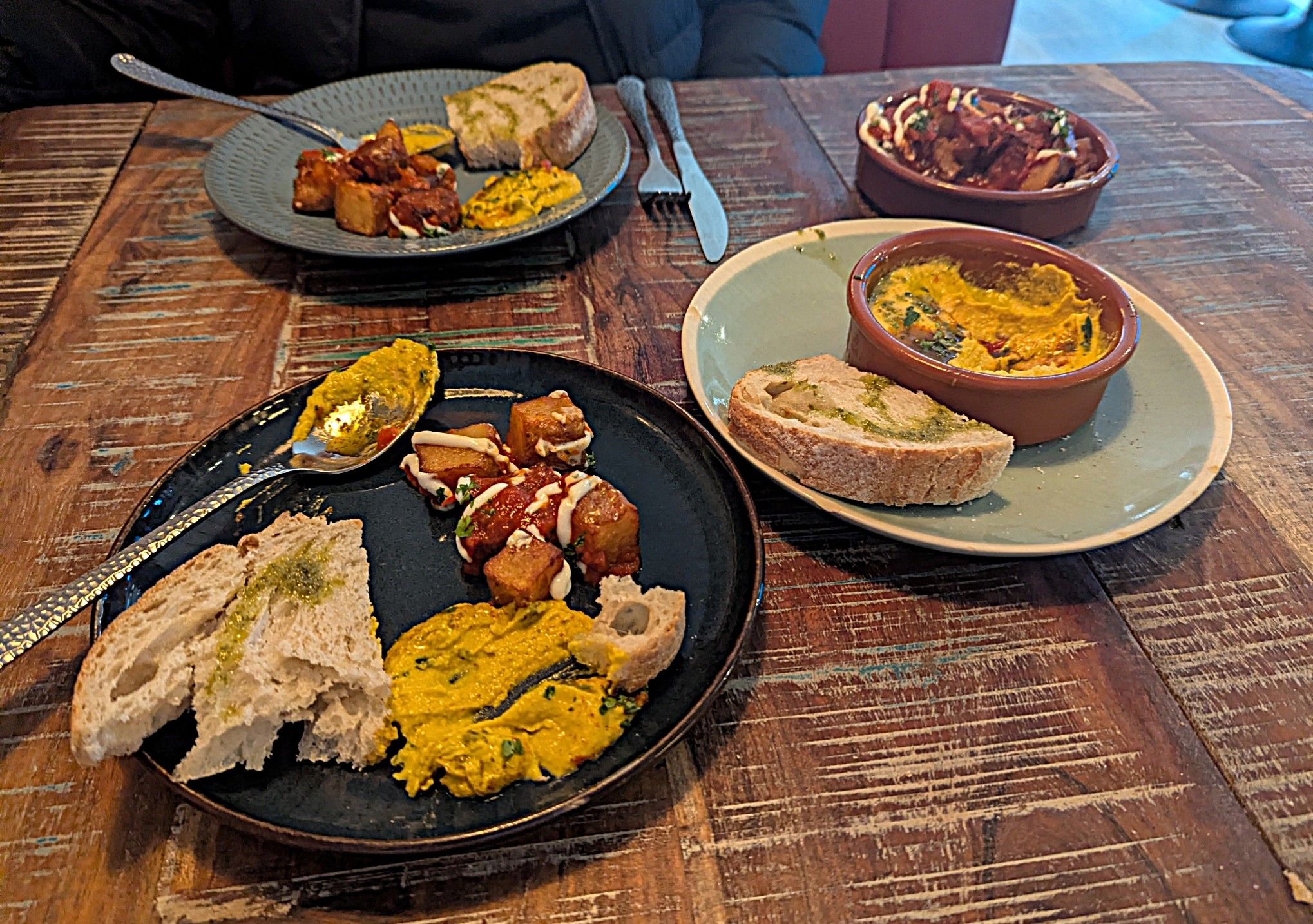
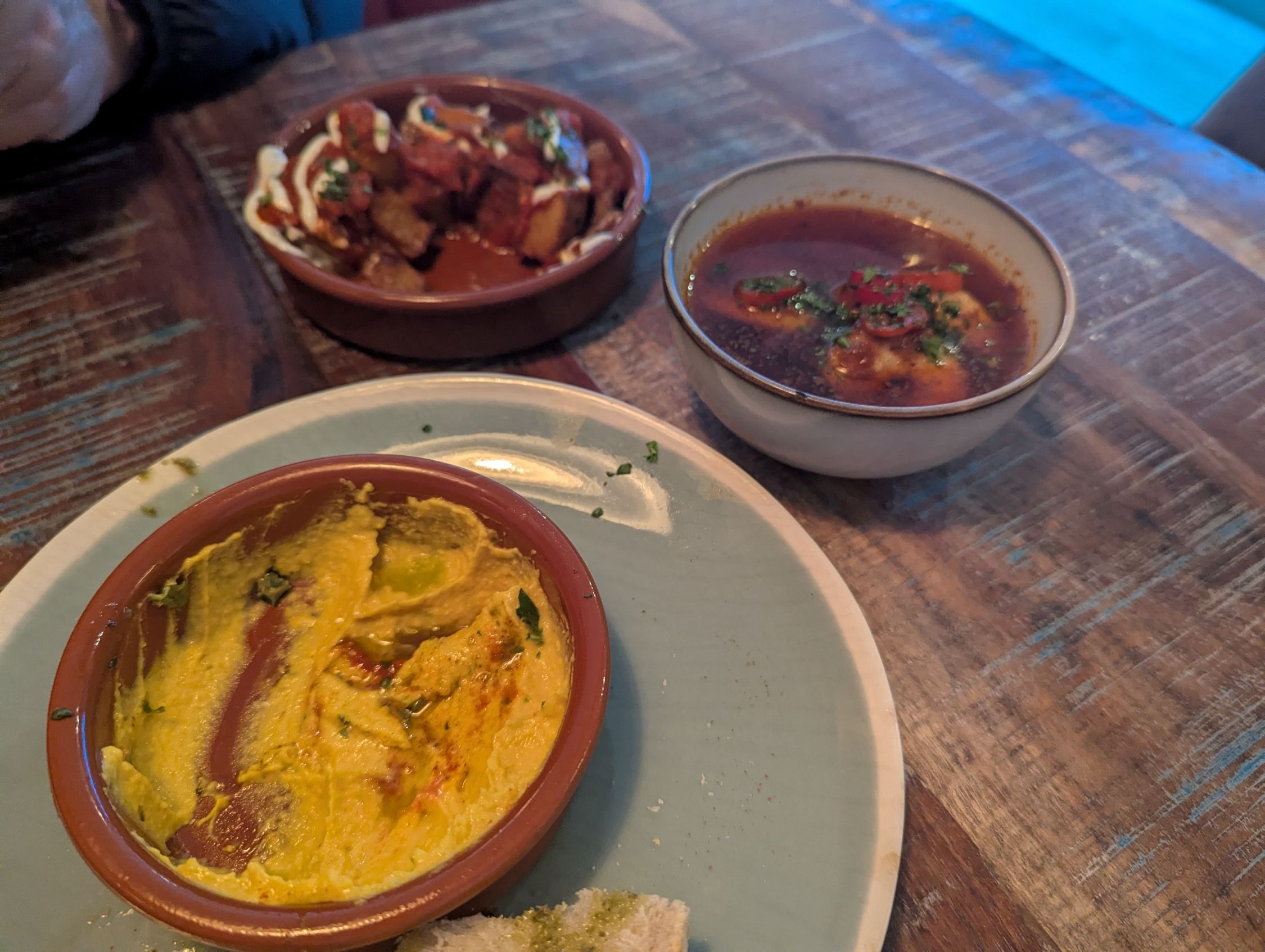
Although the Falmouth Hotel served mouthwatering scones and Cornish cream, we gave them up for another choice. Even the excellent conference lunch served at Falmouth University (vegan pastries and a huge variety of salads, humus and pitta bread, biscuits and range of cheese) did not deter me. We went to a tapas restaurant nearby.
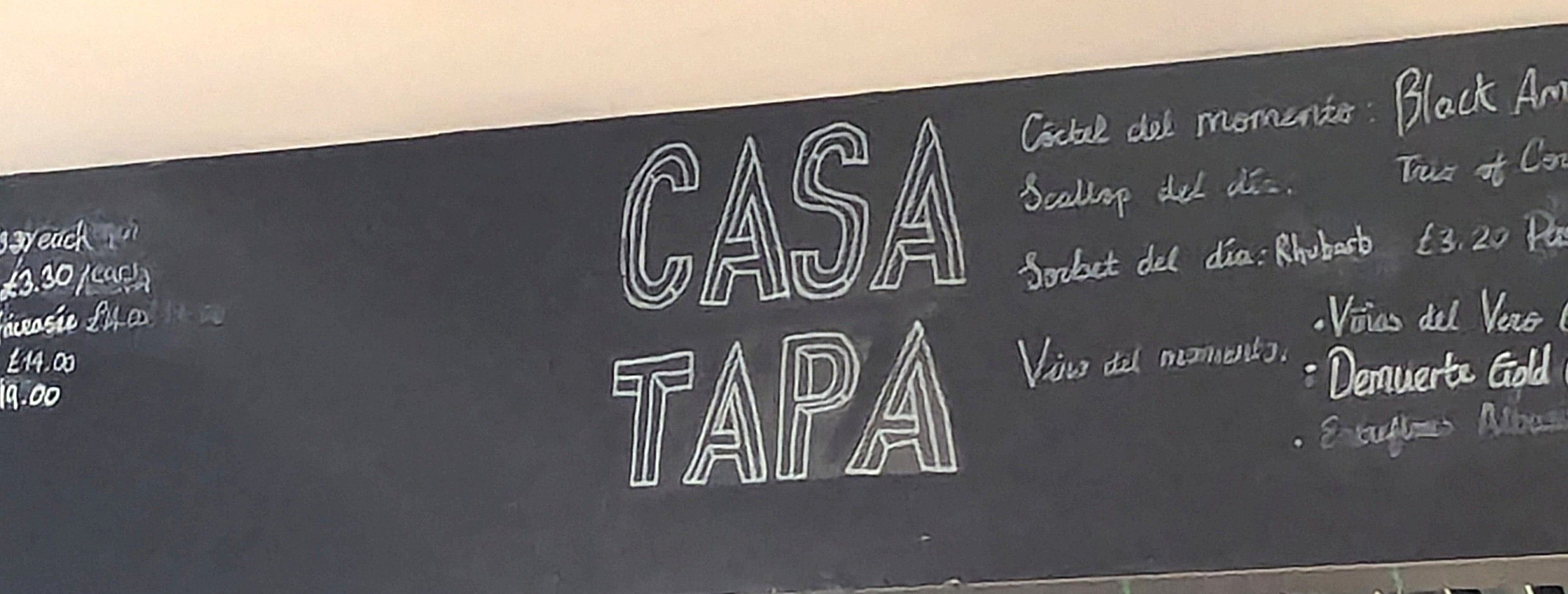
Casa Tapa
If only Casa Tapa was not in Falmouth – it is so far away. The service is fast friendly and truly delightful. The food is excellent.




Women’s History Network
Born by Lucy Inglis New paperback out now
Women have been fighting for control over their bodies for thousands of years. From Neolithic hunter-gatherers to the reversal of Roe v. Wade, this is their story.Acclaimed cultural historian Lucy Inglis takes us on an epic journey, one spanning hundreds of thousands of years – through the unheard stories of women to discover a history that has been overlooked and unrecorded.
From ancient Mesopotamian birthing practices to lost contraceptives of Ancient Rome, and the strange story of the feminists who fought for the right to forget childbirth, she explores the competing ideologies that have shaped so many lives and charts the battle for control over reproduction, birth and women’s bodies.
Bold and timely, this history raises vital questions about how we think about motherhood and pregnancy today, and is a must-read for anyone who wishes to understand how we all came to be.
Bloomsbury Continuum are offering an exclusive 20% discount on Born for members of the Women’s History Network. To claim the discount, use the code WOMENSHISTORY20 at the checkout of bloomsbury.com. This offer is valid until 31st October 2025 on UK orders only. P&P charges will still apply.
Marina Cano & Rosa García-Periago, eds., Women, “Failure” and Academia: Activism, Creativity and Critique in the Contemporary University (Bloomsbury Gender and Education 2026).Women, Failure and Academia: Activism, Creativity and Critique in the Contemporaru University
This collection examines failures in modern academia, and especially the intersections between gender and academic failure. It argues that academic failure is political. On the one hand, failure to achieve a “standard” or expected academic career (tenure, funding, publications, etc.) undermines the status quo of academic systems, at the same time that these seemingly personal failures unveil systemic failures. On the other hand, those of us who are able to stop and celebrate such subversive potentials of failure often enjoy a certain degree of privilege. The collection is interdisciplinary, intersectional and international. It includes topics such as Covid-19, precarity and job hunting, ethnic diversity, accounts of incomplete research and disability within the academy. Conceived as scholarly activism, Women, “Failure” and Academia aims to interrogate the future of universities and challenge perceptions of failure, especially with regard to women and women-identifying academics.
Use the code GLR AT8 for a 35% discount
Or read the e-book Open Access here
Infinite WomenUncredited: Women’s Overlooked, Misattributed, and Stolen Work
Infinite Women creator Allison Tyra’s debut book is an exploration of the ways in which women go uncredited for their work and achievements, both historically and today. The book encompasses research studies, statistics and more than 600 stories from throughout history and around the world, in fields ranging from the sciences to the arts to business to sports.
The View from the Hill: Women Who Made Their Mark After 40
What if being “over the hill” isn’t an ending, but a beginning? This book shares the stories of more than 300 women who made their mark on the world in their 40s or later. They come from around the world, across centuries and from all different fields: arts, sciences, business, military and more. Taken together, they challenge the myth that a person’s value – particularly a woman’s – diminishes as they grow older. Instead, these women prove that many of us only get better with age.
About Infinite Women
Launched in 2020, the Infinite Women project has grown to encompass a biographical database with more than 10,000 entries from around the world and across history, as well as a weekly podcast, short-form videos and multiple books.
For more please visit; https://www.infinite-women.com/books/ and Explore the Infinite Women biographical database



Thank you for all – and particularly the piece by Tom Watson, a former deputy leader of the Labour Party (when in opposition). He canvassed in West Chesterton in 2013, the year Labour won West Chesterton Division in the County Council elections – winning a Division not won by Labour since 1967 – thank you, Tom Watson! The comparison with the Harold Wilson approach, the concerns re Treasury, and the recognition of the struggle that lies ahead – with a clarity as to the Andy-Burnham-vision of a Britain that can be different, that has the capacity to recognise that talent, wisdom, ability and capability, the capacity to contribute and to do so well, in ways the country desperately needs, lie not in the hands of those who rule through the class system but in the brains and the brawn and the insights and innovation, enterprise and enthusiasm of the many. What the Makerfield byelection confirmed is that ‘the people’ do want a Labour government. ‘The people’ do want Labour to succeed in office, to lead the United Kingdom out of the doldrums of despair and into a better future. We all need to work to ensure that the Labour government led by Andy Burnham does this job – well.
LikeLike
I was pleased to be able to vote for him as Depurty leader many (now) years ago. His newsletters are always worth reading. Thank you for this additional information. What a great election that was in West Chesterton in 2013. Congratulations on that…and also thank you for the fun.
LikeLike