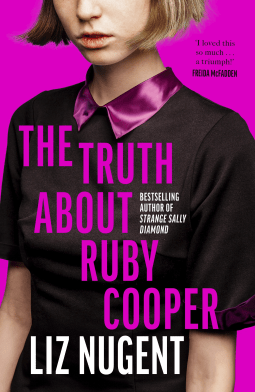
Liz Nugent The Truth About Ruby Cooper Penguin General UK – Penguin General UK – Fig Tree, Hamish Hamilton, Viking, Penguin Life, Penguin Business | Sandycove, March 2026.
Thank you, NetGalley, for providing me with this uncorrected proof for review.
Liz Nugent creates moral dilemmas for the reader from the beginning of this intriguing and difficult novel. Ruby, who has awoken with a man other than her husband, has always been envious of her sister. Whatever mistakes she makes, past and present, she considers Erin’s fault. Erin is indifferent to her younger sister’s envy and insecurity. Later, Ruby’s desperate need for Erin’s support when told that her boyfriend, Milo has raped Ruby, is rejected. Their father quietly bolsters Ruby’s lack of belief in herself in his negativity about Ruby’s accomplishments in contrast with Erin’s academic achievements. Maureen, their mother, longs to return to Ireland, and Ruby suspects that she prefers life when her husband is absent. To add to the underlying sense of dissonance, some of these absences are associated with Pastor Cooper’s work as head of the Holy Divine Church of the Fourth Way; others with his business as an investment broker.
The narrative is Ruby’s, with contributions from Erin and later, Maureen, Milo, Lucy and Erin. However, it is always Ruby who holds the centre stage – as a sixteen-year-old, a victim giving evidence to the police and later, in court, as a married woman and mother, and as an adulterer. Ruby’s talents, unrealised in her early years, are in performing, and she eventually succeeds. When the family disintegrates around Ruby’s rape and her father’s and Erin’s disbelief, Ruby, supported by Maureen goes to Ireland. Erin stays with her father.
Liz Nugent has written a foreword that is not only explanatory but engaging in its honesty and recognition of the moral dilemmas she poses for her readers. She is successful in foreshadowing the need to connect fully with the narrative, characters, and her reasons for writing the story as she does. In giving Ruby the freedom to talk, explain, and create the engaging and less engaging images of herself, Nugent has devised a girl, and then woman, who alternately demands compassion, at the same time as disquiet, sympathy and admiration as well as dismay. Nugent cogently highlights the moral dilemmas that imbue the Coopers’ lives.
This is not an easy book to deal with, the lives lived by the Coopers and those that are impacted by them, create a troubled landscape that is not easily navigated. Nugent’s foreword will not answer all the moral dilemmas arise from reading, thinking about and discussing The Truth About Ruby Cooper. I remain with a sense of unease. However, it is an unease that I willingly accept. The Truth About Ruby Cooper is a novel that is well worth that unease.
Inaugural International Women’s Writing Association Conference Falmouth University June 17th – June 19th 2026
This conference, held over three packed days at Falmouth University, had its highs and lows – somewhat like the terrain that had to be traversed to get to the University, and within, and walking to and from accommodation. Amongst the highs were the enterprising ideas, programme and organisation. Some presentations were notable for their content and the professionalism of the speakers; others were a little self-indulgent in my view, concentrating too much on the speakers’ personal experiences without placing them in a wider context.
The session on Jane Austen was notable for the differing views on Austen expressed by the three members of the panel. It was pleasing to see the robust assertion (and evidence) that shows the importance of marriage in Austen’s works. However, most joyful to me to hear, was the discussion on Lady Susan (my favourite Austen)*, The Watsons and Sanditon (both incomplete works).
Austen and Her Circle
Chair: Carolyn Shapiro, Falmouth University
Lorna Clark (Carleton University) Austen’s contemporary: a kindred spirit
Yuka Hiromoto (Institute of Science Tokyo) Frances Burney and a Poetics of Character: From Jane Austen’s Perspective
Jocelynne Scutt (UNSW Sydney) The Three Marys and Marriage in Jane Austen
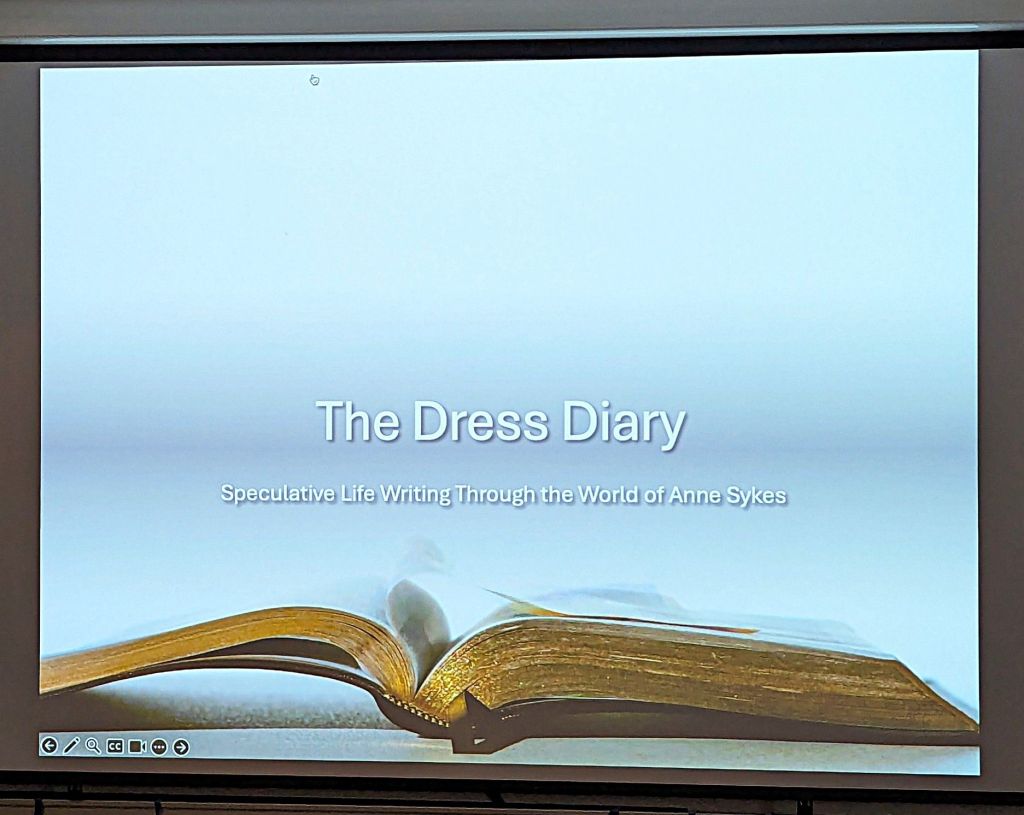
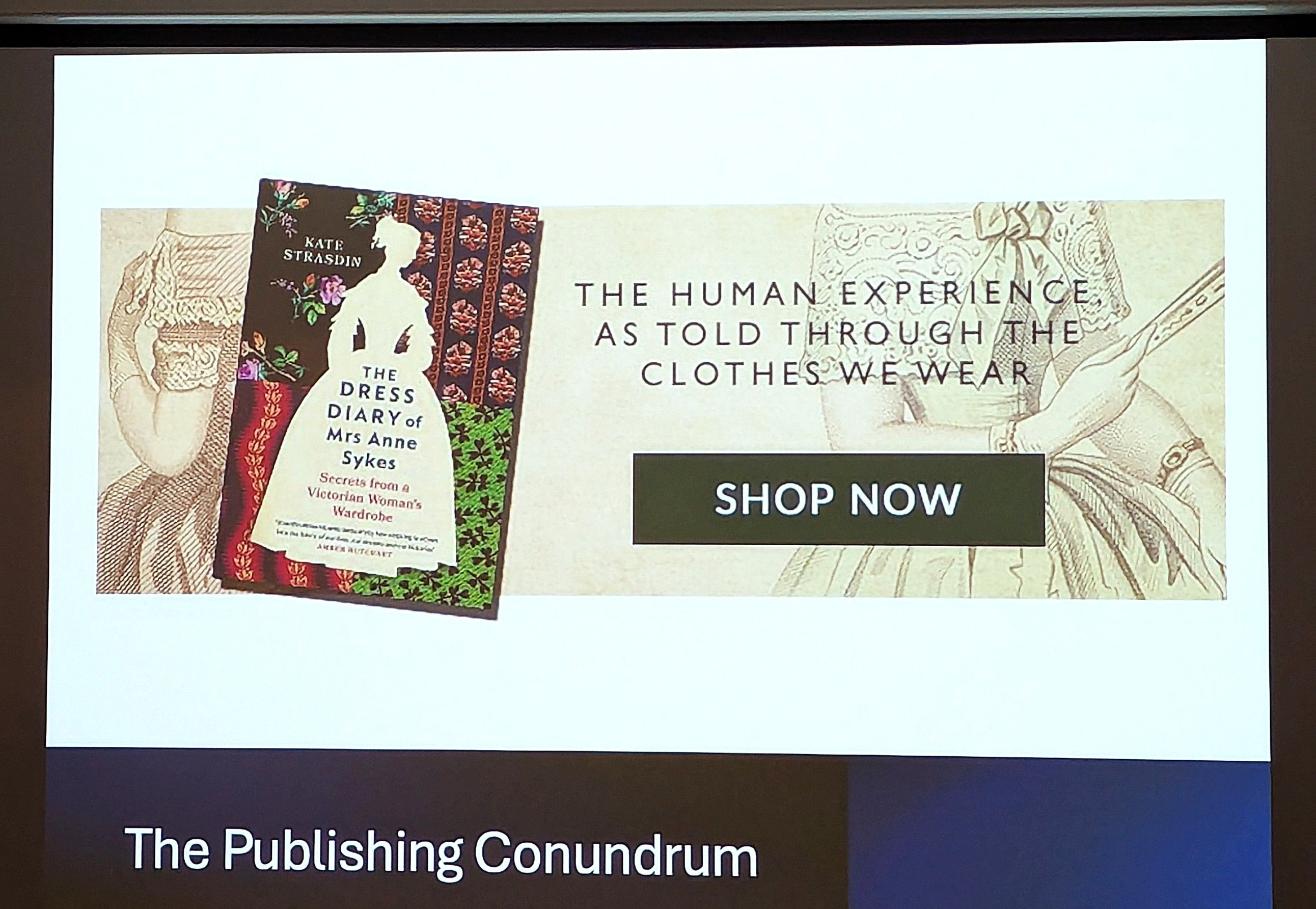
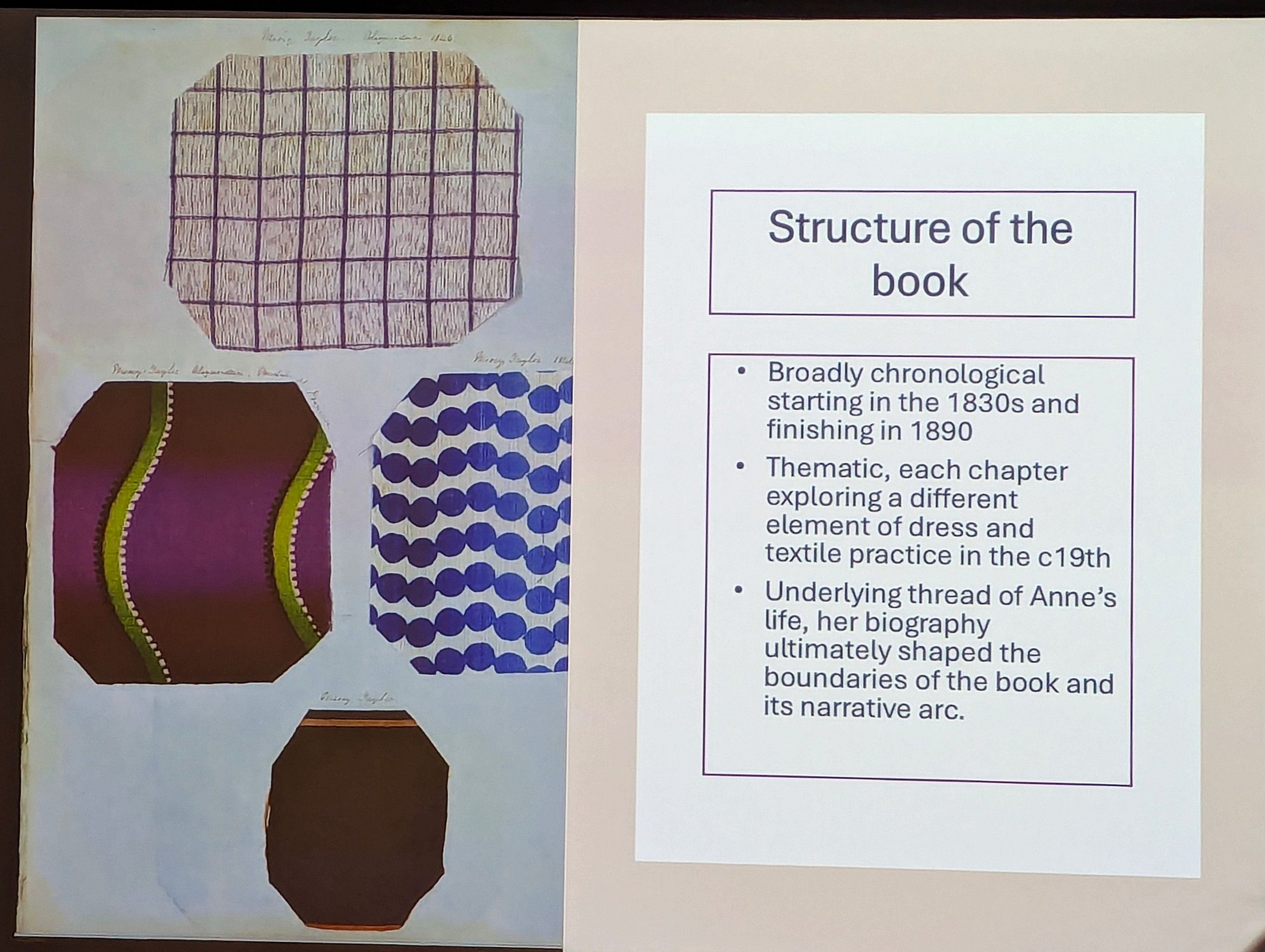
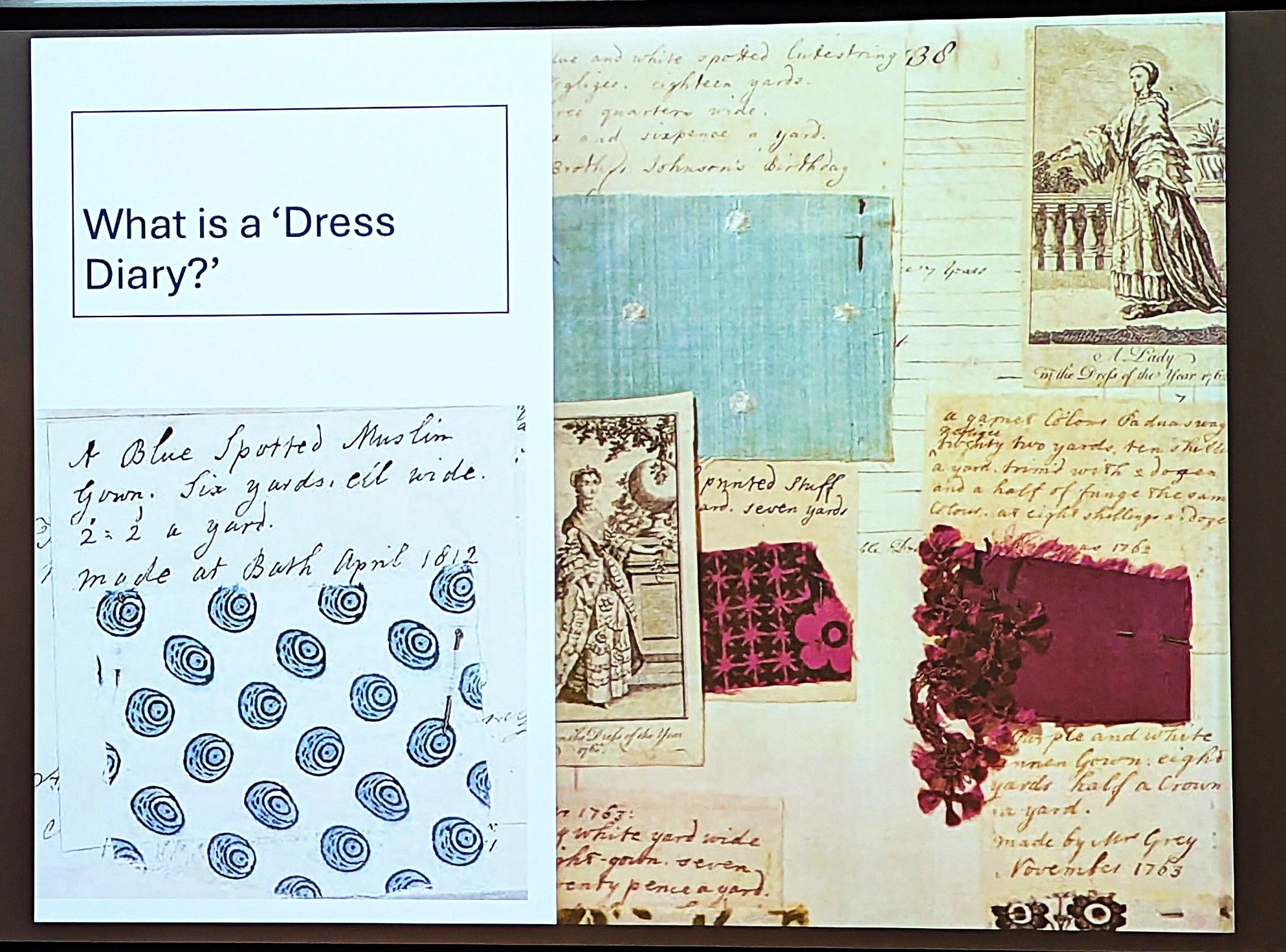
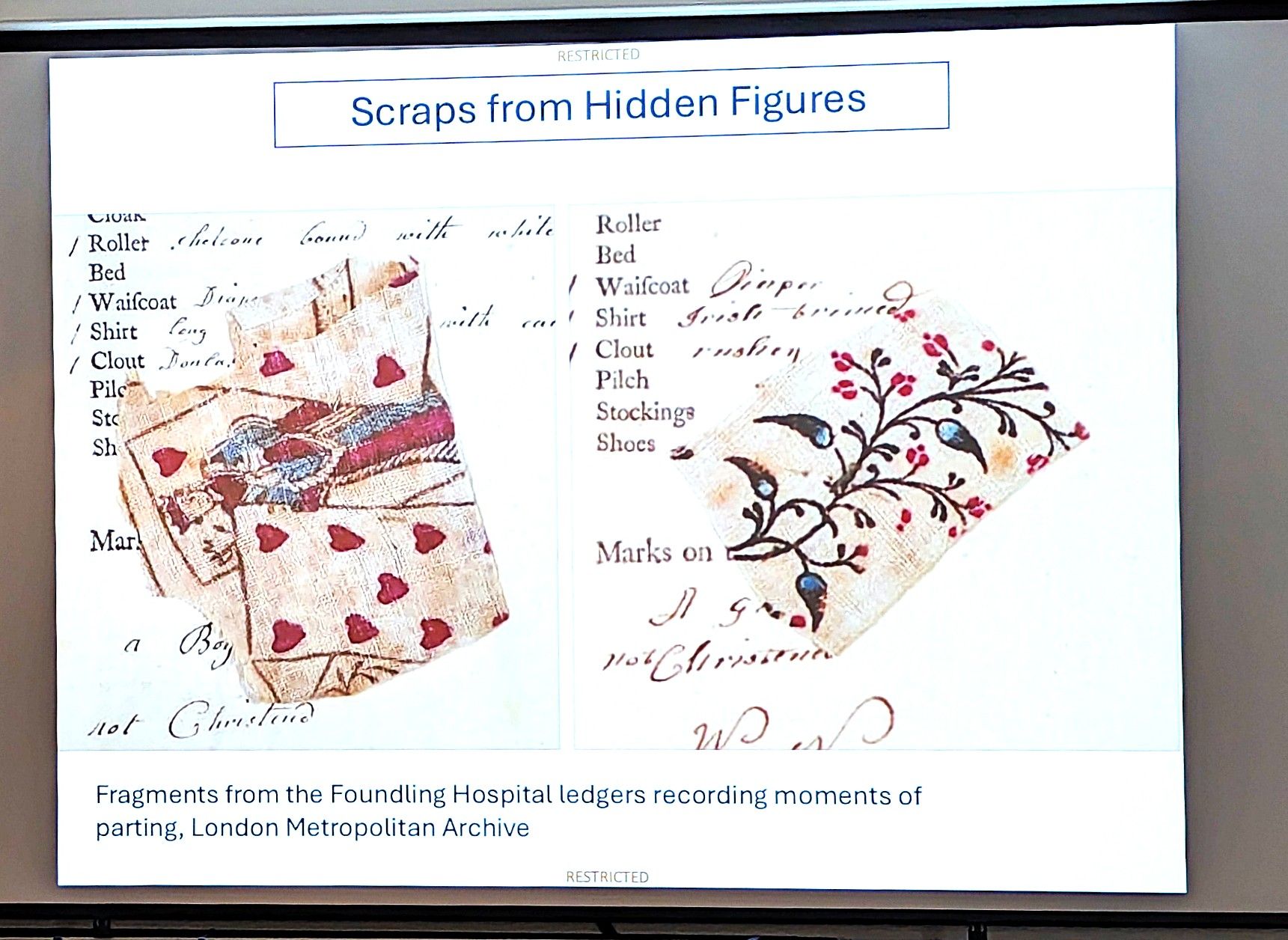
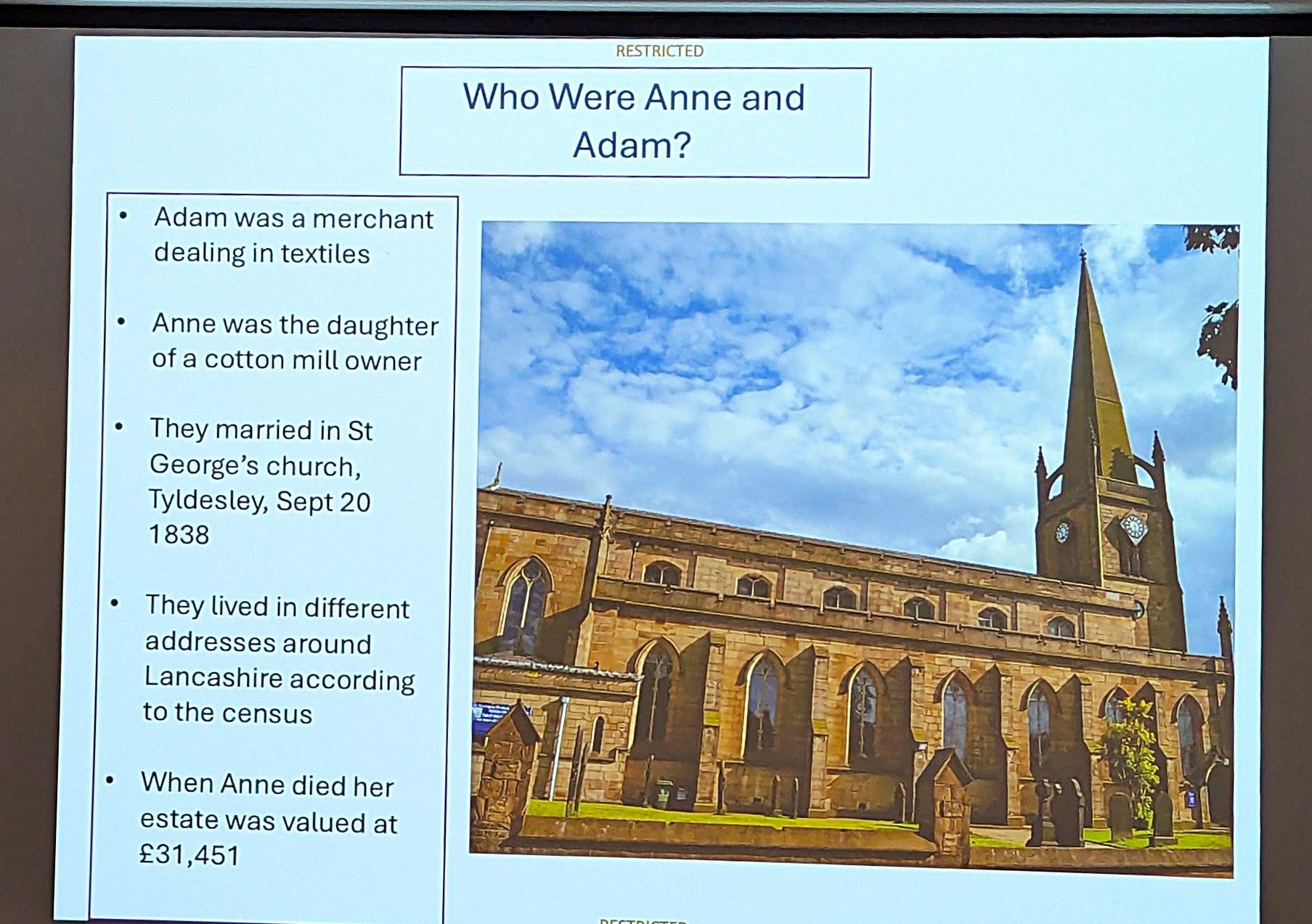
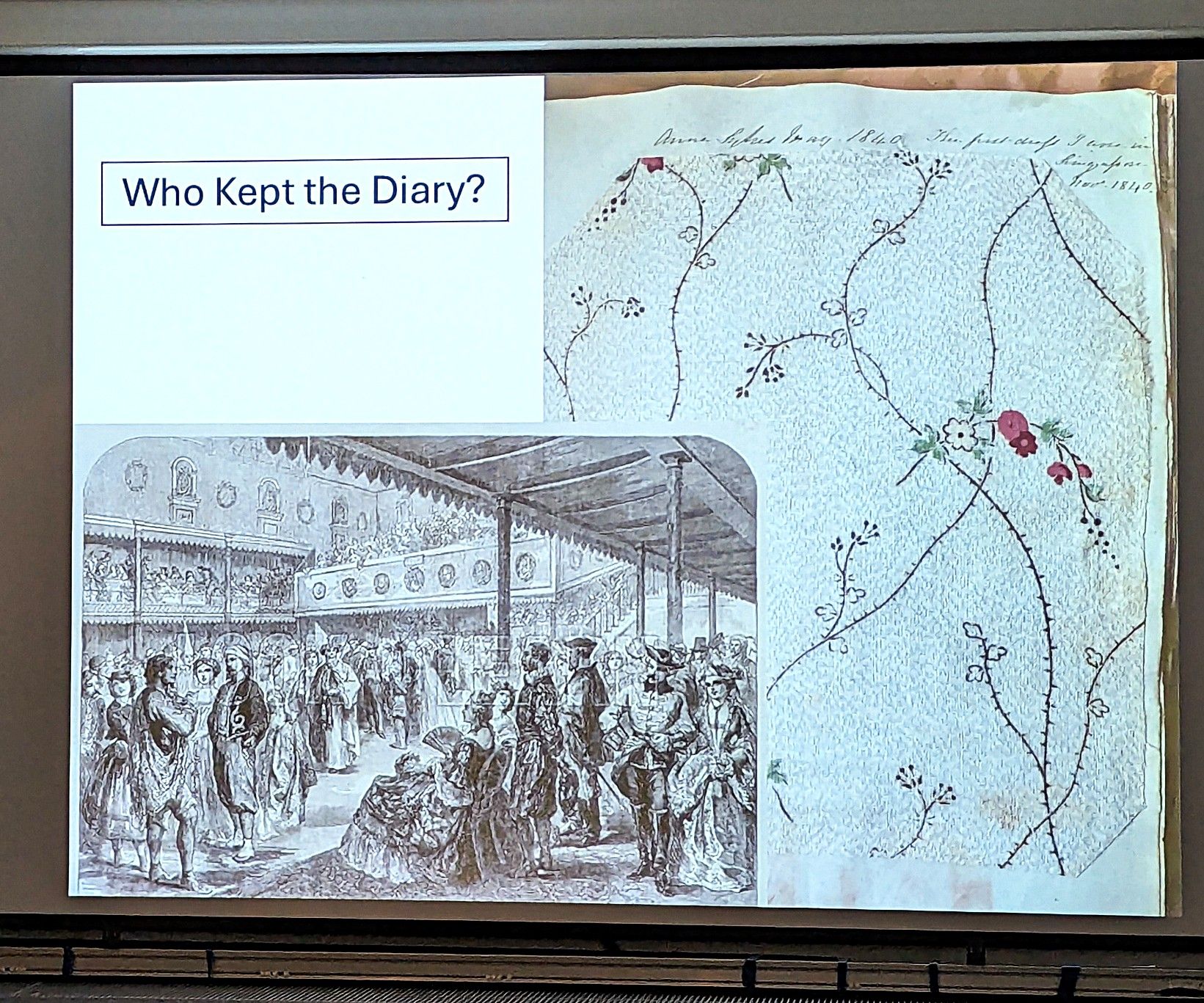
A keynote speech that was engrossing – the presentation could be heard and the content was interesting – was The Dress Diary: Speculative Life Writing Through the World of Anne Sykes.
The discussion on writing speculative history reminded me of The Mystery of Isabella and the String of Beads: A Woman Doctor in WW1 by Katrina Kirkwood. The string of beads is the catalyst for the granddaughter of Dr Isabella Stenhouse uncovering her hidden family history. The book reconstructs Isabella’s life as one of the earliest women doctors to serve in France, Malta, and Egypt during WW1. I reviewed the book on the Women’s History Network site and on my blog 2 July 2025.
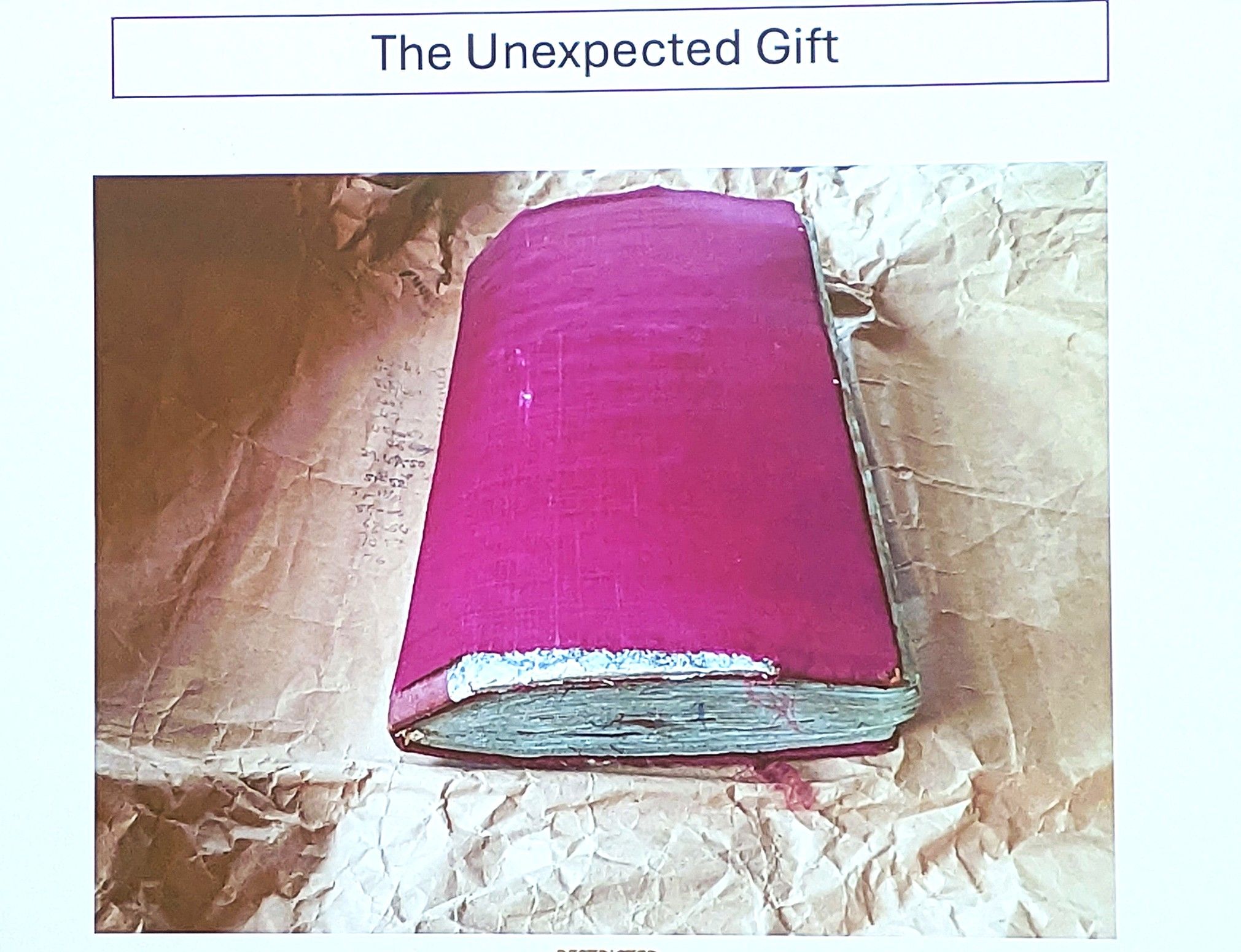
Ann Sykes’ book of fabric pieces, with information written by herself as she assembled what was to become the basis of a book, was a gift to the writer.


Another panel presentation was: Narrative Sovereignty and Emancipation
Chair: Puck Limburg, University of Amsterdam
Speakers:
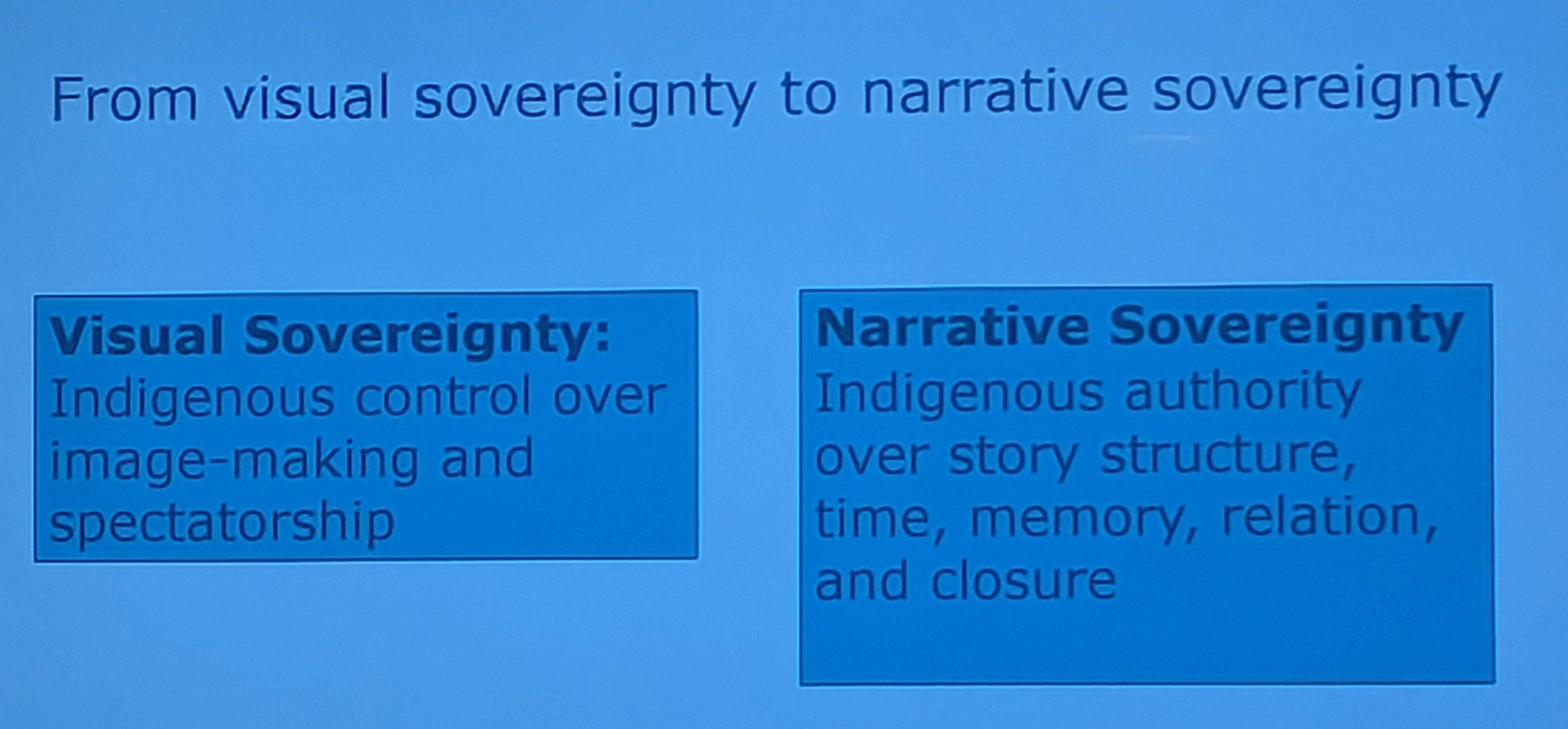
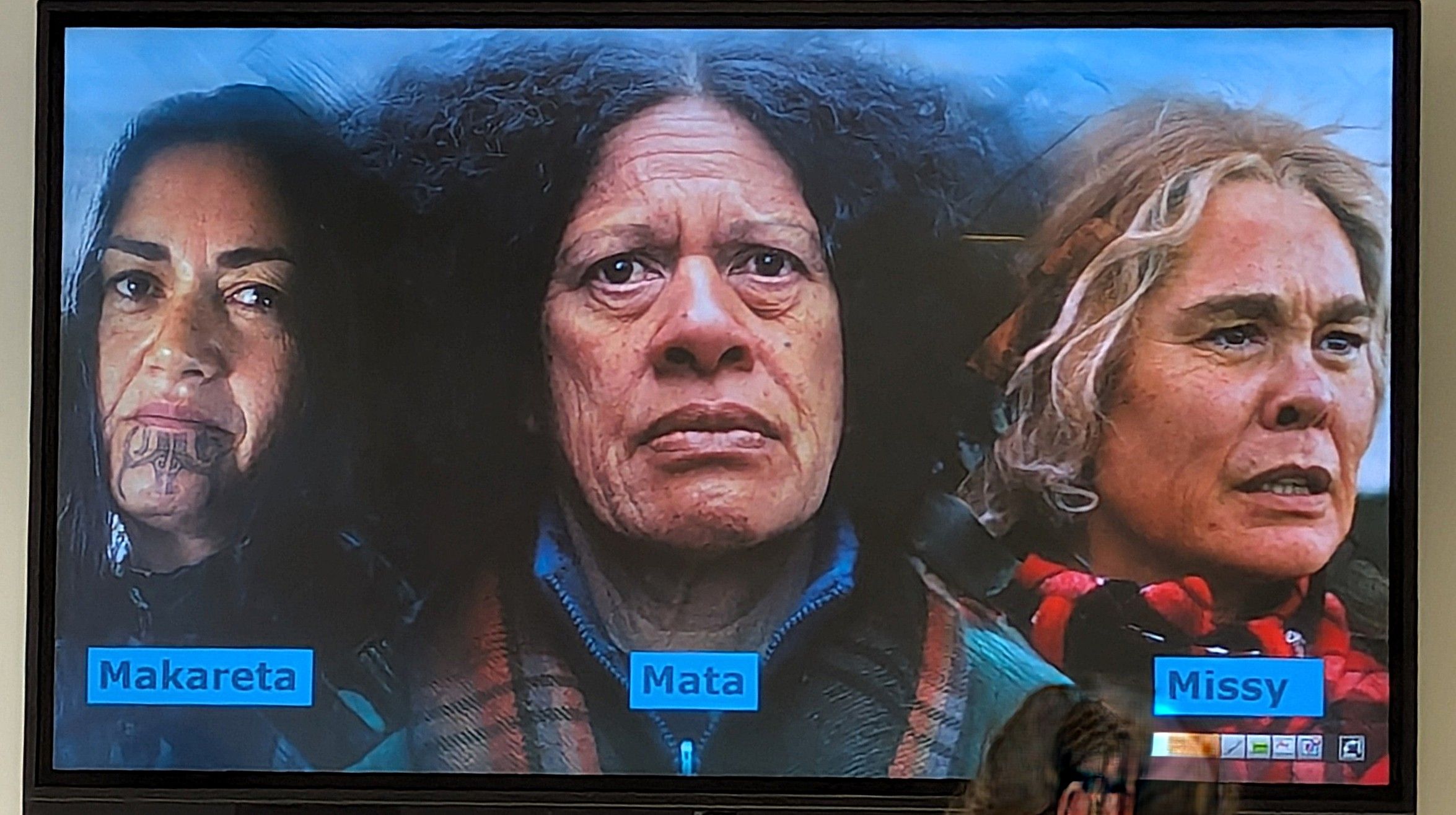
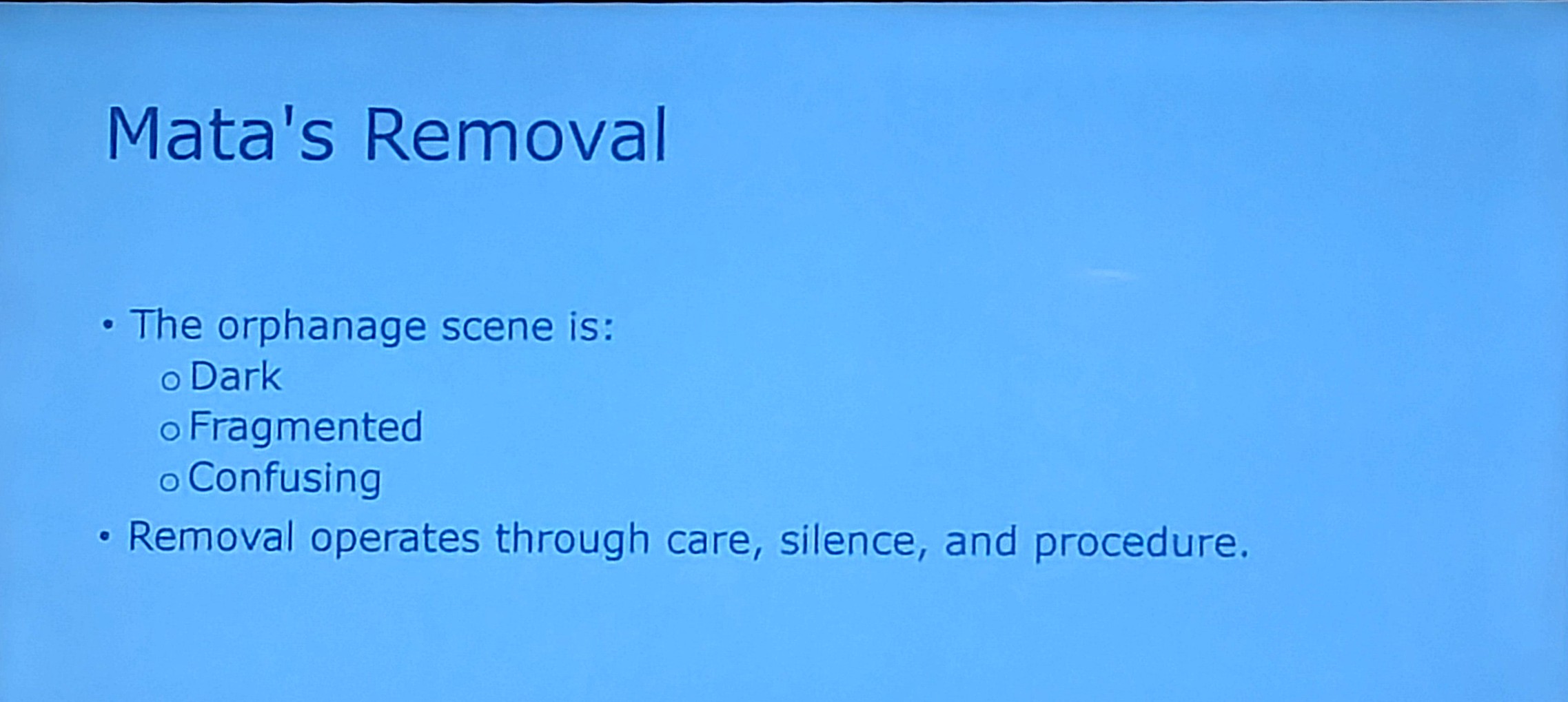
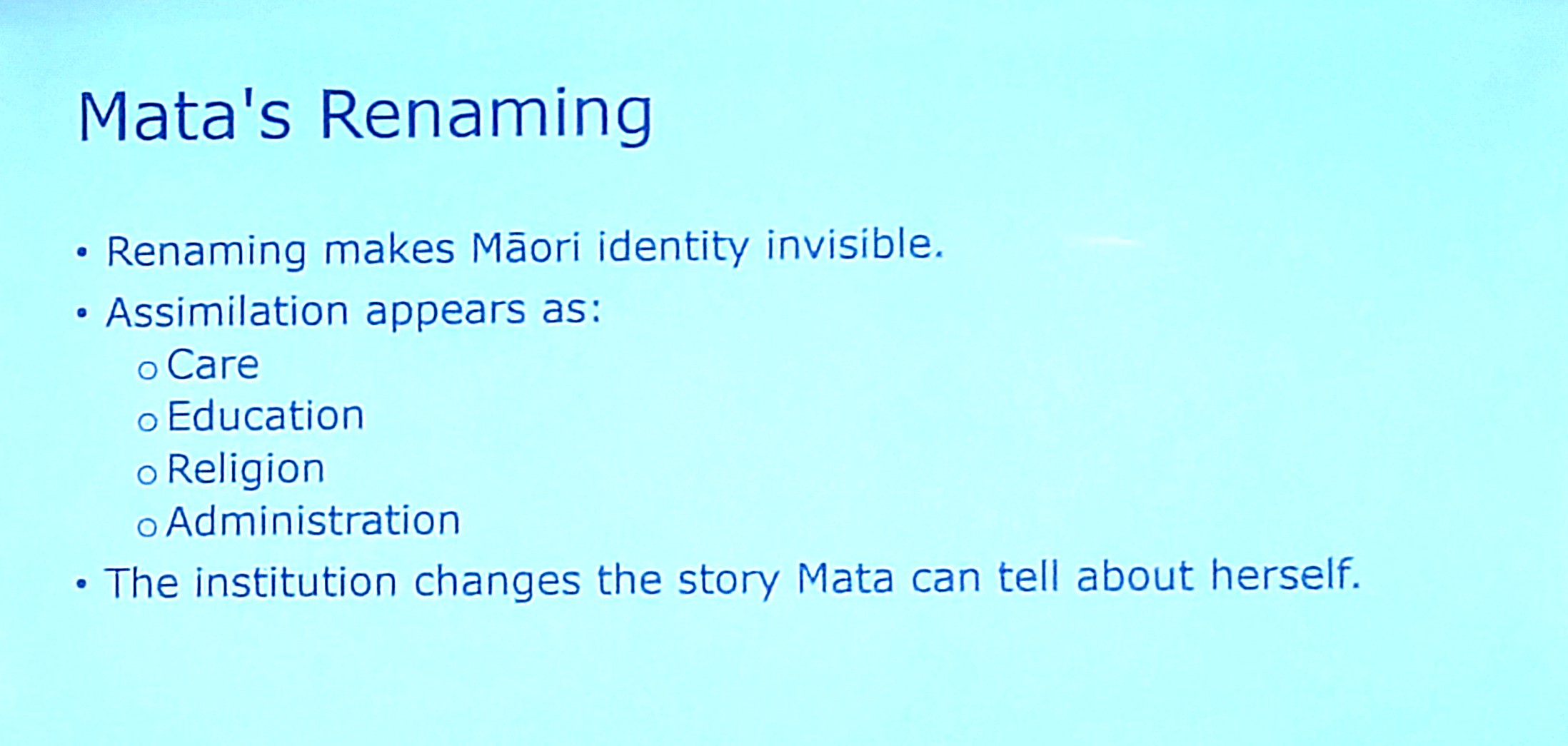
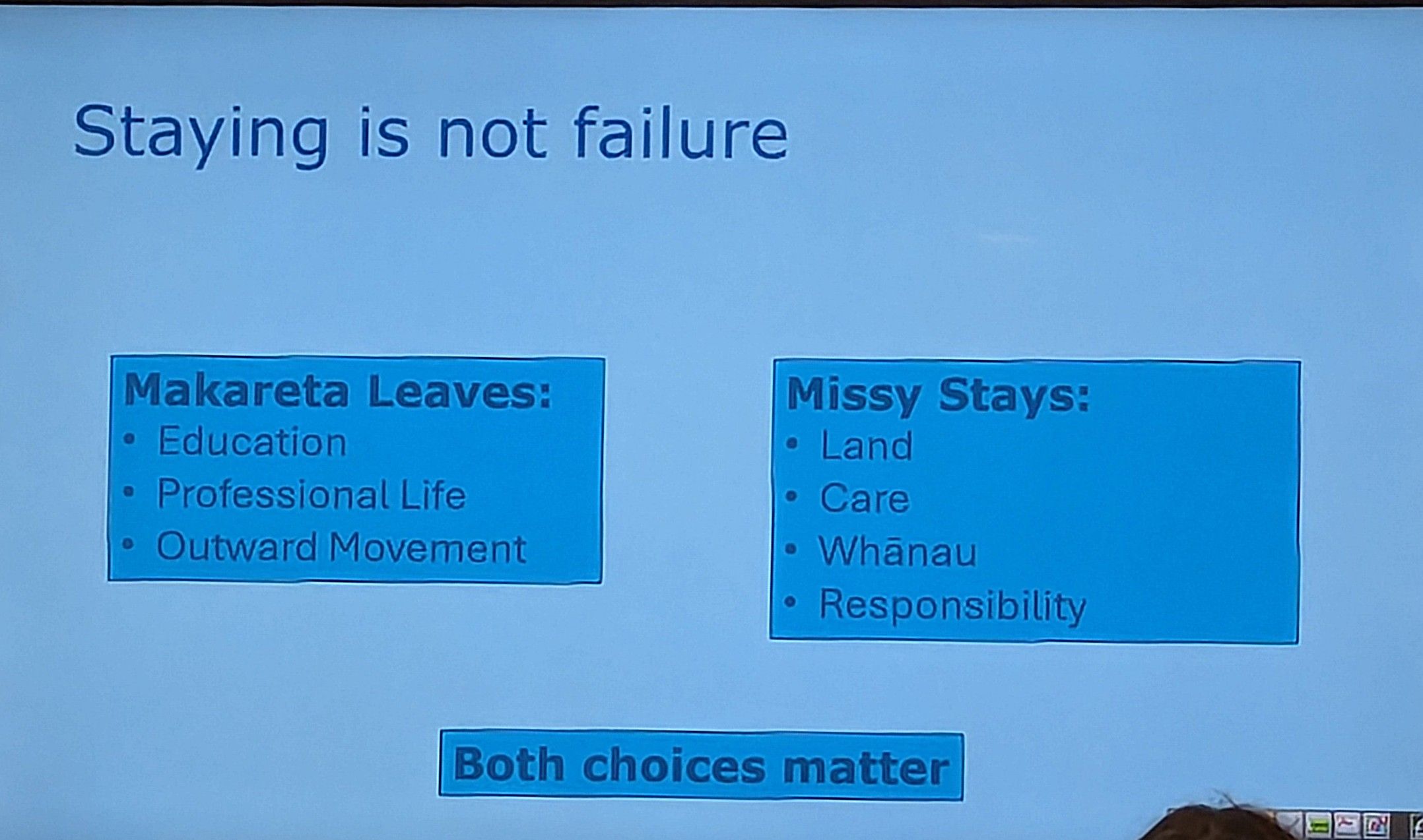
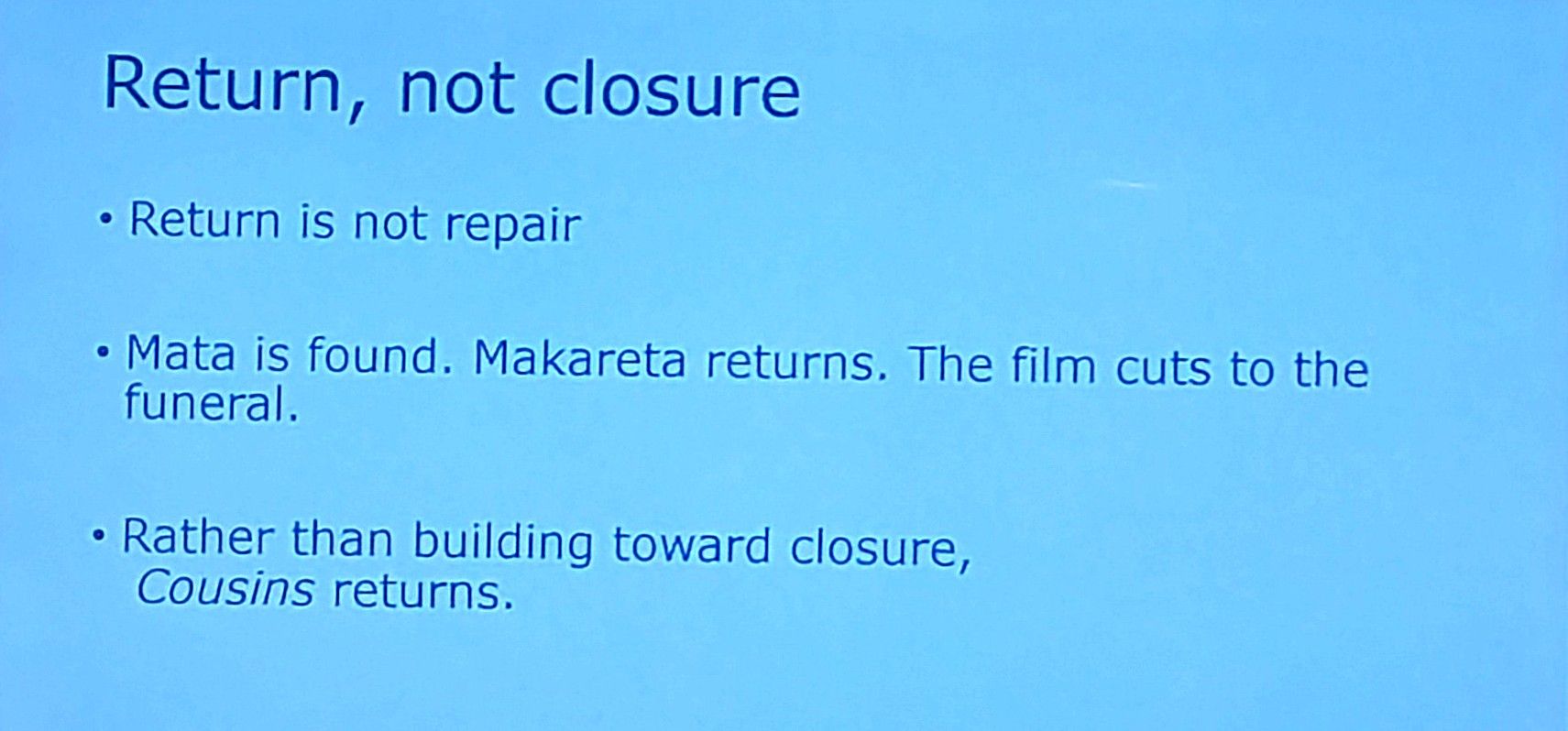
Babsie Keulemans (University of Reading) Indigenous Women’s Narrative Sovereignty in Cousins **
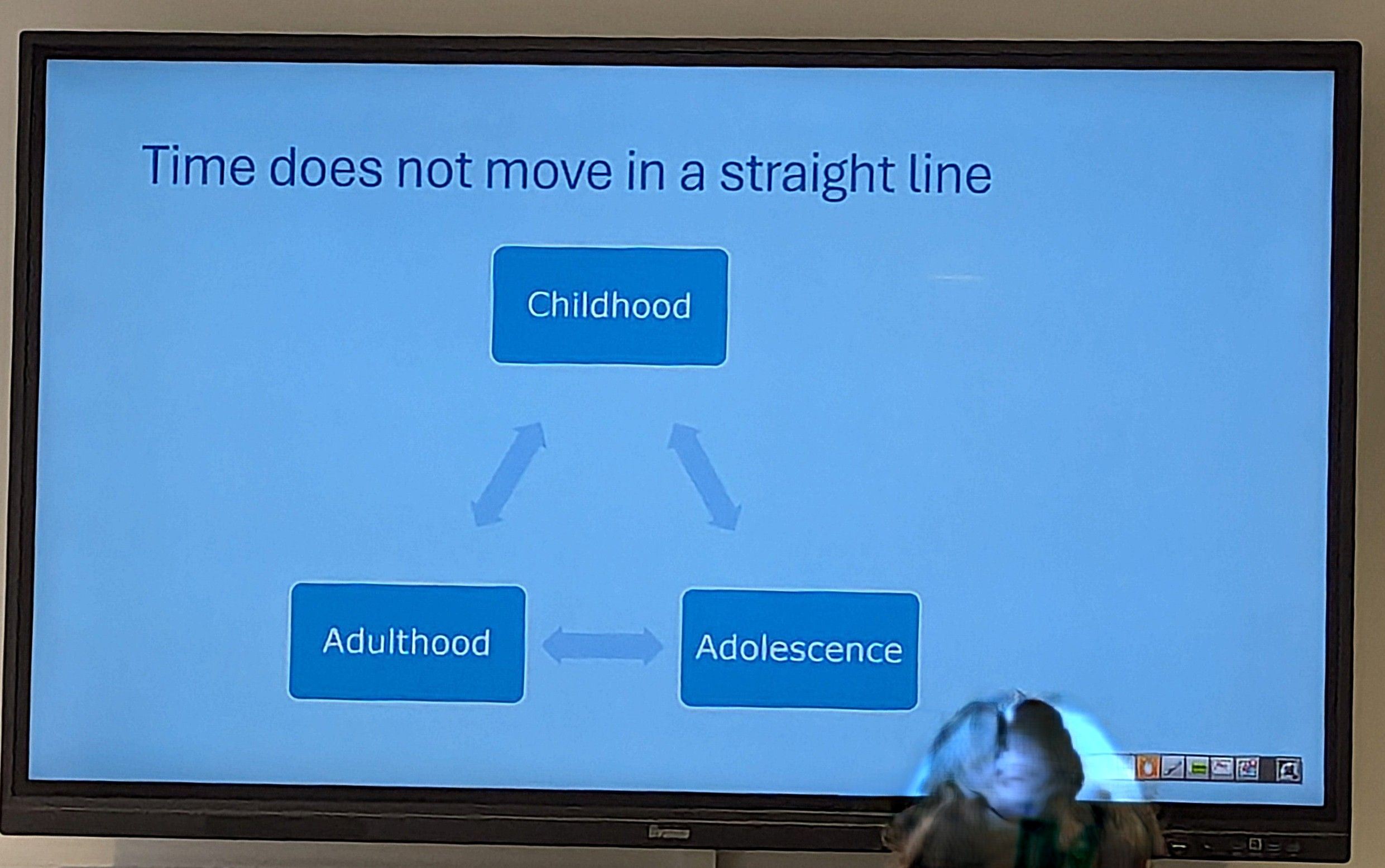
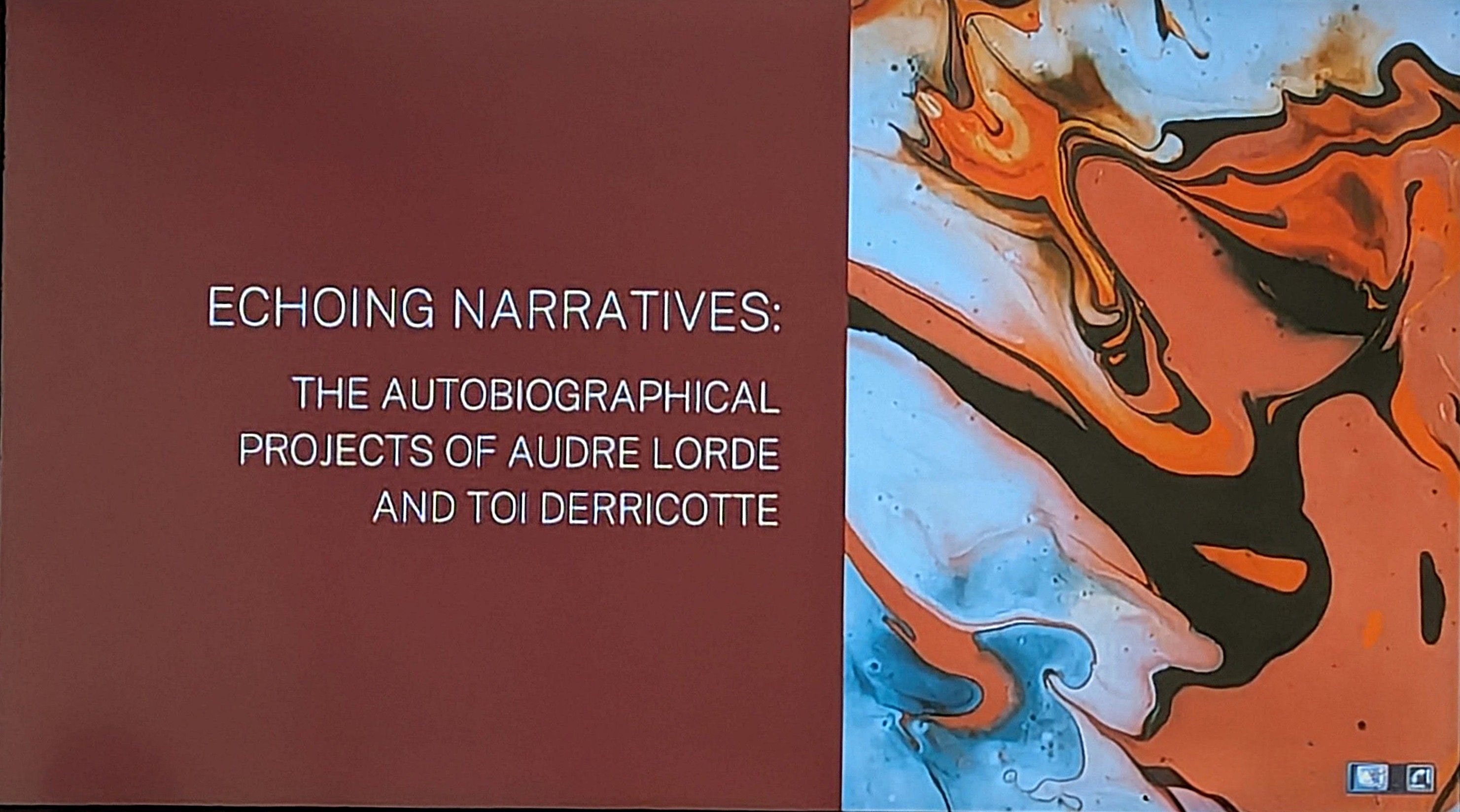
Gabriela Koestinger (University of Nottingham) Fragmented Selves, Collective Voices: Black Feminist Life Writing in Audre Lorde and Toi Derricotte
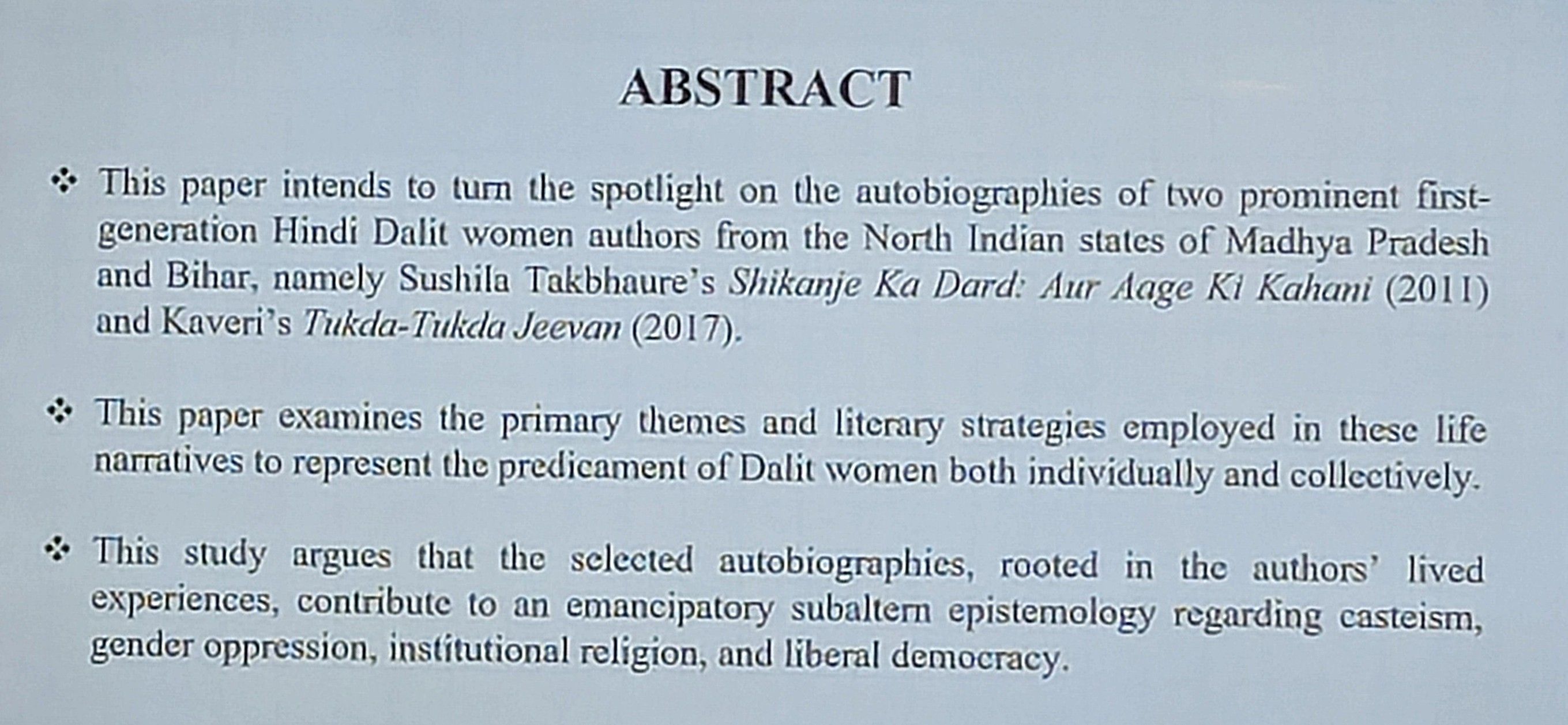
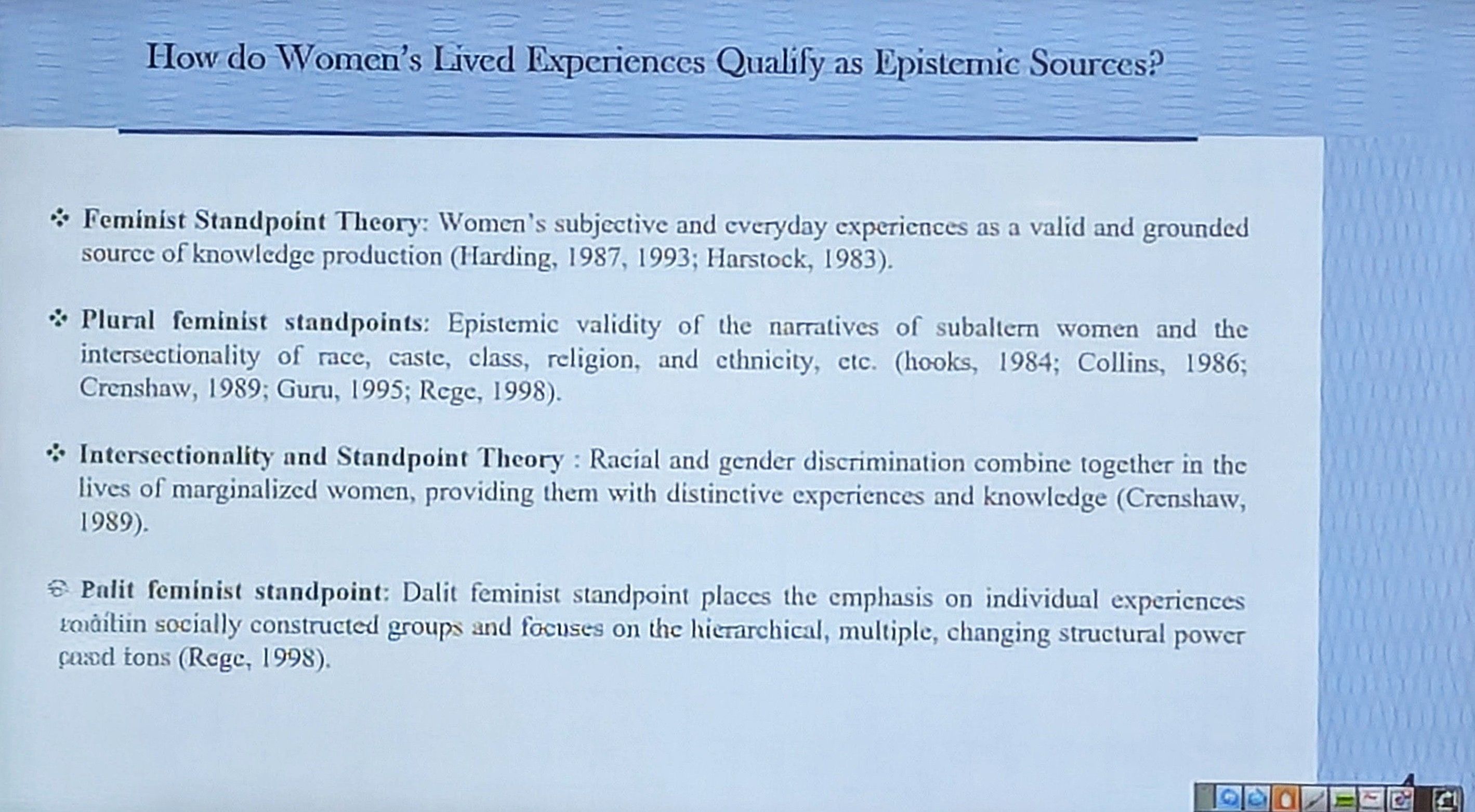
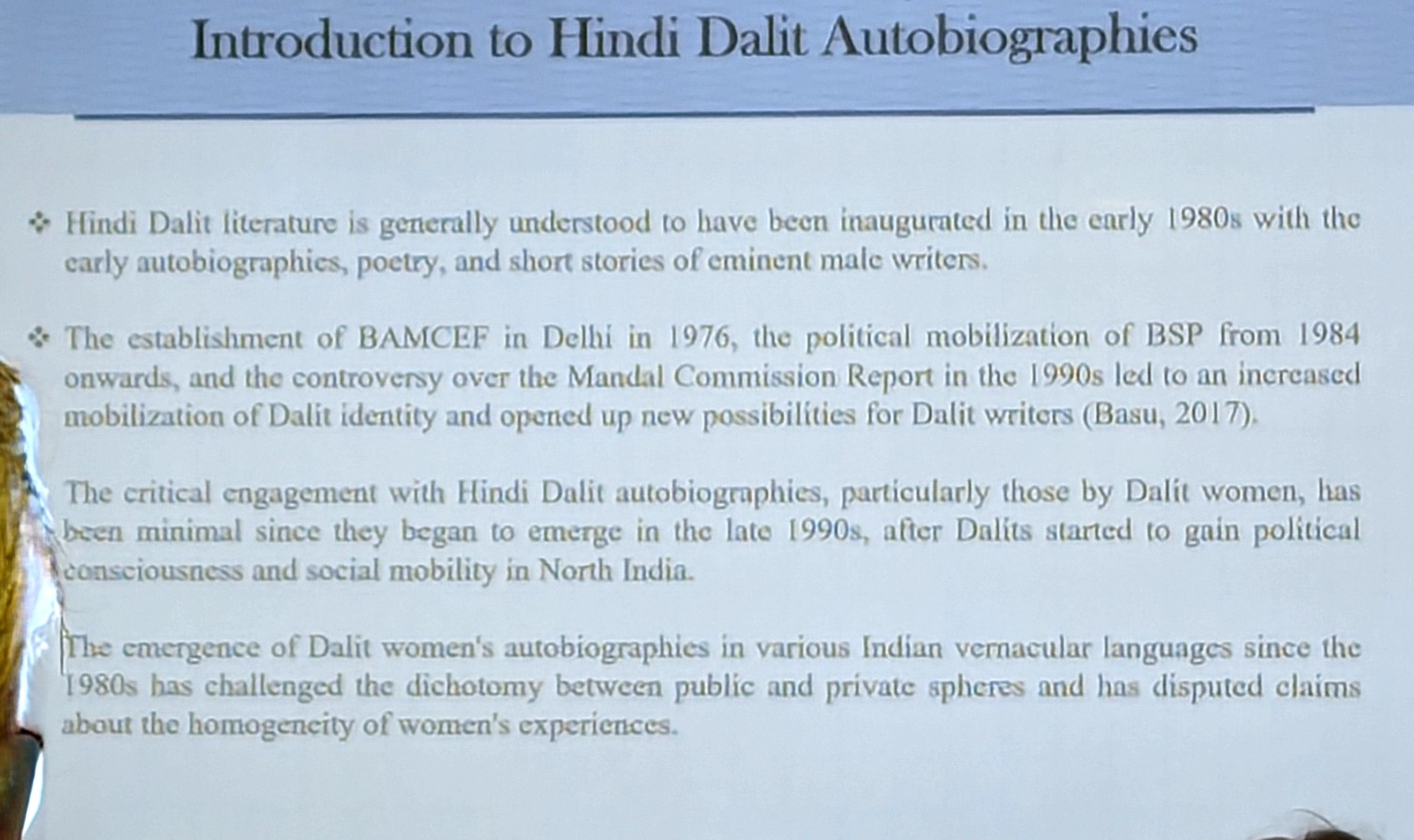
and – Diwakar Attri & Kavya Krishna (IIT BHU) Autobiographies as Emancipatory Epistemology: Takbhaure and Kaveri
I had the fun of talking about women’s popular literature in Pathways to Print and Critical Receptions, chaired by Dorothy Chansky,Texas Tech University.
It was a pleasure to be part of this panel which engendered enthusiastic discussion, including reference to The Duchess of Malfi with Jodi Whittaker, which I attended last time I was in London, and write about it in this blog.
Natalie Wreyford, Zinnie Harris, & Gayle Kennedy (King’s College London / University of St Andrews) Who Values Women’s Writing? Gender, Authority and the Critical Reception of Women Playwrights
Georgia Short (University of Oxford) Proper Writers, Public Ladies: Eighteenth-Century Conduct Literature and Women’s Paths to Print
Robin Joyce (Independent Scholar) The Adventurous Four: Popular Fiction and Women Behaving Badly
*See also Susan, A Jane Austen Prequel, Alice McVeigh, Warleigh Hall Press, 2021, reviewed in my blog November 10, 2021
**
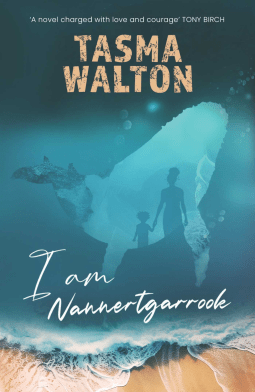
Tasma Walton I am Nannertgarrook Simon & Schuster (Australia) | S&S Bundyi, April 2025.
Reviewed in blog April 23rd 2025.
Tasma Walton’s book makes an excellent contribution to the discussion around the importance of a person’s name, which was part of Babsie’s paper.

University of Oxford
CONFIRMED: We are delighted to announce that Cate Blanchett has been appointed as the next Cameron Mackintosh Visiting Professor of Contemporary Theatre at St Catherine’s College, Oxford, for the 2026/27 academic year.
For more than thirty years, the Cameron Mackintosh Visiting Professorship has brought internationally significant figures from theatre, film and performance into direct dialogue with students and the wider University community, including Sir Ian McKellen, Adjoa Andoh and Sir Stephen Fry.
Commenting on her appointment, Cate Blanchett, said: ‘Art breaks down the borders and boundaries of our imagination; it poses questions, and playing with and dissecting it expands and challenges our present reality. My years of creative practice have granted me the opportunity of sharpening feelings into ideas and offered pathways to insight. The visiting professorship is an electrifying opportunity for me to be in direct, robust creative dialogue with the next generation of thinkers and creative Doers. I look forward to beginning this creative rumpus.’
Jude Kelly CBE, Master of St Catherine’s College, said: ‘Cate Blanchett is one of the most important and influential artistic voices working today, not only through the extraordinary breadth of her work across theatre and screen, but through her longstanding commitment to cultural dialogue, collaboration and public engagement. The Cameron Mackintosh Visiting Professorship exists to bring world-leading practitioners into meaningful conversation with students, academics and audiences, and Cate’s appointment represents a hugely exciting next chapter in that story.’
Sir Cameron Mackintosh added: ‘I am really thrilled that Cate Blanchett has agreed to be our next visiting professor. I know that her incredible career, both as an actor and producer across stage, screen and television, will be a major inspiration to Oxford’s students.’
British Politics
A very Labour coup
LabourList <accounts@labourlist.org> Unsubscribe, Tuesday 23 June.
 PM resigns as Burnham waits in the wingsIn an historic day, Keir Starmer called time on his leadership, while Andy Burnham returned to Parliament and his main challenger cleared a path for him to enter Downing Street.
.png) By Daniel Green
By Daniel Green
After months of lost political capital, MPs calling for him to stand aside and his authority draining away, Keir Starmer took to the all too familiar podium outside Number 10 and announced his resignation as Prime Minister.
Regardless of whether you wanted Starmer to leave Downing Street or not, it was a hugely emotional moment. It is hard not to feel personal sorrow for someone who has concluded he is no longer the right person to have the honour of leading the nation. The breaking of his voice as he talked about his wife and his children spoke of the man and his values.
However, I was also left with a feeling of disappointment at how we have ended up in this position less than two years into the parliament. The optimism of July 4, 2024 seems far away now as the party takes a gamble on changing leader – a move we condemned the Conservatives for over and over again. And yet, over the last few months, this moment felt all but inevitable. No Prime Minister could have realistically survived the Mandelson saga, electoral wipeout across the country, the worst personal approval ratings in history, and their biggest rival returning to Parliament to challenge them.
Australian Politics
IS Extra: Frank Bongiorno on Pauline Hanson’s Press Club speech, June 20, 2026.
| Inside Story <subscriptions@insidestory.org.au> Unsubscribe |
Once a Liberal
Pauline Hanson’s Press Club speech provided plenty of ammunition for at least some of her opponents
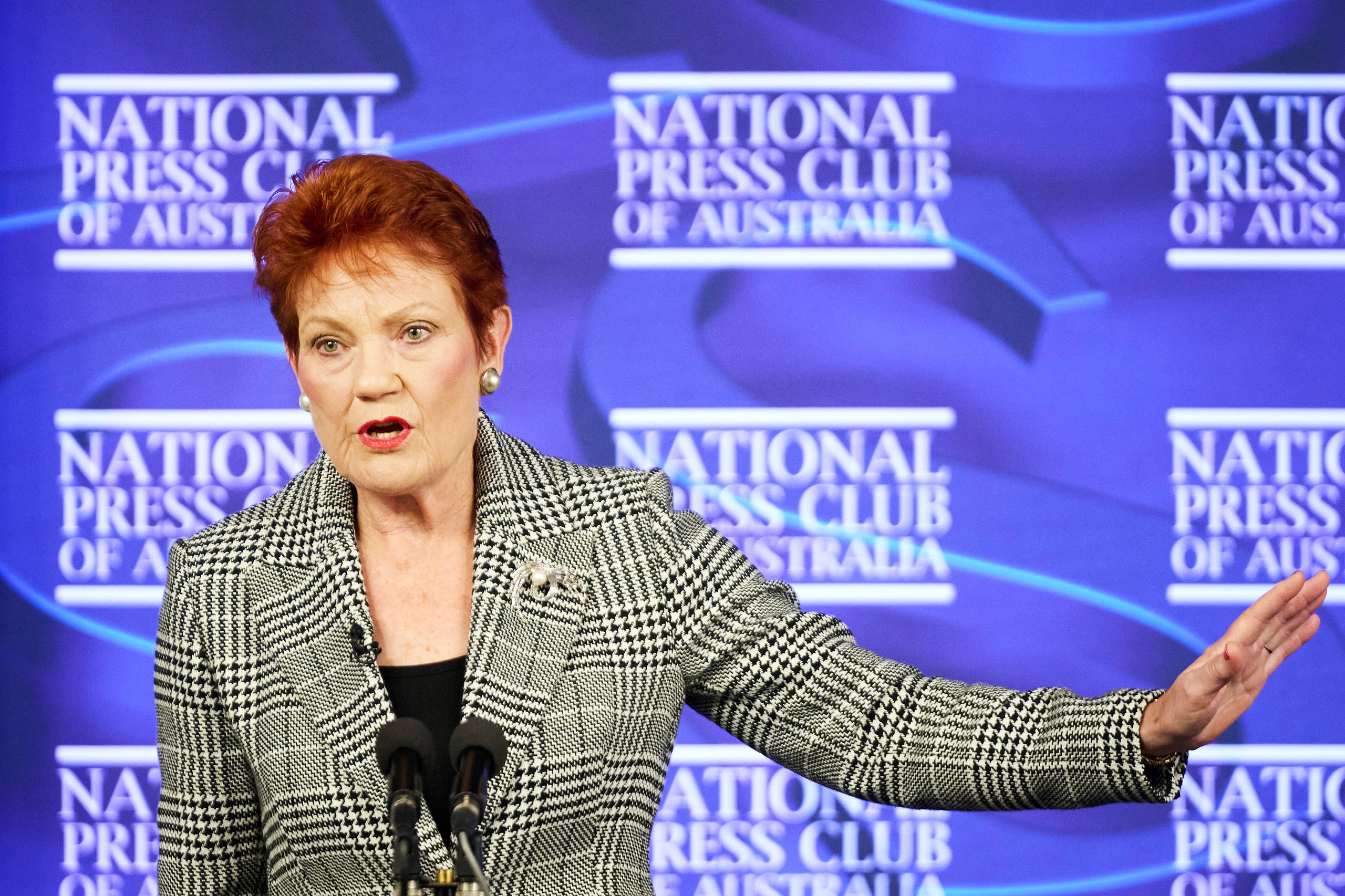
Still her show: One Nation leader Pauline Hanson at the National Press Club last Wednesday. Rohan Thomson/ Bloomberg via Getty Images
Pauline Hanson’s address to the National Press Club was the talk of the town — well, of the town in which I live, Canberra, anyway — for a few days last week. But GetUp!’s banner stunt and Hanson’s intemperate abuse of Guardian journalist Sarah Martin have distracted analysts from the best evidence we have so far of what One Nation, in the guise of a putative mainstream party of the right, now stands for. If it is no longer a minor party of protest rooted in rural and regional grievance and reaction, what exactly is it?
For full disclosure, I should say that I am among those who doubt One Nation will be able to sustain its momentum. It is therefore possible I found what I was expecting or even hoping to find in her address. Still, it is striking that once she no longer had a script written by someone else in front of her — once question time began at the Press Club — her discipline slipped and we got to see the old One Nation, and the old Pauline Hanson. In substance she sounded much like the right-wing Liberal she was before she lost preselection in February 1996 — even while her message was delivered in the familiar populist style that, through word, tone, facial expression and body language, constantly announces Hanson has “had a gutful.”
1In her seemingly interminable speech — at one stage, the chair Tom Connell asked her to begin winding up — she was making a pitch to keep a hold on that 30 per cent of voters who are already saying they will vote One Nation and to add perhaps 5 per cent more. After refusing to give a “divisive Welcome to Country” (she presumably meant “Acknowledgement,” but never mind), Hanson spent most of the next three-quarters of an hour continuing to tell us who and what she hates.
Hanson remains, in that sense, what she has always been: a bundle of resentments and a harvester of grievance. But her present efforts meet with the most favourable of seasons for such a politician and movement: an energy crisis, a cost-of-living crisis, a housing crisis, high immigration coming out of Covid, and the Bondi terrorist attack. On the political front, the Coalition is a mess, its leadership ineffectual. Labor stumbles on — paradoxically, given its enormous majority would normally be considered unassailable in a single election.
Predictably, Hanson treated immigration as the cause of the housing crisis. She then went on to link the problem to “the utterly flawed policy of multiculturalism.” Australia is “multiracial,” she said, but should be “monocultural.” Future Liberal leader Billy Snedden said much the same thing in 1969: “I am quite determined we should have a monoculture, with everyone living in the same way, understanding each other, and sharing the same aspirations. We don’t want pluralism.” But back then, to call for “monoculture” still meant something: Australia had barely passed out of the era of Britishness, and the White Australia Policy, while on the way out, was still in place. Even the politicians contributing to the dismantling of that old order still assumed the place would remain a white nation even when they politely refrained from saying so. But what could “monocultural” mean today, unless it is a nostalgic appeal to an Australia outside the living memory even of ageing Gen Xers like me?
As a populist, Hanson naturally claims the privilege of defining what that culture is: she represents real Australians, not the kinds of people who read Inside Story. More than half the population was either born overseas or had a parent born overseas: “Is that what Australia wants?,” she complains. It is a startling pitch, vaguely reminiscent of the old-time bragging that Australia was 98 per cent British and that it needed to stay that way notwithstanding the covetous Asian hordes to our north.
Populist politics is obsessed with drawing boundaries between those who truly belong and those who do not. But it is surely risky in an immigrant nation that has had an official policy of multiculturalism for about half a century to draw the line where she and her advisers seem to have decided to draw it. Who does Hanson think is living in all those suburbs she wants to win back from the Labor Party if not migrants and their children?
All the same, Hanson more or less held it together during her haltingly read text. Australia is “predominantly a Judeo-Christian society” and “Western civilisation and its values are under siege.” “Radical Islam” and the “transgender insurgency” menace the country. Net zero is a “hoax.” Anthony Albanese is a “liar.”
And a few specific policies. Nuclear energy for Australia. More control of artificial intelligence. Abolish SBS. Turn the ABC into a subscription service for city people. End government financial subsidies to renewable energy: after all, “the bloke in the corner store” doesn’t get this kind of help. (To which the obvious retort is that “the bloke in the corner store” no longer exists. There’s that nostalgia again.)
I don’t doubt the popular resonance of this kind of appeal in our present moment, even while I am sceptical whether most Australians support having broadcasts of the World Cup football taken from them because Hanson objects to the existence of a multicultural broadcaster. That said, it is in keeping with the basic joylessness of her politics. Hanson began her political career, in local government, with a campaign to prevent the building of a library in Ipswich because she thought it was a waste of ratepayers’ money. It is hard to discern much change in her outlook thirty years later. She is one of life’s straiteners.
Alongside her selective nostalgia, Hanson combines a vision of homeliness, an articulation of resentment, and a performance of authenticity, however contrived. Even while One Nation takes Rinehart’s money and Hanson drops in on Donald Trump at Florida’s Versailles, Mar-a-Lago, she continues to play the outsider challenging the political establishment, the real taking on the fake. All of this is well calculated to appeal to people who believe the world is hurtling outside their control, nothing is what it seems, and that politicians — insiders all — won’t listen to them.
And to be fair, it is hard to have much sympathy with the mainstream politicians who looked on complacently for decades while house prices went through the roof and now find themselves berated for it by a gifted, tested political opportunist. Hanson spent a lot of time in her address talking about poverty, hunger and homelessness, too — perhaps part of an effort to give her cause some moral ballast and confound the accusation she is the puppet of filthy rich “Mrs Rinehart,” as she likes to call Australia’s wealthiest woman and One Nation’s most generous financial sponsor. Still, Hanson had no policy to offer the poor and the battler apart from suggesting less government spending and more coal would reduce their cost of living.
In this connection, One Nation has a problem — and that materialised once the question and answer session started. It was then that we got our reminder that Hanson, for all her longevity, is not a particularly creative politician. Successful populisms elsewhere have mixed and matched, assembling bits and pieces from the left and right to create a broad constituency and thereby take the wind out of more centrist opponents’ sails.
If she were one of these types, Hanson would have said that she intends doubling the parental leave allowance and spending even more on childcare by taking funding away from Indigenous people or universities or the ABC — or from other of the many “rorts” she believes are being perpetrated under our collective noses. Instead, she said businesses should not be expected to pay women who were not at work and that government funding of childcare is “out of control” and requires “investigation.” Come election time, all of this is likely to go down in Australia’s suburbs about as well as Peter Dutton’s working from home policy.
In short, as she entered full, unscripted flight, all of the familiar instincts came into play. She sounded like a reactionary who, even now, could find a home on the right of the Liberal Party — the place where she began three decades ago. When asked by Mark Riley from Seven about her consistent parliamentary record of doing over workers, she sturdily defended business in its efforts to deal with lazy employees. They should be easier to sack. She complained about abortions. She harped on about government spending like a hardened 1980s economic rationalist. But some areas of expenditure were especially unwarranted: money would be taken out of Aboriginal affairs and placed in “consolidated revenue.”
On One Nation itself, she said some remarkable things that have barely featured in media coverage. She recounted how she had refrained from creating branches when One Nation Mark II emerged in 2015 because there were 350 the first time round and “I had nothing but trouble.” That’s a pretty remarkable confession even by the standards of Australia’s somewhat reduced political parties: the rank and file can’t be trusted, so let’s not have one. But One Nation does now have branches, although they seem to operate under bizarre controls and restrictions. Hanson’s support for constitutionally enshrined freedom of speech doesn’t apparent extend to them. Why? Because “I have to be in total control of it.”
There is also the not inconsiderable issue of how a party whose current lower-house presence amounts to two seats — one of them the result of Barnaby Joyce’s defection from the Nationals — will be translated into a credible competition for executive power. Interestingly, much of the media has been so entranced by Hanson’s verbal abuse of Sarah Martin that nobody picked up that while she was in full flight she indicated she intends to run for the Senate again.
No journalist asked the obvious question of whether she — or her new colleague Joyce, for that matter — would be standing for the House of Representatives now One Nation is supposedly vying for government. Indeed, there is a surprising indifference in the commentariat about this hardly trivial matter: it is as if it is imagined the sheer force of populist passion will sweep away all institutional barriers in the name of the people’s will. Those who recall the Joh for PM fiasco of 1987 will understand how magical that kind of thinking is in a parliamentary democracy.
It is often being said that One Nation is a more professional outfit than it used to be. Probably so. It certainly has plenty of money and is working social media with apparent success. Nonetheless, it is also still Hanson’s show. Her deepest instincts appear to remain those of an ageing minor-party leader more interested in saying what the 5 or 10 per cent of voters who form her traditional base still want to hear. The parallel with Peter Dutton’s retreat into culture wars and Sky appearances during the last election campaign is striking.
Coalition strategists seem as likely to remain as at a loss about how to respond to the One Nation threat following Hanson’s Press Club address as they were before it. Labor strategists, on the other hand, have been given a generous allocation of material to work with.
American Politics
June 23, 2026
Heather Cox Richardson from Letters from an American <heathercoxrichardson@substack.com> Unsubscribe
Forwarded this email? Subscribe here for more
June 23, 2026Heather Cox RichardsonJun 24
Trump continues frantically to insist that the problems with the Reflecting Pool are the acts of vandals. As Rachel Kahn of The New Republic reported, Trump insisted on Saturday that the pool had “worked perfectly” before vandals attacked, putting “a 250 foot long gash into the beautiful facade of what took so much work.” By Monday, the “gash” was 300 feet. By Tuesday it was 350 feet, according to Trump. There is, of course, no evidence of any such sabotage, and there are cameras on the Reflecting Pool.
Trump’s stories have gotten more and more elaborate, about how vandals used “a very sharp knife or razors,” “probably in the dark of night,” then added “chemicals.” He warned there could be a “10-year prison sentence for the destruction, or even the attempted destruction, of such things.” Asked for evidence, he claimed “we have pictures.” He told reporter Ed O’Keefe of CBS News: “[A]t the right time you’ll see it. You’ll see it in court. You’ll see it in court, but all you have to do is call the Parks Department, call the Department of Interior.” Tonight the Interior Department began to place fencing around the Reflecting Pool.
The Reflecting Pool is not the only thing that’s falling apart.
This morning, Trump announced that “Iran has fully and completely agreed to highest level Nuclear inspections long in the future (Infinity!!!)…. If they did not agree to this, there would be no further negotiations!” Iran disagreed, saying it had made “no new commitments” on nuclear inspections although it would continue to work with the IAEA, the United Nations’ nuclear watchdog agency, as it has for years under a system less stringent than the one that operated under the JCPOA.Today, after a Reuters/Ipsos poll showed that only 23% of Americans thought the Iran war had made the U.S. stronger, the Senate passed a war powers resolution requiring Trump to get congressional approval to continue military actions against Iran. Four Republicans joined all Democrats but one to pass the measure. The House passed the measure earlier this month. It is unclear if Trump will honor the resolution, but its passage shows growing discontent with the president.“Trump’s historic blunder in Iran will go down in the history books as one of the worst foreign policy forays America has ever made, or any country has ever made,” Senate minority leader Chuck Schumer (D-NY) said today. “The American people have seen skyrocketing gas prices, soaring costs, and, tragically, the loss of 13 service members, and the wounding of hundreds more, and meanwhile, Iran took Trump to the cleaners.”
Holly Baxter of The Independent noted that when Trump is stressed out, he throws a campaign-style rally in front of a friendly crowd. Today, after a poll from the American Research Group showed that 66% of Americans disapprove of his job performance while only 30% approve, he went to a factory in Pennsylvania to bolster his confidence. He did his usual greatest hits, claiming he won by a landslide in 2024 and calling Democrats communists. He even made it clearer than ever that he thought people applying for political asylum in the United States had been released from “mental institutions.” He flitted from subject to subject and after an hour and a half, audience enthusiasm seemed under control.William Kristol of The Bulwark noted today that a “sense of impending mortality seems to be making our president even more unhinged than ever.” But, Kristol noted, there are “young men with a lean and hungry look in positions of authority and power in the executive branch who are committed to making his dream of power without limits a reality.”
Those lean and hungry men include Bill Pulte, now acting director of national intelligence, Secretary of Defense Pete Hegseth, White House deputy chief of staff Stephen Miller, Secretary of Homeland Security Markwayne Mullin, FBI director Kash Patel, Office of Management and Budget director Russell Vought, and acting attorney general Todd Blanche.
And, of course, Vice President J.D. Vance, who is next in line should Trump become unable to perform the duties of the office of the presidency.As Trump crumbles, it appears there is in the administration a drive to create unlimited power in the executive branch that will survive no matter who is in charge. That drive includes silencing political opponents while rewarding loyalists.Last September, Trump announced he would designate “antifa”—a word that is short for “antifascists”—as a “MAJOR TERRORIST ORGANIZATION,” calling it a “SICK, DANGEROUS, RADICAL LEFT DISASTER.” On September 22 he did so, claiming that protesters standing against administration policies are trying to “overthrow…the United States Government, law enforcement authorities, and our system of law.” They are, the executive order said, working in coordination to riot, assault ICE agents and other law enforcement officers, and to dox “political figures and activists.”
Faiza Patel of the Brennan Center notes that even if antifa were a real group—which both Trump-appointed FBI director Chris Wray and the Congressional Research Office have denied—Trump has authority only to designate foreign terrorist organizations. Patel writes that he “has no authority to designate groups as domestic terrorist organizations, as is obvious from the failure to cite any statute or constitutional provision in support of the president’s action. There is none, and the purported designation has no legal effect.” Patel notes that the ability to formally assign the label of terrorists to political opponents would enable it to crush political opposition.
Nonetheless, three days later, Trump issued a National Security Presidential Memorandum (NSPM-7), titled “Countering Domestic Terrorism and Organized Political Violence,” that called for a National Joint Terrorism Task Force to investigate Americans engaging in protest and ordered the attorney general to prosecute protest as a federal crime to the maximum extent permissible by law.After a protest against ICE at the Prairieland Detention Center in Alvarado, Texas, last July 4 led to a protester shooting a police officer in the shoulder, the government prosecuted nine of the protesters, some of whom did not know each other and one of whom was not at the protest, as part of an antifa cell engaging in terrorism. In March all nine were found guilty in what observers saw as a test of the administration’s power to use broad antiterrorism laws to prosecute protesters.
Today, U.S. District Judge Reed O’Connor sentenced eight of the Prairieland protesters to between thirty and one hundred years in prison.
In contrast, Proud Boys leader Enrique Tarrio and Oath Keepers leader Stewart Rhodes were sentenced to 22 years and 18 years in prison, respectively, for their roles in the January 6, 2021, attack on the U.S. Capitol that was intended to overturn the results of the 2020 presidential election and make Donald Trump president. When he took office in 2025, Trump pardoned Tarrio and commuted Rhodes’s sentence to time served, releasing both men from prison.
Notes:https://newrepublic.com/post/212233/size-gash-reflecting-pool-keeps-changing-told-trumphttps://www.nbcnews.com/news/us-news/6-people-arrested-connection-alleged-vandalism-reflecting-pool-trump-s-rcna351409https://www.cbsnews.com/news/reflecting-pool-paint-peeling-trump-proof-vandalism-court/https://www.whitehouse.gov/presidential-actions/2025/09/designating-antifa-as-a-domestic-terrorist-organization/https://www.aclu.org/news/national-security/how-nspm-7-seeks-to-use-domestic-terrorism-to-target-nonprofits-and-activistshttps://www.whitehouse.gov/presidential-actions/2025/09/countering-domestic-terrorism-and-organized-political-violence/https://www.brennancenter.org/our-work/research-reports/trumps-orders-targeting-antifascism-aim-criminalize-oppositionhttps://www.theguardian.com/us-news/2026/mar/13/texas-terrorism-trialhttps://www.washingtonpost.com/world/2026/03/15/trump-el-salvador-cecot-deportations/https://www.theguardian.com/us-news/2026/mar/13/ice-agent-court-testimony-oregonhttps://www.cnn.com/2026/06/23/politics/trump-iran-claims-nuclear-inspectorshttps://www.independent.co.uk/news/world/americas/trump-pennsylvania-speech-trucks-approval-rating-iran-b3001457.html The BulwarkThe Old Dictator and His Young Henchmen
The tarps on the Kennedy Center, erected to hide the shame of a building that no longer bears Donald Trump’s name, are still in place, but we now know two things about them. One, as pictures taken from behind the tarp show, Trump’s name is now definitely, 100 percent gone. Two, Trump’s guys at the Kennedy Center are hilariously claiming that the tarps …Read more1
https://thehill.com/homenews/administration/5937328-lincoln-memorial-vandalism-fencing/https://www.motherjones.com/politics/2026/06/prairieland-ice-dhs-protest-conspiracy-prison-judge-texas-immigration-sentence/https://www.pbs.org/newshour/politics/trump-wants-to-designate-antifa-as-a-major-terrorist-organization-can-he-do-thathttps://www.pbs.org/newshour/nation/8-convicted-of-terrorism-charges-in-texas-immigration-center-shooting-sentenced-to-decades-in-prisonhttps://www.theguardian.com/us-news/2026/mar/13/texas-terrorism-trialhttps://www.politico.com/news/2023/09/05/enrique-tarrio-prison-sentencing-proud-boys-00114104https://www.ksbw.com/article/trump-pardons-jan-6-defendants-tarrio-rhodes/63496997https://www.theguardian.com/us-news/2026/jun/23/trump-iran-war-powers-resolutionhttps://www.keranews.org/news/2025-12-04/daniel-sanchez-estrada-alvarado-ice-shooting-zines-trialBluesky:shipwreck75.bsky.social/post/3moyfvvzjgc2eatrupar.com/post/3moy7l4fih527kevinmkruse.bsky.social/post/3moyaqixetk2sTrumpstruth.orgstatuses/39466statuses/33013
Found on Facebook – How Heather Cox Richardson began her posts that mean so much to her readers.
Incredible and Strange Everything’s post, 22 June 2026.
“She never set out to become a lifeline.
She was just a historian who couldn’t sleep.
It was the autumn of 2019. America felt like it was unraveling thread by thread — impeachment hearings, fractured friendships, headlines that left people more confused than informed. Millions of people were scrolling through the noise each day, searching for something they couldn’t quite name.
Not more outrage. Not louder voices.
Something older. Something steadier.
That September, Heather Cox Richardson — a professor of American history at Boston College, born in Chicago and raised along the rocky coast of Maine — opened her laptop and began to write.
No drama. No partisan fury. No performative rage.
Just a historian doing the one thing she had trained her entire life to do: look at the present, reach into the past, and say — we have been here before. Let me show you where.
She posted it on Facebook late that night, not knowing if anyone would read it. By morning, strangers were sharing it. By the following week, they were asking for more.
So she wrote again.
And again.
And again.
What began as a quiet act of personal sense-making quickly became something she hadn’t anticipated: a community.
Her newsletter, Letters from an American, now reaches more than three million people across the globe. Teachers in Texas. Veterans in Ohio. Parents in Germany and Australia and Japan, following the arc of American democracy because they understand — perhaps better than some Americans do — that what happens in Washington does not stay in Washington.
But none of that is the most remarkable part.
The most remarkable part is how she did it.
Not through screaming.
Through showing up.
Every night — often well past midnight — she sits at her desk in coastal Maine. The ocean moves in the darkness outside her window. She reads the day’s events, searches for the historical thread running beneath them, and then writes in plain language that anyone can follow. No jargon. No insider language. No assumption that you already know the backstory, because she gives it to you every single time.
She has authored seven books. She has spent decades inside the academic world. But it was a Facebook post — written alone, late at night, out of a simple need to make sense of the world — that reached the people the textbooks never could.
She often returns to the years before the American Civil War. On the surface, life looked normal. Families went about their days. Merchants opened their shops. Children went to school. But beneath the surface, forces were gathering that most people either couldn’t see or chose not to see. Many assumed the trouble would pass. That things would stabilize on their own.
They didn’t.
And yet — history also records what came next.
Ordinary people stood up.
Not generals. Not presidents. Not the names that fill the chapter headings of history books. Farmers. Schoolteachers. Shopkeepers. People who had no particular power except the choice they made on a particular morning in a particular season of national uncertainty.
Their choices changed the story.
That is the lesson Heather Cox Richardson has carried through thirty years of studying history, seven books, and now millions of nightly letters: the future has no author yet.
The past is sealed. Its chapters cannot be rewritten.
But every person reading these words — tired, maybe a little afraid, trying to hold onto something solid in a world that keeps shifting — still has a pen in their hand.
History doesn’t just happen to people.
History, at its turning points, has always been made by them.
People very much like you.
People who simply decided that understanding the moment they were living in was worth showing up for, night after night, one letter at a time.
That is how civilizations hold together.
Not through grand gestures alone — but through millions of quiet, deliberate, daily choices to stay informed, stay engaged, and refuse to look away.
The pages ahead are blank.
What gets written on them still depends on us.”