As I am in Daphne Du Maurier country I thought it worth including two past reviews of associated books.
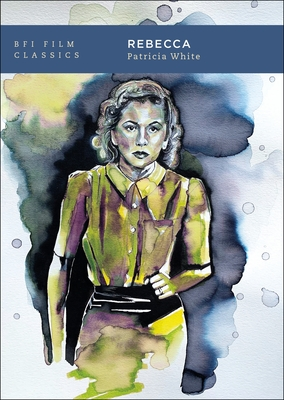
Patricia White Rebecca BFI Bloomsbury Publishing Plc London and New York, 2021.
Thank you to NetGalley for providing me with this uncorrected proof in exchange for an honest review.
I was thrilled to receive this thorough interpretation of Rebecca, a film with which I have grappled, and the novel with which I became reacquainted during a tour of Cornwall visiting locations with which Daphne Du Maurier was associated. A visit the Daphne Du Maurier Literary Centre in Fowey dedicated to her and her writing provided me with a wealth of information to which I shall gladly add this book. I have also read Sally Beauman’s afterword to the Virago Modern Classics with great interest. Rebecca, the novel, and Rebecca, the film, have been interpreted in Patricia White’s book. However, I must be honest and acknowledge that I feel more sympathetic to Sally Beauman’s commentary on the novel than I do with the glimpses White provides of her interpretation of the Du Maurier original. At the same time, I feel that it is possible to consider the film and the novel separately, and in doing so, find White’s understanding of Alfred Hitchcock’s portrayal of Du Maurier’s work, persuasive. See Books Reviews 2026 for the complete review.
Further comments on Daphne Du Maurier’s work.
I have had the good fortune to read The Daphne Du Maurier Companion edited by Helen Taylor (Virago 2012) since reading My Cousin Rachel many years ago. I recall feeling uncomfortable at the self satisfied men in the novel, Ambrose Ashley and, after his death, his nephew, Phillip. Rachel, is an enigmatic figure, perhaps her character intensified by ones own limited imagination and world knowledge. At least that is the excuse I use for my 16 year old self on my first reading of this novel. Rachel’s adviser, Rianaldi can be read as sinister in comparison with the two English men. But is this du Maurier’s intention? Is he, as Sally Beaumont in the Companion, suggests part of a male conspiracy that women have to endure, as Rachel has to endure/manipulate/ murder – which is it? her husband and then her cousin by marriage? See Books Reviews 2026
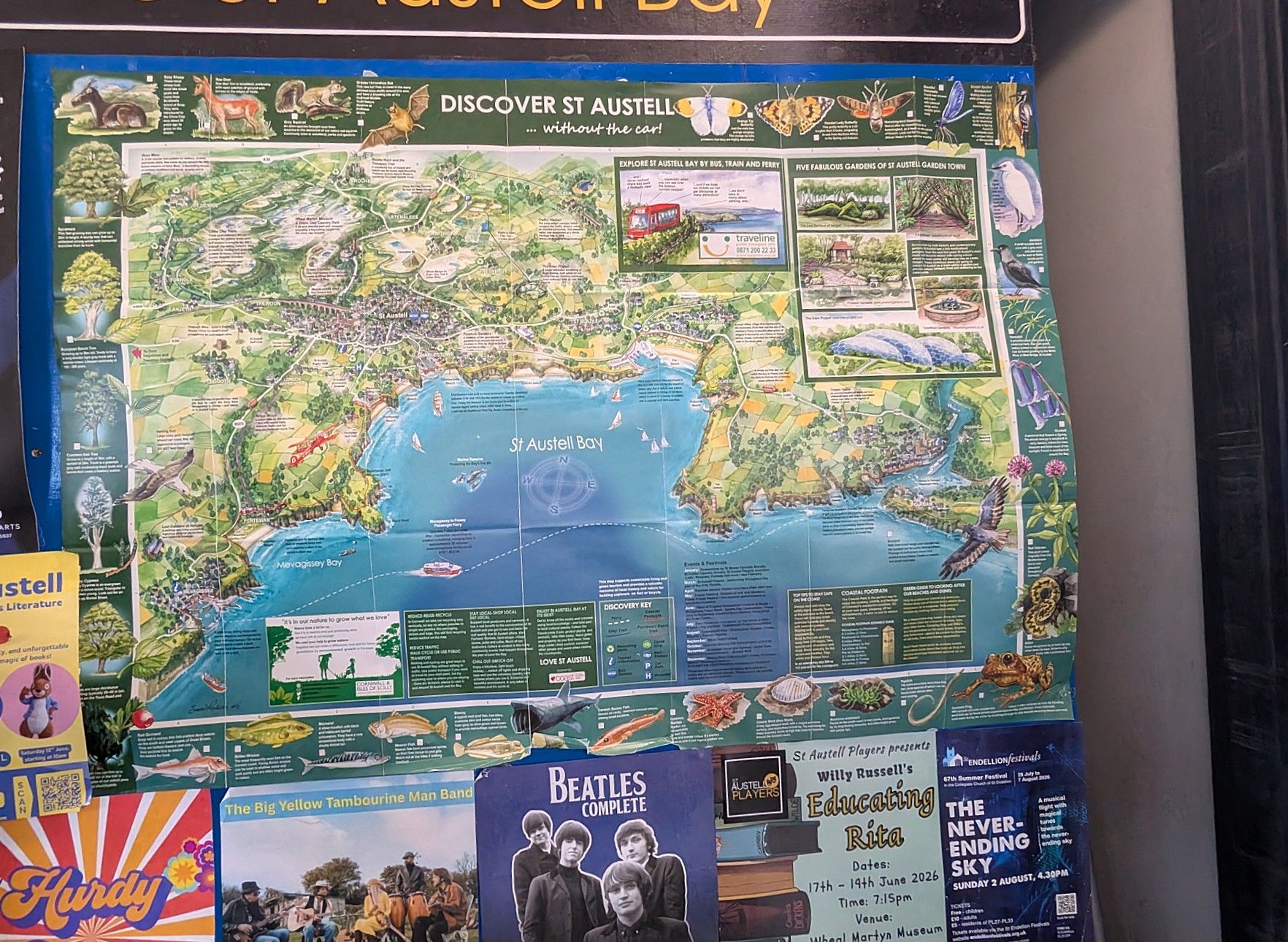
St Austell – where the bus to Fowey meets the train
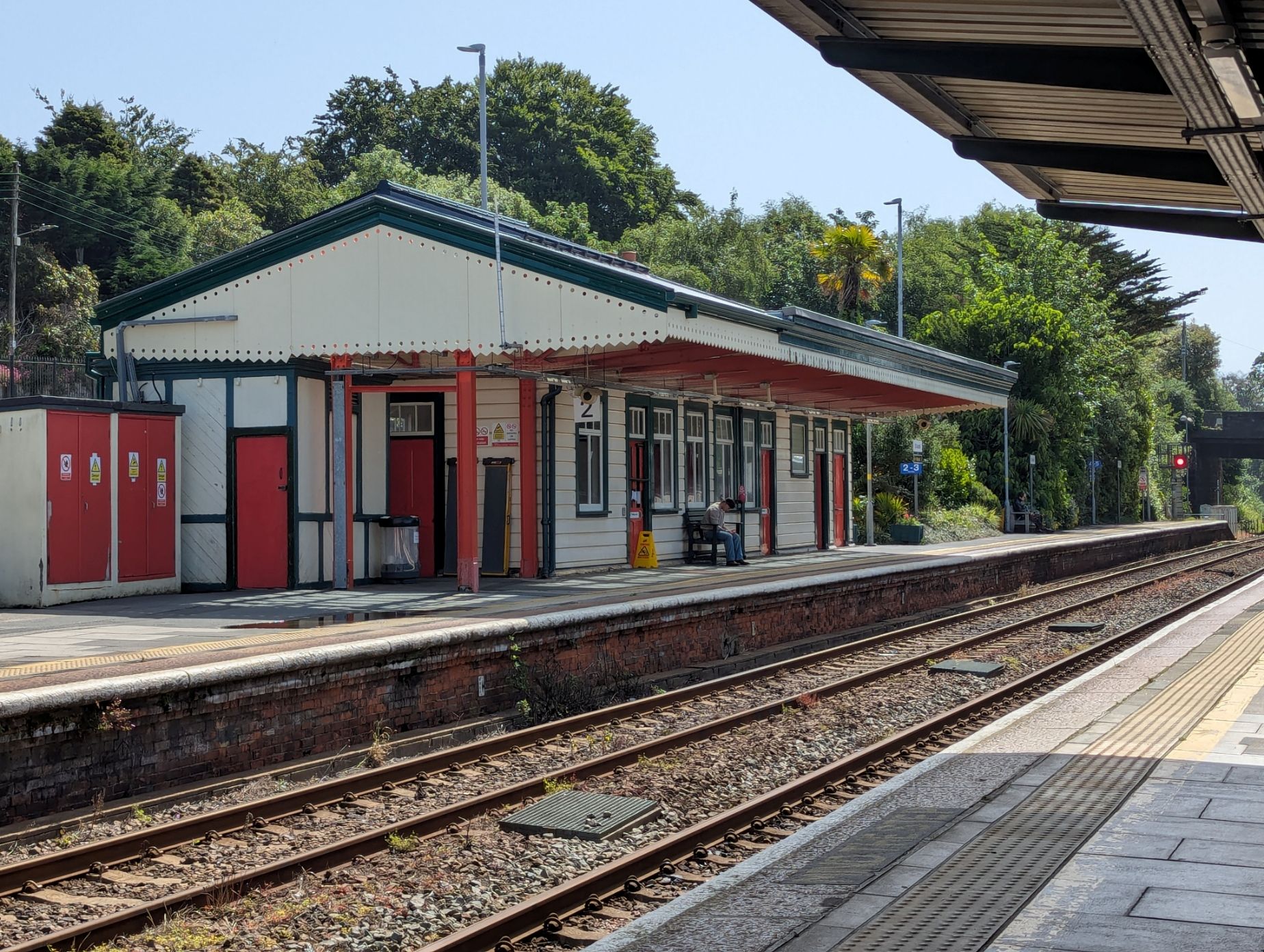
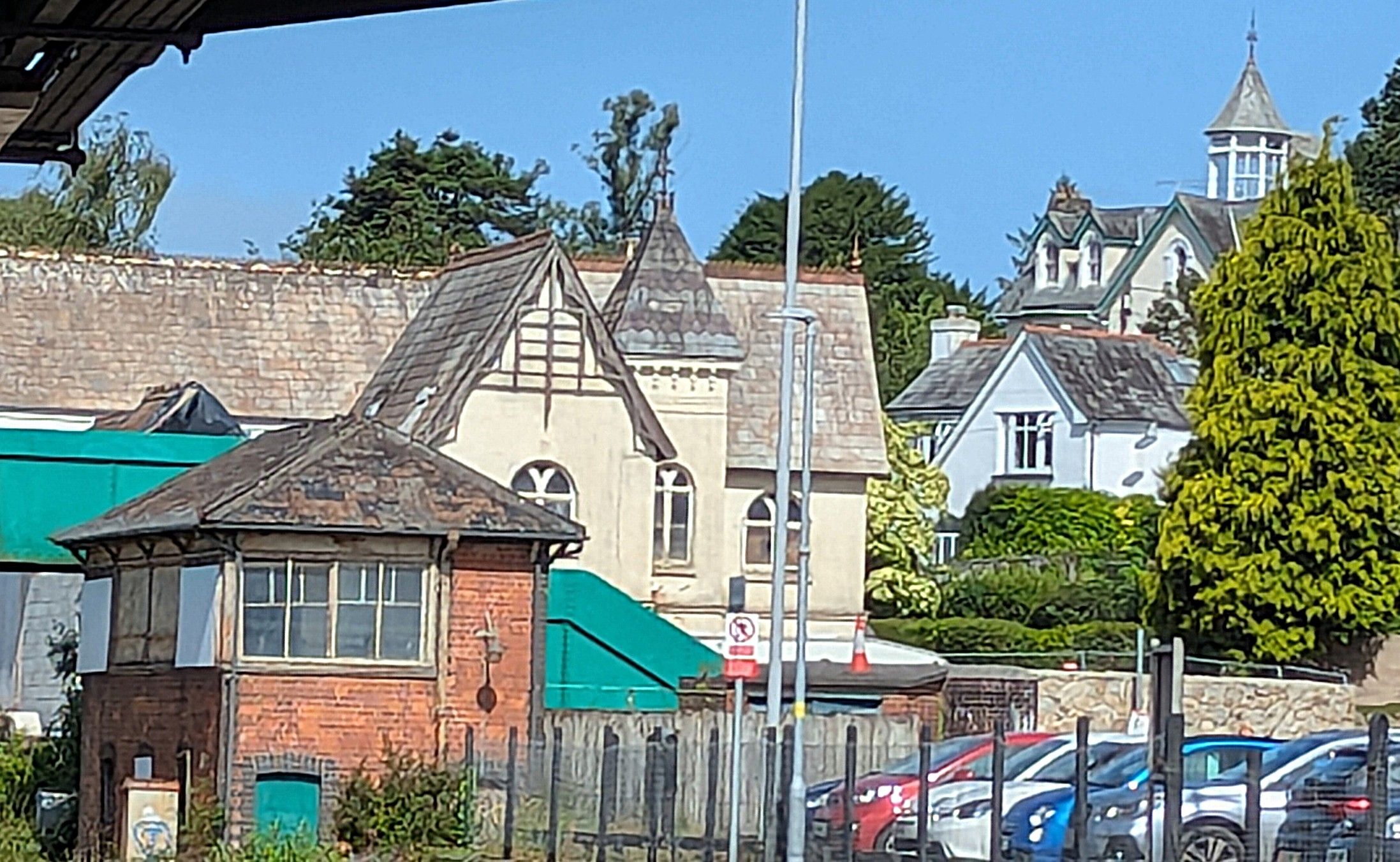
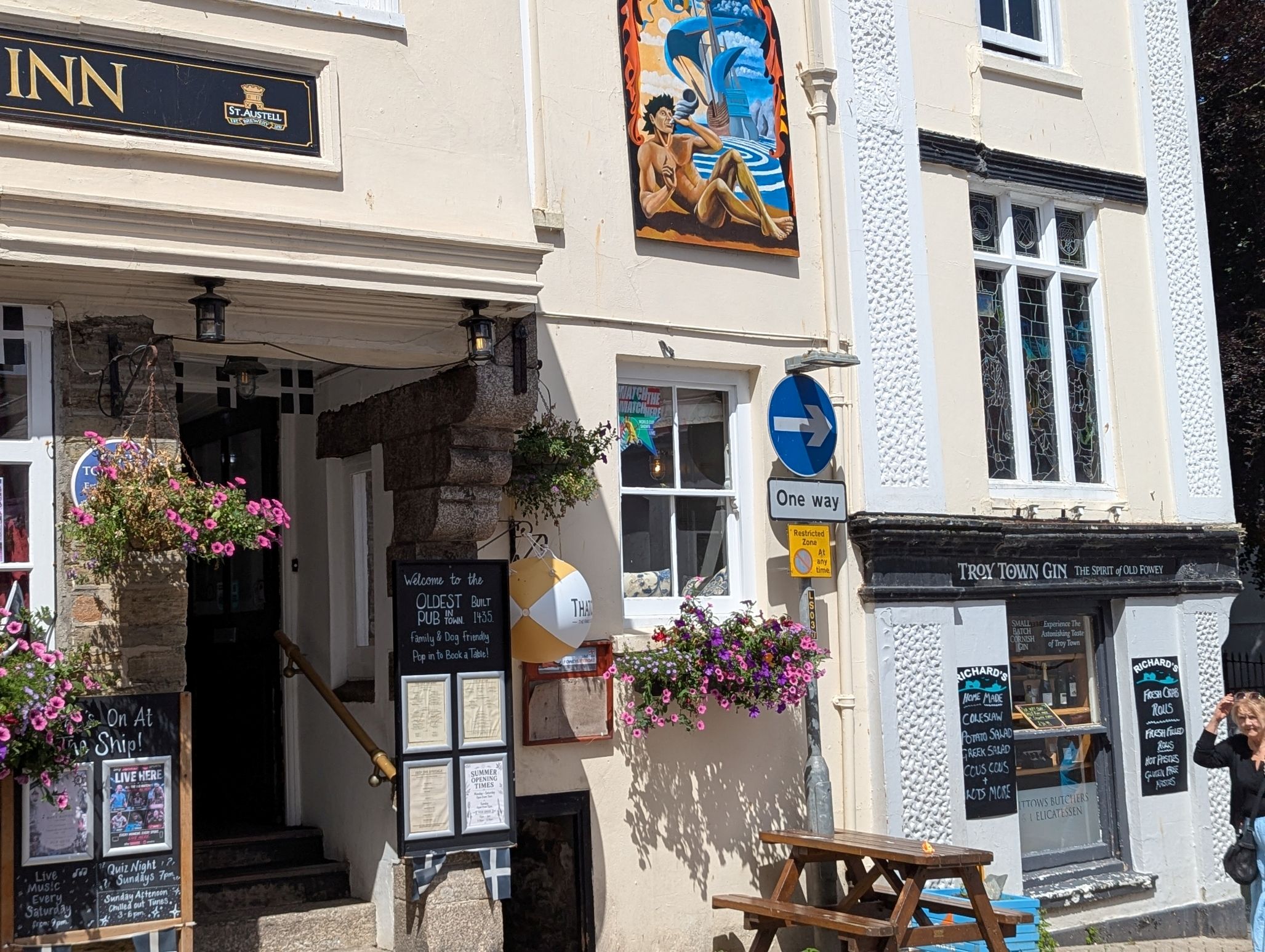
St Austell probably deserves a visit, but upon seeing the familiar Cornwall steep inclines we immediately boarded the bus to Fowey. The station and surrounds were attractive enough for photos, and these are included with our first glimpses of Fowey. These include the oldest pub in Fowey, at which I lunched on a previous occasion on a tour organised around the writers in Cornwall and Devon.
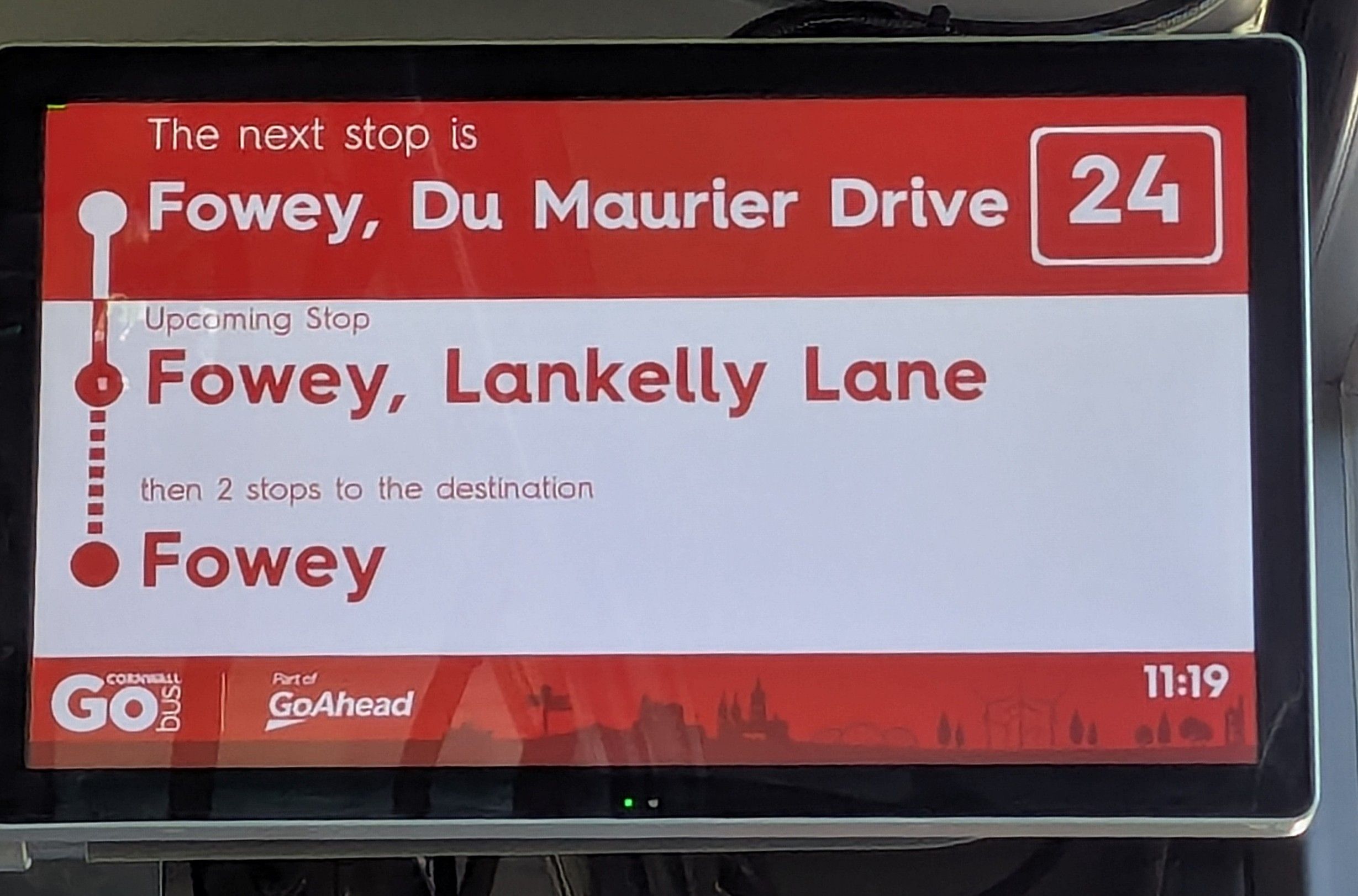
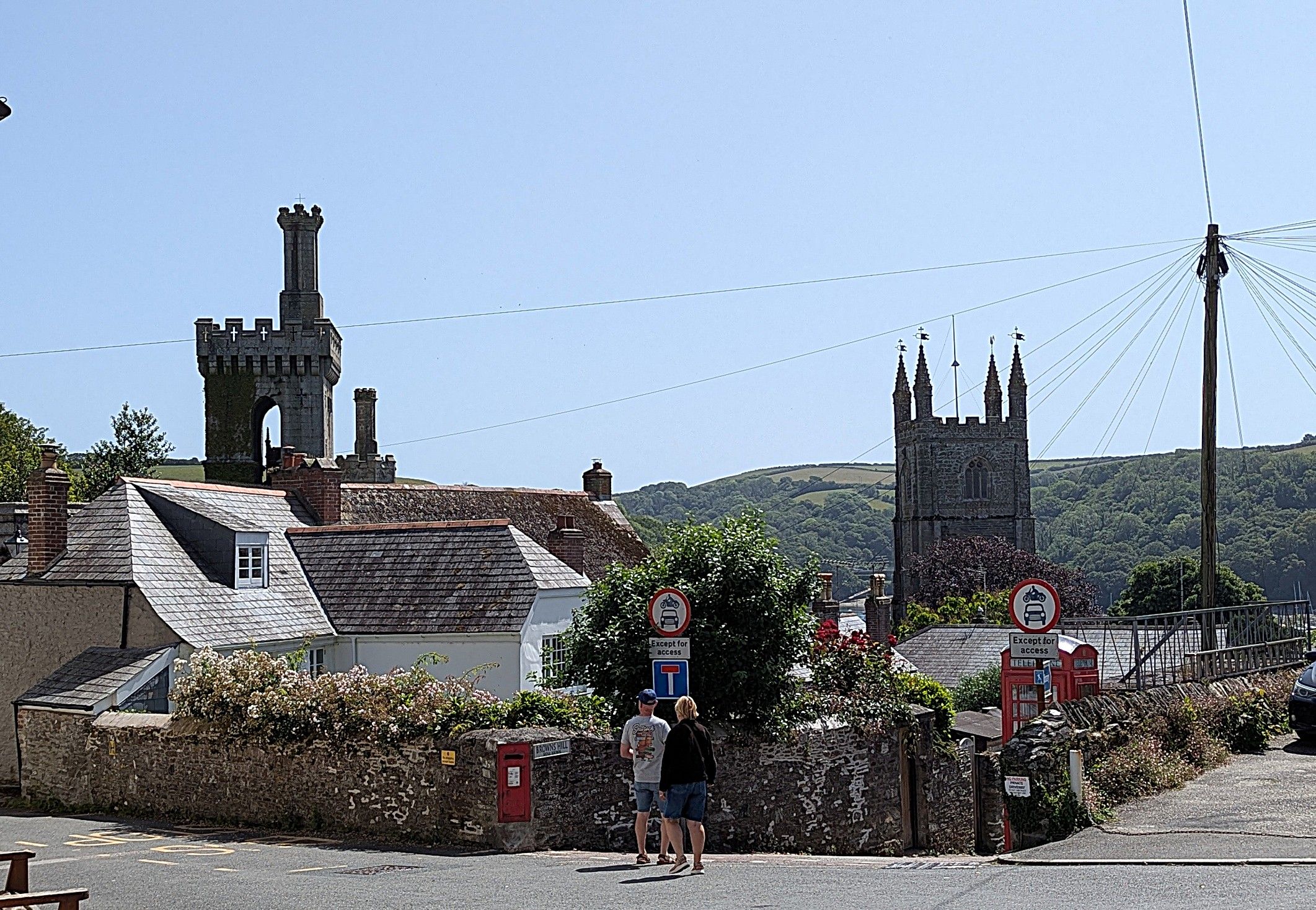
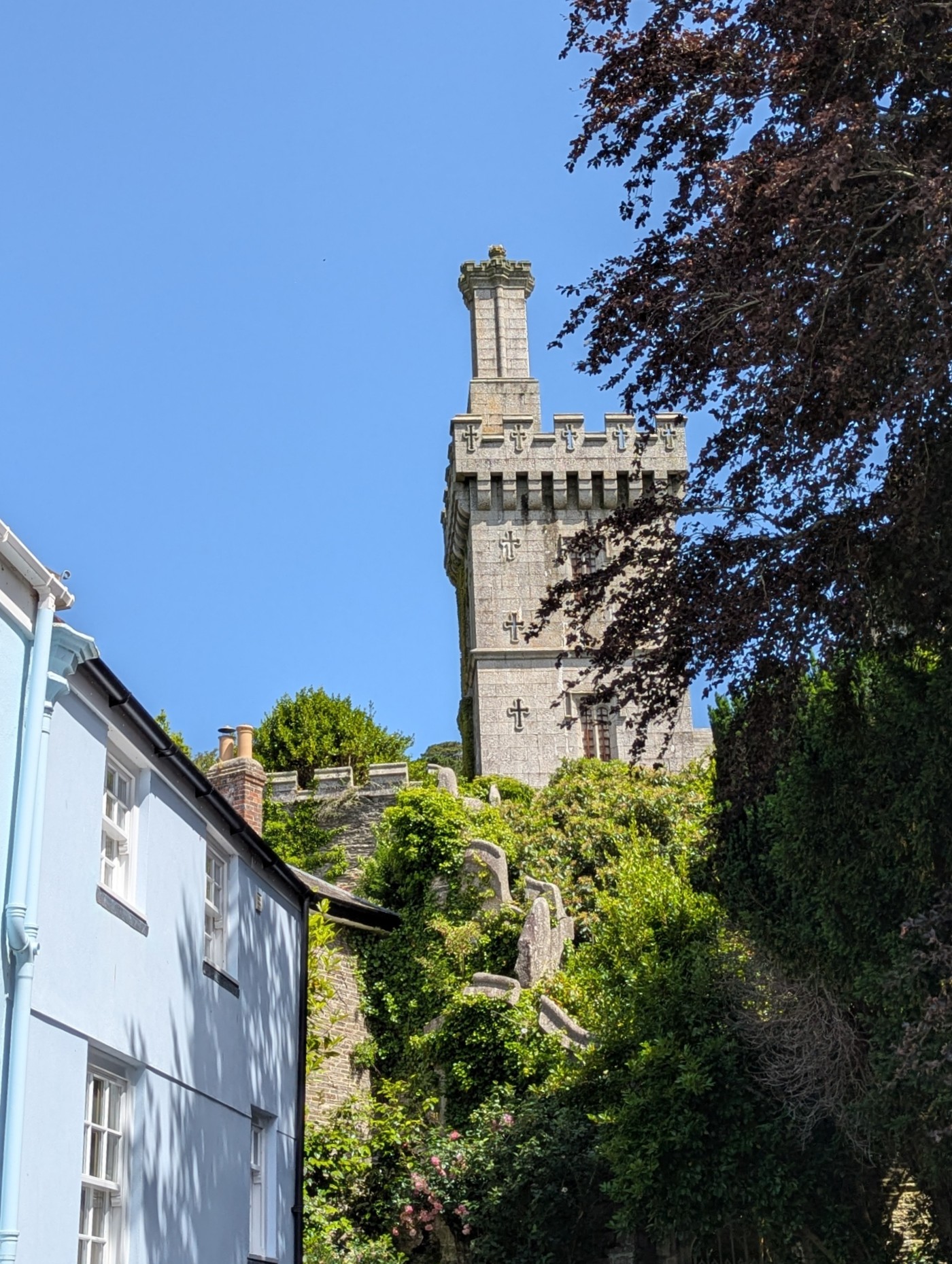
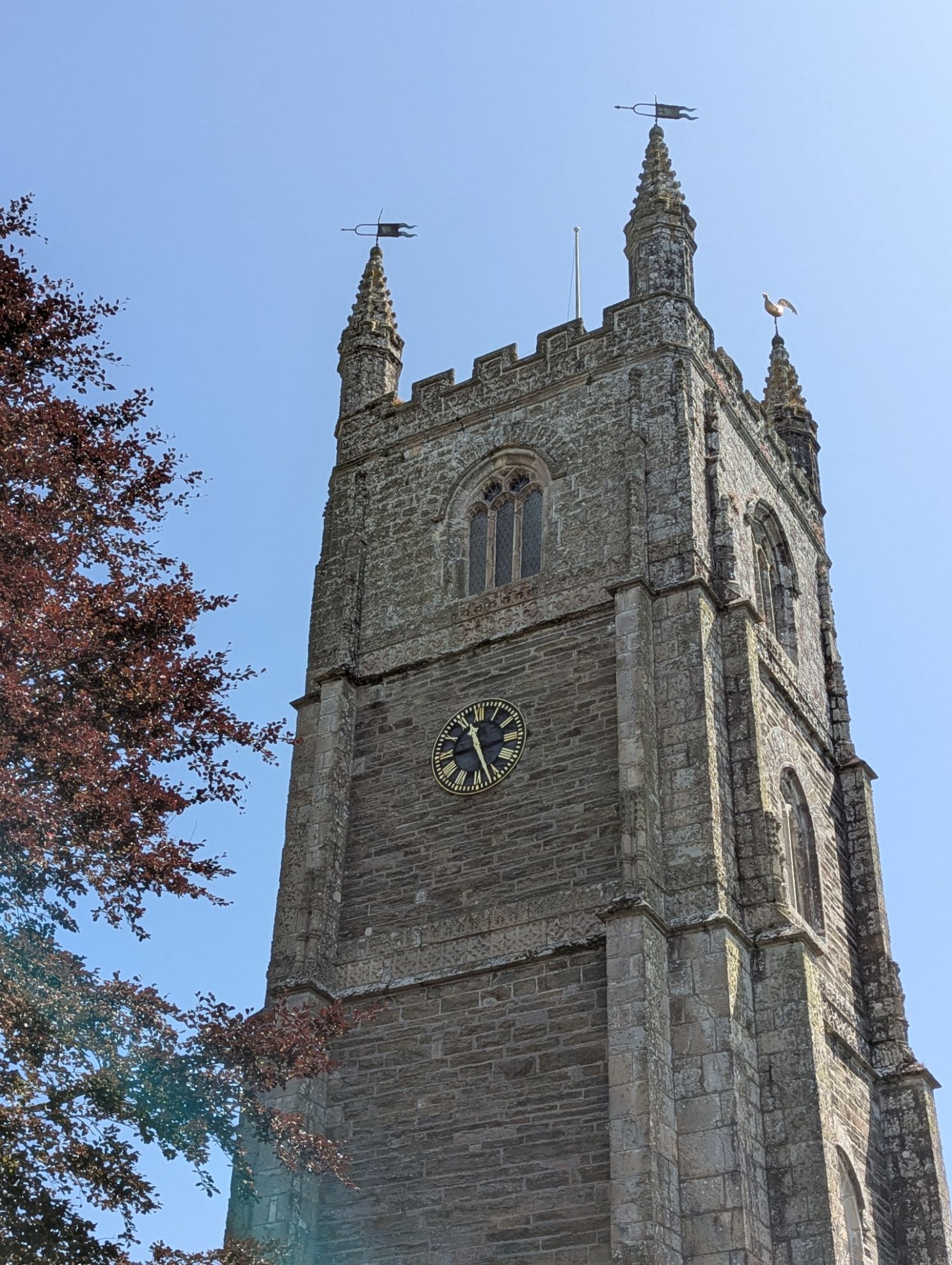
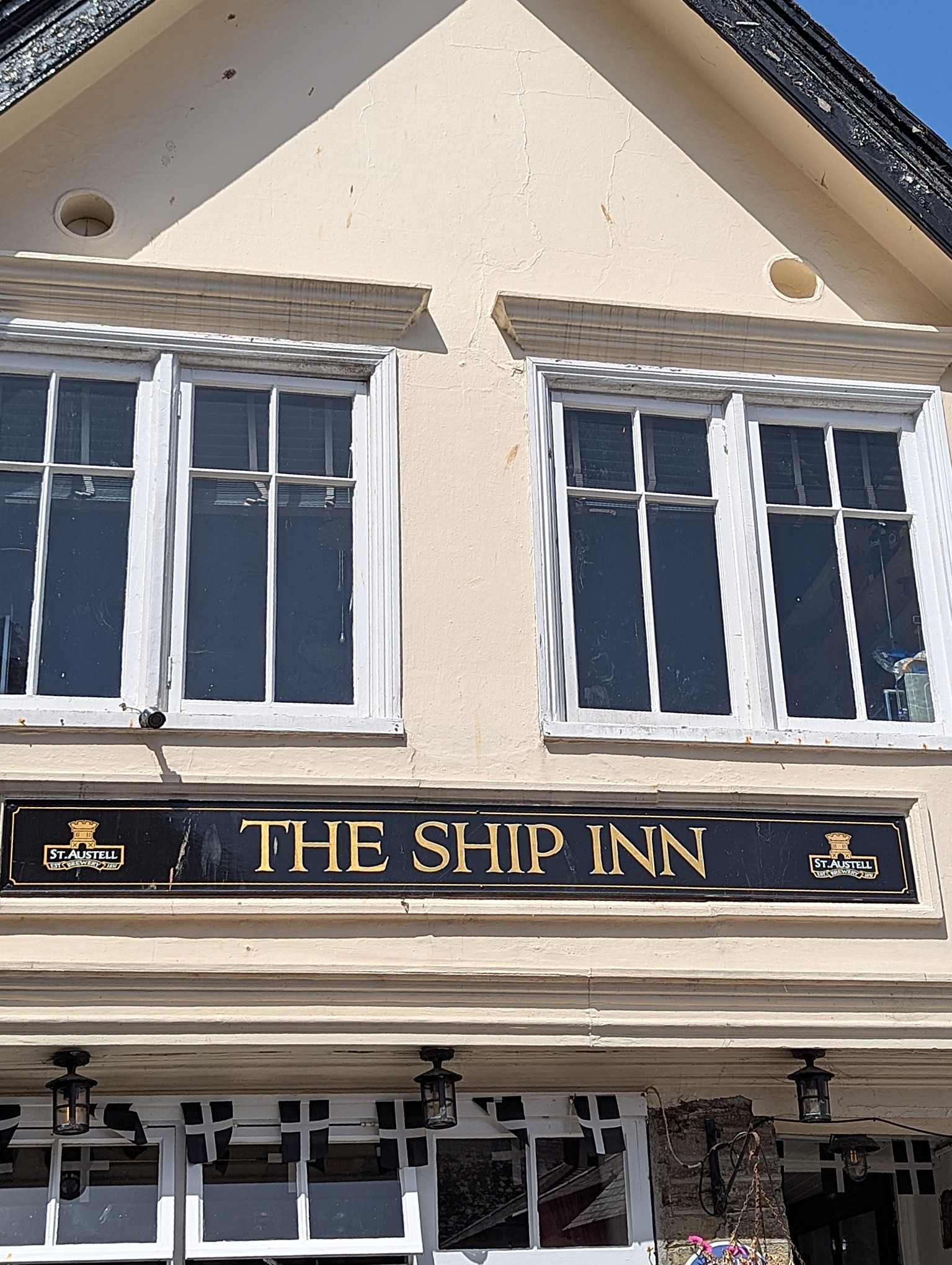
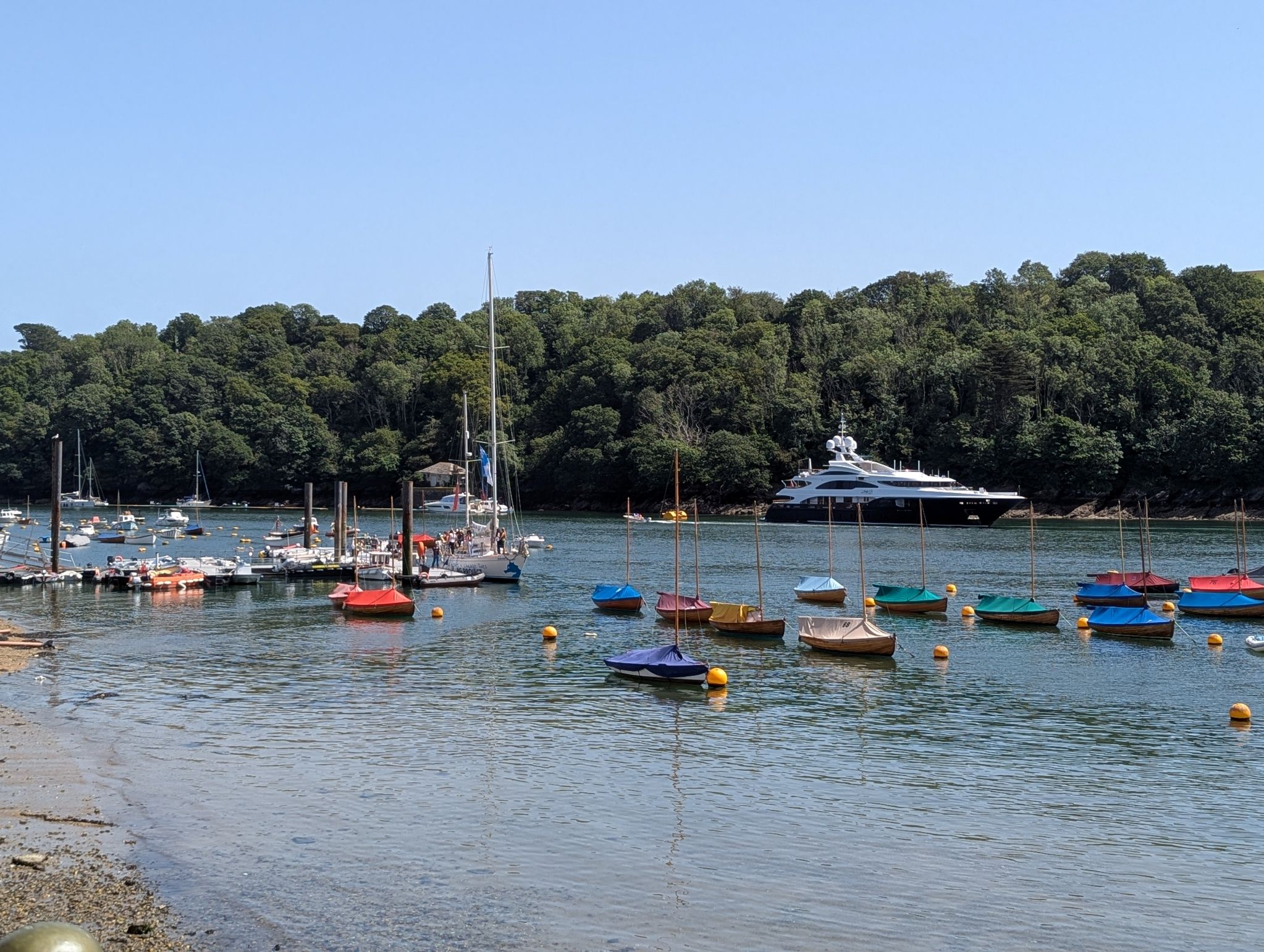
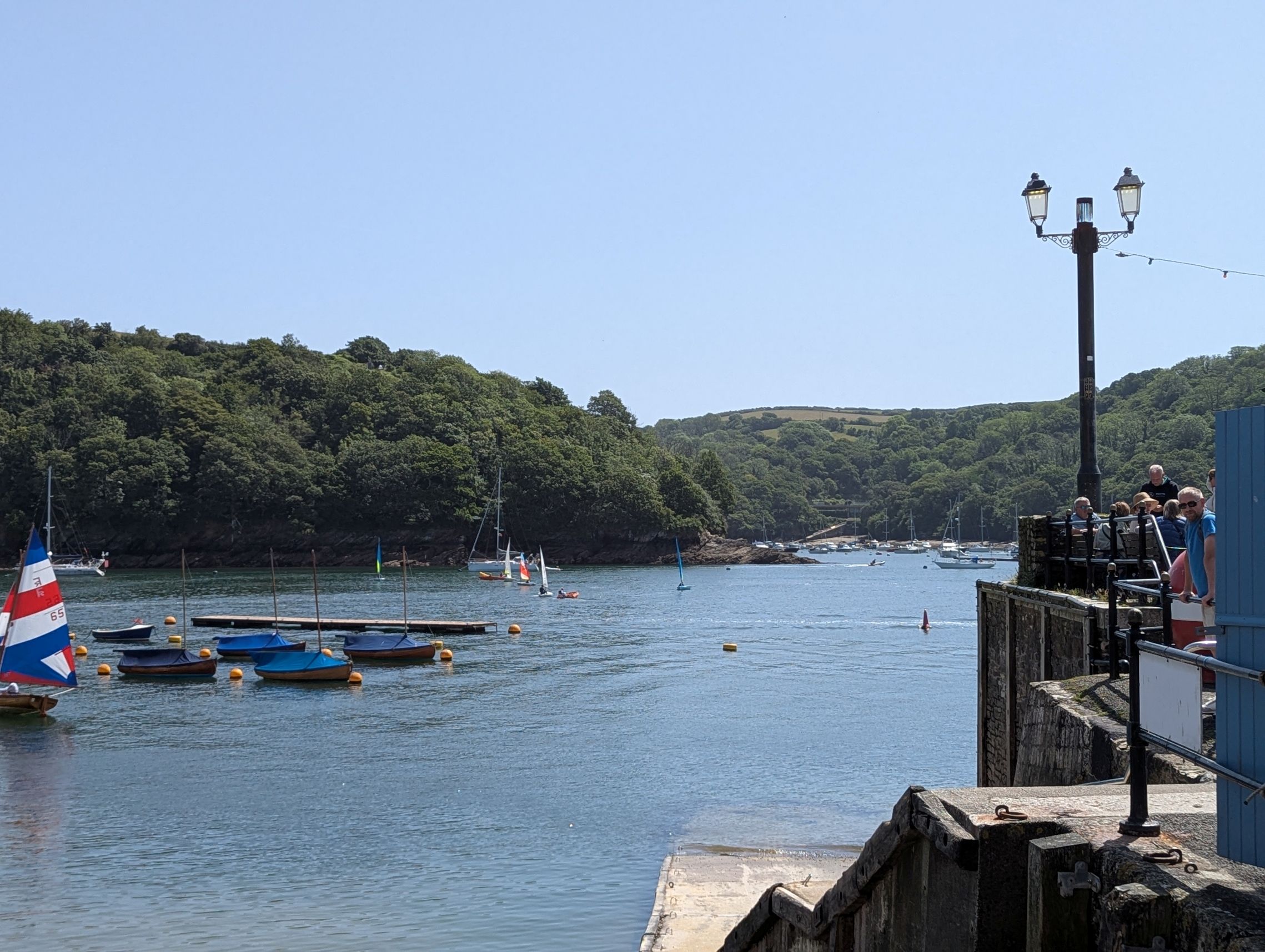
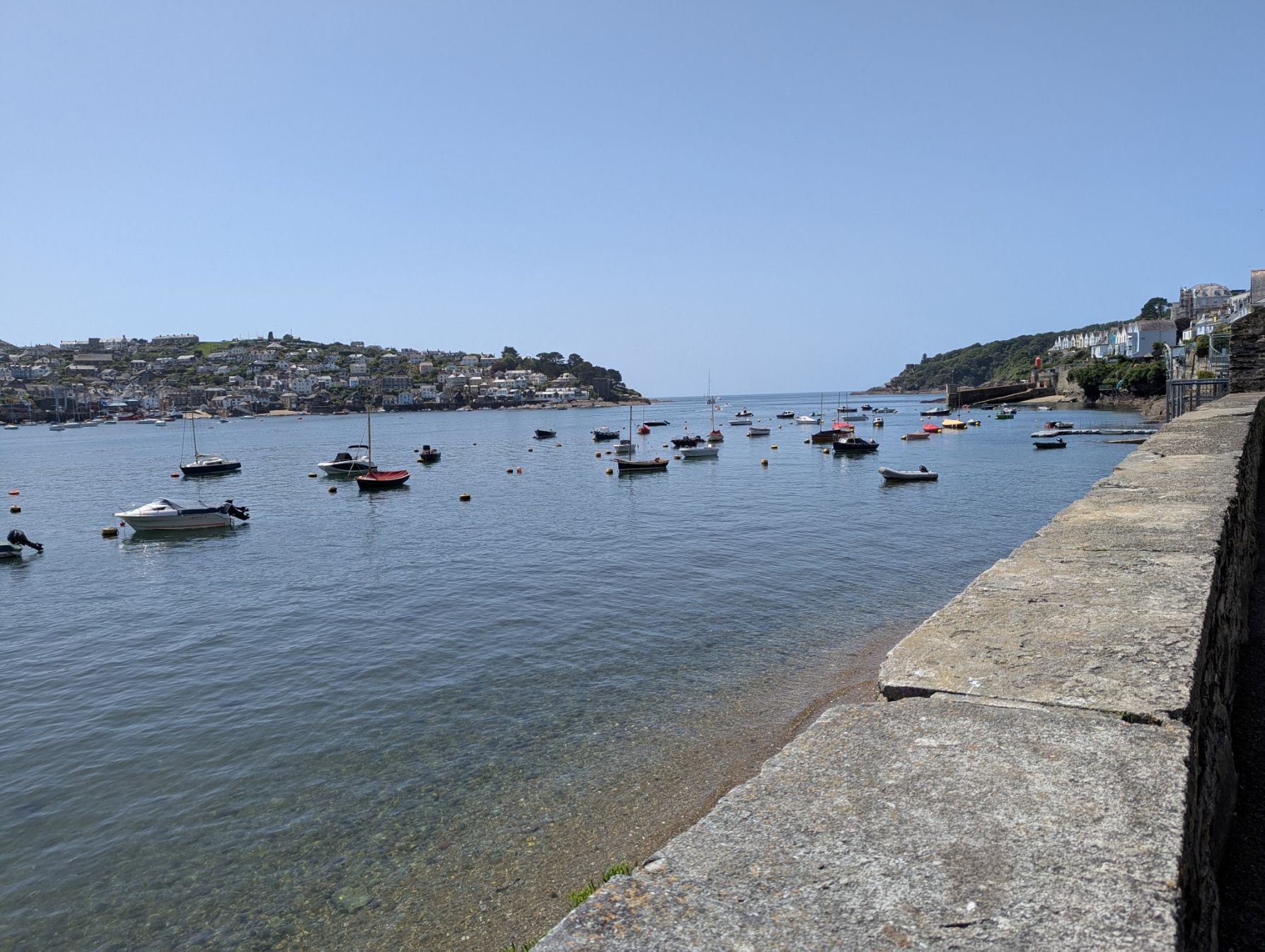
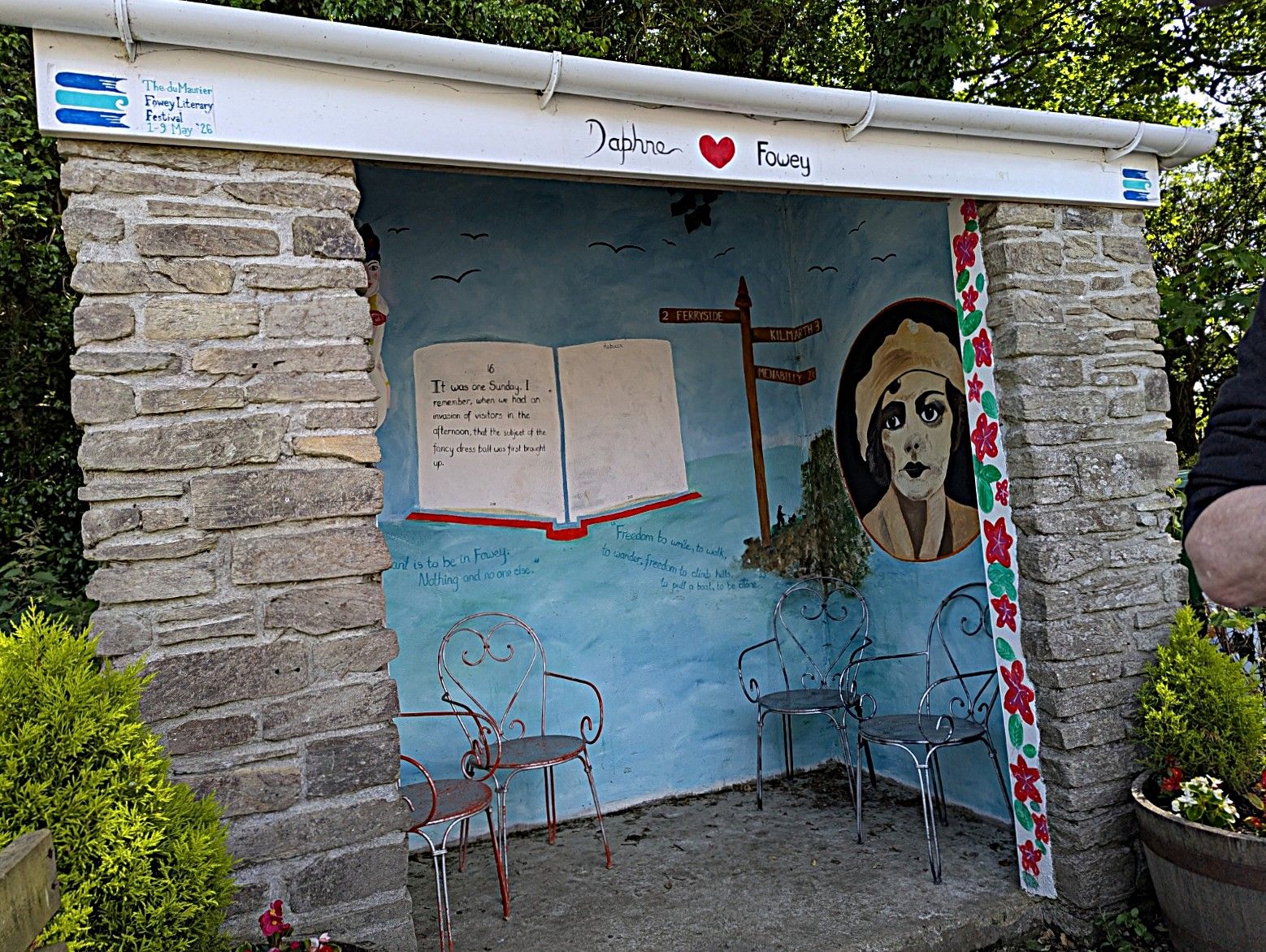
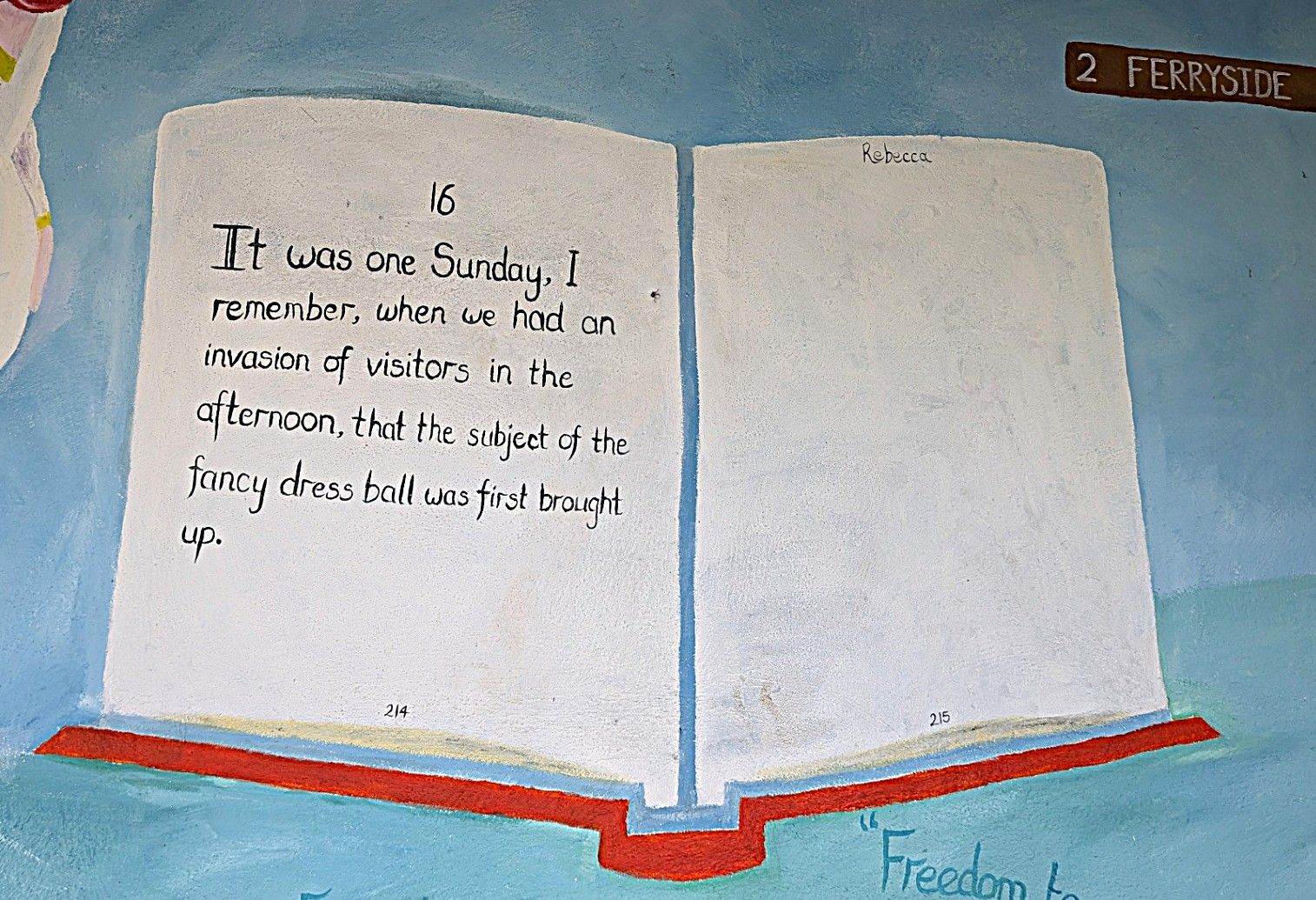
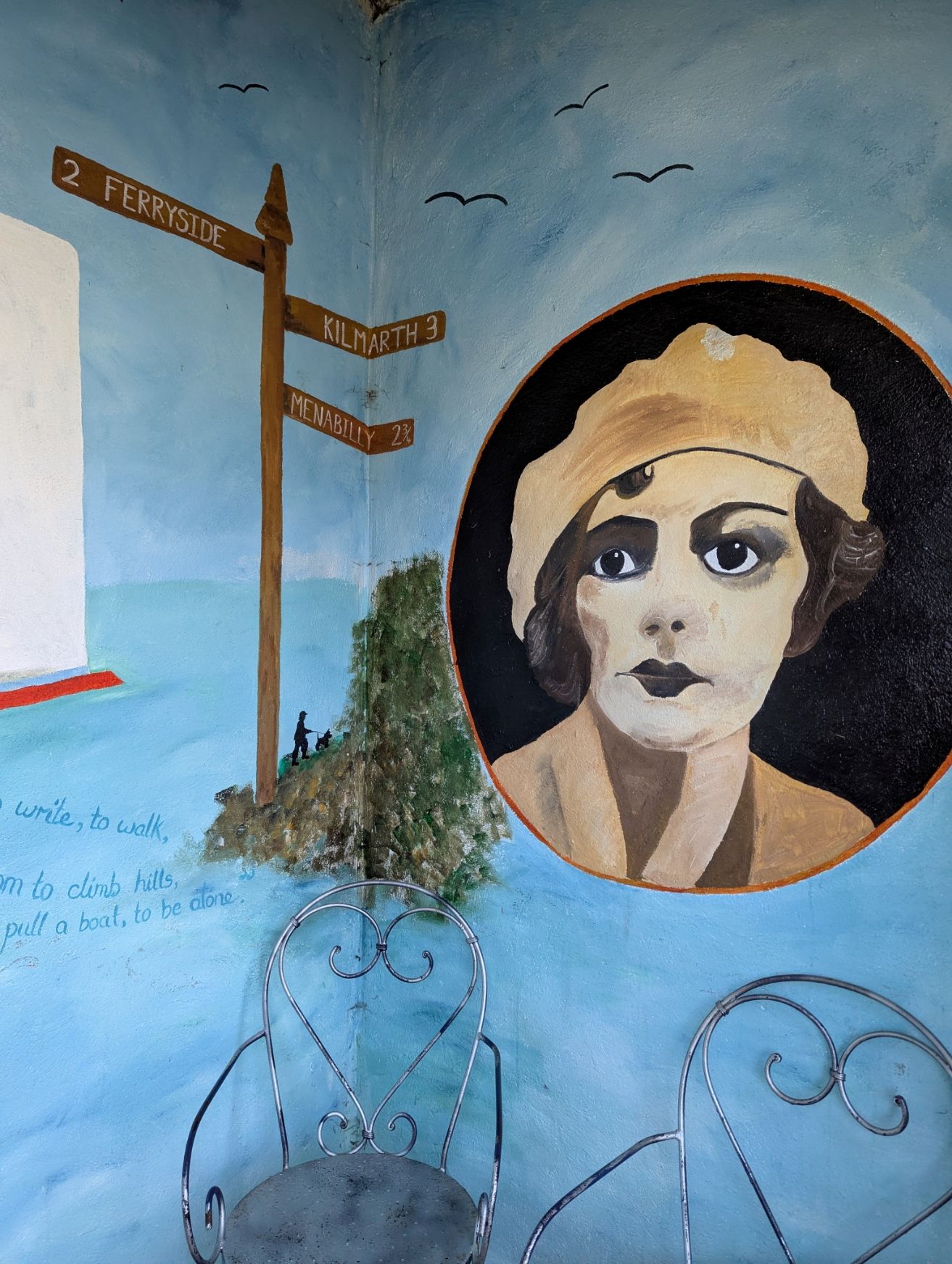
Daphne Du Maurier recognised at a Fowey bus stop…
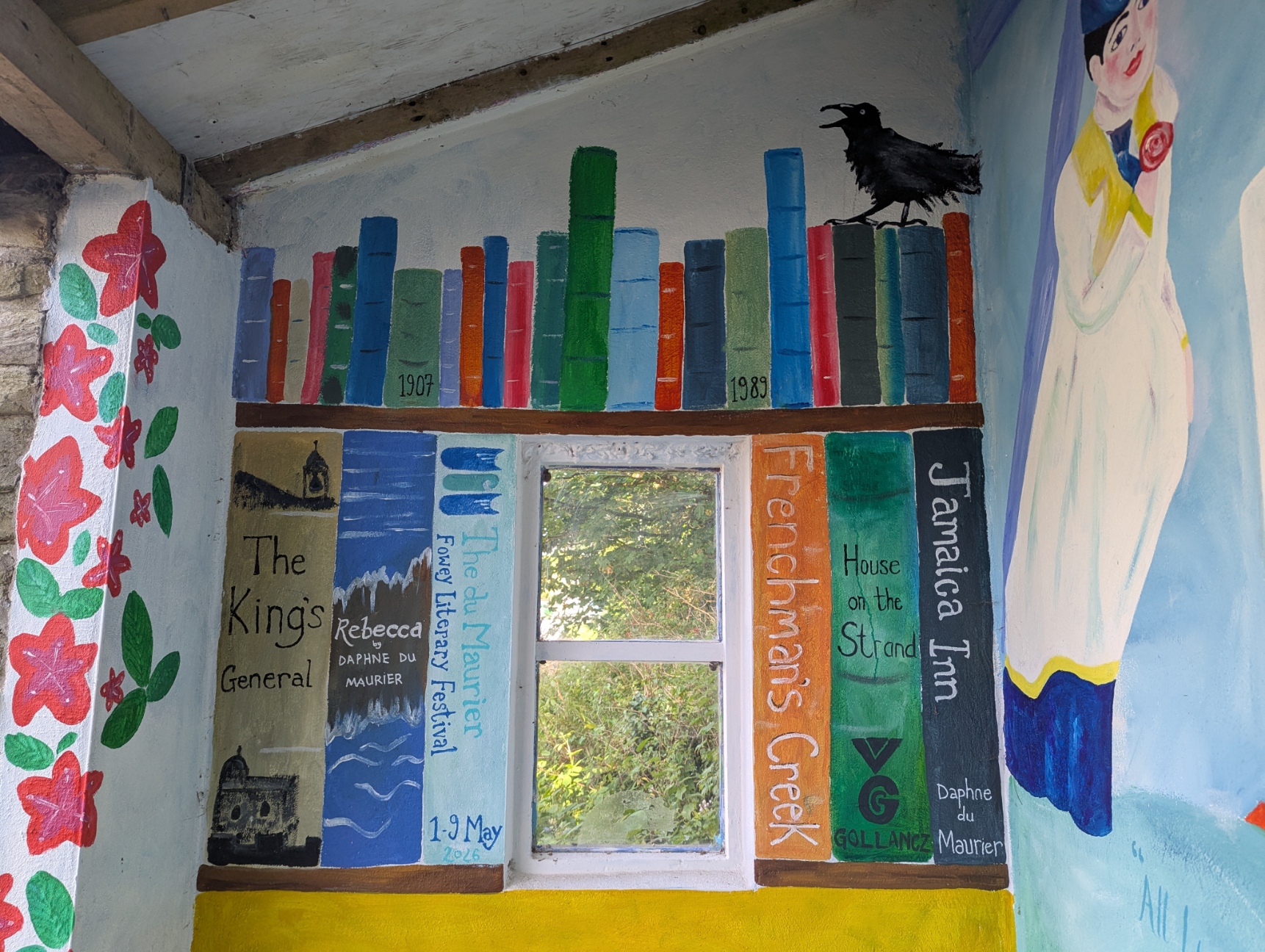
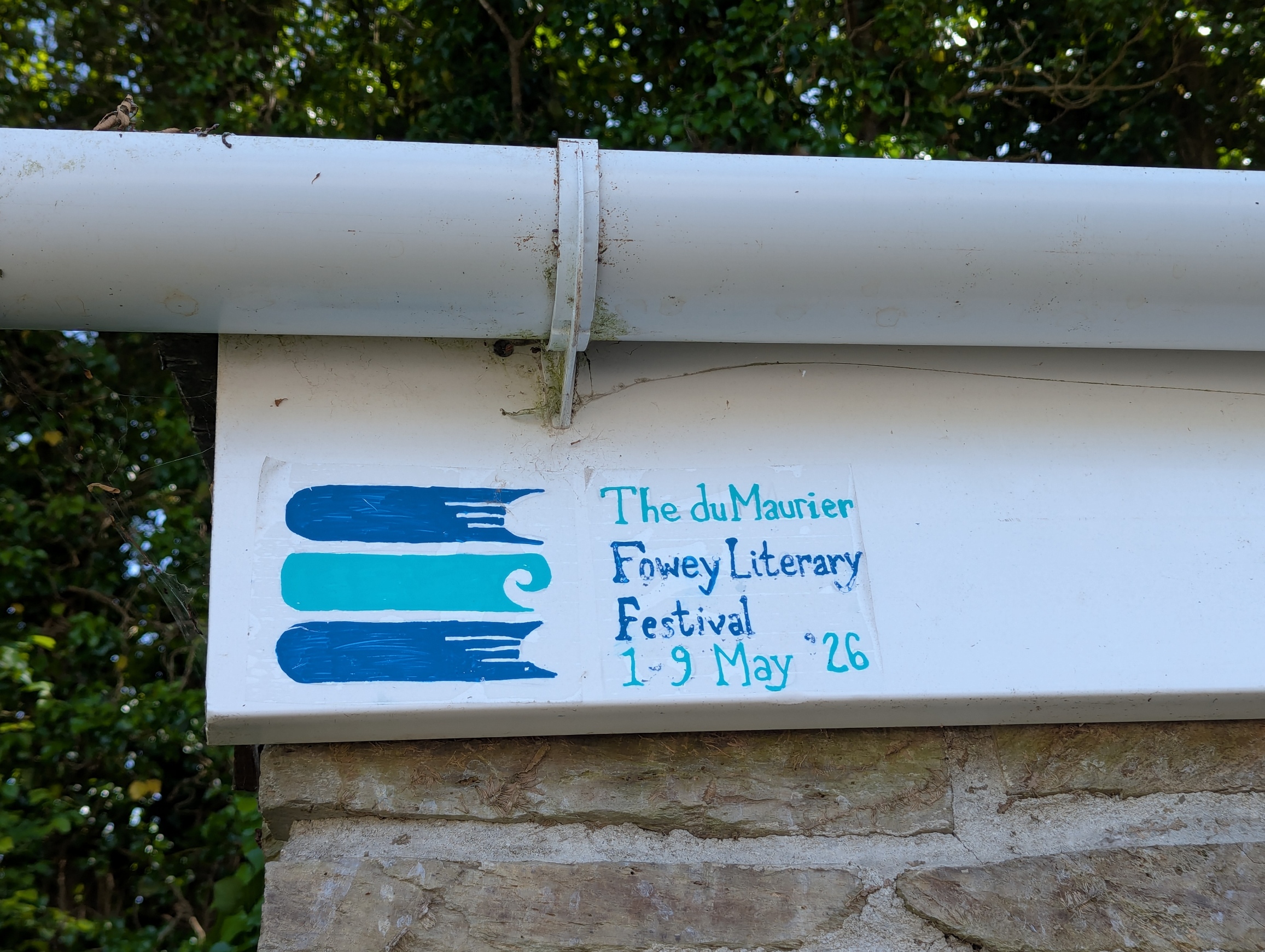

…and on a boat trip where her house, Ferryside, was pointed out.
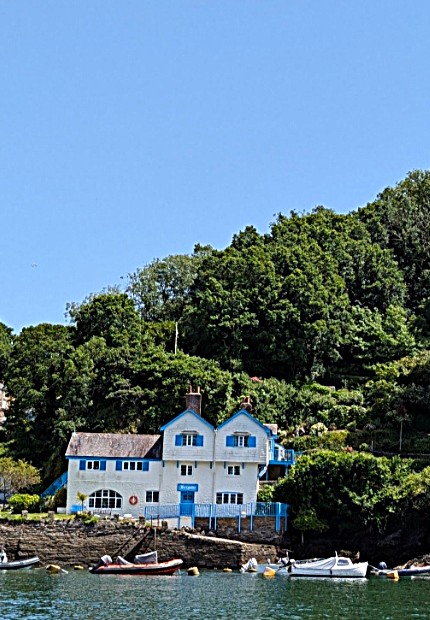
Fowey land and waterscapes, and a delicious meal before catching the town bus up the steep incline for our bus to return to Truro



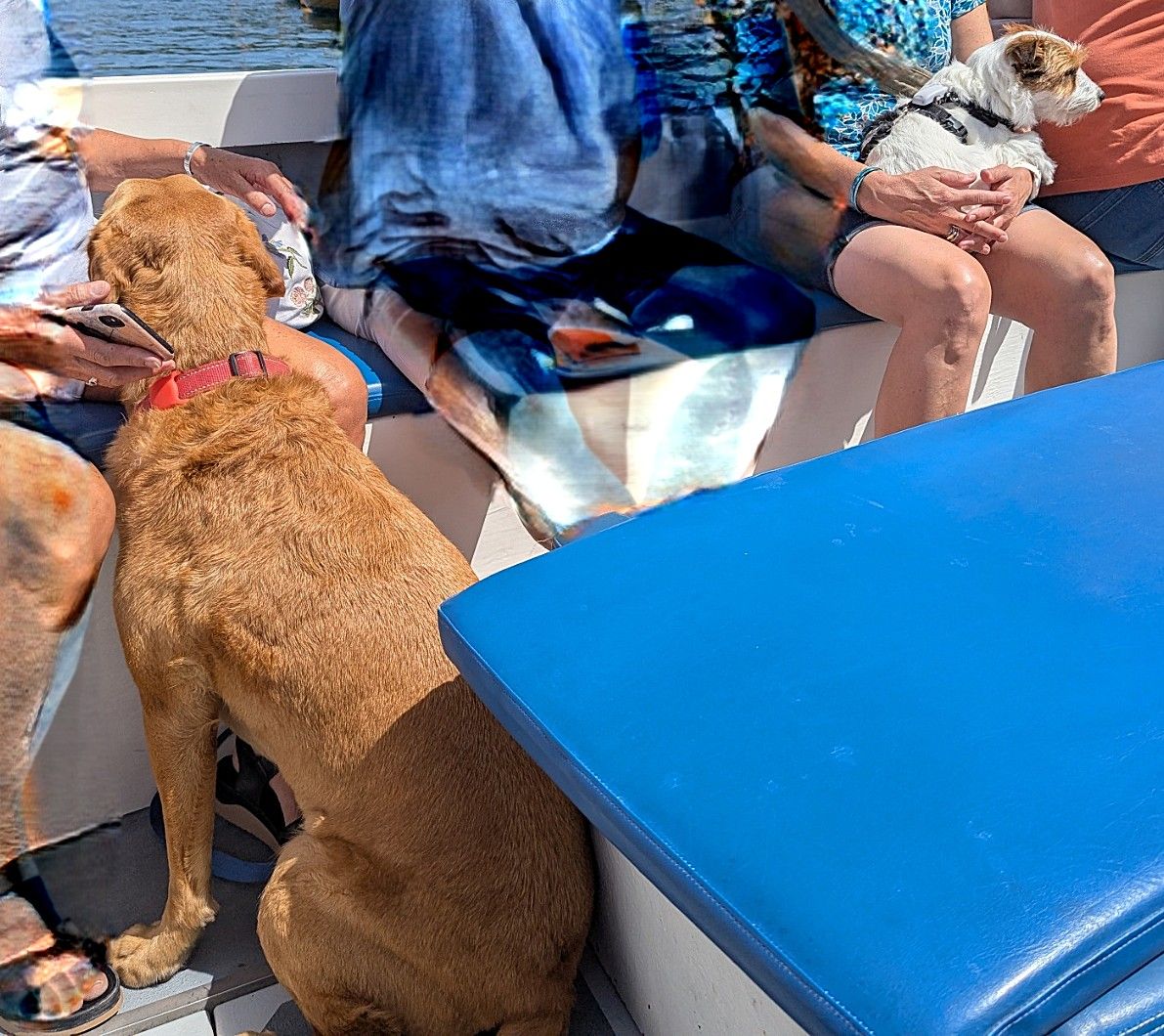
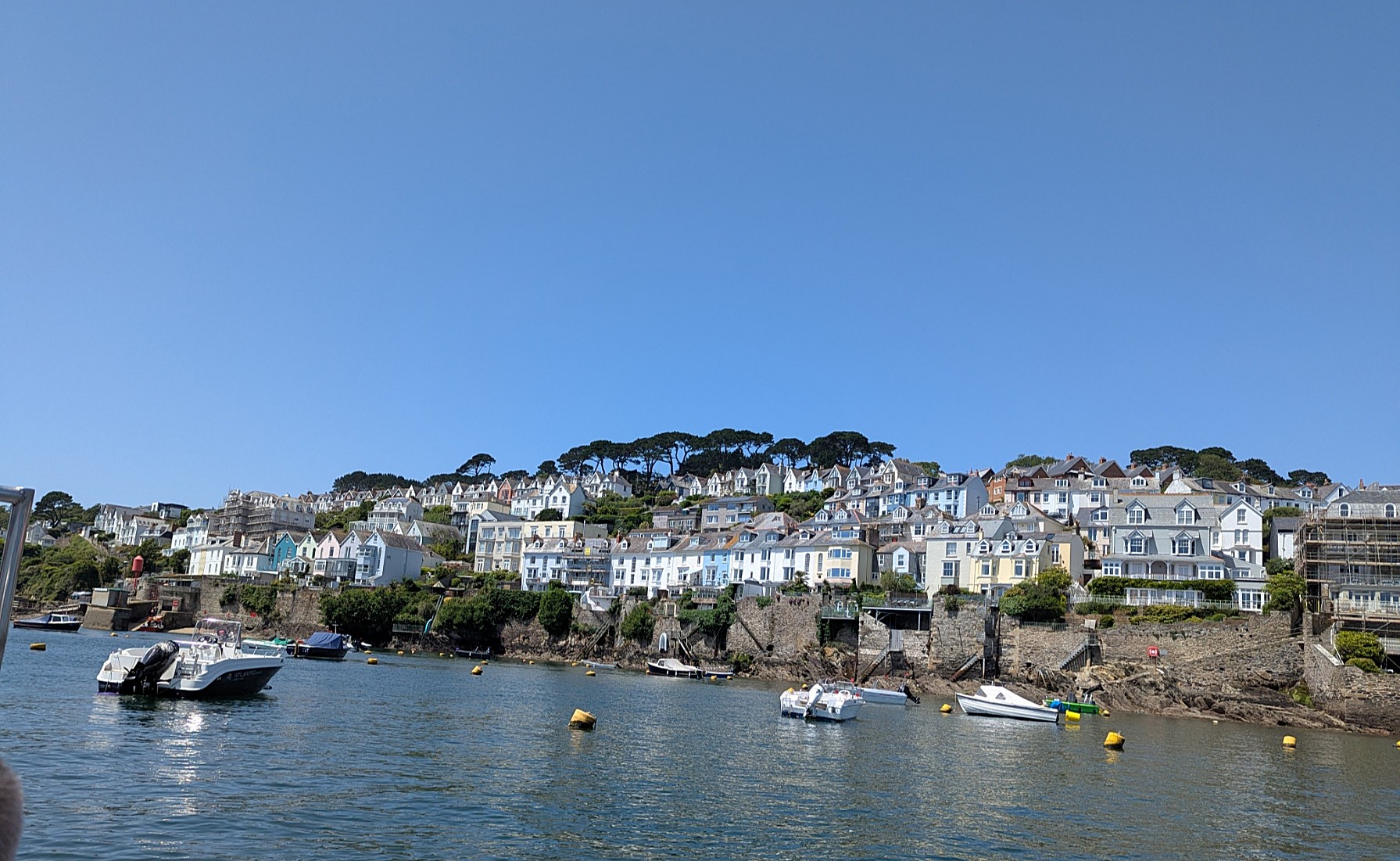





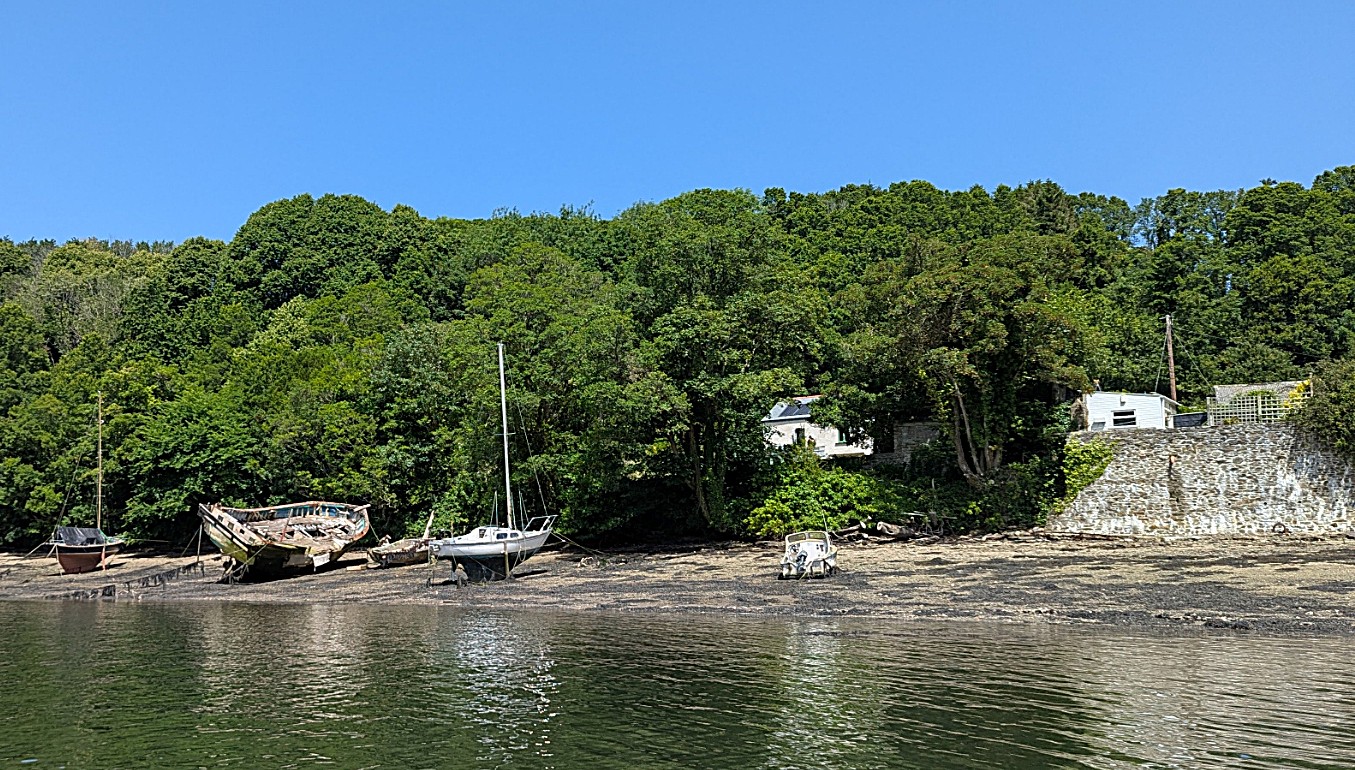

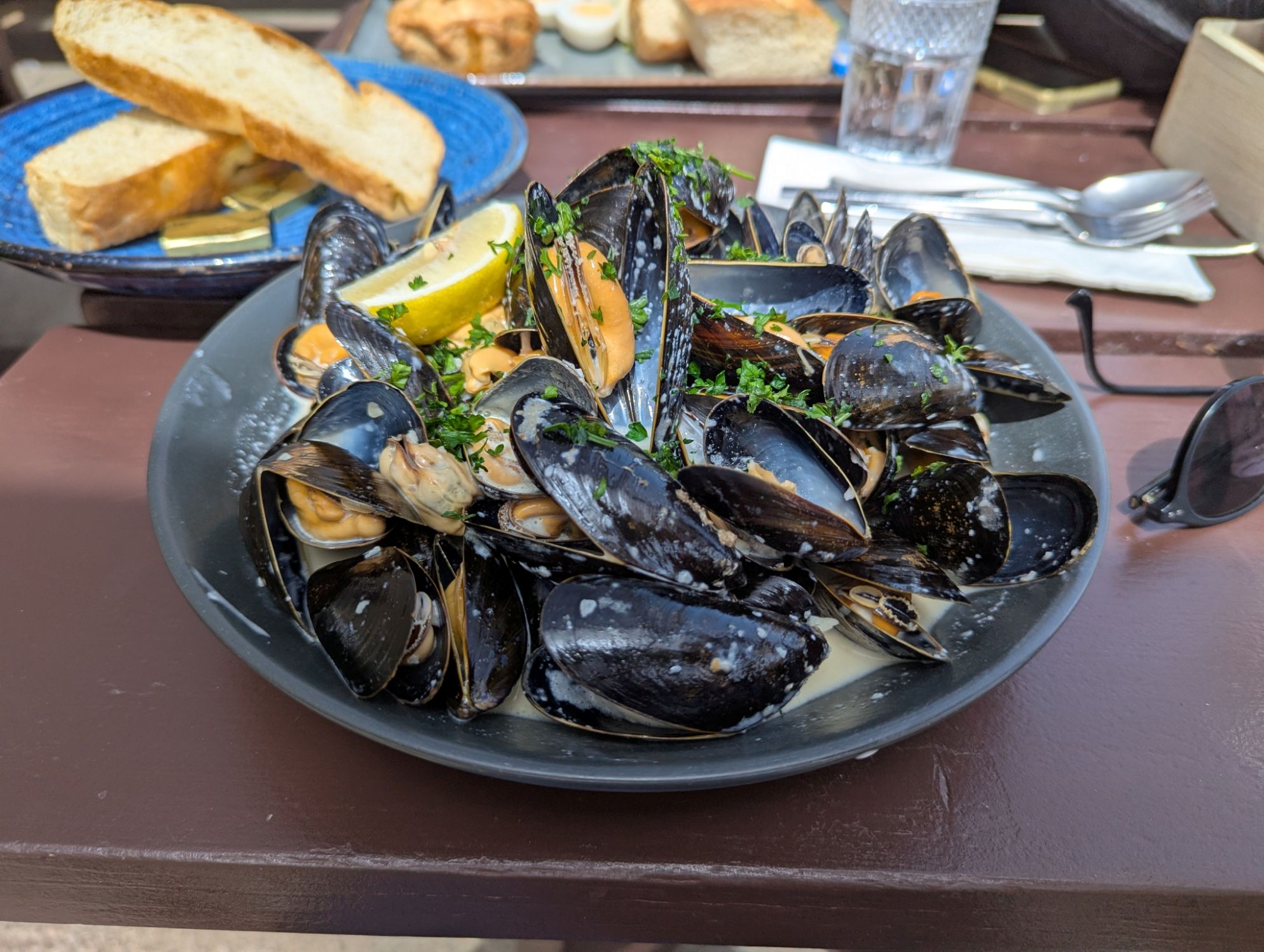
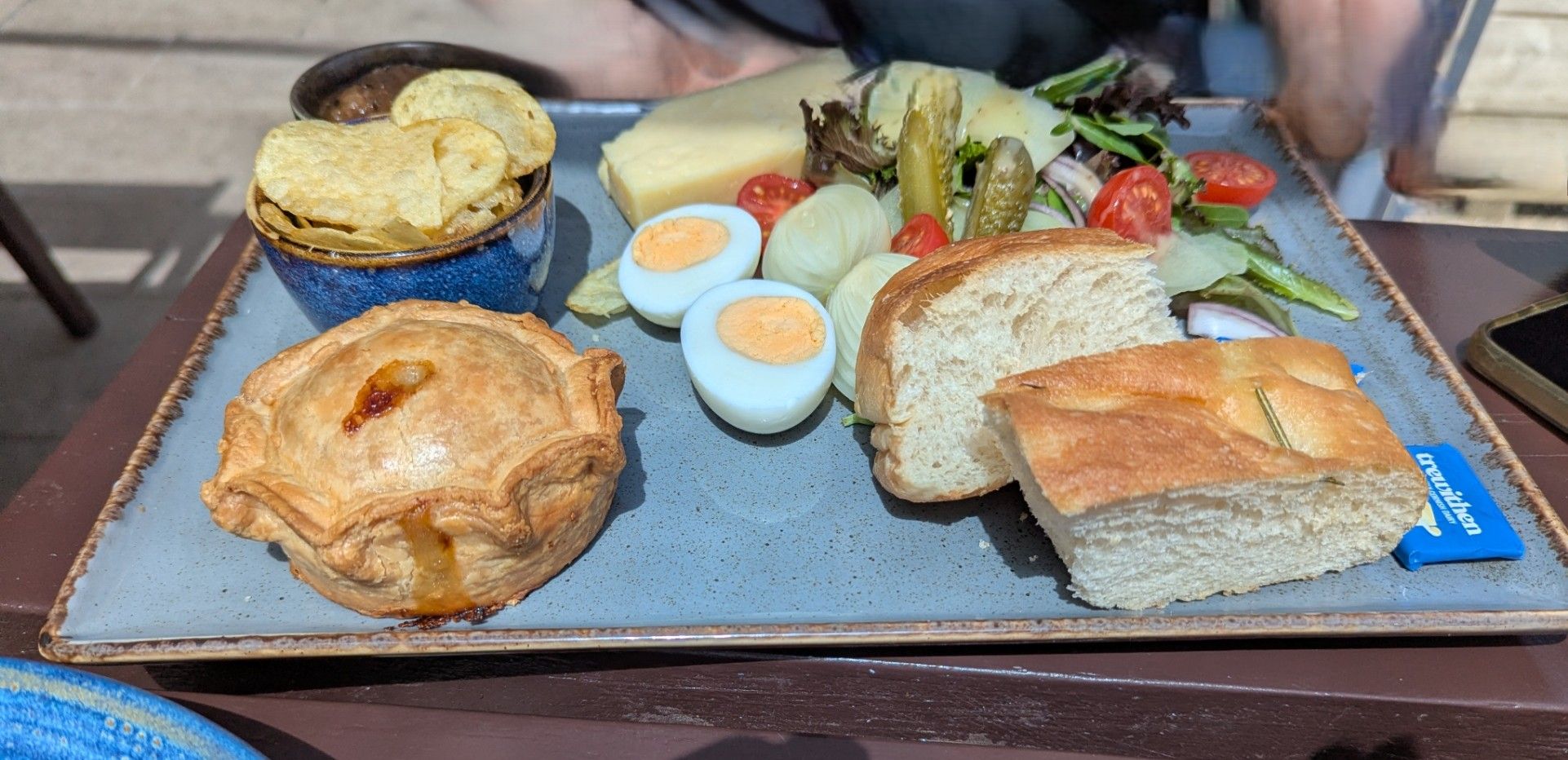
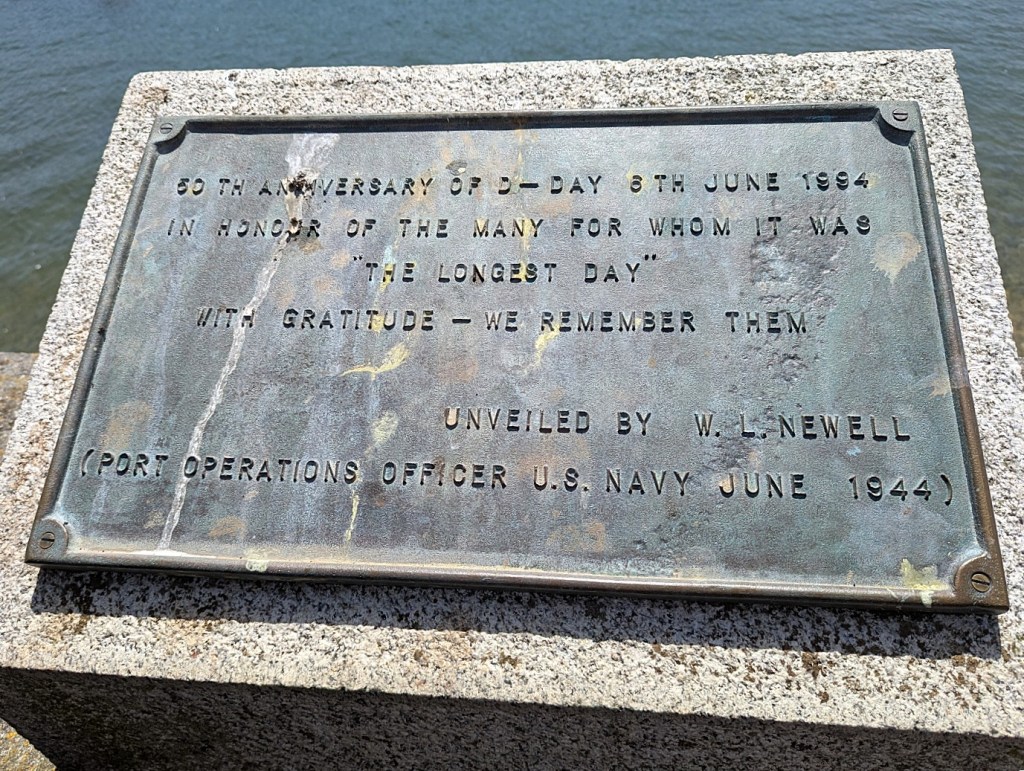
Another reminder of a book previously reviewed, was the D-day Plaque.
That was MB Henry’s All the Lights Above Us Alcove Press 2021.
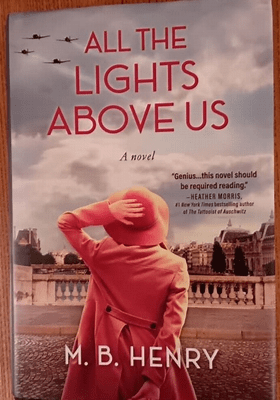
My first reaction to All the Lights Above Us was admiration for the cleverness with which M B Henry relates the political, personal, and military drama of June 5 to June 7, 1944. The narrative follows the events of the day before and following D Day in their horrors, passion, courage, foolishness, treachery, and self-deception through the experiences of five women. Flora, Adelaide, and Emilia are in Caen, France; Mildred in Berlin, Germany; and Theda in Portsmouth, England. Their stories are largely independent of each other, although Flora’s and Emilia’s stories converge in the last hours of the invasion of France by the Allies. This coming together is another intelligent device, not only providing a conclusion to Flora’s story, but adding to the characterisation of Emilia. Each woman’s story is told in short, but strong chapters, evoking their past, developing characterisation, and moving the story forward. This story is full of event, emotion, and social commentary, its impact makes it seem as though we have been with the women for far longer. As I stated at the beginning – so clever. See Books Reviews 2026,
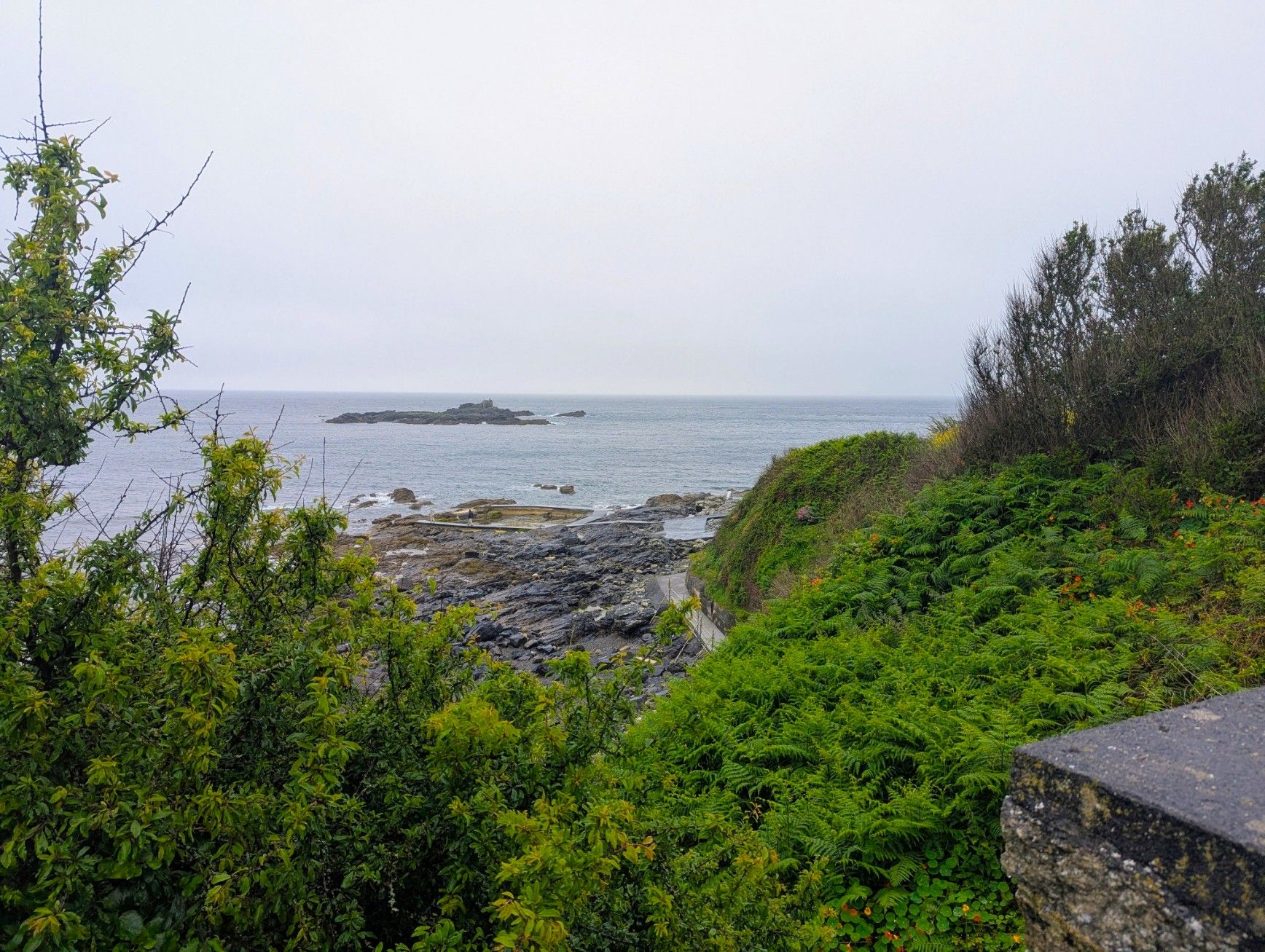
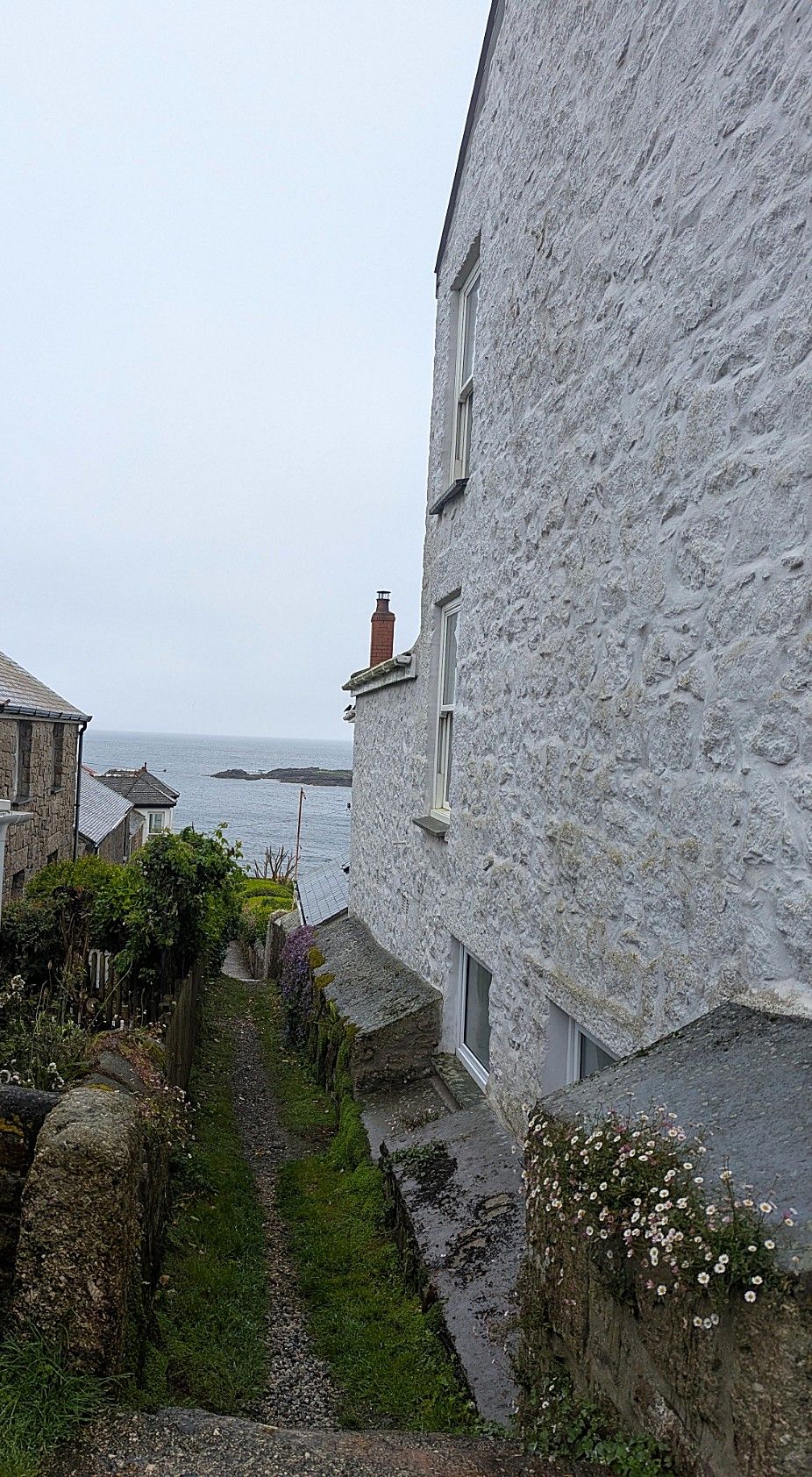
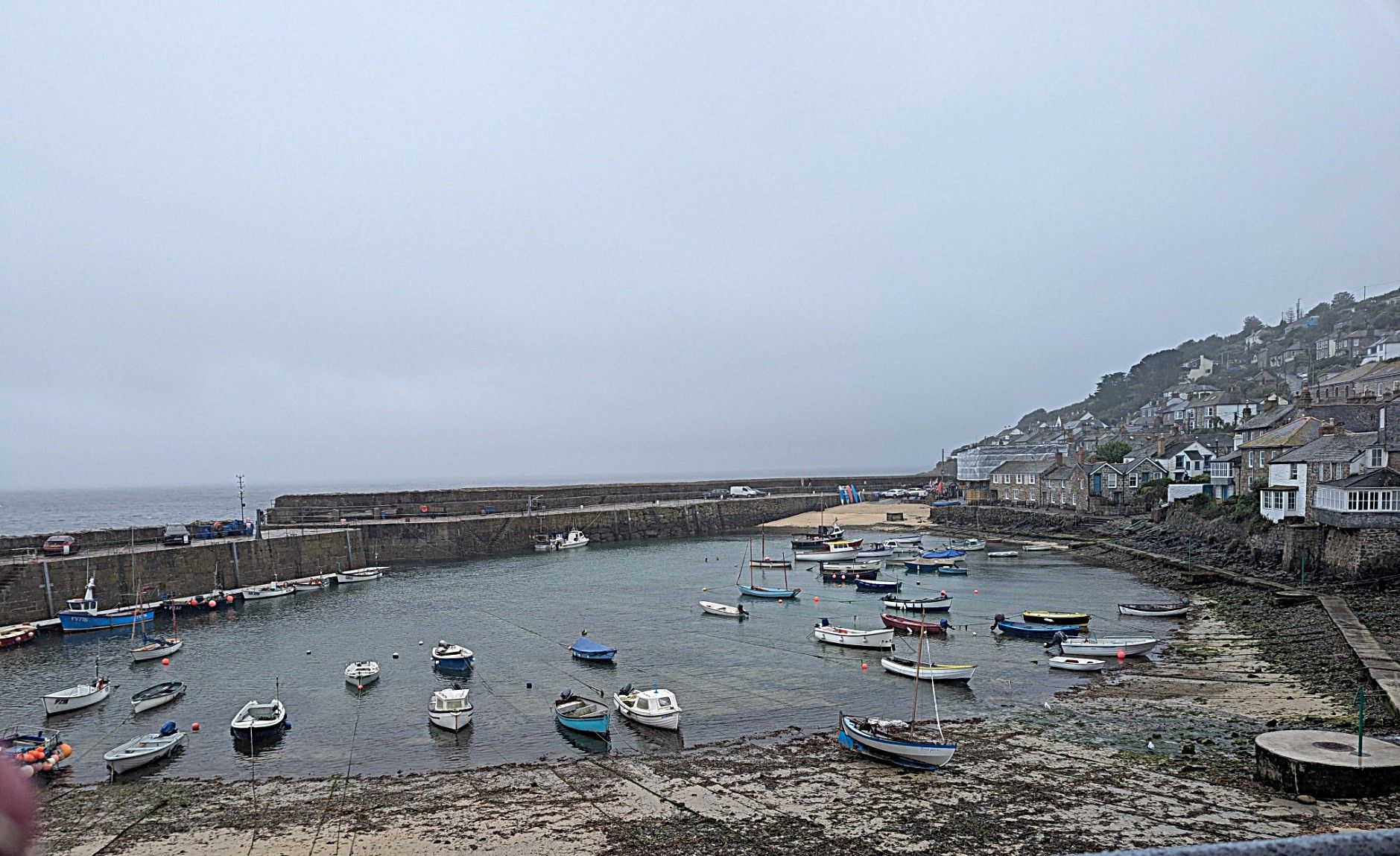
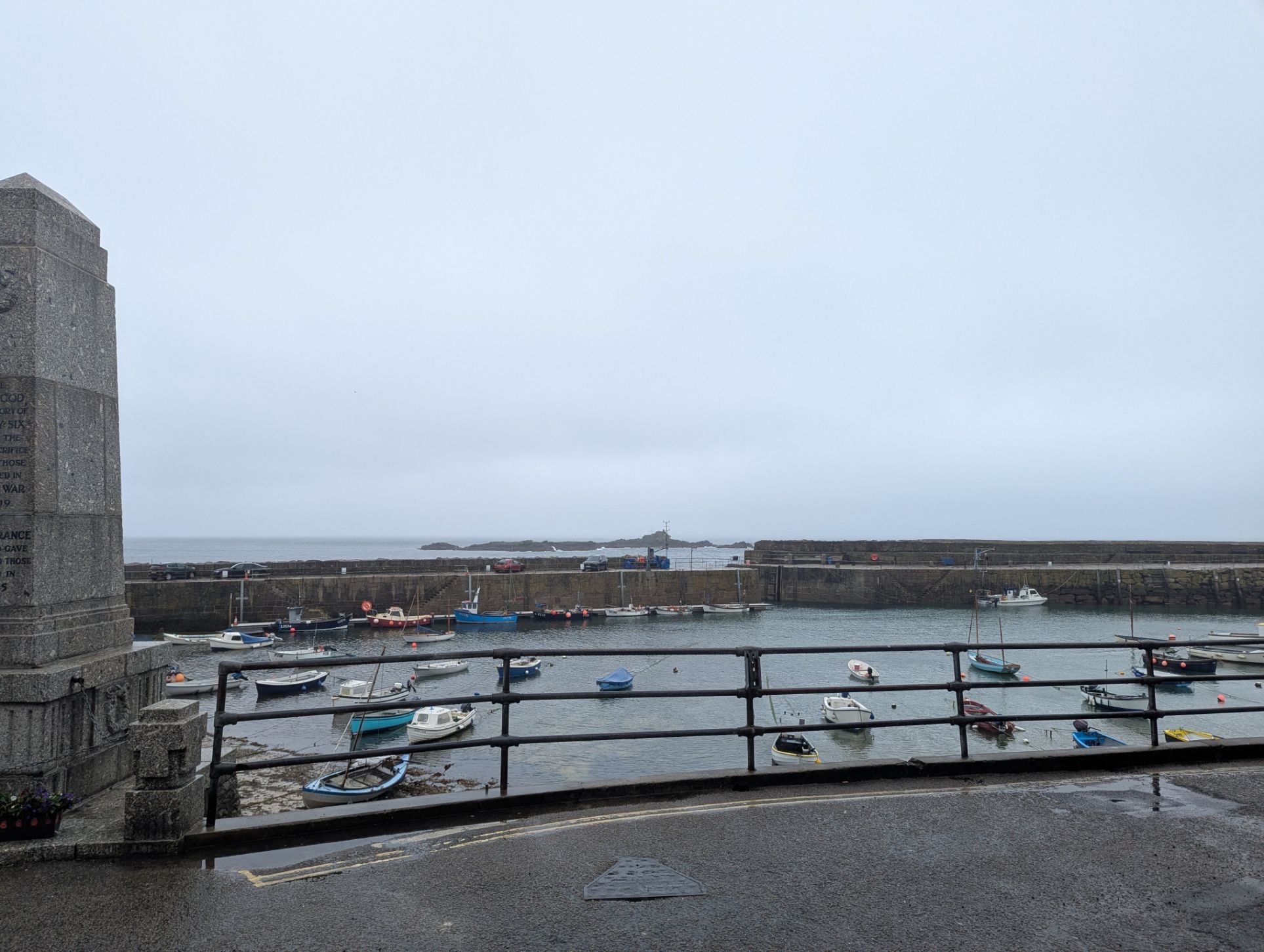
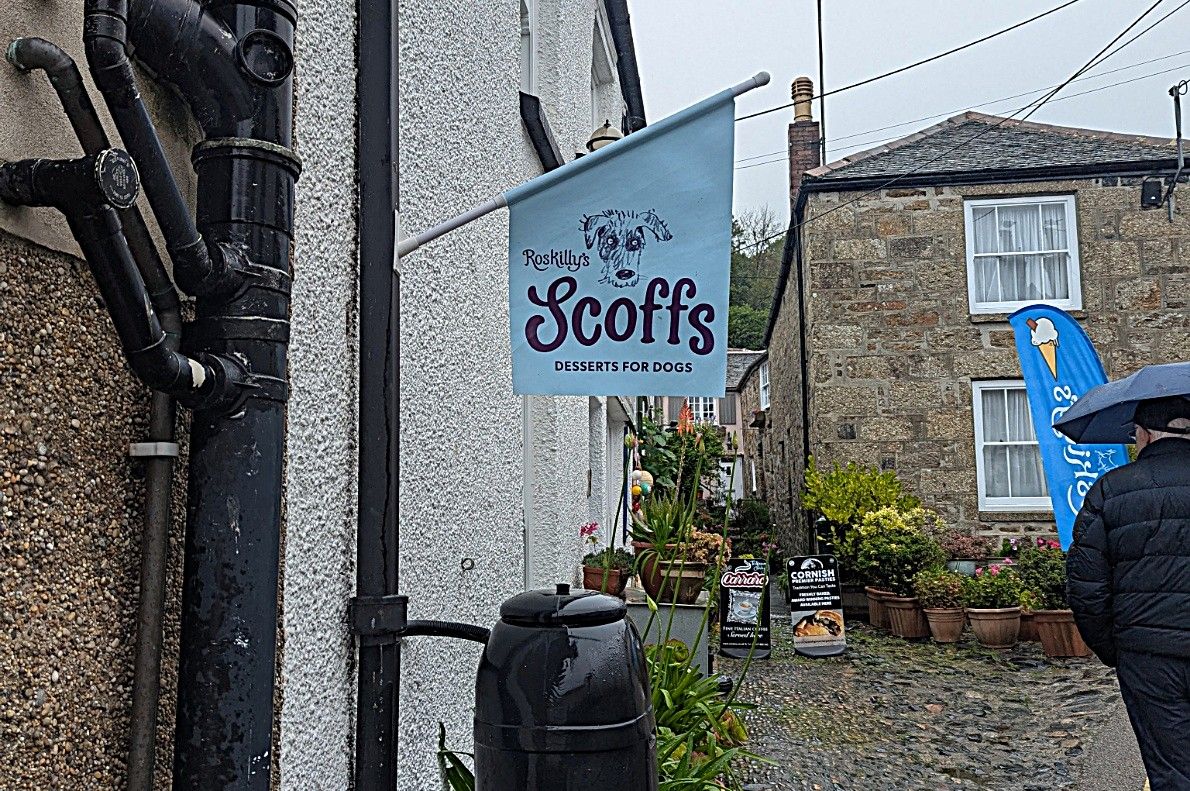
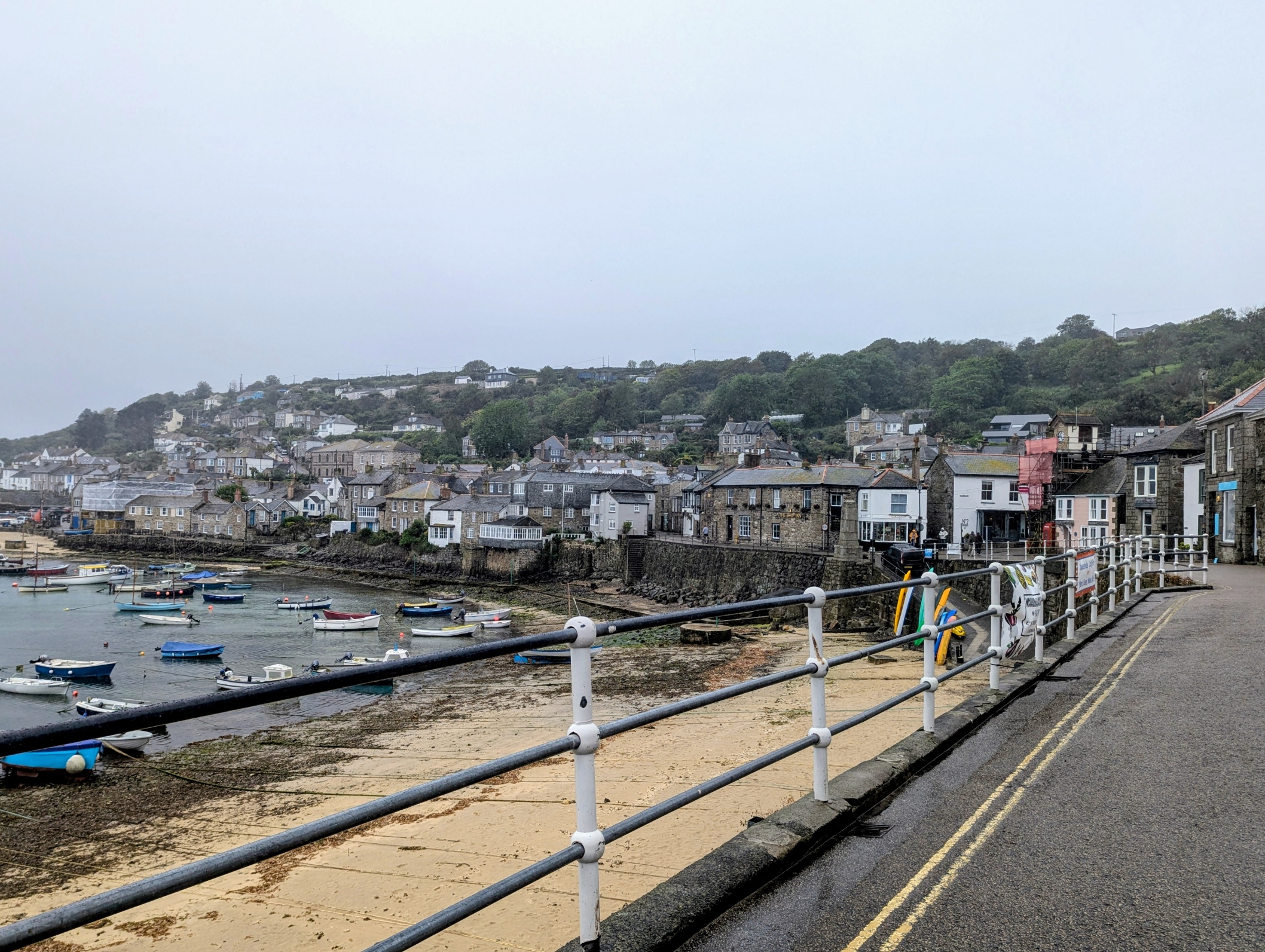
Mousehole in the rain
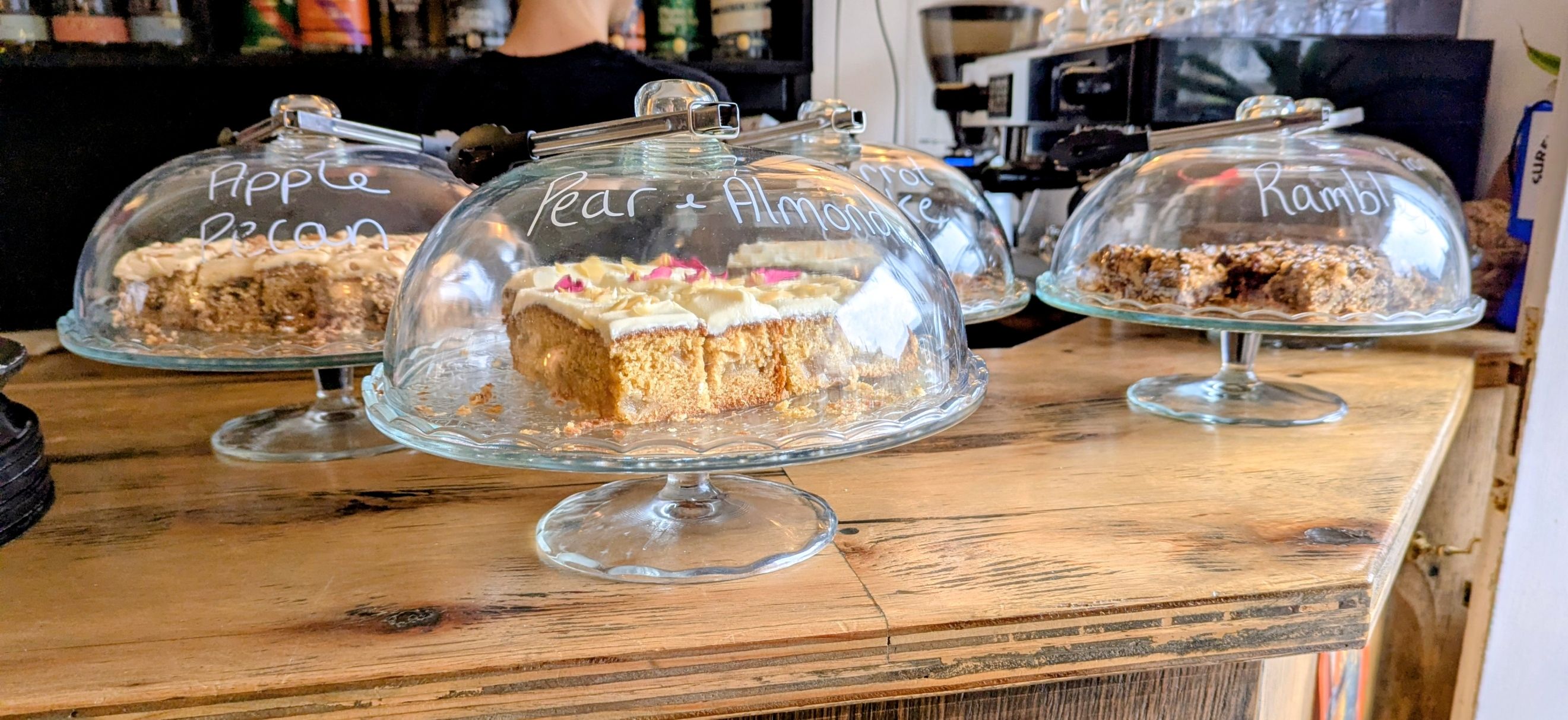
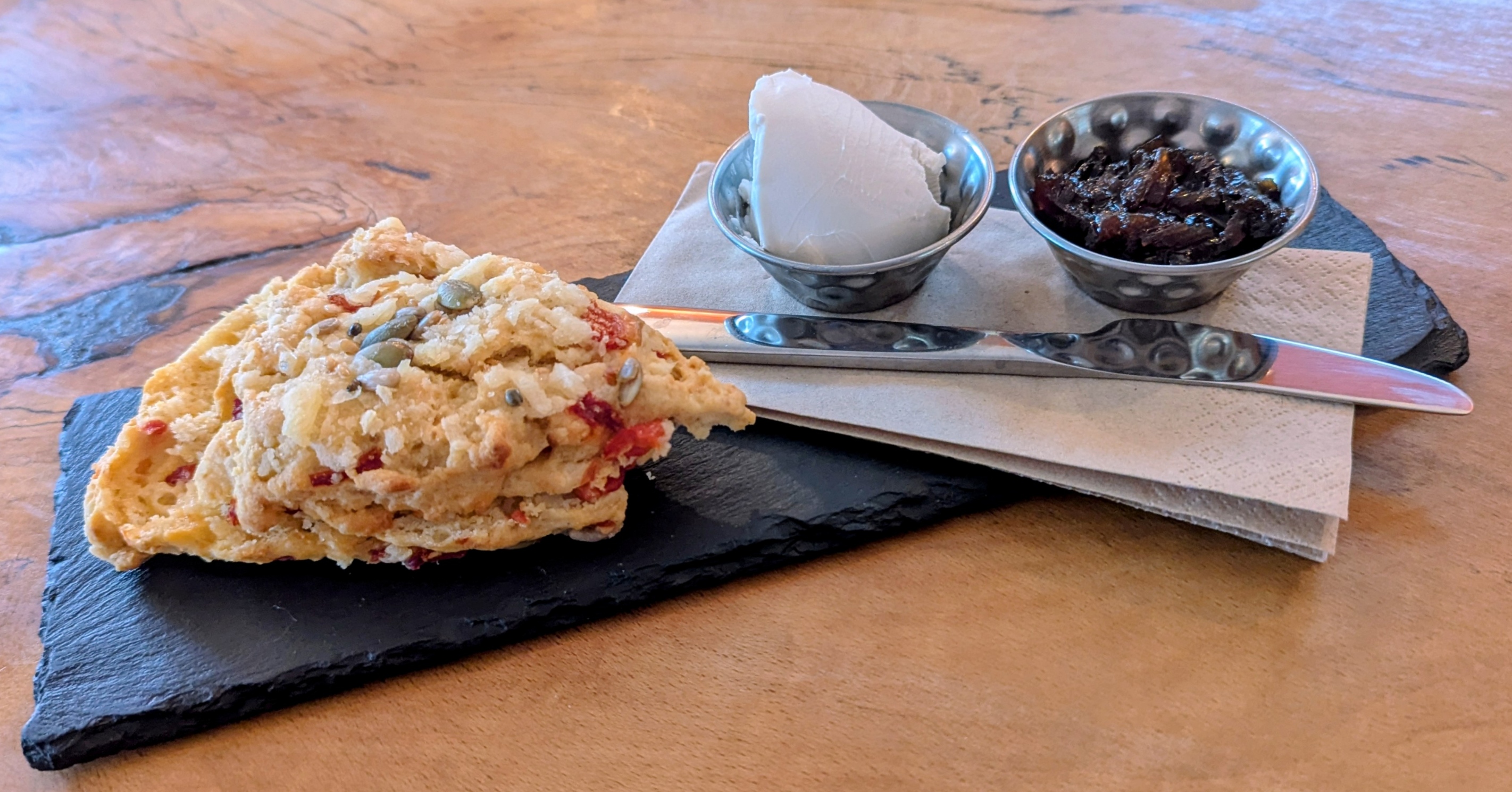
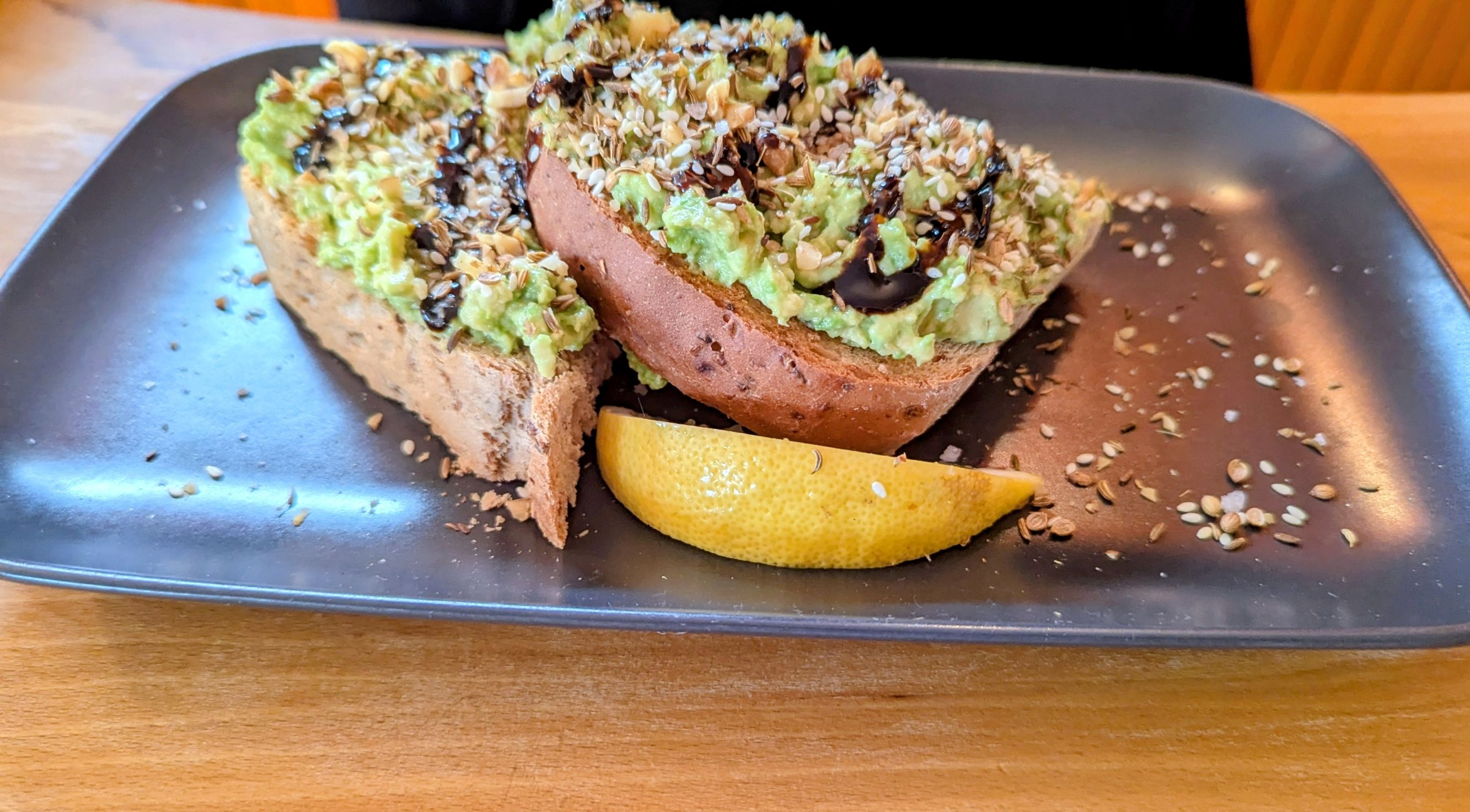
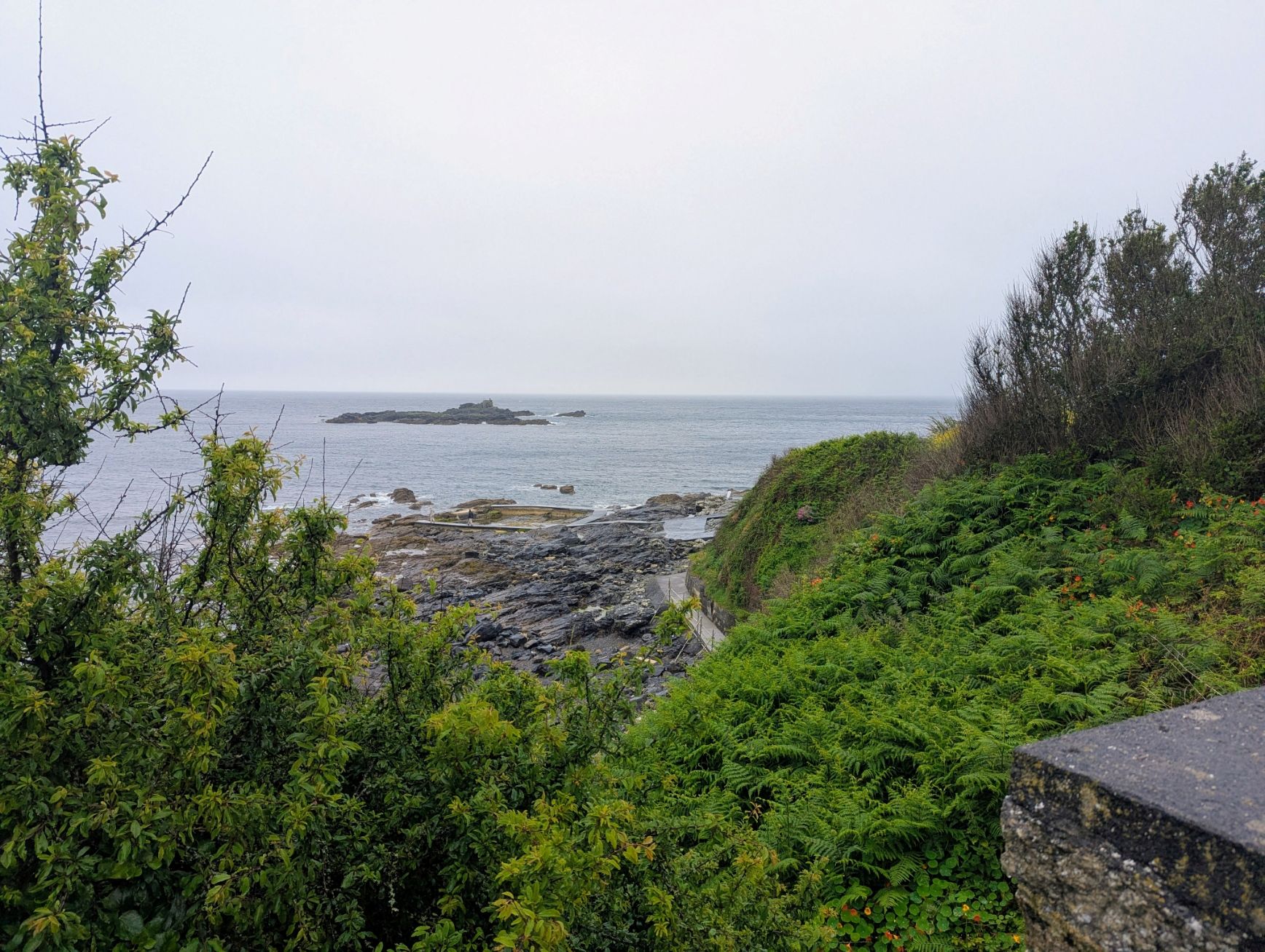
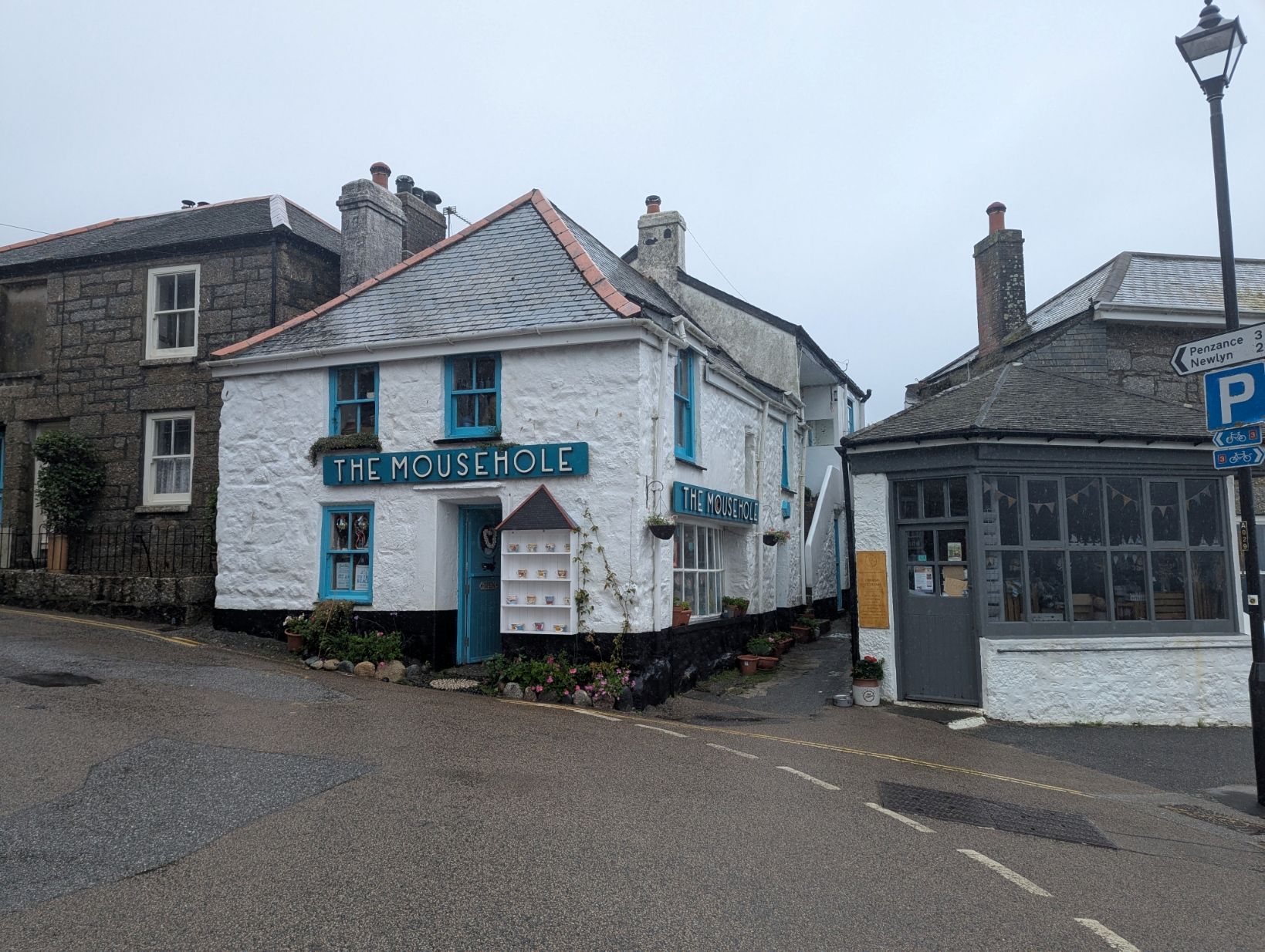
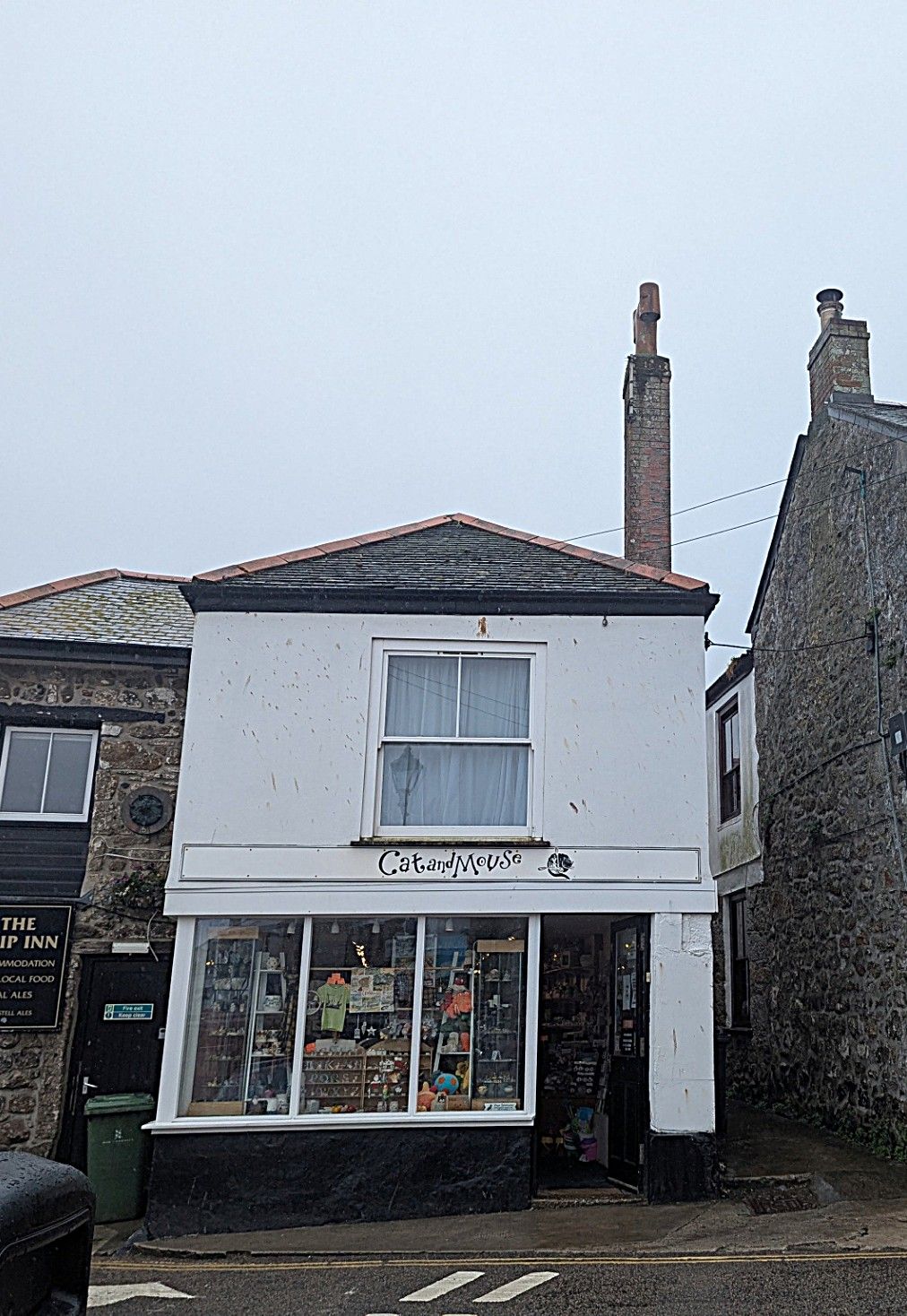
Mousehole, which we visited in the rain was wonderful, despite no reminders of novels, the rain, and the steep inclines. Breakfast made a good start! A savoury scone, with butter and chutney, and a generous serving of avocado toast , served with coffee made with oat milk gave us the energy for all those steep inclines. It is interesting to note, that although Mousehole is not pronounced as it reads, there are various shops that cater to the play on words it provides.
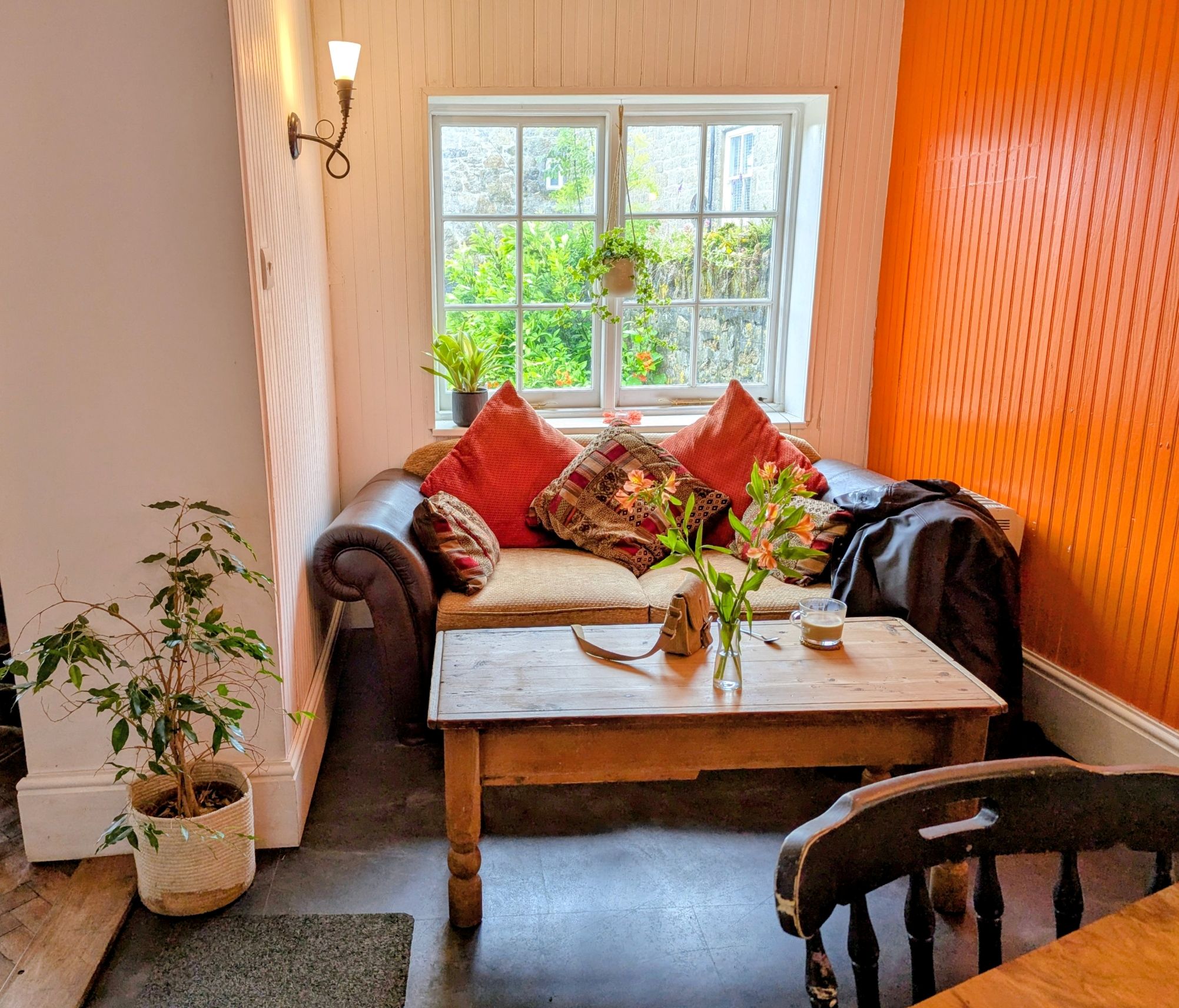
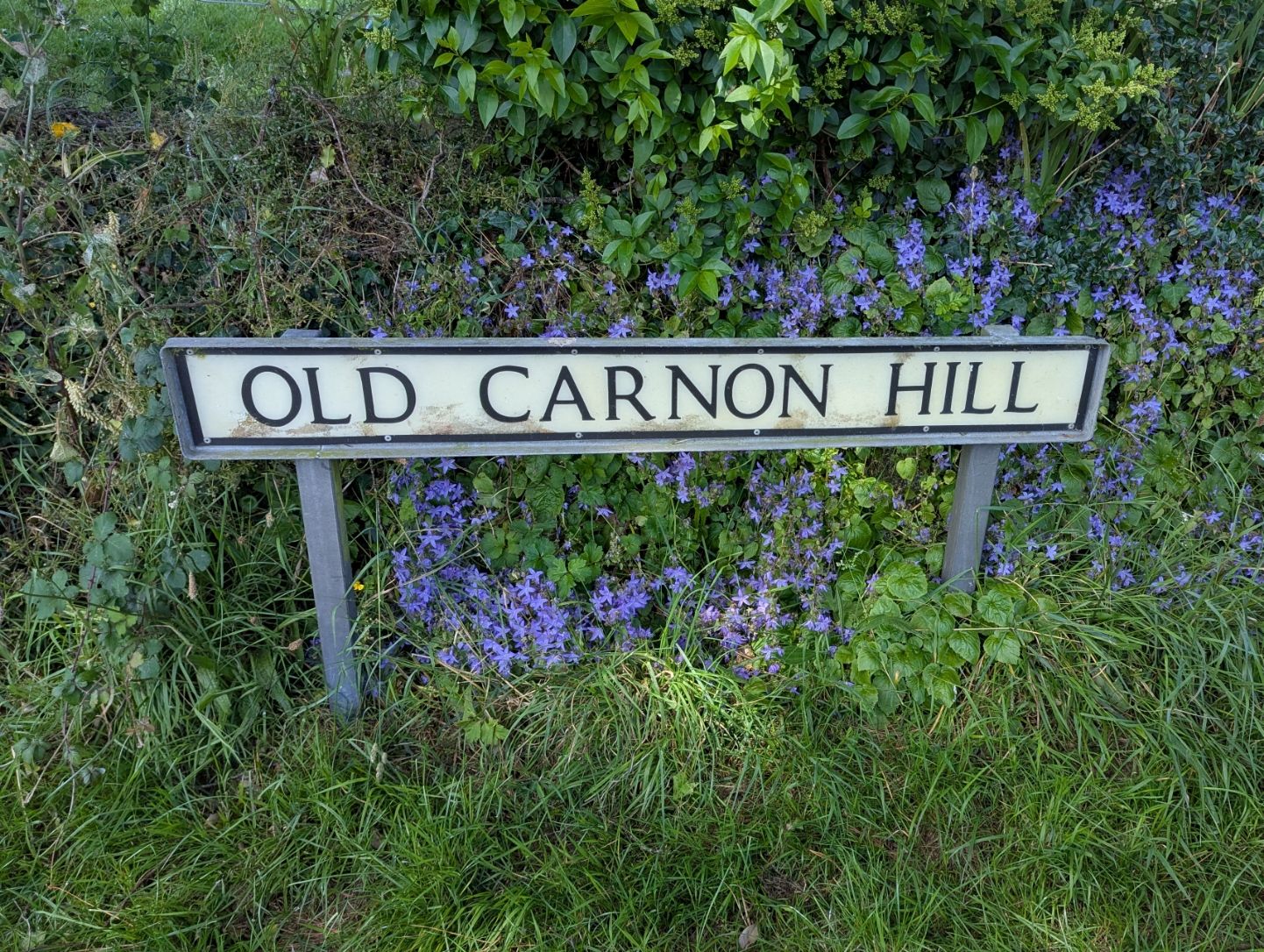
A walk on Old Carnon Hill to the Garden Centre for Lunch
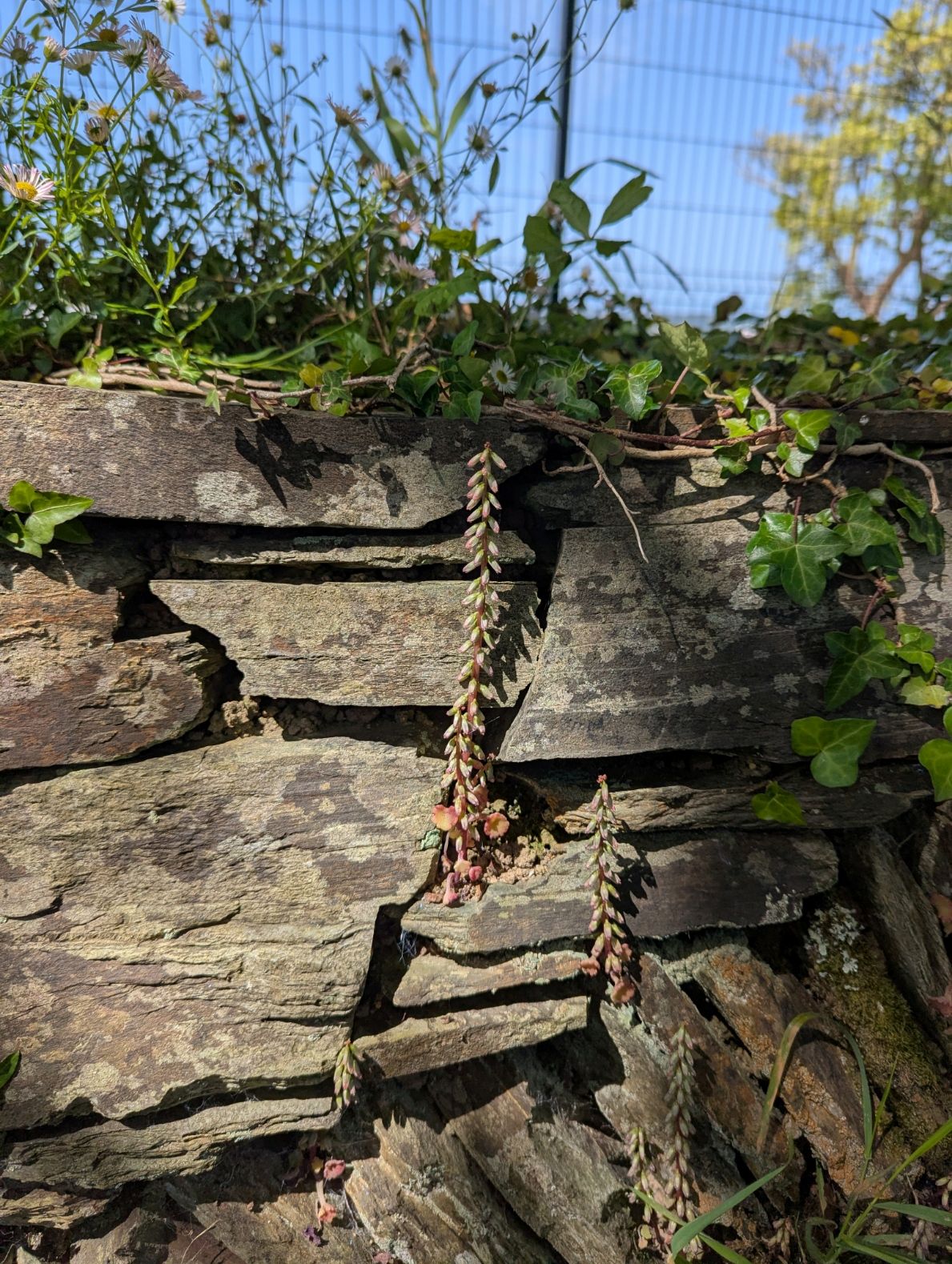
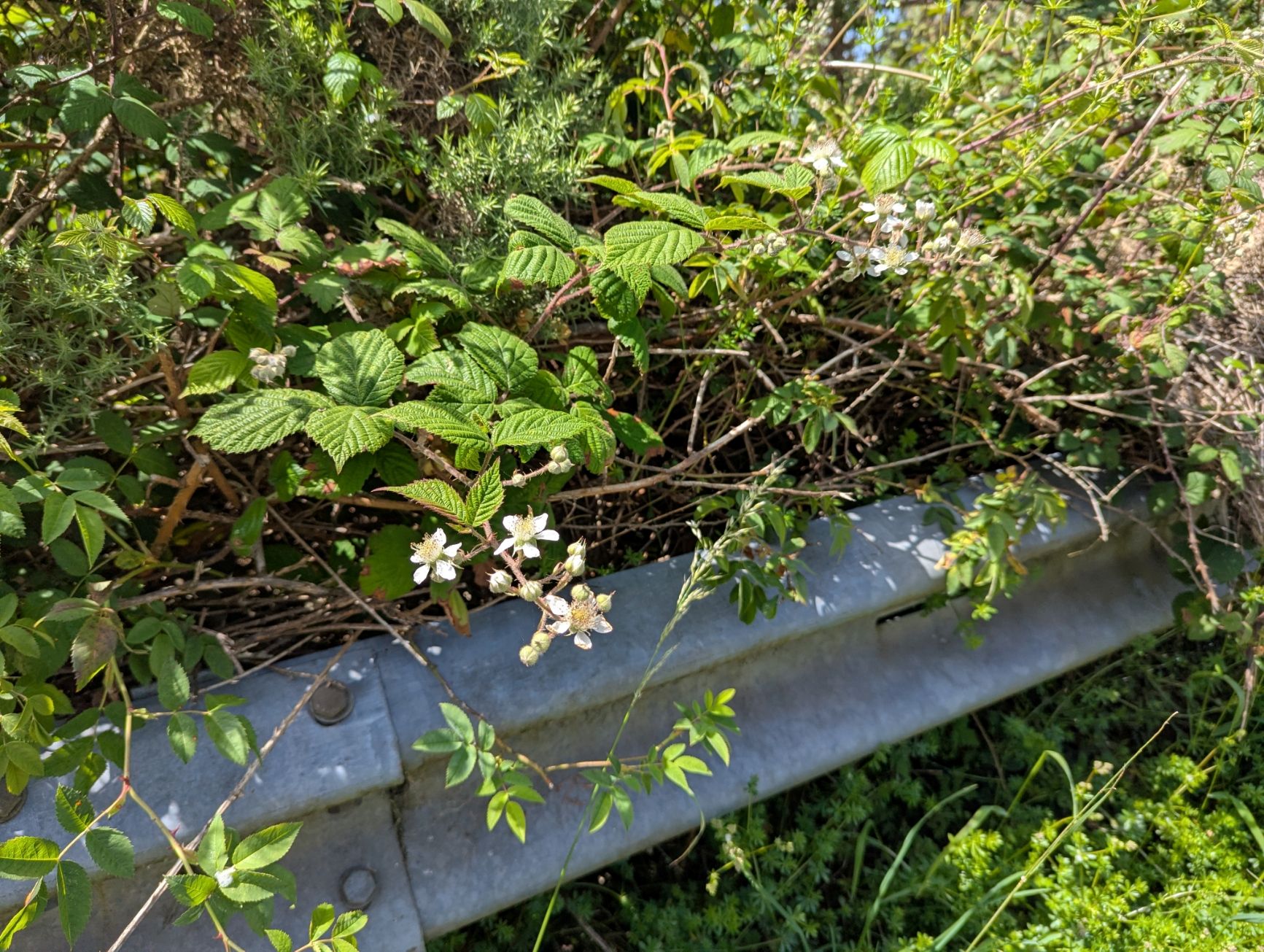
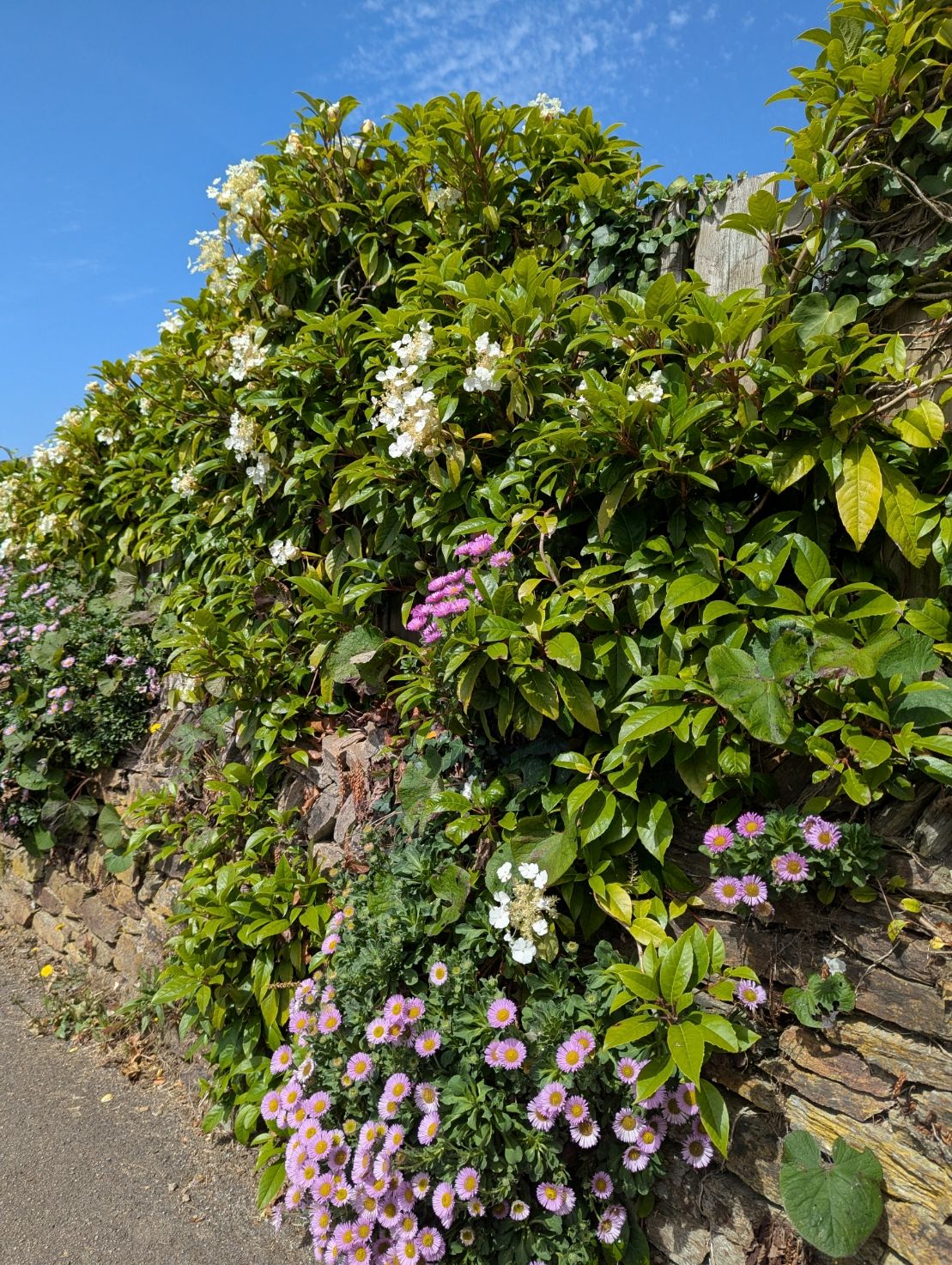
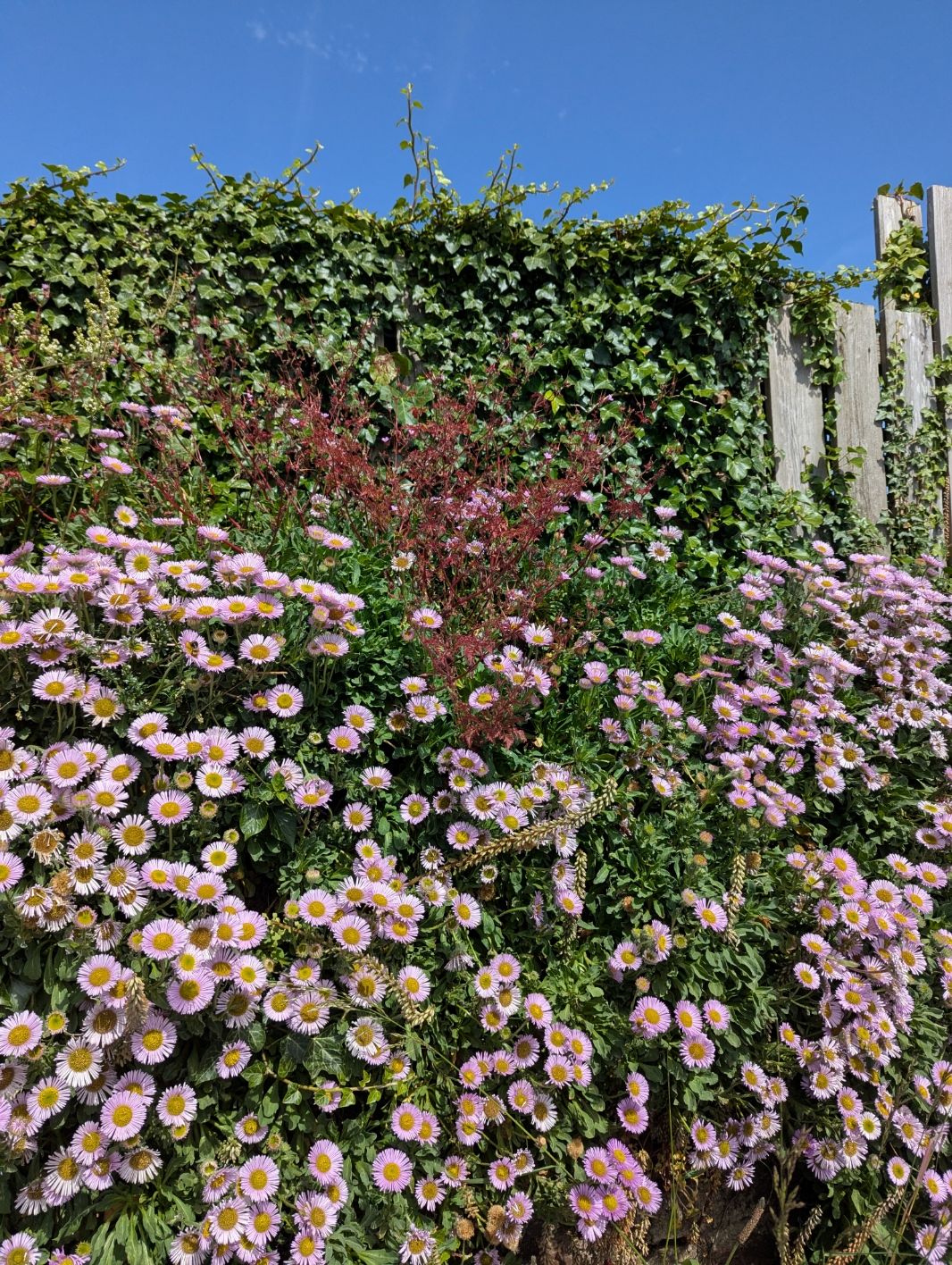
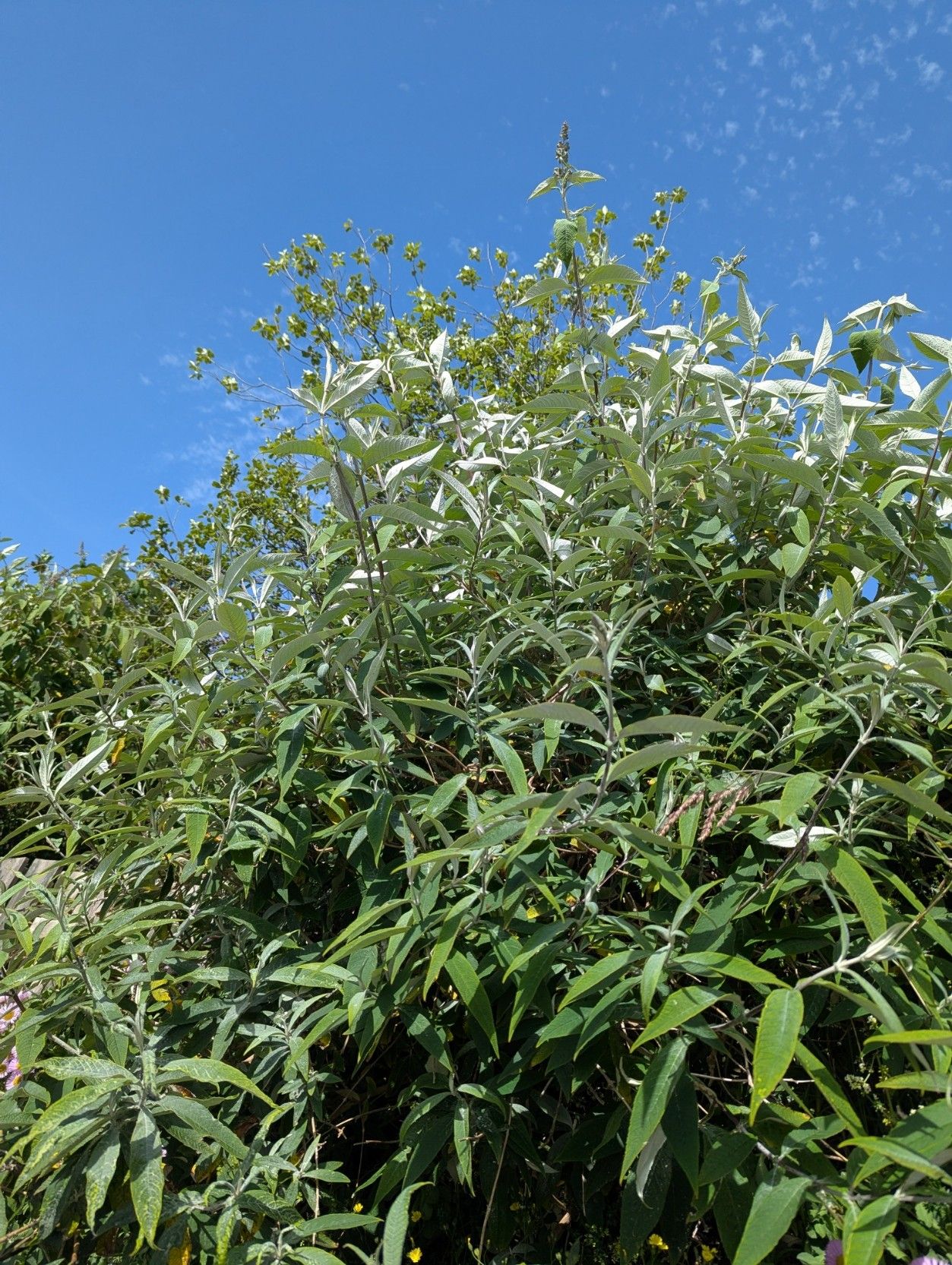
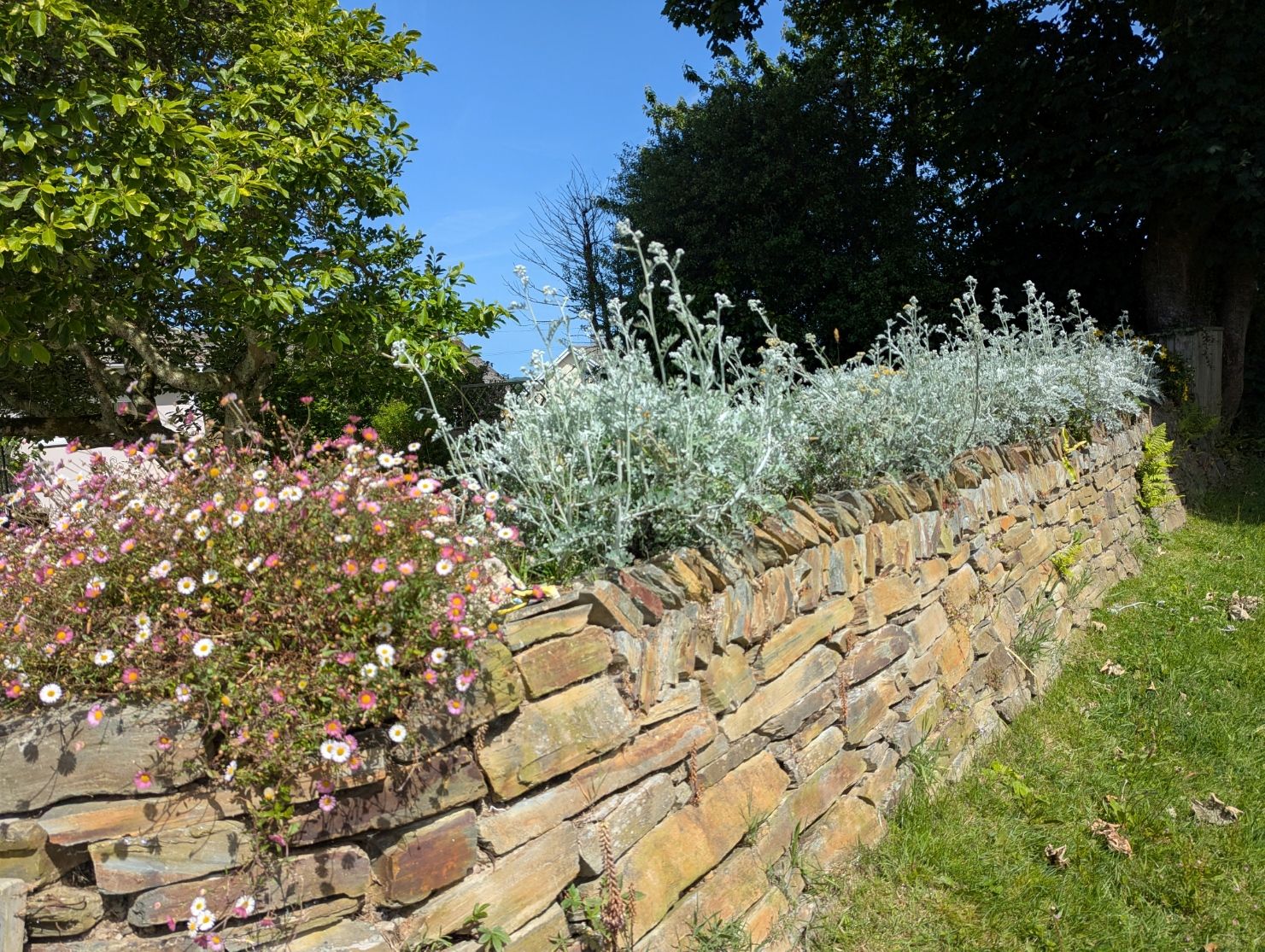
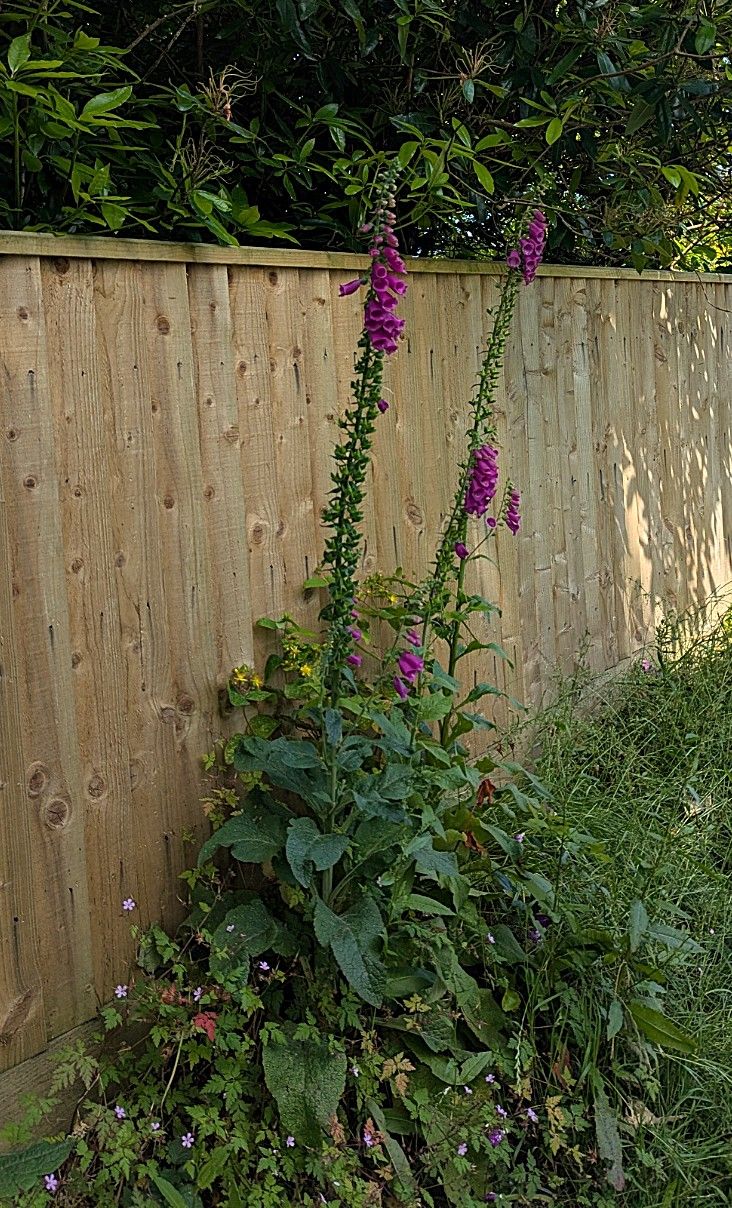
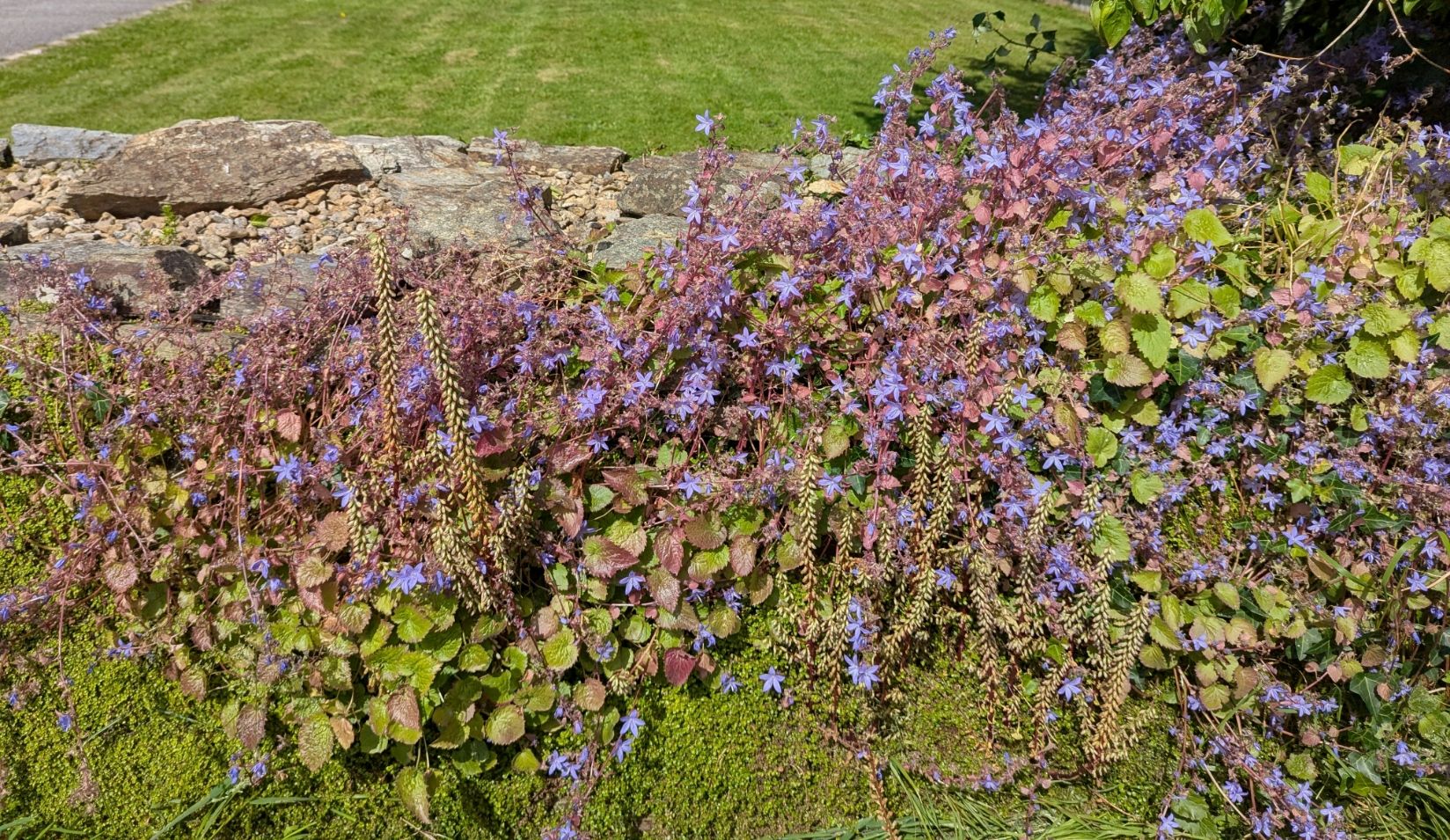
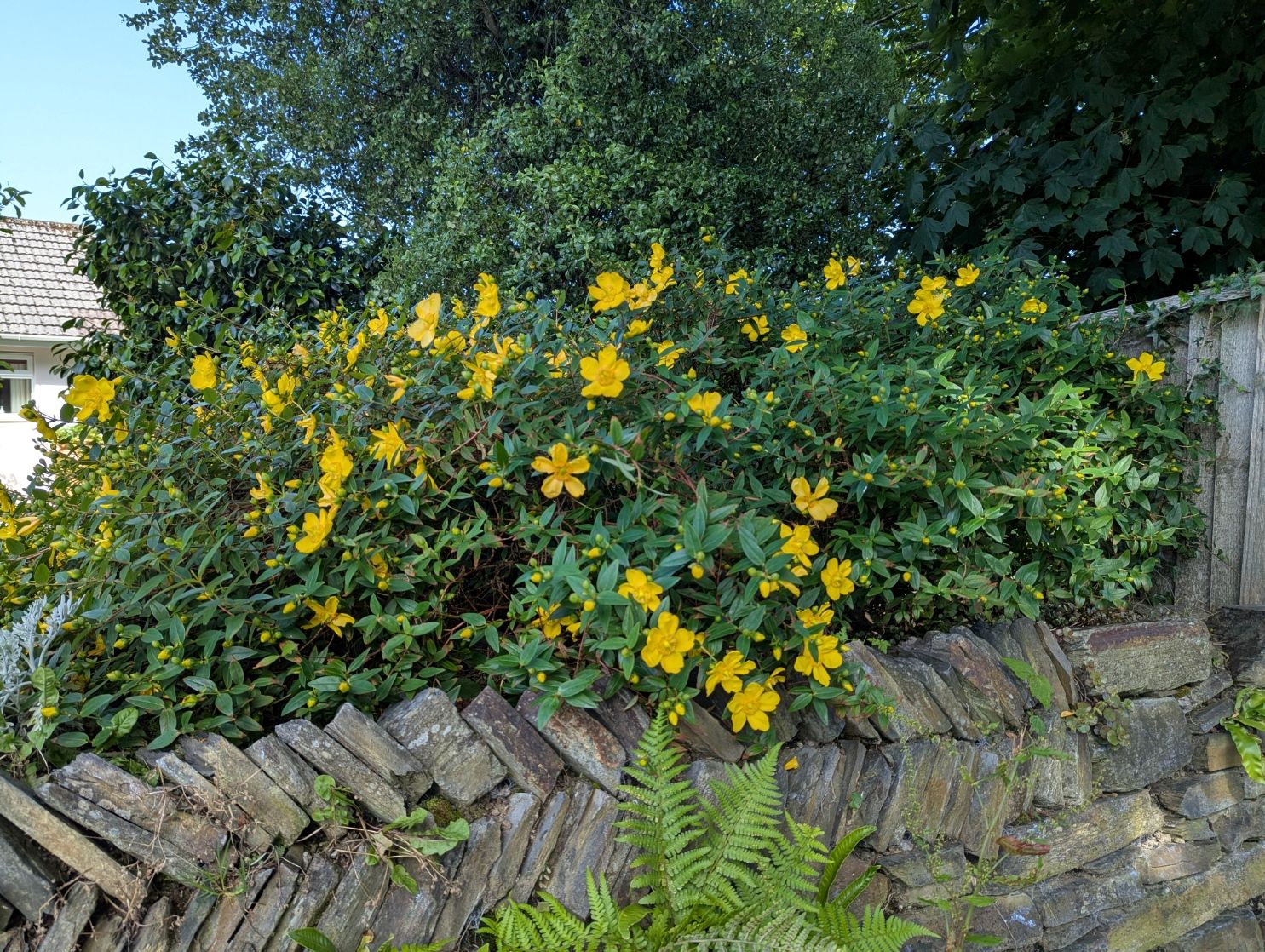
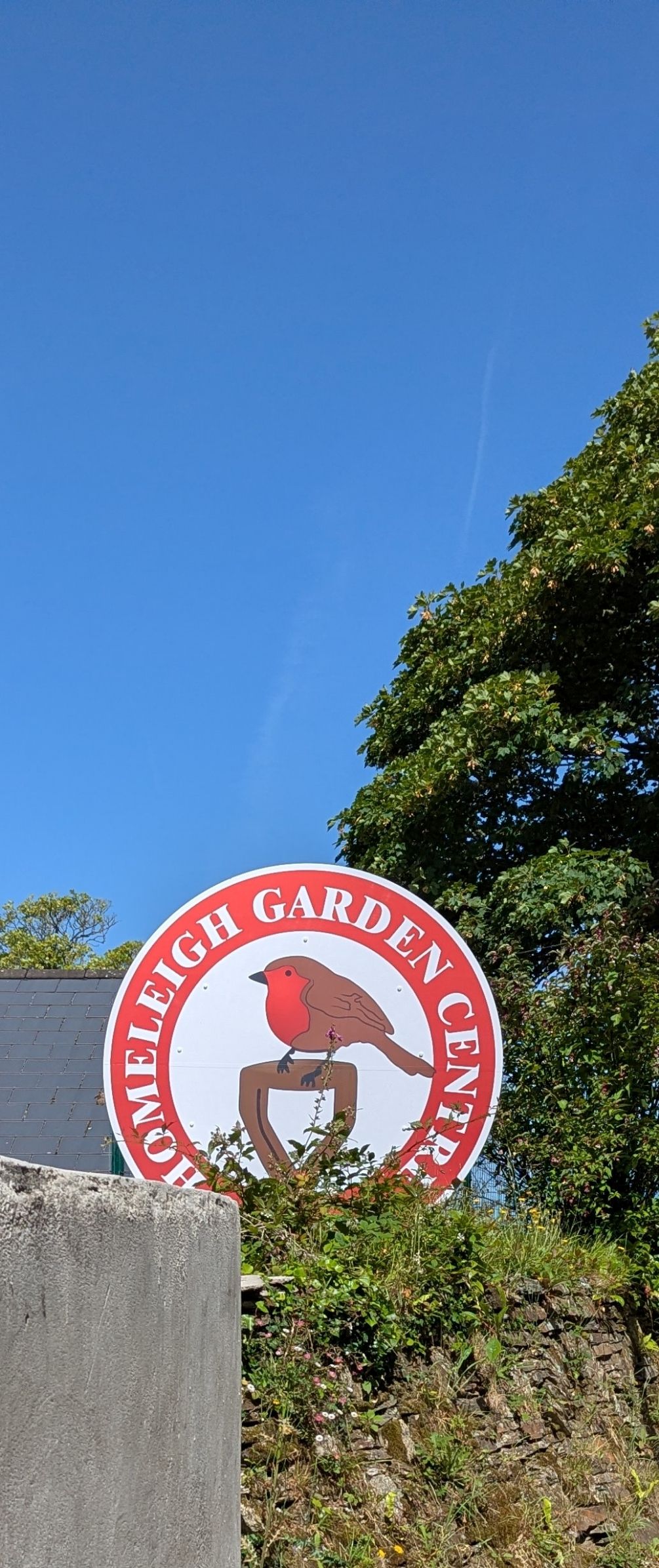
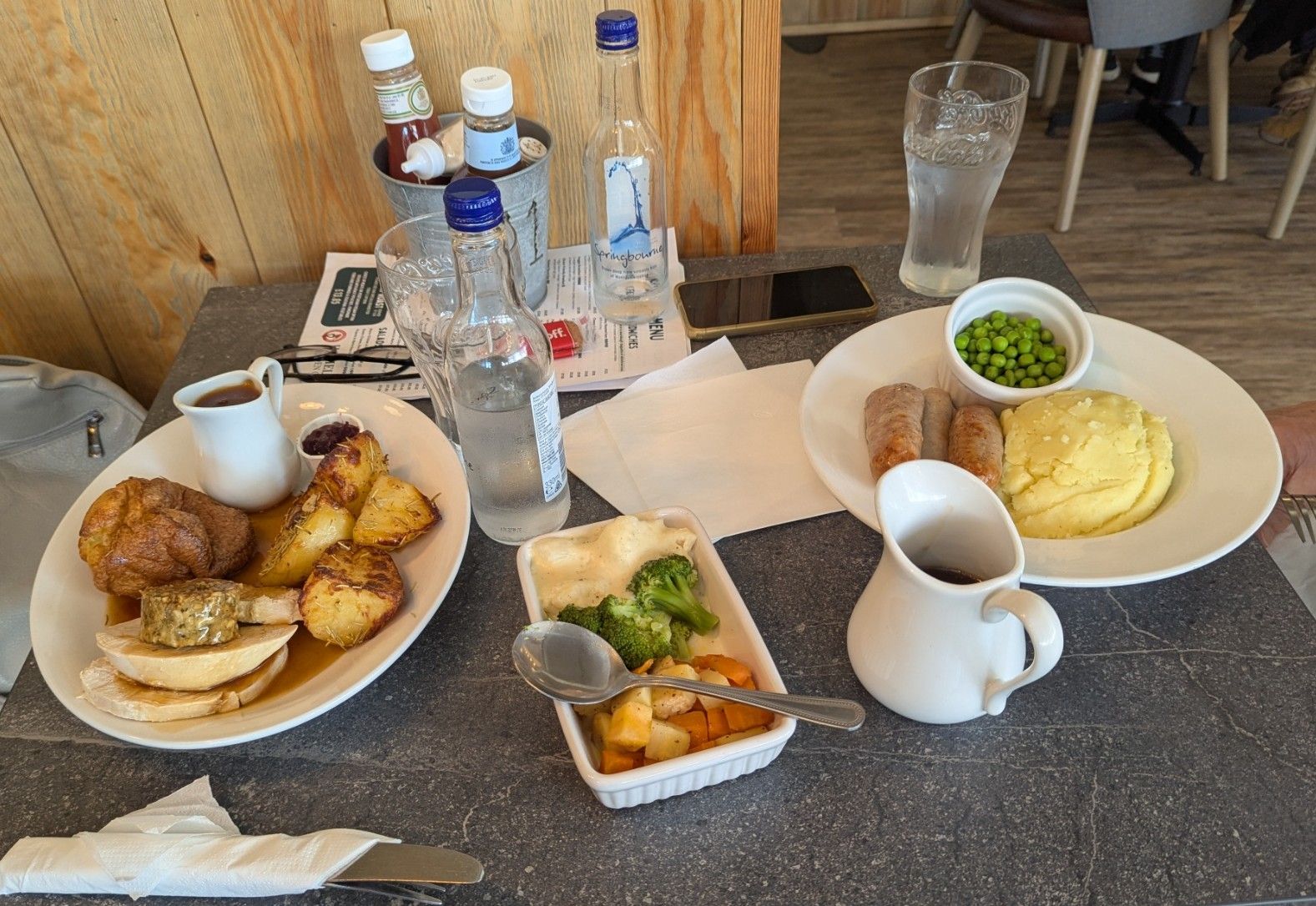
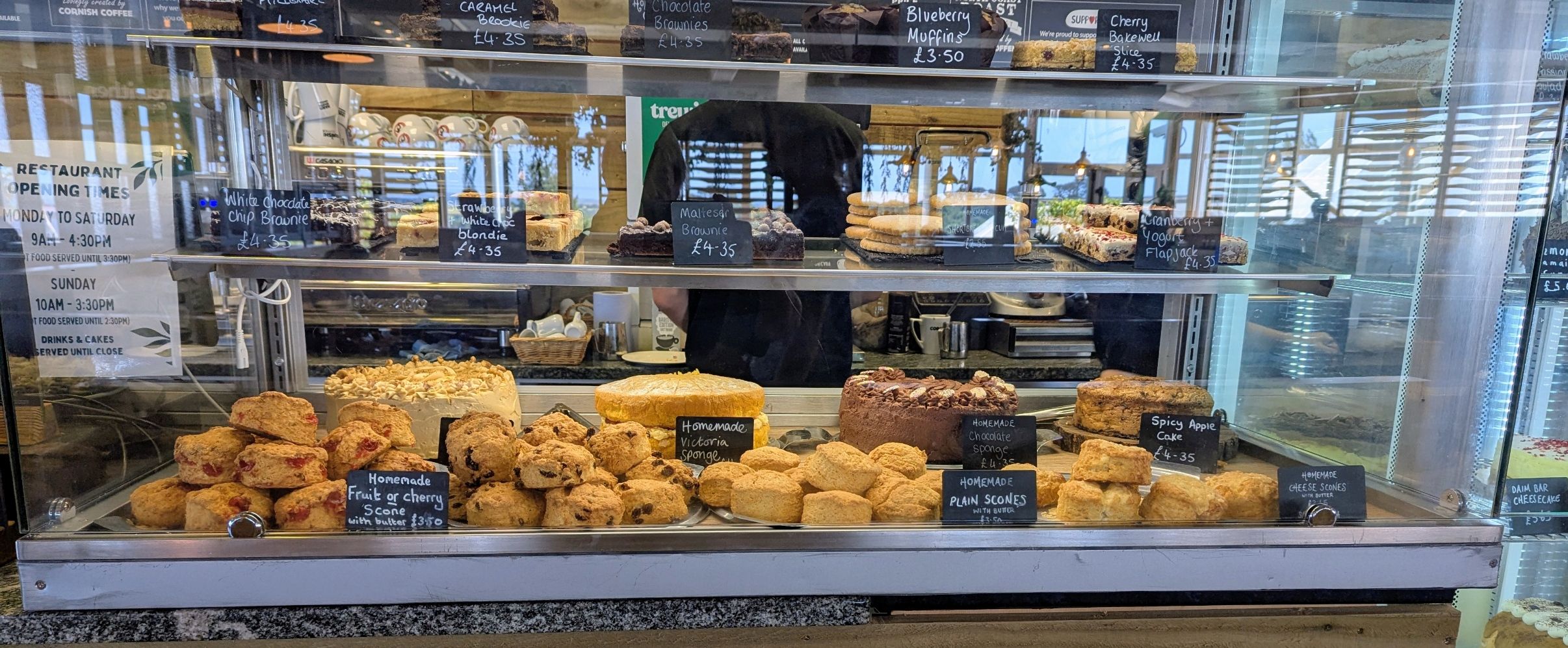
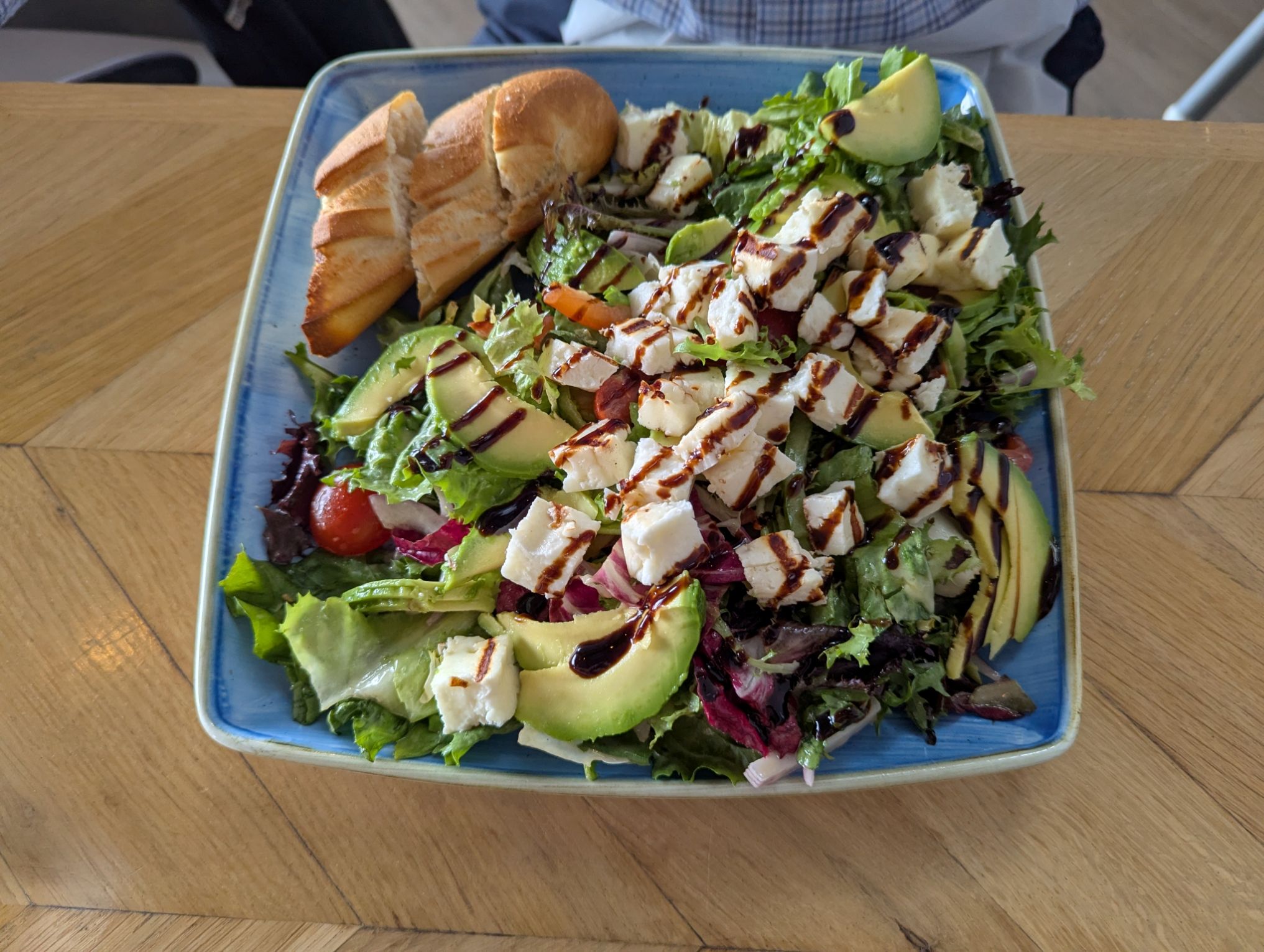
Lunch was a turkey roast with rosemary potatoes and vegetables (alas no parsnip or pumpkin) and sausages and a huge mound of mash and garden peas. The food was so good we retuned for breakfast a day later where the cheese scone was enhanced by three serves of Butter, and the scrambled eggs on grainy toast was very generous. There are steep inclines here, too, so that is our excuse.
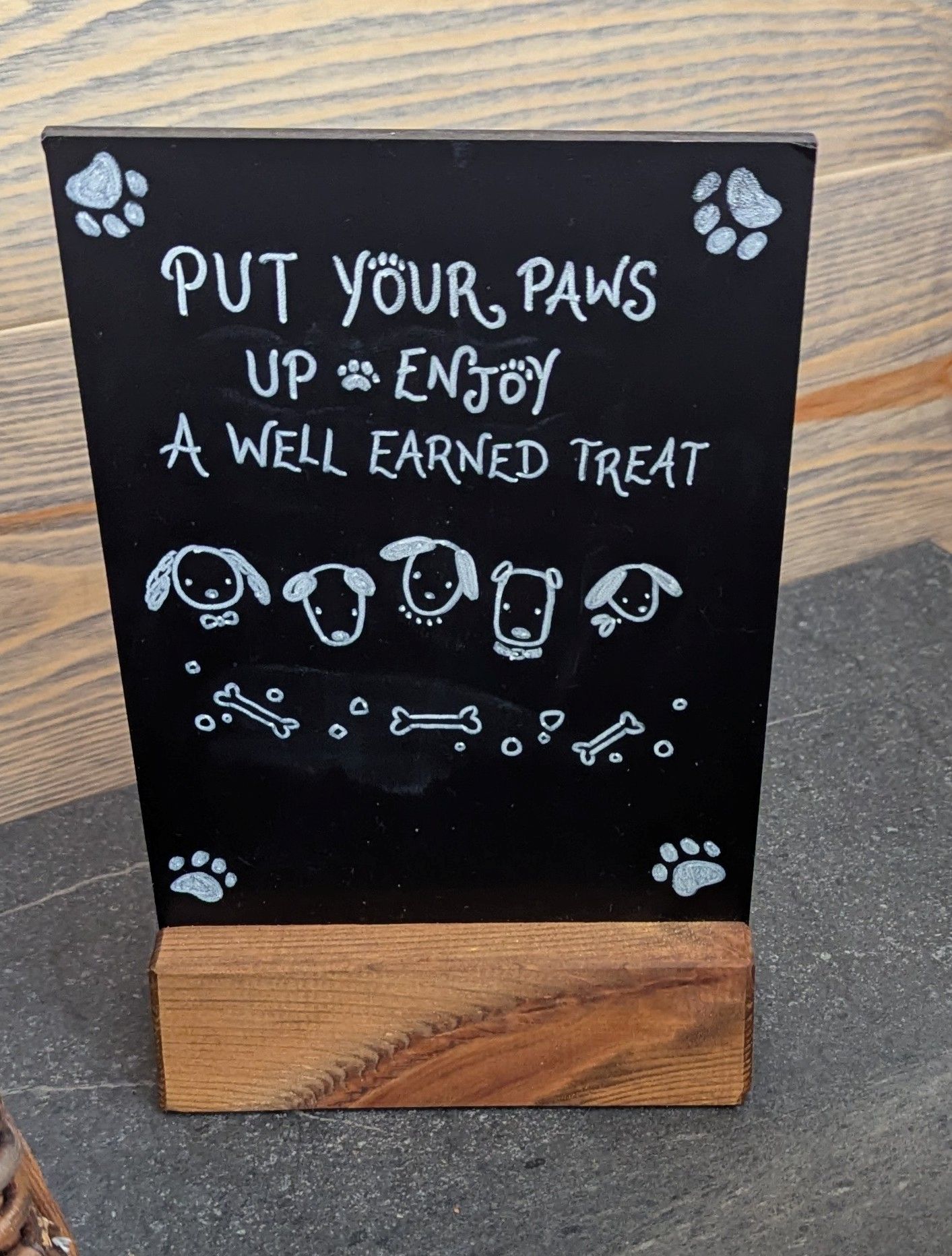
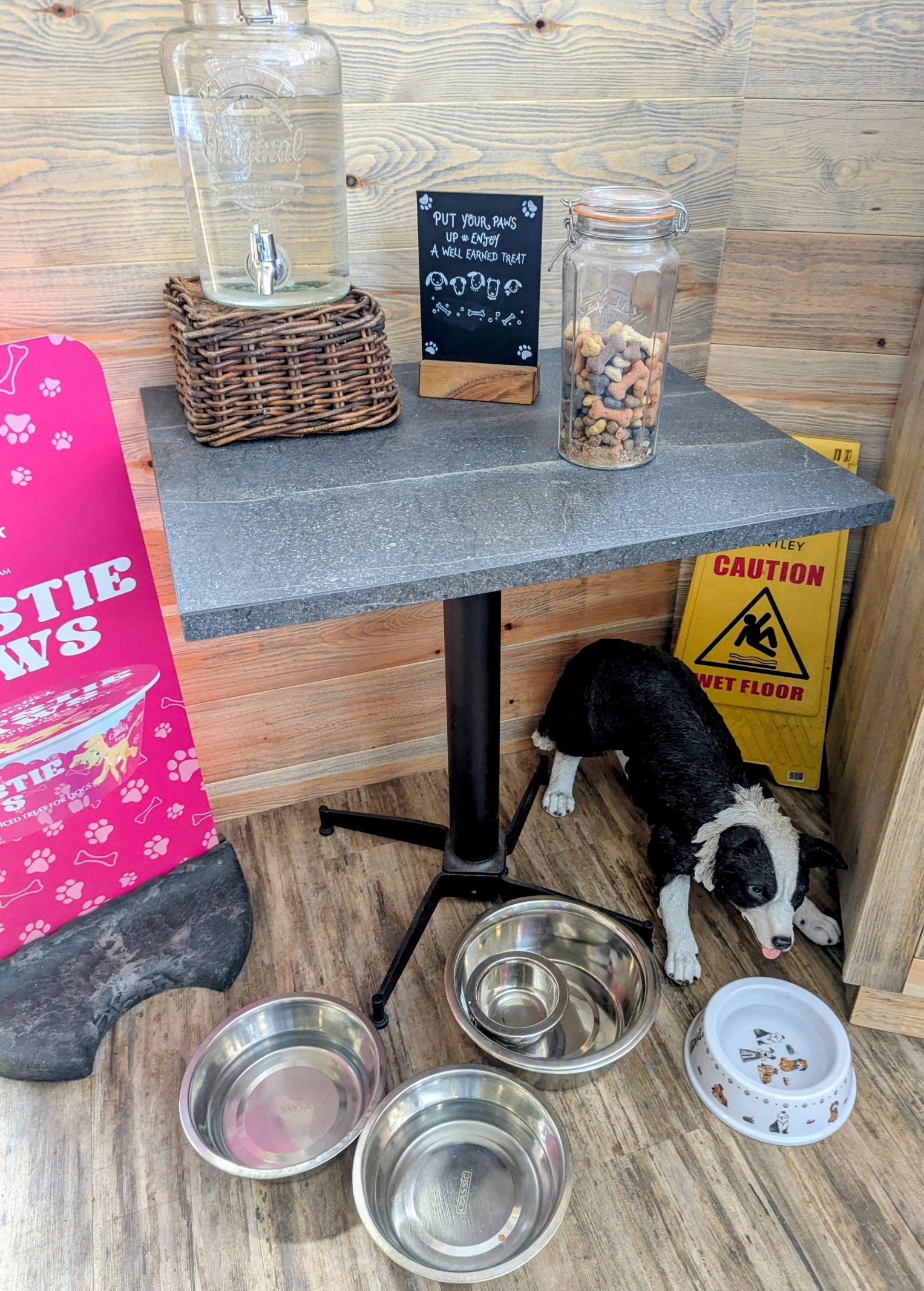
There is a dog friendly eating area, and several dogs were enjoying the warmth inside. As indeed, were their owners. I shall think about this when I return to Canberra and sit outside with Leah. The compensation will be that at least in Australia a decent sized flat white is served.
Day in Plymouth
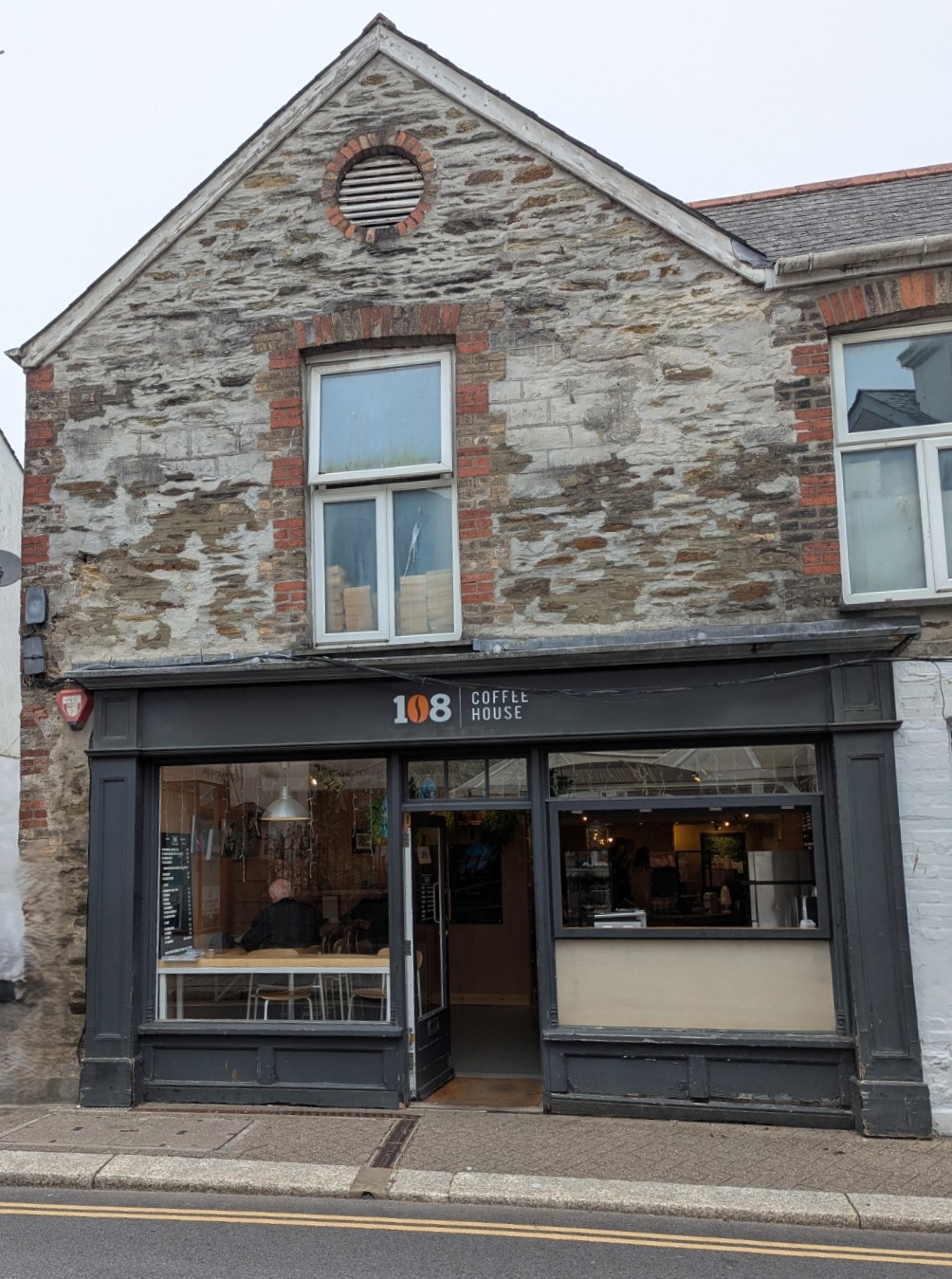
More food, this time at 108 Coffee House on the lengthy walk between the bus and train stations. It was as described on Trip Advisor, serving a breakfast that could be made at home, except the vegemite was replaced with marmite. People were beavering away on their laptops, a familiar sight.
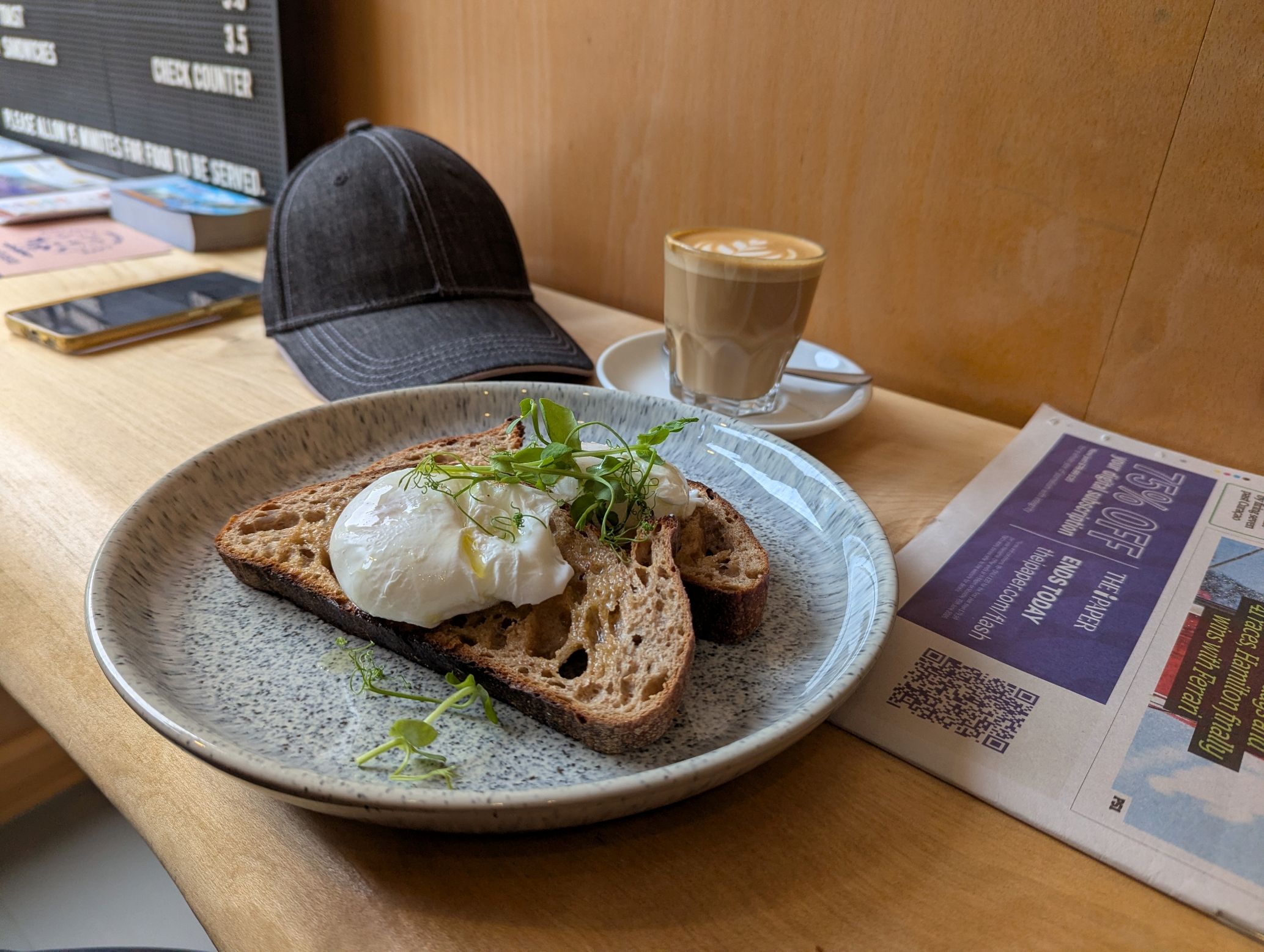
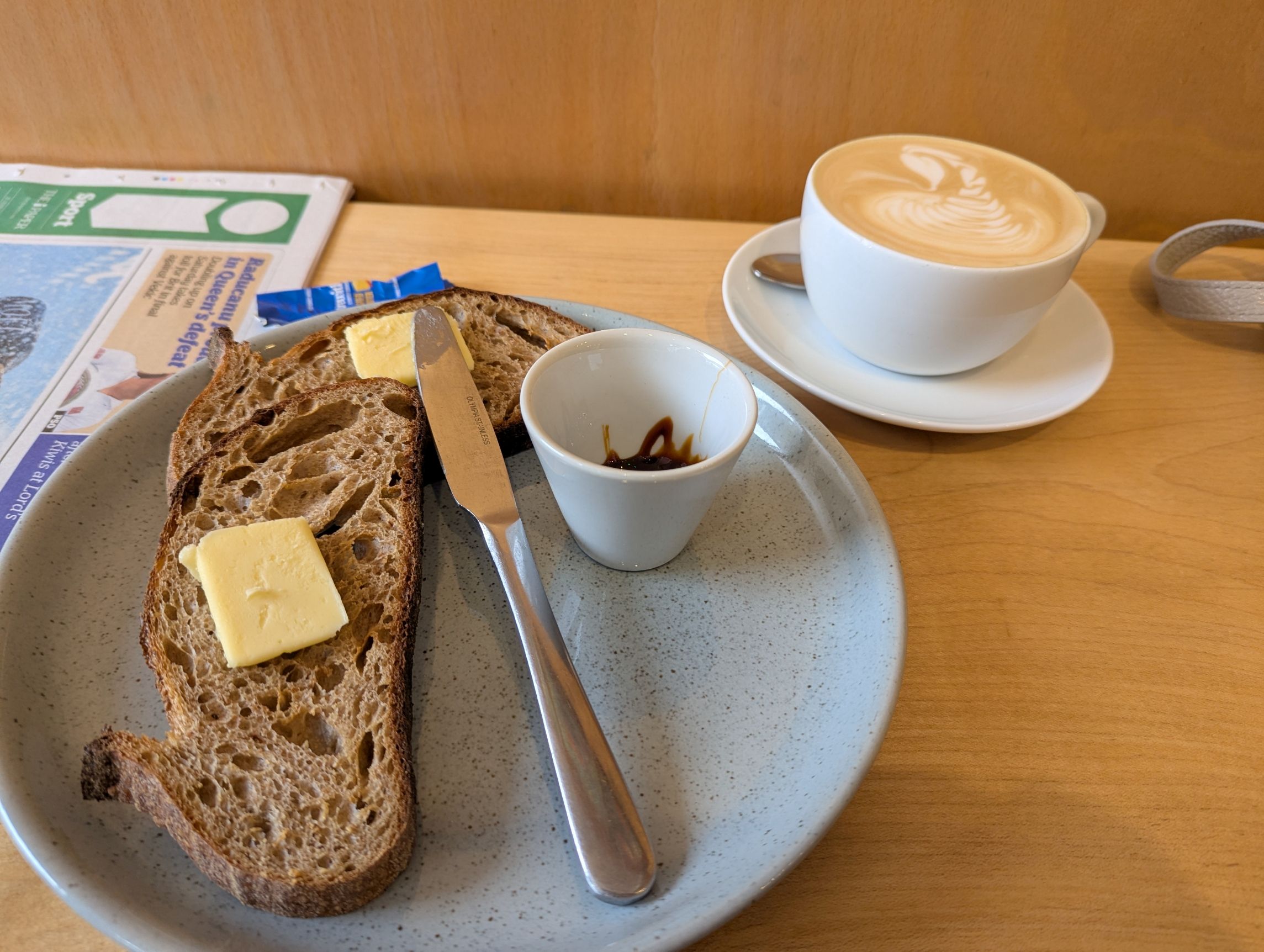
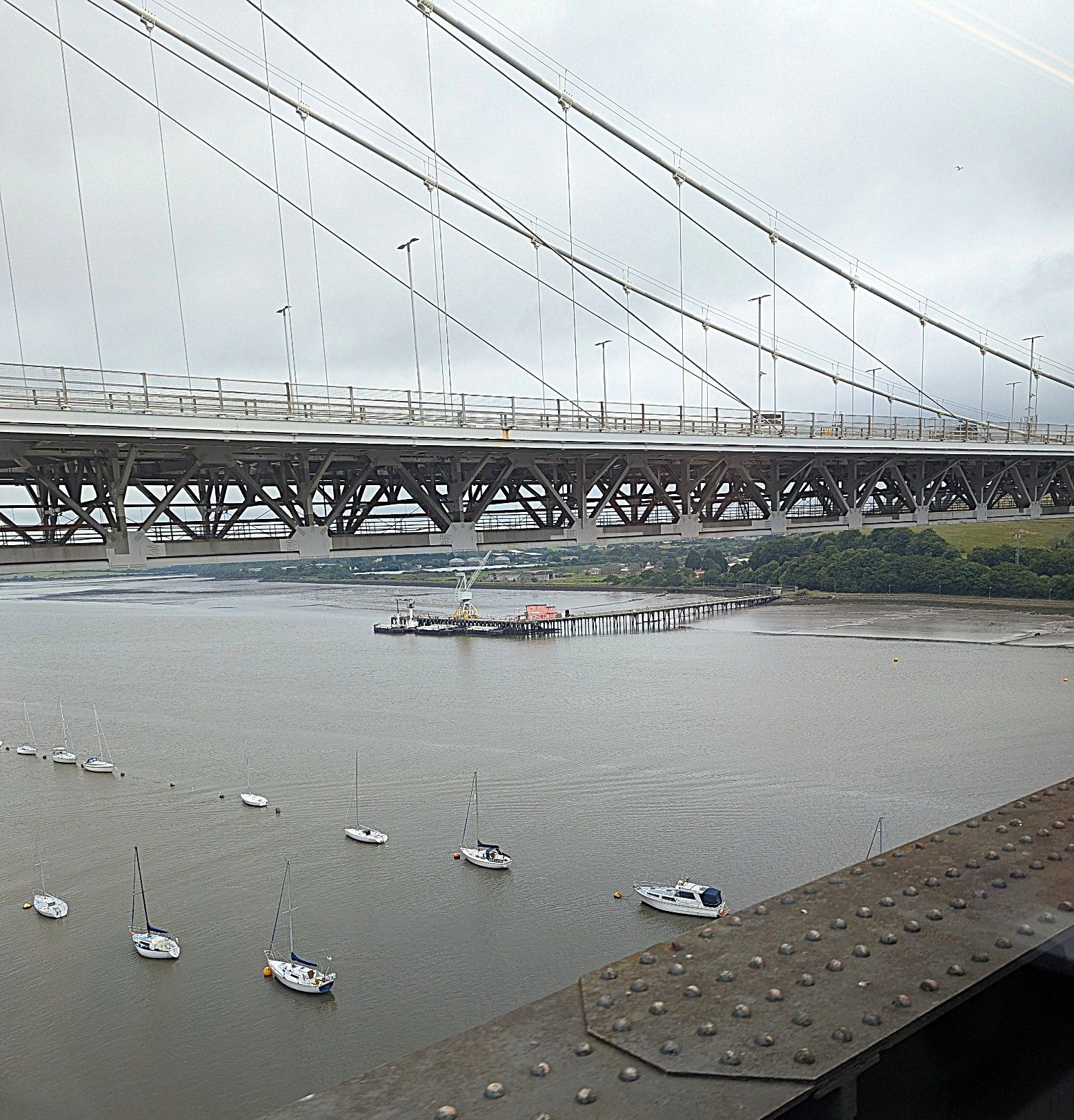
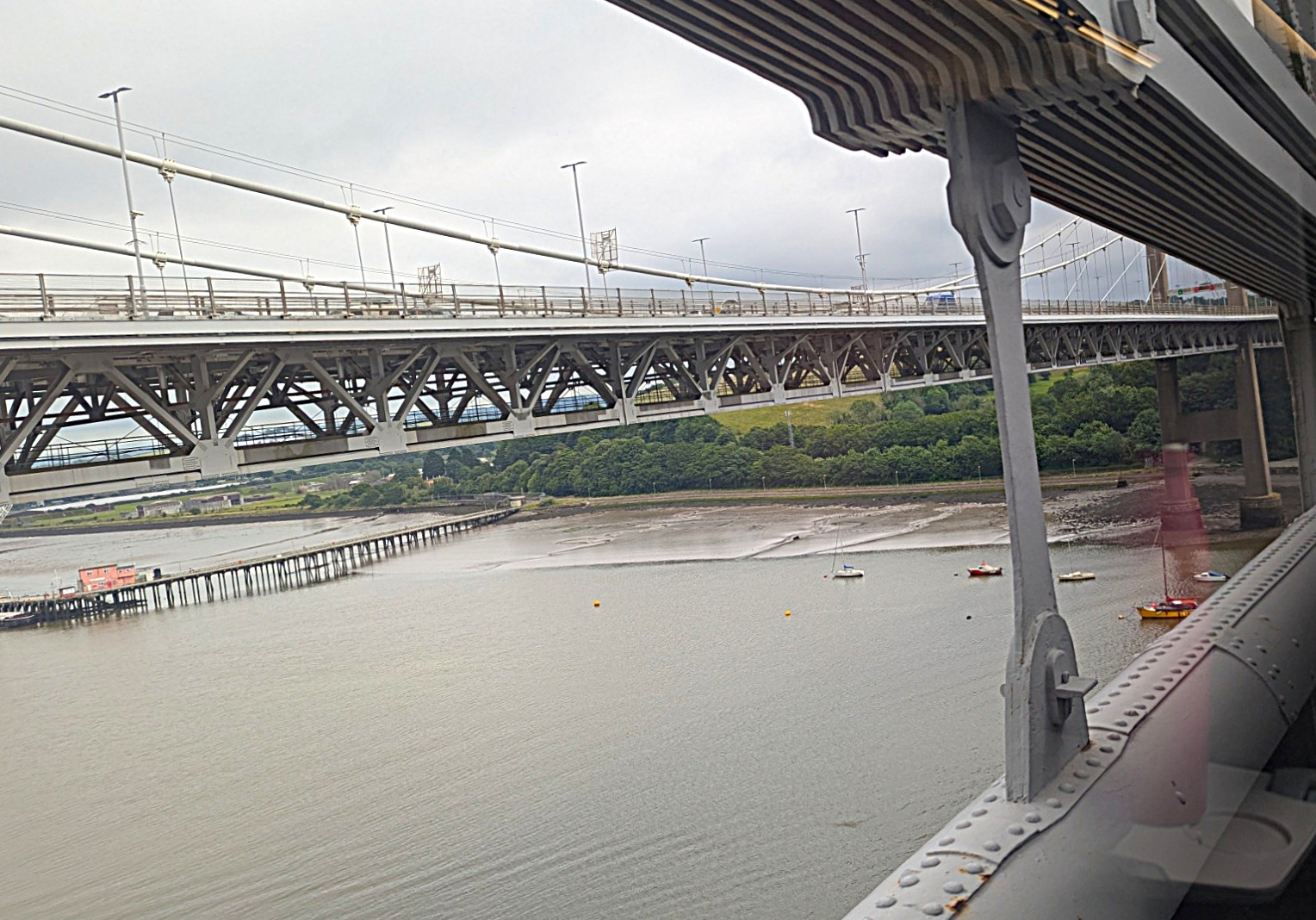
The train trip to Plymouth was pleasant, although, not having booked seats, we had to hop between seats on the trip – no problem without luggage!
Travel to Plymouth and walk to the Mayflower steps
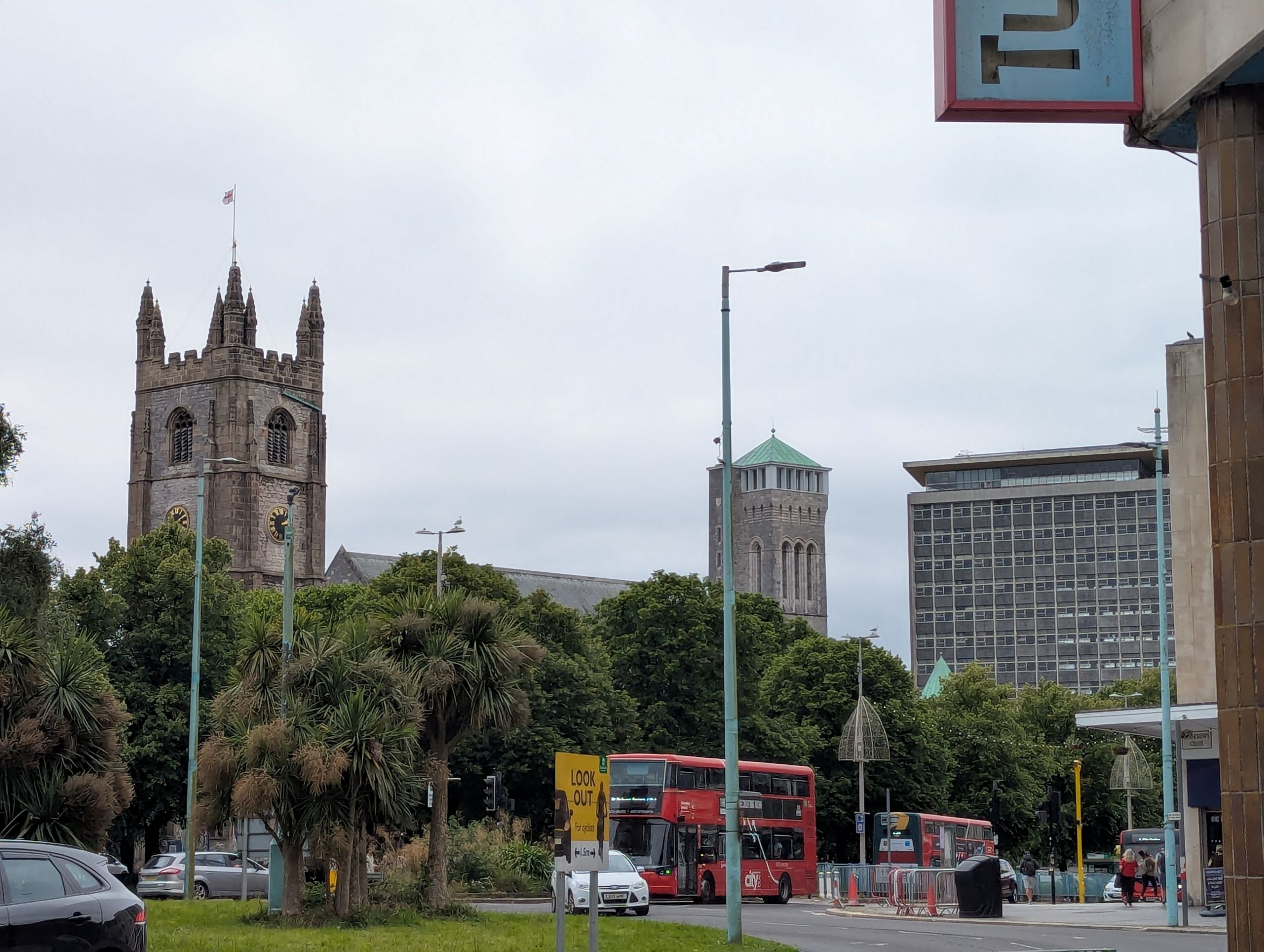
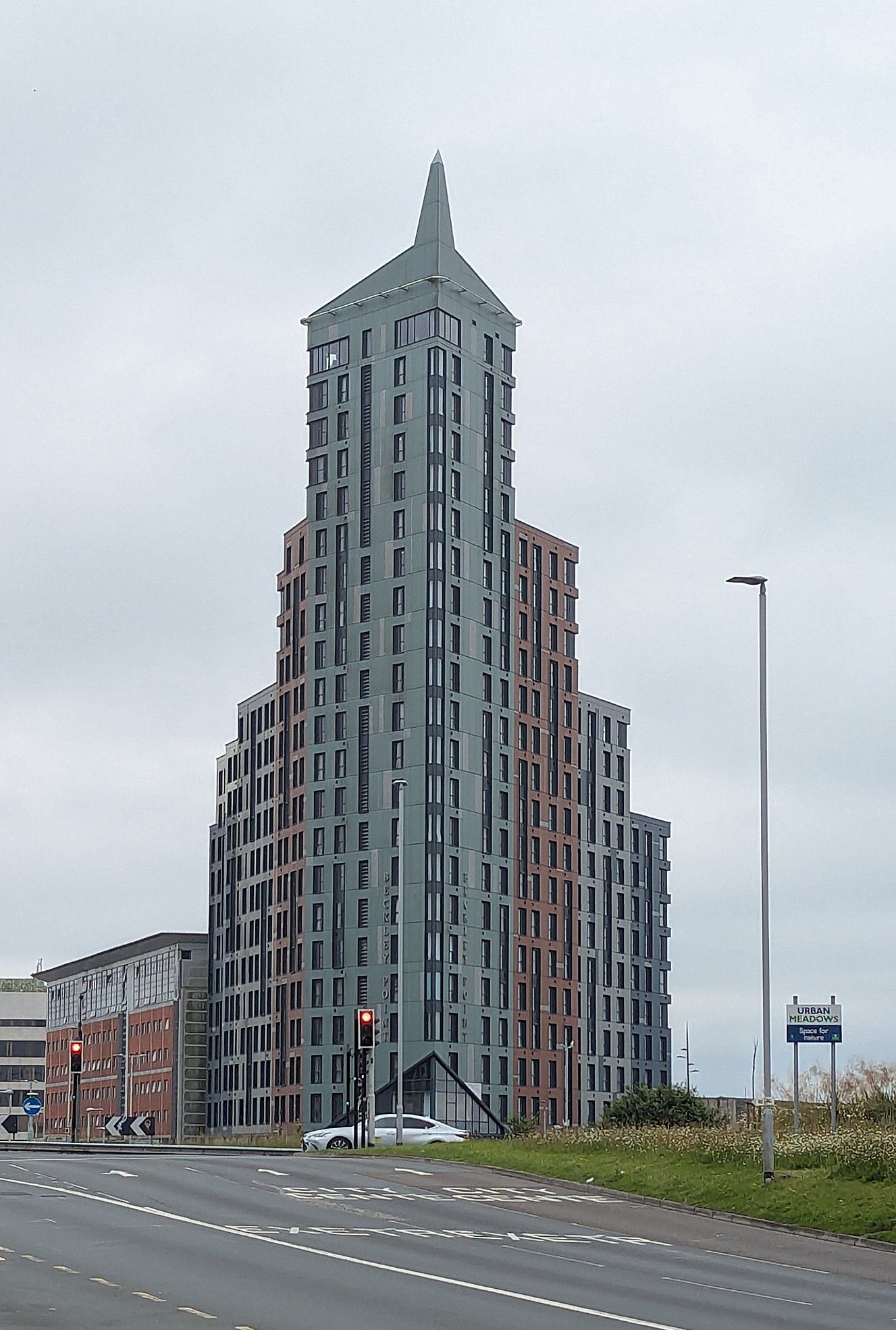
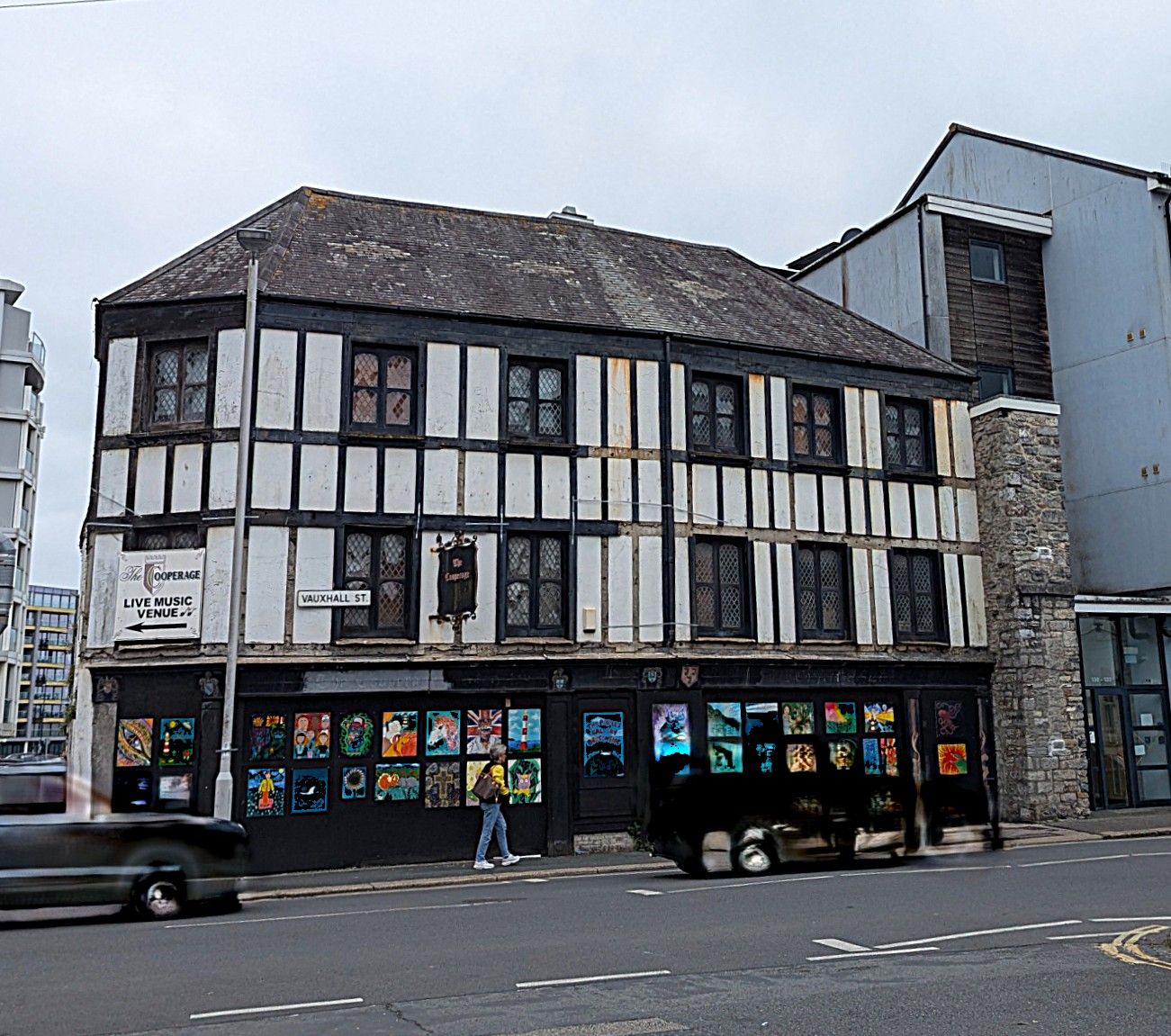
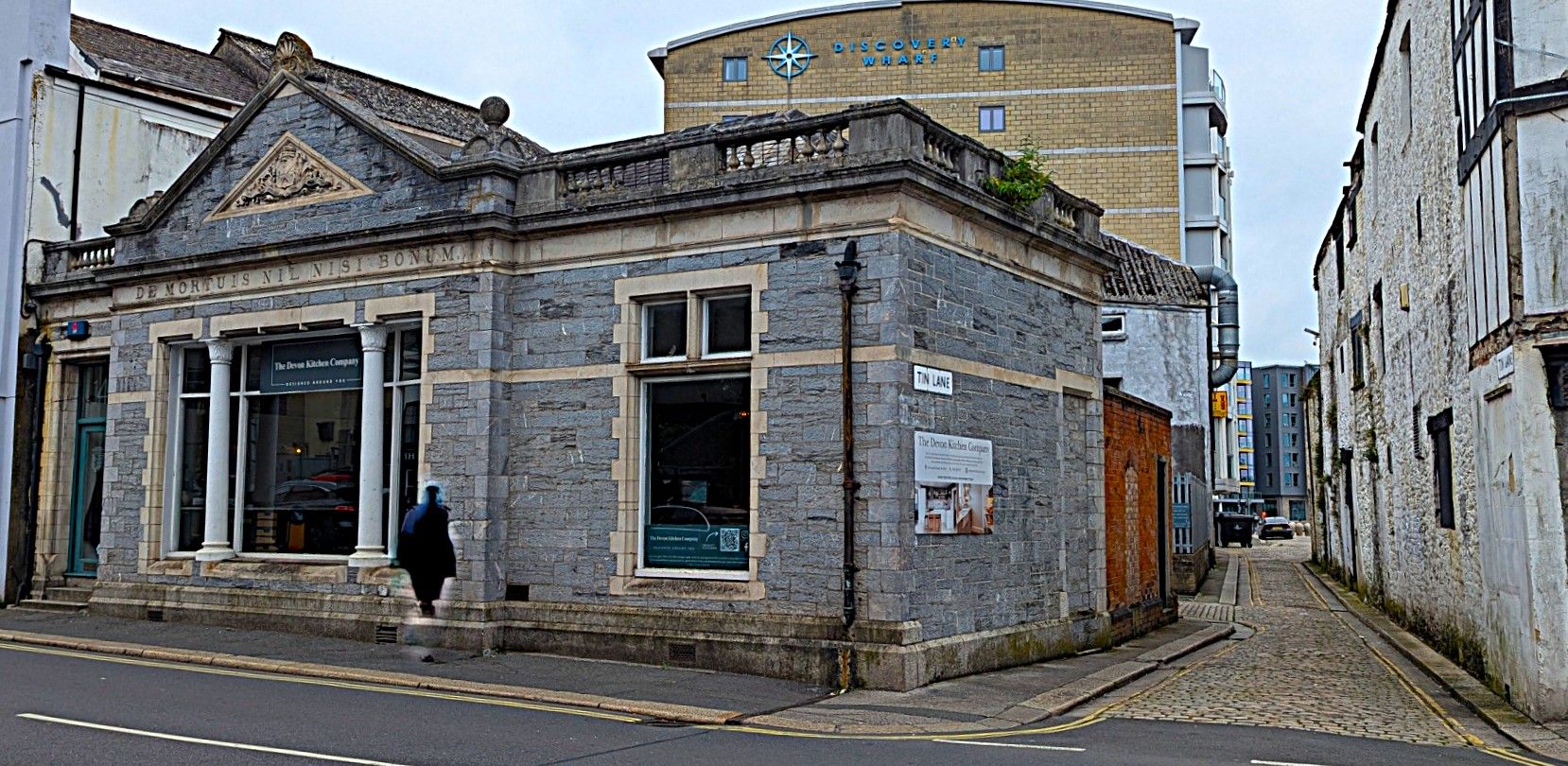
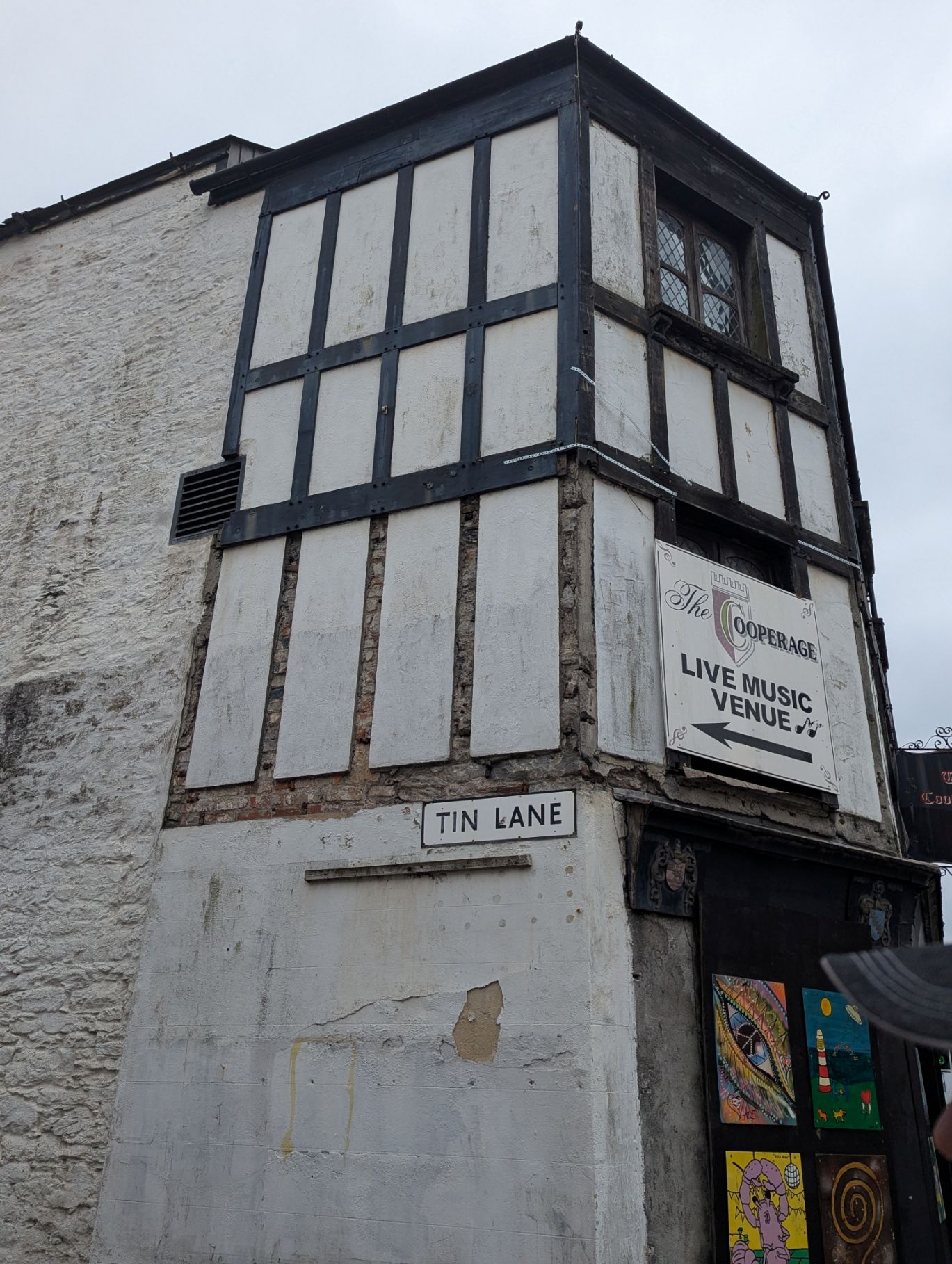
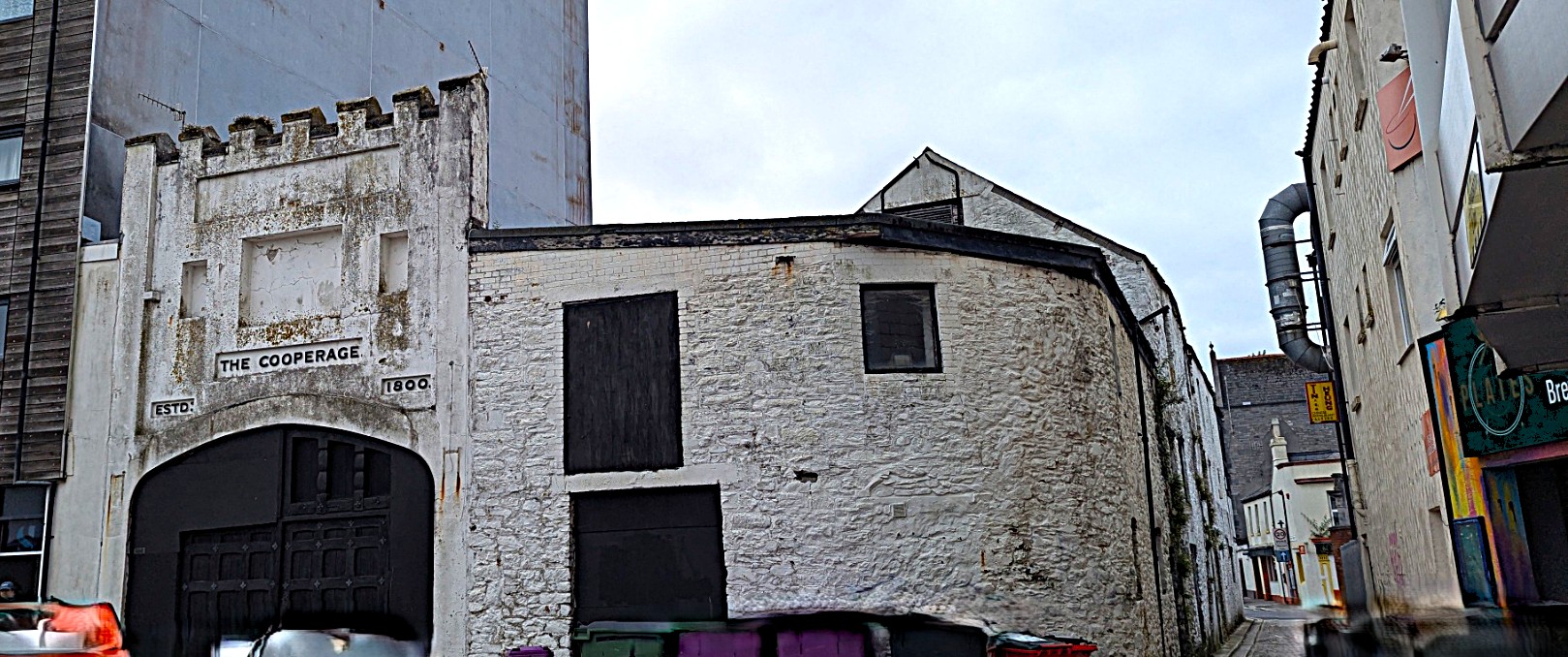
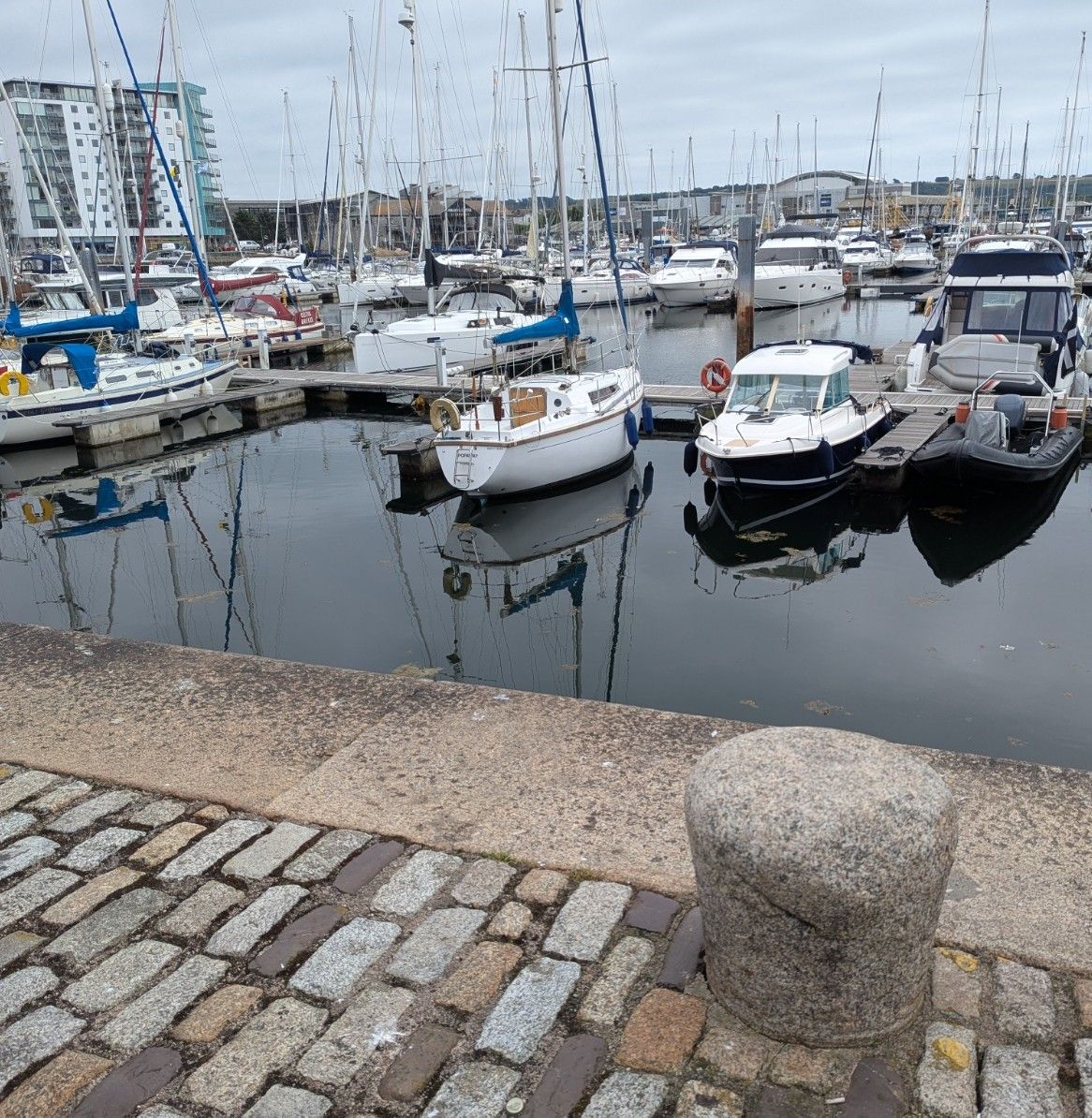
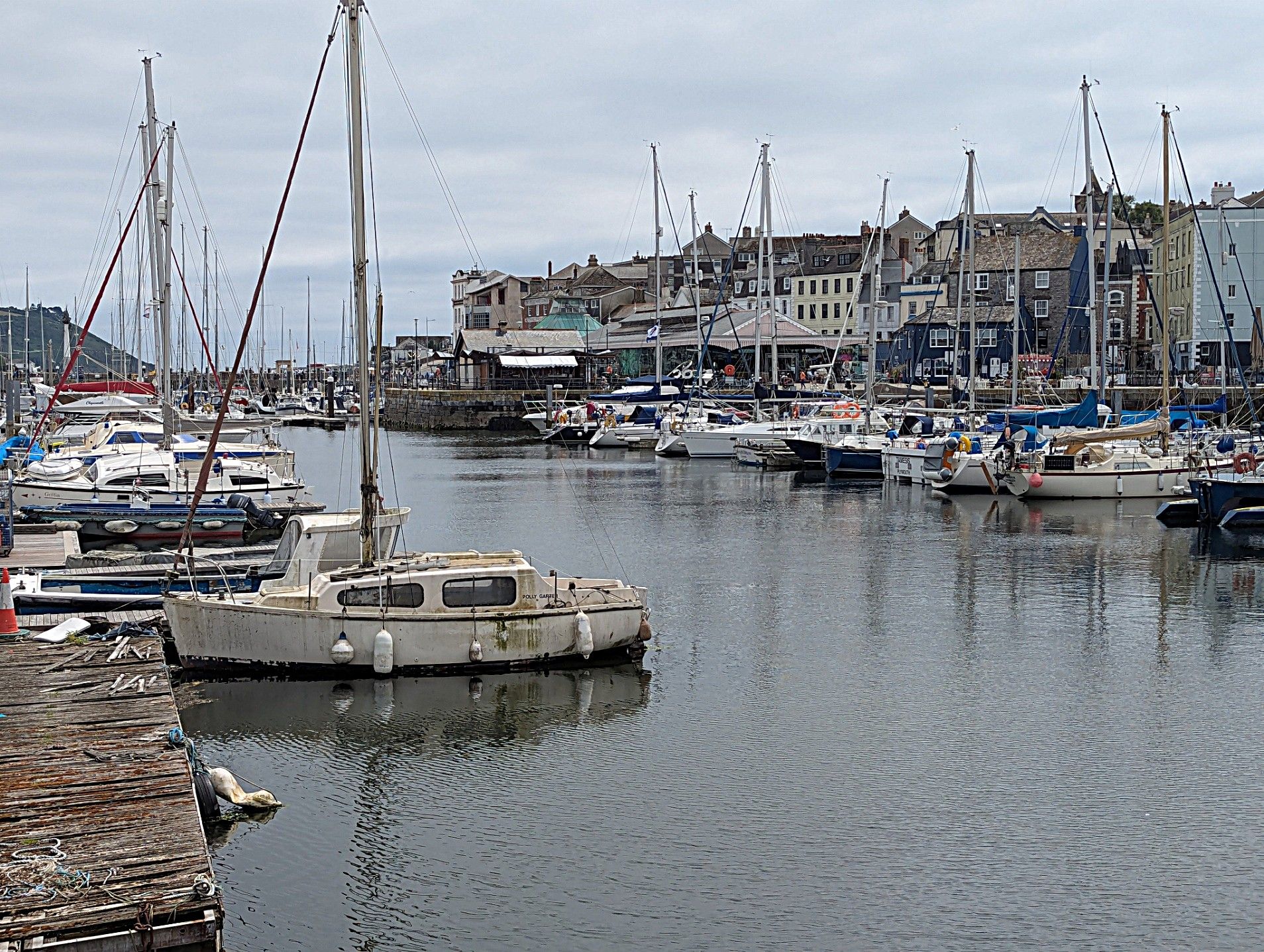
Mayflower Steps
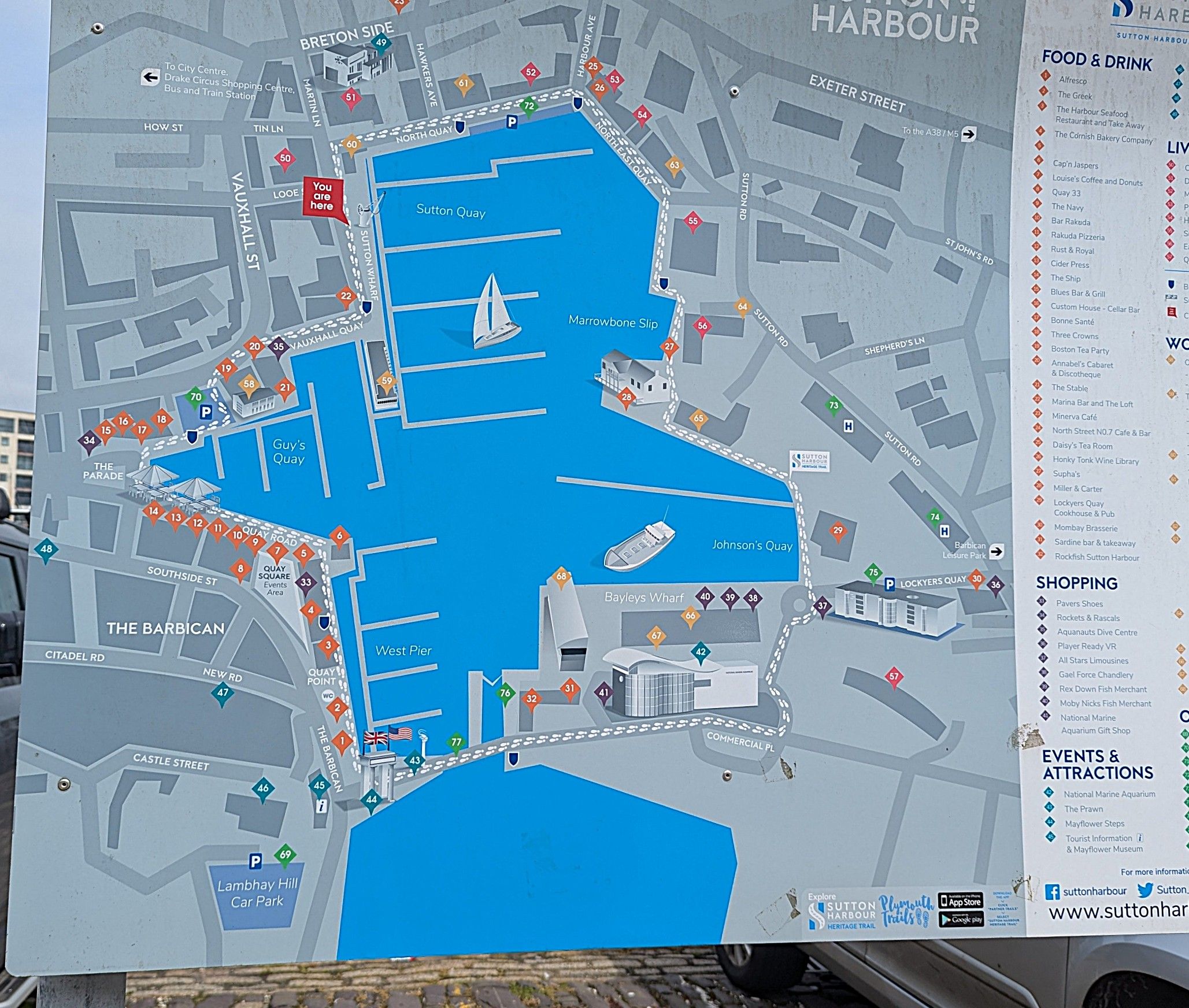
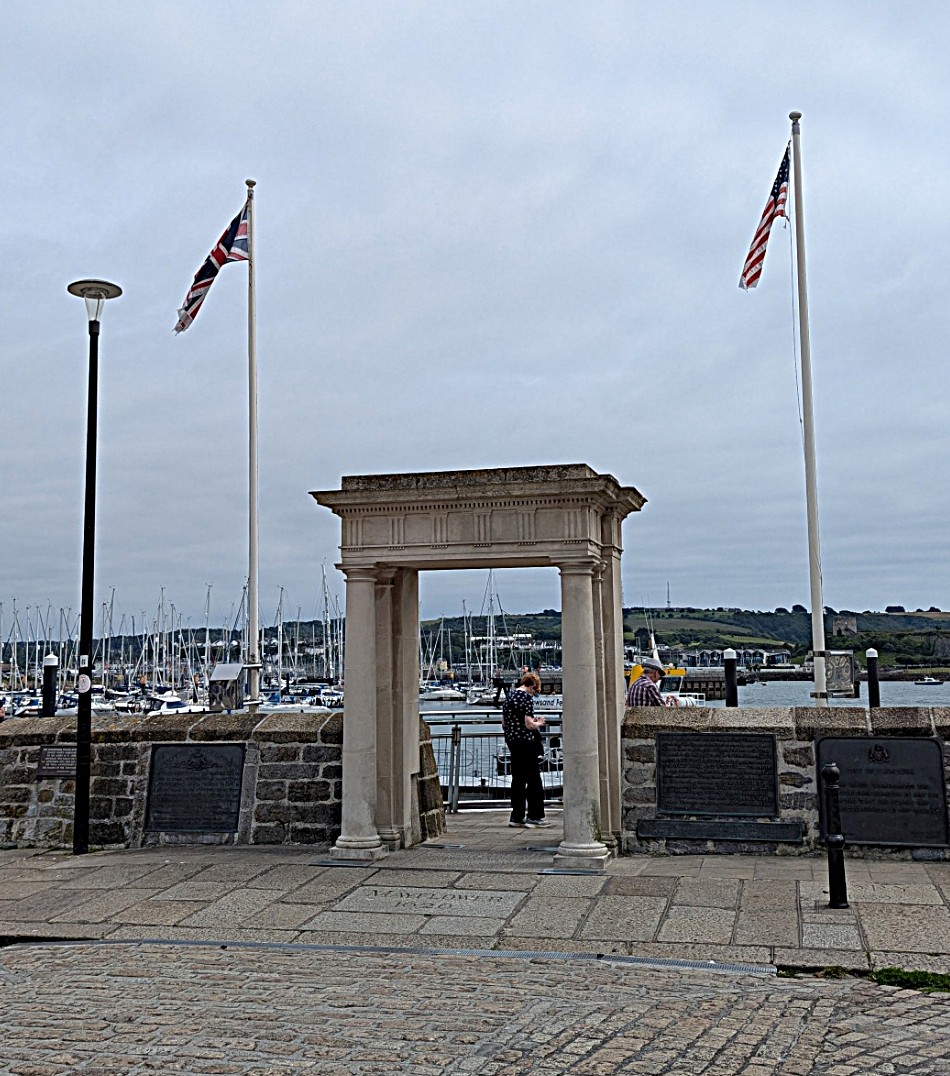
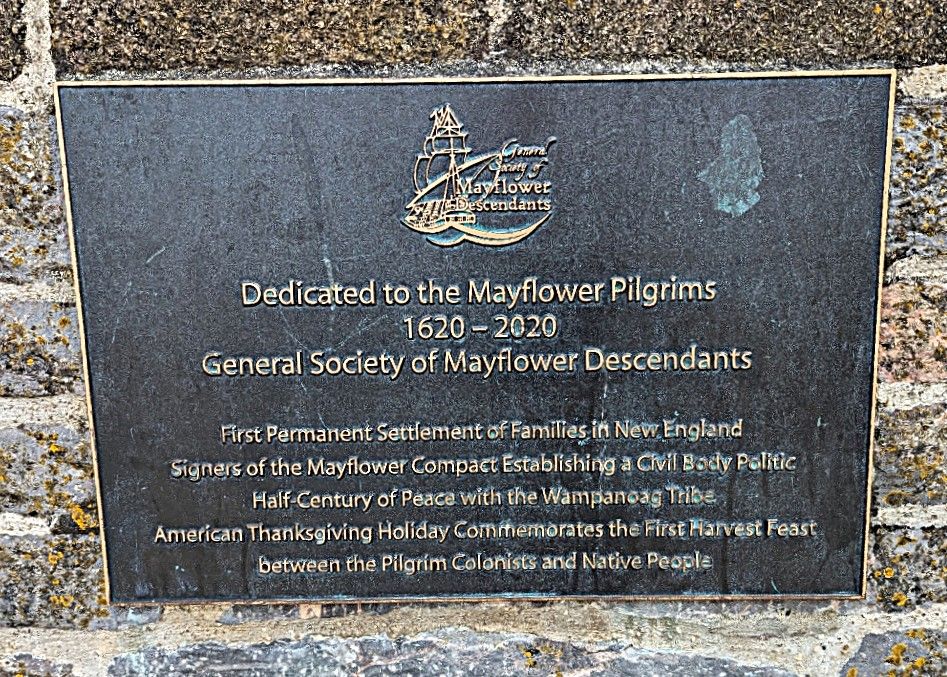
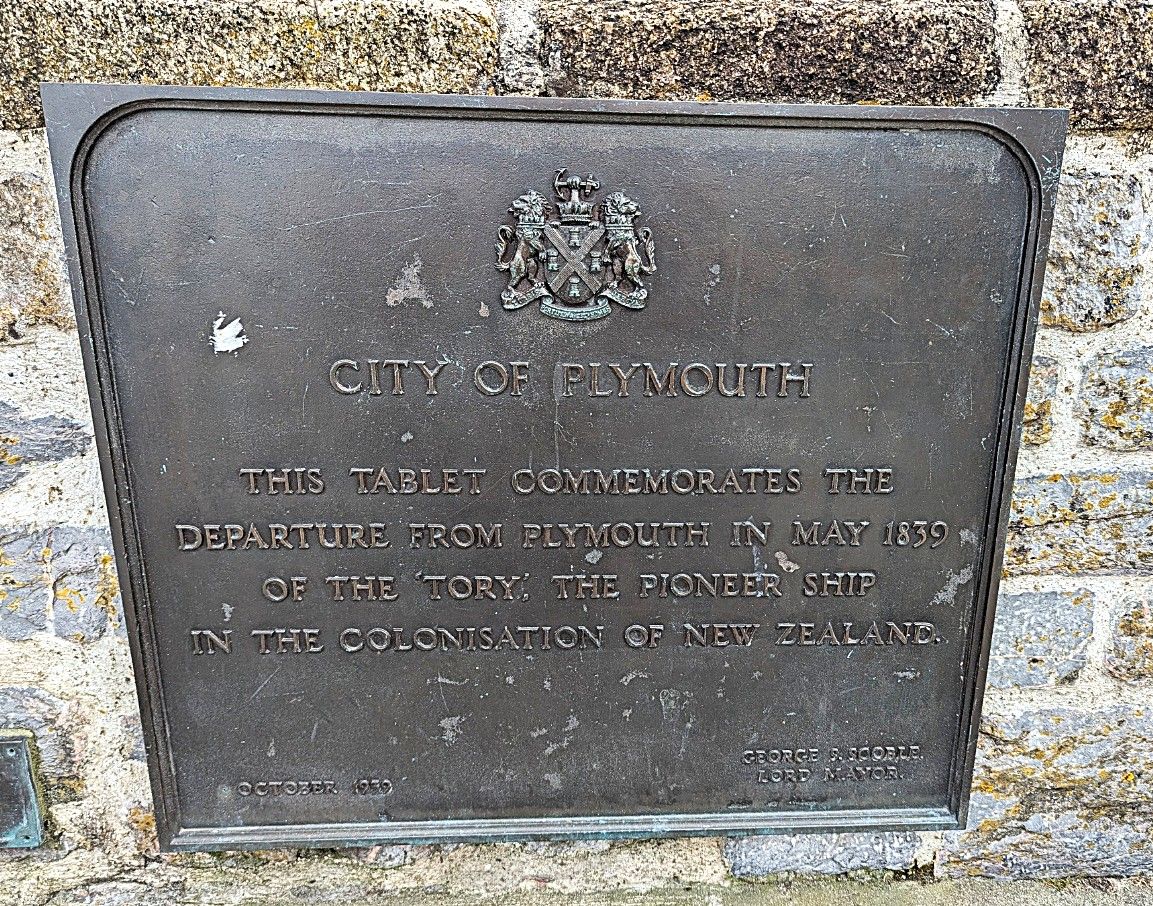
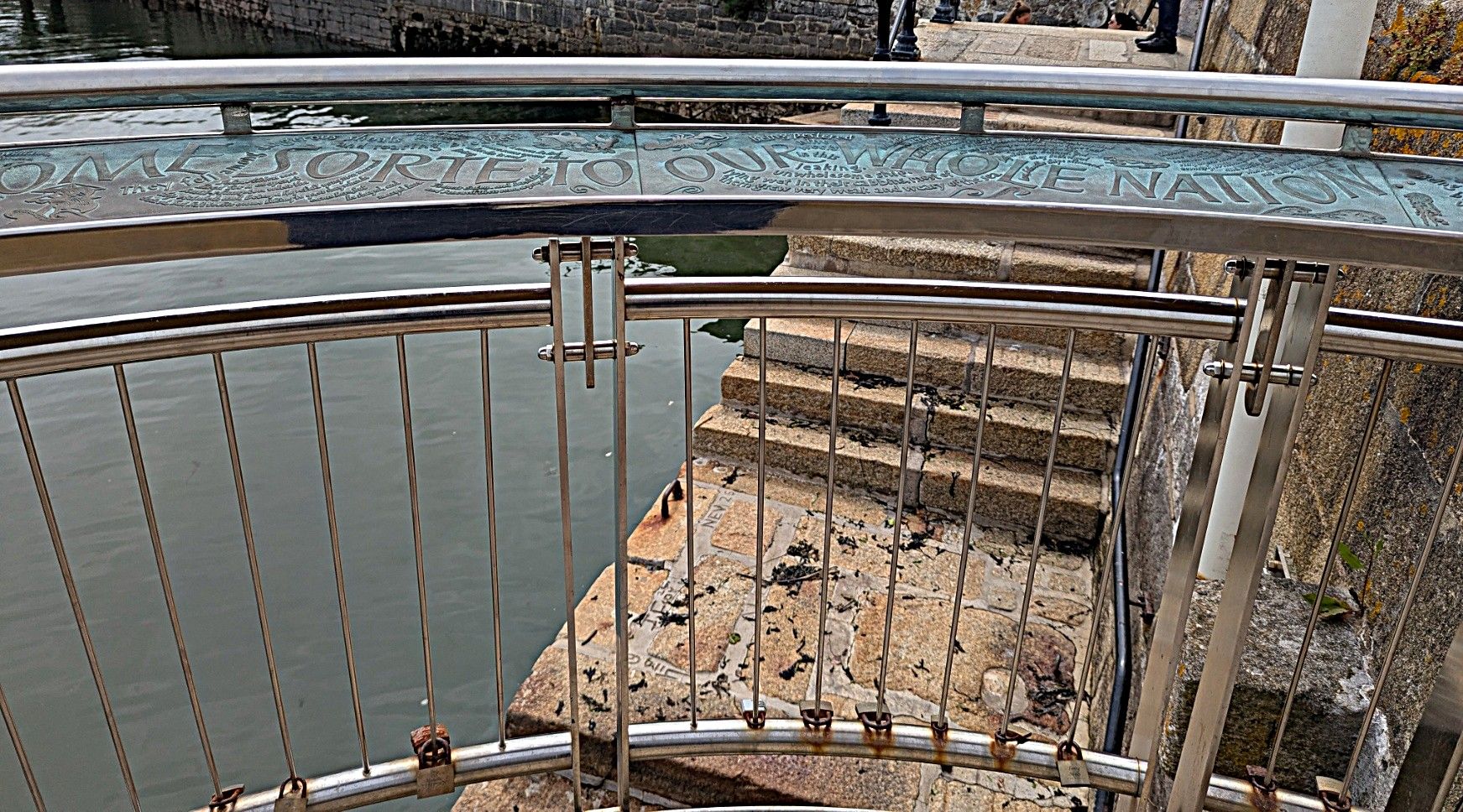
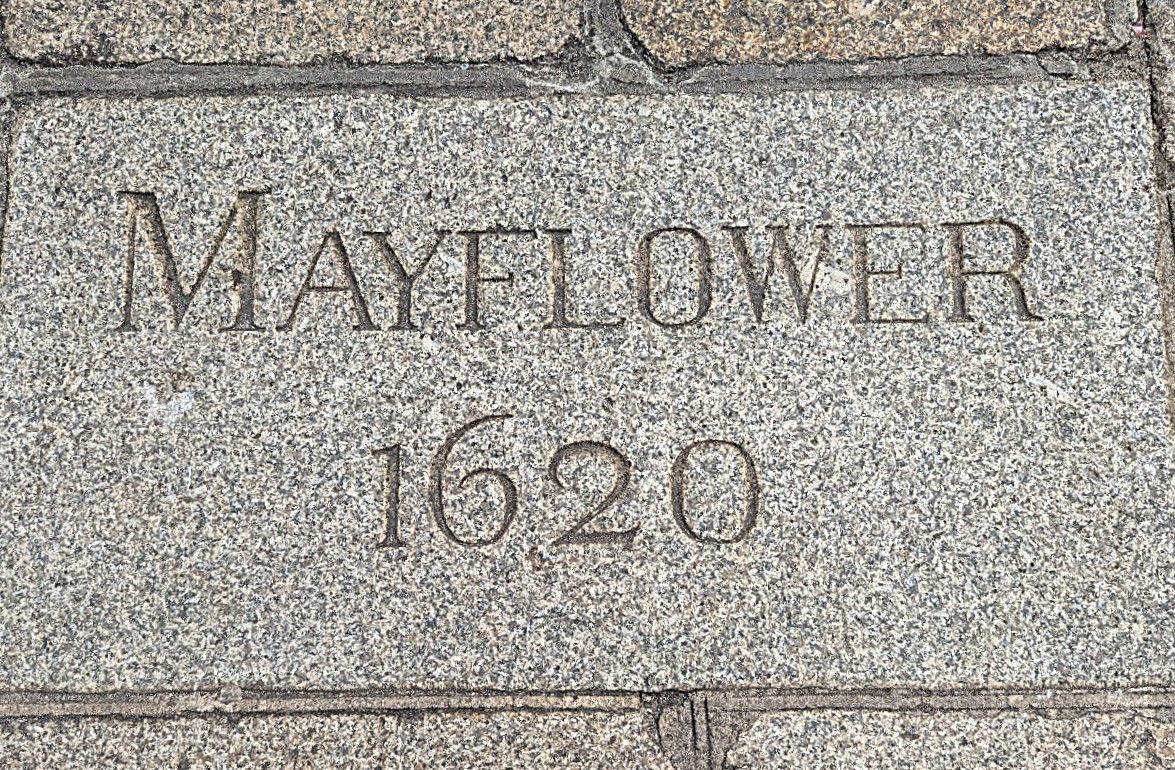
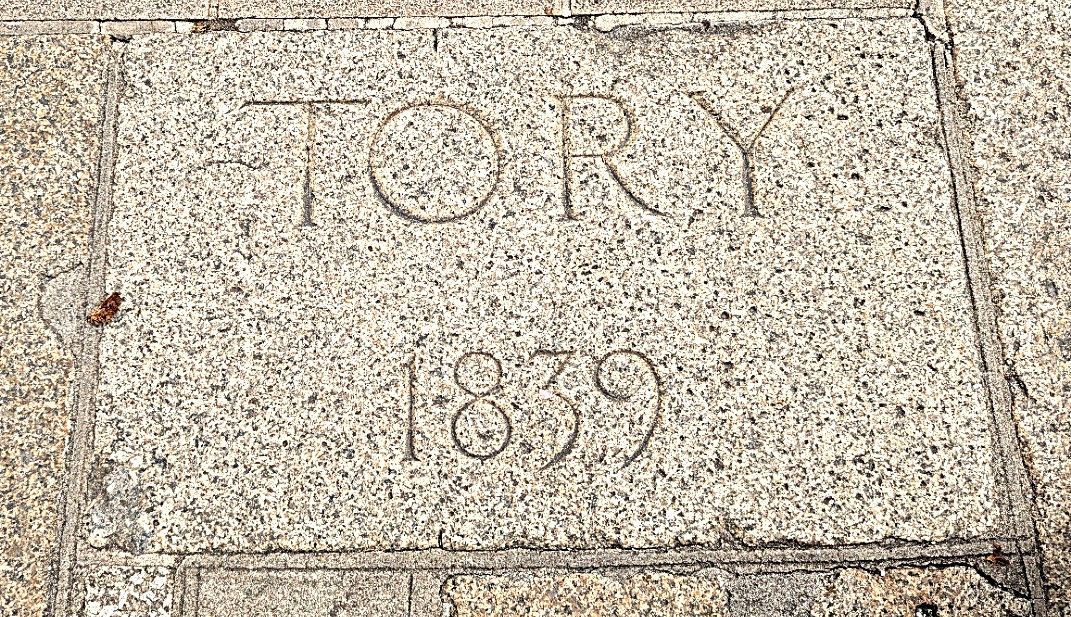
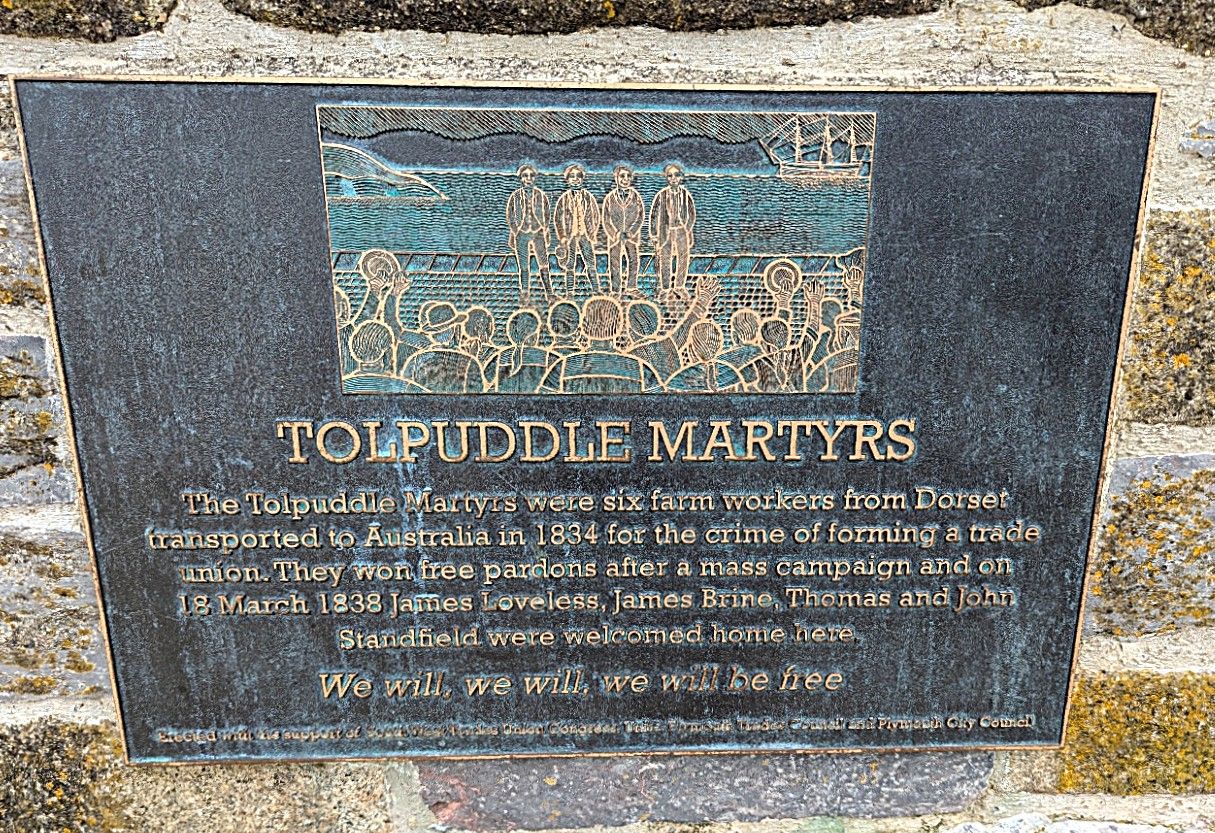
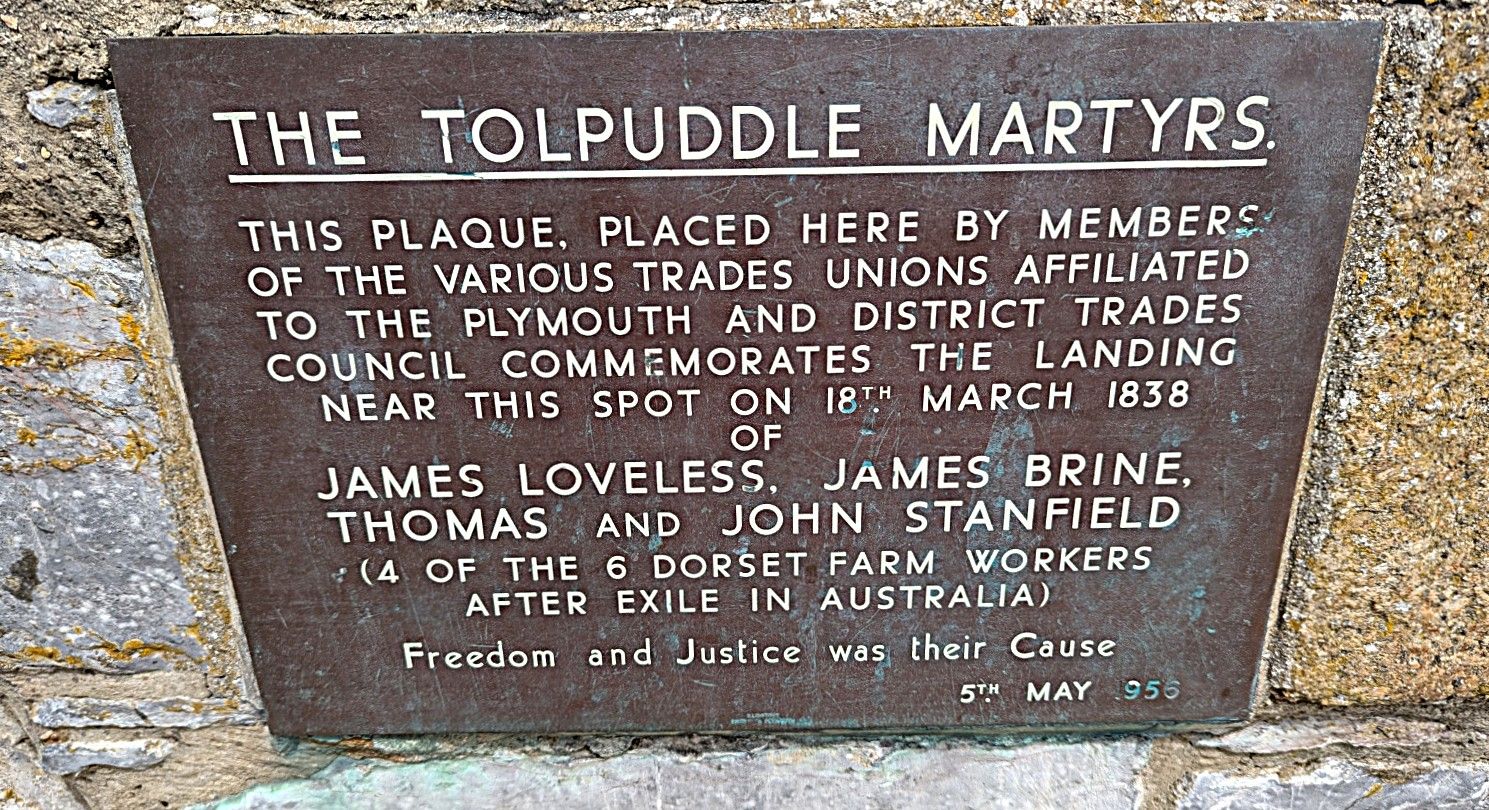
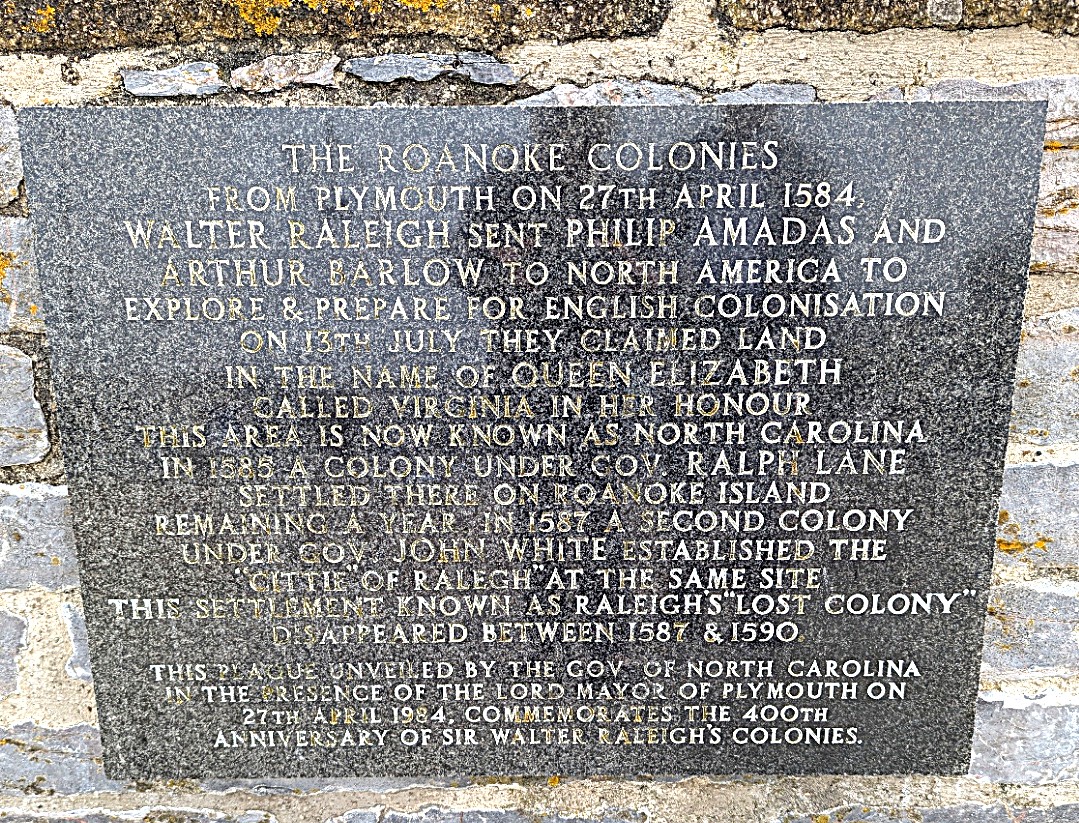
Other departures from Plymouth Mayflower Steps were the Tolpuddle Martyrs and settlers for the Roanoke colony
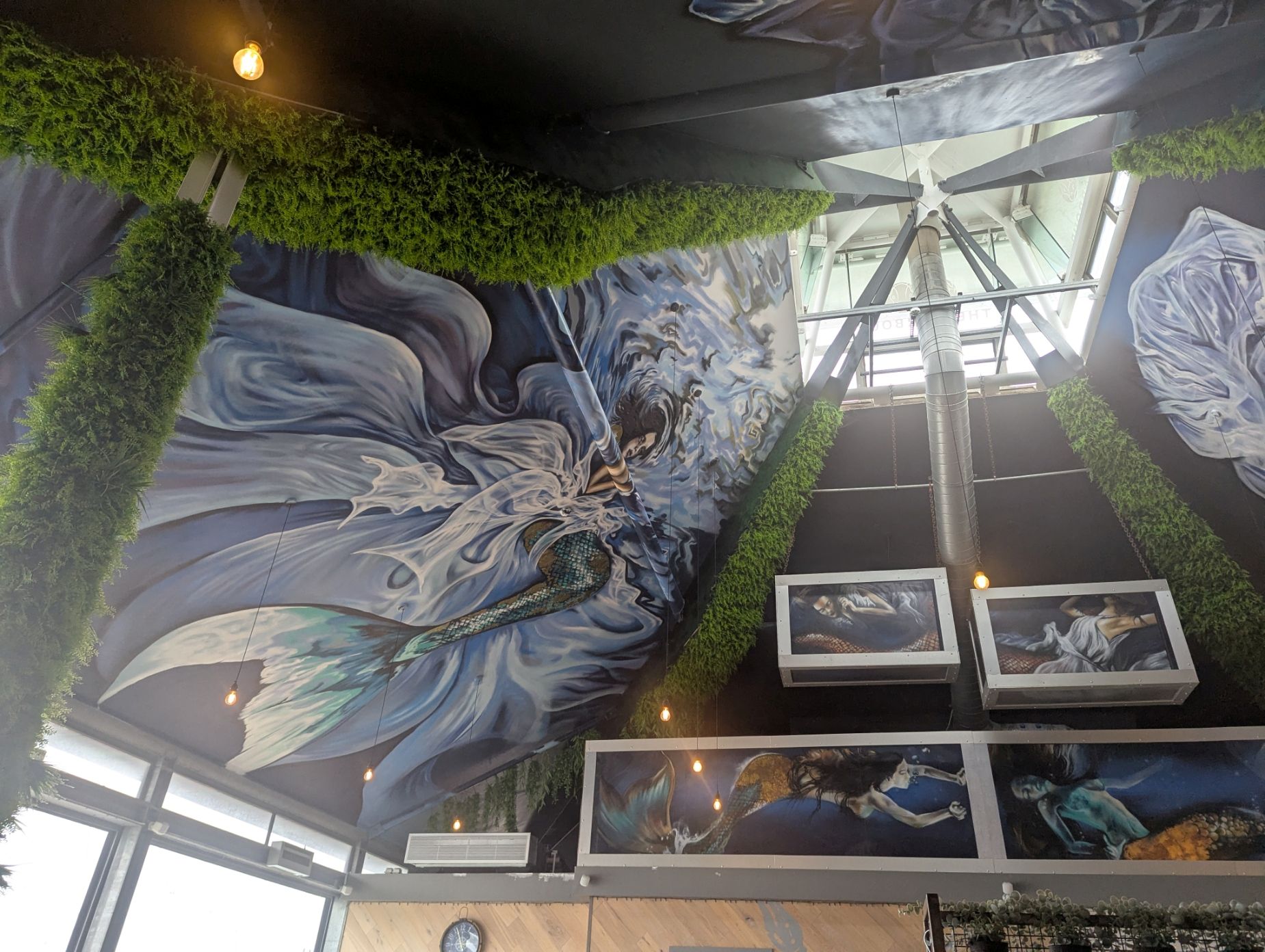
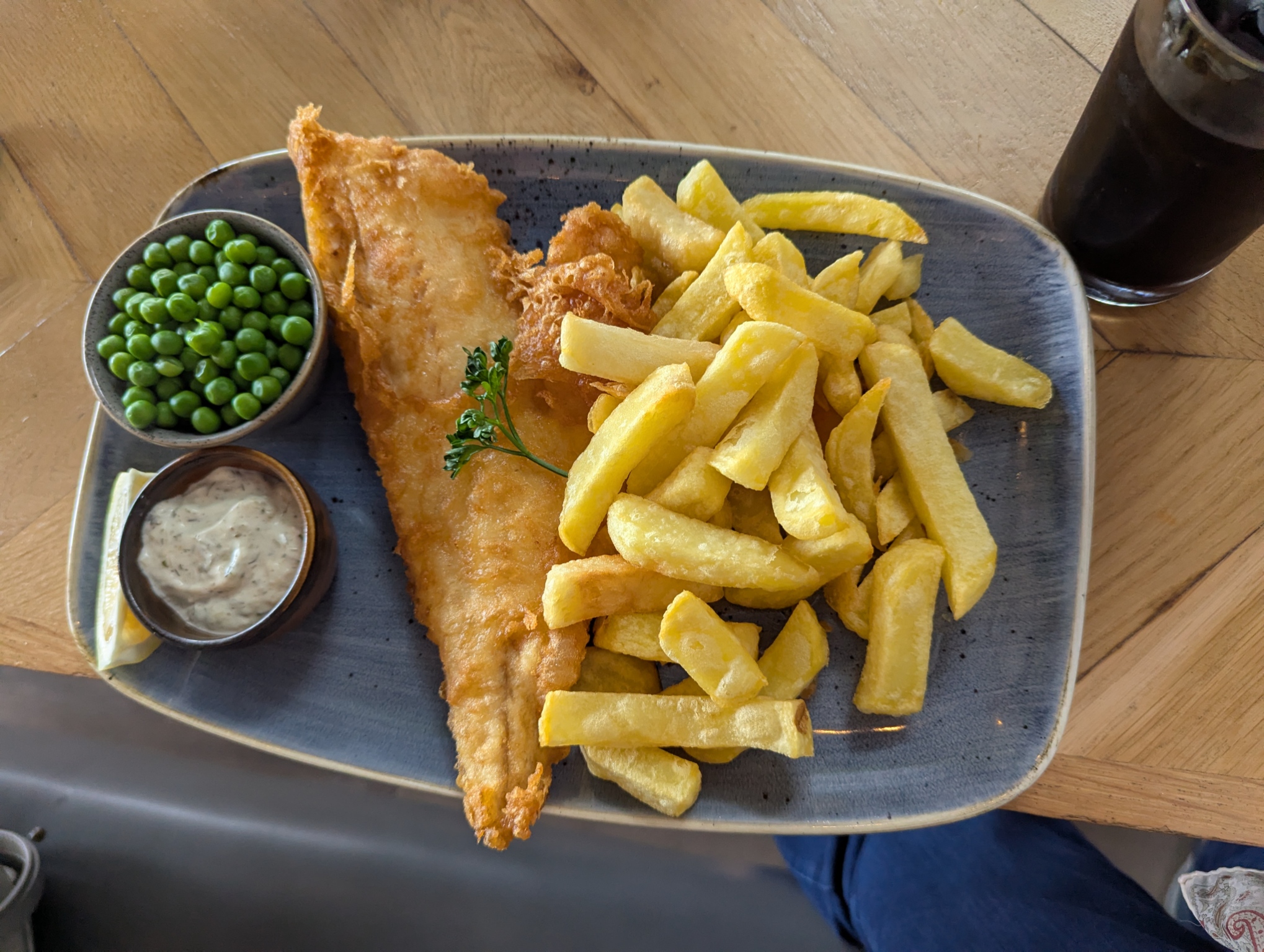
Returning to Truro after late lunch on the harbour
British Politics
 |
Tuesday 16th June 2026
Remembering Jo
Emma Burnell From the Editor’s Desk
It’s been a decade since the murder of Jo Cox MP. I reflect a little on the Jo I knew.
 |
Ten years ago, a friend of mine was brutally murdered by a fascist. She was murdered for what she believed in – what I believe in. She was murdered as she went to a constituency surgery where she had anticipated spending the next few hours helping local people as their MP. She was murdered because she was an MP. She was Jo Cox and today we are honoured to run a candid, honest, loving interview with her sister Kim Leadbeater about Jo’s life and legacy.
I don’t want to overclaim on my relationship with Jo. I suspect from everything I have heard since her death that everyone she met considered her a friend. But I did know her and care for her and was deeply disturbed and upset by her death.
Jo and I first met in 2013. I had put my name forward to be on the Executive Committee of Labour Women’s Network which she was chairing at the time. She invited me for a coffee – I think she was trying to decide if I was ‘sound’ as I had a decent chance of being elected (I was). Not – I should stress – whether I was in the right or wrong faction of the Party, but whether I would bring a factional lens to LWN which they have always striven to avoid.
Halfway through that ‘getting to know you’ coffee where we talked about the challenges women face in politics and in Labour politics in particular my phone buzzed with a new email. Even then, I was terrible at ignoring my phone (and was going through a job search at the time which would have made it even more impossible to do). The email was from a national newspaper offering me an interview. I told Jo this and the atmosphere of our meeting completely changed. She immediately sprang into action thinking about what I would need to do to get the job and how she might be able to help.
The energy she exhibited was breathtaking and impressive. Her ability to turn from ‘I need to check if this person is going to disrupt my organisation’ to ‘this is a woman with an opportunity to make a difference, how can I help?’ in that instant was what set her apart for me. Her ability to immediately assess a situation and respond to it was palpable and masterful.
Once I was elected, I invested my time over the next few years to work with Jo and others in LWN, to affiliate us as a fully constituted Socialist Society. Jo lived on a canal boat with her young family. We would frequently have our meetings in the cabin where they were docked. It was a fantastic combination of quirky and practical that suited Jo perfectly.
I think if you were going to ascribe three words when talking about Jo, you could do worse than “Labour”, “Women” and “Network”. Jo was passionate about Labour politics but not blind to the faults of the party – especially in the way it treated women. Jo was passionate about her feminism and pushing women’s rights in very practical ways through internal party campaigning as well as working to change women’s lives for the better around the world with her international development work.
And Jo was a great networker. She would put people together who might find each other useful and interesting in such a skilled way – the mother spider (think Charlotte – not arachnophobia here) spinning a delicate and beautiful silken web that connected more people than even she knew.
It has been a long ten years since the terrible day we lost Jo. So much has changed and far too little has changed. The Labour Party has been through a series of divisions and challenges and periods of great uncertainty – from the Brexit referendum a week after Jo’s death to the fallout from the recent disastrous local elections. Whatever happens next – and however we each feel about it as individuals – I hope Labour members will realise that – in the words of Jo Cox: “We are far more united and have far more in common with each other than things that divide us.”
LabourList will continue to platform robust debates and discuss our differences of opinion. That’s a big part of our job. But equally we are always conscious that we need to reflect on the things that we can unite around. That’s why our weekly ‘Delivering in Government’ column is so important as it reminds us all of the difference we are making. That’s why I am delighted we have the second instalment today of our weekly ‘Delivering in Local Government’ column which highlights the difference Labour makes in communities around the country. There’s plenty more to come – and if you’re a Labour councillor and want to highlight your achievements please email us!
In the meantime, let’s all remember Jo today and try to do something, however big or small, to honour her legacy.
 Robin's Room