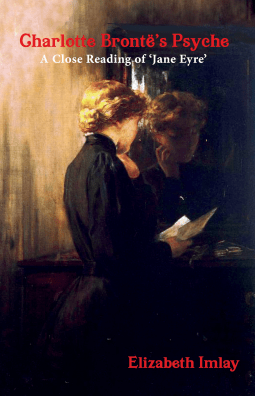
Elizabeth Imlay Charlotte Brontë’s Psyche A Close Reading of ‘Jane Eyre’ Aurora Metro Books|River Light Press, May 2026.
Thank you, NetGalley, for providing me with this uncorrected proof for review.
Elizabeth Imlay has adapted her earlier publication to consider the decrease in classical education. The result remains an exciting analysis of Jane Eyre, where Imlay’s classical interpretation is approached with rigour but made easier for strangers to this field. Her use of mythological references is more familiar territory, and I found what could have been a difficult read, one that I enjoyed immensely while learning a new approach to Charlotte Brontë’s work. Coming to Jane Eyre anew was an educative process, as I have been so committed to the feminist analysis with which I feel comfortable, and finding the novel wanting. Imlay also has a feminist approach but seen through classical and mythological interpretation of the text it opens up the potential to a new feminist spirit with which to understand the novel.
Imlay suggests rereading Jane Eyre before approaching her work and this is good advice. Having read the early chapters of Charlotte Brontë’s Psyche A Close Reading of ‘Jane Eyre’ I was pleased to consider the novel from Imlay’s perspective as I read. This was an enlightening process, as can be the case when approaching literature with new perceptions. This process was rather like the rereading of texts from a wholly feminist outlook which has been a significant endeavour since the 1970s. How immensely literature classes studying Jane Eyre, or indeed any of the Brontë sisters’ works, would benefit from adopting Elizabeth Imlay’s Charlotte Brontë’s Psyche A Close Reading of ‘Jane Eyre’ as a starting point for analysis.
While Part 1 concentrates on Jane and the novel, Part 2 focusses on Charlotte Brontë. This text provides engaging analysis of Charlotte’s relationship to Jane and significantly, Bertha. Each of the other characters in the novel are shown to have some relationship with Charlotte, while Imlay avoids depicting Jane Eyre as a biographical work. At the same time, the discussion of Charlotte’s creative instinct, the repression of this creativity she suffered because of her economic situation, support of her siblings and advice from a friend and religious aunt is instructive about the lives the writing sisters and Branwell lived. The bibliography includes books owned or believed owned by the family contributing further to an understanding of the family and the scholarly environment in which they wrote.
I found Charlotte Brontë’s Psyche A Close Reading of ‘Jane Eyre’ an exceptionally enjoyable while educative read. I have been encouraged to not only to take Imlay’s advice and reread Jane Eyre, but the other Brontë novels and non-fiction works about them.*
Visit to Leeds and surrounds, including the Brontë Parsonage Museum at Haworth, Sylvia Plath’s grave in Hepstonfall, and JB Priestley’s statue in Bradford.
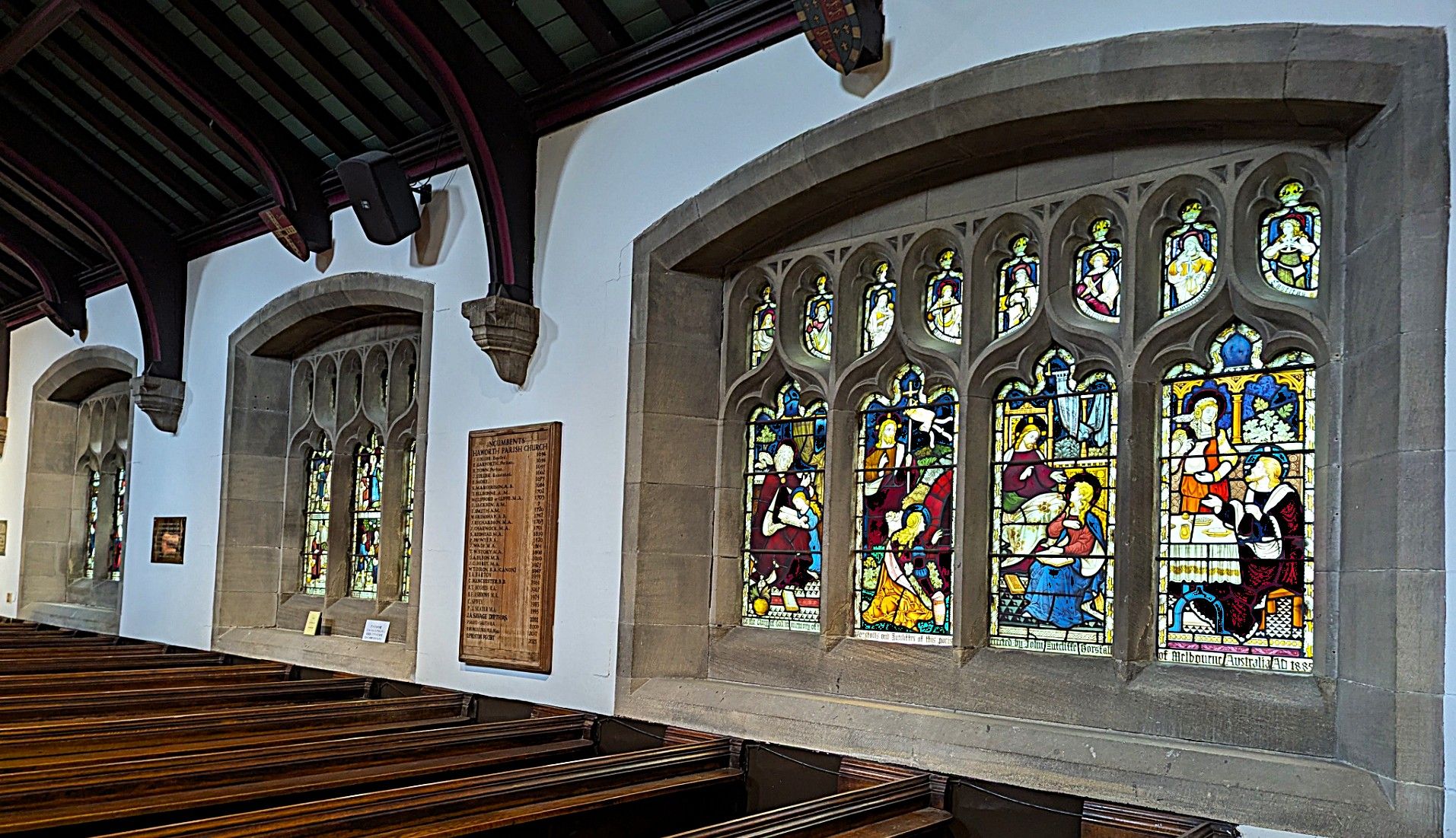
Unfortunately, the first sentence referring to window 1 is cut off. It refers to Mary and Jesus at the beginning of his life.
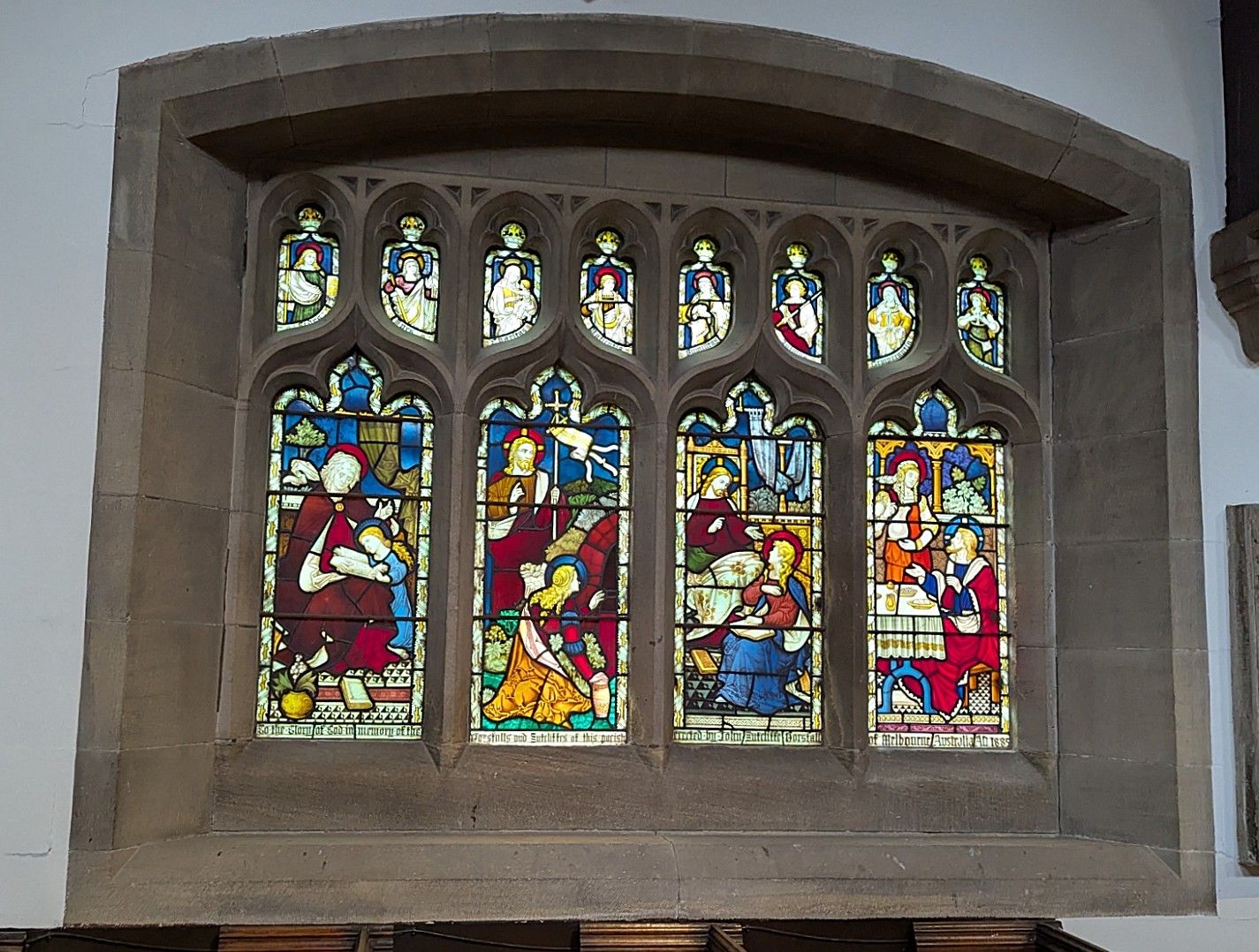
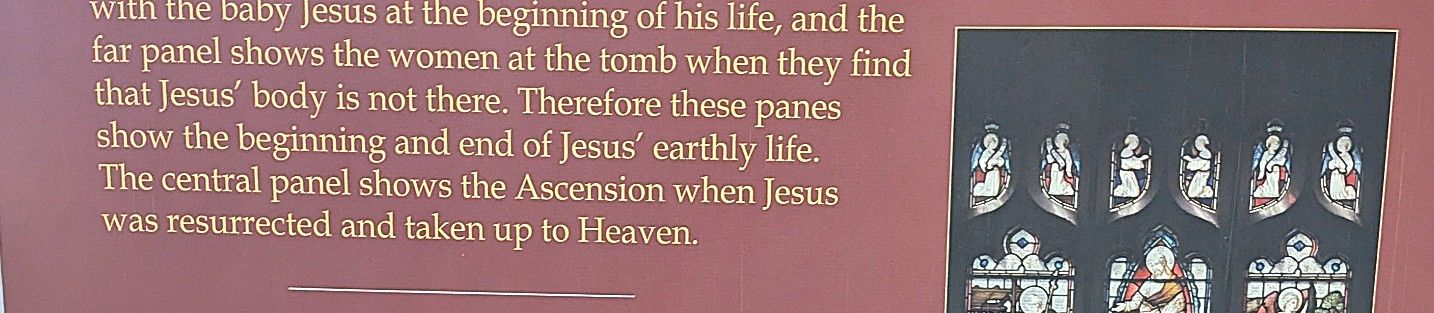
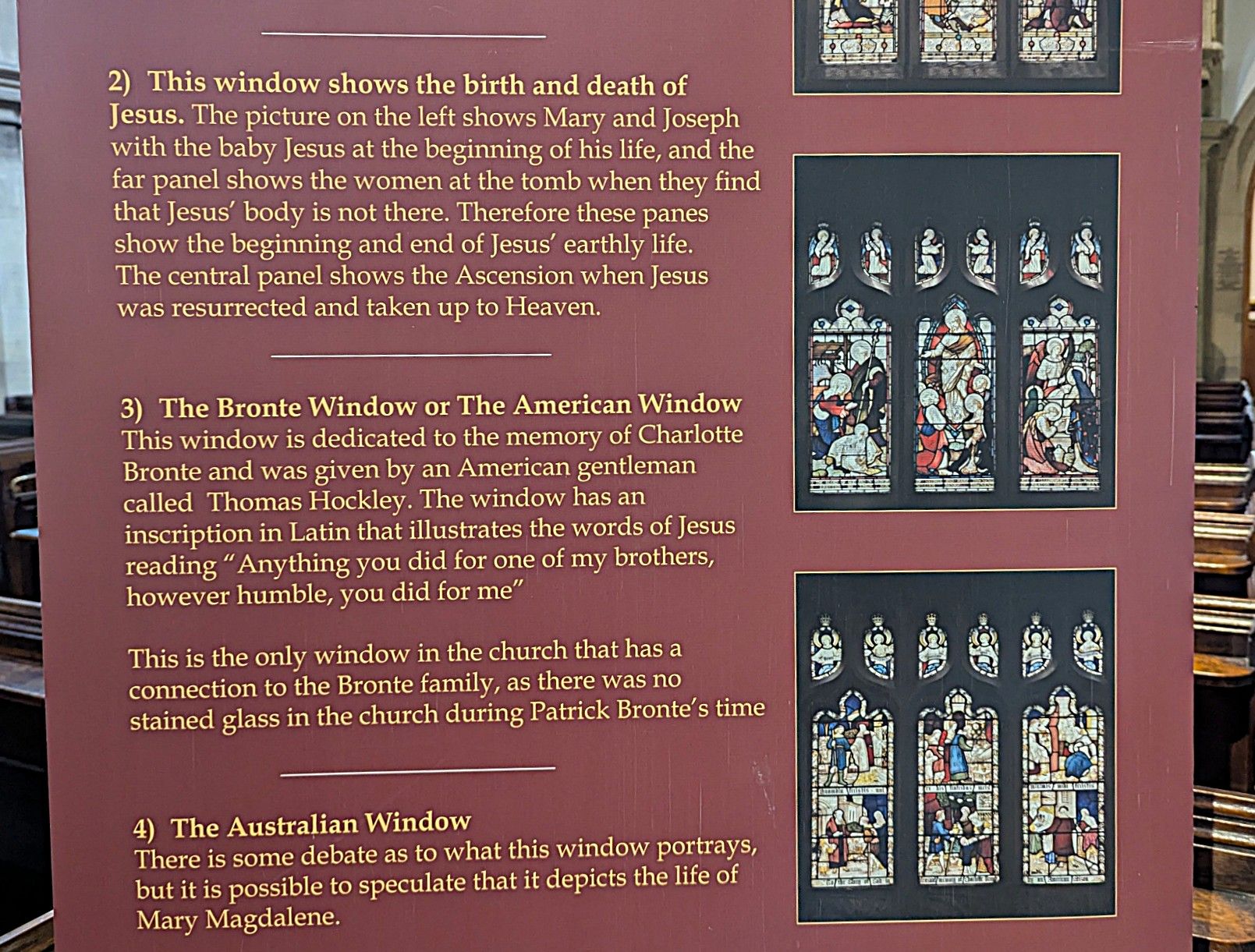
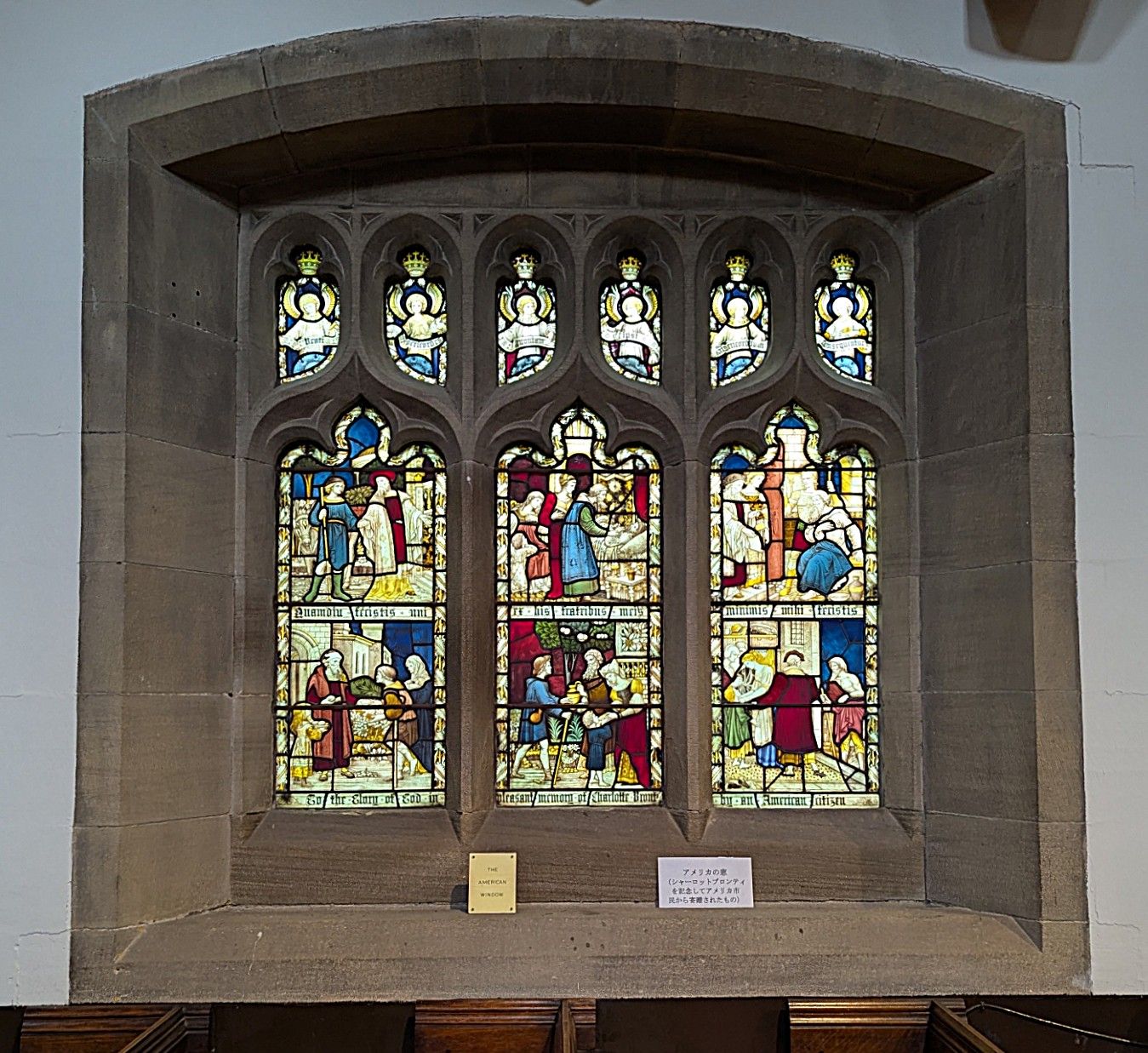
The schoolhouse that the Brontës established, a Harworth street, and post office.
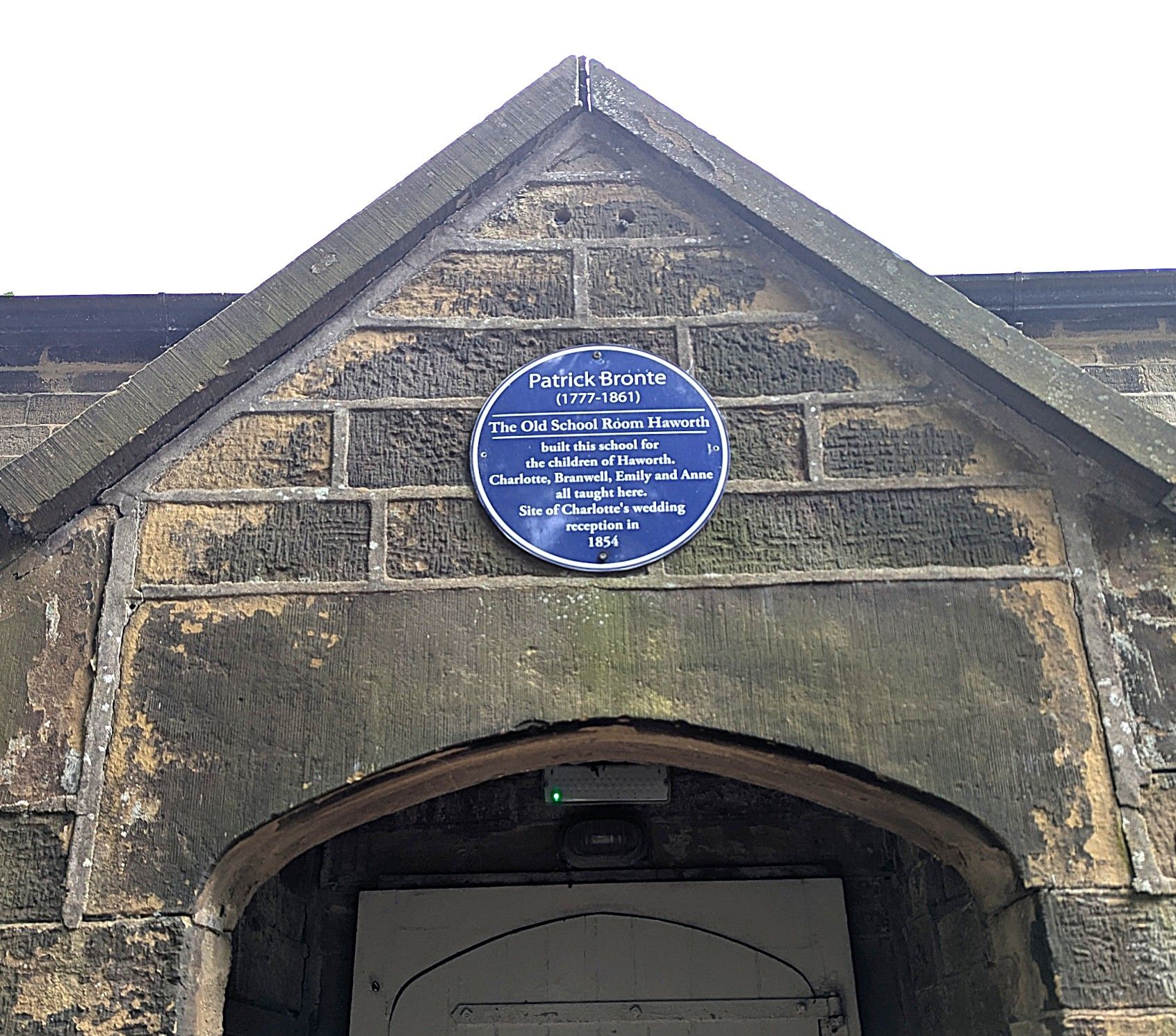
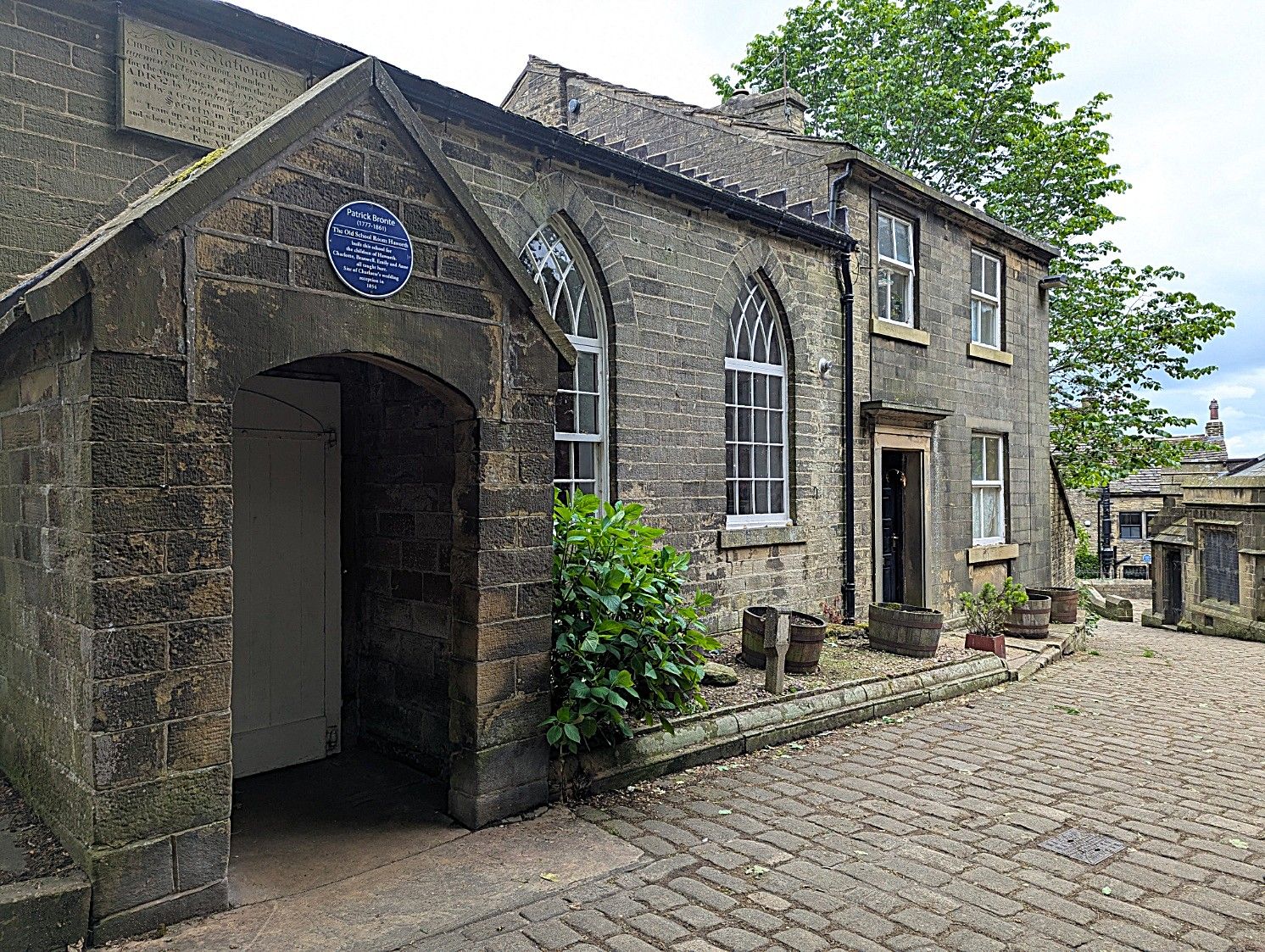
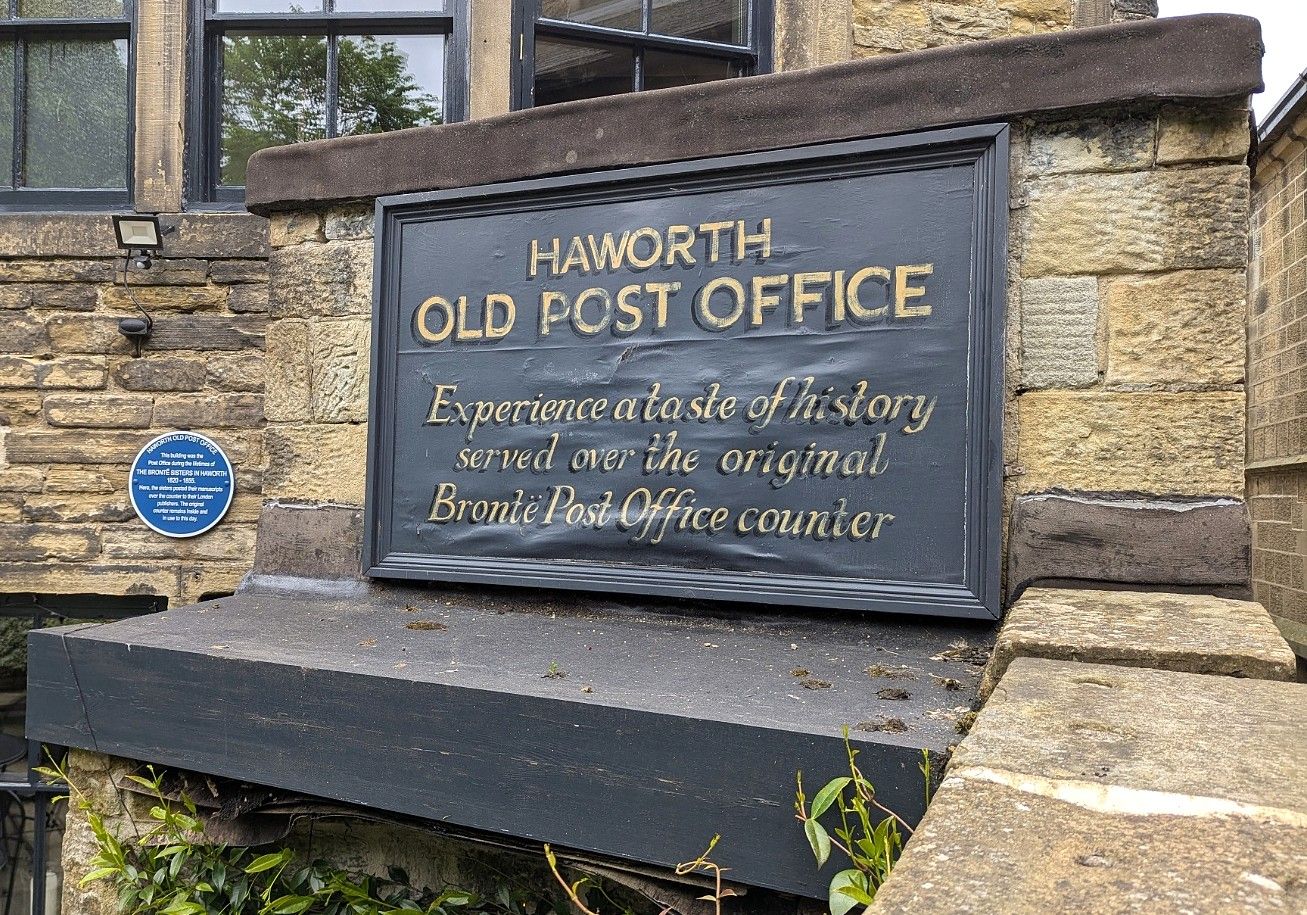
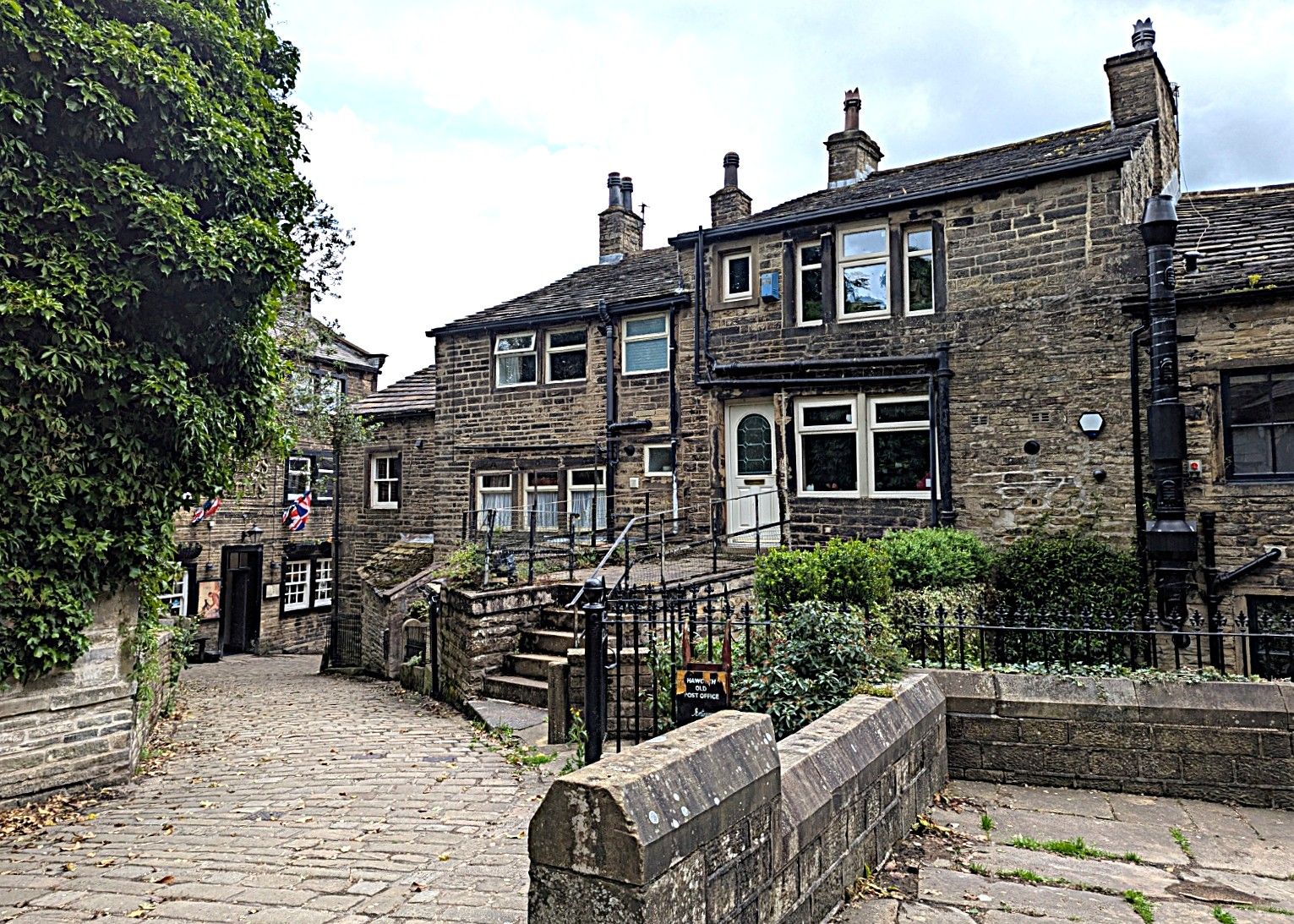
The Brontë Parsonage Museum demonstrates a keen interest in the various film versions of Wuthering Heights with an exhibition dedicated to the film versions. One worker on reception when I was there was happy to engage in a positive discussion about the Margo Robbie and Jocob Elordi version directed by Emerald Fennell, partly perhaps because she is familiar with the book, the environment in which it was written and the multiple film versions and steeped in Brontë material. A group of workers from the museum had attended the Premiere of the film.
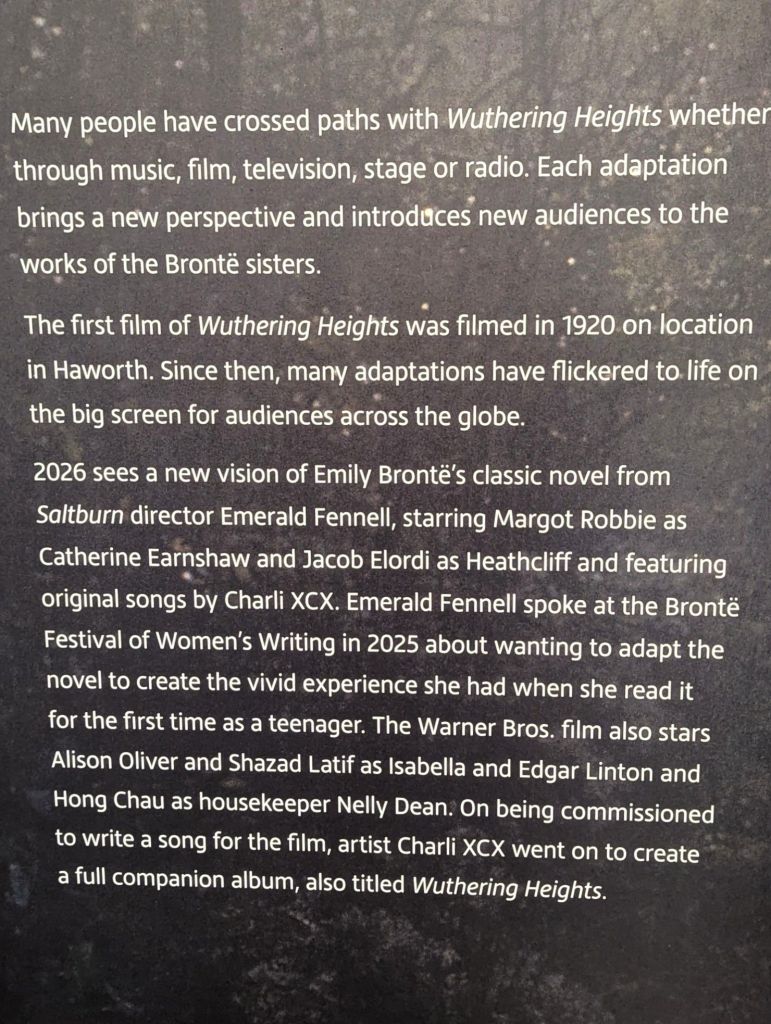
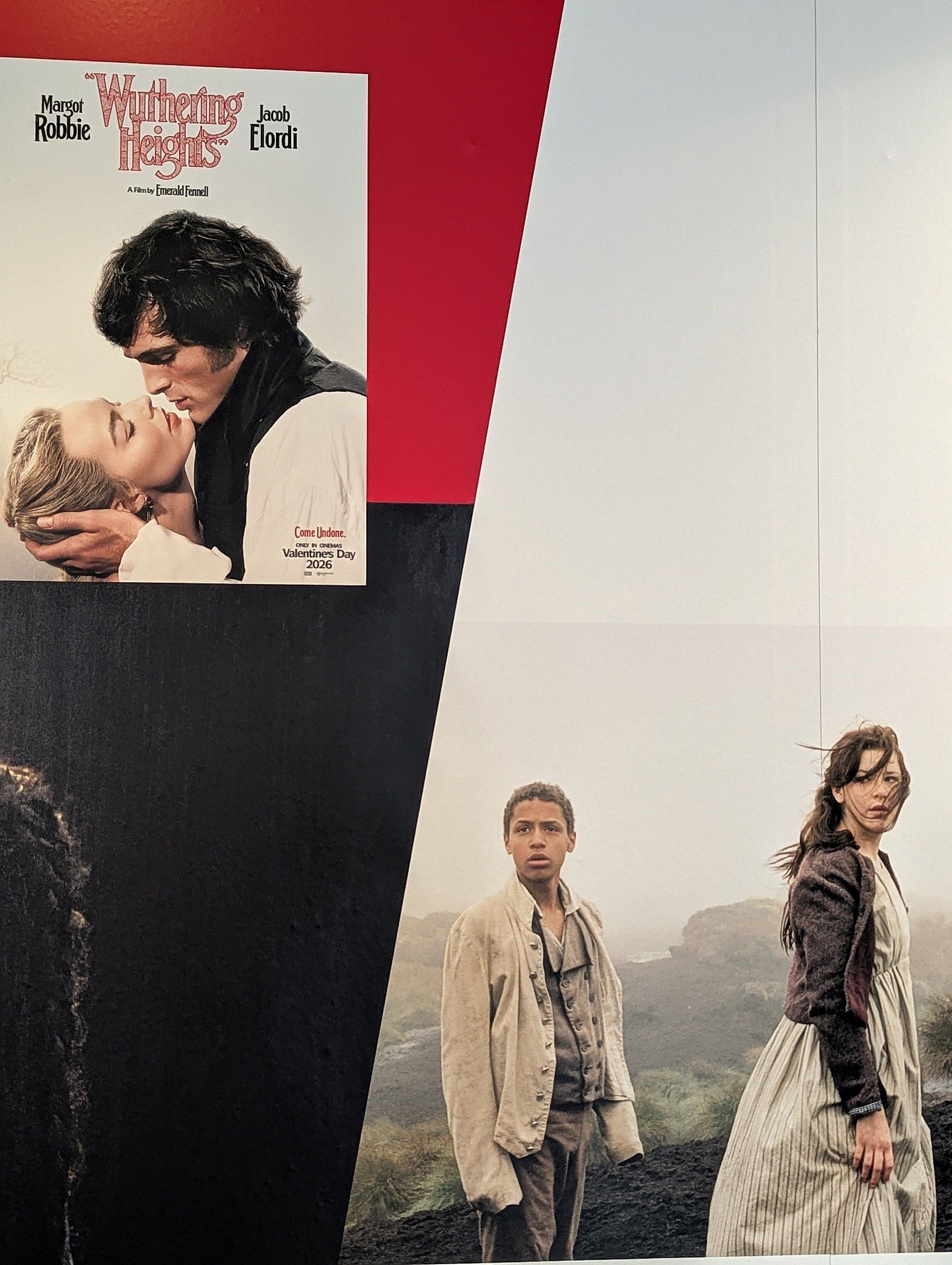
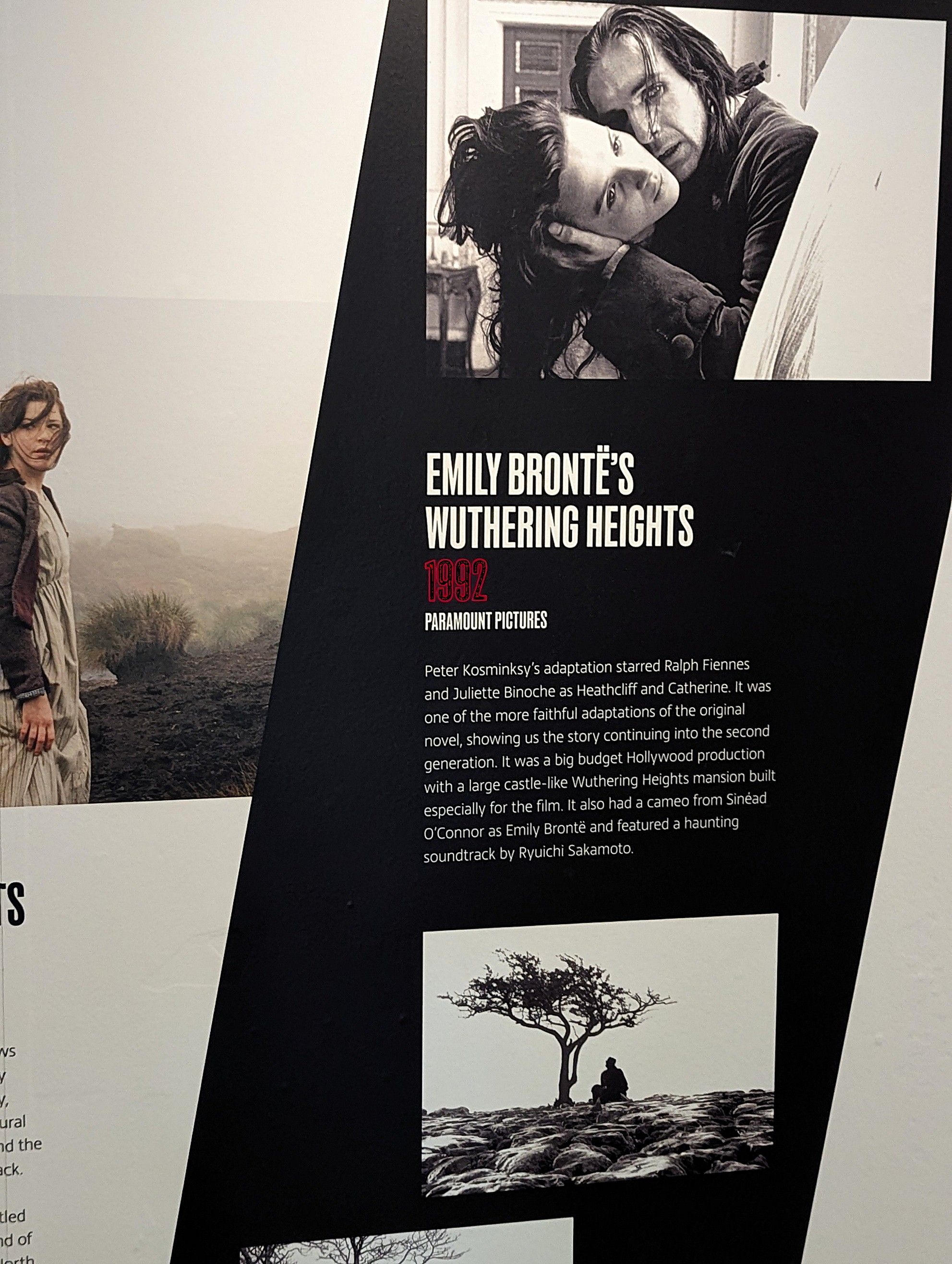
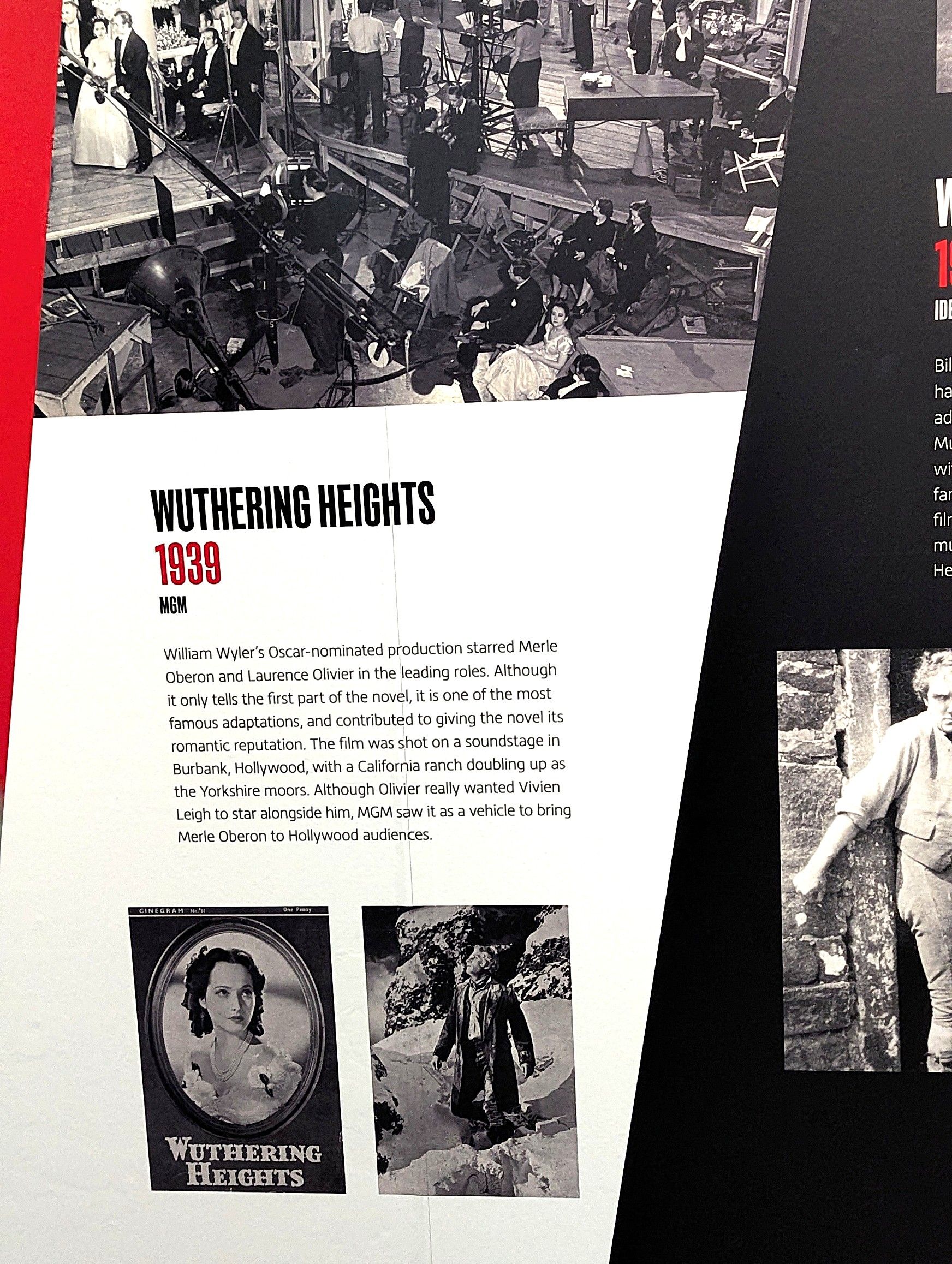
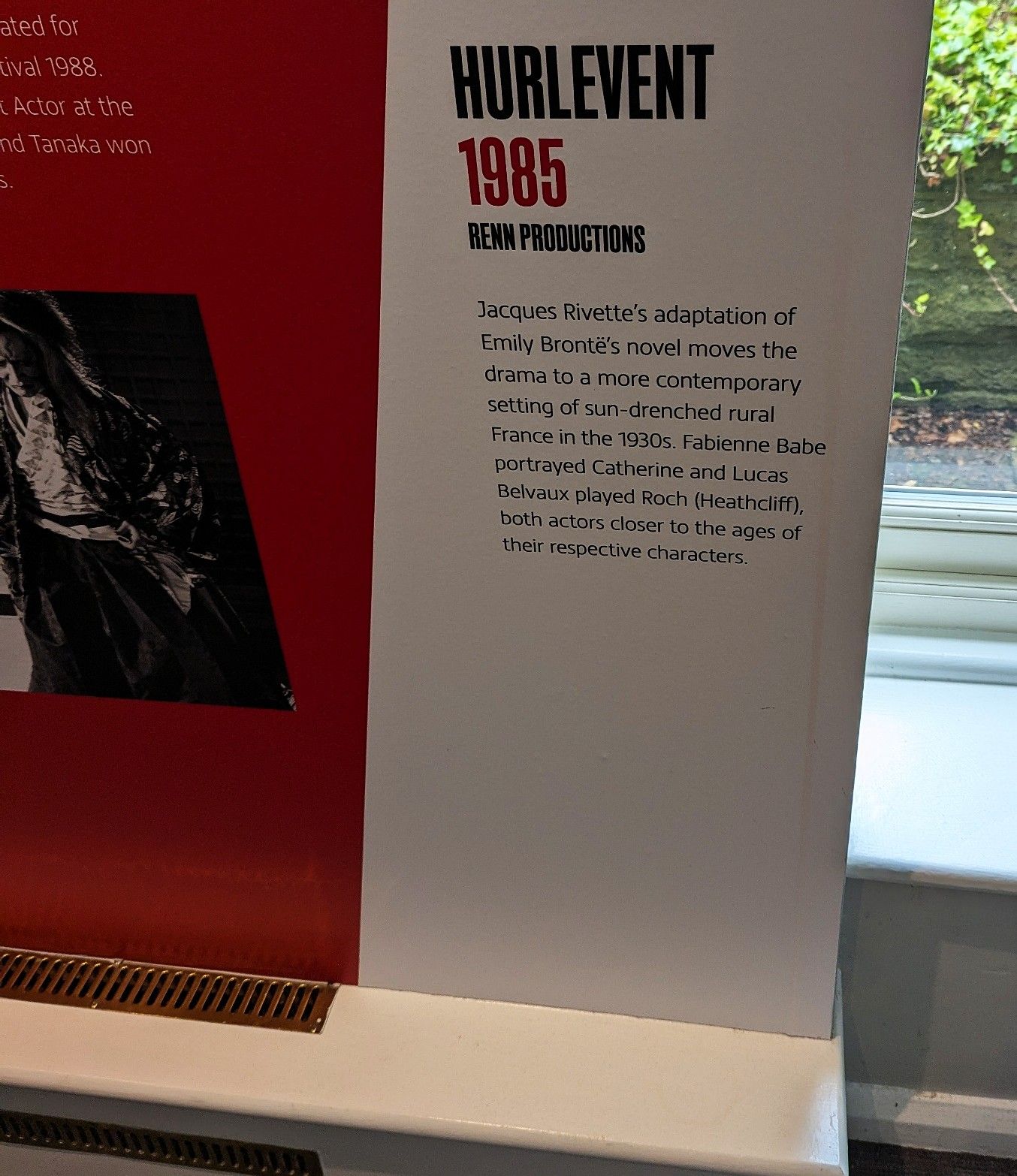
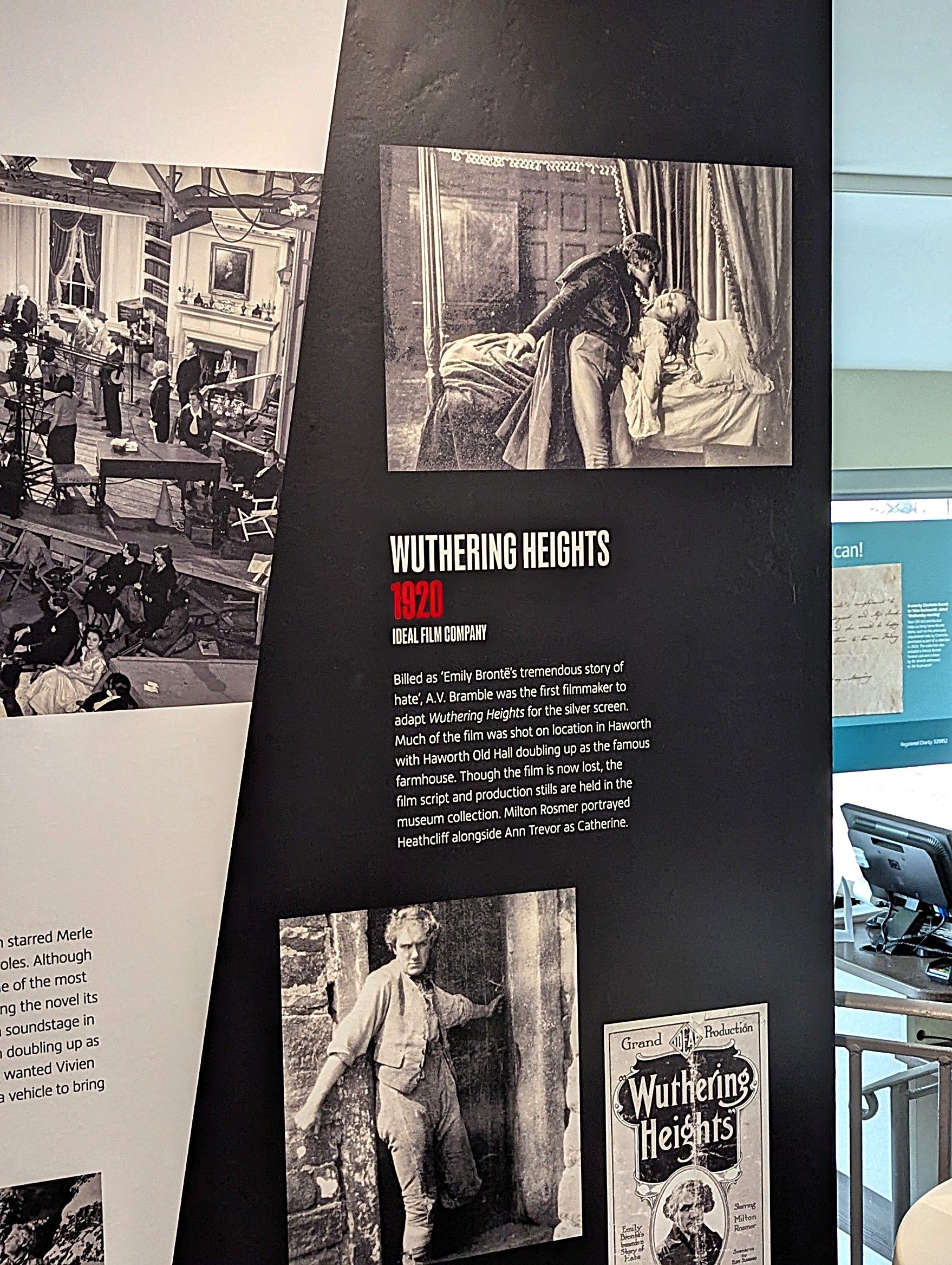
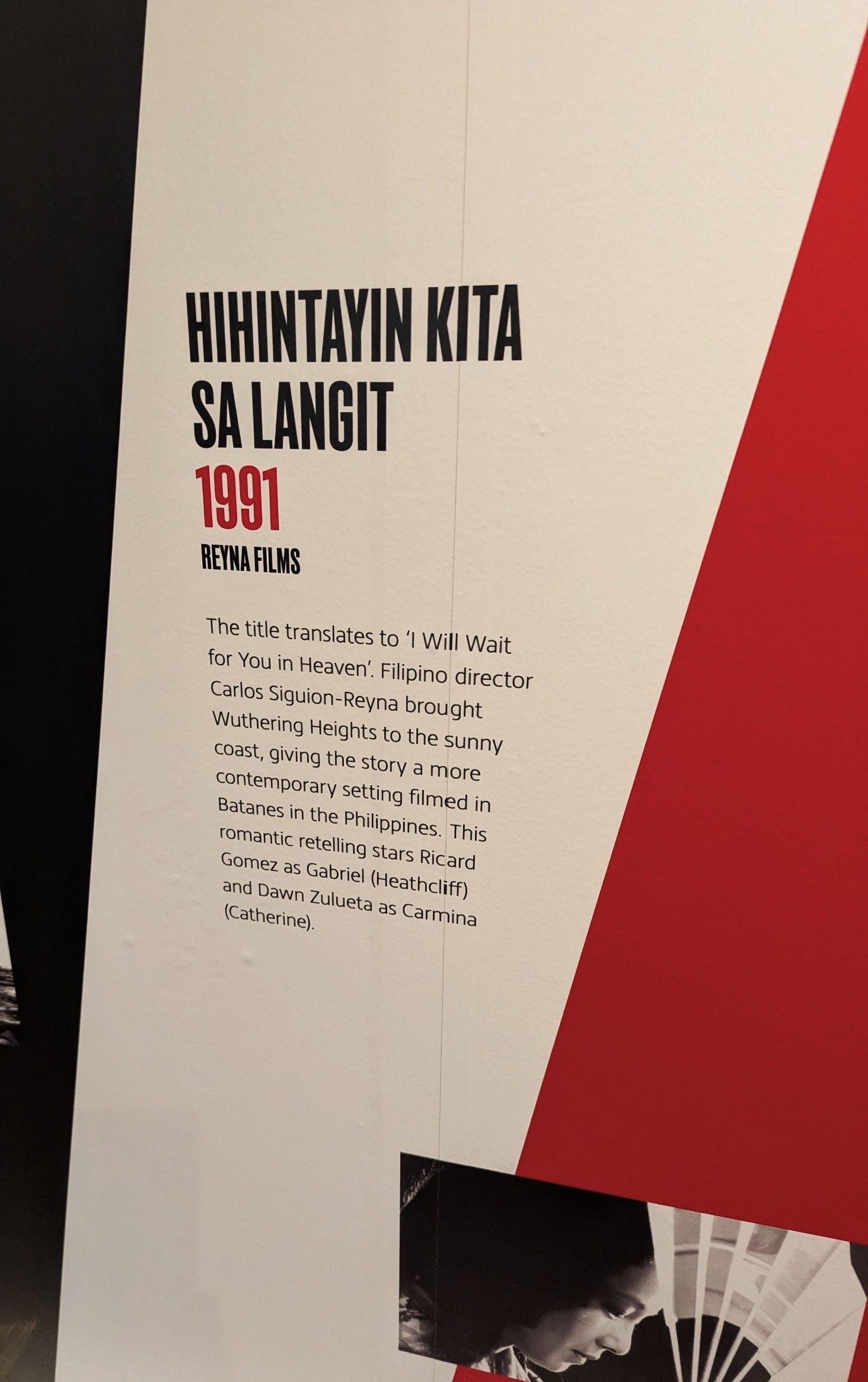
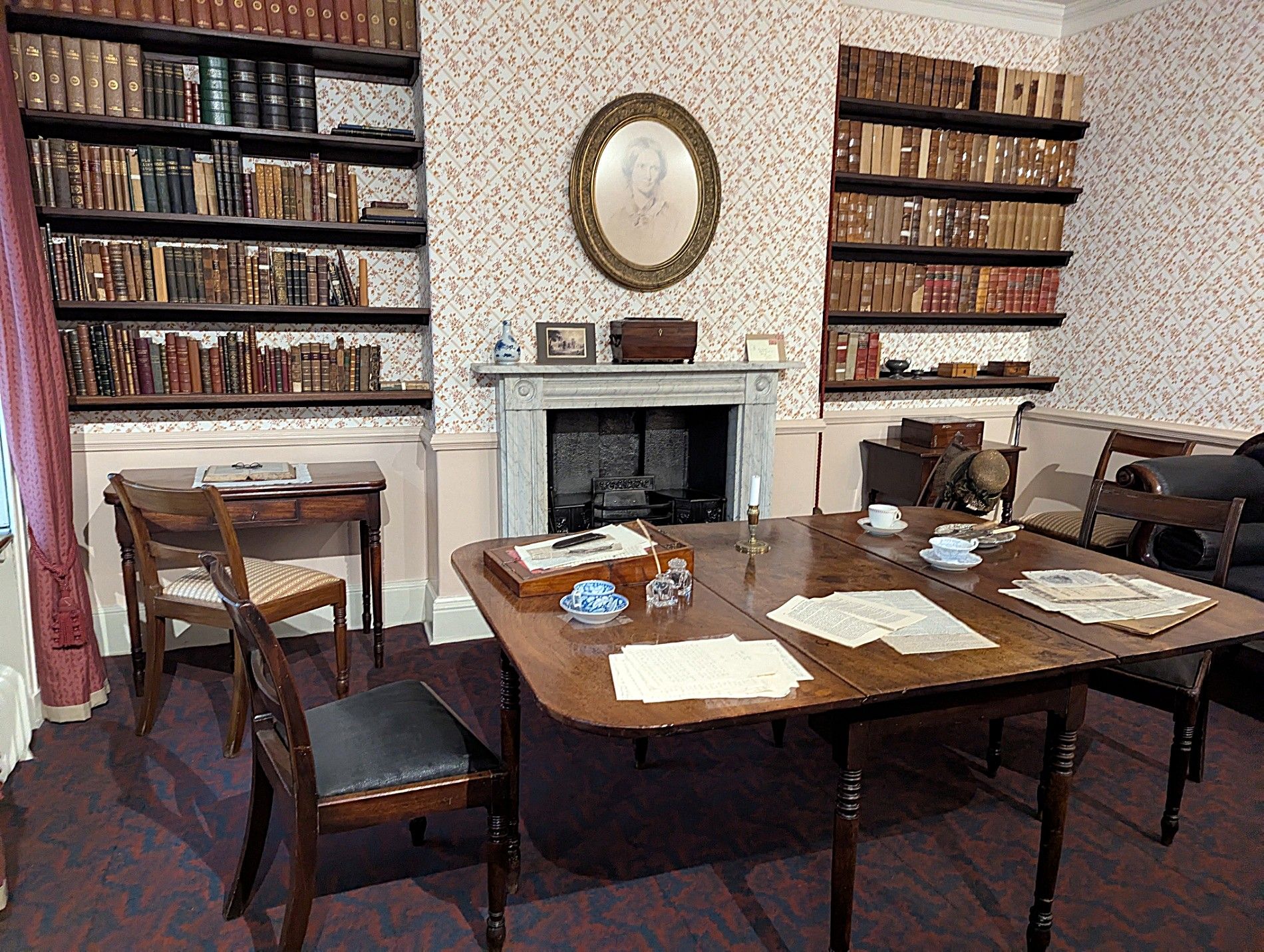
The Brontë Parsonage Museum, is the original parsonage where the sisters wrote Jane Eyre, Wuthering Heights, and The Tenant of Wildfell Hall. As well as the film posters above, it displays manuscripts, personal items, and period rooms. Some of these are below.
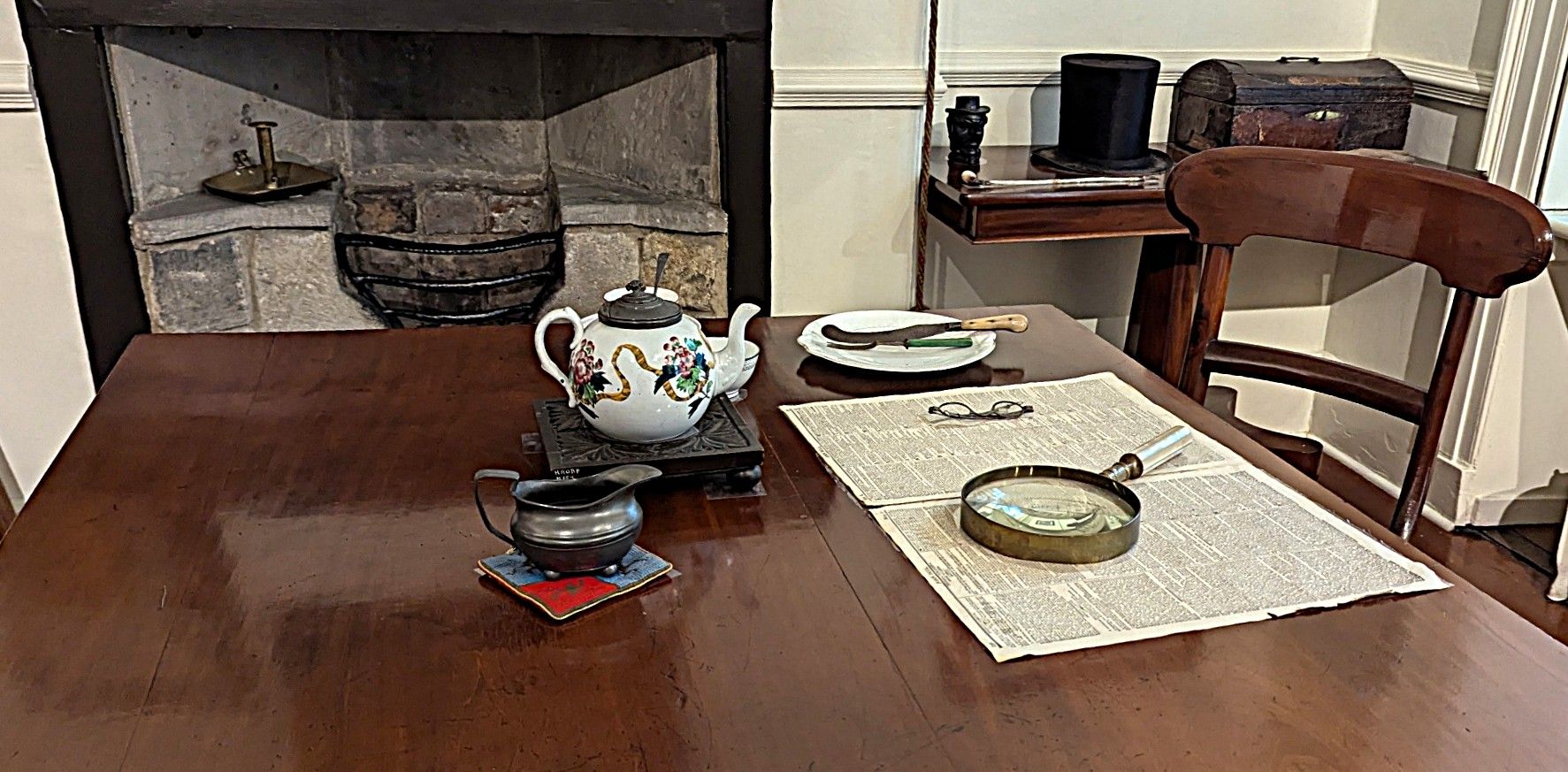
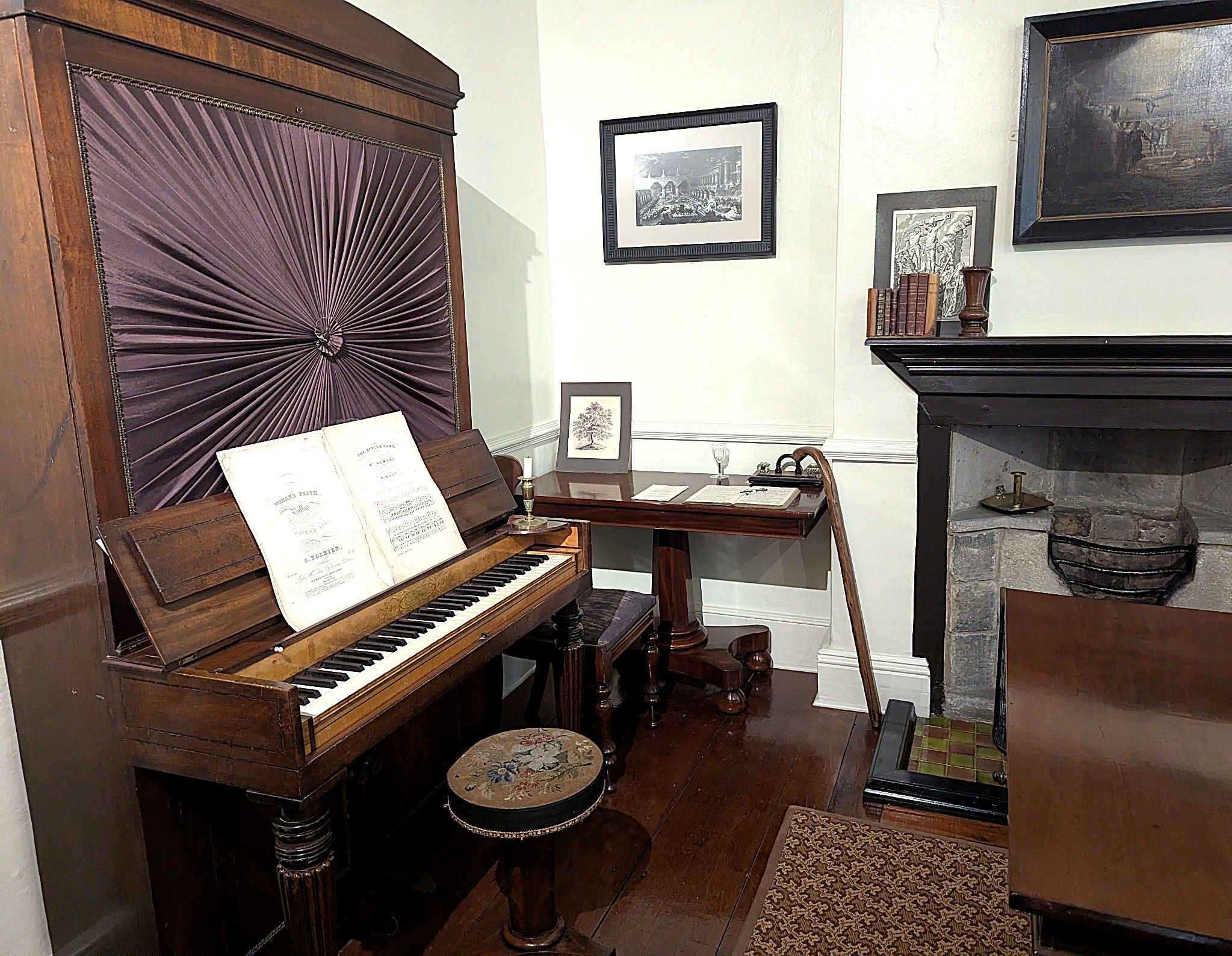
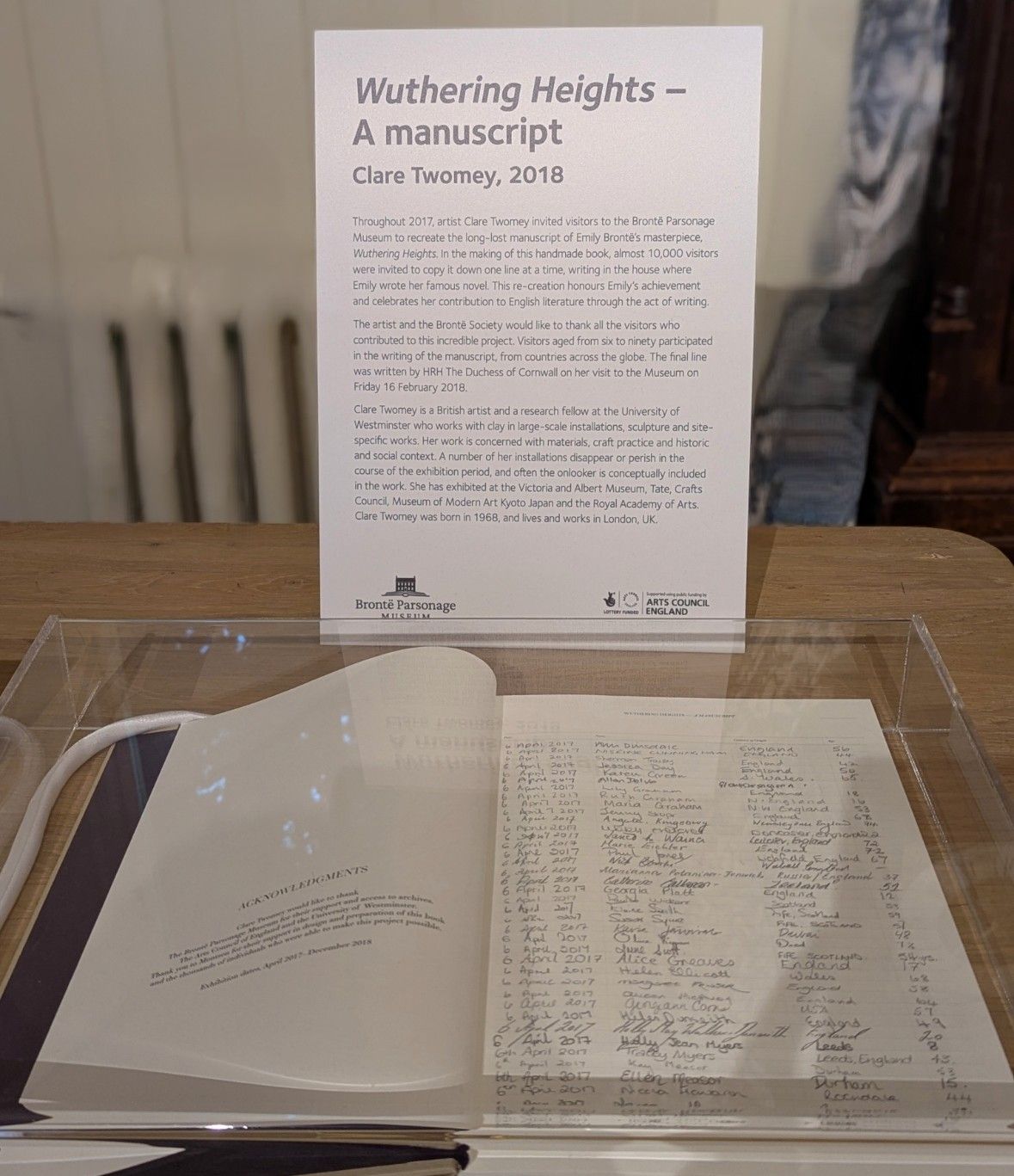
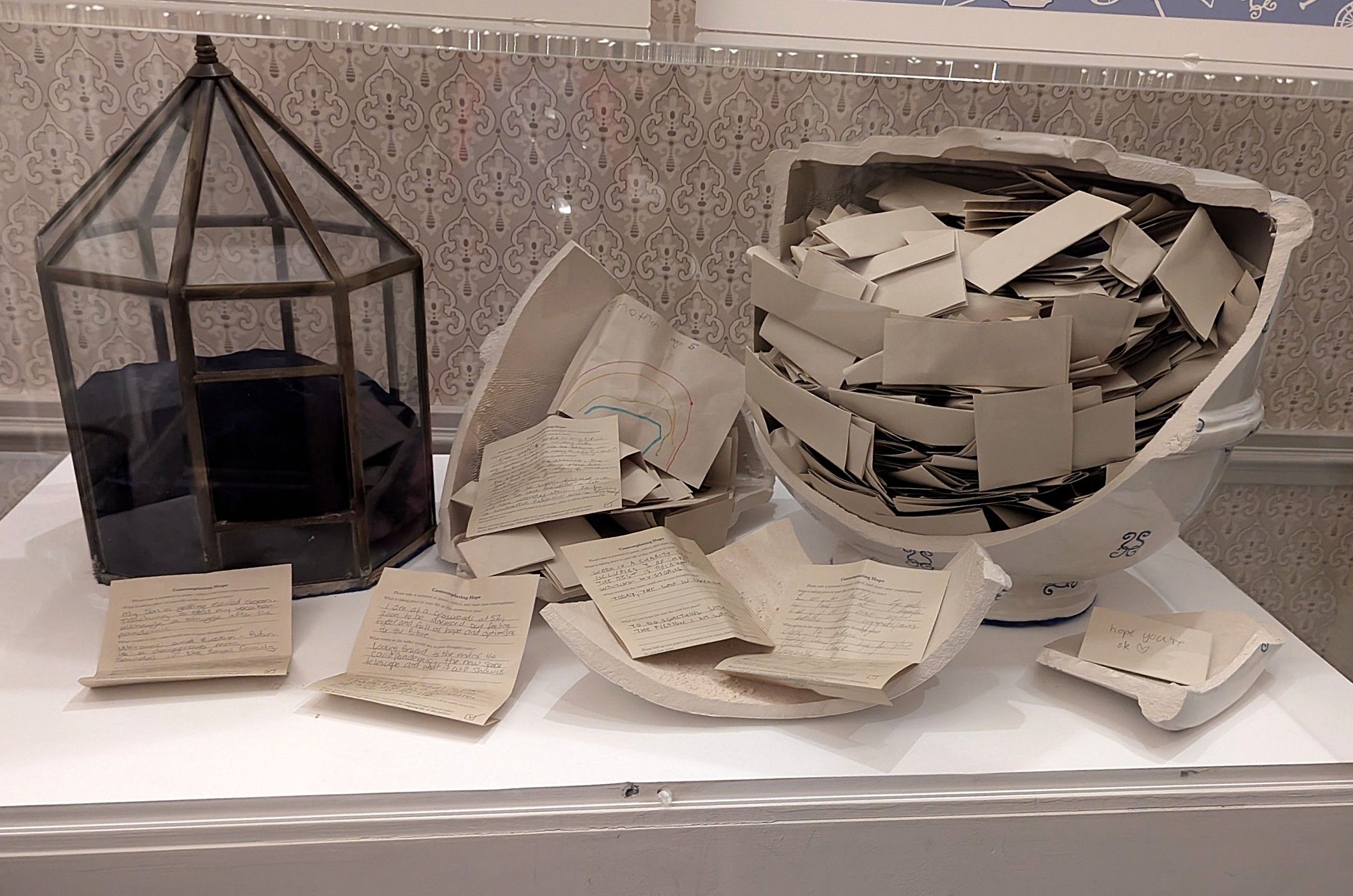
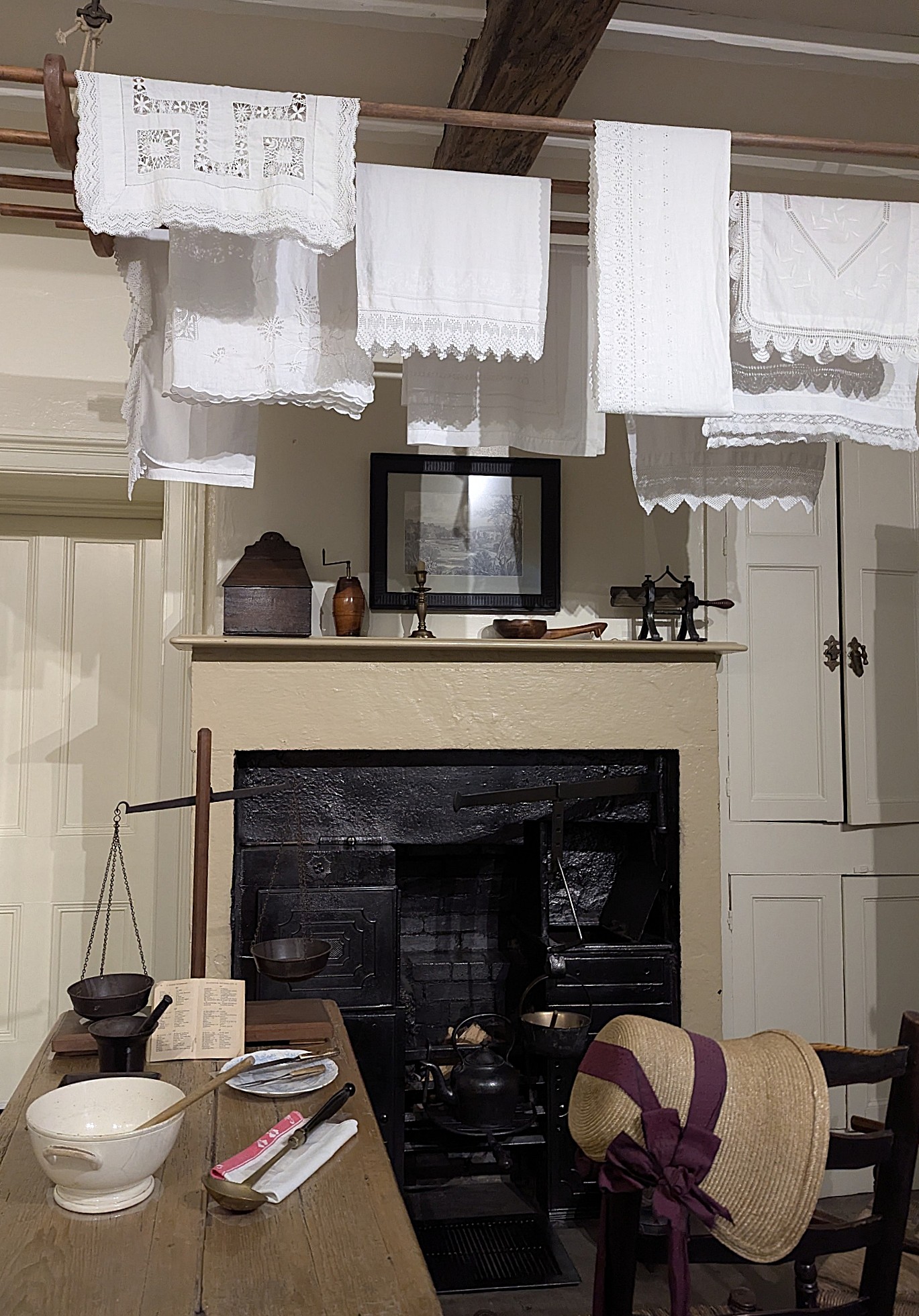
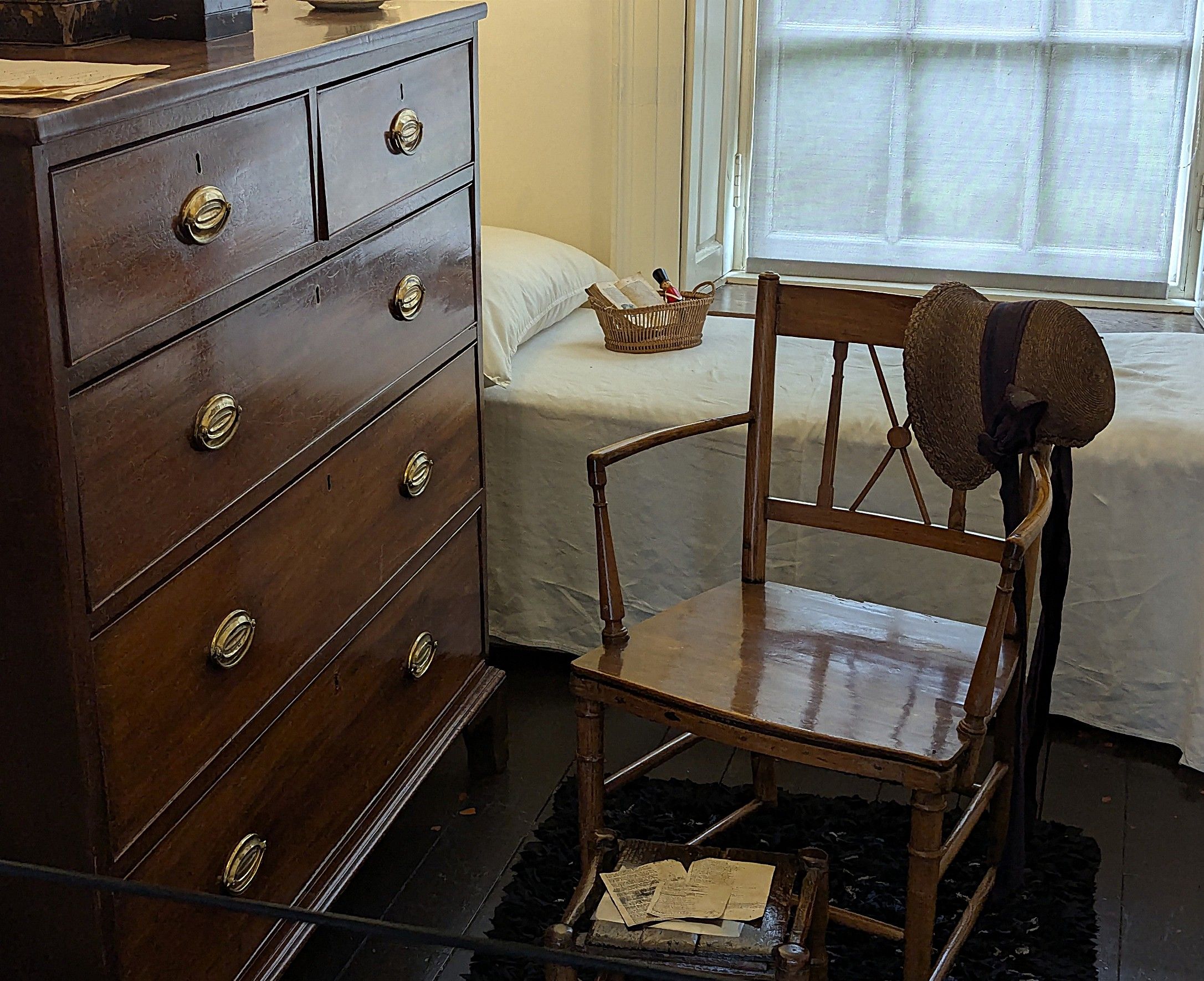
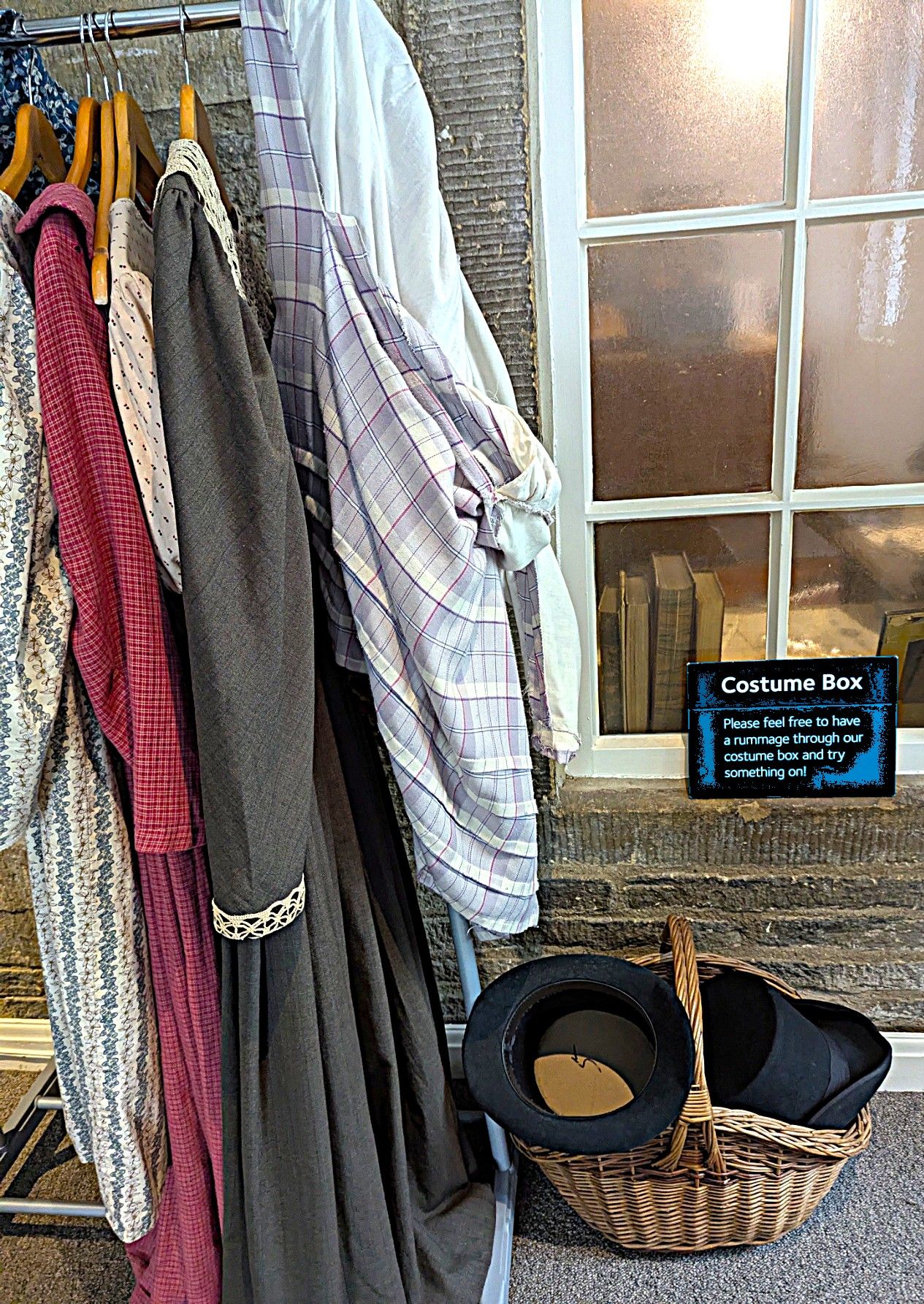
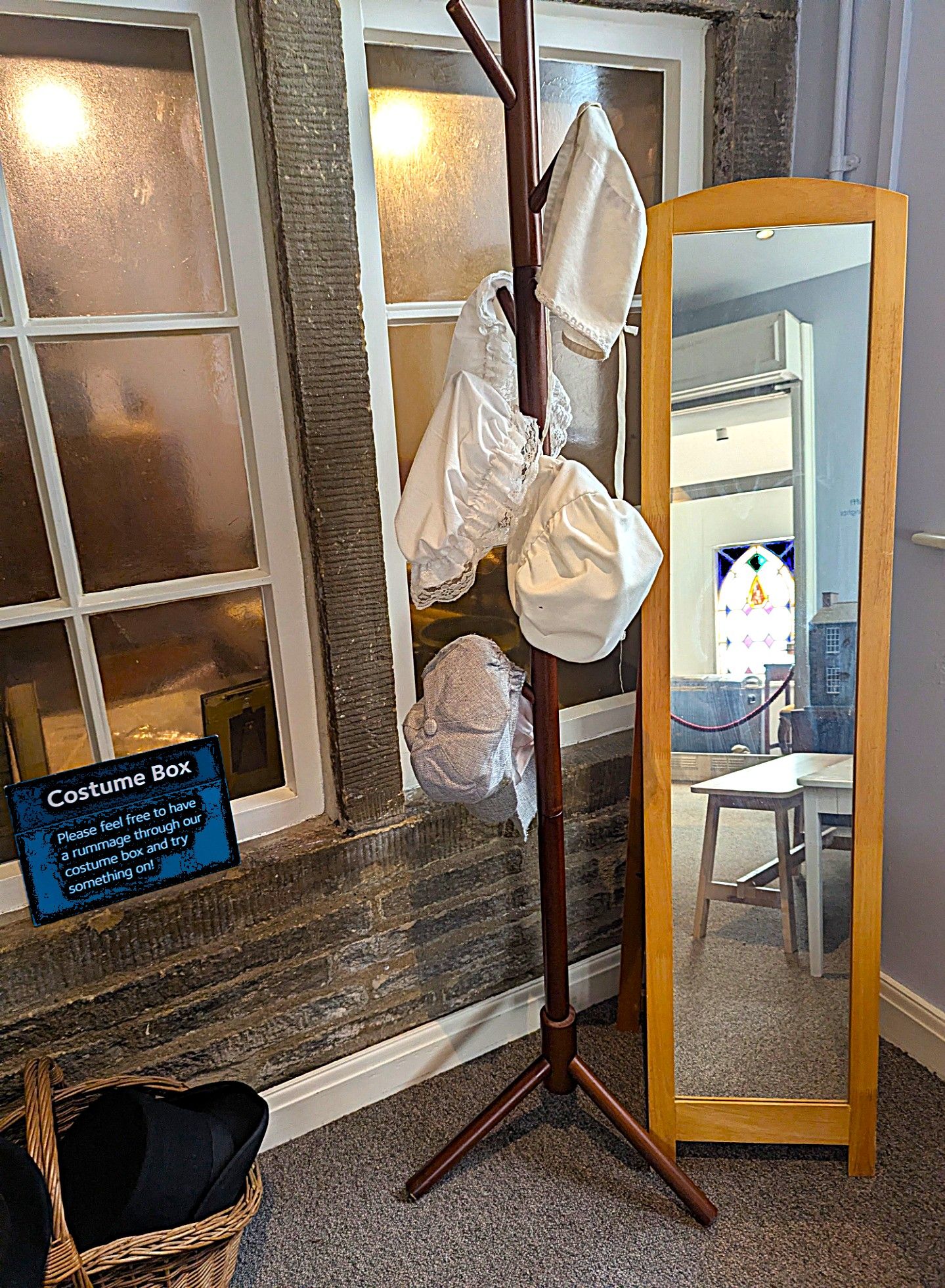
Introduction to the Bronte lives through costume
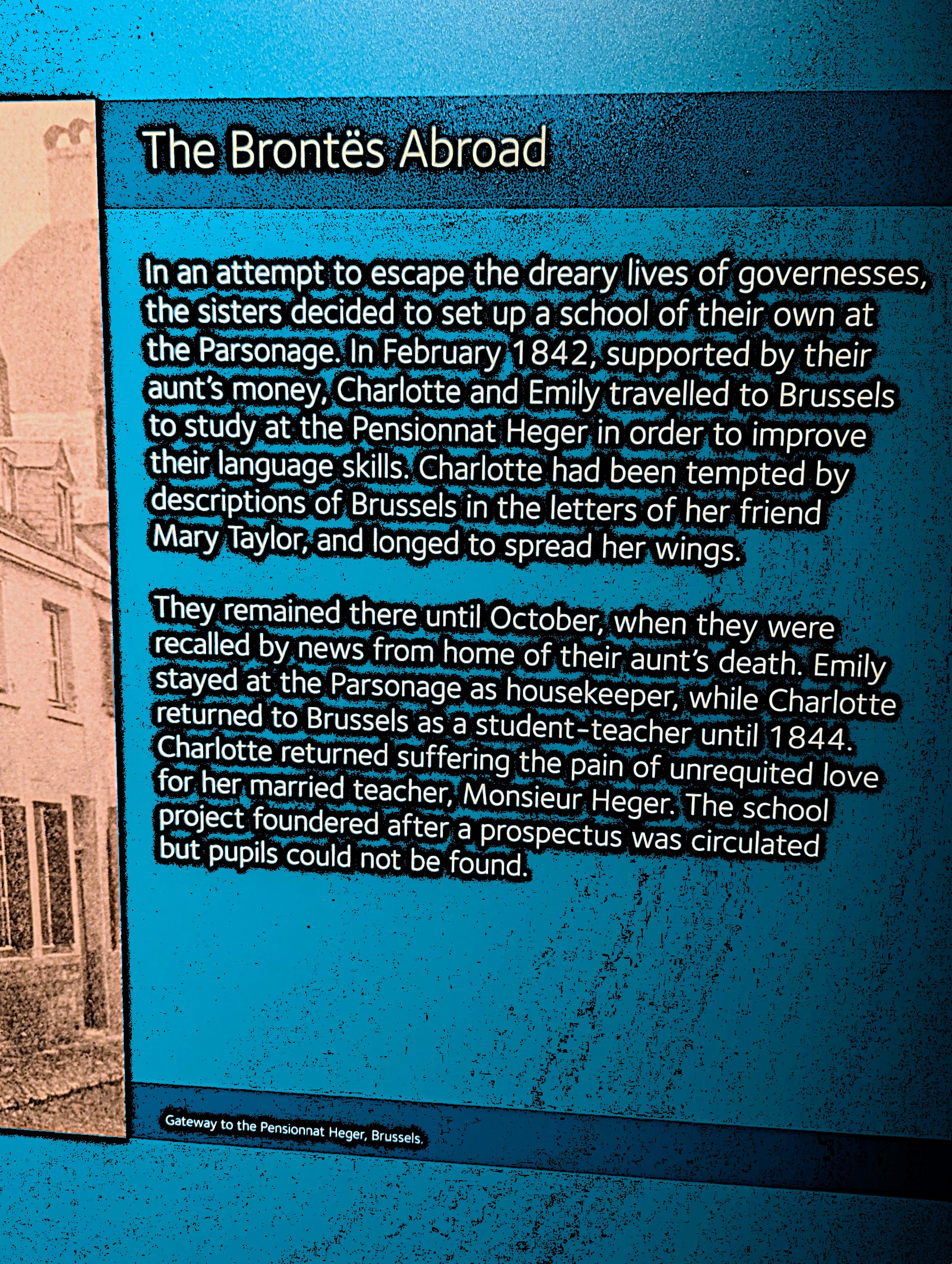
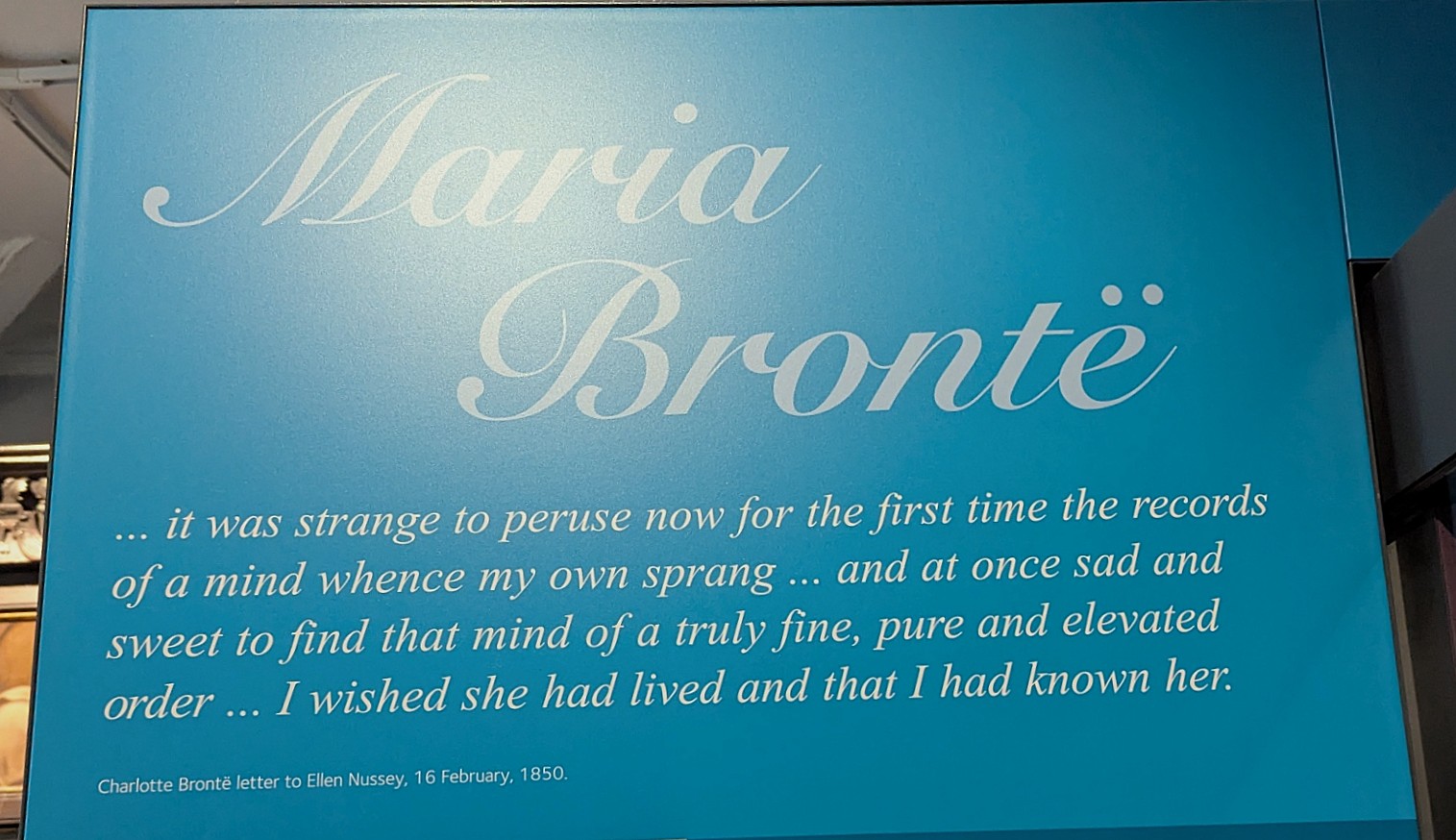
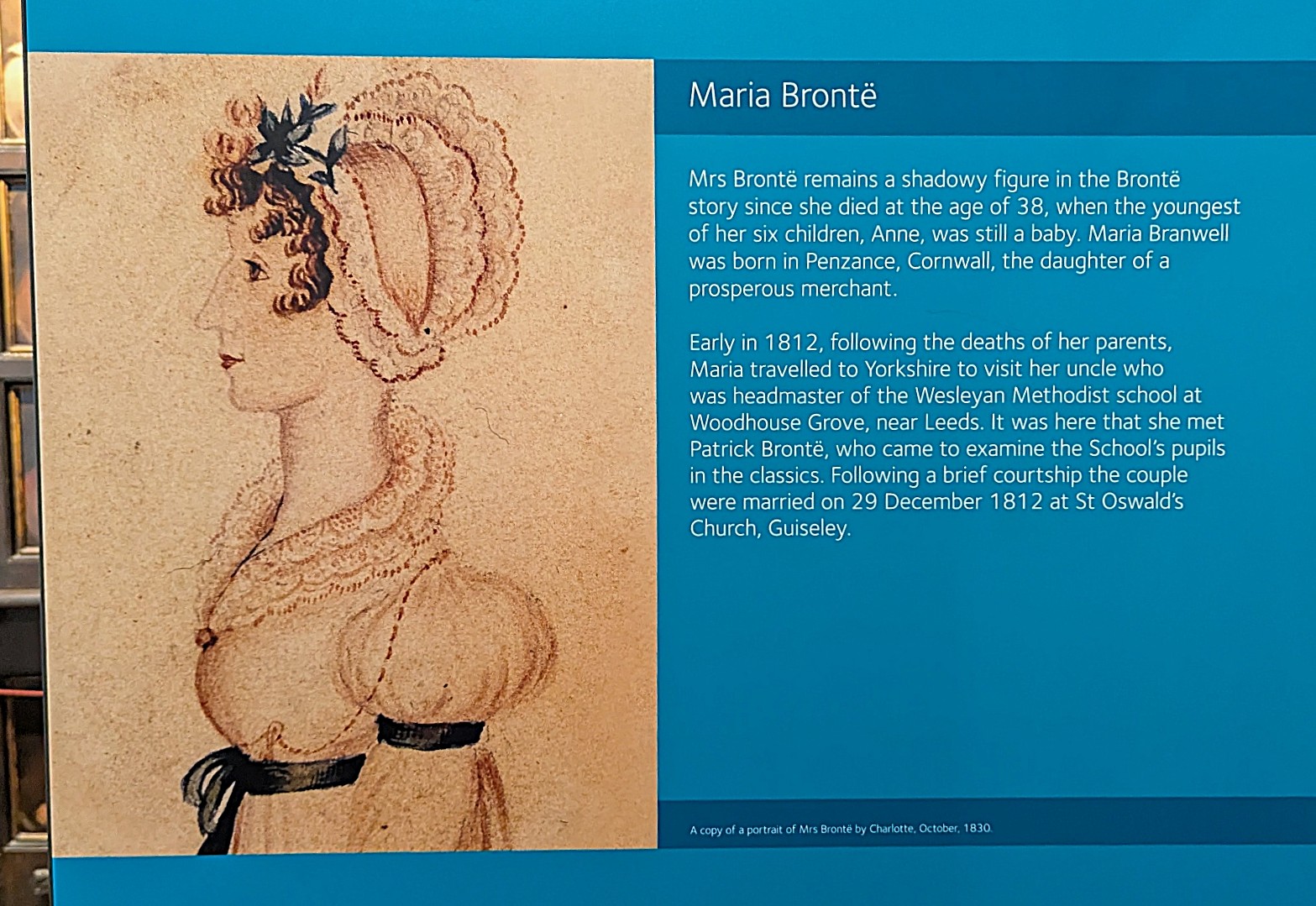
Another source of great interest are the posters with information about the family.
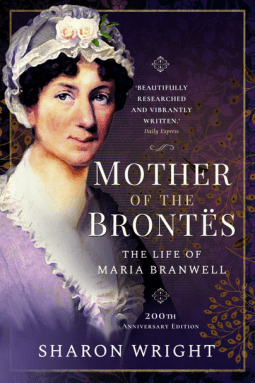
Reviewed in my blog, March 30th, 2022.
Anne Brontë, whose The Tenant of Wildfell Hall, in my opinion deserves the accolades received by Jane Eyre and Wuthering Heights, also produced the following drawings.
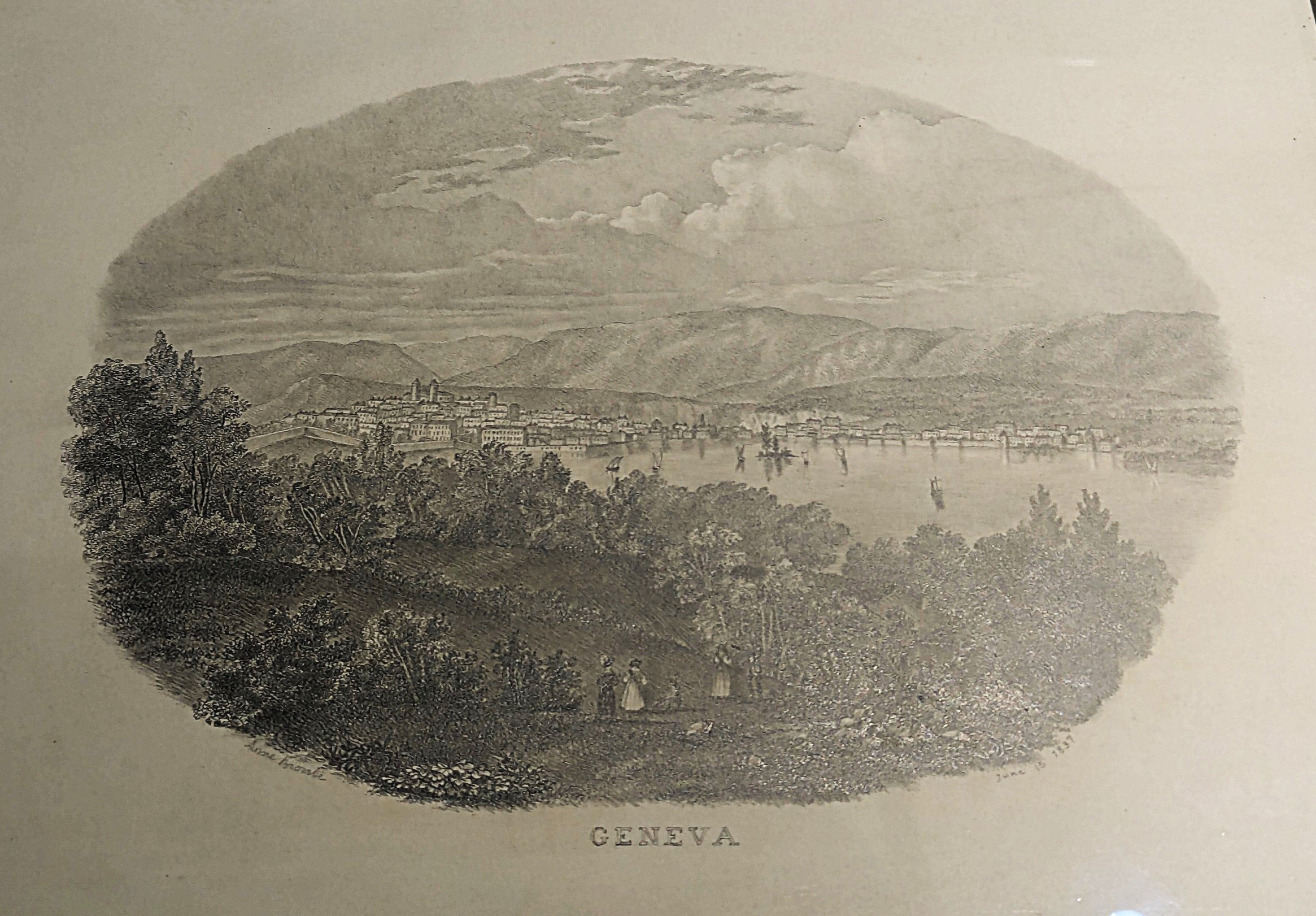
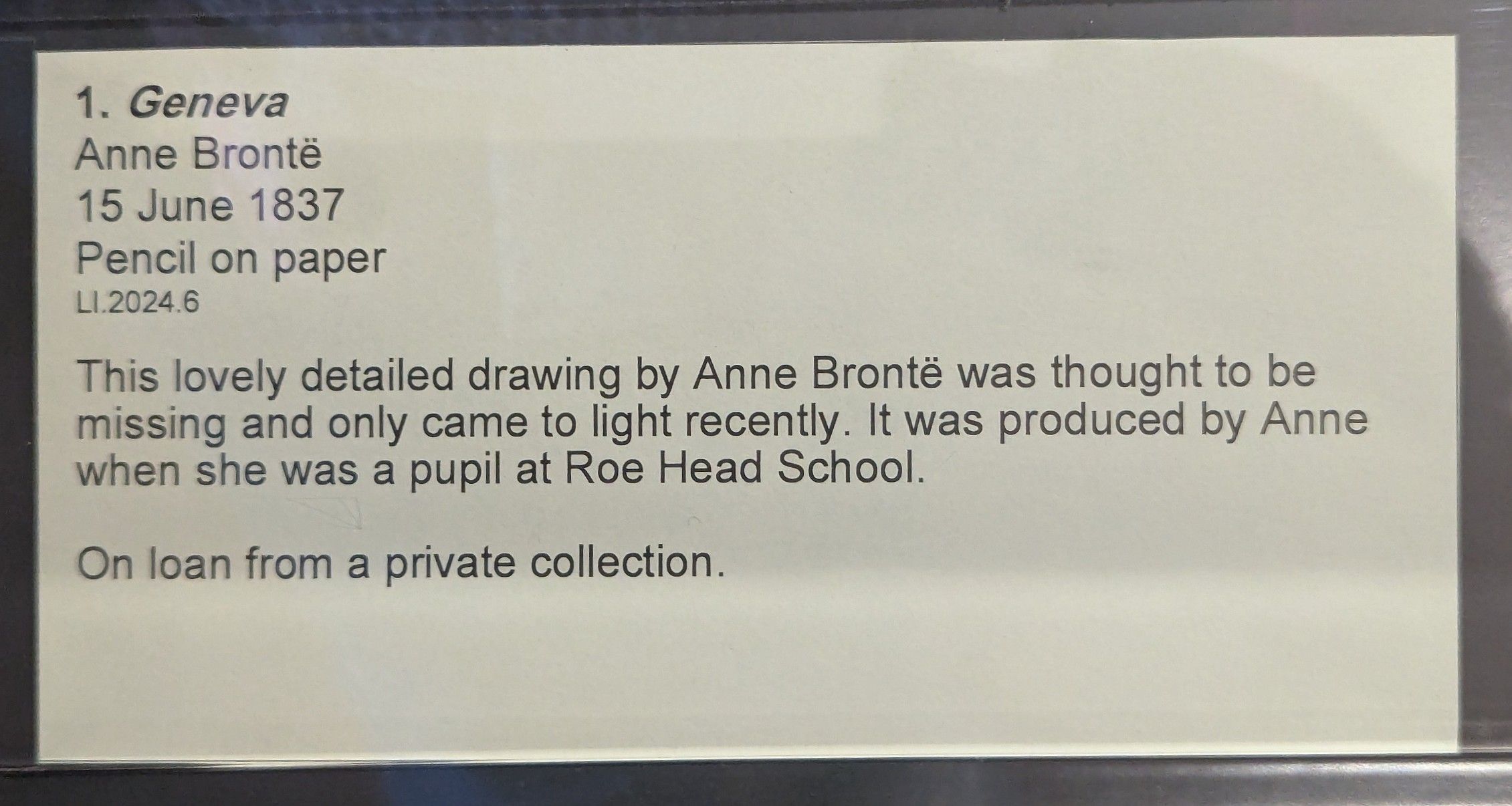
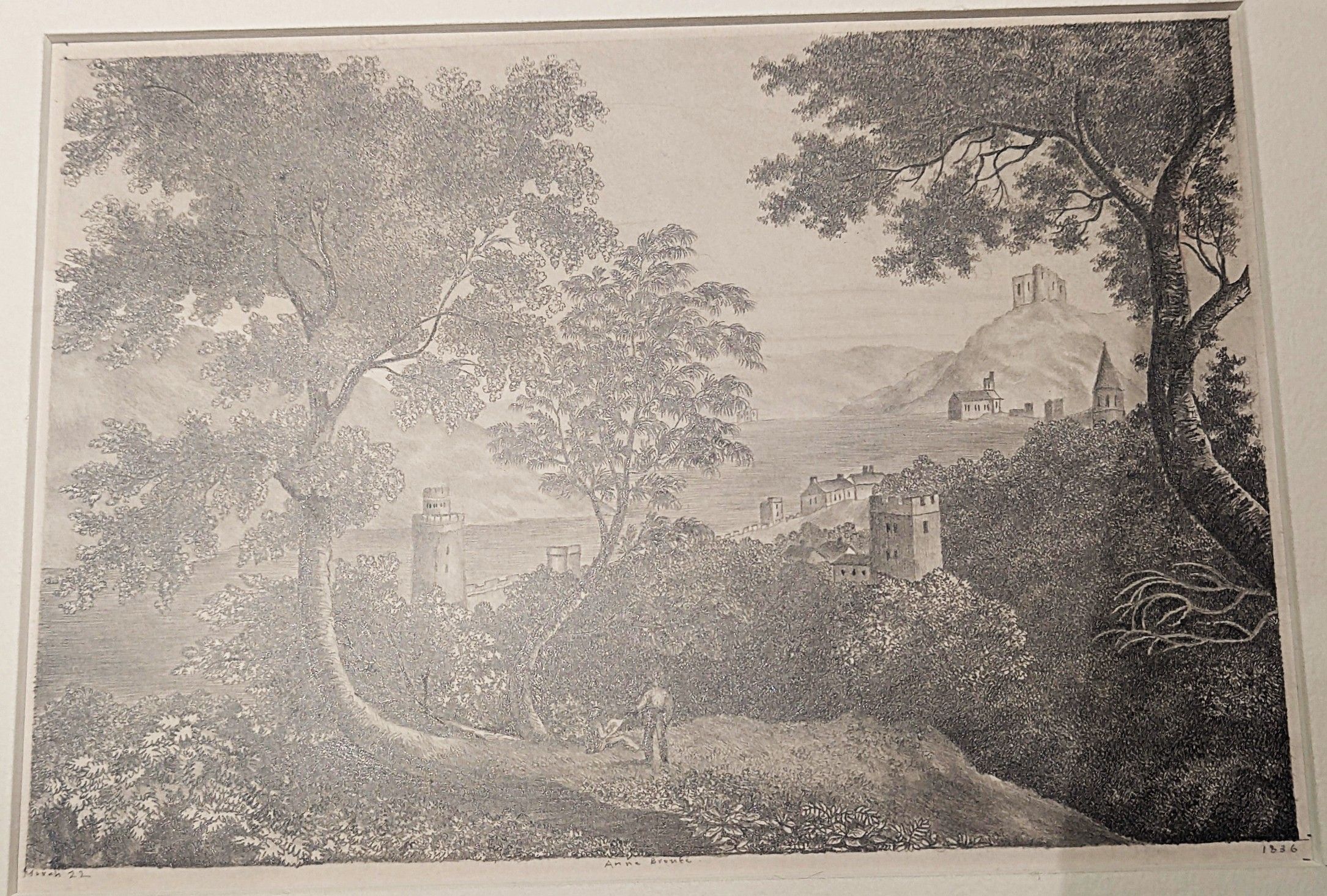
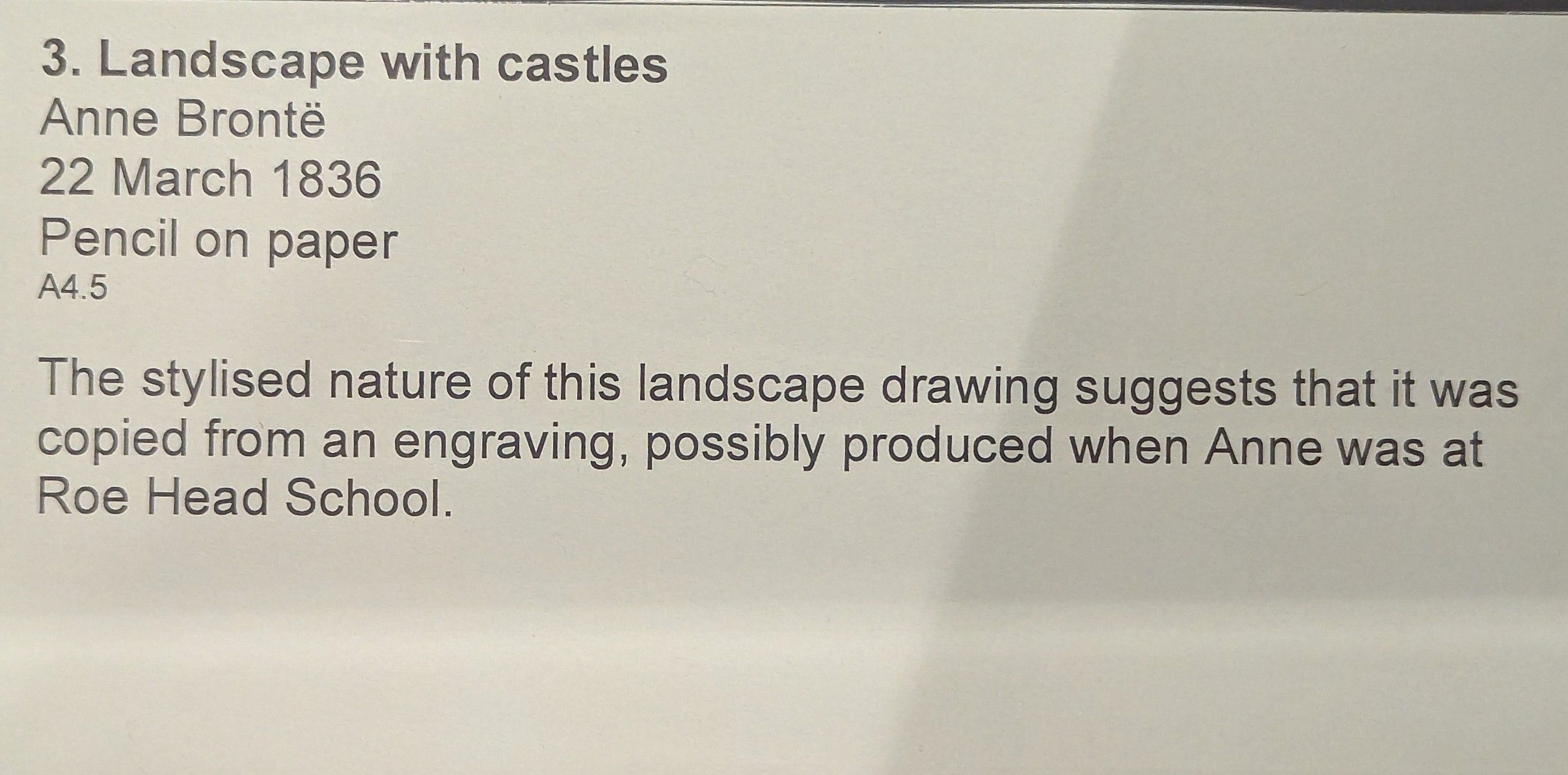
And a return to “Wuthering Heights”
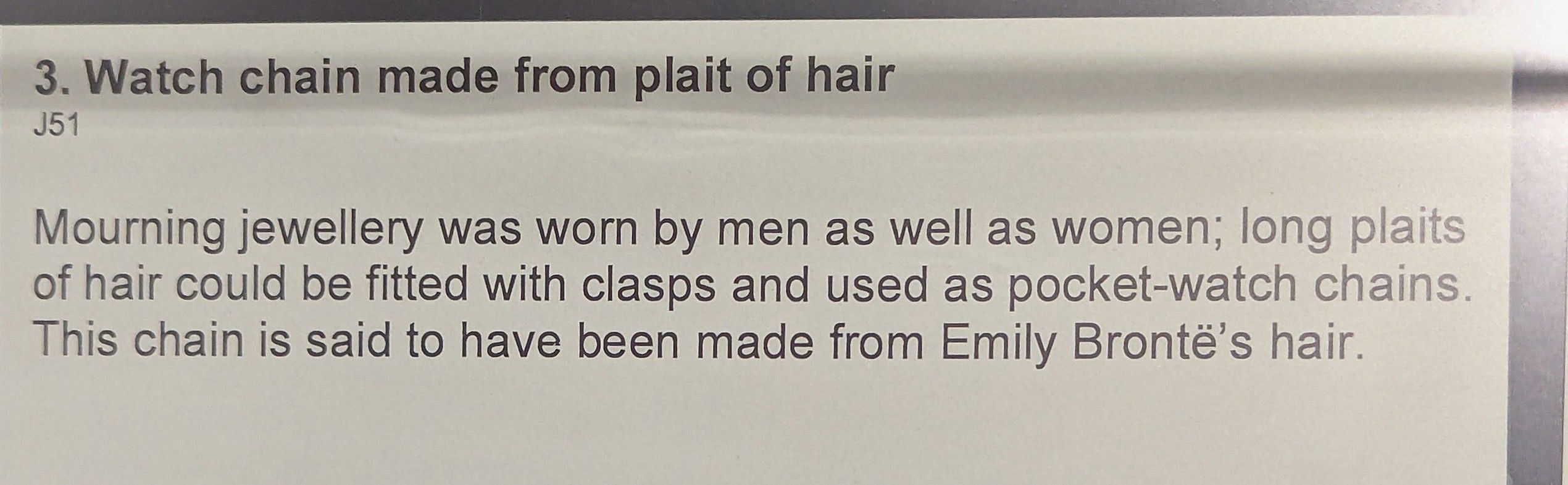
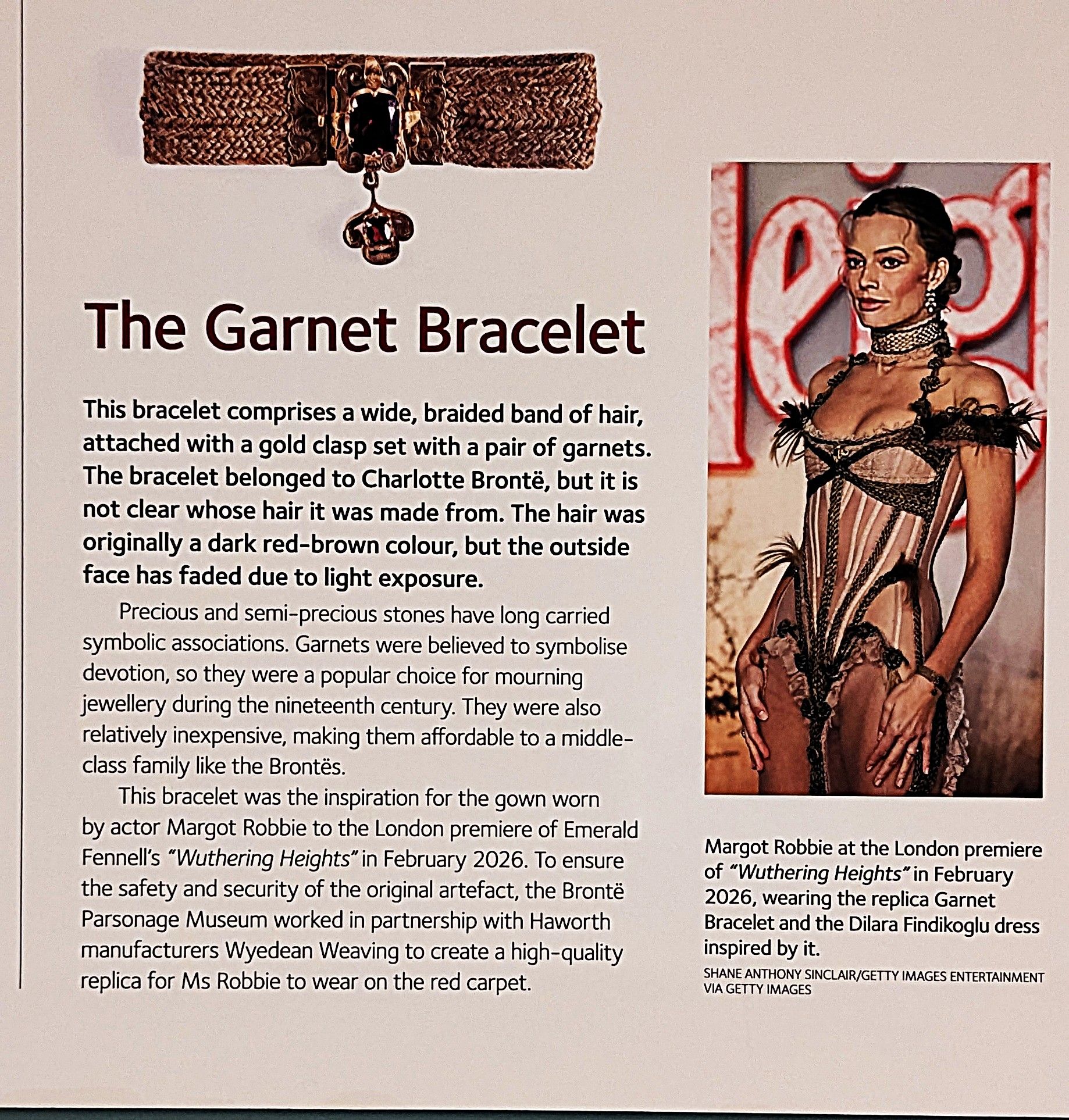
I found some interesting information about Charlotte Brontë and the writing of Jane Eyre when I misspelled Haworth – I found Harwoth which is a short distance from Hathersage (Peak District), which was used as one inspiration for Jane Eyre (Thornfield, Mr Rochester, and the Rivers family).
*The other inspirations are referred to in the review of Charlotte Brontë’s Psyche A Close Reading of ‘Jane Eyre’ above.
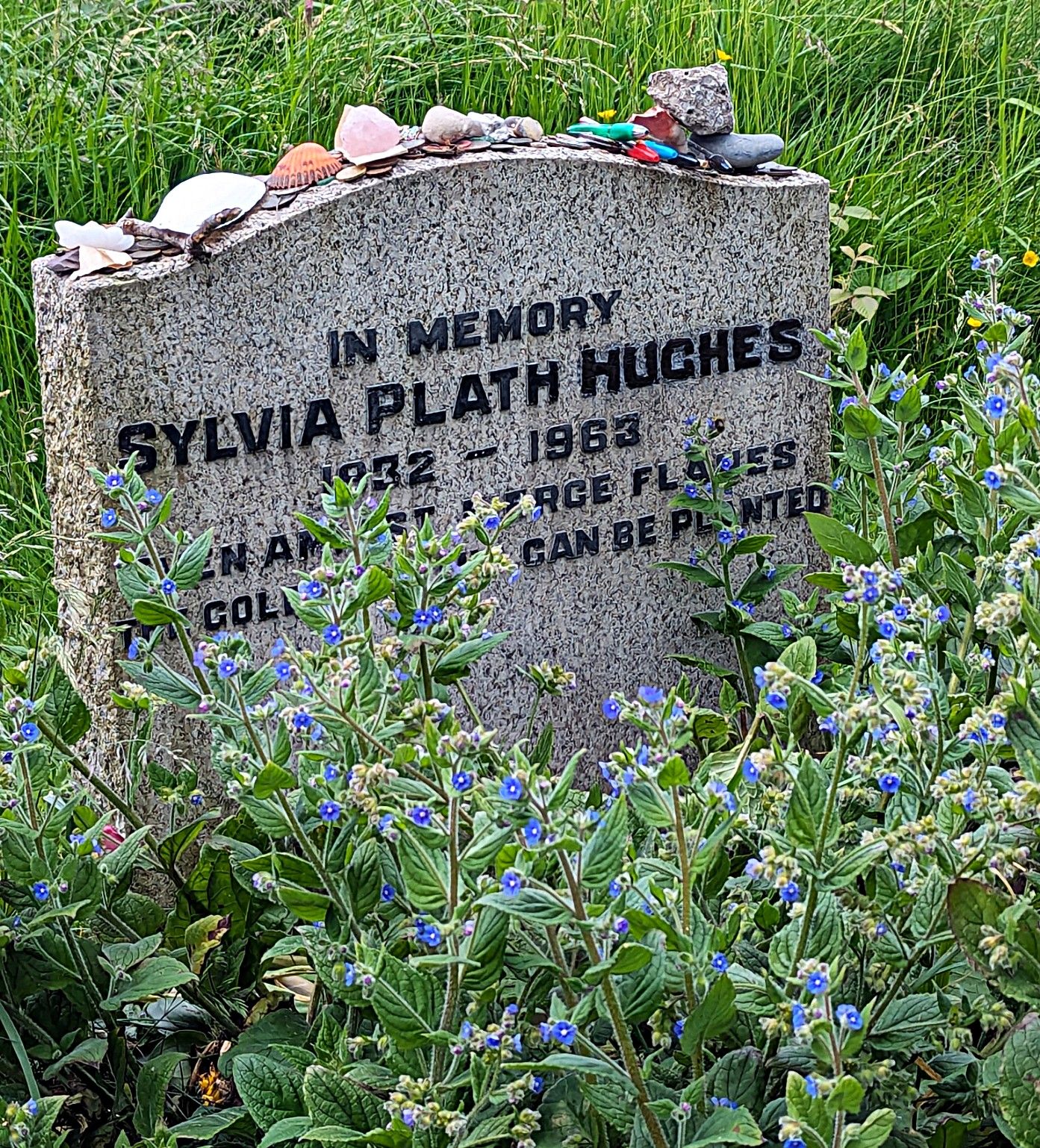
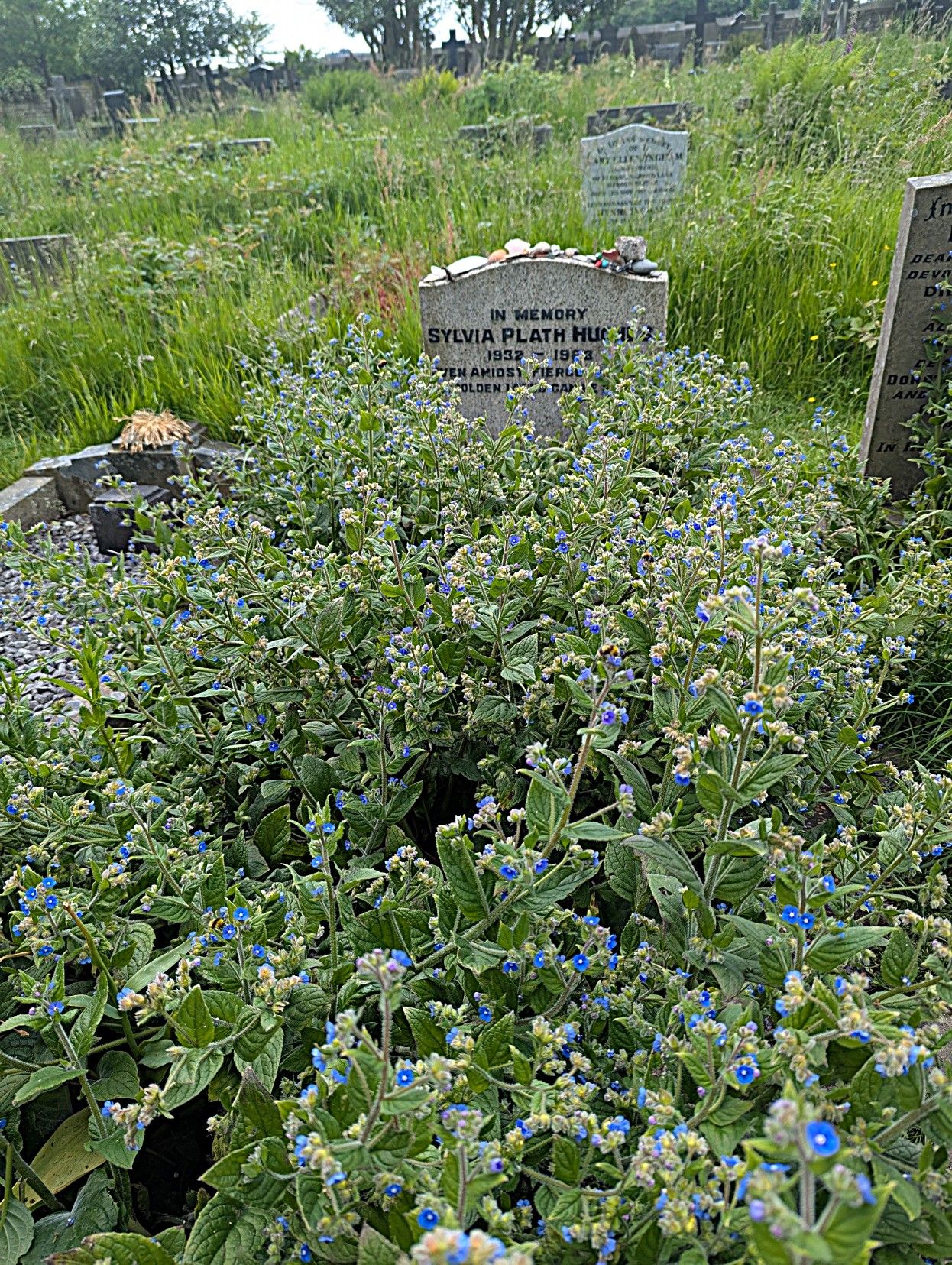
We visited Sylvia Plath’s grave, and like the feminists who I understand tried to remove ‘Hughes’, wondered why his name was there.
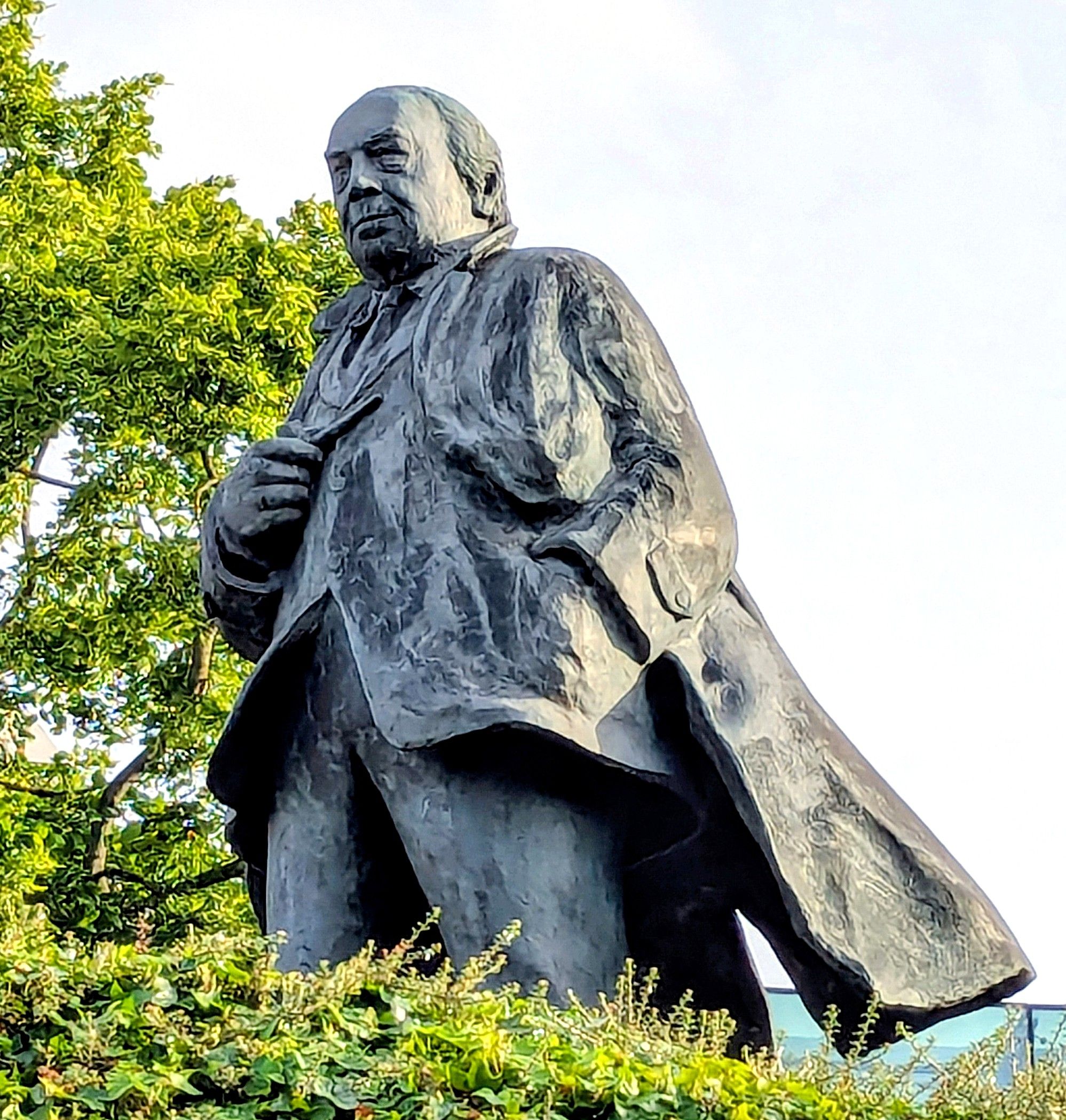
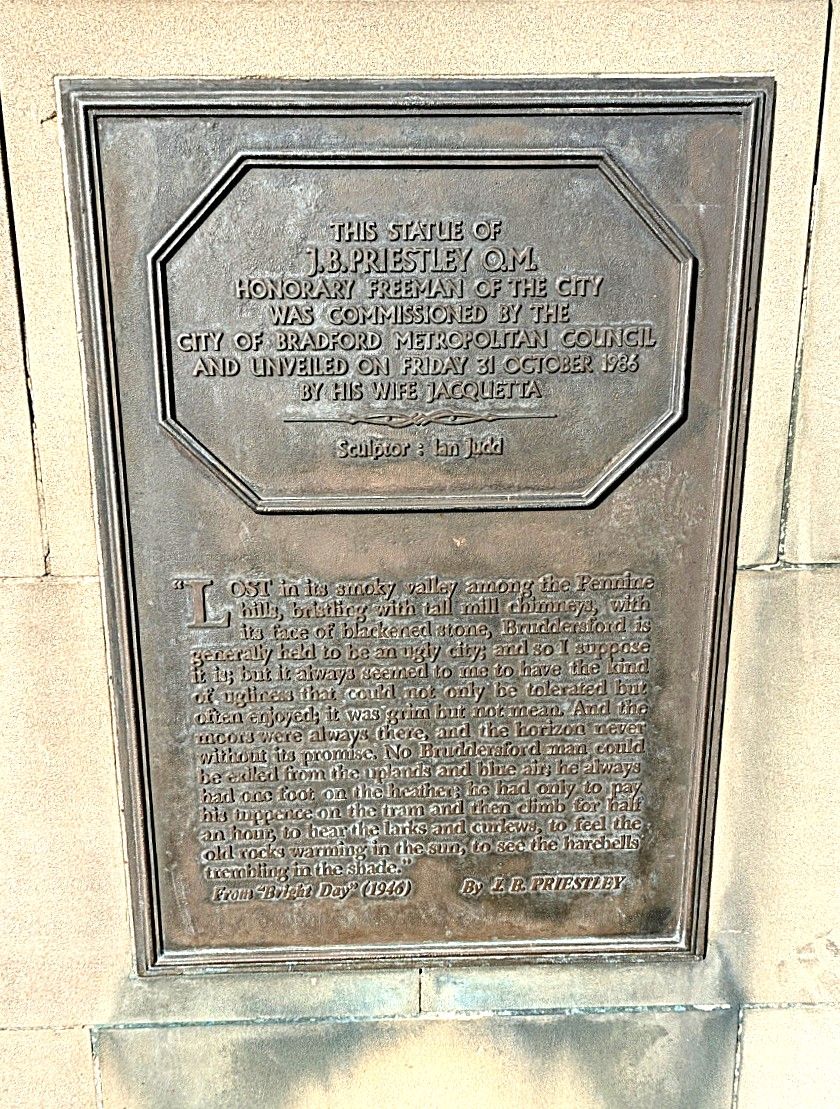
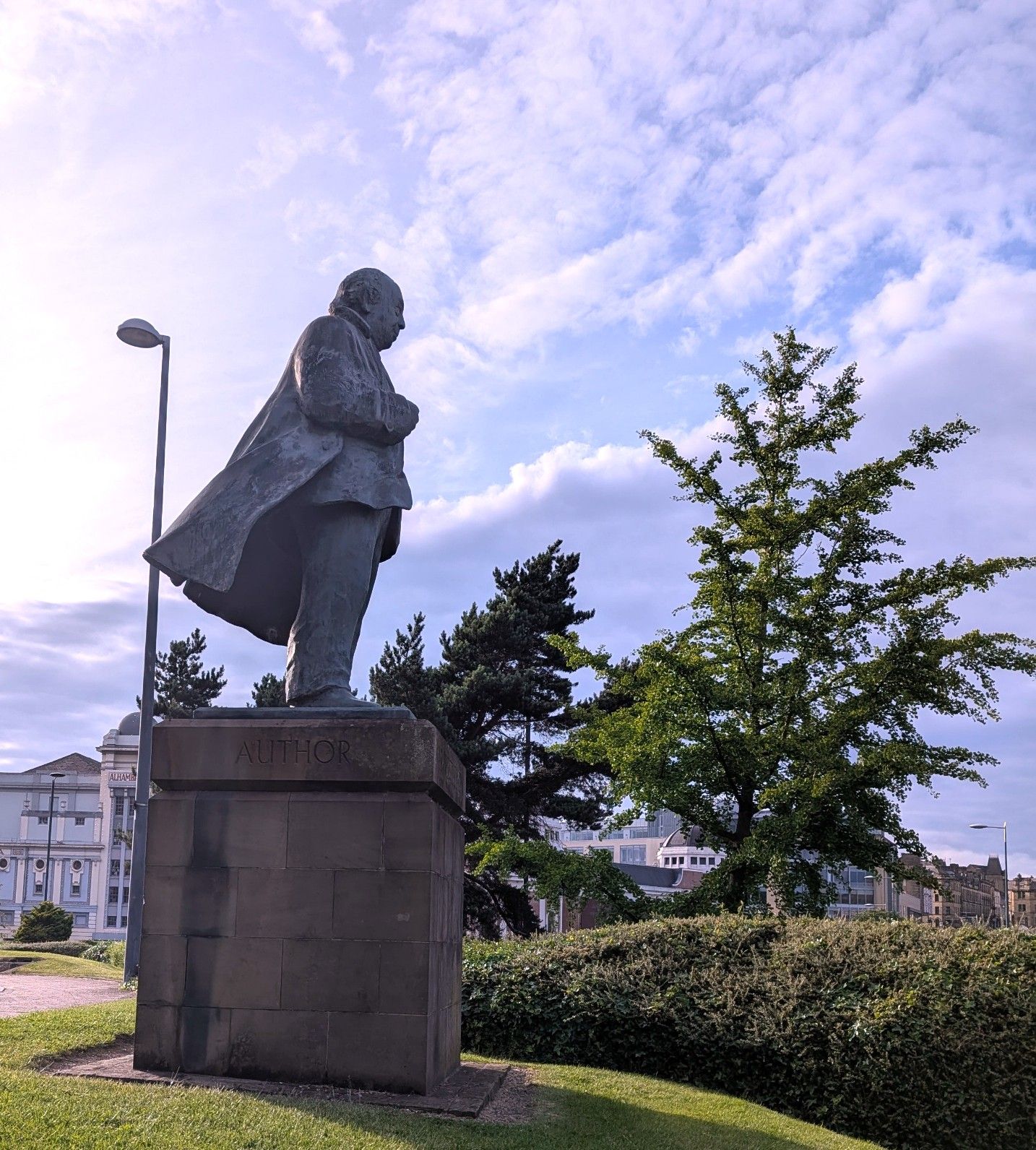
J.B. Priestley brought very fond memories of going to An Inspector Calls many years ago in London. Despite jet lag we were transfixed.
The Brontë Country Pilgrimage Every Reader Should Make Once
Every reader knows the Brontë sisters. Renowned for writing some of the greatest novels ever published, they gave the world literary classics like Wuthering Heights and Jane Eyre. These incredible works continue to earn a place on our bookshelves and will for generations to come.
Given that these ladies grew up in Haworth, West Yorkshire, the area has become a major literary tourism destination. Many venture here to retrace the sisters’ footsteps and discover the landscapes and landmarks that shaped their stories.
If you have the Brontë Country pilgrimage on your book-cation list, this article is for you! We’ve created an itinerary that you can follow, with all of the most important locations connected to the Brontë sisters.
Haworth
Haworth was the home of the Brontë sisters in the early 1800s. Back then, it was a very different place when the sisters were growing up. Disease was rampant, and the village was severely overcrowded as people flocked there to work in the local mills.
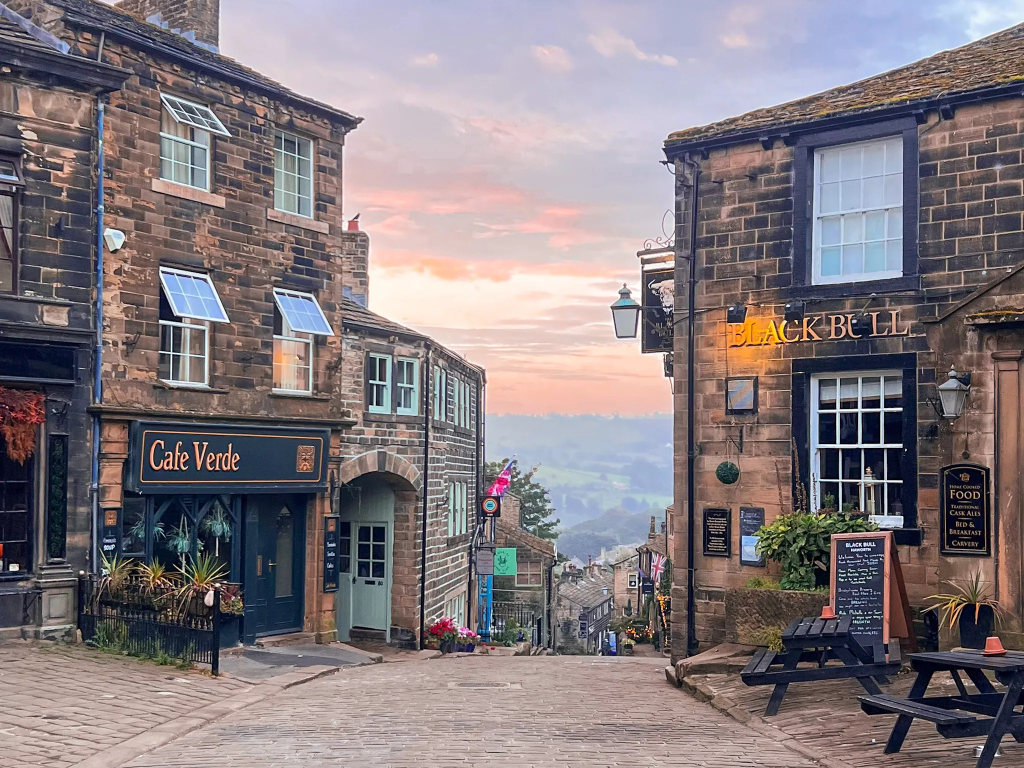
Today, Haworth attracts thousands of tourists every year on literary road trips around the UK, drawn by its Victorian character, quaint brick buildings, cobbled streets, and abundance of bookshops. It also serves as the ideal starting point for your Brontë journey, as many of the key locations on this list are best accessed from here…
I have omitted the Parsonage and church as the photographs above cover these.
…If you’re going to swing by the place where it all started for the Brontë sisters on your readaway, you might as well visit where their story ended as well.
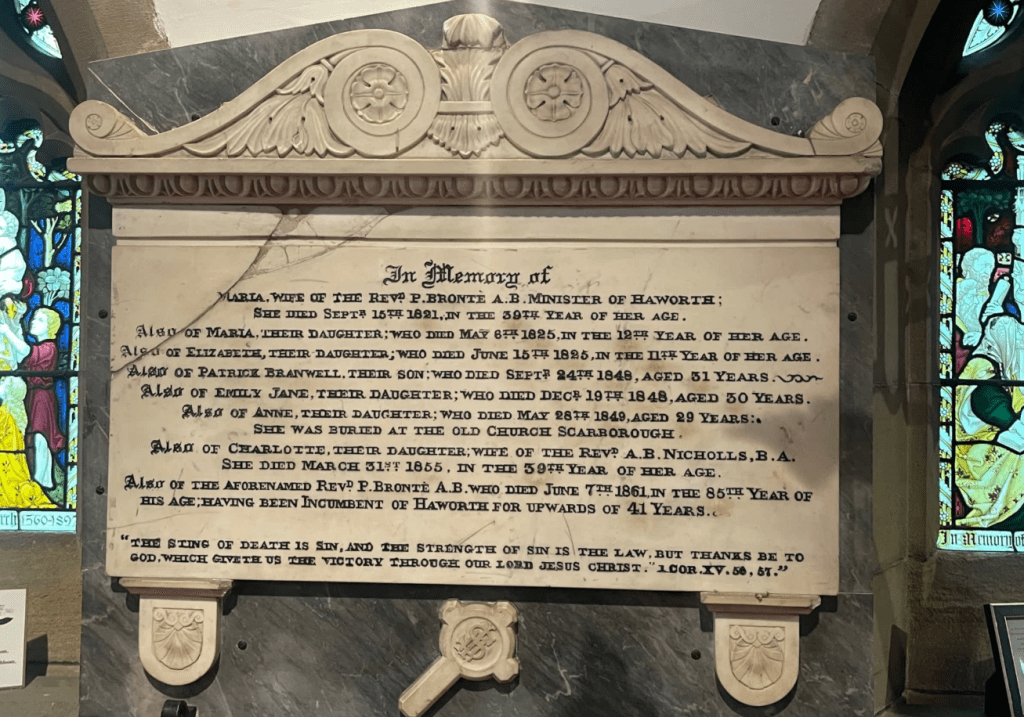
Photo Credit: Visit Haworth
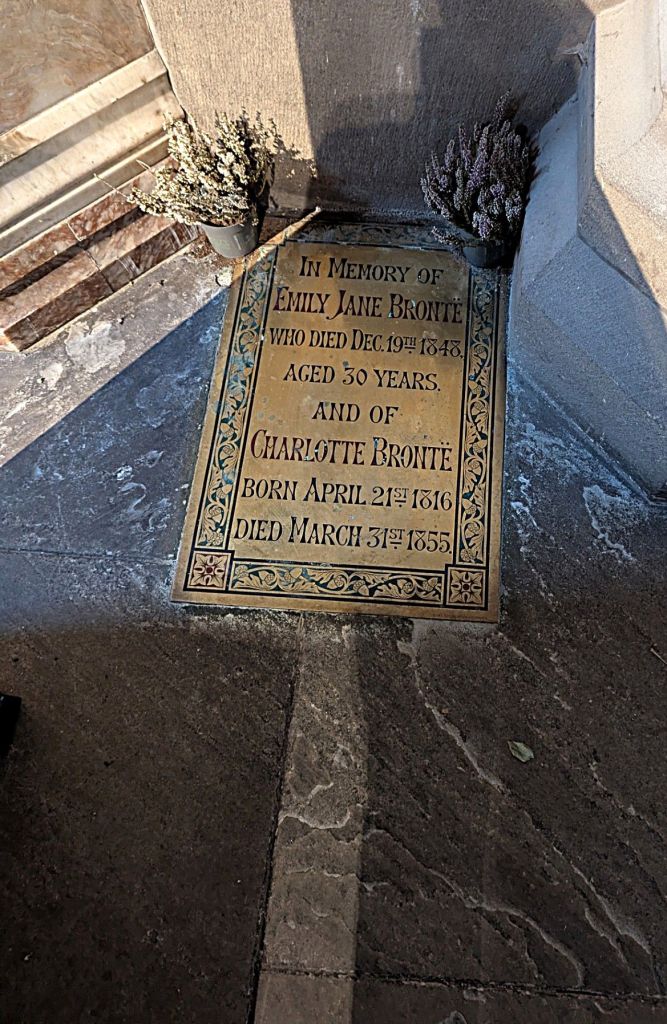
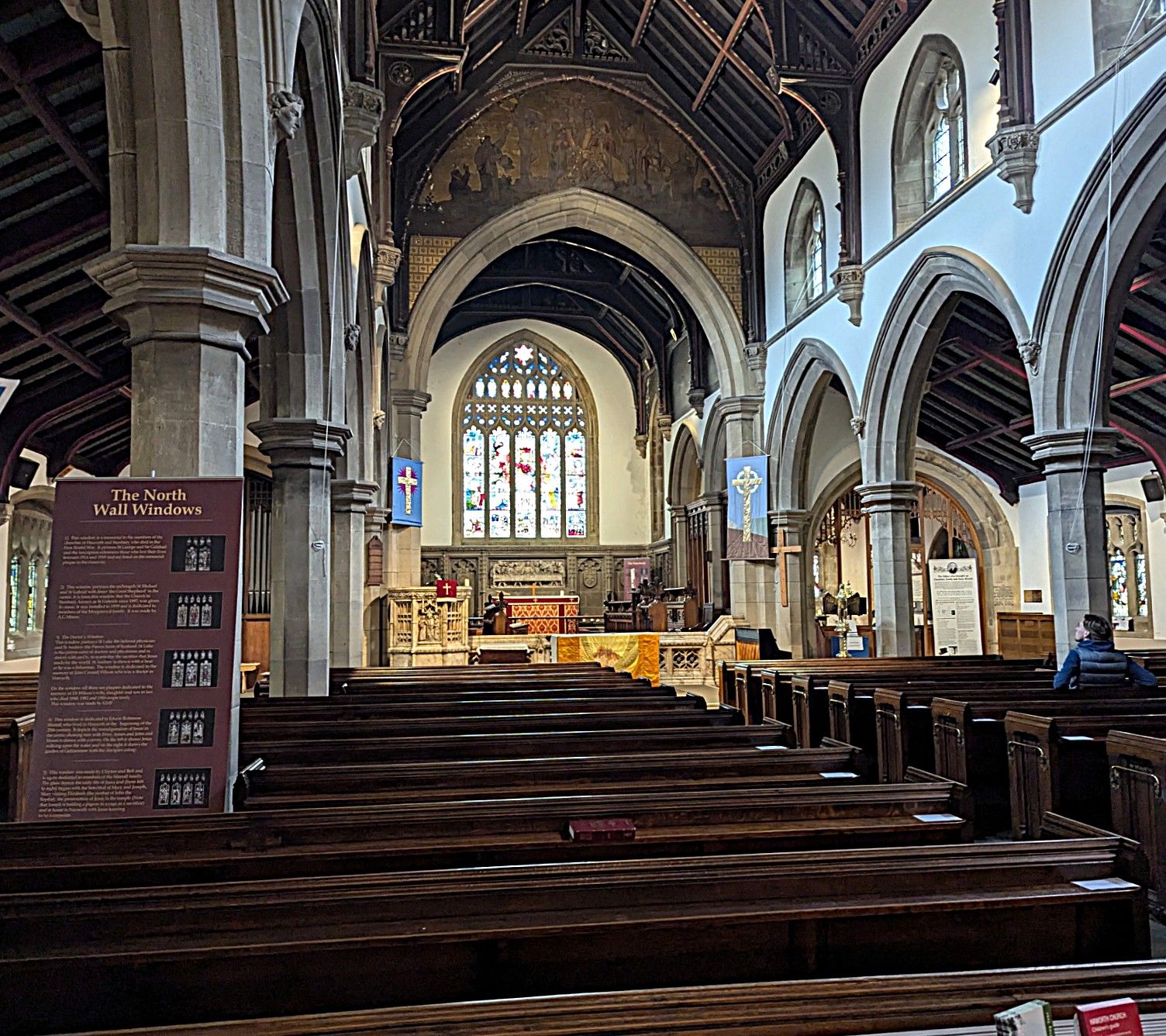
At Haworth Parish Church, you’ll find the resting place of many members of the family, including Charlotte, Emily, Branwell, and Patrick Brontë. It was also once the church where their father, Patrick, served as the parish minister and was highly respected during his reign. (See photos above).
Throughout the church complex, you can admire the chapel dedicated to the family, a display featuring Charlotte Brontë and Arthur Bell Nicholls’s marriage certificate, and much more. You don’t want to miss it!
The Village of Cowan Bridge
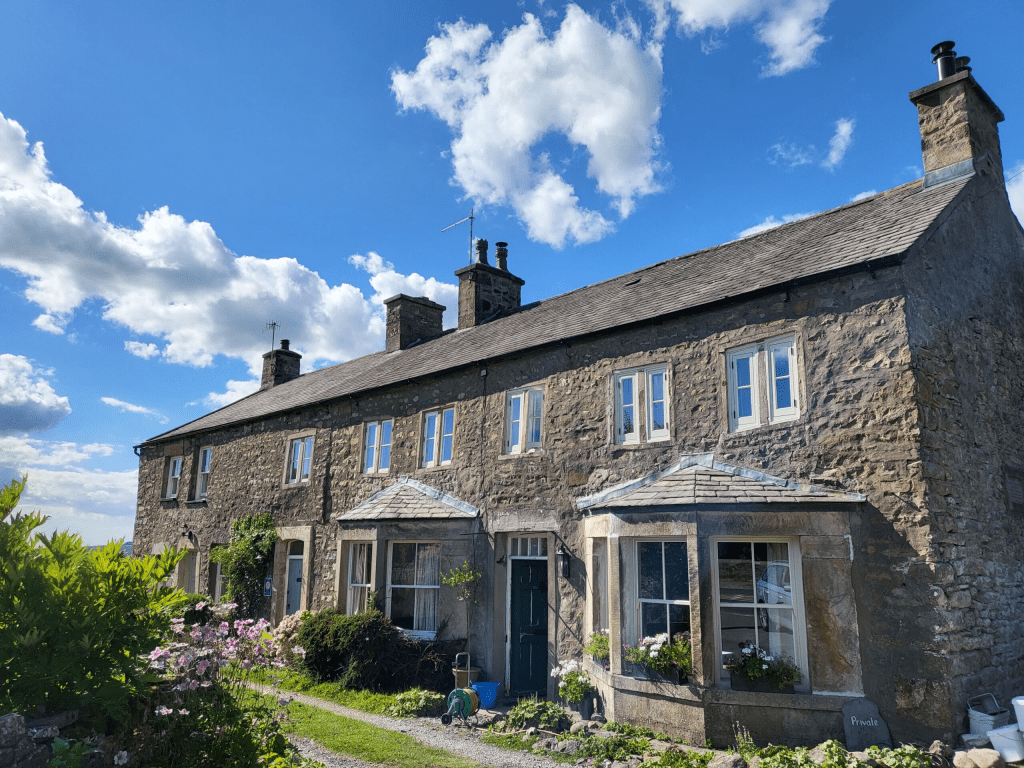
Photo Credit: The Yorkshire Dales
Those who have read Jane Eyre will be familiar with the village of Cowan Bridge. This is where the school attended by several of the Brontë sisters, including Elizabeth, Charlotte, Maria, and Emily, once stood and is thought to have inspired Lowood School in Jane Eyre.
Although the school is long gone, the building that housed the Clergy Daughters’ School is still standing strong. Life here was far from pleasant during the sisters’ time. Between widespread disease that contributed to the deaths of some of the sisters and the harsh treatment they experienced, the site offers an important insight into what the situation was like during that period.
Ponden Hall
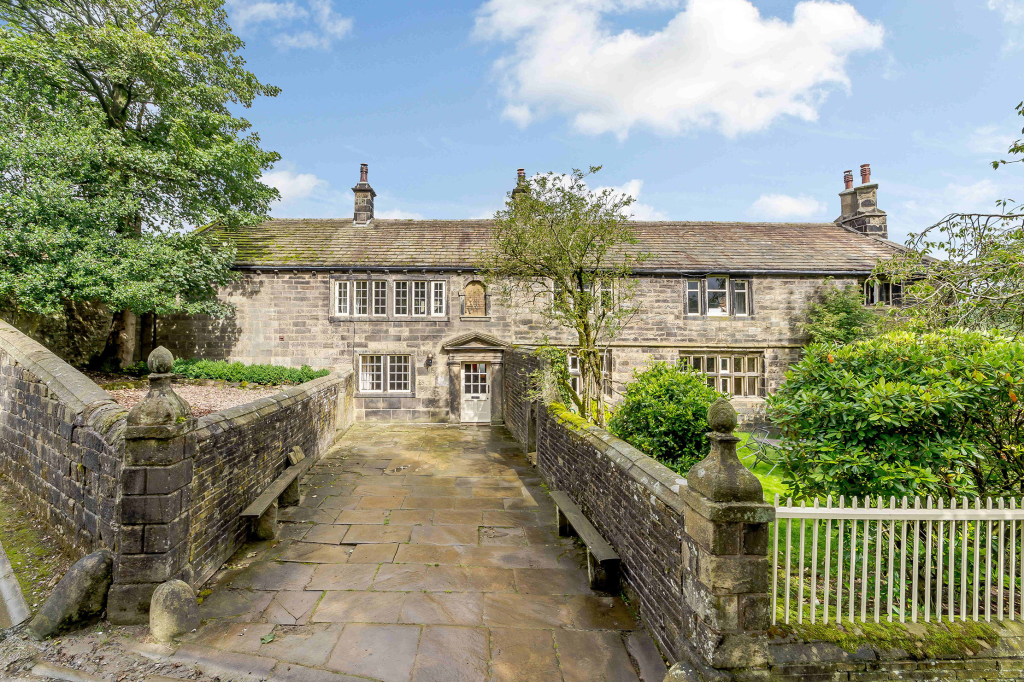
Photo Credit: Leanne Wiggers
Long associated with Thrushcross Grange in Wuthering Heights, Ponden Hall holds a special place in the hearts of Brontë fans. It was reported that, at the beginning of the 19th century, this place had the largest private library in all of Yorkshire. Emily, in particular, had a strong interest in the hall, having visited it on numerous occasions. Considering the role the hall played in Emily’s life, it’s unsurprising that it’s closely linked with her famed work.
Wycoller Hall
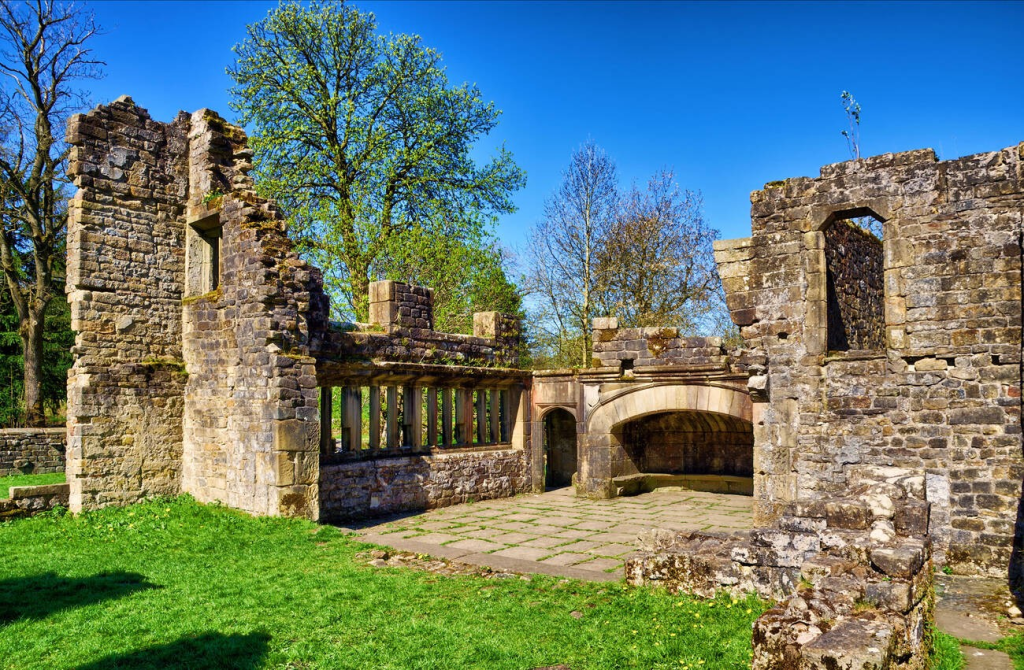
Photo Credit: Kevin Eaves / Alamy
As you continue your literary travel getaway, your next stop should be the 16th-century Wycoller Hall, which many believe was where Charlotte Brontë got the idea for Ferndean Manor in the novel Jane Eyre. There have been reports that Charlotte liked to walk around this area, especially when she traveled to Gawthorpe Hall, so she would have encountered Wycoller Hall on numerous occasions.
Wycoller Hall itself was constructed by the Hartley family, but Squire Henry Owen Cunliffe, who was seeking a financially secure partner at the time, later developed it. All that remains of the site now are the ruins of the structure, which sit beside the peaceful Wycoller Beck.
Haworth Moor
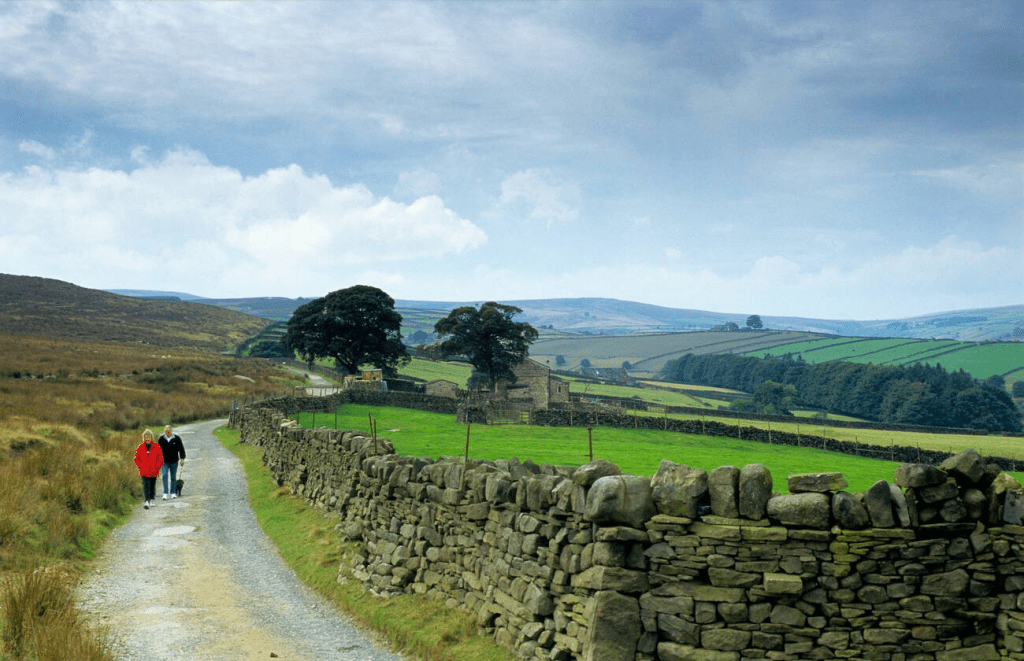
Photo Credit: H. & D. Zielske / Alamy
Tucked away on the outskirts of Haworth, there’s a stunning outdoor area called Haworth Moor, which is a popular walking trail covering around 7.7 km. But it’s not just any place; it’s often cited as the spot where Cathy and Heathcliff used to meet amid the dreamy Brontë country landscapes in Emily’s Wuthering Heights.
The Haworth Moor walk is by no means an easy one. It can be a strenuous trek if you’re not used to hiking; however, you’ll be treated to magnificent scenery right the way through. Just make sure you pack for all types of weather, as conditions can change at little notice.
Bonus Stop: St Mary’s Church, Scarborough
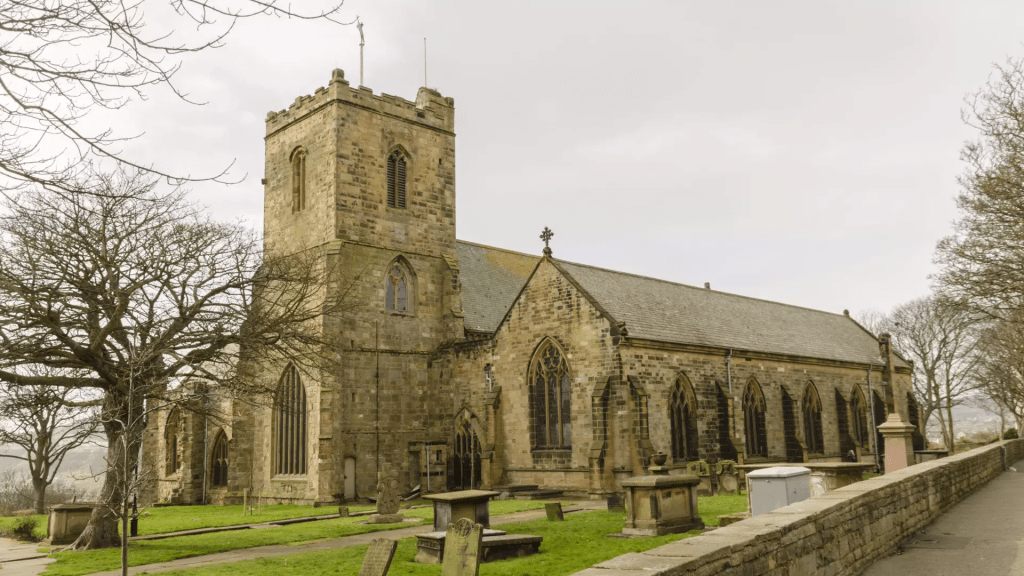
Photo Credit: National Churches Trust
No Brontë trip would be complete without considering a detour to St Mary’s Church in Scarborough. What makes this place particularly interesting is that it is where Anne Brontë is buried, the only one of the sisters not laid to rest in Haworth.
This piece is from: 1000 Libraries <hello@1000libraries.com>. It has been edited, so that repetition of the material I garnered on my trip is not replicated. In addition, addresses and opening times have been omitted. These can change, and space is a factor too.
American Politics
Bob McMullan
More thoughts on US mid-term elections
This is the second in a series of articles about November’s mid-term elections in general, and the prospects for the Democrats winning control of the Senate in particular.
Last time I outlined the 44/44 split in uncontested or safe Senate seats before the outcome of 12 more closely contested seats is known.
There have been some interesting developments in the last two weeks since I wrote the previous article.
Florida and Montana
It seems these two will be out of reach for Democrats this year unless something changes dramatically.
In Florida the polling for the Senate continues to show the Republican incumbent 8-10% points ahead of any possible Democrat candidate. The governor’s race looks closer but the Senate seat is probably out of reach.
In Montana, the prospects of the strong independent candidate, Seth Bodnar, depend upon the Democrat candidate pulling out, which she shows no sign of doing. Unless that happens, the Republican candidate will definitely win.
States the democrats look likely to win
Georgia
Jon Ossoff continues to hold a solid lead over his Republican opponent.
Nothing can be certain in such a contested state, but unless something drastic happens Ossoff should retain his seat.
North Carolina
This is more surprising because it is a long time since a Democrat won a Senate seat in North Carolina, but a combination of Trump forcing the incumbent Republican out and the Democrats choosing the popular ex-governor, Roy Cooper, has resulted in a consistent and large (7.35% on latest averages) for Cooper such that he is the hot favorite to win in November.
These two would take the Democrats to 46 seats. They will need to win five of the remaining eight states to gain a majority.
States the Democrats should win
New Hampshire
Although this is often a very close contest, it is a state Karmala Harris won and in this climate should be a win for the Democrat candidate. It is likely to be a contest between Chris Pappas for the Democrats and John Sununu for the Republicans. Although Sununu seems a strong candidate early indications suggest a Pappas victory.
Michigan
The primary contest for the Democrats is closely contested. Although the polling looks tight, I expect the successful candidate to win the seat.
These two states would leave the Democrats on 48 seats.
Other possibilities
The three extra states the Democrats need to win to gain the necessary 51 seats and therefore a majority will have to come from: Maine; Ohio; Alaska; Iowa and Texas, with an outside chance of an independent victory in Nebraska. Democrat candidates currently lead in polling in Maine and Ohio, Josh Turek is tied in Iowa and the candidates trail slightly in Texas and Alaska but they are all too close to call at this early stage.
This data and analysis leads to a conclusion that the Democrats have a realistic chance of winning a Senate majority but at this stage a lot will have to go right for them to do so.
Wildcard factors
There are two other factors which I cannot measure but either of which could have a dramatic effect.
There are credible reports from Republican aligned pollsters of a significant decline in enthusiasm amongst traditionally strong Republican voters in many of the key states.
If this is accurate and the trend is maintained until November the Democrats could win all the seats under discussion.
The other wildcard is the possibility of election interference from Trump, as highlighted by Steve Bannon suggesting that Trump will declare a state of emergency before November. This is unknowable and its consequences are unpredictable. The remarkable thing is that it is possible!
Heather Cox Richardson from Letters from an American <heathercoxrichardson@substack.com>
Forwarded this email? Subscribe here for more July 25, 2026 Heather Cox Richardson Jul 26 


It turns out Trump has not abandoned his plan to paint the massive grey granite Eisenhower Executive Office Building white. As Philip Kennicott reported in the Washington Post yesterday, more than two dozen experts have sued to stop the plan, saying paint could irreversibly damage the stone and would be a “taxpayers’ nightmare” as the building would have to be repaired and repainted regularly.
But on Monday, deputy assistant to the president Heather Martin filed a declaration saying the White House Office of Administration was beginning preparations for the paint job. As Kennicott points out, the administration is using the case to give the president the ability to “erase the nation’s physical culture, its man-made, natural and cultural wonders.”
The administration is arguing that the General Services Administration (GSA), the agency that normally handles maintenance of federal buildings, has ceded control of the building to the White House Office of Administration. The GSA follows the requirements of the National Historic Preservation Act and the National Environmental Policy Act, laws that require extensive reviews and input from experts and the public. Those laws do not apply to the White House Office of Administration. Greg Werkheiser of Cultural Heritage Partners, one of the organizations that sued to stop Trump from painting the Eisenhower Executive Office Building, told Kennicott: “The precedent is potentially devastating. Anytime the president takes a personal interest in a project, he can simply pluck it out of an agency that is subject to review and put it in his own shop.” That change would not be limited to buildings, Kennicott explains. It could be used, for example, to rush a pipeline through pristine wilderness.
A White House official told Kennicott that the White House conducts necessary reviews and that taking over for the GSA allows the White House “to more efficiently and economically manage the project.”
The Lincoln Memorial Reflecting Pool would like a word.
Kennicott also calls out the administration’s proposed major rule change in the National Historical Preservation Act (NHPA). Trump installed a loyalist as vice chair of the Advisory Council on Historic Preservation. On Friday, July 17, the chair proposed dramatic revisions to Section 106 of the NHPA. This is the section of the 60-year-old law that requires federal agencies to “take into account” what their actions will do to historic properties and places. This is the requirement that gives the public, as well as local, state, and tribal governments, a voice in the changes to historic and cultural sites.
Brent Leggs is the chief executive officer of the National Trust for Historic Preservation, a privately funded, nonprofit organization founded by Congress in 1949 to support historic preservation. He warned that “[t]he ACHP’s proposed changes to Section 106 will eviscerate the preservation of our shared civic and cultural heritage in the United States. If [they are] implemented, federal agencies will no longer be required to avoid or minimize damage to our nation’s historic sites and landscapes, or seek public input on federal projects that would impact historic places.”
Yesterday the Advisory Council on Historic Preservation, packed with 21 Trump appointees on a 24-member board, voted to move the revisions to Section 106 forward. Rachel Treisman of NPR noted that the National Register of Historic Places lists more than 100,000 properties with more than 1.8 million sites, structures, objects, and districts, all of which will lose protections if the new rule takes effect. Werkheiser told Treisman: “What it means is that the federal government, in its own discretion, can decide whether—if ever—to tell an American community that it’s about to do a major project that could harm or destroy a historic resource. The public will be completely cut out of any conversation around the future of places that matter to them in this country.”According to Sara Bronin, who served as the Senate-confirmed chair of the advisory council under President Joe Biden—the current chair is an “acting” official—the rule changes would also remove from historical protection “significant cultural landscape features” like the Grand Canyon. Supporters of the change say it would help “agencies strike a more appropriate balance between evaluating effects on historic properties and advancing critical federal projects.” Highways, for example, which in the past have leveled entire neighborhoods as well as burial sites, would no longer require review.
Revising Section 106 would smooth two projects important to the administration.
The administration wants to open a ten-mile buffer zone barring mineral, oil, and gas extraction around Chaco Canyon, New Mexico, to development. The area “is a vibrant place of prayer, pilgrimage and core to the identity of many Southwest tribes, whose connection to this land stretches back thousands of years,” Representative Gabe Vasquez, a Democrat from New Mexico, told reporters on Wednesday. Deb Haaland, who served as Biden’s secretary of the interior and is a member of New Mexico’s Laguna Pueblo, notes that Chaco Canyon has been recognized by the UNESCO World Heritage Center as a site of universal importance and that the buffer land holds more than 4,700 known archeological sites.
Cochiti Pueblo governor Phillip Quintana called the area “one of the most important Indigenous cultural landscapes in North America, a place whose meaning reaches far beyond any single administration.”
Last November, Senators Martin Heinrich (D-NM), the top-ranking Democrat on the Senate Energy and Natural Resources Committee, and Ben Ray Luján (D-NM) and Representatives Vasquez, Teresa Leger Fernández (D-NM), and Melanie Stansbury (D-NM), a member of the House Natural Resources Committee, wrote to Interior Secretary Doug Burgum asking him to protect the cultural landscape around Chaco Canyon.They noted that “under Section 106 of the National Historic Preservation Act (NHPA), you are legally required to ensure that you consider how your actions will affect historic properties, which also requires consulting with each relevant Tribal government. These steps must be taken before pursuing your proposed action.”
The revisions to Section 106 would remove that requirement.Bronin noted that the changes to Section 106 would also fast-track the triumphal arch Trump wants to build at Memorial Circle near Arlington National Cemetery.
On June 15, Senator Angus King (I-ME), the ranking member of the Subcommittee on National Parks; Representative Jared Huffman (D-CA), the top-ranking Democrat on the Committee on Natural Resources; Senator Martin Heinrich (D-NM), the top-ranking member of the Committee on Energy and Natural Resources; and Senator Jeff Merkley (D-OR), the top-ranking Democrat on the Subcommittee on Interior, Environment, and Related Agencies and Representatives Maxine Dexter (D-OR) and Yassamin Ansari (D-AZ) responded to a Section 106 assessment with a letter to Secretary Burgum.
The lawmakers noted that they were the ranking members in the House and Senate committees with jurisdiction over the construction of monuments in Washington, D.C. “We oppose this project in the strongest terms,” they wrote. They called out the Section 106 process as “fall[ing] short of the law.” Among other things, they noted that the comment process for the new project had been only ten days and that the proposed arch would “deface one of the most deliberate and historic sightlines in America.”
They wrote that proceeding with the project would break at least three laws, and warned that officials moving forward with it “would be answerable as individuals” and face penalties up to and including criminal fines and imprisonment.“
Every official who directs this work, and every firm that performs it,” they wrote, “proceeds at their own peril.” “This project is stone-cold illegal,” King told Luke Broadwater of the New York Times. “It is one of the clearest legal cases I’ve seen in more than 50 years of being a lawyer.”
But now, at least some of those legal concerns might go away. Treisman said the revision of Section 106 would mean that the near-constant noise from the arch’s construction would not be weighed as a consideration in its construction, and the arch’s destruction of the historic views built into the capital from its inception would not be considered either.
What is at stake is more than just buildings. It is the whitewashing and bulldozing of our history and culture, created over centuries by the many people who have built the United States, in service to the small vision of Trump and his enablers.—
Notes:https://www.washingtonpost.com/style/2026/07/24/trumps-plan-paint-eisenhower-could-damage-stone-law/https://savingplaces.org/stories/section-106-under-threathttps://nativenewsonline.net/environment/deb-haaland-criticizes-trump-administrations-effort-to-roll-back-chaco-canyon-protections/https://www.energy.senate.gov/2025/11/new-mexico-delegation-urges-interior-secretary-burgum-to-reverse-course-protect-chaco-canyonhttps://www.npr.org/2026/07/23/nx-s1-5904435/section-106-review-trump-historic-preservation-councilhttps://www.hcn.org/articles/pueblo-leaders-new-mexico-lawmakers-speak-out-to-protect-chaco-canyon/https://www.king.senate.gov/imo/media/doc/sen_king_letter_to_burgum_re_arch.pdfhttps://www.nytimes.com/2026/06/15/us/politics/trump-triumphal-arch-congress.html
Women’s History Network
Marina Cano & Rosa García-Periago, eds., Women, “Failure” and Academia: Activism, Creativity and Critique in the Contemporary University (Bloomsbury Gender and Education 2026). Women, Failure and Academia: Activism, Creativity and Critique in the Contemporaru University
This collection examines failures in modern academia, and especially the intersections between gender and academic failure. It argues that academic failure is political. On the one hand, failure to achieve a “standard” or expected academic career (tenure, funding, publications, etc.) undermines the status quo of academic systems, at the same time that these seemingly personal failures unveil systemic failures. On the other hand, those of us who are able to stop and celebrate such subversive potentials of failure often enjoy a certain degree of privilege. The collection is interdisciplinary, intersectional and international. It includes topics such as Covid-19, precarity and job hunting, ethnic diversity, accounts of incomplete research and disability within the academy. Conceived as scholarly activism, Women, “Failure” and Academia aims to interrogate the future of universities and challenge perceptions of failure, especially with regard to women and women-identifying academics. Use the code GLR AT8 for a 35% discount
Or read the e-book Open Access here