
Dale DeBakcsy A History of Women in Music From Antiquity to Present Day Pen & Sword | Pen & Sword History, January 2026.
Thank you, NetGalley and Pen & Sword for providing me with this uncorrected proof for review.
This is a dense work with an almost overwhelming level of detail. Rather than adopting the usual Pen & Sword highly accessible style, Dale DeBakcsy has unashamedly demonstrated her enthusiasm for her research findings and produced a text that requires similar dedication from the reader. The wealth of information, as engaging as it is, makes A History of Women in Music From Antiquity to Present Day a text which I appreciated more when reading in short bursts. This could equally apply to readers who value the remarkable ability of Pen & Sword publishing to combine academic rigour adeptly with accessibility on most occasions. It would be disappointing to miss out on the substantial information that flourishes under DeBakcsy’s hand in this book, so I adopted this process as a way forward.
In Part One I was rewarded with the early history of women’s contribution to music, often unacknowledged, or in one example, thwarted on behalf of a male sibling. The chapter on Chinese Opera, and the lengthy but enthralling story of the role of Black American contributions to well known and loved music was another gem. This section also dealt sensitively but strongly with the way in which such compositions and their expression were often taken over by white musicians and singers.
The popularity of drawing room recitals and its economic influence through piano manufacturing and increased publication of sheet music makes an interesting story, and attributes to the breadth of the information to be found in a text nominally about women and music.
A less happy story, at least in the early iteration of transformation, is that of women and their important role in African music, with the challenges of Christianity and Islam and later increasing technological advancement. Read on, and the way in which these challenges were met is enlightening. Hard work, but a strong commitment to an evolving style and maintaining its true spirit gives DeBakcsy the opportunity to bring the reader up to date with a wealth of information about recent and current African women’s contributions to music.
Chapter Six, Going Pro The Nineteenth Century in Classical Music, raises the issue that has challenged women’s role, the change in their access to education that, in turn produced fine female composers. A fine chapter of hope and achievement. And, alas, some egregious setbacks.
Part Two, The Age of Recording, begins with a similar story of success and prejudice, but swings happily into the story of country and folk music in which women in groups and as individuals made their mark. It also becomes the story of radio expansion and its role in publishing singers and music. Here familiar names appear to those readers who listened to the Top Twenty in the 1950s and 60s – Patsy Cline, Brenda Lee, Peggy Seeger, Joan Baez, Marianne Faithfull, Joni Mitchell, Tammy Wynette and Dolly Parton, together with equally familiar titles. The 1990s is similarly recognised for its successes and failures, familiar names and titles. Brief biographies enhance this section, well established though some of the stories will be to contemporary readers.
This section is also packed with political observations that complete the historical nature of this work. A History of Women in Music From Antiquity to Present Day works so engagingly with the women’s personal stories that the sound social history at its core could be overlooked. Culture wars, the Iraq war and consolidation of county radio stations and the impact on women artists is canvassed, along with those who will be well known to younger readers familiar with the output of the 2000s. Of course, everyone has heard of Taylor Swift, and her impact on young audiences and their aspirations is canvassed.
Part Two also includes a list of Essential Albums; an effective recognition of Turkish women and their musical tradition and improved access to their work; a lengthy section on Blues and jazz; and a selected playlist. Chapter Nine covers women in Rock – a lot about Madonna – feminism; new insights about the contemporary music scene for older readers; and suggestions for listening to music from this era, again providing agents for comprehension of current musical interests. Musicals feature in Chapter Ten, again with a comprehensive list of examples, and the good news of the current situation in this field for women. Gospel, The Divas, Soul, Disco, Rap/Hip-Hop; and The Social Media Generation are short sections which round off Part Two.
There is a bibliography, including biographies and memoirs, books, films and operas and an index. An explanation about dated language is a useful addition. Photographs, complete with information make a light-hearted ending to this remarkably detailed volume.
Secret London
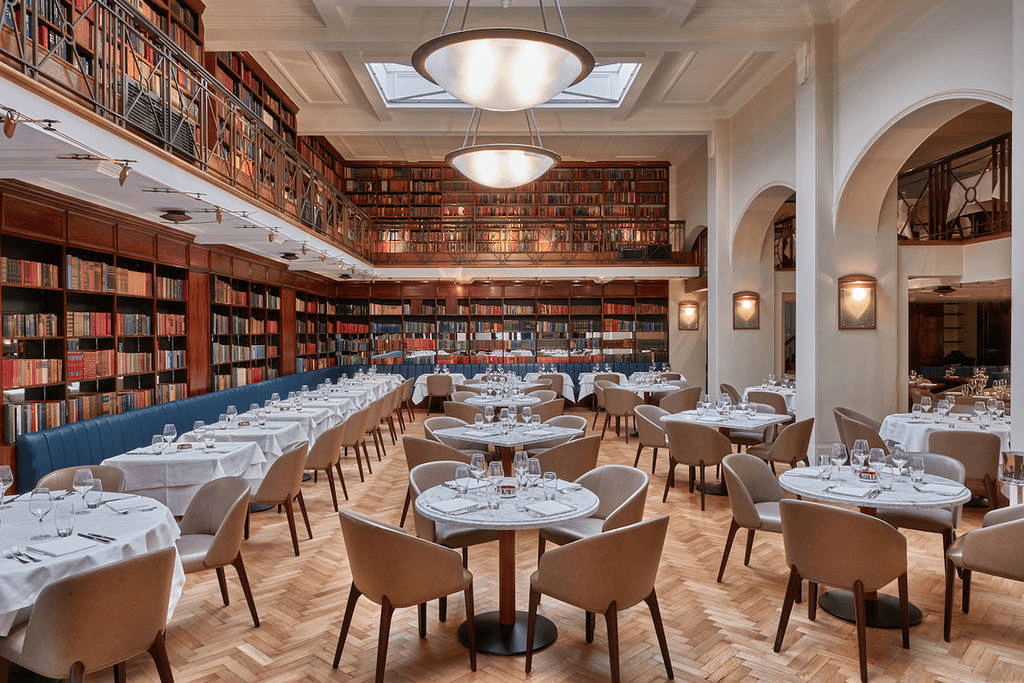
The news about the Cinnamon Club is of particular interest to me. I enjoyed so many meals there while we were in London, with our daughter and with friends to celebrate an academic milestone (or millstone), as well as on less special occasions. The food and atmosphere are wonderful. I see from the photo that the library is part of the main dining room now. On one occasion it was a lovely quiet place the staff made available to four of us to enjoy dessert and coffee.
Cinnamon Club
This renowned Indian restaurant in London is throwing it back to 2001 and bringing back its original menu prices – with dishes and drinks starting at just £5
Following the success of the retro menu back in January, Cinnamon Club is back again with the cut-price fine-dining offering.
Sam Barker Staff Writer 30 July, 2026
Remember the good old days? Just a few decades ago, when you could get a meal in London without exceeding £10? As we dash around London, hunting for the best affordable meals in London, we often think back to those glorious days. And one acclaimed Indian fine dining restaurant is bringing those days (and those prices) back. The Cinnamon Club is back this August with its retro menu, serving up throwback dishes and price tags to match.
From August 10-22, across lunch and dinner services, diners can enjoy a taste of the restaurant’s renowned fare at far lower prices. We’re talking dishes that start at just £5!
If this sounds familiar, that’s because The Cinnamon Club first launched the retro menu for a limited time back in January. The special menu marked the kick-off of their 25th birthday celebrations. Following its success, they brought the offer to other Cinnamon Collection venues. And now it’s back, where it all started, for one last birthday hurrah.
Bringing back prices from 2001
Now, 2001 doesn’t seem that long ago to some of us. But it’s already been a quarter of a century since the year came and went. (Boy, does that make me feel old.) But how much have prices really changed since then? Well, you’d be surprised!
Nowadays, a cup of coffee tends to cost between £4-5, or perhaps even up to £6, from a specialty coffee shop or a chain cafe. But back in 2001, according to the Bank of England Inflation Calculator, that would have cost you hardly £2. And those £7 (or more!) beers you have after work? Back in 2001, you were sipping happily at sub-£4 pints.
Those were the days, eh?
The Cinnamon Club retro menu
The Cinnamon Club isn’t just bringing back the same retro menu from January. Instead, they’re expanding the offering with even more dishes at throwback prices. Among the dishes are the likes of
- Sweet potato cake with crisp okra and spiced yoghurt
- Home smoked lamb kebabs
- Seared calf’s liver with masala mash and spiced onion chutney
- Sandalwood‑flavoured tandoori chicken
- Baby aubergines in pickling spices with curry leaf semolina
- Vindaloo of pork chop with pilau rice
- Pan seared breast of Gressingham duck with sesame tamarind sauce
- Steamed mango rice cakes with wild berry sorbet
And there are even more dishes to be announced and added to the menu closer to the date.
It doesn’t just stop at food, either. You’ll also be able to get special Cinnamon Club drinks, such as the Cinnamon Bellini and Lassi Caipirinha for just £5.
After a handful of times offering the special menu, this is your last chance to try out the restaurant’s acclaimed food at a fraction of the price. Join them as they “bring 2001 back to Westminster, one last time.”
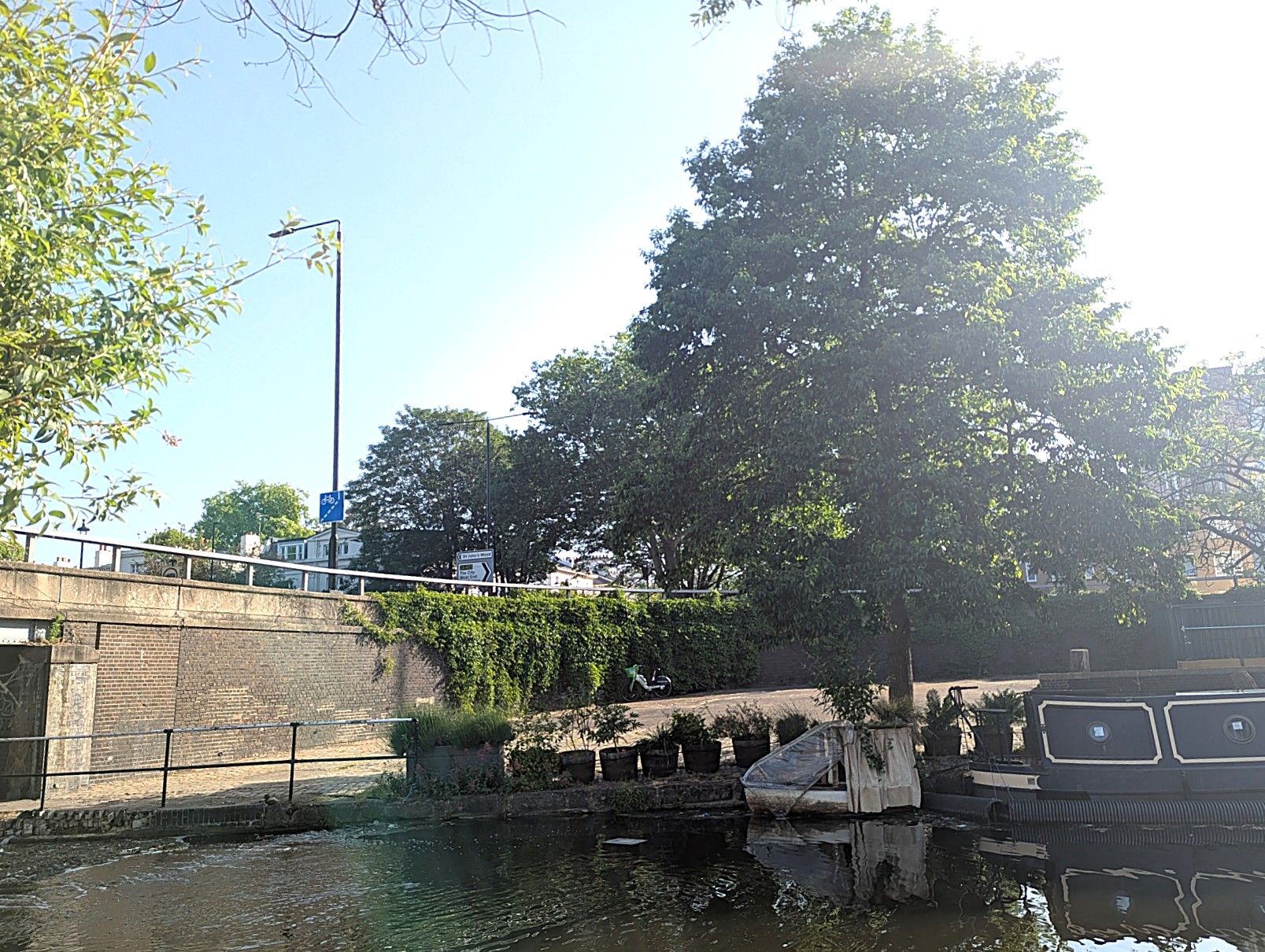
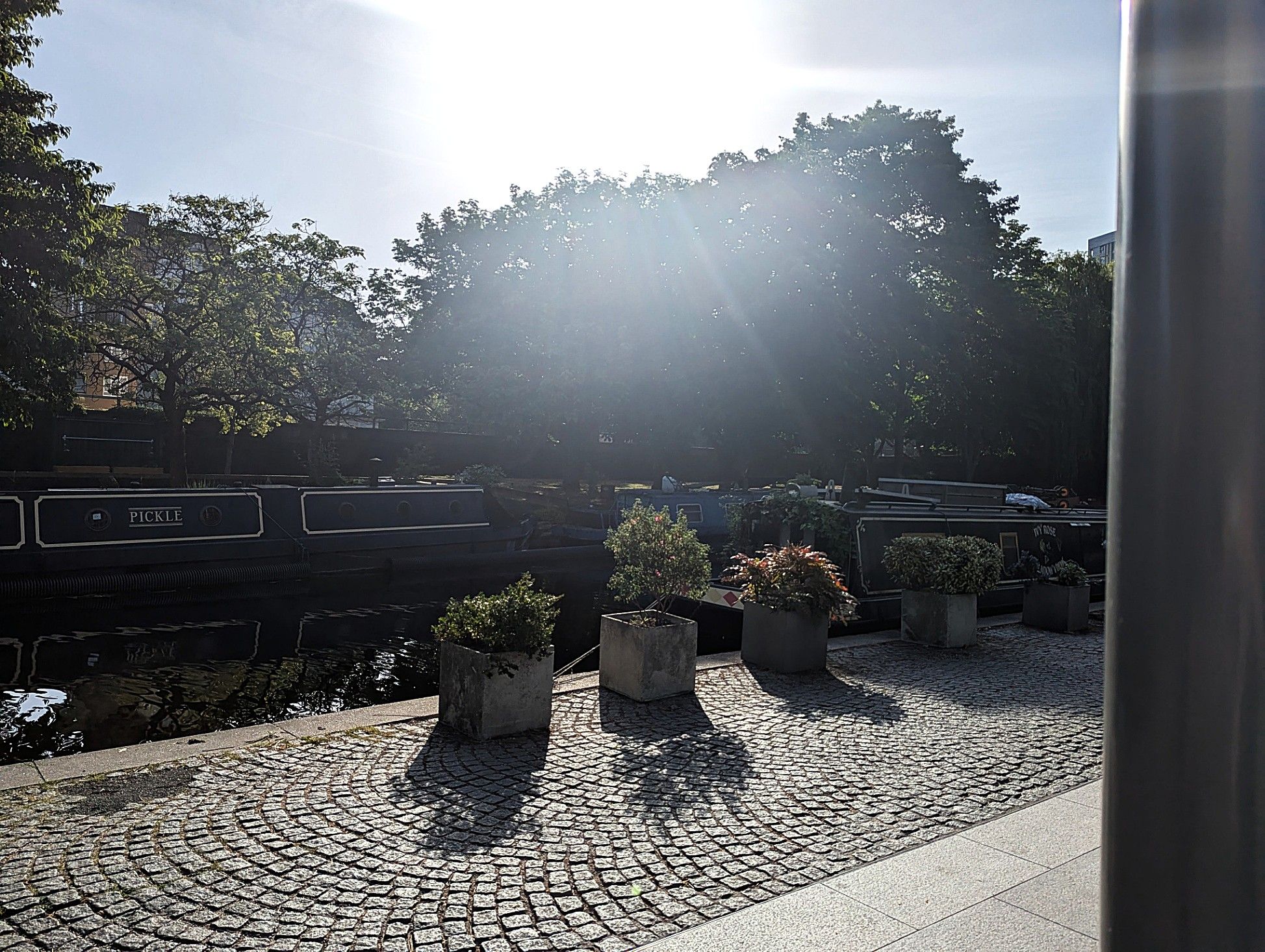
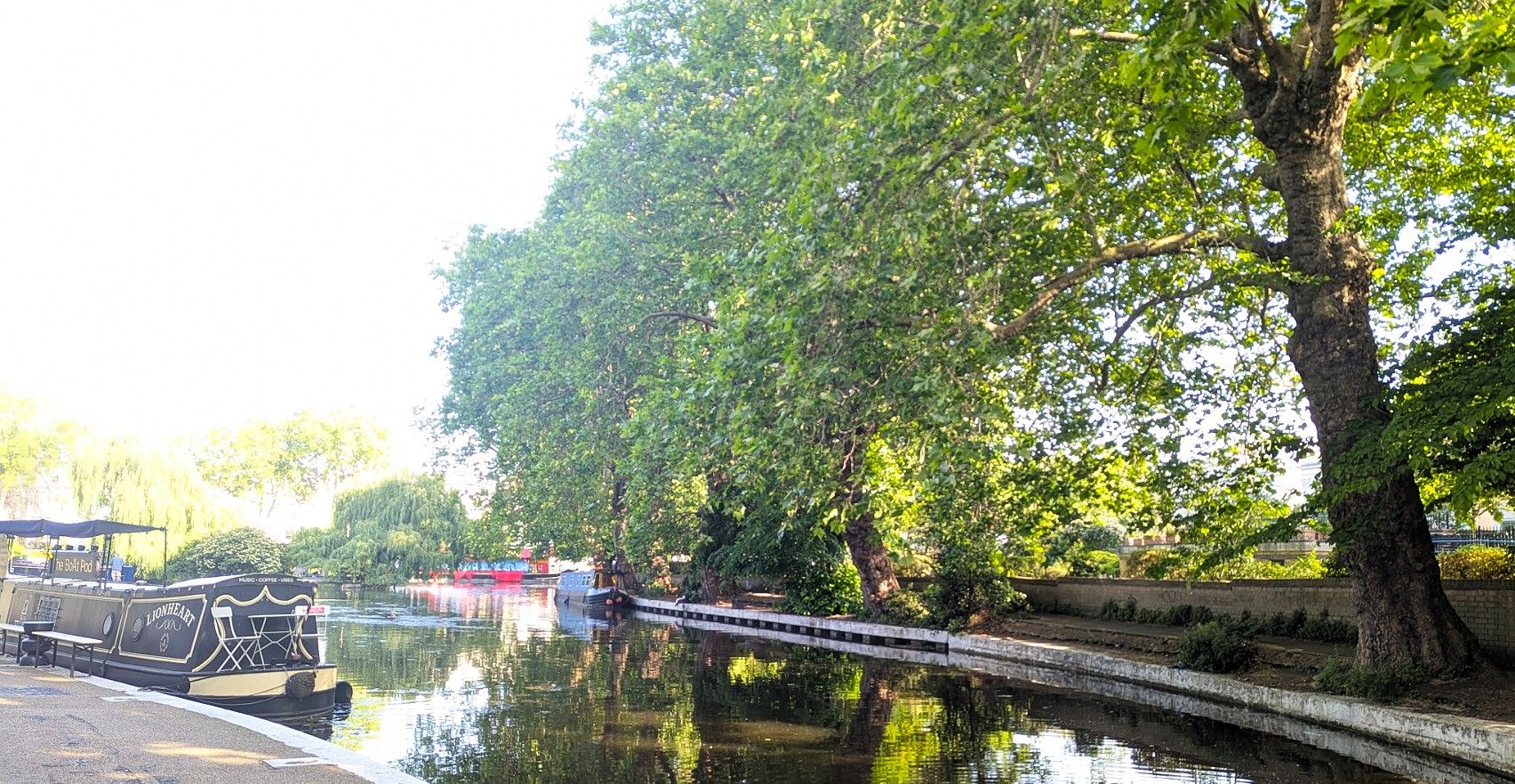
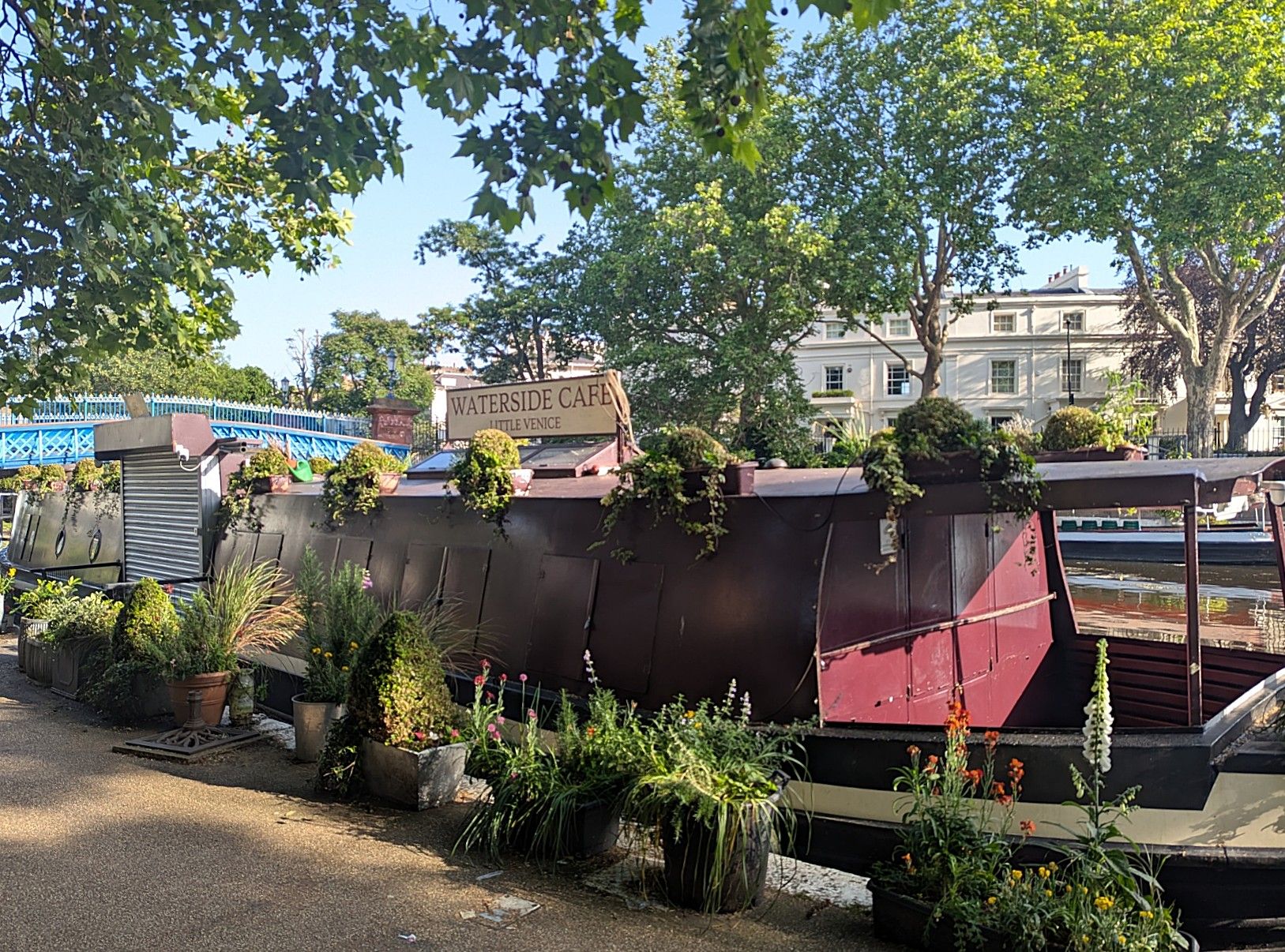
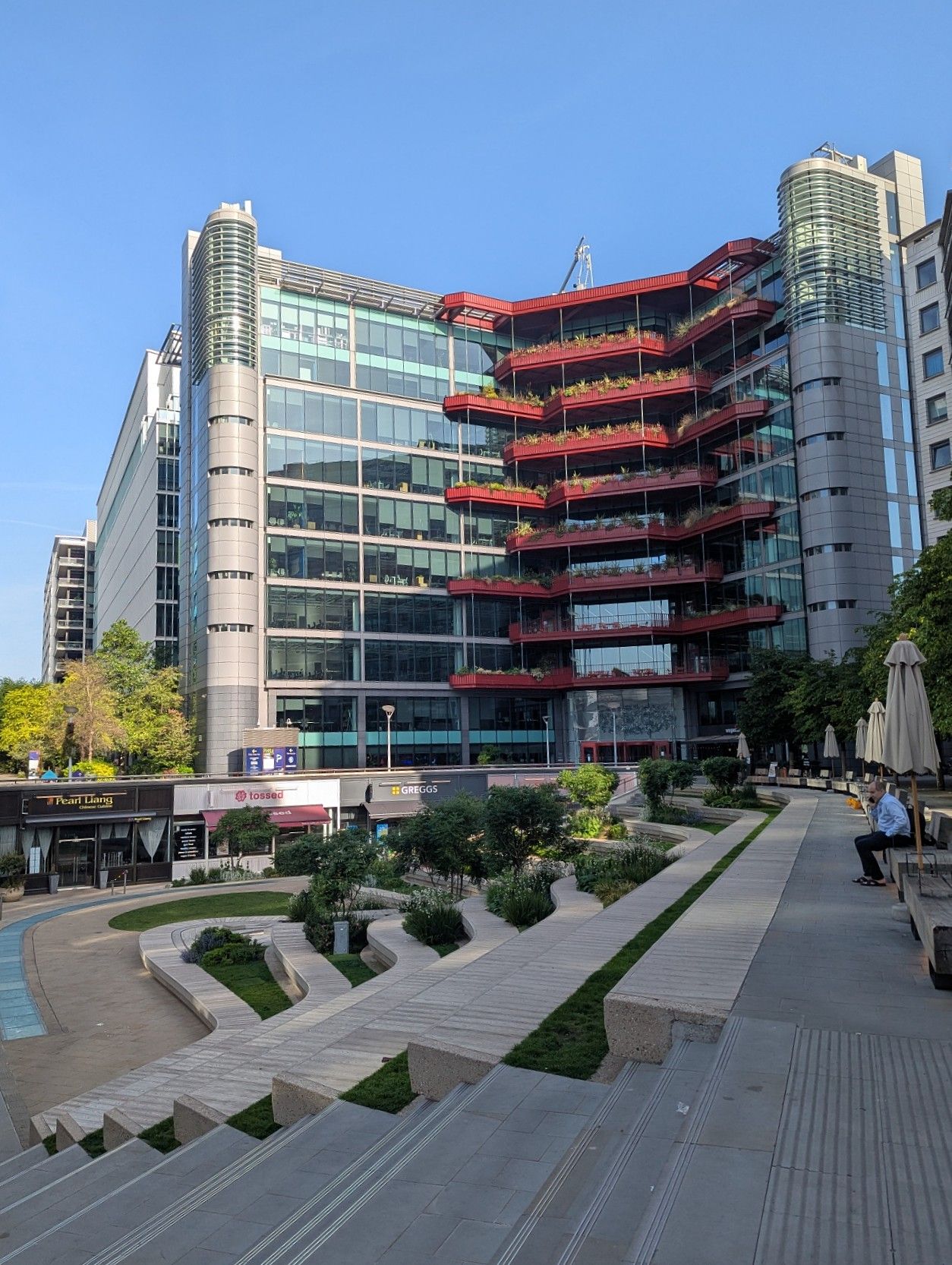
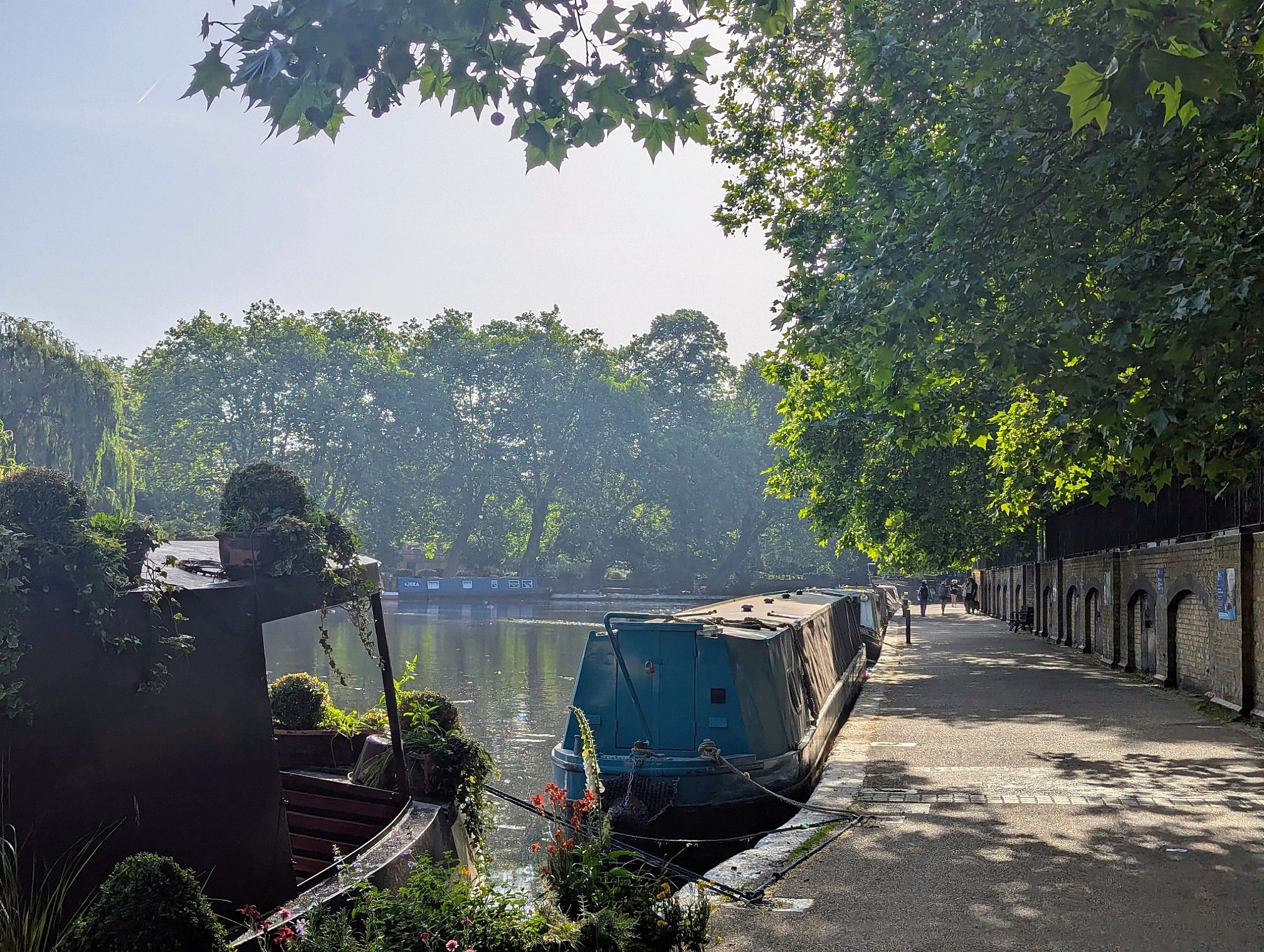
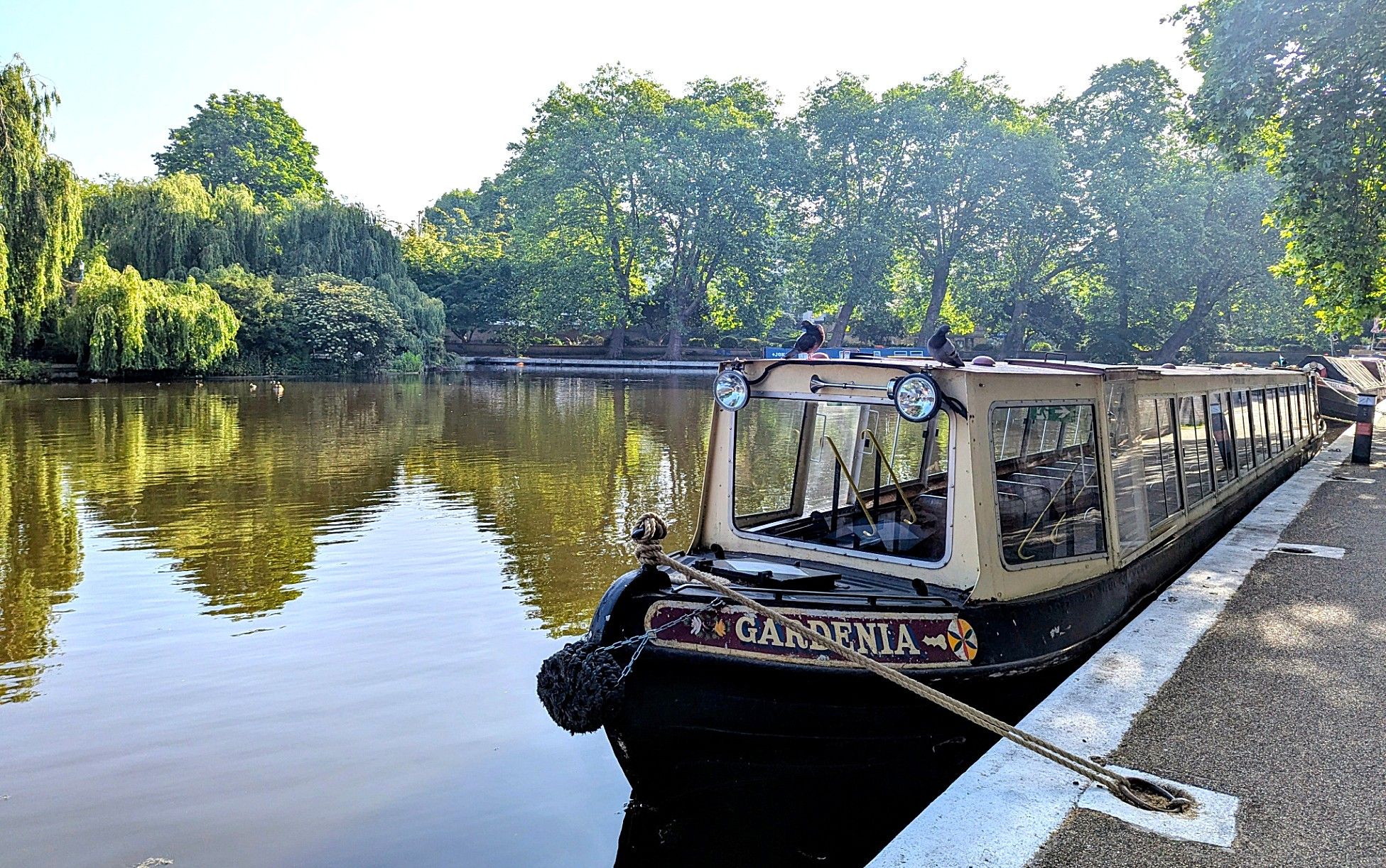
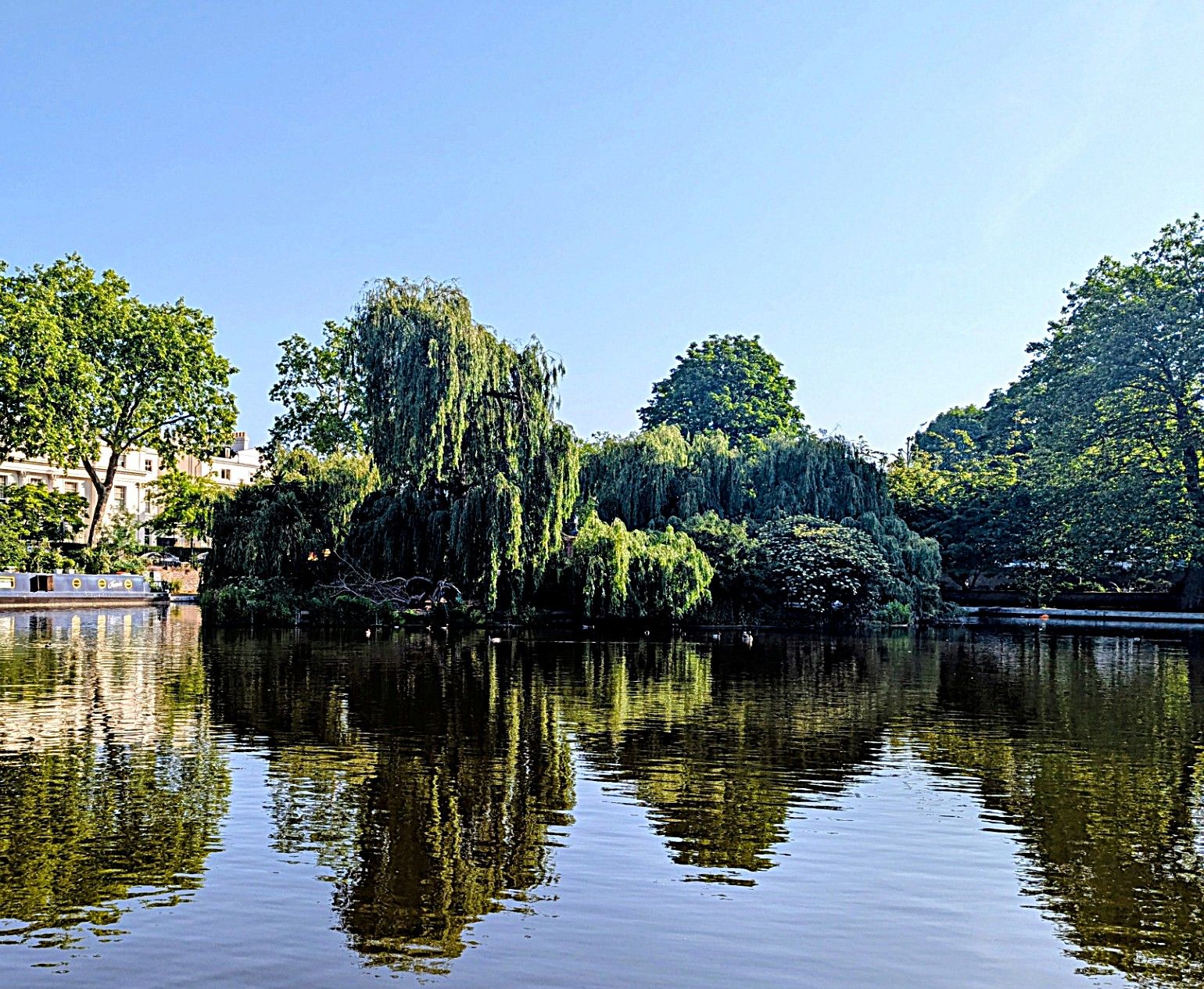
Little Venice is also familiar from our many walks along Regents Canal. Photos from our most recent London stay.
London’s Little Venice is a hidden haven in the heart of the capital city – and it’s filled with colourful canal boats, waterside walking routes, and one of London’s most unique theatres
One of the cutest corners of the capital city comes in the form of Little Venice – a hidden hotspot that’ll make you feel like you’ve been transported straight to Italy.
As we continue to plunge deeper into the season for summer holidaying, I’m beginning to regret almost entirely depleting my annual leave allowance within the first few months of the year. But it’s fine (she says with the half-hearted conviction of a girl whose happiness levels heavily depend on the amount of holidays she has booked). I truly believe that there are very few better places to spend the summer than in our big, bright, brilliant capital city. So you can bet your bottom dollar that I’ll be making the most of it. And one of the dreamiest destinations to spend a day in London? Little Venice, of course.
Little Venice
Now, if you’ve somehow never heard of London’s Little Venice, please allow me to introduce you. Serenely situated between Paddington and Maida Vale; the exact boundaries of what constitutes Little Venice are a tad blurry. But it’s basically the scenic streets that surround the spot in which the Grand Union Canal and Regent’s Canal meet.
The neighbourhood is unsurprisingly reminiscent of its Italian namesake; lined with lush-and-leafy trees, Regency-style architecture, and a whole host of cute, colourful canal boats. Its name is often credited to the local poet, Robert Browning. But others believe that the area’s title came courtesy of Lord Byron who was supposedly the first to compare the lovely locale to Venice. Either way, it’s peaceful, picturesque, and packed full of things to see and do. What more could you want from a day out in London, hey?
Things to do in Little Venice
Little Venice is the perfect place for a summertime stroll. Whether you opt for a walk along the waterways or a meander around Rembrandt Gardens, there’s no shortage of gorgeous things to gawp at in the area. If you’d rather sit back and relax rather than racking up your step count, you can of course, opt for a ride on one of the many canal-boats. Or you can work your way through the plethora of pubs, cafes, and restaurants in the vicinity.

Something that makes the area particularly unique is its impressive theatrical offering. Little Venice is home to two of the quirkiest independent theatre venues in the city. There’s the Canal Cafe Theatre that specialises in comedy, and then there’s the Puppet Theatre Barge which does what it says on the tin, really. You can hop aboard this floating theatre and watch traditional tales brought to life with string marionettes.
I didn’t realise that this was a controversial building. I was too busy enjoying the plays I saw there.
One of London’s most iconic brutalist buildings once dubbed controversial is turning 50 – and everyone can explore its history for free
When it first opened, the Grade II listed building divided opinion, but it is now widely regarded as one of the capital’s defining examples of brutalist architecture.
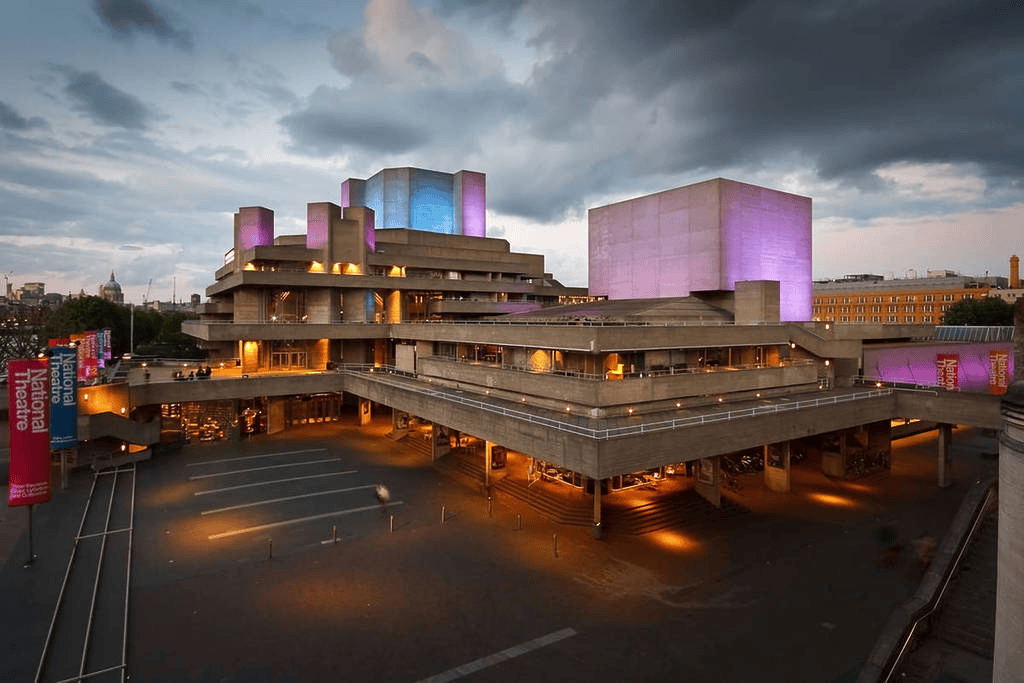
Image: National Theatre Save
Vaishnavi Pandey Staff Writer 30 July, 2026
The National Theatre is set to celebrate 50 years at its South Bank home with a free outdoor installation sharing 50 stories from across its history.
National Theatre to mark 50 years on the South Bank
Stories Start Here: 50 Stories for 50 Years will open on the Queen’s Walk in October 2026, with a wooden structure inspired by the amphitheatre seating of the Olivier Theatre and positioned to face the building itself.
Visitors will be able to sit, listen and explore memories, anecdotes and reflections from actors, writers, directors, designers, past and present staff, and audiences.
A story station inside the theatre will print the stories on eco-friendly paper for visitors to take away, while recordings will also be available worldwide through the Bloomberg Connects app.
The project comes as the South Bank landmark reflects on five decades in its purpose-built home, after the company spent 13 years based at the Old Vic before moving into the new theatre, which was constructed between 1969 and 1976.
The National Theatre is one of London’s most recognisable cultural buildings
When it first opened, the Grade II listed building divided opinion, but it is now widely regarded as one of the capital’s defining examples of brutalist architecture. Its textured concrete, riverside terraces and three auditoriums have helped make it one of London’s most recognisable cultural buildings.
Indhu Rubasingham, director and co-chief executive, said the theatre had been “a place where artists, audiences and communities have come together to share stories”.
Alongside the installation, the National Theatre is also launching an apprenticeship named after its architect, Sir Denys Lasdun. The scheme will offer training in the mechanical and electrical engineering skills needed to maintain the building.
The programme will run through the NT Skills Centre, which the theatre says trains thousands of people across the UK each year in partnership with Bank of America.
Executive director and co-chief executive Kate Varah said the theatre, like many major cultural buildings across the UK, faces significant capital and modernisation needs.
The anniversary project has been created by the design collective la cuarta piel and co-curated by the Financial Times theatre critic Sarah Hemming.
It is supported by Arup and Sir Robert McAlpine, both of which worked on the National Theatre’s original construction.
Paris in London
Vaishnavi Pandey Staff Writer 22 July, 2026
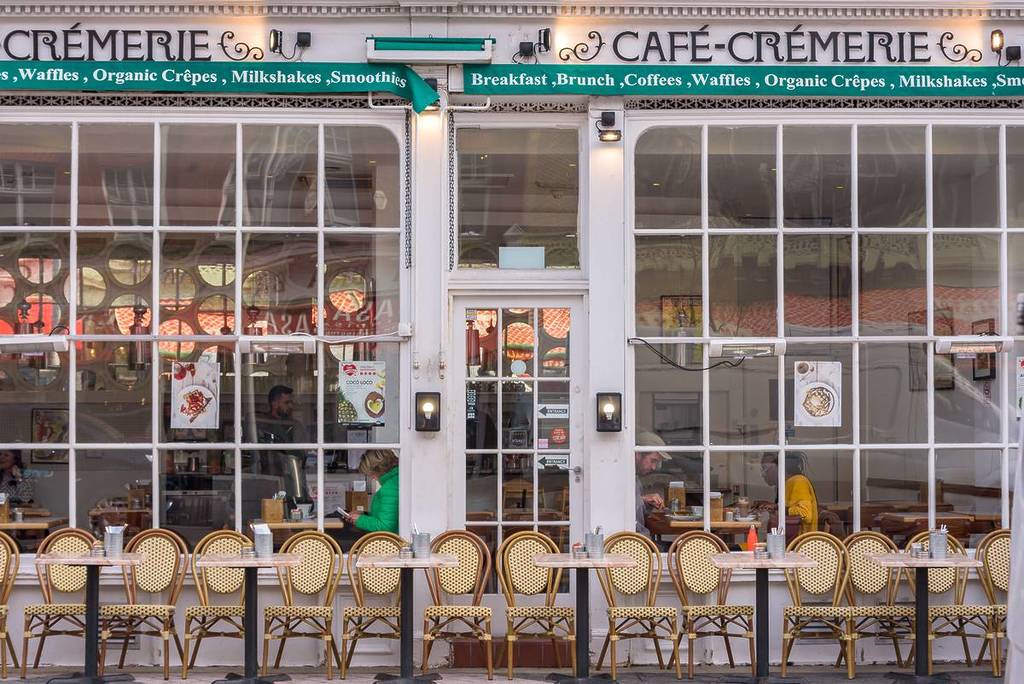
Tucked away in South Kensington, this particular street feels like a pocket of Paris dropped into west London. Known by some as “Little Paris,” this charming stretch is lined with French bakeries, bookshops, cafés and cultural institutions that give it a distinctly continental feel.
Everything about this corner feels less like London and more like the 5th arrondissement: independent bakeries with baguettes stacked behind the glass, cafés culture where regulars greet each other with bonjour instead of ‘you alright’ (bit of a reach but you get the gist), and cultural sanctuaries devoted to French literature and film.
London’s Little Paris in South Kensington
Tucked away in the heart of South Kensington, Bute Street has become known for its French character and cultural appeal.
It is home to a cluster of businesses and institutions that give it a strong Parisian identity, from French bakeries and specialist bookshops to the Institut Français and Ciné Lumière.
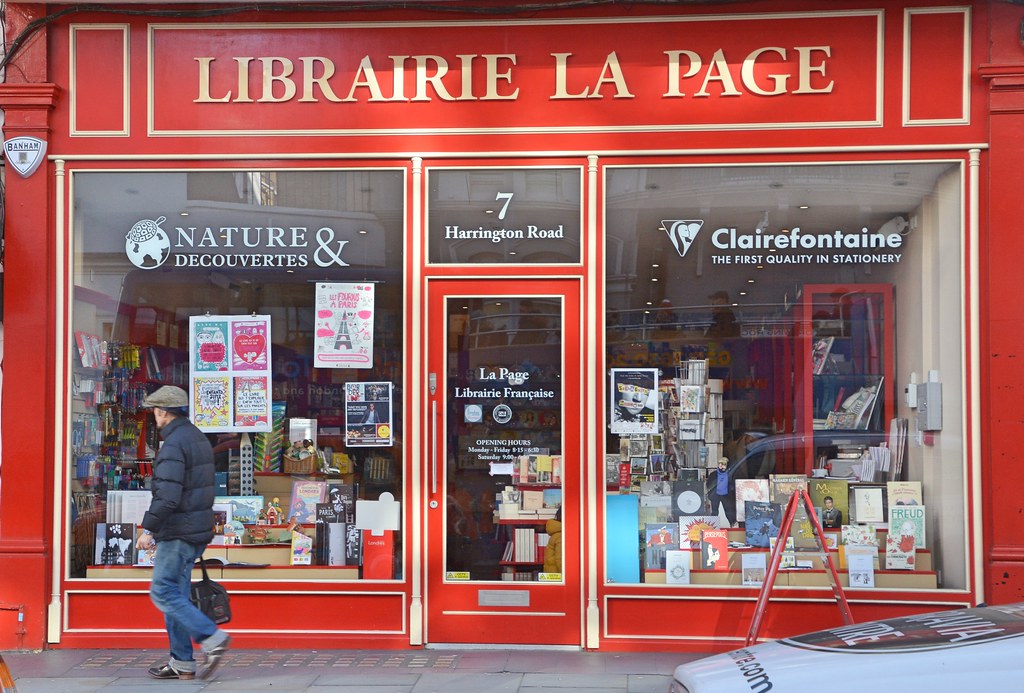
One of the street’s biggest draws is its bookshops. Independent stores such as French Bookshop UK cater to Francophiles and language learners, with shelves filled with French classics, contemporary paperbacks and children’s books.
Nearby, La Page adds to the literary appeal with its diverse francophone collection and bilingual team.
The food scene is equally compelling. Comptoir Bakery serves handmade pastries and cakes, while Chanteroy offers an authentic French épicerie experience with cheeses, charcuterie and seasonal treats.
For visitors, that means Bute Street is as much a place to snack and browse as it is to walk through.
Bute Street is home to one of London’s beloved arthouse cinemas

At the centre of this enclave sits the Institut Français and Ciné Lumière, one of London’s beloved arthouse cinemas.
That gives the area a cultural depth that goes beyond food and shopping, making it especially appealing for film lovers and students of French culture.
British Politics
A, dare I say it, surprisingly thoughtful article. I hope that Labour members give Andy Burnam all the support he deserves.
Tuesday 4th August 2026
| Burnham’s first balancing act |
Labour has basked in the warm glow of a ‘Burnham bounce’. But as the new Prime Minister makes the first of what is likely to be many difficult decisions, can he maintain that goodwill?
Just over two weeks into government, Andy Burnham has faced his first major test as Prime Minister – one where he finds himself forced to make trade-offs and unable to please all sides.
The inheritance Labour received from the Tories was abysmal – with the prisons crisis perhaps being the worst area of neglect. Burnham has found himself with a similar challenge to Keir Starmer – the difficult balancing act between protecting the public and freeing up space in prisons.
While the decision to pause early release was universally welcomed, the final call has sparked backlash – with those guilty of rape and serious child sexual and grooming offences to remain behind bars, but domestic abusers able to leave prison early.
Unsurprisingly, there has been disappointment from survivors’ organisations, who will no doubt feel let down by this move.
Such is the reality of government that you cannot always keep everybody on side. New prisons and the extra capacity they bring can’t appear overnight, and so difficult decisions often have to be made. That frustration is evident from Burnham himself, who said in The Telegraph: “I have pushed to the very limits of what is possible to do without risking the prison system reaching capacity and collapsing.”
While Labour’s fortunes in the polls have reversed since Burnham took power, the fundamentals of the country are unchanged. Britain is still beset by many challenges that have no easy answers – and Burnham will find himself having to make more compromises and potentially leave some groups disaffected.
However, perhaps Burnham will receive some credit for being seen to be pulling out all the stops to try and make things better, even if the ideal solution is out of reach. For a Prime Minister who promised a different style of politics, this is an early reminder that voters will ultimately judge him less on whether every decision is popular than on whether he can convince them the country is moving in the right direction.

 Robin's Room