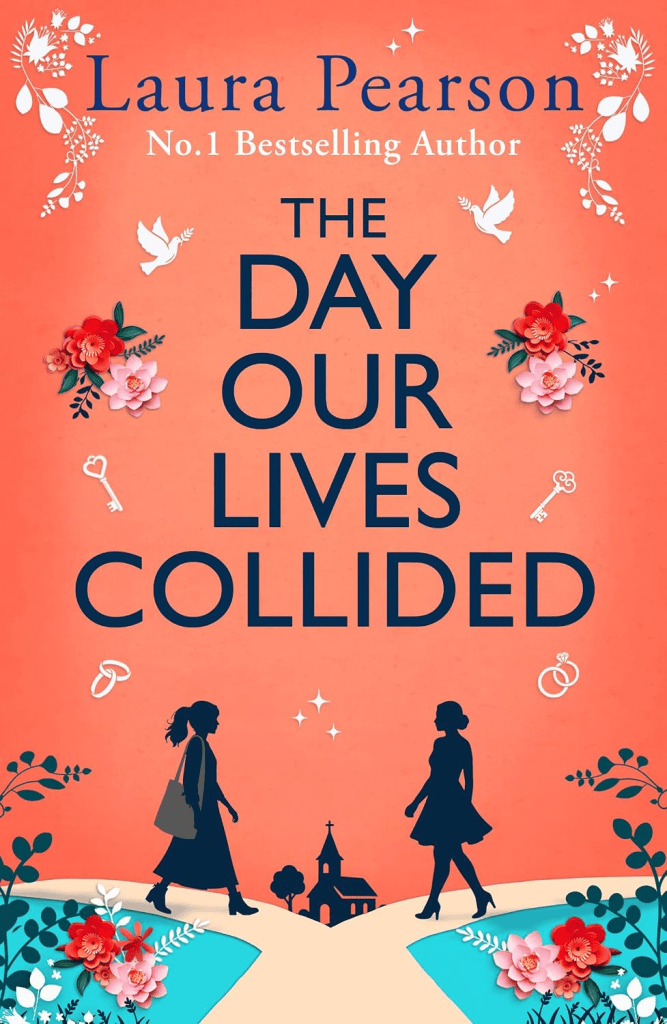
Laura Pearson The Day Our Lives Collided Boldwood, September 2026.
The Day Our Lives Collided adopts a popular theme: a group of friends is established at university, the core group extends to others through marriage, the wider group continues to meet over the years through regular celebrations.
In this novel the celebrations that bring the core friendship group and their extended group together are weddings. Six take place, each moving the group forward through marriages, a divorce, the birth of children, a death, and dealing with alcoholism, commitment (or lack of it), parents and job choices. The story is told through the main characters, the three who collided in their first university days, Tasha, Haydon, and Adam. Through their perspectives and experiences other characters’ lifestyles and choices are described and judged, providing a panorama of viewpoints throughout the novel.
Although well planned, with some character development and analysis of ideas, personal conduct, and events, I found the novel lacking in depth. None of the almost one-dimensional characters became someone for whom I had a pressing desire to achieve a successful outcome. The plot device of giving most attention to Haydon and her longing for Jude and close friendship with Tasha and Adam, suggests that it was Haydon with whom the reader’s sympathies should lie. However, the narrative around her, apart from her relationship with Adam and Tasha’s daughter, was almost lacklustre. Overall, engaging with any of the characters and moral dilemmas Pearson’s narrative introduced was difficult.
For me, unlike some other reviewers, this novel was a disappointment.
Cindy Lou enjoys eating outside at 86
86 has always been a favourite restaurant, and now it is to become a regular place to enjoy an evening meal outside after a walk with our dog. Although we meant to eat sparingly, there was too much temptation. This included the wonderful orange blossom cocktail. Charred corn with togarashi sour cream, lime and parmesan; crispy eggplant with Sichuan chili caramel; pumpkin tortellini with brown butter, sage and hazelnuts; and charred broccolini with Tuscan kale, hazelnuts, garlic and lemon made a lovely meal…with the offer for the left-over broccolini to be taken home in a box.







More debate on the interpretation of novels made into films or television series. See Blog 28 October 2026 for earlier discussion on this topic.
Henry Oliver from The Common Reader <commonreader@substack.com>
Who speaks the first line of Pride and Prejudice?
Forwarded this email? Subscribe here for more
As you have no doubt seen, in the trailer for the forthcoming Netflix adaptation of Pride and Prejudice, by Dolly Alderton, the famous opening line is spoken by Mrs Bennet. Several people have said they think this is a mistake.
I disagree.
The adaptation has some (added by Alderton) dialogue about how Lizzy will either be a spinster-governess or a wife-and-mother, presumably relying on the prevalent idea among readers that the Bennet sisters face some sort of penury if they do not get married.
That is not my reading of the novel. But, the people who do take the view that the stakes are “genteel poverty” are often apologists of Mrs. Bennet because it is so essential that she gets her daughters married. However clumsy and vulgar a job she does, her head and her heart are in exactly the right place. If she is going to be that sympathetic, it only makes sense that she would say the line. After all, it does seem to be a truth universally acknowledged, albeit one that is quite funny.
In the novel, there are, I think, three readings of the opening line. First, it is just the narrator speaking in her own voice and being satiric, albeit about a question that has to be taken seriously. Second, it is the narrator adopting a statement made by Lizzy, who is ironising her mother. This interpretation worked well in the previous BBC adaptation when Lizzy did indeed speak the line. Third, though, it could be the narrator ventriloquising Mrs. Bennet.
In fact, there is dialogue in the first chapter that makes this plausible.“Is he married or single?”“Oh, single, my dear, to be sure! A single man of large fortune; four or five thousand a year. What a fine thing for our girls!” “How so? how can it affect them?” “My dear Mr. Bennet,” replied his wife, “how can you be so tiresome? You must know that I am thinking of his marrying one of them.” “Is that his design in settling here?” “Design? Nonsense, how can you talk so! But it is very likely that he may fall in love with one of them, and therefore you must visit him as soon as he comes.”
Now, I happen to think the opening line is in the narrator’s voice. She is being satiric about the genre, about social norms, and about people like Mrs. Bennet, and so on. But, Alderton is entitled to do whatever she wants with her adaptation and I don’t think this extract goes against the idea that Mrs. Bennet could speak the line. Quite the opposite. If Olivia Colman makes the line work, then good for her. In the BBC version, after Lizzy says the line Mrs. Bennet replies, “Yes, he must indeed.” To give her the line itself is no great violation. After all, it’s television. If you want subtle irony, read the book.
C. E. Brock illustration for the 1895 edition of Pride and Prejudice.
American Politics
Celebratory coffee in Braddon
The American mid-term results are positive, so we are celebrating with an afternoon coffee at Assembly, where the ABC coverage is on television (along with the sports coverage on multiple sets).
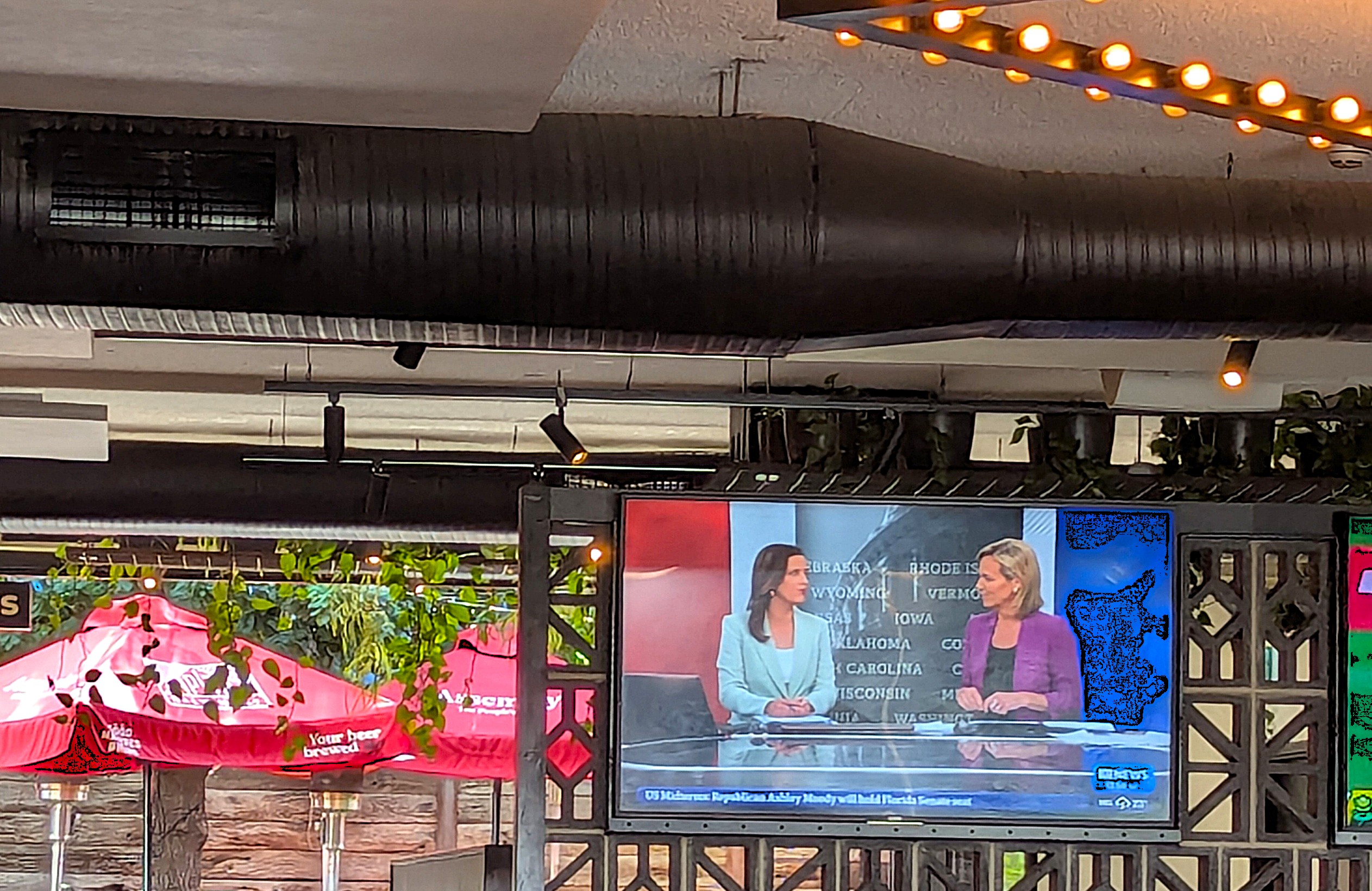

Bob McMullan: “Better than I expected because the Democrats won every seat I thought was possible, including perhaps Mississippi”.
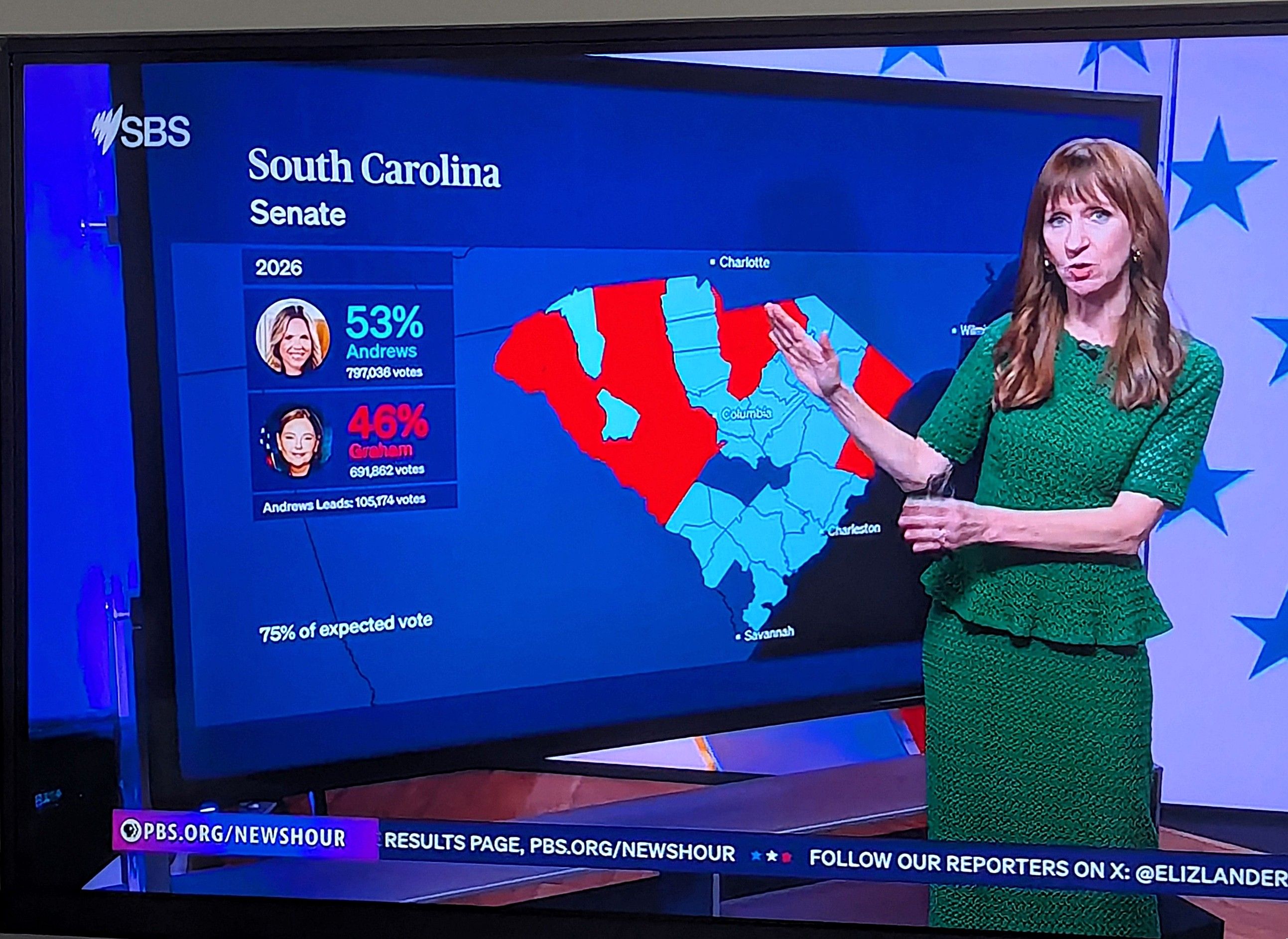
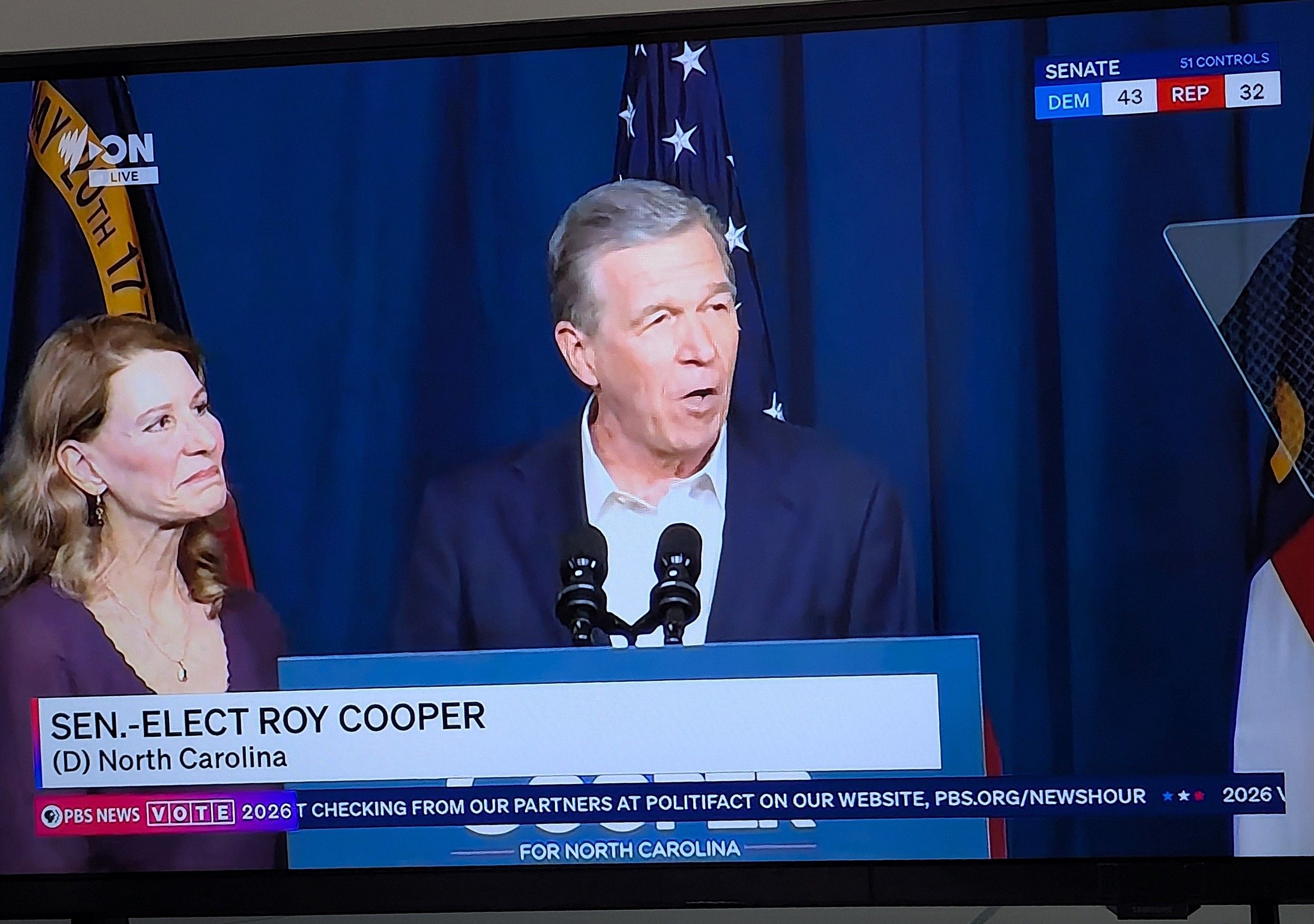
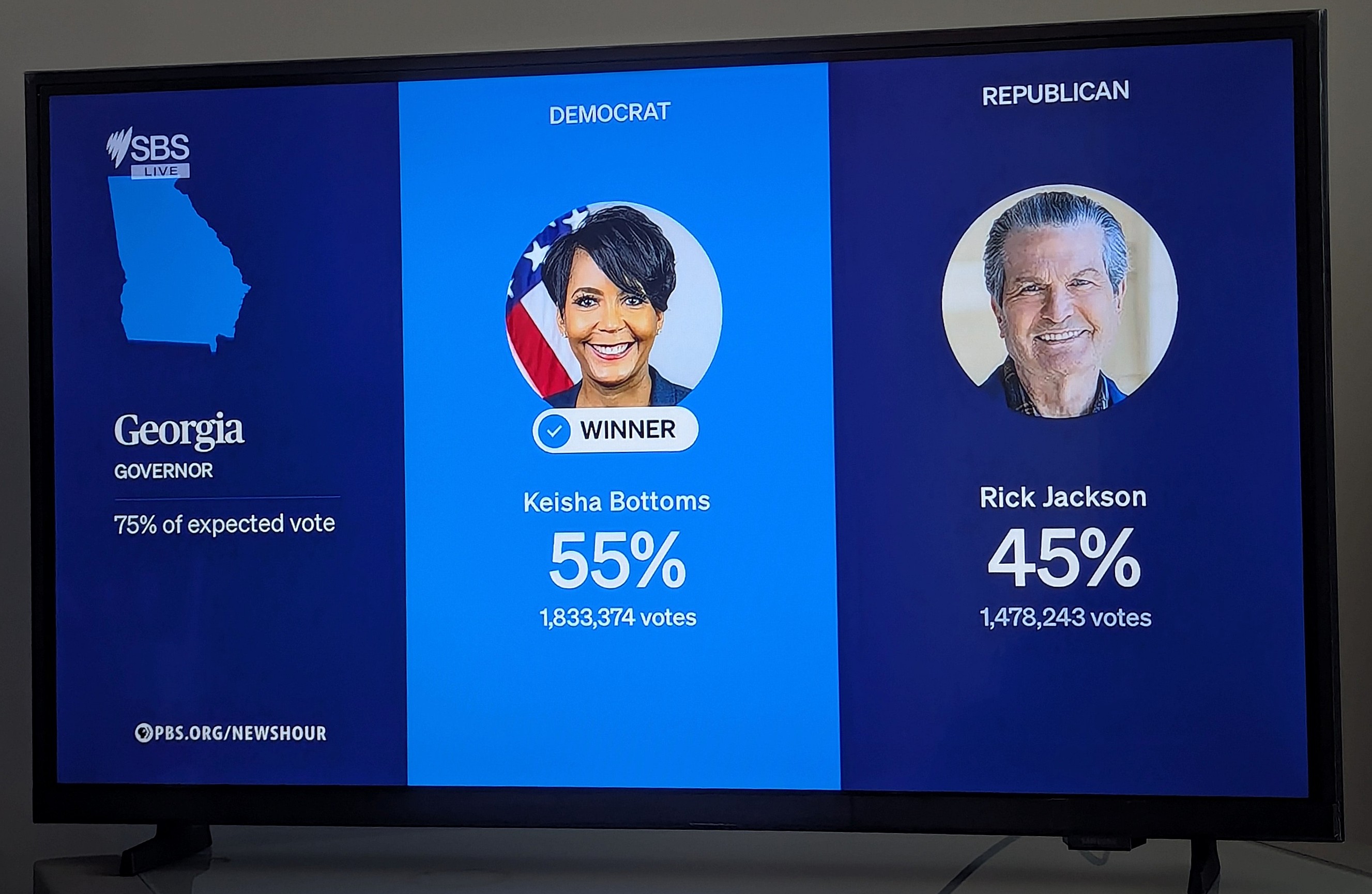
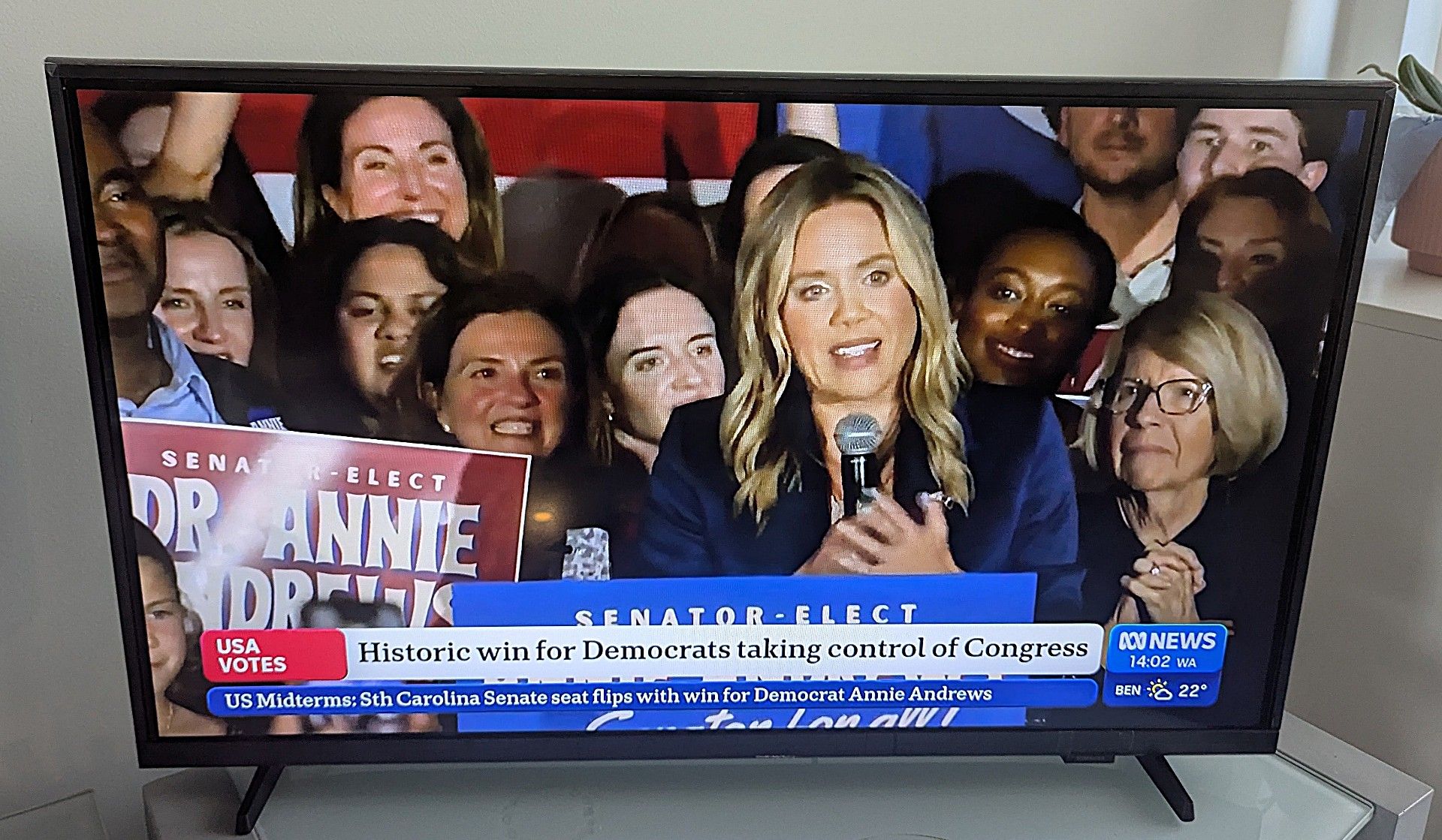
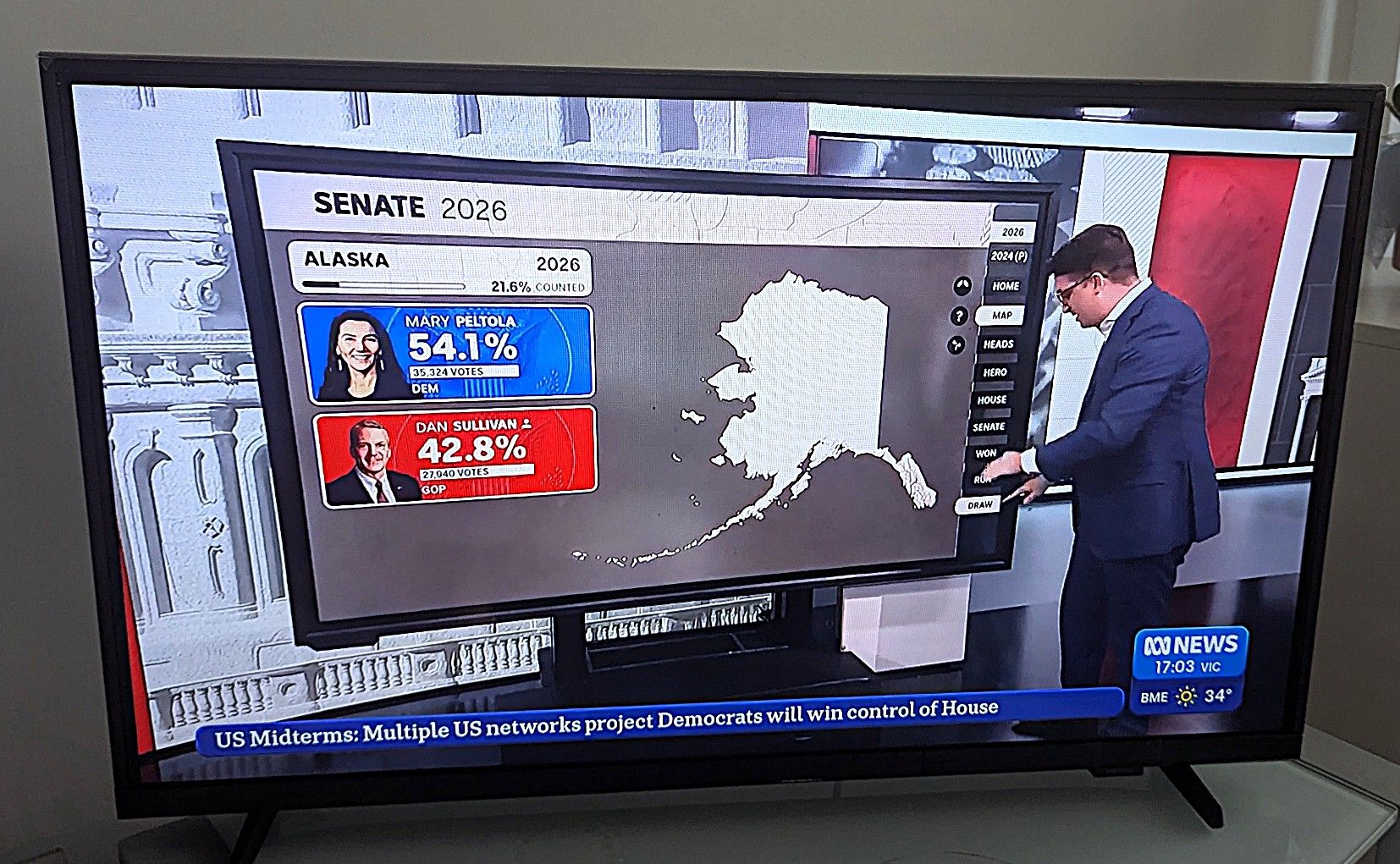
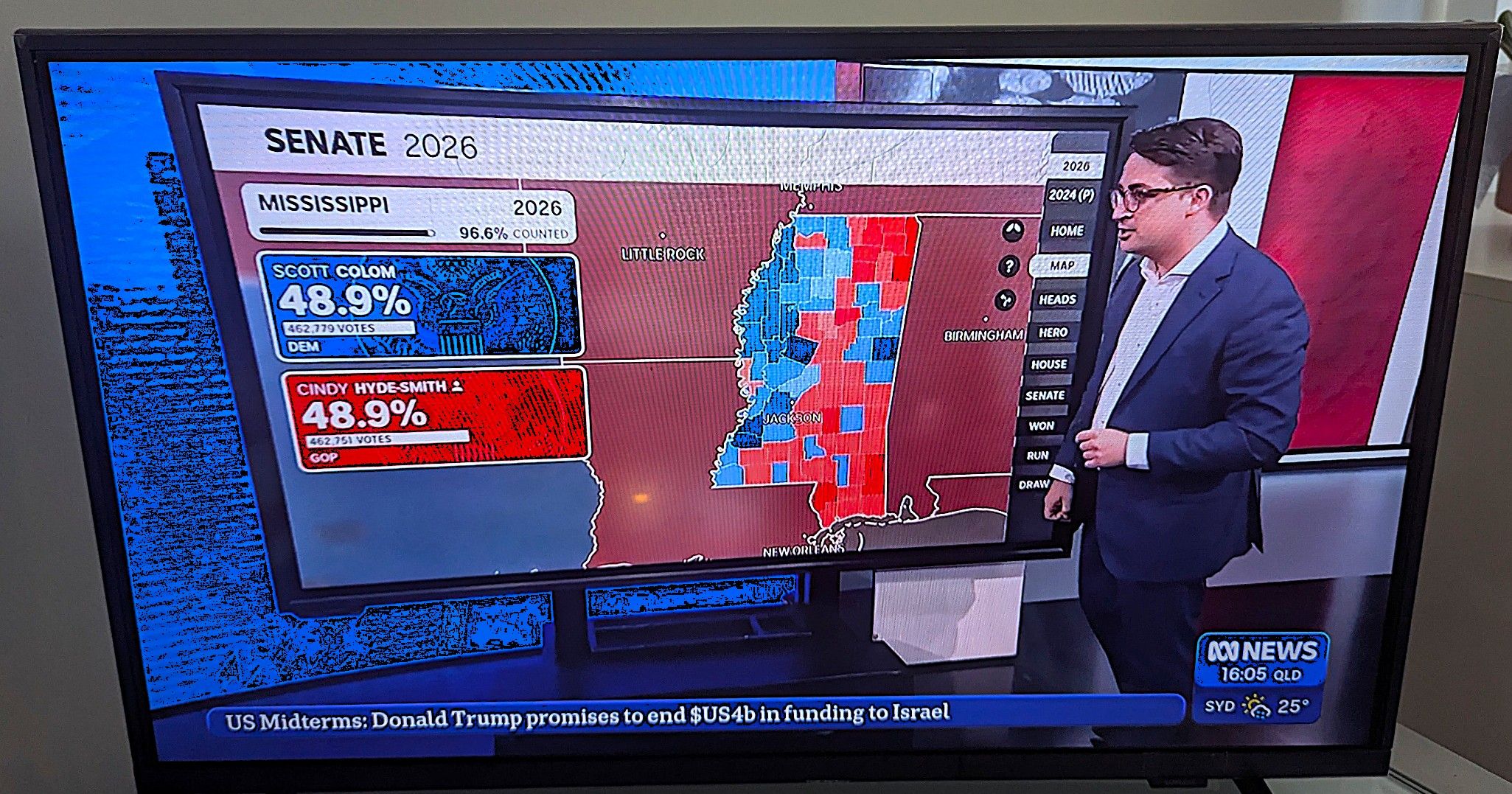
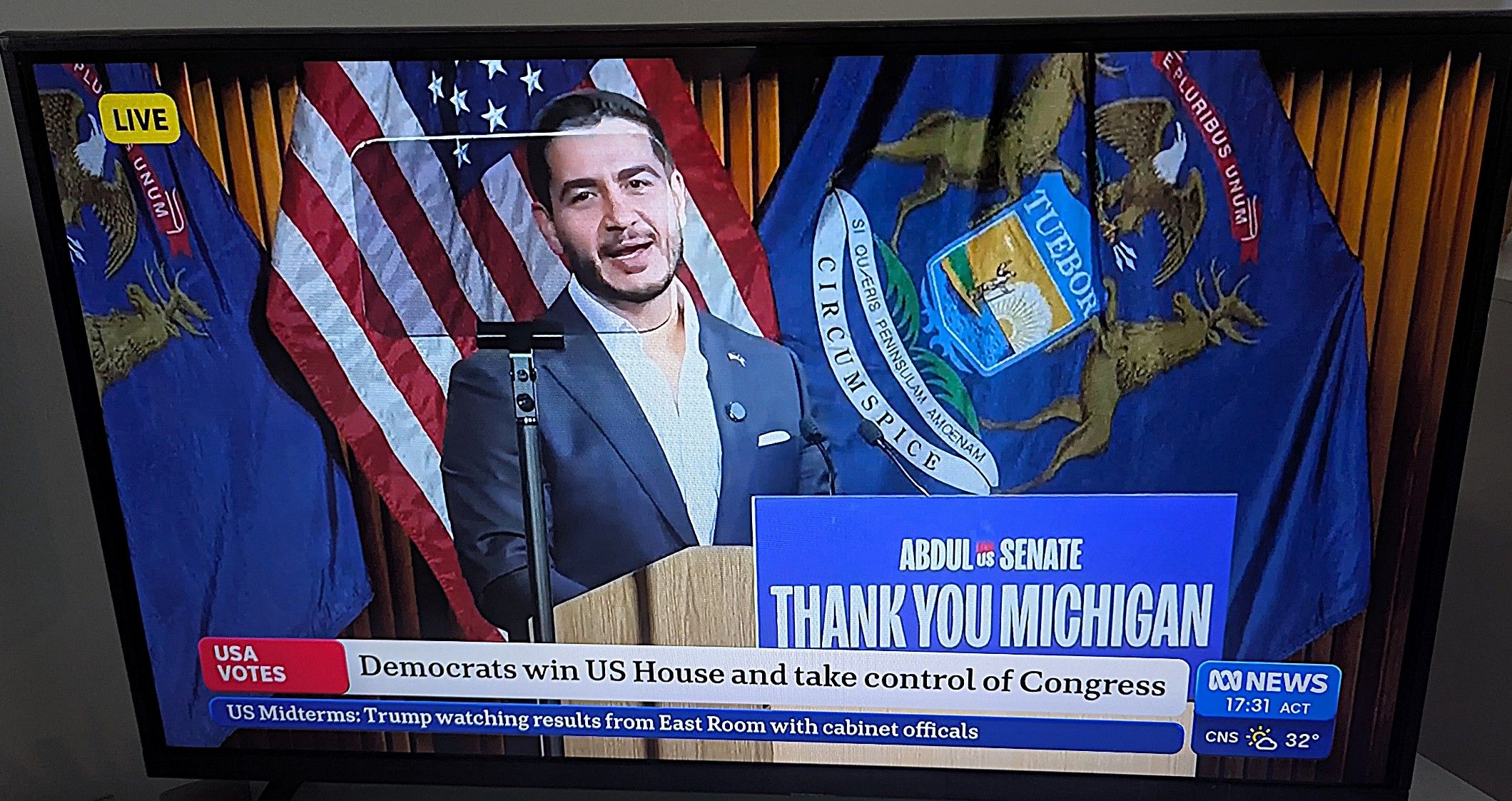
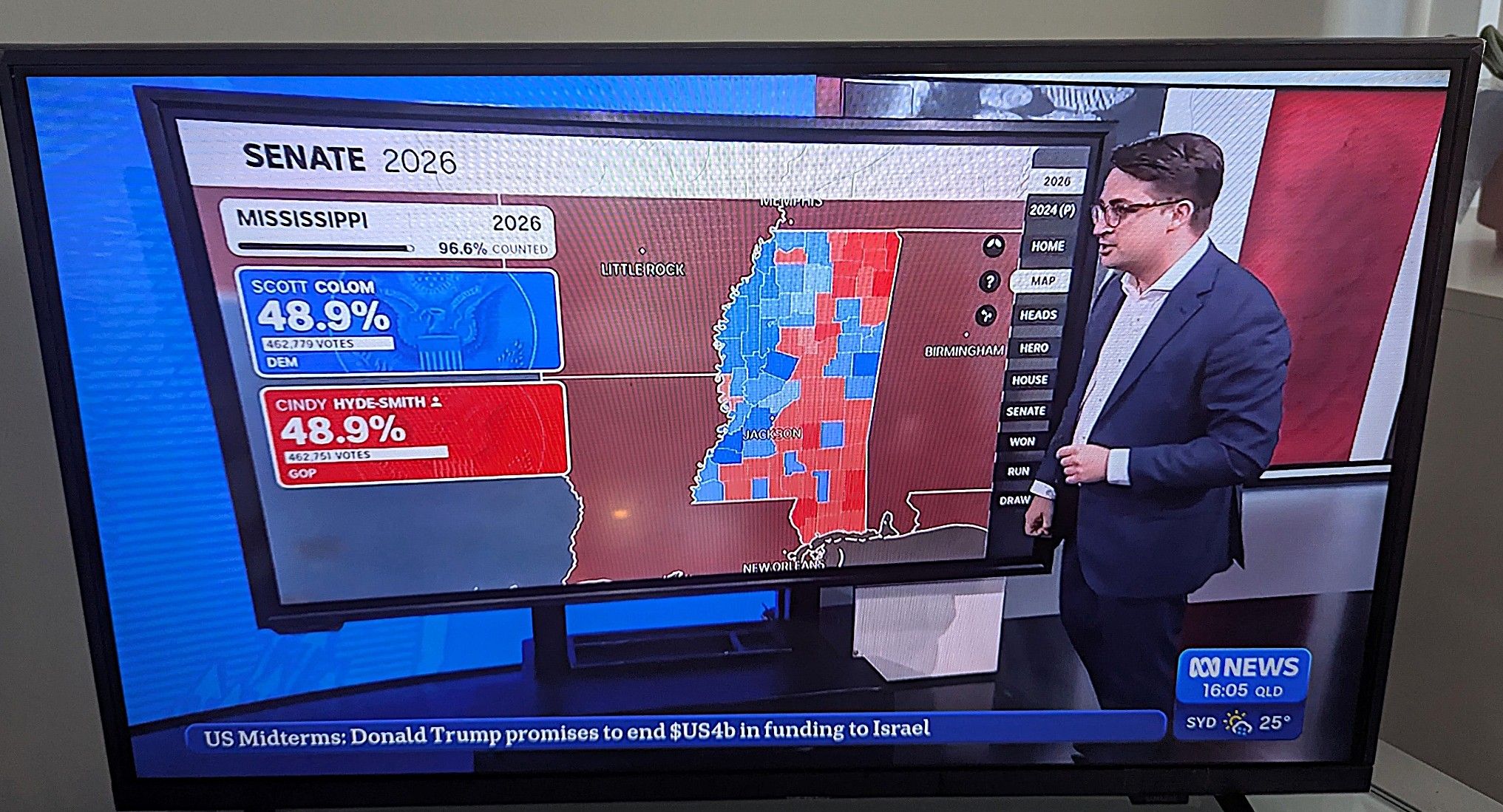
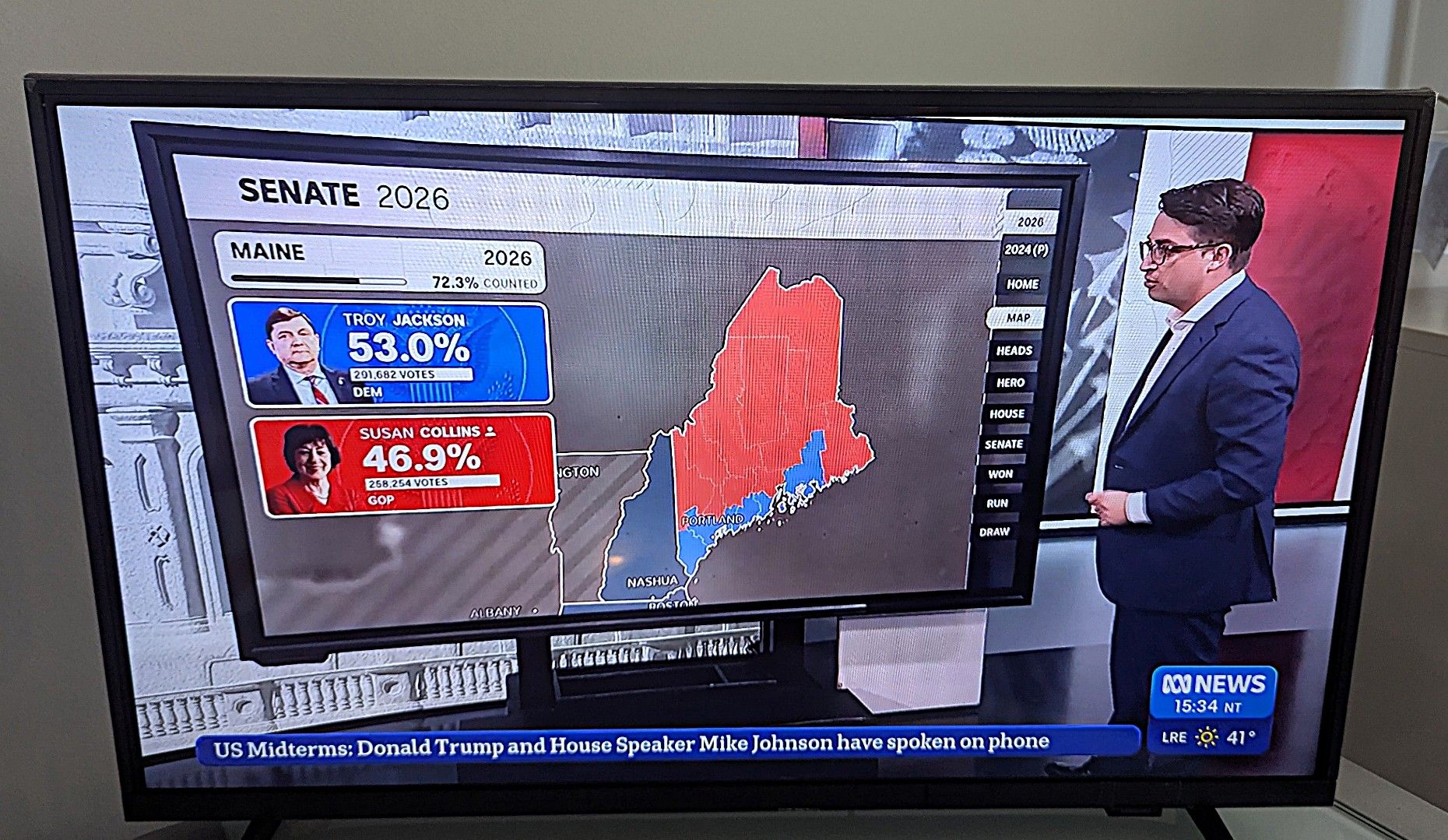
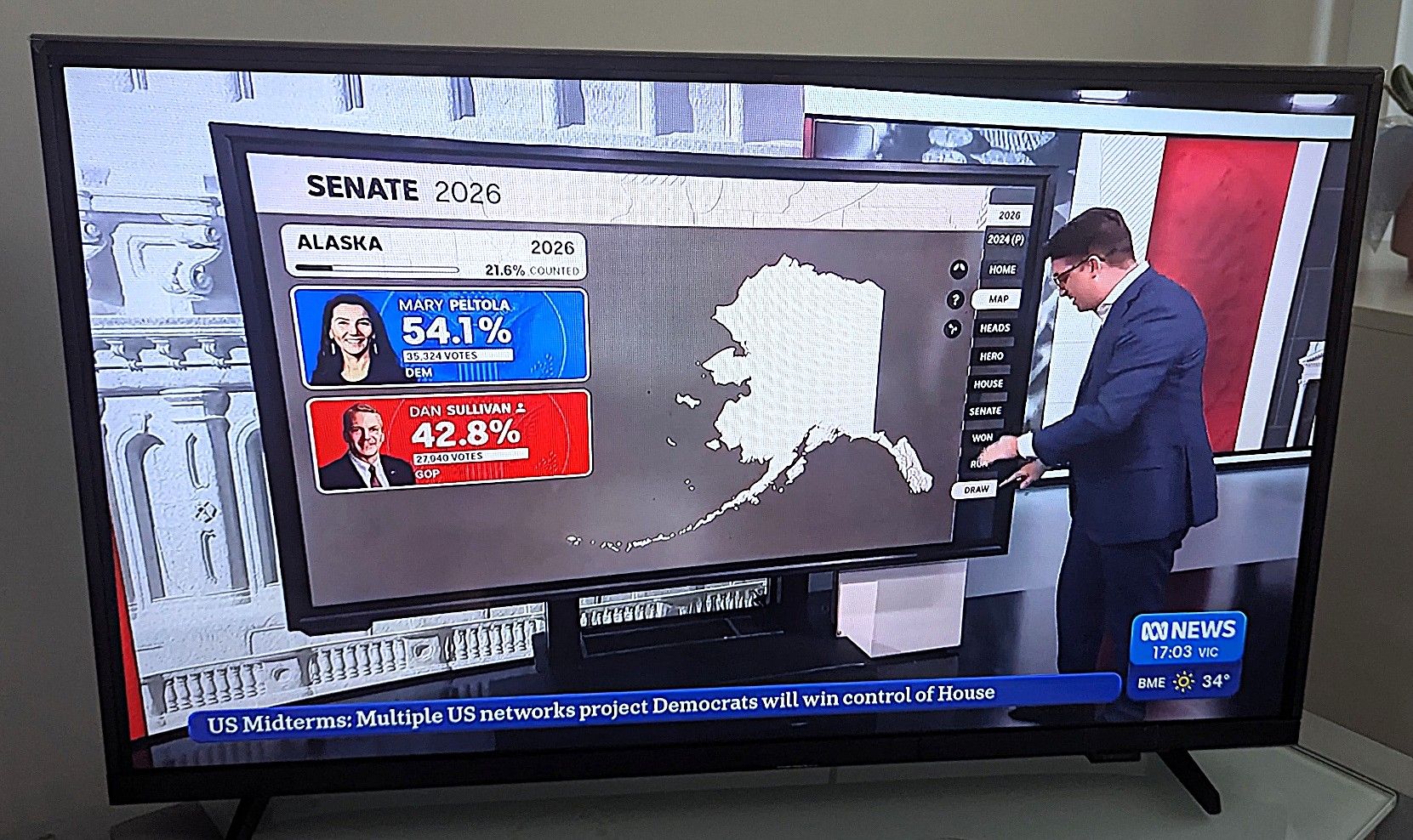
Note also, the commentary suggesting that the most recent Republican gerrymandering was likely to rebound on them was borne out by the results below.
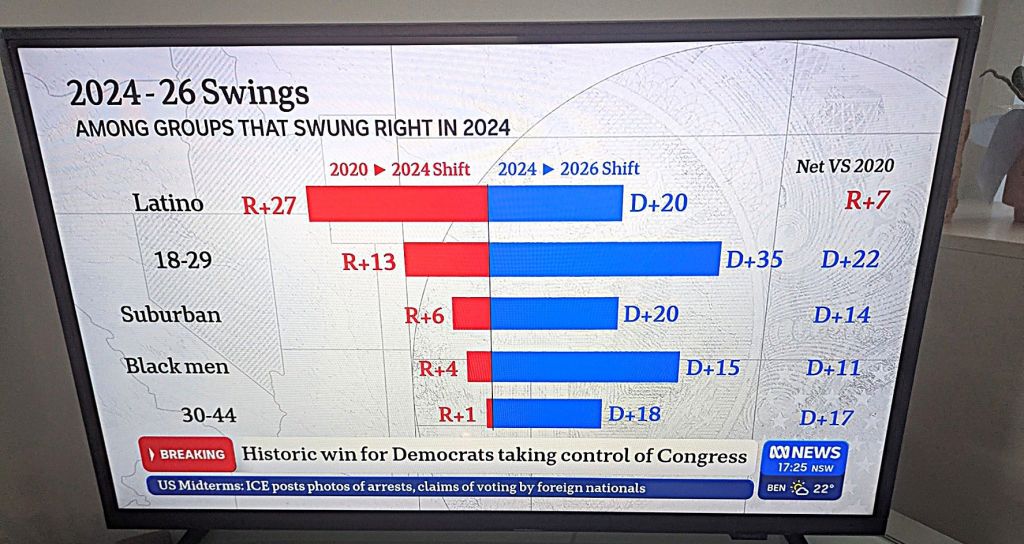
At the moment the results are:
Senate – Democrats 54, Republicans 44, 2 in doubt
House – Democrats 231, Republicans 139, 65 in doubt (218 constitutes a majority)
Giving Up Is Unforgivable: A Manual For Winning An Election
Joyce Vance from Civil Discourse <joycevance@substack.com>

We did it.
We didn’t listen to Trump when he acted like he was unbeatable, even when it seemed like it might be true. Instead, we fought back over these past two years. We did not accept his vision of America as a fait accompli. And tonight we succeeded, including in some really unlikely places. You don’t need me to tell you how good it was. Democrats came close to running the table. They’ve taken back the House and the Senate.
We went to the polls. We voted. We did not give up. Georgia Senator Jon Ossoff was once considered the most vulnerable incumbent in the country. Tonight he was reelected, with history’s eyes on him as a possible 2028 presidential contender.
Hakeem Jeffries will likely become the first Black Speaker of the House. Senate Democrats can prevent the president from confirming unqualified federal judges and, most importantly, Supreme Court justices. That means no Justice Cannon, no Justice Kacsmaryk. Congress can insist that the Article I branch of government exercise the power of the purse and use it to check presidential excess. It can hold oversight hearings, demand answers, and usher in a return to accountability.
And it can impeach and convict officials whose conduct in office richly merits it, like Secretary of Defense Pete Hegseth and Attorney General Todd Blanche, and remove them from office. That can’t happen soon enough.
Especially Todd Blanche. Today of all days—Election Day itself—Blanche committed an unconscionable breach of the public trust as voting was underway. I don’t want to dampen any celebrations, but you need to be aware. Earlier today, Glenn Thrush at The New York Times reported that “The Justice Department is intensifying its investigation into the recruitment of an opponent with the same name as a Republican senator in Alaska, sending letters to about 20 Democrats informing them they might be targets, two people with knowledge of the move said.”
A target is someone who “the prosecutor or the grand jury has substantial evidence linking … to the commission of a crime and who, in the judgment of the prosecutor, is a putative defendant.” In other words, it’s someone prosecutors are strongly inclined to indict; in most cases, their minds are made up.
Target letters, as they are called, are a standard part of federal prosecutors’ grand jury practice. The Justice Manual, the prosecutors’ Bible, governs their use: “When a target is not called to testify … and does not request to testify on his or her own motion … the prosecutor, in appropriate cases, is encouraged to notify such person a reasonable time before seeking an indictment in order to afford him or her an opportunity to testify before the grand jury … Notification would not be appropriate in routine clear cases or when such action might jeopardize the investigation or prosecution because of the likelihood of flight, destruction or fabrication of evidence, endangerment of other witnesses, undue delay or otherwise would be inconsistent with the ends of justice.” But in close cases, frequently white-collar or public corruption cases involving nonviolent offenders, DOJ sends out a target letter before indictment to let the potential defendant know what’s about to happen to them.
Sending out these letters, if, in fact, they are target letters, suggests DOJ is prepared to indict as many as 20 people in connection with events in the Alaska Senate race—we don’t know who other than Marc Elias made DOJ’s list. The idea of prosecuting these people is odd since the Alaska Supreme Court has already determined that both Dan Sullivans could be on the ballot. The court didn’t see an issue. But when it comes to Trump’s revenge docket, you don’t need a good charge or evidence of guilt; the process, as we’ve repeatedly noted, is used as punishment.
Elias is on Trump’s enemies list. On Saturday, Trump said that “Senator Chuck Schumer and the lawyer who regularly defeats his voter suppression and election subversion schemes should be ‘held criminally responsible’ over Alaska’s U.S. Senate race.” Elias quipped in his newsletter, Democracy Docket, “that lawyer is me.” During the 2018 midterm elections, Trump referred to Elias as “their [Democrats’] best Election stealing lawyer, Marc Elias.”
Even if DOJ had a case against Marc Elias, which it doesn’t appear to, an indictment would be challenged as vindictive (based on Trump’s hatred of Elias) and selective (prosecuting Elias but not others involved in similar conduct, like Washington state Republicans who executed a similar scheme). The timing, though, is the spectacular element here, with target letters publicized on Election Day itself. If the government believed it had a good case, the right thing to do would have been to send out the letters after the election was over. There was no urgency here. Marc Elias isn’t about to leave the country. It’s rank election interference, precisely the kind of conduct DOJ rules restricting overt investigative steps close to an election—let alone on Election Day itself—are designed to prevent.
DOJ acted in bad faith, as it has in so many other cases during this second Trump administration. One of the new Congress’ first orders of business should be to remove this attorney general from office and hold him accountable for letting the White House use the Justice Department as a political tool.
Todd Blanche has a track record of allowing prosecutors to charge, or attempt to charge, cases without sufficient evidence to prove guilt in hand. I published a piece about that today on the MSNOW website: One question stands out in the DOJ’s third attempt to charge James Comey. It’s about the DOJ’s failed attempt to charge Cassidy Hutchinson, whom a grand jury declined to indict, and its decision to bypass the grand jury entirely and charge Comey by information. I argue that what has happened is about more than just the two individuals. These cases are about whether a president can abuse the power of prosecution against his enemies. One way of saying no to that idea is impeaching the attorney general who has made it possible.I hope you’ll read the whole piece when you get a moment. It concludes, “Grand jurors — ordinary Americans — have shown themselves willing to stand up to the government and say no. Now the rest of us can similarly demand a Congress that acts with the same fidelity to American principles. The Constitution cannot protect us from an abusive president unless the people entrusted with enforcing its limits are willing to say no. This election is our opportunity to insist on it.”
We did not give up. We will not give up. And Donald Trump knows it now. His time is coming to a close. We’re going to keep our democracy.
Tonight reminds us of what’s possible when we refuse to give up. Keep it going and become a paid subscriber to Civil Discourse. Your support helps make this work possible, not just on the nights that we win, but every day, as we work together to protect the democracy we all love.
We’re in this together, Joyce
British Labour Labour List comment on the American mid-terms with reference to British Labour aspirations
Blue Deluge
LabourList – Emma Burnell <accounts@labourlist.org> Wednesday 4th November 2026

| The Blue Tsunami and the lessons for Labour |
| Emma BurnellFrom the Editor’s Desk |
| American voters have voted against Trump in record numbers. Are there lessons we can learn from how the Dems did it? |
Beto O’Rourke. Stacey Abrams. Hillary Clinton. Kamala Harris. John Kerry. Hanging Chads. Swiftboating.
If, like me, you are a close watcher of US politics you will know those names and phrases from campaigns when the Democrats thought things were about to change then they… didn’t.
That isn’t the story of last night. Last night there was not a ‘blue wave’; there was a blue tsunami. Democrats won in places that were so previously safe Republican that the double takes were tripled. Texas, Iowa, South Carolina.. KANSAS! As you read this we still don’t know who won Mississippi… MISSISSIPPI! Places that just don’t sound like they would vote for Democrats did just that.
For me, the result of the night was the win for Amy Acton as governor of Ohio. If you don’t know about the advert that an organisation supporting her opponent Vivek Ramaswamy ran against her I won’t ruin your breakfast by going into the details. But trust me when I tell you that even for Trump’s Republicans it sank to a new and shocking low. In the end, decency won. That matters and should be remembered. Not because our politics and politicians can’t be ruthless. They can and do in all factions and all parties. But there are lines.
But for UK politics, there are lessons from elsewhere too.
For a start, the money that went into this election was shocking even by American standards. Not least that spent by one man, Elon Musk, especially in his home state of Texas. But it turns out that money doesn’t actually buy you wins and the Democrats swept the Lone Star State winning the Senate seat and the governorship. Someone tell Nigel Farage that he might not be able to buy our democracy after all. In fact, voters really don’t like very rich people trying to tell them they are on their side.
Because of course this was an election about the cost of living. It was an election about unaffordable petrol prices and everything costing more. But it was also an election not just about those costs, but whose shoulders they were falling onto and who felt that they had been lied to. It was an election where corruption was one of the highest polling voter concerns. Voters aren’t stupid. They know that politicians can’t do everything. But they need to know they get it. That they are trying to do what they can. Not that they are out for what they can get.
The American voters who turned their back on Democrats when they refused to see what voters saw when they looked at Joe Biden are now just as angry that they were duped by a president who promised them a share in a wealthier nation that turned its back on endless wars in the Middle East and turned around and enriched himself even as he drove up prices by starting a war in Iran. Promises matter in politics.
Politics is about contrasts. Be it in two-party or five-party politics you have to not just sell the best of your own party but also make the contrast with your opponents. Be they the Tories, Reform or the Greens that is how elections work. Yes, it is more complicated when it isn’t a straight choice but a multiple one. But the fundamentals are the same. Labour has to be the party that most understands the everyday concerns of ordinary people.
Yes, ‘it’s the economy, stupid’. But it’s also ensuring people understand that we get that. We feel that too. Democrats ran a range of candidates that represented their right and left flanks. They differ on a range of issues within their coalition – as members of broad parties do. But the one thing the new-look Democratic Party has in common is something I would say the Labour Party also tends to do well across our own factions. The sense that we are not above our communities but a part of them. That we understand what people who aren’t political obsessives (you know, the kind who stay up all night watching the results of the US midterms…!) care about and that we want to be elected to help them thrive.