Week beginning 30 October 2024

Lidia LoPinto and Winnie LoPinto I Was a Woman Pilot in 1945 Women Airforce Training Pilots November 2022, Independently Published.

Thank you, NetGalley, for providing me with this uncorrected proof for review.

I was glad to have read this independently published book which shows only a few signs of not having been through a trade publishing process. It is fairly well written, although the writing could be livelier to make this a more engaging work. However, the book’s real impact is in the content, in particular the way in which this woman pilot, along with others, has a far different story from the ones I have previously read. I Was a Woman Pilot in 1945 is a worthy addition to the non-fiction books that have been written about this service, and the Marge Piercy novel, Gone to Soldiers, in which a fictional woman pilot endures some of the sexism that forms an important part of this account.

Sexism is not the only issue raised in the book, and indeed there are male heroes who also face challenges in relation to the service. Together their stories give a vastly different account of the way in which it operated. The economic advantages taken by some businesses connected to the women pilot’s training are a crucial point in the book. A point made well, without too much recrimination. Instead, the pilots whose careers were blighted, as portrayed by Lidia and Winnie LoPinto are remarkably resilient, move on with their lives and write movingly of their experiences.

I am pleased to have read I Was a Woman Pilot in 1945 Women Airforce Training Pilots as part of the information I have about the women ferry pilots.

Lidia LoPinto and Winnie LoPinto have made an important contribution to a familiar body of work.

Following articles: Amalfi Coast; American Politics – Bob McMullan; Meanwhile in America; Kamala Harris might have sealed the deal; Heather Cox Richardson; Iowa poll.

Amalfi Coast Trip Highlights

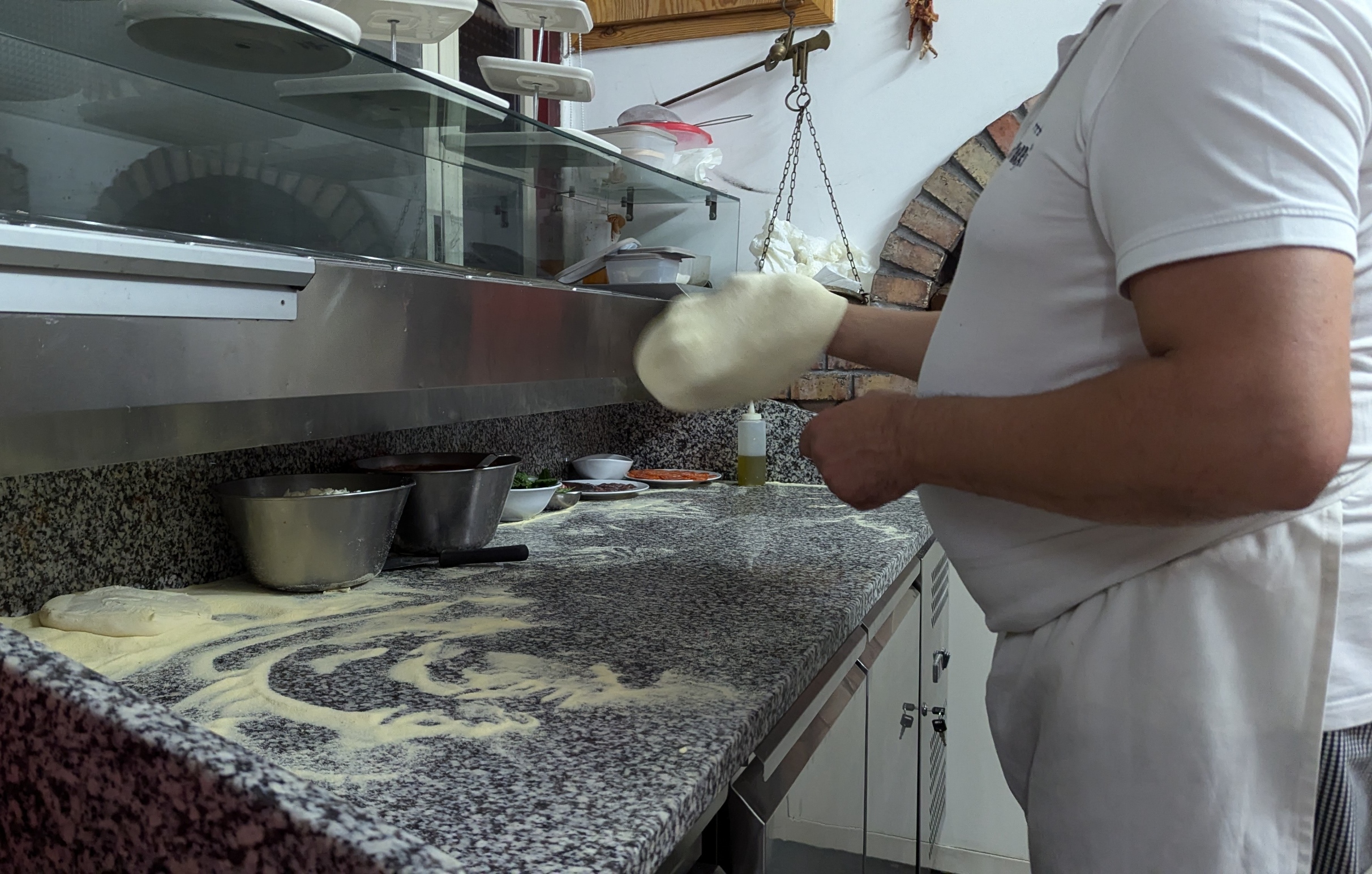
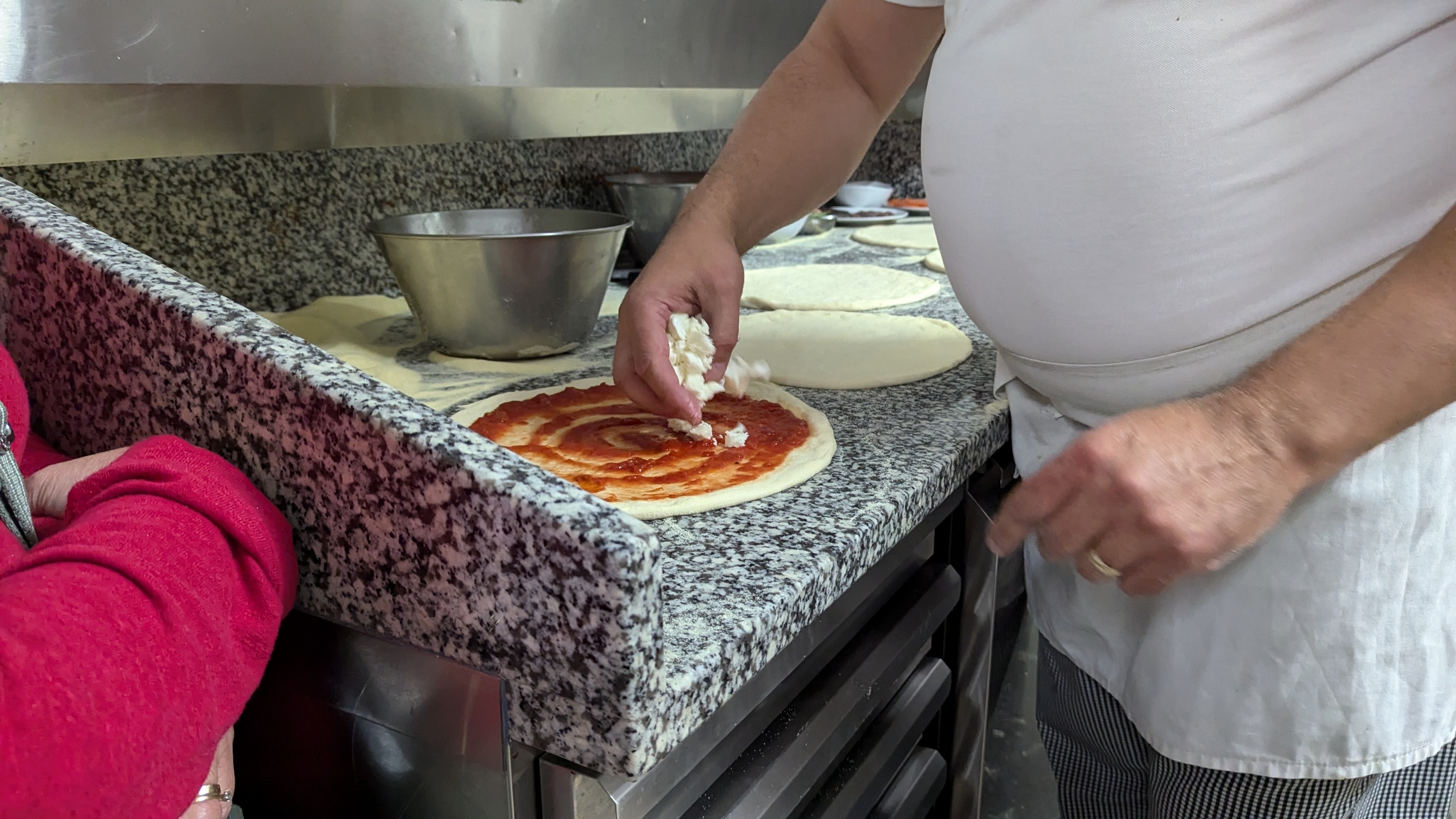
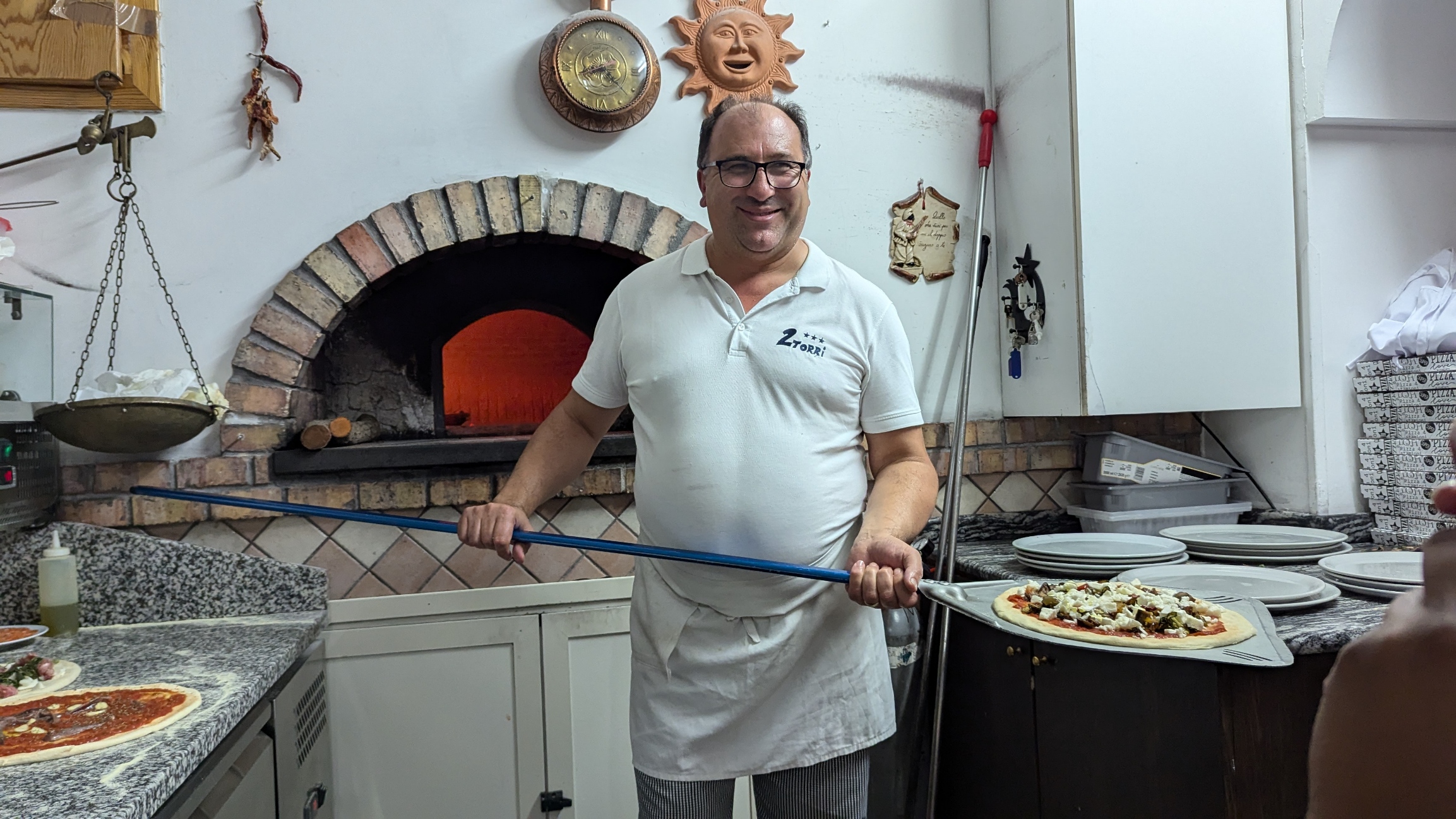
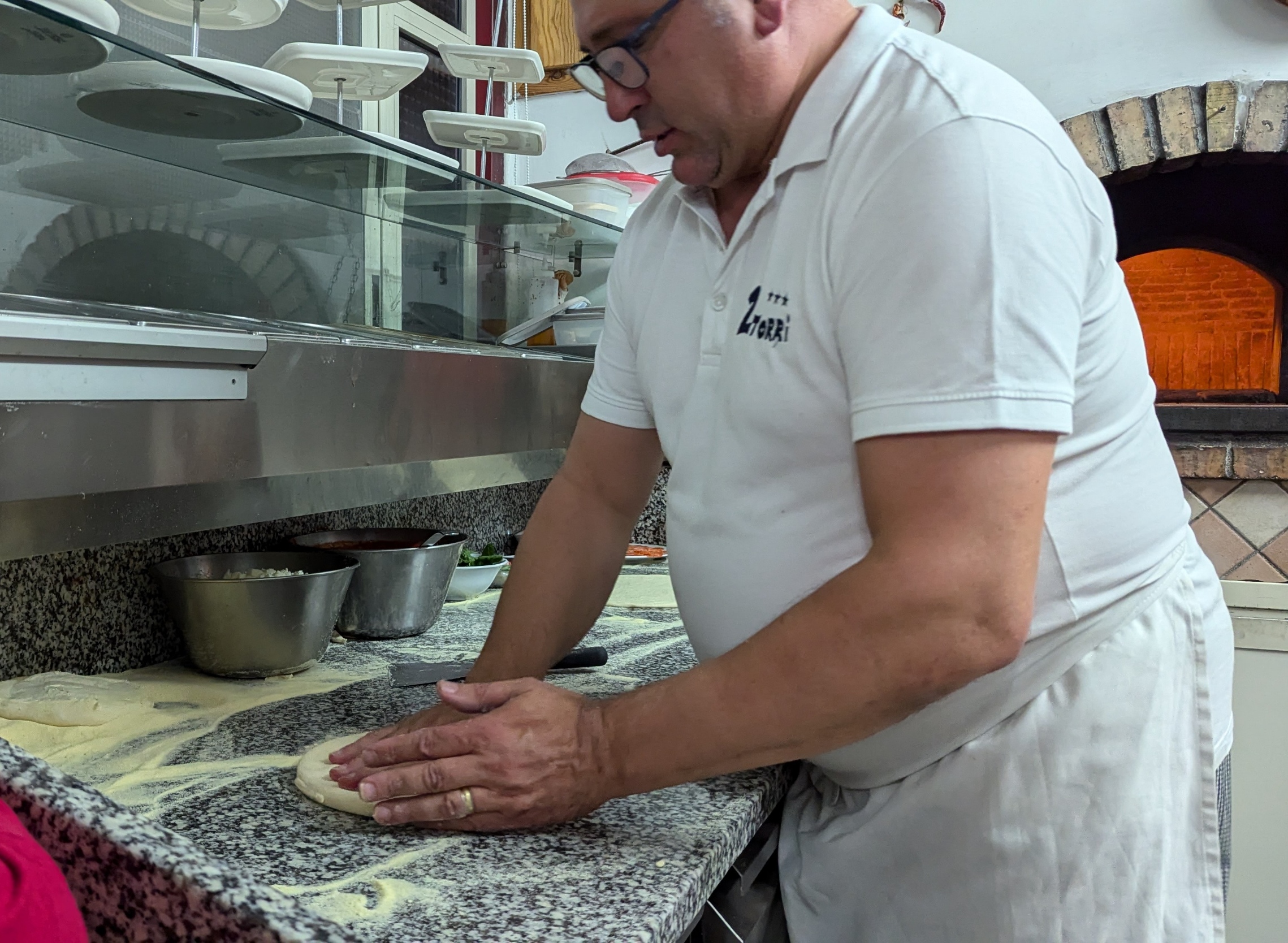
Pizza Demonstration

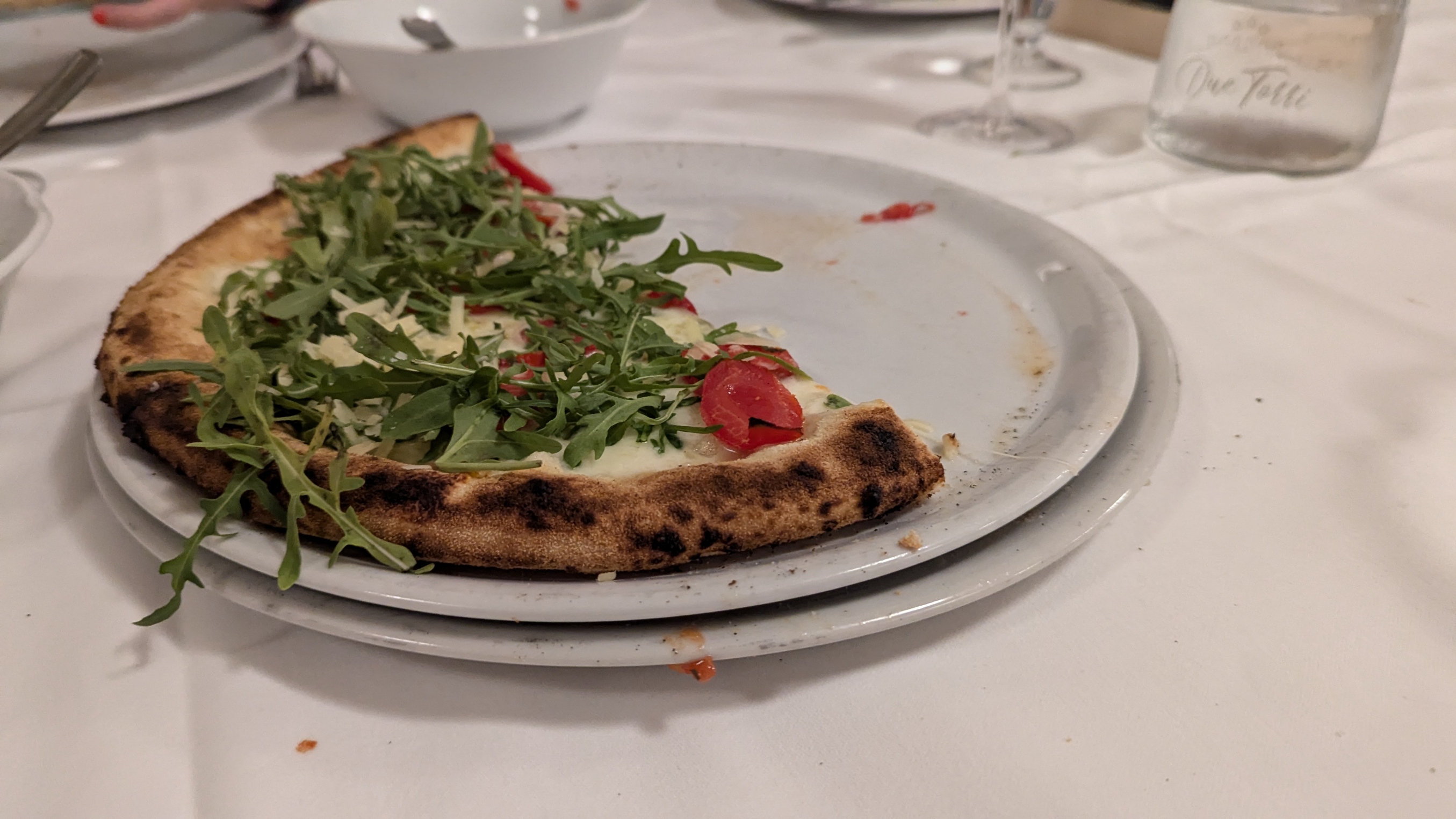
The hotel provided a dynamic pizza making session, where we ate some of the most well-known pizzas before, and the more elaborately flavoured after the demonstration.

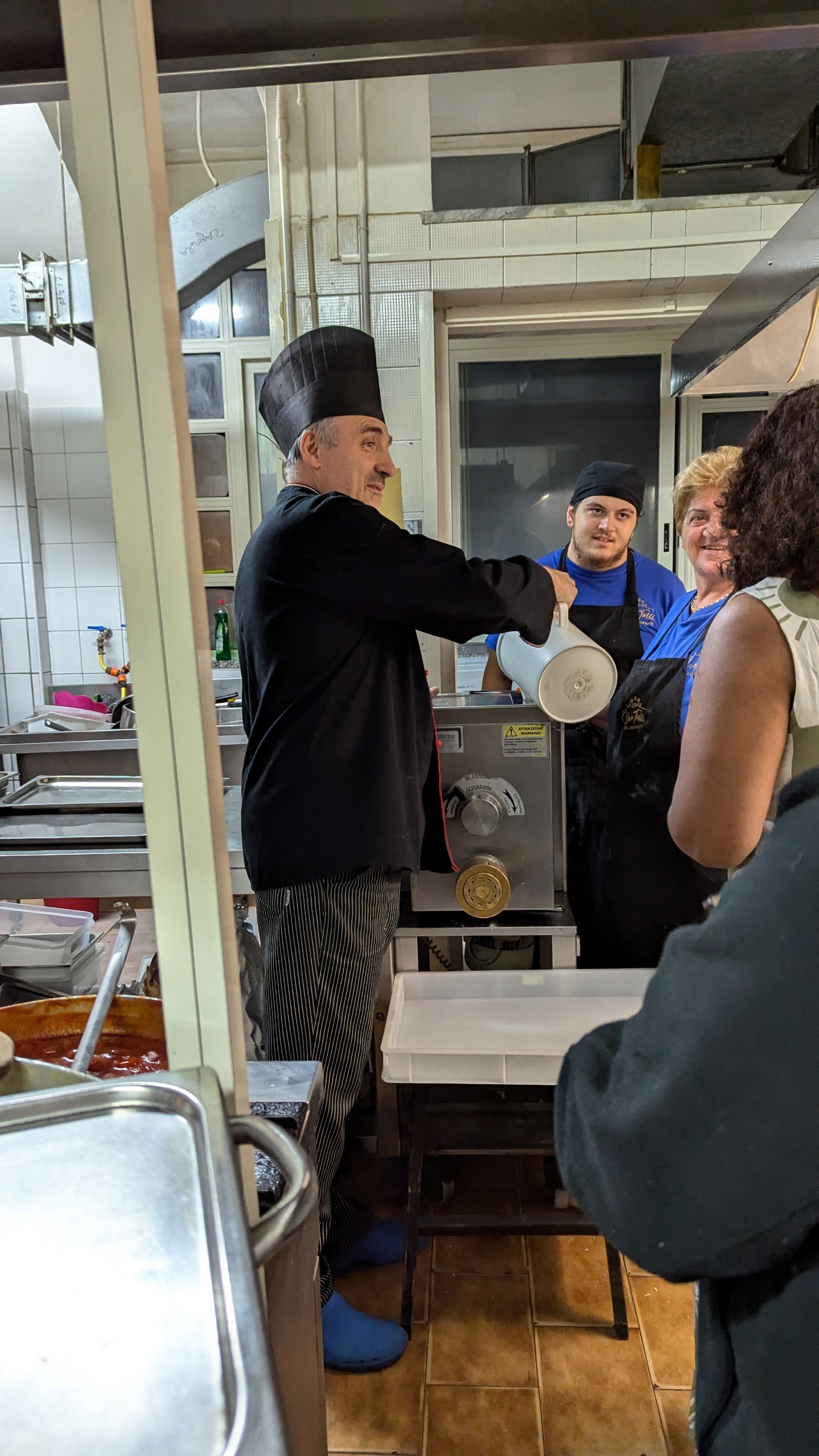
Pasta demonstration

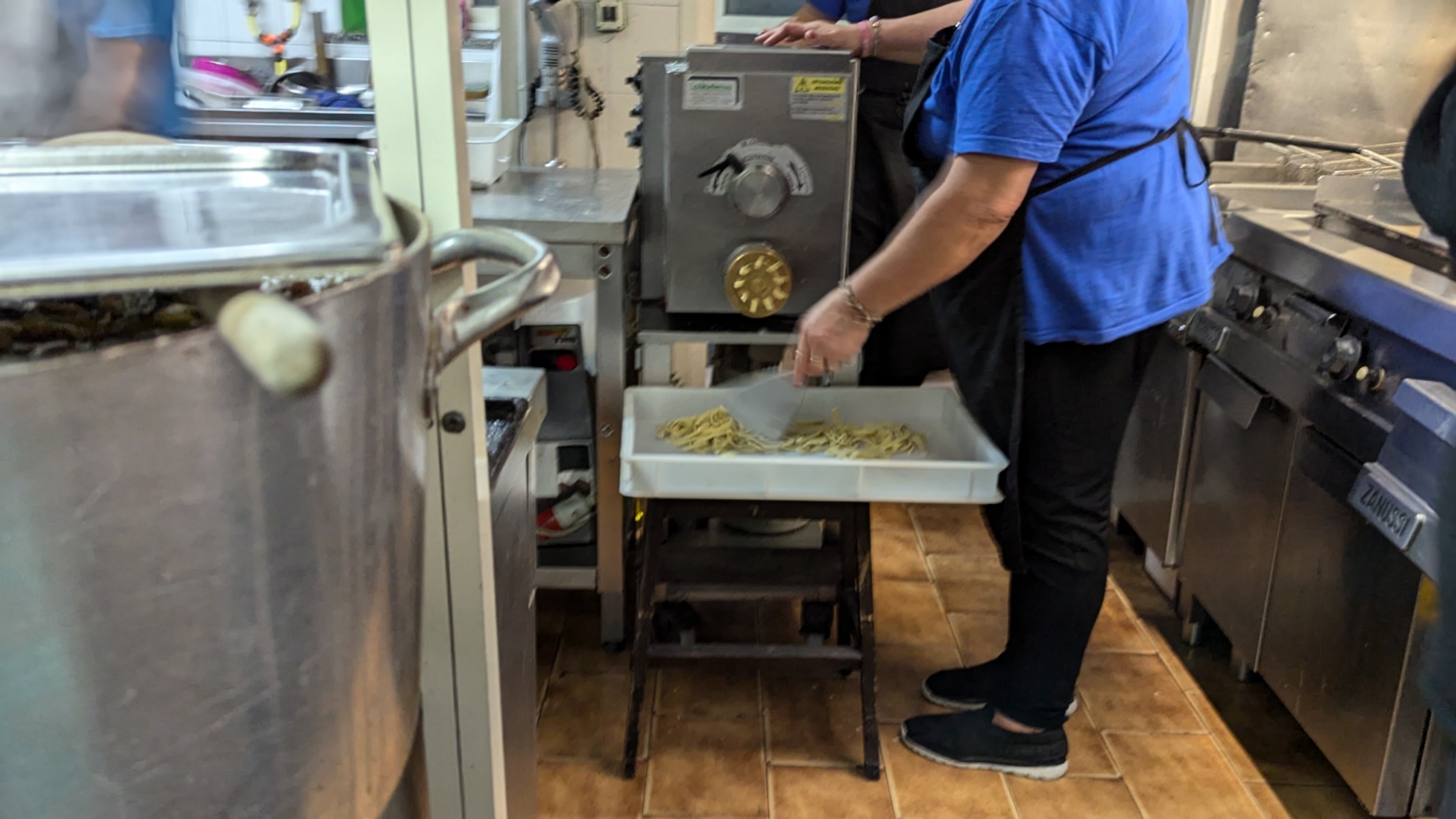
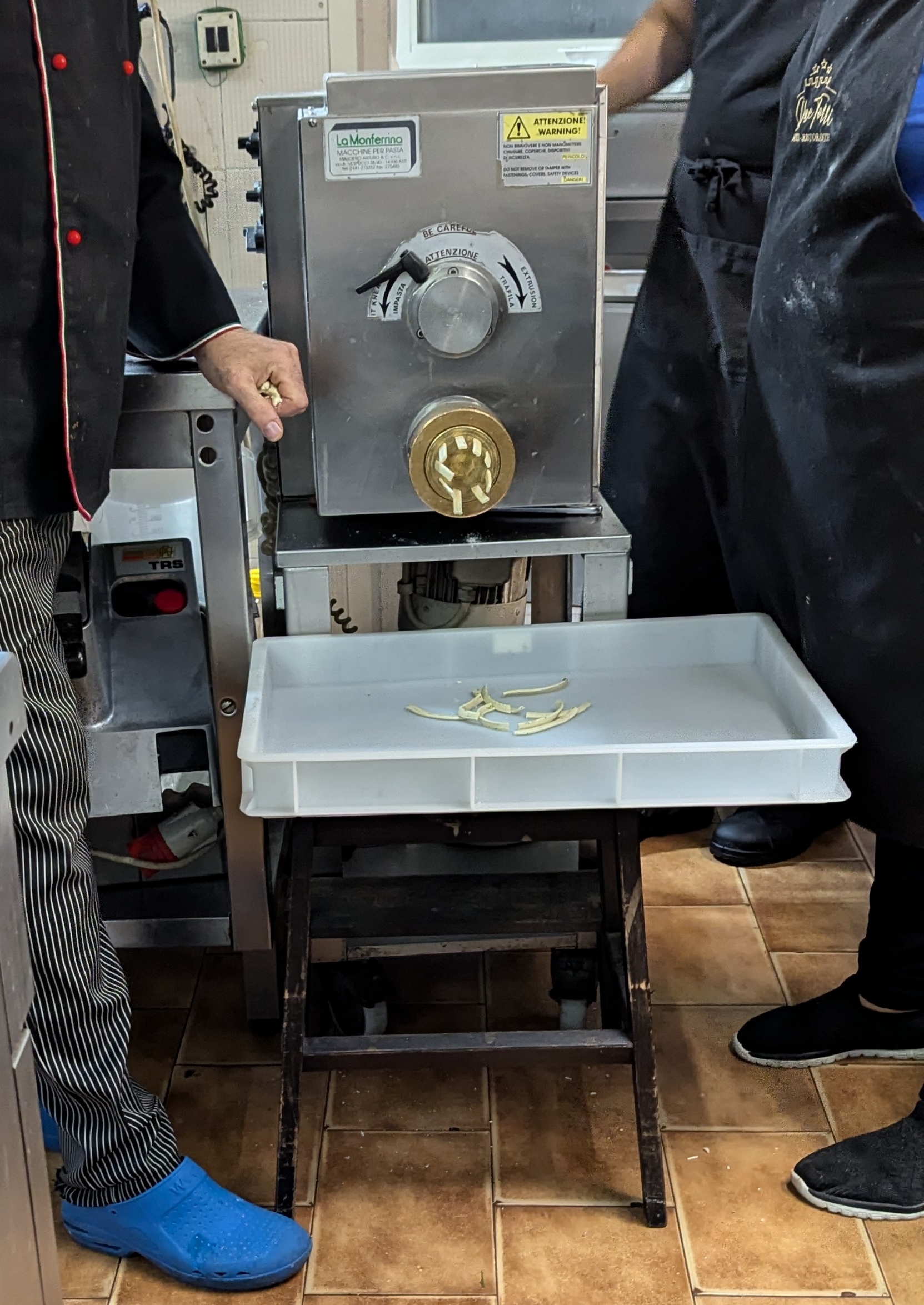
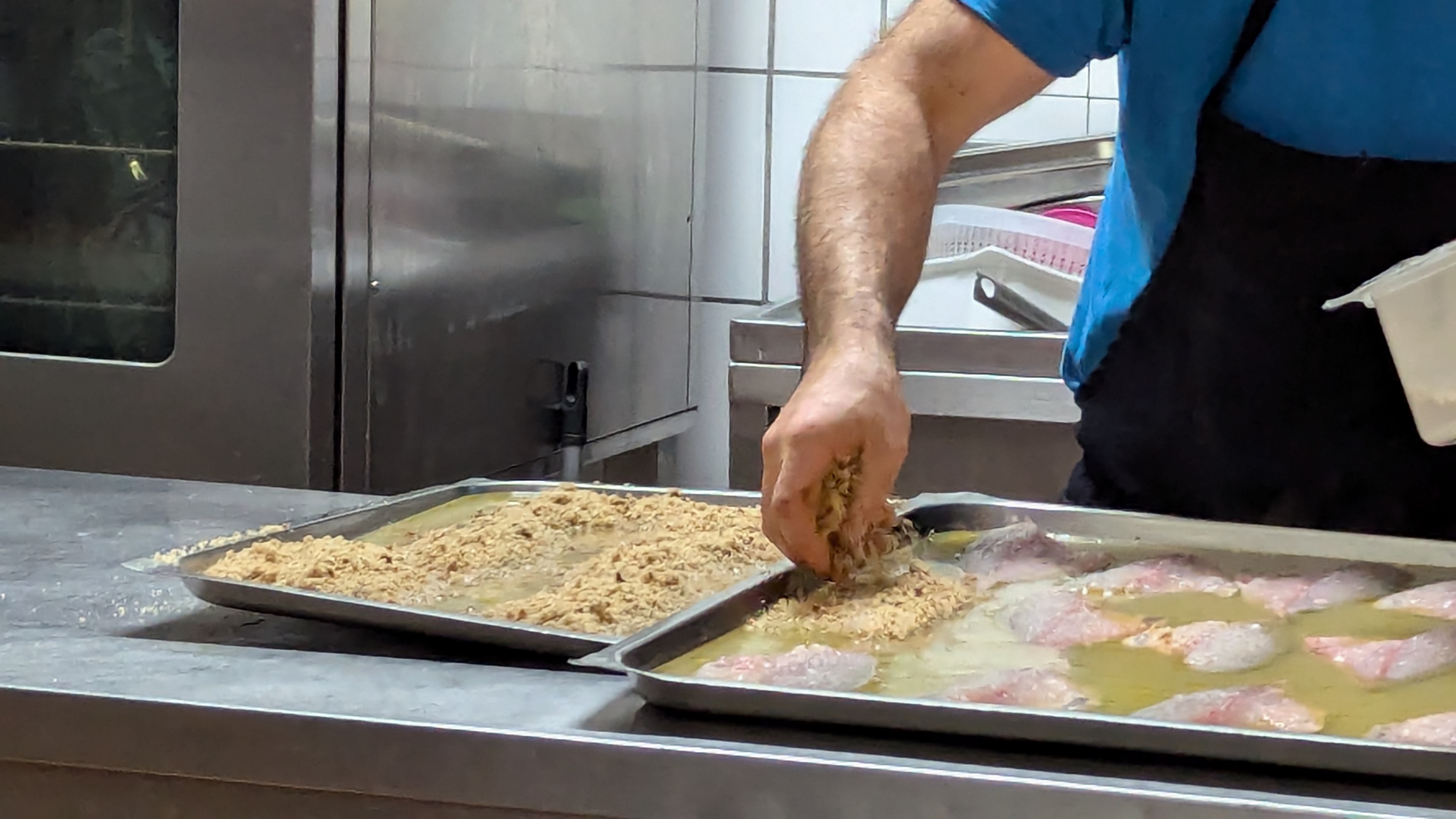
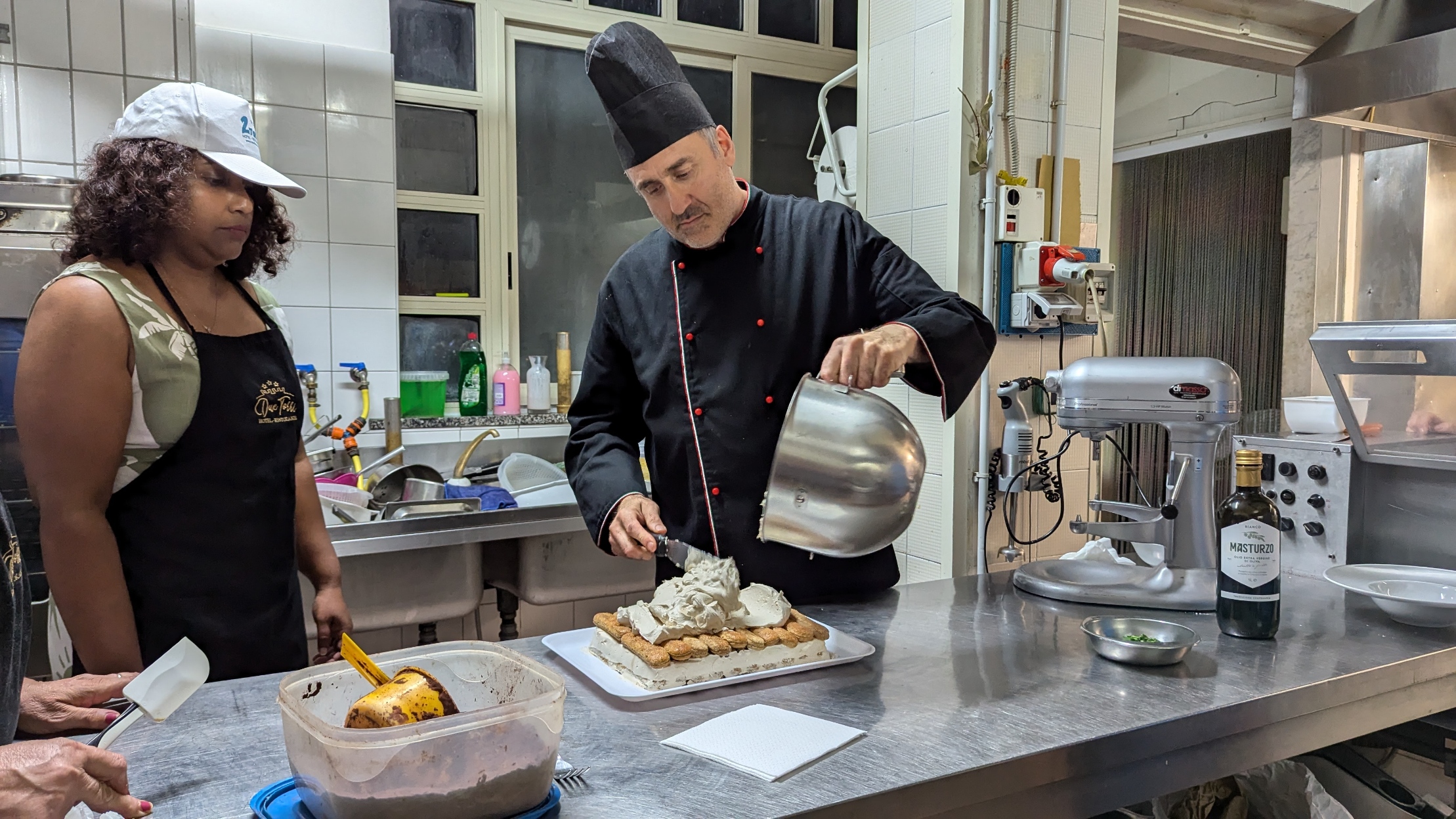
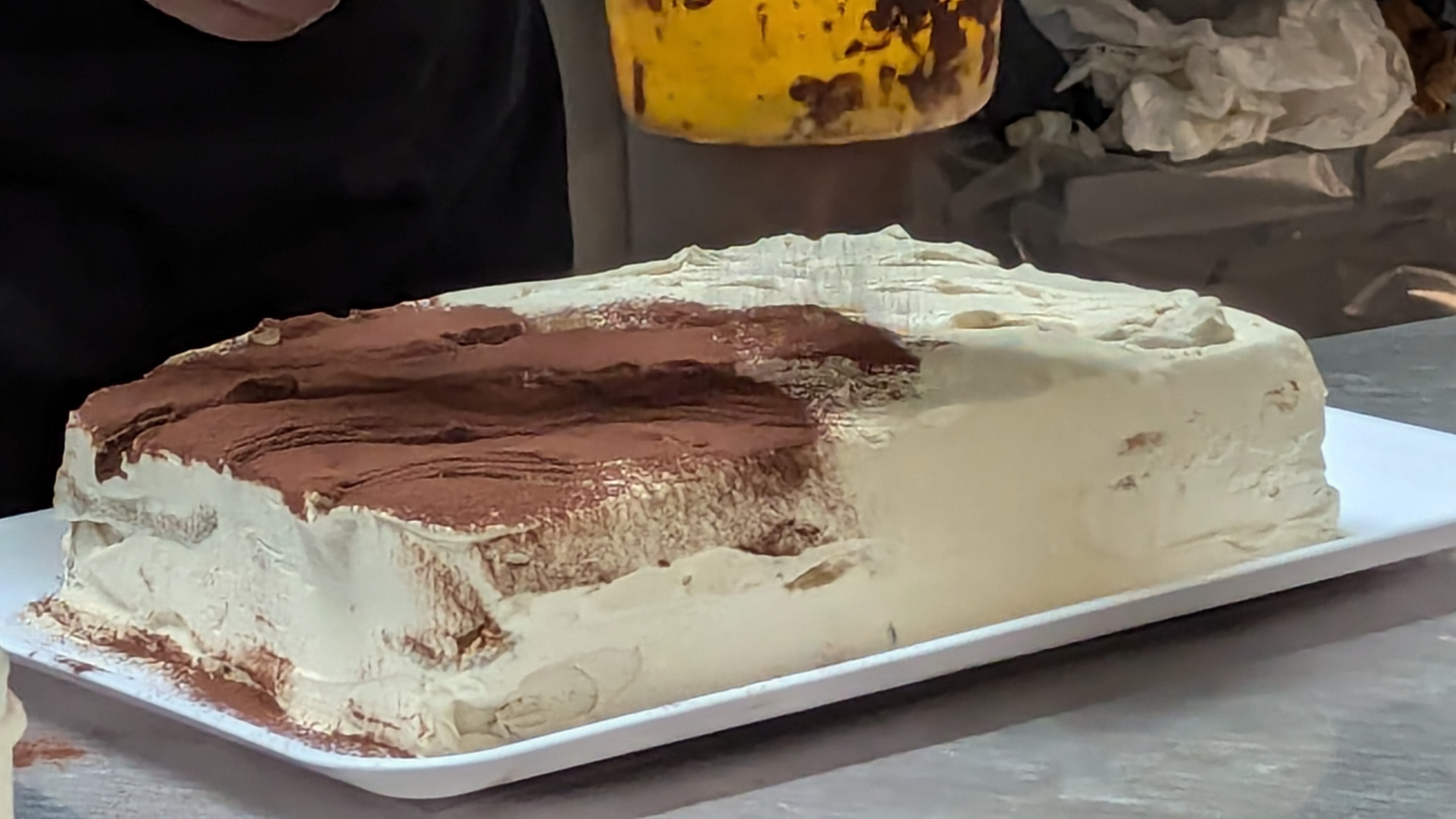
The pasta demonstration was accompanied by a feast of bread, cheese and jam with white wine while we watched. Much of the meal for that night was demonstrated – pasta, fish, tiramisu. The non-fish dish was artichokes which I understand were wonderful. I had the fish which was not nearly so nice as the clam and pipi pasta. The tiramisu was fantastic. One of the tour group assisted. The cream was a combination of whole eggs, egg whites, cream and mascarpone, with a dash of very strong coffee. It was great to see that the simple sponge fingers dipped in coffee were a feature of this elegant dish as well as the one I make. The soup was for another night – when we tasted it the necessity for cooking soup over a long period was made abundantly clear. It was delicious with a flavour that was mellow and developed with each mouthful.

American Politics

Bob McMullan

US election review at 29th October

It is definitely “white knuckle” time!

One week to go and the election is too close to call. There are definitely factors causing concern about the likely outcome as the possibility of a Trump victory looms on the horizon. There are also opportunities for Kamala Harris to win.

The main cause of concern is obviously the trend towards Trump in the polls. Some of the polling averages (e.g. 538 and Silver) have Trump winning Pennsylvania as well as the sunbelt states with the possible exception of Nevada. If this were the case Trump would win the Electoral College 281 /257.

If Trump wins Pennsylvania, Harris would need to win Nevada and one of Georgia or North Carolina to prevail in the Electoral College,

The narrowing of Harris’ lead in the national polls points to another area of risk for her. Should Trump overperform the published polls as he has in the last two presidential elections or if the Electoral College bias is as strongly in favour of Republicans as recent history would suggest then Kamala Harris would need more than her current 1-2% lead in the published national polls.

Conversely the most recent major poll, from the US ABC network gave Harris a 4% lead.

A fascinating part of the data from this poll is that it records Harris polling 56% amongst women. Combine this with the early polling statistics which suggest that women are turning out in larger numbers than men and you get the fascinating possibility that Trump’s great triumph of overturning Roe v Wade could be his downfall.

Furthermore, the Washington Post polling average, which is possibly the most rigorous in terms of focussing on the most credible polls, continues to show Harris leading in the same four states as previously, Wisconsin, Michigan, Pennsylvania and Nevada. If this is maintained, Harris would win 276/262.

Another variable in the US system which may help Vice President Harris is the “turn-out” factor. This tends to be determined by enthusiasm and organisation. Data suggests that the Democrats should do better in both these aspects, but it is far from certain.

Jen Psaki, the former Biden press secretary who is now an MSNBC commentator quoted some interesting statistics recently. She quoted polling which suggests that at this late stage Harris is doing better than Trump among those who have not yet decided or have only a loose attachment to their current choice. The New York Times Sienna poll showed 15%of voters as “not fully decided” with Ms Harris leading with that group 42/32. This suggests the late deciders may favour Harris.

Two other factors which may impact the outcome. First, recent history, particularly 2022, suggest Democrats are overperforming the polls rather than Republicans as has been the case in 2016 and 2020. The other is that analysis of the data suggests that the pro-Republican bias in the electoral college may be less this election. Harris only leads by 1-2% in the Washington Post average but would still win the college on their numbers. This may fit in with polling showing Trump narrowing the gap in New York, for example (although still losing the state).

There will still be unexpected events which may impact the outcome. Who knows what impact the Puerto Rico jokes at Trump’s New York rally will have on the 300,000 Puerto Ricans who live in Pennsylvania.

So, to sum up, it is a very difficult election to predict, but the biggest factor may be the gender gap in support if it continues to be reflected in turn-out data. We will know in a week.

CNN

November 1, 2024   Stephen Collinson, Caitlin Hu and Shelby Rose
The world is watching----------

Only Americans get to vote in next week’s presidential election, but whoever wins will have enormous power to influence the lives of tens of millions of foreigners. So it’s hardly surprising that tensions and emotions are rising across the globe as Tuesday looms. 

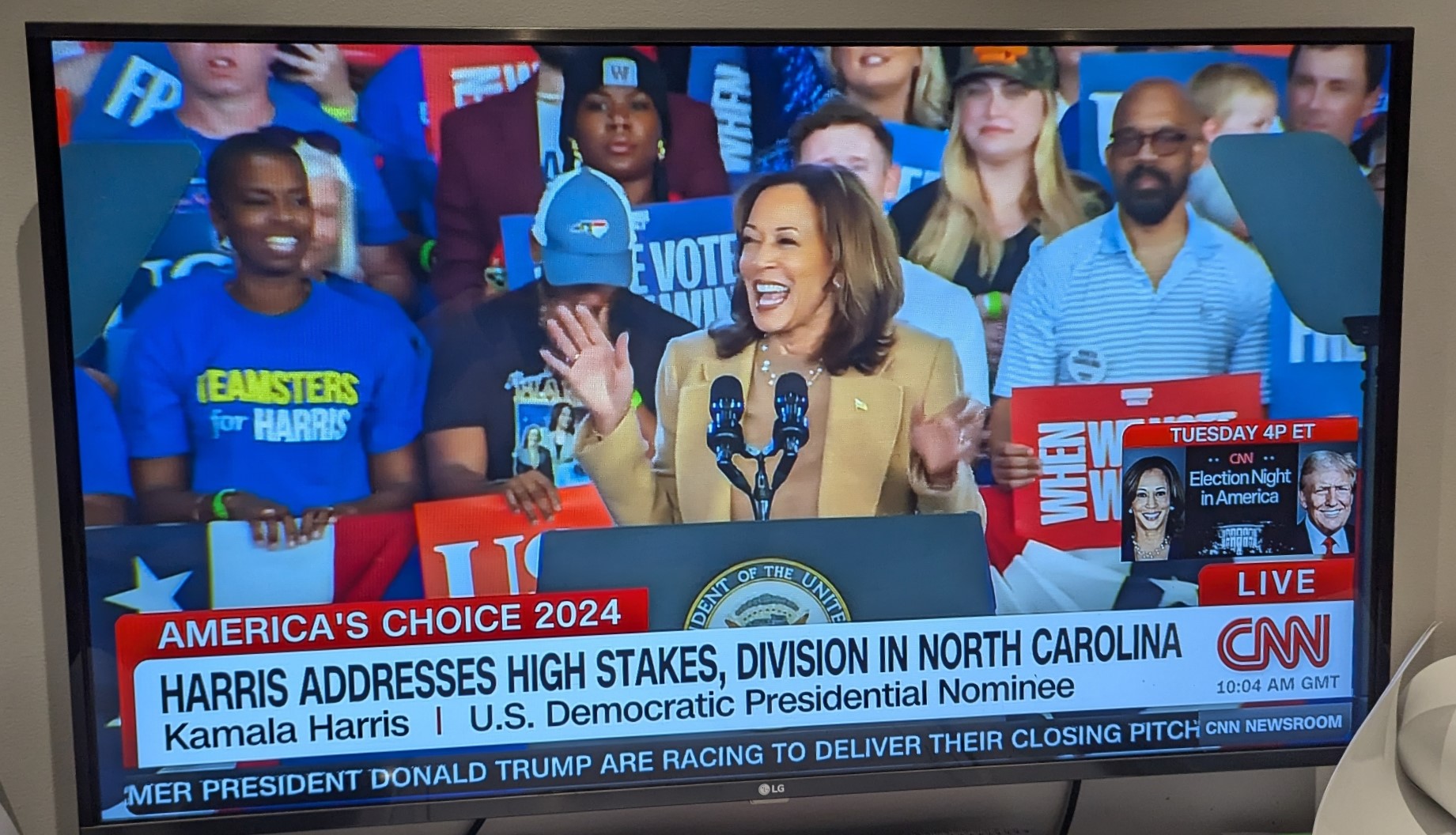
Always discerning Meanwhile readers are also weighing in, and some are expressing concerns that if Vice President Kamala Harris loses, part of the blame will lay with the US media. Some readers believe that Harris, who is running a largely reality-based campaign and the twice-impeached former President Donald Trump — a notorious purveyor of untruths who tried to steal the 2020 election — are being unfairly held to the same standards over performance and policy nuts and bolts. While Harris works for a president whose 41% approval rating could doom her campaign, some readers worry she’s not being given a fair go – including in our coverage. 

Christopher in Tasmania accused the American press of setting “an almost impossible task” for Harris by scrutinizing her talking points and platform while throwing up their hands at Trump’s idiosyncrasies. If Trump wins on November 5, he said, the question will be: “How did things go so badly wrong that the voters of the US elected a convicted felona four-times indicted criminal, a serial liar, a fascist … to the highest office in America, and arguably the most powerful position in the world?” “The answer is glaringly evident. Trump may be re-elected primarily because the national US media held Kamala Harris and the Democratic Campaigns to a completely different standard of scrutiny on issues of policy and character during the last six months,” Christopher concluded. 

Reader Paulette also took aim at media coverage of Harris, arguing that the vice president could still benefit from the momentum that swept Joe Biden to the Oval Office in 2020, when the Biden-Harris ticket won a historic number of votes. (Trump’s vote count in that election made him the second-highest vote earner in US history after Biden – although a combined swing of only about 77, 000 votes in the key battleground states could have kept Trump in the Oval Office). “How dare you write that she is part of an unpopular administration. They were elected by huge numbers!” Paulette wrote. 

And Maureen, an ex-pat living in Austria, argued that there’s too much focus on how Americans perceive the economy rather than its true performance. (For more on this, see CNN business editor David Goldman’s analysis of why the US economy feels cruddy for many despite strong jobs, GDP, consumer spending and paycheck metrics). Inflation is coming down “even if Bidenomics seems unpopular,” she said, pointing out that Harris has made promises to smooth the economic path forward for parents, minimum-wage workers, renters and other still-hurting groups. 

In contrast, Maureen argued, Trump “can’t even complete a sentence.” As CNN has previously reported, he’s calling for dramatic economic overhaul including steep new tariffs, tax giveaways and mass deportations – measures that have repeatedly been questioned by economic experts. Tension and worry are palpable in the United States ahead of the final weekend before one of the most fateful elections in modern American history. We’ll be back to report what happens next week. Keep the views, reactions and critiques coming to meanwhile@cnn.com

Kamala Harris May Have Sealed The Deal With One Of The Great Closing Arguments Ever

Kamala Harris didn’t just make a closing argument at The Ellipse. She may have sealed the deal.

Sarah Jones and Jason Easley , October 30, 2024

*The Daily is a reader supported newsletter that is committed to democracy and freedom. We are committed to truth, and if you would like to join us, please consider becoming a subscriber.

A Closing Argument For The Ages
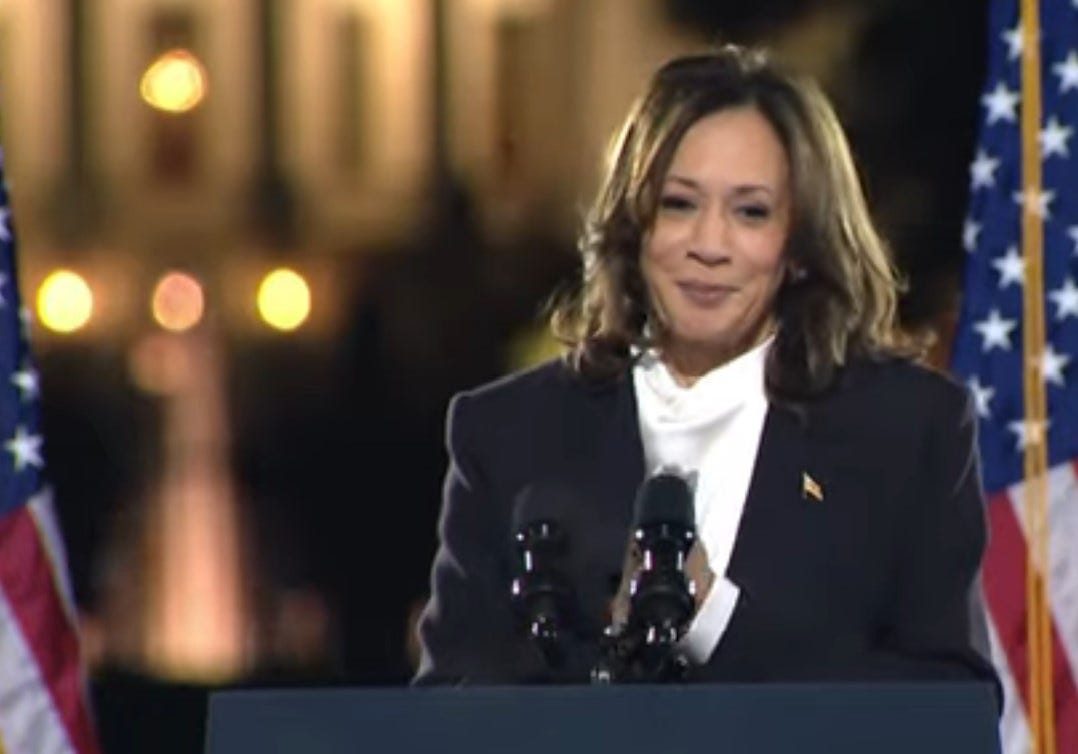
The media often talks about candidates delivering their closing arguments, but if we are being honest, does anyone remember a closing speech from a candidate? Usually, presidential elections are so long that by the end all of the speeches melt together in the minds of voters.

The closing argument isn’t a real thing. Presidential candidates have always spent the final week making a mad dash to get out the vote in critical states. Speeches don’t normally stand out, but the 2024 election is not normal.

When President Joe Biden stepped aside and decided to finish out his term and not run again, Vice President Kamala Harris was placed into a mad dash of a campaign. Suddenly every moment and every speech came with intense pressure and scrutiny. Each time Kamala Harris has risen to the occasion and delivered.

With 75,000 or more people watching in Washington, D.C. VP Harris did it again.

*Three Important Quotes From Kamala Harris’s Speech

1)“Look, we all know who Donald Trump is. He is the person who stood at this very spot nearly four years ago and sent an armed mob to the United States Capitol to overturn the will of the people in a free and fair election that he knew he lost. Americans died as a result of that attack. 140 law enforcement officers were injured. And while Donald Trump sat in the White House watching, as the violence unfolded on television, he was told by staff that the mob wanted to kill his own vice president. Donald Trump responded with two words: “So what?” That’s who Donald Trump is.”

2). “I offer a different path. And I ask for your vote. And here is my pledge to you: I pledge to seek common ground and common sense solutions to make your lives better. I am not looking to score political points. I am looking to make progress. I pledge to listen: To experts, to those who will be impacted by the decisions I make, and to people who disagree with me. Unlike Donald Trump, I don’t believe people who disagree with me are the enemy. He wants to put them in jail. I’ll give them a seat at the table. I pledge to approach my work with the joy and optimism that comes from making a difference in people’s lives. And I pledge to be a President for all Americans. To always put country above party and above self.

* I am not a paid subscriber so have only two of the arguments – these should be good enough!

Heather Cox Richardson

Yesterday, in Time magazine, Eric Cortellessa explained that the electoral strategy of the Trump campaign was to get men who don’t usually vote, particularly young ones, to turn out for Trump. If they could do that, and at the same time hold steady the support of white women, Trump could win the election. So Trump has focused on podcasts followed by young men and on imitating the patterns of professional wrestling performances.

At the same time, he has promised to “protect women…whether the women like it or not,” and lied consistently about crime statistics to keep white suburban women on his side by suggesting that he alone can protect them. Today in Gastonia, North Carolina, for example, Trump told the audience: “They say the suburban women. Well, the suburbs are under attack right now. When you’re home in your house alone and you have this monster that got out of prison and he’s got, you know, six charges of murdering six different people, I think you’d rather have Trump.”

The crime rate has dropped dramatically in the past year.

Rather than keeping women in his camp, Trump’s strategy of reaching out to his base to turn out low-propensity voters, especially young men, has alienated them. That alienation has come on top of the Dobbs v. Jackson Women’s Health Organization decision that overturned Roe v. Wade, the 1973 Supreme Court decision that recognized the constitutional right to abortion. 

Early voting in Pennsylvania showed that women sent in 56% of the early ballots, compared to 43% for men. Seniors—people who remember a time before Roe v. Wade—also showed a significant split. Although the parties had similar numbers of registrants, nearly 59% of those over 65 voting early were Democrats. That pattern holds across all the battleground states: women’s early voting outpaces men’s by about 10 points. While those numbers are certainly not definitive—no one knows how these people voted, and much could change over the next few days—the enthusiasm of those two groups was notable. 

This evening, a Des Moines Register/Mediacom Iowa poll conducted by the highly respected Selzer & Co. polling firm from October 28 to 31 showed Democratic presidential nominee Vice President Kamala Harris leading Trump in Iowa 47% to 44% among likely voters. That outlying polling result is undoubtedly at least in part a reflection of the fact that Harris’s running mate is the governor of a neighboring state, but that’s not the whole story. While Trump wins the votes of men in Iowa by 52% to 38%, and of evangelicals by 73% to 20%, women, particularly older women, are driving the shift to favor Harris in a previously Republican-dominated state. 

Independent women back Harris by a 28-point margin, while senior women support her by a margin of more than 2 to 1, 63% to 28%. Overall, women back Harris by a margin of about 20 points: 56% to 36%. Seniors as a group including men as well as women are also strongly in Harris’s camp, by 55% to 36%.

A 79-year-old poll respondent said: “I like her policies on reproductive health and having women choosing their own health care, and the fact that I think that she will save our democracy and follow the rule of law…. [I]f the Republicans can decide what you do with your body, what else are they going to do to limit your choice, for women?”

The obvious driver for women and seniors to oppose Trump is the Dobbs decision. The loss of abortion care has put women’s lives at risk. Within days after the Supreme Court handed the decision down, we started hearing stories of raped children forced to give birth or cross state lines for abortions, as well as of women who have suffered or died from a lack of health care after doctors feared intervening in miscarriages would put them in legal jeopardy. 

As X user E. Rosalie noted, Iowa’s abortion ban also has long-term implications for the state. It has forced OBGYNs to leave and has made recruiting more impossible. As people are unable to get medical care to have babies, they will choose to live elsewhere, draining talent out of the state. That, in turn, will weaken Iowa’s economy.

That same process is playing out in all the states that have banned abortion. 

It seems possible that the Dobbs decision ushered in the end of the toxic American individualism on which the Reagan revolution was built. When he ran for president in 1980, Ronald Reagan set out to dismantle the active government that regulated business, provided a basic social safety net, promoted infrastructure, and protected civil rights. Such a government was akin to socialism, he claimed, and he insisted it stifled American individualism. 

In contrast to such a government, Reagan celebrated the mythological American cowboy. In his telling, that cowboy wanted nothing from the government but to be left alone to provide for and to protect his family. Good women in the cowboy myth were wives and mothers, in contrast to the women who wanted equal rights and jobs outside the home in modern America. That traditional image of American women had gotten legs in 1974, when the television show Little House on the Prairie debuted; it would run until 1983. Prairie dresses became the rage.

Reagan’s embrace of women’s role as wives and mothers brought traditionalist white Southern Baptists to his support. Those traditionalists objected to the government’s recognition of women’s equal rights because they believed equality undermined a godly patriarchal family structure. They made ending access to abortion their main issue. 

At the same time that the right wing insisted that women belonged in their homes, it socialized young men to believe in a mythological world based on guns and the domination of women. In 1980 the previously nonpartisan National Rifle Association endorsed Reagan, their first-ever endorsement of a presidential candidate, and the rise of evangelical culture reinforced that dominant men must protect submissive women. 

When federal marshals tried to arrest Randy Weaver at his home in Ruby Ridge, Idaho, in August 1992 for failure to show up in court for trial on a firearms charge, right-wing activists and neo-Nazis from a nearby Aryan Nations compound rushed to Ruby Ridge to protest what right-wing media insisted was simply a man protecting his family. 

The next February, when officers stormed the compound of a religious cult in Waco, Texas, whose former members reported that their leader was sexually assaulting children and stockpiling weapons, right-wing talk show hosts—notably Rush Limbaugh and Alex Jones—blamed new president Bill Clinton’s attorney general, Janet Reno, for the ensuing gun battle and fire that killed 76 people. Reno was the first female attorney general, and right-wing media made much of the idea that a group of Christians had been killed by a female government official who was unmarried and—as opponents made much of—unfeminine. 

When he ran for office in 2015, Trump appealed to those men socialized into violence and dominance. He embraced the performance of dominance as it is done in professional wrestling, and urged his supporters to beat up protesters at his rallies. The Access Hollywood tape in which he boasted of sexual assault did not hurt his popularity with his base. He promised to end abortion rights and suggested he would impose criminal punishments on women seeking abortions. 

And then, in June 2022, thanks to the votes of the three religious extremists Trump put on it, the Supreme Court handed down the Dobbs decision, stripping women of a constitutional right that the U.S. government had recognized for almost 50 years. 

Justice Samuel Alito suggested that women could change state laws if they saw fit, writing in the decision that “women are not without electoral or political power.” Indeed, since the Dobbs decision, every time abortion rights have been on the ballot, voters have approved them, although right-wing state legislators have worked to prevent the voters’ wishes from taking effect. 

In this moment, though, it is clear that women have electoral and political power over more than abortion rights. 

The 1980 election was the first one in which the proportion of eligible female voters who turned out to vote was higher than the proportion of eligible men. It was also the first one in which there was a partisan gender gap, with a higher proportion of women than men favoring the Democrats. That partisan gap now is the highest it has ever been.

The fear that women can, if they choose, overthrow the patriarchal mythology of cowboy individualism that shaped the modern MAGA Republican Party is likely behind the calls of certain right-wing influencers and evangelical leaders to stop women from voting. For sure, it is behind the right-wing freak-out over the video voiced by actor Julia Roberts that reassures women that they do not have to tell their husbands how they voted. 

The right-wing version of the American cowboy was always a myth. Nothing mattered more for success in the American West than the kinship networks and community support that provided money, labor, and access to trade outlets. When the economic patterns of the American West replicated those of the industrializing East after the Civil War, success during the heyday of the cowboy depended on access to lots of capital, giving rise to western barons and then to popular political movements to regulate businesses and give more power to the people. Far from being the homebound wives of myth, women were central to western life, just as they have always been to American society. 

In Flagstaff, Arizona, today, Democratic presidential candidate and Minnesota governor Tim Walz told a crowd: “I kind of have a feeling that women all across this country, from every walk of life, from either party, are going to send a loud and clear message to Donald Trump next Tuesday, November 5, whether he likes it or not.”

Notes:

https://time.com/7171535/donald-trump-harris-young-men/

https://www.cnn.com/2024/11/02/politics/older-women-voters-kamala-harris-abortion-rights/index.html

https://www.inquirer.com/news/early-voting-women-seniors-pennsylvania-20241101.html

https://www.politico.com/news/2024/10/29/gender-gap-early-voting-00186155

https://www.politico.com/news/2024/10/31/trump-lagging-early-votes-seniors-pennsylvania-00186612

https://www.statesman.com/story/news/2018/04/16/a-quarter-century-later-dark-theories-still-hover-over-waco-siege/9982805007/

https://www.desmoinesregister.com/story/news/politics/iowa-poll/2024/11/02/iowa-poll-kamala-harris-leads-donald-trump-2024-presidential-race/75354033007/

https://www.cnn.com/2024/11/01/politics/trump-women-voters-gender-gap-harris/index.html

https://cawp.rutgers.edu/facts/voters/gender-differences-voter-turnout

https://cawp.rutgers.edu/gender-gap-voting-choices-presidential-elections

Associated Press, “18 Months in Jail for White Supremacist,” The New York Times, October 19, 1993.

https://www.politico.com/news/2022/05/02/supreme-court-abortion-draft-opinion-00029473

X:

atrupar/status/1852770754208665661

Acyn/status/1852817296441635094

Info_Rosalie/status/1852921217482621379

shannonrwatts/status/1850891818256445592
Week beginning October 23 2024

Joel Brokaw – Foreword by David Geffen Driving Marilyn Life and Times of Legendary Hollywood Agent Norman Brokaw Globe Pequot|Lyons Press, October 2024.

Thank you, NetGalley, for providing me with this uncorrected proof for review.

Joel Brokaw has woven an absorbing story of his father’s professional and domestic life. While at times giving way to concerns verging on criticism about his father’s domestic conduct Joel Brokaw’s approach is overall generous and understanding, ensuring that the book is fair to the impressive professional whose life as a successful agent to high profile figures becomes a story of a man of substance and big-heartedness towards his clients.  This is an engaging and warm story at the same time as one that provides an extraordinary insight into the world of celebrities and their agent.

Norman Brokaw’s story of three marriages, six children, desire to maintain financial control over his family, seeming lack of interest in their day to day lives, and eventual decline into dementia is one thread in this book. As a thread, woven throughout Brokaw’s professional life, it is a gentle reminder that people are not one dimensional rather than making an insistent comparison with the concern that he showed towards his clients. Joel Brokaw’s approach is such a joy, he is honest about his feelings, recognises his father’s virtues, and ensures that his reputation remains intact. In particular, the section about Bill Cosby, for whom Brokaw Senior was agent, is sensitive to the judgments about Cosby, recognises that some people believe that his agent must have known about him, but argues convincingly that this is not necessarily so.

Norman Brokaw’s beginning in the mail room of the William Morris Agency provides an example of the detail and thoughtfulness that goes into this book. Rather than leave it as a hackneyed ‘rags to riches’ event, Brokaw provides background to the way in which the mail room worked to enable senior staff to assess the young people who worked in this capacity. The advent of television, actors’ move from large screen to small screen and vice versa and the expanding role of an agent from collaborating with actors to working with political figures is another thread in the book. In the case of Norman Brokaw, attention is drawn to the ways in which an agent could expand their role to be a much-loved mentor. The latter supported by numerous of Brokaw’s clients, and in David Geffen’s introduction where he is described as a person who nurtured relationships, expecting nothing in return.

Famous figures appear on almost every page, part of the story rather than contrived appearances to demonstrate the author and his father’s own importance. Joel Brokaw ensures that each figure is relevant to the ideas he is voicing about the work of an agent, the circumstances in film, television, and political life. This is part of the charm of this book. It is a story of a sphere in which Brokaw’s father was a major figure but while it is his story, it is also a story of that world.

The acknowledgements are informative, there is an index and endnotes. Together with the accessible writing and the spirit behind the work, Driving Marilyn The Life and Times of Legendary Hollywood Agent Norman Brokaw is an engaging and professionally researched tribute.

After review: comments on the Amalfi Coast trip; meals at the hotel; Bob McMullan and American politics.

Amalfi Coast Trip

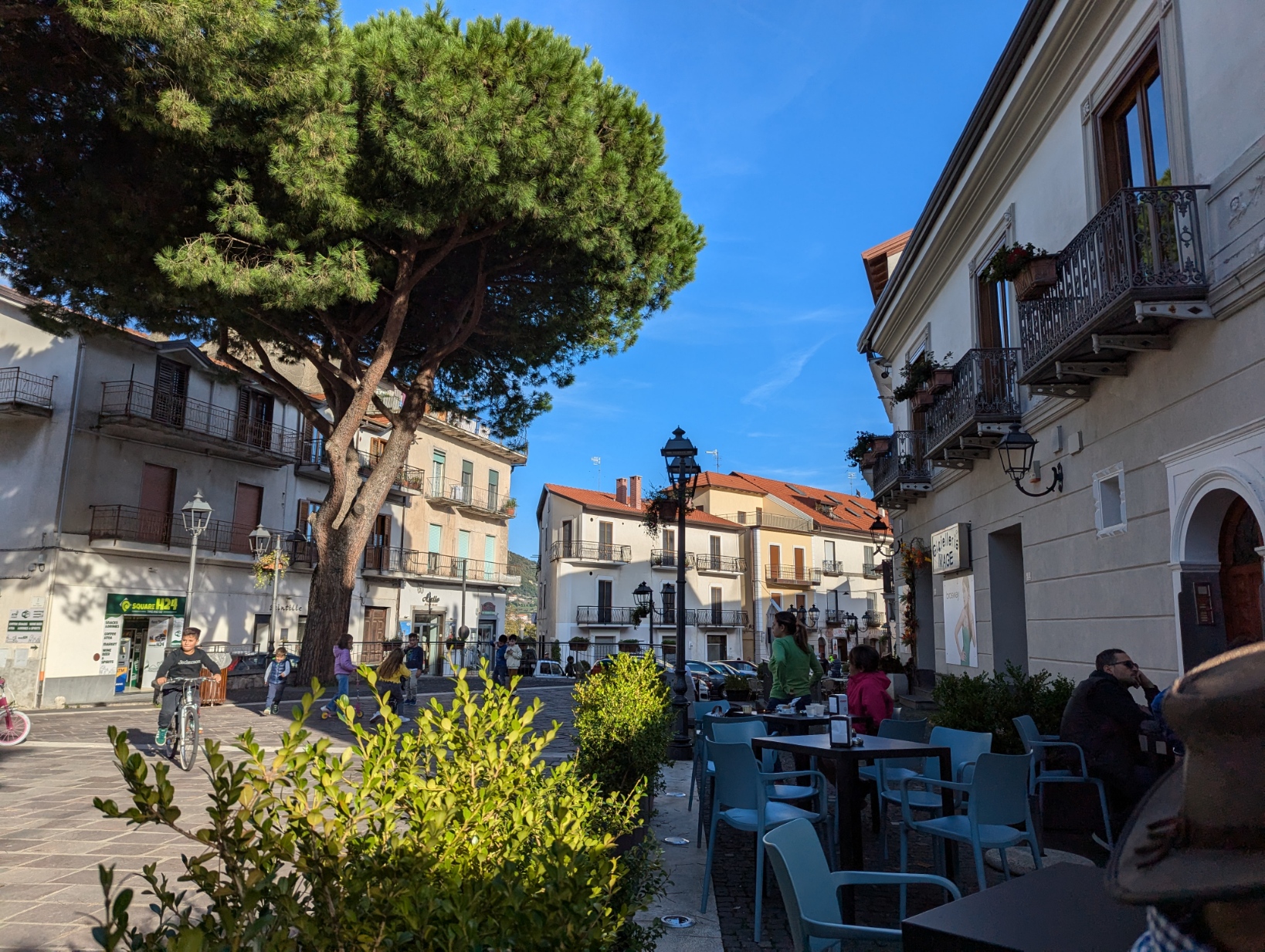
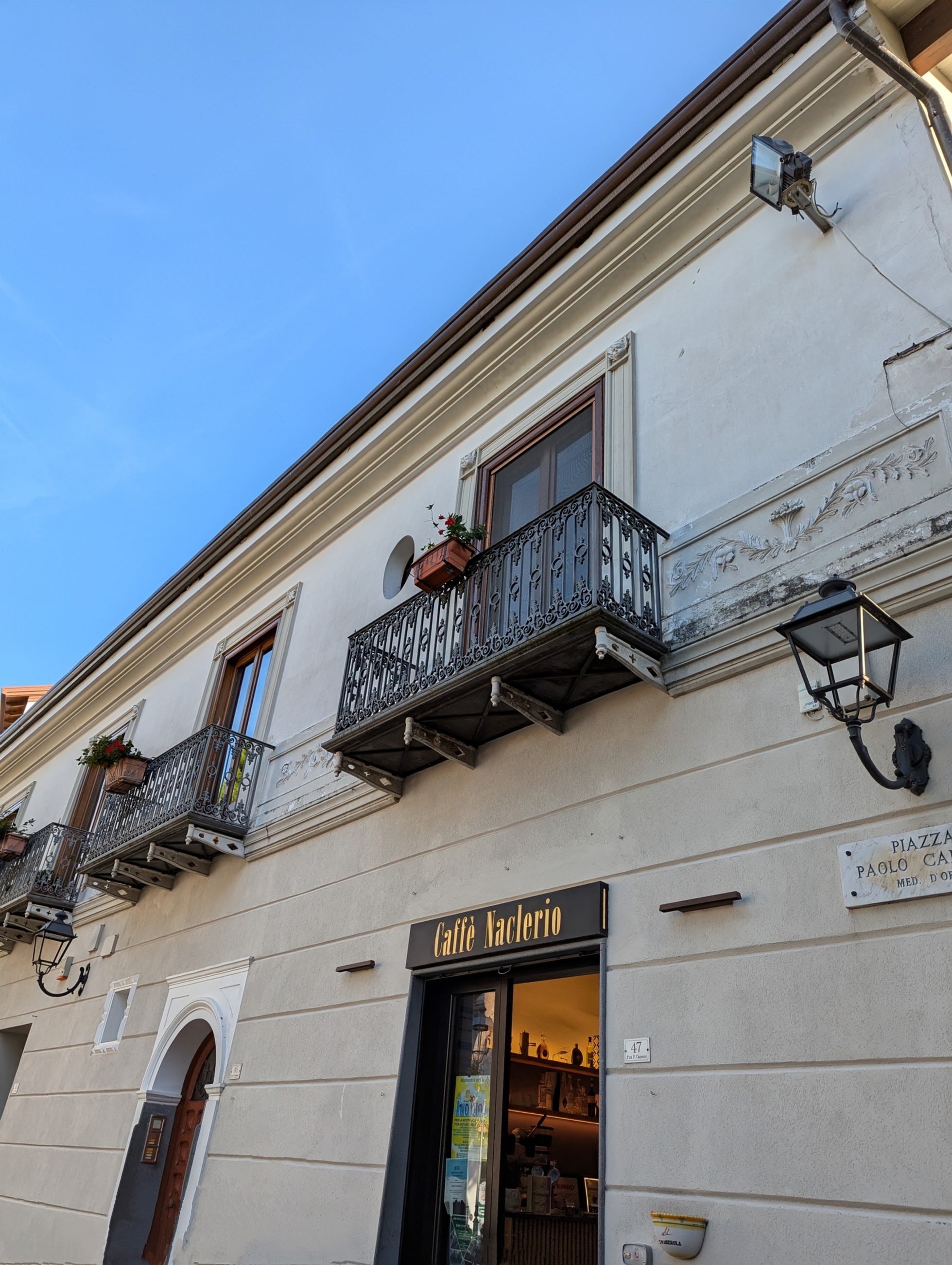
This was my second group trip and, in contrast with the first, marvellous. The group was lively, sometimes too loud, opinionated, and of course there was the person who always looked as though they would be late but managed to scramble aboard the coach at the last minute. The first people we met were Democrats who had voted before leaving America. It couldn’t have been much better for us than that. We also met some delightful British Labour supporters and members. One couple, like us, had decided on this particular tour group because it was advertised in The Guardian. This worked to a certain extent, although some of the group would certainly not be Guardian readers! Nevertheless, everyone socialised amicably and were incredibly friendly and ready to enjoy every moment. So, a perfect experience.

The company had several groups at the hotel, and our cultural group looked on in awe as the hiking groups left early in the morning with walking equipment and hearty sounds. Our group was given the opportunity to do the Walk of the Gods, which I declined. There was plenty of walking every day, after our trip down the mountain, an experience in itself.

Hotel Due Torre meals

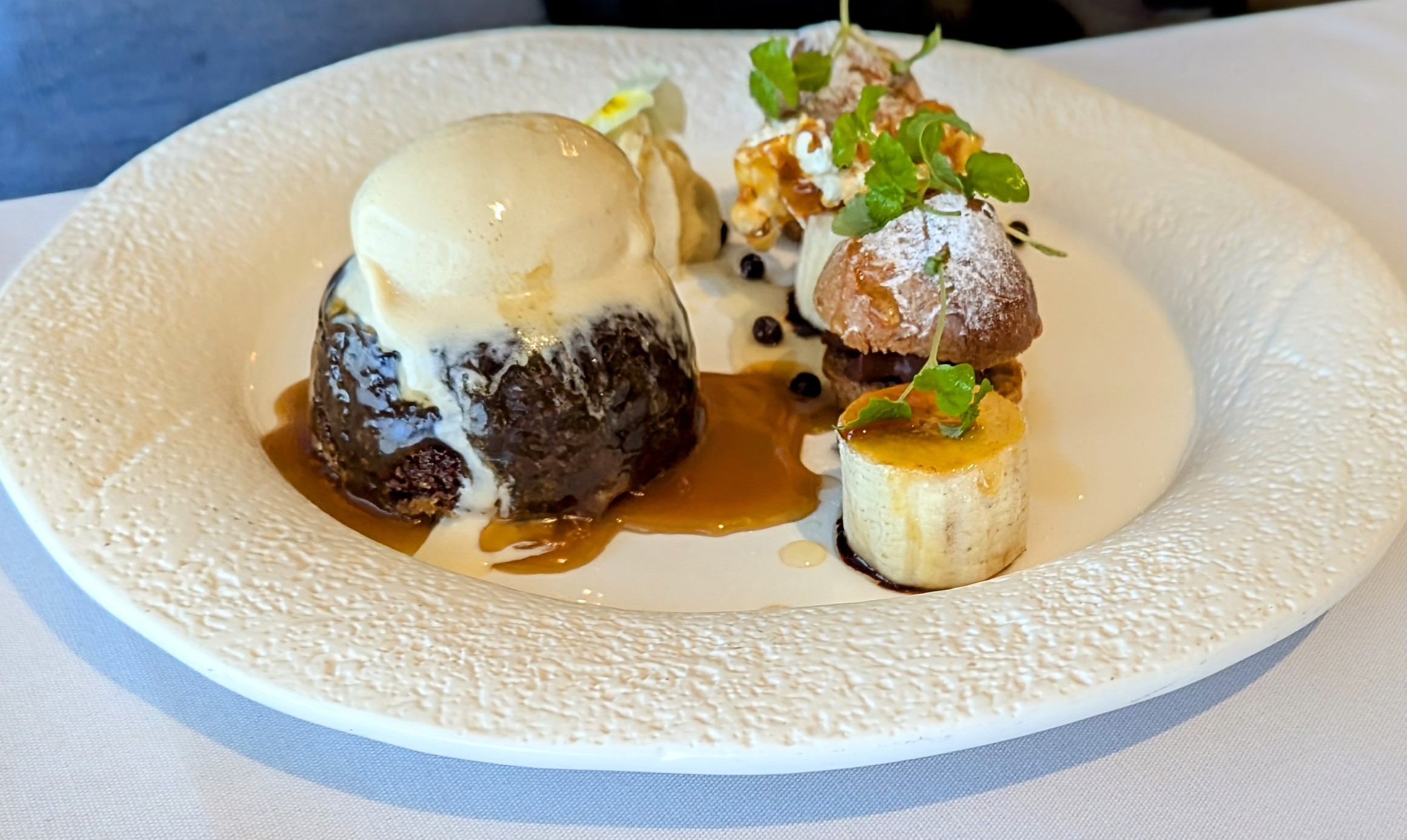
The accommodation was 3* in a family run hotel. The chefs gave two demonstrations, one making the pasta dishes and tiramisu we were to eat for that night’s dinner, and the other making pizzas. On the latter occasion we had already eaten too much of the two choices of vegetarian pizzas so that when the five more that we had observed being made from start to finish arrived at the table attempts to eat more were sadly poor. However, the demonstrations were great fun, including seeing that the tiramisu cream included eggs, cream, mascarpone and icing sugar with a good lacing of strong coffee. A bit different from my plain whipped cream with coffee.

The meals demonstrated that Italian cooking is more than pizza and pasta, although they featured. Breakfast was the usual continental as well as some cooked items, and lovely crusty Italian bread .

Meals associated with the cooking demonstrations were pizza one night, and pasta on another. As well as the demonstration items, there were fish and artichokes on one night, giant olives, bread and balsamic with oil, and dessert. More of the tiramisu next week, as it was part of the demonstration and looks better before it is served.

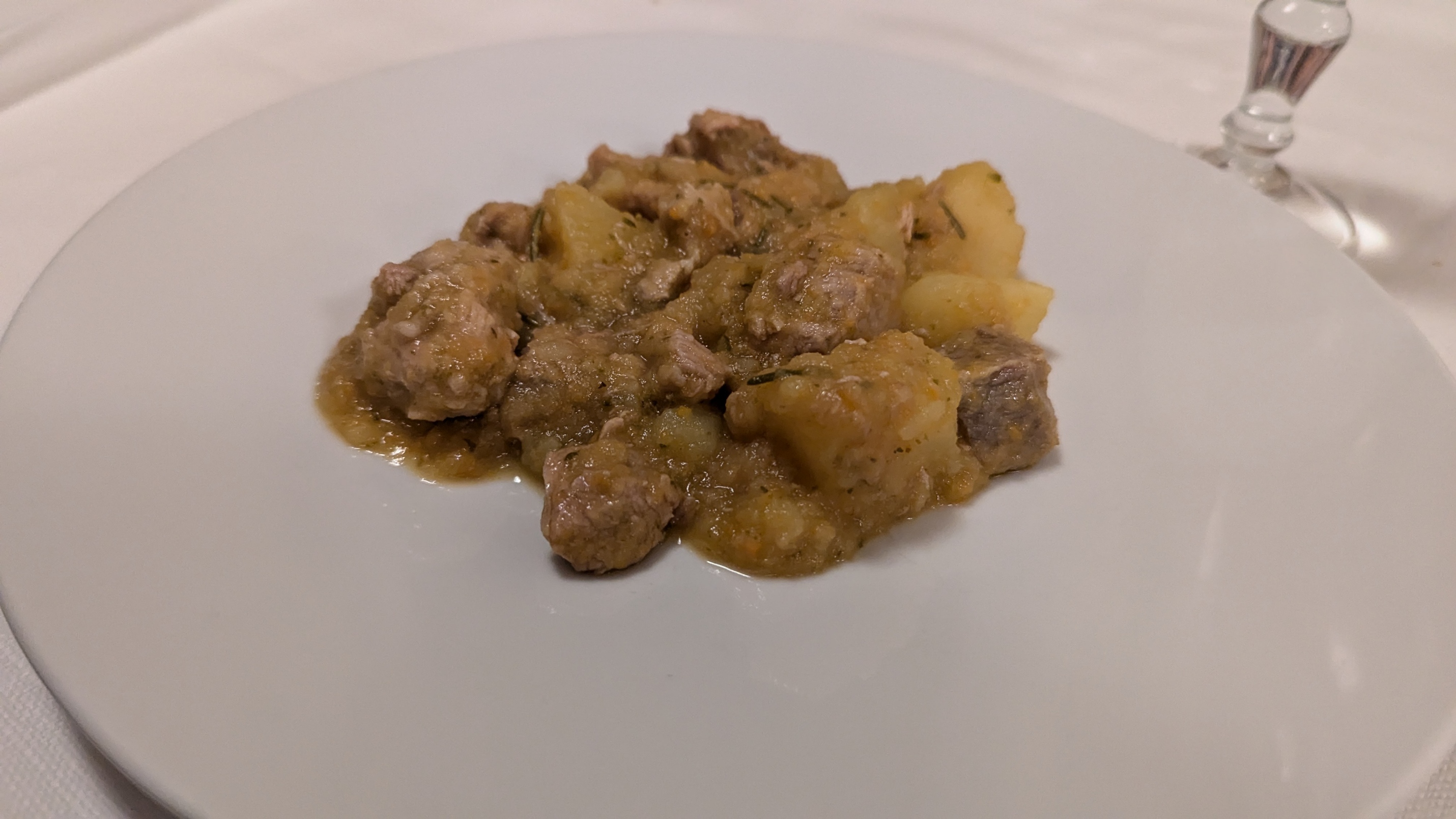
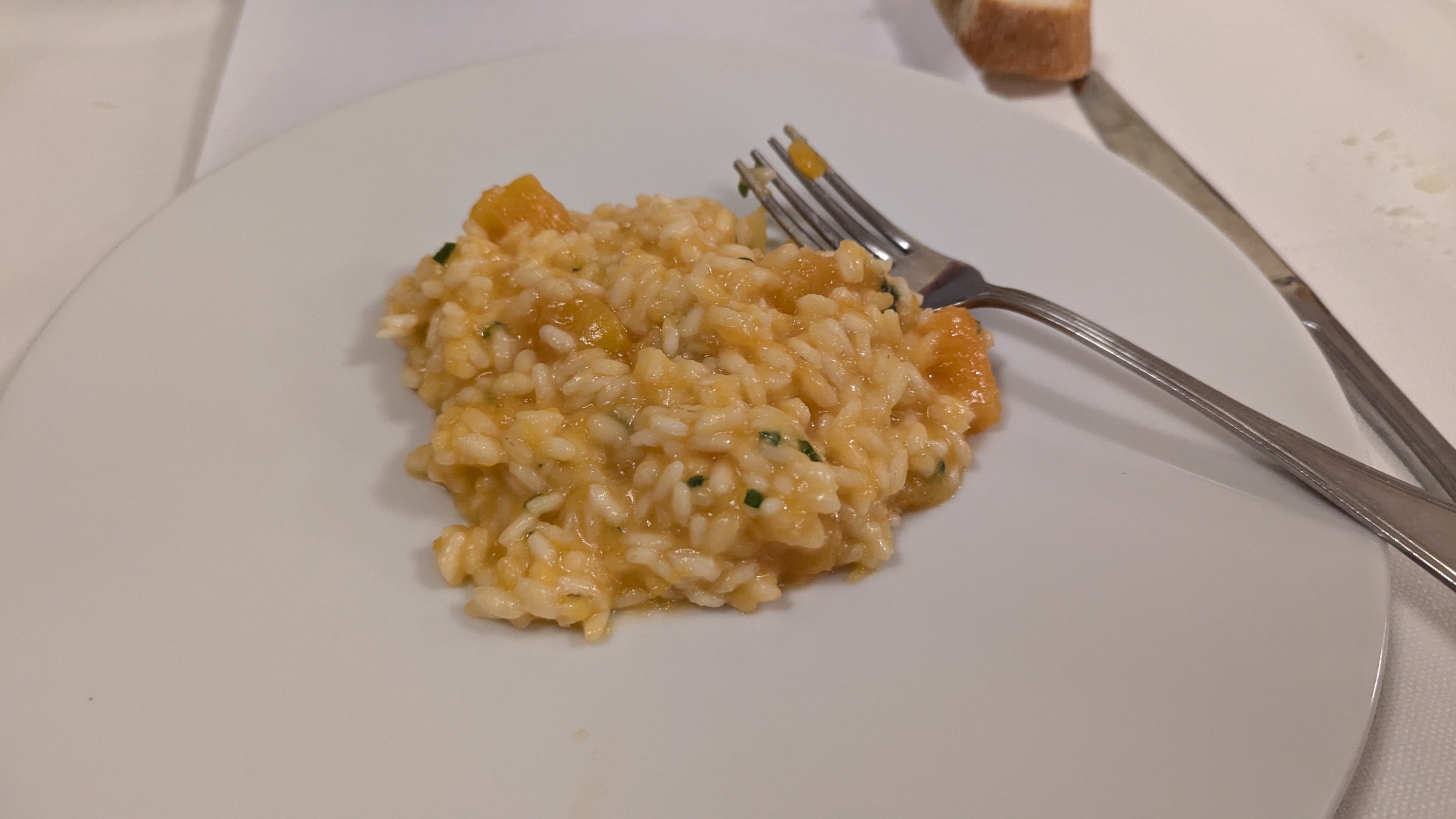
Dinner, Wednesday night – broccoli orecchiette, pork and potatoes in a mustard sauce, caprese salad, pumpkin risotto and panna cotta.

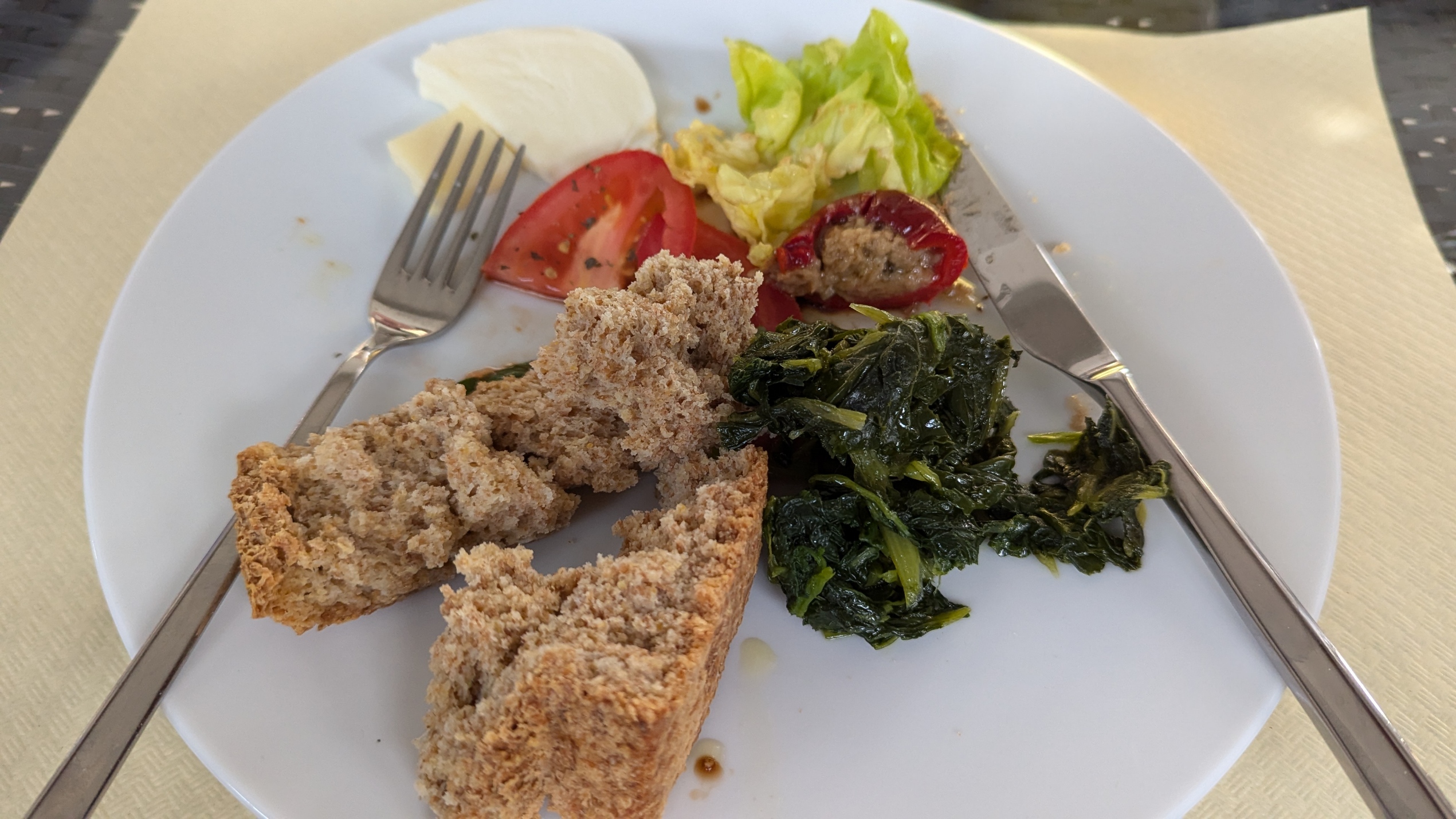
Lunch on Wednesday was a different sort of treat – hard bread and accompaniments. The bread was lowered into water, drained on the top of the water receptacle, and then eaten with pork sausages; tuna stuffed pentimentos, salad of lettuce, fennel and tomatoes; chickpeas; several varieties of cheese; and spinach.

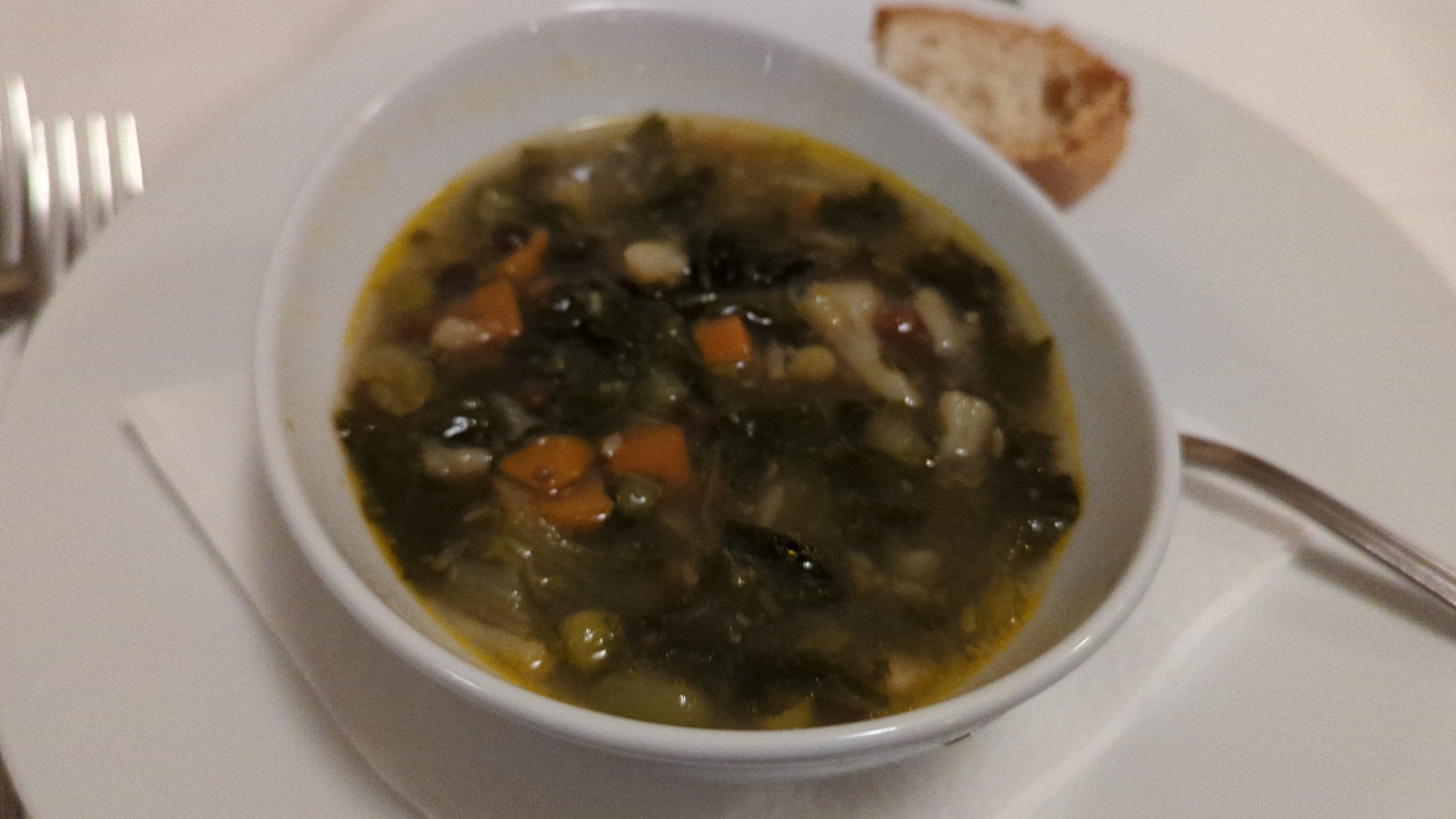
Dinner Tuesday was soup (we had seen it cooking during one demonstration, and the flavour was probably the outcome of long slow cooking); chicken – very home cooked in appearance; salad; eggplant dish; and icecream.

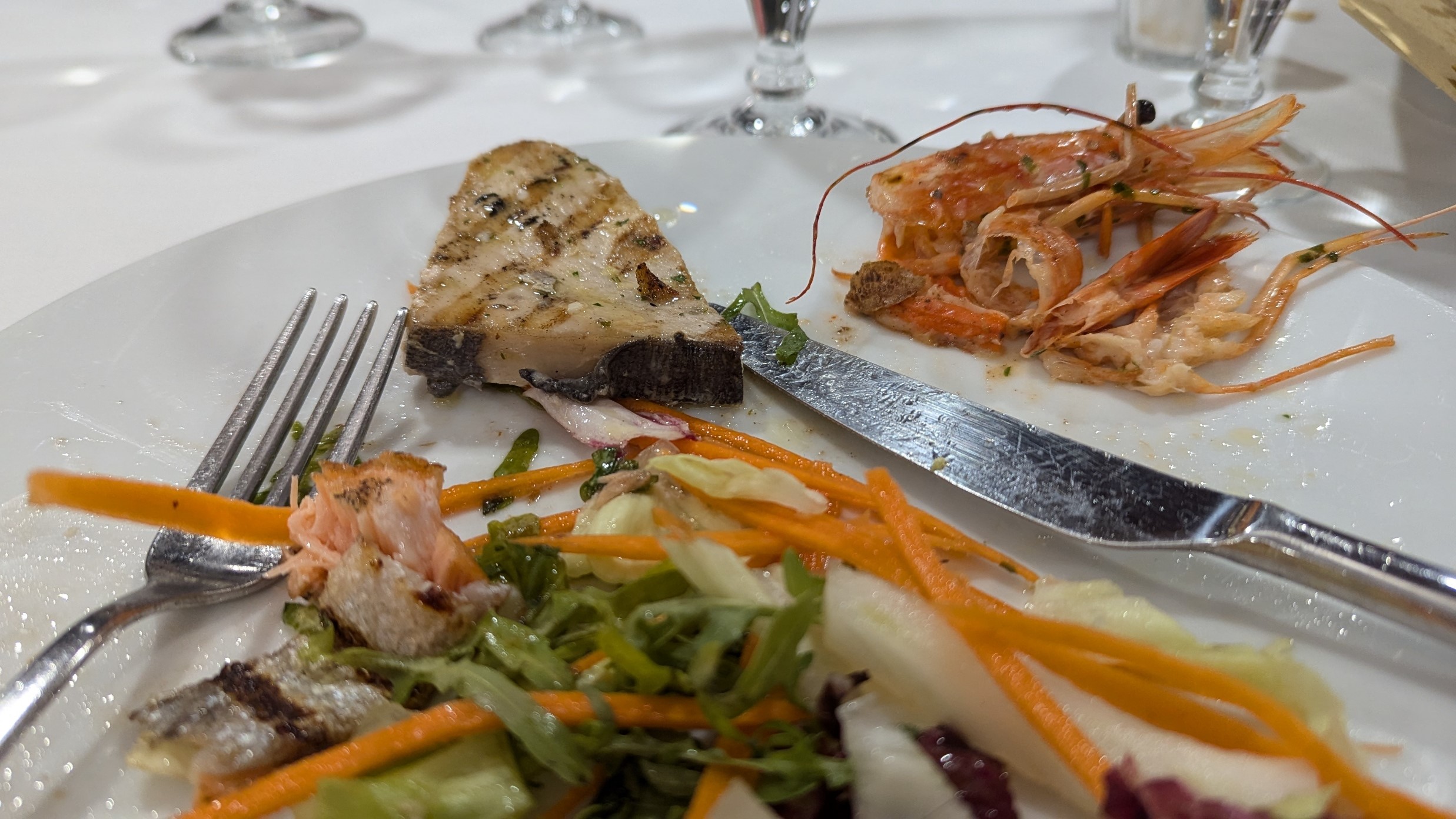
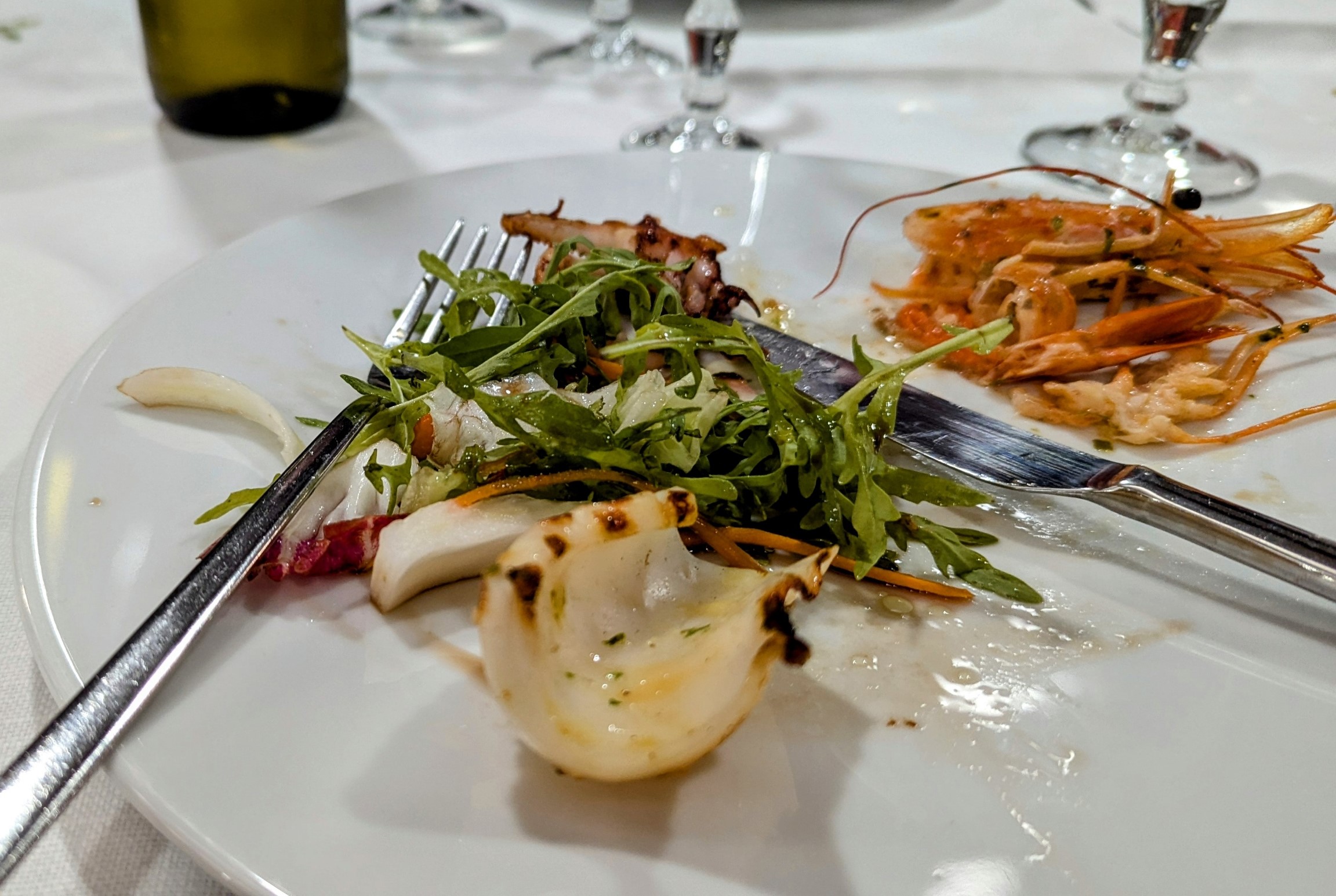
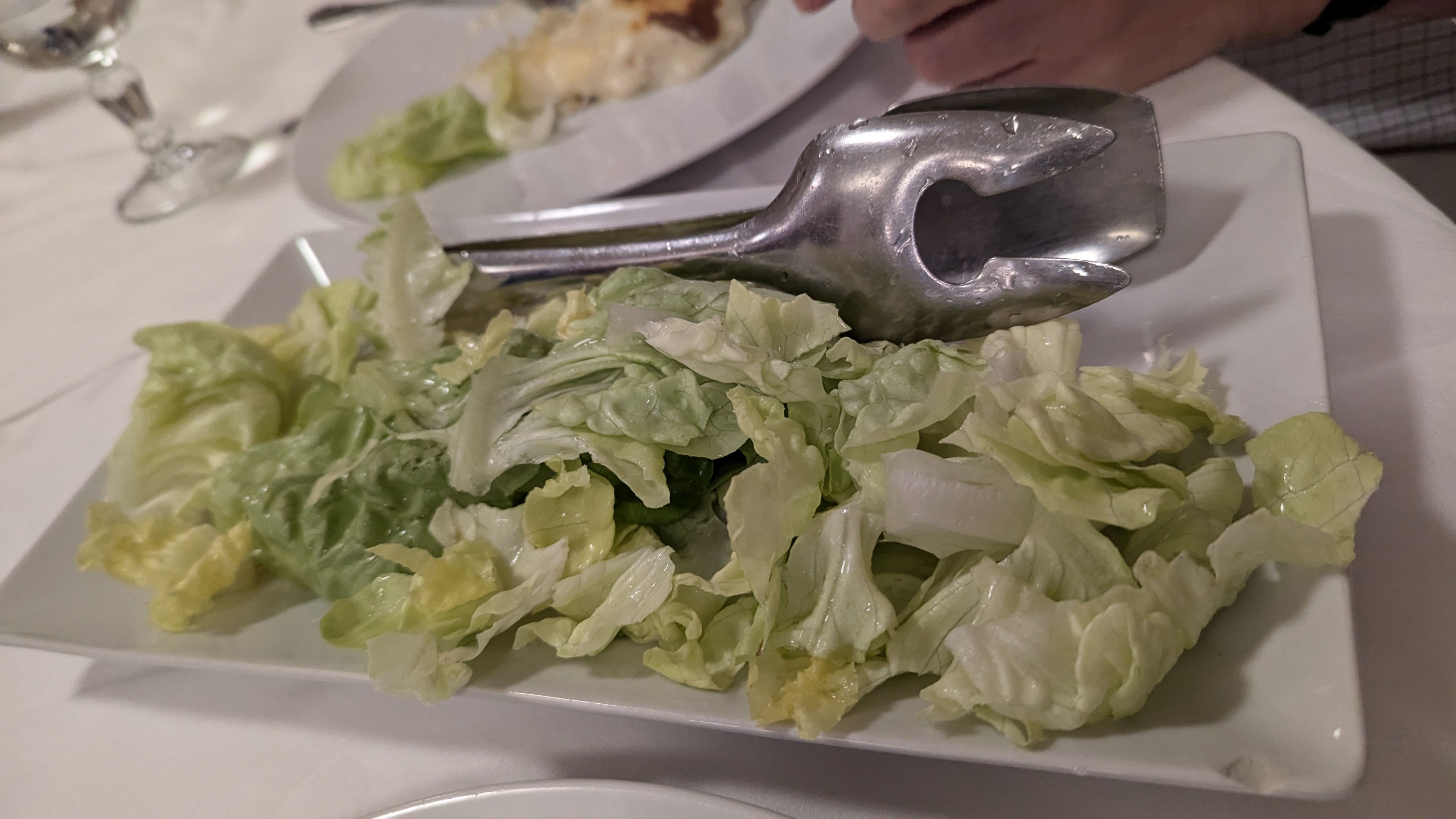
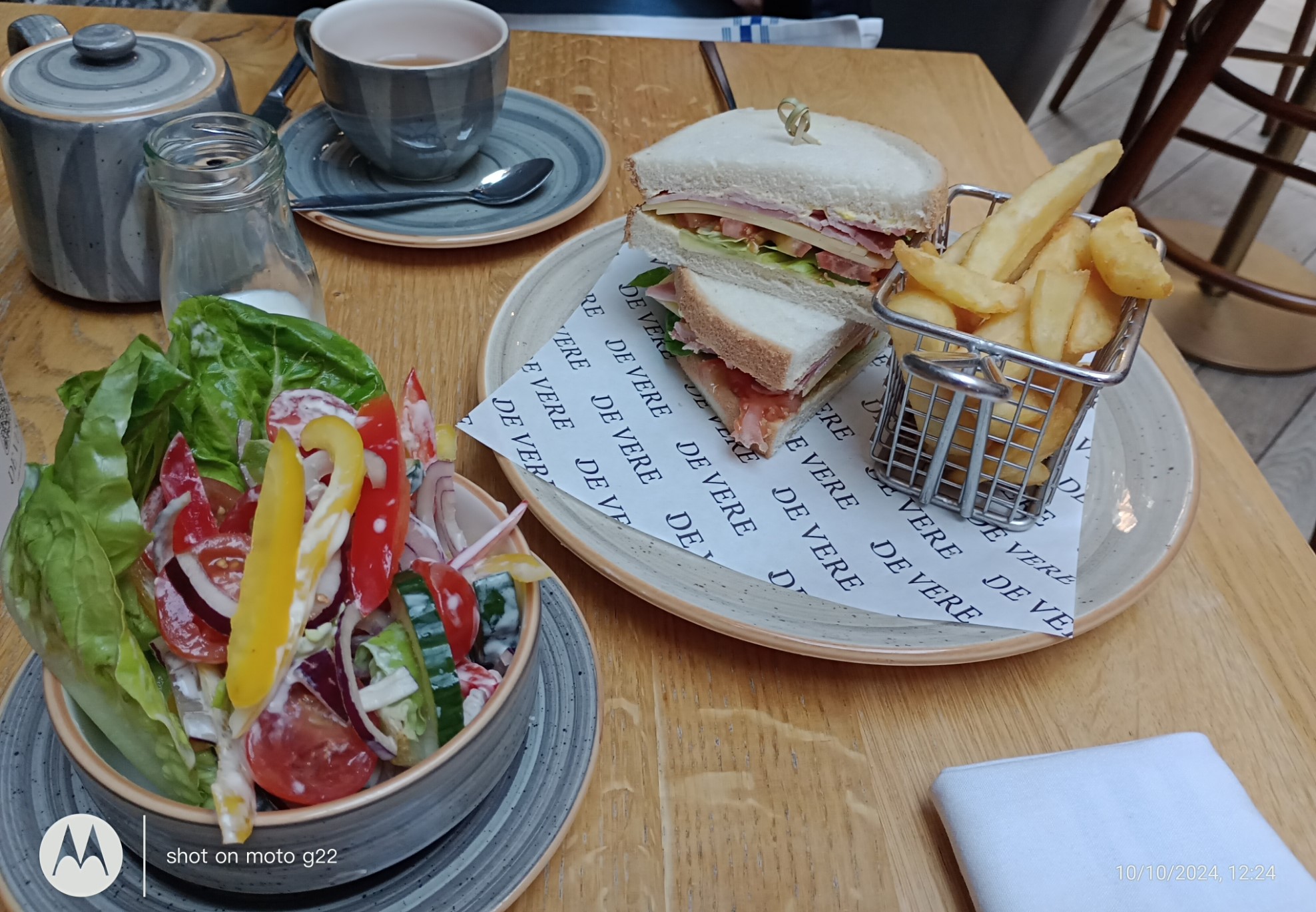
Thursday was a free day, and much appreciated. We, as did many of the group, chose to go to Sorrento for the day. We were unaccompanied so wove our way around the city, purchasing bags, limoncello and gelato and eating in small groups. That night people chose to eat in the village, or have the barbeque, featuring meat or fish as desired. The items were brought out singly in many cases, so make for rather strange photos. Large salads with fennel, lettuce and rocket (arugula) were served, along with the delicious chips that were a real find – no talk of crisp outside and fluffy inside – just crisp, crisp, crisp! I seem to have concentrated on my fish below. However, the meat eaters also did well, with chicken, turkey, beef and sausages. Limoncello was served…and dessert.

Friday dinner ended with birthday cake for one of the group. The meal was aubergine parmigiana, a fennel lasagna with loads of creamy bechamel sauce, tomato and basil ravioli or fish in paper, and loads of fresh crisp lettuce (not a limp lettuce leaf anywhere on any of the salads – what a boon).

American Politics

Bob McMullan – US election review at 22nd October 

Harry Enten, the CNN political analyst summed up my thinking in a report today: “…two weeks to election day, I feel more uncertain about this year’s election result than any election I have covered professionally.” 

The most recent commentator on Sabato’s Crystal Ball, a very good political analysis site from the University of Virginia said the same thing in a more colourful way: “Has any body seen our crystal ball, it seems to have gone missing.” 

It is not only that the polling in virtually all the battleground states is extremely close and, in most cases, getting closer. There are also significant shifts in voter support in both directions amongst some key voting groups. For example, white women are moving towards Harris while black men are moving towards Trump. 

Furthermore, in such a close election, the direction of polling error and its magnitude will be decisive and is entirely unpredictable. And history provides no clear indication of the likely direction of error. It is true that in 2016 and 2020 Trump outperformed the polls. However, in 2022 the Democrats proved the forecasts of a red wave to be totally wrong and on at least one occasion Obama outperformed polling expectations. 

State voting averages have always missed the mark. This is also often true about individual electorate polling in Australia. Over the last 50 years the American battleground states averages have been out by approximately 3% and sometimes by much more. 

If the averages are out by 3% in either direction the result will be a comfortable victory for the beneficiary, whoever that may be. 

What polling can tell is whether the election is likely to be close, and whether anyone is gaining ground in a marked way. 

Even these basics are not clear this time. Most analyses show Trump gaining by small increments. For example, Nate Silver reported Harris still ahead in the usual four states, Wisconsin, Pennsylvania, Michigan and Nevada but showed Trump gaining in all pf the battleground states except Nevada. However, the Washington Post most recent survey showed Harris gaining in Nevada and North Carolina and Trump only gaining ground in Michigan and Georgia. 

One other wild card factor in such a close election is the role of the Green Party candidate, Jill Stein. Media reports suggest that friends and family have been encouraging her to pull out for fear of helping Donald Trump, as she did in 2016. However, she has refused to do so. It would be a cruel irony if the perfect was the enemy of the good on this occasion when the consequences are so important. 

So, on balance on the polling front there is no clear evidence of significant movement over the week. It is probable that such movement as there has been was slightly in favour of Donald Trump. So far it has not been enough to shift the numbers in the four states in which Harris leads which if maintained would see her win 276 electoral college votes to 262 for Trump. But they are all perilously close. 

On the early voting front, Target Smart, which is obviously Democrat aligned, has Democrats leading 51/41 in the battleground states although some other analysts see a small improvement in the relative early voting data for the Republicans as the negative impact of Trump’s attacks on early voting wears off. There is certainly a surge of early voting in some states, notably Georgia, which is probably beneficial to the Democrats at the margin, and margins are likely to count at this election. 

On balance, it is still a very close election with the national vote still clearly going to Harris but the Electoral College potentially favouring Trump if the present trends continue. If it was today, I think Harris would win, but two weeks is a long time in a close election. 

Week beginning 16 October 2024

Anton Rippon, Nicola Rippon Wartime Entertainment How Britain Kept Smiling Through the Second World War Pen & Sword|Pen & Sword History, September 2024.

Thank you, NetGalley, for providing me with this uncorrected proof for review.

Wartime Entertainment How Britain Kept Smiling Through the Second World War is so much more than a nostalgic trip amongst the entertainers of the time, the familiar films, and the impact of food rationing. All these topics are covered, and include material that is not well known, but where this book shines is in the information about less well-known aspects of Second World War entertainment. The material is enhanced with the occasional comment from the authors – tart, humorous or poignant and anecdotal evidence from conversations recorded at the time or recalled by those were war time adults and children. This, together with the immense amount of research that must have gone into Anton Rippon’s and Nicola Rippon’s book, makes it a tome of testimony to the range of entertainment, ideas, government responses and community acceptance, together with the thrill of finding new aspects of entertainment on offer at the time. Written in the familiar Pen & Sword style of accessible and lively language, this work stands out as one to devour. See Books: Reviews for the complete review.

Further articles: Canterbury trip, Trafalgar Square, Portrait Gallery, American politics – Bob McMullan, Tom Moore – Australian Artist, Tortworth Manor visit, Napoli Airport, Bus rides between Bomerano, Agerola in the Campania region, and Amalfi, Bomerano coffee and accommodation.

Short trip to Canterbury

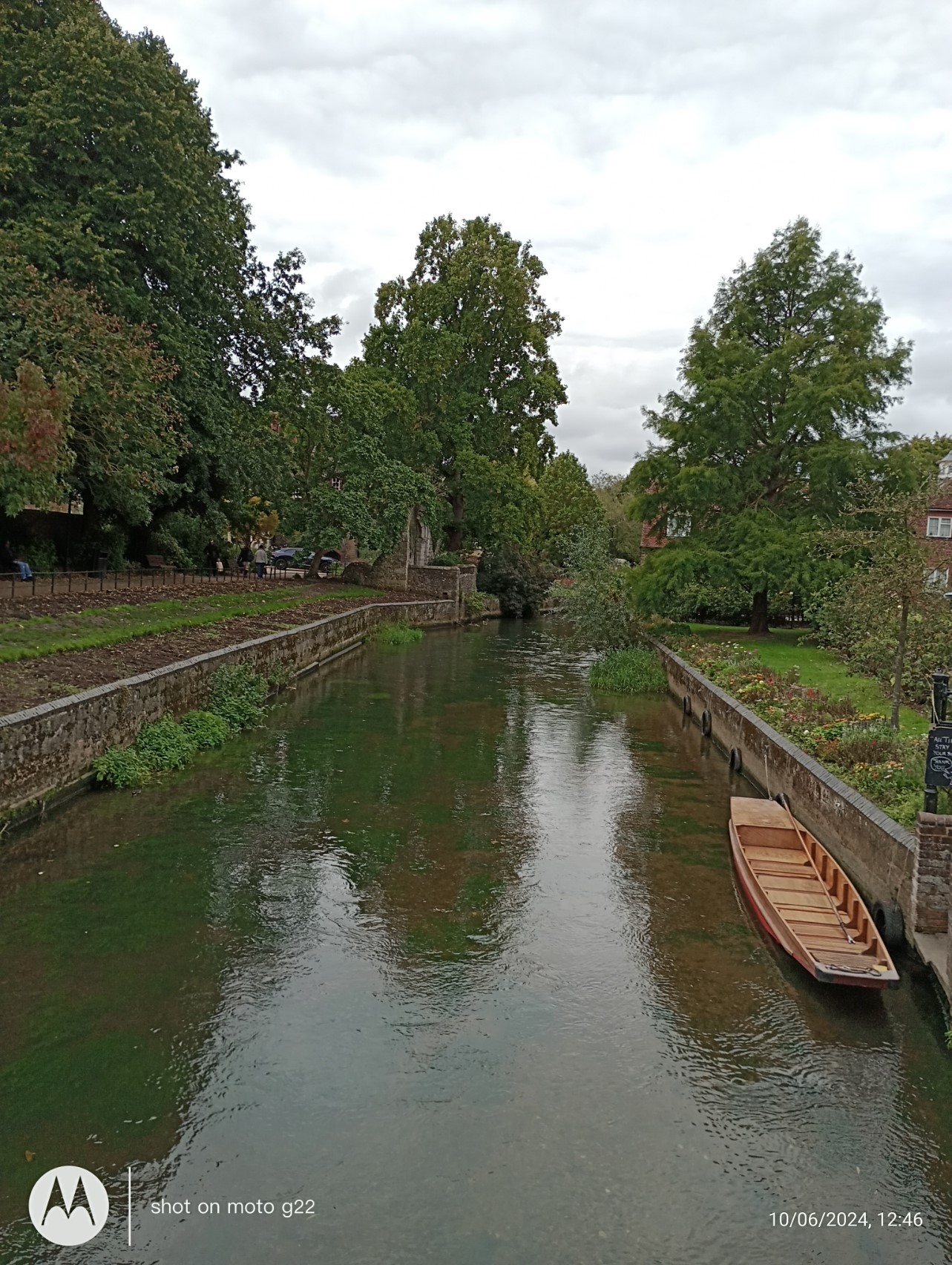
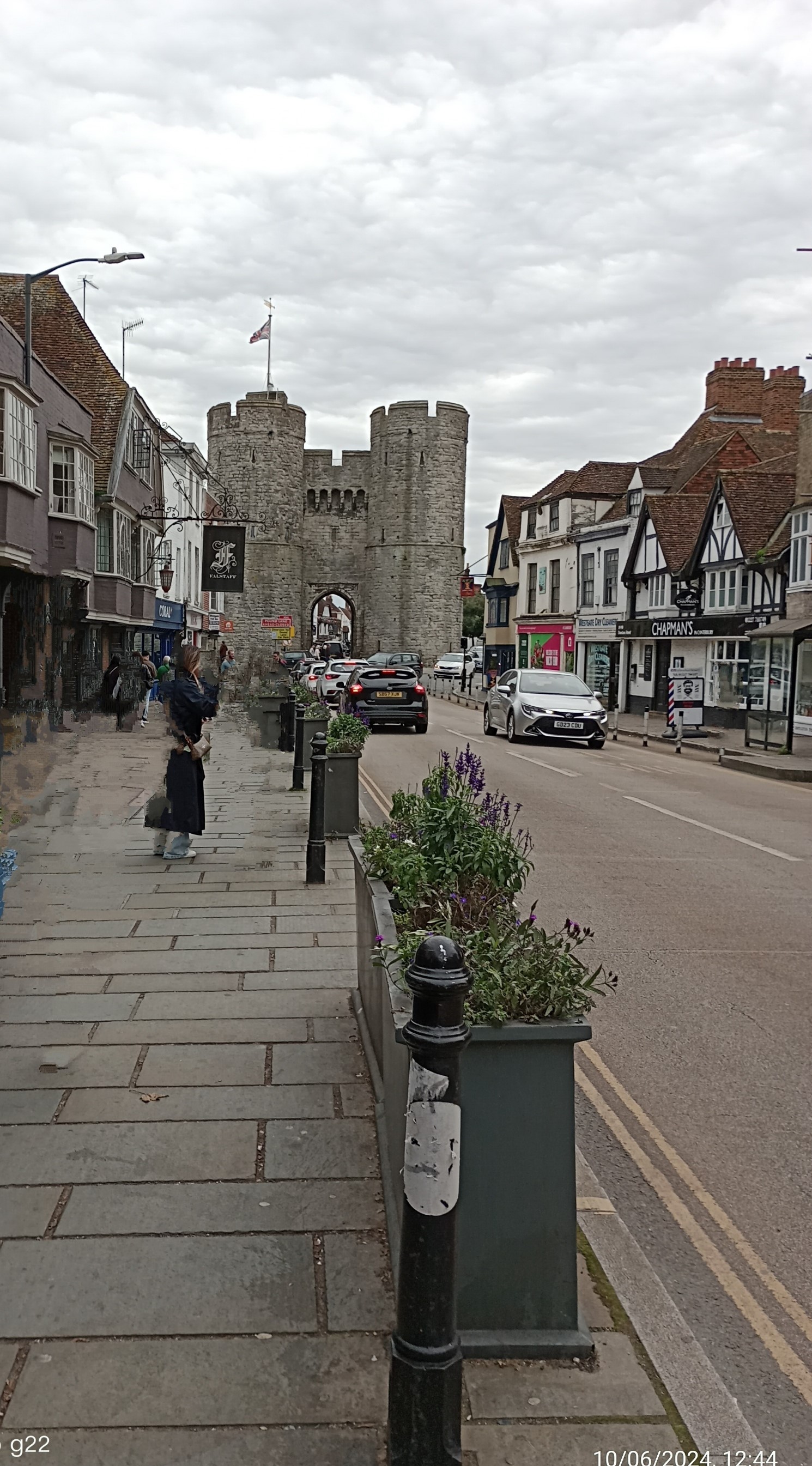
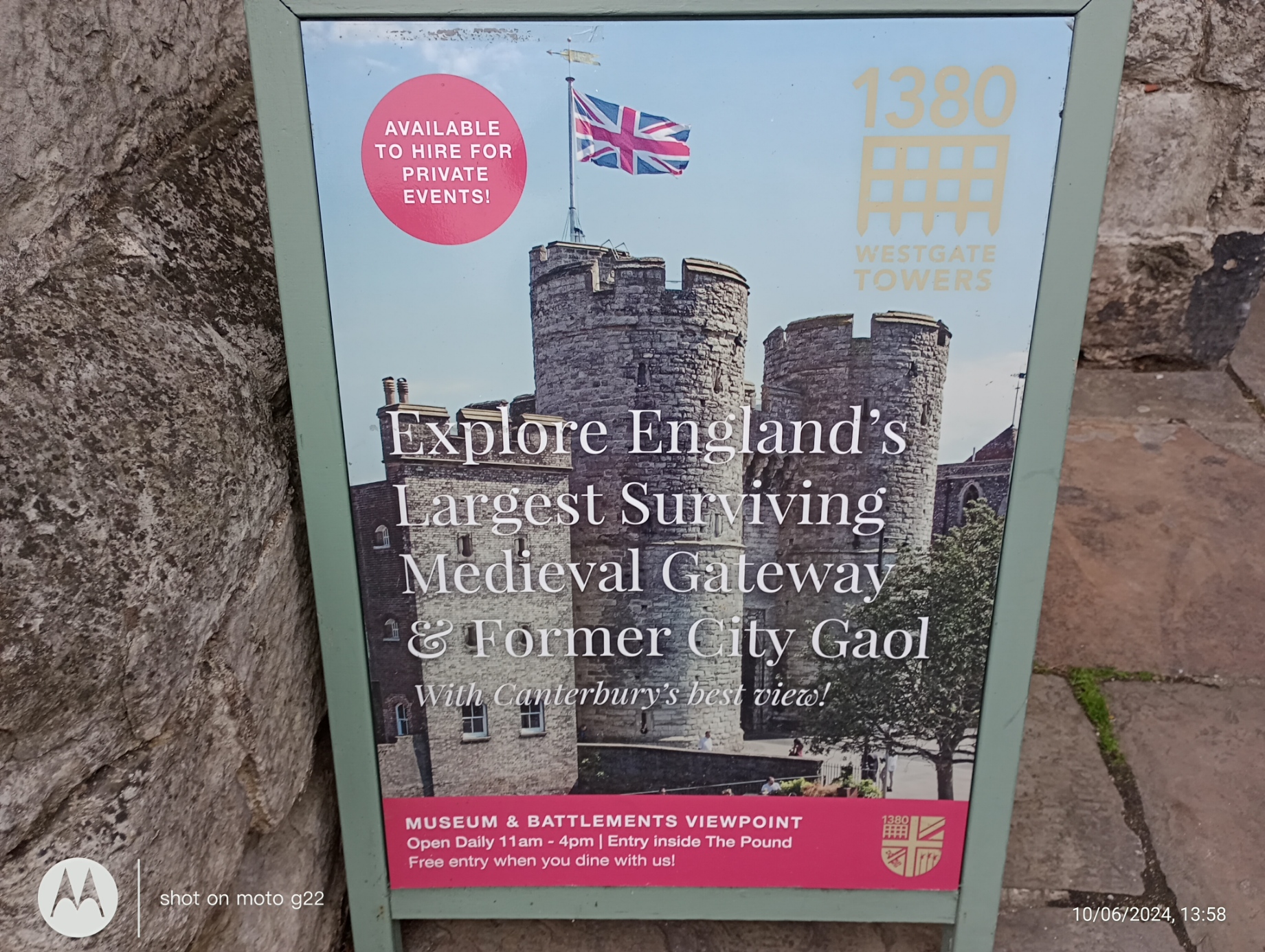
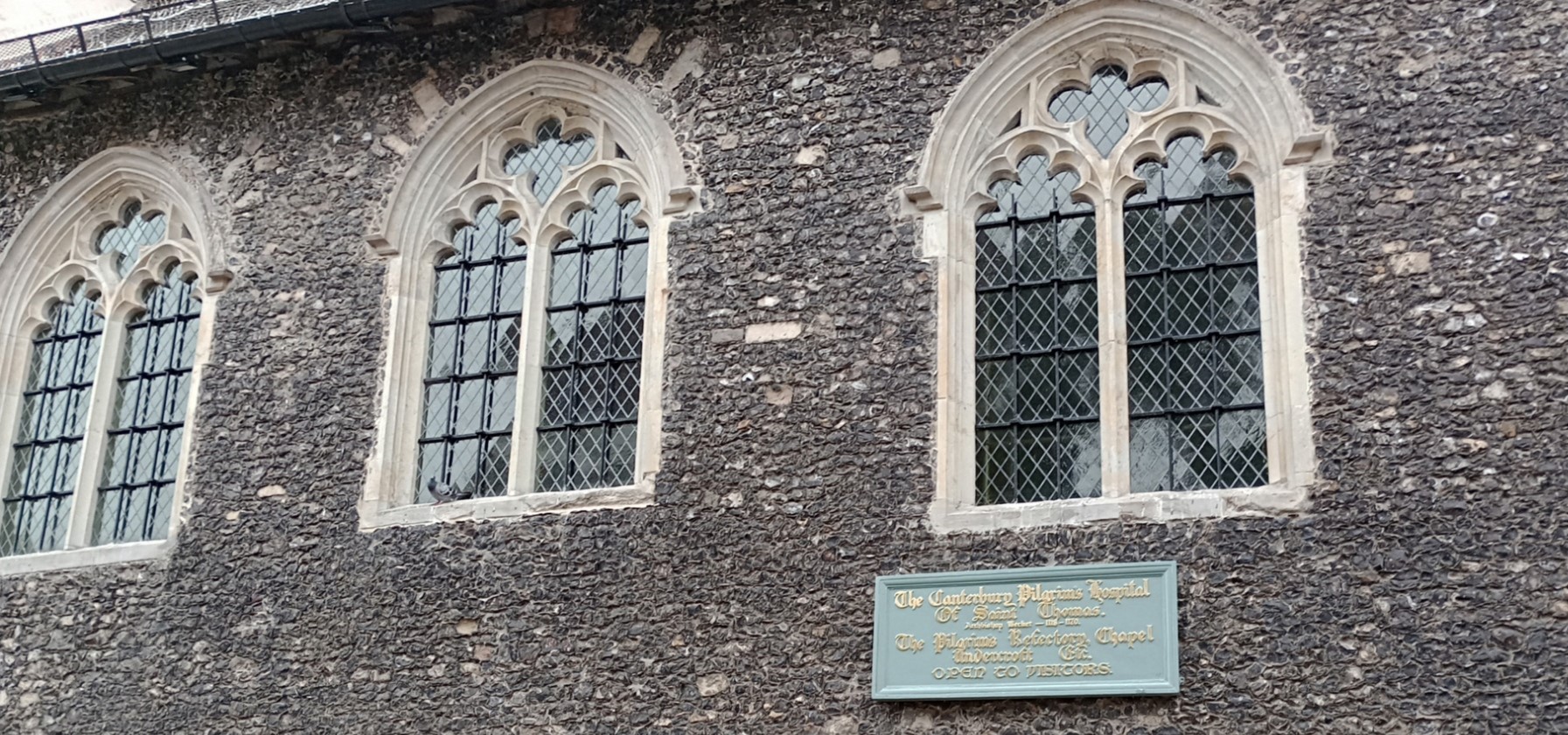
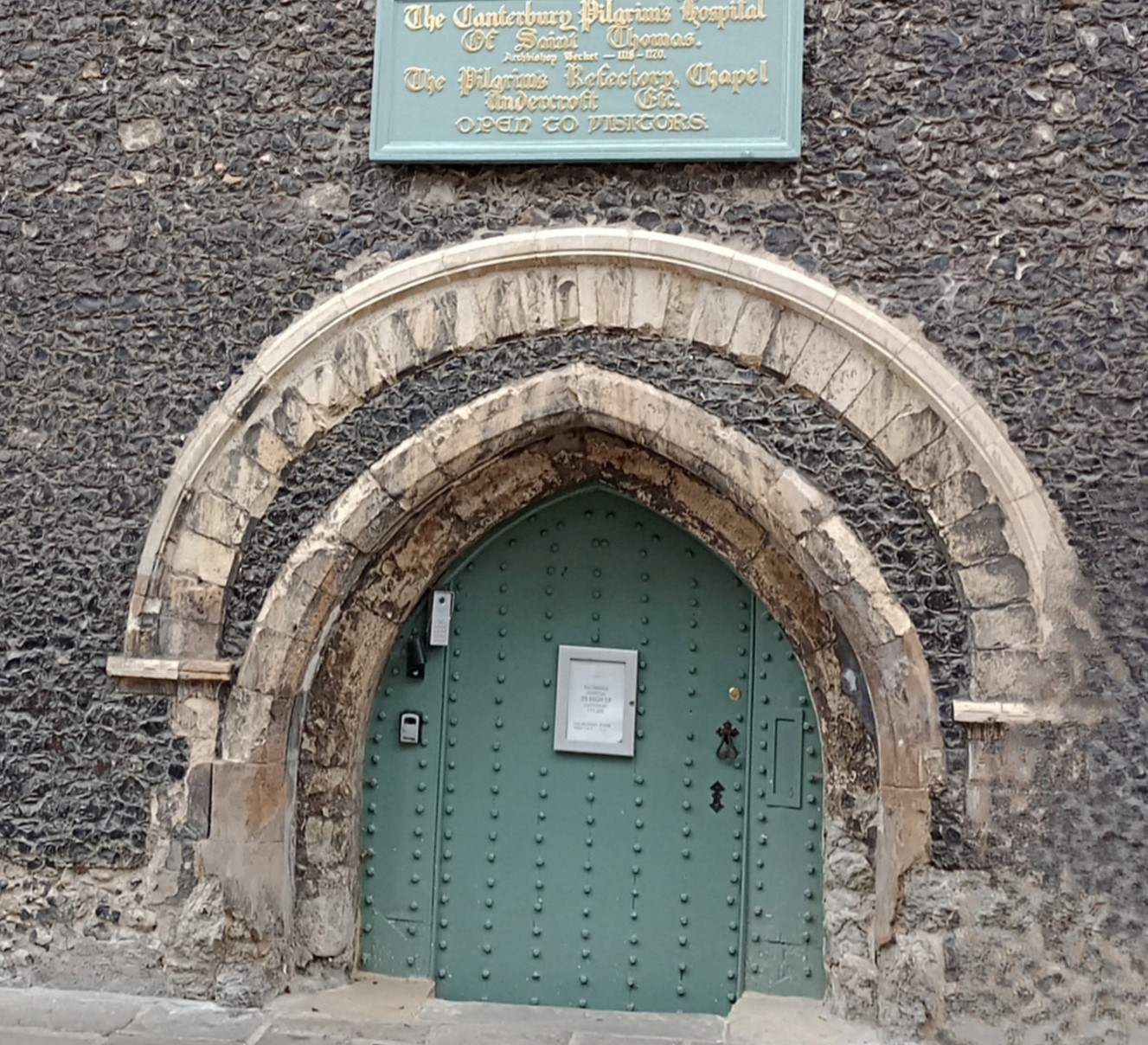
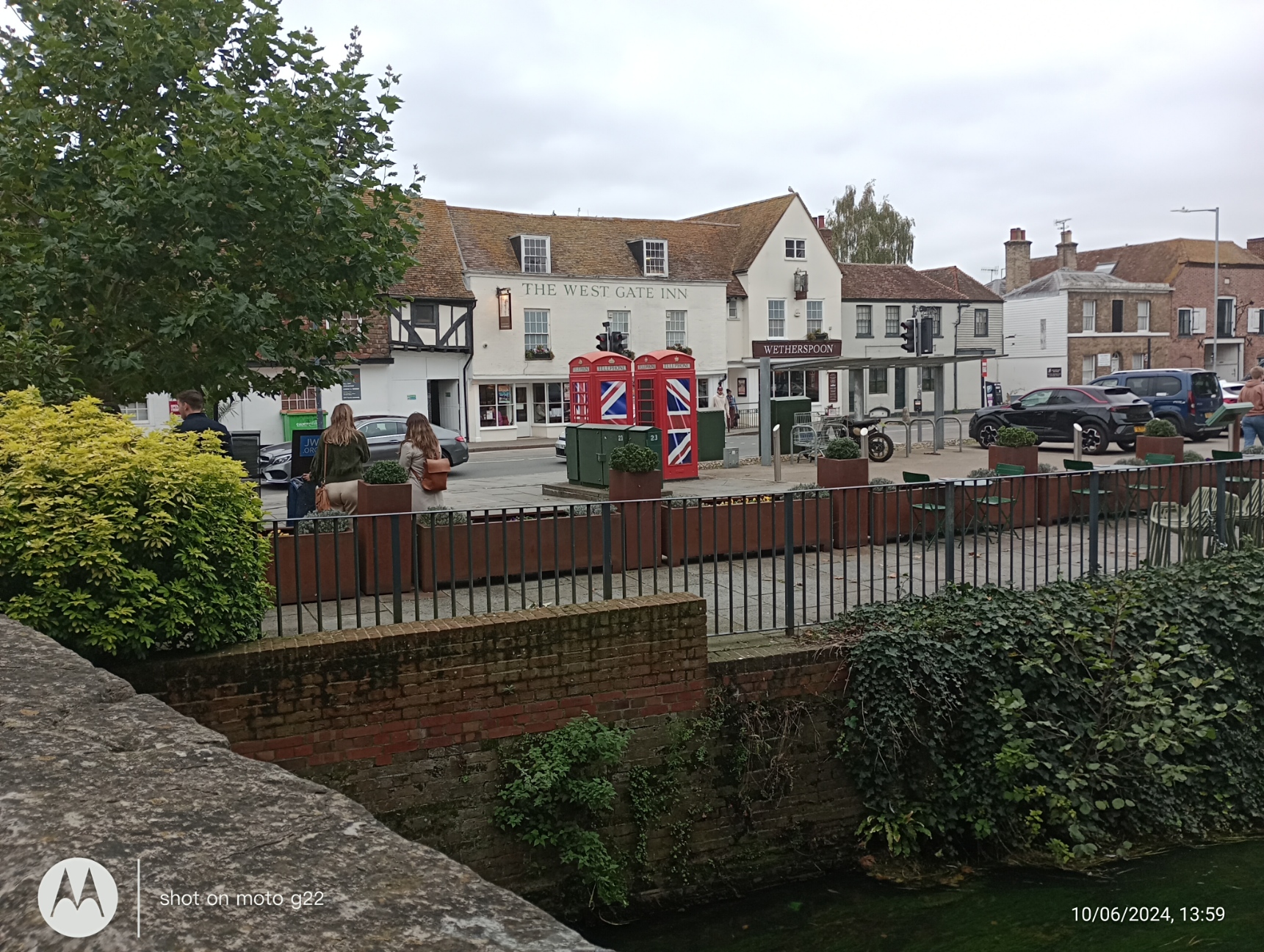
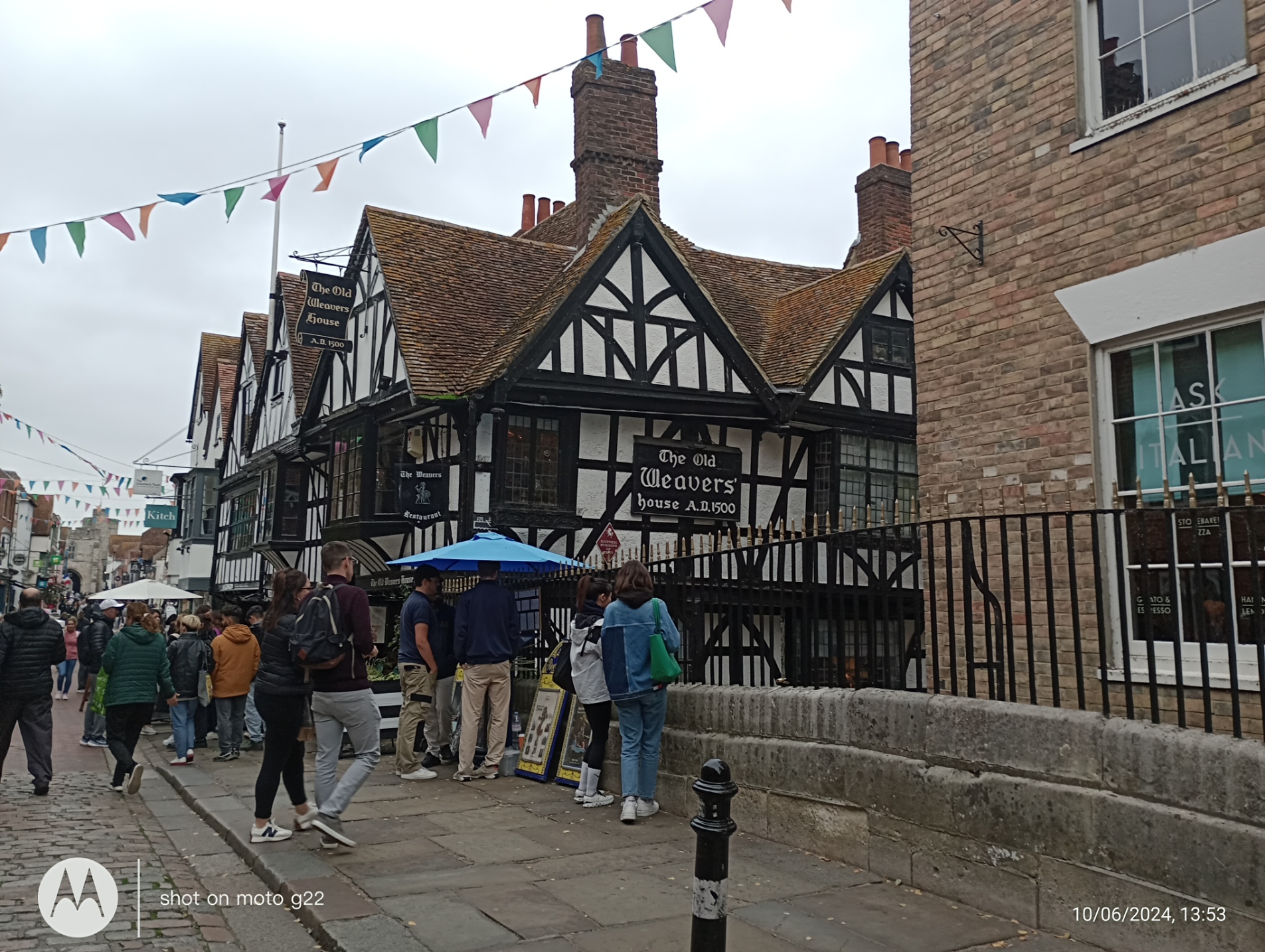
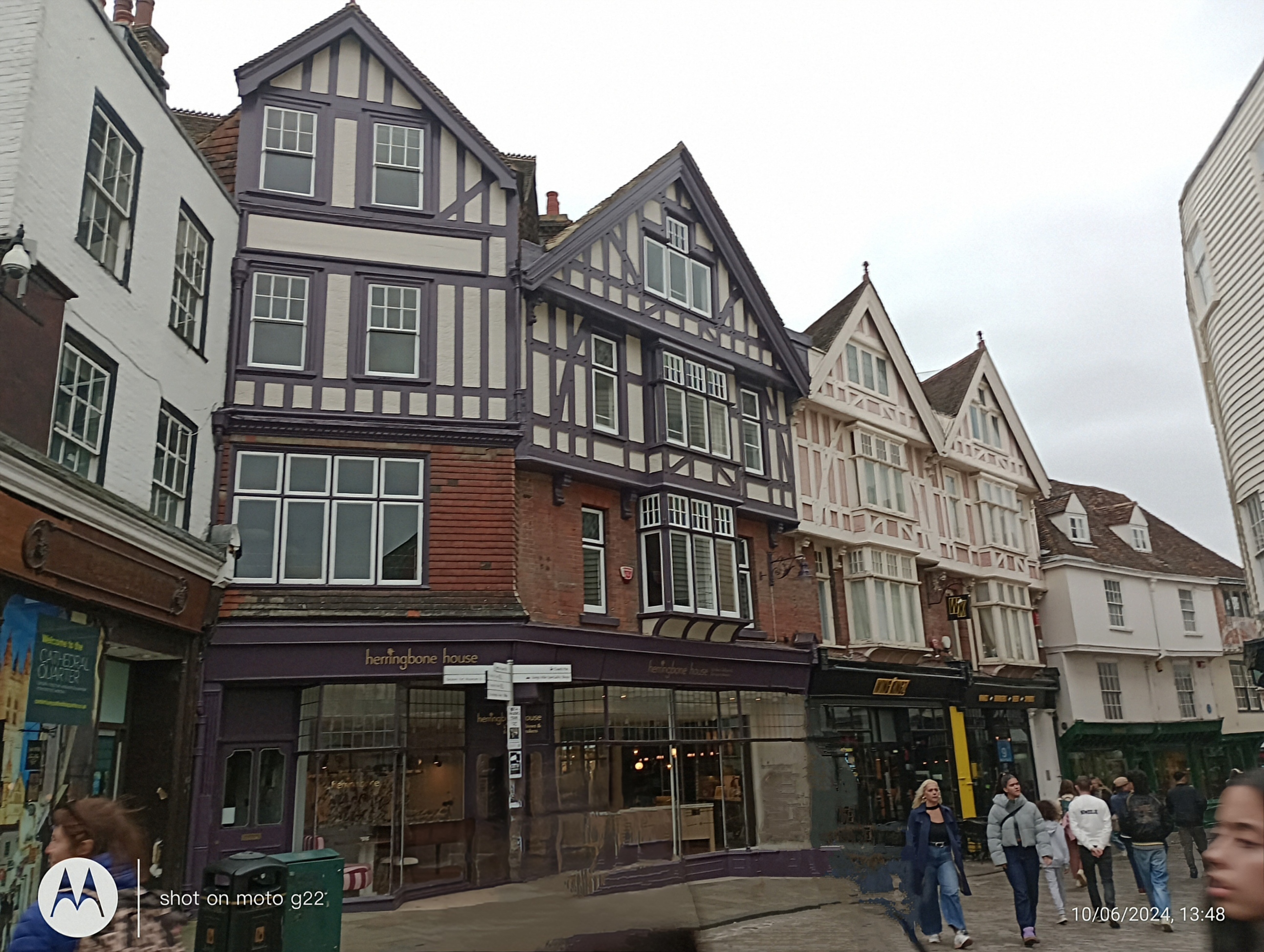
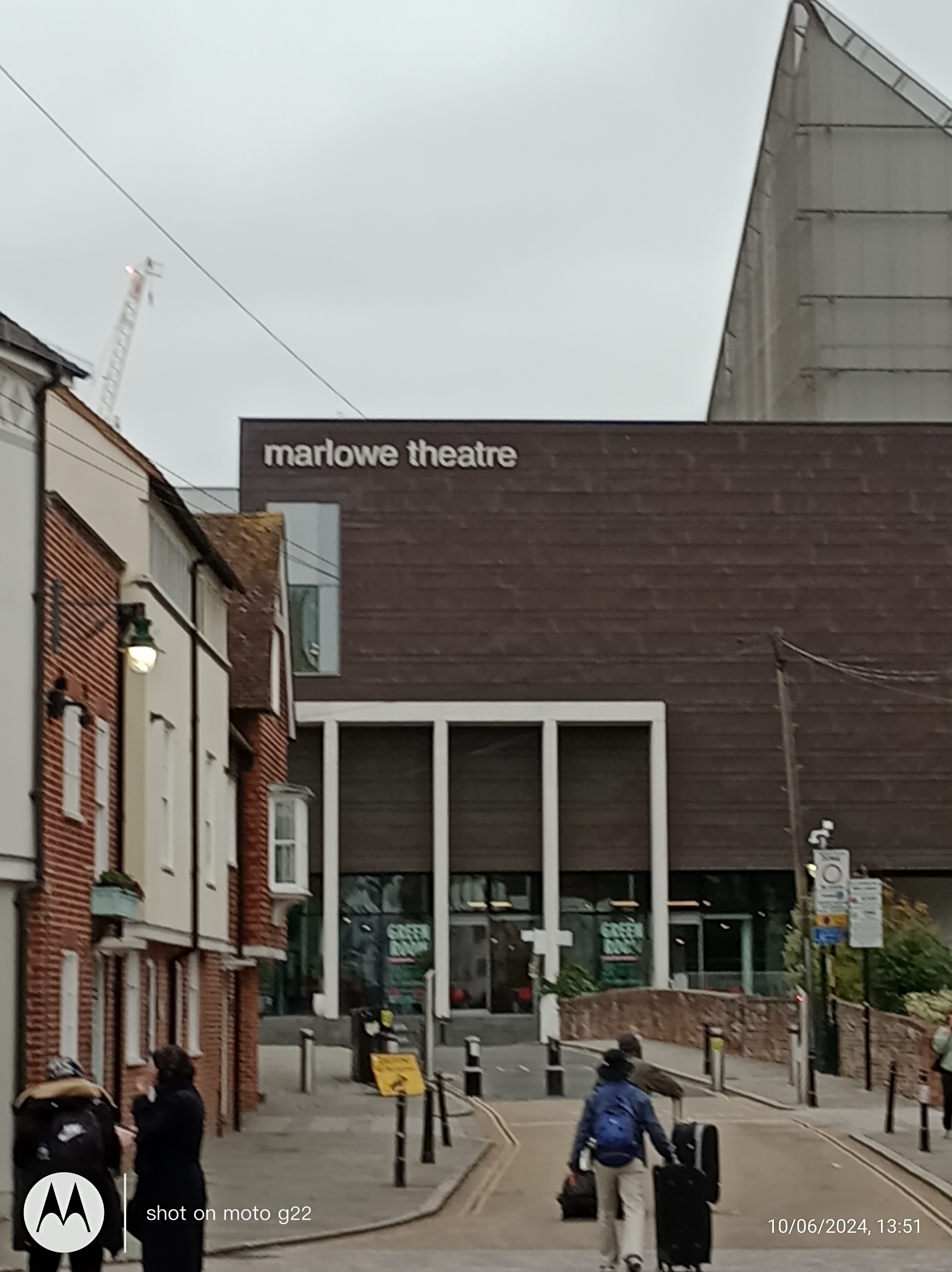
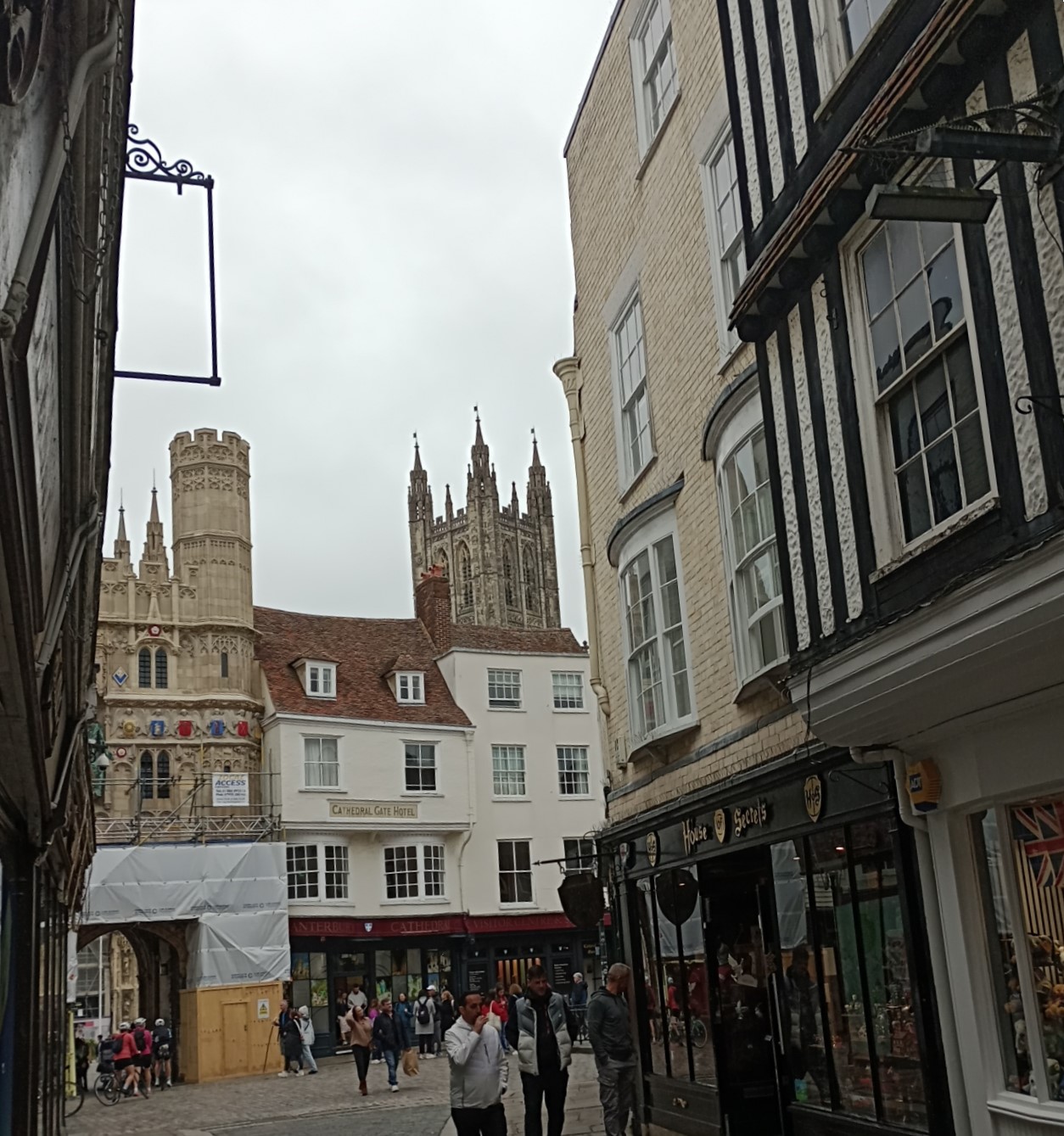
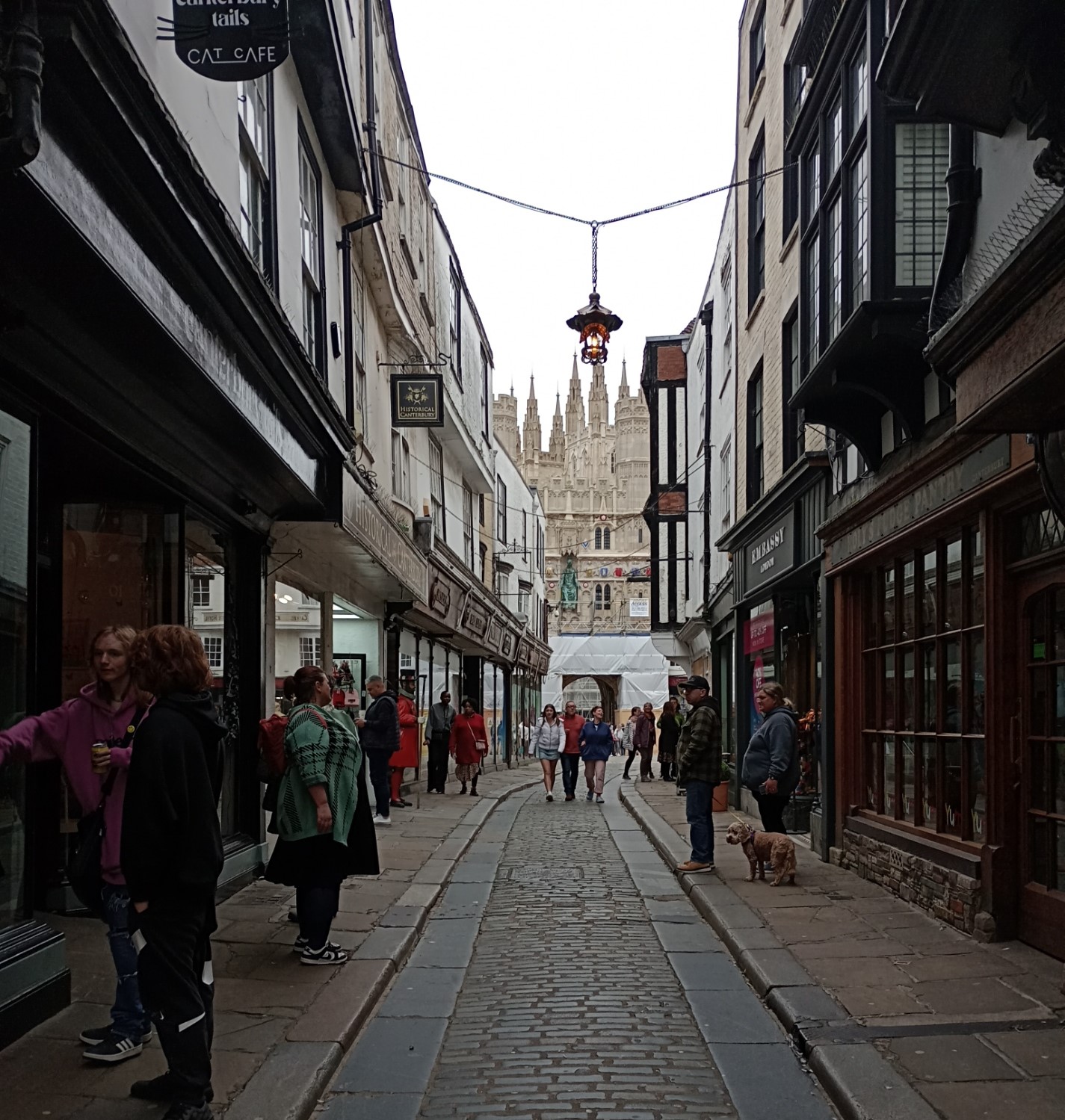
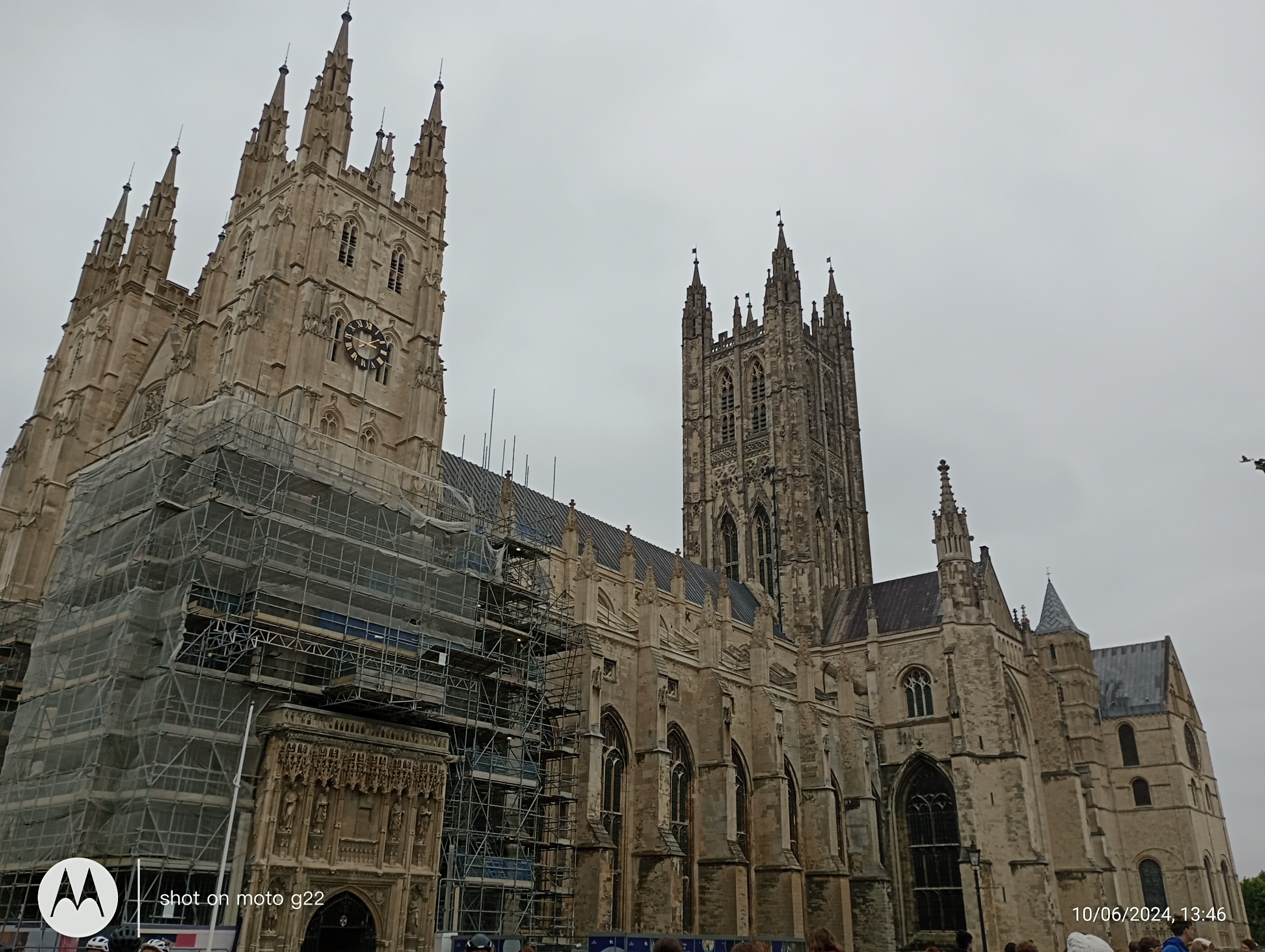
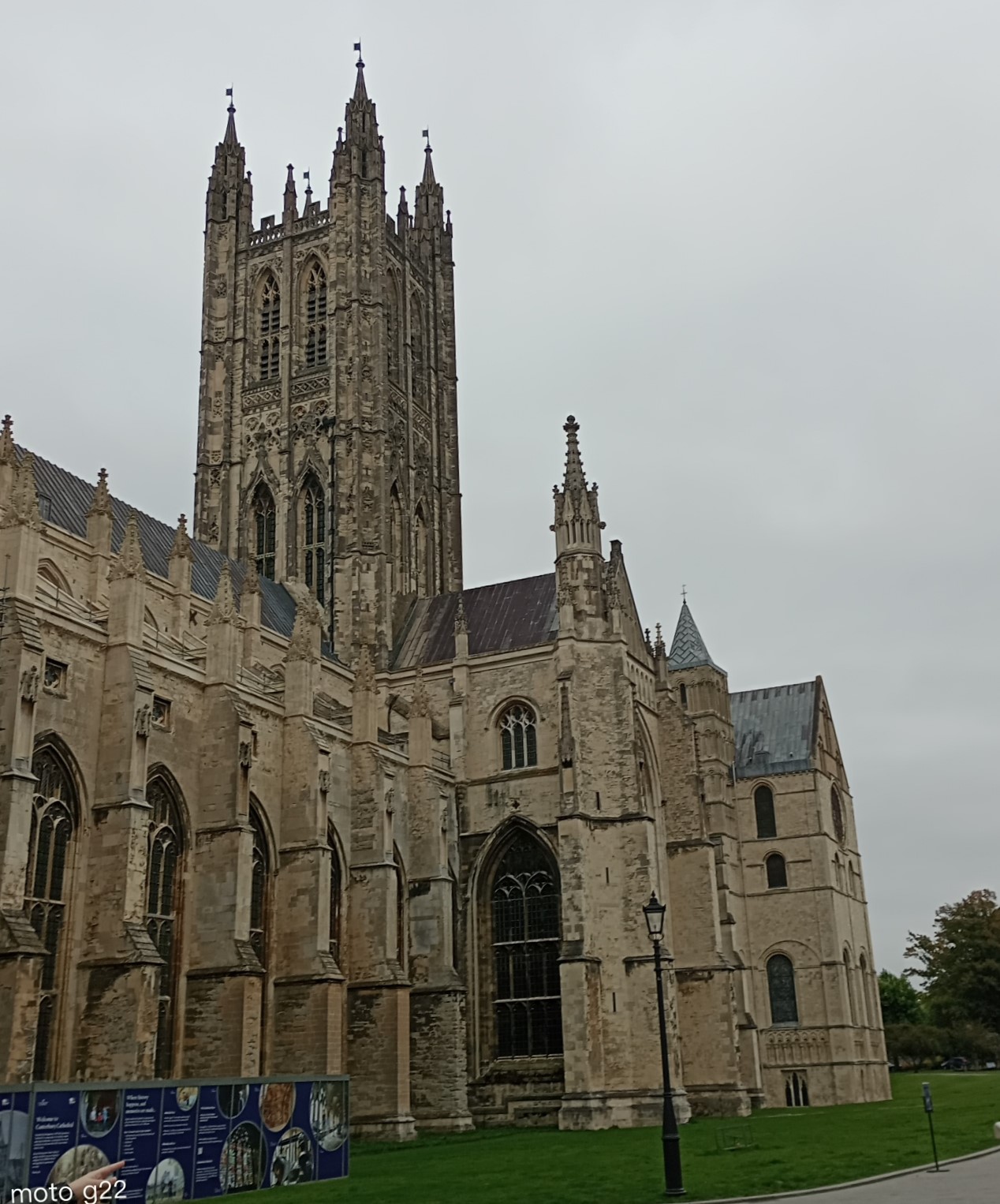
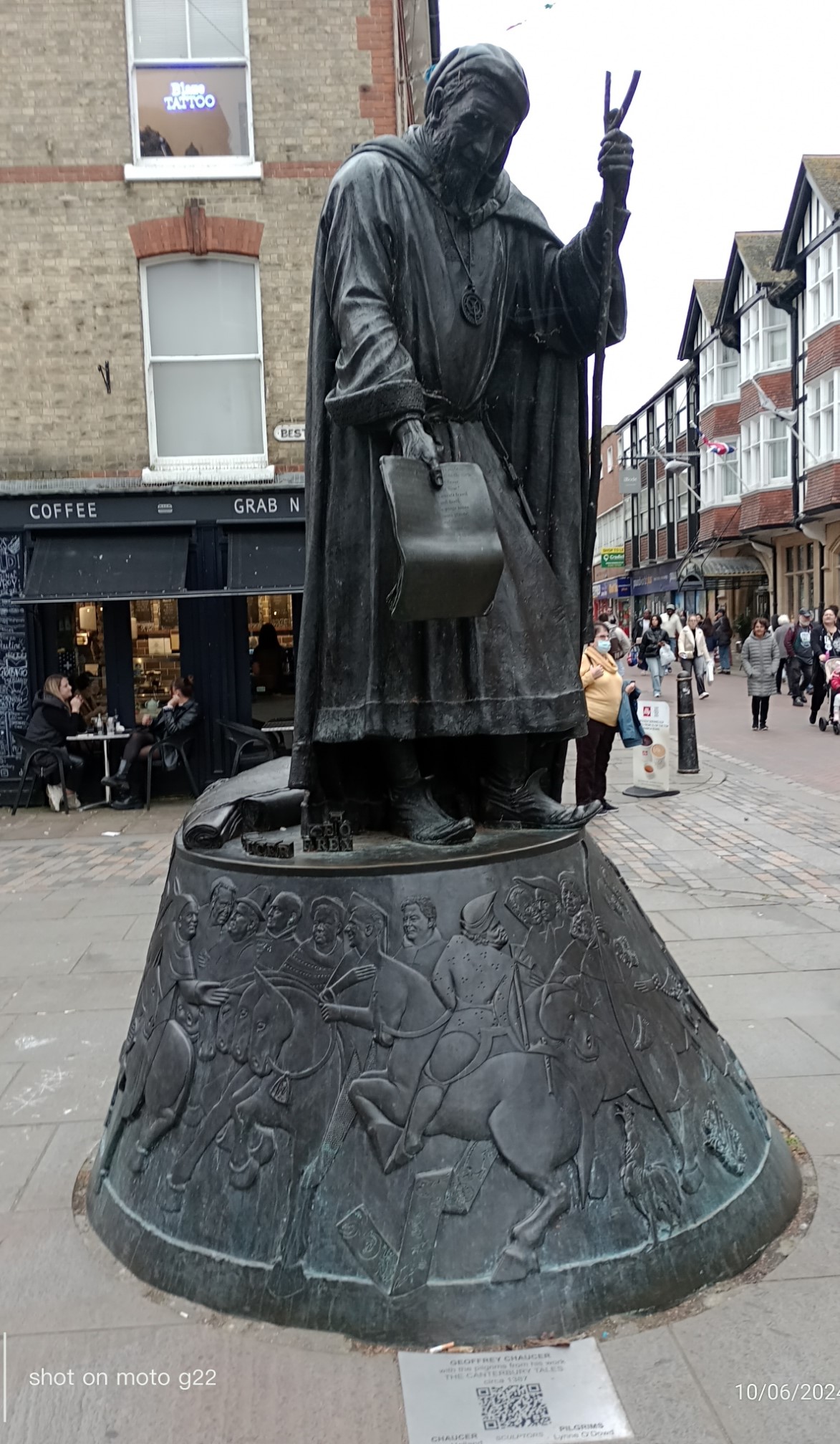
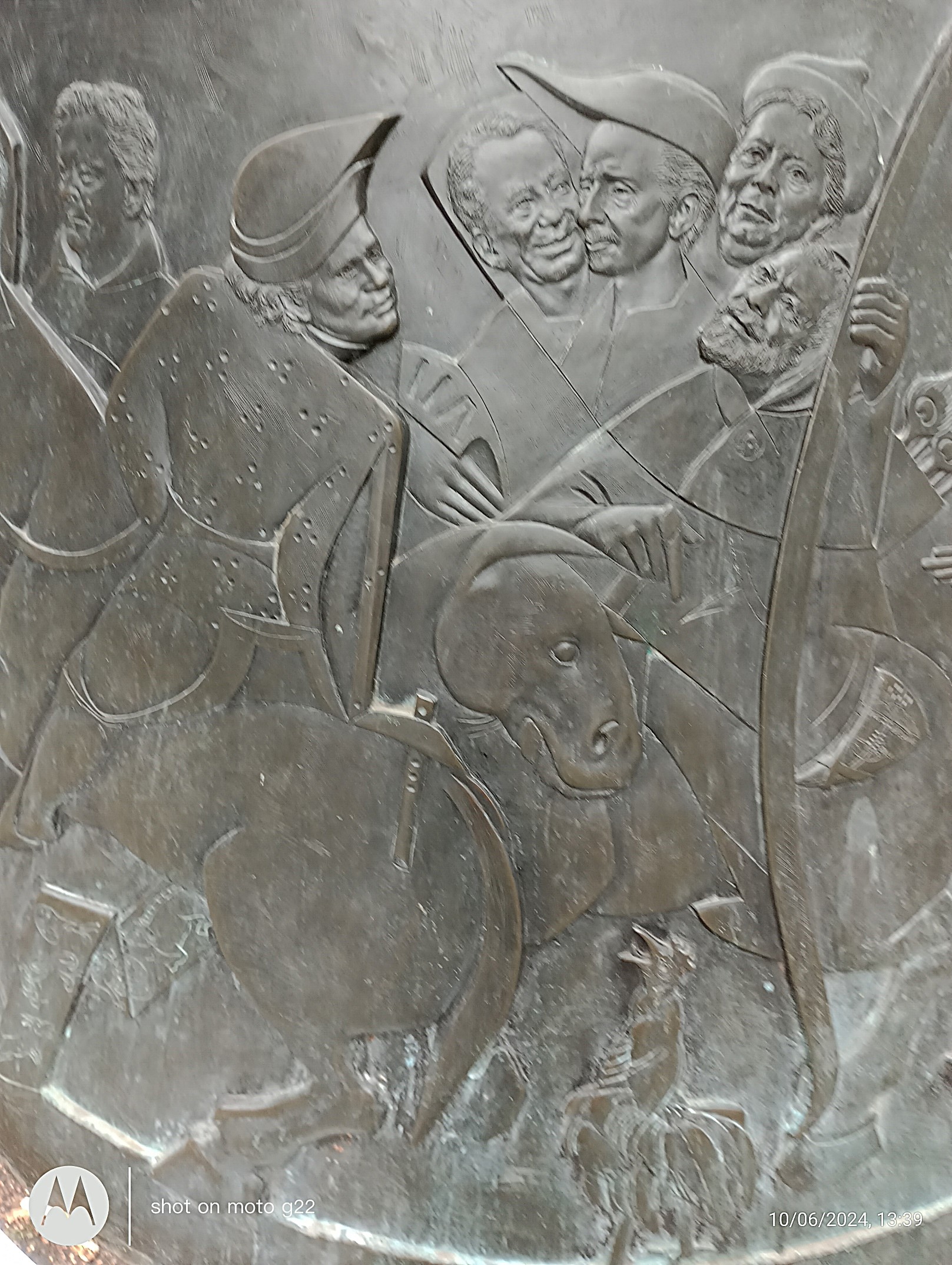
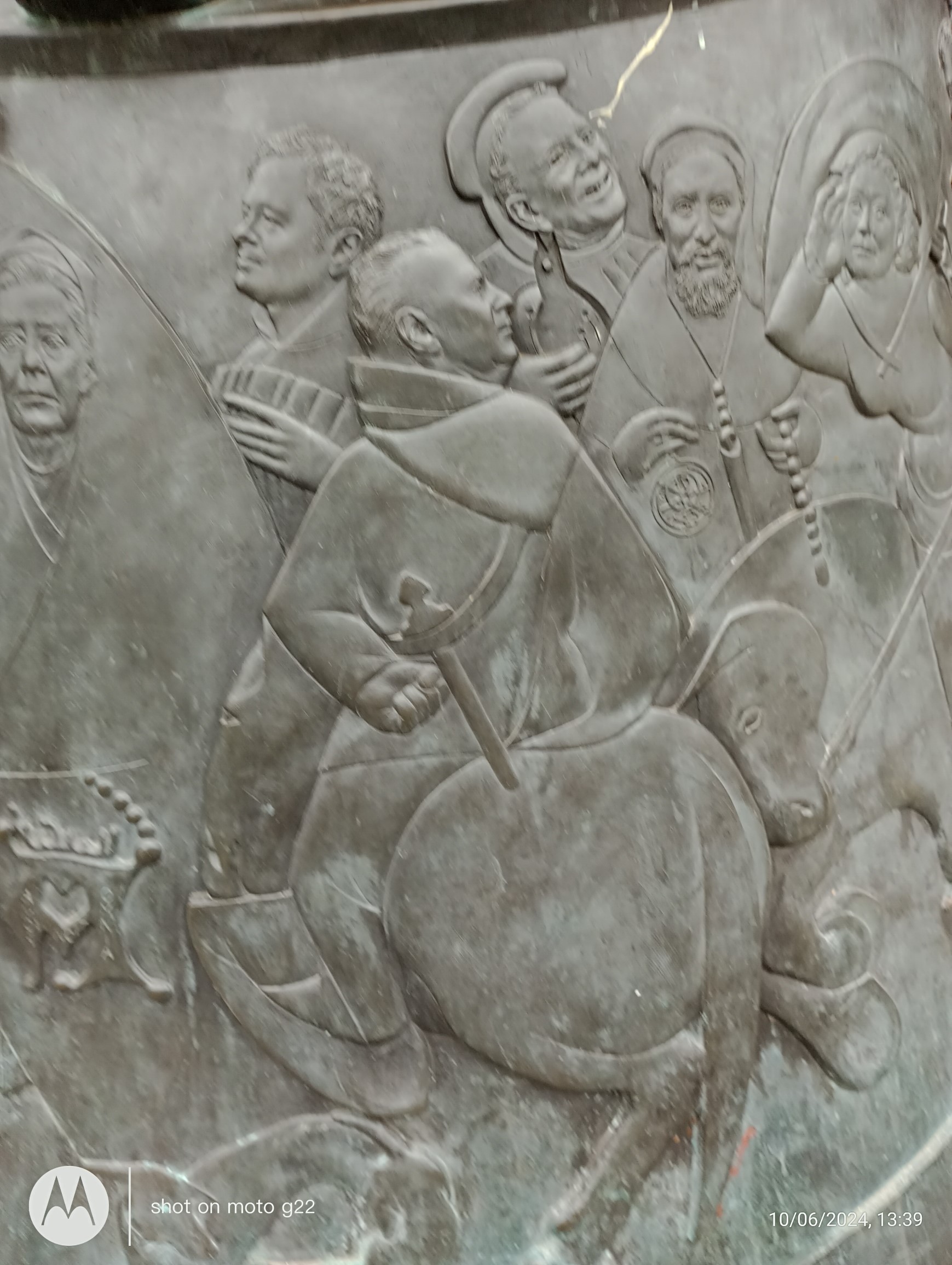
The last time I was in Canterbury I was at a Women’s History Network Conference (pre-Covid) held at the university of Kent. That was an excellent event, but visiting just to see the town made a day trip from London by train. It was raining on and off, so it was a walk through the town to the cathedral, a snack and return to London.

Trafalgar Square

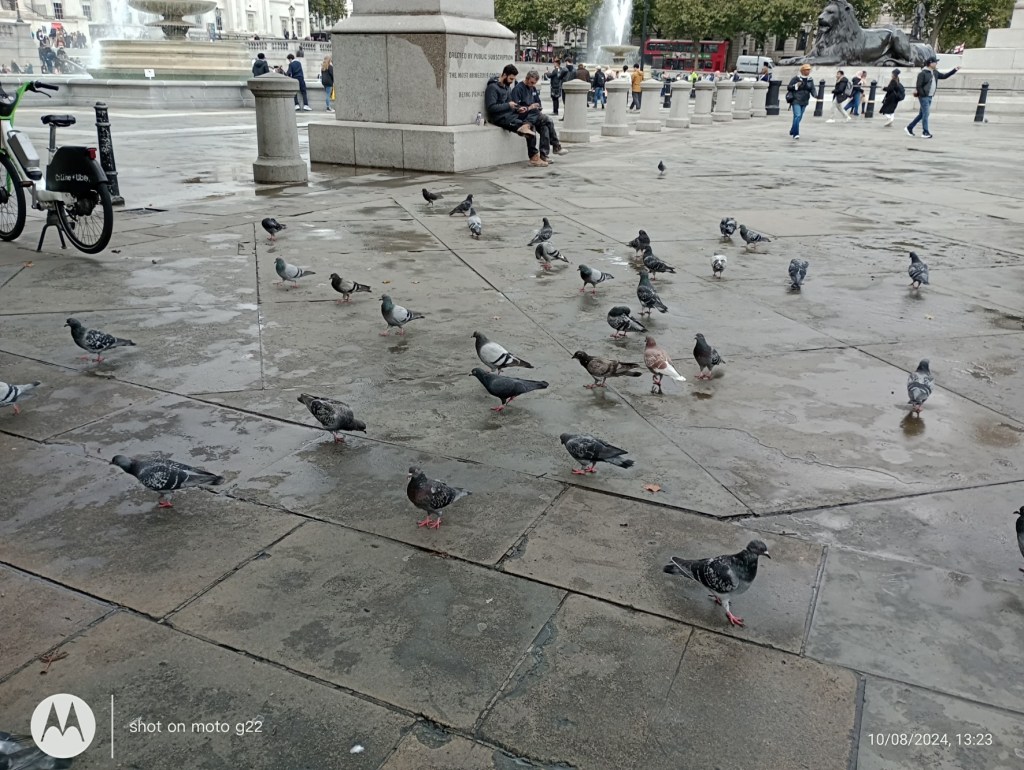
Some pigeons have reappeared after many years’ absence.

Portrait Gallery

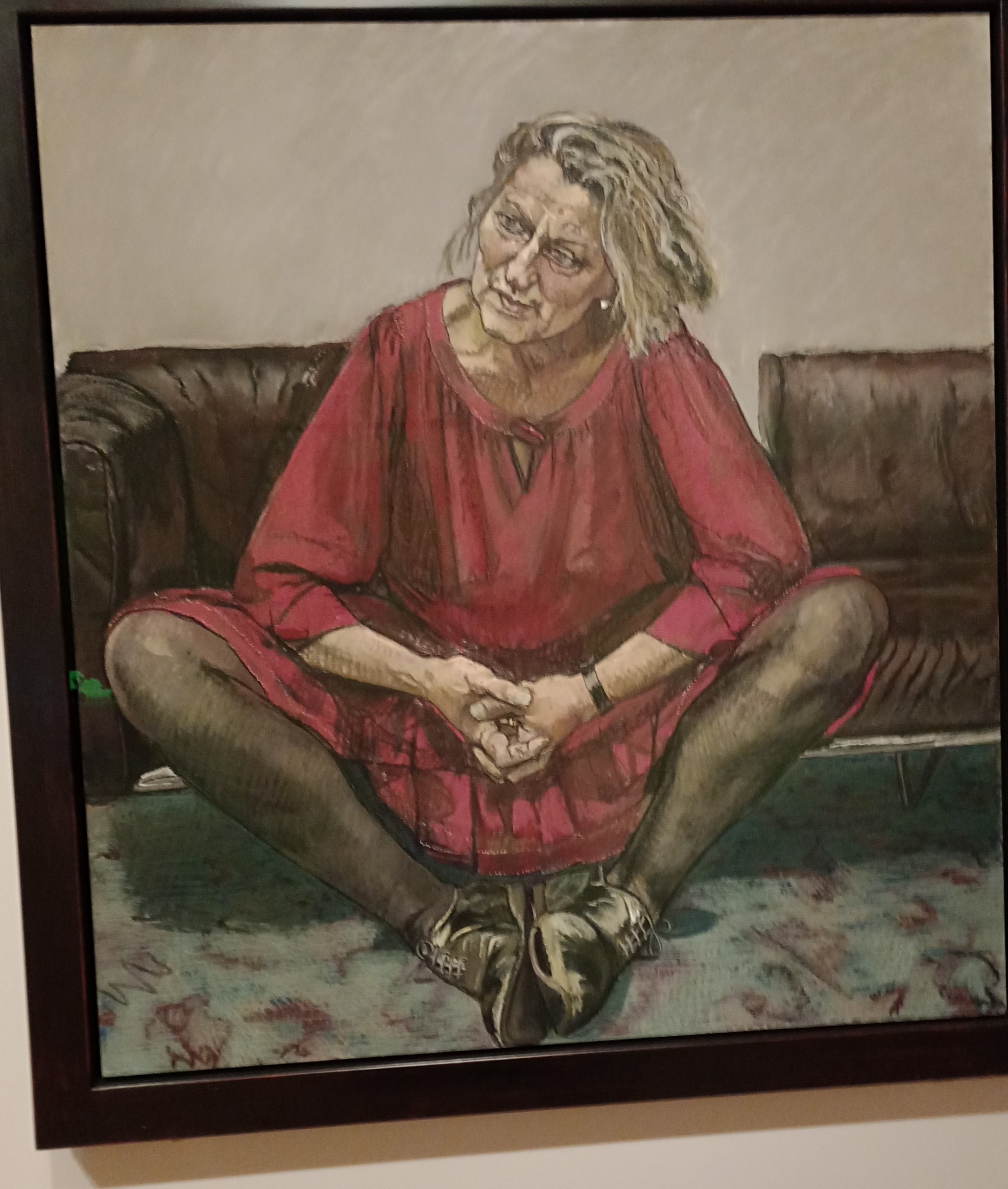
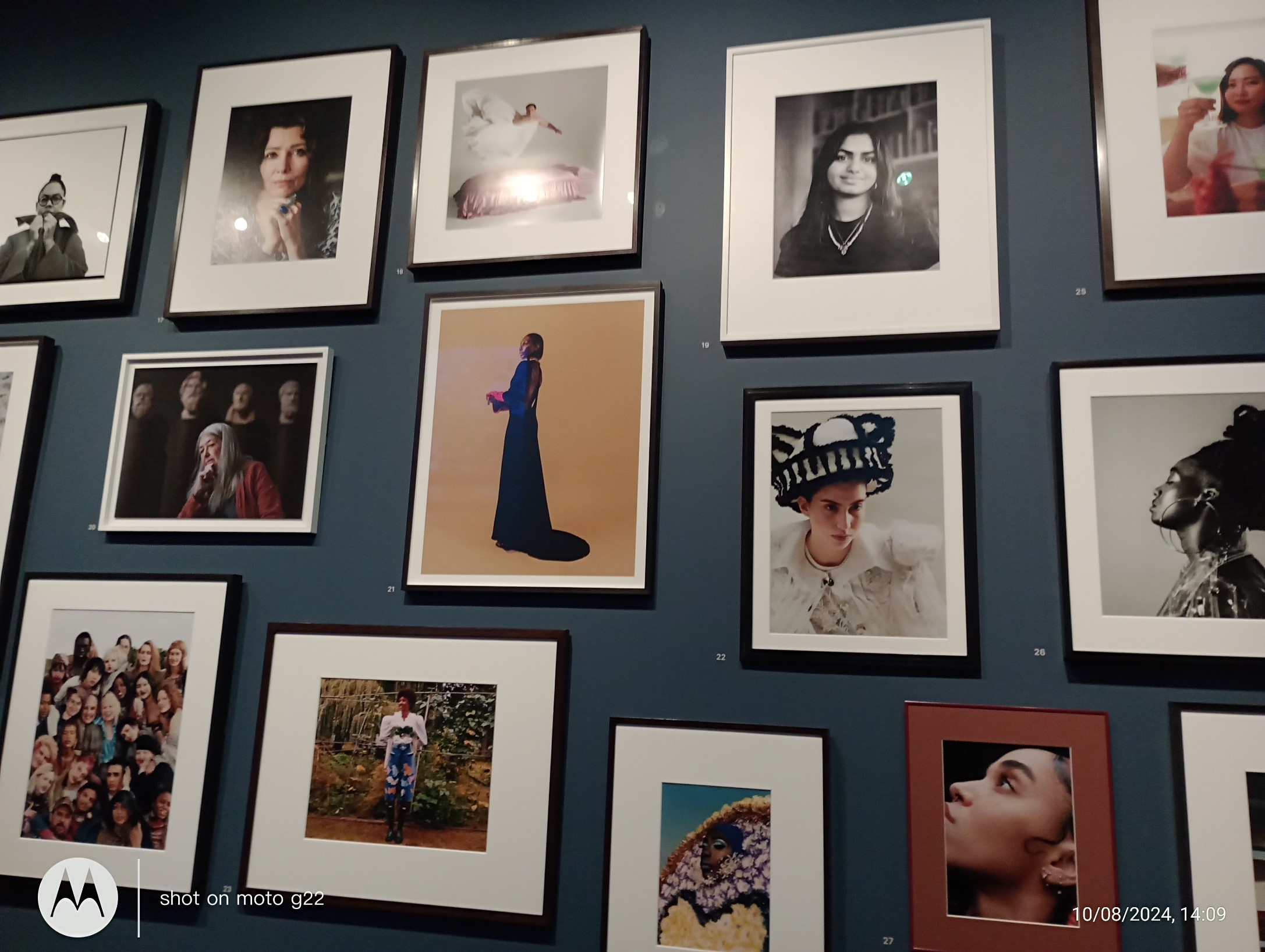
A day trip to the portrait gallery is always a pleasure. However, on this occasion I saw very little as I went with a friend and we spent most of our time talking, including a trip from Trafalgar Square to Paddington on the 23 bus. This bus route used to be an excellent tourist route from Paddington to Liverpool Street, but the shorter trip was fine this time.

Recently I went to see the Tudor exhibition at the gallery, but this time we saw self-portraits and some women artists’ work.

American Politics

Bob McMullan

US election review at 14th October

Three weeks to go and the race appears to be tightening.

The usual Democrat anxiety at every worrying trend is starting to emerge.

I am not convinced that the level of apparent concern is justified by the objective data, but all the signs suggest it is likely to be a very close election.

The major polling averages are all suggesting some narrowing of Harris’ margin in the critical states in which she has been leading in recent weeks, Michigan, Nevada, Pennsylvania and Wisconsin. However, she remains ahead in all four which would give the Harris/Walz ticket a 276/262 win in the electoral college.

So, on the one hand Harris continues to lead in sufficient states to win and is competitive in North Carolina and possibly Georgia and Arizona. On the other hand her lead in these states has apparently been falling slightly for the last two weeks at a rate that would put one or all of them at risk if it is maintained for the next three weeks.

There is no political law of gravity which means that a political trend will remain in motion. But if you want to change a trend it is wise to take action to change the political dynamics. It appears Kamala Harris has got this message and has been undertaking a “blizzard” of face to face interviews.

It was also a smart move to release her doctor’s report on her health because it has put new emphasis on Trump’s age and physical and mental health.

A balancing item against the tightening of the polls can be found in analysis of early voting trends.

In the USA most voters register for one major party or the other, principally to participate in candidate selection primaries. This when taken together with early voting lists enables an approximation of early voting trends.

The Democrats have led in this category for years, helped by Trump’s rhetoric against early voting. The interest is in the margin of advantage the Democrats are enjoying.

The early data from the battleground states is encouraging. The analysis by Target Smart suggests that Harris has a 58/29 lead in early voting compares to 50/35 at a similar stage in 2020. I don’t have any experience to draw on in assessing the importance of this data but serious and experienced US analysts place weight on its utility and claim to have used it in correctly rebutting the prevailing forecast of a red wave in 2022.

One clear strength of this Target Smart work is that it is based on real people voting rather than polling results which are based on declared intention to vote.

Whatever the truth about the current situation it seems clear that the result will be close in all the battleground states and therefore in the Electoral College.

Australian interlude: Tom Moore – Australian Artist

Tom Moore exhibited his work at CMAG in Canberra, and I was thrilled to see them. This article adds to the information about his work.

Acclaimed artist Tom Moore uses ancient glassblowing technique to create prize-winning Dandy Lion *

By Eloise Fuss

abc.net.au/news/glass-artist-tom-moore-wins-fuse-glass-prize/104377172

When Tom Moore first watched a team of glass blowers at work, he says “it felt like they were juggling fire … it blew my mind”.

Decades on, the now-acclaimed Australian artist contorts this molten material himself, with a familiarity and control that is hard to fathom.

“When you see hot glass fresh out of the furnace. It is very beautiful, and it is just so full of potential. There’s so many things you could do with it,” says Moore.

“Most of the time, because it’s expensive to get this hot, you really have to know what you’re going to do with it. You can’t really mess around with it. You just work.”

Close up of a flame melting a section of a scullture
Moore uses an oxy propane torch to smooth a surface during the final stages of making. (ABC Arts: Eloise Fuss)

Guided by Moore, his team of four work together at Adelaide’s Jam Factory, executing their precise roles to build his latest work — which he describes as a “bird on bird on bird situation”.

A pig-tailed assistant uses a metal rod to thrust open the glowing furnace, which is burning at around 1,150 degrees Celsius.

“That thing is a dragon,” says Moore. “Just going up to a furnace and opening the door is intimidating.”

“We singe the hair on [our] head all the time.”

Artist Tom Moore blasts a blow torch across a sculpture he is working on in the studio
Glass blowers are highly trained at working in teams. They can anticipate next steps in the process when working with open flames and hot objects.   (ABC Arts: Eloise Fuss)

Over a three-hour period, the glass is rotated inside the furnace, momentarily removed for a bout of shaping, stretching or fusing of elements, and then returned to the flames — again and again.

“Weirdly, glass is a very bad conductor of heat, so it takes a long time to get it hot. And once it’s hot, it stays hot, and once it gets cold, it takes a long time to get it hot again,” says Moore.

“You’ve got to stand up and sit down and put it back in the fire all the time, constantly. That’s one reason why we need to work in teams.”

Moore’s had more hands-on experience with the material than most. He led the making of all sorts of glass objects — like trophies, light shades, bottles and bowls, and movie props — as the Jam Factory Glass Studio production manager between 1999 and 2015.

“I really do feel connected to the history of glass blowing, and that is because I’ve spent thousands of hours working as part of teams making objects, which are the same objects that have been made now for thousands of years,” says Moore.

Artist Tom Moore and glass making assistant Gautriya Murathietharan work together on a hot glass sculpture
“Right at the end of making [an artwork], they can just fall off the stick, fall off the rod, and you know, smash” says Moore. Pictured with glass assistant Gautriya Murathietharan. (ABC Arts: Eloise Fuss)

His own highly distinct, skilful glass creations have been featured in exhibitions at most of Australia’s major state galleries, along with a national tour of his solo exhibition Abundant Wonder from 2020-2023.

And this year, he took out the 2024 FUSE Glass Prize, Australia’s richest prize for glass art, which goes on display at the Australian Design Centre in Sydney this October.

Moore’s funny glass things

Most glass objects in our modern lives are functional, but Moore’s acclaimed, idiosyncratic creations are “intentionally impractical, ludicrously delicate and not dishwasher safe”.

A glass sculpture upside down on the workshop bench - it looks like a character, with googly eyes and a little mouth
Moore is known for his imaginative, humorous characters. (ABC Arts: Eloise Fuss)

The short version: “I make funny animals.

“But if I have more time to explain it, then I will talk about the desire to combine plants, animals, people and machines, and the history of that kind of imagery, which is more or less universal — this imaginative combination of different things.

“I understand they don’t actually come to life and wander around … but it feels a bit sad to just call them objects.”

Artist Tom Moore in his studio, surrounded by his colourful glass creations. The middle-aged white artist wears one on his head
Moore’s glass creations are layered in meaning.  (ABC Arts: Eloise Fuss)

His art often features stacks of imagery, inspired by pictures like the Bremen Town Musicians – depicting a rooster atop a cat on a dog standing on a donkey, from the 1800s Grimms’ Fairy Tales.

“Another thing I love is the Cat in the Hat, where he’s balancing all the precarious things, the fish bowl and all these things stacked on each other, and it defies gravity, and I find that very, very exciting and satisfying.”

A glass character by Tom Moore - an upside down figure in intricate, multicoloured tones
Moore’s mother was a children’s librarian, exposing him to a lot of illustration as a child and fuelling his imagination. Pictured: Night Gardener Bottle, 2021. (Photo: Grant Hancock )*

The “stickiness” of glass allows Moore to combine different animal characters and objects in his own work.

“Glass is glue, and so I can just fuse it together with itself,” Moore says. “I can make these constructions of all these pre-made parts, and then I have to basically balance it — it’s a kind of magical material for replicating that vision that apparently defies gravity.”

Before art school, Moore had always imagined he’d realise his creative visions in clay.

But that fateful moment when he saw the trio of glass artists “juggling fire” together, at an open day at Canberra School of Art in the early 90s, changed his course.

And it wasn’t just the dangerous, alluring skill that stuck, but the specific and mesmerising glass-blowing technique they were using, dating back thousands of years.

Close up of artist Tom Moore's hands holding a chisel and breaking a piece of glass, above a colourful drawer of glass pieces
In his backyard studio, Moore cuts pieces of decorative cane to size. (ABC Arts: Eloise Fuss)*
Venetian style of glass-making

Observing Moore’s art up close, you’ll see intricate, thin lines stretching through all the forms.

This skilful, detailed approach uses decorative glass techniques first invented by the Ancient Romans, then perfected in Venice in the 1200s.

A sculpture by artist Tim Moore, it shows a bird-like creature made out of glass, filled with colourful line-work
Dancey Merganser, 2023. (Photo: Grant Hancock )

Moore describes the technique as an “international standard for glassblowers”. But it was at risk of being forgotten in the 20th century as traditional glass factories began to close in Venice.

In an “unprecedented” move, some Venetian maestro glassblowers shared the secrets of this ancient craft with members of the international glass community.

“They are very clever tricks that I feel lucky to have the opportunity to practise,” says Moore.

Venetian glassblowing centres on the use of finely patterned twisted glass rods, often just referred to as “canes”.

“I spend probably as much time making the rods as I do making the objects.”

To create them, coloured glass is embedded in molten clear glass. This is then expertly stretched out across the workshop until it is thin and metres long.

“They look like they must be made by a machine, but actually it’s a technique which can be learned by a person. And I still find it amazing that I can make these rods.”

Close up of pieces of decorative glass 'cane' - thin rods with intricate patterning through them
“They seem too perfect for me to be able to have made,” says Moore, describing the canes. (ABC Arts: Eloise Fuss)

To make a sculpture, Moore chops the rods to the requisite length, and wraps them around a blowpipe to essentially “blow” a glass bubble imbued with the patterning.

“Or I can wrap them around a blob of glass to make a solid [object].”

He also uses sections of cane to make creature-like details, like eyes, wings, boots or hands.

“I work out the drawing, do all the planning, make all the parts, and it’s almost like a paint-by-numbers set after that. Like Meccano or Lego, it’s like a kit, which I take back to the furnace, heat everything up, then I make the body and stick it all on there.”

Close up on artist Tom Moore's hands arranging glass objects on a white paper, forming a funny character
All Moore’s works are highly planned. He explores different character compositions before assembling them together in the glass workshop. (ABC Arts: Eloise Fuss)
Dandy Lion and friends — the prize-winning work

Moore spent more than 100 hours over two months creating his 2024 FUSE Glass Prize-winning work.

His series of five “mischievous ornaments” is titled Dandy Lion among the Antipodes.

Among the elaborate glass characters is an “intricately patterned, slightly surprised, somewhat charming” yellow lion called Dandy Lion.

“People have said to me they think that’s the best thing I ever made,” Moore says. “There’s a really nice symmetry and asymmetry and the decorative cane techniques are pretty sweet.”

An intricate artwork by Tom Moore - featuring a lion-like character with black and yellow patterning
Dandy Lion, 2023. Moore was very happy with this “yellow lion thing”, describing it as “just really sort of magnificent”. (Supplied: Tom Moore)

Moore consciously refers to the history of glassblowing in his designs, honouring the long legacy of making animal forms from glass.

“I think [an artwork] should be surprising, but it also should be having a conversation with the history of the material as well. So I think it needs to be new and old at the same time.”

And he likes to make his sculptures look “spontaneous”.

Since glass objects can often be very precise and exact, Moore thrives on adding unexpected wobbly lines and asymmetry to his artworks.

“I think it’s quite an unusual thing to see glass which isn’t perfect because most glass that people come across is machine-made or made in a factory in a mould.

“So making things a bit wonky is really very satisfying.”

Close up on artist Tom Moore's hands holding a sculpture that looks like a yellow brain coloured in eyes!
Moore compares a sketch with the final object, at home in his studio. (ABC Arts: Eloise Fuss)
An environmental message

Moore isn’t afraid to call his creations “cute”, and wants to inspire joy in people who look at them.

“They are a celebration of life in some of its many wondrous forms.”

But spend a while with his art and you will also spot artifice — a wide-eyed face has a bonfire on its head, a car is wrecked with trees growing out of it, and birds lie on their backs.

Two glass sculptures by artist Tom Moore - of birds on their backs holding small cars between their feet
Massive Hooligans, 2007.  (Photo: Grant Hancock )

“The works inhabit a fantasy realm [but] there is trouble in that paradise too.”

“There are some of these objects which are really not very cute and which are more responding to my discomfort at the state of the world, and which are more overtly addressing that nature is being severely impacted by human activity.”

Moore doesn’t want his work to just speak to the history of glass but also the implications of its future, acknowledging that his beloved glass is also a really energy-intensive medium.

The high heat furnaces run at makes it more energy-efficient to leave them on 24 hours a day than turn them off — hence groups of glass-blowers work together in shared facilities.

Close up on artist Tom Moore's hands holding a sculpture that looks like a yellow brain coloured in eyes!
Much of Moore’s work is imbued with environmental messages. Here a koala is severed in half, and becomes whole when looked at in reflection. (ABC Arts: Eloise Fuss)

“I have thought seriously about not blowing glass anymore because I am complicit in a very big problem, but I’ve been doing it for so long that I think I’m actually able to communicate my discomfort effectively [in the artwork] and maybe make something which is meaningful at this moment and that responds to my kind of dread.

“My intention in making them is to be upfront about my conflicted position as somebody who is enamoured by nature, but who is using a very resource-intensive process to communicate that.”

*This article is clearly marked as being for sharing. However, some of the graphics have not been treated in that way. Please go to the original to see these, and any that are missing once this blog is published.

The 2024 FUSE Glass Prize is at the Australian Design Centre, Sydney from October 3 — November 13 2024.

Tortworth Manor

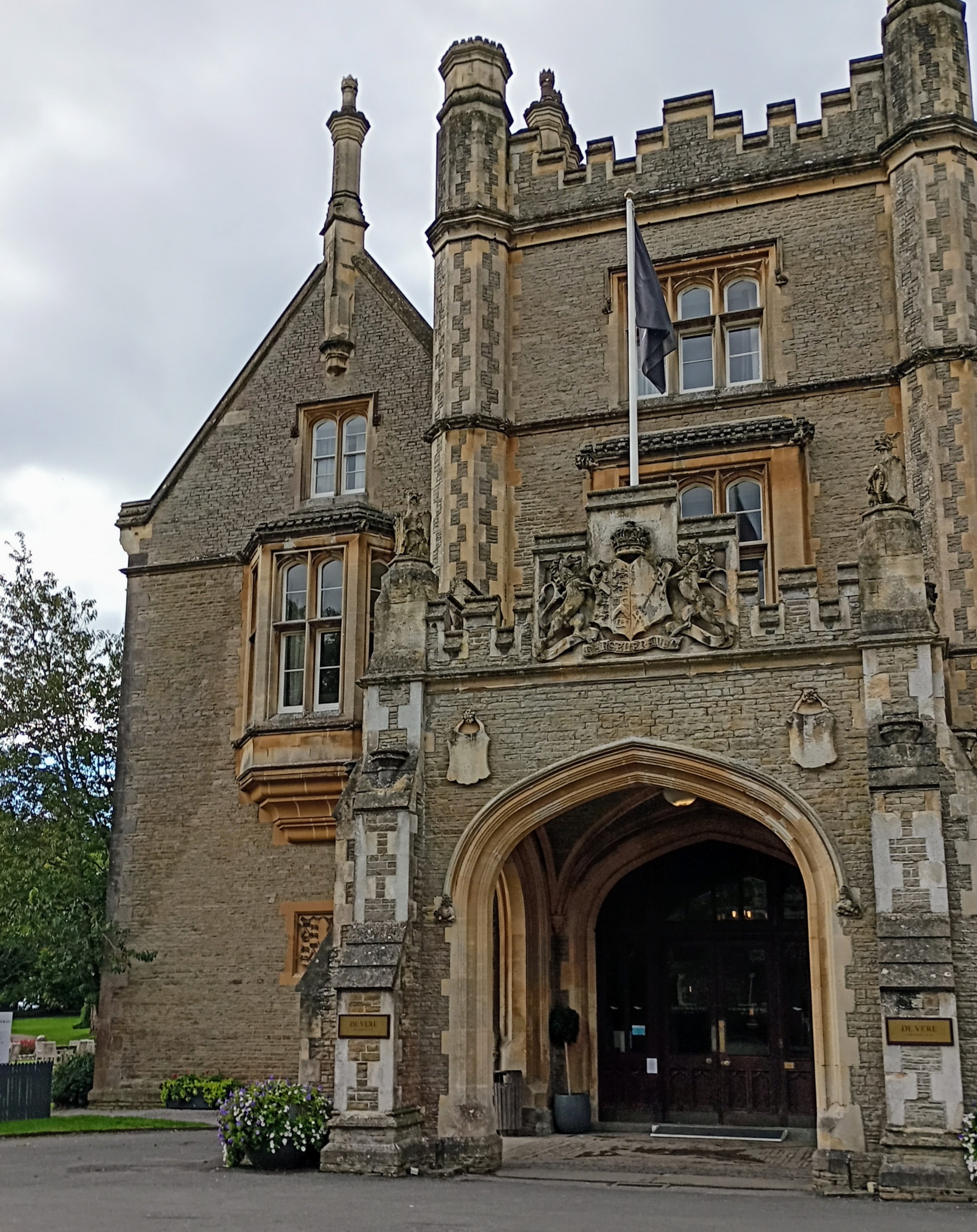
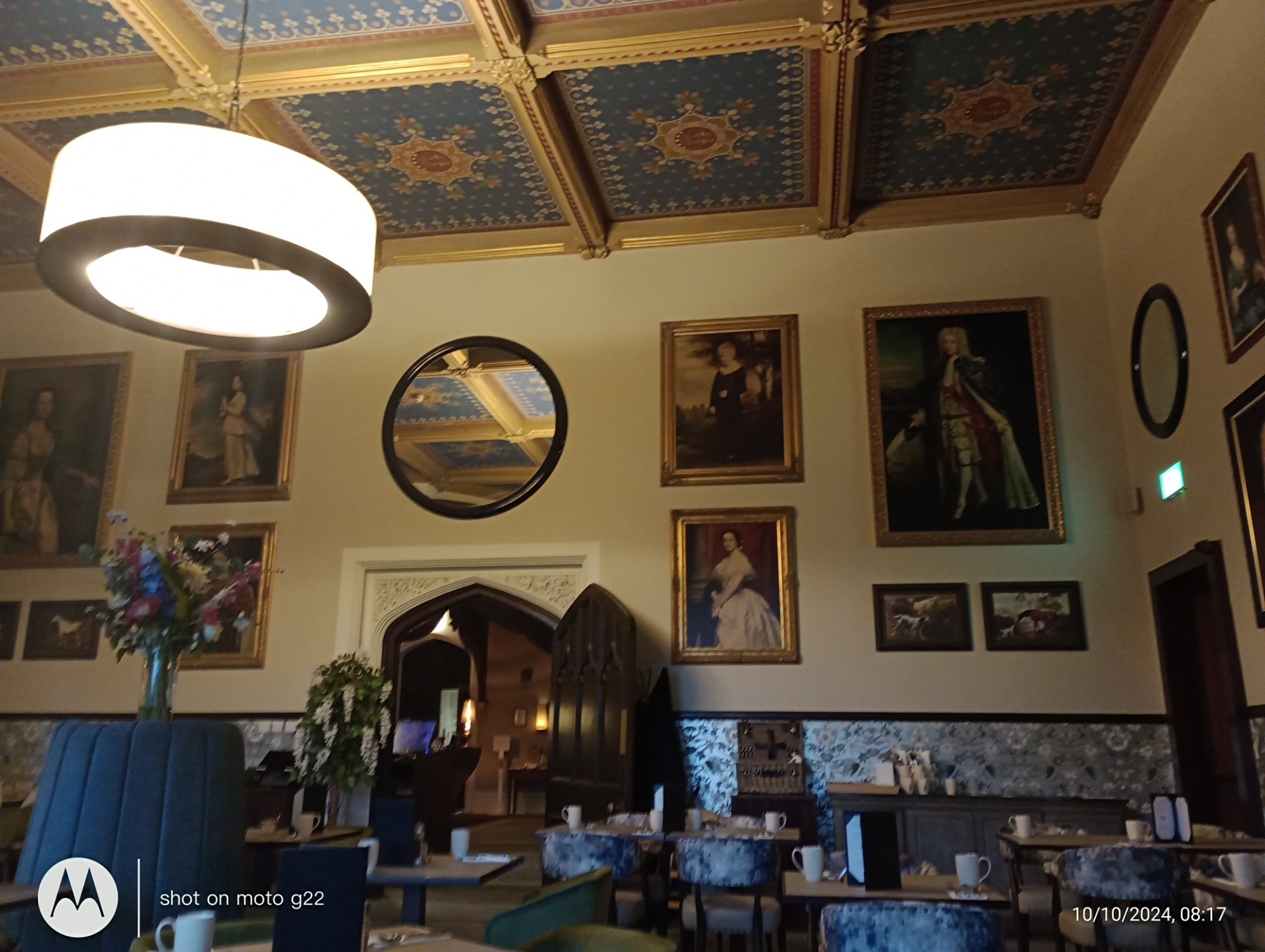
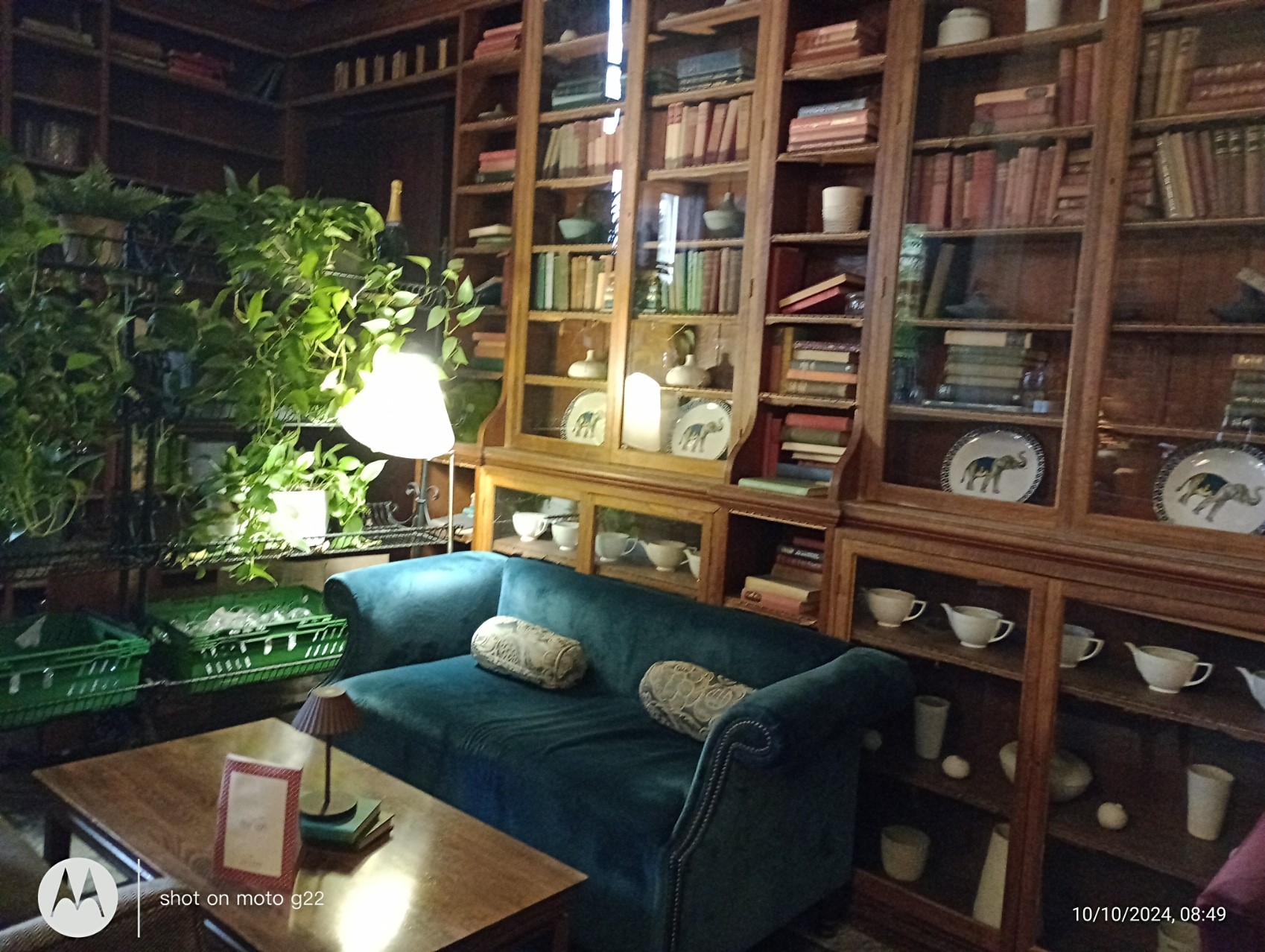
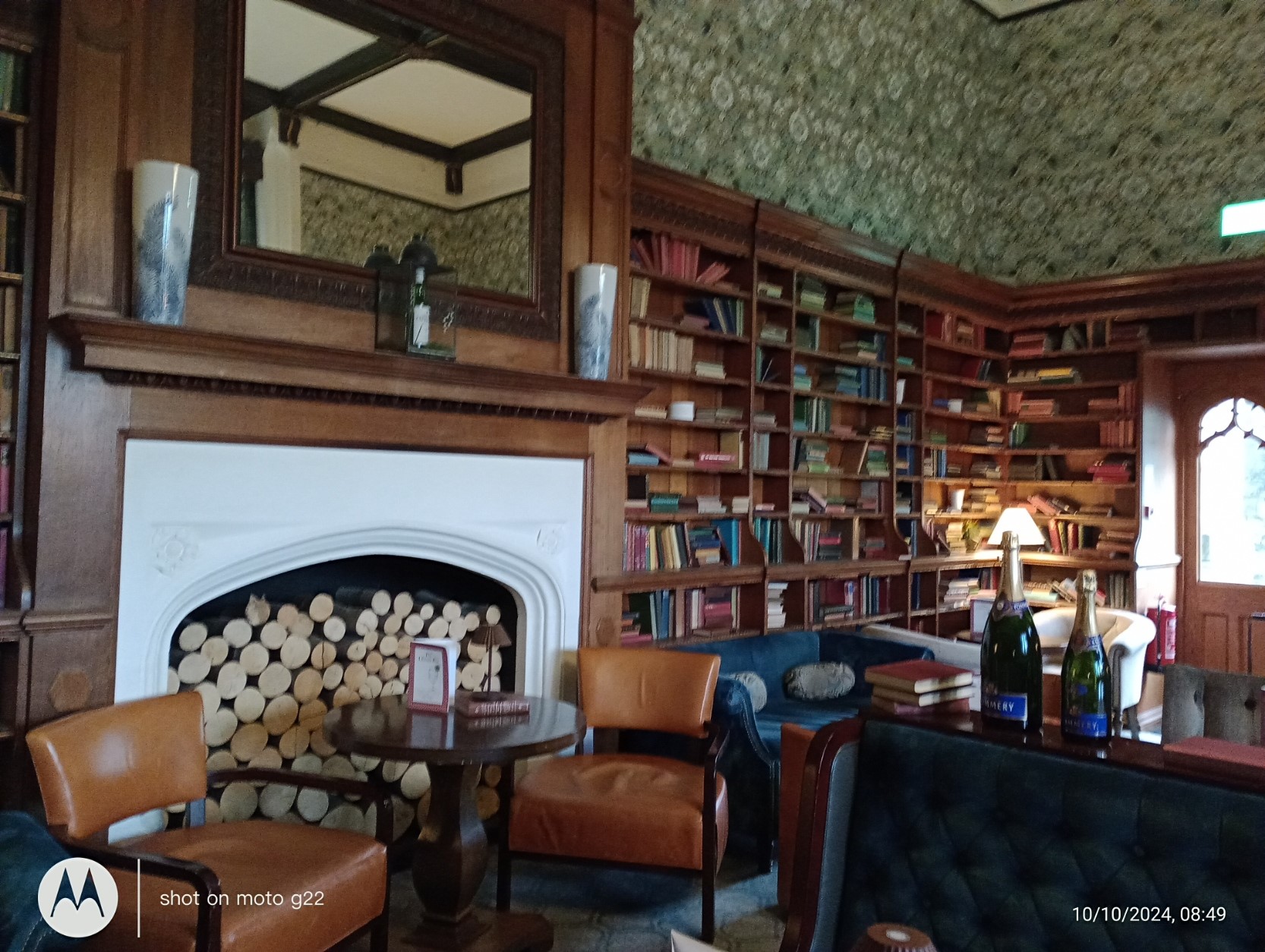
This two-night stay was one of my finds on Secret Escapes. It has proved to be everything that was advertised: a Tudor inspired mansion with gracious and extensive grounds, a comfortable large room and, although mixed, some good food and service It was interesting to find that one of the previous owners was Australian. The manor has been refurbished but retains many of the original features. The exterior of the building is magnificent, and the interiors (below, the dining room and library) very grand.

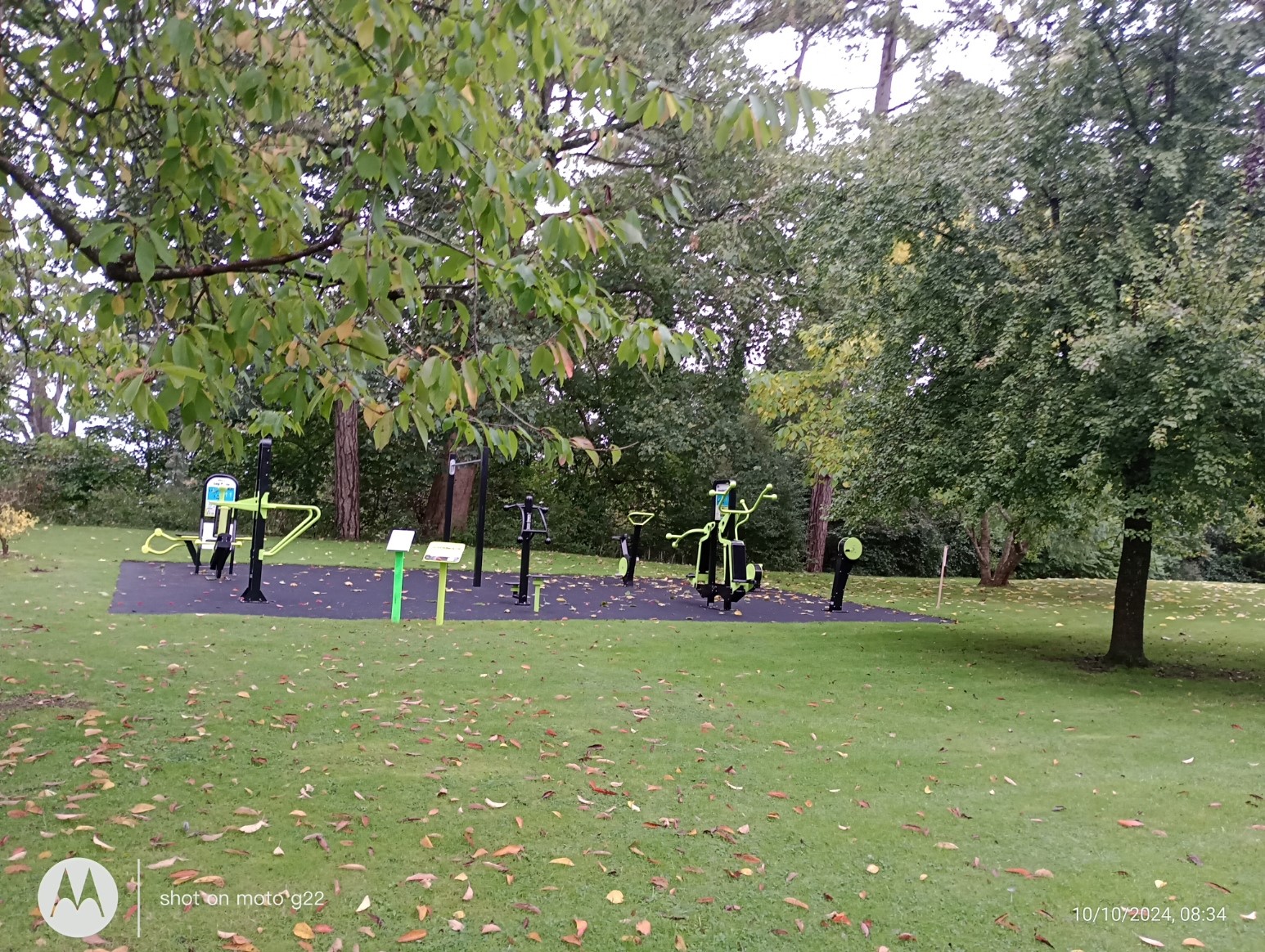
The grounds are beautiful, and we went on several walks, some of which were sunny.

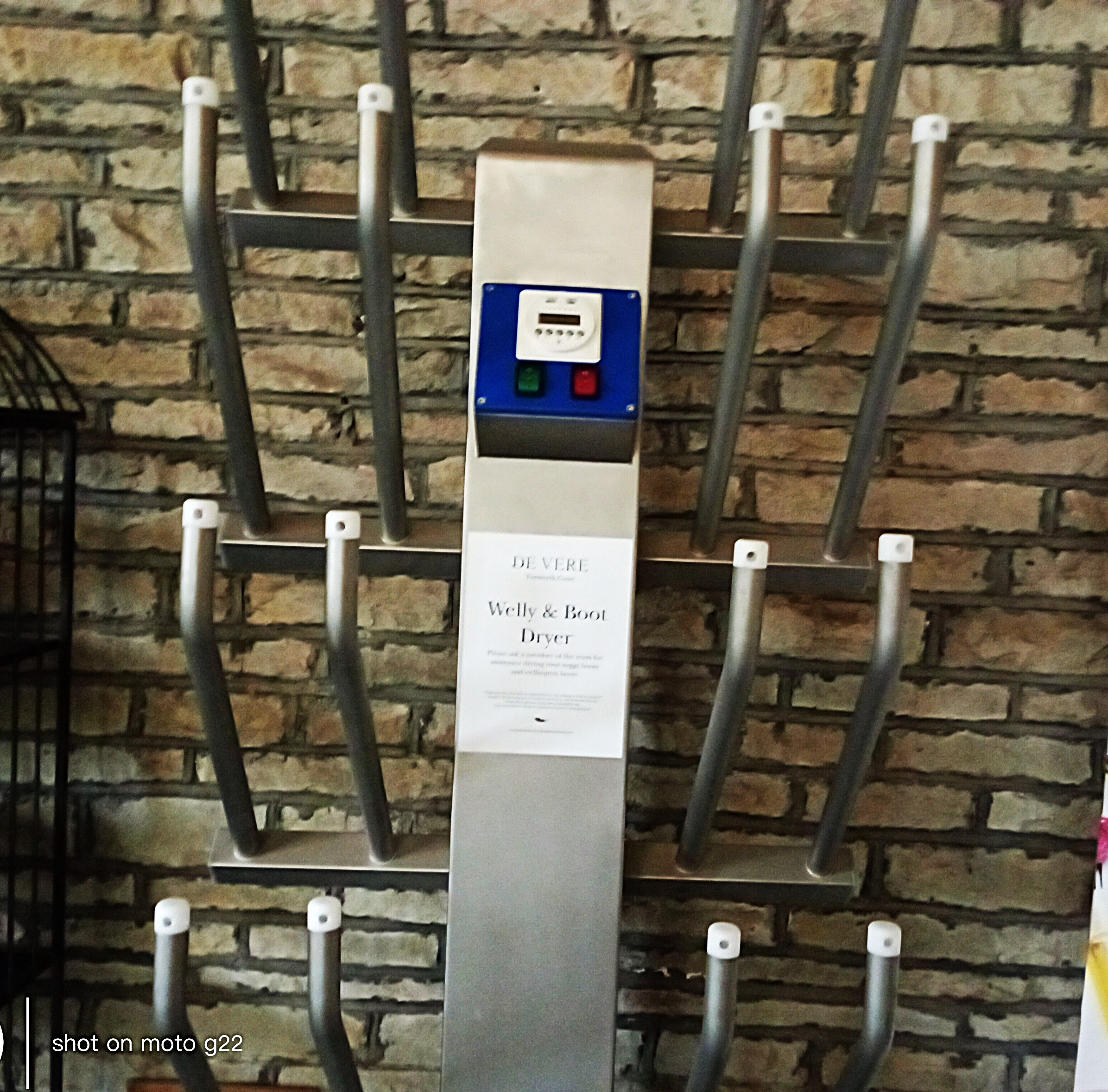
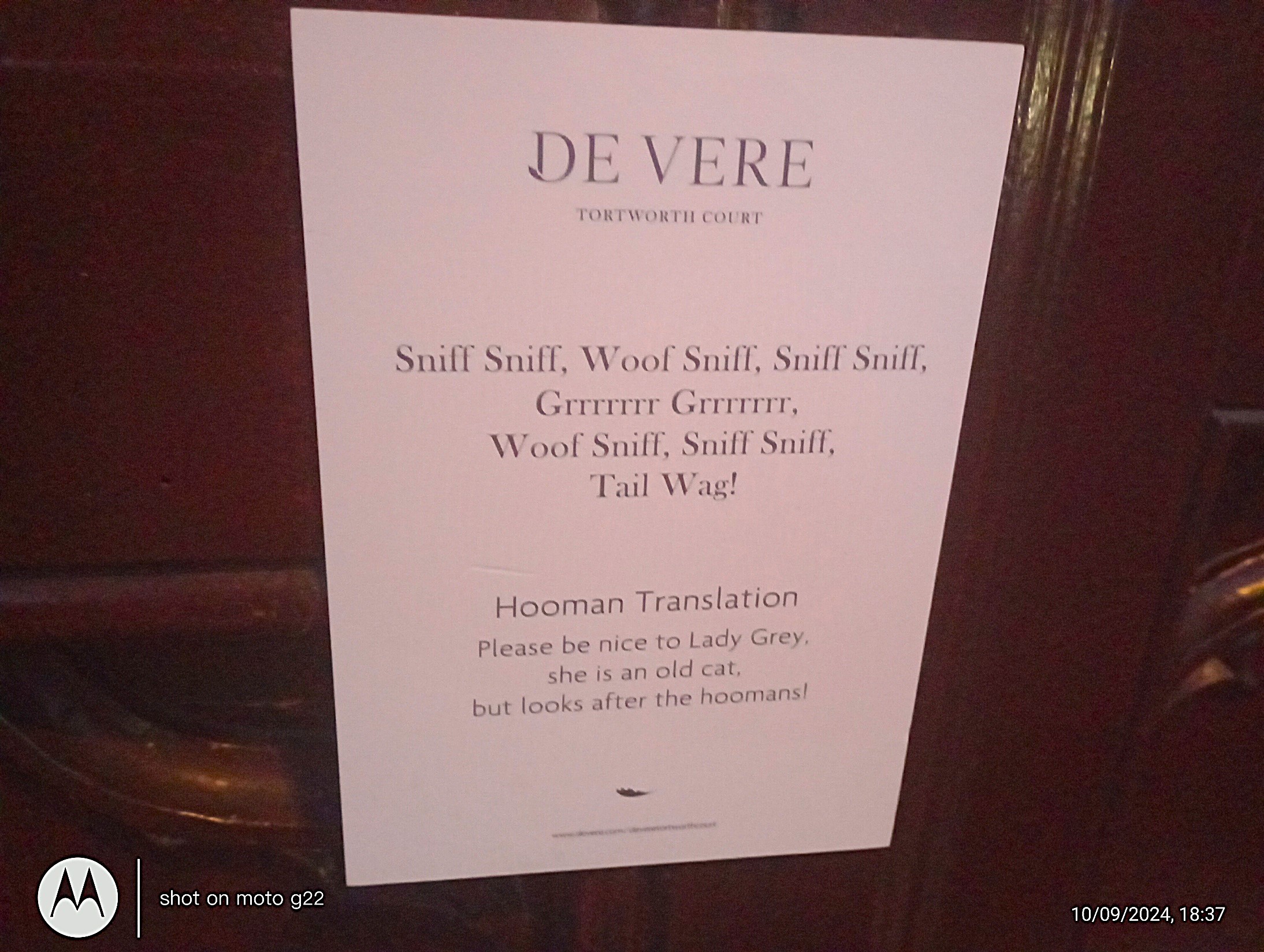
Some Tortworth quirky items – dog paw wash, wellie dry, an absent cat given a reference by a dog…

Tortworth meals

Meals were served in the atrium and the dining room. The breakfast was part of the package and was a generous display of continental and cooked items. The atrium meals were served by experienced staff, were delicious, and most available throughout the day and evening. Splendid sandwiches were a lunch time special.

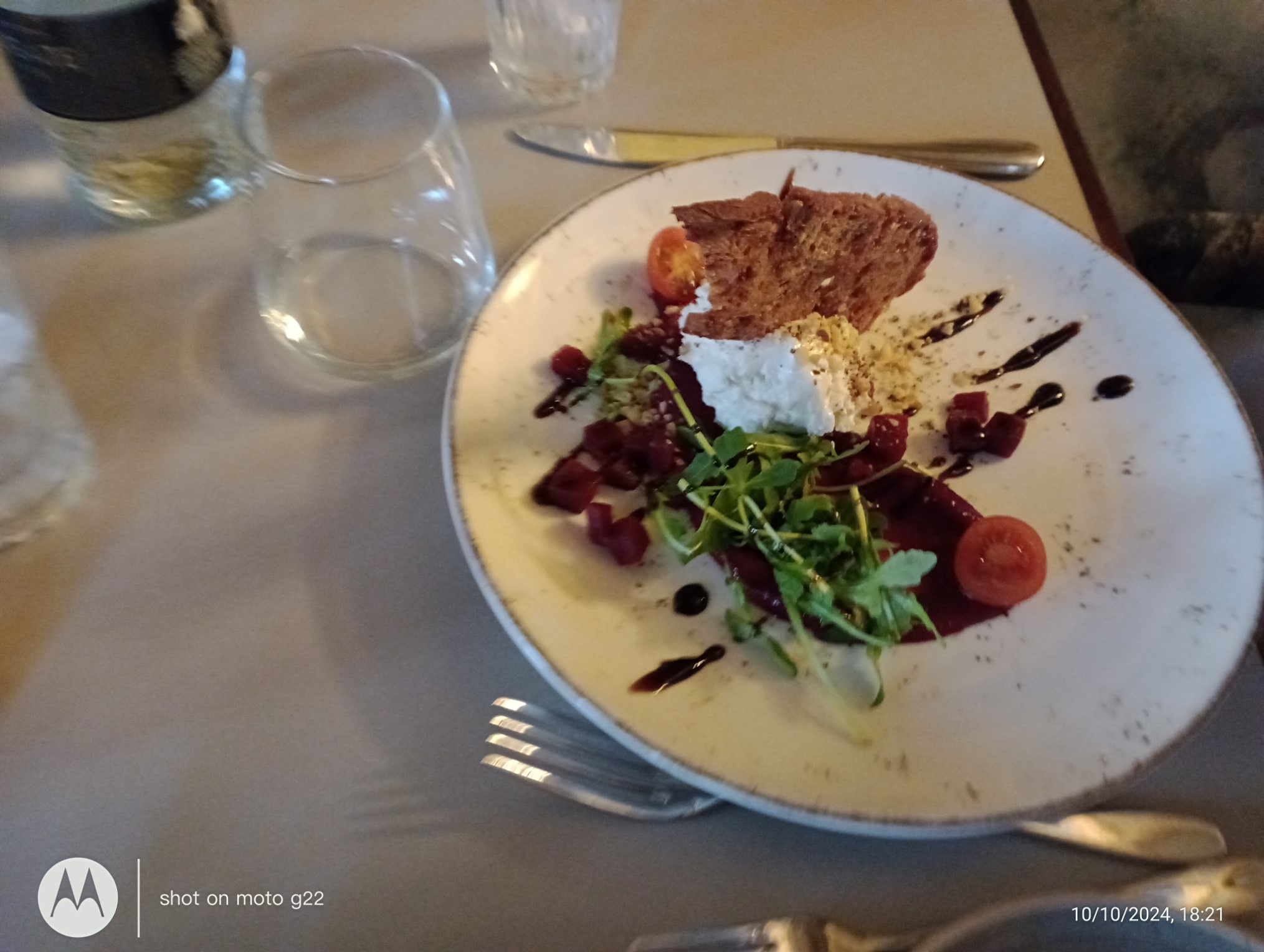
The dinner included a reduction in price as part of the package. The staff in the dining room were young and enthusiastic but needed more training. Nevertheless, the deconstructed goats cheese pie with salad and ‘posh’ prawn cocktail, were pleasant entrees, and the chicken and duck dishes were generous. The bread variety was excellent. We had a pleasant evening. However, the prawns served in the atrium were my favourite!

Napoli Airport

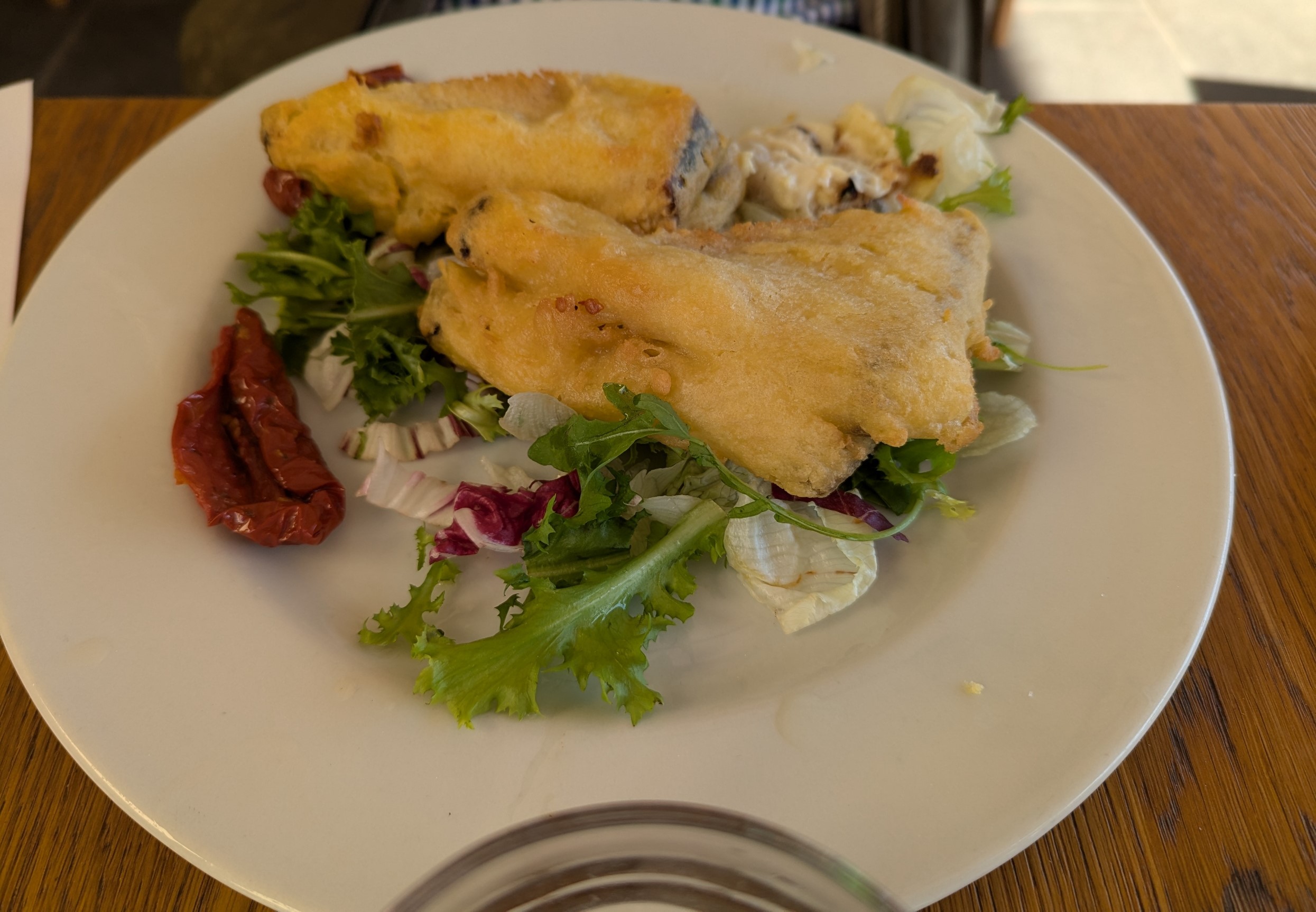
Our Italian trip began at Napoli Airport, where we waited to join the tour group. Unfortunately, the sunny seating at one cafe lured us to eat there. We have found plenty of sun since, but not such awful food. The mozzarella sandwich was passible, but the stuffed courgette flowers, aubergine and cheese balls was a bad choice – not a courgette flower to be seen, and the aubergine slices were miniscule and heavily battered. Go inside or wait to eat!

Bus rides between Bomerano, Agerola in the Campania region, and Amalfi

First coffee in Bomerano

Accommodation Bomerano

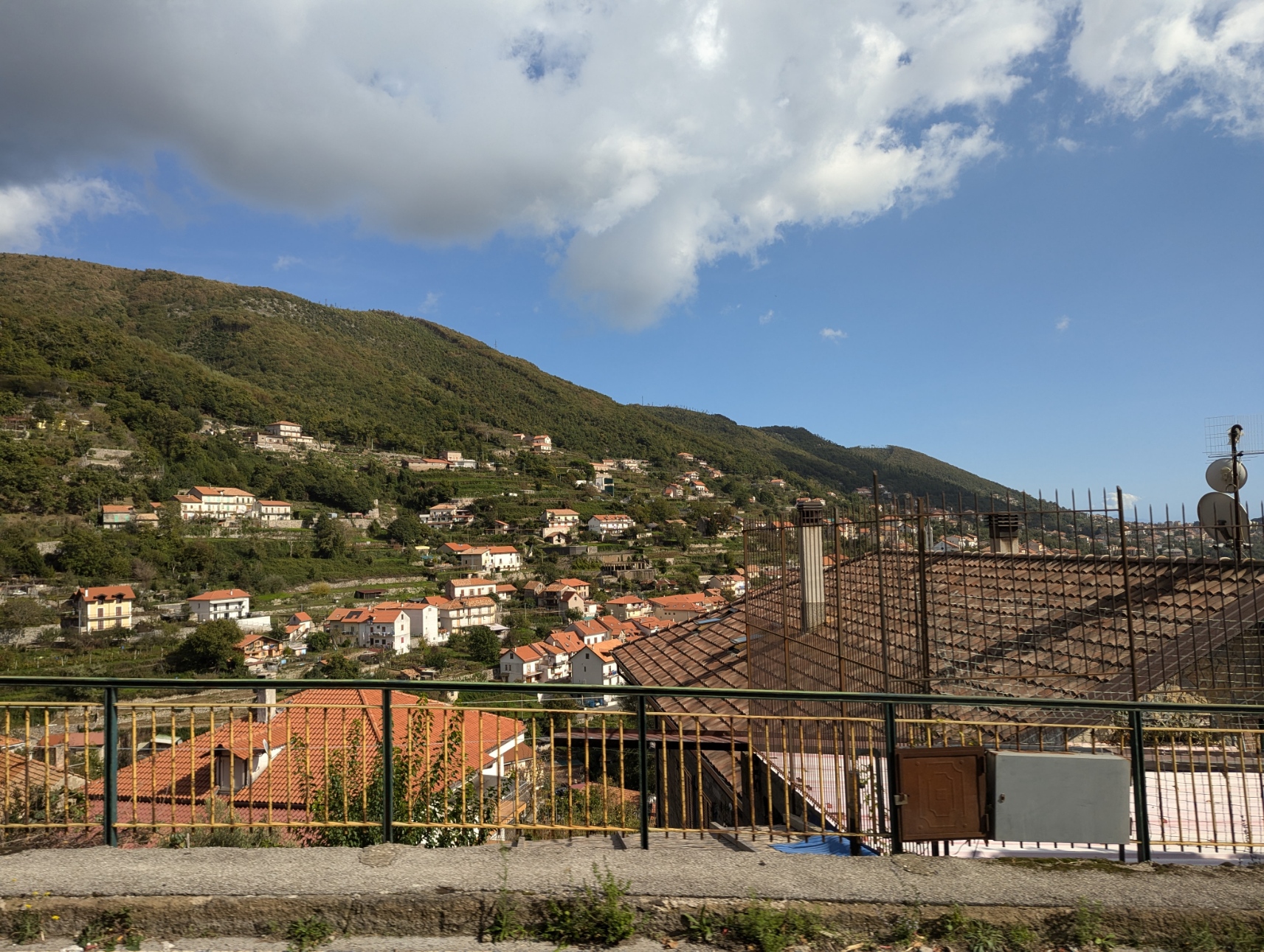
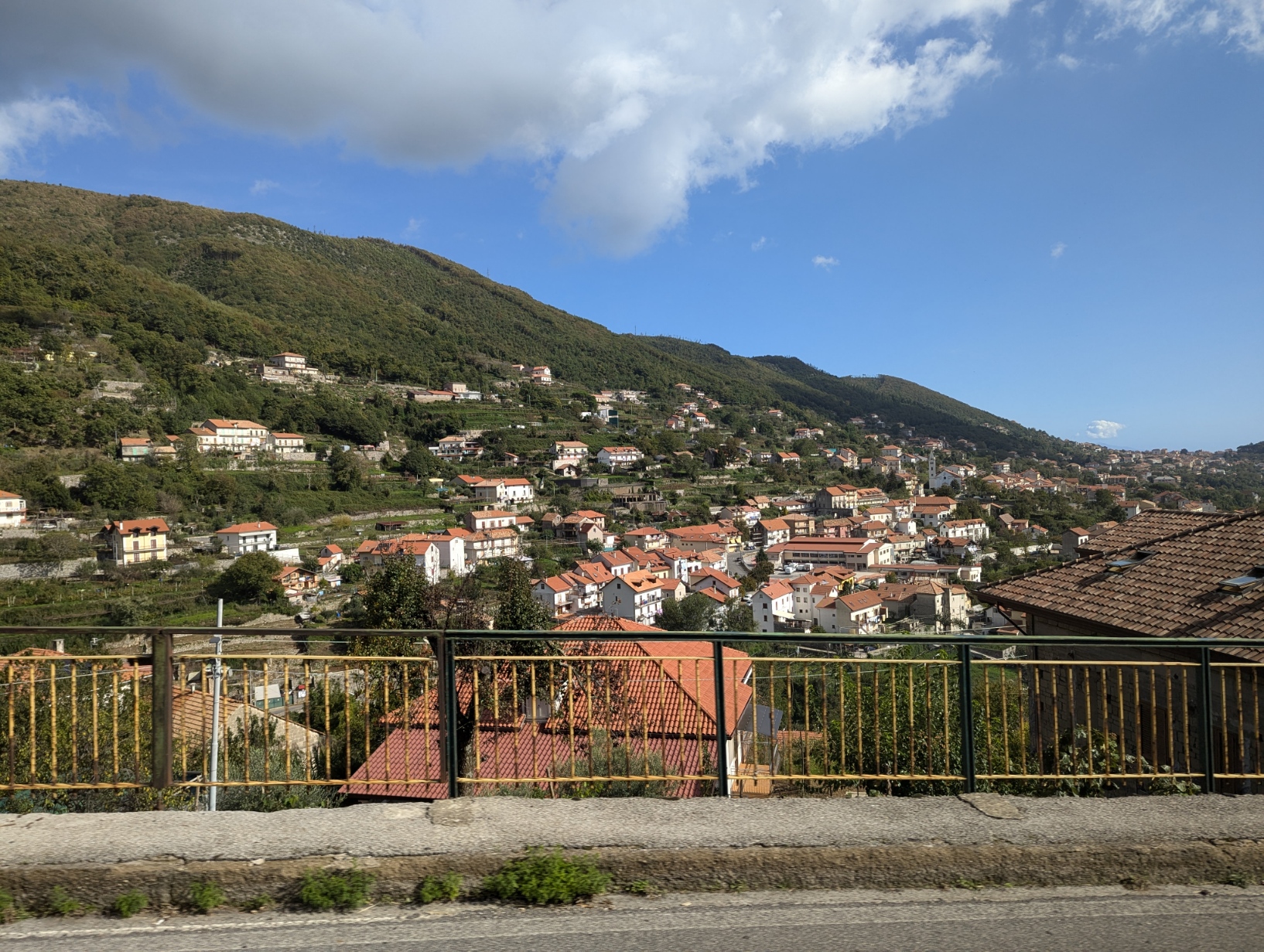
This is a three-star hotel at the mountain peak. We have a generously sized room, with a balcony, and in village style I am using it to dry some clothes. Roosters wake us in the morning, there is a resident dog, and the food is generous and good. The cooking exhibitions – pasta and tiramisu and on another night, pizza have been interesting and delicious eating after the event.

Week beginning 9 October 2024

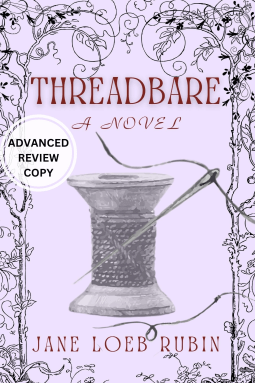
Jane Loeb Rubin Threadbare, A Gilded City Series, Level Best Books Independent Book Publishers Association (IBPA) Members’ Titles, May 2024.

Thank you, Net Galley , for providing me with this uncorrected proof for review.

Jane Loeb Rubin has taken the incomplete information she has about her great-grandmother and, together with meticulous and sensitive research, has written a captivating story with a heroine who earns affection and admiration.  Tillie Isaacson’s story is told in four parts: October 1879 to August 1882; October 1882 to February 1883; January 1890 to August 1890; September 1890 to February 1892. Over this period she accompanies her mother to hospital, Bellevue, rather than Mount Sinai, the latter being for those who could afford it; grows to maturity and marries; accomplishes a creative and productive business; cares for a family while conducting her business; succeeds through the depression as well as thwarting unprincipled business associates; survives ill health; and sees her younger sister into the beginnings of a profession. See Books: Reviews for the complete review.

Further material: Bob McMullan, American politics; Agatha Christie, Mousetrap story; The Duchess of Malfi; Cindy Lou eats in London.

Bob McMullan – American Politics

US election review at 6th October

The election is now less than a month away. Elections often begin to take shape at about this stage. At the moment no such shape or pattern is clearly evident.

However, unless you believe that Donald Trump will again overperform the polls it is fair to say that you would rather be in Kamala Harris’ position than Trump’s.

Will Trump overperform the polling trends? This, of course, is ultimately unknowable until after the event. However, there are some indicators. First and foremost, the history of the 2016 and 2020 elections illustrate that such an outcome is possible. In 2016 Trump took everyone, including himself by surprise by winning states such as Wisconsin which prior polling had suggested was extremely unlikely.

A similar trend was evident in 2020. Although Biden still won his margin in the key industrial states of Michigan, Pennsylvania and Wisconsin was less than predicted.

Most analysts argue that in 2016 the pollsters underrepresented white males without a college degree, in their samples. This was not seen as important before the event because the divergence in vote patterns based on educational qualifications had not previously been a major factor.

In 2020 attempts were made to remedy this effect but it seems they were only partially effective.

Elections between 2020 and now paint a different picture. If anything, Republicans have underperformed against expectations. The much predicted Republican wave in the mid-term congressional elections never appeared. It is also interesting that on several occasions, such as the Kansas abortion referendum, it is the progressive side of politics which has overperformed when compared to the forecasts.

Some on the Democratic side of politics allege that pro-Republican polling is “flooding the zone” with polls of dubious quality in an attempt to influence the narrative about the election in key states.

There is some evidence for this, but I regard it as a dangerous theory. It is never wise to only believe the polls which say what you want.

On this basis I come back to the view that no decisive pattern in the likely electoral college outcome has yet emerged. Although there is little doubt that Kamala Harris will win the national vote there is no prize for this. Nate Silver and most of the others attempting to assess the probabilities of success in the electoral college have Harris ahead with 55-58% probability of winning the electoral college. This is much too close for comfort.

There has been considerable speculation about the likely impact of the vice-presidential debate between JD Vance and Tim Walz on the election outcome. I think there will be little or no effect as the debate was seen as a virtual draw and opinions are too firmly established to be changed much by a debate between two men who are not the leaders of their respective tickets.

The best overall description of the current situation was a CNN summary which said in spite of wars, hurricanes and shipping strikes the electoral situation seems impervious.

However, one possibly worrying early trend is a slight improvement in support for Trump in a number of the battleground states. So far, it has not been sufficient to change the status of the four in which Harris is leading, Michigan, Nevada, Pennsylvania and Wisconsin (which would be enough for a 276-262 victory in the electoral college). If it should be sustained rather than a one-off that would be a concern. Only time will tell.

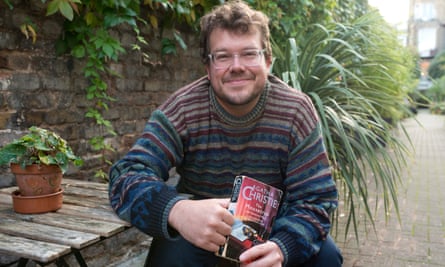
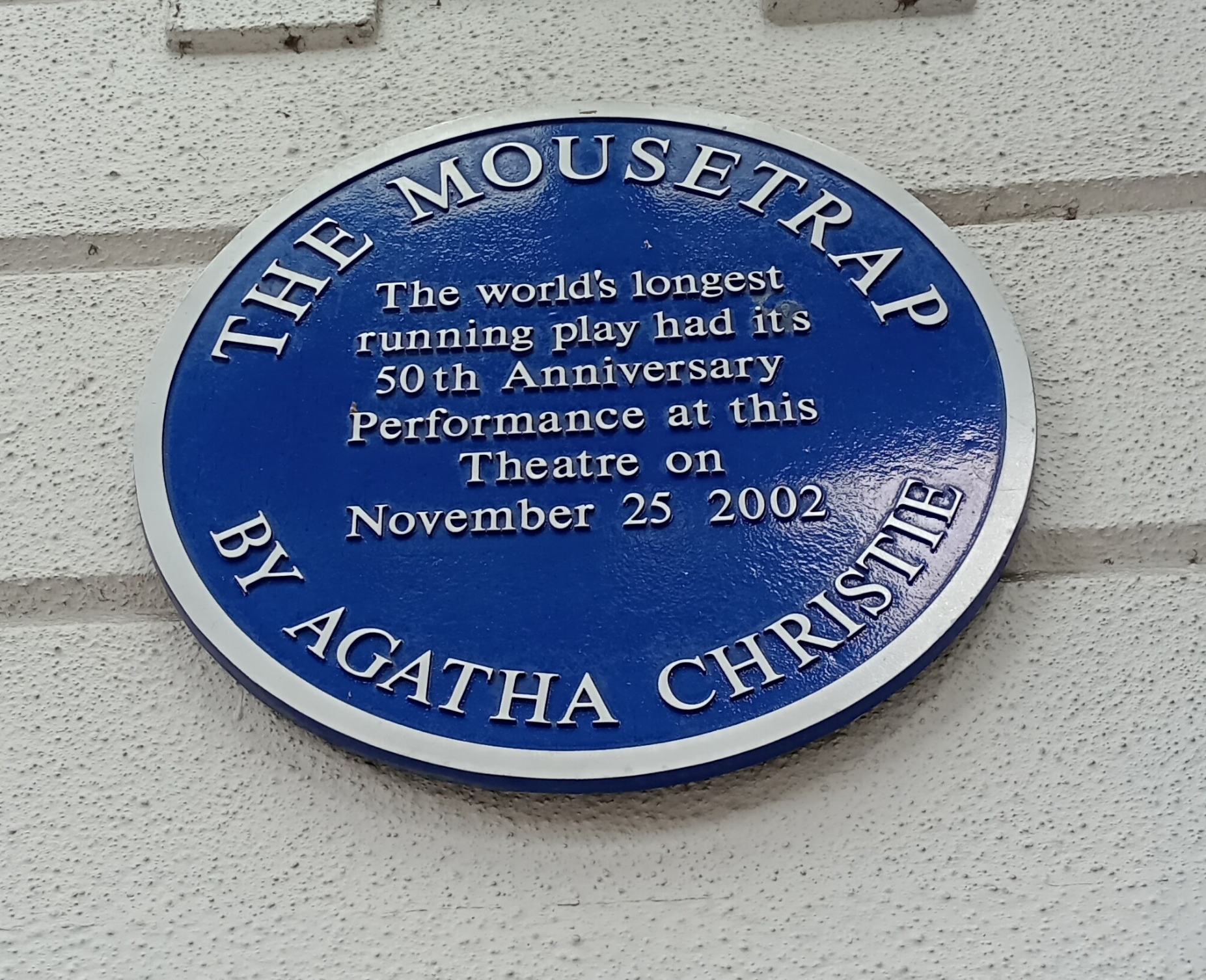
A follow up story to my having at long last seen The Mousetrap in London recently (story in post, ).

Boy whose Mousetrap show at school led to legal threat joins West End cast

Alasdair Buchan, who directed his version aged 11 in 1997, will play mysterious stranger in long-running whodunnit

Vanessa Thorpe Sat 5 Oct 2024 18.00 BSTShare

As the curtain falls on every performance of The Mousetrap, the world’s longest-running play, applauding audience members are famously urged not to go on to reveal the secret solution to the murder mystery.

This autumn, however, a fresh element of intrigue has been added to the plot of Agatha Christie’s enduring hit, which first opened in 1952 at Nottingham’s Theatre Royal.

The new twist was seeded back in 1997, when an eager 11-year-old schoolboy decided to stage his own production in his school hall in Windsor. And only now is the final act being played out.

“I’d suddenly got into reading Agatha Christie and I was already obsessed with the theatre, so I bought a collection of her plays and copied pages of the script,” said Alasdair Buchan, now 37. “I really wanted to do it, but I don’t think my teachers at the small choir school that’s attached to the castle’s St George’s Chapel were hugely keen.”

The show went on regardless, for one night only, with a cast of 11-year-old boys, including Buchan, who also directed.

Buchan and the cast also travelled up to the capital to watch the real professional production a few days before their own performance. After the London show, they met the stars at the stage door. Each boy got an autograph and they promised to send them the programme they had made.

History does not record how the school play went down in Windsor, but a few weeks later the headteacher received an unexpected and stern “cease and desist” letter from the lawyers of the London producers. It threatened future action over the pupils’ recent staging.

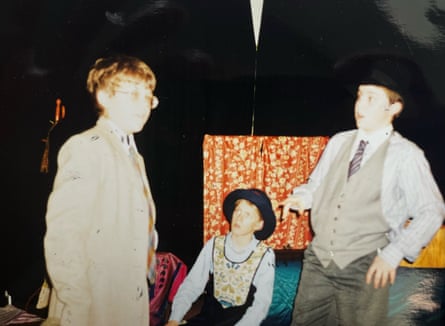
Alasdair Buchan, far left, and friends perform The Mousetrap in 1997.

“I was called in to see the headmaster and was terribly worried,” said Buchan.

“Back then my school managed to smooth things over and, thankfully, I was not blacklisted by the producers.”

In fact, Buchan will now join the West End cast of The Mousetrap at St Martin’s Theatre in the role of Mr Paravicini, the mysterious foreign stranger.

Buchan will take to the stage for nine shows a week over six months. “Funnily enough, when I read the script through before the audition, I remembered the lines I’d once had. Also, because I’d directed it, whole passages of dialogue came back and I was amazed how much of the structure I still knew.”

In Buchan’s school production, the eight boys played all the characters. “It was a co-ed school, but we boarders were boys. So my brother played the character of Miss Casewell.”

Alasdair Buchan with his copy of Mousetrap, at his home in London.
Alasdair Buchan with his copy of The Mousetrap, at his home in London. Photograph: Sophia Evans/The Observer

The schoolboys had been accompanied up to see the West End show by Buchan’s mother. “My own experience of stage doors now is that there’s usually no one there, unless you have a particular celebrity in the cast. It was manic, for example, when I was in Richard II with Martin Freeman, but most of the time it’s fairly dead.

“So I imagine the actors in 1997 were rather surprised to find eight pre-teen boys holding out our messy, A4 scripts to be signed.”

Some jobsworth clearly saw our programme and a legal letter went out, demanding royalties and asking what money we made

Alasdair Buchan

Buchan later sent in the colourful programme he had made for his show. “Some jobsworth then clearly saw it and a serious legal letter went out, demanding royalties and asking what money we had made.”

By Christie’s death in 1976, The Mousetrap had made more than £3m. But she had earlier given the copyright to her nine-year-old grandson, Mathew Prichard, as a birthday present. He later set up the Colwinston Charitable Trust in 1995 to use the royalties to support arts charities, chiefly in Wales. The show is now run by Mousetrap Productions.

Buchan, who co-founded the online theatre initiative “ReadThrough” during the pandemic lockdown of 2021, recalls often being bored at school, believing he wasn’t as musical as other pupils. For him, mounting The Mousetrap was an escape. “When I think back to it, I am amazed at the enormous amount of work we all did on it,” he said.

“And it was a success, in as far as we got from the beginning to the end. There [were] certainly boys who did not know their lines and we lost the plot a little bit at the end.

“I remember standing in the wings and trying to improve the acting by shouting at my brother, ‘Cry! Cry!’ I was quite a nice brother otherwise.”

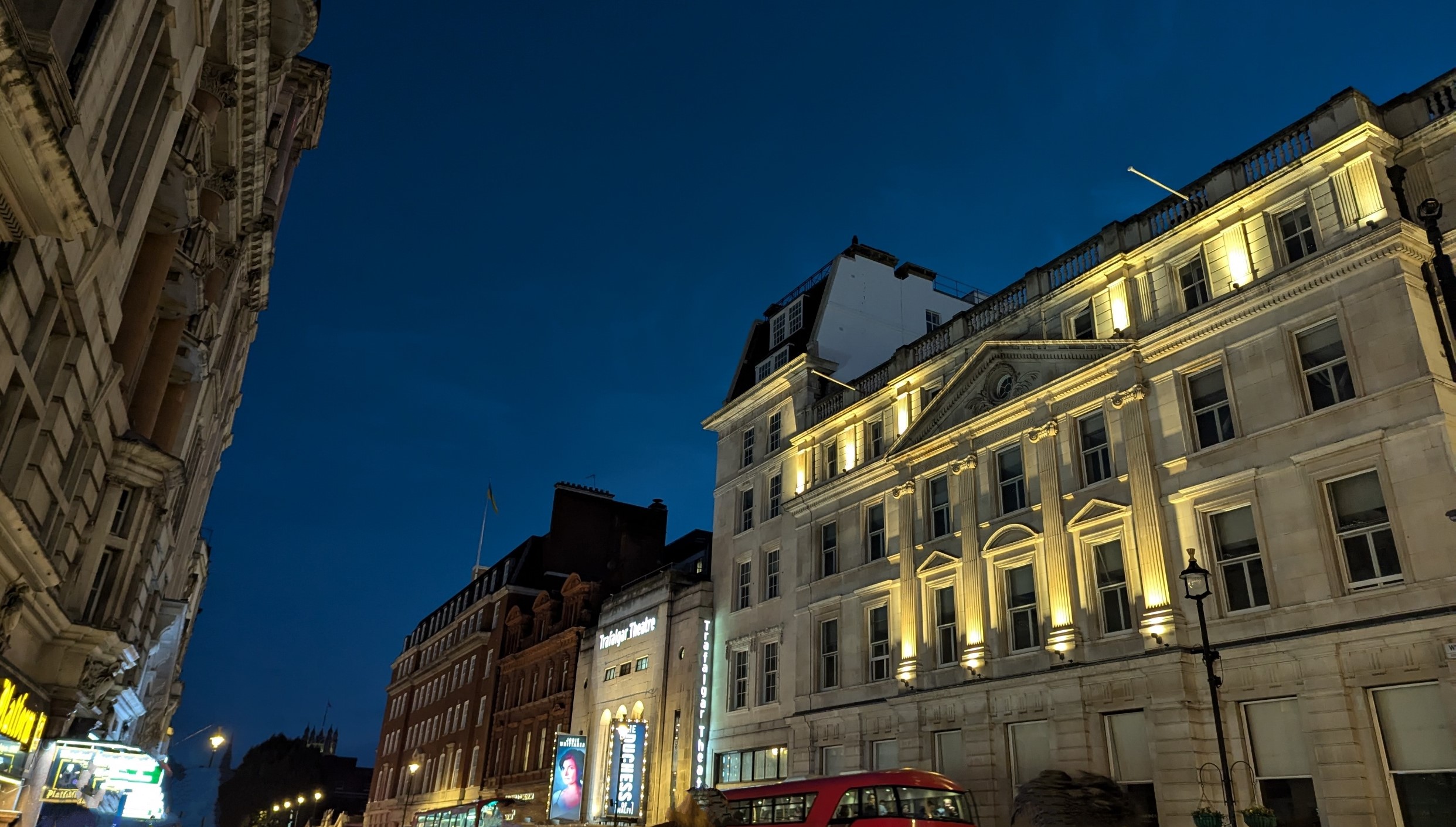
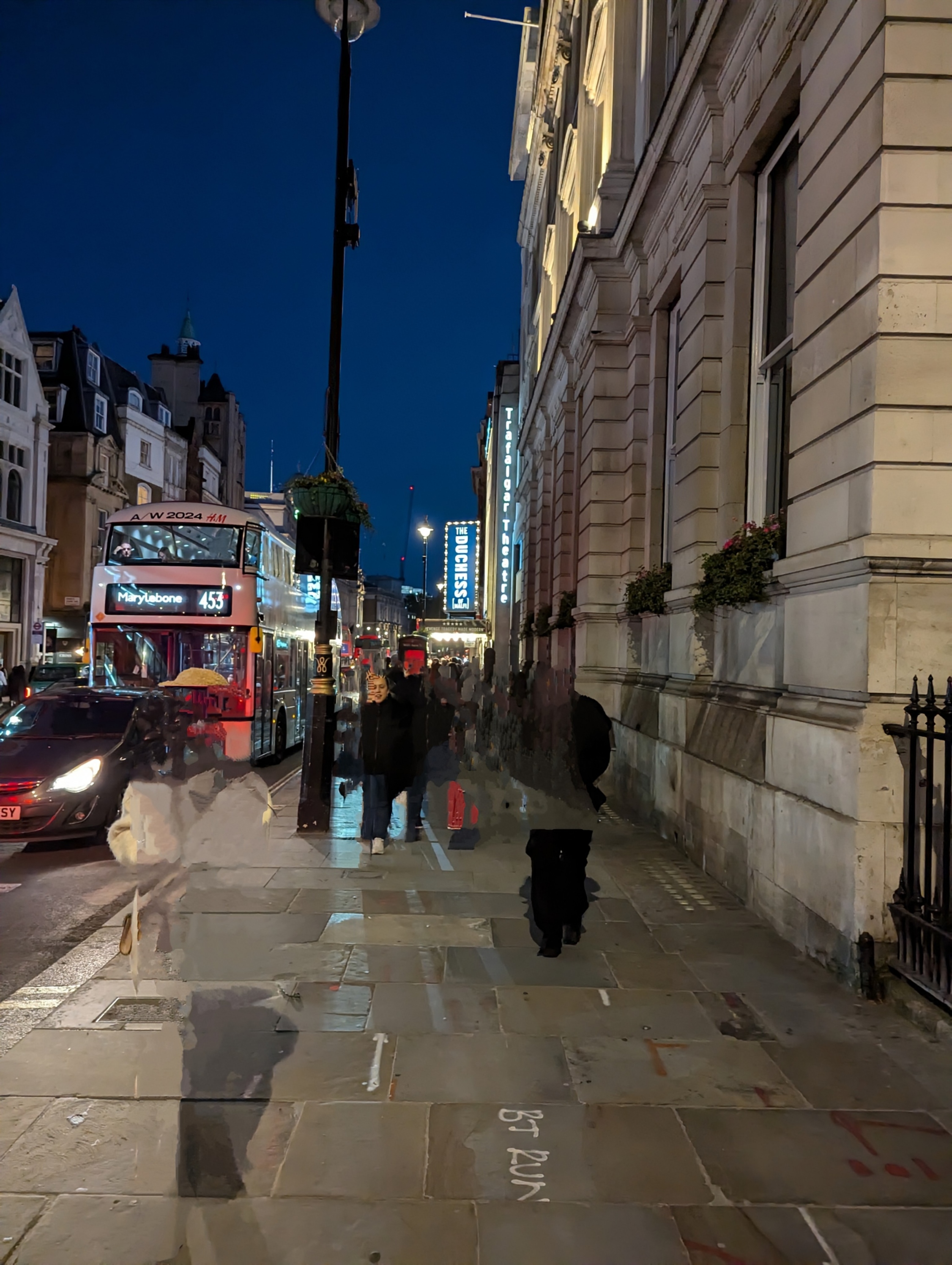
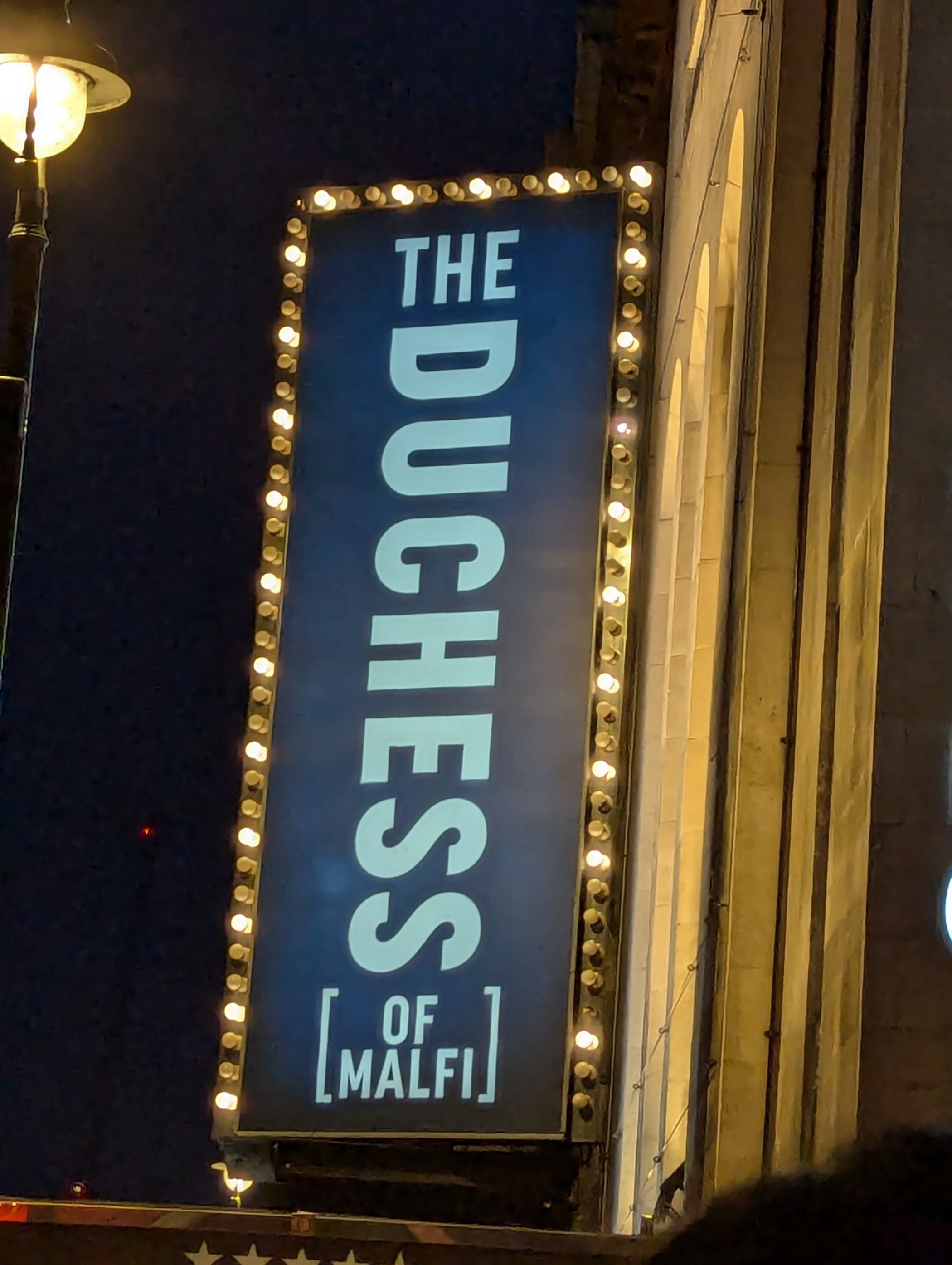
This time I went to see The Duchess of Malfi at The Trafalgar Playhouse, just around the corner from where I am staying. This was a modern adaptation of the play, which I felt missed foreshadowing the tragic consequences of Giovanna’s brothers’ misogyny in favour of comedy. On reflection, was the emphasis on comedy a reference to the worn phrase, ‘it’s only a joke’? or, a reminder that what might be recognised as cruelty if enacted for long enough and accepted for long enough becomes accepted as normal? ‘I am still a Duchess’, proclaimed by Giovanna in her rags and having been imprisoned for several years, might also be a statement about class and gender – being a Duchess did not help her escape the sexist behaviour of her brothers. I remain convinced that there needed to be stronger foreshadowing, as the only instance of impending tragedy was when Ferdinand carried the twins in his arms, eventually going to the window with one of them. Jodie Whittaker was a great Duchess, in both acts – as a lover and comic actor, and as tragic heroine.

Cindy Lou eats casually in London

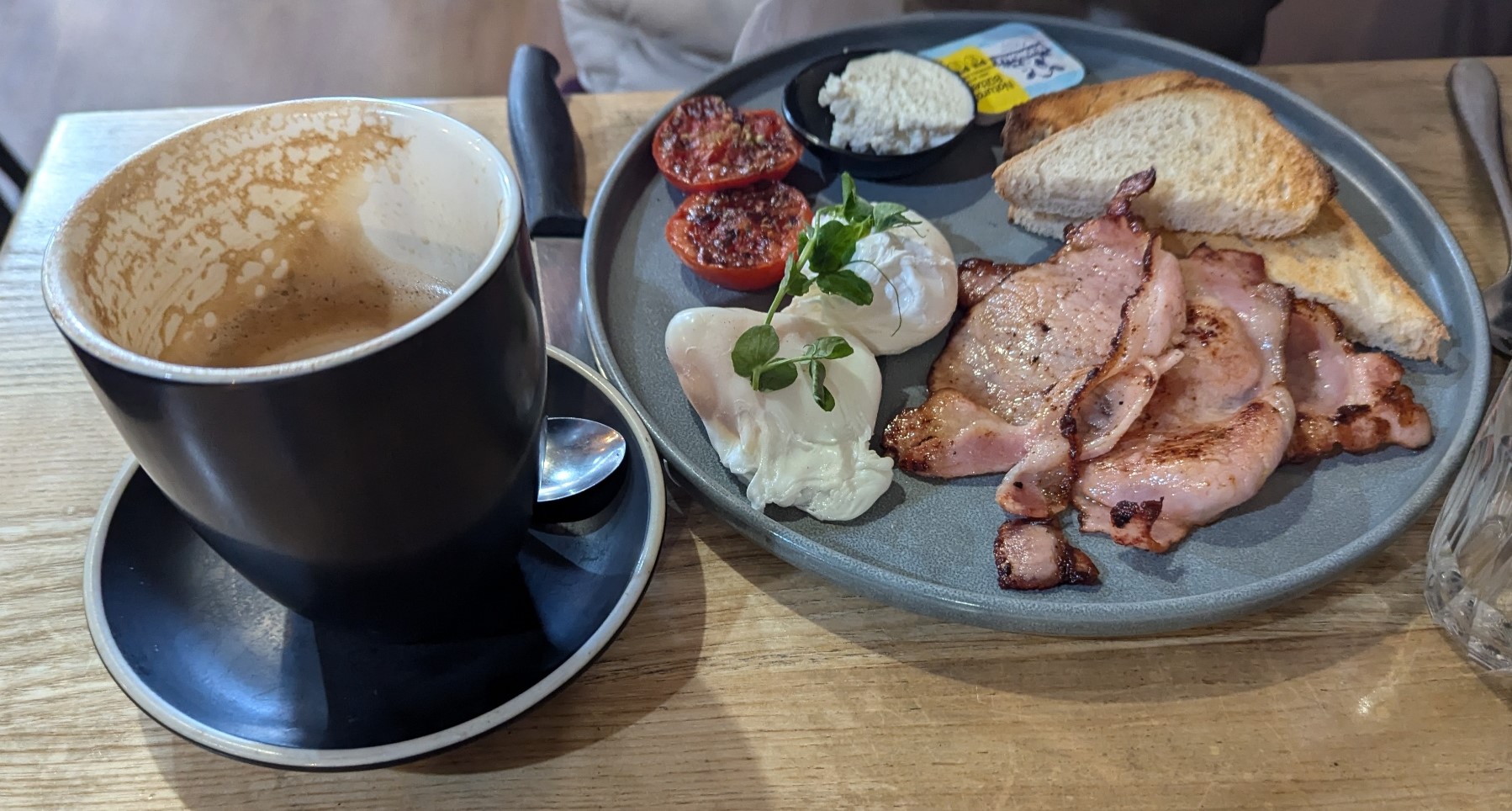
Firstly, a large flat white is available at Black Sheep Coffee, unlike at most London venues. They serve only one size – small, while Black Sheep Coffee has three sizes, similarly to their other coffees. Costa can make a large flat white and we found one at cafe Concerto.

Wahaca Covent Garden

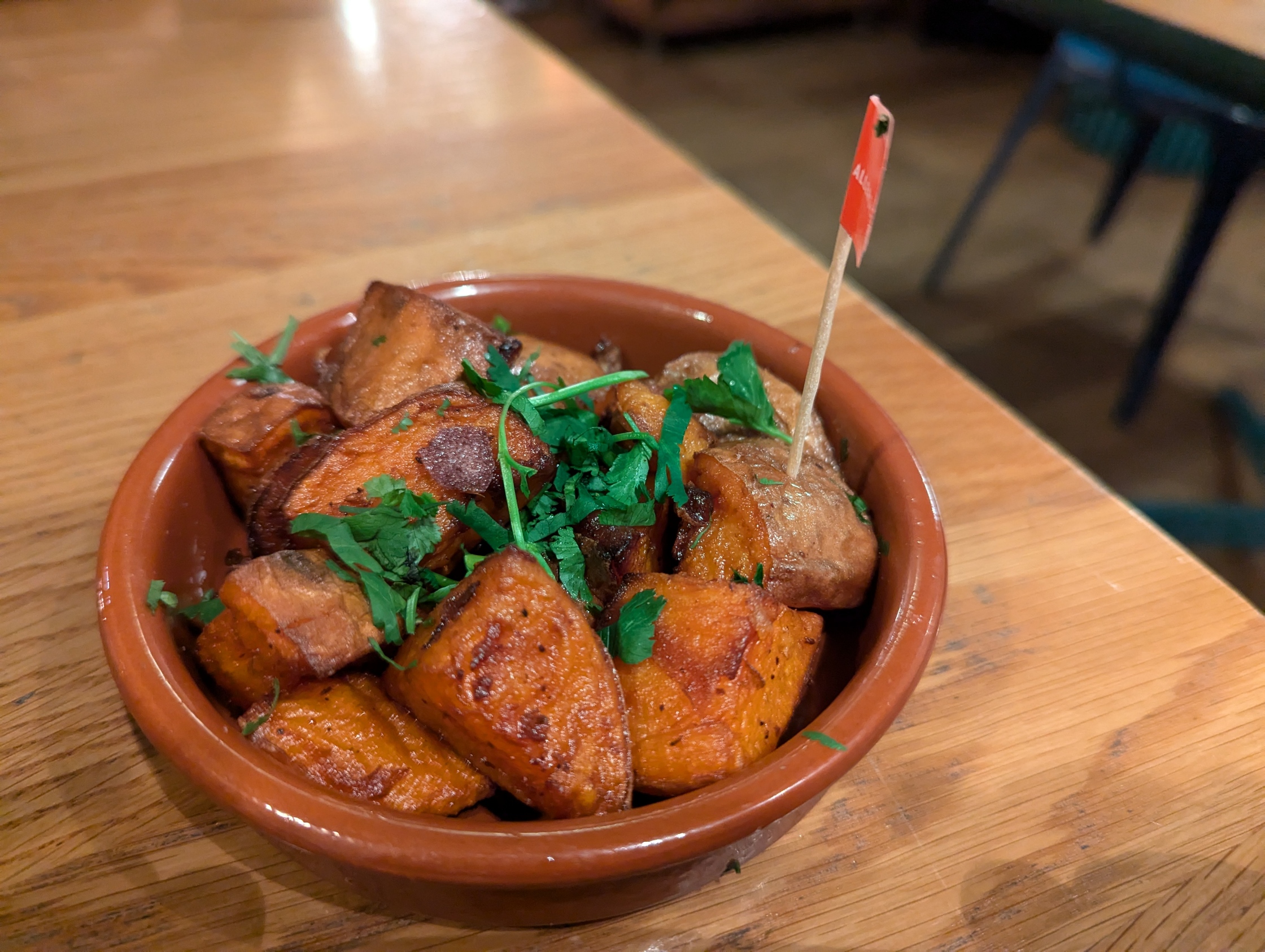
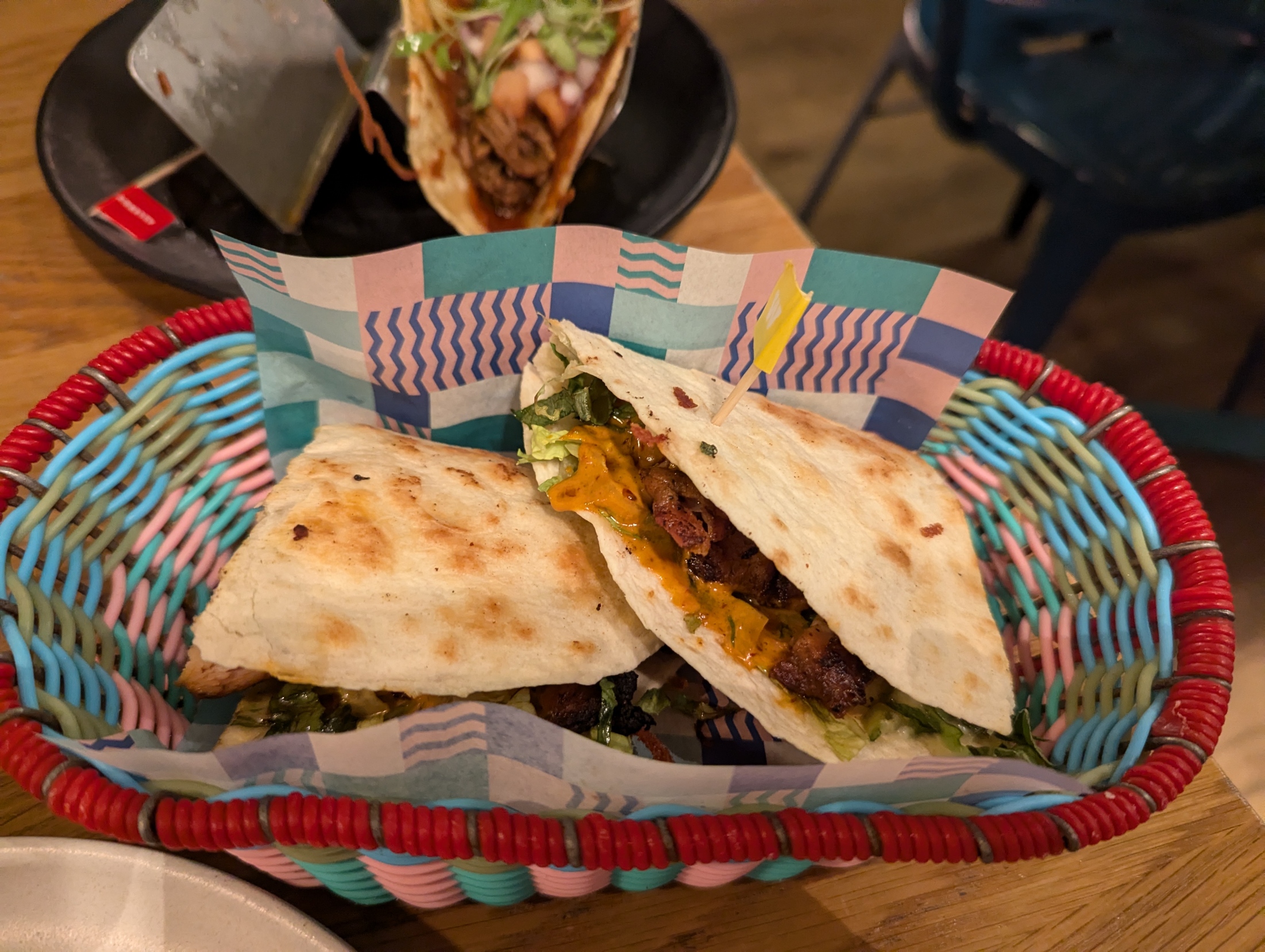
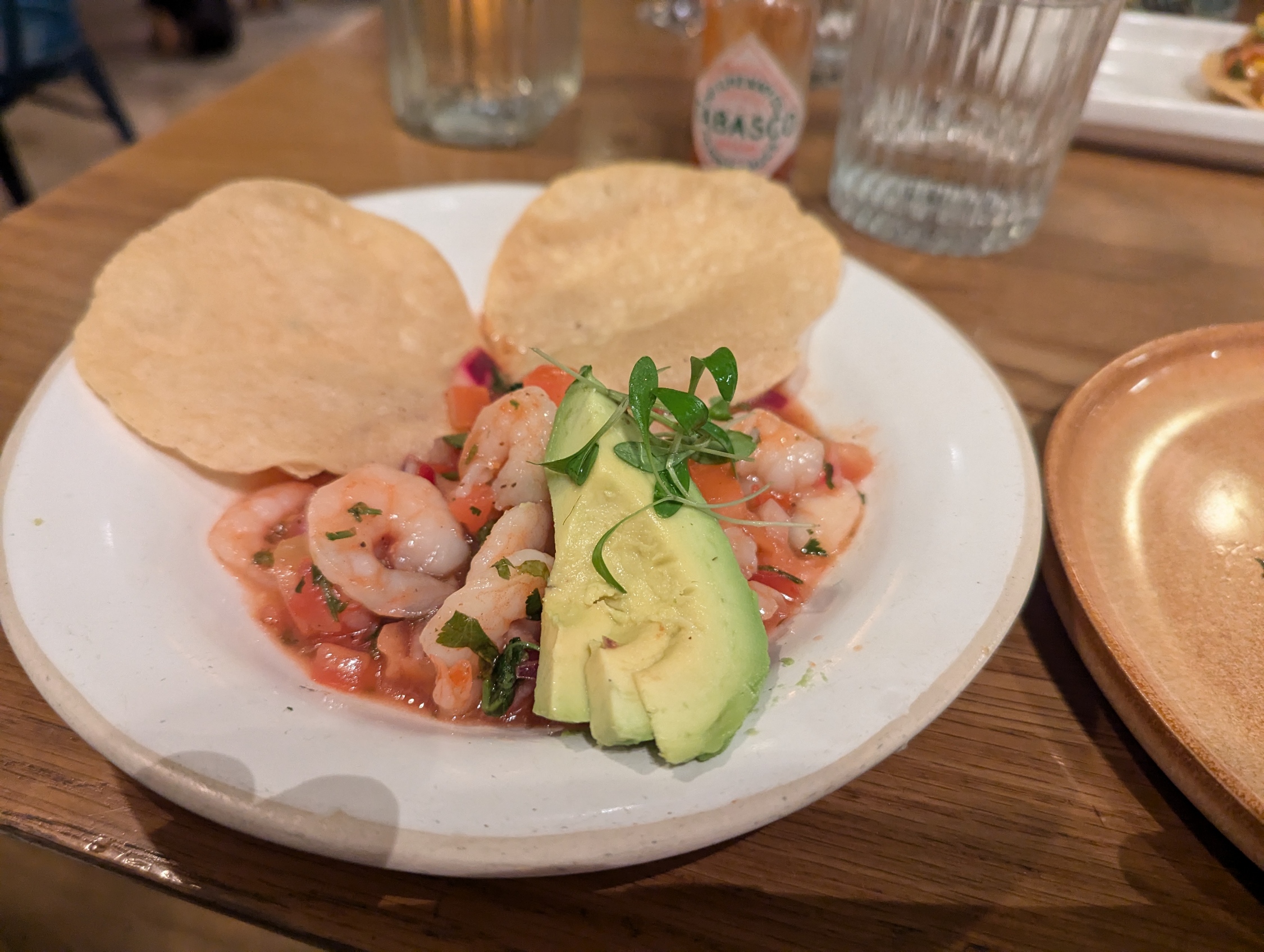
We enjoyed the food at Wahaca Paddington, so this was a natural choice when we came upon Wahaca in Covent Garden. The dishes are to share, are delicious, and of a grand variety.

Caffe Concerto Trafalgar Square

Low on charm and service, but very good food, including one of the rare large flat whites in London. The garden breakfast was very good, and the range of pastries and cakes sublime.

Foyle’s Bookshop

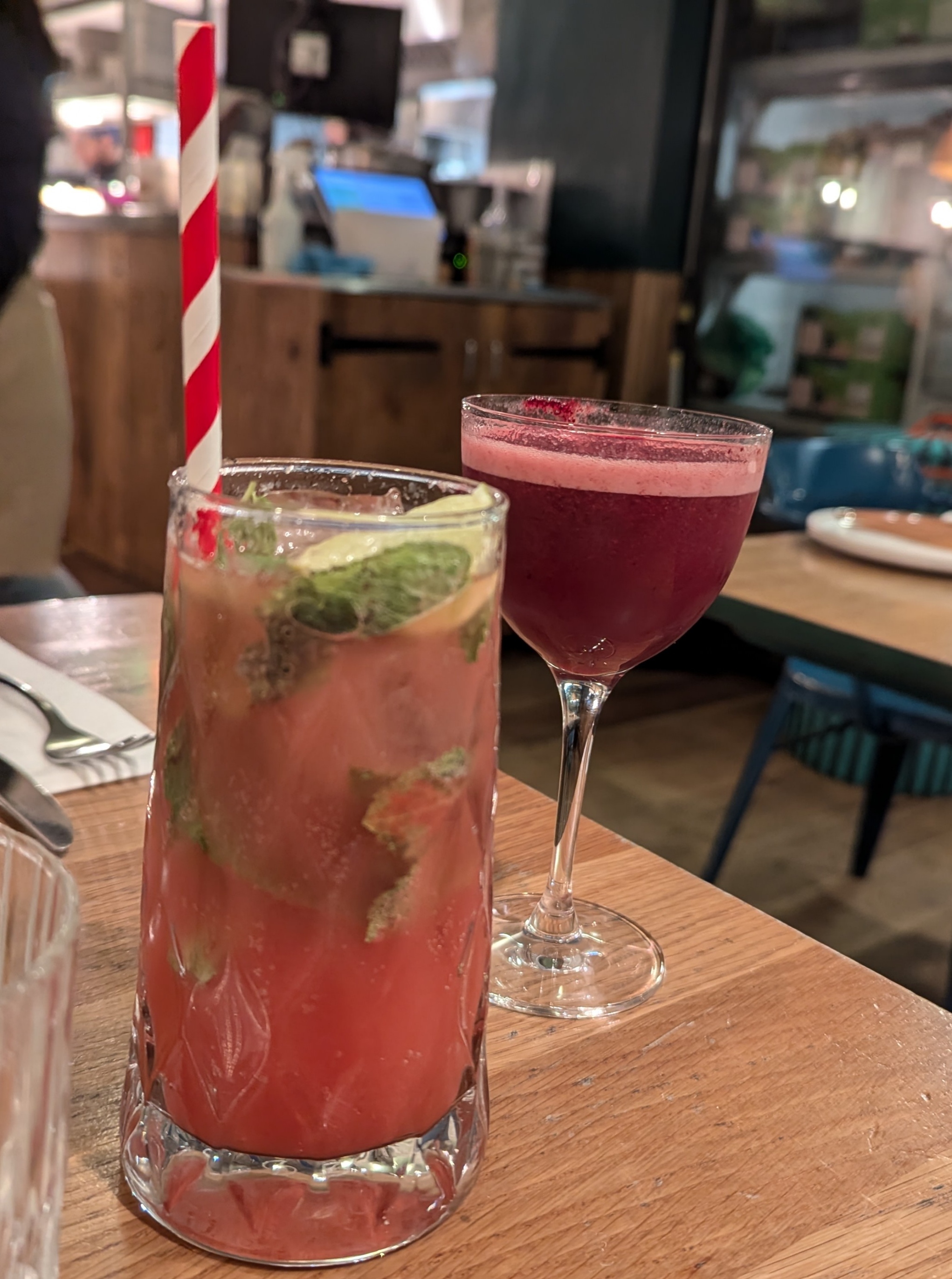
Foyle’s Bookshop has a delightful cafe, with a large range of drinks and food. I enjoyed the pink lemonade but shall have to return to try more items on the menu.

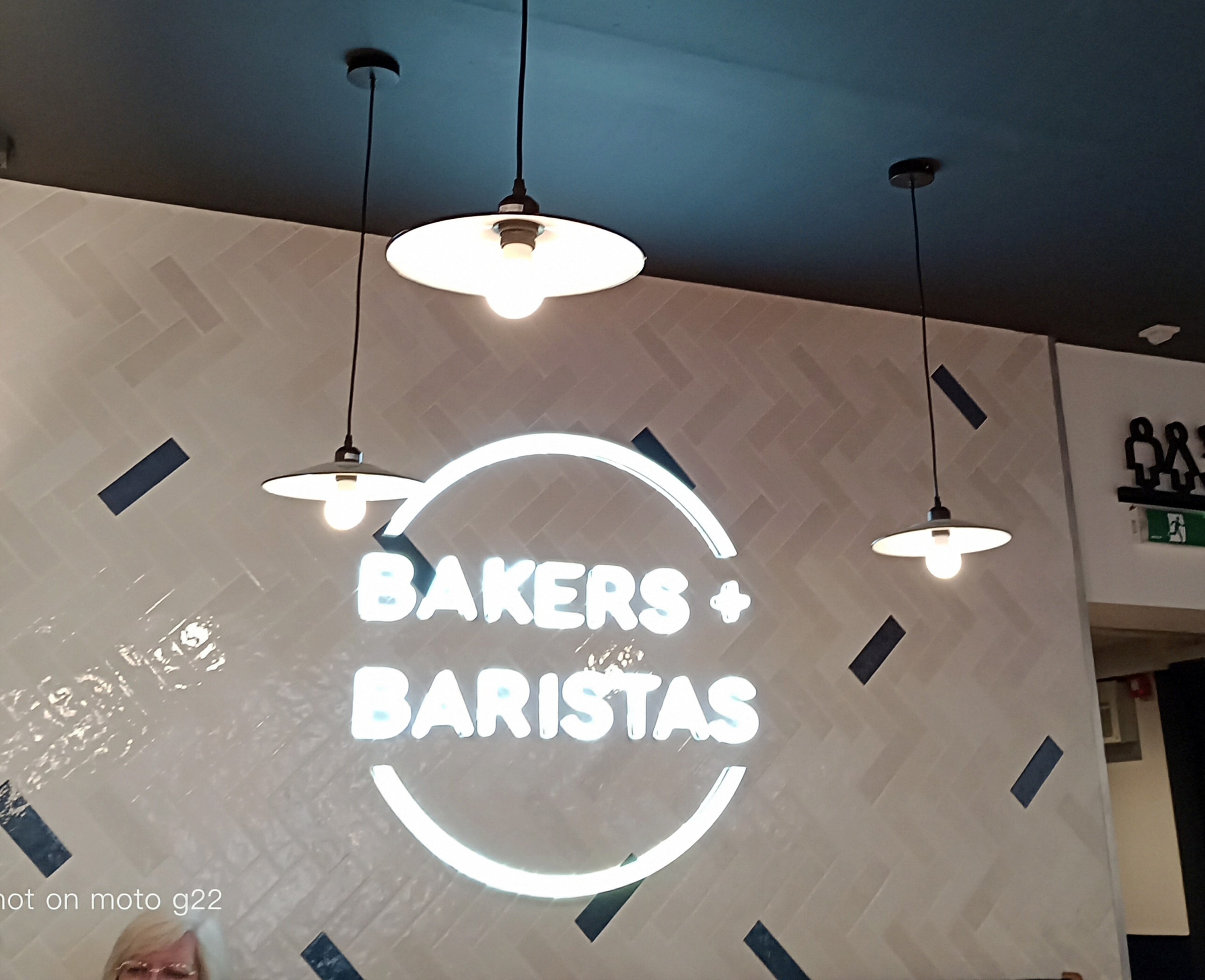
Bakers + Baristas, Canterbury

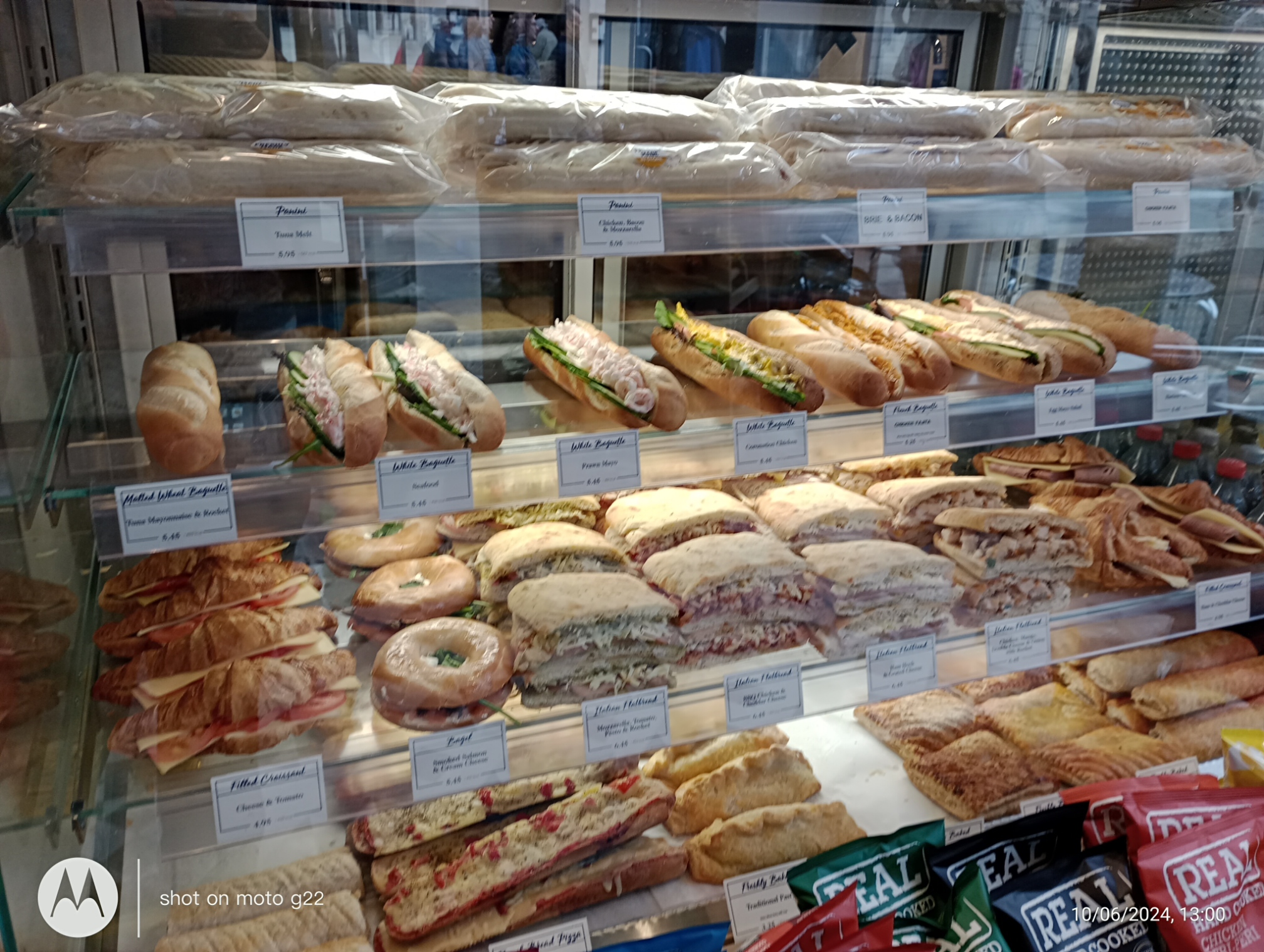
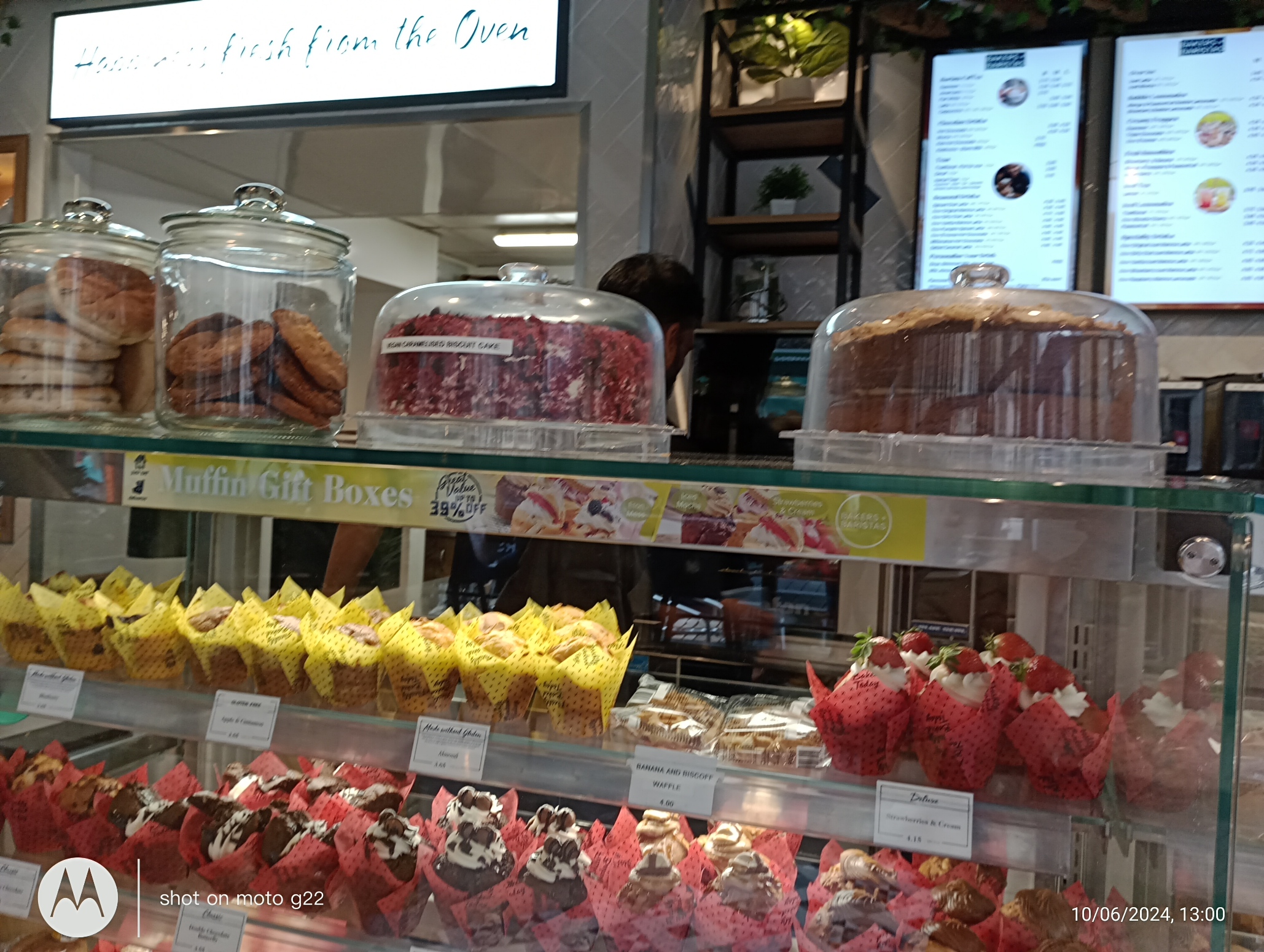
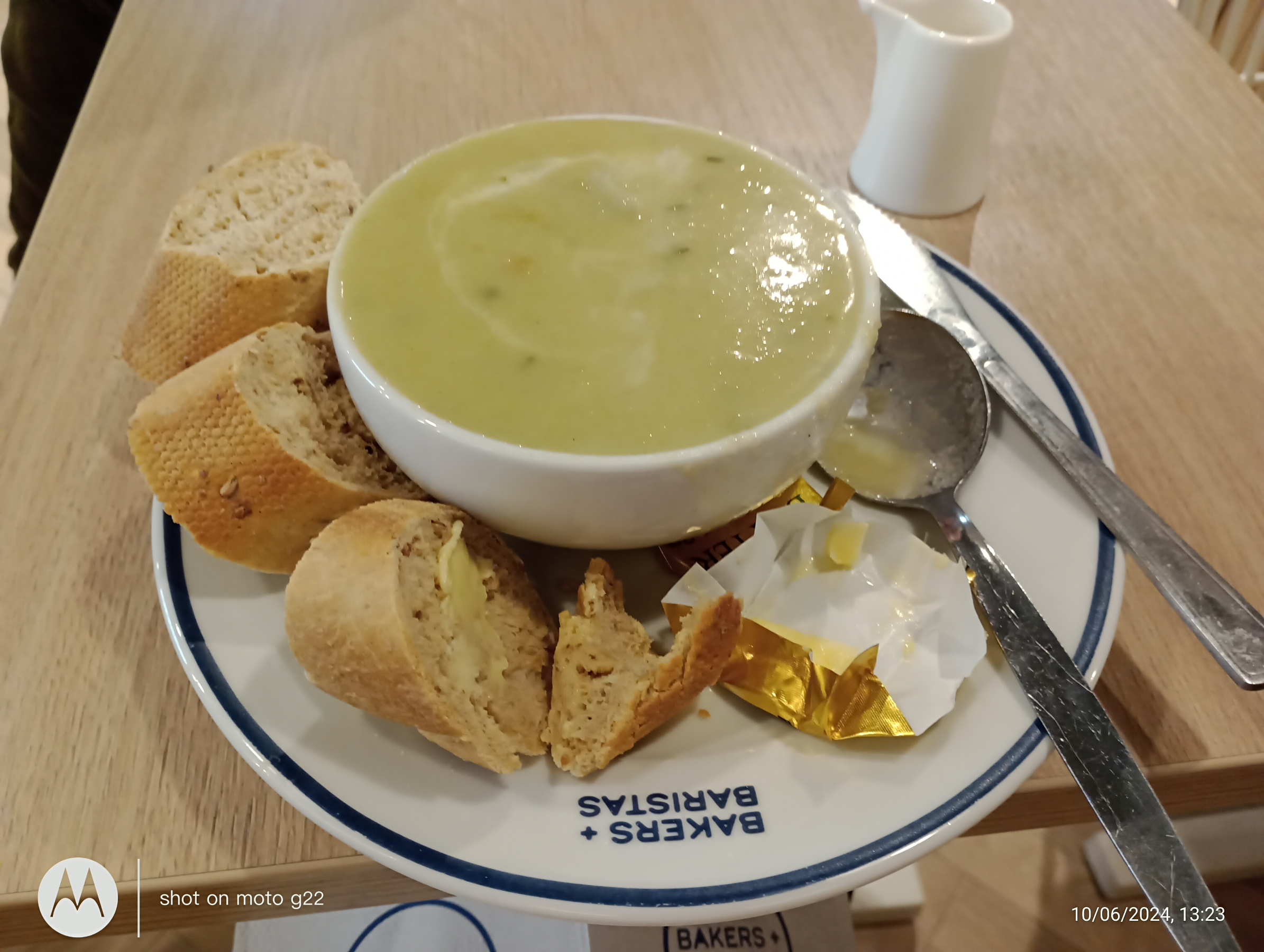
Really friendly service, so much so that I forgave the immensely long wait for my soup. The bowl was almost overflowing, so another tick for generosity! The cake and pastry range is magnificent, and the various sandwiches and baguettes looked terrific.

Fumo Covent Garden

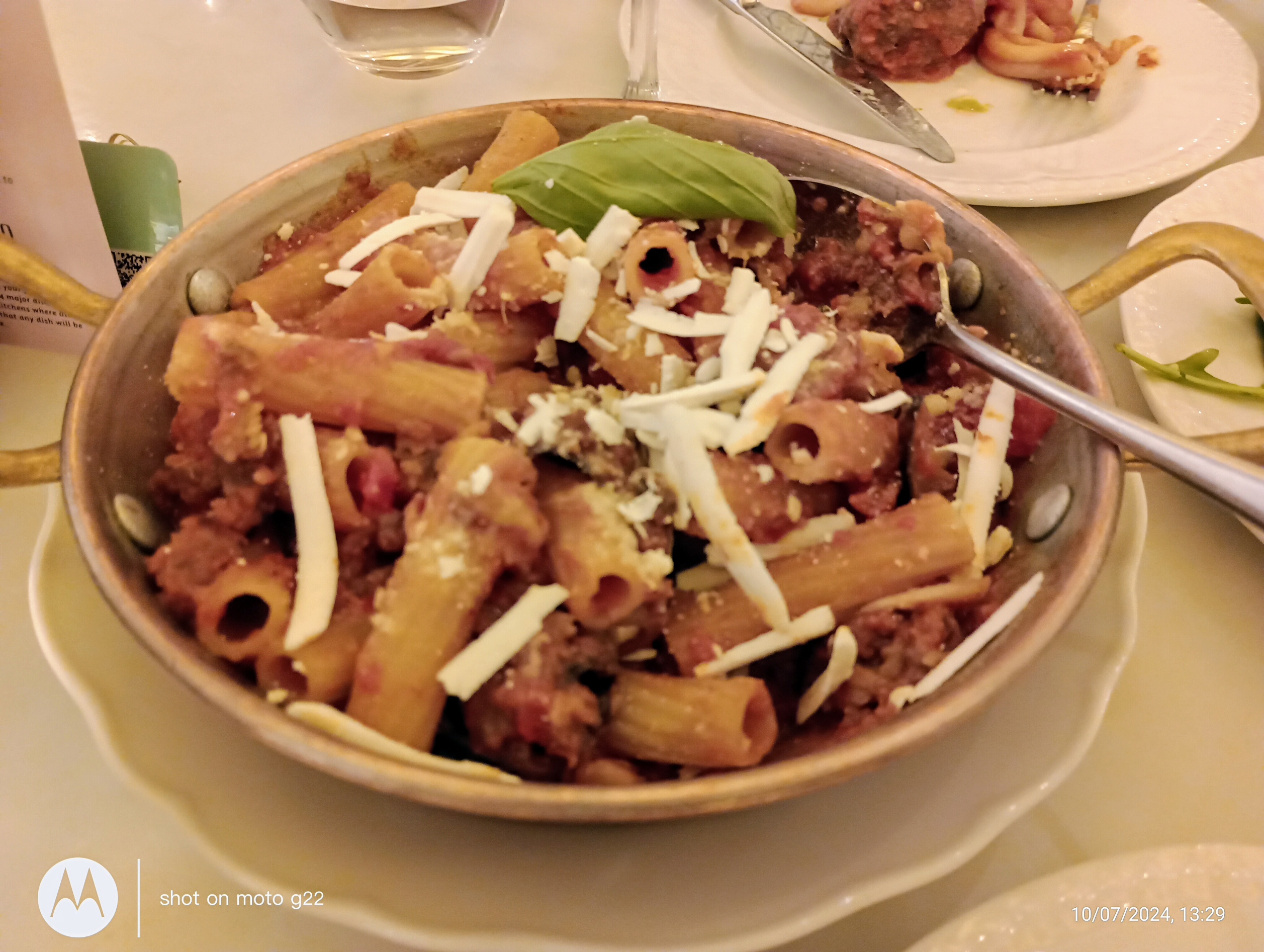
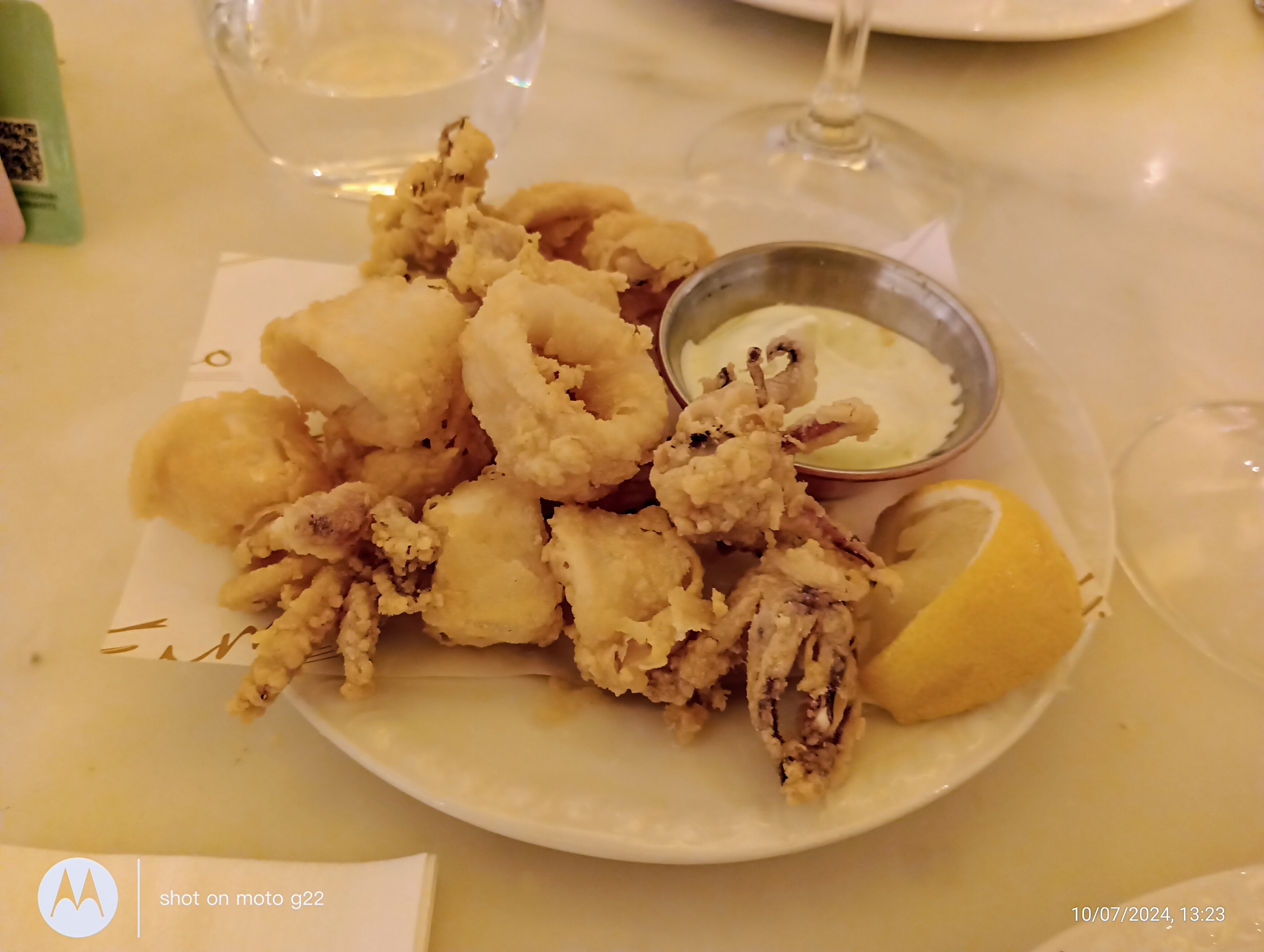
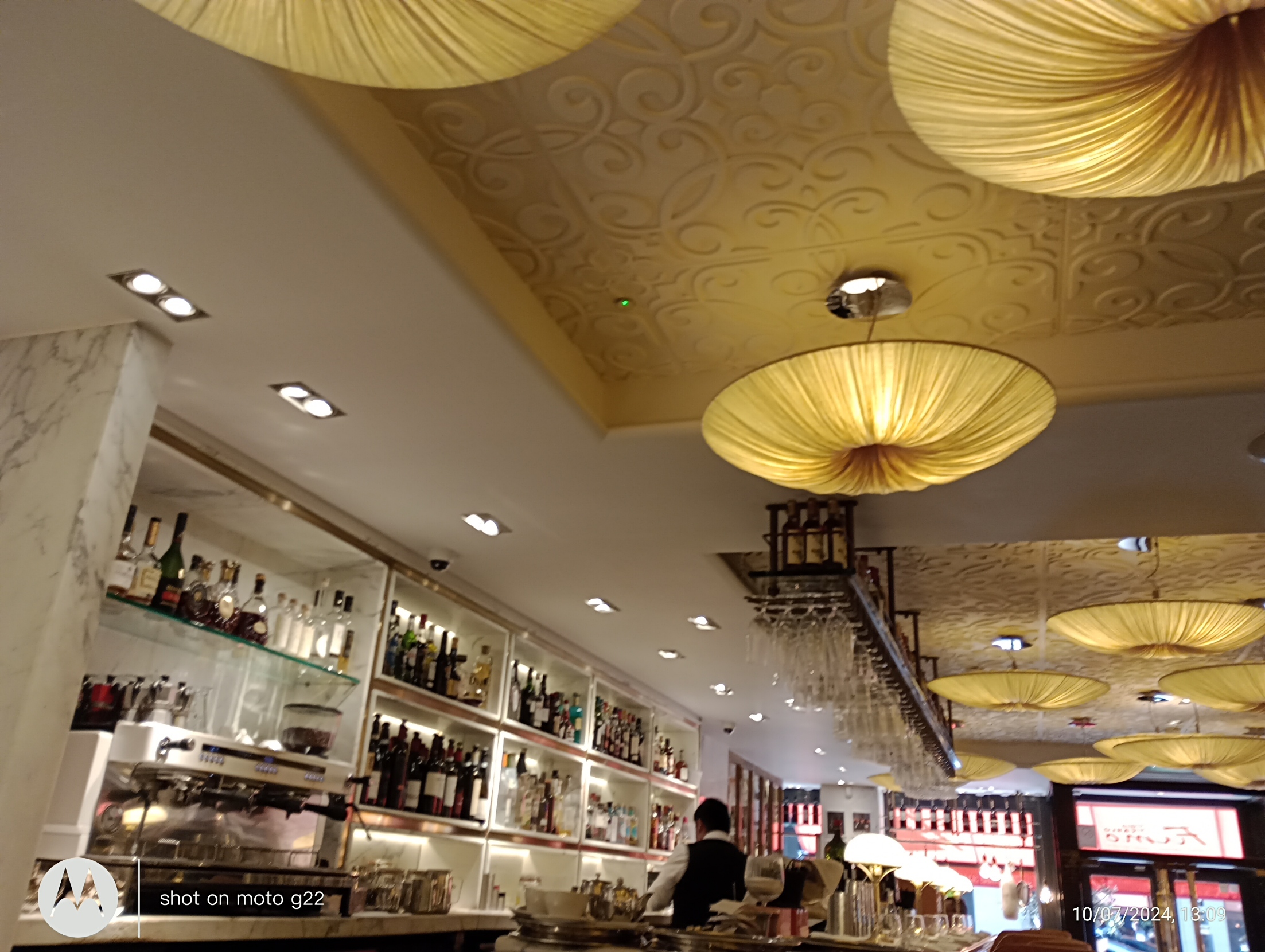
Fumo had a lunch special of four dishes for a set price for two. The service was friendly and helpful, fairly speedy, and very helpful. The seating is comfortable, and the environment pleasant, with enough space between the tables. This was a really positive experience, including the gracious way in which the uneaten Pasta Norma was packaged for our consumption later – yes, the dishes were very generous. Our dishes were meatballs with pasta, calamari, pasta Norma and a salad. By the time I took the photos the salad had been served, so its generous portion is not on view. I forgot to take a photo of the meatballs, but they were large and succulent, although not so plentiful as those in a Spanish tapas. The calamari was very good indeed.

We enjoyed the Pasta Norma on our last night in the Club Quarters, Trafalgar Square. Our room came with a refrigerator and microwave – excellent in this city where food prices have increased so much since our holiday here in 2023.

Week beginning 2 October 2024

Emily Bleeker When We Chased the Light Lake Union Publishing, November 2024.

Thank you, NetGalley, for providing me with this uncorrected proof for review.

I thoroughly enjoyed the first part of Vivian Snow’s account of her life  that appeared in When We Were Enemies. In this, Vivian is so closely aligned with her real name, Viviana Santini, that her Italian heritage is a subtle but underlying strong theme in the novel. Her role as an interpreter, friendship with Padre Antonio Trombello, the beginnings of her career and ill-fated marriage are beautifully drawn throughout the story that also features her granddaughter, Elise. In When We Chased the Light, Vivian Snow comes to the fore, as she strives to accommodate her child, her sister, mother and father, love and her career. Her Italian heritage is the theme that underlies the postcards from Padre Antonio Trombello, contrasting with her Hollywood advances, problems, marriage, and death. With great sensitivity to her readers and linked with the role Viviana played in her first career, Emily Bleeker interprets the Italian phrases.

Bleeker is such a clever writer, at the same time as she clarifies the words used between Trombello and Snow by providing the English interpretation, she leaves a mystery about their relationship. This is a mystery that is not resolved and should not be. It is the dream to which only Viviana and Antonio need the answer. Like her great granddaughter, who purchases the postcards, it is enough to know that Vivian Snow’s life was not only that played out in the public eye. See Books: Reviews for the complete review.

Alison James Just the Nicest Family Bookouture, June 2024.

Thank you, NetGalley, for providing me with this uncorrected proof for review.

Alison James has written a very readable psychological thriller, complete with a good twist. For me, a twist must be a logical outcome of the narrative, with signposts along the way. These must be subtle and ensure that the reader has had the opportunity to read the signs that lead to the twist – then ideally has not been able to do so. James achieves this in Just the Nicest Family, and for this I give her accolades. However, I was less impressed with the way in which one of her main characters dealt with an assertion that they knew would change their life but did little to investigate its validity.

Louise and Tim, parents of Harry and Elodie are the perfect family. Most apparent is the love between Louise and Tim, exhibited in all their interactions, private and public. Tim is a vet, Louise the deputy head at a girls’ high school. The family is invited to share a villa in France by the CEO of a Swiss company, Renee Weber, as a precursor to her buying Tim’s independent veterinary practice. He is keen to accept, and eventually he and the children join the villa residents while Louise completes her responsibility at the school. She has already been thrown by Tim’s invitation to acquaintances, Shona and Kevin, before Louise could intervene to invite friends more to her taste. The villa visit becomes even more awkward when Shona decides that Renee’s partner would suit her better than her husband. See Books: Reviews for complete review.

The Conversation

Article republished under Creative Commons licence.

Britain is finally abolishing hereditary peers from the House of Lords – a constitutional expert on the historical reforms that built up to this moment

Published: September 23, 2024 9.46pm AEST Updated: September 24, 2024 9.39pm AEST

Author

Meg Russell Professor of British and Comparative Politics and Director of the Constitution Unit, UCL

Meg Russell has in the past received funding from the ESRC for her research on the House of Lords.

Having made a pre-election pledge to do so, the government is moving forward with the House of Lords (hereditary peers) bill, a piece of legislation that will remove the remaining hereditary peers from the House of Lords.

The bill is almost certain to pass through parliament, ending a centuries-old tradition of hereditary membership in the House of Lords. But who are these hereditary peers, and how did they come to sit in parliament in the first place? Some of the answers may be surprising.

The House of Lords has ancient roots – though it has changed very fundamentally over the years. The original precursor of the English (and subsequently UK) parliament was a single-chamber body, bringing together the powerful in the land to advise the monarch. It is difficult to put a date on when this began but it included representatives of the nobility and the church.

Initially, there was no presumption that those invited to participate in one session of parliament would be invited to the next, but gradually arrangements became more fixed. The “temporal” (as opposed to “spiritual”) members of parliament became the holders of hereditary titles, which would be passed down through their family line. Over time, the members of what became the House of Commons split off, with the two chambers regularly sitting separately from the 14th century.

A portrait of WIlliam Pitt the Younger
Pitt The Younger, a big fan of handing out peerages. Wikipedia/Bonhams

Some modern preoccupations about the House of Lords can be traced back centuries. By the time of Charles I, there were already concerns that too many new peerages were being created and that the chamber was growing too large. There was even talk of money changing hands in some cases. As early as 1719, a bill was proposed to cap the size of the House of Lords, and allow new peerage creations only when existing lines died out. That bill was, however, unsuccessful.

By the late 18th century, the monarch was following prime ministerial advice in creating peerages. William Pitt the Younger became a prolific distributor of titles, increasing the number of Lords temporal from 212 to 314. In the mid-19th century, the House of Lords stood at around 450 members, and by the early 20th century, it exceeded 600 members. Immediately before it was reformed by Tony Blair’s government in 1999, its size was double that.

The reforms begin

In the late 19th century, under prime ministers William Gladstone and Lord Salisbury, there were deliberate moves to broaden the peerage and move it away from landed interests. Titles were awarded to industrialists, former diplomats, military personnel and civil servants. Notable appointees in this period included the artist Frederic Leighton, the surgeon Joseph Lister, and the former House of Commons clerk Thomas Erskine May. This helped to boost the “crossbenches” in the Lords, and build the chamber’s reputation for expertise.

Nonetheless, in another pattern familiar today, around two-thirds of those appointed were former MPs. Prominent among them were those who had held high office – routinely including former prime ministers and speakers of the House of Commons.

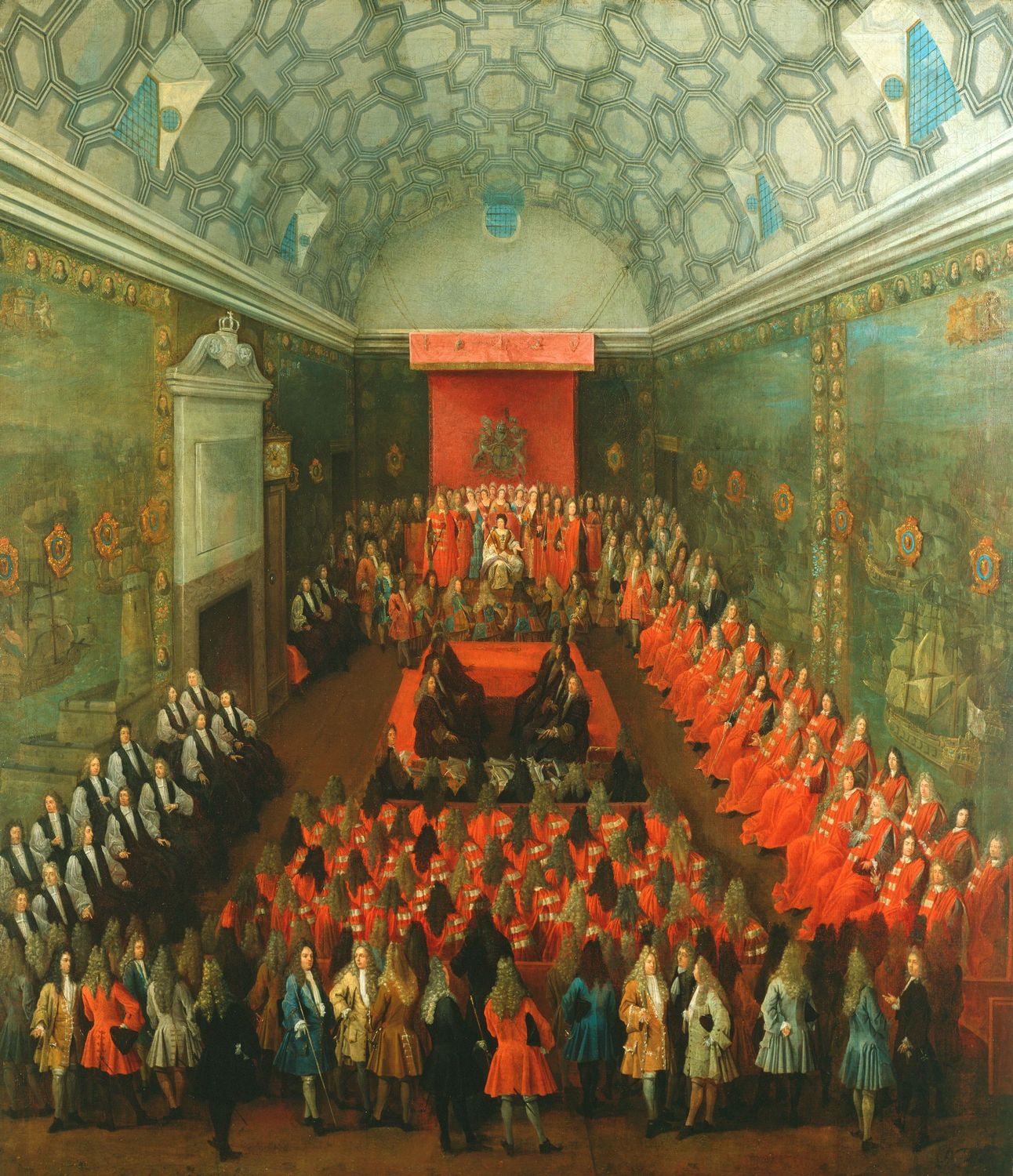
A painting of Queen Anne addressing the House of Lords.
A painting of Queen Anne addressing the House of Lords in the 18th century. Peter Tillemans, Public domain, via Wikimedia Commons

The hereditary nature of titles created an obvious difficulty with size – that a seat created for a person did not die with them, but was passed to their (exclusively male) successors. Every peerage awarded (with a small exception for those with legal expertise under the Appellate Jurisdictions Act 1876) was a hereditary peerage, and large numbers continued to be created.

While some lines died out due to lack of male successors, pressure grew for the creation of life peerages rather than allowing members to pass their seat in the Lords on. The first bill to allow such appointments was introduced in 1849, but it was not until the Life Peerages Act 1958 that change finally occurred.

By 1957, the year before the act, half of members (who by now exceeded 800) owed their hereditary peerages to 20th-century creations. Among them were the descendants of Asquith, Lloyd George, Stanley Baldwin and Field Marshal Montgomery. Even Labour’s Clement Attlee (who, upon assuming office in 1945, faced a House of Lords containing just 16 Labour members) was given a hereditary peerage in 1955. His grandson still serves in the House of Lords.

After 1958, the creation of new hereditary peerages became much rarer. It was, notably, only at this point that women entered the chamber for the first time – and only in 1963 that women inheriting the few hereditary titles not travelling purely down the male line were allowed to take seats in the chamber. An interesting anomaly was Margaret Thatcher’s bestowal of a hereditary peerage on her former home secretary and de facto deputy prime minister, Willie Whitelaw, in 1983 – the first such awarded for 18 years. Having only daughters, Whitelaw did not pass his peerage on.

The reform implemented by the Blair government in 1999 was originally intended to sweep away all of the hereditary peers. But while over 650 departed, a deal between the parties allowed 92 to remain – with replacements when these peers died or retired largely filled by a bizarre system of byelections, where the only eligible candidates were hereditary peers.

These byelections were recently halted in expectation of the bill, leaving 88 hereditary peers currently serving in the chamber. All of them are men, 45 are Conservative (and only four Labour), while 43 (49%) hold peerages created only in the 20th century.

This group is anomalous, and long overdue reform. It is also less historic in certain respects than many might assume.

This article has been updated to correct the language around how many peers William Pitt the Younger added to the chamber.

Site logo imageWomen’s Film and Television History Network – UK/Ireland

The Ultimate TV Event: How Happy Valley Defies Ageism and Sexism in the Television IndustryBy ljademinor on 27/09/2024 by Lucy Brown

This blog first appeared on Reflections: A Television Digest on 10 May 2024.

Sarah Lancashire as Sergeant Catherine Cawood. Image: BBC

“Chilling,” “a dark delight,” “magnificent,” “triumphant,” and “explosive” are all words that have been used to describe the British police crime thriller Happy Valley.1 First screened in 2014, it reached an audience of over 8 million and became a hit with critics and the audience alike. The second series followed in 2016, growing its audience to over nine million, marking a record-high audience share with a third of viewers tuning in.2 

After a seven-year hiatus, the series returned with a bang on New Year’s Day 2023 and has been watched by over eleven million people. To grow an audience against a backdrop of broadcast channel ratings declining is a remarkable feat, but perhaps not surprising given it has been hailed by critics as one of the greatest television dramas of the twenty-first century,3 Yorkshire’s version of The Wire4 and “the ultimate event TV.”5 

Happy Valley follows the story of police Sergeant Catherine Cawood as she navigates through personal and professional challenges and struggles to protect her community and grandson Ryan from her nemesis, Tommy Lee Royce, Ryan’s father and a violent rapist, murderer and psychopath, who is responsible for her daughter’s suicide. The series expertly weaves together intricate plotlines, compelling characters, and outstanding performances, earning five BAFTA awards and sustaining viewer investment and engagement over the course of eighteen episodes spanning nine years.  Two middle-aged women are of prime importance to its success; on-screen, Sarah Lancashire plays the lead, Sergeant Cawood and behind-the-camera, creator, writer, director, and executive producer Sally Wainwright. It should be irrelevant that these two brilliant women are in their fifties, yet TV drama is the domain of men. Television’s lack of diversity is well known.6 See Television,Film and Popular Culture: Comments for the complete article.

American Politics – Bob McMullan

US election review at 30th September

It has been a week of apparent attrition in the US presidential election with very few break-out moments at the national level.

Hurricanes, crazy Republican gubernatorial candidates, failed Republican attempts to change the allocation of votes in Nebraska and corruption charges against the mayor of New York have been newsworthy, but there is little sign that anything has dramatically changed the support for either candidate.

The response to recent events reinforce the view that opinions about Trump are fixed and he has a locked-in level of support at about 45-47% of the likely voters, which is a high floor but a low ceiling.

Harris has attempted to challenge Trump in his areas of strength, the economy and immigration. While it is too early to say what the final impact of these initiatives will be, it does seem that she has made further slight progress in national and relevant state polling.

While the election is not won by aggregate support it is interesting to see that the Harris/Walz ticket now has a lead of as much as 3.2%. Nate Silver’s data suggests that Harris has made slight increases in support in Pennsylvania, Wisconsin and Nevada and maintained her lead in Michigan. Trump appears to have made slight gains in the other battleground states.

To resume my state-by state analysis, the remaining four battleground states are ones in which Kamala Harris has been leading consistently over recent weeks. Should she win all of them the Harris/Walz ticket would win the Electoral College 276 to 262.

Michigan (15 votes)

This has consistently been the best of the battleground states for Harris. Most recently she has been leading by between 2.0 and 2,9% in the various polling averages. Perhaps more importantly, the Vice President has led in the last nine published polls included in the 538 analysis.

Pennsylvania (19 votes)

Pennsylvania is the most important state in this election. While it is not indispensable, it is hard to see Harris winning without winning this state. All the polling averages have Harris/ Walz with a narrow lead of between 0.9% and 1.7%. Nate Silver’s analysis shows a slight improvement for Harris in Pennsylvania over the last week. Should this pattern continue she will be the favorite to win the Electoral College, but an enormous amount of money and effort will be expended by both sides over the next 5 weeks.

Wisconsin (10 votes)

This is the third of the “Blue Wall” seats which are the basic building blocks of the Harris majority. Unless Harris wins one of the sunbelt seats she needs all three of these to make a majority of the electoral college. To date the Harris/ Walz ticket has been consistently in front in Wisconsin by between 1 and 3%. Harris has led in 5 of the last 7 polls with one of them tied. This all combines to make her the favorite to win Wisconsin. But both Hillary Clinton and Joe Biden had big leads in Wisconsin at this stage which were either illusory or fell away towards the end.

Nevada (6 votes)

This is not as essential to a Harris victory as the previous three but there are certainly scenarios in which these six votes could be vital. The result is always close in Nevada, but Harris has maintained a small but consistent lead in at least 7 of the last 10 polls. One to watch on the night.

Another interesting development is reaction to the Republican attempt to make a last minute change to the electoral rules in Nebraska. The initiative failed but it seems to have had interesting consequences. In the presidential contest subsequent polling has shown a large improvement in support for Harris. I am confident that she will win this vote. An apparent by-product of this failed attempt is a significant change in the prospects of the Democrats flipping the House seat. The incumbent member supported the Trump attempt to change the rules and has subsequently fallen behind his Democrat opponent in the polls. This was a move which in Australian parlance you would describe as “too smart by half” and as is often the case it not only failed, it may have backfired.

American Politics – Axios Article

Young men and women are moving in opposite directions

Erica Pandey

Illustration of a female and male symbol over a grid of blue and red lines
Illustration: Axios Visuals

Data of all kinds reveals a little-discussed, future-defining trend: Men and women are going separate ways.

Why it matters: The split is clear in politicsreligion, education and the labor market. For the next generation, gender is becoming the biggest predictor of how you think, act and vote.

“There’s a much broader story here,” says Daniel Cox, director of the Survey Center on American Life. “Even after all the votes are tallied and we’ve moved on from the 2024 election, we’re not going to have resolved any of the cultural and relational tension between young men and young women.”

  • You see it in politics: Women are turning left, and men are turning right.
  • You see it in religion: For the first time ever recorded in the U.S., young men are more religious than young women.
  • You see it in education: There are 2.4 million more women on U.S. college campuses than men, the American Institute for Boys and Men (AIBM) notes. And those degrees are often resulting in higher-wage jobs for women in big cities, a Pew Research Center analysis of census data found.
  • You see it in the labor market: Wages and labor force participation have increased since the 1980s for college-educated men and women, and for working-class women. But they have stagnated for working-class men, who are also now significantly less likely to be employed compared to four decades ago, according to AIBM’s analysis.
  • You see it in visions for the future: Men are more likely than women to want marriage and kids, according to Pew. The percentage of 18- to 34-year-old women wanting kids has fallen to 45% versus 57% for men.

What we’re watching: The polarization is even stronger among adults under 25, Cox notes. Social media content and algorithms may be one key reason.

  • Men are constantly fed social media content that’s negative toward women, and vice versa. Videos breaking down bad dates from the perspective of either the man or the woman are a viral example of that trend.
  • Gen Zers are 15 points more likely than other generations to say social media has negatively impacted their outlook on men, and 10 points more likely to say so for women, Morning Consult finds.

The bottom line: “We live in a very individualistic culture, and, for a lot of people, the primary relationship they have is with a partner or a spouse,” says Cox.

  • For heterosexual couples, this polarization is making finding a partner trickier.
  • “This has tremendous implications for how men and women relate to one another in the dating space,” Cox says.

Voting in the ACT Election

We voted today as we shall be away when early voting opens, and there was not enough time for the electoral commission to send us our postal votes before we leave. How amazing – every effort made to accommodate our vote and travel arrangements, safe electoral officials inside the building, no nasty crowds outside trying to stop us voting, no-one with any ill intent, and our votes are safe, will be counted and there will be a fair result which will be accepted by both winners and losers. We should not live in a world where we think this is lucky.

2024 ACT Election
19 October 2024

Early voting opens
8 October 2024

2024 ACT Election

Dame Maggie Smith obituary: A formidable star on stage and screen – from the BBC online site

Alamy Dame Maggie Smith in Downton Abbey
Dame Maggie Smith played the formidable Dowager Countess of Grantham in Downton Abbey

Dame Maggie Smith, who has died at the age of 89, brought an incredible range of expression to her roles, winning high praise from directors and fellow actors alike.

It was said of her that she never took a role lightly and would often be pacing around at rehearsals going over her lines while the rest of the cast was on a break.

In a profession notorious for its uncertainties her career was notable for its longevity.

She made her acting debut in 1952 and was still working six decades later having moved from aspiring star to national treasure. See the complete obituary at Television,Film and Popular Culture: Comments.

Week beginning 25 September 2024

Elizabeth Strout Tell Me Everything Penguin General UK (Fig Tree, Hamish Hamilton, Viking, Penguin Life, Penguin Business, Viking) September 2024.

Thank you, NetGalley, for providing me with this uncorrected proof for review.

Elizabeth Strout brings magic to her work and Tell Me Everything is no different.  Bob Burgess and Margaret Estaver live in Maine. The enchantment of Maine’s autumn colours interspersed with prosaic and sometimes graphic detail is the setting for their marriage, their large house in which they cook together, and the security this couple, a lawyer and a Unitarian minister, provide the community. Olive Kitterage, ninety, knows the couple, sympathises with Bob’s sad past, is not fond of Margaret and has suffered through the pandemic. Lucy Barton, also from previous novels, is an important character, although mostly inconspicuous in the larger community apart for walking with Bob along the river. As autumn breaks into splendour, Olive decides to tell her story to Lucy. See the complete review at Books: Reviews.

Further information: Tree Protection; Bob McMullan, American Election; Joyce Vance, Civil Discourse Newsletter; Dervla McTiernan, email; Cindy Lou; Henry Oliver from The Common Reader.

Sign on building works in Canberra

Why is this not an issue on other building sites?

Bob McMullan – American Presidential Election

US election review at 23rd September

There have been some significant national and global events this week, but it remains to be seen whether they will impact the presidential election.

It is hard to see how the large interest rate cut by the Federal Reserve Board can be other than good for the Vice President. It may however be too delayed and indirect in its practical consequences to be of significant benefit. So far, Donald Trump has been surprisingly restrained in his comments on the decision.

The war in the Middle East has clearly taken a turn for the worse. Any partisan advantage from such a development is likely to benefit Trump, but whether this will have any electoral impact is difficult to tell.

Other major events in the week have mainly been at the state level and will be covered in the state-by- state analysis below.

Nothing in the current data contradicts Nathan Silver’s assessment this week that he has never seen such a close election.

To gain an appreciation of the state of play it is best to look from time to time at developments at the state level.

Arizona

This is a state that Biden won in 2020. This election cycle it has consistently shown a Trump lead of about 1% in polling. It has 11 Electoral College votes and while it is still in play, I think Trump is the favorite to win this state this time. The problem with assessing the current situation is that there has been no credible polling since the debate. Nate Silver gives Kamala Harris only a 36% chance of winning Arizona. There is an abortion ballot on the day so that is an imponderable, but barring an extraordinary improvement in Harris’ results in this state it might be out of reach.

Georgia

This is a state with 16 electoral college votes which voted for Biden in 2020. Trump has held a steady approximately 1% lead in polling over several weeks. This leads to Silver’s assessment of Harris’ chances in Georgia at 36%. Two factors to note. There have been official reports identifying tragic deaths of women in Georgia as a consequence of the strict abortion laws brought in since Roe v Wade was overturned. Will this impact the vote? It may increase the turnout of Democrat-leaning women. The other factor is the revised and ridiculous changes to electoral procedures agreed by the Republicans on the Georgia Elections Board. If upheld these will certainly delay the result.

North Carolina

I think this is the most interesting state. No Democrat presidential candidate has won here since Obama in 2008. However, the incumbent Governor is a Democrat who has won twice. The race is currently extremely close. All three polling aggregates have Trump ahead by 0.1%! The lead has changed back and forward between the two candidates since the debate. Nate Silver considers Kamala Harris has only a 39% chance of winning. I think it is better than that. An interesting extra factor is the possible upstream impact of the Republican’s candidate for Governor who has described himself as a “Black Nazi”. Such a downstream candidate is unlikely to affect the presidential race, but it is possible that Trump’s enthusiastic endorsement of the candidate may backfire on him.

Nebraska

This is a solid Republican state that Donald Trump will win. However, it allocates some of its votes by congressional district rather than winner takes all. It is probable that Kamal Harris will win the 2nd district in Nebraska based on Omaha. In the only recent poll she led by 5%. The real interest is in whether Trump and his supporters can persuade the Nebraska legislature to change the rules to winner takes all just weeks before the election. The possible significance of this one electoral college vote is that if Harris wins Wisconsin, Michigan and Pennsylvania plus the other stronger Democrat states the race could finish in a 269-269 tie. The NE2 vote would then swing the result to Harris. I don’t think the Republicans will succeed in this rort but it is a sign of weakness that they are trying.

I will follow up with an assessment of the race in the remaining battleground states next week. The bottom line at the moment is that the Harris/Walz ticket is leading in all these four battleground states and therefore is leading in the race to a majority in the electoral college. However, it remains close.

To conclude, a note on the margin of error in polling. The statistical reality is that all polls have to be taken as indications, not gospel. Sampling errors are inevitable even for the best pollsters and therefore the margin of error for each poll is important to note. However, the nature of polling errors means they should over time fall on each side of the contest. If one candidate is ahead within the margin of error in seven or eight polls in a row it is reasonable to assume that that candidate is actually leading.

Joyce Vance Civil Discourse Newsletter

Joyce Vance appears on MSNBC providing legal advice and information. She is really worthwhile listening to, and I have signed up for her newsletter. A positive election campaign story appears below.

Joyce Vance from Civil Discourse <joycevance@substack.com> Unsubscribe

Forwarded this email? Subscribe here for more

Writing Postcards to Voters Works Joyce Vance Sep 25 READ IN APP 

Tonight, a feel good story!

This afternoon, from 3:30 to 4:00 p.m., I had the amazing opportunity to spend half an hour with several hundred people who were in hour 22 of a 24-hour marathon postcard writing session. The event, formally known as 24 Hours in ’24 Our Freedoms Are On The Ballot Postcard Around The Clock 3.0, was a huge success.

The event kicked off yesterday, Monday, at 7:30 p.m. with Speaker Emerita Nancy Pelosi. The idea was to keep the participants going with a constant stream of interesting conversations so they could write POSTCARDS. I’m told some of the participants pulled an all-nighter. By the time they finish up tonight, they’ll have visited with DNC Chair Jaime Harrison, Heather Cox Richardson, Senator Elizabeth Warren, and so many more! The joy is definitely back in politics.

Three groups of activists who put the event together, Downtown Nasty Women Social Group, Markers For Democracy, and Team Min, have been working together since the start of the Trump presidency. The groups were founded in the aftermath of the 2016 election and the January 2017 Women’s March. They’ve been writing postcards to voters since 2017 and have written so many postcards that they stopped counting several hundred thousand postcards ago.

Something that I love about these people is that they write postcards for races up and down the ballot, and they write all year round to make sure they focus attention on special elections and other elections that don’t happen in November. They described the current moment we’re in as “like tax season but for postcard writers.”

Dervla McTiernan

I was fortunate enough to be able to review Dervla McTiernan’s What Happened to Nina? (see Books: Reviews February 14, 2024) and later go to her talk at the ANU Meet the Authors series.

Recently I received this email which could be of interest to other readers.

Hello Robin,
I hope you’re having a wonderful September so far. I am deep into the writing of a new book, and I’m truly enjoying every minute of it. This is the book that will be published in 2026, so I’m getting a bit ahead of you all right now, but I don’t think I’ve ever had as much fun writing a book. I’m not sure if it’s the characters I’m enjoying so much, or the fact that there SO much happening in the story, or the fact that I’m writing fast, just focusing on story story story for now (as opposed to setting or deeper details).

Whatever it is, I’m having a blast at the moment, so long may it last! I’ve also been reading a lot lately. It seems that reading is a habit that is easy to fall out of at the moment, even for me. Books have been the absolute centre of my life for all of my life. They’ve held me together in the toughest of moments, brought me joy and tears and inspiration. All the good stuff. They also bring me calm (something that is in short supply these days). And yet, despite knowing all of that, I find myself with my phone in front of my face far more than is good for me. So I’ve decided to carve out deliberate reading time in the evenings, and I’ve started to charge my phone in in the kitchen again at night, instead of my bedroom. I’m reading so much more, I’m sleeping better, and genuinely, I feel so much happier. 

INSTAGRAM/FACEBOOK ‘BOOKCLUB’ THAT ISN’T
Text: Want to read a book with me?
Apart from reading and writing, my next favourite thing to do is to talk about books that I love. I’ve been thinking lately that I’d like to do that more often. So once a month, at the beginning of the month, I’m going to post a picture on Instagram of the book I’m going to be reading that month. And at the end of the month I’ll post a quick review. I’m hoping that my followers might like the look of the book sometimes, and read it with me, and then we can have a chat about it. This is going to be the most casual of casual arrangements. This is not a formal book club and no one needs to sign up to anything. It’s more like … if you follow me on Instagram or Facebook, you might like to check out the book I’m reading that month, and if it looks like your kind of thing, read along with me. At the end of the month, I’ll post another video with my thoughts, and we can chat about the book in the comments. 
 I’m going to be reading from a position of enthusiasm, not as a critic. I think it’s okay (more than okay) to approach books and movies and TV with generosity and with the expectation of enjoyment. I don’t think the world is suffering from a lack of criticism right now, and I want my reading to be a pleasant, joyful, relaxing experience. So while I’ll be honest if a book didn’t work for me, for whatever reason, I’m not doing this to pull books apart, but rather to celebrate them, and share what I love about them with other readers who feel the same way. This month’s book is Guilty by Definition, by Susie Dent (confession … I messed up in choosing this book as it’s not out in the US or Canada until next year … sorry!! Won’t make that mistake again).

Follow me on Facebook or Instagram if you’d like to keep an eye on future choices. What else have I got to share with you? THE ‘ALL THE SPOILERS’ NEWSLETTER! Oh … I need to give you a heads up. When I was on tour for What Happened to Nina? It was tricky to talk about some of the details of the book, because of spoilers. We talked about doing an All The Spoilers event when the book had been out a few months, but we never got around to it and now I’m neck deep in writing. So! I thought I could do an All The Spoilers newsletter!  So this is the fair warning …  Next month I’ll be sending out a newsletter which will answer ALL the spoiler heavy questions about Nina. If you haven’t read it yet, you’ve got four weeks to get it done, or you can skip the next email entirely 🙂

I’m so looking forward to writing it, actually. It will be fun to talk about the book completely openly. And actually … if you have any questions about the book, hit reply to this email and I’ll add your question to the bunch. Thanks, as always, for reading my newsletters. It’s lovely to get replies from so many of you, and know that I’m not sending them into the void 🙂 
All my best,
P.S – Do you know someone would like to receive my emails? Forward this email to a friend or you can share the links below on social media. The information you enter on this page will only be used to forward the email to your friend.

Cindy Lou eats breakfast in Dickson

Praga Cafe in Dickson is a very pleasant place to eat, with indoor and outdoor seating, friendly staff and good food and coffee. One of us did not want mushrooms – a larger helping of bacon was provided. This is far more generous than most responses to the request to omit an item and was appreciated. The bacon on the other plate shows the normal portion – scooped up and taken home for Leah who is on medication and needs something tasty to encourage her to have it. The mushrooms were great, by the way. Also, the tomatoes were enhanced with tarragon and were well cooked – rather different from some other breakfasts where the tomato is less flavoursome. There was enough butter, and the sourdough toast was crisp.

The muffins look fabulous, as do the cakes, but we wanted a ‘real meal’ on this occasion.

The Reader’s Quest. How literature helps us find meaning and understand the world.

Henry Oliver from The Common Reader <commonreader@substack.com>23 Sept 2024, 21:51

A few weeks ago I was awarded a second Emergent Ventures grant to write a book about reading great literature. I don’t know when or how this book will be published, but I do know that I want to share my early thoughts about it here first. This is something like what I expect the introduction to say. Some of you will have seen my note a few weeks ago, this goes into the idea much more deeply. I look forward to your thoughts…

The decline of serious reading.

Don’t die without reading Anna Karenina. It’s not worth it.You can take Anna Karenina and swap it for any number of titles or authors. Jane EyreHamletThe Divine Comedy. Proust. Austen. Milton. Wordsworth. Flaubert. Chaucer. Douglass. Woolf. Pessoa. Ovid. Whitman. Dickinson. But the point is the same.

These, and many others, are the best works of literature in Western culture. The best works of the imagination. They are some of the peak experiences available to you, akin to visiting global heritage sites, eating exceptional food, or listening to intensely great music. There are many peak experiences available to us in the world and the best literary works of the imagination are among them.

From the Arthurian Romances to The Lord of the Rings, from the Odyssey to The Crying of Lot 49, from Dante to Dickens, these books are a repository of wisdom, an enticement to the imagination, and a stimulus for new perspectives.

We read literature for many reasons: to see ourselves; to see people and parts of life we had never imagined; to be subtly persuaded to new ideas; to become mind readers of people from other times and places; to escape our life, and thus to see it more clearly, as in a distant mirror.

We read for pleasure, comfort, knowledge, distraction, wisdom, learning, fun; we read for pretentious reasons, snobbish reasons, because we are bored, because we are compelled by a plot, because we have become addicted to books, because we have discovered that nothing else stimulates the imagination in quite the way that great literature can.

Only increasingly, we don’t read great literature.

No-one here reads old books

When I spoke to a range of people in Silicon Valley recently, everyone gave the same answer. A few people here read old books. One or two of them even read Shakespeare and Tolstoy. But it’s rare. Instead, the intellectual landscape of Silicon Valley is political, with some philosophy. The majority of tech people have a modern, STEM-based view of the world; they are much less influenced, if at all, by any notion of the literary canon.

When lists of the “vague tech canon” were proposed recently there were many excellent books involved, but no Shakespeare, no Dante. In one of the richest, best-educated, most productive areas of the world, among some of the most intellectually curious and energetic people alive today, they’re reading Sapiens or Seeing Like a State, but not great literature.

And it’s not just tech people. The world is full of well-educated professionals who don’t read imaginative literature. Entries in Who’s Who in the UK have seen a decline in people listing highbrow interests like literature and a rise in “ordinary” interests like seeing friends or watching television. Likewise, professionals reporting highbrow tastes have dropped, and only half of British adults say they read books for pleasure. (It’s similar in the USA and Europe, where numbers range but always show significant proportions of adults not reading books at all.)

So many of the people I know who work in consulting, finance, and law tell me they haven’t read any classic literature since they were at school. In the book club I run on Substack, I hear from people who are reading Shakespeare in their sixties (and loving it) who also haven’t touched it since they were at school. Indeed, I know teachers who don’t read the great works. So common is it for middle-aged people to read Harry Potter that I know well-paid lawyers who read that and little else.

We are no longer appreciating the classics like we used to. A hunger to be more serious.

But I got another answer to my questions. A few of the most significant people in Silicon Valley do read the classics. And plenty of others know they should. More of them are starting to do so. I haven’t read Tolstoy but know that I need to, or words to that effect, sum up a rising mood. When I spoke to Tyler Cowen last year he told me the same thing.

Maybe what we think of as a crisis of culture, a decline of civilization, the end of reading, is actually an opportunity to bring a new generation of people to appreciate great literature. Maybe we reached the bottom and people are ready to come back to great books.

When I published a Substack piece about this, my emails and WhatsApp were all saying the same thing. People want this. It reminded me of a line from a Philip Larkin poem: “someone will forever be surprising/ A hunger in himself to be more serious.” See Television,Film and Popular Culture: Comments for the complete article.

Week beginning 18 September 2024

Marjorie Garber, Shakespeare in Bloomsbury, Yale University Press 2023.

Majorie Garber Shakespeare in Bloomsbury Yale University Press, 2024.

Thank you, NetGalley, for providing me with this uncorrected proof for review.

 ‘How Shakespeare Would Have Loved Us’ introduces Shakespeare in Bloomsbury with a wealth of information about the focus of the book. It suggests that the book will be accessible, fascinating and a provide a new approach to some of the interests of the Bloomsbury Group. This assessment is fulfilled in the succeeding chapters: Shakespeare in Victorian Bloomsbury, Shakespeare as a (Victorian) Man, The Shakespeares of Virginia Woolf, Shakespeare Among the apostles, Mr Eliot’s Shakespeare, Shakespeare at Charleston and Ham Spray, and Coda: Bloomsbury’s Shakespeare. Prominence is given to the Bloomsbury Group and their reflections on Shakespeare, despite Marjorie Garber’s background and a chapter purportedly about Shakespeare. However, enough new ideas about aspects of his work are woven throughout the material about the Group’s conversation, written material, photography and plays so that by the end of the book Garber provides the reader with an experience of both. See Books: Reviews for the full review.

C D Peterson The American Homefront During WWII Blackouts, Ration-books and Rosie the Riveter Pen & Sword Pen & Sword History, July 2024.

Thank you, NetGalley, for providing me with this uncorrected proof for review.

This is an uncorrected proof, so my review concentrates on the content and style of the book.

The title of this book provides a flavour of what is to come. However, the immense amount of information C D Peterson has assembled is truly impressive. Although the style is less accessible than the usual Pen & Sword publication, which I usually applaud for its accessibility while remaining factual and well researched, private stories relieve the detailed accounts of government committees and policy making which make up much of the first part of the book. At the same time, Peterson is to be applauded for the attention to this part of the American Homefront. It provides a well-rounded approach to the livelier accounts of people’s responses to the more familiar themes of rationing, the black outs, incarceration of enemy aliens, spies and all the domestic detail of lives away from the front, while dealing with wartime measures and tragedies. See Books: Reviews for the full review.

Following articles: American Politics – Bob McMullan; American Politics – Presidential Debate; Cindy Lou Eats in Gungahlin; Booker Short List.

American Politics – Bob McMullan

US election review as at 16th September

Sometimes in politics one can metaphorically, and almost literally, hear the political situation “snap” and things change decisively as a consequence.

The first presidential debate which was between Trump and Biden was one such event.

The key question for this past week is: was the second debate which was between Trump and Harris such a dramatic event?

It is too early to say. It was obvious that Harris won the debate. CNN’s survey of debate watchers had her winning 63-37. There is no doubt that the respective debate performances inflicted some damage on Trump’s reputation. But, how much? Trump’s standing with the public seems fixed with only a very small number of voters open to change. However, even a very small number of voters in the key states can prove decisive in a very close election.

Nate Silver has a five-phase analytical framework for assessing the impact of significant political events which he describes as follows:

Phase 0: 1-2 days after the event. No relevant polls.

Phase 1: 2-3 days. Quick national polls.

Phase 2: 4-7days. Substantial number of national polls and the polling averages by day7 reflect the changed outcome.

Phase 3: 8-13 days.  A useful number of state-based polls begin to emerge.

Phase 4: 14 days. The impact of an event such as the debate are measurable.

We are currently in mid-phase2 and the pattern of events is consistent with the Silver framework. We are now seeing a representative cluster of national polling, but so far, few state polls taken after the debate.

The polling averages show some slight improvement for Harris, but nothing decisive or dramatic.

538 polling average now includes four different polling reports taken since the debate. The average lead for Harris from the likely voters results in the surveys is just over 4%. This is not yet fully reflected in the overall polling average which continue to reflect the residual impact of previous polls. 538 considers that the national situation is a lead of 2.6% for Kamala Harris. This may be barely sufficient to overcome the Republican bias in the Electoral College. The 538 average in the states still has the Harris/Walz team leading in sufficient states to win: Michigan, Pennsylvania, Wisconsin and Nevada. Most of the battleground states have had no surveys or only one since the debate. These are just beginning to emerge.

Similarly, RCP has published results for six polls taken since the debate which average a 3% lead for Harris. At 16th September, RCP has Harris leading in the same four states.

Winning those four states would guarantee the Vice president at least 276 Electoral College votes, enough to win but only just.

It is also important to note that the state in which Harris looks strongest, Wisconsin, is the state in which the poll results have been widest of the mark in 2016 and 2020.

There are some interesting developments in other states which have been considered solid Republican victories. In Iowa (6 EC votes) the only recent poll had Trump ahead by only 4%. In Alaska (3 votes), which is very hard to poll, the only poll I have seen had Trump ahead by only 5%. The most interesting of these is Florida (30 votes) where 538 has Trump ahead by only 4.3%.  I will include reference to these as new polls emerge although I don’t expect the Democrats to win any of them, and should they do so it is likely to be “icing on the cake” rather than decisive. It is however, an interesting development.

The late breaking news this week is the second assassination attempt on Trump. Nobody knows the impact of such events. My initial guess is that it won’t change any votes, but it may increase the propensity of Trump supporters to vote.

In summary, I would rather be in VP Harris’ position than Trump’s but it remains a very close contest.

American Politics – Presidential Debate

Below are images from the debate, beginning with the hosts – both of whom have been roundly chastised by former President Trump and his supporters for fact checking some of his most obvious lies. None did as former President Clinton suggested – count the times Trump says I, concentrating on his woes and concerns rather than those of the people he seeks to represent. Kamala Harris did so, showing how her concerns are not with herself, but others.

She also set the scene for her success in the debate with her initiating a handshake and introduction of herself as Trump cowered behind his podium. This was a far cry from the way in which he moved around the stage as Hillary Clinton made her salient points against his, even in 2016, invective rather than policy ideas. The CNN poll, taken immediately after the debate, shows the early figures for the debaters.

Cindy Lou eats in Gungahlin

The Ginger & Spice is rather different from the up-market Pearl Yiang in Sheldon Square, London, where I have enjoyed so many delicious Chinese meals. The Ginger & Spice has no white table clothes or extensive exotic menu, the waitpeople are young and enthusiastic rather than quietly deferential, but it has its own charm. I am pleased to have found it. At the tram stop at the end of the line from Civic to Gungalin, this modest Chinese restaurant has a good menu, including the familiar sweet and sour dishes, as well as more innovative choices.

The lunch menu offers a meat, fish or vegetarian dish with boiled rice for a very reasonable price. Water is served, and the drinks menu includes a New Zealand Sauvignon Blanc as well as other acholic beverages, mocktails and soft drinks. I was pleased to find that the sweet and sour chicken was exactly as I expected – familiar, a generous sauce, lightly battered and fried chicken, some pineapple. The restaurant does not hark back to the chop suey (chicken, or if one was very adventurous, combination!) of my first Chinese meal in the early 1960s but it is nice to have found something of the past in my traditional choice for lunch in 2024.

Women dominate 2024 Booker Prize shortlist

2 days ago Yasmin Rufo BBC News

Booker Prize Booker prize shortlist books
The winner of the Booker Prize will be announced on 12 November

The 2024 Booker Prize shortlist has been announced, with the largest number of women represented in its 55-year history.

Five of the six-strong shortlist are women, with authors from five countries represented, including the Netherlands for the first time.

The list includes former Women’s Prize winner Anne Michaels, American writer Percival Everett and British author Samantha Harvey

Each short-listed author receives £2,500 and the winner, announced on 12 November, will win £50,000.

The prestigious prize is open to works of fiction written in English by authors anywhere in the world and published in the UK or Ireland.

The shortlist in full:

  • James – Percival Everett (US)
  • Orbital – Samantha Harvey (UK)
  • Creation Lake – Rachel Kushner (US)
  • Held – Anne Michaels (Canada)
  • The Safekeep – Yael van der Wouden (Netherlands)
  • Stone Yard Devotion – Charlotte Wood (Australia)
Macmillan James cover
James by Percival Everett is one of the six shortlisted books this year

Two of the novelists, Percival Everett and Rachel Kushner, have previously been short-listed for the award.

Everett’s James is a retelling of Mark Twain’s The Adventures of Huckleberry Finn, written from the perspective of the runaway slave, Jim.

Kushner’s Creation Lake is a spy thriller which sees an American woman infiltrate a radical anarchist collective in rural France.

Edmund de Waal, chair of the judges, praised the six novels shortlisted and said: “My copies of these novels are dog-eared, scribbled in. They have been carried everywhere – surely the necessary measure of a seriously good novel.”

He added that they are all “books that made us want to keep on reading, to ring up friends and tell them about them, novels that inspired us to write, to score music.

“Here is storytelling in which people confront the world in all its instability and complexity.”

Orbital, by Samantha Harvey, contemplates the world from a different viewpoint as her novel follows a team of astronauts in the International Space Station.

The shortlist of books features one debut novel – The Safekeep by Yael van der Wouden.

The queer love story is set in post Nazi-era Netherlands and sees a lonely young woman’s life upended when she has a guest to stay at her country home.

Also exploring female friendships is Stone Yard Devotion.

Charlotte Woods’ novel is about a middle-aged woman who retreats from the world to a convent in New South Wales.

Woods said the story “grew from elements of my own life and childhood merging with an entirely invented story about an enclosed religious community”.

It’s the first time in 10 years that an Australian novelist has made the short list.

Held, which is Anna Michaels’ third novel, is a family saga which explores the memories of four generations.

The judges praised its large themes “of the instability of the past and memory”.

One of the judges, novelist Sara Collins, spoke about the fact that five women had been recognised.

“It was a genuine surprise to us. We came up with the shortlist, we sat back and looked at the pile and someone said: ‘Ha, there are five women there’.”

She added: “These books rose to the top on merit – they are tremendous books but… it was such a gratifying, surprising, thrilling moment to realise.

“My experience as a writer is that publishing is… dominated at certain levels by women but the literary recognition… has still seemed to be reserved for men.”

They chose the final six from 13 long-listed titles – known as the Booker dozen – which were selected from 156 published between October 2023 and September 2024.

The judging panel is also made up of The Guardian’s fiction editor Justine Jordan, writer Yiyun Li and musician Nitin Sawhney.

Last year the Booker Prize was awarded to Ireland’s Paul Lynch for Prophet Song, a dystopian vision of Ireland in the grips of totalitarianism.

Week beginning 11 September 2024

J. E. Smyth Mary C. McCall Jr. The Rise and Fall of Hollywood’s Most Powerful Screenwriter Columbia University Press, September 2024.

Thank you, NetGalley, for providing me with this uncorrected proof for review.

J.E. Smyth has written a detailed, dense and illuminating account of Mary C. McCall’s life as a feminist, novelist, screen writer, labor leader, activist on behalf of screen writers, first leader of the Screenwriters’ Union and her continuing role there. At the same time, the information about other screen writers and activists, the studios and business of producing films is massive.

Sometimes this amount of detail makes the book a difficult read. However, Mary McCall is an immense and motivating figure in the landscape of film production, unionisation, and studio politics, so that together with the explanation and exposure of Hollywood figures and the general history of political change this an engaging read. The content is so interesting that it is worth being enticed back to the book on repeat occasions so as to ingest the story that, while revolving around McCall, is a wide-ranging political exposure of sexism, anti-unionism, blacklisting and power. See Books: Reviews for the complete review.

Articles to come: Bill Shorten; American Politics – Bob McMullan; American Politics – Republicans vote for Democrat; Women in Revolt art exhibition- The Conversation; The Agatha Christie Newsletter; Brilliant and Bold comment.

Bill Shorten to retire from Parliament – welcome to Canberra, Bill.

American Politics – Bob McMullan

US Election Review as at 8 September 2024

There has been a lot of campaign activity over the last week. But not much has changed in terms of polling and assessments of win probability.

The problem is, such change as there has been seems to represent a slight drift back towards Donald Trump.

This trend appears in the polling aggregates from Real Clear Politics but is clearer in Nate Silver’s figures when he makes a comparison with the situation over a slightly longer period.

It is important to note that Silver’s numbers in the battleground states would still be sufficient for Harris to win the Electoral College but the trend is generally slightly away from her.

The related question is the impact of the electoral college. Silver’s numbers suggest that Harris is improving at the national level (by 0.7% over the relevant period) but slipping slightly in the battleground states (by from 0.1% to 2.8% across six of the seven battleground states.) Should this trend continue it will worsen the Electoral College bias in favour of the Republican Party.

There are however countervailing trends. Recent data has shown increased enthusiasm and intensity amongst Democrats. This is not particularly significant in Australian elections. You don’t get extra votes for being enthusiastic. In voluntary voting systems it can be very important. What recent history shows is that increased intensity coincides with increased propensity to vote. The most interesting data is the surge in Democratic enrolments particularly among young women. The surge was first noticed after the Dobbs decision which overturned Roe v Wade. This has been considered a significant factor in the surprisingly good results for Democrats in the 2022 mid-term elections. A similar surge in enrolments is being seen in the aftermath of Kamala Harris becoming the presidential nominee for the Democrats. Not surprisingly, there is a very strong correlation between recent enrolments and voter turnout.

It seems most likely that Kamala Harris will get the most votes, perhaps by a long way.

The outstanding question is, how far in front will she have to be to overcome the Republican bias in the electoral College?

James Carville, a very experienced and wily Democratic strategist suggests that 3% is roughly the lead that a Democrat will require.

Nate Silver, the probability analyst who founded and then sold 538 has made a more scientific assessment which comes up with a similar result.

Analysing the national and state-by state data for this election he suggests the EC bias is slightly less than previously. Based on polling today he assesses that the bias is 2.4 to 2.5%. It is still a big handicap to overcome, which is why the election looks close at the moment. Silver’s assessment is the Harris/Walz ticket will need a 4% lead to be “safe”.

The various polling averages all show Harris with enough Electoral College votes to win. 538 has Harris ahead by 3.1% nationally and leading in Georgia, Michigan, Nevada, Pennsylvania and Wisconsin. This would give her 292 or 293* Electoral College votes. Real Clear Politics has Harris ahead by only 1.8% but leading in the same five states and tied in North Carolina. Nate Silver’s average has Harris/Walz ahead by 3.0% and leading in the same five states.
(* the variation is due to the possibility that Harris could win a second vote in Maine which allocates some of its EC votes by individual congressional districts.)

Two things to look forward to in the next week or so. On September 10th (11th in Australia) there will be the Presidential debate. The following week the Federal Reserve will make its decision about interest rates. I predict they will cut rates and this should be good for Harris and enrage Trump.

It is still interesting and appears likely to remain close until the end. But the fascinating thing is, we don’t know and won’t know until November.

American Politics: Some Republicans to vote Democrat

“There was never a doubt that the courageous Liz Cheney would endorse Vice President Harris,” conservative judge J. Michael Luttig wrote, “because Liz Cheney stands for America.  She is the very embodiment of country over party and country over self.  And she fears no one—least of all the former president.”

John McCain’s son slams Trump’s Arlington cemetery visit: ‘It’s not about you there’.

Former US VP Dick Cheney endorses Kamala Harris

Mead Gruver – AP Sat 7 September 2024 at 10:41 am AEST·3-min read

Former US vice president resident Dick Cheney, a lifelong Republican, will vote for Kamala Harris for president.

Liz Cheney, who herself endorsed Harris on Wednesday, announced her father’s endorsement on Friday when asked by Mark Leibovich of The Atlantic magazine during an onstage interview at The Texas Tribune Festival in Austin.

“Wow,” Leibovich replied as the audience cheered…

Michael Luttig, U.S. Court of Appeals for the Fourth Circuit (ret.), speaking at the Principles First Summit taking place at the Conrad Hotel in Washington, D.C, on Feb 25, 2024. (Photo by Michael Brochstein/Sipa USA)(Sipa via AP Images)
CNN — By Jamie Gangel and Gregory Krieg, CNN  4 minute read Updated 9:43 PM EDT, Mon August 19, 2024

Exclusive: Conservative Republican endorses Harris, calls Trump a threat to democracy

Retired federal appeals court Judge J. Michael Luttig, a prominent conservative legal scholar put on the bench by President George H.W. Bush, is endorsing Vice President Kamala Harris over former President Donald Trump, whose candidacy he describes as an existential threat to American democracy.

It will be the first time Luttig, a veteran of two Republican administrations, has voted for a Democrat.

“In the presidential election of 2024 there is only one political party and one candidate for the presidency that can claim the mantle of defender and protector of America’s Democracy, the Constitution, and the Rule of Law,” Luttig wrote in a statement obtained exclusively by CNN. “As a result, I will unhesitatingly vote for the Democratic Party’s candidate for the Presidency of the United States, Vice President of the United States, Kamala Harris.”

Luttig played a now famous role in persuading then-Vice President Mike Pence to defy Trump and certify the 2020 presidential election. In a series of tweets drafted at the request of Pence’s attorney, Luttig spelled out in stark terms the legal rationale for Pence to reject the former president’s attempt to overturn Joe Biden’s victory.

Since then, Luttig has emerged as a preeminent constitutional critic of Trump. In endorsing Harris, Luttig argues that partisan distinctions must, in this election, be set aside in order to prevent the “singularly unfit” Trump from returning to the White House.

“In voting for Vice President Harris, I assume that her public policy views are vastly different from my own,” Luttig writes, “but I am indifferent in this election as to her policy views on any issues other than America’s Democracy, the Constitution, and the Rule of Law, as I believe all Americans should be.”

Michael Luttig, U.S. Court of Appeals for the Fourth Circuit (ret.), speaking at the Principles First Summit at the Conrad Hotel in Washington, D.C, on Feb 25, 2024. Michael Brochstein/Sipa USA/AP

Luttig’s scathing rebuke of Trump and endorsement of Harris underscores the depths of divisions between Reagan-and Bush-era Republicans and the modern, Trump-dominated GOP. The former judge is just as unsparing a critic of the Republican party as he is of Trump, whom together he says have launched “the war on America’s Democracy.”

The corrosive effects, he adds, will echo through generations.

“Because of the former president’s continued, knowingly false claims that he won the 2020 election, millions of Americans no longer have faith and confidence in our national elections, and many never will again,” Luttig writes.  “Many Americans – especially young Americans, tragically – have even begun to question whether constitutional democracy is the best form of self-government for America.”

The stakes, Luttig argues, are as high now as in the late 18th century, when the country’s founders and authors of the US Constitution – including Alexander Hamilton and Thomas Jefferson, typically political foes – joined together to voice concern over the potential emergence of an authoritarian demagogue.

“The time for America’s choosing has come,” Luttig writes. “It is time for all Americans to stand and affirm whether they believe in American Democracy, the Constitution, and the Rule of Law, and want for America the same – or whether they do not.”

Though this will be Luttig’s first time pulling the lever for a Democrat in any election, he has, in the aftermath of January 6, 2021, come out in support of some decisions by the Biden administration. He wholeheartedly endorsed the 2022 nomination of now-Supreme Court Justice Ketanji Brown Jackson to the high court, even calling out Republicans who said they would not vote to confirm her.
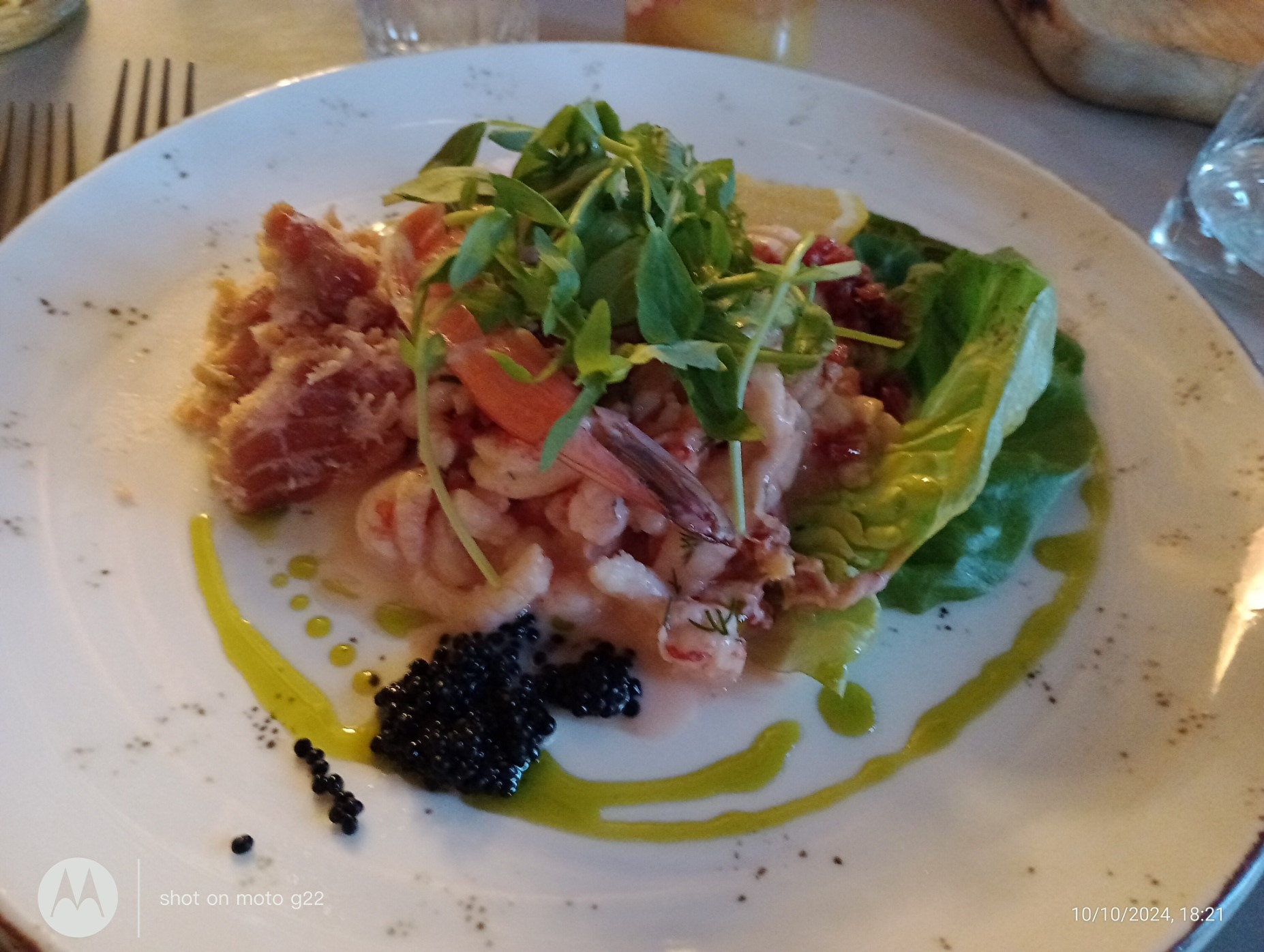

“The President knew at the time that there were any number of highly qualified black women on the lower federal courts from among whom he could choose – including Judge Jackson – and Republicans should have known that the President would nominate one of those supremely qualified black women to succeed Justice Breyer,” he wrote at the time.

Luttig now joins a number of high-profile Republicans endorsing Harris, including former members of Congress Joe Walsh, Barbara Comstock and Adam Kinzinger.

Kinzinger, now a CNN contributor, will have a high-profile speaking slot this week at the Democratic National Convention in Chicago.

Former Georgia Lt. Gov. Geoff Duncan, also a CNN contributor, endorsed Harris at the end of July in an Atlanta Journal-Constitution op-ed.

Her campaign, he wrote, was “the best vehicle toward preventing another stained Trump presidency.”

Speaking to CNN, Luttig said his decision to publicly back Harris was a matter of knowing “right from wrong” – and acting in accordance.

“In my faith, we believe that we will one day answer for our wrongs. I have always tried to live my life in anticipation of that day. Imperfectly, to be sure.  But I have tried,” an emotional Luttig said. “My endorsement of the Vice President was the right thing to do.  It would have been wrong for me to stay silent, and I believe I would have one day had to answer for that silence.

“It’s really that simple.”

Julie Howden

Women in Revolt! Exhibition showcases the feminist activist artists who used art to change lives

Published: September 6, 2024 2.15am AEST

Author Katarzyna Kosmala Chair in Culture Media and Visual Arts, University of the West of Scotland

Disclosure statement

Katarzyna Kosmala does not work for, consult, own shares in or receive funding from any company or organisation that would benefit from this article, and has disclosed no relevant affiliations beyond their academic appointment.

Partners

University of the West of Scotland provides funding as a member of The Conversation UK.

View all partners

CC BY NDWe believe in the free flow of information
Republish our articles for free, online or in print, under Creative Commons licence.

In the early 1970s, women in the UK were second-class citizens who had few rights. A woman could not buy or own a property without a male guarantor. There was no equal pay, no maternity rights nor any kind of protections against sex discrimination.

There were no domestic violence shelters, no rape crisis centres and no childcare. And if they were ethnic minority or working class, women suffered even greater inequalities. Unsurprisingly in this climate, women artists – either contemporary or historical – were rarely seen in art galleries and cultural institutions.

It is against this backdrop that Women in Revolt! Art and Activism in the UK 1970–1990 explores two decades of women’s art as activism, protest and fury at the societal dice that was were loaded against them. The touring Tate Britain exhibition, now at the National Galleries of Scotland in Edinburgh, takes as its starting point the 1970 National Women’s Liberation Conference. This was an initiative designed to bring together feminist activists with the intention of developing a shared political outlook.

The exhibition brings together legions of courageous women who made political works of art about their lives, to tell the story of the feminist movements of the 1970s and the 1980s.

A piece of art called Protest showing a woman with red hair and green face vomiting images of opression from her mouth.
Protest by See Red Women’s Workshop (1973) See Red Women’s Workshop

A crashing wave that swept up women artists, writers and academics – urging them to change the art world into something more socially responsible and inclusive – this feminist movement demanded equal opportunities, visibility of women artists and equal pay.

Set out chronologically, the show examines the social and political backdrop to the art that women were making in the 1970s and 1980s. More than 100 artists are showcased, reflecting the diverse range of voices that sought to challenge the status quo in art and society at the time. There are installation works as well as film, photography, painting, drawing, textiles, printmaking and sculpture, all created during a period of significant social and political upheaval.

The irreconcilable social and economic pressures of being a mother and a worker are explored in the installation Who’s Holding The Baby (1978-1980). This series of prints, by photography collective the Hackney Flashers, highlights the issues caused by the lack of governmental support for childcare.

Wandering around the Modern Two gallery feels like being a part of the protest. Art becomes activism and activism merges into art with black and white photographic documentation, and posters on the walls punctuated with striking paintings and slogans.

A founding member of the Organisation of Women of Asian and African Descent, Stella Dadzie’s watercolour Motherland (1984), depicts an estranged immigrant woman dressed in vivid colours. The painting was used as the cover for her book Heart of the Race: Black Women’s Lives in Britain, which won the 1985 Martin Luther King Award for Literature. This important book examines the lives of black British women faced with socioeconomic challenges, sexual inequality and institutional racism.

Stella Dadzie’s Motherland, seen here on the cover of her book, is part of the exhibition.

Elsewhere, analogue video and installation works are arranged amid the display cases, crammed with photographs, pamphlets, journals and zines documenting the wide-ranging networks between groups of women.

The archival material meticulously chronicles a series of 1970s national women’s liberation conferences that demanded social change based on equality, reproductive rights and equal pay. This also branched out to include the Gay Liberation Front, Brixton Black Women’s Group (1973-1985), the British Black Artists movement of the 1980s, Greenham Common women, anti-nuclear war protest and environmental campaigning.

Changing times, changing art

The installation Women and Work, by Margaret Harrison, Kay Hunt and Mary Kelly (1973-75), documents the division of labour in industry. It incorporates photography and audio accounts of women’s experience of the workplace and Equal Pay Act. These issues are mostly unresolved today.

What has visibly changed is women taking their place in galleries as artists, in academia, engineering and science. But inequality is intersectional – meaning characteristics such as race, class, gender, sexuality, age and ability can overlap to intensify oppression or disadvantage – and thrives more than ever.

The screaming coming from Gina Birch’s looped Super 8 film, 3 Minute Scream (1977), projected on a gallery wall is a disturbing aural statement on defiance. It articulates a common feeling of the rage and frustration felt by many women at the time – and now.

Two decades of art activism, provocation, campaigning and progress are surveyed, acknowledging the collective commitment to changing art in terms of accepted historical tropes and media stereotypes – the idealised passive nude, the selfless mother, the loving housewife.

Sutapa Biswas’ oil painting self-portrait as the four-armed Hindu Goddess Kali in Housewives with Steak Knives (1985) comments on the prevailing art history canon and the Eurocentric nature of the female model. Jo Spence’s black and white print challenges the Madonna-like mother figure by nursing an adult male in Remodelling Photo History: Revisualisation (1981-82).

Helen Chadwick’s In the Kitchen photographic series (1977) which presents woman’s bodily and domestic space as sites of oppression is also part of Acts of Creation: On Art and Motherhood This currently touring show, curated by Hetti Judah, examines representation of motherhood in art history and now.

In Women in Revolt!, the private is political, everyday life is political, and the art of women’s struggle is political. Whether you want to reflect on art and politics, the history of women’s protest, the construction of gendered roles, or women’s fight for democratic rights and freedoms, it is a thought-provoking exhibition that simultaneously reveals how far women have come, and how little things have changed for many.

The Agatha Christie Newsletter

I enjoy receiving The Agatha Christie Newsletter <generalenquiries@agathachristie.com.

This week it advertises the play based on one of her most intriguing novels, And Then There Were None which will be staged in Melbourne and Sydney.

The World of Agatha Christie: 1940s and 50s

The latest edition of our decades magazine has arrived, taking you right into the heart of the World War Two era. This issue explores the intricacies of life both during and in the aftermath of the war, through novel extracts, interactive puzzles, and a killer recipe. Download now.

Missed one of our previous magazines? You can find the whole series on our website.
Explore here

Watch the mystery unfold on stage

The timeless masterpiece And Then There Were None is coming to Australia. This classic story will take to the stage first in Melbourne in February 2025 before heading to Sydney in May. Brace yourselves for a captivating night of drama and intrigue. 
Book your tickets

See the remainder of this newsletter at Television,Film and Popular Culture: Comments


Brilliant & Bold

Climate Change, Biodiversity and The Environment – Different for Women and Girls?

I joined this global discussion with Dr Susan Buckingham and Monica E. Maghani on Sunday 8 September at 11am UK time – a reasonable time here in Australia while we have daylight saving. It is more of an effort when our 8.00 pm becomes 10.00pm. However, it is worth the late hour, and leaving early is not a problem, the discussion is always animated and although it is a pity to miss it, everyone understands timing can be difficult. Brilliant & Bold is Jocelynne Scutt’s Facebook feed. The following are the dates on which Brilliant and bold will be held for the remainder of 2024, and in 2025.


        Oct 13, 2024 11:00 AM (updated)

Nov 10, 2024 11:00 AM (updated)
        Jan 12, 2025 11:00 AM (updated)
        Feb 9, 2025 11:00 AM (updated)
        Mar 9, 2025 11:00 AM (updated)
        Apr 13, 2025 11:00 AM (updated)
        May 11, 2025 11:00 AM (updated)
        Jun 8, 2025 11:00 AM (updated)
        Jul 13, 2025 11:00 AM (updated)

The flyer for this week’s presentation provides an example of what you can expect from this series:

BRILLIANT & BOLD – BOLD & BRILLIANT CONVERSATIONS WITH ‘ORDINARY’ & ‘EXTRAORDINARY’ WOMEN

Climate Change, Biodiversity and The Environment – Different for Women and Girls?

A series on women’s rights, challenges, perspectives, hopes and empowerment


‘UP FROM UNDER – REACHING THE MOUNTAIN TOP – AND CLAIMING THE SKIES!’


Climate change is real. Around the world, biodiversity and climate change emergencies are declared by local government authorities, by national governments, and by community organisations and political parties.


Where do we stand, as women? How do we see the impact of floods and fires, increased heat and cold, extremes of weather in their impact on the world around us? We know that countries and people suffer differentially by reason of poverty or proximity to industries that harm the environment, or their low-lying land mass or island nation status. Evidence is that women and girls are impacted differentially, too. A simple action such as teaching women and girls to swim can at least enable them to save themselves if and when the tsunami sweeps them into the sea. Ensuring that they do not fall prey to traffickers when their homes disappear under the rising oceans is essential. Yet steps to lessen climate change must be at the forefront.

Listening, learning and sharing ideas is vital. Brilliant & Bold! brings to the discussion Dr Susan Buckingham and Lawyer Monica E. Maghami to share their knowledge, expertise, experience, and ideas for working toward a positive future for women and girls.

Week beginning 4 September 2024

Douglas Beattie How Labour Wins (And Why It Loses) From 1900 to 2024 Elliott & Thompson, August 2024.

Thank you, NetGalley, for providing me with this uncorrected copy for review.

Douglas Beattie’s approach to a topic that could take up so many interesting side issues is a Party Campaign Director’s dream: he unfailingly remains on message. As a result, this book is a focussed, insightful read. In referring to major events that could be tempting to dwell upon Beattie instead refers to them with well crafted, directed comments that tell the reader all that is necessary. The Labour Party, its leaders, ministers and shadow ministers, back benchers, party members are at the forefront, in their praiseworthy and not so praiseworthy, attempt to win government, success in doing so and their reaction to being in government. Outside the Labour Party, but important actors in this narrative, are the alternative governing parties, their leaders and supporters; constituents; and the role of polls and the media. The results of the 2024 election of the Kier Starmer Labour Government are not covered – the election is in the immediate future – but what information is there is an excellent precursor to that Labour win.   See Books: Reviews for the complete review.

Corrina Antrobus I Love Romcoms and I am a Feminist A manifesto in 100 romcoms Quarto Publishing Group – White Lion, August 2024.

Thank you, Net Galley, for providing me with this uncorrected proof for review.  

Corrina Antrobus has combined short, perceptive commentary with attractive graphics, making this (at first sight) a fun read. However, there is more to this work, and the way in which Antrobus has managed to pack so much wisdom into her commentary, and accompanying lists of suggested rom coms is instructive. While lengthy academic works have their place, so do works such as this – fun, attractive, perceptive, easy to read and providing so much to think about. I like the way in which films seen as women’s films, and therefore possibly lightweight have been given this sort of attention. Look beyond the fun and see what Antrobus really has to say about women, the rom com genre and its treatment of women, and the history of the genre. See Books: Reviews for the complete review.

After the Covid Update: Spring photos; Bob McMullan, the American Presidential Election; Heather Cox Richardson, socialism and Americans; Australian Government Initiative to improve the culture and accountability in Parliament.

Covid Update 23 – 29 August 2024

There were 49 cases (PCR only), 6 in hospital 1 in ICU with none ventilated and 5 lives lost. People are still committed to social distancing, and some are wearing face masks.

More spring photos

Blossoms are already drifting off some trees, although others are still beginning to blossom. A wonderful time of year.

Bob McMullan – American Presidential Election 2024

US election review at 2 September

A lot seems to have happened this week in the US presidential election. But so far it does not seem to have moved public opinion very much. I suspect that the last few weeks have seen the big shift in public opinion. If this is the case, it is down to hard slog from here.

What has been amazing is the change in the Electoral College prospects over the last five weeks. Now all seven swing states are in play. Under Joe Biden it was down the “blue wall” three, Michigan, Pennsylvania and Wisconsin. These three are still very important, but Kamala Harris has opened up alternative pathways to 270 Electoral college votes via the so-called Sunbelt states of Georgia, Arizona, Nevada and North Carolina.

(It continues to surprise me that Americans are satisfied with a voting system that renders the votes of all those outside the seven “battleground states” virtually irrelevant).

The biggest event of the week was probably the CNN interview with Harris and Walz. The significance of this had been intensified because the delay in having their first interview after Harris became the presumptive nominee had generated suspicions that she would not be able to handle such an interview.

How did she do? Well enough. She avoided any pitfalls and came across as reasonably confident and comfortable. I thought she missed an opportunity to turn the interview to advantage, but if the goal was to get it done without problems that was achieved. The Vice president was helped in outperforming expectations by the ludicrously low bar Donald Trump had set for her. Saying she would not be able to answer the questions and would have to lean on her running mate to deal with the issues was always stupid and enabled her to leap over the low bar with ease.

What might have been the other big issue of the week was Trump’s embarrassing attempts to resolve the dilemma facing him about the abortion question. It is possible that the great Republican victory in overturning abortion rights for American women, and in the process threatening other rights such as access to contraception and IVF, will turn out to be a pyrrhic victory.

The Dobbs decision which overturned Roe v Wade has had devastating consequences for women in a number of states and that is obviously deplorable. However, the electoral consequences appear to be very worrying for Republicans in general, and Trump in particular.

This week Trump has tried to distance himself from the extremists of the anti-abortion, anti-IVF brigade but he has pulled back into line by their threats of withdrawing support. He has reluctantly had to confirm that he will vote against a Florida referendum which would overturn a 6-week abortion ban in that state. The irony is, if he had not conspired to overturn Roe v Wade, such a referendum could not have been held.

The abortion and reproduction rights issue is a significant part of a growing gender divide in US politics. Given his history of abuse of women and his attitude towards their rights it is easy to understand why women are deserting Trump. It is , however, important to understand that the election is close because of support for Trump from white men.

And the election is close. The polling over the last week has shown a stable but narrow lead for Kamala Harris nationally and in sufficient states to win the Electoral College if reflected in the final results. On a national level, the 538 averages have weakened slightly for Harris, from 3.4% to 3.2%. RCP averages have strengthened slightly, from a 1.7% lead for Harris to 1.8%. Such miniscule changes are statistically irrelevant and show an essential stability in attitudes.

On a  state-by-state basis, 538 ends the week with Harris leading in 6 of the 7 battleground states (all but North Carolina). However, the margins are narrow and drifting a little. RCP finished the week with Harris in front 5 of the battleground states including North Carolina but trailing in Nevada and Georgia.

All this means that the election shows every sign of being very close Even given the tendency for polling to underestimate support for Trump, an objective observer would probably prefer to be in Harris’ position than Trump’s, but it is possible to make the case for either of them.

Early voting begins this month so the stakes are very high. The next week should see a continuation of current campaign trends before the debate on 10 September.

Heather Cox Richardson

Heather Cox Richardson from Letters from an American <heathercoxrichardson@substack.com> 

This is an edited version of Heather Cox Richardson’s letter 28 August 2024. I think that the discussion of socialism, and the American interpretation of this, together with former President Trump’s commentary makes an interesting discussion. The edited section of the newsletter referred to events that have been in the news, and although they miss HCR’s excellent commentary, discussion of the events at Arlington Cemetery and Trump’s interview with Dr Phil can be found elsewhere.

…When asked his opinion of Vice President Harris, Trump once again called her “a Marxist,” a reference that would normally be used to refer to someone who agrees with the basic principles outlined by nineteenth-century philosopher Karl Marx in his theory of how society works. In Marx’s era, people in the U.S. and Europe were grappling with what industrialization would mean for the relationship between individual workers, employers, resources, and society. Marx believed that there was a growing conflict between workers and capitalists that would eventually lead to a revolution in which workers would take over the means of production—factories, farms, and so on—and end economic inequality.

Harris has shown no signs of embracing this philosophy, and on August 15, when Trump talked at reporters for more than an hour at his Bedminster property in front of a table with coffee and breakfast cereal at what was supposed to be a press conference on the economy, he said of his campaign strategy: “All we have to do is define our opponent as being a communist or a socialist or somebody that’s going to destroy our country.” 

Trump uses “Marxist,” “communist,” and “socialist” interchangeably, and when he and his allies accuse Democrats of being one of those things, they are not talking about an economic system in which the people, represented by the government, take control of the means of production. They are using a peculiarly American adaptation of the term “socialist.”

True socialism has never been popular in America. The best it has ever done in a national election was in 1912, when labor organizer Eugene V. Debs, running for president as a Socialist, won 6% of the vote, coming in behind Woodrow Wilson, Theodore Roosevelt, and William Howard Taft. 

What Republicans mean by “socialism” in America is a product of the years immediately after the Civil War, when African American men first got the right to vote. Eager to join the economic system from which they had previously been excluded, these men voted for leaders who promised to rebuild the South, provide schools and hospitals (as well as prosthetics for veterans, a vital need in the post-war U.S.), and develop the economy with railroads to provide an equal opportunity for all men to rise to prosperity. 

Former Confederates loathed the idea of Black men voting almost as much as they hated the idea of equal rights. They insisted that the public programs poorer voters wanted were simply a redistribution of wealth from prosperous white men to undeserving Black Americans who wanted a handout, although white people would also benefit from such programs. Improvements could be paid for only with tax levies, and white men were the only ones with property in the Reconstruction South. Thus, public investments in roads and schools and hospitals would redistribute wealth from propertied men to poor people, from white men to Black people. It was, opponents said, “socialism.” Poor black voters were instituting, one popular magazine wrote, “Socialism in South Carolina” and should be kept from the polls.

This idea that it was dangerous for working people to participate in government caught on in the North as immigrants moved into growing cities to work in the developing factories. Like their counterparts in the South, they voted for roads and schools, and wealthy men insisted these programs meant a redistribution of wealth through tax dollars. They got more concerned still when a majority of Americans began to call for regulation to keep businessmen from gouging consumers, polluting the environment, and poisoning the food supply (the reason you needed to worry about strangers and candy in that era was that candy was often painted with lead paint).

Any attempt to regulate business would impinge on a man’s liberty, wealthy men argued, and it would cost tax dollars to hire inspectors. Thus, they said, it was a redistribution of wealth. Long before the Bolshevik Revolution in Russia brought the fears of a workers’ government to life, Americans argued that their economy was under siege by socialists. Their conviction did indeed lead to a redistribution of wealth, but as regular Americans were kept from voting, the wealth went dramatically upward, not down.

The powerful formula linking racism to the idea of an active government and arguing that a government that promotes infrastructure, provides a basic social safety net, and regulates business is socialism has shaped American history since Reconstruction. In the modern era the Brown v. Board of Education Supreme Court decision of 1954 enabled wealthy men to convince voters that their tax dollars were being taken from them to promote the interests of Black Americans. President Ronald Reagan made that formula central to the Republican Party, and it has lived there ever since, as Republicans call any policy designed to help ordinary Americans “socialism.”

Vice President Harris recently said she would continue the work of the Biden administration and crack down on the price-fixing, price gouging, and corporate mergers that drove high grocery prices in the wake of the pandemic. Such plans have been on the table for a while: Senator Bob Casey (D-PA) noted last year that from July 2020 through July 2022, inflation rose by 14% and corporate profits rose by 75%. He backed a measure introduced by Senator Elizabeth Warren (D-MA)—who came up with the idea of the Consumer Financial Protection Bureau—that would set standards to prevent large corporations from price gouging during an “exceptional market shock” like a power grid failure, a public health emergency, a natural disaster, and so on. Harris’s proposal was met with pushback from opponents saying that such a law would do more harm than good and that post-pandemic high inflation was driven by the market.

Yesterday, during testimony for an antitrust case, an email from the senior director for pricing at the grocery giant Kroger, Andy Groff, to other Kroger executives seemed to prove that those calling out price gouging were at least in part right. In it, Groff wrote: “On milk and eggs, retail inflation has been significantly higher than cost inflation.” 

Notes:

https://www.politico.com/news/2024/08/14/harris-food-prices-economy-speech-00174112

https://www.cbsnews.com/news/kamala-harris-dnc-economic-plan-price-gouging-ban-inflation/

https://www.newsweek.com/kroger-executive-admits-company-gouged-prices-above-inflation-1945742

https://www.congress.gov/bill/117th-congress/senate-bill/4214/text

https://www.bbc.com/news/articles/cy8xqy0jv24o

X:

VaughnHillyard/status/1828875846209437870

Acyn/status/1828851684153741333

joshtpm/status/1828888452818964511

cmclymer/status/1828756880036114826

votevets/status/1828836255687139604

American_Bridge/status/1828593815839522856atrupar/status/1824201300029936100

15 March 2021 Demonstration at Parliament House

Perhaps the Outrage and Optimism sign was justified. Labor Senator Katy Gallaher reports on the Labor Government initiative.

Australian Government Initiative to improve the culture and accountability in Parliament

Katy’s Policy Explainer
Parliament House should be a model workplace, but in 2021 the Set the Standard Report made it clear that this was not the experience for many staff. Labor is taking important steps to improve the culture and accountability in Parliament.

On 21 August, we introduced a Bill to establish the Independent Parliamentary Standards Commission (IPSC). Here’s what you need to know:

What’s Happening?
Our Government introduced legislation to establish the IPSC, an independent body that will enforce behaviour codes in Parliament. This means it will investigate complaints about bullying, harassment, and discrimination involving Parliamentarians, their staff, and others working in parliamentary workplaces.

What Can the IPSC do?
The IPSC will have the power to conduct investigations and impose sanctions when necessary. It will work closely with other support services to ensure that there’s a fair, confidential, and impartial process for handling serious workplace issues. This new body is all about making sure that everyone in Parliament is held to the highest standards of behaviour.

Why Is This Important?
Creating the IPSC is a key step in making Parliament a safer and more respectful workplace. As I’ve said before, the 2021 Set the Standard report laid bare the serious issues of bullying, sexual harassment, and sexual assault at Parliamentary workplaces. This new commission ensures that there’s real accountability for those doing the wrong thing.

In short, the IPSC will play a vital role in ensuring that everyone in Parliament is treated with the respect and fairness they deserve.

Week beginning 28 August 2024

Joshua Stein The Binge Watcher’s Guide to The West Wing Seasons One and Two Riverdale Avenue Books The Binge Watcher’s Guide, August 2024.

Thank you, Net Galley, for providing me with this uncorrected proof for review.

Reading The Binge Watcher’s Guide to The West Wing while also watching the 2024 Democratic National Convention could not have been more propitious. At the same time Joshua Stein deftly outlines the real stories associated with some of the episodes, the way in which he points to criticisms of some of the positions held by President Clinton and demonstrates the demeaning way in which women were treated, thereby  undermining the dream that this series seemed to portray, another possibility of a better West Wing is unfurling in Chicago at the Democratic National Convention. Together with the enthusiasm, joy, abounding optimism and inspiring speeches, there are words of caution and solid understanding of what it means to govern, to adopt the mantle of responsibilities of the presidency and West Wing staffers.

These realities are worth thinking about when reading The Binge Watcher’s Guide to the West Wing. As Michelle Obama opined, people running for office are not perfect, and cannot be expected to be. Committed Democrats must continue to work to win office, regardless of how well their contribution is acknowledged and publicly appreciated. Everyone cannot expect perfection from others – there is no time for pettiness. In this instance,  she and others cautioned that working for Kamala Harris and Tim Walz to become President and Vice President is too important for such minor concerns. In short, the dream and essential reality being offered by this team must be supported. So, at the same time as reading that our West Wing heroes and heroines can be less than perfect, that the president’s ideals and policy initiatives are not always the height of integrity, and squirming at the way in which women’s contributions and lives are not valued it is also worth maintaining the wonder with which we watched The West Wing in our unadulterated enthusiasm to believe in a better political way and  integrity beyond that possible in an environment in which to introduce worthwhile polices winning is necessary. See Books: Reviews for the complete review.

Bob McMullan – American Presidential Election 2024

US election review at 26 August

It is hard to imagine a candidate having a better week than Karmala Harris just had. The Democratic National Convention was a triumph for her. It builds on an almost unbelievably good four weeks since Joe Biden pulled out of the campaign and anointed Kamala.

Furthermore, the Republican nominee, Donald Trump, has been struggling to respond to her.

There is no doubt that Vice President Harris has momentum in her campaign.

All this good news raises two key questions.

First, how does the Harris/Walz campaign team maintain the momentum? Although the time remaining is short by traditional US election standards, the time between the Convention and polling day is double the length of a normal Australian election campaign. More will need to be done to build on a very strong start. Early voting in some states begins in mid-September, but without the impact of Covid on this election I expect most people to vote in November.

The second question is, after all this good news why is Harris only slightly in front? The improvement in polling for the Democratic Party candidate has been remarkable. But the election is still close. The Economist reports that Nate Silver’s model gives Kamala Harris a 56% chance of beating Trump. The Economist’s own model puts her prospects at 52%. It is always better to be in front than behind, but these numbers illustrate how close the election is at the moment.

The next major scheduled event will be the Presidential debate on 10th September (if it occurs). While Harris has the skills to do well in such a debate, Donald Trump should not be underestimated. He is an experienced campaigner and very unorthodox. He can strike major blows on his opponent from unexpected directions.

Another recent variable has been the withdrawal of Robert Kennedy Junior and his endorsement of Donald Trump. How much impact will this have? Not much. The best assessment I have seen suggests a slight benefit to Trump, perhaps as little as 0.3%. This could be decisive in a very close election but it will be a very marginal factor in a volatile political climate.

So, how does the election stand now?

Both major polling aggregators, Real Clear Politics and 538, show Kamala Harris in front in enough states to win. But not as far in front as Joe Biden or Hillary Clinton at the equivalent stage of their campaigns.

And Democrat aligned pollsters are warning that the polls could be underestimating support for Trump. This is a much more of a risk under non-compulsory voting than the Australian situation as some categories of low propensity voters have tended to support Trump in the last two elections, and he has the capacity to turn out more of them than usual. Remember, he received 74 million votes in 2020.
However, the current situation is as at 25th August:
538 has Harris ahead nationally by 3.6% and ahead in Arizona, Michigan, Nevada, North Carolina, Pennsylvania and Wisconsin. This would be an equivalent result to Biden’s in 2020 in terms of the electoral college vote, with Harris winning in North Carolina rather than Georgia which Biden won. Both states have 16 electoral college votes.

RCP continues to track less well for Harris. They have her ahead nationally by 1.5% and ahead in Arizona, Michigan, Pennsylvania and Wisconsin. RCP has Harris and Trump tied in North Carolina and Harris trailing in Georgia and Nevada. This would still be enough to win but too close for comfort.

Anniversary of The West Wing

Martin Sheen (President Jed Barlett) and Melissa Fitzgerald (Assistant to C.J.) were interviewed briefly on Morning Joe, to talk about The West Wing and the book about the series, What’s Next, written by Melissa Fitzgerald and Mary McCormack.

Also celebrating The West Wing Anniversary

Inside ‘The West Wing,’ 25 years later
NPR

By Karen Zamora, Scott Detrow, William Troop Published August 20, 2024 at 3:10 PM CDT

NPR’s Scott Detrow speaks with Martin Sheen and Melissa Fitzgerald about all things West Wing. Fitzgerald co-wrote a new book called What’s Next about the legacy of the show.

SCOTT DETROW, HOST:

Politics are in the air this week as Democrats gather in Chicago for their national convention. But for the next few minutes, we are going to set aside the politics of real life for fiction…

(SOUNDBITE OF W.G. SNUFFY WALDEN’S “MAIN TITLE (THE WEST WING)”)

DETROW: …A very specific political fiction of contested political conventions, of accidental arrests of Supreme Court nominees, of secret plans to fight inflation. We are talking about “The West Wing.” Twenty-five years ago next month, it premiered on NBC. When the show first got picked up, the cast was skeptical the series would last.
MARTIN SHEEN: It’s about politics. It’s about very liberal politics with a Catholic president and a moral frame of reference and all of these very, very energetic, committed young people. Who’s going to watch it?

DETROW: That, of course, is Martin Sheen, who played President Jed Bartlet. And that skepticism – it was warranted because, up until that point, there was a pretty clear track record. American audiences did not want to watch shows about politics at all, as fellow cast member Melissa Fitzgerald points out.

MELISSA FITZGERALD: That had never happened in television before. There had never been a successful political television show.

DETROW: “The West Wing” was, of course, incredibly successful. It won Emmy after Emmy and lived on in DVD and streaming loops for the millions of Americans who first caught the political bug by watching the Aaron Sorkin show. “The West Wing” has had such a long legacy that Fitzgerald has now co-written a book, along with co-star Mary McCormack, all about the series. It’s called, “What’s Next: A Backstage Pass To The West Wing, Its Cast And Crew And Its Enduring Legacy Of Service.”

Fitzgerald and Sheen recently came to NPR to talk about the show and the book. And I asked Fitzgerald, who played Carol Fitzpatrick, the assistant to the White House press secretary, what Martin Sheen was like on set.

FITZGERALD: One of my first days at work, I remember coming onto set and seeing Martin, and he was shaking hands with every single background artist and introducing himself and welcoming. It just felt like he was welcoming everyone to this family. And that’s not usual on set. It’s who Martin is. He is the most inclusive, kind man, who treats everybody with dignity and respect. And we have all benefited from that.

SHEEN: Oh, thank you very much. However, the only criticism that I had with Melissa and Mary was, they have got to find people who simply do not like me…

(LAUGHTER)

FITZGERALD: Impossible.

SHEEN: …And they didn’t do enough research…

DETROW: Where do they…

SHEEN: …On that.

DETROW: Where do you suggest we all look for that?

SHEEN: Oh, ho, ho, ho – after the show.

DETROW: OK.

(LAUGHTER)

FITZGERALD: Yeah. Well, we did over a hundred interviews. We interviewed cast. We interviewed crew, writers, people who inspired the show. Good luck finding one single person who doesn’t love this man more than anyone. And he is a hero to all of us, and I know he hates hearing this, but he is.

DETROW: Not even – since we’re here in D.C. – not even off the record? Like, off the record, that guy was a jerk.

SHEEN: (Laughter).

FITZGERALD: Off the record, we say even better things about him because then – he’s so humble. He doesn’t want to hear them.

SHEEN: (Laughter).

DETROW: But one of the things you did was – and I – in all of the different podcasts and DVDs extras I’ve consumed over the years, I hadn’t heard about this before – you organized an annual trip to Vegas?

SHEEN: Yeah. It was our bingo bus party.

DETROW: Yeah.

SHEEN: Our Christmas gift to all of the people that you normally do not see on camera. They call them extras. I hate that term. And so we wanted to celebrate them every Christmas. And so I would rent – I started with one bus. And by the second season, we were at two buses. And we’d play bingo in the bus as we get to Vegas.

DETROW: Yeah.

SHEEN: And everybody wins some money. And while we’re in Vegas, they all lose it. And so I realized, wait a minute – we’d better have bingo going home as well.

(LAUGHTER)

SHEEN: So we put that into the mix. Yeah, it was one of the most satisfying things. It was great fun. See Television,Film and Popular Culture: Comments for the full transcript of this podcast.

NPR transcripts are created on a rush deadline by an NPR contractor. This text may not be in its final form and may be updated or revised in the future. Accuracy and availability may vary. The authoritative record of NPR’s programming is the audio record.

Heather Cox Richardson – from Letters from an American 

<heathercoxrichardson@substack.com> 

August 26 2024

The point that is currently holding up plans for ABC’s September 10 presidential debate is whether the candidates’ microphones will be muted when it is the other’s turn to speak. Vice President Kamala Harris’s team wants the mics “hot”; Trump’s team wants them turned off. Officials on the Harris campaign say they are quite willing for viewers to hear Trump’s outbursts and, in a statement, appeared to bait Trump by saying: “Our understanding is that Trump’s handlers prefer the muted microphone because they don’t think their candidate can act presidential for 90 minutes on his own.”

Over the past few years, observers who have been paying attention to Trump have noted that he appeared to be sliding mentally and warned that when voters saw him again outside his Mar-a-Lago cocoon and his rallies they would be shocked. That prediction appears to have come true. Trump seems to have little interest in doing the actual work of campaigning, instead swinging between grievance-filled rants and flat recitations of his apocalyptic worldview, trying to stay in the center of public consciousness with outrageous lies and, as he did in his suggestion that he would not debate Harris, telling people to “stay tuned!”

But as Josh Marshall of Talking Points Memo pointed out today, “nobody cares.” Instead of making him look dominant, his old performance makes him look weak, especially as he appears unable to grapple with Harris’s rise and is still fixated on how “unfair” it was of the Democrats to choose Harris as their presidential candidate. In 2016 and 2020, Trump had the help of talk radio host Rush Limbaugh and the Fox News Channel to push his narrative, but Limbaugh died in 2021 and the Fox News Channel is somewhat chastened after a $787 million settlement over its lies about the 2020 election. Harris and Walz are now setting the terms of debate surrounding the 2024 presidential election, and their dominance illustrates his weakness.

A key element of Trump’s political power was always his insistence that he is by far the nation’s popular choice. In 2016 he insisted that he won the popular vote against Democratic candidate former secretary of state Hillary Clinton—in fact, he lost by almost 3 million votes—and even now, he keeps saying he has all the votes he needs and that he is doing well in the polls, when demonstrably he is not. His constant focus on crowd sizes and enthusiasm is designed to establish the illusion that a majority of people prefer his election to that of his opponents.

By insisting he is the popular choice, Trump has tried to make his election seem inevitable, convincing his loyalists that a loss must be an assault on our democracy and that good Americans will fight to defend both it and him. The Big Lie that he won the 2020 presidential election was intended to cement the idea that the Democrats could win only by cheating. In fact, President Joe Biden won the 2020 presidential election by about 7 million votes and won the Electoral College by 306 to 232, the same split that in 2016, when it was in his favor, Trump called a landslide. Trump and his allies lost more than 60 lawsuits challenging the results of the election. 

And yet, pushing the idea that Trump cannot lose in a fair election seems to have been a key part of his strategy for 2024. The lie that there was widespread voter fraud in 2020 led to a wave of new state laws to suppress the vote. MAGA lawmakers defended these laws on the grounds that they must respond to voter fraud. The nonprofit law and public policy Brennan Center for Justice recorded that in 2021 alone, from January 1 through December 7, at least 19 states passed 34 laws that restricted access to voting.

In May 2024 the Brennan Center reported that in at least 28 states, voters this year will face new restrictions that were not in place in the 2020 presidential election. Varying by state, these laws do things like shorten the time for requesting an absentee ballot, make it a crime to deliver another voter’s mail-in ballot, require proof of citizenship from voters who share the same name as noncitizens, and so on. 

As MAGA Republicans and their plans—especially their assault on reproductive healthcare and the policies outlined in Project 2025—become increasingly unpopular, Republican-dominated states are ramping up their effort to keep the people they assume will oppose them from voting. 

In Nebraska, Alex Burness reported in Bolts today, two Republican officials—Attorney General Mike Hilgers and Secretary of State Bob Evnen— last month stopped the implementation of a new state law, passed overwhelmingly by a Republican-dominated legislature earlier this year, that granted immediate voting rights to about 7,000 people with past felony convictions. In the process, Hilgers also declared unconstitutional a 2005 law that had allowed those convicted of a felony to vote two years after they completed their sentence. Evnen then told county-level elections offices that they could not register former felons.

The confusion has made people nervous about even trying to register. “People are scared they’re going to get charged with something if they try to vote and can’t vote, so a lot of people will just wash their hands of it,” Pamala Pettes told Burness. “They don’t want to go and vote unless they have a clear idea of what’s going on. They don’t have that.” More than 100,000 people are caught in this confusion. As Burness notes, the election could come down to the city of Omaha, where thousands of potential voters—overwhelmingly Black, Latino, and Native—have been blocked from registering.

Voter intimidation is underway in Texas, too. On August 18, Fox News Channel personality Maria Bartiromo, who was a key figure in promoting the Big Lie, posted a rumor that migrants were illegally registering to vote at a government facility west of Fort Worth. The Republican chair and election administrator there said there was no evidence for her accusation and that it was false, but Texas attorney general Ken Paxton nonetheless launched an investigation.  

In addition to feeding the narrative that there is voter fraud at work in Texas, the investigation led Paxton’s team to raid the homes of at least seven Latino Democrats. No one has been charged in the aftermath of the raids. Latino rights advocates call them a “disgraceful and outrageous” attempt to intimidate Latino voters and have filed a formal complaint with the Department of Justice.

Today, Texas governor Greg Abbott announced that since 2021, Texas has removed more than one million people from the state’s voter rolls, and said the process will be ongoing. Abbott’s office said those removed are ineligible to vote because they have moved, are dead, or are not citizens. But more than 463,000 of those on the list have been removed because their county of residence is unaware of their current address. 

Even when voters do make their wishes known, in Republican-dominated states, those wishes are not always honored. David Kurtz of Talking Points Memo today pointed out an article in which Adam Unikowsky, who clerked for the right-wing U.S. Supreme Court justice Antonin Scalia, eviscerated a recent decision by the Arkansas Supreme Court that will prevent an abortion rights initiative from appearing on the ballot in November.  

Why is the state supreme court keeping an initiative supported by far more than the 10% of voters required by law off the ballot? Because, Unikowsky writes in Adam’s Legal Newsletter, “when the ballot initiative sponsor submitted its petition on the due date, it failed to staple a photocopy of a document it had already submitted a week earlier. The court reached this conclusion even though (a) nothing in Arkansas law requires this photocopy to be stapled; and (b) even if this requirement existed, Arkansas law is clear that the failure to staple this photocopy is [fixable], and the sponsor immediately [fixed] the asserted defect.”

Unikowsky accuses the court of guaranteeing that a measure the people wanted could not win by making sure it was not on the ballot. Further, although Unikowsky doesn’t mention it, keeping abortion off the ballot will generally help Republicans in the Arkansas elections by keeping those eager to protect reproductive rights feel less urgency to make it to the polls. 

Another way to suppress the vote is showing up these days in Georgia, where MAGA Republicans in the state legislature have handed control of the state election board to a three-member MAGA majority whose members Trump has personally praised. 

The three have been passing a series of last-minute rule changes that will sow confusion over how to conduct an election and then will give Republican-dominated election boards the power to refuse to certify election results. Such a scenario would put into effect the plan Trump and his allies hatched in 2020 to nullify the will of the voters. Tonight the Democratic National Committee and the Democratic Party of Georgia sued to stop Trump’s allies from blocking the certification of the 2024 election. 

The momentum of the Harris-Walz campaign undermines the Big Lie that Trump is the popular choice, but the voter suppression the Big Lie justified remains. That voter suppression recalls the years of Reconstruction in the American South, when southern Democrats determined to keep Black men from voting found all sorts of ways to do so on grounds other than race, which the Fifteenth Amendment prohibited. Modern media allows us to see today’s machinations in real time, making it easier for civil rights lawyers—who were few and far between in the late nineteenth century—to fight back, and for voters to recognize that they are not alone in their struggle to claim their right to a say in their government. 

In her acceptance speech at last week’s Democratic National Convention, Vice President Harris called for the passage of two measures killed by Republicans after 2020: the John Lewis Voting Rights Act and the Freedom to Vote Act. These measures would stop the flow of big money into politics, end partisan gerrymandering, and protect the right to vote.

Notes:

https://talkingpointsmemo.com/edblog/donalds-fallen-down-so-why-cant-he-get-up

https://www.politico.com/news/2024/08/26/kamala-harris-donald-trump-debate-abc-microphones-00176294

https://www.washingtonpost.com/politics/2024/08/24/trump-energy-campaign-harris/

https://apnews.com/article/fox-news-dominion-lawsuit-trial-trump-2020-0ac71f75acfacc52ea80b3e747fb0afe

https://www.brennancenter.org/our-work/research-reports/voting-laws-roundup-december-2021

https://www.presidency.ucsb.edu/statistics/elections/2016

https://www.brennancenter.org/our-work/research-reports/voting-laws-roundup-may-2024

https://www.texastribune.org/2024/08/26/texas-voter-registration-election-ken-paxton-investigation/

https://www.texastribune.org/2024/08/24/ken-paxton-vote-harvesting-raid-lulac-cecilia-castellano/

https://gov.texas.gov/news/post/governor-abbott-announces-over-1-million-ineligible-voters-removed-from-voter-rolls

https://www.texastribune.org/2024/08/26/texas-latino-leaders-ken-paxton-voter-fraud/

https://talkingpointsmemo.com/morning-memo/donald-trump-kamala-harris-debate-campaign-rfk-jr

Cindy Lou Eats Out in Canberra

Cindy Lou enjoys Canberra favourite restaurants. Unfortunately, one of these, 86 Northside, has a specialist chef offering a degustation menu at the moment so my visit there was not an option. However, as usual, Blackfire and Courgette came up to expectations. And, of course, coffee at Kopiku continues to be a morning pleasure after a walk.

Blackfire Again

Blackfire is a great ‘go to’ restaurant. I rarely stay far from my favourites – from the tapas menu, the crab filled red peppers, and from the entrees, the king prawns with croutons. And on this occasion that is what I ordered. However, the cheese pastries are also delicious, and the fish main is an excellent dish. For a quick, delicious meal in comfortable and friendly surroundings Blackfire provides an excellent option.

The Malagliata pasta looked marvellous, the other tapas, the Croqueta Jamon Iberico with romesco and beetroot sauces was deemed a good choice, and the mash and beans made a lovely accompaniment to the sauce surrounding my huge prawns. The paellas which passed us when we were leaving looked very appetising, and with three choices – seafood, vegetarian or chicken, look like a good option if you are part of a larger group.

Courgette Again

Lunch time at Courgette is always a pleasant experience. This time it was particularly enjoyable as we went on a Monday and joined the small number of other Monday restaurant goers in a lovely room separate from the familiar dining room. It was being set up for a night function, and we benefitted from the smaller room and the attention of the chef as well as the familiar waitperson who recalls our grandson when he came with us.

The menu was the same as last time I went so I tried something new. The different choices I made (apart from the familiar cheesecake dessert which I could not resist) were excellent. On this occasion the spatchcock on the menu was replaced with duck, which was beautifully cooked and served with brussel sprouts, Gruyere Cheese, Kipfler Potatoes, Leeks and Chorizo Veloute`and Chimichurri Sauce. I left the prosciutto which adorned it – the meal was generous enough! My entree was the Hiramasa Kingfish, Garlic Prawn, Aromatic Coconut Curry, Kaffir Lime, Buffalo Yoghurt, Tomato and Micro Coriander; the other choice at our table was the Charred Aubergine with Smoked Hummus, Mushroom, Sweet potato, Currants, Pine-nuts and Spicy Agrodolce which I also had last time. This was followed by the main of Wagyu Beef Cheek & Angus Beef Fillet, Cream Spinach Celeriac Puree, Baby Turnip, Dutch Carrot and Red Wine Jus.

This autumn, we have an exciting autumn programme of live online courses and seasons, plus a one-off lecture on Charlotte Bronte’s great novel, Jane Eyre, with Clare Walker-Gore. Saturday 7 September 2024, 2.00 to 4.00 pm British Summer Time.

Women and Power in 20thC Fiction

Starts 8 September. Women writers in the 1950s and 1960s

• Patricia Highsmith, The Talented Mr Ripley (1955)
• Barbara Comyns, The Vet’s Daughter (1959)
• Muriel Spark, The Prime of Miss Jean Brodie (1961)
• Brigid Brophy, The Snow Ball (1964).

Live online course with Miles Leeson. Sundays, fortnightly, 8 September to 20 October 2024, 6.00 to 8.00 pm British Summer Time. A few places left.