Book reviews this week include a thriller, a domestic drama, and a non-fiction book. The following books were provided to me as uncorrected proofs from NetGalley for advance reviews.
Bill Clinton; James Patterson, The President’s Daughter, Random house UK, Cornerstone Century, 2021.
My usual choice of reading does not include thrillers such as The President’s Daughter, but of course I was tempted by the thought of reading a novel with a clear political component contributed to by Bill Clinton. If you are like me, make sure that on this occasion you too are tempted. The President’s Daughter is an excellent read: it is well plotted; features nuanced and broad ranging political elements; gives women agency; and has a riveting major story line, with thoughtful sub plots.
Kerry Fisher, Other People’s Marriages, bookoutre, 2021.
Kerry Fisher is one of a small group amongst the writers of domestic drama with a feminist foundation that I admire and enjoy. Yes, there are others who attempt to write in this genre and succeed well enough to provide a satisfying and, at times, likeable read. However, Kerry Fisher does more. Her use of a familiar device, some older women friends, a secret, chapters that alternate between characters and past and present, is particularly well developed. Slices of the women’s lives, and secondary characters, brought together over time insist that the reader becomes drawn into the deliberations and lives enacted on the page. These lives are so full of comic moments, heartache, drama, friendship, enmity, and reality with which it is so easy to engage, that the women, likeable or not, with whom it is easy to agree or not, become a familiar part of the reader’s life, at the time, and after the book is finished.
Danielle J. Lindemann, True Story What Television Says About Us, Farrar, Strauss and Giroux, 2021
True Story is an amusing, as well as academic, romp through American reality television programs. Some of the programs will be familiar to readers from other countries: Keeping Up with the Kardashians, Big Brother and Survivor; make over programs; televised cooking competitions; The Apprentice; modelling, singing, and dancing competitive shows; and The Real Housewives. Some are American programs televised worldwide, others are home grown on the same model as the American programs. Some are entirely new to me, and possibly other readers will find the same. However, unfamiliar in their particulars they may be, but all reality television watchers will recognise the ‘rules’; the catch cries that belong to the genre – the television ‘characters’ and their audience; and, although we may need Danielle J. Lindemann to alert us, the way in which the shows play into the audiences’ lives while teaching new ways of looking at other people.
See Television: Comments for my article on Australian Big Brother and Britain’s The Apprentice in Jocelynne A. Scutt (ED.) Women, Law and Culture Conformity, Contradiction and Conflict. An abstract appears below.
‘It’s Time To go!’ ‘You’re Fired!’: Australian Big Brother (2005) and Britain’s The Apprentice (2014)
Different cultures, programmes and years. However, a comparison of the way in which women are treated in Big Brother Australia (BB) and The Apprentice UK (TA) provides an insight into two examples of reality television and the prognosis for women who seek advancement through the process. Do the different formats and programme aspirations affect female contestants? How are they treated? Are women winners? Direct outcomes, such as the winner’s prize, are markedly different between the programmes. There is a greater similarity in the indirect benefits, which include media appearances in other reality shows and making radio and television programmes or appearances. Winners of BB are chosen by audiences, on which the programme relies entirely. While other experts’ opinions are sought, Lord Sugar delivers the final judgement on TA. The different processes have garnered both female and male winners, but the gender imbalance on BB is significant, both in numbers and in comparison with TA results. Both programmes rely on elements of drama as well as reality. Editing is inevitable and naturally the dramatic events with the purpose of ‘making good television’ influence what is aired. Audiences are familiar with reality television and its features and are adept at reading what they are seeing. In comparing Australian BB 2005, with so much of its emphasis on women displaying traditional feminine traits and The Apprentice 2014 demanding women demonstrate business acumen and traits traditionally male, it is ironic that women are more likely to win TA.
‘It’s the real deal’: James Patterson and Bill Clinton discuss the true-life details of The President’s Daughter
In this exclusive interview transcript, the co-authors Lee Child called ‘the dream team’ discuss how the former president’s life, both in the White House and after, informed the plot of their latest novel.
New post on Women’s Film and Television History Network – UK/Ireland
My university’s archive collection is vast. The National University of Ireland, Galway (NUIG)[1] , is the only university on the west coast of Ireland. The majority of its archival materials relate to Galway and Ireland, with a specialisation in archives relating to the people and places of the west of Ireland. I love this archive and it has provided me with a wealth of original documents for my research. On a typical day I order boxes from the catalogue with reference to the people or places that have a bearing on my research. I go through these boxes of documents, letters, bills, photographs, books and leaflets in the hope that they will shine a light on the topic in hand. Usually they do. The process is logical, a listing in the catalogue leads to an archive. Or so I thought! My most recent archival find came via a recommendation from a colleague who works in the archives. She recommended that I should check out the archive of the retired Professor of Archaeology at NUIG, Etienne Rynne, for documents relating to the Film Company of Ireland. I followed her advice and discovered a document that sheds light on the finances of this early Irish film company and brings forth the story of two sisters and their support of and investment in this company. I research early and silent cinema and the Film Company of Ireland (1916-1920) is my current focus. Established by James Mark Sullivan and Henry Fitzgibbon, it was Ireland’s first significant fiction film company. Research indicates that James Sullivan’s wife Ellen O’Mara Sullivan played an important role in the running of the company. There is evidence to show that she invested money in the company and saved it from collapsing twice in 1917, the year they made their first feature length film Knocknagow (Fred O’Donovan, 1918). Evidence also shows that she worked with her husband in the offices of the film company and that they travelled to America together in 1918 to promote their films to various distributors in an attempt to break into the American market. All of this evidence comes from a variety of sources and has been built up by many researchers over many years. It is based on private letters from Ellen O’Mara Sullivan and her relations, interviews with her descendants, newspaper reports and archival documents. Thanks to this work the contribution of Ellen O’Mara Sullivan to Irish film history is being made known, although what we know about her is hampered by the fact that as a woman her existence was not often officially recorded. We have birth, marriage, death and newspaper reports of her financial investment in the company. In contrast, the record we have for her husband is more extensive: we have birth, marriage and death, along with records of his employment, his name on the registration of the Film Company of Ireland, his interviews about the films being made. The public life of a business man leaves a record that is not matched by the private life of a woman, even if she is involved with the running of a business. Any new information about women in early and silent cinema gives us a more rounded picture of the industry at that time and helps us to slowly reclaim the historical forgetting of their contribution to the development of the film industry. The archive my colleague directed me to, the Rynne Archive, contains documents relating to the retired Professor of Archaeology Etienne Rynne, his work and his family. Professor Rynne’s grand-aunt was Ellen O’Mara Sullivan. Letters in this archive from Professor Rynne’s father Michael confirmed Ellen O’Mara’s significant role in the Film Company of Ireland. This was wonderful; given the dearth of information regarding women in early cinema, any confirmation of existing knowledge makes that knowledge more secure, less tentative. This archive, however, offered a new insight, a legal document showing the purchase of shares in the company by Ellen’s sister Mary Rynne. This document showed that Mary invested in the company in March 1917 at a time when the finances of the company were in peril and Henry Fitzgibbon the co-director was uncontactable in America. Mary Rynne’s investment, alongside Ellen’s financial support for the company probably saved the company from financial ruin and most likely gave it the funds it needed to make its first feature film Knocknagow. In one document we can learn so much more about the history of Irish cinema and the contribution of women to that history. We have learned that the financial investment of two uncredited women kept the first significant Irish fiction film company afloat to allow it to move from making shorts to making feature length films. We have learnt more about Ellen’s role in the company, from investing her own money to securing other investors for the company. We learn too the name of a new woman to add to the people involved in the Film Company of Ireland, Mary Rynne, who not only made this investment in the company but who also had a bit part in the film that she helped fund.
Veronica Johnson teaches Film Studies at the National University of Ireland, Galway. She is currently working on a history of the Film Company of Ireland (1916-1920). Veronica is a former Irish Research Council Awardee and a winner of the International Association for Media History (IAMHIST) Challenge 2020. This blog is based on her most recent article is “Seeking Traces of Women in Early Irish Filmmaking: The O’Mara Sisters and the Archive” Alphaville: Journal of Film and Screen Media, no. 20, 2020, pp. 28-37, DOI: https://doi.org/10.33178/alpha.20.03. She thanks Dr Geraldine Curtin for directing her to the treasures of the Rynne Archive at NUIG.WFTHN note: there is an entry in the Women Film Pioneers Project on Ellen O’Mara Sullivan – Women Film Pioneers Project; and Knocknagow (1918) can see seen, free, on the BFI website : Watch Knocknagow – BFI Player.
Kindred Spirits , Bailick Park Midleton, County Cork Ireland – Bing Image
Book reviews this week include a non-fiction book on movie makers, and far more impressive, two historical fiction novels by Philippa Gregory, which begin in England, with the struggle between the monarchy and parliamentary government providing the background to Tidelands. Class and gender are a focus of the local story set on the coast of Sussex. In the sequel, Dark Tides, the trade links between London and Venice and the return of the monarchy with its consequences for Cromwell’s supporters, and their acquisition of American land with its impact on Native Americans are exposed. The story reflecting a positive relationship between Ireland and the Choctaw Indian tribe, appearing on Facebook at the same time as I read the second of the novels was interesting.
Bing Images of the Choctaw Memorial, Kindred Spirits.
The pictured sculpture was built because in 1847 the Choctaw people sent money to Ireland when they learned that Irish people were starving due to the potato famine. The Choctaw themselves were living in hardship and poverty, having recently endured the Trail of Tears. Thank you Devin O’Branagan for sharing this story on Facebook.
Another follow up, although not dedicated to Native Americans, worth watching for further insight into events after those described by Philippa Gregory in Dark Tides is the documentarydirected by Ken Burns, Lewis & Clark: The Journey of the Corps of Discovery, set in 1804.
Book Reviews
Philippa Gregory Tidelands Simon & Schuster 2021

As usual Philippa Gregory places women at the centre of her well researched, engrossing historical novel. In Tidelands the descriptive prose introducing the setting is particularly evocative. The tidelands are far from Gregory’s depiction of the palaces and seat of the Tudors’ governance and intrigue established by famous figures. The Sussex coast, where water and land intermingle, creating danger for those who do not know the area, and mastery of the environment for those who do, is the location of much of the novel.


Philippa Gregory, Dark Tides, Simon & Schuster, 2021.

Please do not read this review if you do not want to see possible spoilers for Tidelands, to which this is the sequel.

In some respects, Dark Tides is a disappointing sequel to Tidelands. The poetic language associated with the ebb and flow of the water and land in Tidelands is missing. Instead, the Thames, dark and odoriferous, swills around the docklands of Shad Thames, the wrong side of the river where small warehouses, mean dwellings, and the thought of poverty prevail. However, despite these surrounds, Alinor and Alys appreciate their escape from the physical and emotional assaults they have left behind in Sealsea Island, Sussex and are making new lives for themselves and the children, Sarah, and Johnnie, in London.
George Thomas Clark, They Make Movies BooksGoSocial 2
They Make Movies is a combination of fiction, real events, and interpretations of the protagonists’ attitude towards the films in which they appeared or directed. Some of the events are seemingly told by the subject of the chapter, others appear to be based on reality or the author’s interpretation, described as if they are addressed directly by the subject. As exciting as this presentation could be, I found that I could not warm to the execution of this style in They Make Movies, although some of the observations are well made.
Julia Banks and Virginia Haussegger will be in conversation on Julia’s new book Power Play. Breaking Through Bias, Barriers and Boys’ Clubs, an honest guide for women who aspire to leadership in the workplace and in the world.
Having won the ‘unwinnable’ seat that secured the Coalition Government majority in 2016, Julia Banks shocked Australia when she announced she would stand as an independent MP in 2018, having experienced a toxic workplace culture in the country’s centre of power – designed by men for their dominance. Julia doesn’t just know what power looks like in a political sense; she made it to the top of her game in the legal and corporate sectors before running for parliament. And at every level, she had to navigate through the bias, barriers and boys’ clubs that aim to silence women or deter them from leadership roles.
Power Play reveals the unvarnished realities of any workplace where power disparities and gender politics collide: from the unequal opportunities, casual sexism and systemic misogyny, to pressures around looks, age and family responsibilities, and the consequences of speaking out. Julia shares personal stories, practical advice, and a resounding argument for why women aren’t the problem – but why more women in decision-making positions will help us find the solution.
Julia Banks has unique leadership experience spanning a career in law, the corporate business world and as a Member of the Federal Parliament of Australia. Julia graduated in Arts and Law from Monash University, and is a Graduate of the Australian Institute of Company Directors. She worked in global companies for over twenty years, in senior executive director roles and as General Counsel. She was elected to the House of Representatives in 2016 as the only candidate to win a seat from the Opposition, resulting in the Coalition returning to government with a one-seat majority. Amidst controversy in 2018, she resigned from the Coalition Government’s Liberal Party and stood as an independent MP. Julia is now the principal consultant in her own business and a public speaker in the areas of governance, workplace culture, and women in leadership.
Virginia Haussegger AM, a passionate women’s advocate and communication specialist, is the former Chair and Founding Director of the 50/50 by 2030 Foundation, at the University of Canberra, where she is an Adjunct Professor. The Foundation has a singular focus on improving the representation of women in leadership and key decision making roles across all levels of government and public administration. Virginia anchored the ABC’s flagship TV News in Canberra from 2001-2016. She was the 2019 ACT Australian of the Year. In 2020 Virginia launched the popular podcast series BroadTalk, which takes a deep dive into contemporary debate around Women, Power and the wayward World.
Award-winning author and ABC Insiders regular Niki Savva will give the vote of thanks. Niki was Peter Costello’s press secretary for six years, and was on John Howard’s staff for four. Her political columns have appeared in The Australian since 2010. Niki’s book The Road To Ruin: How Tony Abbott and Peta Credlin destroyed their own government, won the 2017 best non-fiction book of the year by the Australian Book Industry Association.
This event is in association with Harry Hartog Bookshop and books will be available for purchase on the evening in the Cultural Centre foyer. Pre-event book signings will be available from 5.30pm, and available again after the event until 7.30pm.
Book Reviews this week are the non fiction, Superman’s Not Coming, and a novel that features some of the same issues, Patricia Hunt Holmes’ Crude Ambition.
Erin Brockovich with Suzanne Boothby, Superman’s Not Coming Our National Water Crisis and What We the People Can Do About It, Pantheon Books 2021
I saw the film, Erin Brockovich, while travelling and fully immersed myself in the fight for the people of Hinkley. Now, having read Erin Brockovich and Suzanne Boothby’s book, which investigates the water crisis in America more generally, I feel as enthusiastic about Brockovich’s journeys, not only fighting on people’s behalf, but providing them with the tools and encouragement to act for themselves.
Patricia Hunt Holmes Crude Ambition River Grove Books Austin, TX, 2021. Is a fictional account of landowners’ greed in responding to oil companies’ offers to drill their land for oil. Fracking and its impact on water, leading to deaths, and the complicity of legal firms, lawyers and law enforcement officer’s in hiding the truth provide a strong political statement. Women’s role is also explored, with some mixed commentary and conclusions, but on the whole a largely feminist account.
Centre for Stories
The Annual Report, 2020, for the Centre for Stories landed on my desk this week. The Centre for Stories is the West Australian initiative of Caroline and John Wood. The Centre for Stories ‘cultivates stories that inspire thought, spark empathy and challenge intolerance…empowering people whose experiences and perspectives are often marginalised’.
The Chair, Coralie Bishop, points to significant achievements in her message. These include: expanding reach and impact in Perth’s art and culture community; suburban, regional and international work and recognition; and a diverse program of ‘ public lectures, personal interviews, mentoring of emerging writers and storytellers, providing hot desks and book clubs’.
The journal, FilmInk, at https://www.filmink.com.au, is a great source of information on what is happening now, and what happened in the past in the film and television worlds. More at Television: Comments
Why Kate Winslet lobbying for ‘a bulgy bit of belly’ matters
The published polling data does not support the prevailing orthodoxy that the ALP is trailing, failing to catch up and headed to inevitable defeat.
A recent article in The Economist about Australia’s Covid travel restrictions asserted that PM Morrison “is well ahead in the polls”. This appears to reflect the prevailing orthodoxy, even amongst Labor voters. Some media reports suggest that this may also be the view of many Labor MPs and Senators. This is a puzzle to me.
The facts suggest otherwise. The most reliable consolidated reporting of Australian published polling is by the Poll Bludger and can be found on his website. This data shows the Labor party has been either level or ahead in the polls all year, and the long-term trend in the primary vote has been up since last September. The two-party-preferred trendline has put Labor ahead all year. In fact, the current headline of the website’s analysis has the ALP on 51.7%, a swing of 3.2% since the last election.
Recent experience tells us to be wary of any polling. The methodological challenges and variable response rates suggest caution, but those problems are constant. If the trend is up, then that should not be affected by the challenges faced by pollsters. Yet, one then hears of the awful result in the Upper Hunter by-election and speculation about its consequences for Labor federally. No serious analyst would base an assessment of likely federal election results on a state by-election. Everyone was quick to assert that the strong results for Labor in State elections in WA and Queensland were not indicators of the likely federal outcome. I think that is probably correct. But if it is, why on earth would you seek to place any national significance on a state by-election? I understand why a local member whose seat overlaps with the relevant State seat might be concerned. But to project beyond that is either stupid or wilfully misleading.
Of course, it is never a safe option to argue against the prevailing orthodoxy. It is possible that the doom-sayers are right. But the numbers don’t support the thesis that Labor is trailing, not catching up and inevitably headed for defeat. Let’s look at the numbers over the last twelve months. From Newspoll, Labor’s primary vote reached a nadir of 34% on several occasions up to 7 November. Since that time, it has been consistently higher, ranging from 36% to 41%. Essential polls have shown a similar pattern. They reached a low point of 31% in September 2020 and since that time have been consistently higher, although lower than Newspoll numbers.
It is too early to establish any pattern from the new kid on the block, Resolve Strategic. Two-party-preferred numbers tell a similar story. Across Newspoll, Essential and Roy Morgan, Labor has been equal with the coalition or ahead in every poll included in the Poll Bludger tables since Australia Day. By no means do I take this data as gospel. The fundamental problems with contemporary polling are too well known. However, I take polling more seriously than self-serving “gut feelings”, which always seem to coincide with the prejudices or preferences of the people concerned. What I think it is safe to conclude is that the ALP’s position is clearly improving and on the face of it Labor is in a position to be competitive in any election held in the next few months. Politics is a volatile business, and anything can happen between now and the election, but nothing will be gained by taking actions based on a fundamental misunderstanding of the objective circumstances.
This article originally appeared in Pearls and Irritations. NB The title attributed to this article by Pearlsand Irritations has been corrected.
Nicola West, Catch Us The Foxes, Simon & Schuster 2021. The prologue introduces Marlowe Robertson, ‘author, journalist and Co-creator of The Lily Foundation’. She is interviewed on the seventh anniversary of Lily’s death, as the person who exposed her killer. Marlowe, colloquially known as Lo, dressed in clothing reminiscent of her past friendship with Lily, is asked to return to the moment she found Lily’s body. She finds it easy to talk about Lily, her death, the causes, and events because ‘she had been reliving them through her bestselling novel The Showgirl’s Secret.’ The remainder of the story is provided mostly through Marlowe’s novel, with the Epilogue describing the completion of the interview, a demonstration thwarted, and Marlowe Robertson and her companion’s reflection on their experiences.
Jane Isaac, One Good Lie, Canelo, 2021, A chilling prologue introduces a female victim and her captor – a man who is known to her. Subsequent chapters introduce male and female characters, two of whom must be those featured in the prologue. Who are they? What has caused this event? Will the incidents leading to the capture be worth following to find the answers? What will happen to the victim and her captor?
We also visited The Kitchen, the café at the Beaver Galleries, for lunch. The staff and food were pleasant. However, the meals did not arrive at the same time. Fortunately the conversation (politics, American and local, literature, the exhibitions) was enough to weather the comments that are attendant on such an event – ‘do start, don’t let it get cold’ etc. Possibly my next visit will be in the morning so as to take advantage of the coffee and cake (the cakes look delicious) as part of an enjoyable morning at the Beaver Galleries.
May 28, 2021 (Friday)This afternoon, Republicans in the Senate killed the bill to establish a bipartisan independent commission to investigate the January 6 insurrection. The vote was 54 to 35, and yet the thirty-five “no” votes won because of the current shape of the Senate filibuster, which requires 60 votes to break, even if the minority doesn’t show up to vote. For their part, having killed the bipartisan, independent commission, Republicans are now complaining that the Democrats might set up a committee on their own. Maine Senator Susan Collins told Politico, “The most likely outcome, sadly, is probably the Democratic leaders will appoint a select committee. We’ll have a partisan investigation. It won’t have credibility with people like me, but the press will cover it because that’s what’s going on.”
House Speaker Nancy Pelosi could indeed set up such a House committee, although she has been clear that she preferred the bipartisan approach. Such a select committee could issue subpoenas and hold hearings to investigate the people involved in the attack. Republicans, who likely fear some of their own would be implicated, are already claiming such a committee would be partisan. President Biden could also set up a commission, which he could then staff in a bipartisan fashion, but without congressional support it could not issue subpoenas. On Thursday, Senator Joe Manchin (D-WV) continued to hope Republicans would vote for the commission, saying, “…the Democrats have basically given everything they’ve asked for, any impediment that would have been there, and there’s no reason not to now unless you just don’t want to hear the truth.” Today, after the vote, he said, “I never thought I’d see it up close and personal that politics could trump our country. I’m going to fight to save this country.” Indeed, by refusing to investigate what is arguably the most dangerous attack on our democracy in our history, Senate Minority Leader Mitch McConnell (R-KY) has brought out into the open just how radical the Republican Party has become.
As if in illustration of the party’s increasingly antidemocratic radicalism, in Georgia last night, Representatives Matt Gaetz (R-FL) and Marjorie Taylor Greene (R-GA) continued to stoke the same Big Lie that drove the insurrectionists, claiming (falsely) that former president Trump won the 2020 election. The two representatives are on a tour of rallies, possibly to distract from the scandals in which they’re embroiled. Last night, Gaetz, who is under federal investigation for sex trafficking, told attendees that the nation’s founders wrote the Second Amendment to enable citizens to rise up against the government. “It’s not about hunting, it’s not about recreation, it’s not about sports,” he said. “The Second Amendment is about maintaining, within the citizenry, the ability to maintain an armed rebellion against the government if that becomes necessary.” As the audience cheered, Gaetz continued: “I hope it never does, but it sure is important to recognize the founding principles of this nation and to make sure that they are fully understood.”
For his part, President Biden appears to be trying to undercut the increasingly radical Republicans by trying to improve conditions across the country, especially for those hurting economically as the nation’s factories automate and as their jobs move overseas. When he took office, his first order of business was to get the coronavirus under control, demonstrating that the federal government could, indeed, do good for the people. That has been a roaring success, with about 62% of American adults currently having received at least one vaccine. Biden is now aiming to have 70% of American adults vaccinated by July 4. New cases are plunging as the vaccines take effect, and the country is reopening rapidly. Biden also turned quickly to repairing the economy, with the $1.9 trillion American Rescue Plan, which expanded unemployment benefits and the child tax credit. That credit will start to show up in people’s bank accounts in mid-July and is expected to cut child poverty in half. So far, Biden’s approach to turning the mood of the country seems to be working: while his predecessor is polling at 39% approval and 57% disapproval, Biden is currently enjoying a 63% job approval rating. We’ll see how these two themes play out.
Today, Biden released a proposed $6.01 trillion budget, tying together three plans he’s already proposed—the $2.3 trillion American Jobs Plan, the $1.8 trillion American Families Plan, and $1.5 trillion in discretionary spending—and adding more to invest in education, health, science, and infrastructure. The proposal increases defense spending by 1.7% and nondefense spending by 16%. Overall, it increases federal spending to levels like those of WWII. By 2031, it would peg spending at $8.2 trillion. Deficits would run higher than $1.3 trillion for the next ten years but then would begin to decrease. The president proposes to pay for the additional spending by increasing revenue by $4.17 trillion through taxes on individuals who have an annual income of more than $1 million and by revising the top capital gains rate to 39.6%, plus a 3.8% Medicare surtax, bringing the rate to 43.4%. (The current rate is 20% plus the Medicare surtax, making it 23.8%). The White House figures the capital gains tax reform should raise about $322 billion over the next decade. The budget shows Biden aiming to rebuild the middle class and make America globally competitive again. Acting director of Office of Management and Budget Shalanda Young said that the administration had earlier called for such investment because, “The country had been weakened by decades of underinvestment in these areas.” The 2022 budget would, she said, “grow the economy, create jobs, and do so responsibly by requiring the wealthiest Americans and big corporations to pay their fair share.” Doubling down on the 2017 Trump tax cuts, which funneled money upward even as corporate tax revenues fell 31%, Republicans have vowed to oppose all tax increases and want no part of Biden’s proposed spending. Today, McConnell responded to the budget proposal with words that were somewhat unfortunate coming, as they did, on the same day the Republicans refused to create a bipartisan commission to investigate an attack on our government. “If Washington Democrats can move beyond the socialist daydreams and the go-it-alone partisanship,” he said, “we could get a lot of important work done for our country.”
WHAT IS NATIONAL RECONCILIATION WEEK
National Reconciliation Week (NRW) is a time for all Australians to learn about our shared histories, cultures, and achievements, and to explore how each of us can contribute to achieving reconciliation in Australia.
The dates for NRW are the same each year; 27 May to 3 June.
These dates commemorate two significant milestones in the reconciliation journey— the successful 1967 referendum, and the High Court Mabo decision respectively.
27 May 1967 On this day, Australia’s most successful referendum saw more than 90 per cent of Australians vote to give the Australian Government power to make laws for Aboriginal and Torres Strait Islander people and recognise them in the Census.
3 June 1992 On this day, the Australian High Court delivered the Mabo decision, the culmination of Eddie Koiki Mabo’s challenge to the legal fiction of ‘terra nullius’ (land belonging to no one) and leading to the legal recognition of Aboriginal and Torres Strait Islander peoples as the Traditional Owners and Custodians of lands. This decision paved the way for Native Title.
Reconciliation must live in the hearts, minds and actions of all Australians as we move forward, creating a nation strengthened by respectful relationships between the wider Australian community, and Aboriginal and Torres Strait Islander peoples.
A BRIEF HISTORY
National Reconciliation Week (NRW) started as the Week of Prayer for Reconciliation in 1993 (the International Year of the World’s Indigenous Peoples) and was supported by Australia’s major faith communities. In 1996, the Council for Aboriginal Reconciliation launched Australia’s first National Reconciliation Week. In 2001, Reconciliation Australia was established to continue to provide national leadership on reconciliation. In the same year, approximately 300,000 people walked across Sydney Harbour Bridge as part of National Reconciliation Week-and subsequesntly across bridges in cities and towns-to show their support for reconciliation. Today, National Reconciliation Week is celebrated in workplaces, schools and early learning services, community organisations and groups, and by individuals Australia-wide.
Book Reviews this week cover two fiction and three non-fiction books. One non-fiction book is about writing, so I have included an interview between Joanna Penn and Orna Ross about their research methods and application. They also briefly mention ‘writers’ block’ , an issue raised by the reviewed book by J. Michael Straczynski, Becoming A Writer, Staying A Writer. I was really pleased to be able to read Make Your Own Board Game, A Complete Guide to Designing, Building, and Playing Your Own Tabletop Game in advance as it coincided with my youngest grandchild’s creation of yet another innovative board game. Behind The Red Door by Louise Claire Johnson is another non-fiction book reviewed this week.
Louise Claire Johnson Behind The Red Door, Gatekeeper Press, 2021.
Reading a book that makes connections between characters and time where none of those connections is contrived or awkward is a real pleasure. Perhaps this is a simple observation, but so many writers do not have the capacity to use this device effectively. Louise Claire Johnson is a talented writer who has woven the stories of two incredible women, the politics of business and feminism, the draw of family, love and awakening to her real ambitions for her life into a book that is a pure joy to read.
Jane Corry The Lies We Tell Penguin Books 2021

Jane Corry brings her skills with characterisation into full play with this study of two people whose family backgrounds, guilt and lies impact on each other, their friends, and eventually, their child. At the same time each is treated as an individual, Corry places Tom and Sarah into stereotypical traditional roles: the demanding and critical father versus the ever forgiving and compliant mother. It is in these roles that they and their son Freddie, the three main characters, are introduced. Freddie is late home, despite Sarah’s negotiating an earlier curfew. The scene begins in the bedroom, packed boxes are evidence of a move, and Tom sees Freddie’s lateness as just more evidence that he cannot be trusted. The evidence of a move from what has been the family home suggests upheaval, but no-one can imagine the enormity of what it will encompass until Freddie arrives home, with devastating news.
Karen White, Last Night in London, Simon&Schuster, 2021

The prologue, set in London during the blitz, with dust, embers and buildings falling around a woman carrying a valise, determined to get to her destination despite planes bombing Oxford Street is wonderfully realised. The woman is hurt but will not stay in the shelter in which she leaves the occupant of the valise, a baby. She is left in a park, imagining ocean sounds, uttering a supplication, which the last line suggests will not be granted.
Jesse Terrance Daniels, Make Your Own Board Game, A Complete Guide to Designing, Building, and Playing Your Own Tabletop Game, Storey Publishing, LLC, 15 February 2022.

 Daniels begins by describing the strategic features, nature of skills required, rewards and penalties embodied in familiar games, past, enduring, and current. In short, what makes games work to keep people engaged. The chapters are illustrated, with some fascinating examples of many-sided dice, past games boards intermingled with graphics of new games, and players. It is difficult to assess the attractiveness of the illustrations, as they appear on my kindle in permutations of grey. However, they are effective in that they are linked to the text and illustrate the longevity, popularity and inventiveness of the games described by Daniels.
J. Michael Straczynski Becoming A Writer, Staying A Writer, BenBella Books, Inc. Dallas, TX, copyright @2021 Synthetic Worlds, Ltd. Becoming A Writer, Staying A Writer is replete with ideas; some criticisms of various methods used to teach writing; an insight into the life of a writer, with its pinnacles and troughs; and J. Michael Straczynski’s experiences with which he imparts his knowledge. I have an overwhelming feeling of appreciation for his zest in equipping writers with thoughtful ideas and tools for meeting the challenges confronting anyone who wants to be a writer and maintain that status. At the same time, I have some criticisms and see this book as part of a writer’s source of advice, rather than a perfect guide.
The Joanna Penn interview with Orna Ross that appears below is a useful adjunct to Becoming A Writer, Staying A Writer.
Joanna Penn, The Creative Penn:
The transcript below provides selected/edited quotes for Joanna Penn’s interview with Orna Ross. You can find the ALLi Podcast on your favorite podcast app or on SelfPublishingAdvice.org. You can find Orna Ross at www.OrnaRoss.com [There’s an introductory section. The discussion on research starts at 07:58 mins.]
The discussion covers the following topics:
Why is research so important — for fiction and non-fiction?
Research of memory
Following your curiosity. Write what you’re interested in, not necessarily what you know.
Researching with books, films/TV, YouTube, podcasts and other media
Research in person — traveling, interviewing people, plus surveys and your community
How much you need to research — and when to stop
Credit and attribution
Why is research so important for authors?
Joanna Penn: Okay. So, let’s get into the topic for today, which is how to research your book, but we’re going to start with why research is so important anyway, because I feel like there’s a bit of, “Oh, but you should create from your brain,” like that’s all you need is your brain and here comes a book off the page. But Orna, why don’t you start, why do you think research is so important?
Orna Ross: I have a quote there that I really like from Robert McKee who’s, I think you’ve done his courses?
Joanna Penn: Famous in screenwriting circles, really.
Orna Ross: For his screenwriting advice, exactly. And he has a brilliant book called Story, which I found really useful. And I often find screenwriting books are really good on story. He has a great quote about research, Do research, he says. Two words. It’s an order. “Feed your talent is the number one reason, and research not only wins the war on cliche, it’s the key to victory over fear and its cousin, depression.“
I think that kind of sums up the whole thing… without going outside ourselves, we don’t know where we fall in our own tradition. We don’t know what’s been done before, whether we’re repeating something, and maybe less well than somebody’s already done it.
It’s also really important, I feel personally, for filling the creative well. The idea that you would not research either fiction, non-fiction, or poetry sometimes. I mean, sometimes poetry is the exception, and it does just come, kind of, fully formed from the brain, but generally from other reading or something else…
Joanna Penn: For me, I think a lot of people say, Oh, I’ve got writer’s block, whereas actually a lot of the time it’s because they don’t know enough detail, or they don’t know enough about a situation.
So for example, Day of the Martyr,ARKANE thriller #12, I have a book title and I know it will be about the relics of Thomas Becket, but I don’t know enough about Thomas Becket and the medieval relics in the church, and where they might be now. So, I might have an idea, but then I have to go find out the detail. If I try and write that book from my own head, I might be able to write a bit, but could I write a whole novel? No, I couldn’t.…
I just cannot even imagine writing a book without researching.
Even things like fantasy, so I know people are like, Oh, but I’m writing about a magical kingdom. But as we know, one of the most famous fantasy series is, I guess George R.R. Martin, with what became the Game of Thrones TV show is based on history. And a lot of fantasy is taken from history. Tolkien was inspired by the Icelandic sagas and the Norse sagas and things like that.
So, don’t be afraid to research, I think that’s important.
But Orna, what do you say to people who are worried about research in case they plagiarize or steal ideas, all of this?
Orna Ross: Yeah, I just think it’s a false fear. It can really lead to cliche, because you think you’re having an original thought, and then if you haven’t researched it, you don’t realize. The other thing that happens, I think, is the specific sort of details that make something ring true, you need to research to get that.
I write historical fiction, so not researching is simply not an option. You absolutely have to, and if anything, the problem is, something we’ll talk about a little bit later in the show, which is about when to stop and not getting overloaded.
But the other thing you hear writers talking about a lot is the moment when it seems like the book got up and started to write itself. Ironically, that’s what happens when the research is good enough, when you’ve filled in enough of the details through research, and working, and thinking, because research isn’t just, and again we’ll talk about this in a minute, it isn’t just what you do in the library, it’s also actively researching your imagination and your memory as well…
Joanna Penn: Yeah, I mean, how can you sustain it? I’m up to 34 or something, how do you sustain it?
The other thing is, to me, people say, “Oh, write what you know,” and I don’t even know where I heard it, but it’s not write what you know, it’s write what you’re interested in, which is why a lot of my thrillers come back to religious relics, because I just can’t find them interesting enough. So, I’m always reading about religious relics and going to, like there’s an exhibition at the British museum coming up on Becket. So, for me, that write what you’re interested in, that’s what drives me to a book.
Orna Ross: Write what you want to know!
How can authors research their book?
Joanna Penn: Yes! Write what you want to know and what gives you an excuse to research.
So, I think that moves us on into the next section, which is how to research. So, why don’t you start, how do you research?
Orna Ross: So, of research as being divided in three in my mind. So, there is research of other books, if you like, what we typically think of as research in the old days, what you’d go off to the library to do, and now you go onto the internet to do as well. You have a quote here, “Books are made out of books,” by Cormac McCarthy, and I really love that, that’s absolutely right. So, there’s that, and for me, that’s all about good notes, just taking good notes. At the beginning, not knowing where you’re going with it necessarily, watching for that tug of interest that sometimes is mysterious, and at the same time, actually looking up stuff that you know you need to know.
And then there is the research of the memory, which for me, I activate through free writing. I sit down and actively ask myself the question, how does this book connect to something that’s happened in my memory? Because generally, if we want to write a book, there is something in there from way back when that interests us.
And again, looking for that tug of energy that tells you there’s something going on there, but free writing very often generates a lot of material. So, I’ll just keep writing as fast as I can, not necessarily knowing what’s going to come out of the memories.
And then I also do what I think of as, and they’re not all together, these are all on different days, research of the imagination. Again, using a free writing technique where I’ll actively go in and think my way into the character’s actual sensory experience.
So, go through a day in their life, or a scene that I already know is going to be in the book. Some of these details do make their way into the book. Not all do, and you have to, I think, not worry too much about waste at the beginning, and just get whatever you get. And then there is a logical sorting process that happens in the writing.
Joanna Penn: I don’t do that at all. This is what’s so great. But I do agree with this, I think this tug of interest or curiosity, I think that is so key and I feel like it’s something we lose touch with. I certainly felt that I wasn’t creative when I had a day job, back in the day, in IT and I didn’t know what I was curious about. I knew I like reading thrillers to drown my day job at lunchtime and on the train, but I didn’t know what might interest me about things to write about.
Tapping into curiosity is a muscle….
Joanna Penn: Do you remember? In 2012, we actually met on Twitter, everyone. We are a classic friendship, started on Twitter, and continued in the London library when we just bumped into each other. I used to go to the London Library and get books from the stack, and now I tend to order a lot of them.
I order physical books a lot of the time that just tug at me, and then I have them on my shelves. A lot of them are very visual books, for example, I’ll buy books from museums with lots of images in, and that really sparks things. I’m quite a visual writer, but certainly, obviously online libraries, and things like that.
Or even using things that are in other books, like Frankenstein, you know, Mary Shelley, a lot of people riff-off that. I’m just reading a feminist version of Beowulf at the moment, have you seen this? It’s just come out. So, they’ve taken Beowulf, obviously, which is way out of copyright, like a thousand years out of copyright, and riffing off that. So, that’s another way of using a book. I wrote A Thousand Fiendish Angelsbased off Dante’s Inferno.
So, it’s actually taking a book and mining a book for ideas, but again, those are all out of copyright, and we’re going to come to citations, and things like that. But what about a non-fiction, Orna, what do you do for nonfiction?
Orna Ross: Well, obviously that does tend to happen much more in number one, which is the researching other the books, kind of thing. I think it’s important, as well as thinking of books, there are lots of other ways that you can get the kinds of details that you’re looking for. So, documentary, TV, podcasts. There are lots and lots of ways of finding what you need to know.
I generally begin a non-fiction book with some intensive Google research, just search engine research, see what comes up. Blog posts are really useful as well. Back to fiction, again, one of my main sources, as a historical novelist, is local newspapers, and they really good for getting the tone, the voice, the sound of the period, as well as the strange, weird, and wonderful things that happened, that are slightly different from our time, that really bring a period alive…
Joanna Penn: Okay. Well, some of the other things I do, certainly documentaries, films, YouTube videos. For example, for End of Days, I watched loads of Appalachian snake handling church videos.
I wrote a whole scene, but literally I will just type out what I hear, what people say, and I’ll use the way they speak as dialogue and description…
And then news, I read a lot of news, I just can’t seem to break the addiction. I read a lot of different newspapers, and Map of the Impossible came from the discovery of a map on the wall of an Egyptian tomb. And it was laid out like an adventure, like an actual map. There were these certain, you know, big bat things, and then there was a snake thing, and they had to get through. I was like, that’s the plot of a, sort of, a journey through the underworld. So, I nicked that. You can definitely nick plot from the walls of Egyptian tombs — there is nothing wrong with that!
Also travel, this is the reason I’m writing a book about Becket, because the only place I’ve been in the last year is Canterbury, which is where he was martyred, but most of my fiction is based on my travel.
So, my last novel, Tree of Life, we went to Amsterdam, and this is what I do, I go looking for a story. So, we went to Amsterdam and I knew I would find an idea somewhere, and I thought it would be in this esoteric library, that Dan Brown had been to, and I was like, Oh, I’m bound to find an idea there. But no, after that, we went to this synagogue, the Portuguese synagogue in Amsterdam, and I was like, what is this? How is there a Portuguese synagogue in Amsterdam? That question, why, why is this? And they had a book there called, Jewish Pirates of the Caribbean, and I was like, this is the story, like seriously? And so, I bought the book and then, apologies to them, I had to burn it down in my book…
Orna Ross: I think back to that point of everybody being so different, when you mentioned news media there, for me, that just leaves me completely cold. It has to be yesterday’s news before my imagination is activated. I don’t know why that is, but that just is the way it is. My imagination wouldn’t be activated by a modern news story or modern news media. Even though I would see a story, like a little thing that happened in a courtroom or something, and I would say, that’s a really great novel plot, but it would never go anywhere. Something about the past needs to happen.
The other thing that I find really good, and I think you said you don’t like to do, is interviewing people. So, I will actually, and almost everybody-
Joanna Penn: Talk to someone?!
Orna Ross: Yes, I like talking to people. So, pretty much everybody will give you an interview if you want to talk to them about their favorite topic, is my experience. They just love doing that, and it nearly always yields something that you wouldn’t get yourself any other way, I feel.
Also, I think what happens for me in conversations is the things that people don’t want to talk about, the gaps, or the secrets, or the things that are too painful to discuss, maybe. Then I’m off. So, I think the point is, you have to do whatever activates your imagination. It’s not as simple as just get the facts, something else has to be going on for it to be something that’s going to have the energy to take you through the writing of it, turning it from just an experience or an interesting thing into something that’s going to fuel a whole book.
Joanna Penn: Just one more thing. So, I don’t like talking to people, but I do surveys. So, I did a survey for The Healthy Writer, and a lot of quotes went into the book. I did a survey for How to Make a Living With Your Writing, and again, quotes into the book, and it inspires other chapters. And, of course, I get permissions and everything and I quote people when I put them in the acknowledgements and all of that. So, you can definitely do surveys. If you have an audience that you’re writing for, like I do, and I’m going to do this with the shadow book once I know what I’m doing, I will do another survey to get more ideas, because people often have ideas that you don’t have, and they’re very happy to share…
Orna Ross: Definitely don’t neglect your own community. Sometimes we can forget what a rich source it is. Certainly, the ALLi self-publishing books would be nothing without ALLi members. I mean, they’re just absolutely packed with member testimony. So, it’s important to remember that.
Joanna Penn: Okay. So, briefly you mentioned that you use Evernote, and I tried Evernote. In fact, I still pay for it, I think, and I just can’t use it, but I use notebooks and I also use Scrivener.
I’ve got about 20 different Scrivener files right now of projects that I’m not actively working on, but ideas. And then I might just, for example, I watched a documentary a few weeks ago and I wrote notes and I stuck them in Scrivener, because I may or may not write that book and those notes are there, so I might come back to it. But for me, it is Scrivener.
I put it in the research folder and then what I do with every book I write, if it’s Kindle I highlight things and export the PDF and put that in Scrivener. If it’s paper, I underline things and then I type up my notes, and we’ll come to crediting in a minute, but I’m very careful with making sure I keep track of all my sources. And then I know if it’s in quotation marks, then it is a quote. And if it’s not in quotation marks, it’s my thoughts about whatever it was.
Converting research into words written
Joanna Penn: So, you talked a bit about it. Is there anything else you want to talk about in terms of turning the research into words?
Orna Ross: I think, again, just in terms of the research of memory and imagination, to have a capturing device, be it a notebook, be it Evernote, or Scrivener, or whatever, or both, because yes, I also use notebooks, but whatever you use to capture your research, keep it by your bed, because I always get my best ideas when I wake up in the morning.
So, I need to keep it close, and somebody gave me that tip years ago, but it’s one of the best tips I ever got. So, if it is a notebook, just have the notebook and pen by your bed, or if it’s your phone, you can put it into Scrivener, put it into Evernote, whatever it is,
But to remember that sometimes, again, when it comes to the active research of the imagination, activating the imagination, activating the memory, that is research also.
Joanna Penn: And I don’t do that either. But just to say to people, it comes for me when I sit down to do my work at my desk, rather than in the middle of the night or anything. So again, there aren’t any rules about this, we’re just sharing our experiences.
How much research should you do, and when should you stop?
Joanna Penn: So, big question. How much research do you need and when do you stop?
Orna Ross: Oh, well now. Don’t do what I do! I have to now be so strict with myself because, I mean, one of my past jobs was actually as a historian. So, I love research, in other words. Of course research is easier, isn’t it?
It’s much easier to just enjoy going around reading other people’s stuff and imagining this and that and the rest and make notes, which don’t have to be actually knocked into structured chapters and things. So, I actually now have to have some sorts of first draft in place before I let myself do the research, and I think though that this is not something I could have done at the beginning, but it’s something that I’m trying to train myself into doing now, because I just go too widely, and I forget what I’m there for, and I need to be put back in…
Joanna Penn: Oh, that’s interesting. I feel with nonfiction, but like I said, I know I’ve done enough when I know exactly what they’re saying, so the amount of underlining or the amount of highlighting will reduce with every book I write.
So, with the shadow book, I’ve now read about 15 books on the Jungian shadow, and now I’m like, yeah, I know what this is. So, now I’m looking at their references, and finding other aspects from other books, but I feel like I’m getting into a point where I need to start writing more and then I can maybe do some more research.
But with fiction, I basically don’t stop. I’m a discovery writer mainly, so with Day of the Martyr, Thomas Becket, I don’t know what it is yet. It’s not a historical novel about the murder of Becket, it’s a modern-day thriller that is somehow based around a relic. So, I’ve written a lot of relic thrillers before, so I need something new, but I know that by researching it and going into research in some way, I’m going to find an idea, but I will stop that kind of research once I actually get the story idea.
Once I get it and I get a couple of key settings, physical settings, then I’ll write some scenes and then I’ll do more detailed research. So, for example, with Tree of Life, I had to research somebody running through the middle of downtown Rio de Janeiro and figure out how they would get up to that big Jesus, you know, Jesus, the Redeemer, Christ, the Redeemer on the hill.
J.F. Penn with Tree of Life, an ARKANE thriller #11
So, I had to go into Google maps and figure out all of the physical movements, and I didn’t need to do that until I was writing that scene, and then I needed to do that.
So for me, I feel like the research is on several levels. One is the big theme or the big story, and then at the bottom level it’s figuring out those little details as you actually write the chapters.
Orna Ross: Yeah, I think that’s very fair to say, and the more clarity you can get around which of those you’re working on, the better, to avoid the confusion factor.
So, in one you’re looking to activate/stimulate imagination, and in the other you’re looking to get in and out as quickly as possible with some information, just to fill a gap or to give you a sense of some sort of sensory detail or whatever.
Joanna Penn: In terms of just when to stop, I would say, if you don’t know when to stop, a word count may have something to do it. If you’re looking to write a 70,000-word novel and you’ve got 70,000 words of research notes, I’d say you’re probably on the wrong side of the balance!
Orna Ross: I’d have 140,000!
Joanna Penn: Exactly. We’ve talked about starting energy, I feel like research is part of starting energy. It can be really great, and then the pushing through energy is stop researching and do the writing.
Orna Ross: Yeah, absolutely, and go from there.
How to credit and attribute your research?
Joanna Penn: Okay. So, let’s talk about crediting and attributing. So, for nonfiction, for me, I never do anything academicy or footnotey, because I feel like that just doesn’t work for ebooks, and it definitely doesn’t work for audio books.
And I feel like people who, at the moment, are a little bit obsessed about footnotes and doing that kind of thing, have not thought about the various ways that people read. Even print books, I had a friend and his whole story had footnotes on every page, it was part of the device, and the thing is, you know how small people print traditionally published books or even indie books, if you print the font too small, your footnotes are even tinier, and it was just impossible for any person with normal vision to read.
So, for me, I don’t do footnotes or indexing, what I do is in the appendix, I will have a list of sources by chapter. In the ebook, I will hyperlink to a particular thing, and in the appendix I will list the references by chapter. And then in the audiobook, I say, you can get the appendices in a downloadable file if you go to this page, they don’t have to put their email or anything, but it means that they can get that. And I also obviously put, you can get all these other things as well. So, I think to me, that’s the best way of doing it, but I realize that you’re more au fait with more academic type of books. What do you think with non-fiction?
Orna Ross: Obviously, if you’re talking about a scholarly academic text, then your references are really key to the publication, because that’s just how academic publishing works.
So, you have to have extremely careful footnotes and then notes about, not just the author name and the book title, but the year of publication, which edition it was, where it was published, all that kind of stuff goes into your end notes.
But for everybody else now, the great thing about having the internet is you can have very minimal kinds of references, if they are completely necessary. Only in, I would say on average how-to nonfiction, and so on. So, obviously if you’re quoting somebody, then you need to let people know that you have quoted them, and where they could find more from that quote, but you can make that really simple.
I do my formatting, as I know you do also, with Vellum, and Vellum has an end note facility. So, you can just get your end notes at the end of the chapter, which I think is a much more friendly way to do it. You just have a few end notes on each, instead of a lengthy attribution with everything at the end of the actual quote itself, just a discreet number, and then if you want to follow it through, then you can.
And I think what you’re aiming to do is just two things, to credit the person whose words you have used, and if the reader wants to know more, just making it easy for them to do that.
So, obviously in eBooks hyperlinks, great. The tricky thing then is getting your print references, which will have to be different in the print edition to work as a print references, but keeping it really simple, and recognizing that in the old days, you had to give a whole load of information because you wanted to make sure that people found the right book, the right edition of the book, and all that kind of stuff. But these days with, the internet, it’s all much easier. So, keep it simple, I would say.
Joanna Penn: I’d also say that you can credit ideas without having to have a direct quote. For example, I might say, founder of the Alliance of Independent Authors, Orna Ross, talks about free writing as part of her creative process. And I haven’t directly quoted you in that way, but I am referencing you as the person with, and I know that’s not your original idea either, but it’s where I heard it from. And I think that’s important too. I feel like people obsess about individual quotes, but it should also be the ideas that you might have heard from other people.
And the other thing is this, there’s nothing wrong with this. I feel like there’s a resistance to that, but again, there’s nothing new under the sun. We are taking ideas from around us and putting our own spin on them, and what I like about the indie author community, always have, is the generosity and we quote each other, we list each other’s books in our back matter, and in fact, I will email people and say, I want to quote you in my book, what have you got?
I got an early version of your Creative Self-Publishing, because I was like, “Orna, I need to quote you in my book, give me your latest book so I can quote you,” because this is also part of our ecosystem. Because what happens is someone finds my book and then they say, ‘Oh look, Joanna thought this book was useful’ and they go and buy that book. And as we’ve said, we’re a self-sustaining industry. People never just buy one book; they’re going to buy loads of books. So, what you want to do is help other people through quoting them and referencing their work.
So, in terms of fiction, I always do an author’s note, and I include the books I’ve read, the places I went to, the exhibitions I’ve been to, and I may occasionally, Morgan Sierra might say, Carl Jung said, in a kind of pithy way, but normally there won’t be any attribution within the text. It will be in the author’s note. What do you do about fiction?
Orna Ross: Yeah, acknowledgements, I think, but again it is a tricky thing, and it very much depends on the length of the book, the amount of references, the amount of research you’ve done, and also sometimes you don’t know where your ideas came from. Sometimes you do, but sometimes you’re carrying something, and it’s come to you and it wasn’t an official note, it’s something you picked up somewhere along the way in other reading or whatever.
I think the main thing is, if anybody has had a significant impact on your book, they do deserve that acknowledgement.
Then the second thing is to keep in mind that the reader benefits. I think some writers sometimes think they have to, that it’s almost like a sign of weakness, like they have to have all the ideas themselves, or it’s not a good book, and that’s not true. It’s actually, the confident author has no problem giving credit where it’s due, saying where they came across an idea. It might be a term.
There are all sorts of ways in which we are nurtured and fed by other authors, and to acknowledge that as much as it is possible. Also, readers love these background details, and you can also, if there isn’t room in the book and you don’t want to have pages and pages at the back of your book, you can have a page on your website where you go into considerable detail. I’ve seen lots of authors who really go into a lot of detail about their research on their own website. If your reader likes that sort of thing, they really like it, so it can be a good way to do it too.
I went to Oxford and my ARKANE main character Morgan Sierra has an office in Oxford, and I feel like I’m bringing out my research more and more in writing stuff around my research, and I will probably be doing some non-fiction books around aspects of research.
We’ve seen, for example, Neil Gaiman wrote a book on Norse myths. Val McDermid, who’s a crime writer here in the UK has a book on forensics. So, you can turn your research into other products, I think that’s actually important too. There are actually ways you can monetize it.
How to use quotes within the bounds of ‘fair use’
One more question, we’re almost out of time, which is, some people might be worried about using a quote from a book. Obviously, fair use is when you can take, for example, I might use one line quote from the Bible, even the NIV version and say, okay, that’s fine, because it’s one line in millions. Whereas I won’t use one line from the lyric of a pop song, because it’s a very short thing and I’ll get into trouble. So, what do you think about that? How do we use quotes?
Orna Ross: Yeah, it’s laid out very clearly for us in copyright law. So, both here in the UK and in the US, it’s called fair use in one place and fair dealing in another, I can never remember which is which, but it’s made very clear to us what is allowable and what is not in terms of fair use. Essentially, you don’t rip the heart and soul out of a work. As you said, if you were to take two or three lines out of a song, then that’s just probably not on, or a short poem, but if it’s a longer piece of work, that’s absolutely fine.
So, there’s a bit of common sense here. And again, I think, if you’re keeping your two things up, credit where credit is due, and facilitating the reader, if you keep those two things in mind, then I think you won’t go too far wrong.
Joanna Penn: Definitely, and I think just generally beware of poetry and lyrics, and you’re probably fine with anything that’s a full-length book.
Orna Ross: Yes, I think that’s probably a good rule of thumb. There is a movement now with showing more research, and what you’re talking about there in terms of showing more as you’re going along, so am I and so are authors, and I think this is part of the creator being the publisher and the creator wanting to tip the hat at other creators.
So, in the same way that we, as publishers, are much more forthright in crediting the other creation professionals that helped to make the book, like the designers and the editors and so on, being more public about our research is part of that movement too, I think.
Joanna Penn: Good stuff. So anything else on research? I think that’s probably it.
Orna Ross: Just know when to start and know when to stop.
Joanna Penn: Yes, and the book is the point. The research is super fun, but the book is the point. So, happy writing,
Orna Ross: and happy publishing. Have a great month. Bye, bye.
Lorrae Desmond, so well known as Shirley Gilroy from A Country Practice, died on the 23rd May, aged 91. A Country Podcast has made a special edition with Shane Porteous. Television: Comments
New post on Women’s Film and Television History Network – UK/Ireland
100 Years of Women at the BBC – Event Videoby sarahlouisesmythIn 2022, one hundred years will have passed since the formation of the British Broadcasting Company, later to become the pioneering public service broadcaster best known as the BBC.On Friday 7th May 2021, Critical Studies in Television and Edge Hill University Institute for Social Responsibility hosted an event exploring one specific aspect of the BBC’s history: its relationship with women.The event can now be watched in full in the below video.For more information about this event, click here. This free site is ad-supported. Learn more
Cindy Lou at the Opera Bar
Although the Opera Bar was extremely busy the night I visited, service was prompt and pleasant. My request to avoid the (to me) loud music outside was immediately met with the offer to eat inside. A good start to the evening.
I am new to this version of the restaurant on the lower concourse, below the more familiar venues on the upper concourse that open onto the habour. The Opera Bar comprises a lengthy venue outside, and a fairly large one with inside seating. The menu is located at the several access points along the outside venue, making it easy to read and decide on whether the food is for you. As it was cold there were fires lit at strategic points. We chose the Opera Bar as it offered the range of light meals that we wanted on this occasion.
The menu is small but innovative. I particularly liked the grilled octopus, with charred capsicum and on humous. The shared a salad was a delightful medley of fennel, peach and radicchio.
Service was pleasant and prompt, ordering from the bar was no problem and the meal was served to the table.
Eliza Graham, You Let Me Go, Amazon Publishing UK Lake Union Publishing 2021.
Thank you to NetGalley for providing me with this proof in exchange for an honest review.
Bing Image
Eliza Graham has written a novel that combines an appealing story, well drawn characters, and a good command of her material. I was particularly pleased to see that the chapters set during German occupation of Brittany during World War 11 relied on a thoughtful story line, complete with realistic events, without a resort to gratuitous horrific detail. The reader is made aware of the privations, fear, and possible outcomes of unwise decisions, but is also given time to savour family moments, love, recklessness, and the ever-present knowledge that occupation could mean imprisonment or death and that selfish as well as principled motives influence judgements.
Jane Adams The Sister’s Twin, Joffe Books, London 2021.
Thank you NetGalley for the uncorrected proof copy for review.
I recall reading In the Greenway years ago, and although I was slightly frustrated at times, I was impressed with this well received debut novel. In particular, the mystical aspects of the novel were treated with a light hand, together with a complex story that made sense. I was ready to be impressed again and prepared to accept any minor disappointing features because of my generally positive recall of reading Jane Adams’ first psychological thriller. Unfortunately, I found several jarring elements in The Sister’s Twin and am grappling to find redeeming features.
Back in February, less than one month after a pro-Trump mob stormed the US Capitol, the daughter of a former vice-president survived a bid to oust her from the Republican leadership.
Another story worth following is about Andrew Yang who made a good showing during the primaries for the Democratic presidential nomination. He is now leading the Democratic field for nomination for the position of Mayor of New York.
“Andrew Yang, an entrepreneur and philanthropist, is an engaging and enthusiastic candidate whose diagnoses are often thought-provoking. He points to new solutions to 21st-century challenges rather than retrofitting old ideas. Yet he has virtually no experience in government. We hope he decides to get involved in New York politics.”
Since then, it’s been a little quiet on the feline front, while the one of the Biden’s dogs, Major, has attracted some …ruff … headlines (sorry).
Well, now we’ve got an update on the cat, courtesy of the First Lady. In an interview with NBC, Jill Biden said the cat, a female, is “waiting in the wings”.
She also revealed that while he was away from the White House recently, Major spent time in a shelter getting familiar with cats.
Asked if adopting the cat was his idea, the President flatly answered “no,” basically breaking his promise to bridge divided Americans by revealing himself as a dog person.
Cindy Lou reviews her favourite Sydney restaurant
Aria
As always, dinner at Aria was superb. The menu offers a three or four course meal, but how could anyone resist having four of the delicious courses on offer? I certainly could not. Even when one realises that there are several additional items offered by the chef, it remains impossible to put aside a course. On this occasion a lovely medley of fish and meat options and a delicious ‘pre-dessert’ were interspersed with our chosen menu items.
I was thrilled with my choices: the WA snow crab with hearts of palm, sunflower, and corn; NZ monkfish, cauliflower, morels, miso and black truffle; more of the beautifully cooked fish in the steamed Murray cod; and the black currant soufflé, lavender, hazelnut and baked cheese. But, of course, I looked longingly at everyone else’s plates. The wine list is splendid.
The service was wonderful, both helpful and knowledgeable, but unobtrusive. We were pleasantly and efficiently welcomed at the door, and promptly taken to a table by the window with full views of the Sydney Harbour Bridge and the Opera House.
The first time I went to Aria I thought that I would like to visit on an annual basis. The problem with returning is that it becomes abundantly clear that an annual visit is not enough. Six monthly? Move to Sydney so I can go more often?
For the moment, any trip to Sydney will be accompanied with a visit to Aria.
Book review: Peter Hore, Bletchley Park’sSecret Source Churchill’s Wrens and the Y Service in World War 11, Greenhill Books, 2021
I am not a reader of war books and before reading Blethcley Park’s Secret Source my knowledge of women’s contribution to this aspect of the war was through novels; my research on Barbara Pym who was a Wren, but in a far more peaceful job than the Wrens in the Y Service, in Bristol; and a visit to Bletchley Park. I cannot recall whether the historical records on display at the latter included any reference to the women Peter Hore writes about in Secret Source, but they should.
UK Elections
The British Labour Party had mixed results in the Hartlepool by-election, mayoral and council elections that took place on May 6th. Immediate reactions to the results have been Kier Starmer’s taking responsibility for the loss, a shadow cabinet reshuffle, including a change in the responsibilities undertaken by the Deputy Leader, Angela Rayner. The latter has been portrayed as both a ‘sacking’ and a promotion. Hopefully, animosity over the change will be set aside so that Labour can do what it should: unite to work to win elections so as to implement policies to deal with the swathe that the Tories have cut through measures to benefit people Labour represents.
It seems a precipitate move to discuss a replacement for the current leader. A General Election, when a leader has failed to win government is the time to consider such a major change. Thirteen months to regain the electorate’s support after the devastating loss of the last General Election is a very short time for such a dramatic move.
As more results become available it is even clearer that they are mixed, with Labour Mayors and Councils replacing Tory strongholds – and (unfortunately) in some cases, vice versa. One contributor to Labour List, a Labour news source, suggests that perhaps Labour should be looking to win the ‘blue wall’. Labour needs to find the ideas, language and strategies to find a way through to both ‘red’ and ‘blue’ walls.
Two articles in The conversation, 10 May, 2021, provide further information. uk.newsletter@theconversation.com; The BBC news site reports Angela Rayner’s continuing support (‘100%’)for Kier Starmer as leader. https://www.bbc.com.
On a personal note, I was disappointed that I could not canvas in the West Chesterton City Council elections. While living in London I had a terrific time canvassing in the West Chesterton County Council election – with a result for Jocelynne Scutt making her the first Labour Councilor returned for West Chesterton for 27 years. Her, at the time unique, canvassing during the week, personal letters following up constituents’ concerns, and speeches at rallies covering wider issues, were an important factor. Canvassing in the snow and freezing temperatures was rather different from Australian elections in the heat. This time, Jocelynne was returned as one of two Labour candidates from West Chesterton for the City Council. The other was Mike Sergeant who ran her successful campaign in 2013. The Cambridge City Council retained its control of the Council; the County Council also showed gains for Labour and the Tories no longer have a majority.
Jocelynne Scutt, Richard Swift and Mike Sergeant. Richard lost by only 69 votes, but knowing him, he’ll be running again.
Heather Cox Richardson
American politics: see https:// http://www.facebook.com/ for Heather Cox Richardson’s report on President Biden’s administration and its ‘gaining positive traction’. Sixty-three percent of Americans approve of how he is handling his job as President’. The article details the work that has taken place related to the ‘influx of migrant children’ with far fewer numbers and children spending much shorter periods in CBP facilities than in March. Vice President Harris has also met with Mexican President, Andres Manuel Lopez Obrador, and will travel to Guatemala and Mexico in June. This is a very truncated account of the report – the full report certainly bears a thorough read.
Cindy Lou reviews two Sydney restaurants
Four Frogs Creperie
The Four Frogs Creperie at Circular Quay Sydney serves a variety of savoury and sweet crepes. The attention to ensuring that the food is Gluten Free, with awareness that people who suffer from coeliac need additional reassurance about the suitability of everything that is served, is heartening. The restaurant has outside and inside seating. It is comfortable and well-spaced, taking into consideration Covid requirements now, but the atmosphere suggests that attention to reasonable spacing between tables will continue to be a given.
Service is friendly, informed, and responsive.
The food, savoury crepes this time, were delicious and filling. With a glass of wine for two of us, and a cider for the other, the meal and atmosphere were delightful.
Bing Photo
This is a restaurant that I shall visit regularly.
Unfortunately, I was so engrossed in the conversation and food that I took no photos, so I have had Bing Photos help me out.
TheRocks Cafe
What a fabulous place to eat. This is the second occasion recently that I have eaten at this café. Previously I had lunch just before lockdown in 2020. On that occasion I was inside, upstairs, in a friendly atmosphere where I ate from the lunch menu. As I passed the glass case downstairs, in which the wonderous cakes reside, I decided that next time I would come to morning or afternoon tea and enjoy the amazing lemon meringue tart. I’ll have to return, as I had breakfast on my most recent visit.
The Covid measures in place were excellent. I tapped in with the New South Wales app, newly installed on my phone. Then when being taken to the table the fact that I had done so was checked. Tables were at a Covid safe distance.
Service is efficient and friendly, the menu interesting, and the outside location very pleasant. An Ibis made an investigation of a near by table, but went happily on its way.
The middle eastern omelette ( Ejjeh) was the star of the breakfast, but my s more familiar avocado on toast was also a success. The crusty bread, well seasoned tomato, egg with a runny yolk as it should be, and generous avocado were delicious. We enjoyed our coffees.
A long walk in the botanic gardens was necessary after the generous meals served at the Four Frogs
Book review: Kim Lock The Other Side of Beautiful, HQ Fiction, an imprint of Harlequin Enterprises, Australia, 2021.
The preface to Kim Lock’s novel explains her preference for the term ‘nervous breakdown’ to describe depression in a way that anticipates the sufferer’s capacity to achieve a positive outcome: a ‘break through’. Mercy Blain accomplishes this in The Other Side of Beautiful, but not before the debilitating descriptions of her affliction become real, frightening, understandable and poignant to the reader. The journey to Mercy’s break though is undertaken from Adelaide to Darwin in a small vintage caravan with her dachshund, Wasabi. Books: Reviews
Presidential Address
I watched the full address on MNSBC, and wondered where Sky News finds its headlines about President Joe Biden. He was articulate, informative , empathetic, and obviously thrilled to see two women for the first time in the positions taken by Vice President Kamala Harris and Speaker, Nancy Pelosi.
The address covered the way in which his and the Vice President’s aspirations for the first 100 days have been fulfilled and their immediate future plans. President Biden’s overall theme was hope, something that most Facebook respondents have appreciated. Most are well aware that Biden spoke the truth when he said that he ‘inherited a nation in crisis’, citing the pandemic and the attack on democracy in the onslaught on the Capitol on January 6 2021. He said that ‘After just 100 days – I can report to the nation. America is on the move again. Turning peril into possibility. Crisis into opportunity. Setback into strength’.
The major announcement was a proposed expenditure of $2.3 trillion on items such as the beginning of a plan for free education for all Americans to be increased by four years, with the introduction of two years publicly funded pre-school and two years of funded community college; lower childcare costs for low to middle income families; jobs; and hope that Congress will take action on gun reform.
The address is available on YouTube.
Polling shows the following responses to President Joe Biden’s Address:
Steve Kornacki (MNSBC) provided the following information on President Biden’s ratings after 100 days:
Kornacki noted the change that has taken place in the response of the opposition party to the President i.e. the increase in polarisation in the electorate. The red figures (42% and 52%) in the bottom photograph show the disapproval amongst votes of the opposing party, in the cases of President Biden and former President Trump.
Romance Writing – some perspectives
Valerie Parv, a prolific romance writer (34 million books sold), has died, and The Conversation writer, Jodi McAlister, Deakin University, has written an article on her and her work. The Conversation, April 30, 2021 (the conversation.com). This is a fascinating article, and I have only resisted the temptation to reproduce it here under The Conversation’s generous policy because of its length. It does not deserve to be truncated, the many cover pictures of Parv’s work are as informative as the words written by McAlister, so even they must stand.
Instead, I recall a marvellous experience years ago at the Third Women and Labour Conference, held in Adelaide in 1982. A crowd of us had just left a serious talk, and upon walking past another lecture room with people still in attendance, were greeted with gales of laughter. The talk was about Mills and Boon novels and was obviously a hit with the audience. I have searched unsuccessfully for my papers and publications from the conference so cannot provide any information on the title or presenter of this obviously successful part of the program. A few years later, Mills and Boon novels were a topic in my Cultural Studies course at Murdoch University. Around the same time, a reader told me how sometimes what I would see as their sexist portrayal of relationships, only cemented her views on how she be treated – ‘much better than an M&B woman’. Although I did not write about romance novels as a genre in my cultural studies thesis, I did defend populist women writers – and what a great time I had reading their work.
Parv said, ‘I believe in romance’, and McAlister has mounted a lively discussion on how Parv projected this belief through her novels.
Populist Leaders Do Badly in Dealing with the Pandemic – see Ishaan Tharoor with Claire Parker writing on this topic in The Washington Post. You can sign up for the free newsletter. Other topics in this week’s edition cover the relationship between the US and Canada over oil; North Korea and Biden; Japan and the Olympic Games; Loyalty and Trump.
The Washington Post <email@washingtonpost.com>
Cindy Lou Reviews: Berrima café, hotel bistro and motel
The Magpie Café in Berrima is a wonderful stop over for morning or after noon tea, and lunch. There is outdoor seating as well as well spaced tables inside. White table cloths – delightful. The last time I saw cakes displayed in such luscious variety was in Lucca, Italy. Tea is served in pots – with a tea strainer: not a tea bag in sight. Service is prompt and charming. My palmier was crisp, with a lovely sugary crunch , and far too large to finish. In the past I have enjoyed the date scones with their generous serving of butter; and the warm and flavoursome pumpkin soup with a serving of crusty bread.
The Surveyor Hotel, Berrima, refers to itself as ‘A traditional 1834 pub offering modest guestrooms, plus a bistro and a beer garden. I was pleased to try the hotel for my last meal in Berrima on this occasion.
Although the ‘last barramundi’ available that night was tempting, I chose the grilled chicken, vegetables and choice of sauce (after I asked for the advertised chipotle to be served on the side). What a delightful response from the friendly staff member – I could have whatever I wanted! The chicken was so succulent I really needed nothing. The mash was smooth, the vegetables crisp and the chicken generous. Service was prompt and friendly. Seating was reasonably comfortable and the bistro spacious. A happy loud group at the front, and quieter couples in a warm space beyond the serving section, were easily accommodated.
Bakehouse Motel, Berrima.
Bing image.
In keeping with Covid restrictions, reception has changed its method of contacting guests. We received a text message with all the information we needed for our stay. We were also fortunate enough to see Natalie as we sat waiting for the 2.00 o’clock check in (in comfortable outdoor seating near our room) and were let in early.
I have always enjoyed staying in this motel in Berrima. This occasion was even better. The room, a courtyard queen, had been refurbished and was really lovely. The most basic features – comfortable bed, good linens, a clean bathroom with enough towels and nice toiletries (no horrid bottle on the wall, real soap, shampoo and conditioner, and even a shower cap) were appreciated. However, the extras for a motel accommodation really made this stay a pleasure. There is a full length mirror, good hanging space, a pleasant colour scheme, and lighting and a bedside table on both sides of the bed. The air-conditioning was quiet and effective. Furniture includes a table and chairs and sofa, there is a fridge, electric jug, cups and saucers as well as mugs, bowls and cutlery. Biscuits – including a short bread cream (which I do not dare buy as I would eat the whole packet immediately). Cereals and real milk are available in the guest kitchen where there are microwaves, and additional cutlery and crockery. The barbeque area was being used as we passed on our way to eat out , the joyful crowd with pleasant music lent a deservedly festive air to this very pleasant overnight stay.
Scott Ryan’s Moonlighting An Oral History is an absolute delight. The first point to be made is pedestrian, but so important in a book that is, in Ryan’s words ‘a scholarly look’. I would also like to suggest that this book is so much fun (while scholarly) that it is not just for the academic, but for a wider audience. Bearing both in mind, my pedestrian point is how well organised I found the material in the well-designed chapters.
Amanda Prowse, Waiting To Begin, Lake Union Publishing, June 2021.
In the works of most prolific writers, it is likely that a reviewer reads work that stands out, as well as that which is disappointing. I have mixed feelings about this novel. While it does not stand out, there are some delightful nuggets of humour and characterisation, and the story line is feasible. However, I could not warm to the main character, despite her harrowing story with which I would expect to have sympathy.
Critical Studies in Television Workshop: 100 Years of Women at the BBCFriday 7 May 2021 1pm – 5.30pm (BST), OnlineCo-sponsored by Critical Studies in Television and Edge Hill University Institute for Social ResponsibilityIn 2022, one hundred years will have passed since the formation of the British Broadcasting Company, later to become the pioneering public service broadcaster best known as the BBC.This workshop will explore one specific aspect of the BBC’s history: its relationship with women.Characterised from early in its life as ‘Auntie’, the BBC itself has been gendered female in the cultural consciousness. But this belies an historically male-dominated institution in which women have often had to fight for their rights to be heard. Recent controversies around equal pay, misogynistic abuse towards BBC personalities and a lack of female representation at the top of the corporation suggest that the institution has far to go in matters of gender equality.The workshop will present fresh and innovative work-in-progress research on women at the BBC. Our presentations will explore the careers of some pioneering female workers at the BBC. The workshop aims to shed fresh light on influential figures such as Grace Wyndham Goldie and Jill Craigie; to draw attention to careers that are often overlooked – such as gramophone operators or production designers; to re-examine forgotten on-screen personalities; and to consider women’s contributions to prestigious BBC strands such as Play for Today. We will also think about the tools we use to explore women’s television history, with a panel that focuses on the pros and cons of using interviews as a research method for historical studies.Registration for the event is free. Please visit the event website: ISR Public Event: 7th May 2021This free site is ad-supported. Learn moresarahlouisesmyth | April 23, 2021 at 12:35 pm | Categories: Upcoming Events | URL: https://wp.me/p1ImEC-268LikeUnsubscribe to no longer receive posts from Women’s Film and Television History Network – UK/Ireland. Change your email settings at Manage Subscriptions.Trouble clicking? Copy and paste this URL into your browser: https://womensfilmandtelevisionhistory.wordpress.com/2021/04/23/100-years-of-women-at-the-bbc/
Dr Robin Hughes: Australian Biography
Dr Robin Hughes is the Managing Director of Chequerboard Productions, a film maker, director and producer. She was a member of the ANU Council between 2004 and 2017 (Pro-Chancellor between 2014 and 2017) and has worked for the BBC, the ABC, commercial television and freelance. She was Chair of the Council of the Australian Film Television and Radio School, Convener of the ABC’s Independent Complaints Review Panel, a director of the Bangarra Dance Company and Chair of Performing Lines.
I was thrilled to be able to talk over a wide range of topics when I met Dr Robin Hughes while I was in Sydney. Amongst the debates around American and Australian politics, social issues, and the joy of walking through the Sydney Botanical Gardens one topic really resonated. Having enjoyed the SBS Series of Australian Biography, directed and produced by Hughes, I had wondered about its continuing accessibility.
At the time I saw some of the interviews, I knew only that they were enthralling. I should, of course, have watched the credits as avidly as I did Robin Hughes interviewing people such as Tom Uren, Anne Deveson, Bob Santamaria, David Williamson, Betty Churcher, Jack Mundy, Zelda D’Aprano, Faith Bandler and Nugget Coombs, to name only a small selection. So, to me, Robin Hughes was the marvellous interviewer. Now I know better and see that her commitment to the series included writing, producing, and directing. On the other hand, my one dimensional knowledge has led to my dwelling on Robin Hughes’ interviewing style. It has been an important benchmark I use when watching other interviewers.
Markedly, the interviewee always had the floor. Each subject was the star of the interview, providing their responses, verbal and physical, to the gentle, knowledgeable probing from an accomplished interviewer. Having watched Robin Hughes being interviewed by Ray Argall in June 2009 it is clear that she has a lot to offer the camera – but, by maintaining her role as a person predominantly interested in her subjects she ensured that the Australian Biography audience became totally enmeshed in her interviewees. A wonderful series.
To return to the news about the program’s continuing accessibility. The Australian Archives have established a site through which clips of the interviews can be accessed, together with written material based on the interviews.
AustralianBiographyOnline is a web-based biographical resource profiling some of the most extraordinary Australians of our time. The website draws from valuable material collected for Film Australia’s AustralianBiography TV series, which features remarkable individuals who have had a major impact on our cultural, political and social life.
Of course, the dominant story of the recent WA election is the magnitude of the Labor victory. This is thoroughly justified. It was an unprecedented victory for Labor in both Houses. However, there is an untold story. The total failure of the “don’t give Labor total control” message run at the end of the campaign by the Liberals and the parallel failure of the Nationals’ campaign highlighting the threat to the grotesquely weighted rural vote in the Upper house.
Now that all votes have been counted, not only did Labor win by a record margin in the Lower House, but voters also overwhelmingly voted the same way in the Upper House. In fact, they went further. According to the WA Electoral Commission the total primary vote numbers were: Labor vote Legislative Assembly 846116 ; Labor vote Legislative Council 868374. That means more than 20,000 people who did not vote Labor in the landslide Legislative Assembly election voted Labor in the Upper House. It is, of course plausible that the difference is explained by a personal vote for Assembly members.
However, this has not been the usual pattern. In the 2017 Labor victory the ALP gained 557,794 votes in the Assembly but only 544,938 in the Council. Apart from illustrating the magnitude of the increase in the Labor vote, these figures suggest that there has been more than a 30,000 vote turn around in vote differential. The Labor Upper House vote has gone from 12,856 less than the Lower house vote to 22,258 more. Furthermore, as there were many more candidates in each Upper House contest than in the Assembly there would be likely to be a leakage of votes away from both major parties. It is clear the scare campaigns failed. If they failed, as seems to be the case, what is the explanation?
Obviously one large part of the explanation is that Mark McGowan was unthreatening, and the idea that he would go crazy with power if he won the Upper house was not credible.
It also appears clear that, whatever his other virtues, Zak Kirkup was not an effective advocate for the Liberals, but why didn’t it work for the Nationals in the bush?
Perhaps people in the country areas, as defined by the Electoral Act, are not as obsessed with their excessive voice in the parliament as the National Party is about protecting their party interests.
It is also possible that people do not care as much about checks and balances as political insiders (like me) tend to think.
What was also missing was a legitimate minor party which ran a “keep the bastards honest” campaign. There were many minor parties running on the off-chance that the” preference whisperer” could rort the result to get them elected, which he did for a few of them. But there was no party pitching itself as a plausible moderate option.
It is also possible that voters saw through the scare campaign because they were aware that every conservative government since 1891 has had an effective majority in the Legislative Council, so the conservatives’ cries of alarm about Labor having such a majority rang hollow.
There are undoubtedly lessons to draw from the recent WA election, but the result was so extraordinary as to render much of the usual post-election analysis redundant. But the failure of the “Don’t give them absolute power” argument warrants particular assessment in the light of the excessive malapportionment in favour of rural areas which still remains in the WA Upper House, but which has been abolished federally and in every other state.
Cindy Lou’s reviews: Goulburn Breakfast
Cindy Lou has been a long time contributor to Trip Advisor. There she reviewed numerous hotels, restaurants and tourist venues in the UK, Europe and America. Now, back in Australia for the foreseeable future, she is enjoying the Australian restaurant and hotel scene. She will contribute occasional reviews to this blog.
The Paragon Café has been in Goulburn, it seems forever. I recall eating there over ten years ago and was pleased to have the opportunity to reprise the generous breakfast. The menu is lengthy, but the food does not seem to suffer from this, as can sometimes be the case when a café tries to be all things to all people. Café Paragon achieves the latter with no downside. The service is friendly and quick, ideal for the traveller who wants to eat and be on their way. My eggs benedict with smoked salmon was pleasant, although I found the sauce a little too heavy. In contrast, the toast was excellent, not some awful white sliced, but a crisp crusty thick slice from a fancy loaf. The coffee was hot and made to my taste. A good meal, served efficiently, and a reasonable price.
The cafe reviewed above observed Covid rules, displaying the check in logo prominently and maintaining distance between tables.
Book reviews this week are Scourge of Henry V111 The Life of Marie De Guise, Melanie Clegg; and The Good Wife of Bath : A (Mostly) True Story, Karen Brooks – see Books: Reviews for the full reviews. Both books were provided to me by NetGalley for review.
As I finished the biography of a most remarkable woman, I wondered why Henry V111 was given top billing in the title. Not only did he die well before Marie de Guise, (January 1547; she died in June 1560) but her life was far more than her relationship with the English king. Melanie Clegg Scourge of Henry V111 The Life of Marie De Guise, Pen & Sword, Pen & Sword History, 2021 (first published 2016).
Karen Brooks The Good Wife of Bath: A (Mostly) True Story, HQ Fiction, Australia, 2021. Karen Brooks says that she found Chaucer’s Wife irresistible, and this shines through the novel she has written from the Wife of Bath’s perspective.
Women have been picked to lead some of the country’s largest newsrooms over the past year, including yesterday’s announcement that CBS News executive Kimberly Godwin will be president of ABC News.
Godwin in May will become the first Black woman to lead a Big 3 news division, Axios Media Trends expert Sara Fischer writes.
Rashida Jones was named president of MSNBC last year. She’s the first Black executive to lead a major cable news network.
Several newsrooms have announced female editors-in-chief, replacing mostly white men.
Reuters News this week named Alessandra Galloni, now a top Reuters editor in London, as its next editor-in-chief. She’ll be the first woman to lead the 170-year-old news agency.
Between the lines: While the #MeToo movement prompted transformations at a few newsrooms, last year’s Black Lives Matter protests are what really began to push newsrooms, and companies in general, to take diversity in leadership more seriously.
Helen McCrory
Bing photograph
I first saw Helen McCrory in The Fragile Heart on television, and last saw her on stage in Medea. In between, to me, she was the source of so much artistry, strength and humour in North Square and other television and film roles. From her role in The Fragile Heart to her heartbreaking Medea performance, I tried to see Helen McCrory in as many vehicles as possible. Unfortunately, Medea was the only time I saw her on stage, but her film and television appearances were also wonderful. We have lost so many more years of her magnificence – Helen McCrory’s death at 52 is a tragedy.


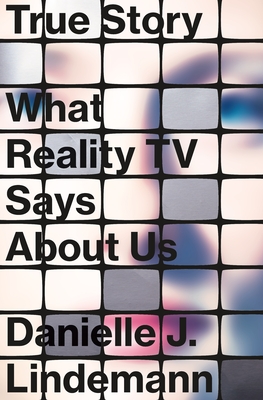

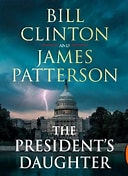



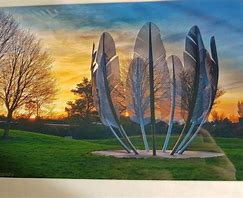
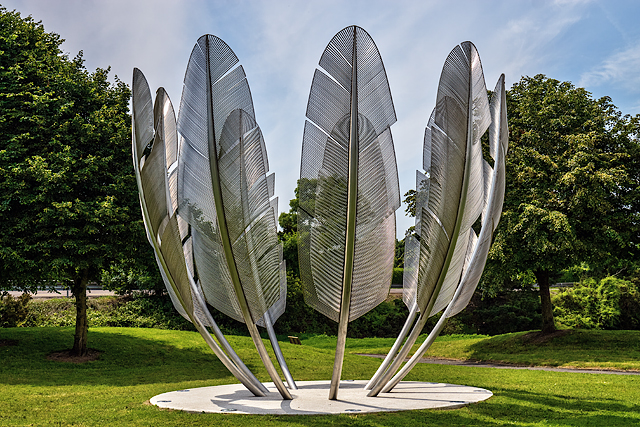


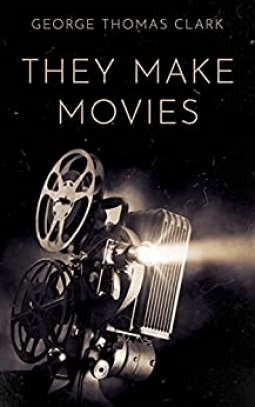


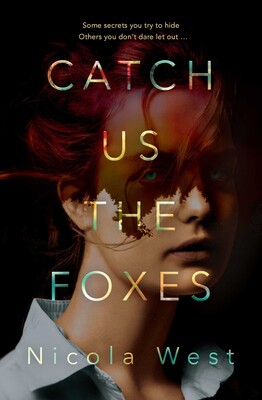
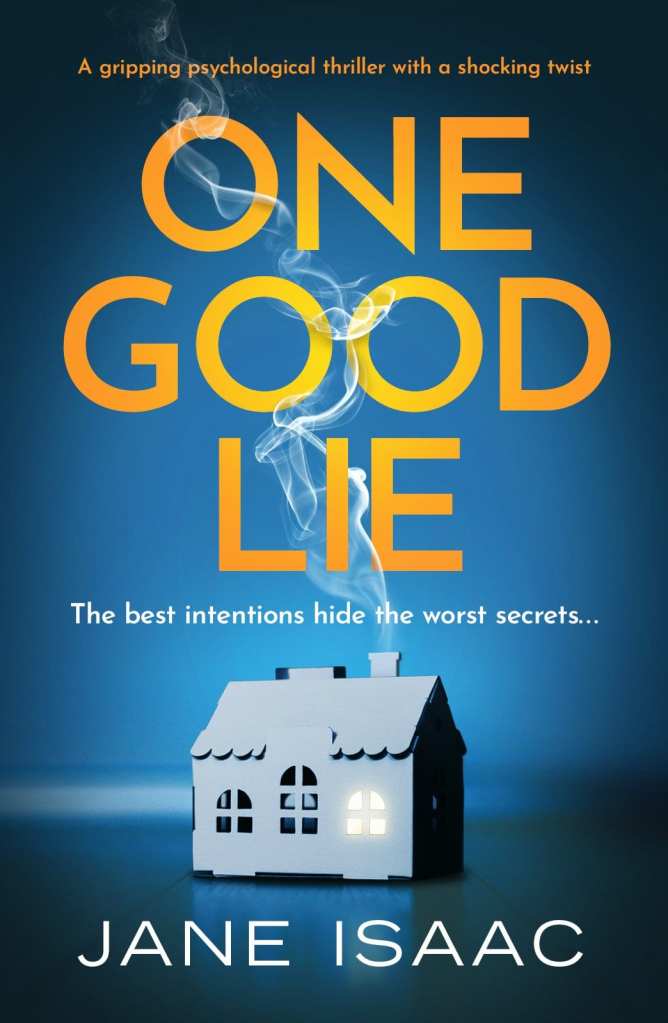
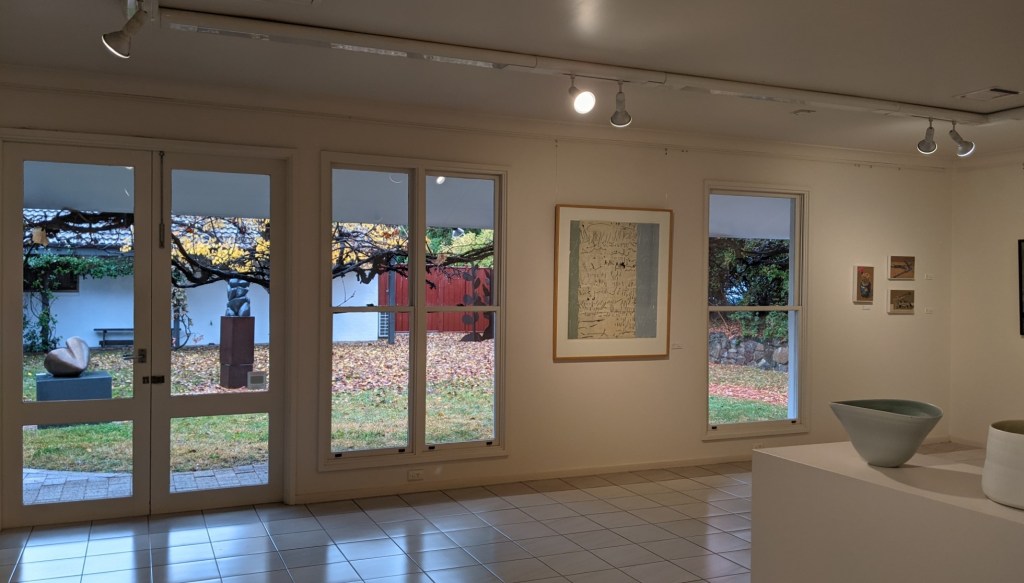
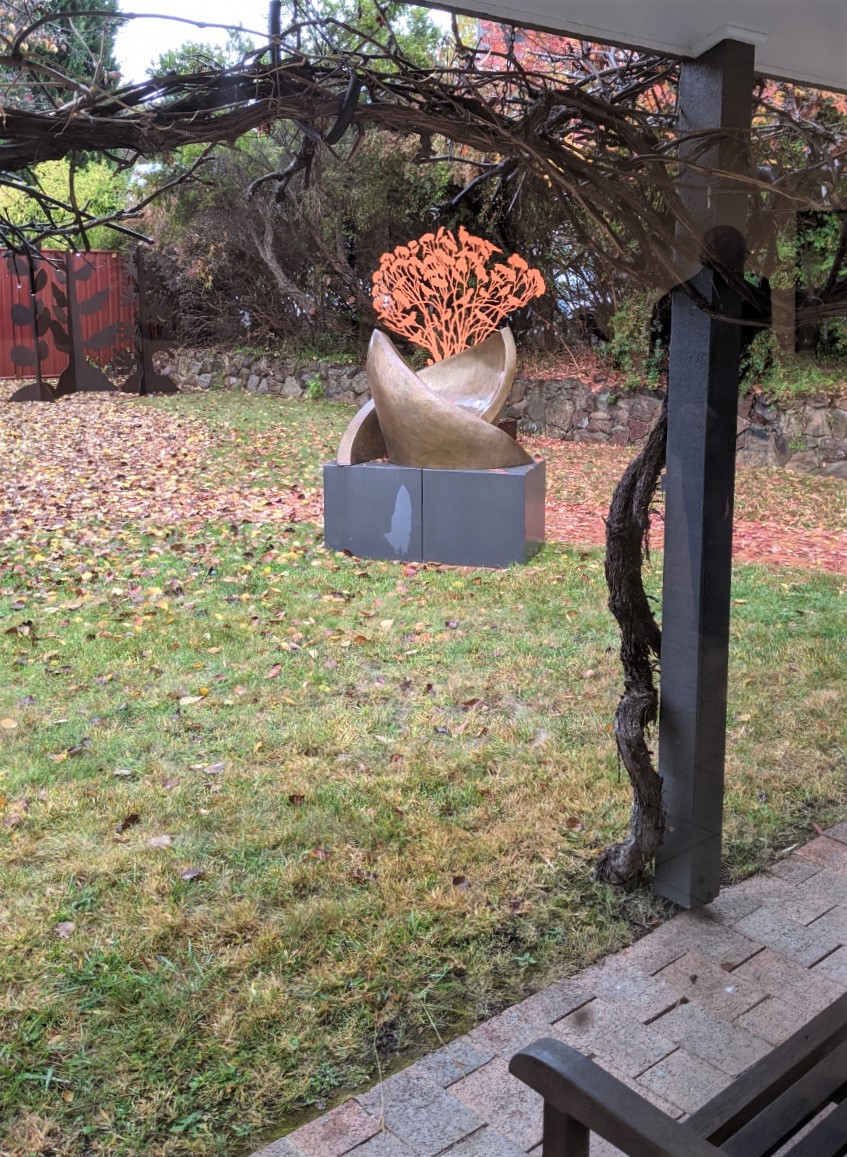
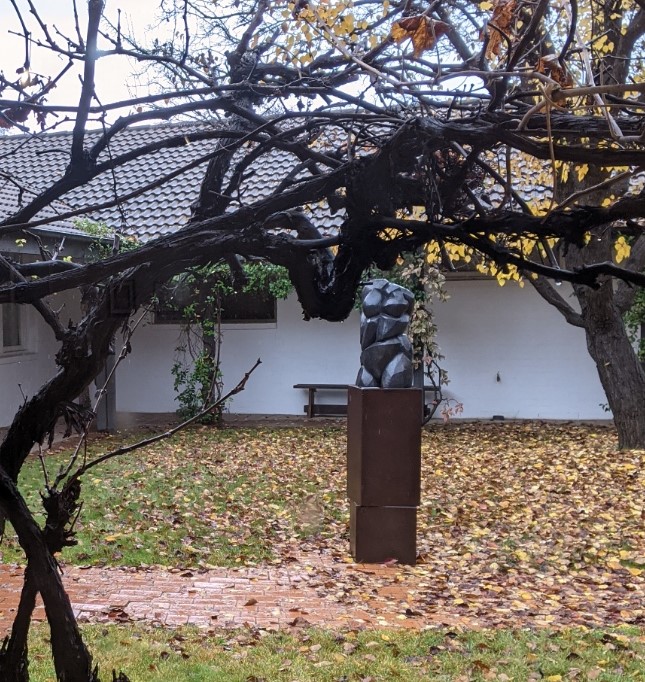
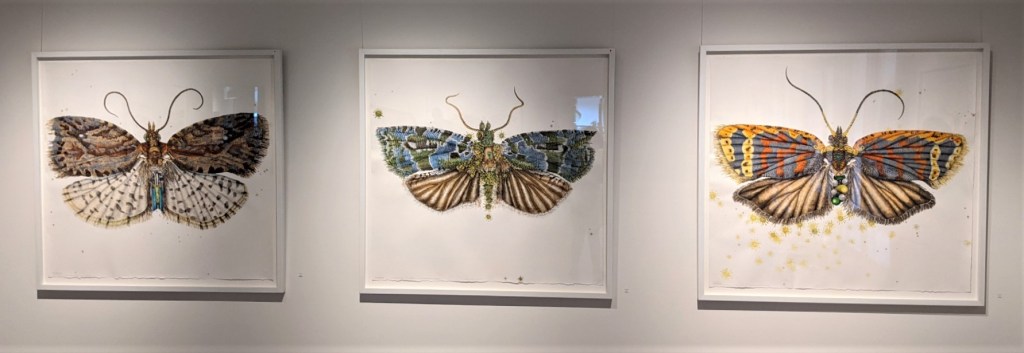
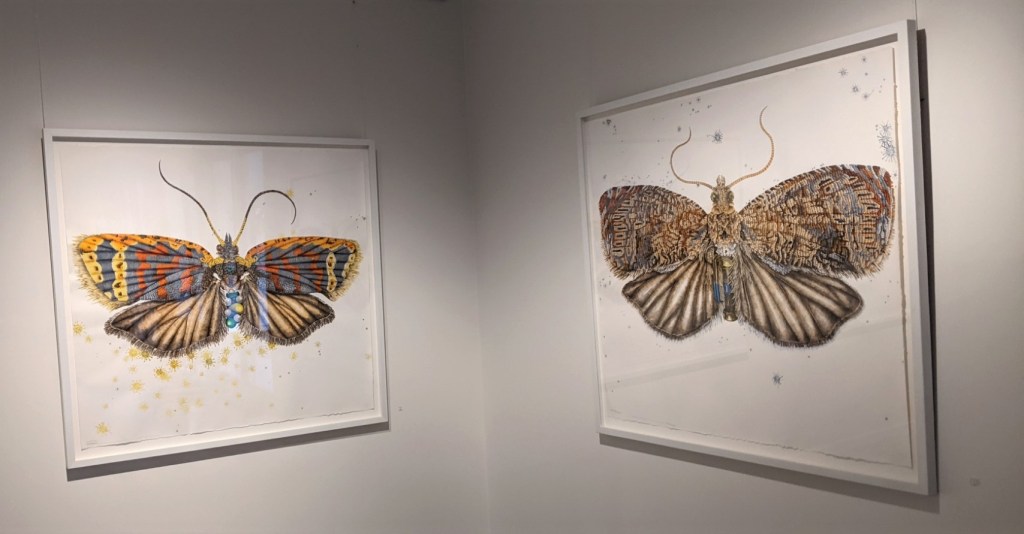
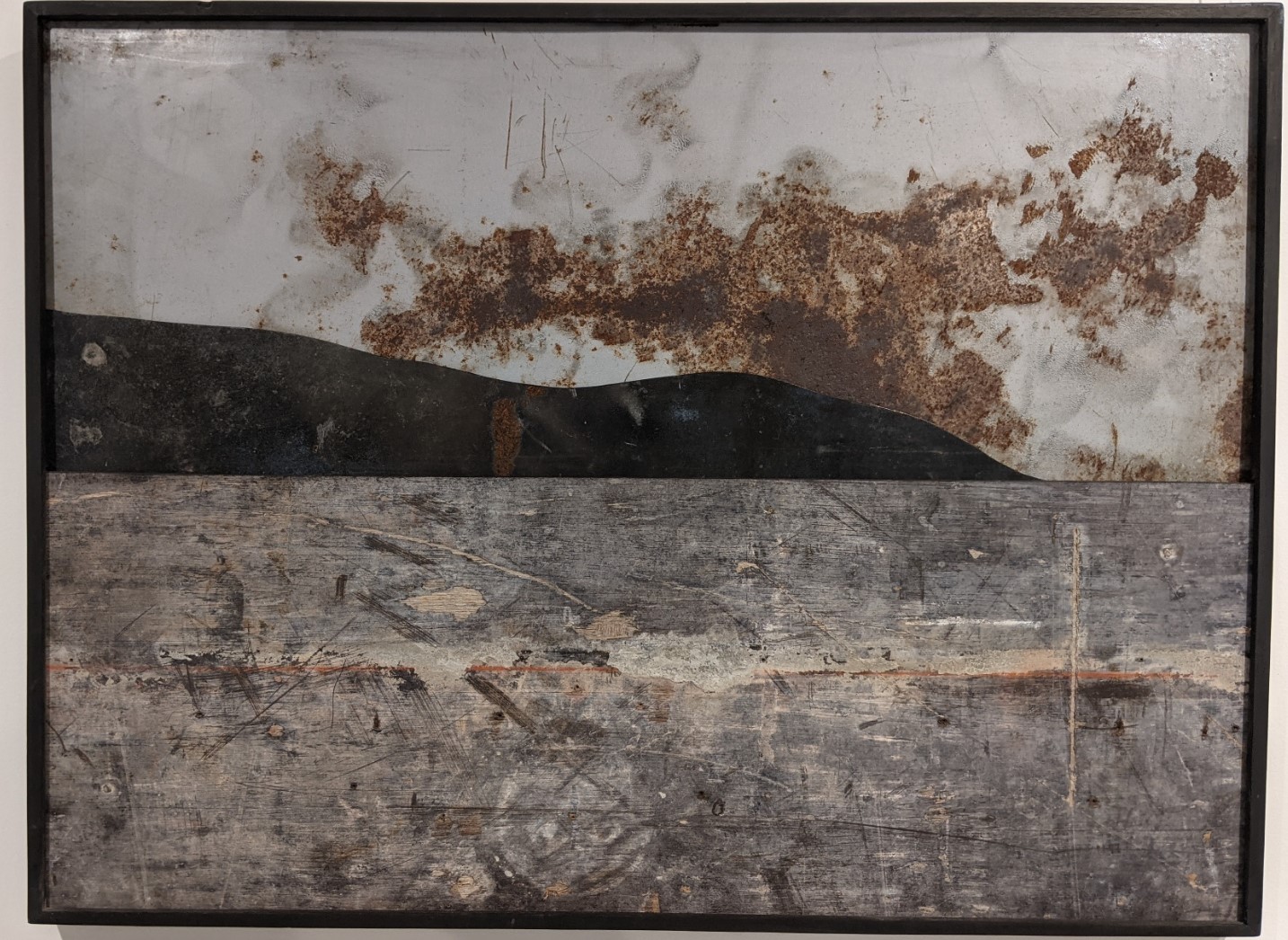
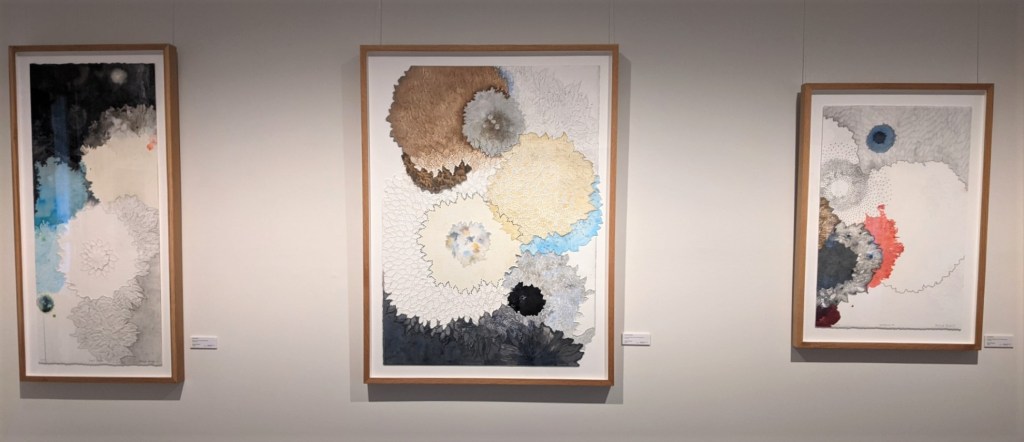
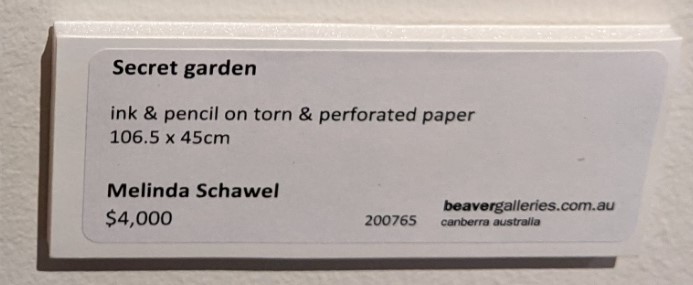
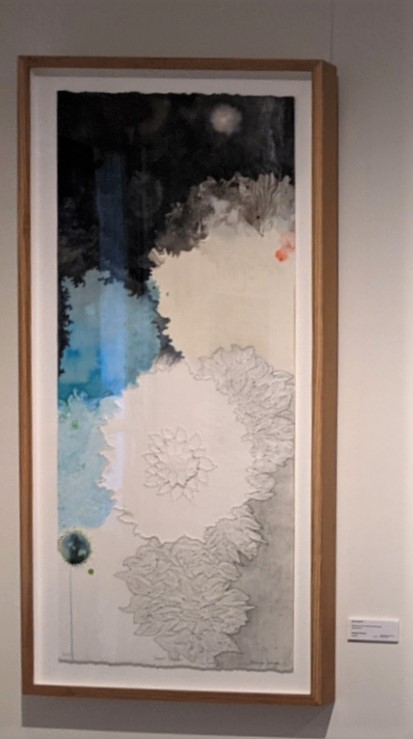
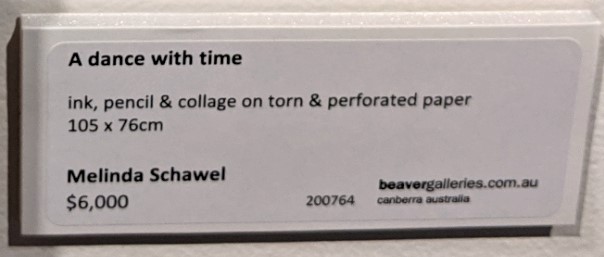
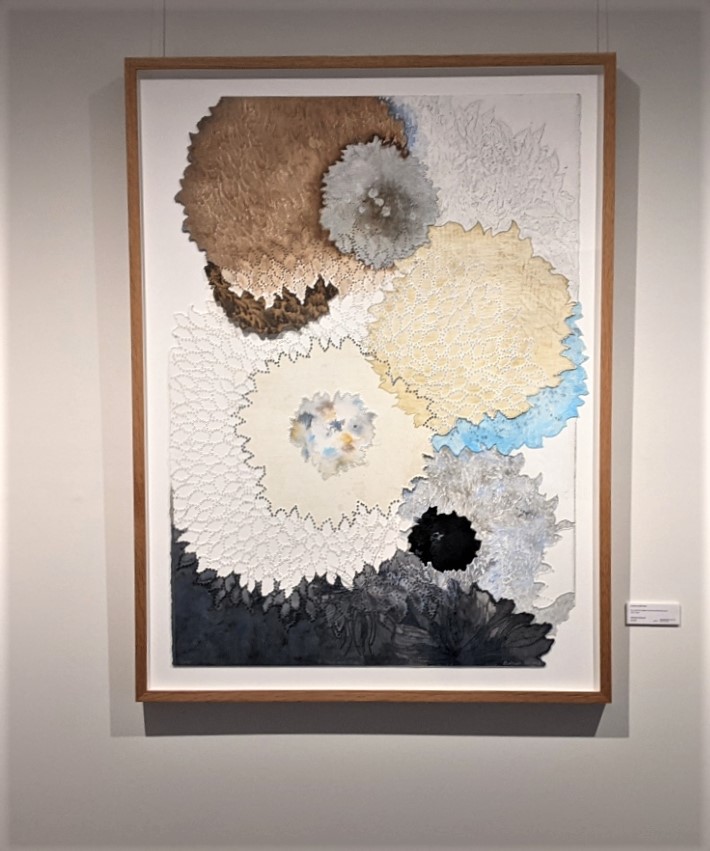
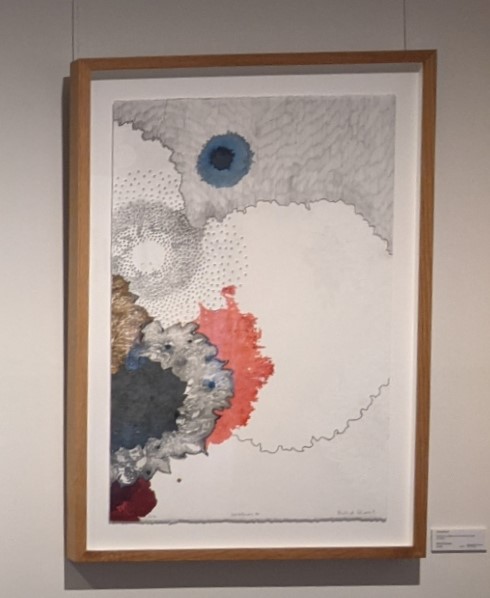
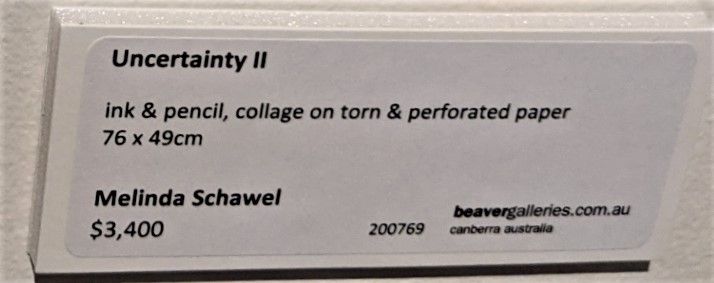
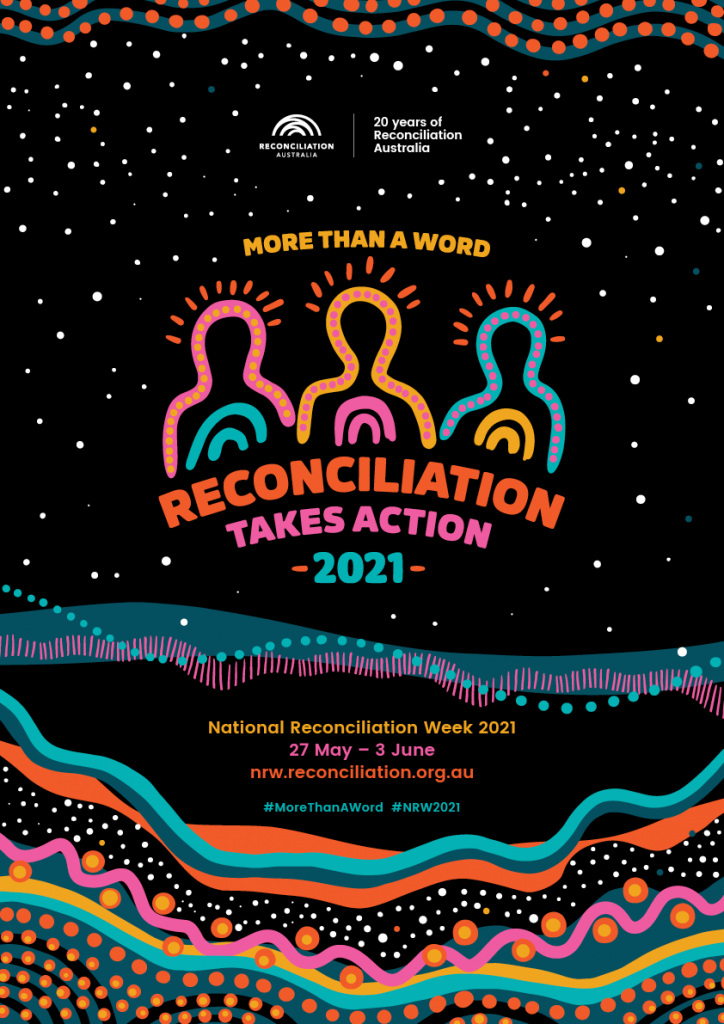


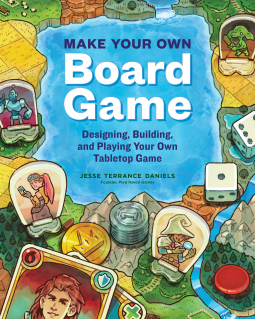


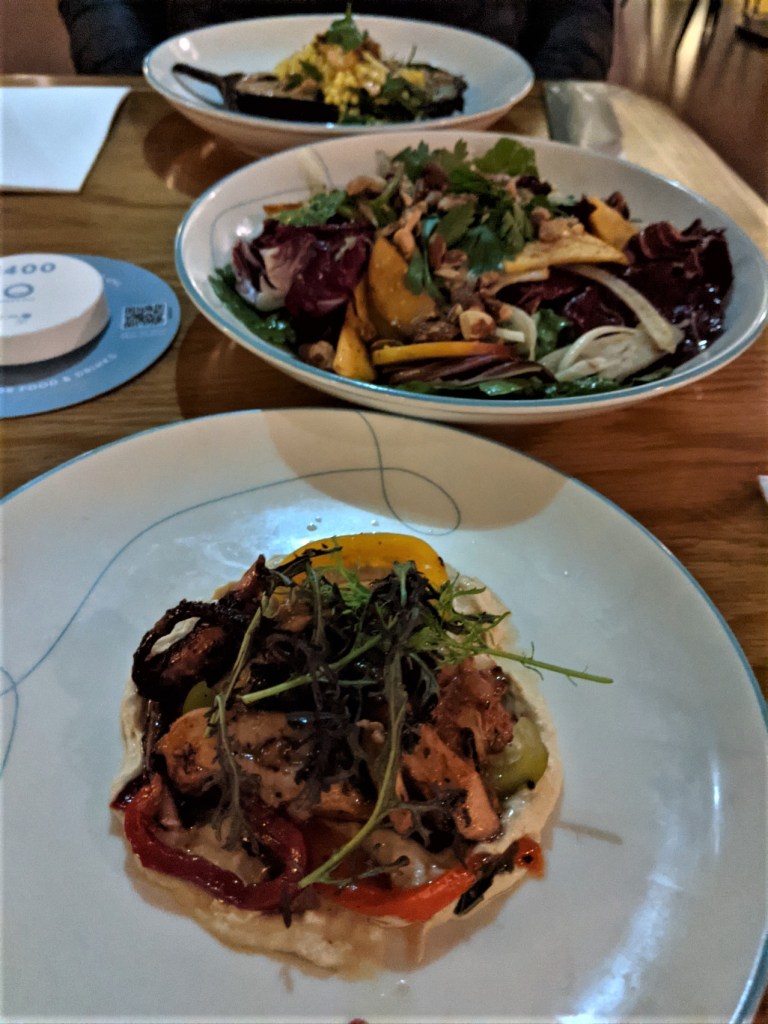
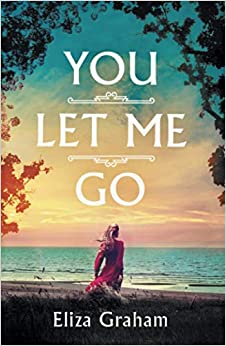
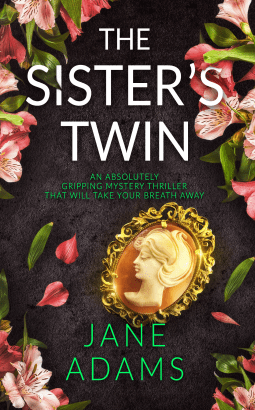
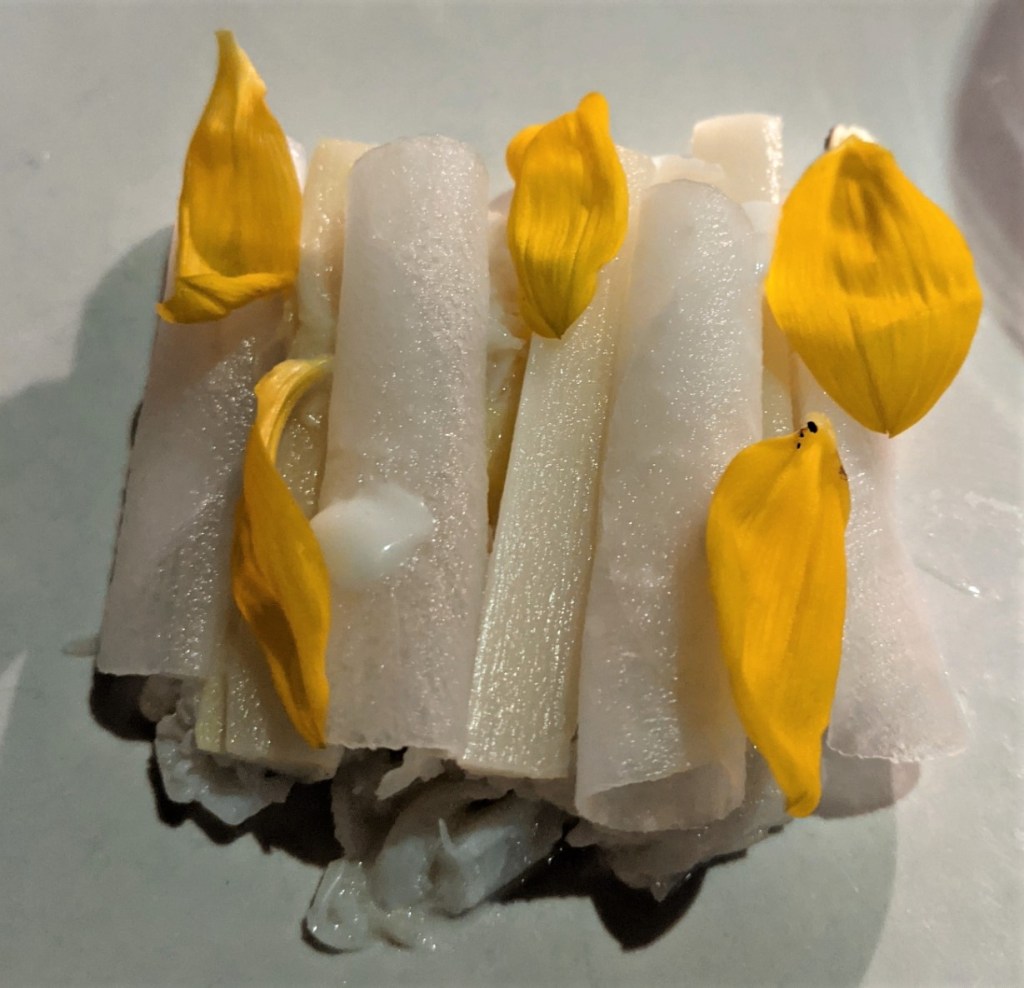
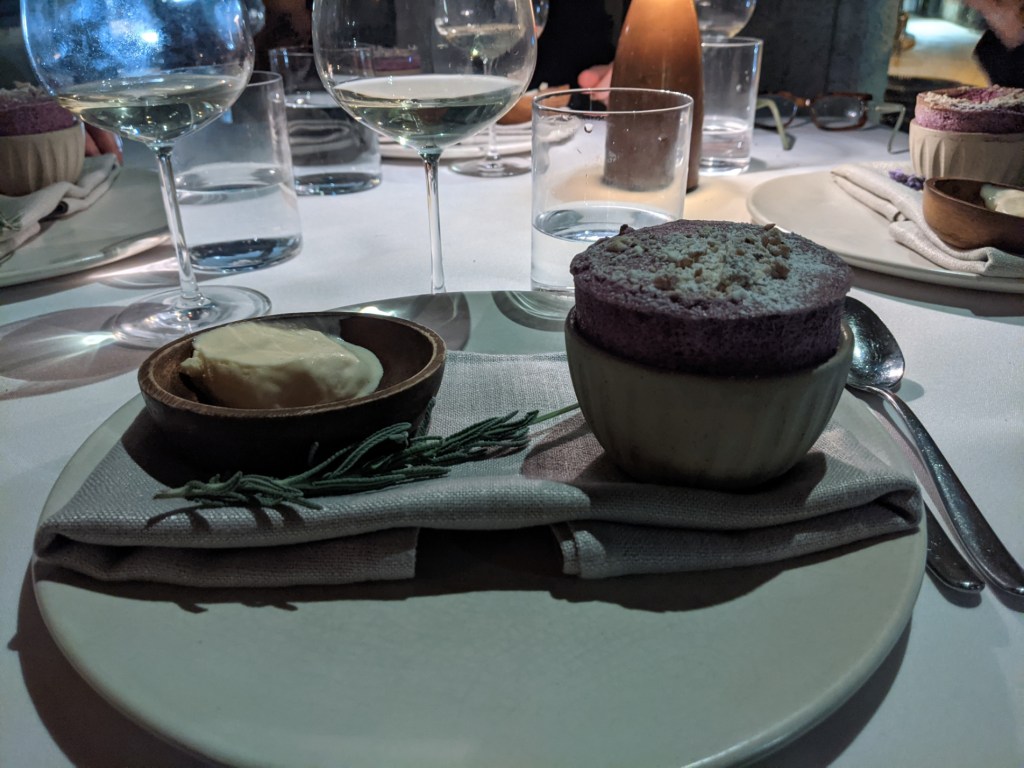


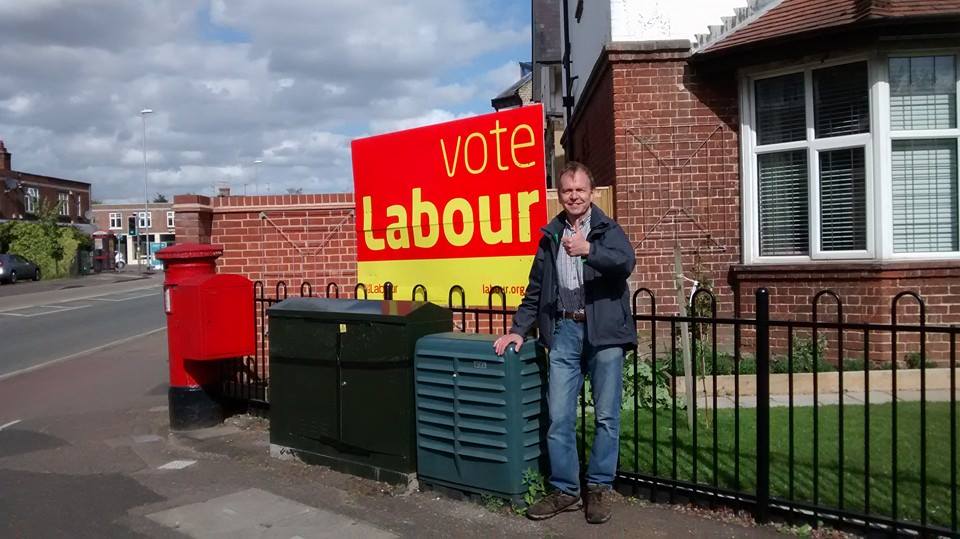

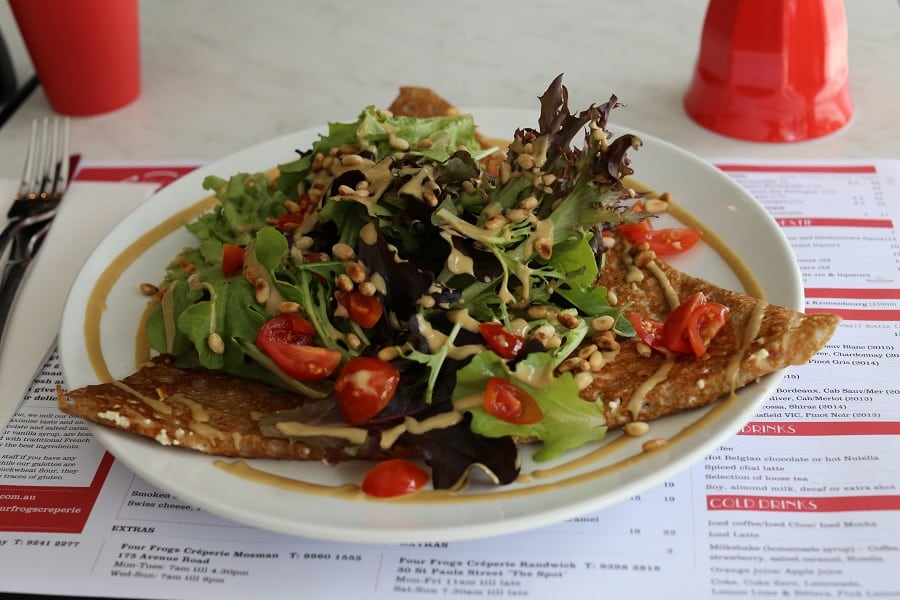
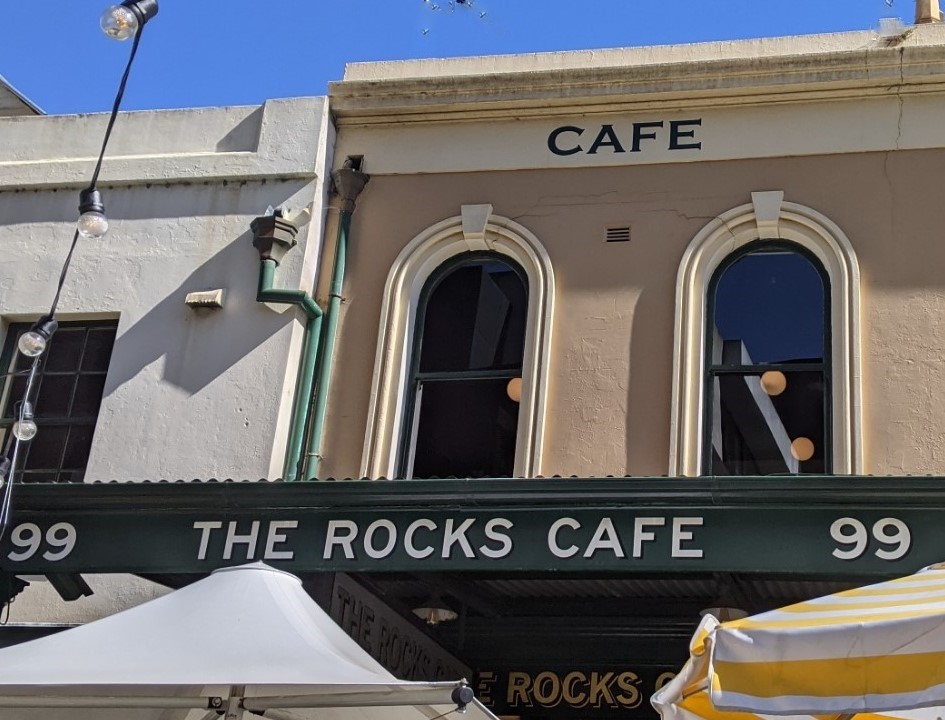
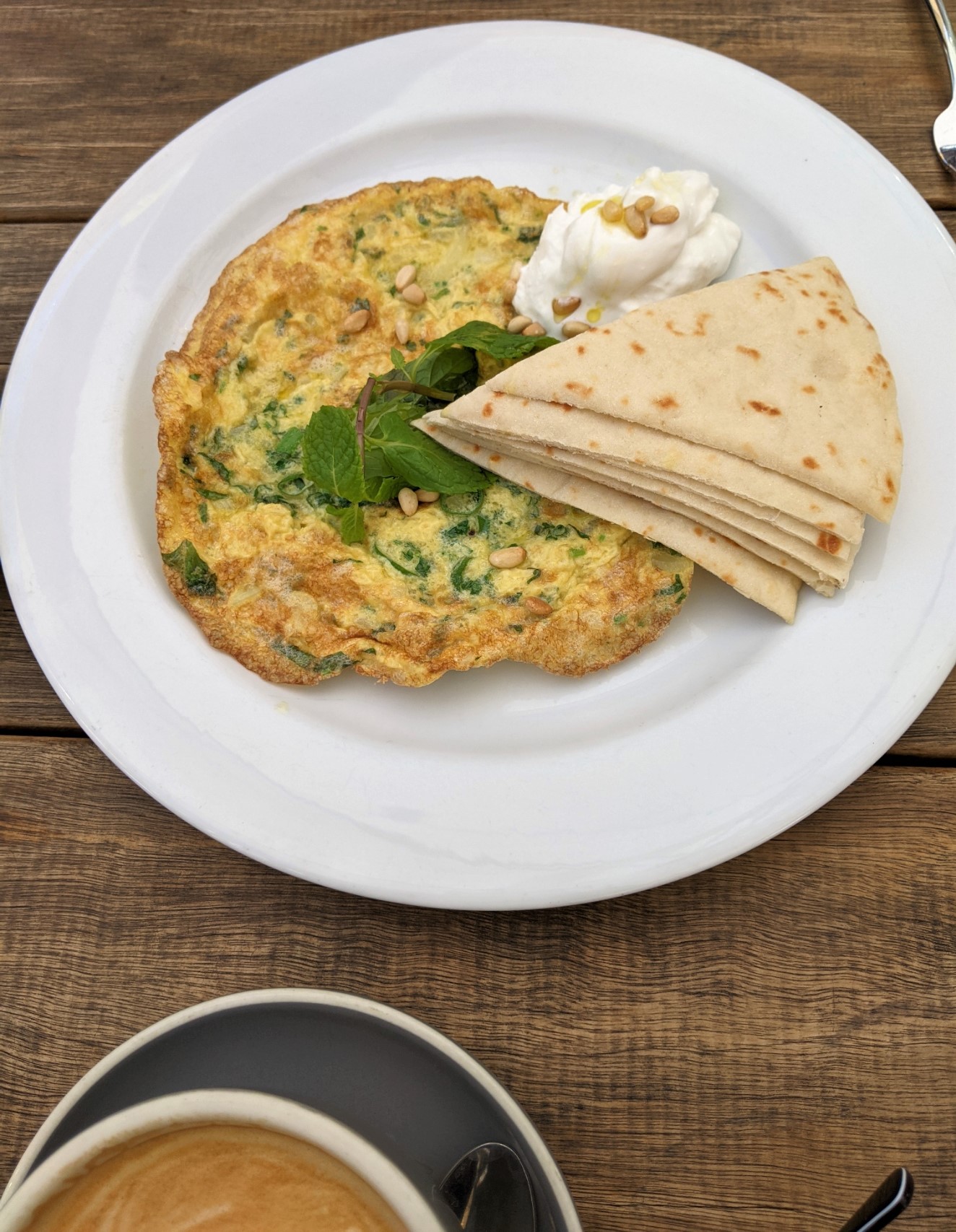
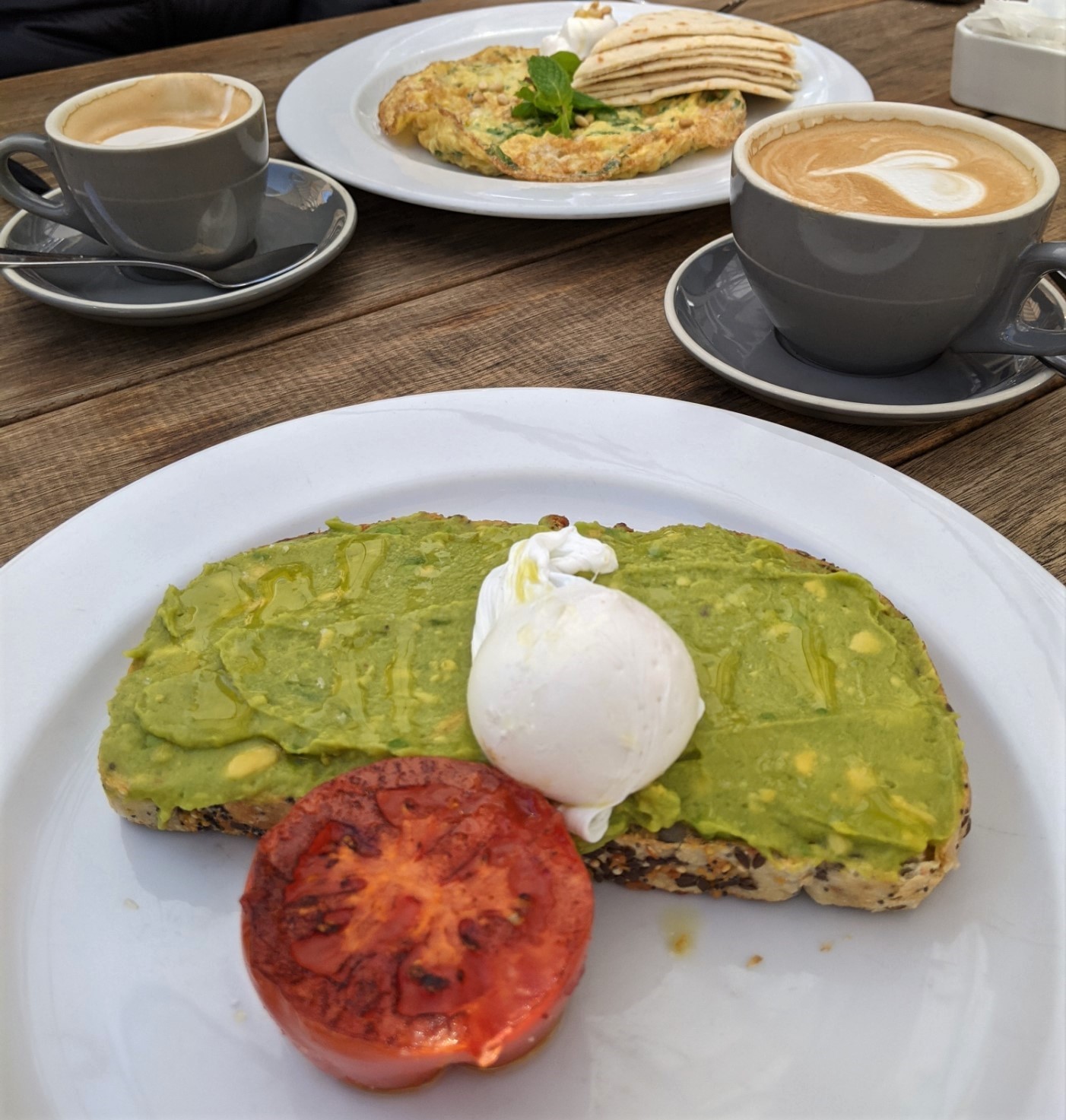

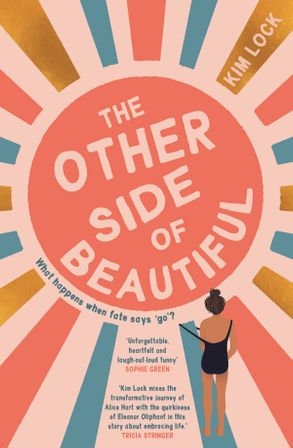
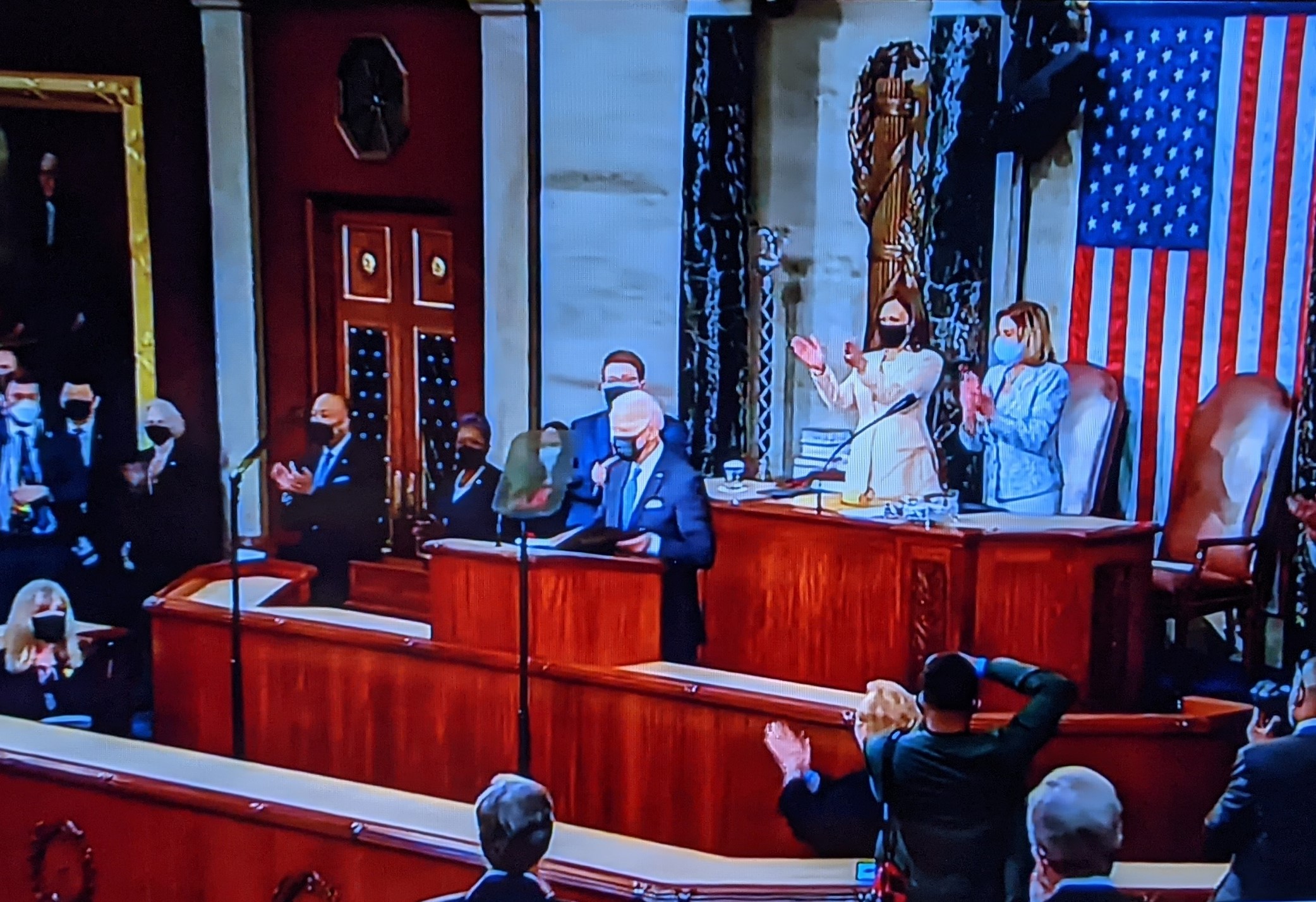


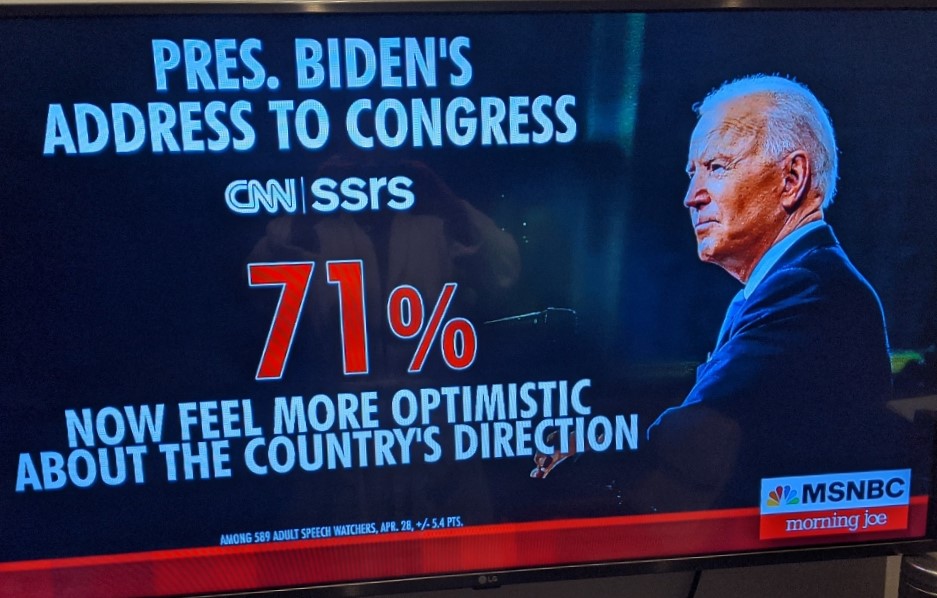
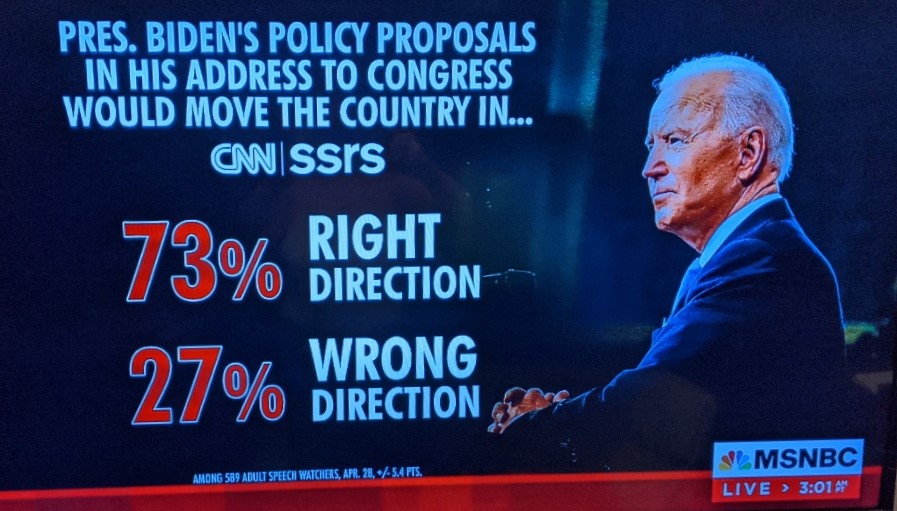


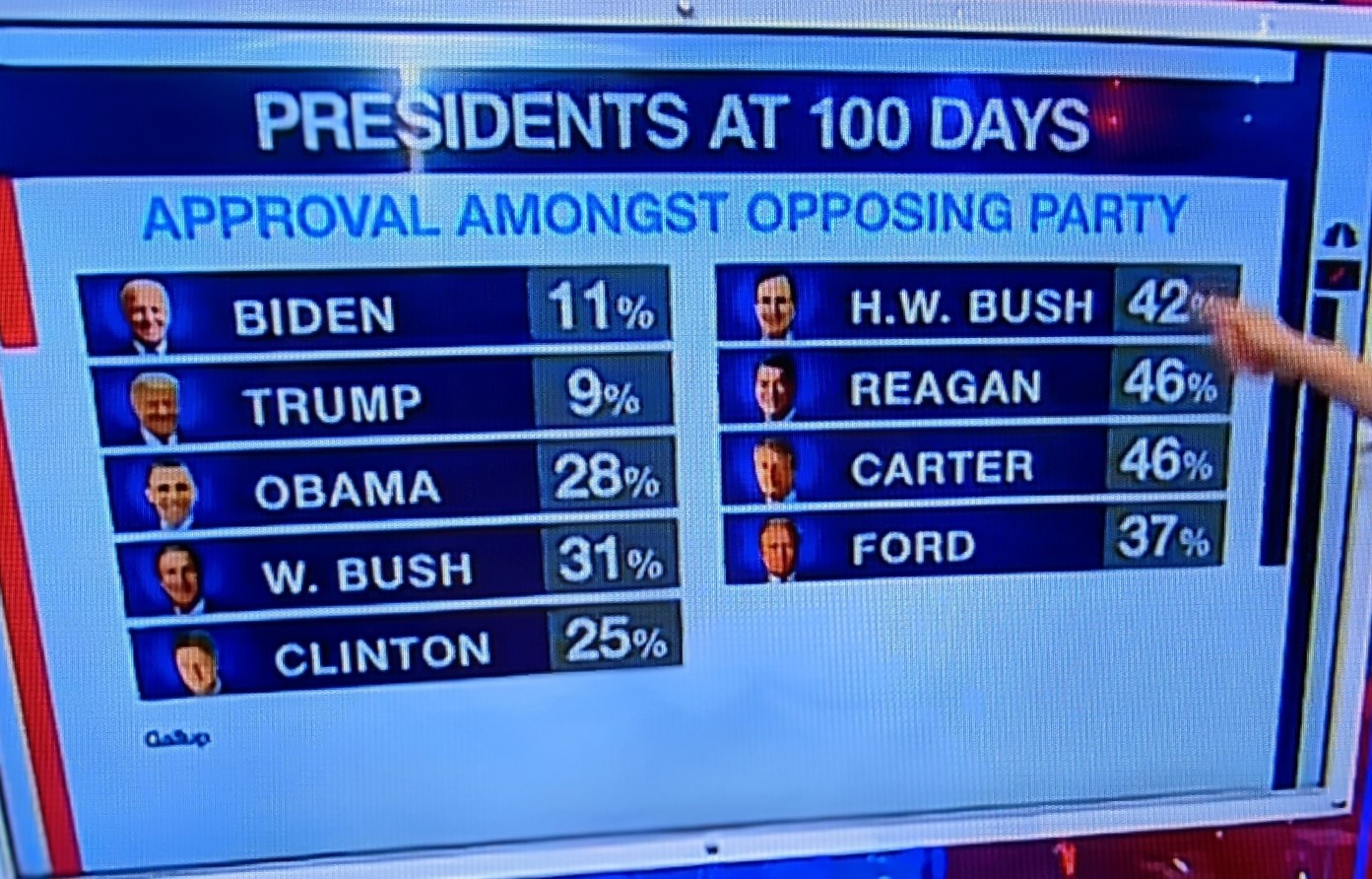


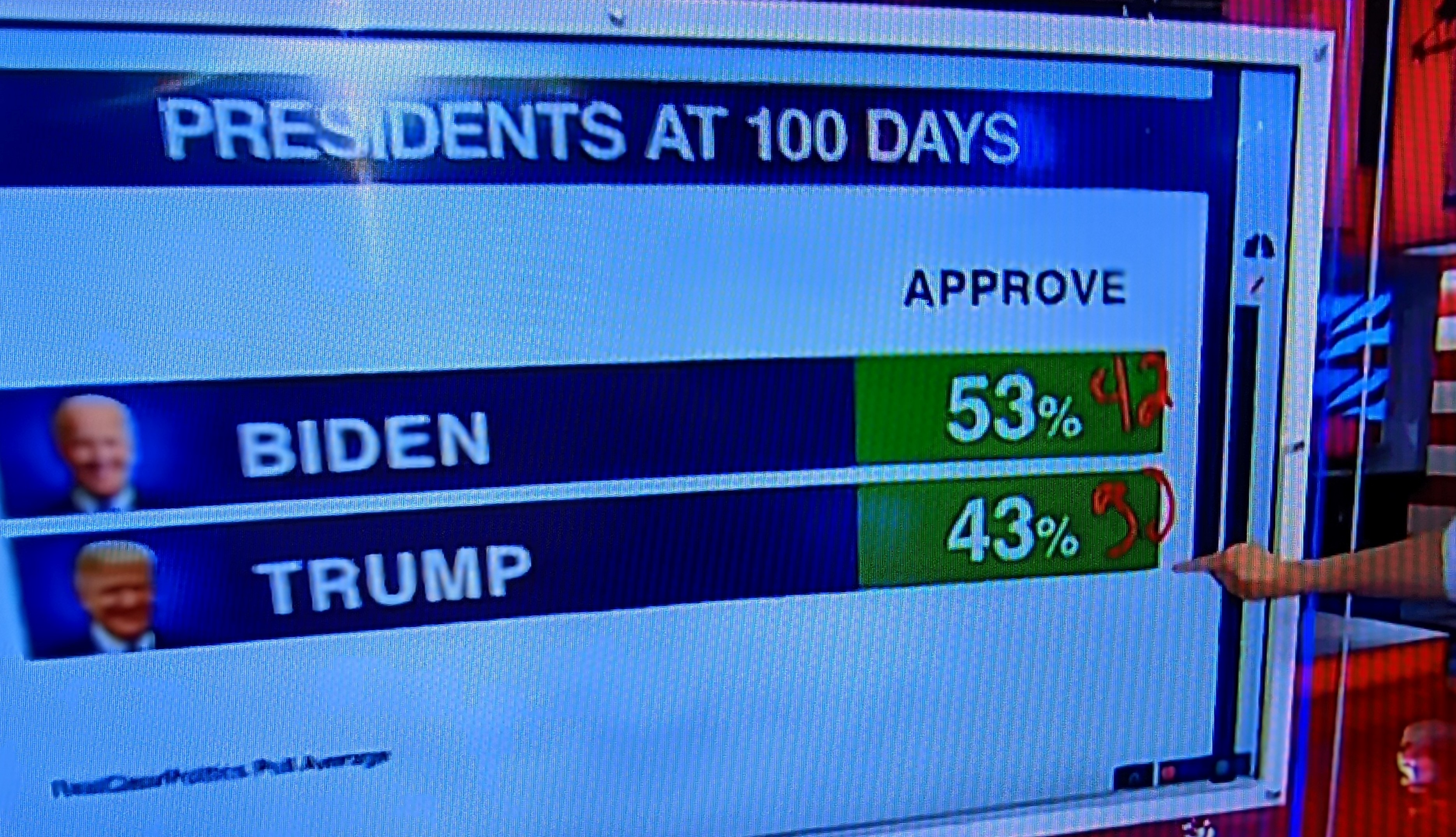
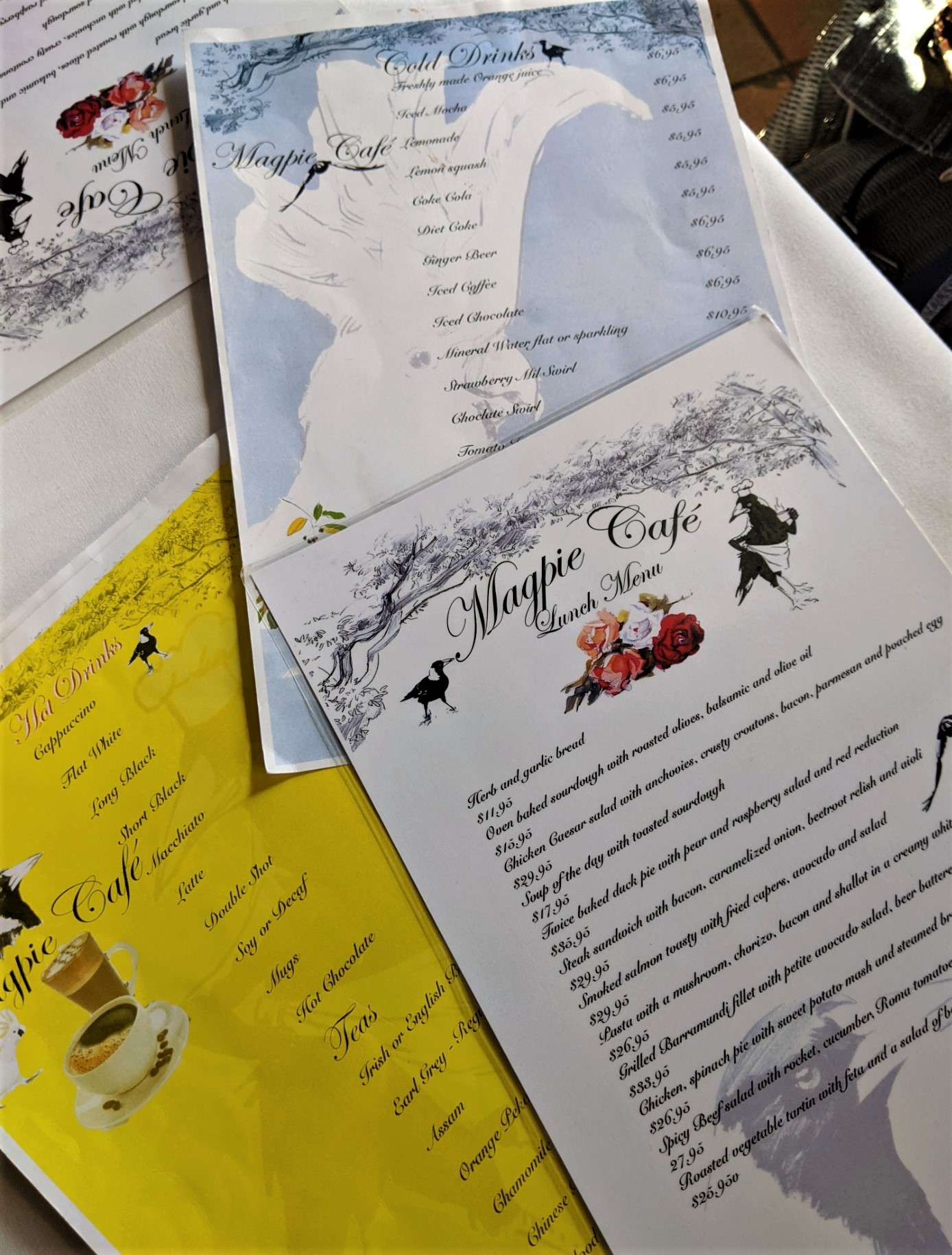





 Mary Malcolm
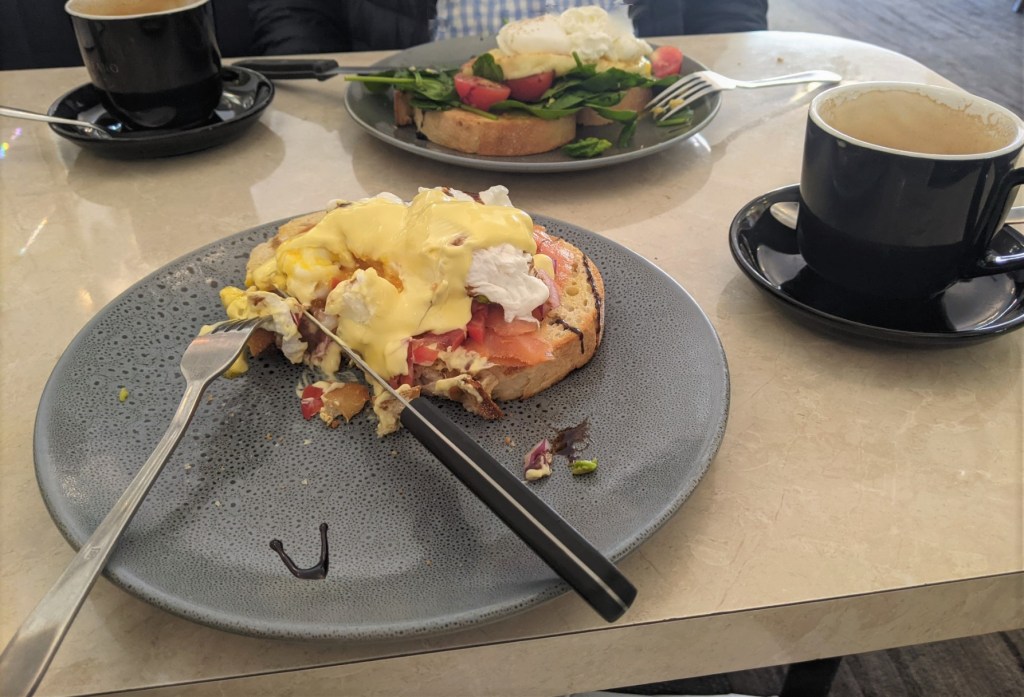

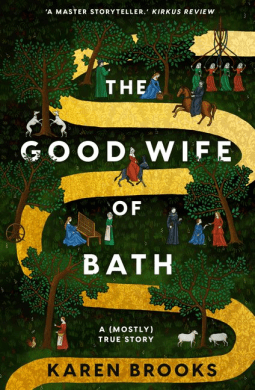

 Robin's Room