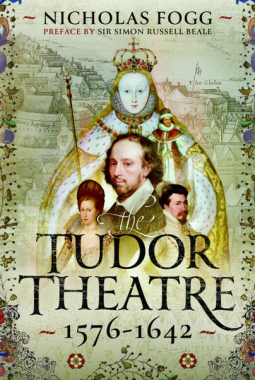
Nicholas Fogg The Tudor Theatre 1576-1642 Pen & Sword, January 2026.
Thank you, Net Galley, for providing me with this uncorrected proof for review.
Nicholas Fogg has brought so much to the history of the Tudor theatre in its golden age. Visiting The Globe on the South Bank, or Stratford-Upon-Avon and attending the Royal Shakespeare Theatre are pleasures not to be missed. But how much more alluring they are after having read The Tudor Theatre. For this book, as much as it gives the Lord Chamberlain’s Men and Shakespeare their due, is far more. So many playwrights, forms of theatre, types of building or space, locations, audiences, patrons, and acting groups come alive. So too, do the entrepreneurs who saw the theatre as a business proposition – some excelling at making it pay, others failing miserably. One story is that of a businessperson with brewing interests combining this with the needs of theatre goers by providing sustenance for thirsty audiences. It is stories such as these that demonstrate Fogg’s attention to detail, enthusiasm for his subject, and his determination that readers of this book will become likewise involved.
The book cleverly meshes speculation, for example drawing the possibility that Shakespeare observed or was involved in theatrical scenarios described by Fogg, and vigorously researched material. The connections between the familiar and largely unknown information are not only enlightening but makes the reader an audience, part of the world of the Tudor theatre. Chapters invoking the sumptuous nature of the Tudor theatre jostle with those such as the ominous ‘Where the Infectious Pestilence did Reign’ and a familiar understanding of theatre in this period, ‘Inconveniences and Misrule’. Ending with a chapter that discusses the authorship of plays of the period, goes into detail about some of the works, reflecting the ideas on the stage and the social environment.
The Tudor Theatre 1576-1642 is a delight. Combining the familiar with the less well known, speculation based in research that brings the Tudor theatre and Shakespeare’s world to life, and a remarkable array of sources Nicholas Fogg has produced a significant work. There are detailed notes, a bibliography, an index, and a host of illustrations.
A Midsummer’s Night Dream at The Globe
This experience fulfilled all the expectations raised by Nicholas Fogg in his book, The Tudor Theatre 1576-1642. The audience participation was incredible. Several members of the audience were invited to join the actors and did so with aplomb. The general audience joined in every exhortation by the actors with gusto. This was a lively and enthusiastic production, with its combination of modern and traditional costumes and the introduction of some contemporary songs, at the same time maintaining Shakespeare’s words. The Globe was filled to capacity, with huge numbers standing, and in doing so, becoming closely involved with the actors.
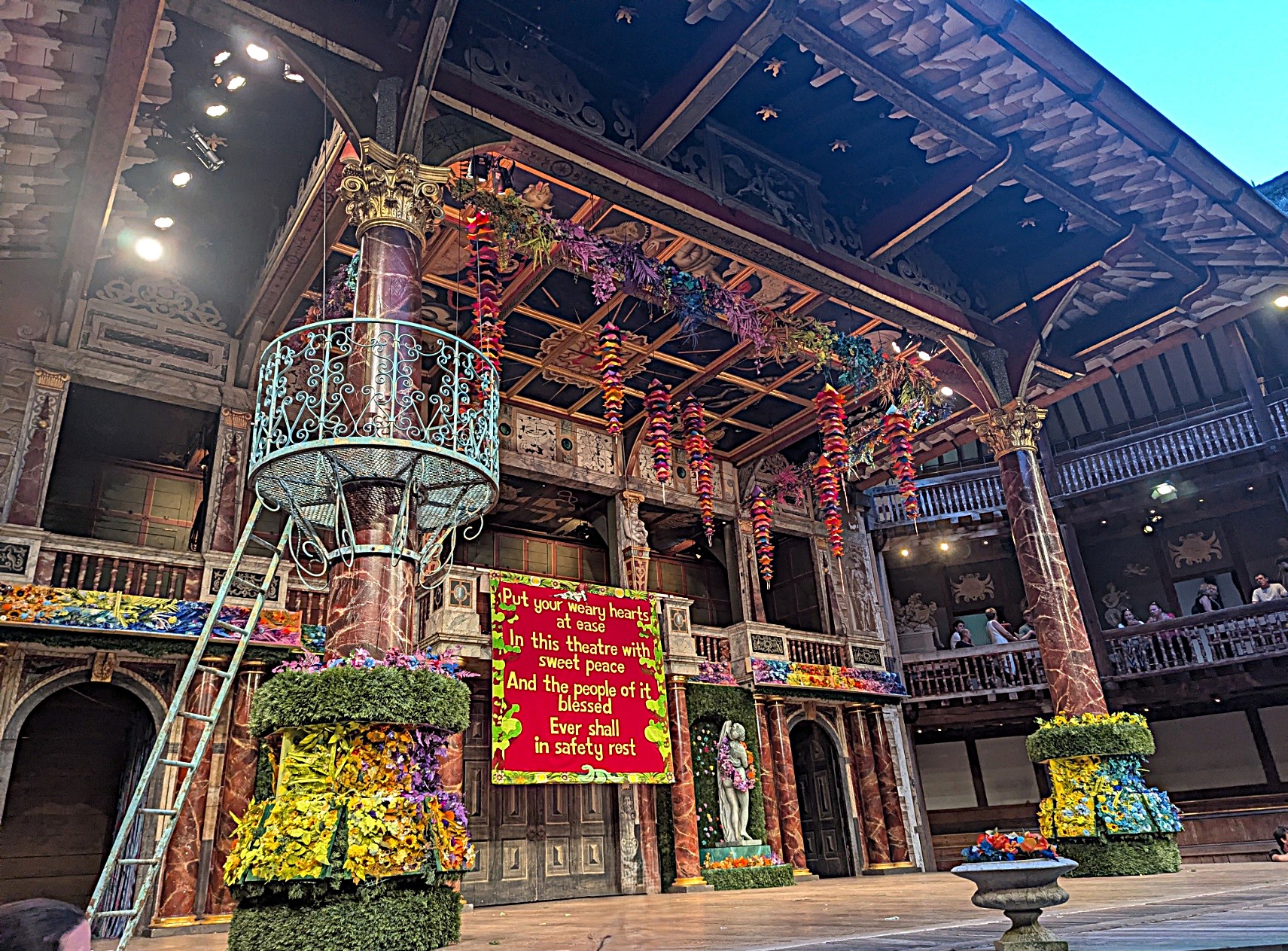
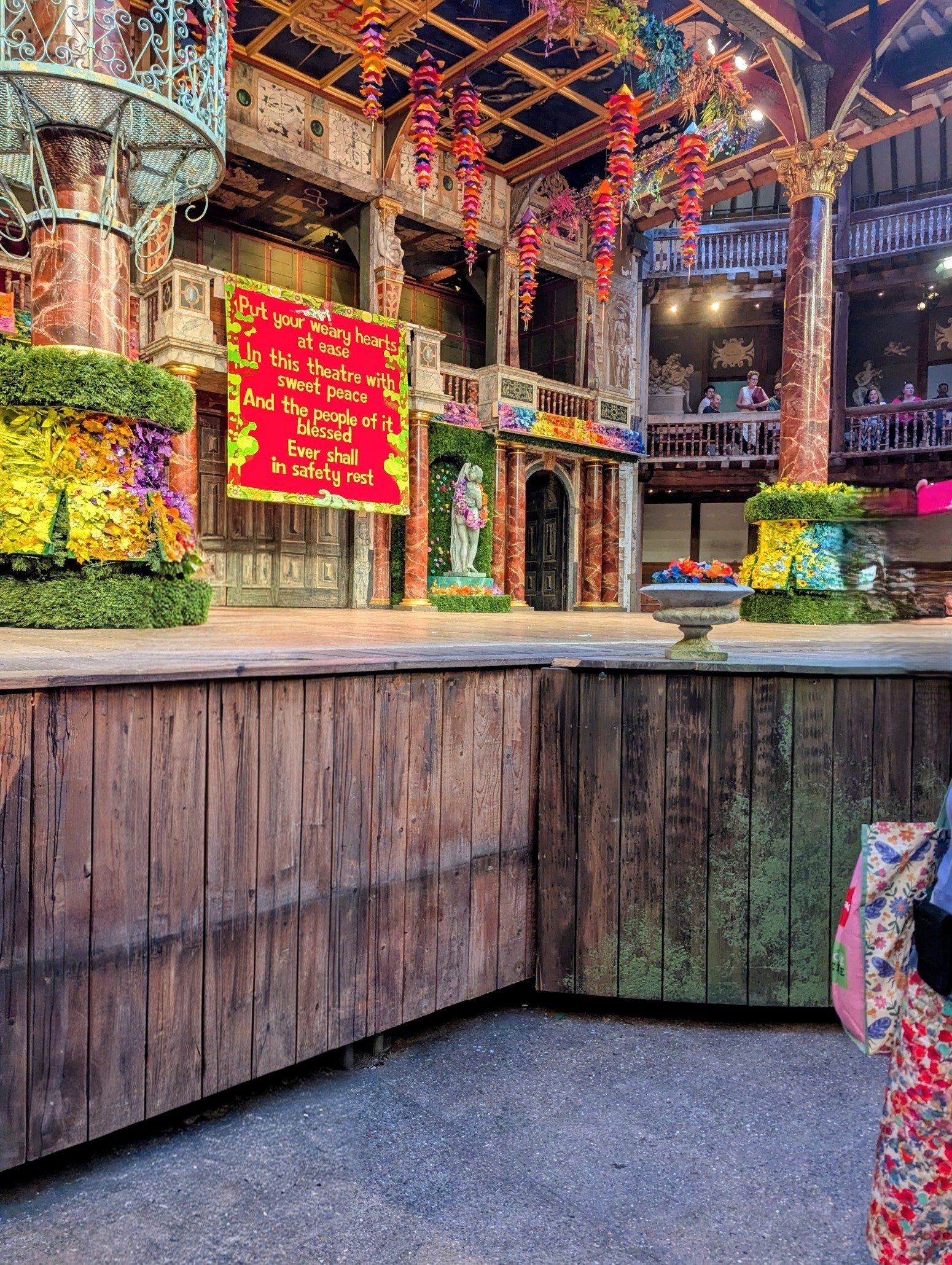
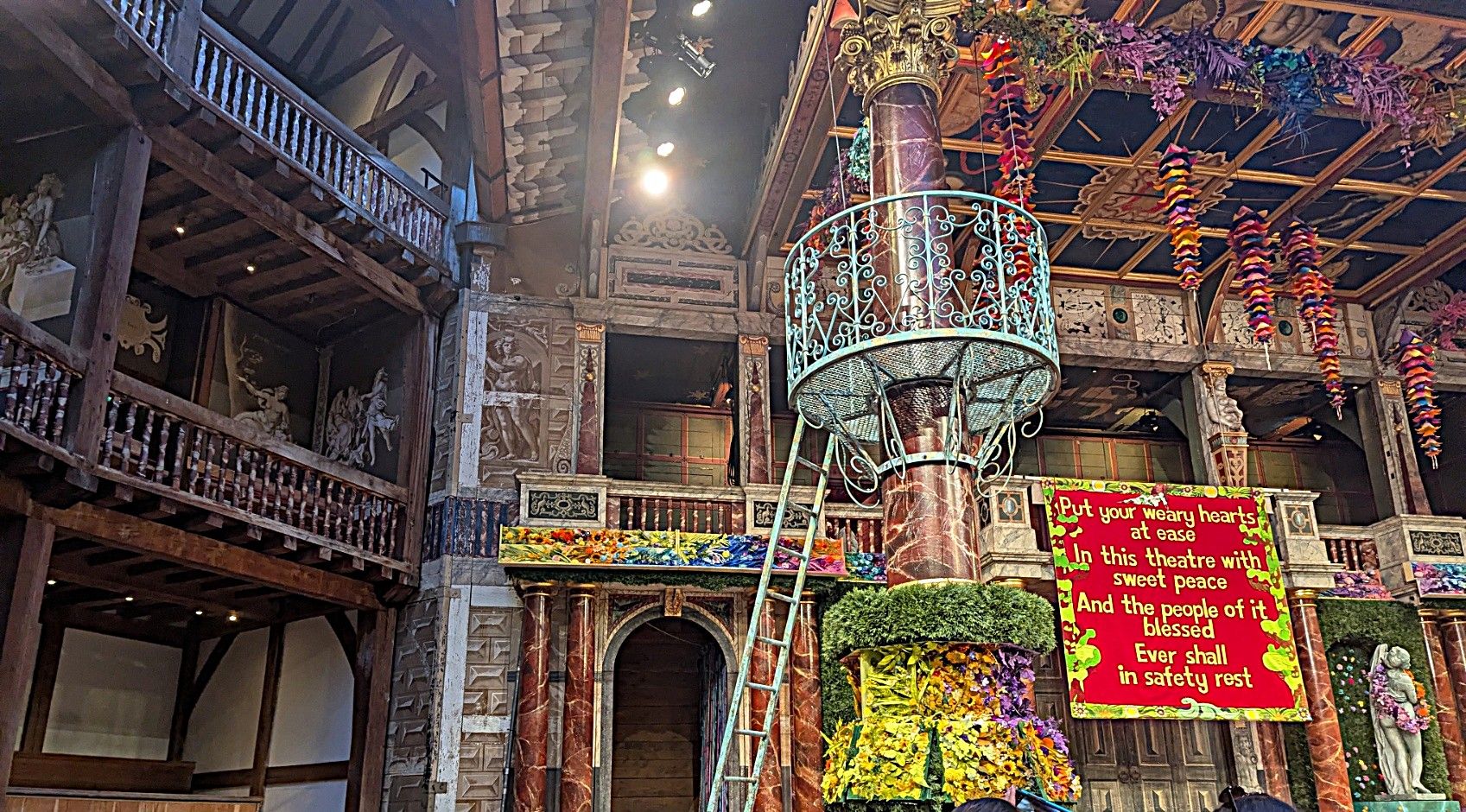
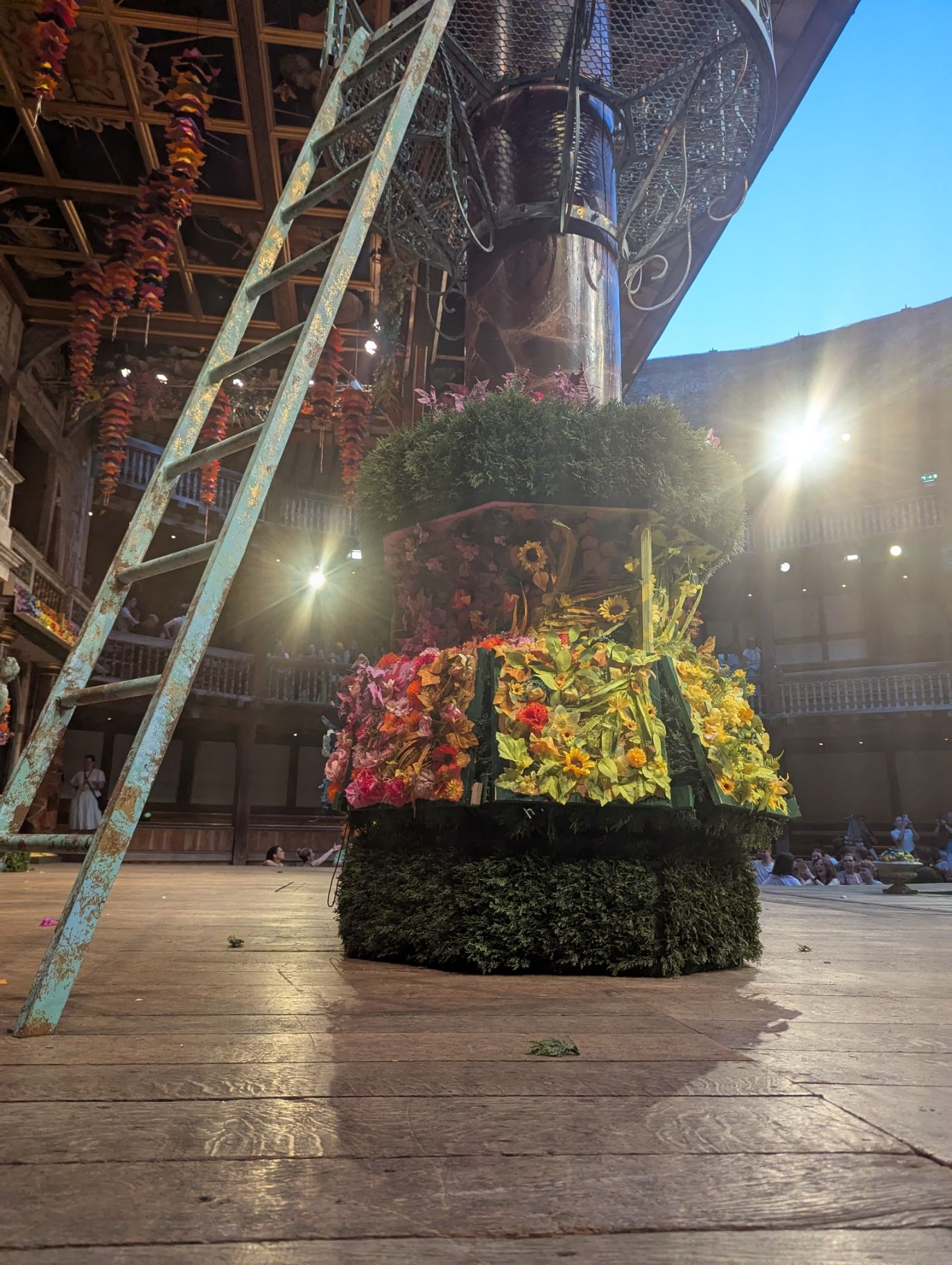
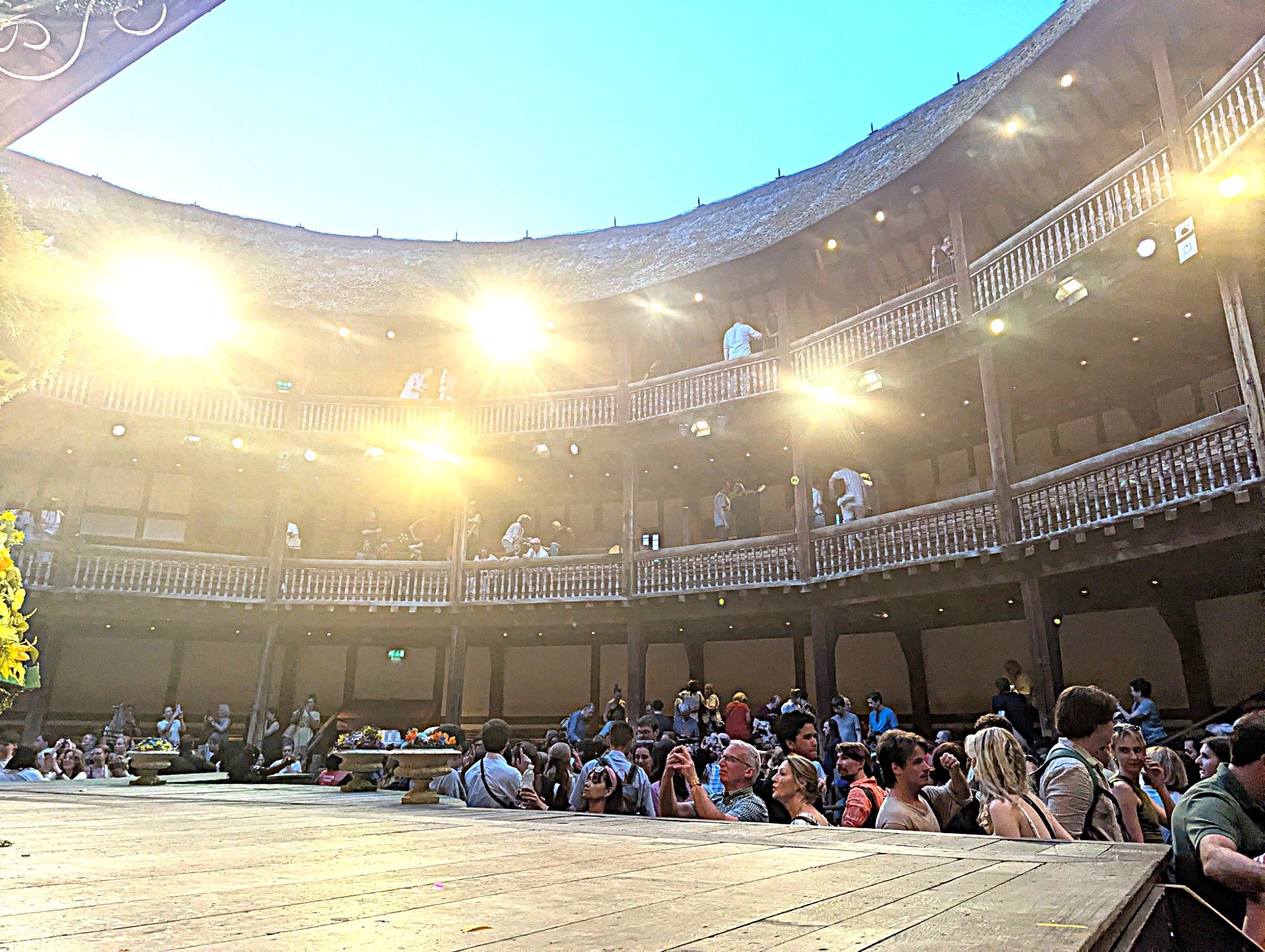
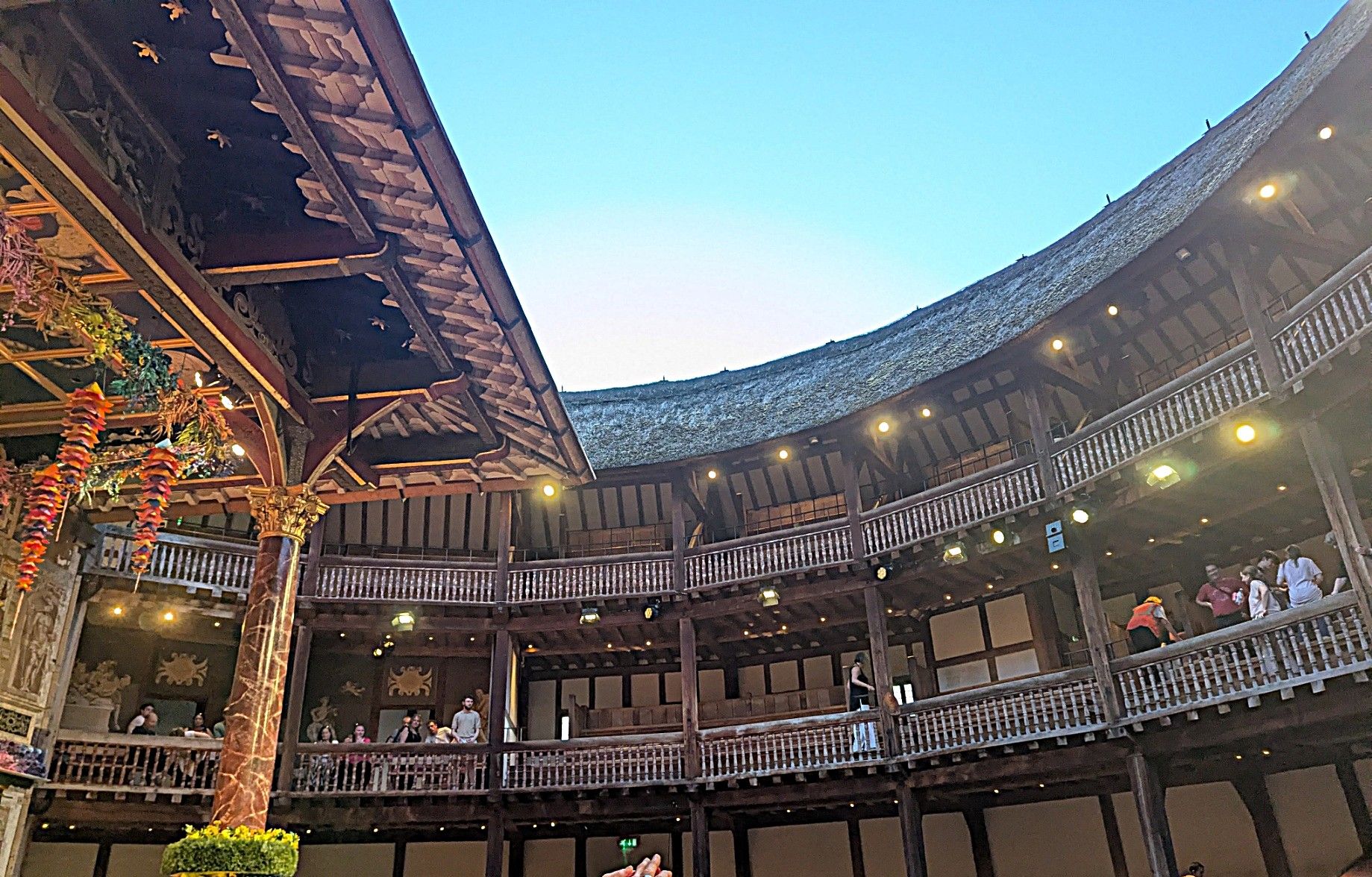
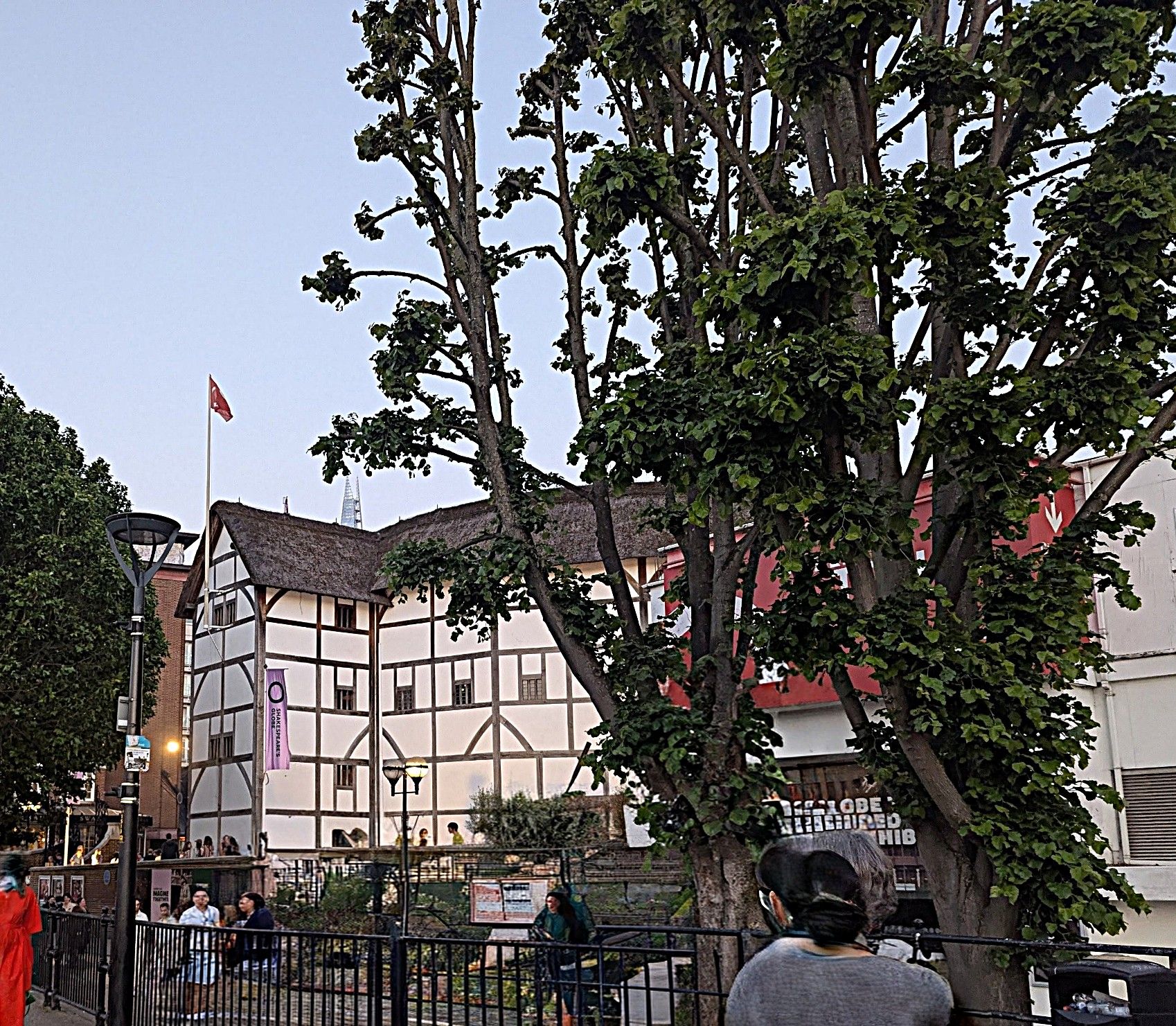
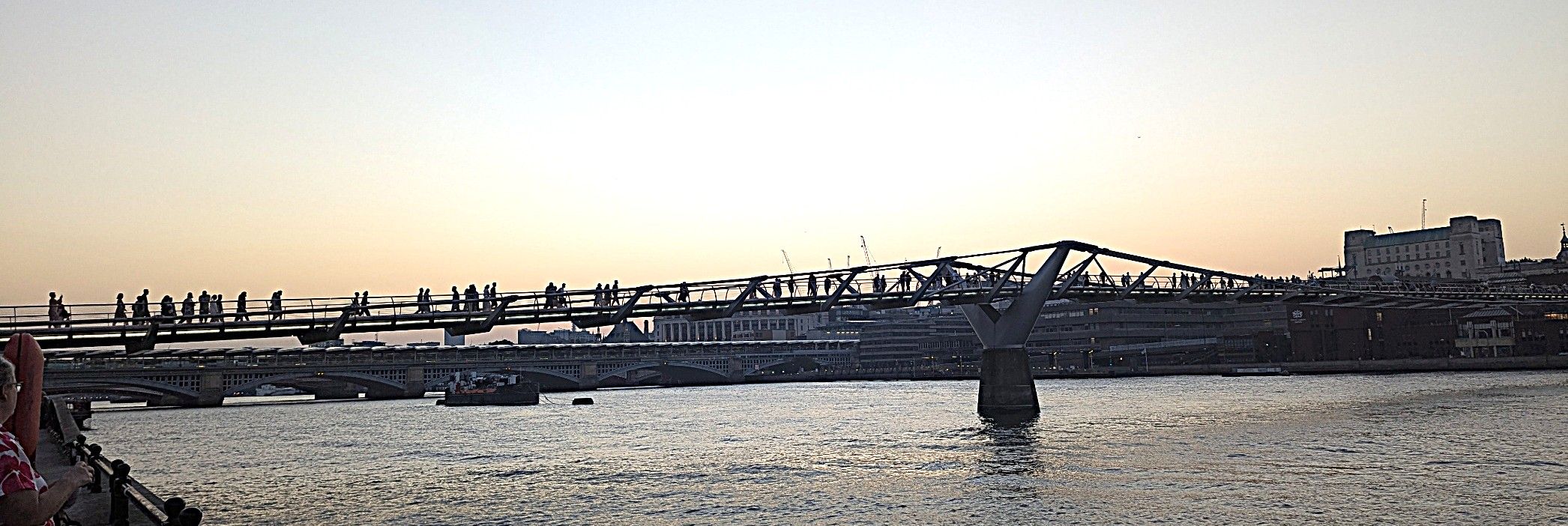
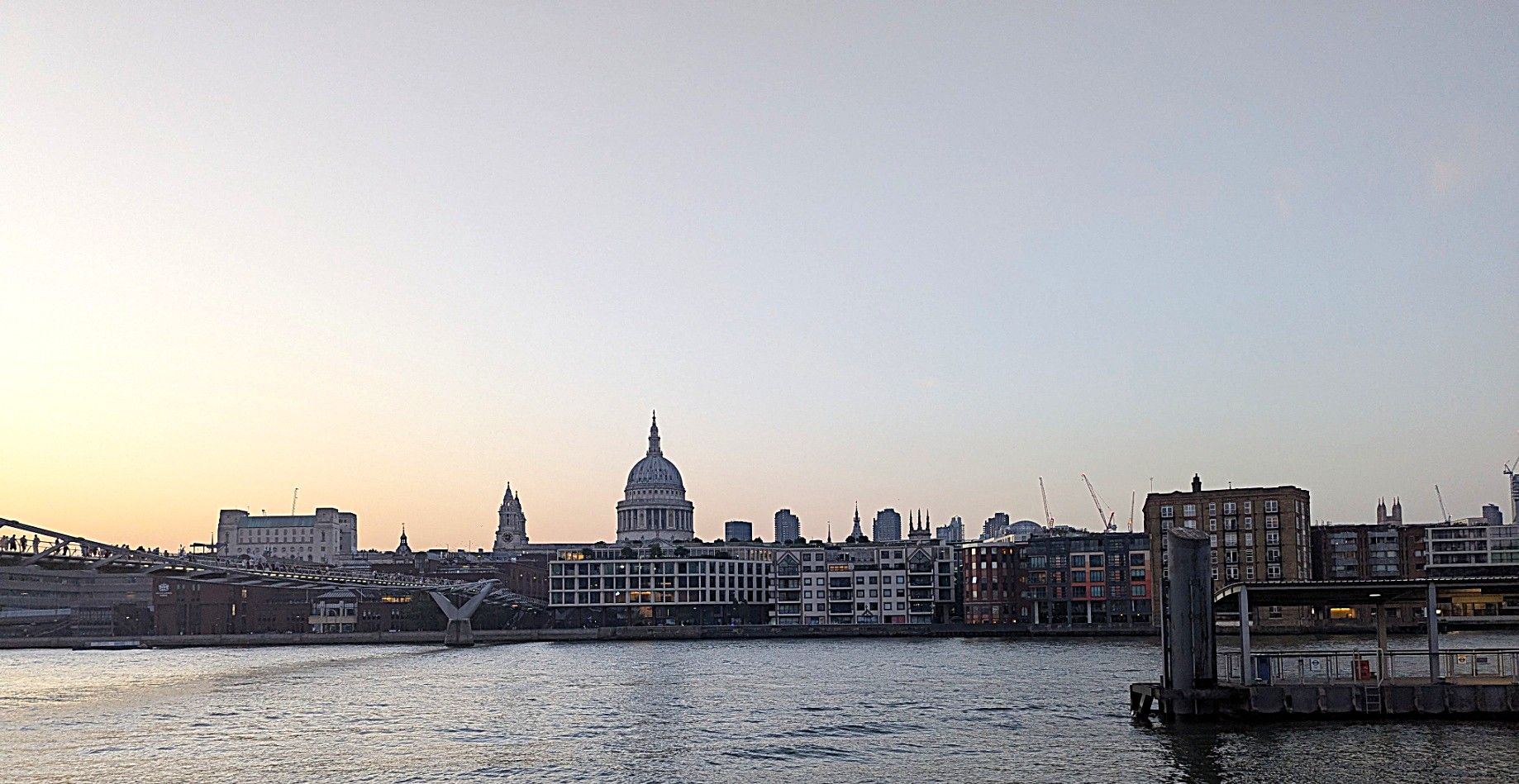
Afterwards, large numbers of people steamed across the Millennial Bridge as the sun set at 9.00. A fantastic night in London.
Cindy Lou eats in London
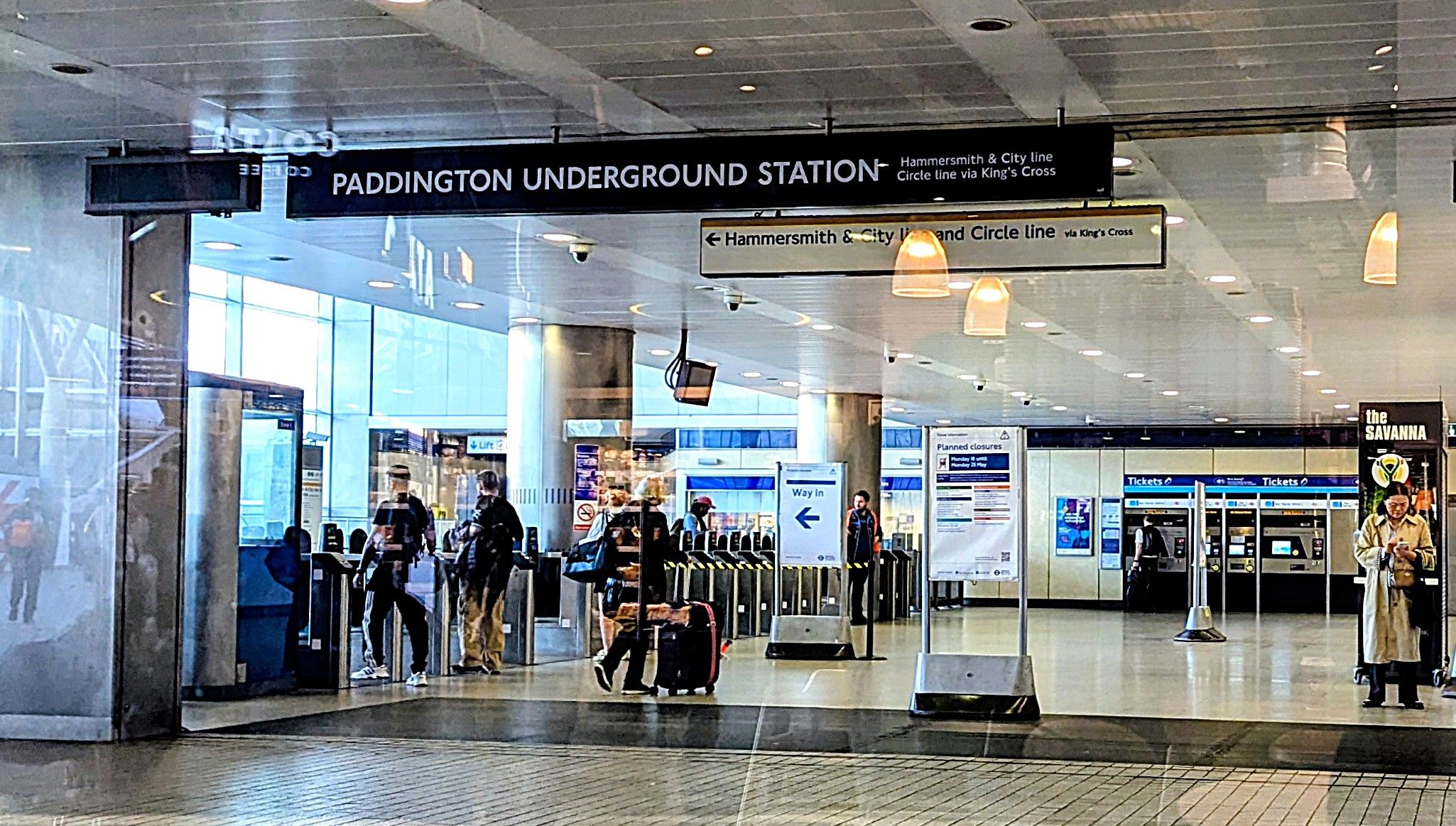
First coffees, after arriving at Heathrow at 5.00am, at familiar haunt (although not usually at this time of the morning).

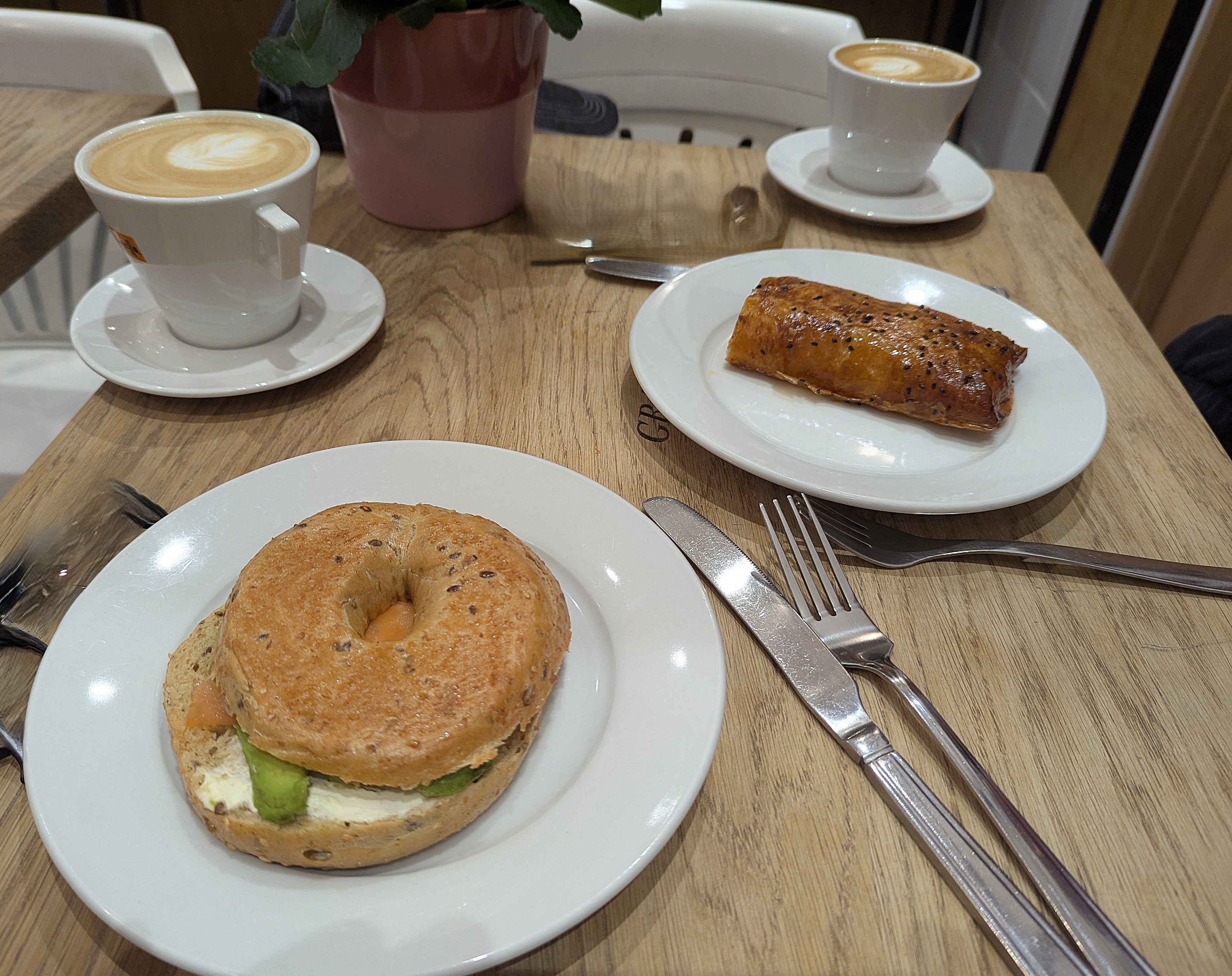
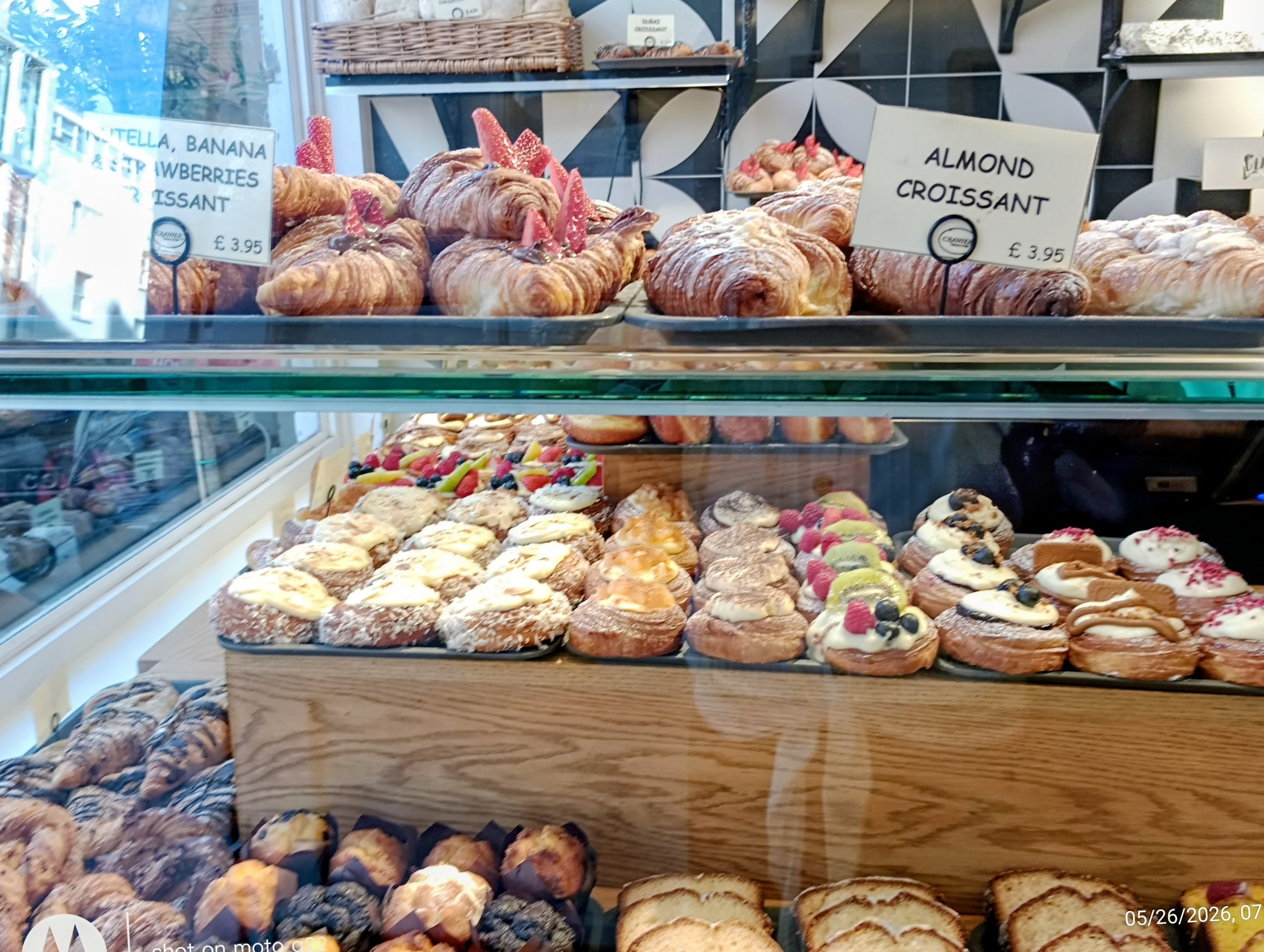
Next breakfast, not so early, at Granier, also close by. This place won accolades in reviews, and we found it very pleasant with lovely staff. However, I think that it is the splendid pastries that have won people’s hearts – the savoury items (smoked salmon bagel and sausage roll) we had were quite good, but not overwhelmingly flavoursome. The coffee was good, and made to order. Seating is limited.
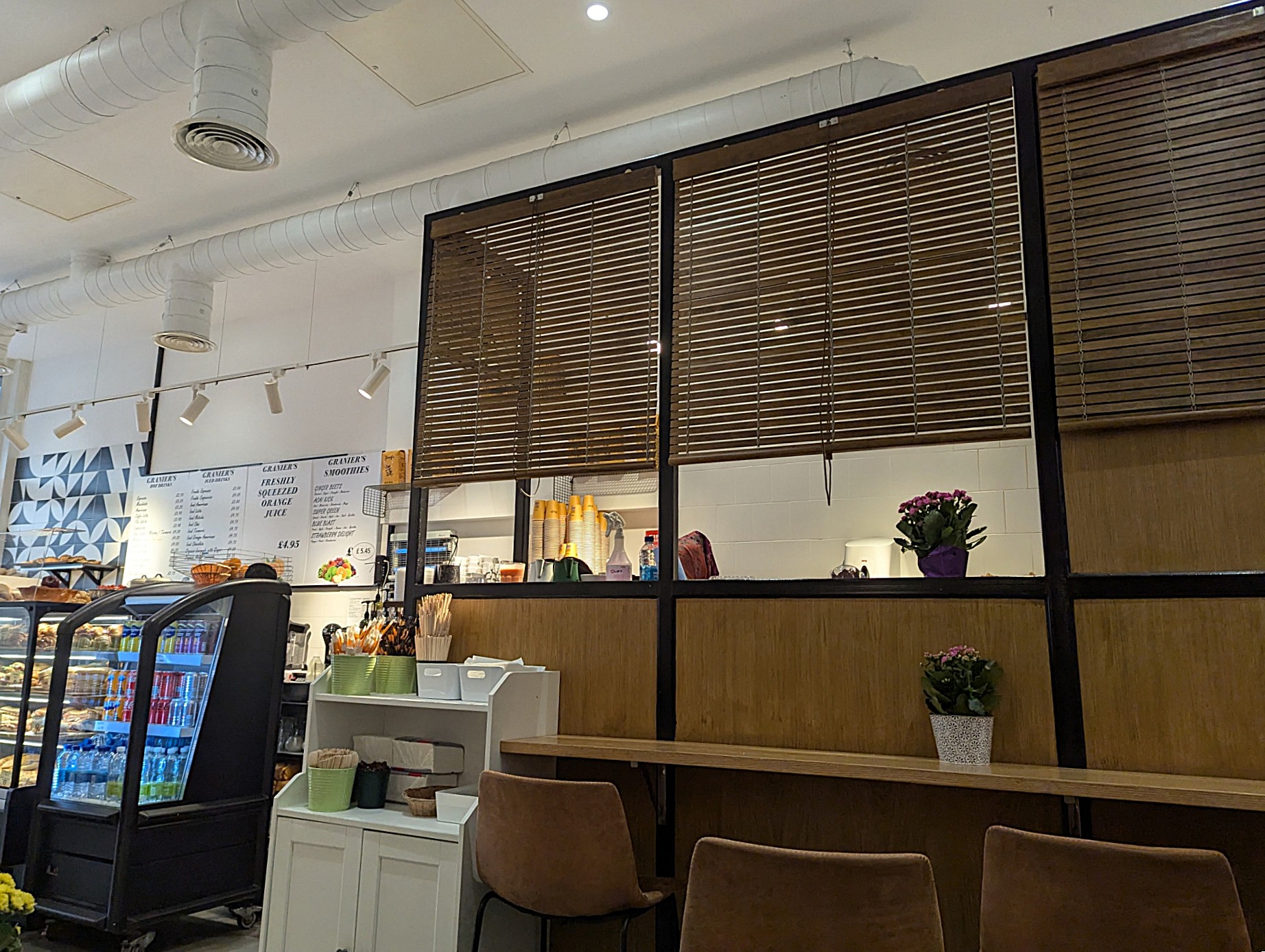
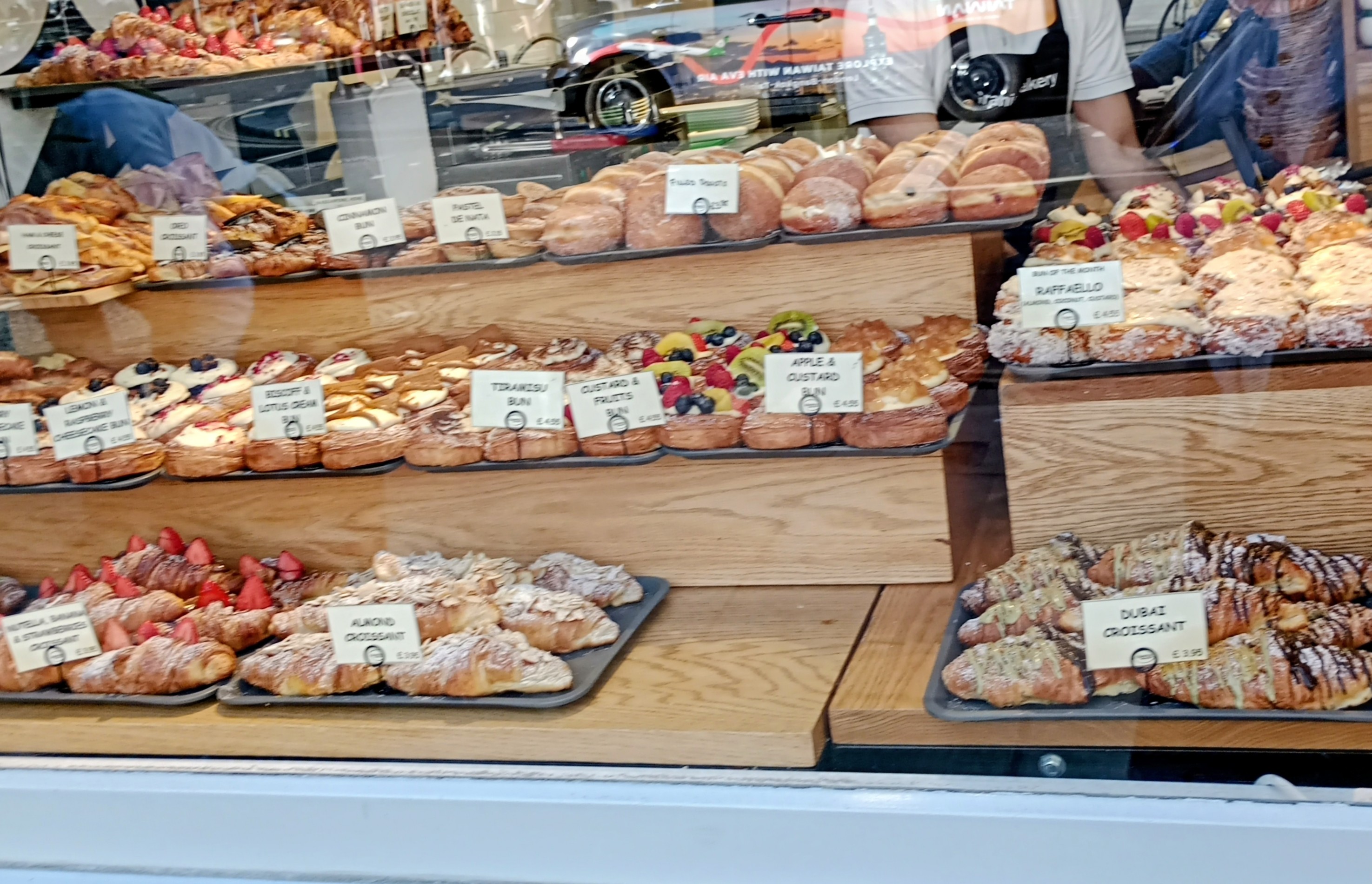
We needed an early coffee nearby so tried again. The coffee was perfect, and the spinach and potato roll was very good. The photos below show what the main attraction is as regards food. Otherwise, the pleasant and efficient staff is a big drawcard.

Wonderful Wahaca
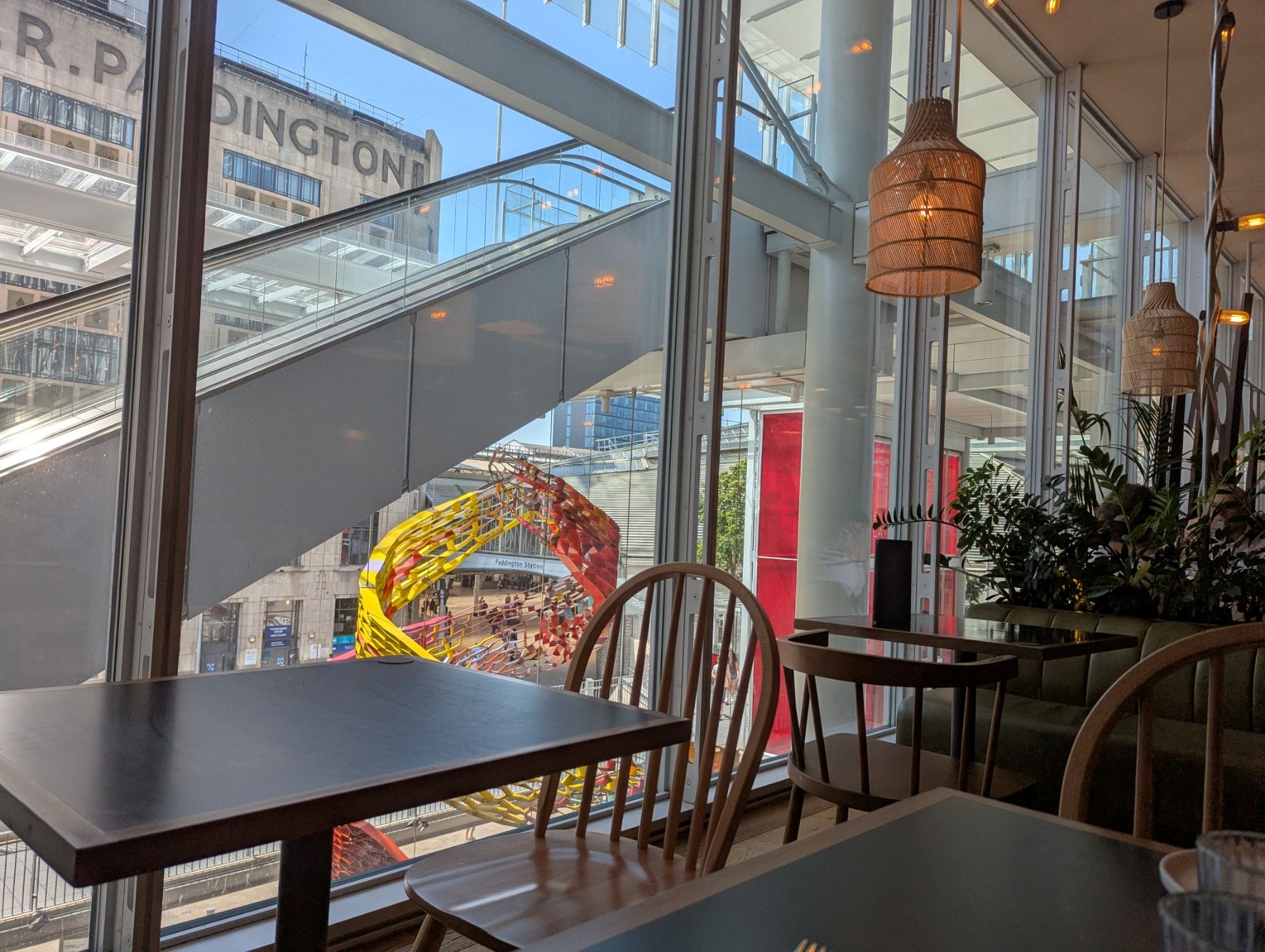
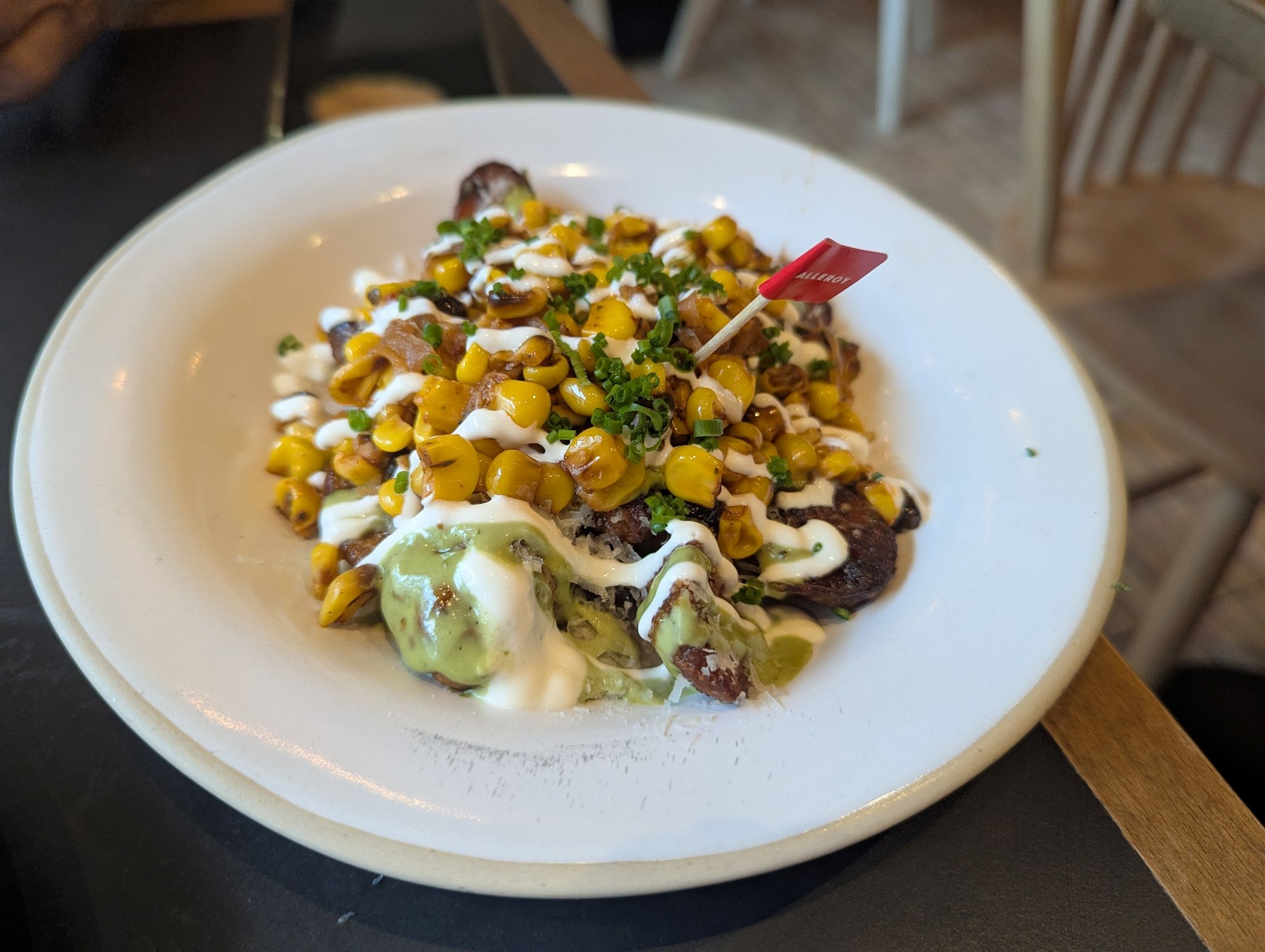
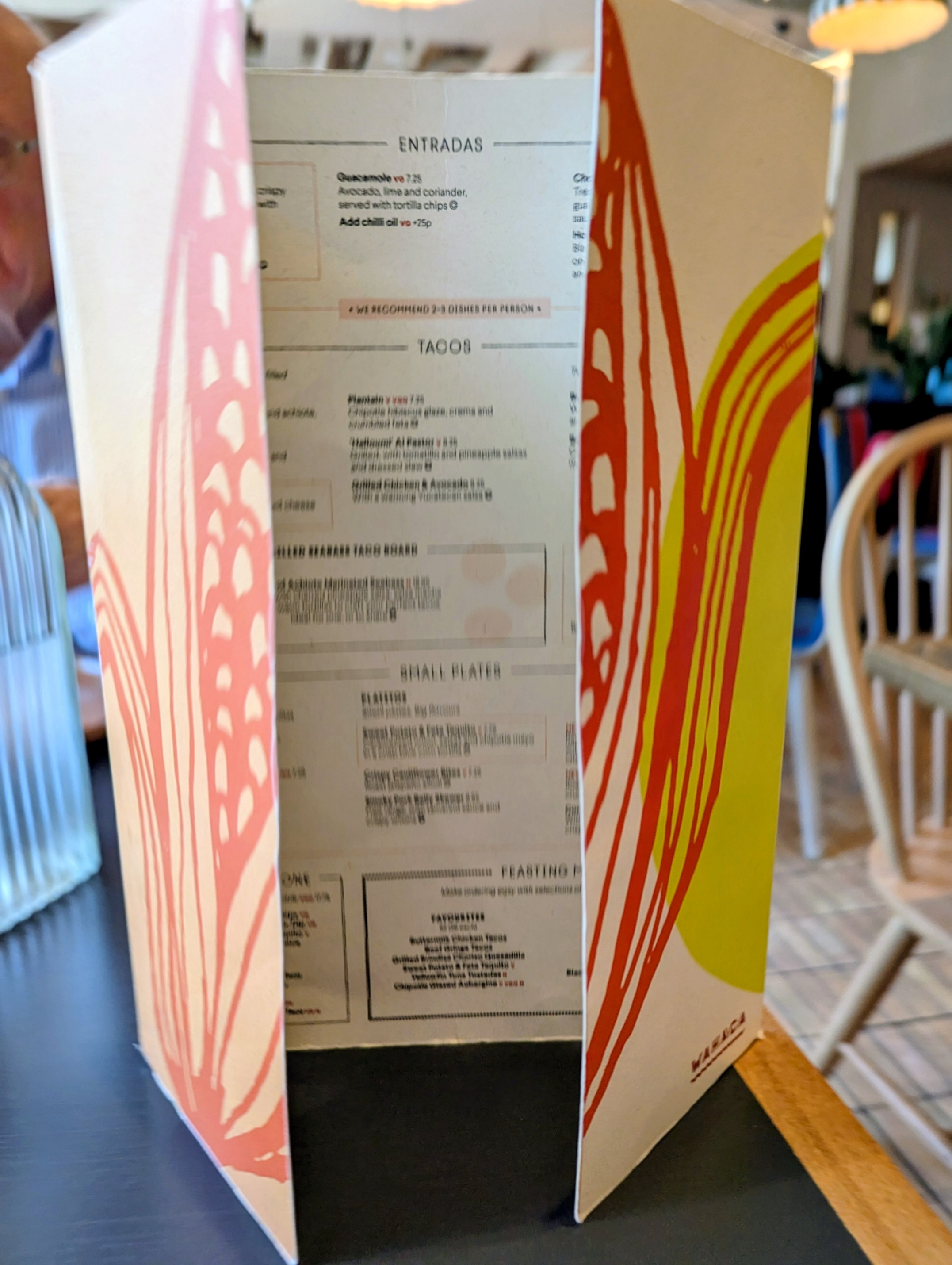
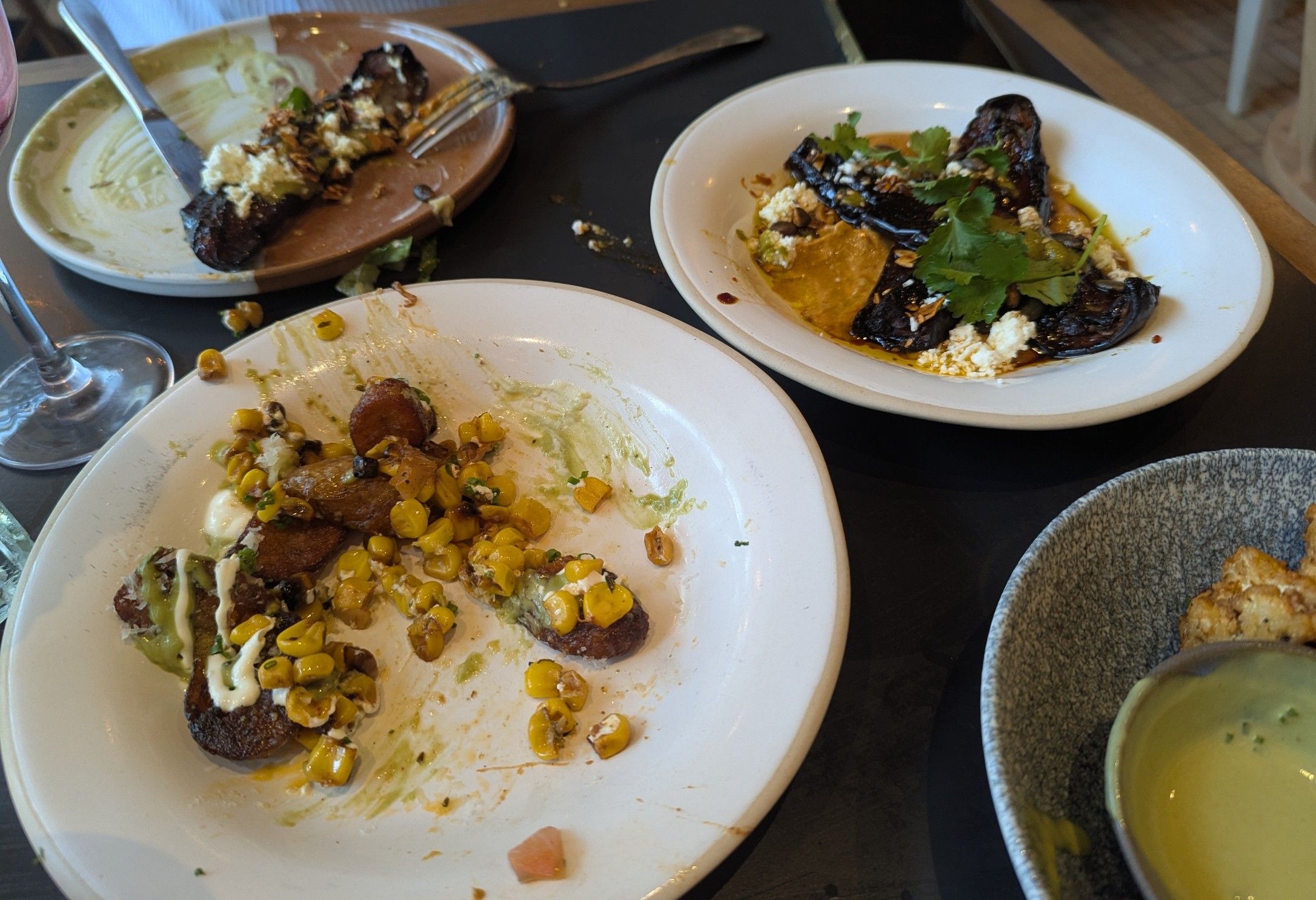
The elegant Mexican food served here makes Wahaca a must on our visits to London. I think that the mocktails we ordered this time were the same as those we had two years ago, and probably some of the other items we chose reflect our pleasure the first time we visited Wahaca. The Butter Bean & Confit Garlic Dip – Bold Bean butter beans, crispy chickpeas and confit garlic, topped with jalapeño oil. Served with tortilla chips, makes a wonderful start to the meal. The buttermilk chicken tacos with habanero mayo were excellent, not too spicy, just enough warmth for a person who prefers meals without chili. Crispy cauliflower bites, a sweet potato and feta taquito, crispy Jersy Royal potatoes (a new dish) and Chipotle glazed roasted aubergine completed the meal.
The drinks were Passionfruit and Hibiscus Fizz and Blackberry Sour.








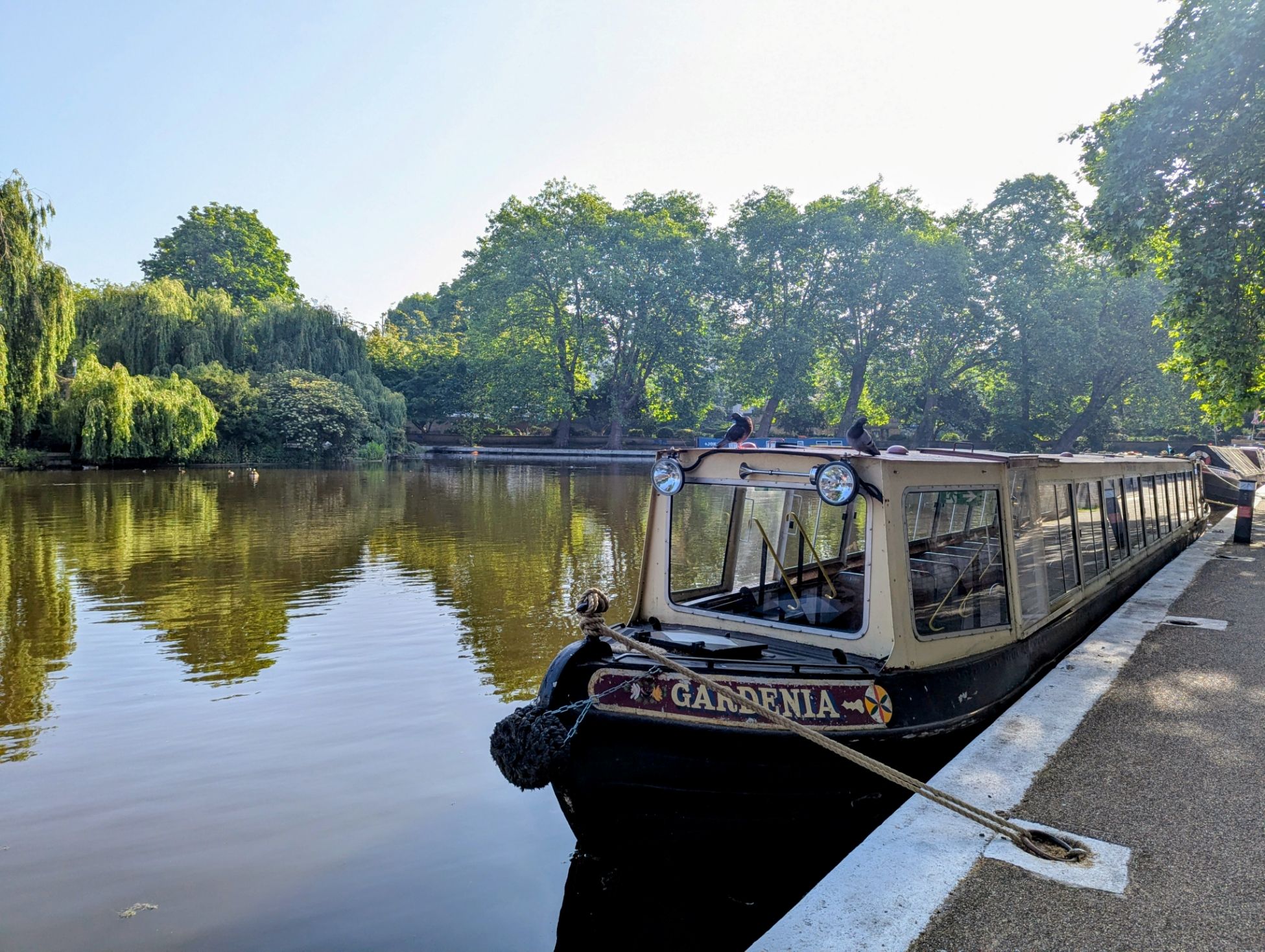
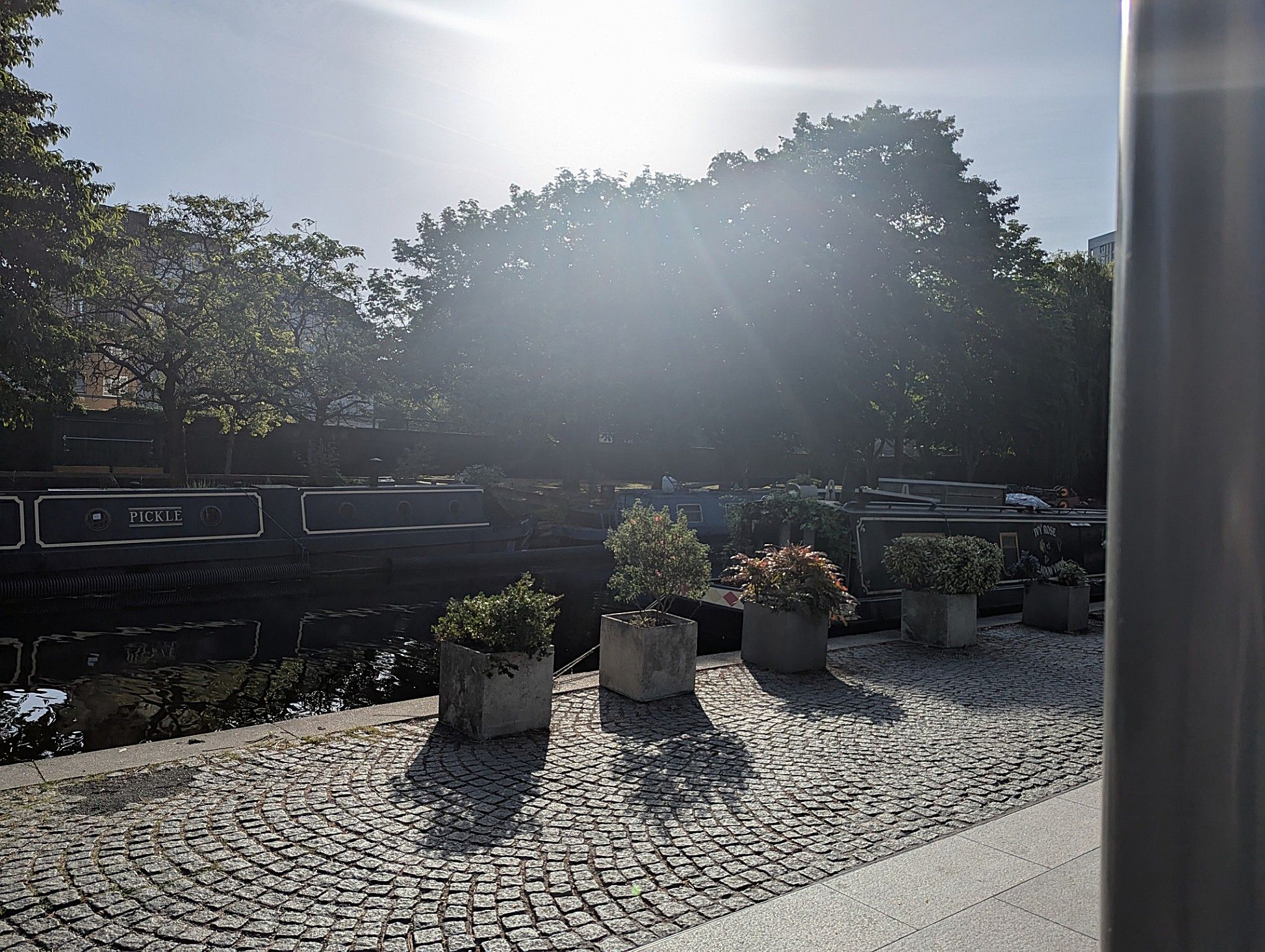
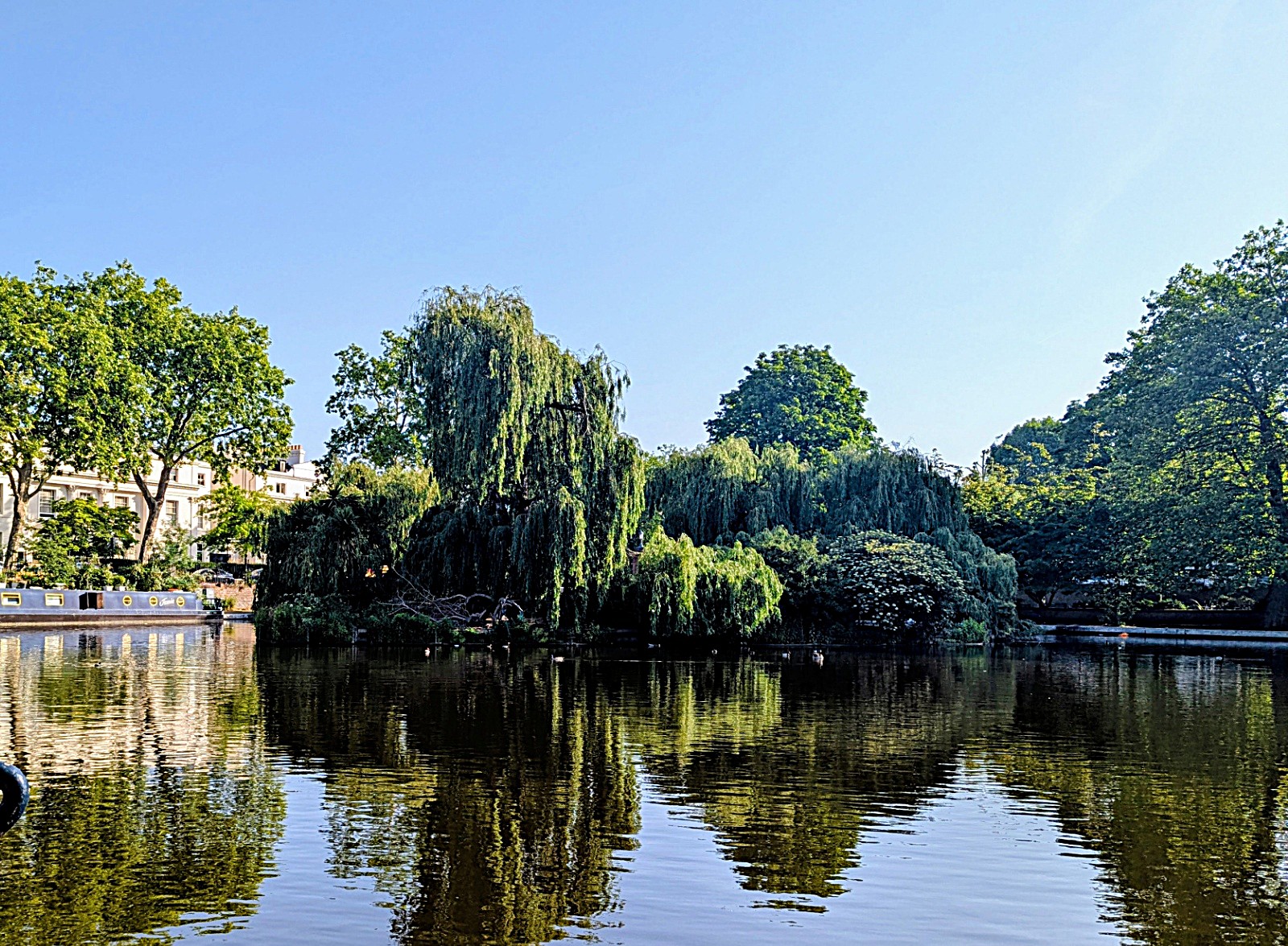
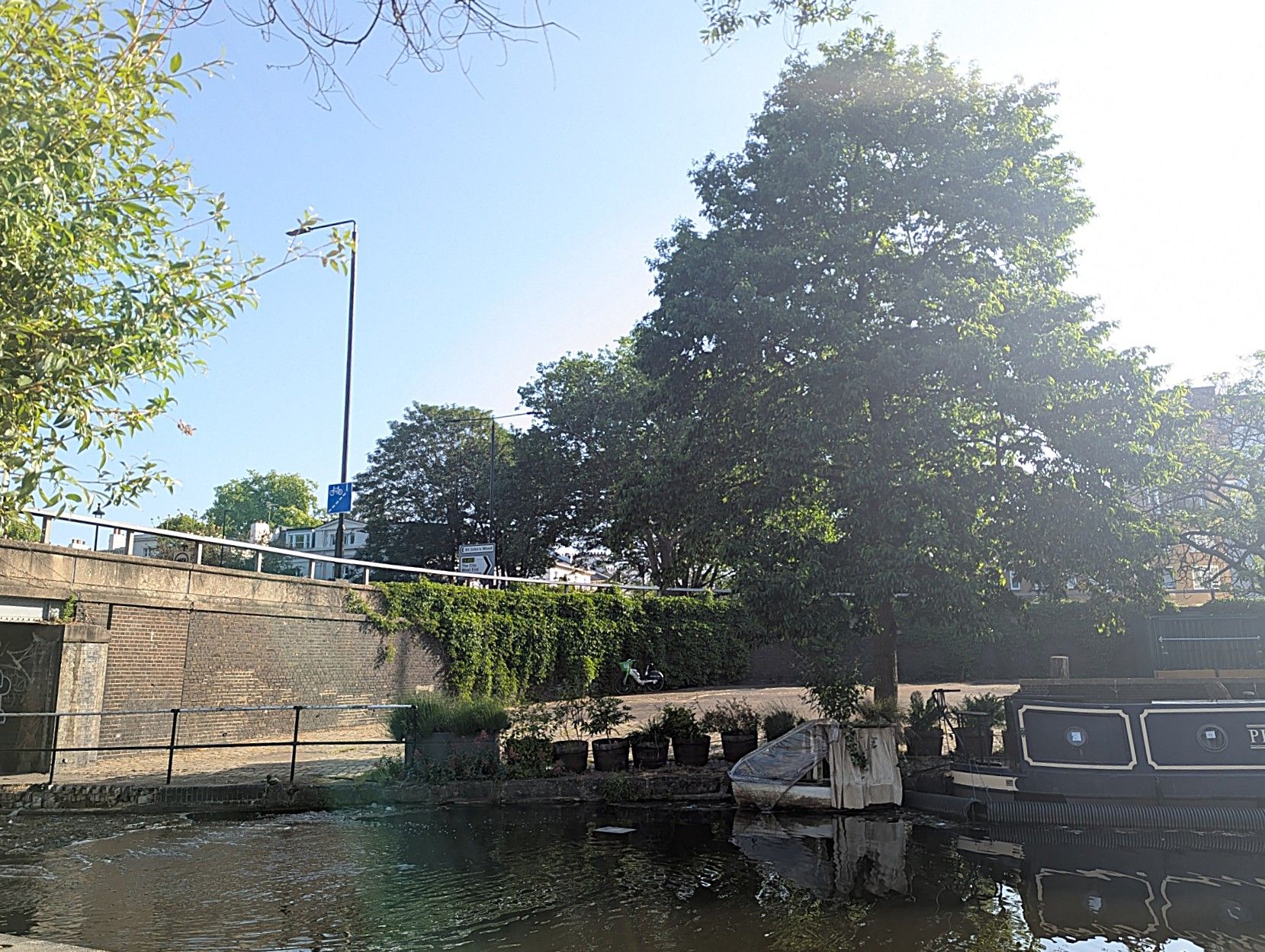
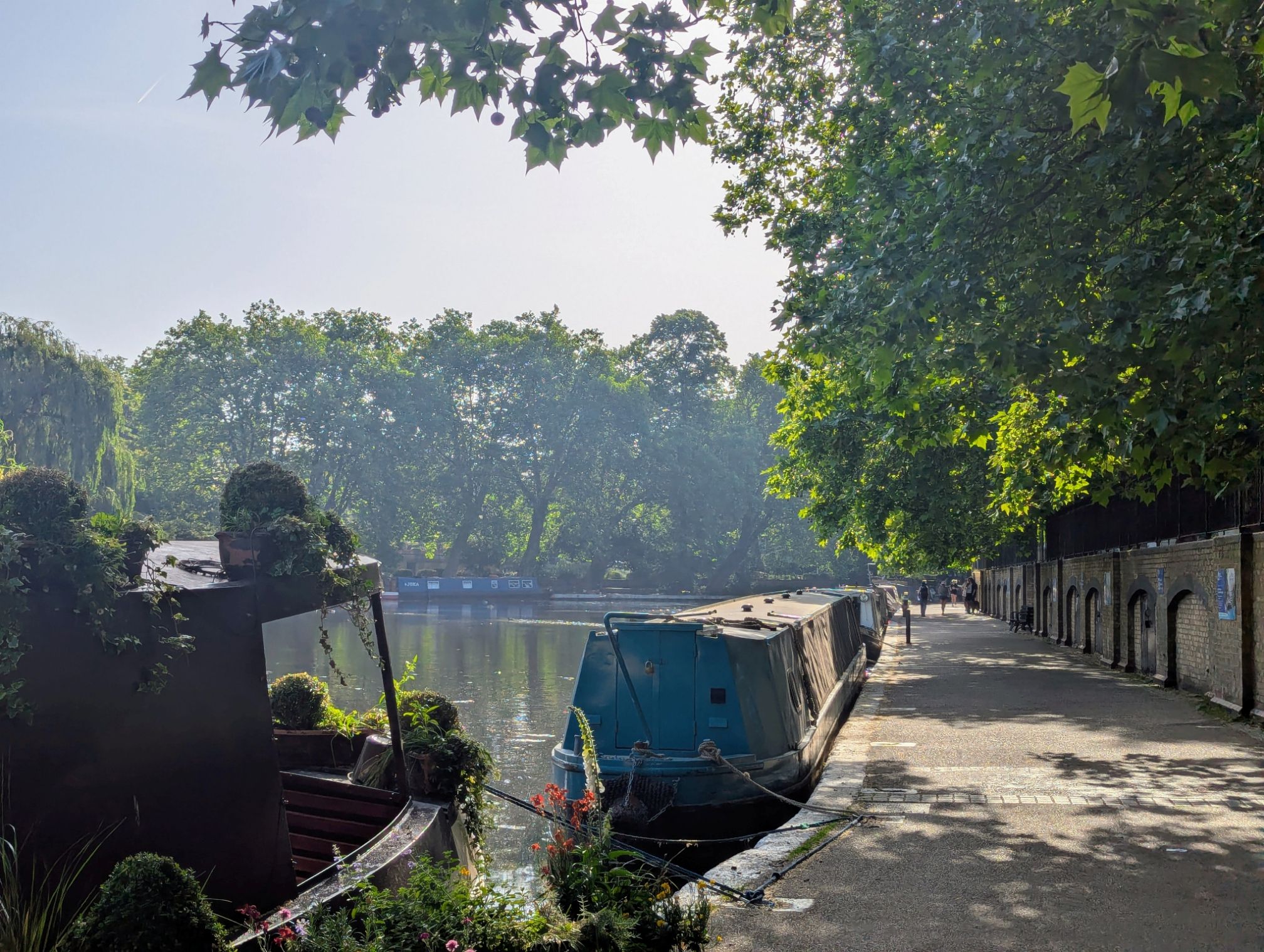
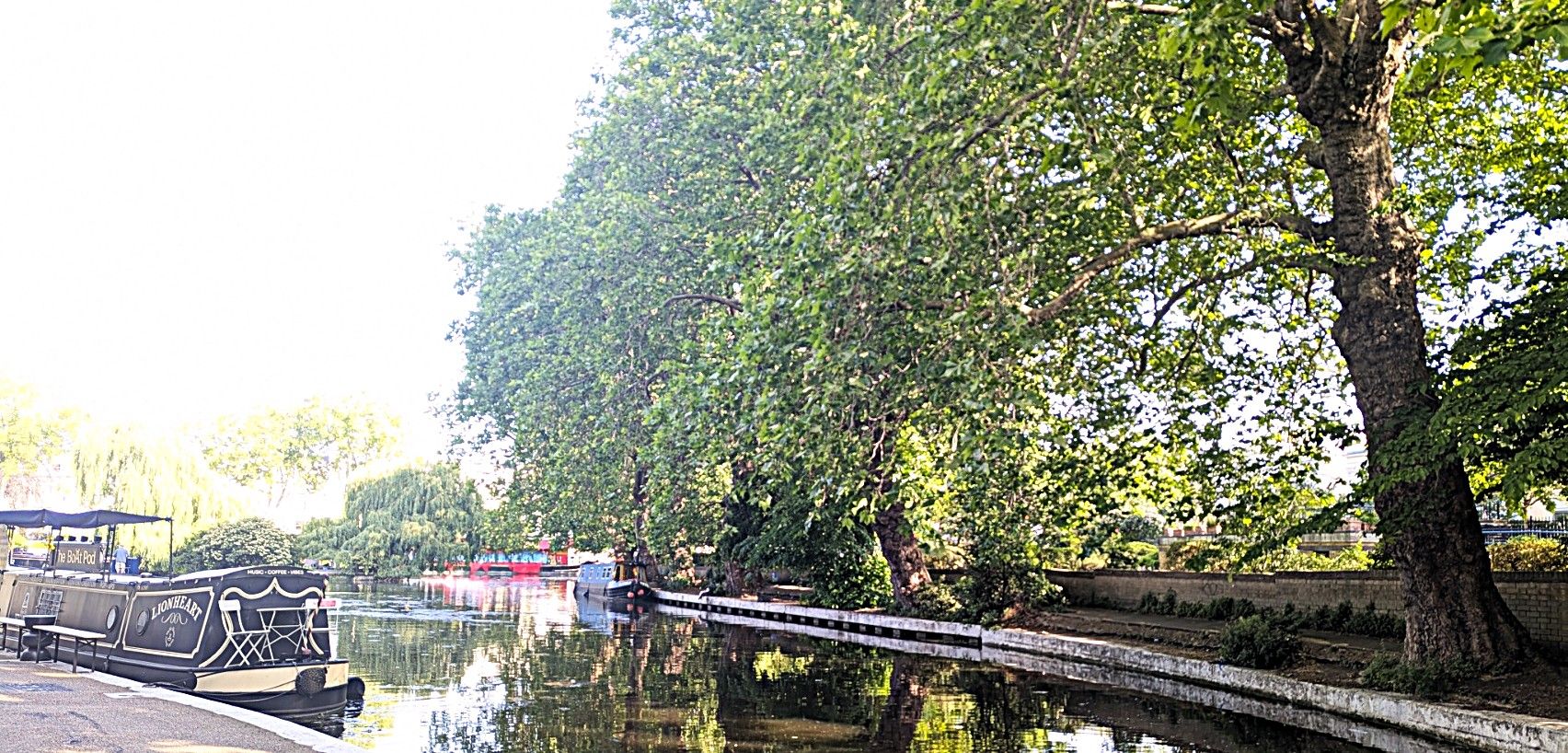
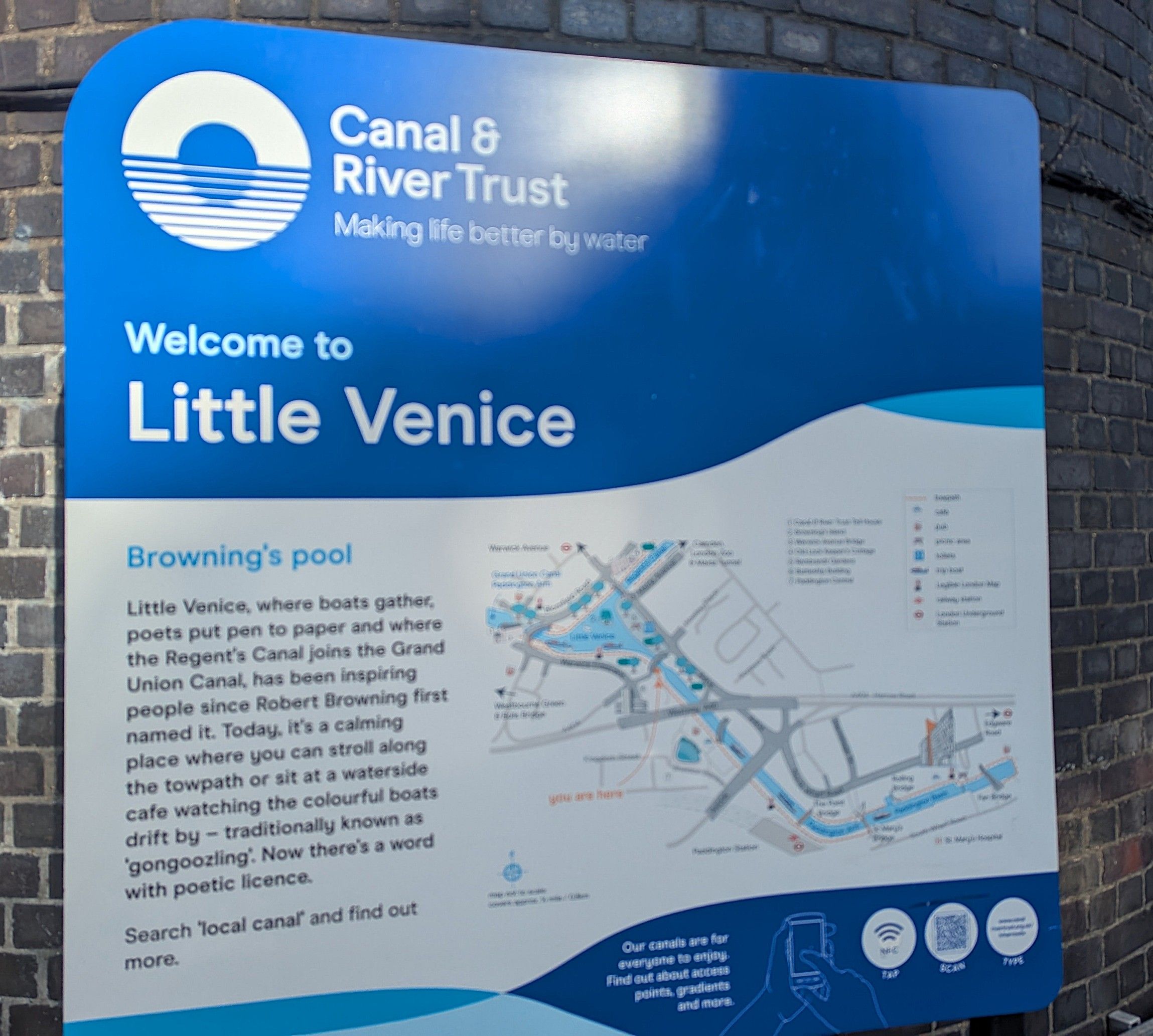
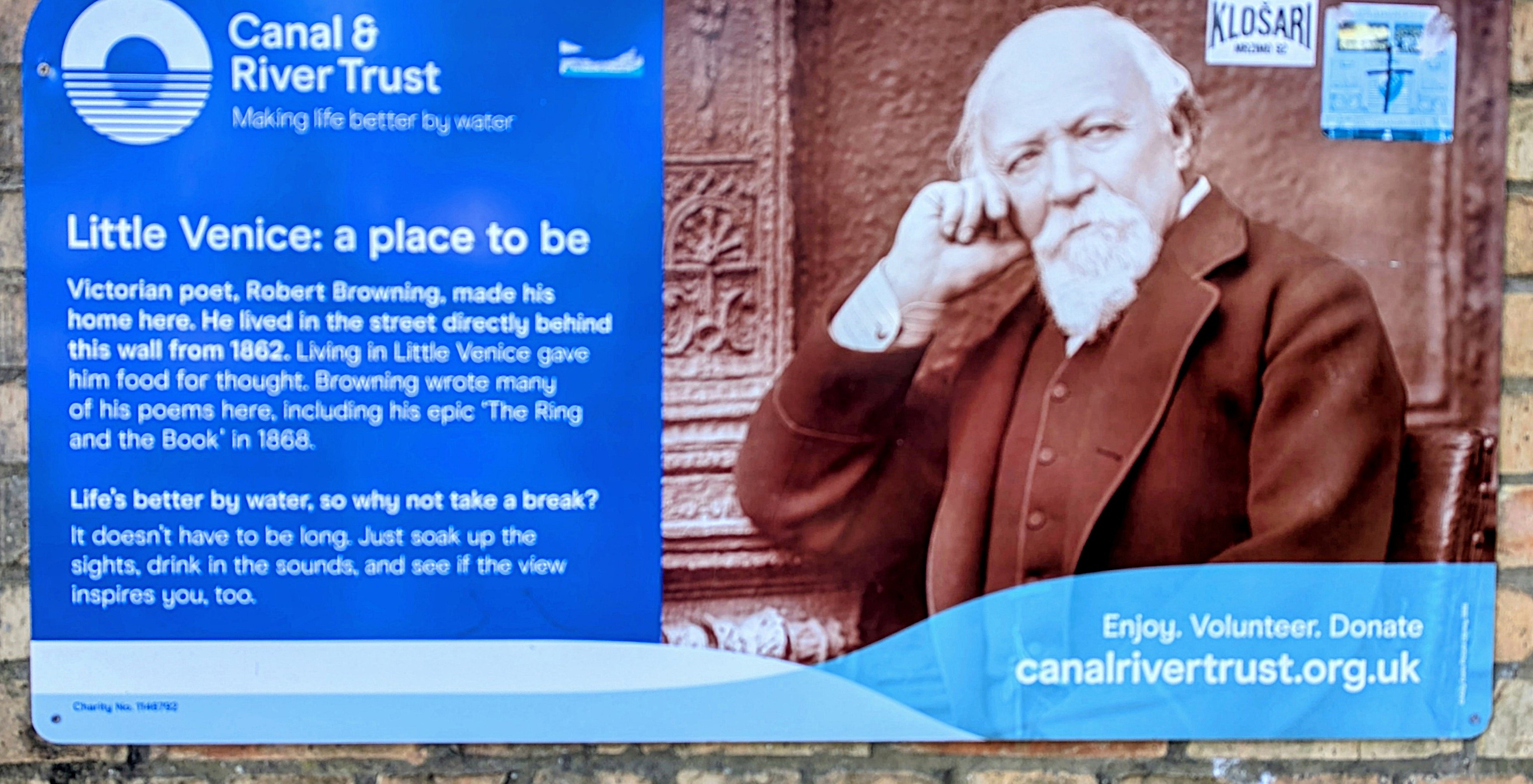
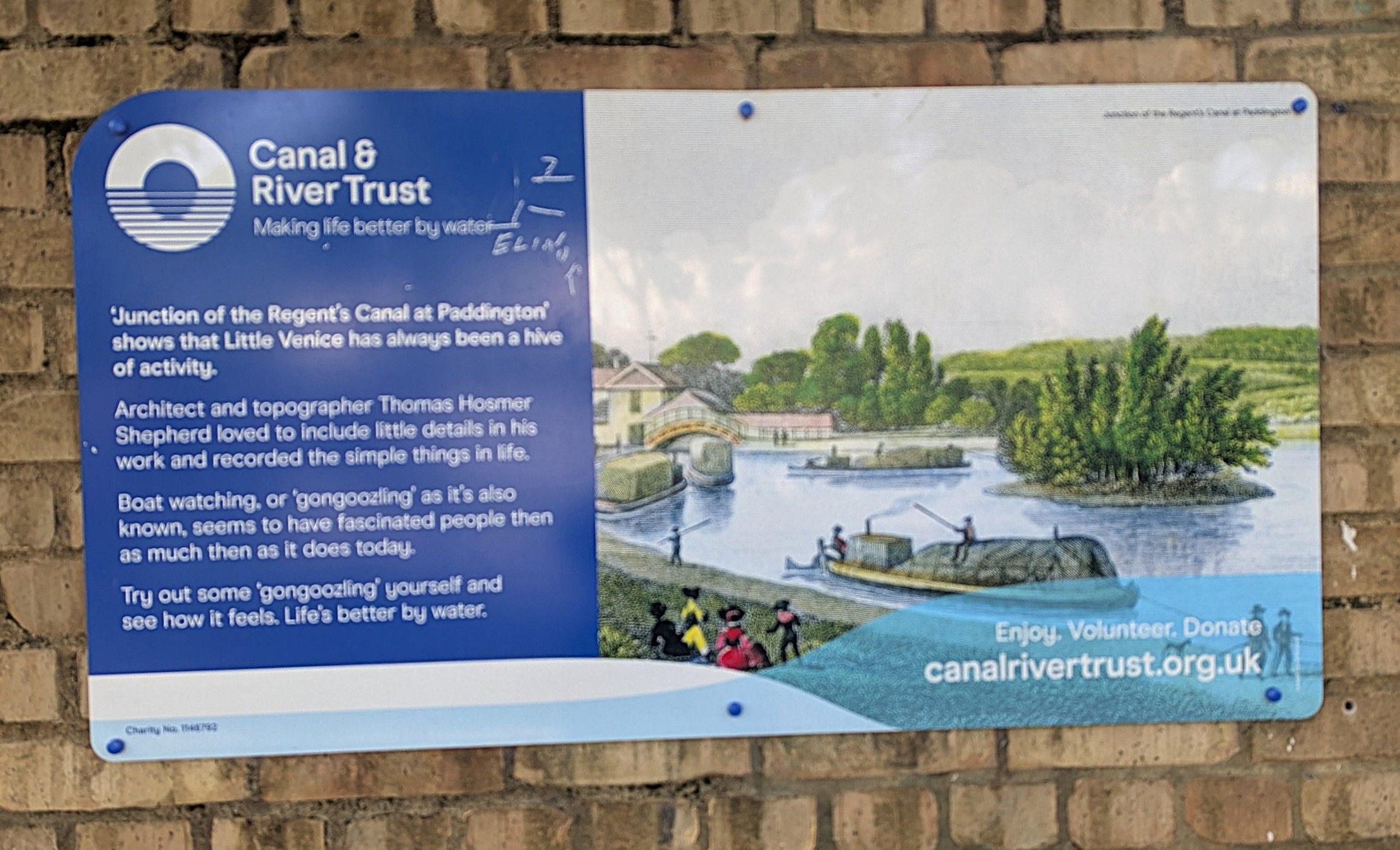
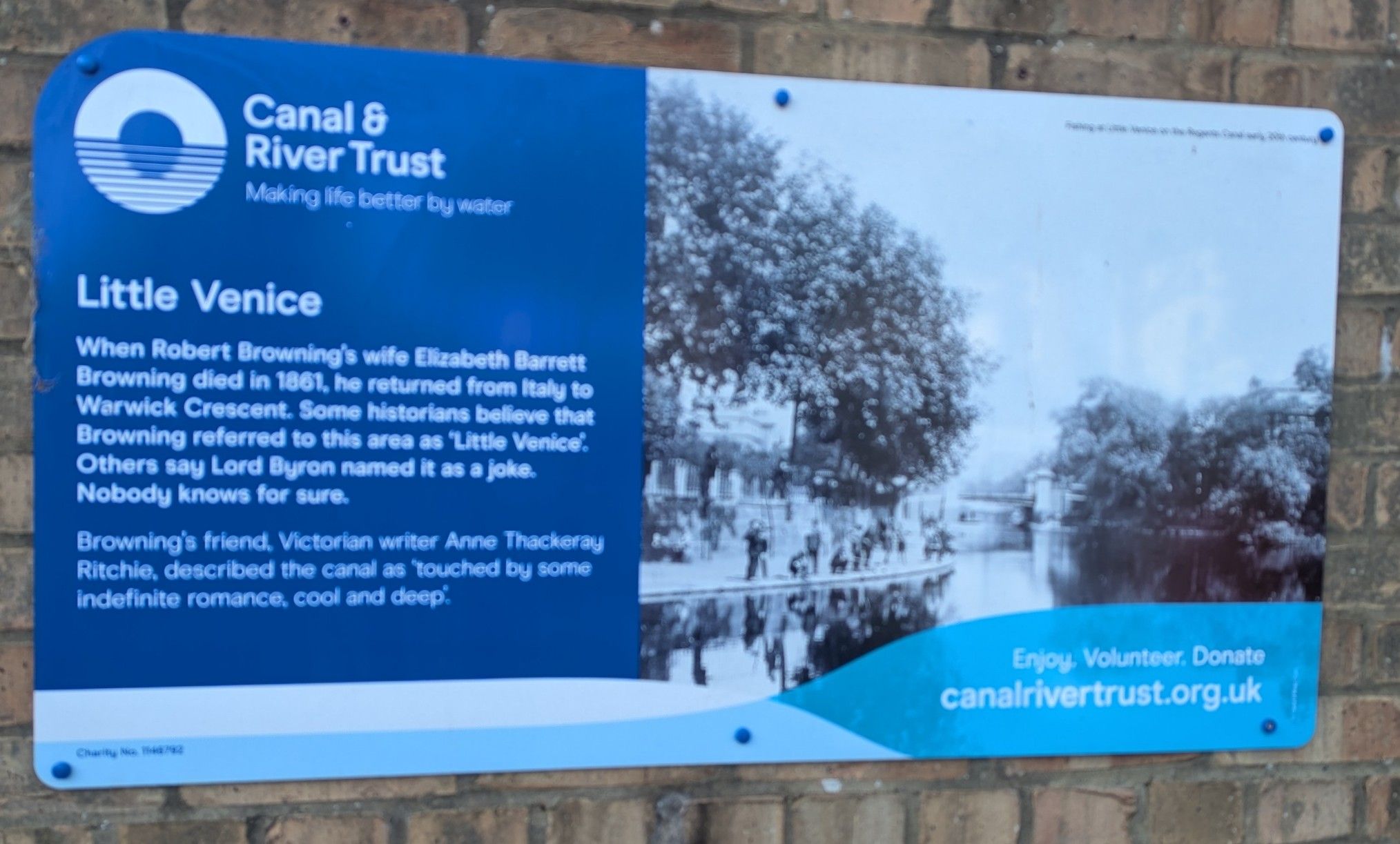
Early Morning Walk along Regents Canal

Wigmore Hall Visit
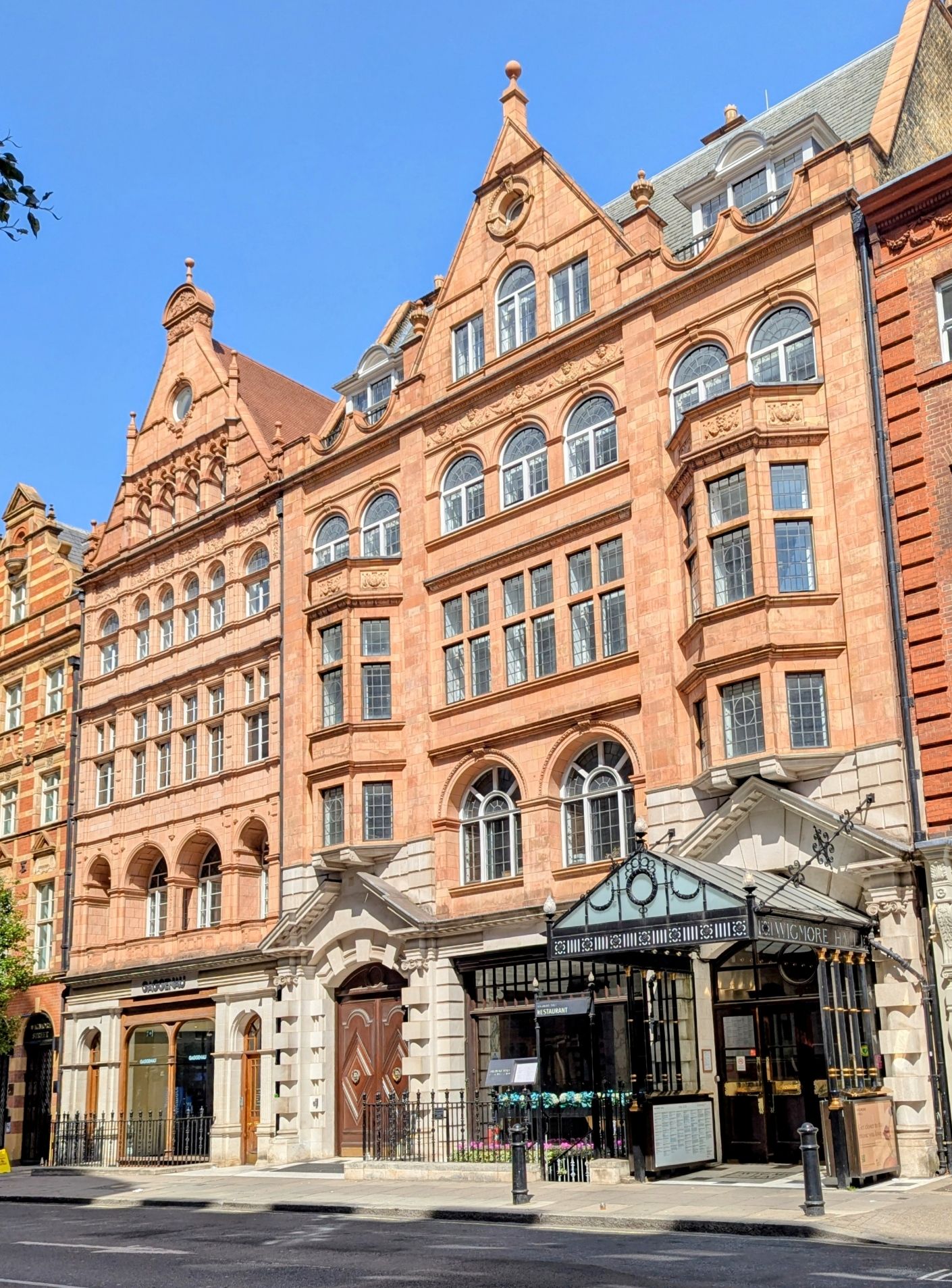
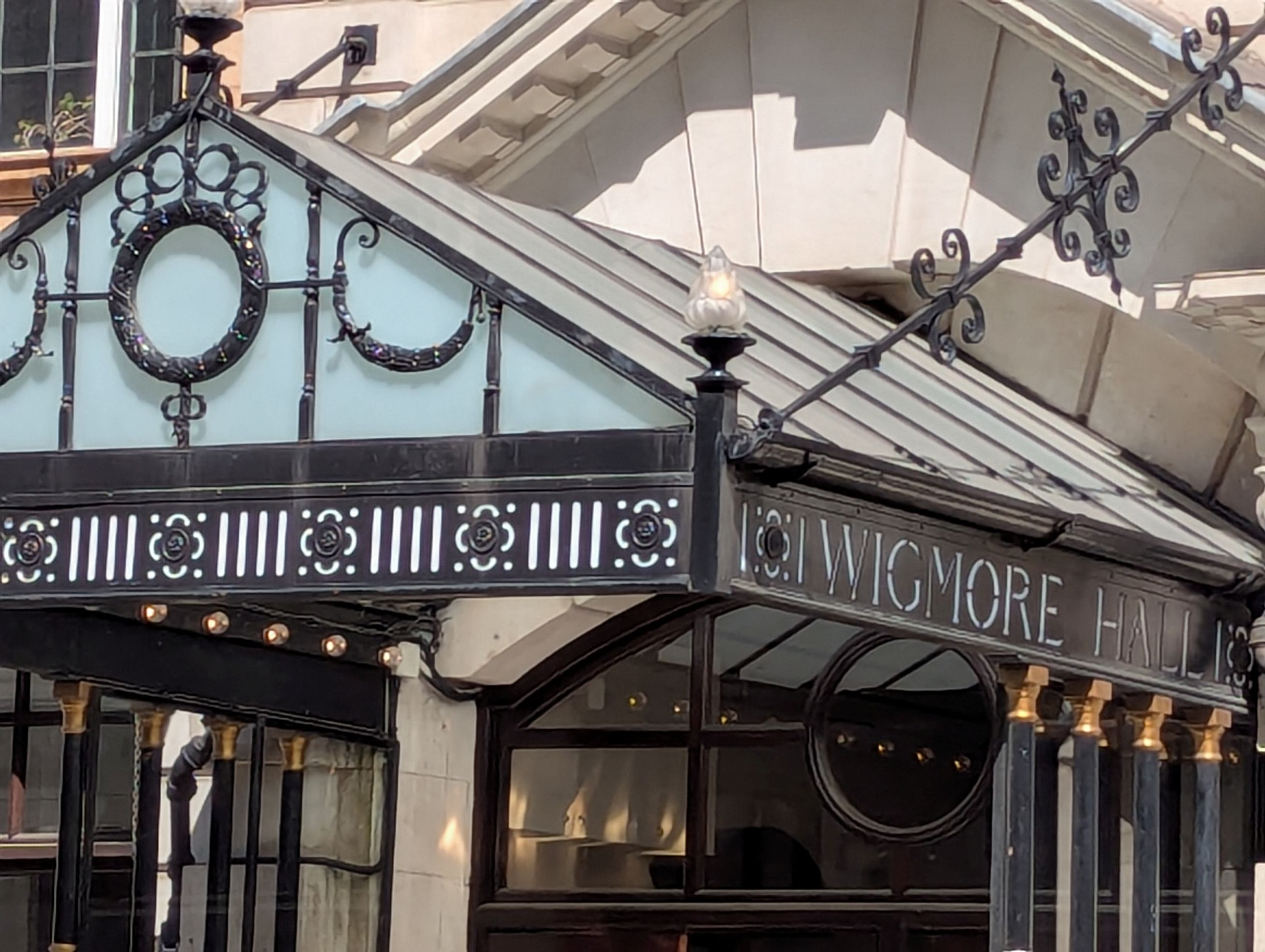
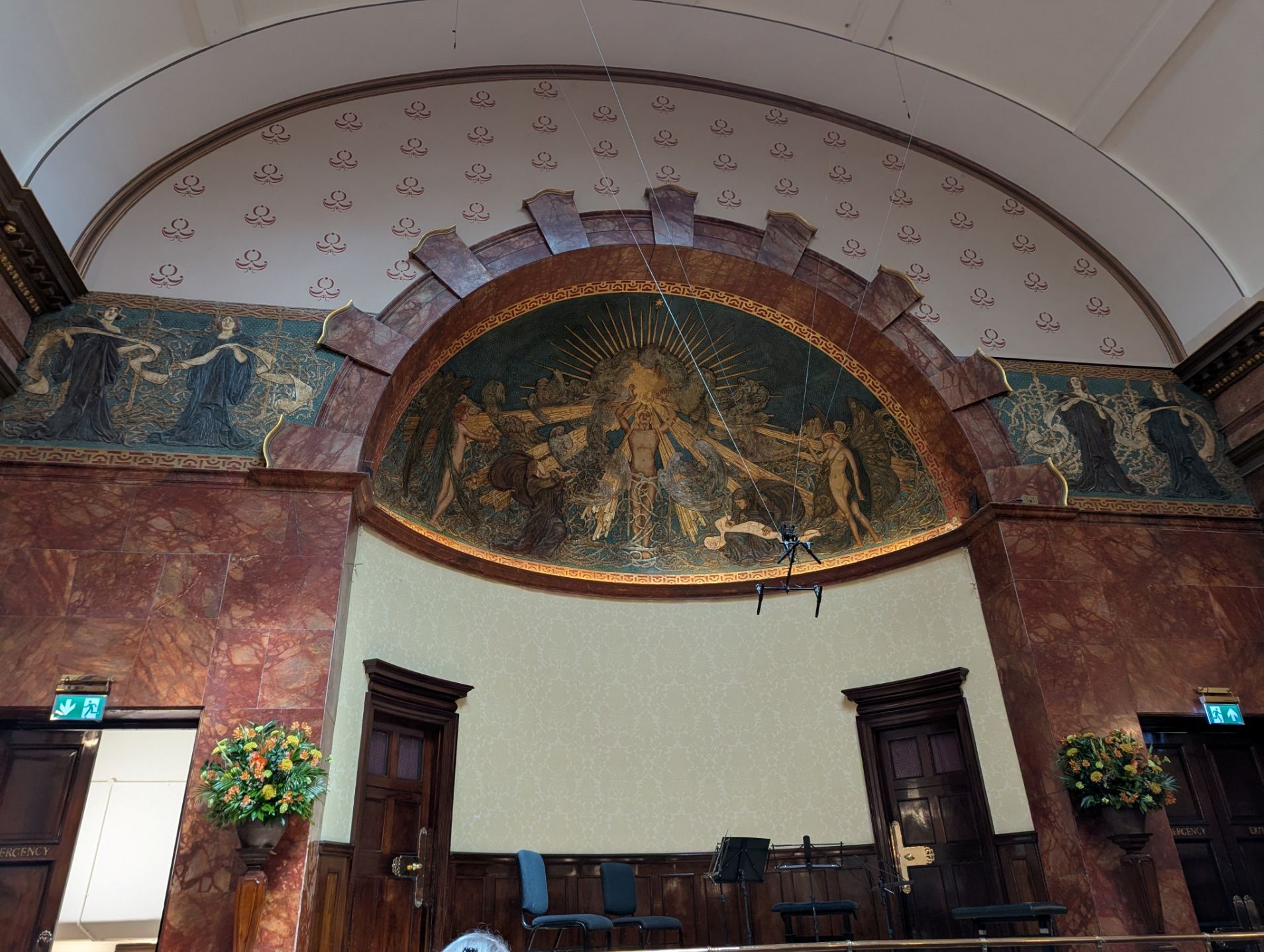
The Modigliani Quartet filled Wigmore Hall – the largest audience we have seen here on our regular Sunday morning jaunts when we are in London. Beethoven’s String Quartet No. 13 in B flat Op. with Grosse Fuge Op. 133 (1825-26) was not my favourite piece. However, it was a wonderful memorial to my late brother-in-law, reminding us of his love of classical music and his extensive knowledge in that field. We were reminded that he said that Beethoven was considered ahead of his time, with pieces that did not always find popular acclaim. Alas, I am in the conservative category!
British Politics
Politics is complicated and that’s OK.
.png)
Emma BurnellFrom the Editor’s Desk
| Labour members are right to feel conflicted about what is happening in the Party. Because there are no easy answers. |
There’s a mean-spirited joke about Burnham that does the rounds in SW1 about a Blairite, Brownite and Corbynite going into a bar and the person serving saying “what’ll it be Andy?”
Ironically, like Burnham himself, it is not a joke that has ever truly belonged to one faction of the Labour Party. I first heard it under Corbyn from a supporter of the then leader. I’ve heard it since from supporters and opponents of Keir Starmer alike – from the hard left to those on the Labour right.
I hate that joke. Not because it is rude about Andy – who is a big boy who can look after himself – but for what it says about the culture that finds it funny. A culture that insists you define yourself by a rigid factionalism at the start of your career and insists that to grow or change – or simply be loyal to the elected leader of the Party – is to be inauthentic, to be laughable.
The truth is that every Labour politician is more complicated than this. Because – as I have said many times – politicians are human and humans are complex and often contradictory beings.
For example, I was first introduced to Wes Streeting when he was still a councillor by a pretty left wing member of his local Labour Party who rated his talent and thoughtfulness. A long way away from the hyper-factional Labour right robot that Wes is painted as. In fact, it was Wes himself that was making an argument for listening to – and working with – all wings of the Party – back in January.
Being a part of a faction is a very human part of politics. Finding your people and sticking with them is not a poor quality in politics either. If you find a group who best represent your views then it is absolutely understandable that you would want to work internally to increase the likelihood that the people and policies you support prevail. The problem comes when in doing so, you prioritise beating your internal opponents (with whom – as Streeting said – you might not always agree but with whom you “do have lots of ideological roots in common”) over winning and delivering nationally.
We like simple labels because they help us make sense of complex situations – breaking them down into simple and digestible chunks. But all too often the truth just is more complicated than this. This is one of the reasons I like our Labour Tribes tool so much. Because it does help us sort MPs into different and easy to understand groups. But equally it makes it visibly clear that each MP has their own different profile and network of connections. Both simple and complicated – a perfect encapsulation of Labour politics.
I had a number of conversations about the current state of Labour over the weekend with thoughtful people whose responses to the current situation were all different – but not that different. They all expressed concern about the disruption of a potential leadership – even those who saw such a change as essential. Their views were complicated – not black and white.
The people I spoke to included someone who had previously volunteered on Andy Burnham’s 2015 leadership campaign, a Labour peer and a party full of people who had all voted for different options in Chingford earlier this month. All of them expressed their desire for Labour to be doing better than they are currently and the need for something to change. All of them expressed their nervousness at Labour descending into chaos and becoming like the Tories chopping and changing leaders. Some thought Andy was the answer to what ails Labour, some Wes, some thought it was madness to get rid of Keir. All (including the non-Labour voters at the party) wanted Labour not just to do better but to succeed – for the good of the country for the non-Labour voters, for the electoral success of the Party (and the good of the country) for the Labour loyalists.
The decisions ahead of Labour members are not easy and we cannot pretend that they don’t – or won’t – exist.
But at the moment we have a simple mission ahead of us which is to support Andy defeating Reform in the Makerfield by-election. There should be no doubt that this is the goal however conflicted anyone feels about a potential leadership contest. Sometimes politics – however complex – is about taking one step at a time. And this step is vital for all of us.
Australian Politics

Paul Bongiorno
In the real world, the budget is selling
Anthony Albanese’s burst of courage, changing his election campaign position of doing nothing on significant tax reform, has triggered more than the expected sound and fury. It is also proving a net positive for his government.
The prime minister has taken a personal hit in the published polls, with the Resolve poll in The Age putting Liberal leader Angus Taylor ahead of Albanese as preferred prime minister, 33-30, with 37 per cent of people undecided – a result not replicated elsewhere.
Labor, however, remains in an election-winning position in all the polls, despite it being the worst received budget since Paul Keating’s treasurer, John Dawkins, broke the “L-A-W” tax cuts promise in 1993.
Still, it was a minority of voters in Newspoll (47 per cent) who described the budget as bad, with 31 per cent saying it was neither good nor bad and 22 per cent finding it was good.
Privately, the prime minister has been rocked by the vehemence of the campaign against the budget, not so much from the “three right-wing parties” but from what he calls “their allies”. By that he means the legacy media, particularly News Corp and its flagship, The Australian.
Despite daily negative stories, canvassing every worst-case scenario, Newspoll found Labor’s primary vote static at 31 per cent, with the Coalition dropping a point to 20 per cent and One Nation jumping 3 points to 27 per cent.
Rival pollster Kos Samaras says this poll shows the budget response was “a lot of noise for what?” He says the polling over the past six months shows “all the moving is on the right and it’s profound”.
It makes Nationals leader Matt Canavan’s call for a snap election over the proposed reforms crazy brave.
Samaras expects his own RedBridge polling to mirror Newspoll, as the other published surveys did this week.
Polling analyst Kevin Bonham’s aggregate of all the polls is 52.4 per cent to 47.6 per cent Labor’s way against the Coalition. His One Nation shadow-2PP has it 52.9 per cent Labor’s way, against 47.1 for Pauline Hanson’s party.
Those numbers come after Angus Taylor threw caution to the wind and attempted to outflank One Nation on anti-immigration sentiment and policy. He promised to end bracket creep, creating a permanent rolling income tax cut. He would also repeal Labor’s changes to capital gains tax and negative gearing, as well as its targeting of tax minimisation in trusts.
But Newspoll found the prevailing view among voters was that the Coalition would not have delivered a better budget. Of respondents, 47 per cent believed that, against 39 per cent who disagreed and 14 per cent who were undecided.
The Resolve poll found broad support for the budget’s big-ticket items on tax reform. More people supported these changes than opposed them, with a significant number either undecided or neutral in their response.
The glaring weakness in the Coalition and One Nation’s rejection of Labor’s reforms is that they have come up with nothing credible of their own to address the housing crisis. Pauline Hanson says what the government is proposing is ‘communism’.
This is in line with Labor’s own focus group research in the immediate budget aftermath. The government has lost skin but not as much as its opponents had hoped. Resolve found 45 per cent thought no less of Labor, against 36 per cent who had changed their view in the negative. A cohort of 15 per cent said the budget had improved their view of the government.
A key Labor strategist says the overall mood of the electorate is grim, with the war in the Middle East turbocharging inflation and fears rising over the security of transport fuels and vital fertiliser needed for primary production. In light of all of this, the strategist said he was not surprised that changes to the way Australians are taxed has made them apprehensive – even if the changes are fairer overall. According to Newspoll, a majority (52 per cent) thought the budget would leave them worse off.
Treasurer Jim Chalmers says his handiwork has involved “a whole bunch of difficult political decisions”, and he is prepared “to wear some political heat for that”. He says he’s very proud of the reforms that are in the budget “because they will make a meaningful difference to the lives of a number of Australians, even if they cause us a bit of political difficulty in the near term”.
Albanese is very keen to have the major tax changes pass the parliament before the winter break in July. His critics say he is doing this to ram them through before there is an even louder crescendo of dissent.
The prime minister says the absence of the legislation is allowing campaigns to be run that “aren’t based on the facts”. He says that when people see the legislation they will be able to assess it for themselves.
Maybe, but it won’t stop the desperate misrepresentations. The Coalition, once again under the influence of Tony Abbott, that archetypal political pugilist, is determined to “fight … fight … fight” the changes all the way. They are calling for an extended Senate inquiry, taking evidence all around Australia. It sounds like the sort of roadshow shadow treasurer Tim Wilson successfully ran against Labor’s proposed franking credit reforms ahead of the 2019 election.
Now in opposition, the Liberals would need the Greens to support a similar roadshow if it were to go ahead. Senator Nick McKim has already chaired a Senate select committee inquiring into the capital gains tax discount, but says the balance of power party is “considering our approach”.
As the week progressed, Albanese showed no inclination to buckle under the relentless pressure his opponents and their “allies” were mounting. There is confidence in the higher echelons of the government that the message is resonating and people understand the reforms are directed at intergenerational fairness in home ownership.
A key minister says, “Everyone knows we are fighting for young people to have a chance to own a home.” He believes the fight just means “people value the commitment”.
Analysis by independent economist Saul Eslake suggests Treasury may have been too pessimistic in saying the tax changes would reduce housing supply by 35,000 homes. That’s a figure seized on by the opposition to reject the reform.
Writing in Guardian Australia, Eslake said “it’s possible that the combination of retaining tax breaks for investors in new builds while removing them for prospective investors in established dwellings will prompt a shift in investor demands towards new builds”.
Eslake says the net effect of the tax changes would be to boost the supply of housing rather than reduce it, contrary to what Treasury modelling suggests.
The glaring weakness in the Coalition and One Nation’s rejection of Labor’s reforms is that they have come up with nothing credible of their own to address the housing crisis.
Pauline Hanson says what the government is proposing is “communism” – the wealth transfer she would prefer to perpetuate is from wage-earners to investors. Don’t tell her low-income supporters in regional Australia, but she is not as much on their side as they would like to believe.
Angus Taylor shocked some in the party room when he used his budget reply speech to join Hanson in demonising “mass migration” and promising to discriminate against permanent residents and migrants in favour of “Australian citizens”. There is a belief in the parliamentary Liberal Party that the tough stand taken with little notice by Taylor was heavily influenced by Abbott and his former chief of staff, Peta Credlin. According to one fellow Liberal, Taylor has been “intellectually captured” by the pair.
Moderates are shaking their heads that Taylor shares Abbott’s belief that Peter Dutton failed because he was too weak on culture war issues and immigration policy.
This week, Taylor jumped back into the culture wars, pledging to rewrite the Sex Discrimination Act to enshrine a definition of biological sex, after the Federal Court doubled damages to a transgender woman blocked from a women-only app.
The Opposition Leader’s language on immigration drew a public rebuke from South Australian Liberal senator Andrew McLachlan. He told RN Breakfast that migrants should not be blamed for economic problems, including the housing crisis, and warned that Taylor’s rhetoric was alienating diasporic communities.
McLachlan believes withholding social security payments from permanent residents and migrants creates a two-class society and “it’s not the Australian way”.
Labor’s member for the multicultural seat of Bennelong in Sydney, Jerome Laxale, agrees with McLachlan and says Taylor’s language and policy have entrenched antipathy towards the Liberals among the diasporic communities in the seat.
The discrimination is not only against Indians and Chinese but also against British migrants.
If the opinion polls are any guide, the Coalition is losing support badly to One Nation in regional Australia and has done nothing to win back urban voters.
Reports midweek that Pauline Hanson wants to move her senatorial office from Brisbane to Rockhampton are seen as an indication she is seriously considering running for the lower house seat of Capricornia.
Should she be successful, she would be taking the seat from the Nationals’ Michelle Landry and would do nothing to dent Labor’s majority.
Angus Taylor may need to rethink who he wants to fight more: One Nation, Labor or his erstwhile urban voters.
Paul Bongiorno is a columnist for The Saturday Paper and a 35-year veteran of the Canberra Press Gallery.Save article
American Politics
From Pardons to Payoffs
Joyce Vance from Civil Discourse <joycevance@substack.com> Unsubscribe
Forwarded this email? Subscribe here for more
Observing our rapid decline into kleptocracy is not the way to honor people who served in the military, as we do in this country on Memorial Day. But for those of us who didn’t choose this president, paying attention to that decline, refusing to stick our heads in the sand and ignore what’s happening, is perhaps the most important observance we can engage in.
The 1776 Slush Fund—that’s the most fitting name, since Trump chose to designate $1.776 billion in taxpayer funds for his personal discretionary use to reward those who “suffered” from “weaponization”—marks an appalling moment in American history. It is our duty to notice, to comment, to object, and to ensure he is not permitted to move forward with this travesty of justice.Why does 1776 matter so much in this context? It’s because of the way January 6 protestors invoked it to justify their efforts to interfere with the certification of the 2020 presidential election and overrunning the Capitol. Rioters and key speakers that day frequently framed their actions as akin to the Revolutionary War. They were the patriots seeking to overthrow tyranny—because Trump losing the election, in their view, wasn’t the democratic process at work, it was interference with the divine right of kings, their king, Trump.
A piece in the LA Times, just weeks after the insurrection, put it like this: “By wrapping his lies in the cloak of patriotism, Trump fueled the view that a violent assault on the Capitol, which resulted in five people dead, was a legitimate action — similar to the actions of the American founders in 1776. In fact, the mob seemed to believe the insurrection was their ‘1776 moment.’ Many returned home after the attack expecting celebration of their actions rather than condemnation.”For Trump’s supporters, including some in Congress, it seems to be regrettably easy to erase the past, as we discussed last night. That makes it important to continue sharing images from January 6, even as they are indelibly etched in so many of our minds, with others for whom time may have lessened the intensity of the moment.
Equally so, as Trump attempts to pay off his supporters (without using his own money), perhaps for the past, perhaps toward the future, it’s important to ignite the sense of outrage these events deserve. The reality is, Joe Biden’s White House didn’t weaponize justice—the people Trump wants to compensate may have been investigated and charged by the Justice Department, but they were convicted by juries of their peers, and in many cases, pled guilty with constitutional guarantees of due process in place. The comparison to the weak cases we’ve seen this administration attempt, cases that have been dismissed early in the process or refused indictment by grand juries, is apparent. The prosecutions Trump now protests were the epitome of a functioning, politically neutral, criminal justice system in every way that his revenge docket of cases that his attorneys general have pushed at his direction are not.
The proposal to pay off his “patriots” is only Trump’s most recent step towards carving out a place in history for himself that he does not deserve. Because you can be certain that what he is doing is not about others, it’s about him. Some leopards never change their spots. Before there were payoffs, there were pardons, which at the time seemed like a tremendous indignity to justice. And yet, it’s because they were normalized over time that Trump now has the opportunity to attempt this further walk away from democratic values.Legally, Trump’s ability to challenge could not be questioned because of the broad power the Constitution assigns to the president in this regard. It was up to the court of public opinion to condemn them. And that did happen. Members of Congress and pundits alike, but only those aligned with Democrats, did so vociferously. As Trump’s second inauguration day gave way to DOGE and its parade of horribles, their voices were drowned out by the clamor of MAGA excitement at Trump’s steady rollout of Project 2025.
In advance of his inauguration, I wrote that pardoning January 6 defendants would be an endorsement of the insurrection, which is precisely what it turned out to be—a renewed attack by Trump on democracy. As I reviewed that piece from January 21, 2025, it occurred to me that the details surrounding the pardons are worth revisiting, both because they remind us of the importance of doing our best to block or at least expose Trump at every turn to keep him from taking the next steps, and also because they make clear how purely anti-democratic Trump’s plans are. It is not about country. It’s not even about party. It’s about Trump.
I wrote: “On the campaign trail, Trump described the January 6 rioters as ‘political prisoners,’ conveniently forgetting the fact that those progressing through the criminal justice system were charged by grand juries and convicted by either juries or federal judges. He calls them ‘great patriots,’ even opening his first campaign rally in Waco, Texas, with ‘Justice for All,’ a song recorded over the phone by imprisoned insurrectionists, set to the tune of the ‘Star Spangled Banner.’”I had forgotten about that detail—music provided on the campaign trail by a recording of imprisoned insurrectionists.
Then, there are the details of what those who were pardoned—and can now apply for 1776 fund rewards—did on January 6: “according to reporting compiled by NBC’s Ryan Reilly, the January 6 defendants were captured on video brandishing and using firearms, stun guns, flagpoles, fire extinguishers, bike racks, batons, a metal whip, office furniture, pepper spray, bear spray, a tomahawk ax, a hatchet, a hockey stick, knuckle gloves, a baseball bat, a massive Trump billboard, Trump flags, a pitchfork, pieces of lumber, crutches, and even an explosive device during the attack on the Capitol. More than 140 police officers were injured and members of Congress fled the building in fear for their lives.”
Trump also discussed and ultimately granted clemency to and is now trying to erase the seditious conspiracy convictions of members of the Oath Keepers and Proud Boys. During a sentencing in one of those cases, Judge Amit Mehta, who sentenced the Oath Keepers’ leader, Yale Law School graduate Stewart Rhodes, to 18-years in prison for seditious conspiracy, said, ‘The notion that Stewart Rhodes could be absolved is frightening — and ought to be frightening to anyone who cares about democracy.” Unusually strong language for a federal judge.The failure to successfully condemn Trump for abusing the pardon power has had tremendous consequences. Here is more of what I wrote that January before Trump issued the pardons:“The key to Trump’s pardons is that they are not about people and their communities. They are about personal loyalty to him. Trump summoned these individuals to the Capitol to support him and now he will pardon them to complete that transaction. Trump will use the pardon power to make it clear that violence and violation of the law can be forgiven in service to himself.”
Subsequent events have fully borne that out.Few of the defendants showed remorse and some displayed outright defiance, like Ryan Grillo, who said, “Trump’s gonna pardon me anyways,” after Judge Royce Lamberth sentenced him. Trump’s pardons were a morale boost for the white supremacist domestic terror groups that participated in January 6. The pardons undercut the deterrent effect of the laws that criminalized their conduct, making it easier to envision a recurrence if Trump were thwarted in the future. And isn’t that the concern here, with the 1776 fund, that it could be preparation for the future?
I concluded back in January of 2025 that “Pardoning the rioters is a grotesque misuse of the pardon power because, cloaked in the appearance of lawful authority, it would put the presidential seal on crimes that go to the heart of an attack on our democracy, an effort to undo the will of the voters and seat a man who lost an election as the country’s leader.” Now, Trump is trying to rewrite history and do just that, transforming criminals into patriots. But there could be worse still to come. “By advertising his willingness to pardon the people who supported him rather than the Constitution, Trump is sending a message to the people he is counting on to support him this go-round: If they protect him, he will take care of them. It’s a message fit for a would-be authoritarian.”
Democracies are not lost all at once. They erode piece by piece while people convince themselves that what they are seeing cannot really be happening. Careful reporting, clear legal analysis, and a commitment to preserving the factual record matter more than ever when a president is trying to rewrite history in real time. If you value that kind of work, you can support it here at Civil Discourse by becoming a paid subscriber if you aren’t one already.
We’re in this together, Joyce