
Mai Black The Women Who Saved Shakespeare The Book Guild, May 2026.
Thank you, NetGalley for providing me with this uncorrected proof for review.
Mai Black describes her debut work, The Women Who Saved Shakespeare, as a novel. It has all the markings of a good novel – engaging characters; conflict, including family relationships; a central challenge with obstacles to be overcome by the protagonists; and interrogation of class and gender inequality. At the same time, it benefits from being based on an intriguing historical reality, which Black describes in an Author’s Note. The Shakespeare Ladies Club formed in 1736 to re-establish Shakespeare’s reputation as a playwright of merit. The Club met until 1741, only one of the women led literary societies in London at the time. Four years later, Eliza Haywood noted in The Female Spectator, that ‘some ladies’ had rescued Shakespeare, demonstrating that although short lived, the club served its purpose.
Elizabeth Boyd, around whose family the narrative revolves, is an ideal focus for the class and gender inequalities that permeated and controlled the society in which she wished to read and enjoy Shakespeare, meet with friends and make her living from writing untrammelled by the expectation that she marry, and be quiet until she did so. Elizabeth’s life is juxtaposed with that of her male twin, a clever device which subtly demonstrates the vast difference in male and female children’s and later, adult, expectations. Charles also has a more egregious role to play, and his behaviour influences Elizabeth’s adult private and public lives. He personifies male control of women at the time, unmitigated by any ostensibly positive qualities. Elizabeth cannot do as she pleases. Her twin is free to behave badly. That class does not rule out gender discrimination is shown when Eizabeth meets with aristocratic women friends. The importance of sisterhood is neatly made in this context. When such encounters take place with husbands present, relationships between the women are damaged, requiring understanding and forgiveness. See the complete review in Books Reviews 2026.

The Inaugural Jim Snow Dinner was held in Queanbeyan on Thursday 2nd July – Thursday because the Rabbitohs were to play on Friday night, and the organisers of the dinner wanted the Special guest, The Hon Anthony Albanese MP, Prime Minister of Australia, to be able to follow his favourite team. This camaraderie was typical of that which surrounds anything to do with the late Jim Snow, the former Member for Eden- Monaro. It continued throughout the night with the Member for Eden-Monaro, Kristy McBain’s speech, and that of the Member for Hunter, Daniel Repacholi. Anthony Albanese had fond memories of Amanda Snow, Jim’s daughter, who had voted for him in an election for President of Young Labor. His speech was in keeping with the occasion, a mixture of appreciation for the work volunteers do, admiration for Jim Snow and his successor, Kristy McBain and so importantly, the information that is so seriously lacking from the media about the recent Budget.
Fairness is the key word that the media seems unable to understand. In an interview on the Today Show Friday 26 June 2026 that transcript reflects some of the information we heard in his short speech suitable for an ALP fundraising function:
PRIME MINISTER: Well, what we’ve done is to identify a problem and then do something about it. And I was elected as Prime Minister not to just occupy the space, but to make a difference to people’s lives. And tomorrow at auctions around Australia, there’ll be young people who will for the first time in a long time, since 1999, if it’s an existing property, they won’t be competing with an investor who knows that they can go an extra $20,000 more or $50,000 more bidding for a home, knowing that any additional outlay will in part be offset by every taxpayer providing them support through negative gearing. And what that will mean and is meaning is that young people are able to get access to the housing market. I don’t want to live in a society where my generation have had access to housing. But the younger generation and generations to come, if you just leave a broken system in place, increasingly they just give up on the opportunity of ever owning their own home. And owning your own home is a key to better health, better education for your kids. All of those things that come from the security of owning the roof over your head. We’re doing something about it, it is difficult…


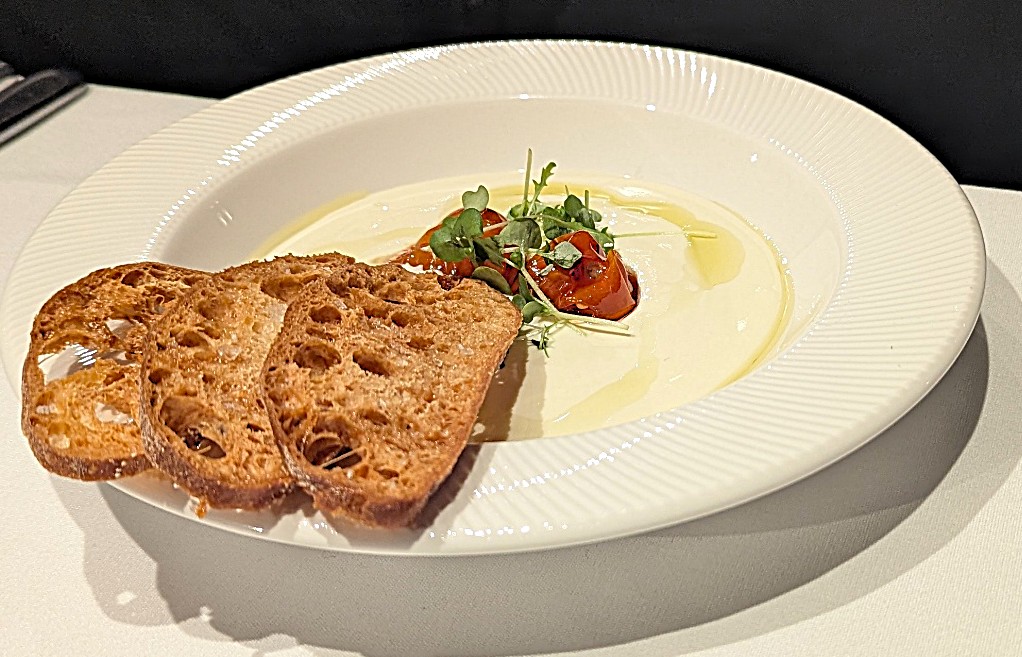
Less typical of ALP functions was the food. Although the conversation is always excellent, sometimes the food doesn’t match. On this occasion, both were excellent. The choice of starters such as mushroom arancini with rocket on a parsnip cream, or a roasted tomato on ricotta with crostini, and steak or chicken mains was a good start. Where these dishes stood out was the presentation, and more importantly flavour, juiciness of the steak and tenderness of the chicken, and the nicely cooked vegetables and other accompaniments. Cindy Lou would have enjoyed them, and in her capacity as a less fancifully named Labor member did also.



I do hope that Audrey fforbes-Hamilton does not object to being so close to my Labor story…
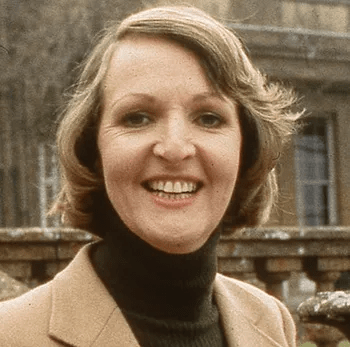
Peneope Kieth died last week, and The Guardian’s published tributes from people who worked with her stood out amongst all the accolades. All are worth reading, and one appears below.
‘Giggly, mischievous and extremely generous’: tributes to Penelope Keith
After her death this week aged 86, colleagues of The Good Life actor remember a star who remained kind, funny and grounded despite her formidable stage presence
Michelle Terry: ‘A formidable smile and disarming twinkle’
Actor and artistic director at Shakespeare’s Globe
‘My first professional job was with Penelope Keith in Theatre Royal Bath’s 2004 production of Blithe Spirit. Her reputation preceded her, and I was nervous, but I was immediately greeted by her formidable smile and that disarming twinkle in her eyes that never stopped twinkling.
We did that production together for a year, going from Bath on to a national tour, then into the Savoy in London. Despite her various attempts to thwart it, there wasn’t a show that went by when the audience didn’t applaud the moment she walked on stage. They needed her to know how much they loved her. And there wasn’t a show that went by that she didn’t give them a performance worthy of their love.
About halfway through the run, I kept killing a moment that had always previously got a laugh. I knocked on her dressing room door to ask her what I was doing wrong, and I retell to this day a story she told me about the acting couple the Lunts and a breakfast scene they performed together and the passing of some jam. The story goes that he used to get a laugh when he asked for the jam, and then, for some reason at some point during the run, the laughter stopped. He asked his wife why that was happening and she replied: “Because darling, you’re asking for the laugh, not the jam.”
It was Penny’s kind, wise but clear note to me that only the truth is funny. She was so true. And so funny. And to be that funny you not only need craft, wit, wisdom and exceptional talent, you also need an umbilical connection to the audience to know where to take them at every given moment. She was truly brilliant, and I will be for ever grateful.
May you twinkle in peace, Dame Penelope Keith.’
I particularly enjoyed To the Manor Born and Executive Stress. However, most tributes concentrate on The Good Life. The BBC’s tribute to Keith includes her talking about her work, and an episode of To the Manor Born. Hopefully Dame Penelope Keith’s programs will be shown again in Australia.
Open Studios in Cambridge
I have been to Open Gardens in Wallingford and recently went to a private viewing at Ann Mitchell’s studio in Cambridge. Unfortunately, I shall not be there for the full program of Open Studios in Cambridge North and Milton during early July. This annual event is well patronised. If Ann’s studio is a typical example, it certainly will be exciting. Ann’s exhibition introduced the idea of writing as art, something that I was interested in after attending the Women and Writing Conference in Falmouth just before staying in Cambridge.


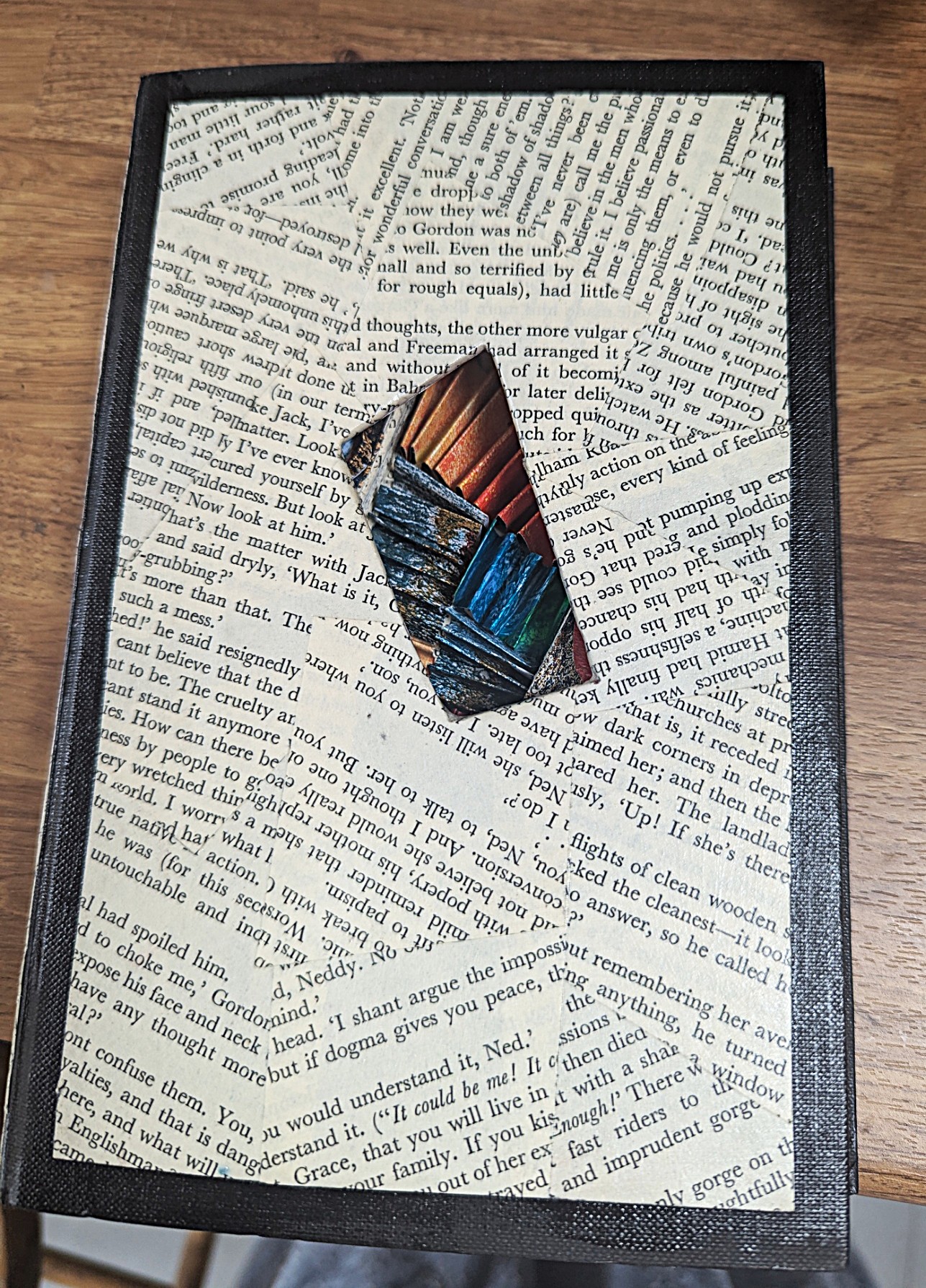


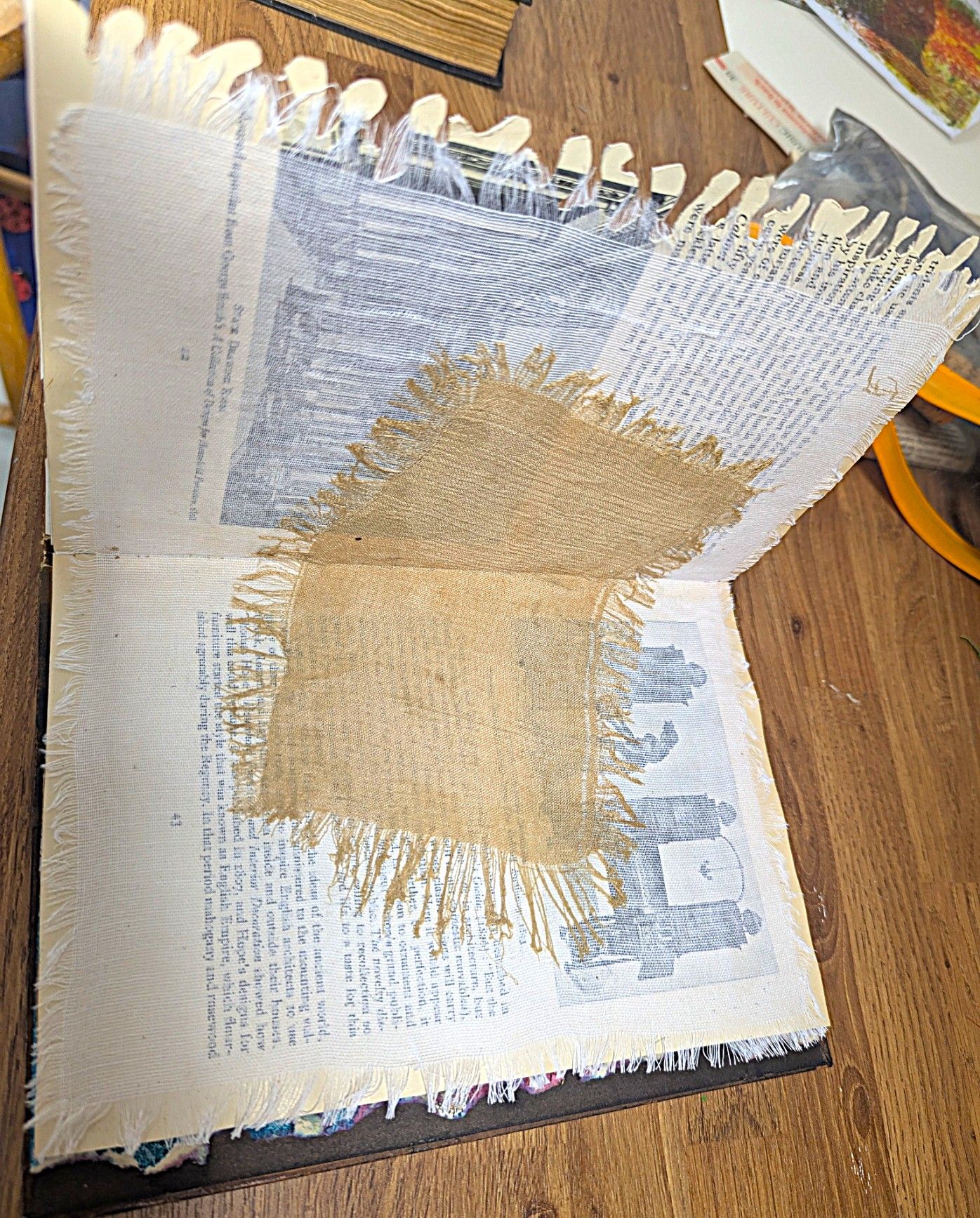

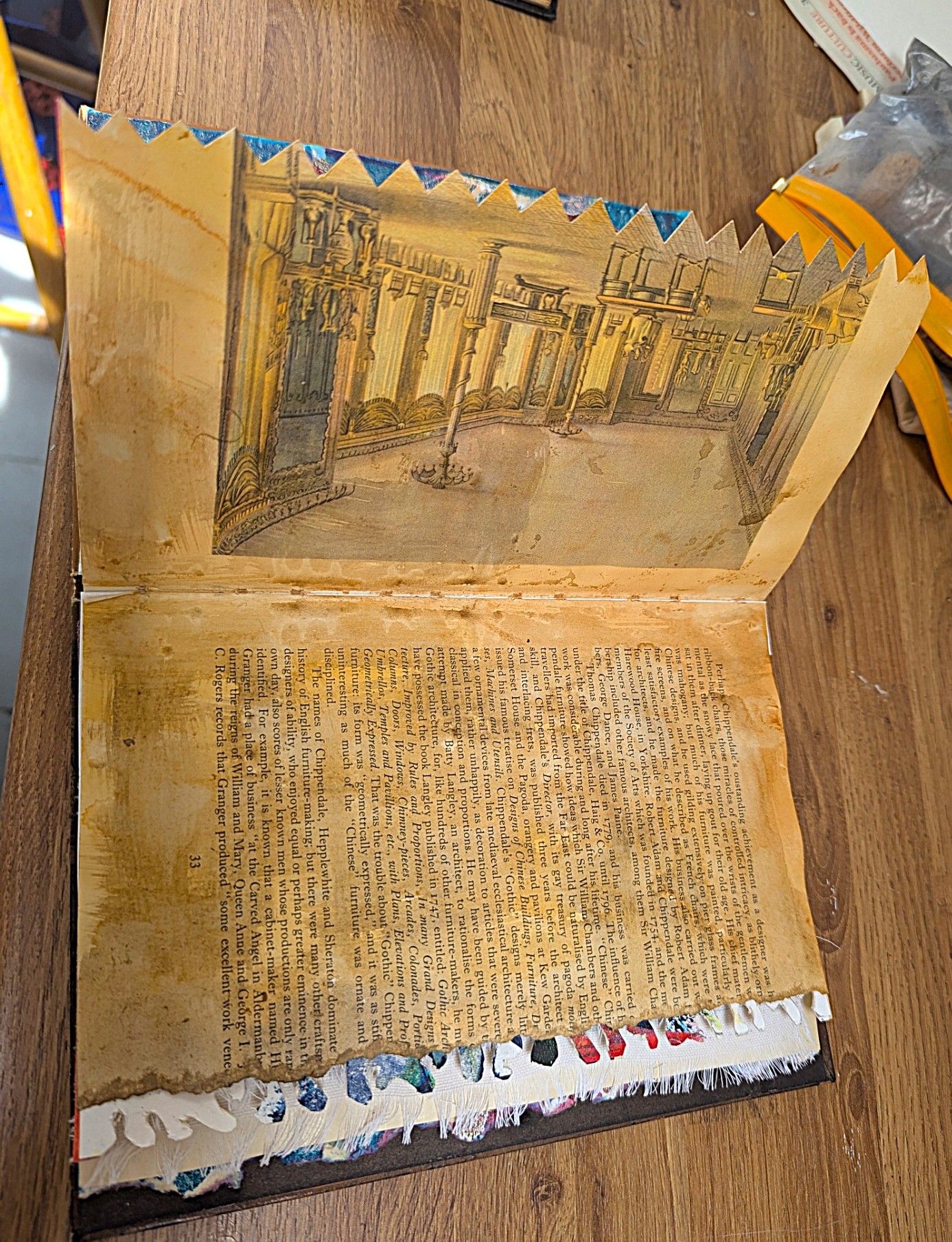


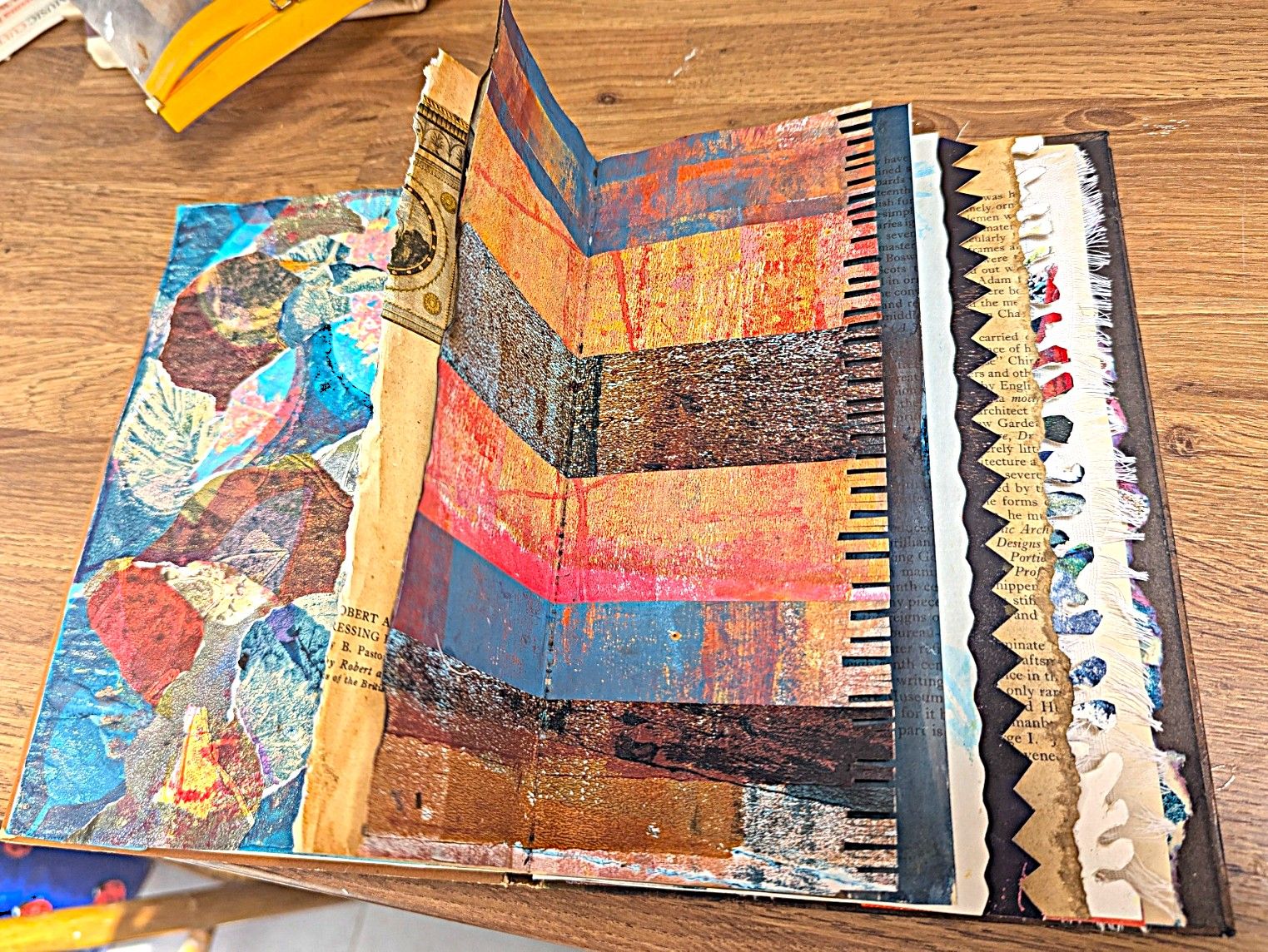

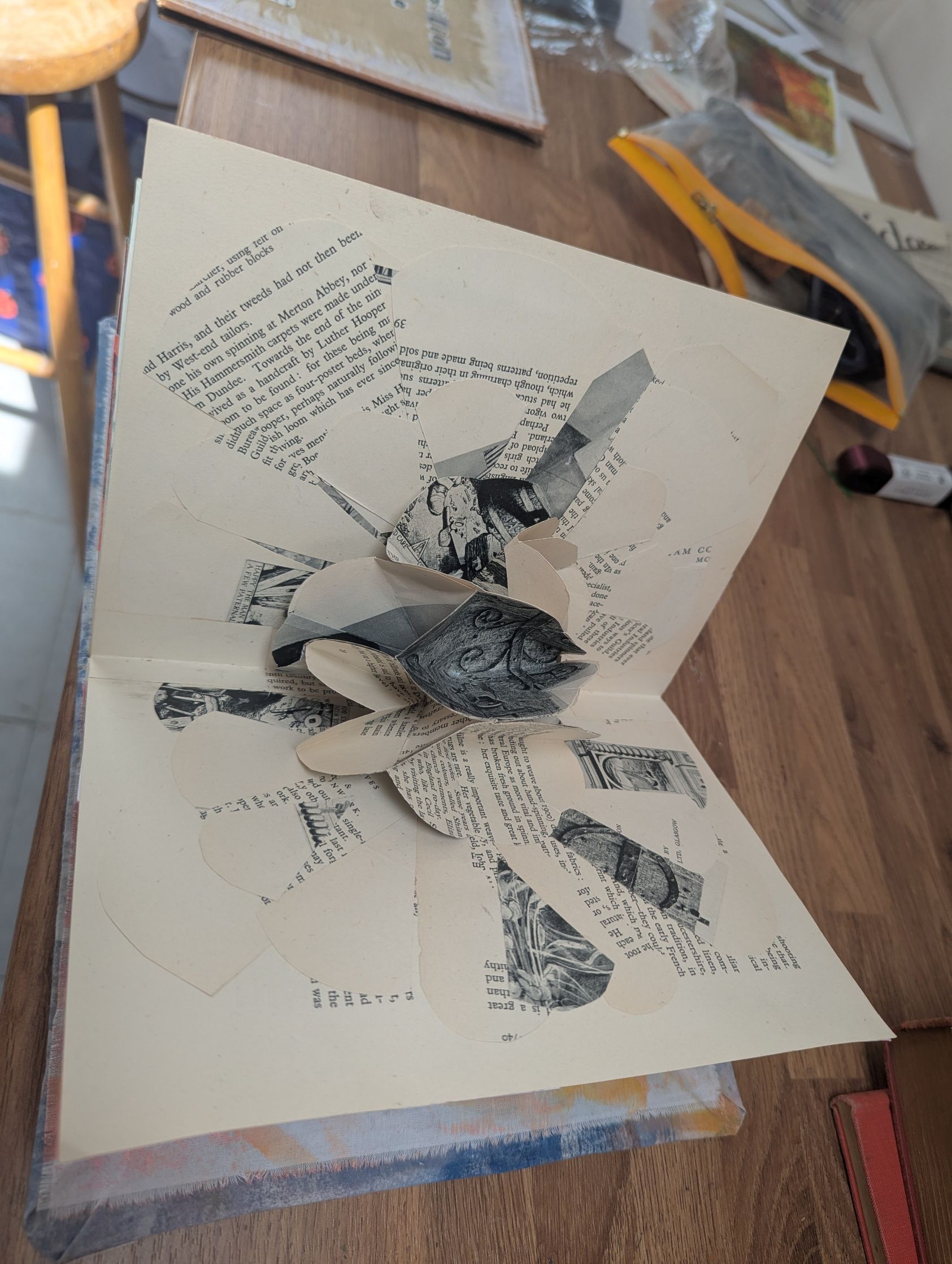

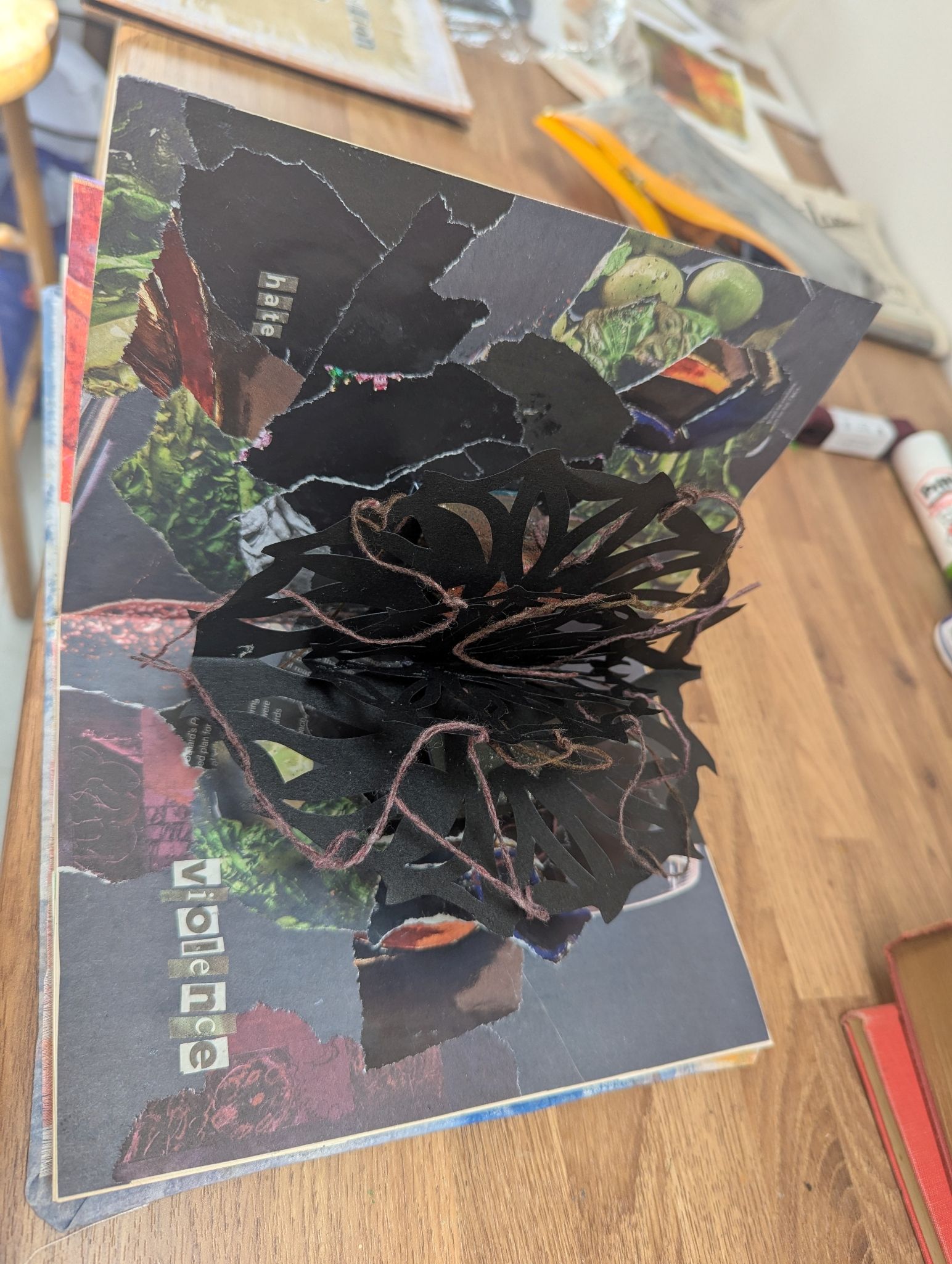
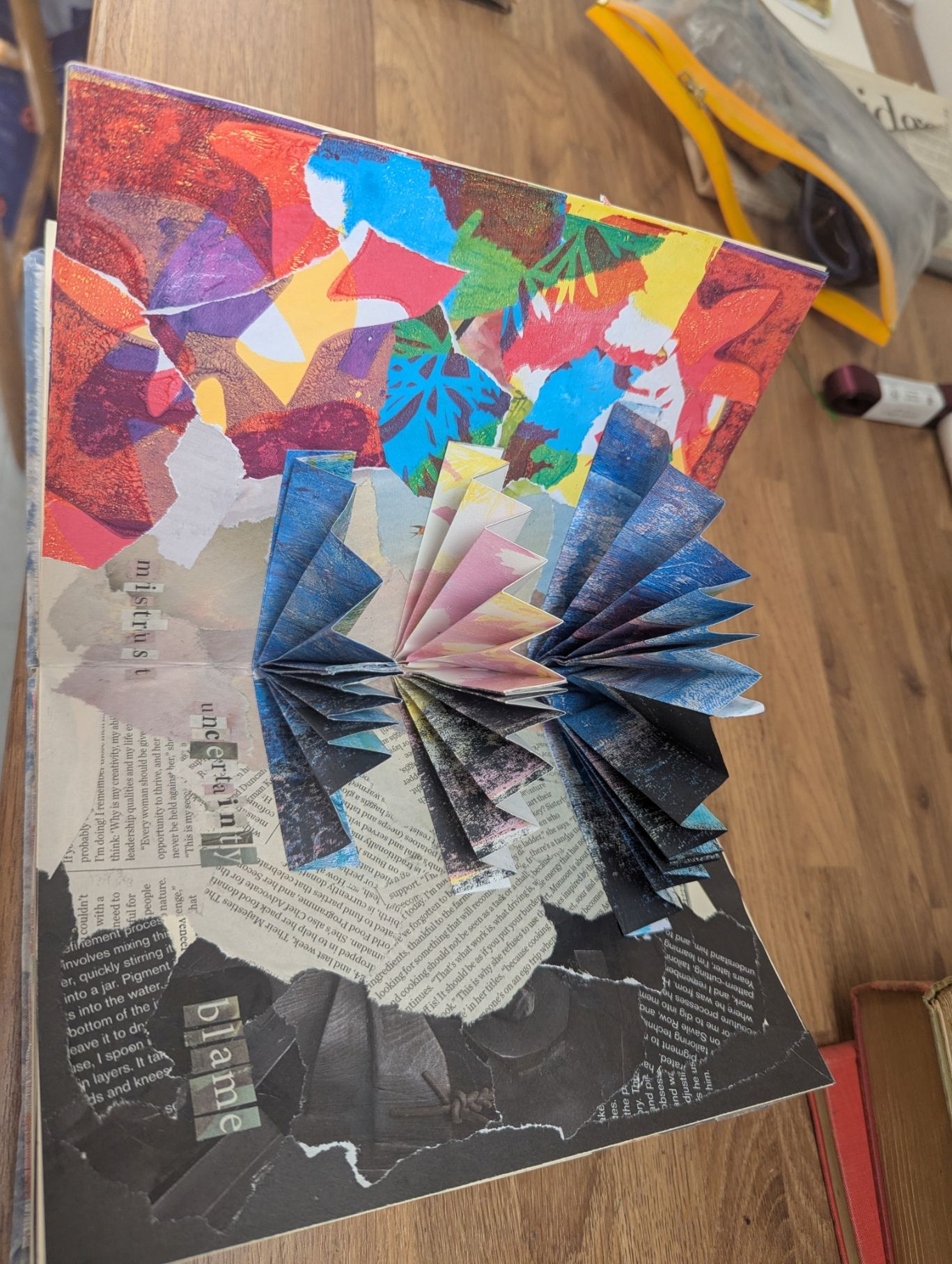

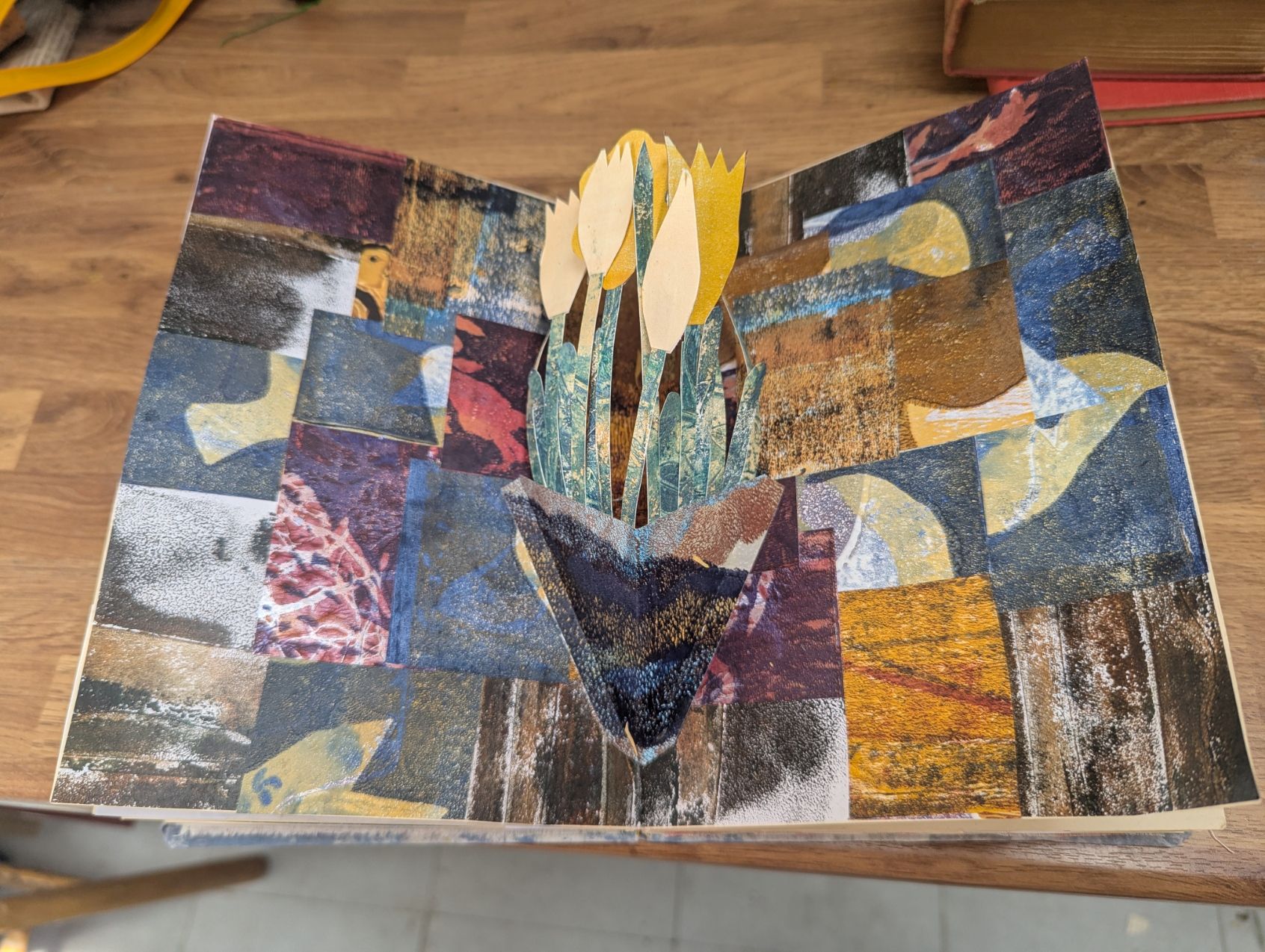


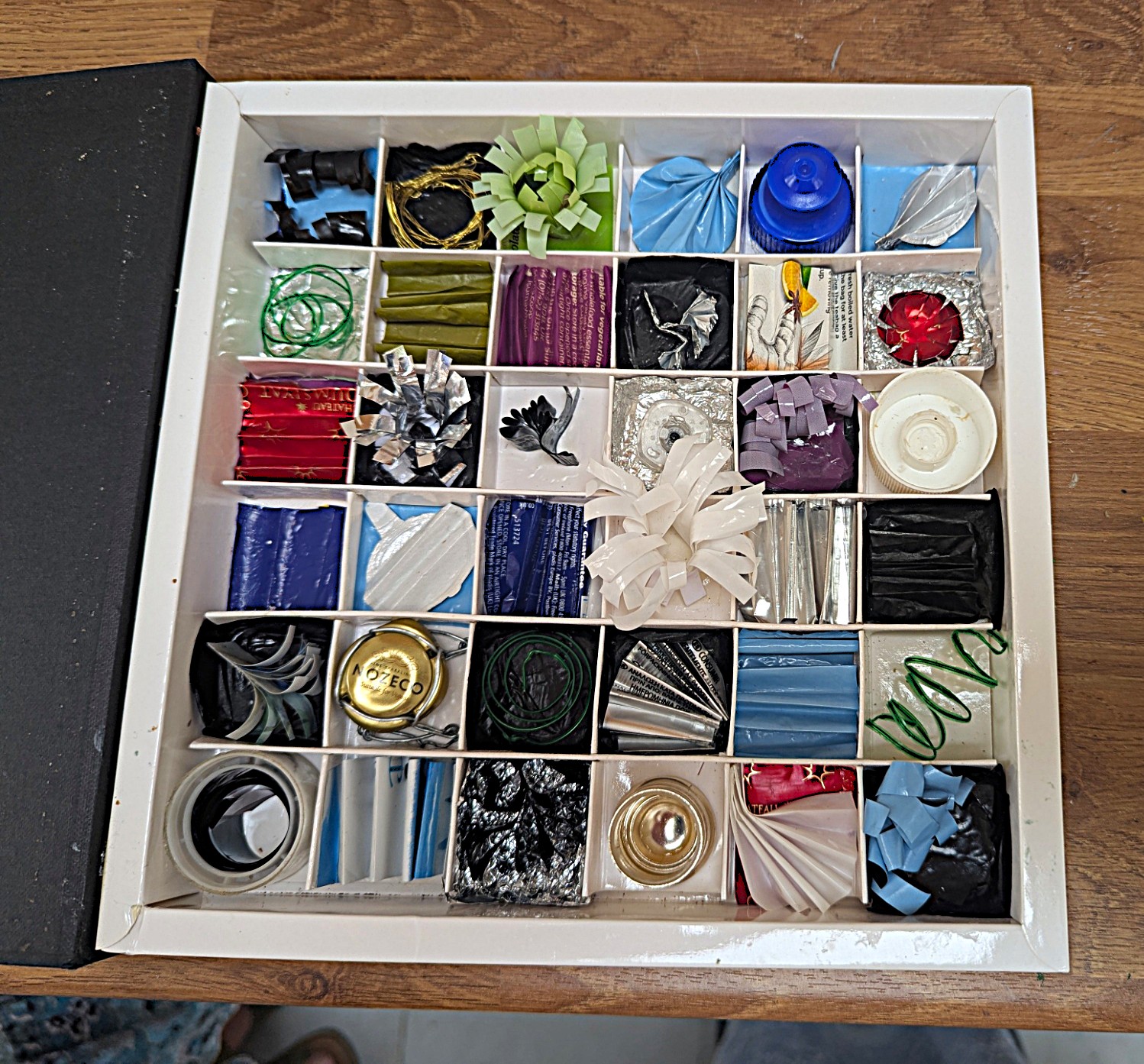
The article below was of interest to me because of the paper I gave recently at the Women and Writing Conference held at Falmouth University. My paper, The Adventurous Four: Popular Fiction and Women Behaving Badly, discussed women’s popular literature and its feminist intent. Although at times the feminist ideas were almost hidden in comfortable and comforting ideas, early women writers were powerful purveyors of feminist ideas to a wide range of women readers. Part of my paper was a reaction to rereading The Women’s Room and, in particular, the Afterword. I said:

Since rereading Susan Faludi’s Afterword, to Marilyn French’s The Women’s Room, I have felt even more dedicated to the women in the fiction I am about to talk about, and of course the writers who created them. Faludi was concerned that women’s fiction had not kept pace with the surge in non-fiction that was giving women a place that was no longer that of the fraught and hopeless housewife, dependent on vacuuming and Valium. She cites Johanna Davis’s Camilla, Anna Wulf’s breakdown in The Golden Notebook, Sue Kaufman’s Diary of a Mad Housewife central character, Tina Baulser, and Charlotte Perkins Gilman’s wife-patient in The Yellow Wallpaper. Like the acceptance won by the depiction of girls spoken about by Bronwen Welch, these stories were acceptable – they were poignant not threatening.
However, I think that Faludi ignored a raft of writers and the characters they created. What I think had not begun was academic acceptance of populist women writers whose characters were pushing the boundaries. In my words, adventuring into different realms from the vacuum cleaner and Valium. Or, if they did, as in one example, they certainly did not end there. See Further Commentary and Articles arising from Books* and continued longer articles as noted in the blog for the complete paper, The Adventurous Four: Popular Fiction and Women Behaving Badly.
Arts & Humanities July 2, 2026
The concept, popularity, and dismissal of the ‘beach read’
Penn Today talked about beach reads with comparative literature Ph.D. candidate Angelina Eimannsberger, whose dissertation focuses on women readers, social media, the romance genre, and bookstores.

Like other booksellers this time of year, the Penn Bookstore has put together a “beach reads” table featuring titles such as Emily Henry’s “Beach Read,” Gabrielle Zevin’s “Tomorrow and Tomorrow and Tomorrow,” and Emma Cline’s “The Guest.”
Cheryl Krementz, director of communications and special projects for Penn Business Services, describes the concept of a “beach read” as escapism. “It’s the grown-up version of summer reading in school,” she says. “We’re not assigned this, so I’m going to read whatever I want.”
As someone finishing a dissertation cheekily titled “Trivial Pursuits: Women Readers, Materialist Feminism, and a New Life of Bookishness in the Twenty-First Century,” comparative literature and literary theory Ph.D. candidate Angelina Eimannsberger in the School of Arts & Sciences has some thoughts about this topic.
“When I came to my dissertation, I really wanted to study what it means for literature to be about women’s everyday life,” Eimannsberger says, adding that she was particularly interested in the question of whether—and in what ways—women reading together is feminist.
She had initially planned to research Reese’s Book Club and Bookstagram (Instagram accounts dedicated to reading), but taking professor James English’s literary studies and sociology course inspired her to expand her dissertation to include the romance genre.
While there’s no consensus on which books fall under the umbrella of a beach read, Eimannsberger cites romance novels first and foremost, and then mysteries, books about travel, and books about summer camp, such as Liz Moore’s “God of the Woods.”
The term “beach read” emerged in the 1990s in book trade publications such as Booklist and Publisher’s Weekly, according to The Guardian. Eimannsberger says that many genre terms in popular culture—such as chick lit and romantasy—come about either through campaigns driven by publishers or from readers themselves.
The origin of the term, she says, seems to have more to do with the books people read at the beach than with books about the beach. For Eimannsberger, beach reads are books she’s reading in “big gulps” rather than a few pages here and there and for no other purpose than pleasure.
“Because ‘beach read’ is such a permission to read something for fun, it gets feminized and criticized in the same way that romance and romantasy do,” she says. “You’re not reading it because The New York Times had a good review of it or even because your book club is reading it for a discussion. There’s this element of self-indulgence to it that’s not necessarily gendered, but I think (it’s) gendered if it’s about love and it’s about domestic topics.”
But “a beach read can be good and can be important,” Eimannsberger says. Pointing to Talia Hibbert’s books as an example, she notes that romance novels often provide real, intersectional representations of mental health, chronic pain, racial diversity, and different kinds of sexuality, adding that beach reads are often written by women for women.
Romance novels are also worthwhile to study because the genre is very popular, says Eimannsberger. For example, she interviewed 10 romance bookstore owners for her dissertation, and one said she had to hire a bouncer for Saturdays at her Cambridge, Massachusetts bookshop—which has a wine bar—because the capacity was too much for booksellers to manage.

She notes that while Reese Witherspoon is known for romantic comedies, her book club has very few romance novels but many other genres of nonfiction and fiction—including ones that are often counted among beach reads, such as mysteries and historical fiction. The book club’s tagline is “where women’s stories shine,” and Eimannsberger says “there’s a really big impetus toward work-life balance and women having it all.”
For one chapter of her dissertation, she interviewed social media content creators and found that many of them viewed their use of Instagram as a creative outlet, or what Eimannsberger calls escapist labor. “One thing that really unifies this experience is you can talk about what’s important to you, and probably someone else has read the book and wants to talk back to you,” she says.
When Eimannsberger thinks of a “beach read,” she thinks of people taking photos of their books at the beach for social media. Someone might read a book set at the beach while visiting a beach “so the photo can be as much of a Kodak moment as possible,” she says. And then there’s the music, where a creator is posting the book pic with the appropriate Taylor Swift song, such as “August” or “Cruel Summer,” for a beach read.
Now when Eimannsberger is out and about, “I’m always trying to see the covers of what people are reading,” she says. “I figure if I see people commuting or in the park or at the beach reading the books I wrote about, I must have found the books that are meaningful to people.”
American Politics
Joyce Vance from Civil Discourse <joycevance@substack.com> Sat 4 Jul, 23:03
It’s Our Country Joyce Vance Jul 4 Happy Fourth of July
I saw a great post on social media last week. It said something like, “Republicans don’t own July 4. They own January 6.” Ouch, but it’s true.
Democrats are the party of patriotism and country, the party of democracy and No Kings, and it’s time to claim that space and be proud of who we are and what we’ve accomplished—we don’t do that often enough. It’s a big tent full of people who, even though they may not see eye to eye on everything, believe in putting country over party and saving democracy now, while we still can. It’s not always easy, but today we celebrate that we are still here with no thought of bending the knee. I hope that wherever you are, you can be a part of that too!
Heavy turnout among well informed voters can counter gerrymanders. We need early registration to get people who aren’t committed voters to start thinking about it. Commit to hosting a party and mention the idea today at your Fourth of July get together, or throughout the coming weeks as you see folks. Make your plans now. Send out a “save the date” with information on how to register to voter for people who haven’t already.
Make this your personal commitment, as America turns 250, to keep Republic. And let me know what you come up with!
We’re in this together,
Joyce

 Robin's Room