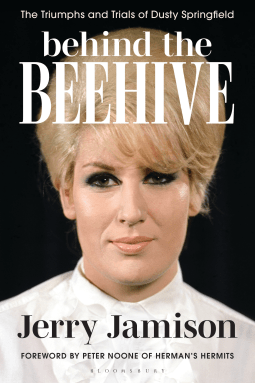
Jerry Jamison Behind the Beehive The Triumphs and Trials of Dusty Springfield Bloomsbury Academic, October 2026.Thank you, NetGalley, for providing me with this uncorrected proof for review.
Jerry Jamison acknowledges the difficulties of researching this biography and in a Note from the Author at the beginning, and in an afterword, has described these, and detailed the research undertaken and sources used. As there are no citations throughout the narrative, this material is reassuring. The extensive bibliography provides more support for the accuracy of the work. Peter Noone of Herman’s Hermits Forword provides another layer of authenticity to the depiction of Dusty Springfield’s life. Jamison states that he wants the book to be accessible, while maintaining the integrity of the researched material. See Book Reviews 2026 for the complete review.
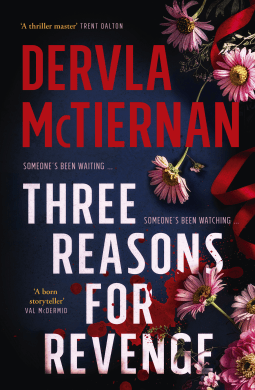
Dervla McTiernan Three Reasons for Revenge HarperCollins Publishers Australia | HarperCollins AU, April 2026.
Thank you, NetGalley, for providing me with this uncorrected proof for review.
Dervla McTiernan is a writer I follow, and on this occasion my interest was piqued by her early engagement with readers about the novel which was to become Three Reasons for Revenge. In an email she described three possible novel scenarios from which prospective readers could choose one. Further emails discussed some of her approaches to the chosen novel. However, true to her ability to adroitly manoeuvre plot, characterisation and locations none of this early material provided the slightest of clues to the outcome. Once again Dervla McTiernan has produced a novel that, while providing plenty of twists and turns, is also a successful work of logical advancement of plot and characterisation.*
A gentle prologue, children on the beach playing and feeding mussels to fish and crabs, introduces Renee and Margaux. And yet, is this image truly benign? As the sun sinks over the ocean, they hesitatingly return home. In contrast to the initial scenes, early chapters introduce an unrelentingly gritty environment as Detective Sergeant Judith Lee interviews sexual assault victim Alexis Turner. Linking Judith with her interviewee, is her boss’ comment upon her bruised face. Following this, he makes a personal comment when he refers to Judith’s neglect of her mother’s phone calls. Consequently, early in the novel the possible links between police, families and victims through public experience and private relationships are uncovered. See Book Reviews 2026 for the complete review.
*See Blog, 27 August 2025.
Further comment from Dervla McTiernan: ‘Some lovely things happened in the last month or so for Three Reasons for Revenge. It made a few ‘Best of the Year so far’ lists in Australia, which was very nice to see, and there’s been lots of interest in TV adaptations and the like. It’s all early days for that kind of thing, but it’s always nice when other people are interested in your book in that way.’
The Guardian
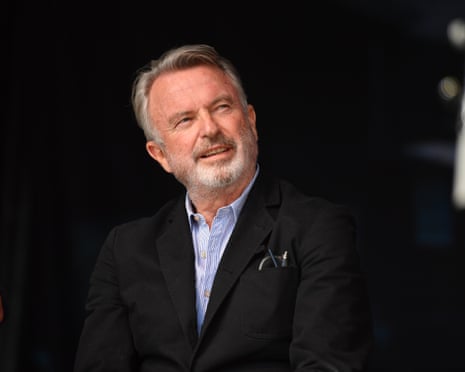
‘A true gentleman’: actors, directors and leaders pay tribute to Sam Neill
The star of more than 100 films is remembered as a champion of New Zealand’s arts, culture and environment, and a generous collaborator and friend
Sam Neill’s friends, peers and admirers have rushed to pay tribute to the actor, after his sudden death on Monday at the age of 78.
Neill’s co-star in A Long Way Down and Aussie crime caper Dirty Deeds, Toni Collette, called him a “hero,” “legend” and a “sweetheart”. She wrote: “Our great friend. You are already missed so very much. Continue in peace wherever you are.”
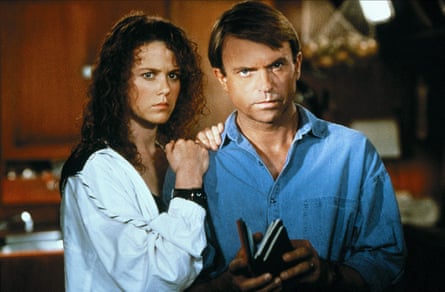
Australian director Phillip Noyce, who directed Neill in the 1989 thriller Dead Calm alongside Nicole Kidman, told the Guardian: “Sam was perhaps the most gentlemanly actor I ever encountered. Level-headed and sincere in a show business world of crazy egos. His word was his contract.”
“In a strange way Sam was responsible for my long career in Hollywood. When there were rumours that George Miller might have secretly directed Dead Calm, Sam assured the American producer, Mace Neufeld, that I was indeed the director – and Mace then signed me to direct Harrison Ford in Patriot Games,” Noyce added.
Richard E Grant, a friend of Neill’s for over three decades who starred alongside him in 2018’s Palm Beach, called him “an officer and a gentleman in the truest sense. Guided and helped me through a very difficult time in my life”.
Alan Cumming called him “a glorious beautiful man”, while Kylie Minogue wrote: “Vale Sam 💔,” a Latin term for farewell or goodbye used in Australia.
Universal Pictures wrote: “Rest in peace to our Jurassic legend, Sam Neill,” on X.[new]
Actor Magda Szubanski, a friend who Neill once named one of his ducks after, said she was “absolutely shocked” by his death.
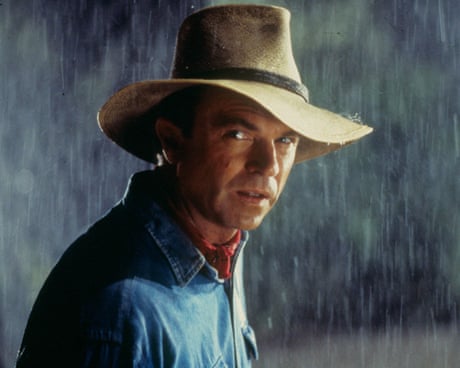
“When I spoke to him not long ago, he was cancer-free and really happy and excited about life, so this is just devastating,” she said. “He was just a one-off. Just such a talented, classy, beautiful, wry, warm human being.”
Actor David Wenham said that “aside from being an international all-round legend”, Neill was “the kindest, cheekiest, most generous and supportive friend going around”.
The Australian journalist Laura Tingle, with whom Neill had a relationship, posted pictures of them together on Instagram and wrote: “Sweet Dreams darling Sam.”
This article includes content provided by Instagram. We ask for your permission before anything is loaded, as they may be using cookies and other technologies. To view this content, click ‘Allow and continue’.Allow and continue
The New Zealand prime minister, Christopher Luxon, said Neill was one of the greats.
“He started out when there was barely a film industry in this country to speak of,” Luxon said in a social media post. “For more than 50 years he took New Zealand stories to the world and his talents helped make our film industry into what it is today – one of our greatest cultural exports. His work will be watched and loved long after all of us.”
Australian prime minister Anthony Albanese paid tribute to the actor, writing on X: “Sam Neill starred in so many beloved Australian stories and he earned a special place in Australian hearts. Wry and dry, thoughtful and laconic, Sam fought illness with the same dignity, humour and conviction that gave strength to his every performance. He will be much mourned and long remembered. May he rest in peace.”
Novelist Kathy Lette said Neill’s unexpected death was heartbreaking: “Sam was not just a wonderful actor but also the most charming, kind, intelligent and deliciously self-deprecating friend. His wry, dry humour and mischievous twinkle lit up our lives.”
Fijian New Zealand director Toa Fraser, whose film Dean Spanley starred Neill as the titular character, said: “Sam championed me and so many of us right from the start. He changed my life, by his example and his actions … it’s one of my big regrets that when he came to me on the set of Dean Spanley (more than once) and said, ‘Do you want to come for dinner,’ I declined. I had homework to do.
“Well I will be raising a glass of Hungarian Tokay this evening to him, and probably a glass of Pinot in the Burgundian tradition to him and his mentor James Mason too.”
New Zealand film producer, Chelsea Winstanley remembered Neill as “a wonderful human, fighting to the end, for the whenua [land], for the screen”.
“Ngā mihi [thank you] Sam for all you gave to the screen industry, you will be missed. Your fight to save the whenua [land] from extraction and exploitation will carry on … What a time you all had shaping the industry we love, thank you.”
New Zealand actor Joel Tobeck, who starred alongside Neill in the 2003 film Perfect Strangers, wrote on Instagram: “This man made me feel like I could fly. Even when I was all over the place in his presence he made it OK. We loved to talk rugby. RIP my old mate. Sam Neill, a true gentleman.”
Rhys Darby, fellow Kiwi and star of HBO’s Flight of the Conchords, wrote: “A truly great human, a legend and an inspiration to all even beyond the art world. We will always love you Sam.”
[new] New Zealand actor Karl Urban paid tribute, calling Neill an inspiration for many who followed in his trailblazing footsteps. “A beautiful man, a national treasure who gave so much to New Zealand and the to world. God speed, Sam.” [new]
Outside his acting work, Neill was a passionate environmentalist who campaigned for various causes including marine conservation and against mining proposals in New Zealand. After his death, New Zealand’s department of conservation called Neill “a legendary Kiwi” and “a fierce and passionate champion for our environment”.
“Whether it was advocating for our native species, supporting local conservation projects, or simply sharing his deep love for our unique landscapes, Sam walked the talk. He understood that our nature isn’t just something to look at, it’s something we must cherish and protect. His warmth, wit, and unwavering voice for the wild will be deeply missed.”
Australian Politics
Labor aims to shape AI revolution with new data centre and AI copyright rules
By chief digital political correspondent Clare Armstrong
In short:
A new set of standards for artificial intelligence will provide clear rules for data centres, forcing them to minimise water usage and underwrite or supply their own power.
Anthony Albanese vows that AI companies will not be able to use Australian books, music, art or news to train AI “without the artist’s control”.
What’s next?
The prime minister will seek agreement from state premiers and territory chief ministers over the new set of standards at a national cabinet meeting next month.
Australia will force data centres to minimise water use and fund their own power supply under mandatory national rules, as Anthony Albanese moves to centralise oversight of artificial intelligence.
The prime minister warned Australia had a narrow window to set AI’s “social licence” as he acknowledged gaps and risks in the currently fragmented approach to the technology in a major address at the University of Sydney on Wednesday.
Mr Albanese also used the speech to give Australian musicians, writers and artists strong assurances they would maintain control over their work and get to name the price in any copyright deals with AI companies.
“Anything less is theft,” he said.
Tens of billions of dollars in investment, and Australia’s ambition to become a global AI power, could hinge on a law written in 1968 for an era of black-and-white television, film and radio.
Speaking to 7.30, Mr Albanese doubled down on his support for artists and said he was not worried Australia’s copyright settings would prevent AI giants like Anthropic from investing in Australia.
“We’re confident the advantages that Australia provides will see significant investment here,” he said.
“I’ve met with a range of the companies. We’ve made clear to them our position and today we’ve made that very publicly clear as well.”
His speech earlier did not include concrete announcements related to AI-specific legislation, funding, tax incentives, copyright, consumer rules or workplace rights, with specific measures expected to come following consultation.
But Mr Albanese confirmed he would seek state and territory agreement for “clear, consistent and mandatory” data centre Australian standards at a meeting of the national cabinet next month.
Legislation for these standards would then be brought to parliament early next year.
PM says workers should not be shut out of AI debate
On the union-led push for workers to have a say on how and what types of AI were introduced to their workplace, Mr Albanese told 7.30 he hoped people would understand the changing landscape.
“I’m encouraging workers to recognise that artificial intelligence is happening,” he said.
“Change is happening and they have an interest in shaping that change because if not, then they don’t get a say.”
Mr Albanese said businesses could have “massive productivity benefits” from using AI.
“We need to make sure that workers though aren’t shut out of those discussions. They have an interest in businesses being successful because the more successful businesses means better workplaces and better conditions,” he said.
ACTU Secretary Sally McManus is happy to see the government moving on a coordinated approach to ensure Australians can “get the benefits and not the harms” of AI.
Asked whether workers’ rights should be included in the guardrails, she said it was already on employers to consult and mitigate against the effects on people.
“Behave as you should behave, and they’ve got nothing to worry about,” she told the ABC.
“But if they want to use it to increase their profits and not share it with working people, then people of Australia won’t put up with that.”
Electricity, water rules mandatory for data centres
The prime minister said Australia had an opportunity to establish AI’s “social licence” before major investments became entrenched, acknowledging the government could not wait until companies had already built data centres before negotiating conditions.
He positioned AI as both an economic opportunity and a strategic national security issue, repeatedly arguing Australia should develop sovereign capability rather than simply hosting foreign-built infrastructure.
“Our great country can be much more than a data warehouse for AI products made overseas,” he said.
“We can do much more than manage investment in ideas from elsewhere.”
As part of the proposed standards, future large-scale AI data centres would face mandatory obligations around electricity, water and infrastructure.
Mr Albanese said new facilities would be required to underwrite new electricity generation and pay the full cost of connecting to the grid so households were not left footing the bill.
He said the data centre companies would have to contribute at least as much energy to the grid as they consumed, including both renewables and firming power.
The government would also require the centres to minimise water use and pay for any additional water infrastructure where necessary.
Mr Albanese said the national standards would replace the existing piecemeal approach involving different levels of government and provide greater certainty for investors, while ensuring communities retained confidence in major developments.
South Australia is the only state with a dedicated data centre framework, while the Queensland government last month warned further work would be needed before it would adopt any “underdeveloped national proposals” around renewable energy requirements.
Albanese confronts copyright fears
The prime minister addressed the concerns of copyright holders directly in his speech, warning tech companies that, while the government would cooperate with sharing factual information, “not everything produced in Australia is up for grabs”.
“Australian writers, musicians, artists and journalists must retain ownership and control of their work,” he said.
“Our laws will spell that out plain as day.”
Artists have previously urged the government to leave existing copyright laws in place, while AI giants like Anthropic have pushed for alternate proposals like a shared creative fund to compensate artists.Labor conference debate
A draft document, seen by ABC, reveals AI, gambling and the Middle East are expected to feature heavily in Labor’s upcoming national conference debate.
Mr Albanese’s comment suggested the potential for a change in laws, but he was clear in stating the price of copyright material would be set by the artists.
“No company should use Australian books, music, art or news to build or train AI without the artist’s control, and that includes the artist’s control of the price and value of their work,” he said.
Mr Albanese said “no country” had got AI and copyright “right yet”.
“Nowhere do artists or rights holders have sufficient control of their work when it comes to AI training,” he said.
“And that is why the best way to secure the strongest copyright protections for Australian artists is for Australia to be active and involved.”
Australia’s only option is to ‘shape’ AI revolution
Mr Albanese confirmed the opening of a new Office of AI to sit within the Department of Prime Minister and Cabinet to coordinate work already underway across education, employment, climate and energy, copyright and defence portfolios.
The prime minister said AI would become central to Australia’s productivity, economic resilience and sovereign capability.
“We should not treat AI as a threat to good jobs; we must use it as an instrument to help create them,” he said.AI job upheaval
AI is not yet causing a broad disruption to Australia’s labour market, according to a government report.
Mr Albanese said Australia was “past” the point of being able to decide “if or when” AI would transform the economy.
“This is about Australia shaping the future rather than letting the future shape us,” he said.
“You do not need to be an expert in AI to have a say or a stake in it. We are all involved.”
Mr Albanese said AI would be a test of Australia’s resolve, cooperation and ambition.
“If we mobilise our resources and coordinate our efforts, if we move with the urgency that the speed of this change demands, if we build to match the scale of the opportunity that this moment presents, and if we do it the Australian way, true to our values and our standards, we can make AI work in Australia’s national interests,” he said.
In response to Mr Albanese’s speech, Anthropic’s general counsel Jeff Bleich said the company had been clear for “some time” that societal-level solutions were needed for AI.
He said it would bring “significant benefits and unprecedented challenges” to democracies, economies and national security.
“We respect the process articulated by the prime minister today for establishing Australia’s AI framework and take seriously Anthropic’s responsibility to meet the terms set out by the Australian government for AI developers,” he said.
Social media ban proves Australia’s potential
Mr Albanese also outlined Australian initiatives that have gone on to gain traction around the world, from the minimum wage and eight-hour workday, to superannuation, the social media age ban and granting women the right to stand for parliament and vote.
He said there was also a lesson in the social media regulation in that the outcomes for many people could have been different if governments had “acted” to tackle harms a decade ago.
“Imagine the difference it would have made if these limits had been put in place when the world first grasped the risks of these platforms, when we first understood their reach, and indeed, their power,” he said.
“That is the opportunity and the choice that we have now with artificial intelligence.”
After the speech, Greens senator David Shoebridge said Mr Albanese had “totally missed the moment” to provide a “clear statement” on how the government would regulate AI and protect Australians.
“What we need from this government, what we need from the parliament, are clear legislated protections, yes, for the environment, but also for our own control, for our industry, for control over our own data,” he said.
Independent Curtin MP Kate Chaney said it was “about time” the prime minister took AI “seriously” and described the decision to make data centre expectations mandatory as “promising”.
Research suggests many under-16s are still active on social media platforms. BTN High explores why and tests the accuracy of popular technology used to estimate age.
“Addressing the data centre challenge is of great importance to Australians, and I urge the government to move as fast as possible to progress this.”
Climate Council chief executive Amanda McKenzie said the AI-driven surge in data centres would have a “profound” impact on Australia’s energy system and environment, arguing the government must “adequately regulate” the infrastructure.
“Australia is a very attractive location for data centre proponents, but it means that we need strong guardrails to protect our standard of living; we need these things to work for us,” she said.
Australian Chamber of Commerce and Industry (ACCI) chief executive officer Andrew McKellar said he awaited the details but hoped that regulation in the AI space would not deter investment.
“The success of any framework will depend on whether it provides certainty for investors, encourages innovation and helps Australia attract the investment needed to realise the opportunities AI presents,” he said.
‘Clear message’ to AI companies welcomed
Australian Recording Industry Association (ARIA) chief executive Annabelle Herd has welcomed Mr Albanese’s commitment to creatives and said it was a “clear message” to AI companies that they must “get on with licensing” deals.
“The prime minister could not have been clearer. Australian writers and musicians keep ownership and control of their work,” she said.
“Artists control what that work is worth, not the government and not a technology company.”
Ms Herd said control of price, value and terms of use underpinned commercial licensing markets.
“That is how licensing works everywhere else in the world, and it is how it should work here,” she said.
American Politics
Bob McMullan
First thoughts on this year’s US elections
Who wins control of the US Congress matters to Australia and the rest of the world.
It is not as important as who wins the presidential election but it matters.
The key battles this year appear to be in the Senate. It is hard to believe the Democrats won’t win control of the House. The margin is small, the President is very unpopular and the mid-term effect should combine to give the Democrats a comfortable majority.
It is also possible that some of the Republican gerrymanders might come back to bite them.
So, I intend to focus my assessment on the Senate battles, which will be much more difficult for the Democrats to win.
If they can win control of the Senate that will give them the ability to deny Donald Trump any further Supreme Court appointments, and will be a check on his more outrageous other appointments.
One third of the US Senate is elected each two years, giving Senators a six-year term.
This year, instead of the usual 33 Senators to be elected there will be two more, to fill the vacancies left by JD Vance and Marco Rubio in Ohio and Florida respectively.
The starting point is that the Democrats have 34 continuing Senators not up for election this year while the Republicans have 31.
Of the seats to be contested this year the Republicans currently hold 22 seats and the Democrats 13.
Of the Republican 22 seats it is almost certain that at least 13 will be rock-solid Republican victories again.
These states are: Idaho, Wyoming, South Dakota, Kansas, Oklahoma, Arkansas, Louisiana, Mississippi, Alabama, Tennessee, Kentucky, West Virginia and South Carolina. This gives the Republicans a virtual guarantee of at least 44 seats before considering those which may be in some doubt.
For the Democrats, there are only 10 similarly strong States up this year: Oregon, Colorado, New Mexico, Illinois, Minnesota, Virginia, Delaware, New jersey, Rhode Island and Massachusetts.
This suggests a 44/44 split before the various more closely contested seats are considered.
However, the overwhelming majority of the other seats are stronger chances for the Republicans than the Democrats. There are however enough realistic opportunities for the Democrats to have at least an outside chance of winning the majority, but it is a difficult hill to climb.
Georgia
This seems the best opportunity for the Democrats. Their incumbent Senator, Jon Ossoff, has a polling lead of 6% according to Real Clear Politics (RCP) polling averages, he also has a big financial war chest in a state that is improving steadily for the Democrats.
New Hampshire
The incumbent Democrat, Jean Shaheen, is retiring and the loss of her personal vote makes the contest interesting. The likely Democrat candidate Chris Pappas will almost certainly face John Sununu, a name with a history of state-wide success in the state. The most recent polling average has Pappas leading Sununu by 3.3%, which is better than being behind, but too close to be confident.
Michigan
This should be a strong chance for the Democrats in this election but a tightly fought primary is underway and polling suggests either candidate will be within 1 % of the Republican candidate. Too close to make any early prediction, but a definite chance. This is a seat the Democrats already hold with the incumbent retiring. It seems a must win if they are to gain a majority.
North Carolina
This appears to be the Democrats best chance of picking up a seat. Trump forced out the incumbent Republican and the Democrats have selected the popular former governor, Roy Cooper. The polling averages suggest Cooper is ahead by 6-7% and at this stage seems very likely to win.
Ohio
This state has become reliably Republican in recent years, except when Sherrod Brown is the Democrat candidate. He is back as the candidate for the Senate again and is leading in the polls. It will be very difficult but Brown has a realistic chance of winning.
Alaska
This is another Republican stronghold which may fall in November’s Senate election. The popular former member of Congress, Mary Peltola, is running for the Senate and the polls suggest it will be a close contest. Very difficult but possible.
Maine
`Susan Collins, the Republican incumbent should be extremely vulnerable. She holds a seat in a state that Kamala Harris won by 7 points in 2024.
However, the Democrat candidate has imploded in the face of serious sexual assault allegations. The candidate has now withdrawn and a new one will be chosen, but it will be difficult to establish a new candidate sufficiently by November.
Maine must be considered “too close to call” at best for the Democrats at this stage.
Iowa
Recent history suggests Iowa will be a comfortable win for the Republicans despite the retirement of the incumbent Senator.
However, Trump’s overall unpopularity and particular problem with farmers should give the Democrats hope.
RCP’s poll aggregator has the Democrat candidate, Josh Turek, tied with the Republican candidate, Ashley Hinson.
Unless something drastic changes this should go down to the wire.
Texas
Even more than Iowa, Texas has been a continuing source of disappointment for Democrats for at least the last decade.
However, Trump’s intervention on behalf of a truly dreadful candidate, Ken Paxton, has given the Democrat, James Talarico a real chance of pulling off an upset.
The most recent polling average report suggests a margin for Paxton of less than 1%. ‘Texas must be regarded as an outside chance, but thanks to Trump there is at least a chance.
Nebraska
There is no way a Democrat candidate is going to win a state-wide vote in Nebraska this November. However, a Democrat supported Independent, Dan Osborn, has a chance. The Successful Democrat in the primary ran on a promise to withdraw in favour of Osborn. The latest polling averages suggest Osborn has a good chance of beating Pete Ricketts, the Republican incumbent. It is hard to believe, but he just might do it.
Montana
This is a long-shot as well. Montana is a reliably Republican state. However, Jon tester won the Senate seat for the Democrats for three terms. Tester is now supporting an Independent but the Democrat is staying in the field at this stage so it is likely they will split the vote and hand the seat to the Republicans. Polling suggests the Independent, Seth Bodnar, may have a chance if there was no Democrat candidate but that is a difficult trick to pull-off.
Florida
This is the hardy perennial of Democratic optimistic dreams. But it is a long time since the Democrats actually won anything. They appear likely to have a good candidate and some momentum but early polling suggests a 7-8% lead for the Republican nominated to succeed Marco Rubio.
Summary
There are enough interesting prospects for the Democrats to have a reasonable chance of significantly improving their position in the US Senate, but they will have to win some very difficult contests to get to a majority.
Heather Cox Richardson Letters from an American <heathercoxrichardson@substack.com>
Forwarded this email? Subscribe here
Presumably afraid of investigations into his actions, President Donald J. Trump appears to have abandoned all pretense of governing for the good of the country and is focusing on rigging the 2026 election to keep Republicans in power.This morning, as the National Association of Realtors reported that U.S. home prices have hit an all-time high, he announced that he will not sign the housing bill, which was designed to address the unaffordability of housing and which passed Congress with strong bipartisan majorities, “in PROTEST over the fact that the United States Senate is not capable of passing THE SAVE AMERICA ACT.”
As the Lincoln Project summed it up, the Republican Party’s message four months before the midterms appears to be, “You’re not getting affordable housing unless you give up your voting rights.” His demand for the passage of a bill that most observers agree will suppress voting is only one of the ways that Trump is trying to rig the 2026 election. After federal judges have repeatedly prohibited the administration from seizing state voter lists, apparently to run them through a program designed to identify noncitizens who are not eligible for certain federal programs (something federal judges have also prohibited), Trump’s appointees at the Department of Justice appear to have turned to trying to intimidate election officials. On Tuesday the Department of Justice confirmed that it has sent letters to election officials in all fifty states and Washington, D.C., warning them that they could be criminally prosecuted if noncitizens vote. The letters came from Assistant Attorney General Harmeet Dhillon, a Trump loyalist, and gave them five days to detail how they will maintain “clean voter lists.”
Utah lieutenant governor Deidre Henderson, a Republican, posted on social media: “Got another love letter this morning from the DOJ sprinkled throughout with threats of criminal prosecution. I’m sure I’m not the only chief election officer of a state who is being targeted for following state and federal laws by resisting DOJ’s demands for private voter data that have thus far been ruled illegal by at least a dozen courts. This is truly bizarre behavior by the federal agency that is supposed to be protecting civil rights.”
Last night, Trump fired the last two Democratic members of the Election Assistance Commission (EAC), an independent federal commission that helps state and local officials make sure elections are smooth and secure. Among other things, it certifies voting machines and maintains the national mail-voter registration forms. The only other current member of the EAC, a Republican, resigned. The fourth member of the EAC, a Republican, resigned earlier this year.A White House official told Justin Papp of CNBC that the Supreme Court recognized Trump’s authority to fire the agency officials in its June 29 Trump v. Slaughter decision, which overturned more than 90 years of precedent to rubber stamp the president’s right to fire agency officials who are not aligned with his political agenda.
“The President, and head of the Executive Branch, reserves the right to remove individuals that may not be totally aligned with the important task of securing America’s elections and ensuring every legal vote is counted,” the official told Papp. “The Slaughter decision gives the President precedence to do so.”
Legal analyst Harry Litman says this interpretation of the Slaughter decision is a stretch. He noted that “[n]othing in the agency cases held that Trump could simply shut down an agency of Congress’s creation. That’s what he has done with the [E]lection Assistance [C]ommission which now lacks commissioners to act. It’s taking the court’s cases to the ultimate conclusion and just disabling an important agency.”
The nonpartisan, nonprofit League of Women Voters, which works to protect the right to vote, called the removal of the Election Assistance Commission officials “a direct attack on the independence of our nation’s election infrastructure…. The American people deserve elections administered by trusted professionals, not shaped by political interference. This is not a routine personnel decision—it is a dangerous escalation in the effort to weaken the safeguards that protect free and fair elections in the November midterms.”
This is the backdrop for the news from Betsy Klein and Kaitlan Collins of CNN today that the White House is fortifying the White House entrance at the North Portico during Trump’s renovation of the Ionic columns there.
In March, Trump’s appointee to the Commission on Fine Arts, which advises Trump on design matters, urged replacing the historic Ionic columns with more ornate Corinthian columns that would match the ones Trump picked out for his ballroom. The White House says the work on the North Portico is “standard restoration work,” but did not answer CNN’s question about whether there would be more substantial changes to the North Portico. Trump recently posted pictures of the Corinthian columns at his proposed ballroom, boasting that “When completed, there will be nothing like it anywhere in the World!”While the focus has been on the historic columns and their possible replacement, it is not until now we have learned about the strengthening of the White House door. The portico is now covered with scaffolding that is covered with a drape, and a White House official told Klein and Collins that the renovations will include security enhancements at the request of the U.S. Secret Service.
Dan Diamond of the Washington Post also reported today that under the Trump administration, the Secret Service, the White House, and the Interior Department are seeking to place permanent eight- to nine-foot-tall fencing around Lafayette Square, where tourists and protesters congregate, in front of the White House. They are also considering fencing off the parts of Pennsylvania Avenue near the White House. In the past, when officials believed it was necessary to shut off access to Lafayette Square, they used temporary barriers to avoid the perception that they were restricting public access to what is known as the People’s House.
Eleanor Holmes Norton, the nonvoting congressional representative from the District of Columbia., objected. “More fencing around the President’s Park would send the wrong message to the nation and the world by continuing to transform our democracy from one that is accessible and of the people to one that is exclusive and fearful of its own citizens,” she said.
Tonight, at 11:59 PM, the housing bill became law without the president’s signature.—
Notes:https://www.pbs.org/newshour/economy/u-s-home-prices-hit-an-all-time-high-as-sales-slow-and-mortgage-rates-risehttps://www.theguardian.com/us-news/2026/jul/09/trump-fires-election-commissionershttps://www.democracydocket.com/news-alerts/trump-fires-election-assistance-commission-leadership/https://www.nbcnews.com/politics/2026-election/trump-fires-election-assistance-commission-members-ahead-midterms-rcna353781https://www.nbcnews.com/politics/elections/doj-warns-criminal-charges-state-election-officials-non-citizen-voting-rcna353433https://www.cnbc.com/2026/07/10/trump-purges-election-assistance-commission.htmlhttps://www.lwv.org/newsroom/press-releases/league-women-voters-condemns-president-trumps-removal-election-assistance?utm_source=copilot.comhttps://www.cnn.com/2026/07/09/politics/white-house-columns-trump-constructionhttps://www.cnn.com/2026/07/10/politics/white-house-front-door-fortificationhttps://www.washingtonpost.com/politics/2026/03/15/white-house-columns-ionic-corinthian/https://www.washingtonpost.com/politics/2026/07/10/trump-plan-would-fence-pennsylvania-avenue-outside-white-house/https://www.msn.com/en-us/news/politics/trump-plan-would-fence-pennsylvania-avenue-outside-white-house/ar-AA27CUyNhttps://www.npr.org/2026/07/10/nx-s1-5885027/housing-bill-without-trump-signatureTrumpstruth.org:statuses/39595Bluesky:lincolnproject.us/post/3mqcdfiwwh72nharrylitman.bsky.social/post/3mqci7yv6m225Threads:@deidrehenderson/post/Daf_6faFINL
British Politics
Labour List
| It took decades too long, but there is finally justice for Hillsborough campaigners |
.png)
Emma Burnell From the Editor’s Desk
There are few causes that evoke such strong emotions in the Labour Party as the Hillsborough tragedy and the decades-long fight for justice that followed.
On 15 April 1989 97 Liverpool fans went to watch their team play an FA Cup semi-final. 95 never came home. Two further victims had their lives changed forever and later died and were counted by the coroner as among the victims of the tragedy.
If their tragic deaths hadn’t been bad enough, everything that followed compounded the pain of their families. The police, the government, the Sun – all closed ranks to not just protect their own, but to do so in ways that were as cruel and inhumane as they were mendacious.
Yesterday the third reading of the Public Office (Accountability) Bill – widely known as the Hillsborough Law – passed the Commons. This law doesn’t actually deliver recompense for the victims of the disaster. It does something the families cherished much more. It makes it so much harder for anyone to ever treat future victims in the same way again. Justice for the 97 has become justice for all of us. Justice for the Post Office workers, justice for the Manchester Arena victims. Justice for any of us who could find ourselves struggling with an imbalance of power as we fight for what is right. There was something rather poetic and very fitting about this being both one of the last parliamentary acts of Keir Starmer’s premiership and also the scene of Andy Burnham’s maiden speech.
Starmer is a passionate lifelong football fan. He also spent much of his legal career fighting (often pro bono) for causes of injustice including representing the NUM and the defendants in the McLibel case. This legislation marks a fitting legacy for the PM and one we should all be pleased he has the opportunity to be proud of.
Anyone who has read Head North (and that will soon include LabourList reader Peter Taylor who has won a signed copy in our Fantasy Cabinet draw) knows how foundational the Hillsborough tragedy was to Burnham’s political life. The book opens on that day and both Burnham and co-author Steve Rotherham talk about their memories of it. He also talks about how the anger he faced as Culture Minister at the 20th anniversary memorial at Anfield was a seminal moment for him. It is quite clear that this was the start of his journey from loyal minister to someone more willing to ask the right and difficult questions and less willing to play the game. You can practically watch in real time the seeds being sown for the politician he has now grown into.
The journey to get here has never been easy. Too many times progress has been slow, halted, faltering and held back. Too often the forces gathered against success felt too strong, too powerful to be overcome.
It is – sadly – not always true that the arc of history bends towards justice. We did not always think we would get here. Labour did not always take the fastest or best route ourselves. And Burnham talks about this in his book. But we got here. And we should all be very proud that we did.
 |
The Hillsborough families have been tireless in their efforts to change the balance of power between those who represent us and those whom they are meant to serve but have sometimes let down in protecting their own status.
Tonight, the English part of our nation will be united in first hope and then either despair or joy around a football game. Yesterday, what started with a horrific tragedy at a football match which has caused so much despair over the years now brings a new sense of hope.
| Despite all that’s going on the Labour Party came together and did something great yesterday. |

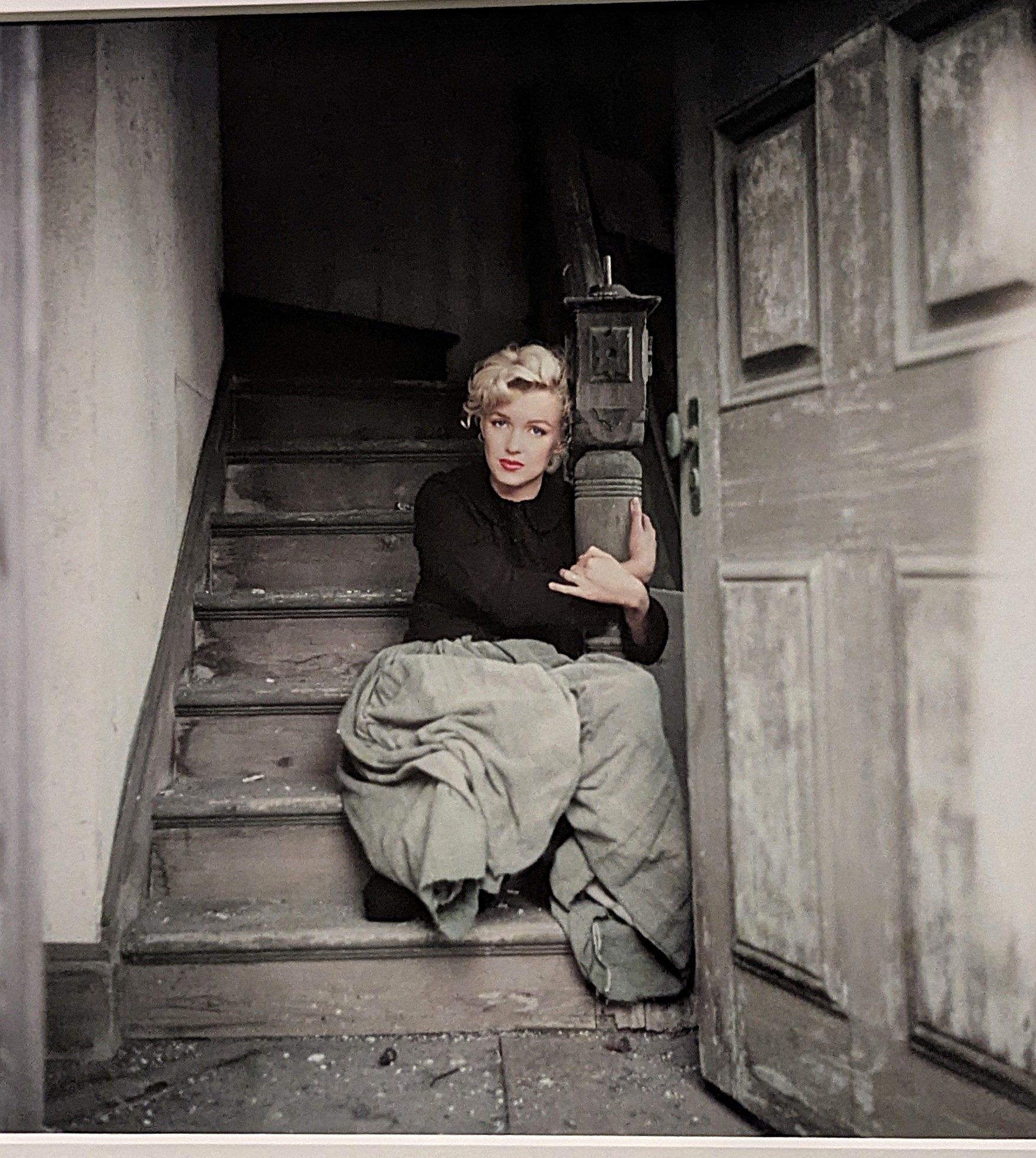
Marilyn Monroe – Exhibition at the London Portrait Gallery

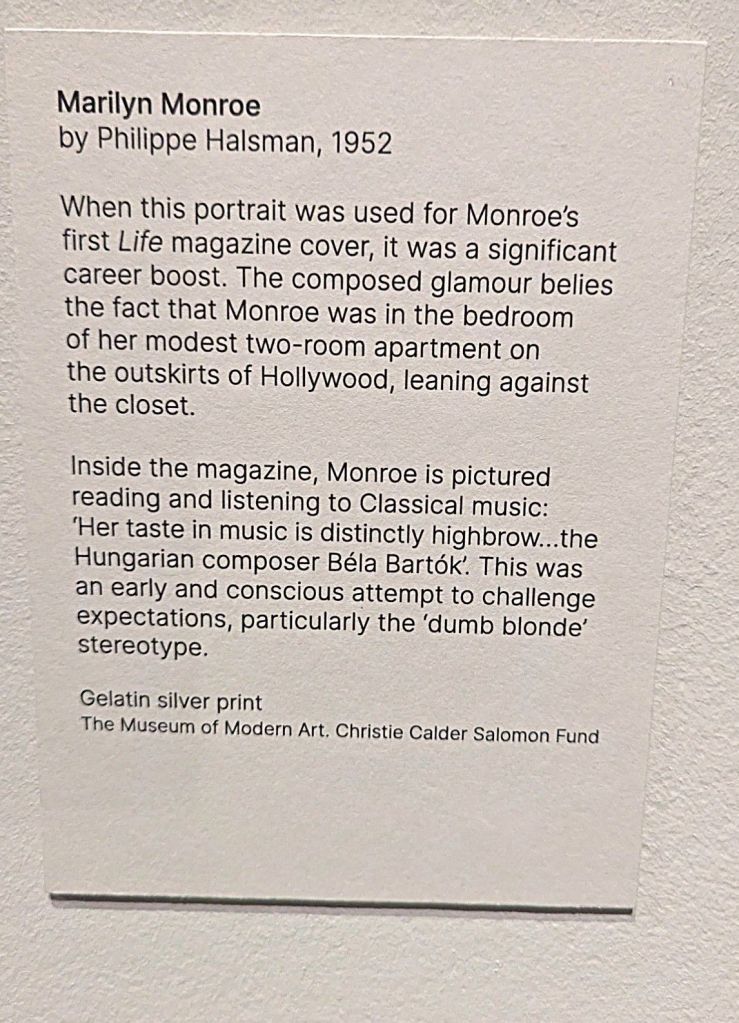
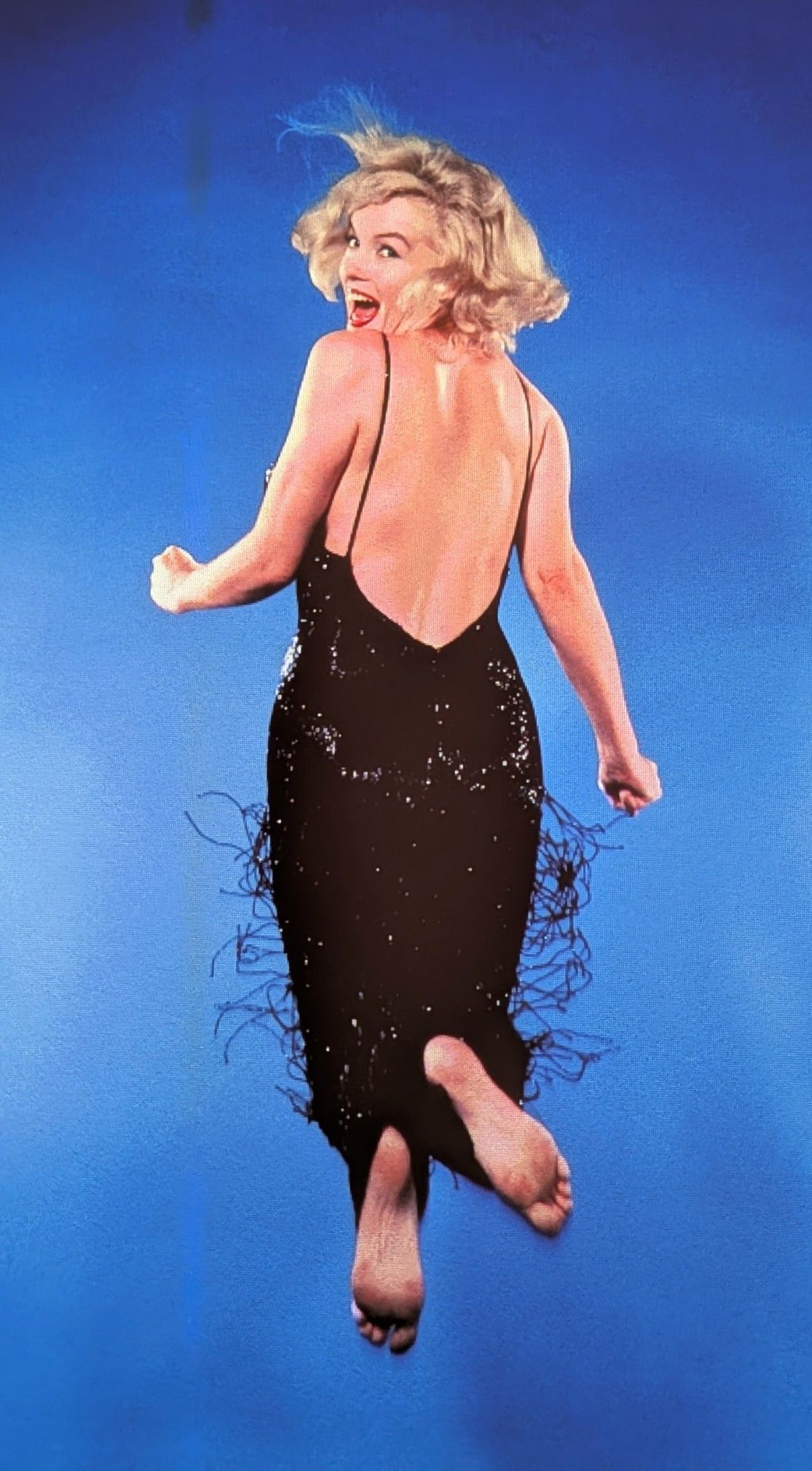
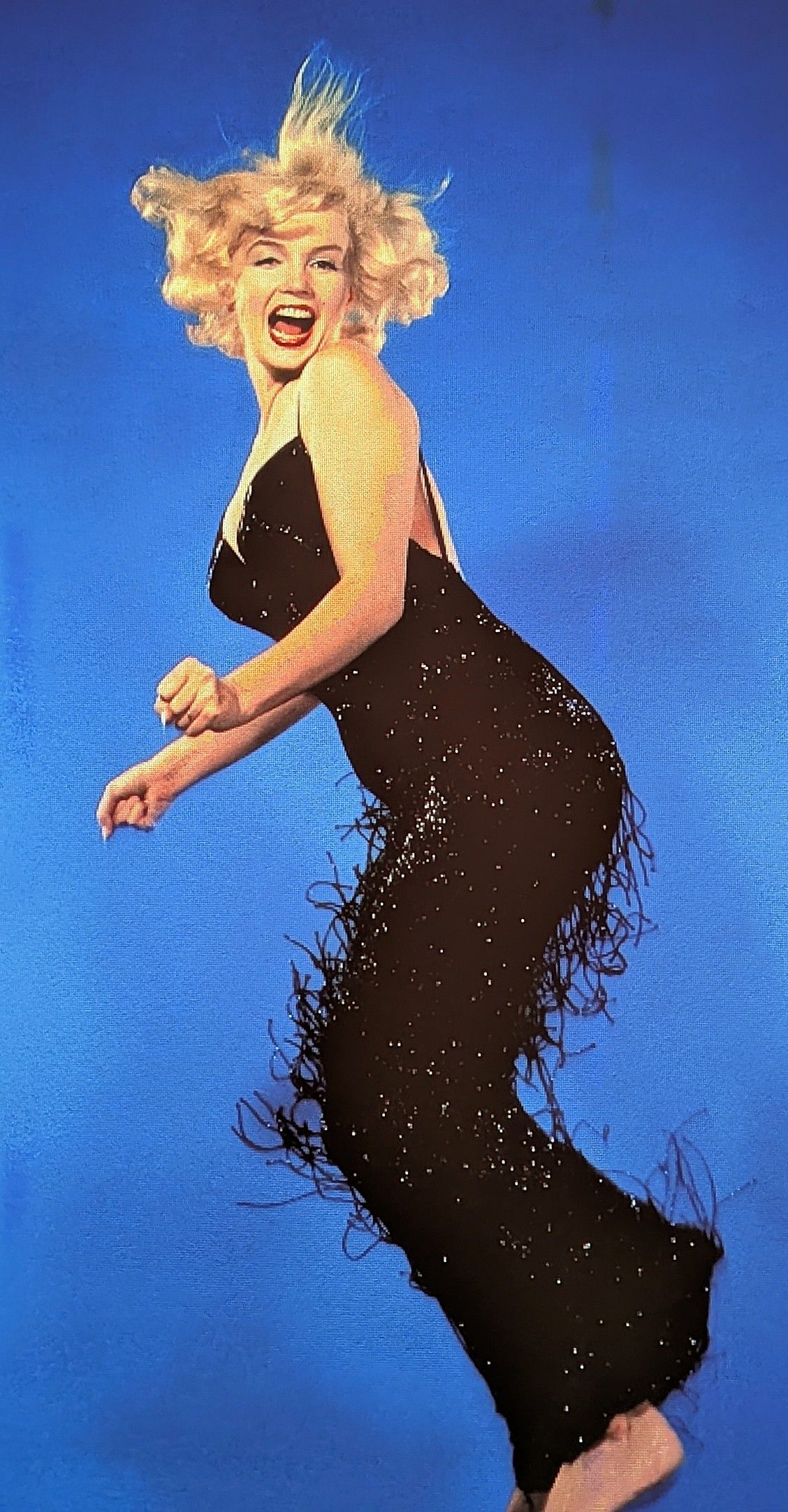
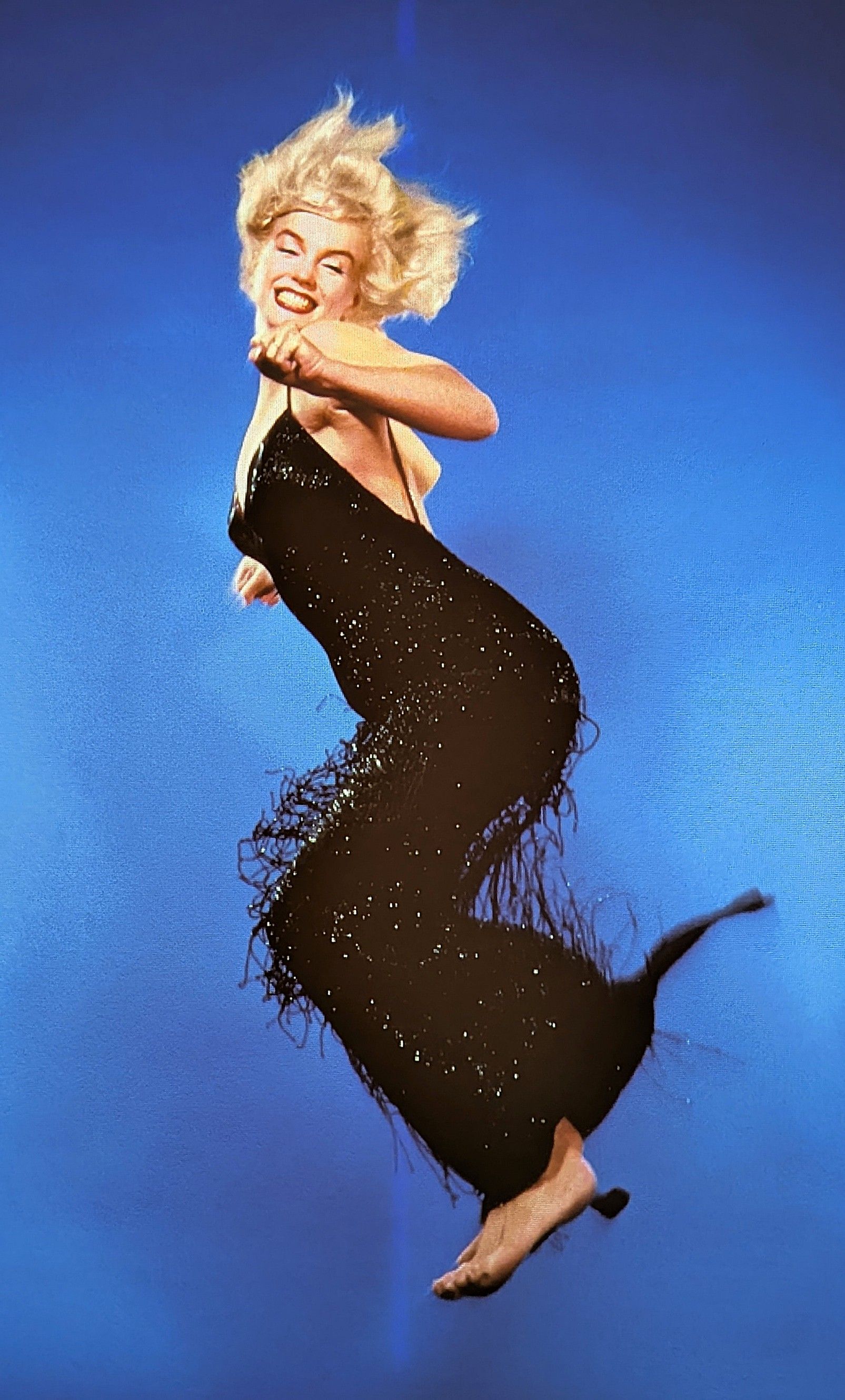
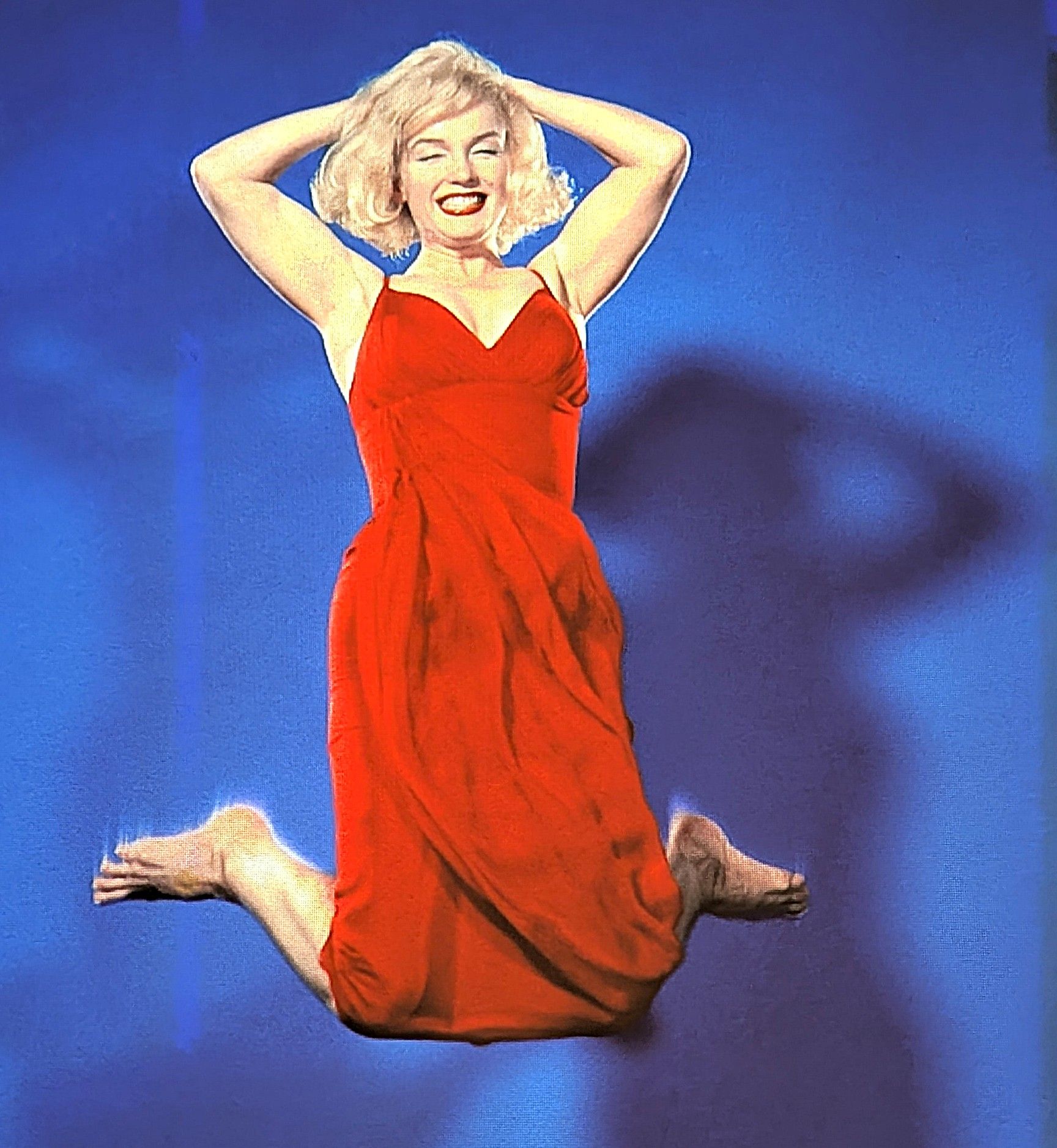
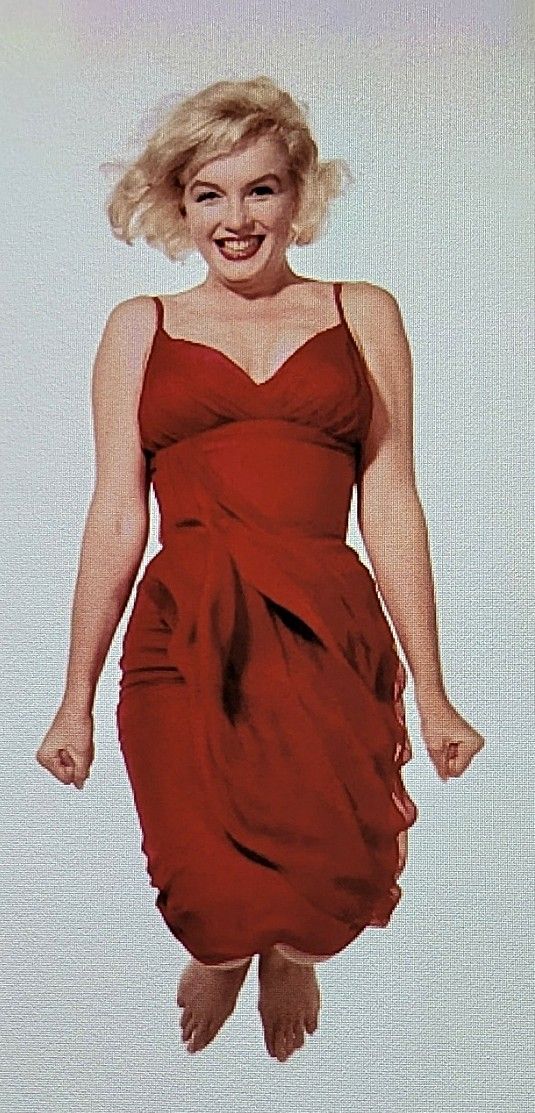
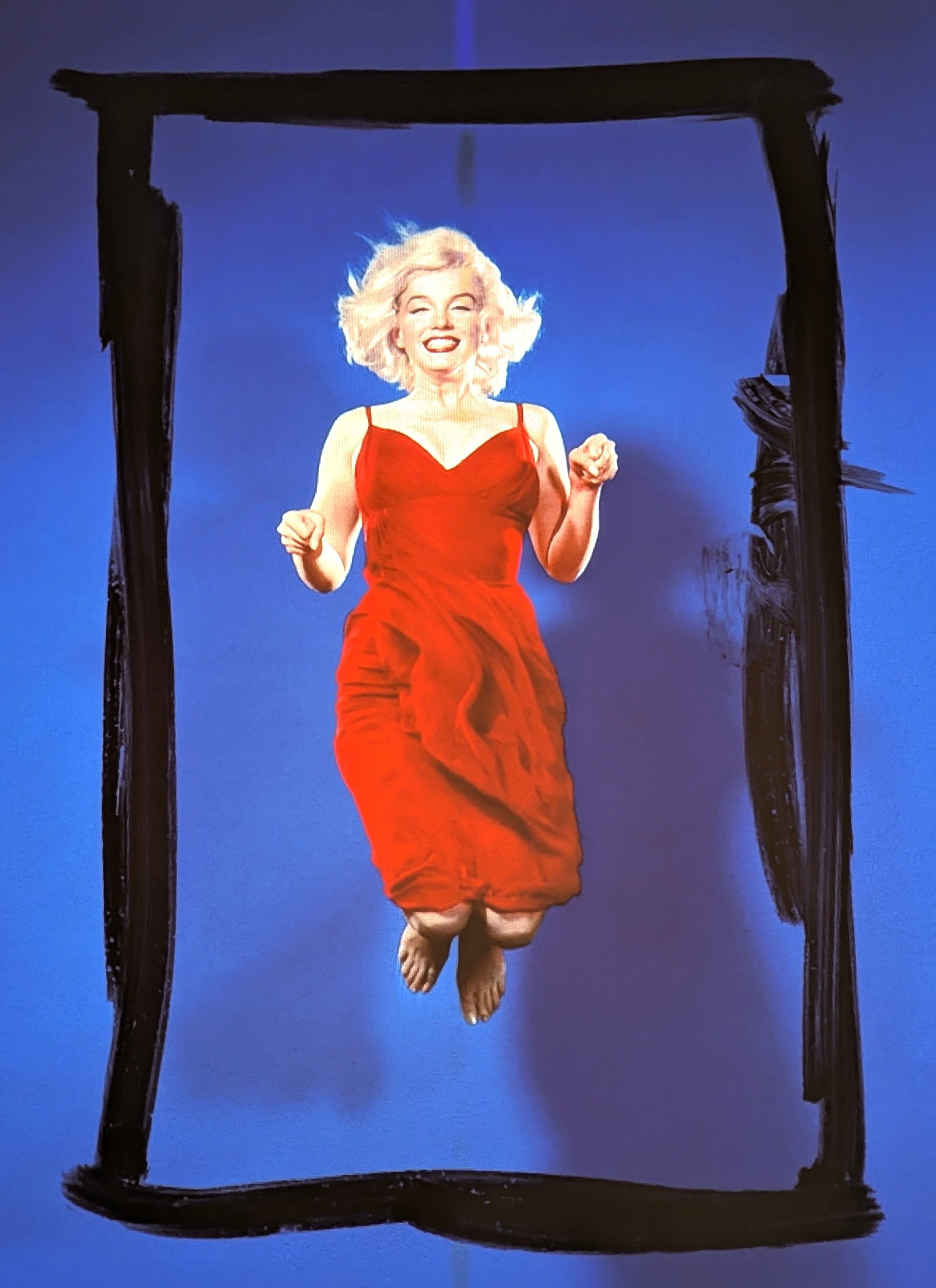


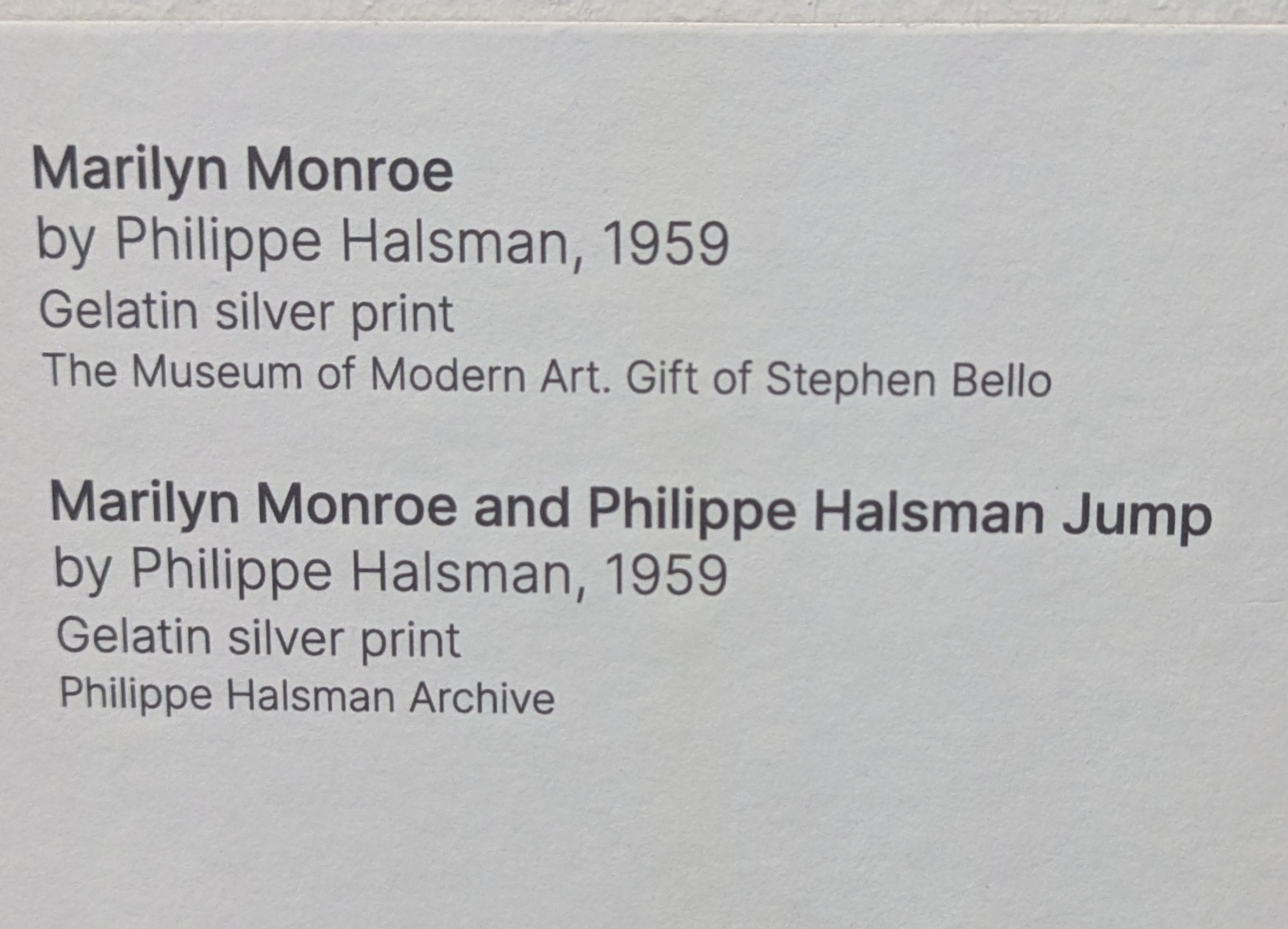
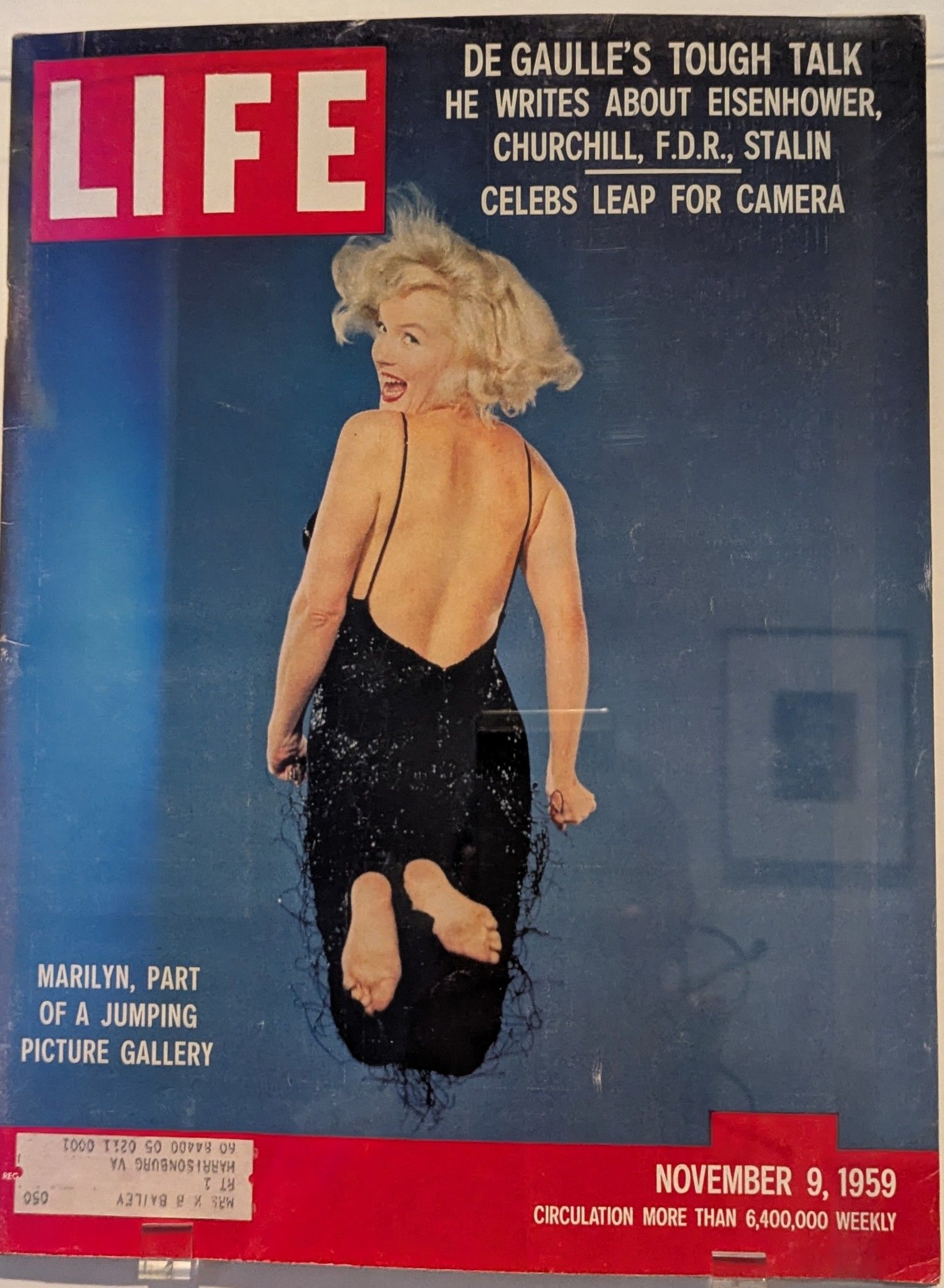

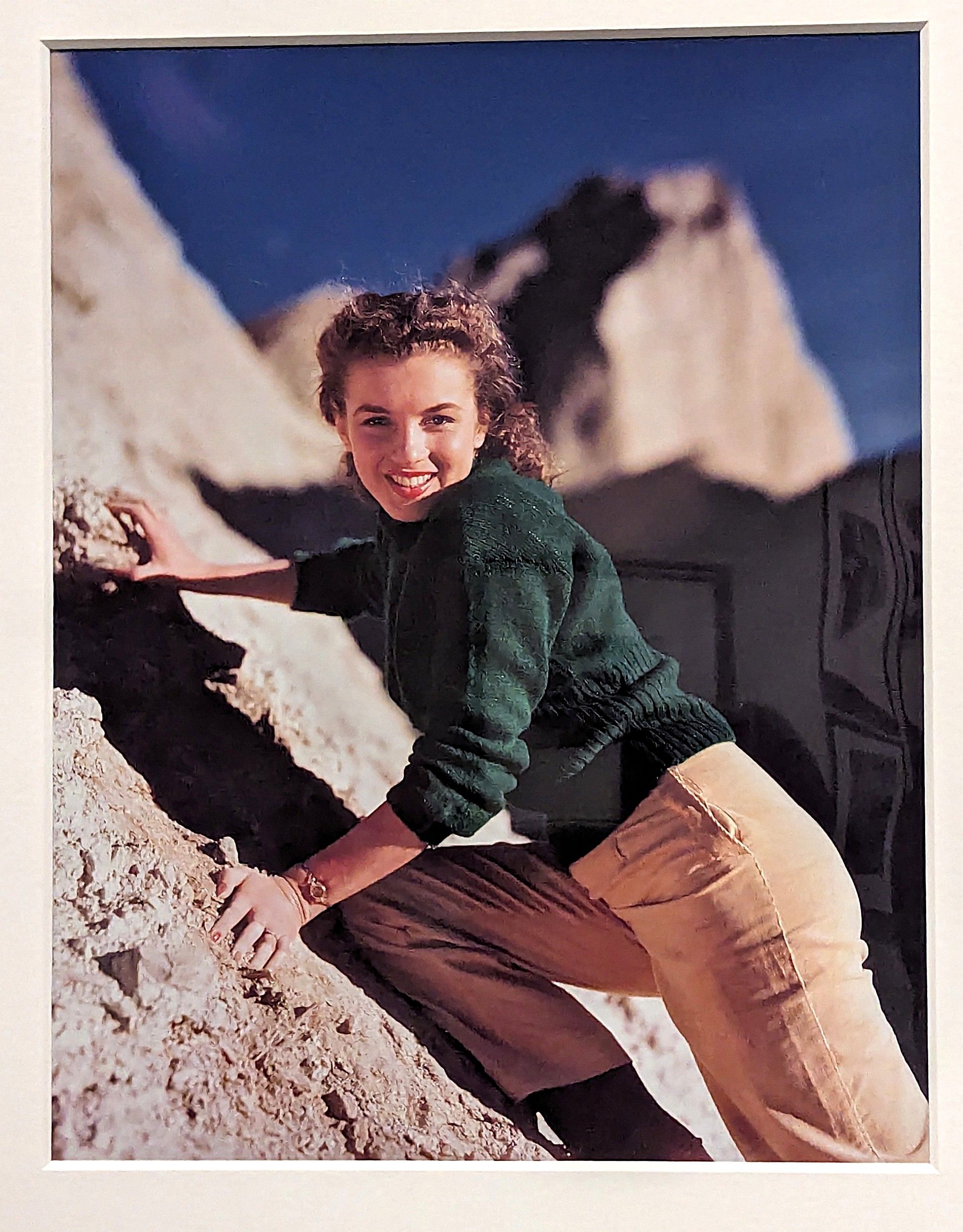





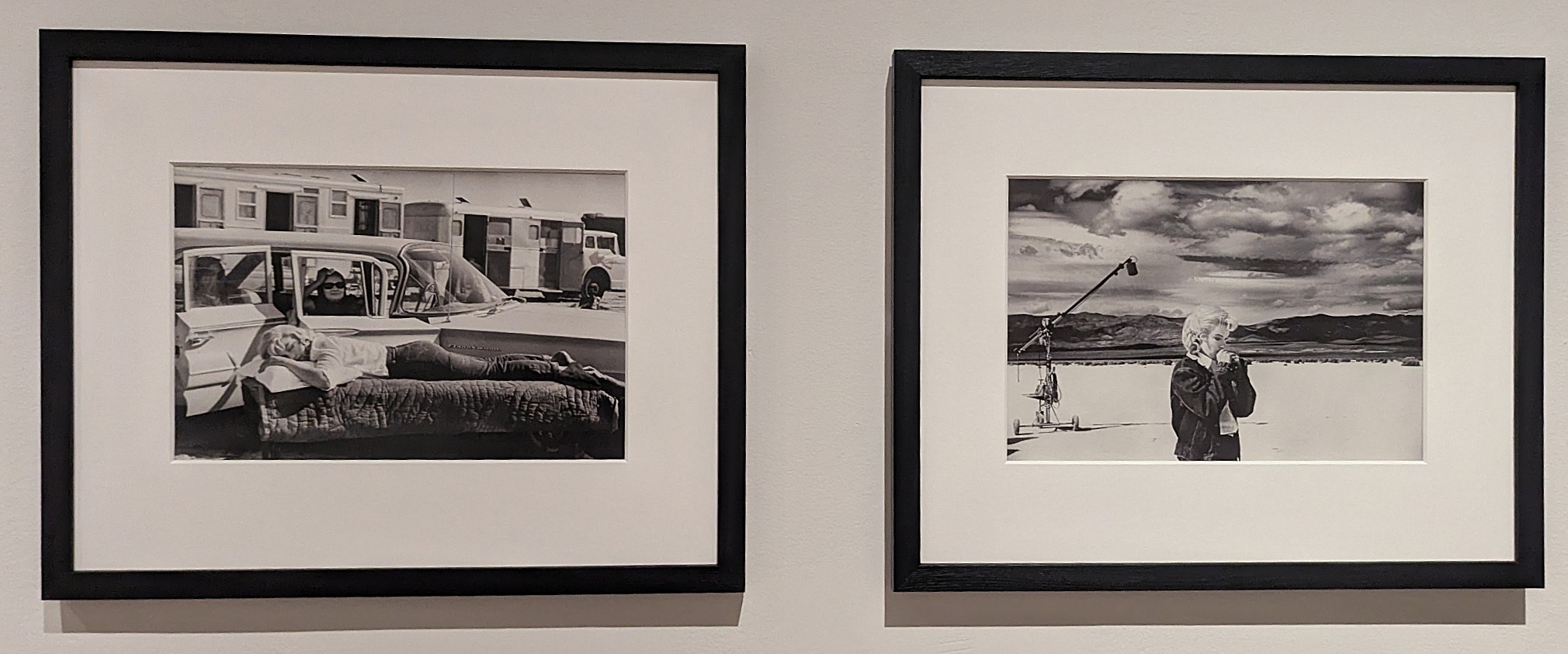
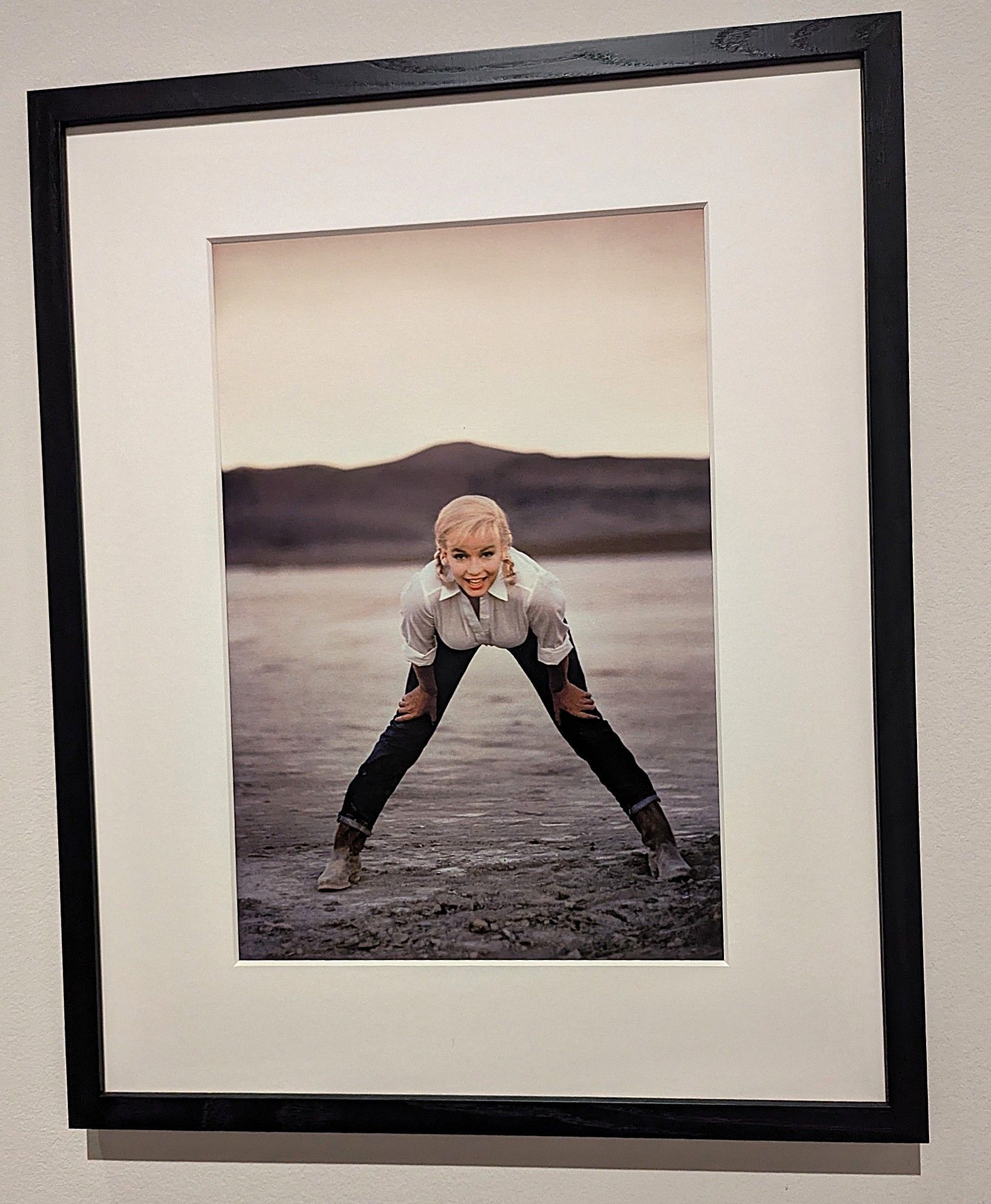


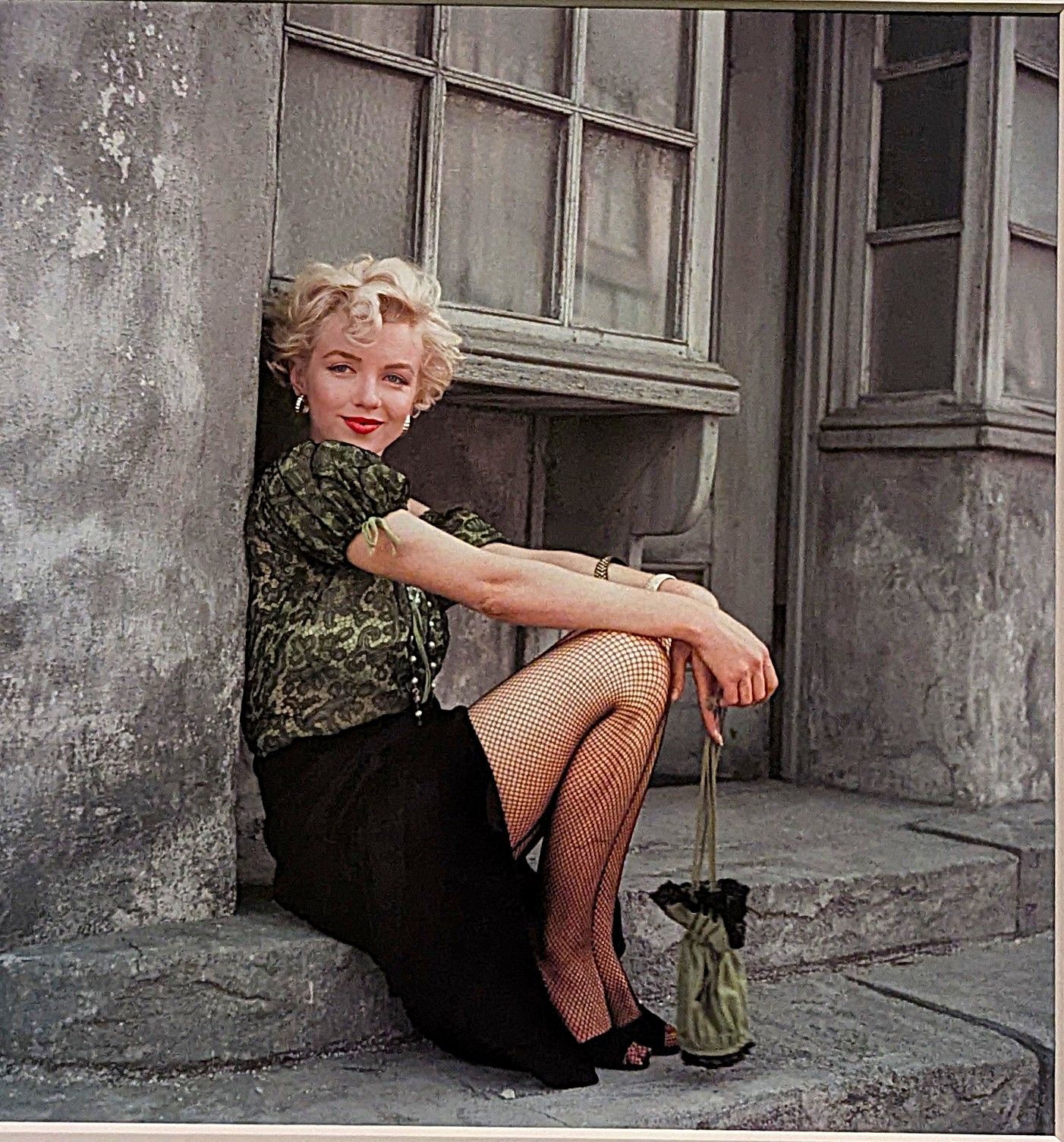


This exhibition was Norma Jean/Marilyn through the photographers’ eyes, as it was organised by each photographer’s portrayal. Arranged biographically, through Norma Jean’s and Marilyn Monroe’s experiences, the narrative might have been different. I reviewed Tony Castro’s The Girl Who Would Be Marilyn Monroe, An Intimate Portrait of the Young Norma Jeane, Bloomsbury Press, September 2026 in my blog, June 3, 2026. This book provides an alternative narrative.