
Michael Ridpath Operation Vienna Boldwood Books, October 2026.
Thank you, NetGalley and Boldwood Books, for this uncorrected proof for review.
Archie (Sir Archibald) and Esme (from Kalamazoo) again investigate a murder, research Archie’s next project on generals, and seek additions to Archie’s collection of antique books. Esme is trying to escape a return to Kalamazoo, scene of a failed love affair, and is pursuing a career as an international journalist. Her interest in murder, and finding the culprit is as much based on this pursuit as the ethics of the situation…as indeed are several of the choices she must make in this novel, leading into an ethical quandary that puts her at odds with Archie. See Book Reviews 2026 for the complete review.
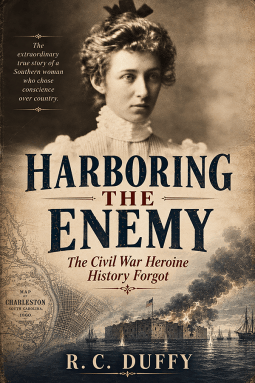
R.C. Duffy, Harboring the Enemy The Civil War Heroine History Forgot, American Legacy Media, November 2026.
Thank you, NetGalley, for providing me with this uncorrected proof for review.
Harbouring the Enemy is another example of the expansion in the way that history is recorded. The burgeoning of narratives which give figures whose activities are largely unrecorded their place in history is a valuable contribution to historical research and information about the past. R.C. Duffy has added to American Civil War and women’s history, as well as the early American German immigrant experience, in her account of her great grandmother’s activities, beliefs and life as a German immigrant in Charleston, before and after the war.
Reading largely as a novel, Duffy gives her account authenticity through the information she provides for each chapter at the end of the book. I prefer a combined approach to fiction/non-fiction historical work in which the author provides explanation in the narrative for the veracity of fictional exchanges and events. However, Duffy’s development of the characters lends authenticity to their imagined behaviour, interactions, and conversations. See Book Reviews 2026 for the complete review.

Subscribe Home/Arts & Culture/October 11, 2026
The Real-Life Inspiration Behind Dracula
Vincent Minatozaki
The real-life inspiration behind Dracula: Bram Stoker’s Dublin childhood, his mother’s cholera memoir, Le Fanu’s Carmilla, a Whitby shipwreck and a library footnote, and how one novel shaped a century of vampire films.
Say the word vampire anywhere on earth and one name comes back. Count Dracula has been played on screen more often than any other character in horror, 162 times by the time Guinness World Records stopped counting in 1992, and the stories he fathered have taken more than three billion dollars at the box office in the Twilight films alone. He has a cape, a widow’s peak, an accent, and a way of saying “I never drink… wine.” None of it is in the book. In the novel, he has a long white moustache and hair growing on his palms.
The book came from Dublin. Bram Stoker, who wrote it, was born there in 1847, the worst year of the Famine, and could not walk for the first seven years of his life, during which his mother told him about a cholera epidemic in Sligo in which the dying were buried before they were dead. He grew up to be a civil servant and then a theatre manager, and Dracula, published in 1897, earned him very little. He died without knowing he had created the most durable monster in modern culture. This is the story of where the Count really came from, and of what a single novel can do to a century of film.
Seven Years in Bed, and a Mother’s Memory of Sligo
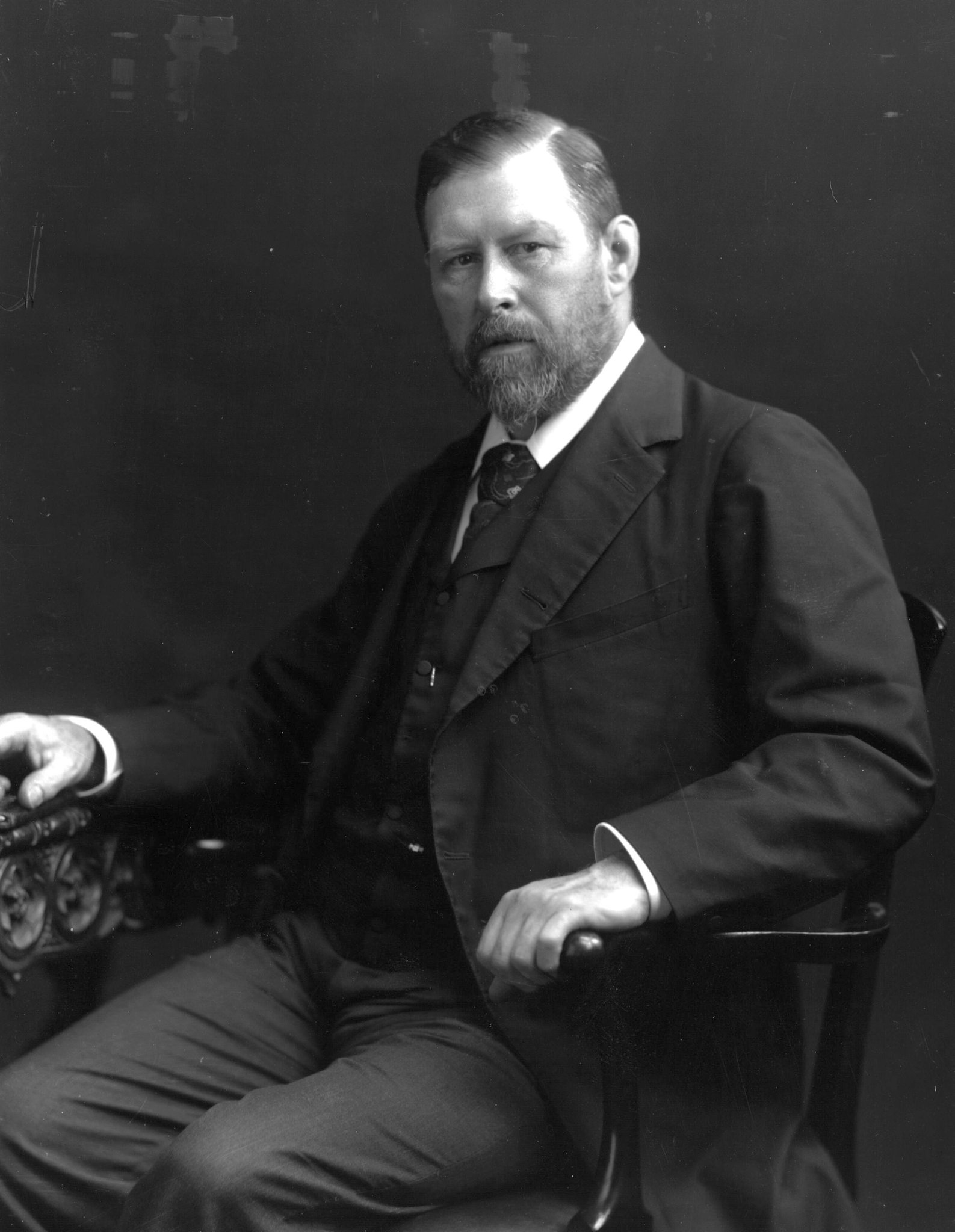
Abraham Stoker was born on November 8, 1847 at 15 Marino Crescent in Clontarf, a seaside suburb on the north side of Dublin, the third of seven children of a civil servant. For reasons no doctor ever explained, he could not walk until he was seven, then recovered so completely that at university he became a champion athlete. He later wrote that the leisure of a long illness had given him “many thoughts which were fruitful according to their kind in later years.”
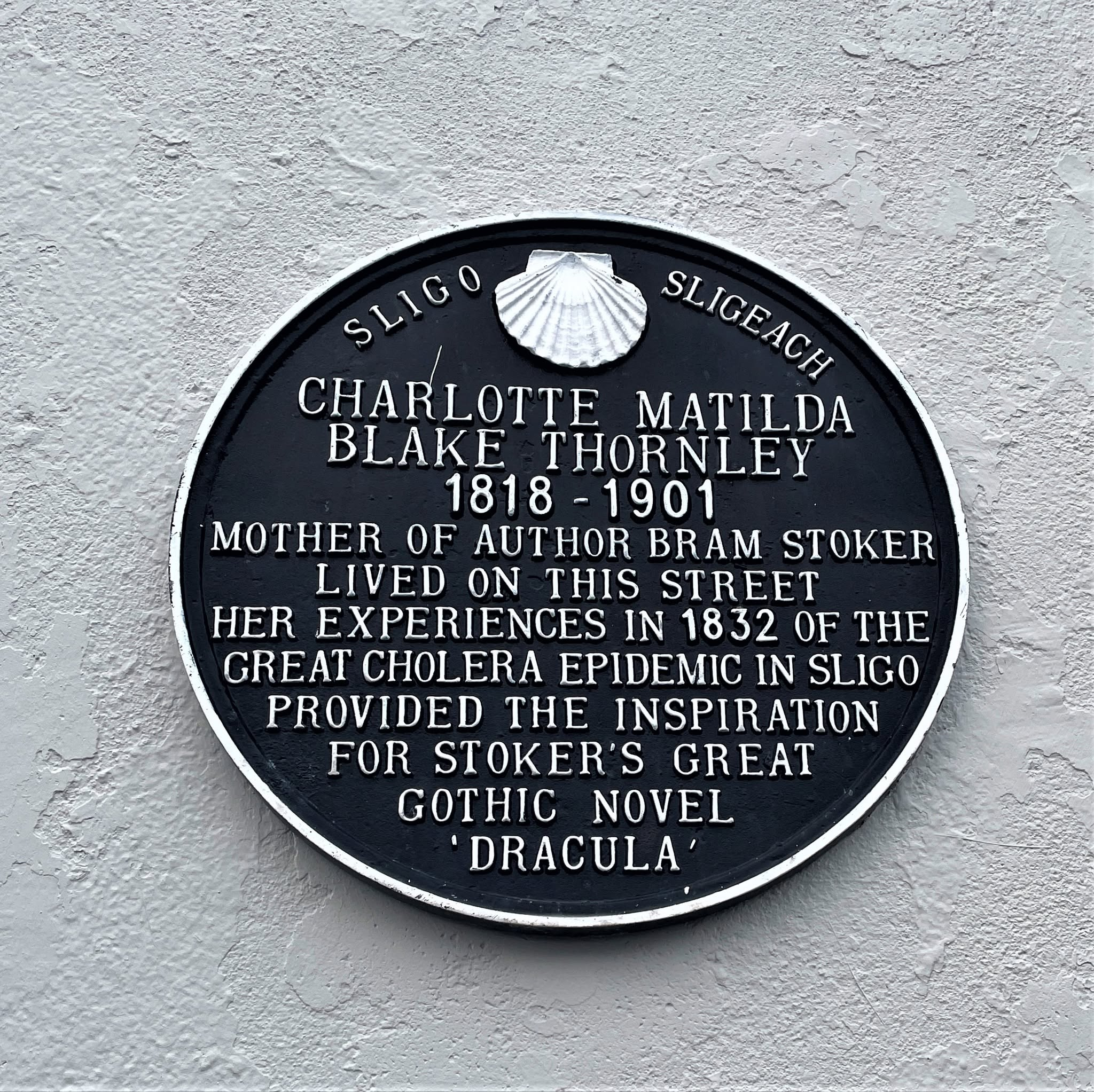
What he mostly did in bed was listen to his mother. Charlotte Stoker, born Charlotte Thornley, had been fourteen in 1832 when cholera reached Sligo, a port town on Ireland’s north-west coast, and killed around a tenth of its people in a few weeks. Years later, at her son’s request, she wrote down what she had seen, and the manuscript survived in a Dublin archive until the Sligo Stoker Society made it widely available in 2018. Twenty carpenters could not make coffins fast enough. Five hundred of the dead were wrapped in sheets and put into one trench.
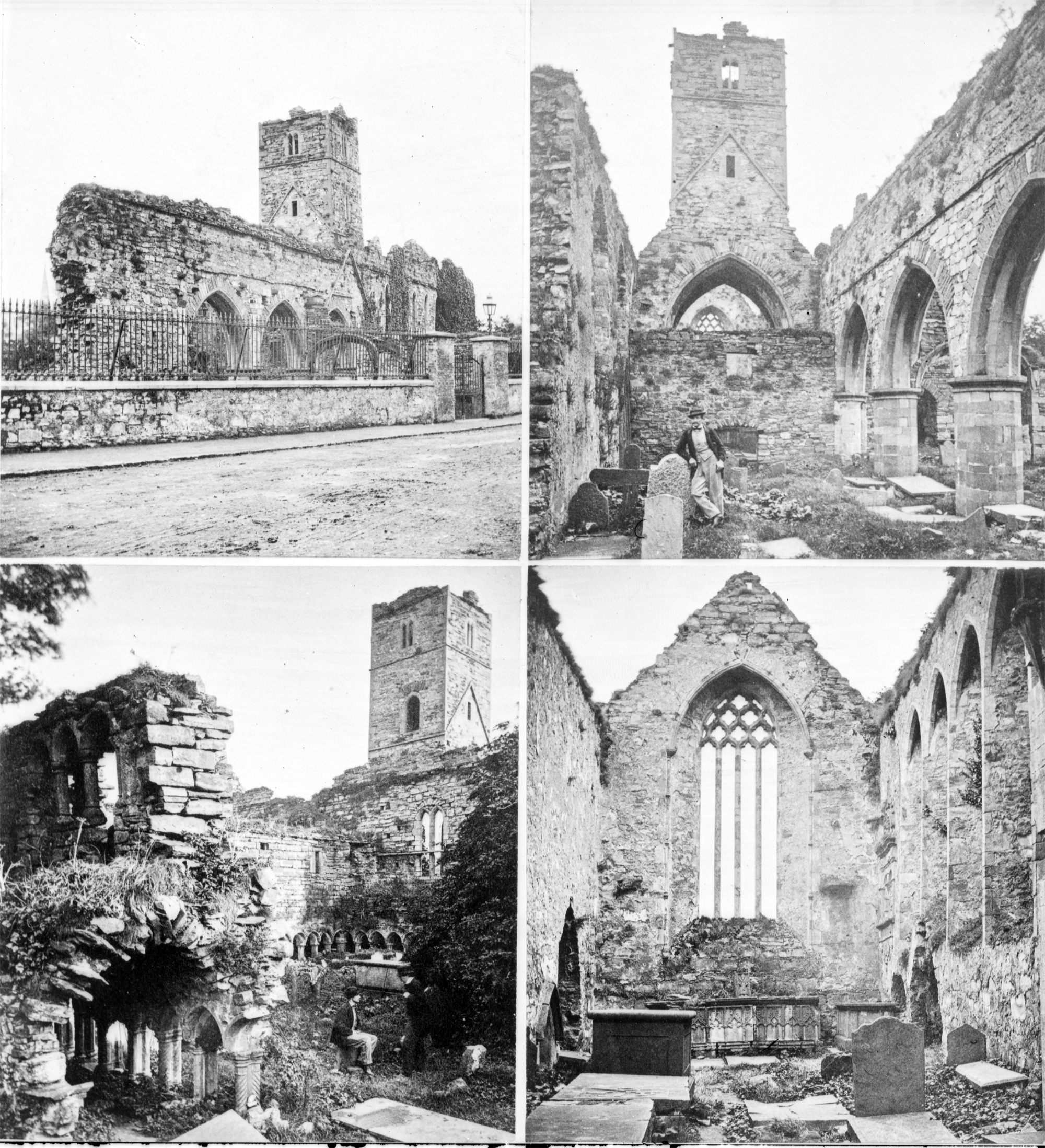
The disease arrived by ship and was believed to move over land as a mist. Worst of all, she recorded that terrified attendants took patients stupefied with laudanum and laid them, still breathing, in the mass graves. The historian Marion McGarry has argued, in a study reported by Atlas Obscura, that the novel’s deepest fears come from this account: a contagion that arrives by sea and spreads like fog, and a state between living and dead from which there is no clean release. Stoker’s working title for the book was The Un-Dead.
A Library Card at Eighteen, and a Newspaper Owned by a Vampire Writer
Stoker entered Trinity College Dublin in 1864 and, in a city with no shortage of old books, went looking for the oldest. The visitors’ book at Marsh’s Library, the public library of 1707 beside St Patrick’s Cathedral where readers were once locked in cages so they could not steal the books, records his first visit on July 4, 1866, when he was eighteen; he came back six more times.
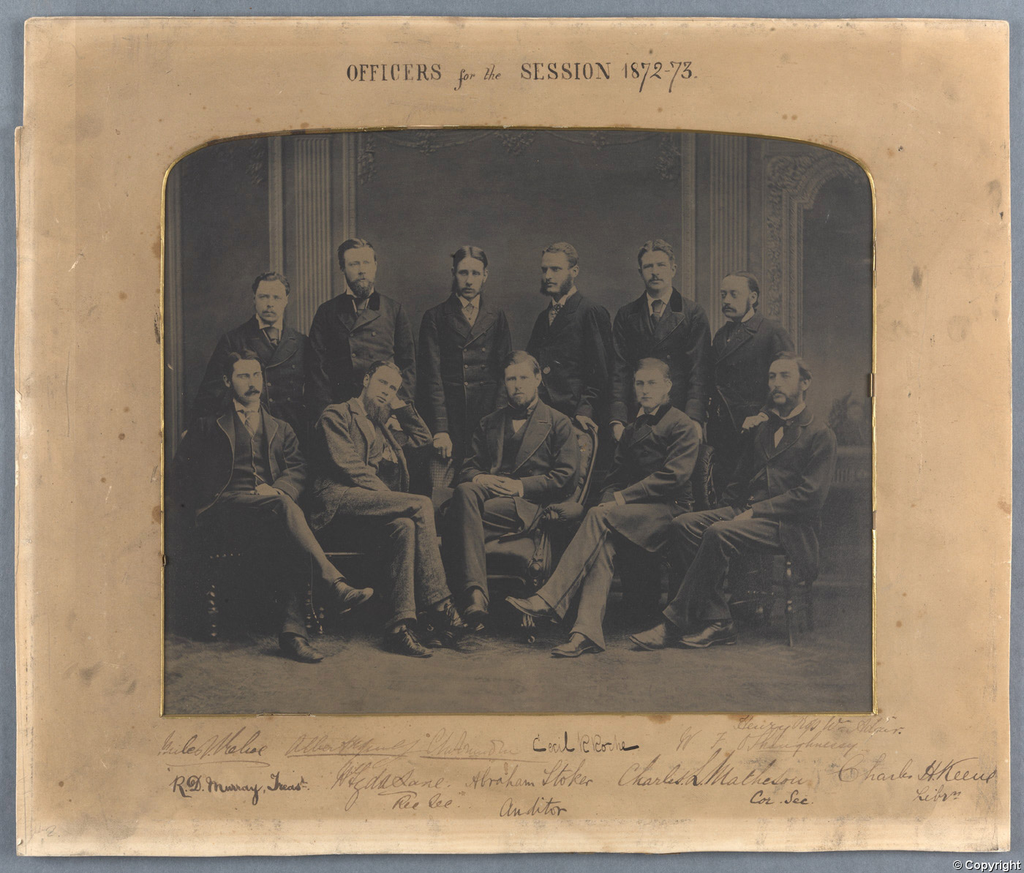
At Trinity he was the only student in the college’s history to serve as both auditor of the Historical Society and president of the Philosophical Society, and he left in 1870 for most of a decade as a clerk at Dublin Castle, the seat of British administration in Ireland.
To relieve the boredom, he reviewed plays, unpaid, for the Dublin Evening Mail. The paper’s co-owner was Joseph Sheridan Le Fanu, the Dublin novelist whose Carmilla, published in 1872, told of a young woman in a lonely Austrian castle preyed upon by a female vampire who had been dead for more than a century.
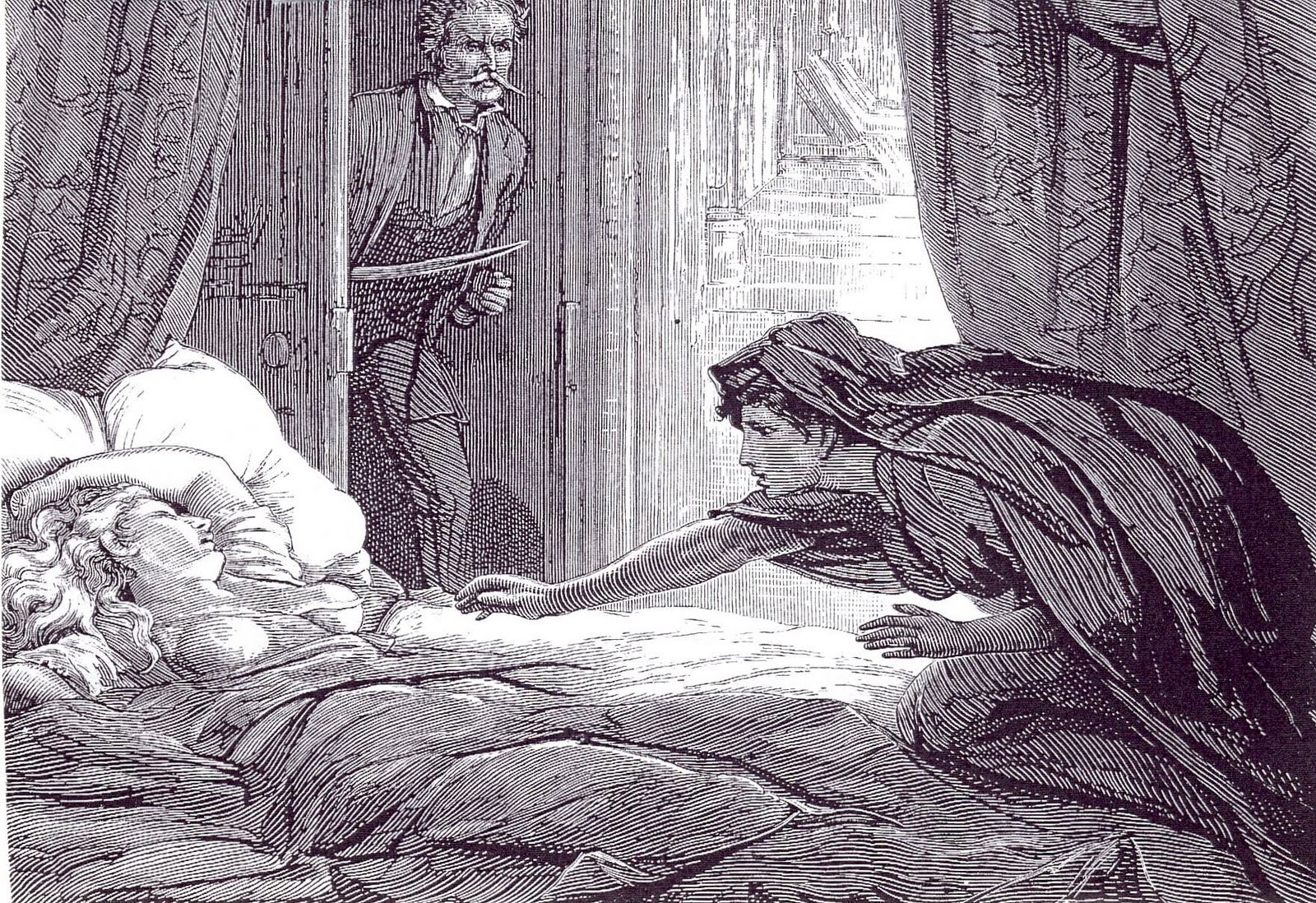
Carmilla is the direct ancestor of Dracula: Stoker’s earliest notes set his story in Styria, the same Austrian province, and called his villain Count Wampyr. The vampire had been in English fiction since John Polidori’s short tale of 1819. The version the world now knows began to take shape in Dublin, in a newspaper office and a caged library.
The Night Henry Irving Made Him Faint
In December 1876 Stoker reviewed the English actor Henry Irving’s Hamlet at the Theatre Royal, and Irving, delighted, asked him to dinner. After the meal, Irving recited a poem about a murderer’s guilt with such force that Stoker, by his own account, collapsed in hysterics; Irving went to his room and came back with a signed photograph. Two years later Stoker married Florence Balcombe, a Dublin beauty whose previous suitor had been Oscar Wilde, gave up the civil service and moved to London to run Irving’s Lyceum Theatre, which he did for twenty-seven years.
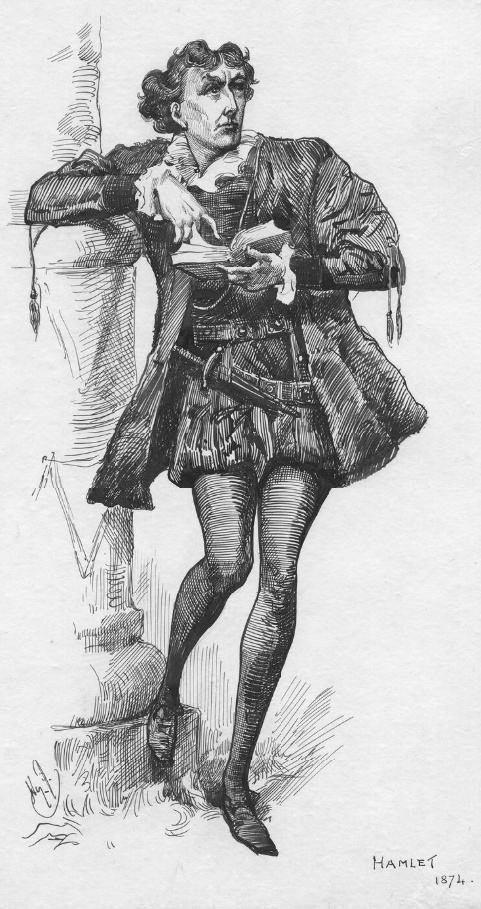
Irving was tall, gaunt, magnetic and imperious, and most of Stoker’s biographers believe the Count’s bearing is his. He never played the part. When Stoker staged a reading of Dracula at the Lyceum in 1897 to secure the dramatic copyright, the actor is said to have listened for a while and pronounced it “dreadful”.
A Footnote in a Whitby Library, and a Ship Full of Sand
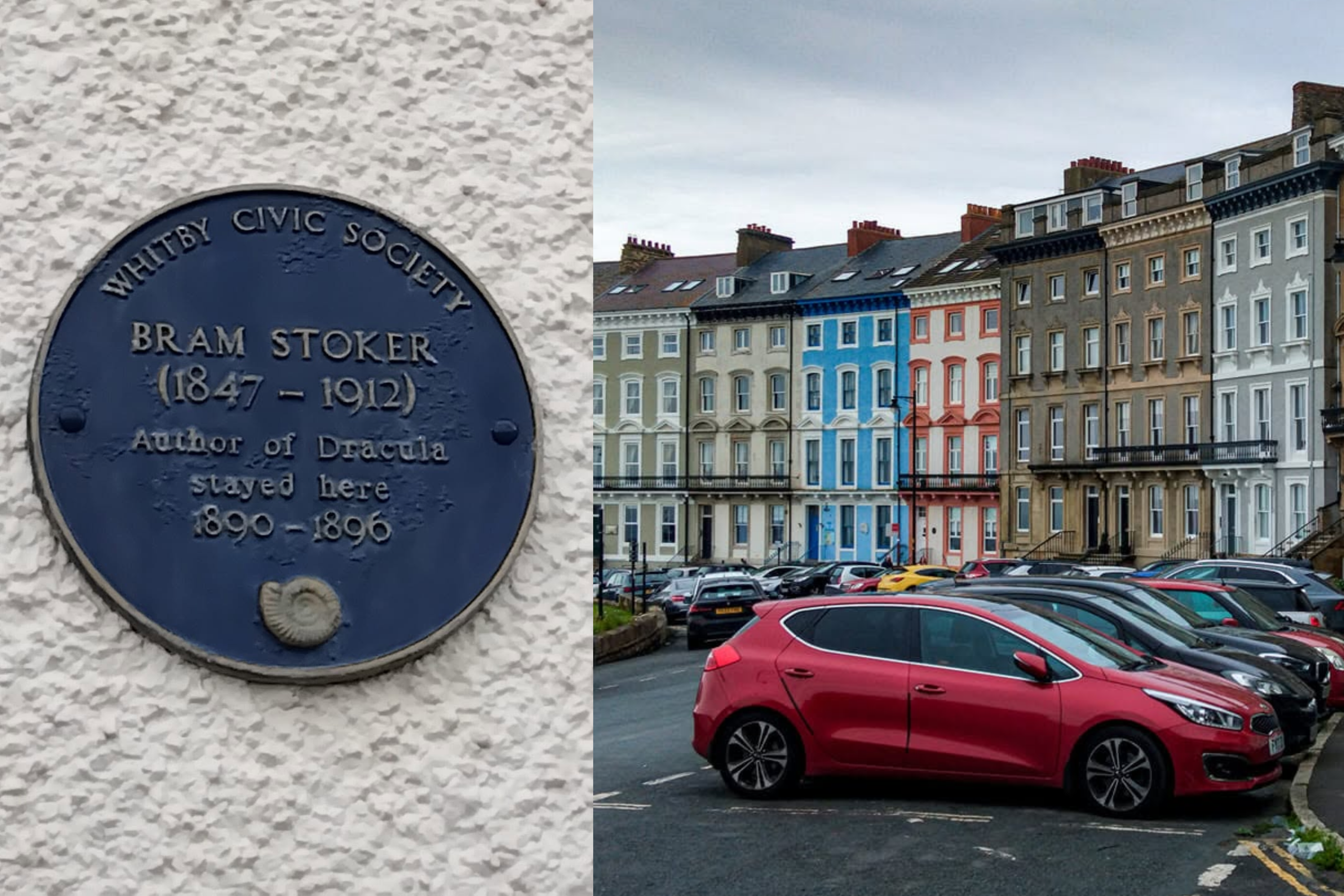
The novel was researched for seven years, and the turning point was a summer holiday. In July 1890, Stoker took rooms at 6 Royal Crescent in Whitby, a fishing town on the Yorkshire coast of England with a ruined abbey on the cliff, a churchyard full of weathered gravestones and 199 stone steps between the two. Walking the harbour, he heard about the Dmitry, a Russian schooner out of Narva that had been driven onto Tate Hill Sands in a storm on 24 October 1885, carrying almost no cargo except a ballast of silver sand. In the novel it becomes the Demeter, which runs aground in the same place in the same storm with its crew dead and its captain lashed to the wheel, carrying boxes of earth.
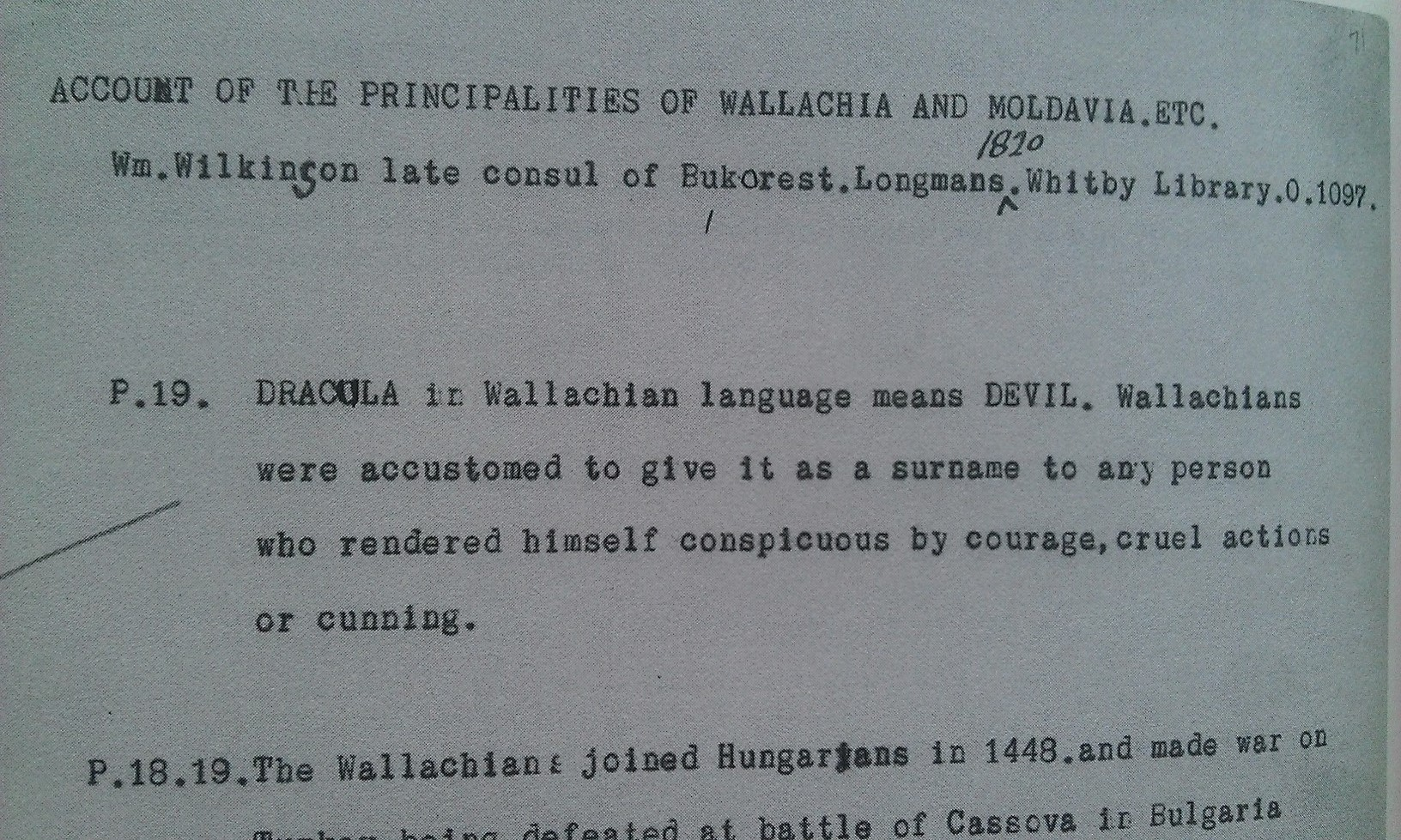
In the town’s public lending library he found a dull book by a former British consul, William Wilkinson’s An Account of the Principalities of Wallachia and Moldavia, published in 1820, and in it a footnote: “DRACULA in the Wallachian language means DEVIL.” He copied the line into his notes, and Count Wampyr became Count Dracula. That is the whole of the connection to Vlad III of Wallachia, the fifteenth-century prince known as the Impaler.
Stoker’s notes, which his widow sold and which turned up in 1972 at the Rosenbach Museum and Library in Philadelphia, contain no mention of Vlad, no nickname, no impalings; he took a name because it meant devil. The idea that the Count was modelled on the historical prince was popularised that same year by the historians Raymond McNally and Radu Florescu in In Search of Dracula, before the notes were read, and the Stoker scholar Elizabeth Miller spent a career taking it apart. Both historians later softened their claim. The public never did.
Six Shillings, Kind Reviews and Almost No Money
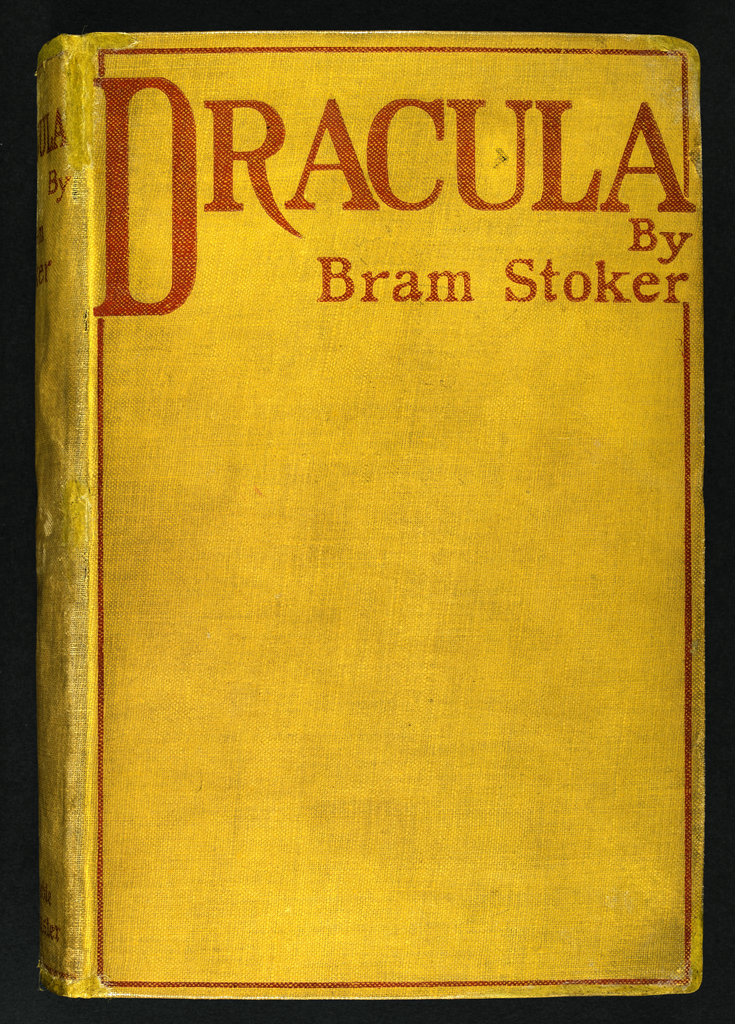
Dracula was published in London by Archibald Constable on May 26, 1897, in a yellow cover, at six shillings. The reviews were respectful, and the sales were modest. Stoker went on managing the Lyceum, wrote several more novels that almost nobody now reads, and died in London on April 20, 1912, after a series of strokes, with his novel a minor success and his reputation resting on his memoir of Irving. He had also, it emerged later, failed to register the American copyright correctly, which put the book into the public domain in the United States and meant that anyone there could adapt it without asking. The Count’s second life would be built on that mistake.
The Widow Who Tried to Burn Nosferatu
In 1922, a small German studio called Prana Film released Nosferatu, with the names changed and the plot intact, without asking anyone. Florence Stoker sued. Prana went bankrupt, the case ran for years, and a German court finally ordered every print and negative destroyed. Copies had already reached archives in France and the United States, and the film survives as the first great vampire picture, the one that gave the world the shadow climbing the stairs.
The film outlived her lawsuit, and she turned to the stage instead, licensing a version to the Irish actor Hamilton Deane in 1924 that reached Broadway in 1927 with a Hungarian émigré named Bela Lugosi in evening dress and a cape, and in 1930 Carl Laemmle Jr. of Universal Pictures bought the rights to both the play and the novel.
The 1931 film followed the play rather than the book, and Lugosi’s accent, cape, widow’s peak, and refusal of wine became the Count for the rest of the century. Christopher Lee gave him fangs and colour for Hammer Films in 1958. Francis Ford Coppola gave him a love story and a title with Stoker’s name in it in 1992.
Three Billion Dollars of Descendants
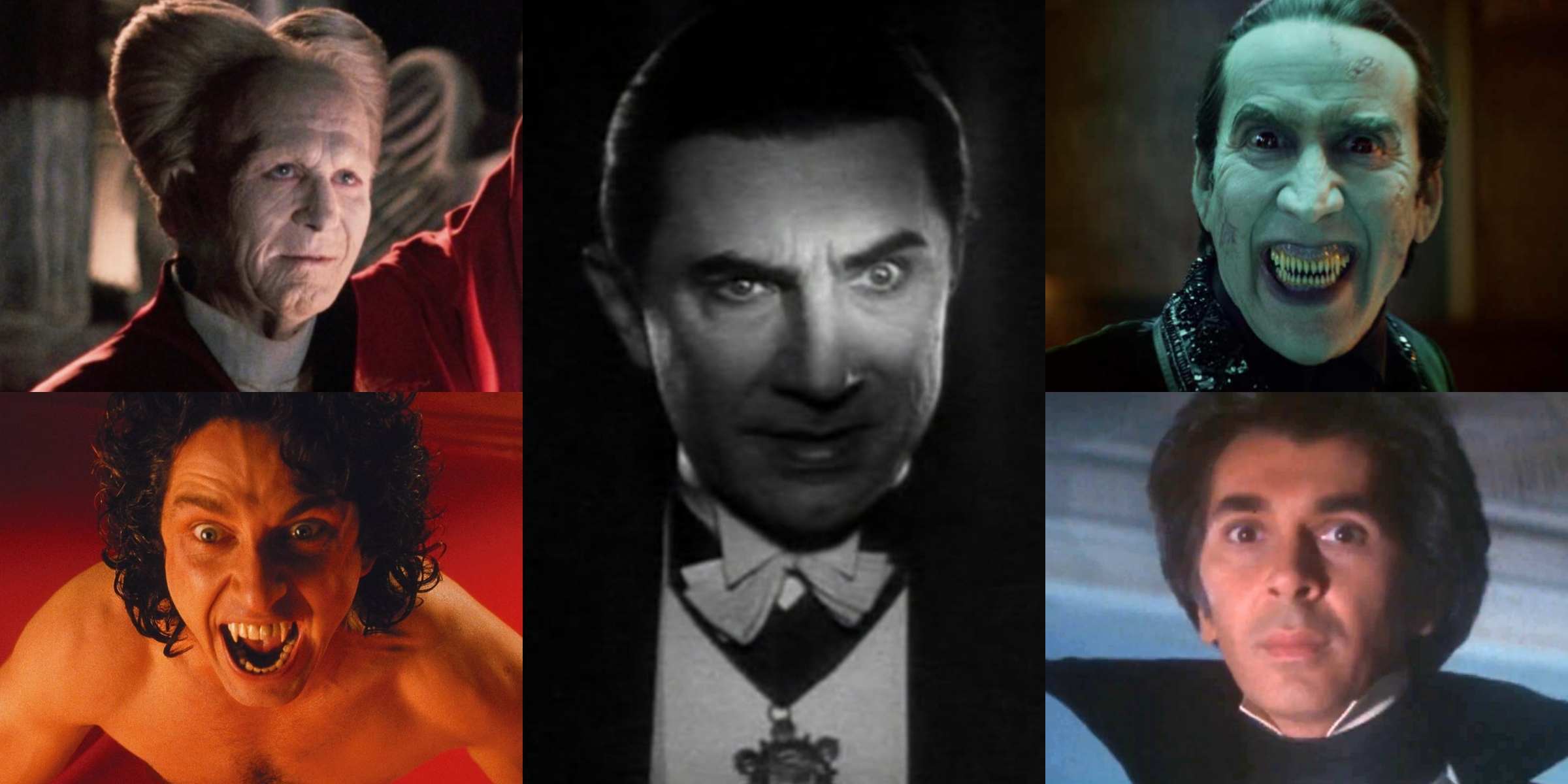
Every vampire since has had to decide what to do about him. Anne Rice’s Interview with the Vampire (1976) made the monster the narrator. Buffy the Vampire Slayer (1997) made him a teenager’s problem. Stephenie Meyer’s Twilight novels made him a boyfriend, and the five films, released between 2008 and 2012, took US$3.36 billion worldwide. The appetite has not slackened. Robert Eggers’s Nosferatu, a remake of the film Florence Stoker tried to destroy, earned US$182 million on a US$50 million budget in the winter of 2024.
Ryan Coogler’s Sinners, which set vampires loose on a juke joint in 1932 Mississippi, took more than US$370 million in 2025 and became one of the most successful original films in years. Guinness’s 1992 count of 162 Dracula portrayals is now hopelessly out of date, and nobody has dared to update it.
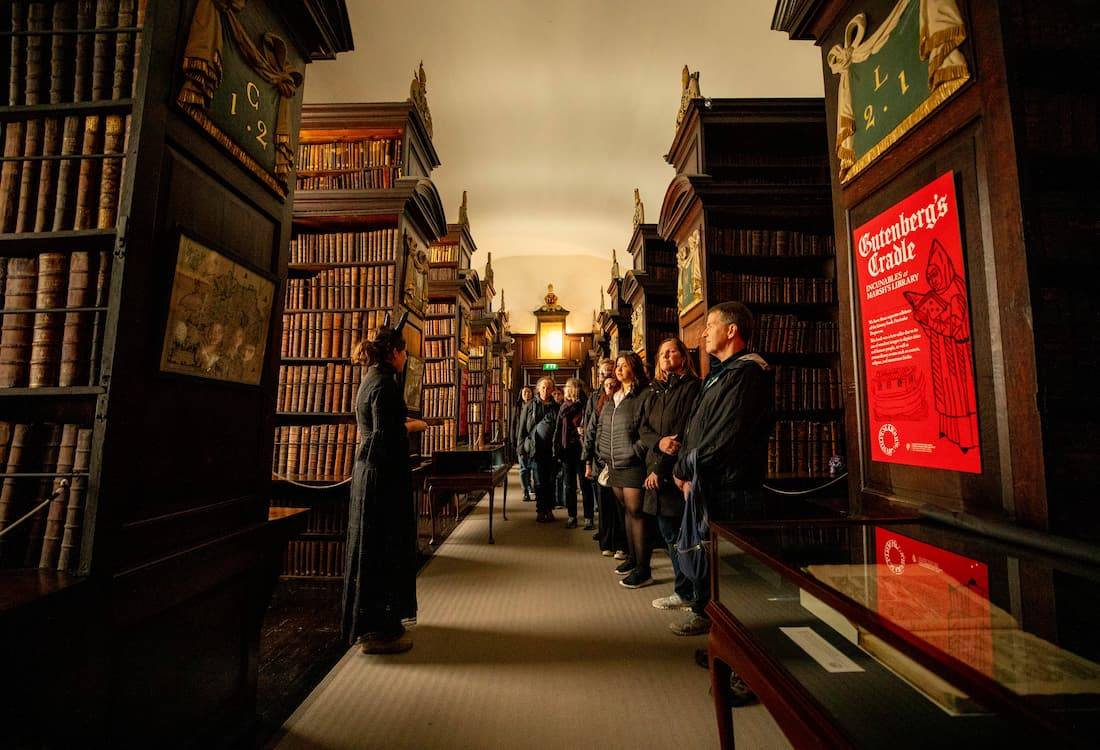
The trail can be followed. The house at 15 Marino Crescent carries a plaque. Marsh’s Library still has the visitors’ book with his signature. Dublin City Council’s Bram Stoker Festival fills the long weekend of October 23 to 26, 2026 with Gothic theatre and night walks, and Whitby’s abbey, churchyard and 199 steps draw thousands in cloaks to two Goth weekends a year. The Rosenbach in Philadelphia keeps the notes.
What the trail shows, more clearly than any single site, is how a novel works on the world. Stoker took a plague story from his mother, a dead woman’s castle from Le Fanu, an actor’s manner from Irving, a wreck and a footnote from Whitby, and bound them into a book that sold modestly and made him no fortune. Then the book did what books do.
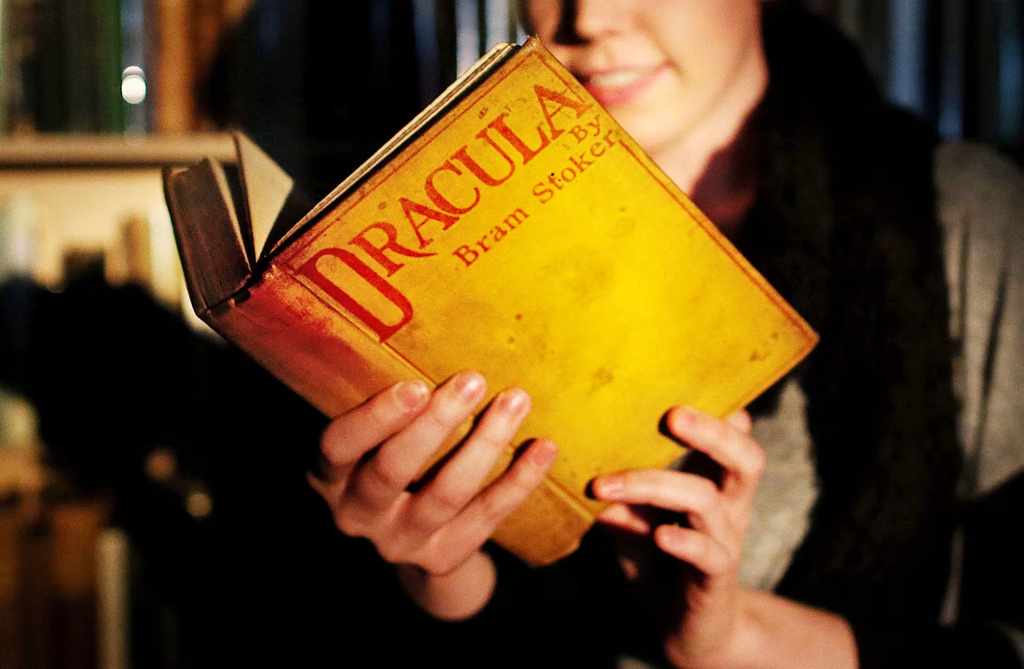
A stage adaptor needed a man who could stand in a drawing room, a studio needed a face for a poster, and each generation since has found in the Count whatever it was afraid of or wanted: disease, foreignness, sex, immortality, a boyfriend who would never age. The films have earned billions, and the actors have become famous, and every one of them is working from the same six-shilling novel by a Dublin clerk, in which the moustache is still there in chapter two for anyone who cares to look.
Like this story? You’ll love our free weekly magazine. Join our community of 1.5M readers.
American Politics
Bob McMullan
Only two weeks to go until the mid-term elections in the USA
Nothing has occurred to change my starting point assumption that the Democrats will win control of the US House of Representatives at this year’s election. There is considerable doubt about the margin of victory but I still believe there is no doubt about the overall result in the House.
Therefore, I will continue to focus on the possible Senate outcomes. A snapshot of the various polling averages or the predictive websites would suggest that the Democrats are likely to win a majority of seats in the Senate with a few to spare.
If you assume, as I do, that a Democrat victory is all but certain in Georgia and North Carolina, given the balance of seats not up for election and safe seats this time that would mean 45 seats for the Democrats. (For those who have been following these numbers over recent weeks, this is one less than previously because I have moved the Minnesota senate contest from safe to “close”).
In order of current probability of Democrat victory, the remaining close seats are:
New Hampshire
Chris Pappas is looking very strong in the polling with an average lead of more than 6% and steadily improving. Reports suggest he has had a number of prominent local Republicans endorse him which should help further his campaign.
Minnesota
Peggy Flanagan is having more of a struggle than would be expected in a state which Kamala Harris won. The problems seem to be a state fraud scandal which reflects on her because of her role as Lieutenant Governor and some candidate factors. My remaining concern is the extent to which she trails the Democrat gubernatorial candidate, Amy Klobuchar. My worry is that this means there are a large number of voters who are open to the idea of voting for a Democrat but who are choosing not to vote for Flanagan. However, she still leads by more than 2% and has never been behind in the polling averages and should win.
Ohio
Sherrod Brown is maintaining a more than 3% lead and the times would seem to suit his style of campaign and history. His traditional appeal to working class voters is particularly relevant in this election, and his opponent looks weak. At this stage I expect him to win.
These three would take the Democrats to 48.
Where will the others come from?
Maine
This is a state that the Democrats should win easily in the current political climate. But it is a closely fought contest. The Democrats have had candidate problems which resulted in a withdrawal of their first choice and a hasty selection of a less objectionable but apparently uninspiring candidate in Troy Jackson. The other factor is the record of the incumbent, Susan Collins who has won against the odds before. She trails in the polls, but not by far and the very experienced commentator, Larry Sabato from the University of Virginia hesitated to call the race given Collins’ record of overperforming against the polls. The predictive website, Fifty plus one gives Jackson a 71% chance of winning. I think he is probably the favorite, but not by much.
Michigan
The Michigan election is in a similar position to Minnesota, The Democrat candidate, Abdul El Sayad, leads in most polls and on the polling averages by just over 2%. But it should be more. The Democrat candidate for Governor has a much more substantial lead. My additional concern about Michigan is El Sayad’s impact on voter turn-out. It seems to me that he is having trouble motivating Jewish and black voters to turn out for him and it is likely that his controversial candidature may well motivate otherwise reluctant Republicans to turn out just to stop him from winning. He remains in front, but his lead appears to be slipping, He is the favorite, but I am worried about this one.
Alaska
Mary Peltola, the former member of the House is running for the Senate and appears to have a slender lead in the polls. The unpredictable element of this election is the “ranked choice” voting system (what Australians would recognize as optional preferential voting) which is used in Alaska. The polling does not reflect the impact of this on the result. With a margin of just over 1% for Peltola on the primaries this election is in the balance.
Texas
Quite remarkably, Texas appears to be one of the strongest chances for a Democrat gain. There are a number of factors at play here. A good Democrat candidate, the collapse of Republican support amongst Latino voters and the overall mid-term crisis for Republicans driven by Trump’s extreme unpopularity. However, the overwhelming factor is the disastrous Republican choice of candidate. The scandal ridden Ken Paxton has proved to be every bit as bad as forecast. James Talarico, the Democrat candidate, has been consistently in the lead for weeks now. The only thing which could save Paxton is the flood of money from Republican donors. Elon Musk has apparently given$150 million! Can money clean up Ken Paxton’s image? We will soon find out.
Iowa
Iowa has always been the toughest of the key state contests. It has become increasingly Republican in recent times. The poling and the forecasts suggest it will be very close. Too close to call at this stage.
Kansas
Kansas has been speculated about for weeks but it has only come really competitive in the polling and forecast sites recently. Some polling averages have Adam Hamilton, the Democrat, in front. It is obvious that the Incumbent Republican, Roger Marshall has been complacent and has found the shock of actually having to campaign very surprising and very difficult. Also too close to call this week.
On the balance of probabilities this range of possible results is likely to lead to at least the 51 seats the Democrats need to win a majority.
So, what am I still worried about?
First, that the polls are under-estimating support for the Republicans as they have in the last three presidential elections. The track record of polling for the mid-terms has been better but an under-estimate is always possible.
Second, narrow margins and candidate issues in Michigan, Minnesota and Maine.
Third, the first signs of a trend back to the Republican candidate in Iowa.
Fourth, the immense financial advantage at least some of the Republican candidates have which could generate a late surge of support.
Finally, the possibility that 51 seats may not be enough if Republicans can get a democrat Senator to switch sides, which must be a possibility.
All this suggests a continuing need for caution, but the Democrats are still in the stronger position at this very late stage.
Australian and British Politics – concern with Question Time behaviour
 Thursday 15th October 2026
LabourList <accounts@labourlist.org> Unsubscribe
I watched the PM’s return to PMQs yesterday – there’s some way to go before we remove the politics of point scoring…
When the Prime Minister arrived in Downing Street, he had promised a change to the way we do politics in this country. He correctly identified one of the biggest issues with our political culture, especially in the way that it is viewed outside of political bubbles by ordinary people.
That issue, of course, is the culture of ‘point scoring’ as opposed to one of ‘problem solving’.
Can Burnham solve the problem of Parliament’s point scoring culture?
 By James Tibbitts
The purpose of politics, and therefore our politicians, should be to problem solve. That is hardly a controversial statement. We democratically elect these people to represent us based on the nature in which they – and their parties – can most convince an area that it is best suited to solve the very problems most relevant to it.
From fly tipping on the corner by the park, to the massive pot holes on the main road into town, we all know the first step to running a campaign is deciding which contemporary ‘problems’ for the area our chosen candidate will seek to make their mission to solve.
By identifying a selection of problems that connect with the majority of the people you are seeking to gain the support of, and outlining the way in which you will solve them in a bid to convince enough of these voters of your competence on resolving these issues, there lies the most basic explanation of a key element to the social contract drawn up between the politician and the public they wish to represent.
It is then understandable that the public become increasingly frustrated in our politicians when, after the democratic process is complete, the problem that existed before the election appears to remain unsolved after it. When politicians then appear more concerned with scoring points against their political opponents than tackling these issues head on, that frustration only grows.
Burnham is right to argue we need more problem solving than point scoring in politics and I am sure the general public would agree. But when I watched Prime Minister’s Questions yesterday, I was struck by how little the institution lends itself to this.
PMQs is the theatre of British politics, and the part the public are most likely to watch. It is influential in shaping a general impression of how our politics works. The PM should absolutely be held accountable by Parliament and answering questions directly from MPs of all sides of the house is essential to that.
But the nature of how PMQs is set up seems designed more like a political boxing match that rewards landing ‘clippable’ blows for social media than it does providing genuine scrutiny.
This then undermines Burnham’s approach, as he gets dragged into the point scoring. Yesterday, as he sought to respond to the Kemi Badenoch’s jabs, he fired back by landing some shots of his own. Of course, many of us may feel that the Conservatives are more than deserving of being laid into – you certainly would not catch me complaining about that.
But the point is that, by design, the PMQs exchange across the benches between the two main party leaders creates point scoring, not problem solving. Burnham, to his credit, looks for opportunities to pull away from this – notably praising Badenoch’s party conference speech yesterday.
Even still, if you have made changing politics away from the point scoring culture very central to your personal brand as Prime Minister, then falling into doing the very thing you wish to change is not a great look.
Burnham is right, we do need problem solving not point scoring in our politics. The challenge for his government is to modernise Parliament in a way that can make this more than a slogan.
 The Conversation
Australian Parliament Question Time
For around an hour each parliamentary sitting day, the prime minister and other ministers face a flurry of questions from the opposition and other members of parliament.
It is often here that debate on the issues of the day becomes most heated, and such is the interest from media and others that anyone can watch it live.
As such, Question Time serves a vital function in Australian democracy: it is a highly visible way in which, it is hoped, the government can be held to account. It is also a chance for the opposition to present itself as a viable and desirable alternative government.
But critics see it as increasingly flawed.
On one hand, governments can dodge real accountability by giving non-answers or having their own side ask “Dorothy Dixer” questions – that is, a favourable question to the benefit of an MP’s own party.
On the other, the theatrical and combative tone can shift attention towards personal attacks and cheap point-scoring, turning people off politics. Another concern is an increasing trend that political scientists call “personalisation” or “presidentialisation”. This refers to Australian politics becoming dominated by party leaders at the expense of the rest of their team.
Too much scrutiny on leaders can distract from meaningful policy debate and lead to a destabilising “coup culture” of frequent leadership changes. So, 35 years after Question Time first became a televised spectacle, has it really become a heavyweight title fight between party leaders or does it remain an all-in brawl?
The first Question Time recorded in the House of Representatives is on YouTube. It is also in this article, but cannot be reproduced in this blog. I found it fascinating watching, with Bob Hawke as the PM and Paul Keating as Treasurer. John Hewson was Leader of the Opposition.
Our research, which analysed 21,500 opposition questions asked and answered between 1981 and 2025, reveals a more complicated picture. Opposition questioning has become increasingly concentrated on prime ministers, but opposition Leaders have become less dominant.
What is personalisation and why does it matter?
In Australia and around the democratic world, people have become less committed to political parties. Personalisation refers to the growing prominence of individual political leaders relative to parties and their wider parliamentary teams.
In Question Time, this matters because scrutiny of the prime minister can become a proxy for scrutiny of the government as a whole. Locally, some worry our system of government is coming to resemble that of the United States, becoming too “presidentialised” compared to the apparently more stable Westminster tradition.
Research has shown the repeated leadership changes during the turbulent 2010–18 period harmed public confidence in democracy. Scrutiny of leaders is of course important. But too great a focus on personalities rather than policy detail suits populists and other challengers who would capitalise on people’s dissatisfaction.
In our study, we measured the share of opposition questions directed to each prime minister and the share asked by each opposition leader. We also wanted to see whether Labor and the Coalition acted in the same way.
Finally, we wanted to know whether the changes to party rules that made it harder to remove leaders introduced by Kevin Rudd in 2013 and Scott Morrison in 2018 changed the focus on leaders. We expected these changes would have cemented opposition leaders’ ability to dominate Question Time. Instead, we found a recent decline in leader dominance since the turbulent 2010s.
First, we found that opposition questions had increasingly concentrated on the prime minister, with this trend being evident across parties.
In the early 1980s, approximately 26% of opposition questions were directed to the prime minister. That figure has now doubled, with around half of all opposition questions directed at the prime minister.
At one extreme, prime ministers Abbott, Turnbull and Gillard faced more than 60% of opposition questions. At the other end, prime ministers Fraser and Keating both faced less than 30% of opposition questioning.
But we did not find the same pattern for opposition leaders. Rudd was a clear outlier, asking almost half of all opposition questions, with Dutton at the other extreme, asking less than 15% of opposition questions.
Liberal opposition leaders consistently ask fewer questions than Labor opposition leaders. Part of this is because of a need to share the spotlight with their National Party colleagues. More importantly, both parties have seen a decline in the proportion of questions asked by the opposition leader since the end of the 2000s.
It is not clear whether this reflects rule changes that have made leaders more secure and therefore more willing to share the spotlight, or whether parties have deliberately chosen to give less prominence to leaders such as Bill Shorten and Peter Dutton. Either way, our findings suggest personalisation is not a uniform trend: it impacts parties and leaders differently.
How could Question Time be improved?
Whether a reduced focus on opposition leaders will improve the quality of parliamentary debate is an open question. But parties can adapt to the pressures created by a political system increasingly centred on leaders as well as ideas.
And those adaptations can create problems of their own. The Liberals’ rule change made it difficult to remove a leader who had won an election. This did nothing to help Sussan Ley, and offers no protection for Angus Taylor either.
If leadership instability contributes to perceptions of disunity within the Coalition, it may also have created opportunities for challengers such as One Nation.
While scrutiny of leaders is important, governing is a team sport. In Question Time all ministers should be held accountable, not just the prime minister.
Maureen Cummuskey and Salvation Jane
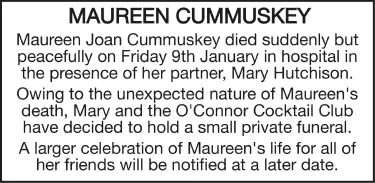
This week Mary Hutchison, Maureen’s partner, announced that she would be closing Maureen’s Facebook site soon. She also let us know that the celebration held for Maureen was a great success. I have fond memories of hearing about Salvation Jane when I came to Canberra, and later was thrilled to be friends with Maureen on Facebook. I thought that keeping the history of Salvation Jane would be a small antidote to no more posts from Maureen, although the Fergus (Maureen’s large black Labrador) stories will be sadly missed.
Salvation Jane
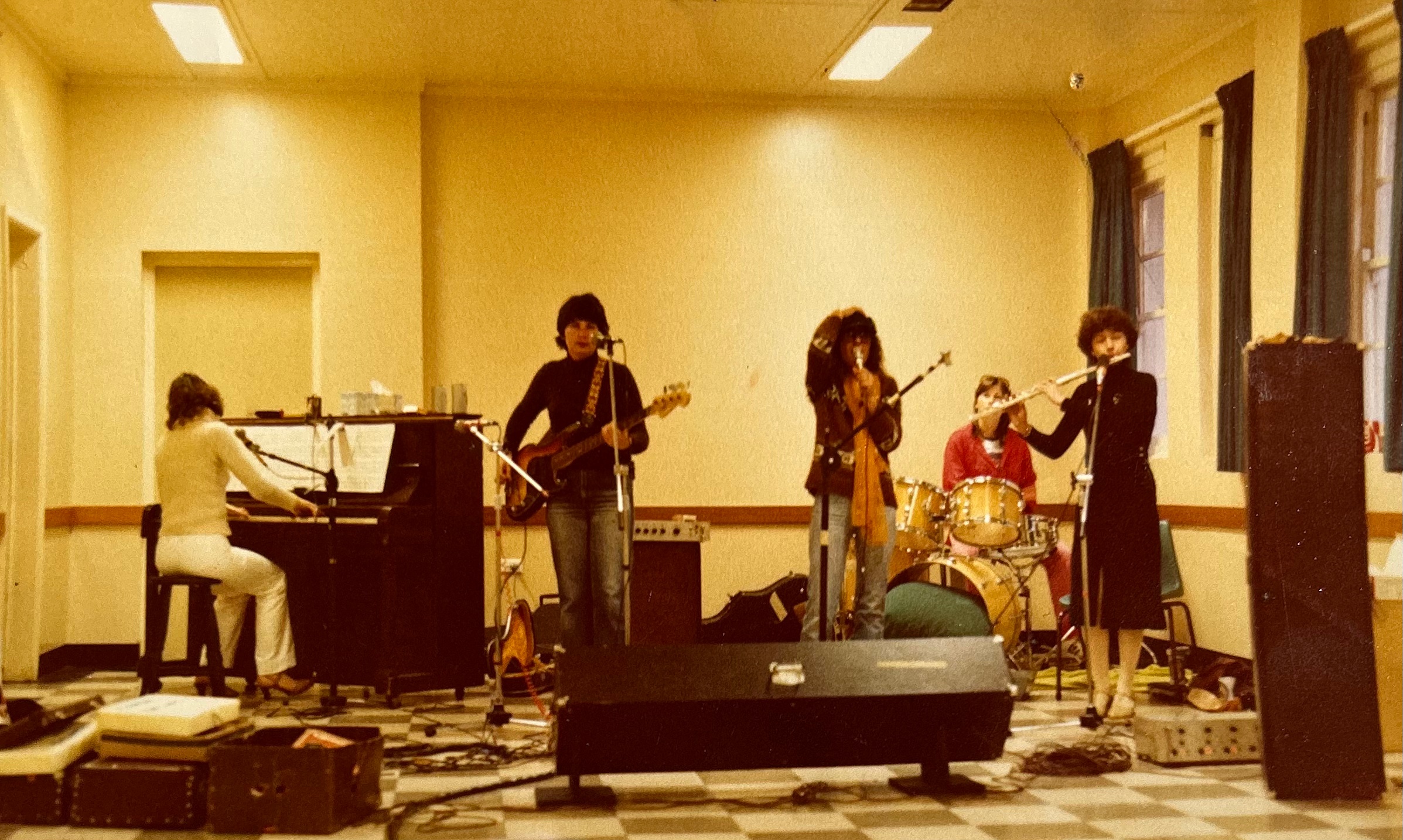
Salvation Jane was an Australian women’s rock band active in Canberra, Australia between 1980 -1985 .
Introduction
First women’s rock band
The band was the first women’s rock band to play regular live gigs on the Canberra pub circuit, performing multiple music genres with an emphasis on rock, punk and folk.
They headlined concerts fundraising for Women’s Refuge and Rape Crisis organisations and performed at events that highlighted feminist issues, workers’ rights and anti-nuclear causes. Salvation Jane’s setlists included songs that highlighted women’s rights, LGBTQIA+ rights and social justice issues.
In 2013 the Centennial of Canberra Committee identified Salvation Jane as one of the notable Canberra bands of the 1980’s.
Collaborations
In 1983 – 1984 Salvation Jane collaborated with the Canberra women’s theatre group Women on a Shoestring. This produced a unique avant-garde style of theatre and music which combined the actors conventional theatre skills with cabaret performance by Salvation Jane.


Recordings
Salvation Jane did not produce any studio recordings in their 5 year career. Decades later some live recordings were discovered in a box of cassette tapes. These audiotapes are mixing desk recordings of some rehearsals and gigs created by Salvation Jane’s sound engineer and Canberra Radio Station 2XX.
Gigs
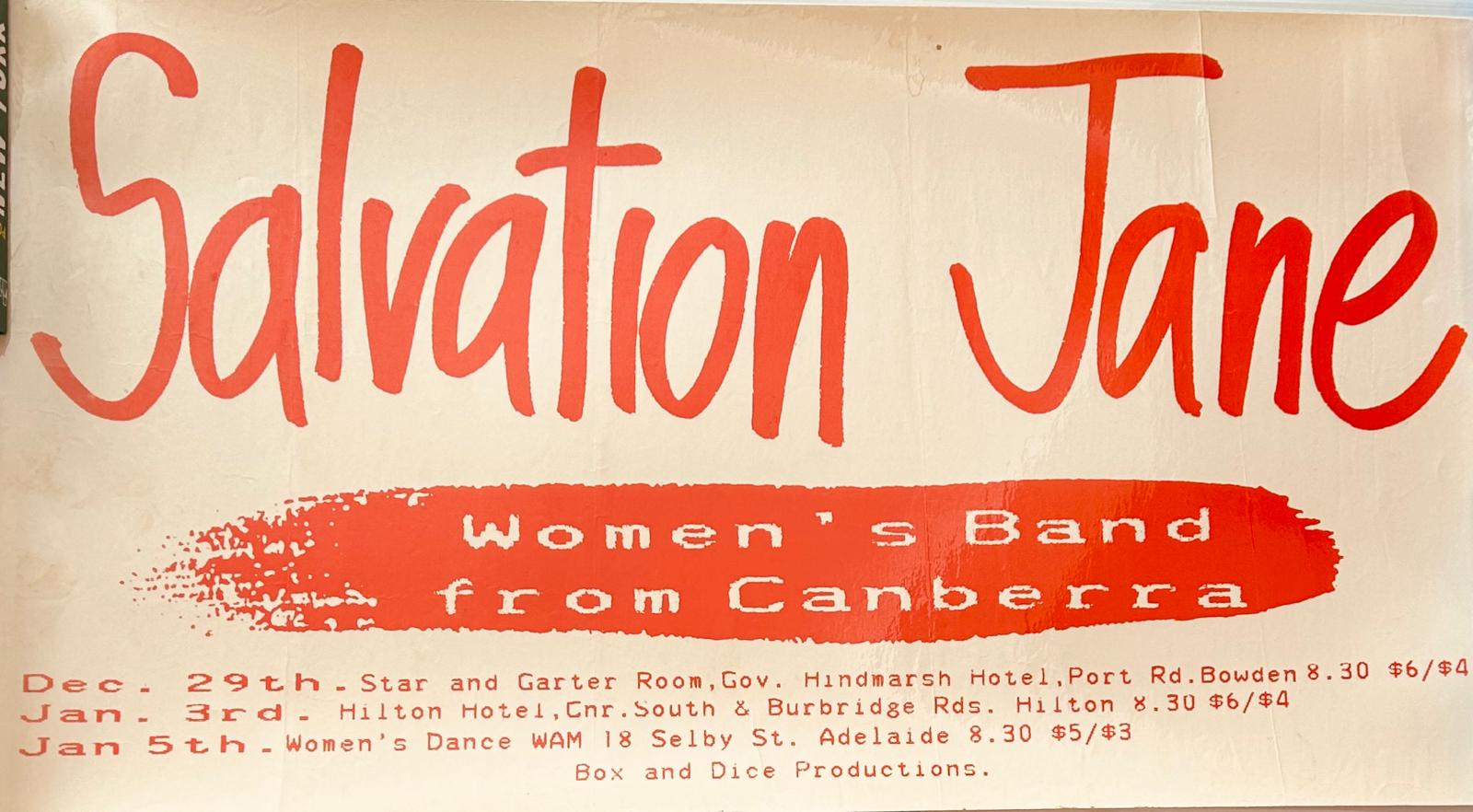
Salvation Jane performed gigs in Sydney, Adelaide and the southern coast of New South Wales before disbanding in 1985.
Personnel
Maureen Cummuskey 1980 – 1985.
Vocals, rhythm guitar, mandolin, bass guitar.
Cascade (Mary) Leggett 1980 – 1985.
Vocals, bass guitar, harmonica, percussion.
Mary McMullen 1980 – 1981.
Keyboards. Vocals.
Virginia Walsh 1980-1981
Flute. Vocals.
Jude Gates 1981–1985.
Keyboards.
Drummers
Tina Tsiamas 1980 -1981.
Carla Respondek 1982 – 1983.
Kate Barnett 1984. Vocals. Guitar.
Cate Carr 1984 – 1985.
Guest Musicians
Molly Jane Ellis. Synthesizer.
Bronny Evans. Flute.
Nancy Nicholls. Saxophone, guitar.
Sound Technicians
Debbie Neuhaus 1980 – 1981.
Salvation Jane:the Beginning
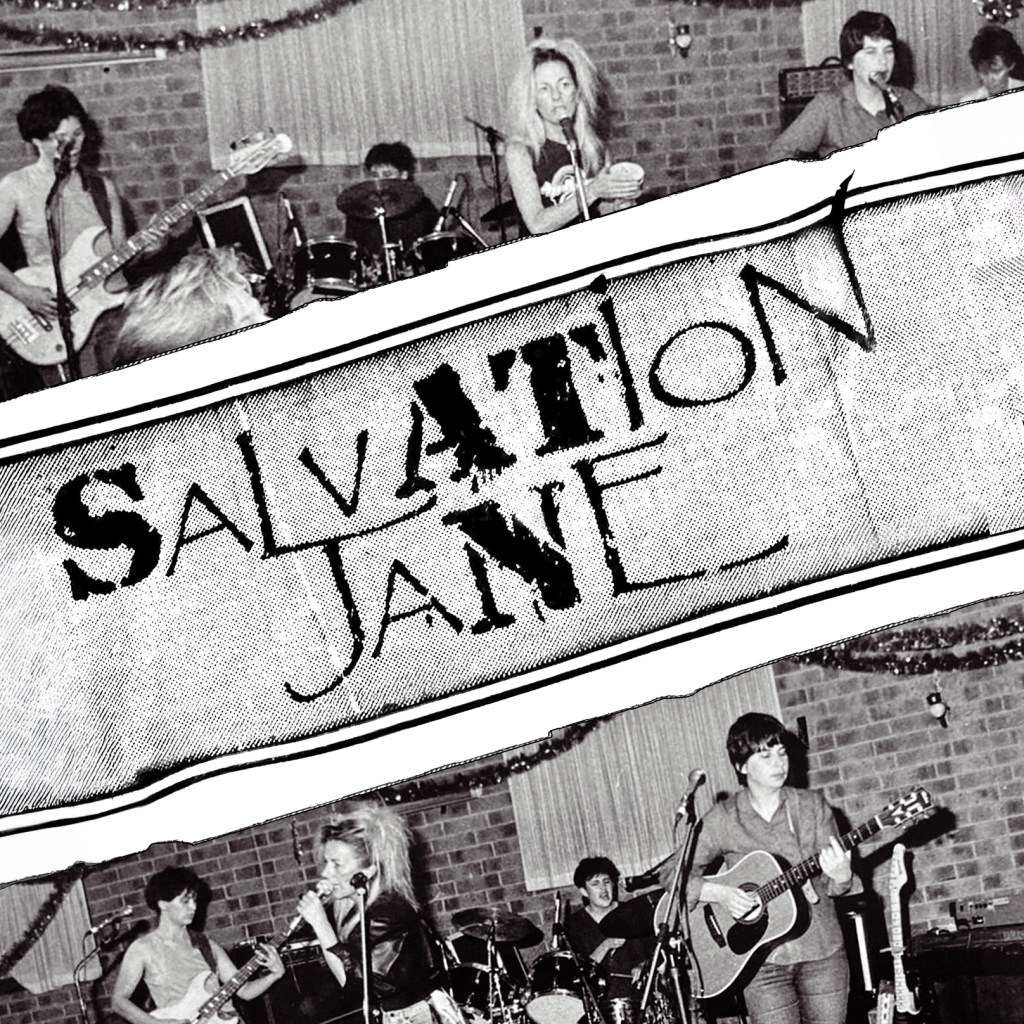
A Q&A session with Salvation Jane founding members Cascade Leggett and Maureen Cummuskey. 40 years later….

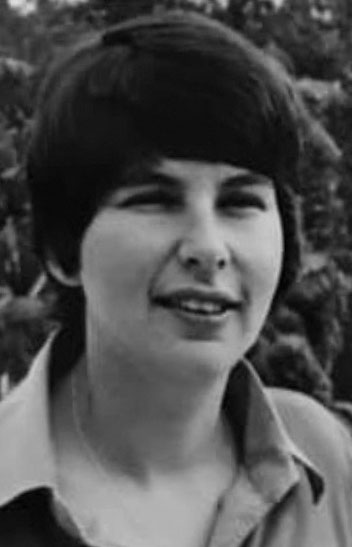
Q: It’s been over 4 decades since Salvation Jane said farewell to the Canberra pub scene, concerts for women’s rights and social justice causes and even a collaboration with Canberra’s women’s theatre troupe. That was a lot to pack into the 5 years you were on the scene from 1980 to 1985. Maybe it’s best to start from the beginning. Why did you call your band Salvation Jane?
A: There’s a plant called Salvation Jane which is also known as Paterson’s Curse and it’s regarded by some people in Australia as a real pest. It’s got a beautiful purple flower which is the colour of the women’s movement and being known as a nuisance fitted with our feminist intentions and subversive humour aesthetic.
Q: Why did you decide to form a women’s rock band?
A: We had done a few acoustic numbers together with other Canberra women musicians in 1979 and early 1980. But we were keen to form a women’s electronic band as it was glaringly obvious that Canberra had no women rock bands. We both liked a mix of music that suited a rock band and we wanted to put feminist activism into performance. We were intentionally a feminist rock band. This included connecting the dots to intersectional issues that impacted on our lives as well. We wanted to tell stories through songs and music that celebrated women’s lives as well as being able to address serious issues that were ignored and marginalised in mainstream rock music.
Q: You performed a combination of rock, folk and punk?
A: Mostly. We developed our setlists based on showcasing and interpreting songs that had a message from a feminist perspective. Then we used a blend of styles to fit the gig. So you could say we used a mashup of genres. We called it ‘ewe-wave music’ as a cheeky response to mainstream media questions.
Q: What was your first gig?
A: A concert in 1980 headlined by Robyn Archer at the Canberra Theatre Centre. We jumped from doing a few acoustic gigs together in small venues straight into what was Canberra’s major performance centre at that time.
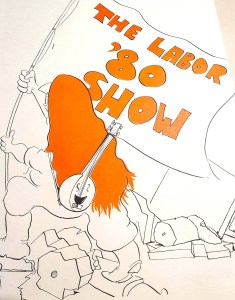
Q: How did that gig happen?
A: An opportunity came along when we were approached to perform at The Labor ’80 Show. Doing a concert with iconic Robyn Archer in this prestigious performing arts centre was scary, exciting and an absolute ‘Yes’! In 2 months we collected a 5-piece band together, purchased or borrowed electronic gear, created a setlist of 7 songs and Salvation Jane emerged.
Q: What was your band set-up for this first gig?
A: Drums, keyboards, rhythm guitar, bass guitar, vocalist. One band member played flute, others added ukulele, xylophone, mandolin and banjo and all band members performed vocals on some of the songs.

Q: That first gig. You performed in a 1200 seater performing arts venue, opened for an prestigious Australian performer and the concert was sold out. How did your debut go?
A: We arrived backstage to be greeted with our own dressing room, a big sign with our name on the door, a huge in-house sound system and professional sound engineers taking us through the sound check. The 7 songs we did were really well received and we were called back for an encore. We had no more songs in our repertoire so we went back out on the stage, apologised for this omission, did a quick bow to the audience and went back to our glamorous backstage dressing room to celebrate.
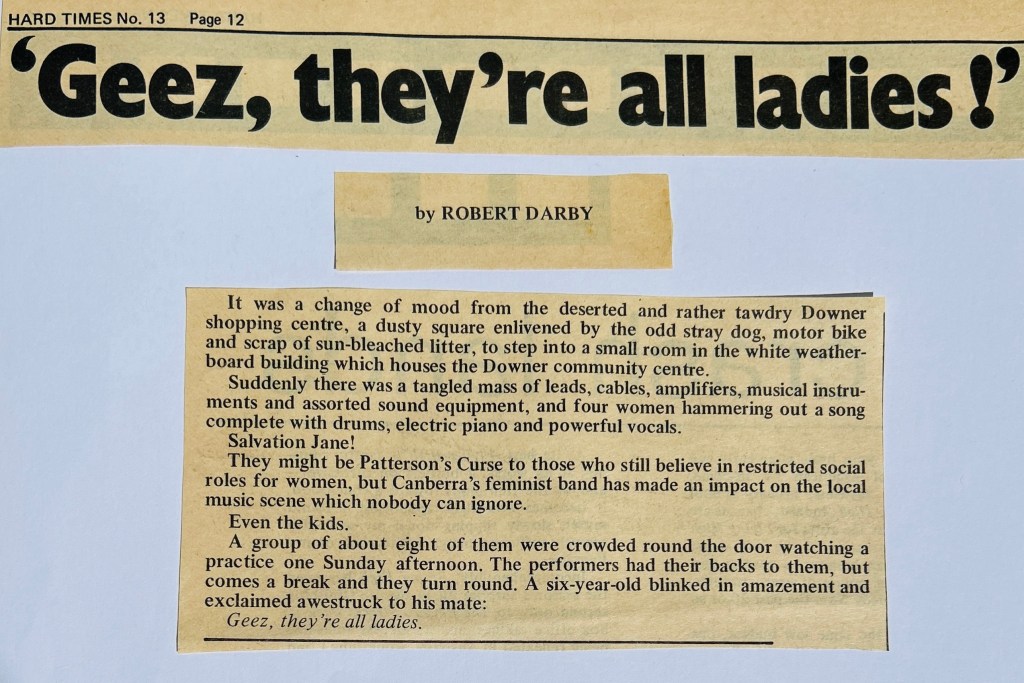
Q: What happened next?
A: After that we started getting offers to perform at other events. So we found a regular practice space and frantically began rehearsing a lot more songs! By early 1981 we were planning how to break into the Canberra pub circuit and had done our first media interview.
Cindy Lou enjoys a meal at Ginger and Spice, Canberra Social and a coffee at The Creamery and Co



These meals were so generous that I asked for a box- two were just enough to take away the leftovers of sizzling beef and a vegetarian meal of eggplant, capsicum and potato. I shall add some ginger to this one when I eat it next. The jasmine tea is always a great accompaniment.


Cindy Lou also ate at Canberra Social on a late-night jaunt to find more ingredients for the meal she is preparing. The meals here were, like Ginger and Spice, very generous. But no boxes needed. The Satay Chicken and a beef burger with a lot of salad…oh, and chips… were great.
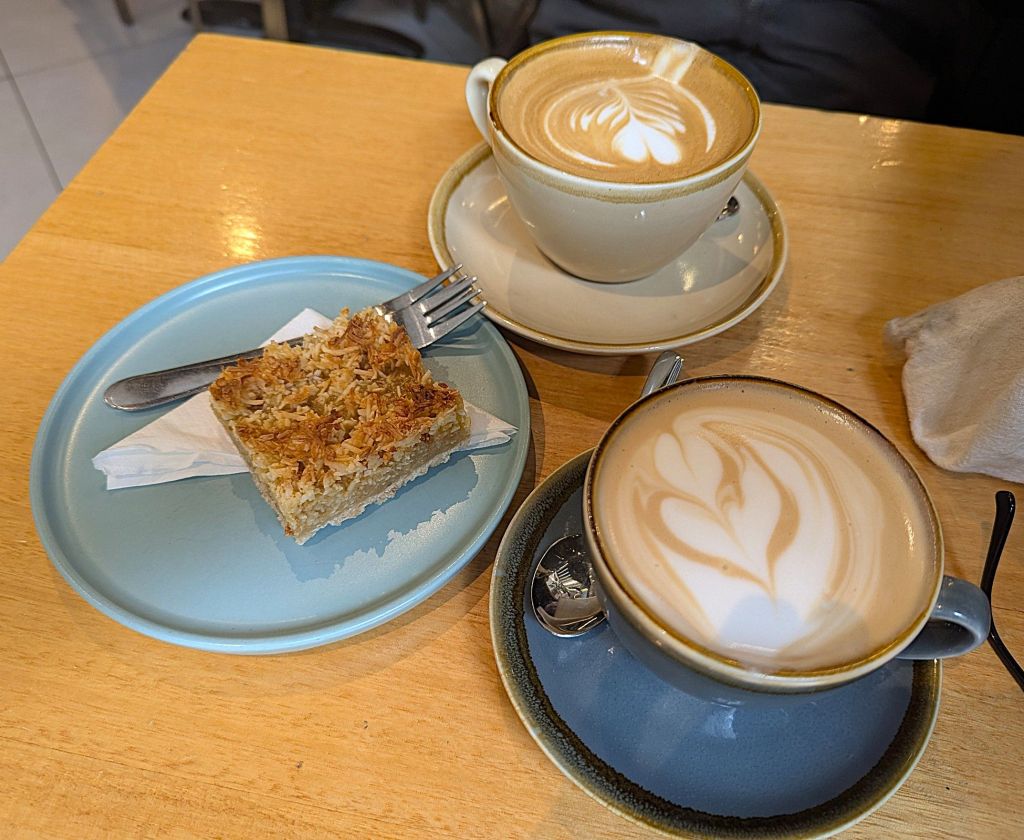
The Creamery and Co has too many delicious looking pastries. This one is a coconut caramel slice.